HOTEL SCOTLAND

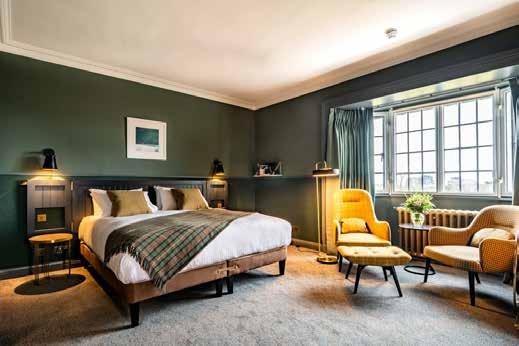
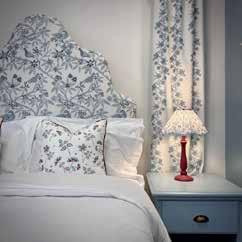
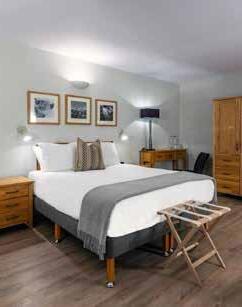

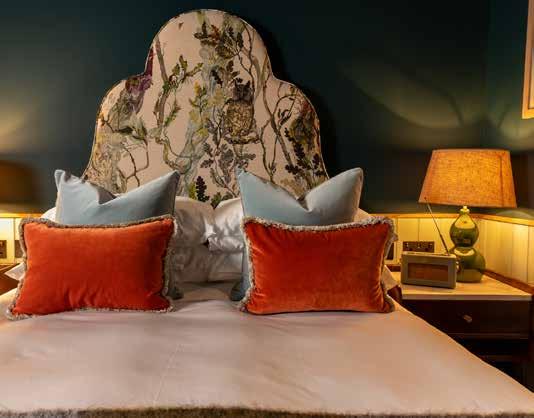
Buzzworks, which has operated The Mill House in Stewarton since 2015, has opened bookings for its new bedrooms, the first time the Ayrshire venue has offered overnight stays.
The move is part of the group’s wider plan to develop pub, restaurant and rooms venues across Scotland, following its recent acquisition of The Bonnie Badger in Gullane and The Nether Abbey in North Berwick.
Each of the new rooms have been designed to reflect the House Collection’s timeless, stylish and comfortable design philosophy, cultivating a modern base for staycations, family visits, golf trips and business travel.
The rooms are available in four categories from snug,
comfy, and spacious to sumptuous,. The styling inlcudes premium linen, statement artwork, Roberts radios and rainfall showers.
Kenny Blair, CEO of Buzzworks, said, “Having opened The Mill House more than a decade ago, expanding into rooms feels like a natural step for the business. This investment allows us to build on what The Mill House already offers, creating a place where guests can enjoy the full experience - whether that be a relaxed meal or drink to a comfortable overnight stay.
“It is also an important part of our wider plans to develop pub, restaurant and rooms venues across Scotland. We’re delighted to bring this offering to life and look forward to welcoming guests for years to come.”

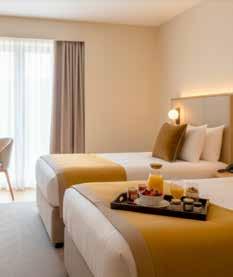
Family-owned Irish hotel group The Address Collective is set to open its newest Scottish property this month, with a 30-bedroom boutique hotel above Glasgow Central Station.
The Address Wren will occupy the top floor of the Category B-listed Caledonian Chambers building on Union Street, bringing a design-led penthouse hotel to one of Glasgow’s busiest city centre locations.
The opening will be the seventh hotel in The Address Collective portfolio and its second property in Glasgow, following the launch of The Address Glasgow in 2023.
The company say that the property has undergone a restoration and refurbishment programme, with the group preserving the character of the building while introducing
modern interiors and guest facilities. The Address Collective also confirmed that the property did not sustain damage during the fire earlier this year.
Brian McGettigan, Co-founder and CEO, said, “The opening of The Address Wren marks another exciting milestone for The Address Collective as we continue to grow our presence in Glasgow and across the UK and Ireland.
“Glasgow has been an incredibly important city for us since opening The Address Glasgow, and with The Address Wren, we wanted to create something more intimate and designfocused while celebrating the heritage and character of this iconic building above Central Station.
“We’re looking forward to welcoming guests and introducing another unique hospitality experience to the city.”
Drysdale & Company has announced the successful sale of The Uig Hotel on the Isle of Skye, acting on behalf of long-standing owners Billy and Anne Harley. The agents secured a swift sale after the property was launched to the market in February at a guide price of £1.45 million, with a formal offer agreed by early March.
Billy and Anne Harley have owned and operated The Uig Hotel since 2013, building a well-established and highly regarded business in one of Scotland’s most popular tourism destinations. The hotel offers 19 bedrooms across the main building and adjoining lodge and has become a recognised base for visitors exploring the Isle of Skye.
The property has now been acquired by Inverlochy Castle
Management International (ICMI), marking the group’s first hotel purchase on Skye as it continues to expand its portfolio within Scotland’s luxury and boutique hospitality sector. The acquisition follows ICMI’s purchase of Knockendarroch House Hotel in Pitlochry in late 2024, also brokered by Drysdale & Company.
Stuart Drysdale, Director of Drysdale & Company, said: “This sale highlights the continued strength of buyer demand for quality independent hotels across Scotland. From launch to formal offer in a matter of days, The Uig Hotel generated exactly the level of interest we anticipated. Billy and Anne created an exceptional business over the past decade, and we were proud to act on their behalf in delivering this successful sale. We wish both them and the new owners every success for the future.”
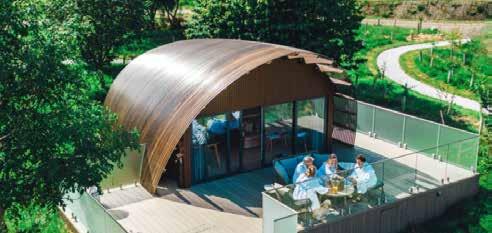
The family behind Woodlands Glencoe is investing for the next generation after securing a £3m funding package from HSBC UK to support expansion and development at the Highland resort.
Set within a 36-acre estate in Glencoe, the luxury resort is owned and operated by the Young family and features 19 lodges with hot tubs, a golf course, boutique food truck and cocktail bar, massage rooms, a wilderness sauna and an activity centre.
The investment marks the latest chapter in a family hospitality journey that began in 1977 when Norman and Jessie Young moved to Glencoe and purchased The Lodge on the Loch Hotel with no prior industry experience.
Their son Laurence Young later built and sold a successful Scottish hotel group before the family launched Woodlands Glencoe in 2007 with the aim of reimagining luxury Highland accommodation.
Today, the business is led by third-generation hotelier James Young, supported by his wife Jess and siblings Katie and Callum. The group was recently recognised at the Small Business Growth Awards, hosted by HSBC and the Federation of Small Businesses, winning the Family Business Award in May. James Young said hospitality is “part of our DNA” and that the funding will accelerate growth and continued investment in the resort’s future development.
Murrayshall Country Estate has relaunched its award-winning fine dining restaurant, Eòlas, following a £1 million investment in its kitchen infrastructure and guest experience.
The investment forms part of Murrayshall’s wider multi-million-pound development programme, aimed at strengthening its position within Scotland’s luxury hospitality and destination dining market.
The upgraded kitchen at Eòlas is designed to support a refreshed food and beverage direction, enabling the culinary team to further enhance menus, service delivery and the overall dining experience. The restaurant continues to position itself as a destination venue for both hotel residents and external diners across Perthshire and beyond.
Gary Silcock, General Manager at Murrayshall Country Estate, said: “Eòlas has always been a very special part of the Murrayshall experience, and this investment allows us to take it to the next level. The relaunch is about more than a new kitchen; it is about reintroducing Eòlas with renewed ambition, showcasing the quality of our food, our service and our setting at the highest possible level.”
The relaunch follows continued investment across the estate, including new luxury selfcatering pods, refurbished golf courses and boutique accommodation, alongside longerterm plans for expanded spa and leisure facilities.
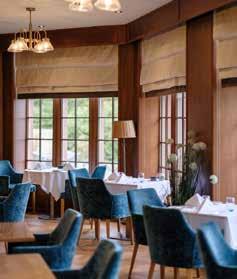
Glasgow’s voco Grand Central Hotel has reopened to guests as part of a phased return following its temporary closure in March following the Union Street fire.
Guests are now able to stay, dine and meet in the hotel, with its interiors, accommodation and key public spaces open again. Some restoration work is continuing around the staircase area.
Champagne Central has also reopened with an updated drinks offer, including a new cocktail menu. Its afternoon tea menu has returned, along with an early evening set menu, while Tempus Restaurant is fully operational for breakfast service.
Marcello Ventisei, General Manager of voco Grand Central, said, “We are incredibly pleased to be reopening our doors today, marking another important chapter in the story of one of the city’s most treasured buildings.
“The outpouring of support we have received over recent months from our guests, neighbours, partners and the wider public
has been truly overwhelming, and we are enormously grateful for the kindness and patience shown to us throughout this period.
“We would also like to once again express our sincere thanks to the firefighters and emergency services, whose professionalism, bravery and swift response during the incident were exceptional.”
voco Grand Central first opened in 1883 and has been part of Glasgow’s hotel scene for more than 140 years.
Marcello continued, “This hotel has been part of the fabric of the city since 1883 and has stood through some extraordinary moments in history. While this has undoubtedly been a challenging chapter, we are proud to be welcoming guests back and looking forward to the future.
“This reopening is particularly exciting for our team, many of whom have worked tirelessly behind the scenes to prepare for the hotel’s return. The spirit of the building, and the affection people hold for it, has remained unmistakably strong..
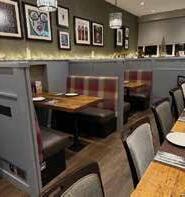
A new all-day Scottish bar and restaurant is to open this month at The Kithmore, the new 44-bedroom hotel opening in St Andrews following a £7.5m renovation of the former Ardgowan Hotel.
Bennie’s will open as a standalone restaurant and bar within the hotel, with its own street-level entrance and a 30-cover landscaped terrace on Playfair Terrace.
The restaurant takes its name from the Bennie family, who were long associated with hospitality at the property. Margaret Bennie’s handwritten recipe book from 1921 has also influenced the food offer, with its focus on seasonal cooking and traditional recipes.
The kitchen will be led by Head Chef Joe Reddie, 28, winner of Scottish Young Chef of the Year 2019. Deputy Manager Caryn Kelly has also joined the team ahead of the opening.
Kathryn McNairn, General Manager at The Kithmore, said: “With just weeks to go until we open in June, there’s a real sense of excitement building around Bennie’s and the hotel opening.
“We’ve appointed a strong management team with Joe and Caryn now on board. From the outset, we wanted to create something that feels like a natural part of St Andrews, a venue that’s as much for locals as it is for visitors to the town.”
“We saw an opportunity to create a space that sits comfortably between a traditional pub and a more formal restaurant – somewhere you can drop in at any time, whether that’s for a coffee, a drink or a relaxed dinner with friends.”
Joe Reddie, Head Chef at Bennie’s, added, “I was drawn to The Kithmore because of its location in St Andrews and the opportunity to create something new from the ground up. It’s exciting to bring my style and passion to a concept like Bennie’s, where there’s a real focus on quality, atmosphere and experience.
My cooking is rooted in fresh, seasonal ingredients and Scottish produce, but with a modern approach. We’ll be creating dishes that feel familiar but with unexpected elements - something that reflects both the heritage behind Bennie’s and a more contemporary way of dining.”.
Gleneagles expands with launch of Frandy
Gleneagles Hotel has opened Frandy, a new wellness and watersports destination located approximately ten minutes from the hotel. The development expands the estate’s outdoor offering with a focus on recreation, nature-based wellbeing and traditional Scottish water pursuits.
Frandy provides guests with opportunities for canoeing, kayaking, and both bank and boat fishing, alongside a wood-fired sauna and cold-water plunge facilities inspired by Scotland’s longstanding contrast-therapy traditions. The site is designed to encourage both activity and relaxation in a natural waterside setting.
Facilities include a central bothy-style hub for equipment storage and guest gathering, as well as an elevated deck overlooking the water. Curated picnic options are available to enhance full-day visits.
The destination supports both guided and self-led experiences, with instructors on hand to assist with water activities and safety.
Frandy forms part of a wider estate investment programme, reinforcing Gleneagles’ continued focus on outdoor leisure, heritage, and wellness-led hospitality experiences.
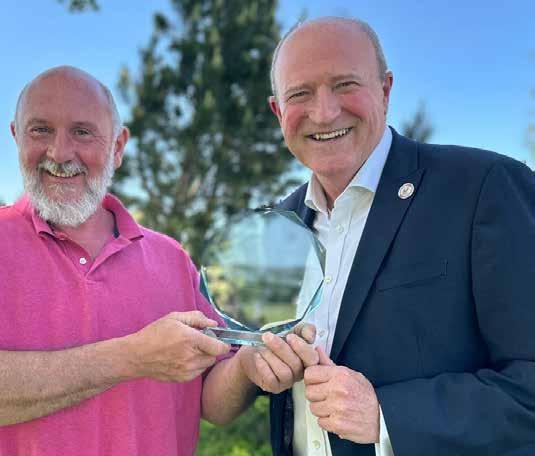
HIT Scotland has presented its highest individual honour, The Industry Award, to Paddy Crerar CBE, recognising his outstanding contribution to Scotland’s hospitality sector.
The award was presented at the charity’s annual Industry Dinner, held at the Hilton Glasgow last week. Crerar, who founded Crerar Hotel Group in 2005 after rising to become Managing Director of British Trust Hotels, has built one of the country’s most respected hotel collections.
A long-standing supporter of HIT Scotland, he served as a trustee and later chair, helping to expand opportunities for learning, development and career progression across the sector.
David Cochrane MBE, chief executive of HIT Scotland, said, “The Industry Award represents the highest level of recognition that HIT Scotland and the industry can bestow on an individual. It celebrates those whose careers have left a lasting mark on our sector and whose leadership has inspired countless others along the way.
“Paddy Crerar, is an immensely worthy recipient. He has demonstrated a huge commitment to people, to excellence and to supporting the growth and development of our industry. He exemplifies everything this award stands for.”
Paddy Crerar CBE said, “This is genuinely one of the most humbling awards I could receive. To
be acknowledged by your peers is something truly special, and the feeling it gives is almost impossible to express in words.
“All I ever hoped to do in life was show people what a wonderful country Scotland is, to help them discover the very best of it. Over the years, I came to properly understand that the best of Scotland is more than its stunning landscapes, its bountiful larder, or even its unbelievable history. The very best of Scotland is the people who live and work here.
“I am extremely grateful to have been part of Scottish hospitality. I owe it everything. I’m also proud to have witnessed our industry grow in confidence, blossom in delivery, and continue striving to do more and do better.”
The evening also saw Alex Equi, brand manager at Equi’s Ice Cream, named recipient of the HIT Scotland Future Leader Award, supported by Braehead Foods.
Since joining the family business in 2021, following her graduation from the University of Glasgow, Equi has helped secure contracts with major wholesalers and supermarkets while supporting the continued growth of the business.
The judging panel was impressed by her drive, determination and support for the industry from the supply side of hospitality, as well as her passion for Scottish produce and commitment to innovation.
Mount Royal Hotel Edinburgh joins The Unlimited Collection
Mount Royal Hotel Edinburgh has completed its move to The Unlimited Collection following the renovation of its 169 bedrooms. It means that the Princes Street hotel is now the seventh property globally to sit under the portfolio operated by The Ascott Limited.
The hotel is also introducing a series of guest experiences tied to Scottish culture while its restaurant and bar, Eidyn, will run a daily ‘Amber Hour’, with complimentary haggis and whisky-flavoured popcorn.
The food and drink offer includes whisky and gin masterclasses, with visiting mixologists and local serves such as the Scottish Spritz. The hotel is also introducing ‘say aye to the pie’, a signature offer built around savoury and sweet pies paired with drinks.
Billy Hughes, Area General Manager UK&IRE at The Ascott Limited, said, “Mount Royal Hotel Edinburgh completing its transition to The Unlimited Collection marks an exciting new chapter for both the hotel and the city. By becoming part of this curated portfolio, the property can offer guests experiences that are deeply inspired by Edinburgh’s culture, traditions, and vibrant heritage, alongside the exceptional service standards The Ascott Limited is known for.”
James Fraser, General Manager, said, “Unveiling the hotel’s new look and feel, and unique immersive offering, is an exciting milestone for Mount Royal Hotel Edinburgh. We’re bringing the city’s culture, history, and creativity to life in every corner of the hotel, from our design and dining experiences to curated local excursions. Our goal is to offer guests a stay that is unmistakably Edinburgh, with moments they’ll remember long after they leave.”
The addition of Mount Royal Hotel Edinburgh follows the recent inclusion of Temple Bar Hotel in Dublin and forms part of The Ascott Limited’s plans to grow The Unlimited Collection in key UK and Ireland destinations.
Aberdeen’s Marcliffe Hotel has unveiled a newly renovated collection of suites and superior rooms following a £1.1 million refurbishment programme.
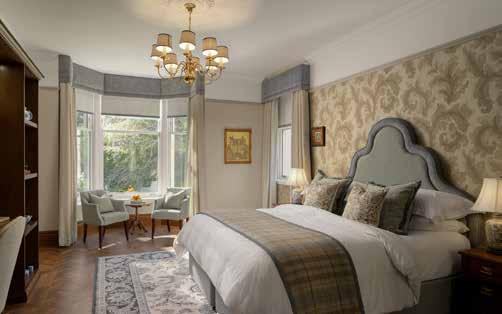
The investment has transformed 13 rooms in total, with each space redesigned to reflect the hotel’s heritage and distinctive character. All rooms are named after iconic Scottish castles and feature the property’s signature “couthie” design theme, inspired by the soft, calming tones of the Scottish landscape. Interiors incorporate layered greens, warm blues and subtle accents of a bespoke Balmoral tartan created exclusively for the hotel’s owners. Curated furnishings, ambient lighting and tailored design details have been introduced to enhance comfort and create a more personalised guest experience.
Responding to growing demand from families, the hotel has also introduced two new Superior Family Rooms. These include bespoke bunk or cabin-style beds with integrated wall-mounted televisions for children, alongside mini bathrobes and slippers. Parents are accommodated in kingsized beds and separate lounge areas designed for relaxation and extended stays.
Managing Director Jordan Charles said; “Marcliffe is going through a multi-year transitional investment programme which began last year and is already delivering tangible results, with an ambitious growth strategy to follow. This latest renovation marks an exciting chapter for the hotel. The Balmoral Suite and Crathes and Fraser Superior rooms launched at the tail
end of last year and generated instant demand, achieving a very strong average daily rate. With six Superior rooms, two Superior Family rooms and two more Suites now complete, we very much look forward to a busy season ahead.”
The hotel was awarded the AA five-star rating in 2025, recognising its standards of luxury and service. Recent expansion activity also includes the acquisition of the neighbouring Woodbank estate, a 14-acre site formerly owned by Shell, which has been earmarked for future development including additional bedrooms and leisure facilities.
Earlier this year, the hotel also opened Skylark Brasserie following a £5.5 million investment and the installation of a new state-of-the-art kitchen, further strengthening its food and beverage offering.
Edinburgh’s hotel development pipeline has reached a record level, according to new figures from the Q1 2026 Hotel Construction Pipeline Trend Report for Europe published by Lodging Econometrics (LE), highlighting the city’s growing role in the UK’s hospitality investment landscape. The data shows Edinburgh now has **20 hotel projects totalling 3,702 rooms**, marking its highest-ever level of planned hotel development and placing it among the most active city markets in Europe.
Across Europe, the hotel construction pieline stands at 1,731 projects and 255,354 rooms, representing a 3% year-on-year increase in both project count and room supply. The UK remains the largest national market in the region with 268 projects and 39,024 rooms, and Edinburgh’s performance forms part of that wider national strength, alongside London, which leads European cities with 72 projects and 12,813 rooms.
The report highlights a pipeline that is increasingly weighted toward future development rather than completed schemes. At the end of Q1 2026, 792 projects (119,106 rooms) were under construction, while a further 335 projects (50,120 rooms) are scheduled to begin within the next 12 months. The early planning stage has also expanded significantly,
reaching a record 604 projects and 86,128 rooms, up 14% and 16% respectively year-on-year, indicating continued expansion in hotel investment activity across Europe.
Edinburgh’s record level of development sits within a broader European trend of growth in upscale and luxury accommodation. Across the continent, upscale chain scale projects total 389 developments with 60,855 rooms, while upper upscale projects have reached 297 developments and 48,479 rooms, a record high for that segment. Luxury developments are also at record levels, with 179 projects and 21,729 rooms, reflecting a continued shift toward higher-end hotel supply in key urban and leisure destinations.
Overall, Europe saw 38 new hotels open in the first quarter of 2026, with a further 281 hotels expected to open over the remainder of the year. Analysts forecast that 319 new hotels will open across the continent in 2026, followed by 311 in 2027, suggesting sustained medium-term growth in supply. For Edinburgh, the record pipeline signals continued investor confidence, supported by strong tourism demand and its role as one of the UK’s most important hotel development markets outside London.


How Scotland’s leading hotels are reducing front desk queues, improving guest satisfaction and creating new revenue opportunities with Canary.
Today’s guests expect the same convenience from their hotel as they receive from airlines, banking apps and online retail. Yet many hotels are still relying on manual check-in processes, paper registration cards and lengthy front desk queues.
For Scottish hoteliers facing ongoing staffing challenges and increasing guest expectations, streamlining arrival and departure has become a competitive advantage.
That’s where Canary comes in. It’s ward-winning Guest Management Platform helps hotels modernise the guest journey from pre-arrival through departure, creating a smoother experience for guests while reducing administrative workload for staff.
The guest experience starts long before they enter their room and with Canary Mobile Check-In, guests can complete registration, verify identification and securely provide payment details before arrival. When they reach reception, staff can focus on hospitality rather than paperwork.
Benefits include:
• Faster guest arrivals and reduced queues
• Less administrative work for front desk teams
• Secure digital ID verification
• Increased guest satisfaction
• More opportunities to generate ancillary revenue
For busy hotels operating with lean teams, those saved minutes quickly add up.

Canary also helps hotels unlock additional revenue through automated upsell opportunities. Guests can be offered:
• Early check-in
• Late checkout
• Room upgrades
• Additional hotel services
Because offers are delivered digitally at the right moment, hotels can increase conversion rates without adding extra tasks for staff.
The departure experience often shapes a guest’s final impression. Canary Smart Checkout allows guests to review charges, receive folios and complete checkout directly from their smartphone. The result is a quicker, more convenient departure process while giving hotel teams greater visibility of room availability and housekeeping schedules.
For properties managing high occupancy levels, that means faster room turnover and improved operational efficiency.
From boutique hotels and luxury properties to multi-site groups, Canary helps hospitality teams spend less time on administration and more time delivering memorable guest experiences.
Canary Technologies is modernising the hotel tech stack with its award-winning AI-powered Guest Management Platform. Digitising guest touchpoints from booking to checkout, Canary’s cutting-edge solutions simplify hotel operations, increase revenue, and elevate the guest experience. Enabling these innovations is Canary AI, the most advanced artificial intelligence model built specifically for hotels.Trusted by over 20,000 hotels in 100+ countries,
Canary powers hospitality at the world’s most renowned brands, including Marriott International, Four Seasons, Choice Hotels, Wyndham Hotels & Resorts, BWH Hotels, and Intercontinental Hotel Group. Recognised as the #1 Guest Experience Platform by HotelTechReport for multiple years, Canary has earned recognition from Deloitte, Business Insider, Fast Company, the American Hospitality and Lodging Association and more.
by Dympna Mckenna
Reviewing a luxury hotel’s website last week, my heart sank when I read this: “Our property boasts 400-thread-count Egyptian cotton sheets, a state-of-the-art fitness centre with Technogym, and complimentary highspeed Wi-Fi throughout.”
My response? Who cares.
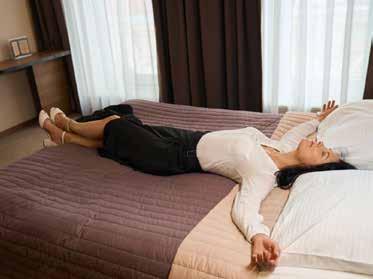
Hear me out. Those are objectively nice things to have. But after 30 years in this industry, I can tell you with absolute certainty that guests don’t lie awake at night fantasising about thread counts. They imagine how it will feel to finally sink into those sheets after a long, demanding day.
That’s the real distinction between features and benefits. And if your marketing isn’t tapping into that psychology, it’s costing you daily.
We’ve all fallen into it. You’ve invested in a refurb. The new Italian marble in the lobby is fabulous. The rain showers are the size of dinner plates. You just hired a Michelin-starred chef for the restaurant. You’re bursting with pride, and rightfully so.
So you list it all. Proudly. Prominently. In bullet points that would make a procurement manager weep with joy.
But here’s the uncomfortable truth: features are about you, while benefits speak directly to your guests’ needs and desires.
When you say “roll top baths in each bathroom”, you’re talking about your procurement achievement, and it gets filed
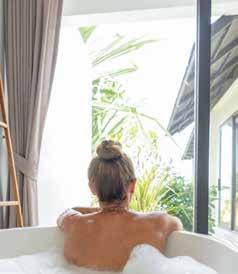
under information. When you tell me, “Soak in a roll-top bath, after a blustery walk along the coast,” you’re dropping me into a moment, and I’m getting all the feels. Which one do you think secures the booking?
Every feature at your property has a benefit waiting to be revealed. Your job is to excavate it. Example:
Feature: “24-hour room service”
Benefit: “That 2 AM craving after a brilliant night out?
Sorted. Hot food delivered to your door in minutes.”
Feature: “Blackout curtains in all rooms”
Benefit: “Sleep until your body decides it’s morning, not when the sun does.”
Feature: “Concierge service”
Benefit: “Don’t stress about transport. We’ll have a driver waiting before you’ve finished your morning coffee. They’ll already know your schedule and which route avoids the chaos.”
Notice what happened? We moved from information to transformation. From things to feelings. From “what we have” to “what you’ll experience.”
After decades of marketing hospitality, here’s what I’ve learned: people book hotels for emotional reasons and then justify their choice.
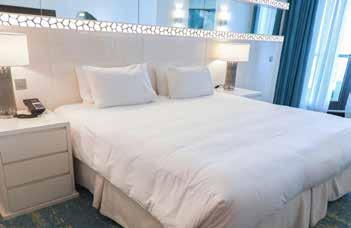
The thread count is the justification, while the promise of a great night’s sleep is the emotional trigger that sealed the booking.
Your corporate guest doesn’t care that you have “ergonomic desk chairs in executive rooms.” They care that they can “prep for tomorrow’s meeting without being hunched on a bed balancing a laptop on their knees.”
Your leisure traveller doesn’t want “a fullservice spa with a treatment menu.” They want “two hours of someone else being entirely responsible for their wellbeing, emerging so relaxed they’ve temporarily forgotten their own name, wrapped in a fluffy robe they’re quietly considering stealing.”
See the difference? One describes a service. The other describes a moment in time.
I encourage you to do this. It can be brutal, but it’s equally crucial to your marketing success. Take your website copy, your brochure, your email campaigns. After every feature you’ve listed, ask yourself, “So what?” and force yourself to answer it from the guest’s perspective.
“We have a dedicated couples’ treatment room.” So what? “So you can actually unwind together, for once.”
That’s benefit-driven messaging. That’s bookable.
This isn’t just about better wording. It’s about
better results. Why? Because time and again, benefit-led messaging outperforms feature-led copy by answering the one question every buyer is asking: what’s in it for me?
When you focus on benefits, you don’t just attract more bookings, you attract the right ones. Guests arrive with clearer expectations, stronger emotional buy-in, and a greater appreciation for what you offer. That leads to higher satisfaction, better reviews, stronger loyalty and less price sensitivity. In other words, better business.
You don’t need to rewrite everything tomorrow. Start small. Pick your three hero features, the ones you’re most proud of, the ones you mention in every sales pitch. Now rewrite them as benefits. Not what they are, but what they mean to your guest.
Test them in your next email campaign, and watch what happens to your engagement rates.
Features tell. Benefits sell. Features inform. Benefits transform. Trust me when I say the thread count will be forgotten about within hours of checkout. But the amazing night’s sleep will be remembered long after.
So stop listing what you have, and start describing the benefits with emotional messaging. The bookings will follow.
Need help translating your features into irresistible benefits? Let’s talk.
Dympna Mckenna is an award-winning copywriter and marketing mentor for Hospitality & Tourism. I help companies and independents supercharge their websites and marketing channels with powerful words so they work harder and smarter!
Contact Dympna Mckenna at dympna@dympnamckenna.com

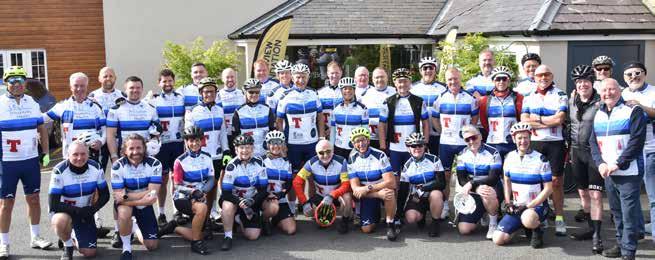
The annual Uncle Bob’s Cycle Event, created by Bob Taylor several years ago, marked its tenth year on 9 June with a record-breaking 37 cyclists taking part and more than £12,000 raised so far in support of Hospitality Health, the Scottish charity dedicated to improving health and wellbeing across the hospitality and tourism sector.
The 53-mile route through Ayrshire once again brought together hoteliers, operators, suppliers and friends from across the industry, with participants travelling from as far afield as Albania and Northern Ireland to take part for the day - underlining the growing reach and appeal of the “Uncle Bob” cycling community.
The day began with an informal breakfast at Bowfield Hotel & Spa before the group set off at 9am. The route took riders through Ayrshire with a coffee stop at Cecchini’s in Ardrossan and lunch at Brisbane House Hotel in Largs, before returning to Bowfield Hotel & Spa for a light meal and finish.
Conditions added to the challenge, with cyclists experiencing “four seasons in one day”, including a hail shower on the climb up the Hailey Brae above Largs, making for a memorable ride.
Bob Taylor said, “We are delighted to support Gordon and the team at Hospitality Health. The day is about getting out and having fun, getting exercise with a group of brilliant people. Please keep cycling after today, it is so good for you!”
Hospitality Health’s Gordon added, “We are delighted to get support from Bob, Steve, Michele, Robert and all the cyclists who took part. It is a perfect fit for what we are trying to do at Hospitality Health. A fit body is
Sleep wellness at The Balmoral as it selects Ava Innes cashmere duvets
The Balmoral, Edinburgh, is embracing natural sleep wellness as a guest experience in 2026, selecting Ava Innes as its luxury bedding for 20 of its premier suites.
General Manager of The Balmoral, Andrew McPherson, comments, “We are delighted to continue evolving The Balmoral’s wellness offering through this latest partnership with Ava Innes, whose approach to craftsmanship, comfort and considered luxury aligns so naturally with our own. At The Balmoral, guest wellbeing is always at the forefront of the experience, and this collaboration brings together a shared commitment to creating deeply restorative moments rooted in quality, care and a strong sense of place.”
Ava Innes is an independent natural luxury sleep brand inspired by the land. Ava Innes makes the patented world-first Cashmere Guard Hair duvets. The hair duvet is weightier than wool, but with superior breathability and temperature regulation, reacting intuitively to body temperature, customers say the duvet is helping them sleep longer, more soundly, and with reduced disturbances.
a healthy mind; there is not a better thing to do than catch up with friends and head out on the bike for exercise and fresh air.”
He added: “You do not give up cycling when you grow old…. You grow old when you give up cycling, is so true when you look at Uncle Bob!”
Support for the event was provided by Steve Graham of Manorview, Michele Pagliocca of Monteleone Group and Robert Campbell, who acted as director of sport and support vehicle lead, ensuring the route ran safely and smoothly throughout the day.
Sponsors included Tennents, Inverarity Morton, Nixon Consultants, Dunns, JSB Windows, Scottish Hospitality Group, The Buff Club, The Marlborough, Singl-end, The Butterfly & Pig, Howies Cider and Manorview Foundation.

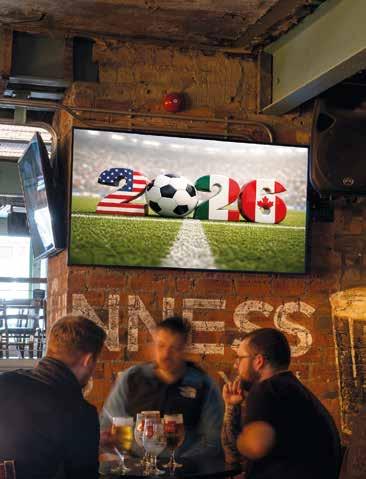
we’ve got everything you need to make sure the drinks and entertainment are in full swing for the big kick off!
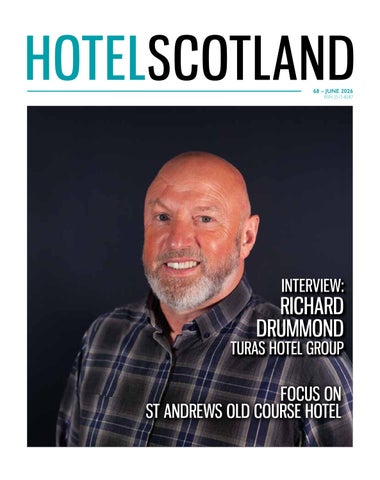
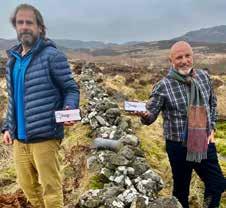
Turas Hotels may be a relatively new name, but the story behind the hotel group is anything but. Richard Drummond, , co-owner alongside business partner Jon Erasmus, has been in hospitality since his teenage years - starting as a kitchen hand and working his way up. SUSAN YOUNG caught up with him at Mackay’s Hotel in Pitlochry.
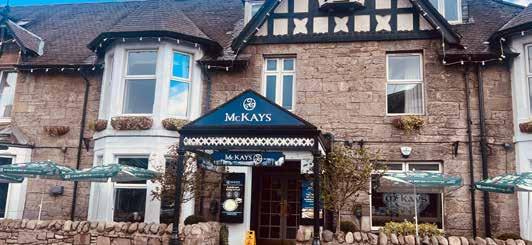
Richard Drummond and business partner Jon Erasmus decided to go into business together 18 years ago over a few beers in the very pub where Richard and I have met for our interview. Their original group was called the J & R Group, which rebranded as Turas Hotels last year.
Richard had come back to Scotland after 20 years working down south, most recently as managing director of a hospitality business in Sheffield with 1,500 staff. He had settled in Pitlochry and opened The Strathgarry. Jon, relatively new to hospitality by comparison, had been running Mackay’s since 2003. He tells me, “To unwind I used to go across the road to Mackay’s for a drink and that’s where I met Jon. We became friends very quickly because we had a lot in common and enjoyed talking and sharing our problems over a pint. Then one day he said, ‘Do you fancy doing something together?’”
In 2007 that thought became a reality when the two borrowed the money to buy the Boat Hotel in Boat of Garten, formalising the arrangement with the creation of the J and R Group. Mackay’s also became part of the new business. “Over the years we’ve got to know each other completely - but we’re very different people. I’m the operator and look after the operational side and people, and Jon, who comes from an IT background, handles the finance, systems and structure. It’s like a marriage. We’ve had arguments over the years, but we’ve stuck at it because we really complement each other.”
He recalls an early panic call from Jon when the two took over the Boat Hotel. “We did
our big introductory speech to the staff, all full of enthusiasm. Then I came to Pitlochry for meetings and suddenly I had five missed calls from Jon. He told me, ‘The whole kitchen’s walked out.’ So I jumped back in the car and headed straight over and took charge in the kitchen. That’s the difference experience makes - I just walked straight in and dealt with it. Something Jon wasn’t able to do because he didn’t have that skillset.”
Over the course of the last two decades the two have weathered two recessions and a pandemic. The first recession couldn’t have happened at a worse time. “We were still a young company and had borrowed heavily when the financial crash hit. Jon had a young family at the time, my kids were older, so the pressure on him was unbelievable. And the way the banks treated people was terrible. Somehow we got through it - just.”
Once back on their feet, the two continued growing. The fish and chip shop and B&B next door to Mackay’s came up for sale and they bought it. In 2015 they acquired The Seaforth in Ullapool. “Buying the next door property was one of the best decisions we ever made because we could finally knock through the wall and properly connect everything together.”
Their latest acquisition came last year - the Cairngorm Hotel in Aviemore. “It was a great fit for us because it has the same kind of mix we believe in: rooms, food, entertainment, community.”
Meanwhile Jon and wife Victoria had separately built the Glen Mhor in Inverness into a substantial operation, purchasing neighbouring buildings and converting them into hotel accommodation and apartments. Last year the
decision was made to bring all their hospitality businesses under one group, and the J and R Group rebranded as Turas - meaning ‘Journey’ in Gaelic. “There was a fair bit of duplication across the two businesses. I kept saying to Jon, ‘We need to think like a group - one marketing team, one management structure, one identity.’ We always intended to build a hospitality group, but growth happened in stages rather than by plan.”
It has certainly been a journey for Richard. He grew up in Gourock and left school at 15, finding work in hospitality in Skelmorlie. “I was a complete apprentice when I started in the kitchen, but I only decided to pursue it as a career after helping my boss cater an event at Hampden for STV. All the cameramen and presenters were there - I was starstruck.”
After four years in Ayrshire, he and two friends secured jobs at Gleneagles on the recommendation of a chef he admired. “It was like being in the army. The regime was unbelievable, but it gave you standards that nothing else could. We did the NATO conference, Henry Kissinger visited - starstruck doesn’t even cover it. The training was first class.”
After Gleneagles he travelled to Switzerland with a friend, then returned to take a job at the Garden House Hotel in Cambridge - where one of those turn-left, turn-right moments occurred. Invited out by kitchen colleagues to a nightclub despite being skint, he ended up meeting part-owner Steve Thomas. “He said to the group, ‘We need some chefs over the next few weeks - can anyone help?’ So I put my hand up. Cash in hand, a few pints - and I did that for six weeks alongside my day job.”
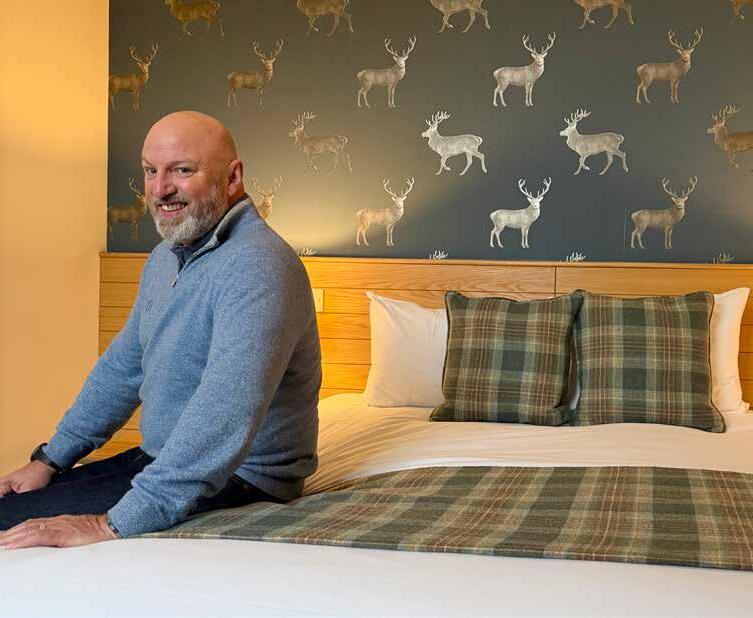
Six months later, when Steve Thomas was opening another club, Richard was offered a job - not as a chef, but as assistant manager. “I phoned my mentor John, who said, ‘Do it for six months. You’ve got nothing to lose - if you don’t like it you can always go back to cheffing. But if you don’t go, you’ll never know.’ It was the best piece of advice I’ve ever been given.”
The club was called Parnell’s, and Richard fell in love with it. “Steve Thomas, outside of Gleneagles, was one of the most standardsdriven operators I have ever worked for. Every night before we opened, everything was inspected - uniforms, nails, the lot. Every Monday morning I had to produce a stock result on an abacus. If you didn’t get it right, it was like being called to the headmaster’s office. But it gave me a real grounding in business.” His real strength, though, was front of house. “Steve always said I was one of the best front men in the business. I knew how to fill a
room - and that’s what nightclubs are all about. Parnell’s became one of the most successful in Cambridge. We were busy every single night - except Fridays. So we came up with an idea: free admission if you turned up with a banana. The queue was round the block. People were queuing to get in with a banana.
“Steve was in Luton when I called him with the numbers and he drove straight to Cambridge, arriving absolutely buzzing. Then the doorman told us there was a young boy nearby selling bananas for 50p and asked if we wanted him moved on. Steve said, ‘He’s bright. He deserves it.’ It became one of those wacky things people remembered.”
He rose to General Manager as the company changed hands several times through the 1980s, eventually landing at Whitbread. “It was such an exciting company to work for - bringing in all these new concepts. There were new divisions appearing constantly, and it was a really exciting
time. I just kept getting promoted.”
When Whitbread sold the entertainment division, Steve Thomas was creating Luminar Leisure, and Richard helped open some of its first venues. “I opened the first Luminar Leisure business - Manhattan in King’s Lynn. Steve was incredibly clever. He created concepts in smaller towns before anyone else really understood the market.”
By his early 30s, though, Richard knew he’d done his bit in nightclubs. Steve helped arrange a move back to Scotland, running five pubs in Glasgow for Coronation Inns which included The Pot Still and The Maltman. “I didn’t enjoy it. Compared to what I’d been doing before, it felt very controlled and corporate. It just wasn’t me.”
Then Steve called again. “He said, ‘You don’t fancy coming back, do you? Come down and have a look at this business in Sheffield.’ I went on a Saturday night and said, ‘Steve, this needs
surgical improvement.’” It was Steve’s first venture into a major city, and it wasn’t working - except for a small upstairs room running a private club night. “We opened the door and this tiny room was absolutely alive, packed. It was the beginning of house music - some of the first people bringing it into clubs before it went mainstream. We did a deal and I came back. But after another year I realised my heart wasn’t really in it anymore.”
Richard then took a detour into drama, studying for a year in Sheffield while keeping his hand in with hospitality. He saw an advert for auditions at the Crucible Theatre for Rock Island Diner - at the time the London Pavilion site was one of the busiest bar-restaurants in Britain. “I went along and honestly felt ancient. Everybody there was young, energetic, singing and dancing. I was just about to leave when the casting director came over and said, ‘You’re exactly the sort of person we’re looking for’ - and offered me a management role. I said no, I just wanted a part-time job. But I ended up staffing the whole place, bringing in my brother Peter and building the team from scratch.”
He eventually joined his brother in London, where the operation was doing extraordinary volume. “On a Saturday night the queues went all the way down the escalators - they actually had to switch the escalators off. It was one of the best concepts I’ve ever seen. The only problem was it was incredibly difficult to operate because every member of staff had to perform as well as serve. In London that was easy because everybody was an actor. In Sheffield, not so much.”
After about a year, Richard got serious again and worked his way up to Operations Director, running around fifteen restaurants across five or six locations. He was then headhunted by financier Lawrence Wosskow and the two started a company called Out of Town Restaurants - literally from a blank sheet of paper. “Within about four years we’d built it into a £30 million company. It nearly killed me. We opened sites in pretty much every major shopping centre in Britain, acquired two
other companies, and at one point had around a thousand staff. We nearly sold to a major company but the deal collapsed, and I thoughtmaybe it’s time to move on.” He and Lawrence shook hands, and Richard headed to Pitlochry. “I have no regrets. I loved it coming here.”
Back in the present, Turas now employs close to 300 people at peak season, with a clear ambition to grow the year-round element of the business. “The Seaforth will always be seasonal - you can’t really change that. But what we’re trying to do in Pitlochry and places like that is create more of an all-year-round business.”
One of the opportunities the rebrand has unlocked is the ability to offer Highland packages across multiple properties, with guests able to move between hotels and earn loyalty rewards through the new Turas Rewards scheme. “That’s important for locals too. If local people are spending money with us regularly, they should feel rewarded for that.”
The company has also been innovative in how it tackles staffing. “We bought a hotel in Ullapool purely for staff accommodation. Without accommodation you simply can’t operate in remote areas anymore. And because we invested in that, we’ve managed to keep returning staff year after year. A lot of businesses didn’t have the foresight to do that.” More recently, Turas has opened an office in South Africa as part of its approach to recruitment. “Staffing has become one of the biggest challenges in hospitality, so we had to think differently.”
Victoria Erasmus has also become more involved across the whole group, bringing strengths in people management, marketing and sustainability.
There has been occasional criticism alongside the growth - particularly at the Cairngorm Hotel, where changes to some long-running entertainment nights upset locals. “If something no longer works commercially, you have to adapt. That doesn’t mean we don’t support live music - across the group we spend about a quarter of a million pounds a year on live entertainment. It’s a huge part of what we do.”
The move to go cashless after COVID also drew controversy. “From our point of view it made sense. There are no banks left in most of these towns, and you don’t want young managers walking down the street carrying cash anymore. That world’s gone.”
Alongside the hotels, Richard and Jon also established HOP, a hospitality technology business. “When we first created it, all the tech side was completely over my head. But the minute it became about people, sales and customer service, I understood exactly where I fitted - because hospitality systems still come down to the same thing: helping people and creating value. Now we’re sitting alongside major players in the market, and I genuinely believe our product is as good as theirs. What we still have is personal service. We haven’t lost that human side, and that comes directly from my hospitality background. I speak the language operators understand because I’ve lived it.”
Asked what still gives him the buzz, Richard doesn’t hesitate. “People. Customers and staff. There’s nothing better than seeing young people come into hospitality with nothing much behind them and suddenly find opportunities. That’s what this industry can give you - travel, security, friendships, experiences. You meet people you’d never otherwise meet.
“The most important thing in hospitality is training. How well do you train your staff? How much time do you invest in them? I was lucky because I learned from real professionals. We’re at a size now where we’re not too big and not too small - we can still put proper training programmes in place and create real opportunities. Whether people stay with us forever or move on, that’s hospitality. The people I worked for were proud when I moved on and did well, and I always wanted to create that same environment.”
He smiles. “I always say if I wrote a book it would be called ‘Shit Happens’ - because that’s the industry. You can’t predict anything.”
That may be the case, but I have one prediction - I think Turas Hotels will go from strength to strength..
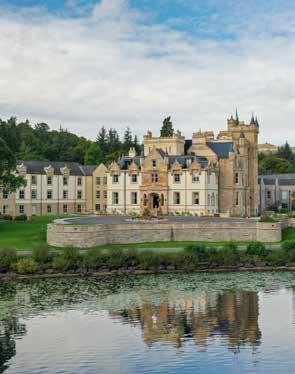
KSL Capital Partners has sold Cameron House on the shores of Loch Lomond to London-based Victory Group for approximately £100 million,
Victory Group founder Erik Moresco commented, Cameron House combines breathtaking beauty, heritage and luxury. We are excited to be entering the Scottish market and continue to see the UK as a compelling environment for long-term investment.”
The hotel joins the group’s growing collection of hospitality assets across Western Europe, including the Fairmont Grand Hotel Geneva, the largest five-star hotel in Switzerland, reinforcing our conviction in exceptional hotels in globally significant locations.
The transaction marks only the second hotel in Scotland outside Edinburgh to surpass the £100 million threshold, and just the third in the country overall.
The benchmark for Scottish hotel sales remains the 232-room Gleneagles Hotel, which traded for £140 million in June 2015, while Edinburgh’s 244-room W Edinburgh changed hands for £100 million in April. Cameron House has 208 rooms.
KSL acquired the asset in November 2015 from Canyon Partners Real Estate and Bain Capital, via QHotels. Canyon and Bain had themselves acquired it only months earlier as part of a six-hotel, 850-room portfolio from De Vere Group for £160 million. Historical data indicates De Vere acquired Cameron House for roughly £35.3 million when it had 140 rooms, while KSL’s entry price is estimated at £70–80 million.



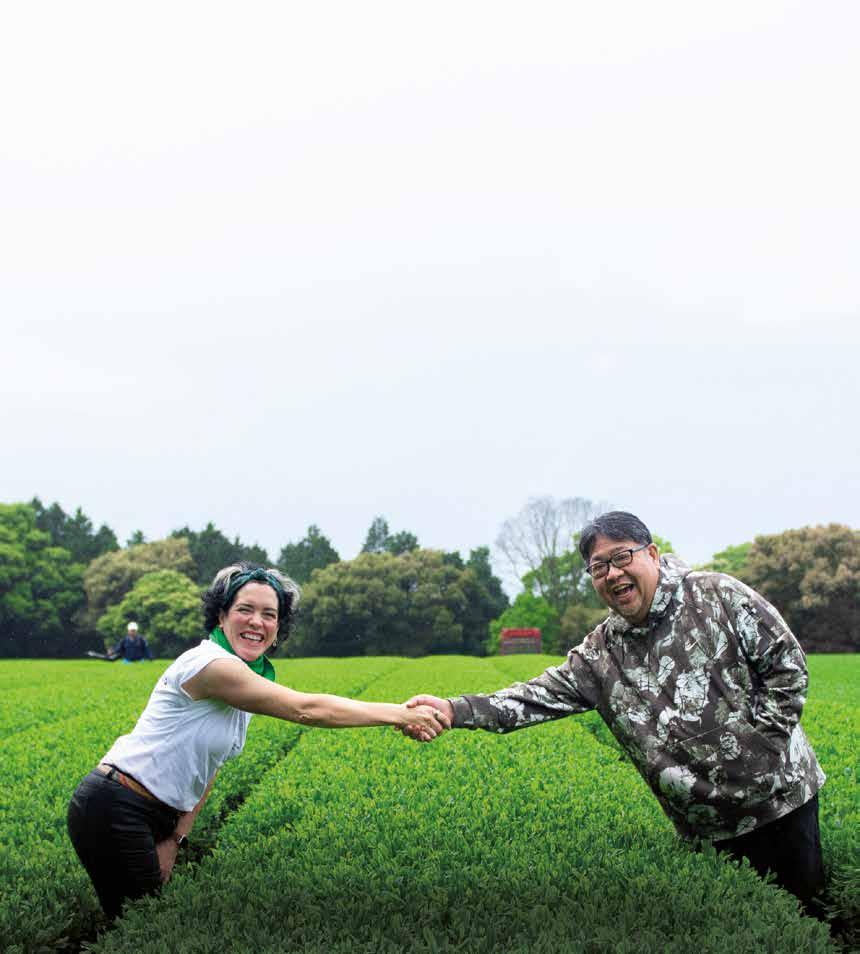
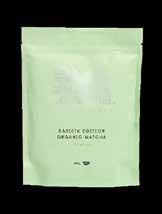
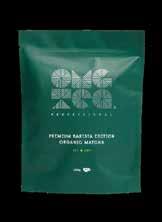
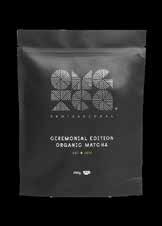
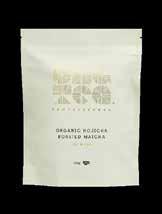
Sourced from the tea fields of Kagoshima, Japan, OMGTea offers high-grade organic matcha of exceptional quality and provenance.
Our range of foodservice matcha is crafted for hospitality, delivering vibrant flavour, consistency and versatility across menus, from traditional tea to modern matcha drinks and innovative desserts.
Proudly served at Herb’s, at the Old Course Hotel, St Andrews
by Susan Young Herbs
St Andrews’ Old Course Hotel has long traded on its setting - the wind off the West Sands, the rooftops of the town, the famous links stretching out below. Now, a programme of refurbishment ensures the interiors live up to the view.
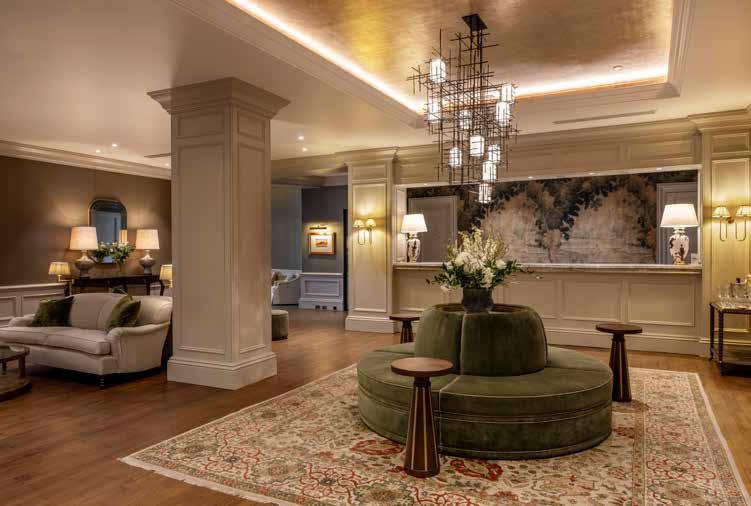
At the heart of the transformation is a redesigned lobby, developed in collaboration with Richmond International. The brief was to create something that felt a genuinely rooted in place rather than generically luxurious - and the result draws on the natural landscape surrounding St Andrews, combining revived wood panelling, layered textures, contemporary lighting and refined soft furnishings. It sets the tone from the moment guests arrive.
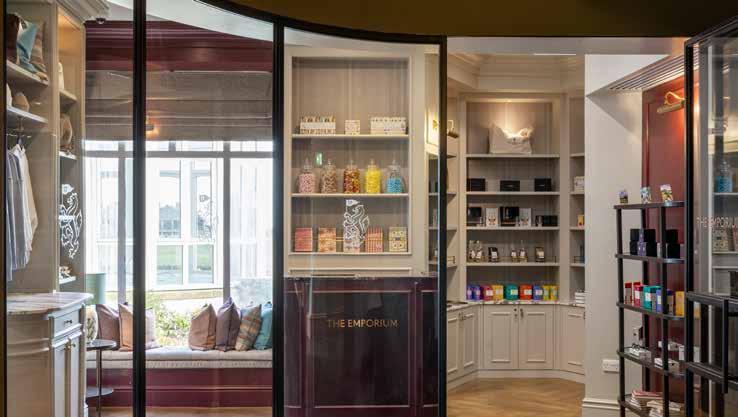
Off the lobby, The Emporium is a new boutique retail space that leans into Scottish craftsmanship, with handcrafted timber displays and floor-to-ceiling glazing which frames a curated edit of luxury gifts, travel essentials and keepsakes from luxury brands.
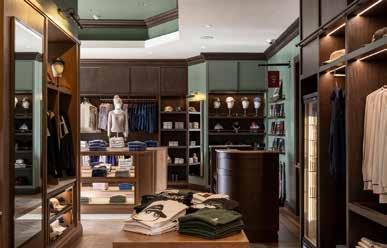
Retail design specialist Unwin Jones Partnership shaped both The Emporium and a refurbished Pro Shop, balancing premium presentation with practical functionality. Unwin Jones Partnership, has worked in partnership with the hotel for over 20 year continues to deliver a programme of exciting projects at the Old Course Hotel in St Andrews, transforming and remodelling public zones to enhance guest experience and the hotel’s status as one of the world’s leading destinations. The practice has supported OCH with Architecture and in recent years has been entrusted to include interior design as part of the delivery of these prestigious projects.
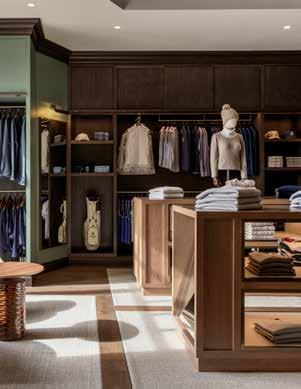
Said a spokesperson, “The UJP team is immensely proud to continue its association with the Old Course Hotel in delivering these prestigious developments. It continues to work closely with the Hotel team, to complete complicate and challenging projects in a live hotel environment. The complete projects are a credit the full design and delivery team working in tandem.”
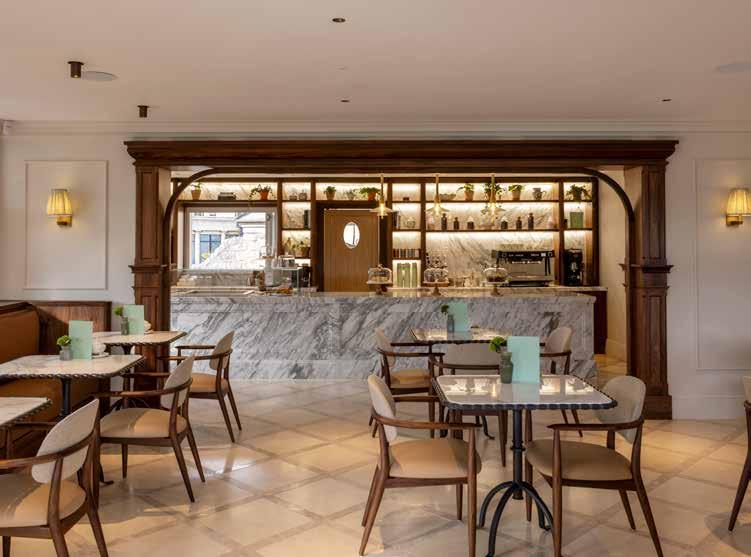
The food and beverage offer has been reimagined too. Herbs, a new standalone coffee shop at the hotel entrance, pitches itself somewhere between neighbourhood café and destination spot - indoor and outdoor seating, wellness-focused menus, a relaxed European atmosphere that welcomes locals and guests alike. Speciality teas from matcha brand OMGTea feature alongside seasonal breakfast options and smoothies.
Katherine Swift, founder of OMGTea, said it was exactly the kind of partnership that reflects where the category is heading. “St Andrews is iconic, the home of golf, and a setting where standards are exceptionally high,” she said. “Partners like this are helping shape matcha’s future as a premium, respected category in the UK.”
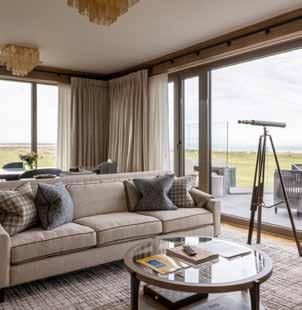
Upstairs, selected guestrooms have received new soft furnishings, while the Penthouse Suite and Royal & Ancient Suite have been fully refurbished. The palette draws on the colours of the coastline - a deliberate attempt to strengthen the connection between room and landscape.
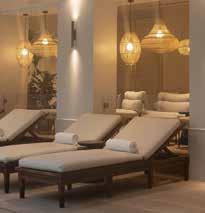
The wider investment programme also encompasses refreshed dining spaces and the reopening of Kohler Waters Spa. General Manager Phyllis Wilkie says the ambition running through all of it is consistency of experience. “From the redesigned lobby to The Emporium and our new Pro Shop, each space has been thoughtfully crafted to enhance comfort, style and experience,” she said. “Herbs adds a vibrant, contemporary dining spot - a relaxed place to enjoy coffee, food and shared experiences.”
For a hotel whose identity is so tied to one of the most recognisable locations in Scottish sport, the challenge has always been to complement rather than compete with the setting. This latest phase suggests the balance is being struck..
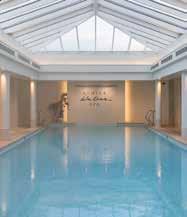

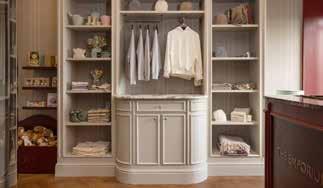
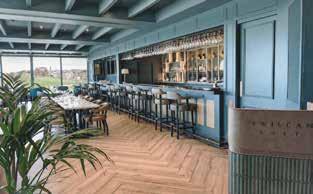
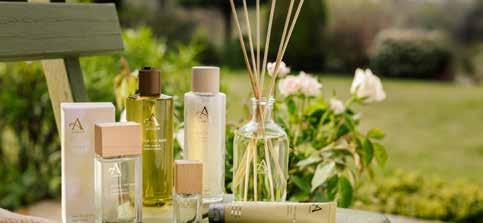
Andrew Russell, Director of Sales at ARRAN Sense of Scotland, has been part of the business for 30 years and is a member of the founding family. With three decades of experience and a deep personal connection to the brand’s island roots, Andrew understands exactly what makes ARRAN such a meaningful partner for hotels.
In this interview, he shares how carefully chosen amenities can elevate the guest experience, strengthen a hotel’s sense of place and leave visitors with a lasting memory of quality, care and Scottish provenance.

1. What makes the brand so special to you?
“Well, for me it’s deeply personal. I’ve grown up with the brand and been part of the business for 30 years, so I’ve seen ARRAN evolve from a small island company into a recognised premium Scottish brand.
What’s always remained the same is the authenticity behind it. Everything still comes back to the Isle of Arran - the landscape, the atmosphere, the sense of calm and natural beauty. That connection to place is genuine, and I think people really feel that when they experience the products.
I’m incredibly proud that even as we’ve grown, we’ve stayed true to our roots and our commitment to quality. ARRAN has always been about creating products that make people feel something. Our purpose is to “help the world connect with nature”, whether that’s comfort, luxury, nostalgia or a reminder of a special stay in Scotland.” - All of this supports the wellbeing of the guest.
2. Why are hotel amenities such an important part of the guest experience?
“I think amenities are one of those details that guests genuinely remember. They’re a very personal part of the stay and they say a lot about the level of care and attention a hotel puts into the guest experience.
Today’s guests are much more conscious of quality and authenticity. They notice the fragrance, the presentation, the feel of the products — all those small touches contribute to how a stay feels overall.
Fragrance in particular has a real emotional power. Guests might not remember every detail of a room, but they’ll often remember how a place made them feel. The right amenities help create that emotional connection and can leave a lasting impression long after they’ve checked out.”
3. How does ARRAN help hotels create a stronger sense of place?
“One of the things ARRAN does particularly well is bring a genuine sense of Scotland into the guest experience.
Our products are inspired by the Isle of Arran itself - the coastline, the fresh air, the botanicals and natural surroundings - so there’s a real authenticity behind the brand.
Hotels today are looking for ways to create experiences that feel distinctive and memorable rather than generic, and ARRAN helps them do that. Especially for visitors the products become part of their overall memory of the trip. It’s not simply about supplying toiletries - it’s about helping hotels create atmosphere, character and a stronger connection to place.”
4. What should hotels look for in an amenities partner?
“I think the most important thing is finding a partner whose products genuinely reflect the standard and identity of the hotel.
Of course, quality is essential - guests notice that immediately — but it’s also about brand alignment and authenticity. The amenities should feel like a natural extension of the hotel experience rather than just a functional item in the bathroom.
Hotels should also look for reliability, consistency and a partner who really understands hospitality and the importance of guest perception. My golden rule is “never upset a housekeeper!” - working closely with a client to ensure the engine room of the partner property is supported.”
5. What makes ARRAN such a compelling choice for hotels?
“I think ARRAN offers something quite unique because we combine premium quality with genuine Scottish provenance and a very strong sense of place.
The fragrances, the presentation and the overall experience feel luxurious but also warm and authentic, which resonates strongly with guests.
There’s also real depth behind the brand. We’ve built ARRAN Sense of Scotland, carefully over many years and hospitality partners value the consistency, service and trust that comes with that”
For hotels looking to create a more considered, memorable and premium guest experience, ARRAN Sense of Scotland offers more than beautifully fragranced amenities. It offers a genuine connection to place, a story rooted in Scottish island heritage, and products designed to leave a lasting impression long after check-out.
You can find out more about becoming a Hotel Partner here - https://arran.com/pages/hotel-amenities
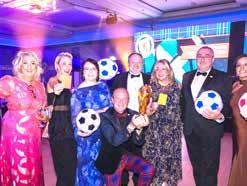
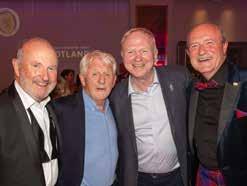

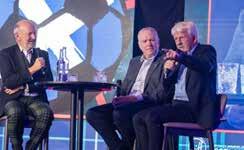
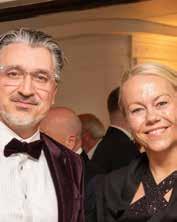
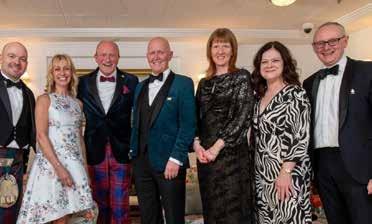
At the HIT SCOTLAND ANNUAL INDUSTRY DINNER on 4 June at the Hilton Glasgow, a World Cup- themed evening brought together the hospitality sector for a night of celebration and fundraising. Scottish football legends Alex McLeish and Gordon Strachan were interviewed on stage by Fred MacAulay, sharing stories from their World Cup careers. The event also saw Paddy Crerar CBE recognised with the the Industry Award, while the HIT Scotland Future Leader Award was presented to Alex Equi, recognising emerging talent in the sector.
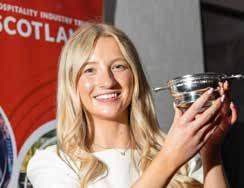
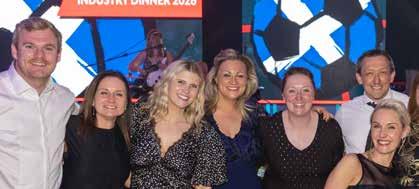
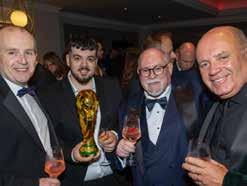
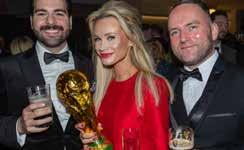
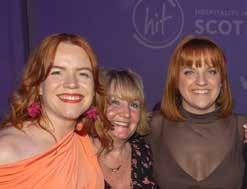
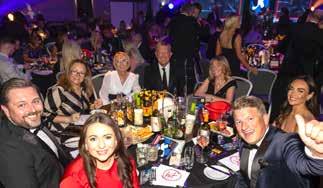
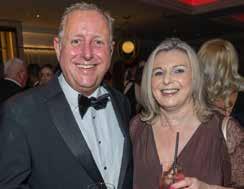

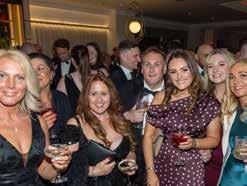
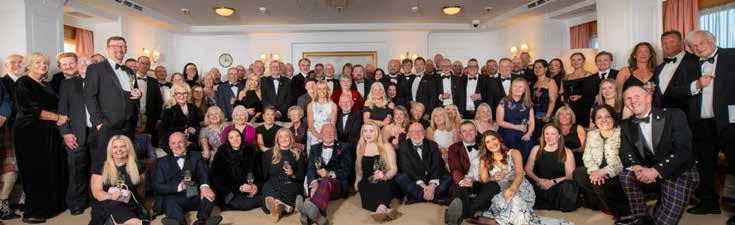
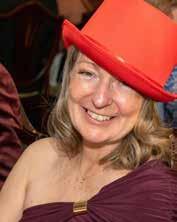
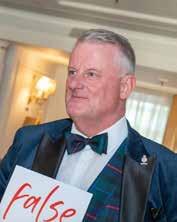
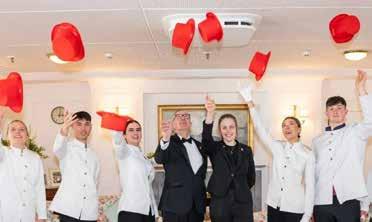
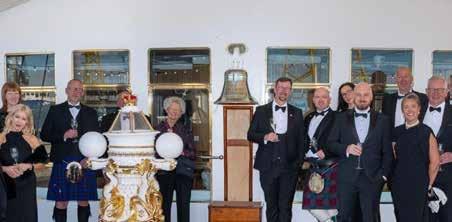
The recent HIT Scotland dinner held aboard the Royal Yacht Britannia offered a distinctive and memorable setting for the organisation’s ongoing celebration of Scotland’s hospitality industry. Guests gathered in the former royal residence in Leith for an evening of networking, fundraising, and recognition of emerging and established talent across the sector. With its unique maritime backdrop and strong sense of occasion, the event highlighted HIT Scotland’s continued commitment to inspiring, developing, and supporting the next generation of hospitality professionals.
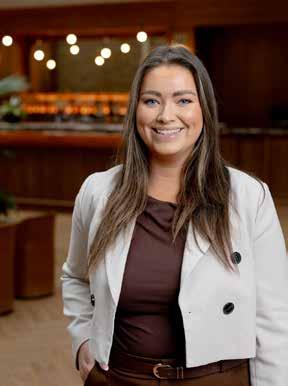
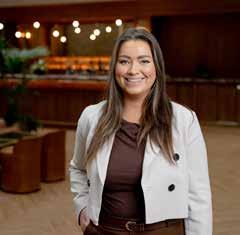
AC Hotel by Marriott Glasgow has announced the appointment of Katie Moran as its new Hotel Manager, marking a significant step in the property’s continued focus on operational excellence and guest experience within Glasgow’s competitive hospitality market.
Katie joins the hotel with extensive industry experience and a career built from the ground up in hospitality. Beginning her journey on the food and beverage floor, she has progressed through a series of increasingly senior operational roles, developing a comprehensive understanding of hotel performance across multiple departments.
MARCELLO VENTISEI
Most recently, Katie served as Director of Operations at voco Grand Central Hotel, where she progressed through roles including Bar Manager and Food & Beverage Manager before stepping into senior leadership. During her tenure, she played a central role in driving operational standards, enhancing guest satisfaction, and leading large, highperforming teams at one of Glasgow’s most established city-centre hotels.
Speaking on the appointment, Katie said, “I’m incredibly proud of the journey that’s led me to this next chapter. My time at voco Grand Central Hotel has been especially defining, and I’m excited to build on everything I’ve learned as I step into this new role.
“AC Hotel by Marriott Glasgow already has a strong reputation, and I look forward to enhancing the guest experience, supporting the team, and continuing to drive performance.”
Looking ahead, Katie’s focus over the next 12–24 months will be on strengthening operational consistency, developing leadership capability within the team, and enhancing both guest satisfaction and financial performance. She also plans to build on existing strengths while refining processes to support continuous improvement.
Outlining her connection to the brand, Katie said, “To me, AC Hotels by Marriott represents timeless design, attention to detail and a modern, European-inspired approach to hospitality. I’m excited to lead a team that brings this to life - creating spaces and experiences that feel both elevated and welcoming.”
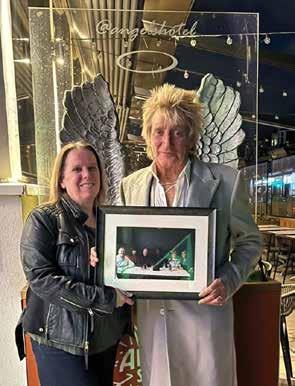
Sir Rod Stewart made his first ever visit to Angels Hotel in Uddingston last month where he was presented with a special framed photograph in memory of Celtic legend Harry Hood.
Sir Rod specifically asked to visit what he called “Harry Hood’s Angels Hotel” - a personal tribute to the man who founded the bar and remains one of Celtic’s most celebrated figures. The framed photograph, taken in 2017, captures Harry Hood with his family alongside Moussa Dembele, who officially opened Harry’s Bar that year.
The photograph brings together two players who share a unique place in Celtic history. Harry Hood scored a hat-trick against Rangers in the Scottish League Cup semi-final on 5 December 1973. Moussa Dembele remains the only other Celtic player to achieve the same feat, scoring his hat-trick against Rangers on 10 September 2016.
Siobhan Edwards, daughter of Harry Hood, said on behalf of the family, “It was a great honour and privilege to know that Sir Rod remembered our late father. He met our father and mother in France a few years before Dad passed away, and we have a wonderful photograph of Sir Rod with our father from that evening. Unfortunately my brother Nicky and I were in Spain sorting out our late mother Kathleen’s estate and were unable to be there in person, but Joanna Spencer, Operations Director at Lisini Pub Company Limited, represented the family on our behalf. We know Dad would have been deeply touched by Sir Rod’s gesture.”
Joanna Spencer, Operations Director at Lisini Pub Company Limited, added, “It was a very special and emotional evening. It meant a great deal that Sir Rod specifically wanted to come and see Harry Hood’s Angels Hotel, and we were honoured to present him with the framed photograph on behalf of the Hood family.”
The photograph now takes its place at Angels Hotel - a permanent tribute to a Celtic legend.