
What to Do During a Seizure Before Emergency Help Arrives,
Insights from Dr. Rachel Paul
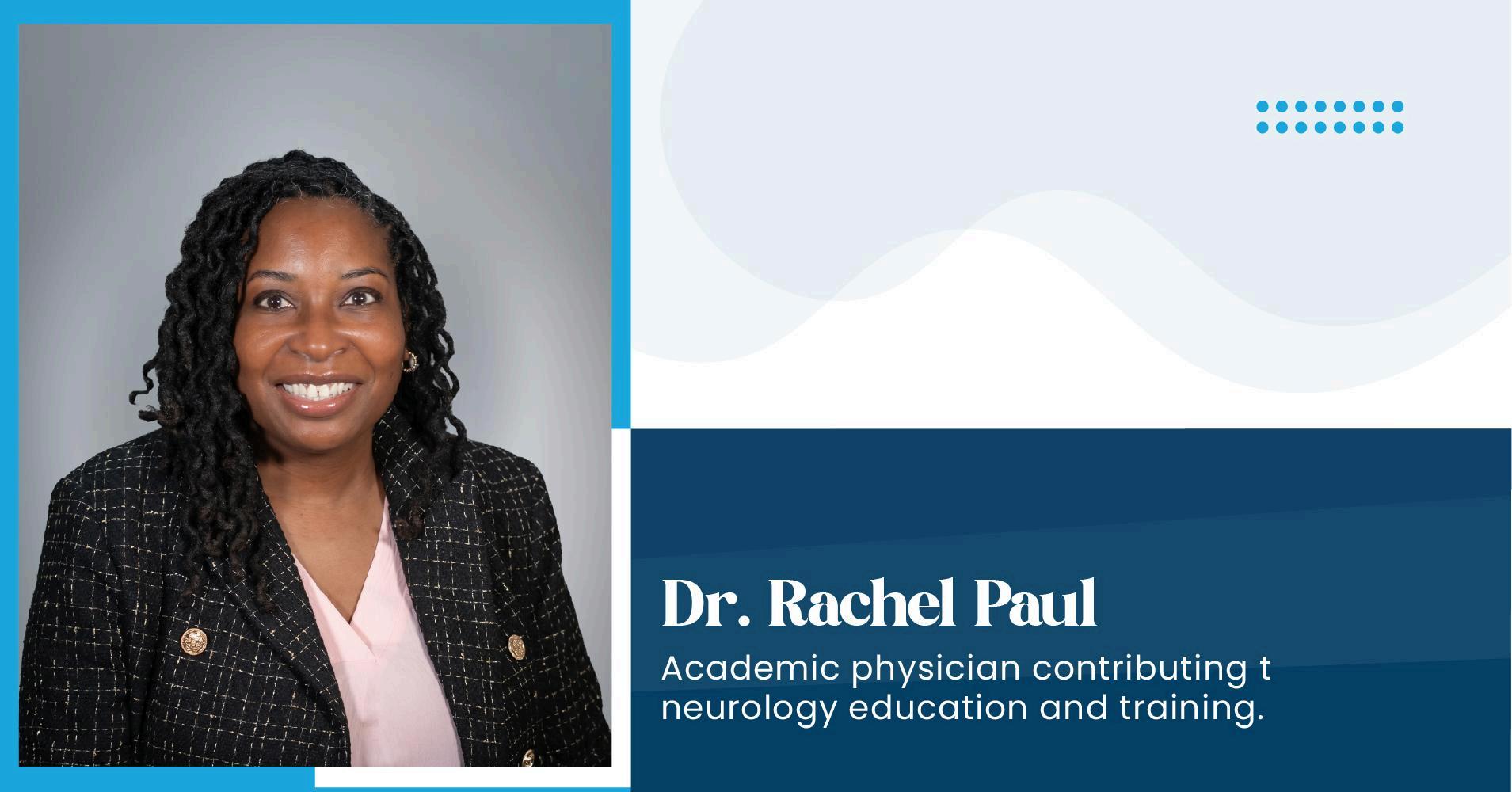
A seizure can be a frightening experience, especially for someone witnessing it for the first time Many people are unsure how to react and may panic when they see a person suddenly lose awareness or begin shaking Learning seizure first aid tips can help you stay calm and provide safe support until professional medical help arrives According to Dr. Rachel Paul, knowing the correct response can reduce the risk of injury and make a significant difference during an emergency
Seizures occur when there is a sudden burst of abnormal electrical activity in the brain. They can vary in appearance depending on the type of seizure Some people experience full-body shaking, while others may stare blankly, seem confused, or lose awareness of their surroundings No matter the type, safety should always be the top priority
If someone begins having a seizure, the first step is to stay calm. Look around and remove nearby objects that could cause injury Sharp furniture, hard surfaces, or loose items should be moved away if possible If the person falls to the ground, gently help protect their head by placing something soft underneath it, such as a folded jacket or towel.
Once the immediate area is safe, turn the person onto their side when it is safe to do so This position can help keep the airway clear and reduce the risk of choking if saliva or vomit is present It is also important to loosen tight clothing around the neck to help with breathing
One of the most common mistakes people make is trying to stop the seizure. Do not hold the person down or attempt to control their movements This can lead to injury for both the person having the seizure and the individual providing assistance. It is equally important not to place any object in the person's mouth Contrary to popular myths, people cannot swallow their tongue during a seizure
If possible, note the time when the seizure begins Duration is valuable information for emergency responders and healthcare providers Most seizures end within a few minutes Stay with the person throughout the event and offer reassurance as they regain awareness. Confusion and tiredness are common after a seizure, so a calm presence can be very helpful
Emergency services should be contacted if the seizure lasts longer than five minutes, if multiple seizures occur without recovery between them, if breathing problems develop, or if it is the person's first known seizure. Medical attention may also be necessary if the person is injured during the episode
emergency seizure response begins with staying calm, protecting the person from harm, and avoiding actions that could make the situation worse Simple first aid steps can provide important support while waiting for professional care Being prepared and informed allows you to respond confidently during a stressful moment and helps ensure the safest possible outcome.