Long-Term
Resilience by Dr. Rachel Paul

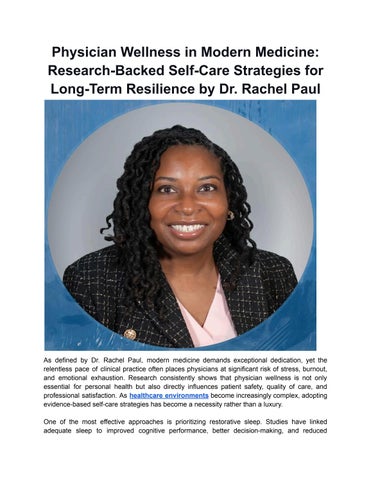
As defined by Dr Rachel Paul, modern medicine demands exceptional dedication, yet the relentless pace of clinical practice often places physicians at significant risk of stress, burnout, and emotional exhaustion Research consistently shows that physician wellness is not only essential for personal health but also directly influences patient safety, quality of care, and professional satisfaction. As healthcare environments become increasingly complex, adopting evidence-based self-care strategies has become a necessity rather than a luxury
One of the most effective approaches is prioritizing restorative sleep Studies have linked adequate sleep to improved cognitive performance, better decision-making, and reduced
medical errors Maintaining consistent sleep schedules and minimizing disruptions whenever possible can significantly enhance both physical and mental resilience.
Regular physical activity is another scientifically supported strategy. Even moderate exercise, such as brisk walking or strength training several times a week, has been shown to reduce stress hormones, improve mood, and lower the risk of chronic disease Exercise also enhances energy levels, making demanding workdays more manageable.
Mindfulness practices, including meditation and controlled breathing, have demonstrated measurable benefits in reducing anxiety and preventing burnout among healthcare professionals Just a few minutes of daily mindfulness can improve emotional regulation, focus, and overall well-being Similarly, maintaining meaningful social connections with colleagues, friends, and family provides valuable emotional support and helps reduce feelings of isolation.
Nutrition also plays a crucial role in sustaining long-term health. A balanced diet rich in whole grains, lean proteins, fruits, vegetables, and healthy fats supports cognitive function and stable energy throughout demanding shifts Staying properly hydrated further contributes to concentration and physical performance.
Equally important is setting healthy professional boundaries Taking regular breaks, using vacation time, and seeking support when workloads become overwhelming are evidence-based practices that help prevent chronic stress Organizations increasingly recognize that physician wellness programs, peer support initiatives, and confidential mental health resources contribute to healthier workplaces.
Physician wellness is an ongoing investment that benefits both healthcare professionals and the patients they serve By embracing research-backed self-care habits, physicians can strengthen resilience, preserve their passion for medicine, and build sustainable careers while continuing to provide compassionate, high-quality care.