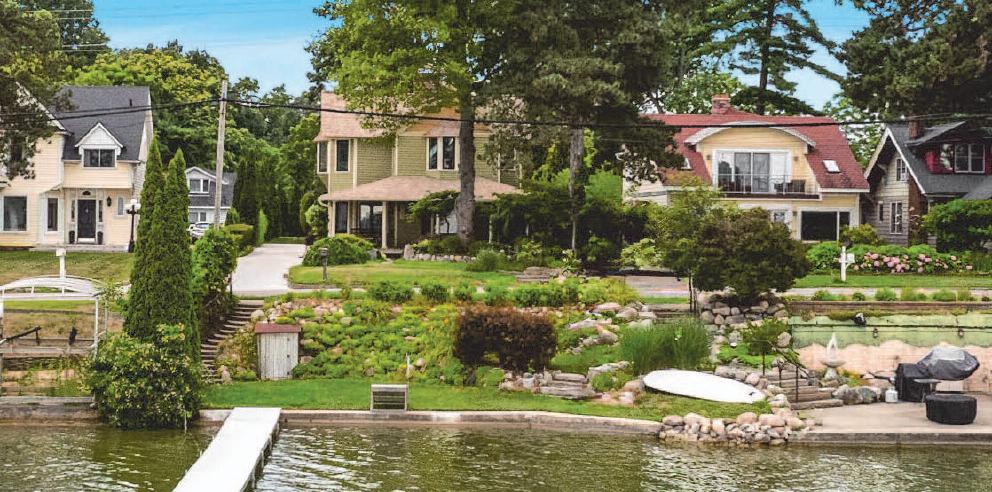
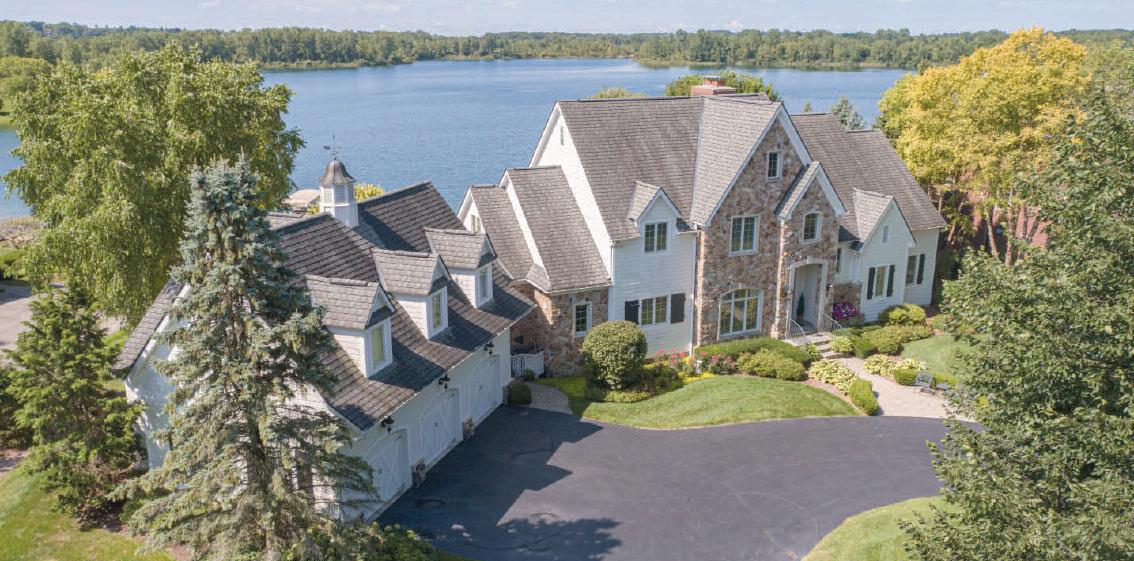
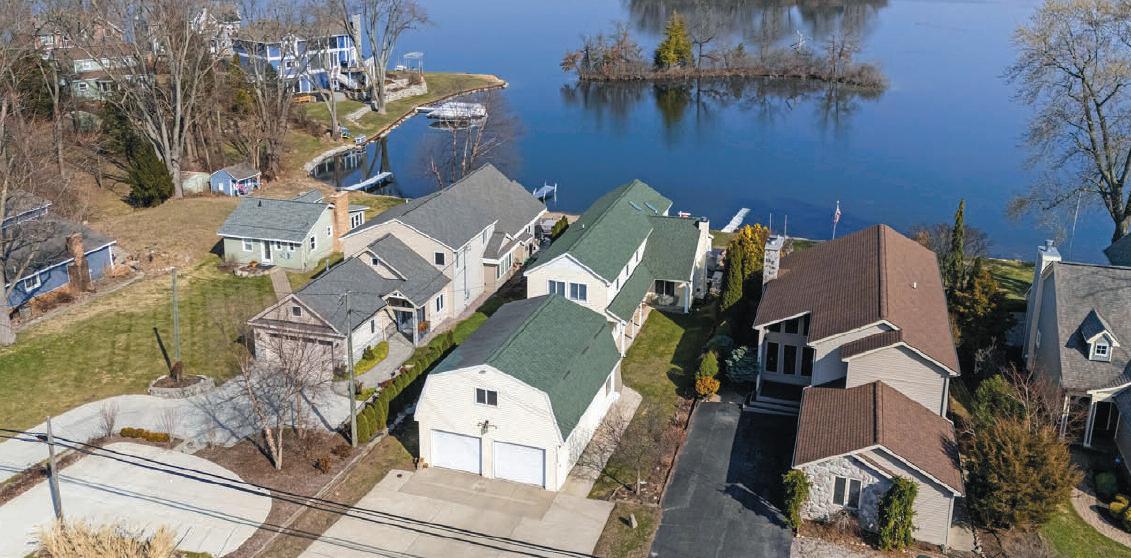
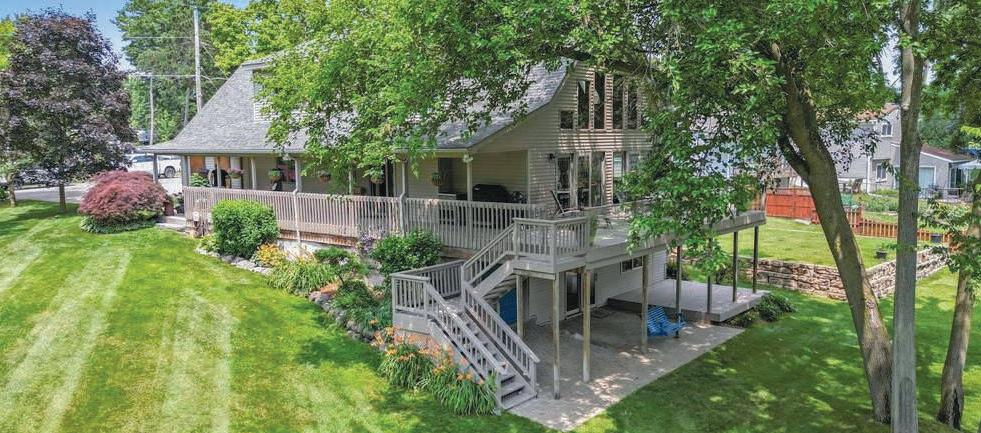
Muskrats have been blessed by the southeast Michigan Catholic Church as a Lenten rescue, hailed as an ecosystem indicator, a boon to the fur industry, but they can also be a bane to the existence of lakefront property owners.
19
Insuring lakefront homes
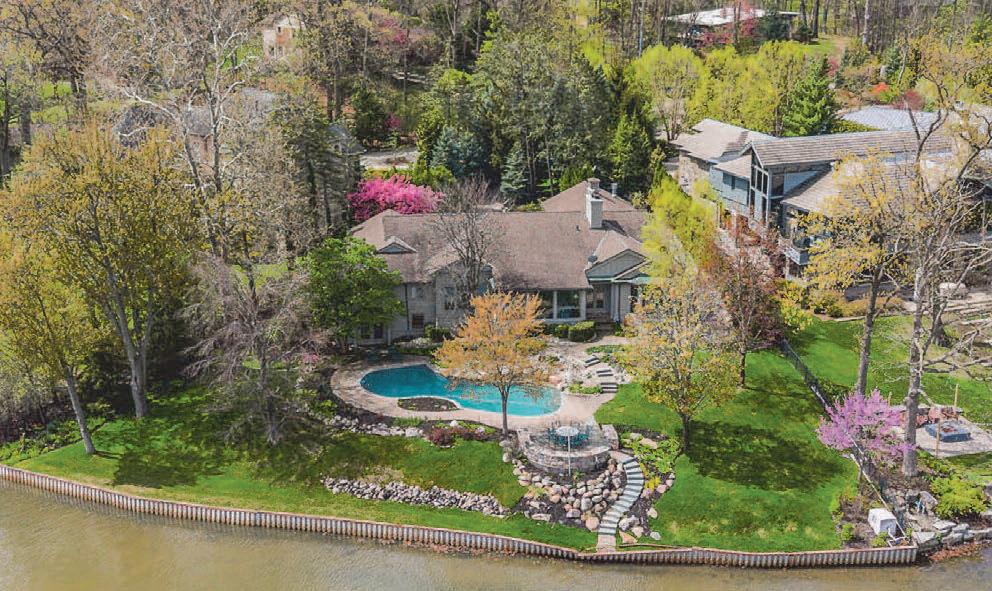
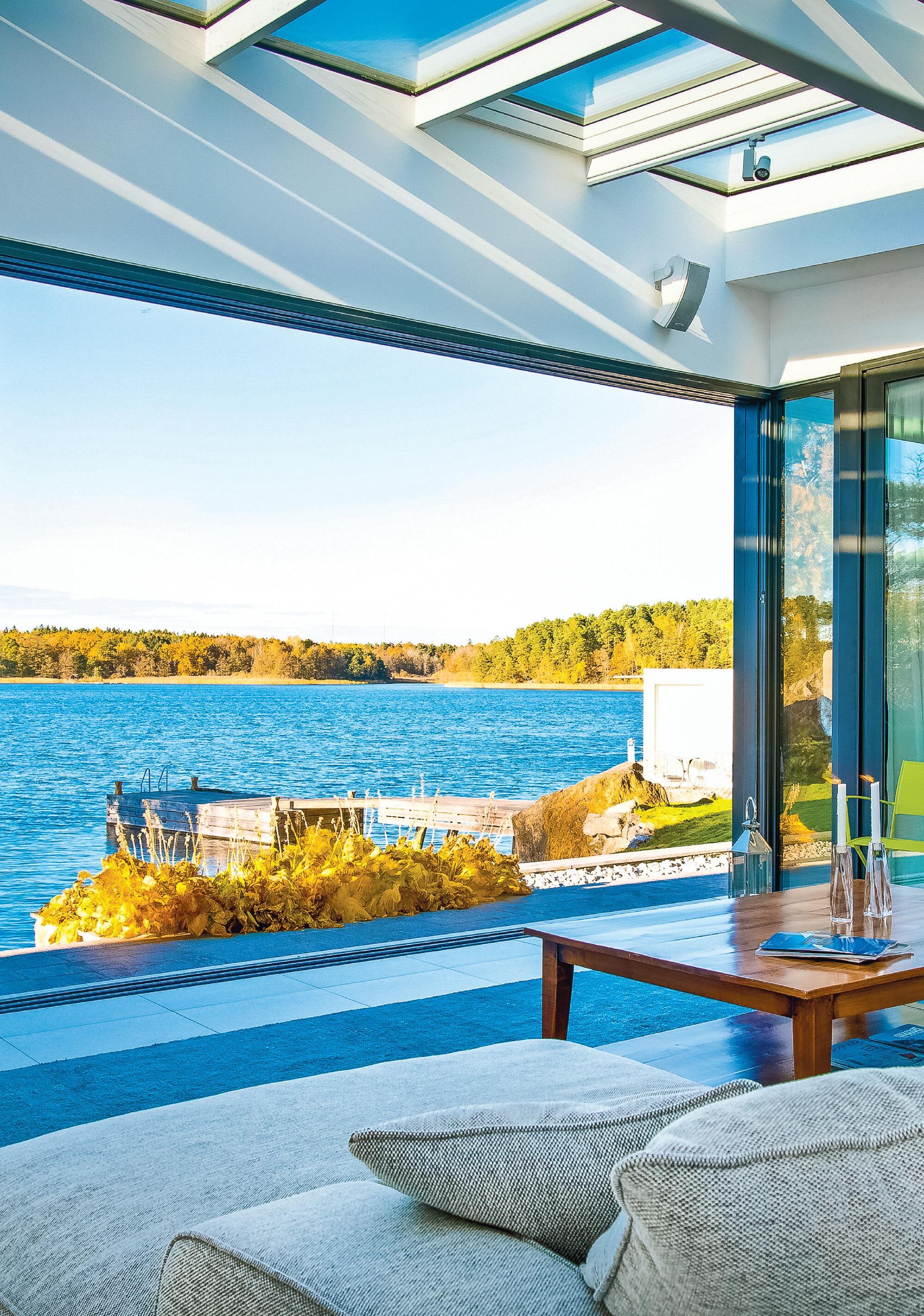
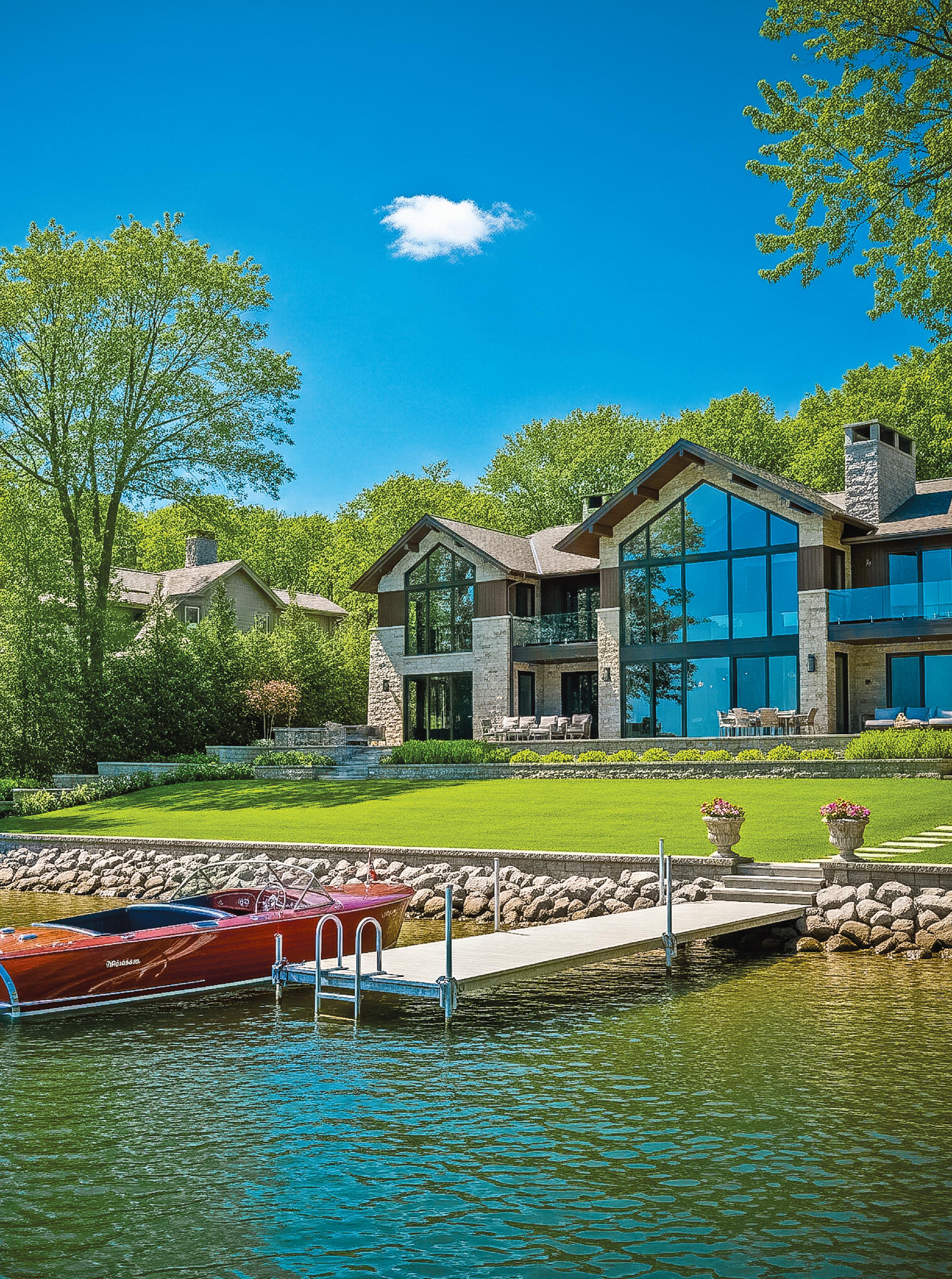
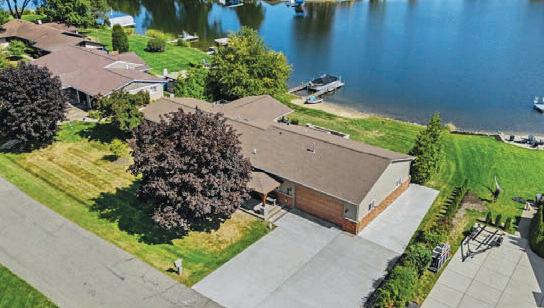
Properly insuring your lakefront home and other assets is much more complicated because of the increased possible threats that come with living on a waterway.
16
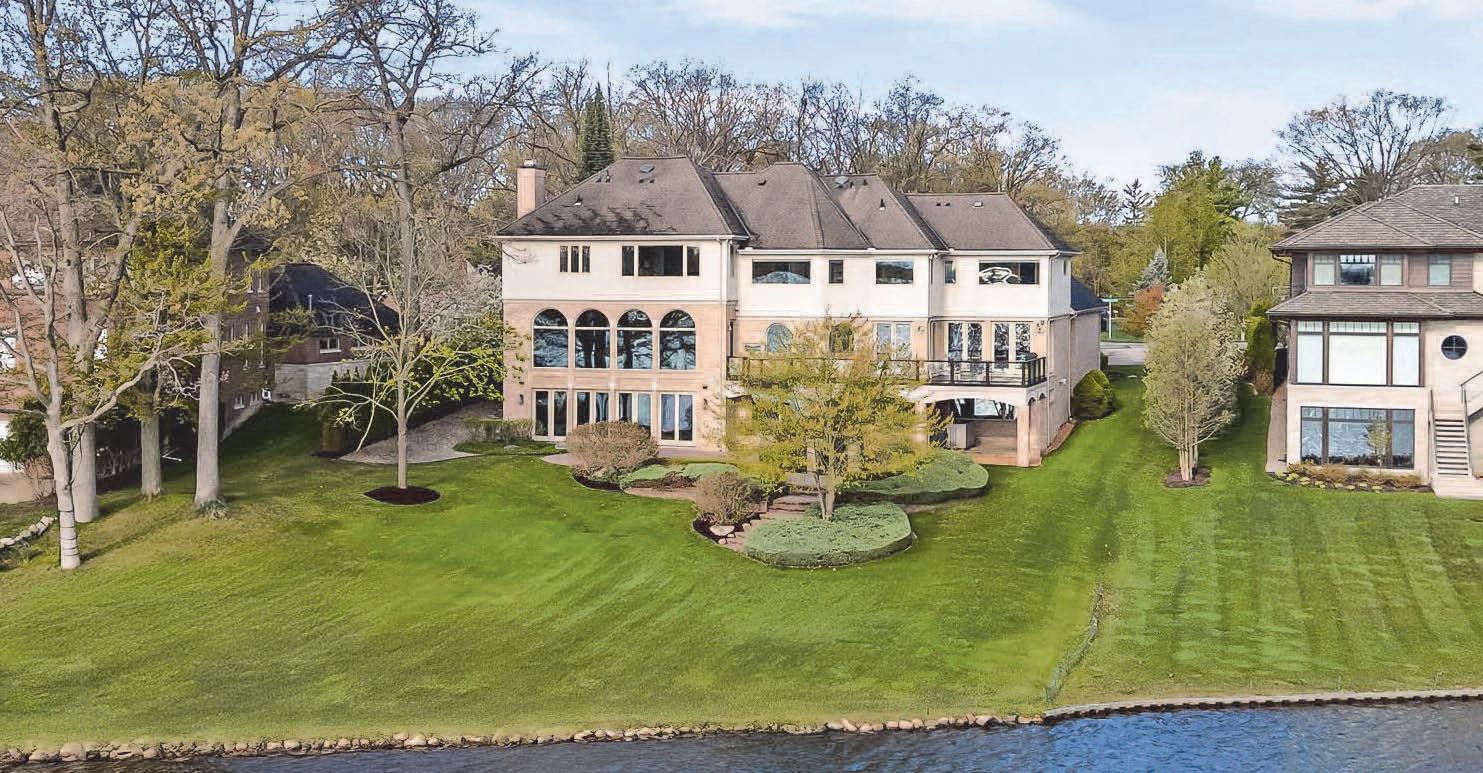
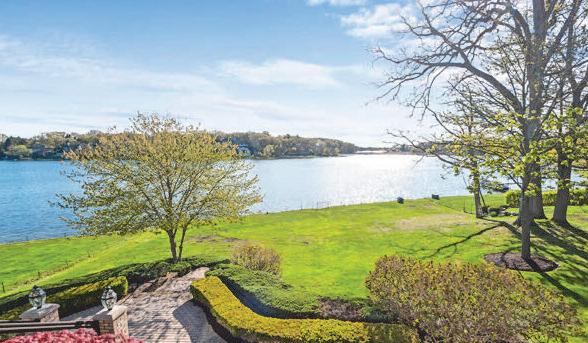
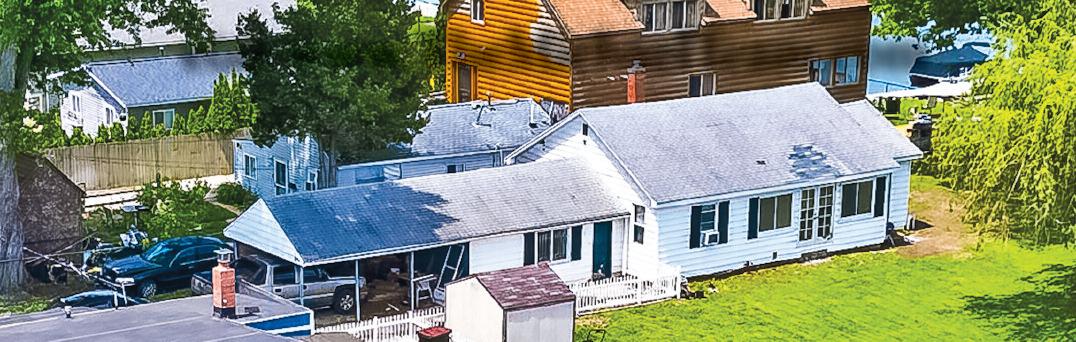
View from above
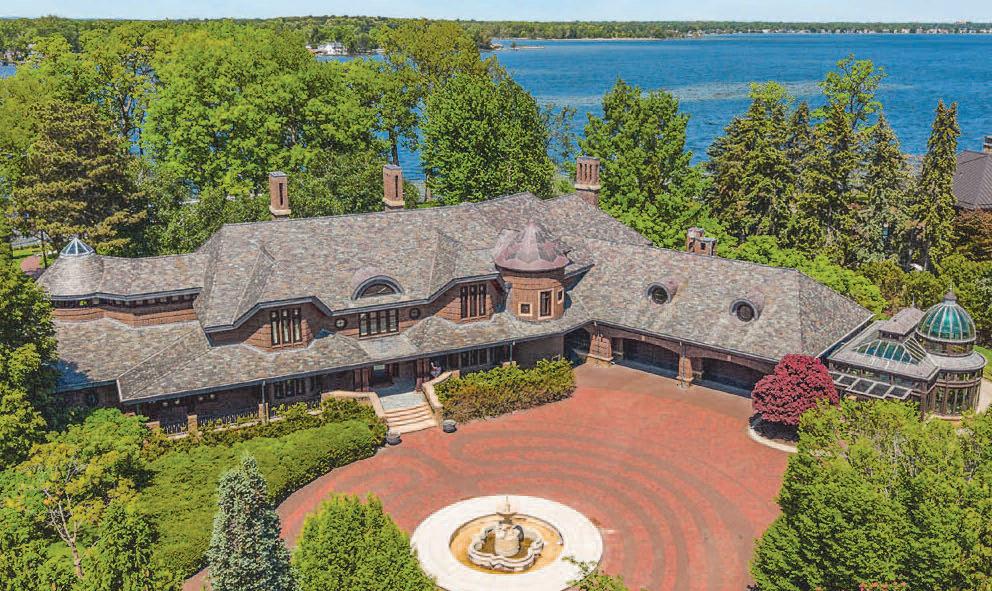
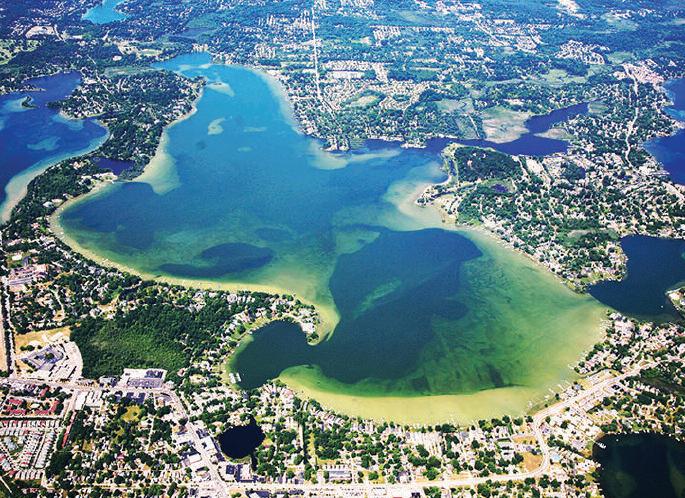
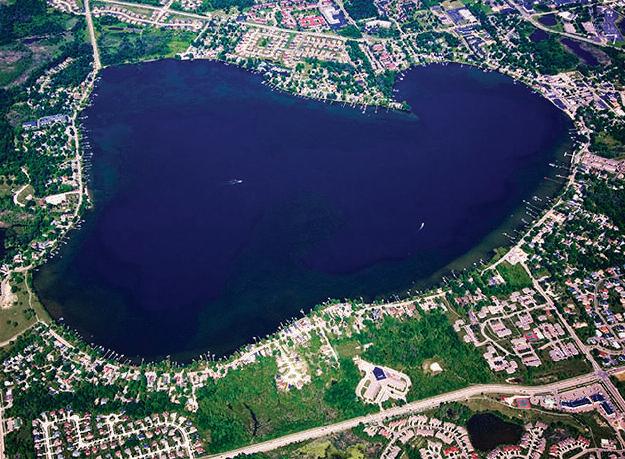
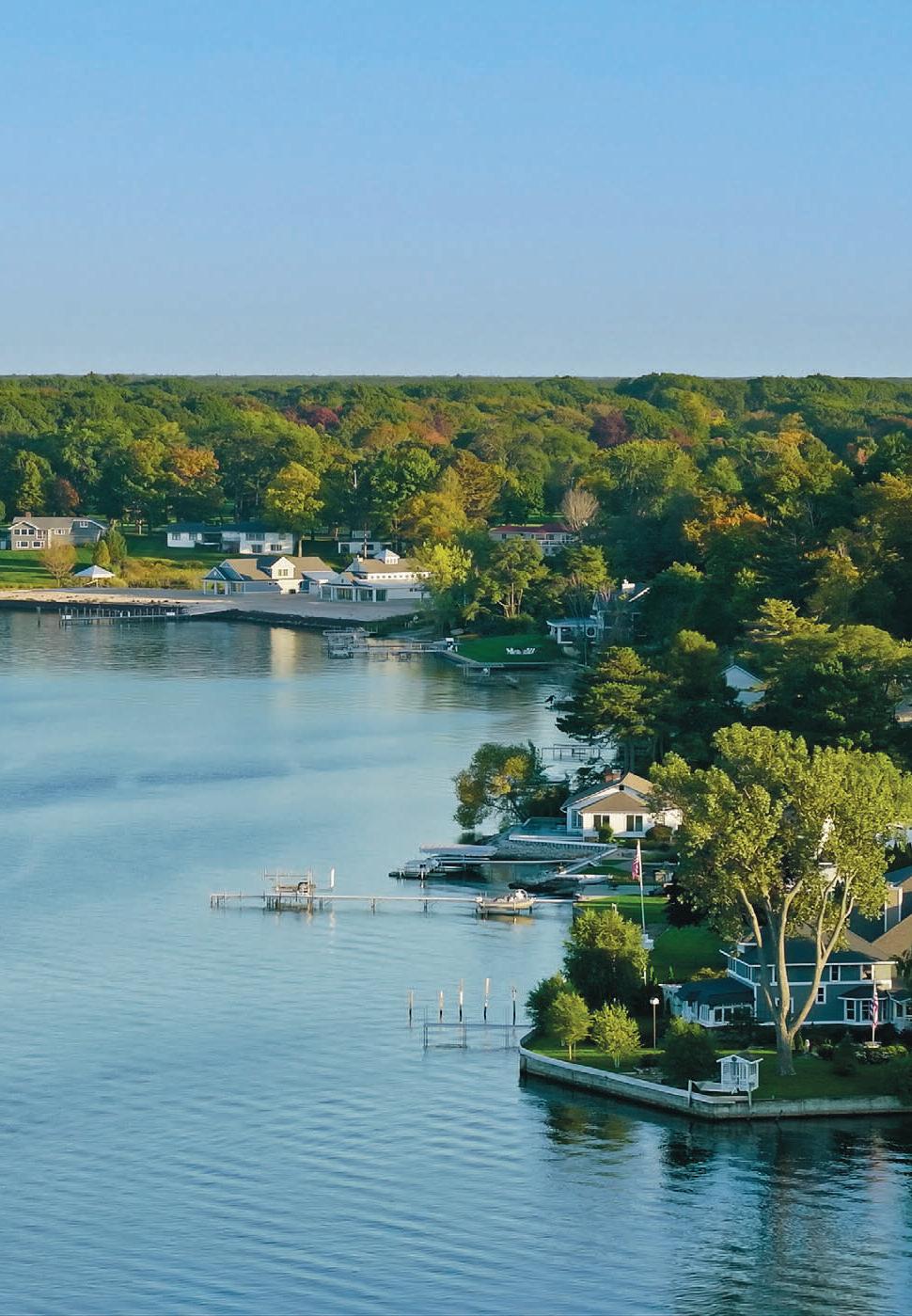
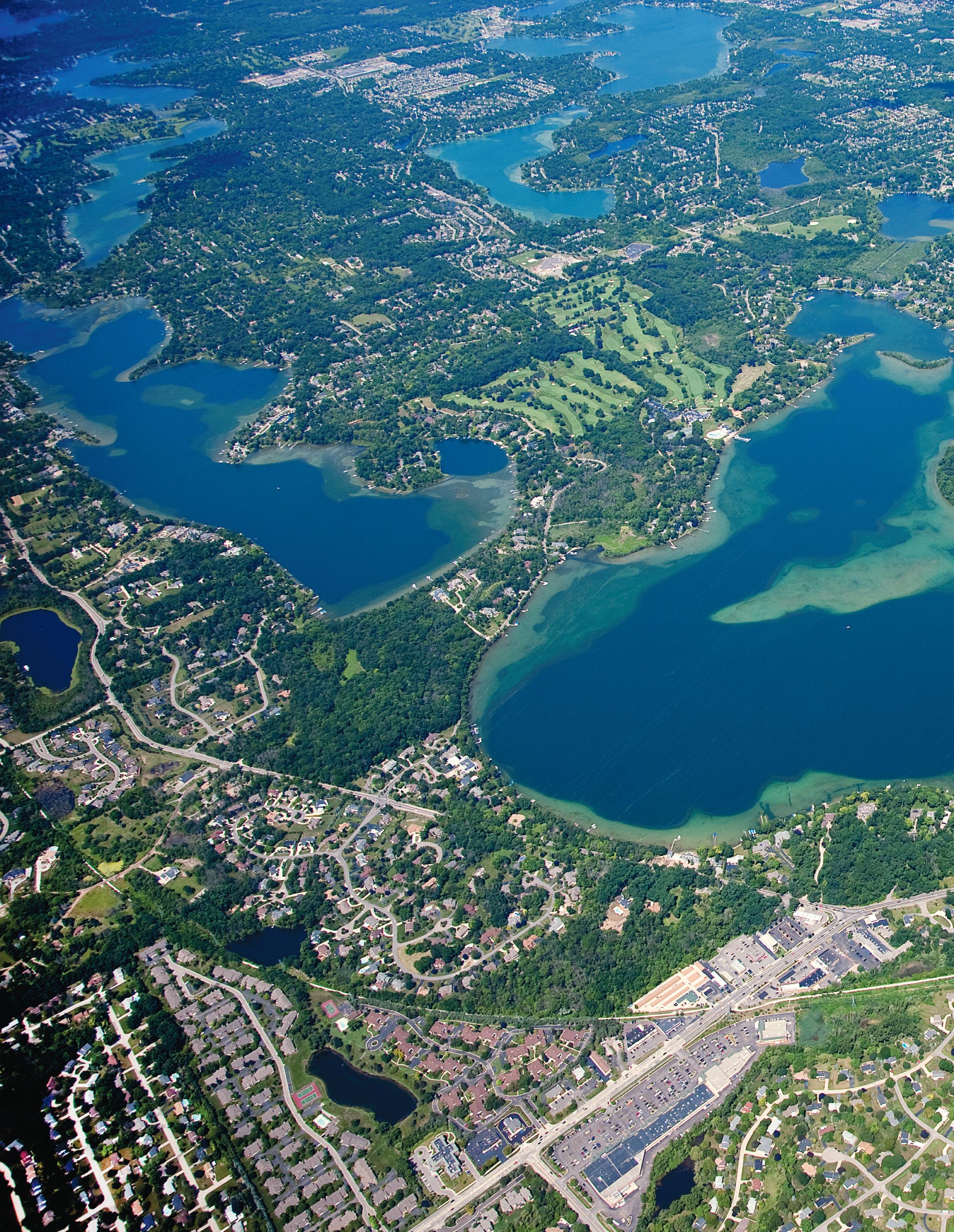
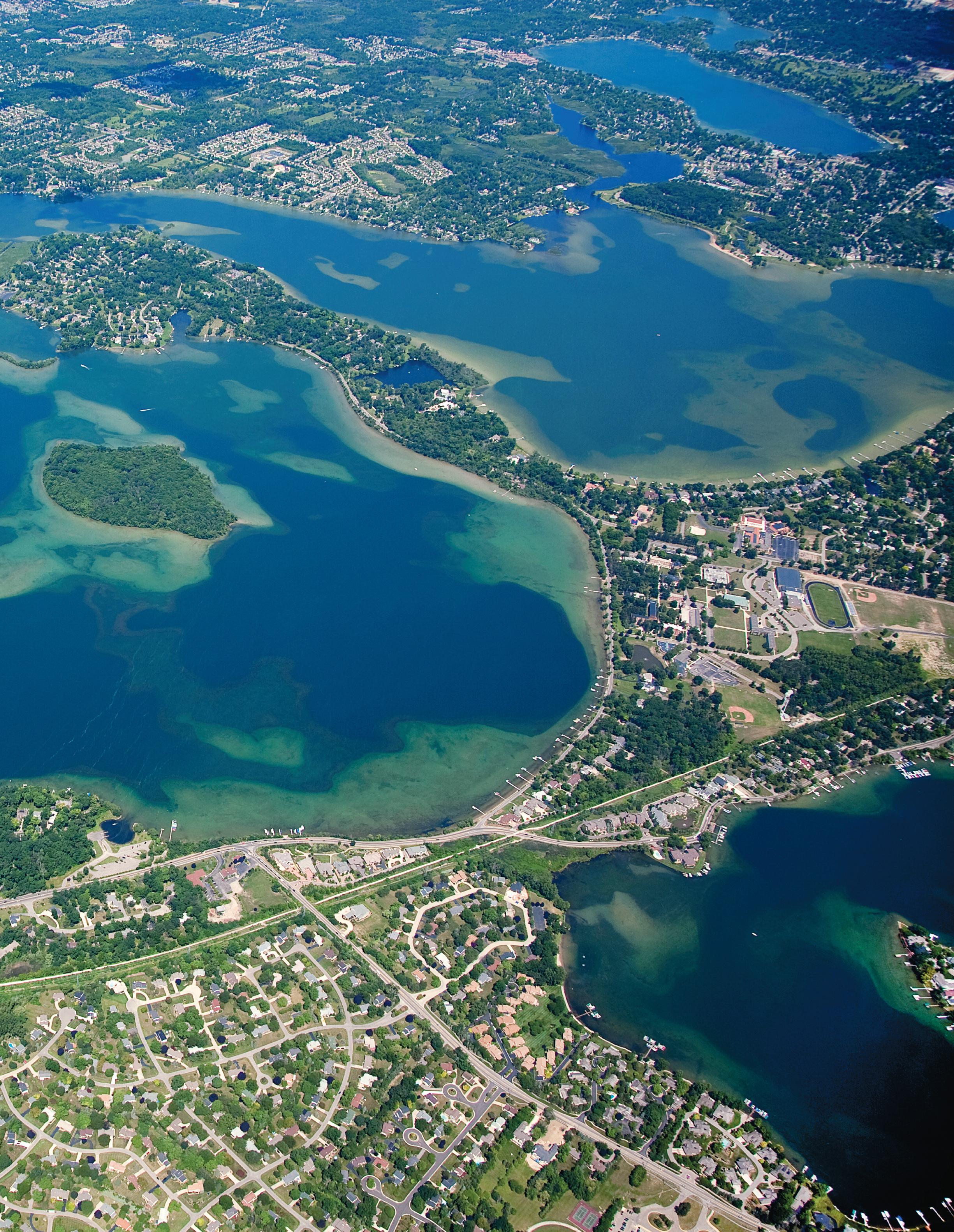
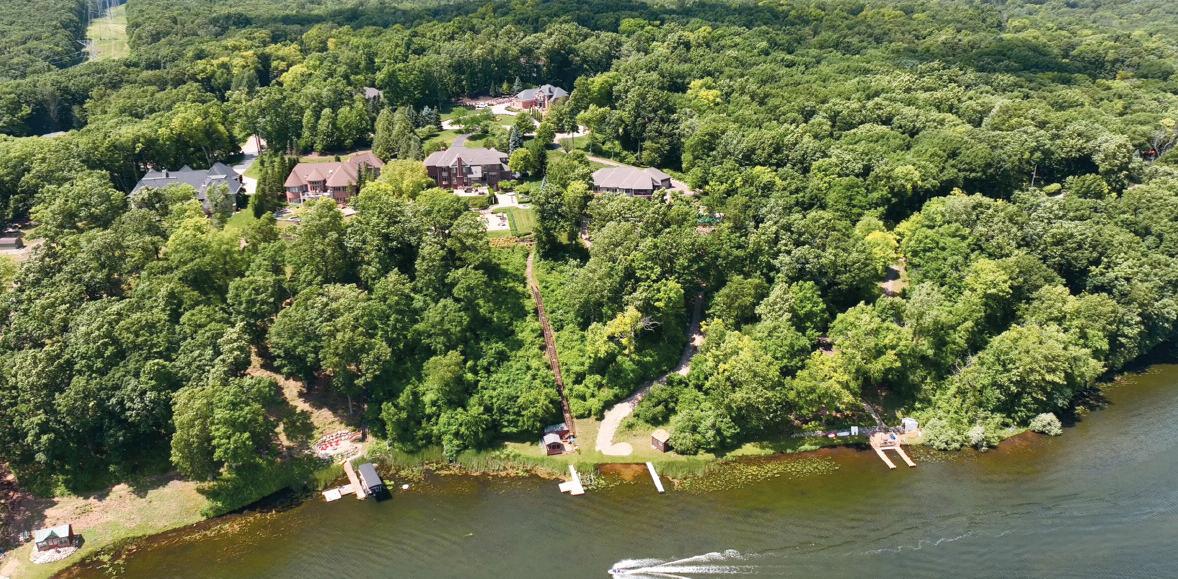
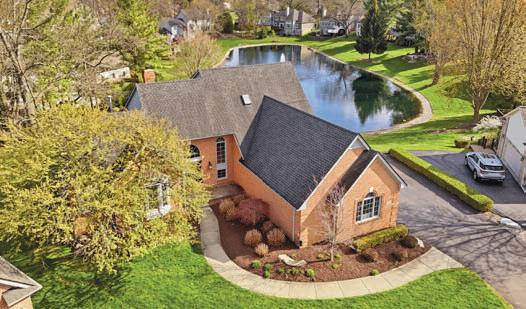
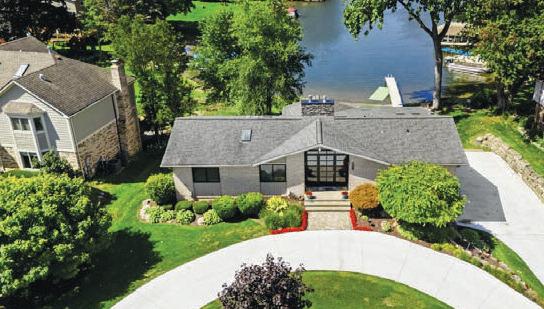
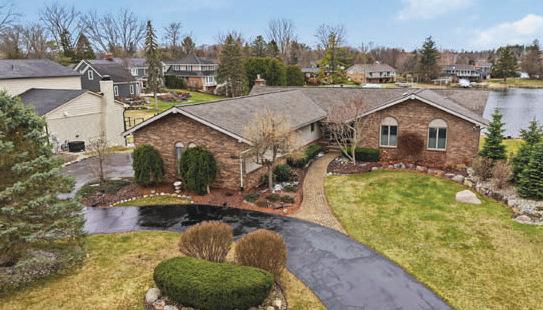
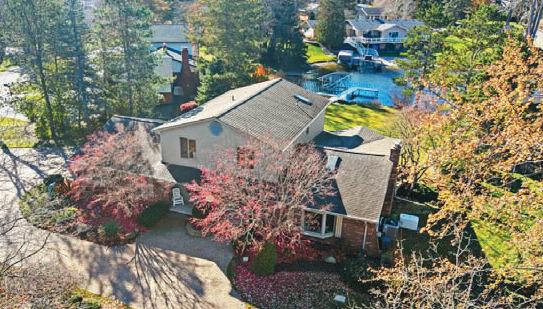
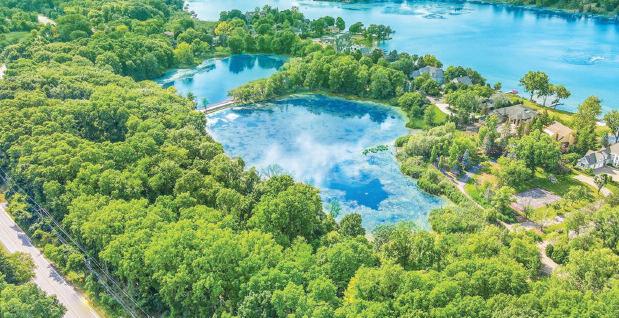
An aerial view of Orchard Lake which is situated in the city of Orchard Lake Village.
23
Islands of Oakland County
Our monthly feature takes a look at Gale Island on Pontiac Lake which is situated in Waterford and White Lake townships.
Cover credit: Photo of fireworks on Wolverine Lake by Nan Nehis.
a MeMber of dowNtowN PubliCatioNs
Publisher David Hohendorf
News editor Lisa Brody
News staff/CoNtributors
Hillary Brody Anchill | Dana Casadei | Tracy Donohue | Stacy Gittleman | Austen Hohendorf | Grace Lovins | Jeanine Matlow Katey Meisner | Gigi Nichols | Susan Peck | Carla Schwartz | Michael Scott | Mark H. Stowers | Gretchen Van-Monette
advertisiNg direCtor
David Hohendorf
advertisiNg sales
Pat Collins
graPhiCs/it MaNager
Chris Grammer
offiCe
970 E Maple Road / Ste 3, Birmingham MI 48009 248 792 6464
MailiNg PO Box 1630 Birmingham MI 48012-1630
doWNtoWN PUBLIcAtIoNS GoALS/MISSIoN
The personnel at Downtown Publications bring a special commitment to the publishing effort Our mission dictates that we strive to provide a solid news and advertising product that local residents look forward to reading. Our goal is to build a community of informed citizens through the efforts of our passionate team We are innovators producing products that go well beyond what others offer
dIStrIBUtIoN/SUBScrIPtIoNS
LAKE magazine is mailed monthly at no charge to over 17,000 lakefront homes in Oakland County
For those not receiving a free mail copy, paid subscriptions are available To secure a paid subscription, go to our website (lakemagazine media) and click on “subscriptions” in the top index and place your order or scan the QR Code here
INcoMING/rEAdEr FEEdBAcK
We welcome feedback on both our publication and general issues of concer n Opinions can be sent via e-mail to news@downtownpublications com or mailed to Downtown Publications, PO Box 1630 Birmingham MI 48012-1630 If you are using the mail option, you must include a phone number for verification purposes.
•
•
•
•
•
•
•
MICHIGAN MUSKRATS
A LENTEN BLESSING AND WATERWAY BENEFACTOR THAT MAY BE IN DECLINE
BY MARK H. STOWERS
as an ecosystem indicator, a boon to the fur industr y, but can also be a bane to the existence of lakefront proper ty owners –Michigan muskrats. For generations, these small fur r y noctur nal or crepuscular (active at dawn and dusk) creatures have navigated Michigan’s rivers, lakes and streams, making their homes on the banks and creating huts on the water.
Trappers have long kept a close eye on the critters and taken their pelts to market to be tur ned into fashionable and functional hats and gloves across the world and for Michigan Catholics, their tasty carcasses became a Lenten gathering favorite – tradition still continues, though mostly in downriver communities. Muskrats are native to ever y inch of Nor th America Their numbers are in decline, according to trappers, but trappers are also in decline so a tr ue population number is hard to come by
Tim Hiller, a wildlife ecologist and the founder of the Wildlife Ecology Institute, has led extensive research on furbearers His work with the Furbearer Conser vation team highlights muskrats as key indicator species, of ten called "canaries for the wetlands," whose population health closely reflects broader ecosystem stability Hiller is wrapping up The Great Lakes Muskrat Project and will begin compiling all data from the study that began in 2019
“Eight years ago, we secured funding for a project in the Great Lakes Basin, par tnering with the Michigan DNR, the Fish and Wildlife Ser vice, and a good friend of muskrat researchers at Kansas State University,” Hiller said “I had been hearing for many years and had also experienced that muskrats are disappearing or at least declining across their distribution The driver of this study is ‘ Why are these muskrat populations declining so substantially?’ Trappers are at the forefront of this and have been deeply involved ”
adults That could help us look at whether the population’s skewed toward males, which might indicate a declining population What is the population like? Was there a sufficient number of juveniles each year to replace them? Muskrats are shor t-lived, high-reproductive-capacity species, as most rodents are You would expect more juveniles in the population each year to replace the adults that are experiencing mor tality for various reasons ”
Though he is in the initial stages of sor ting through the massive amount of data, he has found that muskrats are experiencing effects from contaminants, such as heavy metals, that are entering their ecosystems
“ That increases their predation risk,” Hiller said “Muskrats are an indicator of wetlands and wetlands ser ve as ecosystem kidneys that filter contaminants Are these muskrats signif ying a much larger issue? It extends potentially to water fowl and amphibians and lot of other species ”
Muskrats are “ecological engineers” according to Hiller
iller has four study sites ranging from the UP of Michigan, one in Chiawassee in nor ther n lower Michigan and then in nor ther n Ohio
H“ We chose those on a gradient of more pristine wetlands up nor th, going south to nor ther n Ohio where we ’ re going to expect more contamination, more disturbance, more impact on those wetlands,” he explained “ We’ve collected a lot of data on wetland vegetation, like species composition and basic species, and water quality We’ve done muskrat hut counts on each one as an index of populations in each area during each year We’re also going to look at weather patter ns, such as droughts and so for th Although some of these areas have water control str uctures, they ’ re kind of some of them are wildlife production areas They ’ ve got a little bit of control over the water level ”
In addition, Hiller and his staff have purchased nearly 1,000 muskrat carcasses from across those four areas from trappers who kept detailed logs of their trapping activities
“ Then we can use that to also index population trends And from those carcasses, we ’ re looking at ever ything from reproductive tracts to see how they ’ re reproducing, body mass, and body fat content to assess health, as well as diseases, parasites, and contaminants such as heavy metals And then from those, we ’ re also getting a sex-age str ucture of the population, so that males and females, juveniles and
“ They create habitat, whether it’s nesting for water fowl on their huts or amphibians that utilize lodge str uctures and create what’s called hemimarsh conditions You might see a monoculture – a stand of cattails that completely covers a marsh That decreases biodiversity Muskrats feed on cattails and use them to build their lodges They open up that water and create more habitat for more wetland species The more functional the wetland is, the better it is for us I’ve mentioned filtering contaminants and sediments When we have healthy wetlands, we can credit muskrats largely to much of that ”
When muskrats are not building huts, they can become destr uctive or a nuisance to lakefront landowners, according to Hiller
“ Where they don’t build lodges, they dig tunnels, and when they dig tunnels on lakefront proper ties or golf courses, those tunnels collapse That caused some issues for the proper ty owners So, there is a balance there too, where it’s not per fect in that they don’t cause damage It’s what the tolerance of the individual landowners is in those cases And that could be a safety concer n if you ’ re mowing near the edge of your lake and a tunnel collapses That’s not a good thing There can be a trade- off there as well,” Hiller said “ The only pragmatic solution for something like that is periodic removal If it’s in a lake, it isn’t necessarily an ideal location for a muskrat, like a wetland with cattails Presumably, there’s going to be some shallow areas of the lake where they ’ll persist just fine And hopefully, not create problems for the landowners But if landowners so choose, they can trap at no cost Or there are
animal damage control folks that are professionals that can them as well, which might be the reality that we live in Lakefront proper ty owners can place riprap on the banks and several feet below the water line to discourage digging by muskrats That might be a longer-ter m solution ”
Muskrats have been known to damage boats and docks The Michigan Lakes and Streams Association encourages lakefront proper ty owners to “install a muskrat guard on your boat These install in the exhaust and have threaded bars that can be adjusted to hold it fir mly in place At $245 to over $400, depending on the size of your exhaust, they ’ re pricey but a lot cheaper than replacing your boat Note: many insurance policies typically exclude damage caused by ‘ ver min,’ which includes muskrats –riparians should check their coverage and consider working to getting muskrat damage covered if there is a problem in your area ” Also, the use of predator urine – mink, coyote, or bobcat – available from trapper supply outlets and over the Inter net) or ammonia can help deter muskrats as well from docks and boats and shoreline areas
Some basics of muskrat life include the rodents being found in all of Nor th America and, according to Hiller, their reproductive patter ns var y by climate In a souther n, war mer climate, Muskrats can have up to three litters per year, from March to October, and their gestation period is around 25 days
“A nor ther n climate, it might be one to two I think there are some years that they ’ re going to have two successful litters, and again, the number of kits they have in a litter, and the number of litters they have is all tied to the conditions at that time If there’s a lot of food, the weather ’ s good, and so for th, their litters are going to be larger Maybe five or six individuals, kits maybe more If it’s not so good, they might have two to three ”
Muskrats are active and both male and female share in all of the duties, according to Hiller
“ They ’ re always maintaining their huts and patching things up, and they ’ re typically ver y active,” he said “ When it gets cold and the hut ices up, they ’ re still there going af ter under water stashes of food, doing the muskrat thing They ’ re active yearround ”
In Zara’s previous line of work, he conducted sur veys on constr ucted water fall ponds and there was a constant battle with muskrats who bur rowed into them
He noted that like beavers, muskrats build lodges or huts but not out of logs
“In order to have themselves a safe place to hang out, stay dr y and live, they don’t chew down trees or shr ubs or anything, they only go af ter herbaceous vegetation They ’ll make a lodge out of like cattails and reed stems,” Zara explained
In addition to their huts, muskrats will create their own feeding platfor ms as they do not hiber nate and are active year round
“ They make feeding platfor ms that are a mound of vegetation tall enough for them to sit on above the water and dr y out and have a vantage point to look for predators Those are definitely impor tant to many other wildlife species I commonly see goose nests built on top of those because they provide a nice little dr y platfor m, ” he said “And then the other thing they do is build things called push-ups Basically, what happens is muskrats don’t hiber nate; they ’ re active all winter and they don’t store food They have to be out and about, looking for food all the time all winter If the lake is frozen over, they ’ re going to be swimming around under the ice When the water first star ts to freeze over, they ’ll chew some holes through the ice and cut some cattail leaves and dead herbaceous and stuff them in the hole to help keep it from freezing over again They ’ll do that repeatedly over the winter, keep coming back to the air holes they ’ ve made, and keep shoving dead plants into them to keep them from freezing They will eventually make these little mounds that stick up through the ice during the winter And there’s just enough space for a muskrat to fit through the hole in the ice and get up inside of this little mound of vegetation, and it’s sor t of like a mini version of a lodge ”
Sean Zara, Wildlife Program Coordinator with Oakland County Parks, regularly sees muskrats in his day-to -day business “ They are considered to be a pretty common species and sometimes considered to be a nuisance,” Zara said “ Their overall appearance is that of a beaver but they are not related to beavers though they ’ ve adapted independently to an aquatic lifestyle They are actually giant voles They do some of the same things as beavers and some things not the same They build some types of str uctures but not others They don’t build dams, which means they ’ re not nearly as much of a nuisance for infrastr ucture as beavers because they don’t cause flooding But they dig bur rows into the banks of wetlands And so they are considered a nuisance on wetlands where the water level is controlled by dikes or ber ms, or any sor t of ear then str ucture that’s holding water back, because they will bur row into those and weaken them They can potentially cause collapse of any sor t of ear then str ucture like that ”
Lakefront homeowners in Oakland County are a special set and now they have their own special niche publication.
LAKE MAGAZINE
Upscale, full- color, direct mailed to over 17,000 homes on the shores of Oakland County ’s waterways. Produced by a seasoned group of award-winnng professionals directing their talents to the issues surrounding the concerns of living on the waterfronts.
Ride on our coattails into the homes of this important, affluential segment of the buying public before the start of each month.
Contact Pat Collins at 586.215.1400 or PatCollins@DowntownPublications.com to discuss how to include your message.
October issue reservation deadline is Friday, July 10. Issue mailed July 28.
The advantage of muskrats collecting vegetation is two -fold Cutting and eating cattails opens up marsh areas for themselves and other animals They also are eating invasive plants and eliminating them as they cut them down under water, and the invasive plant actually dies
“From that perspective, people like open water, so muskrats are the opposite of being a nuisance,” Zara said
Muskrats fill an impor tant par t of the ecosystem food chain as a smaller furbearer; they and their young are of ten prey for any larger car nivore
“Up to and including maybe even large fish,” Zara said “I would say that we have muskrats in ever y wetland situation that is at least somewhat marshy They ’ re not quite as amenable to a strict open water with no emergent vegetation because that’s their food, but we cer tainly have them in ever y Oakland County park They are one of our more common large mammals People see them during the day, and they ’ re more familiar with the concept of a beaver than a muskrat, so they see them, and ‘Oh, it’s a beaver ’ or ‘Oh, it’s a baby beaver ’ They really are a generalist, do -it-all kind of creature They mostly eat vegetation but they ’ll eat almost anything if forced to They ’ll live in almost any sor t of situation They are one of the relatively few large animals willing to live in a retention pond, or a completely ar tificial aquatic environment Just because they are so adaptable ” Zara explained to distinguish a muskrat from a beaver, look for the tail in the water
“Muskrats have their relatively slender tail that’s flattened side to side When they swim, they undulate their tail from side to side like a snake Versus the beaver that is mostly swimming with the combination of the legs ”
Lauren Eaton, Monitoring Manager for Friends of the Rouge, hasn’t done muskrat research but sees plenty of the mammals during her work and understands their presence is a positive one She described the program work where muskrats are par t of the landscape
“Our mission is to restore, protect, and enhance the Rouge River watershed,” Eaton said “ The Friends of the Rouge does a lot of green infrastr ucture work, capturing stor mwater, managing stor mwater, and providing habitat through rain garden plantings and tree plantings With our paddling program, we offer many wonder ful paddle trips on the lower branch of
the Rouge River year-round It gives folks a chance to go out and experience the river and paddle on the river ”
The Friends of the Rouge are creating a twentynine-mile water trail that was given state designation As director of the monitoring program, Eaton is in the water quite a bit
“ We are the folks in the water doing a lot of the sampling and the testing We have a benthic macroinver tebrate sur vey that we get our volunteers out with us three times a year, so it’s a great event We have a frog and toad listening sur vey that is actually ongoing right now where folks go out and listen for frogs and toads because they ’ re a great indicator of wetland habitat We have our fish community sur vey that’s been going on for over a decade We do various water quality testing and have done some invasive species work in the past ”
Her works keeps her connected to the Michigan muskrat and she keeps a close eye on the ecosystem indicator
“ They are a type of native animal and they are semi-aquatic They ’ re a mammal and they love to be in the river A couple of cool facts about them are that they are adapted to life in the water They have this ver y sof t, really thick waterproof fur And they have a clear eyelid that acts like built-in swim goggles Also, their back feet are webbed, which helps them swim through the water Their tail is flattened, kind of opposite of a beaver tail, flattened top to bottom They use it more like a r udder as opposed to a beaver, which has it more like a paddle They ’ re much smaller Muskrats are usually around two to four pounds, and beavers can be much larger, about 40 to 60 ”
She noted that the mostly herbivore mammal, “feed on a wide variety of vegetation that can include cattails, most of all, but can also eat a wide variety of other vegetation
“One thing that I thought was interesting is that they can also eat European frog bit That’s an invasive plant that we actually did a study on a couple of years ago It’s a good thing that they ’ re eating this aquatic invasive plant, because sometimes invasives will come in and they won’t have any kind of natural predator or anything to har vest them ”
With the Rouge River, Eaton sees more muskrats bur rowing in the bank than building huts but the “river rats” active lifestyle is quite beneficial to other plant life and wildlife
“Because muskrats are active all winter long, they help recycle a lot of nutrients in the ecosystem They create conditions that benefit the sur rounding environment for birds, fish aquatic bugs and amphibians We’re all about tr ying to restore, protect and enhance the Rouge River watershed We’ve lost
so many wetlands in our watershed, and we span Oakland, Washtenaw and Wayne County In Wayne County, we ’ ve lost over 90 percent of our wetlands If we ’ re seeing less stress and they ’ re creating favorable habitat for the other things that need wetlands and can thrive in wetlands, that’s a good thing ”
Zach Cooley, Michigan Depar tment of Natural Resources (DNR) Biologist or Wayne, Monroe and Lenawee counties, works at the Point State Game Area, a managed water fowl area on Lake Erie, and was destined to have a career working outdoors His father was a pathologist and his grandfather was a biologist for the wildlife division He’s been with the DNR for the past 17 years and works quite a bit with muskrats and water fowl and all things wetlands as he covers five game areas, three of them being coastal wetlands
“ They ’ re pretty much ever ywhere Ours are considered the Great Lakes muskrats And if you talk to trappers, it makes a difference in the fur quality,” Cooley explained “ There’s just something about the Great Lakes muskrats that they ’ re a higher grade for the most par t across the board They ’ re an indicator species of water levels that don’t fluctuate a lot Water fluctuation is a good thing, but when it happens too much too fast, it can cause problems with vegetation establishing and the animals that use the area You want to have fairly constant water levels They like to have pretty stable water levels ”
He noted that muskrats are “great in wetland maintenance and you are always looking for a hemimarsh, 5 percent vegetative cover and 50 percent open water And they ’ re a big key player in making that possible,” Cooley said
Muskrats have been on the decline for several years, but the decline hasn’t been as noticeable because fewer trappers have been bringing in data In the 1980s, there were 14,000 trappers targeting muskrat, and they were taking over 700,000 muskrats in a year There was a resurgence of trappers in the 2010s with more than 24,000 registered fur har vesters but not all of those actually go out and trap Cur rently, there are 3,000 trappers, and taking about 150,000 muskrats
“ The population overall is on the decline It has been for a number of years It’s hard to notice as much because the number of people trapping and har vesting them is going down,” Cooley said “ We’re not overhar vesting them, but their long-ter m population is in a slight decline ”
He pointed out the decline most likely is due to the loss of wetlands
“Muskrats are 100 percent dependent on wetlands, they spend their whole life in wetlands That’s why the Catholic Church blessed them and back in the day you could eat muskrats during Lent because they spent their whole life in the water When wetlands are filled in or destroyed or polluted and compromised, they lose that habitat ”
For trappers, the work is usually not wor th the pay as raw, unskinned pelts are averaging $2 but buyers are hard to find
Cooley explained more about the huts that muskrats create to live in
“ They ’ re made out of mostly vegetation and mud, mainly cattails and mud They build low mounds that come up out of the water, and the inside of the mound is a little house area that gets them out of the water But their entrance is almost always in the water somewhere, so they swim up into it,” he said “ The huts can be anywhere from maybe only two to three feet across to big ones can be five feet across and five feet out of the water It just depends on how long they ’ ve been there, how old the hut is ”
He noted the huts are where the litters are raised but muskrat parents are quick to raise their young ones
“ They ’ re good parents, but then they push them out and make them go through the motions of finding their own ter ritor y within that first year Muskrats can be really ter ritorial They fight a lot,” Cooley said “And that’s an issue that trappers have if there are too many muskrats in an area They get pretty beat up from fighting with each other and damage the fur and hide ”
Being par t of the food chain, “Muskrats do have predators, and they ’ re vital to the wetland and the ecosystem in that way as well,” Cooley said “Again, there is a lot of them Mink and otter, coyotes, fox, even raccoons and some raptors will go af ter them Like eagles and hawks They get it from all angles for the most par t But that’s just par t of them being a cog of a wetland, supplying that food source ”
But when there isn’t the balance of predators to keep them in check, lakefront areas can suffer the consequences, according to Cooley
“Stream banks and those kinds of areas are where
they will bur row and live in the banks and in the lake shore You don’t want them in those areas that as they ’ll cause problems, But they can fill and take over an area and be overpopulated if they ’ re not kept in check you can r un into some diseases with them,” he said
If muskrats are a problem, Cooley recommended contacting the Michigan Trappers and Predator Callers Association, “which has a program where they will help landowners control, especially furbearing animals They prefer to do it during the season when the furs are good ”
But overall, Cooley noted, “Muskrats are a good thing to have around and to see You want to have a good population You don’t want to get too many of them and have them take over an area Just because you see them, it’s not a bad thing It’s a good indicator species that the wetland and water source are healthy They ’ re fun to watch They ’ re not aggressive They ’ re not going to come af ter you or anything For the most par t, They are ver y scared of you, and they will tur n and head under the water as soon as they see you They ’ re just they ’ re fun to watch They ’ re fun to have around ”
Cody Nor ton, Bear, Furbearer, and Small Game Specialist with the Michigan Depar tment of Natural Resources Wildlife Division, works in Michigan’s Upper Peninsula He explained that much like how a beaver can change the habitat of an area by building dams, muskrats are “considered ecosystem engineers as they can actively change and maintain the habitat around them impacting other species on the landscape They can open up a dense area and make it more usable for water fowl and fish and in some cases reptiles and amphibians ”
The huts that they build can also be beneficial to other aquatic life
“ They create an underground chamber in the bank, and the entrance to that or multiple entrances will actually come out below the water line If you are standing on the bank over top of one of these, if the water ’ s clear enough, see maybe a dark pond bottom or marsh bottom, and then you’ll see this light swath coming out from the bank and going into deep water, and that’s from them dragging sediment as they go in and out of their underground tunnel,” Nor ton explained “ They ’ re going to erode the water bottom under neath them and that can actually end up with fish being able to access par ts of a marsh that they other wise wouldn’t be because it makes the water deeper in those channels ”
He noted that, “Ducks and rails will follow those into different areas, too The huts that they make out in a marsh complex or in a pond or lake, if they aren’t
banked, they ’ re raised up above the water and you could see any predator coming Geese, swans, and mallards will actually nest right on top of a muskrat hut Actually, they provide nesting areas for mink and other small mammals if they abandon their huts Mink will actually den in them ”
Nor ton explained the muskrat hide can tell a long stor y
“ You can generally tell from the hide, from the patter ns on the inside of the hide, whether a muskrat is a juvenile bor n that year or if it’s an adult Past that, you can look at a larger size versus a smaller size, but that might not necessarily translate to age It could just be that it’s a productive area in general I think they ’ re thought to be two to three years old is probably a pretty typical extent of how old you are going to have muskrats out on the landscape,” he said “ We sur vey trappers at the end of ever y season Sending out about five thousand sur veys to a random subset of all of our fur har vester licensed buyers Through that, we ask them if they pursued each species, including muskrat If they did, how many days did they spend pursuing them? How many traps did they use per day on average? How many muskrats did they catch? And so that allows us to get different trend indicators for what the population is doing, as well as understand how har vest reacts to those changes in season length or other management actions ”
Nor ton explained for trappers, “It’s probably a little bit more work nowadays than it was during the fur boom, when there might have been more fur outlets and more oppor tunities for people to sell The Michigan Trappers and Predator Callers Association is a statewide trapping group There are also a couple of other groups in Michigan in the U P They host two, maybe three, fur sales a year Basically, they host sales where you can go in, bring your fur and actually watch people bid on it and buy the fur to use ”
He also explained some nuisances of muskrats, such as “if you have really small culver ts or drainage pipes, they can end up either intentionally or unintentionally plugging them with cattails and things they ’ ve maybe discarded, or that got washed out in a rainstor m away from the hut or push up like that In some areas, when the water level drops low, they might intentionally block it, similar to a beaver building a dam More commonly than that, for issues we see and deal with, are tunneling Basically, that bank den behavior they have where they ’ re tunneling into the ground They ’ re making these underground bur rows You can have that along dams, dikes, levees, and if you are a homeowner on a
lake and you ’ ve got a nice shoreline, they ’ re going to dig into that potentially, if you have good habitat around it, and that can cause erosion too You might have a step near the shoreline and your foot goes down into a muskrat hole We’ve heard of people at golf courses mowers tr ying to mow along a pond or a water feature, and all of a sudden, the mower ’ s tires drop in and they ’ re stuck or in danger of tipping I’d say those are cer tainly impoundments that are meant to hold water back to create a lake or pond or water str ucture, or just people’s shorelines that get eroded away because they ’ re creating those bank bends under The grass, or whatever their shoreline’s made up of ”
The delectable side of a muskrat is just that The Detroit area has a long histor y of Catholics eating muskrat during Lent Strict Lenten requirements at the time, combined with harsh winters that lef t ver y little food because thick ice covered area lakes, made fishing nearly impossible During these early years of the 19th centur y, the pastor of Ste Anne Parish in Detroit, Father Gabriel Richard, lobbied for a special dispensation allowing the region’s residents to eat muskrat throughout Lent Fr Richard frequently ser ved as a missionar y priest to Monroe County ’ s Catholics and would have experienced their foodrelated problems firsthand This unique dispensation cemented southeast Michigan’s rodent-eating reputation Ever since, muskrat dinners have become a common occur rence both in the Downriver area and Monroe County These dinners once drew hundreds of diners, but these days they draw fewer than 100, and the tradition still continues The original meal preparation was a three-day plan that began on Wednesday, when the muskrats were cleaned and the fat removed, then the musk was removed from the back legs Af ter the initial cleaning, they are salted and put on ice The muskrats are cleaned two more times, once on Thursday and then on Friday to prepare for the cooking which entailed being parboiled with onion, spices and celer y and then fried in a pan The dark meat delicacy is still a Lenten tradition If interested, look for the recipe listed below
Blessed and necessar y but sometimes a nuisance, the Great Lake muskrat ser ves several purposes in the Michigan ecosystem
VIEW FROM ABOVE
Orchard Lake
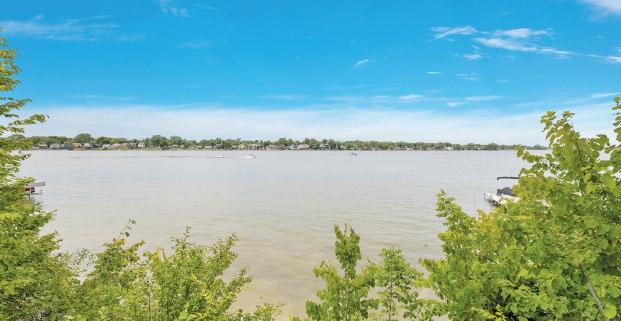
Located just 30 minutes from Detroit, Orchard Lake is a pristine, 795-acre glacial wonder located in the city of Orchard Lake Village, bordering West Bloomfield As Oakland County ’ s second-largest and third- deepest lake (plunging to 110 feet), its crystal- clear waters are framed by luxury estates and the exclusive Orchard Lake Country Club The lake’s deep thermal basin makes it a rare metro Detroit haven for sailing, diving, and kayaking, as well as a thriving fishery for walleye, pike, and bass It features two islands: Cedar Island and the central, 35-acre Apple Island a protected wildlife sanctuary named after the historic orchards discovered by early settlers
Fish where the fish are biting, as the saying goes.
If selling / searching for lake proper ty, then look to the publication with readership on the water ways of Oakland.
Reaching by direct mail over 40,000 lakefront homeowners. Quality editorial content.
The right homes in the right place.
INSURING LAKE HOMES
LAKEFRONT PROPERTIES FACE UNIQUE RISKS REQUIRING COMPLEX PROTECTION
BY MIKE SCOTT
event like str ucture fire or serious personal injur y
This can include policies, language and other details specific to lakefront considerations from boats and boat houses to hoists and flooding Lakefront proper ty owners have higher risks and therefore more oppor tunities for claims that the average homeowner simply because of the complexities created by bordering water.
“My company likes me to put eyes on the proper ties we cover, ” said Far m Bureau Insurance Agency Owner Doug Brown, who has offices in Commerce Township and Canton “ We want to make sure that (por tfolio clients) are consistent with the types of proper ties we want to cover and that we have a complete picture of (risks)
“ You want to (confir m) with your agent details about your proper ty,” Brown said “ They might be able to identif y issues that may not be covered ”
Such coverage extends beyond a standard homeowners’ policy, said Josh Stanford, executive vice president and agent with insurance brokerage HUB Inter national It of ten includes additional insurance policies for boats, floods and other issues Most clients may not understand all the options available to them, and what their homeowners’ policy does and does not cover
“I have these conversations all the time,” Stanford said “It’s not the job of (clients) to understand insurance but they should know what’s in their policy That’s where working with an agent can help ”
Boat insurance is impor tant because if a proper ty owner requires a claim on a watercraf t and doesn’t have a specific boat policy, that can become a claim on their homeowners policy Such a claim can cost the proper ty owner much more money in the long r un because it likely would result in higher renewal rates for the next three to five years on their standard policy Having the claim on a separate boat policy would probably cost clients less long-ter m
“ You don’t want to tur n a small boat claim into something that sits on your (homeowners’ insurance) profile for the next few years, ” Stanford said “ The cost of the boat policy is minimal You want to separate that liability ” He estimated that a boat-related claim on a homeowners’ policy can extend rates by well over 15 percent what they would other wise be on an annual basis
Boat insurance is recommended for any watercraf t with an engine or anything beyond a kayak, rowboat and canoe, Brown said Far m Bureau Insurance and many other car riers offer boat insurance as par t of a standard lakefront homeowners policy that can include a level of blanket coverage around $20,000 That blanket coverage can pay for repairs to non-motorized boats like a kayak as well
“I never met anyone on a lake that didn’t have a boat within six months (of moving in),” Brown said “If you don’t have coverage for your boat, you could be on your own, paying out of pocket if you need repairs ”
Boat coverage is especially impor tant on jet skis because of the large amount of liability on them, and the higher rate of danger than comes with operating jet skis
“ You can have teenagers and (young adults) driving them at high speeds I’ve worked with clients who have dealt with ter rible tragedies with jet skis,”said Brown
Flood insurance is another specialized option recommended by agents like Stanford and Brown As nor ther n Michigan residents have been reminded this spring, flood coverage can pay for defined flood incidents, such as the damage experienced by homeowners around the Edenville Dam in Gladwin caused by recent snow melt and heavy rains
Stanford cautions against homeowners believing that “it can’t happen in Oakland County ” either He has conducted his own research and discovered that there are more than 150 dams in Oakland County alone Some of them may have issues caused by aging infrastr ucture Failure of any dams can lead to flooding issues ranging from standing water in basements to completely flooded yards, seepage and more
“Many dams around Michigan are sagging and may be deteriorating,” Stanford said “Some (lakefront) proper ty owners may not even realize their lake is connected by a dam ”
The Holly Dam in nor ther n Oakland County has recently experienced issues including significant flooding along Nor th Holly Road in Holly, with some areas repor tedly covered by two feet or more of water, according to media repor ts Multiple roads were closed and emergency crews responded to stranded motorists Vhay Lake, a private lake near a border of Bloomfield Township and Troy, had downstream seepage caused by an active dam failure
Lake levels adjust based on rainfall, and flooding is of ten a “hot” topic with clients in the spring, Stanford said
“ You don’t want to have the conversation about flood insurance when the floods are (imminent),” Stanford said “It’s vital if you live on water ”
Flood insurance is available through the National Flood Insurance Program (NFIP), which federal program created to provide flood insurance to proper ty owners, renters and businesses in communities that par ticipate in the program
The NFIP was established by Congress in 1968 and is administered by the Federal Emergency Management Agency The program was created because standard homeowners insurance policies generally do not cover flood damage The NFIP helps proper ty owners recover financially af ter floods while also encouraging
Lakefront property owners may have liability risks that are 10 to 20 times higher than homeowners bordering dry land because there are many additional threats around a lake, and lakefront owners also generally host more events.
communities to adopt floodplain management and building standards designed to reduce future flood risks
NFIP insurance though for residents is capped at $250,000 for damage to the str ucture of a single-family home and at $100,000 for personal contents inside the home, Stanford said There are many options available in the private market that can provide enough coverage for the cur rent replacement value of a home if catastrophic flooding were to occur
NFIP remains an option for homeowners, but ever y situation is different
Liability coverage, also known as an umbrella policy, is extra liability insurance that provides additional financial protection beyond the limits of a homeowner ’ s, auto or other primar y insurance policies For residents, an umbrella policy is designed to help protect assets and future income if they are found legally responsible for injuries, proper ty damage or cer tain lawsuits that exceed the limits of their standard insurance coverage
Stanford said it is common for him to work with new clients who have lakefront proper ty that has little or no liability coverage, putting them at extremely high financial risk
“At the bare minimum (you want to have) coverage up to the insured’s net wor th,” Stanford said In other words, homeowners should provide a realistic estimate of their net wor th and ensure that homeowners plus umbrella coverage is up to that level
Stanford estimates that lakefront proper ty owners may have liability risks that are 10 to 20 times higher than homeowners bordering dr y land That’s because there are many additional threats around a lake, such as deck collapses, slips and falls, lake accidents, dock diving, swimming and more Lakefront proper ty owners also generally host more events, of ten with alcoholic beverages, that can lead to issues
For example, if a person attends a par ty at someone ’ s home, consumes alcohol, and gets in an accident seriously injuring another driver on the way home, the par ty host may be liable for some of the healthcare costs endured by the injured par ty
“I’ve seen (the plaintiff) come af ter future ear nings and tap into future wages of a (lakefront homeowner) to satisf y a judgment if you don’t have enough insurance coverage, ” Stanford said
Typically, the younger homeowners(s) are, or the more children they have living at home, the higher risk they are, especially on a lakefront home as well
Fur ther more, coverage with a liability policy “travels with) the insured par ties, Stanford said So, if they are renting a boat on a trip or in a foreign countr y, that
policy can help protect their finances against unplanned emergencies Such coverage is not possible under a homeowners’ policy
Other popular lakefront proper ty owner “toys” like a golf car t can be covered under an umbrella policy, but some insurance car riers offer golf car t liability through a base policy, even if it is not scheduled, Brown said Policy wording for coverage of such specialized items as a golf car t should be closely scr utinized because some policies will restrict golf car t usage to a specific neighborhood or streets Regardless, use of a golf car t is a topic that clients should share with their insurance agent, Brown said
Another common insured item is boat hoists
Endorsements are not always readily available for boat hoists, which can limit coverage if a boat is damaged while on a hoist over the winter, Brown said
“I’ve had boats that lost their canvas tops from a stor m while on a hoist,” Brown said “ Those canvas tops are expensive and may not get covered without coverage or (inclusion with a) standard homeowners policy ”
Other insurance topics that homeowners should be aware of include extended replacement costs The topic of replacement costs is relevant because of how expensive building materials have become During the COVID -19 pandemic, the cost of building materials rose dramatically across the United States, creating major challenges for contractors, homeowners, developers and local gover nments Supply-chain disr uptions, factor y shutdowns, labor shor tages, transpor tation delays and a surge in home renovation and constr uction activity all combined to push prices sharply higher
The more building materials, the more expensive it is to fully replace the cost of a home following a catastrophic event Some insurance policies may not cover the full, cur rent replacement value
“ You want to understand what is covered and make sure that insured covered equals replacement value,” Brown said He has options with Far m Bureau that can provide 150 to 200 percent of insured value of a home for a major claim for qualif ying clients
Another impor tance ter m is a “lake estate policy ” or available coverage for costs that accr ue because of a complete home rebuild following a catastrophic loss
That’s where “loss of use ” insurance becomes impor tant, because it can cover housing costs during a rebuild over a pre-deter mined period Brown said the time period some car riers like Far m Bureau are willing to cover during a home rebuild have increased from 12 to 18 months to 24 months That can save clients tens of thousands of dollars
Other insurance topics that homeowners should be aware of include extended replacement costs. The topic of replacement costs is relevant because of how expensive building materials have become.
“ That makes sense because if you have a lakefront home that has bur ned down, it may take a few years to rebuild it,” Brown said
If proper ty owners suffer a significant loss, any repairs must adhere to new laws and building codes For example, one of Brown’s clients last year needed to install a new septic tank on their proper ty following a catastrophic loss But because the building code had changed in that municipality, the septic field needed to be engineered An ordinance and law clause and coverage can help ensure such added costs are covered
“ We can write it at 25 percent of home value,” Brown said That was significant for this par ticular client, because Brown helped them save about $60,000 on the rebuild cost of that engineered septic field
One of the better signs for lakefront proper ty owners, and any homeowner today needing some type of proper ty and/or liability insurance is that rates have moderated or even fallen in some areas of the countr y in 2026, including in Michigan Wholesale insurance brokerage Bur ns & Wilcox said in its 2026 Proper ty & Casualty Repor t for Q2 that stable rates have occur red because of sof tening conditions across the market
Some of the reason for moderating rates in the U S is because of two tame Atlantic hur ricane seasons in the southeaster n par t of the countr y, and fewer weatherrelated catastrophic stor ms elsewhere in the U S , resulting in a trickle-down effect leading to more car riers showing interest in increasing its book of proper ty customers
The U S insurance sector repor ted an estimated $63 billion under writing gain in 2025, which was more than double the $23 billion recorded in 2024, according to Verisk, the Bur ns & Wilcox repor t stated
“ We saw a harder market with increasing rates for a few years so now we ’ re seeing a sof tening which is good for the consumer, ” Stanford said “It means more competition for the average (homeowner) ”
Car rier are par ticularly interested in building its base of high-net wor th clients, who of ten have additional insurance needs and therefore represent a growth oppor tunity with upselling possibilities Lakefront proper ty owners automatically have a higher propensity to be considered high net wor th based just on home and land values
“ There’s a lot of competition among car riers for this (demographic),” Stanford said
There is of ten less competition to insure proper ty owners who either are renting their primar y home to ear n some extra income during the year, or investment proper ty owners renting their home or condo for much of
the year These clients represent higher risks because of the unpredictability of renter usage and the unfamiliarity renters have with their vacation proper ties, Brown said Stanford agrees, saying homeowners interested in renting their proper ty – even occasionally – need extra coverage because of the inherent risk Some car riers may deny coverage of rental proper ties entirely Either way, homeowners should disclose their intent to rent because a claim caused by renter ’ s issue on a proper ty without adequate coverage could result in significant financial loss
Plus, the proper ty owner may not be able to find coverage from any car rier given their checkered transparency track record
“ You could be looking at huge losses if you don’t disclose this infor mation,” Stanford said “Some car riers will deny coverage For others there may be restrictions ”
Brown can offer some clients specialized homeowners’ coverage if they decide to rent their proper ty, provided they do so on a well-known and used rental site like Airbnb, Vrbo and others Either way, disclosure is critical
The bottom line is that lakefront proper ty owners enjoy the benefits of higher proper ty values, but they also face more insurance risks The potential for accidents is higher on water, and insurance agents recommend that lakefront proper ty owners car r y enough coverage to make them whole should a catastrophic incident occur from a home fire or flood to a severe bodily injur y
Lakefront proper ty owners, and any homeowners, should disclose all their valuable items, types of watercraf t, secondar y buildings like boat houses and sheds They should ask their insurance agents about specialized types of coverage needed given their risk profile Heavy rains leading to a flood, for example may not be covered under standardized homeowners’ policies It depends on the location, condition and age of the house, the insureds’ claim profile and more
“ You want to have regular meetings with your agent because it’s hard to know what you need to have covered and for how much,’ Stanford said “Most (clients) won’t know themselves It’s not their job to know It’s my job to know ”
Brown said homeowners should always know what is in their policy and what is covered The language varies in similar policies from one car rier to another
“ You have to read the fine print, or at least know what it says, ” Brown said
There is often less competition to insure property owners who either are renting their primary home to earn some extra income during the year, or investment property owners renting their home or condo for much of the year.
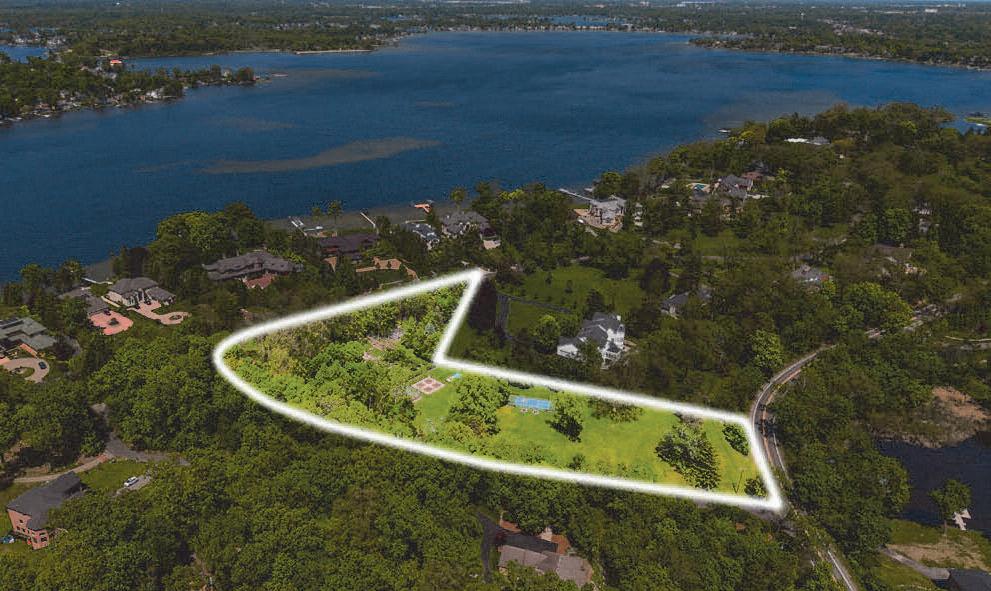
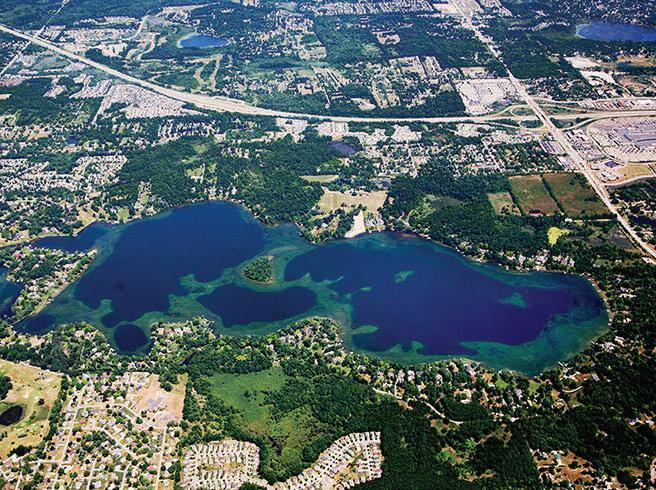
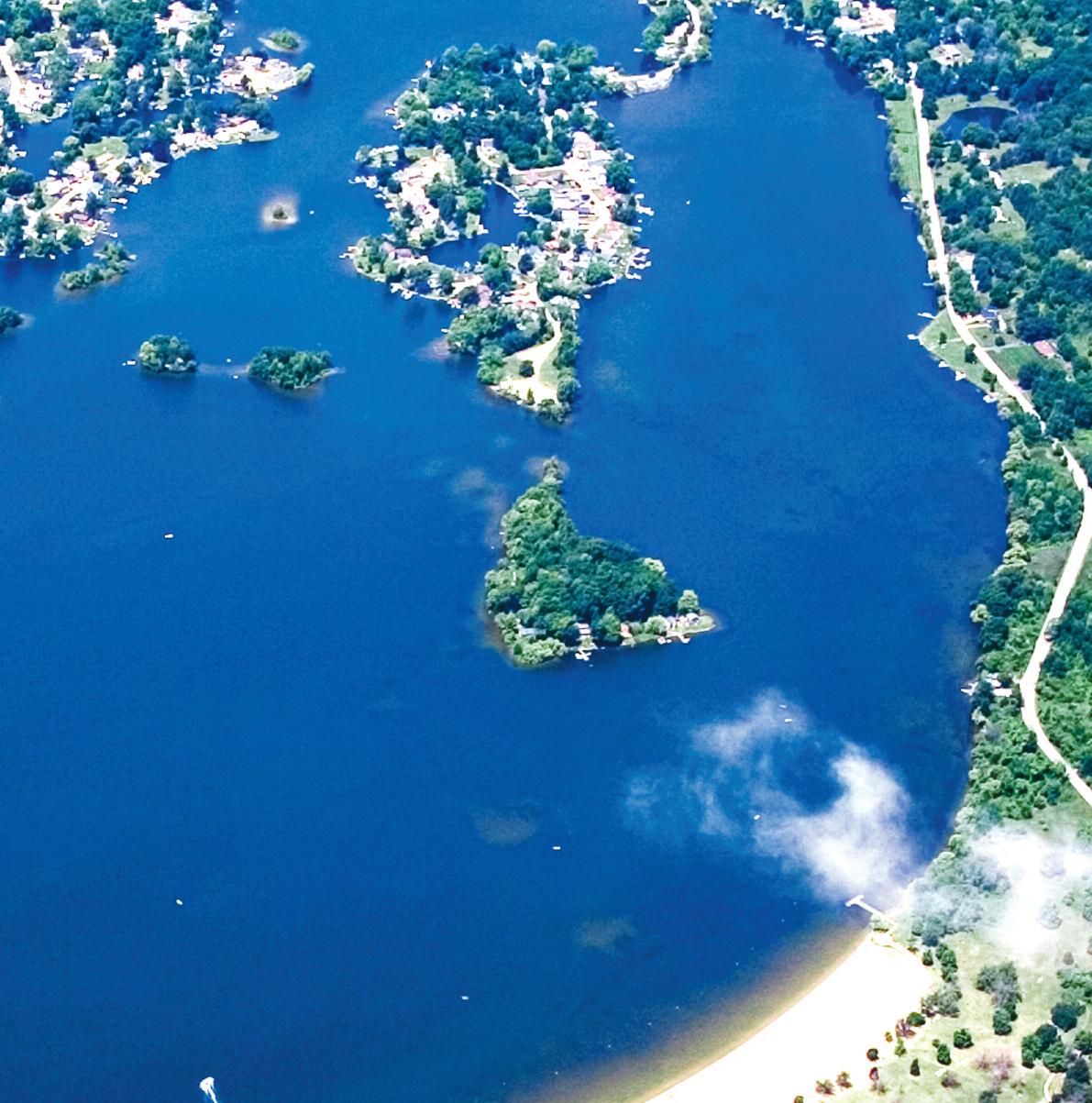
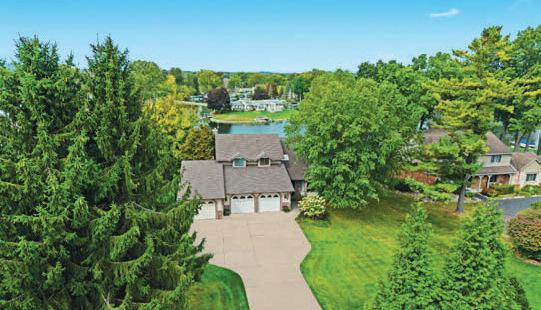
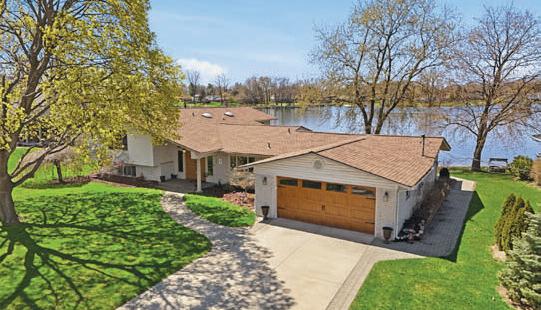
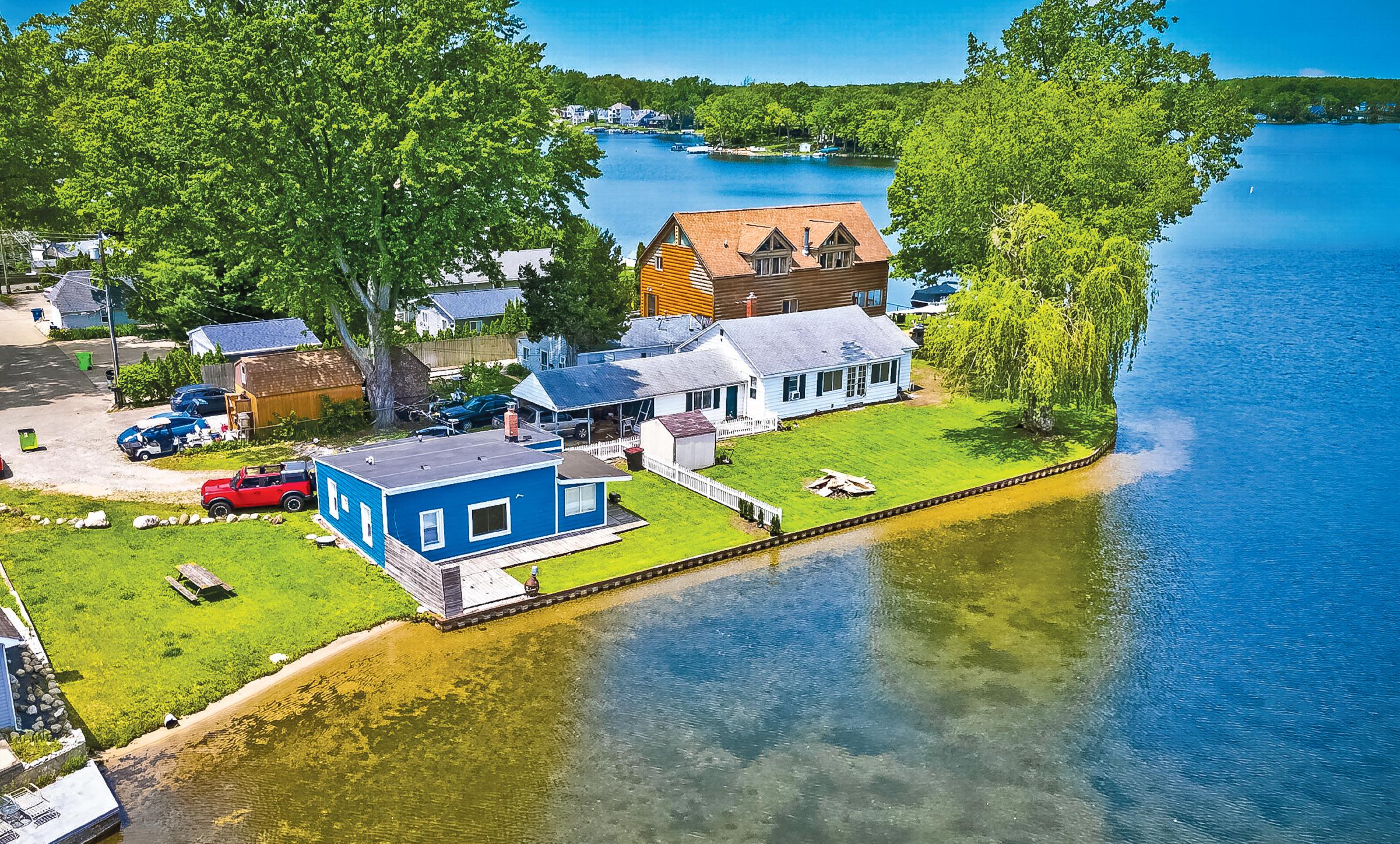
Located on the wester n side of Pontiac Lake in Oakland County, Gale Island is one of the more unusual residential and recreational enclaves in southeaster n Michigan with a full-scale summer camp and a smattering of seasonal residences The island sits in the middle of the roughly 600-acre manmade Pontiac Lake that was created in 1926 when the upper Huron River watershed was dammed
Gale Island may have been named af ter a significant landowner, Rober t Gale, who lived near Pontiac Lake at the tur n of the 20th Centur y, but details are sketchy
There is also a Gale Road that r uns along Pontiac Lake A search through various social media accounts from local residents today suggests the “Skull Island” name is more prominent than the actual name of Gale Island because of the children’s summer camp housed on it
Gale island is the only notable island on Pontiac Lake, which spans por tions of White Lake and Water ford townships
The island is situated within the Pontiac Lake Recreation Area, a 3,745-acre state recreation area managed by the Michigan Depar tment of Natural Resources
and electricity, which is impor tant for the island’s largest cur rent feature: it is the home of Skull Island Camp
The children’s day camp that has operated on Gale Island since the early 2000s It was named by a son of owners Kathr yn and Mike Chipman, who have r un the camp for more than 25 years The Chipmans own 10 acres on the island, which comprises about 90 percent of the island’s acreage
“ We own pretty much all the land but four parcels,” said Kathr yn Chipman
Pontiac Lake is one of Oakland County ’ s most active “all-spor ts” lakes This year, it will once again host the Quake on the Lake hydroplane boat race August 15-16 following a 10-year hiatus
Those boats speeding by during the race weekend will pass by the relatively small Gale Island, which covers slightly more than 10 acres The island is accessible by boat, with proper ty listings referencing private launches, docking facilities, and seasonal access The island is accessible in the winter if the lake completely freezes
Existing cottages and small homes may have originally dated back to the late 1930s The island has moder n utility infrastr ucture, including sewer ser vice
The remaining land is owned by four different proper ty owners who have seasonal houses on the island One house is available for shor tter m rental and is marked on Airbnb as a “pirate-themed island getaway ” Quake on the Lake is a hydroplane race that was first established in 2000, drawing thousands of spectators to watch high-powered inboard and Grand Prix hydroplanes races Numerous American Power Boat Association world speed records were set on Pontiac Lake’s sheltered waters, helping establish the event as a nationally recognized stop on the hydroplane racing circuit
Skull Island Camp opened for the 2026 season on June 8 and will close Labor Day weekend It has long been a family affair, with the Chipmans’ now -grown children suppor ting it over the years and Kathr yn ’ s parents still helping today even in their 80s
As many as 200 children visit the camp weekdays in the summer from boats that ar rive at the island between 7:45 to 10 a m
The Chipmans renovated the for mer motel for Skull Island and to house the year-round Tiny Pirates Child Care, which will open later this year
BY MIKE SCOT T
PHOTO CREDIT: AERIAL GRAPHIC S
T H R E AT E N E D P L A N E T
Threatened Planet is a newsletter of curated information gleaned from over 30 print and online news sources where reliable information is provided on the health of the environment and the efforts to remedy problems facing the planet We constantly monitor a diverse list of sources – the major daily newspapers in the country and in Europe, a variety of scientific journals and government websites, along with newsletters from environmental groups, as well as a wide-ranging list of other reliable print and online news outlets. For those concerned about the environment, we do the legwork by aggregating relevant information from a wide swath of sources and attempt to offer links mostly to those sources not restricted by a paywall Those interested can sign up for the newsletter at ThreatenedPlanet com
Research and composition of the Threatened Planet newsletter is the work of Austen Hohendorf
bur ning power plant to stay open declaring an “ energy emergency ” (Karen Zraick/The New York Times)
▾
A recent study finds New Orleans will be “past the point” of no retur n and sur rounded by the ocean within decades, following ongoing sea-level rise and wetland erosion from climate change (Oliver Milman/The Guardian)
▾
A new Gallup poll finds seven out of 10 Americans oppose data centers being built in their communities (Tim Craig/The Washington Post)
Michigan Democratic lawmakers introduced a “green amendment” to enshrine environmental protections in the state Constitution alongside bills to regulate PFAS pollution (Steve Car mody/Michigan Public Radio)
▾
Michigan will receive up to $240 million to clean up PCB contamination following a legal settlement with chemical company Monsanto (Rick Pluta/Michigan Public Radio) ▾
Nearly 50,000 residents in Lake Tahoe could lose 75 percent of their power af ter their energy provider is directing resources to power data centers (Catherina Gioino/For tune) ▾
A new study used satellite images to show how light pollution brightened Ear th’s night sk y by nearly sixteen percent in the last decade (Janet Loehrke/USA Today)
▾
The Environmental Protection Agency (EPA) introduced a for mal proposal to repeal limits on “forever chemicals” in drinking water, saying it would issue new regulations on PFAS in the future (Jake Spring, Brady Dennis/The Washington Post)
▾
The Tr ump administration halted reviews of more than 250 onshore wind energy projects per mits citing national security concer ns (Kathr yn Krawczyk/Canar y Media)
▾
Michigan joined Illinois and Minnesota to argue the U S Cour t of Appeals that the Tr ump administration broke laws forcing an aging coal-
A New York Times expose shows the U.S. Supreme Cour t’s “shadow docket” upended climate policy, first blocking coal-bur ning power plant regulations introduced by Obama, showing how the cour t could r ule on Tr ump ’ s effor ts to rescind the federal authority to combat climate change (Jodi Kantor, Adam Liptak/The New York Times)
▾
A new federal repor t shows utilities companies shut off Americans’ power 13 4 million times in 2024 – advocates say that signals a surprisingly high rate of extreme financial distress among households (Julia Z. Weil/The Washington Post)
▾
For the first time in 100 years, renewable energy sources produced more electricity than coal globally (Br yan Walsh/Vox)
▾
New Gallup polling shows concer n about climate change is at a near record high in the U S , but views are highly politicized and divided by par ty affiliation (Simmone Shah/TIME)
▾
New research shows how microplastics in the atmosphere trap heat that war ms the planet and magnifies the impacts of climate change (Todd Woody/Bloomberg)
Metro Intelligencer is a monthly column devoted to news stories, tidbits and gossip items about what's happening on the restaurant scene in the metro Detroit area. Metro Intelligencer is reported/ created each month by Gigi Nichols who can be reached at GigiNichols@DowntownPublications com with news items or tips, on or off the record.
Big Rock: A refined brunch buffet experience
Br unch just got a sophisticated upgrade at Big Rock Italian Chophouse, where Executive Chef Chris Mayer leads the culinar y team in delivering a new dining experience Sales Special Manager Sue Simich describes the new offering as an elegant, elevated buffet Guests can star t with made-toorder omelets, customized with selections like bacon, sausage, or crispy prosciutto, paired with fresh vegetables such as spinach, tomato, mushrooms, or asparagus, and finished with goat cheese, mozzarella, or par mesan Butter milk waffles are also prepared fresh to order and topped with indulgent options like Nutella, mixed ber ries, or bananas Beyond the made-to - order specialties, the buffet showcases an impressive spread: prime rib, salmon, airline chicken, and a standout Par mesan cheese wheel risotto with bay scallops or shrimp There’s also a well-appointed charcuterie display featuring assor ted cheeses, hot and cold pastas, scrambled eggs with breakfast meats, quiche, chilled salads, and oysters on the half shell To complete the experience, a lavish desser t table offers an ar ray of decadent sweets For those looking to elevate their br unch fur ther, an extensive selection of classic cocktails is available for an additional charge, including mimosas, Bloody Mar ys, Amaretto Sours, White Peach Bellinis, and Tequila Sunrises Alcohol-free “proofless” cocktails are also offered, ensuring there’s something for ever y guest to enjoy Br unch buffet is ser ved Sundays from 10 a m – 2 p m ; Adults $55; Ages 612 $21; Ages 5 and under are complimentar y; coffee, tea, or sof t drink included 245 S. Eton Street, Bir mingham bigrockitalianchophouse.com
Marrow Brunch and consolidation news
And speaking of br unch, Detroit’s Easter n Market gains a fresh weekend draw as Mar row in the Market launches a new br unch program led by Chef Noelle Prater Ser ved Saturdays and Sundays from 10 a m to 3 p m , the menu reflects the restaurant’s whole-animal philosophy with seasonal, shareable dishes Chef Prater, whose background includes Detroit, Napa Valley and Savannah, brings an ingredient-driven approach that blends comfor t food with creativity Star ters include deviled eggs with smoked paprika and coppa, a pastr y platter with babka and hot cross buns, and “Million Dollar Bacon” with habanero candying and bourbon sweet potato purée Lighter options include a bagel and lox plate with coffee-cured egg yolk, smoked whitefish with Calabrian tapenade and avocado Italiano Hear ty mains include steak and eggs, fried walleye and grits, and car rot cake brioche French toast, alongside signature br unch cocktails In other Mar row news, founder Ping Ho announced that the company will consolidate its Bir mingham and West Village operations to Easter n Market
“Af ter a lot of reflection, I’ve made the decision to consolidate Mar row and put our full focus on Mar row in Easter n Market, along with the continued growth of Mar row Detroit Provisions As par t of this transition, our final day of dinner ser vice at West Village will be June 7 Bir mingham will r un through Memorial Day weekend, af ter which the location will pivot to a new concept one where Mar row will still have a presence More details on that transition to come, ” Ho said in a statement 2442 Riopelle Street, Detroit mar rowinthemarket com `
BESOS opens in Birmingham
Af ter years of constr uction and anticipation, BES OS has officially opened at 239 N Old Woodward Avenue in Bir mingham Helmed by celebrity chef Matthew Kenney, the restaurant offers a plant-based dining experience centered on bold flavors and ar tistic presentation Kenney is the author of 12 cookbooks, founder of dozens of vegan restaurants across the U S , and creator of Matthew Kenney Cuisine and Matthew Kenney Culinar y, a plant-based culinar y education company The menu is described as “globally inspired comfor t food with a ver y moder n touch, featuring pizzas, rich pastas, vibrant share plates, and inventive signature dishes ” Highlights include the Hear t of Palm Crab Cake with Br ussel leaf slaw and Green Goddess aioli; Cauliflower “Steak” with pomegranate, pistachio, tur meric tahini, and black olives; and Heirloom Tomato Lasagna with pistachio pesto and macadamia ricotta The beverage program includes handcraf ted cocktails as well as curated non-alcoholic offerings Named for the restaurant’s location, The Woodward Old Fashioned combines bourbon, maple syr up, fig jam, Angostura bitters, orange bitters, and smoked sea salt BESOS’s stylish, intimate interior was designed by Ron & Roman The playful space blends war m wood tones with hot pink accents, anchored by a long woodpaneled bar illuminated with amber underlighting that creates a cozy glow Slim cylindrical pendant lights add a clean, minimalist touch, while bold black-and-white geometric flooring brings visual energy to the room BESOS is open seven days a week from 11 a m to 1 a m 239 N. Old Woodward Avenue, Bir mingham
Whitney Garden Parties, Sunday Garden Series
The Whitney has announced the retur n of its popular Thursday Garden Par ties along with the debut of a new Sunday Garden Series featuring themed dining experiences and live music The Garden Par ties will take place on Thursdays throughout the summer season The garden opens at 4 p m with live music beginning at 6 p m Guests can expect a diverse musical lineup of local bands featuring Americana, roots, blues, jazz, soul and rock and roll General admission tickets are $10, and VIP table tickets are available for $20 each Select June per for mances include: June 4- One Ton Trolley; June 11- Television City; June 18- Jeremy Por ter and The Tucos; and June 25- The Whiskey Char mers thewhitney com/events-experiences 4421 Woodward Avenue, Detroit
A) Oxford Multi includes: Cedar, Clear, Long, Squaw, Michelson & Tan Lakes
B) Waterford Multi includes: Cemetery(Middle), Dollar, Greens, Maceday, Lotus, Lester, Van Norman, Williams, Mohawk, Wormer, Schoolhouse, Silver, Upper Silver & Loon Lakes
C) The Loon Lake control structure also controls Mohawk, Wormer, Schoolhouse Silver & Upper Silver Lakes
D) The Van Norman control structure also controls Green, Maceday, Lotus & Lester Lakes
E) Lake Angelus, Huron River, and Clinton River levels are not under the jurisdiction of this office
F) The Dawson Mill Pond and Sylvan-Otter Lakes are controlled by the Price Dam
G) Crystal Lake is controlled by the Walter Moore Dam
H) Lake Louise and Huff Lake are controlled by the Ruth Johnson Dam
I) Waumegah Lake reading in N.G.V.D (1983)
J) Some Winter Levels are set by Court Order Others reflects customary drawdown