

























Dan Gutfreund















Dan Gutfreund

Five southeast Michigan watersheds, including the Clinton River, Rouge River, Huron River, Detroit River, and River Raisin, received a report card from the University of Maryland’s Environmental Science Center. Now work is underway to address the shortcomings because the health of those watersheds is crucial to the life of local waterways.

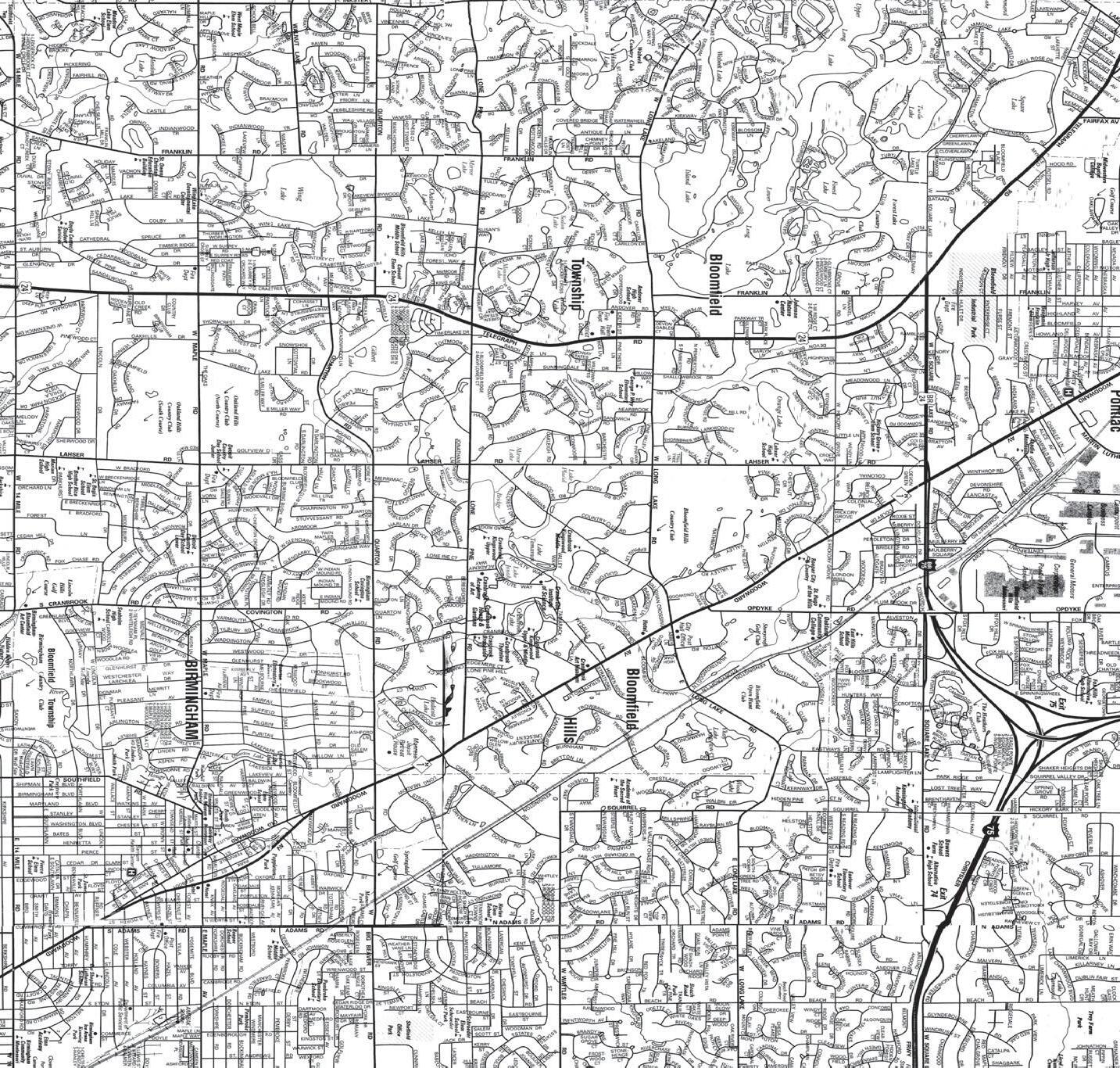
A recap of select categories of crime occurring in the past month in Birmingham, Bloomfield Township and Bloomfield Hills, presented in map format, plus a reminder about our online interactive map with story details on public safety incidents.



Overlooked race to fill the congressional seat now held by Stevens; attacks ramped up in the two-person race for U.S. Senate; soul of the Democratic party at stake in race for 7th district; Bouchard no daddy’s boy; what will McMorrow do now; plus more.


Police needs in Bloomfield Township; Community House sale and board formation; police chief leaving; Birmingham Schools bond vote; sustainability fee on parking; museum grant; seeking funds from PFAS settlement; plus more.






Birmingham







PUBLISHER
David Hohendorf
NEWS EDITOR
Lisa Brody
NEWS STAFF/CONTRIBUTORS
Hillary Brody Anchill | Cris Braun | Dana Casadei | Tracy Donohue | Stacy Gittleman | Austen Hohendorf | Grace Lovins Jeanine Matlow | Katey Meisner | Gigi Nichols | Susan Peck | Carla Schwartz | Michael Scott | Mark H. Stowers | Gretchen Van-Monette
PHOTOGRAPHY/CONTRIBUTORS
Laurie Tennent | Matthew Cromwell | Theodore Michael | Mackenzie O'Brien
Laurie Tennent Studio
ADVERTISING DIRECTOR
David Hohendorf
ADVERTISING SALES
Mark Grablowski
GRAPHICS/IT MANAGER
Chris Grammer
OFFICE
970 E Maple Road / Ste. 3, Birmingham MI 48009 248.792.6464
MAILING
PO Box 1630 Birmingham MI 48012-1630
DOWNTOWN NEWSMAGAZINE GOALS/MISSION
The personnel at Downtown Newsmagazine bring a special commitment to the publishing effort, reinvesting in the local communities and working to make sure the Birmingham/Bloomfield area reaches its highest potential. Our mission dictates that we strive each month to provide a solid news and advertising product that local residents look forward to reading. Our goal is to build a community of informed citizens through the efforts of our passionate team. We are innovators producing products that go well beyond what others offer.
DISTRIBUTION/SUBSCRIPTIONS
Mailed monthly at no charge to most homes in Birmingham, Bloomfield Township and Bloomfield Hills. Additional free copies distributed at high foot-traffic locations in Birmingham/Bloomfield.
For those not receiving a free mail copy, paid subscriptions are available. To secure a paid subscription, go to our website (downtownpublications.com) and click on “subscriptions” in the top index and place your order or scan the QR Code here.

We welcome feedback on both our publication and general issues of concern in the Birmingham/Bloomfield community. Opinions can be sent via e-mail to news@downtownpublications.com or mailed to Downtown Publications, PO Box 1630 Birmingham MI 48012-1630. If you are using the mail option, you must include a phone number for verification purposes.







































Oakland Confidential is a column of political gossip/news, gathered both on and off-therecord. We welcome possible items for this column which can be emailed to: OaklandConfidential@DowntownPublications.com. All sources are kept strictly confidential.

OVERLOOKED RACE: What was once one of Michigan’s most visible –and vital – congressional districts has seemingly disappeared from political conversation as politicians, politicos and pollsters wrangle to debate and predetermine the outcome of the U.S. Senate, gubernatorial, and congressional races in the 10th and 7th districts. Yet there is nary a whisper about the candidates running in MI-11 to replace Congresswoman Haley Stevens (D-Birmingham) in the covetable Oakland County district. Stevens is in a do-ordie primary race with Abdul El-Sayed to be Democratic standard bearer for the U.S. Senate, leaving her U.S. House seat open. She first flipped the formerly Republican seat blue in 2018, and after four terms, redistricting and demographic changes, it is considered solidly Democratic. Running to replace her are state Senate Leader Pro Tem Jeremy Moss (D-Bloomfield Township), who previously was a state Representative and before that served as a Southfield City Council member with a long slate of accomplishments, including women’s health care rights, LGBTQ+ rights, gun control, and expanded voting. Some view him as the favorite, having garnered Gov. Gretchen Whitmer’s endorsement. Then there is Democrat Don Ufford, who briefly was a Republican but now is campaigning as a social democrat, beating up Israel and AIPAC in the campaign, almost overshadowing his years of work as an engineer at Ford and in the Biden White House. Also running are Aisha Farooqi, playing the antisemitic and social democrat cards, and John Paul Torres, whoappears to be a ghost. Ironically, there has been no public polling, and if the campaigns have done any internal polling, they’re not saying. It’s likely that whoever wins the primary will have the upper hand in the general election against Republican Ethan Baker.

PROS & CONS: The Michigan primary race to fill the U.S. Senate seat now held by Gary Peters (D-Bloomfield Township), who is leaving for retirement, has become even more contentious as the August 4 primary closes in. Peters has endorsed Congresswoman Haley Stevens of Birmingham, considered the more moderate candidate in the race, as has Senate Minority Leader Chuck Schumer, while their Senate colleague Bernie Sanders, a social democrat, has endorsed her opponent, Abdul El-Sayed of Ann Arbor, originally from Bloomfield Hills. Mud – and allegations – against one another continue to be thrown, both at debates and on the airwaves, by the candidates and their surrogates. Stevens is a strong backer of Israel, although she has criticized the Netanyahu administration, while El-Sayed repeatedly has questioned Israel’s right to exist, calling it a “rogue state” on CNN; sympathized with the armed terrorist of Temple Israel attack in March; and had a known anti-semite social media influencer join him on the campaign trail. Stevens seeks expansion of healthcare rights; El-Sayed calls for Medicare for All. However, his wife, a psychologist, does not accept any insurance, including Medicare, for her services. He has accused Stevens of being “owned” by AIPAC and corporations because of large campaign donations while failing to acknowledge that his father-in-law, Jukaku Tayeb, according to the Washington Free Beacon, is a top donor ($300,000) to a super PAC supporting him, and was a founding member of Islamic Society of North America Founders Committee, which federal prosecutors named as an “unindicted co-conspirator… and/or is a member of the U.S. Muslim Brotherhood...and there is ample evidence linking them to to Hamas.”Has formerPresident Barack Obama endorsed Stevens? No, but she did work for him on the auto rescue task force, and he endorsed her in 2018 and
















2022. El-Sayed claims he rebuilt the Wayne County juvenile jail during his time as health director; according to The Detroit News, and in his 10 weeks working on the project he made substantial changes but not significant improvements. Rather than $700 million in medical debt relief in Wayne County, as claimed, it was later revealed to be “aspirational,” with just $7 million set aside. A program prioritizing free glasses for kids through a mobile eye clinic did not provide 16,000 pair, as an ad has claimed, Bridge Michigan revealed, but “nearly 1,000.” He did post “defund the police” on social media, although it has since been removed. Stevens approved a 2025 bill that included praise for ICE agents – because it primarily condemned the antisemitic attack in Boulder, CO. And how can anyone ignore the push by the Stevens campaign over the last several weeks to get El-Sayed to finally (before August 4) file required personal financial disclosure information as a plane pulled a banner questioning that very issue when Bernie Sanders and the progressive crew held an event in Grand Rapids this past weekend. “The reality is that Abdul ElSayed is lying, because he doesn’t want voters focused on who he really is or his radical, far-left beliefs,” said Greg Manz, senior communications director, Michigan GOP. A Democratic strategist concurred. “He lies so easily,” noting that social democrats are a “malignant force.” “They’re not interested in working with Democrats. They’re interested in pushing a narrow, far-left agenda that’s there’s not a major constituency for. You posted defund the police – and you believe it.”







While the U.S. Senate race has captured the attention of political observers because it has the potential to redefine the direction of the Democrat Party, a similar battle is being waged in the 7th district of Congress where three contenders are pushing to be the standard bearer against incumbent Republican U.S. Representative Tom Barrett who won the seat as Elissa Slotkin moved from the House to the Senate. The district is anchored by Lansing and East Lansing, both Democrat-leaning communities, but it is a sprawling district, encompassing 129 municipalities in the counties of Clinton, Shiawassee, Ingham, Livingston and most of Eaton, along with the Milfords and South Lyon-Lyon Township areas in Oakland. As one moves away from the capital and college town, the electorate becomes more conservative. Two more-traditional Democrats – Bridget Brink and Matt Maasdam – are squaring off against community activist William Lawrence. Brink was the ambassador to Ukraine in the current Trump administration but resigned because she disagreed with the president’s declining commitment in the war with Russia. Maasdam was a former Navy Seal who was also the military aide (keeper of the nuclear code briefcase) for President Barack Obama. In the case of Lawrence, he is occupying the far-left progressive path. He was co-founder of the Sunrise Movement, a climate action group that has morphed into an anti-Israel and anti-data center organization, which captures best the Lawrence role in this race. One school of thought has it that Brink and Maasdam could split the center or just left-of-center votes in this primary which could give Lawrence the necessary far-left votes to pull this off. However, because the MSU student base that leans Democratic is mostly out of town and at home for the summer, Lawrence can’t count on this likely liberal support base. Brink has picked up a number of impressive endorsements, including former Michigan governors Jim Blanchard and Jennifer Granholm. Maasdam has been endorsed by Senator Elissa Slotkin who cut a television commercial for him in the last week. But Lawrence has support from U.S. Senator Bernie Sanders, and Rep. Alexandria Ocasio-Cortez and senate-hopeful Abdul El-Sayed, all of whom gathered in the state this past weekend to give the progressive candidates a boost three weeks before election day. Then there is the question of money. As of the end of June, Brink has raised the most, $2.866 million with cash on hand of $1.106 million. Maasdam has contributions of $1.970 million, with about $548,000 cash on hand. Lawrence has brought in $900,000 and sits with $570,00 cash. And there’s the outside money which has started to roll in as we near August 4, some of it targeted at Lawrence in a bid to block his chance of victory. He is getting some blowback from those who found his recent criticism of Black leadership and negative comments about Kamala Harris and Obama to be offensive. The Cook Political Report ranks this race a toss-up.








NO DADDY’S BOY: The President Donald Trump endorsement of Michael Bouchard, running for Congress in the 10th district, seems to have put the thumb on scale for him over fellow classmate and candidate Robert Lulgjuraj, who announced on July 14 he was ending his campaign for the seat, which means it’s Bouchard’s win in the primary. Bouchard raised $1.38 million as of the end of June, while Lulgjuraj raised $1.28 million. Questions have been privately buzzing that Bouchard, a former Army captain, turned to his father, longtime Oakland County Sheriff Michael Bouchard, a former president of Major County Sheriffs of America, for assistance in lobbying Trump. “Obviously that’s how endorsements come down. Trump’s not sitting there watching every race,” said one politico. “This is how a professionally-run campaign with D.C. influences works,” acknowledged Oakland University political science professor David Dulio. Not so, said the sheriff. “He’s doing his own thing, standing on his own. He said to me, ‘If I’m willing to die for my country, why wouldn’t I be willing to run for it?’”
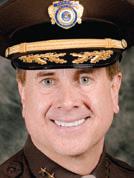
The Bronze Star recipient is taking nothing for granted, his father said, even with an over 30-point lead. As one GOP stalwart said about the race: “it’s now a fait accompli; Bouchard will be the GOP nominee.” If he wins, he’ll face the winner of the Democratic primary. According to Ballotpedia, the district race is rated Lean Republican/Toss Up.
We don’t know exactly why state Senator Mallory McMorrow dropped out of the U.S. Senate race on July 5, but we are hearing lots of chatter. Yes, her poll numbers had plummeted into low single digits, which obviously indicated she had no clear way forward. If one ponders a future political career, it’s obviously more advantageous to have dropped out than to have lost by a wide margin. Did she acquiesce to Democratic leaders in exchange for a promised position? There is chatter in the political class that she negotiated her next position – lieutenant governor to potential Dem gubernatorial primary winner Jocelyn Benson.

“That would be the position I’d agree to if I were in her camp … you can sell it too as having legislative experience - something Jocelyn doesn’t have – and it would lend progressive cred to Benson’s establishment run campaign,” said one political strategist.
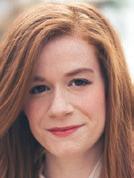
“She brings a line to the progressive wing of the party, legislative experience and know-how, which an executive needs,” agreed Oakland University political science professor David Dulio, while acknowledging there are a “lot of folk Benson could tap.” However, Democratic strategist Joe DiSano disagrees, believing that Benson will not want to “share the spotlight and flashiness. She spent eight years competing with Whitmer and Nessel and wants all the light on herself. I see a state legislator or business person maybe from out of state.” As for McMorrow not endorsing either Stevens or El-Sayed, DiSano said, “she’s afraid of offending anyone. That was the problem with her campaign. She couldn’t commit to a lane. She was running a ‘vibes’ campaign. This Senate campaign is all cards on the table, and she couldn’t decide on a seat.”
SPOILAGE: State Senator Mallory McMorrow (D-Royal Oak, Birmingham, Bloomfield Township, Detroit) dropped out of the race for the U.S. Senate primary race after absentee voter ballots had been sent out to voters who had requested them. Many voters had already returned their ballots, which by law allows them until either July 24 or July 31 to spoil a ballot and receive a new one. According to local clerks, after McMorrow dropped out, there has been an uptick in several municipalities in requests to redo absentee ballots, although there’s no telling if the reason is votes being cast for McMorrow. According to Bloomfield Township Clerk Martin Brook, out of a total of 15,130 ballots sent out (as of July 13), 17 percent, or 2,607, have been returned. In the eight days following McMorrow’s resignation from the campaign, 77 individuals came in to spoil their ballots and revote. “We had very few the week before, and a spike after,” he said. Birmingham City Clerk Alexandria Bingham said Birmingham as of July 15 has sent out 6,236 absentee ballots, with 1,106 returned. Currently, 53 have been spoiled. West Bloomfield Clerk Debbie Binder’s office has seen a few people come in every day requesting to redo their ballots, “but nothing crazy.” Royal Oak Clerk Melanie Halas reported they have mailed out 15,560 absentee ballots, with 2,760 ballots returned so far. Currently, 148 individuals have requested to spoil their ballots. Troy Clerk Aileen Divison said 20,167 absentee ballots were sent out, 2,700 have been returned and there have been 74 requests so far to spoil a ballot.




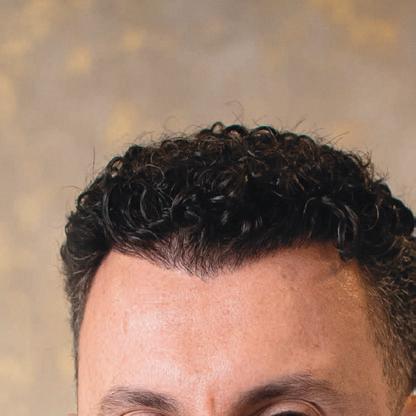
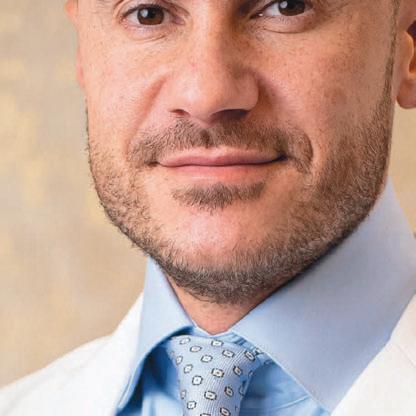




We can’t wait to be part of your community, get ready!
Biography: A proud product of Metro Detroit, Dr. Bazzi earned his medical degree from Wayne State University School of Medicine and completed his residency at William Beaumont Hospital in Royal Oak, Michigan. With 8 years of experience he serves as a national trainer for Allergan Medical Institute, and in 2025 was recognized as one of the top five most utilized physician trainers in the country within the Allergan Medical Institute network.









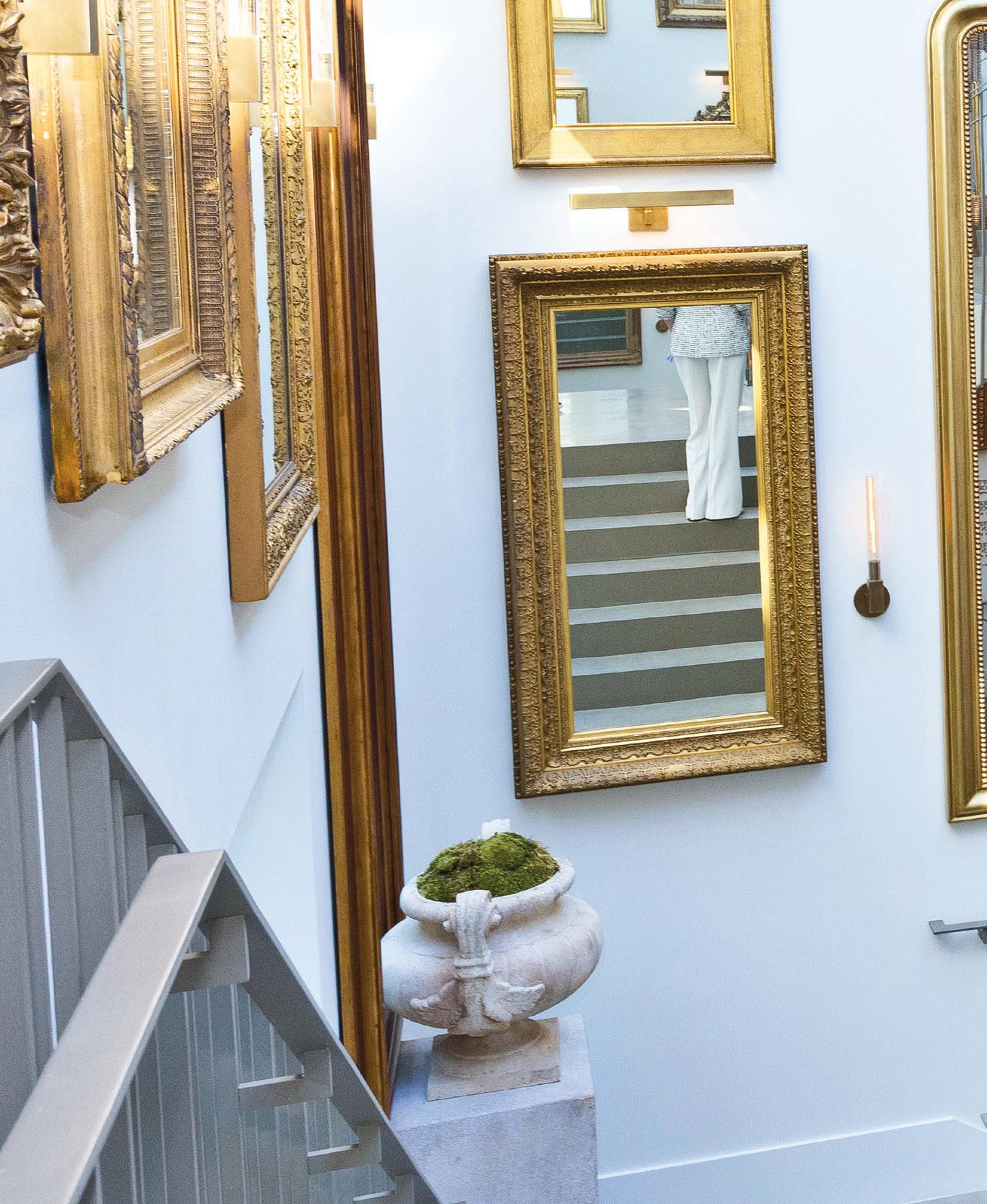


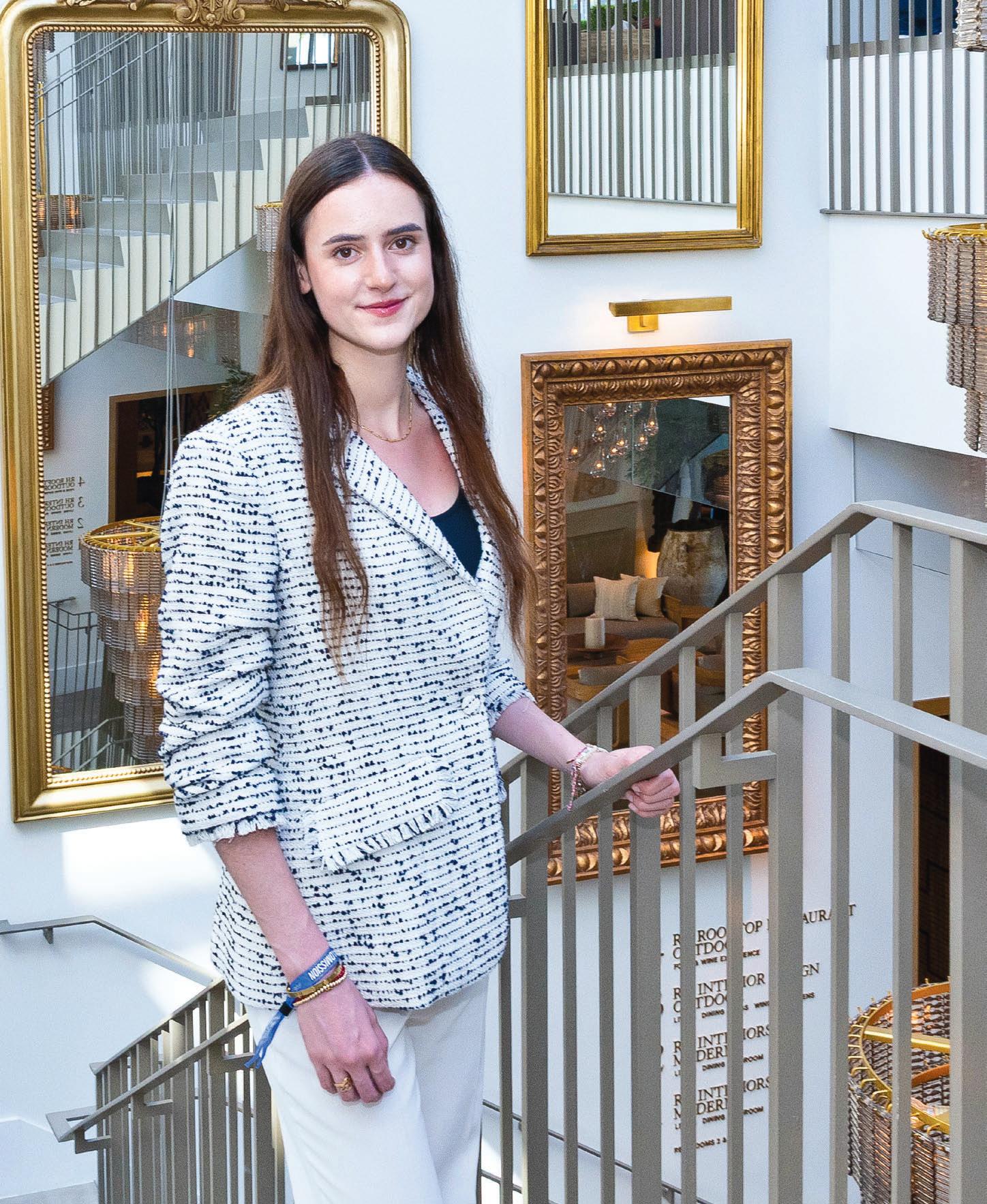
Bloomfield Hills natives, Giulia Pincetti (pictured here) and Natalia Pataq, met earlier this year as students at the University of Michigan. They initially bonded over a class project as well as growing up in the same area, and were inspired to start an information services company called Verum Technologies with a fellow student, David Vargas.
The Latin word “verum” translates to “truth” in English.
“Our project was connected to UCLA’s Initiative to Study Hate. It involved mitigating misinformation,” Pataq explained. “On college campuses, students may say things or argue points but it’s important to break down these points to catch misinformation before it becomes false ideology.”
Pincetti grew up in Bloomfield Hills and graduated from the International Academy. During her high school years, she played volleyball on Seaholm High School’s team and was involved in ice skating and volunteer work. At U-M, she is an active member of two professional clubs, Nexecon Consulting Group and Michigan Advertising and Marketing.
Pincetti spent the past two summers interning in Toronto but plans to be in Bloomfield Hills next summer. “It’s a breath of fresh air going home. I appreciate Birmingham more – checking out new stores, seeing friends.”
Pataq lived in West Bloomfield until the age of nine when her family moved to Bloomfield Hills. She graduated from Detroit Country Day School, where she was in the Conservatory Arts program specializing in drawing. She was also in the forensics program participating in speech, debate and competitions. At U-M, Pataq has been a research assistant and part of the Michigan Foreign Policy Council. She is spending this summer in Washington D.C. as a Capitol Hill intern in the office of Lisa McClain, representative for Michigan’s 9th District and chairwoman of the Republican Conference.
According to Pincetti and Pataq, Verum Technologies builds tools that take a claim and put real sources against it in real time to avoid the spread of misinformation. The company recently launched an app called Verdict that checks the accuracy of a post, claim, video or article within seconds before it is reshared. They have a second app in development called Real Talk that checks claims during a live conversation.
“We want to tie everything back to the truth and facts,” explained Pincetti. “We hope this app can help communities in a good way with more productive conversations that take out emotions and misinformation and promote critical thinking.”
Pincetti said the Verdict app evaluates a claim by utilizing layers of AI-analyzed sources including academic, news sources, as well as less reliable sources such as Wikipedia or Reddit. For each claim, users are given a confidence rating and a list of sources to back it up.
Pataq added: “The app is useful and accessible – you can use it on Instagram while scrolling. It allows people to take a break and verify.”
Each of the founding trio brings their unique talents to the company. Pincetti, a business administration and international studies major, handles business and strategy. Pataq, a political science major, focuses on politics, policy, operations and public impact. And Vargas, who was not part of the initial class project but was brought in to lead the technical end of the business, is a recent U-M computer science graduate from Spain.
Pataq emphasized that the app’s information is neutral and does not have a partisan slant. “Being in D.C. for the summer and understanding the political landscape and echo chambers of information, it’s clear that misinformation is a problem. Many people blindly follow politicians or parties. Many trust a politician or quote without questioning whether or not what they’re saying is actually true.”
When paths crossed for this pair, they ended up sharing not only a hometown and love of learning, but a noble passion as stated by Pincetti: “Our mission is to eradicate misinformation.”
Story: Tracy Donohue

Photo: Laurie Tennent

BY MARK H. STOWERS

M63 major watersheds in Michigan that break into another 267 sub-watersheds, these networks of lakes and streams eventually make their way to the Great Lakes. To dive deeper into efforts to maintain the health of watersheds, five Southeast Michigan Watersheds, including the Clinton River, Rouge River, Huron River, Detroit River, and River Raisin, received a Report Card from the University of Maryland’s Environmental Science Center (UMCES). The project began in 2021 and included multiple partners and stakeholders. The nearly three-year project cost in excess of $500,000 and was funded by the Erb Family Foundation which introduced the idea of the report card to the watershed groups.
The UMCES report cards were not just scorecards but were designed as a stakeholderengagement and management framework. Across southeast Michigan, the process included creating a shared vision, selecting multiple indicators through stakeholder workshops, building partnerships among agencies and nonprofits, and using the results to guide restoration priorities and public decision-making. More than 100 stakeholders from 65 organizations participated


Alex Fries, a trained marine biologist with a Master’s in Environmental Management, is a UMCES Program Manager and was the lead on the project. Her group has done similar projects in which they synthesized and communicated thousands of pages of data into “more understandable information for people.” With the impetus from the Erb Family Foundation, UMCES started the process for the five watersheds.
“We put together a scope and talked about their goals, and we started this project with five groups,” Fries explained. “They wanted a shared vision for what a healthy and sustainable river watershed looked like. They wanted to raise awareness about different socio-environmental conditions, not just ecosystem, water quality, and habitat, but also things that are important to people, like recreation and the economy. They wanted to build relationships among the different stakeholder groups, because many of them are doing similar things, so there could be more collaboration. And they wanted better decision-making processes. Using the data and information they have, they made informed decisions.”
The process started with virtual stakeholder workshops with all of the groups, then with individual groups.
“We focused on the specific groups and what was important to them,” she said. “We split into three sessions. Since it was virtual, it’s hard for people to do a full day online, and we had about 60 stakeholders in November of 2021 when the first workshops were held. The stakeholders really drove what was going to be in the product. They decided what their values were for their systems where they live and what the threats to those values are. Then, when we started talking about potential indicators that could be used to better understand their system and goals, we came up with 33 and grouped them into categories.”
The indicator categories included economy, ecosystem, human health, infrastructure, recreation and water.
The 33 indicators included the overall health index, household income, local ownership, cost of flooding, income equality, trade, river economy, wetlands, tree cover, forests, fish populations, bird diversity, benthic community, protected lands, fish consumption, bacteria, heat vulnerability, air quality index, environmental justice, flooding, sewer overflows, impervious surfaces, farmland, affordable housing, walkability, parks, beach access, watercraft access, fishing, nitrogen, phosphorus, dissolved oxygen, water temperature, and turbidity.
“Then we went through the data and looked at how it was collected and what the time period was. Do we have enough data to say something about these indicators? That part takes a very long time and is a very iterative process where we collect some data, do some scoring, and think, ‘Is this really enough data? Is it really telling us about the system?’ Then we went back and forth between us and the different groups
with the public or other stakeholders they have, that’s really what the report card product is intended to do. And also with policymakers, sometimes local elected officials, even congresspeople or governors, don’t have time to look at these long technical reports. But if you can put a six- or eight-page document in their hands that looks inviting, maybe you can start a conversation about how we really need this bill or this funding. That’s another way these can be used as a tool.”
Future report cards now can be handled by each group, according to Fries.
“The idea when we are working on this with the groups is for us to transfer the process to them so they could do it again in three to five years,” she said. “There is a lot of data and information, and it does take a lot of work. The groups need to have the capacity to take that on. And it is somewhat of a burden. But since we developed the indicators, as new data becomes available, that data can be updated and rescored to track progress over time and how the groups and their regions are doing. Is the money in restoration having the impact they want? I think they talked about wanting to do them again and see how progress is being made. But there are lots of issues in the funding landscape. Are they really able to do that?”
Kevin Goodwin, EGLE Aquatic Biology Specialist, Lakes Erie, Huron, and Superior Unit, Water Resources Division, noted that his department and the department of natural resources were called upon only for data, and the watershed groups did the heavy lifting on the project.
“We were invited to be at those virtual tables, and the upshot of all these reports is that they were much more locally driven, not state-driven,” Goodwin said. “These were driven
The indicator categories included economy, ecosystem, human health, infrastructure, recreation and water.
to come up with those final indicators. After we finalize the indicators and scoring, with everyone agreed and on the same page, we do the layout design, the narrative and storytelling, and build the stories around the specific regions. Even though they’re all in southeast Michigan, they’re very different systems with different issues. The River Raisin compared to Clinton is very different. We came up with stories that would be relevant to what those groups are seeing and doing in their areas and also tell the story of what the scores mean. What are the results? How is the system doing? What are the conditions? And having that kind of A to F scoring scale, so that everyone gets a report card in school and knows what it is, makes it very understandable, and we developed documents together with them.”
Fries had initial relationships with the Michigan Department of Environmental, Great Lakes and Energy (EGLE) from previous report card work.
“We did not collect the monitoring data, but we collated, cleaned, and organized the data and performed the scoring. Some of it was even federal-level data. One of the indicators was cost of flooding, an economic indicator we developed using FEMA data. We’re looking at a treasure trove of data, but it’s very messy. Data management within academia and outside academia is a huge challenge because people use different types of programs, record data in different ways, and store it differently.”
The co-designed report card process “is not someone’s opinion, it’s a calculated score,” Fries explained. “Developing those indicators and stories with the groups and having a product they can use as a tool for fundraising or for engaging
really by the watershed groups. Each one of those watersheds has very active watershed groups, as well as active local municipalities and counties. That’s all those folks who were at those initial stakeholder meetings, as were we. The quick answer is that EGLE was mostly there as a potential data source, depending on what kinds of indicators they came up with and whether we had information that would help feed into those. We, as well as the department of \natural resources, I think, and some others, were there, including those watershed groups. They were trying to cast a wide net to see what information was available as they discussed the indicators they were going to use for these report cards. That was our primary involvement – participating to see if we had data that would be helpful in the overall process.”
Overall, the southeast Michigan region received a C (49 percent). The suite of indicators and scores reflects the unique challenges faced by these five urbanized watersheds. Of the six categories, recreation was the highest-scoring at 63 percent (a B-). Michigan boasts 8.5 million acres of public land, but only 250,000 of those acres are in Southeast Michigan. This high score indicates that outdoor recreation remains accessible to the area’s residents. Human health was scored at 38 percent (a D+). infrastructure and economy both earned C- grades, with 42 percent and 44 percent, respectively. Ecosystem and water were slightly better, at 49 percent (C) and 58 percent (C+), respectively. Bacteria scored lowest at six percent, receiving an F. However, bird diversity was the highest score, an A at 91 percent.
Water quality was significantly affected by agriculture and urban runoff, with point-source pollution from industry
resulting in moderate scores for water at 58 percent, turbidity at 45 percent, and nitrogen at 47 percent. Water temperature was at 53 percent, indicating rising river temperatures. Phosphorus (60 percent) had a good score. Dissolved oxygen was high at 89 percent, indicating that there is ample oxygen in the river for fish and other organisms.
The ecosystem indicators were mostly moderate, with C grades for wetlands at 54 percent, tree cover at 40 percent, fish populations at 41 percent, and benthic community at 55 percent. The amount of forests at 33 percent and protected lands at 32 percent in the region received Ds. Human health conditions, fish consumption and heat vulnerability each had low scores. The environmental justice score was moderate at 52 percent and the air quality score was rated high at 74 percent. Infrastructure scores ranged from poor, with flooding at 13 percent, to good, with affordable housing at 65 percent. Farmland had a poor score, while impervious surface and sewer overflows both had moderate scores.
The cost of flooding was nine percent and income equality at 12 percent but household income was at 69 percent and local ownership was at 76 percent. Trade was at 59 percent and the river economy hit 40 percent. Recreation scores ranged from moderate with watercraft access at 45 percent to very good for beach access at 90 percent. Walkability was at 61 percent and parks rated 66 percent, while fishing licenses had a moderate score at 54 percent. The report overview stated, “Recreational opportunities are becoming more important in the region, supported by a healthy environment, which will improve local quality of life.”
Eric Diesing, freshwater program coordinator for Oakland
we do that not only in our own watershed, but how do we do that looking across southeast Michigan? Because we all know that water doesn’t stop at political boundaries or county lines. While we’re in the Clinton River watershed here, Clinton River watershed is part of a much larger watershed, the Lake Erie watershed for example. It’s all interconnected.”
Being connected, the watershed groups “started to talk about creating a framework for how our watershed groups could tackle stormwater challenges that we were all seeing in our watersheds across our watershed boundaries and empower people and communities to be part of that solution. Something we’ve created together. It’s called the Rain Catchers Collective. And it’s an alliance of all of our groups, emphasizing the advantages of clean water for business, recreation, and in the environment. But it really is looking at how do we work to implement green stormwater infrastructure at a large scale, a community scale, and at a small scale? How do we empower residents to help be rain catchers on their own property? Every little bit helps when you’re talking about stormwater management. Keeping that stormwater out of the storm drain so that it can infiltrate back through the groundwater into our river systems, instead of just flowing down the storm drain and back into the river.”
She noted while there is an idea and plan, the next hurdle is funding to help achieve the whole purpose of the Rain Catchers Collective.
“We all already work with communities to do green stormwater infrastructure projects. For us, we do that
The Rain Catchers Collective would protect wetlands as they have diminished across the state.
County, was actually working for the Clinton River watershed when the report card process started in 2021. He uses the information to help apply for grants for the county and was happy with the overall score.
“To get the C or the C plus, for this area with all of the pressure on the systems with all the urbanization around it and in it, I thought that was a good grade with all the indicators that they had put into it,” Diesing said.
In April 2024, when the report cards were released and announced, each watershed organization emphasized somewhat different follow-up processes and priorities.
The Clinton River, an 83-mile-long river in southeastern Michigan, flows from its headwaters in northern Oakland County to Lake St. Clair in Harrison Township. Its watershed is a 760-square-mile drainage basin across Oakland, Macomb, Lapeer, and St. Clair counties. At the Clinton River Watershed Council (CRWC), the plan is to use their report card as a public engagement and planning tool. The CRWC was rated in moderate condition at 51 percent for a C. Jennifer Hill, executive director of the CRWC, came into the process after it had begun. Putting the knowledge garnered into programs that can help nurture and protect the watershed is key.
“When we saw the report card, it really reiterated something that we already knew about the watershed, which is that stormwater is the biggest challenge we face in the Clinton River watershed,” Hill said. “It impacts many of the indicators that are in this report card, and we really need to think about how we continue to tackle this stormwater problem, which is such a big one. And how do
through our Water Towns program, and we all work with residents to install rain gardens and similar features. But the vision behind Rain Catchers Collective is to scale it up significantly across southeast Michigan. This would require millions of dollars to do that. We’re all still doing that work ourselves piecemeal.”
The Rain Catchers Collective would protect wetlands as they have diminished across the state and the country due to land development.
“One of the ideas around the Rain Catchers Collective is to work with our land conservancy partners to make sure we’re protecting undeveloped land that can be critical in a wetlands case and really store stormwater during heavy rain events before it’s going back into the system, that’s sort of a major function that wetlands provide in the natural environment,” Wilson explained. “We should be making sure that we’re protecting those wetlands that still exist in our watersheds, particularly here in southeast Michigan where there is so much development. That’s land protection is one piece of it. Another piece of it is working with communities, in particular municipalities, to implement larger scale green stormwater infrastructures. Things like bioswales or large rain gardens to capture water.”
She noted a project in Centerline that designed a parking lot with four cells, each with retention basins underneath and native plants on top. The parking lot can store 34,000 gallons of water during a rain event, preventing it from running off without being filtered or slowed down.
Working with residents on their own property is also a focus.
“Whether that’s planting a tree, installing a rain barrel, or installing a rain garden. If we do that across all of our watersheds in southeast Michigan, that will also have an impact. There is obviously small rain gardens. But if you do that at scale, that would have an impact as well as a positive benefit,” Wilson said. “And then the last piece of the Rain Catchers Collective Framework is workforce development. Working in all of our watersheds and communities to make sure that there are folks in communities that know how to do the maintenance work for green infrastructure, particularly rain gardens or native plantings. It can be a struggle for folks when they’re installing these large scale green infrastructure pieces. There is not always the expertise on the maintenance side of things to understand how to actually maintain them and how to make sure that the native plants that are in there are thriving because they’re really a key part of how a rain garden functions.”
One of the main problems she pointed out is the aging infrastructure across southeast Michigan.
“Many people are doing a ton of work on putting a lot of money into improving that infrastructure. But I think everyone agrees that it’s not either or. It has to be a solution where you are updating gray infrastructure and you are incorporating much more green infrastructure to be able to keep up with the demands you have for how much stormwater is coming off of our watershed. Over 55 percent of the watershed is covered in impervious surfaces. You’re really having to think about how you are capturing that stormwater and making sure that it is gradually going back into the system.”
the region, but I actually was not because we are in a highly urbanized part of the state,” she explained. “There’s a history of industry here and the present condition of a very urban and suburban development that really makes it, we won’t be A level rivers ever. That grade is reserved for very natural, undeveloped watersheds. It was about what I expected.”
One of the indicators that brought the score down was a low grade for fish consumption. This was a result from a 2018 PFAS contamination (per- and polyfluoroalkyl substances) are a group of synthetic chemicals widely used in consumer and industrial products since the 1940s. Because of their incredibly strong chemical bonds, they resist heat, oil, stains, grease, and water. They are notoriously known as "forever chemicals" because they do not break down naturally and accumulate in the environment and human bodies over time.
“One of the big take-homes from this report card is that, in some ways, we’ve gotten a pretty good handle on past threats. But there are always new things coming, and we have to remain vigilant to protect the quality of our waterways. Threats from emerging contaminants or new and novel contamination, such as PFAS, microplastics, and pharmaceuticals, fall into this category. This is a new frontier of pollution for our waterways. Because of that PFAS contamination event, we cannot eat the fish in most of the Huron River, and that is a real loss.”
Through the report card process, Esselman has seen a stronger bond building between the watershed groups, especially in their stormwater runoff mitigation campaigns.
The Huron River, a 125-mile-long inland river in southeast Michigan, begins in Springfield Township in Oakland County and flows south through Washtenaw County, including Ann Arbor and Ypsilanti ,and empties into Lake Erie. The Huron River watershed is a 900+ square-mile land area. Rebecca Esselman, executive director of the Huron River Watershed Council (HRWC), noted there was more than three decades of data to sift through. The Huron River and its watershed was rated moderate condition and given a C+.
“In the Huron River watershed, we have over 30 years of macroinvertebrate data that we’ve collected. We have over 20 years of water quality data collected by our organization over the decades,” Esselman said. “The Huron River ranked overall as a C+, the highest grade among the five. The Huron River has the benefit of very forested headwaters, and I think that’s a contributing factor. The river benefits from a pretty extensive park system. The Huron Clinton Metro Parks Authority has a lot of public land directly on the Huron River, which helps keep the river healthy. And we also have a Natural Rivers District designation, a state-level designation established probably 50 years ago. That requires that no buildings or development occur within 100 feet of the river’s edge. And those three factors have contributed to the Huron River remaining a relatively healthy river, considering the urban context of southeast Michigan.”
The grades given were to be expected according to Esselman.
“Some people might be surprised to see Cs and Ds across
“We’re trying to bring back some of those natural sponges that we lost when we urbanized our region. Most of our groups are investing pretty heavily in green stormwater infrastructure to address our flooding issues and our water quality issues,” she said. “One of the things we are doing together with Friends of the Detroit River, the Clinton River Watershed Council and Friends of the Rouge is that we have built an umbrella over each of us doing rain garden work and green stormwater infrastructure work. We’ve pulled together as a collaborative under the name Rain Catchers Collective, and this is allowing us to deploy a green stormwater infrastructure strategy at a regional scale across our organizations in ways that can really move the needle on this issue and help residents of southeast Michigan become rain catchers. It helps them become part of the solution. So that’s been a really innovative, exciting frontier for groups like ours really move the needle on some of these indicators where we’re losing ground. Becoming a rain catcher is one very tangible household-level thing that people can do. That really does help. This would be installing a rain garden or using a rain barrel at home, removing impervious surfaces like an extra driveway you don’t need or replacing it with pervious pavers. These are impactful household-level actions that people can take. There’s also donating to your watershed organization. Groups like ours rely on donors and members to get the work done, and also when you become a member of our organizations, you then receive tips and solutions that you might not be aware of. that also contributes to us achieving our mission. For example, we teach residents about how they
can take care of their lawn in ways that protect water quality. How they can dispose of toxic chemicals that they might have around their household in ways that protect water quality. How picking up after your pet or maintaining your septic system keeps bacteria out of our lakes and streams. Not only are you contributing financially to the organizations, but you are also opening up a channel of communication to learn more about how you can be a water steward.”
The Rouge River, a 127-mile tributary of the Detroit River located in southeast Michigan, has a watershed that spans 466 square miles across Wayne, Oakland and Washtenaw counties and drains into the Detroit River at Zug Island. The Rouge River watershed encompasses all or parts of 48 municipalities and is home to over 1.35 million people, making it one of the most urbanized watersheds in Michigan. The Rouge River used to actually be on fire. Decades later, the water body has gotten healthier but still has quite a way to go. Ashley Flintoff, executive director at Friends of the Rouge, noted that the report card provided her organization with indicators that needed more data for the river, which has had the most problems over the past few generations. The Rouge River and its watershed were reported in poor condition with at 36 percent or a D+ rating. Recreation received the highest grade, a C, with a good parks rating of 72 percent and walkability at 63 percent.
“If you look at our report card, there are a couple of areas that are grayed out. That’s because they either weren’t applicable or we really didn’t have as much data,” Flintoff explained. “We didn’t have as much data as they needed to
think it shows the value of what concerned citizens actually stepping up and taking an active role in their environment can do. I think that we have had one of the farthest ways to go, but I also think that we’ve made incredible progress in that short period of time. And it gives me so much hope. It sounds so optimistic, but it gives me so much hope for how much we can do, how much of an impact we can continue to have and how we can continue to steadily address that grade and address those issues and really actually make a difference because we already have. We already have made such a huge gain that the only way to go is up. We have so much potential to keep moving and get that to an A.”
In looking at the Rouge River report card she noted, “We actually have quite a few A’s and B’s already, and a lot of C’s. So, those kind of outweigh the D’s and F’s. I think there is a lot of opportunity to build on the stuff we already have and are already strong in. And then bring the rest of this up, but there is a ways to go and a lot to work on. But I think this gives us a really great overview of priorities and where we can focus our efforts to have the biggest impact.”
The River Raisin, a 150-mile-long waterway originates in Lenawee County in southeastern Michigan, flows eastsoutheast into Lake Erie near the city of Monroe. Its watershed spans about 1,072 square miles, covering most of Lenawee County and parts of Monroe, Washtenaw, Jackson, Hillsdale counties, and a small sliver of Fulton County, Ohio. River Raisin and its watershed council received a C and is considered in moderate condition at 54 percent. Their highest score came in dissolved oxygen, receiving an A with 85 percent. Their lowest score was an F with 12 percent in
Additionally, we continue stream monitoring programs throughout the watershed.
give a proper assessment. That was a learning experience for us. These are areas that we should be looking at and monitoring. It’s really helped to shape how we think about data from our perspective and what data we capture, how we capture that data, and the impact or the kind of Influence that it has on the kind of looking at a comprehensive overall health of the river or health of the watershed.”
In looking ahead, “The Rouge is a very urbanized watershed. It’s the most urbanized watershed in the state and one of the most urbanized in the country. We have a lot of very unique pressures on the watershed and on water quality. This gives us a really great tool to talk to people about why water quality is important, why the work that we do is important, and why the health of the watershed is important in their everyday lives,” Flintoff said. “We have a lot of very unique pressures on the watershed and on water quality. This gives us a really great tool to talk to people about why water quality, the work we do and the health of the watershed are important in their everyday lives. Also, where we’ve been, what we need to focus on or consider, and how we can start moving forward in addressing some of those things. forward in addressing some of those things.”
Flintoff gives fundraising presentations and uses the report card information.
“I’ve actually had people say, ‘Are you proud of a D plus?’ And I say, ‘Actually, I kind of am.’ Not because I think that’s the end result that we should be aiming for, but I think when you start at what I would consider an F minus. From a river on fire in 1969, to say that we are at a D plus, I think, shows incredible growth over a relatively short period of time, and I
nitrogen. Sean Dennis, the executive director of the River Raisin Watershed Council noted, “The report card has helped us establish priorities, inform our strategic plan, and set a benchmark for where we want to go as a watershed. We are in the process of updating watershed management plans for the subwatersheds within the larger River Raisin. Additionally, we continue stream monitoring programs throughout the watershed. We have been in talks with partners regarding potential funding for follow-up studies.”
Dennis explained more about the report cards and the organization based in Adrian. “The River Raisin Watershed Council participated as a local watershed partner by providing input, data, and regional expertise throughout the development of the watershed report card. RRWC works closely with local governments, conservation partners, farmers, landowners, educators, and community members throughout the watershed, which allowed us to contribute local knowledge and perspective to the assessment process,” Dennis said. “The report card is intended to provide a snapshot of watershed conditions using available scientific data while also identifying areas where additional monitoring, restoration, and outreach efforts may be beneficial. The report confirmed several areas where continued efforts are needed. The lowest scores were associated with nitrogen (12 percent, F), turbidity (21 percent, D), protected lands (12 percent, F), bacteria (17 percent, F), and several economic indicators. While many of the findings in the report were consistent with challenges and opportunities already identified by RRWC and our partners, the report reinforced the importance of continuing
and expanding existing efforts throughout the watershed. The results emphasized the need to remain focused on improving water quality, reducing nutrient and sediment runoff, restoring and protecting habitat, increasing public education and engagement, and supporting agricultural conservation practices.”
The RRWC is working to continue supporting conservation practices that reduce nutrient runoff, increasing habitat restoration and land conservation efforts, continuing water quality monitoring and stream restoration projects, expanding public education and community engagement, supporting farmer-led conservation initiatives throughout the Western Lake Erie Basin and improving river connectivity through projects such as the Brooklyn Dam restoration effort.
“The report also highlighted many strengths worth building upon, including excellent dissolved oxygen levels, strong bird diversity, low sewer overflow occurrences, and excellent public beach access. Perhaps most importantly, the report provides a science-based benchmark that can help track future progress and ensure that restoration and conservation efforts are focused where they can have the greatest impact. Based on both prior knowledge of watershed conditions and the scientific findings presented in this report, RRWC has continued to focus its efforts on habitat restoration, stormwater management, agricultural best management practices, on-site septic system education and management, and community outreach and education. The report serves as a valuable tool for identifying priorities, supporting future funding opportunities, and demonstrating the continued need for watershed improvement projects. No
southeast Oakland County. The program offers homeowners up to $2,000 to implement sustainable stormwater practices, such as planting native trees, installing rain barrels, or creating rain gardens on their properties. The primary goals of the program include fostering awareness about stormwater management and promoting environmental stewardship. The anticipated deliverables include implementing over 1,500 stormwater projects on private land. The outcome will capture approximately 2.5 million gallons of runoff, significantly improving local water quality by reducing nonpoint source pollution. The intended beneficiaries are those who live, recreate, or work in the Clinton and Rouge River watersheds. As part of the program, subrecipients will conduct one-on-one site assessments for each homeowner accepted into the program and provide guided support on GSI design, installation, and maintenance.”
Looking at the legislative side of things for watersheds, one of the biggest concerns is the lack of governance over septic systems. David Lossing, director of government relations for the HRWC oversees efforts to advocate for water and climate-related issues on both the state and federal levels.
“Senate bill 771, introduced by state Senator Sam Singh, has gotten us one step closer to regulating septic systems across the state,” Lossing explained. “We expect there are about 1.3 million septic systems in Michigan and about 300,000 of them are failing. Those are leaching nutrients into groundwater and surface waters which are then creating algae blooms in lakes. Then everything, especially in our
That’s not helpful for a state that likes to pride itself on being The Great Lakes State.
single organization is responsible for maintaining the watershed; success depends on partnerships and the collective efforts of residents, landowners, farmers, businesses, and local governments.”
The Detroit River, a 32-mile international strait flowing from Lake St. Clair to Lake Erie and forms the border between southeast Michigan (USA) and southwest Ontario (Canada). Its roughly 700-square-mile watershed spans both sides of this border and is home to millions of residents and heavy urban and industrial. The Detroit River Watershed had an overall grade of C− (44 percent). Their challenges differed substantially from the inland watersheds that included human health concerns, legacy contamination, fish consumption advisories, industrial impacts, habitat fragmentation and shoreline access disparities. The report card reinforced priorities already underway by Friends of the Detroit River, including habitat restoration, public access expansion, coastal resiliency projects, Great Lakes restoration projects, tributary restoration and community engagement.
Moving forward, each watershed group has focus areas. The largest problem being stormwater runoff. Lynn Seymour, chief engineer with Oakland County Water Resources, explained how the county is partnering with the watershed groups to mitigate stormwater.
“Oakland County, the Clinton River Watershed Council and Friends of the Rouge are working together on the expansion of a pilot program called RainSmart Rebates with grant funding received from the EPA Great Lakes Restoration Initiative,” Seymour explained. “RainSmart Rebates is a residential program geared towards homeowners in
watershed, flows down to Lake Erie. In Oakland County alone there are between 80-100,000 septic systems. We don’t regulate them under Michigan law and most of these go back 50, 60, 70 years and most barely have any records that exist of when they were installed, when they’ve been inspected or when they’ve been updated. That’s not helpful for a state that likes to pride itself on being The Great Lakes State. We have 29 legislators in our watershed, 22 state reps and seven senators across both Democrat and Republican. We talk to everybody to make them aware of what’s in their backyards.”
One of the most significant outcomes following the UMCES report cards was the creation of a shared socio-environmental governance model across southeast Michigan. Before the report cards, watershed organizations typically measured success through miles of stream restored, acres protected, volunteer participation and individual grant outcomes.
After the report cards, all five watersheds now have a common framework built around six categories that include water, ecosystem, human health, infrastructure, recreation and economy.
That means future planning, grant applications, restoration priorities, and public communications can increasingly be tied to measurable changes in these indicators over time. The methodology itself anticipates periodic assessments every few years so that watersheds can evaluate whether interventions are improving grades and where to redirect resources.
(To check out each report card, go to, ecoreportcard.org/reportcards and click on southeast Michigan.)




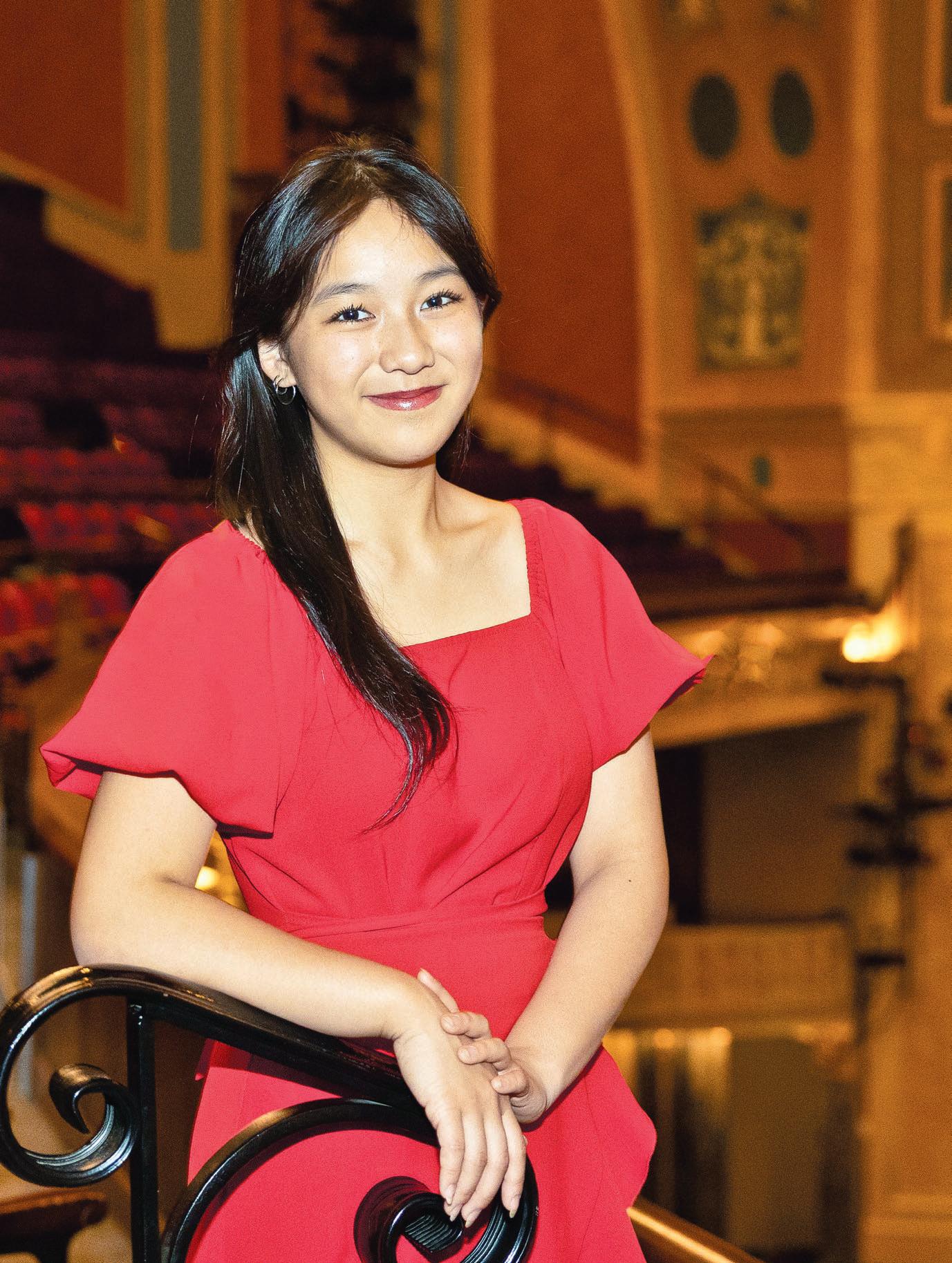
At just 16-years-old, Lillian Tang, Bloomfield Hills High School student, has achieved the honor of outstanding performer in a leading role at the 14th annual Sutton Foster Awards Showcase.
The young thespian has been interested in performing since she was a small child.
“I definitely always loved being center stage,” she said. “Whenever I had the opportunity to perform, I would. And, my love of theater has only grown.”
Tang’s first major performance was “Les Miserables.”
“I played young Cosette,” she said. “It was with Dream Arts Company. It was such a wonderful community, and I knew it was what I wanted to do.”
At the time, Tang was enrolled in dance classes at Next Step Broadway in Birmingham.
“I was in two virtual musicals during Covid,” she said. “That was really fun. I was in 'The Little Mermaid' and 'Annie.' I played Annie for that production.”
In addition to acting, singing and dancing, Tang is also a musician.
“I’ve played piano since I was five and clarinet since the sixth grade.”
When performing, Tang is invigorated by the audience and the ambiance of the theater. She was part of the Detroit Opera Youth Chorus and the BalletMet Nutcracker Ballet at the Detroit Opera House.
“What I like best is seeing that magic come to life,” she said. “Everyone works so hard on creating a wonderful production and it is truly magical to see it all come together. Also, it was great how the older kids stepped up and taught me how to be a theater kid.”
As a Bloomfield Hills High School student, Tang is extraordinarily grateful for the opportunities she has been afforded. She is the assistant junior captain of the color guard and a two-time state finalist for forensics. She is also part of the superintendent student advisory board, co-junior president of the TRI-M chapter and co-president of the Asian Student Alliance.
“Bloomfield Hills High School gives everyone so many opportunities to be a part of so many different clubs,” she noted.
In May of 2026, Tang won the Sutton Foster Award, named in honor of the Broadway star, originally from Oakland County. She was nominated for her role in “The Hello Girls.”
“I was honestly in shock,” she said. “It was so surreal. Being a sophomore, I couldn’t have imagined myself being a finalist. I’m so honored that I got to represent my high school, Michigan and my community.”
Tang was then sent to Julliard to take classes and workshops.
“It was so much fun,” she said. “Getting there in the first place felt so surreal. The opportunity to have coaching from Broadway professionals was amazing. It was so wonderful.”
As a young accomplished actress, Tang gives much credit to her family for their help along the way.
“My whole family has given me so much support,” she said. “My mom has been there every step of the way. They’ve gotten me singing lessons and dancing lessons. They’ve given me so many opportunities to perform in my community.”
Tang is still exploring options toward her bright future.
“I’m interested in medicine and science,” she said. “But I love performing. That’s where I’m most happy. So, whether it’s professional or just for fun, I want to perform.”
Story: Katey Meisner

Photo: Laurie Tennent

By Grace Lovins
City of Birmingham on Monday, July 6, closed on the $5.2 million purchase of The Community House building and property at 380 S. Bates Street in the downtown area, putting to rest a nearly nine-month issue surrounding the iconic community center that was announced for sale last November.
Initially the closing on the sale was supposed to happen by the end of June but creditors to The Community House Association, which has been in bankruptcy court, agreed to an extension.
Officials for The Community House Association on November 3 of last year announced plans to evolve into the Shared Tomorrows Community Foundation to carry on the original mission of the community group, and the closure and sale of its building in the city effective July 1 of 2026. Proceeds from sale of the building were destined to pay off debts for the association and provide seed money for the new foundation which was to provide grants and mentoring to nonprofits within a 10-mile radius of Birmingham.
The city sued in Oakland County Circuit Court to stop the sale which eventually lead to the withdrawal of the United Jewish Federation of Detroit offer this year to buy the facility for above its $7.2 million appraised value and The Community House Association this March ended up filing in federal bankruptcy court which ultimately approved the sale to the city.
The city purchase included the building and property, and two Marshall Fredericks sculptures and unlocked an endowment worth approximately $800,000 from a regional fund.
The city bought the property on behalf of the City of Birmingham Community House Foundation (CHF), a charitable organization established to own and operate the new Birmingham Community House. The City of Birmingham is the sole member of the CHF, ensuring the building will always belong to the city and its residents for the sole purpose of preserving the Birmingham Community House as a community center for all residents, honoring the founders’ intent, and protecting public access to civic, social and philanthropic programming, according to city officials.
“This extraordinary purchase marks the end of one era, and the beginning of another. For more than 100 years, residents of Birmingham considered the house their home, and this purchase
By Grace Lovins
Parkers in Birmingham may experience a small fee in the future as city commissioners took up discussions during the Monday, July 13, meeting, on a proposed 10 cent sustainability fee on parking transactions within the city’s parking system to generate funding for projects to offset vehicle-related carbon emissions.
Planning director Nick Dupuis explained the proposed fee is intended to provide a consistent funding source for some of the goals outlined in the Birmingham Green: Healthy Climate Plan. He said one of the goals in the plan is addressing the 25 percent of the city’s total carbon emissions that come from vehicles.
The city receives about 7 million visits annually, Dupuis said, and approximately 2.5 million parking transactions were recorded in 2025. This creates an opportunity to spread the cost of mitigation efforts among all who drive and park in the city.
Hourly meter parking, monthly meter and parking structure permits, paid parking structure visits and valet parking in city-owned structures would all be subject to the 10 cent fee. Dupuis also confirmed that the current two-hour free parking would remain two-hour free parking. Those with monthly parking passes would be charged a $3 sustainability fee per month.
Dupuis said the revenue would be used specifically to offset the percentage of carbon emissions generated by vehicles, noting the fee is just one piece of the city’s overall sustainability puzzle. He said potential projects that could be supported by the funding include installation of electric vehicle chargers, tree planting, green infrastructure and air-quality monitoring.
Some commissioners raised questions about the equity of imposing a fee on city residents who are driving in the city, which Dupuis argued made the proposal equitable to everyone. Generating the funding through a fee meant that only the money would not be coming from the city’s general fund, so the burden would be proportional to all drivers contributing to the mitigation efforts of vehicle-related carbon emissions.
Questions were also raised about the measurable results of implementing the fee. Ultimately, the commission directed Dupuis to return at a future meeting with a more flushed out list of anticipated projects for the year along with defined metrics and goals for the projects that would demonstrate how the fee is helping offset carbon emissions.
The commission did not take formal action on the item but will be taking up discussions again at a future meeting.

assures that it will remain so,” said Birmingham Mayor and CHF board member Clinton Baller. “The CHF will manage the Birmingham Community House in accordance with its mission. We expect to retain a daycare, continue to host events such as weddings and meetings, and rebuild the programming that endeared and bound our community. The board will operate under the Michigan Open Meetings Act, ensuring an appropriate and unprecedented level of transparency.”
The CHF has been formed as a 501(c)(3) nonprofit corporation and is seeking its tax-exempt status. The CHF board, appointed June 22 by the Birmingham City Commission, consists of two Birmingham City Commissioners, two ex-officio non-voting members and seven at-large members.
The city received 18 applications, with the commission selecting seven to serve as the first board. Linda Solomon, along with mayor Clinton Baller and interim mayor pro tem Therese Longe
“The CHF’s work of rebuilding has already begun. The foundation board will soon adopt bylaws, appoint officers, form committees and begin fundraising. Joining the effort is Birmingham native and actor, Tim Allen. Best known for playing Tim "The Toolman" Taylor on the ABC sitcom Home Improvement, Allen says he and his family recognize the value of the house and support the city’s effort to revitalize it. Allen has offered to match dollar-for-dollar up to $100,000 in donations before the end of this year,” said Baller. “We need the community’s help and participation. That means time in the form of committee work, and money in the form of donations. We are rolling up our sleeves, and we hope the community recognizes the extraordinary commitment the city’s purchase signifies. Please join in supporting the new Birmingham Community House.”
Donations are now being accepted by mail to City of Birmingham Community House Foundation, 151 Martin St., Birmingham, MI 48009 Attn: Mark Clemence. Checks should be made payable to the City of Birmingham Community House Foundation.
Further information and meeting notices for the foundation can be viewed at bhamgov.org/communityhousefoundation.
were selected to serve two-year terms. Solomon is a photojournalist who currently serves on the board of directors for the Farmington Hills Police and Fire Benevolent Association. Embekka Roberson, Kevin Denha and Sam Surnow were appointed for three-year terms. Roberson is currently the superintendent of Birmingham Public Schools as well as a board member of the Birmingham Youth Assistance and Scholar Birmingham. Denha and Surnow are both real estate developers with experience serving on public boards.
Former city commissioner Anthony Long, Robert Bowen and Eva Kirkman were appointed to serve four-year terms. Bowen and Kirkman each discussed their extensive leadership experience in working with non-profit organizations.
At a meeting of the new foundation board Long was selected as president; Kirkman as vice president; Roberson as secretary; and Bowen as treasurer for the organization.
General election voters in the Bloomfield Hills Schools and the Birmingham Schools districts will be facing a ballot in which school board candidates have no opposition this November.
In the Bloomfield Hills Schools district only four candidates filed by the July 21 deadline for four seats open on the board. Candidates for the four-year terms include incumbents Paul Kolin of West Bloomfield and Tareq Falah of Bloomfield Hills, along with Brynn Stevenson and Ryan Walker, both of Bloomfield Hills. Not filing for reelection were incumbents Carolyn Noble and Meagan Hill.
In the Birmingham Schools district three seats are appearing on the ballot, two for six-year terms and one for a fouryear term.
Filing for the six-year terms were Birmingham residents Keely Crimando and Omar Odeh, who was appointed in late January of this year to fill a board vacancy. Filing for the four-year term was Southfield resident Toni Bassett. Not filing for reelection in the Birmingham district were incumbents Lori Ajlouny and Luke Joseph.

By Grace Lovins
Birmingham could receive money from the Aqueous Film Forming Foam (AFFF) legal settlement involving perand polyfluoroalkyl (PFAS) contamination.
The city is currently a partner with the Great Lakes Water Authority (GLWA) and is eligible to participate in the settlement as a public water system.
The city’s commission adopted a resolution during the Monday, June 22, meeting that allows city manager Jana Ecker to execute a legal services agreement with Stag Liuzza, LLC, which allows the city to pursue potential cost reimbursements through 3M and DuPont public drinking water settlements. Commissioners approved the item as part of the meeting’s consent agenda and was not pulled for additional discussion.
According to the memorandum included in the meeting packet, city engineer Melissa Coatta explained that the city’s partnership with GLWA qualifies them as a public water system. The AFFF settlement is tied to the firefighting foam that has historically contained PFAS.
PFAS are synthetic chemicals that do not readily break down in the environment or human body, Coatta explained. Their use in firefighting foam at military installations, airports and fire training facilities has contributed to the contamination of groundwater and public drinking water supplies nationwide.
The memorandum notes that the settlement payments for public water systems began last year with more claim deadlines set for 2026. Any money the city receives from the settlement will be put in the city’s water fund.
Birmingham Police Chief Scott Grewe retired from the police force effective July 17.
The announcement about Grewe was made by Bimingham Mayor Clinton Baller at the Monday, June 22, city commission meeting. Baller said the city had received a letter from the police chief outlining that he had chosen to retire. No other details about the vacancy were provided.
Grewe first joined the city police department in April of 1999 and held
a number of key positions within the department during his career in Birmingham. He has a BS degree in criminal justice and had been working on a masters degree in public safety ast the time he was appointed chief of police in December of 2022.
The Birmingham Baldwin Public Library (BPL) has announced receipt of a donation of a bronze cast Otter sculpture made by renowned artist Marshall M. Fredericks, donated in June by Dr. Franziska Schoenfeld.
The sculpture, purchased directly from Fredericks in 1993 by Drs. Robert and Franziska Schoenfeld, was affectionately known as “Otto” by their family. Dr. Schoenfeld chose BPL as the recipient of this gift with the hope that library visitors would enjoy seeing the sculpture, which brought her family so much joy, every time they came to the building, library officials said. Because of the appeal to all ages, the otter was installed at the entrance to the Grand Hall near the center of the library. With this placement, "Otto" becomes part of a collection of artworks scattered across the City of Birmingham for public enjoyment.
In addition to the sculpture, Dr. Schoenfeld also donated a copy of the children’s book, The Impatient Otter, which she wrote, and which was illustrated by Ann Kelly. Inspired by her own children's love of Otto, the story imagines what happens when the sculpture comes to life, to the delight of the Fredericks children. A copy of the book will remain on display with "Otto" for visitors to read through at any time.
The Marshall M. Fredericks Otter sculpture was originally created along with a Rabbit, Grouse, and Hawk and is one of four animals surrounding the Gazelle Fountain in the Levi L. Barbour Memorial fountain in the Anna Scripps Whitcomb Conservatory Rose Garden on Belle Isle in Detroit, Michigan. A version of the sculpture is also in the Frederik Meijer Gardens in Grand Rapids and the Marshall Fredericks Museum at Saginaw Valley State University.
The sculpture will be officially received and the Schoenfeld family will be thanked at an open reception in the Baldwin Public Library’s Grand Hall on Monday, July 20, at 7 p.m. Members of the public are invited to attend.










By Dana Casadei
After multiple meetings with the board of trustees over the last few months – both internally and at their monthly meetings – James Gallagher, Bloomfield Township Police Chief, once again came before the board to discuss the police department’s space needs on Monday, July 13.
The department’s space needs were originally brought up at the board of trustees meeting on March 23, then again at both the April 13 and April 28 meetings.



Currently, the police department is operating in about 22,00-squarefeet in two buildings. The square footage includes not just office space, but hallways and stairways as well. Gallagher said then that they have converted every conference room they could into another useful space, and in some cases, conference rooms that were once just for the department are now shared with other departments. There’s also no soft interview rooms or room for two additional cubicles to be added for traffic officers.
According to the space needs assessment conducted by RedStone, a police department of Bloomfield Township’s size should operate across 58,000-60,000 square feet to be the most efficient, including hallways and stairwells, and would put operation space at about 45,000square-feet.
“One of the goals we’ve set for our agency is our infrastructure," Gallagher said. “I know we’ve had this discussion but from a police chief perspective I’d like to see us get into further, deeper discussions and make a plan of action.”
And after the board of trustees meeting on July 13, it seems a plan of action may finally be on its way.
Over the course of about half an hour treasurer Michael Schostak presented two proposals regarding the space needs for the Bloomfield Township Police Department.
“We’re really here to have an open discussion on this,” Schostak said. “I know there’s some disagreement on the board about which way we should go.”
Proposal one would replace the existing township hall and police
building with one new building that would be located in the parking lot between township hall and the 48th District Court. With proposal one, the communications and community affairs department would also move into the new building, and would allow for the renovation of the cable building to become the animal shelter. If they go through with this proposal the old animal shelter, and police/township hall buildings, would all be torn down.
Plans to build a park at the corner of Exeter and Telegraph, and build a new public safety training facility on the township’s Golf Drive property would be included in proposal one as well.
In total, the bond size for proposal one would be $74.9 million with a .5632 mill tax that would cost the average taxpayer about $146.43, officials said.
“To get a brand new building would put us in a very good position,” said trustee Valerie Murray. “Personally, I know it’s a lot of money but I think proposal one makes a lot more sense.”
Schostak also leaned more towards proposal one, and said it would be a more comprehensive plan compared to proposal two.
While Murray and Schostak were both proponents for proposal one, other trustees had some questions about the proposal and if it would be the right fit financially for the township.
“We have a lot of needs and some wants,” trustee Chris Kolinski said. “The need is a new police station and fire station; to me, those are nonnegotiable.”
For Kolinski, one of those wants in proposal one is the public safety training facility, which is estimated to cost almost $4.9 million.
“When I look at some of the line items, that goes to a want and maybe not a need,” he said.
Within the second proposal township hall would be renovated instead of torn down, with the hope to give more space to police and bring the communications and community affairs department into the building.
A new police department building would be built north of township hall, in the parking lot between township hall and the 48th District Court. The cable building would still be renovated for the animal shelter, which would be torn down.


Even though proposal two would be less expensive – the bond size would be $59.4 million with an annual millage rate of .4552 mills and cost the average taxpayer $28 less than proposal one – it did come with more concerns.
The township hall would only be at 60 percent occupancy with this plan; the police department would continue operating out of two buildings, leading to complexities to maintain the department as one cohesive unit; it may require more expensive and unpredictable maintenance and repairs moving forward since the building is 90years-old; and there would be no green space opportunity.
“Does it make fiscal sense to continue to maintain a 90-year-old building or is there enough capital improvement over the next five years of this building that will start to narrow that cost for making a new building?” Kolinski asked. “Those are the numbers I’d like to see.”
Trustee Neal Barnett echoed similar views to Kolinski.
And while Barnett liked the
addition of the park in proposal one, and that this plan would allow for everyone to be in one building together, he also hesitated at the cost, with a clear concern about the expenses in proposal one.
Barnett asked to see more actual numbers and not just estimates regarding what the cost would be for the maintenance of township hall, ideally on a yearly basis.
“I think we need to have that… and I think those numbers would be very helpful in maybe convincing some of us to go along with the first proposal,” Barnett said.
Discussions on the police space needs are likely to continue throughout the summer.
If the board were to put this item on the November ballot a decision would need to be made by the beginning of August.
“I’d like to see us take a chance on this and put it on our biggest election. Everyone knows there’s a big election in November, I think it’s a good chance for voters to be heard,” Murray said.
By Grace Lovins
During a staff report on short-term rentals given at the end of the Monday, June 22, Birmingham City Commission meeting, city staff said they were actively looking into software to assist in the regulation of rental properties.
Building official Jeff Zielke told commissioners that the city had reached out to Rentalscape and a few other websites regarding rental property software. Per their website, Deckard Technologies describes their product, Rentalscape, as a tool that helps “manage compliance across short-term rental properties,” helping jurisdictions enforce regulations and maintain community standards.
Zielke added that since the commission’s last update, there have been 20 additional tickets issued to rental properties for lack of compliance or non-payment. He added that there have been no new reports on short-term rental properties since the commission’s last
meeting aside from a pool party incident that took place toward the middle of June.
Mirroring his attempt during the joint planning board and commission workshop that took place on June 15, commissioner Brad Host again tried to gain support for a motion to rescind the 180-day moratorium and ban all rentals under 30 days in residential areas. Host was again told that the action isn’t permissible and it doesn’t follow the process laid out in the Zoning Enabling Act which is in progress.
Short-term rentals have been a hot topic at city commission meetings for the last few months following a shooting incident that took place at a short-term rental (STR)at the end of April. The incident led the commission to place a 180-day moratorium to temporarily stay new licenses for rentals under 30 days and direct the city’s planning board to look into STR regulations through the zoning code and code of ordinances.
Planning director Nick Dupuis noted that the planning board is expected to discuss STR regulation at their Wednesday, July 8, meeting.








A contract for sewer rehabilitation work through Birmingham’s 2026 sewer rehabilitation program was awarded during the Monday, June 22, meeting, moving the project forward through the consent agenda. The item was not pulled for separate discussion by any commissioner and was approved with the consent agenda in a 6-0 vote.
The information included in the meeting packet show the contract was awarded to New Haven-based Pamar Enterprises for $844,722.25, which was the lowest bidder of the four bids the city received. City engineer Melissa Coatta stated in the memorandum included in the packet that Pamar also most recently completed work for the city’s 2025 Sewer Rehabilitation Program.
Coatta explained that the 2026 program work includes cleaning, televising and as needed rehabilitation of City sewer lines. The rehabilitation may include root removal, grinding mineral deposits
and protruding taps, spot-lining with epoxy liner and joint grouting. Coatta said the work will take place at various locations throughout the city.
The Birmingham Public Schools Board of Education on Tuesday, June 23, unanimously approved placing a school facilities and safety improvement bond proposal on the Tuesday, November 3 general election ballot, replacing a similar bond issue expiring in 2026.
School district voters, in Mach of 2020, approved a $195 million bond issue for six years that has been used for improvements at all schools in the district.
The new bond proposal would provide safety enhancements and facilities improvements to help prepare students for success and careers, with no increase from the current millage rate, according to district officials.
The new bond issue would provide: safety improvements, included expanded security camera systems, an upgraded emergency notification system, and

backup generators; replacement of roofs, flooring, boilers and other aging infrastructure; technology improvements, including upgrades to wireless networks, infrastructure and internet security; renovation and expansion of the Midvale Early Childhood Center, allowing for additional preschool program opportunities for district residents; and replacement of aging playground equipment with added student accessibility.
The bond proposal is part of the district’s continued commitment to providing a safe, modern learning environment where all students can achieve, succeed and prepare for indemand careers, including in the skilled trades, officials said.
If this proposal passes, officials said every dollar spent will be tracked, audited and available on a public website to ensure fiscal transparency and accountability, and that taxpayer dollars are spent wisely.
“This no-millage rate increase proposal allows us to build on our proven track record of providing safe, secure facilities that help prepare all Birmingham students for success and the careers of today and tomorrow,” said Dr. Embekka Roberson, Birmingham Public Schools superintendent. “This
proposal also builds on our continued commitment to fiscal accountability and transparency and ensuring our community’s tax dollars are invested in the success of our students and schools.”
By Grace Lovins
Birmingham City Commissioners are expected to revisit the city’s allowable neighborhood noise levels after brief discussion towards the end of their meeting on Monday, July 13.
Assistant city manager and former police chief Mark Clemence said during the meeting that the existing level is difficult to reach and that it could be looked at and lowered.
Mayor Clinton Baller noted prior to Clemence’s statement that he had raised the issue when matter first came before the commission while Clemence was acting police chief.
The commission voted unanimously, 6-0, to place the issue on a future agenda. Staff was directed to review other communities’ standards and return with recommendations on directions the city could take.

The Birmingham Museum has received a Community Impact grant of $71,000 from the Community Foundation of Southeast Michigan for a special project to enhance the public experience of the Rouge ecosystem.
The project will focus on the environmental and cultural importance of native plants, past and present. Museum Director Leslie Pielack developed the project as a unique collaboration of partners who are connected to the Rouge and its history.
The project will achieve several objectives:Invasive plants such as buckthorn and phragmites will be removed from museum grounds, and Michigan native plants will be reintroduced around the natural pond with seating and interpretive QR-coded markers; surviving native plants along the Rouge Trail in Birmingham will also be identified with QR markers; and the markers will feature Indigenous interpretation of the plants, their traditional uses and cultural importance.
“The Rouge River corridor was part of the homelands of the Anishinaabe peoples of Michigan in the years before European settlement here,” said Pielack. “The Anishinaabeg (Odawa, Ojibwe, and Potawatomi) were displaced by encroaching settlement and treaties in the early 1800s, and their communities are now located further west and north in Michigan.”
Pielack added that their traditional lifeways utilize careful resource management and learning about them can raise awareness of sustainable environmental practice for Birmingham residents today. “We want to bring our Indigenous history back to the Rouge through this project by incorporating Anishinaabe language, traditions and perspective on the natural world and our relationship to it. We are different cultures in different times, but the Rouge River ecosystem matters to all of us.”
The two-year project grew out of the Birmingham Museum’s 2018 Landscape Master Plan and reflects recent interest in our area’s Indigenous heritage, preserving the health of the Rouge River ecosystem and enhancing the community’s recreational
experience. It will be implemented through a partnership with the Friends of the Rouge, who will use teams of volunteers to remove invasive plants on the museum site and plant Michigan natives according to a landscape design that will provide barrier-free access to the gardens and pond.
The museum will also work with Birmingham’s Parks and Recreation Department to install the interpretive markers along 1.5 miles of trails along the Rouge River.
"The parks and recreation department is excited to partner with the Birmingham Museum and other community partners on a project that brings together environmental stewardship, education and cultural heritage in a truly meaningful way,” said Birmingham Parks and Recreation Manager Carrie Laird. “By restoring native habitat, improving the health of the Rouge River ecosystem, and sharing Indigenous knowledge through innovative interpretive experiences, we are creating an opportunity for visitors to connect more deeply with the natural and cultural history of this special place. This collaboration reflects our shared commitment to
preserving and enhancing Birmingham's parks while providing engaging, accessible experiences that will benefit residents and visitors for generations to come."
The QR coded online educational material will identify the plants and their ecological contributions as well as provide information about traditional Indigenous uses and cultural importance. Indigenous consultants will help develop the content, and the Birmingham Museum will utilize museum standards to create the online content for a wide public audience. By using low-physical-impact QR codes, visitors can access information at their leisure in a personalized way without the undue distraction of signage, and the barrier-free design will make visiting the museum’s native plant gardens more widely accessible. As a bonus, the museum garden can serve as a model of landscape use of native plants. Visitors can see and experience the various plants “at work.”
Cyndi Ross, restoration manager for Friends of the Rouge, highlighted the importance of the collaborative project and the lasting benefits of planting native species. “Michigan native plants

Alan T. Ackerman





















George

Marilyn
Deborah
Maureen/Lawrence
Pam
Marc
Jack
Jill
Amy
Garrett
Steven


special email alerts when there is breaking news of interest. During the month we also send out our political gossip newsletter (Oakland Confidential) and each month we also email our restaurant newsletter (Metro Intelligencer). On a biweekly schedule we send out our Threatened Planet newsletter with aggregated environment stories from publications around the world.
We remain strong, but to continue offering our products at no charge, and continue to grow in terms of what we offer to readers, we ask local residents for community support in the form of donations.
Our thanks to those listed here who donated to support local journalism, and to donors who asked to remain anonymous.












Cynthia
Dan
William
Ronald
Larry
Andrew Siudara
Jean Steed
Stef VanHellemont
Wendy Wagenheim
Robin
Gail
Stephani
The
Walker
are naturally adapted to our local soils and climate, making them a sustainable choice that saves time, water and other resources,” Ross said. “Their deep root systems help absorb storm water, reducing downstream flooding and erosion while improving water quality.” Ross added that when people plant native species in their gardens, they're helping build healthier, more resilient ecosystems that provide essential habitat and food for birds, bees, butterflies and other pollinators. “By restoring native landscapes, we're creating benefits that extend beyond individual gardens—to our communities, our wildlife and the longterm health of the Rouge River watershed.”
The native plant and Indigenous interpretation project will begin this summer with an inventory and plan for the removal of invasives, which will begin this fall and continue into 2027. Although it is a separate project, it will be coordinated with the installation of barrier free paths and a boardwalk along the east and south shore of the museum’s pond, which is part of the ongoing improvements to make the museum grounds more accessible and preserve the natural and historic features of the site.
“There’s going to be a lot going on around the pond over the next few years,” Pielack said. “There will also be opportunities for people in our community to volunteer to help the Friends of the Rouge with their part of the project.” Updates will be available on the museum’s social media accounts and at bhamgov.org/ museum as more information becomes available.
By Dana Cassdei
Throughout 2025 the Bloomfield Township police department saw increases in many areas – new hires, community involvement, calls for service and certain types of crime –and police chief James Gallagher discussed all of the details at the board of trustees meeting on Monday, July 13.
Within the 2025 annual report, Gallagher went over the data about the three different types of crimes they keep track of. Part A crimes are the most serious offenses such as robberies, stalking, assault, and fraud and ID theft. And while in the previous year there was a decrease in this type of crime, the number of Part A crimes went up in 2025, totaling just 790 crimes for the year with 236
By Grace Lovins
I talian deli and cafe La Pecora Nera, located at 135 Pierce Street in Birmingham, got the green light from the city’s planning board during the Wednesday, June 24, meeting for a proposed outdoor dining deck to be placed on the street outside their business.
La Pecora Nera is proposing an outdoor dining platform in the Pierce Street right-of-way, using one on-street parking space in front of the Craig Ryan store. Planning and sustainability intern Lauren Milia told the board there had been changes since the agenda was posted, and the applicant had submitted the materials requested by the city.
The planning report states the platform would include 12 seats at four tables, with two tables on the platform and two in the amenity zone outside of the platform footprint, along with two umbrellas, planters and fencing around the platform.
During the discussion, board member Bryan Williams asked about a parking space that would remain between two outdoor dining decks. Planning director Nicholas Dupuis said the distance was about 24 to 25 feet, though the Toast restaurant has a planter in the area, leaving closer to 20 feet. He noted that when Planthropie previously occupied the space, a deck had been approved in the same location with the same condition, and no incidents were reported during the one season it was used.
Chair Scott Clein said he had some concern about the remaining parking space, but noted the city had not received complaints when a deck was previously located there. Dupuis said the annual outdoor dining permit process gives the city recourse if issues arise.
Deli co-owner David Ayyash said the restaurant’s service model would not change from the current offerings in metro-Detroit. Customers would buy food and take it outside, with proposed hours of 10 a.m. to 7 p.m. Monday through Saturday and 10 a.m. to 4 p.m. Sunday.
Because the platform extends beyond La Pecora Nera’s storefront, the applicant was required to obtain approval from the neighboring property owner. Milia said the property owner’s approval had been submitted, and the neighboring tenant also gave approval as an added courtesy.
Board members voted 5-0 to approve the final site plan and design review application for La Pecora Nera’s dining platform.

instances of fraud ID/theft. There were also 101 cases of retail fraud and almost 100 of larceny.
“I do hope the numbers in A crimes trends back down next year, “ he said.
Increases also occurred with Part B and Part C crimes too, with the former totaling 283 crimes in 2025. Part B crimes are typically misdemeanors that carry a penalty of less than one year in prison, and range from a hit and run accident to liquor law violations and driving while under the influence.
Part C crimes are very often calls for service (CFS), a record of police service or activity, and range from a phone call into dispatch requesting police assistance or a police officer affecting a traffic stop, to when an alarm company calls to report an alarm has been tripped within Bloomfield Township.
Crashes increased in both the total number of crashes for the year and a rise in injury causing crashes, at 14.4 percent and 30.1 percent, respectively.
spiritual and emotional support to staff and the township during times of crisis, and complements their existing Peer Support Team and coresponder program.
Per accreditation the police department tracks all use of force cases, which Bloomfield Township has always done. A few years ago the addition of reporting any time township police pull a firearm or point a firearm at an individual, or a taser, counts as a response to resistance and was put in the police department’s annual report.
“This is good for us so that we can track and train and know the data on that,” he said. “It’s pretty amazing when you look at our total calls for service at 27,067 only 24 of them required any response to resistance. That number is very low, which means the training that we’re doing and the deescalation techniques… and that our community responds well to the police.”
While 27,000 calls for service is significant, Bloomfield Township dispatch saw nearly double that throughout the year.
Throughout the year dispatch received 51,538 non-emergency calls, 17,360 911 calls, and 670 texts to 911. The dispatch unit is staffed by one supervisor and 14 dispatchers who are distributed over four shifts. Agencies dispatched include Bloomfield Township Police, Bloomfield Township Fire, Franklin Village Police and Franklin/Bingham Farms Fire.
The police department expects to have a fully staffed traffic unit, which was recently reinstated, by this fall.
In total, Bloomfield Township police responded to 27,067 calls for service, an 8.7 percent increase from 2024’s total of 24,905 calls. There were 999 arrests made from those calls and 3,099 traffic stops included in the CFS numbers.
“I wish I could tell you what the increase was from or why. Some of it is because we have more proactive policing going on with our traffic stops and new officers,” Gallagher said. “As we get new officers and they become more proactive on the road they generate calls for service with their proactive policing and calls for service in neighborhoods.”
The increase in staff has led to more proactive policing and a landmark year for the department’s development. Not only were 10 new officers sworn in and three new dispatchers hired, but the police department also introduced their first Chaplain Program. This program –lead by officer Angela Carlson – offers
“Supervisor [Mike] McCready is always coming down during busy times and can see how hard they’re working,” Gallagher said.
The police department continued to be heavily involved within Bloomfield Township throughout the year with three types of communitycare taking services. Those are vacation house check-ins, school security checks, and vehicle lockouts. Bloomfield Township is one of the few police departments in the area that still assists on vehicle lockouts.
Other community involvement includes all they do outside of the police department. Some highlights from 2025 include providing CPL and AED/CPR training at the Regional Youth Police Academy that the township hosted, captain Bryan Pizzuti's win at "Dancing with the Stars,” a successful holiday gift card drive for local families in need, and their Cards with Cops visit to children at Corewell Health's Pediatric Center.
The entire report can be found at https://www.bloomfieldtwp.org/police /police-annual-reports/.



Kirk Ambrose, a professor at the University of Colorado Boulder, recently embarked on an 800-mile pilgrimage to conduct research for his upcoming book.
“I’m in the process of writing it and I intend to complete it next year,” he said. “It’s about art in the age of doubt.”
Ambrose crossed through France, Spain and Switzerland during his pilgrimage. He met some fascinating people along the way.
“I was really interested in the people who were helping us,” he said. “From folks cleaning bathrooms to people who were hosting, to people working on the trails. There’s a kind of instant rapport you have with those people and it’s really remarkable. The people were just really welcoming.”
As a Cranbrook Kingswood Schools alumni, Ambrose was drawn to the arts as a teenager.
“It wasn’t until high school that I really became interested in the arts,” he said. “I went to Cranbrook as a boarding student. Living there, you can imagine, it’s such a beautiful place and it’s hard not to get hooked on the arts.”
Ambrose was inspired by the teachers at Cranbrook.
“I think that the teachers there were really great,” he said. “The people there promoted critical thinking. I would go to used bookshops in Birmingham on the weekends.”
Following high school, Ambrose attended Oberlin College in Ohio. Subsequently, he earned his PhD at the University of Michigan and he spent several years traveling.
“I spent a year in Germany, two years in France and six months in India,” he said. “I’m interested in communal life and the way communities are shaped through buildings, art and ritual.”
Today, Ambrose is a published author and renowned professor at the University of Colorado Boulder, where he is the founding director of the Center for Teaching and Learning.
“I’m really interested in improving learning for our students and making sure they’re getting the best education possible.”
It was in the summer of 2025 that Ambrose made the bold decision to make the 800-mile trek through Europe to conduct research for his upcoming book.
“I did a lot of walking in preparation for the pilgrimage,” he said. “I’m lucky to live in Colorado where there are lots of mountainous trails.”
During the pilgrimage, Ambrose experienced a kind of mental cleansing.
“Most of the day, you’re just alone in the woods and there’s a letting go of thought. And the range of people you meet on pilgrimage is really incredible.”
Ambrose was fortunate to have been joined by his wife and his son for portions of the pilgrimage.
“My son joined me through Switzerland and my wife joined me through France,” he said. “It was really wonderful and very beautiful.”
Ambrose is in the midst of writing his next book.
“The book is about visual art as an affirmation of faith and how art addresses doubt.”
Ambrose previously published four books. His books are all available on Amazon. He also curated museum exhibitions on the American West, including Pioneers: Women Artists in Boulder, 1898-1950. He served seven years as chair of the Department of Art and Art History at the University of Colorado Boulder and was the editor-in-chief of The Art Bulletin, a scholarly journal based in New York City.
Ambrose’s future goals are centered around education.
“After finishing this book, I’m really just focused on students and teaching,” he said. “That is so important to me. I’m focused on giving hope to students. I think there’s so much negativity out there these days and I want to empower my students.”
Story: Katey Meisner





National retailer Portland Leather Goods is opening a new store in Birmingham at 157 W. Maple Road, the former location of REVIVE. Founded in 2016 by Curtis Matsko, Portland Leather Goods has grown rapidly from its beginnings in a Portland, Oregon garage, where Matsko set out to create the perfect leather journal. Today, the lifestyle brand is known for its high-quality leather goods, timeless designs, and commitment to honest craftsmanship. Portland Leather Goods offers a wide selection of leather accessories for men and women, including wallets, handbags, totes, makeup bags, sandals, and more. The retailer currently operates 13 retail locations in cities including Austin, Atlanta, and Chicago. Signs posted in the storefront indicate the company is currently hiring staff for the new location.
Cherry Republic coming
Cherry Republic is expanding its retail footprint with a new store in Birmingham. Sara Harding, VP of Marketing & Impact for Cherry Republic, says the store opening is planned for late September. “We could not be more excited to become part of the downtown Birmingham community. We’ve long admired the energy and character of the area, and we can’t wait to welcome neighbors in for samples, stories, and a taste of Northern Michigan,” said Harding. The Michigan-based brand was founded in 1989 by Bob Sutherland, who began selling Cherry Republic T-shirts from the trunk of his car in northern Michigan featuring the now-famous slogan, “Life, Liberty, Beaches and Pie.” Building on the success of the Tshirts and Traverse City’s reputation as the Cherry Capital of the World — Sutherland introduced the Cherry
Boomchunka Cookie, which quickly found its way into local shops throughout northwest Michigan. In 1995, Cherry Republic opened its first storefront in Sutherland’s hometown of Glen Arbor. Today, the company operates eight retail stores across Michigan, including Glen Arbor, Traverse City, Ann Arbor, Holland, Frankenmuth, Charlevoix, Mackinaw City, and Lansing. Cherry Republic’s stores offer more than 200 cherry-themed products, including salsas, chocolates, jams, wines, beers, and other specialty foods and gifts. Beyond our products, Cherry Republic donates a portion of sales each year to organizations supporting Michigan’s agriculture, environment, and communities — a commitment Harding says the company is eager to bring to Birmingham as well. The store will be located at 243 W. Maple Road—the former home of Detroit Guitar
The Makeup Lab, a new luxury beauty salon, has opened at 2406 Franklin Road in Bloomfield Township. The salon is owned by local makeup artist Chanel Yono, who brings more than 10 years of industry experience to the business. Yono began her career at Red Salon in Birmingham before opening a private salon suite. As her clientele grew, she sought a larger space and found the ideal location on Franklin Road, allowing her to conveniently serve clients throughout Bloomfield Township, West Bloomfield, Birmingham and beyond. The Makeup Lab’s team includes three hairstylists and three makeup artists offering makeup application, hairstyling, bridal makeup and hair for both in-studio appointments and offsite events, brow shaping, brow tinting, brow lamination, lash
lifts, spray tanning and personalized one-on-one makeup lessons. In addition, Yono has developed her own vegan cosmetics line, Chanel Yono Beauty, featuring products such as eyeshadows, blushes and lip liners. A dedicated event space at The Makeup Lab is available for beauty-themed celebrations, including birthday parties, bachelorette parties, and private group events. Guests can participate in hands-on experiences by creating their own custom beauty products, including lip gloss, lipstick, and lip scrub. The Makeup Lab is open by appointment from 8 a.m. to 6 p.m.
The Little Gym of Bloomfield Hills will celebrate its grand opening Saturday, August 1, from 11 a.m. to 2 p.m. with a free family event which will give parents and children an opportunity to tour the new facility, meet the instructors and learn more about programs. The Little Gym, located at 43239 Woodward Avenue in Bloomfield Hills in the Kingswood Square Shopping Center, is designed for children ages four months to 12 years. The gymnastics-based programs combine movement, learning and play to help children develop confidence, coordination, social skills and other important life skills in a nurturing and encouraging environment. The Little Gym was launched in 1976 by kinesiologist, musician, and former gymnast Robin Wes. Today, it boasts over 400 global locations. The new Bloomfield location is the second in Michigan, joining Kalamazoo.
Business Matters for the Birmingham - Bloomfield area are reported by Gigi Nichols. Send items for consideration to GigiNichols@downtownpublications.com. Items should be received three weeks prior to publication.
Get the latest news online from the leading news organization for the Birmingham and Bloomfield area. Go to downtownpublications.com and register to receive our weekly and breaking news updates, oakland confidential, metro intelligencer, and the threatened planet newsletters from the local area's best website.













Pat was never the loudest voice in the room, never one to work a crowd. But she had a way about her. Over the years, one conversation at a time, Pat became someone I always looked forward to seeing. Without any fanfare, she was one of the people who made Next feel like a second home.
Pat passed away unexpectedly this month. I lost a friend, and Next, a special member. I don’t normally write about a specific member, but I am making an exception this time. I hope every person reading this will recognize a piece of her in someone they know, or maybe in themselves.
Pat never married, and she didn't have children. What she had was Next. She used Next exactly as I hope every member would, as a place fully woven into her days, a foundation solid as family.
Pat would drop into my office, usually for a little assistance, and ended up staying on, talking about all sorts of timely topics: politics, golf, home improvements. And then I’d take the opportunity to reiterate my pleas to stay safe in her home, like asking her to stop carrying laundry up and down the steep basement stairs, or at least promise to bring her cell phone, repeated reminders, just like family.

Many of our staff also did the things for Pat that you would typically ask of a family member. Errands. A phone call to sort something out. Help on the computer. And never once did she hesitate to ask. That, to me, is the whole point of what we're building.
We don't want anyone to think they're a bother for needing help. We want members to feel as comfortable asking us for a favor as they would be asking a sister, a son, or a good neighbor.
When Pat asked for help, it was our honor, not our obligation, as it is for every member who asks.
Pat was a trusted friend who spoke honestly about her observations, which I used as a litmus test to how well Next was serving the community. Pat not only enjoyed and relied on Next, she also had a genuine interest in the wellbeing of Next. When a new newsletter came out, Pat would come by the office with the longest list of events to register for, commenting that there is so much to do at Next, something for everyone. She was always complimentary about our offerings, our staff and the community we built, and supported us in many ways. It was that support that confirmed her opinion of Next as a safe and welcoming second home.
I'll miss Pat’s drop-in visits more than I can say, but when I reflect back, it makes me happy to know that Next helped fill her days with enriching opportunities, genuine friendship, and support whenever it was needed.
Many of our members and community residents live alone. If you are reading this and you've been hesitant to ask for a ride to an appointment, or help figuring out a form, or looking for a little company, please don't be. That hesitation is exactly what we hope to dissolve, one member at a time.




The Places To Eat for Downtown is a quick reference source to establishments offering a place for dining, either breakfast, lunch or dinner. The listings include nearly all dining establishments with seating in the Birmingham/Bloomfield area, and then some select restaurants outside the immediate area served by Downtown.
220: American. Brunch, weekends, Lunch & Dinner, daily. Reservations. Liquor. 220 E. Merrill Street, Birmingham, 48009. 248.646.2220. 220restaurant.com
5th Tavern: American. Brunch, weekends, Lunch & Dinner daily. No reservations. Liquor. 2262 S. Telegraph Road, Bloomfield Township, 48302. 248.481.9607. 5thtavern.com
Adachi: Japanese. Lunch & Dinner daily. Liquor. Reservations. 325 S. Old Woodward Avenue, Birmingham 48009. 248.540.5900. adachirestaurant.com
Andiamo: Italian. Lunch, Monday-Friday, Dinner, daily. Reservations. Liquor. 6676 Telegraph Road, Bloomfield Township, 48301. 248.865.9300. andiamoitalia.com
Beau’s: American. Brunch, weekends, Lunch & Dinner, daily. Reservations. Liquor. 4108 W. Maple Road, Bloomfield Hills, 48301. 248.626.2630. beausbloomfield.com
Bella Piatti: Italian. Dinner, Tuesday-Saturday. Reservations. Liquor. 167 Townsend Street, Birmingham, 48009. 248.494.7110. bellapiattirestaurant.com
Bell Bistro: American. Dinner, Tuesday-Sunday. Liquor. Reservations. 185 N. Woodward Avenue, Birmingham, 48009. 248.829.7900. bellbirmingham.com
Beverly Hills Grill: American. Breakfast, Lunch, Dinner, Tuesday-Sunday. Reservations. Liquor. 31471 Southfield Road, Beverly Hills, 48025. 248.642.2355. beverlyhillsgrill.com
Beyond Juicery + Eatery: Contemporary. Breakfast, Lunch & Dinner, daily. No reservations. 270 W. Maple Road, Birmingham, 48009; 221 Cole Street, Birmingham, 48009; 3645 W. Maple Road, Bloomfield Hills, 48301; 4065 W. Maple Road, Bloomfield Township, 48301; 1987 S. Telegraph Road, Bloomfield Hills, 48302. beyondjuiceryeatery.com
Big Rock Italian Chophouse: Steakhouse. Dinner, daily. Reservations. Liquor. 245 S. Eton Street, Birmingham, 48009. 248.275.0888. bigrockitalianchophouse.com
Bill’s: American. Breakfast, weekends, Lunch, Wednesday-Sunday, Dinner, daily. Reservations. Liquor. 39556 Woodward Avenue, Bloomfield Hills, 48304. 248.646.9000. billsbloomfieldhills.com
Birmingham Pub: American. Brunch, weekends, Lunch, and Dinner, daily. Reservations. Liquor. 555 S. Old Woodward Avenue, Birmingham, 48009. 248.885.8108. thebirminghampub.com
Bistro Joe’s Kitchen: Global. Brunch and Lunch, weekends, Dinner, Tuesday-Sunday. Liquor. Reservations. 34244 Woodward Avenue, Birmingham, 48009. 248.594.0984. bistrojoeskitchen.com
Bloomfield Deli: Deli. Breakfast & Lunch, Monday-Friday. No reservations. 71 W. Long Lake Road, Bloomfield Hills, 48304. 248.645.6879. bloomfielddeli.com
Brooklyn Pizza: Pizza. Lunch & Dinner, daily. Liquor. No reservations. 111 Henrietta Street, Birmingham, 48009. 248.258.6690. thebrooklynpizza.com
Café Dax: American. Breakfast, daily, Lunch, daily. No reservations. Liquor. 298 S. Old Woodward Avenue, Birmingham, 48009. 248.283.4200. daxtonhotel.com
Café ML: New American. Dinner, daily. Liquor. Reservations. 3607 W. Maple Road, Bloomfield Township. 248.642.4000. cafeml.com
Café Origins: Global. Breakfast, Lunch & Dinner, daily. No reservations. 163 W Maple Road, Birmingham, 48009. 248. 248.742.4040. originsbirmingham.com
Casa Pernoi: Italian. Dinner, Monday-Saturday. Reservations. Liquor. 310 E. Maple Road, Birmingham, 48009. 248.940.0000. casapernoi.com
Churchill’s Bistro & Cigar Bar: Lunch & Dinner, daily. No reservations. Liquor. 116 S. Old Woodward Avenue, Birmingham, 48009. 248.647.4555. churchillscigarbar.com
Cityscape Deli: Deli. Breakfast, Lunch and Dinner, Monday-Saturday. No reservations. 877 W. Long Lake Road, Bloomfield Hills, 48302. 248.540.7220. cityscapedeli.com
Commonwealth: American. Breakfast & Lunch, daily. No reservations. 300 Hamilton Row, Birmingham, 48009. 248.792.9766. gocommonwealth.com
Dick O’Dow’s: Irish. Lunch & Dinner, TuesdaySunday. Reservations. Liquor. 160 West Maple Avenue, Birmingham, 48009. 248.642.1135. dickodowspub.com
Eddie Merlot’s: Steak & seafood. Dinner, daily. Reservations. Liquor. 37000 Woodward Avenue, Bloomfield Hills, 48304. 248.712.4095. eddiemerlots.com
e Fiori: Italian. Lunch, Monday-Friday, Dinner, daily. Reservations. Liquor. 115 Willits Street, Birmingham. efioribirmingham.com
Einstein Bros. Bagels: Deli. Breakfast & Lunch, daily. No reservations. 4089 West Maple Road, Bloomfield Hills, 48301. 248.258.9939. einsteinbros.com
Elie’s Mediterranean Grill/Bar: Mediterranean. Lunch & Dinner, Monday-Saturday. No reservations. Liquor. 263 Pierce Street, Birmingham, 48009. 248.647.2420. eliesgrill.com
EM: Mexican. Dinner, Tuesday-Saturday. Reservations. Liquor. 470 N. Old Woodward Avenue, Birmingham, 48009. 947.234.0819. embirmingham.com
Embers Deli & Restaurant: Deli. Breakfast & Lunch, Monday-Saturday. No reservations. 3598 West Maple Road, Bloomfield Hills, 48301. 248.645.1033. embersdeli1.com
Flemings Prime Steakhouse & Wine Bar: American. Dinner, daily. Reservations. Liquor. 323 N. Old Woodward Avenue, Birmingham, 48009. 248.723.0134. flemingssteakhouse.com
Forest: Italian. Dinner, Tuesday-Saturday. Reservations. Liquor. 735 Forest Avenue, Birmingham, 48009. 248. 258.9400. forestbirmingham.com
Greek Islands Coney Restaurant: Greek. Breakfast, Lunch & Dinner, daily. No reservations. 221 Hamilton Row, Birmingham, 48009. 248.646.1222. greekislandsconey.com
Griffin Claw Brewing Company: American. Lunch, Thursday-Sunday, Dinner, TuesdaySunday. No Reservations. Liquor. 575 S. Eton Street, Birmingham. 248.712.4050. griffinclawbrewingcompany.com
Hazel’s: Seafood. Brunch, weekends, Lunch & Dinner, Tuesday-Sunday. Reservations. Liquor. 1 Peabody Street, Birmingham. 248.671.1714. eatathazels.com
Honey Tree Grille: Greek/American. Breakfast, Lunch, Dinner, daily. No reservations. 3633 W. Maple Rd, Bloomfield, MI 48301. 248.203.9111. honeytreegrille.com
Hudson’s Place: Pizza/Coffee/Takeout. Breakfast, Lunch and Dinner, daily. No reservations. 1087 W. Long Lake Road, Bloomfield, 48302. 248.540.2266. hudsonsplacepizzeria.com
Hunter House Hamburgers: American. Lunch & Dinner, daily. No reservations. 33900 Woodward Avenue, Birmingham, 48009. 248.646.7121. hunterhousehamburgers.com
Hyde Park Prime Steakhouse: American. Dinner, daily. Reservations. Liquor. 201 S. Old Woodward Avenue, Birmingham, 48009. 248.594.4369. hydeparkrestaurants.com
IHOP: American. Breakfast, Lunch, & Dinner, daily. No reservations. 2187 S. Telegraph Road, Bloomfield Hills, MI 48301. 248.333.7522. Ihop.com
Joe Muer Seafood: Seafood. Lunch & Dinner daily. Reservations. Liquor. 39475 Woodward Avenue, Bloomfield Hills, 48304. 248.792.9609. joemuer.com
Kaishin Izakaya: Japanese. Lunch and Dinner, daily. Reservations. Liquor. 176 S. Old Woodward Avenue, Birmingham, 48009. 248.731.7166 kaishinizakaya.com
Kaku Sushi and Poke’: Asian. Lunch, MondayFriday & Dinner daily. No reservations. 869 W. Long Lake Road, Bloomfield Township, 48302. 248.480.4785, kakusushipoke.com
Kerby’s Koney Island: American. Breakfast, Lunch & Dinner, daily. No reservations. 2160 N. Woodward Avenue, Bloomfield Hills, 48304. 248.333.1166. kerbyskoneyisland.com
La Marsa: Mediterranean. Lunch & Dinner daily. Reservations. 43259 Woodward Avenue, Bloomfield Hills, 48302. 248.858.5800. lamarsacuisine.com
La Pecora Nera: Italian deli. Breakfast, Lunch and Dinner, daily. No reservations. 135 Pierce St. Birmingham, 48009. 248.940.5613. lapecoraneradetroit.com
La Strada Italian Kitchen & Bar: Italian. Lunch, Wednesday-Friday, Dinner, Monday-Saturday. Reservations. Liquor. 243 E. Merrill Street, Birmingham, 48009. 248.480.0492. lastradaitaliankitchen.com
Leo’s Coney Island: American. Breakfast, Lunch & Dinner, daily. No reservations. 154 S. Old Woodward Avenue, Birmingham, 48009. 248.593.9707. Also 6527 Telegraph Road, Bloomfield Hills, 48301. 248.646.8568. leosconeyisland.com
Lincoln Yard and Little Yard: American. Little Yard take-out hours: Breakfast, Lunch & Dinner, daily. Lincoln Yard hours: Brunch, weekends, Lunch & Dinner, daily. Reservations. Liquor. 2159 E. Lincoln Street, Birmingham, 48009. 248.653.5353. eatlincolnyard.com
Luxe Bar & Grill: American. Lunch & Dinner, daily. No reservations. Liquor. 525 N. Old Woodward Avenue, Birmingham, 48009. 248.792.6051. luxebarandgrill.com
Madam: American. Brunch, weekends, Lunch, Friday-Sunday, Dinner daily. Reservations. Liquor. 298 S. Old Woodward Avenue, Birmingham, 48009. 248.283.4200. daxtonhotel.com
Market North End: American. Lunch & Dinner, daily. Reservations. Liquor. 474 N. Old Woodward Avenue, Birmingham, 48009. 248.712.4953. marketnorthend.com
Marrow: American. Butcher shop and eatery. Breakfast and Lunch, Tuesday-Sunday. No reservations. 283 Hamilton Row, Birmingham, 48009. 734.410.0405
marrowdetroit.com/restaurant
MEX Mexican Bistro & Tequila Bar: Mexican. Brunch, weekends. Lunch & Dinner, daily. Reservations. Liquor. 6675 Telegraph Road, Bloomfield Township, 48301. 248.723.0800. mexbloomfield.com
Middle Eats: Mediterranean. Lunch and Dinner, daily. No reservations. 42967 Woodward Avenue, Bloomfield, 48093. 248.274.328. middleeats.com
Nippon Sushi Bar: Japanese. Lunch, MondayFriday, Dinner daily. No reservations. Liquor. 2079 S. Telegraph Road, Bloomfield Township, 48302. 248.481.9581. nipponsushibar.com
Olga’s Kitchen: American. Lunch & Dinner, daily. No reservations. 2075 S. Telegraph Road, Bloomfield Hills, 48302. 248.451.0500. olgas.com
Original Pancake House: American. Breakfast & Lunch, daily. No reservations. 33703 South Woodward Avenue, Birmingham, 48009. 248.642.5775. oph-mi.com
Phoenicia: Lebanese. Lunch, Monday-Friday, Dinner, daily. Reservations. Liquor. 588 S. Old Woodward Birmingham, 48009. phoeniciabirmingham.com
RH Rooftop: Brunch, Weekends, Lunch & Dinner, daily. Reservations. Liquor. 300 S. Old Woodward Avene, Birmingham, 48009. 248.614.6984 rh.com/us/en/detroit/restaurant
Roadside B & G: American. Lunch, FridaySunday, Dinner, daily. Reservations. Liquor. 1727 S. Telegraph Road, Bloomfield Hills, 48302. 248.858.7270. roadsidebandg.com
Salvatore Scallopini: Italian. Lunch & Dinner, daily. No reservations. Beer & Wine. 505 North Old Woodward Avenue, Birmingham, 48009. 248.644.8977. salsbirmingham.com
Shift Kitchen & Cocktails: Small Plates. Dinner, Tuesday-Saturday. Reservations. Liquor. 117 Willits Street, Birmingham, 48009. 248.452.1355. shiftbirmingham.com
Sidecar: American. Lunch and Dinner, daily. Reservations. Liquor. 117 Willits Street, Birmingham, 48009. 248.792.2380. and 1952 S. Telegraph Road, Bloomfield Township, MI 48302. 248-731-0087. sidecarsliderbar.com
Slice Pizza Kitchen: Pizza. Lunch and Dinner, daily. Liquor. 117 Willits Street, Birmingham, 48009. 248.792.3475. slicepizzakitchen.com
Snap Taco Birmingham: Mexican. Lunch and Dinner, daily. No reservations. 126 S Old Woodward Avenue, Birmingham, 48009. 248731-7266. snaptaco-birmingham.com
Social Kitchen & Bar: American. Lunch & Dinner, daily. Brunch, Saturday & Sunday. Reservations. Liquor. 225 E. Maple Road, Birmingham, 48009. 248.594.4200. socialkitchenandbar.com
Steve’s Deli: Deli. Breakfast, Lunch & Dinner, Monday-Saturday. Breakfast and Lunch, Sunday. No reservations. 6646 Telegraph Road, Bloomfield, 48301. 248.932.0800. stevesdeli.com
Streetside Seafood: Seafood. Lunch, Thursday & Friday, Dinner, daily. Liquor. 273 Pierce Street, Birmingham, 48009. 248.645.9123. streetsideseafood.com
St Roger Abbey: Patisserie. Breakfast, Lunch and Dinner, Wednesday-Sunday. No reservations. 215 N. Old Woodward
Avenue, Birmingham, 48009.
Sushi Hana: Japanese. Lunch & Dinner, daily. Reservations. Liquor. 42656 Woodward Avenue, Bloomfield Hills, 48304. 248.333.3887. sushihanabloomfield.com
Sy Thai Cafe: Thai. Lunch, Monday-Saturday, Dinner, daily. No reservations. 315 Hamilton Row, Birmingham, 48009. 248.258.9830. sythaibirmingham.com
Sylvan Table: American. Dinner, daily. Reservations. Liquor. 1819 Inverness Street, Sylvan Lake, 48320. 248.369.3360. sylvantable.com
Tallulah Wine Bar and Bistro: American. Dinner, Monday-Saturday. Reservations. Liquor. 55 S. Bates Street, Birmingham, 48009. 248.731.7066. tallulahwine.com
Terra Kitchen & Cocktails: New American. Lunch and Dinner, daily. Reservations. Liquor. 260 N. Old Woodward Avenue, Birmingham, 48009. 248.556.5640.dineterra.com
Teuta: Diner. Breakfast and Lunch, daily. No reservations.168 W Maple Road, Birmingham, 48009. 248.590.2113. teutabirmingham.com
Thai Street Kitchen: Thai. Lunch & Dinner, Monday-Saturday. No reservations. 42805 Woodward Avenue, Bloomfield Township, 48304. 248.499.6867. thaistreetkitchen.com
The Franklin: Oyster Bar. Tuesday-Sunday. Reservations. Liquor. 32760 Franklin Road, Franklin, 48025. 248.771.4747. thefranklinmi.com
The Gallery Restaurant: American. Breakfast, Lunch & Dinner, daily. No reservations. Beer & wine. 6683 Telegraph Road, Bloomfield Hills, 48301. 248.851.0313. galleryrestaurant2.com
The Moose Preserve Bar & Grill: American. Lunch & Dinner, daily. No reservations. Liquor. 2395 S. Woodward Avenue, Bloomfield Hills, 48302. 248.858.7688. moosepreserve.com
The Rugby Grille: American. Breakfast, Lunch & Dinner, daily. Reservations. Liquor. 100 Townsend Street, Birmingham, 48009. 248.642.5999. rugbygrille.com
Toast: American. Breakfast & Lunch, daily; Reservations. Liquor. 203 Pierce Street, Birmingham, 48009. 248.258.6278. eatattoast.com
Tomatoes Apizza: Pizza. Lunch & Dinner daily. Carryout. 34200 Woodward Avenue, Birmingham 48009. 248.258.0500. tomatoesapizza.com
Touch of India: Lunch, Tuesday-Thursday, Saturday & Sunday. Dinner, Tuesday-Sunday. No reservations. 297 E. Maple Road, Birmingham, 48009. 248.593.7881. thetouchofindia.com
Townhouse: American. Brunch, weekends. Lunch & Dinner, daily. No reservations. Liquor. 180 Pierce Street, Birmingham, 48009. 248.792.5241. eatattownhouse.com
Whistle Stop Diner: American. Breakfast & Lunch, daily; Liquor. No reservations. 501 S. Eton Street, Birmingham, 48009. 248.566.3566. whistlestopdiners.com
Wilder’s: American. Dinner, daily. Reservations. Liquor. 458 N. Old Woodward Avenue, Birmingham, 48009. 248.771.0900. wildersbirmingham.com
ZANA: Modern American. Dinner, TuesdaySunday. Reservations. Liquor. 210 S. Old Woodward Avenue, Birmingham, 48009. 248.800.6568. zanabham.com
Ale Mary’s: American. Brunch, weekends, Lunch & Dinner, daily. Reservations. Liquor. 316 South Main Street, Royal Oak, 48067. 248.268.1917. alemarysbeer.com
Anita’s Kitchen: Middle Eastern. Lunch and Dinner, daily. No reservations. Liquor. 22651 Woodward Avenue, Ferndale, 48220. 248.548.0680. anitaskitchen.com
Bar Gabi: Modern Romanian. Dinner, Wednesday-Sunday. Reservations. Liquor. 23839 John R Road, Hazel Park, 48030. 248.629.4160. bargabi.com
Bella Limone: Italian. Dinner, TuesdaySunday. No reservations. Liquor. 100 S. Main Street, Floor 2, Royal Oak, 48067. 248.955.5725. bellalimone.com
Beppé: New American. Lunch, Saturday and Sunday, Dinner, daily. Reservations. Liquor. 703 N. Main St, Royal Oak, 48067. 248.607.7030. eatbeppe.com
Bigalora: Italian. Lunch & Dinner, daily. Reservations. Liquor. 711 S. Main Street, Royal Oak, 48067. 248.544.2442 bigalora.com
Blind Owl: International/American comfort. Lunch & Dinner, daily. Reservations. Liquor.
511 S. Main Street, Royal Oak, 48067. 248.216.1112. blindowlrestaurant.com
Blue Goat: Mediterranean. Lunch & Dinner, Monday-Saturday. Reservations. Liquor. 321 South Main Street, Royal Oak, 48067. 248. 965.9955. bluegoatroyaloak.com
Cafe Muse: French. Breakfast & Lunch, Wednesday-Monday. Reservations. Liquor. 418 S. Washington Avenue, Royal Oak, 48067. 248.544.4749. cafemuseroyaloak.com
Como’s: Pizza. Brunch, weekends. Lunch & Dinner, daily. Reservations. Liquor. 22812 Woodward Avenue, Ferndale, 48220. 248.677.4439. comosrestaurant.com
Crispelli’s Bakery and Pizzeria: Italian. Lunch and Dinner, daily. No reservations. Liquor. 28939 Woodward Avenue, Berkley, 48072. 248.591.3300. crispellis.com
The Fly Trap: Diner. Breakfast & Lunch, daily. No reservations. 22950 Woodward Avenue, 48220. 248.399.5150 theflytrapferndale.com
Grand River Brewery: American. Brunch, Saturday & Sunday. Lunch & Dinner, daily. No reservations. Liquor. 1 E. 14 Mile Road, Clawson, 48017. 248.607-3631. grandriverbrewer
Great Dane: American. Lunch, Thursday-Sunday, Dinner, daily. Reservations. Liquor. 112 S. Main Street, Royal Oak. 48067. 248.919.6330. thegreatdanepub.com
Gus’ Snug: Irish. Lunch and Dinner, daily. Reservations. Liquor. 38 S. Main Street, Clawson, 48017. 248.607.3631. gussnug.com
HopCat: American. Lunch & Dinner, daily. No reservations. Liquor. 430 S. Main Street, Royal Oak, 48067. 248.744.2544. HopCat.com
Howe’s Bayou: Cajun. Lunch & Dinner, TuesdaySaturday. No reservations. Liquor. 22949 Woodward Avenue, Ferndale, 48220. 248.691.7145. howesbayouferndale.net
Imperial: Mexican. Lunch and Dinner, daily. No reservations. Liquor. 22848 Woodward Avenue, Ferndale, 48220. 248.691.7145. imperialferndale.com
Inyo Restaurant Lounge: Asian Fusion. Brunch, weekends, Lunch & Dinner, daily. Reservations. Liquor. 22871 Woodward Avenue, Ferndale, 48220. 248.543.9500. inyorestaurant.com
JINYA Ramen Bar: Contemporary Japanese. Lunch & Dinner, daily. Reservations. Liquor. 129 S. Main St, Royal Oak, 48067. 248.955.4692. jinyaramenbar.com
Kacha Thai Market: Thai. Lunch and Dinner, Tuesday-Sunday. Reservations. 205 S Main Street, Royal Oak, 48067. 248.942-4246.
KouZina: Greek. Lunch & Dinner, daily. No reservations. 121 N. Main Street, Royal Oak, 48067. 248.629.6500. gokouzina.com
Kruse & Muer on Woodward: American. Lunch, Monday-Saturday, Dinner, daily. Reservations. Liquor. 28028 Woodward Avenue, Royal Oak, 48067. 248.965.2101. kruseandmuerrestaurants.com
Lily’s Seafood: Seafood. Brunch, weekends, Lunch & Dinner, daily. No reservations. Liquor. 410 S. Washington Avenue, Royal Oak, 48067. 248.591.5459. lilysseafood.com
Masala: Indian. Lunch & Dinner, daily. Reservations. 106 S. Main Street, Royal Oak, 48067. 248.850.8284. food.orders.co/royaloakmasala
Mezcal: Mexican. Bruch, Sunday. Lunch and Dinner, daily. No reservations. Liquor. 201 E. Nine Mile Road, Ferndale, 248.268.3915. mezcalferndale.com
Noori Pocha: Korean. Lunch & Dinner, TuesdaySunday. No reservations. Liquor. 1 S. Main Street, Clawson, 48017. 248. 850.7512. nooripocha.com
Oak City Grille: American. Dinner, TuesdaySunday. Reservations. Liquor. 212 W. 6th Street, Royal Oak, 48067. 248.556.0947. oakcitygrille.com
Oak Parker: American. Brunch, weekends. Lunch & Dinner daily. No reservations. Liquor. 13621 W. Eleven Mile Rd, Oak Park, 48237. oakparker.com
One-Eyed Betty’s: American. Breakfast, weekends, Dinner, daily. No reservations. Liquor. 175 W. Troy Street, Ferndale, 48220. 248.808.6633. oneeyedbettys.com
Pita Post: Mediterranean. Lunch & Dinner, Tuesday-Saturday. No reservations. 2520 W. 14 Mile Road, Royal Oak, 48073. 855.535.5588. thepitapost.com
Pop’s for Italian: Italian. Brunch & Lunch, weekends, Dinner, daily. Reservations. Liquor. 280 W. 9 Mile Road, Ferndale,48220. 248.268.4806. popsforitalian.com
Redcoat Tavern: American. Lunch & Dinner, daily. No reservations. Liquor. 31542
Woodward Avenue, Royal Oak, 48073. 248.549.0300. redcoat-tavern.com
Rock & Brews: American. Lunch & Dinner, daily. Reservations. Liquor. 208 W Fifth Street, Royal Oak, 48067. 947.837.7625. rockandbrews.com/royal-oak
Ronin: Japanese. Dinner, daily. No reservations. Liquor. 326 W. 4th Street, Royal Oak, 48067. 248.546.0888. roninsushi.com
Royal Oak Brewery: American. Lunch & Dinner, Tuesday-Sunday. No reservations. Liquor. 215 E. 4th Street, Royal Oak, 48067. 248.544.1141. royaloakbrewery.com
The Modern Vegan: Vegan. Brunch, weekends, Lunch and Dinner, Tuesday-Sunday. No reservations. 304 N. Main St, Royal Oak, 48067. 248.206-7041. tmvrestaurants.com
Three Cats Café: American. Brunch, weekends, Lunch, Tuesday-Sunday, Dinner, Tuesday-Saturday. Reservations. Liquor. 116 W. 14 Mile Road, Clawson. threecatscafe.com
Tigerlily: Japenese. Brunch, weekends. Dinner, Tuesday-Sunday. Reservations. Liquor. 231 W Nine Mile Rd Suite A, Ferndale, 48220. 248.733.4905. tigerlilyferndale.com
Toast, A Breakfast and Lunch Joint: American. Breakfast & Lunch, daily. No reservations. 23144 Woodward Avenue, Ferndale, 48220. 248.398.0444. eatattoast.com
Tom’s Oyster Bar: Seafood. Lunch & Dinner, daily. Reservations. Liquor. 318 S. Main Street, Royal Oak, 48067. 248.541.1186. tomsoysterbar.com
Trattoria Da Luigi: Italian. Dinner, TuesdaySunday. Reservations. Liquor. 415 S, Washington Avenue, Royal Oak, 48067. 248.542.4444. trattoriadaluigi.business.site.com
Vinsetta Garage: American. Lunch and Dinner, daily. Reservations. Liquor. 7799 Woodward Avenue, Berkley, 48072. 248.548.7711. vinsettagarage.com
Voyager: Seafood. Dinner, Tuesday-Saturday. Reservations. Liquor. 600 Vester Street, Ferndale, 48220. 248.658.4999. voyagerferndale.com
Antica Nova: Italian. Dinner, Tuesday-Sunday. Reservations. Liquor. 1695 E. Big Beaver Rd, Troy, 48083. 248.422.6521. anticanova.com
Cafe Sushi: Pan-Asian. Lunch, Tuesday-Friday, Dinner, Tuesday-Sunday. Reservations. Liquor. 1933 W. Maple Road, Troy, 48084. 248.280.1831. cafesushimi.com
Capital Grill: Steak & Seafood. Lunch & Dinner, daily. Reservations. Liquor. 2800 W. Big Beaver Road, Somerset Collection, Troy, 48084. 248.649.5300.
CK Diggs: American & Italian. Lunch & Dinner, Tuesday-Saturday. Reservations. Liquor. 2010 W. Auburn Road, Rochester Hills, 48309. 248.853.6600. ckdiggs.com Ernie’s on the Creek: Modern Mediterranean. Dinner, Wednesday-Sunday. Reservations. Liquor. 543 N. Main St #201, Rochester, 48307. 248.710.8808. erniesonthecreek.com
Firebird Tavern: American. Brunch, weekends, Lunch & Dinner, Tuesday-Sunday. Reservations. Liquor. 4845 Rochester Road, Troy, 48085. 248.289.9650. firebirdtaverntroy.com Hudson’s Café: Diner. Breakfast & Lunch, daily. Reservations, Liquor. 700 W Big Beaver Road, Troy. 48084. 248.509.7695. hudson-cafe.com
The Jackson: Modern American. Lunch & Dinner, Tuesday-Sunday. Reservations. Liquor. 184 N. Adams Road, Rochester Hills, 48309. 248.709.9453. thejacksonrestaurant.com
Kona Grille: American. Brunch, weekends, Lunch & Dinner, daily. Reservations. Liquor. 30 E. Big Beaver Road, Troy, 48083. 248.619.9060. konagrill.com
Kruse & Muer on Main: American. Lunch, Monday-Saturday, Dinner, daily. Reservations. Liquor. 327 S. Main Street, Rochester, 48307. 248.652.9400. kruseandmuerrestaurants.com
Loccino Italian Grill and Bar: Italian. Lunch, Monday-Friday, Dinner, daily. Liquor. Reservations. 5600 Crooks Road, Troy, 48098. 248.813.0700. loccino.com
The Meeting House: American. Brunch, weekends, Dinner, Tuesday-Sunday. No reservations. Liquor. 301 S. Main Street, Rochester, 48307. 248.759.4825. themeetinghouserochester.com
Mon Jin Lau: Nu Asian. Dinner, daily. Reservations. Liquor. 1515 E. Maple Road, Troy, 48083. 248.689.2332. monjinlau.com
Morton’s, The Steakhouse: Steak & Seafood.
Metro Intelligencer is a monthly column devoted to news stories, tidbits and gossip items about what's happening on the restaurant scene in the metro Detroit area. Metro Intelligencer is reported/created each month by Gigi Nichols who can be reached at GigiNichols@DowntownPublications.com with news items or tips, on or off the record.
e
Chef Luciano DelSignore has opened e Fiori, a new Italian restaurant in downtown Birmingham that celebrates the cuisine of all 20 regions of Italy while pairing fine dining with an artisan retail concept. Located at 115 Willits Street, the 6,800-square-foot restaurant was co-founded by DelSignore and managing partner Nicole Antakli DelSignore. Guests enter through a boutique offering flowers and gifts before arriving at the gathering bar and dining room, where the focus is firmly on regional Italian cooking. DelSignore, who opened Bacco in 2002 and is a three-time James Beard Award nominee, describes e Fiori as the culmination of decades spent studying Italy’s culinary traditions. Having trained in Abruzzo, he brings authentic regional techniques and recipes to a menu featuring handmade pastas prepared daily and naturally fermented heritage sourdough breads made from a four-ingredient recipe rooted in his training. Signature dishes include Lasagna Abruzzese with prosciutto cotto, ricotta, pecorino and saffron béchamel, showcasing a classic Abruzzo preparation, and Raviolo al Uovo, a delicate egg-yolk raviolo with mascarpone, asparagus and truffle inspired by northern Italy. The beverage program complements the menu with Italian-inspired cocktails and an extensive wine list highlighting producers from nine Italian regions by the glass. Cocktails feature pantry-driven ingredients, while wines are selected to reflect the same regional diversity found throughout the menu. Designed to encourage repeat visits, e Fiori will regularly refresh its seasonal menus, wine selections and décor. The restaurant seats 199 guests, with additional private event space accommodating 250 people. 115 Willits Street, Birmingham efioribirmingham.com
Birmingham’s Lincoln Yard and its casual takeout restaurant, Little Yard, will close July 29 after a little more than two years in business. The restaurant is owned and operated by Union Joints Restaurant Group, which also operates nine Metro Detroit restaurants: Clarkston Union, Union Woodshop, Bunkhouse Burgers, Hon Cho, Union Mac Shack, Vinsetta Garage, Union Assembly, Union Rec, and Mom’s Spaghetti. Lincoln Yard built its reputation on cleaner, greener comfort food, featuring rotisserie meats paired with creative, globally inspired sauces. Little Yard served grab-and-go customers with quick bites, pastries, and coffee. According to co-owner Curt Catallo, the restaurant developed a loyal dinner following but never gained enough traction as a lunchtime destination to sustain the business. Catallo praised the Lincoln Yard staff and said management is working to place affected employees at other Union Joints locations whenever possible. Located in Birmingham’s Rail District in the former Birmingham Public Schools bus depot, Lincoln Yard featured a vibrant, contemporary interior designed by Catallo’s wife and business partner, Ann Stevenson, owner of Ann Stevenson Studio. Catallo said that Union Joints owns the building, which will be listed for sale through CBRE Commercial Real Estate
Joe Vicari Restaurant Group announced that its flagship Joe Muer Seafood brand will open inside the upcoming JW Marriott Detroit Water Square, with a debut planned alongside the hotel’s January 2027 opening. Originally announced as an Andiamo location, Joe Vicari Restaurant Group later reimagined the concept as Joe Muer Seafood as part of its commitment to keeping the iconic brand rooted in the city of Detroit. The new restaurant, Joe Muer Seafood + Chopsat Water Square, will combine the brand’s renowned seafood offerings with an expanded selection of prime and Wagyu steaks, along with additional elevated menu items. Joe Vicari, owner of Joe Vicari Restaurant Group, said the concept was developed to meet growing customer demand while introducing the legendary brand to a new generation of diners. Executive Chef Najwa Mansour, a more than 20-year veteran of the Joe Vicari Restaurant Group, will lead the culinary program, blending Joe Muer’s established legacy with a contemporary dining experience. The restaurant’s interior, designed by Detroit native Colin Tury of Tury Design, will feature a modern, sophisticated atmosphere inspired by the luxury aesthetic of the JW Marriott brand. Located on the hotel’s first floor along the Detroit Riverwalk, the 7,700-square-foot restaurant will seat 220 guests across its dining room, bar and lounge areas,
Dinner, daily. Reservations. Liquor. 888 W. Big Beaver Road, Troy, 48084. 248.404.9845. mortons.com
NATA Detroit Kitchen and Cocktails: American/Mediterranean. Lunch & Dinner, daily. Reservations, Liquor. 3946 Rochester Road, Troy, 48083. 248.247.7962.
NM Café: American. Lunch, Monday-Saturday. Reservations. Liquor. 2705 W. Big Beaver Road, Troy, 48084. 248.816.3424. neimanmarcus.com/restaurants
Oceania Inn: Chinese. Lunch & Dinner, daily. Reservations. Liquor. The Village of Rochester Hills, 3176 Walton Boulevard, Rochester Hills, 48309. 248.375.9200. oceaniainnrochesterhills.com
Ocean Prime: Steak & Seafood. Lunch, MondayFriday, Dinner, daily. Reservations. Liquor. 2915 Coolidge Highway, Troy, 48084. 248.458.0500. ocean-prime.com
O’Connor’s Irish Public House: Irish. Lunch & Dinner, daily. Reservations. Liquor. 324 S. Main Street, Rochester, 48307. 248.608.2537. oconnorsrochester.com
Orchid Café: Thai. Lunch, Monday-Friday, Dinner, Monday-Saturday. Reservations. 3303 Rochester Road., Troy, 48085. 248.524.1944. orchid-cafe.com
P.F. Chang’s China Bistro: Chinese. Lunch & Dinner, daily. Reservations. Liquor. Somerset Collection, 2801 W. Big Beaver Rd., Troy, 48084. 248.816.8000. pfchangs.com
Recipes: American/Brunch. Breakfast & Lunch, daily. No reservations. Liquor. 134 W. University Drive, Rochester, 48037. 248.659.8267. Also 2919 Crooks Road, Troy, 48084. 248.614.5390. recipesinc.com
RH House: American. Brunch, weekends, Lunch and Dinner, daily. 2630 Crooks Road, Rochester Hills, 48309. No reservations. Liquor. 2630 Crooks Road, Rochester Hills, 48309. 248.586.1000. rh.house.com
RH Social: Pizza/Sports Bar. Brunch, Lunch, Dinner, daily. No reservations. Liquor. 6870 N. Rochester Road, Rochester Hills, 48306.248.759.4858. rochesterhillssocial.com
Rochester Chop House: Steak & Seafood. Lunch, Monday-Friday, Dinner, daily. Reservations. Liquor. 306 S. Main St., Rochester, 48307. 248.651.2266. kruseandmuerrestaurants.com
Ruth’s Chris Steak House: Steak & Seafood. Dinner, daily. Reservations. Liquor. 755 W. Big Beaver Road, Troy, 48084. 248.269.8424. ruthschris.com
Sedona Taphouse: American. Lunch & Dinner, daily. Reservations. Liquor. 198 Big Beaver Road, Troy, 48083. 248.422.6167. sedonataphouse.co
Silver Spoon: Italian. Dinner, Monday-Saturday. Reservations. Liquor. 6830 N. Rochester Road, Rochester, 48306. 248.652.4500. silverspoonristorante.com
Stumblebum Beer Co.: American. Lunch, Friday-Sunday, Dinner, Tuesday-Sunday. No reservations. Beer. 1965 W. Maple Road, Troy, 48084. 248.307.7204. stumblebumbeer.com
Too Ra Loo: American. Lunch & Dinner, daily. No reservations. Liquor. 139 S. Main Street, Rochester, 48307. 248.453.5291. tooraloorochester.com
Witch Topokki: Korean. Lunch & Dinner, daily. No reservations. 300 John R Rd suite a, Troy, 48083. 248. 307.7587. witchtopokki.com
Aurora Italiana: Italian. Dinner, daily. Reservations. Liquor. 6199 Orchard Lake Road, West Bloomfield Twp., 48322. 248.782.3000. auroraitaliana.com
Aurora on the Lake: Italian. Dinner, daily. Reservations. Liquor. 2323 Union Lake Road, Commerce Township, 48382. 248.360.6650. auroraitaliana.com
Cornbread Restaurant & Bar: Southern. Lunch & Dinner, Thursday-Tuesday. Reservations. Liquor. 29508 Northwestern Highway, Southfield, 48034. 248.208.1680. cornbreadsoulfood.com
Bigalora: Italian. Lunch, Monday-Saturday, Dinner, daily. No Reservations. Liquor. 29110 Franklin Road, Southfield, 48034. 248.544.2442. bigalora.com
The Fiddler: Russian. Dinner, Friday & Saturday. Reservations. Liquor. 6676 Orchard Lake Road, West Bloomfield Township, 48322. 248.851.8782. fiddlerrestaurant.com
Mene Sushi: Japanese. Lunch & Dinner, Thursday-Sunday. No reservations. Beer & Wine. 6239 Orchard Lake Road, West Bloomfield Township, 48322. 248.538.7081. menesususi.com
Nonna Maria’s: Italian. Dinner, TuesdaySaturday. Reservations. Liquor. 2080 Walnut Lake Road, West Bloomfield, 48323. 248.851.2500. nonamariasbistro.com
Pickles & Rye: Deli. Lunch, & Dinner, daily. No reservations. 6724 Orchard Lake Road, West Bloomfield Township, 48322. 248.737.3890 picklesandryedeli.com
Prime29 Steakhouse: Steak & Seafood. Dinner, daily. Reservations. Liquor. 6545 Orchard Lake Road, West Bloomfield, 48322. 248.737.7463. prime29steakhouse.com
Redcoat Tavern: American. Lunch & Dinner, Monday-Saturday. No reservations. Liquor. 6745 Orchard Lake Road, West Bloomfield Township, 48322. 248.865.0500. redcoattavern.com
Shangri-La: Chinese. Lunch & Dinner, Wednesday-Monday. Reservations. Liquor. Orchard Mall Shopping Center, 6407 Orchard Lake Road, West Bloomfield Township, 48322. 248.626.8585. dinesangrila.com
Stage Deli: Deli. Lunch, & Dinner, TuesdaySunday. No reservations. Liquor. 6873 Orchard Lake Rd., West Bloomfield Township, 48322. 248.855.6622. stagedeli.com
Vive: American. Lunch, Monday-Friday, Dinner, daily. Reservations. Liquor. 33080 Northwestern Hwy, West Bloomfield Township, 48322. 248.406.8065. viverestaurantmi.com
Yotsuba: Japanese. Lunch & Dinner, TuesdaySunday. Reservations. Liquor. 7365 Orchard Lake Road, West Bloomfield, 48322. 248.737.8282. yotsuba-restaurant.com
West Oakland
Volare Ristorante: Italian. Dinner, daily. Reservations. Liquor. 48992 Pontiac Trail, Wixom, 48393. 248.960.7771. ristorantevolare.com
North Oakland
Clarkston Union: American. Breakfast, Sunday, Lunch, & Dinner, daily. Reservations. Liquor. 54 S. Main Street, Clarkston, 48346 248.620.6100. clarkstonunion.com
Kruse's Deer Lake Inn: Seafood. Lunch & Dinner, daily. Reservations. Liquor. 7504 Dixie Highway, Clarkston, 48346. 248.795.2077. kruseandmuerrestaurants.com
The Fed: American. Brunch, Saturday & Sunday. Dinner, Tuesday-Sunday. Reservations. Liquor. 15 S. Main Street, Clarkston, 48346. 248.297.5833. thefedcommunity.com
Rudy’s Steakhouse: Steak. Dinner, TuesdaySunday. Reservations. Liquor. 9 S Main Street, Village of Clarkston, 48346. 248.625.3033. rudysprimesteakhouse.com
Via Bologna: Italian. Dinner, Monday-Saturday. No reservations. Liquor. 7071 Dixie Highway, Clarkston, 48346. 248.620.8500. joebologna.com
Union Woodshop: BBQ. Lunch, Sunday, Dinner, daily. No reservations. Liquor. 18 S. Main Street, Clarkston, 48346. 248.625.5660 unionwoodshop.com
Adelina: Italian. Dinner, Tuesday-Sunday. Reservations. Liquor. 1040 Woodward Ave, Detroit,48226. 313.246.8811. adelinadetroit.com
Alpino: Alpine cuisine. Brunch, Sunday. Dinner, daily. Reservations. Liquor. 1426 Bagley Street, Detroit, 48216. 313.524.0888 alpinodetroit.com
Ash-Bar: Breakfast, Lunch & Dinner, daily. Reservations. Liquor. 1509 Broadway Street, Detroit, 48226. 313.277.4736. ash.world/hotels/the-siren.com
Bar Pigalle: French. Brunch, Sundays. Dinner, daily. Reservations. Liquor. 2915 John R Street, Detroit, 48201. 313.497.9200 barpigalle.com
Barda: Argentinian. Dinner, WednesdaySaturday. Reservations. Liquor. 4842 Grand River Avenue, Detroit, 48208. 313.952.5182. bardadetroit.com
Basan: Asian. Dinner, daily. Reservations. Liquor. 2703 Park Avenue, Detroit, 48201. 313.481.2703. basandetroit.com
Bucharest Grill: Middle Eastern. Lunch & Dinner, daily. No reservations. Liquor. 2684 E. Jefferson Avenue, Detroit, 48207. 313.965.3111. bucharestgrill.com
Chartreuse Kitchen & Cocktails: Seasonal American. Lunch, Friday, Dinner, TuesdaySunday. Reservations. Liquor. 15 E Kirby Street D, Detroit, 48202. 313.818.3915. chartreusekc.com
Cliff Bell’s: American. Dinner, Wednesday-Sunday. Reservations. Liquor. 2030 Park Avenue, Detroit, 48226. 313.961.2543. cliffbells.com
Coriander Kitchen and Farm: Farm to table. Lunch and Dinner, Thursday-Monday. Reservations. Liquor. 14601 Riverside Boulevard, Detroit, 48215. 313.338.9466. corianderkitchenandfarm.com
Corktown Taphouse: American and Mexican. No reservations. Lunch & Dinner, daily. Liquor. 1611 Michigan Avenue, Detroit, 48216. 313.362.8184. corktowntaphouse.com
Cuisine: French. Dinner, Tuesday-Sunday. Reservations. Liquor. 670 Lothrop Road, Detroit, 48202. 313.872.5110. cuisinerestaurantdetroit.com
The Eagle: The Eagle: American. Lunch & Dinner, daily. Reservations. Liquor. 3461 Woodward Avenue, Detroit, 48201. 313.334.4530. eaglerestaurant.com
El Barzon: Mexican. Lunch, Tuesday-Friday. Dinner, Tuesday-Sunday. Reservations. Liquor. 3710 Junction Street, Detroit, 48210. 313.894.2070. elbarzonrestaurant.com
Fishbone’s Rhythm Kitchen Café: Cajun. Lunch and Dinner, daily. Reservations. Liquor. 400 Monroe Street, Detroit, 48226. 313.965.4600. fishbonesusa.com
Freya: Price fixed. Dinner, Tuesday-Saturday. Reservations, Liquor. 2929 E. Grand Boulevard, Detroit, 48202. 313.351.5544. freyadetroit.com
Full Measure Brewing Company: Brew pub. Brunch, Weekends, Lunch & Dinner, daily. No reservations. Beer. 2700 Orleans Street, Detroit,48207. 313.818.3977. fullmeasurebrewing.com
Giovanni’s Ristorante: Italian. Dinner, TuesdaySaturday. Reservations. Liquor. 330 S. Oakwood Boulevard, Detroit, 48217. 313.841.0122. giovannisrestaurante.com
Green Dot Stables: American. Lunch & Dinner, daily. No reservations. Liquor. 2200 W. Lafayette, Detroit, 48216. 313.962.5588. greendotstables.com
HIROKI-SAN: Japanese. Dinner, TuesdaySunday. Reservations. Liquor. 1265 Washington Boulevard, Detroit, 48226. 313.597.8344. hirokisandetroit.com
Javier’s Downtown: Steakhouse. Dinner, daily. Reservations. Liquor. 1452 Brush Street, Detroit, 48226. 313.816.0007. javiersdowntown.com
Joe Muer Seafood: Seafood. Lunch, MondayFriday, Dinner, daily. Reservations. Liquor. 400 Renaissance Center, Detroit, 48243. 313.567.6837. joemuer.com
Johnny Noodle King: Japanese. Lunch & Dinner, daily. No reservations. Liquor. 2601 W. Fort Street, Detroit, 48216. 313.309.7946. johnnynoodleking.com
Leila: Lebanese. Dinner, daily. Reservations. Liquor. 1245 Griswold Street, Detroit, 48226. 313. 816.8100. leiladetroit.com
Lena: Dinner, Wednesday-Monday. Reservations. Liquor. 2720 Brush Street, Detroit, 48201. 313.262.6082. lenadetroit.com
Le Supreme: French. Brunch, weekends, Dinner, daily. Reservations. Liquor. 1265 Washington Boulevard, Detroit, MI 48226. 313.597.7734. lesupremedetroit.com
Lone Goat: British Pub. Lunch & Dinner, daily. No Reservations. Liquor. 33 John R Street, Detroit, 48226. thelonegoat.com
Mad Nice: Coastal Italian/American. Breakfast, Coffee Shop, daily, Brunch, Weekends, Lunch, Wednesday-Sunday, Dinner, daily. Reservations. Liquor. 4120 2nd Avenue, Detroit, 48201. 313.558.8000. madnicedetroit.com
Mario’s: Italian. Lunch, Saturday & Sunday, Dinner, Tuesday-Sunday. Reservations. Liquor. 4222 2nd Avenue, Detroit, 48201. 313.832.1616. mariosdetroit.com
Medusa: Italian. Dinner, Wednesday-Monday. Liquor. Reservations. 644 Selden St, Detroit, 48201. 313.798.3498. medusa-detroit.com
Mezcal: Mexican. Brunch, Weekends, Lunch and Dinner, daily. Reservations. Liquor. 51 W Forest Avenue, Detroit, 48202. 313.974.7441. mezcaldetroit.com
Midtown Shangri-la: Chinese. Lunch & Dinner, Monday-Saturday. Reservations. Liquor. 4710 Cass Avenue, Detroit, 48201. 313.974.7669. midtownshangril-la.com
Oak & Reel: Italian Seafood. Dinner, Wednesday-Sunday. Reservations. Liquor. 2921 E Grand Boulevard, Detroit, 48202. 313.270.9600. oakandreel.com
Ostrea: Seafood. Dinner, Monday-Saturday. Reservations. Liquor. 536 Shelby Street, Detroit,
48226. 313.403.2111. ostreadetroit.com
Parc: New American. Brunch, Saturday & Sunday. Lunch & Dinner, daily. Reservations. Liquor. 800 Woodward Ave, Detroit, 48226. 313.922.7272. parcdetroit.com
Prime + Proper: Steak House. Dinner, daily. Reservations. Liquor. 1145 Griswold St, Detroit, 48226. 313.636.3100. primeandproperdetroit.com
Prism: Steak & Seafood. Dinner, ThursdaySunday. Reservations. Liquor. 555 E. Lafayette Street, Detroit, 48226. 313.309.2499. greektowncasino.com
Selden Standard: American. Dinner, daily. Reservations. Liquor. 3921 Second Avenue, Detroit, 48201. 313.438.5055. seldenstandard.com
Sexy Steak: Steakhouse. Dinner, daily. Reservations. Liquor. 1942 Grand River Avenue, Detroit,48226. 313.403.1000. sexysteakdetroit.com
SheWolf Pastifico & Bar: Italian. Dinner, Tuesday-Sunday. Reservations. Liquor. 438 Selden Street, Detroit 48201. 313.315.3992. shewolfdetroit.com
Sinbad’s: Seafood. Lunch & Dinner, daily. Reservations. Liquor. 100 St. Clair Street, Detroit, 48214. 313.822.8000. sindbads.com
Slows Bar BQ: Barbeque. Lunch & Dinner, daily. No reservations. Liquor. 2138 Michigan Avenue, Detroit, 48216. 313.962.9828. slowsbarbq.com/locations/corktown
Soraya: Japanese. Lunch, Tuesday-Thursday, Dinner, Monday-Saturday. Reservations. Liquor. 160 W Fort St, Detroit, 48226. 313.262.6078. sorayadetroit.com
Sullivan’s Steakhouse: Steakhouse. Lunch & Dinner, daily. Reservations. Liquor. 1128 Washington Boulevard, Detroit, MI 48226. 313.591.2495. sullivanssteakhouse.com
Sunda New Asian: New Asian. Dinner, TuesdaySunday. Liquor. Reservations. 33 W Columbia Street, Detroit, 482013. 313.462.4847 sundanewasian.com
Supergeil: Berlin Doner. Lunch & Dinner, Tuesday-Sunday. No reservations. Liquor. 2442 Michigan Avenue, Detroit, 48216. 313.462.4133. supergeildetroit.com
Tap at MGM Grand: American. Breakfast, Lunch, & Dinner, daily. No reservations. Liquor. 1777 Third Street, Detroit, 48226. 313.465.1234. mgmgranddetroit.com
The Apparatus Room: New American. Breakfast, Lunch & Dinner, daily. Reservations. Liquor. 250 W. Larned Street, Detroit, 48226. 313.800.5600 detroitfoundationhotel.com
The Block: American. Brunch, Weekends, Lunch & Dinner, Wednesday-Sunday. Reservations. Liquor. 3919 Woodward Avenue, Detroit, 48201. 313.832.0892. theblockdet.com
The Dime Store: American. Breakfast & Lunch, daily. No reservations. Liquor. 719 Griswold Street #180, Detroit, 48226. 313.962.9106. eatdimestore.com
The Peterboro: Chinese American. Lunch, Saturday, Dinner, Wednesday-Sunday. Reservations. Liquor. 420 Peterboro Street, Detroit, 48201. 313.462.8106. thepeterboro.com
Townhouse Detroit: American. Lunch & Dinner, daily. Reservations. Liquor. 500 Woodward Avenue, Detroit, 48201. 48226. 313.723.1000. townhousedetroit.com
Vecino: Mexican. Dinner, Tuesday-Sunday. Reservations. Liquor. 4100 3rd Ave, Detroit, 48201. 313.500.1615. vecinodetroit.com
Vivio’s Food & Spirits: American. Lunch & Dinner, daily. No reservations. Liquor. 2460 Market Street, Detroit, 48207. 313.393.1711. viviosdetroit.net
The Whitney: American. Tea Service, Friday & Saturday, Dinner, Wednesday-Sunday. Reservations. Liquor.4421 Woodward Avenue, Detroit, 48201. 313.832.5700. thewhitney.com
Wright & Co.: American. Dinner, TuesdaySaturday. No reservations. Liquor. 1500 Woodward Avenue, Second Floor, Detroit, 48226. 313.962.7711. wrightdetroit.com
Zuzu: Asian Fusion. Dinner, daily. Reservations. Liquor. 511 Woodward Ave suite 100, Detroit, 48226. 313.464.7777. experiencezuzu.com
private wine room, and semi-private dining space. Additional features include chef’s table seating overlooking an open kitchen and waterfront views from nearly every seat. Joe Muer Seafood + Chops will join the broader Water Square mixed-use development, which also includes residential, transit, and pedestrianfocused amenities designed to reshape Detroit’s waterfront.
Local restaurants honored by Wine Spectator
Wine Spectator, a leading authority on wine, has unveiled the winners of the 2026 Restaurant Awards, which honor the world’s best restaurants for wine. “The restaurant industry is rapidly transforming as diners become more selective about when, how and what they drink,” Marvin R. Shanken, chairman and CEO of Wine Spectator, said in the announcement. “As wine drinkers grow more mindful, restaurants are adapting with creative wine programs.” Launched in 1981, the Restaurant Awards are judged on three levels— the Award of Excellence, the Best of Award of Excellence and the Grand Award. In the metro Detroit area, 16 restaurants earned honors in 2 different categories. Wine Spectator’s criterion for the Award of Excellence goes to restaurants which offer at least 90 selections and feature a well-chosen assortment of quality producers, along with a thematic match to the menu in both price and style. The Best of Award of Excellence is given to restaurants with wine lists that display excellent breadth across multiple wine growing regions and/or significant vertical depth of top producers, along with superior presentation. Typically offering 350 or more selections, these restaurants are destinations for serious wine lovers, showing a deep commitment to wine, both in the cellar and through their service team.This year’s Best of Award of Excellence honors local restaurants which include: Prime + Proper, Detroit; San Marello, Detroit; and The Capital Grille, Troy. The Award of Excellence recognition goes to: Adelina, Detroit; Antidote, Detroit; Big Rock Italian Chophouse, Birmingham; Brentwood Grille, Novi; Cantoro Trattoria, Plymouth; Eddie Merlot’s, Bloomfield Hills; Eddie V’s Prime Seafood, Troy; Five Steakhouse, Plymouth; Morton’s-The Steakhouse, Troy; Season’s 52, Troy; Streetside Seafood, Birmingham; Sullivan’s Steakhouse, Detroit; and The Wine Grotto, Plymouth.
The James Beard Foundation has announced its 2026–27 TasteTwenty cohort, an annual list of rising culinary stars selected to represent their cities’ independent restaurant communities during the national Taste America series, which begins in September. Through the TasteTwenty program, the Foundation recognizes chefs who exemplify its “Good Food for Good” mission. Honorees are selected not only for their culinary excellence but also for their leadership and impact beyond the kitchen, including support for sustainable agriculture, investment in employee development, advocacy for a more resilient food system, and a commitment to highquality ingredients. Of local interest, Detroit chef Doug Hewitt, co-owner and executive chef of Freya and Chartreuse, has been named to the 2026–27 TasteTwenty lineup. Hewitt is the only Michigan chef selected this year and joins a national group of honorees representing restaurant communities in cities including Houston, New York, Washington, Philadelphia, Chicago, San Francisco, Seattle, Atlanta, Miami, Phoenix, Los Angeles and New Orleans. At press time, a date for the Detroit Taste America dinner had not been announced. Updated event information is available at jamesbeard.org/events/tastetwenty-chefs-2026-2027
Griffin Claw Brewing Company’s Claw Potato Vodka earned a Silver Medal at the 2026 San Francisco World Spirits Competition, one of the most prestigious and respected spirits competitions in the world. The award places Claw Potato Vodka among an elite group of internationally recognized spirits and highlights Griffin Claw’s growing reputation for producing exceptional distilled products in addition to its award-winning craft beer. The San Francisco World Spirits Competition attracts thousands of entries from distilleries around the globe each year. Products are evaluated through blind tastings conducted by panels of experienced spirits experts, making medal recognition a significant achievement within the industry. “Most people know Griffin Claw because of our beer, and we’re incredibly proud of what we’ve built over the past decade,” said Scott LePage, managing partner of Griffin Claw Brewing Company. “We’ve invested just as much passion, time and attention into our spirits program. Receiving a silver medal at the San Francisco World Spirits Competition validates what we’ve believed all along - that world-class spirits can be produced right here in metro Detroit using premium Michigan ingredients.”
575 S. Eton Street, Birmingham griffinclawbrewingcompany.com
Voters in Birmingham, Bloomfield Township and Bloomfield Hills will be determining the fate of primary candidates and a few ballot issues in the Tuesday, August 4, election, either at the polls or through absentee ballots which are now being mailed out by municipal clerks. Reflected on voters' ballots this year will be the standard bearers for November for U.S. Senate, governor, state Senate and House, and Congress.
Renewals for two public safety millages will face Bloomfield Township voters, and voters throughout Oakland County are being asked to support a countywide school enhancement millage.
Normally we do not offer endorsements in statewide races, like for governor, but in this election we offer our opinion on the contest for the U.S. Senate seat because the candidates have a local connection which gives us a special insight.
Our Voter Guide with candidates’ views on issues appeared in our July edition but is also available on our website at downtownpublications.com.
This is one of the most hard-fought, expensive and contentious campaigns in the country, with three Democrats originally battling to take on Republican former Congressman Mike Rogers in November to fill a seat now held by Gary Peters who is retiring from the Senate. One of the three, state Senator Mallory McMorrow, dropped out in early July. Our opinion in this race is formed by our familiarity with the remaining two Democrat candidates, both of which have local connections, have run for office in the past, along with our monitoring of debate sessions and policy positions each candidate has taken. And we used as our guiding principles the following: a primary election is intended to select the best person to carry the party banner against a general election opponent from the other party. As a result, we dismissed from consideration Abdul El-Sayed, whose rising popularity among younger voters does not mean the larger portion of Democratic primary (or general election) voters, an older set that consistently shows up in larger numbers to vote, will buy into his left-wing progressive platform. We will take a pragmatic realist rather than socialist theory that has proven to fail in the past. We also find as very troublesome his views and campaign activities relative to Israel, some bordering on antisemitic, which leaves him even more vulnerable for the November race. Further, we question some of his overstated accomplishments and his now-deleted social media postings prior to running for office. Our second guiding principle has to do with recommending someone who can best hit the ground running if they were ultimately elected in November. We think current Congresswoman HALEY STEVENS also takes the lead on this issue. She is a proven workhorse who has been in the U.S. House for four terms. We have seen Stevens work effectively on the key concerns for Michigan. Her “Manufacturing Mondays” have become her signature, returning to her district to learn and highlight manufacturing businesses and encourage women and girls in STEM education. Stevens has introduced and successfully steered a number of bills to signing, including the much-needed CHIPS package. Her resume also includes her critical work with the Obama administration that helped save the auto industry in
this state. She is a battle-tested, nose-to-thegrindstone worker who gets the job done and has the skills and experience to represent the party in the general election against a former member of Congress. As a side note, we find it a bit less than honest that her opponent is making an issue of her funding support from corporate PACs and in particular AIPAC, which bundles donations to candidates who support Israel and has been made into the convenient whipping boy in this race. This is a big-money contest where untold outside forces will weigh in financially to determine who will represent Michigan in the Senate. El-Sayed makes it seem like he has an army of small supporters in the state, yet some 65 percent of his donations come from outside Michigan. And while he may eschew “corporate” PAC donations, he better hope big money will find its way through to his campaign because Republicans will have an avalanche to unleash prior to November..
U.S. House / District 11 / Democrat (Birmingham, Bloomfield Township, Bloomfield Hills, most of Oakland County)
We are hard pressed to name a candidate more qualified to represent the Democratic party and possibly take over this district in Congress than JEREMY MOSS, who currently serves in the Michigan Senate following time in the state House and his early tenure on the city council in Southfield. He has innate leadership skills and has been a main driver on critical issues that have included women’s health care rights, LGBTQ+ rights, gun control, expanded voting, as examples. Moss has done this in many cases by working across the aisle. A good campaigner, he is Democrats’ best bet to be the party contender in November.
Michigan Senate / District 7 / Democrat
(Birmingham, Bloomfield Township, Bloomfied Hills)
This is one of the tougher decisions to make in this primary election. Three Democrats with well-thought out positions on critical issues, and the wherewithal to run a campaign in November if they survive the primary. One of the three, JASON HOSKINS, holds a definite edge, however, thanks to his years of service in the government trenches starting with the Southfield City Council, 10 years as a legislative aide in Lansing and his current House position. We think he would be the strongest standard bearer for the party. And if he were to win come the general election, he brings with him a track record on civil rights, including for the LGBT+ community, voting rights, reproductive rights and concerns for the small business community. We also feel confident in saying he would likely break with the powers that be if he felt potential legislation would not be in the best interests of constituents. Hoskins should be voters first consideration.
Michigan House / District 6 / Democrat
(Most of Birmingham, part of Bloomfield Township)
We think MELANIE MACEY should be voters’ first choice in this primary contest. A public interest attorney she has years of community service including on the Royal Oak City Commission, library board and time on a school district panel devoted to equity and diversity concerns.
Michigan House / District 19 / Democrat (Part of Birmingham and Bloomfield Township)
There’s no doubt that incumbent state Representative SAMANTHA STECKLOFF should be the Democrat candidate heading into the general election. Her time on the Farmington Hills City Council and in the state House give her a solid understanding of the issues. She is a tried and proven member of the House and best equipped to represent the party in the contest for this district.
Michigan House / District 20 / Republican (Small portion of Bloomfield Township)
In this contest, only one Republican, Herman Barbe, returned answers to our issue questions. And in his case, he refused to accept the proven results of the 2020 presidential election, and we refuse to promote that cloudy line of thinking to any elected position of authority.
Michigan House / District 54 / Republican (Bloomfield Hills and art of Bloomfield Township) ROMAN GASKEY was the only Republican to respond to our questions, so it makes it difficult, but not impossible, for us to issue an endorsement in this contest. We will admit that he seems knowledgeable. We will accept his artfully dodging of our question about the validity of 2020 vote returns.
Bloomfield Township
Voters in Bloomfield Township are being asked to renew a public safety millage and a millage for road maintenance, both for 10 years. If approved, the police/fire millage would authorize up to 1.8428 mills. The road maintenance question would authorize up to .6575 of a mill. Both millage questions were last approved in 2016 and expire this year. We urge voters to approve them both.
All voters in Oakland County will decide the fate of a regional school enhancement tax of 1.5 mills for six years. State-wide voter approved Proposal A in 1994 allowed school districts to request added local taxes of up to three mills but only if all districts in a county agreed to put the same issue on the ballot and share equally on a per pupil basis the money generated by the tax. Eight counties in the state have a regional school tax, including Wayne and Macomb counties. If approved, all public schools and eligible public academies in Oakland County would receive about $788 per pupil each year. This regional approach would mean that some school communities, like Birmingham and Bloomfield Hills districts, would contribute more in taxes than they receive in return. In the Birmingham Public Schools, taxpayers would contribute about $11 million but only receive $6 million when the regional haul is shared with all districts. In the Bloomfield Hills School District, officials estimate their return as only about 47 percent of what local taxpayers would kick in each year. On the taxable value of $700,000 house, the cost would be $525 each year. The enhancement millage would first be collected this December. In a perfect world we would like to be magnanimous but we thought back in 1994 that this approach was flawed and our opinion has not changed. We urge a NO vote on this regional tax.