IT’S A MAN-MADE PROBLEM THAT REQUIRES MAN-MADE SOLUTIONS THAT MULTIPLE STUDIES HAVE SHOWN DATES BACK 70 YEARS AND POSSIBLY MORE SO IT WILL BE NO EASY TASK TO BRING THIS CONTAMINATION UNDER CONTROL, LET ALONE ELIMINATED COMPLETELY PAGE 28
DOWNTOWN
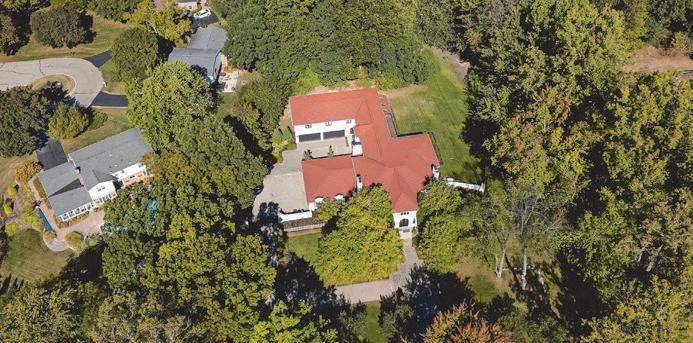
MICROPLASTICS INVADING THE INLAND LAKES
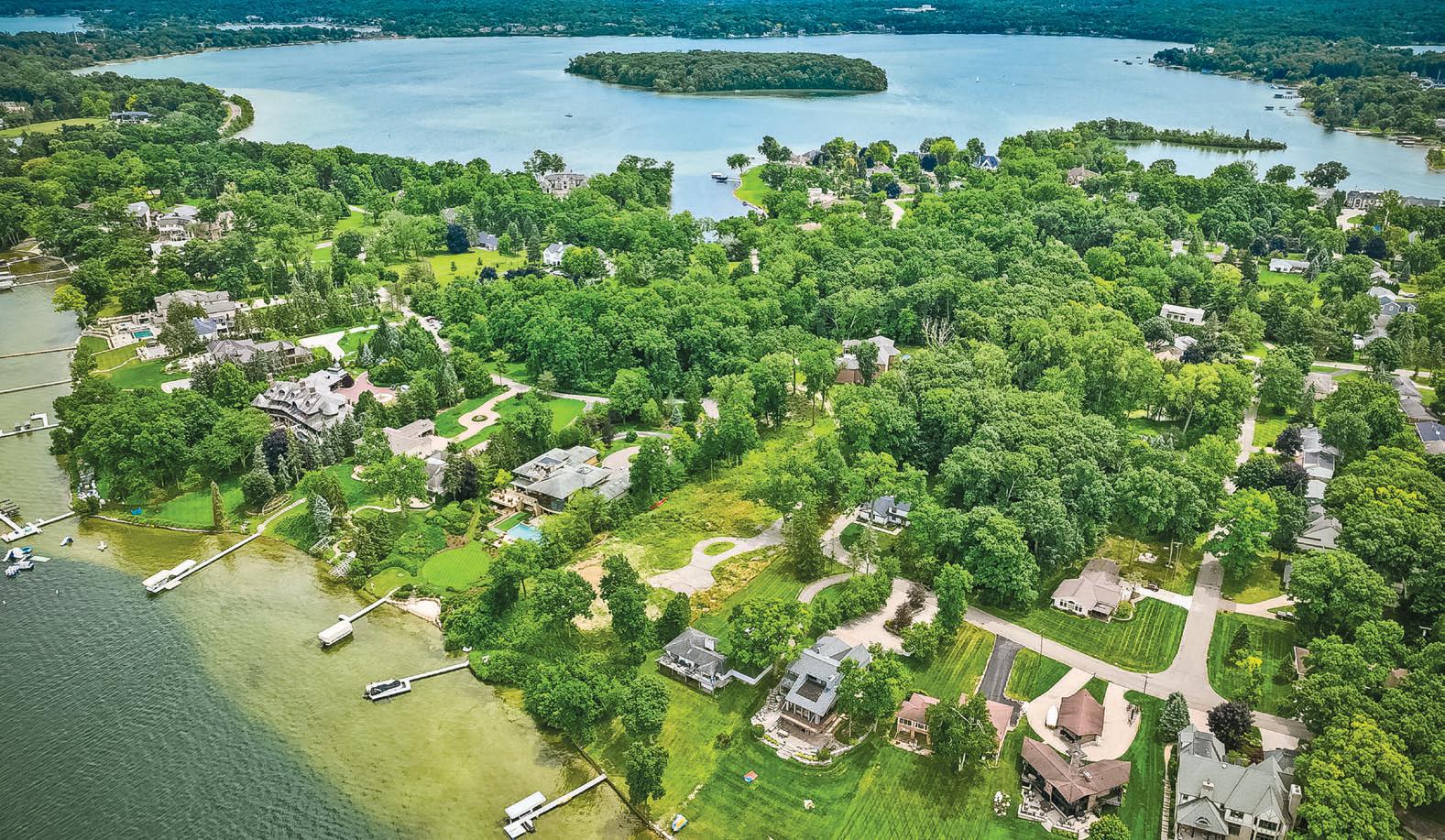
Today, the world is heavily invested in plastic in every aspect of life. But this once-great innovation has become one of the world’s biggest problems, especially in the waterways like freshwater rivers, lakes and streams.
CRIME MAP
A recap of select categories of crime occurring in the past month in Birmingham, Bloomfield Township and Bloomfield Hills, presented in map format, plus a reminder about our online interactive map with story details on public safety incidents. 17
OAKLAND CONFIDENTIAL
ICE money in elections; millions pouring into Senate race; what the polls really show; headscratcher for John James; Johnson getting his name out; Barrett campaign funding questions; plus more.
MUNICIPAL
Commission stalemate on filling vacancy; raises in the township; The Community House bankruptcy; police space needs; school tax on ballot; savings from bonds; surveying the community; plus more.
Aliaksandr Barouski | Dreamstime.com
Photo by Paul Cheney/Bravo
PUBLISHER
David Hohendorf
NEWS EDITOR
Lisa Brody
NEWS STAFF/CONTRIBUTORS
Hillary Brody Anchill | Cris Braun | Dana Casadei | Tracy Donohue | Stacy Gittleman | Austen Hohendorf | Grace Lovins Jeanine Matlow | Katey Meisner | Gigi Nichols | Susan Peck | Carla Schwartz | Michael Scott | Mark H. Stowers | Gretchen Van-Monette
PHOTOGRAPHY/CONTRIBUTORS
Laurie Tennent | Matthew Cromwell | Theodore Michael | Mackenzie O'Brien
Laurie Tennent Studio
ADVERTISING DIRECTOR
David Hohendorf
ADVERTISING SALES
Mark Grablowski
GRAPHICS/IT MANAGER
Chris Grammer
OFFICE
970 E Maple Road / Ste. 3, Birmingham MI 48009 248.792.6464
MAILING
PO Box 1630 Birmingham MI 48012-1630
DOWNTOWN NEWSMAGAZINE GOALS/MISSION
The personnel at Downtown Newsmagazine bring a special commitment to the publishing effort, reinvesting in the local communities and working to make sure the Birmingham/Bloomfield area reaches its highest potential. Our mission dictates that we strive each month to provide a solid news and advertising product that local residents look forward to reading. Our goal is to build a community of informed citizens through the efforts of our passionate team. We are innovators producing products that go well beyond what others offer.
DISTRIBUTION/SUBSCRIPTIONS
Mailed monthly at no charge to most homes in Birmingham, Bloomfield Township and Bloomfield Hills. Additional free copies distributed at high foot-traffic locations in Birmingham/Bloomfield.
For those not receiving a free mail copy, paid subscriptions are available. To secure a paid subscription, go to our website (downtownpublications.com) and click on “subscriptions” in the top index and place your order or scan the QR Code here.
INCOMING/READER FEEDBACK
We welcome feedback on both our publication and general issues of concern in the Birmingham/Bloomfield community. Opinions can be sent via e-mail to news@downtownpublications.com or mailed to Downtown Publications, PO Box 1630 Birmingham MI 48012-1630. If you are using the mail option, you must include a phone number for verification purposes.
Since
Roeser has
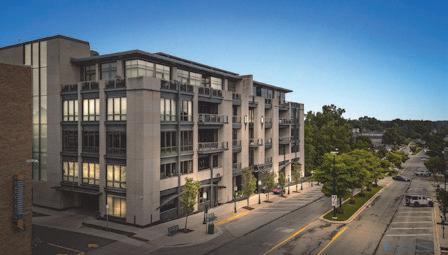
Beachum and Roeser currently owns and manages upscale, conveniently located commercial office properties in Ann Arbor, Auburn Hills, Bingham Farms, Birmingham, Bloomfield Hills, Plymouth, Southfield, Troy
CRIME MAP
OAKLAND CONFIDENTIAL
Oakland Confidential is a column of political gossip/news, gathered both on and off-therecord. We welcome possible items for this column which can be emailed to: OaklandConfidential@DowntownPublications.com. All sources are kept strictly confidential.
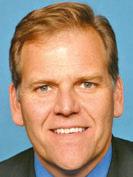
MONEY ON ICE: Running for office is an expensive endeavor and candidates are forced to seek funding from all sorts of backers. But some fundraising is just plain wrong in today’s climate, where Immigration and Customs Enforcement (ICE) officers have rounded up, deported and even killed immigrants and protesters. According to The Detroit News, three of the four candidates for the open U.S. Senate seat –Republican Mike Rogers and Democrats Mallory McMorrow and Haley Stevens –received campaign contributions from federal contractors arming or equipping ICE agents. According to McMorrow, who has shown up at anti-ICE protests, while she received a total of $4,750 from a business development employee and an outside lobbyist for Palantir – which has been an ICE contractor since 2011 – she returned the funds on March 1. Stevens, who has sent out several statements criticizing ICE and its endeavors and voted to block funding for the agency, accepted $2,500 in November from a corporate PAC from AXON, a law enforcement equipment company that spent millions of dollars last year lobbying Congress. In addition, David Reid, an outside lobbyist for Palantir and a deputy finance chair for the DNC, hosted a fundraiser for Stevens at his home in Birmingham. According to The Detroit News, she also took an additional $1,500 in contributions last year from a pair of lobbyists from Palantir. Her campaign said she was not returning the money but is leading the fight to overhaul ICE. Rogers, the presumptive GOP nominee, received $5,300 from Palantir founder Jack Londsdale, and has accepted money from two of the largest private prison groups with contracts with ICE, accepting $22,000 from CoreCivic’s PAC and it’s CEO, Damon Himinger.
HIT ‘EM WITH YOUR BEST SHOT: Regardless of who the Democratic Senate candidate ends up being – the slugfests comes to a head in the August 4 primary election – Republicans recognize that Michigan is a state they want to flip if they intend to keep the Senate. To that end, the Senate Leadership Fund, the top Senate GOP super PAC, has already announced they intend to spend an eye-popping $342 million in battleground states this fall – with Michigan, and Republican Senate candidate Mike Rogers, earmarked for $45 million of that. The PAC, backed by Senate Majority Leader JohnThune of South Dakota, said it’s the organization’s largest and earliest ever investments in Michigan. It will also commence a month earlier than it did in 2024, when Rogers narrowly lost (19,000 votes) to Senator ElissaSlotkin (D-Holly), when they spent over $33 million in a failed attempt to get Rogers elected. Punchbowl said the large outlay is a “a tacit acknowledgement that Senate Minority Leader Chuck Schumer has put those seats into play with strong recruits.” “Senate Leadership Fund’s historic investment is a testament to the strength of Mike Rogers and our commitment to flip Michigan red in November,” SLF Executive Director Alex Latcham said in a statement. But one Republican Insider noted that Republicans acknowledge it’s going to be a tough go for Rogers. “Trump couldn’t carry him last time, and could cost him this time,” he said.
CONFLICTED READING OF POLLS: The race to be the Democratic Senate candidate heading into November is thisclose, and which of the three candidates – Oakland County Congresswoman Haley Stevens, Royal Oak state Senator Mallory McMorrow or former Wayne County health chief Abdul El-Sayed – is at the top of the polls depends on which poll is being interpreted. According to a recent poll by Global Strategy Group for the McMorrow campaign in late March, McMorrow now leads, 30 percent over El-Sayed at 25 percent with Stevens at 23 percent, and 21
ROGERS
percent – still a large percentage – undecided. The same week, RealClearPolitics showed a different result, with Stevens and McMorrow nearly tied, with McMorrow narrowly leading Stevens, 24 percent to Stevens’ 23 percent, and El-Sayed trailing at 17 percent. El-Sayed put out results of a poll from Upswing Research that indicates the three are statistically tied. Stevens is hanging her hat on her standing with independent voters who in the past have played an important roll in election results. El-Sayed has been promoting his likability rating over the other two candidates. Expect a brawl to the finish in August.
EL-SAYED CONTROVERSY: Democratic Senate candidate Haley Stevens continues to position herself as the moderate, pro-Israel, proJewish constituency candidate in the race even as she gets lambasted for accepting money from the pro-Israel political action committee fund AIPAC, often a bundler of funds from Jewish contributors. Fellow candidate Mallory McMorrow has disavowed accepting AIPAC money, along with any corporate PAC funds, but in the wake of the heinous terrorist attack on West Bloomfield’s Temple Israel, she spoke to Jewish Insider, acknowledging, “Antisemitism is real.” McMorrow, whose husband is Jewish, said her five-year-old daughter was at preschool at another Reform temple at the time. “This could have been us. This could have been our daughter,” she said. A Catholic, she said she has made a point to reach out and speak to both Jewish and Muslim leaders in the area. Candidate Abdul El-Sayed, who is running as a staunch progressive in the race,has taken a position poles apart from Stevens and McMorrow, inviting a left-wing commentator Hasan Piker, who has a history of antisemitic and proHamas remarks, to join him at campaign events at Michigan State University and University of Michigan. Both Stevens and McMorrow condemned Piker, the events and El-Sayed for having Piker join him. At the MSU event, El-Sayed said it is “critical that Democrats embrace” Piker, who has said, among other inflammatory statements, the U.S. deserved 9/11. At U-M, El-Sayed said of the Temple Israel attacker, “It’s just critical for us to understand that hurt people do hurt people, and the circumstances happening 6,000 miles away can affect the lives that we live here.” As Robby Soave, a commentator for The Hill, said, “That, I find, is a bridge too far.”
JAMES HEAD-SCRATCHER: Unconventional would be too kind of a word to describe what Republican primary voters have been offered by Congressman John James (R-Macomb County, Rochester, Rochester Hills) as he makes a run for the governor post in the 2026 election. For starters, James has spent the last nine months skipping public appearances at Republican events and GOP candidates forums, starting with the forum of governor candidates last September on Mackinac Island at the Republicans annual gathering. Most recently he blew off a Saginaw candidates get-together in early March. His public position has been that he saw no need to debate other would-be contenders for the state’s highest elected post until after the April filing deadline when the actual field of candidates would be finalized. But that doesn’t explain why he has asked the Oakland County Republican Party to remove his photo and name from an upcoming gubernatorial debate scheduled after the April 21 filing deadline. Maybe he’s still smarting from being booed at the recent county convention in Novi. Or could it be his embarrassment from the Detroit News report of late that the congressman skipped nearly 10 percent of roll call votes during 2025. Then there’s the mystery, captured by multiple media outlets, of where he spent the recent recess of the House. First thought, thanks to a TMZ picture, to be in the Turks and Caicos with his family. But then there was the social media posted picture of James at the Tigers home opener game (he wasn’t there at Comerica Park). And the photo of him at a gun range (also questionable because it may have been a photo from August of 2025). And then there was the fundraising email a week into April – with James saying that he needed donations and without a strong response the campaign “could be over.”
PERRY JOHNSON SURGING: We’ve said it before, polling with 42-44 undecideds are hazy at best. That said (again), two late March and early
EL-SAYED
STEVENS
PIKER
April polls show an amazing gain by Bloomfield Hills multi-millionaire Perry Johnson in terms of name identification. As a point of reference, back in February of this year, 1892 Polling firm results (40 percent undecided) had John James at 40 percent and Johnson at four percent. In a more recent polling by the same firm, with 42 percent undecided, James was at 26 percent and Johnson was at 21 percent. Similar results were produced in a poll by JMC Analytics & Polling. James came in at 23 percent and Johnson was at 20 percent, with 44 percent undecided. In the same poll, Mike Cox was at six percent; Aric Nesbitt, five percent; and Tom Leonard at three percent. The rise in the 78-year-old Johnson’s polling results shows what $10 million in self-funded media purchases will buy a candidate.
INDEPENDENCE
DAY?: Looking ahead to November, the polling shows former Detroit Mayor Mike Duggan, long a Democrat who is running as an independent, has been consistently rising in the polls. Glengariff Group, Detroit Regional Chamber, Mitchell Research and EPIC-MRA all position Duggan running against presumed Democratic primary winner Jocelyn Benson, and pose scenarios with the two against Republicans John James, Mike Cox and Aric Nesbitt – but not rising in the polls multi-millionaire Perry Johnson, which could change by the next time this column is written. In the latest poll by Detroit Regional Chamber, Duggan had risen from an also-ran to slightly leading Benson and James, currently the presumed nominee (but perhaps not for long). While the results were a statistical dead heat within the margin of error, Duggan lead his opponents, 30.1 percent to James at 28.9 percent and Benson at 28 percent. Michigan Democratic Party Chair Curtis Hertel accused the Detroit Regional Chamber of running the poll for Duggan. But Ed Duggan, Mike’s son and his campaign director, said in a statement the polling shows most Michigan voters are “sick of the politics as usual, with Democrats and Republicans obsessed with attacking each other.” Benson’s poll, by Impact Research, had her leading, 39 percent, with James at 36 percent and Duggan at 20 percent with five percent undecided. As for polling against Johnson, Duggan’s campaign conceded they would rather face Johnson than James in the long run, with one insider noting that President Trump is staying completely out of the race – at least at this point, noting that the prez does not like James, and while Johnson has been to see him, “he learned a lesson from the last (2024) time,” when he endorsed election deniers and others without a shot of winning the general election, an acknowledgement that while Johnson may buy his way onto the ballot, Republicans don’t see many but the most faithful voting for him.
DOUBLE TROUBLE: Congressman Tom Barrett (R- Ingham, Livingston, Clinton and Shiawassee counties, and parts of Genesee and Oakland) seems to have missed the ethics part of civics classes in high school. The first term congressman – who filled the seat now-Senator Elissa Slotkin (D) vacated to run for Senate and is running for re-election – has filled the coffers, to the tune of a total of $50,000, of a law firm and a software firm that his wife has worked for, which then donated to his campaign. It seems that Barrett channeled $30,000 in campaign funds from the Barrett Brigade Victory Fund to the Butzel Long law firm for legal services in 2023, right after his wife was hired, according to Politico. The firm’s PAC, which had not previously contributed to his campaign, then donated $13,000. His wife was subsequently hired by the software company Aristotle International which Barrett’s campaign then doubled its payments to, according to FEC records. “Barrett’s actions raise serious questions about whether he could be personally profiting off his campaign, and he owes Michigan voters answers,” said Michigan Democratic Party spokesperson Sara Isaacson. Barrett is running unopposed in the GOP primary. Elyon Badger, former U.S. Ambassador to Ukraine Bridget Brink, Lansing tenants’ rights advocate William Lawrence, retired Navy SEAL Matt Maasdam andphysician Muhammad Salman Rais are all duking it out for the Democratic nomination to face Barrett.
STEVENS
DUGGAN BARRETT
BENSON
FACES
Tessa Shane
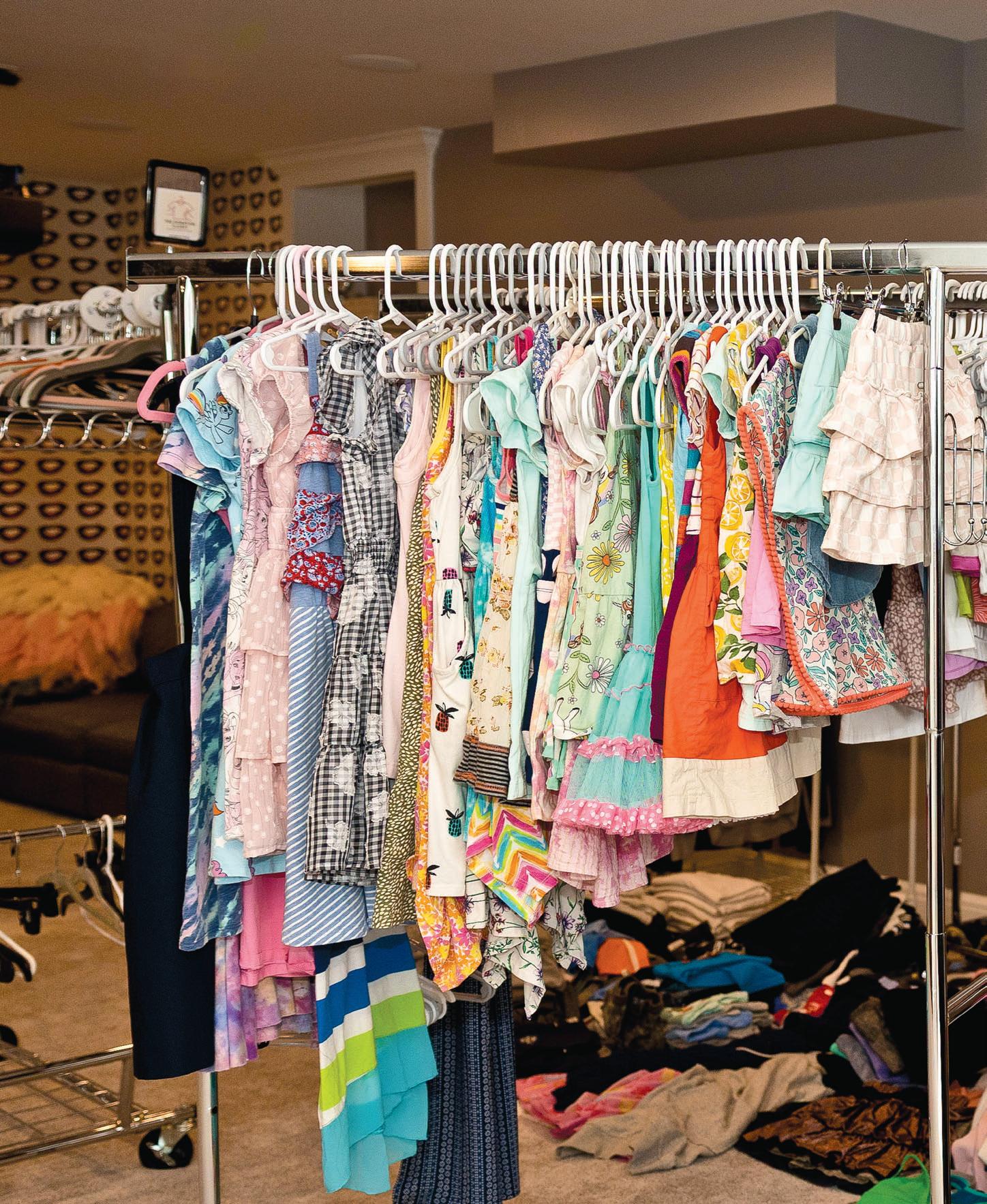
Tessa Shane, founder of The Donation Closet, learned the importance of giving back at a young age.
“I have an older sister and she was involved in a lot of community service work,” she said. “I started seeing her getting involved in things, like the Friendship Circle, and other community service. She kind of guided some of my decisions and opened my eyes up to what you can do for others.”
Shane also became involved in the Friendship Circle, a non-profit that offers programming for special needs children, teens and adults.
“I was a counselor there,” she said. “I’d be paired up with a child with special needs. We’d do arts and crafts projects and play games.”
Shane, a senior at Seaholm High School, had been involved in sports but was injured. She began looking for other ways to remain involved in her community.
“I was looking to do something that was outside my school,” she said. “I wanted to create something on my own. I came across a nonprofit called Hoodies for the Homeless. I noticed they had chapters across the country, but they didn’t have a chapter in Michigan.”
In the fall of her junior year at Seaholm, Shane began working with Hoodies for the Homeless. “I started coordinating local donation drives,” she said. “People started dropping off their donations to me and they were dropping off more than hoodies.”
The 17-year-old philanthropist asked her parents if she could take over their basement to organize her donations and, thus, The Donation Closet was born in 2024.
With clothing donations pouring in, Shane decided to partner with other nonprofits in the area with the intention of providing resources all over southeast Michigan.
“I partner up with someone different each month and figure out what their needs are,” she said. “That’s the model I created and it made a lot of sense. We repurpose clothing to give to a nonprofit. We're able to help a ton of families.”
Shane continually reaches out to the community to ensure The Donation Closet stays fully stocked.
“I started a social media page on Instagram,” she said. “I post who our upcoming partners are and if we are looking for something specific.”
Once Shane receives the donations, she organizes them.
“If someone drops off a bag of clothes, I bring it down to my basement. I sort through them and decide which nonprofit they will work for. Birmingham Schools also contacts me with specific needs. I’ll go into the closet and pull what is appropriate for a specific family.”
Despite all her dedication to help those in need, Shane is rarely able to witness the impact she has on the community.
“I’ve had a couple scenarios when I’ve met the people I was able to help,” she said. “They were all so nice. I walked out and I actually started crying. To see that my work was helping people was very meaningful to me. It makes me feel like I’ve been able to have an impact on a lot of people.”
The altruistic, budding entrepreneur is also a 4.0 student who is looking forward to going to the University of Southern California to study communications and fashion.
Wherever she goes, she intends to stay connected to The Donation Closet.
“I’ve been talking to people about taking over my inventory here,” she said. “But I hope I can start another chapter where I’ll be. I’ll always be involved with The Donation Closet in some way.”
Story: Katey Meisner
Photo: Laurie Tennent
MICROPLASTICS ENTERING INLAND LAKES OF MICHIGAN
IT’S A MAN-MADE PROBLEM THAT REQUIRES MAN-MADE SOLUTIONS THAT MULTIPLE STUDIES HAVE SHOWN DATES BACK 70 YEARS AND POSSIBLY MORE SO IT WILL BE NO EASY TASK TO BRING THIS CONTAMINATION UNDER CONTROL, LET ALONE ELIMINATED COMPLETELY
BY MARK H. STOWERS
Leo Hendrick Baekeland innocently invented plastic in 1907. The easily shaped, durable, and inexpensive material became a staple in homes and businesses, with thousands of beneficial uses. Other scientists would come along and build upon the invention, but few probably foresaw the global problems they were creating in their labs.
Today, the world is heavily invested in plastic in every aspect of life. But this once-great innovation has become one of the world’s biggest problems, especially in the waterways like oceans and freshwater rivers, lakes and streams. The world’s oceans cover 70 percent of the Earth’s surface and produce 50 percent of the world’s oxygen. Over 1.25 billion people rely on fish from them as their main source of protein. However, plastic is now widespread in the world’s seas with estimates of total plastic ranging from 75–199 million tons, with about 5.25 trillion pieces of debris and growing. That's equivalent to dumping one garbage truck of plastic into the ocean every minute.
This problem keeps growing and leading to even bigger issues. The North Pacific Ocean contains the most plastic (198.2 million pounds) As of early 2026, the Great Pacific Garbage Patch (GPGP) is estimated to cover approximately 1.6 million square kilometers (roughly 620,000 square miles). Located between California and Hawaii, this area is about twice the size of Texas or three times the size of France, with pollution levels described as growing exponentially.
According to the Multidisciplinary Digital Publishing Institute (MDPI.com), a major Switzerland-based academic publisher of open-access, peer-reviewed journals, these emerging contaminants, 1.15 to 2.41 million tons of plastic, enter the world’s oceans annually via rivers, with 74 percent transported between May and October. Asian rivers contribute 67 percent of this total, led by the Yangtze River, which delivers 0.33 million tons annually to the East China Sea, followed by the Ganges River, carrying 0.12 million tons to the Bay of Bengal. The United Nations Environment Programme (UNEP) estimates that plastic pollution incurs a financial cost of $13 billion per year.
But only one percent of plastic floats on the surface while the rest sinks to the sea floor, threatening marine ecosystems from the surface to the deepest trenches.
The Great Lakes, the world’s largest collection of freshwater, are a target for plastic pollution, according to the Alliance for the Great Lakes, which reports that 22 million pounds of plastic are dumped into them annually. Of that amount, 86 percent is plastic that breaks down into microplastics, which find their way into aquatic life, other wildlife, and eventually humans. Most of this plastic originates from local land-based sources, such as urban areas and litter, rather than coming from distant oceans, with 86 percent of beach litter being plastic. Microplastics are broken-down pieces of plastic defined as particles smaller than five millimeters.
According to the Environmental Protection Agency (EPA), “Microplastics have been found in every ecosystem on the planet, from the Antarctic tundra to tropical coral reefs, and have been found in food, beverages, and human and animal tissue.”
Plastic pollution poses a serious threat to the environment and could also threaten public health.
It’s estimated that each person ingests about a credit card-sized amount of plastic every week. The building blocks of plastic are harmful on their own. Once in water, plastic fragments absorb toxic chemicals and can harbor potentially dangerous microbes. This poses a serious threat to the environment and could pose a threat to public health.
As far back as 2012, a study found an average of 43,000 microplastic particles per square kilometer in the Great Lakes. And in some places, the total was much higher. In one area downstream from two major cities, researchers found 466,000 particles of plastic. Hotspots like the Detroit River exceeded two million particles/km². The United States Geological Society (USGS) conducted a study in Wisconsin of inland streams to the Milwaukee River to Lake Michigan in 2019, looking at water surface, water subsurface and sediment and microplastics were detected in each of the 96 water samples and nine sediment samples collected.
Patricia Corcoran, PhD, Professor in the Department of Earth Sciences at the University of Western Ontario, has been part of studies regarding microplastics and the Great Lakes from her Canadian view in 2018, 2020 and 2024.
“We were able to compare concentrations and distribution across all five Great Lakes. And then determine if the overall amount of plastic has decreased after six years. That was a more recent study. We did notice that those visible plastic debris items and the pellets have all decreased,” Corcoran said.
The problem has been building for decades and her research unfortunately underscored the fact.
“We did one study in which we had lake core from Lake Ontario and Lake Huron, and we were able to determine the pollen dates, and we were able to determine that we have fifty-six years of microplastics accumulating in Lake Huron and seventy-two years in Lake Ontario. It was already accumulating in lake bottom sediment. I was very surprised as there was about 280 microplastic particles per gram of sediment. That’s crazy. It’s a lot of microplastic,” she said.
The problem is hard to contain because it’s so pervasive in society, according to Corcoran.
“Microplastics are everywhere. Anything that we use that’s synthetic is considered plastic, even tire rubber. It’s everywhere. It’s in the air that we breathe. It’s in the food that’s packaged in plastic but it’s also in the air. On a daily basis, we are eating microplastics, and we’re breathing them in. They’ve been found in all types of human organs and fluids. They’ve been found in human feces. They’re found in lungs, in the brain, in placenta, in urine –it’s everywhere. It’s not just animals and waterways. There are two big concerns. One is that because microplastics are so small, if they’re more available to a wider range of organisms of different sizes. The other issue is that a lot of plastics in general are produced with chemicals, such as additives and dyes. When they are in the water, they’re hydrophobic. They actually accumulate chemicals. It’s the chemicals that are the biggest concern. Because if we are ingesting so many or inhaling so many microplastics, how are those chemicals in the plastics affecting us?”
She explained some steps have been taken over the year including bans.
“BPA used to be in baby bottles. But now it’s banned. You no
longer have baby bottles composed with BPA. But there’s still BPA in our in food cans because BPA is used as a resin. The lining inside a food can or soup can is a type of plastic, but they use BPA to make it stick to the can. These are awful types of chemicals. We also have flame retardants, which used to make sense because you don’t want your carpet or your furniture to easily catch fire. But the problem is flame retardants contain dioxins, really bad stuff. And so even if you burn plastic, it’s really bad for you. Horrible for the environment, but horrible for you to breathe in that because the dioxins can create cancer. The persistent organic pollutants, they mimic estrogen in our systems. You end up with a male species that starts to have some female attributes or infertility. So, the hormonal system, the endocrine system, is what those disrupt.”
Ashley Flintoff, Executive Director of the Friends of the Rouge, a 501 (c) (3) non-profit dedicated to restoring, protecting and enhancing the Rouge River watershed through stewardship, education and collaboration, notes the organization monitors the health of the river and is concerned about microplastic contamination.
“This whole issue of microplastic contamination and PFAS and PFSs ties in to our mission because the work we’re doing is really about connecting people with their river and letting them know that this river is an asset, and it’s something that they can recreate on and near,” Flintoff said. “And if it’s also at the same time contaminated or fish are contaminated, that becomes a barrier to folks really truly being able to access the river.”
The problem has been around a while and the Rouge River has been a focal point.
“It’s something that we have been really aware of for a very long time. We’re the most urbanized river or watershed in the state. And we’re also an EPA area of concern. Issues of contamination are really the reason why our organization was started 40 years ago.”
Those issues have included major concerns over the years and now, Flintoff said, “Microplastics are just unfortunately the next on the list of emerging contaminants that we have to worry about. But quite honestly, the top items we find in the river, whether during a cleanup or just while monitoring and being on the river, are plastic. Plastic bottles, plastic caps, food packaging and plastic cups. The majority of the items that we pull out of the river are plastic. In 2023, we worked with the Ecology Center in Ypsilanti to conduct a study and test fish in both the Rouge River and the Huron River for PFAS. They were really looking at, what are these chemicals? Many of which come from plastic or the production of plastic. How are they showing up? It’s something that we’ve been aware of since before 2023, but really 2023 was the year where we really started to lean in and partner with folks to say, let’s do some like really intensive testing on some of these contaminants in some of these issues.”
Flintoff noted that a paper published by Wayne State University researchers last year focused on the influence of drainage, infrastructure and land use on microplastics looking at the Huron and the Clinton watersheds.
“They looked at the microplastic, levels of microplastic and then where it was coming from and realizing how much of it really is coming from stormwater runoff. Everything that folks are throwing away, that they’re tossing out on the ground, that they’re dropping in parking lots and then it rains and all of that gets washed into the rivers and washed into our streams. It’s a major source of microplastics. One of the easiest things that people can do is just properly dispose of items, properly dispose of litter, reduce, recycle and obviously reuse as much as possible. Not tossing stuff out your
car window, or tossing it in the parking lot or not walking the 10 extra steps to the trash can. You are taking all of that and putting it in the right place and keeping it out of the rivers and streams and lakes.”
Flintoff also explained elementary lessons can make a difference.
“The three R’s that we all learned in grade school – reduce, reuse, recycle – are the best way that we can try to combat this. The other thing, too, is really supporting research. Supporting science, there’s very little research done right now on microplastics. There’s more and more every day but supporting research so that we truly understand how and what these things are doing to our bodies, what these things are doing to our environments, understanding how they’re getting there, understanding ways that we can continue to push for new ways to be able to recycle or reuse that sort of thing.”
Microplastics find their way into waterways, ground surface areas across the world. From the Arctic Circle to Antarctica and everywhere in between. From garbage that gets into drainage systems and breaks down, flowing into Michigan lakes, streams and rivers, to home-created pollution from washing clothes and using simple plastic implements, to even a major spill on a Michigan highway.
In late January, 26,000 pounds of plastic pellets or ‘nurdles’ spilled from a semi-trailer on I-96 and were spread for 11 miles near Saugatuck, mixing in with snow and eventually found their way into soil, the bottom of the Kalamazoo River. Even more was spilled when the truck was not properly secured and was towed away.
Wayne State University Professor Donna Kashian has been studying microplastics for several years with her students.
“One student recently published her work, looking at how it’s entering the system once it goes into the outflows,” Kashian said. “By measuring downstream of wastewater discharge, that’s what eventually gets in your inland lakes. We are trying to determine where it’s partitioning. ‘Is it going in the soil? Is it in the water?’ It’s in bulk. A bit of it settles out into the soil, but some of it still continues downstream into your receiving waters, like your inland lakes, or if it’s a bigger stream, it’ll go into the Great Lakes.”
When it hits Michigan lakes, microplastics start to clog up the natural filtering systems.
“We’ve also done work on how it interacts with other living organisms in the lakes, in zebra and quagga mussels, they can actually disrupt the filter feeding. Microplastics clog gills, so anything with gills has the potential to clog the gills and make it harder for them to breathe.”
Microplastics are also disrupting aquatic food sources.
“When you go out and step on a rock, it’s always slimy. That happens to microplastics. They’re in the water, they get algae build up on it, but that algae build up makes it look like food. Then you have fish and insects, seeing it and eating it because they think it’s food. You are getting food and it’s not actual nutritional food. That could potentially cause health issues. The aquatic life is not getting the nutrition and the calories they need.”
One study Kashian participated in examined how microplastics disrupted the life cycle of frogs.
“It sped up their metabolism, so it essentially is acting like a stressor and their conversion from tadpole to frog, the microplastics speed up their growth. We see this in the environment, with many stressors. When a tadpole feels stressed, it’ll metamorphose into a frog sooner because it’s trying to get out of a pond that might dry up. We actually didn’t expect this result. When tadpoles ate these microplastics, they grew faster. We actually thought we’d see the opposite.”
She also observed decreased growth rates in Yellow Perch that ingested microplastics.
“They’re getting full, but they’re not getting full on something that’s actually helping them,” Kashian said.
She explained that microplastics are coming from everywhere.
“One, they’re made by industry, so there’s microplastics being put in products. But then they are also coming from soda bottles, fleece-like clothing. Those are microplastics. The paint on the road is latex that turns into microplastics. Tire wear, that’s a microplastic. Latex paint in your house is a microplastic. But then you think of everything else. Your plastic pencils, your straws, your bags, all of your medicinal equipment, your packaging. There’s no slowing to this stuff coming in the environment. It doesn’t decompose to nothingness. It stays around a really long time.”
Yoorae Noh, an Assistant Professor in the School of Packaging (SoP) at Michigan State University (MSU), has been studying microplastics for the past decade. The South Korean native has a PhD in civil engineering and studied chemical engineering, and her research made her an expert in environmental engineering. With a varied focus, she realized she needed to become an expert in plastic. She first went to Auburn University and then MSU, landing in the school packaging program.
“I realized that the packaging sector is primarily using virgin plastics. That’s why I chose school packaging at Michigan State University,” Noh said. “Microplastics are the emerging issue in the plastic world. That’s why I have to study microplastics in soil, water and the atmosphere and the microplastics released during or after the manufacturing. We try to investigate the overall fate of the microplastic. But the source of the microplastic will be various.”
Microplastics are divided into two categories – primary and secondary.
“The primary microplastic is intentionally manufactured as a smaller size of plastics and the secondary microplastic is unintentionally but artificially broken down into small pieces. The microplastics that are found in the ecosystem or the environment, that is the secondary microplastic, but still we can capture some of the primary microplastics,” Noh explained. “The plastic model is intentionally manufactured to a size similar to that of the plastic. We can consider it as a primary microplastic. The debris is usually degraded into the natural environment. The source can be from the resident area wastewater treatment plant, as well as emissions from the polymer manufacturing or the packaging manufacturing facilities.”
She noted that, “In 1970, we realized that plastic debris was present in the open ocean area. This is twenty years after we produced the first commercial plastic around 1950. We are generating a lot of the microplastics.”
Noh is part of a research collaboration between Michigan State University, the University of Michigan, Wayne State University and Michigan Tech.
“We try together to gather the microplastic experts. And then see what the current limitation of the microplastic is. What is the gap in making the connection between the current practice versus the strategy building? Michigan launched the MSU PHC, which is a Plastic and Health Consortium. This PHC is designed to foster the interdisciplinary collaboration by supporting the individual research projects and the individuals. And we are facilitating the network within or beyond MSU about the microplastic work. We try to organize the academic conferences or statewide programs on plastic and the health implications,” Noh said.
The consortium was created eight months ago and includes a
variety of academic experts, including those in molecular toxicity, agricultural engineering models and hydrology modeling, environmental contamination, environmental communication, medicine, polymer science and more.
“We try to bring a different perspective to the complex microplastic study because, when people think about microplastics, they usually assume it's just plastic that can be cleaned up. However, that's not the case. There are thousands of polymer types with various additives, making the situation much more complicated. Their fate and behavior vary greatly depending on their composition. That’s why we need to collaborate with experts from different fields. My expertise is in polymer science, so my group is investigating what types of polymers and what size and what surface energy the microplastics have that exist in Grand River, the water source that enters Lake Michigan by estimating the abundance and diversity of the polymer,” Noh said.
There is also a project – a bubble barrier – being set up in the Grand River to try and clean up microplastics. MSU Professor Ruth Kline-Robach explained more.
“The Great Bubble Barrier – we’re working with Meijer and the city of Lansing and a group of faculty members from Michigan State University and Grand Valley State University to put a device called a bubble barrier in the Grand River in the city of Lansing that will help to separate the plastic out of the water,” KlineRobach said.
A bubble barrier is a perforated rubber tube placed diagonally across the bottom of a waterway. A compressor pumps air through the tube, creating a curtain of bubbles with an upward current that pushes garbage to the surface. Once it’s at the surface, the flow of the water directs trash into a catchment system. The system’s designers estimate a catch rate of 86 percent of floating plastic pollution with pieces as small as one millimeter and as large as one meter.
One significant “polluter” actually comes from our homes, according to Kline-Robach.
“Our laundry. Synthetic fabrics like polyesters, our polyester fleeces, our acrylic textiles, when we do the laundry, that comes out in the wash water. So those microfibers then are discharged if you’re in an area that has a municipal wastewater treatment plant, and then if you are on your household onsite wastewater system, a septic system, those microfibers are potentially in the discharge that goes into your drain field. Wastewater treatment plants were primarily designed to remove pathogens, suspended solids and nutrients from the wastewater. They have settling and filtration processes that can remove a significant amount of the microplastics, but not necessarily all of them. So then after the wastewater goes through the treatment process, then it’s discharged to our area waterways. And so that’s one potential pathway.”
Another source is our roadways and the debris from automobile tires. “When we have rain events, that stormwater is picking up all of that debris from synthetic rubber polymers with the road, dust and rinsing that into our storm drains into our surface waters,” she said. “Another pathway is agricultural plastics. Wrap for hay bales and irrigation tape, things like that. And that weathers over time and can potentially end up in the waterways. It’s coming at us from different areas. And atmospheric deposition too.”
When those microplastics end up inside our bodies, they can cause horrific damage to human tissue.
“There is a widely cited study that was published in the New England Journal of Medicine, ‘Microplastics and Nanoplastics in
Atheromas and Cardiovascular Events.’ They’re looking at microplastics or nanoplastics in human tissue. And what does that mean in terms of blood and the arterial plaque samples? There’s a lot that we don’t know about human health impacts. It’s an emerging area of research, like the long-term health effects of chronic human exposure to microplastics and nanoplastics.”
In order to find ways to minimize the microplastics problem, Kline-Robach notes, “We usually break it down into source reduction, and then how we are treating things, and then how we are manufacturing things. Source reduction is where people who live on a lake can play a role. Use alternative materials, not plastic bags, not buying plastic bottles of water. Then, we can look at better filtration techniques either for drinking water sources or wastewater treatment plants, membrane filtration or different types of filtration that will filter out some of those smaller particles that might not otherwise get filtered and will make it their way through the treatment plant.”
Kline-Robach also noted that septic systems need to be looked at to help with the solution of keeping microplastics out of water systems. “It’s estimated that we have 1.3 million septic systems in Michigan. And we don’t really know if microplastics are being adequately treated in these drain fields or they’re getting through into the soil and into our groundwater. That’s another gap in the research,” she said. “If you have an onsite wastewater system, your laundry is going into that septic system.”
Noh from MSU added, “Another student in my lab is investigating the microplastics derived from agricultural plastic because they are found not only in the wastewater treatment plant facility near the river but also during our agricultural practices. However, many people usually ignore the microplastics in agriculture. They often use a lot of pesticides covered with plastic liners. The ideal cycle would be to fully recycle this microplastic into a new, value-added product. But studies show that even during recycling, a lot of microplastics can be released. Also, not all microplastics enter recycling facilities because, in the U.S., the focus is mainly on recycling high-density polyethylene (HDPE) and PET (polyethylene terephthalate). Theoretically, we could recycle LDPE, similar to linear low-density polyethylene, or polystyrene, but that isn't economically feasible given current facility operations. That’s why most U.S. recycling facilities only accept HDPE and PET. Our goal has been to seek funding for this, but ultimately, we want to explore how microplastics can be incorporated into valueadded products, even if they aren't fancy. For example, they could be used as filament material for 3D printers or part of artificial structures on beaches, like benches.”
With aquatic animals and organisms, microplastics are absorbing these heavy metals and are getting ingested, causing even bigger problems.
“That’s why we call it the Trojan horse effect,” she said.
Microplastics pose a human hazard because once they enter the body, they can contain harmful substances. BPA (bisphenol A,) is an industrial chemical that research has shown can alter fertility and fetal development. It can mimic and disrupt the body’s natural hormones.
Phthalates are a group of chemicals added to plastics to make them more flexible and durable. Phthalates can be found in some cosmetics such as nail polish, perfumes and some shampoos. These can change hormone functioning and increase a person’s risk of cancer. Heavy metals such as lead, cadmium and chromium are known to accumulate in many organs over time and can lead to heart disease. All coming from microplastics.
As these are ingested by fish and other marine life, the food chain slowly becomes a toxic stream that reaches our dinner tables.
The Department of Energy, Great Lakes and Environment (EGLE) has received funding for testing of Michigan rivers, lakes and streams. Eddie Kostelnik, an environmental quality analystemerging pollutants section of the water resources division for EGLE, explained more.
“We’re working on microplastics in multiple avenues. One of the main things that I am involved with is that we’ve been sampling microplastics and rivers and streams in Michigan. This sampling randomly targets rivers and streams throughout the state three times a year, and we’ll be doing it for four years.”
By the end of the sampling period, 200 rivers and streams will have been sampled three times each year.
“There is going to be various data analysis and quality checks that need to happen with that data. On top of that, we’re also developing more targeted sampling plans to potentially sample Great Lakes inland lakes and do some more method development,” he said. “We’re working on surface water sampling side, then we’re also developing a plan to assess impacts of microplastics and drinking water in Michigan. Then we’re in the process of developing a statewide microplastic strategy, which will look into what we need to do to better understand microplastics problem in Michigan, and that plan would include monitoring, policy education and outreach.”
One year of sampling has already taken place with three more to go.
“I am working on developing the targeted sampling for this year. The data is still being quality-checked, and based on the way we sampled, we need a larger data set to draw stronger conclusions. But what I can say is that we did find microplastics in the rivers and streams across the state in widely varying concentrations.”
For the random river and stream sampling, EGLE is using “grab” samples.
“We’re taking a glass bottle that’s known not to have microplastics in it. It’s been rinsed by the lab and we’re taking a grab sample at a specific depth in the river or stream. We’re looking into other methods that have been recommended from places such as the International Joint Commission, which has some methods that they recommended for microplastic sampling that we’ll be looking into,” Kostelnik said.
EGLE is also working with other states such as New Jersey and California where such sampling is being done to try and find a consistent way to sample for better results.
The state legislature is looking to help in the fight against microplastics with the implementation of legislation aimed at the problem. According to the Michigan Environmental Council, there are three bills working through the legislature as a package, Senate Bill 503/House Bill 4766, Senate Bill 504/House Bill 4768 and Senate Bill 505/House Bill 4767.
Senate Bill 503, sponsored by Sen. Jeff Irwin (D-Ann Arbor), and House Bill 4766, sponsored Rep. Laurie Pohutsky (D-Livonia) is legislation that would ban the use of microbeads in Michigan. Microbeads are tiny, manufactured plastic particles that are usually smaller than one millimeter (similar to the size of glitter) and can be found in personal care products like toothpaste. This bill goes beyond the scope of the federal Microbead-Free Waters Act of 2015 to cover additional products, such as cleaning supplies.
Irwin’s interest in microplastics piqued when he saw the dangers they created in the world’s oceans, and he wondered what microplastics were doing to the Great Lakes.
“The first thing I found was that we didn’t know enough, right here in the heart of the world’s greatest assemblage of fresh water,” Irwin said. “This was a problem that didn’t receive enough attention. We started working on putting together legislation.”
He formed a partnership with former Representative Rachel Hood to build expertise with EGLE with budget support.
“That legislation does a few things,” he explained. “It calls for a statewide strategy on microplastics. It calls for more monitoring and it calls for getting microplastics out of some of the products where they’re really not necessary and where it’s easiest to remove them from our waste stream.
At press time, that legislation had made it out of committee to the Senate floor. Though the bills are bipartisan, Irwin noted there hasn’t been enough across-the-aisle support.
“I think that Republicans will say that they’re clean water fans when they’re asked on the campaign trail,” he said. “They’ll say what I think everyone as voters believes, which is we need clean drinking water, we need that to be safe. And I think they believe that as well. But that belief gets chased away pretty quickly when the Chemistry Council or the Michigan manufacturers or big retailers come to Lansing and say, ‘We don’t want to have to follow additional rules. We don’t want to have to change our products. We don’t want to have that responsibility for the Great Lakes into clean water.’ And their influence speaks loudly and also financially.”
According to Irwin, big business wants to continue business as usual. “When these bills came up in committee, we heard from big industry and big business saying that they didn’t think this was a good idea and that this is going to bring Michigan’s economy to its knees, it’s going to kill jobs, blah blah blah. We can’t protect the environment and have a healthy economy at the same time.”
He noted this argument came in the middle of the nurdle spill on I-94 that dumped tons of microplastics along 11 miles of roadway that wasn’t reported for another month. The beads were cleaned up as much as possible but there is no way to know the environmental damage as of yet.
“Emerging research that shows we’re finding out that microplastics are in all of our body and our bloodstream and our brain. So, it’s interesting that they’re still coming with the same playbook,” Senator Irwin said.
He noted the bills “build on some of the work that we were able to do through the budget a couple years ago, which I was mentioning with Representative Hood, where we funded some research within EGLE to look into this and to start to develop some data and start to look around the state. Much like we started doing with PFAS (per- and polyfluoroalkyl substances) ten years ago. That started with an investigation, and that’s definitely got to be part of it. I would just encourage people to trust their eyes. We’ve all been in Michigan parks, we’ve all been along Michigan roadways, we’ve all been on Michigan beaches and we’re seeing an increase in plastic pollution. And it makes a lot of sense for us to attend to that very visible pollution. But I just want to remind folks that while you are seeing that around us in our environment, These plastics, particularly when they become microplastics or even nanoplastics, they enter our bodies, and they start to pollute the pathways within our bodies. There are some very real health consequences that could be coming from these. And I just think it makes a lot of sense for us to take it very seriously and to be the place in the world that focuses on this and really focuses on figuring out how we, in a freshwater environment, make sure that microplastics don’t ruin this jewel that we have here in Michigan.”
Senate Bill 505, sponsored by Sen. Sue Shink (D-Ann Arbor), and
House Bill 4767, sponsored by Rep. Denise Mentzer (D-Mount Clemens) require EGLE to create a comprehensive research and monitoring plan for microplastics in the Great Lakes across the state. The plan will examine the presence of microplastics in the environment and the Great Lakes ecosystem to assess ecological, health and economic impacts.
Shink first became aware of the microplastic problem from a governmental view as a Washtenaw County Commissioner.
“In terms of working for policy solutions, I was a county commissioner, starting in 2019, and I worked in that position to get support for a bill to allow local governments to ban or tax or otherwise regulate larger plastic items, single-use plastics,” Shink explained. “The legislature preempted that kind of action before then, around 2016 or 2017. Now I’m fighting to get that back. Since I’ve been in the legislature, I have worked to lift that preemption so local communities can make their own decisions. That bill is called SB 195 this session.”
Shink’s initial work began with her interest in contaminants and toxic chemicals while as a law student in the early 1990s.
“My first legal job was working on polluter pay legislation. I was able to work on cases under the polluter pay law at the time,” she said. “Now we’re fighting to get polluter pay back. But I’ve been very interested in toxic chemicals. I’ve worked to reduce plastics in my personal life, but that’s not really enough because there are so many plastics in the environment that they end up in our bodies through our drinking water without our permission. There are actually microplastics in the air and rainwater now, and they’re definitely in the lakes. I heard from researchers that even in the deepest parts of Lake Superior, there are microplastics and macroplastics, too.”
In explaining Senate Bill 505, Shink said, “This bill would add legislation that would create a statewide micro prep, microplastics research and monitoring plan, and would require EGLE to develop a statewide microplastics research and monitoring plan that would assess the occurrence and the impact of microplastics on the plants, animals, waterways, and drinking sources of the state. And then figure out, ‘what the heck are we going to do about this?’”
She noted its harder in the United States to stop the microplastic invasion as “you have to double and triple prove that something is harmful before you can get anyone to do something about it. Microplastics affect us in so many ways. I read an AARP (story) about a research study that showed if you have microplastics in the plaque in your arteries and you have a heart attack, you are much more likely to die than if you don’t. And we know that plastics are endocrine-disrupting, so they affect our hormones. And many cancers are very sensitive to hormones. I know a lot of doctors suggest to cancer survivors, or people who are trying to prevent it that they avoid plastic, but it’s hard if it’s in your drinking water.”
She noted that Senate Bill 503 would help rid microplastics that are put in everyday consumer products.
“Microbeads are tiny bits of plastic, people often don’t even realize they are tiny bits of plastic. You could see them in facial scrub, but they’re in so many other things as well that you wouldn’t even notice.”
High-tech clothing, such as polar fleece and other synthetic clothing, is a “microplastic polluter.” When washed and even dried, these clothing items shed microplastics that if not filtered find their way into the atmosphere.
“One thing we can do is get filters for our dryers, and then we put them in the trash, and that is better than sending them out into the air. But also, if you line dry your synthetic clothing, it helps reduce the plastic shed,” Shink said.
Simply reusing bags for shopping can make a small impact that builds into a larger one.
“I do want to encourage people to take those actions in their life. Also, I think when people realize they can live with less plastic, it helps them understand that legislation that would require us to find alternatives,” she said.
In explaining more about Senate Bill 504, Senator Shink said, “It would amend the Safe Drinking Water Act to require EGLE to establish microplastic baseline conditions in public water supplies. And then develop methodologies for measuring that. We would eventually have a limit on how much microplastics could be in public water supplies. It’s really this is a stepped approach. It’s not as fast as some would like. But it’s what we think is practical and can actually get done.”
She noted there is opposition to the legislation from manufacturers and industry.
Senate Bill 504 is sponsored by Sen. Dayna Polehanki (D-Livonia) and House Bill 4768 is sponsored by Rep. Veronica Paiz (D-Harper Woods).
This legislation would require EGLE to establish a statewide microplastics monitoring program focused on public drinking water supplies. EGLE must conduct quarterly testing across various water sources, including the Great Lakes, tributaries, and inland lakes, to evaluate baseline levels and potential health risks. The department must also publish a detailed report summarizing findings, including microplastic characteristics, possible sources, and recommendations for risk assessment and mitigation.
Kashian from Wayne State University explained, “There are three bills on the table that we need to get on the ballot. The third bill is about providing funding to the DNR to conduct more monitoring, as we currently do not have microplastic monitoring in the state. We don’t even know, other than academics like me who are doing these short-term spot monitoring by outfalls. This bill would give the DNR the resources to actually figure out how much it is and where it is. Then we could start doing a better job of at least cleaning up a spot or preventing it from spreading.”
Samantha Pickering, Policy Manager with the Michigan Environmental Council, added more insight.
“I want to be optimistic, but it’s oil companies. They have a lot more money and power than any of us do, and they want to produce. And honestly, it’s super cheap for people to buy and make their products. They’re going to opt for that option over anything else. Basically, all environmental issues are really complex, and we have to go about mitigating and finding solutions from a few different angles. Right now, have our bill package that has had some good action in the Senate. They were recently passed out of the Senate’s Natural Resources and Agriculture Committee. They’ve moved on to the Senate floor, and from there, if they were voted out, would move over into the House Natural Resources Committee. There are three bills and one calls for comprehensive research and monitoring, a microplastic strategy bill that would have EGLE basically put together a sampling methodology for sampling for microplastics in the Great Lakes and give us a foundation to start building off of because a lot of the data and research here is still emerging. We don’t have many long term databases. So his would help us build towards that.”
FACES
Justin Tootla
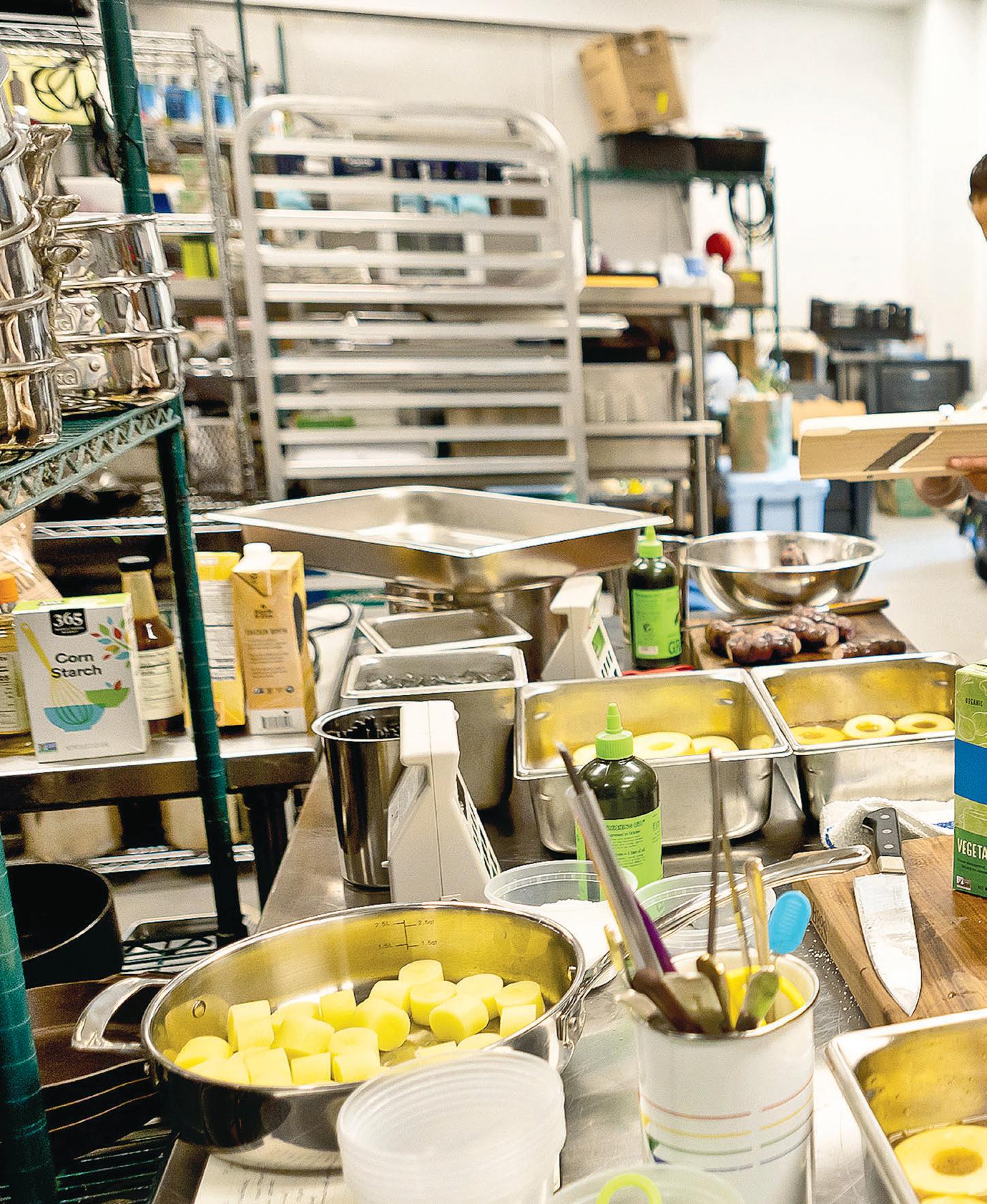
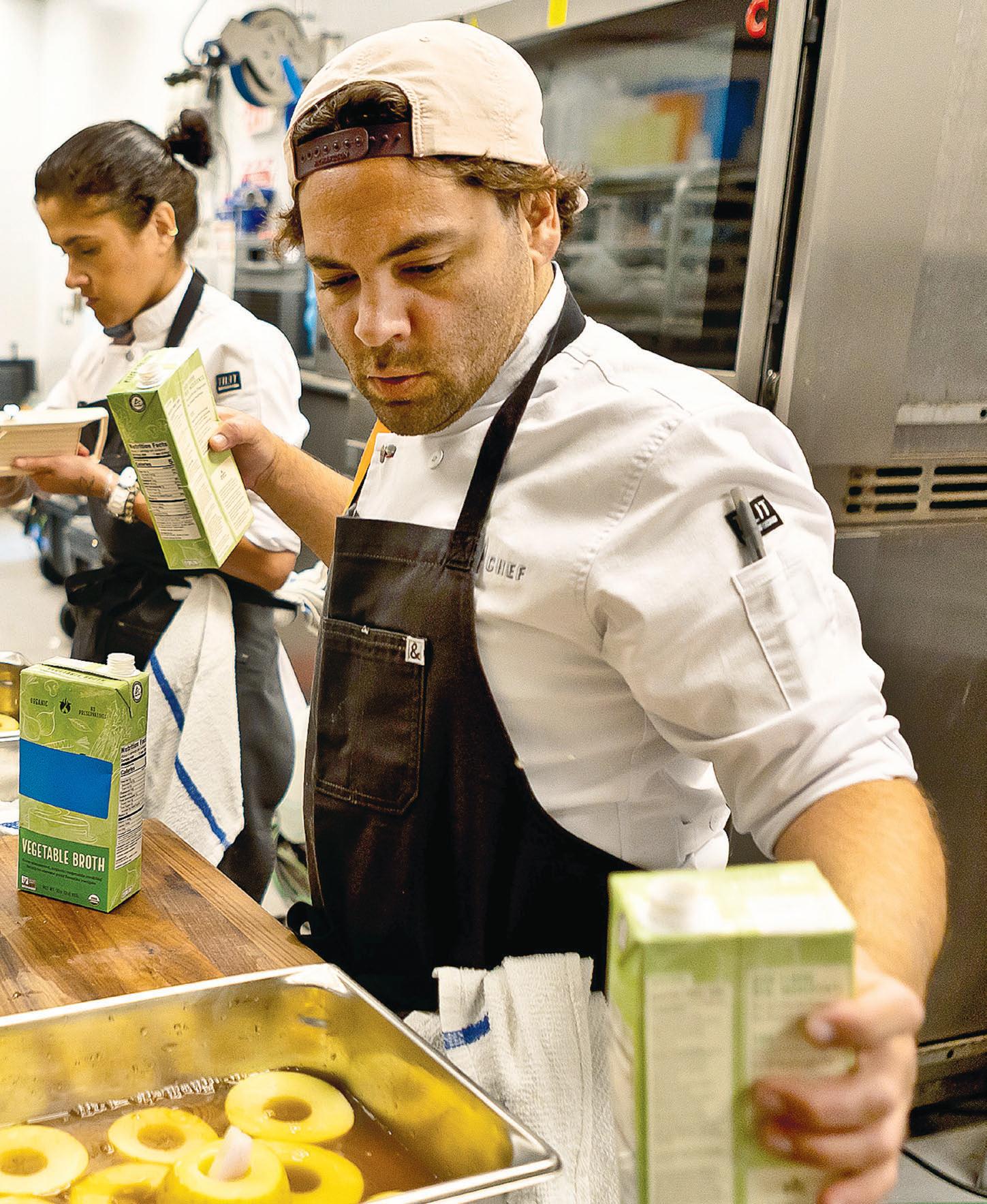
Bloomfield Hills native and chef Justin Tootla appears on Season 23 of Bravo’s award-winning culinary competition series “Top Chef,” which takes place in the Carolinas. This season launched in March and will conclude in June.
Tootla fondly remembers an “idyllic childhood” growing up next to Cranbrook Schools campus. “It was an amazing place to grow up…I was born in the ‘80s and grew up in the ‘90s, so the last generation to leave the house in the morning and come home at night having spent the day outside exploring and in the woods.”
He explained that during his upbringing, he was exposed to both typical midwestern dishes like meatloaf and “killer strawberry shortcake” through his mother, and Indian South African food through his immigrant father and aunts.
Considering his current culinary career, he reflected: “My aunties and uncles lived closed by, and we would go to their houses where my aunties would make from scratch food…Many of my relatives have passed and I wish I would have recorded their recipes.”
He added, “Food was immigrants’ connection to their culture.”
Tootla attended Detroit Country Day School and transferred to Andover High School. In high school, he worked flipping burgers at legendary Hunter House. After graduation, he moved to the Seattle area where he earned a B.A. in Fine Arts at Northwest College of Art & Design.
“I began to see that being a painter was not a career path for me as it was very personal –I felt like people were reading my diary,” he admitted.
As a lifelong camper and outdoor enthusiast, he decided to pursue a career as an outdoor instructor instead, traveling throughout the U.S. and internationally while working in restaurants during off seasons.
It was only after breaking his leg and spending three months in a cast recovering at his family’s Beulah cabin “starring at the ceiling” that Tootla said he came to the realization that he had a love for cooking and wanted to pursue a culinary career.
Enrolling at the Culinary Institute of America, he met his life partner Jennifer Lee Jackson. After graduating, the couple worked in various acclaimed restaurants throughout the country before moving to Michigan in 2017 and opening Voyager, a celebrated seafood-focused restaurant in Ferndale. Three years later during the pandemic they launched Bunny Bunny in Detroit’s Eastern Market which honored Justin’s Indian and South African roots as well as Jackson's American Southern upbringing.
Currently, they work as culinary consultants zigzagging the country and consider Leelanau their home base. “Michigan is always home…We absolutely love Detroit and hope to find our way back.”
As for “Top Chef,” the longtime couple have become the first life partners to compete against each other in the series. The show features 15 premier chefs competing for a grand prize of $250,000, among other perks.
The Michigander has become memorable this season not only for his good nature and creative culinary skills but also as the only chef who regularly wears shorts in the kitchen: “If it’s over 30 and sunny, I’m wearing shorts – my legs don’t get cold.”
“’Top Chef’ has been an amazing and incredibly difficult experience. A lot goes on behind the scenes. It’s a challenge as a chef and a human being. It requires patience and perseverance – all while the clock is ticking,” the chef said.
As for the other cheftestants: “We all got along and uplifted and supported each other through the process…It is representative of where we are as an industry. We still have a group [text] thread and check on each other every day.”
For those considering a career in the culinary arts world, Tootla advised: “It’s an incredibly difficult business to be in…Work on the fundamentals – I still work as a line cook everyday putting things in a pan and taking things out of a pan. Knowledge goes a long way.”
Story: Tracy Donohue
Photo: Paul Cheney/Bravo
375 dunStOn
BlOOmfield hillS - $3,700,000
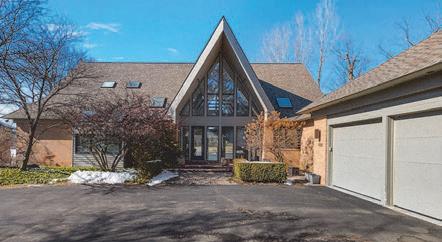
Prestigious 1.69 acre 5 bedroom, 8.2 bath estate home includes gorgeous gourmet kitchen with double islands, four upstairs ensuite bedrooms (incl stunning primary suite) and 5th bedroom on first floor. Enclosed salt water pool room, 3 car garage, beautiful grounds. Geothermal heating/cooling.
25933 herSheyvale franklin - $1,100,000
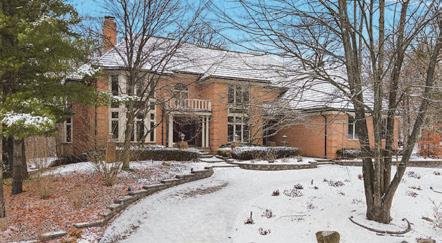
Extremely well maintained colonial on a gorgeous .79 acre lot. Beautifully renovated kitchen opens into a sunlit breakfast nook addition overlooking the yard. Three bedrooms, 2.2 baths. Finished rec room in basement. First floor laundry plus mudroom off 2 1/2 car attached garage. Circular drive. Whole house generator.
5567 WeStWOOd BlOOmfield tWP - $575,000
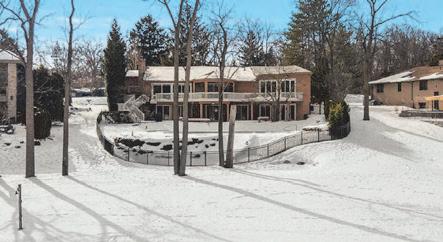
Spacious 3 bedroom, 2.1 bath brick ranch with Wing Lake Beach Access & Priv's. Large front living room and cozy office with fireplace. Back family room addition with vaulted ceiling and second fireplace. Two car attached garage. Fully fenced backyard with patio off sunroom. Bloomfield Hills schools.
#1 individual agenT at Max Broock/Real Estate One (over 2,100 agents statewide)
#2 agenT for market area homes sold over the last 3 years a TOp 10 agenT (including teams) in Oakland county each of the last 15 years
1450 Pilgrim Birmingham - $3,695,000
Gorgeous 2013 Hunter Roberts 5 bedroom, 4.3 bath build w/hilltop setting in Quarton Lake Estates. Wonderfully laid out and exquisitely maintained. Second floor laundry, finished basement, covered bluestone back porch. Spacious .32 acre lot offers ample options for outdoor enjoyment and privacy.
1592 WaShingtOn Birmingham - $925,000
Spacious 3 bedroom, 3.1 bath move-in ready home with many updates. Beautiful kitchen, main floor office and hardwoods throughout first level. Expanded primary bedroom suite with vaulted ceilings. Fully renovated baths, second floor laundry, finished basement. Easy walk to downtown Birmingham.
510 S ediSOn
rOyal Oak - $349,900
Updated and move-in ready 3 bedroom, 2 bath brick bungalow. Kitchen with maple cabinets and granite counters. Spacious living room with hardwood floors. Upstairs
Over 25 Years as a Full TiMe agenT in Birmingham
Over $70 MilliOn personally sold in 2025
Over $875 MilliOn in personal career sales (not team sales)
The Community House files for bankruptcy
By David Hohendorf
The Community House Association in Birmingham has filed for Chapter 11 bankruptcy reorganization in federal court after a purchase agreement with the United Jewish Foundation of Detroit was terminated and the association was facing a June due date for paying off several million dollars of debt.
In early November of last year The Community House announced plans to evolve into the Birmingham Area Community Foundation to carry on the original mission of the iconic community group, and the closure and sale of its building on 380 Bates Street in the city effective July 1 of this year.
A few weeks after the announcement, the city of Birmingham filed a lawsuit in Oakland County Circuit Court asking for an injunction to halt the sale as part of the city’s effort to retain The Community House as a community center for Birmingham residents, based on deed restrictions that called for the building to be donated to another nonprofit or leased to the city at a nominal rate if the association were ever dissolved.
Officials from The Community House have responded that they were not dissolving the association but transitioning the organization to a community foundation to carry on the work of the nonprofit group.
The Jewish Foundation of Detroit had made a purchase offer that exceed the $7 million appraised value of the building and the purchase seemed to generate generally positive response in the community. The Jewish organization had agreed to live up to the original deed restrictions on the property and make them part of the purchase agreement, and had offered to continue with community events and access for local groups, much like what the building had been used for in past years.
Former chair of the association board Camille Jayne and current president of The Community House Alison Gaudreau explained to Downtown that the purchase offer from the Jewish organization was contingent on the city dropping its lawsuit but the city did not back away from the litigation which was not expected to be heard by the circuit court judge for many months, if at all this year.
Jayne and Gaudreau said that the
County voters face school tax hike
The Oakland Schools Board of Education voted 3-1 on Tuesday, March 24, to approve a resolution to place a regional enhancement millage on the August 4 primary ballot which, if passed, would mean a special 1.5 mills would be added to tax bills for six years.
Under Michigan statute, an intermediate school district may levy a regional enhancement property tax at a rate of up to three mills. This millage allows public school districts within a county to generate additional funding beyond what is provided by the state of Michigan under Proposal A (1994). The intermediate school district (ISD) distributes the revenue to its local school districts and eligible public school academies.
Local school boards that represent a majority of the total student population in the county passed resolutions requesting the board to vote to place the millage on the ballot.
The Birmingham Schools Board of Education, in a split vote, approved the resolution on March 3. Board members Luke Joseph and Colleen Zammit voted against the resolution and Amy Hochkammer was absent from the meeting.
In the Bloomfield Hills school district, the resolution asking the intermediate district to put the tax on the ballot was also passed by the board of education on a split 4-2 vote. Paul Colin and Lindsay Baker voted against the issue and Meagan Hill was absent from the meeting on February 23 when the board voted.
If passed by county voters, the regional enhancement millage would be collected county-wide, distributed equally to all public school districts and eligible public school academies. The proposal language states this is a regional enhancement millage proposal for 1.50 mills, covering six years from 2026 to 2031.
“Oakland Schools does not receive additional funding should voters decide in favor of the millage,” explained ISD Superintendent Kenneth Gutman. “The funds are not kept by the ISD. Revenue is distributed to local school districts and eligible public school academies based on a per-pupil formula. Each school district and eligible public school academy gets funding proportional to enrollment, not property wealth.”
If approved by voters, collection of the new millage is slated to begin in December 2026.
Information about the proposed enhancement millage and Oakland County’s 28 local school districts can be found online by visiting OaklandEnhancementMillage.com.
Jewish Foundation of Detroit even agreed to allow the city to make a competing offer on the purchase but its original offer “was too low.”
Gaudreau said that The Community House Association made a counter offer and had set a deadline if the city wanted to make another offer. The city did make another offer but once again, Gaudreau said, the offer was considerably lower and contained too many contingencies and a time schedule making the offer unworkable.
The Birmingham City Commission has held a couple of closed door sessions in the past month to discuss lease and/or possible purchase of property, which is allowed under the Michigan Open Meetings Act. Although observers assumed the sessions were about The Community House, city officials have never disclosed the specifics of the meetings. Birmingham Mayor Clinton
the building and would be determining what groups or persons could be part of the auction. Jayne said that the reorganization bankruptcy was the “furthest thing from our plans” but the association was facing a “June 30 hard date to pay back obligations” and had “no other options.”
Gaudreau also said that the ECC educational program at The Community House would continue until the end of this May and any banquet events would still be honored until the end of this June.
The city lawsuit in Oakland County Circuit Court has been formally stayed until the federal bankruptcy case has been resolved.
New sushi restaurant planned for Hamilton
By Grace Lovins
A new fresh sushi restaurant called No. 28 is set to fill the vacant first-floor tenant space located at 211 Hamilton Row in Birmingham after city commissioners approved the special land use permit and final site plan and design during the Monday, April 13, meeting in a unanimous vote.
City planner Leah Blizinski said the restaurant’s proposal calls for a new food and drink establishment that will serve alcoholic beverages for on-site consumption, with seating both indoors and outdoors on an outdoor dining patio. She noted that the patio will have eight seats and, because of its location, the restaurant will have to apply for an outdoor dining permit annually.
Baller has said that no public votes were taken after the closed sessions and no public statements were made.
The sale of The Community House was intended to clear up about $3 million of secured and unsecured debt facing the association which had to be satisfied by the end of this June. The largest portion of the debt is owed to the Chief Financial Credit Union. Any funds left over after clearing up debt were expected to be be used as seed money for the new community foundation, the formation of which Gaudreau said had been receiving positive feedback in the community.
The Community House in recent years has struggled for revenue, tapped out budget reserves and opened lines of credit to continue operating.
Gaudreau said that the federal court would supervise an auction of
Blizinski included in her memorandum in the meeting packet that the restaurant is described as a small, intimate indoor setting with food prepared and provided through the adjacent kitchen of Terra Kitchen & Cocktails. She said they plan to operate Wednesday through Sunday until 2:00 a.m. while reserving Monday and Tuesday for private events.
Kevin Biddison of Biddison Architecture and Design, speaking on behalf of the restaurant’s ownership, said that No. 28 will specialize in fresh sushi brought in daily. He said there wouldn’t be any traditional cooking that would cause food to be ushered back and forth between Terra’s kitchen and No. 28. The concept will allow patrons to sit at the bar, have a drink and interact with the sushi chef. Ultimately, the commission voted 70 to approve the special land use permit for the new restaurant.
Community survey sent for more revisions
By Grace Lovins
Following a second round of draft revisions, a planned community survey was sent back for additional changes by the Birmingham City Commission during the Monday, March 23, meeting, and the survey working group and the city’s survey consultant will come back with a revised draft after implementing the commission’s changes.
Assistant city manager Melissa Fairbairn stated the commission last saw the draft survey at the end of January. Since then, the city’s survey consultant, Cobalt Community Research, and an internal working group of two city commissioners, two residents and a handful of city staff members have met twice to review and incorporate the commission’s feedback.
Fairbairn noted in the agenda memorandum included in the meeting packet that the goal of the survey is to gather data that can be used to “to support long-range capital planning, establish priorities during the budget process, identify areas of strength and
areas needing improvement, and evaluate the effectiveness of city communications.”
Fairbairn added that once the commission gives approval, Cobalt will go through the survey with a finetoothed comb before distribution. The city plans to mail surveys to a sample population size of 2,000 residents, as well as make the survey available online to all residents through Engage Birmingham.
Almost all survey questions fall under two categories: planning and future considerations, and your experiences in Birmingham in the past year. Residents will be asked for their feedback on items such as the city’s transportation infrastructure, parks and recreation facilities, and their biggest priorities for the city outside of core services.
Commissioners ran through the survey, question by question, offering their input. Some commissioners offered language adjustments for certain questions for clarity. Much of the discussion on questions changes were focused on question 25 of the draft asking residents to note their five biggest priorities for the city.
Commissioner Therese Longe started the discourse saying that she feels the question is a bit jumbled and potentially the question needs to be split into two to make more sense. Mayor Clinton Baller echoed what Longe said and told Fairbairn to have the working group review the question and continue to work on it.
No formal vote was taken by the commission, but their feedback will be brought back to the city’s working group and survey consultant.
Old World Pizzeria coming to downtown
By Grace Lovins
A new pizzeria is set to take the spot of the former Café Succo location at 600 N. Old Woodward in downtown Birmingham after city commissioners approved the plans for the new restaurant during the Monday, March 23, meeting.
Named Old World Pizzeria, the establishment currently has one other location, the original location in Saginaw. Cyrus Garmo, owner of the new business, said he is working
with the chef from the original Saginaw location for the new spot.
City planner Leah Blizinski told commissioners that the restaurant is not planning on serving alcohol and it is not a bistro, but they are required to obtain a special land use permit since they are located in the O2 (Office Commercial) zoning district at the north end of downtown.
She added that there are eight seats proposed for inside the building and there is a common outdoor space outside of the restaurant shared between building tenants that the restaurant can make use of.
Blizinski and Garmo explained during the meeting that the pizzeria does not have ownership of the outdoor seating space, and it was part of Garmo’s lease that the area is to be shared between the building tenants. Garmo said that since the area is right outside the restaurant, the pizzeria staff will make sure trash is picked up and the space is kept clean.
With few questions and concerns noted, commissioners unanimously approved the special land use permit for the pizzeria in a 7-0 vote.
Township police space discussion continues
By Dana Casadei
James Gallagher, Bloomfield
Township Police Chief, was back before the board of trustees at the Monday, April 13, meeting to further discuss the police department’s space needs.
The township had paid for a full space needs analysis from RedStone. Gallagher focused on more specific recommendations for the future police department and highlights from an earlier space needs analysis. The space needs analysis was paid for through the ARPA funds Bloomfield Township received.
The issue of police department space needs was last before the township board on March 23.
At the March meeting the police chief reminded the board that the police department is operating at about 22,00-square-feet across two buildings. The square footage includes not just office space, but hallways and stairways as well. Gallagher said then that they have converted every conference room they could into another useful space, and in some cases, conference rooms that were once just for the department are now shared with other departments. There’s also no soft interview rooms or room for two additional cubicles to be added for traffic officers.
Over the last year they’ve had to make some reactive changes instead of more planned growth, such as eliminating the supervisor workplace for dispatch expansion, the traffic unit was displaced by command functions, their conference room was converted to operational use, the patrol workshop was converted into a locker room with no bathrooms, and their administrative space was reduced, the chief said.
When RedStone originally did the space needs analysis they were not permitted by the township to even consider creating an entirely new standalone building on the campus, a cause of much frustration. They noted in their space needs analysis that there wasn’t really an option for a vertical upgrade to the current township hall building where the police department is located, which would have solved some of the space issues. Not only would that sort of renovation have been incredibly costly, but it didn’t seem the building, which was originally built in 1938, would survive the structural changes.
Since the space needs analysis was done things have changed within the township, and their proposed idea for
Commission appointment ends in stalemate
By Grace Lovins
Following lengthy deliberations, the appointment of a new Birmingham city commissioner during the Monday, April 13, meeting ended in a stalemate between two candidates.
The search for a new city commissioner follows current mayor pro team Anthony Long’s resignation as he will no longer be living in the city. The appointee will fill Long’s spot the remainder of his term expiring in November 2027.
A total of eight residents applied for the commission vacancy, including Richard Wetherhold, Ilir Doresi, Beth Correa, Gordon Thompson, Brian Gordon, Debra Horner, Mary E. Jaye and Doug White.
After interviews conducted during a workshop held prior to the start of the regular meeting, the commission nominated two applicants: Jaye and Horner.
Horner currently works as a University of Michigan municipal research program manager and serves as a member of the city’s environmental sustainability committee. Jaye is a retired Stellantis executive and member of the city’s historic district committee.
Kicking off discussions on the nomination, commissioner Brad Host expressed his support for Jaye, noting that he feels the commission’s role is to make decisions, which he says Jaye is used to making and living with, given her former role at Stellantis. Andrew Haig also backed Jaye, saying that he is interested in “execution of efficiency” which he believes Jaye is more experienced in.
Commissioner Bill Kolb said he would be supporting Jaye but did not offer an explanation of his reasoning.
In contrast, commissioners Kevin Kozlowski and Therese Longe, along with mayor Clinton Baller, expressed their support for Horner. Longe, in response to Host’s comments about decision-making, said that the commission is not hiring a CEO who makes decisions unilaterally, but a member of the commission that works together to make such decisions.
Longe also suggested that Jaye’s skillsets are redundant to skills already offered by sitting commissioners, noting similarities between her experience as a corporate executive to that of Kolb’s experience as an executive of a creative agency, as well as her analytical experience to Haig’s experience.
Baller and Kozlowski also offered their arguments that Horner’s experience is an opportunity for the commission to gain a new perspective that would not only benefit the commission but the city as a whole.
“We are a policy making body and we have before us somebody who has spent their life researching municipal policy. I just feel like the line doesn’t get any straighter than that,” Kozlowski said.
Two votes were taken for Horner’s nomination, both ending with the same outcome of three commissioners in favor, Kozlowski, Longe and Baller, and three opposed, Host, Haig and Kolb. One vote for Jaye’s nomination had the same result with three in favor, Host, Haig and Kolb, and three opposed, Baller, Longe and Kozlowski. Anthony Long was not present for discussions or for voting on the appointment.
The commission has 30 days to execute their decision on the new member, and the matter will be taken up again during the next city commission meeting. If an appointment is not made within 30 days from the date of the vacancy, a special election will be called to fill the opening.
building a separate and new standalone building for the police department is now one that can become a reality and one that was fully supported by multiple board members.
“We have space on this campus to do it,” said township clerk Martin Brook. “I’d like to focus on something new and provide the police with the
dedicated training rooms, defensive tactic rooms, simulator rooms, different holding areas, and an actual community room. Updates in that plan would also help with the department’s current technology and operations gaps.
There’s wiring bottlenecking which leaves no more room to run more wires for dispatch, being in two buildings brings limits to their ability to train effectively, and the location of their firing range – where they do shotgun and rifle training – making it near impossible for the department of public works to work when a training is happening. The range can only be used during the day if it’s for handgun training.
There are also vital 911 vulnerabilities. Critical 911 equipment is housed in the penthouse, an area that is not designed for the environmental controls required by modern technology. According to the chief, the building has fire alarms but no fire sprinklers, and has limited ADA accessibility.
These limitations are not only affecting the current police department, but future recruits and potential partnerships as well, Gallagher said.
“This is what drew us to this issue about a year ago. We had an agency reach out to us with an ask if we could provide dispatch services to them and we weren’t able to provide that,” Gallagher said.
While a project such as this would take years to complete, Gallagher encouraged that steps start being taken sooner rather than later for a multitude of reasons, one of the largest being cost.
He said if they had done this years ago when it was originally discussed it probably would have saved the township millions of dollars.
“This building has been very well maintained but has hit its end of life for the police department,” Gallagher said.
resources they need and have the best policing for the next 100 years.”
“If you look at the original plan, it was very contained,” said supervisor Mike McCready. “And now we’re looking at the whole campus to figure out where we can put a new building.”
The proposed layout Gallagher presented from RedStone included
According to the space needs assessment, a police department of Bloomfield Township’s size should operate across 58,000-60,000 square feet to be the most efficient, including hallways and stairwells. They are currently operating at around 30,000square-feet across two buildings.
Gallagher will be back before the board in two weeks at their next meeting on Monday, April 27, to discuss this further. Next steps include having more concrete ideas and hard data for that meeting, officials said.
THE RIGHT HOMES THE RIGHT REALTORS THE RIGHT PUBLICATION
Police department project manager set
By Grace Lovins
The Birmingham Police Department is one step closer to getting muchneeded upgrades after city commissioners approved the awarding of a construction manager contract during the Monday, April 13, meeting, to Sachse Construction.
Renovations are anticipated to be broken into two phases and total between $1 million and $1.3 million.
Police chief Scott Grewe explained that the department is aware of four different construction projects that are necessary for the safety and security of the department: adding a sally port to the rear of the building; expanding the dispatch center; creating an evidence storage garage and expanding their current garage space; and moving the interview room and prisoner release area.
Grewe said architects for the project were hired through the bidding process in October 2025. The city released another request for proposals (RFP) on March 5, closing on April 1, to hire a construction manager for the project. He said they received five bids total, but two bids did not include the correct cost proposal form.
After reviewing the proposals with the MCD Architects, the contracted architecture firm, as well as the city’s building department, Grewe recommended Sachse Construction for the contract at a bid of $269,347.
Rick Stanza, pre-construction manager for Sachse, said the firm will facilitate the pre-construction phase of the project and put together cost estimates as the project takes shape. He said he will stay involved once construction begins to help with meetings and facilitate on-site workers.
The estimated timeline for the project, per Grewe, shows that the commission will review the construction designs during the April 27 meeting, with construction of Phase I beginning in June. Phase I will include the moving of the interview room, expansion of the garage and construction of evidence storage.
He said he would return to the commission between June and July for approval of expenditures for Phase II of the project, which he anticipates beginning in July. Phase II is set to include the installation of a sally port and expansion of the dispatch center.
City commissioners ultimately voted unanimously, 7-0, to award Sachse Construction with the construction manager contract.
YMCA declines offer on operating pool
By Grace Lovins
In a letter from Parrish Underwood, president and CEO of the YMCA of Metropolitan Detroit, included in the Monday, April 13, Birmingham City Commission meeting packet, the YMCA reiterated its intent to exit the city as well as its inability to remain at 400 E. Lincoln as an operator of the building’s swimming pool.
The letter, addressed to city manager Jana Ecker, says that YMCA staff has carefully considered the possibility of serving as the pool operator, but was unable to come up with a way they could sustainably deliver the service “in a manner consistent with both [their] mission and [their] organizational standards.”
Earlier this year, commissioners began discussing moving Next senior services into the building at 400 E. Lincoln without the presence of the YMCA. The senior services organization plans to occupy the main level of the building with plans
to renovate specific areas for use in the future. Birmingham voters have approved a millage to fund renovations at the Next building which the city purchased with help of contributions from the Next group.
The YMCA moved forward with their plan to relocate from Birmingham to Royal Oak after commissioners decided to pursue renovations to the existing building at 400 E. Lincoln rather than the construction of a new building. Next has been operating out of a school district building but school officials have plans for the structure beginning next year.
Some members of the community have continued lobbying the city to retain the pool so the YMCA was approached to be an operator of the pool.
“While the decision marks the end of our expiration of operating the pool and providing services at 400 E. Lincoln at the end of August, it does not mark the end of our commitment to the Birmingham community. We will continue to explore meaningful ways to serve residents in the future, even as we recognize that our path
forward will extend beyond this particular location.” Underwood wrote.
Tamar, Western Market liquor permits okayed
By Dana Casadei
Liquor licenses were unanimously approved for both Tamar Mediterranean Kitchen and Bar, and Western Market during the consent agenda at the Bloomfield Township Board of Trustees meeting on Monday, March 23.
Tamar Mediterranean Kitchen and Bar has plans to open at 6608 Telegraph Road in the former space of the Zao Jun restaurant. Because Zao Jun already had an existing Class C liquor license, Tamar’s owner, Ziad Battah, made the transfer request, allowing for the liquor license to be transferred to Tamar Mediterranean Kitchen and Bar. Battah has also owned and operated Shawarma Grill Restaurant, 29555 Northwestern Highway in Southfield, for over a decade.
Prior to March 23, Tamar had
already received a special land use from the board of trustees at their meeting on Monday, February 23, which is needed in order to obtain a Class C liquor license.
With this liquor license Tamar plans on curating a selection of wines, beers and specialty cocktails inspired by Mediterranean traditions.
A vote to approve the SDD and SDM liquor licenses for Western Market Bloomfield was also made at the March 23 meeting.
This will allow for the sale of beer, wine, liquor, and spirits for offpremises consumption at the specialty grocery store owned by Steven Selvaggio.
While no liquor license agreements are required for the approval of an SDD or SDM license, an approved site plan application and special land use approval are necessary. The board of trustees approved both of those on February 23.
Western Market currently operates in Ferndale, where it offers a variety of specialty food items, fresh produce and curated local products.
Intro of water-sewer rates for 2026-2027
By Dana Casadei
The water and sewer rates for 20262027 were presented at the Monday, April 13, Bloomfield Township Board of Trustees meeting.
Noah Mehalski, director of public works, gave the board background of the township’s water and sewer rates, and how they expect to propose a 3.5 percent increase for 2026-2027 rates –a rate that won’t be finalized until presented for approval at the April 27 trustee meeting.
While Mehalski’s proposed increase is only 3.5 percent, the estimated increase for the South Oakland County Water Authority (SOCWA) is at 7.5 percent and the Oakland County Water Resource Commissioner (OCWRC) is proposing a six percent increase.
Bloomfield Township distributes water to residents that is suppled by the Great Lakes Water Authority (GLWA) through SOCWA, and sewer is provided by OCWRC.
“You’re still minimizing the cost to the residents versus what is being proposed to us. Kudos to you for trying to keep rates as conservative as possible,” said trustee Neal Barnett.
While kudos were given about the proposed rates themselves, things got a lot more contentious when the meter replacement program was brought up, a program that is now in its fifth year.
When asked about the cost of the meters, Mehalski said that each meter is about $450 and installation is typically under $200, depending on the meter size. He emphasized that they had selected the lowest bid during this process, and this was something that had been approved multiple times by the board of trustees across many meetings.
“Approving revenue is not approving expenses, and that makes me absolutely livid,” said trustee Mark Antakli. “The fact that you wanted to spend all that cash and you didn’t come to the board for approval to spend all that cash.”
Supervisor Mike McCready told Antakli that he didn’t think that was an accurate claim. Trustee Chris Kolinski also stepped in, acknowledging that both Antakli and Mehalski are professionals and that they needed to act that way.
That professionalism lasted only a few moments before Antakli started up again, questioning the accuracy of figures presented, something that many other board members disagreed with. At one point Antakli was
Township boards get compensation bump
By Dana Casadei
Members who serve on the Bloomfield Township Planning Commission, Zoning Board of Appeals (ZBA) and Wetlands Board will soon see an increase in their compensation.
On Monday, March 23, township board members voted to increase the pay each group receives per meeting. Those on the wetlands board were increased to $200 per meeting, and the planning commission and ZBA will now receive $250 per meeting.
The current stipend rates have been unchanged since 2017, during which time they were set at $125 per ZBA meeting, and $75 per meeting for those on the planning commission and wetlands board.
“I support it. The amount of effort, hours and as its become more influential in our community… it is the gatekeeper of a lot of our developments and has a ton of influence on how we continue to move forward, so I think we should compensate those board members appropriately," said trustee Chris Kolinski.
Originally, the compensation changes were part of the evening’s consent agenda – where the board has the ability to vote on multiple meeting agenda items at one time – but trustee Neal Barnett asked for it to be taken off so they could discuss further.
In particular, he wanted to discuss the compensations for the ZBA and planning commission, which were not the same in the original proposal.
“I certainly do not believe there’s a $50 difference in what they do; and whether the ZBA meetings are longer or not is irrelevant,” Barnett said. “That’s like saying some of our meetings here are half an hour, some are four hours; we get paid the same no matter what. I think it’s what you bring to the meeting and the issues and your job responsibilities that are important in these different boards.”
“They have different responsibilities but they both come with a great deal of expertise, a great deal of commitment and I certainly believe both boards deserve the same compensation,” Barnett continued.
Barnett knows first-hand the amount of work needed for those on each committee; he was a member and vice-chair of the ZBA for four years before becoming a trustee, and is currently a member of the planning commission, a position he’s held for almost 20 years.
The final vote was in favor 6-1. Trustee Mark Antakli voted “no” on the proposal.
practically shouting at clerk Martin Brooke and asking about his business background and if he had an MBA.
“Mark, you have to take a step back,” McCready said. “I think you’re misinterpreting what he’s (Mehalski) saying. You categorize things the way you want to see it. You have to open up and see how he operates it and take a step back and give it a better study. I think that would help.”
The meter replacement program was originally created to help replace the 52 percent of meters in the township that are over 15 years old, taking advantage of the technological updates to meters, therefore, giving the township the data to better accurately reflect the amount of water passing through the pipes.x
“We can catch those leaks a lot quicker,” Mehalski said. “It’s better customer service, and hundreds have
draw of the system that is determined by meter size.
While communities charge a flat fee for their water and sewer rates, Bloomfield Township is not one of them, which is, in part, why residents often see rate increases year after year.
Another reason is because Bloomfield Township has historically experienced a decline in water usage per customer account over the last 20 years, coming in at about one to two percent decreases each year, on par with a national trend of decreases in water usage.
Bloomfield Township members pay an often higher rate compared to others in nearby communities because of size, scale and scope. Since Bloomfield Township is such a spread out township there are fewer people on the system paying into each pipe. Fewer people paying into each pipe equals higher costs when comparing it to say, Birmingham, whose system is onethird the length of Bloomfield Township’s, which has 330 miles of water that have to be taken care of.
The township owns, operates and maintains over five hundred miles of buried water main and sanitary sewer lines.
“We try to make sure that we have good pipes in the ground, and we continue to invest in the infrastructure,” Kolinski said. “We do not want to be a community that continues to have sewer main breaks or rate instability. I believe what we’re doing is right.”
benefited from it already.”
Trustee Valerie Murray knows first hand how beneficial the new meters are. Her family, she said, has caught two leaks in their water system with the new meter, which provides update through an app.
The new meters will also play a role in one of the key rate considerations that was brought up at the meeting; the development and implementation of a tiered rate structure for the township. This sort of rate structure would work to achieve the goal of customer control of costs, and rewards water conservation with lower rates while those who use more water would pay a higher tier.
Currently, the Meter Equivalency Unit (MEU) structure is used in the township, which allows for billing of fixed fees based on the potential
Another consideration discussed was the implementation of monthly billing – something that Mehalski said has been requested by customers and they hope to begin during the 20262027 rate year. Right now, the township bills one third of the residents each month.
Trustee Murray asked if there was going to be an electronic option for paying bills, which there is, according to Mehalski. In total, the switch to monthly will cost an estimated $20,000 in set up and execution, and while it will be more work, all trustees seemed confident it could be handled by the team.
The other two items for key rate consideration that Mehalski discussed were potentially looking at alternative suppliers for water and sewer services, and the strong level of support they will need from the board to continue the implementation and development of the capital improvement program and asset managers plans, which will help to ensure the high-level of service is maintained or improved within the township.
“I can’t emphasize it enough that the capital improvement programs are so important, and essential to the residents to make sure that the water is clean and is flowing to their houses, that we’re having minimal water breaks, and if we do have water breaks we are able to address them very quickly,” said trustee Neal Barnett. “It’s essential that we continue to invest in the underground systems. People don’t think about that, but without that, we’re not going to have clean water or the water flowing. There’s certainly a cost to that.”
The 2026-2027 water and sewer rates resolutions will be presented to the board of trustees for approval at their meeting on Monday, April 27.
Refinance of bonds could save taxpayers
By Dana Casadei
The Bloomfield Township Board of Trustees voted Monday, March 21, to allow treasurer Michael Schostak to refinance the township’s outstanding general obligation unlimited tax
bonds for a second time.
Typically, these kinds of bonds have a 10-year no-call period, which means you can’t buy them back in the first 10 years. Now that it’s been 10 years since they were first refinanced in 2016, Schostak said he completed an analysis of the $9 million in outstanding bonds and determined that they could refinance them again at a lower interest rate to provide savings to Bloomfield Township taxpayers.
“I recall the last time we did the refinancing of it, and it’s a great idea. I’m glad you’re doing your due diligence to keep us informed and saving the tax payers money,” said trustee Neal Barnett. “Thank you for bringing it to the board.”
Because these bonds were approved by voters, there is a specific millage – currently .3242 mill – on the Bloomfield Township tax bill that funds them. By refinancing them, and bringing down the cost of the debt service, it will translate into a lower millage rate directly on next year’s taxes and for the next six years.
By refinancing the $9 million in outstanding bonds now, based on where rates sit, they’ve also estimated to save about $675,000 over the six years, a little over $100,000 a year. The cost of doing this deal is included in the $675,000 savings, so it essentially costs them nothing to refinance the bonds, Schostak said.
The township bonds will still be fully paid off in 2032.
“This sounds like a win-win,” said trustee Valerie Murray.
The approval from the board authorized Schostak to issue no more than $9.5 million – this is in case rates move – of unlimited tax obligation bonds, which would refund the 2016 bonds. Schostak said they would probably be ready to market it as early as May but it doesn’t have to be then if rates aren’t where they like. They are not under any kind of time constraint., according to the treasurer.
Also, if rates were to increase to the point where this didn’t seem like a good deal anymore, Schostak said
he would cancel the transaction and come back to notify the board of trustees.
Originally, Bloomfield Township sold $26 million of 25-year general obligation unlimited tax bonds in 2007 to use for the construction of the new senior center, department of public works complex and upgrades to the central fire station.
Township budget for next fiscal year set
By Dana Casadei
The Bloomfield Township budget for the fiscal year that ends on March 31, 2027 was approved by the board of trustees at their meeting on Monday, March 23.
Before approval was granted though, Jason Theis, finance director, went before the board to recommend approval for budget amendments within the general fund. Those amendments – which passed 6-1 were to add $1 million to general fund revenues and take out $1 million from the general fund expenditures.
Adding that money to the general fund is directly related to the township’s investments. The value of investments being held in bonds is in positive territory, and if it stays there until March 31, Theis said they should expect to record a significant positive change in value.
Once Theis was done with his presentation, trustee Mark Antakli brought up the water and sewer funds, which Theis shut down quickly.
“I’m not here to talk about the water and sewer fund. I’m asking to amend the general fund,” Theis said.
From there, it was almost smooth sailing when finalizing the budget until right after a motion was made to pass it. Antakli said that he thought that the way the budget is done was inappropriate and noted that MCL 41.77 only states where the money is being deposited and does not identify the funds.
While he did not think his mind would change, he did want to highlight it during their meeting. He even went so far as to make a
motion that the investment income should follow government accounting standards board (GASB) 34 and GASB 31, and the investment income for pooled investments should be allocated based on the fund that provided the principal.
Antakli received no support from his fellow board members and the motion failed.
“Regarding MCL 41.77 – which was approved in 1846 – what the trustee neglects to mention is that it has been amended over 20 times, including as recently as 1997,” said treasurer Michael Schostak. “So it’s perfectly applicable and appropriate to what we’re doing, and disingenuous to say otherwise.”
As far as the budget itself goes, the discussion was relatively short. Theis shared that most could be found in the digital budget book on the township’s website. The digital budget book has been revamped this year, and multiple people – including trustee Valerie Murray – spoke highly of the change. Theis mentioned that a lot more visuals were added to this
year’s digital budget book, including graphics.
“I encourage you, if you haven’t yet, to spend some time looking at that,” Theis said.
Regarding the township’s revenues for 2027, the projected taxable value is $5.684 billion, a 5.2 percent increase from 2026’s $5.37 billion and an even higher increase from $5.2 billion in 2025.
State revenue sharing and investment earnings are both expected to go down for the next fiscal year. And while there are no federal grants, Bloomfield Township was awarded a state grant of up to $1.5 million for police equipment and will use the remaining $100,000 from the American Plan Rescue Act (ARPA) funds in 2027.
There are also plans to receive transfers from other funds that total $6,265,000 into the general fund. Those funds are for a central service fee based on the most recent costs allocation study. That central service fee will be provided by a transfer from the general fund’s expenditures.
Other expenditures in the proposed budget include the $1.25 million in OPEB contributions, a $4.84 million required contribution to the defined benefit pension plan, and all associated costs from the completed contract negotiations for eight separate unions were incorporated into the 2027 fiscal year budget.
A few other highlights from the budget include the changes made after the budget study session earlier this year. Those changes, which were made, included taxable value increased another $58 million, adding tax revenue of over $500,000; state revenue sharing increased by $200,000; investment earnings increased by $400,000; and costs were added to the road fund to allow for $250,000 to be spent on contracted pothole patching.
While a public hearing was held for the budget, there were no public comments.
The budget passed 6-1, with Antakli being the lone “no” vote.
Alan T. Ackerman
George
Marilyn
Deborah
Maureen/Lawrence
Pam
Marc
Jack
Jill
Amy
Garrett
Steven
LOCAL ISSUES COVERED BY LOCAL JOURNALISM
special email alerts when there is breaking news of interest. During the month we also send out our political gossip newsletter (Oakland Confidential) and each month we also email our restaurant newsletter (Metro Intelligencer). On a biweekly schedule we send out our Threatened Planet newsletter with aggregated environment stories from publications around the world.
We remain strong, but to continue offering our products at no charge, and continue to grow in terms of what we offer to readers, we ask local residents for community support in the form of donations.
Our thanks to those listed here who donated to support local journalism, and to donors who asked to remain anonymous.
Cynthia
Dan
William
Ronald
Larry
Andrew Siudara
Jean Steed
Stef VanHellemont
Wendy Wagenheim
Robin
Gail
Stephani
The
Walker
BUSINESS MATTERS
rag & bone opens in Birmingham Fashion label rag & bone long represented in Michigan by retailers such as Saks and Neiman Marcus has opened its first standalone Michigan store in downtown Birmingham at 110 S. Old Woodward Avenue. Founded in New York in 2002 by Marcus Wainwright and Nathan Bogle, rag & bone is a premium fashion brand known for combining British heritage with modern, New York-inspired, urban design. The brand specializes in highquality denim, apparel, footwear, and accessories for men and women, focusing on wearable, expertly crafted clothing and clean silhouettes. In 2024, the brand was acquired by Guess? and WHP Global. “We’re proud to announce the opening of our newest rag & bone location in downtown Birmingham, MI,” said Jessica Pereira, Northeast District Manager for rag & bone. “Housed in a beautifully restored 120-year-old building, this space brings together heritage and modern design in a way that feels uniquely our own. With its rich red brick, architectural character, and distinctive layout, the store offers an immersive experience—featuring an expansive first floor dedicated to our women’s collection and a men’s mezzanine overlooking the space. More importantly, this opening marks the introduction of an incredibly strong team. Their energy, passion, and commitment to the brand set the tone for what this location will become.”
Renovations for new Market Square
Papa Joe’s sold its Birmingham location at 34244 Woodward Avenue to Market Square in January 2026. Since then, renovations have been underway as the new owners begin transforming the space. Market Square, owned by the Karmo family since 1988, operates additional locations in West Bloomfield and on Southfield Road in Birmingham, as well as Market Fresh in Beverly Hills. Store Director Danny Elia recently outlined several of the updates planned for the newly acquired store. The project is currently in phase one of a fivephase renovation plan, with completion expected in summer 2027. Improvements will include a redesigned layout aimed at creating a more efficient and enjoyable shopping experience. New lighting has already been installed, with additional upgrades planned. Market Square also plans to partner with a local coffee company to introduce a coffee and smoothie bar at the front of the store, complete with an outdoor walk-up window. Customers can expect more competitive pricing across several categories, including wine, bulk candy and nuts, and prepared foods such as soups. Additional enhancements include new office space, a staff lunchroom, and updated public restrooms. The store will remain open throughout all phases of construction to
continue serving customers during the renovation process. “We want to simplify, we want to organize, we want to make it easier for shoppers to shop and get what they want,” said Elia. “In this store, we are going to grow the grocery at least 20-30 percent to where it makes it more of a destination — a one stop shop and you can get anything you want — and if you can’t find what you want, we will get it for you.”
Vintage Apparel retailer relocates
Lost and Found Vintage, a longtime destination for vintage fashion enthusiasts, is relocating from Royal Oak to Birmingham after 24 years in business. Founded and owned by Tommy Dorr, the shop has built a reputation as a leading authority on vintage clothing in Southeast Michigan. Its collection spans men’s and women’s apparel, jewelry, and accessories dating from the early 1900s through the 1990s. The new location at 574 N. Old Woodward Avenue — formerly home to My House of Style—marks a shift to a more curated retail experience. At approximately one-quarter the size of the original three-story Royal Oak store, the Birmingham space will feature a carefully edited selection of inventory. The focus will be on top-selling categories, including vintage T-shirts, Levi’s and other denim, Carhartt, and designer apparel for both men and women. In addition to these popular items, the store will continue to showcase classic vintage pieces from the 1940s through the 1970s. Lost and Found Vintage will also source clothing directly from the community and does not operate on a consignment basis. Details regarding purchasing days and submission guidelines will be announced soon on the company’s website — lostandfoundvintage.com. A grand opening is scheduled for May 1.
Change in downtown plans
Back in July 2025, Meghan Shaw, founder of Detroit’s popular vegan eatery Street Beet, announced plans to expand to Birmingham with a walk-up location at 233 N. Old Woodward Avenue. The concept called for a quick-service operation tucked behind a new bodega-style market, with alley access and a focus on lunch, snacks, and late-night bites. In the months that followed, “Street Beet Coming Soon” signage appeared in the storefront windows. Recently, however, those storefront signs were replaced with branding for an entirely new concept: LAQR Lip Lab The company is described online as a bespoke cosmetics brand offering beauty and personal care products. LAQR Lip Lab signage states a planned summer opening. Despite the changes in signage, Street Beet has indicated on social media that it still intends to open an operation in the rear portion of the space. Street Beet has their own sign posted in the
back entrance of the building and outdoor seating is in place along the Willits Alley.
UnTied men’s store closes
Erik Miller, owner of UnTied in Birmingham, has announced the store’s closure. The store, which offered curated men’s fashion, operated for six years at 223 S. Old Woodward Avenue. “Six years ago, UnTied was just a dream and a name on a storefront. Today, as I prepare to lock the door for the final time, it feels like I’m saying goodbye to a piece of myself. We’ve spent over half a decade focusing on the ‘casual’ side of life, but there is nothing casual about how much this shop has meant to me,” Miller said on Instagram. “Thank you for supporting a local dream. Thank you for making us a part of your daily lives. It has been an honor to serve you, Birmingham. We’re going to miss you more than words can say. We are officially closed but still awesome.”
Cristions closing after three decades
After more than 29 years in business, it was announced by owner Steve Coval that the Birmingham luxury linen store Cristions, 205 N. Old Woodward Avenue, will be closing it doors in the coming weeks. Coval said that his decision was reached after “deep reflection and even deeper gratitude for the community that has supported us for nearly three decades.” Coval added that “Over the years, we have had the privilege of providing comfort to tens of thousands of metro Detroiters. What began as a simple mission — to bring the world’s finest European bed linens, duvet covers, and Michiganmade luxury down comforters to our community — grew into something far more meaningful. Our customers’ homes, families, and their stories became part of our story. We have been honored to be recognized along the way. Our store has been featured in numerous newspapers and television segments, and we are proud to have been named Best Luxury Linens and Best Home Décor Retailer multiple times by Hour Detroit magazine. We have outfitted the bedrooms of countless celebrities, including President George W Bush.” Coval said that store pricing is being discounted by 50 percent and the exact closing date will be in about six to eight weeks. As to what Coval has planned for the immediate future, he said it was simply time to “enjoy life.” Coval said that on a much reduced work schedule, he will still be continuing with his online luxury linen business Vero Linens at verolinens.com.
Business Matters for the Birmingham - Bloomfield area are reported by Gigi Nichols. Send items for consideration to GigiNichols@downtownpublications.com. Items should be received three weeks prior to publication.
FACES
Willy Vlasic
While getting high certainly had its appeal, Willy Vlasic knew his appreciation for cannabis was destined for something greater.
His first flirt with cannabis was in high school, like so many others. After graduating from Cranbook Schools in 2014, Vlasic went to the University of Miami for film production and screenwriting before reassessing career goals and transferring to University of Michigan for business.
During this time, Michigan’s marijuana scene was undergoing dramatic changes and Vlasic could foresee the opportunities.
At age 18, he convinced the state to give him a medical caregiver license. He was the youngest recipient at the time, he said. He just needed to persuade his family.
His dad, Rick Vlasic, wanted to make sure of his son’s reasons for growing marijuana in the basement, Vlasic recalls, before providing space and 50 percent of the necessary startup funding.
“I made a deal with him. If I passed three drug tests, I could do three harvests,” he said. “I wanted to learn how to grow it more than anything.” He proved his business prowess and at 22, acquired proper licensing to grow 6,000 plants, far outgrowing his initial basement business.
Today, Vlasic is partners in various marijuana brands and businesses in multiple states, including a new venture in Las Vegas, which is generating in 900 pounds of cannabis a month.
Yet it is his CBD/hemp wellness product line that he is most proud of, and the one that he ultimately felt was finally worthy to bear the Vlasic name.
As a grandson of the famous pickle patriarch – which had its humble beginnings in Imlay City, about an hour north of Birmingham – he recognizes his responsibility in keeping the trust people have in the Vlasic name, even though the family pickle business was sold decades ago.
So, when the idea of developing CBD products for physical and cognitive health under the moniker Vlasic Labs was proposed, Willy once again turned to the family for approval, and got more than he expected. In addition to his grandfather’s okay, the new venture brought his father out of retirement and his older brother Jack joined the board of directors to help steer the business. Willy is the current CEO of Vlasic Labs.
Vlasic Labs has developed a potent line of CBD products that deliver relief for a multitude of physical and cognitive issues.
“For me, the CBD line is more impactful and helping of families then marijuana ever could be,” he said. He explains that CBD works similarly to an antibiotic, with patients needing a certain buildup in their system to see the best results. While most CBD gummies are 5 or 10 mgs, Vlasic Labs gummies start at 25 mg.
From a roll-on that is sweeping the pickleball scene at places like Wolverine Pickleball in Ann Arbor to bottles of gummies flying off the shelf at Antonino Salon in downtown Birmingham to the pet aisle at pet stores, Vlasic Labs offers a variety of products for humans and pets. The CBD dog market is already a billiondollar industry with room to expand, and Vlasic is looking at other pet treats.
Vlasic is also making a big impact with the Vlasic Classic Golf Tournament, supporting The Great Lakes Expungement Network (GLEN) and Freedom Grow, two organizations helping to support thousands of non-violent cannabis prisoners.
While Vlasic could live anywhere, he prefers to stay close to his roots. A resident of Franklin, Vlasic appreciates being close to his family and the center of Vlasic Labs.
“It’s my home. I love it here,” he said. “It’s our first market, it’s where the team is, it’s where I want to be.”
Story:
Gretchen Van-Monette
Photo: Laurie Tennent
NEXT NOTEBOOK
I'll be honest, when I first became the director of Next more than a decade ago, I thought I understood what the job was about. I came from a background in community programming and had a genuine desire to serve seniors.
What I didn't expect was how much I would receive in return -- life lessons I have learned by simply paying attention.
Slow down and mean it: early in my time as director, I made it a habit to walk through the center a few times a day. One afternoon I stopped to check in with a member. He and I had a relationship based on lighthearted teasing and casual banter.
This time he wasn’t in the mood for banter. He confessed his wife was beginning to struggle and he needed help. As he was talking, I briefly looked at my watch, but that was enough. He stopped and asked if I had somewhere I needed to be. My heart sank. That vulnerable conversation stopped because I lost the moment in front of me. He reminded me that presence is a choice, and the people in front of us deserve more than the distracted version of ourselves.
Learning never ends: we have a member who recently joined our pottery open studio, not because she had any talent for it, but because, as she put it, she stopped caring what others think. She comes to Next almost every week, working cheerfully, and badly by her own admission, but she is one of the most contented people I know. She reminded me that joy and mastery are not the same thing.
Grief and joy can live in the same heart: I never shied away from conversations about loss, but I never started them either. I told myself I was being respectful, giving people space. A longtime member changed that for me. She spoke about her late husband often and without hesitation. One day I asked her if it was hard to carry that grief while still showing up at Next. She said missing her husband and trying to enjoy each day are not mutually exclusive concepts, they just take turns.
I stopped being so careful. And she was right, grief doesn't crowd out joy. In fact, I've noticed that the people who speak most freely about their losses are often the same ones who are first to laugh.
Community is something you choose: perhaps the most important thing I've learned is that connection doesn't just happen. I admire the members who show up even when they don't feel like it, who awkwardly introduce themselves to an established group, willing to leave their comfort zone to find a sense of belonging. I think of one member in particular who told me she almost didn't come back after her first visit, and now she's the first person to wave someone new over to her table.
Many members have told me how grateful they are that they have found Next. I understand that feeling now more than I did when I arrived. I came here thinking I had something to offer, and I do, but not nearly as much as they do.
Cris Braun is Executive Director of Birmingham Next
Cris Braun
PLACES TO EAT
The Places To Eat for Downtown is a quick reference source to establishments offering a place for dining, either breakfast, lunch or dinner. The listings include nearly all dining establishments with seating in the Birmingham/Bloomfield area, and then some select restaurants outside the immediate area served by Downtown.
EM: Mexican. Dinner, Tuesday-Saturday. Reservations. Liquor. 470 N. Old Woodward Avenue, Birmingham, 48009. 947.234.0819. embirmingham.com
Embers Deli & Restaurant: Deli. Breakfast & Lunch, Monday-Saturday. No reservations. 3598 West Maple Road, Bloomfield Hills, 48301. 248.645.1033. embersdeli1.com
Flemings Prime Steakhouse & Wine Bar: American. Dinner, daily. Reservations. Liquor. 323 N. Old Woodward Avenue, Birmingham, 48009. 248.723.0134. flemingssteakhouse.com
Greek Islands Coney Restaurant: Greek. Breakfast, Lunch & Dinner, daily. No reservations. 221 Hamilton Row, Birmingham, 48009. 248.646.1222. greekislandsconey.com
Griffin Claw Brewing Company: American. Lunch, Thursday-Sunday, Dinner, TuesdaySunday. No Reservations. Liquor. 575 S. Eton Street, Birmingham. 248.712.4050. griffinclawbrewingcompany.com
Beyond Juicery + Eatery: Contemporary. Breakfast, Lunch & Dinner, daily. No reservations. 270 W. Maple Road, Birmingham, 48009; 221 Cole Street, Birmingham, 48009; 3645 W. Maple Road, Bloomfield Hills, 48301; 4065 W. Maple Road, Bloomfield Township, 48301; 1987 S. Telegraph Road, Bloomfield Hills, 48302. beyondjuiceryeatery.com
Big Rock Italian Chop House: Steakhouse. Dinner, daily. Reservations. Liquor. 245 S. Eton Street, Birmingham, 48009. 248.275.0888. bigrockitalianchophouse.com
Honey Tree Grille: Greek/American. Breakfast, Lunch, Dinner, daily. No reservations. 3633 W. Maple Rd, Bloomfield, MI 48301. 248.203.9111. honeytreegrille.com
Hudson’s Place: Pizza/Coffee/Takeout. Breakfast, Lunch and Dinner, daily. No reservations. 1087 W. Long Lake Road, Bloomfield, 48302. 248.540.2266. hudsonsplacepizzeria.com
Hunter House Hamburgers: American. Lunch & Dinner, daily. No reservations. 33900 Woodward Avenue, Birmingham, 48009. 248.646.7121. hunterhousehamburgers.com Hyde Park Prime Steakhouse: American. Dinner, daily. Reservations. Liquor. 201 S. Old Woodward Avenue, Birmingham, 48009. 248.594.4369. hydeparkrestaurants.com
IHOP: American. Breakfast, Lunch, & Dinner, daily. No reservations. 2187 S. Telegraph Road, Bloomfield Hills, MI 48301. 248.333.7522. Ihop.com
Bloomfield Deli: Deli. Breakfast & Lunch, Monday-Friday. No reservations. 71 W. Long Lake Road, Bloomfield Hills, 48304. 248.645.6879. bloomfielddeli.com
Café Dax: American. Breakfast, daily, Lunch, daily. No reservations. Liquor. 298 S. Old Woodward Avenue, Birmingham, 48009. 248.283.4200. daxtonhotel.com
Café ML: New American. Dinner, daily. Liquor. Reservations. 3607 W. Maple Road, Bloomfield Township. 248.642.4000. cafeml.com
Café Origins: Global. Breakfast, Lunch & Dinner, daily. No reservations. 163 W Maple Road, Birmingham, 48009. 248. 248.742.4040. originsbirmingham.com
Casa Pernoi: Italian. Dinner, Monday-Saturday. Reservations. Liquor. 310 E. Maple Road, Birmingham, 48009. 248.940.0000. casapernoi.com
Churchill’s Bistro & Cigar Bar: Lunch & Dinner, daily. No reservations. Liquor. 116 S. Old Woodward Avenue, Birmingham, 48009. 248.647.4555. churchillscigarbar.com
Cityscape Deli: Deli. Breakfast, Lunch and Dinner, Monday-Saturday. No reservations. 877 W. Long Lake Road, Bloomfield Hills,
Joe Muer Seafood: Seafood. Lunch & Dinner daily. Reservations. Liquor. 39475 Woodward Avenue, Bloomfield Hills, 48304. 248.792.9609. joemuer.com
Kaishin Izakaya: Japanese. Lunch and Dinner, Monday-Saturday. Reservations. Liquor. 176 S, Old Woodward Avenue, Birmingham, 48009. 248-731-7166. kaishinizakaya.com
Kaku Sushi and Poke’: Asian. Lunch, MondayFriday & Dinner daily. No reservations. 869 W. Long Lake Road, Bloomfield Township, 48302. 248.480.4785, kakusushipoke.com
Kerby’s Koney Island: American. Breakfast, Lunch & Dinner, daily. No reservations. 2160 N. Woodward Avenue, Bloomfield Hills, 48304. 248.333.1166. kerbyskoneyisland.com
La Marsa: Mediterranean. Lunch & Dinner daily. Reservations. 43259 Woodward Avenue, Bloomfield Hills, 48302. 248.858.5800. lamarsacuisine.com
La Pecora Nera: Italian deli. Breakfast, Lunch and Dinner, daily. No reservations. 135 Pierce St. Birmingham, 48009. 248.940.5613. lapecoraneradetroit.com
La Strada Italian Kitchen & Bar: Italian. Lunch, Wednesday-Friday, Dinner, Monday-Saturday. Reservations. Liquor. 243 E. Merrill Street, Birmingham, 48009. 248.480.0492. lastradaitaliankitchen.com
Leo’s Coney Island: American. Breakfast,
Lunch & Dinner, daily. No reservations. 154 S. Old Woodward Avenue, Birmingham, 48009. 248.593.9707. Also 6527 Telegraph Road, Bloomfield Hills, 48301. 248.646.8568. leosconeyisland.com
Lincoln Yard and Little Yard: American. Little Yard take-out hours: Breakfast, Lunch & Dinner, daily. Lincoln Yard hours: Brunch, weekends, Lunch & Dinner, daily. Reservations. Liquor. 2159 E. Lincoln Street, Birmingham, 48009. 248.653.5353. eatlincolnyard.com
Luxe Bar & Grill: American. Lunch & Dinner, daily. No reservations. Liquor. 525 N. Old Woodward Avenue, Birmingham, 48009. 248.792.6051. luxebarandgrill.com
Madam: American. Brunch, weekends, Lunch, Friday-Sunday, Dinner daily. Reservations. Liquor. 298 S. Old Woodward Avenue, Birmingham, 48009. 248.283.4200. daxtonhotel.com
Market North End: American. Lunch & Dinner, daily. Reservations. Liquor. 474 N. Old Woodward Avenue, Birmingham, 48009. 248.712.4953. marketnorthend.com
Marrow: American. Butcher shop and eatery. Breakfast and Lunch, Tuesday-Sunday. No reservations. 283 Hamilton Row, Birmingham, 48009. 734.410.0405 marrowdetroit.com/restaurant
Middle Eats: Mediterranean. Lunch and Dinner, daily. No reservations. 42967 Woodward Avenue, Bloomfield, 48093. 248.274.328. middleeats.com
Nippon Sushi Bar: Japanese. Lunch, MondayFriday, Dinner daily. No reservations. Liquor. 2079 S. Telegraph Road, Bloomfield Township, 48302. 248.481.9581. nipponsushibar.com
Olga’s Kitchen: American. Lunch & Dinner, daily. No reservations. 2075 S. Telegraph Road, Bloomfield Hills, 48302. 248.451.0500. olgas.com
Original Pancake House: American. Breakfast & Lunch, daily. No reservations. 33703 South Woodward Avenue, Birmingham, 48009. 248.642.5775. oph-mi.com
Phoenicia: Lebanese. Lunch, Monday-Friday, Dinner, daily. Reservations. Liquor. 588 S. Old Woodward Birmingham, 48009. phoeniciabirmingham.com
RH Rooftop: Brunch, Weekends, Lunch & Dinner, daily. Reservations. Liquor. 300 S. Old Woodward Avene, Birmingham, 48009. 248.614.6984 rh.com/us/en/detroit/restaurant
Roadside B & G: American. Lunch, FridaySunday, Dinner, daily. Reservations. Liquor. 1727 S. Telegraph Road, Bloomfield Hills, 48302. 248.858.7270. roadsidebandg.com
Salvatore Scallopini: Italian. Lunch & Dinner, daily. No reservations. Beer & Wine. 505 North Old Woodward Avenue, Birmingham, 48009. 248.644.8977. salsbirmingham.com
Sidecar: American. Lunch and Dinner, daily. Reservations. Liquor. 117 Willits Street, Birmingham, 48009. 248.792.2380. and 1952 S. Telegraph Road, Bloomfield Township, MI 48302. 248-731-0087. sidecarsliderbar.com
Snap Taco Birmingham: Mexican. Lunch and Dinner, daily. No reservations. 126 S Old Woodward Avenue, Birmingham, 48009. 248731-7266. snaptaco-birmingham.com
Social Kitchen & Bar: American. Lunch & Dinner, daily. Brunch, Saturday & Sunday. Reservations. Liquor. 225 E. Maple Road, Birmingham, 48009. 248.594.4200. socialkitchenandbar.com
Tallulah Wine Bar and Bistro: American. Dinner, Monday-Saturday. Reservations. Liquor. 55 S. Bates Street, Birmingham, 48009. 248.731.7066. tallulahwine.com
Terra Kitchen & Cocktails: New American. Lunch and Dinner, daily. Reservations. Liquor. 260 N. Old Woodward Avenue, Birmingham, 48009. 248.556.5640.dineterra.com
Teuta: Diner. Breakfast and Lunch, daily. No reservations.168 W Maple Road, Birmingham, 48009. 248.590.2113. teutabirmingham.com
Thai Street Kitchen: Thai. Lunch & Dinner, Monday-Saturday. No reservations. 42805 Woodward Avenue, Bloomfield Township, 48304. 248.499.6867. thaistreetkitchen.com
The Franklin: Oyster Bar. Brunch, weekends, Dinner, Tuesday-Sunday. Reservations. Liquor. 32760 Franklin Road, Franklin, 48025. 248.771.4747. thefranklinmi.com
The Gallery Restaurant: American. Breakfast, Lunch & Dinner, daily. No reservations. Beer & wine. 6683 Telegraph Road, Bloomfield Hills, 48301. 248.851.0313. galleryrestaurant2.com
The Moose Preserve Bar & Grill: American. Lunch & Dinner, daily. No reservations. Liquor. 2395 S. Woodward Avenue, Bloomfield Hills, 48302. 248.858.7688. moosepreserve.com
Touch of India: Lunch, Tuesday-Thursday, Saturday & Sunday. Dinner, Tuesday-Sunday. No reservations. 297 E. Maple Road, Birmingham, 48009. 248.593.7881. thetouchofindia.com
Whistle Stop Diner: American. Breakfast & Lunch, daily; Liquor. No reservations. 501 S. Eton Street, Birmingham, 48009. 248.566.3566. whistlestopdiners.com
Wilder’s: American. Lunch, Monday-Friday, Dinner, daily. Reservations. Liquor. 458 N. Old Woodward Avenue, Birmingham, 48009. 248.771.0900. wildersbirmingham.com
ZANA: Modern American. Dinner, TuesdaySunday. Reservations. Liquor. 210 S. Old Woodward Avenue, Birmingham, 48009. 248.800.6568. zanabham.com
Royal Oak/Ferndale
Ale Mary’s: American. Brunch, weekends, Lunch & Dinner, daily. Reservations. Liquor. 316 South Main Street, Royal Oak, 48067. 248.268.1917. alemarysbeer.com
Anita’s Kitchen: Middle Eastern. Lunch and Dinner, daily. No reservations. Liquor. 22651 Woodward Avenue, Ferndale, 48220. 248.548.0680. anitaskitchen.com
Bella Limone: Italian. Dinner, TuesdaySunday. No reservations. Liquor. 100 S. Main Street, Floor 2, Royal Oak, 48067. 248.955.5725. bellalimone.com
Beppé: New American. Lunch, Saturday and Sunday, Dinner, daily. Reservations. Liquor. 703 N. Main St, Royal Oak, 48067. 248.607.7030. eatbeppe.com
Bigalora: Italian. Lunch & Dinner, daily. Reservations. Liquor. 711 S. Main Street, Royal Oak, 48067. 248.544.2442 bigalora.com
Blind Owl: International/American comfort. Lunch & Dinner, daily. Reservations. Liquor. 511 S. Main Street, Royal Oak, 48067. 248.216.1112. blindowlrestaurant.com
Blue Goat: Mediterranean. Lunch & Dinner, Monday-Saturday. Reservations. Liquor. 321 South Main Street, Royal Oak, 48067. 248. 965.9955. bluegoatroyaloak.com
Cafe Muse: French. Breakfast & Lunch, Wednesday-Monday. Reservations. Liquor. 418 S. Washington Avenue, Royal Oak, 48067. 248.544.4749. cafemuseroyaloak.com
JINYA Ramen Bar: Contemporary Japanese. Lunch & Dinner, daily. Reservations. Liquor. 129 S. Main St, Royal Oak, 48067. 248.955.4692. jinyaramenbar.com
Kacha Thai Market: Thai. Lunch and Dinner, Tuesday-Sunday. Reservations. 205 S Main Street, Royal Oak, 48067. 248.942-4246. KouZina: Greek. Lunch & Dinner, daily. No reservations. 121 N. Main Street, Royal Oak, 48067. 248.629.6500. gokouzina.com
Kruse & Muer on Woodward: American. Lunch, Monday-Saturday, Dinner, daily. Reservations. Liquor. 28028 Woodward Avenue, Royal Oak, 48067. 248.965.2101. kruseandmuerrestaurants.com
Lily’s Seafood: Seafood. Brunch, weekends, Lunch & Dinner, daily. No reservations. Liquor. 410 S. Washington Avenue, Royal Oak, 48067. 248.591.5459. lilysseafood.com
Masala: Indian. Lunch & Dinner, daily. Reservations. 106 S. Main Street, Royal Oak, 48067. 248.850.8284. food.orders.co/royaloakmasala
Mezcal: Mexican. Bruch, Sunday. Lunch and Dinner, daily. No reservations. Liquor. 201 E. Nine Mile Road, Ferndale, 248.268.3915. mezcalferndale.com
Noori Pocha: Korean. Lunch & Dinner, TuesdaySunday. No reservations. Liquor. 1 S. Main Street, Clawson, 48017. 248. 850.7512. nooripocha.com
Oak City Grille: American. Dinner, TuesdaySunday. Reservations. Liquor. 212 W. 6th Street, Royal Oak, 48067. 248.556.0947. oakcitygrille.com
Oak Parker: American. Brunch, weekends. Lunch & Dinner daily. No reservations. Liquor. 13621 W. Eleven Mile Rd, Oak Park, 48237. oakparker.com
One-Eyed Betty’s: American. Breakfast, weekends, Dinner, daily. No reservations. Liquor. 175 W. Troy Street, Ferndale, 48220. 248.808.6633. oneeyedbettys.com
Pita Post: Mediterranean. Lunch & Dinner, Tuesday-Saturday. No reservations. 2520 W. 14 Mile Road, Royal Oak, 48073. 855.535.5588. thepitapost.com
Pop’s for Italian: Italian. Brunch & Lunch, weekends, Dinner, daily. Reservations. Liquor. 280 W. 9 Mile Road, Ferndale,48220. 248.268.4806. popsforitalian.com
Redcoat Tavern: American. Lunch & Dinner, daily. No reservations. Liquor. 31542 Woodward Avenue, Royal Oak, 48073. 248.549.0300. redcoat-tavern.com
Ronin: Japanese. Dinner, daily. No reservations. Liquor. 326 W. 4th Street, Royal Oak, 48067.
248.546.0888. roninsushi.com
Royal Oak Brewery: American. Lunch & Dinner, Tuesday-Sunday. No reservations. Liquor. 215 E. 4th Street, Royal Oak, 48067. 248.544.1141. royaloakbrewery.com
The Modern Vegan: Vegan. Brunch, weekends, Lunch and Dinner, Tuesday-Sunday. No reservations. 304 N. Main St, Royal Oak, 48067. 248.206-7041. tmvrestaurants.com
Three Cats Café: American. Brunch, weekends, Lunch, Tuesday-Sunday, Dinner, Tuesday-Saturday. Reservations. Liquor. 116 W. 14 Mile Road, Clawson. threecatscafe.com
Tigerlily: Japenese. Brunch, weekends. Dinner, Tuesday-Sunday. Reservations. Liquor. 231 W Nine Mile Rd Suite A, Ferndale, 48220. 248.733.4905. tigerlilyferndale.com
Toast, A Breakfast and Lunch Joint: American. Breakfast & Lunch, daily. No reservations. 23144 Woodward Avenue, Ferndale, 48220. 248.398.0444. eatattoast.com
Tom’s Oyster Bar: Seafood. Lunch & Dinner, daily. Reservations. Liquor. 318 S. Main Street, Royal Oak, 48067. 248.541.1186. tomsoysterbar.com
Trattoria Da Luigi: Italian. Dinner, TuesdaySunday. Reservations. Liquor. 415 S, Washington Avenue, Royal Oak, 48067. 248.542.4444. trattoriadaluigi.business.site.com
Antica Nova: Italian. Dinner, Tuesday-Sunday. Reservations. Liquor. 1695 E. Big Beaver Rd, Troy, 48083. 248.422.6521. anticanova.com
Cafe Sushi: Pan-Asian. Lunch, Tuesday-Friday, Dinner, Tuesday-Sunday. Reservations. Liquor. 1933 W. Maple Road, Troy, 48084. 248.280.1831. cafesushimi.com
Capital Grill: Steak & Seafood. Lunch & Dinner, daily. Reservations. Liquor. 2800 W. Big Beaver Road, Somerset Collection, Troy, 48084. 248.649.5300.
CK Diggs: American & Italian. Lunch & Dinner, Tuesday-Saturday. Reservations. Liquor. 2010 W. Auburn Road, Rochester Hills, 48309. 248.853.6600. ckdiggs.com
The Dime Store: American. Breakfast and Lunch, daily. No reservations. Liquor. 6920 N Rochester Road, Rochester Hills, 48306.248.963.0941. eatdimestore.com
Ernie’s on the Creek: Modern Mediterranean. Dinner, Wednesday-Sunday. Reservations. Liquor. 543 N. Main St #201, Rochester, 48307. 248.710.8808. erniesonthecreek.com
Grand Castor: Latin American. Lunch and Dinner, daily. Reservations. Liquor. 2950 Rochester Road, Troy, 48083. 248.278.7777. grancastor.com
Hudson’s Café: Diner. Breakfast & Lunch, daily. Reservations, Liquor. 700 W Big Beaver Road, Troy. 48084. 248.509.7695. hudson-cafe.com
The Jackson: Modern American. Lunch & Dinner, Tuesday-Sunday. Reservations. Liquor. 184 N. Adams Road, Rochester Hills, 48309. 248.709.9453. thejacksonrestaurant.com
Kona Grille: American. Brunch, weekends, Lunch & Dinner, daily. Reservations. Liquor. 30 E. Big Beaver Road, Troy, 48083. 248.619.9060. konagrill.com
Kruse & Muer on Main: American. Lunch, Monday-Saturday, Dinner, daily. Reservations. Liquor. 327 S. Main Street, Rochester, 48307. 248.652.9400. kruseandmuerrestaurants.com
Loccino Italian Grill and Bar: Italian. Lunch, Monday-Friday, Dinner, daily. Liquor. Reservations. 5600 Crooks Road, Troy, 48098. 248.813.0700. loccino.com
The Meeting House: American. Brunch, weekends, Dinner, Tuesday-Sunday. No reservations. Liquor. 301 S. Main Street, Rochester, 48307. 248.759.4825. themeetinghouserochester.com
Mon Jin Lau: Nu Asian. Dinner, daily. Reservations. Liquor. 1515 E. Maple Road, Troy, 48083. 248.689.2332. monjinlau.com
METRO INTELLIGENCER
Metro Intelligencer is a monthly column devoted to news stories, tidbits and gossip items about what's happening on the restaurant scene in the metro Detroit area. Metro Intelligencer is reported/created each month by Gigi Nichols who can be reached at GigiNichols@DowntownPublications.com with news items or tips, on or off the record.
Sidecar Slider Bar has a new location
Sidecar Slider Bar, a Michigan-based gourmet slider restaurant, continues its expansion with a new location in Bloomfield Township. Founded in early 2016 by Dan Linnen and his business partner Stephen Simon, the brand has quickly become a Metro Detroit favorite, now boasting nine locations and growing. The newest restaurant, located at 1952 S. Telegraph Road just north of Carl’s Golfland, marks an important milestone for the company. Owned and operated by Gary Glorio, it is the first franchised Sidecar Slider Bar location. The Bloomfield Township restaurant features the brand’s signature design, including black-and-white checkerboard flooring, cozy booth seating, and additional tables alongside a bar counter. Sports fans will feel right at home with 43 TVs positioned throughout the indoor and outdoor spaces, making it an ideal destination for catching the big game. The slider-centric menu features a combination of 19 unique slider options. A variety of shareables, salads, and soups round out the offerings. Guests can also enjoy a full-service bar offering handcrafted cocktails, wine, and 12 rotating beer taps. Additional amenities include a private event space that seats up to 28 guests, as well as a dedicated game room.
1952 S. Telegraph Road, Bloomfield sidecarsliderbar.com
Renovations at Forest
Samy Eid, owner of Chickpea Hospitality, announced in his newsletter a strategic new chapter for Birmingham’s Forest as the restaurant celebrates its 10-year anniversary. Drawing on past success—particularly a transformative 2009 remodel of Phoenicia—Eid emphasizes the importance of periodic reinvestment to maintain competitiveness and avoid stagnation in the hospitality industry. Forest temporarily closed March 28 for a full remodel, with reopening planned for early May to align with its spring menu launch and patio season. The renovation will focus on both front- and back-of-house improvements, including upgraded kitchen equipment to enhance operational efficiency and empower culinary innovation. A key priority is employee investment, ensuring staff—especially leadership figures like Executive Chef Talia Clark and Managing Partner Nick Janutol—have the tools and environment needed to elevate the restaurant’s offerings. While physical and menu updates are planned, Eid stresses that Forest’s core identity—chef-driven cuisine, high-quality service, and warm atmosphere— will remain intact. Strategically, the relaunch aims to reposition Forest from a “hidden neighborhood gem” to a more prominent dining destination, overcoming location-based visibility challenges. With design partners engaged and targeted enhancements underway, the remodel is intended to move Forest from “a hidden gem” to “the spotlight.” 735 Forest Ave, Birmingham forestbirmingham.com
Balam Coffee and Wine Bar opens in Ferndale
Sandra Haro and Jose Granados, the sister-and-brother team behind Mezcal Mexican Bar & Kitchen have expanded their footprint in downtown Ferndale with the opening of Balam Coffee & Wine. The café, wine bar and gathering space is located at 207 E. Nine Mile Road. Balam is located just steps from their original restaurant, which opened in late 2021. The café will feature traditional Mexican coffee beverages including: Mazapan, inspired by the iconic De la Rosa peanut candy; Chocolate Abuelita, made with espresso and Abuelita chocolate; and Mexican Wedding Cake, inspired by traditional pecan cookies. Coffee will be sourced directly from Mexico and South America and paired with Mexican pastries, empanadas, wraps, salads and fresh juices. Additionally, Balam offers a wineforward experience highlighting a rotating selection of Latin American red and white wines, including distinctive pours such as Trivento’s White Malbec and Santa Julia’s El Zorrito Natural Orange Chardonnay. In Mayan culture, Balam is the word for “jaguar,” the most sacred and powerful animal in Mesoamerican mythology. It represents a complex blend of physical ferocity, spiritual protection and divine authority. “The jaguar is a protector and a strong animal in the culture,” said Haro. “That meaning resonated with us as we thought about creating a space that feels welcoming, intentional and rooted in our heritage.”
Morton’s, The Steakhouse: Steak & Seafood. Dinner, daily. Reservations. Liquor. 888 W. Big Beaver Road, Troy, 48084. 248.404.9845. mortons.com
NATA Detroit Kitchen and Cocktails: American/Mediterranean. Lunch & Dinner, daily. Reservations, Liquor. 3946 Rochester Road, Troy, 48083. 248.247.7962.
NM Café: American. Lunch, Monday-Saturday. Reservations. Liquor. 2705 W. Big Beaver Road, Troy, 48084. 248.816.3424. neimanmarcus.com/restaurants
Oceania Inn: Chinese. Lunch & Dinner, daily. Reservations. Liquor. The Village of Rochester Hills, 3176 Walton Boulevard, Rochester Hills, 48309. 248.375.9200. oceaniainnrochesterhills.com
P.F. Chang’s China Bistro: Chinese. Lunch & Dinner, daily. Reservations. Liquor. Somerset Collection, 2801 W. Big Beaver Rd., Troy, 48084. 248.816.8000. pfchangs.com
Recipes: American/Brunch. Breakfast & Lunch, daily. No reservations. Liquor. 134 W. University Drive, Rochester, 48037. 248.659.8267. Also 2919 Crooks Road, Troy, 48084. 248.614.5390. recipesinc.com
RH House: American. Brunch, weekends, Lunch and Dinner, daily. 2630 Crooks Road, Rochester Hills, 48309. No reservations. Liquor. 2630 Crooks Road, Rochester Hills, 48309. 248.586.1000. rh.house.com
RH Social: Pizza/Sports Bar. Brunch, Lunch, Dinner, daily. No reservations. Liquor. 6870 N. Rochester Road, Rochester Hills, 48306.248.759.4858. rochesterhillssocial.com
Rochester Chop House: Steak & Seafood. Lunch, Monday-Friday, Dinner, daily. Reservations. Liquor. 306 S. Main St., Rochester, 48307. 248.651.2266. kruseandmuerrestaurants.com
Ruth’s Chris Steak House: Steak & Seafood. Dinner, daily. Reservations. Liquor. 755 W. Big Beaver Road, Troy, 48084. 248.269.8424. ruthschris.com
Bigalora: Italian. Lunch, Monday-Saturday, Dinner, daily. No Reservations. Liquor. 29110 Franklin Road, Southfield, 48034. 248.544.2442. bigalora.com
The Fiddler: Russian. Dinner, Friday & Saturday. Reservations. Liquor. 6676 Orchard Lake Road, West Bloomfield Township, 48322. 248.851.8782. fiddlerrestaurant.com
Mene Sushi: Japanese. Lunch & Dinner, daily. No reservations. Beer & Wine. 6239 Orchard Lake Road, West Bloomfield Township, 48322. 248.538.7081. menesususi.com
Nonna Maria’s: Italian. Dinner, Tuesday-
Saturday. Reservations. Liquor. 2080 Walnut Lake Road, West Bloomfield, 48323. 248.851.2500. nonamariasbistro.com
Pickles & Rye: Deli. Lunch, & Dinner, daily. No reservations. 6724 Orchard Lake Road, West Bloomfield Township, 48322. 248.737.3890 picklesandryedeli.com
Prime29 Steakhouse: Steak & Seafood. Dinner, daily. Reservations. Liquor. 6545 Orchard Lake Road, West Bloomfield, 48322. 248.737.7463. prime29steakhouse.com
Redcoat Tavern: American. Lunch & Dinner, Monday-Saturday. No reservations. Liquor. 6745 Orchard Lake Road, West Bloomfield Township, 48322. 248.865.0500. redcoattavern.com
Shangri-La: Chinese. Lunch & Dinner, Wednesday-Monday. Reservations. Liquor. Orchard Mall Shopping Center, 6407 Orchard Lake Road, West Bloomfield Township, 48322. 248.626.8585. dinesangrila.com
Stage Deli: Deli. Lunch, & Dinner, TuesdaySunday. No reservations. Liquor. 6873 Orchard Lake Rd., West Bloomfield Township, 48322. 248.855.6622. stagedeli.com
Vive: American. Lunch, Monday-Friday, Dinner, daily. Reservations. Liquor. 33080 Northwestern Hwy, West Bloomfield Township, 48322. 248.406.8065. viverestaurantmi.com
Witch Topokki: Korean. Lunch & Dinner, daily. No reservations. 300 John R Rd suite a, Troy, 48083. 248. 307.7587. witchtopokki.com
Yotsuba: Japanese. Lunch & Dinner, TuesdaySunday. Reservations. Liquor. 7365 Orchard Lake Road, West Bloomfield, 48322. 248.737.8282. yotsuba-restaurant.com
Slows Bar BQ: Barbeque. Lunch & Dinner, daily. No reservations. Liquor. 2138 Michigan Avenue, Detroit, 48216. 313.962.9828. slowsbarbq.com/locations/corktown
Soraya: Japanese. Lunch, Tuesday-Thursday, Dinner, Monday-Saturday. Reservations. Liquor. 160 W Fort St, Detroit, 48226. 313.262.6078. sorayadetroit.com
Sullivan’s Steakhouse: Steakhouse. Lunch & Dinner, daily. Reservations. Liquor. 1128 Washington Boulevard, Detroit, MI 48226. 313.591.2495. sullivanssteakhouse.com
Supergeil: Berlin Doner. Lunch & Dinner, Tuesday-Sunday. No reservations. Liquor. 2442 Michigan Avenue, Detroit, 48216. 313.462.4133. supergeildetroit.com
Tap at MGM Grand: American. Breakfast, Lunch, & Dinner, daily. No reservations. Liquor. 1777 Third Street, Detroit, 48226. 313.465.1234. mgmgranddetroit.com
The Apparatus Room: New American. Breakfast, Lunch & Dinner, daily. Reservations. Liquor. 250 W. Larned Street, Detroit, 48226. 313.800.5600 detroitfoundationhotel.com
Wright & Co.: American. Dinner, TuesdaySaturday. No reservations. Liquor. 1500 Woodward Avenue, Second Floor, Detroit, 48226. 313.962.7711. wrightdetroit.com
Zuzu: Asian Fusion. Dinner, daily. Reservations. Liquor. 511 Woodward Ave suite 100, Detroit, 48226. 313.464.7777. experiencezuzu.com
Our goal with Balam is to create something that feels different but familiar,” added Granados. “It’s a place to slow down, enjoy great coffee or wine, and experience flavors tied to Latin American culture.”
207 E. Nine Mile Road balamcoffeeandwine.com
New restaurant for Adam Merkel Restaurant Group
Little Bella’s Pizza & Wine Bar has officially opened at 100 S. Main Street in Royal Oak. The restaurant sits just below its rooftop counterpart, Bella Limone, which debuted in August and is described on its website as “the darker, latenight sister to Bella Limone—a subterranean escape where handmade dough, bright tomatoes, and uncompromising wine do the talking...curated for the midnight crowd.” Like Bella Limone, Little Bella’s is part of the Adam Merkel Restaurant Group, known for several popular destinations including Diamonds Steak & Seafood, The Silver Pig, and Cello Italian Restaurant in Howell. “Little Bella’s was designed to feel fun, inviting, and a little unexpected,” said Merkel in a news release. “We wanted to create a space with real soul and personality — great pizza, a thoughtfully curated wine and cocktail program, and an atmosphere that feels stylish, comfortable, and full of energy.” The space reflects that vision with a bold, eclectic, and slightly vintage-inspired interior. Dark blue walls are adorned with a gallery-style collection of goldframed mirrors and black-and-white photography, while a striking wine glass chandelier serves as the dining room’s centerpiece. In the kitchen, Chef Kwontrell Stowers—formerly Chef de Cuisine at Birmingham’s acclaimed Adachi—leads the culinary program. The menu’s emphasis is brick oven pizzas alongside a selection of shareable plates and hearty entrees. Standout dishes include Handmade Tortelloni with spinach, fresh ricotta, and palomino sauce; Chicken Marsala with cremini and king trumpet mushrooms, served with EVOO-poached potatoes; and Gnocchi Genovese featuring ricotta gnocchi, braised beef shank, pecorino, and parmesan.
100 S Main St Floor 1, Royal Oaklittlebellasroyaloak.com
Popular Detroit restaurants announce closings
After 11 years, Jolly Pumpkin Pizzeria and Brewery located in Midtown Detroit has closed its doors. A social media post from the owners expressed thanks to their customers and hinted at a new location opening in the future. “We are so grateful for the love, support, and memories you’ve shared with us over the years, it has truly meant everything,” the post said. “This isn’t goodbye, just see you soon. JP will be back in Detroit, and we can’t wait to share what’s next.” The eatery gained notoriety back in January of 2016 when it was selected as a lunch stop for President Barack Obama, before he headed to the North American International Auto Show.
Highlands Detroit, located on the 71 and 72nd floors of the Renaissance Center has announced that it will close in May of 2027. The Summit, famous for its revolving floor which provided an ever-changing view of Windsor and the Detroit skyline for all diners,was the first restaurant to occupy the iconic space in 1977. Then, restaurateur Matt Prentice opened Coach Insignia which operated from 2004 to 2017. The Highlands Detroit launched in November 2019 with James Beard award winning chef Shawn McClain “When we opened Highlands, we set out to build something that was worthy of this view — a restaurant where the food and the experience matched the magic of being 72 stories above the Detroit River,” said chef and owner Shawn McClain in a news release. “Detroit welcomed us with open arms, and we’ve been honored to host thousands of celebrations, proposals, anniversaries, and unforgettable evenings in this extraordinary space. We’re incredibly proud of what we’ve built here and grateful to GM and Bedrock for being such tremendous partners throughout this journey.”
Vertical Detroit Wine Bar, owned and operated by the father-daughter team of James Lutfy and Rémy Lutfy, has closed shop as of March 28 The popular wine bar opened in 2015 in downtown Detroit’s Harmonie Park and had been honored multiple times by Wine Spectator. “After an incredible decade of serving the Detroit community, we have made the decision to close our doors here at Vertical Detroit. We want to express our heartfelt gratitude for your support and patronage throughout these years. Our guests have truly been the best part of this journey, from the celebrations and laughter, to every bottle that we shared, your support has meant everything to us. Thank you for being a part of the Vertical Detroit story over the past decade,” said the Lutfy Family in a joint statement.
Horner best choice for city commission seat
Birmingham City Commissioners are currently faced with a rare and unique opportunity – choosing a new colleague to sit alongside them at the commission table. The commission is comprised of seven commissioners, and Anthony Long, who was elected in 2023 after narrowly losing by only six votes in 2021, resigned on March 13 as he is moving out of the city after a marriage last year. We thank Long for his service and wish him well on his move.
The vacancy at the commission table became effective on Monday, April 13, the same night city commissioners first held a workshop to interview candidates who had applied for the position, and then voted for one of the eight finalists chosen. In an unusual occurrence, the six remaining commissioners split into two voting blocs, ending with a 3-3 tie over two of the finalists, Debra Horner and Mary Jaye.
Both women have lived in Birmingham for many years; Horner for 34 years and Jaye for 33 years, and have been active on city boards. Horner works at University of Michigan Center for Local, State and Urban Policy at Gerald Ford School of Public Policy and is currently a member of the Birmingham Environmental Sustainability Committee. Jaye is a retired product and commercial development executive for Chrysler/Stellantis and is on the city’s Historic District Committee.
Clearly, either would be an asset to a commission which often gets tangled in minutia and dissension over the best path to take for the long-term goals representing all city
constituencies, not just one faction or another which may have a commissioner's ear.
As city commissioner Therese Longe pointed out during the discussion, Horner's professional experience working with dozens of municipalities would be a “godsend” for the city of Birmingham. She would help the commission and staff develop fact-based and best-practices policies and her experience with budgeting, zoning, sustainability and engagement, among other things, would be a great benefit. We agree that Horner would absolutely be the wiser choice and admire her 18 years of government experience, having cowritten over 100 municipal policy reports. Horner's years working with the Michigan Municipal League, of which Birmingham belongs, will be a tremendous asset.
Which is why we are so perplexed by commissioner Andrew Haig's vote against her, as he always professes to be a fact-based and datadriven individual, and someone who seeks out best practices.
We dismissed suggestions by some observers that Haig has some issues with a couple of other commissioners and sees an opportunity to flex his political muscle by thwarting them by voting against Horner. We don’t see Haig as someone who would play games at the expense of residents, although others might.
But we do wonder if his vote, along with commissioner Brad Host, is driven by Jaye's platform of seeing the Master Plan 2040, and maintaining the “charm” of the neighborhoods and concern about rising home prices, as her
chief concern. We know from the last several years that has been a concern by some. However, we must point out that improvements, renovations and knockdowns of older Birmingham homes is nothing new, and the horse is long out of the barn. Horner's more practical advocacy on zoning recommendations mirror a majority of residents' rather than a vocal minority who seek a flashback to the “good ol' days.”
While Haig and Host said they preferred Jaye because of her experience in making decisions in her past job, we remind them both that being a member of the city commission means you are just one of seven when it comes to deciding on issues. Host also mentioned that the city does not need any more policies, which would be part of Horner’s strengths. That says to us that Host is out of touch.
As for commissioner Kolb – we give. He gave no reason for his vote against Horner which is simply not acceptable. Maybe that is how, prior to his recent retirement, he operated as the top dog at an international advertising and marketing agency, but residents here deserve to hear his logic.
All that said, when the Birmingham City Commission returns on Monday, April 27, we urge they put aside parochial differences and vote for Debra Horner to fill Anthony Long's vacant commission seat. While the overall field of applicants was strong, we see Horner as the gold standard. The commission, the city and its residents would benefit most if she can bring her government knowledge to the table.
Can we please put pool issue finally to rest?
We can just imagine a collective eye-roll by a few members of the Birmingham City Commission because we are again visiting, hopefully for the last time, the issue of a pool in the new home for Next on E. Lincoln in the city.
We bring this issue up once again because it was the subject of a recent letter to the commission from the YMCA which reaffirmed that it is leaving the city and has decided against the offer from the city to have the outgoing nonprofit continue to operate the existing pool in the lower level of the Next building. We can’t recall the offer to operate the pool as part of a recent public discussion or decision by the city commission. We do know that at least a couple members of the city commission met in recent months at the DAC in Detroit with at least one member of the YMCA, so we can only assume that the letter was an outgrowth of that nonpublic meeting.
We know from correspondence and citizen comment at city commission meetings that there is still a small but vocal lobbying group which bemoans the loss of the YMCA and more specifically the pool.
In this space earlier this year we said the following:
City officials spent over two years attempting to delve into a proposal that would have turned the E. Lincoln building into a community center, then the efforts shifted and the city considered building a new center at the site with a price tag of $30 million and most likely more, paid off by taxpayers over 20-25 years. A prime example of wasted time and considerable taxpayer funds.
Commissioners finally, last October, came to their senses and refocused their attention on a new home for Next, with incremental changes and improvements to the building, much like the library board has done over the last several years with the Baldwin Public Library.
Then we heard that special interests in the city and on the commission wanted to make one last attempt to alter the plan for the Next home by keeping the pool in the basement level still operating. The faulty logic was that Next won’t be using the lower level of the building when they first move in, so why not put it to use.
Sorry. We say to the special interests (including some rogue members of the
commission who may personally use the very aged pool) and political gadflies who cannot let this project proceed as it should – no one expected the lower level of the building to be transformed on day one.
Voters were asked and gladly approved a three-year millage – worth about $3.5 million – to fix up the existing building for use primarily by Next. In fact, a Memorandum of Understanding (MOU) in May of 2023 was entered into by the city and Next that provided that 75 percent of the building would be used by the senior services group.
When the building was first purchased, unofficial plans called for the pool to be filled in, and then changes could be made on an incremental basis.
So to those still insisting that a pool must be part of the Next building, we say – give it a rest. That train has left the station. Move ahead with what voters were told was going to happen to the E. Lincoln building. A new home for Next. And a home unencumbered with issues like the pool.