

Are you looking for Products, Equipment or Services for your business?
If so, check out these leading companies advertised inside:
AUTOMATIC FLOOR SYSTEMS
Keith Manufacturing Co – pg 6
BAGGING / PALLETIZING EQUIPMENT
Amadas Industries – pg 10
COMPOST TURNER
Resource Machinery & Engineering – pg 9
CONVEYORS & CONVEYOR PARTS
Amadas Industries – pg 10
EQUIPMENT SALES
GrinderTrader.com – pg 10
GRINDERS, CHIPPERS & SCREENING SYSTEMS
Amadas Industries – pg 10
Bandit – pg 17
HogZilla – pg 12
Precision Husky – pg 5
Rawlings Mfg – pg 15
Vermeer Corporation – pg 8
MULCH COLORING EQUIPMENT / COLORANTS
AgriCoatings – pg 7
Amerimulch – pg 11
Britton Industries – pg 15
Colorbiotics – pg 2
T.H. Glennon Co – pg 20
MULCH SUPPLIERS
Ohio Mulch – pg 9
PAYLOAD WEIGHING & MEASURING SYSTEMS
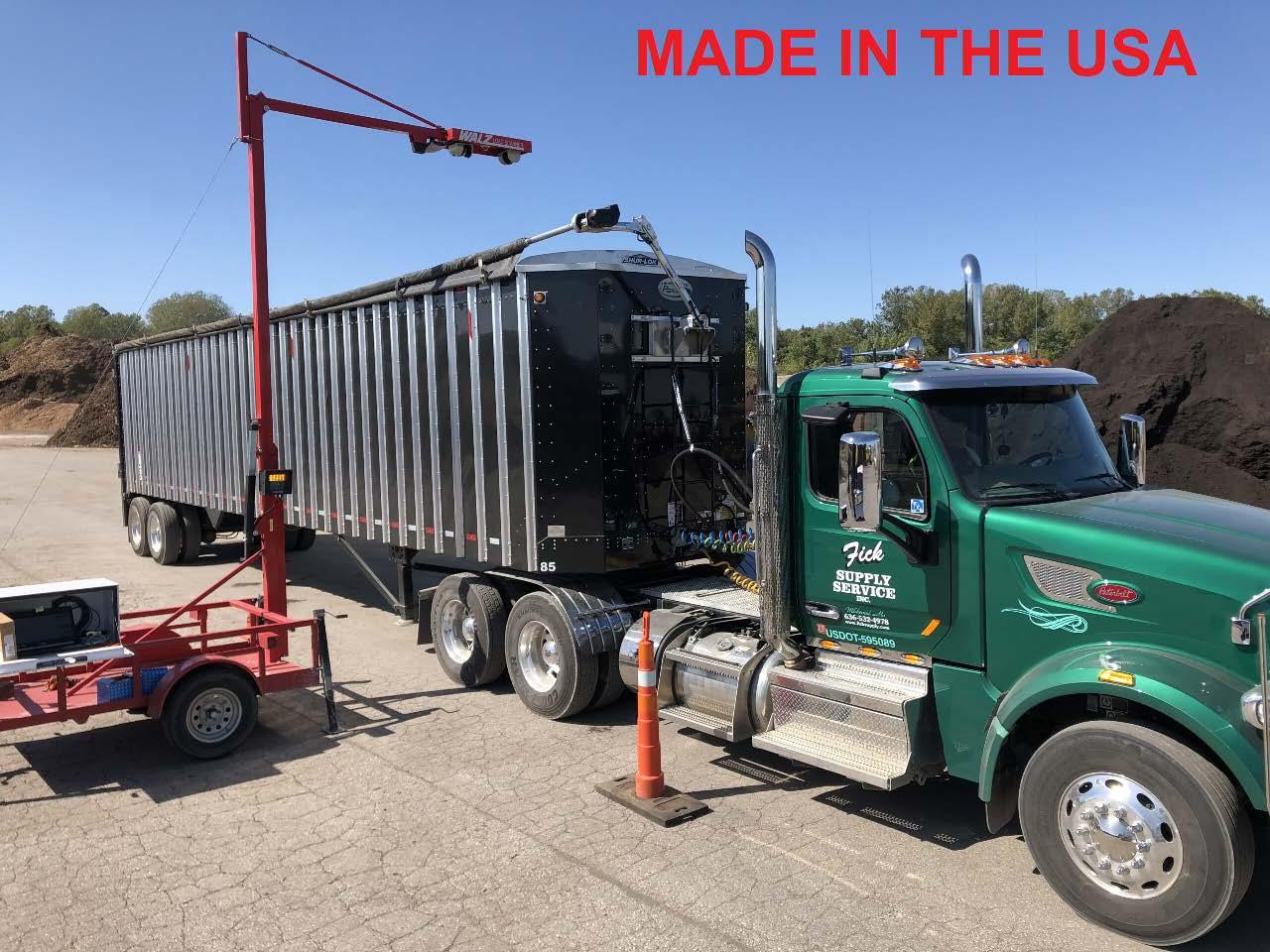
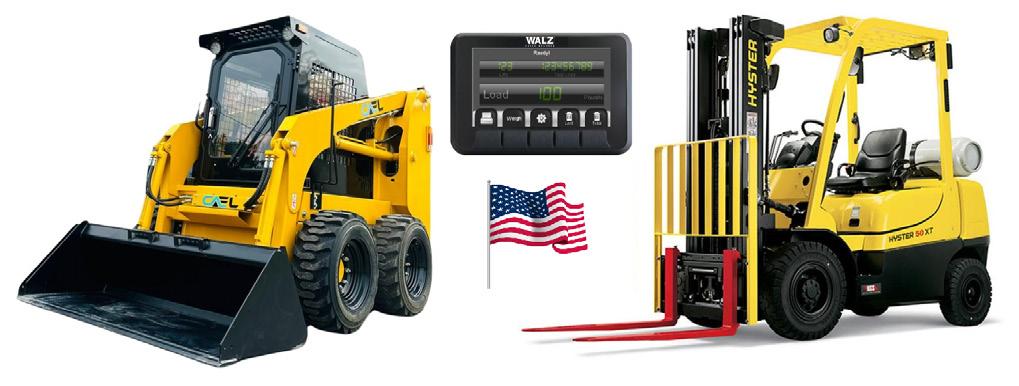
Walz Scale – pg 13
TRAILERS
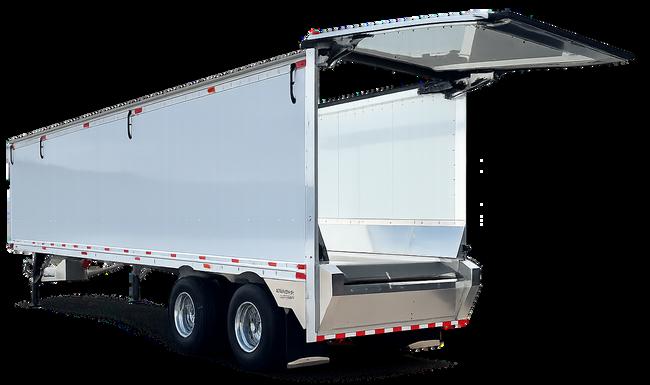
Weaver Systems – pg 3
TROMMEL BRUSHES
Power Brushes Inc – pg 10
WEAR PARTS
ArmorHog – pg 4
New research suggests that composting biochar before applying it to soil may significantly improve its effectiveness as a soil amendment, offering stronger gains in plant growth, nutrient availability, and microbial activity than simply blending biochar with finished compost.
Biochar — a carbon-rich material produced by heating biomass in a lowoxygen environment — has drawn growing interest in agriculture and soil restoration because of its potential to improve soil health while also storing carbon. However, researchers note that fresh biochar does not always deliver consistent agronomic benefits when used on its own. In some cases, it can temporarily tie up nutrients or contain residual compounds from the pyrolysis process that may inhibit plant growth.
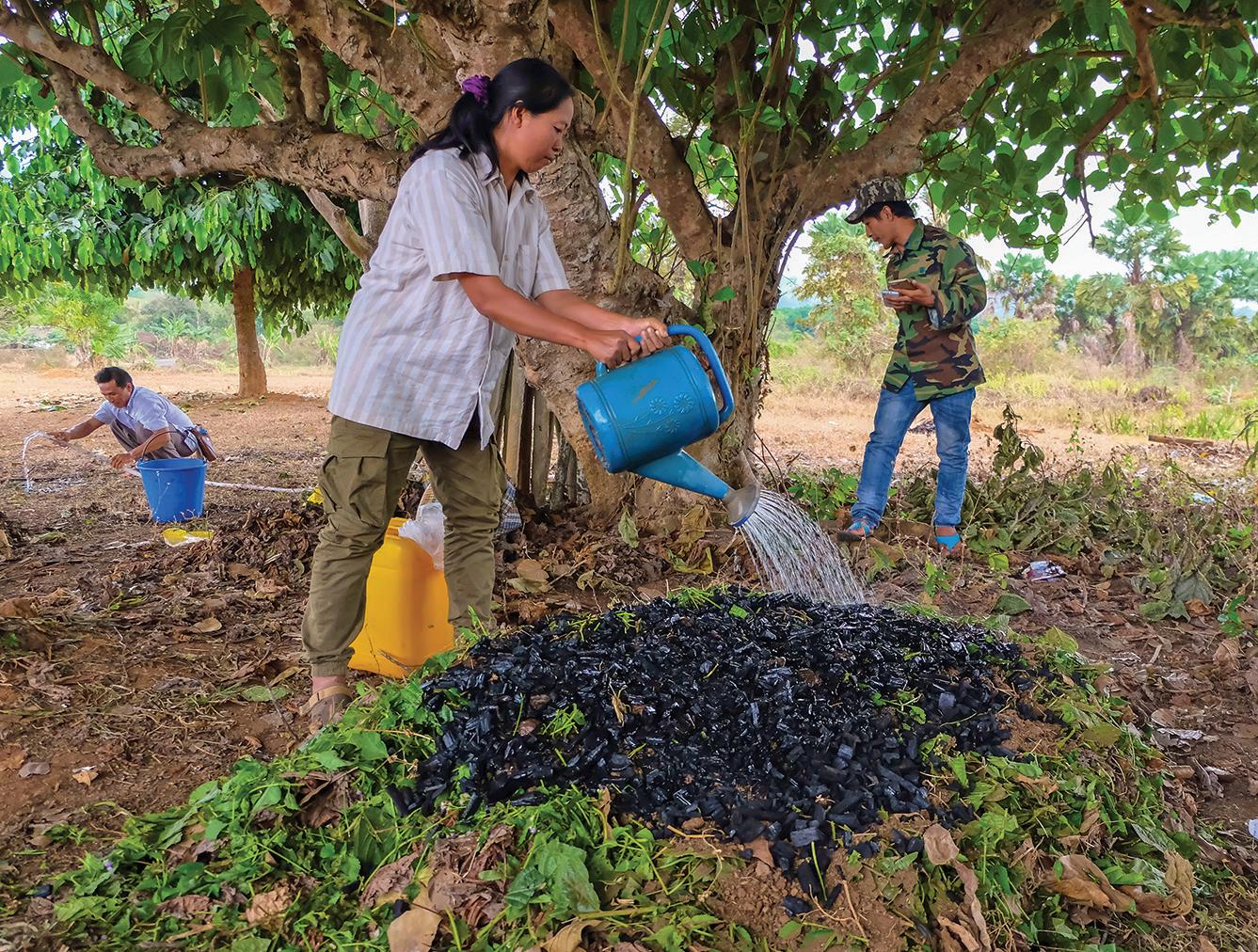
composted biochar, which boosted plant growth nearly six times over the untreated control. The composted biochar treatments also improved several soil quality indicators. Researchers observed more balanced soil pH levels, increased dissolved organic carbon and nitrogen availability, and greater microbial activity, particularly in the lower-fertility soil tested in the study.
The study suggests that composting alters the physical and biological properties of biochar in beneficial ways. During the composting process, biochar particles become coated with organic matter and enriched with nutrients, while also developing characteristics that better support soil microbial communities.
To better understand how biochar preparation methods influence performance, researchers published a study in the journal Biochar comparing three application strategies: biochar used alone, biochar mixed with green waste compost before soil application, and biochar composted together with fresh organic material prior to use.
The team evaluated three biochars produced from different feedstocks, including beech wood, mixed hardwood, and digestate combined with cereal straw. Lettuce was grown over a three-month period in two soils with differing fertility levels while researchers monitored plant biomass, soil chemistry, and microbial activity.
According to lead author Irina Mikajlo, the findings demonstrate that the preparation process plays a major role in determining biochar performance.
Researchers found that biochar applied alone produced little improvement in lettuce growth compared with untreated soils. When biochar was mixed with compost, plant growth increased roughly threefold. The largest gains came from
Researchers also noted that composting appeared to reduce performance differences among biochars made from various feedstocks, resulting in more consistent functionality across products.
The findings could have practical implications for farmers, composters, and land restoration professionals looking to maximize the value of biochar in agricultural systems. Rather than treating biochar as a stand-alone amendment, the study indicates that “charging” it biologically through composting may provide more reliable agronomic benefits.
The improvements were most pronounced in degraded or nutrient-poor soils, suggesting composted biochar could become a valuable tool for soil restoration and sustainable agriculture initiatives focused on rebuilding organic matter and improving nutrient cycling.
Researchers concluded that integrating biochar into the composting process before land application may offer a more effective strategy for enhancing soil health and supporting plant productivity while also improving the utilization of organic waste streams.

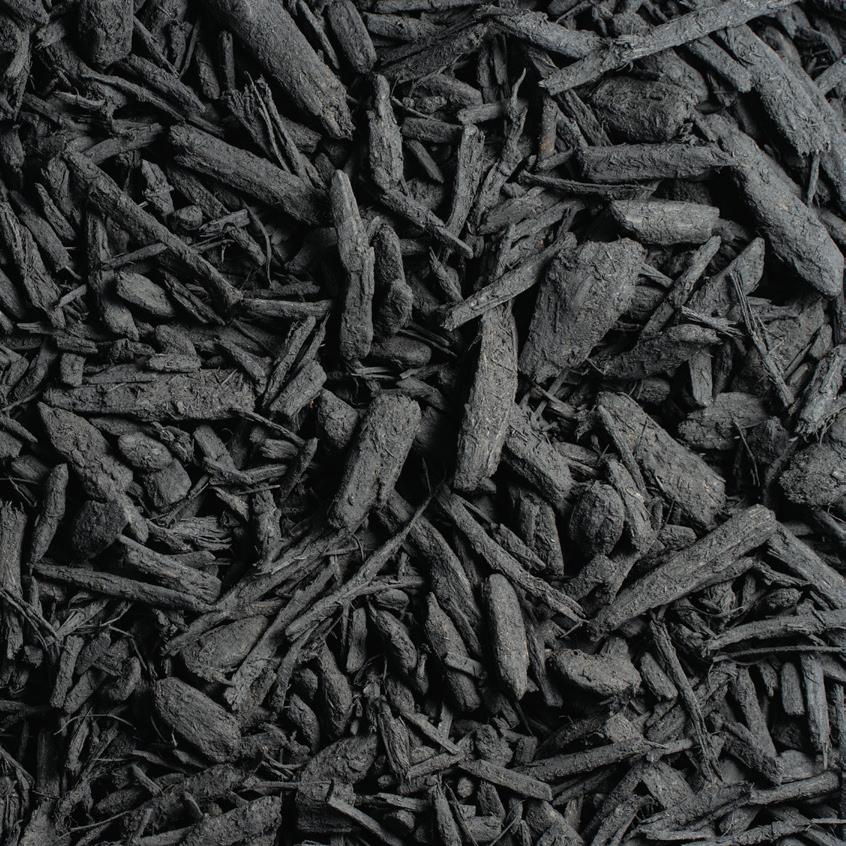
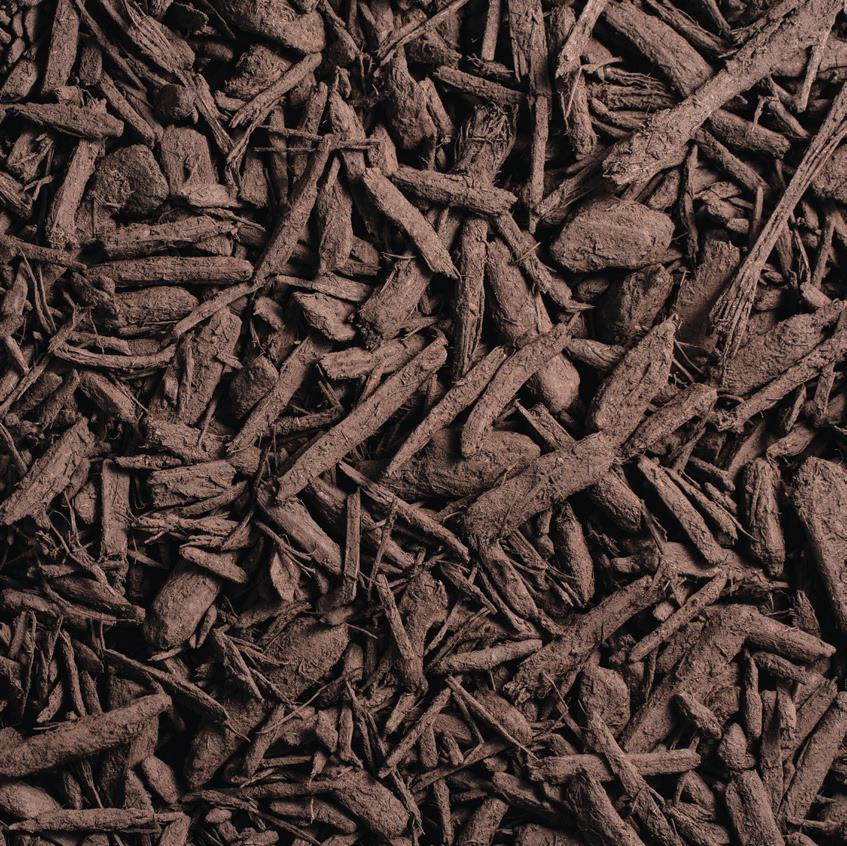
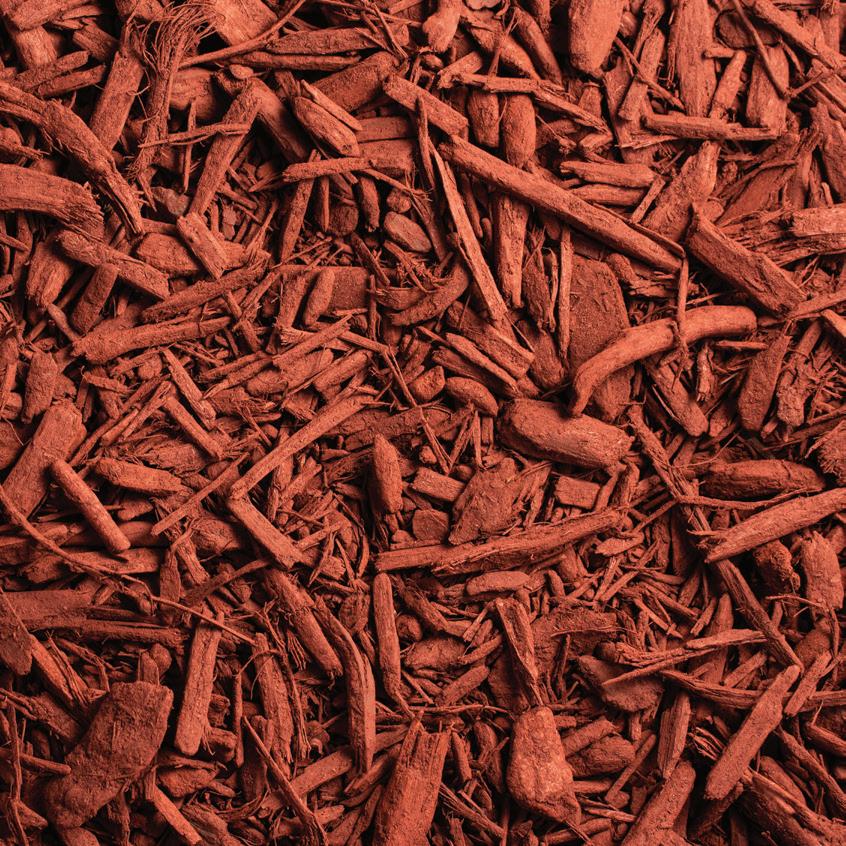
And it’s more brilliant than ever.
High-caliber colorant, profit-piling machines, mulch know-how that drives efficiencies — these things run deep. And now, with the support that comes with being a Sika brand, what makes us Colorbiotics will only flow stronger and brighter.
See how we do it by subscribing to Mulch Matters.
According to an article on livingstonparishnews.com, Louisiana lawmakers have approved legislation aimed at attracting additional investment from the wood pellet industry, a move supporters say could provide new opportunities for the state’s forestry and logging sectors.
House Bill 670 passed both chambers of the Louisiana Legislature unanimously and now awaits the signature of Gov. Jeff Landry. The measure directs state agencies to explore workforce development programs, infrastructure improvements and financial incentives tailored to wood pellet manufacturers while also streamlining certain regulatory requirements.
Supporters view the legislation as a way to strengthen markets for low-value timber and forestry residues, potentially creating additional demand for landowners, loggers and rural communities that have faced economic challenges in recent years.
“This is an opportunity we have in Louisiana that we should capitalize on,” said Rep. Chuck Owen, the bill’s sponsor.
The legislation arrives as global demand for wood pellets continues to be driven largely by overseas energy markets. Wood pellets are widely used in Europe as a renewable energy source, particularly in the United Kingdom, where they are burned in converted power stations to generate electricity.
Louisiana plays a significant role in that supply chain. Energy company Drax operates two pellet mills in the state, located near Urania and Bastrop. The facilities produce pellets that are exported primarily to the U.K., where they are used to help replace coal-fired generation.
While supporters emphasize the industry’s economic potential, environmental groups continue to raise concerns about pellet manufacturing and biomass energy production. Critics argue that pellet facilities can contribute to air emissions and question whether biomass should be classified as a low-carbon energy source. Some advocacy organizations have also criticized the industry’s reliance on public incentives and its environmental compliance record.
Environmental groups opposed to the bill contend that additional state support could benefit foreign-owned companies while increasing environmental risks for nearby communities. Industry supporters, however, point to jobs, tax revenue and expanded markets for forest products as key benefits.
The bill also directs Louisiana Economic Development to examine additional incentive opportunities for the sector. Existing programs have already provided substantial tax benefits to industrial projects, including pellet manufacturing facilities operating within the state.












The Associated Press recently reported that a recent U.S. Supreme Court decision could have significant implications for the trucking and logistics industries by allowing lawsuits against freight brokers to move forward under certain state safety laws.
In a unanimous ruling, the court sided with Shawn Montgomery, an Illinois man who lost part of his leg after his parked vehicle was struck by a speeding semi-truck in 2017. Montgomery alleges that freight brokerage giant C.H. Robinson should share responsibility for the crash because it hired a carrier with a questionable safety history.
The case centers on whether freight brokers can be held liable for the actions of the trucking companies they contract with. Freight brokers serve as intermediaries, connecting shippers with carriers to move goods across the country.
C.H. Robinson argued that federal transportation law preempts state-level claims and that brokers rely on federal oversight to determine carrier eligibility. However, the Supreme Court determined that Montgomery’s claims fall within a legal exception related to safety regulations, allowing the lawsuit to proceed.
While the ruling does not determine the outcome of the case itself, industry observers say it could open the door to increased scrutiny of broker hiring practices and greater legal exposure for logistics companies.
Industry groups expressed concern that the decision may increase operational and insurance costs for brokers and potentially affect freight rates. Supporters of the ruling, however, argue it could encourage stronger safety standards across the trucking sector by pushing brokers to more carefully evaluate carriers’ safety records before awarding contracts.
The case has drawn attention throughout the logistics industry because of the potentially broad impact on how brokers vet trucking partners. Some experts believe brokers may now place greater emphasis on carrier safety performance, compliance history, and crash records, rather than focusing primarily on cost and efficiency.
The ruling also comes as federal regulators continue efforts to improve trucking safety through increased oversight of drivers, carriers, and training programs
With more than 28,000 federally licensed freight brokers operating in the United States, the decision could influence how risk management and carrier selection practices evolve across the transportation and supply chain sectors in the years ahead.
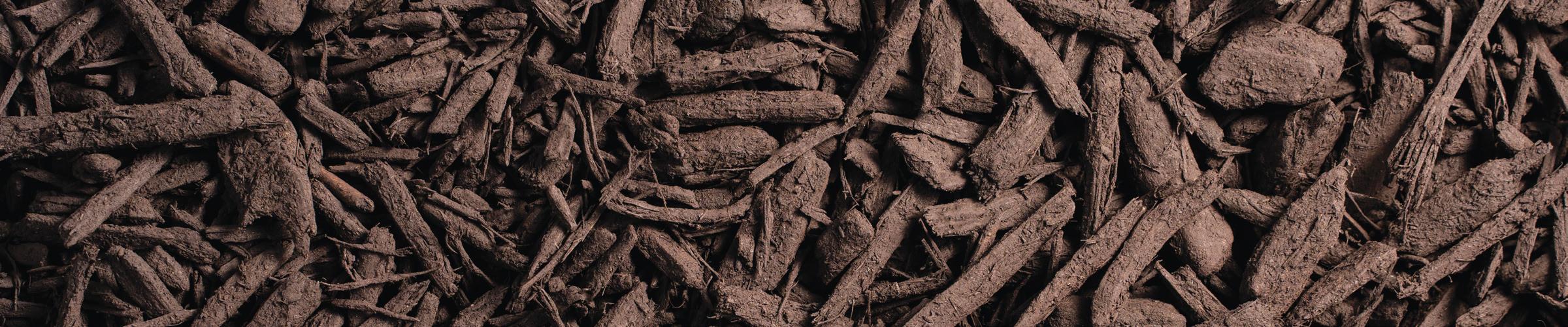
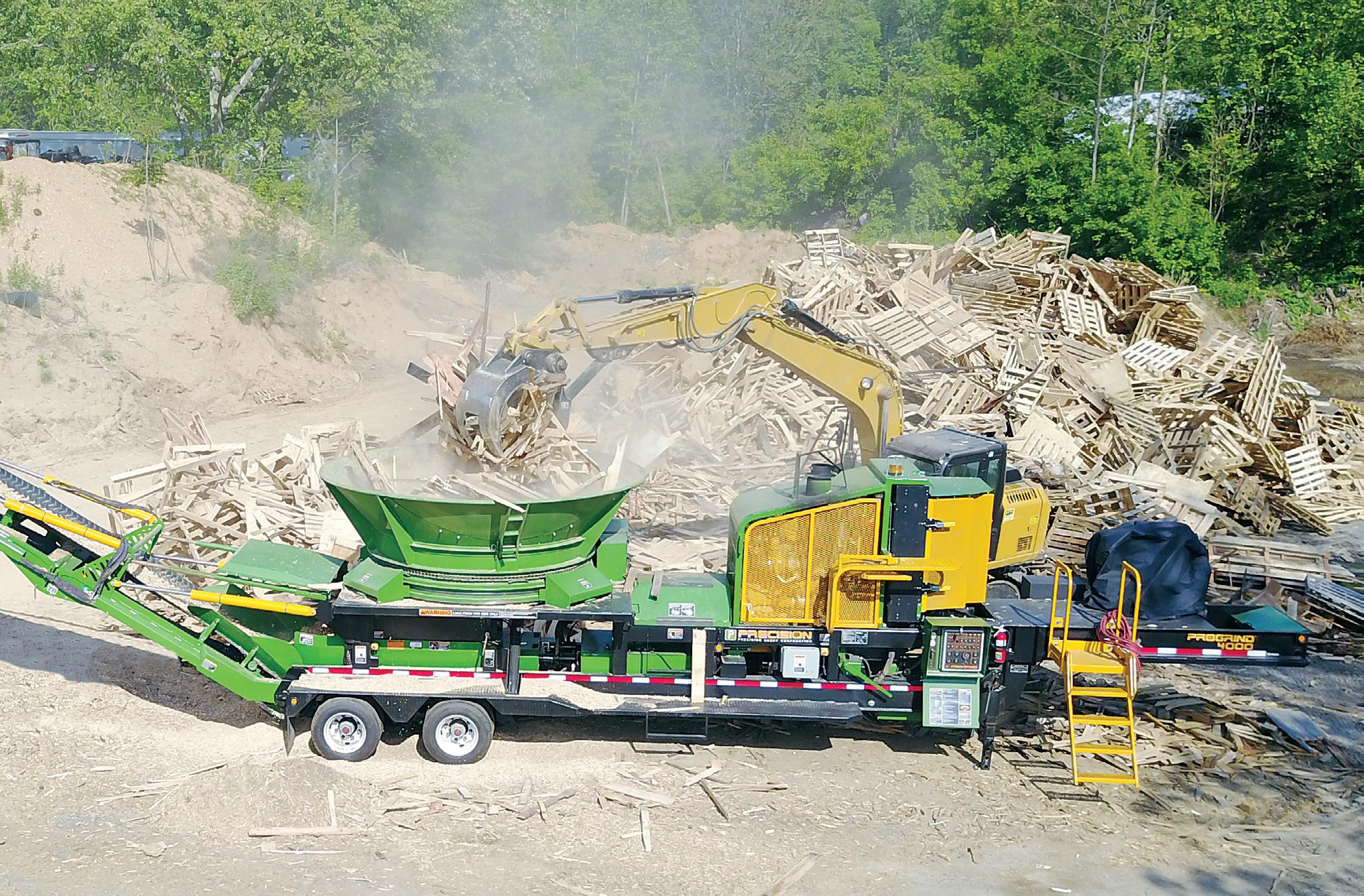
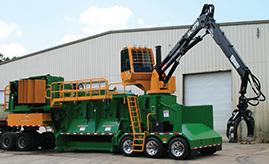
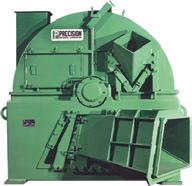
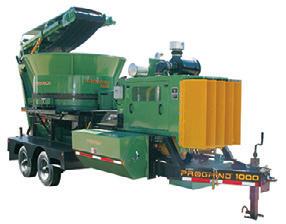
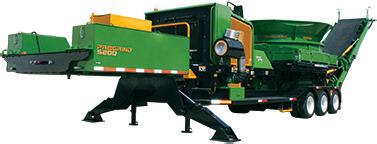
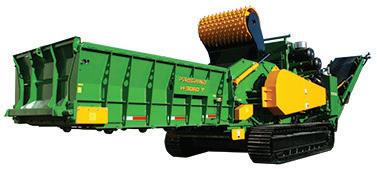
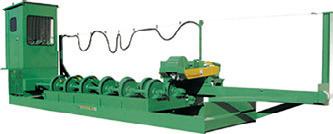
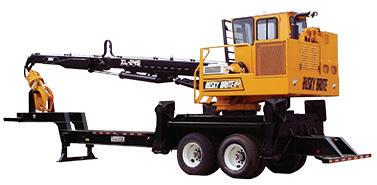
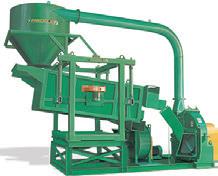
Precision Husky Corporation leads the forest products industry, building the most rugged equipment available. Our grinders are the most powerful, easiest to use grinders in the industry. They are designed with innovative features and advanced technologies to give you the power and production you need to
tackle the most demanding grinding operations. We are a family-owned, family-operated company, and we’ve earned our position in the industry by building the highest-quality, most reliable equipment since 1964. Contact us to learn more about our products and to discuss your needs.


According to an article on azcentral.com, Arkansas-based startup
Graphyte is partnering with Arizona’s Coconino County on a pilot project that would turn low-value forest thinnings into dense pellets for underground storage. The effort is designed to reduce the buildup of combustible woody material left behind after forest restoration projects while also locking away carbon that would otherwise return to the atmosphere through decomposition or burning.
The initiative comes as western forests face mounting pressure from drought, insect infestations and increasingly severe wildfire seasons. Forest thinning is widely viewed as a critical tool for reducing fire intensity, but the process generates massive amounts of leftover biomass — branches, small trees and brush — that can be difficult and expensive to remove.
In many cases, the debris is burned on site in slash piles, a common but controversial practice that creates air pollution and carries wildfire risks of its own. Transportation is another challenge, especially in remote forest areas where wood-processing facilities may be located more than 100 miles away.
Coconino County officials say those logistical bottlenecks have slowed forest restoration efforts in northern Arizona. During the 2019 Museum Fire near Flagstaff, officials said leftover biomass from thinning operations contributed additional fuel to the blaze after sparks from equipment ignited dry vegetation.
Graphyte’s approach uses a process the company calls “carbon casting.” Forest residues are dried at relatively low temperatures, compressed into bricks or pellets, wrapped in protective polymer layers and buried underground in engineered storage sites designed to keep moisture out and prevent decomposition.
The company plans to use a former aggregate mine near Flagstaff as the burial site for its first Arizona project. The 100-acre property is expected to eventually be restored as a bat conservation area.
According to company officials, the underground storage system is designed to preserve the carbon content of the biomass for centuries by preventing exposure to water and oxygen. Sensors would monitor the site for potential greenhouse gas leakage.
The pilot project is expected to begin accepting forest material in early 2027, pending permits from the Arizona Department of Environmental Quality and final site preparations.
Local officials see the technology as one potential outlet for the growing volume of forest residues generated through wildfire mitigation work. Coconino County hopes to increase forest treatment activity to roughly 40,000 acres annually, though officials acknowledge no single solution will be sufficient to handle all biomass generated.
The project is also part of the rapidly expanding carbon removal industry, where companies seek to monetize emissions reductions through voluntary carbon markets. Under that model, corporations purchase carbon credits tied to projects intended to reduce or store greenhouse gases.
JPMorgan Chase has agreed to support up to 60,000 tons of biomass burial through Graphyte’s Arizona effort, according to the company.
Supporters argue that carbon markets can provide funding for climate and forest management projects that might otherwise struggle to secure financing. Critics, however, continue to question the long-term reliability of some carbon offset programs and whether claimed climate benefits can be fully verified over decades.
Researchers say biomass burial remains a relatively new concept with limited long-term performance data. Questions remain about how effectively storage sites can prevent decomposition over centuries and whether future land use changes could compromise buried material.
Even so, interest in alternative biomass management solutions continues to grow as western states look for ways to accelerate forest restoration and reduce wildfire hazards across increasingly fire-prone landscapes.








Whether
Exceptional Throughput
Smart Reporting
Stay
Durability
Invest
Bid
Wisconsin’s forest industry is under increasing strain as mill closures, rising operational costs, and shifting timber markets reshape the economics of logging and wood products across the state, reports civicmedia.us
Industry leaders and policymakers say the sector—long a cornerstone of northern Wisconsin’s economy—is at a turning point that will require sustained investment, innovation, and policy support to maintain its long-term viability.
Former state lawmaker Fred Clark, a forester and conservation specialist now running for Wisconsin’s 7th Congressional District, has been among those urging renewed focus on the state’s
forest economy. In a recent letter, Clark argued that the future of the Northwoods depends on strengthening both forest management and the industries that rely on timber.
Clark brings decades of experience in forestry and conservation, including work as a forest ecologist, forester, land conservation consultant, and service on the Wisconsin Natural Resources Board and the Wisconsin Council on Forestry. He emphasizes that Wisconsin’s current forest conditions reflect more than a century of recovery following the “great cutover” period of the late 1800s and early 1900s.
“We spent the next hundred years rebuilding,” Clark said. “And we have a strong forest industry, and we have incredibly rich forests that support
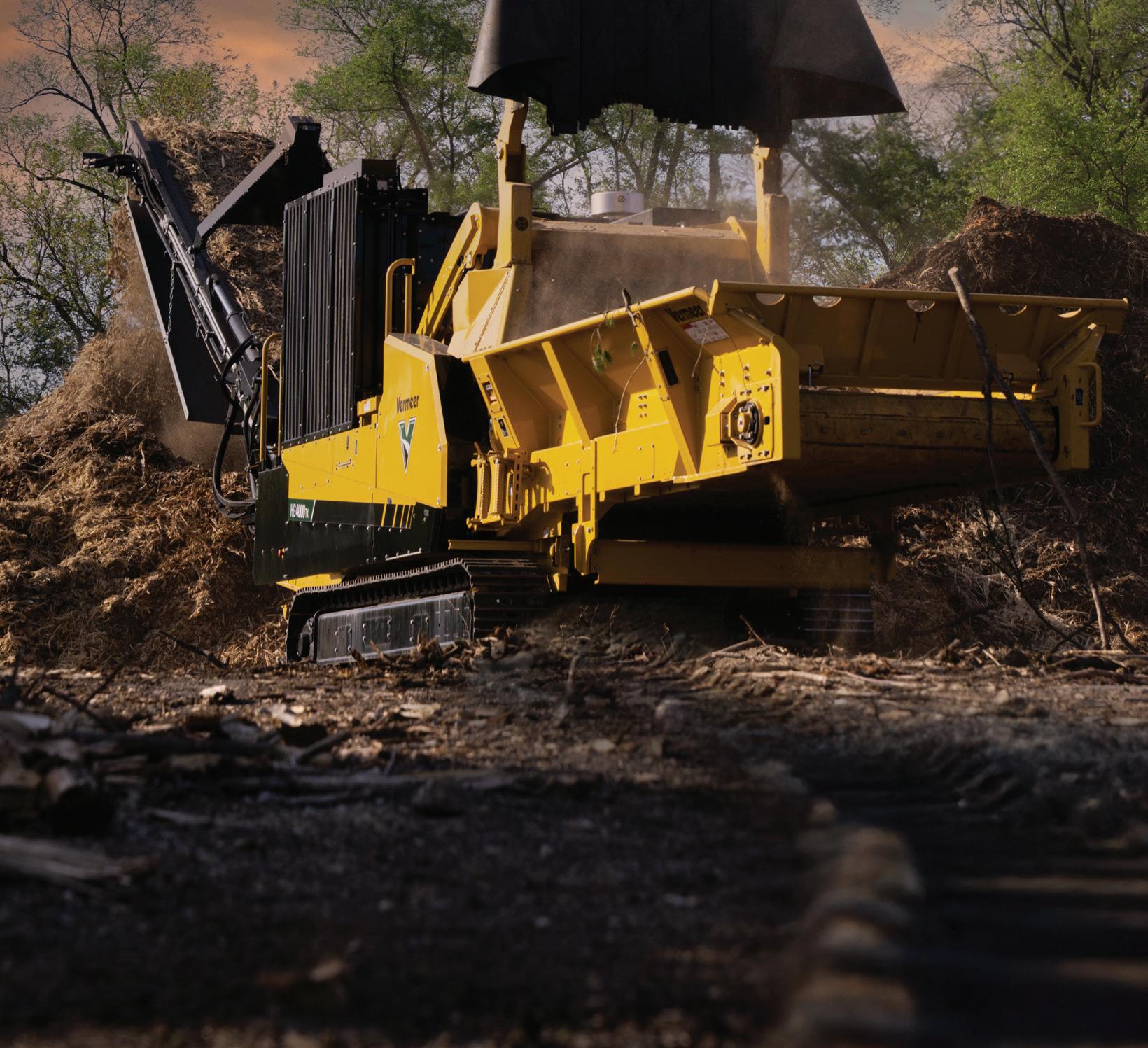
The HG4000TX combines innovative technology and proven design with options such as the Vermeer coloring system and productivity monitoring system, that exceed customer expectations. Built for aggressive performance and high capacity, this tracked machine has industry-leading features that contribute to its dependability, efficiency and durability.
DISCOVER MOBILITY THAT WORKS FOR YOU AT vermeer.com/hg4000TXgrinder
wildlife and fish and recreation.”
Despite that recovery, Clark and others say the economics of harvesting and processing timber are becoming increasingly difficult. Rising logging costs, combined with weak mill pricing in some markets, are squeezing margins throughout the supply chain.
“The job’s getting harder and harder to work in the woods,” Clark said. “The prices that mills are able to pay right now are often lower than the costs that loggers have to actually produce that wood.”
State data underscores the sector’s importance: according to the Wisconsin Department of Natural Resources, the forest products industry supports roughly 125,000 jobs and contributes more than $41 billion to the state economy.
However, the industry has experienced notable contraction in recent years. A 2024 report from Wisconsin’s Green Fire found that the state has lost at least five major pulp mills since 2020. Additional closures have added to concerns, including Ahlstrom’s announced plan to shut its Mosinee pulp mill later this year.
Industry contraction is being felt most acutely in rural northern Wisconsin, where forestry-related employment is often central to local economies.
Clark said mill closures ripple far beyond manufacturing sites, affecting loggers, trucking firms, landowners, and supporting businesses.
“For a landowner, if you’re selling timber and planning to receive income from it, you need a logger to buy that wood,” he said. “Well, a lot of wood is not even being sold right now.”
Empty industrial sites and reduced demand for timber have left some communities struggling to replace lost economic activity tied to mills and processing facilities.
“Those facilities sit there empty, the jobs that they supported are gone, the demand for wood that those businesses created is beginning to go away,” Clark said.
In response, Clark and other forestry advocates are pointing to emerging opportunities to diversify and expand markets for forest products, particularly lower-value wood and residual materials.
One example is the recently signed Forestry Revitalization Act, which supports development of a proposed facility in Hayward that would convert wood waste into sustainable aviation fuel. Proponents say projects like this could help stabilize demand for timber while creating new rural employment opportunities.
“We need to be open to new economic development tools and new markets that can keep our forests productive and our industry strong,” Clark said.
At the same time, he emphasized that expansion of forest-based industries must remain consistent with established sustainability
Continued on next page
Continued from previous page
guidelines governing biomass removal and long-term ecosystem health.
“These are really important details to get right,” he said.
Research efforts are also underway at the U.S. Forest Products Laboratory in Madison, where scientists are exploring applications such as mass timber construction materials and nanocellulose-based technologies. Clark said the challenge now is identifying which innovations can be commercially scaled.
“What we need to do is make sure we’re figuring out which of those applications have real potential to become commercial and invest in the kind of businesses that will help scale those products,” he said.
Beyond market dynamics, Wisconsin’s forest sector is also contending with environmental and policy pressures.
Warmer winters are shortening frozen-ground logging seasons, complicating harvest operations and increasing costs. Invasive species such as the emerald ash borer continue to reshape forest composition, with significant impacts on ash populations across the state.
Clark also pointed to potential federal funding reductions affecting forestry and rural development programs administered by the U.S. Forest Service and USDA.
The U.S. Forest Service manages the Chequamegon-Nicolet National Forest, which spans more than 1.5 million acres in northern Wisconsin. Clark and former forest supervisor Paul Strong have estimated that proposed federal budget changes could reduce Forest Service funding from approximately $6.2 billion to $2.1 billion.
“We’ve had great success with Wisconsin forestry because the state of Wisconsin and the federal government made investments,” Clark said. “But that’s not going to continue if we don’t continue to make those smart investments.”
As the industry navigates tightening margins, evolving markets, and environmental change, stakeholders increasingly see long-term investment and diversification as central to maintaining Wisconsin’s forest economy.





Wood and biomass waste remained an important source of energy in the United States last year, with total consumption reaching nearly 2.31 quadrillion British thermal units (Btu) in 2024, according to newly updated data from the U.S. Energy Information Administration (EIA), as reported on bioenergytimes.com.
The industrial sector continued to be the dominant user of biomass energy, accounting for more than 64% of all wood and biomass waste consumed nationwide. Residential users represented 16% of consumption, while electric power generators accounted for 14% and commercial users made up the remaining 6%.
The data highlights the significant role biomass continues to play in manufacturing and industrial operations, particularly in regions with strong forest products industries.
Georgia led the nation in overall wood and biomass waste consumption, representing nearly 9% of total U.S. use. Alabama ranked second with 7%, followed by Virginia at 5%. Georgia also topped industrial biomass consumption, accounting for nearly 12% of the energy used by the industrial sector.
Residential wood energy use totaled 358.2 trillion Btu in 2024. Pennsylvania was the largest residential consumer, narrowly ahead of Michigan, reflecting the continued use of wood heating in colder regions.
In the electric power sector, California was the largest consumer of wood and biomass waste, accounting for more than 15% of the sector’s total consumption. New York led the commercial sector, which used 143.8 trillion Btu of biomass energy during the year.
The EIA data also provides insight into biomass energy costs. The average price of wood and biomass waste across all sectors was $3.79 per million Btu in 2024. Residential users paid the highest average price at $10.45 per million Btu, while industrial users paid an average of $3.09. Commercial and electric power sector prices averaged $3.85 and $2.87 per million Btu, respectively.
Overall spending on wood and biomass waste reached an estimated $6.17 billion nationwide. Industrial users accounted for more than half of that total at $3.24 billion, followed by residential consumers at $1.61 billion. Electric power producers spent approximately $919 million, while commercial users spent about $403 million.
The figures underscore the continued importance of biomass as a domestic energy resource, particularly for industrial facilities and regions with access to forest-based feedstocks.

Abipartisan effort aimed at strengthening the nation’s recycling and composting systems is moving forward in Congress after advancing through the House Energy and Commerce Committee last week.
Legislation introduced by Joe Neguse would improve how recycling and composting data is collected and reported nationwide while identifying infrastructure gaps that limit waste diversion efforts in many communities. The measure was incorporated into companion legislation sponsored by Mariannette Miller-Meeks before being approved by the committee.
The proposal, known as the Recycling and Composting Accountability Act, is designed to establish more consistent national data on recycling and composting performance. Supporters say the legislation would help local governments, waste companies and policymakers better evaluate infrastructure needs and improve material recovery efforts.
According to lawmakers backing the measure, the bill would create a clearer baseline for tracking recycling and composting activity across the country while helping communities identify barriers to expanding organics diversion and recycling access.
Neguse said the legislation is intended to support long-term waste reduction goals by improving access to reliable data and strengthening infrastructure planning.
The bill now heads to the full House of Representatives for consideration.
A similar recycling infrastructure proposal has already gained traction in the Senate through the STEWARD Act, which passed that chamber in late 2025, signaling continued bipartisan interest in expanding federal support for recycling and composting initiatives.
New York City is seeking to expand processing capacity at its Staten Island Compost Facility, located on the site of the former Freshkills Landfill, as the city continues to scale up its organics diversion efforts, reports silive.com
According to a recent request for information issued by the city’s Department of Sanitation, the proposed plan would increase the facility’s annual yard waste processing capacity by roughly 50%, from about 105,000 cubic yards to approximately 160,000 cubic yards of material such as leaves, grass clippings and animal manure.
The expansion proposal comes as New York City works to support its mandatory curbside composting program, launched citywide in 2024. The initiative requires residents across all five boroughs to separate food scraps and yard waste from regular trash.
City officials said the increased capacity would not expand the physical footprint of the facility but would improve its ability to preprocess mixed organic material collected through the city’s composting program. The Department of Sanitation is also considering the construction of a new 24,000-square-foot building designed to separate compostable materials from contaminants before processing.
The Staten Island facility has operated since 1991, initially serving as a yard waste processing site before beginning to accept food waste in 2012 as the city expanded organics collection efforts. Organic materials processed at the facility are converted into compost used in municipal landscaping projects, sold to commercial landscapers, or distributed to residents.
Under the city’s broader organics management strategy, additional food waste collected throughout New York is also processed through anaerobic digesters at the Newtown Creek Wastewater Resource Recovery Facility, where organic material is converted into renewable energy.
Before the Staten Island expansion can proceed, the New York State Department of Environmental Conservation must approve the proposed increase in permitted processing capacity.






According to a recent article in Gas Compression Magazine, Anaergia Inc. has secured a US$42 million contract to supply anaerobic digestion technology for a large-scale agricultural renewable natural gas (RNG) project in the United States, marking another significant investment in the growing biogas sector.
The project is being developed by Neogenyx Fuels, a joint venture formed by Ameresco Inc. and HA Sustainable Infrastructure Capital Inc. (HASI). The partnership focuses on developing and operating advanced energy infrastructure projects aimed at accelerating renewable fuel production.
Under the agreement, Anaergia will provide turnkey manure handling, processing, and anaerobic digestion systems capable of generating more than 4,400 standard cubic feet per minute (scfm) of biogas. The gas will then be upgraded into pipeline-quality renewable natural gas by Neogenyx Fuels.
The project reflects continued momentum in the RNG industry, particularly within the agricultural sector where manure and organic waste streams are increasingly being used to produce low-carbon energy. Industry growth has been supported by regulatory incentives, decarbonization initiatives, and rising demand for renewable fuel alternatives.
Agricultural RNG projects are considered a key growth segment due to the large volume of available feedstocks and the opportunity to reduce methane emissions while creating marketable energy products.
Neogenyx Fuels, headquartered in Framingham, Massachusetts, develops and operates infrastructure that converts raw biogas into renewable fuels and other usable energy products. Anaergia, based in Burlington, California, specializes in technologies that convert organic waste into renewable natural gas, fertilizer, and recycled water solutions.
The U.S. Forest Service is investing more than $80 million from the Land and Water Conservation Fund to support 15 congressionally approved Forest Legacy projects in 2026. These projects will permanently conserve over 34,000 acres of privately owned working forests across the country.
“The Forest Legacy program makes critical investments in working forests with state partnerships to provide timber supplies and other wood products, provide public access for recreation, secure drinking water, and maintain wildlife habitat in some of the most important forests across the nation,” said Forest Service Chief Tom Schultz.
Privately owned forests make up the majority of all forestlands in the United States and play an essential role in the economic and cultural life of rural communities. Forest Legacy projects help landowners keep these forests working – supporting timber production, outdoor recreation, and long-term stewardship. Approximately 90% of Forest Legacy sites provide full or partial public access for outdoor recreation.
While the Forest Legacy Program is designed to conserve private forestlands for their economic, ecological, and community benefits, these projects also help maintain intact, actively managed forests that are more resilient to challenges such as wildfire. Three of this year’s projects – Curley Creek Woodland and McNall Family Forest in Idaho, and Madrone Ridge in Oregon – are within ten miles of landscapes identified as being at high risk of wildfire. By conserving these forests now, the Forest Service and state partners help maintain continuous forest cover, support sustainable management, and reduce the long-term risks to nearby communities and infrastructure.

Michigan is taking new steps to limit the spread of invasive plant species commonly used in landscaping and water gardens, a move that could significantly impact the nursery, landscaping and horticulture industries over the next several years, reports mlive.com
The Michigan Commission of Agriculture and Rural Development recently approved new restrictions on six invasive plant species that environmental experts say are contributing to ecological damage across the state. The action follows strong public support, with state officials reporting that more than 90% of more than 2,000 public comments favored the proposed regulations.
Under the new rules, water hyacinth and water lettuce will become prohibited species beginning June 19. It will be illegal to introduce, propagate, import, sell or distribute those plants in Michigan after that date.
Four additional species — Callery pear, Japanese barberry, common buckthorn and glossy buckthorn — were added to Michigan’s restricted plant list. Restrictions on those species will take effect Jan. 1, 2028, giving nurseries and landscape businesses time to phase out inventory and transition to alternative plant selections.
Among the most recognizable plants affected is the Callery pear, often marketed as Bradford pear. The fast-growing ornamental tree has been widely used in urban and commercial landscapes because of its attractive spring blooms and tolerance for difficult growing conditions. However, conservation groups say the species spreads aggressively into natural areas, where it crowds out native vegetation. Several neighboring states, including Ohio, Illinois and Pennsylvania, already regulate the tree.
Japanese barberry, another popular ornamental shrub, has also drawn increasing concern from ecologists. In addition to spreading rapidly into forests and natural areas, dense barberry infestations have been linked to increased populations of black-legged ticks, which can elevate the risk of Lyme disease transmission.
Common and glossy buckthorn present similar challenges. Both species form dense thickets that displace native plants, alter soil chemistry and reduce biodiversity. The shrubs spread aggressively through heavy seed production and are already considered problematic invasive species throughout much of the Midwest and Northeast.
State officials emphasized that homeowners who unknowingly have these plants on their property will not face penalties. Residents seeking help with removal are encouraged to contact local invasive species management organizations for guidance.
The new regulations reflect a broader trend across the landscaping industry toward promoting native and environmentally beneficial plant selections.



BY ROBERT LAGASSE, EXECUTIVE DIRECTOR
Oregon and Colorado have emerged as key battlegrounds in challenges to Extended Producer Responsibility (EPR) laws for packaging and paper products. These lawsuits highlight constitutional and practical concerns over shifting recycling costs from governments to producers through Producer Responsibility Organizations (PROs), primarily the Circular Action Alliance (CAA).
Oregon’s Plastic Pollution and Recycling Modernization Act (RMA, SB 582), the nation’s first comprehensive packaging EPR law, requires producers to join a PRO, report data, pay fees, and meet recyclability and reduction targets. In July 2025, the National Association of Wholesaler-Distributors (NAW) filed a federal lawsuit in the U.S. District Court for the District of Oregon against the Department of Environmental Quality (DEQ) and officials.
NAW’s core claims focus on the:
• Dormant Commerce Clause — alleging the law imposes undue burdens on interstate commerce through extraterritorial effects, conflicting state requirements, and high fees that an exceed profit margins for low-margin distributors
• Due Process Clause of the 14th Amendment — challenging the delegation of regulatory power (fee-setting, rulemaking, enforcement elements) to a private PRO with alleged conflicts of interest and insufficient oversight.
On February 6, 2026, U.S. District Judge Michael H. Simon granted a preliminary injunction blocking enforcement of the RMA against NAW and its members as of that date (later clarified to exclude post-injunction joiners). The court found serious questions on the merits of the two claims and likely irreparable harm. Other claims were dismissed without prejudice. A five-day bench trial is scheduled for July 13, 2026. Additional groups, including the American Forest & Paper Association, have sought to intervene. The injunction is narrow; the law remains in effect for non-NAW members, and compliance efforts continue amid uncertainty.
Colorado’s Producer Responsibility Program for Statewide Recycling Act (HB 22-1355, 2022) similarly mandates producer participation via PROs, with CAA handling most packaging and the Lubricant Packaging Management Association (LPMA)—controlled by major oil companies— managing lubricants (imposing a flat $0.56 per gallon fee). On March 12, 2026, the Independent Lubricant Manufacturers Association (ILMA), representing smaller independent producers, sued the Colorado Department of Public Health and Environment (CDPHE) in Denver District Court (state court), just before LPMA’s individual plan implementation.
ILMA challenges:
• Unlawful delegation of authority to private entities (nondelegation doctrine),
• Due process violations from forced “take-it-or-leave-it” contracts with competitor influenced pros,
• Exorbitant fees untethered to actual in-state costs, and
• Statutory violations (e.g., exceeding administrative caps, improper PRO approval).
The suit seeks declaratory relief, a preliminary injunction, fee refunds, and other remedies, emphasizing harms to small businesses and a patchwork
of state rules. As of late April 2026, the case remains in early stages with no reported injunction ruling; broader CAA implementation proceeds.
These cases form part of a broader “recycling reckoning” as at least seven states (California, Colorado, Maine, Maryland, Minnesota, Oregon, Washington) have enacted packaging EPR laws, many relying on similar PRO structures and CAA involvement. Reporting deadlines cluster in May 2026, with full implementation varying (e.g., California targeting 2027).
A victory for challengers could set precedents on Dormant Commerce Clause limits (curbing patchwork burdens on national supply chains) and due process/non-delegation concerns (restricting private PRO power without robust state oversight). This might force revisions—stronger oversight, narrower scopes, equitable fees, or appeal mechanisms—slow EPR rollout, or encourage more litigation in states like California (where regulations face delays and separate labeling challenges) and Maine.
Even without full invalidation, prolonged uncertainty could raise compliance costs, prompt industry coordination, and push for federal harmonization. States may pause aggressive designs or add safeguards to withstand scrutiny. Conversely, upheld laws could validate the model, but spotlight needs to protect small producers and avoid competitive distortions.
Overall, the Oregon trial in July 2026 and Colorado proceedings will likely shape EPR’s future trajectory. Success for plaintiffs could temper the spread of these programs, while defeats might accelerate them with refined implementations. Producers face a fragmented landscape, weighing multi-state exposure, data reporting, and potential fee burdens against environmental goals of improved recycling infrastructure. Legal observers describe these suits as pivotal tests of EPR’s constitutional viability in the U.S.
The U.S. Biochar Initiative has officially rebranded as the American Biochar Institute (ABI), marking a new phase for the organization as the biochar sector continues to mature and expand across North America. The organization announced the change on March 24, 2026, introducing a new name, logo, and website while emphasizing that it remains the same trusted organization under a refreshed identity.
According to ABI, the rebrand reflects both the growth of the biochar industry and the increasing need for credible information, technical assistance, and standards to support broader market adoption. Biochar is gaining attention as a circular, waste-to-value material with applications in agriculture, industry, and the built environment. As these end-use markets develop, ABI says durable demand, trusted guidance, and rigorous standards will be essential to the sector’s long-term success.
The organization’s updated mission is to deliver independent, science-based information, technical assistance, and standards on biochar. ABI Executive Director Myles Gray described the new identity as part of the organization’s effort to build the foundation for biochar growth by providing high-quality guidance, advancing rigorous standards, and convening the industry so biochar can deliver real-world value at scale.
ABI also launched a new website, biochar.org, intended to serve as a central resource for biochar applications and standards in the United States. The site includes standards and testing resources, biochar basics and FAQs, an events calendar, and information on the annual North American Biochar Conference, workshops, webinars, and other industry activities. ABI also plans to add industry-specific resources for biochar end-use markets, a Biochar Directory connecting users with producers and suppliers, and a Biochar Atlas

» 40” diameter capacity
» Heavy-duty 50” diameter x 66” wide hammermill
» 20 hammer inserts
» Caterpillar C32, 1,200 horsepower engine
» Standard impact detection system
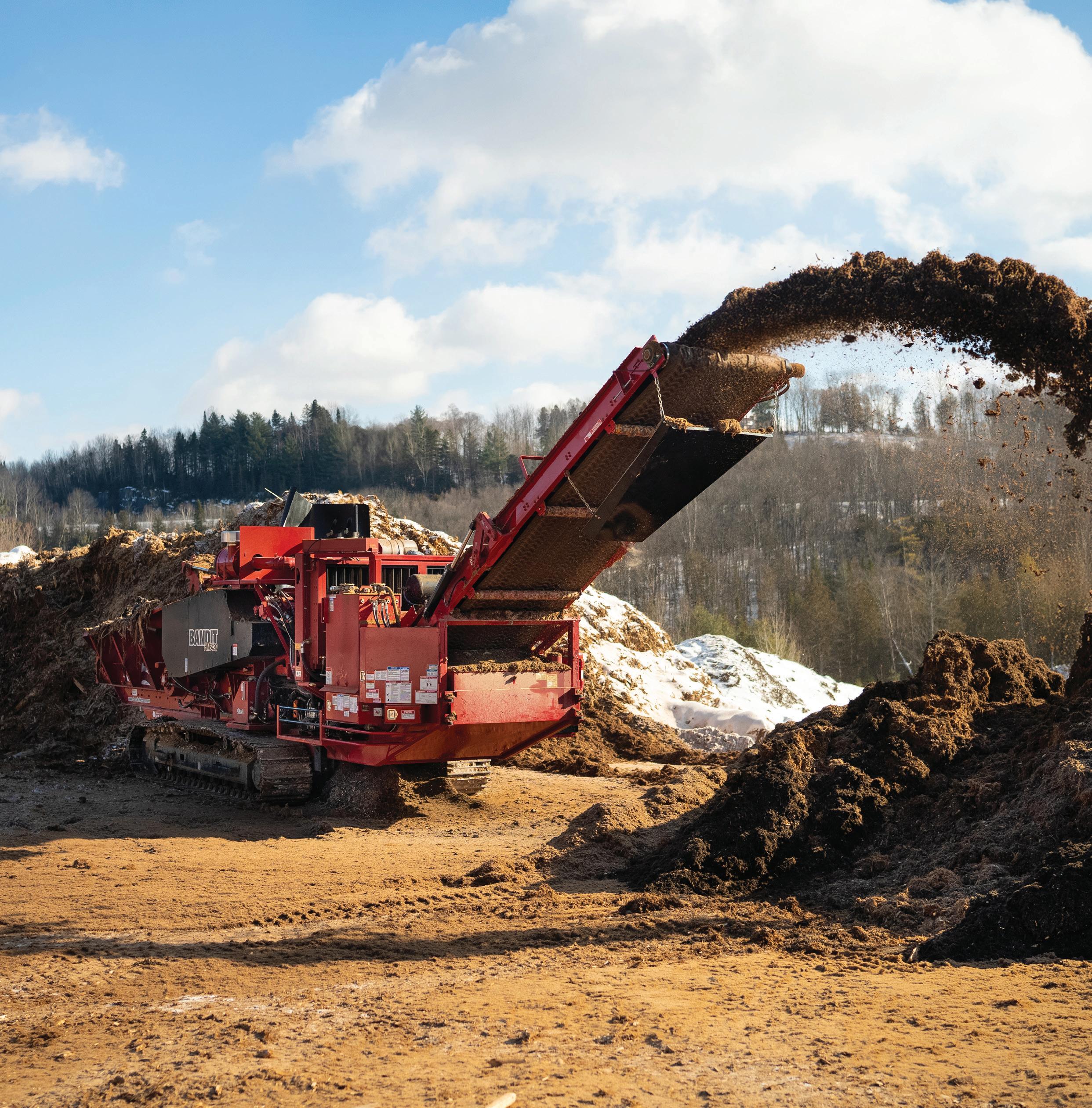

If you haven’t tried a Bandit unit for your operation, please contact a local Bandit dealer, email marketing@banditchippers.com or visit our website www.banditchippers.com and we will be happy to assist you!


Continued from page 16
described as an expert-approved knowledge hub.
The rebrand signals ABI’s transition from an initiative that helped catalyze early growth into an institute focused on strengthening standards, fostering industry cooperation, expanding markets, and supporting durable demand for biochar nationwide. ABI indicated that additional information about the new brand identity, logo, website features, and resources will be shared in the coming weeks.
The Mulch & Soil Council is pleased to welcome Rachel Luehrs as a Legislative & Regulatory Affairs Associate supporting government affairs, legislative tracking, regulatory analysis, and member communications. Rachel brings more than a decade of experience interpreting and implementing complex federal and state regulatory requirements in agricultural and food manufacturing environments, with a strong background in food science, compliance systems, quality assurance, labeling, documentation, and operational risk assessment.

Rachel’s professional experience includes serving as Regulatory Manager for Curation Foods, where she oversaw interpretation and implementation of FDA and Food Safety Modernization Act requirements, maintained regulatory and traceability records, supported supplier compliance and audits, and served as a regulatory subject matter expert for labeling and allergen compliance. Her work included helping the organization successfully implement the FDA’s designation of sesame as a major food allergen.
Earlier in her career, Rachel served as Quality Assurance and Regulatory Manager for Curation Foods, formerly Apio, Inc., where she helped guide implementation of the Food Safety Modernization Act across the company and newly acquired subsidiaries. She also supported nutrition labeling changes for both U.S. and Canadian markets, evaluated raw material and vendor food safety programs, managed regulatory documentation, and worked with cross-functional product development teams.
Rachel’s experience is especially relevant in helping Council members understand changing laws and regulations while continuing to operate in complex, multi-state business environments. Her background includes compliance work involving temperature-sensitive, short shelf-life fresh produce distributed through major mass-market retailers, including Walmart, Costco, Albertsons, and others. That experience gives her a practical understanding of how regulatory requirements affect real-world operations, supply chains, labeling, audits, documentation, and customer expectations.
In addition to regulatory compliance, Rachel brings strong skills in technical writing, policy interpretation, risk assessment, stakeholder communication, supplier oversight, document control, traceability systems, recall readiness, allergen compliance, audit coordination, and employee training.
She holds a Bachelor of Science degree in Food Science from California Polytechnic State University, San Luis Obispo, and has completed professional development programs in preventive controls, produce safety, food law, vulnerability assessments, leadership, sampling techniques, and organic inspection. Rachel’s combination of regulatory discipline, operational experience, and clear communication will strengthen MSC’s ability to support members in monitoring legislative and regulatory developments, evaluating potential impacts, and preparing effective responses.
Rachel is currently working at the MSC headquarters office in Shallowater, TX. Her telephone contact is 806-832-1810 and her email is crluehrs@ mulchandsoilcouncil.org
Anew study suggests that agricultural plastic mulch film, a widely used but difficult-to-manage farm waste stream, can be successfully recycled when contamination from soil and moisture is minimized.
Researchers at Washington State University evaluated used plastic mulch collected from strawberry farms in Washington, California, Nebraska and Florida. While contamination levels and material characteristics varied significantly by region, the study found that properly cleaned films could be converted into recycled products with acceptable mechanical performance.
Plastic mulch film is commonly used to improve crop yields by warming soil, reducing moisture loss and suppressing weeds. The material is particularly prevalent in high-value crops such as strawberries, tomatoes and melons. However, disposal remains a major challenge. Nearly 500,000 tons of agricultural mulch film are used annually in the United States, with most ending up in landfills or being burned after use.
The study, published in Cleaner Waste Systems, examined how regional differences in soil type and climate affect the recyclability of used mulch films. Researchers found that contamination from soil, plant debris and moisture can significantly influence the quality of recycled plastic.
Washington’s clay-heavy soils and wetter climate produced the highest contamination levels, with soil particles remaining attached to the plastic even after cleaning. These residual contaminants made the recycled material stiffer and less flexible. In contrast, films collected in Florida’s sandy soils contained less contamination and were easier to process.
According to the researchers, pretreatment steps such as thorough cleaning, drying and shredding are critical to producing higher-value recycled materials. Regardless of their origin, films that underwent adequate preparation generated recycled products that were considered mechanically sound.
The team also compared injection-molded products made from recycled mulch films with products made from virgin plastic. Recycled materials generally demonstrated greater strength but reduced flexibility, with the effects becoming more pronounced as contamination levels increased.
The findings highlight both the opportunities and challenges associated with expanding agricultural plastics recycling. Thin plastic films are difficult for many recycling systems to process, and specialized infrastructure remains limited. Contamination from soil and agricultural residues further complicates collection and processing efforts.
At the same time, economic factors may strengthen the case for recycling. Most agricultural mulch film is manufactured from polyethylene, a petroleum-based plastic whose production costs are influenced by global oil prices. Recovering and reusing existing material could help offset rising raw material costs while reducing landfill disposal and dependence on virgin plastics.
The researchers conclude that improving collection and cleaning practices could make recycling a more viable end-of-life option for agricultural mulch films, helping growers and recyclers divert a significant volume of plastic waste from disposal.
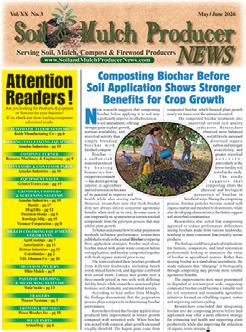

Composting Biochar Before Soil Application Shows Stronger Benefits for Crop Growth PAGE 1
Supreme Court Ruling Could Reshape Liability for Freight Brokers PAGE 4
Forest Debris Burial Tech Emerges as Dual Solution for Wildfire Risk and Carbon Removal PAGE 6
Industrial Sector Drives U.S. Biomass Energy Use, New Data Shows PAGE 10
Bipartisan Recycling and Composting Infrastructure Bill Advances to Congress PAGE 12
News From The Soil & Mulch Council PAGE 16
Study Finds Agricultural Plastic Mulch Can Be Recycled if Contamination is Controlled PAGE 18