

Are you looking for Products, Equipment or Services for your business? If so, check out these leading companies advertised inside:
AUTOMATIC FLOOR SYSTEMS
Keith Manufacturing Co – pg 8
BAGGING / PALLETIZING EQUIPMENT
Amadas Industries – pg 4
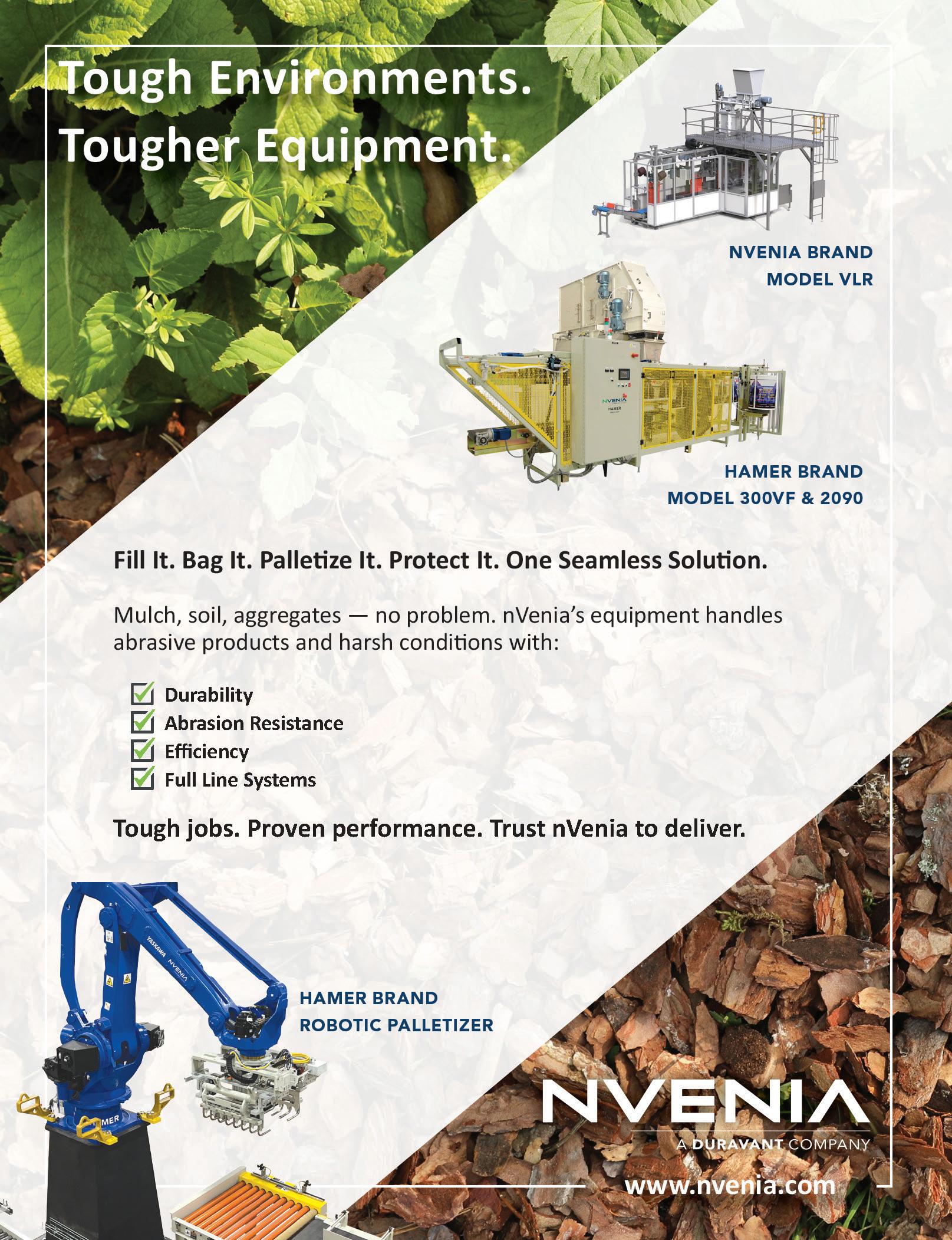
nVenia – pg 14
COMPOST TURNER
Resource Machinery & Engineering – pg 10
CONE SCREW SPLITTERS
U.S. Pride Products – pg 14
CONVEYORS & CONVEYOR PARTS
Amadas Industries – pg 4
Smalis Conveyors – pg 3
EQUIPMENT SALES
GrinderTrader.com – pg 13
GRINDERS, CHIPPERS & SCREENING SYSTEMS
Amadas Industries – pg 4
Bandit – pg 9
Diamond Z – pg 11
HogZilla – pg 12
Jones Mfg/Mighty Giant – pg 6
Precision Husky – pg 19
Vermeer Corporation – pg 13
MULCH COLORING EQUIPMENT / COLORANTS
AgriCoatings – pg 17
Amerimulch – pg 5
Colorbiotics – pg 2
Florida Coastal Colors – 15
T.H. Glennon Co – pg 20
MULCH SUPPLIERS
Ohio Mulch – pg 10
PAYLOAD WEIGHING & MEASURING SYSTEMS
Walz Scale – pg 7
TRAILERS
Weaver Systems – pg 16
TROMMEL BRUSHES
Power Brushes Inc – pg 13
WEAR PARTS
ArmorHog – pg 16
BY P.J. HELLER
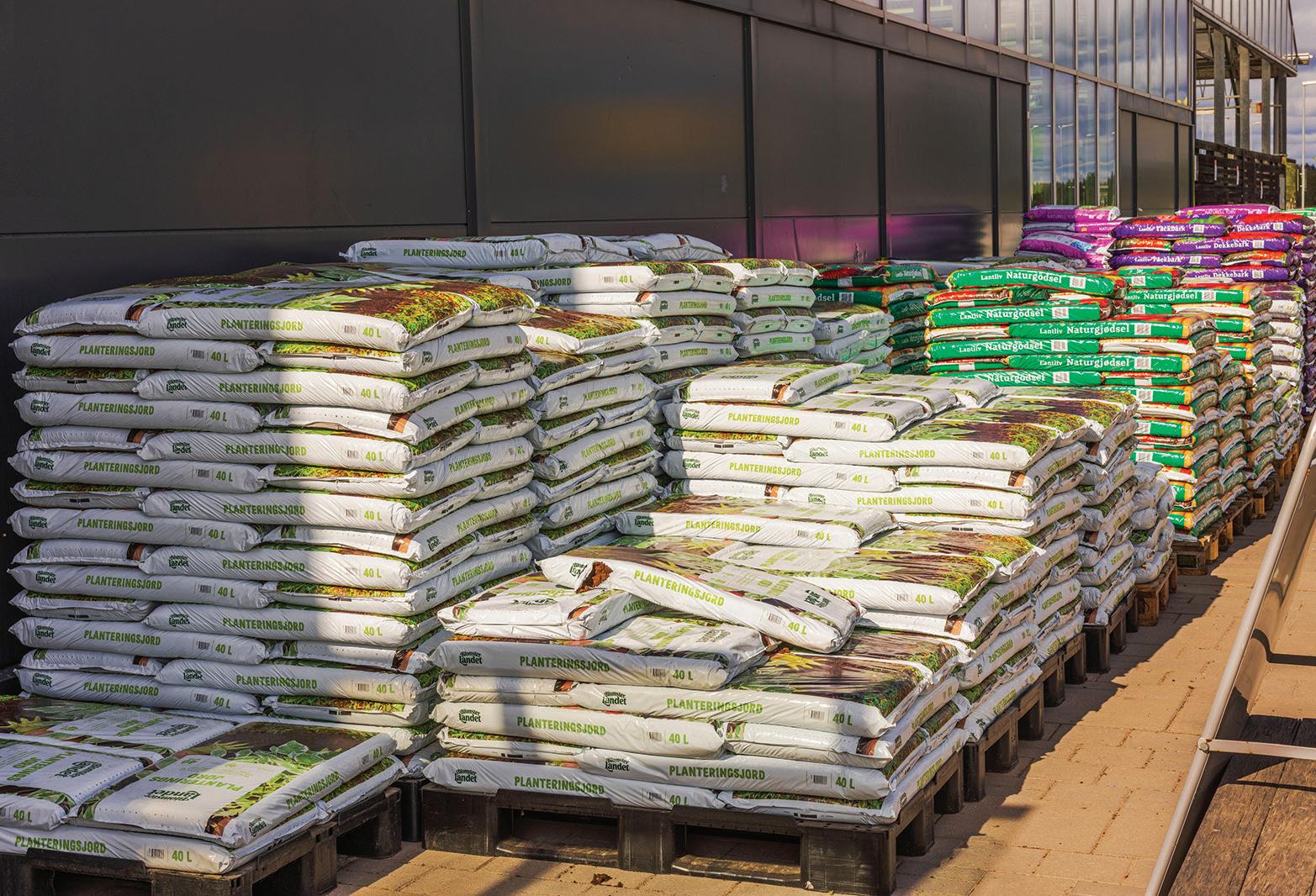
The mulch and soil industry could be facing huge fees – totaling in the millions of dollars – as states ramp up efforts to implement Extended Producer Responsibility laws which shift recycling costs away from local governments and taxpayers to the actual producers.
Seven states – Oregon, Colorado, California, Maine, Minnesota, Maryland and Washington –have enacted comprehensive packaging EPR laws. More than a dozen other states are reported to be considering similar legislation.
Product packaging is the latest area to come under EPR.
“It will definitely affect the [mulch and soil] industry,” says Robert C. LaGasse, executive director of the Mulch & Soil Council. “We estimate it will probably be an 8- or 9-figure penalty to the industry.”
EPR packaging laws are designed to improve the collection, sorting and recycling infrastructure for packaging waste.
“Each year, Americans trash more than 80 million tons of packaging – primarily made from plastic, paper, glass, and metal, and less than 50 percent of it is recycled,” the Product Stewardship Institute says. “When it comes to plastic, the rate is less than 9 percent.”
Other products previously addressed by EPR laws include electronics, mercury thermostats,
batteries, pharmaceuticals, paint, fluorescent lighting and mattresses, according to the National Council of State Legislators.
California officials say EPR programs can “transition the state towards a circular economy by placing the responsibility for reducing waste, maximizing reuse and recycling, or other end‑of‑life management of products on producers.”
Mulch and soil producers who sell bagged products, typically in linear low density polyethylene bags, could fall under new EPR packaging laws.
While those bags are tough and can resist punctures and heat and support the weight of the soil or mulch, they are difficult to reprocess.
“In many cases, recyclers won’t recycle them because of the contamination of the soil or mulch that’s still in the package that clogs up their reprocessing systems,” LaGasse notes. “A lot of recyclers won’t collect our bags.”
Mulch and soil producers have little choice but to use the polyethylene bags.
“There’s no other practical solution,” LaGasse says. “We can’t use paper. No technology is currently available that would allow us to package it in a more recyclable manner.”
Mulch and soil producers face a patchwork of state laws under EPR.


Colorant is our core.
And it’s more brilliant than ever.
High-caliber colorant, profit-piling machines, mulch know-how that drives efficiencies — these things run deep. And now, with the support that comes with being a Sika brand, what makes us Colorbiotics will only flow stronger and brighter.
See how we do it by subscribing to Mulch Matters.
Continued from page 1
“With no federal EPR legislation on the horizon, states will likely continue to take matters into their own hands, resulting in a patchwork of laws regulating different products and imposing a disjointed regulatory scheme,” says the Godfrey & Kahn law firm in Wisconsin.
“EPR law is still in its early stages, and state programs differ significantly,” notes the Holland and Knight law firm. “Even small differences among state programs, including the way in which each state defines a ‘producer,’ can create meaningful practical consequences for regulated businesses.”
Under EPR, producers must join a Producer Responsibility Organization (PRO), such as the Circular Action Alliance, report packaging data, and pay fees to fund recycling infrastructure. Depending
on the state, penalties up to $100,000 can be levied on companies that fail to sign up and participate; companies may also face restrictions or be banned from selling products in a state.

STAFF
Publisher / Editor
Rick Downing
Contributing Editors / Writers
P.J. Heller • Robert LaGasse
Sandy Woodthorpe
Production & Layout
Christine Mantush
Advertising Sales
Rick Downing
Subscription / Circulation
Donna Downing
Editorial, Circulation & Advertising Office 6075 Hopkins Rd., Mentor, OH 44060 Ph: 440-257-6453
Email: downassoc2@oh.rr.com
Subscription information, call 440-257-6453.
Soil & Mulch Producer News is published bimonthly by Downing & Associates. Reproductions or transmission in whole or in part, without written permission of the publisher, is prohibited.

The Circular Action Alliance says it is the only organization approved to implement EPR laws for paper and packaging in the U.S., and is operating as the single PRO in California, Colorado, Maryland, Minnesota, Oregon and Washington. Oregon’s law allows for multiple PROs. Fees collected are often calculated based on the weight and recyclability of materials, providing a financial incentive to reduce, reuse, or use sustainable packaging.
Meantime, a federal district court judge in Oregon issued a preliminary injunction in February pausing enforcement of the law there after a national trade association filed suit claiming that the program was unconstitutional. The injunction applied only to the National Association of Wholesaler Distributors and its members. A trial was set for this summer.
It was not immediately clear what impact the ruling would have on other states.
“If the court’s decision stands, it could set a roadmap for future challenges of other EPR programs nationwide,” according to the law firm ArentFox Schiff.
“This decision does not directly impact producer obligations under any of these other statewide EPR programs, but the constitutional challenges implicating the Dormant Commerce and Due Process clauses could carry negative implications for these other programs if they are eventually successful,” it says.
“In addition to paying close attention to this case, as the trial is set to begin later this summer, it will be crucial to keep a close eye on whether similar challenges crop up in these other states seeking to acquire similar short term relief at a minimum. Likewise, states currently developing EPR laws may choose to make changes to their schemes to protect themselves from similar challenges,” it adds.
If soil and mulch producers have to pay EPR fees, costs at the retail level would likely increase.
“Absolutely,” LaGasse says about a retail price hike.
“What choice would we have?” he asks. “Just the administrative burden of doing different things in different states . . . and tracking all of those things including how much plastic and of what type you’re sending to each state. You’re going to
on page 4







Continued from page 3
have to hire staff people just to keep track of it.”
Some states exempt small businesses such as those who have under $1 million in revenue or generate less than a ton of packaging. Exemptions are also granted for specialized packaging for such things as drugs and medical devices and for items covered by existing state container deposit laws.
LaGasse argues that members of his organization who sell bagged products should be exempt from any fees since they are already keeping large quantities of material out of landfills. Mulch and soil producers who sell in bulk are not subject to EPR fees, he adds.
“They’re penalizing us for doing exactly what they’re trying to do,” he says. “If the object is to keep things out of the landfill or recycle them, we’re keeping a huge quantity out of the landfill. All the tree trimming, all of the wood cuttings, all these wood shavings, all these manures that would normally go into the landfill, they’re coming to us, and we’re processing them and putting them back into useful consumer products.”
Fighting the EPR packaging laws on a state by state basis could be a tough slog, LaGasse admits. He says his preference would be for federal legislation “that would set some ground rules for all these states and pre empt some of the legislation they’re pushing out there.”
He adds that it would be a simple matter to include in such federal legislation an exemption for packagers of materials who are already diverting materials from landfills.

The Ohio Department of Agriculture has issued a statewide quarantine in response to the continued spread of the invasive spotted lanternfly, reports www.news5cleveland. com, signaling a more aggressive approach to managing the pest’s impact on agriculture and nursery operations.
Under the quarantine, trees and other regulated plant materials from Ohio nurseries and garden centers cannot be transported out of state without proper documentation, including permits, inspection certificates, or compliance agreements. Shipments to non-regulated areas must be inspected and certified as free of infestation, adding a new layer of oversight for growers and distributors.
State officials note that the policy shift reflects the insect’s increasing prevalence. While earlier efforts focused on public reporting of sightings, the current approach emphasizes active management and mitigation as populations become more established across the state.
At present, the pest is in its egg stage. Egg masses—often found on tree trunks and branches—appear as gray, putty like patches that dull over time. According to extension guidance from Ohio State University, early detection and removal remain key control strategies. Scraping egg masses into soapy water can effectively destroy developing insects before they hatch.
Although the spotted lanternfly does not pose a direct threat to human health, it presents a significant risk to plant health and agricultural productivity. The insect feeds on a wide range of woody and ornamental plants, extracting sap and excreting a sugary residue that promotes mold growth and increases plant susceptibility to disease. Repeated infestations can weaken plants over time, potentially leading to decline or mortality.
First identified in the U.S. in 2014 in Pennsylvania, the pest is believed to have arrived via international shipping. It was first detected in Ohio in 2020 and has since expanded its footprint, aided by its ability to spread long distances by hitchhiking on vehicles and equipment.
ODA officials indicate that collaboration with nurseries, growers, and research institutions will be critical in limiting further spread and mitigating economic losses as the quarantine takes effect.

Arecent wave of enforcement activity and policy changes is placing renewed scrutiny on English-language proficiency among commercial truck drivers, as regulators and industry stakeholders link communication gaps to broader highway safety risks, reports Just The News
New data released by the Wyoming Highway Patrol underscores the scope of the issue at the state level. Of 16,676 commercial vehicle inspections conducted in 2025, 676 resulted in violations tied to drivers failing English-language proficiency interviews—making it the eighth most frequently cited infraction.
Separate enforcement activity highlighted additional concerns. A three day operation by the Laramie County Sheriff’s Office resulted in 82 commercial vehicle stops and 32 arrests involving individuals identified as being in the country illegally, according to regional reporting.
At the federal level, the U.S. Department of Transportation has intensified oversight of commercial driver licensing and training practices. The agency recently announced a crackdown on so called “CDL mills”—training operations accused of failing to meet instructional and compliance standards.
According to federal findings, more than 550 CDL training schools have been shut down
following approximately 1,400 enforcement actions nationwide. Investigations by the Federal Motor Carrier Safety Administration identified issues ranging from unqualified instructors and falsified business addresses to inadequate instruction on safety critical topics such as hazardous materials transport.
In parallel, regulators have moved to standardize testing requirements. Federal officials confirmed that all commercial driver’s license exams will now be administered exclusively in English, reinforcing an existing requirement that drivers must be able to read road signs and communicate effectively with enforcement personnel.
Transportation Secretary Sean Duffy characterized the reforms as a necessary step toward restoring consistency and accountability across the sector, describing prior conditions as insufficiently regulated.
The enforcement push comes amid persistent labor constraints. Industry estimates continue to place the U.S. driver shortage between 60,000 and 80,000 positions, prompting many carriers to expand recruitment pipelines, including increased reliance on foreign born drivers. Current estimates suggest that roughly one in six U.S. truck drivers is an immigrant.

While many large carriers maintain structured training programs and internal compliance standards, some operators—particularly in tighter labor markets—have been criticized for prioritizing rapid hiring over rigorous vetting.
Long haul driver Darryl Orr, based in Cheyenne, Wyoming, described variability in hiring practices across the industry, noting that while some fleets maintain high entry standards, others “just hire a warm body” to meet demand.
Industry observers emphasize that the issue extends beyond hiring practices to day to day operational safety. English proficiency is a regulatory requirement not only for licensing but also for interpreting road signage, complying with enforcement instructions, and responding to emergency situations.
Drivers with limited language skills may encounter challenges ranging from basic transactions—such as fuel purchases—to more critical scenarios involving route navigation, hazardous conditions, or mechanical failures.
Geography can amplify these risks. Mountain corridors such as the Eisenhower Tunnel along Interstate 70 present steep grades, sharp curves, and rapidly changing conditions that demand strict adherence to posted speed limits and safety signage.
A widely cited example is the 2019 Lakewood Colorado truck crash, in which a runaway truck traveling at high speed caused a 28-vehicle collision that resulted in four fatalities. Investigators found the driver had bypassed a designated runaway truck ramp prior to the crash.
Safety experts note that the physics of heavy trucks leave little margin for error. An 80,000 pound vehicle traveling at highway speeds generates exponentially greater force than passenger vehicles, with crash severity increasing sharply as speed rises.
At 50 mph, impact energy is already significantly elevated; at 70 mph and above, collisions often become catastrophic. In such scenarios, passenger vehicle occupants face dramatically reduced survivability due to the mass and momentum differential.
For regulators, carriers, and training providers, the current moment represents a convergence of enforcement, labor dynamics, and safety priorities. While immigration and workforce availability remain part of the broader discussion, industry stakeholders increasingly frame the issue in operational terms: ensuring that every licensed driver can meet baseline communication and comprehension standards essential to safe operation.
As enforcement tightens and training standards evolve, carriers may face increased compliance costs and longer onboarding timelines. However, proponents argue that consistent standards— particularly around language proficiency—are foundational to reducing risk across the nation’s freight network.





BY ROBERT LAGASSE, EXECUTIVE DIRECTOR
The Winter Meeting of the Association of American Plant Food Control Officials (AAPFCO) was held in Fort Worth, TX, on February 15 – 18. Nick Young from California’s Department of Food and Agriculture reported significant progress in the nationwide adoption of the Uniform Beneficial Substances Bill, noting the initiative remains ahead of its original 5-10 year implementation timeline. A comprehensive survey of 48 states and Canada revealed encouraging momentum: 11 states have formally adopted legislation recognizing plant biostimulants and the “Contains Beneficial Substances” label format, with 22 states total either having adopted the format or requiring no changes because they don’t regulate these materials. An additional 24 states have committed to future adoption, though timelines vary from immediate implementation to post-2027.
The survey identified several adoption barriers, including legislative priorities, staffing constraints, competing non-AAPFCO legislation, and products currently classified under different regulatory categories like soil amendments. Seven states require additional label formats alongside AAPFCO standards, primarily demanding “active and inert ingredient” headings or integration of beneficial substances within guaranteed analysis statements. However, most states (43) will allow applicable plant biostimulant label claims, and 39 states confirmed that existing products won’t require new registrations—only label updates upon routine renewal cycles, typically with 2-3 year grace periods.
A major development involved consolidating multiple microorganism lists into one comprehensive, color coded master database. Previously, four
separate versions existed: the newly-official list, “Round Two” tentative additions, newly introduced microorganisms, and a consolidated master list. A working group successfully researched and added extensive synonyms and formerly known as names, addressing industry concerns about identifying microorganisms when laboratory analyses use outdated scientific nomenclature.
Brand Maven Consulting developed an interactive searchable database featuring alphabetical microorganism listings, cross referenced synonyms, accepted claims, and placeholders for state-specific acceptance issues. The database allows users to search by microorganism name, claim type, or specific characteristics, with potential for expanded features like product listings. After discussion about hosting and maintenance logistics, the committee voted 7-2 to approve developing the digital list, with details to be resolved by the August meeting. The introduction clarifies the list is a communication tool, not exhaustive, and omission shouldn’t be the sole basis for denying registration.
Young also proposed amendments to the Uniform Beneficial Substances Bill to expand exemptions for soil amendment ingredients that don’t require percentage listing. The primary driver was adding biochar—no laboratory method exists to quantify it—but the amendments also added coir, rice hulls, clarified peat moss, expanded sand to include gravel, pumice and lava rock, and added manures when not making nutrient claims. The rationale: these materials should appear in ingredient statements rather than requiring percentage quantification as beneficial substances, consistent with traditional soil amendment labeling.
Continued on page 10



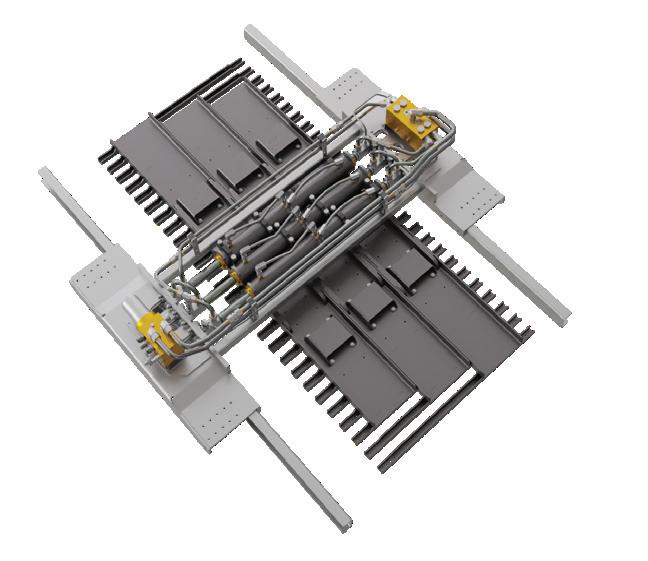

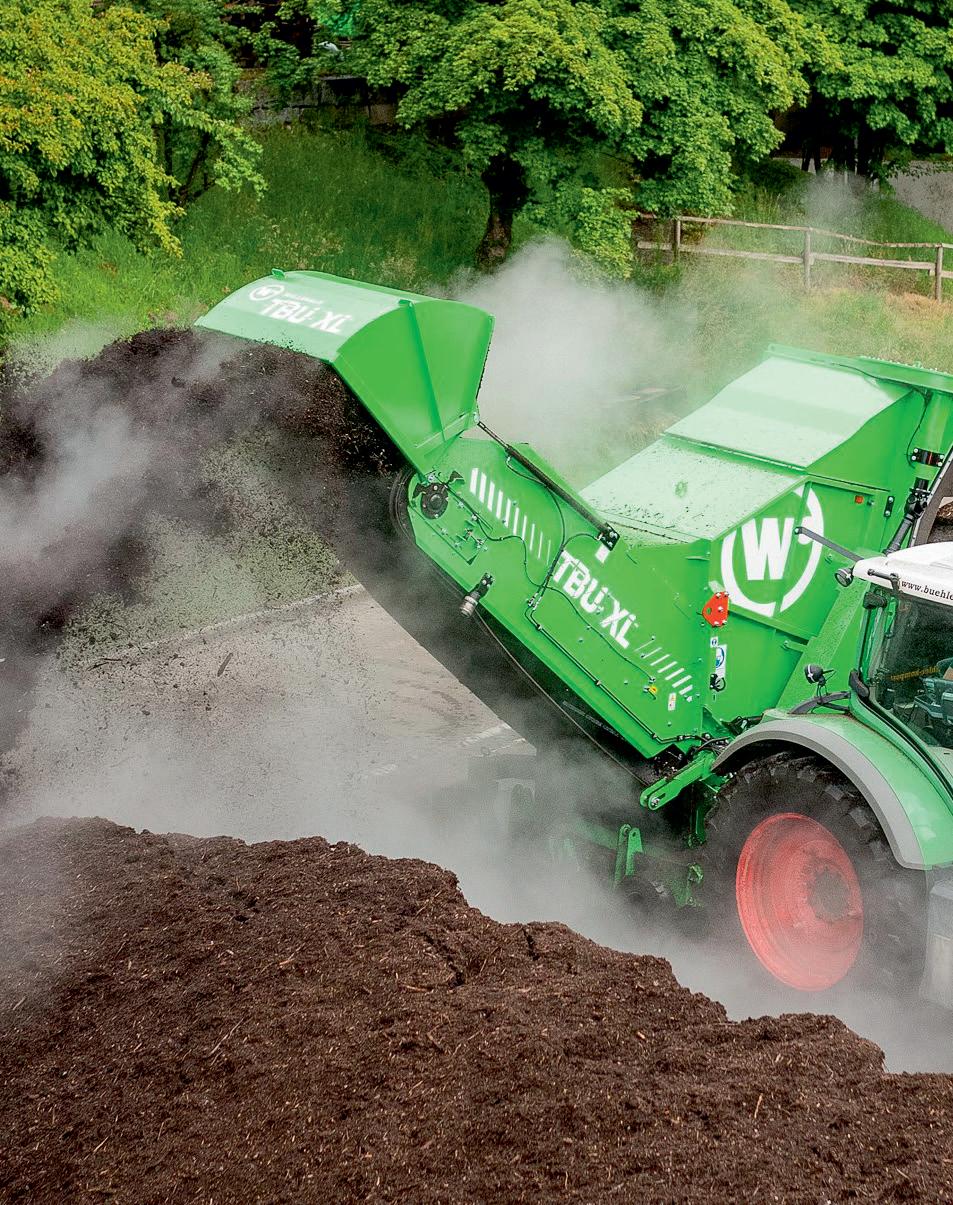
» 40” diameter capacity
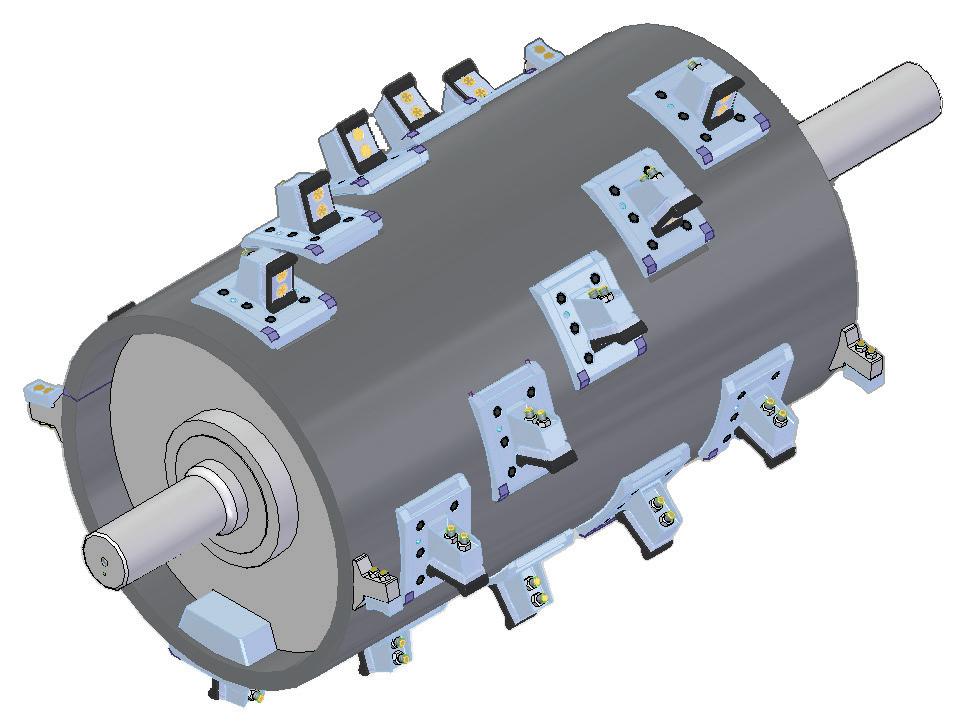
» Heavy-duty 50” diameter x 66” wide hammermill
» 20 hammer inserts
» Caterpillar C32, 1,200 horsepower engine
» Standard impact detection system
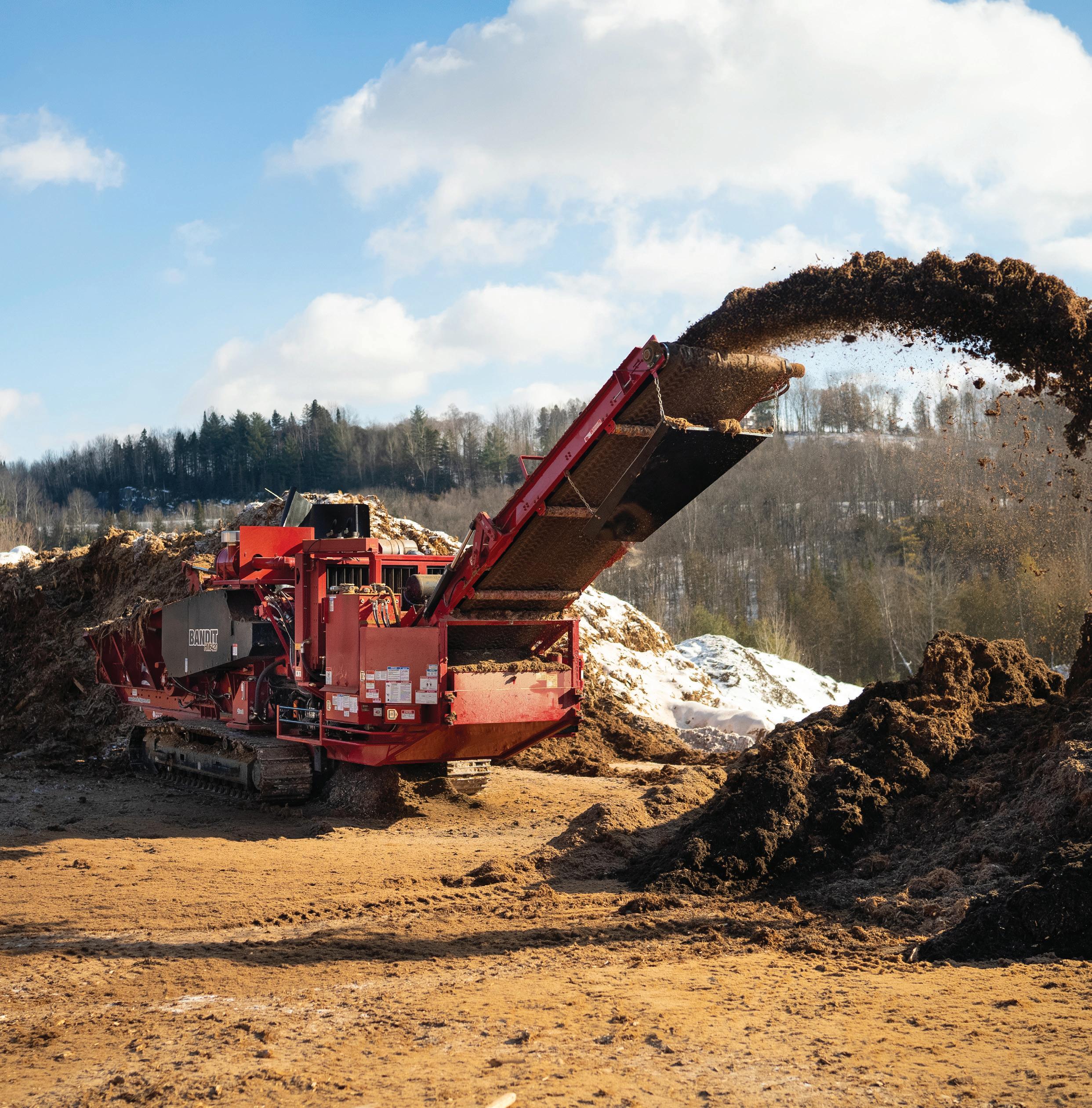
If you haven’t tried a Bandit unit for your operation, please contact a local Bandit dealer, email marketing@banditchippers.com or visit our website www.banditchippers.com and we will be happy to assist you!


Continued from page 8
The presentation concluded with acknowledgment that while substantial progress has been made toward national uniformity, work remains in state outreach, resolving database logistics, addressing laboratory method concerns, and ensuring one consistent label format can move through interstate commerce without creating barriers to trade.
House Resolution 7567 is the Farm, Food, and National Security Act of 2026 (2026 Farm Bill), introduced February 13, 2026 by Rep. G.T. Thompson (R-PA). It’s an 802-page omnibus Farm Bill that covers programs through FY2031. Here’s a summary of how it would impact members of the Mulch & Soil Council:
Relevant Provisions: Title VIII (Forestry), particularly Sections 8416 (Timber Sales on National Forest System Land), 8431 (Community Wood Facilities Program), 8432 (Wood Innovation Grant Program), 8433 (Forest and Wood Products Data Tracker), and 8434 (Biochar Application Demonstration Project). Also relevant are Sections 10205–10207 on pesticide preemption.
Pros:
• Increased authorized timber sales on federal lands and streamlined forest management activities should expand the supply of forest derived feedstock, potentially lowering raw material costs for wood chip and wood mulch producers who source from or near National Forest lands.
• The Community Wood Facilities Program and Wood Innovation Grant Program could fund expanded processing capacity and new wood product development, benefiting manufacturers willing to apply for grants.
Continued on next page

Continued from previous page
• The Forest and Wood Products Data Tracker (Sec. 8433) would improve market transparency and supply chain data, helping manufacturers plan production more efficiently.
• Federal preemption of state pesticide labeling requirements (Secs. 10205–10207) benefits any mulch manufacturer using pesticidal treatments (e.g., fungicide coatings or preservative treatments), since they would only need to comply with a single EPA‑approved label rather than a patchwork of state-specific rules.
Cons:
• The bill’s PFAS/”forever chemicals” and microplastics research mandate (highlighted in Agrolatam’s summary of the bill) could eventually extend scrutiny to wood mulch products, particularly those incorporating biosolids derived compost, potentially triggering future regulatory action.
• Increased federal timber harvesting may provoke litigation from environmental groups that could create supply chain uncertainty.
• Pesticide preemption cuts both ways: manufacturers lose the ability to market compliance with stricter state level environmental credentials, which matters in premium or eco conscious retail markets.
Soils Producers
Relevant Provisions: Section 10201 (Exclusion of Certain Substances from FIFRA) is the most consequential provision for this sector. It exempts “plant biostimulants,” “nutritional chemicals,” “vitamin hormone products,” and “plant incorporated protectants” from EPA regulation under the Federal Insecticide, Fungicide, and Rodenticide Act (FIFRA). Sections 10205–10207 on pesticide preemption also apply to any products making pest control claims.
Pros:
• The FIFRA exclusion for biostimulants (Sec. 10201) is a major regulatory relief provision. Currently, the path to market for biostimulant containing potting soils is inconsistent and unpredictable — EPA has issued guidance treating some biostimulants as “plant growth regulators” requiring full pesticide registration, a costly and time‑consuming process. Exempting these inputs creates a clear, unified federal pathway and eliminates the need to register biostimulant components as pesticides, dramatically reducing compliance costs and time to market.
• Potting soil blends containing fertilizers enhanced with humic acids, amino acids, seaweed extracts, microbial inoculants, and similar naturally derived inputs would all benefit from a clearer regulatory identity. Manufacturers could freely label and market these benefits without fear of EPA treating them as unregistered pesticides.
• Federal preemption of state labeling (Sec. 10205) creates a uniform national marketplace, simplifying product labeling for manufacturers who currently must navigate different state requirements for products with any plant protection or growth‑enhancement claims.
• The bill’s continued funding for specialty crop programs and urban/indoor agriculture research (Sec. 7207) is likely to stimulate demand for premium consumer soil products.
Cons:
• The FIFRA exclusion is highly controversial and faces significant political opposition. Critics (including the Organic Consumers Association, Beyond Pesticides, and Roots of Change) argue that deregulating biostimulants enables greenwashing — some products labeled as “biostimulants” could contain substances with pesticidal or GMO
characteristics that should face oversight. Consumer backlash could harm the broader soil amendment market if the exemption is perceived as loosening safety standards.
• Federal preemption strips away states’ ability to impose additional environmental or safety labeling requirements beyond EPA standards. For manufacturers in states like California that have stricter disclosure norms (e.g., Prop 65 chemical disclosures), this creates uncertainty about how existing state based compliance programs interact with the new law.
• The USDA mandate to research PFAS and microplastics in compost and biosolids used on farmland (Sec. 12410 area, per available reporting) could cast a shadow over potting soils blended with compost derived inputs if contamination questions arise.
Continued on page 12
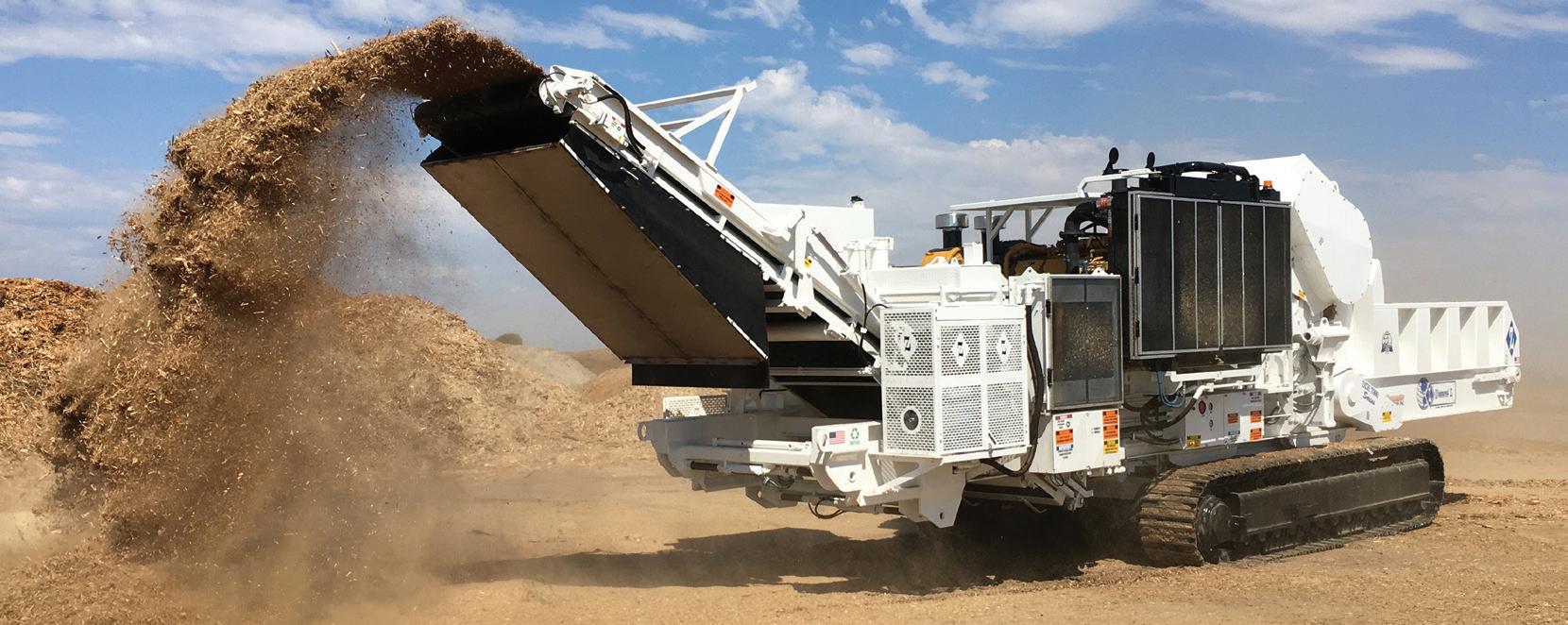
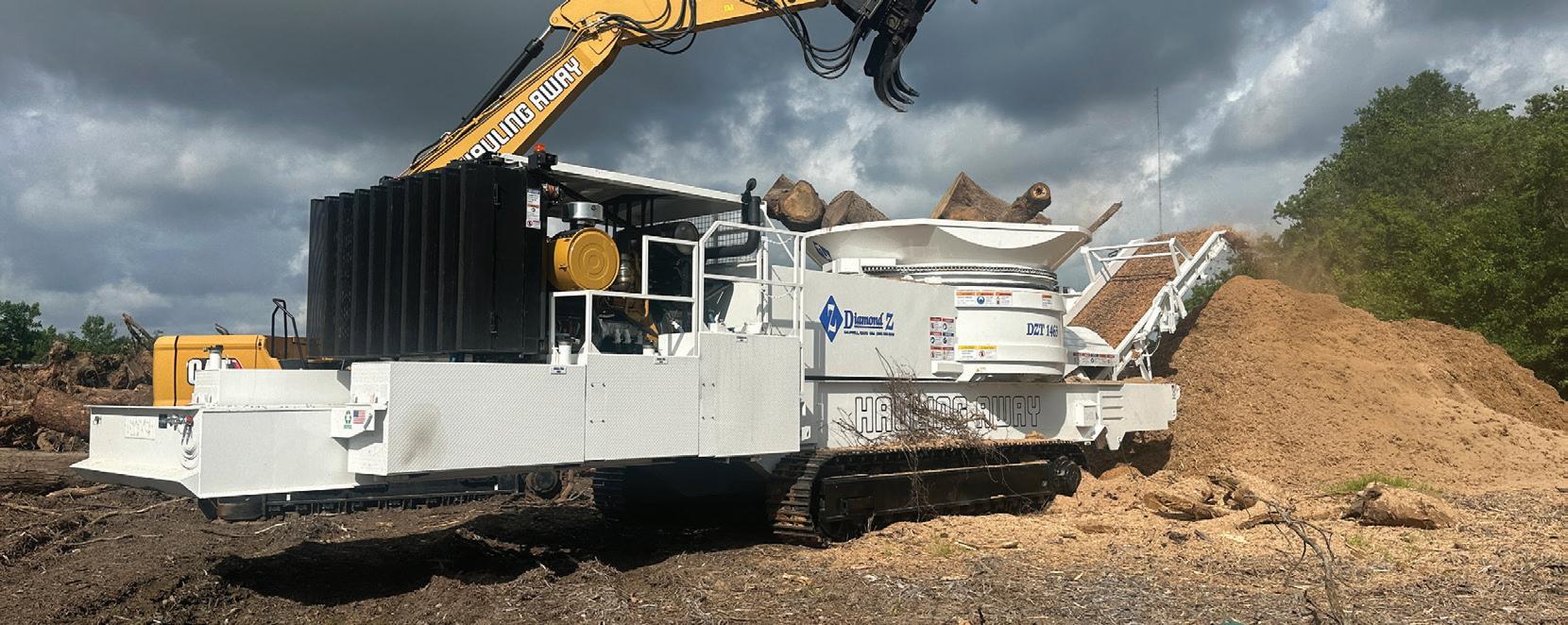
The industry’s largest, most powerful, most productive Horizontal and Tub Grinders — only from Diamond Z!
Check them out at your Diamond Z Dealer or diamondz.com

Continued from page 8
Relevant Provisions: Section 2302 (State Assistance for Soil Health Grants), continued EQIP and CSP conservation programs, the PFAS/ microplastics research mandate (per Agrolatam’s reporting on the bill), Section 10201 (biostimulant exemption applies if compost products are enhanced with biostimulant inputs), and the broader pesticide preemption provisions.
Pros:
• The new State Soil Health Grant Program (Sec. 2302) funds states to implement soil health programs through FY2031. Compost use is widely recognized as a core soil health practice by NRCS, so these grants are likely to support outreach, technical assistance, and financial support for compost adoption, stimulating demand for compost products.
• Continued strong funding for EQIP and CSP conservation incentive programs maintains federal financial assistance to farmers for implementing conservation practices — including compost application — which sustains institutional demand.
• If compost products are enhanced with biostimulant type ingredients (microbial inoculants, humic acids, etc.), the FIFRA exemption under Sec. 10201 provides the same regulatory relief to compost manufacturers as to potting soil producers. The biochar demonstration project (Sec. 8434) could open opportunities for compost manufacturers to integrate biochar into their product lines, with USDA research support.
Cons:
• The mandated USDA research into PFAS “forever chemicals” and microplastics in compost and biosolids applied to farmland (referenced in the bill’s provisions per Agrolatam and other coverage) is the most significant potential downside for the compost industry. If that research confirms significant PFAS contamination in commercial compost
products — a growing concern already — it could trigger new regulatory requirements, restrict the feedstocks composters can use, and damage consumer confidence, particularly for products sold to home gardeners and landscape professionals.
• The bill is notably quiet on expanding composting infrastructure or creating new federal composting mandates (the Senate’s standalone COMPOST Act was not included), meaning the sector receives no dedicated support for diverting food waste or expanding municipal composting programs.
• Federal preemption of pesticide state requirements could indirectly complicate compost products that rely on state organic certification standards or state agricultural labeling rules for marketing premium, certified products.
H.R. 7567 as introduced is a mixed but net-positive bill for the potting soil/biostimulant sector, a mildly positive bill for wood mulch manufacturers, and a cautiously neutral-to-negative near-term bill for compost manufacturers (depending heavily on how the PFAS/ microplastics research plays out).
The bill is still in its earliest legislative stage — it was introduced February 13, 2026, then referred to the House Agriculture Committee. Significant amendments are expected, particularly around the pesticide preemption and biostimulant deregulation provisions, which face bipartisan pushback. The final law (if enacted) may look meaningfully different from the current text.
For more information about MSC, visit www.mulchandsoilcouncil.org or call 806-832-1810.

The Trump administration has announced plans to rescind a longstanding federal finding that underpinned U.S. greenhouse gas regulations, marking a significant change in environmental policy with potential implications for multiple industries, reports The Epoch Times. President Donald Trump and Lee Zeldin, administrator of the U.S. Environmental Protection Agency, confirmed on Feb. 12 that the agency will eliminate its 2009 “endangerment finding.” That determination concluded that six greenhouse gases—including carbon dioxide, methane, and hydrofluorocarbons—pose a risk to public health and welfare.
The original finding, issued during the Obama administration, served as the legal and scientific foundation for a broad range of federal regulations. These included vehicle emissions standards, methane limits for oil and gas operations, and power sector rules such as the Clean Power Plan.
Administration officials framed the move as part of a broader deregulatory agenda aimed at reducing compliance costs and stimulating economic activity. According to the White House, eliminating the finding could reduce regulatory burdens significantly, with projected downstream savings tied in part to lower vehicle production costs.
The 2009 determination itself stemmed from the landmark Massachusetts v. EPA decision, in which the Supreme Court held that greenhouse gases qualify as air pollutants under the Clean Air Act. The ruling required the EPA to evaluate whether such emissions could reasonably be anticipated to endanger public health or welfare — leading directly to the finding now being reconsidered.
Industry stakeholders are closely watching the development, as the endangerment finding has long functioned as the regulatory backbone for federal climate policy. Its removal could reshape compliance requirements across sectors ranging from automotive manufacturing to energy production.
The action aligns with an executive order signed by Trump at the outset of his current term, titled “Unleashing American Energy,” which directed federal agencies to review and potentially roll back climate related regulations perceived as constraining domestic production and increasing consumer costs.
While supporters argue the move may ease operational pressures and lower prices, critics are expected to challenge the decision, setting the stage for potential legal and policy disputes over the federal government’s role in regulating greenhouse gas emissions.
DOESN’T HAVE TO BE A PAIN TO MAINTAIN.






The Federal Reserve reported in March that U.S. industrial production rose modestly in February, increasing 0.2 percent following a stronger 0.7 percent gain in January. Growth was led by mining, while manufacturing posted a smaller advance and utilities declined.
Manufacturing output increased 0.2 percent, with gains in nondurable goods—particularly chemicals, plastics, and paper—offsetting mixed results in durable goods. Motor vehicles and parts recorded the largest increase among durables, while machinery output declined. Mining output continued its upward trend, rising 0.8 percent, while utilities output fell 0.6 percent, driven by a sharp drop in natural gas activity.
Across market groups, performance was uneven. Durable consumer goods production climbed 0.4 percent, supported by gains in autos, appliances, and furniture. Nondurable consumer goods slipped slightly, as a drop in energy output outweighed modest gains in non energy products. Business equipment output rose 0.2 percent, while construction supplies declined and business supplies edged up.
Overall industrial production stood 1.4 percent above year earlier levels. However, capacity utilization remained unchanged at 76.3 percent, continuing to run below its long term average. Manufacturing utilization held at 75.6 percent, while mining increased to 85.0 percent and utilities fell to 73.0 percent.
The data indicates steady but moderate industrial activity, with pockets of strength in mining and select manufacturing segments, offset by ongoing softness in utilities and below average capacity utilization rates.
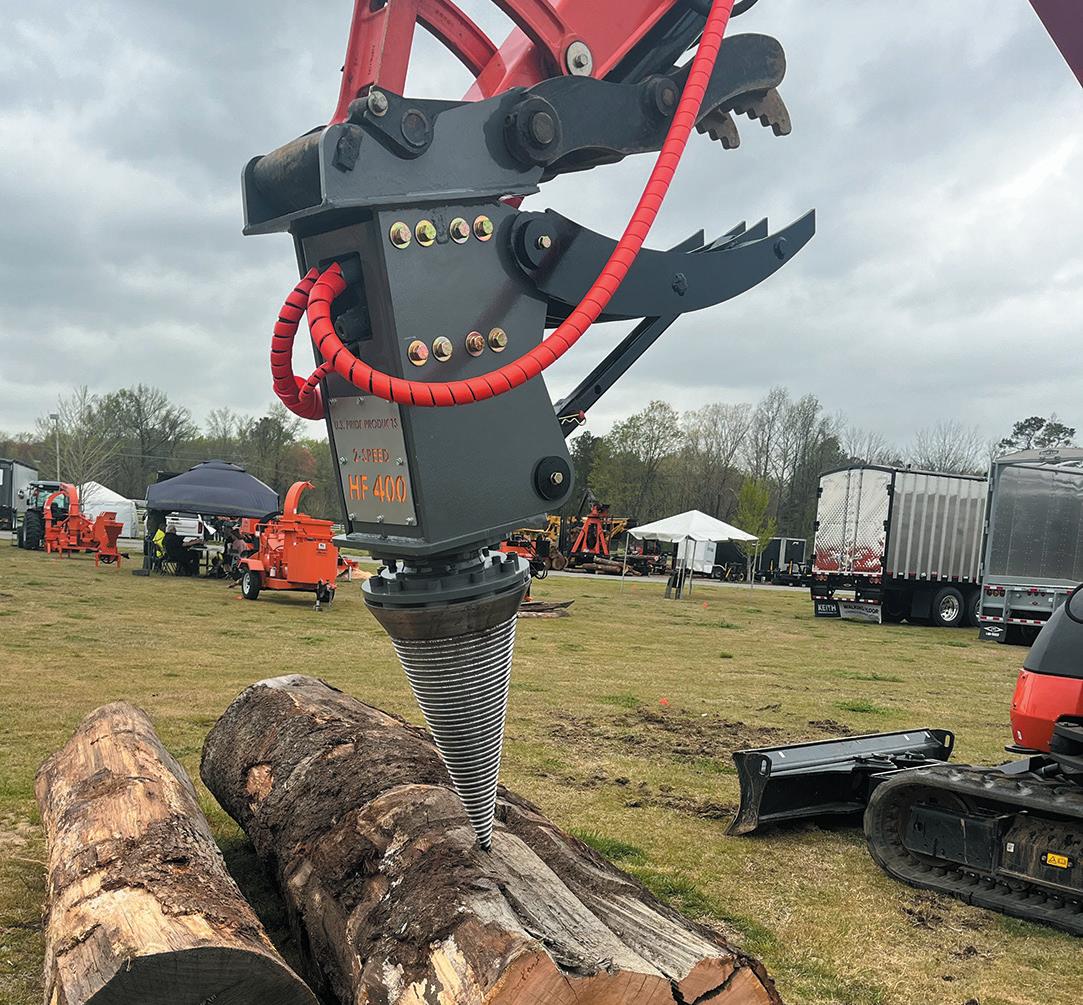
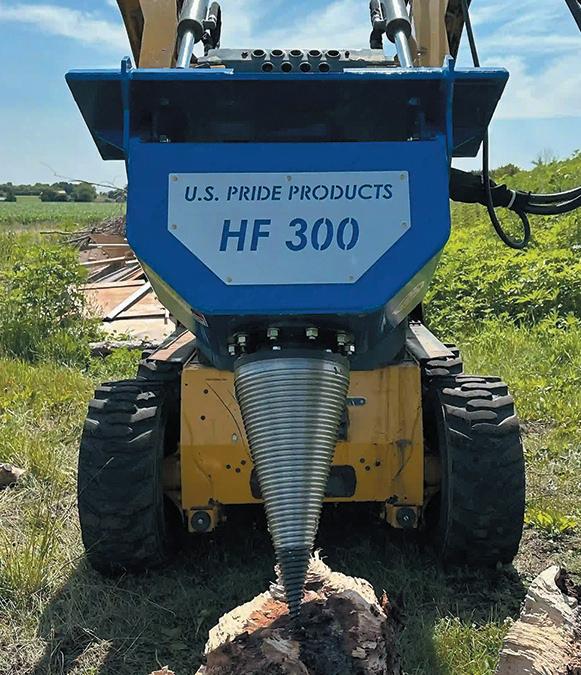
Our mid-sized powerhouses can split the BIG logs all-day, everyday. Both splitters are perfect for mulch yards and recycling operations. When paired with a chipper or grinder, there isn’t much you can’t break down.




The U.S. Energy Information Administration (EIA) projects a steady, if modest, increase in renewable energy generation over the next two years, with biomass playing a small but stable role in the mix. Biomass Magazine reports that according to the agency’s latest Short-Term Energy Outlook, released March 10, renewables are expected to provide nearly 26% of U.S. electricity this year, rising to almost 28% by 2027. Last year, renewables contributed more than 24% of the nation’s power.
Within the renewable sector, biomass is forecast to account for roughly 1.8% of electricity generation in 2026, slightly declining to 1.63% in 2027, compared with 1.97% in 2025. Electricity produced from biomass is expected to hold steady at about 20.2 billion kilowatt-hours in both 2026 and 2027, down from 20.5 billion kWh in 2025.
The electric power sector ended 2025 with 2.7 gigawatts (GW) of waste biomass capacity, a figure expected to remain constant this year before rising slightly to 2.8 GW in 2027. Wood biomass capacity in the sector totaled 2.2 GW at the end of last year and is projected to remain unchanged through 2027. Industrial and commercial sectors collectively maintain significant biomass assets. At the end of 2025, industrial and commercial facilities held 5.1 GW of wood biomass capacity and 1.3 GW of waste biomass capacity, levels that are expected to remain steady through the next two years.
Consumption patterns vary across sectors. The electric power sector used 0.15 quadrillion Btu (quads) of waste biomass last year, projected to rise slightly to 0.154 quads in 2026 before a small decline to 0.153 quads in 2027. Wood biomass consumption in the sector fell from 0.168 quads in 2025 to an expected 0.158 quads in 2026, rebounding modestly to 0.159 quads in 2027.
In the industrial sector, waste biomass use is expected to hold at 0.153 quads in 2026 and 2027, down from 0.154 quads in 2025. Wood biomass consumption, however, is forecast to grow from 1.307 quads in 2025 to 1.402 quads in 2026 and 1.431 quads in 2027. Commercial consumption of both wood and waste biomass is expected to remain stable at 0.072 and 0.067 quads, respectively. Residential wood biomass use is also projected to remain unchanged at 0.365 quads.
Across all sectors, total waste biomass consumption reached 0.372 quads in 2025 and is expected to increase slightly to 0.374 quads in 2026, holding steady in 2027. Total wood biomass consumption, meanwhile, is forecast to rise from 1.912 quads in 2025 to nearly 2.028 quads by 2027.
The data suggest that while biomass remains a relatively small share of U.S. renewable energy, capacity and consumption are expected to grow gradually, supporting the broader trend toward diversified renewable generation.

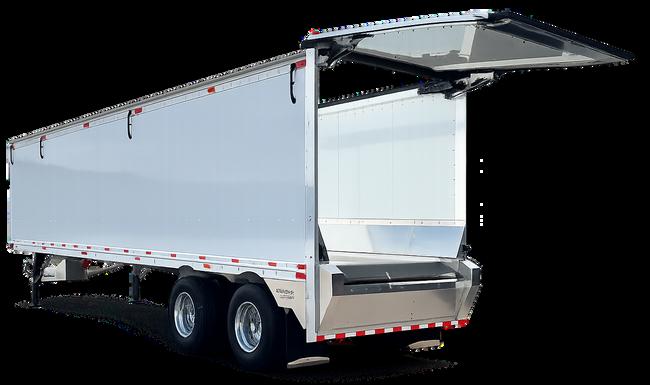




Whether
Exceptional Throughput
Stay
Durability
Invest
Minimal Downtime
Bid

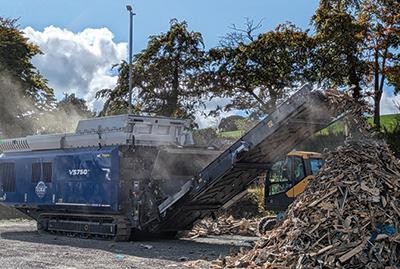
EDGE Innovate, a manufacturer of recycling and material handling technology, recently introduced the VS750s high capacity waste shredder, a major advancement in large scale recycling and waste processing. Designed for maximum throughput and reliability, the VS750s efficiently handles bulky, difficult, and mixed materials with exceptional control and performance.
Weighing 51tons, the VS750s is one of the largest shredders available on the market. Powered by a Caterpillar C13 Stage V engine, the EDGE VS750s is available in both direct drive and electric hybrid configurations, providing operators with flexibility, fuel efficiency, and reduced emissions.
The machine’s heavy duty twin shaft shredding chamber delivers unmatched torque, processing materials including municipal solid waste, construction and demolition debris, green waste, industrial waste, wood, and biomass. Complimenting this is an Intelligent load management system that continuously monitors and adjusts torque and shaft speed to protect the drivetrain and maximize uptime. For more information visit www.edgeinnovate.com/products/vs750s/.
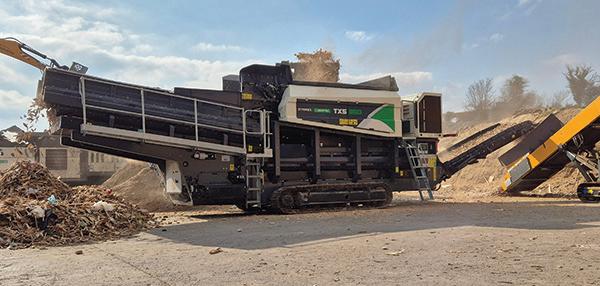
Terex ® Ecotec, a global manufacturer of environmental equipment and solutions, has expanded its screening portfolio with the introduction of the TXS 350 Starscreen, a three fraction machine developed for high throughput screening across a range of organic and environmental materials.
The TXS 350 is designed to process materials including biomass, compost, green waste, topsoil, wood chips and bark. The machine incorporates self cleaning stars and sectional speed control combined with an intuitive control system, allowing operators to easily optimize screening performance in different material types and operating conditions.
A cassette style screen deck design supports maintenance and reconfiguration, with both screen decks removable as complete units. The TXS 350 can be powered by either an onboard genset or an external power supply, providing flexibility for different site requirements.
The machine features a 7 m³ (9.2 yd³) hopper with an adjustable metering wheel to control material flow onto the screen decks. Hydraulic folding hopper extensions increase hopper capacity. The machine incorporates two, variable height stockpile conveyors. Both conveyors lower to ground level for maintenance.
To learn more about the new TXS 350 Starscreen and to locate your nearest dealer visit www.terex.com/ecotec.
Maverick Environmental Equipment, a leading provider of environmental and recycling equipment solutions, recently announced a significant expansion of its regional support network through a new strategic partnership with Viably. Effective immediately, Maverick will represent Viably and Komptech across Michigan and Ohio, further enhancing service responsiveness, equipment availability, and customer support throughout the Midwest.
According to the company, this partnership marks an important step in Maverick’s continued commitment to delivering high performance solutions backed by exceptional service. With growing demand for advanced performance solutions backed by exceptional service. With growing demand for advanced waste processing and recycling technologies, the combined strengths of both organizations will offer customers increased access to equipment, expert consultation, and accelerated service response times.
“We’re excited to partner with Viably and support customers with proven Komptech solutions,” said John O’Neil, CEO and Managing Partner at Maverick Environmental Equipment. “Our team is built around supporting customers long after the sale, and this partnership allows us to bring that service-first approach to a broader range of operations across the region. With our 4 locations in MI and OH as well as our 14 mobile service technicians we can give the support needed to keep up time to the maximum.”
As an authorized Viably dealer, Maverick will provide sales, service, and parts for Komptech’s full line of equipment including shredders, screens, separators, and other mission critical technologies used in recycling, organics processing, construction and demolition (C&D), and municipal
operations. Customers will benefit from shorter lead times, expanded inventory, and direct access to technical expertise critical technologies used in recycling, organics processing, construction and demolition (C&D), and municipal operations. Customers will benefit from shorter lead times, expanded inventory, and direct access to technical expertise throughout Michigan and Ohio.
“Customer support is a critical factor in how we evaluate and build our dealer network,” said Kevin Yuncker, Director of Dealer Development at Viably. “Maverick’s focus on service, combined with their strong presence in the region, makes them a natural fit as we continue to support customers with reliable equipment and responsive local support.”
Maverick Environmental Equipment also recently announced the opening of its newest location in Woodhaven, MI. This marks the company’s fifth location and represents a significant step in expanding its footprint to better serve customers throughout southern Michigan and Northwestern Ohio.
The new Woodhaven facility, just south of Detroit, is strategically designed to focus on Equipment Service and Parts sales, ensuring that customers have convenient access to expert maintenance and a comprehensive inventory of Lippmann, McCloskey, Morbark and other brands as well as aftermarket parts.
For more information about Maverick Environmental Equipment’s products, services, and the new Woodhaven location, please visit www. MaverickEnvironmentalEquipment.com or call (734) 672-6000.
For more information about Viably and its complete portfolio of waste processing solutions, please visit thinkviably.com.
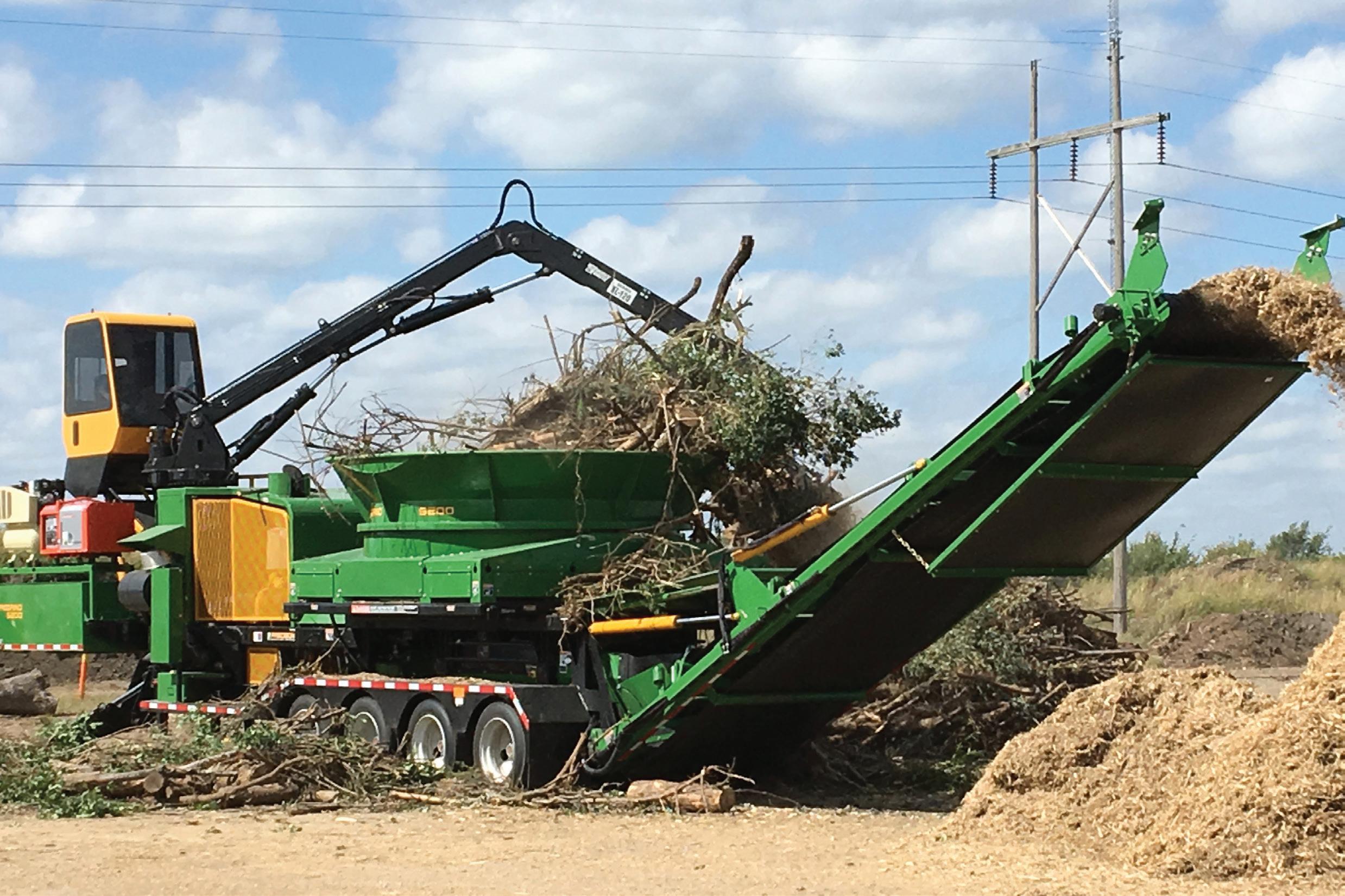










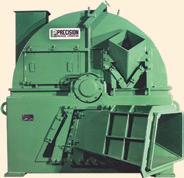
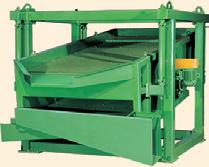
The industry has relied on Precision Husky Corporation to produce the highest quality, most rugged equipment since 1964, and today’s products are still leading the way.
Our horizontal and tub grinders are just one example. They are the most powerful, easiest to use grinders in the industry, designed with innovative features and advanced

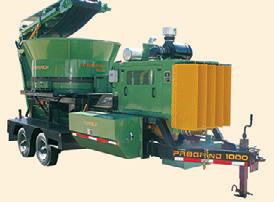


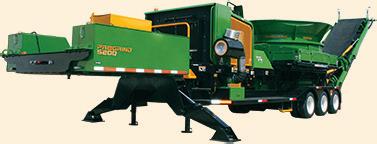






technologies to give you the power and production needed to tackle the most demanding grinding operations. You can invest in our equipment with confidence, and know it will do the job for many years to come.
Call us today to discuss your needs and learn more about our high-performance products.



www.SoilandMulchProducerNews.com
Bagged Products Facing $$$ EPR Fees PAGE 1
English Proficiency Enforcement Tightens as Safety Concerns Mount in the Trucking Sector PAGE 6
News From The Soil & Mulch Council PAGE 8
EPA Moves to Repeal Key Climate Finding, Signaling Major Shift in Regulatory Policy PAGE 13
Industrial Production Edges Higher; Capacity Utilization Remains Subdued PAGE 14
EIA Forecasts Modest Growth in U.S. Biomass Power Capacity Through 2027 PAGE 16
Product / Equipment Profiles PAGE 18