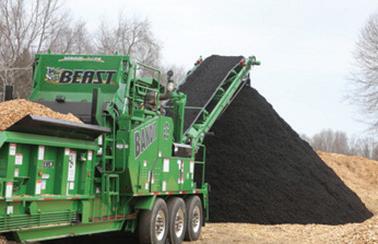
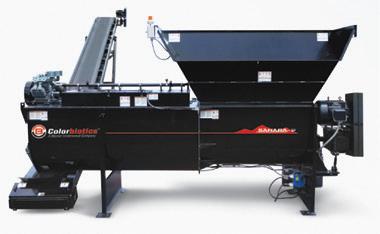
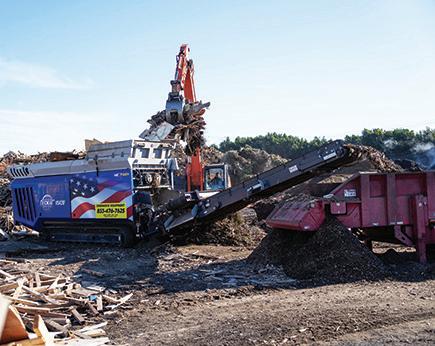
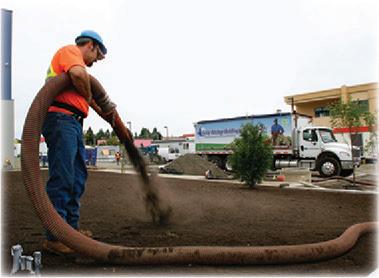
Are you looking for Products, Equipment or Services for your business? If so, check out these leading companies advertised inside:
AutoMAtIC Floor SySteMS
Keith Manufacturing Co – pg 23
BAggINg / PAlletIzINg equIPMeNt
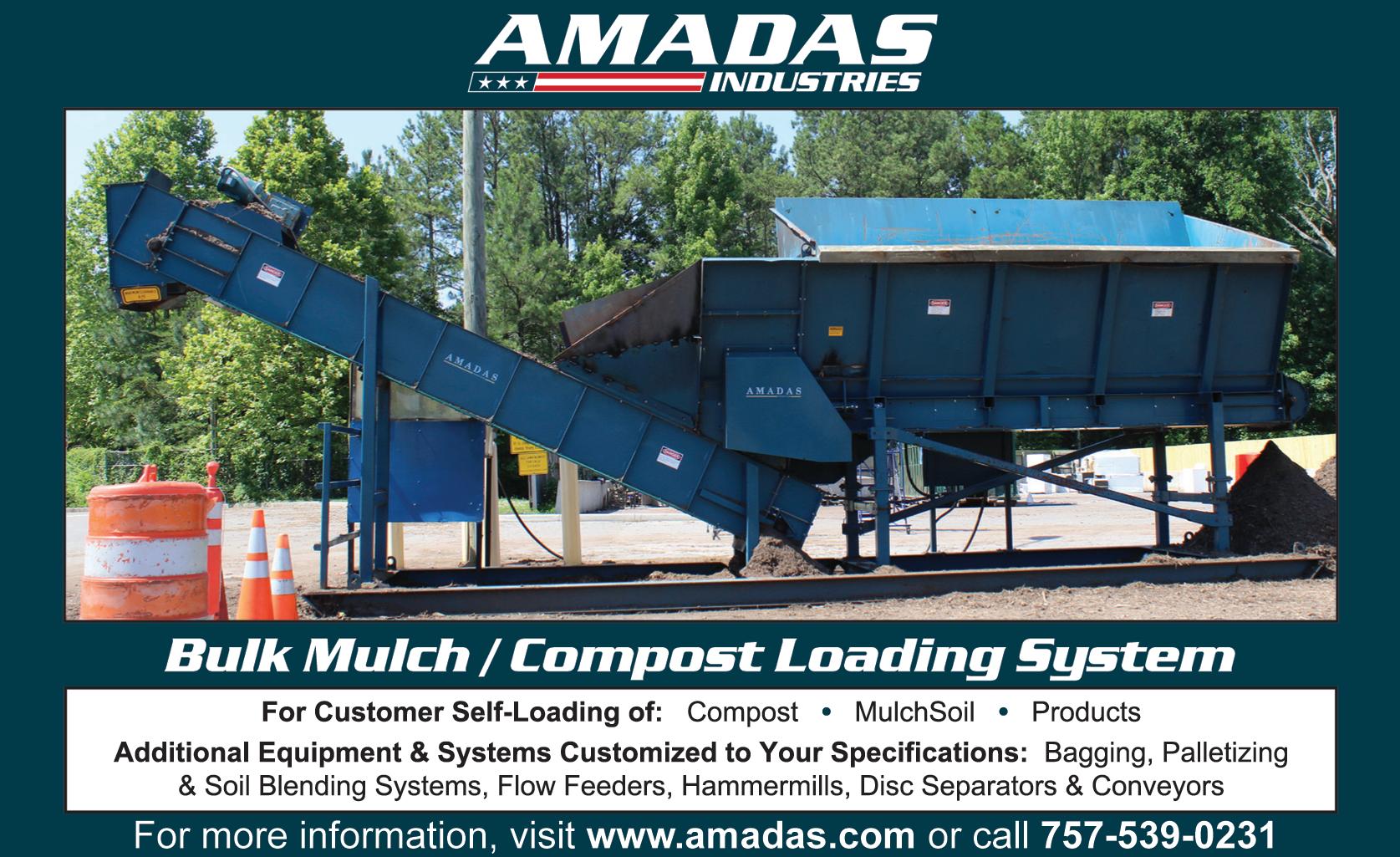
Amadas Industries – pg 19
nVenia – pg 4
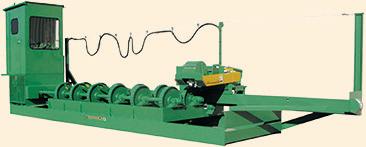
CoMPoSt turNer
resource Machinery & engineering – pg 23
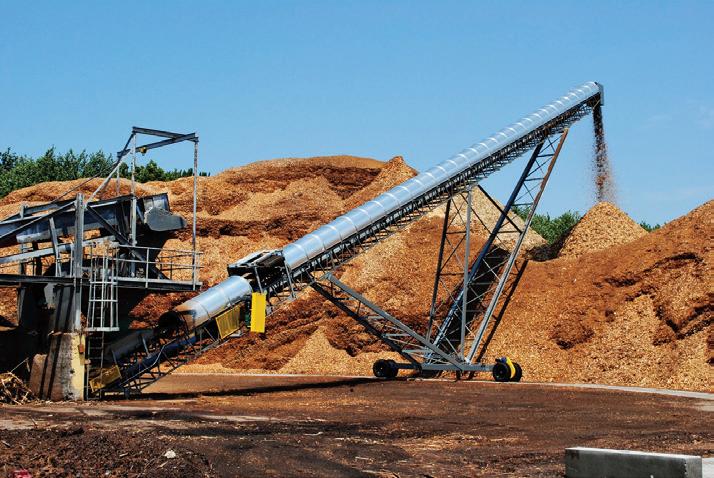
CoNVeyorS & CoNVeyor PArtS
Amadas Industries – pg 19
Smalis Conveyors – pg 3
equIPMeNt SAleS grindertrader.com – pg 20
grINderS, ChIPPerS & SCreeNINg SySteMS
Amadas Industries – pg 19
diamond z – pg 24
hogzilla – pg 16
Maverick environmental equipment – pg 25
Precision husky – pg 27
rotochopper – pg 9
Viably – pg 14
MulCh ColorINg equIPMeNt / ColorANtS
AgriCoatings – pg 21
Amerimulch – pg 6
Britton Industries – pg 10
CMC – pg 18
Colorbiotics – pg 2
Faltech – pg 15
Florida Coastal Colors – 13
Milagro rubber Inc – pg 22
t.h. glennon Co – pg 28
MulCh SuPPlIerS
ohio Mulch – pg 8
PAyloAd WeIghINg & MeASurINg SySteMS
Walz Scale – pg 17
SoIl AMeNdMeNt
green Solutions llC – pg 25
trAIlerS
Weaver Systems – pg 5
troMMel BruSheS
Power Brushes Inc – pg 20
WeAr PArtS
Armorhog – pg 20
California Wildfires: a Closer l ook at the Causes and Contributing f actors
By Kathleen Marquardt
The recent Los Angeles/Palisades wildfires have sparked a heated debate, with many attributing the devastation to various factors, including climate change, political mismanagement, and environmental policies. While these fires are undeniably tragic, understanding the complex array of contributing factors behind them requires examining everything from weather patterns to urban development and resource management.
Climate vs. Weather: Understanding the Difference
Before diving into the specific causes, it’s important to understand the difference between climate and weather. As defined by the National Oceanic and Atmospheric Administration (NOAA), “weather reflects short-term conditions of the atmosphere, while climate is the average daily weather for an extended period of time at a certain location.” For example, Los Angeles typically experiences mild Mediterranean weather in January, with temperatures ranging between 60°F to 70°F
and occasional rainfall. This January, however, the region was cooler than usual, with little to no rainfall. Although climate change is often brought up in discussions about wildfires, the lack of significant shifts in weather patterns this year makes it unlikely to be a primary cause of the fires.
Meteorological Factors: The Role of Santa Ana Winds
While climate change might not have played a major role this time, meteorological factors certainly did. A critical contributor to the Los Angeles wildfires is the infamous Santa Ana winds. These dry, gusty winds are a regular occurrence in Southern California, often driven by high-pressure systems over the Great Basin that push hot, dry air through the region’s mountain passes. Known for their potential to fan wildfires, the Santa Ana winds have been a consistent factor in the region’s history of fires. This year, some areas like Burbank recorded their strongest wind gusts ever, intensifying the spread of the flames.
California Wildfires: a Closer l ook at the Causes and Contributing f actors
Land Management and Urban Sprawl: The Role of Development
Another significant factor contributing to the fires is poor land management and urban sprawl. Decades of fire suppression efforts have led to an accumulation of dry brush, dead trees, and dense vegetation, creating a perfect environment for wildfires. In the case of the Palisades Fire, dense vegetation that had built up over the years acted as fuel for the flames. Adding to this problem is the rapid expansion of housing developments into areas historically prone to wildfires. Known as the “wildland-urban interface,” this area is where residential neighborhoods meet forests or brushland. California has seen a significant increase in such developments, which have made it harder to protect properties and control the spread of fires. Experts point to the underuse of controlled burns and vegetation management as a missed opportunity to reduce wildfire risks.
Resource Management: Water, Budget Cuts, and Fire Safety
IWildfires: Part of California’s Natural History
It’s important to remember that wildfires have long been a part of California’s natural ecosystem. Historical records indicate that large wildfires have been occurring in the state for millennia, long before the rise of industrialization or modern concerns about climate change. According to the U.S. Geological Survey, the frequency of large wildfires in Southern California has remained relatively consistent over the past century. The role of human settlement and land management has, however, played a much larger role than global temperature trends.
“The role of human settlement and land
n the months leading up to the recent wildfires, experts repeatedly raised concerns about California’s water management and fire prevention policies. These concerns ranged from inadequate efforts to make utility transmission wires safer to issues with vegetation management and water supply. A key issue that has come to light is the shortage of water for firefighting efforts. For instance, fire hydrants in some areas ran dry due to depleted water tanks, making it difficult for first responders to control the flames.
A contributing factor to these challenges is a $100 million budget cut in wildfire and forest resilience funding by California Governor Gavin Newsom earlier in 2024. The cut affected multiple programs designed to improve wildfire resilience, including funding for state conservancies, home hardening projects, and wildfire research. With fire departments struggling to contain the fires due to limited resources, these budget cuts have drawn sharp criticism.
The Bigger Picture
While the immediate causes of the Los Angeles/Palisades wildfires can be traced to a combination of weather, land management, and resource issues, it’s clear that a broader range of factors contributed to the scale of the disaster. Climate change might not have been the primary driver this time, but it remains a factor to consider in the long-term planning and prevention of future fires. Addressing issues like urban sprawl, inadequate land management, and insufficient resources for firefighting will be key in preventing similar tragedies in the future. As Californians continue to face the challenge of living in wildfire-prone areas, a reevaluation of policies and practices surrounding fire safety and resource management is needed now more than ever.
SCS Standards Unveils Revised Version of Responsibly Managed Peatlands Certification Standard
EMERYVILLE, CA – SCS Standards has announced the release of version 2.0 of its SCS-003 Certification Standard for Responsibly Managed Peatlands, now open for public review. This updated version, available since January 28, 2025, builds on the original standard, which was introduced in 2017 to create a comprehensive framework for sustainable peat moss production. The goal of the standard is to foster environmental, social, and quality improvements within the peat moss industry.
The revised standard introduces several important updates, including:
• Clarifications regarding language, scope, and definitions.
• Updated guidelines for Greenhouse Gas (GHG) inventory management, enhancing environmental accountability.
• New requirements and guidance on claims associated with the standard, ensuring transparent and accurate communication of sustainability efforts.
• Additional criteria for entities seeking to make claims about the sustainability of their purchased peat.
SCS Standards encourages all interested parties to provide feedback on version 2.0 before the public comment period closes on Feb. 28, 2025. Comments can be submitted via email at
When the Elements Fight Back, We Power Through
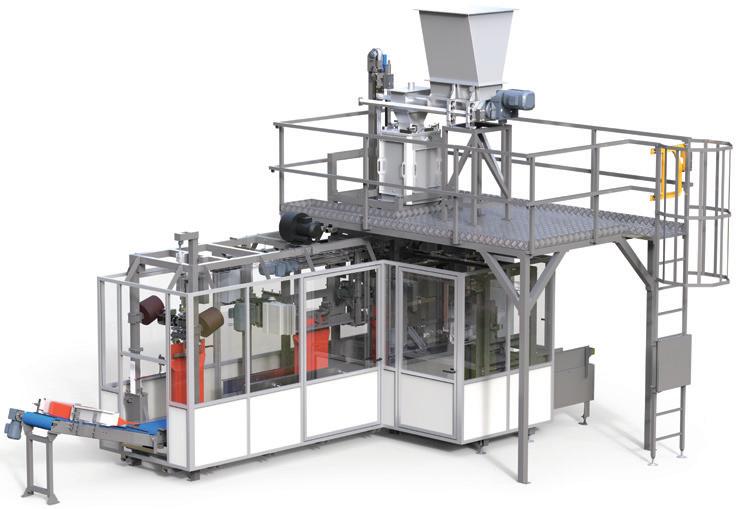
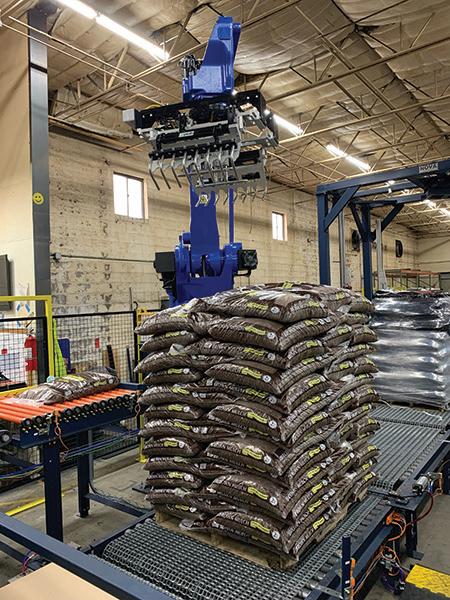
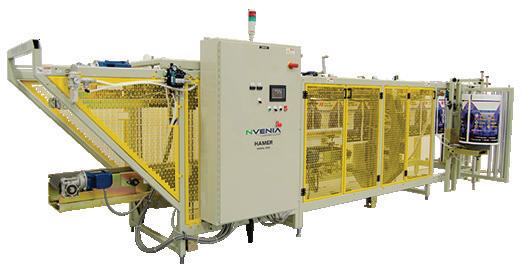
For packaging materials like mulch and soil, equipment must be durable, abrasion-resistant, and efficient to handle tough production environments. Our machinery is built to meet these challenges head-on.
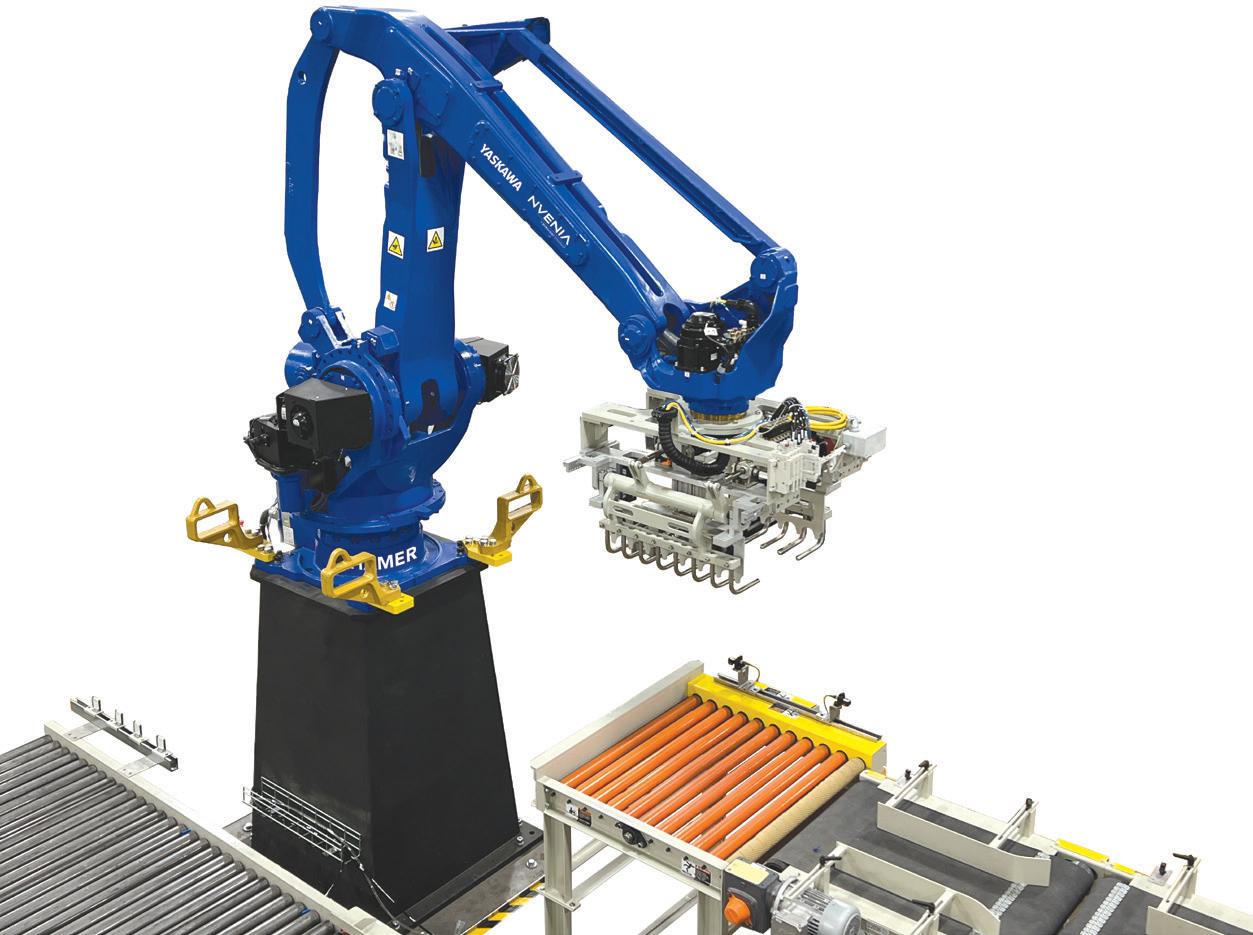
From bagging to bulk in-feed, filling, automation, palletizing, and load securing, our equipment offers:
• Superior Durability: Designed for harsh environments.
• Efficient Performance: Keeps production lines running smoothly
• Versatile Applications: Ideal for industrial and natural materials.
For packaging solutions that perform under pressure, trust nVenia to deliver
standards@scsstandards.org or through the SCS Standards website.
New Method Turns Harmful Microplastics into a Material Stronger than Steel
In a groundbreaking development that could change the future of waste management, researchers have discovered a way to transform harmful microplastics into graphene, a super-strong material with a wide range of applications, reports an article on msn.com This breakthrough brings hope in the battle against the global plastic problem and offers a potential solution to one of the most persistent environmental concerns of our time.
Microplastics, as the name suggests, are tiny particles of plastic. Often a byproduct of larger plastic items, they are found in a wide variety of products, from cosmetics to clothing. But while these particles may be small, the environmental and health risks they pose are far from trivial. As National Geographic notes, microplastics do not break down easily and remain in the environment for long periods, contaminating our food, water, and land—and ultimately entering our bodies. Studies have even linked microplastics to a range of health issues, including heart disease, infertility, and developmental problems like ADHD and autism.
Despite efforts to reduce plastic usage, microplastics continue to accumulate, with research showing that the average person consumes around 5 grams of plastic every week—about the weight of a credit card. With such widespread contamination, scientists are looking for innovative ways to address the problem and reduce our exposure to these toxic particles.
Enter Professor Mohan Jacob and Dr. Adeel Zafar, researchers at Australia’s James Cook University (JCU), who set out to find a solution. In their recent study, they focused on “upcycling” microplastics—transforming them into higher-value materials, rather than simply breaking them down. This approach offers a promising alternative to recycling, which has proven to be complex, expensive, and inefficient.
The researchers’ chosen material for upcycling is graphene, a remarkable substance known for its strength and versatility. Graphene is harder than diamond, 200 times stronger than steel, and five times lighter than aluminum, making it one of the most sought-after materials in industries such as energy storage, biomedicine, and water purification.
To achieve this transformation, Jacob and Zafar developed a new technique called
Continued on next page
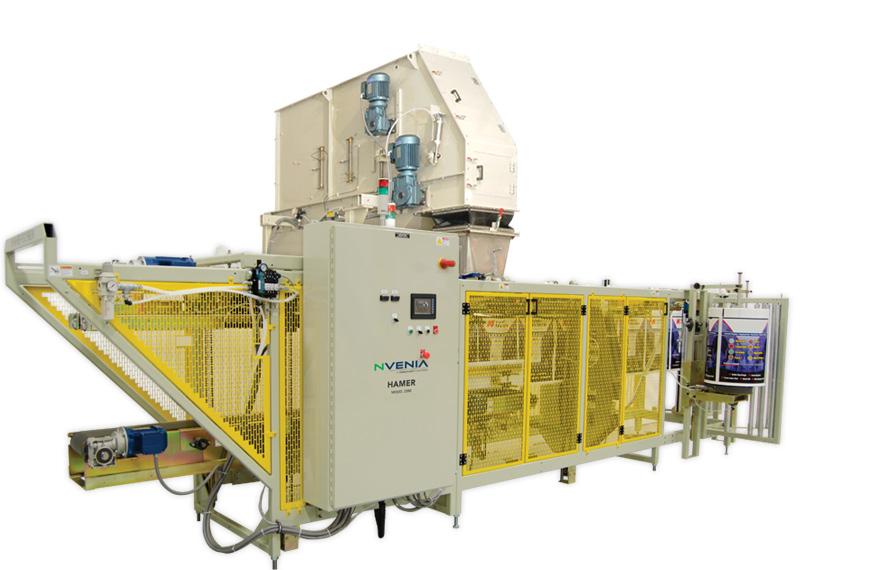
MODEL 300VF & 2090
MODEL VLR
ROBOTIC PALLETIZER
Atmospheric Pressure Microwave Plasma (APMP), which allows microplastic waste to be efficiently converted into graphene. According to the researchers, the APMP process is not only more effective than current methods but also more environmentally friendly, offering a simpler and faster way to create high-quality graphene from plastic waste.
Graphene is in high demand across various sectors, and its ability to help clean water by detecting and absorbing harmful chemicals, like the “forever chemicals” (PFAS) that contaminate natural resources, adds to its value. With this
INDUSTRy NEWS
Vnew process, microplastics that were once a major environmental hazard could be repurposed into a valuable resource, helping to address both pollution and material shortages.
This breakthrough is a step forward in the global effort to combat plastic pollution. It’s an example of the creativity and innovation being applied to the problem, with scientists, entrepreneurs, and communities working together to create solutions that could lead to a cleaner, safer world. The potential of this new technology not only offers hope for the future but also highlights how everyday waste could be turned into something beneficial for society.
Viably Named Southwest U.S. Distributor for Diamond Z Grinders
iably, formerly known as Komptech Americas, has been appointed as the official distributor for Diamond Z grinders in California, Arizona, and Nevada. This new partnership significantly expands Viably’s product offerings, providing a wide range of grinding solutions to commercial wood waste recyclers, composting facilities, land clearing companies, and organic waste recyclers.
According to the company, as part of its ongoing commitment to supporting the waste and recycling industry, Viably aims to enhance the efficiency and success of its customers by offering advanced equipment. According to the company, the addition of Diamond Z grinders to Viably’s portfolio ensures that clients have access to some of the most trusted and durable grinding technology available in the market.
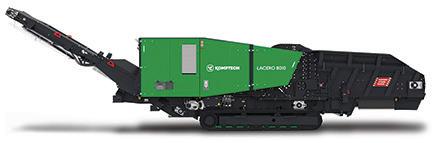
In addition to Diamond Z grinders, Viably’s portfolio also includes other high-quality products, such as the Komptech Lacero 8010 horizontal grinder, further strengthening the company’s position as a key player in the waste and recycling sector.
Contributing
Production
Subscription
Subscription information, call 440-257-6453. Soil & Mulch Producer News is published bimonthly by Downing & Associates. Reproductions or transmission in whole or in part, without written permission of the publisher, is prohibited. Annual subscription rate U.S. is $19.95. Outside of the U.S. add $10 ($29.95). Contact our main office, or mail-in the subscription form with payment.
*Two Sites in
Systems)
Amadas Industries
Johnson & Sons Mfg, Inc
Kuhn North America
Lachenmeier
Mollers North America
nVenia
NEWS 2025 BUYERS’ GUIDE Directory
Nova Automation
Premier Tech
Rethceif Packaging
Rotochopper, Inc
SPR Packaging
Broadcast (Lawn) Spreaders
Earth & Turf Products LLC
Ecolawn Applicator
Coloring Systems & Colorants
AgriCoatings / Div of American Colors Inc
Alvar Inc
Amerimulch
Bandit Industries
BASF Corp / Biodegradables
Britton Industries
CMC Mulch Colorants
Colorbiotics
Faltech Industries, Inc
Florida Coastal Colors
Milagro Rubber Inc
MÜNZING
Rotochopper, Inc
T.H. Glennon Company
Timber Ridge Equipment
Resource Machinery & Engineering
Smalis
Cutting Tools & Attachments
Quadco USA
Dust & Odor Control Equipment & Products
Buffalo Turbine
MobyDick Equipment Distributors (New & Used)
A GrinderCrusherScreen Inc
EarthSaver Equipment, Inc
Ecoverse LLC
GrinderTrader.com
Kimball Equipment Co
Maverick Environmental Equipment
McCourt Equipment
Fabric Buildings
ClearSpan Fabric Structures
Fire Detection & Suppression
Kronebusch Industries
Peterson / Div of Astec
Precision Husky Corp
Rawlings Waste Wood Hogs
Resource Machinery & Engineering
Rotochopper, Inc
Stringer Industries Inc
Sundance Machinery
Timber Ridge Equipment
Vermeer Corporation
Viably
West Salem Machinery
Measuring / Monitoring Systems
Firmatek, LLC
REOTEMP Instrument Corp
Stockpile Reports
Mulch & Soil Producers
Green Vision Materials
Hickory Grove Garden
Products
Ohio Mulch
Woodbed Corp
Mulch Blower Trucks
Express Blower, Inc
Screening Equipment & Plants
Action Vibratory Equipment
AEI - Aggregates Equipment, Inc
Amadas Industries
BM&M Screening Solutions
CBI – A Terex Brand
Edge Innovate
Fecon, Inc
Lake Erie Portable Screeners
McCloskey International
Orbit Screens, Inc
Premier Tech
Resource Machinery & Engineering
Screen Machine Industries, Inc
Screen USA
Spaleck USA LLC
Timber Ridge Equipment
Viably
Vermeer Corporation
West Salem Machinery
Skid Steers & Wheel Loaders
Komatsu America Corp
Trade Associations & Organizations
Mulch & Soil Council
U.S. Composting Council
Tree & Stump Splitters
U.S. Pride Products
Trucks, Trailers & Automatic Floor Systems
Hallco Industries, Inc
Keith Mfg Co
Smith Co Side-Dump Trailers
Weaver Systems
Western Trailers
Wear Parts & Replacement Screens
A GrinderCrusherScreen Inc
ArmorHog®
DZ Grinders
Duragrind
DynaHog®
Kennametal, Inc
King Kong Tools LLC
Rawlings Waste Wood Hogs
In addition, we are the home of the revolutionary Hammerhead Wood Grinder Tips, among other high quality, low price parts.
Action Vibratory Equipment
Newberg, OR (503) 537-1111 www.actionconveyors.com
BUYERS’ GUIDE 2025
Amerimulch
7555 E Pleasant Valley Rd, Suite 100
Independence, OH 44131 (888) 421-0010
service@chromascape.com www.chromascape.com
As a pioneer in the colored mulch industry, Amerimulch’s® colorant blends and precision equipment make it possible for landscapes to come alive with vibrant color. We continue to be an innovator so you can provide more options and better results for your customers. See ad on pg 6
line to support a full spectrum of composting and drying needs. From automated in-vessel to skid steer vehicles, Aggero has a better way to manage waste. Made in America for three generations.
May 5-8, 2025 Las Vegas, NV www.wasteexpo.com
Join TODAY ... YOUR best opportunity to protect YOUR business! For more information, call 806-832-1810 or visit mulchandsoilcouncil.org
Bandit Industries is a leading equipment manufacturer of recycling and waste reduction equipment. A complete line of horizontal grinders is available ranging from 14” to 45” capacity. Additionally, Bandit and its dealer network are the exclusive North American representatives for ARJES slow-speed shedders. Each machine in Bandit’s lineup has the full support of our employeeowned factory workforce and dedicated world-wide dealer network.
BASF Corp / Biodegradables
Wyandotte, MI www.bioplastics.basf.com
manufacturer of 100% recycled mulches, soils and composts. Our colorant division provides premium liquid colorant and dry pigment products that ensure consistent, long-lasting color. We operate two high-efficiency bagging lines in a dedicated 30,000 sq ft plant, producing millions of bagged products annually for Britton and our copacking partners.
See ad on pg 10
Buffalo Turbine
Springville, NY (716) 592-2700 www.buffaloturbine.com
C
CBI - A Terex Brand
Newton, NH (603) 382-0556 www.terex.com/cbi
Charter Next Generation (CNG)
Hudson, OH (330) 283-8941 www.cnginc.com
ClearSpan Fabric Structures
South Windsor, CT (866) 643-1010 www.ClearSpan.com/ADSMPN
Colorbiotics
1725 Dayton Ave Ames, IA 50010 (888) 663-6980
www.colorbiotics.com
With more than 25 years of experience at the forefront of science and service, Colorbiotics continues to pioneer the technology behind the most popular coloring systems on the market and the largest palette of colorant in the world.
Pat Crawford, VP Products diamondz@diamondz.com www.diamondz.com
Diamond Z is a manufacturer
performance grinder parts for your S WING H AMMER S TY l E Tub Grinder, Horizontal Grinder, and other Hammermill applications. Grinder service, rotor repair or replacement and digital hammermill balancing is available for all brands.
EEarth & Turf Products LLC
New Holland, PA (888) 693-2638 www.earthandturf.com
across various applications. Our extensive distributor network ensures dedicated support and after sales service. For organic processing, we offer slow-speed shredders, trommel screens, 3-way screeners, classifiers, picking stations, compost turners, and conveyors. Built for performance and durability, EDGE is the top choice in North America’s organic processing sector.
Express Blower, Inc
1275 Bailey Hill Rd Eugene, OR 97402 (541) 434-7100
info@expressblower.com
www.expressblower.com
Express Blower, Inc. is the world’s leading manufacturer of large pneumatic blowing equipment. Invented more than 70 years ago, it’s the only blower equipment designed to efficiently apply soil blends, mulches, compost, and aggregate for erosion control, landscaping, green roofs, and more! You don’t need more people … You need more machine.
Faltech offers the highest quality colorants in both liquid and powder. Faltech is experienced in industry standards,acknowledged for superior customer service, and provides technical support for your manufacturing needs. We believe team success is customer success. “Color with us!”
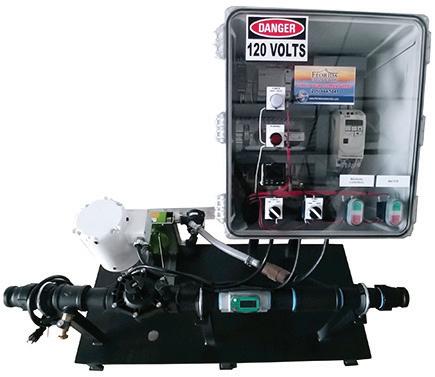
Florida Coastal Colors manufactures a full palette of colors in both liquid and dry form that provides color strength and lasting endurance to UV exposure. FCC also offers turnkey pumping systems with remote-controlled capability as well as mixers.
See ad on pg 13
Green Solutions LLC
dba Greener Solutions International PO Box 1373 Hebron, CT 06248 (860) 368-7309
John Wynne johnwynne@gsigreen.com www.gsigreen.com
Green Solutions llC is the global distributor of Stockosorb 660 by Stockhausen Superabsorbers llC. Stockosorb 660 holds up to 300 times its weight of water and nutrients and helps manage water use in drought-like conditions, then this superabsorbent polymer releases the water and nutrients back to plant roots in the soil as needed. StockoPam is an erosion control product for agriculture and for use in hydroseed applications to hold the hydroseed onto slopes. Green Solutions has products to address dust control, erosion control, and water and soil management. We serve: Soil Blending Operations, Wholesale Greenhouse Growers, l arge Wholesale Nurseries, Agriculture, Forestry, the l awn and Garden market, and many more. See ad on pg 25
Educated buyers make good prospects for your equipment! We have been brokering tub and horizontal grinders and coloring equipment the right way since 2007! Call, text or email Jim with questions on how to get started. See ad on pg 20
HHallco Industries, Inc
Tillamook, OR (800) 542-5526 www.hallcoindustries.com
Tim Wenger, VP/Sales Mgr hogzilla@cwmill.com www.hogzilla.com
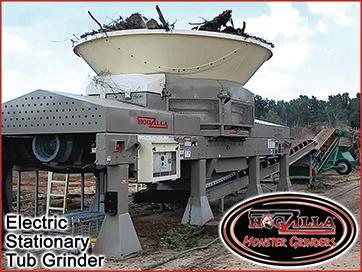
Diesel or electric powered HogZilla® MONSTER Tub & Horizontal Grinders ranging from 565-2000HP. Options including self-propelled track drive and self-loading units available. HogZilla® MONSTER Grinders provide the highest production rates for solid waste reduction, wood recycling, land clearing, construction demolition debris, mulch production, tire processing, or any other tough grinding application. Over 20 standard models available.
See ad on pg 16
Inteplast Engineered Films
9 Peach Tree Hill Rd Livingston, NJ 07039 CustomerCare@inteplastef.com www.inteplastef.com
Keith Mfg Co (541) 475-3802 sales@keithwalkingfloor.com www.keithwalkingfloor.com
The KEITH® WA l KING F lOOR® system is a horizontal unloading solution installed in a trailer that eliminates the need for tipping. Its sequentially moving floor slats efficiently transfer material out of the trailer, making it ideal for locations where dump or tipping trailers cannot operate— such as under utility lines, near trees, or inside buildings. Custom engineered stationary bins are also available.
Brodhead, WI (608) 897-2131 www.kuhnnorthamerica.com
Lachenmeier Glenview, IL (877) 859-7205 www.lachenmeier.us
Lake Erie Portable Screeners
Lake City, PA (888) 448-2486 www.pitbullscreeners.com
LOADSCAN Limited (800) 747-2973 www.loadscan.com
L M
Maverick Environmental Equipment
3901 N Bend Rd Ashtabula, OH 44004 (440) 214-7000
Tim Smith www.maverickenvironmentalequipment.com
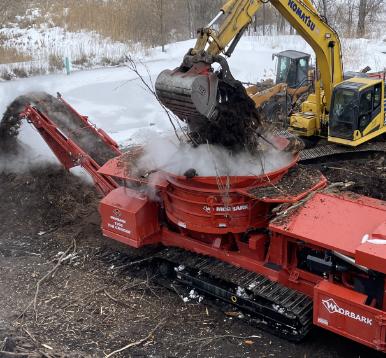
Maverick supplies the mulch, soil, and compost industries as a dealer of heavy equipment. Our brands include McCloskey, Morbark, and Ecoverse, with products ranging from screeners and stackers to shredders, compost turners, grinders, and mulchers. We pride ourselves on our team and the level of support we commit to our customers. See ad on pg 25
McCloskey International
A division of Inteplast Group, Inteplast Engineered Films (IEF) supplies industry-leading sustainable flexible packaging. IEF services its customers via its six North American locations.
Buford, GA 30518 (678) 765-7930 info@kingkong-tools.com www.kingkong-tools.com
King Kong Tools is a Germanbased supplier of highest quality grinder tips for virtually all models of wood grinders and shredders. Our innovative KingPact grinder tip design has revolutionized the industry. It combines high cutting performance with extreme impact and wear resistance. More Grinding - More Profit!
Keene, ON Canada (651) 829-7883 www.mccloskeyinternational.com
McCourt Equipment Ft. Worth, La Grange, Odessa, TX Lakeland, FL Hammond, LA (888) 838-9252 www.mccourtequipment.com
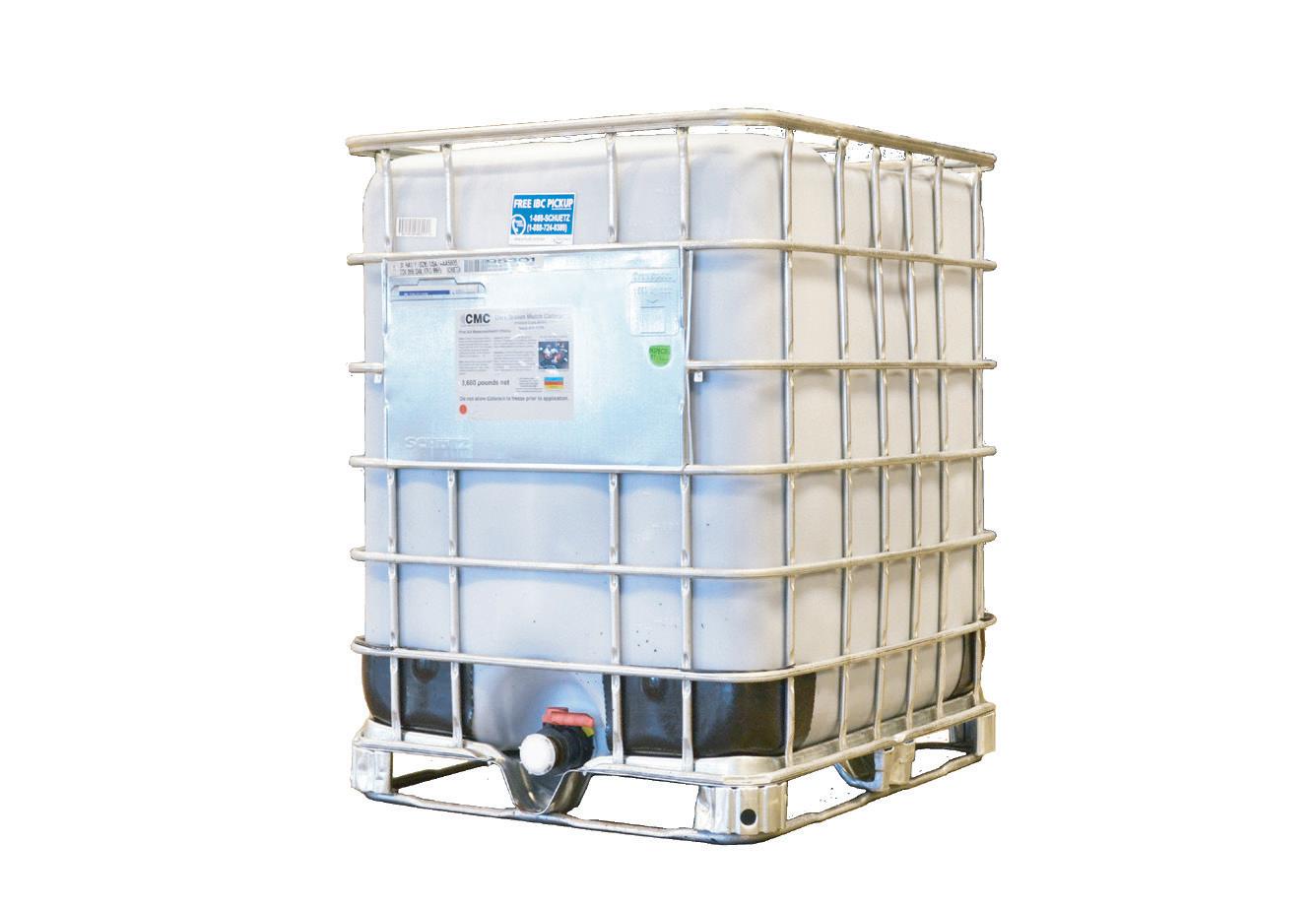
The lead distributor of carbon black for mulch color and pigments. We deliver full containers to your location, domestic and international. See ad on pg 22
MobyDick Downingtown, PA (610) 458-9151 www.us.mobydick.com
Mollers North America
Grand Rapids, MI (616) 942-6504 www.mollersna.com
Mulch & Soil Council (MSC)
7809 FM 179 Shallowater, TX 79363 (806) 832-1810
Robert LaGasse, Executive Dir execdir@mulchandsoilcouncil.org www.mulchandsoilcouncil.org
The mission of the MSC is to define quality products and promote an open marketplace for producers of horticultural mulches, consumer soils and commercial growing media. Join with the industry’s leading companies to expand the market for consumer and commercial mulch and soil products.
MÜNZING
1455 Broad St Bloomfield, NJ 07003 (973) 279-1306
info@munzing.us www.munzing.com
MÜNZING offers a comprehensive product portfolio of specialty additives including Additives for Water Based Mulch Colorants:
• Defoamers eliminate foam during grinding and post processing
• Wetting & Dispersing Agents promote excellent dispersion stability, high color strength and high pigment loading
2525 West Evans Ave Denver, CO 80219 (303) 495-5010
www.novaautomation.com
Over our 25+ years in business, we’ve developed end-to-end packaging automation solutions specifically for the mulch and soil industry. Our bagging, palletizing, and stretch wrapping machines our designed to solve your challenges and ship more product.
NuFiber® / Product Division of Nutrient Control Systems, Inc Chambersburg, PA (717) 261-5711
www.nufibersoil.com
nVenia HAMER Brand Solutions
750 N Wood Dale Rd Wood Dale, IL 60191 (800) 253-5103
info@nVenia.com www.nVenia.com
nVenia’s HAMER Brand 2090 Form, Fill & Seal Machine is the most capable and flexible industrial bagging machine available. Extensive updates have improved uptime and reduced annual maintenance costs by nearly 60 percent. Paired with our industryleading 300VF volumetric filler, the 2090’s high speeds, easy operation, and simple maintenance make it the industry’s first choice for bagging automation. See ad on pg 4 N
www.neuenhauserna.com
BUYERS’ GUIDE 2025
Ohio Mulch
1600 Universal Rd
Columbus, OH 43207
(614) 445-4455
www.ohiomulch.com
Ohio Mulch is a landscape supply company that has been providing innovative products and services to satisfied customers for over 40 years. We produce and sell more mulch in Ohio than any other manufacturer. Our topquality products are certified by the national Mulch and Soil Council. When choosing a product our dedicated sales team has the information you need. We have the capability to deliver our product right to your door with a proven record of on-time deliveries. See ad on pg 8
Orbit Screens, Inc
Delhi, IA (563) 922-9230
www.orbitscreens.com
Organic Mechanics
Soil Co
Kennett Square, PA (610) 380-4598
www.organicmechanicsoil.com
HPeterson / Division of Astec Eugene, OR (541) 689-6520 www.petersoncorp.com
Power Brushes Inc
756 South Byrne Rd Toledo, OH 43609 (906) 290-4121
Kim Duffrin kmd@powerbrushes.com www.powerbrushes.com
We manufacture trommel brushes for: McCloskey, Powerscreen, Wildcat / Vermeer, ReTech, Rotoscreen and more as well as custom trommel brushes. Our customers can expect quality products, excellent service and competitive pricing every time they place an order with Power Brushes Inc. We also have replacement brush wafers for Doppstadt Trommel Screens. See ad on pg 20
Precision Husky Corporation
PO Box Drawer 507 Leeds, AL 35094-0507 (205) 640-5181
Steve Briscoe, ProGrind Sales Mgr steveb@precisionhusky.com www.precisionhusky.com
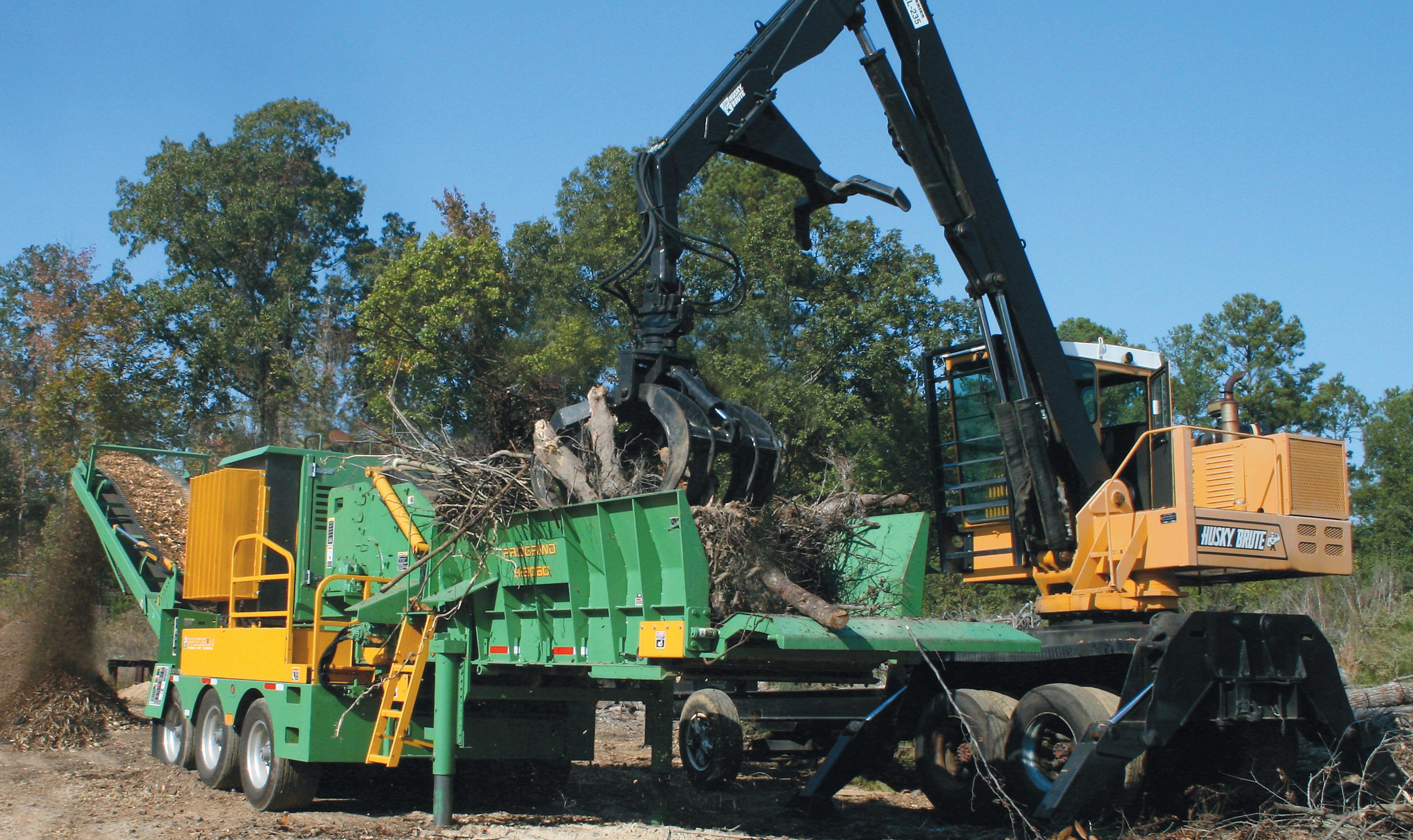
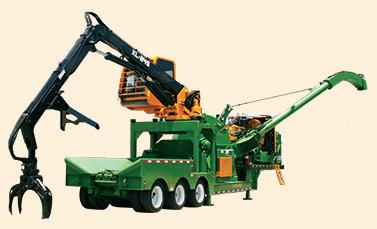
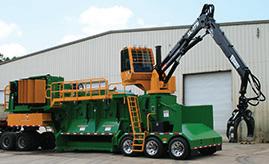
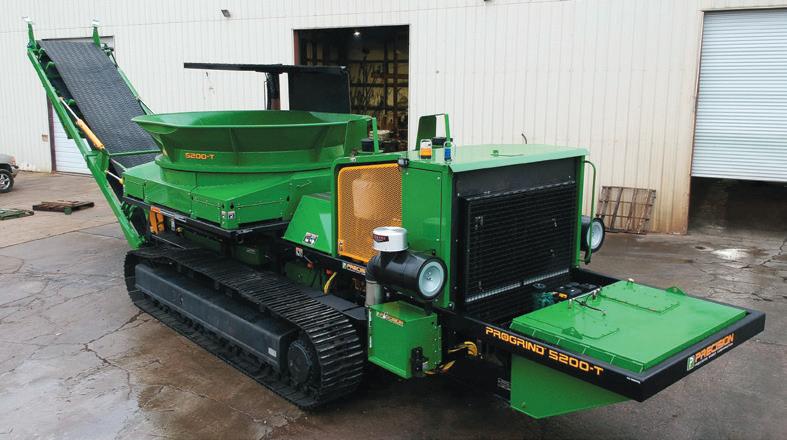
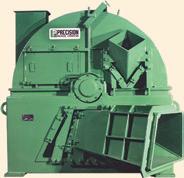
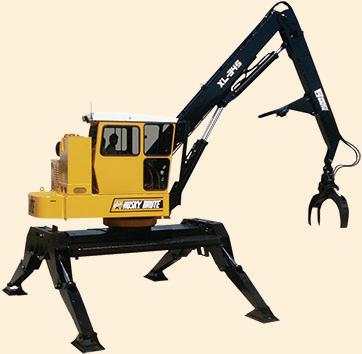
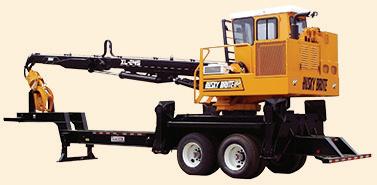
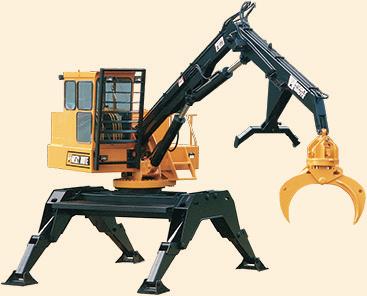
Precision Husky Corporation is an International Manufacturer of Wood Waste Tub Grinders, Horizontal Grinders, Whole Tree Chippers, Debarkers, and Husky Knuckleboom loaders. ProGrind grinders are available with diesel engines from 150HP to 1200HP with electric models as an alternative. See ad on pg 27
Rawlings Super Hi-Inertia™ Hogs are the most productive and cost-efficient wood grinders available. For over 45 years our machines have proven track records in some of the toughest applications that exist. Rawlings offers a complete line up of seven different sizes of both vertical and horizontal hogs to fit any application. Add a wide variety of available options, and you’ve got the flexibility to customize the perfect wood processing system. Each system can be designed with work platform decks, choice of belt, chain or vibrating in-feed and out-feed conveyors.
Rethceif Packaging
Ossian, IN (260) 622-7200 www.rethceif.com
280 W Stanley Ave, Unit A Ventura, CA 93001 (805) 641-0991
info@resourcemachinery.com
www.resourcemachinery.com
Sales and Service of portable and stationary screening, shredding, composting, material handling and recycling equipment. Distributor for Twister Food Waste Depackager and Promeco BioExtruder, with applications in organics recycling, production of wood fiber and pre-treatment AD feedstock. Distributor of Willibald Trapeziodal heap turner and shredders. See ad on pg 23
direct company, we are uniquely focused on providing innovative solutions and extraordinary customer service. We look forward to showing you what is possible with the power and support of Rotochopper! See ad on pg 9
BUYERS’ GUIDE 2025
SCARAB Mfg
White Deer, TX (806) 883-7621 www.scarabmfg.com
Screen Machine Industries
Etna, OH (800) 837-3344 www.screenmachine.com
Screen USA Inc 1772 Corn Rd Smyrna, GA 30080 (770) 433-2440
Rick Cohen Rick@screenusa.net www.screenusa.net Screen USA Inc. manufacturers top quality portable trommel screens and track conveyors. With over 40 years in the industry, Screen USA can assist you with all of your screening and conveying needs. Ask about our new 60-foot track mounted conveyor!
made high- quality printing. Ideal for mulch, topsoil, gravel, and similar products.
minutes from I-70 and PA Turnpike Stanton Exit. See ad on pg 3
BUYERS’ GUIDE 2025
T.H. Glennon Co Inc
25 Fanaras Dr Salisbury, MA 01952 (978) 465-7222
Brian Shea brian@glennoncompany.com www.mulchcolorjet.com
T.H. Glennon provides premium mulch colorants and the innovative Mulch Color Jet to our valued customers. Our colorfast colorants produce higher yields, increasing our customers’ profitability while producing richly colored mulch. We have invested in our own tractor trailers to ensure on-time deliveries, while providing outstanding service and support. For excellent colorants and great service call T.H. Glennon. See ad on pg 28
Viably (formerly Komptech Americas) is the North American master distributor of Komptech equipment and systems, as well as a distributor of MG l stacking conveyors and mulch coloring units. Our specialized product portfolio comprises over 40 machine types, including low-speed shredders, highspeed grinders, screeners, and separators, engineered to tackle processing challenges across organics, wood waste, and soil and mulch production. With a consultative approach to solution development for customers and unmatched after-sales support, including parts and technical service, Viably empowers clients with new capabilities to help them evolve their business and protect our planet. See ad on pg 14
WWalz Scale Company
656 High Point Ln East Peoria, IL 61611 (309) 694-3200
Matt Walz, President mwalz@walzscale.com www.walzscale.com
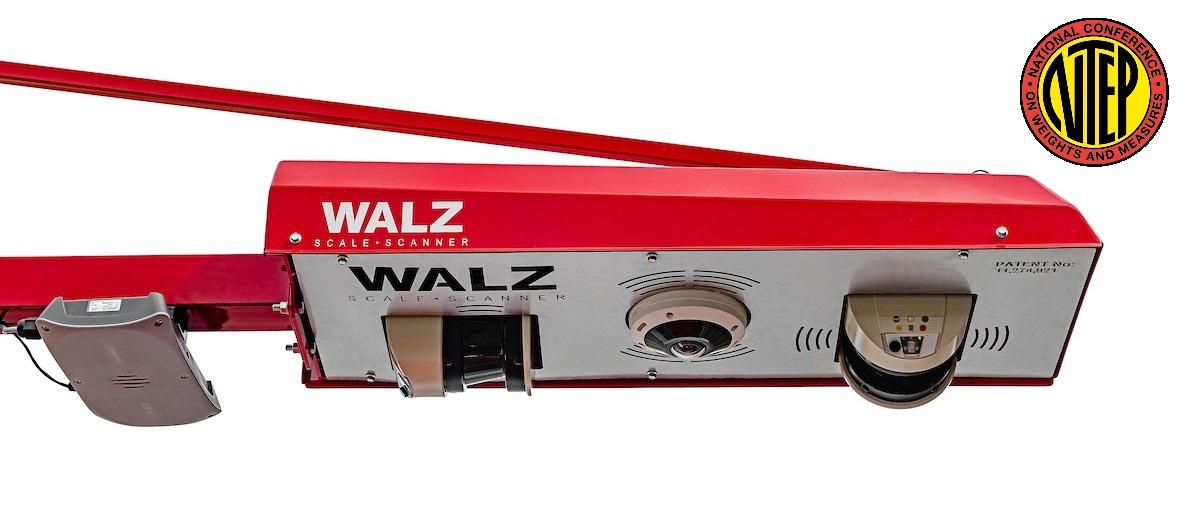
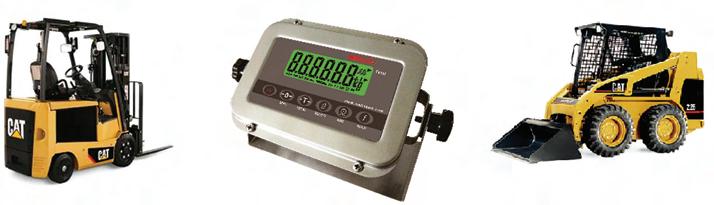
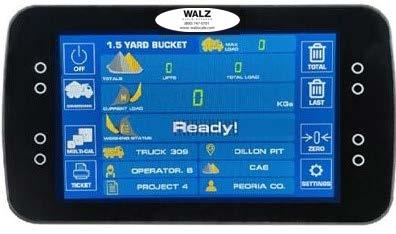
Walz Scale has been supplying weighing and measurement equipment to the mulch and agriculture industry for over 50 years. The Walz Scanner is the first NTEP Certified volumetric measurement technology in the USA. This dynamic system is ideal for operations looking to increase vehicle throughput and track material loads by volume. Our family-owned business also specializes in truck scales, industrial scales and onboard scale systems. Walz Scale is your single source for weighing and measurement solutions. See ad on pg 17
EQUIPMENT & PRODUCT SHOWCASE
Weaver Systems LLC
5160 Martin Dr Gap, PA 17527 (717) 407-4835
ash@weaversystems.co
www.weaversystems.co
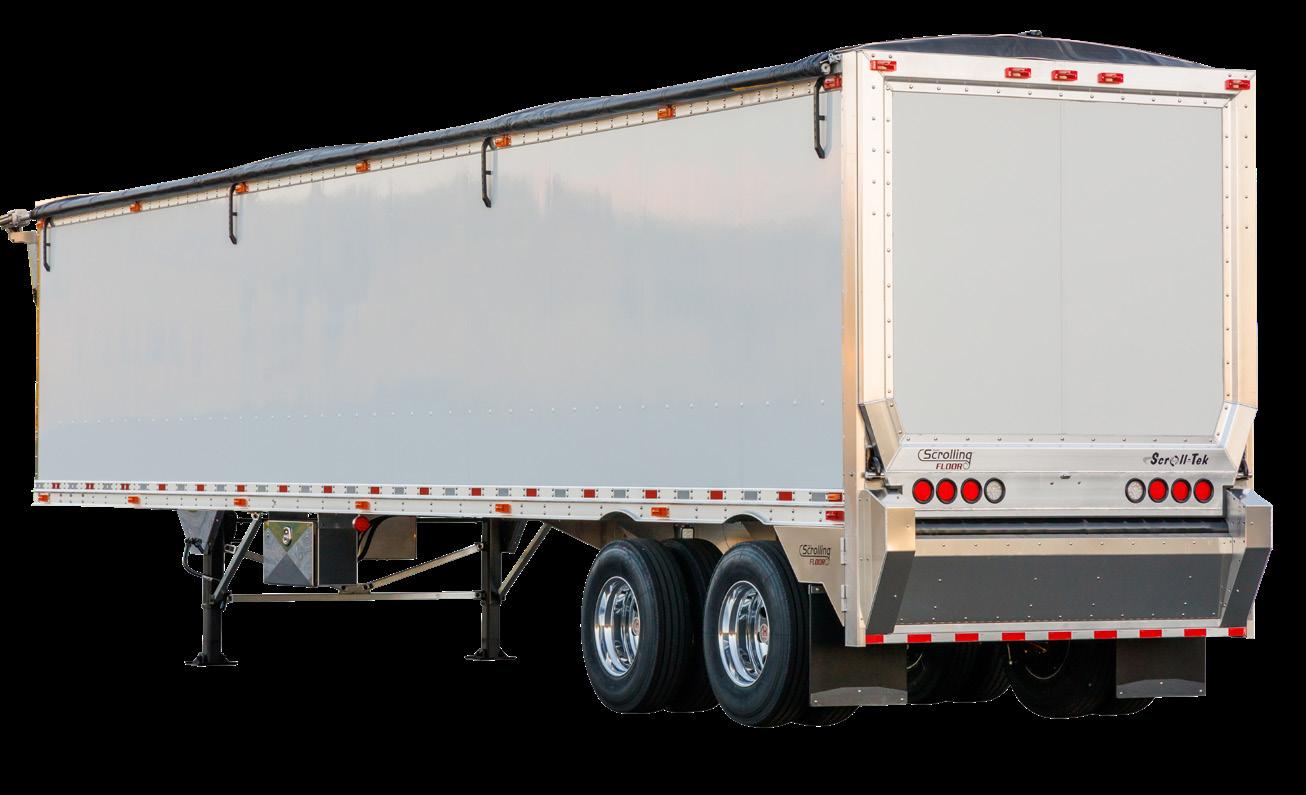
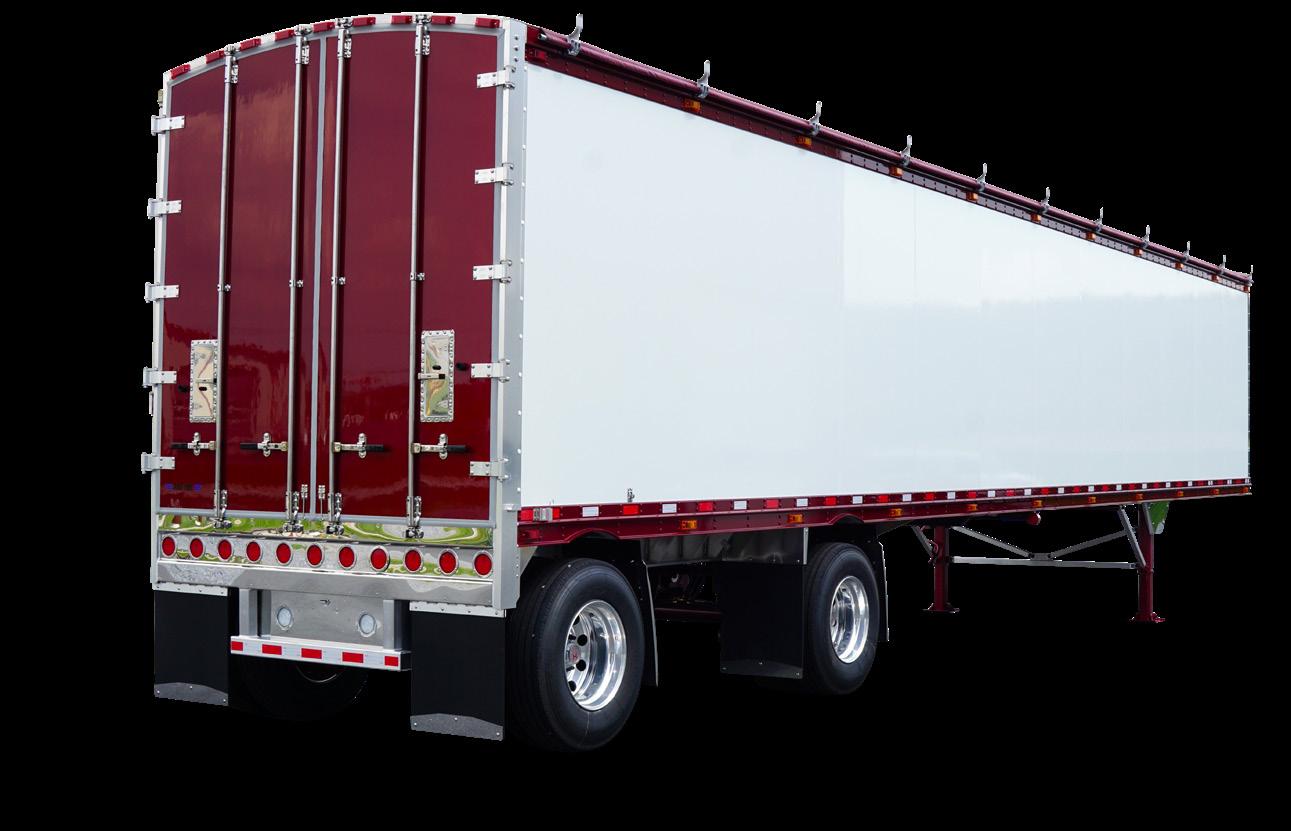
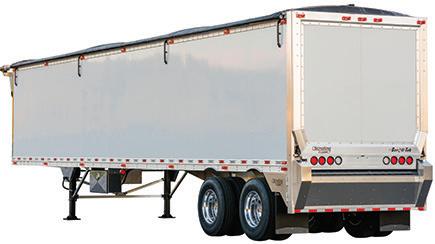
Weaver Systems llC specializes in manufacturing bulk commodity trailers equipped with the scrolling floor belt system. This system is fast and efficient, solving your delivery challenges and allowing you to get more done in less time. Scroll-Tek -- Rigid. Reliable. Robust. Innovating and perfecting since 1997. See ad on pg 5
West Salem Machinery
Salem, OR
(800) 722-3530 / (503) 364-2213
info@westsalem.com
www.westsalem.com
WSM’s complete line of grinders, screeners, and processing equipment provide reduced handling, labor, and energy requirements. Combined with low maintenance requirements for increased up-time and productivity, our customers realize lower cost per ton processing costs. WSM offers Horizontal and Vertical Grinders, Trommel Screens, Disc Screens, including our unique Mulch Thickness Screen, Oscillating Screens, Chain Metering Bins/Bulk Feeders, Coir Breakers and Fluffers, and Peat Moss Bale Breakers.
Western Trailer Co Boise, ID (888) 344-2539
www.westerntrailer.com
Woodbed Corp
St. Marys, PA (800) 247-5522
www.woodbed.com
News From the Mulch & Soil Council
By roBert laGasse, executive director
Certification Committee Report
The All-Natural Subcommittee of the Certification Committee of the Mulch & Soil Council has been working on developing a certification program for “all-natural horticultural mulches.” This initiative, driven by a mandate from the board, aims to establish clear guidelines that distinguish all-natural mulch from other types. The key elements of their work so far include:
• The committee has proposed using existing voluntary product guidelines as a framework and introducing stricter criteria for all-natural mulch. This includes defining all-natural mulch as products made from forest products, wood byproducts, tree trimmings, and yard waste, with no more than 0.2% foreign matter, and excluding reprocessed wood or any inorganic chemicals.
• The subcommittee agreed on specific restrictions, such as prohibiting the use of reprocessed wood, inorganic chemicals, and artificial colorants, while allowing natural additives.
• The certification process includes random product testing, vendor verification through visual inspections rather than affidavits, and audits for facilities handling yard waste. Clear guidelines on labeling and a proposed separate logo for all-natural products were discussed to avoid market confusion.
• The draft standard for certified all-natural horticultural mulches was approved during the October 30 meeting. It was further discussed and revised in the December 4 meeting.
A review copy of the guidelines is available for viewing on the MSC website at mulchandsoilcouncil.org/standards.php. Comments can be sent to MSC Executive Director Robert LaGasse via email or mail.
Bill Mandates Compost in Potting Soils
In November, a Michigan legislator proposed HB 6065 as an amendment to the state’s natural resources law that would require ALL bulk and packaged soils and potting soils sold in the state to contain a minimum of 5% Class 1 compost beginning January 1, 2027. The bill also requires labeling with 12-point bold face type showing the percent of Class 1 compost in the product and additional extensive compost labeling requirements under EGLE regulations. The bill was sent to the Michigan House Natural Resources Committee where some industry government affairs advisors expect it to die among another 134 bills already languishing in the committee.
While it is not unusual for states to require specific composition in products it purchases for state facilities and use or to offer tax or other incentives to encourage the use of certain materials, this bill takes the unprecedented approach to DEMAND to private industry how it must formulate its products whether the inclusion of Class 1 compost is appropriate or not. This is obviously a direct interference with private enterprise and the free-market economy and completely ignores the facts that:
• Not all Class 1 compost is made of equal quality,
• Not everyone has economic access to sufficient supplies of Class 1 compost,
• Mandating compost use will automatically increase the price of available supplies,
• Not all soil producers have permits to stockpile compost on sites,
Continued on next page
Continued from previous page
• Labeling requirements will force costly state-specific bag labels,
• The rule could force a reduction in manufacturers limiting consumer choice,
• The rule interferes with interstate commerce for product produced outside MI, and
• There is no known legal justification for the mandate or the state’s authority to require the non-voluntary use of Class 1 compost.
The MSC opposes MI HB 6065 and has drafted a letter of opposition. The letter is on hold as we prefer not to draw attention to a bill that may die on its own; however, the Council is ready to respond the moment any movement is detected on HB 6065. We request that members also be ready to respond quickly when we ask for your help, if necessary. Until then, we will be watching.
NAISMA & MSC Join Forces
In a recent Zoom meeting, representatives from the North American Invasive Species Management Association (NAISMA) and the Mulch & Soil Council (MSC) discussed progress and challenges in advancing the NAISMA Certified Weed Free Products Program. This initiative aims to ensure materials like mulch, gravel, compost, forage and soil meet invasive species standards, addressing a long-term issue for land management.
NAISMA’s Executive Director, Christi Millhouse, provided updates on the program’s growth, including the development of new toolkits, branding assets, and a forthcoming website directory. Supported by infrastructure grants, the program has already expanded to 35 states, including recent additions North Dakota and Oregon. However, hurdles remain, such as legal and procedural requirements for states to sign Memorandums of Understanding (MOUs). These hurdles, coupled with varying state-specific needs, present significant challenges.
Continued on page 24
News From the MSC
Continued from page 23
MDA Soil Amendment Change Withdrawn
In a recent teleconference with industry representatives Rachel Jones, Director of Government Relations at MDA, said that the Agency was definitely not going after all soil amendments in their efforts to address food residue application and the resulting odor complaints. She didn’t know why the State Chemist would change the regulations for all soil amendments, but she confirmed that....
.... “There are not going to be any changes to the definition this year or anytime in the presumable future. Secretary Atticks and two of the Assistant Secretaries have since spoken with the State Chemist and informed him that his proposal is not in line with the goals of the agency.”
She said that the food processing residuals bill was specifically developed to deal with DAF sludge application which was causing odor complaints in the state. MDE declined to regulate DAF, so it was passed onto the MDA, which had to develop regs to manage
NEW AND IMPROVED!
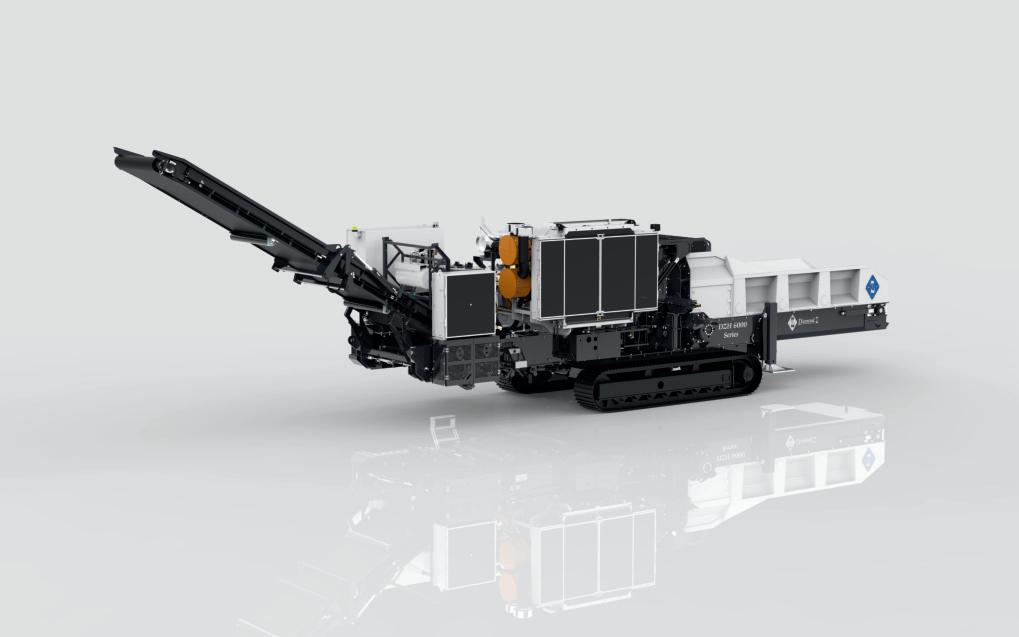
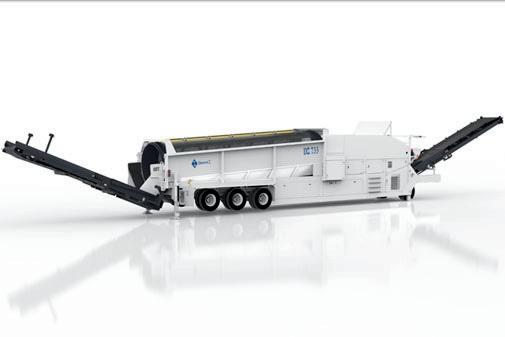
Diamond Z is making some BIG changes for 2025, with new Grinder, Trommel, Screener and Stacker models. Whatever the job demands, Diamond Z has it covered. All machines are built our diamond standard, assuring you that nothing outworks a Diamond Z!
it. Biosolids products were never part of the regs, nor were any other soil amendments.
She also mentioned that there is scrutiny regarding PFAS in biosolids and other products, but they understand that low levels are in everything. They were aware that the US EPA would be developing related limits.
NJ Amends Fire Code
The state of New Jersey changed its fire code and now prohibits combustible landscape materials (i.e., mulch) within 18 inches of any building with flammable materials or building extensions (decks, porches, balconies, etc). The code now reads as follows:
x. New Section 305.6, Landscape Materials, shall be inserted, as follows:
“305.6 Landscape Materials. The use of combustible landscape materials, such as woodbased mulch products, is prohibited in any of the following conditions:
1. Within 18 inches of any building or structure;
2. Within 18 inches of a deck, porch, balcony, or any other portion of the building constructed of combustible material; or
3. Within 18 inches of any designated smoking area defined in section 310.2.
Exceptions:
1. Live plant material such as shrubs, flowers , and trees provided that they are not [located within 18 inches of the building or structure or] beneath a combustible overhang with less than 6 feet of clearance.
2. Non-combustible building or structure exteriors that have no combustible components or trim with less than 3 feet clearance from grade.
3. Fire resistant mulch.”
xi. New Section 305.7, Existing materials, shall be inserted, as follows:
“305.7 Existing materials. This provision shall become operative *[12 months after the effective date of these rules] April 15, 2025*, all occupancies subject to this code shall remove all combustible landscape materials that are located within 18 inches of the foundation of any building or structure or in the area of any designated smoking area. This product may be replaced with non-combustible materials such as stone or sand.”
The Mulch & Soil Council is the national association of producers of horticultural mulches, consumer potting soils and commercial growing media. Its mission is to define quality products and promote an open market and fair competition. For more information about MSC, visit www. mulchandsoilcouncil.org or call 806‑832‑1810.
Understanding the U.S.-Canada Softwood Lumber Trade Dispute: A Complex Issue with Impacts on Both Sides
The ongoing debate over trade measures related to softwood lumber imports from Canada to the United States has stirred considerable discussion. At the heart of this issue is a balance between fair trade practices, the needs of U.S. workers and producers, and the broader global lumber market. Both the U.S. and Canadian industries face challenges and opportunities as they navigate this complex relationship.
Since 2016, U.S. sawmills have significantly expanded their production capabilities, adding 8 billion board feet of capacity. This has resulted in the production of 30 billion additional board feet of softwood lumber. As a result, the U.S. lumber industry has grown to a point where it could supply up to 95% of U.S. softwood lumber consumption in 2024. This growth has been crucial in meeting the needs of the U.S. construction market and in reducing reliance on Canadian imports, which has been a key goal for U.S. trade policy.
While softwood lumber prices are currently low compared to historic highs, it is important to note that these prices have not kept pace with general inflation over the years. The cost of lumber remains a relatively small percentage of the overall price of a new home, typically around 1.3%, according to the U.S. Lumber Coalition. This has led many industry experts to question the assumption that trade measures against Canadian imports will lead to significant increases in home prices. In fact, while lumber prices experienced a surge during the pandemic, home prices have continued to rise despite current lumber prices being considerably lower than their peak.
The U.S. Lumber Coalition has emphasized the importance of maintaining strong trade measures against unfairly traded Canadian lumber, arguing that such policies have helped strengthen U.S. production capacity and support U.S. workers in the lumber industry. They also point to the fact that these measures have provided a needed boost to U.S. sawmills, enabling them to invest in new technology and infrastructure to expand production.
On the Canadian side, industry leaders have expressed concerns that these measures undermine their ability to compete fairly in the U.S. market. Canadian officials, including British Columbia’s Forest Minister, have suggested that the U.S. will need Canadian lumber to rebuild after natural disasters like the fires in California. While the importance of this supply chain is acknowledged, experts argue that there are other ways to meet rebuilding needs, and that the impact of trade policies on lumber prices is often overstated.
The Canadian lumber industry continues to seek ways to maintain its market share in the U.S., but the current debate underscores the need for creative solutions. Both countries are facing challenges related to their lumber industries—Canada in terms of market access, and the U.S. in terms of ensuring fair competition and sustainable production practices.
Moving forward, there is a growing recognition that fostering selfsufficiency in the lumber industry on both sides of the border could be beneficial. For the U.S., this would mean continuing to invest in domestic production and ensuring fair trade practices. For Canada, it could involve exploring new markets and adjusting strategies to better align with the evolving global trade landscape.
Ultimately, the U.S.-Canada softwood lumber trade dispute is a reminder of the complexity of international trade relationships and the importance of fair, balanced policies that support both workers and industries in each country.
Small Businesses Exempt from Filing Beneficial Ownership Reports—For Now
Arecent article in The Epoch Times reported that small businesses are currently exempt from filing beneficial ownership reports, despite a recent U.S. Supreme Court ruling that lifted an injunction blocking a key reporting requirement. The clarification, issued by the Financial Crimes Enforcement Network (FinCEN) on January 24, stems from the fact that another court injunction halting the enforcement of the law is still in effect.
The requirement to report beneficial ownership is part of the Corporate Transparency Act (CTA), a federal anti-money-laundering law aimed at increasing transparency in business ownership. The CTA mandates that business entities disclose information about their beneficial owners— those who control or own 25% or more of the company—in order to combat financial crimes like money laundering and tax evasion, which are often facilitated through shell companies.
Under the law, businesses are required to submit detailed reports to the federal government, providing the names, birthdates, addresses, and identification information (such as passport or driver’s license numbers) of their beneficial owners. However, due to the ongoing legal battles, small businesses are not required to comply with the rule at this time.
FinCEN’s announcement followed a Supreme Court decision on January 23, which lifted a previous nationwide injunction issued by U.S. District Judge Amos Mazzant. The injunction had temporarily blocked the CTA’s reporting requirement, with Mazzant ruling that the law was likely unconstitutional. However, the Supreme Court’s action stayed Mazzant’s ruling, pending further appeals in the Fifth Circuit Court of Appeals. Oral arguments in the appeal are scheduled for March 25.
While the legal challenges continue, a separate injunction issued by U.S. District Judge Jeremy Kernodle on January 7 still prevents enforcement of the CTA. Judge Kernodle’s ruling also suggested that the plaintiffs in the case—who argue the CTA is unconstitutional—are likely to succeed in their challenge.
In light of this ongoing legal uncertainty, FinCEN has confirmed that businesses are not currently required to file beneficial ownership reports. However, the agency noted that businesses can still choose to voluntarily submit the required information if they wish.
It’s important to note that the CTA includes provisions for exemptions, and businesses with more than 20 employees, over $5 million in annual sales, and a U.S.-based office are not required to file reports. An estimated 33 million small businesses could face daily fines of up to $591 if they fail to comply with the new rule once it goes into effect.
Axiom 2025 Garden Outlook: Trends, Insights, and Shifts in the Home Gardening Landscape
As we look ahead to the 2025 gardening season, home gardeners are signaling that they plan to invest more time and money in their gardens. Yet, despite this positive outlook, a notable shift in gardening habits has emerged. According to Axiom’s annual 2025 Garden Outlook Study, interest in home gardening remains strong, but key indices show a decline in both time spent gardening and plans to expand gardens when compared to the previous year.
While home gardeners are still enthusiastic about tending to their outdoor spaces, fewer respondents reported an increase in gardening time in 2024, with a drop of 10.9 percentage points from 2023. Additionally, the number of people planning to plant more and expand their gardens in 2025 fell by 8.8 percentage points. This marks the first time in the history of Axiom’s annual study that such declines have been observed, raising questions about a possible leveling off in gardening trends.
• While Home Depot leads in total purchases, IGCs were close behind in plant sales, trailing by just 19 percentage points.
• When asked about plant quality, 30.3% of respondents rated IGCs as the top source for high-quality plants, compared to 24.7% who preferred Home Depot. IGCs also stand out for their specialized offerings and customer service. Survey results revealed that 29.9% of respondents visited IGCs for a wider selection of plants, while 17.4% sought new plant varieties. Additionally, 13.8% of gardeners visited IGCs for expert help in selecting the right plants for their needs.
When it comes to knowledgeable staff, IGCs were again preferred by 25.7% of respondents, slightly ahead of Home Depot, which garnered 23.7%.
For now, small businesses can breathe easy, but they should stay informed as the legal situation continues to evolve.
Generational Shifts: Gen Z and
DGen y Lead the Charge
espite the overall decline in gardening engagement, younger generations— particularly Gen Z and Gen Y (Millennials)— show a marked increase in gardening activity. These two groups have reported the highest uptick in both the time and money they plan to spend on gardening in 2024 and 2025.
Key findings include:
• g en z (65.4%) and g en y (47%) reported the greatest increases in time spent gardening in 2024.
• gen z (46.2%) and gen y (43.9%) are expected to allocate more money to gardening in 2025.
• gen z (69.2%) and gen y (51%) are also the most likely to spend more time gardening in the upcoming year.
These figures suggest that younger generations are leading the gardening trend, signaling that the future of home gardening may be firmly in their hands.
Retail Insights: Home Depot Dominates, But Independent Garden Centers Still Relevant
When it comes to purchasing garden supplies and plants, Home Depot continues to hold the top spot. The study found that 32.2% of respondents sourced their garden supplies from the big-box retailer, while 33.9% bought plants there. However, Independent Garden Centers (IGCs) still maintain their place in the market.
Digital Influence: Websites and youTube Drive Gardening Trends
The study also highlights the growing influence of digital media on how home gardeners discover new products and trends. Websites and YouTube emerged as the leading sources for gardening inspiration and information.
• 28% of respondents named websites as their top resource for learning about new plants and gardening supplies.
• YouTube ranked as the most important social platform for gardening content, with 38.5% of respondents preferring it over Facebook (18.4%) and Instagram (12.8%).
This growing reliance on digital platforms underscores the importance of online resources in shaping gardening decisions and trends.
Looking Ahead: A New year of Gardening
As we approach 2025, the Axiom Garden Outlook Study offers both optimism and caution. While there are signs of a slight decline in overall gardening activity, particularly in terms of time and expansion plans, younger generations are increasingly taking the lead. Meanwhile, retailers like Home Depot remain dominant, yet independent garden centers continue to hold a vital place in the hearts of gardeners.
To learn more about the findings of the Axiom 2025 Gardening Outlook Study, download the full report https://axiomcom. com/2025-gardening-outlook-study/.
BUILT FOR THE DAILY GRIND.
For sixty years, the industry has relied on Precision Husky Corporation to produce the highest quality, most rugged equipment. Today’s products are ready to lead the way for the next sixty years.
Our horizontal and tub grinders are just one example. They are the most powerful, easiest to use grinders in the industry, designed with innovative features and advanced technologies to give you the power and production needed to tackle the most demanding grinding operations.
You can invest in our equipment with confidence, and know it will do the job for many years to come. Call us today to discuss your needs and learn more about our high-performance products..
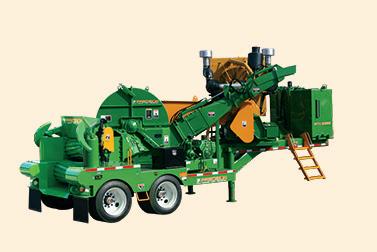
ProGrind H3060 Horizontal Grinder
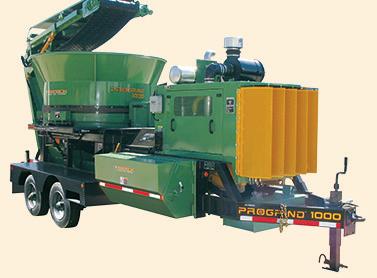
ProGrind 5200-T TrackMounted Tub Grinder
Pages 7-20
CALIFORNIA WILDFIRES: A Closer Look at the Causes and Contributing Factors PAGe 1
New Method Turns Harmful Microplastics into a Material Stronger than Steel PAGe 4
News from the Mulch & Soil Council PAGe 22
Understanding the U.S.-Canada Softwood Lumber Trade Dispute: A Complex Issue with Impacts on Both Sides PAGe 25
Axiom 2025 Garden Outlook: Trends, Insights, and Shifts in the Home Gardening Landscape PAGe 26