To protect the public’s health, safety, and water environment by responsibly providing wastewater and stormwater management.
MSD PROJECT CLEAR
MSD Project Clear (MSDPC) is two utilities in one—responsible for approximately 7,000 miles of public wastewater and stormwater sewer systems in the St. Louis region. MSDPC is investing billions of dollars over a generation to improve water quality and minimize wastewater and stormwater issues by monitoring regulatory compliance, planning, designing, and building community rainscaping, system improvements, and performing an ambitious program of maintenance and repair.
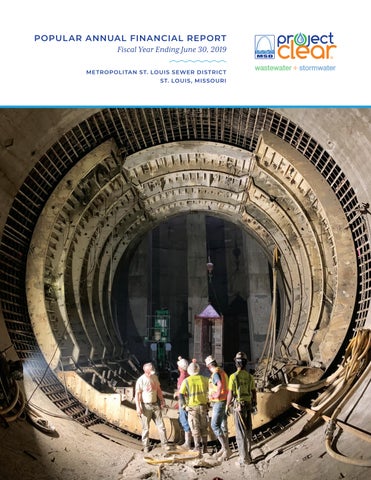
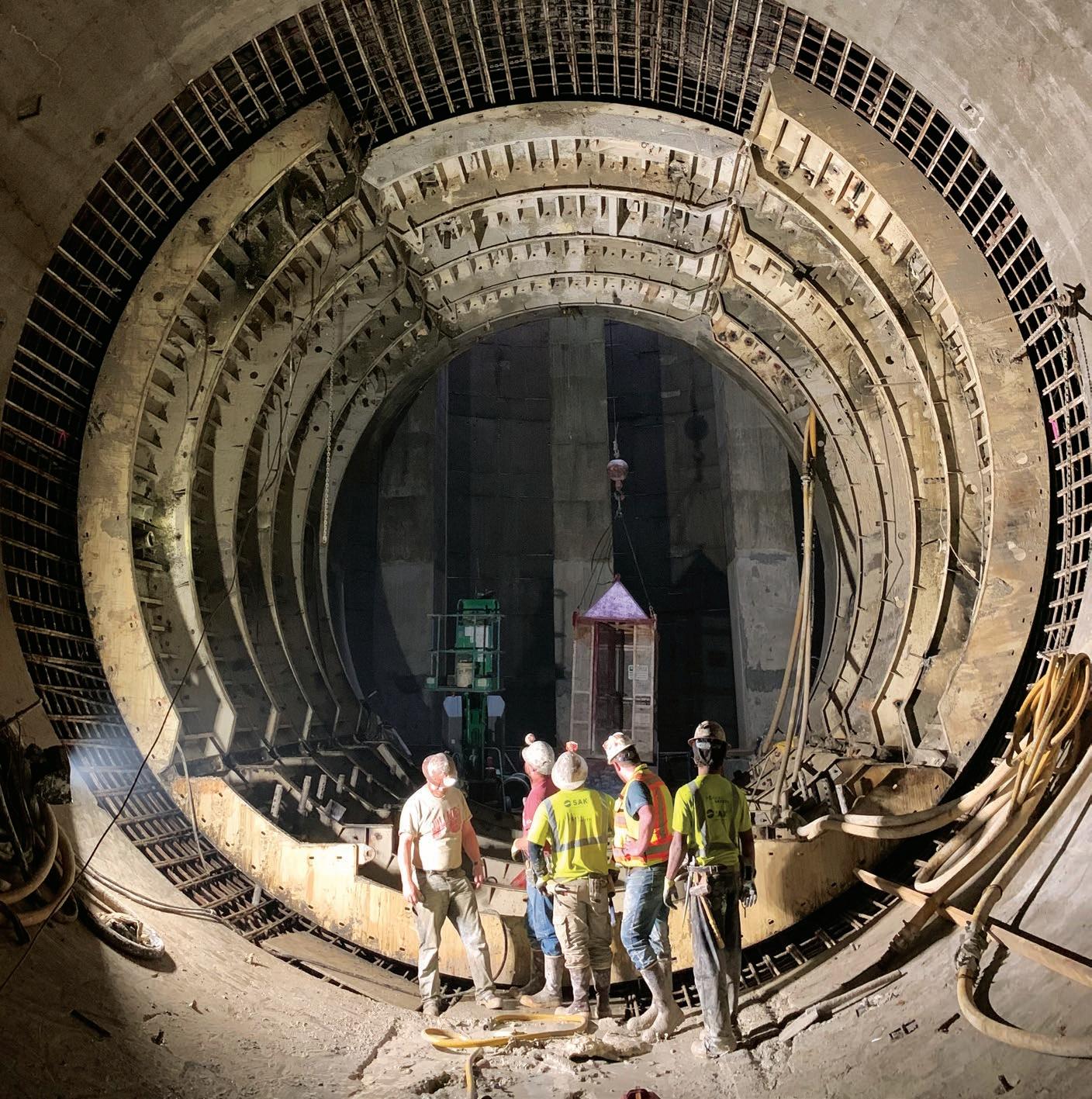
ON THE COVER
Pictured on the cover is the Maline
Facility with SAK Construction workers. This project will be completed in 2022. MSD Project Clear has several underground tunnel and storage facilities dedicated to reduce sewer overflows and improve the entire system for MSD customers.
PHOTO CREDIT: SAK CONSTRUCTION
Creek Storage
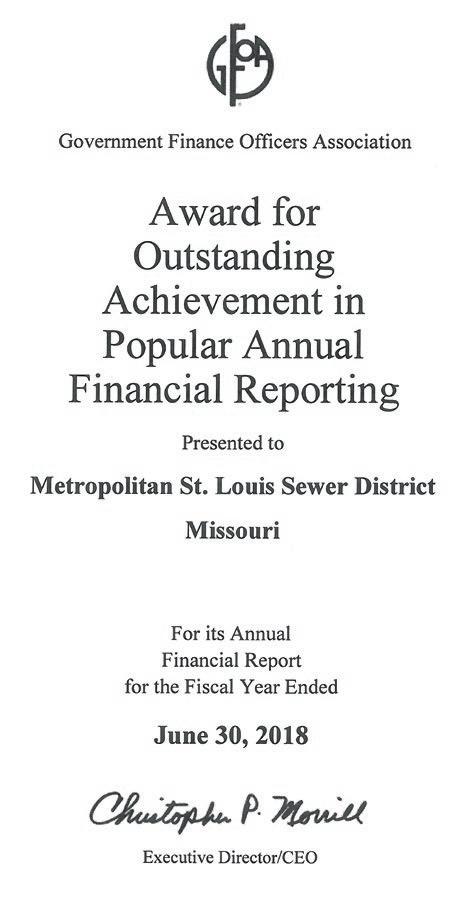
Government Finance Officers Association of the United States and Canada (GFOA) has given an Award for Outstanding Achievement in Popular Annual Financial Reporting to the Metropolitan St. Louis Sewer District for its Popular Annual Financial Report for the fiscal year that ended June 30, 2018. The Award for Outstanding Achievement in Popular Annual Financial Reporting is a prestigious national award recognizing conformance with the highest standards for preparation of state and local government popular reports.
In order to receive an Award for Outstanding Achievement in Popular Annual Financial Reporting, a government unit must publish a Popular Annual Financial Report, the contents of which conform to program standards of creativity, presentation, understandability, and reader appeal.
An Award for Outstanding Achievement in Popular Annual Financial Reporting is valid for a period of one year only. Metropolitan St. Louis Sewer District has received a Popular Award for the last seven consecutive years (fiscal years ended 2012–2018). We believe our current report continues to conform to the Popular Annual Financial Reporting requirements, and we are submitting it to GFOA to determine its eligibility for another Award.
DIRECTORS’ LETTER
We appreciate your interest in the Metropolitan St. Louis Sewer District (MSD) and are pleased to present our Popular Annual Financial Report for the Fiscal Year 2019 (FY 19).
MSD is committed to ensuring improved water quality and alleviating many wastewater concerns in our region. In FY19, MSD appropriated funds for 195 new or continuing wastewater and stormwater design and construction projects.
This annual report provides a non-technical overview of MSD’s work and a snapshot of our most recent fiscal year — July 1, 2018 to June 30, 2019. Within this report, you will learn how we are carefully investing the funds we receive to maintain and improve our region’s wastewater and stormwater systems.
Additionally, you will find financial information for the past fiscal year that summarizes the more in-depth financial review provided in our Comprehensive Annual Financial Report. Please note that while the summary information provided here uses principles and guidelines consistent with Generally Accepted Accounting Principles (GAAP), it has been simplified for general audiences, and it is not GAAP-compliant. Both reports are available online at www.msdprojectclear.org/PAFR. To request a printed copy of this information, contact MSD at 314-768-6260 or send an email to customersvc@stlmsd.com
The purpose of this report is to be informative and useful. As always, we welcome any comments or suggestions on how we might improve future reports to serve your interests and needs better.
Respectfully submitted,
Brian Hoelscher, P.E.
Marion Gee
Executive Director & CEO Director of Finance
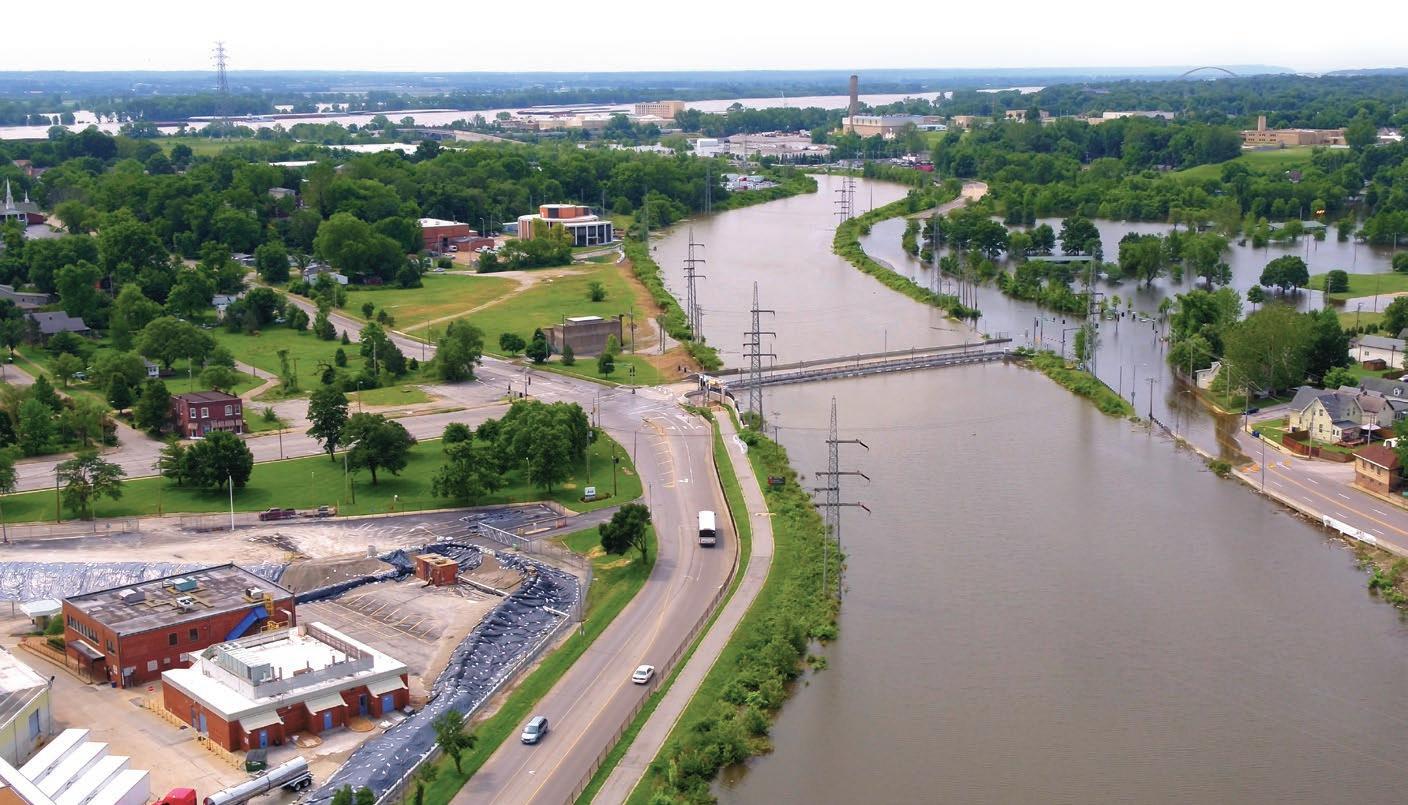
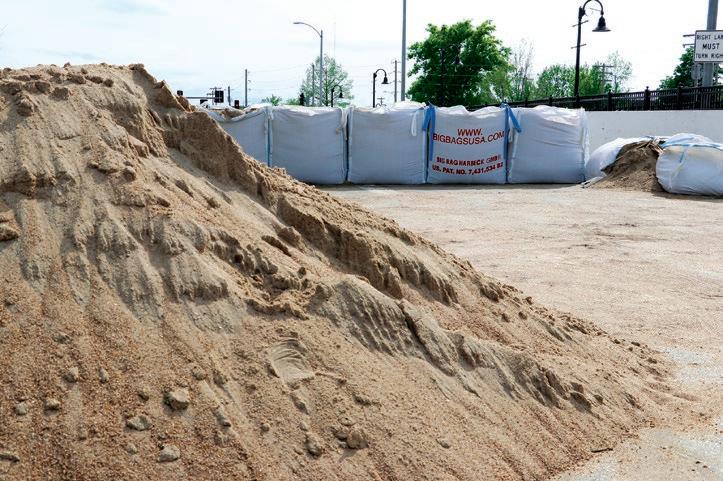
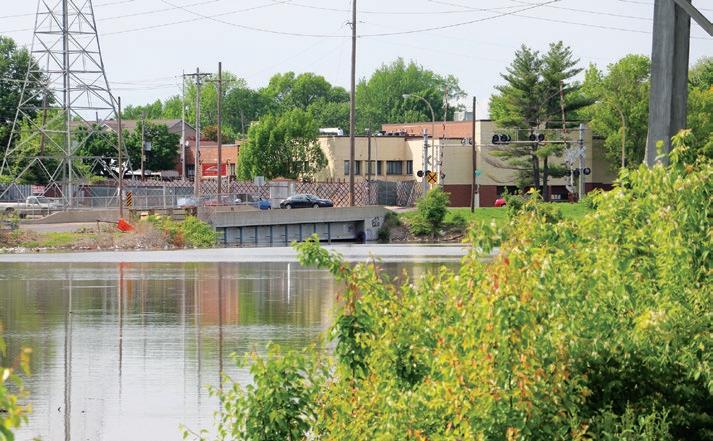
2019 EXCESSIVE RAIN AND FLOOD EVENT
On March 16, 2019, MSD entered “flood duty” operations and remained in that capacity for 128 days.
MSD’s Pump Station Division goes into flood duty when the Mississippi River hits 27 feet at the St. Louis gauge. The pump stations along the floodwall downtown are staffed 24 hours, seven days a week until the river drops below 27 feet.
MSD stays prepared to handle extreme weather events. All three of the maintenance yards are placed on standby before any forecasted event, allowing for rapid response by MSD crews if needed. Additionally, back up teams are notified should the need for more support become necessary. If one part of the District is hit particularly hard, crews from other yards are dispatched to assist.
MSD’s three maintenance yards have identified protocols to respond to flood events on the Mississippi and Meramec Rivers based on river levels. For example, when the Mississippi reaches a level of 38 feet as measured at the St. Louis gauge, crews will start plugging street inlets along Germania (and other low-lying streets prone to flooding), which is adjacent to the River Des Peres in the City of St. Louis.
On June 8, 2019, the second highest river level was recorded: 45.93 feet.
As a result of the excessive rain and flood event, MSD did experience a few project delays, mainly those located near the Missouri River, Mississippi River, and one of their tributaries due to the high groundwater levels. MSD is currently working on getting caught up on the preventative maintenance activities that were put on hold during the extra flood staffing. Teams anticipate being back on regular maintenance schedules by the end of 2019.
MSD crews worked more than 100,000 hours during the flood event.
Customers can help to reduce these types of occurrences by making sure their sewer lateral is in good working condition by ensuring their downspouts, exterior drains, and sump pumps are not connected to their lateral line.
Additionally, properly dispose of fats, oils, and grease (FOG) and never pour these items down the sink drains.
Finally, MSD encourages customers to “Know Your Zone” and determine if they need flood insurance.
MSD’s Dual Function
427,000 accounts
1.3 MILLION SERVED 520 SQUARE MILE SERVICE AREA
66 sq. miles of St. Louis City (100%)
454 sq. miles of St. Louis County (87%)
The Metropolitan St. Louis Sewer District owns, operates, and maintains a sewer system which consists of wastewater, stormwater, and combined collection sewers—carrying both wastewater and stormwater—pumping stations, and wastewater treatment facilities that have been incorporated into one entity over the last 60-plus years.
MSD provides a variety of additional services, including monitoring of industrial waste, issuance of pretreatment discharge permits, plan review and approvals, issuance of connection permits, public education, and customer service. It is one of the largest and most complex systems in the United States. MSD is two separate utilities within one organizational structure:
Wastewater — collect “used” water disposed of in sinks, toilets, and floor drains by households and businesses, and then treat it to regulatory standards before returning it to the region’s waterways.
Stormwater — operate and maintain the public storm sewer system and help coordinate regional efforts to address pollution carried in or caused by stormwater runoff.
MSD Wastewater Treatment Plants (WWTP) Service Area
Residential Wastewater User Charge
St. Louis and Other Municipalities
SOURCE: American
CONSENT DECREE AMENDMENT
In April 2012, the consent decree between MSD, the Environmental Protection Agency (EPA), and the Missouri Coalition for the Environment went into effect. The initial consent decree required MSD to spend a minimum of $4.7 billion over the next 23 years to address the issue of sewer overflows and other sewer system improvements.
On June 22, 2018, an amendment to the consent decree extended the program by five years to a 28-year program.
The new amendment will allow MSD to accelerate new regulatory requirements for non-consent decree work in a fiscally responsible way and manage future ratepayer increases. MSD requested the amendment to the consent decree to address the following:
— In 2016, the EPA issued new regulations, the impact of which compels MSD to accelerate the sewage sludge incineration (SSI) unit replacement schedule by five years with construction beginning in 2021.
— To deliver the accelerated schedule of non-consent decree work without placing an additional financial burden on MSD’s ratepayers.
As a result of the consent decree amendment, some tunnel work scheduled to start in 2021 will now begin in 2026. Tunnels affected by the amendment include the Upper River Des Peres Storage Tunnel, the River Des Peres Tributaries Storage Tunnel, and the Lower and Middle River Des Peres Storage Tunnel. Additionally, these tunnels are part of the Long-Term Control Plan to reduce combined sewer overflows in the River Des Peres watershed.
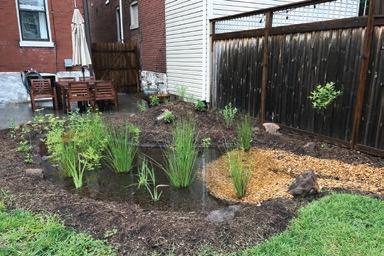
Green infrastructure, or rainscaping, is another critical component of the consent decree amendment order. Rainscaping captures stormwater runoff and manages it where it falls, reducing the amount of untreated overflow into rivers and streams. MSD has agreed to invest at least $20 million in green infrastructure/rainscaping in the Lemay Service Area/River Des Peres Watershed. Ultimately, this will reduce the combined sewer overflows and improve water quality.
$4.7 BILLION, 23-year effort extended by 5 YEARS
RESCHEDULED TUNNELS
Upper River Des Peres Storage Tunnel
River Des Peres Tributaries Storage Tunnel
Lower and Middle River Des Peres Storage Tunnel
START DATE 2021 2026
ADDITIONAL $20 MILLION+ green infrastructure/ rainscaping commitment
in the Lemay Service Area/ River Des Peres Watershed
PUBLIC EDUCATION AND COMMUNITY OUTREACH
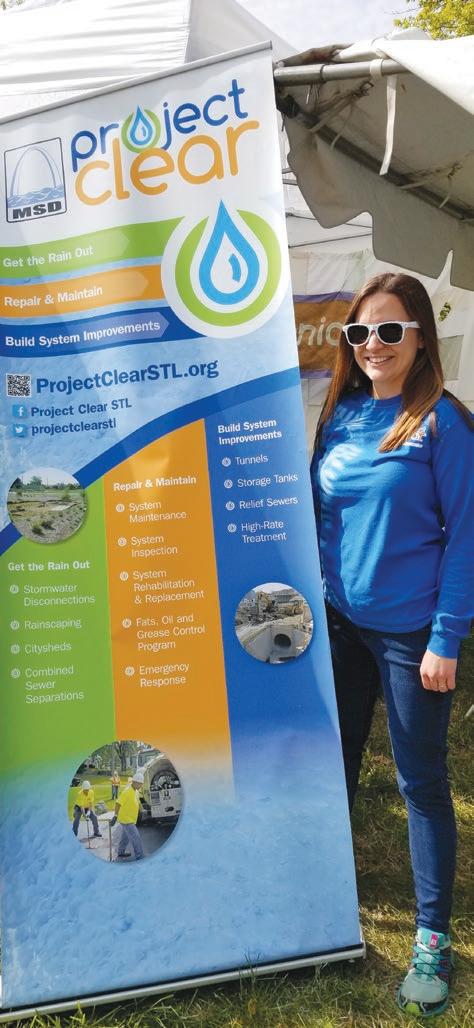
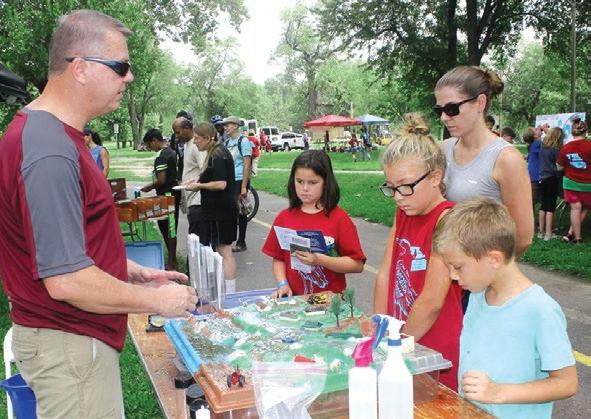
Part of MSD’s mission is to inform and educate residents about wastewater and stormwater issues, as well as its programs and services. MSD engages with the public at a variety of local events each year, including:
2018 Operation Clean Stream Cleanup
On Saturday, August 25th, MSD employees took part in the 51st Annual Operation Clean Stream event on the Meramec River. This event draws more than 2,000 volunteers per year who help improve over 500 miles of stream in the Meramec River Watershed. Operation Clean Stream is one of the largest and longest ongoing river restoration projects of its kind in America today.
Special thanks to all the MSD employees and their family members who volunteered to help make this event a huge success.
St. Louis Earth Day Festival
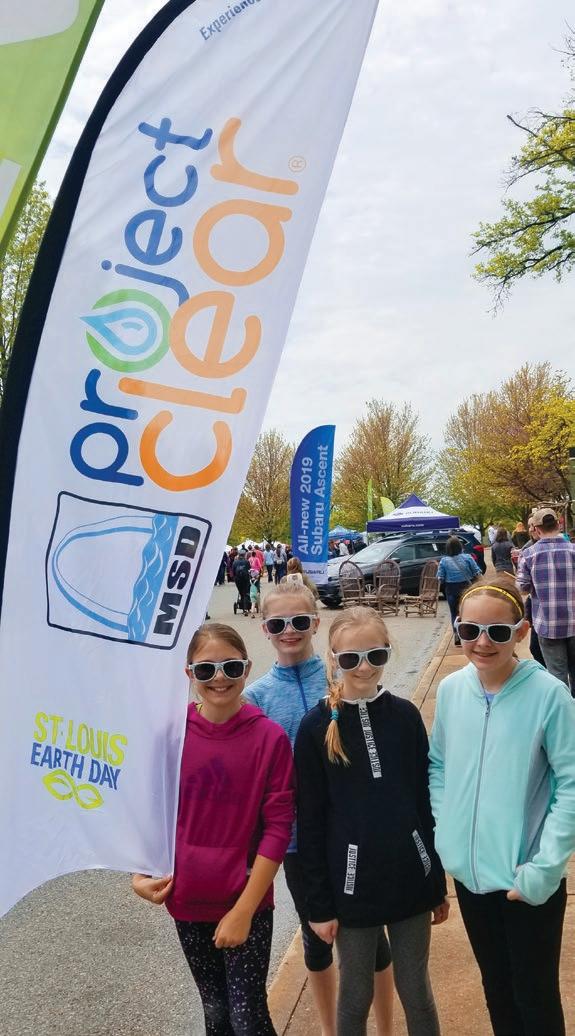
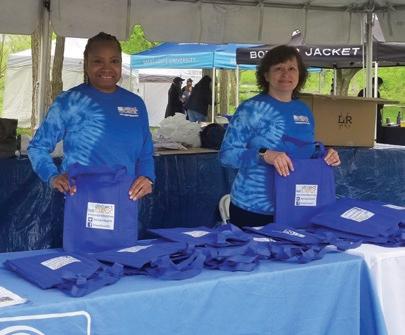
At the 2019 festival, MSD distributed 3,500 reusable bags filled with educational materials to attendees covering MSD Project Clear, Know Your Zone, and stormwater management. MSD is a proud sponsor of the Reduce, Reuse, Recycle experience area of St. Louis Earth Day Festival.
The Greater St. Louis Hispanic Festival
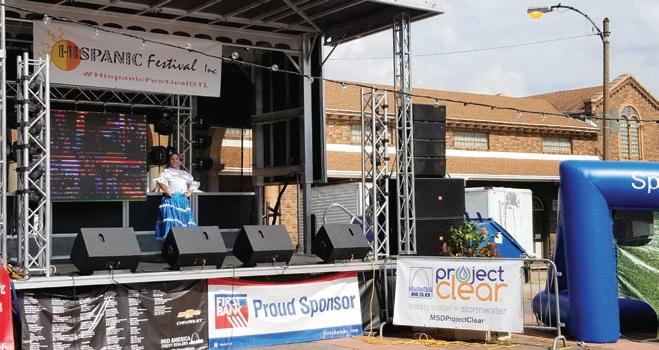
MSD is a consistent supporter of the Greater St. Louis Hispanic Festival. The mission of the festival is to help increase regional awareness of the cultural contributions made by Hispanic musicians, dancers, artisans, and chefs.
Home and Garden Show
The Builders of St. Louis Home and Garden Show is one of the largest quality consumer home shows in North America. MSD distributed educational materials and reusable bags to over 3,000 attendees.
MSD also participated in:
— Missouri History Museum Twilight Tuesdays St. Louis Association of Community Organizations Conference (SLACO)
— Enterprise Holdings Employee Eco Fairs
— TEDxGatewayArch events
YEAR IN REVIEW
Capital Improvement
MSD Project Clear made 195 appropriations for new or continuing wastewater and stormwater design and construction projects in FY19, totaling $311.8 million.
Diversity
In FY19, minority-owned firms performed $36,653,112 on capital construction projects, representing 21.3 percent of the District’s capital program spending for the fiscal year. Womenowned firms performed $14,183,523 in capital construction work, representing 8.2 percent of the District’s capital construction program spending. Minority-owned design firms (professional services) accounted for $11,777,262, or 30.2 percent of payments made to design firms. Women-owned design firms were paid $3,864,540, or 9.8 percent of payments made to design firms in FY19.*
During that same timeframe, minority workforce participation on capital construction projects was 663,448 hours, or 29.7 percent, and women participation was 158,056 hours, or 7 percent of total hours worked on capital construction projects by contractors. Design firms with workforce participation goals represented 16.5 percent of minority and 37 percent of women in the design team’s workforce.* To learn more about MSD’s diversity-related initiatives, visit www.msdprojectclear.org/diversityreports.
*Numbers are as of August 2019. Please note, as project documentation is finalized, precise numbers may fluctuate.
Peak Performance Award
In 2019, MSD was awarded top environmental honors from the National Association of Clean Water Agencies (NACWA), which recognized all seven MSD treatment plants with Peak Performance Awards for excellence in compliance with National Pollutant Discharge
Elimination System (NPDES) permit limits in the 2019 calendar year. Three MSD treatment plants, Missouri River, Fenton, and Lower Meramec, received the Platinum Peak Performance Award, which honors treatment plants that have completed at least five consecutive years of 100 percent NPDES permit compliance. In addition, two treatment plants, Grand Glaize and Lemay, received the Gold Peak Performance Award, honoring plants that have achieved 100 percent compliance with the NPDES permit in the previous calendar year. The Bissell Point and Coldwater treatment plants received the Silver Peak Performance Award for having no more than five NPDES permit violations in the 2018 calendar year.
Stormwater Capital Rate Vote
In April 2019, MSD presented a ballot initiative to voters who reside within MSD’s service area. Proposition S, the Stormwater Capital Rate Proposal, would address erosion and local/ regional flooding. The measure failed by a margin of 53 percent, no, and 47 percent in favor. MSD has identified more than 500 stormwater capital projects that need additional funds to address erosion and flooding.
2019 Wastewater Capital Rate
In March 2019, the Rate Commission received a wastewater rate proposal from staff. The wastewater proposal seeks to fund a four-year, $1.58 billion capital improvement program to meet regulatory and system improvements needs. After a series of public hearings to garner ratepayers’ feedback on proposed rates, the Commission approved a resolution and submitted its Rate Recommendation Report to the Board of Trustees with proposed increases for fiscal years 2021–2024 with or without $500M in bonding. The Board of Trustees approved the recommendation and voters will decide on bonding or no bonding in April 2020.
LOOKING AHEAD
MSD Project Clear
In FY20, MSD has plans for 123 new, ongoing, or continued wastewater project appropriations totaling $335.1 million. These projects are funded primarily from the Sanitary Replacement fund and represent $20.0 million in continued projects from the previous fiscal year, and $315.1 million in new and ongoing projects.
In addition to operating the existing stormwater system, MSD Project Clear plans 30 stormwater design and construction projects in FY20, including continued projects from FY19, totaling $15.1 million.
New Website Launch
Coming in early 2020, MSD will launch a new customerfocused website, msdprojectclear.org, updating the current version launched five years ago. The website will feature a clean and fresh look that will be more interactive. It will combine the two existing sites stlmsd.com and projectclearstl.org.
Disparity Study Update
In early 2019, MSD announced it would conduct an update to its 2012 Disparity Study. The initial study, which was completed a little over five years ago, became the catalyst for the expansive offering of initiatives now in place. The innovative programs and current policies include more inclusive contractor goals, worksite inspectors, on-the-job training, internships, community partnerships, and other programs.
The 2019 update will analyze MSD’s current diversity programs, practices, and results. The update will measure inclusion and availability as well as determine what advancements MSD has accomplished on projects in terms of workforce.
Small Grants Program Expands Districtwide in FY20
MSD announces the expansion of its green infrastructure Small Grants Program (also called rainscaping) from the current Mississippi and River Des Peres watersheds to the entire District.
113 applications received in FY19
98 GRANTS FUNDED TOTALING NEARLY $420K
Anticipating funding for FY20 $520K
BALANCE SHEET
Condensed Statements of Net Position (dollars in thousands)
The financial information included is derived from the CAFR and presented in conformity with GAAP.
DEFERRED OUTFLOWS OF RESOURCES
DEFERRED INFLOWS OF RESOURCES
Definitions
Current, restricted, and other assets: all assets other than capital assets that are owned or due to the District.
Capital assets (net of accumulated depreciation): the total value of all capital assets including all sanitary infrastructure, general plant and equipment, and land.
Deferred outflows of resources: the use of resources that will be applied to future periods.
Current liabilities: money owed by the District and due within 12 months.
Non-current liabilities: money owed by the District that is due more than 12 months in the future.
Deferred inflows of resources: the purchase of resources that will be applied to future periods.
Net investment in capital assets: the value or net worth of all capital assets after related liabilities are deducted.
Restricted: the value or net worth of all assets designated for specific purposes after related liabilities are deducted.
Unrestricted: the value or net worth of all remaining assets after remaining liabilities are deducted.
What it tells you
A Statement of Net Position, also known as a Balance Sheet, is a financial statement that summarizes what MSD owns and owes at a given point in time. It also shows our net worth at that specific point in time.
Our FY19 Balance Sheet shows that:
• MSD’s assets and deferred outflows exceed liabilities and deferred inflows by $2.6 billion.
• Overwhelmingly, MSD’s assets are in the form of capital assets. The $3.6 billion in net capital assets is split into the five categories, shown on page 13.
• Of the $1.9 billion in liabilities, $1.7 billion are in the form of bonds and notes payable.
Condensed Statements of Capital Assets Net of Depreciation (dollars in millions)
MSD LONG-TERM OBLIGATIONS
INCOME STATEMENT
Condensed Statements of Revenues, Expenses, and Changes in Net Position (dollars in thousands)
REVENUES
NON-OPERATING REVENUES
Effect of adoption of GASB 68 (23,624) Effect of adoption of GASB 75 (14,059)
Definitions
Operating revenues and expenses: all income and expenses received from the District’s daily normal business. Non-operating revenues and expenses: all income and expenses not related to the District’s daily normal business.
What it tells you
A Statement of Revenues, Expenses, and Changes in Net Position, also known as an Income Statement, tells you where MSD gets its funds and how they are spent. It also shows how much money MSD made or lost over a specific period of time.
Our FY19 Income Statement shows that:
• Sewer service charge revenue increased as a result of the scheduled rate increase that occurred in FY19.
• Operating expenses increased due to higher pension expense, costs related to systems upgrades and water backup claims due to spring flooding and pump station failures.
REVENUE
Year ended June 30, 2019 (dollars in thousands) Where The Money Comes From
Year ended June 30, 2019 (dollars in thousands) Where The Money Goes
CASH FLOW STATEMENT
Condensed Statements of Cash Flows (dollars in thousands)
Definitions
Cash flows from operating activities: all cash received or spent related to MSD’s daily normal business activities.
Cash flows from non-capital financing activities: all cash received or spent related to taxes.
Cash flows from capital and related financing activities: cash received or spent related to construction of MSD’s infrastructure.
Cash flows from investing activities: cash received or spent related to investing MSD’s cash reserves.
What it tells you
A Cash Flow Statement summarizes both the cash and the net cash coming in and going out of MSD during a given period.
Our FY19 Cash Flow Statement compared to the prior year shows that:
• Cash flows from operating activities increased due to increased receipts from customers.
• Cash flows from non-capital financing activities increased due to more tax revenue collected.
• Cash flows from capital and related financing activities decreased as a result of less bond proceeds and premiums received during FY19.
• Cash flows from investing activities increased due to an increase in the volume of maturities of investments.
CASH FLOW ACTIVITIES COMPARISON
(dollars in thousands)
PERFORMANCE AGAINST BUDGET
CIRP came in under budget for FY19. The primary factor is a result of work that was postponed. These delays contributed $43M to the variance. In addition, $3M of the savings resulted from either cancelled projects or completed projects coming in under budget at which point the unused budget dollars on a completed project reduce expenses in the year the project is finalized. The remaining savings is the result of projects being under budget either from good bids or reduced scope.
What it tells you
Debt Service expenses were favorable for the District in FY19. The savings relative to budget came from direct loans that were not fully utilized during FY19, resulting in less interest expense along with favorable interest rates on the 2018A Water Infrastructure Finance and Innovation Act Loan and 2018B Revenue Bonds issued during FY19.
Operating expenses came in under budget for FY19. The largest of the variances was in Personnel Services of $7.3 million primarily due to vacancies. Supply expenses were also favorable by $1.1 million with Chemical Supplies making up almost half of that savings. Utilities contributed to the District’s favorable expense variance by finishing under budget by $0.7 million. Contractual Services and Capital Outlay offset a portion of these savings, with expenses exceeding the budget by $3.9 million primarily for Structural Improvements and Processing Equipment at the treatment plants and pump stations.
In MSD’s case, it shows that MSD has been a good steward of the funds allocated to the District.
CREDIT RATING
What it tells you
A credit rating provides an assessment of an organization’s credit worthiness, based on its history of borrowing and repayment of funds, as well as its assets and liabilities. A poor credit rating makes it more difficult to find financing and often results in higher interest rates.
As the chart below illustrates, MSD has premium credit, with consistent ratings at the top of each credit rating agency’s scale. On a scale of Aaa to C, MSD earned an Aa1 rating from Moody’s. Similarly, on a scale of AAA to D, MSD earned AAA and AA+ ratings from Standard & Poor’s and Fitch, respectively. MSD has demonstrated to creditors and credit rating agencies its ability to manage large annual capital plans. The District’s solid financial management, including close monitoring of its financial performance, strong debt coverage, and liquidity also contribute to these ratings, which have remained constant the past three years.