Essential Oil Chemistry Handbook US English PDF 3rd Edition
THE
Edited by Dr. David K. Hill, DC
FOREWORD
Dear friends,
I, like you, have a passion for essential oils. They have played a significant role in both my professional and personal life for many years. I remain convinced that the benefits of essential oils are unique and almost universally applicable to all who choose to experience them.
I am so pleased to be a part of dōTERRA and to participate in the progress and discovery of essential oils. They have found their rightful place in science, healthcare, and most importantly individualized approaches to health and wellness. Through my own experience, I have learned the importance of quality, and I think it is significant that dōTERRA has been repeatedly recognized as a market leader in the global essential oils market based in part on product purity and transparency.
It is my pleasure to introduce to you The dōTERRA Essential Oil Chemistry Handbook. I am confident that it will help you expand your knowledge of essential oils and empower you to use them more effectively. It is my sincere desire that this chemistry compendium will enhance your own experience, providing you with the basic framework from which you can develop your own personalized model of self-care and affording you the opportunity to share dōTERRA essential oils with others more meaningfully and in a way that is scientifically correct.
With kindness,
Dr. David Hill
THE dōTERRA OIL
CHEMISTRY WHEEL
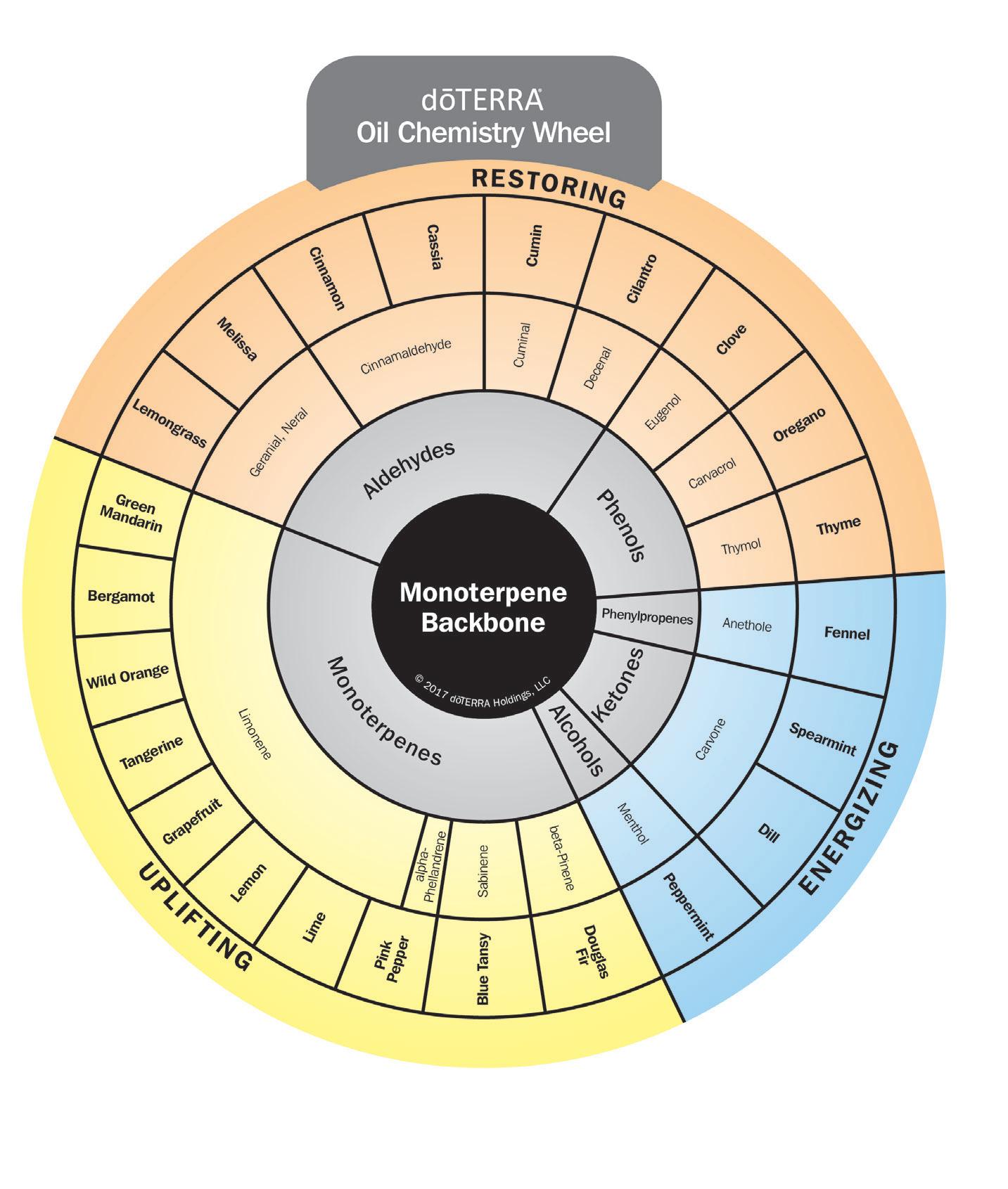
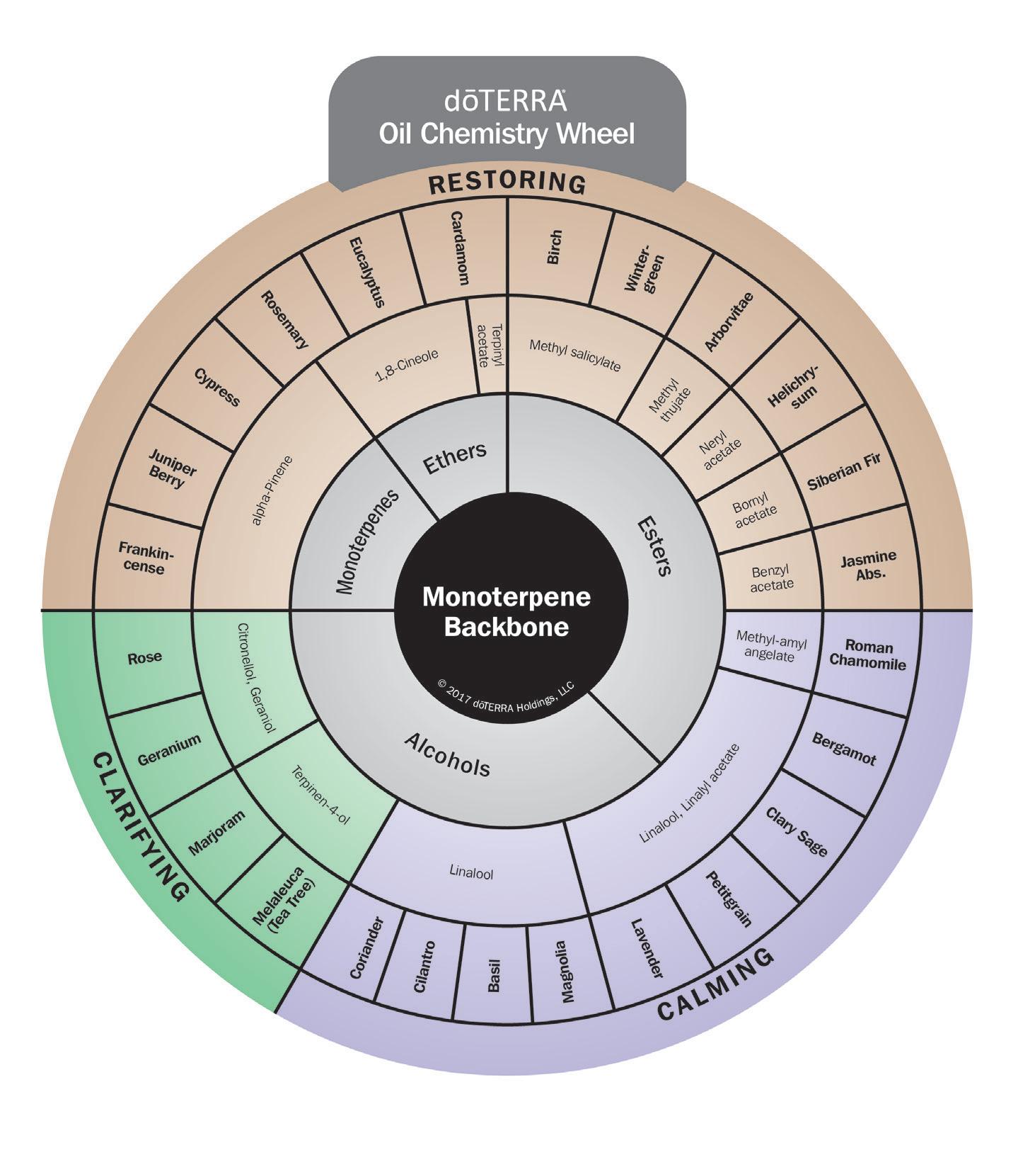
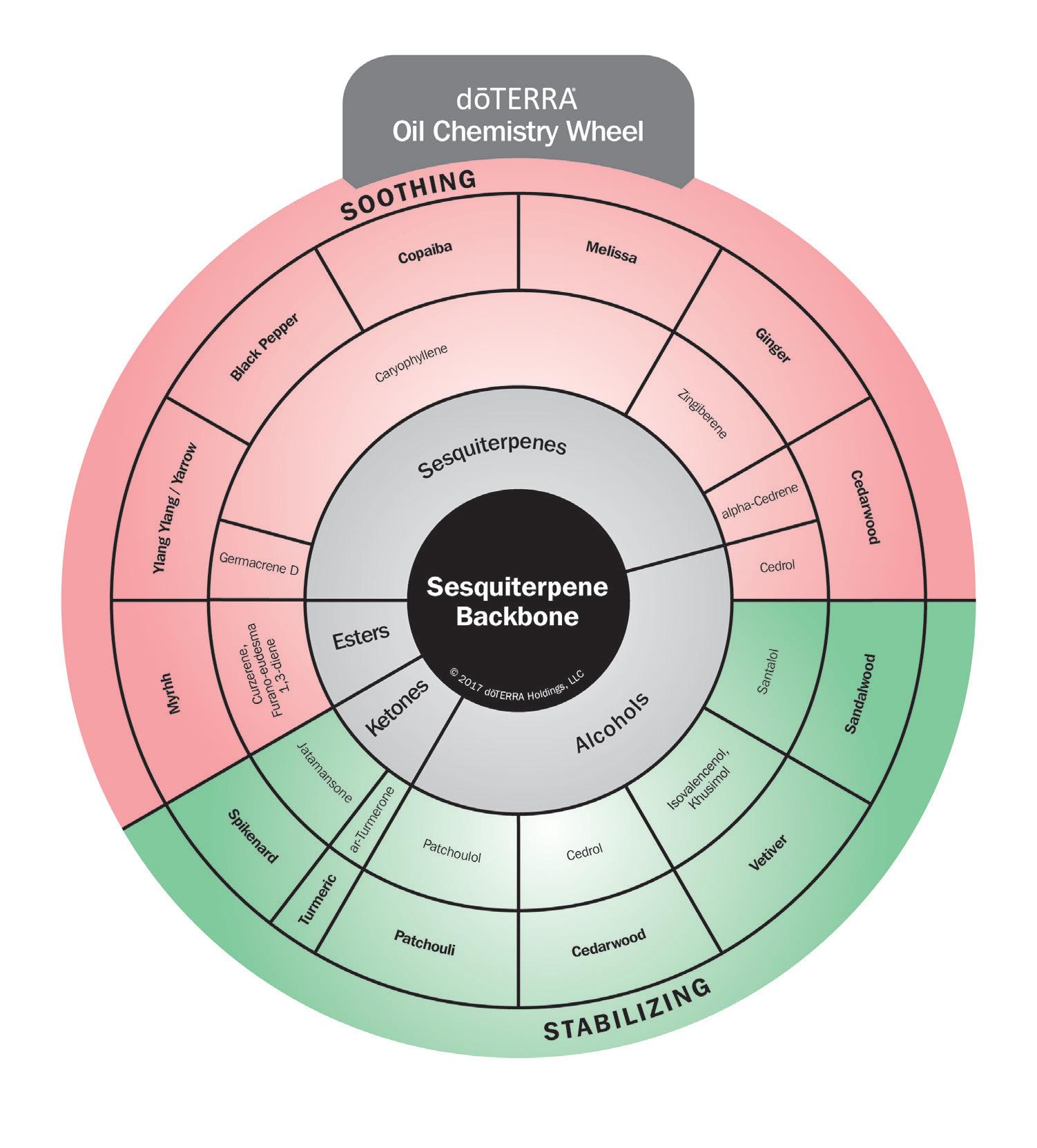
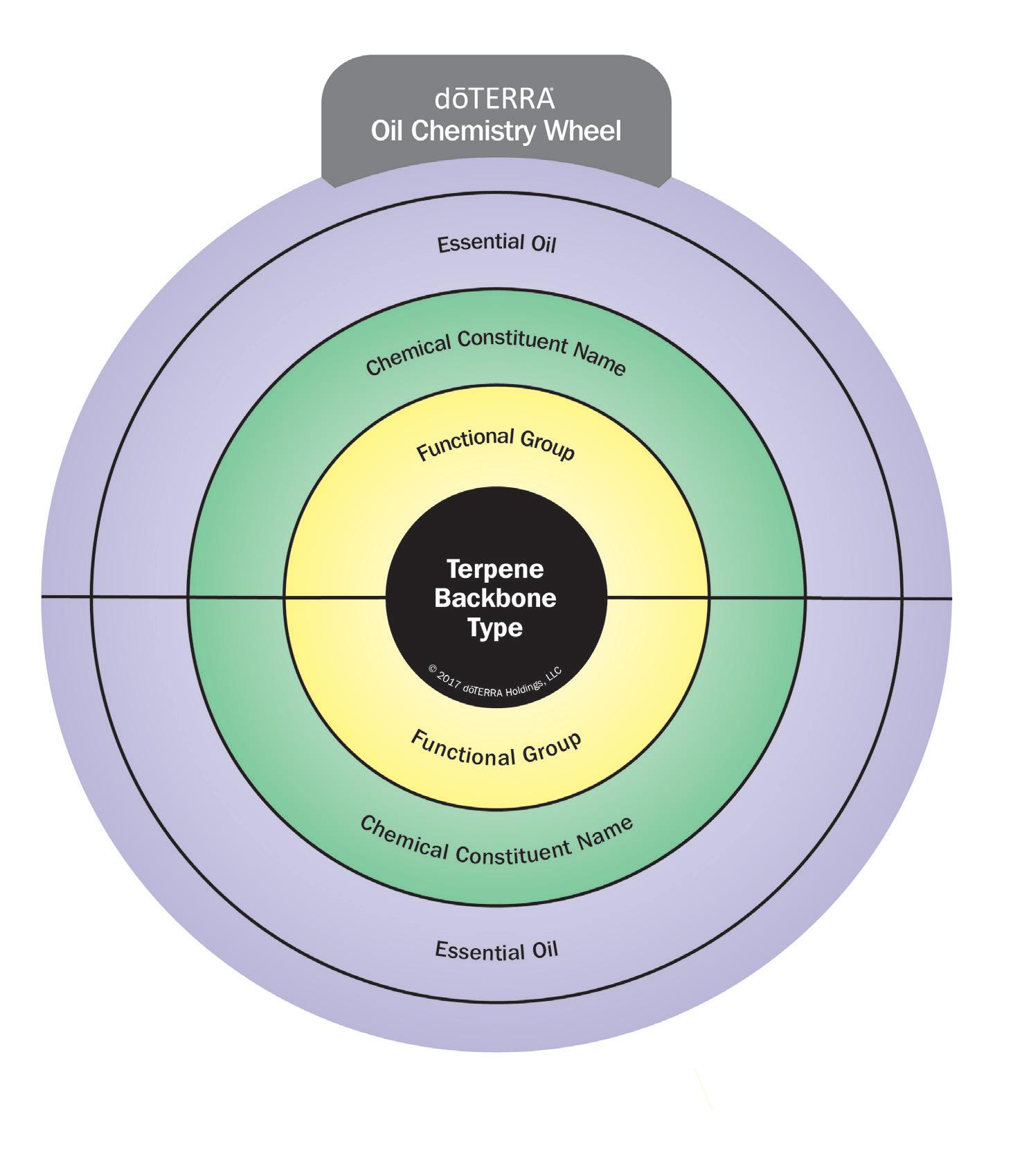
The dōTERRA Oil Chemistry Wheel is a tool designed to help individuals better understand the chemistry behind essential oils. In understanding the basic chemistry of each oil, individuals can more fully understand when and how to use the oils to achieve a desired benefit.
The dōTERRA Oil Chemistry Wheel is now divided into two wheels, each with two sides. The first wheel gives information on oils high in monoterpenes (oils that have a 10-carbon backbone). One side of the monoterpene wheel describes oils with lifting aromas, and the other side presents oils with leveling aromas. The second wheel contains information about oils high in sesquiterpenes (oils that have a 15-carbon backbone) on one side, with a legend on the opposite side. In each of the chemistry wheels, the oils are further organized by functional group, with the top one or two chemical constituents listed under each oil. The four sides of the two chemistry wheels are presented in the following pages.
The oils in these wheels are grouped according to their shared key properties. The shared key properties provide a starting point for understanding how to use the oils. The combination of these different groupings enables individuals to begin to understand the characteristics and properties of dōTERRA essential oils.
Restoring: These oils have powerful aromas and provide emotional and physical support when used internally. They are meant to help revive, strengthen, and rejuvenate the body when ingested.*
Uplifting: These oils are meant to be inspiring. Their aromas are exhilarating and refreshing.
Energizing: These oils are often associated with feelings of motivation and activation. They tend to have brisk, stimulating aromas that help wake up the senses.
Restoring: These oils have powerful aromas and provide emotional and physical support when used internally. They are meant to help revive, strengthen, and rejuvenate the body when ingested.*
Clarifying: As the name implies, these are oils that help to “make clear.” Topically they are used for improved skin tone and appearance, and aromatically they can clean the air with their distinct, pleasant aromas.
Calming: These are classic oils with relaxing, soothing aromas. These oils are typically used for meditation and preparation for sleep.
Soothing: These are oils that help ease and alleviate issues, both emotional and physical, when used internally.* They have soothing aromas that can be helpful in different situations.
Stabilizing: These are oils that help steady the nerves, helping you feel that you are on an even keel when ingested.*. By analogy, stabilizing oils encourage a person’s feelings and emotions to go from a rocking boat to standing on solid ground.
Terpene Backbone Type: Specifies the carbon backbone structure of the chemical constituents in the oil. Usually the backbone type is either monoterpene or sesquiterpene.
Functional Group: Indicates the presence of a specific arrangement of atoms within the constituent molecule that has distinct chemical properties.
Chemical Constituent Name: The chemical names for the main compounds found in each oil.
Essential Oil: Gives the names of the dōTERRA oils with the backbone, functional group, and constituent composition that fit into the chemical categories explained above.
PART 1: THE BASICS OF ESSENTIAL OIL CHEMISTRY
Everything is chemistry. Every cell, organ, and tissue in the body performs its function using enzymes, receptors, and other proteins, which work together to break down, build up, and rearrange the chemical bonds in biological molecules. Essential oils also operate under the principles of chemistry. The unique chemical makeup of each essential oil is what gives it a distinctive aroma and the ability to affect the body’s systems when used internally. Molecules in ingested essential oils can selectively support the function of subcellular structures that run the processes that keep us alive.*
By understanding the fundamentals of oil chemistry, you can begin to classify oils by their chemical properties. This will help you learn which oils might have applications in different daily life contexts and how they work. This portion of The dōTERRA Essential Oil Chemistry Handbook will give you the intellectual tools you need in order to understand how to use essential oils effectively and how to share them with others.
In Part 1, generalizations are made based on chemistry to help develop a conceptual framework for grouping and categorizing oils. Because this framework is so compact and simple, there will, of course, be exceptions. Before using any of the oils mentioned in this section, be sure to refer to Part 2 of this book for the suggested uses and skin sensitivity associated with each specific oil. This reference is designed for a general audience with basic knowledge of chemistry. The content in Part 1 provides background information on essential oils and the basics of general and organic chemistry before delving into essential oil chemistry. The chemical structure of essential oil molecules, the functional groups, and their uses are then outlined in detail.
Read through this section carefully; it will provide you with the background knowledge necessary to understand the detailed chemical information on essential oils and their constituents contained in Parts 2 and 3.
CHAPTER
1: AN INTRODUCTION TO ESSENTIAL OILS
1.1 WHAT ARE ESSENTIAL OILS?
Essential oils are called “essential” because they are the “essence” of a plant. In the Middle Ages, it was believed that essential oils were essential for life, giving them the moniker that has stuck even to the present day. Modern references define an essential oil as the essence, or extract, that is the source of a plant’s aroma and flavor. For example, peppermint plants smell like peppermint because of the essential oil contained in their leaves and stems. Oranges smell like oranges because of the essential oil contained in the peel.
Why do plants produce essential oils? Essential oils are a critical part of the plant’s survival mechanisms. Plants produce essential oils to protect themselves against environmental threats. The parts of a plant with the greatest amount of essential oil are usually the parts with the greatest risk for invasion by microorganisms: the bark, sap, leaves, seeds, and fruit rinds. The compounds found in essential oils have all sorts of biological activities. They are known to protect against environmental threats, soothe the body, and even calm the mind.
1.2 OBTAINING ESSENTIAL OILS FROM PLANT PARTS
While it is important to note that essential oil extraction is unique to every plant, in general, dōTERRA essential oils are extracted using one of three methods: steam distillation, cold press, or hydrodistillation.
Steam Distillation is the most common method for collecting essential oils. In steam distillation, water is boiled and the resulting steam passes through the plant material. The steam carries the essential oil from the plant into a collecting tube, where the steam is cooled and condensed back into water. Because essential oils
are lipid soluble (meaning that they mix readily with other oils), they are easily separated from the water.
Cold Press is a method that doesn’t involve heat. Cold press extraction is used exclusively with citrus fruits because it is a way of extracting oil from the outermost layer of the fruit’s peel. The fruit is passed across sharp rasping cylinders that abrade the surface of the peel to break open small essential oil-containing sacs. Water is then sprayed over the fruit to collect the essential oil. The resulting watery mixture is then filtered and centrifuged to separate the essential oil from the water.
Solvent Extraction can be used on every type of plant material, but is most commonly used on flowers that are too fragile to endure the conditions required for steam distillation. The plant material is washed with a solvent to dissolve out the fragrant compounds. The resulting mixture is then filtered to remove the plant material, and then the solvent is removed using vacuum distillation. The yield of this process is a thick, waxy material called a “concrete.” The concrete is processed again in a similar fashion but with a different solvent. After another round of vacuum distillation to remove the second solvent, a pure mixture of only absolute remains. Common absolutes extracted by this method are Jasmine and Vanilla.
Hydrodistillation is often confused with steam distillation, hydrodistillation does differ slightly. Sometimes called water distillation, hydrodistillation involves putting the plant material in boiling water rather than above it—an important distinction. To keep the plant matter from settling on the bottom and burning, it’s swirled around constantly. The rest of the process is similar to steam distillation, with the steam carrying the essential oil out of the plant matter and up into the condenser.
Hydrodistillation is used to extract essential oils like frankincense and myrrh, because these oils are derived from resin. Since steam distillation doesn’t effectively penetrate the hard resin chunks from
a frankincense or myrrh tree, they require something a little more intensive than steam to distill the essential oils.
1.3 ESSENTIAL OILS ARE COMPLEX MIXTURES OF AROMATIC COMPOUNDS
Essential oils are made of volatile aromatic compounds. Volatile aromatic compounds are small organic molecules that tend to change from the liquid state to the gas state at room temperature. These molecules are so incredibly small that a single drop of essential oil contains around 40,000,000,000,000,000,000 (40 million trillion) of them. The word “volatile” emphasizes their tendency to evaporate quickly at room temperature. This property is what makes them smell so potent. When you first open a bottle of essential oil, you instantly notice the aroma, and you can smell it even from a distance. The physical and chemical properties of volatile aromatic compounds allow them to quickly enter the gas state, move through the air, and directly interact with olfactory sensors in the nose.
Essential oils can be made up of anywhere between 12 and 100 different compounds with different chemical identities. For example, Birch oil is almost entirely composed of one compound: methyl salicylate. Spikenard, on the other hand, contains hundreds of compounds. Most oils fall somewhere in between these two extremes. For instance, Frankincense essential oil contains over 65 distinct chemical compounds in various quantities (figure 1.1).
Figure 1.1: A single drop of essential oil contains around 40 million trillion molecules. The chemical identity of these molecules depends on the essential oil. An essential oil can have anywhere between 12 and 100 different chemical constituents with distinct chemical identities.
The different compounds in an essential oil are known as constituents. Each constituent has its own distinct structure, meaning that the shape, size, and arrangement of chemical bonds in that molecule is unique. The different constituents in an essential oil determine both the oil’s aroma and the benefits it offers.
The exact composition of an essential oil varies between plant species. When speaking of essential oils, the word “composition” refers to the oil’s constituent makeup or, in other words, what chemical constituents it contains and how much of those constituents are present. For instance, Bergamot essential contains over 35 different compounds, but it has especially high levels of two constituents called limonene and linalyl acetate. Blue Tansy essential oil, on the other hand, contains over 50 compounds, with the two most abundant constituents being camphor and sabinene.
CHAPTER 2: ESSENTIAL OIL ORGANIC CHEMISTRY
2.1 OILS USAGE IS LINKED TO OIL CHEMISTRY
Again, everything is chemistry. Chemical structure influences how substances are absorbed and metabolized, how they smell, and what their biological activities are. By understanding the fundamentals of oil chemistry, you can learn to categorize oils by their chemical properties. This will help you understand how to use them effectively and how to share them with others.
Perhaps you want to enjoy the skin-enhancing properties of Geranium, but you don’t particularly like its aroma. Maybe you just used your last few drops of Frankincense and you need to find something else that supports healthy cellular function when used internally.* Or maybe you are crafting your own blend to meet a specific set of health needs or to create a specific aroma. If you have the information about essential oils’ chemical composition and you know how to use it, you can skillfully do any of these tasks.
In fact, the more you understand chemistry, the more effectively you will be able to use essential oils in general. In this section, we will describe two common ways of categorizing essential oils based on chemistry: carbon backbone and functional groups.
2.2 THE CARBON BACKBONE
Organic chemistry is the study of organic molecules. In chemistry, the word “organic” means “carbon-based.” So organic chemistry literally means “the study of carbon-based molecules.” Understanding the basics of organic chemistry is essential for understanding essential oils because every aromatic molecule is made of carbon atoms joined together by chemical bonds. The portion of a molecule comprised of a chain of carbon atoms is known as the carbon backbone.
Chemists use special diagrams called Lewis structures to map out the detailed structure of a molecule. For example, figure 2.1 is a Lewis structure depicting the essential oil constituent limonene. The letters in this diagram represent atoms. “C” stands for carbon, and “H” stands for hydrogen. The lines represent chemical bonds between atoms and the double lines represent double bonds. Notice how the molecule’s shape is determined by the carbon backbone. You may have also noticed how complicated the diagram is. A more
Figure 2.1: Lewis structure of limonene. Note the complexity of the diagram.
Figure 2.2: Carbon skeleton diagram of limonene. Note that H’s and C’s are not shown, greatly simplifying the diagram.
compact way to depict the backbone structure is by using a carbon skeleton diagram (figure 2.2) . Because of their simplicity, carbon skeleton diagrams are the most commonly used chemical diagrams for depicting organic molecules.
Carbon skeleton diagrams show the structure of an organic compound in a similar fashion to Lewis structures, but there are a few key differences. Take a moment to look at the differences between figure 2.1 and figure 2.2. In the skeleton diagram, hydrogens are left out and the carbons are not labeled. Since the bonds are still shown, you can tell where the carbons are because they exist at either end of a line representing a bond.
Terpenes are the class of aromatic molecules synthesized by plants. Every plant has hundreds of special enzymes called terpene synthases that work together to build these compounds out of smaller building blocks called isoprene units, which have five carbons. There are three main types of terpenes: monoterpenes, sesquiterpenes, and diterpenes. Diterpenes are sometimes present in essential oils, but only in very small amounts. Their large molecular weight keeps them from evaporating during steam distillation. Monoterpenes and sesquiterpenes are the main compounds found in essential oils. Due to their differences in size and structure, monoterpenes and sesquiterpenes have different effects on the body.
Monoterpenes are found in some amount in almost all essential oils. They have a structure of 10 carbon atoms derived from two isoprene units. Monoterpenes can have a straight-chain backbone or
a single ring (see figure 2.3) . Due to their smaller size, they tend to react quickly to air and heat, and they tend to be broken down more quickly than their more complex sesquiterpene counterparts. Monoterpenes have strong effects on cell membranes because they are small enough to fit between the fatty molecules that make up the cell membrane. They are also small enough to completely pass through it and affect targets inside the cell. There are believed to be well over 2,000 varieties of monoterpenes, each with its own unique biological activity.
Sesquiterpenes have a structure of 15 carbon atoms derived from three isoprene units. Because of their higher molecular weights, sesquiterpenes are less volatile than monoterpenes and are therefore less prevalent in essential oils overall. It is believed that there are over 10,000 different varieties of sesquiterpenes.
Sesquiterpenes can have a straight-chain backbone, one ring, or two rings (see figure 2.4) . Sesquiterpenes aren’t quite small enough to pass through the cell membrane as efficiently as monoterpenes, but they have unique shapes that allow them to adhere to pockets in threedimensional protein structures, affecting protein activity. Sesquiterpenes are known to activate various cell surface receptors.
2.3 INTRODUCTION TO FUNCTIONAL GROUPS
Another way to characterize essential oils is based on functional groups. Functional groups are easy to spot on a skeleton diagram
Figure 2.3: Some common monoterpenes include limonene (top left), gamma-terpinene (top middle), myrcene (right), and para-cymene (bottom).
Figure 2.4: Some common sesquiterpenes include germacrene (top left), guaiene (top right), and farnesene (bottom).
because they are spelled out, in contrast to the carbon and hydrogen molecules, which are omitted. For instance, the letters “O” and “H” (representing oxygen and hydrogen) are spelled out in the carbon skeleton diagram of an alcohol, which is one specific kind of functional group (see figure 2.5). Functional groups are distinct groups of atoms within a molecule, but they have characteristic properties that manifest themselves regardless of the other atoms contained within the molecule. For instance, menthone and carvone are both ketones, meaning that somewhere in their structure they both contain a special kind of double bond with an oxygen atom. For instance, experimental research suggests that essential oils rich in menthone or carvone (i.e., Peppermint) can be soothing to the tissues and also support digestive function when used internally.* Although categorizing oils by functional group does not tell the entire story of use and efficacy, it is clear that it can provide a meaningful framework for daily usage of essential oils.
CHAPTER 3: THE FUNCTIONAL GROUPS AND THEIR FUNCTIONS
There are more than 20 different functional groups in organic chemistry, but there are only 8 main functional groups found in essential oil constituents. The functional groups in essential oils are alcohols, aldehydes, alkenes, ketones, esters, ethers, and phenols. In this chapter, we’ll discuss the atomic structure of each of these functional groups, their properties and potential uses, and examples of oils and constituents that contain these functional groups.
It is important to realize that functional groups and carbon backbones are two separate features of aromatic compounds. This means that a molecule can be both a monoterpene and an alcohol at the same time. Likewise, there are molecules that are sesquiterpene alcohols, monoterpene aldehydes, sesquiterpene ketones, etc. Every possible combination of terpene and functional group represents its own unique class of molecules.
In this section, generalizations are made based on chemistry to develop a conceptual framework for grouping and categorizing oils. There will be exceptions to these generalizations. For example, while many alcohols have health benefits when taken internally, some are not recommended for internal use. Before using any of the oils mentioned in this section, be sure to refer to Part 2 of this book for the suggested uses and skin sensitivity associated with each specific oil.
3.1 ALCOHOLS
An alcohol is any molecule with an alcohol functional group. An alcohol group consists of an oxygen atom bound to both the carbon backbone on one end and a hydrogen atom on the other end (see figures 3.1 and 3.2) . In general, alcohol molecules have names ending with the suffix –ol. For instance, menthol, terpinen-4-ol, citronellol, geraniol, and linalool are examples of monoterpene alcohols. Santalol,
Figure 3.1: An alcohol group
Figure 3.2: An example of an alcohol group found in menthol, a monoterpene alcohol found in peppermint oil
Perillyl Alcohol
Figure 2.5: A monoterpene with an alcohol functional group
isovalencenol, khusimol, cedrol, and patchoulol (also known as patchouli alcohol) are sesquiterpene alcohols. One exception to this naming rule is the compound eucalyptol, which is actually an epoxide (a type of ether).
General Properties among Alcohol Containing Constituents*
Topical: Cleansing properties, helps the skin look young and healthy
Internal: Supports the circulatory system, calms the nervous system when used internally*
Oils high in monoterpene alcohols: Tea tree, Geranium, Coriander, Basil, and Lavender
Oils high in sesquiterpene alcohols: Sandalwood, Vetiver, Cedarwood, and Patchouli
*These statements have not been evaluated by the Food and Drug Administration. This product is not intended to diagnose, treat, cure, or prevent any disease.
3.2 ALDEHYDES
* Note: Although some compounds with the same functional group may share similar properties, the biological effect of compounds is not limited to any one chemical family or functional group.
An aldehyde is a molecule with an aldehyde group. An aldehyde group is characterized by a carbon double bonded to an oxygen (see figures 3.3 and 3.4), where the same carbon atom is also bonded to both a hydrogen (not shown) and another carbon in the molecule’s main backbone. In general, aldehyde molecules have names ending with the suffix –al or –aldehyde. For instance, geranial, neral, trans cinnamaldehyde, cuminal
(also called cuminaldehyde), and 2-trans-decenal are examples of monoterpene aldehydes. Santalal, farnesal, and valeranal are examples of sesquiterpene aldehydes. Sesquiterpene aldehydes are far less common than monoterpene aldehydes.
General Properties among Aldehyde Containing Constituents*
Aromatic: Calming, relaxing aromas
Topical: May reduce the appearance of blemishes, keep skin looking healthy, support oral health and hygiene, and provide a warming sensation to the skin
Internal: Supports the health of the cardiovascular, digestive, immune, and nervous systems. Many essential oils high in aldehydes are also known to support healthy metabolism.*
Oils high in monoterpene aldehydes: Cassia, Cinnamon bark, Melissa, Lemongrass, and Litsea
*These statements have not been evaluated by the Food and Drug Administration. This product is not intended to diagnose, treat, cure, or prevent any disease.
3.3 ALKENES
* Note: Although some compounds with the same functional group may share similar properties, the biological effect of compounds is not limited to any one chemical family or functional group.
An alkene is a molecule with at least one double bond between any two of the carbons in its backbone. Alkene molecules usually have names that end with the suffix –ene. For instance, alphapinene, sabinene, limonene, and gamma-terpinene are examples of monoterpene alkenes. Germacrene D, beta-caryophyllene, alphazingiberene, and alpha-cedrene are examples of sesquiterpene alkenes. Each of the molecules in figures 2.3 and 2.4 are alkenes: they have at least one and at least one double bond between carbons. In fact, most of these molecules have many double bonds. Some monoterpene and sesquiterpene alkenes are well-known for their antioxidant properties.* The large number of double bonds and the existence of ring structures in these molecules makes them excellent at accepting the lone electrons contained in free radicals.
Figure 3.3: An aldehyde group
Figure 3.4: An example of an aldehyde group in the compound alpha-Terpinen-7-al, a monoterpene aldehyde found in cumin essential oil
General Properties among Alkene Containing Constituents*
Aromatic: Many unique and pleasant fragrances
Topical: Antioxidant benefits for the skin and the tissues
Internal: Antioxidant benefits for the internal organs, may also support the nervous, immune, digestive, reproductive, integumentary, and circulatory systems*
Oils high in monoterpene alkenes: Frankincense, Douglas Fir, Blue Tansy, Lemon, and Wild Orange
Oils high in sesquiterpene alkenes: Ylang Ylang, Black Pepper, Copaiba, Melissa, and Ginger
*These statements have not been evaluated by the Food and Drug Administration. This product is not intended to diagnose, treat, cure, or prevent any disease.
* Note: Although some compounds with the same functional group may share similar properties, the biological effect of compounds is not limited to any one chemical family or functional group.
3.4 ESTERS
An ester is a functional group that results from the reaction between an alcohol and an acid. Esters have a central carbon atom double bonded to an oxygen atom, single bonded to the backbone, and single bonded to a second oxygen atom (see figures 3.5 and 3.6) This second oxygen is bonded to a short hydrocarbon chain on the other side. These
3.5: An ester group
Figure 3.6: An example of an ester group in the compound benzyl acetate, a main constituent of Jasmine absolute.
short chains are usually one, two, or three carbons long. Because there are two carbon chains in an ester molecule, they usually have two-word names, the second word ending with the suffix –ate. Linalyl acetate, methyl-amyl angelate, bornyl acetate, and neryl acetate, are examples of monoterpene esters found in essential oils. Sesquiterpene esters are fairly uncommon in essential oils.
General Properties among Ester Containing Constituents*
Aromatic: Relaxing, soothing, balancing aromas
Topical: Rejuvenate the skin, soothe the tissues, protect against certain kinds of environmental threats
Internal: Varies on a case-by-case basis. Some esters can support the health of the cardiovascular, immune, nervous, and digestive systems. Other esters are not recommended for internal consumption.*
Oils high in monoterpene esters: Lavender, Roman Chamomile, Helichrysum, Arborvitae, and Wintergreen
*These statements have not been evaluated by the Food and Drug Administration. This product is not intended to diagnose, treat, cure, or prevent any disease.
* Note: Although some compounds with the same functional group may share similar properties, the biological effect of compounds is not limited to any one chemical family or functional group.
3.5 ETHERS
An ether is a molecule with an oxygen atom bonded between two carbons (see figures 12 and 13). In order to be an ether, the two flanking carbons must only have bonds with other carbons (or hydrogen). Ethers are sometimes found in the main carbon chain or in ring structures, appearing as if an oxygen had replaced a carbon in the backbone. They can also be found in the peripheral parts of some molecules. Ethers are not very common in monoterpenes. The monoterpene ether eucalyptol,
Figure 12: An ether group
Figure
also known as 1,8-cineole, is the most common ether found in essential oils. Anisole is another common monoterpene ether. Sesquiterpenes, on the other hand, are more likely to contain ether groups. For instance, curzerene and furanoeudsema-1,3-diene are two sesquiterpene ethers.
General Properties among Ether Containing Constituents*
Aromatic: Promote feelings of clear airways
Figure 13: An example of an ether group in the compound eucalyptol, the main constituent of Eucalyptus oil
Topical: Surface cleaning properties, help improve the appearance of skin
Internal: Varies on a case-by-case basis. Some ethers provide antioxidant support and can also support proper immune system function.* Other ethers are not recommended for internal consumption.
Oils high in monoterpene ethers: Cardamom, Eucalyptus, and Rosemary
Oils high in sesquiterpene ethers: Myrrh and Vetiver
* Note: Although some compounds with the same functional group may share similar properties, the biological effect of compounds is not limited to any one chemical family or functional group.
3.6 KETONES
A ketone is a molecule with a carbon atom double bonded to an oxygen atom (see figures 3.7 and 3.8). The two carbons flanking this carbon must not be bonded to any atoms other than carbon (or hydrogen). Ketone molecules usually have names that end with
the suffix –one. For instance, menthone and carvone are ketones. Camphor is also a notable ketone whose name doesn’t follow the normal pattern. There are many ketone sesquiterpenes.
Jatamansone, rotundone, mustakone, davanone, and leptospermone are the names of a few sesquiterpene ketones.
General Properties among Ketone Containing Constituents*
Aromatic: Some have energizing and uplifting aromas, others have grounding aromas. Certain ketones can support feelings of open airways.
Topical: May help keep the skin looking clean
Internal: Varies on a case-by-case basis. Most monoterpene ketones support digestive, gastrointestinal, and nervous system function and health.* Sesquiterpene ketones are generally not recommended for internal use.
Oils high in monoterpene ketones: Spearmint, Peppermint, and Caraway
Oils high in sesquiterpene ketones: Spikenard
*These statements have not been evaluated by the Food and Drug Administration. This product is not intended to diagnose, treat, cure, or prevent any disease.
3.7 PHENOLS
* Note: Although some compounds with the same functional group may share similar properties, the biological effect of compounds is not limited to any one chemical family or functional group.
Phenols are a special subtype of alcohols. A phenol is an alcohol group (an oxygen and a hydrogen) attached to a benzene ring (see figures 3.9 and 3.10). A benzene ring has six carbon atoms arranged in a hexagon pattern and must have exactly three double
Figure 3.7: An ketone group
Figure 3.8: An example of a ketone group found in Menthone, a constituent of Peppermint oil.
*These statements have not been evaluated by the Food and Drug Administration. This product is not intended to diagnose, treat, cure, or prevent any disease.
bonds inside the ring. Because phenols are alcohols, their names also end with the suffix –ol. Thymol, carvacrol, and eugenol are the most common monoterpene phenols. Sesquiterpene phenols are fairly uncommon.
General Properties among Phenol Containing Constituents*
Aromatic: Invigorating aroma
Topical: Powerful cleansing properties on skin and surfaces
Internal: Antioxidant properties, support the proper function of cardiovascular, circulatory, digestive, gastrointestinal, immune, nervous, and respiratory systems*
Oils high in monoterpene phenols: Thyme, Oregano, and Clove and Cinnamon Bark
3.8 PHENYLPROPENES
A phenylpropene group is characterized by a carbon in a benzene ring bonded to a second carbon that is then bonded to a third carbon with a double bond (see figures 3.11 and 3.12). The third carbon is single bonded to a fourth carbon at the end of the chain. Phenylpropenes
are not common in most essential oils.
Anethole and methyl chavicol (also known as estragole) are the two most common phenylpropenes.
General Properties among Phenylpropene Containing Constituents*
Aromatic: Energizing aroma
3.8: An example of a phenylpropene group in the compound anethole, the primary constituent of Fennel oil. Note that anethole also has an ether group.
Topical: Support overall skin health and appearance
Internal: May support the cardiovascular system and promote healthy blood flow*
Oils high in monoterpene phenylpropenes: Fennel, Myrtle, Anise, Star Anise, and Basil
3.9 CONCLUSION
Now that you’ve learned about functional groups and the terpene backbone, you are ready to move on to Parts 2 and 3 of this book.
Part 2 contains detailed chemical information on single oils currently offered by dōTERRA. Each oil’s functional group content, terpene content, and main constituents is listed to help you characterize, compare, contrast, and categorize oils at your convenience. Part 3 contains detailed information on the chemical constituents mentioned in part 2. Part 3 details the usage and benefits of nearly a hundred different constituents and explains which oils those constituents can be found in, and in what quantities. While Part 1 was primarily focused on the general concepts underlying essential oil chemistry, the rest of this book contains detailed information on dōTERRA oils and their chemical constituents.
Figure 3.11: A phenylpropene group
Figure
Figure 3.10: An example of a phenol group in the compound carvacrol, the primary constituent of Oregano oil
Figure 3.9: An phenol group
*These statements have not been evaluated by the Food and Drug Administration. This product is not intended to diagnose, treat, cure, or prevent any disease.
*These statements have not been evaluated by the Food and Drug Administration. This product is not intended to diagnose, treat, cure, or prevent any disease.
* Note: Although some compounds with the same functional group may share similar properties, the biological effect of compounds is not limited to any one chemical family or functional group.
* Note: Although some compounds with the same functional group may share similar properties, the biological effect of compounds is not limited to any one chemical family or functional group.
PART 2: A-Z OIL CHEMISTRY
This part of The dōTERRA Essential Oil Chemistry Handbook contains detailed chemical information on each of dōTERRA single oils. The oil name and botanical name are both included in the header of each entry, with the suggested uses (Aromatic, Topical, and Internal) and skin sensitivity (Neat, Sensitive, or Dilute) on the right side of the header. The middle section of each entry contains information about the potential uses of each oil and the body systems it may support when used internally.* Below the uses and body systems are two pie graphs representing the chemical composition of each oil, one characterizing its functional group and the other giving information on the backbone composition.
To the right of these pie charts is a list of the main constituents that consistently appear at levels at or above 5%. Also listed are the ranges within which the percentages of those main constituents typically appear in each dōTERRA essential oil based on GCMS testing. Due to ecological factors such as geographical location, time of year, and even time of day of harvest, main constituent levels are known to vary significantly from batch to batch. However, the levels in dōTERRA essential oils vary within a relatively narrow range. In fact, research from the Journal of Pharmaceutical and Biomedical Analysis confirmed that the main chemical compounds found in dōTERRA Lavender were highly consistent over multiple batches and multiple years. Note that the ranges are based on data from the last few years. They may vary in the future but will continue to be highly consistent. Also note that the percentages often do not add up to 100% because there are many additional compounds present in smaller amounts. Furthermore, some information is simplified for ease of use. For example, some constituents, like ocimene in Lavender, exist as multiple isomers, and the levels shown may be based on the total of those multiple isomers.
One limitation of the information given here is that it doesn’t address the topic of chemical diversity. Unfortunately, this aspect of chemistry is impossible to convey in the form of a simple pie chart or a short list of constituents. For example, Spikenard and Myrrh are two incredibly diverse oils, each with potentially hundreds of different compounds. It would require many pages to list the names of all of their constituents. It is important to realize that the presence of these minor constituents can often give an oil additional benefits that are not associated with its main constituents. Because of synergy and the interaction between oil constituents, the benefits of the oils listed in this section may be different than a simple sum of the benefits of their constituents taken from Part 3.
We hope that you will enjoy having this valuable information at your fingertips as you browse this reference on essential oil chemistry.
Systems: Digestive, Respiratory*
*These statements have not been evaluated by the Food and Drug Administration. This product is not intended to diagnose, treat, cure, or prevent any disease.
*These statements have not been evaluated by the Food and Drug Administration. This product is not intended to diagnose, treat, cure, or prevent any disease.
Uses: When ingested, promotes healthy respiratory function and clear breathing.* Promotes digestive health when taken internally.* Repels bugs naturally. Apply topically for a cooling sensation.
Arborvitae Thuja Plicata
Uses: Protects against environmental and seasonal threats. Powerful cleansing and purifying agent. Natural wood preservative.
Carbon Backbone
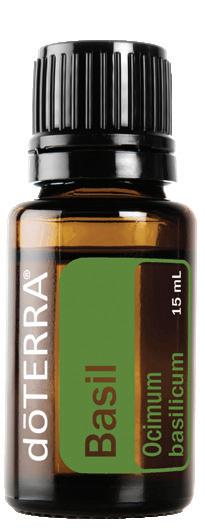
Basil Ocimum Basilicum
Main Constituents
Methyl thujate 46–66%
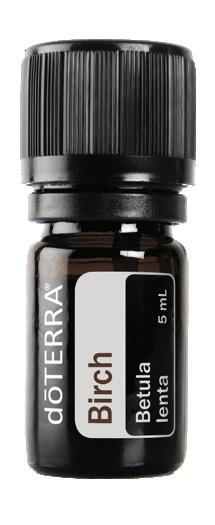
Uses: Provides a soothing massage and cooling sensation after exercise. Promotes healthy-looking skin. Apply topically to reduce appearance of blemishes. Birch Betula lenta
Carbon Backbone
Uses: Apply topically to help keep the skin looking clean, clear, and healthy. Diffuse for an energizing aroma. Take internally to help to ease monthly feminine discomfort.*
Body Systems: Nervous, Reproductive, Skin*
Carbon Backbone
Groups Main Constituents
Linalool 46–60%
1,8-Cineole 9–12%
Eugenol 3–7%
Trans-alpha-bergamotene 4–7%
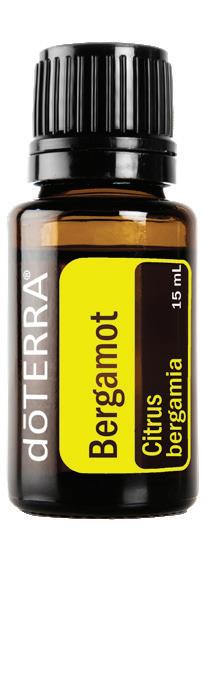
Bergamot Citrus Bergamia
Uses: Diffuse for a calming and soothing aroma. Provides skin purifying benefits. Frequently used in massage therapy for its calming benefits.
Body Systems: Nervous, Skin*
Carbon Backbone
Main Constituents
Limonene 22–51%
Linalyl Acetate
22–37%
Linalool 2–20%
Terpinene 2–10%
beta-Pinene 1–9%
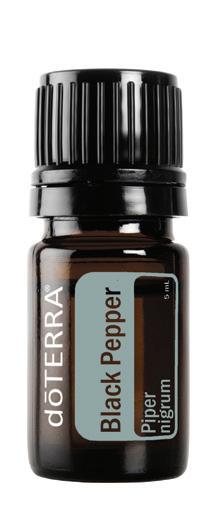
Black Pepper
Piper nigrum
Carbon Backbone Functional Groups Functional Groups
Main Constituents
Methyl salicylate 95–100%
Uses: Provides antioxidant support, supports healthy circulation, and aids digestion.* Enhances food flavor. Diffuse for a soothing aroma. Body Systems: Nervous, Cardiovascular, Digestive*
Main Constituents
beta-Caryophyllene 15–33%
Limonene 14–24%
alpha-Pinene 9–17%
Carene 7–16%
beta-Pinene 8–15%
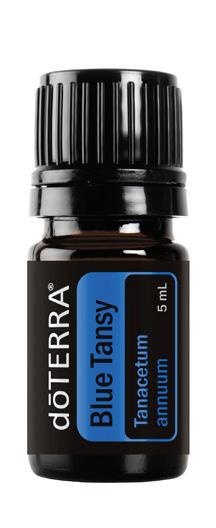
Blue Tansy Tanacetum annum
Uses: Helps reduce the appearance of blemishes. Provides a soothing sensation when applied to the skin.
Carbon Backbone Functional Groups Main Constituents
Sabinene 14–24%
Chamazulene 5–15%
Camphor 7–15%
beta-Pinene 4–10%
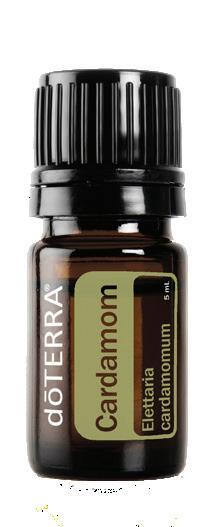
Cardamom Eletarria cardamomum
Uses: May help ease indigestion and maintain overall gastrointestinal health.* Promotes feelings of clear airways. Flavorful spice for cooking and baking.
Body Systems: Digestive, Respiratory*
Carbon Backbone Functional Groups Main Constituents
alpha-Terpinyl acetate 36–42%
1,8-Cineole 26–38%
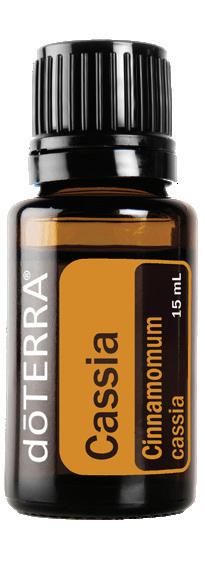
Cassia Cinnamomum cassia
Uses: Promotes healthy digestion when taken internally.* Ingest to support healthy cardiovascular, metabolic, and immune function.*
Possesses a warming, uplifting aroma.
Body Systems: Cardiovascular, Digestive, Endocrine, Immune*
Carbon Backbone Functional Groups Main Constituents
Cinnamaldehyde 75–93%
Cinnamyl Acetate
0–10%
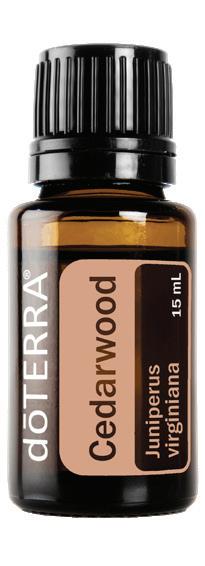
Cedarwood Juniperus virginiana
Uses: Naturally repels insects. Promotes a relaxing environment. Helps to keep skin looking healthy.
Body Systems: Nervous, Skin
Carbon Backbone Functional Groups Main Constituents
Cedrene 28–48%
Cedrol 9–30%
Thujopsene 15–22%
*These
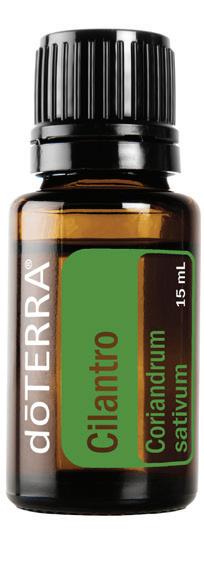
Cilantro Coriandrum sativum
Uses: Supports healthy digestion when taken internally.* Powerful cleanser and detoxifier.* Gives food a fresh and tasty flavor.
Body Systems: Digestive*
Carbon Backbone Functional Groups Main Constituents
2-Decena 17–38%
2-Decen-1-ol 13–25%
Linalool 12–25%
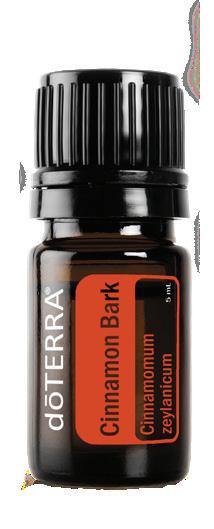
Cinnamon Bark Cinnamomum zeylanicum
Uses: Supports healthy metabolic function.* Maintains a healthy immune system.* Naturally repels insects. Long used to flavor food and for its internal health benefits.*
Body Systems: Endocrine, Immune*
Carbon Backbone Functional Groups Main Constituents
Cinnamaldehyde 21–72%
Cinnamyl Acetate 1–19%
Eugenol 1–8%
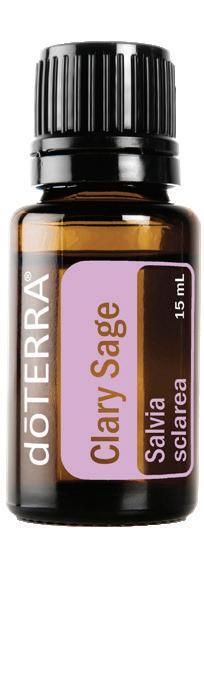
Clary Sage Salvia sclarea
Uses: Promotes healthy-looking hair and scalp. Promotes a restful sleep environment. Calming and soothing to the skin.
Body Systems: Nervous, Skin*
Carbon Backbone Functional Groups Main Constituents
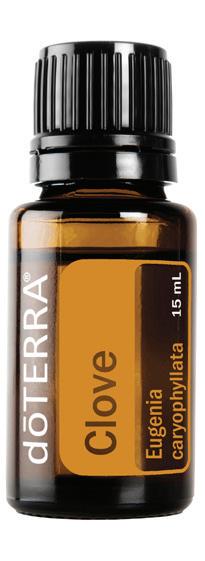
Carbon Backbone Functional Groups Main Constituents
Eugenol 67–86%
Eugenol Acetate 3–21%
beta-Caryophyllene 3–13%
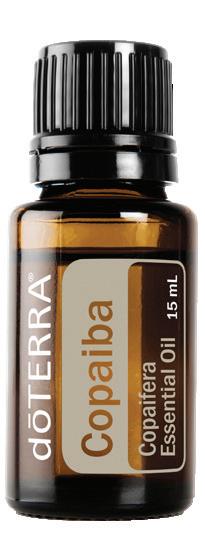
Copaiba Copaifera spp.
Uses: Supports the health of the cardiovascular, immune, digestive and respiratory systems.* Powerful antioxidant.* Helps calm and soothe the nervous system.* Promotes clear skin and reduces the appearance of blemishes.
Body Systems: Cardiovascular, Digestive, Immune, Nervous, Respiratory, Skin*
Carbon Backbone Functional Groups Main Constituents
beta-Caryophyllene 43–70%
trans-alpha-bergamotene 3–12%
Humulene 5–12%
alpha-Copaene 3–10%
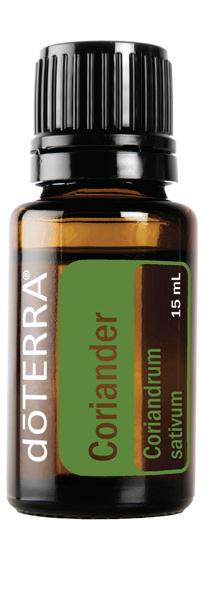
Coriander Coriandrum sativum
Uses: Promotes digestion.* Helps maintain a clear complexion. Promotes a relaxing atmosphere.
Body Systems: Digestive, Nervous, Skin*
Carbon Backbone Functional Groups Main Constituents
Linalool 69–79%
alpha-Pinene 3–7%
Terpinene 2–6%
Camphor 3–6%
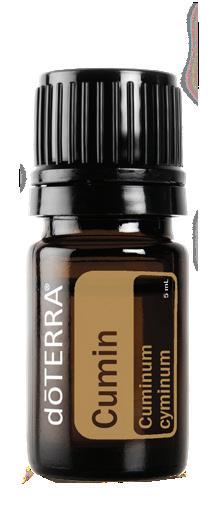
Cumin Cuminum cyminum
Uses: Supports digestive health and helps to relieve occasional digestive discomfort.* Purifying to the body’s systems.*
Body Systems: Digestive, Cardiovascular, Skin*
Carbon Backbone Functional Groups Main Constituents
Cuminal 16–26%
Terpinene 16–25%
Terpinen-7-al 18–42%
beta-Pinene 13–19%
*These
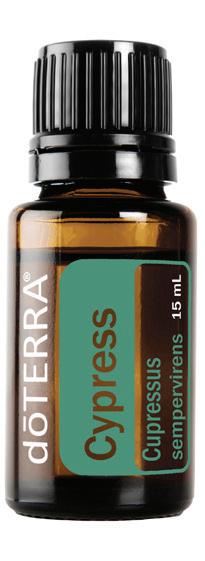
Cypress Cupressus sempervirens
Uses: Promotes vitality and energy.* Helps improve the appearance of oily skin.
Carbon Backbone Functional Groups Main Constituents
alpha-Pinene 21–61%
Carene 8–27%
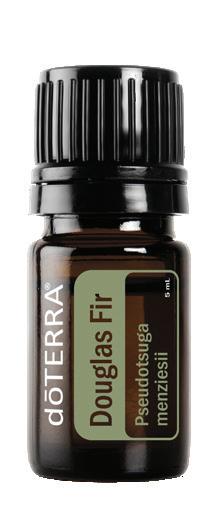
Douglas Fir Pseudotsuga menziesii
Uses: Promotes feelings of clear airways and easy breathing. Cleansing and purifying to the skin. Offers a sweet, lemony scent to freshen the air.
Carbon Backbone Functional Groups
Main Constituents
beta-Pinene 20–35%
Sabinene 3–21%
alpha-Pinene 6–17%
Terpinolene 8–17%
*These
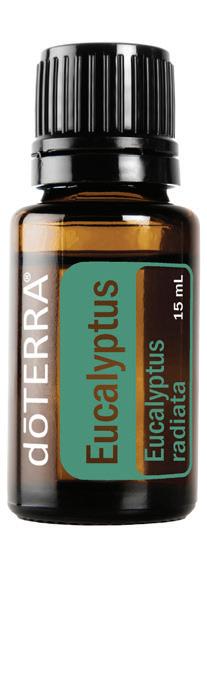
Eucalyptus Eucalyptus spp.
Uses: Offers a revitalizing aroma. Promotes feelings of clear breathing and open airways.
Carbon Backbone
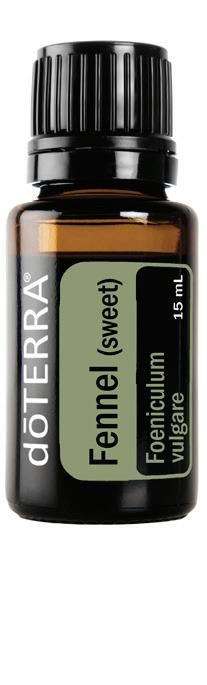
Fennel Foeniculum vulgare
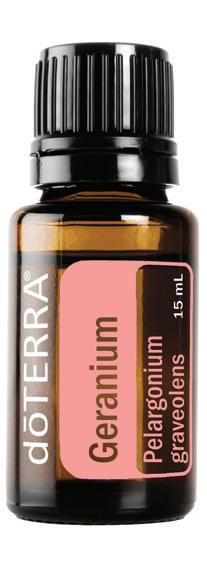
Geranium Pelargonium graveolens
Uses: Promotes the appearance of clear, healthy skin. Naturally repels insects. Gives hair a vibrant, healthy glow.
Body Systems: Immune, Skin*
Main Constituents
1,8-cineole (eucalyptol) 55–85%
Terpineol 1–15%
Uses: Promotes healthy digestion.* Supports a healthy respiratory system.* May help promote healthy metabolism, liver function, and circulation.*
Body Systems: Cardiovascular, Digestive, Endocrine, Respiratory*
Carbon Backbone Functional Groups Functional Groups
Main Constituents
Anethole 53–88%
alpha-Pinene
0.0–12%
Fenchone 1–9%
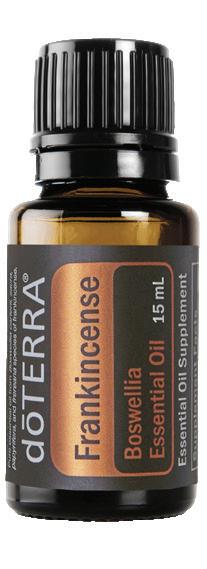
Frankincense Boswellia spp.
Uses: Ingest to support healthy cellular function.* Provides a comforting, uplifting aroma. Helps reduce the appearance of skin imperfections when applied topically. Supports healthy immune, nervous, and digestive function when taken internally.*
Body Systems: Nervous, Digestive, Immune, Skin*
Carbon Backbone Functional Groups Main Constituents alpha-Pinene 37–54%
alpha-Thujene 2–20%
Limonene 6–11%
Carbon Backbone Functional Groups Main Constituents
Citronellol 16–42%
Geraniol 5–23%
Citronellyl formate 6–16%
6,9-Guaiadiene 4–10%
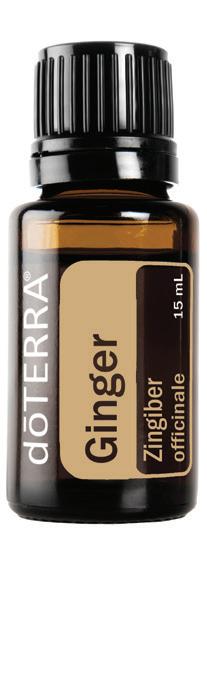
Ginger Zingiber officinale
Uses: May help to support healthy digestion.* May help to reduce bloating, gas, occasional indigestion and occasional nausea.*
Body Systems: Digestive*
Carbon Backbone Functional Groups Main Constituents
alpha-Zingiberene 27–42%
beta-Sesquiphellandrene 10–13%
Citral 4–12%
Curcumene 4–9%
Farnesene 4–9%
Camphene 4–8%
Bisabolene 5–8%
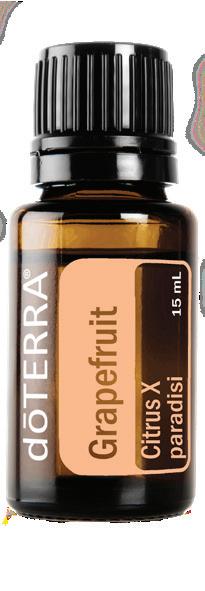
Grapefruit Citrus X paradisi
Uses: Improves the appearance of blemishes. Supports healthy metabolism.* Provides an uplifting aroma.
Body Systems: Endocrine, Nervous, Skin*
Carbon Backbone Functional Groups Main Constituents
Limonene 89–97%
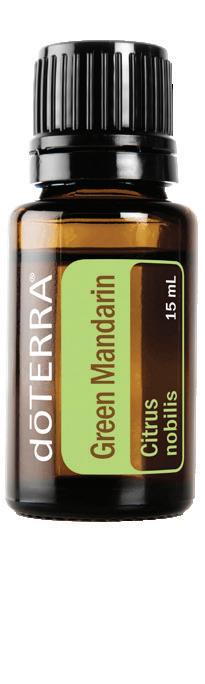
Green Mandarin Citrus nobilis
Uses: May be used aromatically to cleanse the air and provide a refreshing, light aroma. Can be used to flavor food and beverages. May help to support healthy cardiovascular, digestive, immune, metabolic, and nervous system health when taken internally.*
Body Systems: Cardiovascular, Digestive, Endocrine, Immune, Nervous, Respiratory, Skin*
Carbon Backbone Functional Groups Main Constituents
Limonene 64–77%
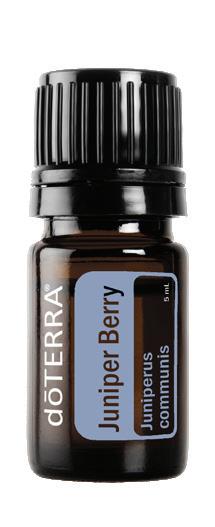
Juniper Berry Juniperus communis
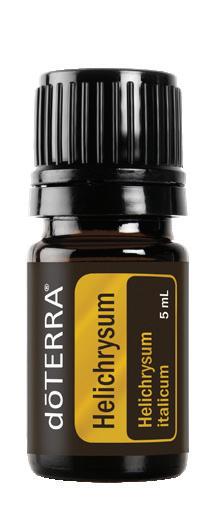
Helichrysum Helichrysum italicum
Uses: Helps skin look young and healthy. May help promote a healthy metabolism.*
Body Systems: Endocrine, Skin*
Carbon Backbone Functional Groups Main Constituents
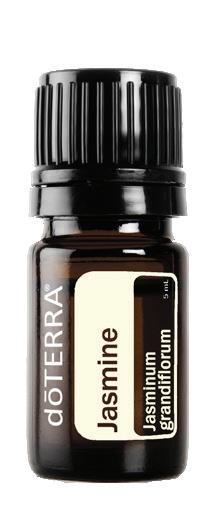
Jasmine Jasminum grandiflorum
Neryl Acetate 10–27%
alpha-Pinene 11–26%
Curcumene 15–22%
Uses: Supports healthy kidney and urinary tract function.*Acts as a natural skin toner and a natural cleansing and detoxifying agent.* Has a calming, grounding aroma.
Body Systems: Skin, Urinary*
Carbon Backbone Functional Groups Main Constituents
alpha-Pinene 25–47%
Myrcene 10–21%
Sabinene 5–18%
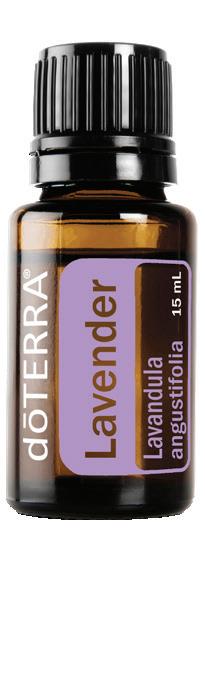
Lavender Lavandula angustifolia
Uses: Promotes a healthy-looking, glowing complexion. Nourishes and protects the skin and scalp.
Carbon Backbone Functional Groups Main Constituents
Benzyl Acetate 9–25%
Linalool 2–19%
Benzyl Benzoate 5–22%
Farnesene 3–15%
Jasmone 2–13%
Isophytol 5–10%
Terpinene 16–23% *These
Uses: Soothes occasional skin irritations. When taken internally, may reduce anxious feelings, promote peaceful sleep, and help ease feelings of tension.*
Body Systems: Nervous, Skin*
Carbon Backbone Functional Groups Main Constituents
Linalool 30–36%
Linalyl Acetate 26–35%
Ocimene 5–9%
Lavandulyl Acetate 4–7%
Lemon Citrus limon
Uses: Cleanses and purifies the air and surfaces. Naturally cleanses the body and aids in digestion.* Supports healthy respiratory function.* Promotes a positive atmosphere.
Body Systems: Digestive, Respiratory, Immune, Skin*
Carbon Backbone Functional Groups Main Constituents
Limonene 60–77%
beta-Pinene 7–16%
Terpinene 6–14%
Lemongrass Cymbopogon flexuosus
Uses: Supports healthy digestion when taken in a capsule.*
Body Systems: Digestive, Immune*
Carbon Backbone Functional Groups Main Constituents
Citral 66–84%
Geraniol 1–10%
Marjoram Origanum majorana
Uses: Valued for its calming properties and positive effect on the nervous system when taken internally.* Supports a healthy immune system when consumed.* May promote a healthy cardiovascular system when ingested.*
Body Systems: Cardiovascular, Immune, Nervous*
Carbon Backbone Functional Groups Main Constituents
Terpinen-4-ol 21–28%
Terpinene 20–24%
trans-Sabinene hydrate 13–21%
Sabinene 6–9%
Melissa Melissa officinalis
Uses: Supports healthy immune function.* Used as an aromatic, topical, and internal cleanser.* Natural degreaser and surface cleanser.
Body Systems: Digestive, Immune*
Carbon Backbone Functional Groups Main Constituents
Limonene 43–67%
beta-Pinene 1–20%
Terpinene 6-17%
Magnolia
Uses: Apply for a relaxing aroma. Can help soothe the skin when applied topically.
Carbon Backbone Functional Groups Main Constituents
Linalool 63–75%
beta-Caryophyllene 3–9%
Uses: May help to support a healthy immune system.* Calms tension and nerves.* Creates a relaxing space.
Body Systems: Immune, Nervous*
Carbon Backbone Functional Groups Main Constituents
Geranial 17–35%
Neral 12–22%
beta-Caryophyllene 13–23%
Germacrene D 3–17%
Myrrh Commiphora myrrha
Uses: Powerful cleansing properties, especially for the mouth and throat. Soothing to the skin; promotes a smooth, youthfullooking complexion.
Body Systems: Digestive, Nervous, Skin*
Carbon Backbone Functional Groups Main Constituents
Furanoeudesmadiene 27–43%
Curzerene 22–40%
Lindestrene 8–14%
Lime Citrus aurantifolia
Michelia x alba
Oregano Origanum vulgare
Uses: Used as a powerful cleansing and purifying agent. Supports a healthy immune system, healthy digestion, and respiratory function when used internally.* Offers powerful antioxidants when ingested.*
Body Systems: Digestive, Immune, Respiratory*
Carbon Backbone Functional Groups Main Constituents
Carvacrol 64–78%
Terpinene 4–8%
Linalool 3–8%
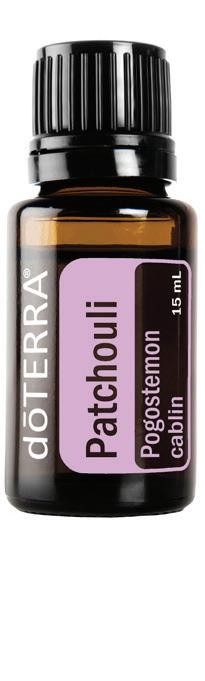
Patchouli Pogostemon cablin
Uses: Offers a grounding, balancing aroma. Promotes a smooth, glowing complexion. Reduces the appearance of wrinkles, blemishes, and skin imperfections.
Body Systems: Skin, Nervous*
Carbon Backbone Functional Groups Main Constituents
Patchouli Alcohol 36–43%
alpha-Bulnesene 15–17%
alpha-Guaiene 10–12%
Patchoulene 6–8%
Seychellene 5–7%
beta-Caryophyllene 3–6%
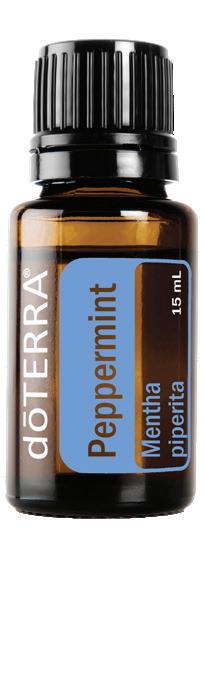
Peppermint Mentha piperita
Uses: When ingested, promotes healthy respiratory function and clear breathing.* Promotes digestive health when taken internally.* Repels bugs naturally. Apply topically for a cooling sensation.
Body Systems: Digestive, Respiratory*
Carbon Backbone Functional Groups Main Constituents
Menthol 37–53%
Menthone 22–34%
Menthyl Acetate 5–10%
1,8-Cineole 5–7%
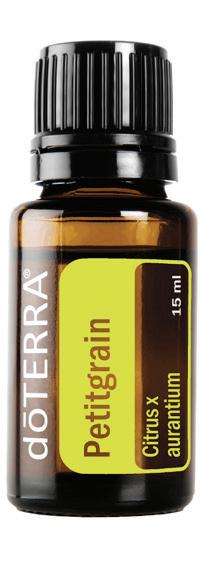
Petitgrain Citrus aurantium
Uses: May help support healthy cardiovascular function.* May provide antioxidant support* Supports healthy immune function.* May help promote a restful sleep*
Body Systems: Cardiovascular, Immune, Nervous*
Carbon Backbone Functional Groups Main Constituents
Linalyl Acetate 44–58%
Linalool 21–27%
Terpineol 3–7%
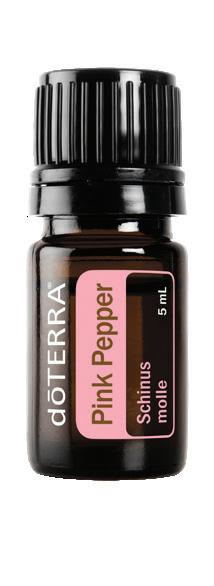
Pink Pepper Schinus molle
Uses: Create a soothing massage by combining one to two drops with dōTERRA Fractionated Coconut Oil. May help to calm and soothe the nervous system when taken internally.*
Body Systems: Cardiovascular, Digestive, Immune, Nervous, Respiratory*
Carbon Backbone Functional Groups Main Constituents
Phellandrene 28–34%
Limonene 13–22%
Myrcene 15–18%
Cadinene 4–8%
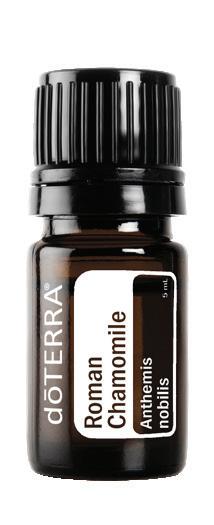
Roman Chamomile Anthemis nobilis
Uses: Has a calming effect on the skin, mind, and body.* May help support healthy immune system function.*
Body Systems: Immune, Nervous, Skin*
Carbon Backbone Functional Groups Main Constituents
Isobutyl angelate 3–38%
3-Methylpentyl angelate 0.0–27%
Isoamyl angelate 13–24%
Methallyl angelate 7–16%
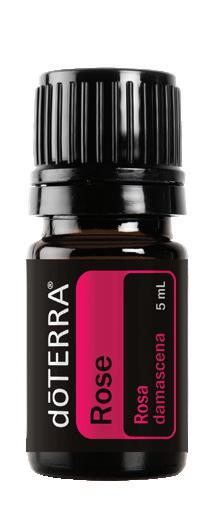
Rose Rosa damascena
Uses: Helps balance moisture levels in the skin. Reduces the appearance of skin imperfections. Promotes an even skin tone and healthy complexion. Uplifting aroma.
Carbon Backbone Functional Groups Main Constituents
Citronellol 17–34%
Geraniol 10–23%
Nerol 5–14%
Uses: Supports healthy digestion and respiratory function.* Helps reduce nervous tension and occasional fatigue.*
Body Systems: Digestive, Nervous, Respiratory*
Carbon Backbone Functional Groups Main Constituents
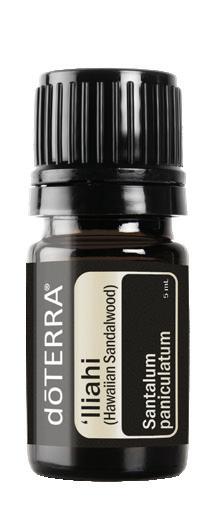
Uses: Promotes healthy looking, smooth skin. Reduces the appearance of skin imperfections. Frequently used in meditation for its grounding, uplifting aroma.
Carbon Backbone Functional Groups Main Constituents
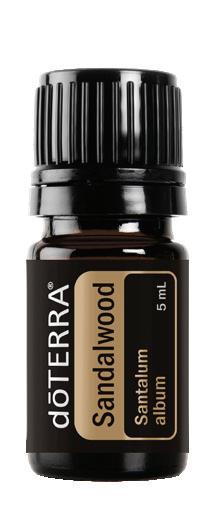
Santalol 41–76%
Lanceol 1–17%
Sandalwood (Indian) Santalum album
Uses: Promotes healthy looking, smooth skin. Reduces the appearance of scars and skin imperfections. Frequently used in meditation for its grounding and uplifting properties.
Carbon Backbone Functional Groups Main Constituents
Santalol 61–86%
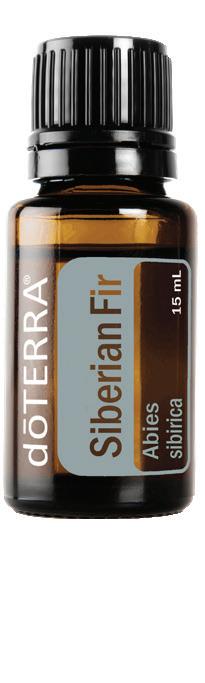
Siberian Fir Abies sibirica
Uses: Creates a tranquil, positive space. Diffuse for a relaxing aroma. Provides a soothing effect when used in massage.
Body Systems: Musculoskeletal, Nervous, Skin*
Carbon Backbone Functional Groups Main Constituents
Bornyl Acetate 27–36%
Camphene 18–23%
Carene 10–14%
alpha-Pinene 10–13%
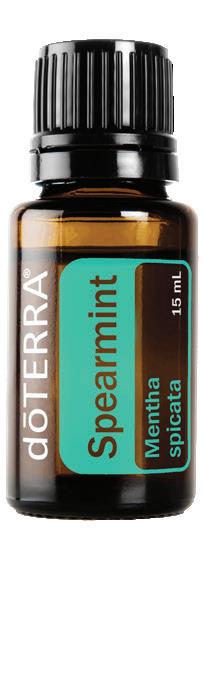
Spearmint Mentha spicata
Uses: Promotes digestion and helps reduce occasional stomach upset.* Promotes a calm environment for working or studying. Cleanses the mouth and promotes fresh breath.
Body Systems: Digestive, Nervous*
Carbon Backbones Functional Groups Main Constituents
Carvone 51–64%
Limonene 18–23%
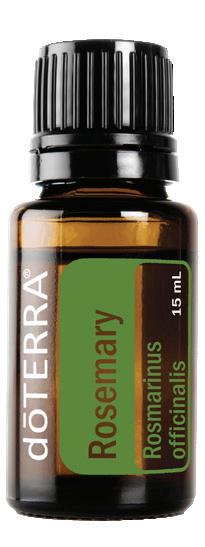
Rosemary Rosmarinus officinalis
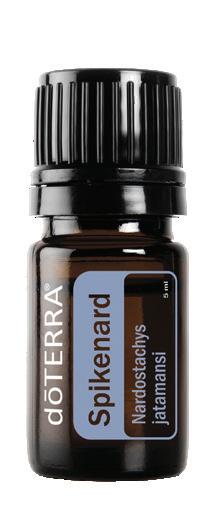
Spikenard Nardostachys jatamansi
Uses: Uplifting aroma. Promotes a calm, relaxing space. Frequently used in aromatherapy and meditation for its grounding aroma. Purifying to the skin.
Carbon Backbone Functional Groups Main Constituents
beta-Gurjunene 3–13%
Jatamansone 3–20%
Spirojatamol 2–15%
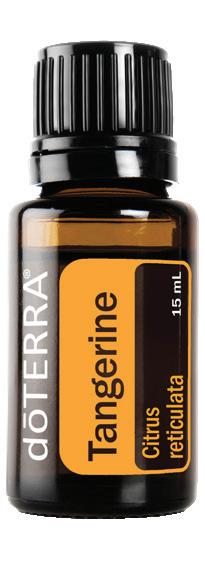
Tangerine
Citrus reticulaba Blanco
Uses: Brightens any space with its sweet, tangy aroma. Cleans surfaces.
Body Systems: Cardiovascular, Immune, Nervous, Skin*
Carbon Backbone Functional Groups Main Constituents
Limonene74–97%
Terpinene0.0–18%
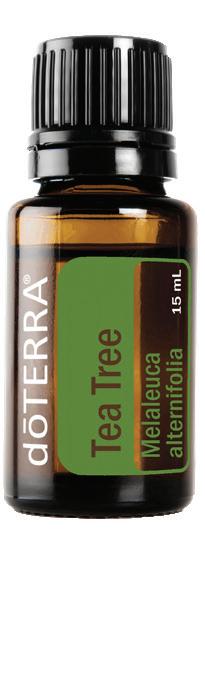
Tea Tree (Melaleuca) Melaleuca alternifolia
Uses: Renowned for its cleansing and rejuvenating effect on the skin.
Carbon Backbone Functional Groups Main Constituents
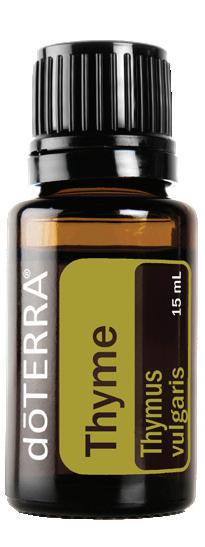
Thymol 26–62%
Cymene 13–28%
Terpinene 7–19%
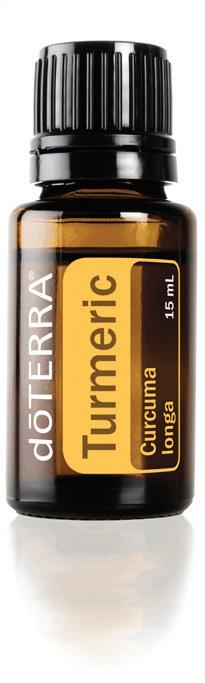
Turmeric Curcuma longa
Uses: Provides antioxidant support when taken internally.* Promotes healthy circulation, gastrointestinal function, metabolism, and cellular function when taken internally.* Supports healthy immune and nervous system function.* Promotes a clean and healthy mouth. Topical use of turmeric essential oil may support clean and healthy looking skin and reduce the appearance of blemishes..
Body Systems: Cardiovascular, Digestive, Immune, Nervous, Skin* Carbon Backbone Functional Groups Main Constituents
Ar-Turmerone 24–40%
alpha-Turmerone 12–28%
beta-Turmerone 6–18%
alpha-Zingiberene 3–7%
Vetiver Vetivera zizanioides
Carbon Backbone Functional Groups Main Constituents
Carbon Backbone Functional Groups Main Constituents
Limonene 88–98%
Wintergreen Gaultheria fragrantissima
Uses: Great for a warming soothing massage after exercise. Has a refreshing aroma that’s uplifting and stimulating. Frequently used in gum, candy, and toothpaste for flavoring.
Carbon Backbone Functional Groups Main Constituents
Methyl Salicylate 99–100%
PART 3: ESSENTIAL OIL CONSTITUENTS
This portion of The dōTERRA Essential Oil Chemistry Handbook presents the chemical properties of around 80 of the main chemical constituents found in dōTERRA oils. The name, structure, chemical classification, uses, and benefits of each compound are listed along with the oils in which these compounds can be found, and in what relative concentration. This section is designed to serve as an expansion of the constituent details provided in the dōTERRA Oil Chemistry Wheel.
Ylang Ylang Cananga odorata
Uses: Provides antioxidant support.* Promotes appearance of healthy skin and hair. Calming, yet uplifting, aroma.
Body Systems: Nervous, Skin*
Carbon Backbone Functional Groups Main Constituents
Germacrene D 14–23%
beta-Caryophyllene 11–17%
Farnesene 10–14%
Geranyl Acetate 4–11%
Linalool 2–10%
Benzyl Benzoate 5–9%
It is important to realize that this section of the handbook only highlights the most abundant essential oil constituents. In reality, there are hundreds of different monoterpene compounds and over 10,000 different kinds of sesquiterpenes. While most oils are mainly composed of just a few of the compounds listed in Part 3, many oils contain close to a hundred other minor constituents present in small quantities. Interestingly, these minor constituents can make a major contribution to an oil’s properties. Synergistic effects between minor constituents can also play an important role in how the oil interacts with the body and other substances. The scientific consensus from the current research is that an oil is much more than the sum of its main compounds. This means that the benefits of an essential oil may be different than the simple sum of the benefits of its constituents.
Knowing the main constituents in an oil can help you determine how it fits into a daily usage model and how it can be compared to other oils. An oil with high levels of a certain constituent will often have similar properties to that constituent. If a given constituent is useful in a certain context, another oil also containing that constituent may be useful in the same context. These are some of the foundational principals that we hope you can take from the information contained in this section of The dōTERRA Essential Oil Chemistry Handbook.
Constituent
Benzyl
Sesquiterpene Alkene
• Supports digestive system.*
• Helps maintain healthy cellular function.*
• Supports healthy blood flow.*
• Soothes the tissues.
• Provides surface-cleansing properties.
• Synergizes with 1,8-Cineole (eucalyptol) to create a potent cleanser.
• May promote feelings of open airways.
an antioxidant.*
Sesquiterpene Alkene
• Supports healthy cellular function.* • Posesses a balsamic odor.
Patchouli
Benzyl Acetate
Benzoate
Bisabolene
Constituent
Bornyl Acetate
Monoterpene ester
Sesquiterpene Alkene
• Supports feelings of moist airways.
• Soothes the tissues.
• Posesses a calming aroma.
• Supports cellular function and the immune system.*
May support healthy blood flow.*
Monoterpene Alkene Serves as an antioxidant.*
Monoterpene alcohol
Can help in a soothing massage for muscle aches. • Blue Tansy 5–20%
Rosemary 5–15%
Coriander 2–8%
• Provides powerful surface-cleansing properties.
• Soothes the skin.
• Provides antioxidants.*
• Supports the digestive, nervous, cardiovascular, and musculoskeletal systems.*
• Supports cellular health and liver function.*
Patchouli 1–20%
Camphene
Camphor
Carvacrol
Carvone
Constituent
betaCaryophyllene
Sesquiterpene Alkene
• Soothes the skin and tissues.
• May reduce the appearance of blemishes.
• Supports a healthy inflammatory response.*
• Serves as a strong antioxidant.*
• Supports the digestive and circulatory systems.* • Copaiba
*Statements marked with asterisks refer to internal use only. Some essential oils containing the compounds presented are not recommended for internal use.
Spirojatamol
Constituent
Monoterpene alcohol Offers a calming and relaxing aroma.
Monoterpene Alkene
• Offers a calming and relaxing aroma.
• May promote cellular health and immune system function.*
Monoterpene ester
• Provides surface- and skin-cleansing properties.
• May support cellular and digestive health.*
• Supports a healthy metabolism. *
alpha-Thujene Monoterpene Alkene Offers an herbaceous aroma.
Sesquiterpene Alkene Offers a woody Aroma.
Monoterpene alcohol
• Offers an invigorating aroma.
• Provides surface- and skin-cleansing properties.
• Promotes oral health when used in a mouth rinse.
• May provide antioxidant benefits.*
• Supports immune, circulatory, respiratory, cardiovascular, and nervous systems.
• May support bone health.*
Oregano 0.5–10%
marked with asterisks refer to internal use only. Some essential oils containing the compounds presented are not recommended for internal use.
Terpinyl Acetate
Thujopsene
Thymol
Sesquiterpene ketone
Supports healthy nervous system function, healthy cellular function, and immune function.* Turmeric
alphaZingiberene
Sesquiterpene Alkene
• Promotes cellular health.*
• Supports the health of stomach and digestive tract.*