By Steve Temple
by Brian J. Riker
By Kendall Smith
By Peter Lukevich, JD
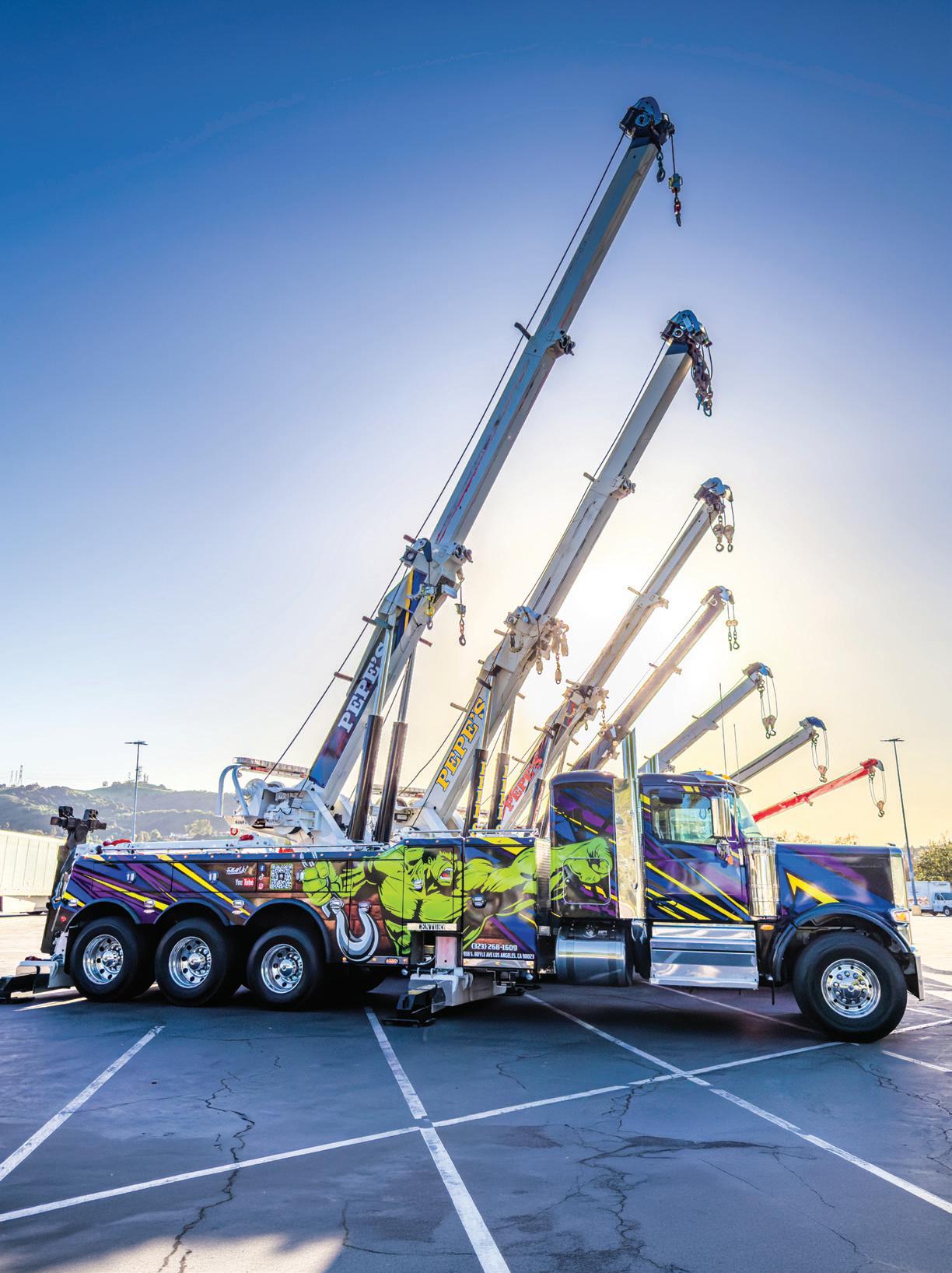
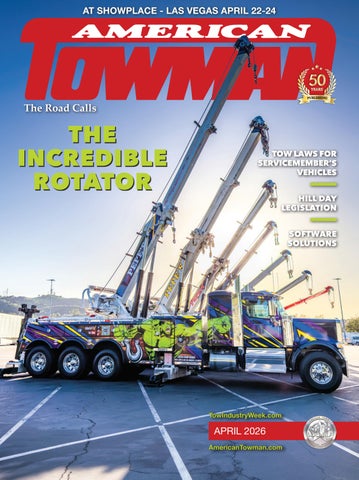
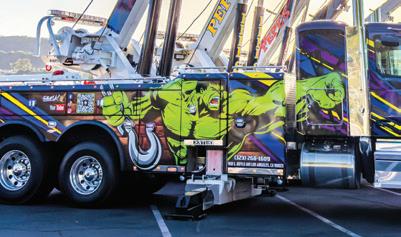
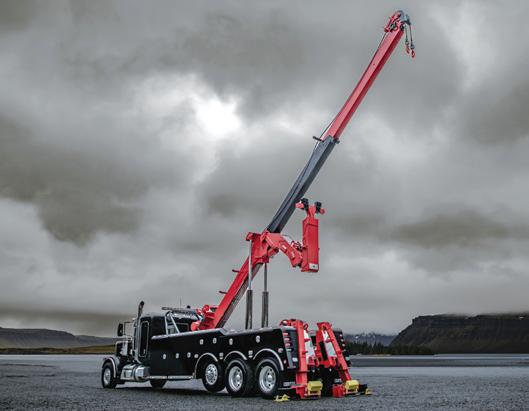
The Hulk’s muscular strength is an apt symbol of towing power. But there’s also a “smarter” Hulk riding along in the converted sleeper cab of Pepe’s Century Rotator with its sophisticated mobile office setup. The American Towman staff continues to honor Steven L. Calitri, our Editor-In-Chief, who passed this last December. On the cover is a commemorative insignia, a tribute to a man who had a great passion for this industry and made a difference in the lives of so many


Dennie Ortiz Publisher
April ushers in the season of renewal and growth, reminding us of what’s possible when we nurture what matters. And while building your business certainly matters year round, it’s not just about doing more—it’s about doing better.
A well-developed and consistently maintained marketing strategy is essential to drive meaningful growth in your company. With so many ways to share your message, choosing the right platform truly matters. New contributor, Devon Banks, presents a compelling
case for why LinkedIn should be a central component of your marketing efforts. Devon walks you step-by-step through building and boosting your company’s presence on this powerful professional network.
Beyond marketing, operations are the real engine. To keep your company moving forward and to sustain healthy momentum, it’s essential to establish strong operational systems, organizational procedures, and effective controls. Kendall Smith, with an extensive background in towing management software, highlights in her article the many ways these critical tools support running a successful business.
Next, don’t drop the ball on compliance. Staying current with towing laws and regulations should always be a top priority, whether you’re a business owner or an operator. In this issue, Terry Abejuela provides an overview of general state towing laws, while Brian Riker examines the very latest national legislation impacting the industry.
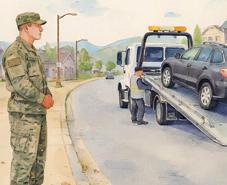
On a timely note, with many of our fellow Americans deployed overseas, attorney Peter Lukevich explores the complexities of towing compliance under the Servicemembers Civil Relief Act. Peter clearly outlines the protections afforded to servicemembers’ vehicles, and explains how towers must adhere to these requirements to avoid significant penalties, including fines and even potential jail time.
Hoping to see you later this month at the American Towman ShowPlace in Las Vegas, April 22-24. As always, stay safe out there!

Steve Temple Editor
One staple in the towing industry is the Cummins X-15, commonly found in most heavy-duty wreckers. This 15-liter diesel engine is a proven workhorse, and the 2027 model will feature a few upgrades. These include evolutions in the design of the piston bowl to increase compression ratio, and the piston skirt to reduce friction, improving fuel efficiency.
Maintenance is now easier with cartridge-style filters that not only reduce costs, but also minimizes
environmental impacts. In addition, an improved SCR (Selective Catalytic Reduction) maximizes NOx conversion and enhances low temperature performance. To offset weight gain from this after-treatment system, the engine block has been sculpted with added strength that translates to higher payloads and more completed jobs. Lastly, the independent electric heating system is specifically designed for heavy-duty commercial vehicles, and allows catalysts to reach operating temperature faster on cold startups and for optimizing performance.
Another change announced by the American Petroleum Institute is the new API Proposed Category 12 (PC-12) heavy-duty engine oil specification, which has been formally approved for the 2027 model year. This new specification is for next-generation performance standards, with improved oxidation resistance, enhanced wear protection, expanded elastomer compatibility, improved after-treatment system protection, and support for lower viscosity grades aimed at improving fuel economy.
Clearly, tow truck engines are benefiting from cleaner and more efficient technologies.
itowman.com
americantowman.com
towindustryweek.com
americantowmantv.com

Louisiana prosecutors and truckers are seeking justice in a trial involving attorneys accused of staging accidents with commercial vehicles to cash in on fraudulent insurance claims and lawsuits. The case centers on various people who purportedly were automobile passengers, knew they were part of staged collisions, and later lied as part of false insurance claims and lawsuits based on accidents, according to the U.S. Attorney’s Office.
Known as slammers, some participants allegedly drove automobiles and intentionally collided with 18-wheeler tractor-trailers and other commercial vehicles in the New Orleans area. After the accidents, the slammers reportedly fled the scene, while a passenger claimed to be driving during the accident.
The scheme allegedly included people called “spotters” who drove around “searching for 18-wheeler tractor-trailers and other commercial vehicles to be part of staged collisions,” an April 25, 2025, court indictment noted. Other participants purportedly used the names and personal identification information of other people to file false insurance claims based on the staged accidents. Chief Judge Wendy B. Vitter is presiding over the jury trial prosecuting three people and two law firms for their alleged roles.
David Albert Beaver Jr., 60, pleaded guilty to first-degree homicide in a crash that killed Frank Ingram, owner of Ingram Towing, nearly three years ago. According to prosecutors, Ingram had stopped on the shoulder of Georgia’s I-575 to assist a disabled dump truck. Traffic camera footage showed his tow truck’s emergency lights activated as he exited the vehicle and walked along the roadside berm.
Authorities say Beaver remained in the right lane instead of slowing down or moving over. His van veered about six feet across the fog line, striking Ingram and dragging him roughly 43 feet. Witnesses reported seeing Beaver’s vehicle swerving before the crash. Beaver later told investigators he did not see Ingram until after impact.
A judge sentenced Beaver to 15 years, including one year in confinement, with conditions including 180 days in jail served in increments, and 768 hours of community service picking up roadside litter.
Source: msn.com
Connecticut lawmakers are weighing proposed changes to the state’s towing laws, but towing companies and consumer advocates say the measure fails to resolve key issues. The legislation, which would be overseen in part by the Connecticut Department of Motor Vehicles under Commissioner Tony Guerrera, was the focus of testimony on House Bill 5465. The bill would allow towed vehicles to be sold after 30 days regardless of value, and require the DMV to create an online portal where details of every towed vehicle must be posted within two hours.
Under current rules, tow operators can begin selling vehicles valued under $1,500 after just 15 days—one of the shortest timelines nationwide.
Attorney Raphael Podolsky of Connecticut Legal Services argued the proposal still falls short, citing concerns
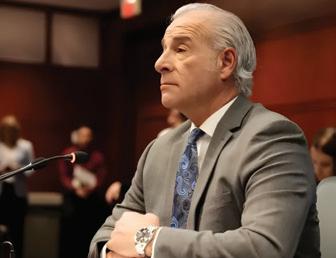
over proper notification to vehicle owners and ensuring fair auction values.
At the same time, some towing companies oppose the bill, saying the added reporting requirements would increase administrative burdens without addressing the rates towers are allowed to charge.
Source: courant.com
Fountain Square Towing and Recovery LLC has filed suit against the City of Bowling Green, challenging a local ordinance that caps what private tow operators may charge. The company seeks to block enforcement of Ordinance No. 15-6.05. The law limits towing fees to $175, including the first 24 hours of storage, and sets caps on daily storage, after-hours gate fees, booting charges and other services. It also requires operators to accept multiple forms of payment.
Attorney Allen Simpson, representing the company, said the city lacks authority to regulate towing rates and warned officials the ordinance would be challenged. The lawsuit argues that Kentucky Revised Statutes Chapter 281 governs towing statewide and preempts local rate-
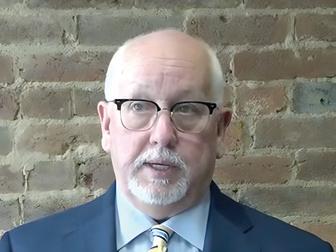
Attorney Allen Simpson seeks to block a new towing law.
setting. It also cites the federal Aviation Administration Authorization Act of 1994, which restricts local regulation of motor carrier prices and services. The company claims the ordinance violates constitutional protections and could threaten jobs.
Source: wbko.com
CarMax will pay nearly $500,000 to resolve allegations that it illegally repossessed vehicles from active-duty servicemembers, according to the U.S. Department of Justice. The settlement covers at least 28 servicemembers whose vehicles were repossessed between March 2018 and October 2023. Federal investigators found that CarMax repossessed vehicles without first obtaining court orders, a requirement under the Servicemembers Civil Relief Act (SCRA). The law protects military personnel from certain financial actions, including vehicle repossession, if they made at least one payment before entering active duty. Investigators also alleged that CarMax failed to extend these protections to reservists who had received orders for active duty. Under the agreement,
affected servicemembers will receive $15,000 each, plus any lost vehicle equity. CarMax will also pay a $79,380 civil penalty to the federal government.
Source: carscoops.com
For more information on Tow Laws for Servicemember’s vehicles see page 66
New York City officials have launched legal action against a Bronxbased towing company while signaling a wider crackdown on the industry over alleged predatory practices. Mayor Zohran Mamdani and the New York City’s Department of Consumer and Worker Protection (DCWP) announced a lawsuit against Instant Recovery Corp. following a surge of complaints from motorists.
Investigators allege the company overcharged motorists, demanded cash payments, and failed to provide receipts. Officials say at least 444 motorists were affected. DCWP is seeking $1.7 million in penalties and about $33,000 in restitution, along with revocation of the company’s towing license.
“Instant Recovery refuses to follow the rules, ripping off New Yorkers by overcharging them and forcing cash

payments,” said DCWP Commissioner Sam Levine.
The case is part of a broader enforcement effort. DCWP has issued warning letters to more than 300 licensed towing companies across the five boroughs, putting the entire industry on notice.
Source: nyc.gov; gothamist.com
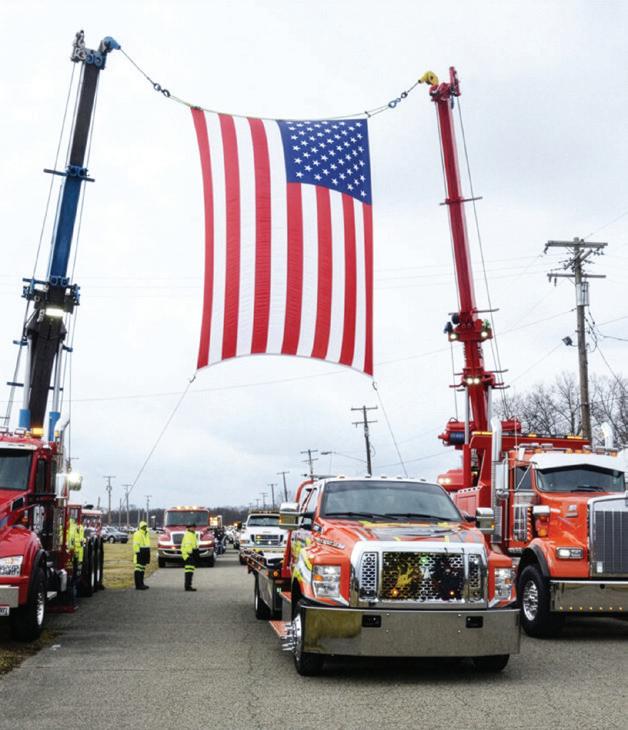
A massive American flag stretched between two tow trucks outside Glenn Funeral Home as the towing community gathered to honor David W. Fischer, a longtime operator from McCarty’s Towing. Nearly 100 trucks from across the region joined the funeral procession, paying tribute to a man who spent more than 50 years serving motorists in western Kentucky. Fischer, 71, was killed on March 11, 2026 while assisting a disabled semi along Interstate 165 near Owensboro. Authorities said he was outside his wrecker on the shoulder when he was struck by a passing tractor-trailer. The driver has been charged in connection with the crash.
Remembered for his professionalism and kindness, Fischer was a familiar face at roadside scenes throughout Daviess County. Colleagues described him as someone who brought calm and encouragement to highstress situations, often praising his team after each job. Friends of Fischer said he “never met a stranger,” a sentiment reflected in the strong turnout. The procession of tow trucks served as a powerful final salute to a respected figure in the towing industry.
Source: paxtonmedia.com
A convoy of tow trucks rolled through Las Vegas to honor the memory of Ryan Billotte, a tow truck driver who was struck and killed while assisting a motorist on Interstate 215 on March 9, 2021.
Nearly five years to the day of the tragedy, dozens of drivers participated in the procession, which ended at the exact location where Billotte lost his life. Many of those who joined the tribute did not personally know Billotte, but said the dangers of roadside work unite everyone in the towing industry.
“Every time I step out of the truck, anything could happen at any moment,” said Erik, a AAA driver who took part in the convoy.
The procession stopped beneath a roadside sign reminding motorists about Nevada’s Move Over Law. Participants said the goal of the event was both remembrance and awareness.
“We just want to come home to our families at night,” said Clayton Agner. “Ryan was unfortunate enough to not be able to make it home that night.”
Source: fox5vegas.com
B/A Products’ new Green Mamba represents yet another Gold Standard of innovation in the towing industry. Back in 1997, B/A designed and patented its popular 8-Point Tie-Down, which went on to become an industry benchmark for towing. The company is continuing in its pursuit of product innovation and dynamic testing with the Green Mamba webbing, which now offers increased longevity, visibility, abrasion resistance, and weather resistance of tie-down straps and equipment. This bright beast is a tie-down with gripping strength that lasts and never lets go.

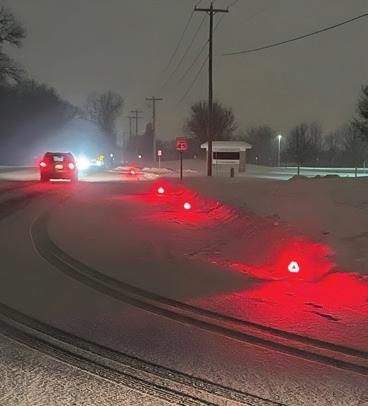
Nite Beams founder, Mike “Tonto” Alexander, studied the conventional road flares available on the market, and came up with a longer-lasting, lower-cost alternative— the Road Commander. In low-light conditions, this LED unit can be seen from up to a mile on either side, creating a much safer roadside work area. The magnetic, highimpact case is waterproof, durable, and can be used in just about any chemical or flammable spill environment. The battery is USB rechargeable, and has a backup solar panel, providing continuous flashing over 24 hours for longer recovery scenes. A wide variety of color settings are available, and each unit has a tripod providing an added height of 12 inches above ground level. Also, the tripod legs can be folded to fit inside the top of an orange traffic cone for extended height. The Road Commander can help prevent accidents, save lives, and reduce insurance claims, delivering an impressive return on investment.

Brigade’s AI HFR Box represents a practical and forwardthinking approach to fleet safety. By converting existing camera systems into intelligent human form recognition solutions, advanced AI technology is more accessible, sustainable, and cost-effective for operators. This is a meaningful step forward in supporting safer roads and job sites across North America. The AI-BOX system is plug-and-play and supports both CVBS and AHD video signals, maintaining compatibility across a broad range of legacy and modern fleets. It has multiple camera inputs to support wider field coverage, ideal for larger vehicles or higher-risk operating zones. With the AI HFR Box, fleet managers can achieve enhanced safety performance at reduced expense, with minimal installation time.

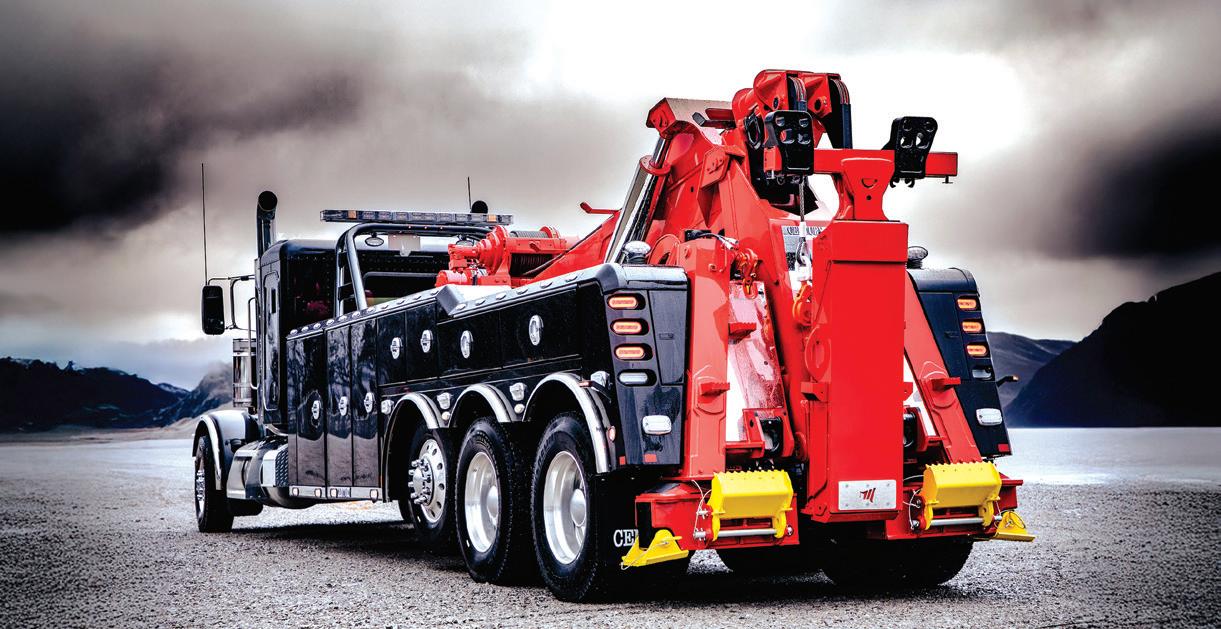
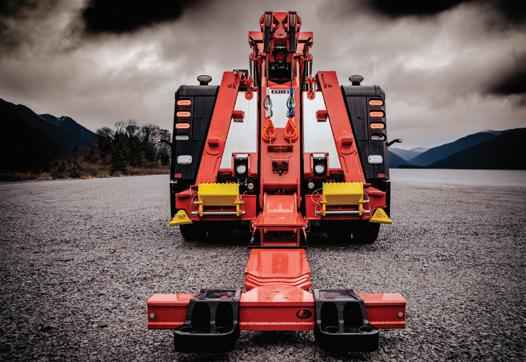
Miller Industries, the world’s leading manufacturer of towing and recovery equipment, announced the release of the updated Century 9055XL. This upgraded 50-ton, heavy-duty wrecker features targeted design enhancements focused on increased strength, smoother operation, and improved serviceability.
The Century 9055XL has long been a dependable solution for demanding heavy-duty towing and recovery applications. This latest update builds on that reputation with structural refinements driven directly by real-world operator feedback and engineering innovation.
Key updates include a redesigned under-lift with stronger pivot geometry, reducing force on the pivot pin to improve durability and longterm performance. A new low 5x5 crossbar and pivot head further enhances towing clearance, while maintaining the strength expected from a 50-ton platform.
The updated 9055XL also features four-plate inner and outer
jack legs equipped with Nylatron wear pads, delivering increased strength and smoother, more consistent operation during lifting and stabilization.
To expand recovery versatility, extendable outriggers now include integrated shackle lugs, providing additional anchoring options in challenging recovery environments. Operator safety is further enhanced with the addition of tailgate steps that provide more convenient access to the rear of the unit.
“These updates to the Century 9055XL reflect our continued focus on building equipment that works harder and lasts longer in the field,” said Billy Drane, Vice President of HeavyDuty Products with Miller Industries. “By refining critical components and improving serviceability and operator access, we’ve strengthened an already proven 50-ton wrecker.”
The updated Century 9055XL is available now through Miller Industries’ authorized distributor network and an updated version of the Century 9055 is now in trial production.
Field Editor Terry Abejuela has 40-plus years of light-duty towing and recovery experience. He is also a light-duty Level 1 instructor for the California Tow Truck Association.
By Terry Abejuela
In the challenging towing and recovery industry, tow truck operators carry substantial responsibility for ensuring safety on the highways, responding to law enforcement requests, and assisting
stranded motorists, along with complying with federal, state, and local laws. This piece highlights some of the common laws that pertain to the actual operation of a tow truck on the highway.
While towing is primarily regulated at the state and local levels, federal law shapes many aspects of how the industry operates, generally for highway safety and interstate commerce. Tow truck operators must know and comply with all federal, state, and local laws when operating a tow truck on any of the nation’s highways.
While this article cites California statutes, most states have similar laws. The wording may not be identical, so there is some paraphrasing of the laws. Tow operators should consult the precise statutory language to ensure compliance.
Also, remember that laws are often amended, so be sure to rely on the most up-to-date versions. For this article, the most recent California Vehicle Code (CVC) sections posted on the California Department of Motor Vehicles (DMV) website were verified.
Most states set their own laws governing tow truck lighting. These laws often designate a particular color for emergency warning lights, as well as the conditions under which they either may or must be activated. CVC section 25253 requires that tow trucks used to tow disabled vehicles shall be equipped with flashing amber lights. This statute allows a tow truck to display flashing amber warning lights while providing service to a disabled vehicle, and also allows display of these lights to the rear when towing a vehicle slower than the normal flow of traffic. However, subdivision (c) requires that a tow truck shall not display flashing amber warning lights on a freeway unless an unusual or extreme hazard exists.
CVC section 24605 requires tow trucks to be equipped with a taillamp, a stop lamp, and turn-signal lamps for use on the rear of the towed vehicle. When towing a vehicle, and the stop lamps and turn ◀
of the towing vehicle. The tail, turn, and stop lamps on the tailboard of the towing vehicle must be visible to the rear of the towed vehicle for this to apply.
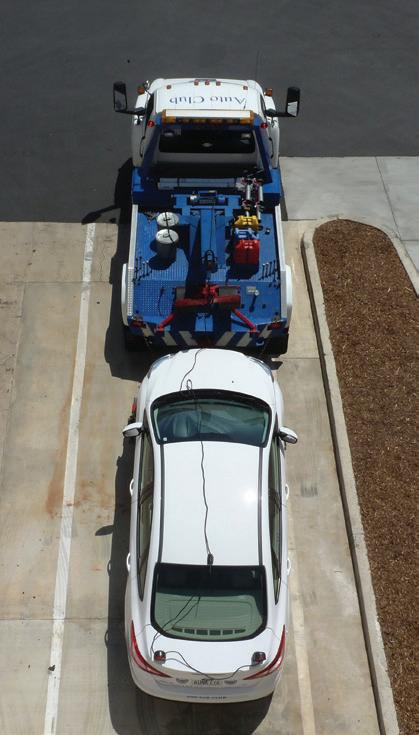
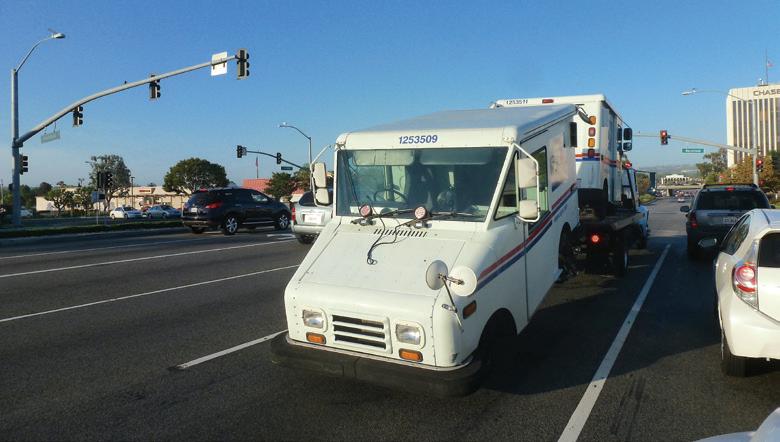
signal lamps cannot be displayed on the rear of the towed vehicle, the tow truck operator shall display a stop lamp and turn signal lamp mounted on the towed vehicle during daylight, and the addition of a taillamp during darkness except as provided in subdivision (c). This is accomplished using tow lights, sometimes called extension tow lights.
Subdivision (c) says that tow lights are not required if the tail lamps, stop lamps, and turn signal lamps on both sides of the rear of the towing vehicle are plainly visible from behind the towed vehicle. Some tow truck operators incorrectly interpret this to mean that if the tail, turn, and stop lamps on the light pylon of the tow truck are plainly visible to the rear of the towed vehicle, they do not need to use tow lights.
The key words are, “the rear of the towing vehicle.” The lamps on the light pylon are not on the rear
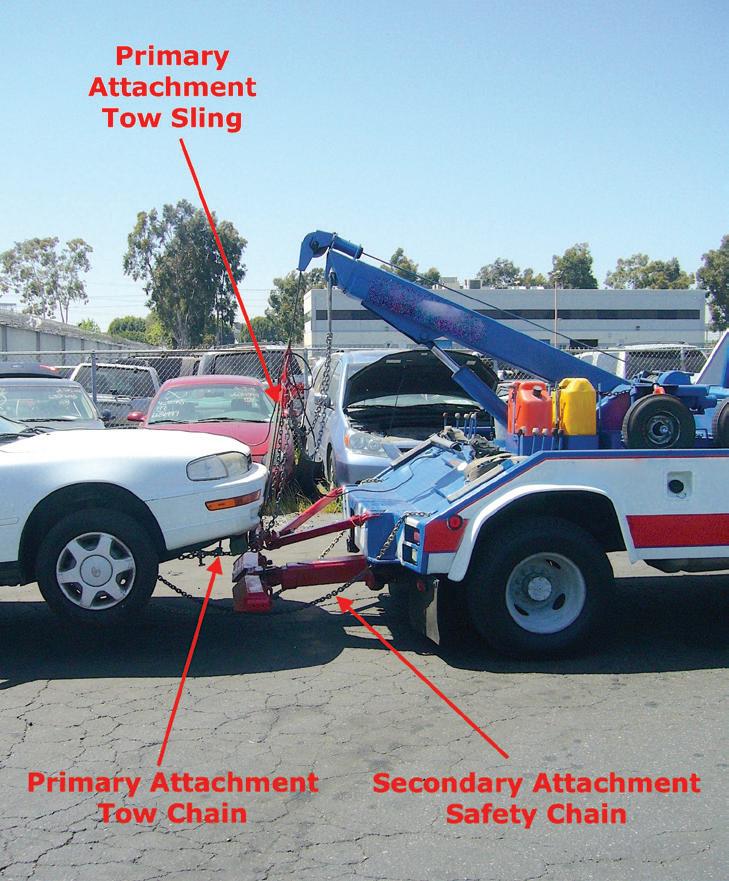
CVC section 29004 covers the use of safety chains. A vehicle being towed by a tow truck must be connected to the tow truck frame, bed, or towing equipment independent of the wheel lift, tow sling or under-reach by means of at least two safety chains, in addition to the primary restraining system. The chains must be of sufficient strength and have a positive means of attachment to control the towed vehicle in the event of failure of the primary restraining system. Safety chains should have only enough slack to permit proper turning.
However, there’s one exception to this law involving a repo assignment. Subdivision (f) exempts a vehicle being towed by a repossessor’s tow truck from this rule, provided it is towed no more than one mile on a public highway, and has one safety chain attached.
CVC section 21711 is a brief section that does not specifically address tow trucks, but still applies to them, and states, “No person shall operate a train of vehicles when any vehicle being towed whips or
swerves from side to side or fails to follow substantially in the path of the towed vehicle.” If a towed vehicle is tracking to one side for any reason, and strays outside the path of the tow truck, it must be loaded on tow dollies or a car carrier.
CVC section 21719, effective January 2017, permits tow trucks to utilize the center median or right shoulder of the roadway. The purpose of this law is to help tow trucks reach accident scenes faster and clear any traffic obstructions. However, this only applies if a peace officer is present at the scene, has determined that a tow truck can provide assistance, and gives explicit permission for the tow truck operator to utilize the center median or right shoulder to respond to the incident. The tow truck must display flashing amber lights at the front, sides, and rear while driving the shoulder, and the tow truck must be operated at a speed no greater than what is reasonable or prudent for the conditions. This law also allows a tow truck to make a U-turn across the center median.
CVC section 22513 prohibits tow truck operators from stopping at the scene of an accident or disabled vehicle for the purpose of soliciting towing services, unless the tow
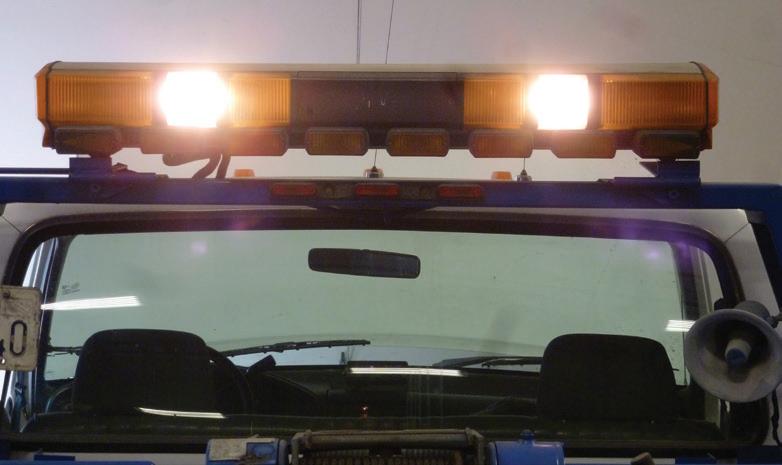
The vehicle code CVC 25253 requires tow trucks to be equipped with flashing amber warning lights. A tow truck may display flashing amber warning lamps while providing service, and rear-flashing lamps while towing a vehicle slower than the normal flow of traffic. However, the tow truck may not display these lights when on a freeway except when an unusual or extreme hazard exists.
truck was summoned to the scene by law enforcement or the vehicle’s owner or operator. This law also specifies the written information a tow truck operator must have prior to arriving on scene to show law enforcement they were properly summoned. The law specifies who may summon a tow truck, such as law enforcement, the vehicle owner
or operator, or a motor club. This is a long, comprehensive law aimed at curbing predatory towing practices.
California tow company owners and operators should thoroughly review this section, and even consult legal counsel to ensure company policies comply. Most states likely have similar laws in place to protect motorists.
There are many laws that govern operating a towing business, as well as specific types of towing such as private property impounds, repossessions, and Freeway Service Patrols. Tow operators performing this type of work must be familiar with and comply with the laws regulating these types of jobs. In today’s operating environment, tow companies and their employees must manage risk by staying familiar with towing regulations and ensuring full compliance.
issues,
that
do.

Brian J. Riker is a thirdgeneration towman, with 30 years of experience in the ditch as a tow operator, and president of Fleet Compliance Solutions. He specializes in helping navigate the complex world of federal and state transportation regulatory compliance. He can be reached at brian.riker@ fleetcompliancesolutions.net
By Brian J. Riker
Besides just keeping the lights on and the doors open, towers also grapple with rising insurance premiums and expanding regulations. Fortunately, several organizations are working to relieve towers of these business burdens and address the root causes driving the issues.
The Towing and Recovery Association of America (TRAA) is one such organization. Founded in 1979, and fighting for towers’ rights ever since, the TRAA opened its first Washington, D.C. office in 1985, giving it an active presence with federal legislators for more than 40 years. This organization has successfully blocked the use of federal funds to support government-owned
Towman.com
towing operations, secured hours-ofservice exemptions for emergency towing, and helped ensure that towers have a seat at the table on incident management, roadside safety, and other federal oversight matters. Since 2019, the TRAA has retained a full-time lobbyist firm, Tremont Strategies Group, and relaunched its annual “fly-in” for Hill Day where member towers join leadership in meeting with lawmakers and agency heads in Washington, D.C.
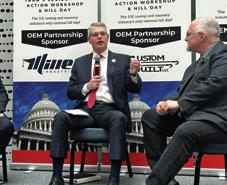
This year, 2026, was no different. The TRAA hosted its largest Hill Day event ever, with over 100 attendees representing 31 states at the two-day event held just steps from the U.S. Capitol building. Overall, there were 130 individual meetings with Members of Congress and key staff, giving towers a chance to advocate for commonsense transportation regulations and practical changes affecting how towing companies operate in the national transportation system.
With an event of this size, organization and efficiency were vital to its success. In that vein, the TRAA arranged inperson sessions with key agency heads and Members of Congress at both the host hotel and within the Senate Visitors Center. By using the hard-fought influence and respect earned over the last 46 years, interviews were conducted and speeches given at a luncheon to allow frontline towers the chance to break bread with their elected representatives.
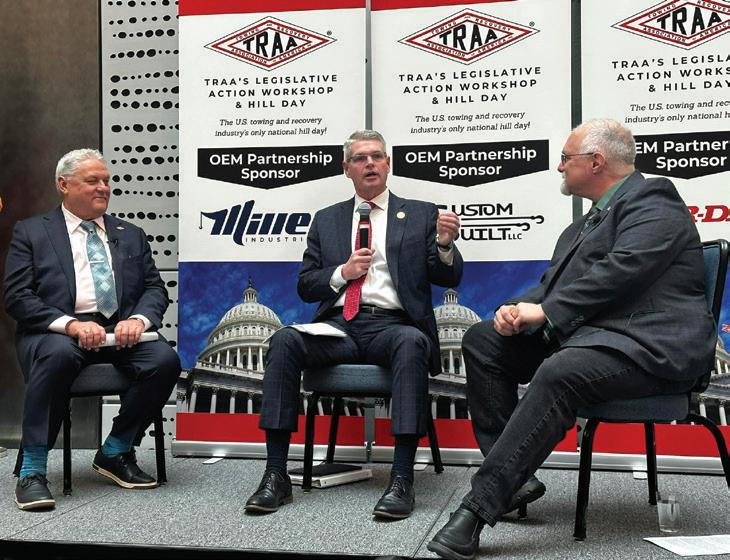
Opening on Tuesday, February 24, the event gave attendees a crash course in the legislative process and how to effectively meet with Members of Congress. Sandwiched between these learning sessions, Jim Jennings of Emerald Towing, a Guardian Company, and Brian Riker, industry advocate and educator (and author of this article), were given the opportunity to have a fireside chat with the Administrator of the Federal Motor Carrier Safety Administration (FMCSA), Derek Barrs, a former Florida Highway Patrol Chief. ◀
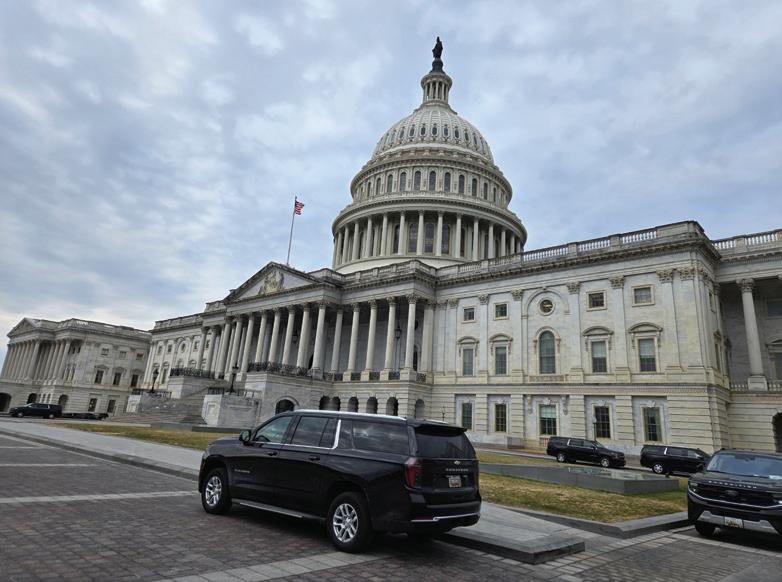
Administrator Barrs was extremely generous with his time, giving towers more than 90 minutes, well beyond his scheduled appearance, allowing every attendee in the room to ask him direct questions and shake hands, while he sincerely listened to the plight of towers. With a law enforcement background and hands-on work alongside towers on Florida’s highways, Barrs understands firsthand the challenges towers face from risky highway operations to payment delays (or even nonpayment), and intense regulatory scrutiny. This comment aptly demonstrated his knowledge of towers:
“The work that you do every single day, most people have no idea how dangerous it is to be a tow operator,” Barrs observed. “It is sickening to me that we have people that are struck…and that we don’t move over out of the way to allow you to be able to do your work.”
During the fireside chat, Administrator Barrs agreed to work with the TRAA on issues nearand-dear to most tow operators, which included increased “Slow Down Move Over” education for
commercial truck drivers, regulatory relief for towers, and other essential safety issues.
“I have an immense respect for the job you do, and my team at FMCSA also has that respect,” Barrs added. “We will continue to work with you. I have been on the side of the road waiting for a wrecker to hurry up and get there so I don’t get killed. I can’t wait to see those amber lights show up in my rearview mirror.”
Another important issue was adequate truck parking, which is vital for rest breaks and prepping trucks for long-distance tows, along with dropping trailers or shifting loads. While size and weight relief is not directly within the purview of the FMCSA, Administrator Barrs understands this issue very well and seems open to working with other federal agencies to support commonsense relief for towers. This also involves committing to further examine regulatory oversight of towers, including the Towing Services Transparency Task Force, a proposal from the former administration aimed at addressing predatory towing allegations.
Administrator Barrs reiterated that his agency remains focused on improving safety on the highways for all users, including tow operators.
“Your role is essential to the safe and efficient functioning of our national transportation system,” Barrs pointed out. “Our mission at FMCSA is safety, to reduce crashes, and that includes you folks.”
Some of this focus will include revamping the broken commercial driver’s licensing system, improving the driver qualification process, and enacting measures to combat fraudulent motor carriers. TRAA supports these issues and has committed to working closely with the FMCSA, and more broadly with the Department of Transportation, to resolve them.
On Wednesday, February 25, towers visited Capitol Hill to meet with their individual Members of Congress or staffers. Beginning at 8:00 a.m. (and even earlier for a handful of attendees that had the opportunity to have coffee with their congressmen), and working through as late as 4:30 p.m., there were 130 individual meetings where the attendees advocated for a variety of positions in support of the towing industry.
While the central issues were basically the same, presentations were tailored to the specific committee a particular Member of Congress served on, or framed more generally for broader support. Each group of towers was equipped with a “Captain” (an experienced Hill Day participant”, a handout folder containing TRAA’s pivotal positions, requests for specific meetings, and a model tow truck donated by Zip’s AW Direct.Congressional staffers love toys and memorabilia for their desks, and giveaways from past Hill Days were still prominently displayed in members’ and staffers’ offices. ◀

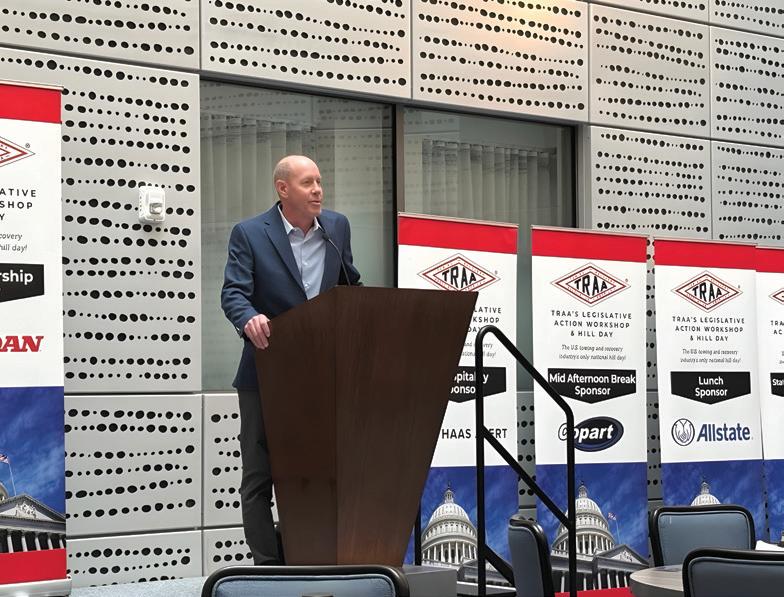
The TRAA made every effort possible to get the attendees in front of key members such as the House Transportation and Infrastructure Committee and the Senate Commerce Committee. These groups matter most this year with a new Highway Bill on the horizon, one of Congress’ few mandated tasks. Given that towing is part of the transportation infrastructure within the U.S., these specific Members of Congress will be most influential.
The legislative priorities for the 2026 Hill Day event were centered around general advocacy for roadside safety, with each being couched upon the safety impact for towers and other roadway users. Specifically, the TRAA asked Congress to consider technical corrections to the Surface Transportation Authorization Act of 2015, where an attempt was made to grant size and weight relief to interstate towers, allowing the towing of tractor trailer combinations (and other large/heavy trucks) off
the National Network of highways even when overweight or overlong.
However, one misplaced word rendered the previous legislation ineffective at granting towers the weight relief needed to exercise their own judgement in clearing large commercial vehicles from the roadway. The TRAA is asking Congress to clarify the law’s intent, allowing towers discretion in handling of large commercial vehicles.
The TRAA asked for support of the Towing Safety Act that is soon to be introduced by Representative Taylor (R-OH-02) in the House, and a similar Bill soon to be introduced by Senator Crapo (R-ID). Although not perfect, these bills represent a starting point and will get the issue onto the floor for consideration during this year’s Highway Bill debates.
Next up, and equally important to safety, the TRAA asked Congress to consider clarifying insurance coverage requirements for mandated debris cleanup. This issue ties directly to safety, as without reliable
payment, towers cannot afford cutting-edge equipment or operator training, ultimately adversely impacting roadside safety.
While Congress cannot address the entirety of this issue, as their authority only extends to interstate commerce, it is the TRAA’s position that the FMCSA has the authority to prescribe debris cleanup and other remediation efforts be covered under the mandatory public liability insurance bond (aka the MCS-90), that for-hire interstate motor carriers are already required to have.
Given that the FMCSA, and its parent the USDOT, are actively reviewing the effectiveness of the current insurance requirements for interstate motor carriers, now is the time to consider including accident remediation within the definition of public liability. The major aspect is that the public is harmed when truck wrecks cannot be cleaned up quickly. Also, from a consumer protection standpoint, the transportation network suffers when vehicle owners default on cleanup payments, effectively forcing responsible parties to cover the shortfall with higher costs.
The last ask, also safety related, was simply to consider towing industry concerns surrounding electric vehicles when implementing EV policy. TRAA understands that EVs are here to stay, and as such, the responder community at large, and towers in general, need federal support to mitigate the risks of fire, injury, and damage when towers are called upon to tow or recover these vehicles.
Specifically, TRAA asked Members of Congress to support the Responder and Recovery Safety in EV Fires Act that was introduced by Representative Obernolte in the House and Senator Sheehy in the Senate.
Not satisfied with just meeting Members in their offices, the TRAA and TSG also arranged for a lunch-and-learn session where ten Members of Congress, from both the House and Senate, both Democrat and Republican alike, came to meet the group of towers in a conference room inside the Senate Visitors Center, speaking about their support for issues affecting towers and other small businesses.
Speaking to towers during this lunch were Representative Val Hoyle (D-OR-04) a member of the House Committee on Transportation and Infrastructure, Representative Mike Kennedy (R-UT-03) also on the T&I committee, Senator Tim Sheehy (RMT) of the Senate Commerce, Science and Transportation Committee, Senator Angela Alsobrooks (D-
MD), and Senator Jeff Merkley (DOR) (both of whom serve on the Senate Committee on Environment and Public Works and as the Subcommittee on Transportation and Infrastructure). Additional speakers included Representative Addison McDowell (E-NC-06), Representative Burgess Owens (RUT-04), Representative Jeff Hurd (RCO-03), Representative Mike Ezell (R-MS-04), and Representative Dave Taylor (R-OH-02), all serving on the House T&I Committee.
Overall, these ten speakers, such as Representative Taylor a redimix company owner with a CDL who understands towers’ daily challenges, are industry champions who took time out of their busy schedules, despite votes on both floors. This clearly demonstrates that the TRAA and its members
have finally earned their place at the table in Washington, D.C. Change rarely happens overnight, and many of the challenges the towing industry faces have persisted for decades. This shouldn’t discourage towers’ support for state and national trade associations, such as the TRAA, which continue to advocate tirelessly on behalf of towers. Real progress takes a united effort, and the lobbyists and associations can only do so much without the voices of those they represent. Lawmakers want to hear directly from their constituents—from towers— because that’s who they serve, not professional advocates. Resolve to get involved in any way you can. The future of towing depends on all towers standing together.
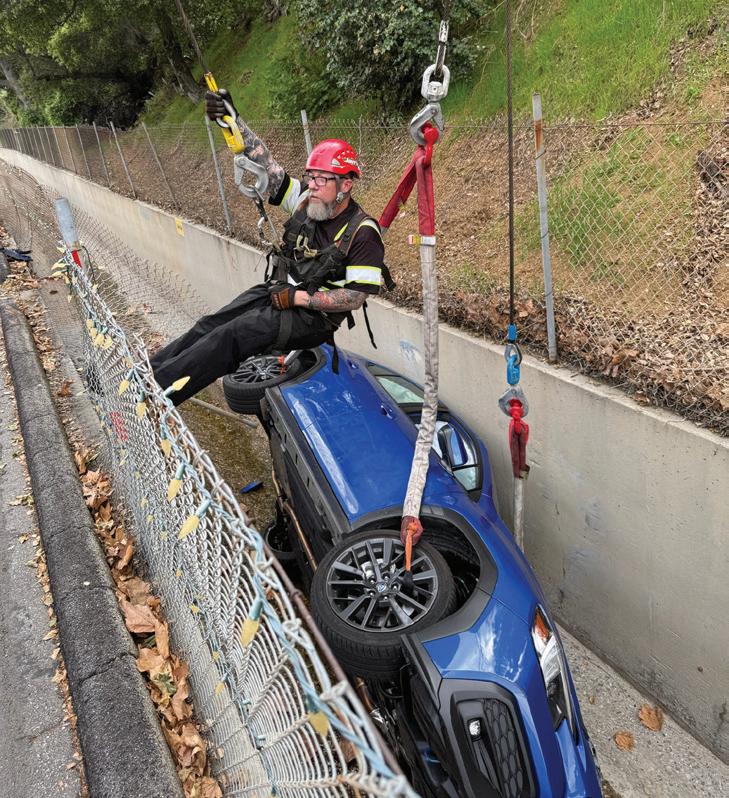
Fall protection training reinforces the need for proper PPE and safe practices to prevent injuries or fatalities, as an active recovery can be far more involved and hazardous.
Operations Editor Randall C. Resch is a retired California police officer and veteran tow business owner, manager, consultant and trainer. He writes for TowIndustryWeek.com and American Towman, is a member of the International Towing & Recovery Hall of Fame and recipient of the Dave Jones Leadership Award. Email Randy at rreschran@gmail.com.
By Randall C. Resch
An unintended plunge from any height, even on a short ladder, poses a danger that’s seldom, if ever discussed in tow company meetings. Climbing or reaching is a task every tower thinks they’re able to do, and although taking a fall isn’t commonplace, it can be a serious mishap that towers encounter when working a recovery.
As one tragic example, in April 2017, Richard Jason Randolph, a veteran heavy operator, worked to recover a tipped semi-truck from atop a Florida bridge. In the process of rigging, this experienced operator mis-stepped in an exposed area of the bridge’s upper structure. He fell to the roadway below, and tragically he was killed instantly.
Based on personal observations of operator actions, this article focuses on towers who work heavy recoveries, either with a stick-boom or rotator. Unfortunately, tow truck companies and tow operators typically don’t follow fall and ladder safety practices. Worse yet, fall protection gear is rarely worn during recovery incidents— except perhaps those over bridge rails or down steep embankments. While there aren’t many hard and fast rules on this topic, a number of towman techniques and safety reminders can help to avoid a potentially deadly fall from any height.
Often, training demonstrations emphasize tow operator rigging and winching techniques, but rarely address fall safety or proper ladder use at different heights. Adding to this shortfall (no pun intended), industry trainers and participants are rarely outfitted with appropriate fall protection.
In addition, when ladders are used to reach the tops of shipping containers or toppled semi-trailers, participants often fail to steady them for others. As a result, live demonstrations often convey a disregard for potential operator injury. Which begs the question: Should the tow and recovery industry be required to wear fall protection and include ladder safety during recovery scenarios?
Since tow operators use ladders in a variety of situations, this is an important topic. Factors preventing ladder safety recognition:
• Towers aren’t concerned about falls
• Regular practice in the field is ignored
• Towers claim that fall protection and ladder requirements under OSHA’s Section 1910 lack substance, and are
considered not specific to towing and recovery
Unfortunately, falls can happen even when safety practices are followed and conditions seem low risk. To that point, in July 2022, a 67-year-old Amazon employee was killed after he fell from a three-foot platform ladder. In comparison, a three-foot high elevation is slightly lower than a flatbed carrier, similar to a low-boy trailer. Never underestimate the risk involved. In 2016, a Nebraska carrier operator was killed after falling off his deck while off-loading a vehicle at his company’s facility.
Note that ladder injuries in the workplace are one of the most cited violations under OSHA Section 19D, Subsection, 1910.23(a)(1) WalkingWorking Surfaces that are “Used in emergency operations such as firefighting, rescue, and tactical law enforcement operations, or training for these operations.”
Although this description doesn’t specifically mention tow truck operations, it only makes sense that vehicle and container recoveries qualify as a “rescue.” Fall and ladder injuries are a persistent hazard both in the workplace and at home.
Consider these five items that identify major contributors to fall and ladder incidents:
• Incorrect extension ladder setup angle—In approximately 40 percent of cases, the leading cause of ladder-related injuries occurred when the base of the ladder slides out due to an incorrect setup angle. Ladder users tend to set extension ladders at shallower angles than the optimal desired angle of 75 degrees.
• Insufficient ladder inspection— Avoid the likelihood of a ladder’s structural failure by ◀
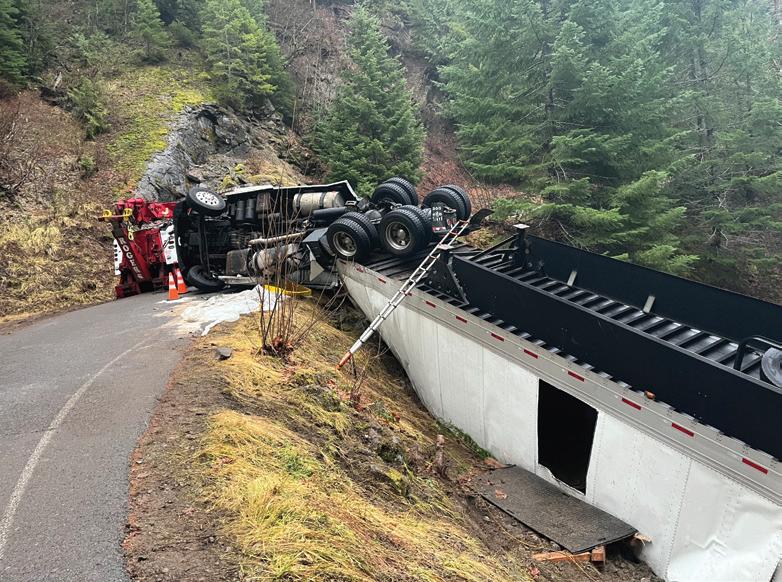
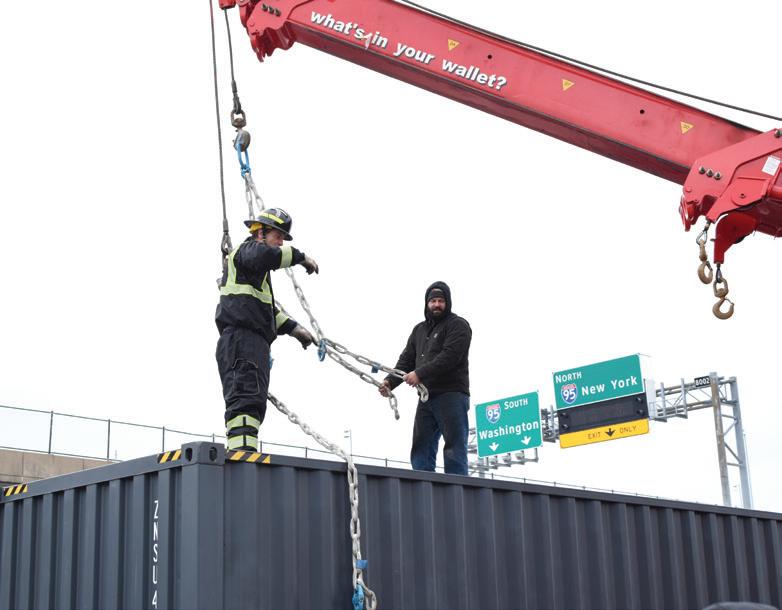
On a steep embankment, Gerlock Towing employed this professional-grade Xtend & Climb Telescoping Ladder to assist in removing a spilled load of snail poison threatening a town’s water supply.
workplace fall injuries involve ladders, and 81% of fall injuries among construction workers treated in emergency rooms are linked to ladder use. Annually, in the U.S., no less than 130,000 and up to 500,000 people are treated in emergency rooms for ladder-related injuries, with over 300 deaths occurring. This data indicates limited access to effective ladder safety training for everyone, including towers.
• Lack of equipment and correct procedures—Typical causes of ladder injuries include improper setup, using ladders in unsafe locations, incorrect angles of placement, and failing to wear protective gear (head injuries are the cause of approximately 49% of fatal ladder accidents). It is also noted that about 50% of ladder injuries occur while carrying items when climbing.
doing regular inspections and maintenance. Safe operations cannot be performed on a rickety platform.
• Improper ladder use—Activities such as overreaching (either above or to the side), carrying
objects, applying excessive force, shifting/slipping, and missteps are also frequent causes of ladder-related fall injuries.
• Lack of access to ladder safety tools and information— Approximately 20% of all
The towing and recovery industry accounts for a relatively smaller percentage of work-related falls, and minimal injuries caused by a ladder-related fall are rarely reported. Avoiding unintended falls means being aware of the risks and practicing proper ladder safety at all times. Understanding comes from
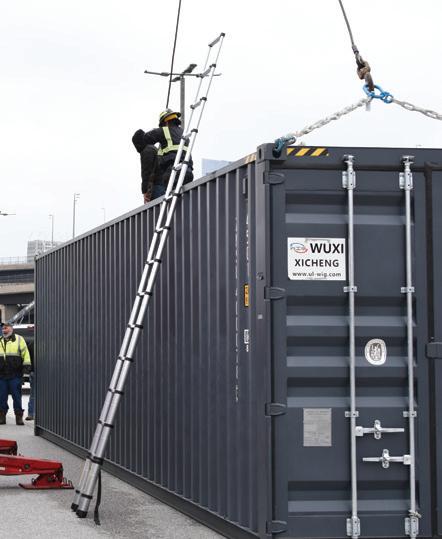
Proper ladder safety involves many steps to prevent deadly falls:
• Only use ladders that are mechanically sound and suited for the job.
• Seek solid and level placement for ladder feet.
• Avoid uneven, slick surfaces that obscure solid placement of the ladder’s feet.
• Wear proper PPE, especially headgear.
• Choose the right sized ladder for the job, check it for damage, and don’t force it beyond its intended purpose.
• Maintain solid footing and keep a firm grip on both sides of the ladder.
• Never stand on the top rung.
• Position the ladder at the proper angle.
• Stay within a safe reach to maintain stability.
• Remain cautious and aware of surroundings, and always ensure the ladder is in a safe position, especially on stairs or a steep embankment.
proper training and applications that can be likened to, “ThreePoints of Contact”, a necessary safety technique when entering and exiting truck cabs.
Especially true to heavy recoveries where casualty vehicles are truck tractors, trailers, or shipping containers, instead of attempting to carry heavy chain or other accessories while climbing ladders, leave equipment on the ground, climb the ladder, and hoist
the equipment with a strategically positioned rope.
Per OSHA Section 1910.23(c)(4), be aware of improper “lean angles” that could create a fall or cause the ladder’s feet to skip outward. Never try to move while climbing an unsafe or unstable ladder. Don’t work in blustery conditions, when it’s raining, or when ground surfaces are icy.


Exhibits as of March 20: For up-to-date roster go to ATShowplace.com
*Supplier names in bold are display advertisers in this issue with their ad page number cross-referenced
24/7 Dispatch Booth# 1111
Access Tools Booth# 1008 - pg. 59
Agero powered by Swoop Booth# 1601
Alkeme Automotive Booth# L1
All American Jerr-Dan in Old Bridge Booth# M6 - pg. N, S, M 75
All Around the Wheel Booth# D4
Alliance Funding Group Booth# 1218
Allstate Roadside Booth# 204 - pg. 46
Allstate Roadside Education Booth# C14
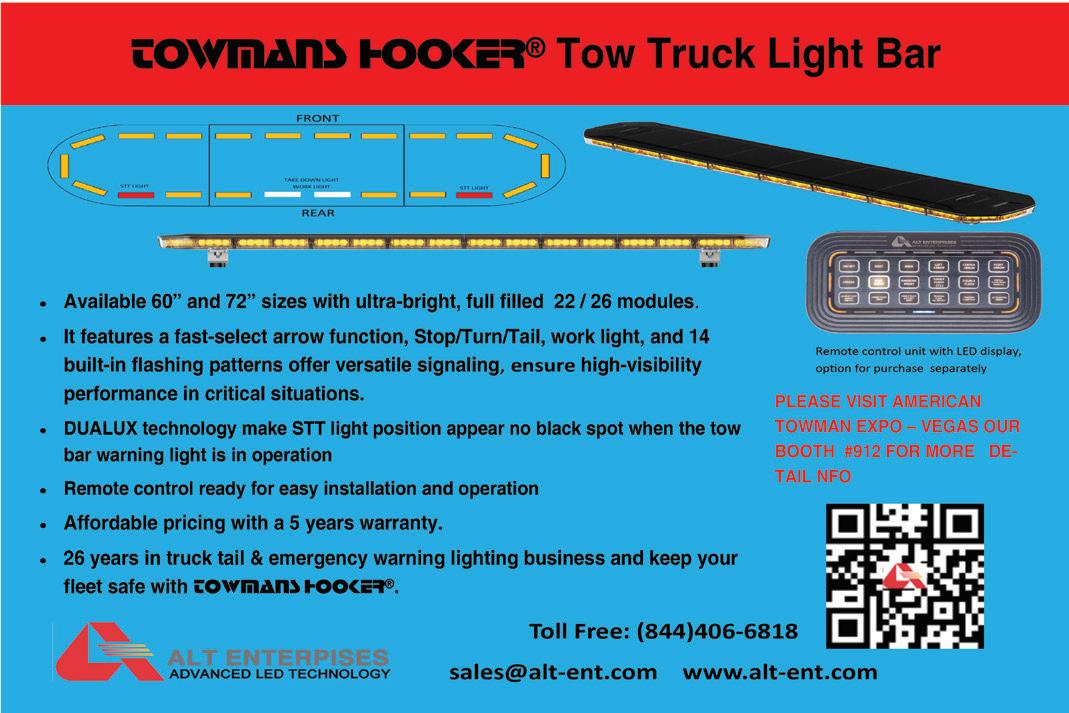
Alt Enterprises Booth# 912 - pg. 39
American Key Supply Booth# 506
American Towman Magazine Booth# L7
AP Equipment Financing Booth# 214
Apache 2 Way Booth# L16
Ascentium Capital Booth# 116 - pg. 69
Aspen Custom Trailers Booth# 104
AT&T Business Booth# J1
Aurora Payments Booth# HW102
Auto Data Direct Booth# 1106 - pg. 60
Automobile Club of Southern California Booth# 1119
Autura Booth# 904
Azuga, A Bridgestone Company Booth# 1209
B/A Products Co. Booth# D7 - pg. 55
Beacon Funding Booth# 1207
Blowtherm Booth# 910
Coast Booth# 822
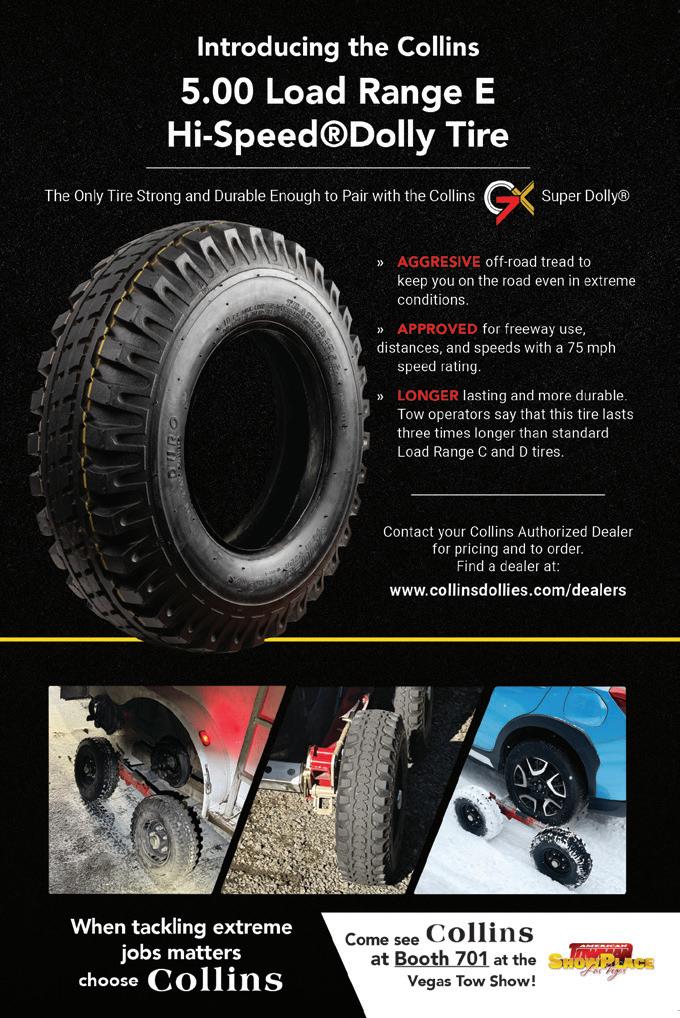
Collins Booth# 701 - pg. 56
Commercial Best Insurance Services Booth# 1120
Copart Booth# 1418 - pg. 15
CTTA/ERSCA Booth# L3
Curtis J Vernon Insurance Agency Booth# 301
Custer Products Ltd Booth# 1223
Cutco Booth# 100
DewEze Mfg. Booth# 609 - pg. 42
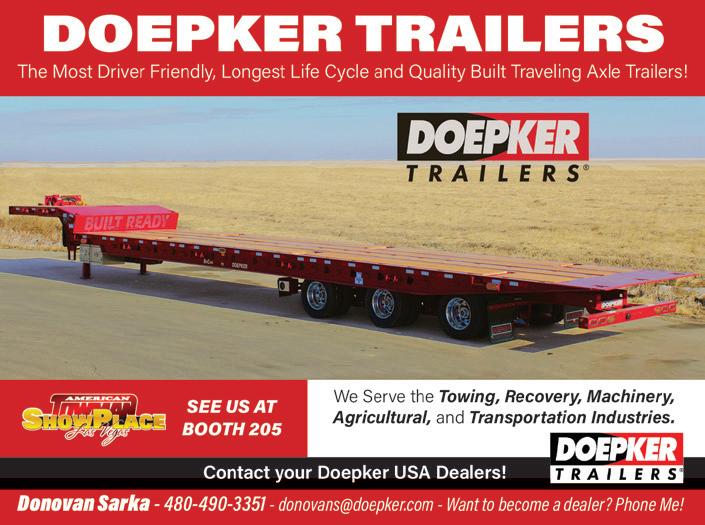
Doepker Trailers Booth# 205 - pg. 50
DRIVE Booth# 130
Dual-Tech Booth# 604 - pg. 34
ECS Booth# A8
Emergency Road Service Coalition of America / ERSCA Booth# E1
Envue Telematics Booth# HW100
EVchargeHERO Booth# 818


FCar Tech USA Booth# 1107
Federal Signal Booth# 1213
Five Star Registration Booth# 502
FleetNet America Booth# 601
Freeway Service Patrol (FSP) Booth# L2
G.L. Anderson Insurance Services Booth# K8
Gaston & Sheehan Auctioneers Booth# L12
GEICO Booth# 908
Golden West Towing Equipment LP Booth# 723
Good Sam Roadside Assistance Booth# 1200
GovDeals Booth# L14
Guttman Energy Booth# 1221
Heavy Duty Help Booth# HW103 - pg. 3
HIdow Int’l Pain Free Booth# M5
HONK Technologies Booth# 1030
Horizon Motor Booth# 825
Hot Shot’s Secret Booth# 504
Huntington National Bank Booth# 700
Hydraulic Shop Booth# 1226
I-Lien Booth# 1026
IAA Holdings Booth# L17
Isuzu Commercial Truck of America Booth# 119
iTow & Licona Insurance Group Booth# 1602
J. Alexander Law Booth# C4
James Parker Insurance Booth# L13
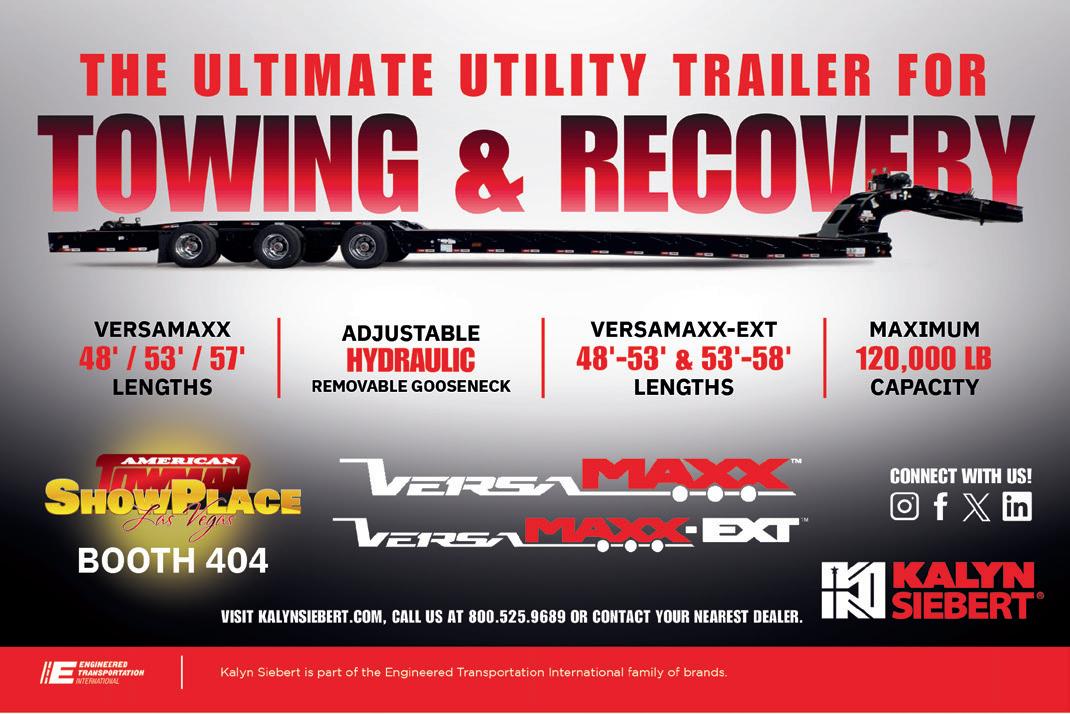
Kalyn Siebert Booth# 404 - pg. 39
Khasim Insurance Agency Booth# J7 - pg. W77
Landoll Company Booth# 1517 - pg. 19
Leavitt Group Booth# A3
Lee Financial Services Booth# 124
Lien Enforcement Booth# 717
Lien Receivables Booth# HW 101
Lift Marketing Group Booth# 605
Lioness Business Solutions Booth# D5
Lodar Ltd. Booth# 1122 - pg. 21
Lokithor Booth# C1
Lubnau Gonzalez Insurance Agency Booth# 823 - pg. W78
Lynch Denver Booth# HWY 2 - pg. 49
Matthews Garage Booth# 1225
MAXXIMA Booth# 128
MIDCO SALES Booth# 801



Mike Keith Insurance Booth# 1615 - pg. W80
Miller Industries Towing Equipment Booth# 418 Inside Front Cover
MK Uniforms Booth# A2
MNKOTA Sales Booth# 1027
Mobile Relay Associates Booth# K7
Moose Knuckle Towing Booth# L15
Morgan Truck Body Booth# 227
Murphy Bank Booth# 607
Nation Safe Drivers Booth# 1002
National Automobile Club Booth# 611
Nevada State Tow Association Booth# 1201
Nite Beams Products Booth# 600
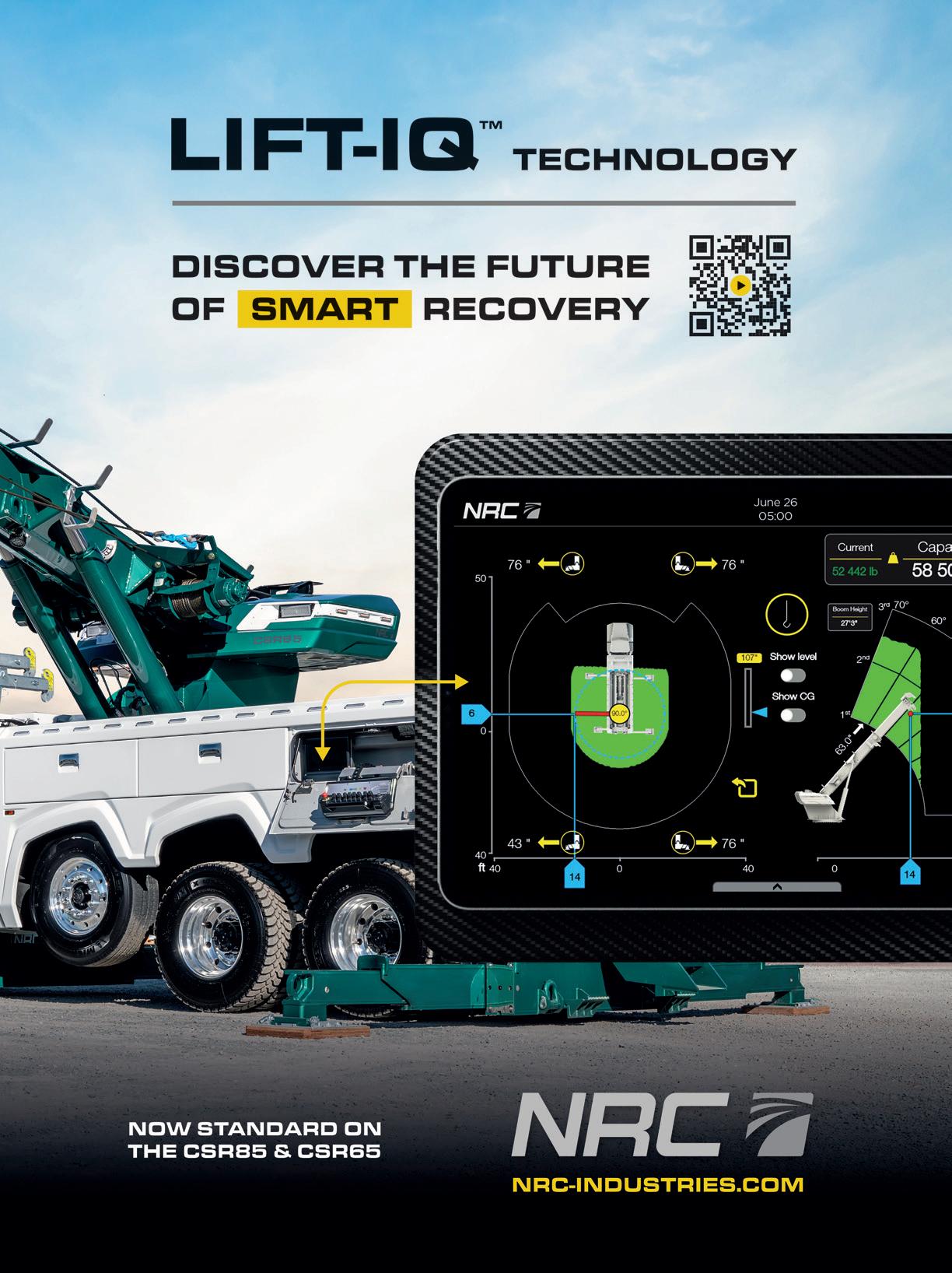
NRC Industries Booth# 1202 - pg. 13
OMG Tow Marketing Booth# 1006 - pg. 58
OnCallGPS Video Booth# 820
Onspot Auto Tire Chains Booth# 122
Optimize Digital Marketing Booth# 1025
ParkM Booth# C2
Parts MT Booth# 1023
Peak Auto Auctions Booth# 1110
Peak Merchants Booth# C5
PeakPTT Booth# 200
Peddle Booth# J8
Penny Pockets Booth# 1114
Phoenix USA Booth# 1115 - pg. 64
QuickBill Booth# 1203
RC Industries Booth# 1113
Relay Tow Booth# 1609 - pg. W78
ResQTrack Booth# G7
Rivian Booth# J2
RLX Booth# 1007
Roadside Protect Booth# 400
Roadsider Booth# 210
RoadSync Booth# 1011
Robertson Ryan Insurance/Tow Insurance Pros Booth# 201
Robinson Oil Booth# 1109
Rocky Mountain Wrecker Sales Booth# 1208
Rucara Booth# C11
Safety Vision Booth# C10
Santander Bank, N.A.
Booth# 510 Inside Back Cover





Sea Crest Insurance Agency Booth# 617
Service Member Data Booth# D6 - pg. 62
Sierra Truck Equipment Booth# 520
SLUP Tow Booth# G5
Southern California Tow Equipment Booth# 623 - pg. W75
Speedy Sweep Booth# 819
Stamp Works Booth# 821
Steck Mfg. Co. Booth# 1118
Sunrun Booth# M2
Synergy Safety Group Booth# 1215
TD-Vision/Transport Digital Booth# J6
TEC Equipment Booth# 305
Thomas Murphy Law Group Booth# C9 - pg. W75
TI Expo Booth# K6
Titan Fuel Tanks Booth# M7
TKO Solutions Tire Tools Booth# E2 - pg. W76
To Go Box and Storage Booth# C6 - pg. 17
Tow Broker Booth# C8 - pg. 42
Tow Industries Booth# 217, HWY3 - pg. W76
Tow World Booth# 420
Tow360 Platform Booth# 115
Towbook Booth# 1102 - pg. 25
Towing.com Booth# 900
Towlot.com Booth# 210
TowPilot Booth# C7
TowSmart Systems/ Parking Permits of America Booth# A4
Towsurance Booth# 1000
TowToolz Booth# 117 - pg. 60
Trail King Industries Booth# 1604
Truck Parking Club Booth# 926
Urgent.ly Booth# D8
Utah Professional Towing Alliance Booth# 300
Verdant Commercial Capital Booth# 719
Voltexlights.com Booth# M3
Whelen Engineering Co. Booth# 1613
Whiterail Heavy Tow Marketing Booth# 1009
WreckMaster Booth# 1219
Ynot Parking Booth# 101
Zacklift International Booth# 1112
Zellner Insurance Agency Booth# C12
Zip’s AW Direct Booth# 918 - pg. 35


Just as online training for tow operators is only a partial solution, the same holds true regarding fall and ladder safety. While a paper certificate can be acquired from the internet, a tow operator does not acquire skills seated at a computer. As with most towing techniques, effective training requires hands-on practice to build muscle memory through real-world lifting and positioning.
Tow bosses should provide fall protection and ladder safety training to towers, assisting personnel, and any employees who work at heights taller than three feet. Training demos should include wearing of safety gear and harnesses for lowering or repelling operators to a dangling casualty or steep embankment recoveries.
Standard metal shipping containers of 20- and 40-foot lengths come in two height dimensions: 8’ 6” standard height, and 9’ 6” units called “high-cubes”. A headlong fall from either height could certainly be fatal, especially when not wearing safety gear.
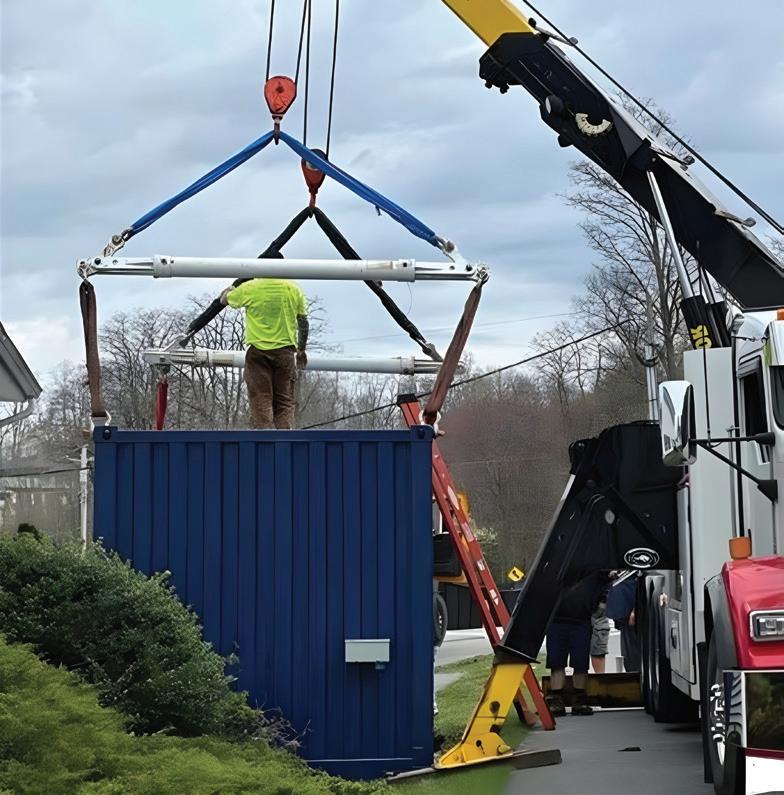
Towers may think this safety topic is unimportant, but focused training can reduce the consequences if OSHA investigates a preventable fall. Regardless how a fall occurs, investigation will surely follow.
Proper training beforehand may lessen the impact of an OSHA fine. Ladder safety isn’t complicated, it just takes attention, preparation, and respect for the risks—and taking the right steps.


George L.
written for American Towman since 2009. He started out as a news writer and now writes a weekly feature on TowIndustryWeek.com, Tow Illustrated, which spotlights the tow truck graphics.
By George L. Nitti
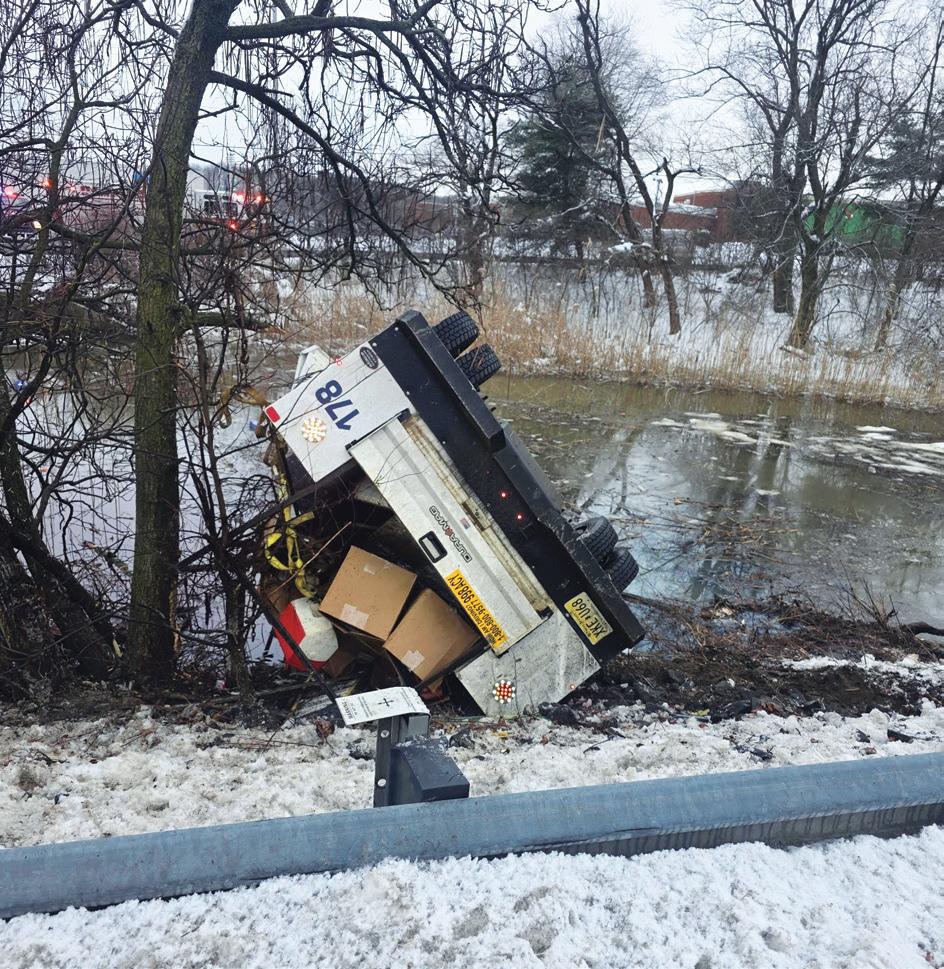
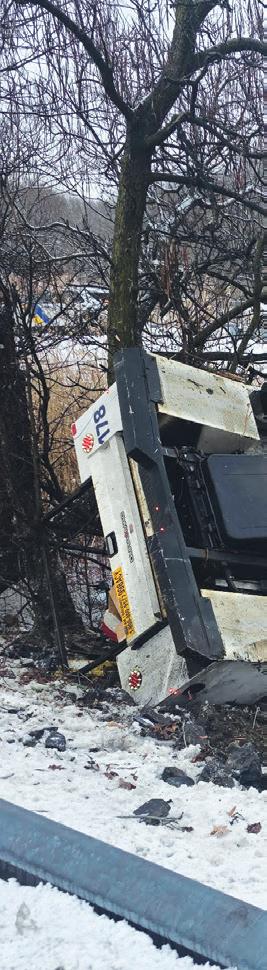
Aharrowing incident on February 28 of this year, off Interstate 295 in Southern New Jersey, demonstrated the dual nature of towing: courage in the face of danger, while exercising caution to protect both lives and property. A utility truck overturned into a creek, spilling fuel and other hazardous fluids, triggering a multi-agency response.
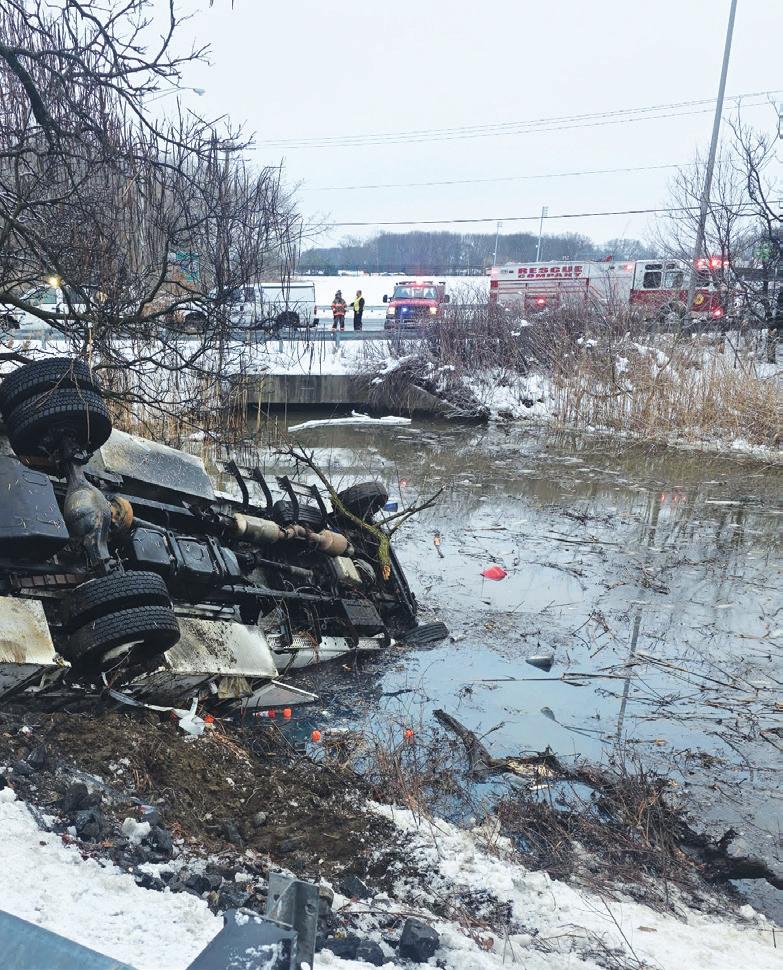
The towers involved in the recovery were from Johnson Specialized Towing in Burlington Township, New Jersey, and Mario’s Auto & Truck Repair LLC, based in Penns Grove and Bridgeport, New Jersey. According to Mario’s owner Mario Screnci, the accident began when the driver overcompensated after striking another vehicle.
“The truck was traveling northbound, and clipped a car, then veered off,” Screnci explained. “He hit the guardrail, flipped, and ended up in the creek.” Screnci also noted that prior fallen snow created a “ramp effect,” propelling the truck farther than expected.
Fortunately, John Reilly and Dalton Applegate of Johnson Specialized Towing were patrolling for NJDOT when they spotted the overturned truck. Without hesitation, they immediately stopped, ran down the embankment, and into the chilly waters of the creek to rescue the trapped driver.
As reported by CBS News Philadelphia, Reilly recalled the tense moments: “I kept yelling, ‘Is everyone all right? How many people are in there?’” He pulled the passenger free but the driver remained trapped by his seatbelt,
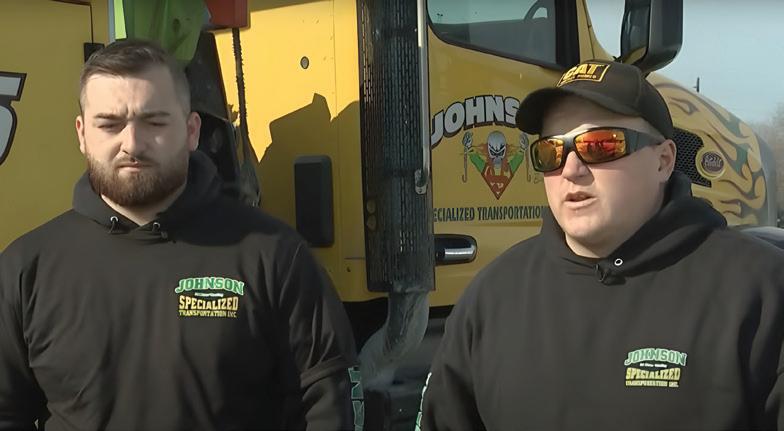
nearly submerged in water. Reilly recalled the tense moments: “The waterline was just below his nose. If he opened his mouth, water went in. Applegate got me a knife and I was able to cut him out and pull him up.”
Screnci praised the actions of the two Johnson towmen: “They got out of their trucks and went down there to see how the people were. Their actions were heroic. They saw it, called it in, and then stabilized the situation.” In moments where every second counts, they showed courage, quick thinking, and true compassion.
“This is more than just a job,” Screnci pointed out. “This is who we are.” Both accident victims were taken to the hospital, fortunately with only minor injuries. Once the driver and passenger were rescued,
hazmat crews from Gloucester County, NJDOT, and the New Jersey Department of Environmental Protection contained the spill of fuel, oils, and other fluids from the service truck.
Screnci noted that the driver, “…had fuel, oils, anything you would think of in a service truck.”
Only after containment could Mario’s crew begin the skillful and precise recovery.
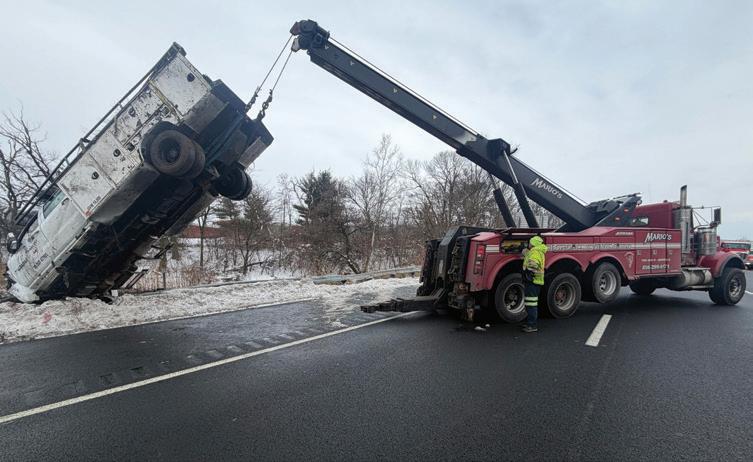
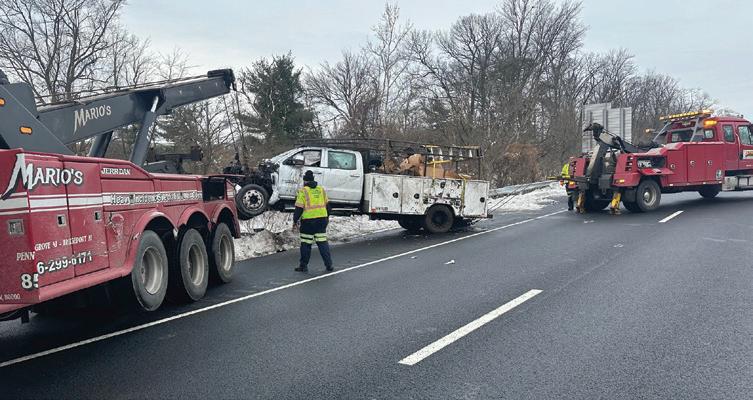
Mario’s deployed two wreckers—a 2000 Kenworth with a Jerr-Dan 55-ton wrecker and a 2015 Freightliner with a 16-ton Century wrecker—along with two service trucks outfitted with emergency equipment, and two flatbeds as backup, to ensure all debris could be safely removed.
Riggers were lowered to the creek with harnesses to secure the truck safely. “Once we extended the boom out, we could gently bring that truck up evenly and over the guardrail and onto the roadway,” Screnci explained. But he stressed the importance of watchfulness: “The most important thing was not to make it worse. If you’re cautious, you don’t have to worry about those things.”
Screnci, a previous winner of the Donnie Cruse Memorial Award, highlighted the skill and training of his team. “They all have gone through some kind of certification class. My crew—some of them are 15, 25 years with me—they understand the basics of safety, the basics of recovery, the basics of situations that you can get yourself into.”
Teamwork was essential. “Even though I may know how to take it out, I listen to every guy,” Screnci admits. “We start bouncing ideas off each other and then execute the plan.” Every cable, chain, and attachment was double-checked, ensuring the heavy truck could be lifted safely without further spillage or damage. Once on the roadway, the truck was towed roughly 20 miles back to Mario’s storage yard in Bridgeport.
Screnci explained his philosophy behind the crew’s success: “If you don’t have common sense, you can get people hurt. [Our tow operators] don’t take shortcuts, they’re trainable, they understand safety, and that’s why I felt comfortable not having to go out there myself.”
The coordinated efforts of the two responding towmen from Johnson, along with DOT, New Jersey State Police, hazmat teams, and Mario’s experienced crew ensured the accident scene was cleared safely and efficiently. Screnci summed up his team’s character: “We get out there, do the job, and get the hell out. That’s why they like us.”

By Stephanie Marchese
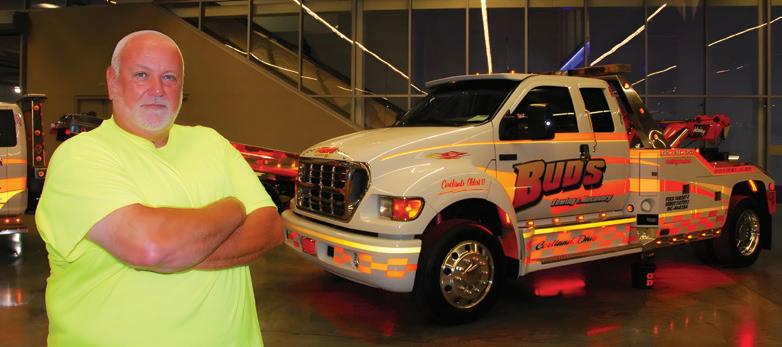
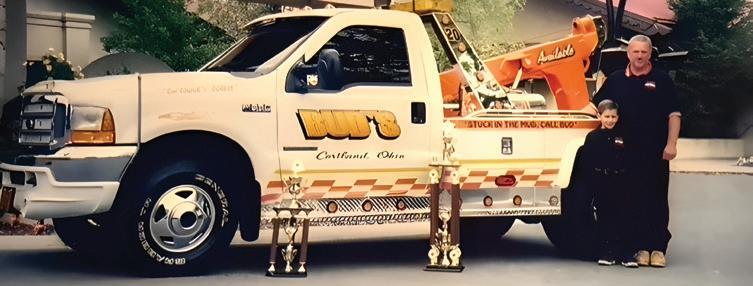
They say legacy isn’t something you own, it’s something you uphold. For Harry Rodgers, of Bud’s Towing & Recovery in Trumbull County, OH, taking over the family business was never just about keeping the doors open, it was about honoring the legacy that built them in the first place.
As an adult, Harry Rodgers was a part-
time realtor, but always knew that one day he would take over the family tow business from his dad, Bud. But he had a passion for selling houses, making deals, and watching families find their dream homes. He recalls that as a young boy, he would look through real estate magazines that could always be found in his dad’s towing office. As he got a little older, he sought out local real estate listings and then begged his parents to take him to “open house” events. Once there, he would immediately recognize all that was good, and bad about a particular house. As Harry explains, “I always felt that if I could get good enough in real estate, build a portfolio with a few rental properties, that I could work for my dad and not think about money.”
While money was never really an issue in the Rodgers home, it was expected that you worked for it, which Harry did every
day. He labored for his dad five days a week running calls, washing trucks, answering phones, and basically doing whatever was needed on any given day.
Towing was in his blood. “It’s in my DNA,” states Harry. Growing up, Harry spent countless hours learning the ins-and-outs of the business, from hook and lift operations to negotiating with insurance companies. Harry even recalls that at a very young age he would get himself situated between the dash and the driver’s seat in order to reach the clutch, and he needed both feet to pop it into gear.
“I was probably too young to be driving,” Harry admits, but that’s just the way it is when you grow up in a family business. He laughingly notes that, “The trucks had two seats in the cab, but no matter what I always sat on the center console, which was very hard and not at all
comfortable.” Perhaps this was Bud’s way of making sure Harry knew how hard it was to be a tow operator.
The original plan, discussed by Bud and Harry, was a slow transition for Harry to take the wheel as Bud moved into retirement. Harry would learn absolutely everything about the business and eventually take over completely. But life had other plans.
On February 1, 2024, Bud suffered a heart attack that sadly took his life. Harry was the person who found his dad slumped over.
“I followed the ambulance with my own car because I realized that I would need my own transportation to get back to the lot to release cars that people would be waiting for.”
Upon arriving at the hospital, he was ushered into a room where he was told his father had passed. A work phone that was with his dad’s girlfriend rang at that moment, and she immediately handed it over to Harry. After all, he was now in charge.
With a heavy heart, Harry ◀

stepped into his dad’s work boots. The familiar scent of diesel fuel and worn leather enveloped him as he sat behind the office desk. He took a deep breath, trying to process the weight of it all. Bud’s voice and many years of patient lessons helped Harry push through.
“The things I got from my dad!” Harry relates. “He knew everything, he could come up on a scene and just know exactly what to do, without skipping a beat.”
But perhaps the most important lesson according to
Harry was realizing that, “It’s never just me, it’s everybody.” His father instilled in him to never forget the people that are there to help you through the tough times, and Harry held on to that while he took over the full-time task of running the business. Bud’s Towing wasn’t just a business though, it was an act of service that meant showing up for the people who counted on them the most, and Harry realized this was also something he needed to carry forward.
While his dad’s presence lingered, Harry got down to business and for the next year, focused not only on maintaining the consistency and dependability the community had come to expect and appreciate over the company’s 40-year history, but also worked toward moving the company forward into the new millennium, a place his father was not eager to enter.
Harry’s commitment to advancing the company came in the way of investing in well-maintained equipment, streamlining operations, and building a team of culture that prioritized both professionalism and compassion for customers. Harry, like Bud before him, realized that their team encountered people during some of their most stressful times, and he endeavored to make the experience as pain-free as possible. Harry’s future plans for Bud’s Towing & Recovery include growth.
“Obviously we want to grow, but not just in the way of extra lots,” Harry explains. “I have zero desire to move and buy another lot.” He steadfastly believes that the best course of action for his company is to take care of the people who have demonstrated their loyalty to the business, as well as the customers, and branch out from there.
“At the end of the day, we all have to work together,” Harry notes. “And while I do want to get more business, I do not want to fight for business.”
As described by family member, Shane Rodgers, “Harry’s journey—stepping into a legacy business, navigating challenges, and driving it forward with a new vision—is a story about resilience,
family, and the future of the towing industry.”
Born from Bud Rodgers’ grit in 1978, a true family business where uncles, cousins, and even Grandma worked at one point, now finds new strength with Harry behind the wheel, guiding his father’s legacy toward a future as enduring as the road itself.
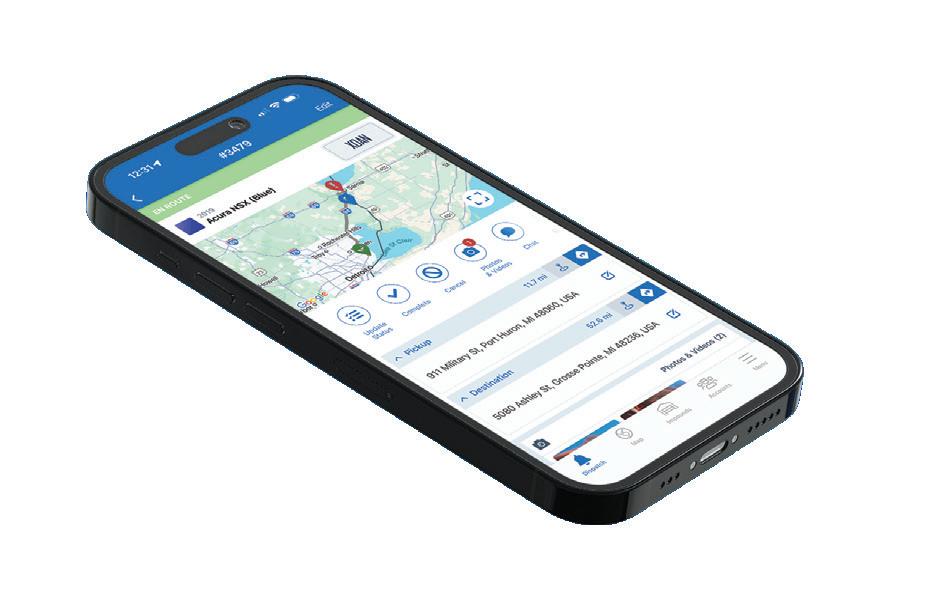
Effective towing management software centralizes intake calls, dispatching, and job tracking into a single, integrated platform.
By Kendall Smith
The towing and recovery industry continues to evolve at a rapid pace. Regulations shift, customer expectations grow, roadside risks remain high, and technology continues to reshape how businesses operate. For towing companies, managing these demands efficiently requires more than clipboards and spreadsheets. Modern towing management software has become an essential operational tool that enables companies to streamline dispatching, improve safety, protect against liability, and gain financial clarity.

Based in
While software platforms differ in features and design, the broader impact of towing management systems on the industry is clear: improved organization, stronger documentation, enhanced communication, and greater operational visibility.
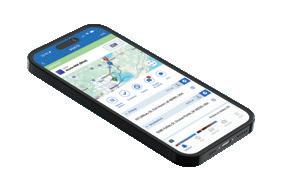
Dispatch is the heartbeat of any towing operation. Effective towing management software centralizes intake calls, dispatching, and job tracking into a single, integrated platform. From the moment a call is received to final billing, software systems allow tow companies to assign drivers, monitor job progress, and maintain visibility across their fleet.
Mobile apps for drivers have become standard in modern systems. These apps typically allow operators to:
• Receive and update job information in real time
• Capture vehicle details
• Upload photos, videos, and documentation
• Communicate internally with dispatch
• Update availability status
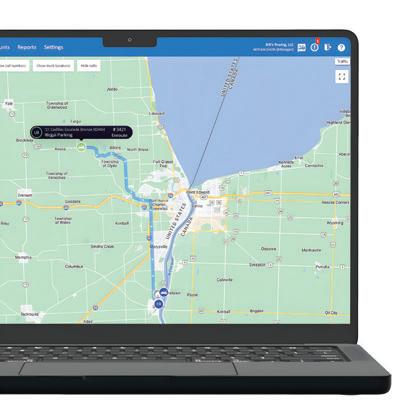
Real-time GPS tracking embedded into mapping tools provides dispatchers with live visibility into truck locations and predicted arrival times.
Automated mileage calculations and traffic-sensitive routing further improves accuracy and efficiency.
For companies that contract with motor clubs, police departments, municipalities, dealerships, or body shops, integrations and secure portals allow jobs to flow directly into dispatch systems, reducing manual data entry and minimizing errors.
Roadside work remains one of the most dangerous professions in the transportation sector. As a result, safety-focused technology has become an increasingly important part of towing management platforms.
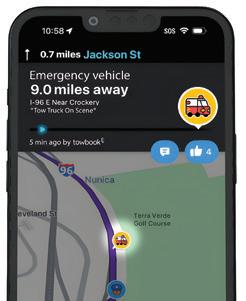
Several systems now combine with traffic and navigation applications to provide alerts to nearby motorists when tow trucks or roadside assistance vehicles are active. These real-time notifications can encourage drivers to slow down and move over, increasing awareness around roadside incidents.
Greater visibility not only protects tow operators but can also contribute to faster scene clearance. When approaching traffic is alerted earlier, operators are able to work more efficiently and safely. As safety regulations continue to expand nationwide, technology is playing a larger role in supporting compliance and protecting roadside professionals.
Damage claims are an unfortunate reality in the towing industry. Disputes ◀
over pre-existing vehicle damage can result in financial losses and strained customer relationships. Modern towing management software helps mitigate these risks through detailed digital documentation.
Many systems allow drivers to capture date- and time-stamped photos and videos directly within the job file. Geo-coding, status tracking, and digital signatures add additional layers of verification. Electronic damage reports and proofof-service documentation can be shared instantly with customers or insurance companies. Clear, organized documentation promotes transparency and provides companies with stronger protection when disputes arise.
For companies that manage stored or impounded vehicles, organization and compliance are critical. Storage management tools within towing
These capabilities reduce the administrative burden while helping ensure compliance with state and municipal requirements.
software can automatically calculate storage fees based on configurable rate structures and local regulations. Features commonly include:
• Multi-lot management
• Vehicle transfers between properties
• Automated form generation
• Secure portals for law enforcement and property managers
• Real-time vehicle lookup tools
Mapping merged with GPS tracking offers more than just navigation support. Route history and replay features allow companies to review past calls for verification, training, or dispute resolution. Accurate mileage tracking supports proper billing and payroll processing, while real-time visibility into driver availability improves response times.
Beyond dispatch, reporting tools provide insight into operational performance. Companies can analyze call volume trends, revenue by service type, driver productivity, and other key performance indicators. Access to reliable data enables more effective decision-making and longterm planning.
Towing software has expanded to support specialized operational needs, including private property towing and vehicle transport services. Private property tools may include authorized vehicle lists, property-specific tagging, digital documentation, and secure portals for property managers. These systems create greater transparency and reduce paperwork.
Transport-focused operations often require flexible billing structures, multiple vehicles per
invoice, and multi-destination routing. Software platforms designed for towing can accommodate these complexities while keeping records centralized and organized.
While most towing management systems are not full accounting platforms, they often provide robust billing and financial tracking features. Configurable invoices, payment tracking, commission calculations, and audit controls help streamline revenue management. Consolidation
with external accounting software can further simplify bookkeeping processes, reducing duplicate data entry and improving financial accuracy.
Comprehensive reporting dashboards give business owners visibility into cashflow, delinquent payments, and overall company performance, all without requiring specialized accounting expertise.
Tow trucks represent a significant capital investment. Many towing management systems now include fleet maintenance tools designed to protect and extend the life of those assets.
Common features include:
• Customizable pre-trip inspections
• Maintenance scheduling and tracking
• Expense logging
• Receipt uploads
• Profitability reporting by vehicle By centralizing fleet data, companies can better monitor maintenance intervals, control operating costs, and identify trends that impact profitability. ◀
Customer expectations have changed dramatically in recent years. Motorists increasingly expect transparency, communication, and convenience, especially during stressful roadside events. Modern towing software often includes automated text updates, live job tracking links, and digital payment options. These tools provide customers with real-time visibility into arrival times and service progress.
In addition, post-service surveys and review links allow companies to gather feedback, monitor service quality, and strengthen their online reputation. Improved communication not only enhances customer satisfaction but
also reinforces professionalism in an industry that often operates under scrutiny and pressure.
It’s easy to assume that towing management software is designed primarily for larger fleets with multiple drivers and office staff. However, many of the operational challenges that the new software solves exists regardless of company size, especially for singletruck, owneroperated businesses.
For owner/operators, time is their most limited resource, since they serve as dispatcher, driver, customer service representative, and bookkeeper. Without organized systems in place, administrative tasks can quickly consume hours that could otherwise be spent generating revenue. ◀

Towing management software can help consolidate those responsibilities into one streamlined platform. Instead of juggling paper invoices, text messages, handwritten impound logs, and separate accounting tools, owner/operators can manage calls, documentation, billing, and reporting from a single system, often directly from a mobile device.
Key benefits for single-operator businesses include:
• Professional Documentation: Digital photos, videos, electronic
signatures, and automated invoices create clear records that help protect against damage claims and disputes.
• Faster Billing: Invoices can be generated and sent immediately and paid on the spot after a job is completed, effectively improving cashflow.
• Mileage & Expense Tracking: Automatic mileage calculations and expense logs reduce manual mapping and guesswork.
• Customer Communication: Automated status updates
and job tracking links enhance professionalism without requiring additional phone calls.
• Regulatory Compliance: Organized storage records and automated fee calculations simplify compliance with local impound and storage regulations. Even without additional employees, having visibility into call history, revenue trends, and job types can help an owner/ operator make informed decisions about pricing, equipment investments, and service focus.
Perhaps most importantly, structured systems create scalability. A singletruck operation today may become a multi-truck fleet in the future, which is a common characteristic of the tow industry, so don’t hesitate to dream big. Implementing organized processes early on can make growth for a budding tow operation smoother and less disruptive in the future.
At its core, towing management software serves as a centralized operating system for towing companies. It brings together dispatching, documentation, storage management, billing, reporting, fleet oversight, and customer communication into a unified platform. Whether operating a single truck, managing a midsize fleet, or overseeing a large enterprise, companies that leverage technology effectively are often better positioned to adapt to regulatory changes, improve safety practices, reduce liability exposure, and operate more efficiently.
While no software replaces strong leadership and skilled operators, the right tools can support better decision-making, enhance accountability, and create consistency across daily operations.
For towing companies navigating an increasingly complex environment, management software is no longer simply a convenience. It is now a foundational component of sustainable, modern operations.
By Devon Banks
TWith five years in the towing and recovery industry, Devon Banks brings deep industry knowledge to her role at Zip’s where she supports companies across the U.S. and Canada with equipment, apparel, and trucks. Devon is a regular at major trade shows, including AT Expo in Baltimore where she presented the topic of LinkedIn’s value in the industry.
here are about 35,000 tow companies in the United States, operating over 210,000 commercial vehicles and employing more than 350,000 professionals. But to an outsider, towers might all look the same, and are usually seen only when something goes wrong on the roadside. Customers can be stressed, scared, upset, and don’t always see the skill, care, and teamwork that goes into recovery work. Worse yet, they often only hear about the few bad companies, with the news focusing on the negative—and rarely the positive.
Considering this rocky landscape of negativity, how can a tower grow a business and highlight positives with the public? This is especially hard while handling local tow jobs, and at the same time trying to get on the radar of decision makers who sit in offices thousands of miles away. What can help a tow company stand out, showing off its clean, well-maintained equipment, and staff of skilled operators? Though a towing company might have the latest technology, run ads, and have many five-star reviews, along with a great website, how can a tow manager communicate all of this directly with potential customers?
In 2026, using a social media platform like LinkedIn is one obvious solution. This service can create a professional reputation, connect with business and community leaders, share ideas with them, and get a business in front of customers before they even need roadside service.
This is not about getting one more customer or a single tow. It’s about setting a tow business apart from the competition, connecting with trusted leaders in towing and other industries, and showcasing a business by going the extra mile.
As is the case with any business in the modern world, change is also inevitable in the towing industry. Technology, safety tools, and public perception continue to evolve. Companies that utilize LinkedIn are better positioned for the future. They are recognized as more professional, more trustworthy, more organized, and more serious about safety. They also build relationships that can lead to contracts, partnerships, and growth.
Now is the time for tow companies to start taking social media presence on platforms like LinkedIn seriously. Early adopters are the ones that see the greatest benefits and success.
LinkedIn can show that towing is about helping people in stressful moments, keeping roads safe, clearing accidents quickly, protecting workers and drivers, and supporting communities. A tow company that shares these messages helps to raise the reputation of the entire industry. Better yet, regular posting on social media builds a strong online presence that works well for tow managers, even while they’re busy running the company.
Many might think of LinkedIn as nothing more than a job board that charges to post openings, only to send a flood of unqualified candidates in return, making the entire endeavor appear utterly useless.That, however, is not the case.
LinkedIn has more than a billion users worldwide and hundreds of millions of ◀

users in the United States alone. The strategy used on this platform may be different than anything a tow manager has used before. It will take a little time and effort to set it up, but the rewards can be huge. And it’s free.
Far more than a job board, LinkedIn enables a business to share with the public why a specific tow company is the right choice. Note, too, that many of the best potential clients are already on LinkedIn. This includes road construction companies, traffic control firms, fleet managers, insurance adjusters, city and county officials, safety leaders,
and large commercial businesses.
When searching for towing services, many will often explore LinkedIn profiles before making a determination on which one to call. If a tow company is not on LinkedIn, it probably won’t even be considered. While many tow companies still rely only on phone calls, contracts, or word of mouth, LinkedIn has become an equally powerful tool.
Here are ways LinkedIn can help a tow business:
• Builds trust before the first call.
When potential clients see a LinkedIn post, they get to know a company before they ever call. They see the tower’s values, team, and work ethic.
• Helps a tower connect with decision makers. LinkedIn enables towers to connect directly with safety directors, fleet managers, construction supervisors, and government officials, often the very people who decide which tow company to hire.
• Demonstrates a modern and serious approach. Some towers still rely only on old-school methods of marketing. Having an active LinkedIn presence projects a company image that is both forward-thinking and business-minded.
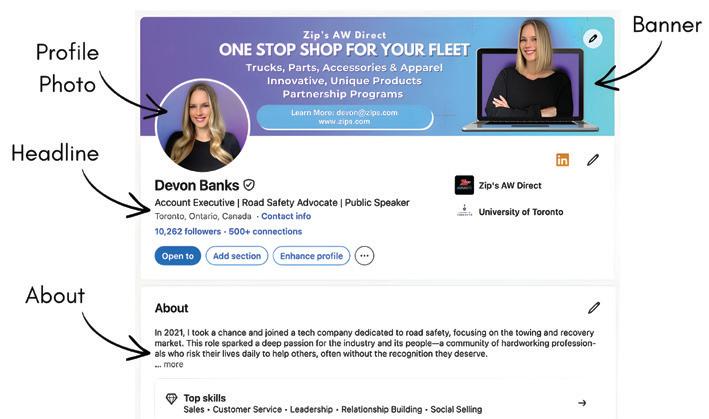
First, set up a personal profile. In order to start posting on LinkedIn, a tower will need a great headshot, a banner photo, and some basic background information. The owner, managers, and key staff of a tow company should all have LinkedIn profiles. This shows that real people run the company, not just trucks.
When setting up this page, take care to ensure correct spelling, grammar, and punctuation. The profile and banner pictures must be clear and professional. LinkedIn allows adding a headline to a profile. This is key because it explains the services being offered, and highlights the level of expertise, such as:
• "New York's #1 Heavy Duty Towing Company"
• "35 Years of Experience in the Towing Industry"
• "Your Towing and Roadside Expert" Next, is the "About" section. Use this area to share a brief introduction and overview of a the tow business. Make it easy for people to reach you by including both a business phone number and an email address.
Example:
I've been in the towing business for 25 years. I started as a tow operator, then opened my own company, Devon's Towing, in 2018. With a fleet of 35 vehicles based in Brooklyn, NY, we offer the following services:
• Light-Duty Towing ◀
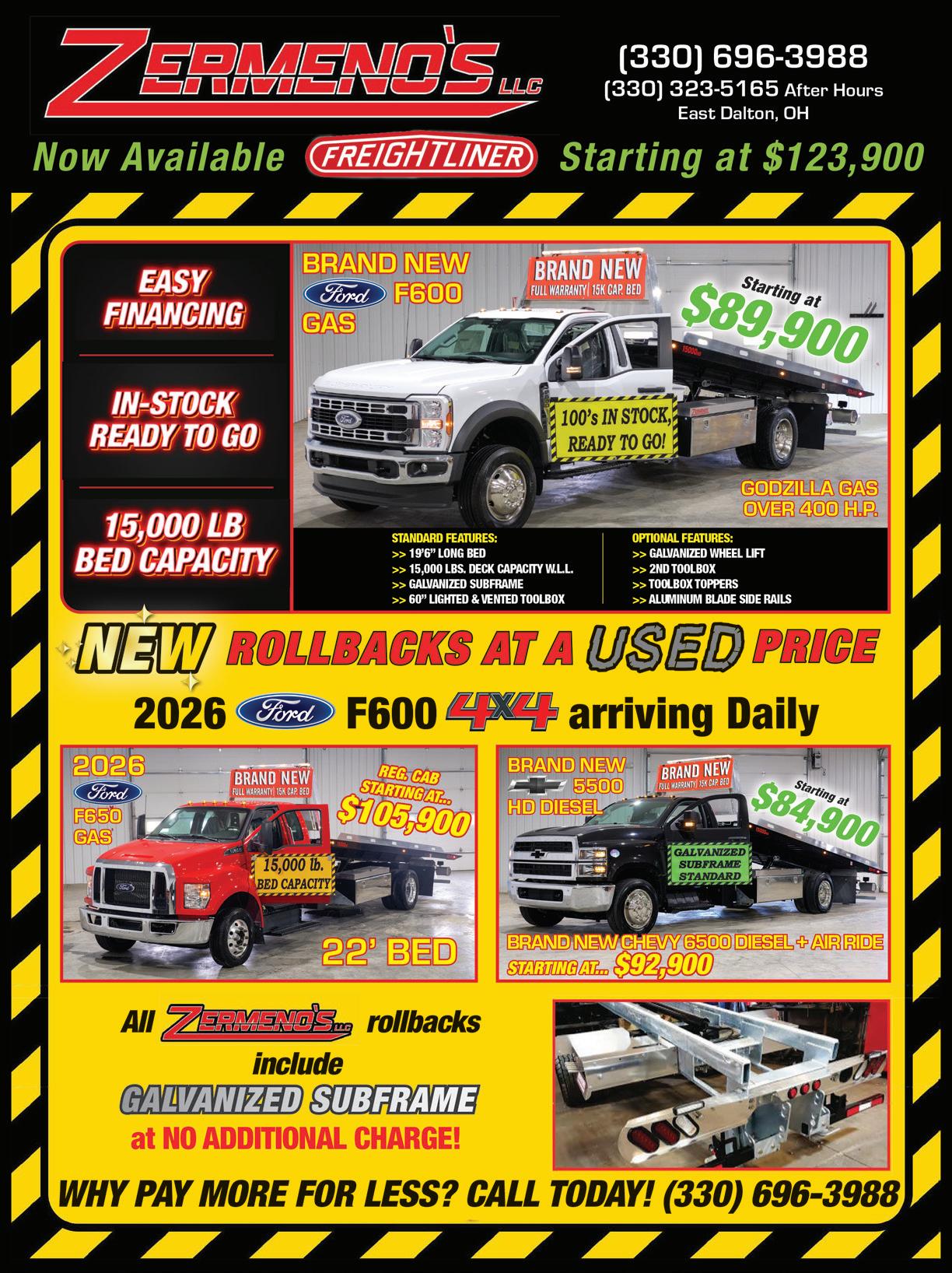
• Heavy-Duty Towing
• Water Recovery
• Heavy Equipment Hauling
• Roadside Service for Lockouts and Tire Changes
I am also the treasurer of a Tow Association and worked to improve legislation for emergency responders in 2019. Need a reliable towing firm? Reach out to Devon at 123-456-7890 or email devon@devonstow.com.
Once a personal profile is established, set up a business profile. This requires the company’s logo, a picture of the tow facility, and all relevant business information. Again, make sure all information is clear and accurate. A LinkedIn profile must be polished and professional, and highlight all the best aspects of the company, managers, and employees.
The business page should include a legible company name, a clean logo, a
strong description of services, quality photos of the tow fleet and team members, and contact information.
A strong business profile helps a tow firm stand out when prospective customers search for a company, and also when a tow manager reaches out to a new client, applies for contracts, and attends any of American Towman’s events.
A tow manager does not need to post every day. Quality matters more than quantity.
Many people outside the industry do not understand how much training and skill towing requires, so be sure to post about safety training days, new equipment or technology, and significant recovery jobs, along with awards or certifications. Always praise team members that are doing great work.
For example, instead of simply saying, “Our company towed a
vehicle today,” say:
“Today our tow team worked on a challenging recovery, handling quick clearance on a busy highway. We used careful planning, radio communication, and safety tools to keep everyone safe. We’re really proud of our crew for their professionalism.”
This post emphasizes leadership, care, and expertise.
• Team and culture posts. Showcase the staff with photos of morning safety meetings, team training sessions, drivers in clean uniforms, and mechanics working in the shop. People like to see real faces behind a company.
• Safety and training posts. Safety is paramount in towing and roadside work. Post about new safety tools, traffic control, best practices, and ongoing training. This shows that safety is ◀
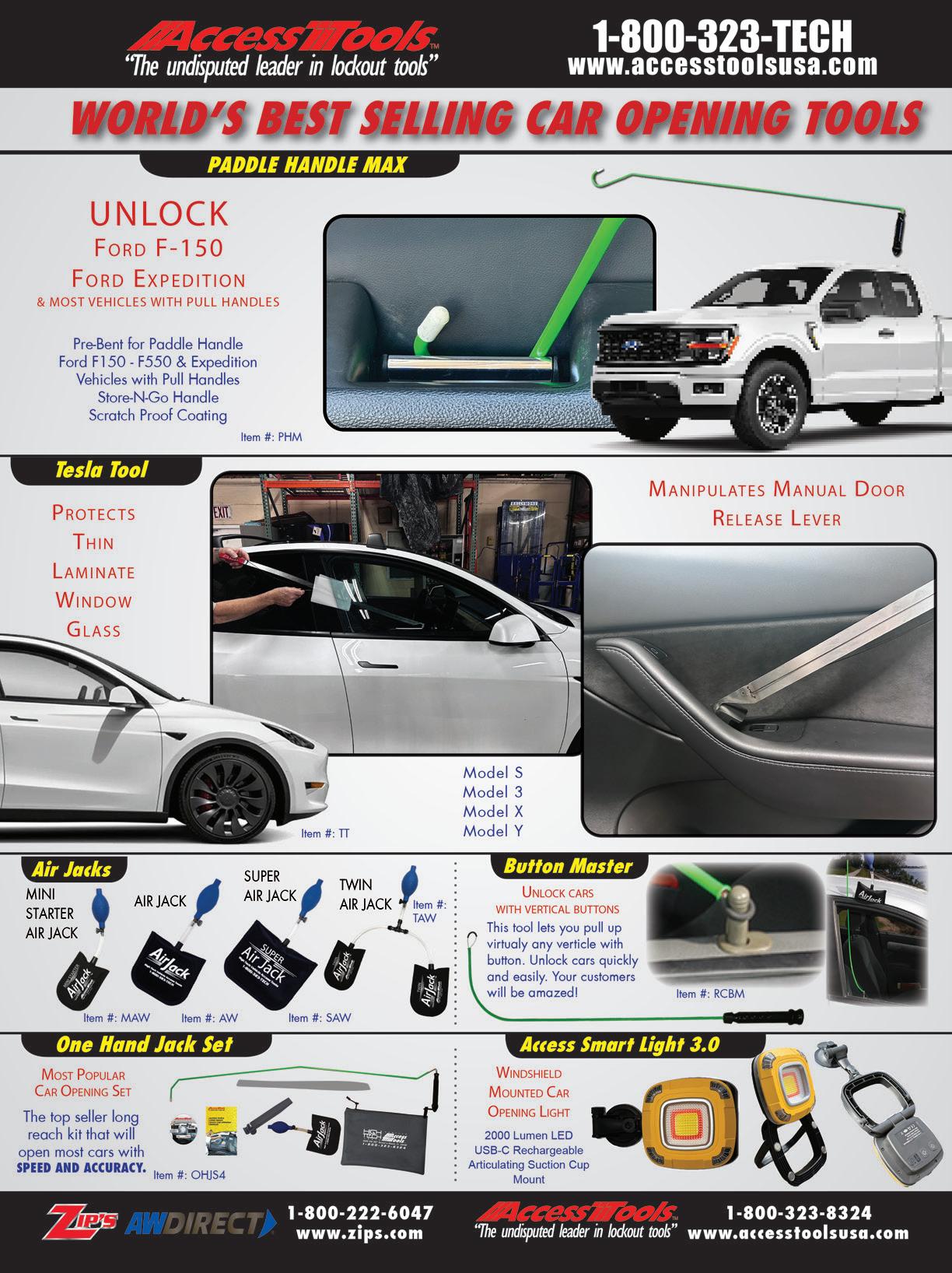
taken seriously. (And also helps to keep insurance premiums lower by documenting these programs.)
• Equipment and trucks. Proudly display carriers, wreckers, rotators, and rigging tools. Let everyone know why they matter and what they can do.
• Real job stories that solved problems. Share recoveries without being graphic or overly dramatic. Focus on problem solving, teamwork, planning, and safety. Avoid shocking images or anything that might be disrespectful. Describe how the tow team solved problems to showcase their expertise.
• Industry events and trade shows. Feature towers attending local parades, trade shows, conferences, or training events. Involvement in such events demonstrates a connection to the community and industry.
Some business owners might be apprehensive about writing on LinkedIn. But fancy wording isn’t necessary— simple is better.
Business owners might feel nervous about writing on LinkedIn. But fancy wording isn’t necessary—simple is better.
Think of a post in three parts:
• A clear sentence to introduce the post

Utilizing Your LinkedIn and Social Media Presence for Your Business
Explores how to get LinkedIn to promote a tow business
Devon Banks, Zip’s AW Direct. Thursday, April 23, 8 am Visit ATShowPlace.com to Register
• Two to three sentences describing the incident
• Always end on a positive note
Example: Today, our entire team focused on safety skills and best practices. They paid attention to several areas, such as proper work attire, traffic control measures, and effective lighting.
Also, a Safety Group came in to run their Level 6 Heavy Duty Training. It enhanced rigging techniques and practiced hands-on demos with our new rotator. Every single person on our team is now certified to handle any type of recovery.
Then end on a positive note: Training is important to our tow team and it never ends. We take pride in being the best company in the New York area.
To get started, take a look at LinkedIn posts centered around the towing industry and explore those who have liked and commented, and are in the towing industry or related industries. ◀
Search American Towman Media and Expositions, Inc., along with various vendors and tow company owners and operators.
In addition, include customers or prospective customers. Search for fleet managers, construction companies, and building managers. Add local politicians and city council members—the people a tow company would work with at a city level. While searching and adding people, there will be recommendations on the right-hand side of the landing page. Explore those as well.
LinkedIn is a powerful platform for tow companies that want to be seen as skilled, safe, and professional. When a tow company shares its work, people, and values, the business will grow and improve its reputation by demonstrating pride. Towing is tough, important work, and LinkedIn gives towers a way to display this to the world.
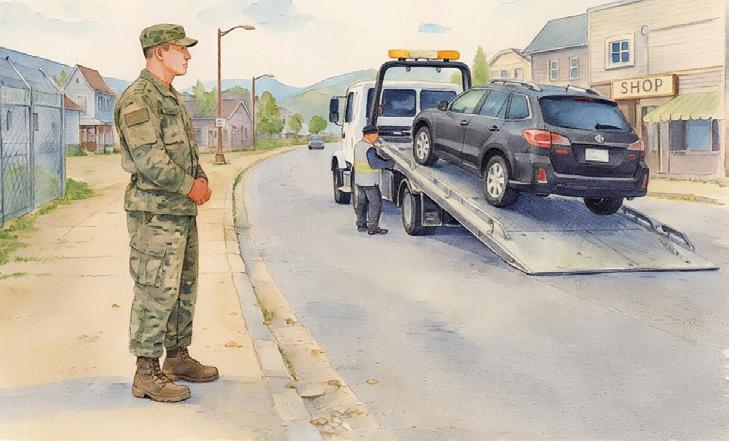
By Peter Lukevich, JD

Now more than in recent years, tow companies must ensure full compliance with the Servicemembers Civil Relief Act (SCRA) before proceeding with the sale of any impounded vehicle at auction or through a lien sale. If a tow firm ignores the SCRA, it risks stiff civil penalties of up to $55,000 for a first-offense, and in serious cases—even criminal charges that can include jail time! While selling a vehicle at auction, through a lien sale, or for salvage might seem like a routine part of doing business, it is anything but routine when the vehicle belongs to an active-duty servicemember during a time of military conflict. Failure to verify the registered owner’s active-duty military status can subject a tow company to significant financial penalties and seriously damage the business reputation.
on their duties without being overwhelmed by avoidable financial or legal pressures. This federal code applies in every state, regardless of local or state regulations that govern auction or lien sales or salvage disposal. It is imperative to review two key components related to timing and applicable liens.
First, the SCRA prevents a person (or tow company) from enforcement of the claim on such property without a court order during any period of active duty military service of the servicemember, and for 90 days thereafter. This encumbrance is defined as “a lien for storage, repair, or cleaning of the property of effects of the servicemember or a lien on such property or effects for any other reason”. If a person (or tow company) “knowingly takes an action contrary . . . or attempts to do so, shall be fined . . . or imprisoned for not more than one year, or both”. The SCRA provides that a first violation can result in a $55,000 civil penalty and a $110,000 civil penalty for any subsequent violation.
All tow operators must take steps to comply with the federal law, and should also seek local legal advice on whether there is a corresponding state law with potentially even more severe penalties for a violation. As is the case in most civil matters of this sort, ignorance of the law is not a defense. In addition to civil penalties and possible jail time, the Department of Justice or the state attorney general may also seek payment of costs and attorney fees, and treble damages for violation of the relevant consumer protection act.
A tow company might point out that, “My company isn’t anywhere near a military base.” If that’s the case, the risk of violating the SCRA might be lower than for a tow firm just outside the walls of a command post or airfield.
and patented software that verifies active-duty military status prior to vehicle auction, lien sale, or disposal.
Understanding the SCRA begins with awareness of the law. It went into effect on December 19, 2003, and offers powerful financial and legal protections to eligible servicemembers and in some cases, their dependents, so military members can focus
But consider this example: A soldier from Joint Base Sam Houston comes home for a visit, leaves a new car with a friend, who then parks it in a restricted area. The vehicle is impounded and ends up in a tow company’s lot. After proper notice is sent to the registered owner (the servicemember), and no response is received, the tower sells the vehicle at auction. ◀
The servicemember has no obligation to notify the DMV of military status in the state of operation. Months later, when the servicemember returns home and discovers the sale of his/her vehicle was in violation of the SCRA. Upon notification from the servicemember, the DOJ will open a civil investigation into the tow company that can include audits of sales records dating back at least five years. At that point, legal costs escalate quickly, and the outcome
may remain uncertain for months.
This discussion is not theoretical. The DOJ has initiated and completed investigations all across the country, from California to Florida, Texas to Massachusetts, and all the way to Hawaii. The results of those actions can be found on the U.S. Department of Justice’s website. Real-life examples include compensation for the wrongful sale of a vehicle, ranging from $5,000 and a civil penalty of $1,000, and two years
of supervision/probation, to a civil penalty of $60,788.
The federal government aggressively pursues SCRA enforcement nationwide, prosecuting cases against tow operations of all sizes, small, medium and large, as well as lien-sale management companies and other vehicle disposition firms. A single vehicle auction or disposal can trigger SCRA enforcement, and noncompliance may lead to severe consequences.
Fortunately, tow companies can take simple steps to reduce compliance risks:
• Be familiar with the requirements of the SCRA.
• Educate employees and managers on the importance of the law and train them to look for signs of military service.
• Check inside the vehicle for military service or service-branch insurance stickers.
These simple steps can point a tower in the right direction of making sure that a registered owner is not on active duty. Finally, using a reputable vendor to reliably match the registered owner’s name and contact information with other personally identifiable information can produce a verifiable result through the SCRA website.
Taking reasonable steps to comply with the SCRA will save both money and time. Recognizing the SCRA is a federal law that overrides state auction and lien sales rules in every jurisdiction, will help tow companies make smarter decisions about selling or holding a vehicle. Compliance with the SCRA is not just mandatory— it’s good business. Tow companies without a formal compliance program should implement one immediately to avoid bail, jail, and lasting damage to their business reputation.






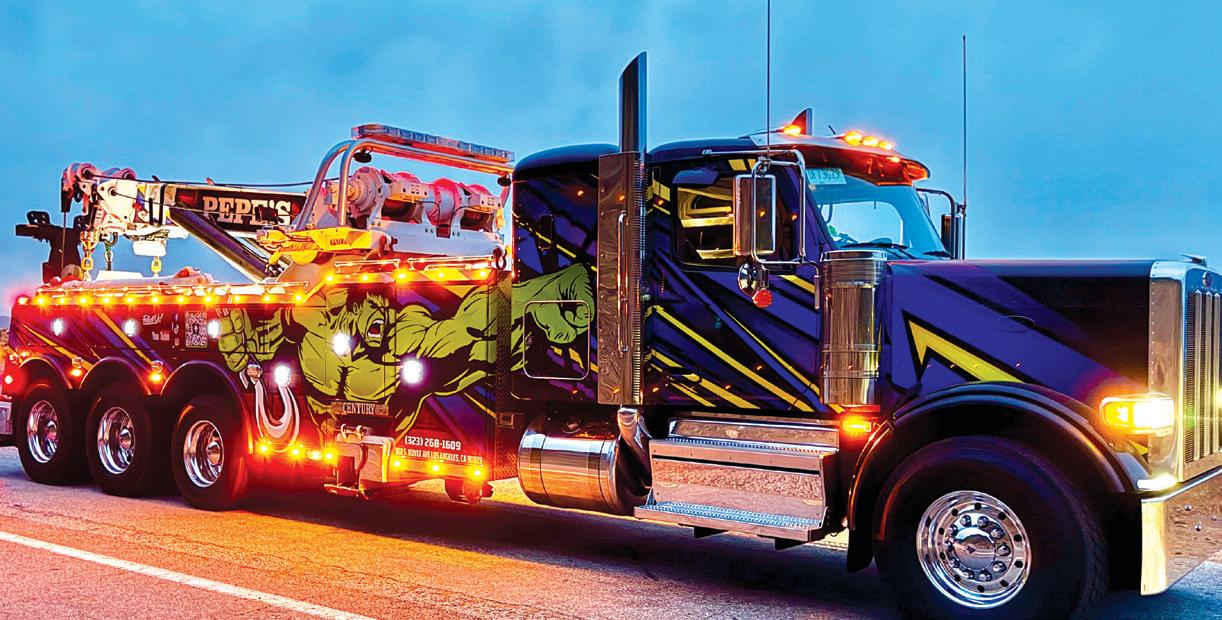
By Steve Temple
As in the Avengers movies, Pepe’s Tow Service in Socal has actually had a couple “Hulk” characters. In the movies, the first one was an unstoppable “rage monster”, while the second one was a “Smart Hulk”,
enhanced with scientist Bruce Banner’s brainy intellect.
Something similar happened with Pepe’s two Hulk rotators. The first one, a 2020 50-ton Century 1150, was fitted to a Peterbilt 389, and had a standard cab and independent
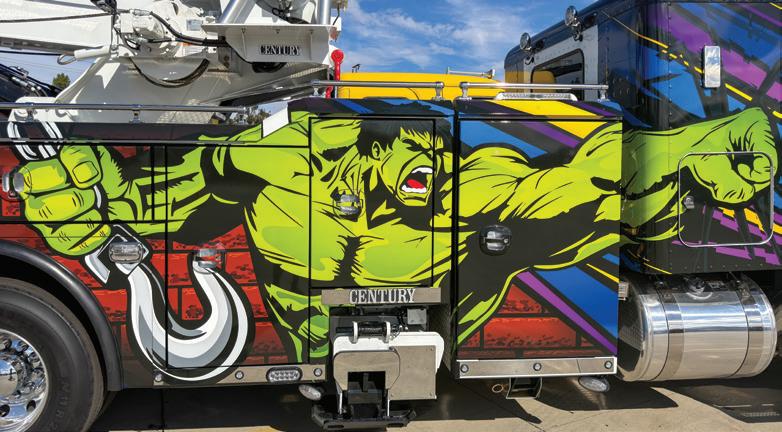
H-beam outriggers in the rear.
Several things changed for the better, though, on Pepe’s new 2026 50-ton Century. For instance, the chassis is now a Peterbilt 589 with a 36-inch sleeper cab. But you won’t find a tow operator napping there between long-haul jobs.
“I took out the sleeper and converted it into a mobile video edition station,” explains Joshua Acosta, part-owner of Pepe’s. This “smart area” is now a mobile office with custom shelving for a Starlink satellite system, drone camera, generator, and Apple VisionPro, where he creates videos for social media to document recoveries and promote the tow company. Joshua couldn’t fit all his electronic equipment into the cab of the previous Hulk, but with this new setup he’s now able to manage office duties on scene, while growing the company’s online presence beyond its current 310,000 YouTube subscribers.
“It brings in a lot of business,” Joshua notes.
In addition, the tunnel box underneath the cab provides extra space for rigging gear, essential for the demanding recovery jobs handled by Pepe’s.
Chassis: 2026 Peterbilt 589 w/ 36 inch sleeper
Engine: Cummins X 15 605V high performance 15 liter diesel engine with 605hp and 2050 lb/ft of torque.
Transmission: Eaton RTLO 22918B 18 speed
Wrecker Body: Miller Century 1150 rotator
Custom Features: Hulk graphics by Marcos Sierra of Retro Spec Printing, La Verne, CA; Sleeper cab converted to a mobile office and media station; Setpower fridge, Starlink satellite system mounted via pole behind sleeper cab; custom shelving for recording equipment; Apple VisionPro, Bluetti Elite v200 2600 watt generator; full coffee station with Keurig machine inside tunnel box.
This Hulk also boasts a tuned Cummins X-15 diesel, and dual H-Beam outriggers in the rear. Josh says the integrated outrigger setup is 15 to 20 percent stronger for more stability, which is ideal for handling heavier loads. Also, the wrecker body now has 50,000-lb winches (vs 35,000-lb units in the previous Hulk). These upgrades quickly proved their worth after Pepe’s acquired the
wrecker in December of 2025, aiding in the recovery of a damaged heavyduty construction crane and several rolled-over semis.
Marcos Sierra of Retro-Spec Printing worked closely with Joshua over nearly two weeks to capture the Hulk’s muscular strength as a symbol of towing power. Marcos has become one the most sought-after designers and wrappers in Southern
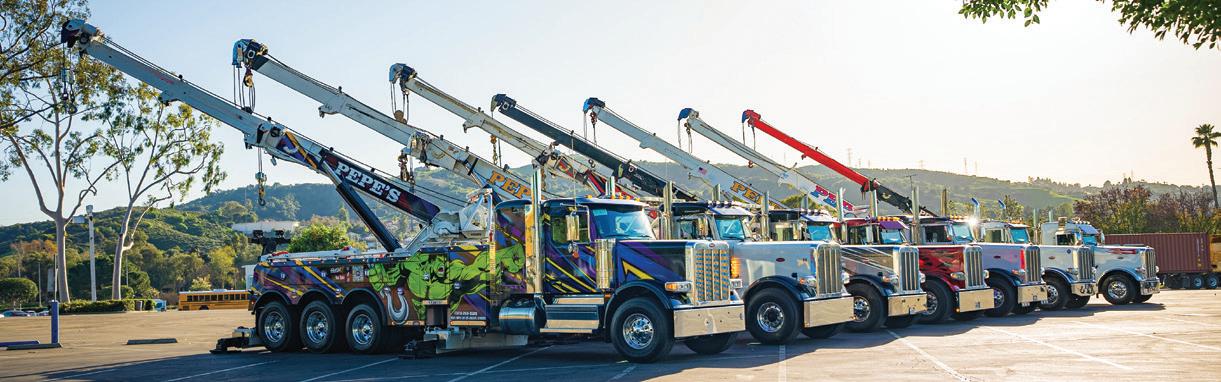
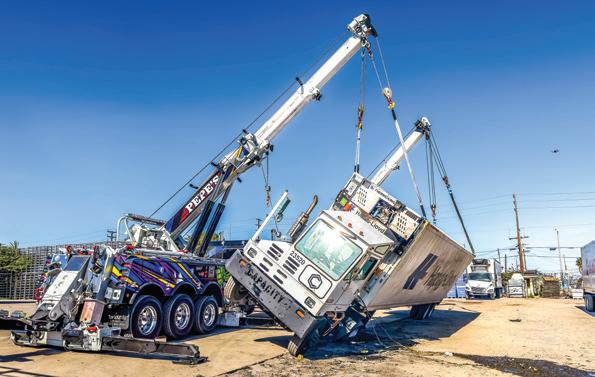
Since being delivered to Pepe’s in December 2025, this rotator has righted a number of roll-overs.
California, known for his use of vibrant colors and bright outlines, along with meticulous fitment.
Adjacent to the vigorous image of the Hulk handling a tow chain are social media icons that can be scanned for quick online access to Pepe’s Tow Service. So, now this Hulk is not only bigger and stronger, but also smarter!
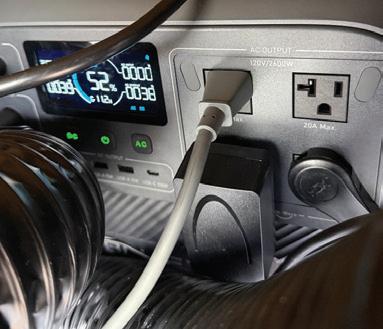
A Bluetti Elite v200 2600-watt generator provides all the juice needed for powering the mobile office’s Starlink, Macbook, Apple Vision Pro, coffee maker, lights and more. The generator, charged by a solar panel, keeps the electronics on 24/7 without running the engine or draining the battery.
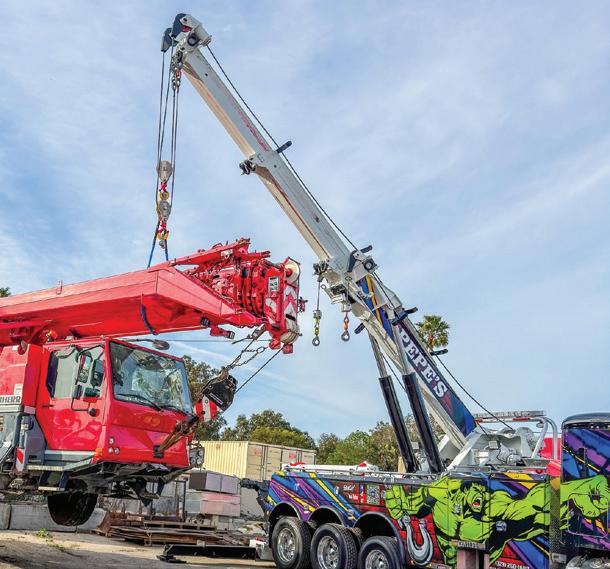
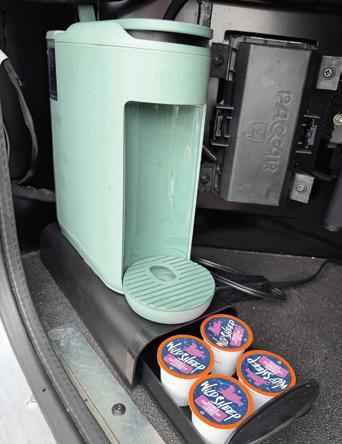
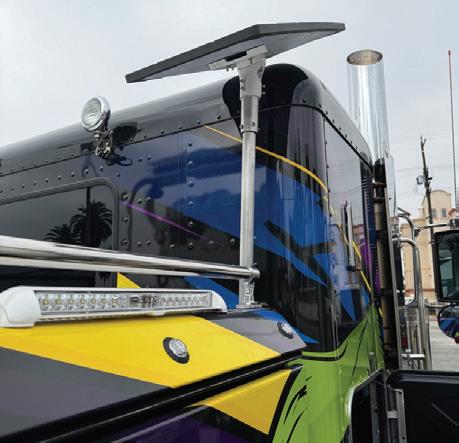
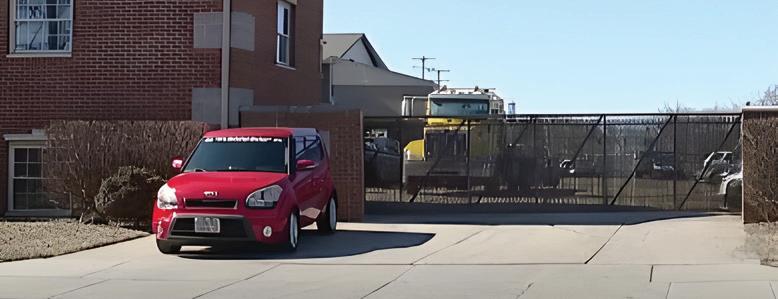
A 13-month-old child was found alive inside a vehicle that had been towed to an impound lot after being left unattended for several days on a Detroit-area street. Harper Woods police said the toddler was discovered crying in the rear of the locked vehicle at Woods Towing and Services, but is in stable condition and expected to recover.
The car had been improperly parked, where neighbors reported it to police. The child’s mother reported the baby missing to Detroit police. Detectives later learned the vehicle, registered to the child’s father, had been towed and suspected the toddler might still be inside.
Detroit and Harper Woods officers went to the impound yard and found the child in the locked vehicle, which police said could not be thoroughly inventoried at the time of the tow.
Source: wxyz.com
A Utah jury has found a former tow truck driver guilty of negligent homicide in connection with a 2024 crash in Ogden Canyon that killed a father and daughter. The incident occurred on July 6, 2024, when a tow truck was traveling eastbound and the bulldozer being towed came loose and fell into the westbound lane, and landed on an SUV carrying five people. Richard David Hendrickson and his daughter, Sally Hendrickson, were killed. Three other occupants suffered minor injuries and were taken to a hospital.
Michael John Love, 53, had originally been charged with two counts of manslaughter, aggravated assault and obstruction of justice. Prosecutors said the bulldozer was improperly secured with a single chain and a tow-hook winch—an arrangement investigators described as inadequate for the weight of the equipment. Court records also stated the bulldozer ex-
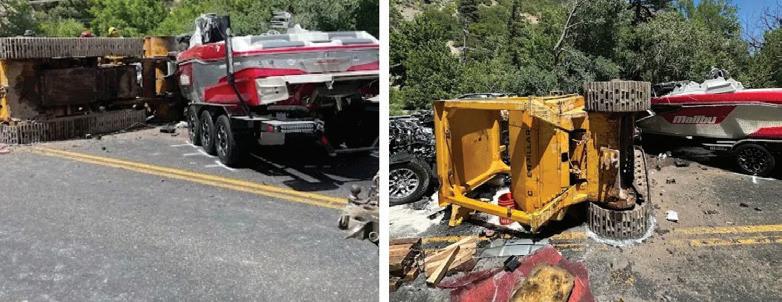
ceeded the truck’s weight capacity by about 4,300 pounds. Authorities further alleged Love misled investigators about how the load was secured.
Sentencing is scheduled for April 21, 2026.
Source: eastidahonews.com
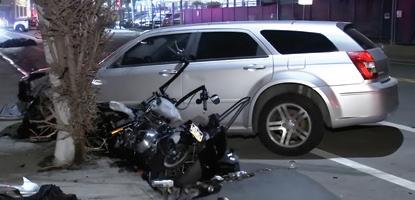
Police in Philadelphia are searching for a tow truck driver after a vehicle became detached from a flatbed and fatally struck a motorcyclist. Authorities say a silver 2005 Dodge Magnum being transported on a Ford F-250 flatbed came loose and rolled into traffic, striking a motorcycle. The rider, identified as Jason Harvey, 39, was transported to a nearby hospital where he later died from his injuries. Police say the tow truck left the scene following the crash in what investigators consider a hit-and-run. The truck has since been recovered and the towing company involved has been identified, but authorities have not publicly released the company’s name. The driver remains at large.
Sources: nbcphiladelphia.com inquirer.com fox29.com
As a followup to a NewsShare item in January 2026, the sentencing of John F. Rivers has been set at two to six years for his role in a vehicle theft scheme that targeted cars towed from retail parking lots in the Albany-area region. Used car dealer Robert A. Pitcher, who purchased and resold stolen vehicles, was sentenced
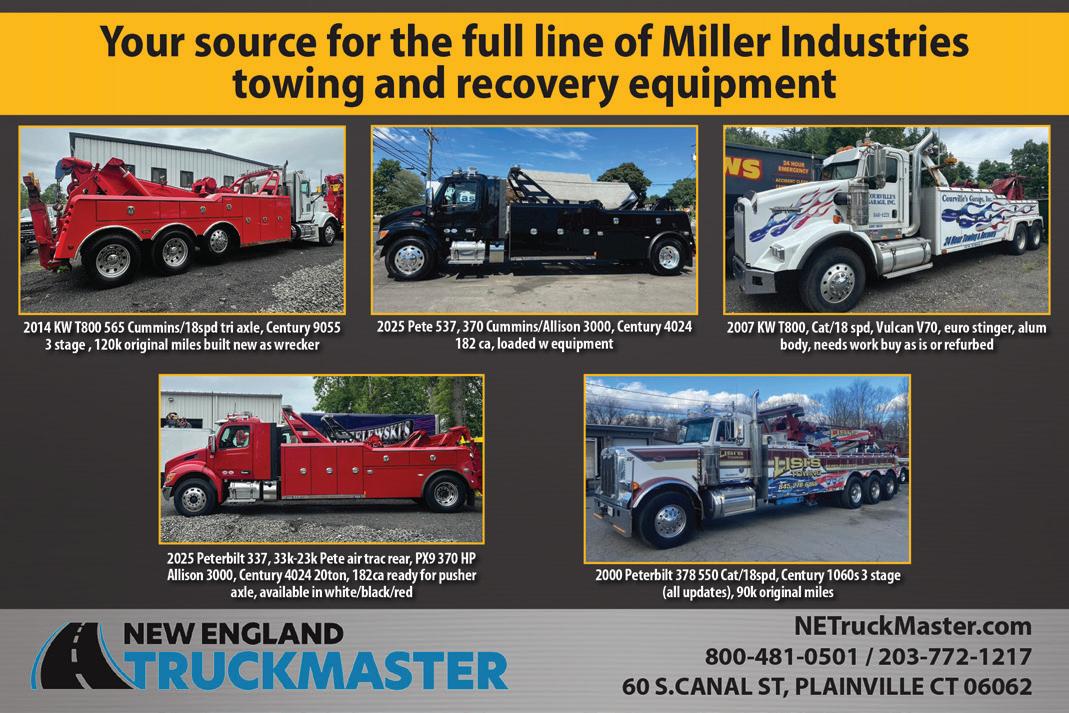
earlier to five years of probation.
Investigators found that between October 2022 and August 2024, Rivers used towing contracts with local businesses to remove vehicles from parking lots and illegally sell them to scrap yards and dealers, including Pitcher. Authorities said Rivers often failed to notify vehicle owners and sometimes sold vehicles within days of towing them.
Vehicle owners attempting to recover their cars were sometimes ignored or charged excessive fees. The scheme involved at least 17 stolen vehicles worth about $230,000. The investigation was led by New York State Police with assistance from several state agencies under New York Attorney General Letitia James.
Source: ag.ny.gov

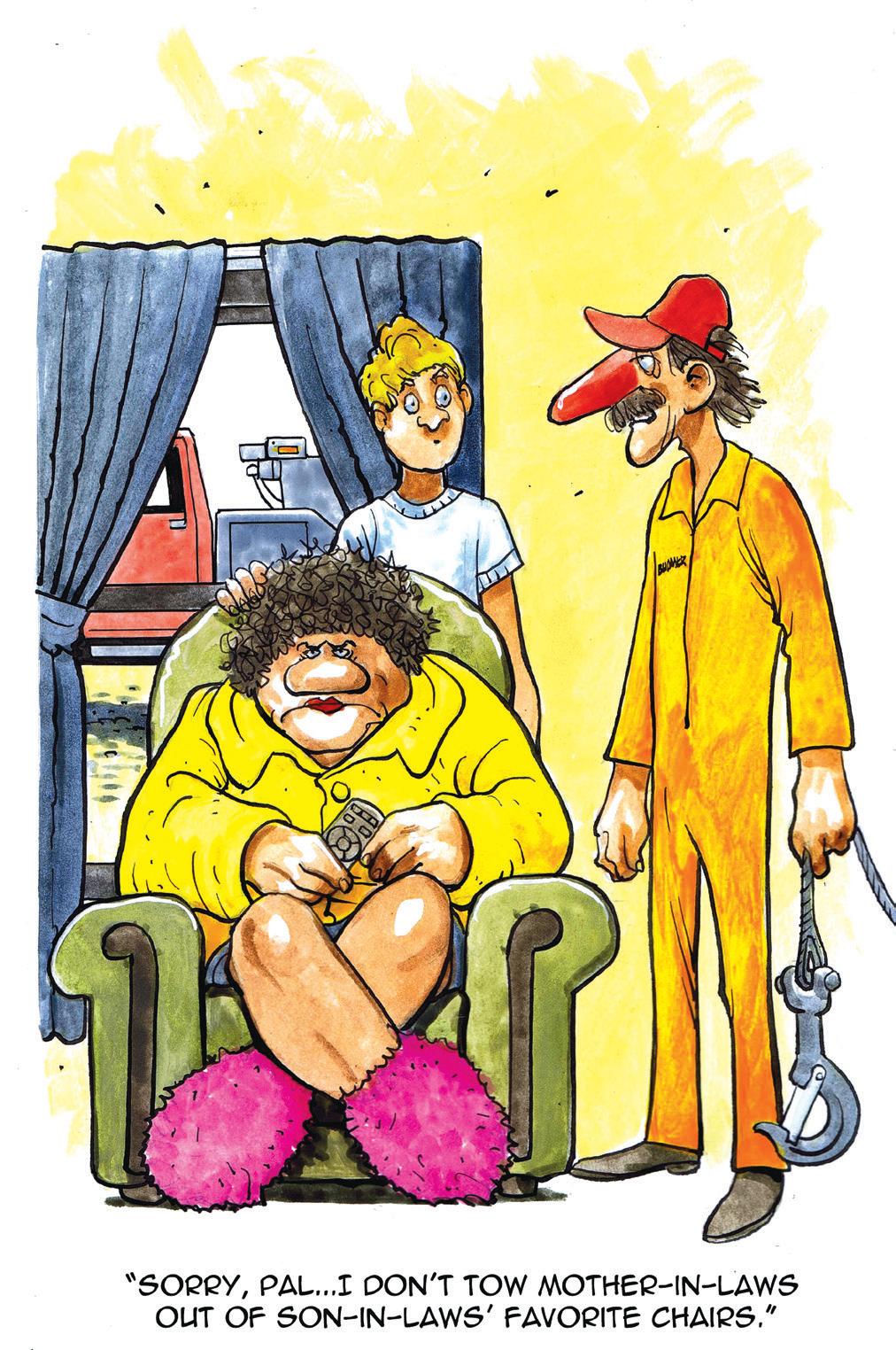
by Don Lomax
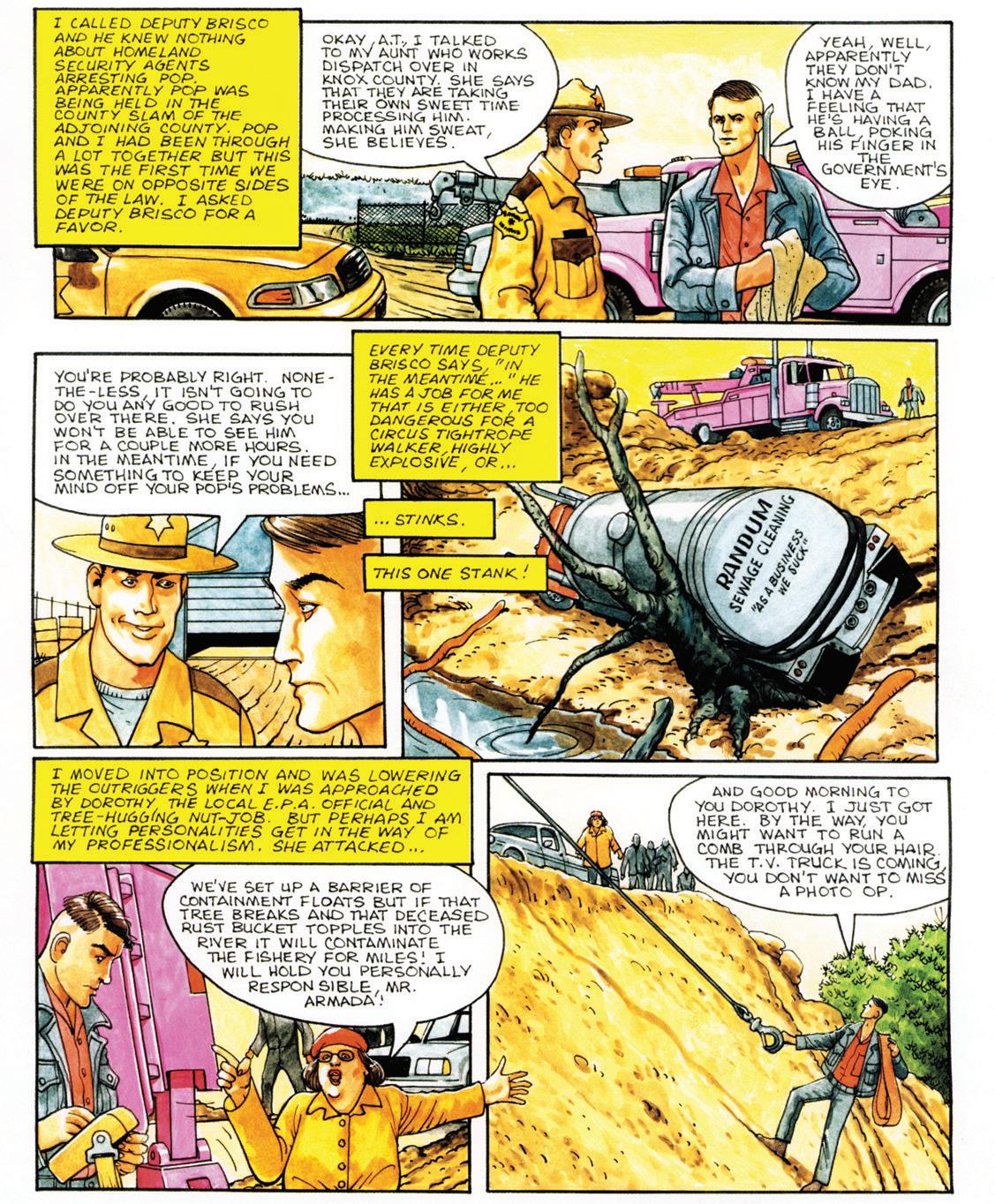
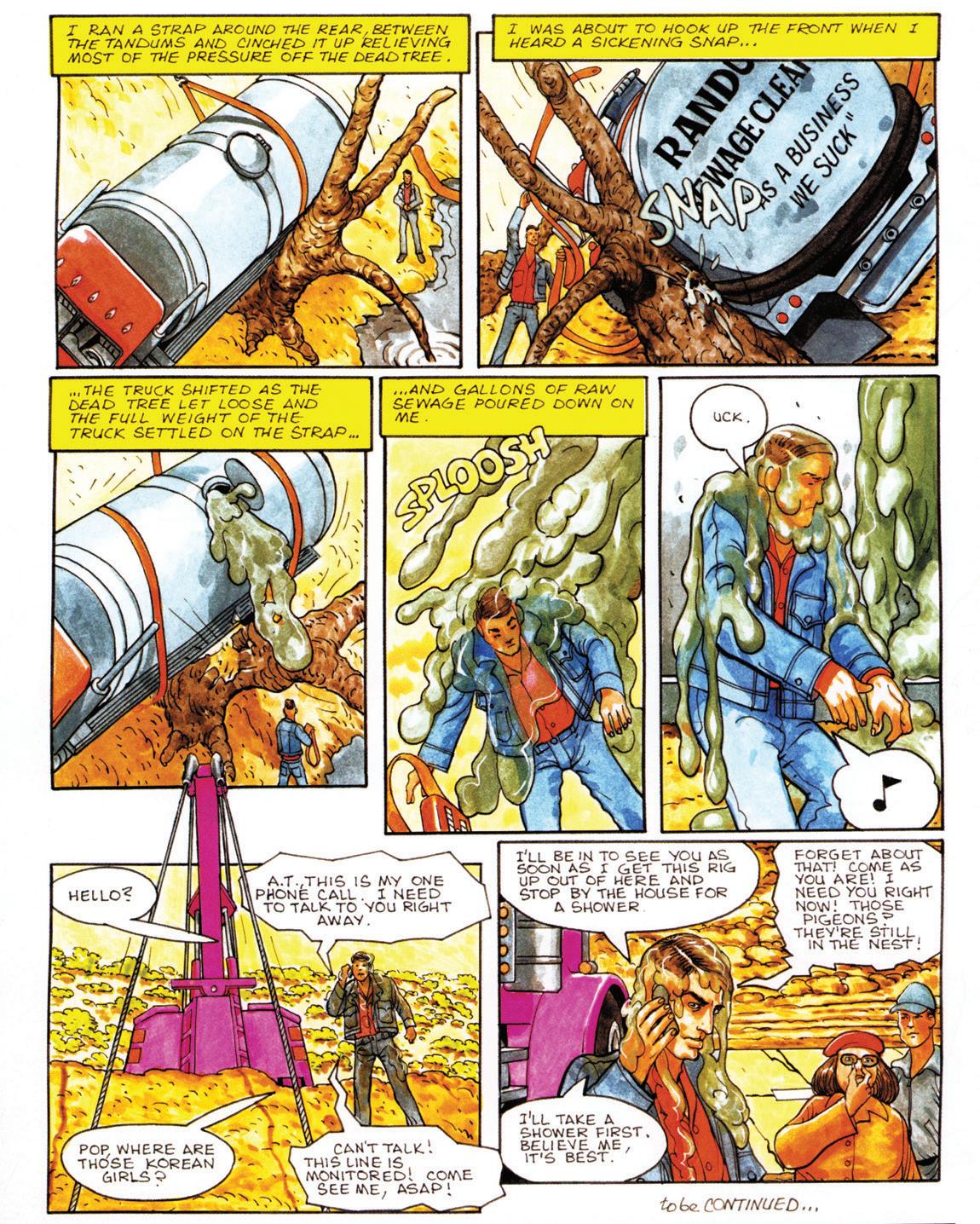
A 13-month-old child was found alive inside a vehicle that had been towed to an impound lot after being left unattended for several days on a Detroit-area street. Harper Woods police said the toddler was discovered crying in the rear of the locked vehicle at Woods Towing and Services, but is in stable condition and expected to recover.
The car had been improperly parked, where neighbors reported it to police. The child’s mother reported the baby missing to Detroit police. Detectives later learned the vehicle, registered to the child’s father, had been towed and suspected the toddler might still be inside.
Detroit and Harper Woods officers went to the impound yard and found the child in the locked vehicle, which police said could not be thoroughly inventoried at the time of the tow.
Source: wxyz.com
A Utah jury has found a former tow truck driver guilty of negligent homicide in connection with a 2024 crash in Ogden Canyon that killed a father and daughter. The incident occurred on July 6, 2024, when a tow truck was traveling eastbound and the bulldozer being towed came loose and fell into the westbound lane, and landed on an SUV carrying five people. Richard David Hendrickson and his daughter, Sally Hendrickson, were killed. Three other occupants suffered minor injuries and were taken to a hospital.
Michael John Love, 53, had originally been charged with two counts of manslaughter, aggravated assault and obstruction of justice. Prosecutors said the bulldozer was improperly secured with a single chain and a tow-hook winch—an arrangement investigators described as inadequate for the weight of the equipment. Court records also stated the bulldozer ex-
ceeded the truck’s weight capacity by about 4,300 pounds. Authorities further alleged Love misled investigators about how the load was secured.
Sentencing is scheduled for April 21, 2026.
Source: eastidahonews.com
Police in Philadelphia are searching for a tow truck driver after a vehicle became detached from a flatbed and fatally struck a motorcyclist. Authorities say a silver 2005 Dodge Magnum being transported on a Ford F-250 flatbed came loose and rolled into traffic, striking a motorcycle. The rider, identified as Jason Harvey, 39, was transported to a nearby hospital where he later died from his injuries. Police say the tow truck left the scene following the crash in what investigators consider a hit-and-run. The truck has since been recovered and the towing company involved has been identified, but authorities have not publicly released the company’s name. The driver remains at large.
Sources: nbcphiladelphia.com inquirer.com fox29.com
As a followup to a NewsShare item in January 2026, the sentencing of John F. Rivers has been set at two to six years for his role in a vehicle theft scheme that targeted cars towed from retail parking lots in the Albany-area region. Used car dealer Robert A. Pitcher, who purchased and resold stolen vehicles, was sentenced
earlier to five years of probation.
Investigators found that between October 2022 and August 2024, Rivers used towing contracts with local businesses to remove vehicles from parking lots and illegally sell them to scrap yards and dealers, including Pitcher. Authorities said Rivers often failed to notify vehicle owners and sometimes sold vehicles within days of towing them.
Vehicle owners attempting to recover their cars were sometimes ignored or charged excessive fees. The scheme involved at least 17 stolen vehicles worth about $230,000. The investigation was led by New York State Police with assistance from several state agencies under New York Attorney General Letitia James.
Source: ag.ny.gov
A 13-month-old child was found alive inside a vehicle that had been towed to an impound lot after being left unattended for several days on a Detroit-area street. Harper Woods police said the toddler was discovered crying in the rear of the locked vehicle at Woods Towing and Services, but is in stable condition and expected to recover.
The car had been improperly parked, where neighbors reported it to police. The child’s mother reported the baby missing to Detroit police. Detectives later learned the vehicle, registered to the child’s father, had been towed and suspected the toddler might still be inside.
Detroit and Harper Woods officers went to the impound yard and found the child in the locked vehicle, which police said could not be thoroughly inventoried at the time of the tow.
Source: wxyz.com
A Utah jury has found a former tow truck driver guilty of negligent homicide in connection with a 2024 crash in Ogden Canyon that killed a father and daughter. The incident occurred on July 6, 2024, when a tow truck was traveling eastbound and the bulldozer being towed came loose and fell into the westbound lane, and landed on an SUV carrying five people. Richard David Hendrickson and his daughter, Sally Hendrickson, were killed. Three other occupants suffered minor injuries and were taken to a hospital.
Michael John Love, 53, had originally been charged with two counts of manslaughter, aggravated assault and obstruction of justice. Prosecutors said the bulldozer was improperly secured with a single chain and a tow-hook winch—an arrangement investigators described as inadequate for the weight of the equipment. Court records also stated the bulldozer ex-
ceeded the truck’s weight capacity by about 4,300 pounds. Authorities further alleged Love misled investigators about how the load was secured.
Sentencing is scheduled for April 21, 2026.
Source: eastidahonews.com
Police in Philadelphia are searching for a tow truck driver after a vehicle became detached from a flatbed and fatally struck a motorcyclist. Authorities say a silver 2005 Dodge Magnum being transported on a Ford F-250 flatbed came loose and rolled into traffic, striking a motorcycle. The rider, identified as Jason Harvey, 39, was transported to a nearby hospital where he later died from his injuries. Police say the tow truck left the scene following the crash in what investigators consider a hit-and-run. The truck has since been recovered and the towing company involved has been identified, but authorities have not publicly released the company’s name. The driver remains at large.
Sources: nbcphiladelphia.com inquirer.com fox29.com
As a followup to a NewsShare item in January 2026, the sentencing of John F. Rivers has been set at two to six years for his role in a vehicle theft scheme that targeted cars towed from retail parking lots in the Albany-area region. Used car dealer Robert A. Pitcher, who purchased and resold stolen vehicles, was sentenced
earlier to five years of probation.
Investigators found that between October 2022 and August 2024, Rivers used towing contracts with local businesses to remove vehicles from parking lots and illegally sell them to scrap yards and dealers, including Pitcher. Authorities said Rivers often failed to notify vehicle owners and sometimes sold vehicles within days of towing them.
Vehicle owners attempting to recover their cars were sometimes ignored or charged excessive fees. The scheme involved at least 17 stolen vehicles worth about $230,000. The investigation was led by New York State Police with assistance from several state agencies under New York Attorney General Letitia James.
Source: ag.ny.gov
Dozens of emergency vehicles lined Interstate 40 in Haywood County, North Carolina as first responders,
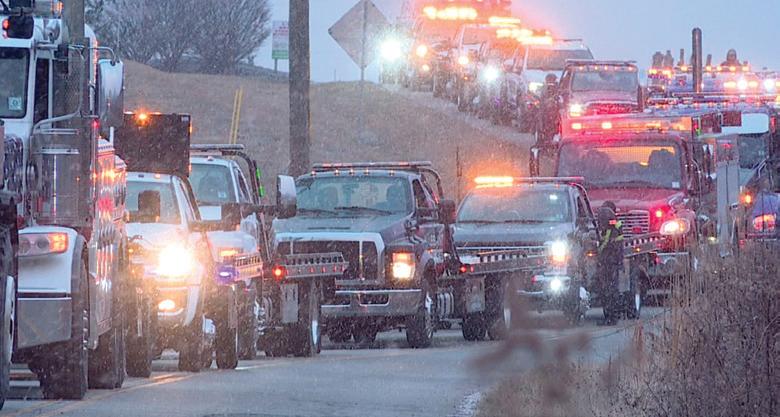
tow operators, and law enforcement participated in a memorial convoy honoring tow operator Austin Gayne, and promoting awareness of Slow Down, Move Over laws. Gayne was operating a heavy wrecker loaded with a dump truck on Feb. 1, 2021, when he was struck by a passing vehicle after being on scene less than five minutes.
The procession gathered near Beaverdam Road in Canton be-
fore traveling toward Asheville and back, with flashing lights visible for miles along the interstate. Organized by Gayne’s mother, Brooke Lawrence, the annual ride is intended to remind motorists that slowing down and moving over for roadside workers is required by law nationwide. Fire departments, EMS units, law enforcement agencies, and towing companies participated in the convoy.
Source: wlos.com
A violent confrontation during a vehicle repossession has resulted in a life prison sentence for a man in Port St. Lucie, Florida. A judge in St. Lucie County, Florida sentenced 61-year-old Omar Sueque to life in prison following his conviction for attempted first-degree murder with a firearm. A jury found Sueque guilty on December 3, 2025, of attempted premeditated first-degree murder and burglary of an occupied conveyance with assault or battery.
The charges stem from a January 25, 2024, shooting. Authorities said a 28-year-old repossession agent was attempting to repossess a vehicle at Sueque’s home when the encounter turned violent. Investigators said Sueque confronted the tow truck driver, punched him, then retrieved a firearm and fired multiple shots through the truck’s window, striking the victim several times. The victim survived the shooting.
Source: cbs12.com
A 13-month-old child was found alive inside a vehicle that had been towed to an impound lot after being left unattended for several days on a Detroit-area street. Harper Woods police said the toddler was discovered crying in the rear of the locked vehicle at Woods Towing and Services, but is in stable condition and expected to recover.
The car had been improperly parked, where neighbors reported it to police. The child’s mother reported the baby missing to Detroit police. Detectives later learned the vehicle, registered to the child’s father, had been towed and suspected the toddler might still be inside.
Detroit and Harper Woods officers went to the impound yard and found the child in the locked vehicle, which police said could not be thoroughly inventoried at the time of the tow.
Source: wxyz.com
A Utah jury has found a former tow truck driver guilty of negligent homicide in connection with a 2024 crash in Ogden Canyon that killed a father and daughter. The incident occurred on July 6, 2024, when a tow truck was traveling eastbound and the bulldozer being towed came loose and fell into the westbound lane, and landed on an SUV carrying five people. Richard David Hendrickson and his daughter, Sally Hendrickson, were killed. Three other occupants suffered minor injuries and were taken to a hospital.
Michael John Love, 53, had originally been charged with two counts of manslaughter, aggravated assault and obstruction of justice. Prosecutors said the bulldozer was improperly secured with a single chain and a towhook winch—an arrangement investigators described as inadequate for the weight of the equipment. Court records also stated the bulldozer exceeded the truck’s weight capacity by about 4,300 pounds. Authorities further alleged Love misled investigators about
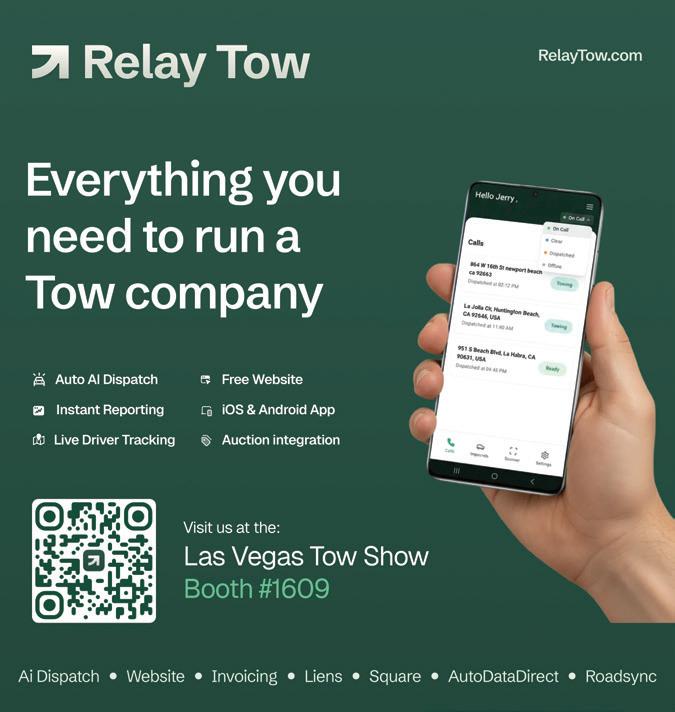
how the load was secured.
Sentencing is scheduled for April 21, 2026.
Source: eastidahonews.com
Police in Philadelphia are searching for a tow truck driver after a vehicle became detached from a flatbed and fatally struck a motorcyclist. Authorities say a silver 2005 Dodge Magnum being transported on a Ford F-250 flatbed came loose and rolled into traffic, striking a motorcycle. The rider, identified as Jason Harvey, 39, was transported to a nearby hospital where he later died from his injuries.
Police say the tow truck left the scene following the crash in what investigators consider a hit-and-run. The truck has since been recovered and the towing company involved has been identified, but authorities have not publicly released the company’s name. The driver remains at large.
Sources: nbcphiladelphia.com inquirer.com fox29.com
As a followup to a NewsShare item in January 2026, the sentencing of John F. Rivers has been set at two to six years for his role in a vehicle theft scheme that targeted cars towed from retail parking lots in the Albany-area region. Used car dealer Robert A. Pitcher, who purchased and resold stolen vehicles, was sentenced earlier to five years of probation.
Investigators found that between October 2022 and August 2024, Rivers used towing contracts with local businesses to remove vehicles from parking lots and illegally sell them to scrap yards and dealers, including Pitcher. Authorities said Rivers often failed to notify vehicle owners and sometimes sold vehicles within days of towing them.
Vehicle owners attempting to recover their cars were sometimes ignored or charged excessive fees. The scheme involved at least 17 stolen vehicles worth about $230,000. The investigation was led by New York State Police with assistance from several state agencies under New York Attorney General Letitia James.
Source: ag.ny.gov