
PORTFOLIO
Francisco Campos Valadez Feb-2026

FRANCISCO CAMPOS VALADEZ
26 |Aug| 1999
From Jalisco, Mexico fcampos@esarq.edu.mx
+52 33 2637 7395
EDUCATION
Bachelor of Architecture
ESARQ-Escuela Superior de Arquitectura Guadalajara, Jalisco, Mexico Aug 2018 | Dec 2022
WORKSHOPS
Twisted Box Jewelry Rhino / Grasshopper Instructor: Michael Pryor | Aug 2021
Crypto Cities v1.0 Rhino / Grasshopper, Illustrator Instructor: Andrew Kudless | Feb 2022
Dynamic Mutations v7
Cinema 4D/Houdini FX/Photoshop
Instructors: Pedro Venegas Rodríguez, Carlos Navarro | Harvard GSD | Jan 2023
TECHNICAL SKILLS
Illustrator InDesign
Photoshop Lightroom LaserWorks Advanced Proficient Intermediate Proficient Proficient
DRAFTING/MODELLING
AutoCAD
Revit Rhino/Grasshopper SketchUp
RENDER
Lumion
D5 Render
Keyshot 3ds Max / V-ray
LANGUAGES
Spanish Native English B2
Architect | Life as a Symbiotic Process
WORKING EXPERIENCE
Freelance PRO-
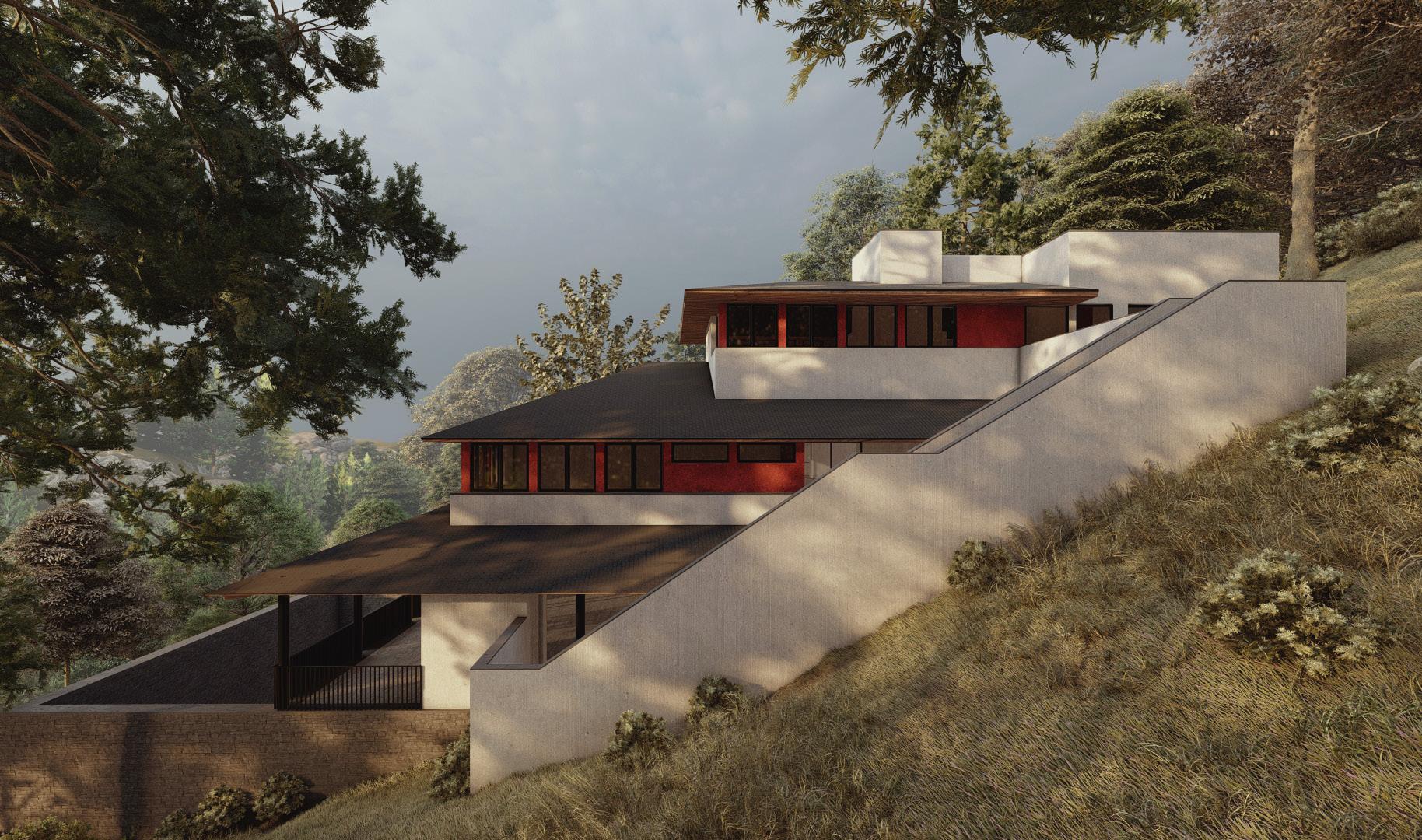
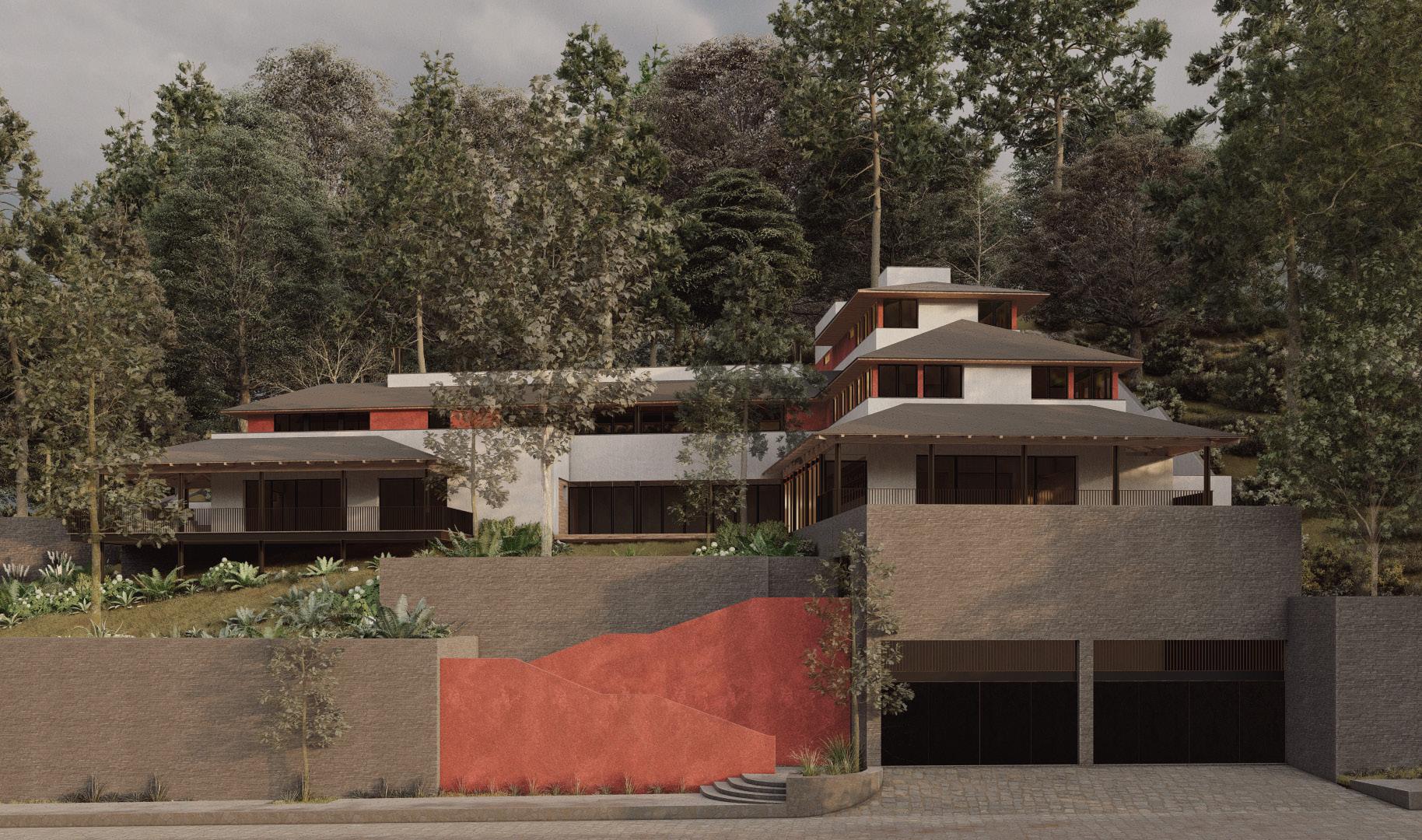
Mazati Casa F Aug 2024 | Dec 2024
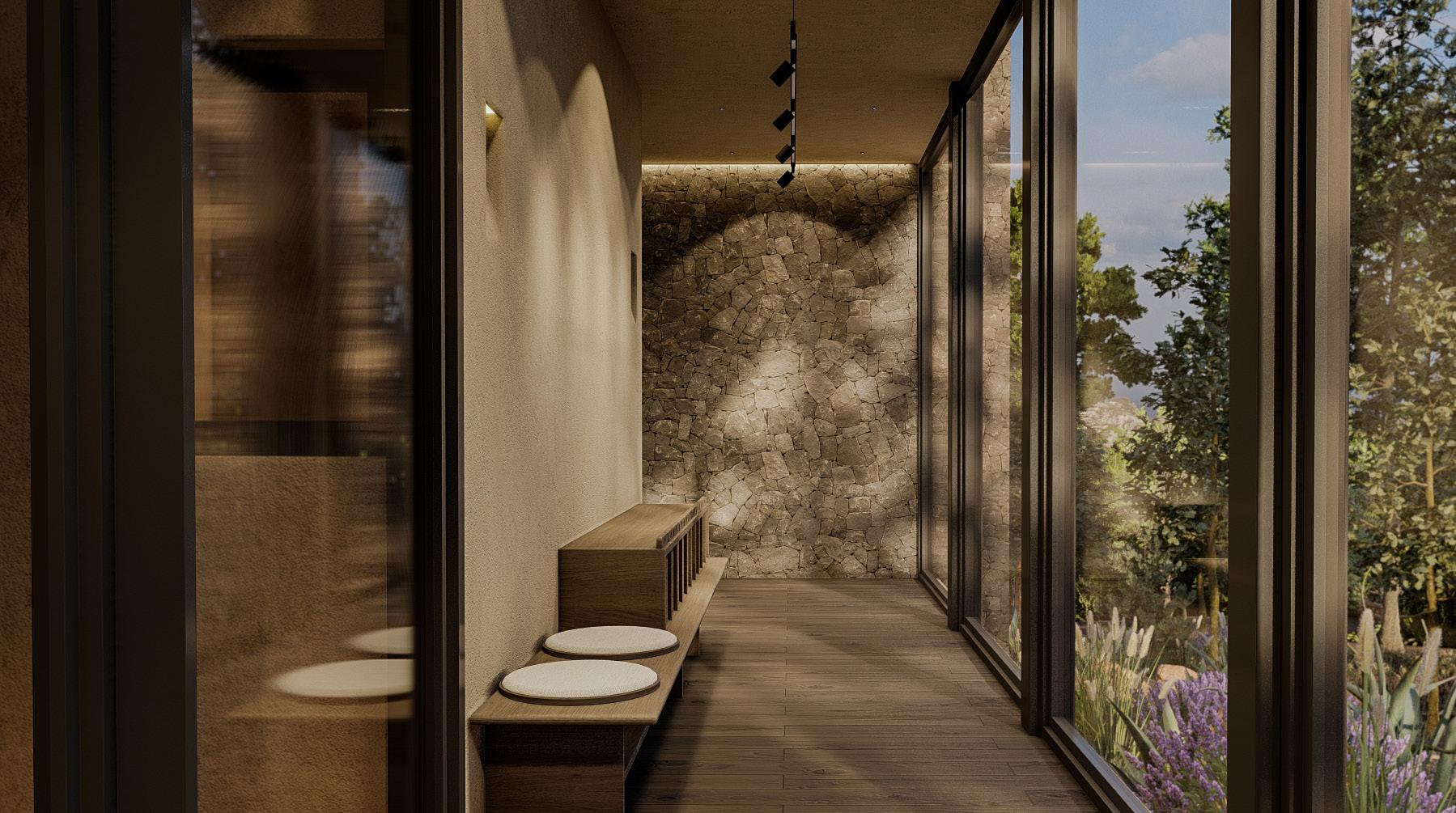
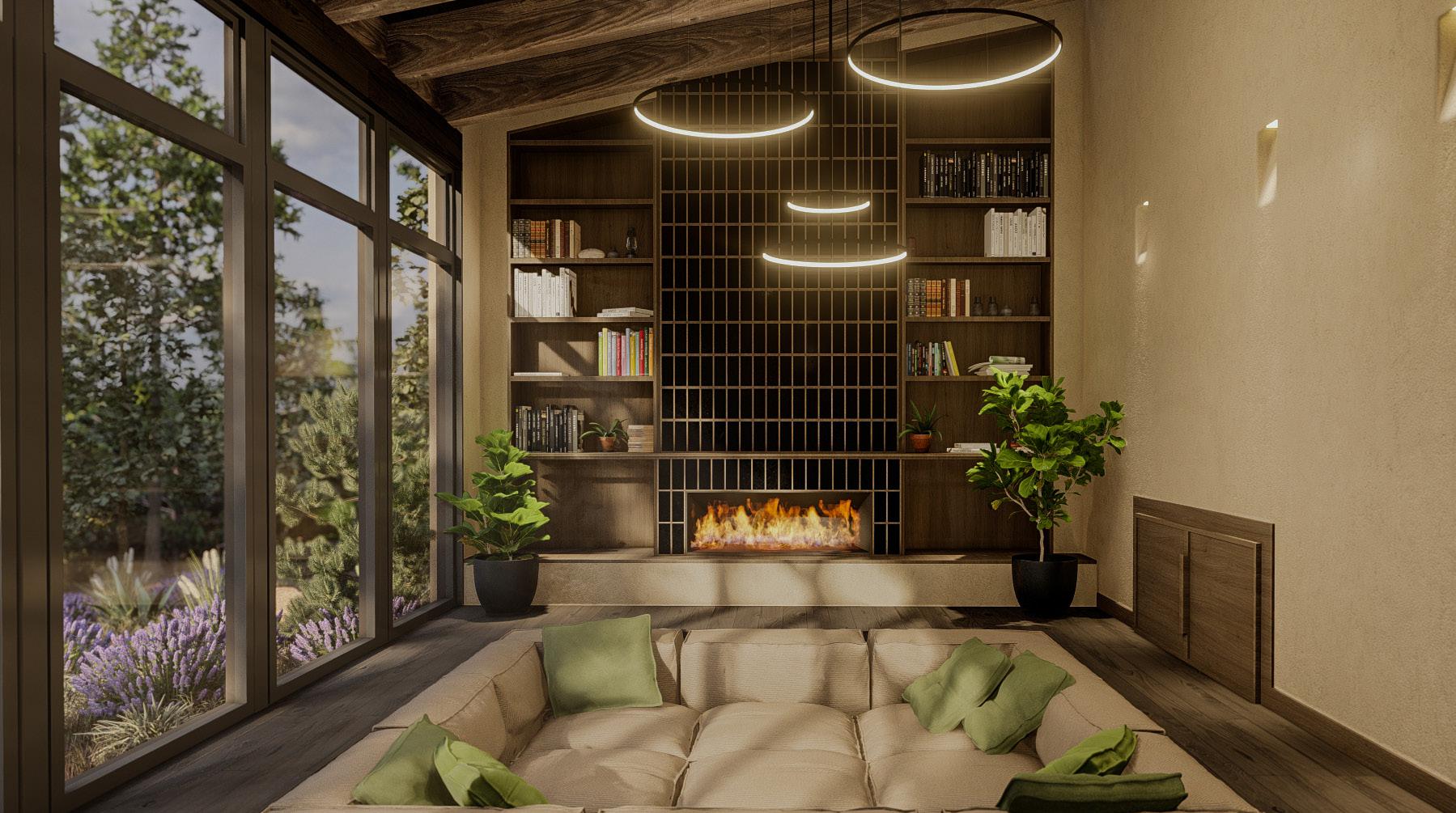
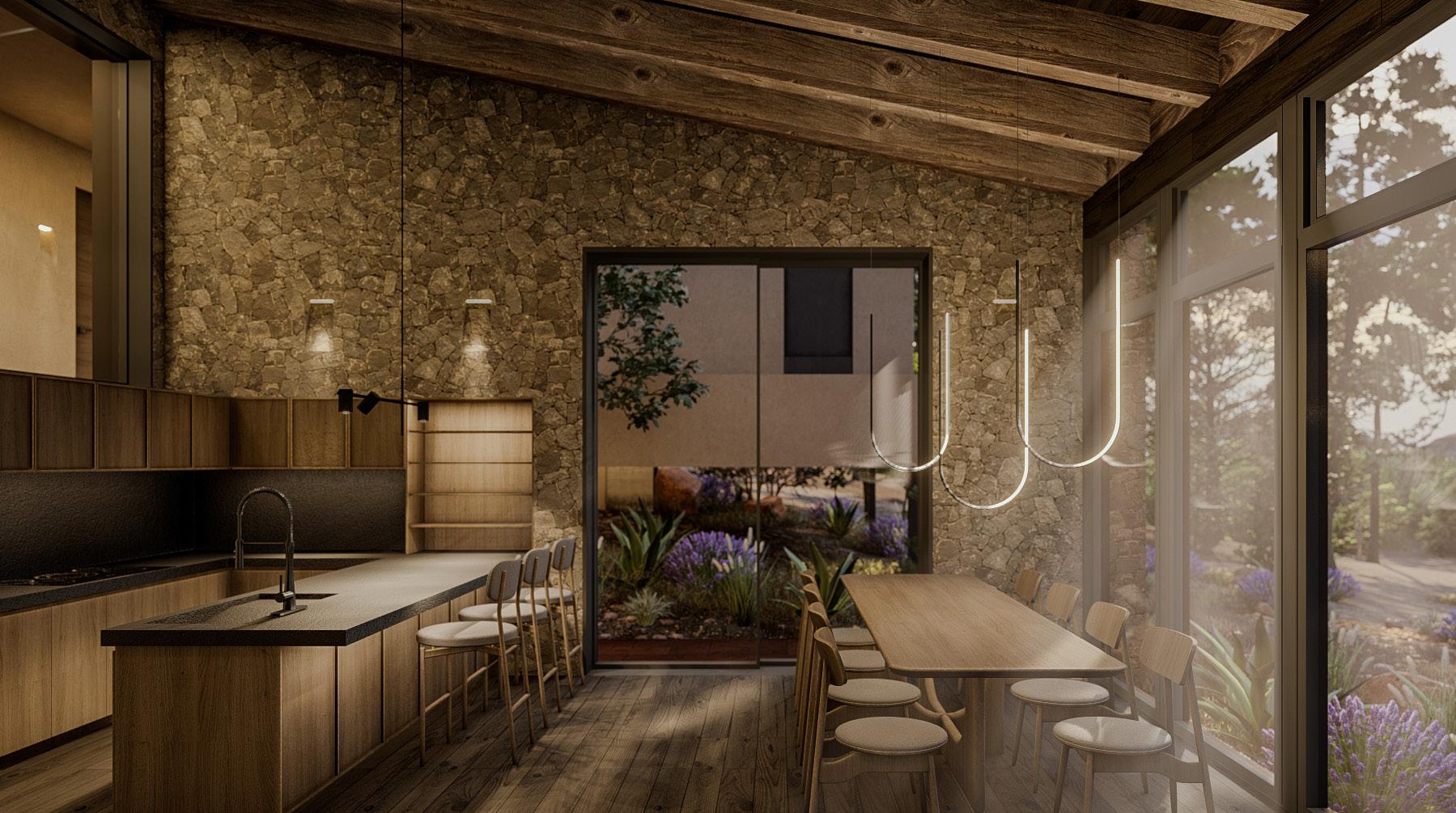
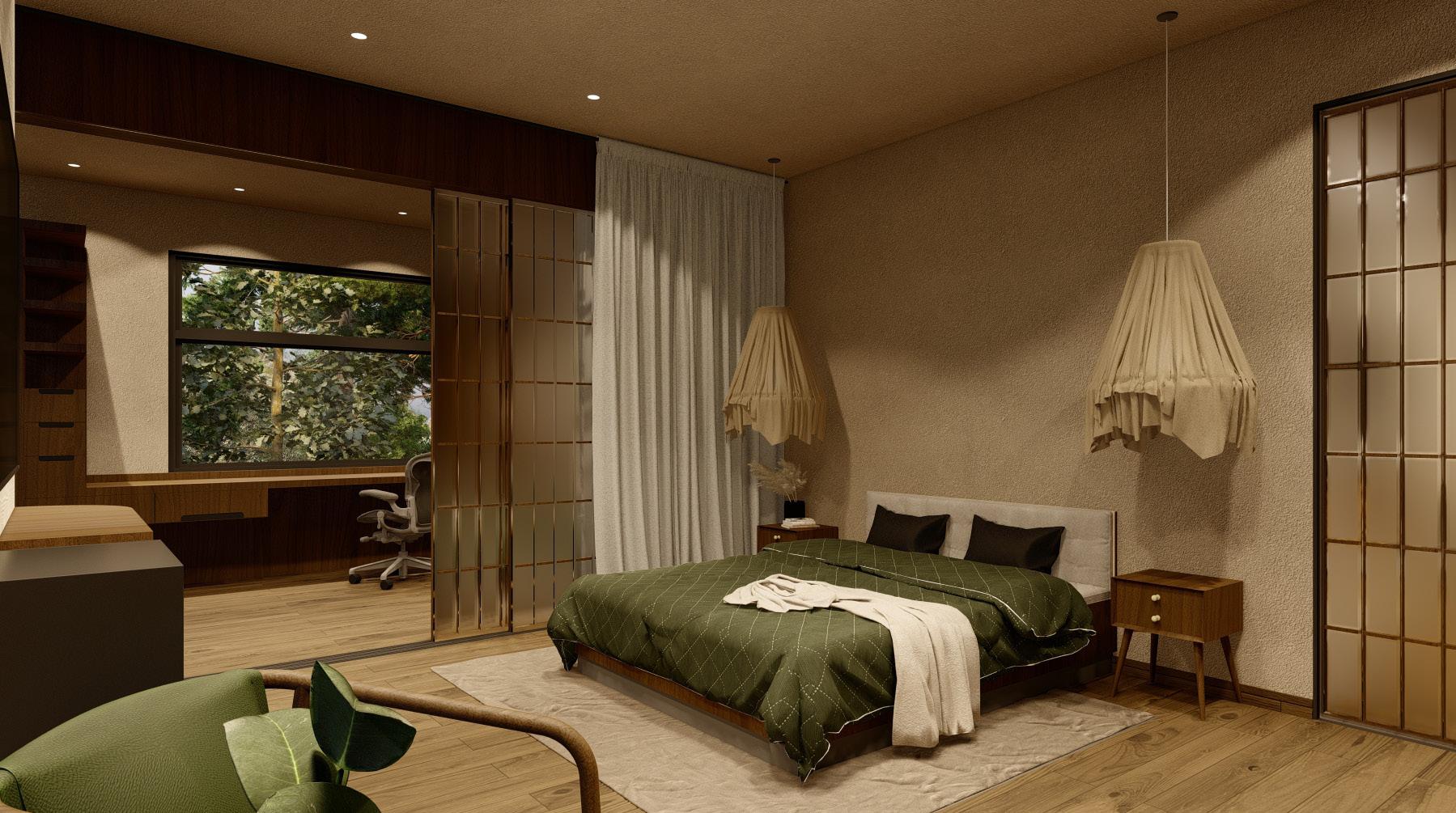
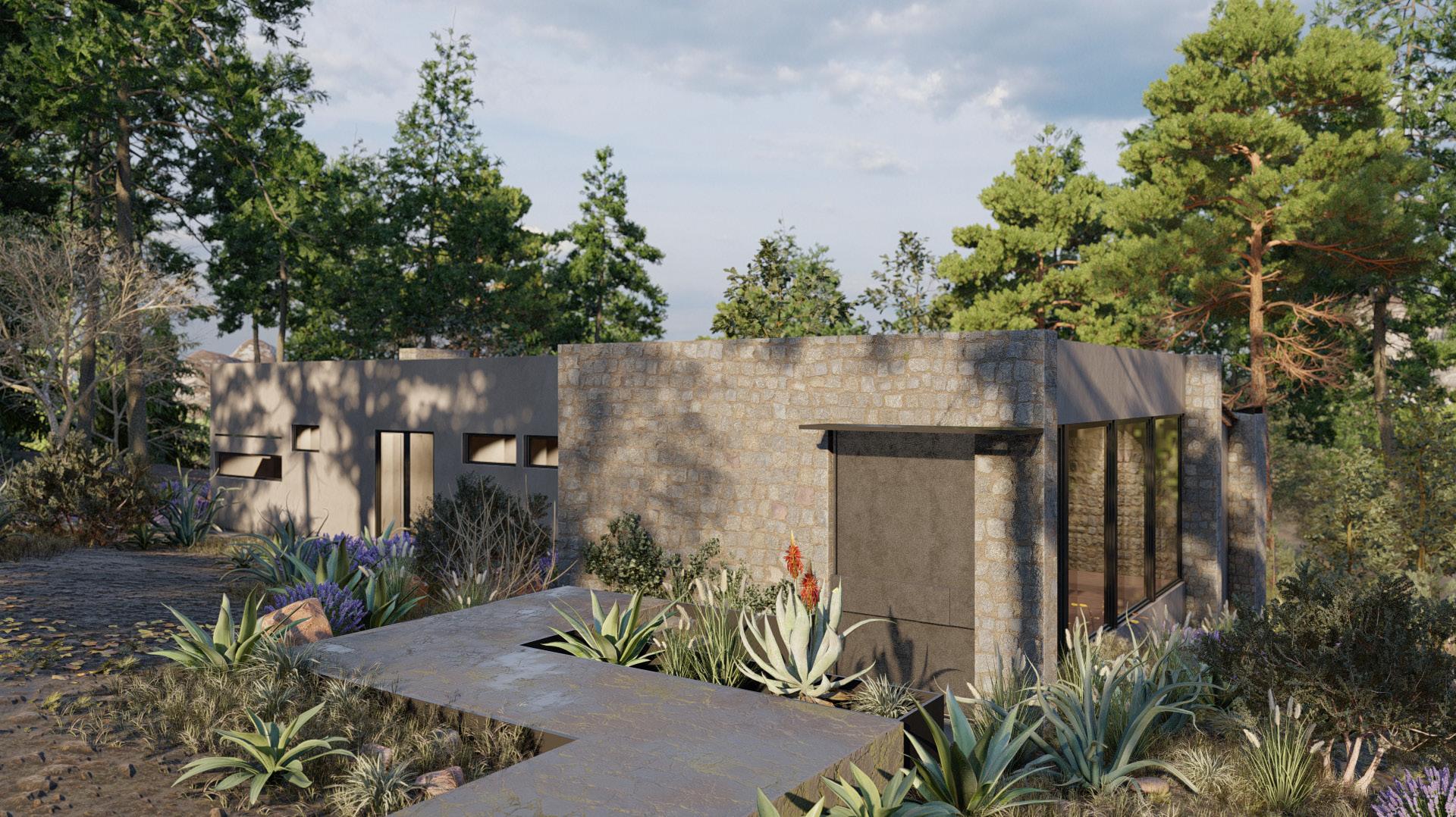
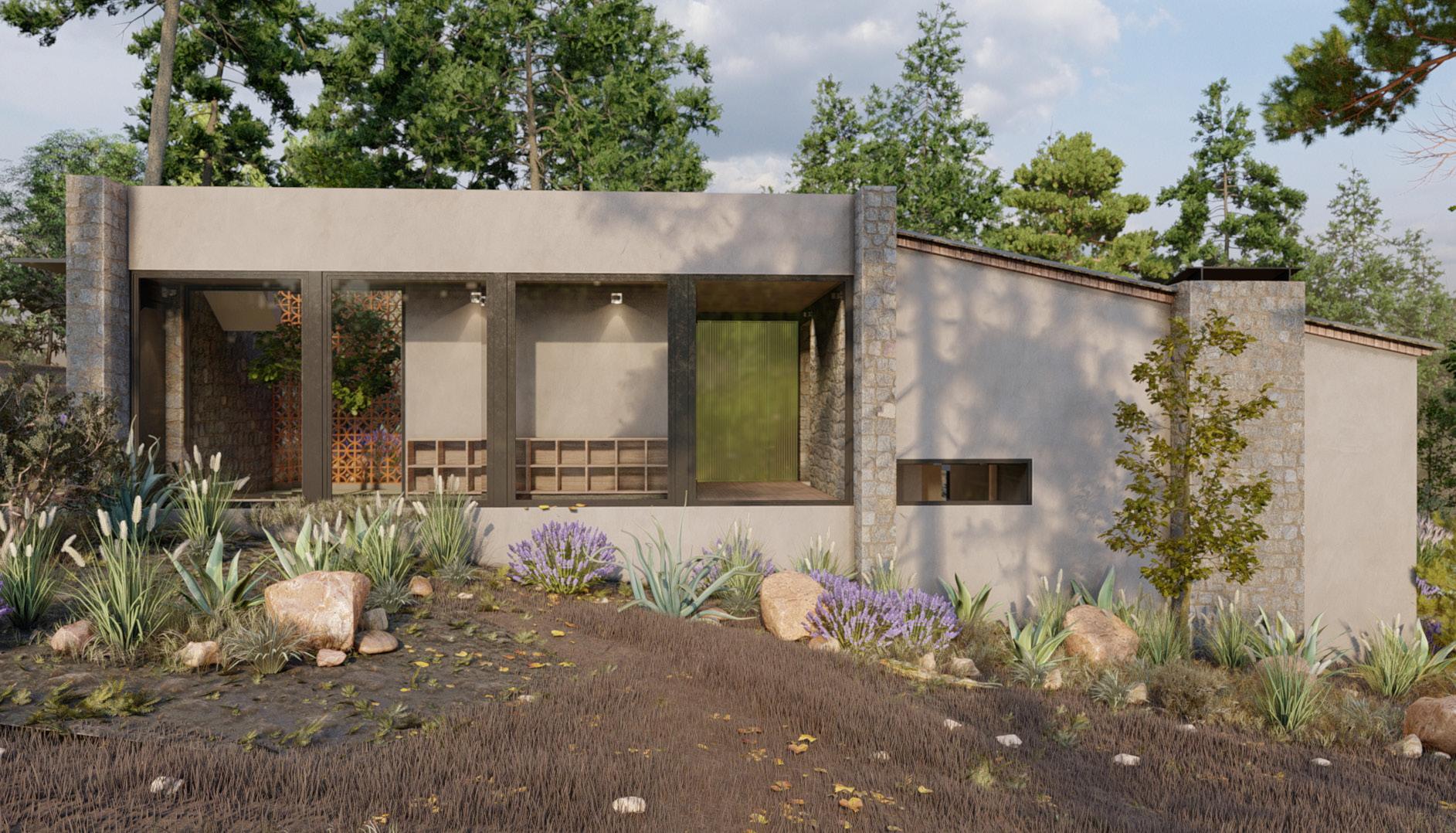
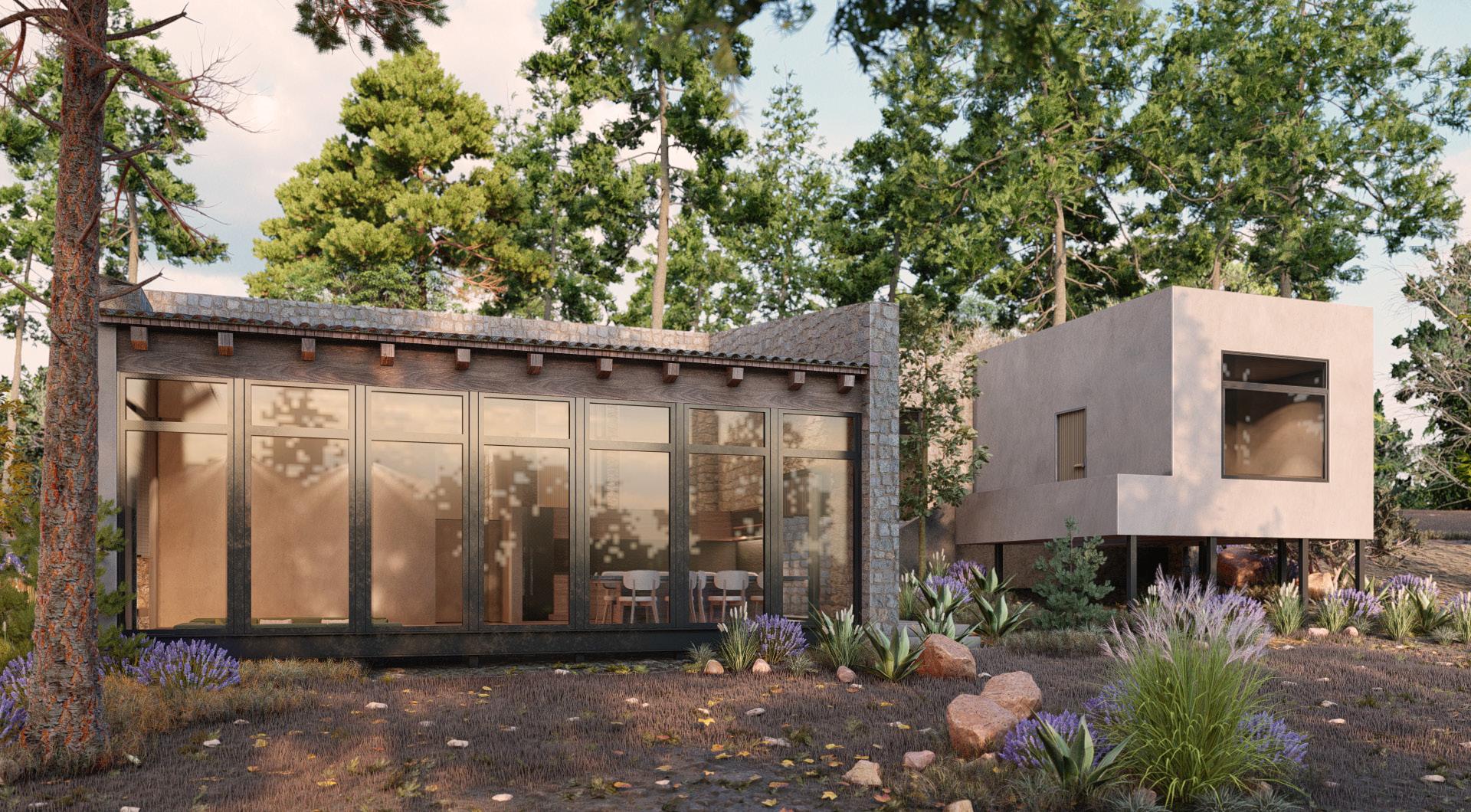
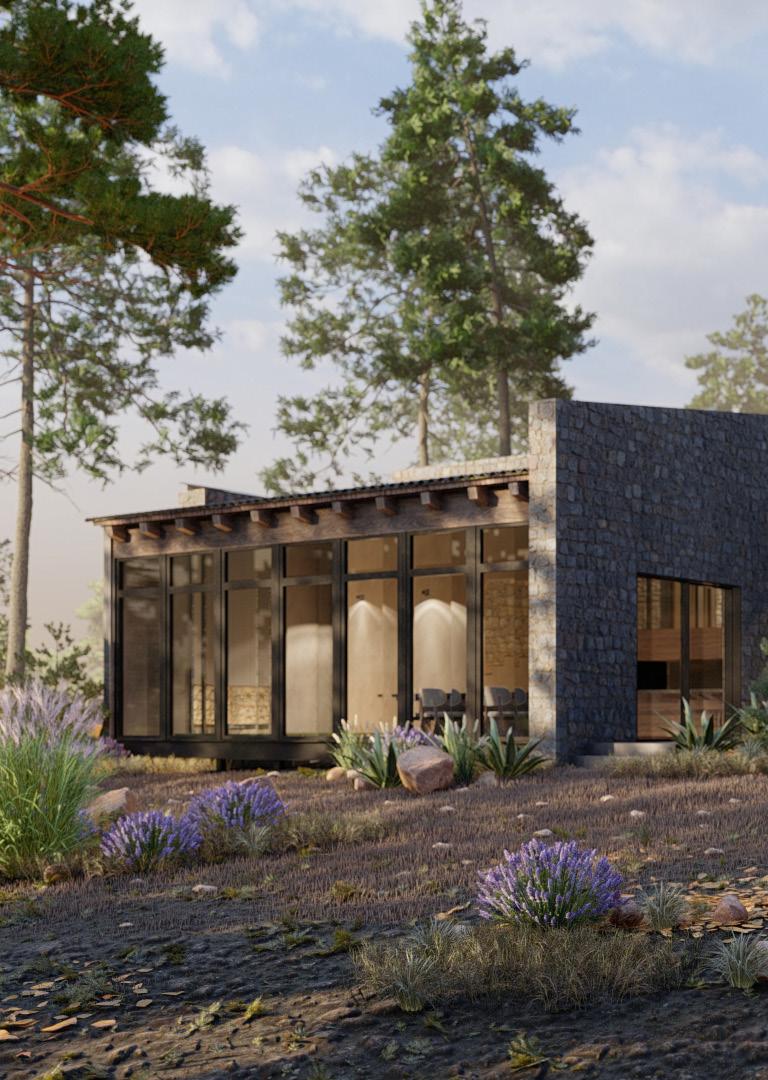
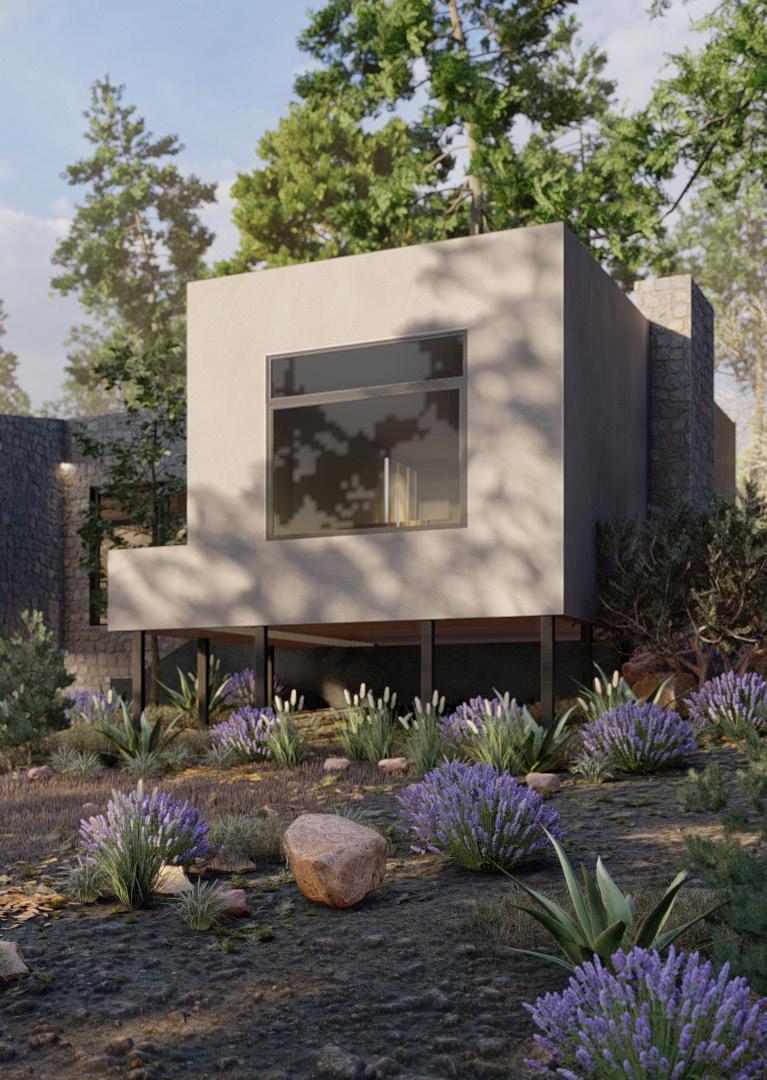
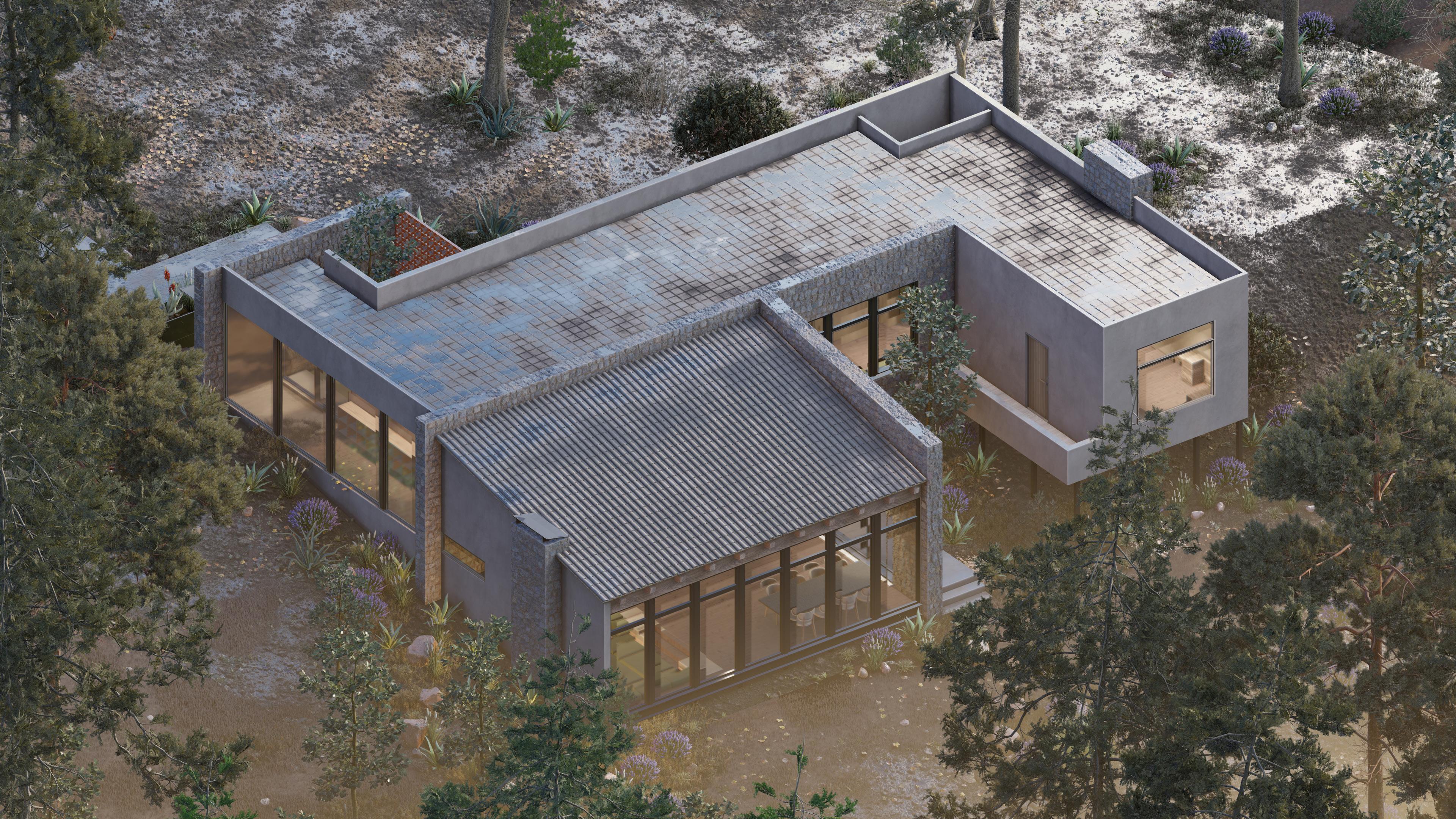
Modern cabin situated within the Mazati Reserve, in the region of Monte Los Frailes, Tapalpa, Jalisco.
Architectural design & construction documentation. In collaboration with: Eng. Juan Pedro Ambriz
Seattle Casa B Nov 2025|Jan 2026
House restoration situated in Av B 874
Col. Seattle, Zapopcan, Jalisco, Mexico.
Architectural design & Technical design
In collaboration with: Eng. Juan Pedro Ambriz
Taller Interior
Architecture firm, specialising in commercial design: Houses, apartments and restaurants. Zapopan, Jalisco, Mexico.

Advanced Proficient Proficient Advanced
Advanced Proficient Proficient Intermediate
Directed by: Arq. Rodrigo Romo Romo.
Architectural Drafter Feb 2023 | Dic 2023
General architectural drawing
Basic modelling of architectural details
Production of scale models and laser cutting.
Modelling & Visualization Jan 2024 | Dic 2024
Architectural proposals 3D modelling
Complete design schemes, including: Furniture, carpentry, metalwork and interior finishes
High-quality rendering for client presentations
Design Manager Jan 2025 | Dic 2025
Architectural proposal: concept to final design
Design workflow and coordination between modeling and construction documentation
Coordination with external rendering studios for project visualisations
REFERENCES
Taller interior Director: Arq. Rodrigo Romo Romo Cell: +52 33 1417 6698 Mail: taller.interior.usuarios@gmail.com
Eng. Juan Pedro Ambriz Suárez Cell: +52 33 3555 9867
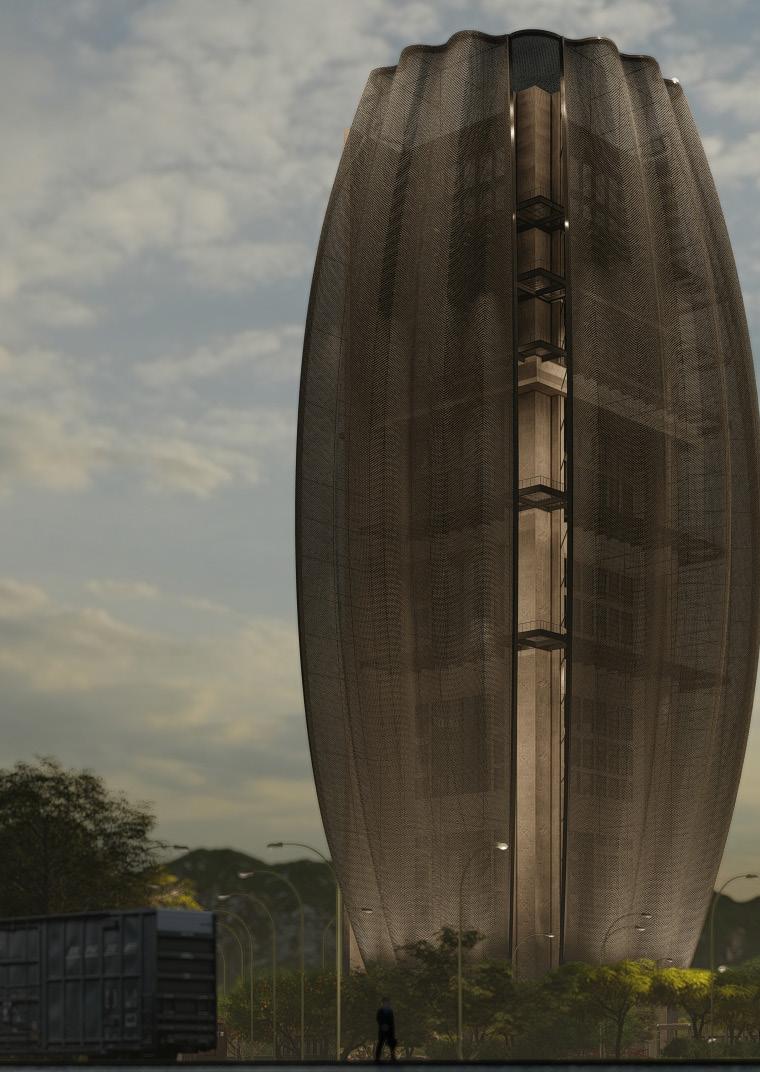
ACADEMIC PROJECT
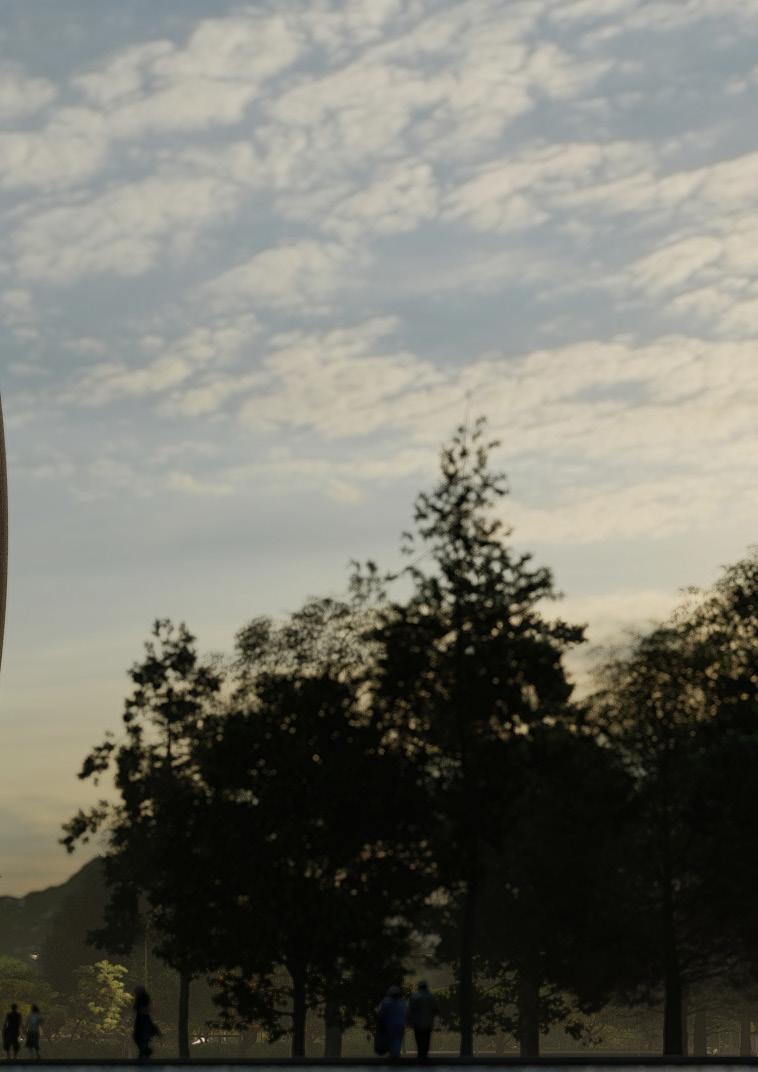
DANAUS
BOTANIC GARDEN & CONSERVATION CENTER
INVERSING THE USE
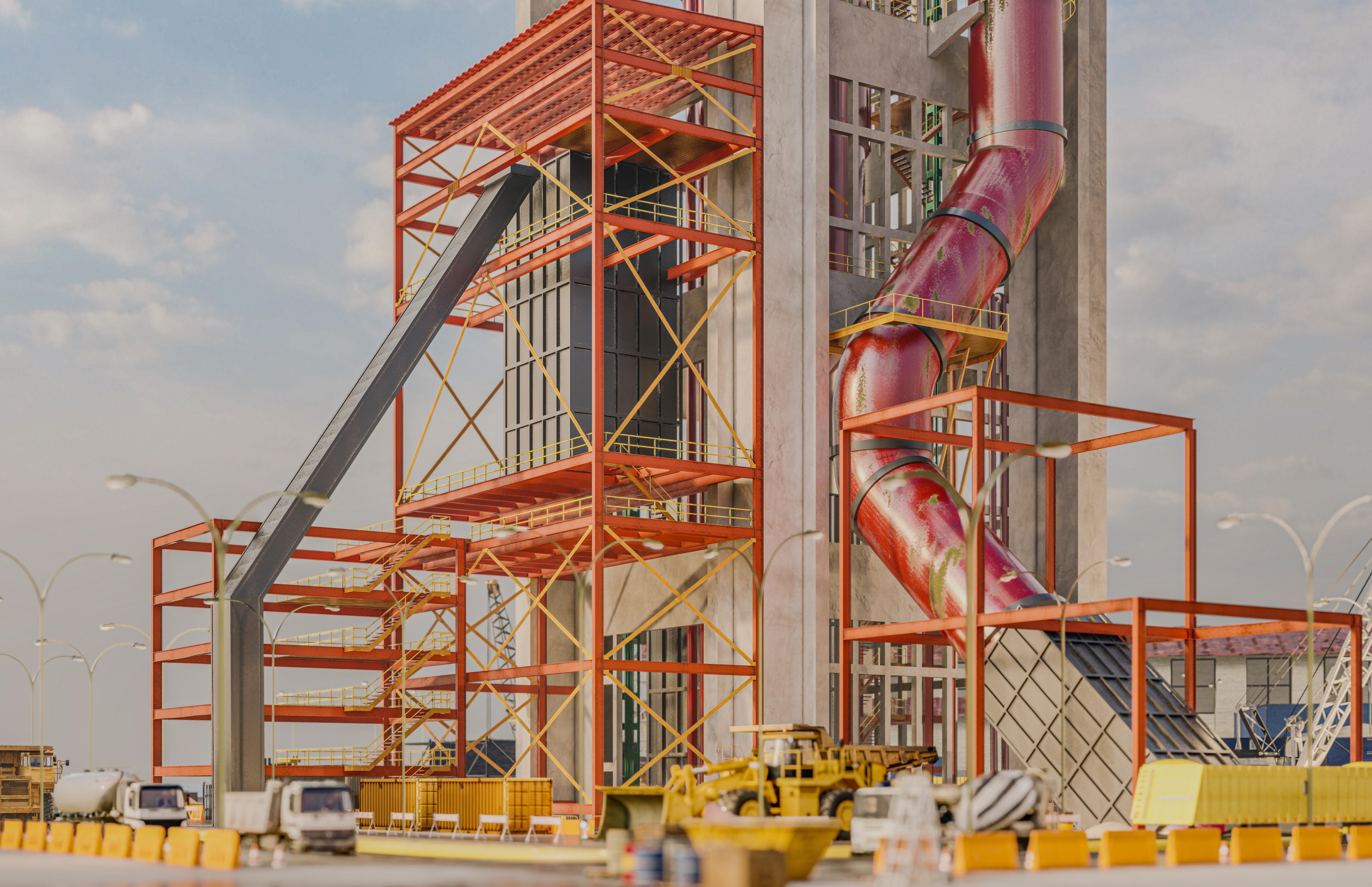
Concrete facility
Currently, the building operates as a concrete production facility for Guadalajara, contributing to regional growth but causing major environmental harm. High CO₂ emissions and airborne particulates from cement production pollute the air and threaten public health.
The project responds by transforming the facility into an ecological asset—an urban lung that improves air quality, supports biodiversity, and reimagines its role within the city.
This shift challenges traditional industrial models, proposing buildings that restore environmental balance and offer social and ecological benefits.
Location:
CEMEX Facility
Av. Gob. Luis G Curiel, Miravalle San Pedro Tlaquepaque, Jalisco, Mexico.
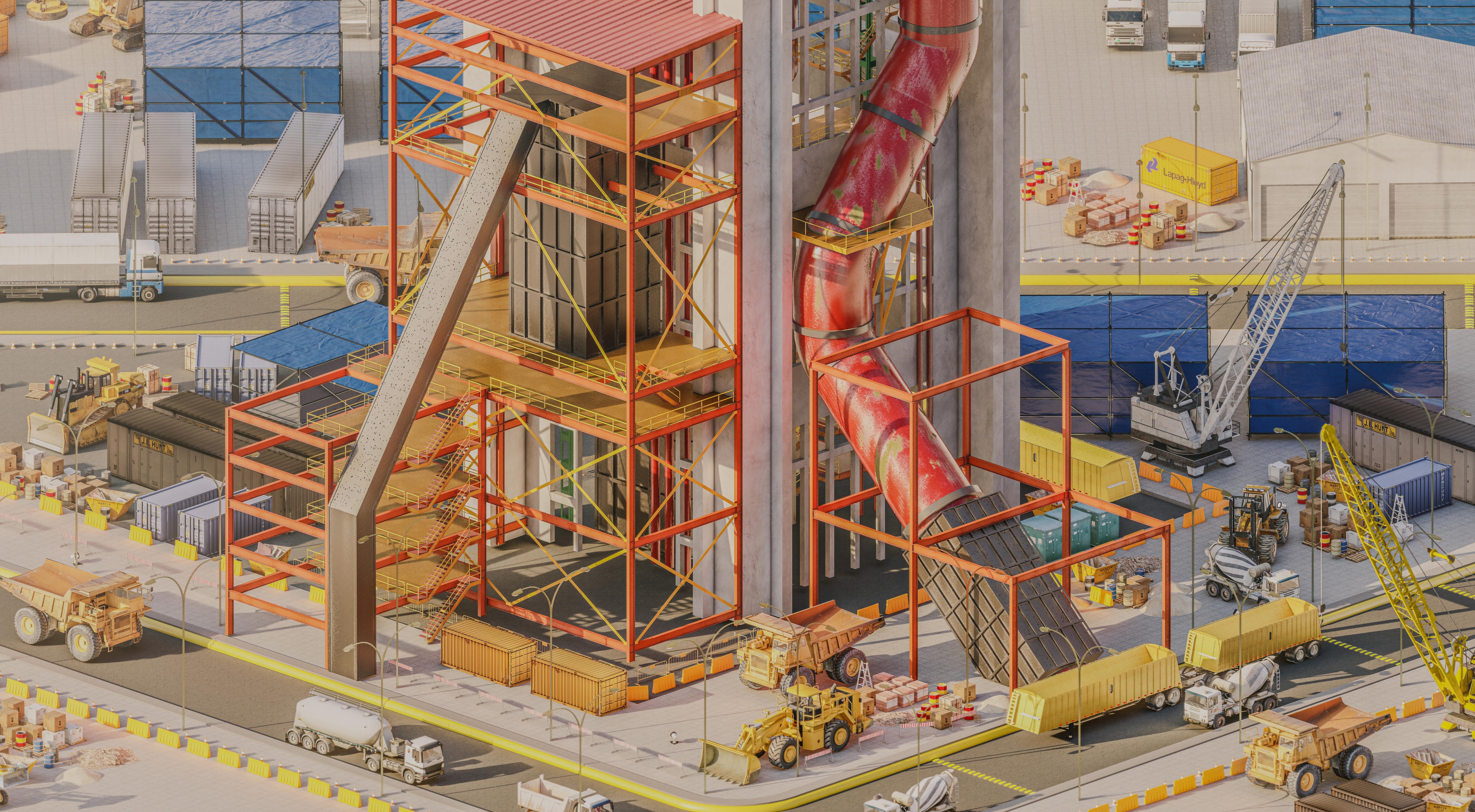
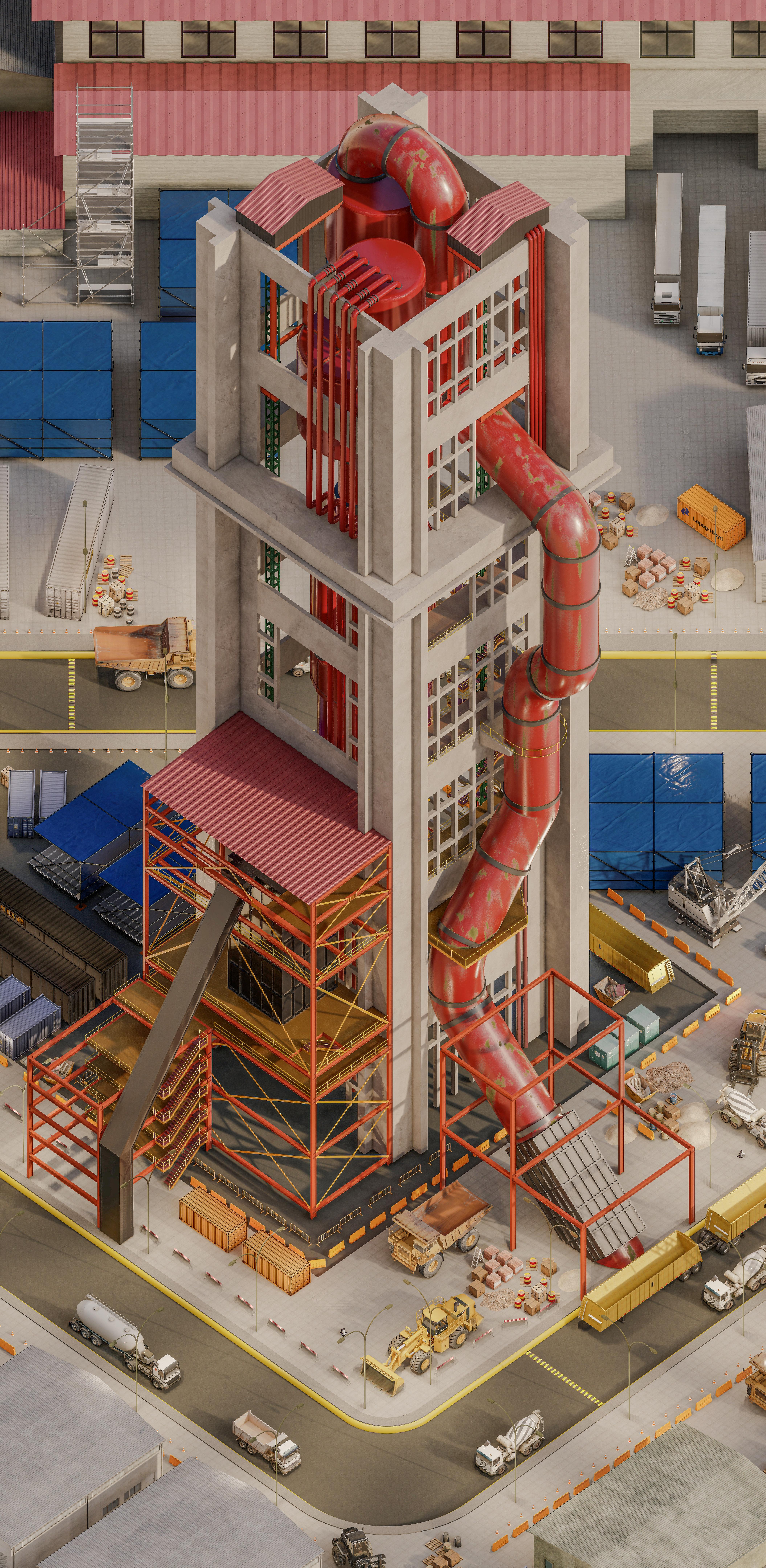
Isometric view
Street view
Street view
ADAPTATIVE REUSE
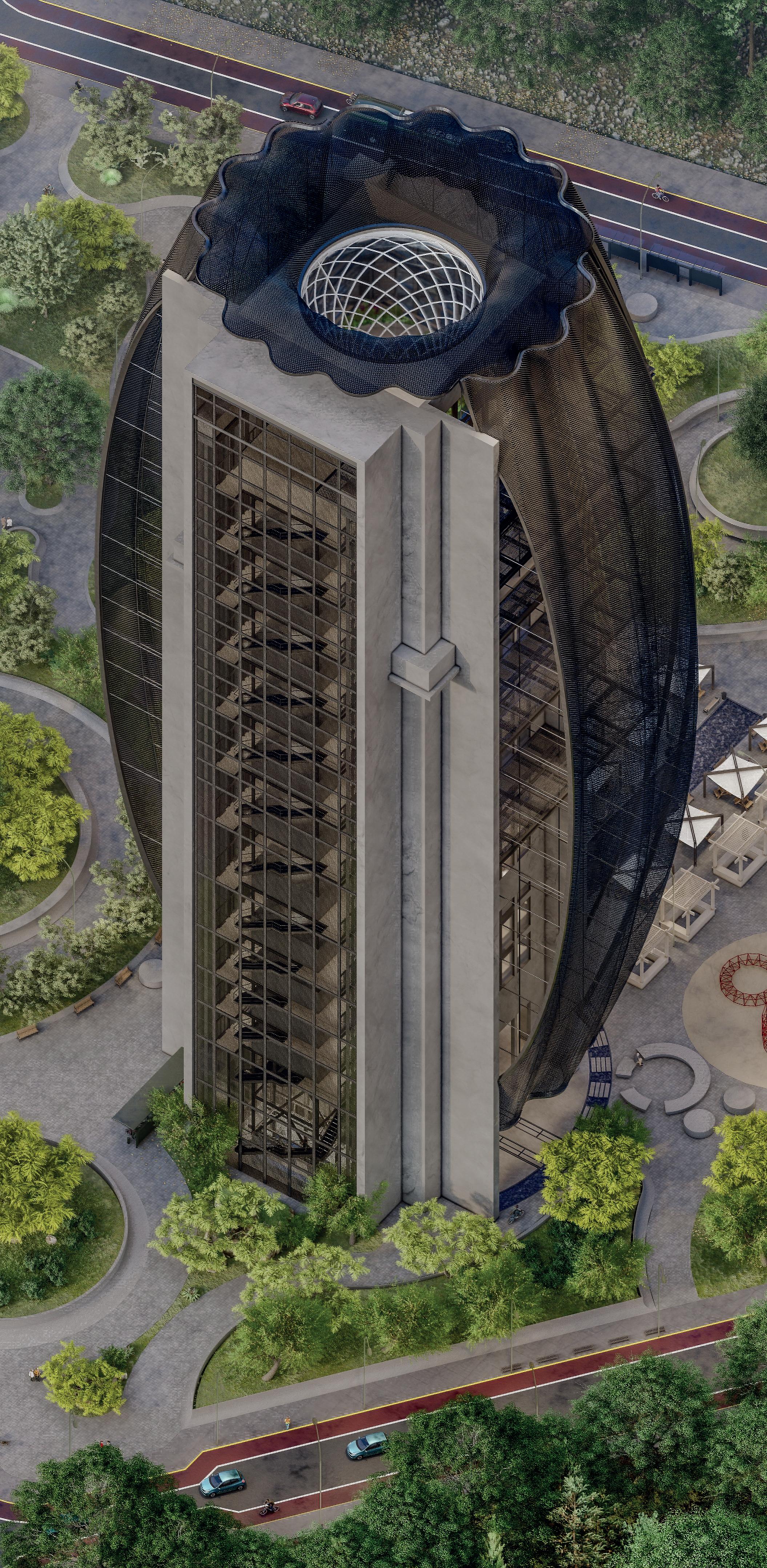
Transformation of an Industry
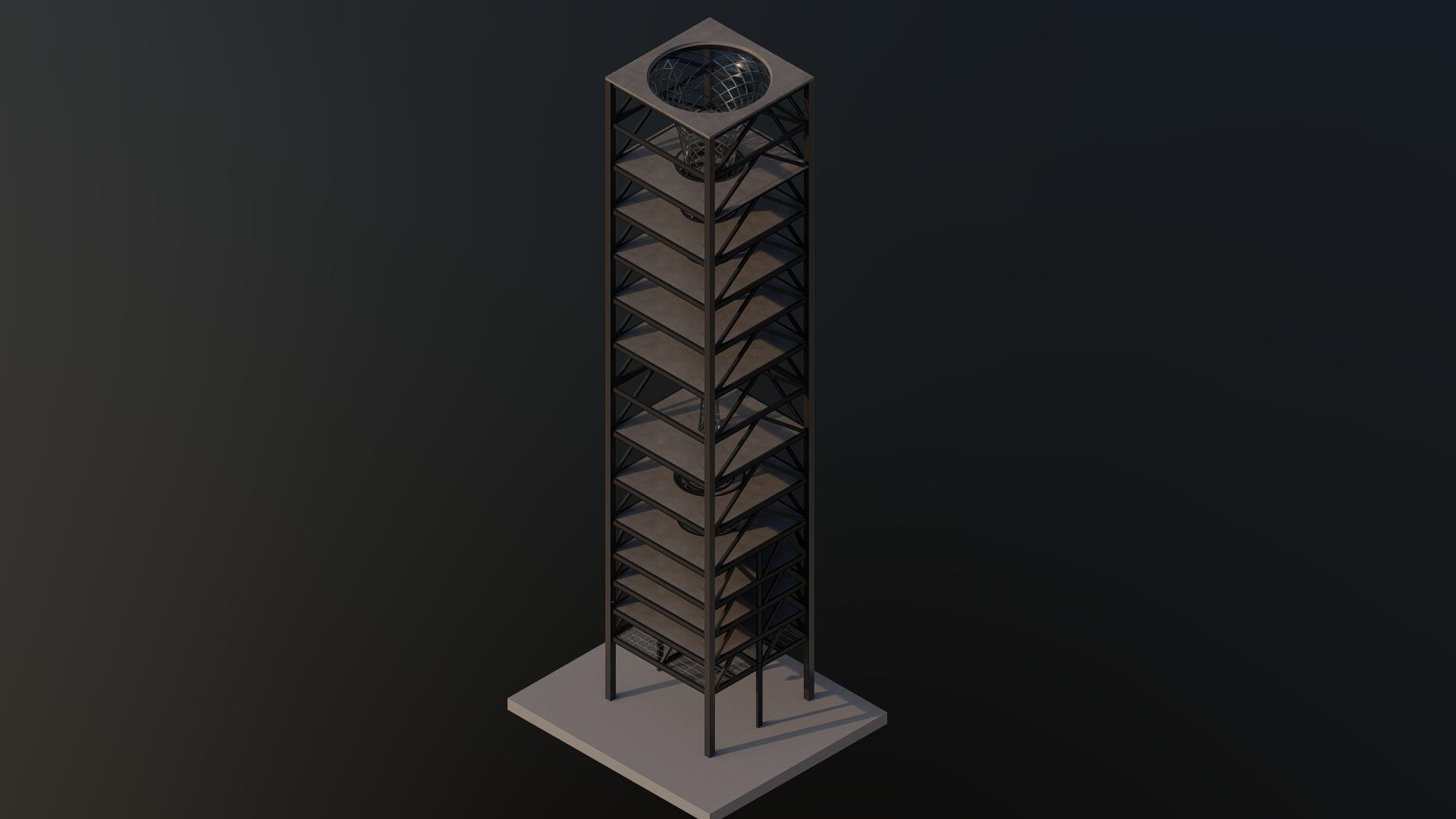
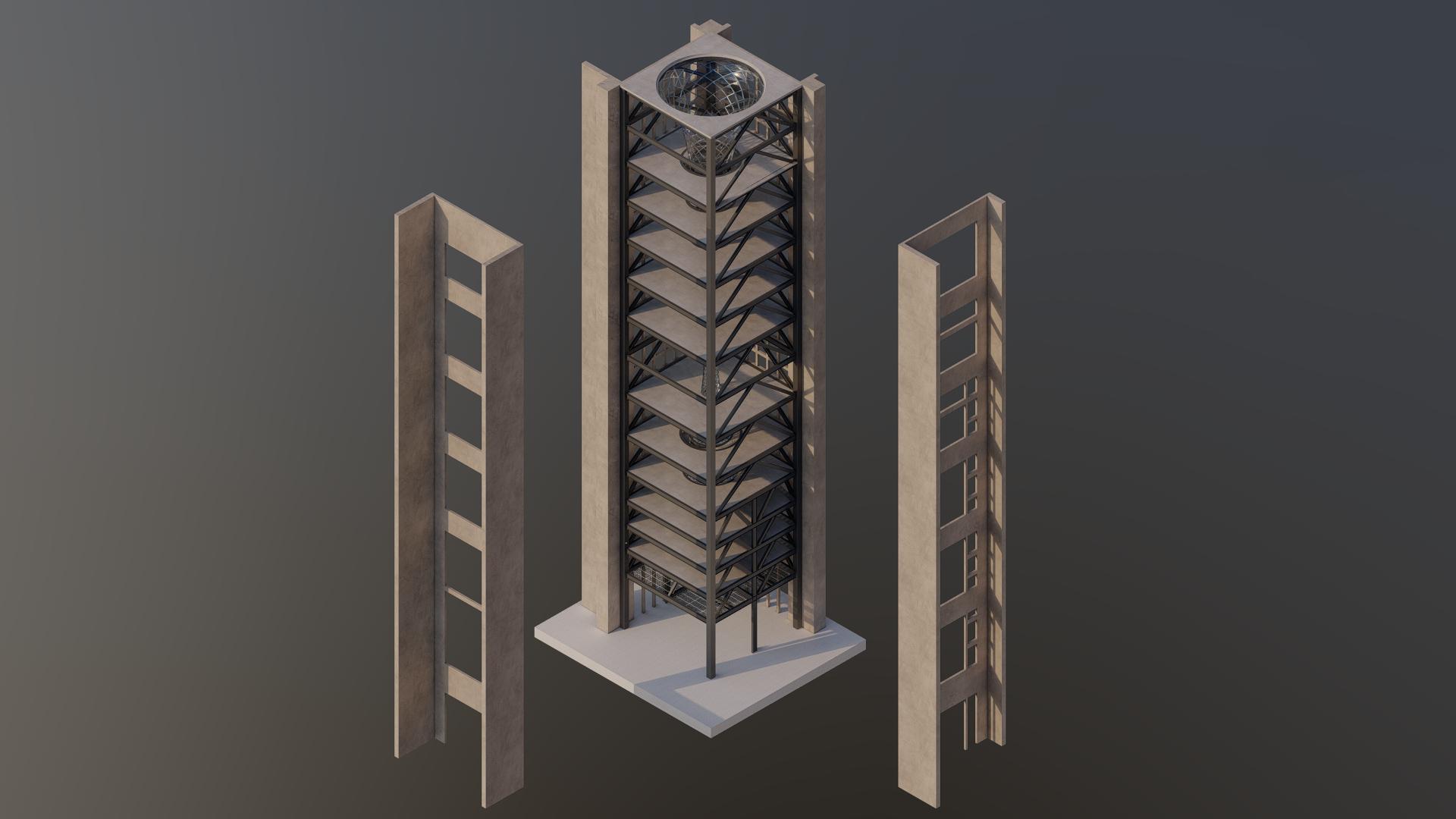
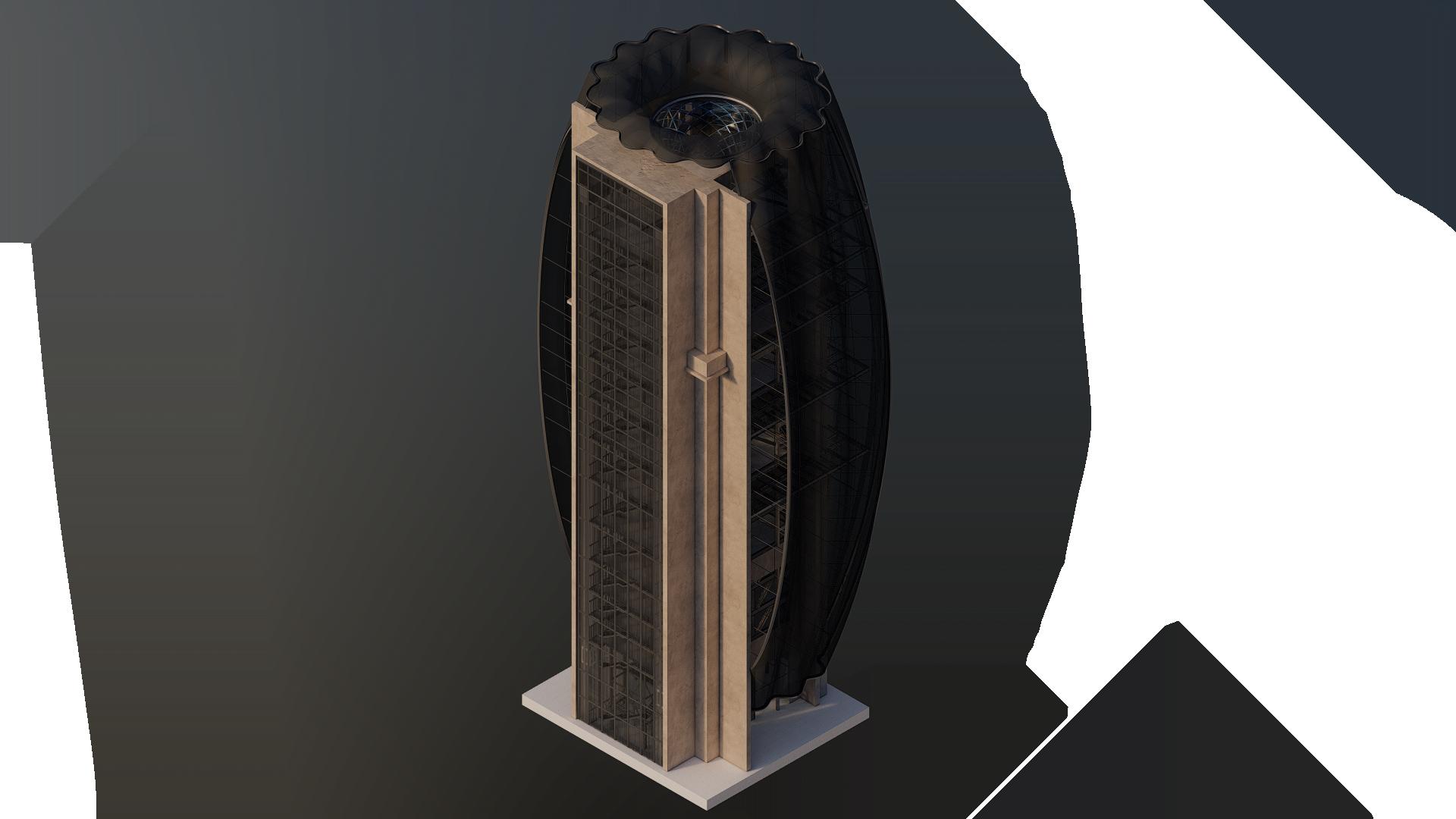
The proposal begins by preserving the existing concrete infrastructure, rather than demolishing it. A new internal structural system is introduced to support additional loads from vegetation and public use.
A central component of the transformation is the integration of multiple internal and external water-captation systems. These systems collect, and redistribute rainwater to sustain the tower, thereby creating a self-sustaining cycle.
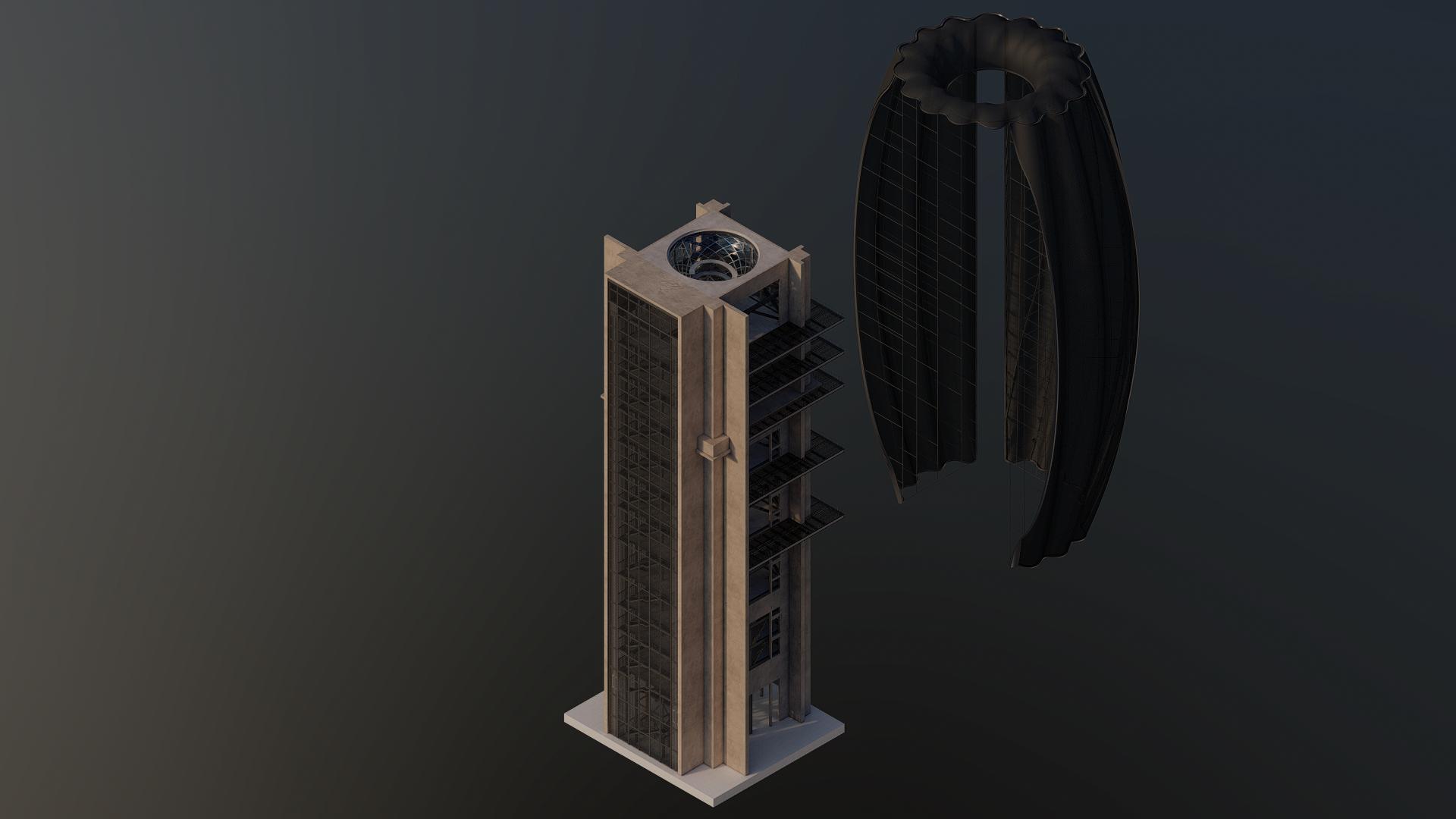
To integrate the building into the public realm, circulation is reconfigured through the addition of a vertical core and external balconies, which enhance accessibility and spatial continuity across levels. Furthermore, a façade system envelops the structure to reduce solar heat gain and regulate internal environmental conditions.
Composition Diagrams


DANAUS PLEXIPPUS
Botanic garden & Conservation center
ACADEMIC PROJECT RENOVATION
Danaus emerges as an architectural project that challenges the conventional limits of design. It begins with an apparently impossible premise: a skyscraper conceived not for human occupation, but as a botanical garden dedicated to the conservation of endangered species.
The project deliberately rejects anthropocentric architecture. Instead of placing humans at the center, it asks what it would mean to design primarily for other species, enabling a more balanced coexistence. By shifting this hierarchy, architecture becomes habitat first and human experience second.

Master Plan
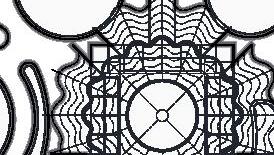
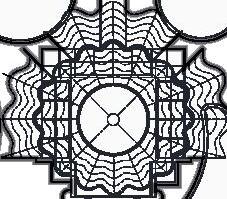
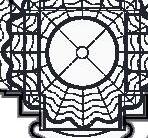

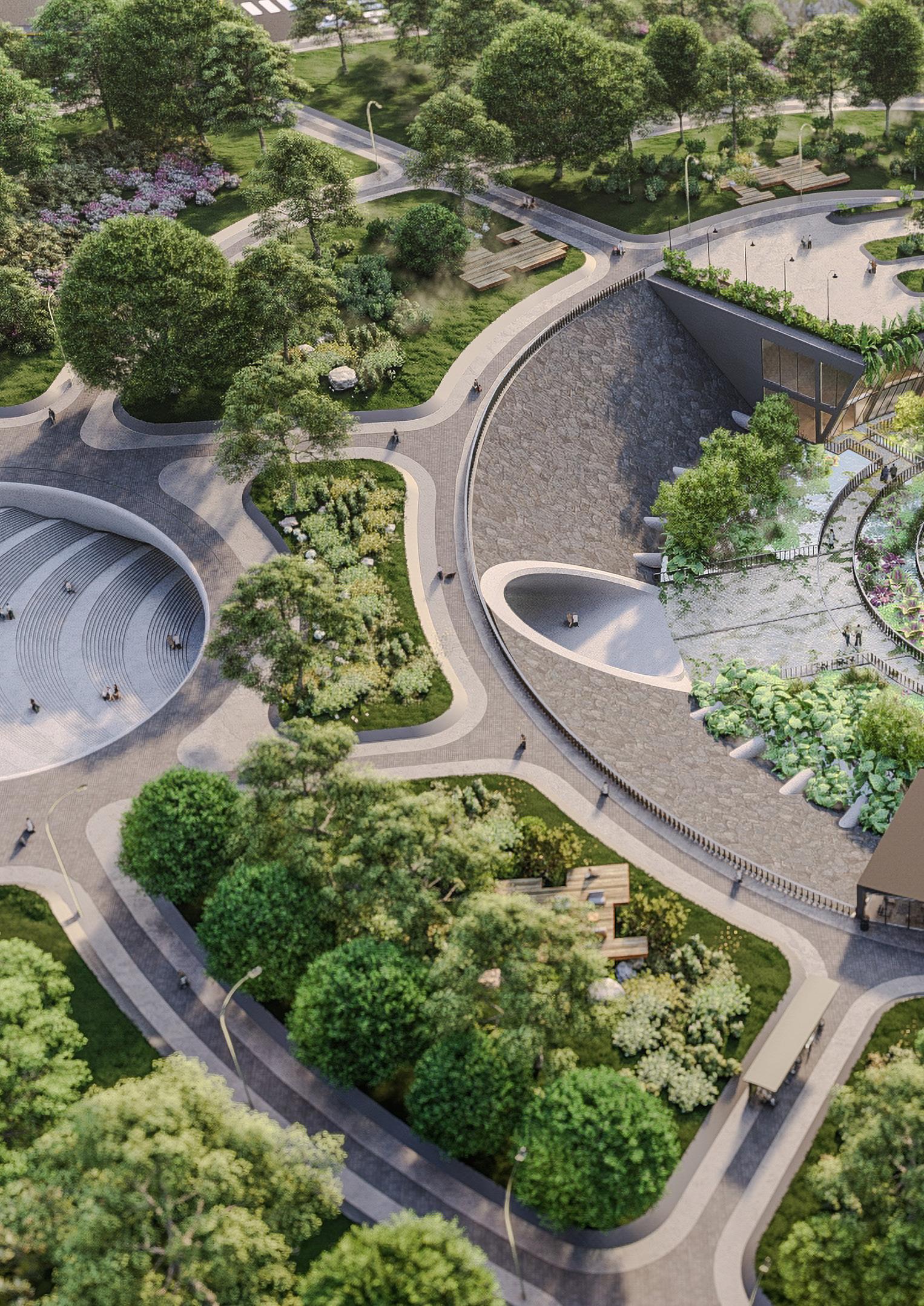
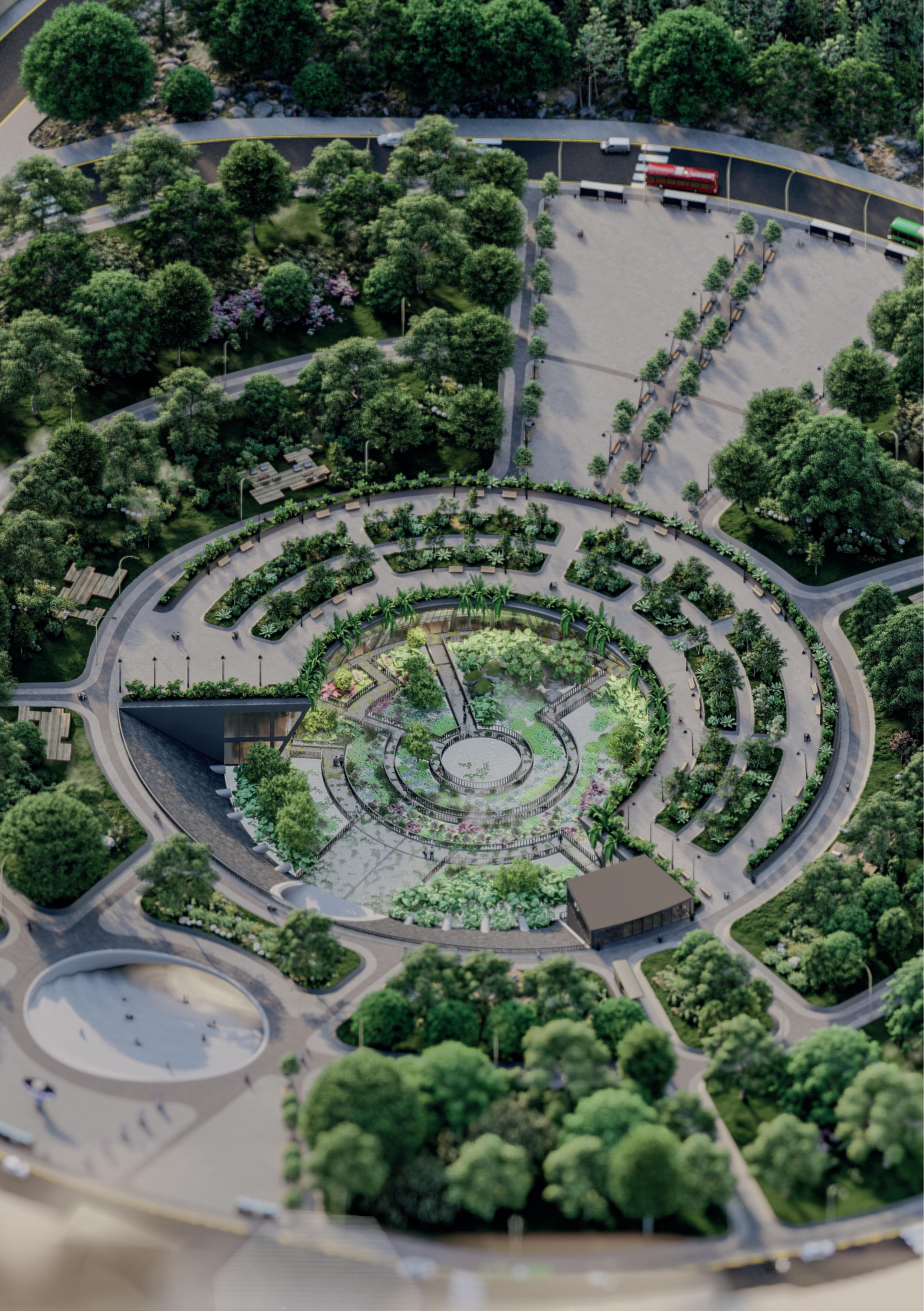
The master site plan connects the tower to a renewed public landscape.
Transforming the former industrial site into an accessible ecological park with reorganized circulation, vegetation, and program zones.
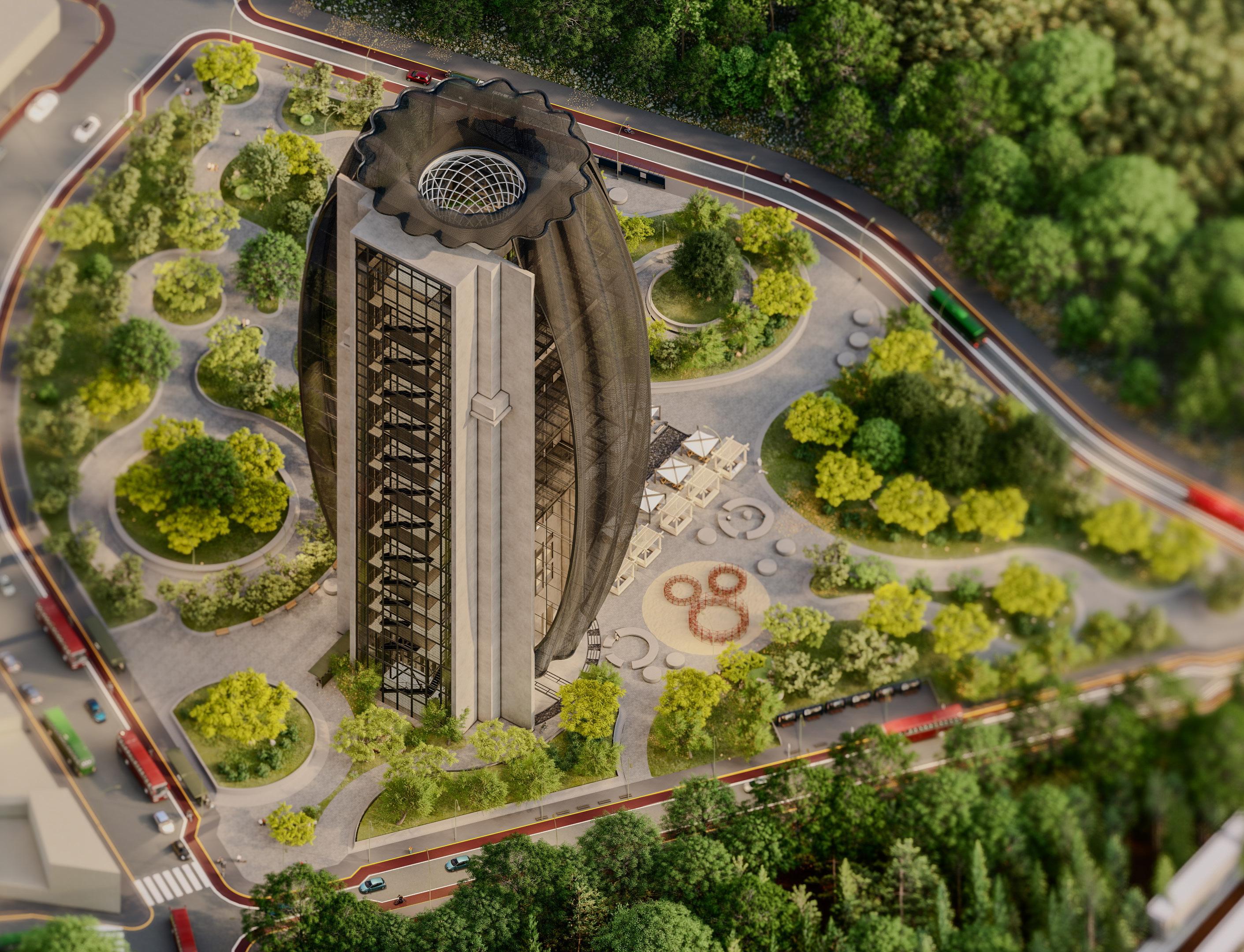
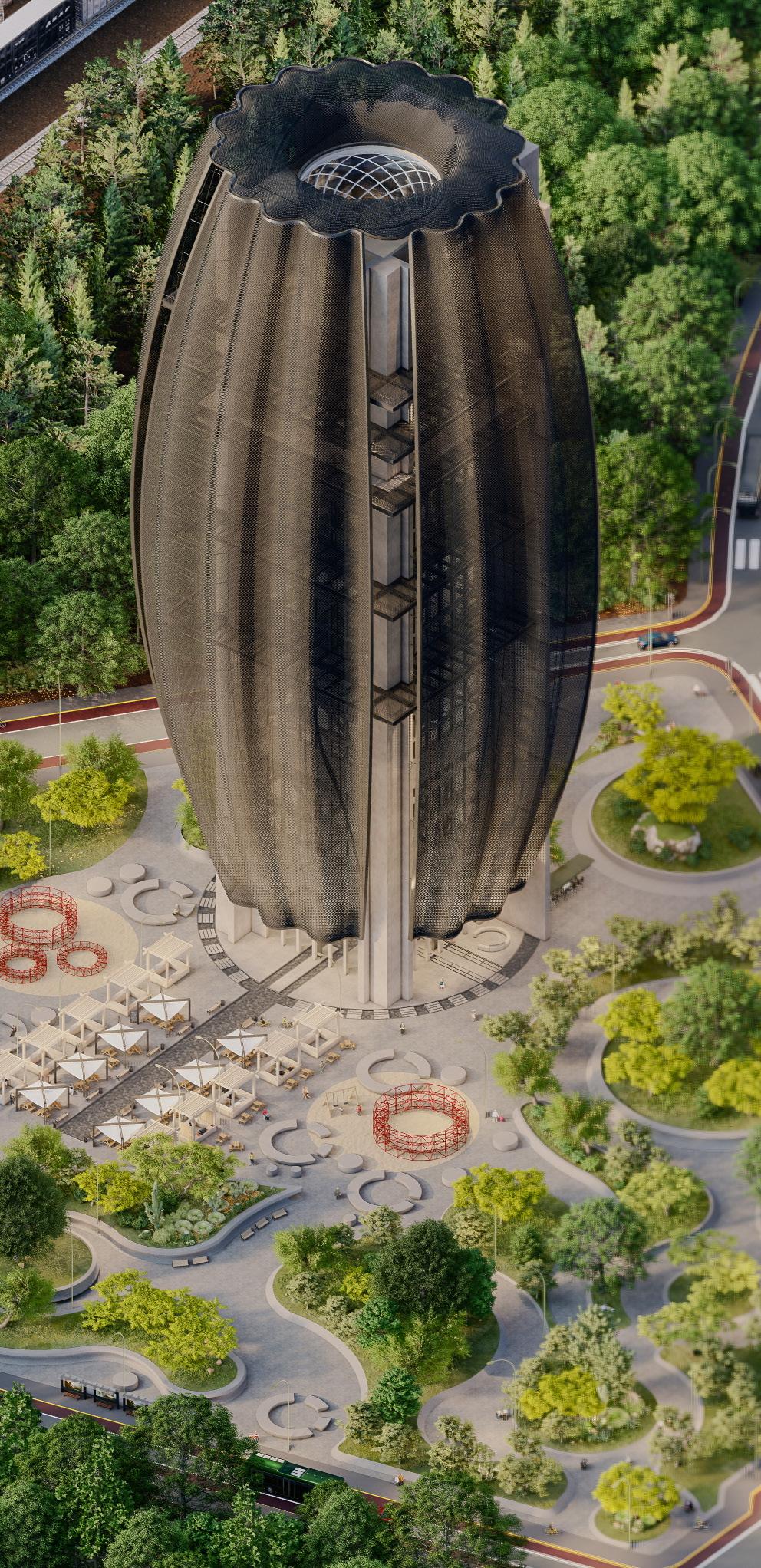
Isometric view
Isometric view
ACADEMIC PROJECT RENOVATION
WALKTHROUGH & LEVEL

Ground level
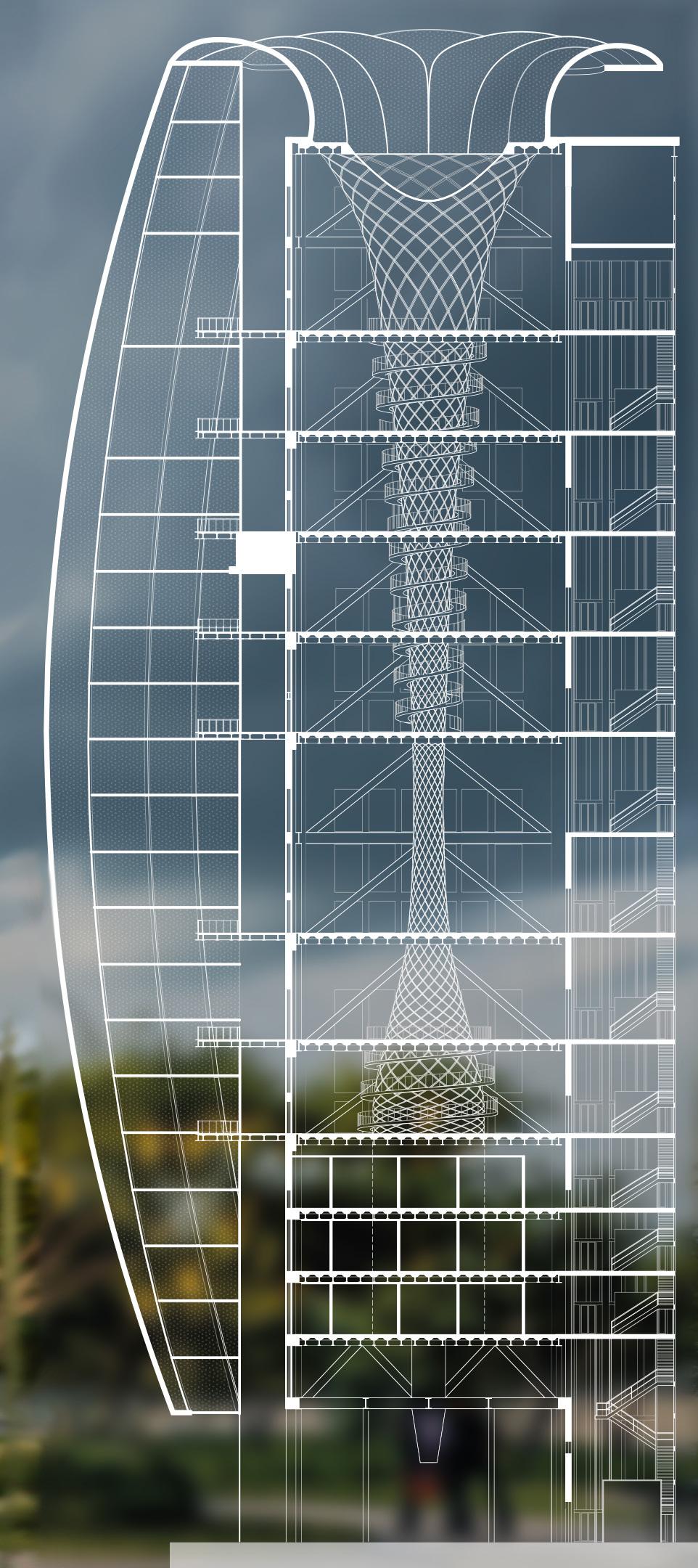
The ground level opens to the landscape, connecting public spaces with the building. A central fountain collects water from the facade and channels it to an underground tank. Here, the main circulation and vertical path leading to the gardens begins, initiating the spatial journey to the elevated botanical gardens above.
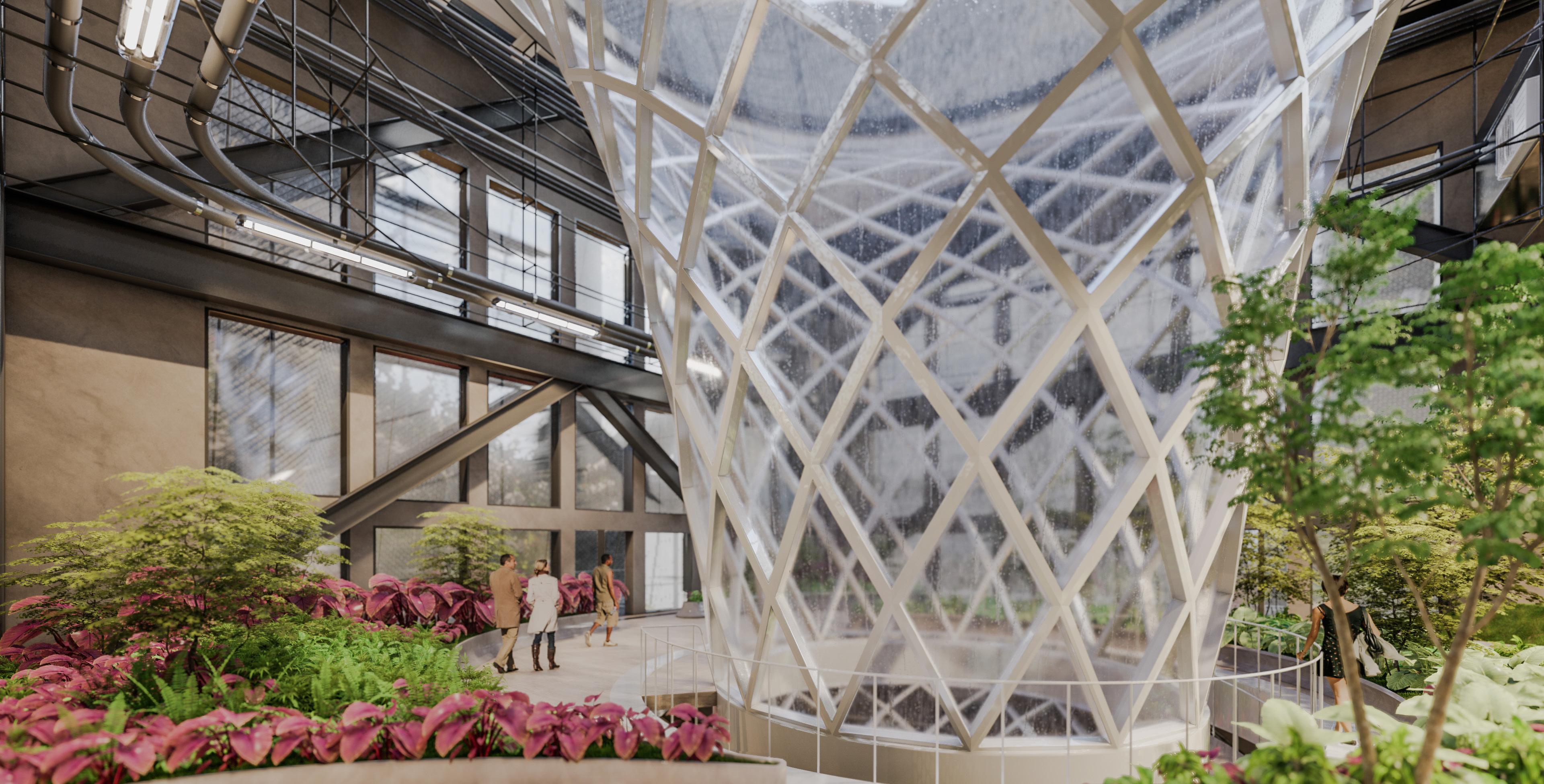
Level 11
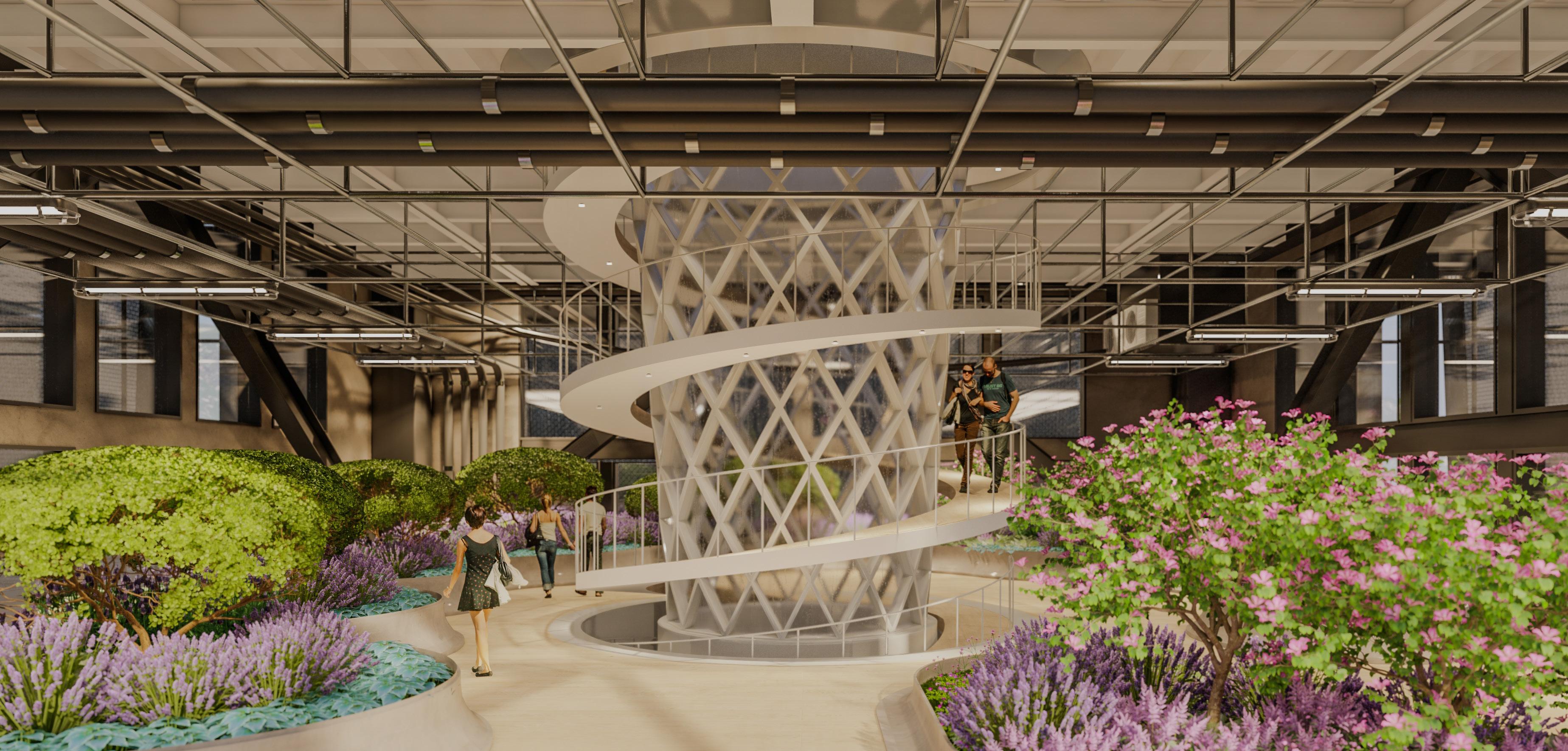
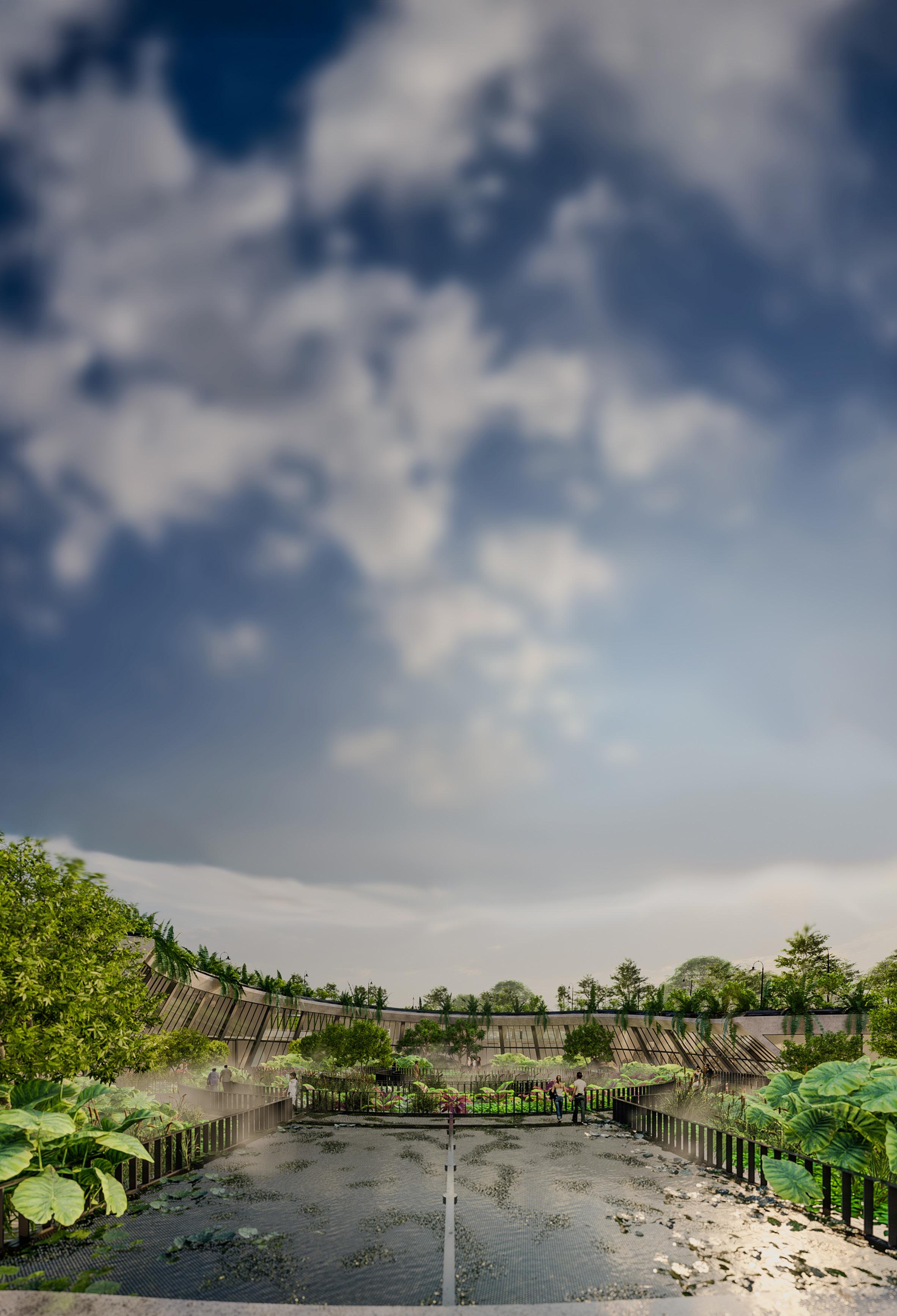
At this level, the journey begins. Facing the large water capture system and following the movement of the collected water, the visitor is guided into the experience. The path unfolds through a helicoidal circulation, offering a gradual ascent and elevated views of the garden.
Level 10-04
Along the helicoidal ramp, the visitor moves through the different garden levels. These gardens are designed to provide clean air to the surrounding area while conserving endangered species. As the path descends, it intersects designated rest areas , offering moments of pause and observation amid the vertical landscape.
Interior view
Interior view
Exterior view
FACADE SYSTEM
ACADEMIC PROJECT RENOVATION
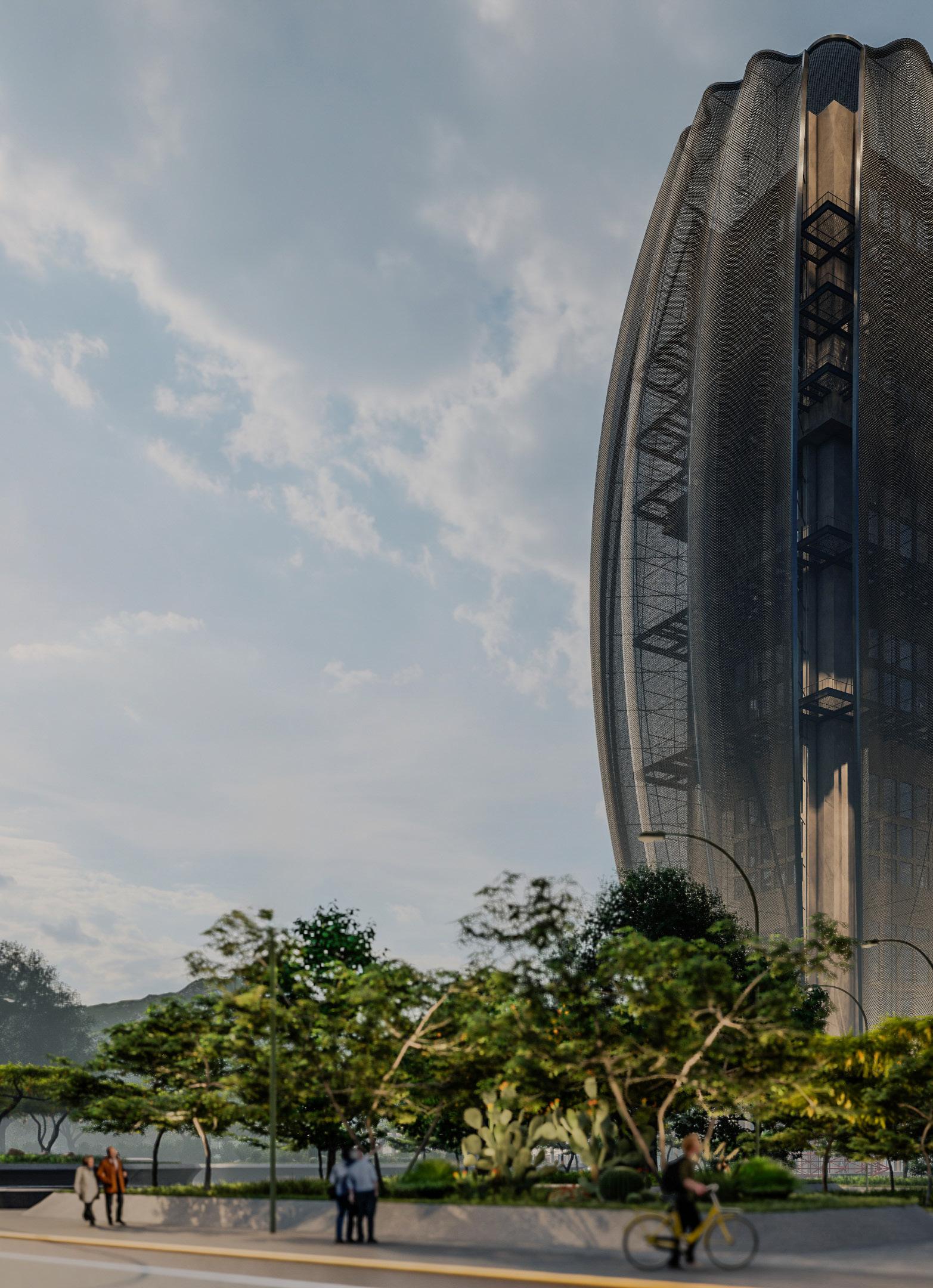
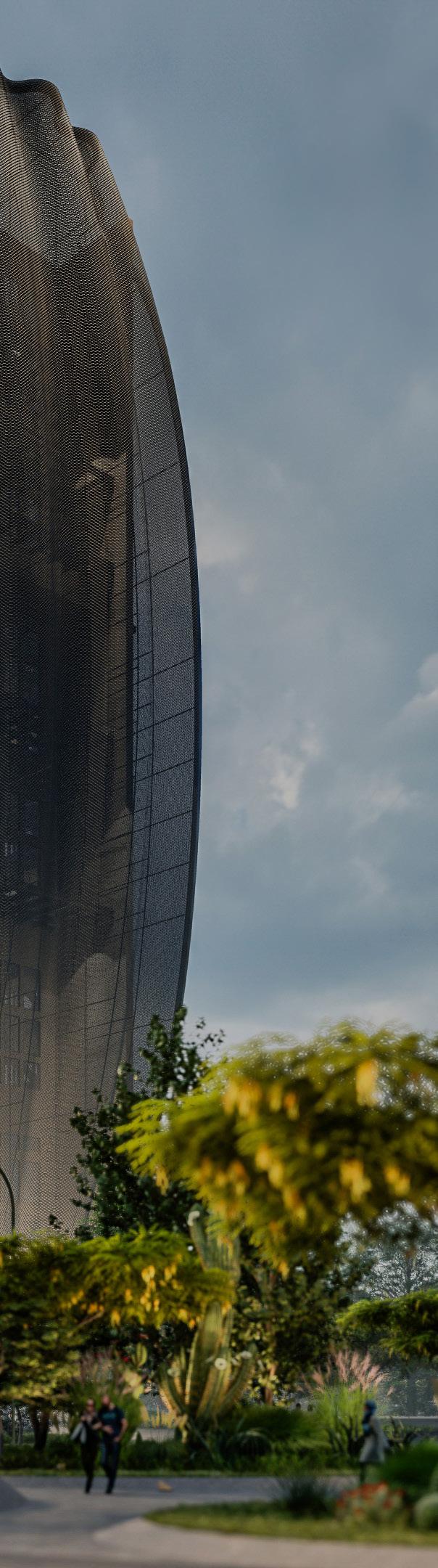
The façade system draws on the Namib Desert beetle (Stenocara gracilipes), an organism that can harvest water from fog in arid environments. The beetle’s shell features microtextures that facilitate condensation and direct water flow, serving as a model of functional adaptation.
The façade adapts the principles of hydrophilic and hydrophobic surfaces by incorporating a variety of micro-textures that selectively attract or repel water. These surface treatments are strategically arranged to guide water droplets along predetermined paths, maximising the capture of rain and atmospheric moisture.
Biomimesis in this context is understood as functional translation rather than formal imitation. The façade does not replicate the beetle’s form, but emulates its adaptive strategies. Through material differentiation, the building becomes an active ecological interface—capturing, directing, and redistributing water as part of a larger architectural system.
Namibia Beetle
Hydrophilic & Hydrophobic
Biomimesis
Street view
Diagram 03
Diagram 02
Diagram 01
ACADEMIC PORJECT

LABINBIO
MUSEUM & BIOMATERIAL LABORATORY
CONCEPT
ACADEMIC PROJECT DESIGN PROPOSAL
Isometric view
Museum & Biomaterial laboratory
Lab in Bio is conceived as a conceptual project with the objective of integrating biomaterial production into a museum program that presents the resulting works. The proposal builds on my undergraduate thesis, which sought to bring together three main lines of biomaterial research—algae, bacteria, and fungi—within a cohesive architectural framework.
In this way, Lab in Bio functions as both laboratory and exhibition—a space where production and presentation coexist. The project aims to make the processes behind biomaterial fabrication visible, turning experimentation into shared knowledge.
ACADEMIC PROJECT
DESIGN PROPOSAL
Ground Level
At ground level, the entrance leads through a tunnel, guiding visitors from the external landscape into a more contained and immersive environment—a secret garden. This garden serves as the primary source of raw material for the laboratories, where a diversity of plant species are cultivated, collected, and processed.
The integration of the garden also addresses environmental needs by contributing to water purification for laboratory use and enabling future reuse within a controlled internal cycle.
At this level, the journey begins with the museum entrance, where exhibition rooms present the diversity of biomaterial applications as artistic and experimental works.
WALKTHROUGH & LEVEL
Upper Level
The second floor concentrates on the laboratory spaces, expressing the specific requirements of each area. Dedicated zones are organised for bioreactors, laboratories, control growing chambers, printing machines, and mushroom growing chambers.
The overall concept represents a hypothetical yet operational program structured around the three main biomaterial systems. Production, cultivation, and fabrication are spatially articulated to demonstrate how biological processes can be integrated into architectural design.
Exterior view
LABORATORIES
Seccion A-A Close up 01
This section includes conference rooms on the upper level and a cultivation area below, operating under controlled environmental conditions.
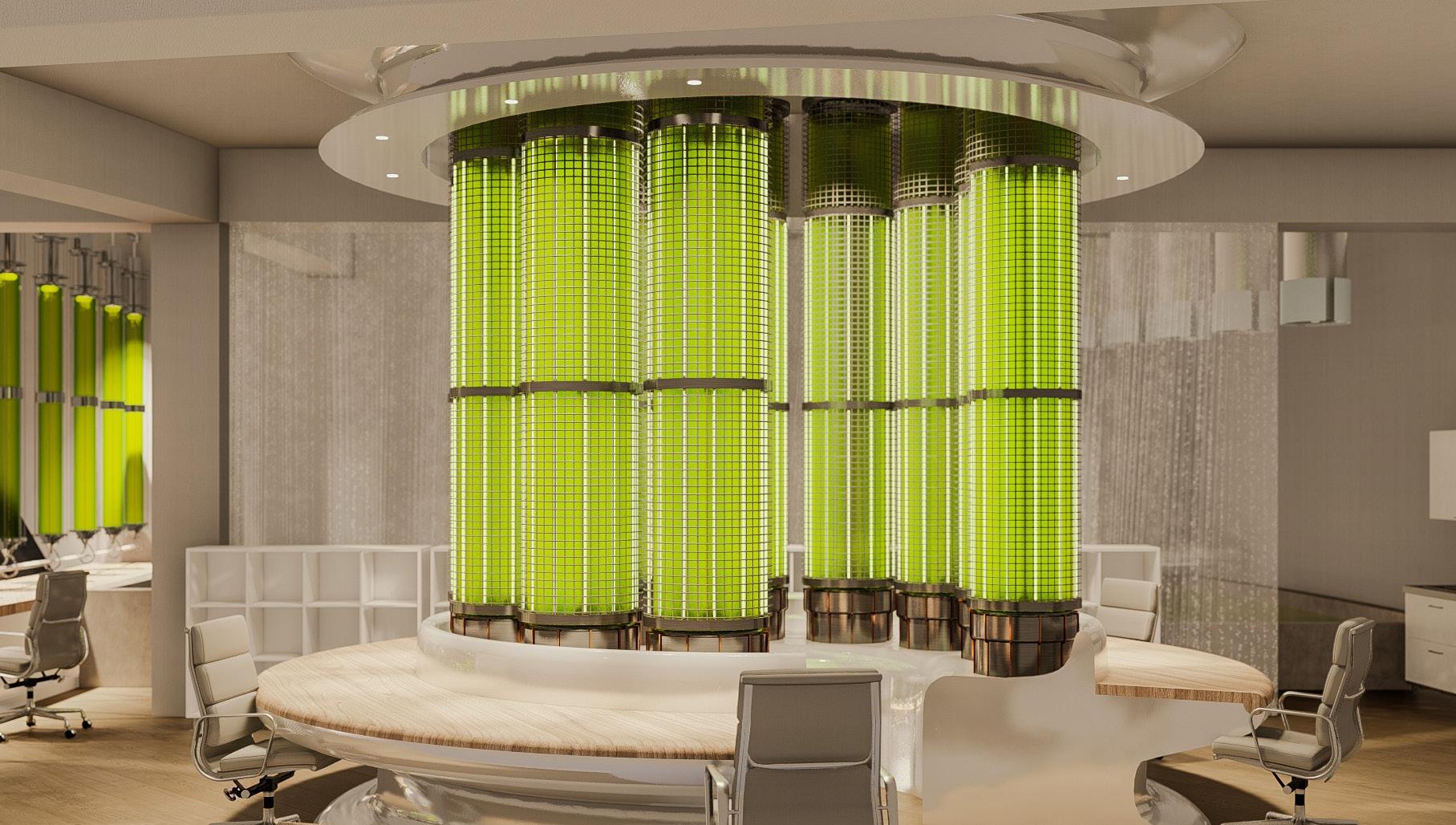
A-A Close up 02
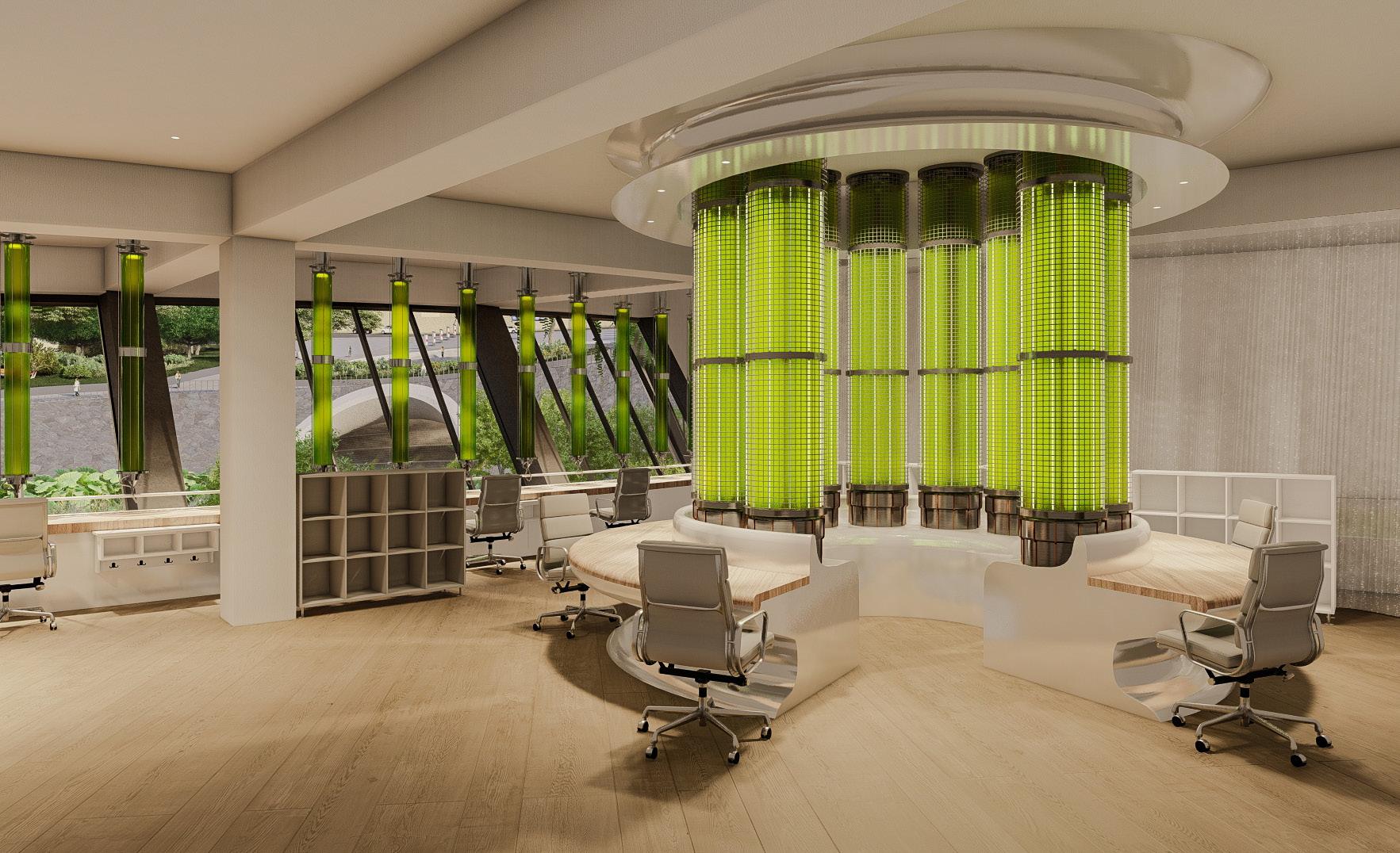
This section illustrates the algae laboratory concept, featuring centrally positioned bioreactors for algae production and extraction, followed by subsequent treatment and processing.
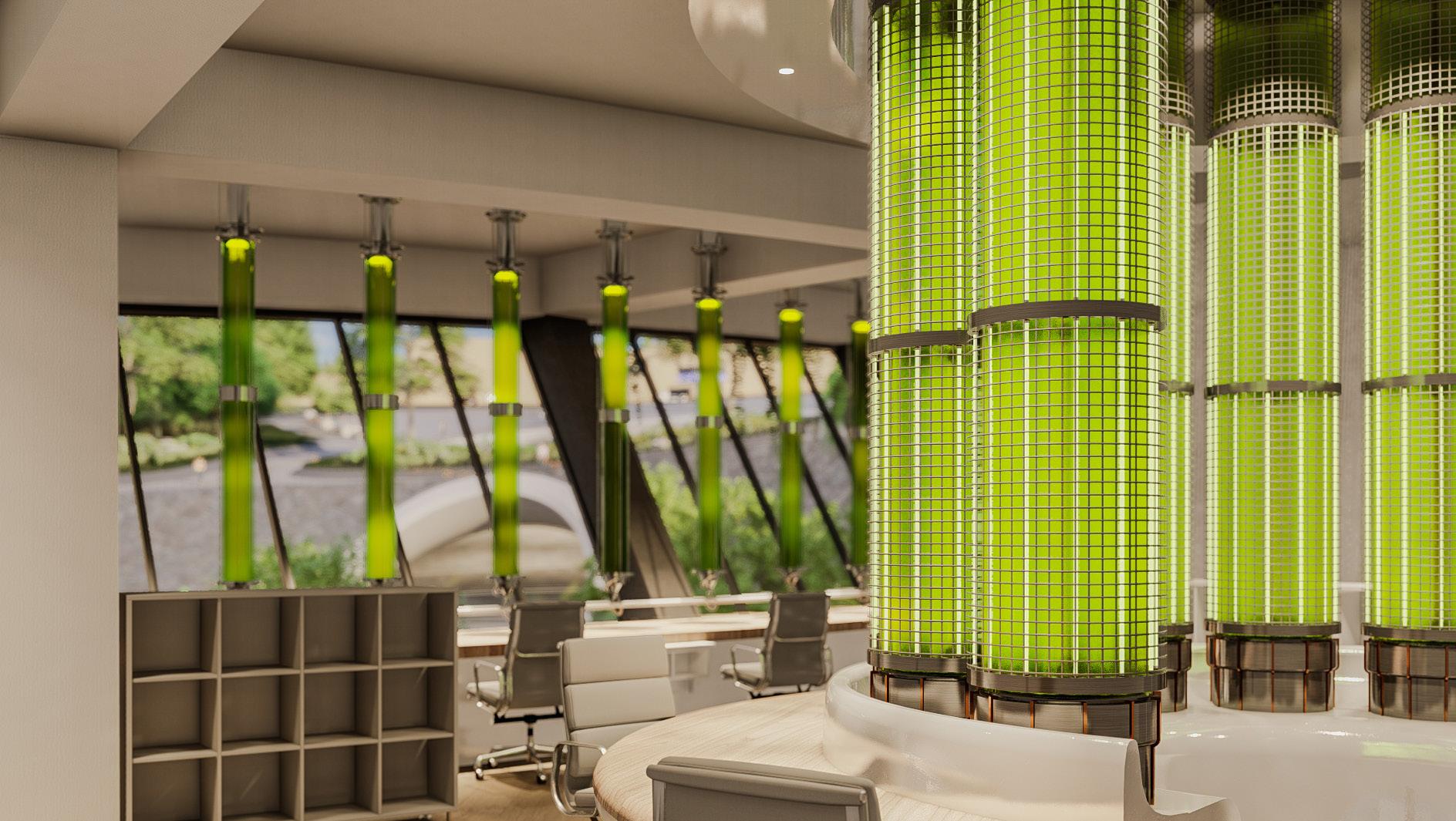
Seccion A-A Close up 01-02
Seccion
Interior view
Interior view
Interior view
ACADEMIC PROJECT
CONCEPT PROPOSAL
Museum intention
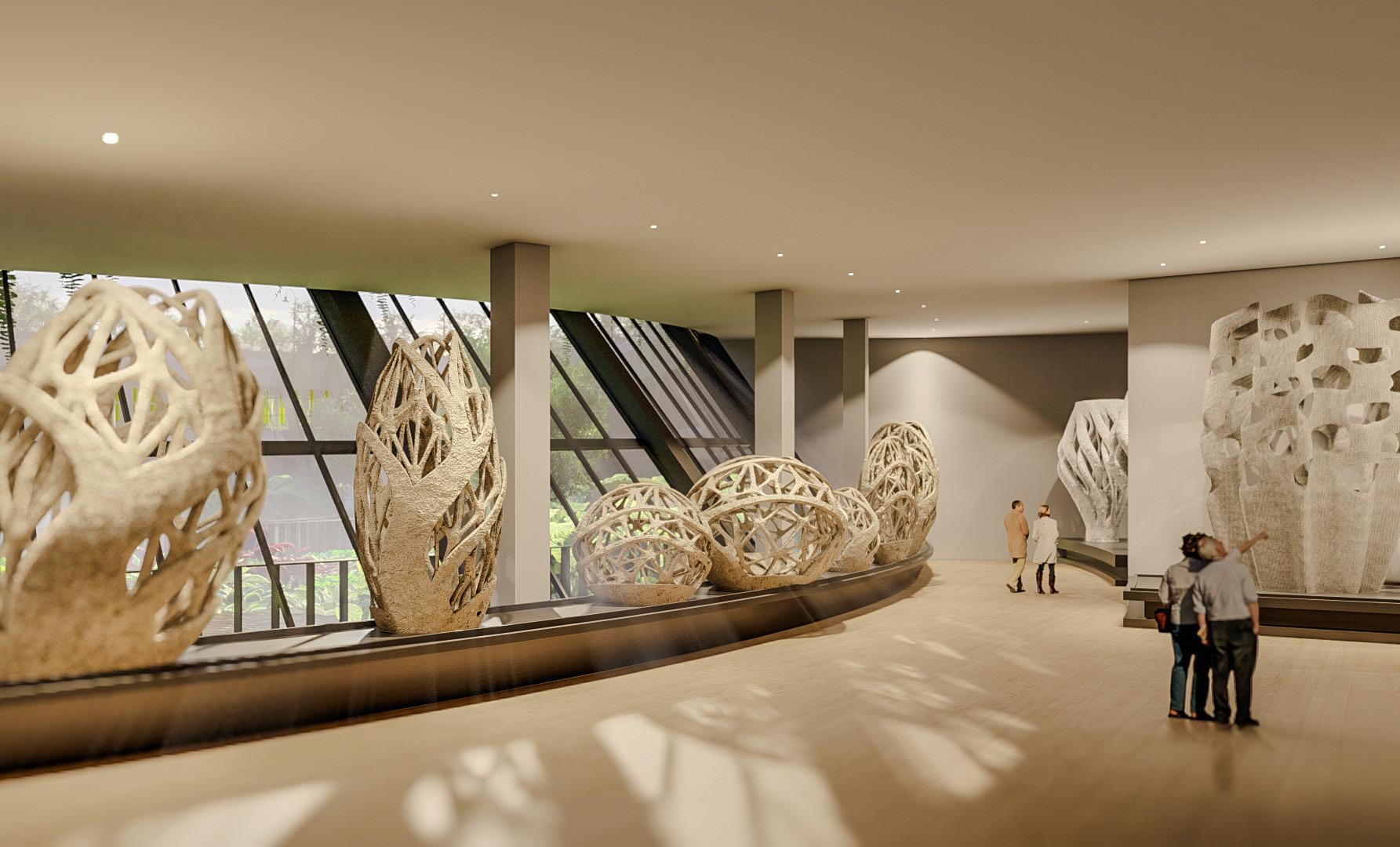
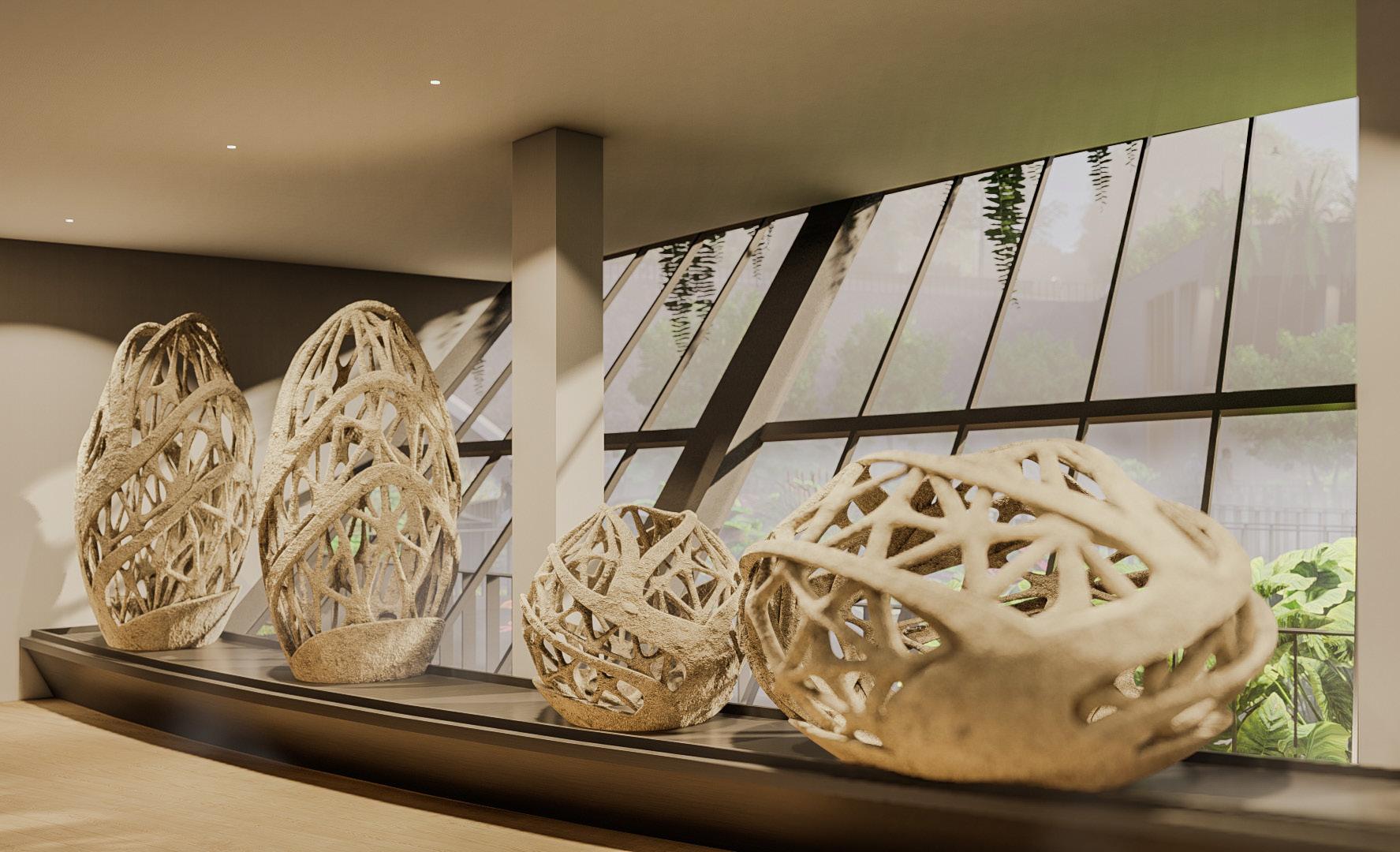
The inclusion of a museum arises from the observation and analysis of current biomaterial presentations. Many materials remain at the proposal stage and are primarily exhibited as conceptual or artistic works. Recognizing this limitation, the project addresses this gap.
The project consolidates efforts to increase visibility of these investigations and production processes by proposing a dedicated presentation space. Additionally, integrating laboratories enables public understanding of the research and experimentation involved in developing these new materials.
Therefore, I decided to integrate both components. Raising awareness of these emerging materials and disseminating them through a museum platform constitutes a coherent and timely strategy given current circumstances.
MUSEUM
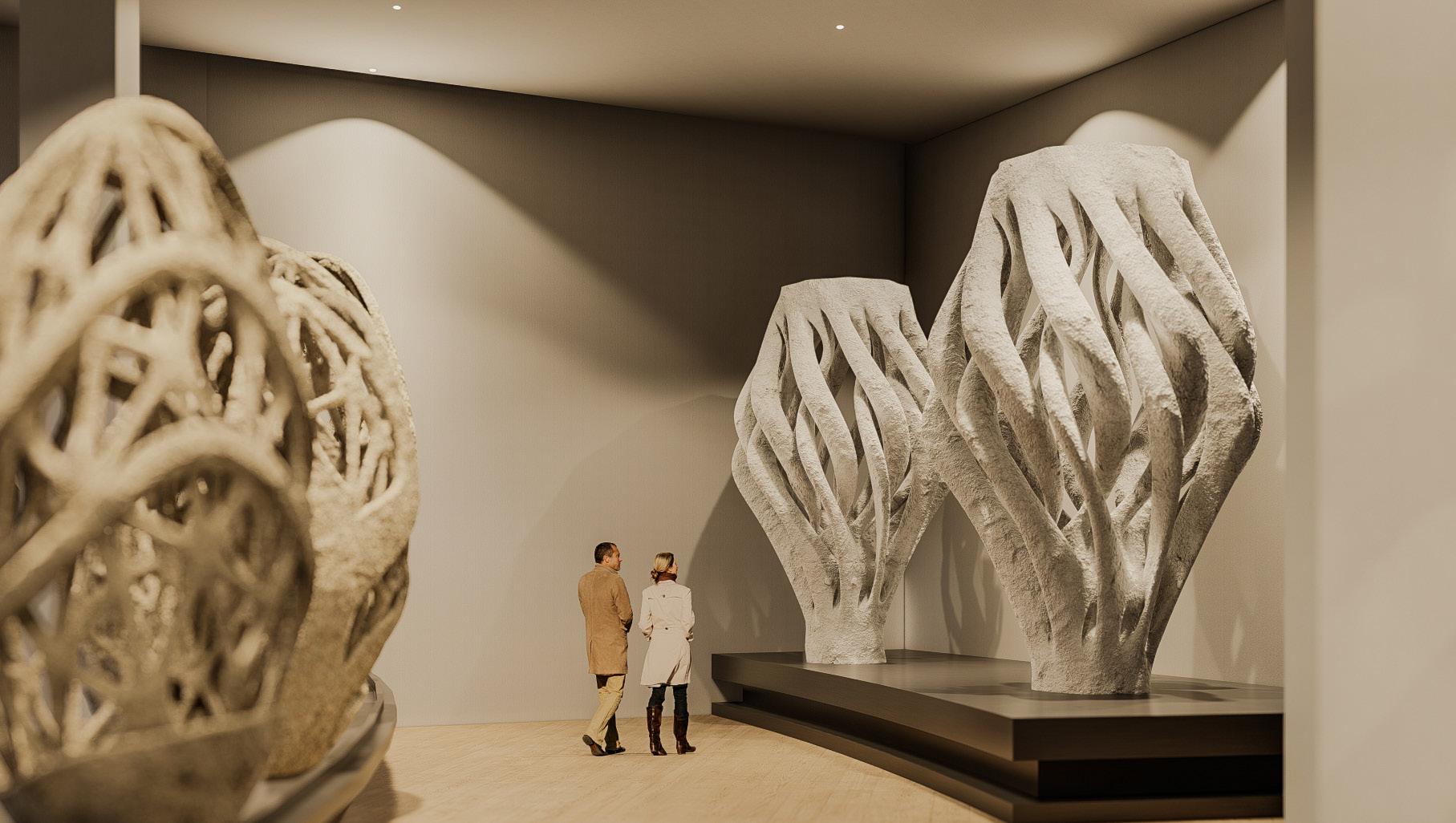

Seccion A-A Close up 03
Seccion A-A Close up 03-04
Seccion A-A Close up 04
Interior view
Interior view
Interior view
MATERIALES VIVOS
Future architecture will be able to walk, it will be able to grow, it will even become alive and form part of us; this will be true symbiotic architecture.
30/01/2023
FINAL PROJECT FOR ARCHITECTURE DEGREE
ESARQ Escuela Superior de Arquitectura
Colonia Libertad #1745, Guadalajara, Jalisco, México.
INTRODUCTION
FINAL PROJECT FOR ARCHITECTURE DEGREE
Twenty per cent of humanity commits eighty per cent of the attacks against nature, a crime that perpetrators call suicide; humanity as a whole bears the consequences of earth degradation, air pollution, water contamination, climate disruption, and the depletion of non-renewable natural resources (Galeano, 1994: 9 and 10).
Galeano quickly introduces us to the problem we will be working on: the methods humans use to maintain their lifestyle are destroying the planet. It is time to look for new ways of living.
“It seems that we arrive at living only through building, and that building has living as its goal. However, not all constructions are dwellings, but they are part of our dwelling.” (Heidegger, n.d.) Dwelling is related to humans in the sense that one builds one’s habitat alongside the elements that surround it, yet humans inhabit spaces they did not necessarily build: forests, grasslands, beaches, jungles, etc. The inhabited space is not limited to the place where one sleeps, works, or studies, but extends to the entire ecosystem in which it develops.
The discussion continues with Donna Haraway’s concept of the Capitalocene, which contextualises the current epoch. This term reflects human dependence on a capitalist system for livelihood, representing a variant of anthropocentrism centered on an economic model that is gradually depleting the planet: “Anthropocene, these are times of urgency for all species, including humans: times of mass deaths and extinctions” (Haraway, 2019). Due to the pace of human activity and capitalist demands, humanity faces a critical situation in which resources are consumed faster than they are produced.
The Capitalocene and Anthropocene are described as historical periods on Earth dominated by humans and the capitalist system. Humanity currently inhabits this epoch and approaches its culmination. Both terms, however, risk fostering cynicism, defeatism, and self-fulfilling, self-indulgent prophecies (Haraway, 2019).
This recognition highlights a principal societal challenge: the dominance of capital and anthropocentrism. As a counterbalance, symbiosis—defined as the interactions among multiple species with diverse objectives—offers an alternative framework. For architecture to serve as a counterweight to the current system, it must prioritise its relationship with the ecosystem and all living beings within it.
This thesis presents research on biomaterials, symbiotic systems, and bioarchitecture, aiming to develop an architectural program that fosters buildings more closely integrated with nature, ultimately advancing the concept of symbioarchitecture.
METHODOLOGY
ARCHITECTURAL PROGRAM BY FACTOR EVALUATION
The methodology aims to develop a process for achieving symbiotic design or presenting a symbio-architecture projection, linking the architectural system with the analysed space and its inhabitants (any living organism within the ecosystem). To achieve this, the first activity will be to select a site within the Guadalajara metropolitan area for a diagnosis of the situation. To generate this diagnosis, the system will be used.
The aim of this is to reveal the immediate situation of the space where the project will be developed, generating a greater sense of belonging and easy understanding. This program analysis is intended to provide a basis for the architectural object.
It is necessary to analyse the environment in great detail due to the principle of biomimicry: “Observing is learning from nature, and that is the essence of biomimetic design” (Szymon, 2015). It is necessary to observe and analyse the environment to finalise the design, establish a correct connection, and foster a sense of belonging. That is why the PAVF system is selected for its detail and simplicity of understanding.
The PVAF system, or Architectural Program by Factor Evaluation, was presented by architect Alejandro Ramírez Gasca in his thesis Methodological Tool for the Sustainable Programming of Public Spaces. This architectural programming presents a set of useful factors for developing interventions that meet user needs.
“Elements that must be taken into account in order to develop an intervention that meets the perceived needs of users” (Gasca, 2015). This system is presented as an easyto-understand tool. As background, it was presented in Guillermo Becker’s 1952 thesis, “Basis for regional planning of the northern coast. Provinces of Atacama and Coquimbo (Transversal Valleys Region).”
PA FV
CONCEPTUAL DIAGRAMS
PHILOSOPHCAL REFERENCES
Cycle
of creativity
To provide context for this thesis, a series of references are highlighted that informed the direction and approach to both the program and graphic style of the diagrams we will see.
In the book Materia Ecology Catalogue by Neri Oxman, a representation known as Krebs’ circles of creativity illustrates the interconnection among design, engineering, art, and science, as well as the potential for multidisciplinarity in these fields. Oxman interpreted this concept to adapt it to modern systems (diagram 03) “combining the first two ina ideal interdisciplinary design” . Similarly, this thesis reinterprets the concept by providing a diagram that exemplifies the connection among three key elements: algae, bacteria, and fungi coexisting within a space for material generation, hoping for the eventual presentation of “new knowledge”.
Diagram 01
The first concept diagram establishes the connection among design, arts, enginerings, and science.
Based on the Krebs cycle as interpreted by Neri Oxman
Diagram 02
The second diagram illustrates the relationship between the environment or ecosystem, its correlation with society, and various philosophical branches with which architecture can be integrated.
Based on the Krebs cycle as interpreted by Neri Oxman
Diagram 03
The third concept diagram integrates all design elements and further develops connections among different scientific disciplines, generating a more complex component with diverse capabilities.
Based on the Krebs cycle as interpreted by Neri Oxman
Diagrama
Producción Funguicola
Almacén Bacteriano
Captación de agua
Almacén Algal
Laboratorio Bacteriano
Laboratorio Algal
ARCHITECTONIC REFERENCES
ACADEMIC
Diagrams serie
The following series offers a closer look at the innovative elements incorporated within each pavilion, highlighting the material processes and architectural integrations that define their character
Growing pavillion (mycelium) Klarenbeek & Dros
Pavilion Composition with Mycelium Panelst this diagram illustrates the assembly of the pavilion, with particular emphasis on the use of mycelium panels. Here, we can observe how these biofabricated panels are integrated as structural and aesthetic components, demonstrating the architectural potential of mycelium as a living material.
This diagram, we analyze the Water Leaf Pavilion, focusing on the unique qualities achieved through three-dimensional injection of chitosan and chitin. The visual breakdown clarifies how these biopolymers are formed and applied, underscoring their versatility in shaping architectural form.
Air bubble (Algae) Ecological Studyo
Air Bubble Pavilion with Photobioreactors this diagram examines the Air Bubble Pavilion, with attention to the integration of photobioreactors as both functional and architectural elements. The schematic reveals the role of these systems in supporting living algae cultures, which in turn contribute to the pavilion’s ecological and experiential qualities
Prueba
Agua Hoja (Chitin) Neri Oxman
ACADEMIC PROJECT THESIS
Mycelium
This diagram provides a comprehensive overview of the processing of mycelium as a biomaterial, illustrating its transformation into bricks, panels, and a range of architectural components. By following each stage depicted, one can appreciate the sequential steps involved in fungal cultivation and material fabrication, as well as the broader potential of mycelium for innovative, biologicallybased construction methods.
Bacteria Cellulose
This diagram outlines the treatment processes necessary for the production of bacterial cellulose. It maps each step required to cultivate and harvest this material, highlighting its properties and potential uses within the architectural context
Algae/Bioreactors
Here, we present the steps involved in processing algae to produce filaments and other algae-based products. The diagram makes visible the sequential treatments and transformations, offering insight into how these bio-based materials can be adapted for architectural applications.
LABORATORIES PROGRAM
Overview
ACADEMIC
These diagrams illustrate the possible internal organization of the laboratories, identifying the fundamental requirements for the treatment of each biomaterial.
By mapping out spatial arrangements and operational needs, the diagrams provide a clear specification of how each laboratory could function efficiently, supporting research, production and exivision activities.
Mycelium Laboratory
Within the fungiculture, or mycelium laboratory, both open and fully enclosed chambers are required to support the various stages of production. The organizational layout begins with a central area dedicated to cultivating raw materials such as straw or wheat, which serve as the substrate for mycelium growth. Extending from this central hub are three laboratory wings: two are designated for the processes of mycelium growth and drying, while the third is reserved for mold design and fabrication.
Alage Laboratory
Continuing with the laboratory proposals, the next space is dedicated to algal cultivation, where most of the biomass is produced within photobioreactors under controlled conditions. Following a similar organizational model, the layout begins with a central area that allows for monitoring and evaluation of all photobioreactors. From this core, three distinct wings extend: one focused on refining and drying processes, another dedicated to research and development of new or specialized materials, and a third supporting ongoing innovation in algal applications.
Bacteria Laboratory
The bacterial laboratory is primarily oriented toward the production of bacterial cellulose, valued for its fabric-like properties and its potential for three-dimensional fabrication. Adopting the organizational model established in previous laboratories, the design comprises three semi-independent units. Each unit features a dedicated cultivation area, followed by laboratory spaces for cellulose generation and subsequent drying.
ACADEMIC PROJECT THESIS
Progresive Growing
PHASING PLAN STAGE I & II
Progressive growing serves as the guiding methodology for the phased development of the project. Construction will commence with the least complex industry, establishing a foundational stage that facilitates future expansion.
Stage I
The initial phase centers on the mycelium laboratory, as it can supply essential building materials such as panels, blocks, and structural components for subsequent stages. This approach is logical, given that mycelium is the most accessible material for early product fabrication among those proposed.
The growth strategy draws inspiration from botanical branching patterns, as articulated in the Growing Architecture concept. By emulating these natural processes, the project aspires to achieve a sequential, taxonomy-based progression in both form and function. Concurrently, a water treatment facility will be integrated with the cultivation areas to generate the raw materials required for further processing, such as those used in kilns. This phased, biomimetic approach ensures that each stage of development supports and enables the next, resulting in an adaptable and sustainable architectural system.
Stage II
Subsequent phases will introduce additional laboratories, each building upon the foundational infrastructure established in earlier stages. Central to this development is the water purification and collection facility, which serves as a crucial resource hub for all laboratories, ensuring a reliable supply of purified water and enabling its reuse throughout the system.
The project is further complemented by gardens dedicated to the cultivation of plant-based raw materials and the collection of water. At each end of the site, workshop and exhibition spaces are established to facilitate the distribution and public display of materials produced within the system. This integrated arrangement not only supports ongoing research and production but also fosters knowledge sharing and engagement with the broader community.
Captación de Agua Espacio de cultivo Paja/Trigo
Captación de Agua Espacio de cultivo Paja/Trigo
Captación de Agua Espacio de cultivo Paja/Trigo
Captación de Agua
de cultivo Paja/Trigo
Diagrama Primera Etapa
Taller Fungui
Fungui
FINAL STAGE
STAGE III
The final stage of the project is the complete distribution of all laboratories, each equipped with workshop areas, exhibitions, and storage, with the objective of introducing biomaterials into a complete production cycle, centred on a decentralised architectural perspective that is not focused on humans but rather on biomaterials.
The space would be complemented by large gardens, corridors, and deep pathways to emphasise public integration, making it not only a production space but also a place within the community where it is provided. We can see it as a factory, but a more beautiful one, where our factories are surrounded by gardens, where the gardens are populated with the vegetation that will give form to the new material we consume.
Captación de Agua Espacio de cultivo Paja/Trigo
Captación de Agua Espacio de cultivo Paja/Trigo
Captación de Agua Espacio de cultivo Paja/Trigo
COMPLETE CONCEPTUAL PROPOSAL SPATIAL DISTRIBUTION AND INNER CONNECTIVITY
Ultimately, this project remains a hypothetical proposal for an architectural program designed to integrate the three branches of biomaterials. The diagram below summarizes the complete program, organized and simplified for clarity.
This result emerged from the conducted analysis. In conclusion, the next step is to further develop the project as an architectural object that will define the paradigm for a new era of design.
Captación de agua
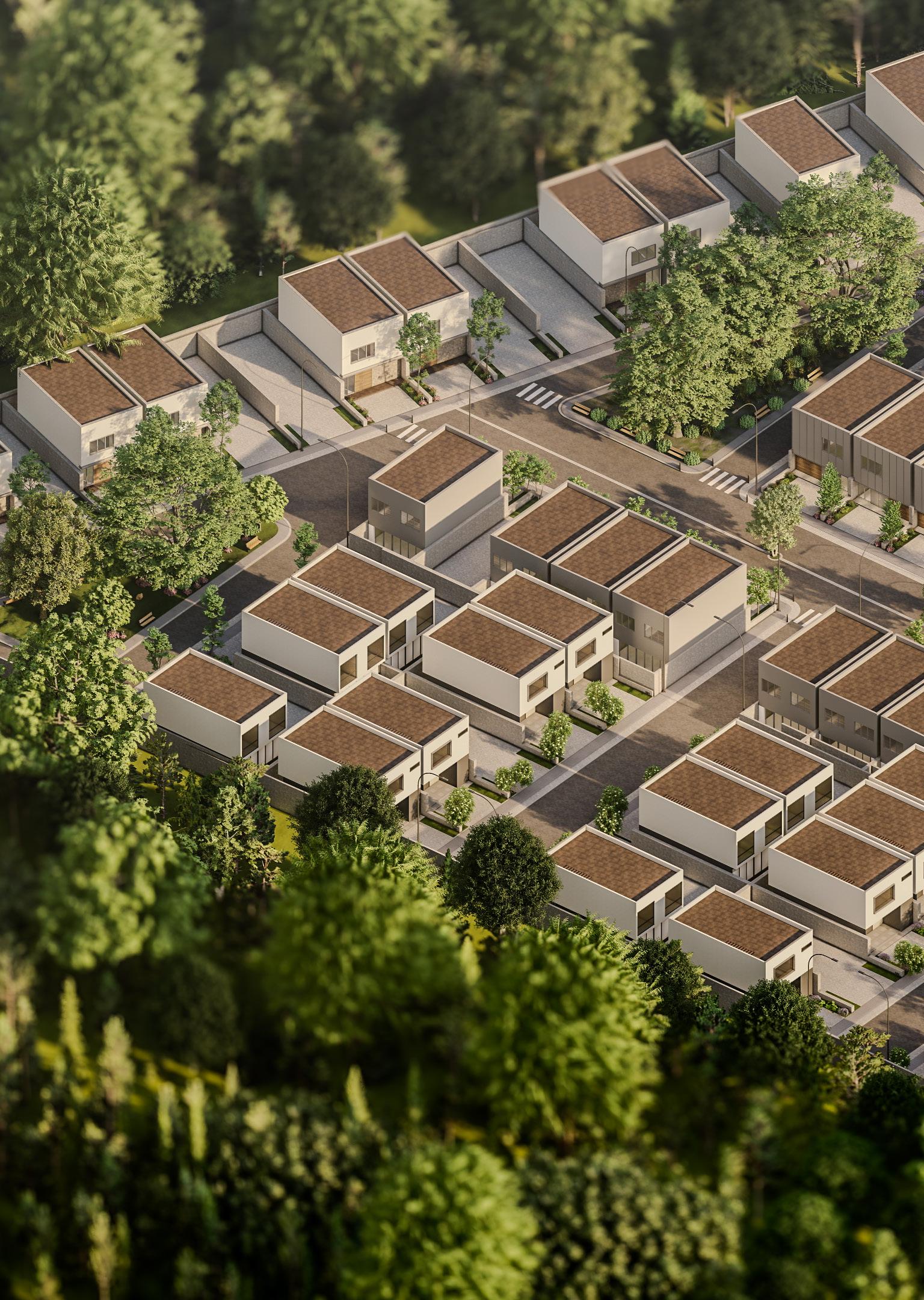

TEAM- BASED
PROFESSIONAL STUDIO WORKS
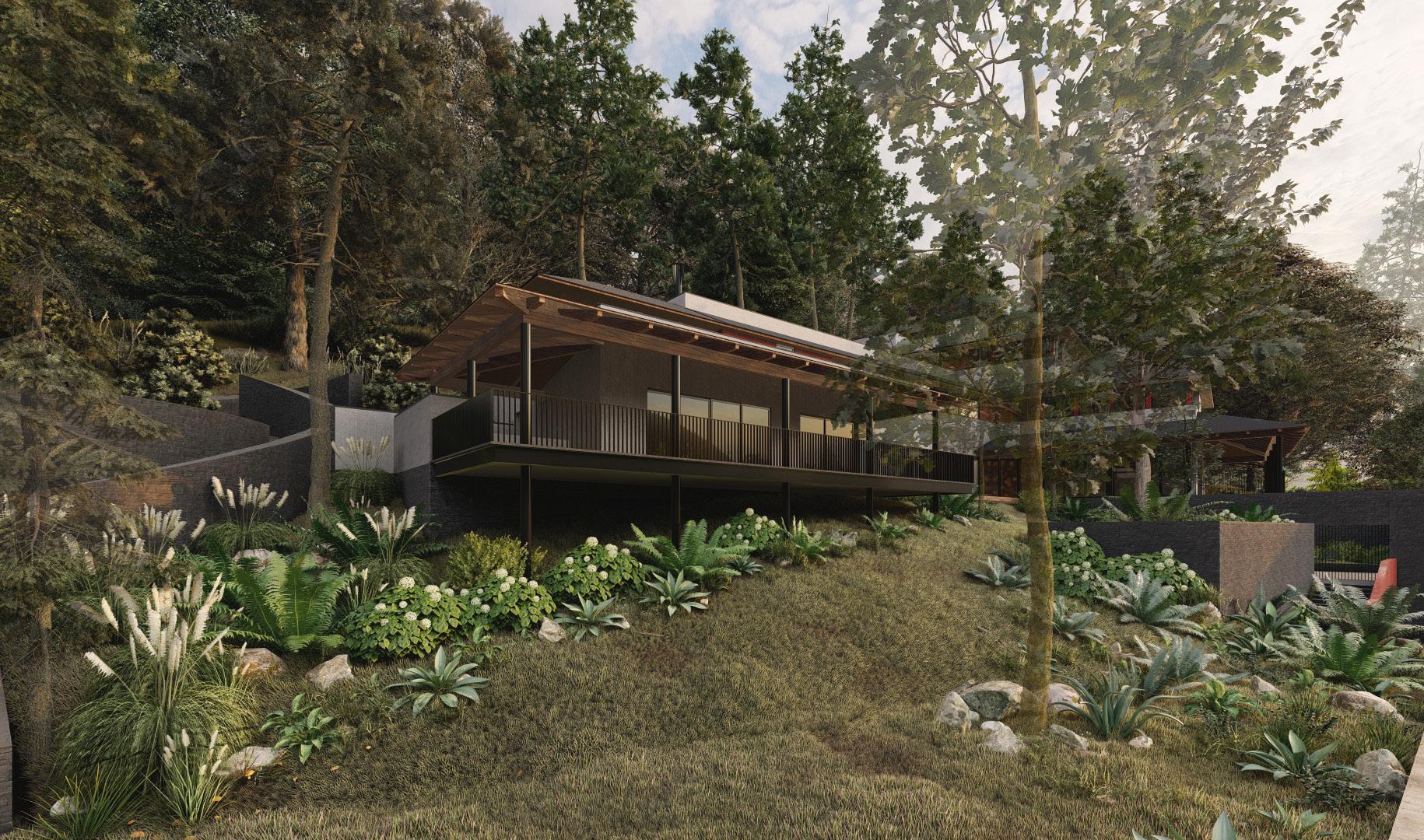
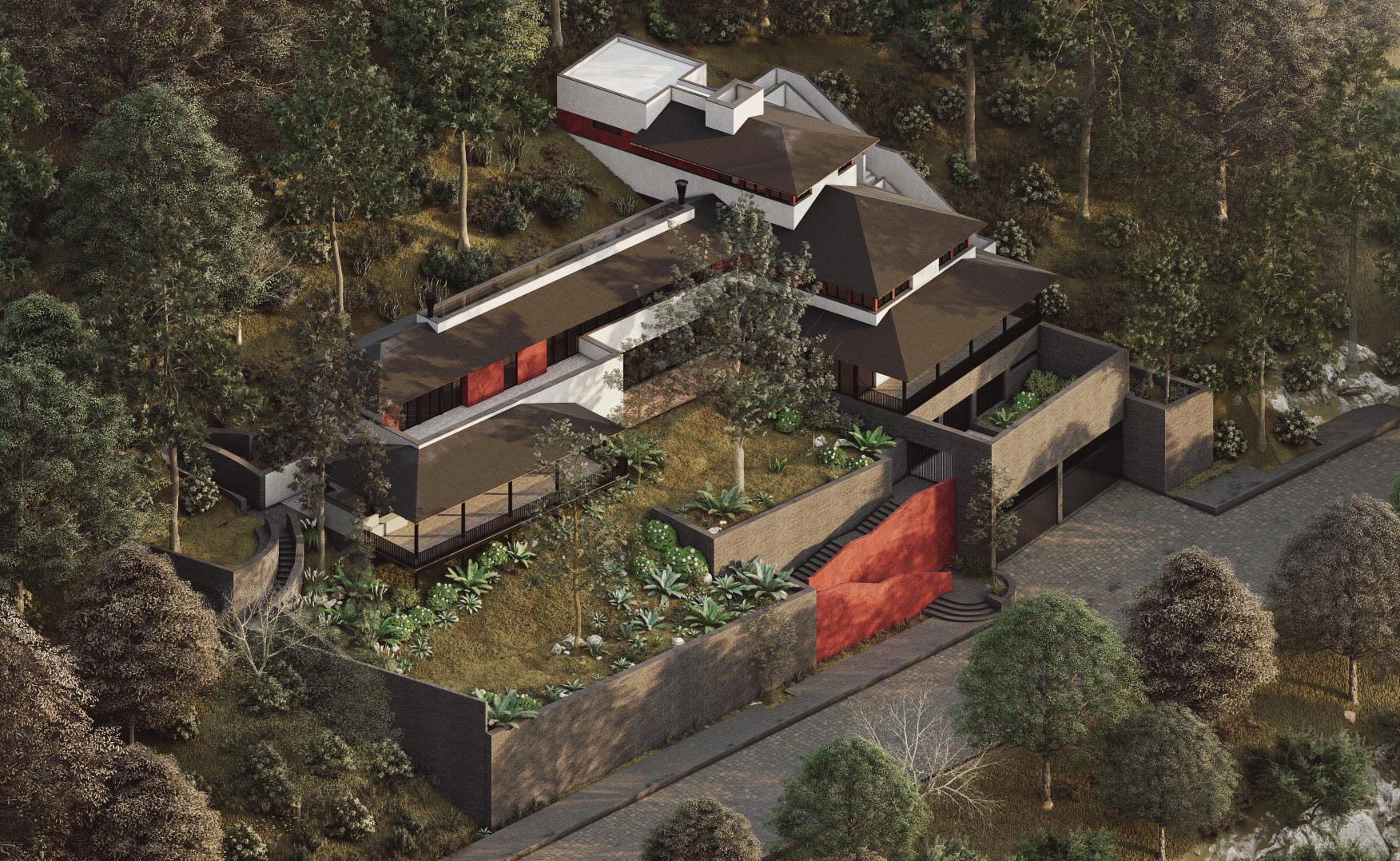
ESQUINCA RESIDENTIAL
PROFESSIONAL STUDIO TALLER INTERIOR | WORKS DESIGN BY: ARQ. ESQUINCA. RENDERING PROJECT
Front Elevation
Isometric view
Exterior view
Facade view
Exterior view
PROFESSIONAL STUDIO
TALLER INTERIOR | WORKS
ARCHITECTONICAL PROJECT
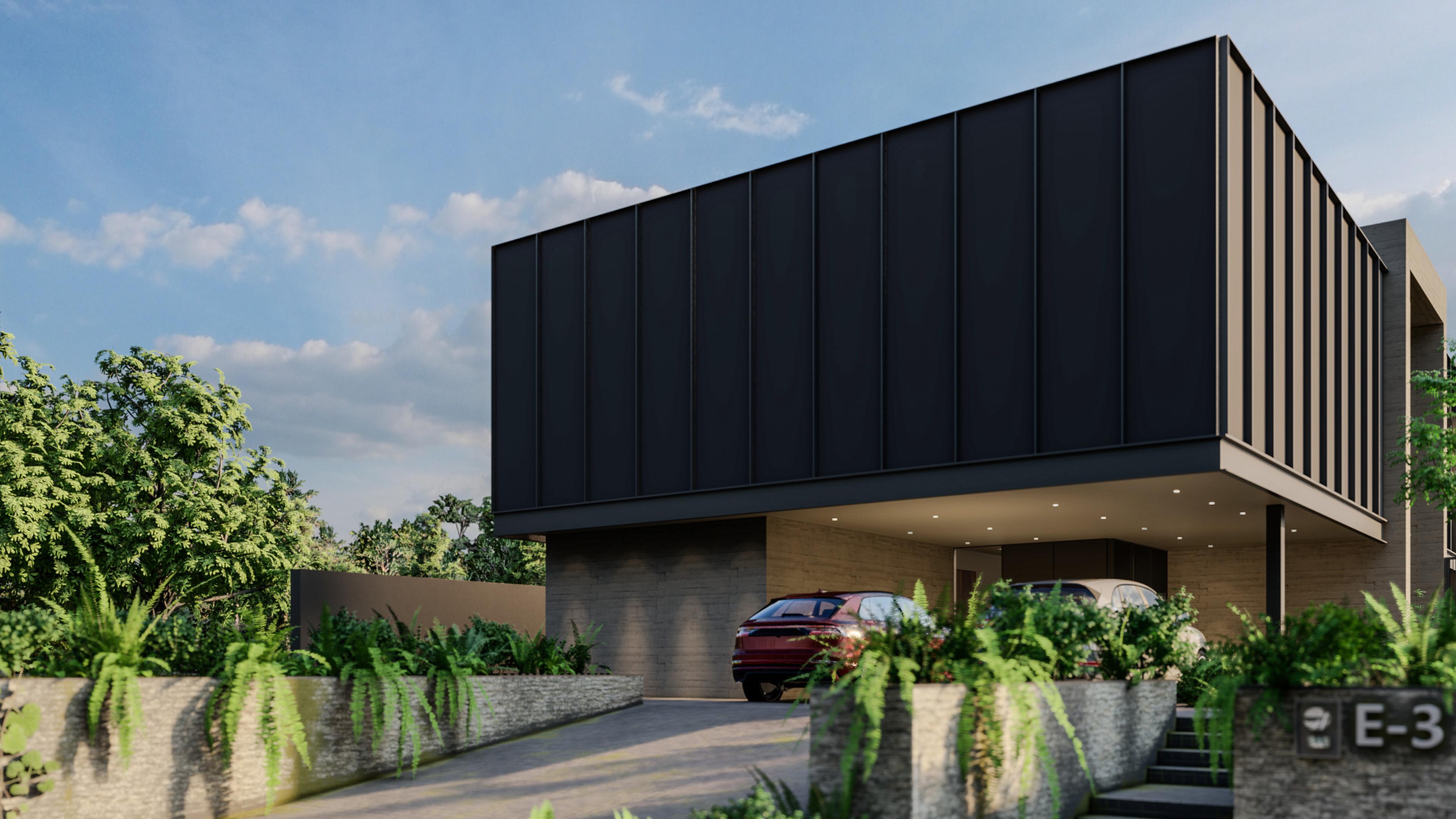
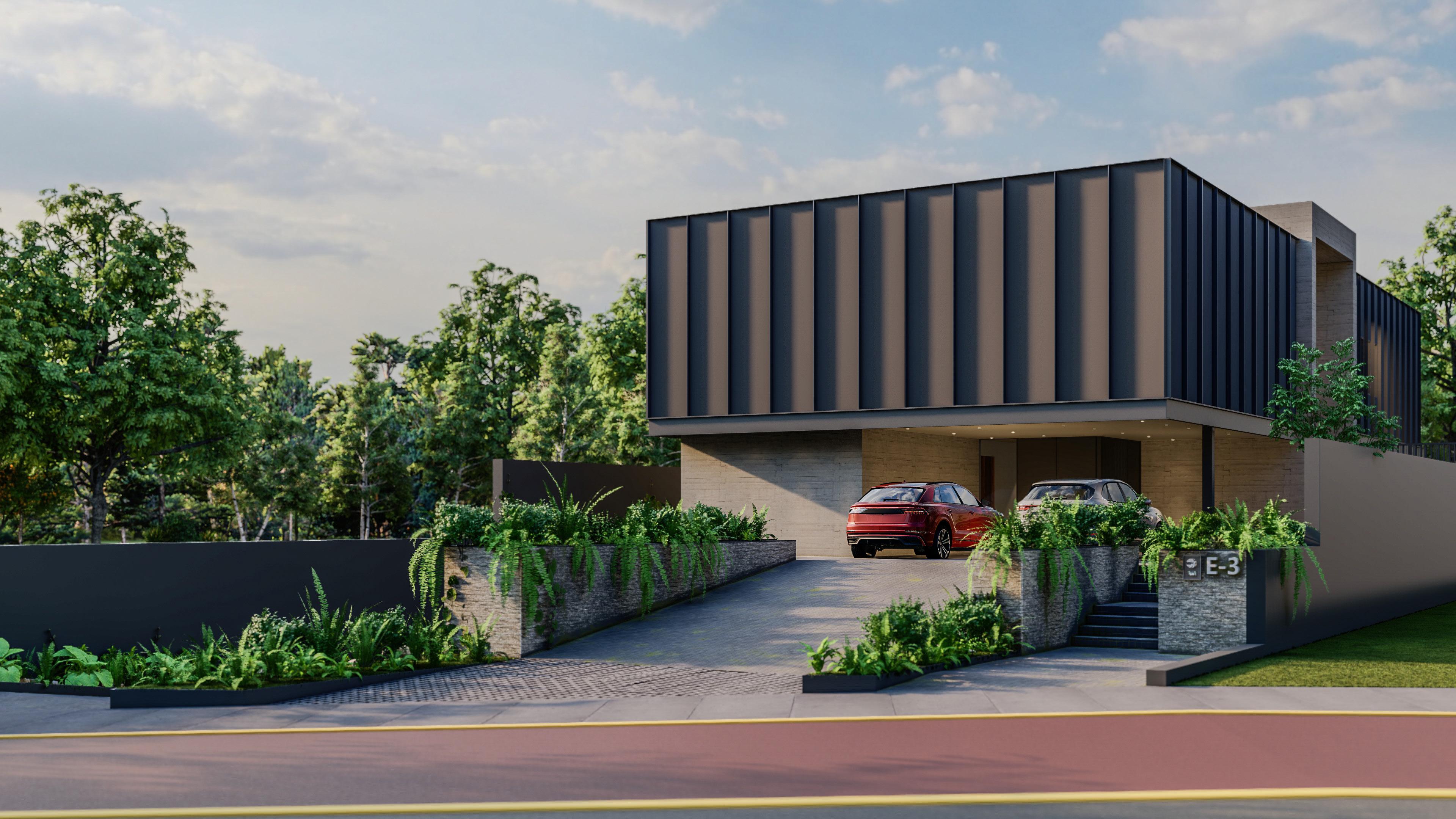
033 PUERTA AQUA RESIDENTIAL
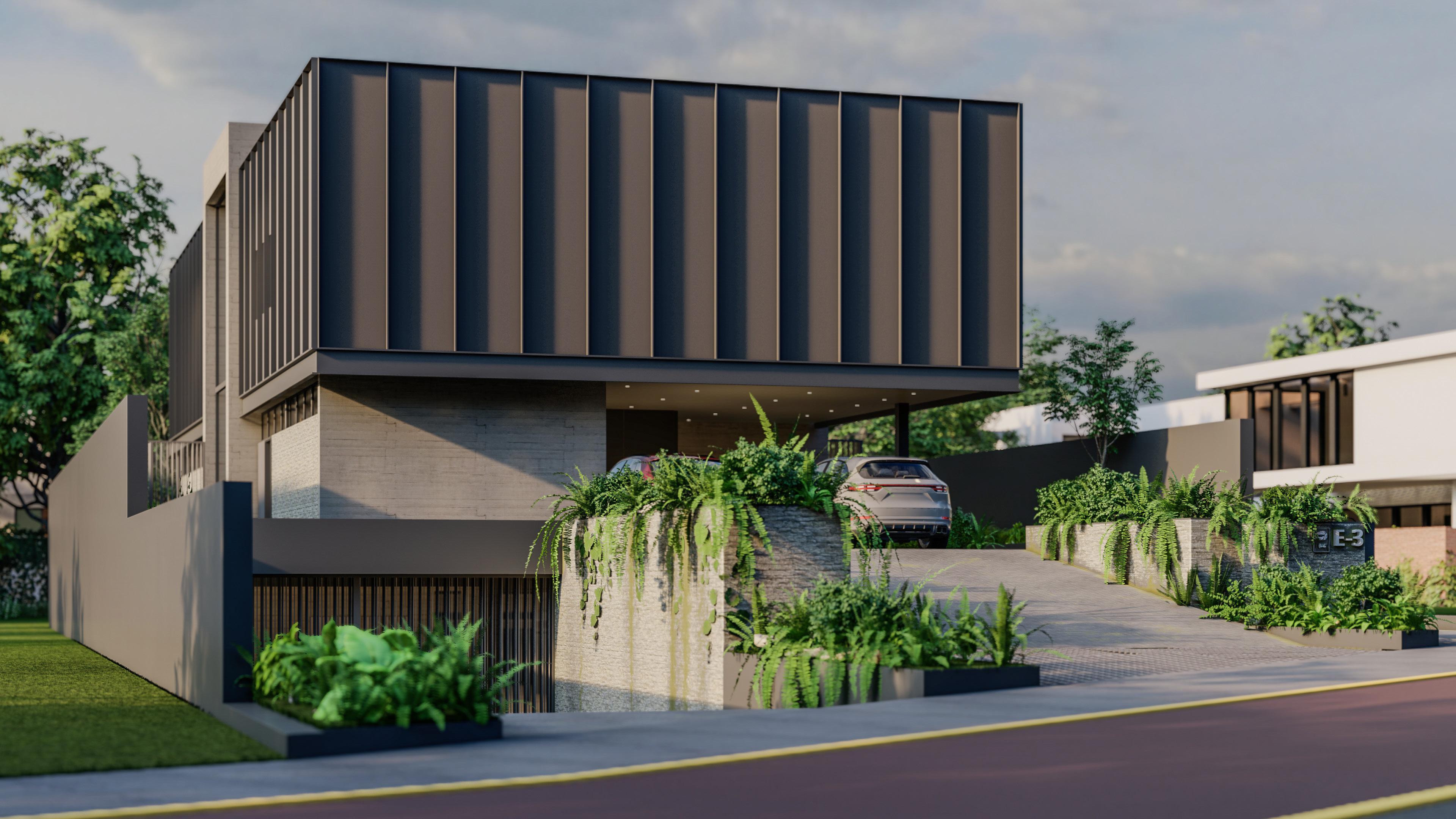
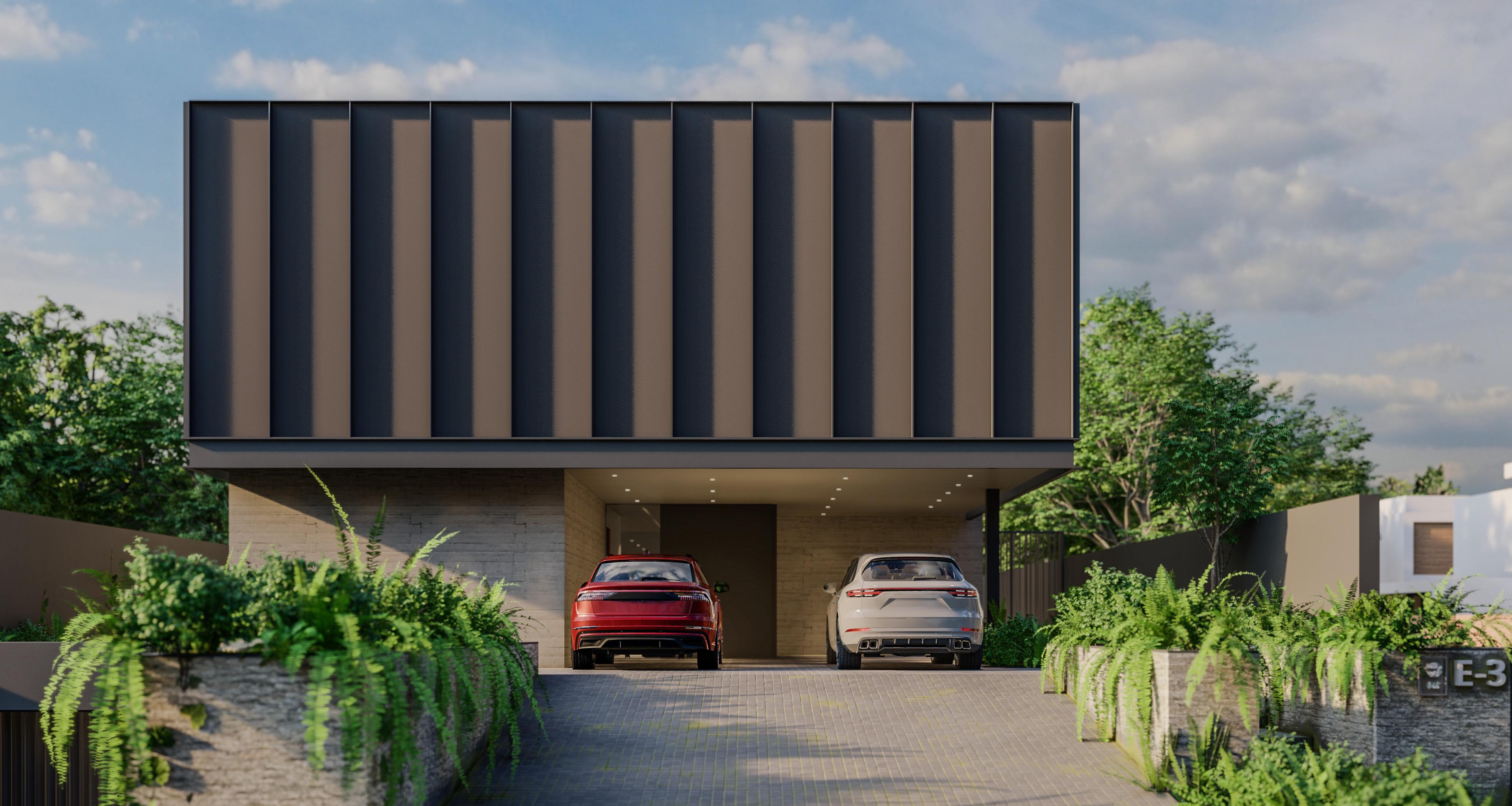
Front Elevation
Facade view
Exterior view
Exterior view
Exterior view
NEXTIPAC RESIDENTIAL
PROFESSIONAL STUDIO TALLER INTERIOR | WORKS ARCHITECTONICAL PROJECT
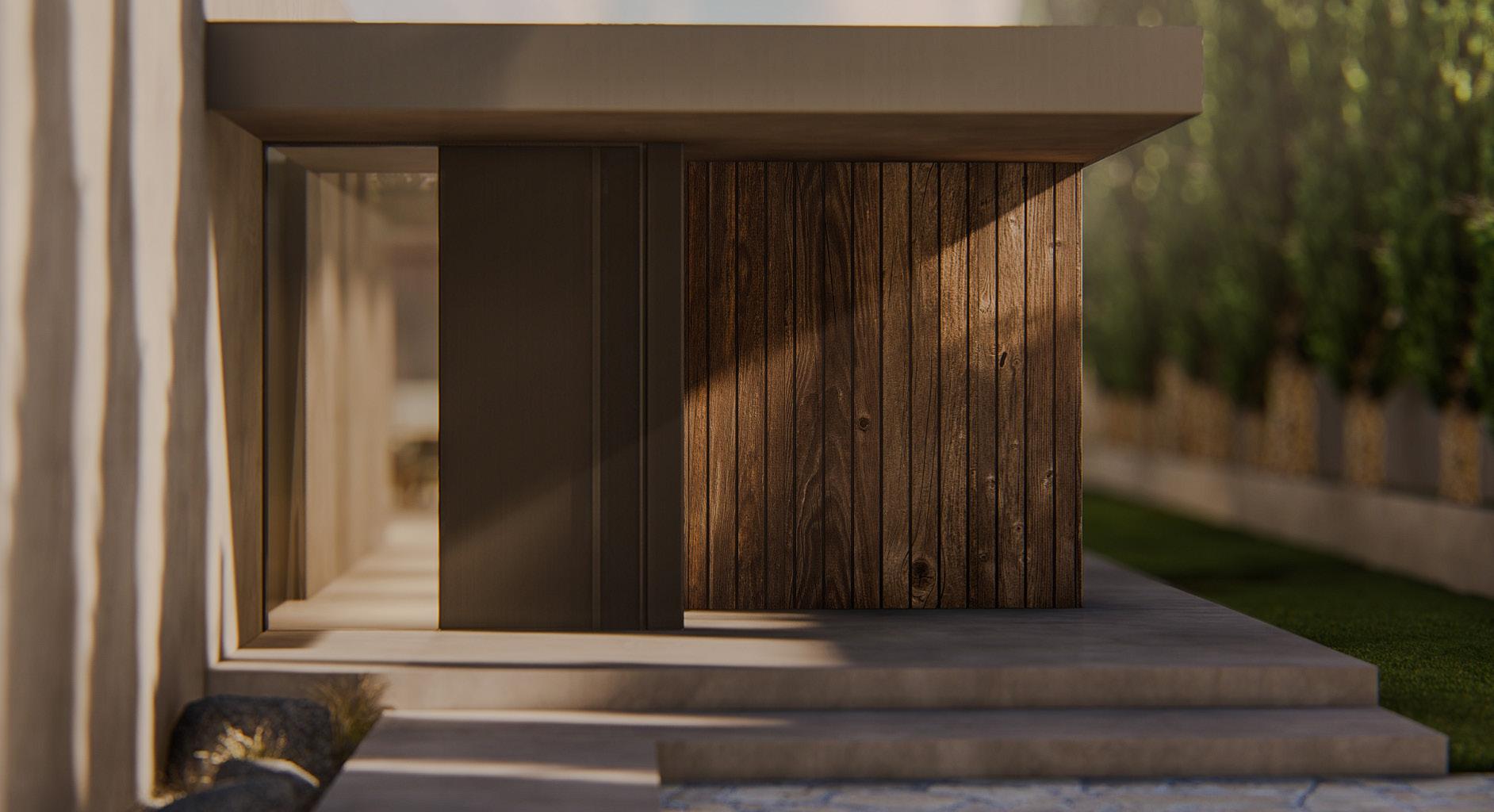
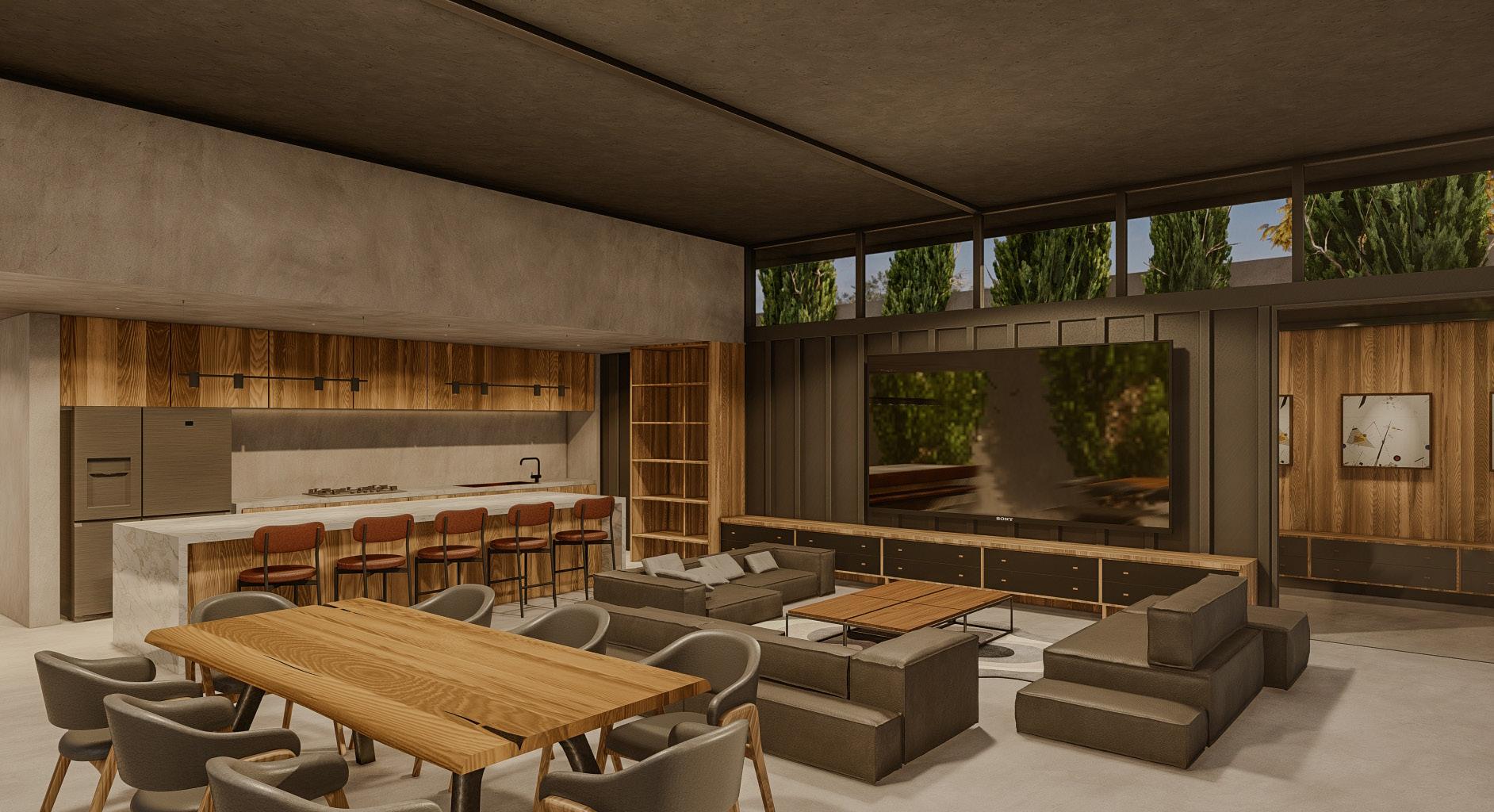
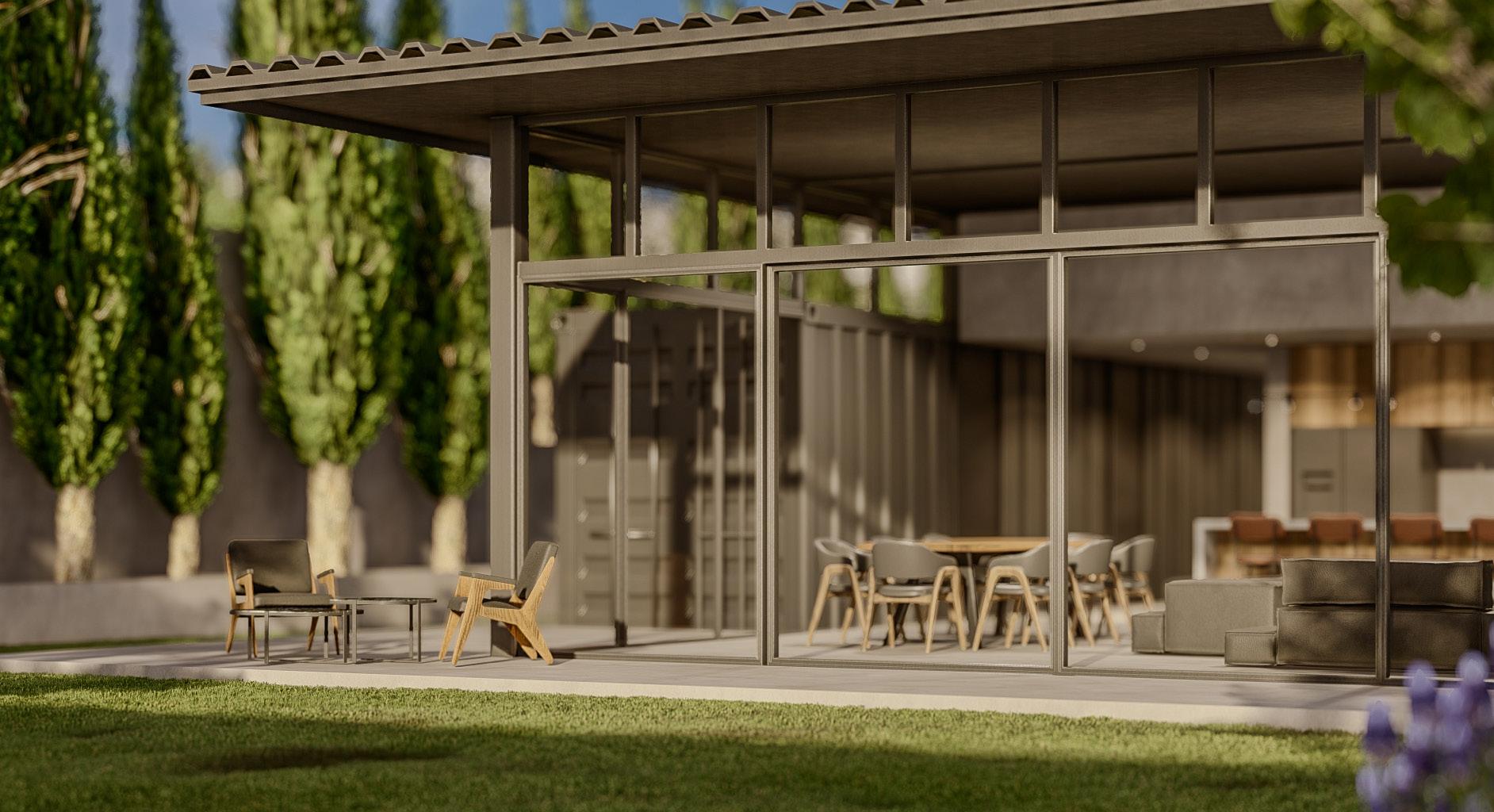
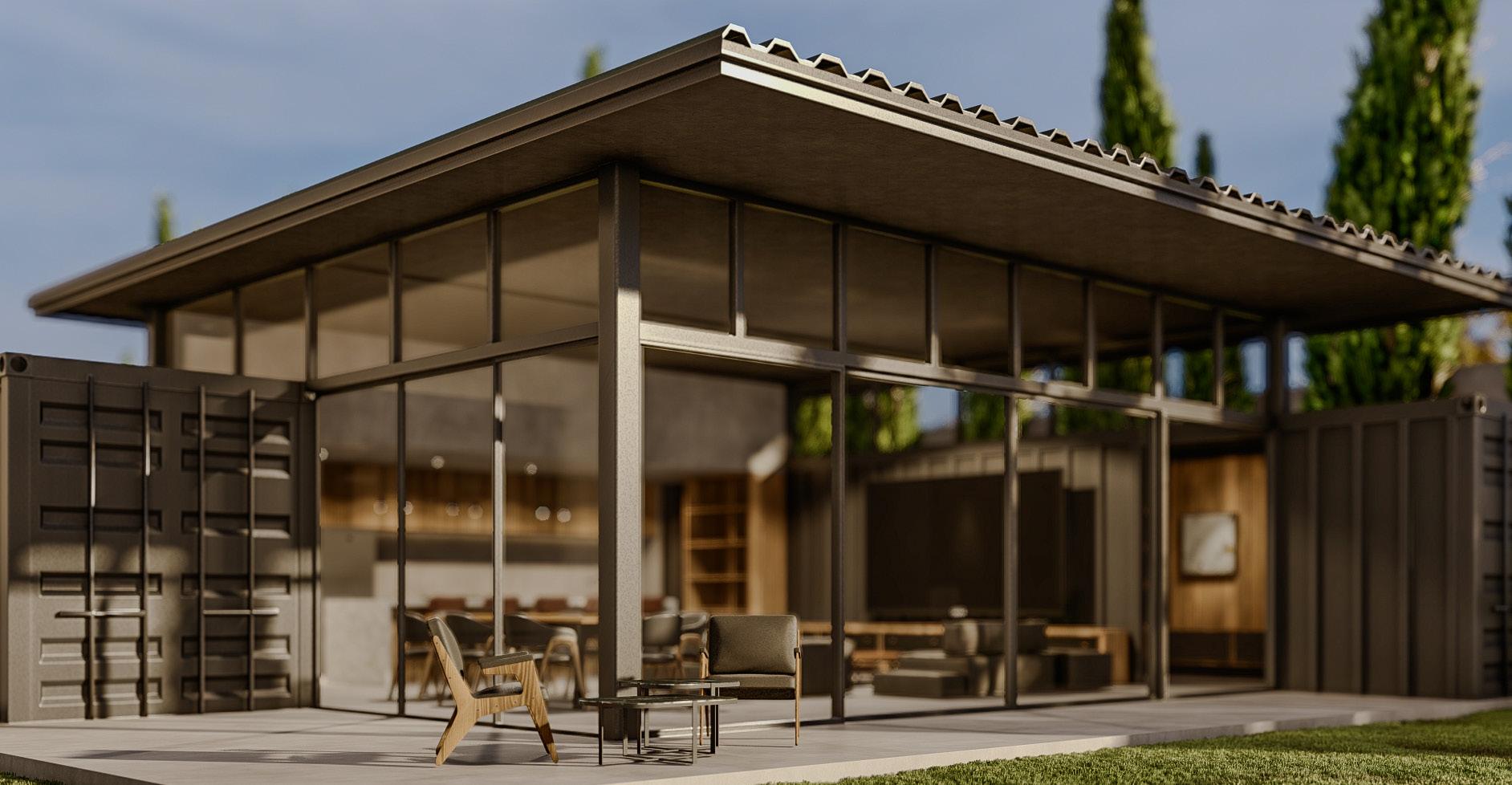
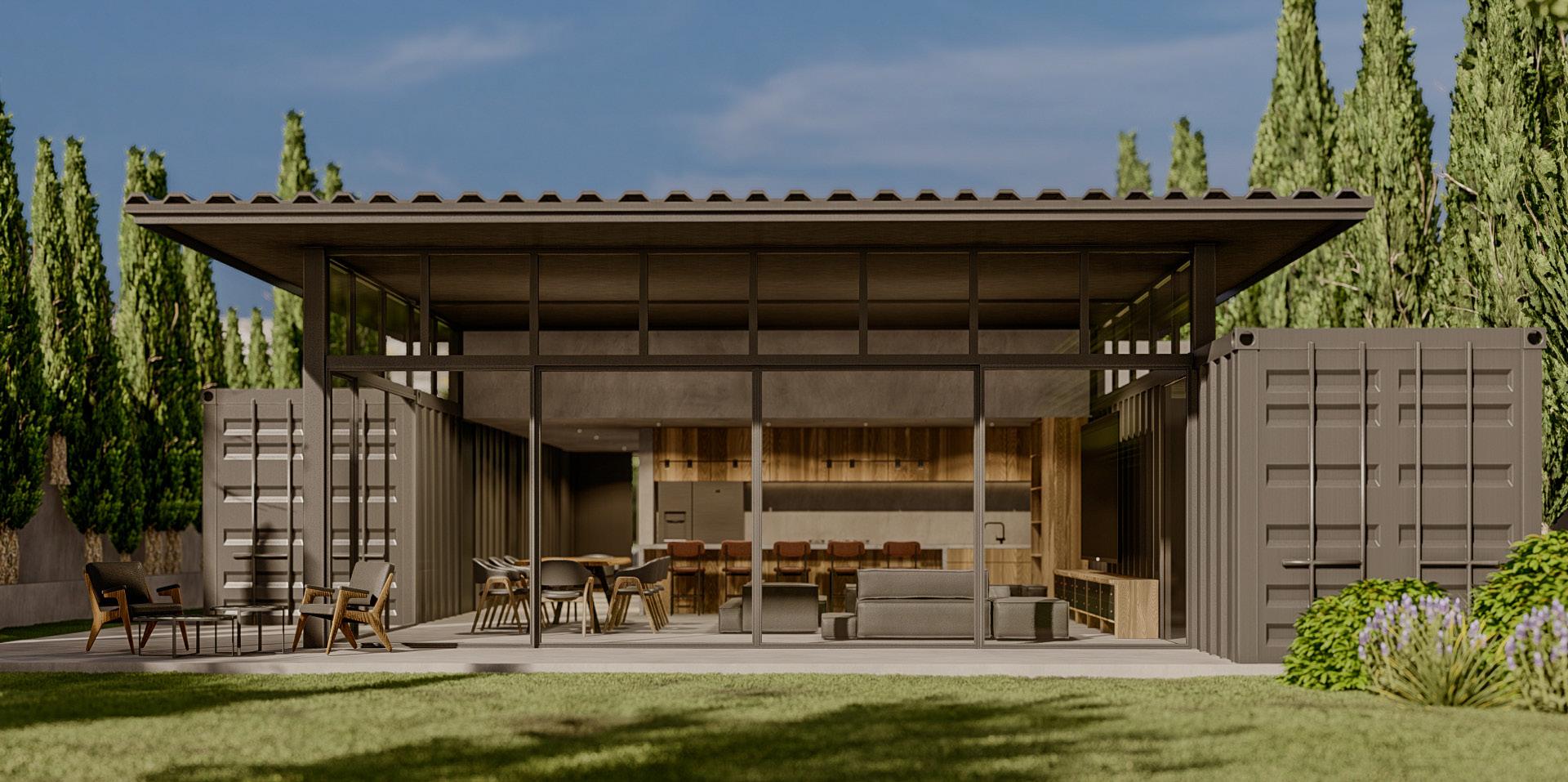
Back Elevation
Exterior
Exterior view
Exterior view
Exterior view
PROFESSIONAL STUDIO
TALLER INTERIOR | WORKS ARCHITECTONICAL PROJECT
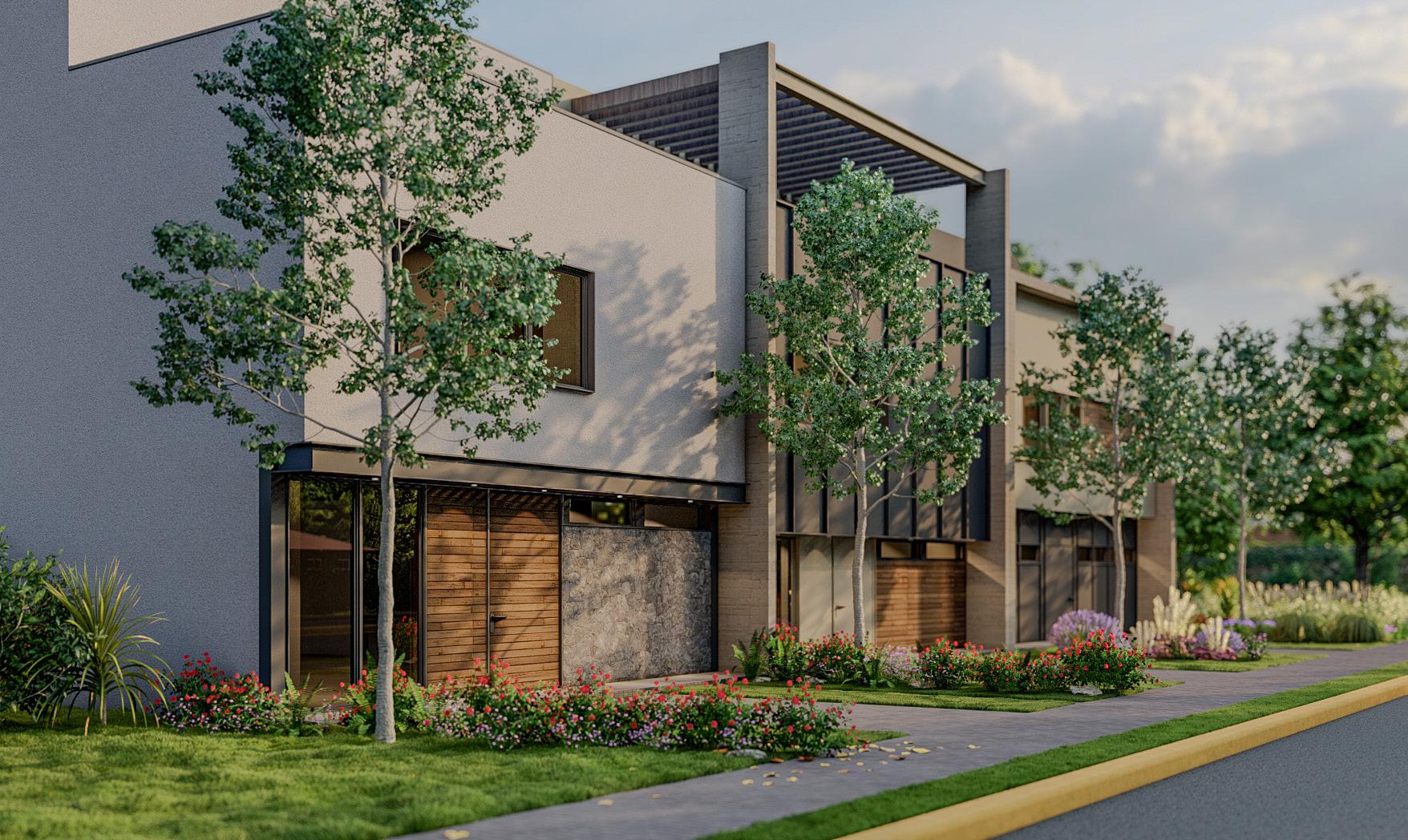
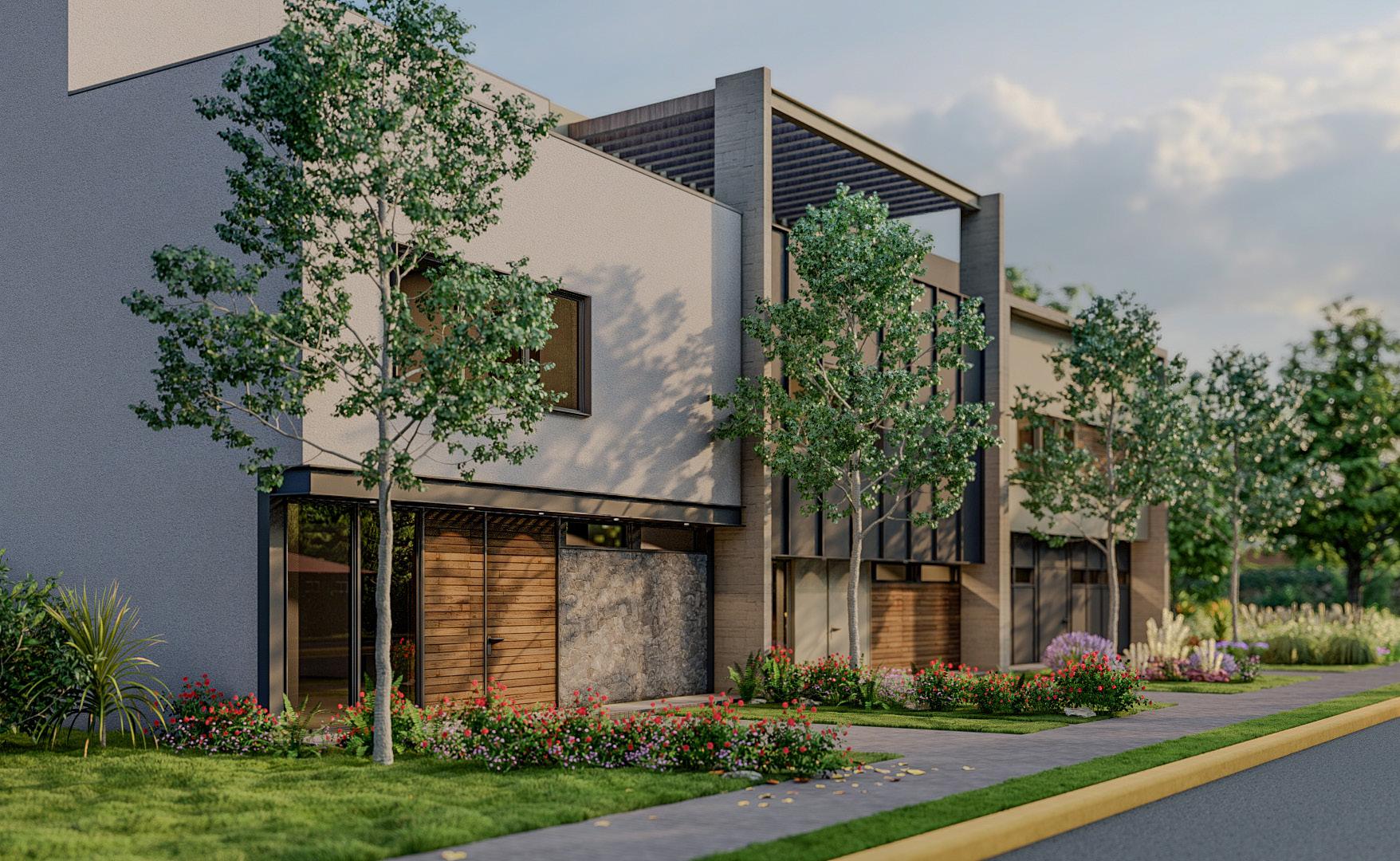
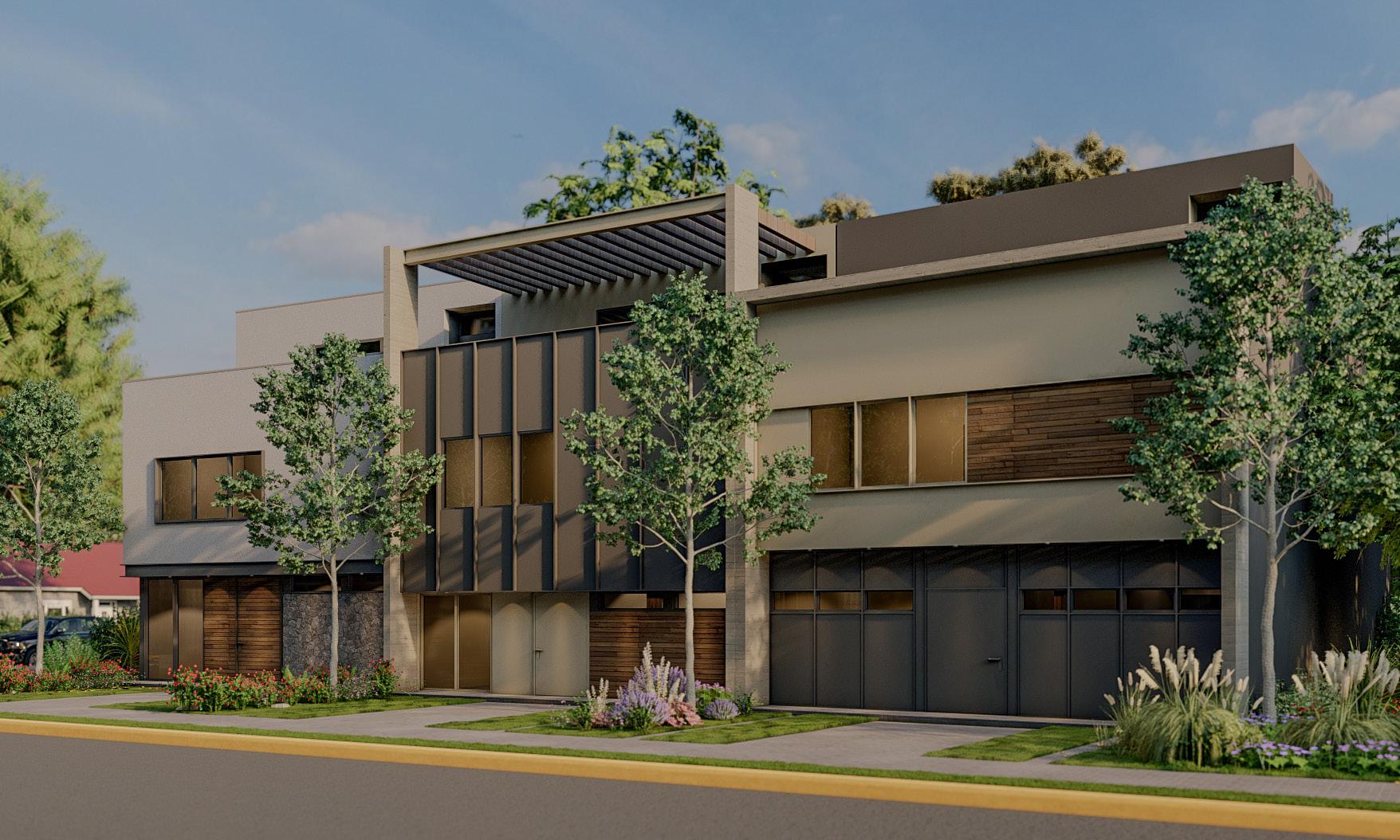
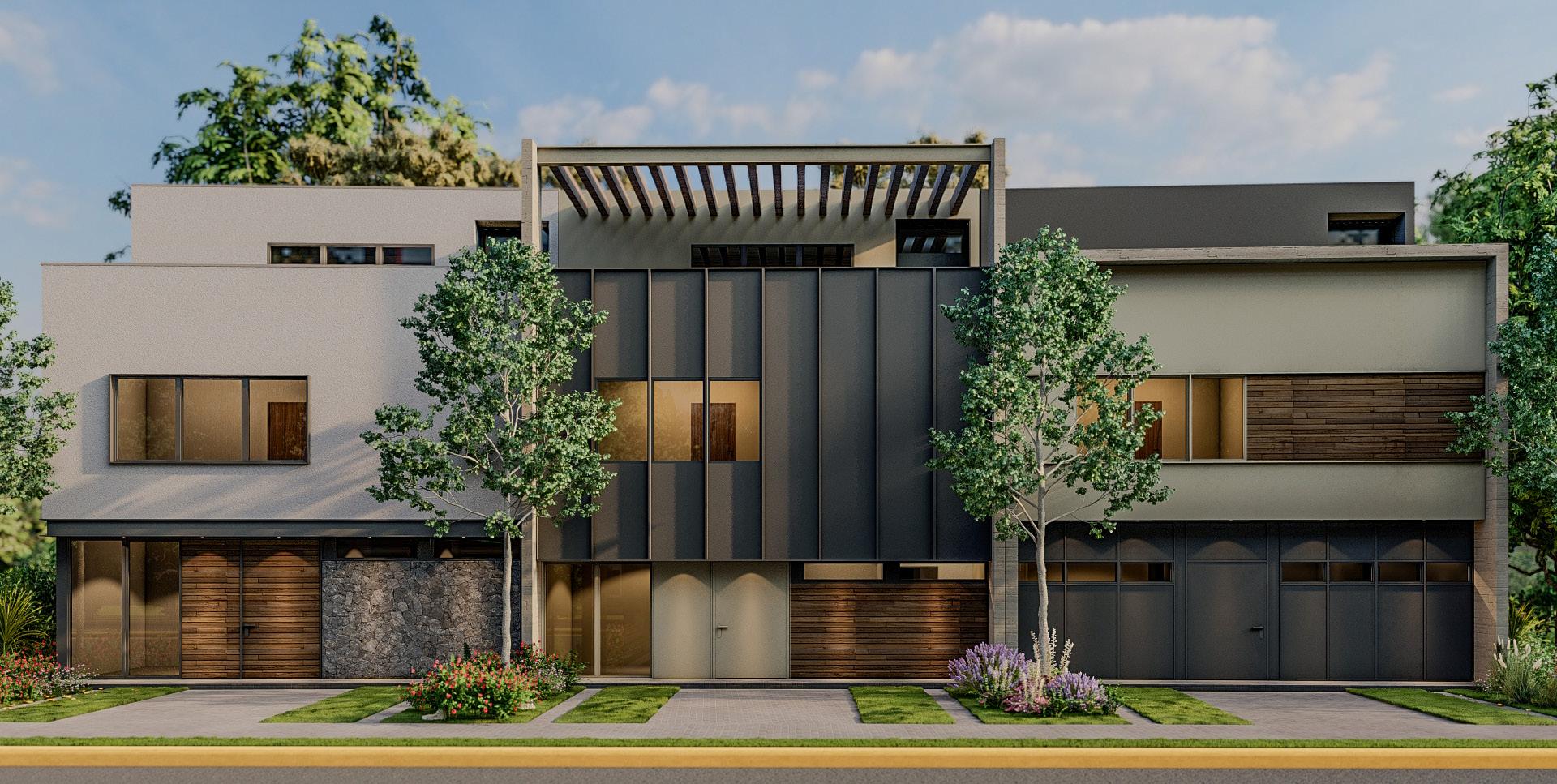
Exterior
Facade view
INDEPENDENT WORKS
CASA B FACADE RENEWAL
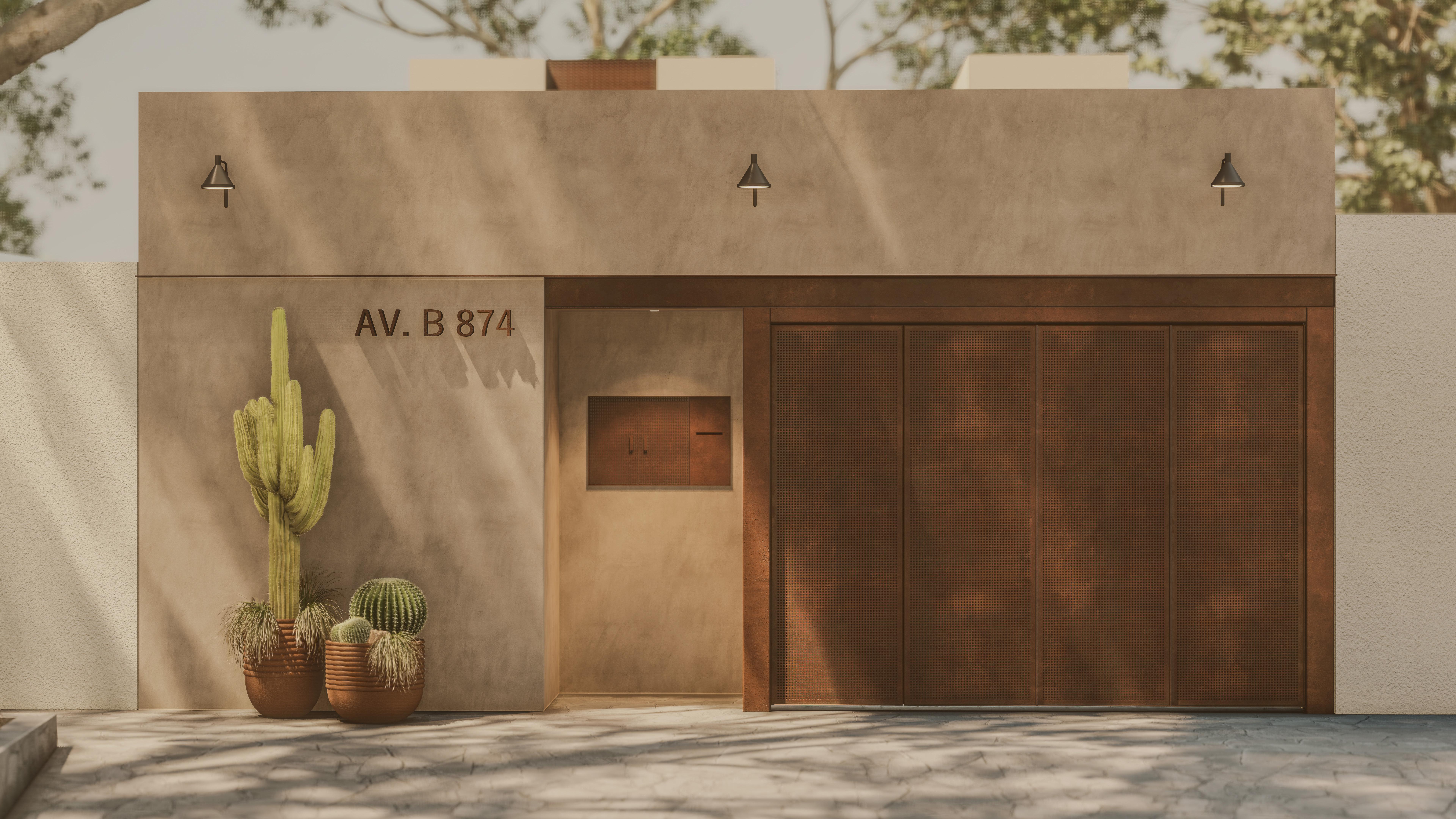

Front elevation
CASA F MODERN CABIN
INDEPENDENT WORKS
ARCHITECTONIC PROJECT
INTERIOR & EXTERIOR