I.C.T Turnkey SMT: CE Compliance Case
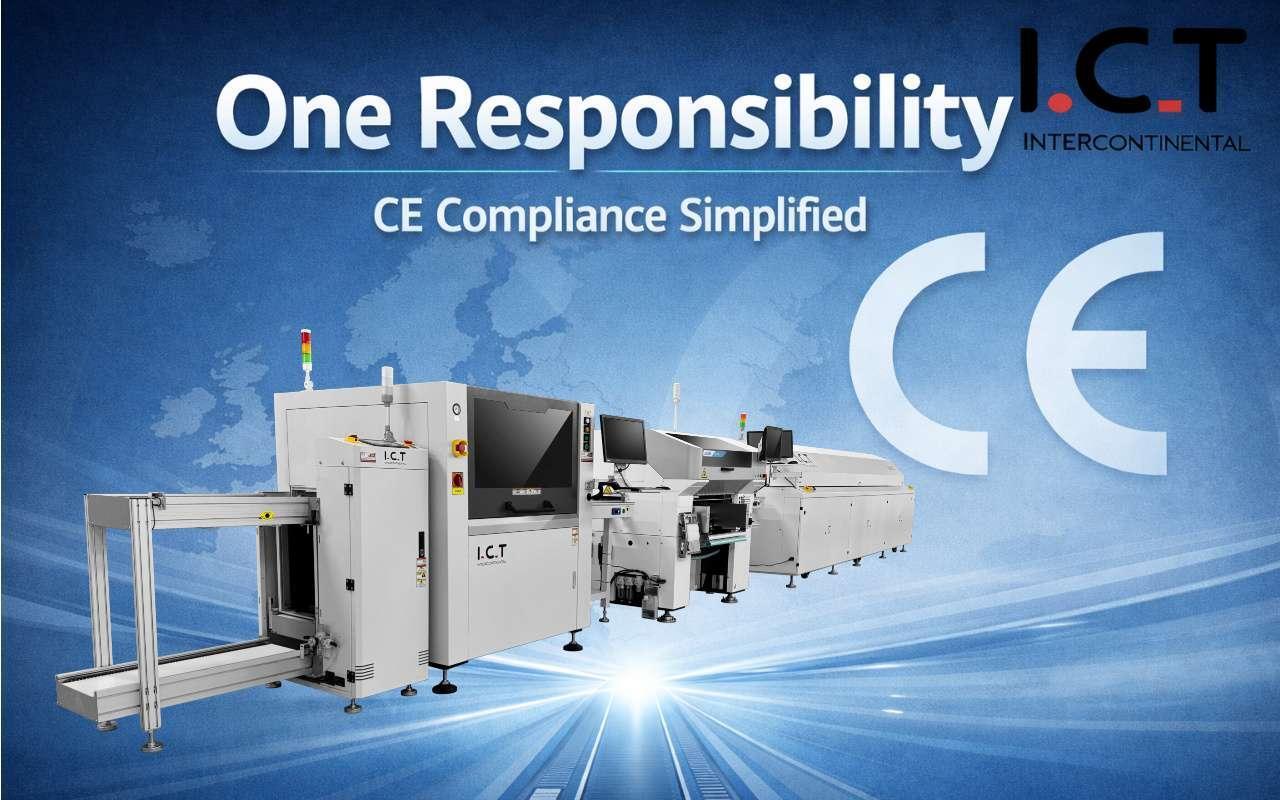
See how I C T delivered a CE-compliant turnkey SMT line to an Italian firm's Mexico plant unified safety, one responsibility, efficient audits via single-supplier integration and global support
Full PDF Article Content
One Line, One Signature: Inside an Italian-Mexican SMT Project That Sidestepped the Usual Headaches
By a journalist who has spent years walking SMT floors from Milan to Monterrey, filing stories on lines that hum smoothly and those that don’t.
I’ve seen plenty of factories where the dream of a new SMT line collides with reality. The brochures promise speed and precision; the shop floor delivers mismatched e-stops, guard gaps, and a stack of CE paperwork that no one wants to own A recent conversation with engineers from an Italian electronics company building in Mexico reminded me why those collisions happen and how one project managed to avoid them
The company long established in Europe needed a fresh SMT facility in Mexico to serve growing demand Location aside, they held firm on European standards: equipment that would pass internal safety reviews, customer audits, and any export scrutiny down the road High stability mattered, clear safety logic mattered more, and full CE-level documentation was non-negotiable. They weren’t building for the local market alone; the line had to carry the weight of European expectations.

Early talks circled the familiar path: source the printer from one house, the mounter from another, the reflow oven from a third. Each machine carries its own CE mark, so the logic seems sound Yet once conveyors link them and boards start moving, the EU Machinery Directive 2006/42/EC views the setup as one single piece of machinery. Emergency stops must cascade without hesitation, guards must align without compromise, and someone must sign the Declaration of Conformity for the whole. In a multi-supplier arrangement, that “ someone ” usually ends up being the factory itself left to patch interfaces, chase test reports, and explain discrepancies when auditors arrive.
The Italian team paused They had seen colleagues spend months in rework loops: rewiring safety chains, adjusting light-curtain overlaps, gathering fragmented technical files Time lost, budgets stretched, production delayed Instead, they handed the project to I.C.T under a turnkey model. One supplier took full responsibility from layout sketches through risk assessment to final documentation
Overall 0-1 SMT Machine Solution for Whole Factory
Overall 0-1 SMT Machine Solution for Whole Factory
The line itself followed proven configurations: a solder paste printer feeding into high-speed placement (a Juki RS-1R handled the bulk of components reliably), then nitrogen reflow in an I.C.T Lyra series oven for clean profiles on denser boards. Safety was designed as a single thread: unified emergency-stop logic that stops everything instantly, consistent guarding heights, coordinated interlocks. Risk assessment happened early, before steel was cut, covering operator reach zones and material flow interactions.
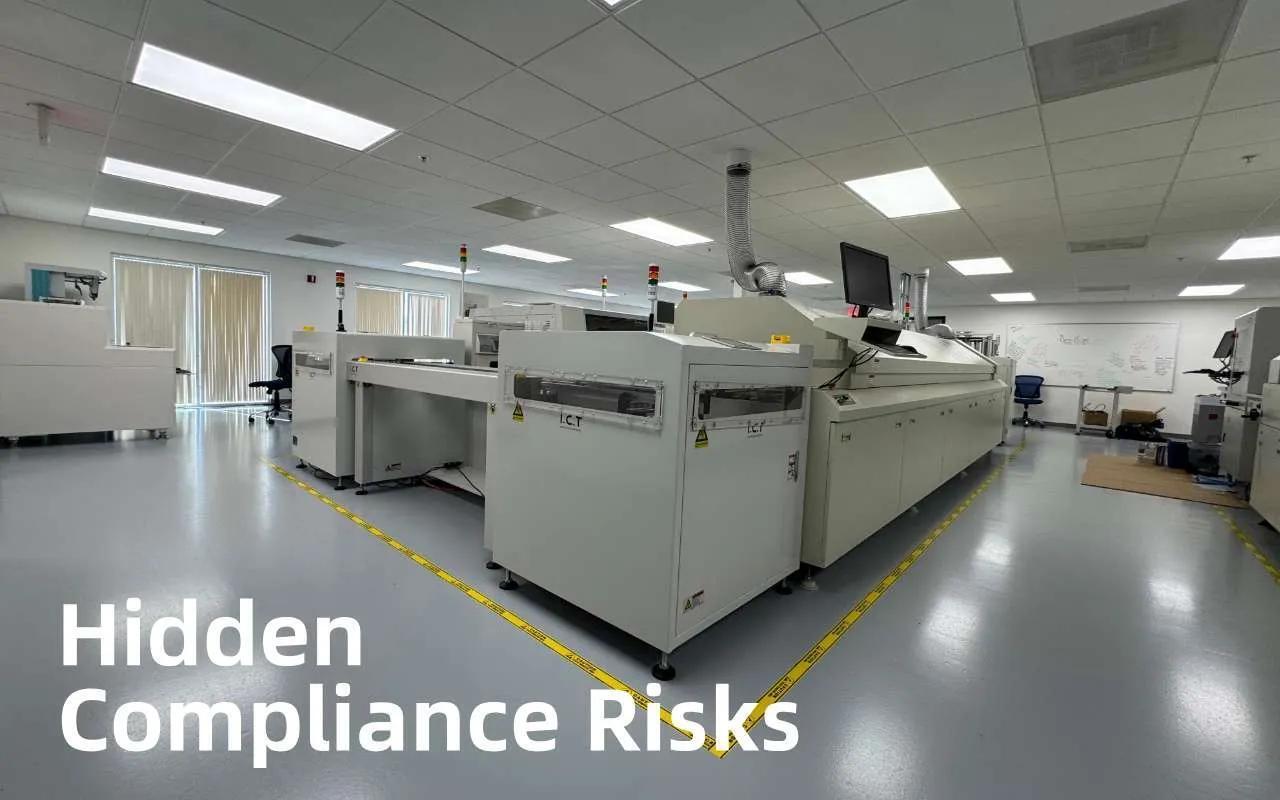
When the crates arrived in Mexico, installation moved steadily. No frantic midnight adjustments to make e-stops agree, no endless debug sessions on mismatched PLC signals The FAT (factory acceptance) and SAT (site acceptance) protocols confirmed everything before full power-up. Audits internal first, then customer passed without drama; the team presented one complete technical file and one Declaration of Conformity bearing I.C.T’s name. Paperwork gaps simply weren’t there.
Months later, the engineers I spoke with sounded almost surprised at how ordinary the startup felt Production ramped on schedule Future expansion plans no longer carry the shadow of compliance rework. The quiet confidence comes from knowing the line isn’t a collection of parts it’s a system someone stands behind
I C T’s approach shows up in details: engineers available globally for troubleshooting, operator training that matches real workflows, support that doesn’t
Overall 0-1 SMT Machine Solution for Whole Factory
vanish after handover. High-quality equipment is part of it, but the real value lies in that single point of accountability especially when the line crosses borders and standards.
For anyone sketching a new SMT setup where compliance isn’t optional, the lesson is straightforward. A turnkey SMT line with unified responsibility can turn potential pitfalls into routine steps.
If your next project involves regulated markets or multi-country operations, the question isn’t only which machines to buy. It’s who will sign for the whole line.