H.E. Guido J. Martinelli M. Ambassador of Panama to the United Kingdom Foreword
Greg Houston
British Ambassador to Panama Foreword
Luke Abbott, CFA Chairman
British Chamber of Commerce Panama
Foreword
International Trade Champion
UK-Panama Bilateral Trade Introduction
Never hunt for WiFi again. Imagine always being connected. Our app finds and connects you to reliable WiFi, everywhere you go.
Seamless. Simple. Secure. Download the app! www.purple.ai/connex
THE leasing comparison site
About this guide
The main objective of this Business Guide is to provide you with basic knowledge about Panama and the UK, including an overview of their economies, business cultures and potential opportunities; and to identify the main issues associated with initial research, market entry, risk management and cultural and language issues.
We do not pretend to provide all the answers in the guide, but novice exporters in particular will find it a useful starting point. Further assistance is available from the Department for Business & Trade (DBT) team in Panama and in the UK. Full contact details are available throughout this guide.
I am honoured to present the updated Doing Business in Panama Guide, a timely resource that reflects the transformation and renewed momentum of the Panamanian economy in recent years. Panama has emerged from global challenges with renewed resilience and a forward-looking approach, further strengthening its position as a reliable partner for international investment.
Panama continues to serve as a bridge between continents, and that role is expanding as the government prioritises sustainable growth, transparency, digital modernisation, and stronger institutions that support a competitive business environment. Recent advances in logistics, energy, financial services, infrastructure, maritime industries, tourism, and the creative economy demonstrate Panama’s strategic commitment to innovation and sustainability, supported by the digitalisation of public services and investments in clean energy. At the same time, new regulatory frameworks aimed at attracting high-value industries, such as technology, nearshoring, and specialised services, demonstrate Panama’s readiness to integrate into the global economy of the future and to welcome international companies seeking a dynamic, forward-looking business hub.
In this context, the partnership between Panama and the United Kingdom has strengthened significantly. British companies continue to find in Panama not only a strategic gateway to Latin America and the Caribbean, but also a stable, ambitious, and well-connected country eager to deepen its international engagement.
I congratulate the Doing Business Group for producing this updated guide, which will
serve as a practical and comprehensive tool for UK companies considering expansion into Panama. The Embassy of Panama in the United Kingdom stands ready to accompany British investors and institutions in exploring the many opportunities our country offers.
Panama continues to demonstrate consistent economic growth, consolidating its position as one of the region’s most stable and competitive destinations for investment. This is supported by MICI’s attractive fiscal and migratory incentives, including special economic zones, tax benefits, and streamlined pathways for companies. As the country expands into new strategic industries, most notably its recent push to develop a semiconductor and advanced manufacturing ecosystem, international firms will find an increasingly diversified landscape of opportunities.
The Embassy of Panama in the United Kingdom stands ready and pleased to be your first point of contact should you wish to work, establish operations, or invest in Panama, and we encourage you to reach out so we may act as your liaison throughout this process.
Guido J. Martinelli M. Ambassador of Panama to the United Kingdom
Foreword: Greg Houston British Ambassador to Panama
Panama continues to distinguish itself as one of Latin America’s most dynamic and outward-looking economies, pairing its strategic location with a firm commitment to sustainable growth and international engagement. This edition of Doing Business with Panama aims to highlight the strengths of this key partner and the opportunities available to British companies wishing to expand or deepen their presence in the region.
As a recognised global crossroads, Panama offers world-class connectivity, a modern regulatory framework, and an enabling environment for high-quality investment. The Panama Canal, through which nearly 5% of global maritime trade transits, anchors a broad logistics ecosystem linking more than 144 shipping routes and serving as a natural gateway for firms seeking access to markets across the Americas.
Panama’s economic outlook remains positive. The IMF forecasts GDP growth of 3.8% in 2026, underpinned by stable inflation and resilience in sectors such as transport, communications, and infrastructure. Indicators from early 2025, including a 7.88% year on year
increase in the Monthly Economic Activity Index, reflect this sustained momentum.
In recent years, Panama has taken important steps to strengthen financial transparency and align its regulatory frameworks with international standards. These reforms have reinforced the country’s reputation as a regional financial centre and opened new avenues for engagement with global capital markets. As Panama continues to modernise its financial sector, there is clear scope for collaboration in areas such as financial technology, sustainable finance, regulatory compliance, and specialist financial services—fields in which British expertise can offer substantial value.
Special Economic Zones, led by the Colón Free Zone and Panama Pacífico, continue to consolidate Panama’s position as the preeminent logistics hub of the Americas, anchoring regional supply chains and attracting high-value international operations. Meanwhile, Special Economic Regimes such as SEM and EMA have strengthened the country’s role as a proven magnet for foreign direct investment. As of 2024, cumulative UK FDI in Panama stood at approximately US$2.43 billion, according to the National Institute of Statistics and Census (INEC). These advantages position Panama as a strategic platform of choice for global commerce and long term capital deployment.
Bilateral trade between the United Kingdom and Panama has also continued to expand, reaching £1 billion in the 12 months to June 2025. The rise in UK exports—up by 22% over the period—demonstrates Panama’s strong demand for British expertise in sectors such as infrastructure, maritime services, education, advanced engineering, and healthcare technologies. Imports from Panama have likewise increased, underscoring a broadening and mutually reinforcing trading relationship.
A robust institutional framework supports this co-operation. Trade between the United Kingdom and Panama is governed by the UK–Central America Association Agreement, which provides tariff preferences and clear rules for trade in goods, services, and public procurement. The Double Taxation Agreement, in force since 2013, offers fiscal certainty for cross border activity, while the Investment Protection Agreement of 1985 ensures long term legal safeguards for investors, including guarantees of fair and equitable treatment. Together, these instruments form a stable and predictable environment for trade and investment.
As you explore this publication, you will find insights into Panama’s priority sectors, regulatory landscape and success stories that illustrate the potential of partnerships between British capabilities and Panamanian innovation. Opportunities for collaboration are considerable, and the United Kingdom looks forward to supporting Panama’s continued progress.
Our team in Panama stands ready to provide guidance and facilitate engagement. We encourage readers to connect with us and to consider the opportunities offered by this dynamic and forward-looking market.
Department for Business and Trade
The Department for Business and Trade (DBT) is a UK Government ministerial department responsible for supporting British businesses and driving economic growth.
DBT helps UK companies start, grow and export by providing expert guidance, practical tools and connections to global markets. It works with companies of all sizes across every region of the UK, from ambitious start-ups to established enterprises looking to expand internationally.
DBT supports UK businesses to:
start and grow with free guidance on regulations, funding and business planning
export products and services by connecting them with international buyers and markets
navigate trade agreements to take advantage of deals the UK has with countries worldwide
innovate and scale by connecting them with research institutions and industry networks
Find out more about DBT support at:
www.business.gov.uk
The Business Academy is DBT's free learning platform designed to help businesses build essential skills and knowledge. It offers practical courses covering topics including business planning, financial management, marketing and exporting.
Find out more at:
www.business.gov.uk/businessacademy
For the latest market data, sectorspecific information and details of how to do business in Panama, read DBT’s market guide at:
www.business.gov.uk/export-fromuk/markets/panama/
Luke Abbott, CFA Chairman
British Chamber of Commerce Panama
Panama stands at a pivotal moment. As the gateway between two oceans and the bridge connecting North and South America, this country has always occupied a unique strategic position. But today, Panama is on the precipice of something bigger: establishing itself as the essential commercial hub for businesses seeking to serve the Caribbean and broader Latin American markets.
Whether you are a UK exporter exploring Latin America for the first time, a services firm looking for a regional base, or an investor assessing longer-term opportunities, Panama deserves serious consideration. For a country of its size, Panama consistently punches above its weight in global commerce. It connects markets, moves goods, and enables international business with an efficiency that is difficult to replicate elsewhere in the region.
Panama's strategic advantage is well established, and the Panama Canal remains central to global trade, but Panama's commercial story today extends far beyond the Canal.
The country has built an ecosystem designed around connectivity and execution. Modern ports on both oceans, an established air hub, sophisticated logistics and warehousing capabilities, and a professional services sector that supports international companies operating across borders.
Panama as a Regional Platform
For many UK businesses, Panama is not
only a destination market. It can also function as an operating platform for the wider Caribbean and Latin American region. That distinction matters. Companies are increasingly rethinking supply chains, regional distribution, and hub-and-spoke operating models. Panama sits naturally at the centre of that conversation. It offers a stable, internationally oriented business environment, a dollarised economy, and infrastructure built specifically to connect the Americas with global markets.
Panama's Free Trade Zones deserve particular attention. These special economic zones can reduce friction for businesses looking to distribute, store, or carry out certain types of light operations in a framework designed for cross-border activity. For firms seeking regional reach without the complexity of establishing separate infrastructure in multiple jurisdictions, this can be a practical route worth exploring. The details vary depending on sector, operating model, and compliance requirements, but the underlying point is clear: Panama has spent decades building the commercial infrastructure that makes regional business possible.
Why Timing Matters
Several trends are converging to make this moment particularly significant. Businesses are diversifying supply chains, nearshoring is accelerating across the Americas, and regional trade and investment flows continue to evolve. Panama's continued investment in infrastructure and its longstanding position as a services and logistics centre mean it is well placed to benefit from these shifts. For UK firms, this creates a genuine window of opportunity to explore Panama not just as a concept, but as a practical solution to regional growth.
The Practical Reality
Opportunity without preparation very rarely produces results. Every market has its nuances, and Panama is no exception. Success depends on understanding how business is done in practice. From the regulatory landscape to the realities of contracting and procurement, the importance of local relationships, and the cultural expectations around communication and negotiation. Regional distribution may seem straightforward, but it quickly becomes complex when managing documentation, timelines, counterparties, and compliance across multiple countries. This is precisely why guides like this one matter. They reduce uncertainty by replacing assumptions with informed perspectives and actionable steps.
The British Business Community in Panama
As Chairman of the British Chamber of Commerce in Panama, I am proud of the role the British business community plays here. British firms and professionals are active across banking, insurance, shipping, engineering, legal and advisory services, education, hospitality, investment, and pharmaceutical services. They contribute expertise, build long-term partnerships, and raise standards through knowledge transfer and best practice.
The British Chamber exists to support that community and to help new entrants
navigate the market intelligently. We work closely with the British Embassy and our members to connect UK companies with trusted local counterparts, practical market insight, and the networks that matter. We provide real-world intelligence from businesses actually operating here, strategic introductions to the right specialists, regulatory guidance, and ongoing support as your operations evolve.
Approaching the Market
If you are considering Panama, I would encourage you to approach the market with clarity and a long-term mindset.
• Panama can be highly efficient, but the right structure, whether through a local entity, a representative office, a partnership, or a regional hub model, depends on your sector and objectives.
• Professional support from reputable legal, tax, and compliance specialists is not an optional extra. It is often the difference between a smooth launch and an avoidable delay.
• Panama is internationally oriented, but business here is still personal. Credibility is built through consistency, responsiveness, and the ability to follow through.
• Take advantage of the networks already in place. The British Chamber of Commerce and the organisations represented in this guide exist to help you build momentum, not just with introductions, but with practical insight into what works.
Looking Forward
On behalf of the British Chamber of Commerce in Panama, I warmly welcome you to explore the opportunities in Panama. We look forward to supporting UK businesses that choose to build here, and to helping you turn interest into successful, long-term commercial results.
Global Commerce Navigators
is a community created by independent international trade specialists, eCommerce leaders and SMEs specifically to share the drive to shape the future of global business.
This unique network champions expert-led innovation, practical insights and peer-to-peer support, connecting those driving real progress across borders in today’s digital world.
Our membership covers all aspects of overseas trade including business support, market entry, sales and marketing, regulation & compliance, customs, tax & VAT and logistics.
As a non-public sector organisation, we are not motivated to achieve targets. Consequently, we have the freedom to offer impartial support and advice to our members and the wider international trade sectors.
Contact us to find out more... www.globalcommercenavigators.org
Lesley Batchelor CBE, International Trade Champion and Chair of the Paddy Ashdown Forum.
The UK exporters enter the Panamanian market from a position of strength and readiness, with the legal frameworks, trading patterns and commercial experience already in place to support rapid growth in bilateral business.
Total UK–Panama trade in goods and services reached £1.1 billion in the 12 months to the end of Q3 2025, a near 50% increase on the previous year, while UK exports alone rose to £840 million over the same period, underlining both demand for UK products and the maturity of existing commercial links. This means UK firms are not starting from scratch: they are building on a relationship that is already delivering a trade surplus of more than £550 million for the UK and growing year‑on‑year.
Panama, for its part, offers an economy that is dynamic, outward looking and strategically positioned at the heart of global trade. The country has returned to robust growth, with GDP expanding by 5.6% in the first quarter of 2025, driven above all by the transportation sector and a 43.6% surge in Canal toll revenues, reflecting a strong rebound in maritime flows. Panama’s ports handled around 9.9 million TEUs in 2025, up 3.6% on the previous year, consolidating its status as one of the world’s leading logistics hubs; more broadly, an estimated 3% of global seaborne trade transits the Panama Canal, linking 180 shipping routes and almost 2,000 ports worldwide. For UK exporters and investors, this combination of growth and connectivity translates into privileged access not only to the Panamanian market but to the wider Americas through a single, highly efficient platform.
Critically, the UK has already done the heavy lifting on market access. The UK–Central America Association Agreement, fully in force for Panama, rolls over and preserves the tariff preferences and disciplines previously enjoyed under the EU agreement, covering goods,
services, investment, intellectual property and government procurement. This sits alongside an active UK trade and investment policy and a dedicated HMG “trade and investment factsheet” series that tracks Panama as one of the UK’s faster growing mid tier partners, ensuring businesses can plan with confidence on the basis of stable, rules based access. In practice, it means UK firms can already ship industrial machinery, pharmaceuticals, refined oil products, vehicles and high value services into Panama under a modern, operational framework that reduces risk and improves competitiveness.
Against this backdrop, the message for British companies is clear: Panama is open for business, and the UK is already equipped to seize the opportunity. With strong recent growth in bilateral trade, a fully functioning association agreement, and Panama’s unique role as a world class logistics and services hub, the conditions are in place for ambitious UK businesses to treat Panama not as a distant niche market, but as a strategic gateway to the Americas and a natural partner for long term expansion.
Government-backed trade 昀nance. Insurance to export with con昀dence. Tailored support from regional Export Finance Managers. If you’re looking to do business overseas, UK Export Finance can help you access the support you need. Get started at ukexport昀nance.gov.uk
UK Export Finance (UKEF) is a UK government ministerial department and the nation’s export credit agency (ECA).
UKEF helps exporters access working capital and manage the risk of not getting paid by offering a government guarantee. It partners with private sector finance providers to grow UK exports and international trade. UKEF supports companies of all sizes and multiple sectors across the UK.
It helps UK companies:
win export contracts by guaranteeing finance to buyers so they can source from the UK
fulfil more orders by unlocking working capital to take on new or higher value contracts
get paid for their products and services with insurance against buyer default
UKEF has regional Export Finance Managers on hand to provide free and impartial consultations to local businesses on their export finance needs. UKEF’s global network is also on hand to discuss financing options available to international buyers so that they can source goods and services from the UK.
For up to date country specific information on the support available, see UK Export Finance’s country cover policy and indicators at:
Find out more about UKEF’s products and read success stories, describing real-life examples of UKEF support.
Get in touch to see if UKEF can help your business.
Supporting, Facilitating, and Promoting International Trade for Over 25 Years!
The Doing Business Group has proudly partnered with British and foreign government departments, embassies, high commissions, institutions, and international chambers of commerce worldwide. We specialise in helping UK-based companies succeed in overseas markets while promoting inward investment into the UK enterprise economy.
USINES S GUIDES
Export support services
We provide tailored export promotion services designed to help UK companies expand their reach, trade successfully, and invest in lucrative overseas markets. Our extensive network of international trade and markets expert partners offer comprehensive support at every stage of the export journey. This includes in-depth market research to help businesses identify opportunities and understand the competitive landscape. We also provide dedicated business support, ensuring that companies receive guidance on navigating international trade complexities.
Additionally, our partner services cover financial and legal assistance, helping businesses manage regulatory compliance, financial planning, and risk mitigation when entering new markets. Our networks expertise extends to sales and marketing strategies, equipping companies with the tools to position their products or services effectively in foreign markets. We also offer crucial guidance on customs regulations, tax compliance, VAT procedures, and logistics, ensuring a smooth and efficient export process. By leveraging our support, UK companies can confidently expand their global presence and achieve sustainable growth in international markets.
Invest in the UK
The United Kingdom provides a dynamic and business-friendly environment, making it an ideal destination for companies looking to expand, trade, and invest. As one of the world’s leading financial and innovation hubs, the UK boasts a robust legal framework, investor-friendly policies, and minimal bureaucratic barriers, allowing businesses to establish, scale, and grow with ease. The country’s strong economy, skilled workforce, and access to global markets further enhance its appeal as a premier investment destination.
With a well-developed infrastructure, world-class research institutions, and a thriving ecosystem of start-ups, SMEs, and multinational corporations, the UK offers unparalleled opportunities across various industries, including technology, finance, life sciences, renewable energy, and manufacturing. Investors benefit from competitive tax policies, government incentives, and a highly adaptable regulatory environment that fosters growth and innovation.
Our extensive UK-wide network of inward investment agency partners is dedicated to helping overseas businesses navigate the process of setting up and expanding in the UK. From identifying the right location and securing funding to understanding market trends and forging valuable partnerships, our expert partners provide tailored support to ensure a smooth and successful transition.
Now is the time to take advantage of the UK’s thriving business landscape. Get started today— connect with us to explore new opportunities and unlock your company’s full potential in the UK market!
Forecasted GDP Growth: 3.8% (2026) / GDP per Capita: $19,161.2 (2024)
Current Account Balance: $1.672 billion (2024) Public Finances IMPORTS EXPORTS (Source – CIA World Factbook / IMF / World Bank)
0.7 % INFLATION
8.4 % UNEMPLOYMENT
Why Panama?
Overview
Within Latin America, Panama has one of the most dynamic and business-friendly environments for doing business. The country’s strategic location makes it a key hub for international trade, as it lies at the crossroads of the Americas.
The country’s financial system uses the US Dollar; therefore, the economy stays stable and predictable. UK companies wishing to invest in Panama also benefit from the support of the well-developed banking sector and the country’s robust legal framework.
Panama’s government promotes business growth through special economic zones, including the Colon Free Zone and Panama Pacifico. These zones offer tax incentives and strong regulations.
Many sectors within Panama are growing; these sectors offer numerous benefits and opportunities for UK businesses, including in the finance, infrastructure, real estate and tourism sectors.
Geography
Panama is located in Central America. The S-shaped country connects North and South America, making it a crossroads for the Americas. To the West, the country is bordered by Costa Rica, the Caribbean Sea to the North, Colombia to the Southeast, and the Pacific Ocean to the South.
The country’s location gives it a tropical climate and abundant biodiversity. Panama boasts lush rainforests, hot temperatures, coastal landscapes, coral reefs, mangroves, mountains and rivers.
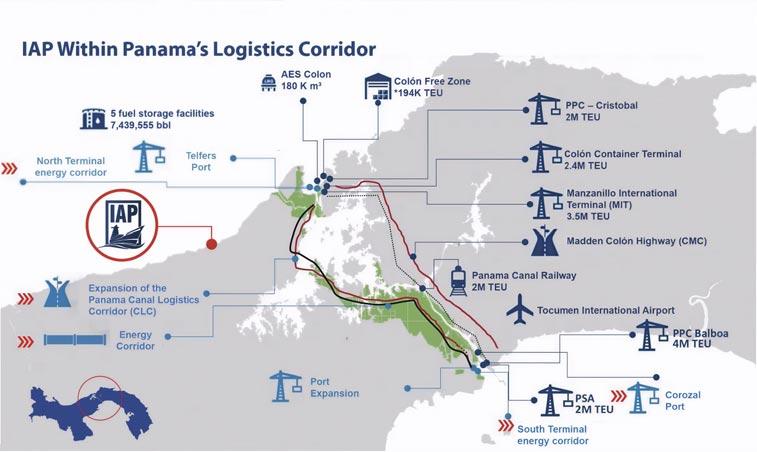
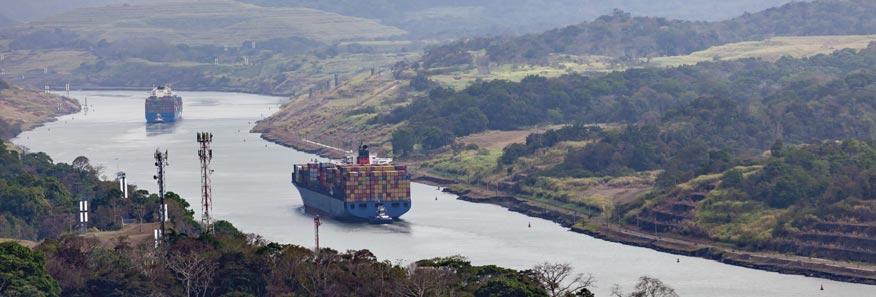
One of Panama’s most notable features is the Panama Canal, which links the Atlantic Ocean and the Pacific Ocean. This allows the country to serve as a vital hub for international trade, as it acts as an economic gateway between continents.
Government Overview
Panama has a Presidential system and is a Democratic Republic. When a President is elected, they stand for a five-year term, and they are the Head of State and Government (Executive Branch).
The National Assembly is responsible for making laws and legislation, and the Judiciary System independently upholds the law. Local affairs are managed by provinces and municipalities.
The President of Panama is José Raúl Mulino. He has been the President since the 1st of July 2024, and he won the election with 34.3% of the vote. His previous roles have included Minister of Government and Justice and the Minister of Public Security.
Mulino’s main focuses are on economic reforms and developing the country’s infrastructure. He wishes to work towards maintaining economic growth, foreign investment and international trade, and therefore, when laws are made, both political stability and business development are two key elements included.
Economic Overview
Since 1904, Panama has been a dollarised country, allowing it to be financially stable. The country has no central bank, and inflation has been kept to a minimum. Within Latin America, Panama has one of the highest GDP per capita.
Panama has an open economy, and its success is driven by its banking, commerce, logistics, real estate, technology, and tourism sectors. Due to the Panama Canal, Panama is strategically located to aid shipping vessels, serve as a global hub, and also act as a gateway into the Americas. The Colon Free Zone and Panama Pacifico Special Economic Area allow the country to benefit from foreign investment, streamlined regulations, and incentives on taxes.
Due to infrastructure development, the country benefits from its updated airports, ports and digital connectivity, allowing economic activity to occur easily and effectively.
Growth Potential
Due to its modern infrastructure, policies that are attractive to foreign investors, and its strategic location, Panama has the means to accommodate strong potential growth within its economy. The country continues to expand its ports, logistic hubs, economic zones and the Panama Canal; these all lead to growth potential for the economy, as they open up room for important business and international trade opportunities.
Free Trade Agreements
Panama boasts an extensive open trade environment, and businesses (especially within the agricultural sector) will find that moving goods and services can be done efficiently and effectively.
The country has many free trade agreements (FTAs) around the world, including with the UK, in order to increase its access to a wider market. These agreements reduce trade tariffs and promote foreign investment.
Panama’s trade agreements, such as FTAs, include:
l Central America – Panama Free Trade Agreement (2002)
l Panama – Chile Free Trade Agreement (2006)
l US – Panama Trade Promotion Agreement (TPA) (2007)
l Panama – Canada Free Trade Agreement (2010)
l Panama – European Union Association Agreement (2012-13)
l Panama – Mexico Free Trade Agreement (2014)
l Central America–United Kingdom Association Agreement (2019)
On the 6th of December 2024, Panama signed the Economic Complementation Agreement No. 76 with Mercosur, at the 65th Mercosur Summit in Montevideo. On the 13th October 2025, the agreement was officially signed into Panamanian law.
This agreement means that Panama is an Associate State of the South American trade bloc. Panama now has deeper economic ties and co-operative relationships with the trade bloc’s full member states, Argentina, Bolivia, Brazil, Paraguay, and Uruguay.
Panama is not a full member and is an Associate member, along with 6 other countries, including Chile, Colombia, Ecuador, Guyana, Peru and Suriname.
The agreement has meant that Panama now has access to a wider trading marketplace, open opportunities for exports, and an increased platform for gaining foreign investments. The country can also take advantage of its ability to now act as a logistical and commercial gateway between Central America and South America, under the agreement.
There is also a framework for establishing further bilateral negotiations in the future, regarding increased market access, tariff regulation preferences, and specific Mercosur member relationship details.
(Source – Gov.uk)
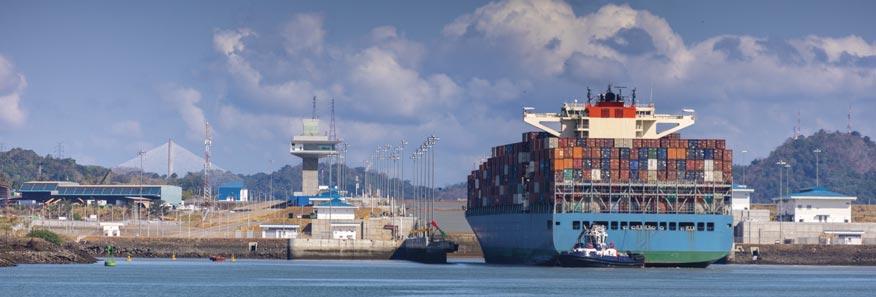
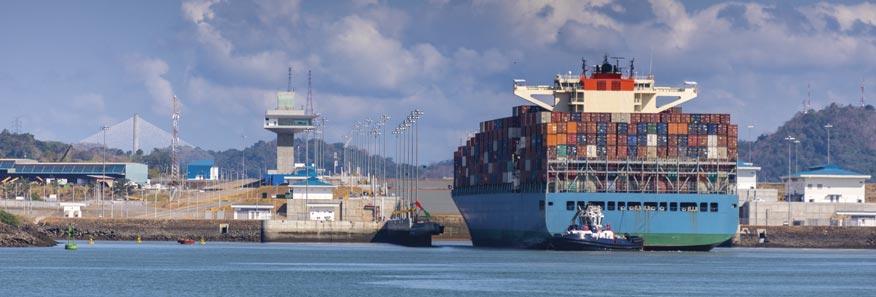
The Panama Canal is one of the most important strategic transport structures in the world. The interoceanic waterway is 51 miles in length, and it connects the Atlantic Ocean to the Pacific Ocean via the Caribbean Sea, whilst cutting through the Isthmus of Panama.
The Panama Canal benefits businesses due to the avoidance of lengthy voyages around Cape Horn in Chile. This, in turn, reduces transit times significantly and lowers shipping costs for those involved in global trade.
Since it was established in 1914, and its major expansion in 2016, the Panama Canal has remained a critical artery for global trade, international commerce and Panama’s economy. The Canal handles approximately 5-6% of the world’s maritime trade annually.
Use
The Canal is mainly used by commercial vessels that transport containers, bulk commodities, energy products and manufactured goods from around the world. The main goods that are shipped across the Panama Canal include agricultural products, automotive goods, consumer products, metals, oils, chemicals, and liquefied natural gas (LNG).
The Canal creates important trade routes that link East Asia to the East coast of the Americas, Europe to the West coast of the Americas, and North America to South America.
Due to the expansion in 2016, the Panama Canal can now accommodate Neopanamax vessels. New, larger vessels that increase the capacity that can be transported. The expansion also reinforces the Canal’s role as an important and modern part of global supply chains.
Importance
The Panama Canal has a centralised role in the resilience and efficiency of many global logistics networks. If any disruption were to occur, there would be an immediate effect on global trade, with major economic consequences. This highlights the strategic and economic significance the Panama Canal has on global trade.
Panama Canal
For Panama itself, the Canal is a major economic asset. The Canal generates substantial revenue, creates tens of thousands of jobs, and supports a broader logistics and maritime services ecosystem. This ecosystem contains ports, free trade zones, ship repair services, bunkering, and financial services.
The Panama Canal has caused Panama to become a regional logistics hub, and the country is further strengthened through its strong legal framework and use of the stable US Dollar. Making the country important within the global trade market.
Opportunities for UK Companies
As the Panama Canal continues to operate, modernise and diversify, the range of opportunities for UK companies continues to increase. Opportunities include:
Energy and Environmental Solutions –There are opportunities for UK companies in water efficiency, decarbonisation, environmental protection, clean technology, environmental engineering and sustainability consulting.
Engineering and Infrastructure –There are opportunities for UK companies in civil engineering, water management, climate resilience, digital monitoring, sustainability, and maintenance solutions.
Logistics, Trade and Professional Services –There are opportunities for UK companies in logistics optimisation, finance, legal services, risk management and digital trade solutions.
Maritime and Shipping Services –There are opportunities for UK companies in ship management, maritime technology, port services, insurance, legal services, and maritime consultancy.
Business and Human Rights
Panama aligns both national and international legislation and standards to maintain business and human rights. Panamanian laws protect Labour rights, including fair wages, holidays, social security contributions, safe working conditions, and legal working hours. In order to protect those who may face discrimination, anti-discrimination laws are put into place. To keep businesses sustainable, Panama has introduced environmental regulations.
Employers must also provide:
l Maternity Leave
l Paid Holidays
l Paternity Leave
l Sick Pay
l Social Security Coverage
Panama is a signatory to the International Labour Organization (ILO), which provides guidance for companies on how to take responsibility and how to ethically conduct their business. Panama also encourages businesses to be transparent, include community engagement and be socially responsible.
Panama wishes to be a market that attracts socially conscious investors and companies that work towards making business sustainable.
(Source – Gov.uk)
UK and Panama Trade
UK companies can benefit from both regional and bilateral opportunities in Panama. Due to its dollarised economy, strategic location, Special Economic Zones (SEZs) and free trade agreements, UK businesses can take advantage of these and use Panama as a stable base to start doing business within Central America.
Panama was the UK’s 90th largest trading partner in the four quarters to the end of Q3 2025. During this period, total trade in goods and services between the UK and Panama reached £1.1 billion, representing an increase of 49.9% compared with the four quarters to the end of Q3 2024.
UK exports to Panama totalled £840 million in the four quarters to the end of Q3 2025. The leading UK exports to Panama were medicinal and pharmaceutical products (£264.1 million), followed by beverages and tobacco (£83.7 million), organic chemicals (£67.4 million), refined oil (£55.7 million), and general industrial machinery (£43.5 million).
UK imports from Panama amounted to £284 million in the four quarters to the end of Q3 2025. The main imported goods were aircraft commodities (£94.8 million), vegetables and fruit (£21.7 million), wood and cork (£15.2 million), rubber manufactures (£2.3 million), and clothing (£1.5 million).
Trade engagement between the two countries is supported by a growing number of businesses. In 2024, around 600 UK VAT-registered businesses exported goods to Panama, while approximately 200 UK VAT-registered businesses imported goods from Panama.
For further facts and figures see the Department for Business and Trade’s Trade and Investment Factsheets, here:
Key strengths of the Panamanian business and trade market are:
l Business-Friendly Policies: Foreign investment is encouraged through incentives and special economic zones
l Free Trade Agreements: There are several free trade agreements in Panama, including with the UK
l Growing Consumer Market: A rising middle class is leading to a greater demand for goods and services
l Infrastructure Development: Panama is investing in ports, roads, airports and digital connectivity
l International Investment Gateway: Panama is recognised as a regional hub
l Open, Dollarised Economy: Panama has a stable currency and low inflation
l Political and Regulatory Stability: This supports businesses
l Strategic Geographic Location: Acts as a gateway for North and South America. Has access to the Atlantic and Pacific Oceans
l Strong Services Sector: Leading sectors include finance, shipping, logistics, tourism, and real estate
l Trade and Logistics Hub: Panama has a world-class port and logistics hub that serves international trade
Investing in the Republic of Panama
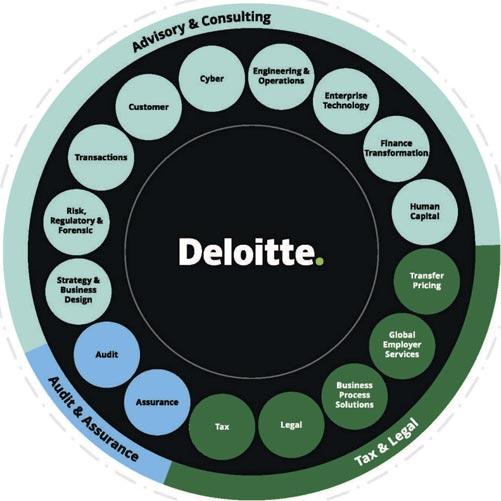
Perspective from Deloitte Panama Investment landscape
Panama has consolidated its position as one of the most attractive investment destinations in Latin America, supported by its strategic geographical location, open economy and long-standing role as a regional logistics, 昀nancial and services hub. The country has consistently leveraged its connectivity, dollarised economy and pro-business regulatory framework to attract foreign direct investment across a broad range of sectors.
Despite periods of global economic uncertainty, Panama has continued to demonstrate resilience. Investment activity has been driven by infrastructure development, logistics, 昀nancial services, energy, technology and consumer-driven sectors. The government’s commitment to 昀scal stability, public–private partnerships and targeted reforms has further strengthened investor con昀dence.
Panama’s well-developed legal and 昀nancial framework, combined with the absence of foreign exchange controls and the free movement of capital, provides a stable and predictable
environment for international investors seeking a regional platform for growth. The country also bene昀ts from a longstanding tradition of openness to international business and a pragmatic approach to economic policy.
A clear case to invest
Panama o昀ers a compelling value proposition for companies looking to establish or expand operations in the Americas. Its unique position as a gateway between North and South America, coupled with direct access to global trade routes, enables e昀icient access to regional and international markets.
The country bene昀ts from a highly developed logistics ecosystem centred around the Panama Canal, major ports on both the Atlantic and Paci昀c coasts, a modern airport hub and extensive free trade and special economic zones. These advantages are complemented by a skilled, multilingual workforce and a business environment that actively encourages foreign participation.
Panama’s investment regime provides national treatment to foreign investors, strong protection of property rights and legal certainty through international treaties and investment protection agreements. Together, these factors create a stable platform for long-term investment decisions and support sustainable business growth.
www.deloitte.com/pa
Helping drive growth strategies in Panama
Unlocking value in Panama requires a focused growth strategy supported by a deep understanding of local market dynamics, regulatory considerations and sector-speci昀c opportunities. Companies entering or expanding in the Panamanian market often pursue a combination of organic growth, strategic partnerships and acquisitions to build scale and competitive advantage.
Deloitte Panama supports clients through comprehensive market assessments, commercial due diligence and strategic planning exercises designed to identify growth opportunities and mitigate risks. This includes detailed analysis of customer demand, competitive positioning, operational synergies and regulatory requirements.
By combining local market insight with Deloitte’s global capabilities, organisations are better positioned to align their investment strategies with Panama’s evolving economic landscape, infrastructure priorities and long-term development objectives.
Double taxation treaty with the United Kingdom
Panama and the United Kingdom have entered into a double taxation treaty aimed at avoiding the double taxation of income and preventing 昀scal evasion. The treaty provides enhanced tax certainty for investors and businesses operating between the two jurisdictions
and supports cross-border trade and investment.
The treaty establishes clear rules for the allocation of taxing rights between Panama and the United Kingdom, covering income such as business pro昀ts, dividends, interest, royalties and capital gains. It also includes provisions to reduce or eliminate withholding taxes in certain circumstances, subject to the ful昀lment of speci昀c conditions.
For UK-based investors, the treaty enhances the overall attractiveness of Panama as an investment destination by improving tax e昀iciency, reducing uncertainty and supporting longterm investment planning. From a Panamanian perspective, the agreement reinforces the country’s commitment to international tax cooperation and alignment with global standards.
Tax highlights – Panama–UK Double Taxation Treaty
• Business pro昀ts are generally taxable only in the state of residence unless the enterprise operates through a permanent establishment in the other state.
• Reduced withholding tax rates may apply to dividends, interest and royalties, subject to treaty conditions.
• Relief from double taxation is provided through exemption or credit mechanisms, in line with UK and Panamanian domestic law.
• Exchange of information and anti-abuse provisions support transparency and compliance with international tax standards.
• The treaty supports tax-e昀icient structuring for UK groups using Panama as a regional platform.
Infrastructure, energy and sustainability
Infrastructure development remains a central pillar of Panama’s economic strategy. Signi昀cant investments in transport, ports, urban mobility and utilities have enhanced the country’s competitiveness and capacity to support large-scale projects.
Energy plays a critical role in Panama’s industrial and services sectors. The country has made progress in diversifying its energy mix, with increasing participation from renewable sources such as hydro, wind and solar power. Ongoing investments in energy infrastructure aim to improve reliability, sustainability and long-term supply.
Sustainability and climate resilience are increasingly embedded in investment decisions, with Panama positioning itself as a regional leader in environmental stewardship, climate initiatives and sustainable 昀nance.
Financial services and capital markets
Panama hosts one of the most sophisticated 昀nancial centres in the region, supported by a strong banking
sector, robust regulatory oversight and a wide range of 昀nancial and professional services. The country’s 昀nancial system plays a central role in facilitating regional trade, investment and capital 昀ows.
While traditionally bank-led, Panama’s 昀nancial ecosystem continues to evolve, with growing opportunities in insurance, asset management, 昀ntech and capital markets. Ongoing reforms, regulatory enhancements and digitalisation initiatives are expected to further strengthen market depth and investor con昀dence.
These developments present opportunities for investors seeking exposure to 昀nancial services growth and related professional service activities in a stable and well-regulated environment.
Outlook
Panama’s long-term fundamentals remain strong. Its strategic location, open economy, infrastructure platform and commitment to investment-friendly policies position the country as a key hub for regional and international business.
As global supply chains continue to evolve and nearshoring strategies gain momentum, Panama is well placed to capture new investment opportunities across logistics, manufacturing, services and digital industries. For investors seeking stability, connectivity and growth potential in Latin America, Panama continues to o昀er a compelling proposition.
Deloitte Services
Luis Eduardo Ocando B. Lead Partner & Head of Tax & Legal Deloitte Panama
Luis Antonio Castro Lead Partner Audit & Assurance
The Embassy of Panama in the United Kingdom represents Panama in the UK. Based in London, the Embassy plays a vital role in strengthening bilateral relations between Panama and the UK. They also promote trade and investment opportunities, encourage cultural and educational exchanges, and support Panamanians who wish to reside or visit the UK.
The Embassy offers a range of services, including consular and administrative services such as:
l Certifications
l Legalisations
l Passport Renewals
l Visa Processing
The Panama Maritime Authority also has representatives at the Embassy of Panama in the United Kingdom. They provide services including the registration and certification of Panamanian vessels and maritime professionals.
For further information, see:
https://mire.gob.pa
The British Embassy Panama City’s main mission is to maintain, develop and deepen bilateral relationships between the UK and Panama. They also work towards providing support for British citizens wishing to reside in or visit Panama.
They offer a range of consular services, including:
l Emergency Assistance (e.g. Passport loss or theft)
l Registering Births (Abroad)
l Registering Deaths (Abroad)
l Support with Official Documentation
If a UK company wishes to do business with Panama, the Embassy’s Department for Business and Trade team can provide market advice, support with investment opportunities, and they can help to facilitate networking between UK companies and Panamanian businesses and government partners.
(Source – Embassy of Panama in the United Kingdom)
The British Chamber of Commerce Panama, also known as BritCham Panama, was established to strengthen and promote trade, investment and business relations between the UK and Panama. The Chamber has a large number of members that encompass a range of sectors, including legal services, tax services, financial services, logistics, and mining.
The British Chamber of Commerce in Panama works closely with the UK’s Department for Business and Trade and the British Embassy in Panama City to ensure that UK citizens receive the right support they need when doing business with Panama.
Their mission is to create and promote opportunities for businesses in the UK and Panama. This is achieved through events, seminars, webinars, and professional networking opportunities. These initiatives are designed to foster collaboration and facilitate the exchange of guidance and advice.
Their values include professionalism, co-operation, fairness, honesty, inclusivity, integrity, and transparency.
They offer a range of services, including:
l Facilitating connections
l Keeping members up to date on any major developments within sectors and markets
l Offering information regarding sector issues and educational guidance
l Promote their members’ companies
l Provide access to resources
For more information, see:
https://britcham.com.pa
Department for Business and Trade
The UK’s Department for Business and Trade (DBT) is a government department that is dedicated to increasing economic growth throughout the UK. Their mission is to support businesses in all areas, including setting up, investing, expanding and exporting. The aim of this mission is to create jobs and opportunities around the UK.
The Department for Business and Trade was previously the Department for International Trade and the Department for Business, Energy and Industrial Strategy. The merging of the two departments on the 7th of February 2023 has allowed the new department to focus on businesses and international trade.
The Department has a set of priorities, which are as follows:
l To increase economic growth in all sectors
l To support businesses by improving their access to finance, and by creating an environment that has regulations that are pro-enterprise
(Source – British Chamber of Commerce Panama)
l To increase the promotion of UK businesses around the world, in order to attract key investments that are high-value
l To help businesses through free trade agreements and partnerships
l To protect consumers
l To remove barriers that affect fair competition
l To champion free trade
l To enhance supply chain resilience
l To strengthen economic security
l To increase innovation and growth through benefitting from the opportunities of Brexit
l To remove unnecessary regulatory barriers
l To advance legislation to establish minimum service levels for essential public services
l To review, reform, or repeal retained EU law
For more information, visit the Department for Business and Trade’s website at:
Events and Trade Shows are important ways of researching whether your goods or services will be successful within Panama. At these events, you will be able to network with others in your sector/industry to gain important advice and guidance. You will also be able to test the market, attract customers, make sales, and liaise with and appoint agents and distributors.
To find out if there are any events or trade shows in the UK or Panama that will benefit your business, visit the following websites:
At Latam Trade Finder, we believe that meaningful results can only come from a strong collaborative effort. We are a trusted business relationship advisory agency dedicated to helping our buyer and seller clients participate in global trade. We have become experts in promoting our clients' brands and products, as well as guiding investors toward the right projects.
Based in Panama, we provide connections and opportunities to key industries and markets throughout Latin America (Mexico, Central and South America, and Caribbean). Whether you’re looking to relocate your business, protect your wealth for future generations, or just looking for a neutral country, we can help provide the benefits to prepare and safeguard for the future. We build strong and successful partnerships with our clients, and we are proud of what we achieve together.
OUR SERVICES
ZERO TAX
RESIDENCY OPENING BANK ACCOUNTS PRIVATE INTEREST STRUCTURES, FOUNDATIONS, AND CORPORATIONS
FREE ZONES FOR BUSINESS, MANUFACTURING, IMPORT AND EXPORT REAL ESTATE - PACIFIC, ATLANTIC/CARIBBEAN, MOUNTAIN COMMUNITIES, FARMS, ETC.
ADVISORY SERVICES FOR INVESTMENT OPPORTUNITIES IN LATIN AMERICA
LEGAL ADVICE AND COMPANY REGISTRATION
FINANCIAL SERVICES (CRYPTOCURRENCIES AND INVESTMENT INSTRUMENTS)
INTERNATIONAL TRADE IN RAW MATERIALS, MINERALS AND FOOD INTERNATIONAL LOGISTICS AND MULTIMODAL TRANSPORT
NEW TECHNOLOGIES AVAILABLE FOR EXPORTING OR IMPORTING FROM LATIN AMERICA
CARBON CREDITS
THE BENEFITS OF PANAMA
Panama has so much to offer, and is a hub for many multinational companies established and operating in Panama and throughout the Americas. We have access to many key industries, markets and opportunities, including oil and gas, power projects, real estate, hotels and resorts, farms and ranches, new proven technologies, just to name a few. Whether you’re looking for investment or equity positions, we can help streamline/speed up the approval and permitting process.
Multi-national hub for business and banking
Panama Balboa is 1 to 1 with the US Dollar
Stable Country and Government
No tax on foreign income or business not earned within Panama if structured in a Free Zone that tax will not apply
Gulf of Panama
Panama is set for many years of expansion in many sectors such as: infrastructure, new and expanding ports (Private and Government funded) Resorts and community living projects, farming and livestock opportunities
International airport access connecting directly with 87 cities in America and Europe, 37 countries including 17 destinations in the U.S.
Tropical weather and climate. Enjoy low 70 degrees in the mountains or 80 degrees on the beach all within a few hours drive
Getting here and advice about your stay
Entry Requirements
If you are travelling with a full British passport, then the information in this chapter will be beneficial for you.
Entry rules and regulations are set by the Panamanian authorities. To find out whether these rules and regulations apply to you, contact the Embassy of Panama in the United Kingdom at:
https://mire.gob.pa
Passport Requirements
Your passport must adhere to the following rules in order for you to gain entry to Panama:
l Your passport expiry date must have at least 6 months left after the exact day you leave Panama
l If you plan to live in Panama, your passport expiry date must have at least 6 months left after the exact day you arrive in Panama
www.UK-Panama.com
l Your passport must have at least one blank page
If you need to renew your passport, see Gov.uk’s website at:
https://www.gov.uk/rene w-adult-passport/renew
Make sure you have the correct travel documentation, as you will be denied entry into Panama without it. To check which documentation is needed, contact your travel provider.
Border Control
When you reach Panama, Border Control will stamp your passport; this stamp must have the date you arrived in the country. You will also be asked to fill in an Immigration and Customs Declaration form. Though it is advised you fill in a digital version of the form before you travel, which can be found here:
Be aware that you may also need to give information regarding your accommodation, whether you have the equivalent of US$1,000 in your bank, and a number you can be reached on.
If you arrive from Costa Rica, you will need to show evidence of an onward or return ticket; you may also need to prove you are not a Costa Rican resident.
Visa Requirements
If you arrive in Panama by land or air, you can visit without a visa for up to 3 months. If you plan to travel by sea, be aware that there are different visa requirements.
You can only extend your stay if your immigration status changes, which includes if you get married to a Panamanian citizen or if you need to stay for business. Panama’s Immigration Authorities may detain you if, after your 3-month stay, you visit a neighbouring country and try to return to Panama. Be aware that the British Embassy cannot intervene.
Arriving by Sea
If you arrive in Panama by sea, you need to have a visa. Each passenger and crew member must pay US$100 fee and an extra US$5 for registration. You must check in advance for documentation and permit requirements.
You don’t need a visa if you arrive by cruise ship or through the Panama Canal. You will only need a visa if you plan to stay in Panama for more than 3 months. Your passport will be checked and stamped if you disembark the ship.
Visa Application
Apply for a visa via the Embassy of Panama in the United Kingdom, on their website:
They can also give you further information and guidance regarding the application process and entry requirements.
If you wish to extend your stay, visit the Panama National Migration Service’s website for more details:
https://www.migracion.gob.pa
Airport Tax
You will be charged US$40 when leaving Panama; check with your airline, as this should be included in your plane ticket.
Health
It is important that before you travel, you have checked that Panama can provide the correct healthcare you may require, such as if you have a health condition or are pregnant. In the event that you require local treatment or have a medical emergency, it is advised that you take out travel insurance.
Emergency Medical Number
If you need an ambulance whilst in Panama, call 103. If you require treatment at a medical facility, it is advised that you call your insurance company.
For all emergencies, call 911.
Vaccines
It is important to get any vaccinations necessary for Panama at least 8 weeks before your trip.
If you are travelling to Panama from a country that has a transmission risk for Yellow Fever, you must carry a certificate to prove you have had the vaccination. To see which countries have a transmission risk, see: https://mire.gob.pa/
It is equally important to take care of your mental health when travelling. See the FCDO’s guidance on travelling and the effects on your mental health:
Be aware that there is a high threat of terrorism around the world, and there are groups and individuals that will target those from the UK. There have been no recent terrorist attacks in Panama; however, stay vigilant and report anything suspicious.
Read the advice from the UK Counter Terrorism Policing before you travel, they offer guidance on what to do if a terrorist attack occurs:
After violent protests in Bocas del Toro (May-June 2025), the ‘state of urgency’ has now been lifted. A curfew for unaccompanied minors is still in place (8pm-5am).
Stay safe by avoiding protests, listening to local advice and checking for updates from the local authorities.
Before travelling, check for protests as roadblocks are put into place to minimise any danger. Border crossing into Costa Rica and accessing international airports can become difficult during violent protests. You may need to make alternative arrangements.
Colombia Border
Violence, including armed attacks and kidnapping, can occur at the Colombian border, especially between:
l Punta Carreto in the Comarca de Guna Yala on the Atlantic coast
l Punta Piña on the Pacific coast
l Yaviza in the Eastern Darien Province
If travelling in this area, travel to the East of these areas and in an organised group. Alert local police and authorities before you travel within these areas.
Crime
Report any crime you have been a victim of in Panama before you leave the country. If you don’t, the police may not investigate.
Be aware that street crime happens throughout Panama; however, be especially vigilant in these areas:
l 24 de Diciembre
l El Chorrillo
l Juan Diaz
l Río Abajo
l San Miguelito
l Santa Ana
Protecting Yourself
Be aware of pickpockets, especially in busy areas, such as cities or on public transport. Areas you could be at risk within include:
l Albrook Mall
l Avenida Central
l Calidonia
l Casco Viejo
l Colón
l Madden Dam
l Panama Viejo
l Via España
Protect yourself by not carrying large amounts of money or wearing expensive jewellery. It is advised that you leave your valuables in a safe place.
If possible, withdraw money from an ATM inside a shopping centre or bank, as people have been attacked at ATMs.
If you are approached by someone trying to get into your accommodation, notify the authorities as soon as possible, as criminal gangs often use this method to carry out burglaries.
There have been cases of sexual assault in Panama. Make sure to stay in groups, especially at night and avoid poorly lit areas. The Gov.uk website has further advice for women travelling abroad:
There are cases of rival gangs being the cause of targeted assassinations due to drugs. Make sure you stay vigilant.
Laws and Cultural Differences
Personal ID
When in Panama, make sure you carry your ID, such as your passport; a printed copy is usually accepted by the Panamanian police.
Colón Province Curfew
The Colón Province currently has a curfew for unaccompanied minors. The curfew times are Sundays to Thursdays from 8pm to 4am and on Fridays and Saturdays from 9pm to 5am. Minors who do not comply may be arrested.
Smoking and E-cigarettes
You can be fined between US$25 and US$100 if you are caught smoking a cigarette or an e-cigarette in a public place where it is banned.
Illegal Drugs
Do not take or carry drugs in Panama, as even being in possession of a small amount can lead to a prison sentence. Sentencing can take up to two years, and you are most likely to be detained for this period. You may face harsh conditions, and many facilities face overcrowding and have little healthcare.
LGBT+ Travellers
Same-sex relationships aren’t illegal in Panama; however, civil unions are. Although many Panamanian citizens are welcoming of LGBT+ travellers, there are no laws to ban discrimination that is based on sexual orientation and gender identity.
Be aware that the showing of affection has led to detainment by police and unwanted attention from citizens.
A considered safe place for LGBT+ travellers is the Casco Viejo area.
When taking part in water activities on Pacific and Caribbean beaches, be aware of strong currents and undertows. Be vigilant, as warning signs are rare.
Swimming in the Bay of Panama is not advised due to raw, untreated sewage and industrial waste.
Also see the Royal Life Saving Society’s guidance, here:
https://www.rlss.org.uk/ safety-on-holiday
Hiking and Mountaineering
Make sure you have an experienced guide if you plan to hike in Boquete and the Province of Chiriqui. Be aware that not all trails are marked, and phone service can be unreliable. Gain local advice before hiking in these areas.
For further information regarding volunteering and adventure travel, see Gov.uk’s website at:
Panama is strategically located as both a Caribbean and Pacific cruise destination and transit point, particularly for voyages that include a Panama Canal transit. The country’s cruise infrastructure ranges from full-service terminals to scenic anchorages for smaller ships and expedition vessels.
Panama’s cruise infrastructure supports both coasts and is increasingly integrated with Panama Canal crossing itineraries, offering diverse shore excursion options from canal tours to cultural and natural attractions.
The transportation between port areas and Panama City or inland attractions is typically organised through cruise line excursions or licensed tour operators. Cruise traffic peaks in the Northern Hemisphere during the winter and spring months, with homeporting and transit calls distributed across the season.
Caribbean (Atlantic) Coast Colón 2000 Cruise Terminal: On the Caribbean coast at the Atlantic entrance of the Panama Canal, adjacent to the Colón Free Trade Zone. Panama’s primary cruise hub on the Atlantic side and one of the busiest terminals in the region.
Modern berths capable of handling large cruise ships, a duty-free shopping complex with restaurants and services, passenger processing, taxis, shuttle services, and Wi-Fi.
Easy access to the Panama Canal expansion viewing areas, Fort San Lorenzo (UNESCO site), Panama Canal Railway excursions, and organised tours into Panama City or Gatun Lake. Common port of call on Caribbean and Canal cruise itineraries; some turnarounds and homeporting also occur here.
Cristóbal Pier: Located within the city of Cristóbal (part of Colón), close to the canal entrance. A secondary cruise docking point, typically for smaller ships or boutique lines. More industrial setting than Colón 2000 with essential facilities and closer access to rail transport for inland tours.
Bocas del Toro/San Blas Islands: Often used by smaller or expedition vessels; access is via tender or Almirante dock with boat transfers. Highlights include beaches, snorkeling, and cultural experiences with indigenous Guna communities.
Portobelo: Historic colonial settlement visited via tender, known for Spanish forts, local culture, and rainforest scenery.
Pacific Coast
Amador/Panama City Cruise Terminal: On Perico Island at the Pacific entrance of the Panama Canal, near the Amador Causeway and Panama City. Panama’s modern Pacific cruise terminal, offering improved docking and passenger services compared with older anchorage stops.
Two berths for large ships and direct access to Panama City’s tour infrastructure and transport links. On-site restaurants, shops, and views over Panama Bay enhance the arrival experience.
It is a quick access to Casco Viejo (historic old town), Panama Canal museums, and Amador Causeway attractions such as cycling, waterfront dining, and scenic vistas.
The cruise lines of Princess, Norwegian Cruise Line, Royal Caribbean, and other major operators include this port on Pacific Coast and Canal itinerary segments.
Balboa (Pacific Side): Primarily a commercial container port adjacent to cruise facilities and part of the broader harbor complex on Panama’s Pacific coast. While not a dedicated cruise terminal, cruise ships may occasionally use berthing space in this area.
Pearl Islands (Contadora, Saboga, etc.): Scenic tender stops favoured for beaches, wildlife watching, and snorkeling.
Coiba National Park: UNESCO-designated marine park visited via tender for snorkeling and biodiversity exploration.
(Source - Patton, Moreno & Asvat)
Transport Risks
Road Travel
Check Gov.uk’s guidance if you plan to drive in Panama:
https://www.gov.uk/drivingabroad
You will need to use your UK photocard driving licence if you do not have a Panamanian driving licence. You can use this for up to 3 months. To prove this, it is
advised that you take your passport with your entry stamp with you when driving.
The driver and passengers must wear seatbelts, and children under 5 must be strapped into a fitted child’s seat.
Drink driving is illegal in Panama. If you are found to be driving with alcohol in your system, you may be fined, your car may be impounded, and your licence may be revoked.
Driving Standards
Traffic accidents are common, and the standards of driving can be low. Roads can be in need of repair (potholes) and can be poorly lit. If you are travelling in remote areas, you may find that roads are unsurfaced.
In Panama City, you may find roads congested due to the high population of people living in the city.
If you are involved in a traffic accident, wait inside your vehicle for the Traffic Police to arrive. Call your insurance provider to make sure a representative is also present. Avoid confrontation with others involved.
Taxis
Make sure you use hotel-arranged taxis/transportation, or use a ride-hailing app.
Extreme Weather and Natural Disasters
For information on how to prepare and what to do in the event of extreme weather or a natural hazard, see Gov.uk’s website at:
Panama is not directly affected by hurricanes; however, during the Atlantic hurricane season (June-November), the country is usually hit by heavy rainfall. The heaviest rainfall in Panama falls between October and November, and this can lead to landslides and flash floods.
Make sure you listen to local advice and check weather reports at the World Meteorological Organization for updates:
Be aware that Panama is at risk from earthquakes. Check the US Federal Emergency Management Agency website for advice and guidance:
https://www.ready.gov /earthquakes
In the case of a potential tsunami, check:
http://www.ready.gov/ tsunamis
(Source – Gov.uk)
Travel insurance
Make sure you obtain the appropriate travel insurance to cover any medical treatment you may need, any activities you plan to do, and if you have any emergency.
For guidance on which travel insurance you should choose, see:
Investment growth starts with the right legal advice
Over the past decade, Panama has been one of the fastest growing economies in the Western Hemisphere. The strategic position for commerce, the Panama Canal, and all of the advantages included in this guide, have made Panama one of the main attractions for foreign investment.
The incorporation of legal structures and the enactment of business regulation in the country have been consistent with the strategy of promoting services as offered by the Panamanian economy.
There are few limitations for foreign investments. Fact: foreign and local investors are accorded equal status under the Law. With the exception of retail trade, which is limited to nationals, and purchasing real estate within 10 kilometers of the Costa Rican and Colombian borders, Panama has no general prohibitions for foreigners to hold equity in local businesses and/or joint ventures.
For 45 years, Patton, Moreno & Asvat has advised international companies on establishing successful operations in Panama across diverse economic sectors. With offices in Panama, London, and other key jurisdictions, we provide legal counsel grounded in deep cross-border experience.
In our experience, the success of foreign investment operations in Panama is based largely on the following: corporate structure.
Choosing the right
Panama has a variety of legal structures to provide the right balance of legal protection and benefits. Corporations ("Sociedad Anónima") are the most commonly used instrument for doing business in Panama, advantages include: expedite incorporation procedures; limited liability of shareholders, directors and officers; and favorable treatment of foreign earned income. For estate planning purposes, other structures such as private interest foundations ("fundación de interés privado") and trusts
("fideicomisos"), are also available. Any corporate structure should also account for Panama’s beneficial ownership registry requirements (Law 129 of 2020) and applicable obligations to maintain accounting records and supporting documentation (Law 52 of 2016).
Taking
their benefits.
Several laws provide for special economic areas for the establishment of foreign companies in Panama: (i) Custom-Free Zone – “Zona Franca” (Law 32 of 2011); (ii) Colon Free Zone (Law 8 of 2016); (iii) Panama-Pacifico Area (Law 41 of 2004); and (iv) City of Knowledge (Decree Law 6 of 1998).
Panama has enacted several laws providing labor, migration and/or tax benefits, a companies may apply to:(i) Legal Stability of Investments (Law 54 of 1998); (ii) Multinational Company Headquarters (Law 41 of 2007); (iii) Certificate for Industrial Promotion (Law 76 of 2009); (iv) Incentives for Tourism Activities (Law 80 of 2012); (v) Incentives for Financing Maritime Projects (Law 50 of 2017); and (vi) Special regime for the Establishment and Operation of Multinational Companie for the Provision of Services Related to Manufacturing - EMMA (Law 159 of 31 August 2020).
Panama has been a member of the World Trade Organization since 1997. Free Trade Agreements have been signed with: Korea, Mexico, EFTA countries, Peru, Canada, Central America, the United States, Chile, and Singapore. Investors may benefit from preferential tariffs and other treaty benefits for establishing their business in Panama.
Besides, Panama has signed bilateral investment treaties with: Finland, Italy, Sweden, Ukraine, Dominican Republic, Netherlands, Czech Republic, Cuba, Uruguay, Spain, Chile, Argentina, Germany, Switzerland, the United Kingdom, and France. These treaties provide protection for direct foreign investments in Panama, and in most of cases, include provisions for investor-state dispute settlement (ISDS).
Panama has signed doubletaxation treaties with: Mexico, Italy, Barbados, Qatar, Portugal, the Netherlands, Luxembourg, Spain, South Korea, Singapore, France,
Patton Moreno & Asvat client's service experience:
Education Panama
If you are relocating to Panama for a shortterm posting or a longer assignment, and you have children of school age who are relocating with you, it is important to take into account the school system in Panama. The education system is overseen by Panama’s Ministry of Education (Ministerio de Educación, MEDUCA).
There are both public and private schooling options within Panama.
Education Structure
l Early Childhood (Preescolar) –For ages 4-5 years
l Primary Education (Educación Primaria) – For ages 6-11 years
l Lower Secondary (Premedia) –For ages 12-14 years
l Upper Secondary (Media) –For ages 15-18 years, students can choose academic or vocational specialisations
Typically, the academic calendar runs from March to December for some schools in Panama.
Public Education
Public schooling is tuition-free, although you will need to pay for uniforms, materials, and extra-curricular activities. It is important to note that most classes will be primarily taught in Spanish. These classes will also be bigger than those in a private educational setting.
The curriculum will follow the national standards set out by MEDUCA.
This option may be suitable if your child/ children are already fluent in Spanish, and you wish to integrate fully into the local area, such as if you are relocating for a longer term, or moving permanently.
Beyond a School: How King's College School Panama Ensures
a Successful Family Relocation for Global Professionals
A testimonial from the Pilkington family on building a new home in Panama through educational continuity and community.
The Relocation Challenge: Finding Certainty in Change
For expatriate professionals, a career move is more than a job change. It is a life transition where family wellbeing is the top priority. When the Pilkington family (British and American, with the father working for the World Bank) faced a move from London to Panama, their primary concern was securing a seamless educational landing for their two children, Luther (Year 4) and Evelyn (Year 2).
The family's priority was finding a welcoming community that offered more than just academics. They needed a consistent, globally recognised curriculum and a school that would make the transition to a new country smooth for everyone.
Their search was defined by the need for continuity. The familiarity of the British Curriculum was a significant factor, as was the clear pathway to the globally respected IB Diploma Programme. They sought an institution that would not only maintain academic rigour but also actively foster their children's social and emotional integration.
www.panama.kingscollegeschools.org
The King's Difference: A Foundation for Confidence
What set King's College School Panama apart was its immediate demonstration of being a partner in the transition. From the first enquiry, the Admissions team provided responsive and reassuring communication, accommodating visits, and answering every question.
The family noted that the Admissions team was great at answering questions and always kept in touch, even accommodating a visit when the school was not in session, which they found incredibly helpful.
The choice was solidified by the unique campus environment and educational philosophy. The school's setting within Panama's rainforest resonated with their desire for an inspiring learning atmosphere. Crucially, the visit revealed a tangible sense of community and a commitment to project-based, enquiry-led learning that aligned with their values.
The Seamless Transition: From Apprehension to Belonging
King's structured onboarding process was pivotal. The dedicated new family orientation immediately eased initial apprehensions. Inside the classroom, teachers were intentional, pairing new students with peers and checking in regularly to foster friendships.
The Pilkington's shared that the teachers were wonderful in helping the children transition, noting that while making friends was an initial worry, their children gained significant confidence through this support.
The school's culture extended its support to the parents as well. The father joined the parent football team, an extracurricular offering with its own coach, providing an immediate social network. House system events helped the children connect with the wider school community, solidifying their sense of belonging.
King's College School Panama
Avenida Demetrio B. Lakas, Clayton, Panama City, Panama
The Outcome: Stability for the Family, Peace of Mind for the Professional
The results speak for themselves. The parents observe increased confidence in their children and significant academic progress, particularly in Evelyn's reading. The British teaching staff and curriculum have made the academic shift from London seamless.
They explained that the British curriculum made things seamless for the kids, with familiar topics, subjects, and teaching style, which took a level of stress away. This stability is the ultimate benefit for a professional on assignment: knowing their children are in a secure, stable, and excellent educational environment gave them a true sense of relief, making schooling the least of their worries.
Conclusion & Strategic Recommendation
The Pilkington family's experience highlights King's College School Panama as an essential partner for international organisations such as the World Bank. By addressing one of the greatest anxieties of relocation, a child's education, and wellbeing, the school plays a direct role in supporting the success and sustainability of expatriate assignments.
Their message to other relocating professionals is clear: King's is a great school for all nationalities. The IGCSE and IB programmes offer recognised, flexible pathways for future moves or university choices in the UK, the US, or anywhere in the world.
For companies supporting relocation to Panama, partnering with King's College School is not simply about schooling. It is about ensuring a smooth, successful, and positive transition for their most valuable asset: their people and their families.
Many families choose to put their children into private education due to the removal of the language barrier, curriculum continuity, and support they can give towards worldwide university preparation.
Private schools in Panama can offer diversity, such as bilingual programmes, in both Spanish and English. Their curricula are based on international models, including the UK and the US, and some curricula are blended.
Some private schools can offer a focus on certain areas of learning, including STEM, technology, or the arts.
This option of education is attractive to those who are planning to relocate short-term, or who have children who are targeting overseas higher education.
It is important to note that tuition fees vary depending on the school.
Admissions and Enrolment
Applications for schools in Panama tend to open during the months between September and January, in order for students to begin the academic year in March. Mid-year entry is possible in some cases. If in demand, schools may have a waiting list.
When applying, the school may ask for the following:
l Birth certificate
l Entrance assessment (academic and/or English proficiency)
l Interview with parents and child
l Passport copies
l Previous school reports (translated into Spanish if necessary)
l Vaccination records
Examinations and Assessments
The examination and assessment process in Panama involves continuous assessments throughout the year to measure progress, and end-of-term and end-of-year examinations.
Grading is based on a 1-5, or 1-100 scale, though this depends on the school.
For those students in Upper Secondary, they will be examined on their chosen academic specialisation.
There is no direct equivalent to GCSEs or A-levels within the Panamanian national system, but students will graduate with a Bachiller diploma.
International schools may offer examinations under UK, US or other international examining bodies.
Sector-Specific Opportunities
Education
Panama offers a range of opportunities for UK businesses within its educational sector. For example, there are opportunities to help implement training into Panama’s public education system, and the country is looking for companies that can help improve teaching, especially through resources, technical assistance and co-operation.
UK and Panama
The UK has already been a huge part of Panama’s educational sector, as 1,221 teachers (between 2015-19) were trained in the UK, and 800 teachers (2020-22) were trained using UK online courses. This has meant that there are opportunities for UK businesses that work within adult education, whether through colleges, universities or online courses.
There are further opportunities for UK businesses that can provide curriculum development, courses with credible certification, and informative and educational vocational training.
Incentives
Panama’s initiative, ‘Panama’s City of Knowledge’, benefits those who fit certain criteria; those who meet this criteria include:
l Companies that are in the creative industry
l International organisations and companies
l R&D institutes
l Scientific institutes
l Those who are carrying out or are in academic programs
Those who fit the criteria can benefit from tax exemptions and immigration benefits. Currently, this initiative has over 180 entrepreneurs and 200 affiliated entities. There are opportunities for UK companies to take advantage of this initiative if they fit Panama’s criteria.
(Source – Business.gov.uk)
Energy
The Panamanian Government’s Energetic Transition 2020-2030 provides UK businesses that work within the clean energy sector with multiple opportunities as the country moves towards sustainability and a greener economy. Three of Panama’s main goals that could provide UK businesses
with opportunities include: increasing the use of renewable energy, becoming an energy hub, and increasing the country’s use of electric transportation.
Renewable Energy
Panama has signed the Paris Agreement. This treaty means that the country has committed itself to increasing its renewable energy sources, so that 30% of its consumed energy is clean. As of 2025, only 8% of Panama’s energy is from renewable sources. This has opened up opportunities for UK businesses as Panama has made incentives available for companies that increase their solar energy consumption. The country also boasts the region’s largest wind farm and is offering opportunities for UK businesses that can help maintain this.
Energy Hub
Panama is hoping to become a regional energy hub for the Americas, as it is at a crossroads that connects Central America. There are opportunities for UK companies that can support grid networks and that have the ability to assist in the expansion of the Panama Canal. This expansion will require maintenance for the new LNG gas storage terminals and the creation of space for regasification.
Promoting Electric Transportation
The Panamanian Government has provided UK companies with opportunities within the electric transportation sector. This is due to the government incentivising electrical transportation within the country, including public transport, and promoting its citizens to switch to an electric vehicle.
Currently, Panama wishes to increase its number of electric buses by 35%, before 2030, meaning that there are opportunities for UK businesses that can provide batteries, electric car parts, assembly equipment and personnel.
(Source – Business.gov.uk)
Infrastructure
Panama is advancing the development of priority infrastructure to enhance national competitiveness and attract private investment. Project delivery is supported by a mix of public funding, state led entities and, where appropriate, public private partnership (PPP) frameworks and other forms of private sector participation, reflecting the specific requirements of each sector and project. This creates opportunities for UK companies across transport (including rail, roads and urban mobility), ports and logistics, power, water and sanitation, social infrastructure, and the wider construction, engineering, finance and advisory markets. Infrastructure investment is a central component of the Government of Panama’s medium term economic strategy, underpinned by a multi year pipeline focused on strengthening connectivity, logistics efficiency, water security and climate resilience.
Infrastructure Projects
Panama’s infrastructure pipeline brings together a range of flagship and emerging projects at different stages of development. Key initiatives include the proposed Panama–David–Border railway, aimed at improving national and regional connectivity, and the Río Indio reservoir, a strategic project intended to support long term water security for the population and the operational resilience of the Panama Canal. In parallel, the Government is progressing a broader programme of water and sanitation investments, including upgrades to water treatment facilities, distribution networks and wastewater management systems, particularly in urban and peri urban areas.
The pipeline also includes the development and modernisation of port infrastructure, notably at Corozal and Telfer, reinforcing Panama’s position as a regional logistics hub. Other priorities include urban mobility
projects, such as a cable car system integrated with the Panama Metro, and road infrastructure, including rehabilitation, upgrading and capacity enhancements along key national corridors. Collectively, these initiatives present a broad range of commercial opportunities for UK firms across project development, design, construction, financing, operations and technical advisory services.
(Source – Business.gov.uk)
Life Sciences
UK businesses within the pharmaceutical sector will find opportunities in Panama, due to the country putting plans in place to become a global hub for pharmaceuticals, and to also meet its own growing demand for medication.
Demand for Medicines
Public funding for healthcare and medication, either over the counter or prescribed, has increased to over US$3 billion. Due to this growing demand, there are several opportunities for UK businesses that can provide services and manufacture medication. There is a particular demand for medication that is needed by those with chronic illnesses.
Regional Hub
Due to its strategic location, Panama aims to become a hub for pharmaceuticals. Therefore, there are opportunities for UK businesses that can help the country to develop its ability to research, develop, and manufacture pharmaceutical products.
(Source – Business.gov.uk)
Security
Panama is putting in place means to use advanced technologies within its security sector, this is to increase both public safety and national security.
Equipment
Panama is looking for businesses that can help the country maintain its security measures by increasing the equipment they have. Therefore, there are opportunities for UK businesses that can supply CCTV technology, surveillance equipment, security screening equipment, tracking technology, command control technology, and satellite communications technology.
Cyber Security
Within Latin America, Panama is one of the top ten countries likely to suffer from a cyber-attack. Therefore, there are opportunities for UK businesses that can provide cyber security technologies.
(Source – Business.gov.uk)
Incentives and Regimes
Administered by the Ministry of Commerce and Industries (MICI)
Manufacturing Services for Multinational Companies Regime (EMMA / MSM)
The EMMA (also known as MSM) regime is designed to attract multinational companies engaged in high-value-added manufacturing and services.
Authorised Activities include:
l Manufacturing
l Remanufacturing
l Assembly
l Conditioning
l Refurbishment
l Research, Development, and Innovation (R&D&I)
l Labelling
l Packing
l Processing
l Maintenance and product repair
Logistics Services include:
l Warehousing
l Distribution centres for parts, components, and other products
Research, Development, and Innovation includes:
l Product development, research, and innovation
l Laboratory analysis and testing services
Companies operating under the EMMA/ MSM regime may be located anywhere within Panama, including special economic areas and free trade zones.
Investment Incentives Framework
Panama promotes foreign and local investment through two main mechanisms:
1. Exclusive geographical areas, and
2. Special legal regimes applicable to specific economic activities.
Exclusive geographical areas include:
l Free Trade Zones
l Colón Free Zone
l Panama Pacífico
l City of Knowledge
Laws governing special regimes include:
l Multinational Headquarters Law (SEM – 2007)
l Manufacturing Services for Multinationals Law (EMMA – 2009)
Qualified Investor Program
Under this program, qualified investors may obtain permanent residence in Panama within approximately 30 days, subject to compliance with program requirements.
Eligible investment options include:
l Real Estate: Purchase or purchase agreement with a minimum investment of US$300,000
l Panama Stock Exchange: Investment through a licensed brokerage firm with a minimum of US$500,000
l Fixed-Term Deposit: Investment through a licensed Panamanian bank with a minimum of US$750,000
Special obligations and conditions apply.
Benefits of the Multinational Headquarters (MHQ / SEM) Regime Companies holding a Multinational Headquarters (MHQ/SEM) license can benefit from a comprehensive incentives package, including:
Income Tax: Reduced 5% income tax rate for services rendered.
Exempt Dividend Tax: Companies that hold a MHQ License will be exempt from the payment of dividend and complementary taxes, and taxes on branches.
Operation License Tax: MHQ companies are not subject to the payment of an Operation License Tax since they are not obliged to have a Notice of Operation.
Capital Gains Tax: The gain or loss in the transfer of shares issued by the company is subject to the capital gains regime, but at a 2% fixed rate.
Transfer Taxes: No Transfer Tax (ITBMS), provided they are for services and products rendered to the MHQ business group abroad, and do not generate taxable income within Panama.
Tax Printers: Companies that hold an MHQ License will not be subject to the use of fiscal equipment.
Labour Exemptions: Foreign employees will be exempt from paying income tax, social security and education tax.
Import Tax Exemption: For household goods and personal vehicles of permanent employees. However, they must pay sales tax.
Special Work Visas: For foreign Permanent and Temporary employees as well as their dependents.
Legal Stability: Under Law 54 Guarantees incentives for a period of 10 years.
(Source - Embassy of Panama in the United Kingdom)
Haleon is a consumer company that is solely focused on better everyday health. Our people, our research, our investment and our innovation are aimed at improving the everyday health of consumers, throughout all stages of their lives. With annual sales of around £11 billion, a presence in 170 markets, and a global team of over 22,000–24,000 employees, Haleon brings trusted science-based brands such as Sensodyne, Advil, Panadol, Voltaren and Centrum to more than one billion consumers worldwide.
Everyday health plays a fundamental role in long-term quality of life. Accessible categories like oral health, pain relief, Over The Counter (OTC) medicines and vitamins offer reliable, affordable solutions that help people make informed choices, counter misinformation and ease pressure on health systems.
In Latin America, Haleon has a strong and growing footprint, operating in key markets such as Mexico, Brazil, Colombia, Argentina, Panamá, among others supported by local manufacturing sites and a broad portfolio with leading positions in oral health, pain relief and VMS (Vitamins, Minerals and Supplements). The region represents a strategic growth engine, driven by high brand trust and a deep commitment to expanding access to everyday health.
Our purpose to deliver better everyday health with humanity guides us in everything we do.
We are proud of the impact we have on people around the world. Haleon helps more than one billion people look after their everyday health, and our ambitions are to reach one billion more by 2030 and generate industry leading shareholder returns.
The continued and growing focus on health and wellness around the world, the longterm shift towards ageing populations, and a growing global middle class means there will continue to be strong demand for our brands, and a growing opportunity to help consumers with their changing health needs. We recognise the work to be done to overcome barriers to better everyday health, and we strive to give people both the knowledge and products they need to achieve it.
We are a global leader in consumer health because of our competitive advantage: our single-minded focus on better everyday health. This expertise is what will ensure we are a world-class consumer company.
We will grow by putting health in more hands, strengthening our superior brands, improving our efficiency and productivity as a business, and unlocking the full potential of our people to support our ambitions.
Our strategy, Win as One, is how we align the entire organisation around the opportunity ahead. We deliver our ambitions through four strategic drivers and our approach to health inclusivity and sustainability is woven into every element of our strategy.
Health inclusivity and sustainability are strategic imperatives for Haleon and hardwired into how we do business.
Through our actions and by partnering with like-minded organisations, we are focusing on:
Reducing our environmental impact.
Making better everyday health more inclusive.
Upholding standards and policies to ensure the highest business ethics.
Health Inclusivity
We believe too many people are held back from better everyday health due to a lack of knowledge, understanding and support, or because of bias and under representation in healthcare systems. That’s why we are:
Investing in research and action.
Empowering self-care.
Driving change through our purposeful brands.
Our goal:
We aim to empower millions of people a year to be more included in opportunities for better everyday health.
What do we mean by the term health inclusivity?
This is the process of removing the personal, social, cultural, and political barriers that prevent individuals and communities from experiencing good physical, mental and social health, and a life fully realised.
It matters. By acting to improve health inclusivity, we can:
– Empower people towards better everyday health and wellbeing.
– Improve health outcomes and reduce the burden on overstretched health systems.
– Help people adopt self-care habits that can positively impact society.
The three main barriers to access better everyday health:
1. Health Literacy: Growing the knowledge, skills and support to inform and empower healthy behaviours and healthier living.
2. Healthcare Accessibility: Improving availability and access to healthcare that meets the needs of people who are typically held back.
3. Bias & Prejudice: Tackling bias and prejudice in healthcare systems and challenging outdated social norms by promoting more inclusive policies and practices.
Haleon Panama
Haleon Panama encompasses not only its manufacturing site but also serves as a logistics operations center for various Latin American countries, managing 23 brands, 28 sub-brands, 147 SKUs, and operations across 23 countries (10 directly and 13 through distributors).
Key countries: Costa Rica, Guatemala, Honduras, Panama, Dominican Republic, Trinidad & Tobago, El Salvador, Jamaica, Ecuador, Uruguay, Barbados, Curacao, St. Lucia, BVI, Antigua, Bermuda, Belize, Aruba, Grenada, Guyana, St. Marteen, Bahamas, Cayman.
Panama Operations
Only company in the sector with a dedicated OTC medicine export plant in Panama.
Workforce
Average employee tenure: 10 years.
Average employee age: 37 years.
Total site: 220 employees (56% women, 44% men) (employees from 9 different countries).
First 100% carbon-neutral Haleon plant worldwide, achieved through a comprehensive energy transition to operate exclusively on renewable energy sources, including agreements with certified suppliers.
Daily green practices drive every decision and innovation.
Operation uses 100% solar energy.
In process of KPMG certification for NZC without buying carbon credits.
Contact: Santiago Baptiste, LatAm Corporate Affairs Manager.
Preparing to Export
Research and Considerations
It is important that when considering doing business with Panama that you make regular visits. To help with your research, it may be useful to contact others within your industry/sector. This will allow you to gain up-to-date knowledge and advice in order to help achieve success in Panama. This research can help you to understand where you may need to do further research and will help you to get a valuable insight into how Panama conducts business in your sector.
For further guidance, visit:
https://www.business.gov .uk/
Here, you will find information regarding how to develop your marketing strategy, how to analyse your competitors, how to carry out a SWOT analysis, and guidance on customer/market segmentation.
You will also need to determine if there is a market for your product or service in Panama, if your pricing is competitive, and
whether you may need to change the way in which you market your product, which includes its advertising and packaging. It may be useful to look over your business model and adapt it where necessary.
To help you decide whether doing business in Panama is right for you, you will need to ask yourself the following questions:
l Do you wish to import to or export from Panama, or both?
l How do you wish to establish yourself in Panama? (direct sales, franchising, licensing)
l Is it necessary for you to do business with Panama?
l Is Panama part of your wider plan?
l Can you carry out a SWOT analysis of your own company and others?
l Is there already a market for your product/service in Panama?
l What are your unique selling points? (USPs)
l Can you be competitive in Panama?
l Do you have the time and resources to be successful in Panama? (Product demand, communication services, after-sales services)
l Do you know how to secure payment?
l Do you know how to secure potential partnerships, agents or distributors?
l Do you know how to reach potential customers?
To gain the answers to these questions, it is important that you carry out extensive research and reach out to those in your sector for advice and guidance.
Export Plan
Once you have carried out your initial research, it is important that you carry out an Export Plan. This requires you to find and map out your best route for entering the Panamanian market.
For help and guidance on creating an Export Plan, visit:
Visiting trade shows in the UK and Panama can help you to research whether your product/service will be a viable competitor within the Panamanian market. Information on events and trade shows can be found at:
Use the filter tool to search for events and trade shows regarding Panama.
(Source – Gov.uk)
Start up Considerations
Setting up a Company or Business in Panama
If you are planning to set up a company or business in Panama, it is advised that you check the UK Government’s guidance. This guidance can be accessed at:
https://www.gov.uk/setup-business
It is advised that you get in touch with a local lawyer or accountant to get the information and guidance you will need to decide which business type will best suit your business goals and targets.
You can enter the Panamanian market through direct exporting, setting up a branch locally, or appointing a local distributor.
If your business requires customer service, find a local partner who will understand Panamanian logistics and can speak Spanish. Make sure you offer regular training and development updates.
There are several ways you can build your business in Panama, including:
l A branch office
l A limited liability joint stock company (LLC)
l A joint venture/partnership
l A representative office
For further help and guidance, contact the Department for Business and Trade at:
Make sure you have a local counterpart or a direct presence in Panama if you wish to participate in the Panamanian Government procurement bidding process.
Distributorship Agreement
If you are planning to export to Panama, it may be best to work with a partner or agent within the country. They will be more familiar with Panamanian markets and will be able to give you guidance and advice. They can help you to seek new business, keep in contact with customers and keep you up to date on market trends.
Before making a decision, ensure you do research surrounding potential partners, agents or advisors. You need to look at their reputation, resources, market ability and success rate. Be aware of those who have products or services that are similar to yours.
For more information and guidance, contact the Department for Business and Trade at:
Direct export means that you sell your goods straight to the customer yourself, without using a distributor. This will involve you taking care of the logistics of marketing, selling, exporting, getting paid and after-sales services.
This may be a good option for you if you are selling online.
Licensing and Franchising
Franchising and licensing may be an option for your business within Panama, as it can reduce the initial set-up costs. Though it is important that you make sure you set up legal agreements first.
Make sure you carry out due diligence checks on any licensees. This is to ensure that your intellectual property (IP) stays protected. Check how to license your IP in Panama at:
You may need to take out professional indemnity insurance when doing business with Panama. For more information, contact the Department for Business and Trade at:
Contact your bank, accountant or financial advisor when setting up your contracts for exporting and doing business in Panama. Your contract should include your policies for payment. For payments to be secure, make sure your terms include the use of partial payments, deposits, letters of credit, or cash in advance of exportation. Only use open account terms if you have already established a successful trading relationship within Panama.
www.UK-Panama.com
(Source – Gov.uk)
It is important to note that in Panama a range of payments are accepted, including cash, credit cards and bank transfers.
Payment Risks
All payments can come with risks; therefore, you must make sure you are confident you will be paid following the terms of your contract before you export your goods or services.
Currency Risks
Before selling to Panama, make sure you have fixed your exchange rates. Before anyone signs a contract, you need to decide whether you will sell your goods or services in Pound Sterling, US Dollars ($) or Panamanian Balboa (PAB).
It is advised that before you fix your exchange rate, you seek guidance and financial advice from an expert.
(Source – Gov.uk)
Legal Considerations
It is important to note that Panama offers equal incentives to Panamanian investors and foreign investors. Therefore, UK businesses can access benefits and support when wishing to do business in Panama.
Standards and Regulations
Companies in Panama can be incorporated into any lawful civil or commercial activity. Corporations are mainly governed by Law No. 32 of 1927, which states that they must have at least two subscribers or shareholders, three directors, and other officers, including a legal representative. For registration purposes, it is advised that a minimum of US$10,000 share capital is granted, though this isn’t mandatory.
You must have a business licence (Aviso de Operaciones or Licencia Comercial) to operate in Panama. This is issued by the Ministry of Commerce and Industry (MICI) in Panama.
Panama is a member of the World Trade Organization (WTO), which means it must follow its Technical Barriers to Trade (TBT) framework. The 1997 Law 23 sets out standards for product regulation, labelling, and certification that must be followed.
Accounting records must be kept in Spanish, and you must follow the International Financial Reporting Standards (IFRS or NIIF). Mandatory records you must keep are a general journal, ledger, minutes book for board and shareholder decisions, and a share register.
Due to transparency, you must identify the Ultimate Beneficial Owners (UBOs) under the 2021 Law 254. Also, under this law, the UBOs' statuses must be declared annually, and penalties will be given for non-compliance.
Control Goods Export Licenses
You will need an Open General Export Licence (OGEL) to export dual-use goods to Panama. For more information on OGELS, see:
This is where you will keep your export records and transfers, so that the ECJU can check them.
To export controlled goods, you may need an export licence issued by the ECJU. This will be the case if the goods you are exporting are on the UK’s or Panama’s control list.
If you need further guidance, contact the Export Control Joint Unit (ECJU) at:
There are several items that are banned from entering Panama, banned items include:
l Beer, liquor and wine with misleading labels
l Counterfeit currency and equipment used to mint coins
l Live animals that are unauthorised under Panama’s animal health rules
l Lottery or raffle tickets not distributed in Panama
l Medicine with misleading labels
l Obscene materials or publications
l Plants or seeds that are unauthorised under Panama’s phytosanitary rules
Restricted Goods
Some goods have a restricted status, meaning they will only be allowed into Panama under certain conditions, which include permits and correct documentation. For example:
l Agricultural products may require phytosanitary certificates
l Animal products may require veterinary health certificates
www.UK-Panama.com
l Fertilisers will require a special import licence
l Firearms and ammunition will require a special import licence
l Pharmaceutical products, including medicines, may require certification and registration
Licensing and Import Permits
Many goods do not require an import licence. If your company has a commercial or industrial licence, goods that are not restricted or banned should be able to be imported freely.
There are, however, automatic and nonautomatic measures that are placed on specific goods, including plants and animals. Restrictions may also be placed on how many of each item you are bringing into Panama.
Tariffs, Taxes and Valuation
Import duty in Panama is calculated through cost, insurance and freight (CIF). Based on CIF, VAT in Panama is at 7% for most goods that can be imported into the country. School supplies, food and pharmaceuticals may be exempt.
Temporary Import and Free Zones
Under specific circumstances, some goods, if imported temporarily, may be exempt from payments and duties. This can be useful for UK businesses wishing to take goods into Panama for Trade Shows.
Free zones within Panama allow more relaxed regulations regarding certain situations, such as importation, storage and re-exportation.
Product Liability Insurance
Product liability insurance covers the costs incurred if a product you have sold has been faulty and caused injury. It is important that you take out product liability insurance if you are selling, manufacturing, supplying or designing physical products.
For more information on product liability insurance, see the Association for British Insurers webpage at:
It is important to understand that IP is territorial. This means that once you have registered them in a country, they are only protected in that country; to protect them in other countries, you must register them in those countries as well. Therefore, make sure you register your IP in every export market you trade within.
When wanting to do business in Panama, you must make sure that you have IP protection in Panama.
Make sure you contact a lawyer who specialises in Intellectual Property, as they can help you to register for IP protection. For more information about Intellectual Property in the UK and how to find a local lawyer, visit the UK Government’s website:
(Source – Gov.uk, Export Control Joint Unit, Association for British Insurers)
Copyright
There are different types of IP protection that are available, including copyrights, trademarks and patents. Both the UK and Panama adhere to the rules set out in the Protection of Literary and Artistic Works, which is part of the Berne Convention. All original literary works are protected in Panama under the country’s Copyright and Neighbouring Rights Law 1994. However, piracy is still a problem in Panama.
(Source – Gov.uk)
Taxation
In 1983, Panama and the UK signed the Investment Protection Treaty.
Duties are based on the cost, insurance and freight (CIF) value, and tariffs meet the requirements of the WTO membership. For custom codes, Panama uses the Harmonised System (HS).
Import tariffs are usually under 9%, and exceptions are made on some agricultural products and vehicles.
Double Taxation Agreement
Some countries have a double taxation agreement with the UK. This means that some taxes, when paid in one country, will be deducted from the other country. Therefore, the tax is not paid twice. In 2013, the UK and Panama signed a double taxation agreement.
For more information on the UK’s double tax treaty with Panama, see Gov.uk’s website at:
Although it is 10% for alcoholic beverages and hotel accommodation. It is 15% for tobacco and tobacco-derived products.
Income Tax – Territorial Principle
Panama’s tax system is territorial, meaning income tax is based on whereabouts in Panama you are located. If you are based outside of Panama and your income is earned outside of the country, you may not have to pay income tax in Panama.
Personal Income Tax
Individual tax rates in Panama are progressive:
l Up to US$11,000 = 0% tax
l US$11,000 up to US$50,000 = 15% tax
l Over US$50,000 = 25% tax
Depending on eligibility, certain personal expenses may include tax deductions.
Corporate Income Tax
In Panama, Corporate Income Tax is at 25%.
If your taxable income is over US$1.5 million, you need to use the CAIR method to calculate tax. You need to calculate tax as normal at 25% and then find your gross income (4.75%), then you must pay the higher tax amount.
Any losses can be carried for up to five years.
Excise Duty/Selective Consumption Tax (ISC)
Panama’s Selective Consumption Tax, also known as ISC, is an excise duty that is applied to goods or services that are classed as non-essential. This includes luxury items. This tax is applied to goods, whether they are imported or manufactured in Panama.
Goods that are subject to ISC include:
l Alcoholic beverages (ISC rate depends on type and alcohol content)
l Firearms
l Jewellery
l Non-essential vehicles
l Services including cable and satellite TV, mobile phone
l Soft drinks (ISC 5%)
l Tobacco and tobacco-derived products (ISC up to 100%)
Customs and Documentation
Under the Panamanian laws, to import most goods into Panama, they must have clearance from customs.
Documentation Required
Depending on whether you are importing your goods into Panama by land, sea or air, the documentation you need will differ. However, most imports will need an Airway Bill/Bill of Lading, a packing list and a commercial invoice. You will need these to clear customs in Panama.
Complying with HMRC
When planning to export goods out of the UK and into Panama, you must make an export declaration to the HMRC’s Customs Declaration Service. To find out how to make a declaration, see: www.UK-Panama.com
The Customs Declaration Service website also has information about making payments, commodity codes, duties, VAT, and UK Trade Tariffs.
Temporarily Exporting Goods
If you want to temporarily export goods to Panama, you may need an ATA Carnet or a Temporary Admission.
The ATA Carnet is an international customs document that enables the temporary export of commercial samples, professional equipment, and items for trade shows or exhibitions to participating countries without paying duties or taxes.
When importing goods into Panama, their labels should contain the following:
l Expiration date
l Ingredients list
l Lot number
l Manufacturer’s name and address
l Product form (powder, liquid, etc.)
For medicines, household products and certain foods, make sure the label is written in Spanish. English is accepted for everything else.
(Source – Gov.uk, HMRC)
Shipping Goods
Freight Forwarder
If you do not have specific knowledge on shipping internationally, it may be a better option for your business to use a freight forwarder. They will have a vast knowledge of shipping overseas and will be able to ship your goods for you.
They will also have the necessary information on which documentation will be needed and how to navigate customs.
Post Office
The UK’s Post Office may be able to help you ship goods to Panama; see their website for more information:
https://www.postoffice.co .uk/mail
For information on restricted and banned goods, see:
In regard to services, Incoterms do not apply. For services, a Service Level
Agreement will be needed. This agreement needs to outline what the service will provide and what will be achieved by it.
(Source – Gov.uk, Post Office, International Chamber of Commerce)
UK Export Finance
UK Export Finance is the UK Government’s export credit agency, which supports prosperity in the UK through guiding businesses on exporting. UKEF partners with lenders and insurers to make sure that UK businesses get the help they need to access finance and insurance so that they can successfully export within the global market.
The agency helps exporters to secure international contracts by offering overseas buyers guarantees that it will be easier to buy from UK businesses. UKEF also helps businesses to fulfil orders and to successfully take on new or larger contracts. Whilst providing protection against the risk of non-payment.
UKEF works closely with the Department for Business and Trade and reports to the Secretary of State for International Trade and the Minister for Exports, to help UK businesses of all sizes and within all sectors expand into international markets.
For more details about available products and services, visit:
A privately developed project, IAP brings together deep-water port infrastructure, industrial development and international business support within a single strategic platform. Spanning approximately 300 hectares, it is designed as a fully integrated environment for heavy-duty industrial operations. The project is engineered to ensure reliable power, water supply and advanced treatment systems, eliminating operational constraints. With all key amenities and services on-site, IAP enables companies to operate and scale efficiently while unlocking long-term economic value.
18 m Draft
4 Berths - 1st Phase
Multipurpose Cargo Terminal:
450m general cargo dock | 25,800 m² yard, 3 warehouses of 3,000 m²
Auxiliary Dock:
320 x 20 dedicated space for logistical and security support boats | 6,251 m² operational area
Container Terminal:
500m for container handling and logistics | 15,750 m² dock area 67,500 m² container yard
2 Berths - 2nd Phase
Solid Bulk Terminal:
20,160 TEUs
380m dock for bulk cargo handling operations | 15,200 m² operational dock and1,700m conveyor belt.
Liquid Bulk Terminal (2nd phase):
Dolphin-type berth for tankers up to 400 x 80 m, oriented to clean products and crude.
Gas Terminal (2nd phase):
Dolphin-type berth for tankers up to 300 x 50 m, oriented to refine products, LPG and LNG.
Where geography becomes strategy
Few locations in the Americas combine maritime relevance, industrial potential and commercial reach as convincingly as Panama. Set on the Atlantic coast, just 29 kilometres (16 nautical miles) from the Panama Canal and around 62 km by road from Colón, IAP sits within a logistics corridor that connects trade flows across the Americas, Europe and the Caribbean, while benefiting from proximity to one of the region’s most significant maritime and industrial networks
For companies considering Panama as a base for regional operations, location is not merely a question of distance, but of business function. What matters here is the ability to align production, storage and outward movement in a way that supports faster market access, sharper supply-chain performance and a stronger operating position for long-term regional growth.
Potentially up to 14–15 days faster to market Potential tax advantages of
Built for long-term business relevance
Serious businesses no longer choose locations on tax treatment alone. They look for operating environments with lasting commercial relevance places where they can establish with confidence, scale with efficiency, reach markets more effectively and manage supply chains with greater control and less friction over time.
That is what gives IAP its significance. It is being developed not simply as a site, but as an integrated business environment designed to support productive activity, reinforce connectivity, strengthen operational resilience and enable sustainable long-term growth, while positioning occupiers to engage more effectively with key trade frameworks and markets, including Mercosur, the United States and Europe.
Source: Panama Canal Authority (ACP); IAP location highlighted by IAP Holding.
Why engage with IAP now
International Atlantic Port has moved well beyond concept. The project already benefits from key regulatory and planning foundations that materially strengthen its path towards execution, including approved land-use and zoning parameters, advanced project structuring and a Category III environmental approval — the highest category applicable to developments of this nature in Panama.
Alongside that progress, IAP has secured 16 letters of intent with a combined value of USD 67 million from manufacturers, logistics businesses and industrial suppliers, indicating that market interest is developing in step with the project itself. Entering at this stage means engaging with a platform that has already addressed much of the groundwork required to support final implementation, while still offering the advantages of early positioning within a long-horizon industrial ecosystem. In practical terms, it is an opportunity to participate before the project moves into its next operational phase, and while multiple routes for involvement remain open.
Who may wish to engage with IAP
Designed for long-term impact
90% sustainable design | 12k direct jobs | 20k indirect jobs
Progress towards execution
In under four years, IAP has evolved from concept into a project with the core planning and environmental foundations in place for phased delivery. It is now entering its final pre-construction stage, with the Free Zone licence, Maritime Concession and building permits targeted for Q4 2026, ahead of ground-breaking and the next phase of implementation. This makes the current stage especially relevant for parties seeking early participation in a long-horizon industrial and maritime platform.
Industrial occupiers: Manufacturers, processors, assembly businesses, warehousing users and logistics operators considering Panama as an operating base.
Investors and financing partners: parties interested in phased participation, financing, structuring and long-term involvement in a privately led industrial and maritime platform.
Operators: Iport, utility and concession operators exploring long-term operating roles across core infrastructure and essential services.
Strategic partners: engineering, delivery, infrastructure, industrial services and technical support providers seeking to participate in execution and long-term growth.
Commercial service businesses: companies positioned to grow alongside new industrial demand, including logistics support, warehousing, telecommunications, utilities, accommodation, healthcare and other complementary services.
To explore opportunities with IAP Holding
gerencia@iapholding.com www.iapholding.com
Raam Adi USA: +1 (309) 357-8590
Kenman Wong Panamá: +507 6012-2781
Panama Office: PH Colores de Bella Vista, 17 Floor, Ofic. #17E
Business Etiquette, Language and Culture
Business Culture
The business culture in Panama combines traditional Latin American values with international influence. If you want your business to succeed in Panama, you must create relationships and trust, as these are key. You can do this by meeting face-toface with your Panamanian counterparts and demonstrating that you are open to a long-term business commitment. Longterm relationships are valued more in Panama than an immediate result.
Be aware that decision-making in Panama can take a long time, especially if you are working with a large company or organisation. Panamanian businesses appreciate persistence, professionalism and patience. In Panama, hierarchies are a respected aspect of business, and final decisions are usually made by senior members of staff.
Business Etiquette
When scheduling a meeting, make sure they are arranged well in advance. It may be necessary to confirm a few days before the meeting to make sure arrangements
are still in place. Be aware that not all meetings may start on time; however, punctuality is appreciated.
During introductions, handshakes are necessary. When greeting your Panamanian counterparts, make sure you use Señor or Señora, respectively, followed by their surname. This is the most appropriate way to address your counterparts until you are invited to use their first name.
It is usual for discussions to be direct, and diplomacy and courtesy are traits that are valued. It is important to avoid confrontational tones and any form of public criticism. Gifts are not expected; however, small gifts, symbolic of the UK, may be appreciated at the initial meeting. Be aware that giving or accepting elaborate gifts may be seen as bribery, and this is illegal for UK businesses to take part in.
Business Attire
Business attire tends to be formal and conservative in Panama. Men should wear dark business suits and ties, and women should wear business suits or formal dresses. Be aware that Panama has a tropical climate, and therefore, lighter fabrics may be the best option to keep cool. However, these should remain business formal, especially in sectors such as banking, insurance and law. www.UK-Panama.com
Language
The official language of Panama is Spanish. English is widely spoken within many sectors, including finance, logistics, and tourism. Learning Spanish greetings and phrases and using them when you liaise with your Panamanian counterparts shows respect and effort.
Business communications that are written may be in English. It is advised that you keep records of your documentation, such as contracts and invoices, in both English and Spanish.
Business Hours
Panama’s working week is usually Monday to Friday, 8am to 5pm. With a lunch break between 12pm and 2pm.
Government offices usually close earlier in the afternoon, and banks close at 3pm. It is important to note that during national holidays and the Carnival season, which runs from February to March, business may slow down. Be aware of this when planning meetings during this time.
Recognising the style of negotiation used by any potential customer will help you prepare well and close a deal with a future of sustained trade and a strong relationship. This is true everywhere in the world, starting at home in the UK.
This is brought to you from the Global Commerce Navigators online community www.globalcommercenavigators.org – a new and dynamic way to support and learn about trade.
Panamanian negotiation style is relationship-driven, hierarchical and relatively indirect, so deals tend to move at a measured pace and rely heavily on trust, respect and face-saving behaviour. Being too blunt, impatient or informal too early are among the most common reasons foreign negotiators run into trouble.
Typical negotiation style
Relationship first, deal second
Building a personal relationship is often a prerequisite to serious bargaining; small talk and multiple meetings are normal before concrete commitments.
Trust, mutual respect and a “winwin” tone are seen as indicators of professionalism and reliability, not as weakness.
Hierarchy
and decision-making
Business structures are usually hierarchical; key decisions are made by senior executives, even if junior staff attend early meetings.
Progress can stall if the real decisionmaker is not involved, so it helps to ensure that people with authority are at the table during critical sessions.
Communication and tone
Communication is often indirect; open disagreement or public criticism is avoided to preserve harmony and “keep up appearances.”
Polite language, formal titles (Señor/ Señora plus surname) and a calm, respectful tone are expected, especially at the start of a relationship.
Common pitfalls to avoid Rushing the process
Pushing for quick decisions, compressing meeting times, or skipping the relationship-building phase can be perceived as disrespectful or purely transactional.
Showing impatience with internal approval chains or delays may damage trust and cause counterparts to disengage quietly.
Over-aggressive tactics
Hard-bargaining, take-it-or-leave-it offers, or highly adversarial language usually backfire; co-operative problemsolving is preferred.
Putting someone on the spot in front of their colleagues, or forcing a “yes/ no” answer in public, risks loss of face and can stall or kill the deal.
Misreading informality and hierarchy
Mistaking warmth for informality (e.g. moving to first names too soon, joking about sensitive topics, or ignoring seniority) can undermine credibility.
Failing to recognise who actually decides – and negotiating only with intermediaries – leads to repeated re-negotiation and drawn-out timelines.
Poor preparation and unclear terms
Going into talks without a clear proposal, fallback options and non-negotiables is viewed as unprofessional and can create confusion and mistrust.
Vague commitments, undocumented “handshake” expectations, or withholding material information are risky in Panama’s civil-law environment, where written contracts and demonstrated good faith are central.
Adapting to these norms – by investing in relationships, respecting hierarchy, communicating diplomatically and documenting clear, fair terms –greatly improves the odds of closing sustainable, mutually beneficial deals in Panama.
Contact us to find out more... www.globalcommercenavigators.org
Why Financial Planning Matters in an International Context
Panama as a Strategic Financial Hub
Panama continues to position itself as a key destination for international professionals and investors, supported by a dollarized economy, a developed financial services sector and strong regional connectivity. Over the past decade, the country has strengthened its role as a regional hub for international business, logistics and financial services, continuing to attract professionals, entrepreneurs, and investors from the UK and other global markets.
For UK-based professionals and internationally mobile individuals, Panama offers not only business opportunities but also a framework for long-term residence, investment and wealth planning.
Beyond its strategic location, Panama offers a stable platform for individuals seeking to combine professional opportunities with long-term lifestyle planning. As a result, many international professionals now view Panama not only as a place to work or invest, but as a jurisdiction in which to plan their financial future.
This shift has increased demand for structured financial planning that aligns personal goals with international investment strategies and long-term wealth preservation.
Why Long-Term Planning Becomes More Important Abroad
Relocating or operating internationally introduces a new layer of financial complexity. Differences in regulatory frameworks, tax considerations, investment structures, currencies and risk exposure can quickly overwhelm individuals who lack clear guidance.
As a result, many professionals delay investing or long-term planning due to uncertainty or misinformation, often relying on short-term solutions or holding excessive cash positions that fail to support future goals. In many cases, the challenge is not access to investment opportunities, but the ab sence of structure and clarity.
A structured financial plan provides a framework that helps individuals move from reactive decisions to intentional long-term strategies. By creating alignment between personal finances, risk tolerance and time ho rizons, long-term planning allows individuals to manage uncertainty while remaining focused on objectives such as financial independence, retirement planning and capital growth.
The Role of Professional Financial Advisory
In an era of abundant financial information, professionals are often exposed to conflicting advice, market noise and short-term narratives. While access to information has increased, clarity has not.
Professional financial advisory plays a critical role in transforming information into strategy. By establishing clear objectives, understanding risk tolerance and defining time horizons, individuals can move beyond reactive decisionmaking and adopt disciplined, long-term investment approaches.
A structured advisory process provides continuity, ensuring that financial strategies remain aligned with personal goals despite market volatility, economic cycles or changes in life circumstances.
A Disciplined, Long-Term Investment Philosophy
Vida Wealth is a licensed and regulated financial advisory firm based in Panama, focused on helping professionals build long-term investment strategies aligned with their objectives and risk profiles.
The firm was founded by Luke Abbott, CFA, and Oliver Lean, combining international financial expertise with entrepreneurial experience in building and scaling ventures in Panama. This leadership background informs the firm’s disciplined, strategy-driven and people-focused approach to wealth management.
The firm emphasizes:
l Strategic planning over speculation
l Global diversification across established markets
l Risk management as a core component of portfolio design
l Education as a tool for confident decision-making
By prioritizing consistency and long-term thinking, Vida Wealth supports clients in navigating market cycles while remaining focused on their broader financial goals.
Supporting UK-Linked and International Clients in Panama
Vida Wealth works with internationally mobile professionals, including in dividuals with UK ties, who value transparency, regulatory discipline and clear communication.
Understanding international expectations alongside Panama’s financial framework enables the firm to bridge gaps between global standards and local execution. This perspective is particularly relevant for professionals planning long-term residence, managing assets across jurisdictions or building wealth with a global outlook.
As Panama continues to attract international talent and investment, firms that prioritize responsible financial planning and long-term thinking will play an increasingly important role in supporting sustainable growth and investor confidence.
For professionals and businesses exploring Panama as a place to live, work or invest, having a clear financial strategy is just as important as choosing the right location. Vida Wealth aims to be a long-term partner in that jour ney, helping clients navigate complexity with confidence and focus on what truly matters over time.
What are the Challenges?
Challenges
UK businesses wishing to do business with Panama should be aware that there may be potential challenges. These include:
Bureaucracy and Administrative Delays
The process of setting up a business, including securing the correct permits and licences, can take a long period of time. There are many steps that must be taken within the administrative system that may cause the process to be slow. You may also have to visit government offices in person. It is advised that you work with a local lawyer or consultant who can help you navigate Panama’s bureaucracy and administrative services.
Regulatory Complexity
Be aware that rules and compliance requirements can change and are unpredictable. There are different regulations for different sectors. Make sure you understand the regulations for the sector you are working within, including tax laws, import duties, and other legal considerations.
Language Barrier
The official language of Panama is Spanish. If you do not speak Spanish, you may run into challenges. It is advised that to avoid miscommunication and misunderstandings, you work with a bilingual professional who can translate documentation accurately.
Payments
In Panama, payment terms can be longer than those in the UK. Make sure you have clearly written agreements within your contracts regarding payment. Be aware that the enforcement of contracts can also be slow in Panama. Due diligence of the companies you are working with is necessary.
Panama’s economy uses the US Dollar; as the dollar fluctuates, it can increase the price of UK exports.
Banking regulations in Panama can also lead to delays due to anti-money laundering regulations. Make sure you prepare for this in your financial strategy by being compliant and factoring in time.
Corruption and Transparency Concerns
There have been many reforms throughout Panama, though there are still worries concerning corruption. It is advised that you carry out due diligence and comply
with all procedures and regulations. This will help you to maintain your business’s integrity and avoid any misunderstandings or reputational risks.
Infrastructure Outside Panama City
Although Panama City has modern infrastructure, there are some parts of Panama that do not. Make sure you check areas for reliable transportation, efficient logistics, and stable internet connections. If you wish to do business in Panama, you also need to be willing to invest in supply chain improvements and logistical solutions.
Bribery and Corruption
If you are a UK national, you normally reside in the UK, are a business/organisation/charity that works in the UK, or a Scottish Partnership, it is illegal for you to use bribery either in the UK or abroad, including in Panama.
For more information on the UK’s antibribery laws, visit the UK Government’s website:
https://www.gov.uk/antibribery-policy.
(Source – Gov.uk)
Intellectual Property
It is important to understand that IP is territorial. This means that once you have registered them in a country, they are only protected in that country; to protect them in other countries, you must register them in those countries as well. Therefore, make sure you register your IP in every export market you trade within.
When wanting to do business in Panama, you must make sure that you have IP protection in Panama.
Make sure you contact a lawyer who specialises in Intellectual Property, as they can help you to register for IP protection.
For more information about Intellectual Property in the UK and how to find a local lawyer, visit the UK Government’s website:
The UK Government has guidance on protective security, including information related to crime and fraud protection in regard to international trade. To view this guidance, see their website at:
Organisation for Economic Cooperation and Development (OECD): www.oecd.org/en.html
UK Border Control: www.gov.uk/uk-border-control
UK Export Finance: www.ukexportfinance.gov.uk/
Panamanian Organisations
Panama National Customs Authority: https://declaraciondeviajero.an a.gob.pa/Declaracion
Panama National Migration Service: https://www.migracion.gob.pa
Other
Association for British Insurers: https://www.abi.org.uk/product s-and-issues/choosing-theright-insurance/business-insura nce/liability-insurance/productliability-insurance/
British Standards Institution (BSI): www.bsigroup.com/en-GB/
Consumer Rights Act (UK): www.legislation.gov.uk/ukpga/2 015/15/contents
Crime and Fraud Prevention: www.gov.uk/guidance/crimeand-fraud-prevention-for-busin esses-in-international-trade
World Intellectual Property Organization (WIPO): www.wipo.int/portal/en/index.html
BUSINESS
BEYOND BOARDERS
Global Expansion. Strategic Connections. Measurable Growth.
At bizNis International, we empower ambitious businesses to scale globally by unlocking strategic markets, forging high-value partnerships, and navigating complex trade environments with confidence.
Your Trusted Partner for Global Expansion
We are a world-leading trade and investment company operating across six continents, facilitating targeted global trade missions, securing joint ventures, and driving foreign direct investment for businesses ready to grow.
What We Deliver
Targeted Global Trade Missions
Direct access to decision-makers, bespoke B2B, B2G, G2G opportunities across priority sectors.
Business Development Services
Market entry strategies, partner sourcing, commercial deal structuring and implementation.
Verified Global Network
Access to governments, chambers, embassies, and industry leaders for accelerated market penetration.
Track Record of Success
Over £700M+ in trade deals facilitated, delivering measurable results for our clients.
Ready to Expand Globally? Let Us Bring The World To You. team@biznis.international / www.biznis.international
Quick Facts
Location: Central America, bordering both the Caribbean Sea and the North Pacific Ocean, between Colombia and Costa Rica
Area: 75,420 km²
Population: 4.621 million (2026)
Urban Population: 66% (2024)
Real GDP: US$86.52 billion (2024)
Languages: Spanish (official), Indigenous languages [including Ngabere (Guaymi), Buglere, Kuna, Embera, Wounaan, Naso (Teribe), and Bri Bri], Panamanian English Creole (a mixture of English and Spanish with elements of Ngabere, also known as Guari Guari and Colon Creole), English, Chinese (Yue and Hakka), Arabic, French Creole, other (Yiddish, Hebrew, Korean, Japanese)