
(Vanderbilt University)
(Design for America)
This book is a part of the Department of Education, Central Tibetan Administration’s Tibetan early childhood care and education project. Preparation and development of this book was done in collaboration with Vanderbilt University’s Design for America.
Published by:
First edition, July 2021
© Department of Education, CTA, Dharamsala, 2021
Content prepared and developed by:
Department of Education, CTA, Gangchen Kyishong, Dharamsala, District Kangra 176215, H.P. India
www.sherig.org
education@tibet.net 01892-222572/222721
• Students of Vanderbilt University’s Design for America: Chidinmma Egemonu, Charis Ling, Emma Hart, Estelle Yu, Jong Eun Jung
• Tenzin Dekyi, Pre-primary Education Coordinator, DoE, CTA, Dharamsala.
Tibetan langauge Translation by: Nawang Namdol, Junior lecturer of Tibetan Buddhism, College of Higher Tibetan Studies, Sarah
Illustration by: Phuntsok Palden, freelance Illustrator and Graphic Designer, Aado Studio
Tibetan language reviewed by: Tenzin Pema, Director, Office of the Education Council and Gedun Dhonyoe, Head of the textbook section, Office of the Education Council, DoE, CTA
Special thanks to Vanderbilt University DIVE (Design as an Immersive Vanderbilt Experience), Dr. Kevin Galloway, and Tenzin Pema, Director, Office of the Education Council, DoE, CTA.
Sincere thanks to many other students and leaders of Vanderbilt University’s Design for America, School for International Training staff, and especially the Tibetan families involved in the initial research whose contributions to this project were invaluable.
Provide access to early child care and education for Tibetan children
Publication of this parenting booklet is made possible by the support of the Bureau of Population, Refugees, and Migration (PRM). The contents of this book are the sole responsibility of Department of Education, CTA and do not necessarily reflect the views of PRM or the United States Government






For the development of Tibetan early childhood care and education
Project Background
This book was a collaborative effort between the Department of Education, Central Tibetan Administration and Vanderbilt University Design for America. Under the gracious mentorship of Tenzin Dekyi, Pre-primary Coordinator of DoE, CTA, Vanderbilt student Emma Hart conducted research (https://digitalcollections.sit.edu/isp_collection/3189/) with Tibetan parents and young children in Nepal as a 2019 School for International Training student. Her conversations with 30 Tibetan caregivers in Nepal revealed that one of Tibetan parents’ biggest dreams for their children is for them to excel academically so that they can pursue their personal goals, thus overcoming the oppressive systems limiting their freedoms as Tibetans in exile. Additionally, parents expressed their desire for resources about caregiving, given there were none available in the Tibetan language, featuring Tibetans. Based on these insights and the DoE, CTA’s interest and plan to equip parents with resources on how to support their children’s development, Tenzin Dekyi and Emma decided to collaborate on a project to address these needs. Specially, they set out to create a resource that would provide Tibetan families living in Nepal and India with research-based suggestions that could support early development through everyday interactions.
Emma and her fellow Vanderbilt University Peabody College of Education and Human Development Design for America students worked together to bring the project to life. Design for America is a cross-national organization that supports college students to use human centered design to solve problems through centering the expertise of those experiencing them. The team and Tenzin Dekyi used human centered design to create a resource that would provide parents with ideas about how to support their child’s development through day-to-day interaction. The product of this process was this book—an informative resource and tool for caregiver-child interaction. While the book is based on research largely conducted with American, white, and middle- to-upper class children (a pitfall of most psychological research), the intent is that Tibetan caregivers discerningly choose which caregiving suggestions to implement based on their expertise. Caregivers are the ultimate experts on their own children, and this book simply provides suggestions that may be useful.
for America)

ཕ་མ་རྣམས་ཀྱིས་ཕྲུ་གུ་གསོ་སྐྱོང་དང་འབྲེལ་བའི་རྒྱུ་ཆ་རྣམས་བོད་ཡིག་ནང་དགོས་མཁོ་ཆེ་བའི་མངོན་འདོད་བསྟན་ཡོད།
འདིས་མཐོ་སློབ་ཀྱི་སློབ་མ་ཚོས་སྤྱི་ཚོགས་ནང་གནས་སྡོད་བྱེད་མི་རྣམས་ཀྱི་དཀའ་ངལ་སེལ་ཐབས་སླད།
ལྟ་སྐྱོང་བྱེད་མཁན་ལ་དོ་སྣང་ཤུགས་ཆེན་བྱས་ཡོད།
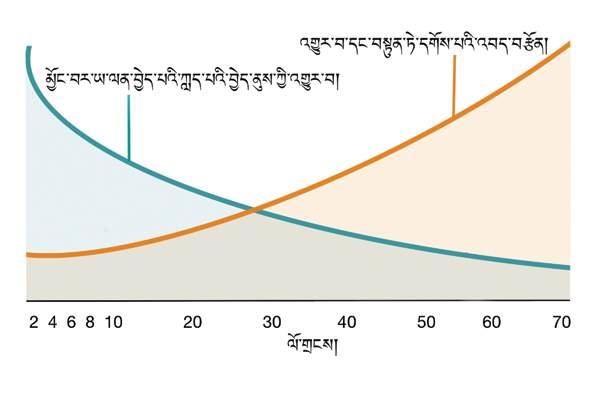
མིའི་མི་ཚེ་ཧྲིལ་པོར་དབང་རྩའི་མཐུད་མཚམས་དང་།
དུ་འགྲུབ་པར་ནུས་པ་ཧ་ཅང་ཆེན་པོ་ལྡན་པས་དམིགས་བསལ་གྱི་དུས་ཤིག་ཡིན།
དེའི་རིང་ཕྲུ་གུ་རྣམས་ཀྱི་ཕ་མ་དང་ལྟ་སྐྱོང་གནང་མཁན་གྱི་གང་ཟག་སུ་ཞིག་གི་ལྷན་དུ་སྐྱེད་སྲིང་གི་མྱོང་བ་དང་།
ཀྱི་ཁོར་ཡུག་ཅིག་ཡིན་པ་ཡིད་ཆེས་བཅས་ཡོང་བར་ཕན།
རང་གི་བྱེད་ཐབས་ལ་ཕན་པའི་བསམ་ཚུལ་དང་བསླབ་བྱ་ཁག་གདམ་གསེས་གནང་རོགས་ཞུ་རྒྱུ་ཡིན།
དེབ་འདིའི་ཤོག་ངོས་སྟེང་དུ་བཀོད་པ་ཁག་གིས་ཕྲུ་གུའི་ཤེས་སྦྱོང་དང་འཚར་ལོངས་ཀྱི་དུས་ཡུན་ནང་།
ལྟར་ཕྲུ་གུ་ཚོ་དང་མཉམ་དུ་འབྲེལ་བ་ཇི་ལྟར་བྱེད་དགོས་ཚུལ་སྐོར་གྱི་ལམ་སྟོན་དང་།
གིས་ཕྲུ་གུའི་འཚར་ལོངས་ལ་ཕན་ཐོགས་ཚུལ་གྱི་འགྲེལ་བཤད་རྙེད་ཐུབ།


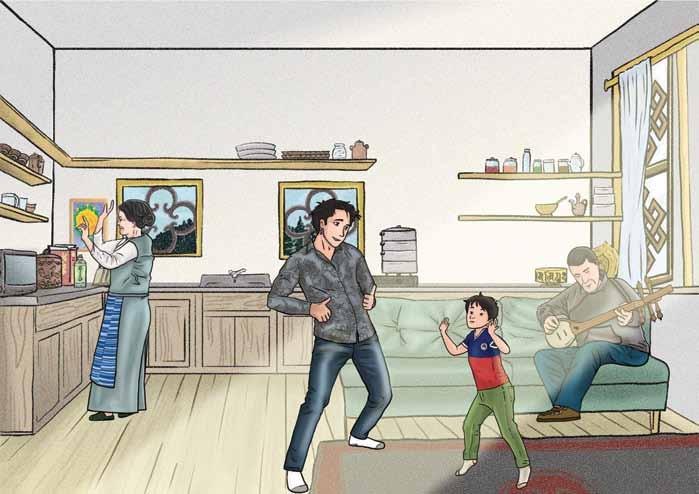
སྒོ་ནས་རང་ཉིད་ཀྱི་ཕྲུ་གུ་དང་མཉམ་དུ་གཞས་དང་རོལ་ཆ་བཏང་སྟེ་ཞབས་བྲོ་འཁྲབ་ཆོག
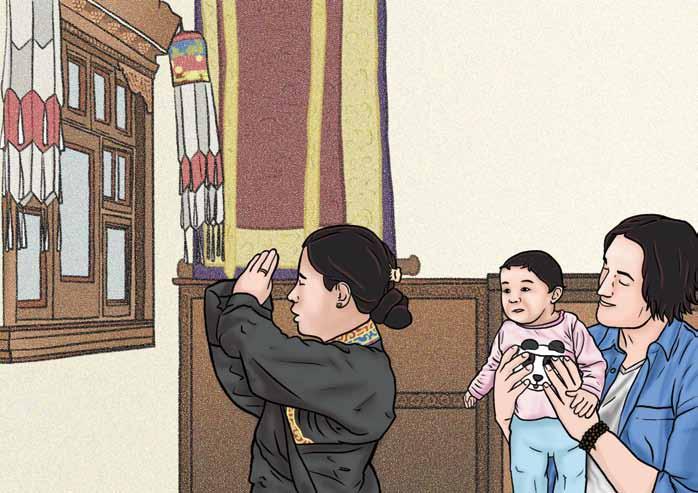
གུས་ཉེ་འཁོར་གྱི་གནས་ཚུལ་ཤེས་འདོད་པའི་ལྷན་སྐྱེས་ཀྱི་ཚོར་སྣང་རྒྱ་སྐྱེད་གཏོང་བ་འདིས་ཁོ་ཚོའི་སྐད་ཡིག་ཡར་
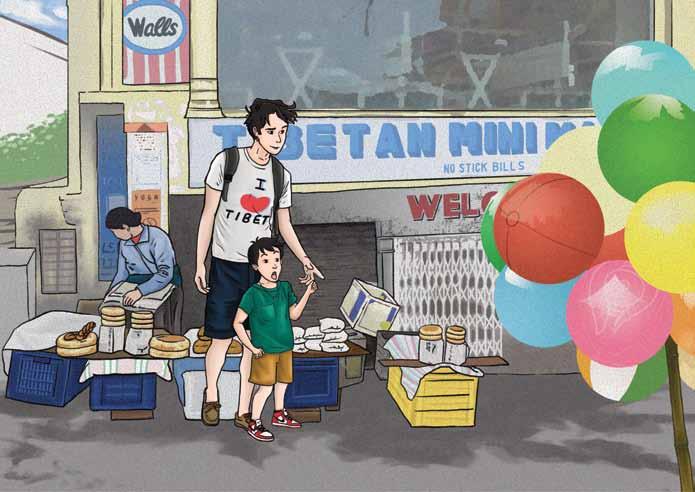
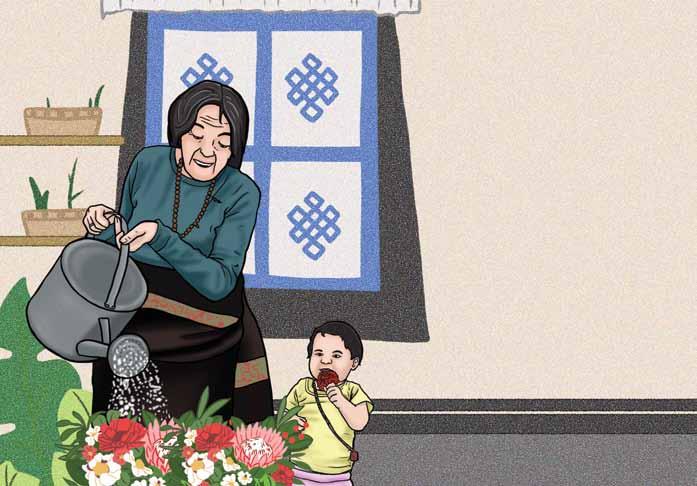

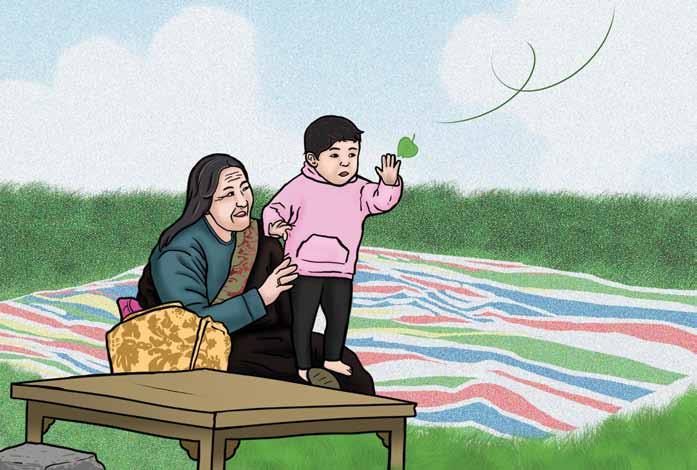
བ་ལྟར་བཙན་བཀའ་བཏང་ནས་བསྒྲུབ་མི་རུང་།
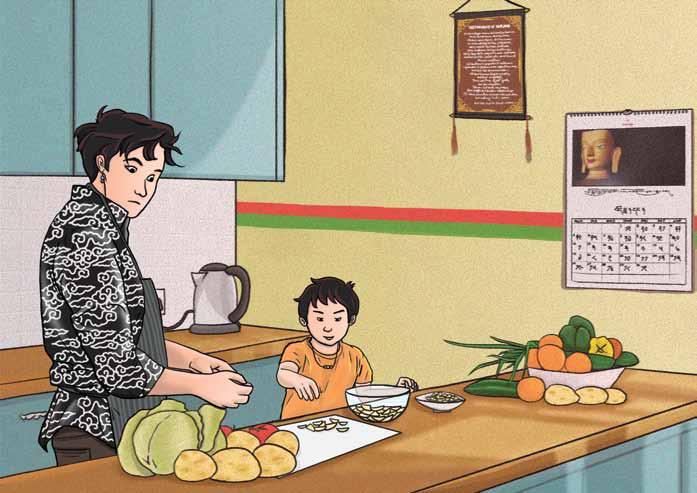
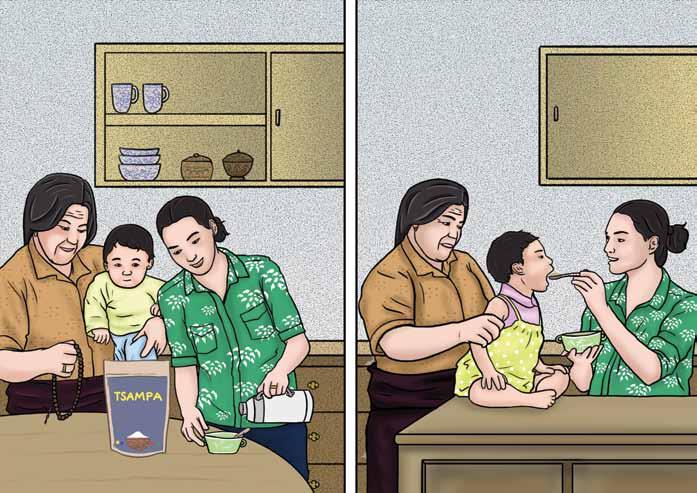
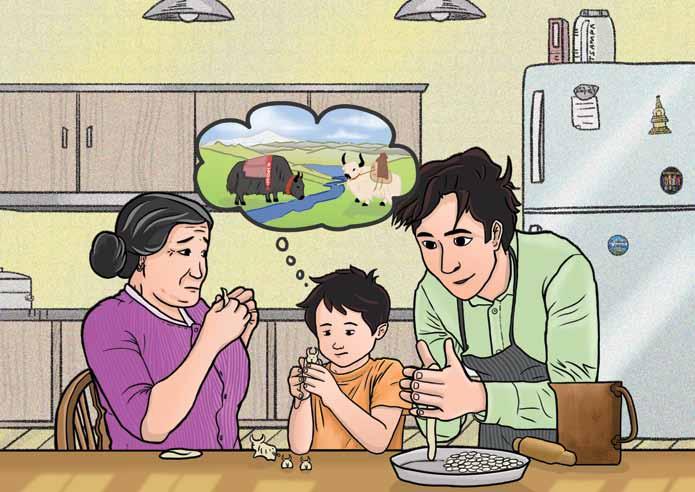

འདི་ཚོ་ཕ་མ་དང་ལྷན་དུ་འཁྲབ་རྗེས།
དང་འབྲེལ་ལམ་གཏིང་ཟབ་ཏུ་གཏོང་བ་དང།
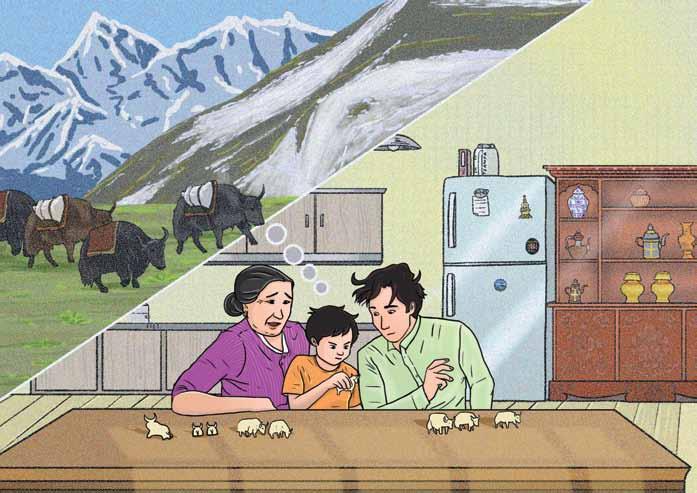
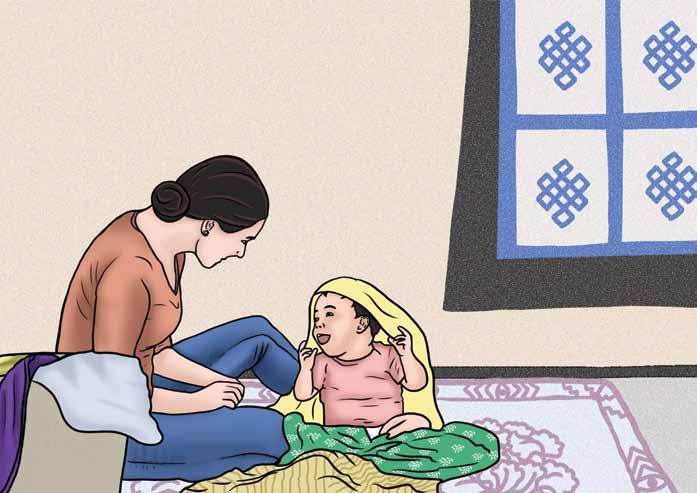
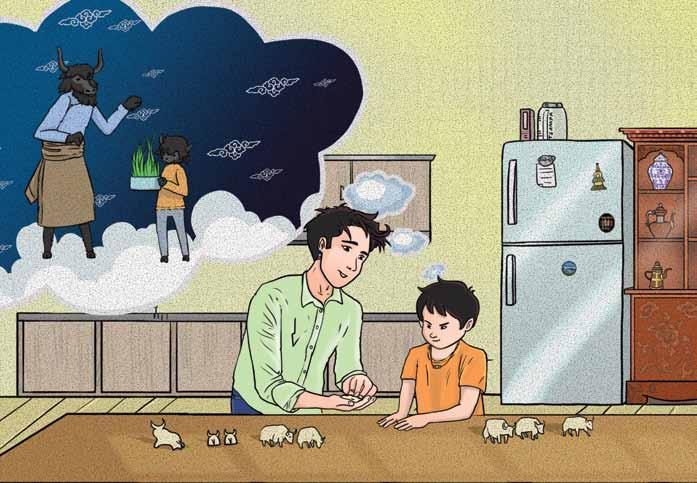
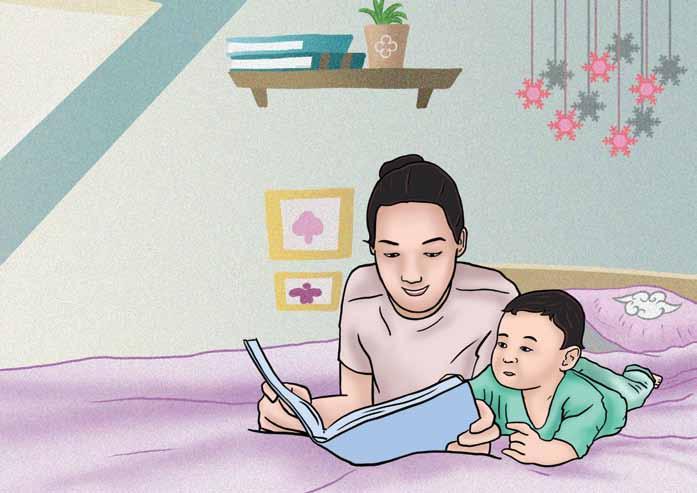
གུ་ཚོས་སོ་སོའི་ལྟ་བ་འཁྱེར་སྟངས་མི་འདྲ་བ་ལ་ཕན་ཚུན་བསམ་ཤེས་བྱེད་པར་མི་རྒན་པས་རྒྱབ་སྐྱོར་དང་།
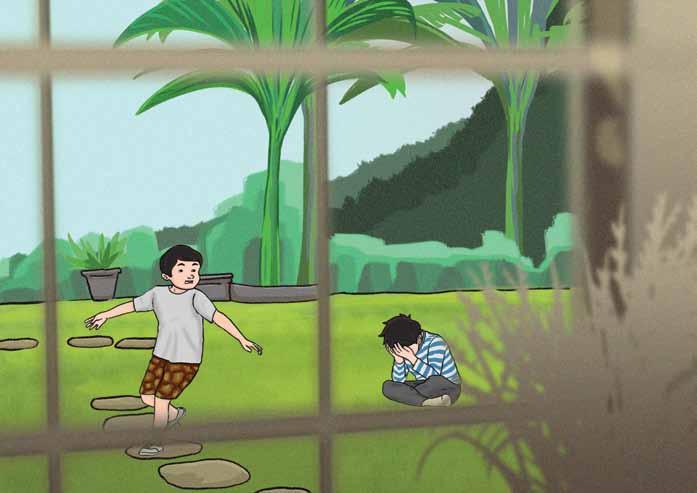





National Early Childhood Education and Care Framework:
https://wcd.nic.in/sites/default/files/national_ecce_curr_framework_final_03022014%20%282%29.pdf
Harvard Center for the Developing Brain:
སྣང་དང་དེའི་སྐོར་ལ་གནས་ཚུལ་མང་པོ་ཤེས་འདོད་ན་སྡེ་ཚན་འདིའི་ནང་འཛུལ་རོགས། “The resource Library”
https://developingchild.harvard.edu
https://boston.thebasics.org
Zero to Three
https://www.zerotothree.org
Vroom ཞེས་པའི་དྲ་ཚིགས་འདིས་ཁྱེད་ལ་ཕྲུ་གུའི་ན་ཚོད་དང་མཐུན་པར་སྤྱོད་བདེ་ཞིང།
https://www.vroom.org/

For