Guidelines for Parent-Teacher Associations
1. Objectives of the Parent-Teacher Association
The Parent-Teacher Association (PTA) has been set up in all the schools to have better communication and coordination between parent and teacher for the all-round development, improvement of education, and moral conduct of students. Though PTA is not included in the organizational structure of the school administration, it is an important association that supports the educational and administrative matters of the school.
2. Composition of the PTA
The Parent-Teacher Association consists of eight members as given below:
i. The Tibetan Settlement Officer President
ii. A Parent Representative Vice President
iii. The School Head Secretary
iv. A Parent Representative Treasurer
v. A Teacher Representative Accountant
vi. A Teacher Representative Member
vii. A Teacher Representative Member
viii. One eminent educationist Member
3. Terms and Election of PTA
i. The Tibetan Settlement Officer (TSO) is an ex officio President of the association. A parent representative should be elected as the President of PTA where TSO could not be appointed.
ii. The A parent representative shall be elected as the Vice President.
iii. The term of PTA members shall be two years w.e.f. the day when elected.
iv. Resignation from the membership of the PTA before the completion of term shall be tendered in writing to the President and shall not take effect until a new member has been elected and appointed. The new member shall complete the remaining tenure of the PTA.
v. The parent representatives of the PTA should be the parent of child/children going to the local school or representatives elected by the local parents.
Note: 1. A suitable parent representative should be appointed as the President where Tibetan Settlement Officer could not be President
2. Parents’ and Teachers’ representatives could be increased as per local need.
4. Working Meetings and Decisions
i. A minimum of five members must be present to take a decision on any matter.
ii. The PTA shall meet once every three months. The President of PTA shall call a special meeting as and when discussion on urgent matters is required.
iii. Even if PTA meetings are withheld due to unavoidable situations of the locality, at least two meetings should be called in a year.
iv. Meeting minutes and resolutions passed in every PTA meeting should be documented and maintained properly.
5. Responsibilities of PTA
i. To support the education and learning of all the students.
ii. To act as a liaison between the school and parents.
iii. To educate parents on education-related matters.
iv. To be responsible for parent’s participation in all the education-related activities.
v. To inform parents about school-related work.
vi. To extend support and cooperation to teachers on school activities and work.
vii. To represent the collective opinions of parents.
viii. To assist in creating a good relationship and maintaining proper discipline amongst teachers, students and parents.
ix. To organize talks and workshops for parents on parenting skills.
x. To provide financial support to the school in keeping up with the urgent requirement.
xi. To create opportunities for parents to volunter in school according to their educational background and capability.
xii. To organize parents’ meeting to collect their suggestions/opinions and to communicate the same to the concerned offices or person.Suggestions and complaints related to educational matter of school should be addressed in the PTA meetings or to the Pesident.
xiii. Suggestions and complaints related to educational matters of the school should be addressed in the PTA meetings or to the President.
xiv. Any matter to be appealed before the higher authorities should be routed through the proper channel.
6. PTA shall not interfere in the following matters of the school
i. Daily activities and affairs of the school.
ii. Matters related to the school curriculum, textbooks and teaching.
iii. Problems/Matters between an individual and the school.
iv. Matters Matters related to appointment and transfer of teachers and staff other than lower grade staff which are allowed to be recruited locally.
v. Contentious issues related to religion, provinces, and place.
vi. Direct approach to personal staff or teachers on issues concerning them without going
through Settlement Officer and School Head, and harming the school environment in any way.
7. Maintenance of Accounts and Documents
i. The PTA accounts will be maintained by the school office.
ii. Except for the documents related to accounts which will be maintained by the account ant, all other documents will be maintained by the Secretary of the PTA.
8. Review
i. Articles of this guidelines after gradual implementation will be reviewed whenever necessary by the Department of Education, CTA.
ii. The revised guidelines have been finalized through discussion held on 29 October, 2020 at the 77th DoE administrative meeting and shall be effective till further revision has been made.
iii. The The previous guidelines dated 1 November, 2015 shall remain null and void after the revised guidelines come into effect.
Kalon for Education
Note:
This document originally prepared in the Tibetan language has been translated into English language. If any doubt or difference in interpretation arises, the Tibetan version of interpretation shall be regarded final.
Responsibilities of Parent Teacher Associations
Home-school connection and collaboration are crucial for a school to function effectively and achieve high learning outcomes for all children. In this regard, the Parent-Teacher Association (PTA) plays an important role as a bridge between the school and the parental community. The following suggested activities for the effective functioning of PTA is developed as an annexure to the CTA Department of Education’s revised PTA guidelines formulated in 2020.
Supporting the education of all children
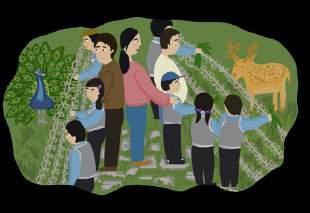
1) Arrange educational programs for children during winter or summer breaks – such as educational trips or outreach programs, academic classes, reading programs, music and performing arts programs, games and recreational activities, and gardening of flowers/vegetables/plants, etc. Make sure that the programs cater to both girls and boys equally, especially in the domain of games and recreational activities.
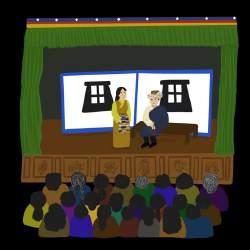
2) With the school’s consent, organize literacy programs for children such as debate, elocution, drama, book reviews, and others in the settlement hall with parents as the audience. Make sure to invite both parents to such events.
བཟོ་གྲྭ་སོགས་སོ་སོའི་ཕ་མ་ཚོའི་ལས་ཀ་བྱེད་སར་
ཙམ་རིང་ཕྲུ་གུ་སོ་སོའི་ཕ་མ་དང་གགས་པོ་གགས་
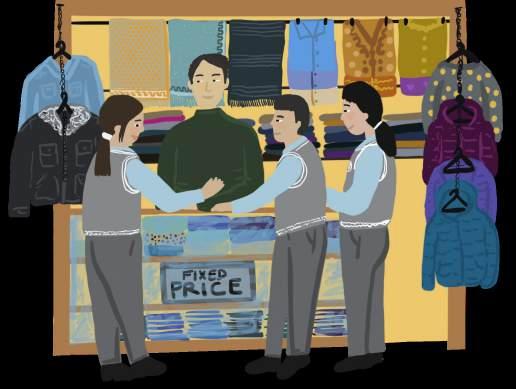
3) Organize workplace tours for secondary-level children. Take a certain number of students each year to the different workplaces of parents in the settlement itself – offices, shops, restaurants, healthcare centers, workshops, etc. During the visit, organize activities like letting children help their parents or their peers’ parents for an hour to gain hands-on experiences such as accounting, management, communication, etc. Workplace tour helps children understand and appreciate their parents, as well as help them gain first-hand knowledge of different occupations. Make sure to include visitation to workplaces of community members engaged in non-traditional jobs, as well as include workplaces of both genders to provide gender role models to girls and boys.
Facilitating liaison between the school and the parents
1) Organize guided school tour for parents –take parents, in small groups, to the school and introduce them to various facilities (library, science laboratory, ICT room, etc.) and personnel in the school. This helps them to understand their children’s school environment, rules, facilities, and resources better. In this way, parents will be able to better support their children. If the school has small projects requiring financial support, they could pitch it during the parents’ visits. Make sure that both parents are invited to participate in the tour.
2) Collaborate with the school on organizing a yearly orientation program for parents to inform them about the school policies, regulations, curriculum, and activities, etc.
3) Co-organize and participate in the Parents’ Day celebration in the school. Make sure that parents (if possible both father and mother) attend it.
4) Inform school authorities or concerned teacher(s) of particular cases of children facing problems at home – such as divorce, financial instability, health problems, parental feuds, domestic violence, alcoholism and substance abuse at home, etc. This is because PTAs have intimate knowledge of the families living in their settlement.
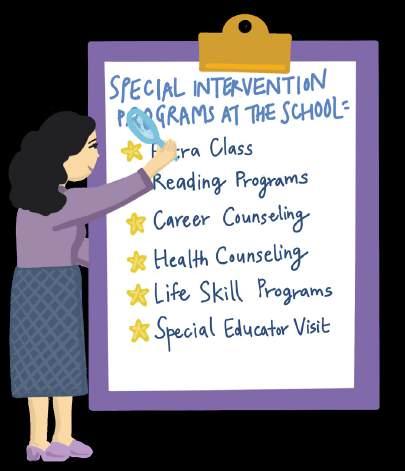
5) Inform parents about special intervention programs available at the school – such as extra classes for underperforming students, reading programs for children with reading difficulties, visits of special educators, career and health counseling sessions, periodic life skill programs, etc.
Ensuring the participation of
1) Prepare a list of school programs (where parents’ participation is required) from the school diary at the beginning of the school year and distribute it to all parents so that they have a ready reference.
(WhatsApp)
2) Inform parents about school events, via WhatsApp group or other mediums, and encourage their participation. Encourage both mother and father to participate in the school events.
སོའི་ཕྲུ་གུའི་མདུན་ལམ་ཆེད་དེ་ལྟ་བུའི་ཚོགས་འདུ་ལ་མཉམ་ཞུགས་ཧུར་ཐག་གནང་རྒྱུ་བཅས་ཀ
3) Provide guidance to parents on the importance of Parent-Teacher Meeting and how to prepare for and make the best use of such meetings for the benefit of their children.
4) Collaborate with the school in educating parents about general CBSE rules or more specific ones like exemptions on special needs children or those children who face critical health issues.
Extending support and cooperation to teachers on school work
1) Share important information to school management and concerned teachers, particularly those that relate to changes in the situation of parents in the settlement.
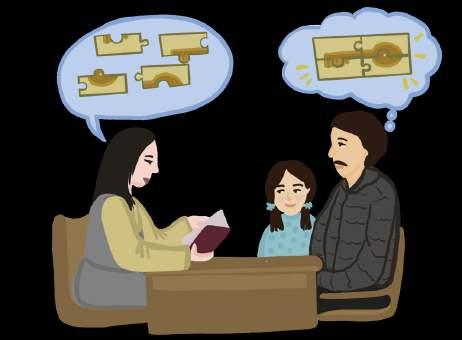
2) Facilitate and create forums for parents to seek advice from teachers on how to support the education of children at home and in the settlement.
3) Guide parents on how to be open to the feedback given by the school about their child. For eg: If a parent is informed of their child’s bad behavior, then they should not get defensive or get back at the child by hitting. It would be more helpful if they ask the teacher for remedies that a parent could practice at home to support the child.
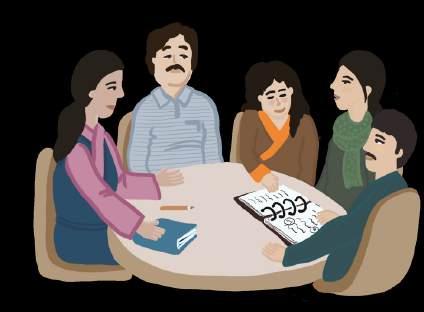
4) PTA members are advised to have informal meetings with all the teachers of the school once or twice a year. The meeting can discuss issues such as how to establish respectful communication and deep listening with parents.
5) Facilitate meetings between teachers and parents to understand and support children transiting from, for example, preschool to first grade. For eg: a meeting between the child’s parents and their kindergarten and first-grade teachers.
6) Organize and participate in joint meetings of parents, teachers, and students to establish positive relationships amongst teachers, students and parents.
Organizing workshops and talks for parents on positive parenting strategies
ཡང་དུས་ཡུན་རིང་བའི་ཟབ་སྦང་རིགས་ལ་ཕ་མ་ཉུང་ཤས་འདེམས་སྒྲུག་གནང་ས
1) Organize workshops and other awareness-raising programs for parents by inviting educational professionals or organizations within the settlement or visiting professionals. Some of the short duration workshops can be organized for all parents, whereas longer versions of the workshop can be held for a small group of selected parents.
2) Followings are suggested topics for such workshops and talks:
Parenting
Positive
Gender sensitization
Cultivation
Health
Emotional
Creating a supportive environment for study at home
Child’s
Using community resources/facilities
Productive use of vacation time
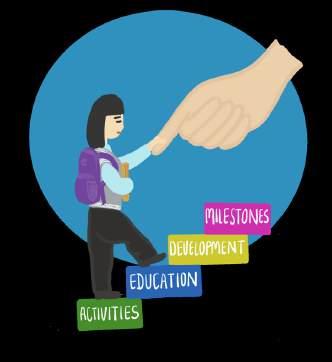
Child developmental stages and goals of education at different stages of schooling, age-appropriate pedagogy and types of recommended activities, age-related milestones and the dangers of pushing a child beyond what they are ready for, and supporting children according to their age and its needs
Providing financial support to the school on a need basis
1) Provide financial support to run some of the school’s programs as well as to procure necessary facilities for children.
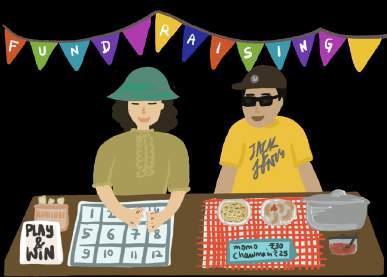
2) Mobilize parental support and community resources for the welfare of children such as offering assistance to school’s major events or organizing donation drives for specific events/projects of the school.
3) Encourage parents to organize or sponsor some of the school events where they can either utilize their expertise or financial resources.
* མ་རྩ་བསག་པར་ཕ་མའི་ངོས་ནས་ལོ་ལྟར་ཚོགས་མིའི་དྭང་བླངས་དངུལ་འབབ་བསྡུ་ཐབས།
* ནུབ་ཕགས་རྒྱལ་ཁབ་ཁག་གཙོས་ས་ཕགས་གང་སར་ཡོད་པའི་སབ་ཟུར་དང་བོད་མི་ཚོར་འབ
4) PTA can use the following fundraising strategies to raise funds for the school:
* Collecting annual membership voluntary contribution by parents – as the seed money.
* Reaching out to alumni and Tibetan diaspora communities (especially in the West).
* Organizing fairs (mela) in and outside school.
* Organizing dance/cultural performance.
* Organizing movie night for settlement people by screening documentaries, acclaimed movies, popular sports such as ‘World Cup’ or ‘IPL Final’ in the community hall or recreational grounds.
* Organizing food festivals in the settlement.
* Organizing storytelling or theatre performance.
* Seeking donations from high net-worth individuals and organizations in the settle ment.
* Submitting project proposals (seek help from professionals within the settlement)
Creating opportunities for parents to volunteer and contribute their expertise to the school
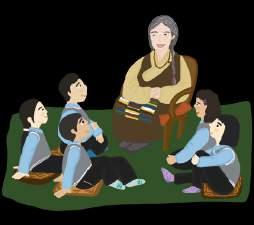
1) Harness the power of volunteers by facilitating parents to contribute their skills to the school – inviting parents as a resource for storytelling sessions, organizing talks by parents from various professional backgrounds, asking a skilled parent or college-goers on holiday to be a substitute teacher or assistant teacher.
2) Invite parental support and participation in big classroom activities or major school events.
3) Invite parents to join in school’s student outreach programs, especially of preschool or primary school.
4) Request the school authorities to invite parents as judges or guests during school events like literary programs, cultural performances, etc.
Organizing parents’ general body meeting and communicating their suggestions/opinions to relevant person or office
ལོ་རེར་ཕ་མའི་ཚོགས་ཆེན་ཐེངས་གཅིག་ནས་གཉིས་བར་འཚོགས་ཐུབ་པ་གནང་རྒྱུ་དང་།
མཉམ་ཞུགས་ཡོང་རྒྱུ་གཙོ་འདོན་གནང་དགོས།
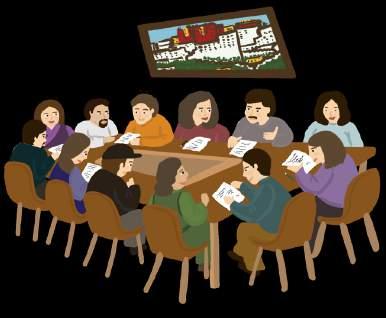
1) Organize the general body meeting of the Parents Association, at least once or twice a year. Make sure to invite both the parents to the meeting.
2) Communicate the opinions expressed by parents with majority support to the concerned authorities or relevant offices through proper channels. Similarly, redressal on any issue should be communicated back to the parents.