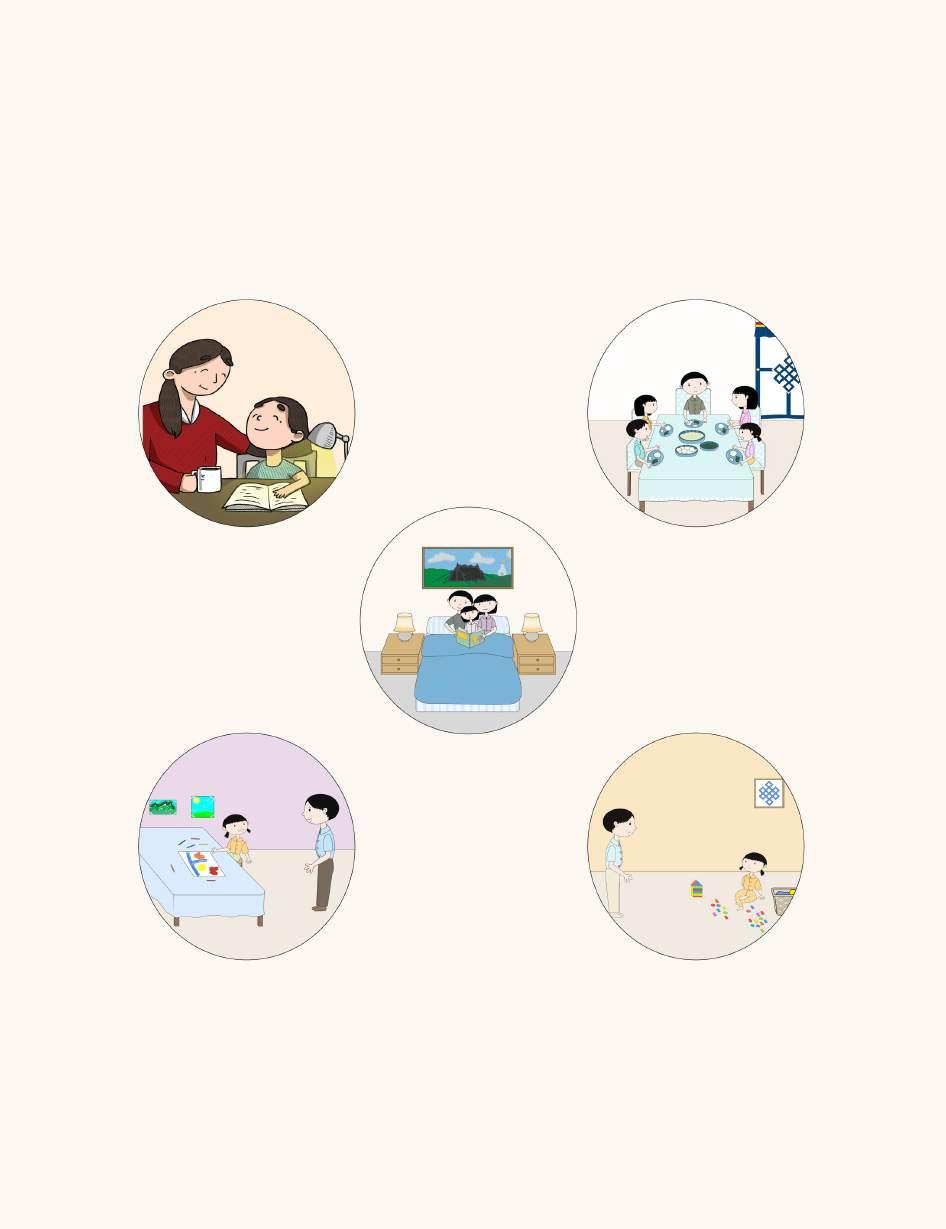

Positive parenting
Edited by:
Manjushri Educational Services, Dharamsala
Texts: Manjushri Educational Services
Illustrations: Tenzin Metok and Kunga Thinley
Design and layout: Manjushri Educational Services
First Printing, September 2020
Reprinted: February 2022
Reprinted: April 2025
Reprinted: August 2025
Published by: Department of Education
Central Tibetan Administration
Gangchen Kyishong, Dharamsala - 176215 (H.P.) - India
Email: education@tibet.net / academic@tibet.net
Phone: +91-1892-222572 / 222721




DEPARTMENT OF EDUCATION
Central Tibetan Administration
Gangchen Kyishong, Dharamsala - 176215, Distt. Kangra, H.P., India
Tel : +91-1892-222572, 222721 Email : education@tibet.net / academic@tibet.net Website : www.sherig.org
Part-1
Ways to involve yourself in your child’s education
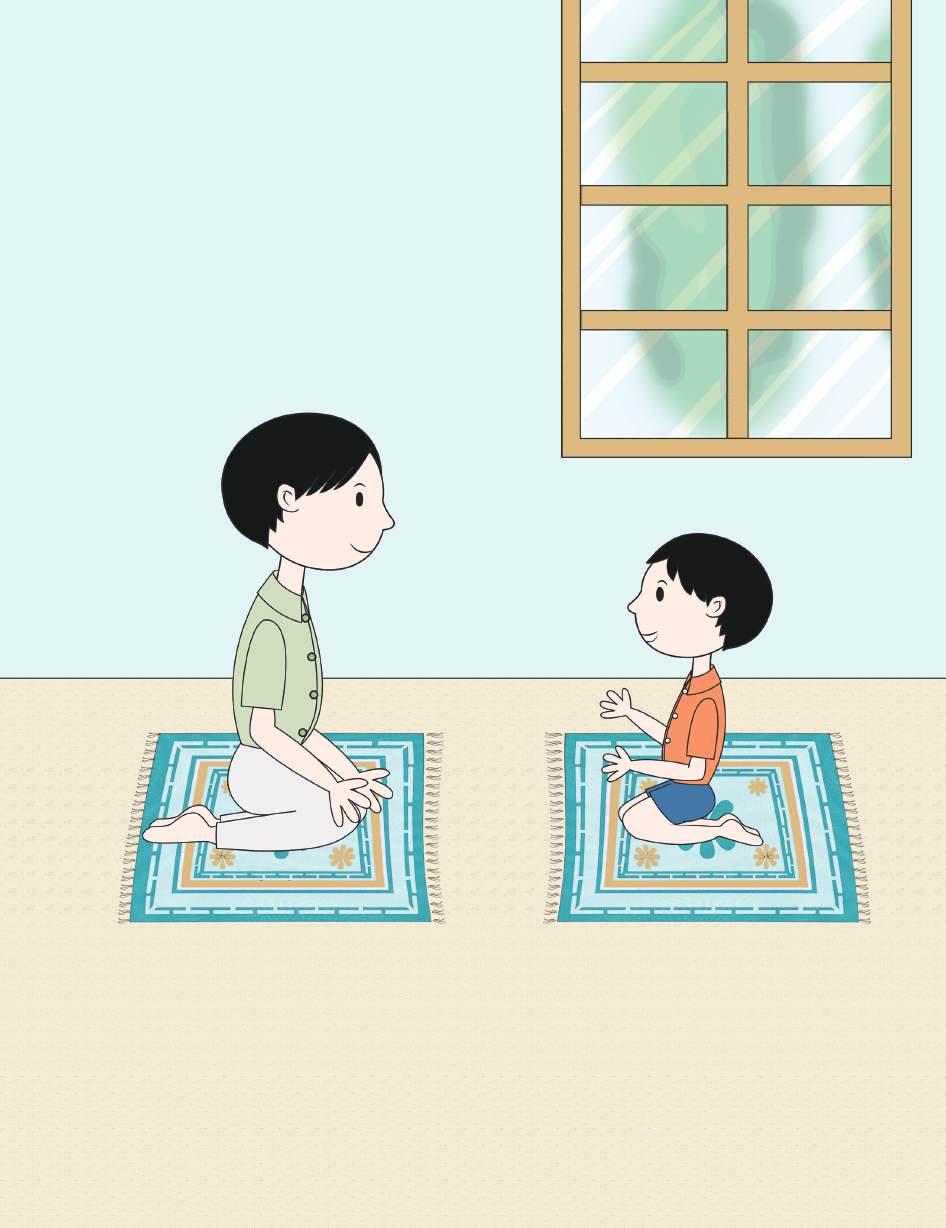
Talk to your child
Talking and spending time with your daughter or son is the greatest gift you as a parent can give to your child. Talking and responding to your child helps in expanding the horizon of your child’s language and builds their social skills.
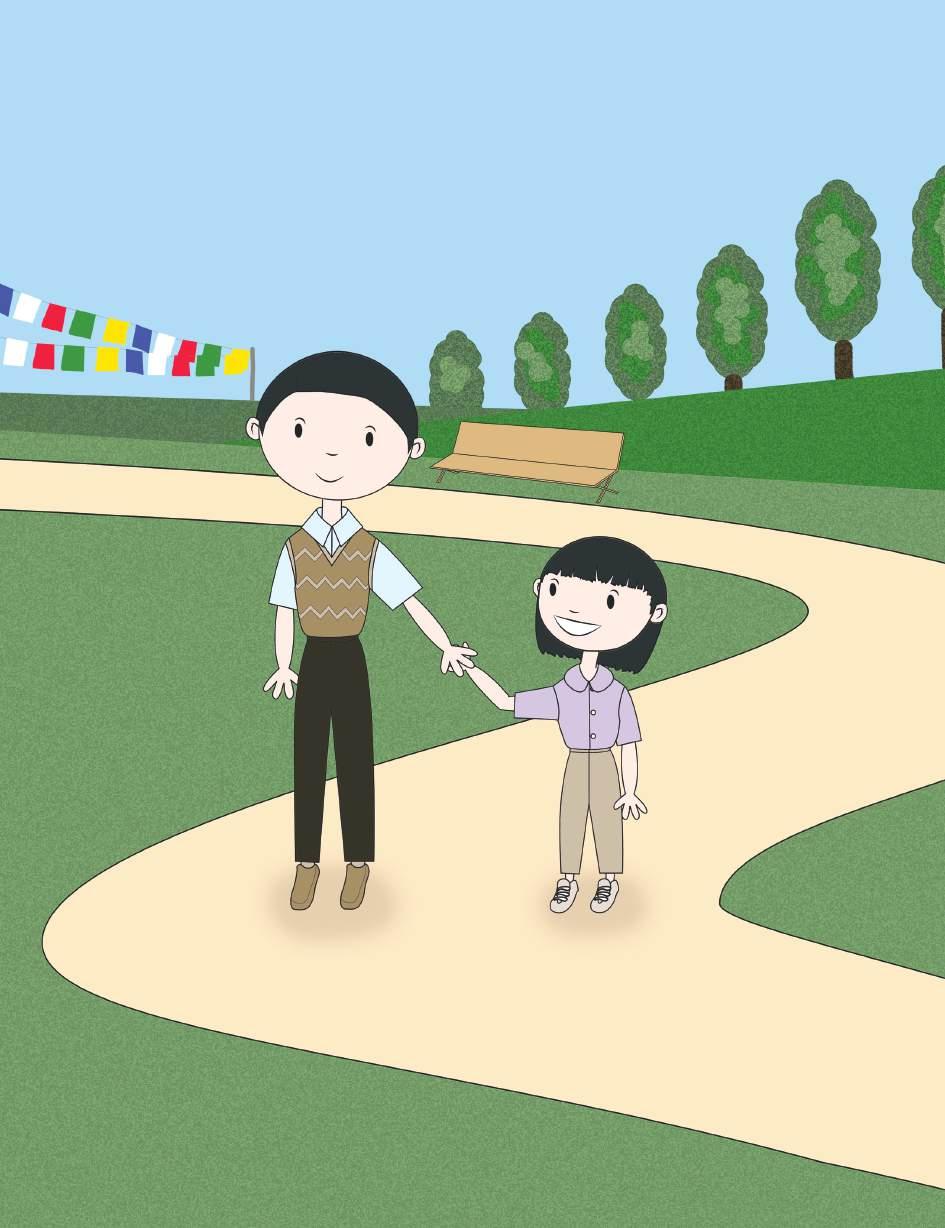
Have one to one interaction
Encourage routines that involve one to one interaction between you and your child. Go for a walk/visit places/engage in activities together. This gives opportunities for building a close relationship with your child and get to know them better. Such activities provide a variety of teachable moments for parents.

Engage in storytelling
Children love stories! Bedtime storytelling not only enhances your child’s language development but also expands their imagination and creative mindset. It is also an important opportunity for mothers and fathers to build a closer relationship with their children. Be sure that both parents are involved in this pleasant activity.
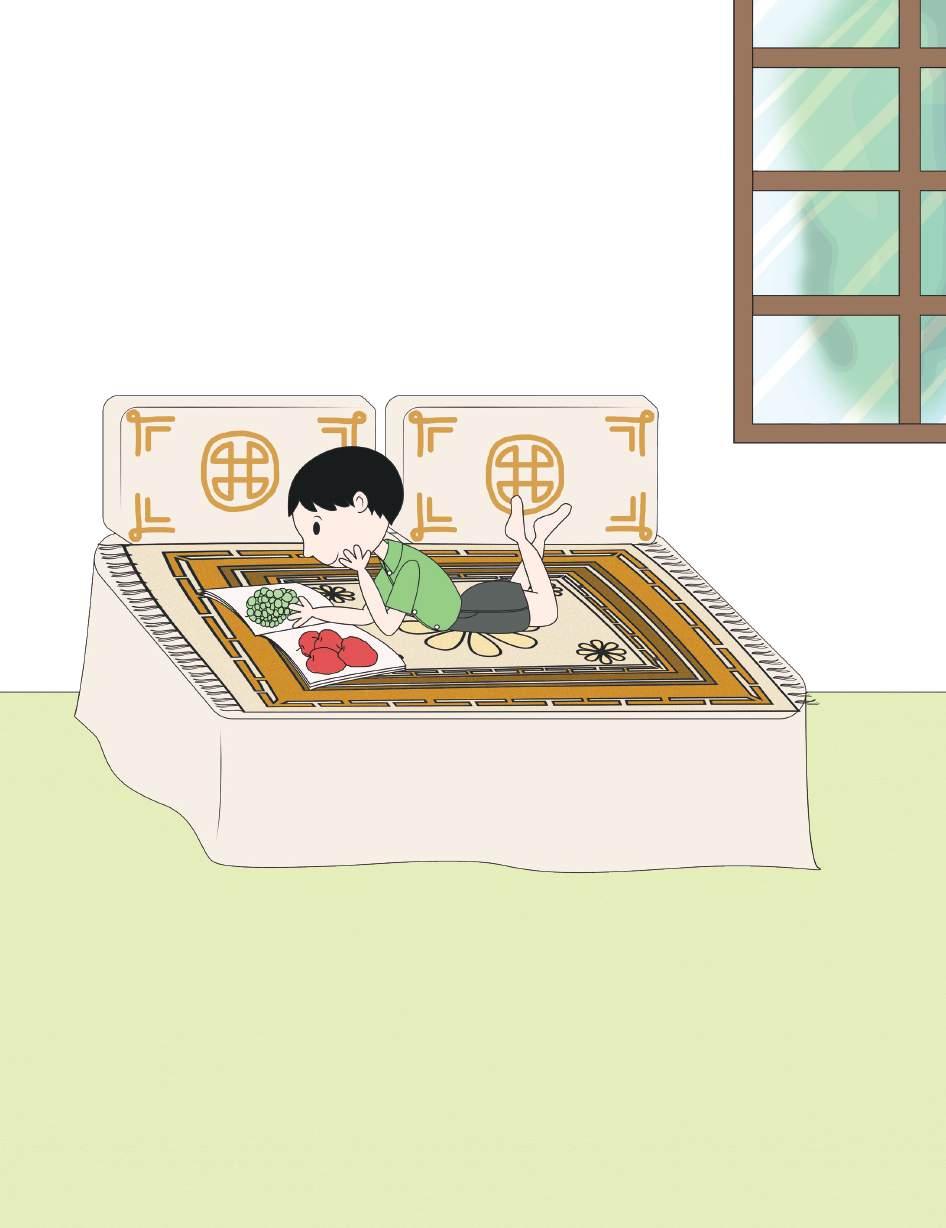
Provide picture books to your child
Children love picture books! For children, picture books are building blocks for developing literacy skills. Picture books must depict both girls and boys engaged in tasks or contexts that do not reinforce gender norms or negative stereotypes such as girls playing only those games that are typically understood to be for girls, etc.
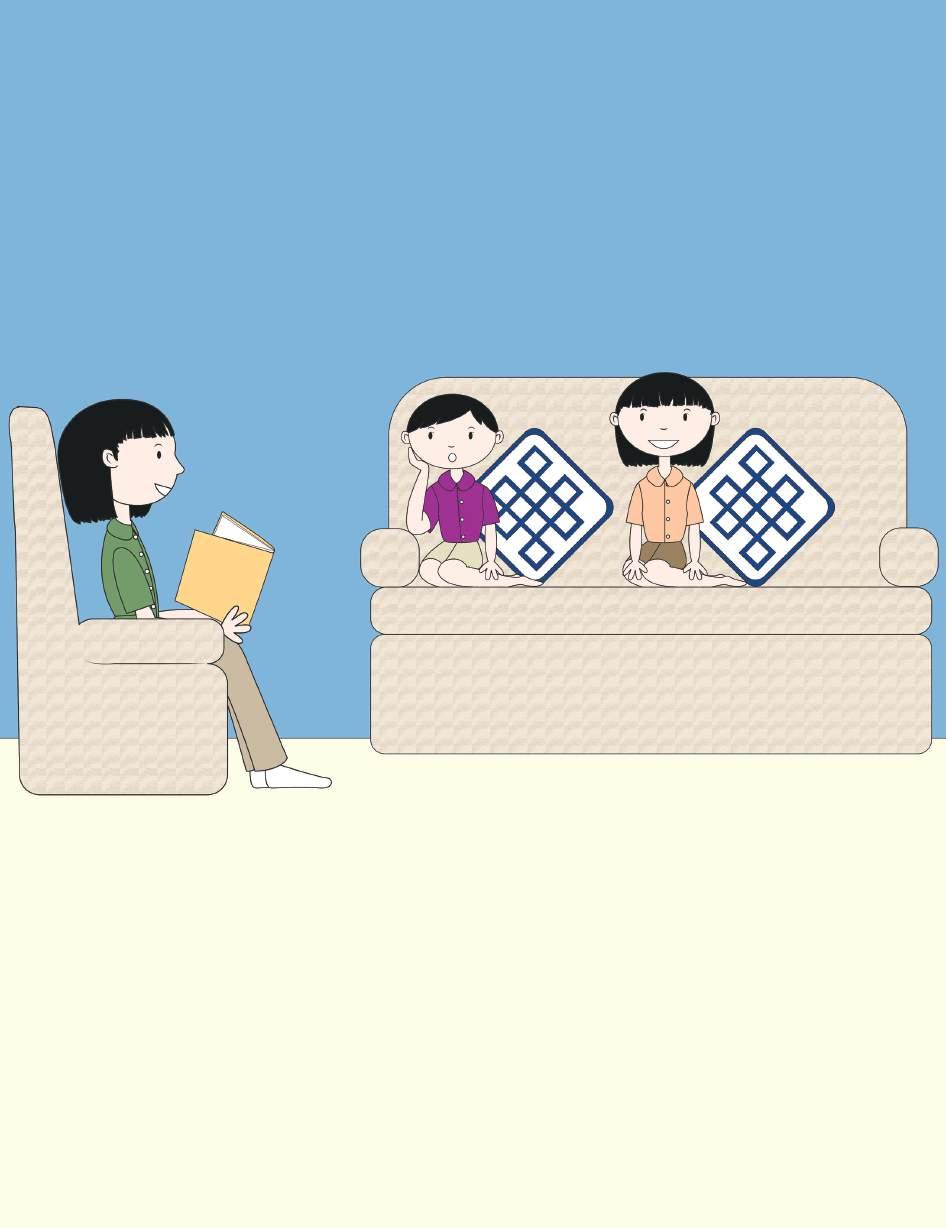
Read to your child every day
Early reading helps foster children’s language and cognitive development, and plays an important part in preparing boys and girls for school.
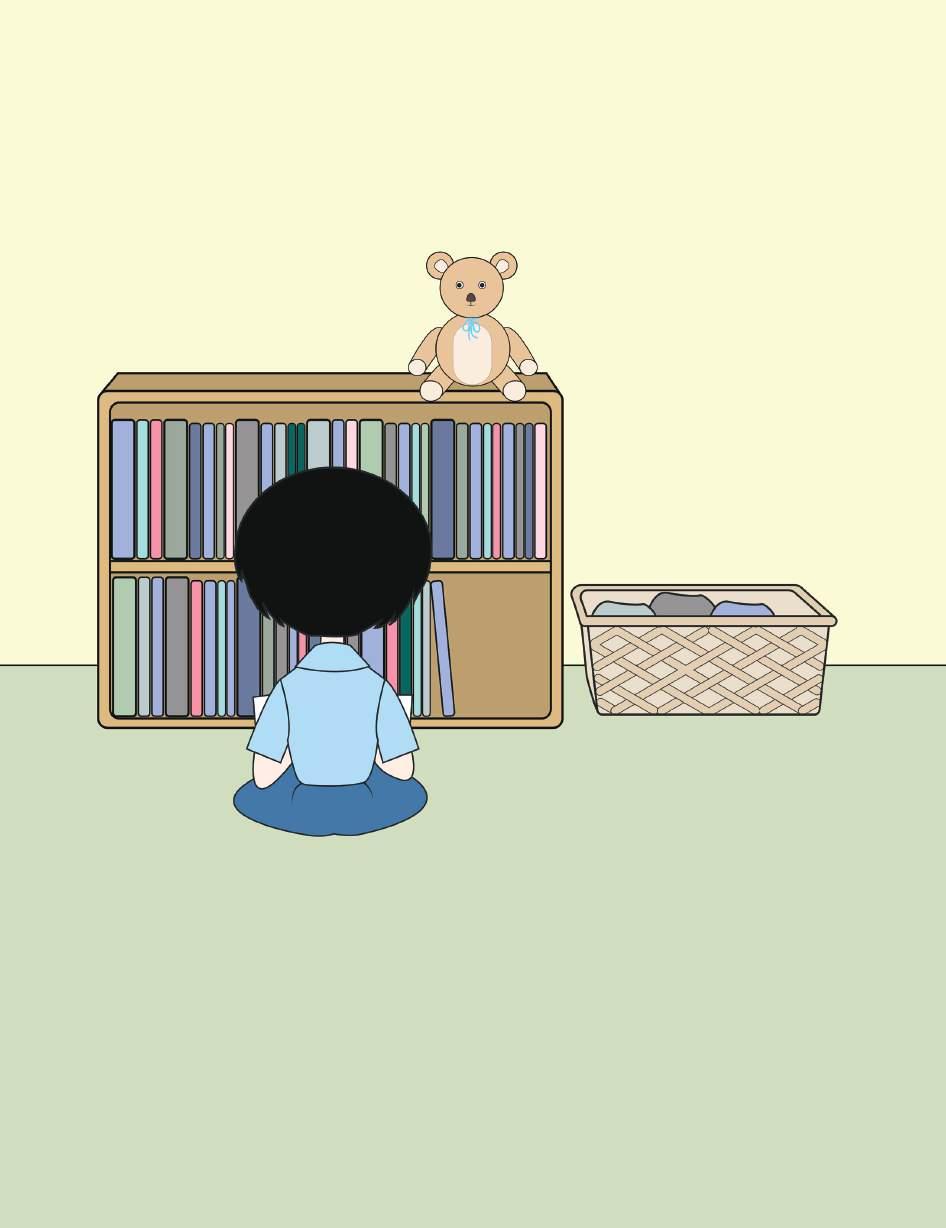
Create a reading environment at home
Create a nice reading corner at home for your child with a good collection of age-appropriate storybooks. Keep those books easily accessible to your child. Include books that show boys and girls in non-stereotypical gender roles. That might include a boy helping with dishes or a girl using a hammer.
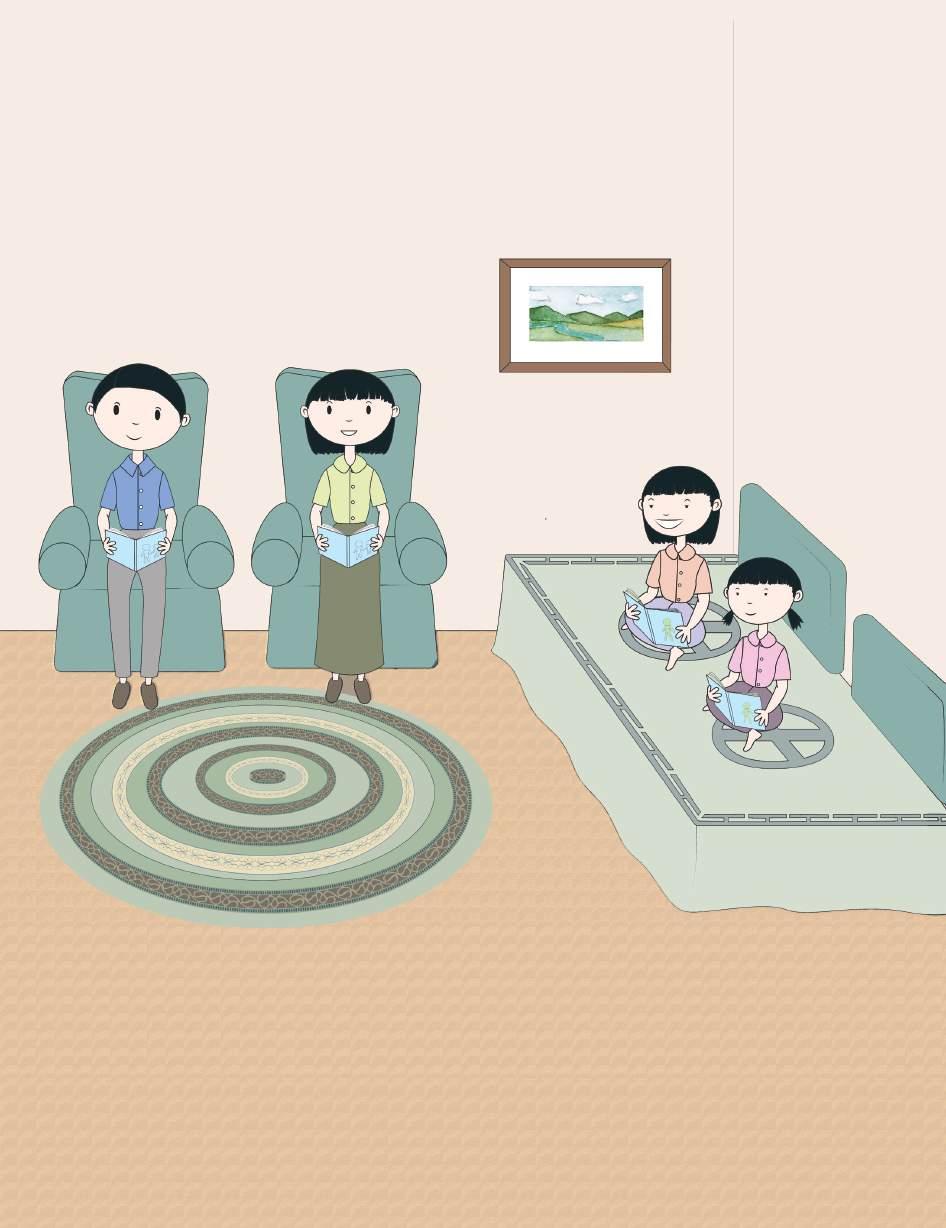
Observe the daily family reading time
Build a culture of reading at home by at least devoting half an hour for reading every evening at home. During this time, all family members read something of interest and turn off the TV and all kinds of other electronic gadgets.
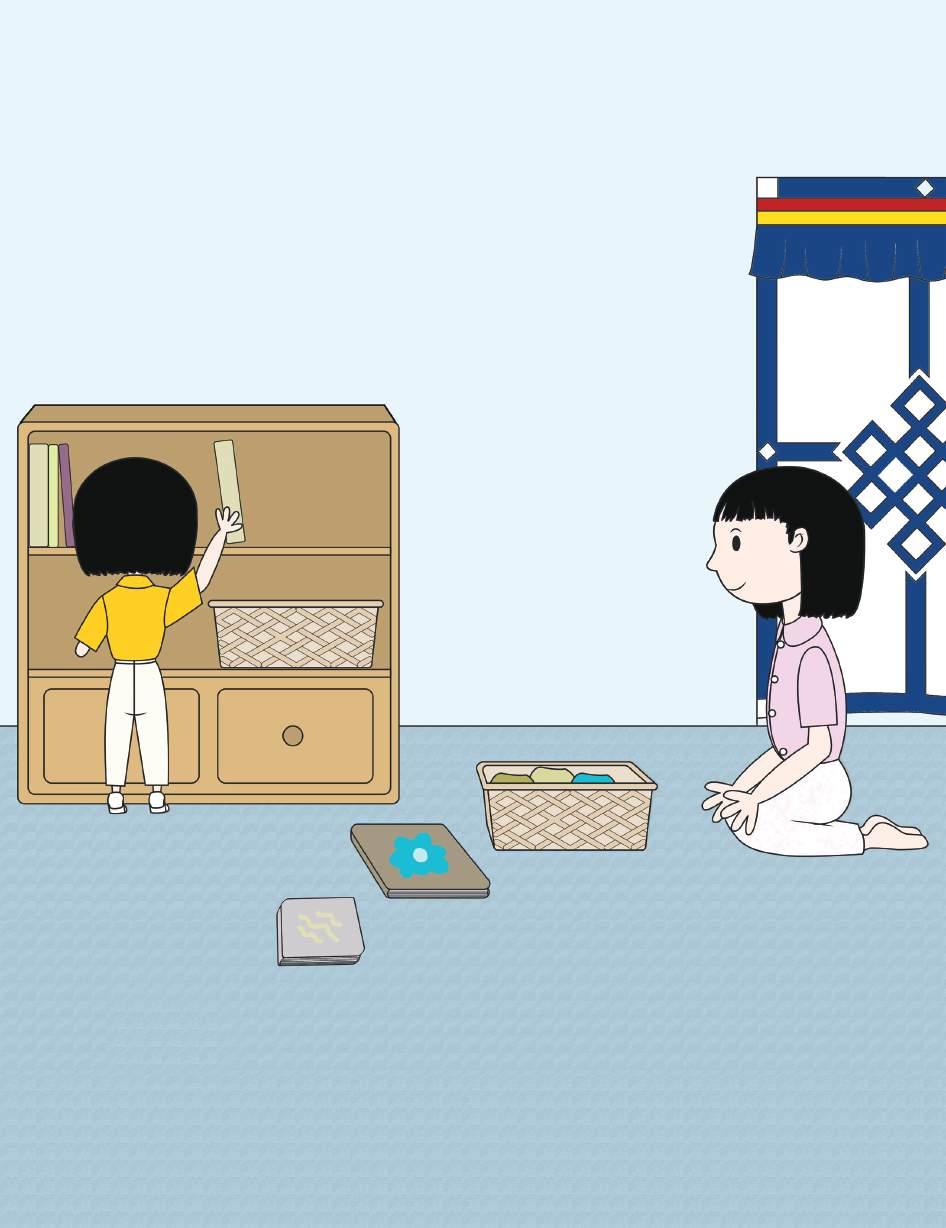
Help to sort and classify books, things or materials
Guide your child to classify and organize things at home or in their study room/bedroom.
Parents can buy different folders and racks to help your child to classify, sort, and organize things.
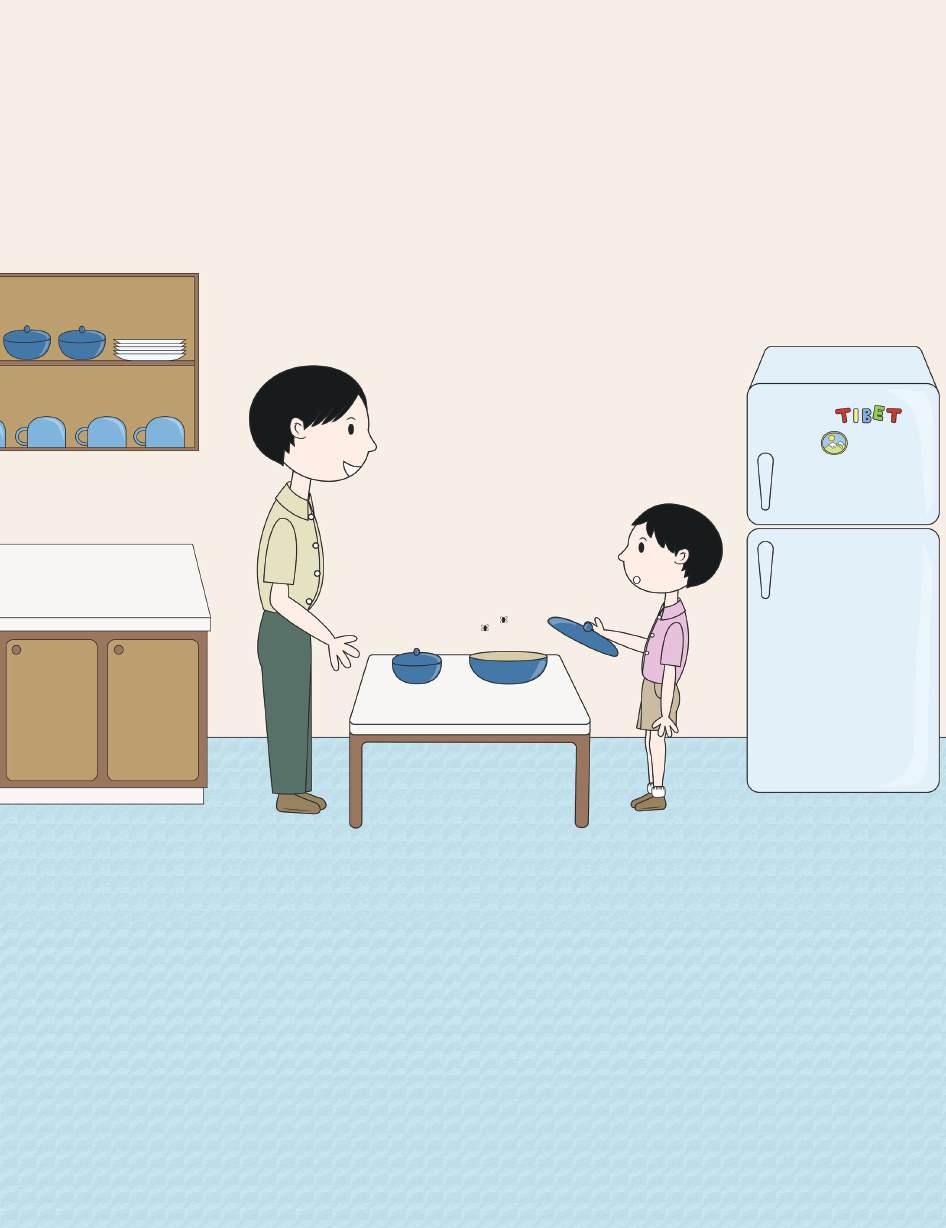
Talk about cause and effect in all walks of life
It is better to talk in terms of “when you do this, the result will be like this”. Eg., when you leave food out, flies gather around it and cause health problems.
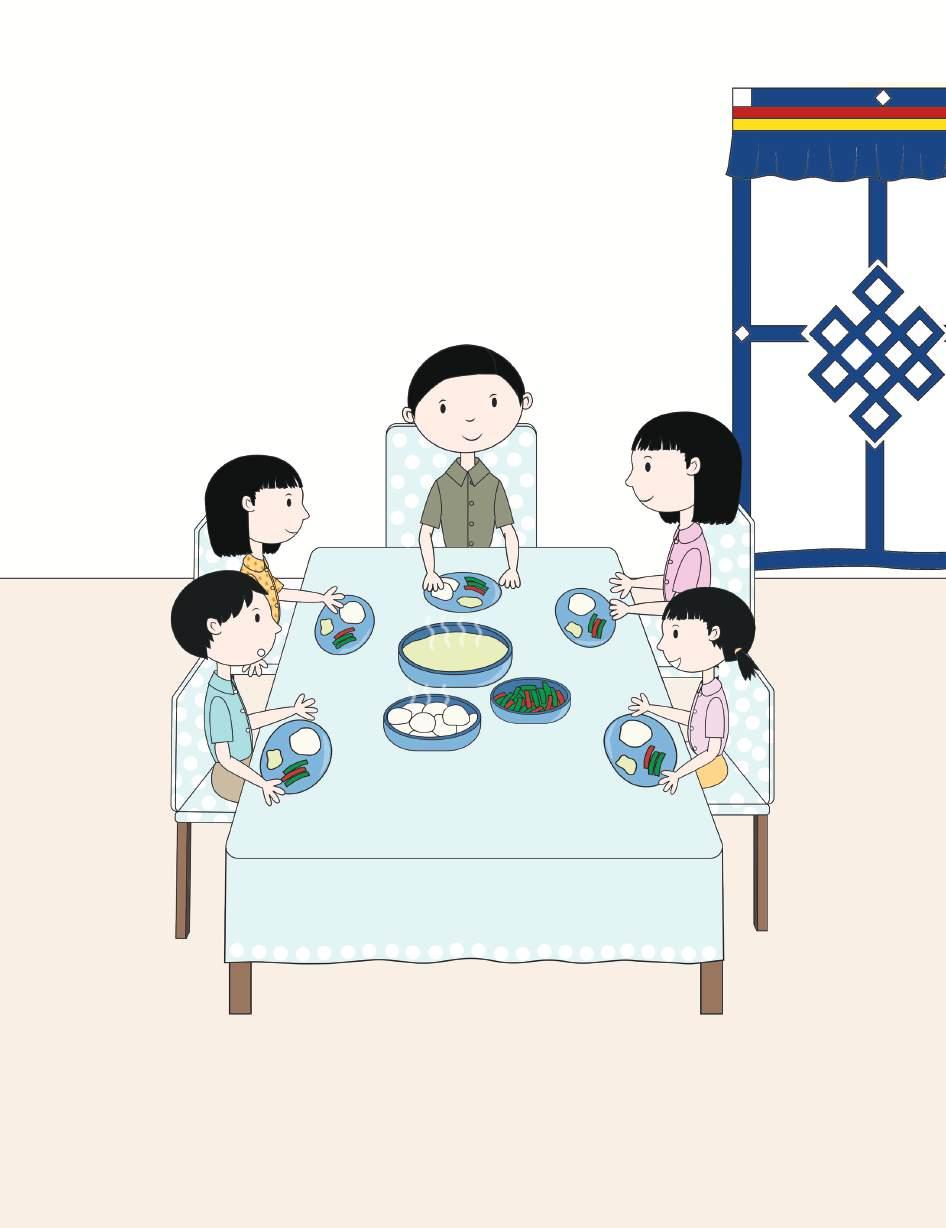
Have dinner together
Dinnertime is valuable for building a sense of community and family togetherness. Put TV off and phones away. Have conversations about the day or any current topics. Encourage respectful listening. In this way, you’ll build confidence in your children that what they say is worth listening to. Try to ensure that no one dominates the dinnertime conversation and try to draw out the shier members of the family.
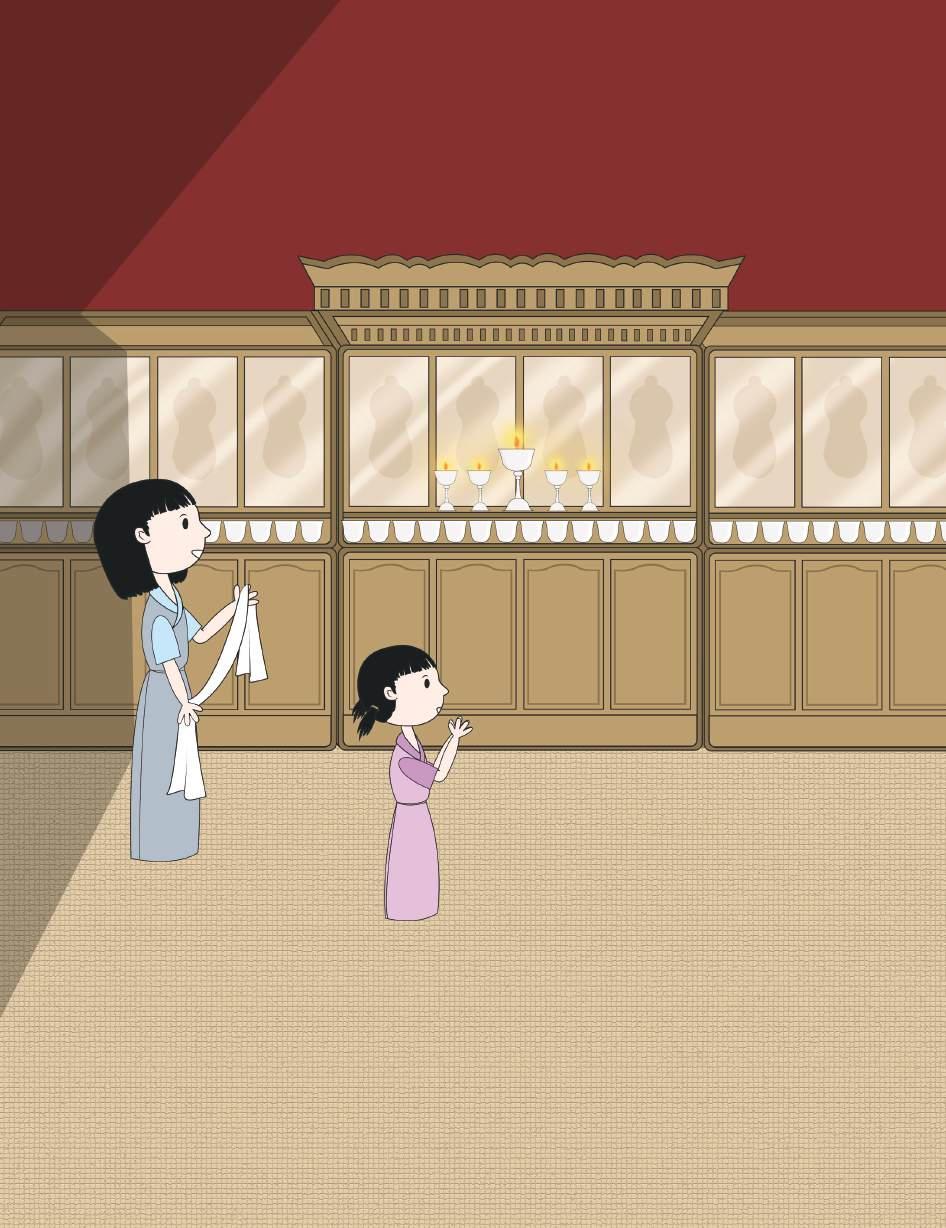
Share “why’s” of societal norms and customs
Explain why we say “Tashi Delek”.
Explain why we light lamps on altars or in monasteries.
This helps the child understand the meaning of her or his actions and is better than just telling the child to do it.
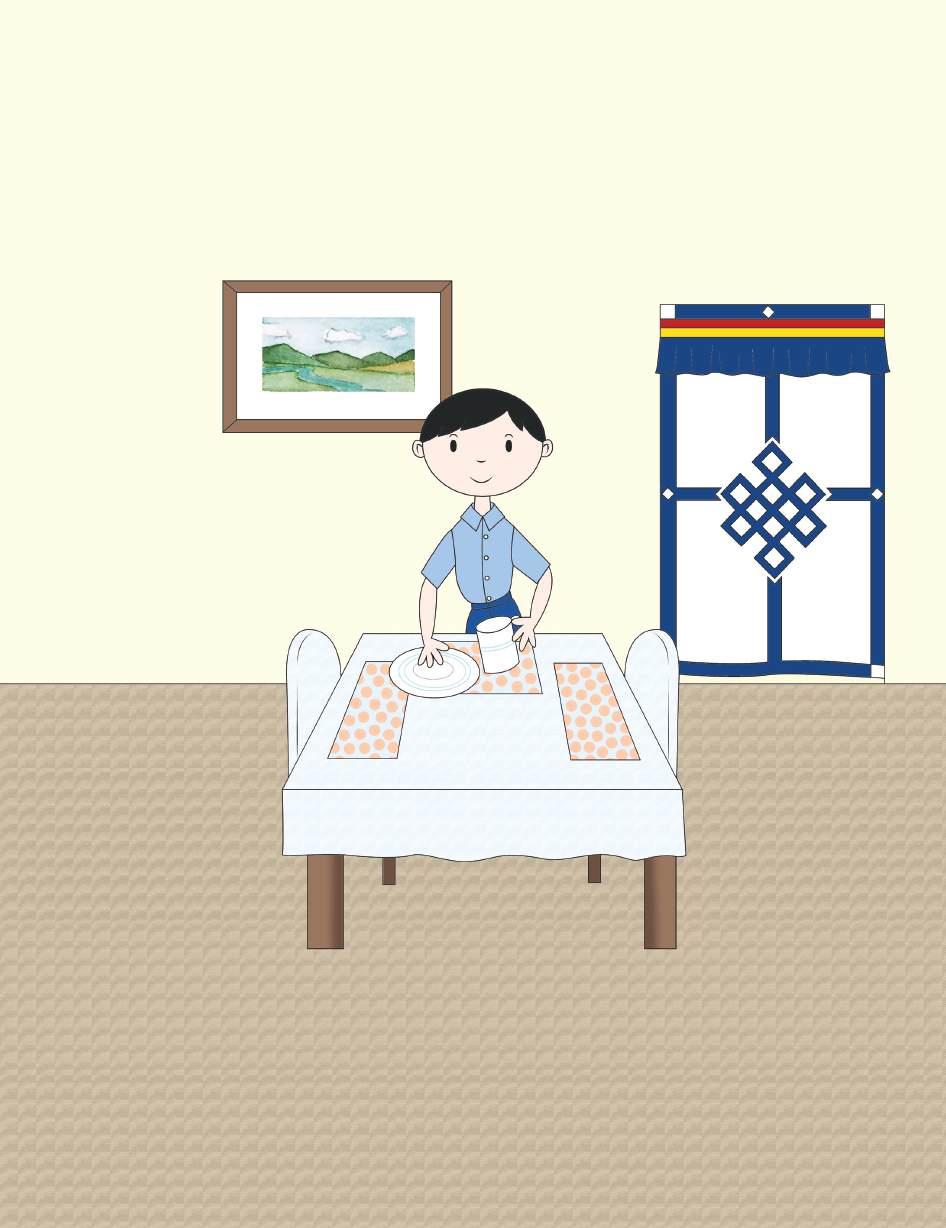
Assign home duties to your child
Give appropriate tasks to your child at home, like making beds, cleaning tables after meals, doing dishes, etc. Ask your daughter and son to take on tasks that are normally thought of as girl’s work or boy’s work. Through this, children learn many life skills that both boys and girls can do equally well and also learn to become more responsible human beings.

Make them run errands without bribing them
Ask your child to do certain tasks without the added attraction of rewards. This helps the child to realize that as a responsible family member, they have to lend a helping hand without expecting anything in return.
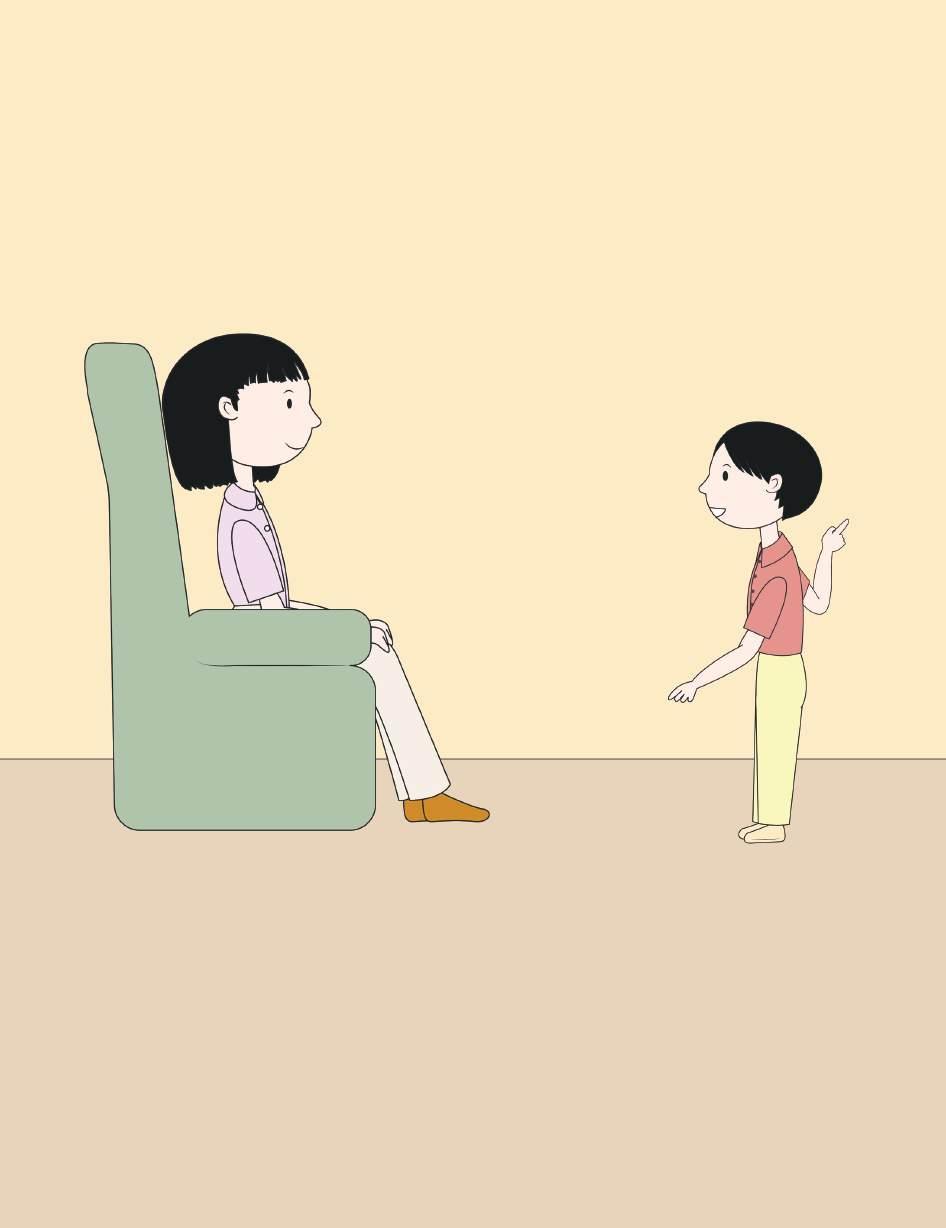
Be ready to listen to your child at anytime
Be available when your child wants to speak to you. Even if you are doing some other work, offering positive inputs as and when required makes your son or daughter feel validated.
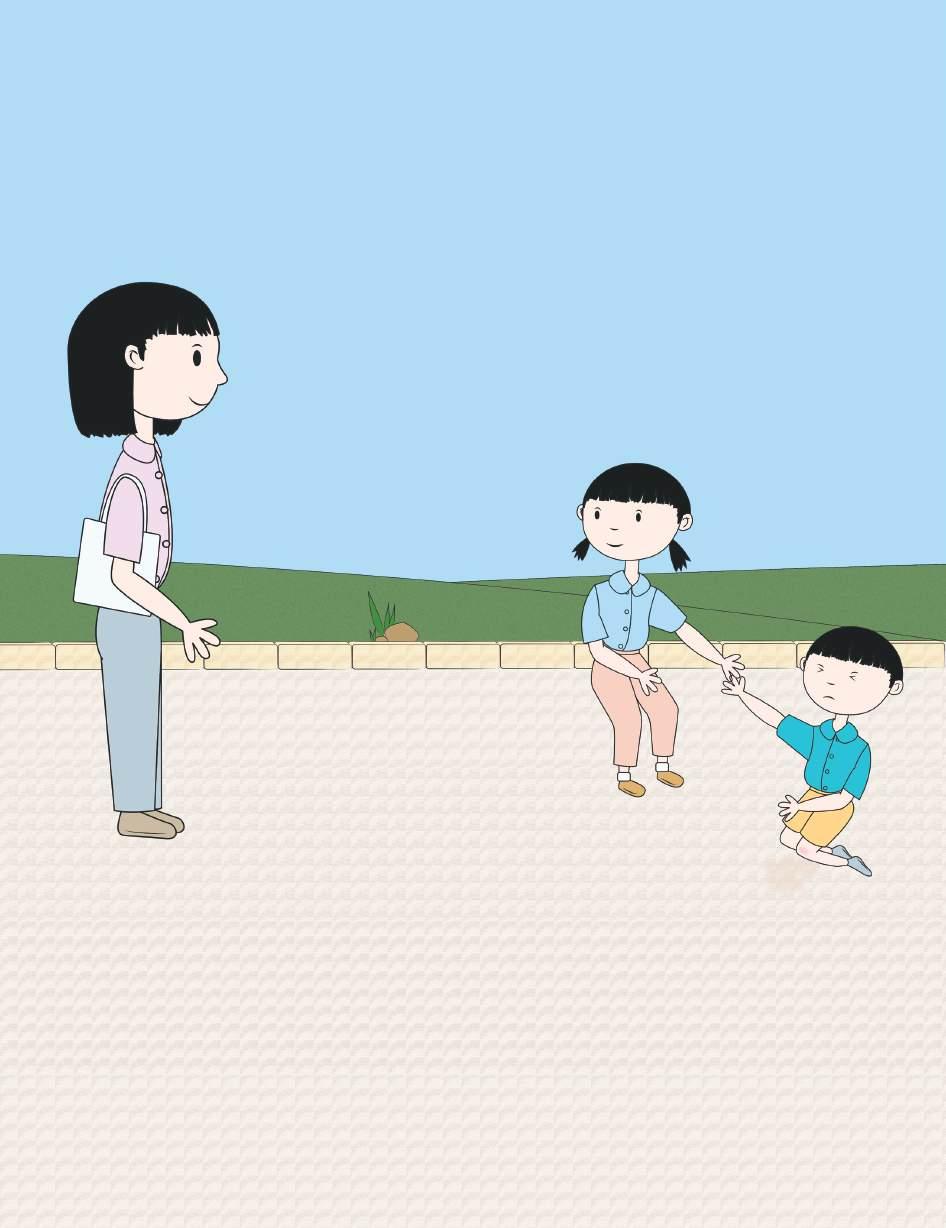
Reinforce habits/values
When your child helps their friend, you can say “I noticed you helping your friend. I appreciate it.”
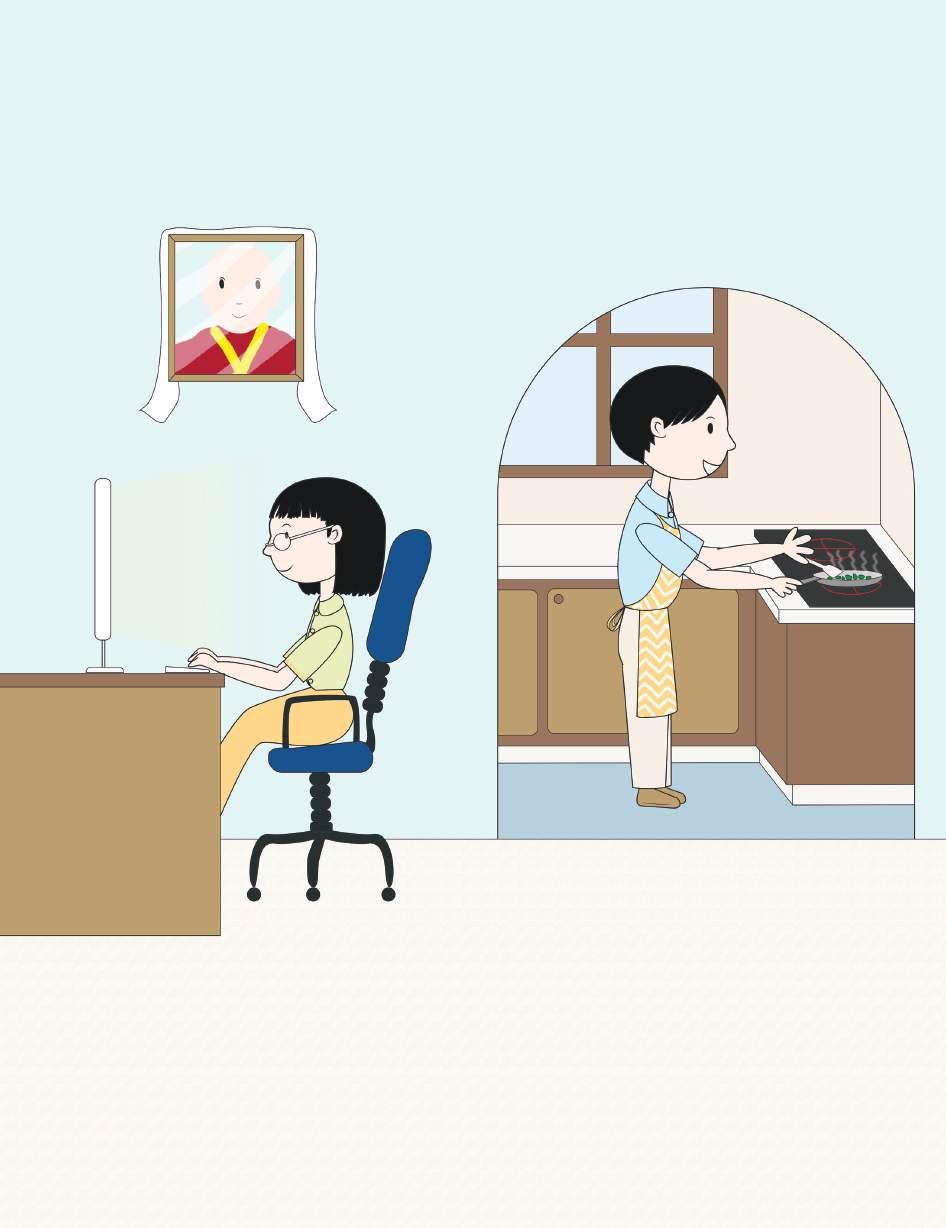
Model and practice gender equality at home
Parent’s performance of gender roles at home is a key factor influencing the socialization of children into gender roles, norms, and biases. Eg., Amala and Pala sharing the cooking and decision-making send a powerful message to children about gender roles.

Take the child out for shopping
Sit down with your son or daughter and prepare a list of things to buy and the amount you are to spend and do the shopping together. This helps the child realize how to balance a budget with your needs.
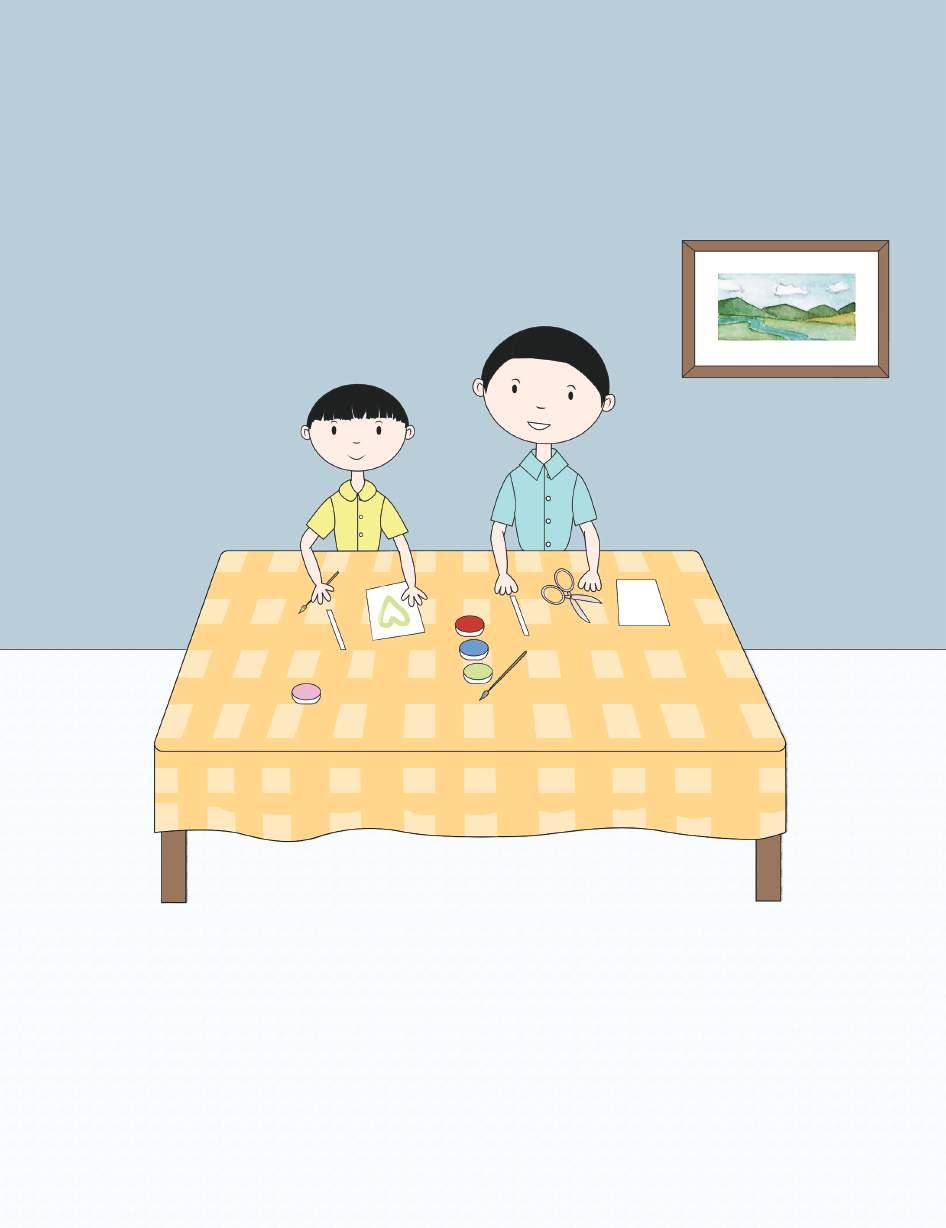
Encourage and support artistic inclinations
If a child likes to draw and paint, then the parents, along with the child could make greeting cards for festivals (like Teacher’s Day) and send them.
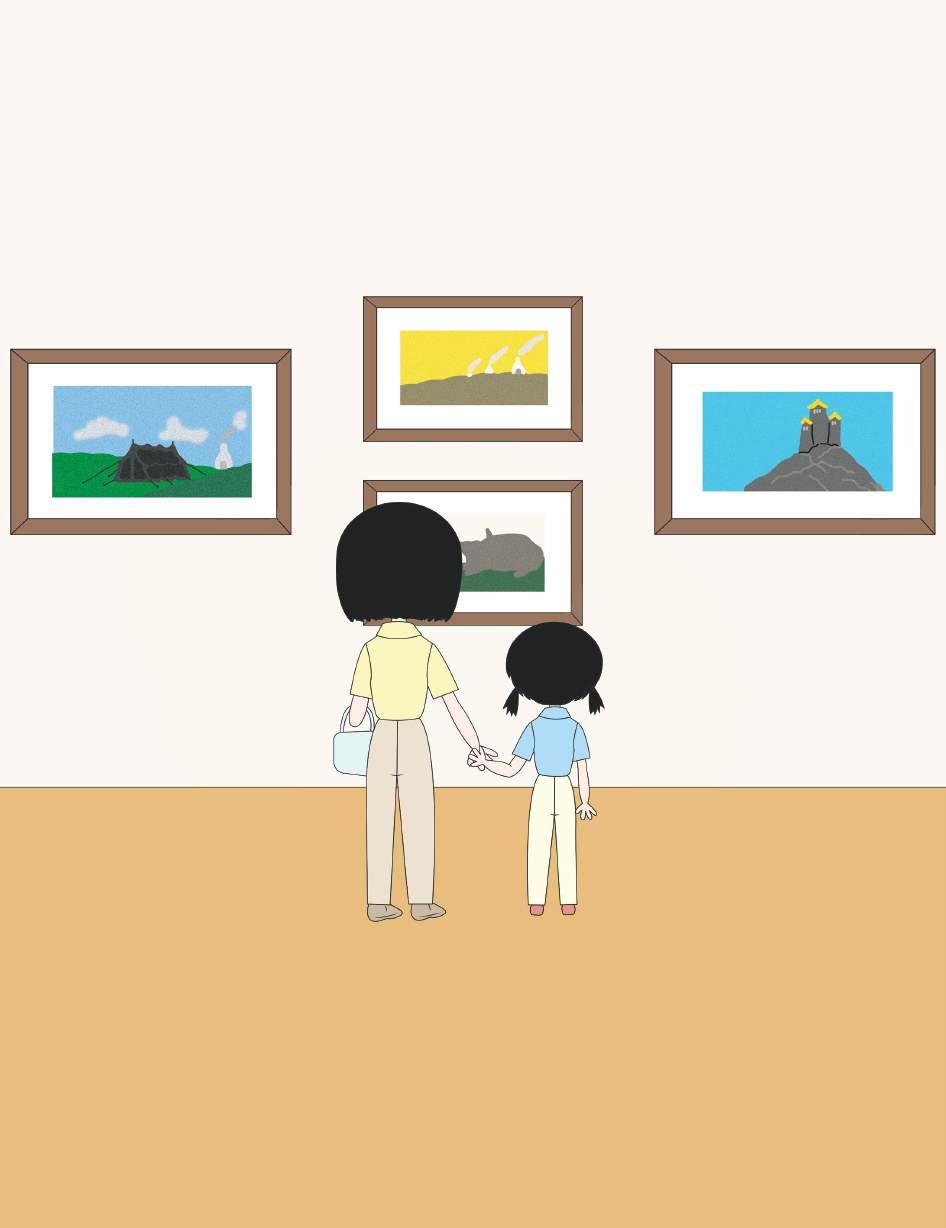
Take the child to socio-cultural programs
Check events taking place around and take your child to appropriate programs such as screening of children’s films, dance and musical performances, book fairs, art exhibitions, etc.
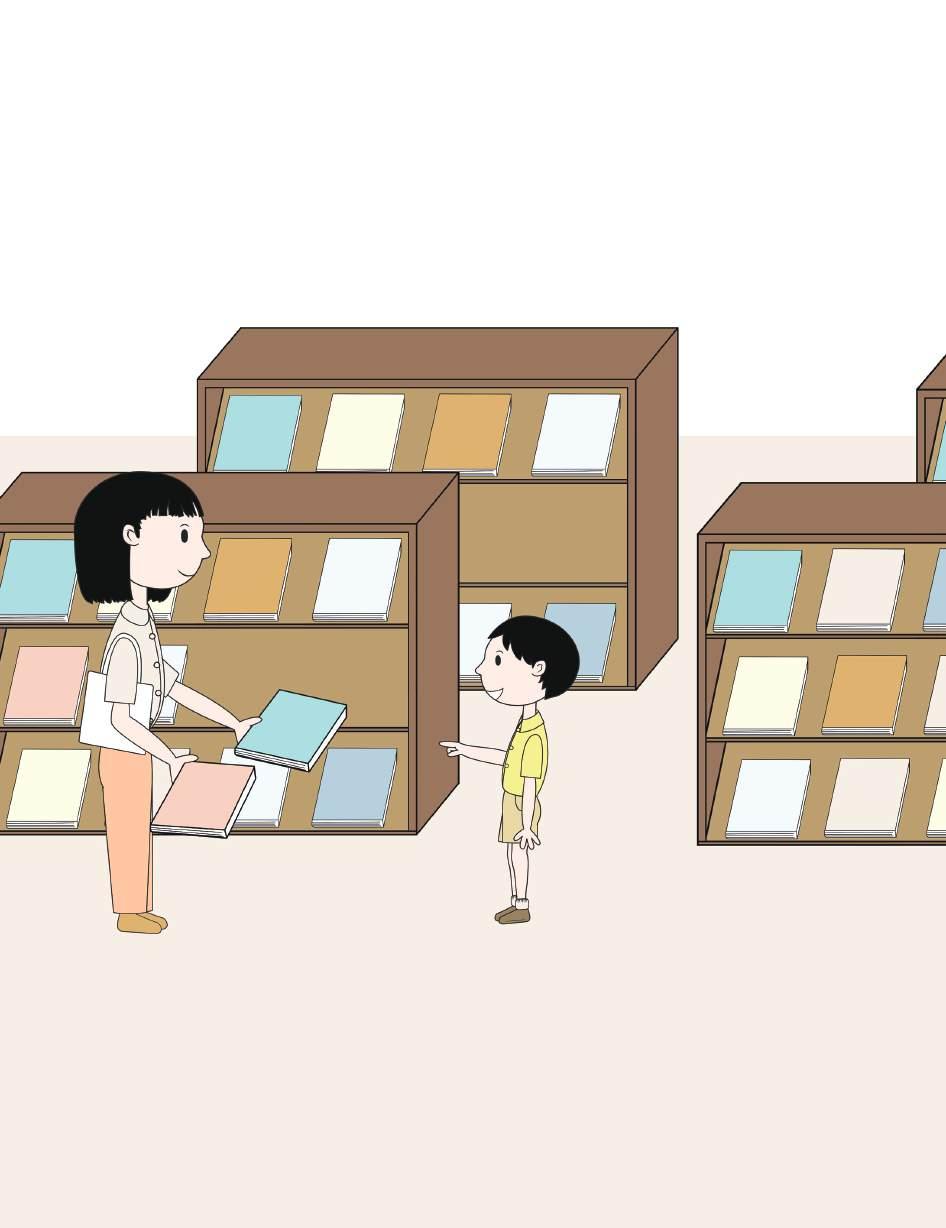
Let the child make choices
Provide opportunities for your child to make his or her own choices/decisions. This helps in developing self-reliance and independence. Of course, parents can provide inputs and suggestions. E.g., when buying books for your child, it is important to consult or let them choose books.
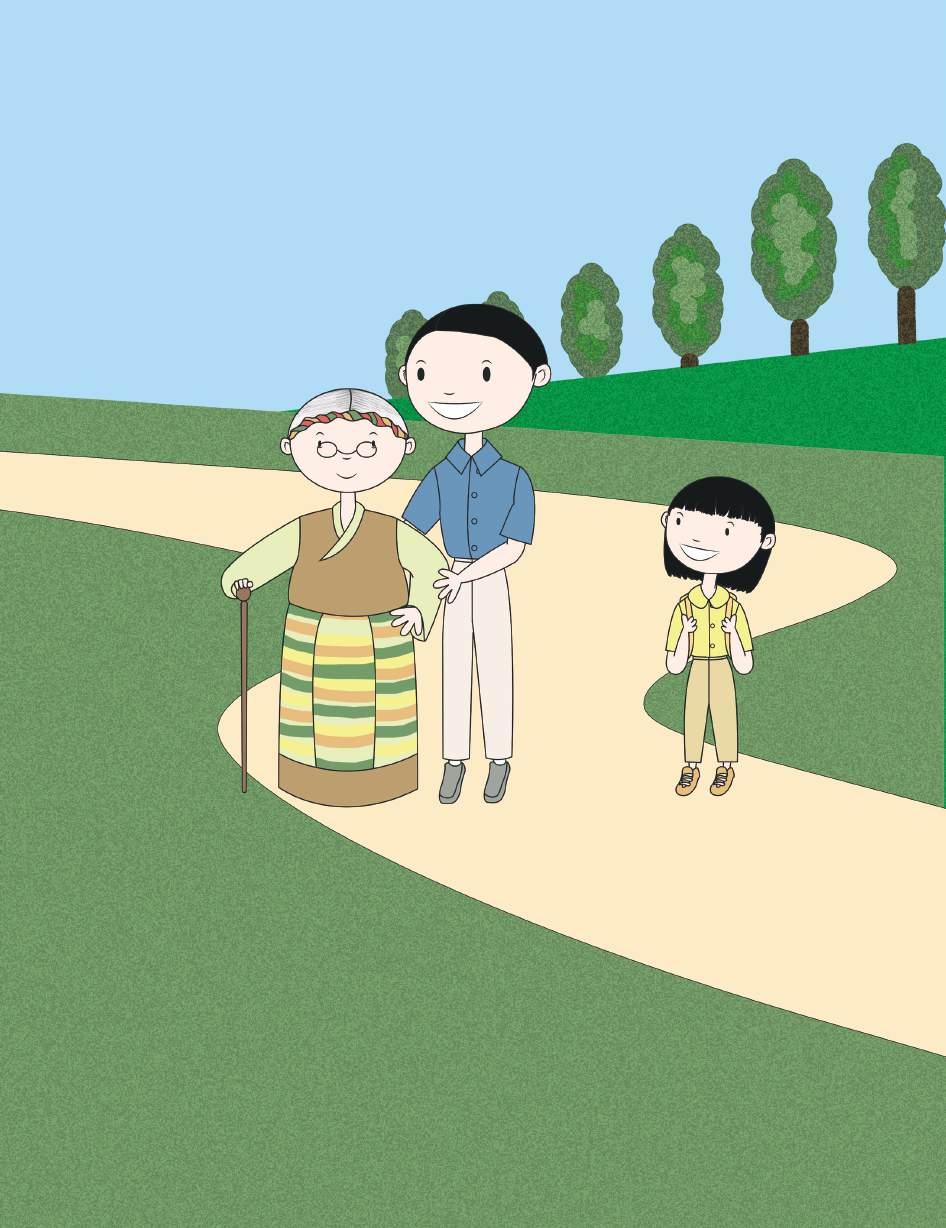
Model behaviors
Children observe their immediate environment and learn lessons about socially acceptable and unacceptable behaviors. Therefore, parents should model the behaviors and values you want your child to adopt. For example:
If you want to raise a reader, become a reader.
If you want your child to become respectful, demonstrate respect for others.

Play games together
Children treasure playtime. Playing together brings you closer to your child. Play provides opportunities for inculcating values and learn about your child’s interests.
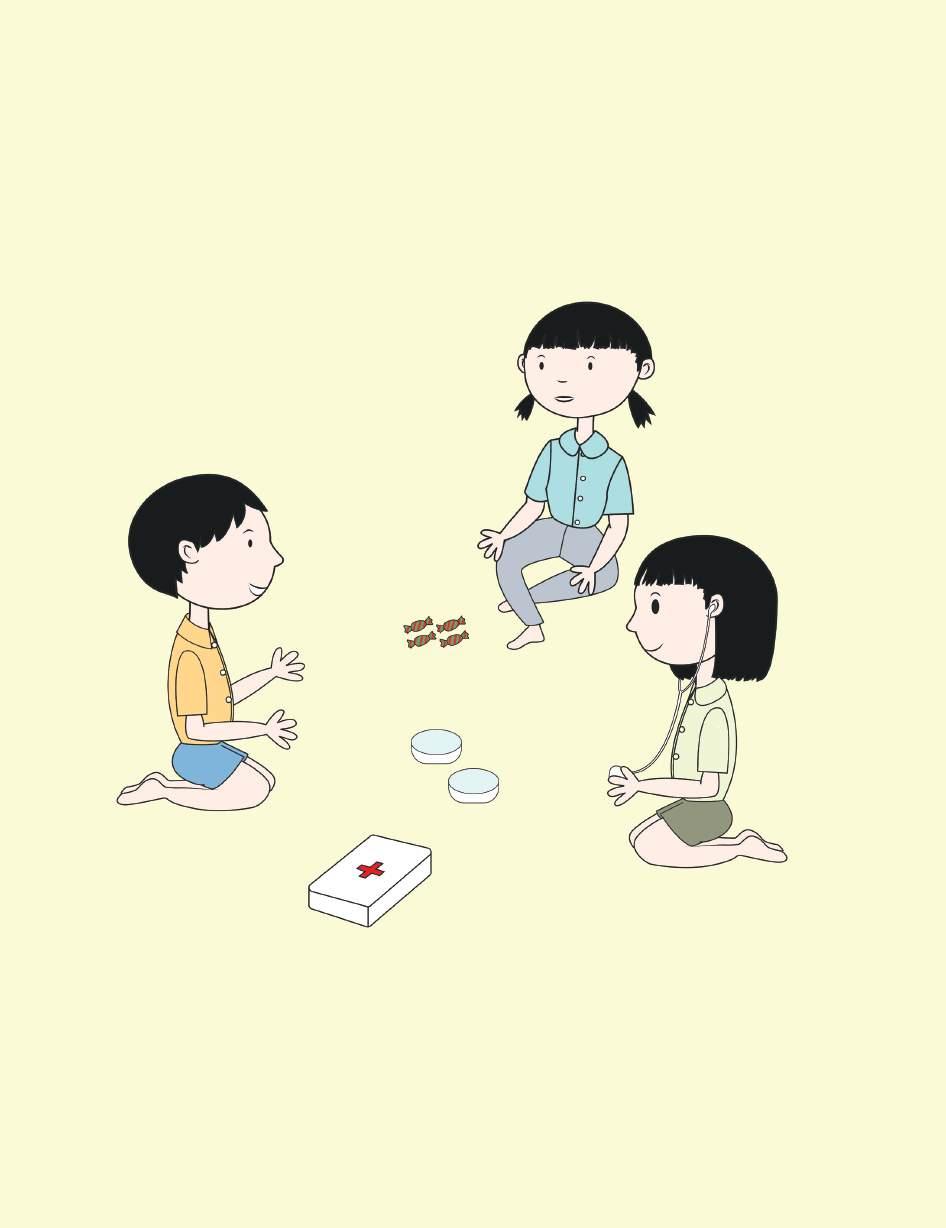
Allow unregulated/unstructured play
Unregulated/unstructured plays are those plays that are not arranged or premeditated by parents or a structure. When children engage in unregulated play with their friends, they develop a variety of social, interpersonal and cognitive competencies, such as negotiation, problem-solving, sharing, caring, etc.
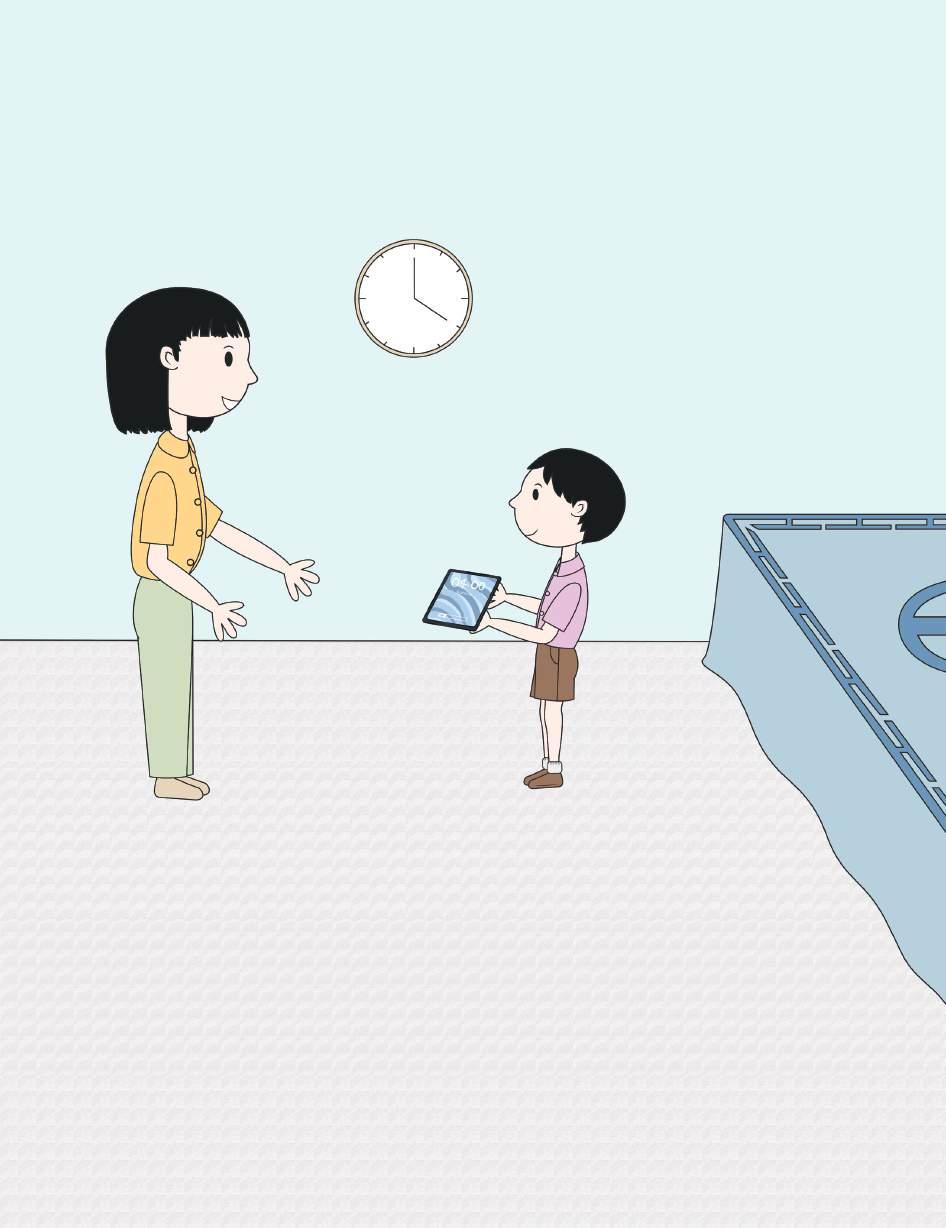
Limit screen time
Screen time refers to time children spent watching TV/laptop/tablet/mobile. Excessive screen time has negative consequences on all aspects of the child’s development such as physical, cognitive, language and socio-emotional. It is recommended that children under three years should not be given screen time, and limit screen time to less than an hour a day to those above the age of four years.
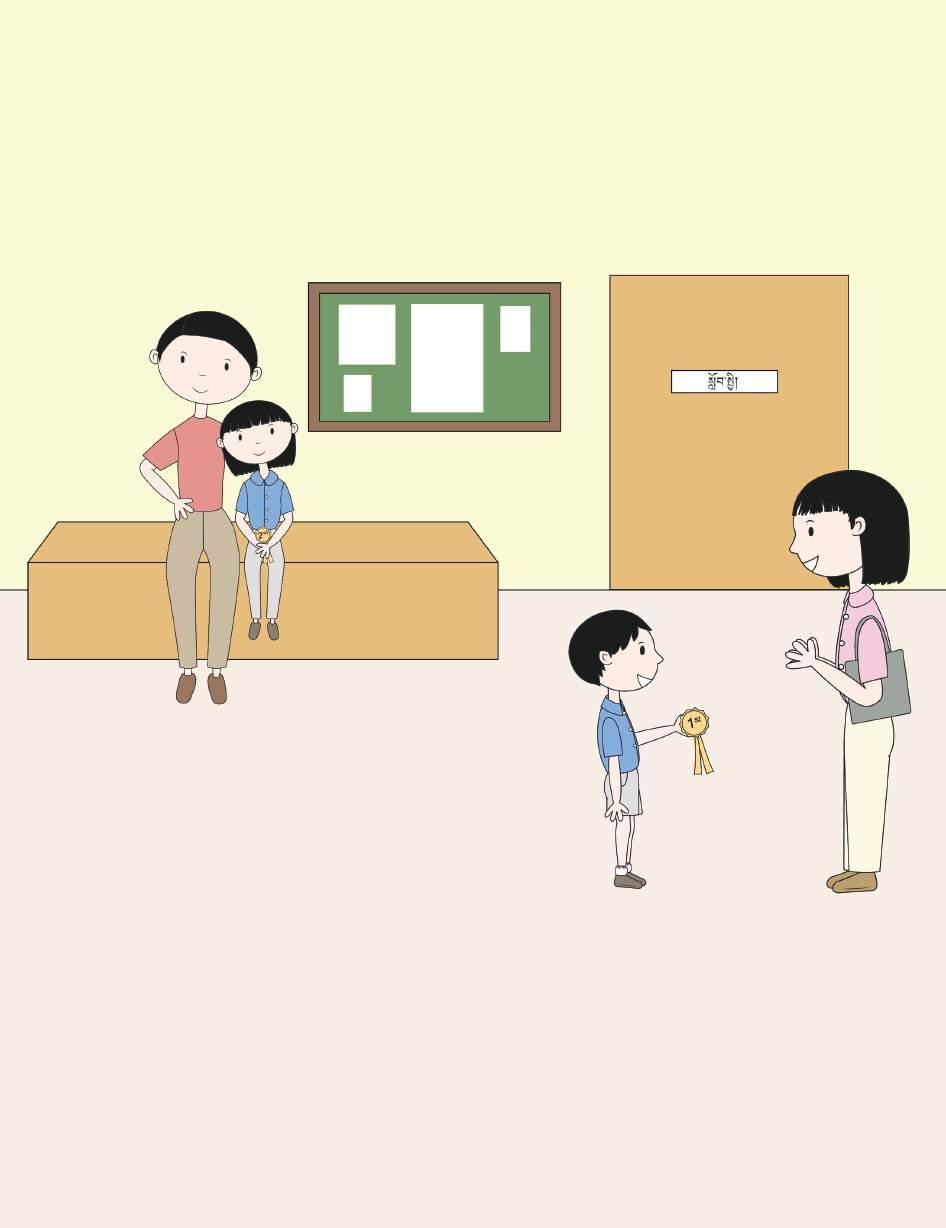
Do not compare your child to others
Comparison negatively impacts your child’s self-esteem and raises their self-doubt. The comparison also amplifies jealousy and hatred. Each child is different and develops at a pace that is right for them.
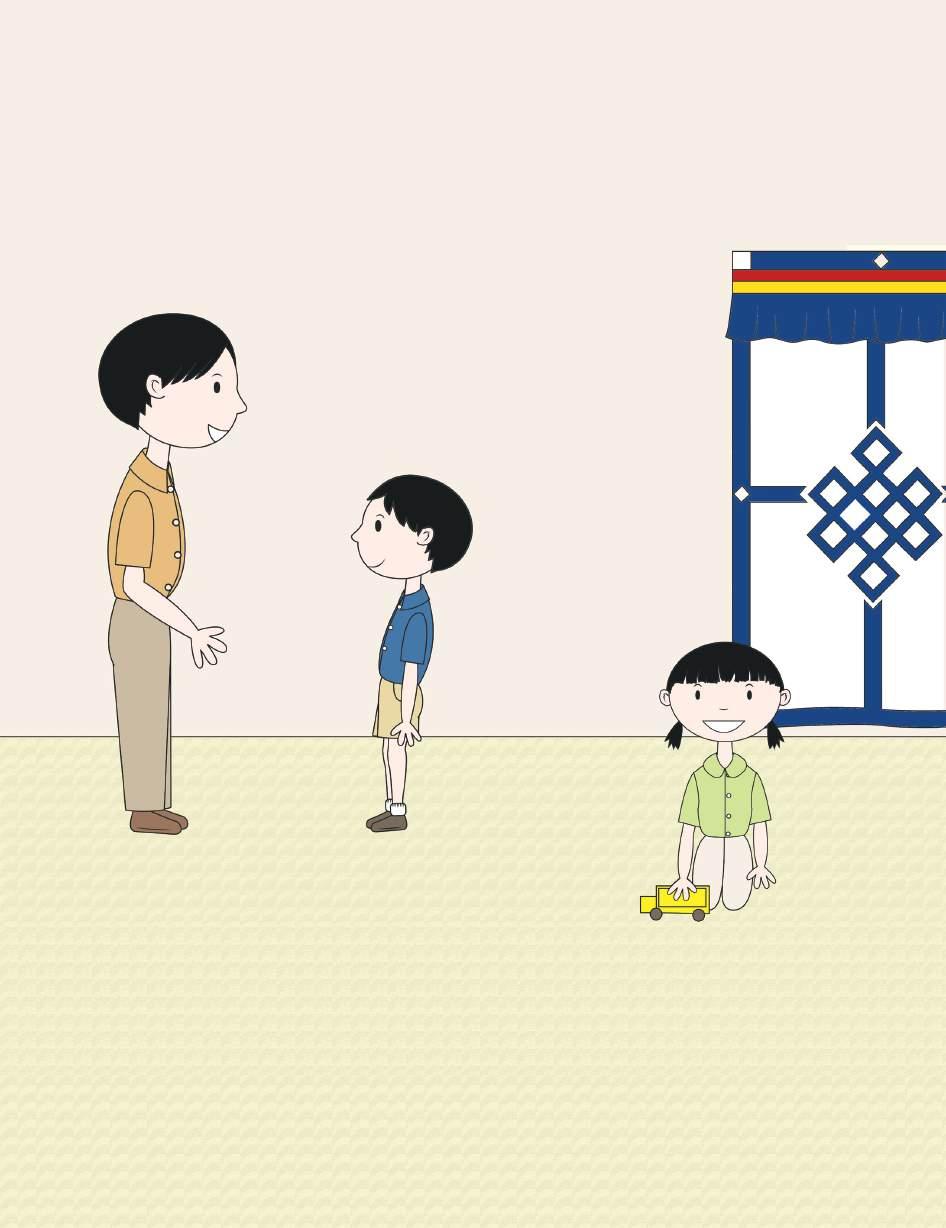
Praise your child’s hard work, rather than the results
Focus on the process over product. For eg, instead of telling your child, “You’re a good girl,” tell her “I noticed you being kind to your little brother yesterday when you shared your truck.” This shows them you see their good behavior, without placing judgments. Focusing on the process helps instill a growth mindset where the child believes he or she can improve through their efforts.
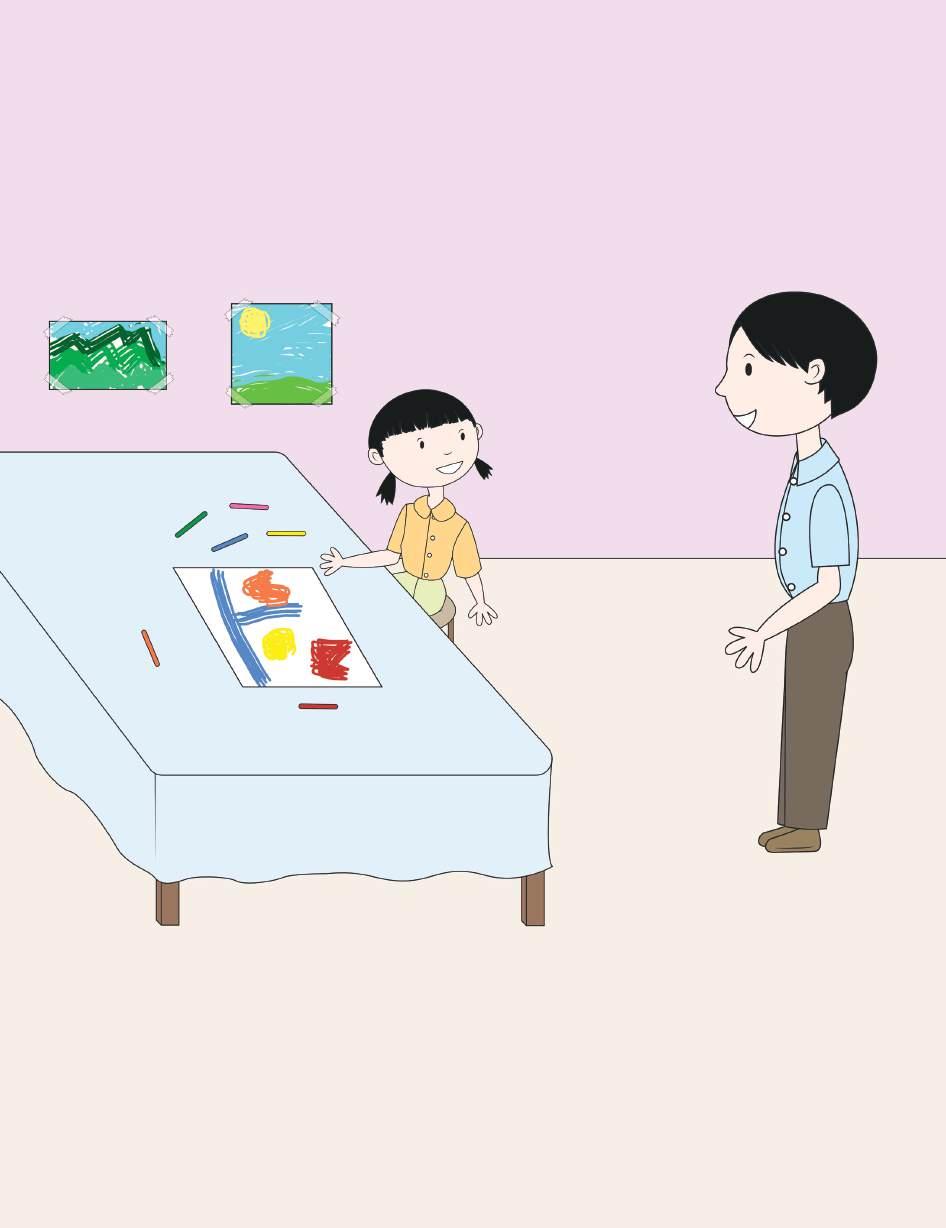
Encourage self-analysis and evaluation
The child is their own teacher. The parents are there as guides to help them but they discover things for themselves. Self-analysis is a big part of that discovery. E.g., when your child asks you, “Do you like my drawing?” try asking them about it instead of just saying you love it. Ask them what they think about it, how they decided what colors to use, and what their favorite part is. Help them to learn how to evaluate their work for themselves, rather than looking for your approval.
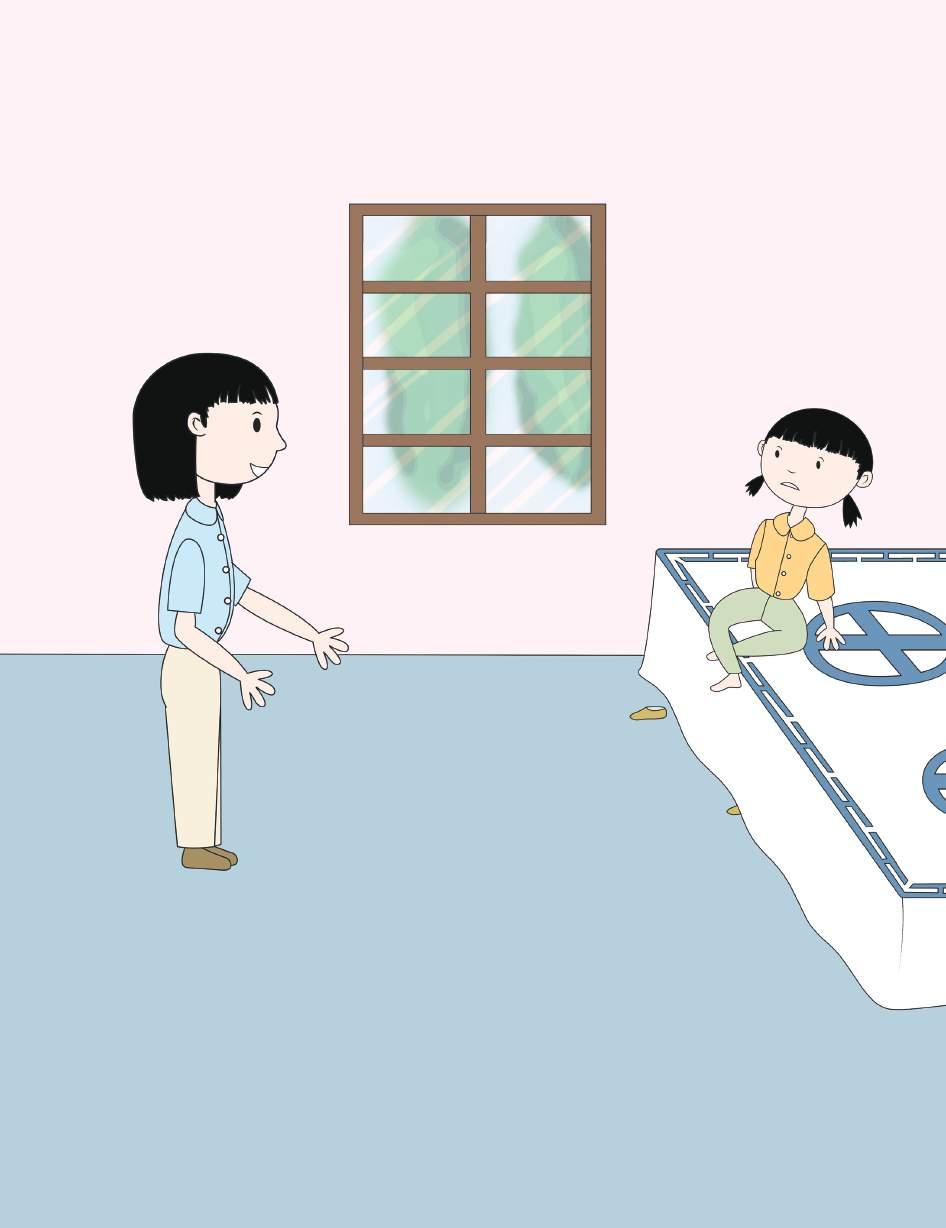
Encourage independence
Independence is a key value in life. Our goal as parents is to help our children do things for themselves. So, while it’s easier to simply answer a child’s question, it is more meaningful to answer their questions with another question such as, “Where could you look for that?” For eg, if your child loses her shoe and you see it peeking out from under the bed, try asking leading questions, rather than just handing it to them. Ask “Where were you when you took your shoes off? Have you checked your room?” This may take a little more time, but it will be worth it when they start taking more initiative and coming to you less.
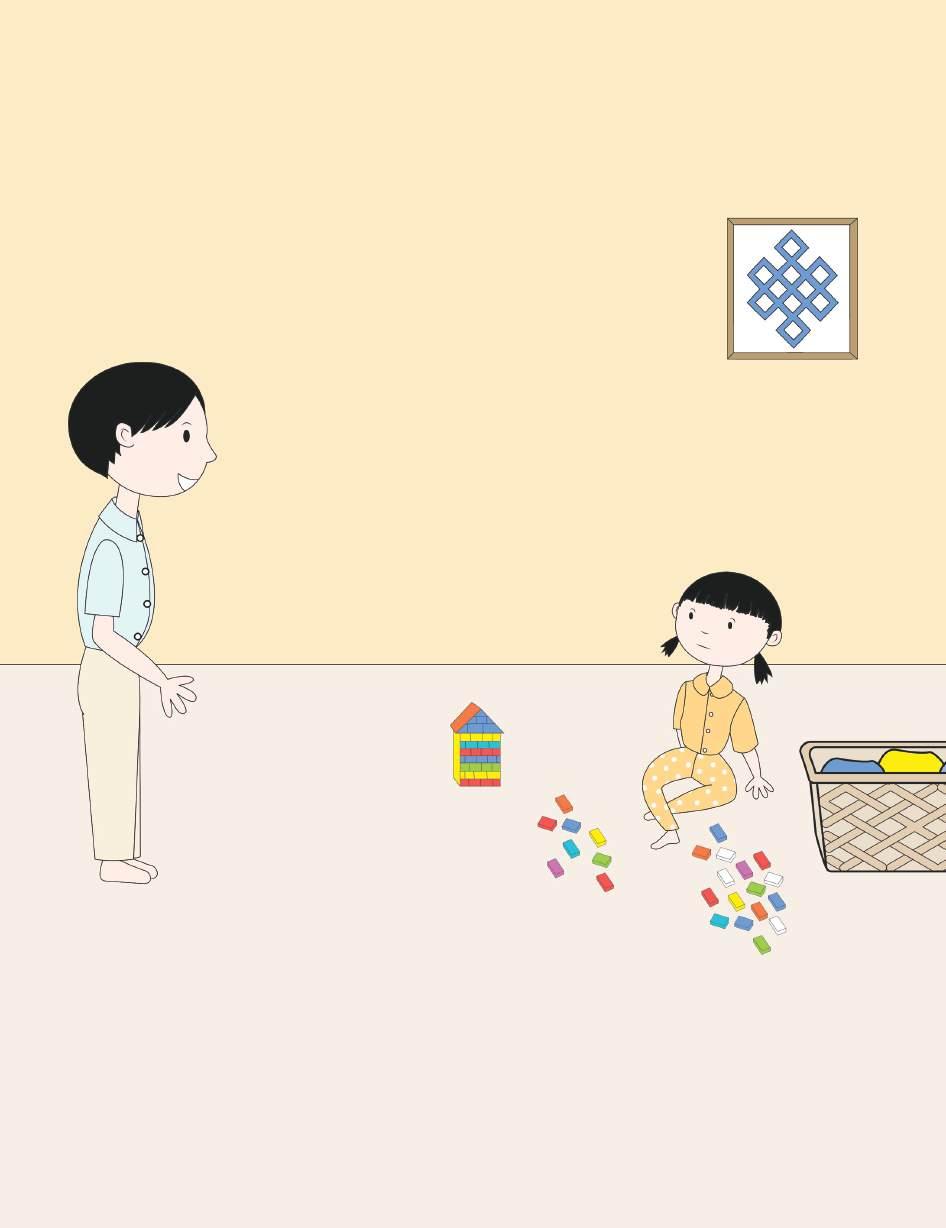
Limit your interventions
Children love to do things by themselves. When the task is just too big and overwhelming, parents may be tempted to swoop in and do it. But this sends the message that the child is not capable and takes away their opportunities for developing a sense of responsibility. In this case, you can say “which part would you like my help with?”. E.g., if your child is tired, but needs to put their Legos away before bed, all of those Lego pieces can be overwhelming. Try “which color would you like me to put away” or “I’ll put away the yellow pieces and you put away the blue” to show that you’re in it together.
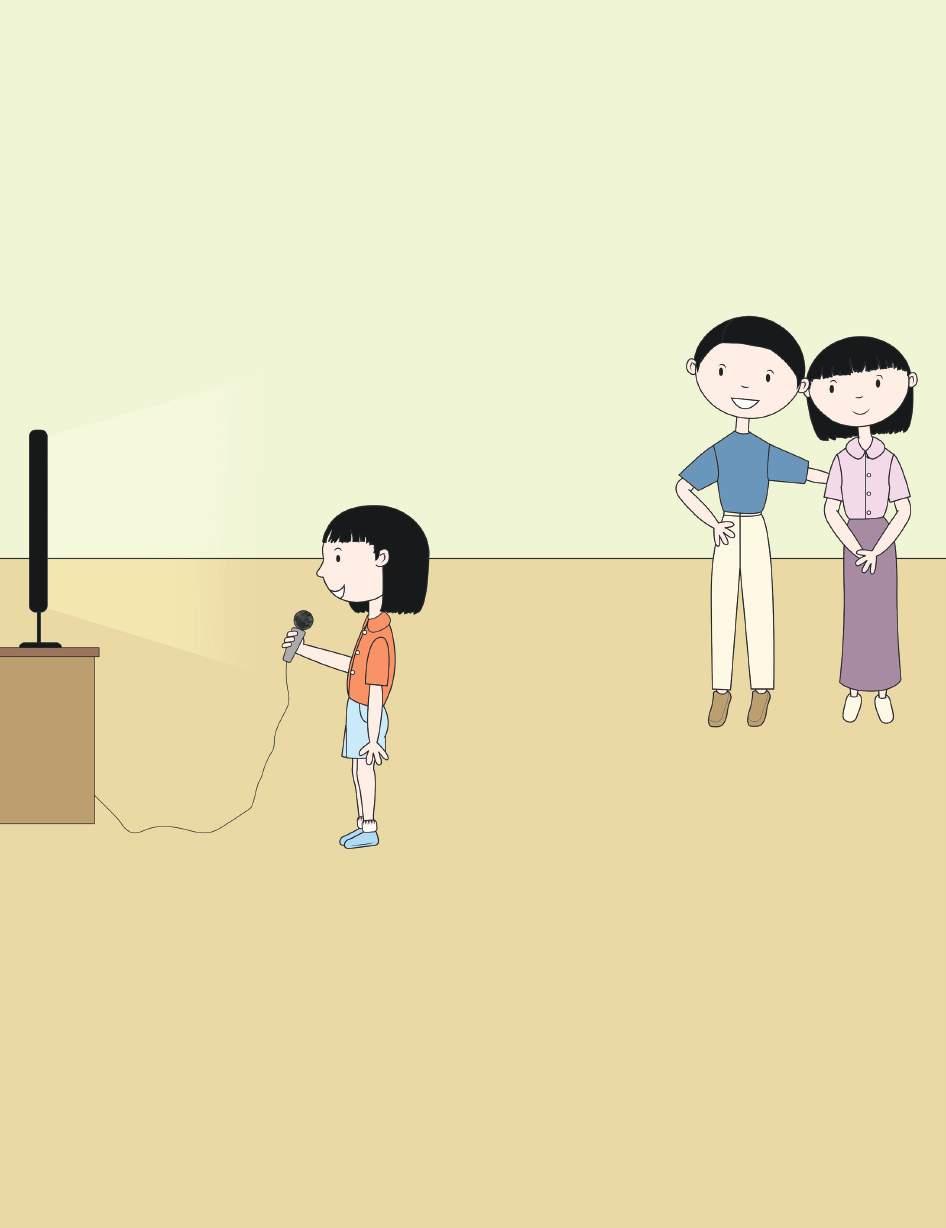
Follow the Child
Trust that each child is on her/his own internal developmental timeline, and that she/he is doing something for a reason. Not all children will be walking by one or reading by four years old. Following the child means remembering that each child is unique and their own individual needs, passions, and gifts, and they should be guided accordingly. E.g., if you can’t get your child interested in reading, try watching what they do love - if they love playing sports, it may be that a sport-themed book is what piques their interest, not the children’s classic storybook you had in mind. Remembering to “follow your child” can help you see them differently and work with them instead of working against them.
Part-2
Ways to involve yourself in your child’s school activities

Attend workshops and lectures offered by the school
Take time off to attend workshops and lectures on different topics arranged by the school.
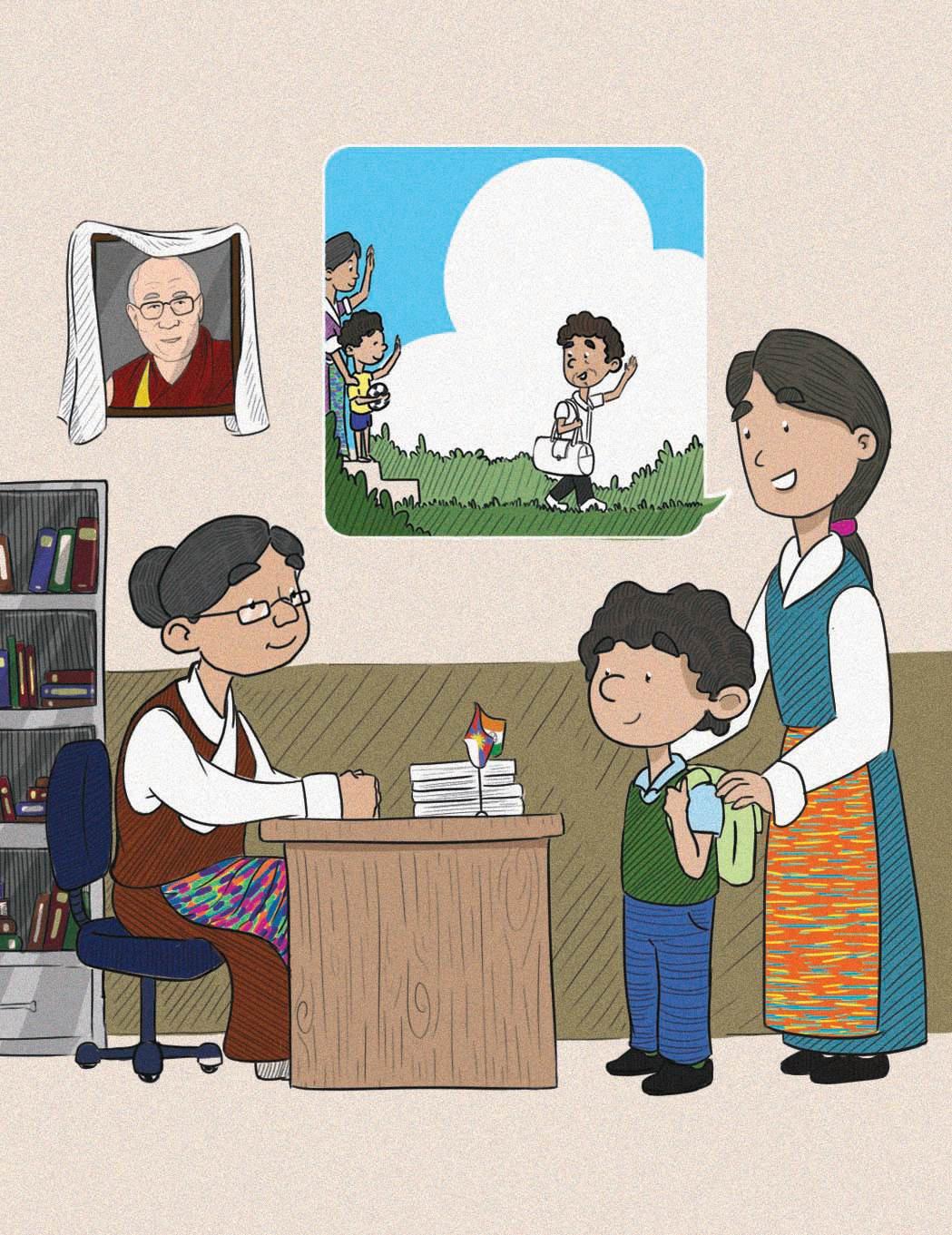
Discuss remarkable changes at home, if any, with the school
E.g., if the parents are leaving for sweater-selling business and leaving the child with a relative, it is important to inform the school.
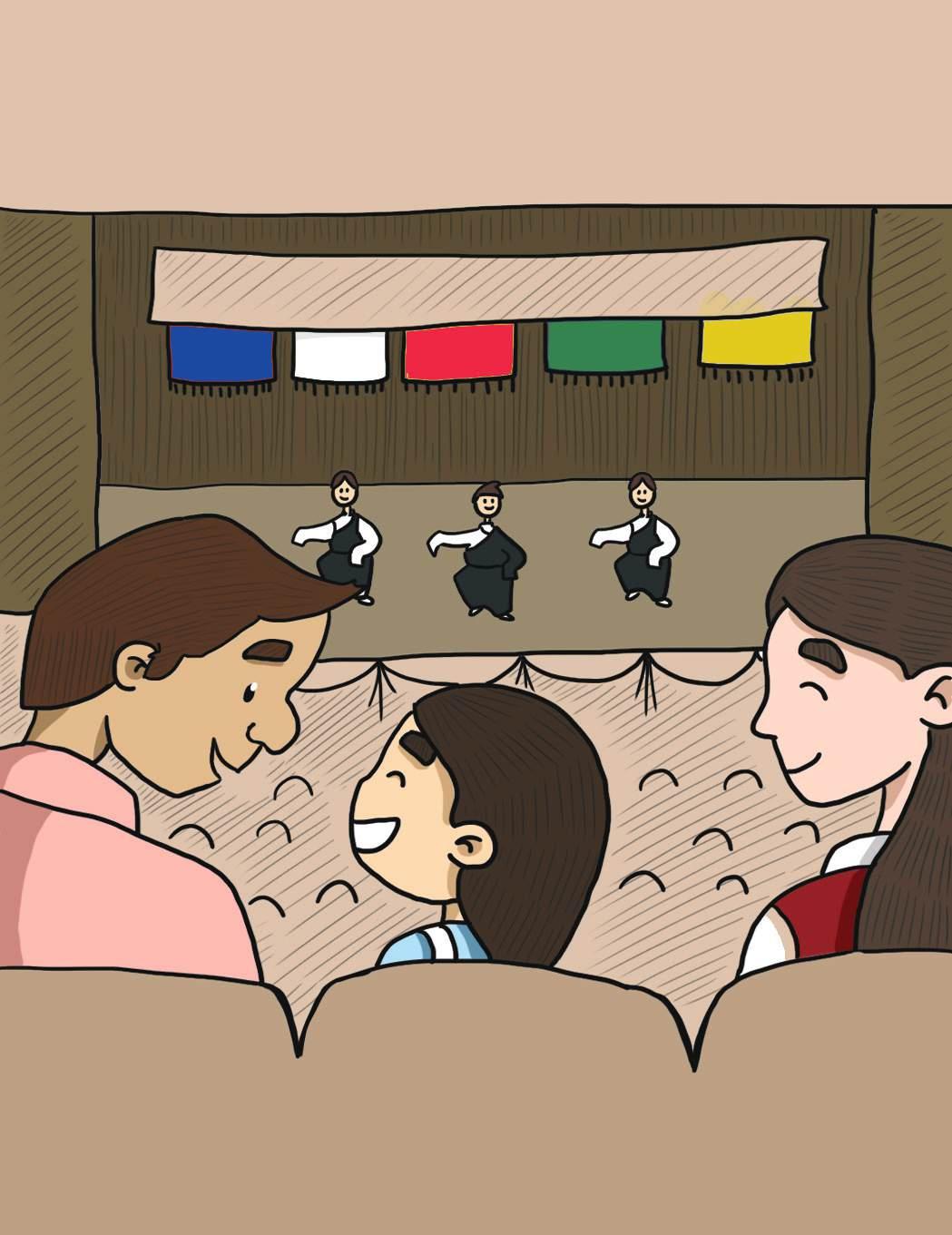
Keep abreast with school events relevant for family gatherings
Parents should attend school events where family members are allowed, such as annual day celebrations, cultural programs, Tibet-our country programs, etc.

Check the school diary daily
School diary contains information on school programs and events scheduled for each day, as well as homework notes, etc.
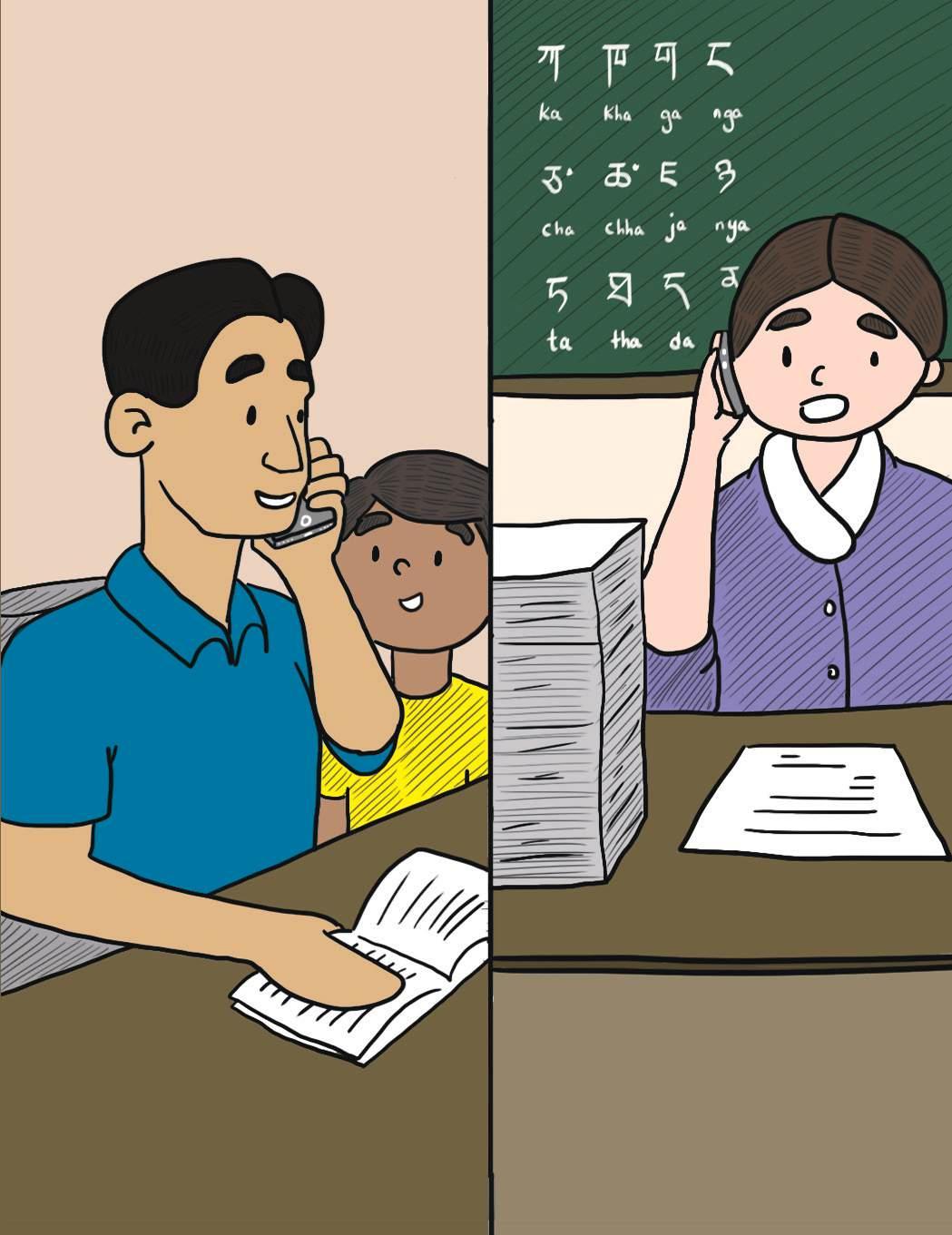
Keep in regular touch with your child’s teachers
Keep contact details (phone or email) of your child’s teachers and call them or visit them as and when required to check how your child is doing at school. Ask your child’s teachers how you can support your child at home.

Check your child’s notebook and other works regularly
This will help the parent know about the work done during classes, get a sense of how your child is doing in tests or remarks written by the teachers.
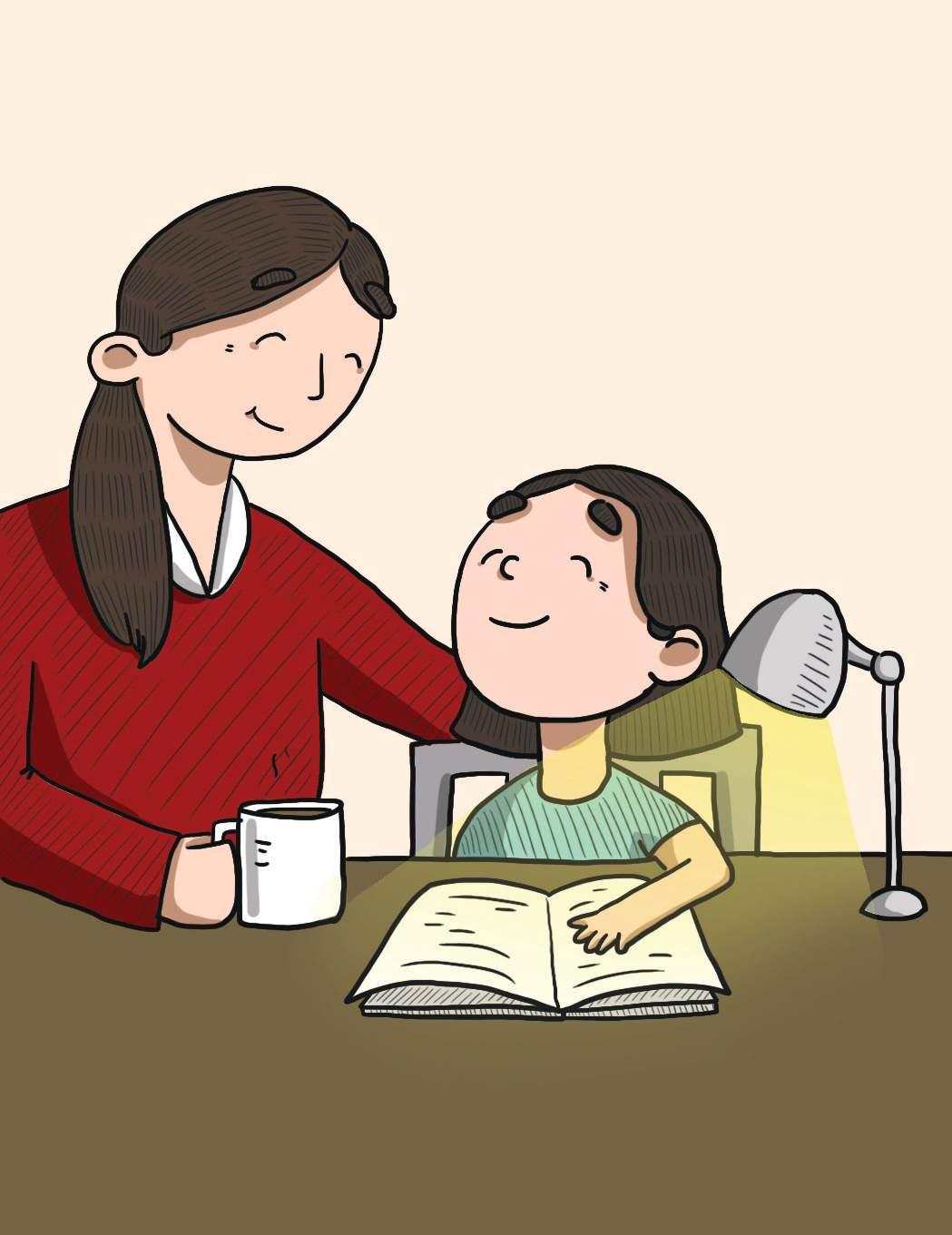
Make sure the child complete homework
Monitor the child’s progress while doing the homework. Give them support by creating an environment conducive for study at home and providing required materials, but don’t end up doing the homework.
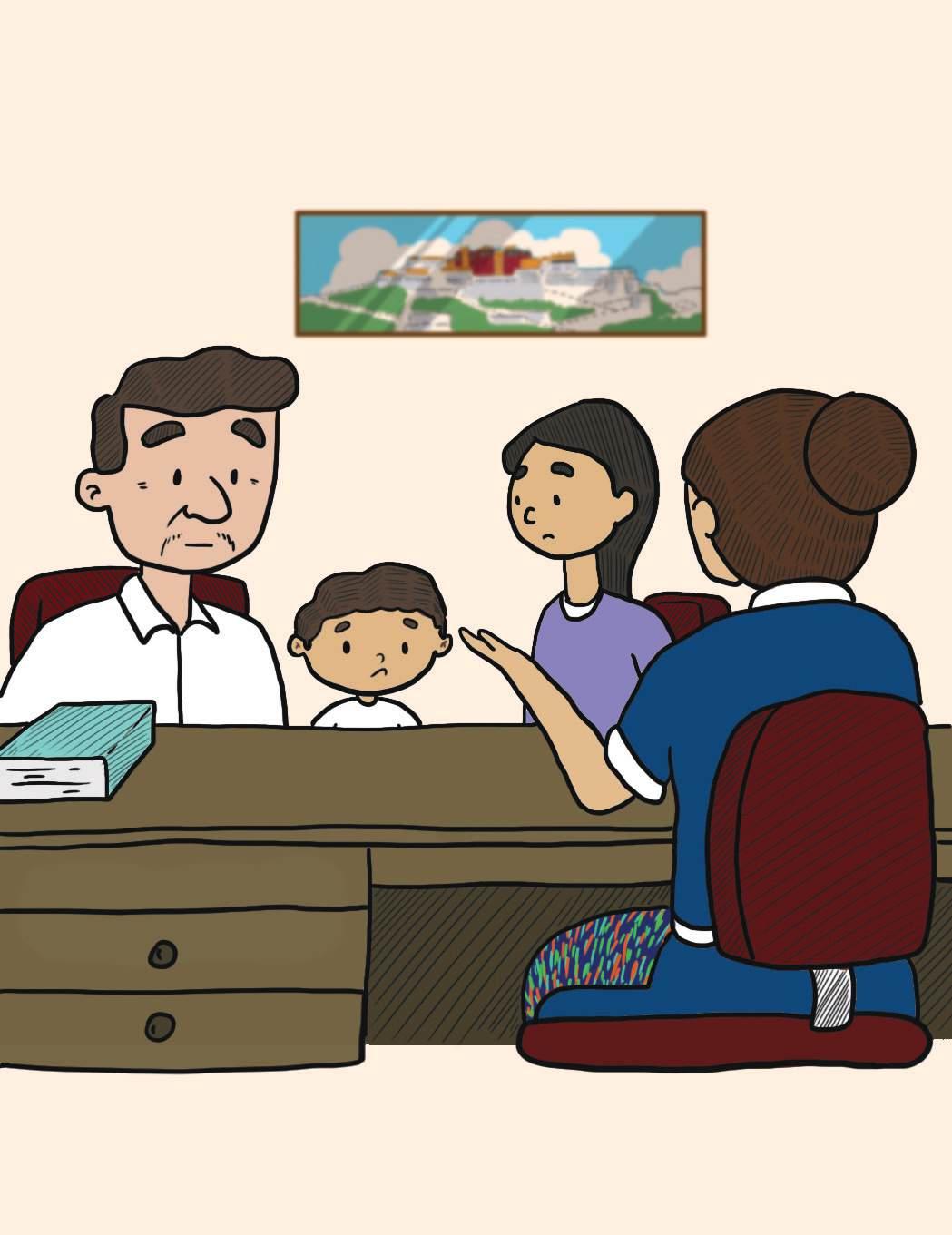
Be open to the feedback given by the school about your child E.g., if the parent is informed of their child’s bad behavior, then they should not be defensive or get back at the child by hitting them. It would be more helpful if the parents ask the teacher for remedies that they could practice at home to help the child.
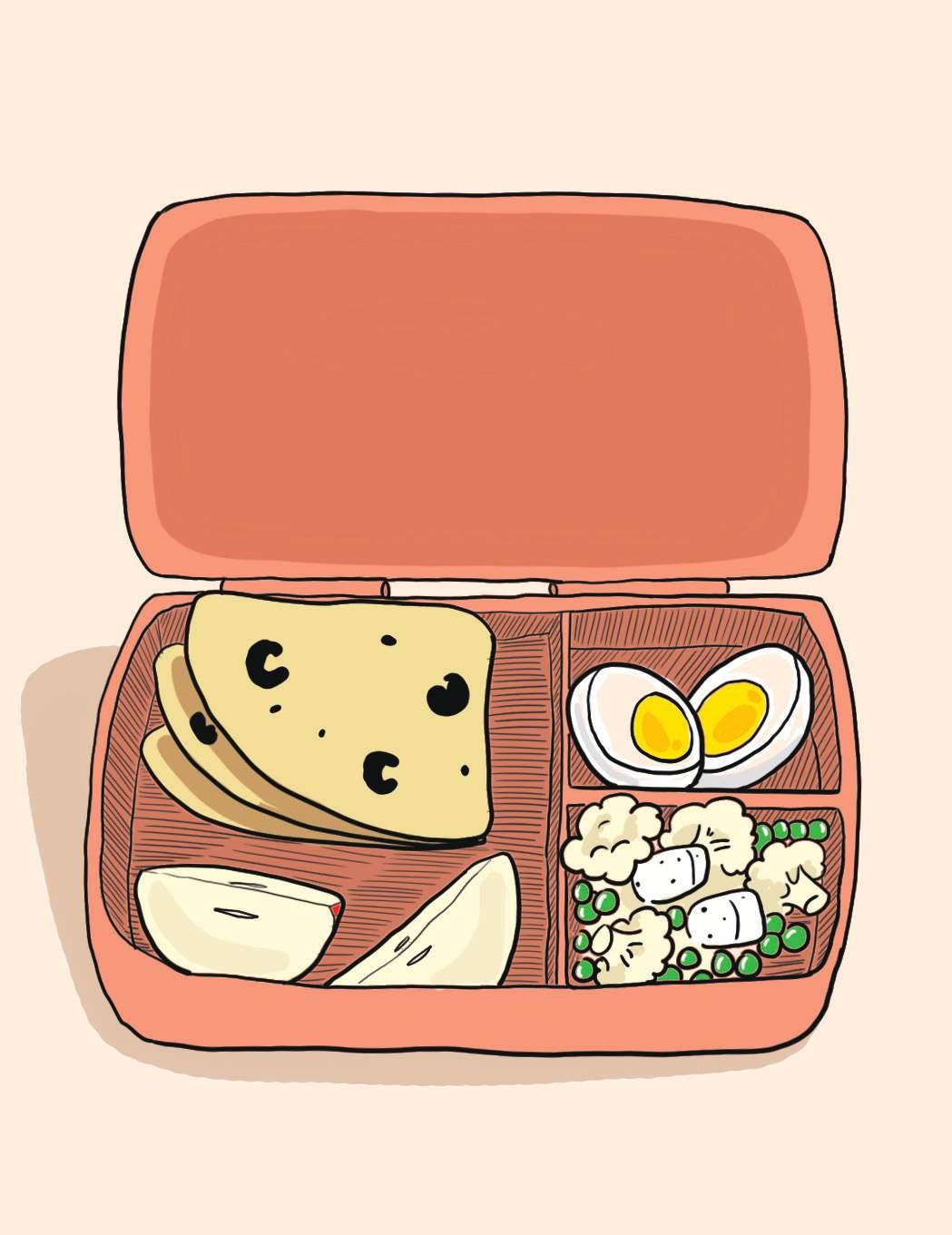
Send healthy snack with the child to school
Send healthy and nutritious snacks such as seasonal fruits, etc.

Keep track of important school dates
Check on dates for PTA meetings, various exams, submission dates for projects from the start and note them down for easy reference.
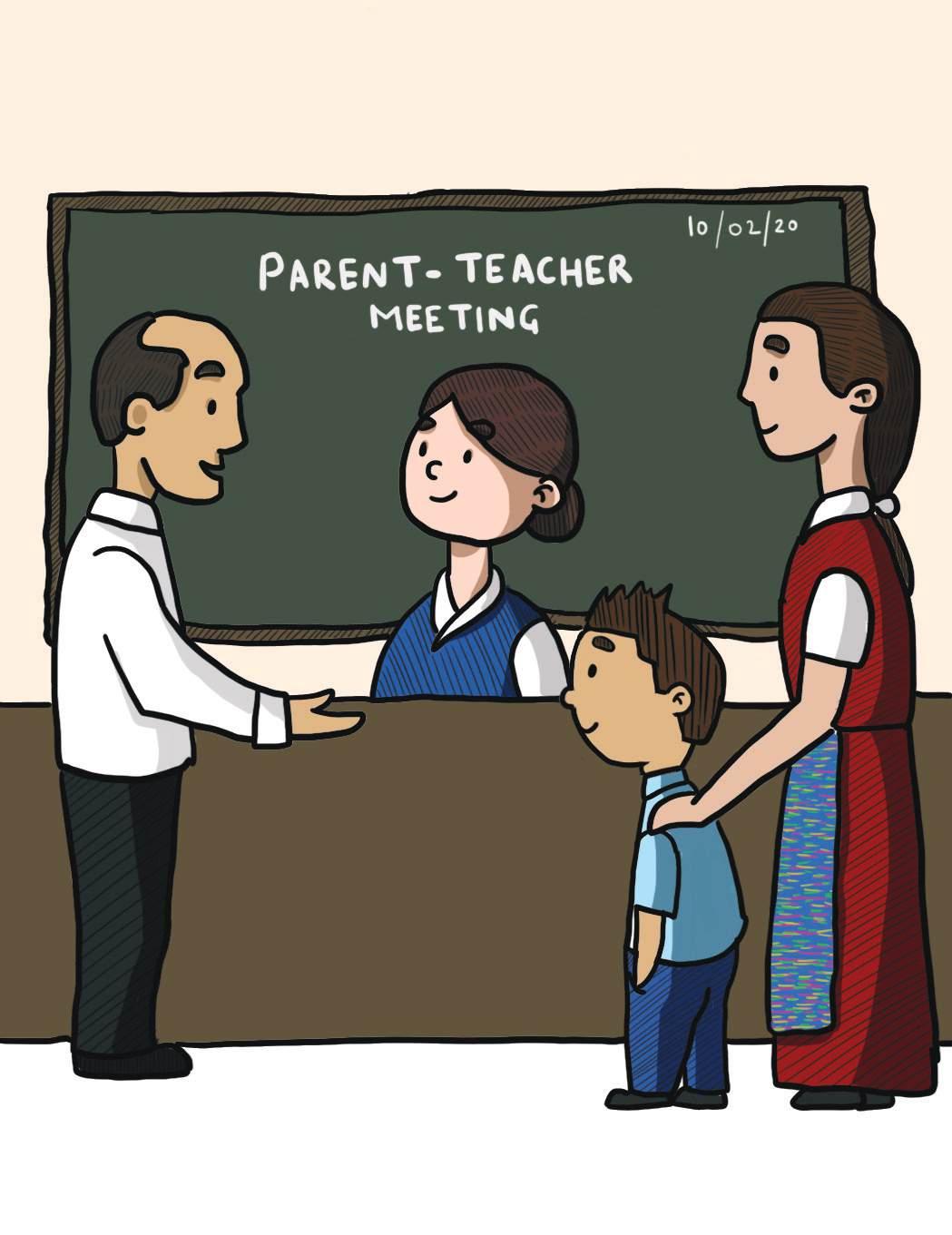
Participate actively in parent-teacher meetings
Be prepared to discuss your child’s

Volunteer for school activities
Volunteer for school activities where parents’ participation or help are sought, such as school trips, annual day program or organizing lectures/talks, etc.

Be informed of special support and resources available at the school
Schools may have special intervention programs or other supports that your child can benefit from, such as a special program designed to help children with reading difficulties.

Be an active member of the Parent-Teacher Association
PTA is a very important platform for a parent to discuss your child’s progress as well as issues for school-wide development. Be proactive in assisting and helping your school to develop and prosper.

Create a supportive environment for study at home
Provide your child with space/things needed for study and be ready to guide when the child has questions.

Contribute your expertise to the school
If you are a health professional, you can help your school with health-related programs. If you are a craftsman or an artisan, you can contribute to the school’s life-skills programs.