Healing Checkers
Introduction
My grandfather lives with Alzheimer's disease. As I grow older, his memories are slowly fading. When he was healthy, his favorite thing to do was play games, which inspired me to design a checkers game in hopes of slowing the progression of his condition.
"Healing Checkers" is an game that incorporates It's essentially using the fun of a game to deliver a therapeutic purpose. artistic therapeutic AI-generated art and cards to encourage self-expression in patients.
RESEARCH
The
number of individuals living with the disease
6.9
million people aged 65 and older are living with Alzheimer's disease In the United States. Among them, more than 70% are aged 75 and older. Globally, among the over 55 million people living with dementia, an estimated 60% to 70% have Alzheimer's disease.
The Different Stages of Alzheimer's Disease
The Early Stage
The number of individuals living with the disease
The incidence of Alzheimer's disease across different age groups is as follows:

The
This data clearly shows that the high-risk population for this disease is the 60-79 age group, which accounts for 62.1% of all cases.
Source: 2025 alzheimer’s disease facts and figures. (2025). Alzheimer’s & Dementia, 21(4). https://doi.org/10.1002/alz.70235
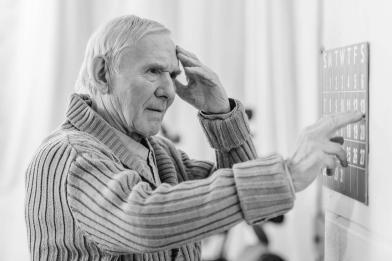
appointmentsrepeat questionsdeclining language skills, reduced concentrationdifficulty managing complex tasks.
experience , and

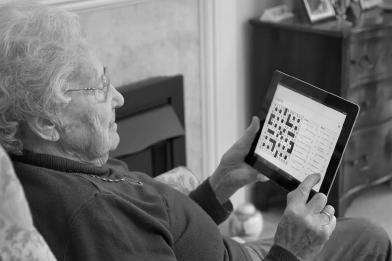
The Middle Stage The Late Stage

Severe memory loss

Disorientation in time and placeNeeding assistance with daily living , such as not remembering the names of family members.
activities. Greater mood swings, possibly including aggressive behaviour.


Most individuals with Alzheimer’s disease require medical or caregiving assistance for rehabilitation in the middle and later stages. Since early intervention leads to better outcomes, I chose to focus on the of the condition. early stage
GAME DESIGN
Game design concept
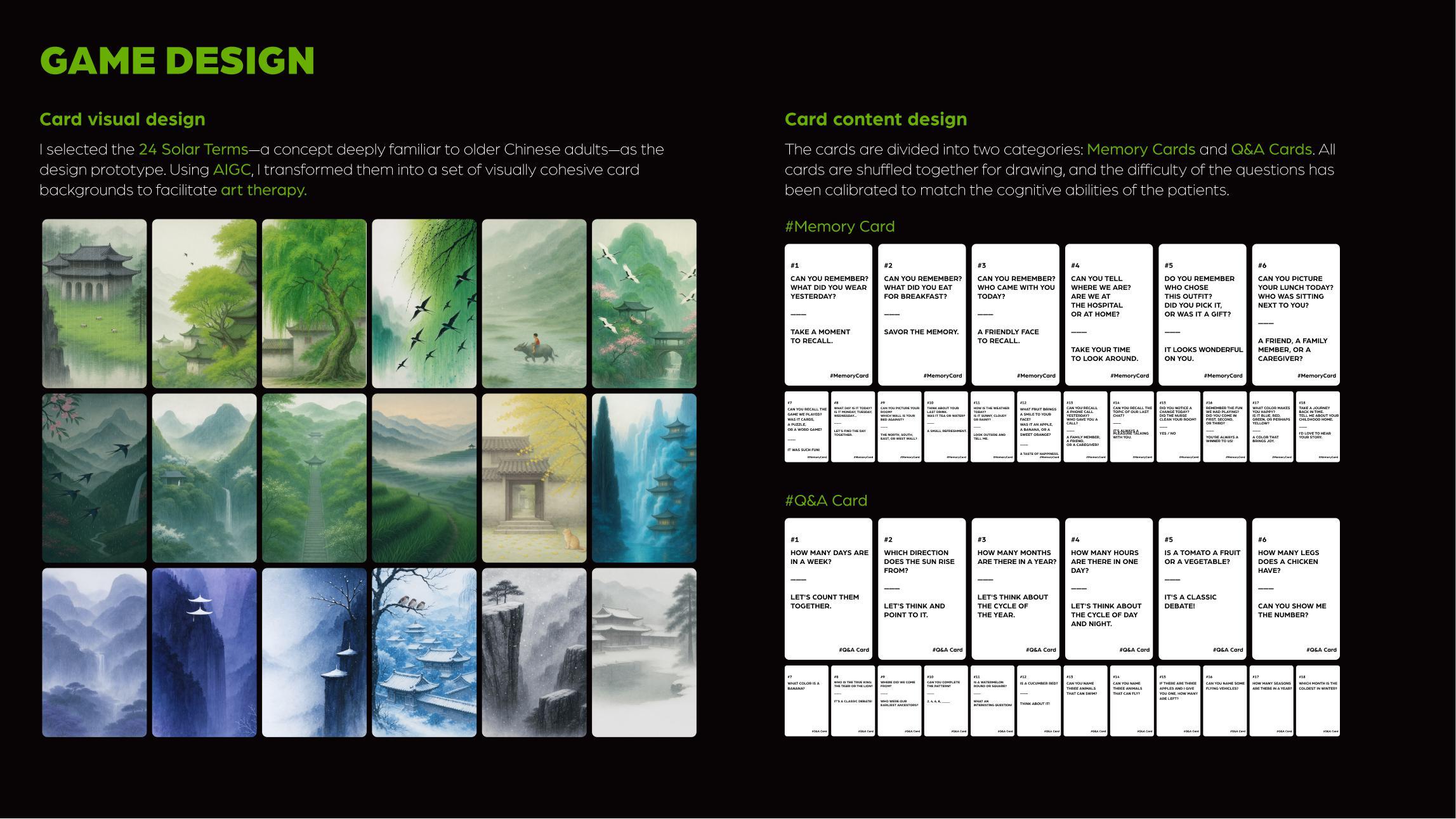
Through desk research, I have gathered several existing treatment approaches for the early stages of Alzheimer’s disease. I plan to combine to support patients in their rehabilitation process. cognitive stimulation therapy, game-based therapy, art therapy, and sensory stimulation
Cognitive Stimulation Therapy (CST)
Game-based Therapy
Art Therapy
Sensory Stimulation Therapy
Engaging in Thinking & Memory Exercises
Designing the Gameplay
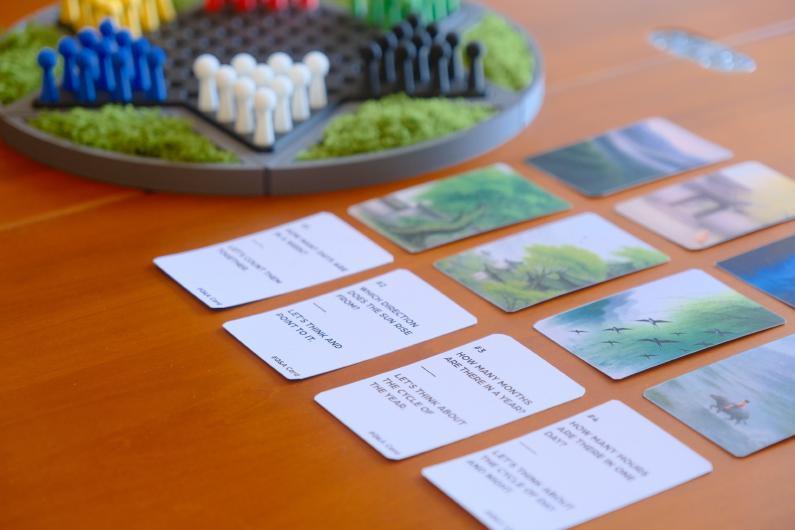
Creating AIGC Art Cards
Incorporating Multi-Sensory Finger Stimulation
Conclusion
My approach involves selecting a game that is familiar to the patients and then integrating therapeutic methods into its design, such as cognitive therapy, art card therapy, and sensory stimulation.
Choose the right game
To guide the game selection process, I conducted a survey targeting my primary user group: adults aged 60 to 80 with limited formal education, residing in second- and third-tier Chinese cities. The goal was to identify games that were widely familiar during their childhood, which would then serve as the foundation for my game design. This research yielded 91 valid responses.
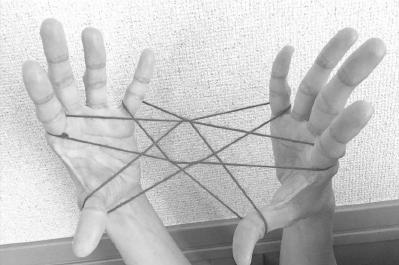
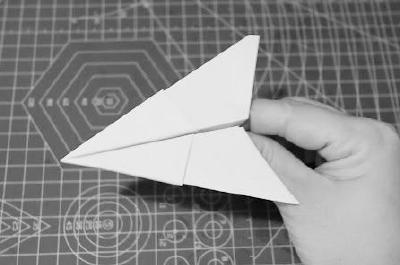
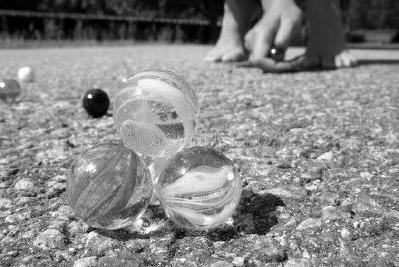
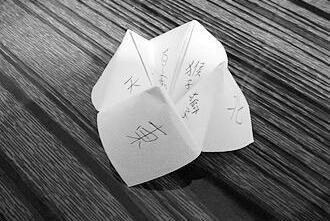
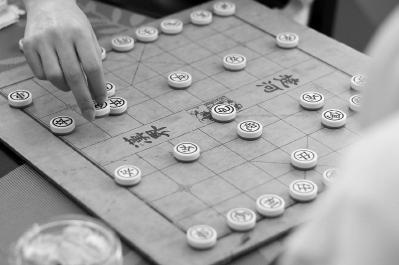
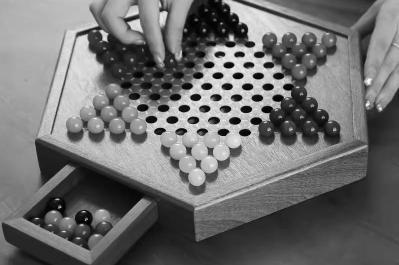
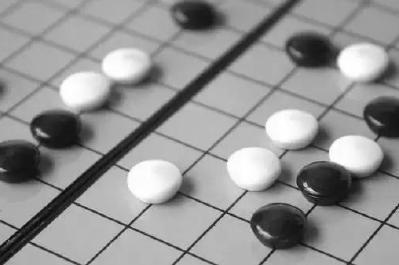


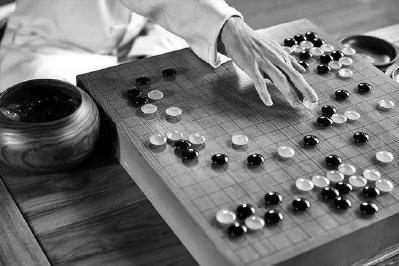
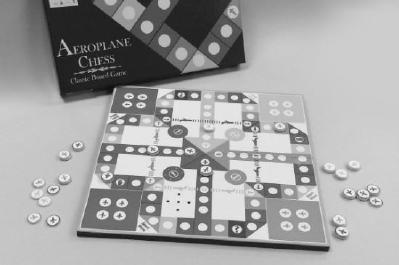
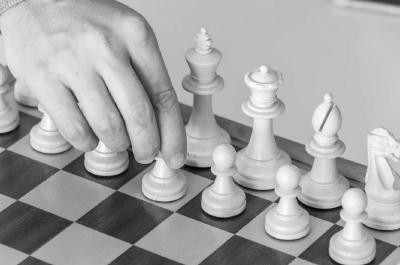
Based on a comprehensive assessment of entertainment value, popularity, and user safety, I ultimately selected checkers as the prototype for my game design.
GAME DESIGN
Game mechanics design
1.Setup: Each player selects a distinct color and occupies the corresponding starting area. In games with 2, 4, or 6 players, participants should sit opposite their direct opponents. In a 3player game, players are positioned so that no two directly face each other.

piece is present, the player may simply move one space forward.
diagonally, as applicable) to land in the empty space immediately beyond.
GAME DESIGN
Checkerboard design
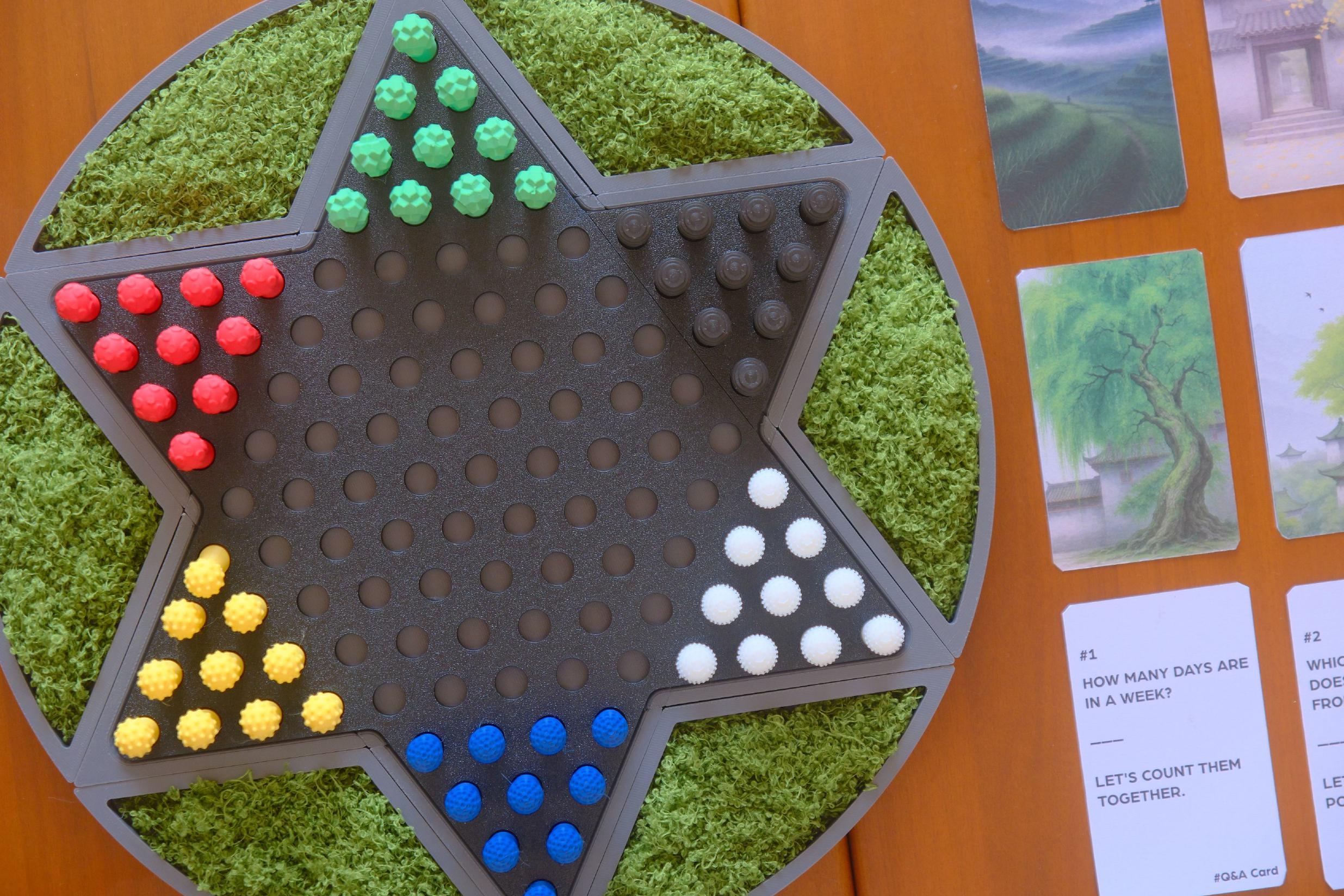
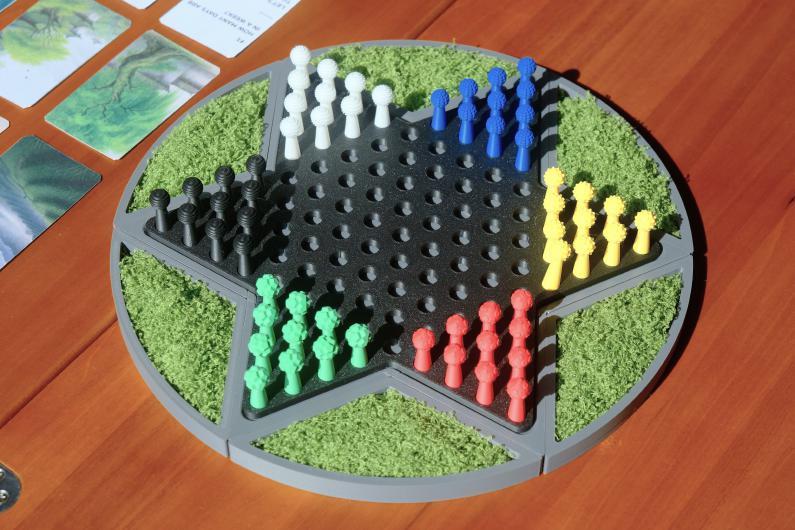
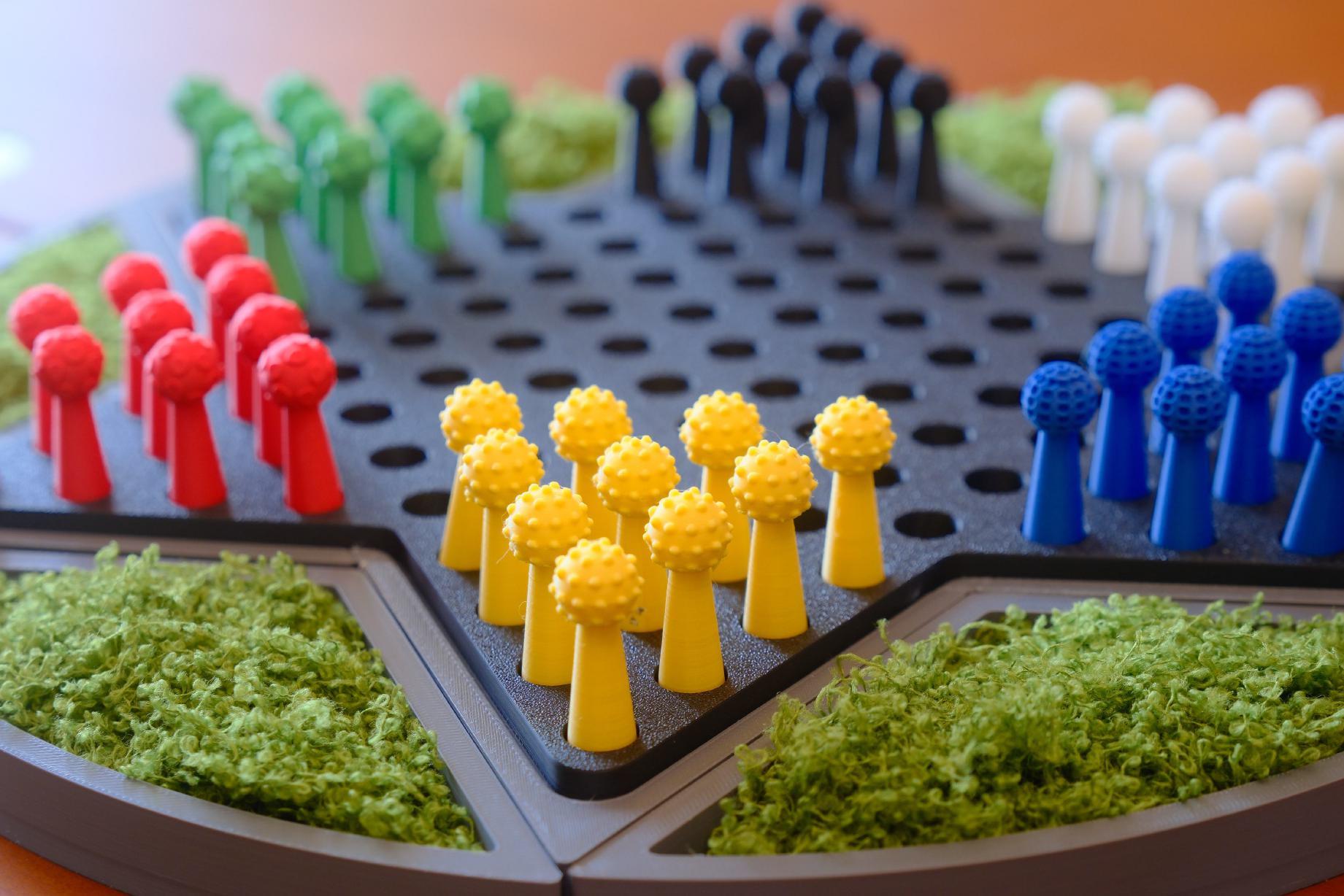
I to ensure the pieces are large enough for elderly players to grip securely. The board features a concrete-inspired design aesthetic, resonating with architectural materials from the players' youth. Moss is incorporated into the gaps along the edges, creating a soothing natural element to enhance relaxation during gameplay. enlarged the standard game board
Cement checkerboard
PLA checkerboard
Piece Design
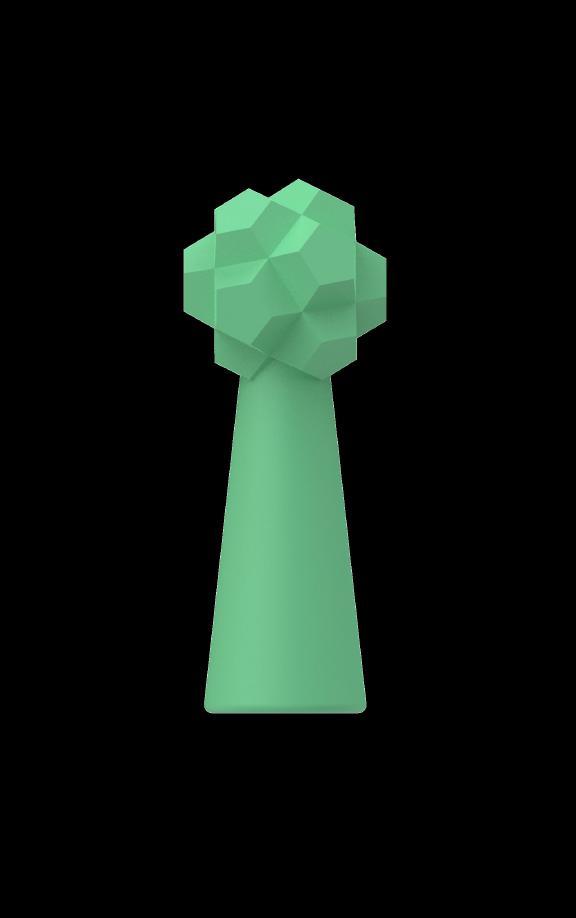
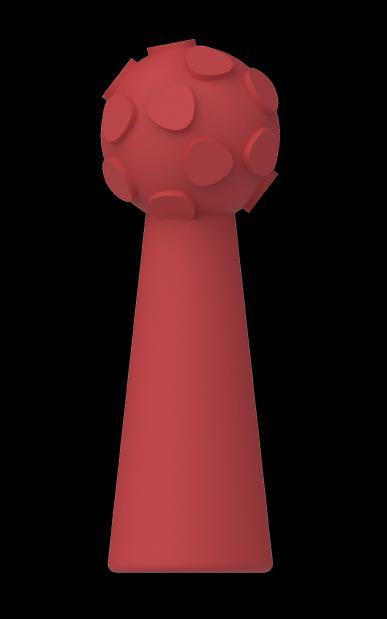
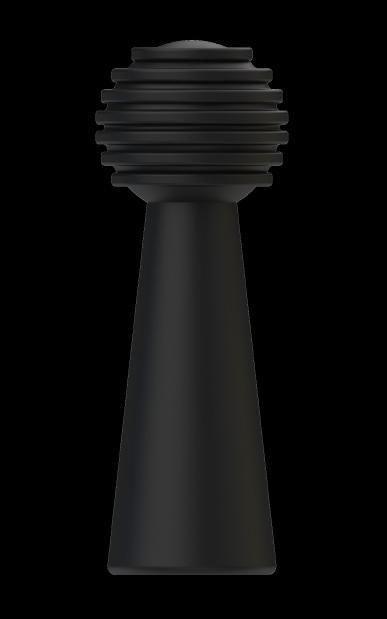
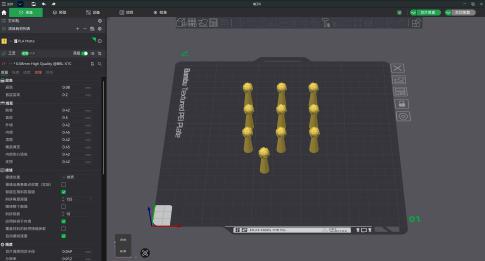
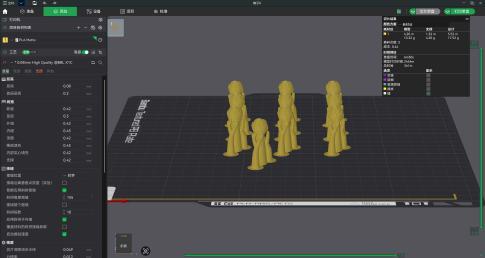
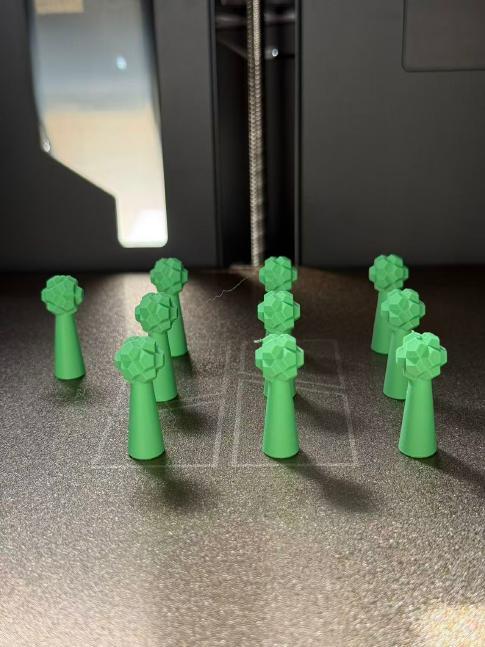
The checkers game supports up to six players simultaneously and features six distinct game pieces. , with the tactile differences specifically designed to for the players. Each piece varies in color and texture provide sensory stimulation




Moss