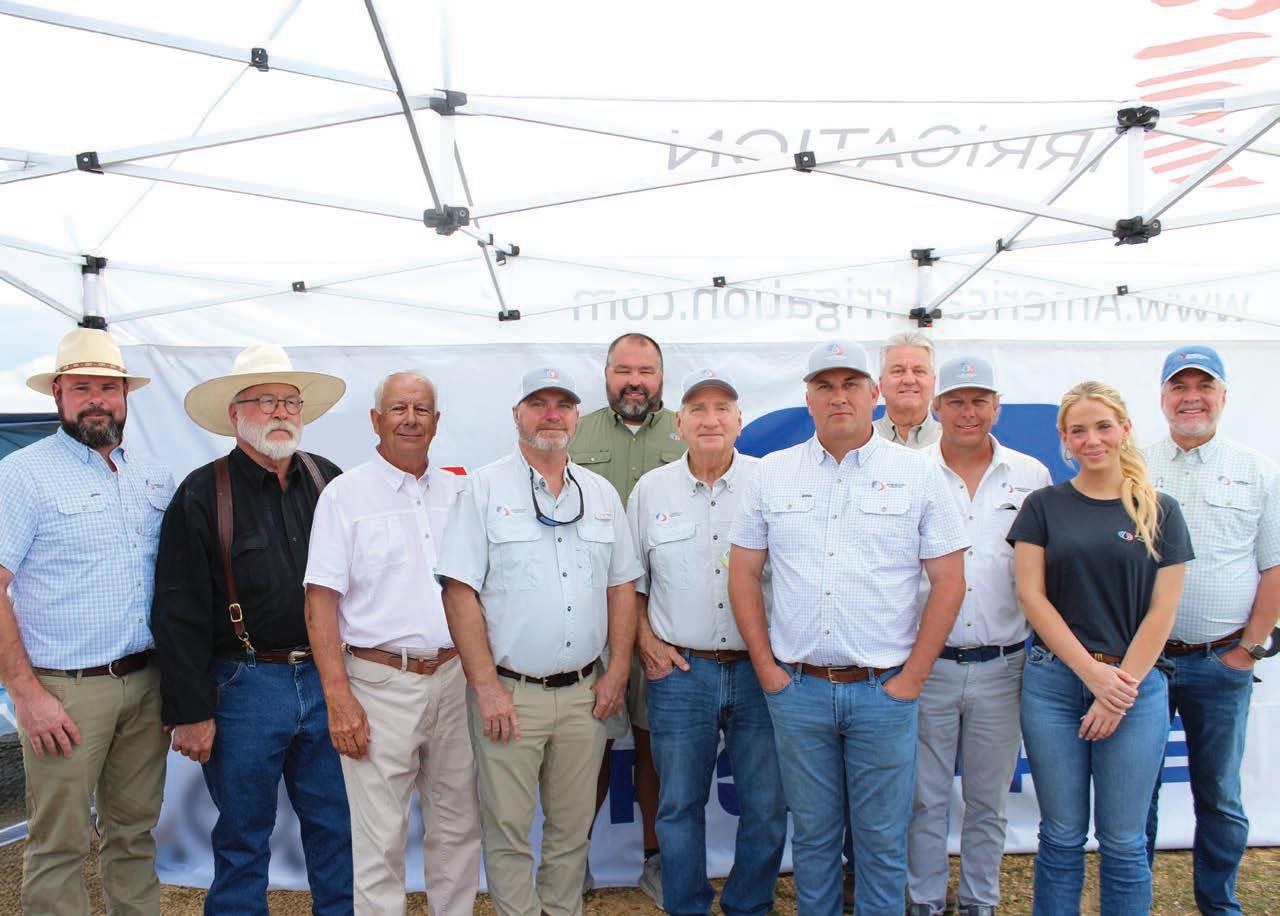






Historically, the most successful companies are those that begin not only as business ideas, but as ambitious, aspirational visions. American Irrigation, conceived in a deep, personal affinity for agriculture business, was an idea built on the belief that strong roots, shared values, and proven experience could be united to create something unique. American Irrigation started as a bold concept that rapidly became a transformative reality. In the process, it brought together exceptional, family-owned irrigation businesses under one name. Joined by one purpose, Reid Brothers Irrigation and Chaney Bush Irrigation joined with Nick King to birth a powerhouse team built on the idea of “Your field, our focus, committed to service.”
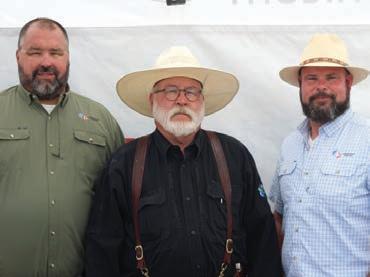
Many years prior, two longtime neighbors and respected peers—the Reid and Arant families developed a strong bond. Long before any paperwork was signed, their businesses had operated side by side in South Georgia, building more than just pivots. They cultivated trust, mutual respect, and a working relationship that evolved into lasting friendship. That friendship, especially between Stephen Arant and Blake Reid, proved to be the cornerstone of something lasting.
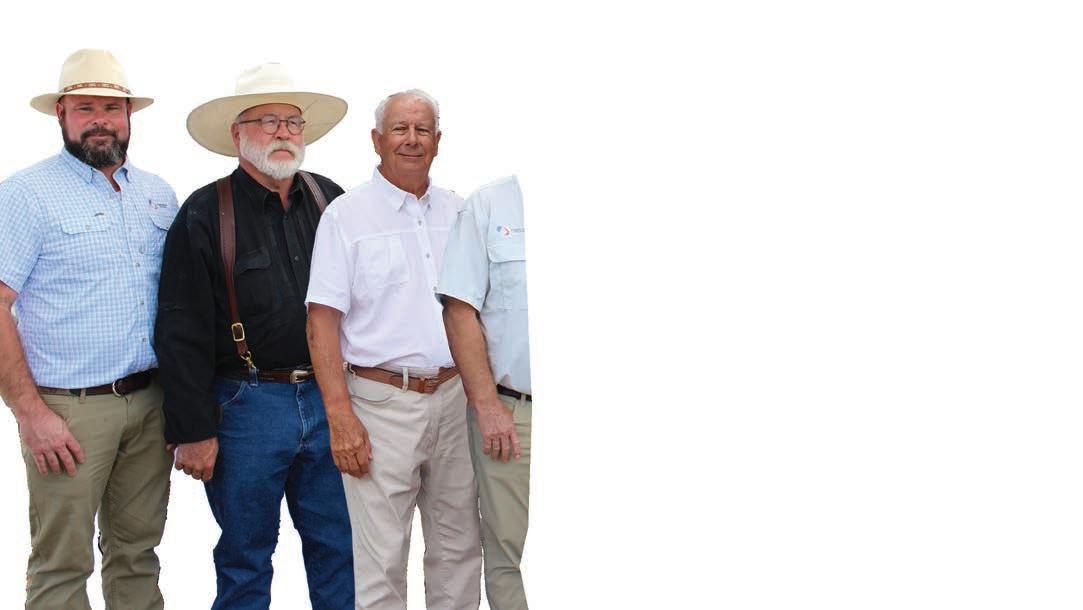
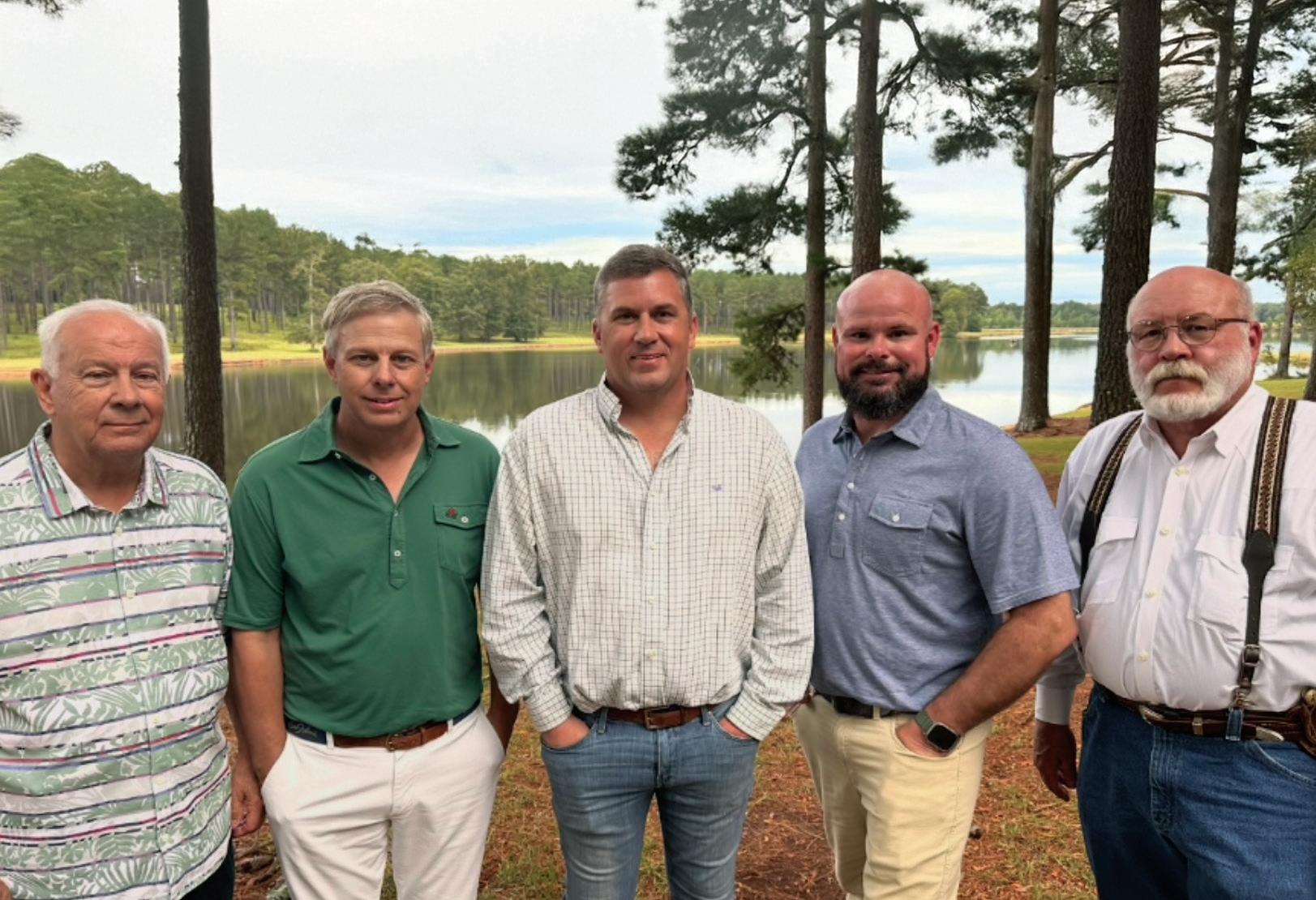
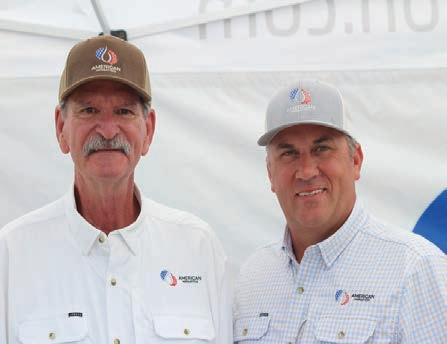
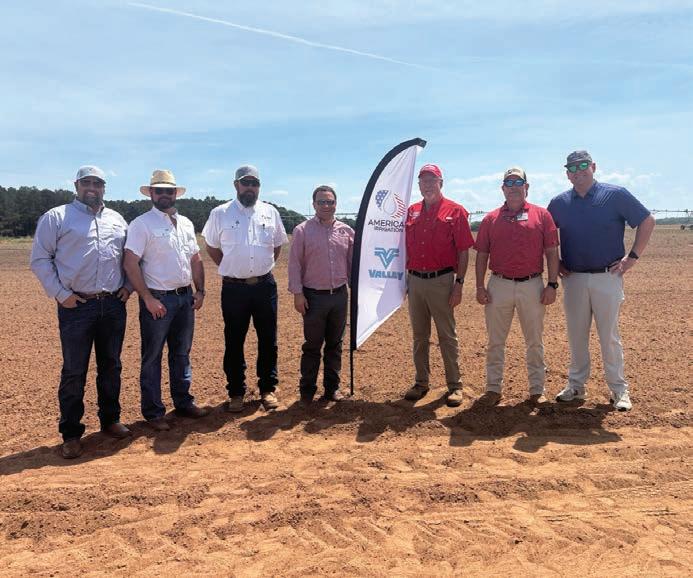
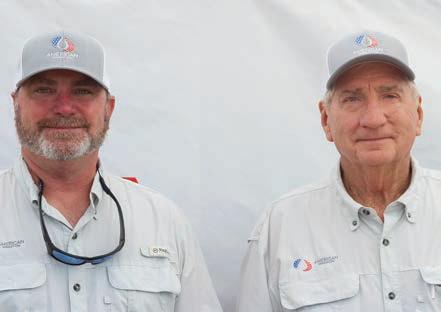
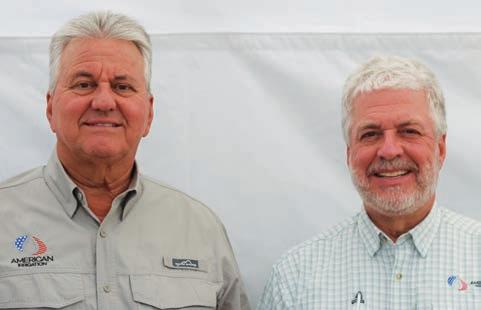
In an industry where collaboration across companies is rare, the idea of merging to expand coverage and customer service was unprecedented. But in November of 2024, Nick King joined Stephen Arant, Wayne Arant, Blake Reid, and Jim Reid to officially launch American Irrigation.
Carrying forward the spirit of “business as usual,” the transition was less about change and more about growth. It built on a strong foundation and scaled it with purpose. With over 130 years of combined experience between the two dealerships, American Irrigation is more than a new name; it is a continuation of legacy, powered by generations of leadership and hands-on commitment to farmers across South Georgia, Alabama, and Florida.
Arant and Reid, having worked alongside their fathers and family members, understand the deep responsibility of honoring the existing legacy while adding their own chapter to the story. American Irrigation, from inception, was a chance to simultaneously preserve tradition and birth something new.
“I have known the Reids for many years and have had a lot of respect for their family,” says Stephen Arant. “Mr. Jim and Mr. William have done a wonderful job taking care of their employees, providing great sales and service for customers and becoming one of the leaders in the irrigation space.” Following the merge in September, Arant notes that he has observed the Reid’s character in action. “I have seen first hand how the Reids put others before themselves,” he says. “It is part of what makes the culture of American Irrigation so special. My understanding of their family has become apparent in that their guiding light is our Lord Jesus Christ. I look forward to the future and many years as we continue to provide the best sales service and customer support in irrigation.”
Through family ties and deep friendships, the past 50 years have been laden with a legacy that makes American Irrigation what it is today. As the company continues its’ journey into the future, leaders are dedicated to maintaining its’ rich heritage, while also meeting customers’ needs in new, transformative ways.
The past 50 years have been laden with a legacy that makes American Irrigation what it is today.
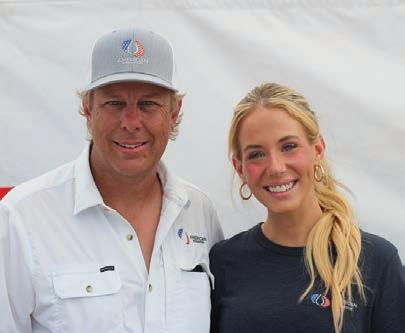
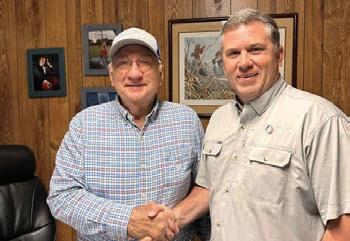
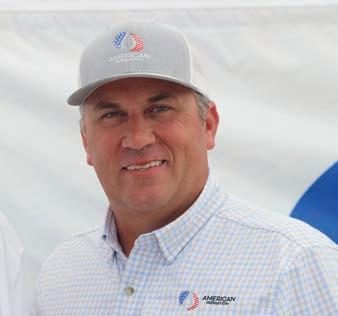
As we look toward a new season, I want to take a moment to thank you for your partnership with American Irrigation. Our mission is your success and we aim to continue to earn your trust. It has been an exciting year of growth at American Irrigation. We believe that if we are growing together, you should know the person leading the company you trust with your family farm irrigation needs.
I grew up in a farming community where my father started an Ag Consulting firm called King’s Ag Consulting in 1983. Before I was old enough to be on the scouting crew, I worked on the cotton chopping crew hoeing weeds, spraying Johnson grass, as well as one summer where I ran boll weevil traps. When I was 14 my Dad put me and my brother on the scouting crew, where I worked all through high school, college, and the early part of my career. I am blessed to have a father who taught me and my brother the importance of hard work, demonstrated integrity, and emphasized the value of relationships. That upbringing shaped me as I worked alongside him. It is the reason why I love farming and agriculture, and why I have spent my career focused on helping farmers.
In my early 30’s, a college friend and I created PrecisionKing, a company that focused on water management technology. PrecisionKing was located in Mississippi, and we sold our products to irrigation companies in Mississippi, Arkansas, Louisiana, Tennessee, and Missouri. In 2020 PrecisionKing was acquired by Valmont Industries. I worked several years with Valmont in their Agsense business and during this time I recognized that I wanted to be a part of a Valley Dealership. I am passionate about our industry and the farming community - our business is built on relationships and that is why I love it.
This year marks an important turning point for American Irrigation. We are focusing on a couple major priorities that I believe will strengthen your operations and improve the reliability you depend on:
1. Innovative agricultural solutions
Our team is the best in the business with unmatched knowledge and experience, and can design and install according to your custom needs. Our team invests in training on the latest products and keeps current on new technology. Our goal is to help you grow and have solutions to any and all of your farming needs.
2. A relationship-first approach
You’ll see face-to-face visits, strong communication, and a renewed commitment from our entire team to stand with you through every season.
3. We have expanded our products!
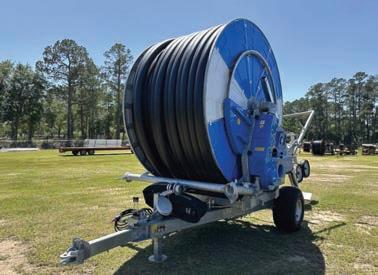
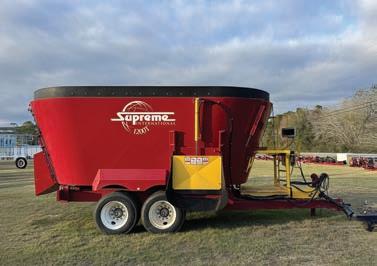
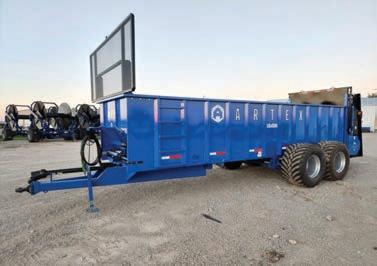
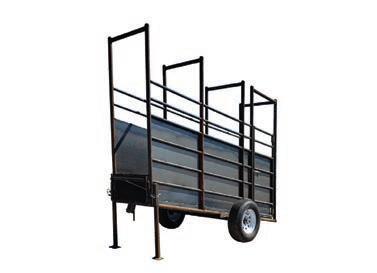
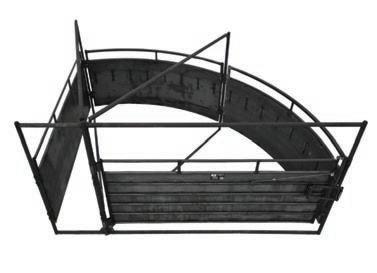
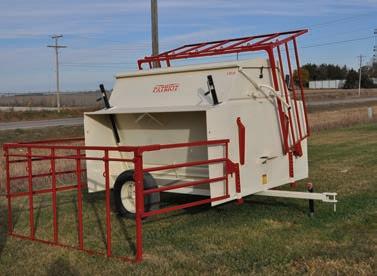
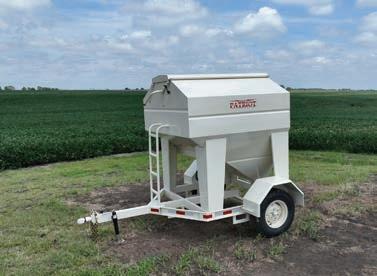
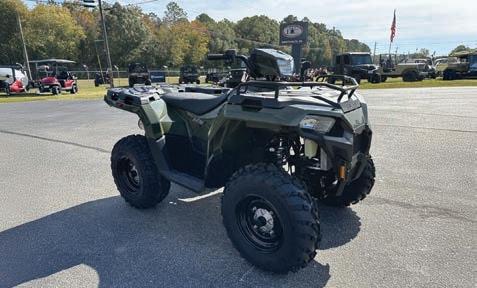
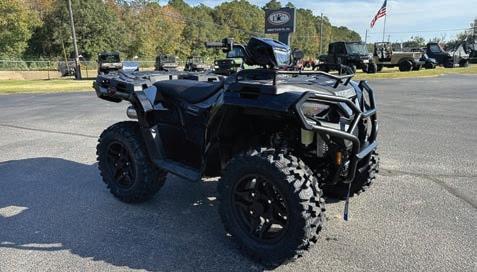
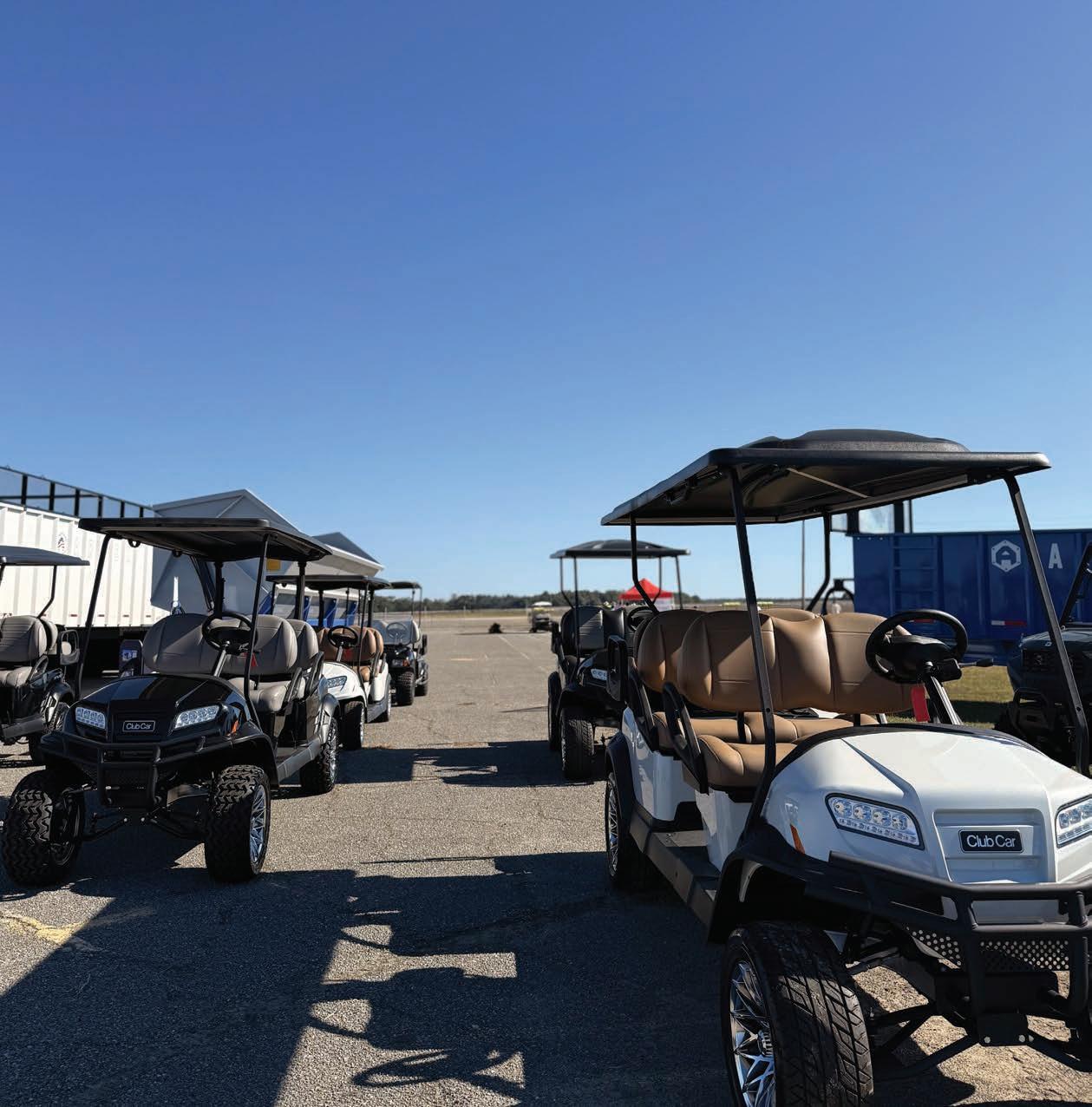
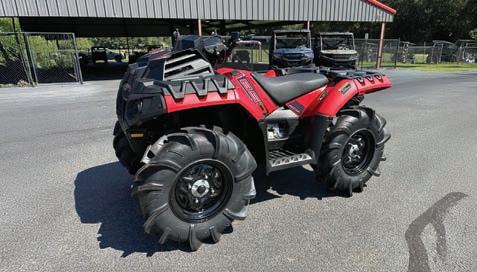
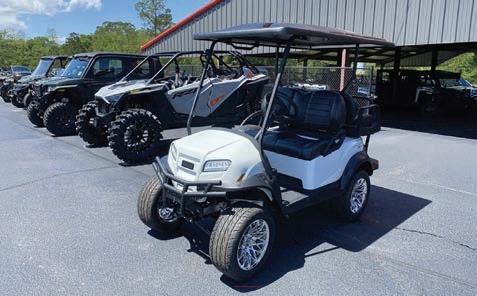
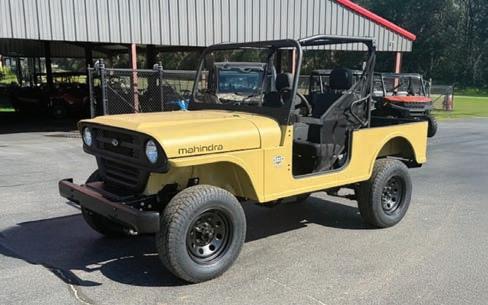
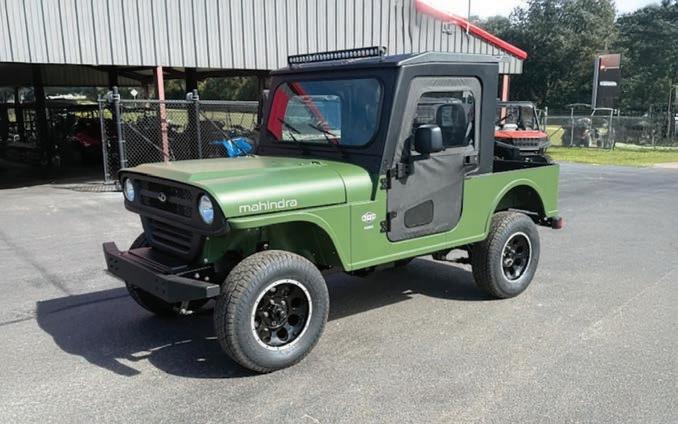
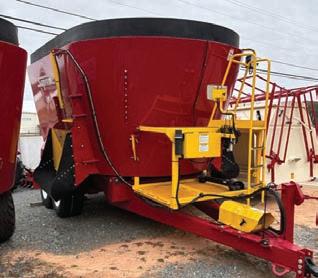
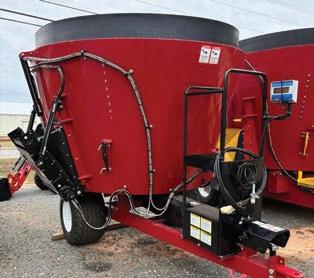
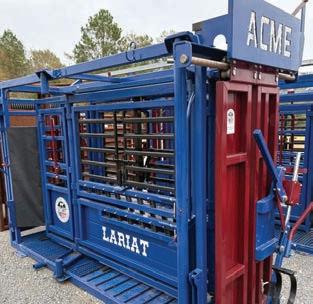
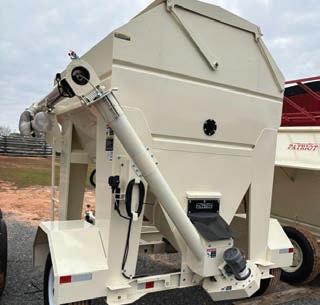
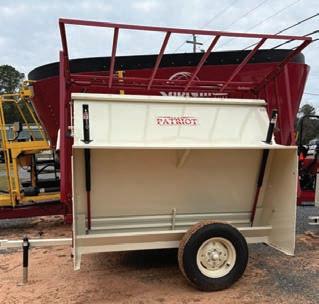
Our equipment team can help you with your powersports needs with various options from Polaris. We have a broad spectrum of products to meet all your farm needs with Mahindra tractors, multiple brands of cattle mixers, dairy equipment, lawn mowers, and golf carts. Our team is ready to help at any time with any product line questions you might have.
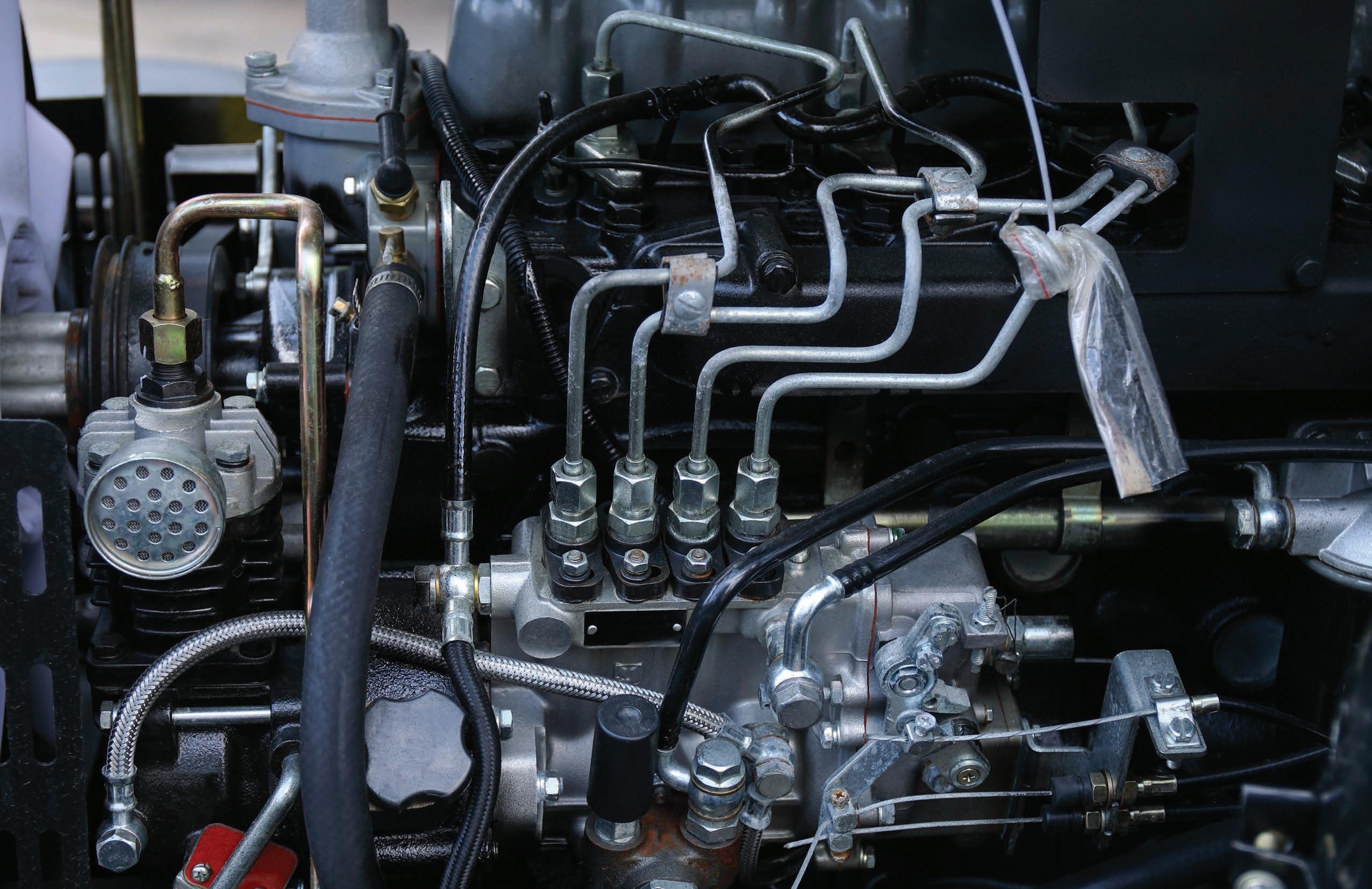
4. Our Moultrie location has a service department for your side-by-side, tractors, lawn mowers. Our talented team can fix anything. You can drop off at any location of American Irrigation for repair!
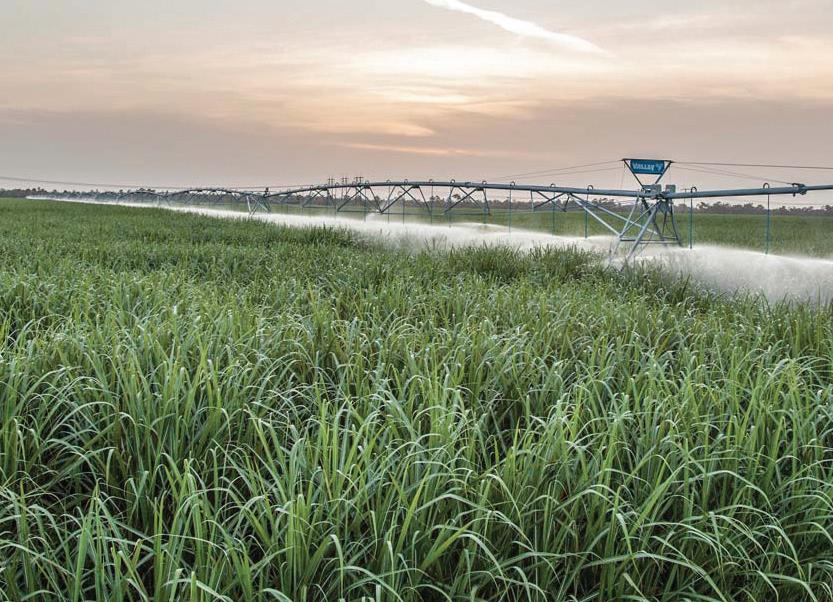
This isn’t just a business strategy—it’s a promise. American Irrigation exists to serve the farmer, and that will always be our compass.
A Thank-You from the heart
More than anything else, I want to say thank you. Thank you for trusting us with your agricultural needs. Thank you for your patience when challenges come up, your feedback that helps us improve, and your loyalty through seasons of abundance and seasons of struggle. You don’t just keep our company going—you feed communities, support families, and keep our country running.
I’m honored to serve you, to learn from you, and to work alongside you as we build a stronger future for American agriculture.
Here’s to a productive year, a clear vision, and a partnership that keeps growing.
With gratitude,
Nick King CEO, American Irrigation
On September 26 of 2024, Hurricane Helene roared onto the Florida coast as a powerful Category 4 storm, carving a destructive path through the Southeast. Spanning across Florida, Georgia, the Carolinas, Tennessee, Alabama, and several neighboring states, Helene brought with it catastrophic winds, torrential rain, and unprecedented flooding. For farmers across the region, the storm struck at a particularly terrible time, landing squarely in the middle of the 2024 harvest season.
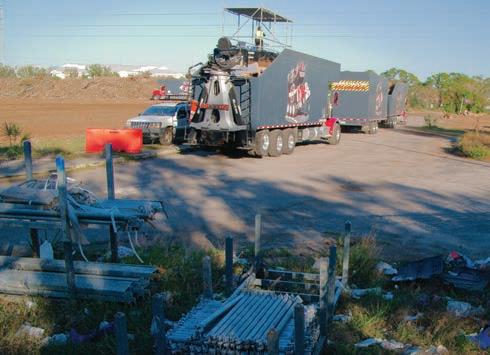
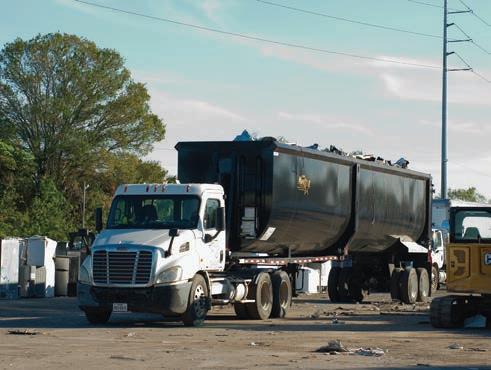
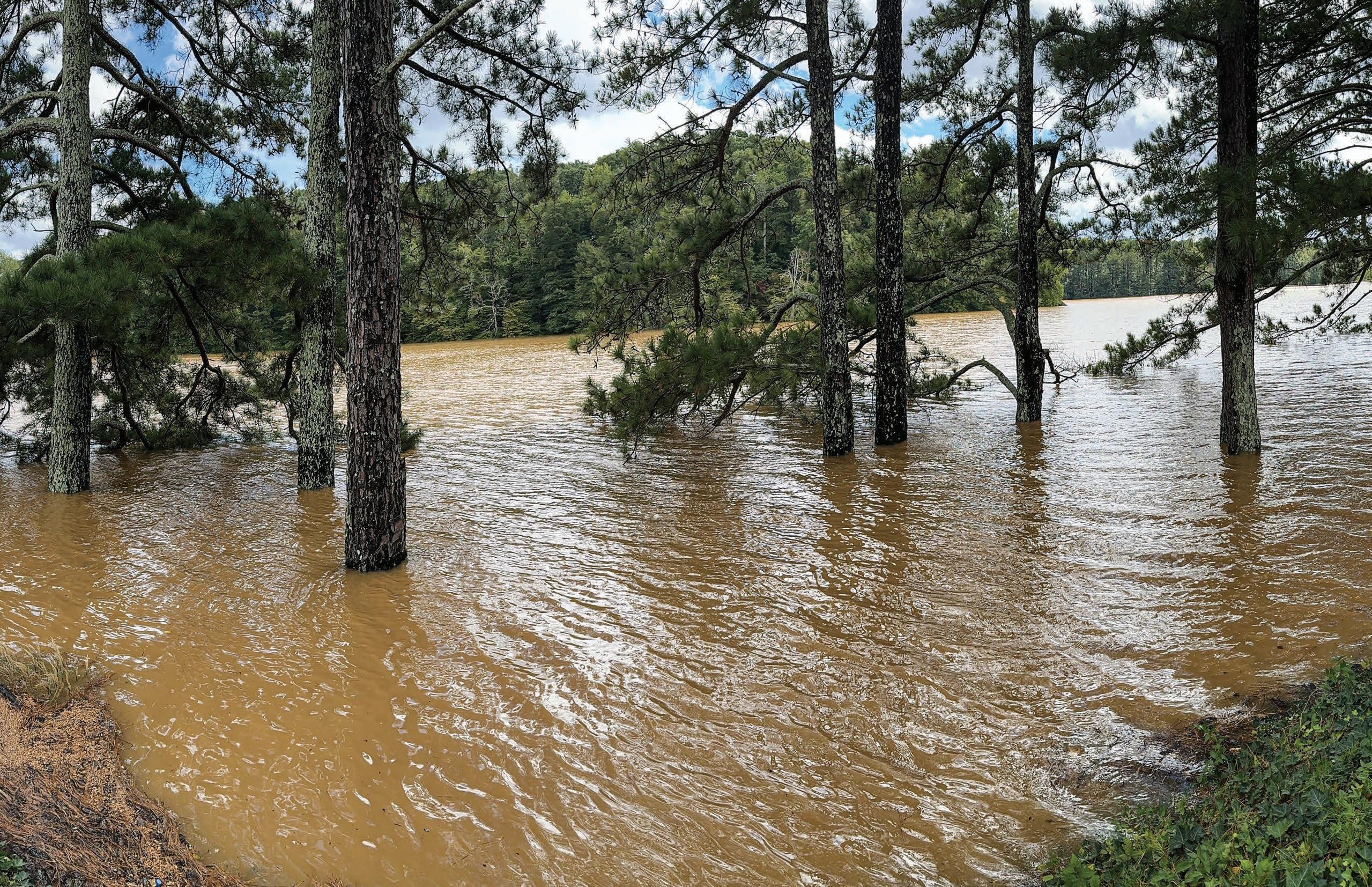
Following the storm, the totaled losses proved to be staggering. Georgia reported over $6 billion in agricultural damage, with cotton and peanuts—two of the state’s primary crops— bearing the brunt of the destruction. Fields were flattened, harvest-ready crops washed away, and essential infrastructure reduced to ruin. Livestock operations, storage facilities, barns, and irrigation systems were left in tatters, displacing families and disrupting farm operations, just as they were preparing for their most crucial time of year.
As expected, American Irrigation was greatly impacted. Between the combined businesses, the company suffered more than 130 pivot wrecks. But it was not just equipment in the field that was affected—it was customers, neighbors, and community.
In the wake of the tragedy, the agriculture community joined together in a great display of solidarity. Farmers, businesses, and neighbors converged—not in despair, but in unity. American Irrigation was honored to strategically join in widespread relief efforts; the company quickly joined with partners, friends, and others to deliver immediate and tangible support to those hit hardest. Agricultural leaders and community members came together to organize and deliver truckloads of bottled water, paper goods,
hygiene products, and personal essentials to those in need across the region. Teams were also sent out to help with tree removals that obstructed roads and neighborhood entries.
“It was encouraging to see the Georgia community come together along with our business partners to aid the impacted,” said CEO Nick King.
In an effort to double down on aid efforts, American Irrigation’s service crews worked extended hours. Persevering through weekends, holidays, and into what would become the 2025 install season, the team continued to repair, rebuild, and replace what the storm had taken. Pivot by pivot, they helped get fields back online. With access to a wide range of resources, skilled technicians, and combined business infrastructure, American Irrigation funneled manpower and materials wherever assistance was most needed.
During the recovery from Hurricane Helene, the horsepower and heart of American Irrigation roared to life. In the midst of great devastation and loss, the company rallied, and delivered leadership, solution, and assistance. American Irrigation did not solely fix equipment—the staff and leadership stood with farmers, shoulder to shoulder, helping them recover their livelihoods and start again.

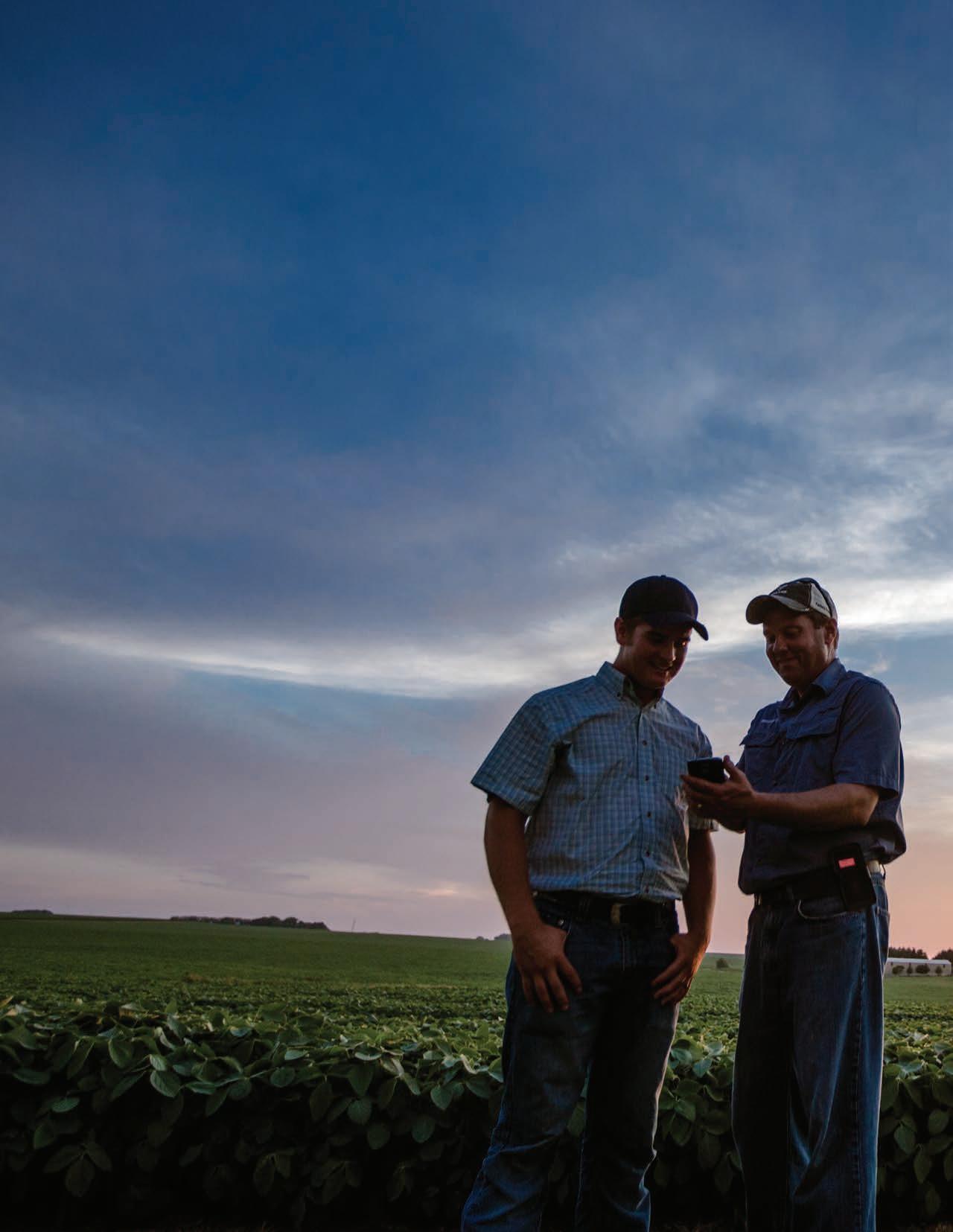
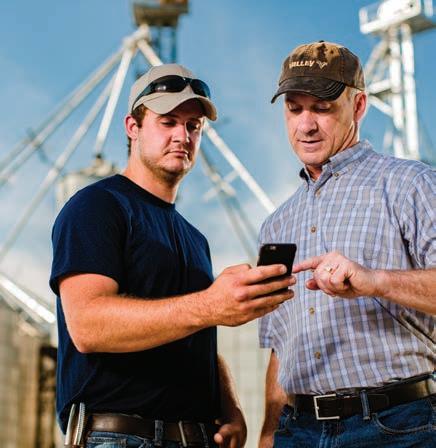
At American Irrigation, we believe in AgSense because it delivers the reliability and efficiency today’s growers need and can count on. AgSense technology helps customers save time, energy, and effort by allowing them to monitor and manage their irrigation systems remotely. As farming evolves, we’re committed to moving with the times and offering solutions that keep our growers ahead. We at American Irrigation have a dedicated sales and service team delivering expert support, providing the highest-quality insight to ensure AgSense delivers real value in the field.

In the farming world, there are a myriad of unpredictable variables. From the weather, to the harvest, to the economy. But amidst that endless list of uncertainties, there is a steadying force - a farmer’s wife. Behind every farming family, every success and failure in the field, is the mother of the home, the matriarch, who is, in her own way, the constant among the unknowns.
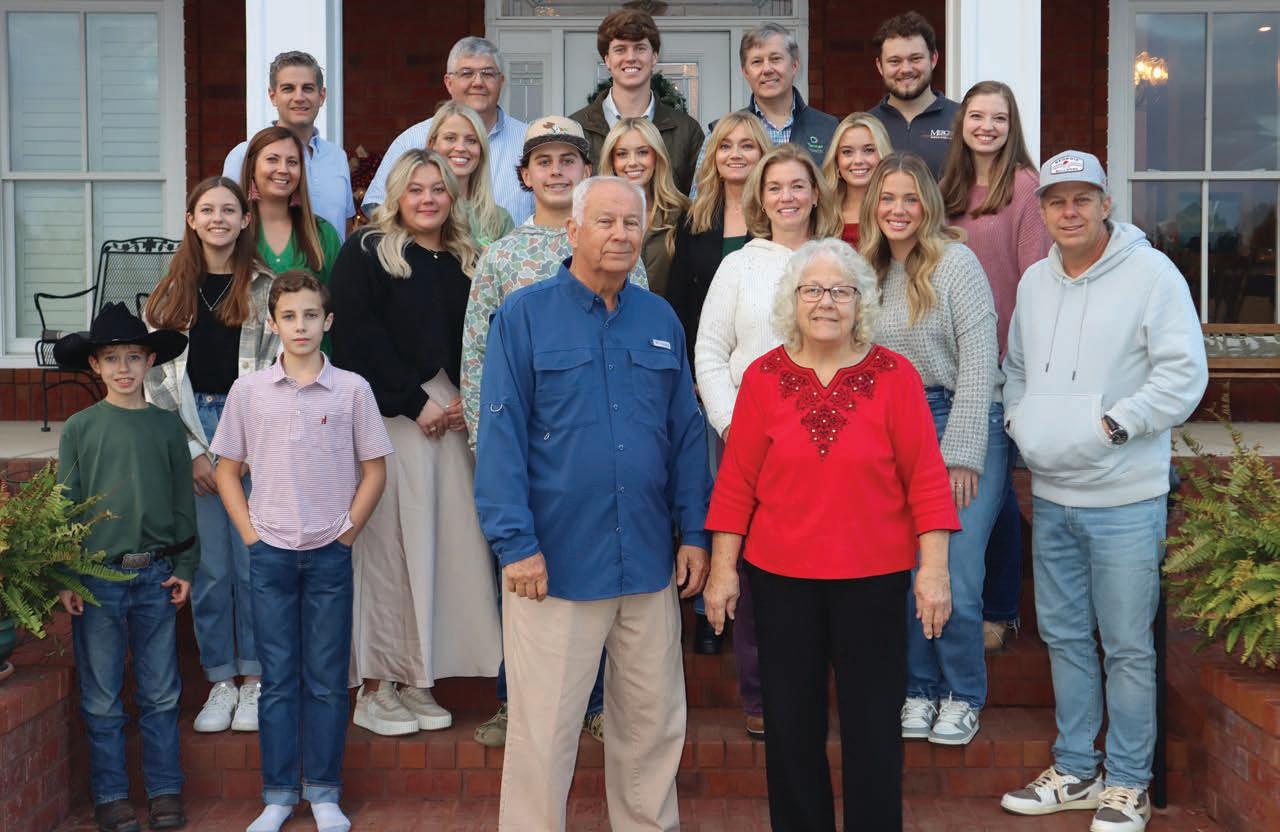
To honor these women and their unique roles, American Irrigation Magazine will highlight a farming matriarch in each issue. This year, Linda Arant, wife of Wayne Arant, was selected. Her story is one of deep, generational fidelity to her faith, her family, and the southeastern agricultural community.
A Farmer’s Daughter
Linda Jo Crenshaw was born in Pitts, Ga., to a farming family. She was the only girl in the family, a middle sister, with an older and younger brother. In the fifth grade, she met a charming young man named Wayne Arant at a local 4H summer camp. Wayne was also part of a farming family and had a faith, even from a young age, that was noticeable. “He immediately impressed me,” says Linda. “He was a young Christian man, so strong in his faith. That made a huge impact on me immediately.” Wayne, for his part, was equally struck by Linda. “He asked his cousin to introduce us so he could sit on the bus by me,” laughs Linda. The bus pairing proved successful, and the two struck up a friendship, then subsequently dated in their teenage years. In 1967, they decided to make it official, marrying in June of that year, at Linda’s local church in Pitts.
Following their wedding, “We showed up at college with a car full of watermelons and a bunch of prayers,” Linda laughs. “We had every reason in the world to be worried, but for some reason, we just weren’t.” That attitude of trust and acceptance would turn out to serve the couple well in future years, as they embarked on a life together.
Their early years of marriage were, according to Linda, “the best time - we had virtually no money, we worked in our own garden and had vegetables. Wayne’s mother was a meat cutter, so we got meat from her.” After college, Wayne took a job as a Spanish teacher teaching at a local high school. “Wayne taught school, worked at a filling station on the weekends, and helped stock a store,” recalls Linda. “He had all kinds of jobs.” In January of 1969, Linda and Wayne
welcomed their first son, Stephen. Linda worked in a local shirt factory after Stephen arrived. “We just lived on what we had. We just enjoyed our life.”
Following three years of teaching, Wayne realized that while he enjoyed Spanish, he was not as passionate about teaching. “I think he realized he didn’t want to do it forever,” says Linda. In the summers, he began working for a local company, Rainbow Irrigation, often traveling to Central America on the company’s behalf to serve as a Spanish-speaking representative. As the summers passed, Wayne developed a deep affinity for work in the agricultural world. This realization led him into fulltime work with Rainbow, launching his agricultural career. Linda says seeing her husband find something he loved was fulfilling, on numerous levels. “He took off with that [irrigation] job, and I think he loved it deeply from the beginning.”
In the early 1970’s, at the request of his Rainbow Irrigation boss, Wayne moved his family to Fitzgerald, Ga., to work in the town’s office. Fitzgerald would become the Arant’s hometown for the next several decades. Linda, Wayne, and sons Stephen and Chris (born in 1972) moved into a mobile home on Linda’s parents property. Later they brought home their other children - Jeremy in 1981, and Jonathan in 1985.
After working for Rainbow for several years, Wayne eventually transitioned over to Chaney Bush (Valley) in 1979. While the first few years in the new position proved fruitful, success took a downturn in 1981. “Wayne sold one pivot that year,” says Linda. “In order to make ends meet for the family, something had to be done.”
“Wayne connected with a man from California who had a farm in Montgomery. The man needed someone to oversee a multi-pivot project ,” explains Linda. So Wayne took the pivot project job in Montgomery, Ala., roughly four hours from the family’s home in Fitzgerald. “He got an apartment in Montgomery. I remember us riding over there on Christmas and it snowed. I was skeptical about the move, but he spent a year building a massive pumping station to get water out of the river, and the team would come home on the weekend.” While most families would deeply struggle with the idea of distance and separation, for those in the farming world, it often becomes an accepted necessity. All in all, Wayne spent almost two years traveling back and forth to Montgomery. Linda says, in retrospect, “it was an absolute provision for our family at that time.”
The Montgomery season proved to be one of many that required deep sacrifice as a wife of someone working in the farming world. However, years later, Linda says she would change nothing about the life she has lived with
Wayne. “I have always loved agriculture, farming,” she says. “It is real. It is people. Farmers are a different breed, they are salt of the earth, down to earth.” That mindset of perspective and appreciation carried her through the tough times, and enabled her to appreciate both the good and hard aspects of her family’s early journey.
As her children grew up, Linda continued to invest in both her family and her community. “She has a deep passion for people,” says her son, Stephen. Stephen recalls one such instance of community care when, in the late 90’s and early 00’s, the Arant’s local church was in need of a meeting space for Wednesday night youth services. Wayne and Linda offered the use of a warehouse owned by Chaney Bush for the weekly meetings, and the group met there for several years. As Stephen reflects, “Mom was, and is, rooted in wanting to know people and care for them.”
Now, in retirement, Linda enjoys her time with her grandchildren and her four grown sons. She is, according to Stephen, “a prolific cook” and frequently enjoys making meals for gatherings. The family has remained close, with deep ties to one another forged over shared values and affectionate history. Linda’s near-photographic memory has proven a substantial asset in passing down both written and narrated family history to her children and grandchildren. Journals, compiled by Linda through the years - documenting dates, events, and chapters of life - are often pulled out to share with her family when a question arises about the past. “She keeps track of everything,” says Stephen. Reading through the journals, her love of family is strikingly evident. “Her greatest strength is supporting her family,” notes Stephen. “She is always on our side. She has always wanted good for us. She is truly our rock, our matriarch, someone who has humbly given her life to her family.”
Her nine grandchildren have been inspired by their grandparents legacy and family commitment. “Their relationship has had a generational impact. We have seen what love looks like,” says Josie, one of Linda and Wayne’s granddaughters.

When asked about the greatest accomplishment of her life, Linda doesn’t hesitate:

To be Wayne’s wife, have my boys, my family. I was put here to proclaim what God is in our lives. That was my life - having the children and grandchildren. And it’s been a good one.
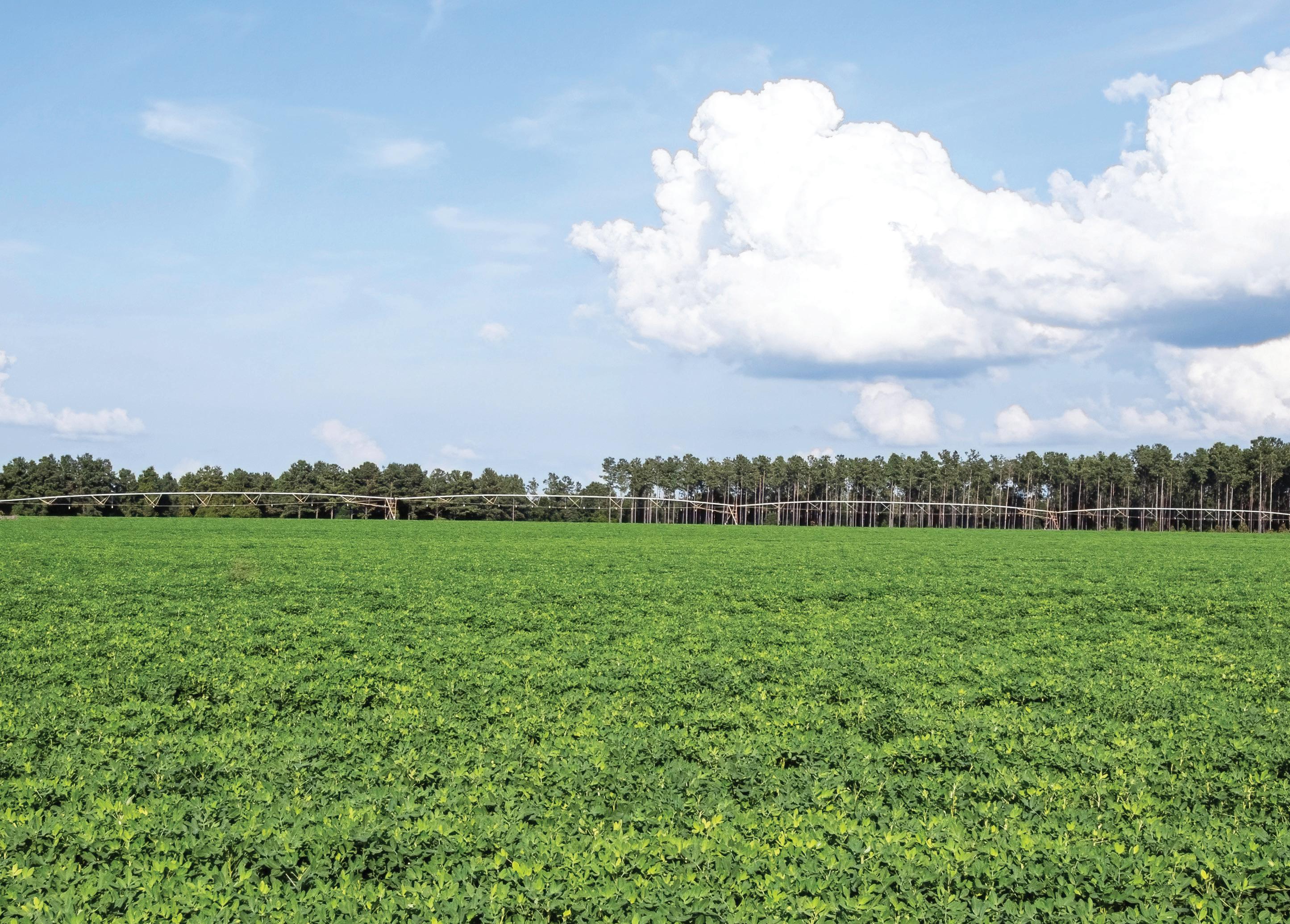
In January 2025, American Irrigation ushered in the start of install season. This annual push, which typically runs into early summer, is marked by long days, hard work, and a shared commitment to farm progress. Despite the aftermath of a lessthan-ideal 2024 harvest, this year’s install season kicked off in high gear, propelled by a dedicated team and the steady trust of American Irrigation’s customer base.
In the wake of the widespread damage caused by Hurricane Helene, much of the early season was devoted to restoration and repair. From toppled pivots to systems in need of total reconstruction, AI crews were out in the fields, working hand in hand with growers. These hurricane-related service and replacement efforts extended well into May, adding a unique surge in demand for this year’s install season. The demand highlighted the fundamental reality of the agricultural world; irrigation is not a convenience, but a perpetual necessity.
Following a financially strained year, numerous farmers reinvested in irrigation, attesting to the essential nature of water. Water affects all operations, and farmers were intent on preserving every field, every crop, and every growth opportunity. The determination to install new systems, even under tough economic conditions, underscores a belief that AI customers have: to prioritize irrigation as a critical investment for every acre a pivot can reach.
Several projects played a vital role in the 2025 season, such as the UGA Grand Farm project. Located in Perry, Ga., the UGA Grand Farm
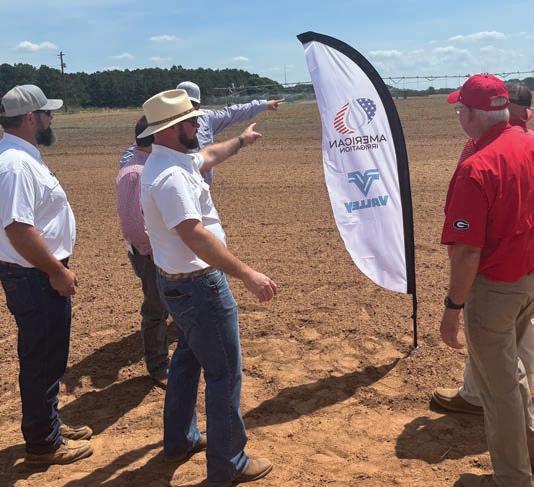

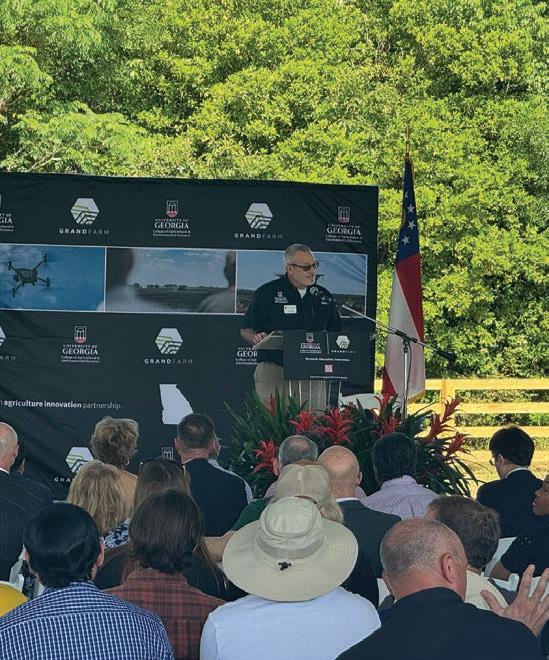
was created as a way to solve problems facing agriculture. A partnership between the University of Georgia’s College of Agricultural and Environmental Sciences (CAES) and Grand Farm, the endeavor is now a global network of corporations, educators, startups, researchers, investors, and growers working together to produce cutting-edge, advanced agricultural technology solutions.
Additionally, the American Irrigation team worked on the Bayer Crop Science Project. The Bayer Crop Science Research Farm, located adjacent to I-75 just south of Sycamore, Ga., in Turner County, reached out to AI looking to replace their older pivot system with three specially equipped linears. Following the replacement, the research farm is now irrigating a much greater percentage of their cultivable land. “The idea was to provide greatly enhanced and precise control of water application for the numerous crops grown and tested there on the small and varied rectangular test plots,” explains Greg Hobbs. “Variable Rate Irrigation was implemented utilizing 60” sprinkler spacing and typically two sprinklers per controlled zone. Each of the three hose drag linears have an onboard diesel genset.” The American Irrigation team wrapped up work on Bayer in the spring of 2025.
At American Irrigation, the company’s mission is to comprehensively support the farmer, regardless of circumstance. Whether installing a brand-new pivot, restoring a damaged system, or simply troubleshooting a valve in a muddy field, AI is present because of the farmer’s needs—and because agriculture does not pause for adversity.
As we look back over the year, we are cataloguing major events, milestones, and numbers that marked and impacted the agricultural world. Serving as a journal entry of sorts, this will be an annual feature that highlights key occurrences from the previous year.
In November of 2024,
The 119th Congress began on January 3, 2025, with the following party alignments: House of Representatives: 222 Republicans (including 3 Delegates), 218 Democrats (including 2 Delegates and the Resident Commissioner from Puerto Rico), and 1 vacant seat; Senate: 52 Republicans, 45 Democrats, 2 Independents, who both caucus with the Democrats, and 1 vacant seat.
Tariff policies, led by the Trump administration, were implemented in the Spring of 2025
Key Tariff Impacts on Farmers in 2025
Trade Disruptions: New tariffs on major partners like China led to Chinese retaliation, drastically cutting soybean exports.
Higher Input Costs: Tariffs on steel/aluminum and other goods increased costs for farm equipment (like John Deere) and potentially fertilizer, squeezing margins.
Financial Strain and Farm Economy: Many farmers struggled with lower incomes and rising costs, prompting a $12 billion USDA aid package (Bridge Payments).
Market Uncertainty: Retaliation and shifting global dynamics made farmers wary, with many losing reliable buyers to competitors like Brazil and Argentina.
Key Provisions for Farmers:
Farm Safety Net: Increased reference prices for crops (corn, soy, wheat) and better revenue guarantees in the ARC/PLC programs.
Crop Insurance: Higher premium support, expanded beginner farmer eligibility (10 years), and more affordable coverage.
Tax Relief:
100% Bonus Depreciation for equipment.
Permanent Small Business Deduction (QBI).
Increased estate tax exemptions & a new tax installment plan for farmland sales.
Commodities & Dairy: Improved Dairy Margin Coverage program, new base acreage options for producers.
Animal Health: Full funding for key programs like the National Animal Health Laboratory Network.
Rural Economy: Support for community banks and energy programs
Average Yield: Around 929 pounds per harvested acre (as of Dec 2025 forecasts).
Year-over-Year Change: Up from 2024’s yield of approximately 880 lbs/acre, notes Brownfield Ag News and USDA (.gov).
Production: Forecasted around 14.1 million 480-lb bales, slightly down from 2024’s total but up from earlier 2025 estimates, according to USDA (.gov) and USDA (.gov).
USDA (November 2025):
Forecasted a record-high average yield of 53.0 bu/acre, up from 2024 but slightly down from its prior forecast, with total production around 4.25 billion bushels from fewer harvested acres.
Pro Farmer (August 2025):
Based on crop tour data, estimated the yield at 53 bu/acre, a reduction from earlier USDA numbers, notes Farm Journal.
Yield Comparison:
This projection is significantly higher than the 2024 yield (around 45-48 bu/ acre in key states) and approaches the 2016 record of 52 bu/acre, highlights Agweek and farmdoc.
Key Figures & Projections: (Late 2025 Reports)
National Average Yield: ~3,890 - 3,930 lbs/acre (up from 2024).
Total Production: ~7.4 billion pounds (a ~15% increase from 2024).
Planted Area: Up 1% to 1.95 million acres.
Factors Influencing Yields:
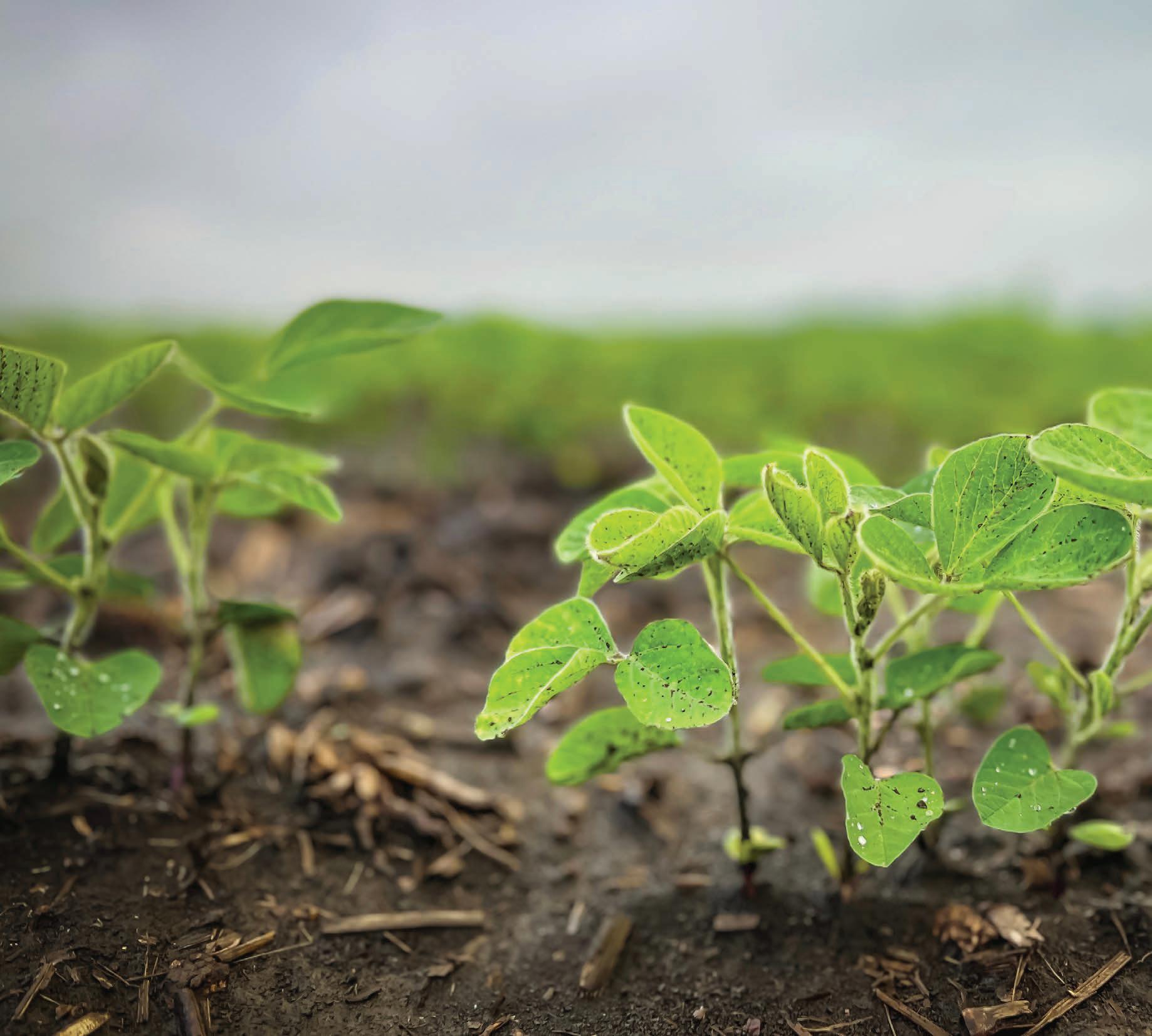
Increased Acreage: Farmers planted more acres, signaling profitability.
Favorable Conditions: Improved growing conditions and late-season weather boosted projections.
Challenges: Some late-season drought in the Southeast presented minor hurdles, but overall forecasts remained positive
Growth:
The NPK market expanded, with projections to reach billions, driven by population growth and the need for higher crop yields.
Demand:
Increased global food demand and efforts to combat soil fertility loss fuel consistent demand.
Price:
Prices saw volatility due to geopolitical factors (Chinese restrictions) and input costs (natural gas), stabilizing but remained above historical averages
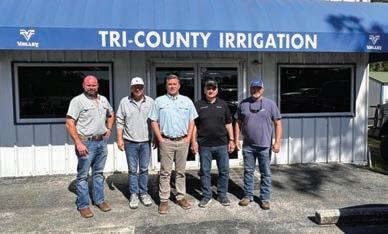
American Irrigation increased in growth and reach in April of 2025, with the addition of Tri-County Irrigation, a multi-generational family business. Located in Live Oak, Fla., Tri-County was a natural fit for the AI family. “The company is a tremendous asset to our team,” says AI CEO Nick King.
Tri-County History
After growing up on a family farm in Live Oak, Fla, James Williams, Sr. was inspired to open Tri-Country Irrigation in 1977 as North Florida’s premier Valley irrigation dealer. Conceived as a concept of providing solid customer service and fulfilling product needs to the local agricultural community, Williams embarked on a decadeslong career in the farming business.
For the past 42 years, Williams and the TriCounty Irrigation, Inc. team have been serving the farming communities of Florida and Georgia. Since Tri-County’s inception, the team has been at the forefront of agricultural advancements, with Willams being a trailblazer in his region. “Truly, James Williams has been, and is, a pioneer in pivot irrigation,” says CEO Nick King. With a mission to provide customers with premier irrigation solutions, the company has sought to be the leader in technology and conservation, while providing outstanding service and parts to our valued customers. As J.D. Williams, son of James Williams, Sr., says, “We always put our customers first.”
Tri-County boasts numerous products and services, including Valley Center pivots, Valley
linears, Valley Precision Corners, and Valley base station/monitor controls. The company also offers Aqua Trac monitoring devices and Ag Sense monitoring devices.
A customer-first model produced a successful, respected company in the southeastern farming industry. Following such a lengthy and esteemed career, Williams made the decision to proceed with the American Irrigation integration. When asked what prompted the choice, Williams explains, “We were ready to take an innovative, new step in the agriculture world that also allowed us to continue putting our customers first. American Irrigation was a pathway to both a brand new season and excellent customer care.”
As the company transitions to being under the American Irrigation umbrella, the motto and mission started by Williams remains the same: “striving to supply customers with top-tier irrigation offerings, leading the way in technology and conservation, and providing outstanding service and parts to valued customers.”
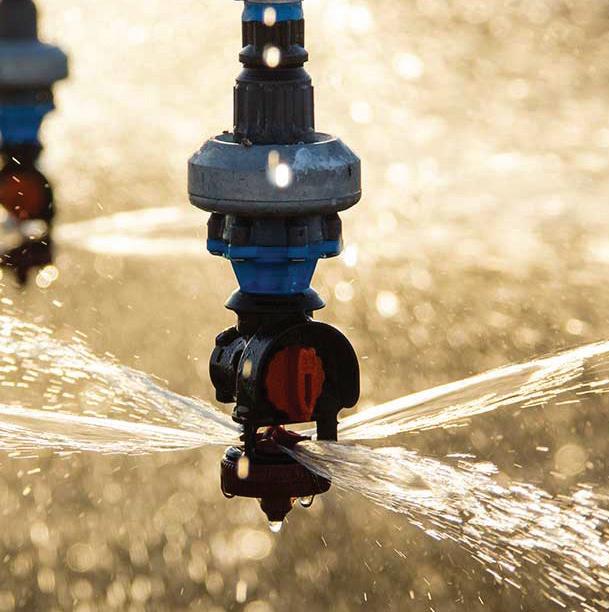
Striving to supply customers with top-tier irrigation offerings, leading the way in technology and conservation, and providing outstanding service and parts to valued customers.

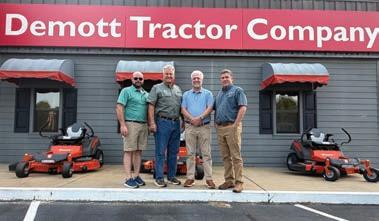
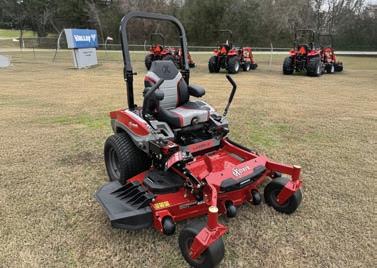
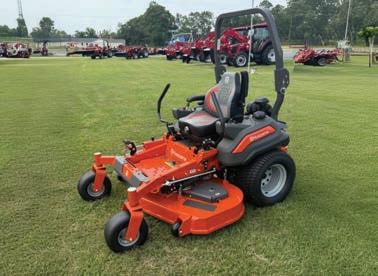
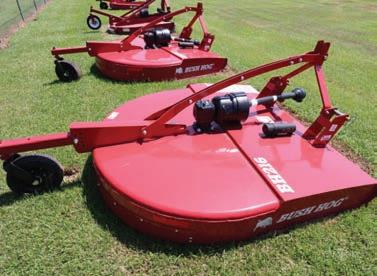
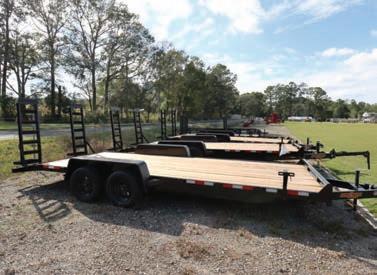
Formerly DeMott Tractor Co. and now an American Irrigation location, the store boasts a wide array of products and brands, including:
Valley Irrigation
Polaris
Mahindra
eXmark
Husqvarna
Supreme Mixer
Trioliet
Bush Hog
Club Car
Down to Earth trailers
Hustler equipment
Mechanical Transplanter
MicroRain
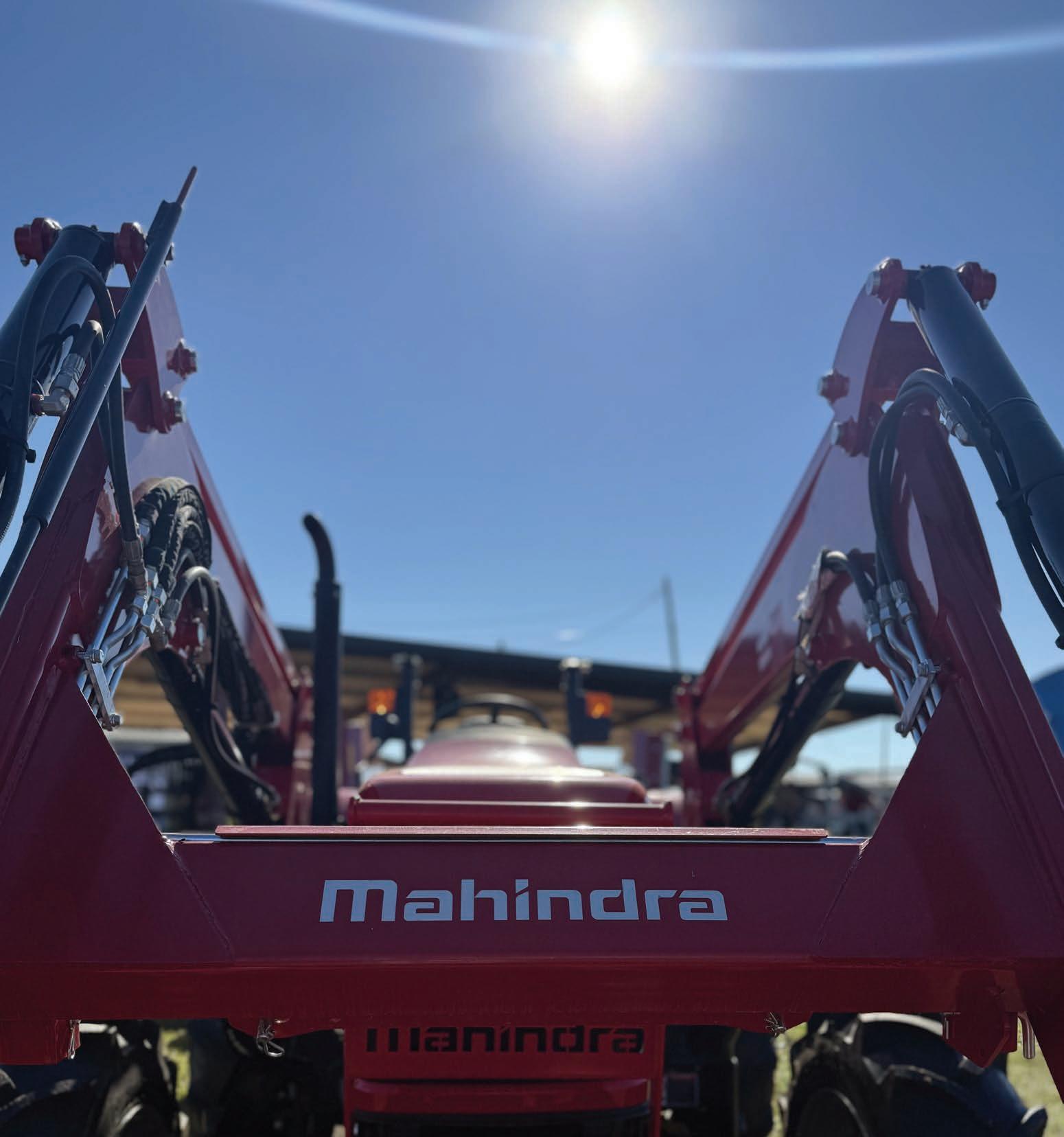
In a strategic move that blended legacy with opportunity, DeMott Tractor Company joined the American Irrigation team on June 2, 2025. The integration of a well-established name in South Georgia’s agricultural and consumer equipment market marked a significant milestone in the expansion of American Irrigation.
Following introduction through mutual friends in 2024, CEO Nick King and brothers Scott and Stewart DeMott quickly realized their similarities extended beyond agriculture. “We possess the same values,” says King. “We are aligned in mission, purpose, and dedication to farming communities.” A bond quickly formed, making DeMott Tractor a natural addition to the American Irrigation family. “We were thankful to have the opportunity to join American Irrigation,” says Scott DeMott. “We are combining multiple years of experience to make a great business even better. And we believe the AI team shares our same Christian principles and deep commitment to our customers.”
For over 68 years, DeMott Tractor Co. has built a reputation deep-rooted in customer service, quality products, and a profound connection to the Moultrie community. Beginning in 1957 as a family-run agricultural dealership, DeMott Tractor Co. evolved into a diversified operation, offering customers a variety of products, ranging from Valley irrigation systems, to powersports, to tractors and lawn equipment.
The same commitment to excellence and relationship-driven service continues under American Irrigation. The partnership represents more than a business transaction, but a shared vision for the future. Recognizing the value and importance of the DeMott legacy, American Irrigation aims to preserve the personal values that made the company a generationally trusted name. Simultaneously, American Irrigation brings fresh energy, expanded resources, and innovative solutions to a strong foundation. Customers can expect seamless continuity in service, with many familiar team members remaining in place. The integration indicates greater access to a broader product lineup with enhanced support, and more efficient service capabilities. As Demott says, “Our mindset is to keep getting better, each and every day.”
By combining DeMott Tractor’s local legacy with American Irrigation’s momentum and vision, this merger positions the company as one of the South’s most reliable and recognizable names in irrigation and equipment. As American Irrigation welcomes DeMott Tractor into its growing family, the mission remains clear: upholding the same values that have consistently served South Georgia for 68 years.










to get involved:
GraceWater is on a mission to see the eradication of the global water crisis, but we need your help. We are inviting individuals, groups, and businesses to get involved and support one of our many projects across the world. Will you join us in ending the global water crisis for the 783 million without clean water? Will you help us countless families the opportunity for a healthy and stable future? Will you give grace with water?
gracewater.org


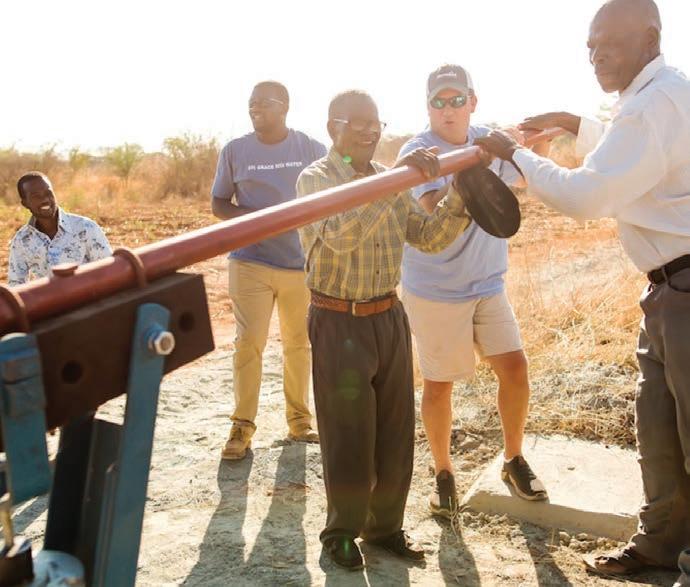
About a decade ago, American Irrigation CEO Nick King began to feel a draw towards merging his agricultural knowledge with his faith-fueled desire to help others. Simultaneously, his wife, Ann King, experienced a parallel vision. Following prayer and a prompting by the Holy Spirit, the pair were led to develop an organization that would drill water wells in areas with extremely limited water resources. This endeavor built upon King’s background in agriculture, creating a natural conduit for the application of expertise and faith.
In 2016, GraceWater was officially launched. Driven by the mission to “give grace with water,” GraceWater partners with local churches in southern Africa (primarily Zimbabwe) who do not have access to clean water. Wells are drilled in communities where the majority of residents have to walk miles to a viable water source. Meeting both physical and spiritual needs, GraceWater seeks to share the love of Christ while also providing much needed water relief. Since its inception, 80 water wells have been drilled and over 50,000 people have been provided with access to clean water.
In recent years, GraceWater has expanded its reach beyond water wells. The Grace Institute, located in Bulawayo, Zimbabwe, was created as an additional facet of ministry. The Institute offers orphaned young men a valuable opportunity to learn farming skills. Schooling, for those who have not been in a traditional setting as children, is also offered.
Students are taught and instructed through a two-year program. After graduation from the two-year program, students are equipped with seed money and partnership. This enables the graduates to start their own goat farm.
Additionally, disciple relationships are created, providing students with spiritual hope and encouragement. Upon graduation, the young men are launched, prepared to cultivate a career of their own. Since its creation, the Institute has produced 30 graduates.
As an irrigation company, American Irrigation understands the vital role water plays—not just in growing crops, but in sustaining communities and lives. By embracing GraceWater’s mission, American Irrigation extends its commitment to water stewardship beyond farm fields to global needs, demonstrating how technology and compassion can work seamlessly together.


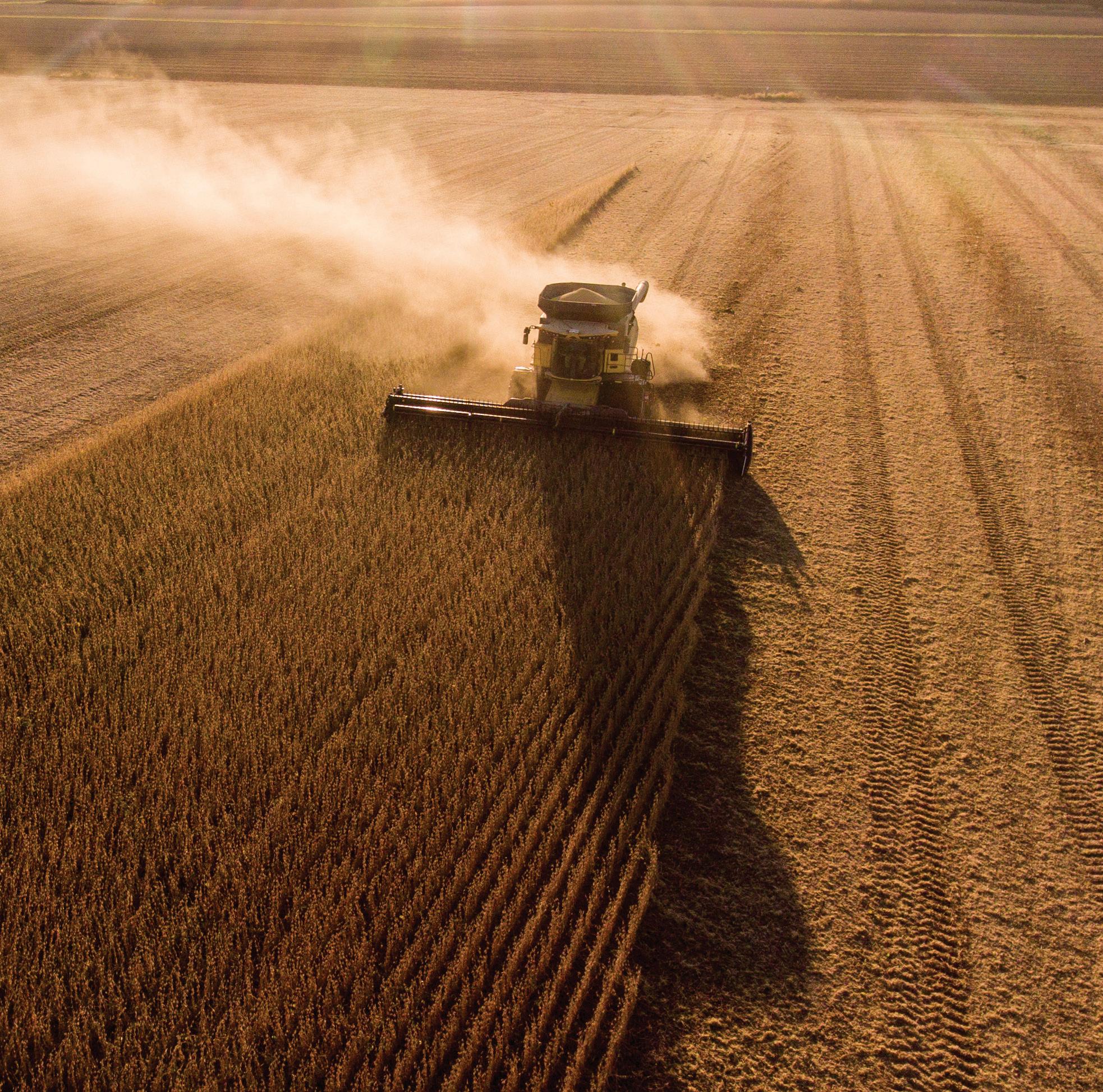
The 2024 harvest was very challenging following the hurricane. Coming into the 2025 harvest with good weather started the season off on a positive note. Crop forecasts had predicted gains in major crops such as cotton, soybeans, and corn for the 2025 season.
The corn harvest was mostly completed by late November, with a 96% harvest rate. The national average was forecast at a record 186.0 bushels/ acre, up from 2024, with robust production expected overall. The 2025 corn season in the Southeast was characterized by high expectations and generally strong performance, but localized weather events and aggressive diseases like Southern Rust created significant differences in actual farm-level yields.
Soybeans began being planted in April of 2025, with a harvest period around September 10, 2025 (per UGA variety testing data). Some areas experienced drought and late planting (early June), impacting yields (e.g., Missouri’s Southeast region averaged 39.4 bu/acre in some plots), while others saw good results from timely rains. Despite challenges, fields showed potential for high yields, with some farmers reporting excellent harvests, especially where late-season rain was present. Late spring rains delayed planting, followed by dry periods, making weather crucial for final yields. Farmers shifted acres to sorghum due to market fluctuations and input costs, highlighting a strategic move to maintain farm income. The 2025 season for Southeast soybeans was a mixed bag of record-breaking potential, strategic planting shifts, and weatherinduced variability, leading to a wide range of outcomes from excellent to disappointing.
Peanuts began being harvested around midOctober, with early-planted crops showing good yields in some areas, though some central and eastern parts of the state were dry. Scattered rain was helpful, but not widespread enough to alleviate drought in all areas.
In Georgia farmers planted a significant acreage (around 910,000-950,000 acres) with projected yields averaging 4,000 to 4,200 pounds per acre.
In Florida acreage increased (to about 167,000 acres), with projected yields around 3,8003,900 pounds per acre. In Alabama, the average was about 3,100 pounds per acre on roughly 192,000 acres. The larger planted area across the Southeast and the nation signaled a robust supply, potentially a record-high harvest for the U.S. While irrigated crops did well, dry conditions in some sandy soils during critical finishing stages (pegging/pod development) affected dryland yields and quality. By early October, harvest was underway, with some states like Alabama ahead of the previous year, but variable conditions meant mixed results.
The Southeast’s 2025 peanut season saw farmers plant more acres, leading to strong production, but late-season dry weather presented challenges for some growers, influencing final yields and grades.
The overall Southeast yield for cotton was well above the 5-year average, potentially reaching a record ~1,036 pounds per acre in some reports, though earlier forecasts were lower (871 lbs/ acre). Production was lower than 2024 due to reduced planted area, with projections down significantly (e.g., Georgia down 20%, Alabama down 27%).Mississippi projected a strong yield of around 1,180 lbs/acre, while North Carolina saw significant declines from 2024.
Despite lower acres and production issues earlier in the year, improved late-season conditions boosted final yield estimates, though market factors like lower prices and trade uncertainty impacted overall farm profitability. The Southeast cotton crop in 2025 faced challenges with acreage cuts, but late-season weather and crop development led to significantly higher per-acre yields, exceeding previous forecasts and the 5-year average, though total output was down.





It is not lost on me just how many challenges farm families and our industry are currently facing. The last four years have been some of the most difficult American agriculture has ever seen. Crushing inflation, sky-high inputs and interest rates, depressed commodity prices, supply chain disruptions, labor shortages, a generational storm like Hurricane Helene, and years of bad farm policy from DC have push farmers across the country to the brink. Despite all of that, I have never been more optimistic about the future of American agriculture.

There is no doubt that farmers and consumers in Georgia and across the country are feeling the impact of years and years of misplaced priorities and willful neglect of American agriculture coming from Washington, DC. Thankfully, the Trump Administration understands just how dire the straights are in Rural America right now. There is no one silver bullet that will fix the ag economy, but we have already seen this Administration put into place farmer first policies that will help our industry get back on track.
At the state level, despite the significant challenges we have faced, we have taken real, concrete action to protect Georgia farmland and support Georgia farmers.
We’ve established the Georgia Farmland Conservation Fund to help protect ag land into perpetuity. Understanding that agriculture is a critical part of our national security, we banned hostile foreign nations like China from buying Georgia Farmland. This past session we passed legislation to ensure producers continue to have access to the crop protection tools they need, increased the pot of state-level hurricane relief funding to upwards of $300 million, and exempted Hurricane relief and crop insurance payments from state taxes. That is just to name a few. We have significantly more work to do to protect our state’s #1 industry and the farm families who fuel its success, and I am looking forward to championing legislation this session that will do just that.
Our team at Georgia Grown is working every day to promote Georgia ag products and to tell the story of Georgia ag to consumers in our state and around the world. The products our farmers produce are recognized around the globe for their unbeatable quality. It is safe to say that our team at Georgia Grown has been busy.
We have entered into exciting new marketing partnership with the Atlanta Braves and UGA football; we are now the title sponsor of the annual Georgia Grown bowl between Georgia State and Georgia Southern; we opened our first ever brick & mortar Georgia Grown store on Jekyll island and also launched an online Georgia Grown Marketplace; we will be opening our 2nd Georgia Grown Resource Center in Albany this year which will serve as an agribusiness incubator in a critical region of our state; we also have taken over management of Georgia’s Rural Center from the University System of Georgia which will help ensure agriculture as a seat at the table when it comes to critical development projects around the state and will give us a greater opportunity to impact rural Georgia by focusing on critical needs like healthcare, workforce development, and education.
On the federal level, the One Big Beautiful Bill was the largest investment in American agriculture in the last 15 years. It includes a $60 billion investment to align farm safety net and crop insurance programs with the current cost of production as well as adjusting for future inflation. It includes historic taxrelief for American farmers – like tripling the estate tax deduction – that will save American farmers an estimated $10 billion in taxes over the next decade. It increased reference prices by 10-20% across the board and included critical changes that will improve program USDA’s programs for conservation, trade, and new and beginning farmers. Many of these changes will come into effect this year and will start working to restore prosperity to rural America and increase margins on the farm.
In the meantime, Sec. Rollins’ recently announced a $12 billion farm aid package for row crop and specialty crop producers and that deliver funds to producers by the of February. At the same time, Georgia’s Hurricane Helene Block Grant program is open now and over half a billion in federal aid from the Block Grant program will soon be flowing to impacted producers. These two relief programs working in confluence will work to help our producers get over the hump and keeping them operational until the farmer first policies in the OBBB take effect.
For the first time in four years, Georgia farmers who utilize the H2A program are getting relief. After a 31% increase between 2022 and 2025 – from $11.99/ hour to $16.08/hour – that cost Georgia producers an estimated $250 million in additional labor, Georgia’s top wage rate for 2026 is effectively $14.48. This will save farm families millions this year.
I know how difficult things are right now, but there is a light at the end of the tunnel, and it is getting brighter every day. That being said, we cannot rest on our laurels or becoming complacent. It will take our entire industry working together to ensure the success of American agriculture for future generations. It is an honor to get to work towards that goal every single day on behalf of Georgia’s agricultural community. Thank you for allowing me the opportunity to serve our state and our farmers as Agriculture Commissioner, and I look forward to continuing our work together to support and defend this industry and our way of life.
God Bless & Keep Plowin’
Commissioner Tyler J Harper



YOUR FIELD, OUR FOCUS, COMMITTED TO SERVICE.