
Lab & the American Canid Project
Summary of research, education, outreach, community engagement, media, and policy work
July 2023 - March 2026
Summary of research, education, outreach, community engagement, media, and policy work
July 2023 - March 2026
Dawn – because of your generous support, our work has expanded in ways that would not have been possible otherwise. Together, we have advanced the science of predator ecology, pioneered new approaches to understanding animal communication, trained emerging conservation leaders, and helped foster public dialogue about living alongside wildlife. Your investment is helping shape a future in which wildlife and humans can thrive together.
Every aspect of what you will see illustrated in the coming pages only happened because of your generosity & support
Field research infrastructure, travel, local transportation, lodging, field gear, & labor
Laboratory instrumentation and labor for genetics, diet, bioacoustics, and social science
Field instrumentation for research on elephants in equatorial Africa
Research Team
Salary for Data & AI Manager
Salary for Postdoctoral Research Scientist
Salary for Yellowstone Field Manager
Graduate Student Fellowships (tuition + fees + stipend)
Summer salary for Joanna (2 months, 2023–2024)
Computers, specialized hard- & software, data storage for large datasets, Alpine Supercomputer membership
All AI-assisted field instrumentation (e.g., camera traps, autonomous recording units)
Research & conference travel, workshop & conference fees for Undergraduates, MS students, and PhD students
Specialized, tailored workshops providing field/laboratory/computer training in wildlife
Distribution of wolf tracking field guides throughout the Western Slope and Colorado Parks & Wildlife
Support for Working Circle in their mission to teach non-lethal tactics to livestock producers
Support for workshops and travel for lecturing on extinction crisis and human-wildlife conflict
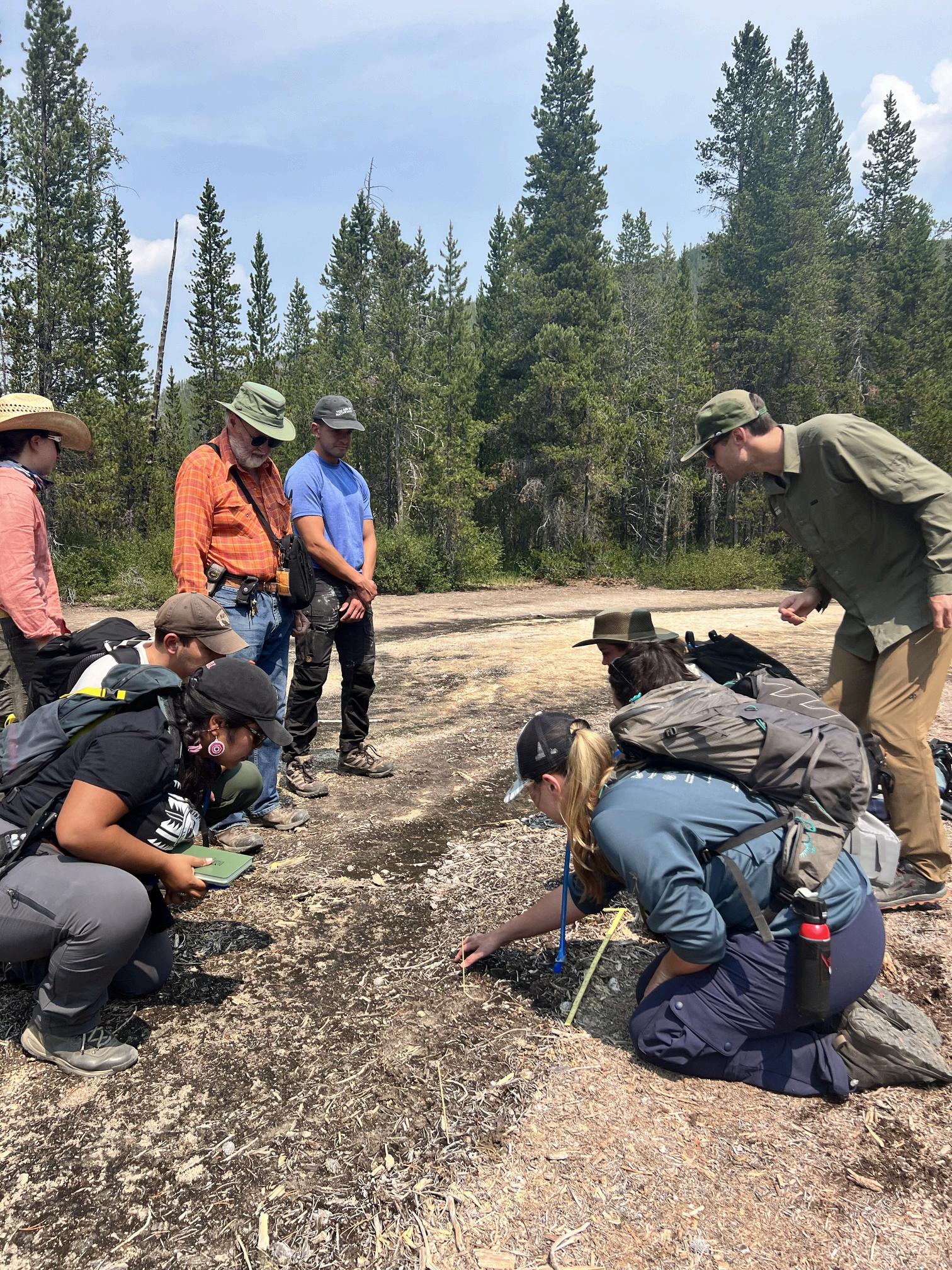
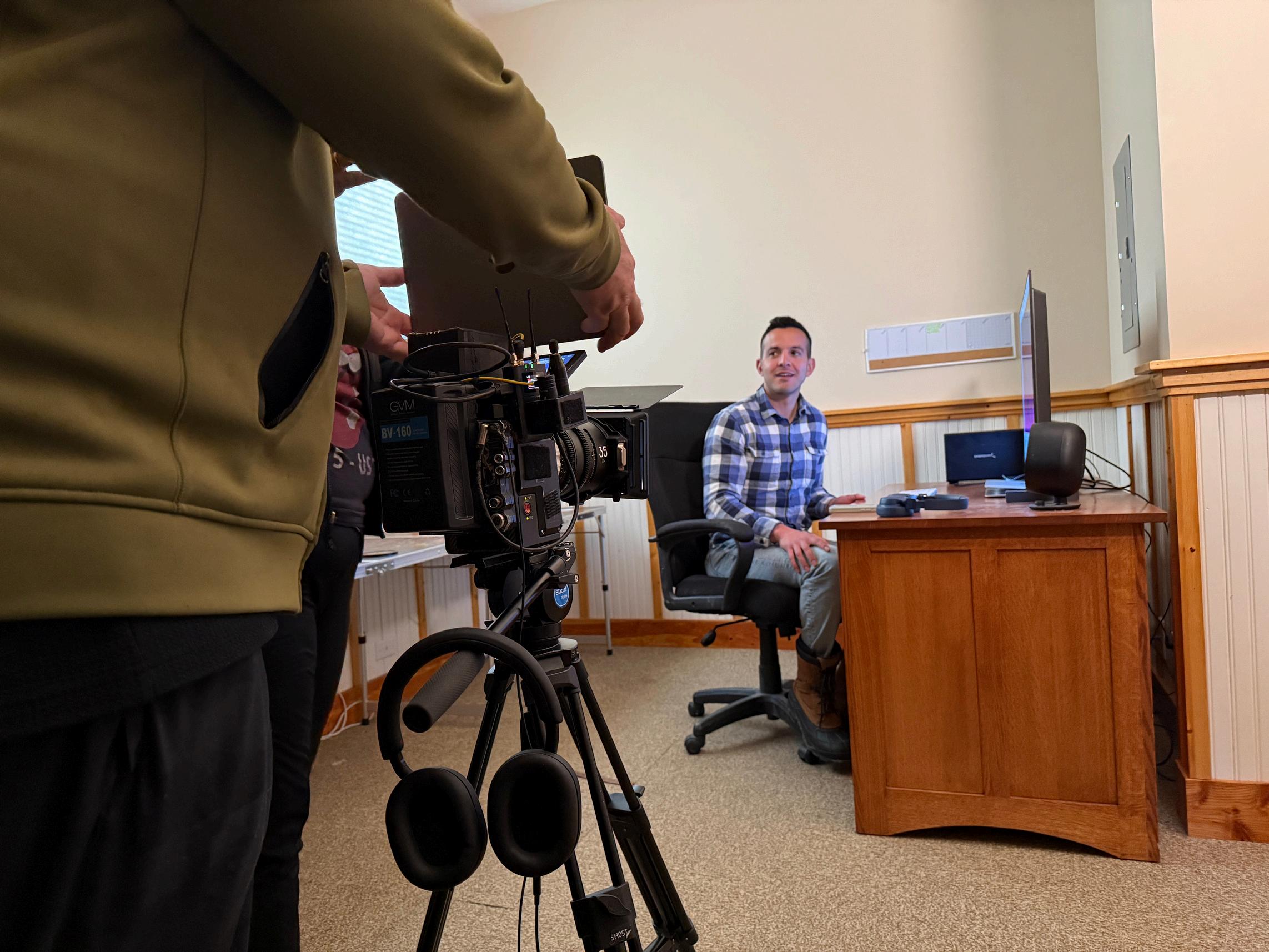
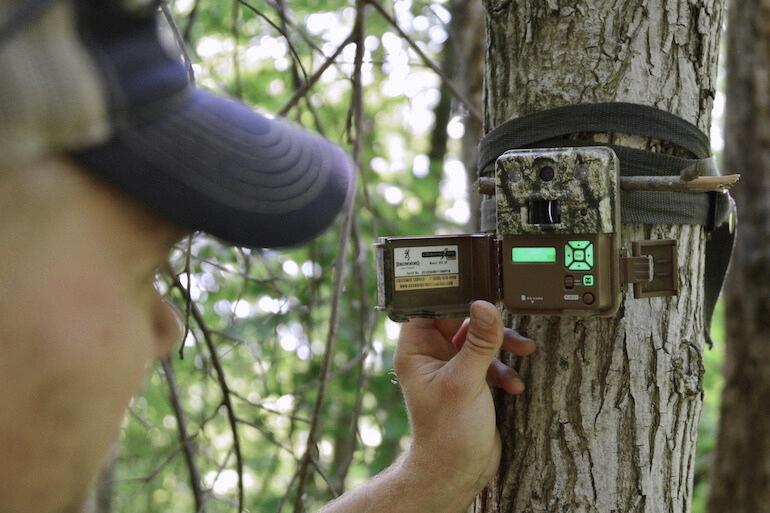
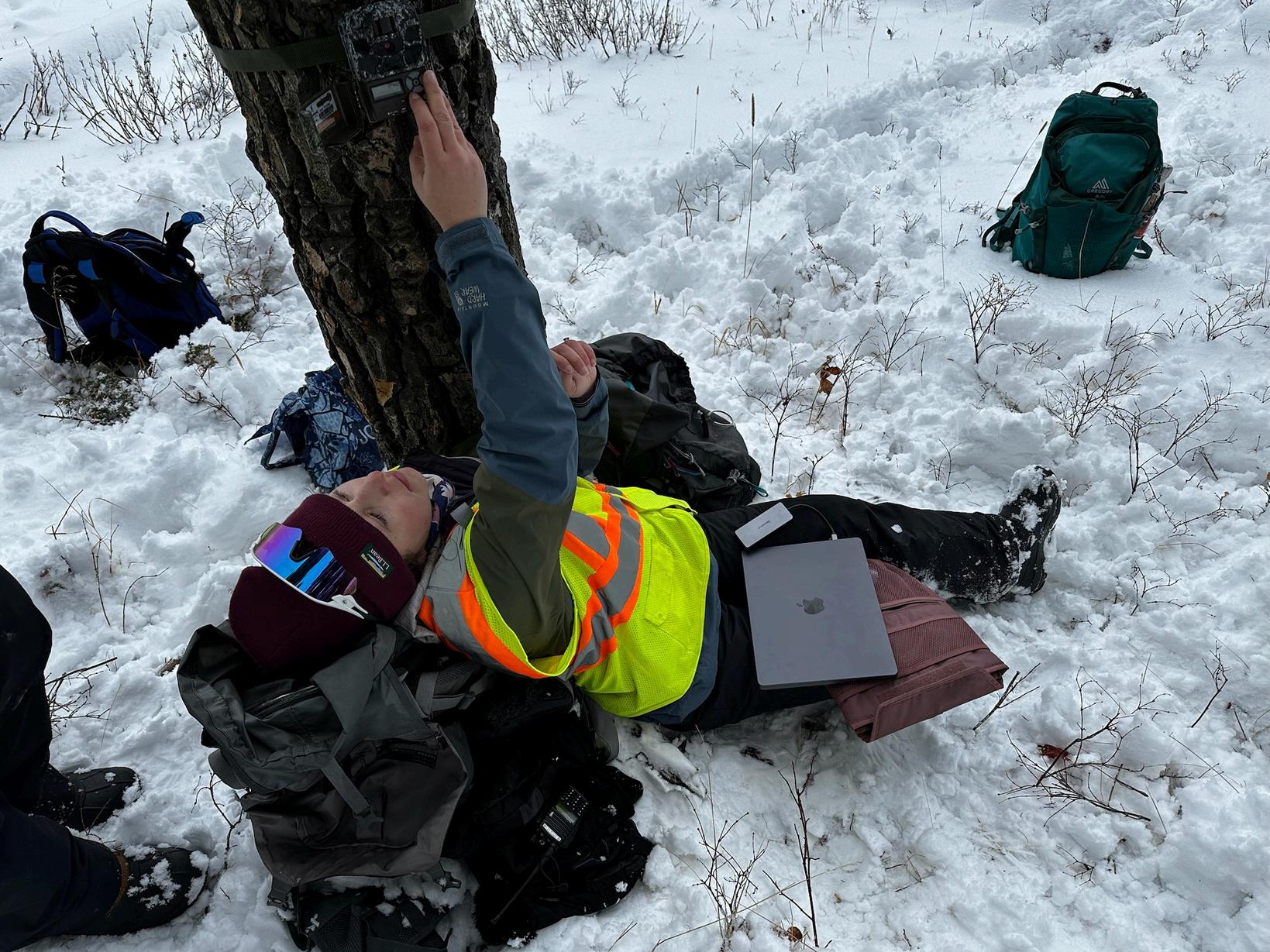
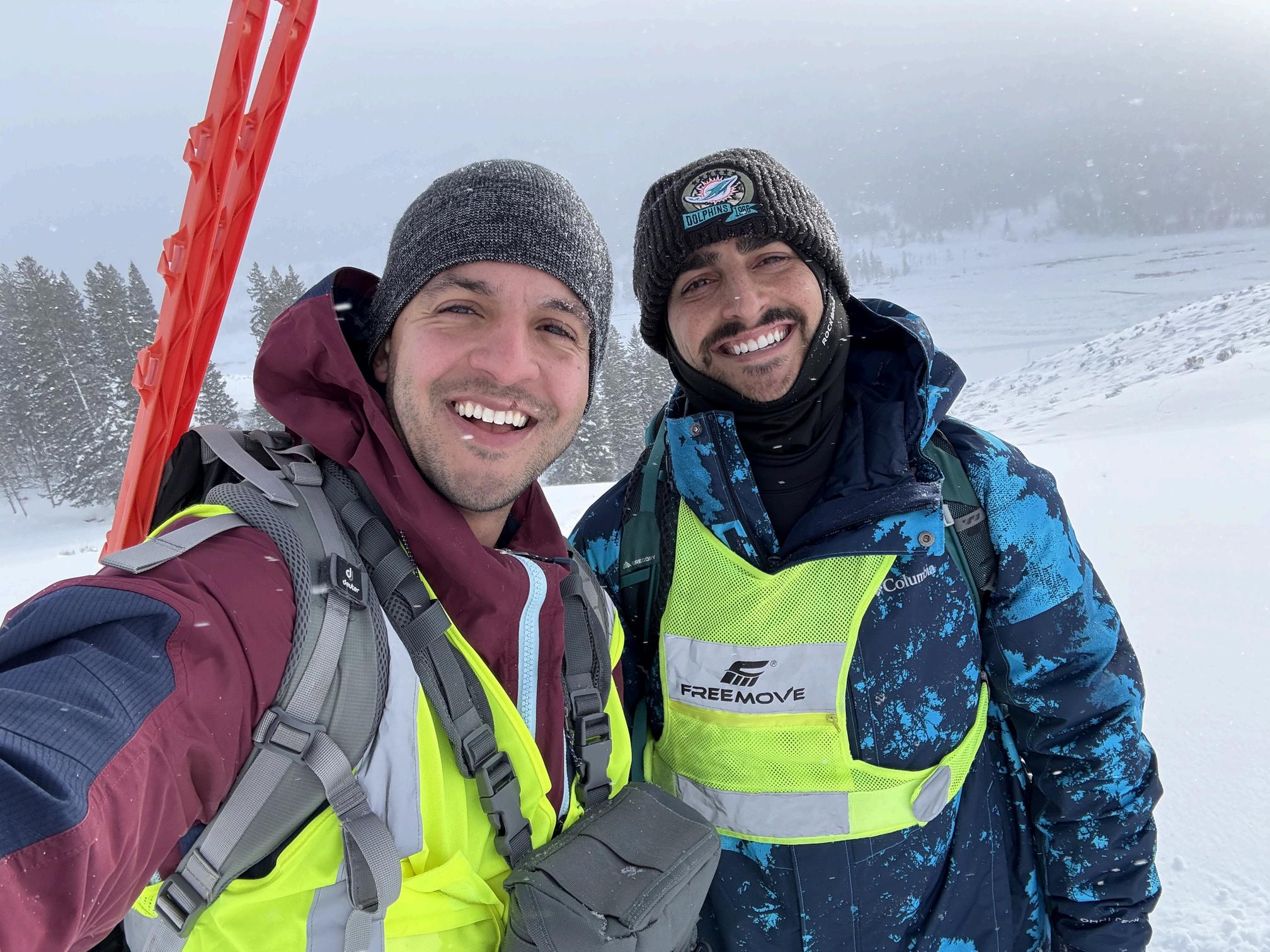
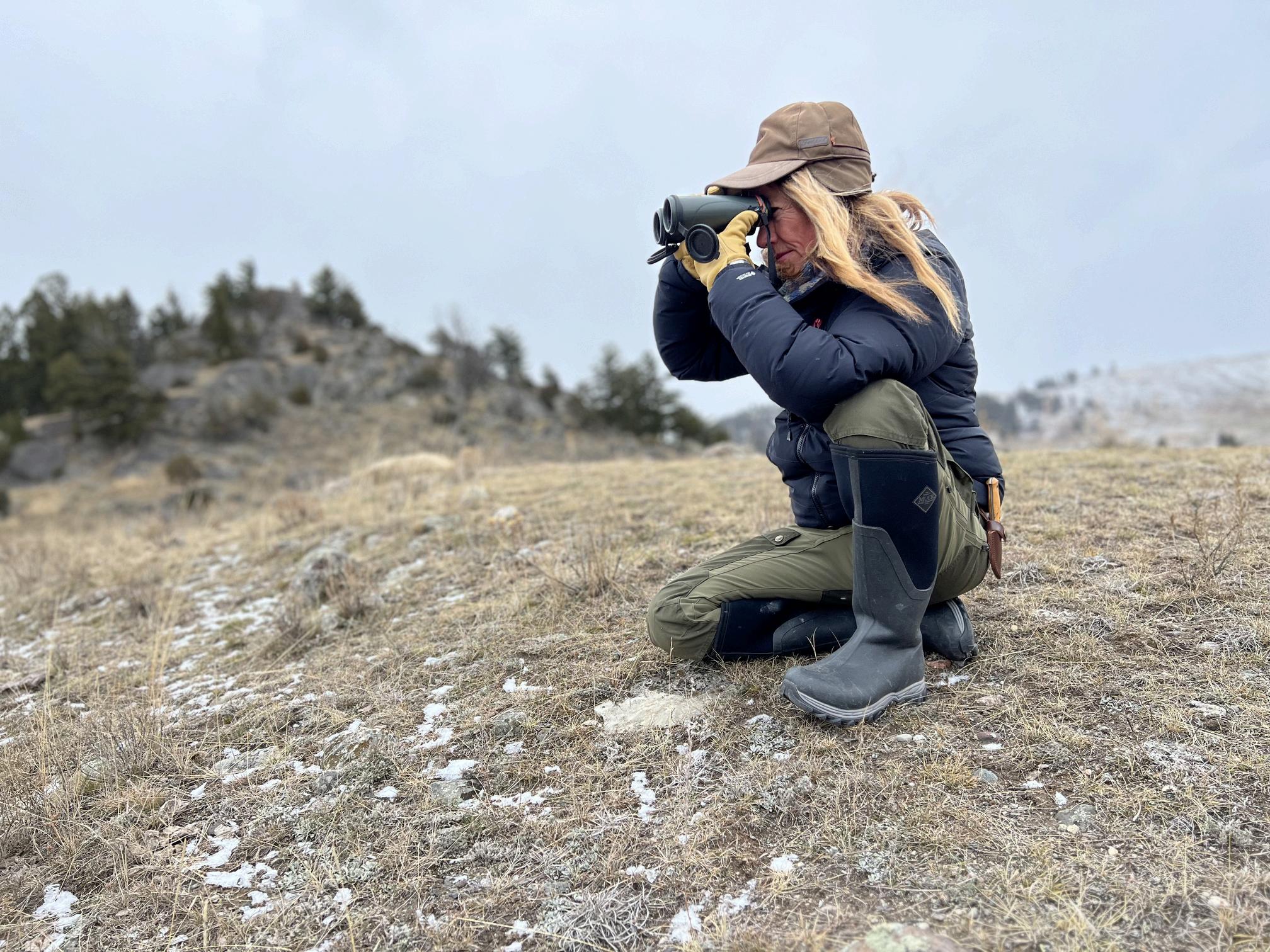
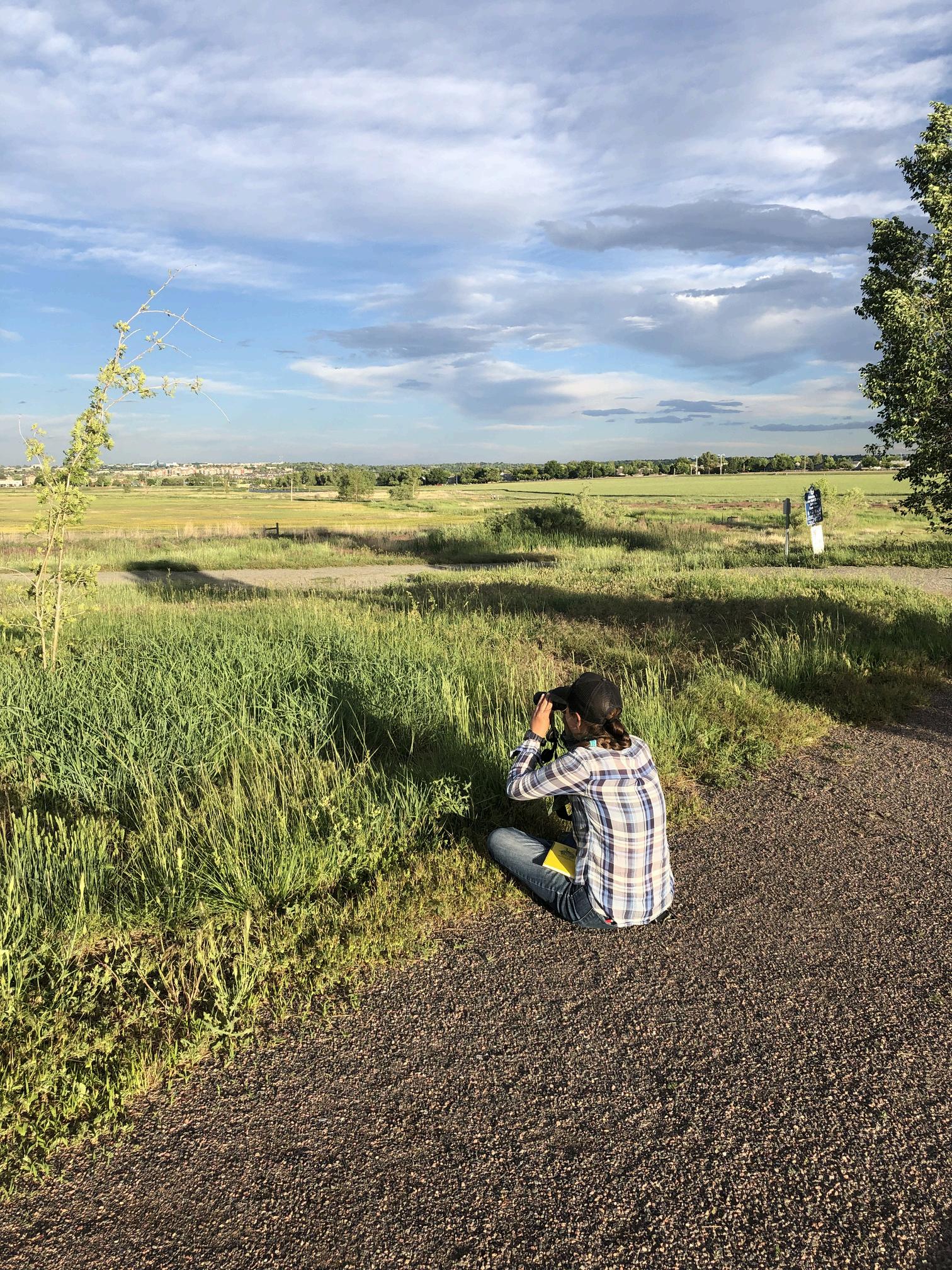
Clockwise from top left: CU Boulder graduate and undergraduate students learn the science cf tracking in a week long workshop in Yellowstone, 2024; PhD candidate Amir Dehbi being filmed as he works on his AI modeling of wolf howls, 2026; PhD candidate Emily Golden-Beam checks photos in wildlife camera in Yellowstone backcountry, 2025; Installing Bioacoustic Autonomous Recording Unit; PhD candidates Christian Suarez & Amir Dehbi grinning after setting up Novel Object Experiment for testing wolf temperament, 2025; Joanna looking for wolves, 2023
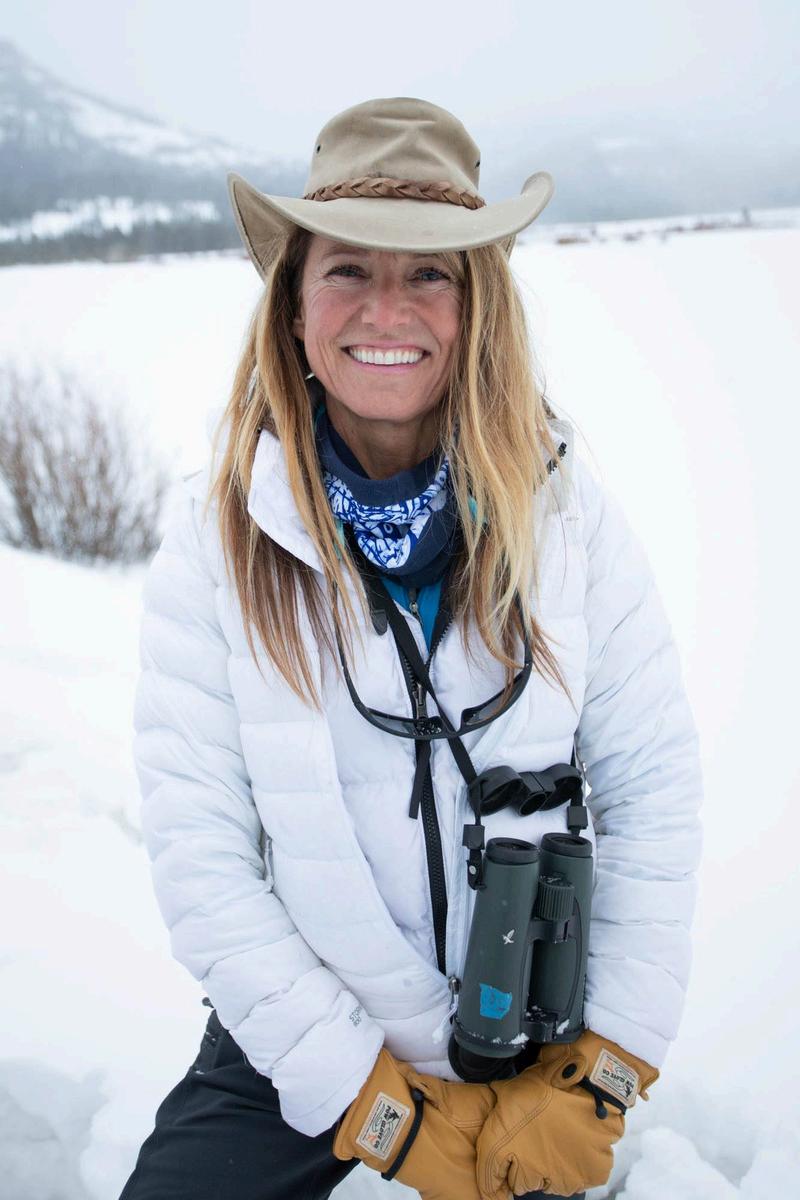
Joanna Lambert
Principle Investigator & Lab DIrector
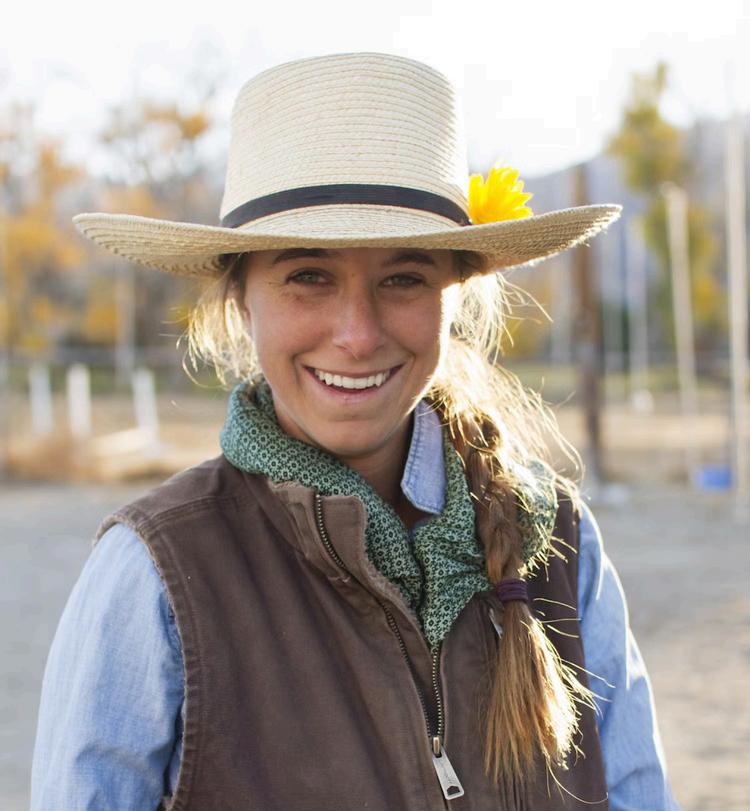
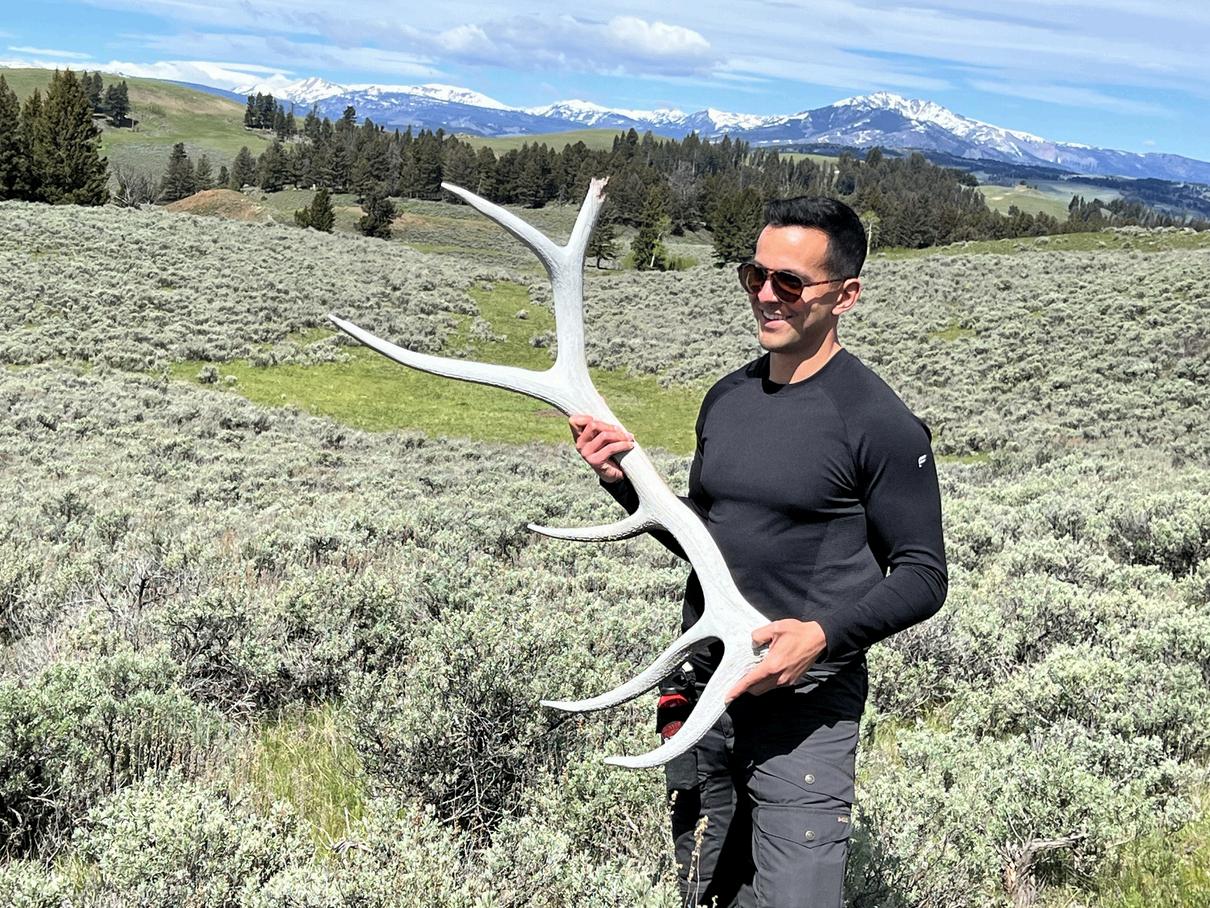
Emily Golden-Beam
PhD Candidate, Canid behavioral ecology
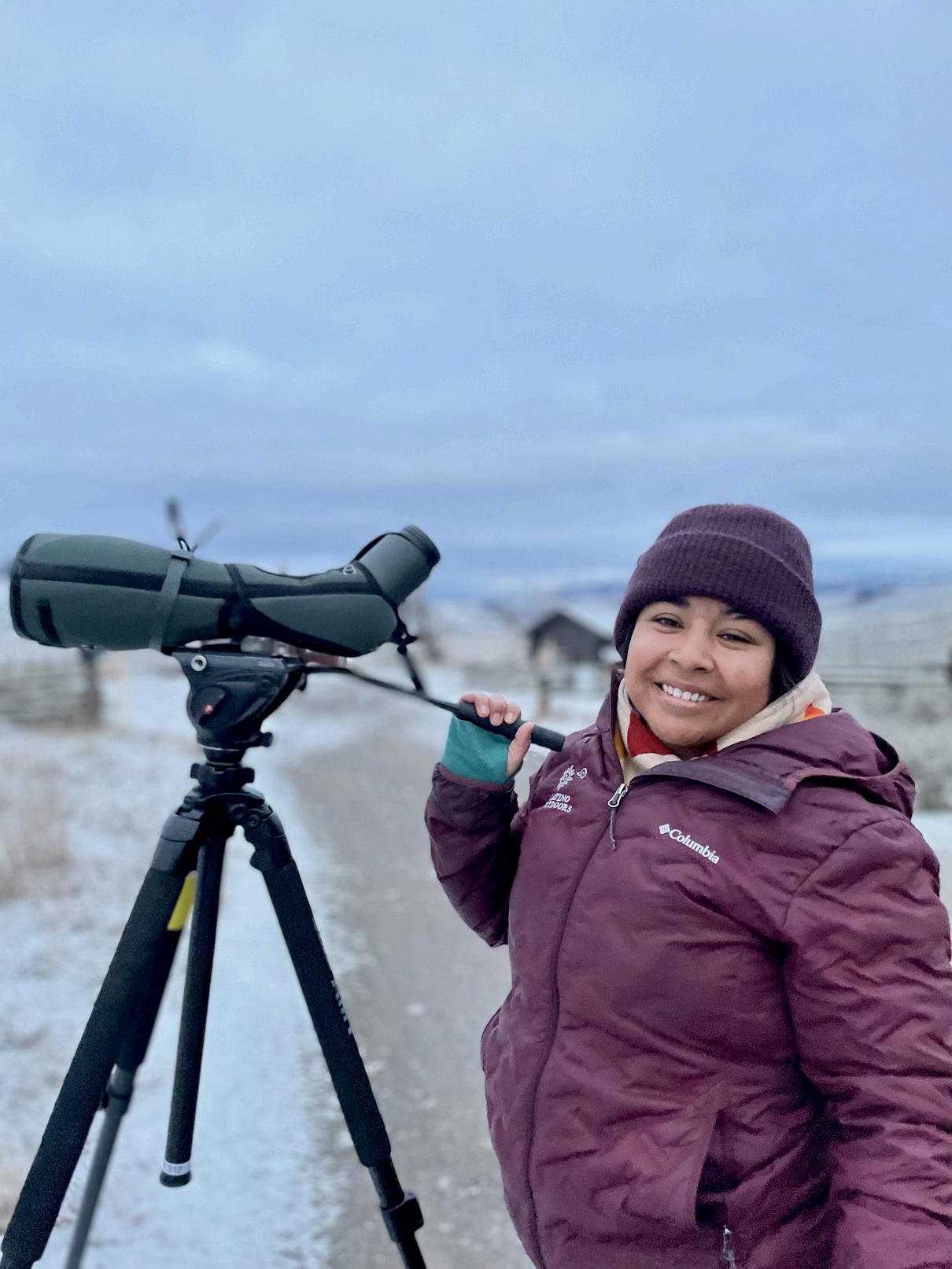
Christian Suarez
PhD Candidate, Human
Dimensions of Conservation
Rosie Sanchez
PhD Candidate, Indigenous carnivore conservation (now in Bailey/Carrol Lab)
Amir Dehbi PhD Candidate, Applied AI & Wildlife Conservation
Nova Robbins-Waldstein
MS student, beaver behavioral ecology
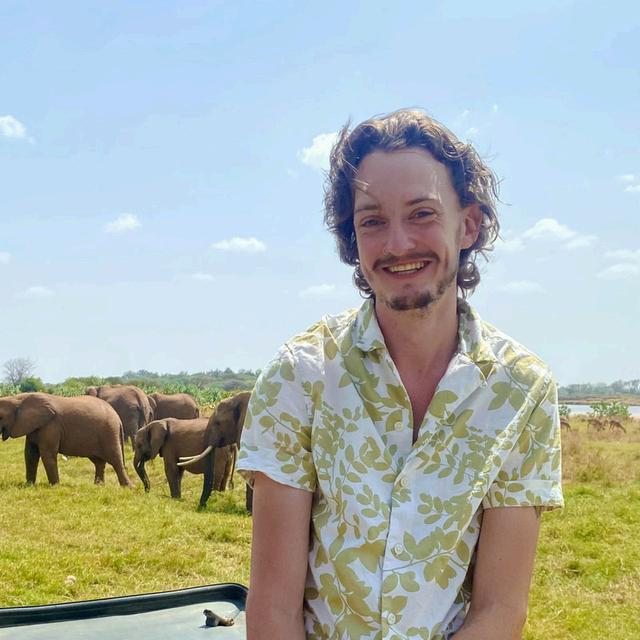
Liam Jasperse-Sjolander
PhD Candidate, Elephant behavior
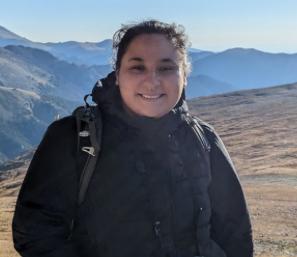
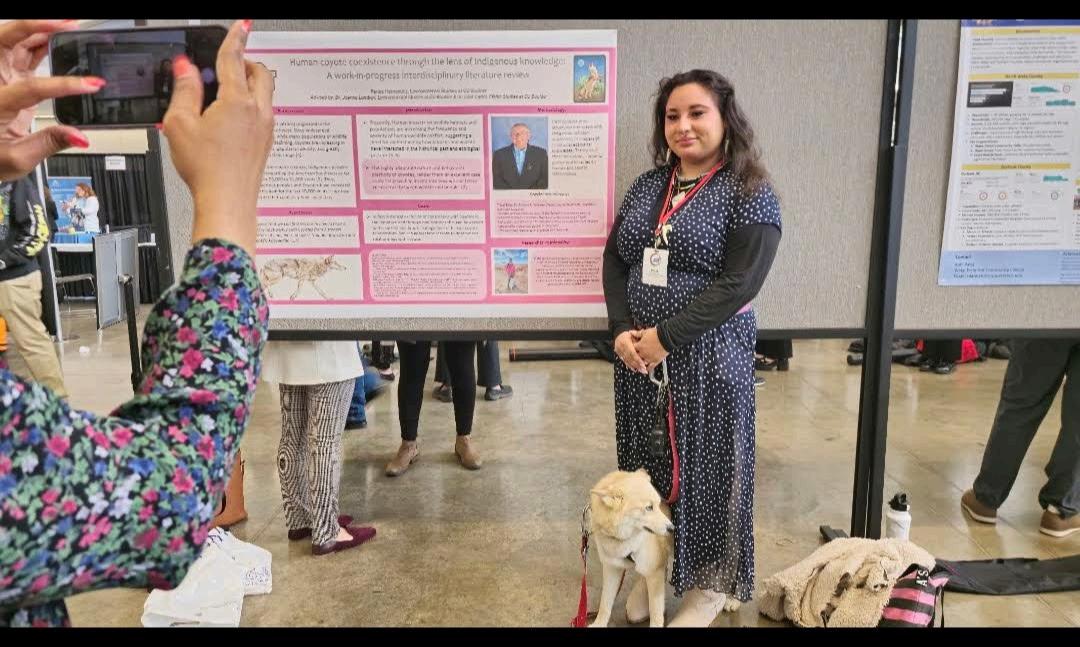
Renae Hernandez Undergraduate, Honors Thesis: Indigenous knowledge of predators

Sai Lalith Kaamala Lab AI & Data Manager
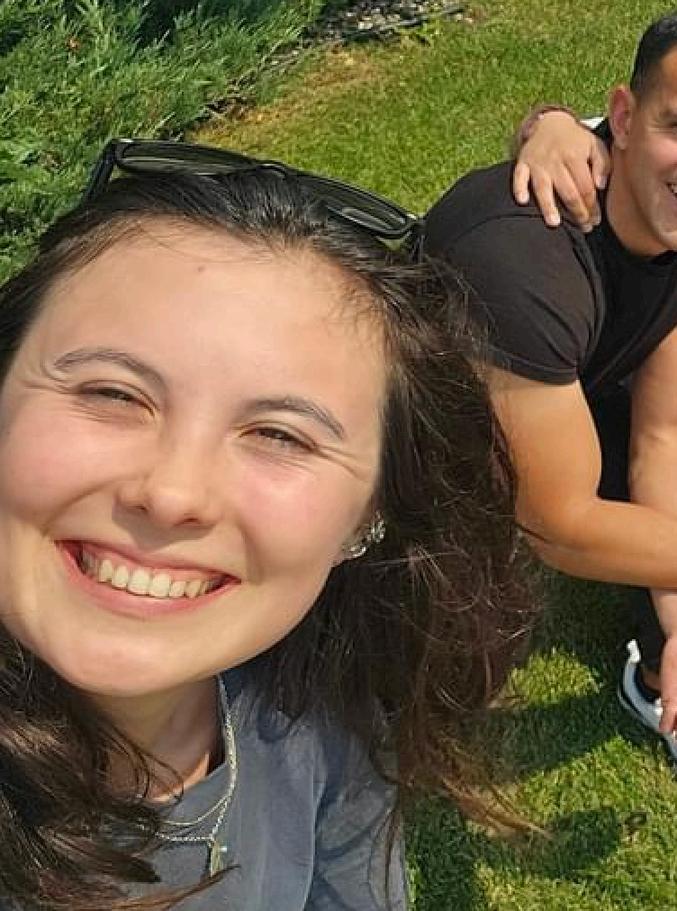
Catherine Grady Undergrad, Honors Research: Juvenile wolves

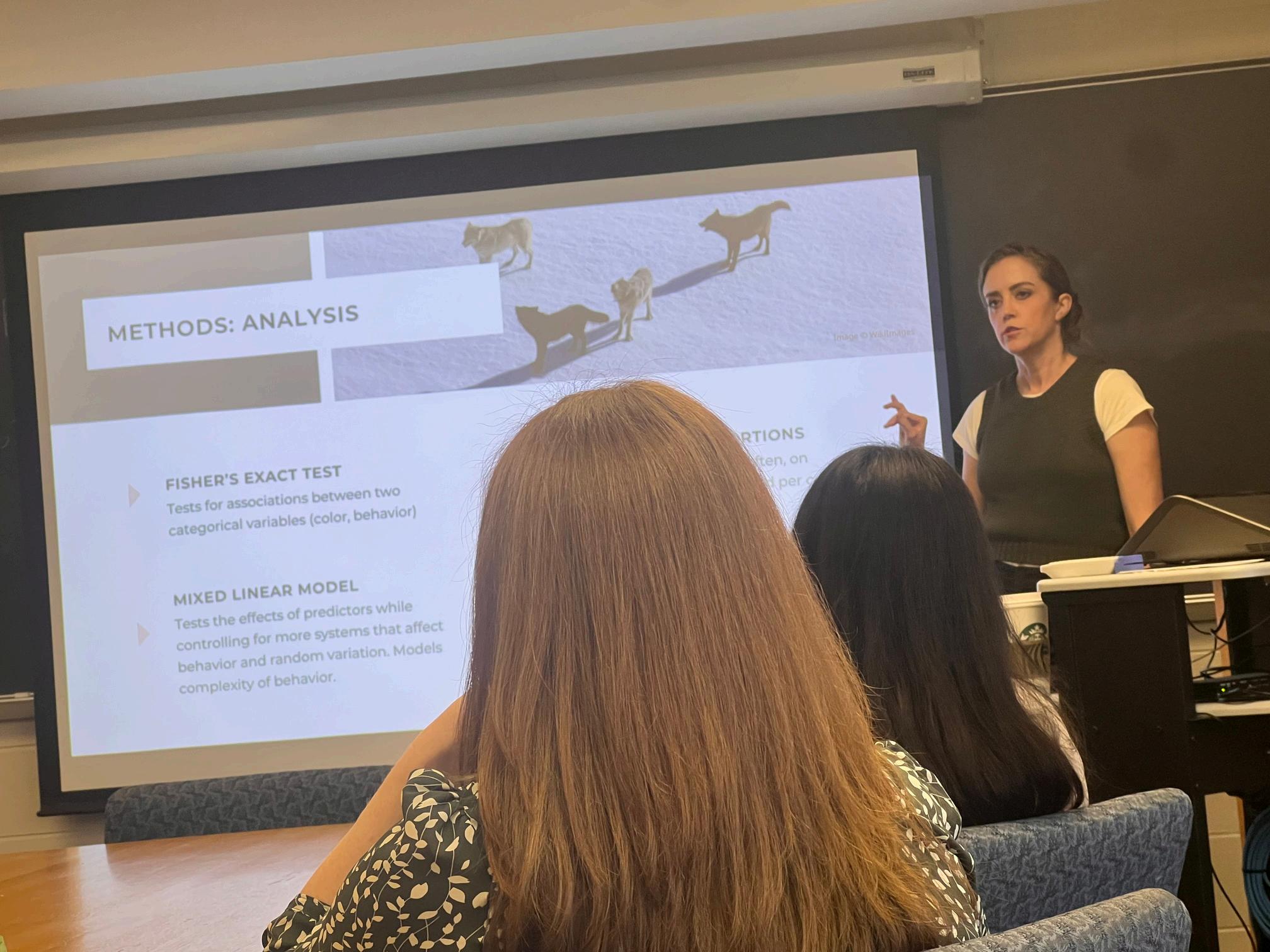
Jenna Porter Undergrad, Honors research: wolf temperament
honorary lab membersall ver od & rls
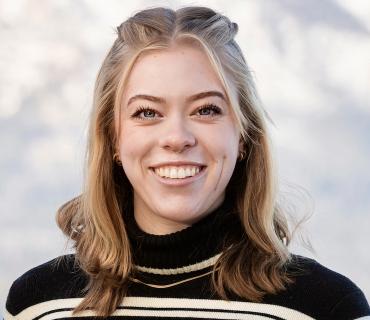
Nicole Schroeter Undergrad,, Honors research: Bison behavior
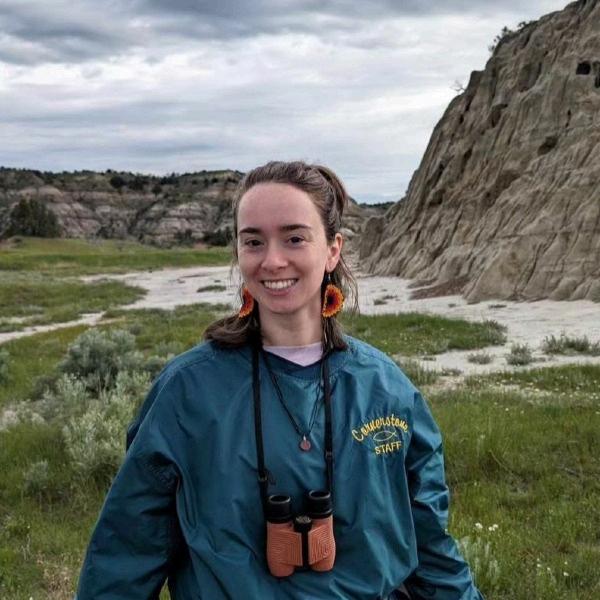
Regina Leuty Undergrad, Honors Research: Predator sampling
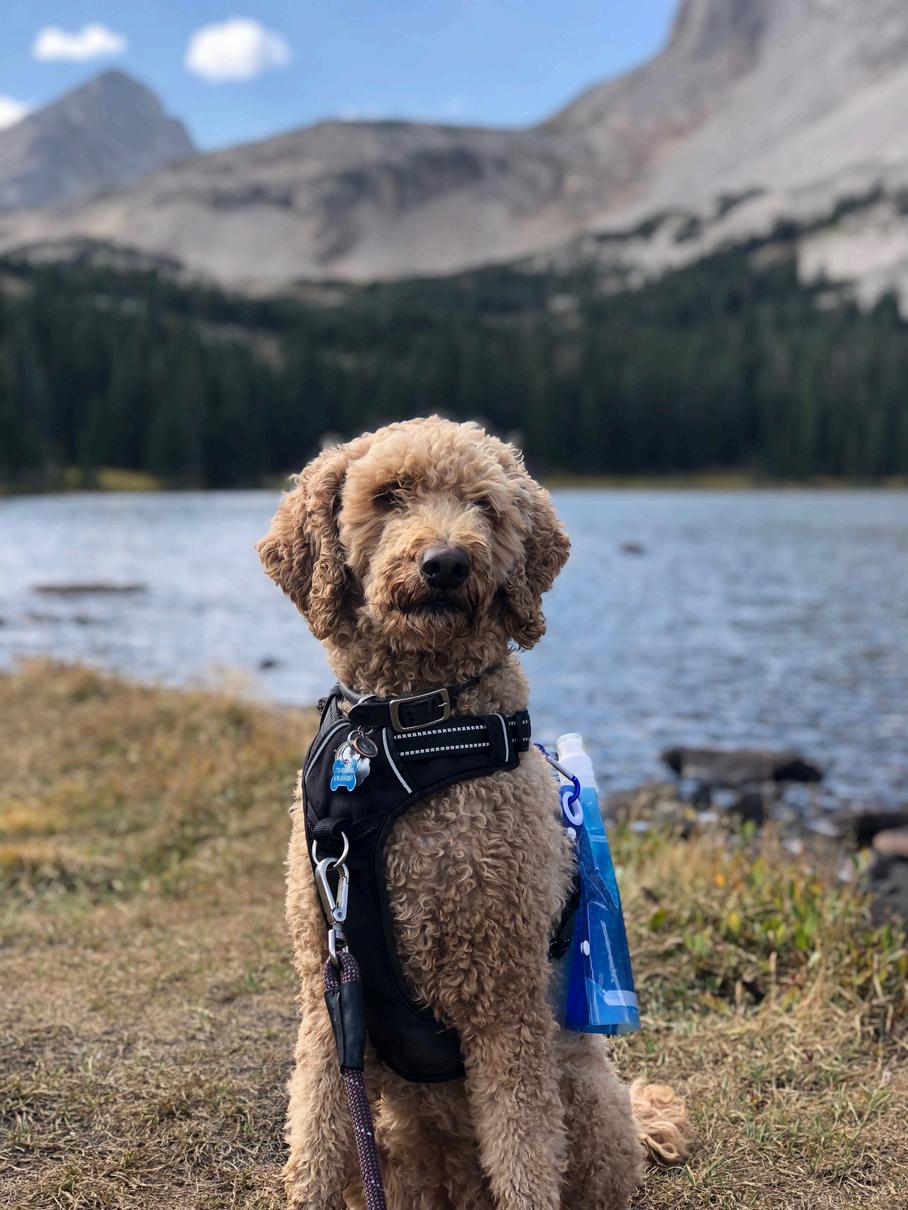
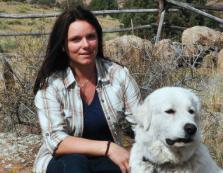
Krisztina Gaylor Yellowstone Field Manager
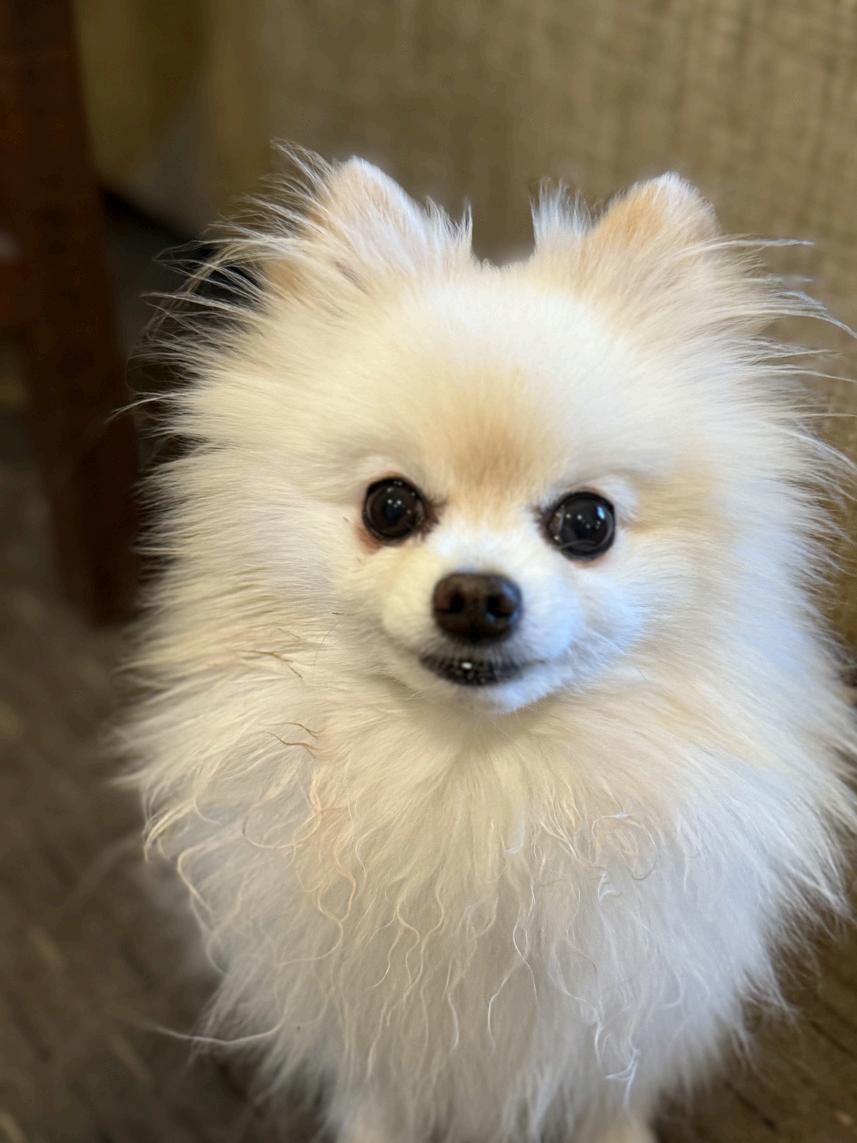
Jupiter Atomic Dog Firefly Dandlion Julio Jones
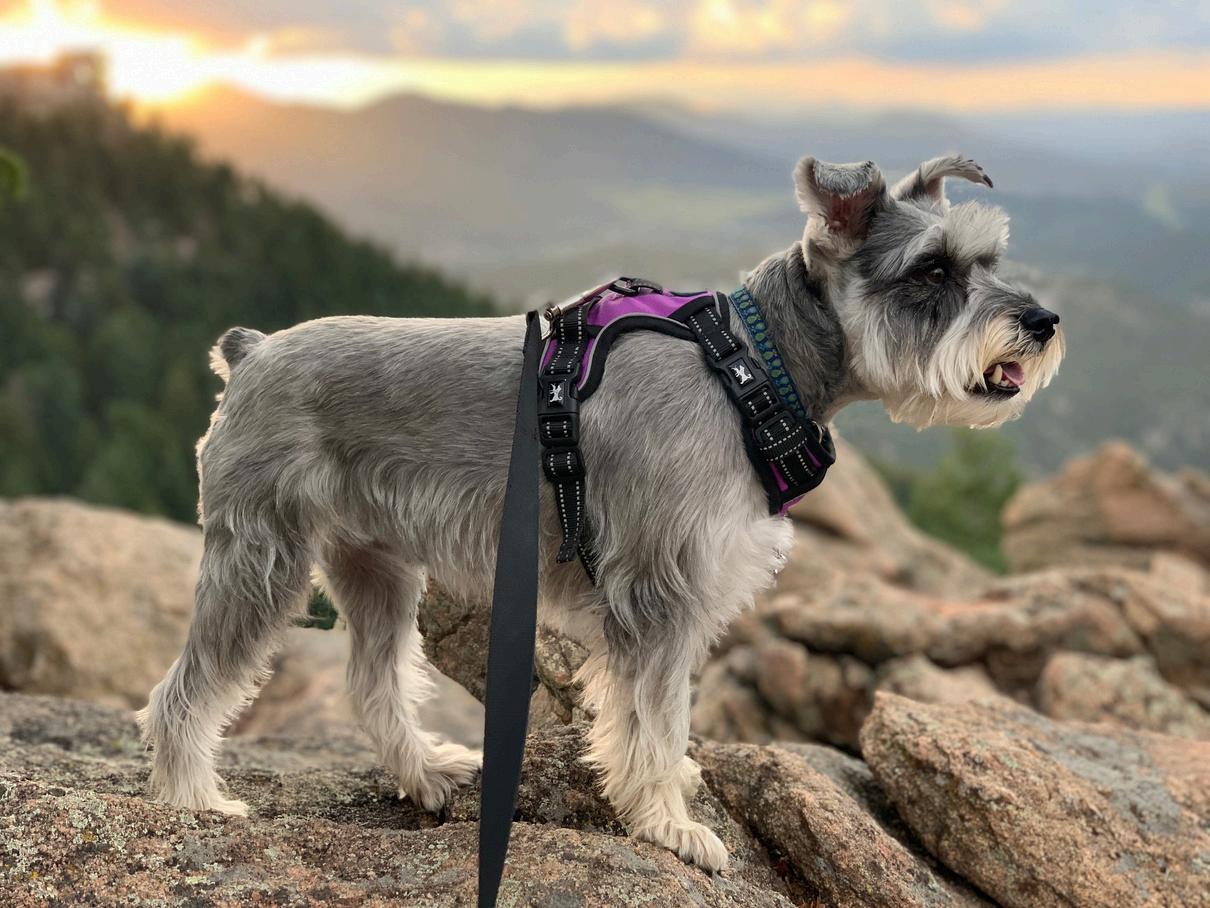
Riley Luna Pixel Sterling
Clifford Adamchak, Anna Bajaj, Parks Barroso, Evie Benger, Tucker Coons, Julia (JJ) Davis, Thomas (Auggie) Dunne, Jonathan Farr, Cameron (Brody) Guisness, John (Alden) Harris, Jennifer James, Tatum Jentgen, Claire Lewis, Rachel Martino, Anna Marshall, Victoria Mathias, Summer Merrell, Alisa Minjarez, Luke Outman, Michaela Perez, Justin Rapp, Benni Saladino, Abby Schmidt, Jenna Scheithauer, Nicole Schroeter, Zachary Schwartz, Emily Suarez, Ava Teller
We are living amid a global biodiversity crisis. Human activity has severely altered 75% of terrestrial and 66% of marine ecosystems. It is estimated that one million species are threatened with extinction in the next 25 years.
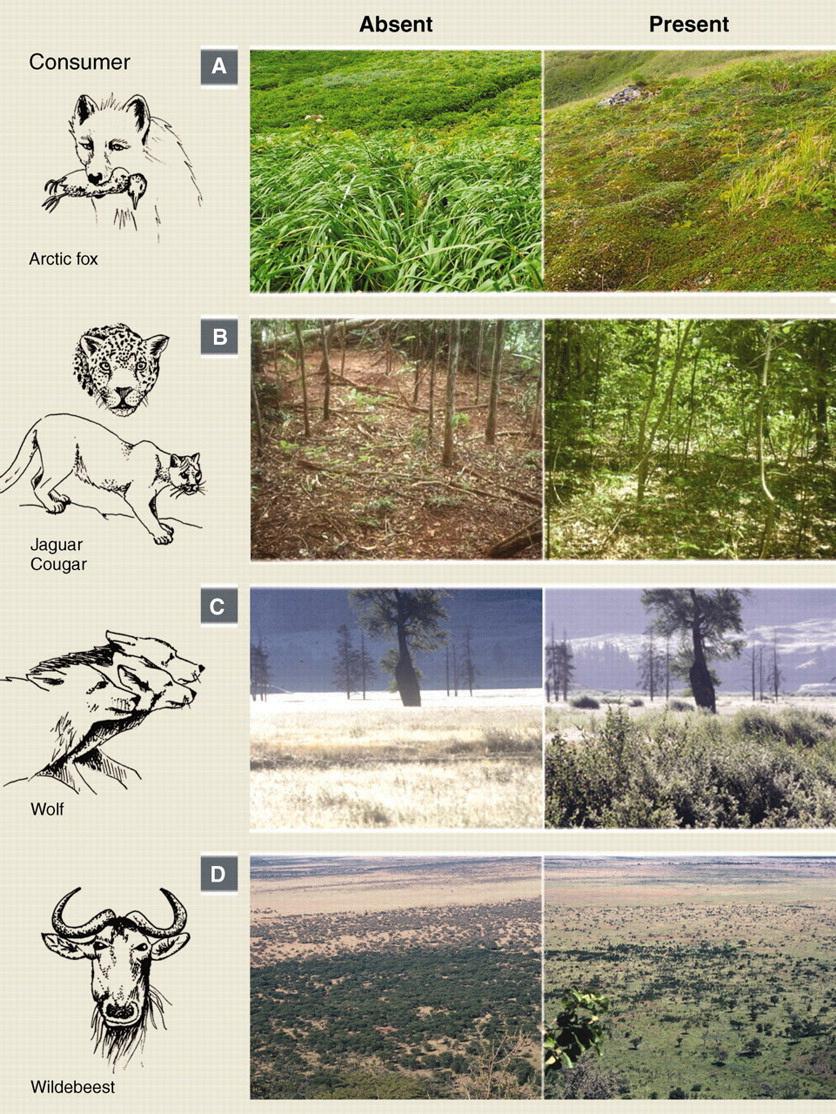
Across the planet, apex predators that once structured entire landscapes are under siege, triggering cascading ecological consequences that ripple through ecosystems (see Figure to the right).
But it is not too late, and there’s no time for pessimism! The path forward requires immediate action, tempered by optimism, faith, and a cohesive vision of restoration.
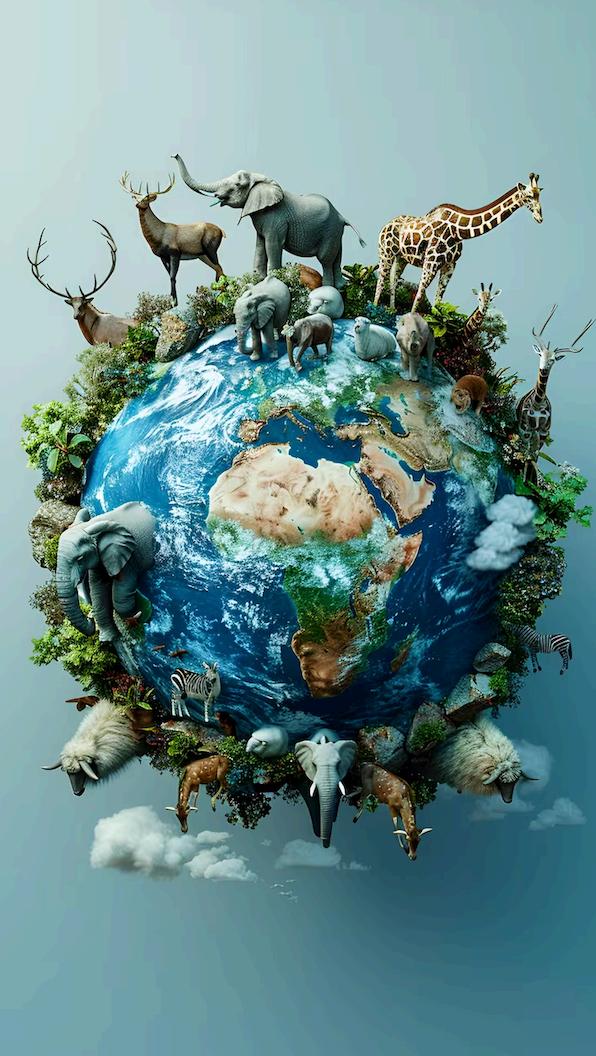
When predators are no longer present in landscapes, it is not only a loss of their intrinsic value as species, but also has cascading consequences throughout entire ecosystems (called “top-down” effects). These effects are readily observed in vegetation and forest structure, as illustrated to the right
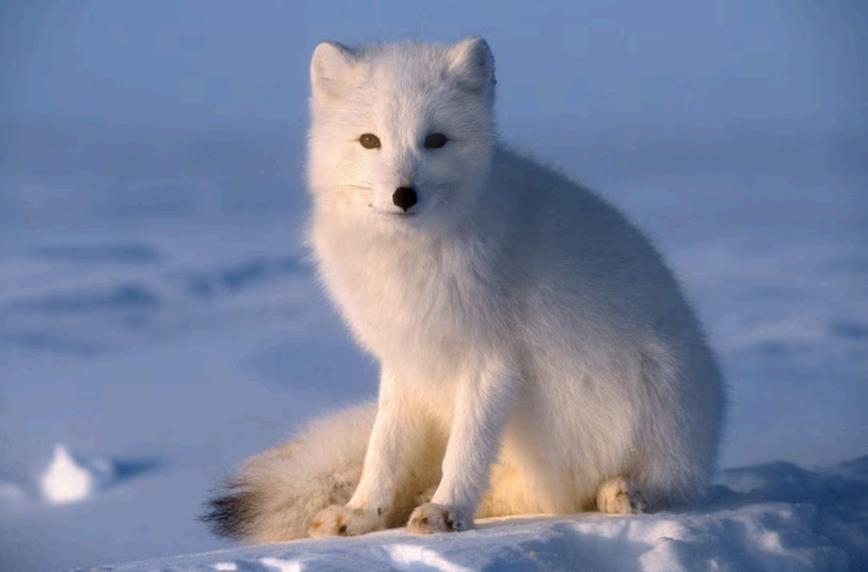
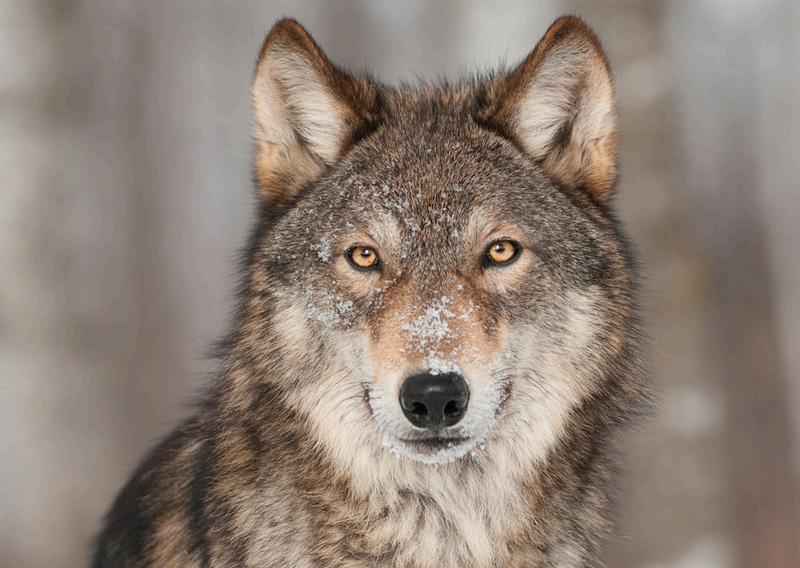
Although our work spans many species—including elephants and primates--a major focus in the Lambert Lab centers on predators in the American West. Through the American Canid Project, we investigate how canine predators such as wolves, coyotes, and foxes are making a living on a planet increasingly transformed by human activity. These oftenmisunderstood predators play essential roles in shaping ecological communities and maintaining healthy landscapes.
Our research explores fundamental questions about how predators influence ecosystems, how humans and carnivores share space, and how wildlife adapt to rapidly changing, humandominated environments. This work integrates ecological theory, field research, technological innovation, human dimensions, and science communication.
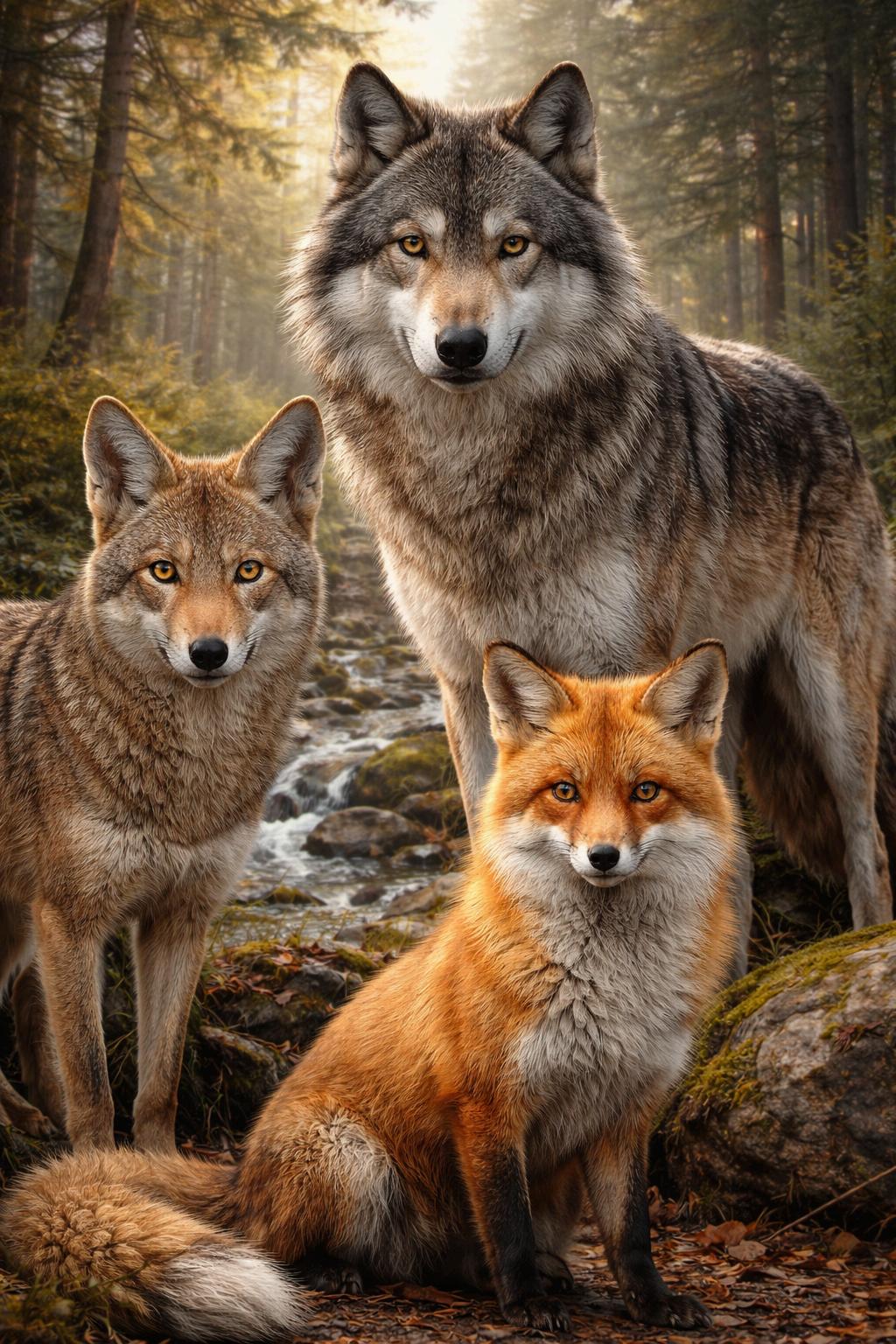
Our work integrates wildlife biology, behavior, and human dimensions using Next-Generation methods & tools—from advanced genetic and microbiome analyses to artificial intelligence, supercomputing, drones, pattern-recognition software, sophisticated survey tools, autonomous bioacoustic sensors, and solar-powered wildlife cameras. Working across the field, the laboratory, and data science, we synthesize these approaches to reveal patterns in wildlife temperament, communication, health, and human–wildlife coexistence that no single method could uncover alone. Our synthetic and cohesive approach allows us to understand wildlife as whole systems—and to translate that knowledge into smarter, more effective conservation.

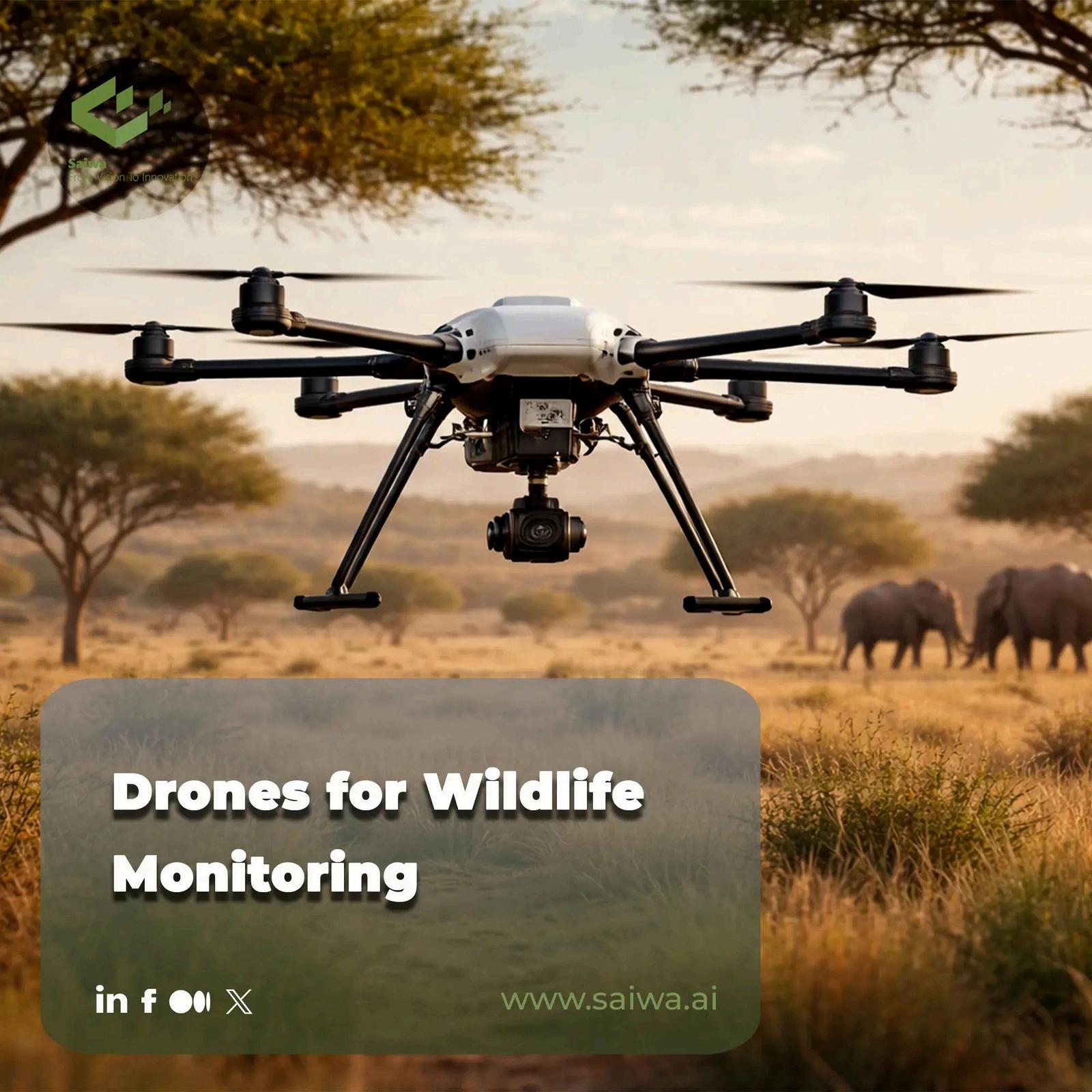
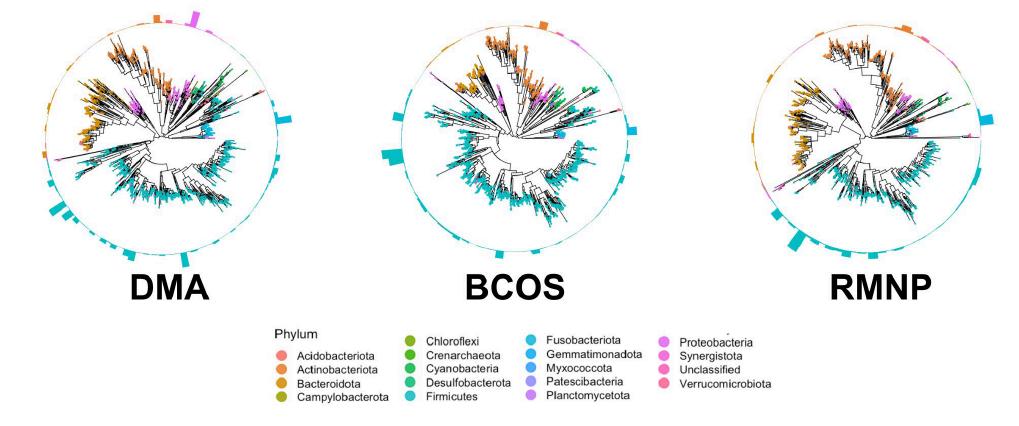
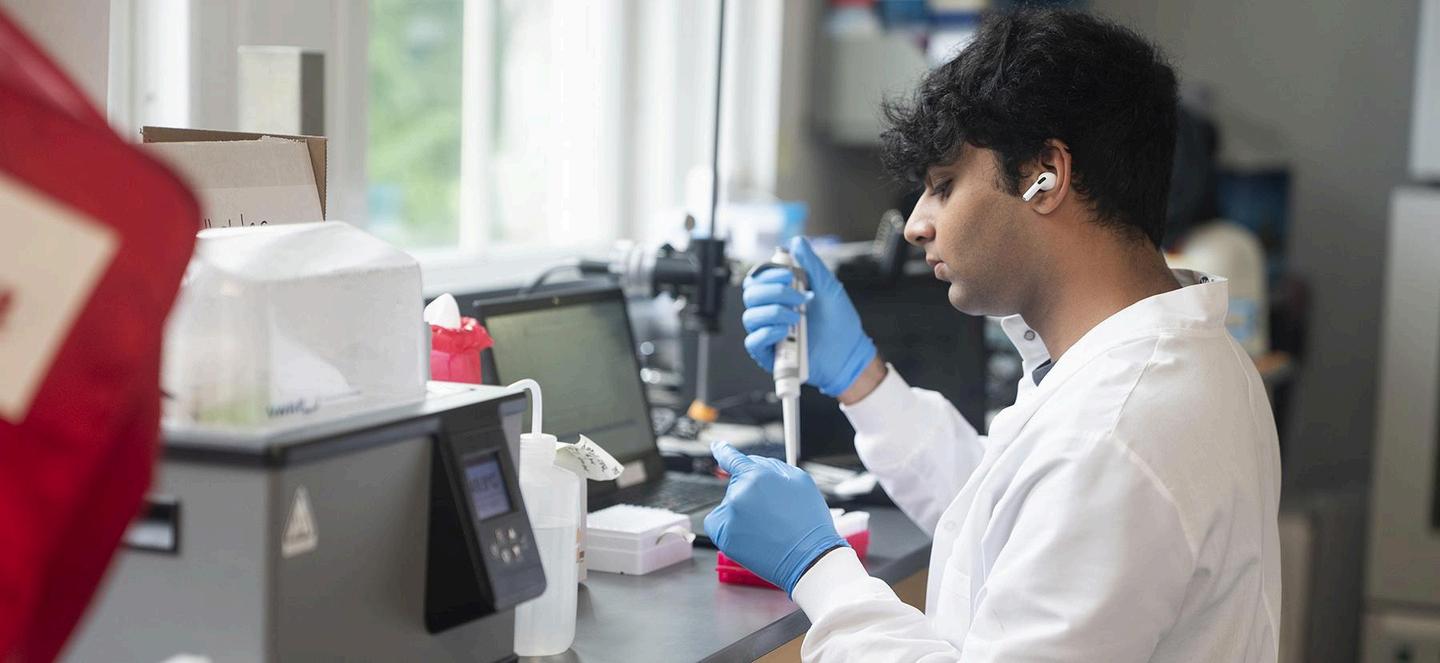
Top to bottom: DNA strand; drone flying over elephants in Kenya; analyses of microbiome composition in coyotes accross Colorado; student pipetting for genetic analyses
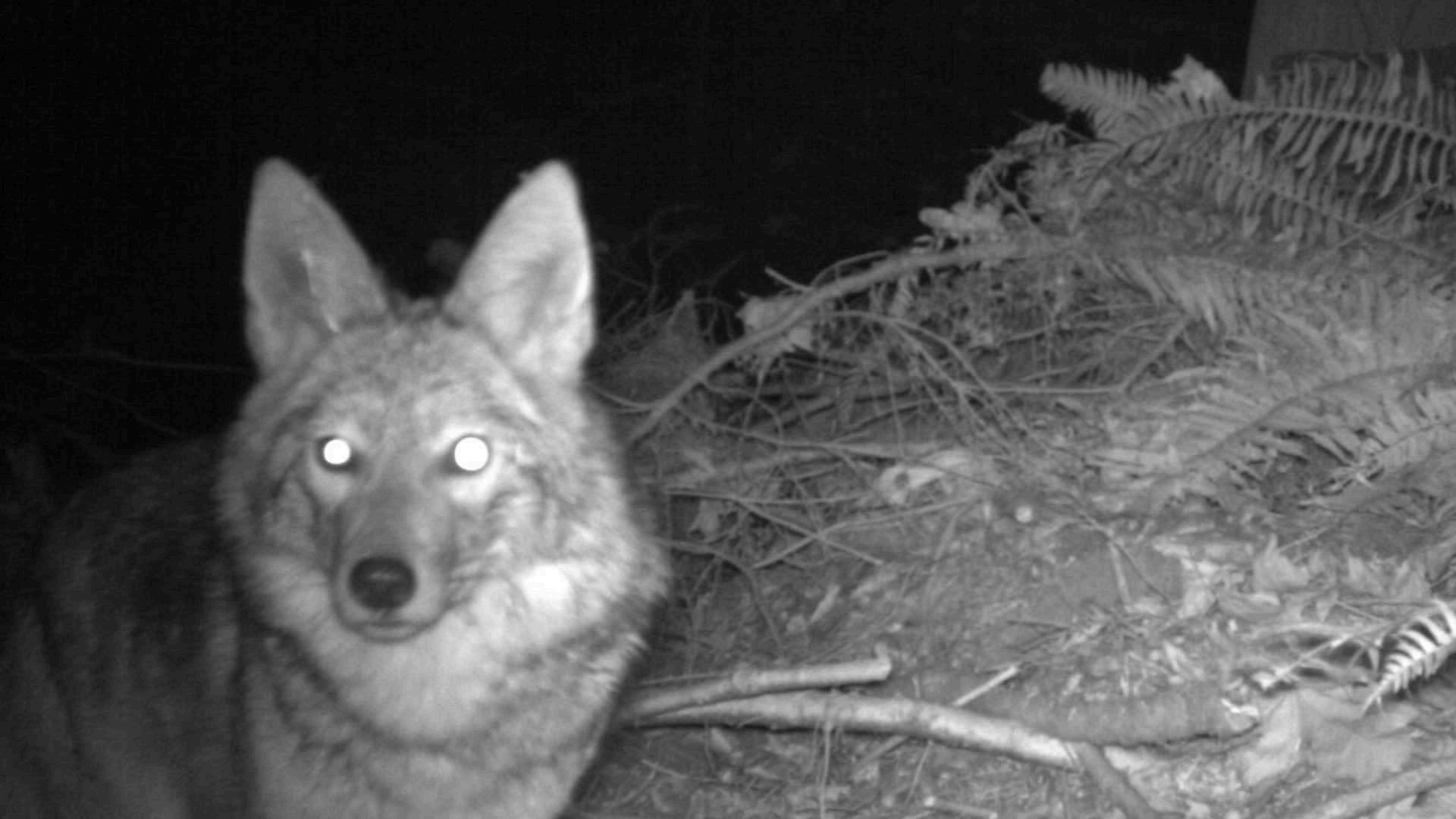
Coyotes are one of the great success stories of modern wildlife. Once largely confined to the central and western United States, they have expanded their range to every state in the lower 48 and now thrive in nearly every habitat—from the remote landscapes of rural Montana to the streets of Manhattan. At a time when many species are in decline, coyotes are not just persisting—they are flourishing. Our research seeks to understand why.
By combining genetics, advanced dietary analyses, insights from the gut–brain axis (including the microbiome), and measures of risk-taking behavior, we are uncovering the biological and behavioral traits that allow coyotes to adapt so effectively to human-dominated landscapes. This work is helping us understand not only the success of coyotes, but the future and management of wildlife in a rapidly changing world
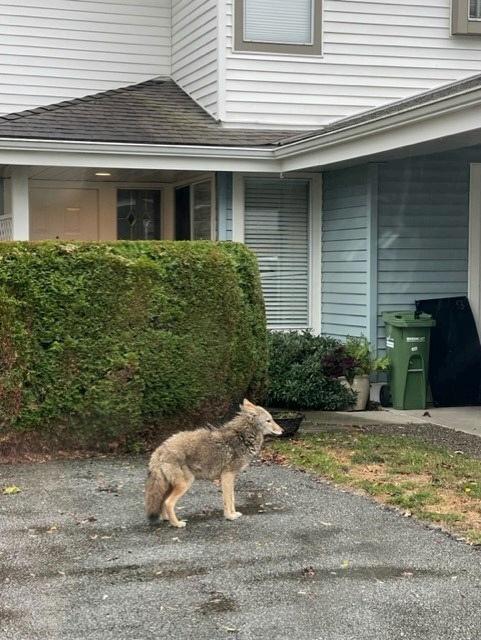
Boldness in wildlife refers to an individual’s consistent, often inherited tendency to take risks—such as exploring new environments, approaching unfamiliar objects, or foraging in dangerous areas. While bold individuals may achieve higher reproductive success, they also face increased mortality risk, creating a trade-off shaped by environmental conditions like urbanization and human hunting. Bolder animals are also more likely to enter livestock production areas, increasing the potential for conflict with people in rural landscapes. Notably, reduced fear and increased risk-taking are hallmarks of the genetic shifts associated with domestication.
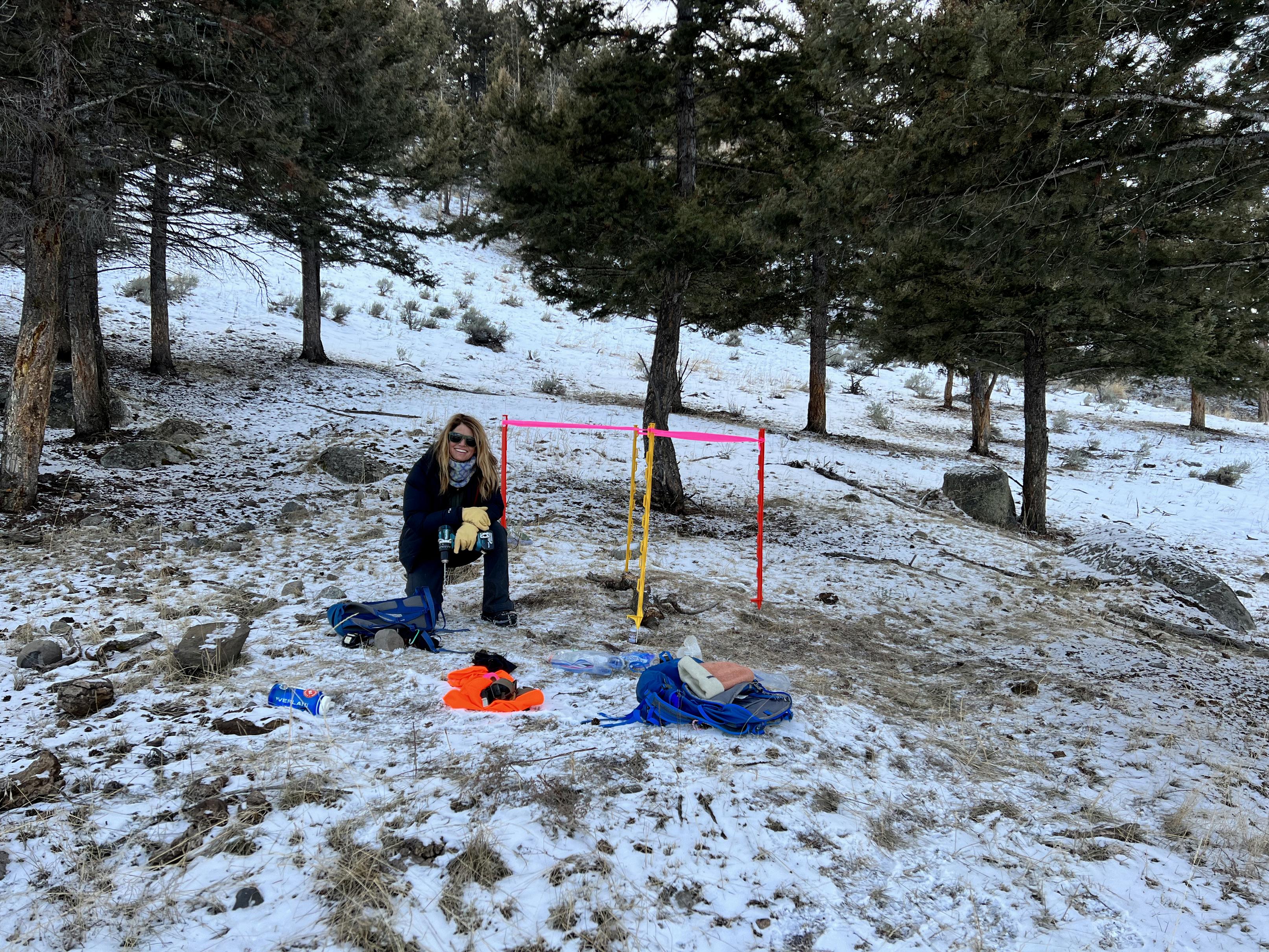
We are experimentally testing these ideas by studying wolf behavior across landscapes that vary in human impact, asking whether humans are inadvertently shaping animal temperament. One approach involves using wildlife cameras to record wolves and other species as they encounter human-made novel objects, allowing us to directly measure variation in boldness.
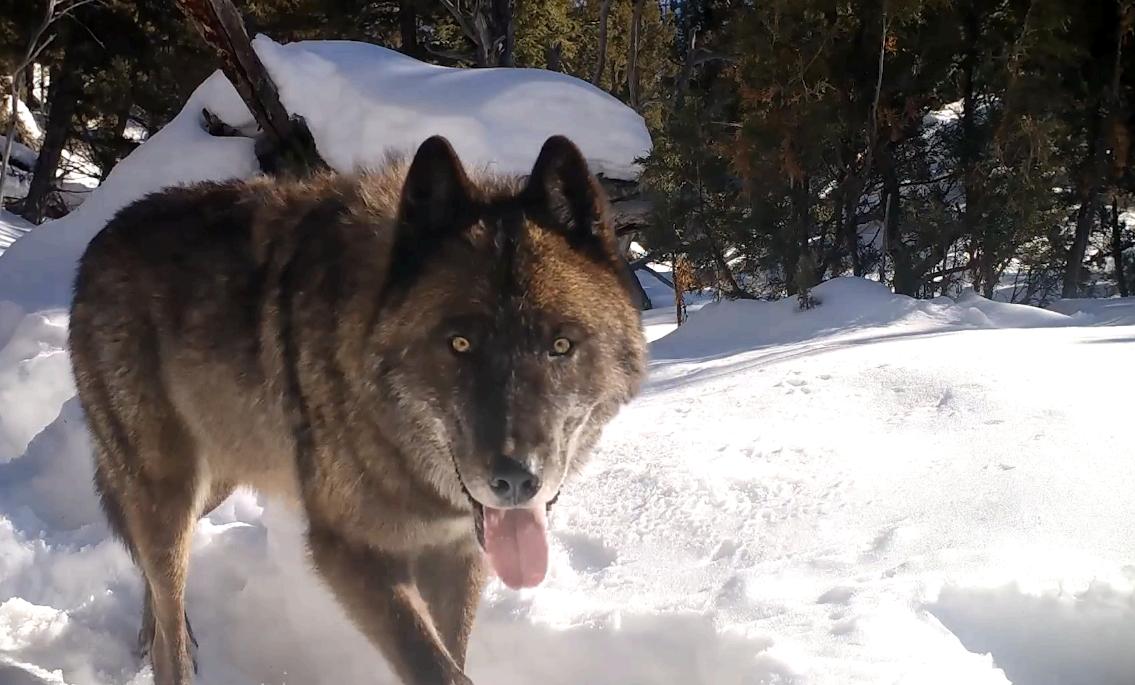
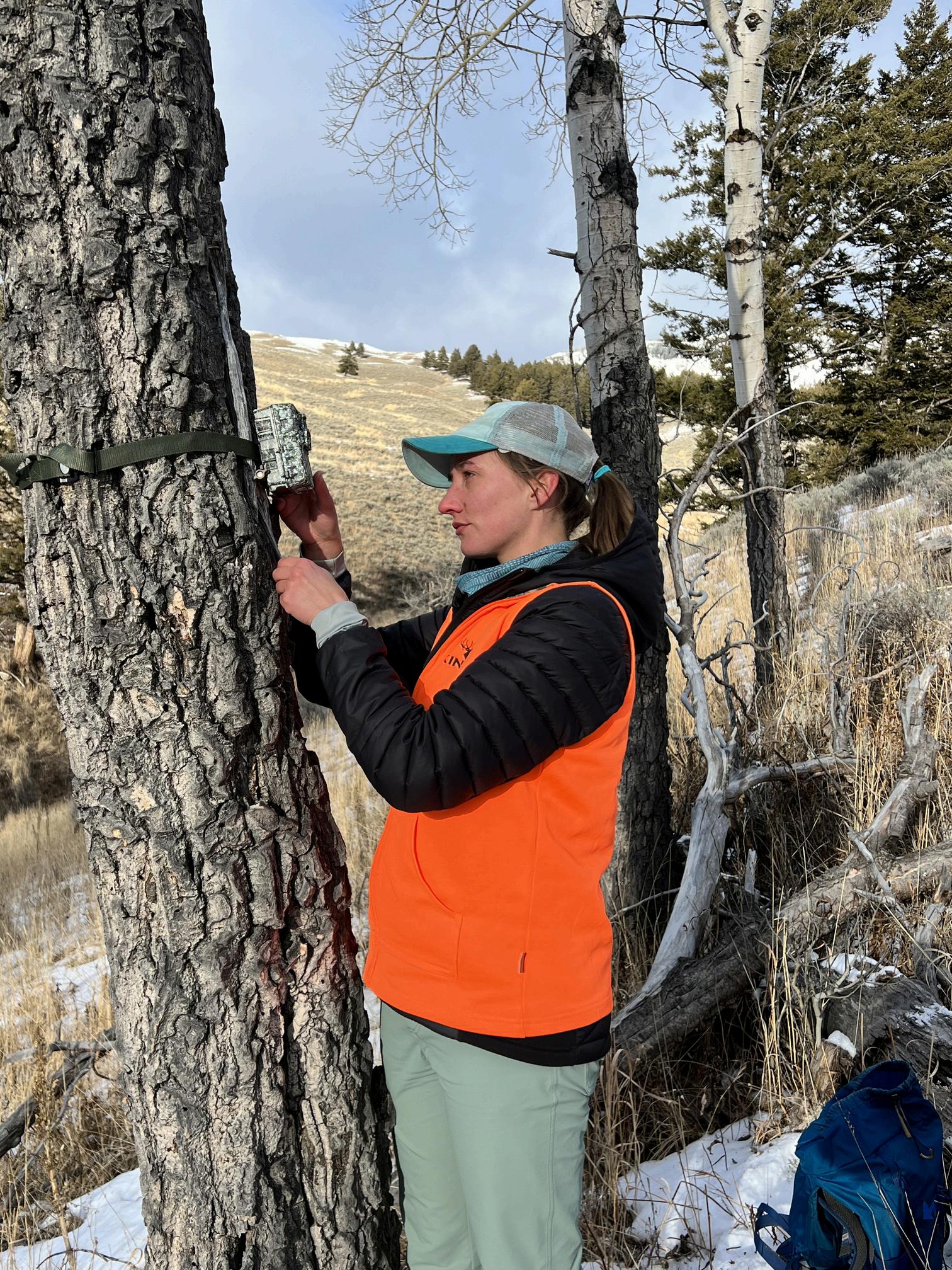
Gray wolves are among the most iconic and socially complex mammals in North America, yet much of their communication remains unknown. In Yellowstone National Park and beyond, we are decoding wolf communication at an unprecedented scale. Using vast bioacoustic recording networks, the largest wolf howling database in the world, and cutting-edge Artificial Intelligence and Machine Learning models, we are detecting patterns in how wolves vocalize, communicate, coordinate, and respond to environmental change. By translating these signals, we are uncovering the language of wolves— revealing not only how they navigate their world, but how social communication shapes their survival in an increasingly humandominated landscape.

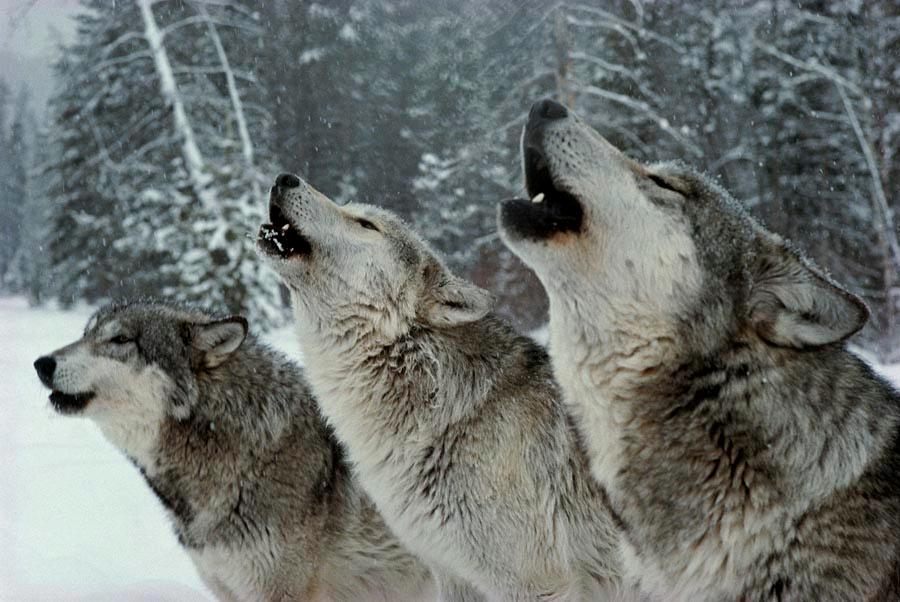
to bottom:
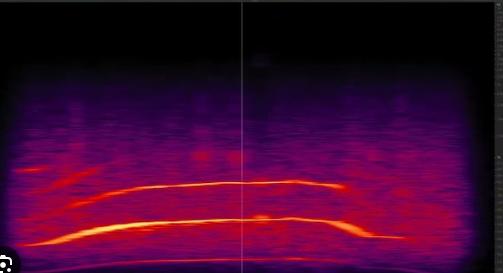
The Lambert Lab is advancing a new era of wildlife science by harnessing artificial intelligence (AI), machine learning (ML), and data science (DS) alongside sophisticated field technologies. Across the western United States and equatorial Africa, we deploy autonomous bioacoustic recorders, AIpowered image recognition, drones, and sensor networks to monitor wildlife at unprecedented scales. These tools allow us to detect species, track behavior, and uncover hidden patterns in complex ecosystems—transforming massive streams of data into actionable insight. By integrating cutting-edge technology with field-based research, we are building a more precise, scalable, and forwardlooking approach to conservation in a rapidly changing world..
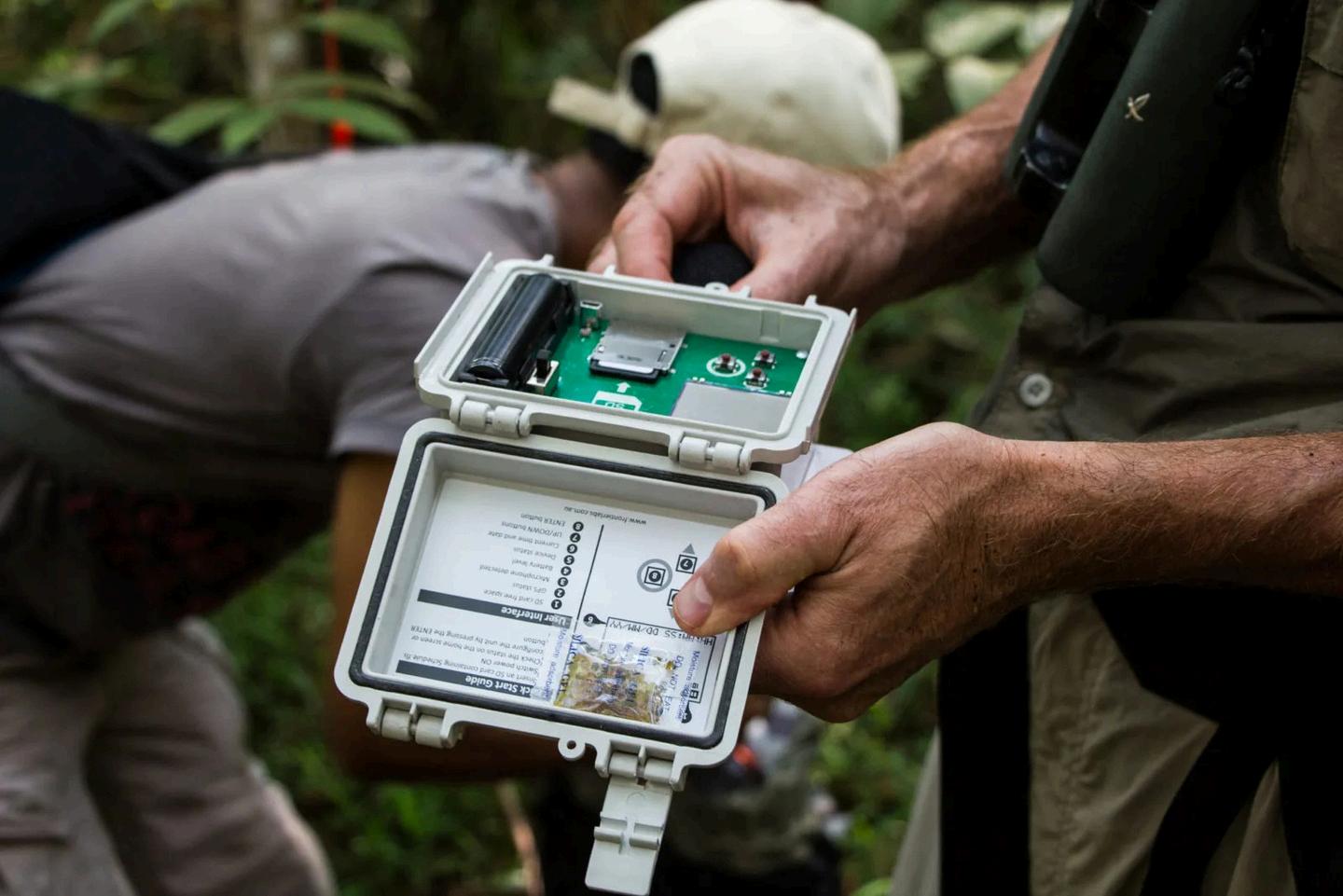
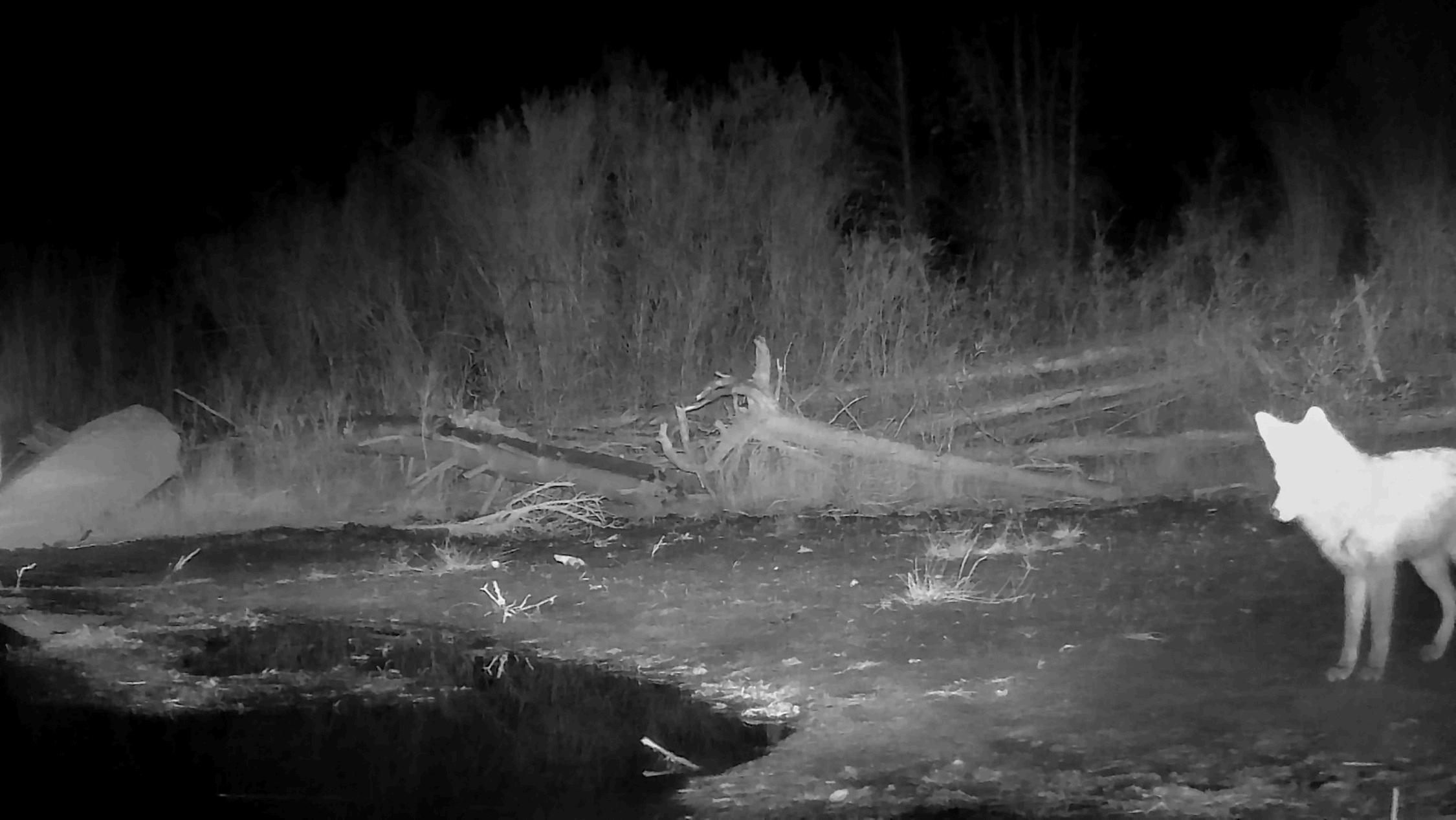
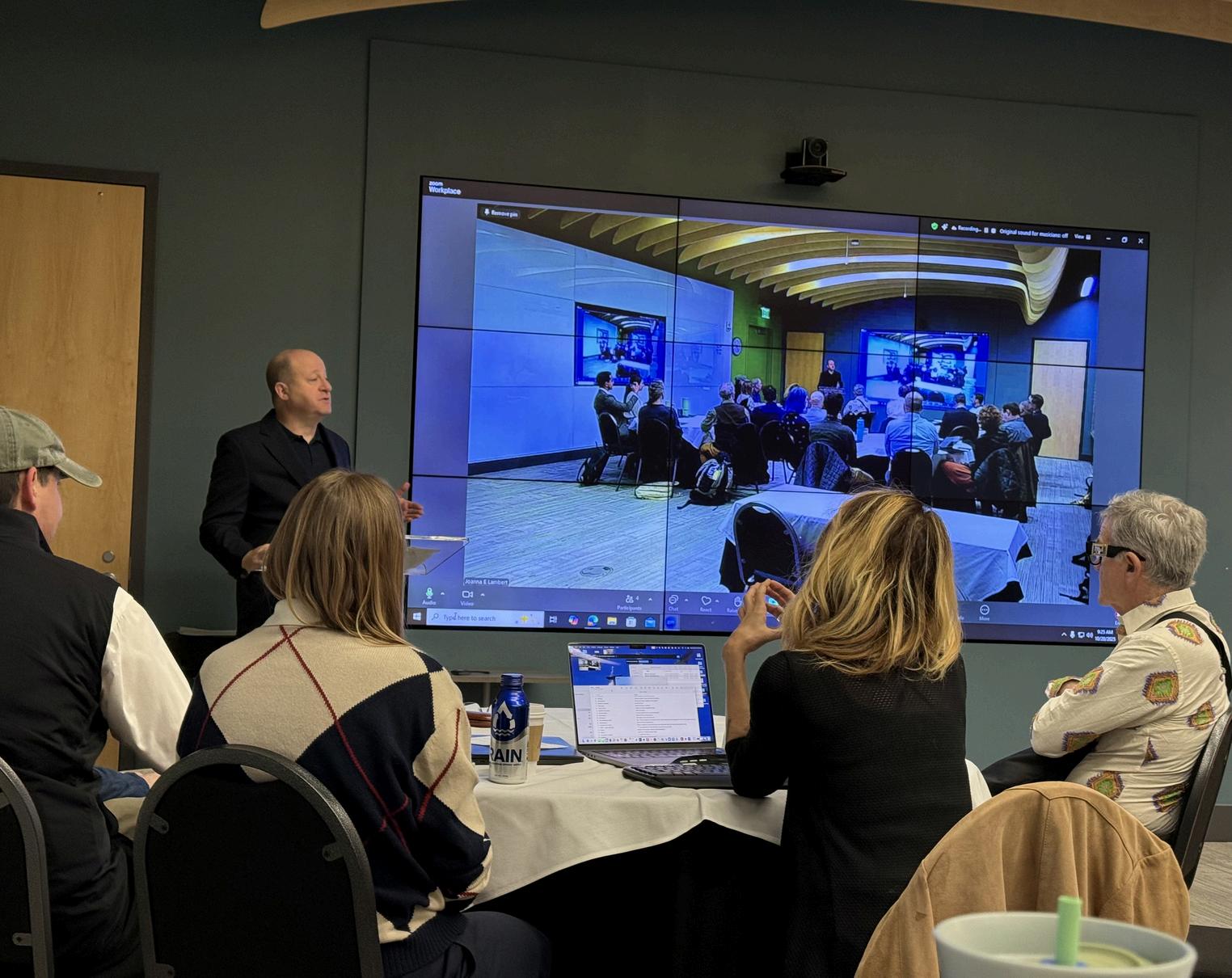
Top to bottom: Solar-powered Bioacoustic Autonomous Recording Device; coyote caught on camera trap – AI and ML allows for species recognition in the 1,000s of images; Govenor Jared Polis opening up the First Annual Workshop in Artificial Intelligence and Wildlife Conservation co-organized by Joanna and held at the Denver Museum of Science & Natural History
Human Dimensions of predators in the American West Conservation—and especially the restoration of predators—is not simply a biological challenge; it is a profoundly human one. Wolves and other large carnivores evoke powerful emotions, from awe and reverence to fear and frustration, and their presence can complicate life for people living and working in rural landscapes. These realities shape the success or failure of conservation efforts as much as ecology does. In the Lambert Lab, every aspect of our work is grounded in this understanding. We integrate human perspectives, social science, and community engagement into our research, recognizing that lasting conservation solutions must work not only for wildlife, but for the people who live alongside them.
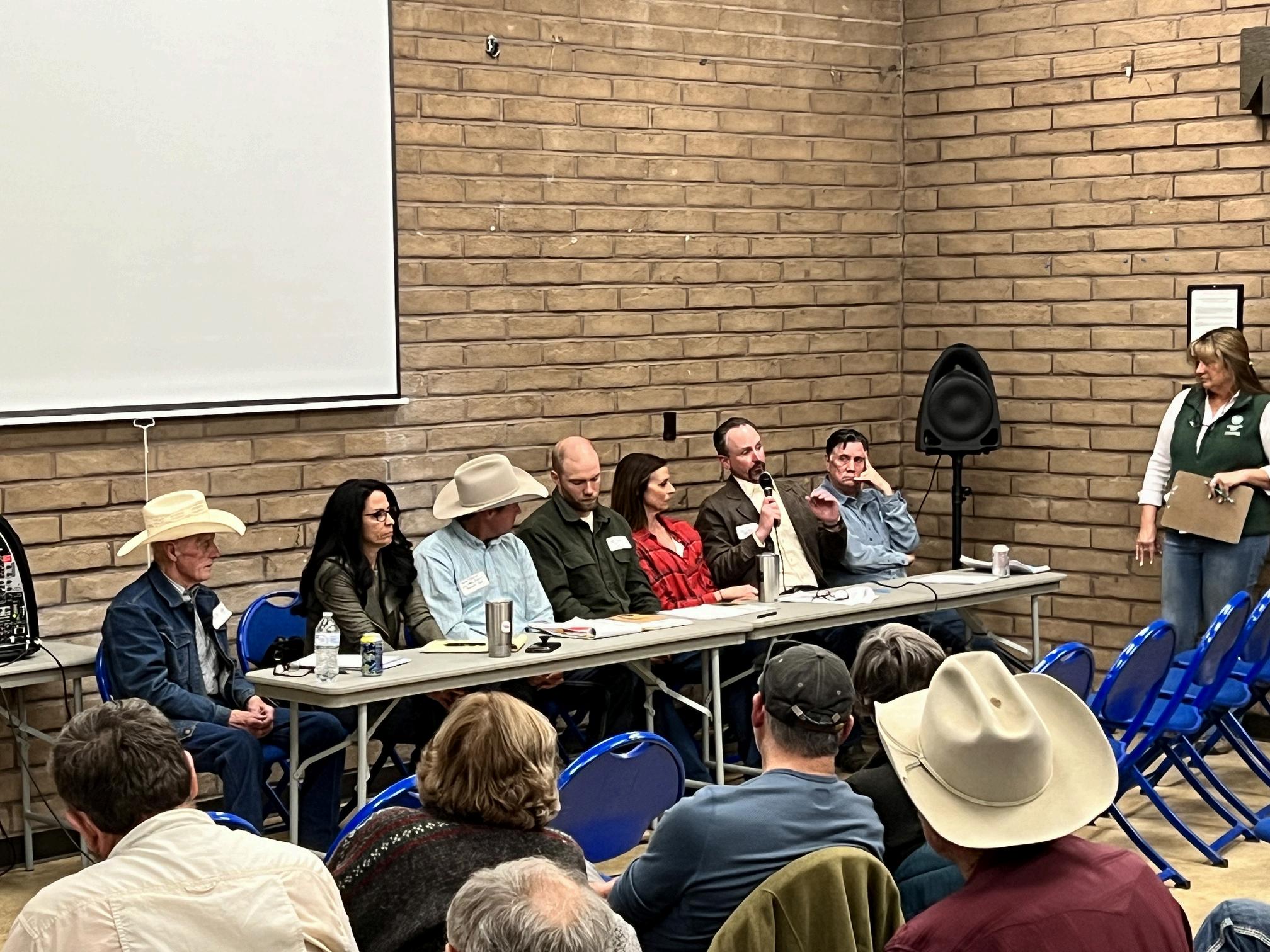
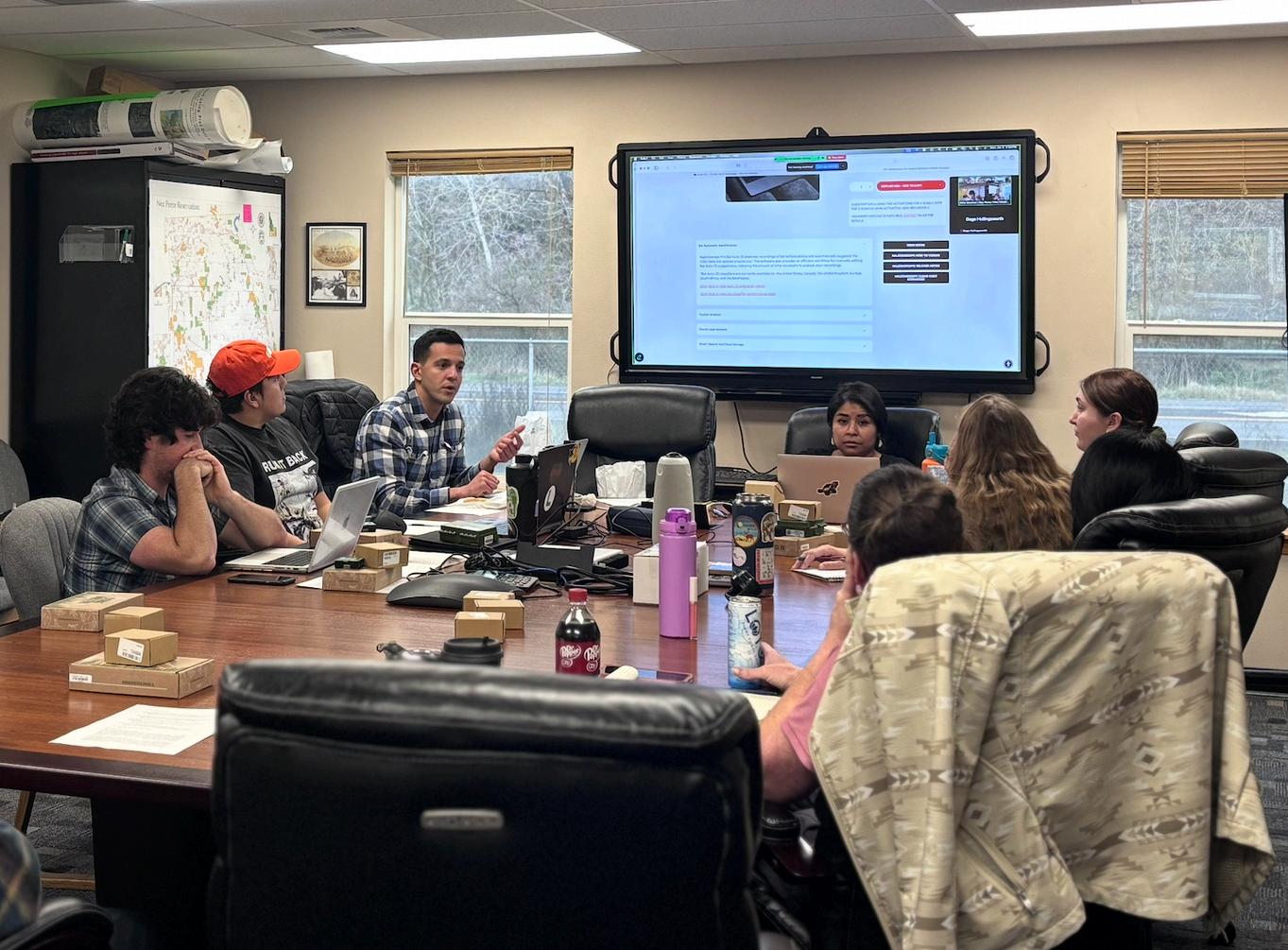
Top to bottom: Panel discussion on ranching in wolf country, Durango 2023; PhD candidate Amir Dehbi teaches bioacoustics and conservation technology on the Nez Perce Reservation in Idaho, 2025; the Lambert Lab helps build a fence for fladry tape to protect cattle from wolf depredation, Walden 2023
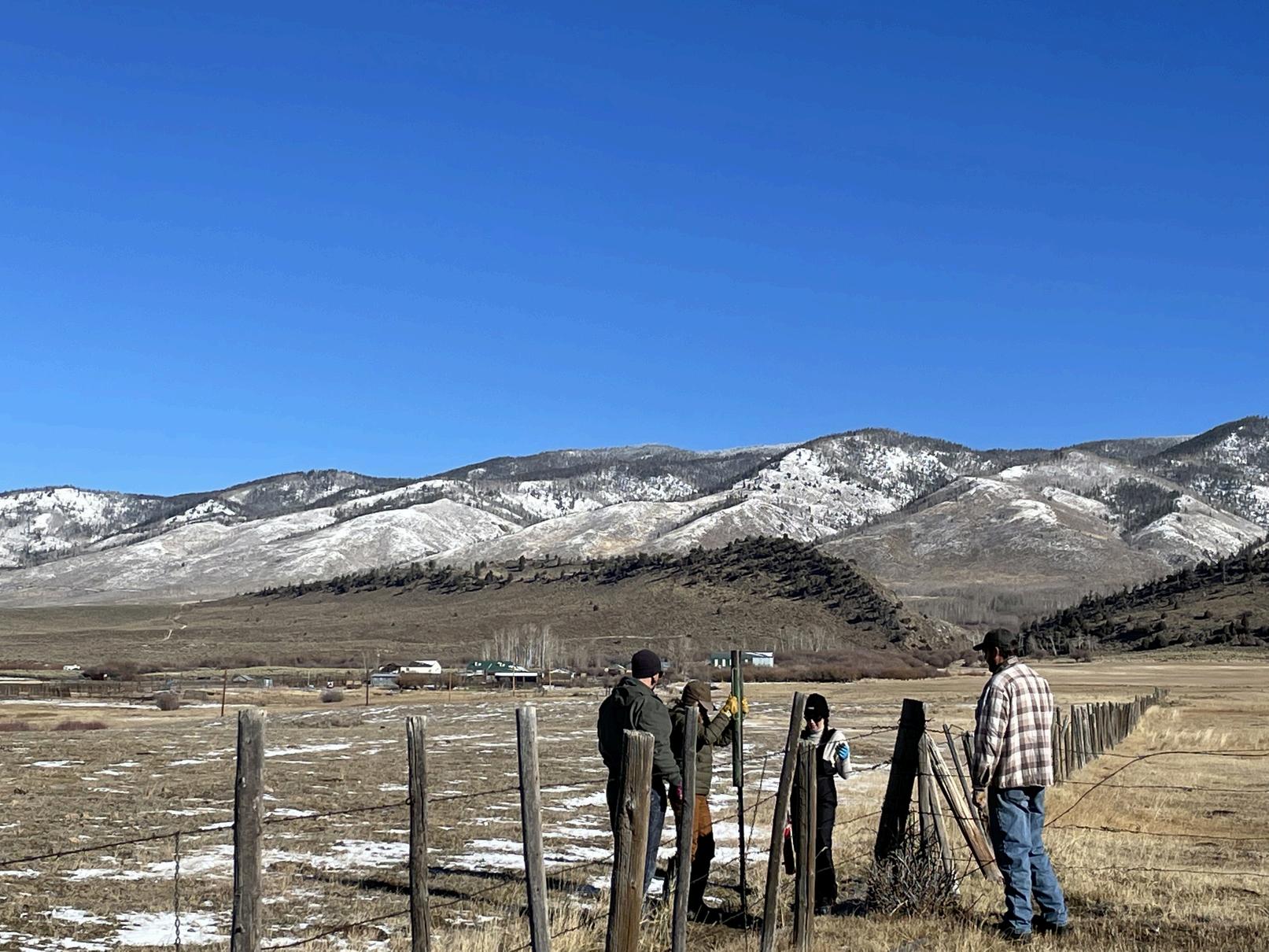
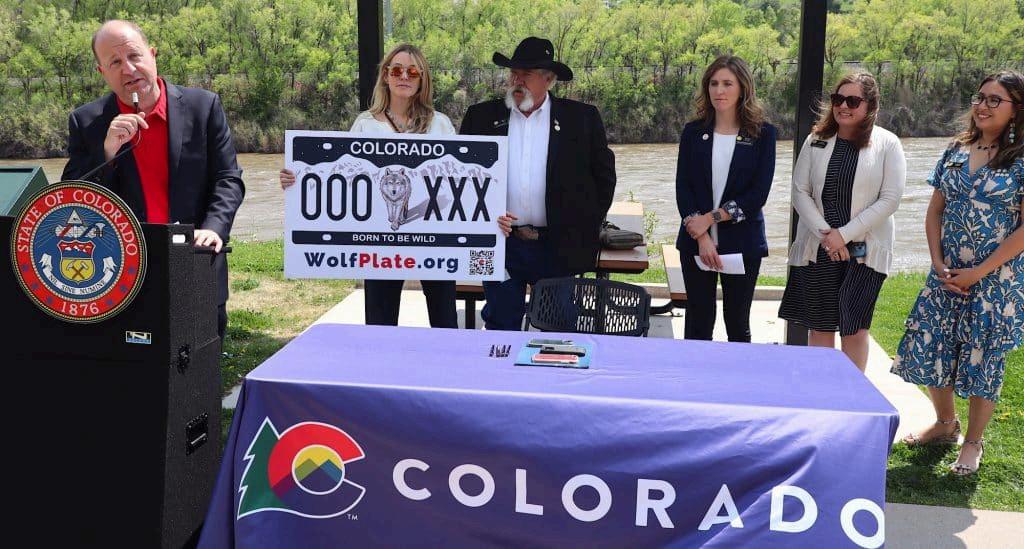
It was the Rocky Mountain Wolf Project (RMWP) that campaigned and successfully implemented Proposition 114 to rewild Colorado with gray wolves. With her RMWP colleagues and as a volunteer component of American Canid’s broader mission, Joanna works to create coexistence strategies for rural communities and ranchers on the Western Slope. This includes organizing workshops, supporting a statewide range-rider program, distributing non-lethal livestock protection tools, and creating educational resources for livestock producers and wildlife managers. RMWP also established the Colorado Wolf Reward ($50,000) and wrote the bill (now law) creating a license plate that has generated over $1.8 million for Colorado Parks and Wildlife’s human–wolf coexistence program. RMWP operates as a lean six-member nonprofit; as part of this team, over the years, Joanna has volunteered an estimated 1,000+ hours and delivered 50+ public lectures on wolf restoration across Colorado, nationally, and internationally.
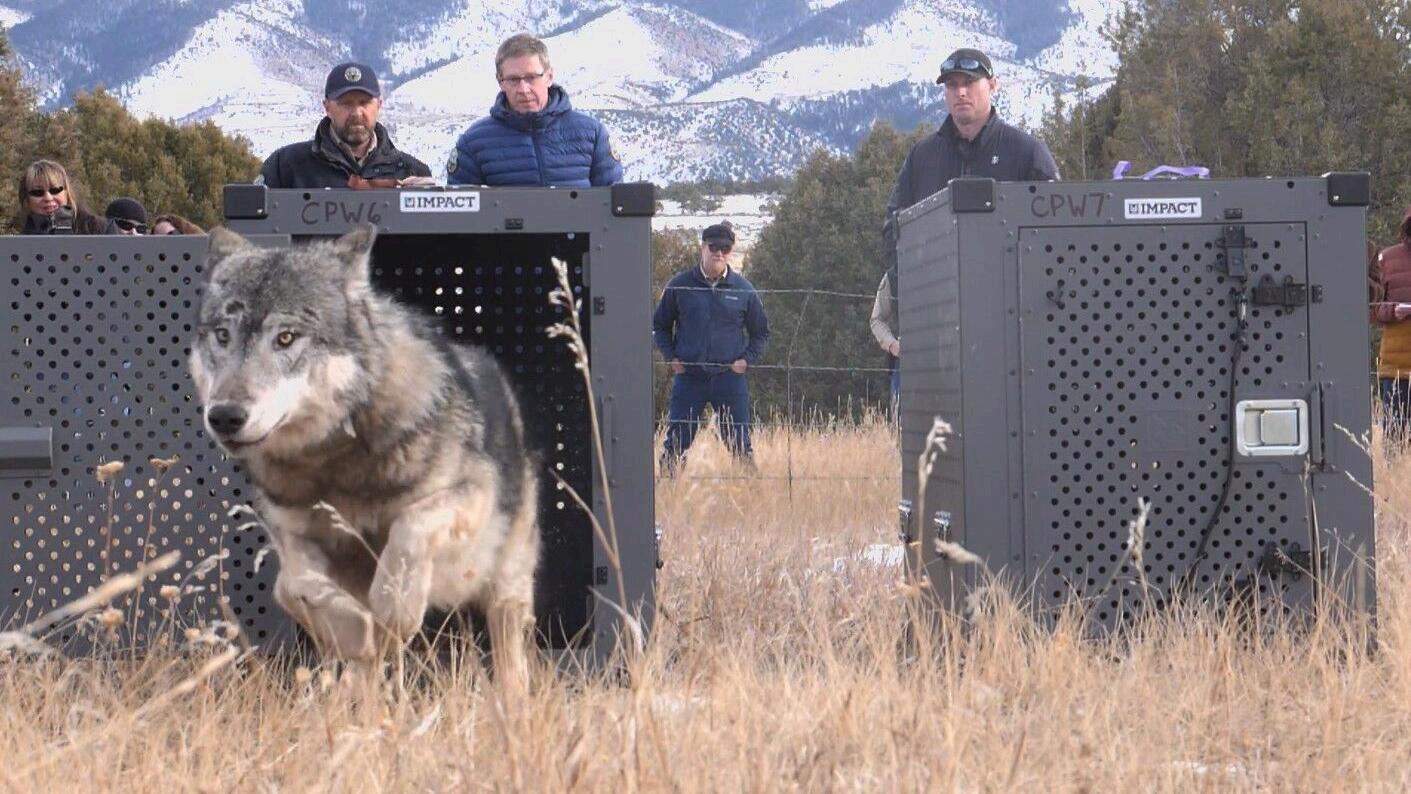
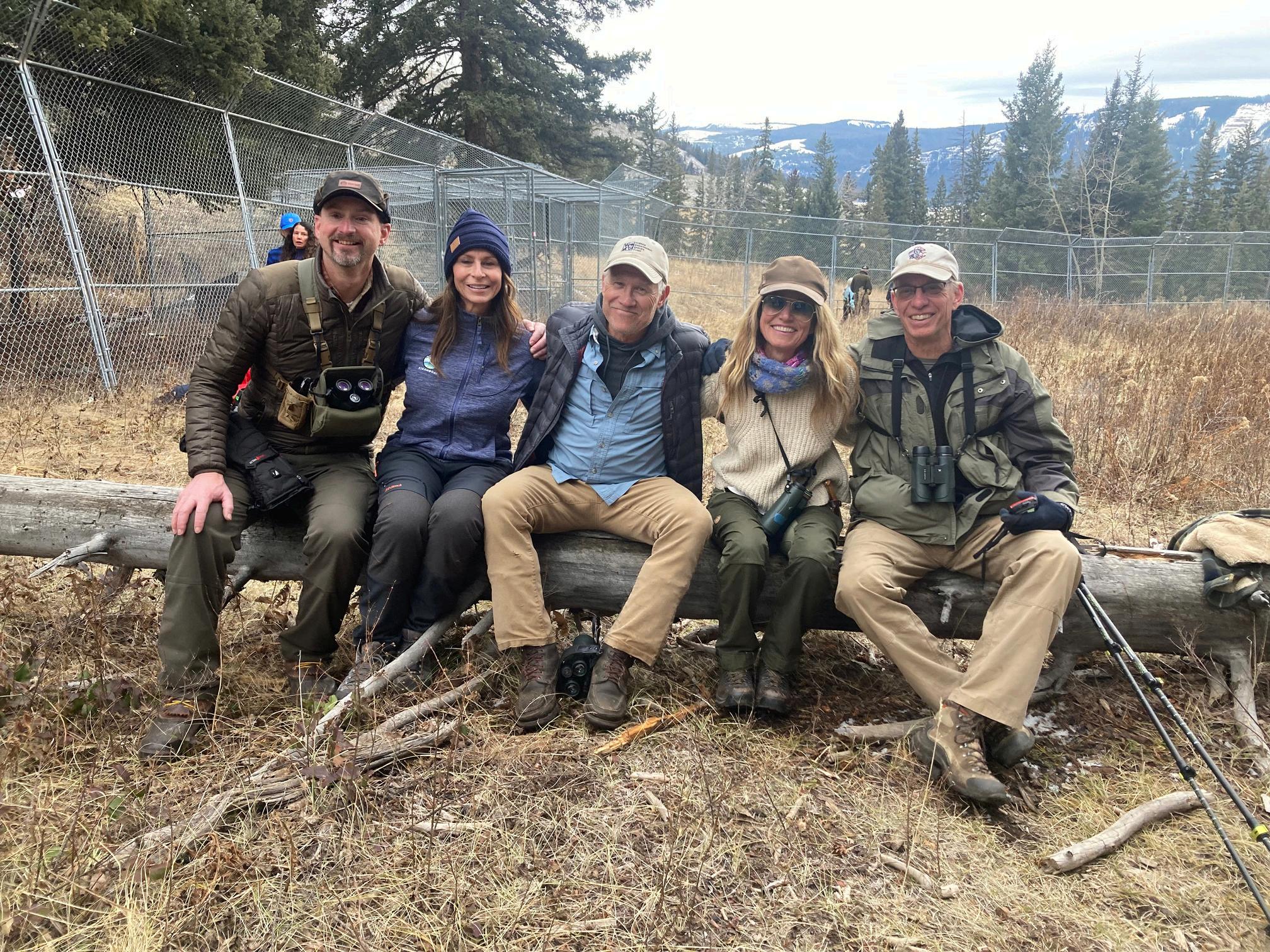
Top to bottom: The first
Over the past 2.5 years of funding, the Lambert Lab has published a major academic book (University of Chicago Press), 2 edited volumes, 17 peer-reviewed journal articles and book chapters on behavioral ecology, artificial intelligence, and wildlife conservation. Together, these works advance our understanding of predator ecology, human–wildlife coexistence, and the biological foundations of wildlife adaptation
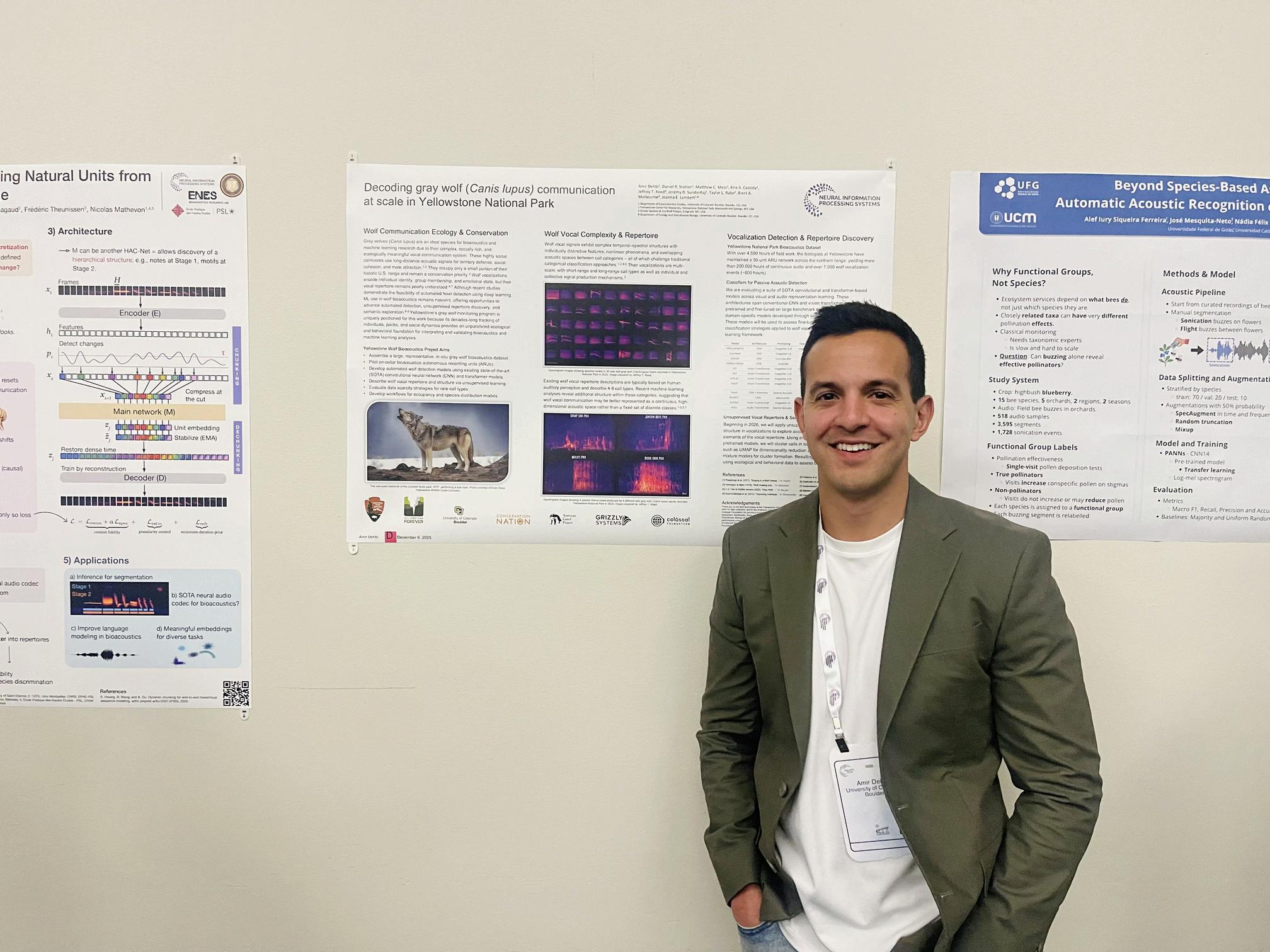
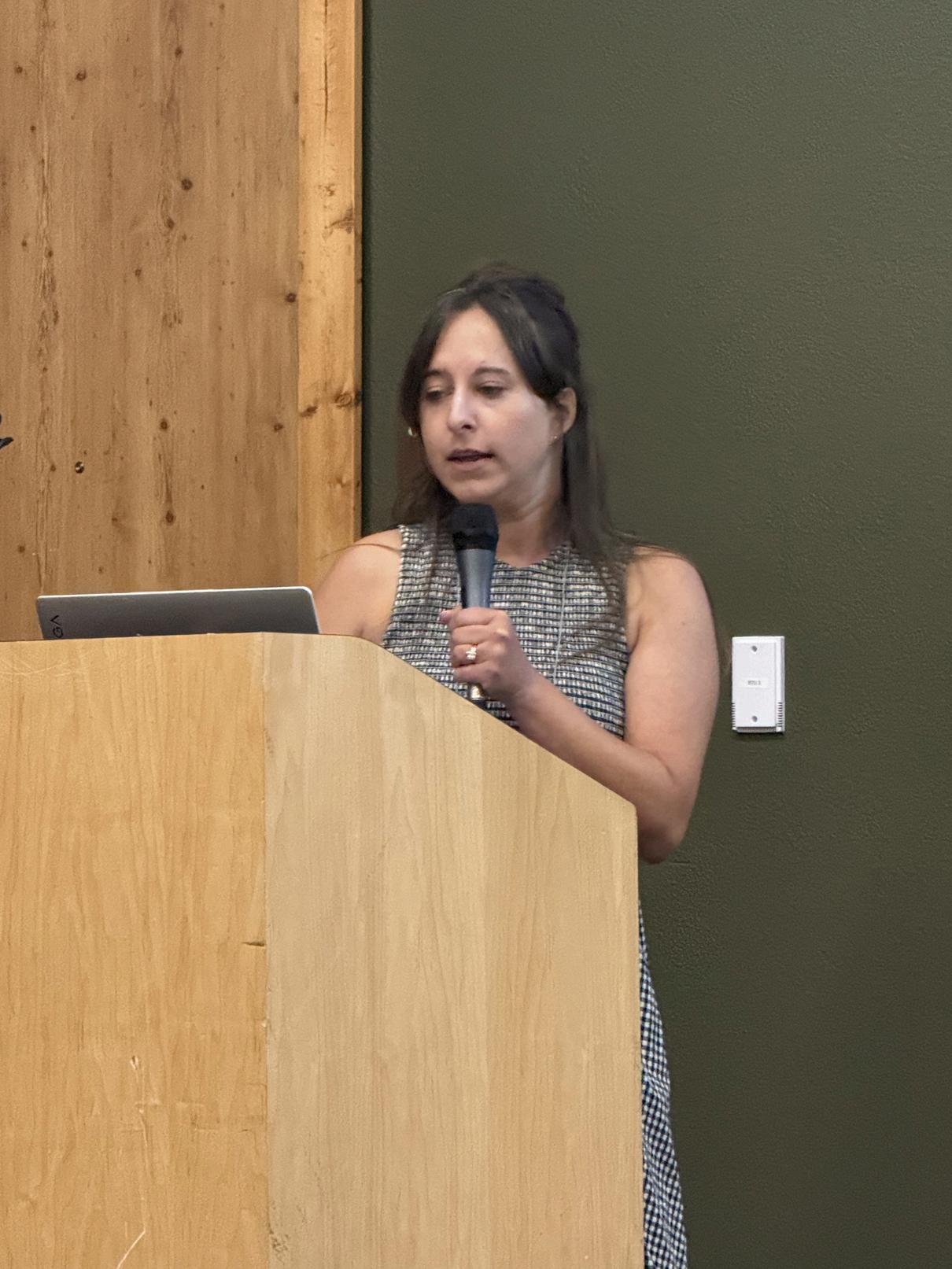
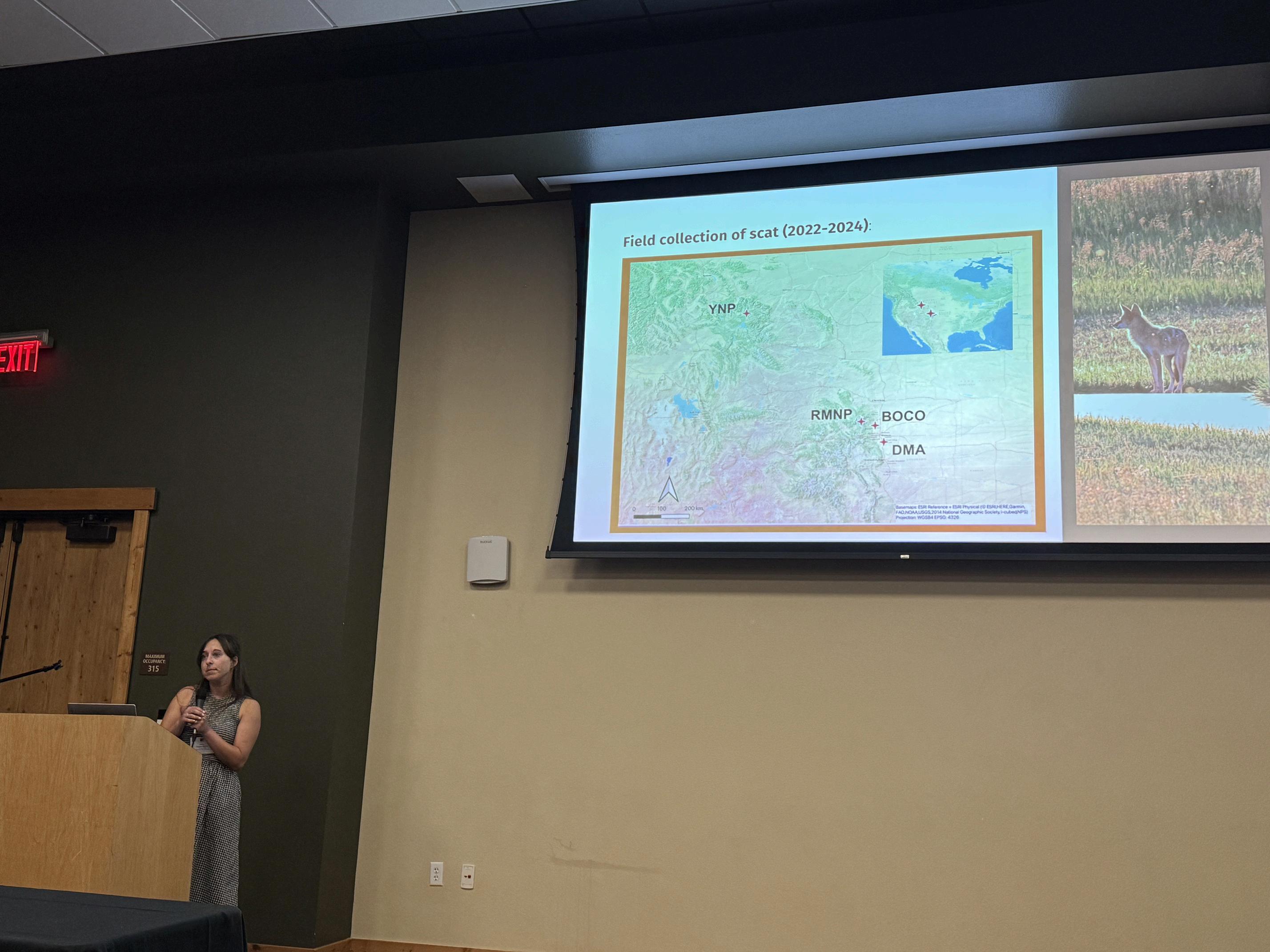
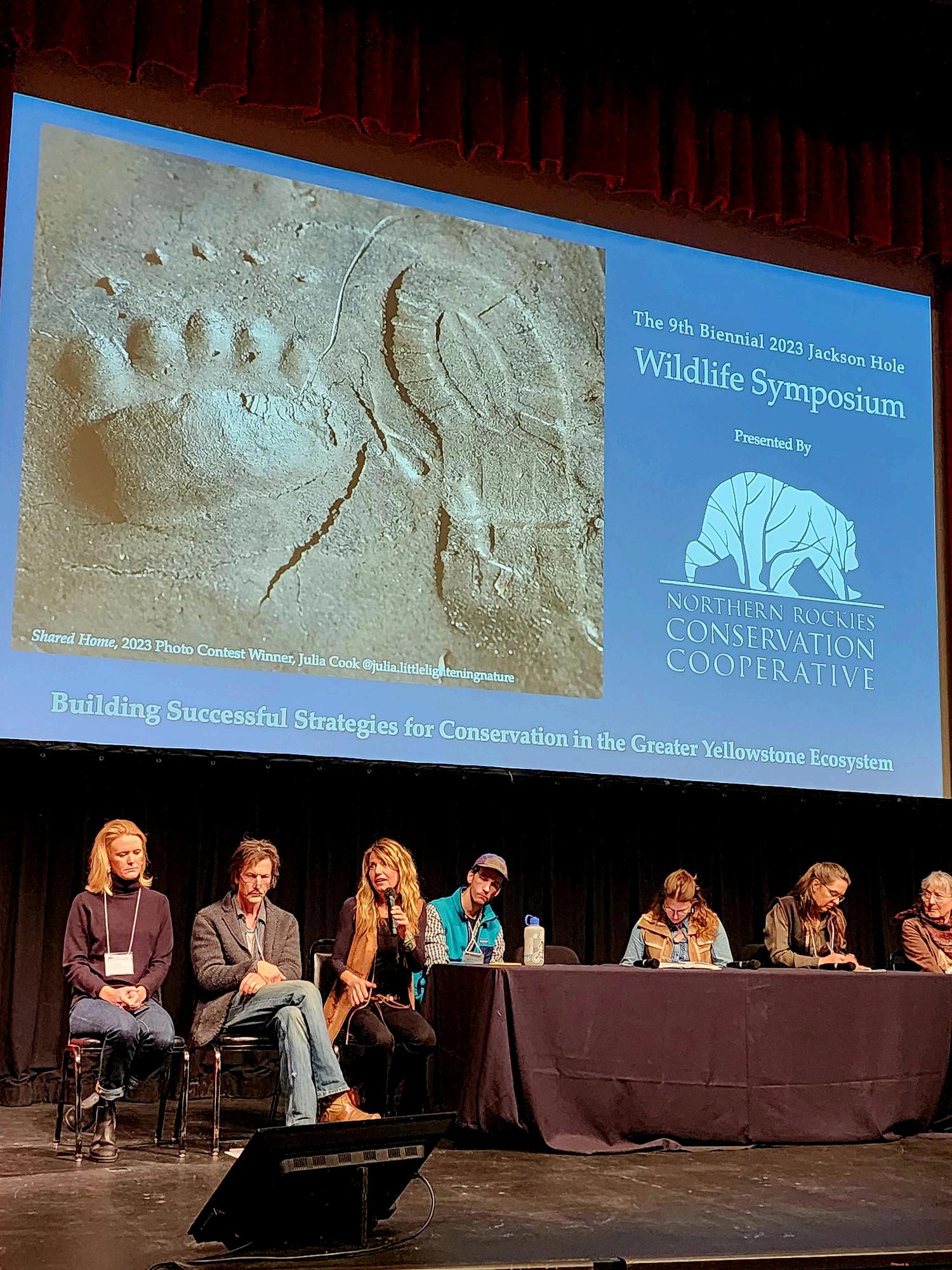
Left to right: PhD candidate Amir Dehbi presents “Decoding Gray Wolf Communication at scale in Yellowstone National Park” at the NeurIPS Conference (largest, most important AI conference in the world); in San Diego 2025; PhD candidate Emily Golden-Beam presents “Habituation & Tolerance in Coyotes, a Flexible Urban pPedator” at the Wildlife Society Conference (and won the Student Paper Prize!); Joanna in a humanwildlife coexistence panel after she presented “Restoring what we’ve lost: Lessons for rewilding and coexisting in landscapes with predators” at the Jackson Hole Wildlife Symposium, 2023.
Lambert JE, Golden-Beam E, Jasperse-Sjolander L, Dehbi, A. (2025). Artificial intelligence and the extinction crisis: Toward a new ecology of information. In: Washburn E, Tarjan M, & Lambert JE (Eds.), Proceedings of the First Annual Workshop on Artificial Intelligence and Wildlife Conservation. Denver Museum of Nature & Science.
Lambert JE & Berger J (2023). Restoring what we’ve lost: Lessons for rewilding and coexisting in landscapes with predators. In: Routledge Handbook of Rewilding. Routledge, pp. 229–247.
Dehbi A, Stahler D, Metz M, Cassidy K, Reed J, SunderRaj J, Rabe T, Lambert J (2025). Decoding gray wolf communication at scale in Yellowstone National Park. In: Neural Information Processing Systems: AI for Non-Human Animal Communication.
Golden-Beam E, Berger J, Breck S, Schell C, Lambert JE (2023). Habituation & tolerance in coyotes, a flexible urban predator. Wildlife Letters
Ripple, W.J., Lambert, J.E., et al. (2023). Rewilding the American West. BioScience.
Golden-Beam E, Lambert, JE. How Human-Dominated Landscapes Shape Risk-Taking Behavior in Gray Wolves, Coyotes, & Fox
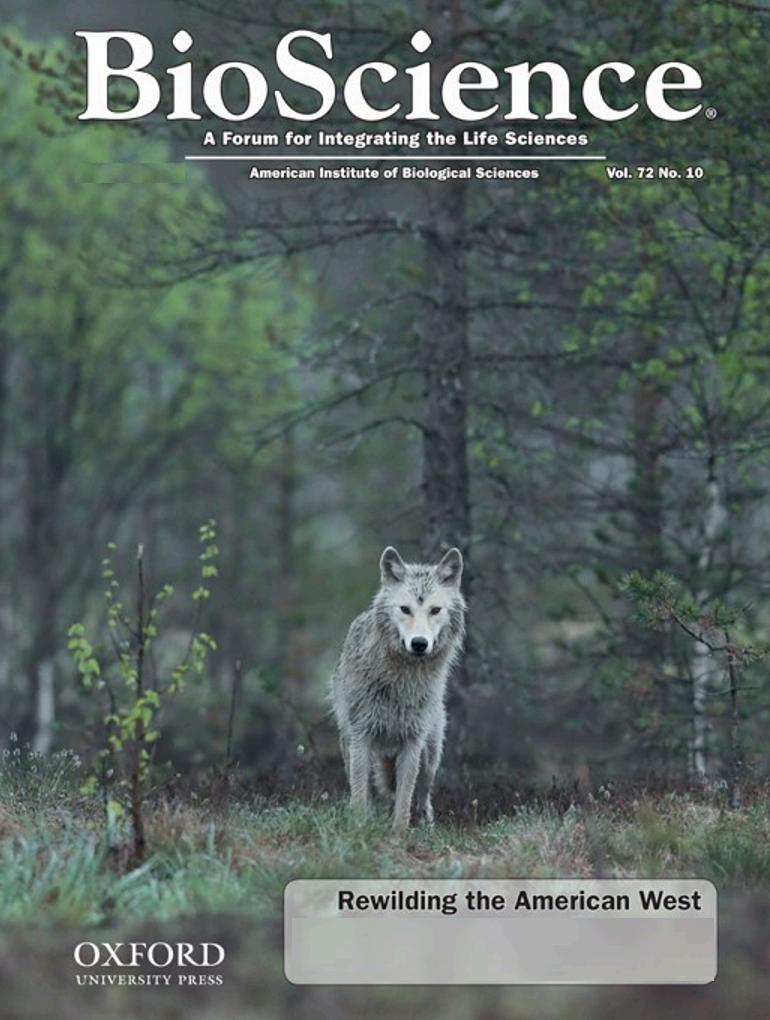
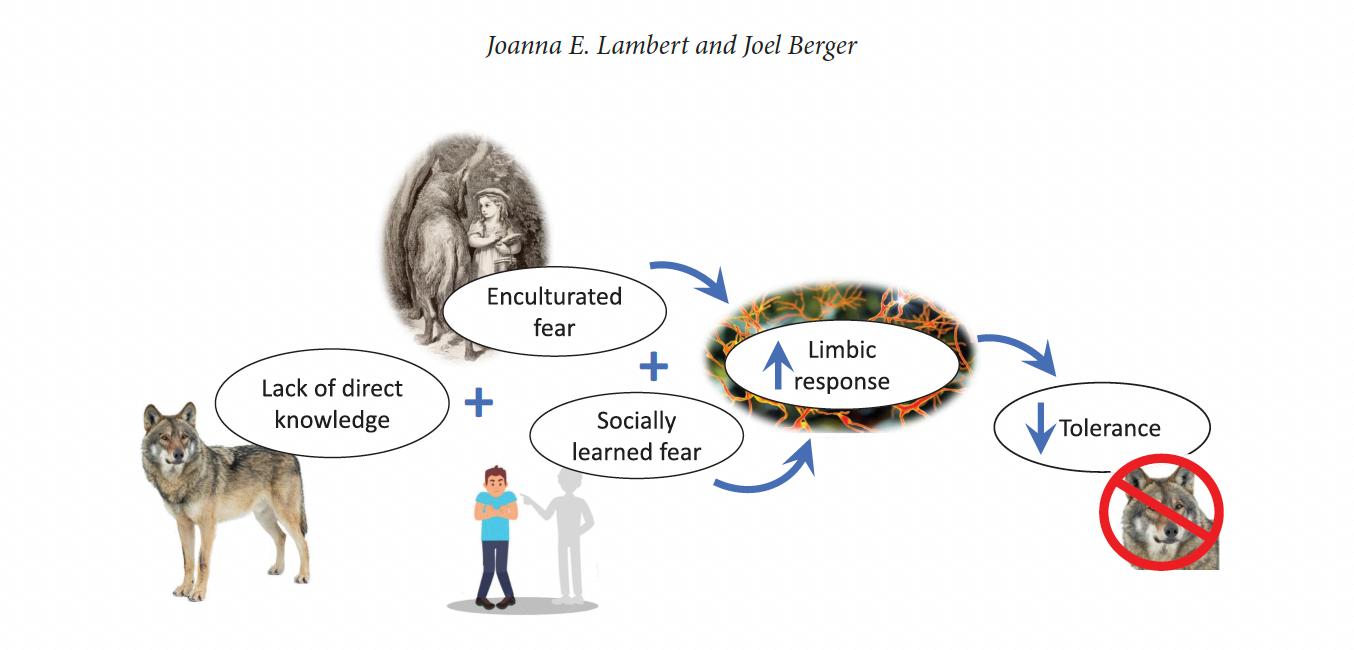
Top to bottom: Cover of BioScience featuring ‘Rewilding the American West”; Figure from Lambert & Berger illustrating how fear of predators reduces tolerance
In addition to advancing knowledge, an important aspect of our work centers on the public dialogue surrounding rewilding and predator restoration. We actively engage with media spanning journalism, podcasts, film, and public events. For example, Joanna’s work on predator ecology and wolf restoration has been widely featured in national and international media. Interviews and commentary have appeared in major outlets including Outside Magazine, The Los Angeles Times, Smithsonian Magazine, National Geographic, The Washington Post, The Associated Press, and CBS News. Her work has also been featured across national radio and podcast platforms, including multiple segments on National Public Radio’s Morning Edition, The A1 Show, and Texas Public Radio, as well as appearances on CBS Sunday Morning and other broadcast outlets.
Lambert’s perspectives on the return of wolves to Colorado have also been featured in regional outlets such as The Colorado Sun, The Aspen Times, The Steamboat Pilot, and Colorado Public Radio, helping to bridge conversations among scientists, rural communities, and policymakers. International coverage has included interviews with the Moscow Evening News. She has also appeared in large public forums and cultural programming, and documentary films, including the premiere of Welcome Home (2024).

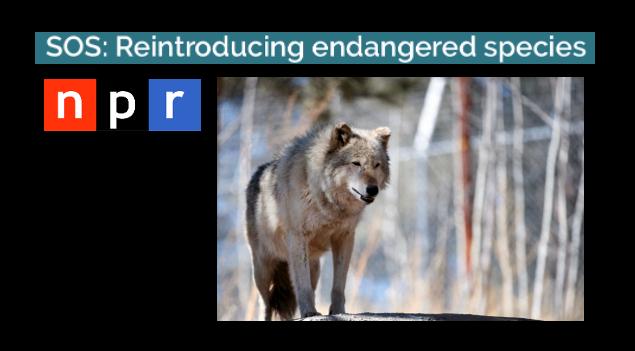
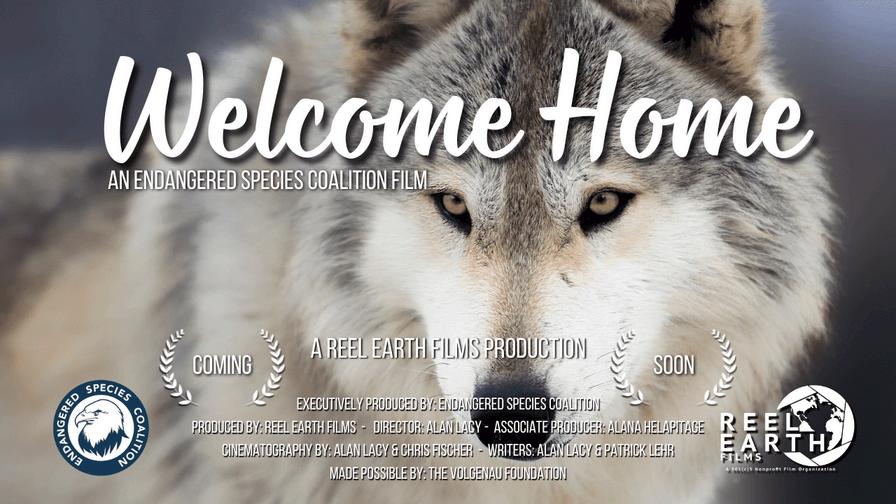
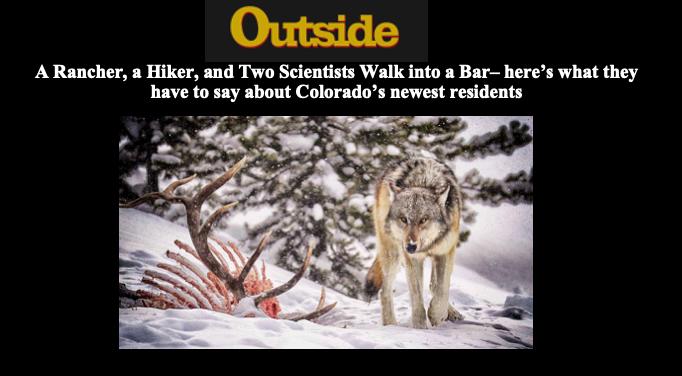
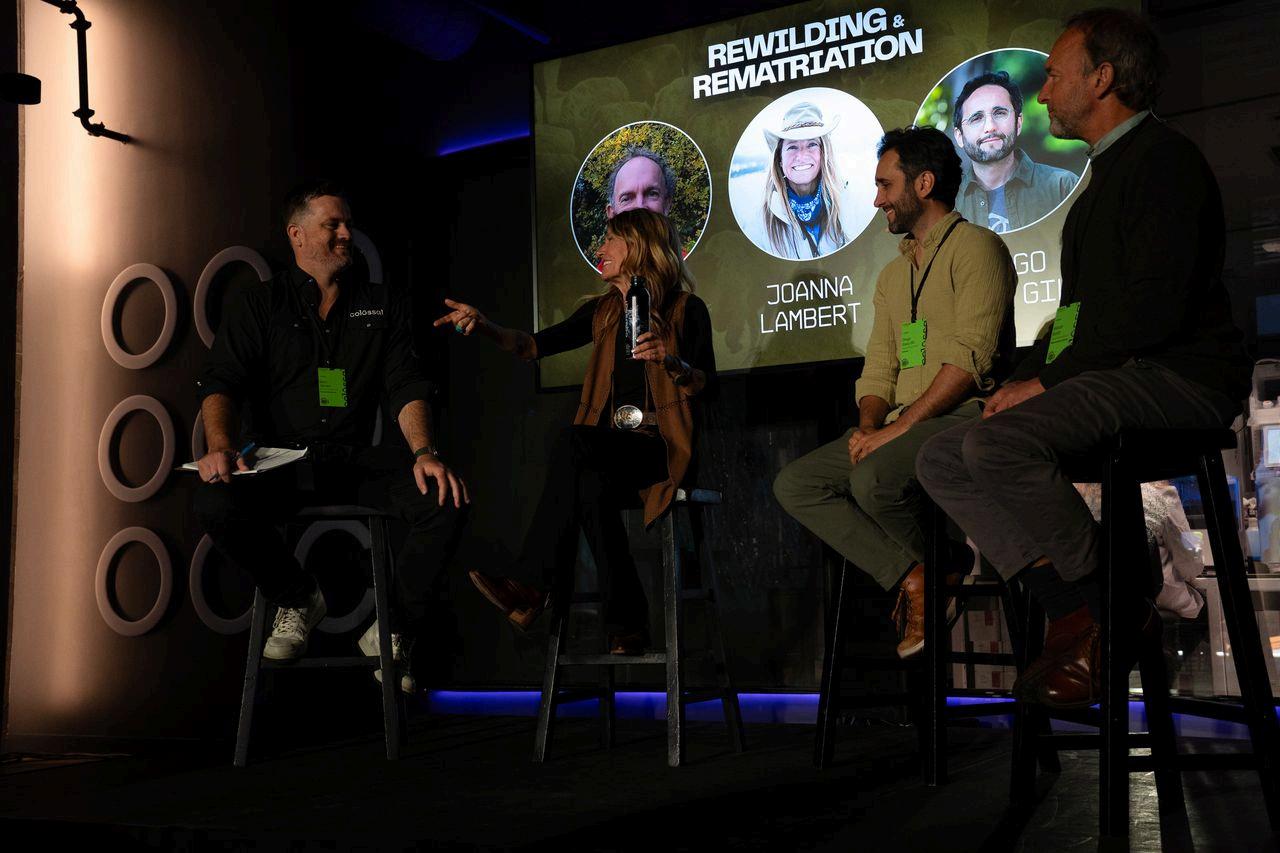
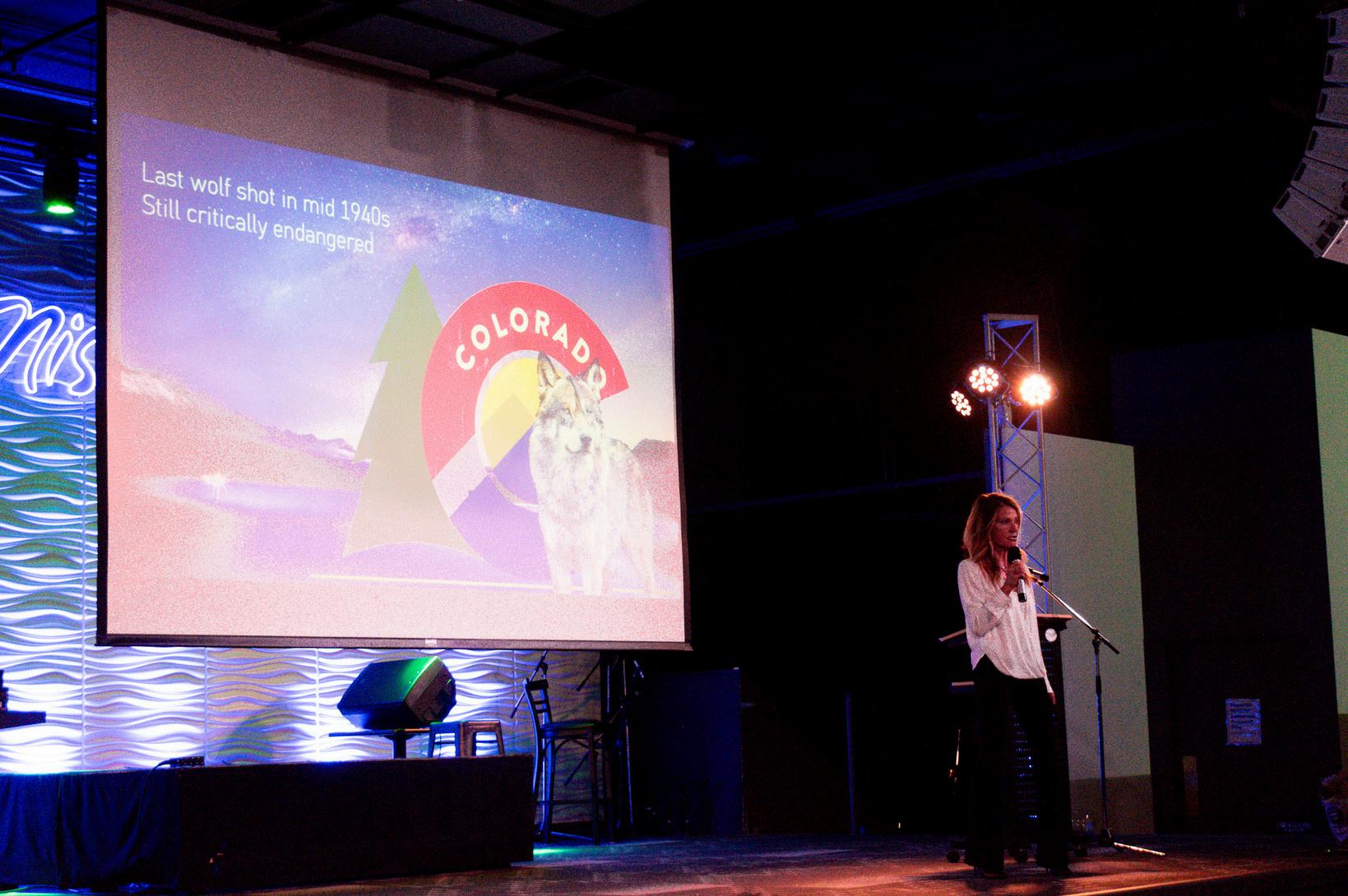
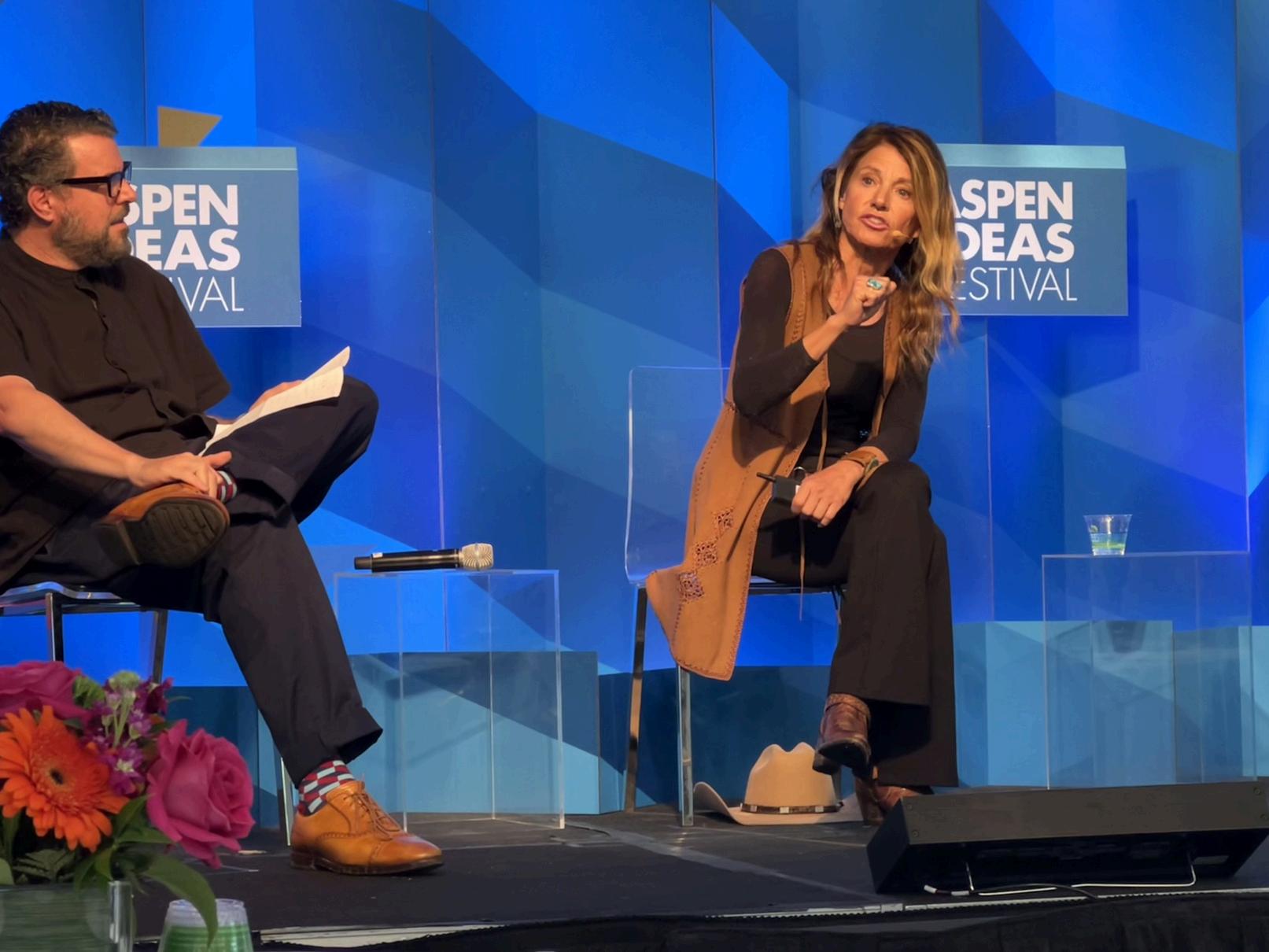
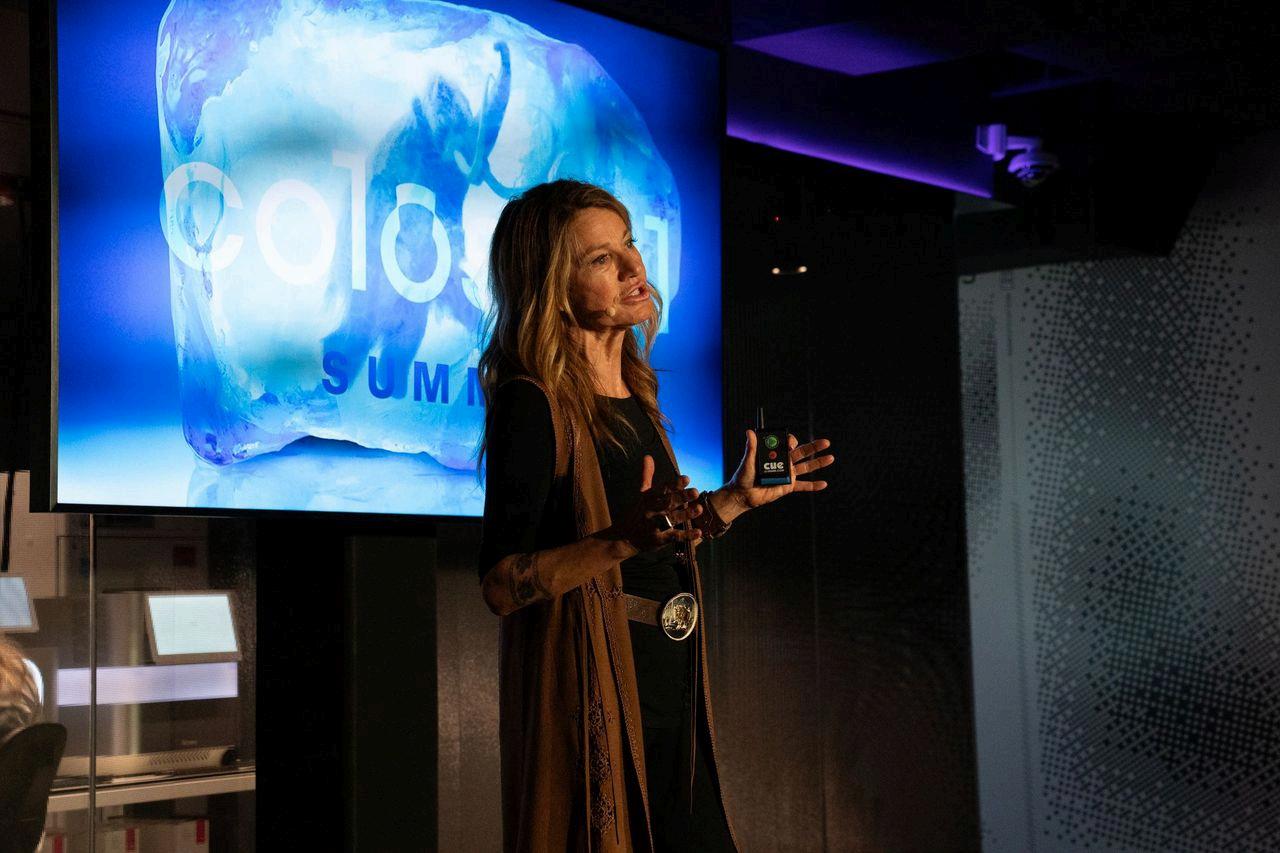
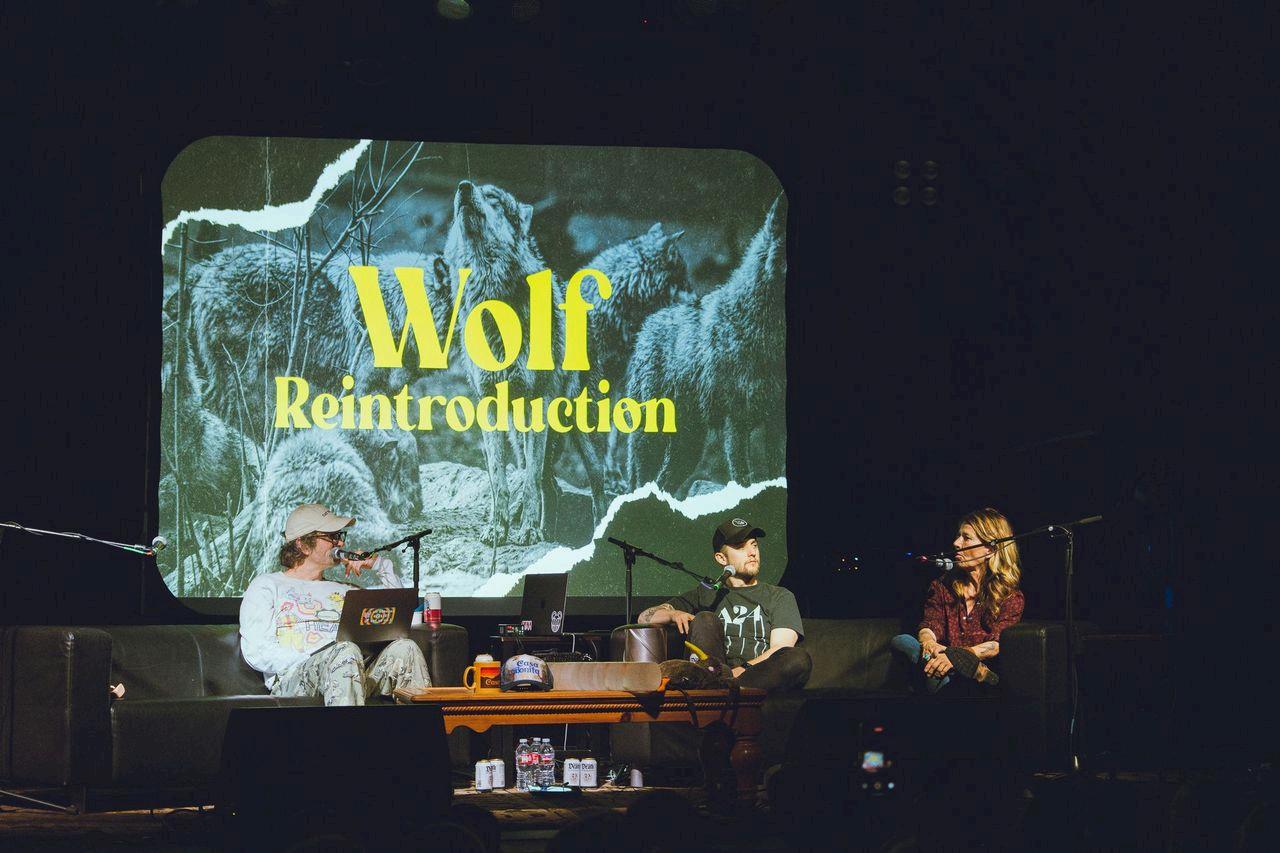
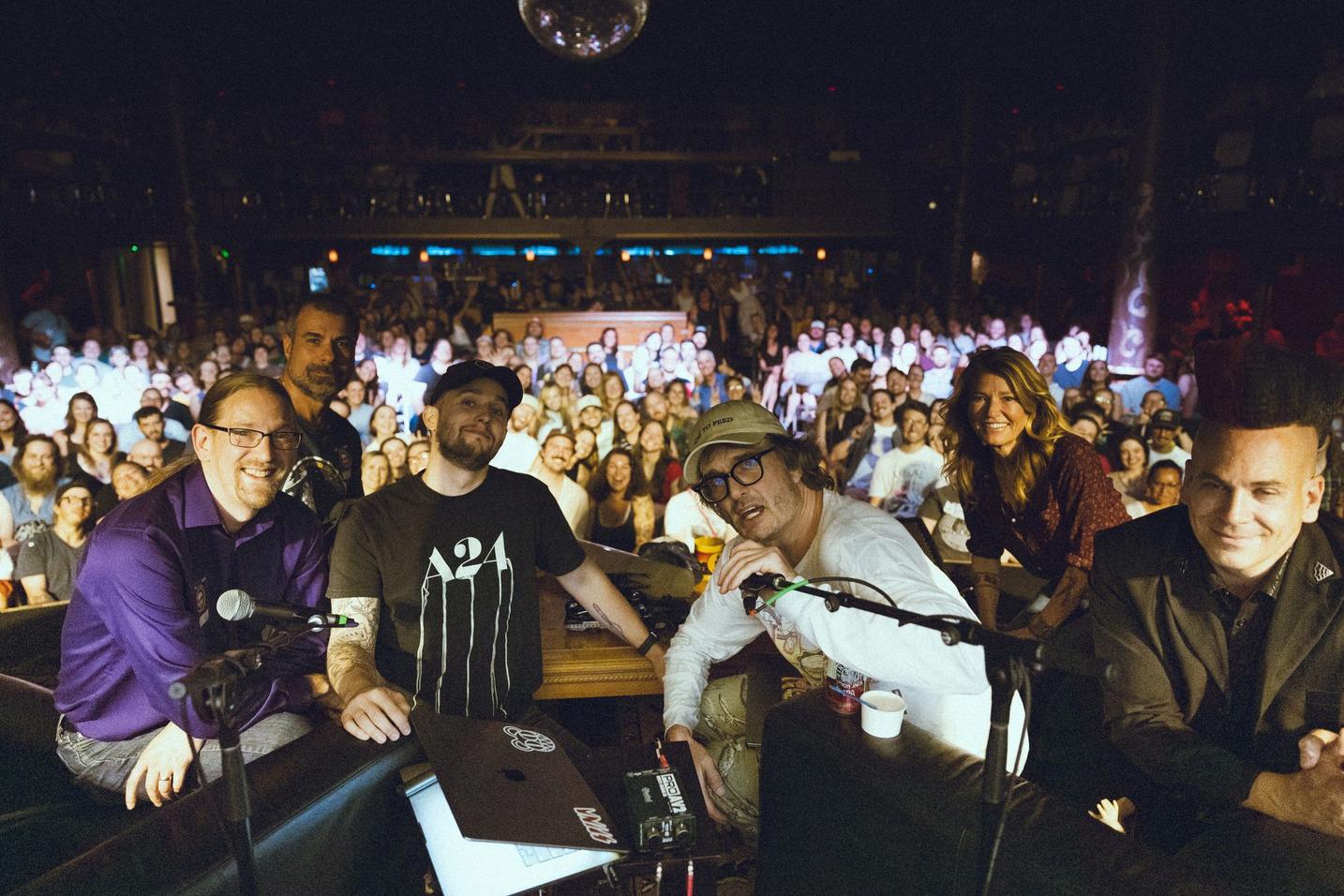
Starting at top left: Joanna being interviewed with panel of international scientists working towards rewilidng landscapes, 2025; Joanna speaking at the Aspen Ideas Festival, 2024; Joanna giving Plenary Address at the Annual Gala Charity Event for Wildlife Rehabilitation, 2025; Joanna giving Keynote Lecture at the Colossal BioSciences Summit for Wildlife Conservation; Joanna being interviewed for live podcast of the Flightless Bird Podcast (podcast globally ranked as the top 0.1% most listened to podcast in the world)
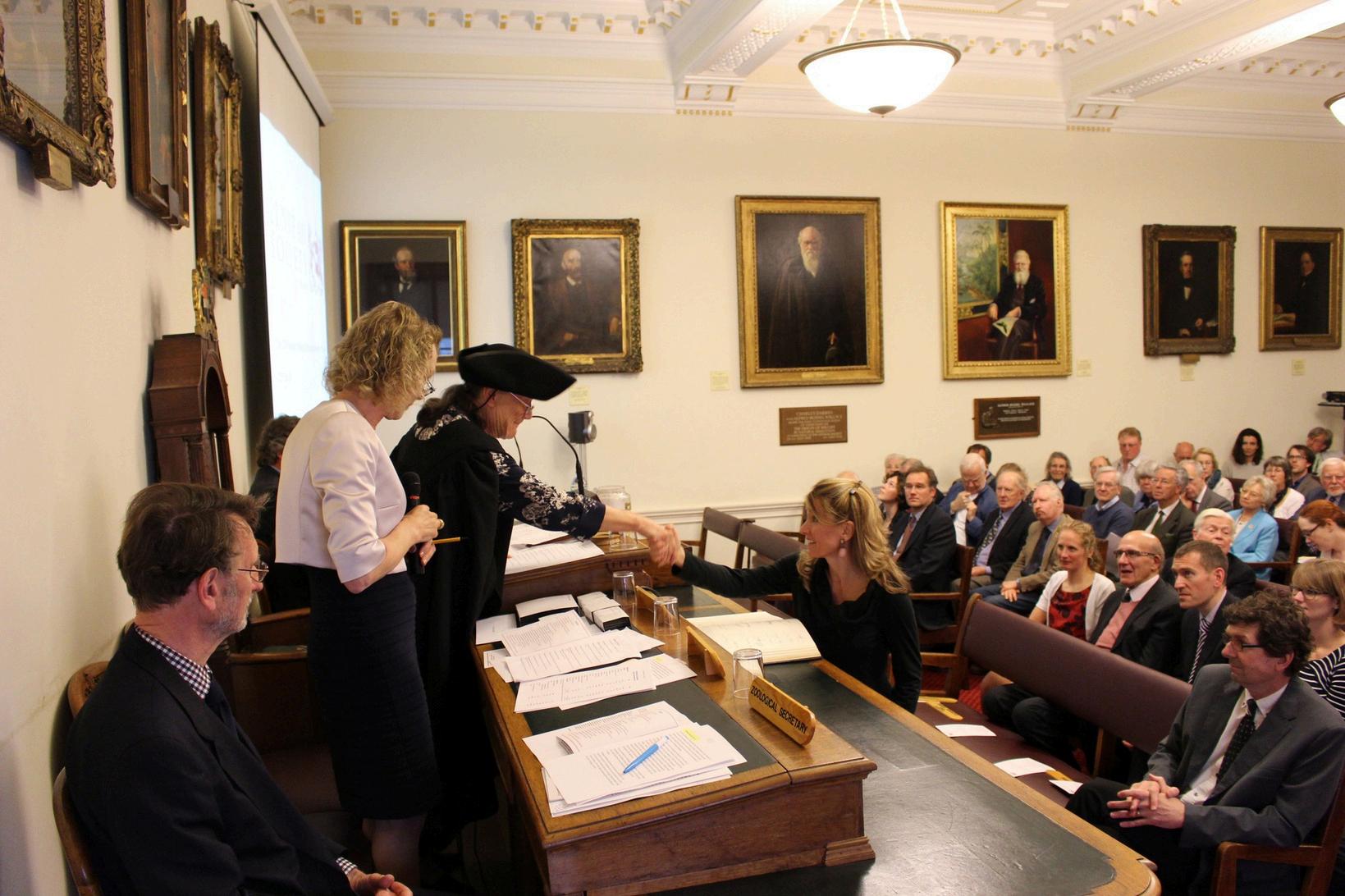
Over the award period (2023-2026), Joanna’s work received a range of national and international recognition . She was elected a Senior Fellow of The Explorers Club (established in 1904), one of the world’s most distinguished organizations dedicated to scientific discovery. Her article in The Conversation, “After an 80-year absence, gray wolves have returned to Colorado,” became the publication’s Most-Read Piece in 2024, garnering more than 13,000 reads in its first two weeks. Lambert’s scientific contributions have also been widely recognized within academia, and in 2025 she was ranked among the World’s Most Cited Scholars in Ecology and Evolution. She was recently named one a finalist for the University of Colorado’s Sesquicentennial Faculty Scholar Award, which honors faculty whose work transforms lives and serves the public good (final selection announced: April 2026). She has also been nominated for the Schnitzer Prize of the West, which recognizes individuals whose work combines collaboration, innovation, and social impact to address the American West’s most pressing environmental challenges (final selection announced: September 2026).
�� Elected Explorers Club Senior Fellow
�� Most-read article in The Conversation
�� Globally ranked #5236 of Most Cited Scientists
�� Nominated as Colorado Sesquicentennial Scholar
�� Nominated for the Schnitzer Prize of the West

�� Beatrice E. Willard Graduate Fellowship in Field Ecology (Emily Golden-Beam)
�� The Wildlife Society Annual Meeting Best Student Paper Award (Emily Golden-Beam)
�� Environmental Studies Excellence in Teaching & Service (Emily Golden-Beam)
�� NEST Nature, Environment, Science, and Technology Award (Emily Golden-Beam)
�� Summa Cum Laude, The Honors Program at the University of Colorado Boulder (Catherine Grady)
�� United States President’s Education Award (Catherine Grady)
�� Society for Experimental Biology Diversity Grant (Catherine Grady)
�� Feature Grantee Story, Society for Experimental Biology, November 2025 (Catherine Grady)
�� Research Highlight, From “Yellowstone” to Yellowstone Nat’l Park: CU Undergraduate Investigates Wolf Behavior (C. Grady)
�� Smithsonian Newsletter Honors Thesis Article, Coats & Courage (Catherine Grady)
�� Applied AI Conservation Research Fellowship (Yellowstone Forever & Conservation Nation) (Amir Dehbi)
�� Alwyn Gentry Award for Best Oral Presentation – Assn for Tropical Biology & Conservation (Liam Jasperse-Sjolander)
�� National Science Foundation Graduate Research Fellowship (Liam Jasperse-Sjolander)
�� Colorado Chair in Environmental Studies Fellowship (Liam Jasperse-Sjolander)
�� Cum Laude, The Honors Program at the University of Colorado Boulder (Jenna Porter)

Training the next generation of scientists and conservation leader heart and soul of the Lambert Lab and the American Canid Projec Together with undergraduate and graduate students and collabor we are working to understand—and help shape—how humans and coexist in 21st-century landscapes. Over the course of her career professor of conservation biology, Joanna has taught and mentored more than 10,000 undergraduate students, while also training MS and PhD students and postdoctoral scholars. She is deeply committed to expanding access to science, with a particular focus on supporting and mentoring first-generation college students, students from underresourced backgrounds, and students of color.
From the classroom to the field, she leads immersive learning experiences that include field excursions, hands-on methods training, and real-world research in complex landscapes. By investing deeply in people, we are building a community of scientists and leaders equipped to navigate the ecological and social challenges of conservation in a rapidly changing world.
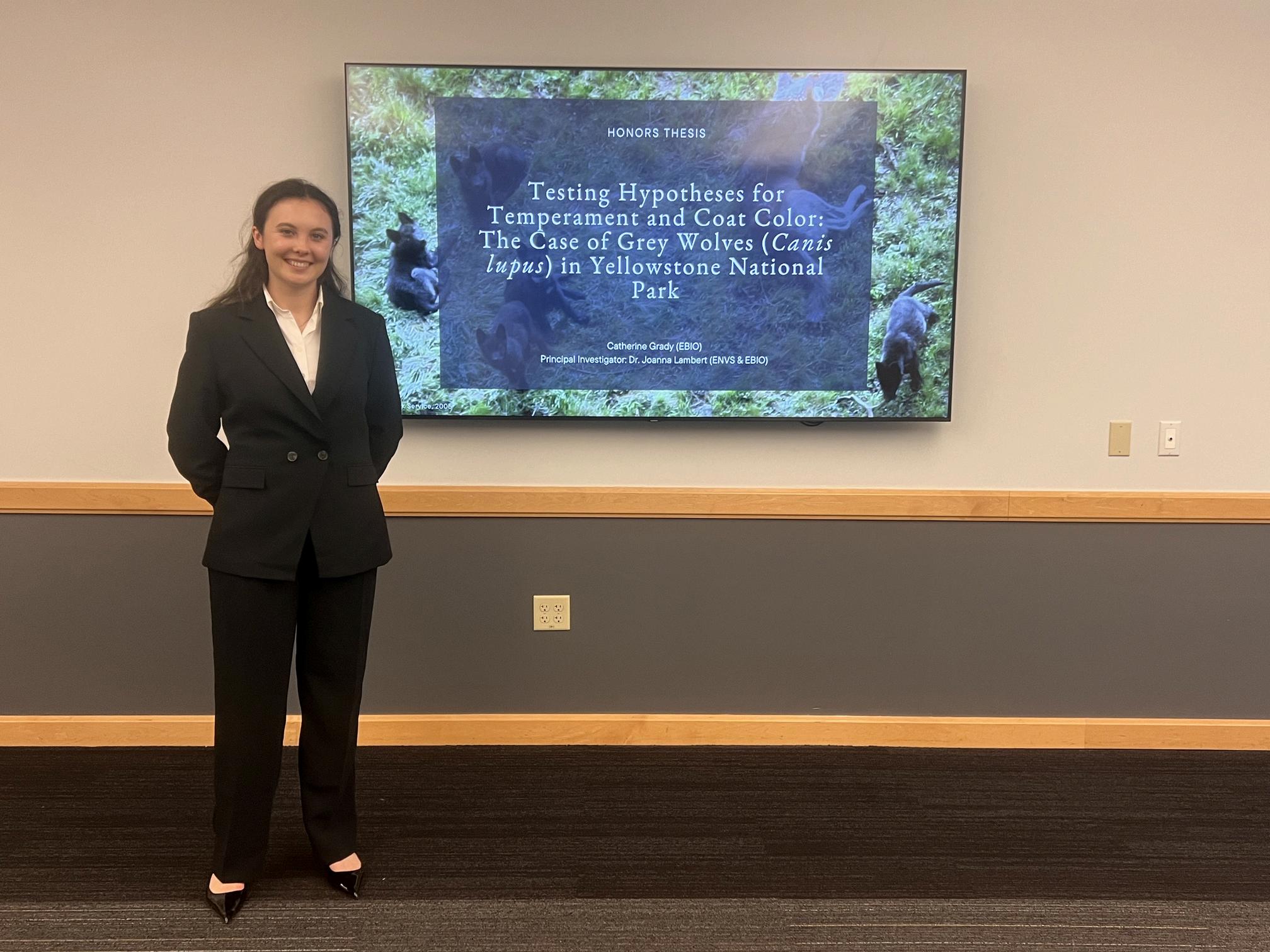
Top to bottom: Undergraduate Renae Hernandez presents her Honors research on understanding predators through the lens and narrative of Indigenous and tribal Americans, 2024; Undergraduate Catherine Grady defends her Honors Thesis on the temperament of wolf puppies in Yellowstone, 2025; Undergraduate Jenna Porter defends her Honors Thesis on gray wolf boldness, 2025
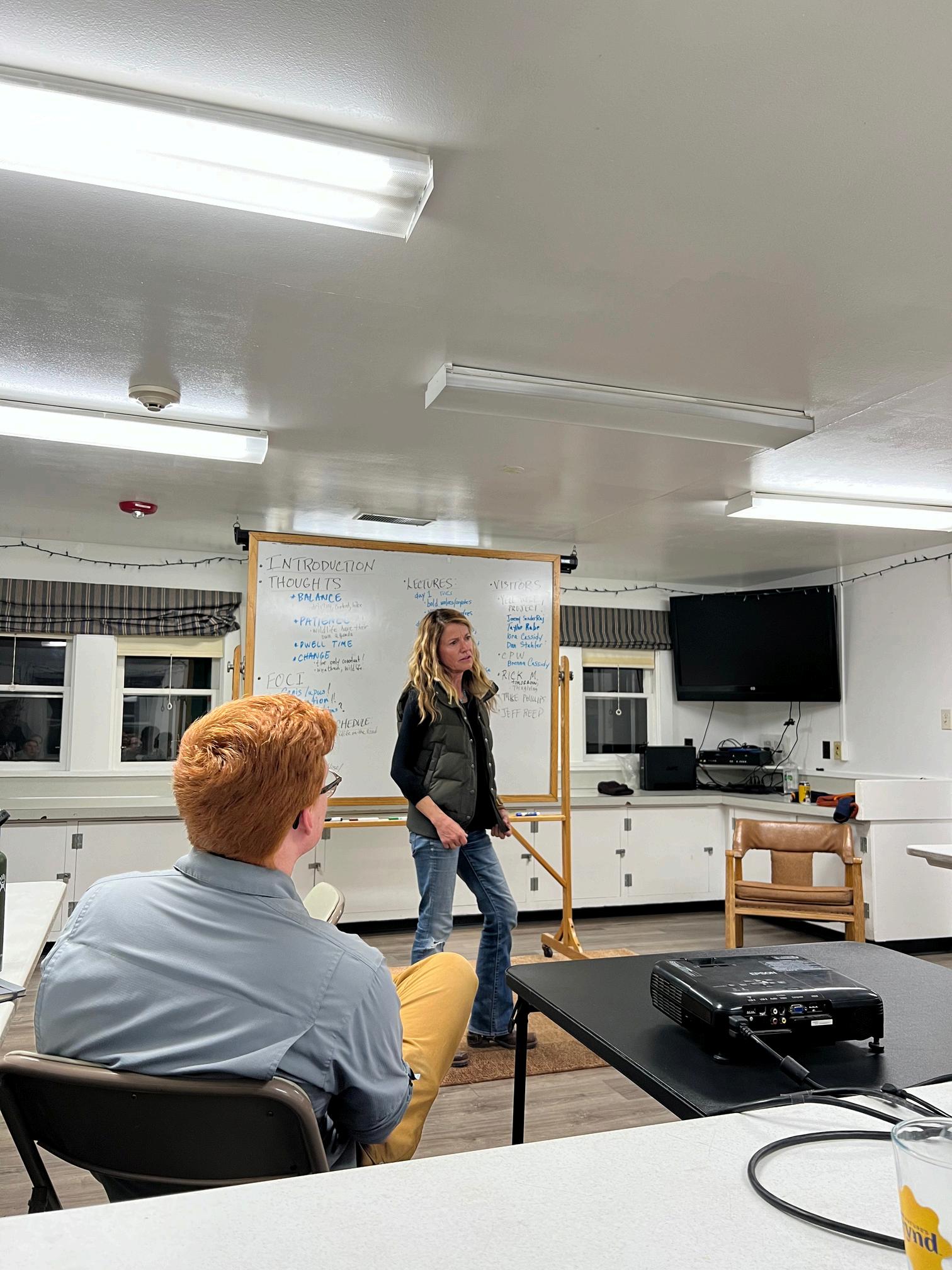
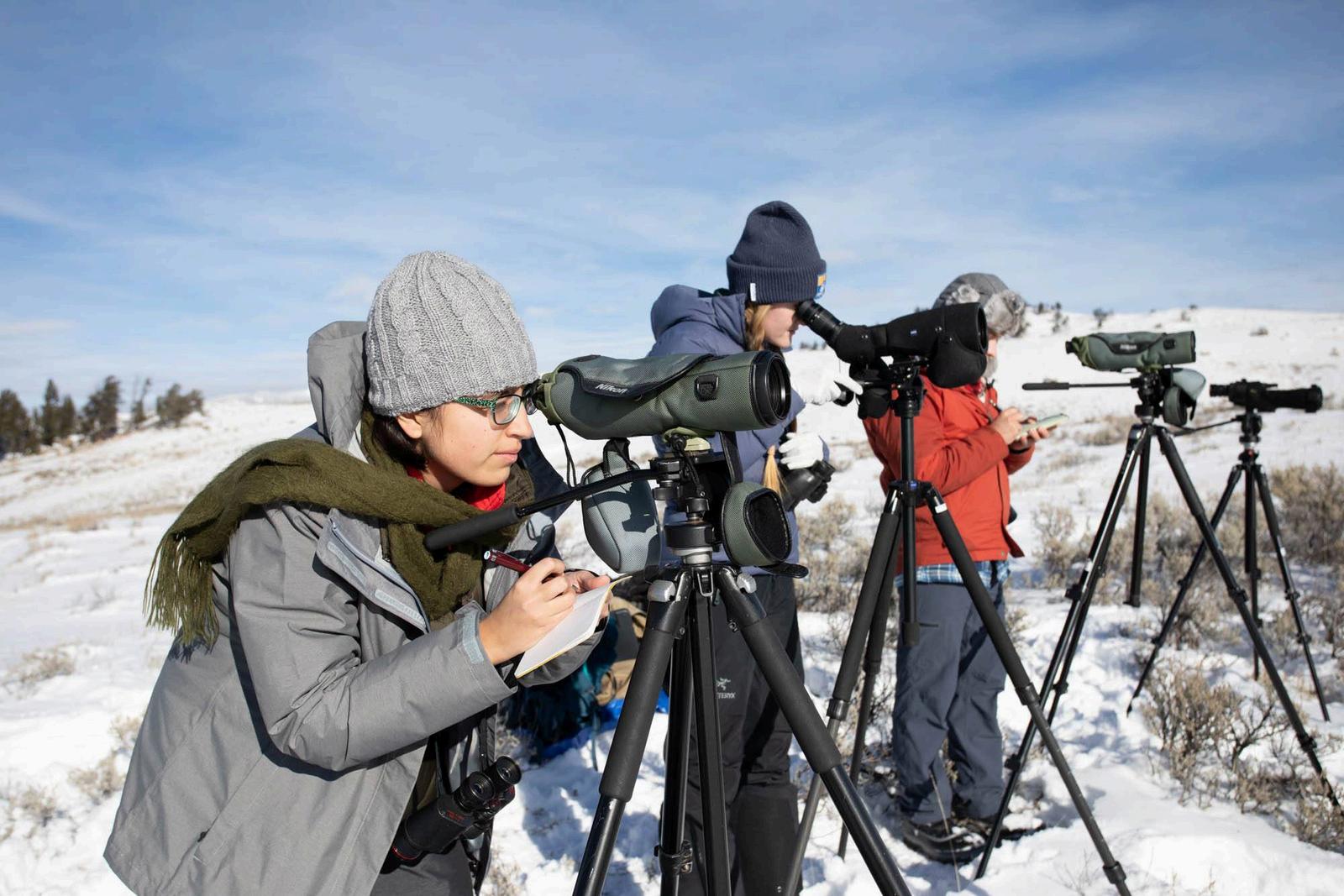
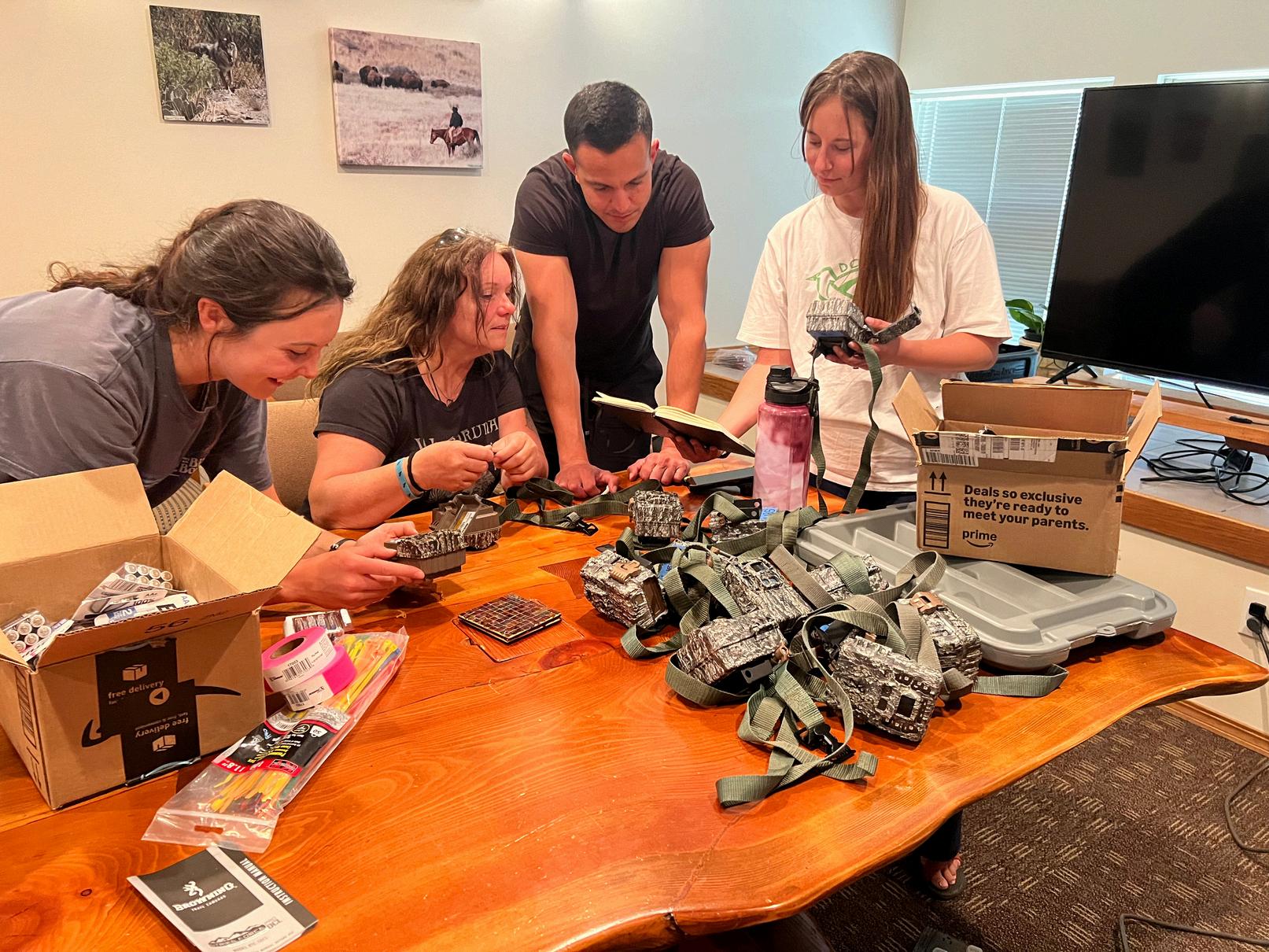
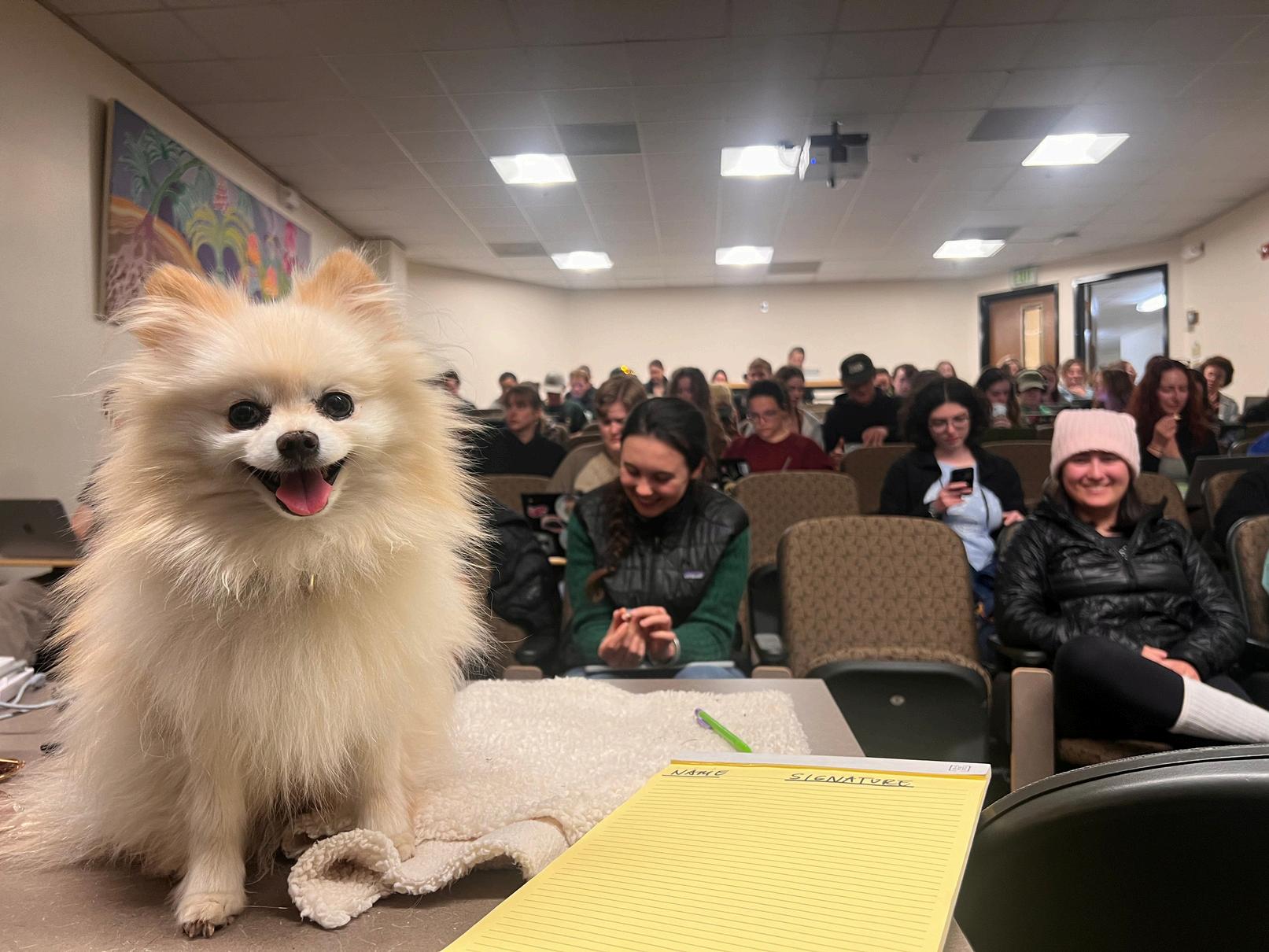
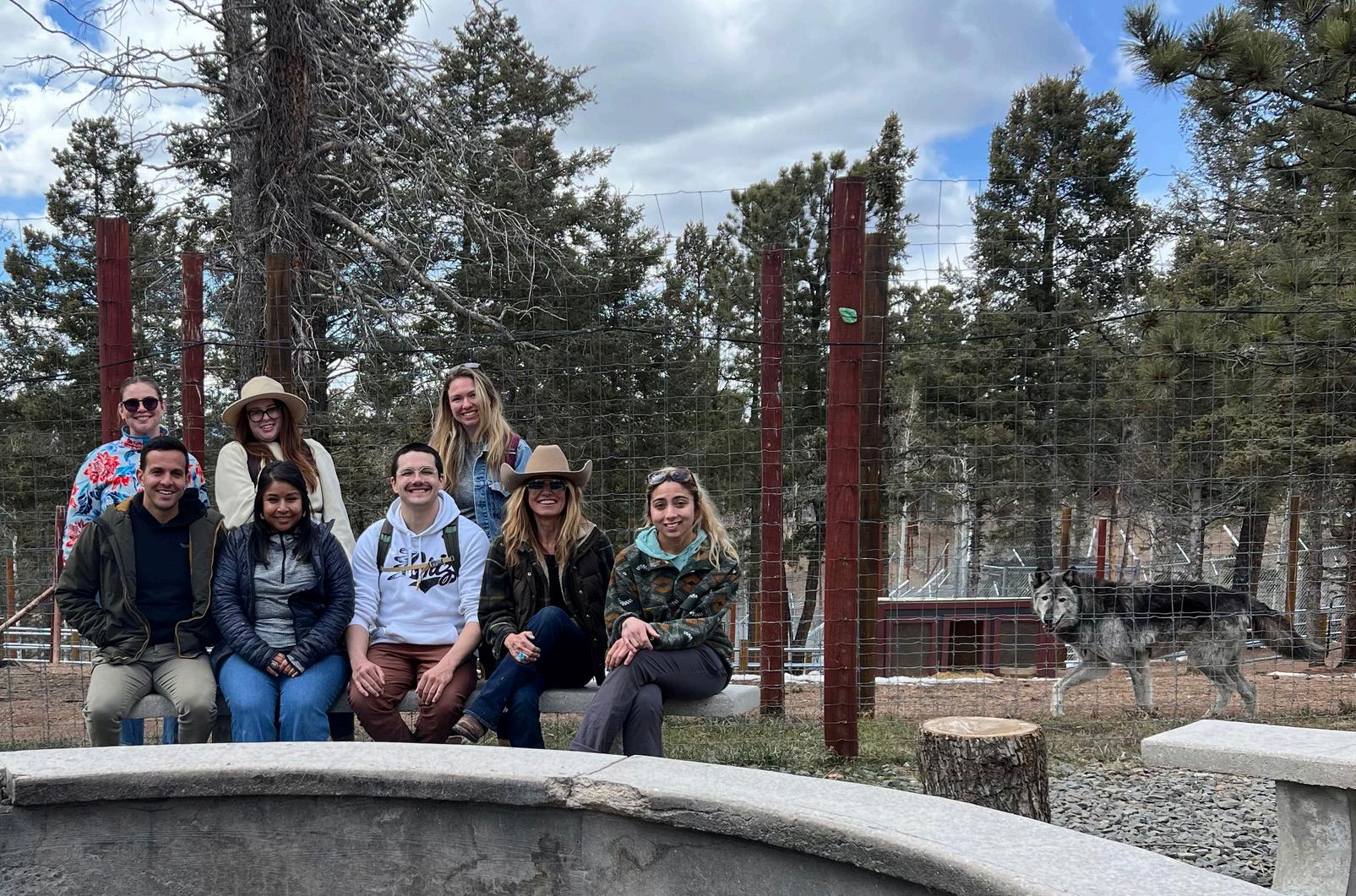
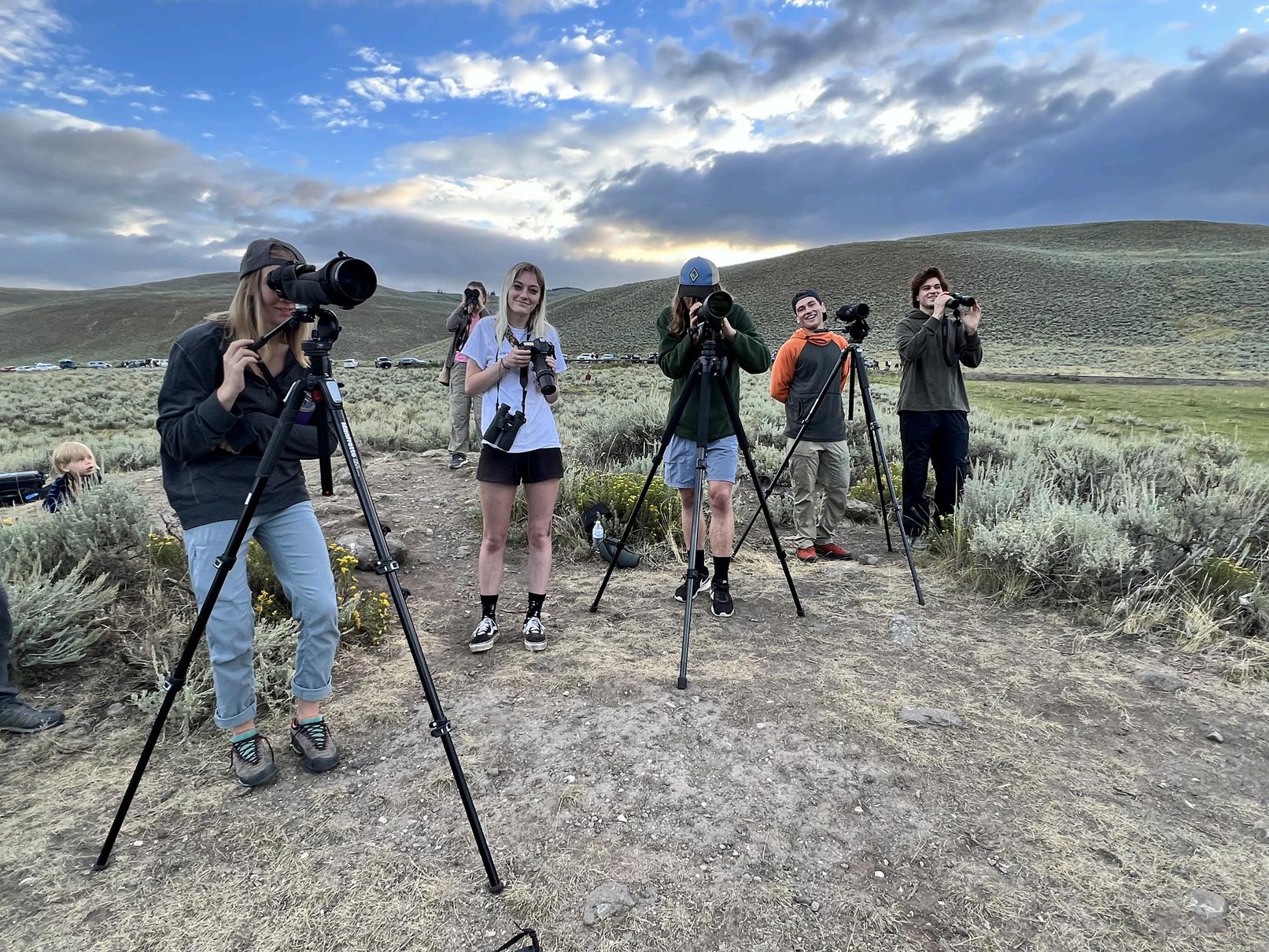
Clockwise from top left: Joanna teaches a field ecology course in Yellowstone, 2023; Undergraduates learning how to record behavior, Yellowstone, 2023; Dandelion is a guest star in Joanna’s popular undergraduate class (Dogs, Wolves, & Humans) at CU Boulder, 2026; Lambert Lab members Catherine Grady (Undergrad), Krisztina Gaylor (Field Manager), Amir Dehbi (PhD student), and Emily Golden-Beam (PhD student) prepping field wildlife cameras for novel object experiments on the Turner Flying D Ranch, MT, 2024; Class excursion to the Wolf & Wildlife Sanctuary, Divide, CO, 2024; Undergraduates learning how to use spotting scopes
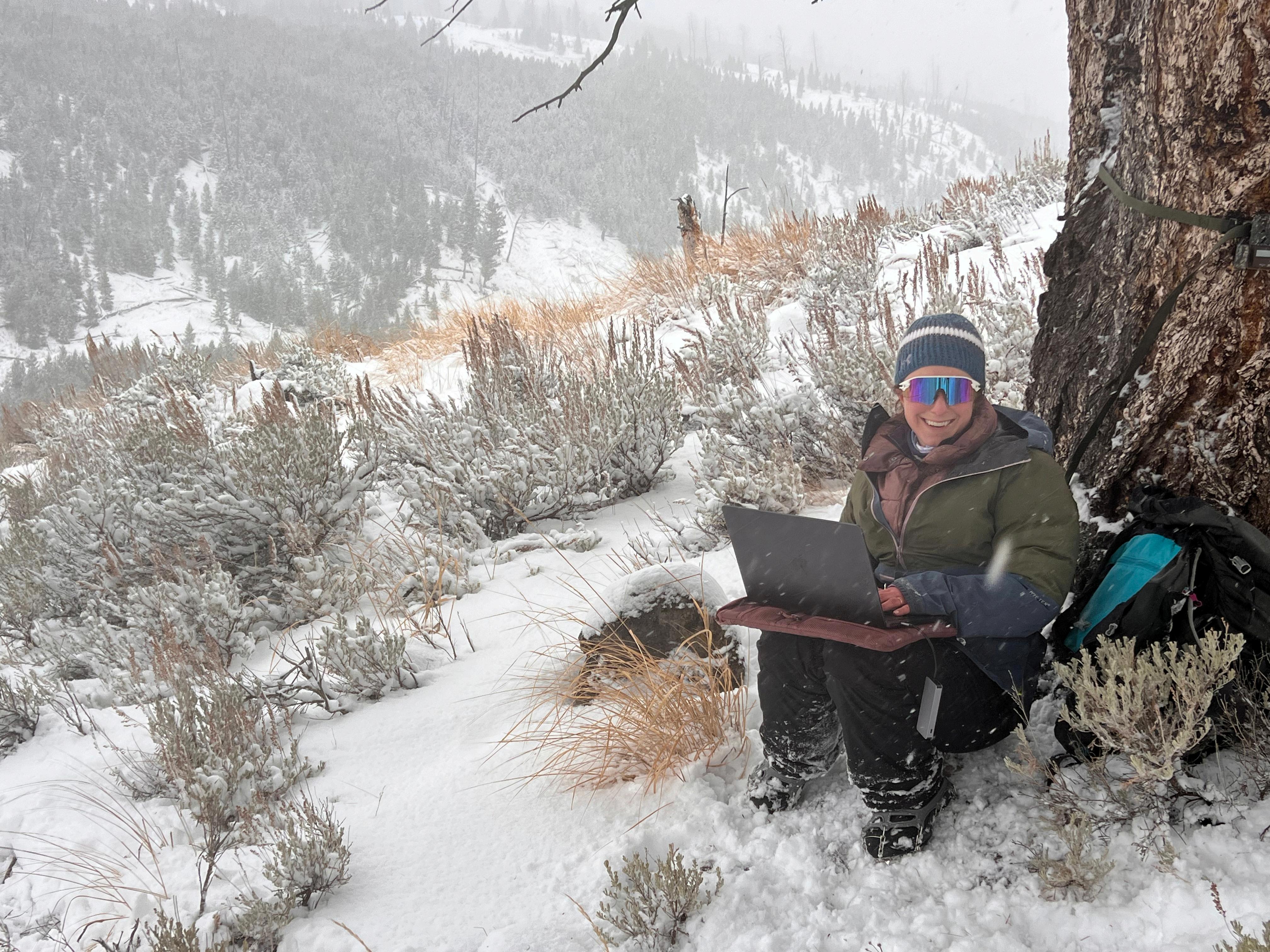
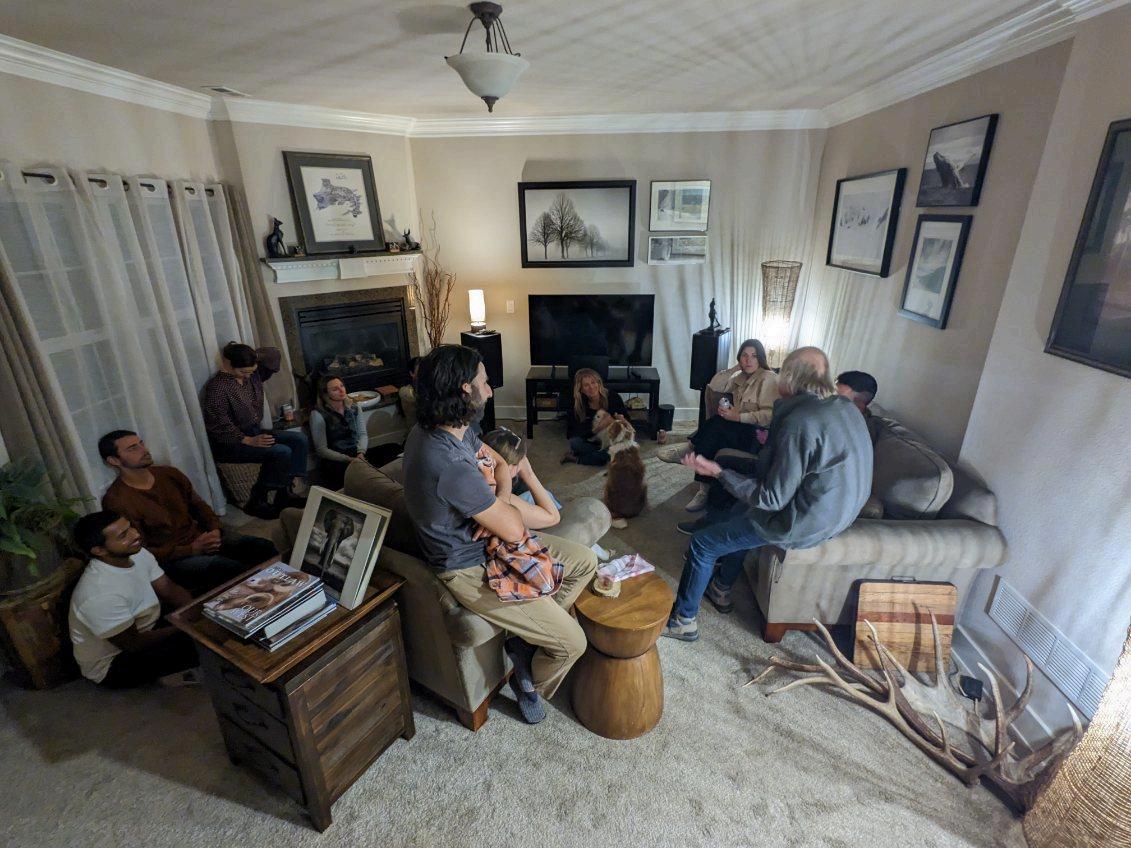
Gallary: A Few Highlights from the Field over the Past 2.5 Years
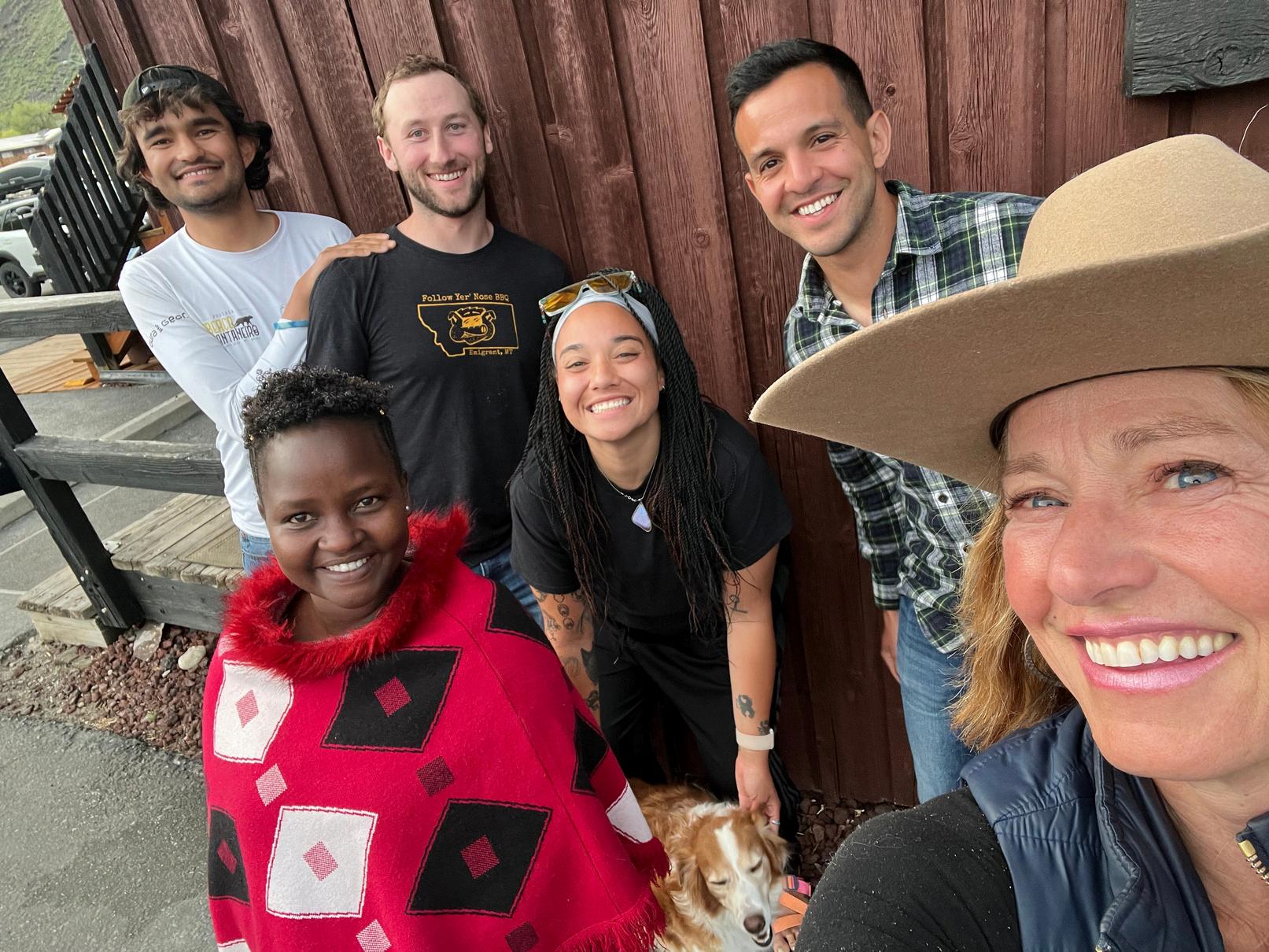
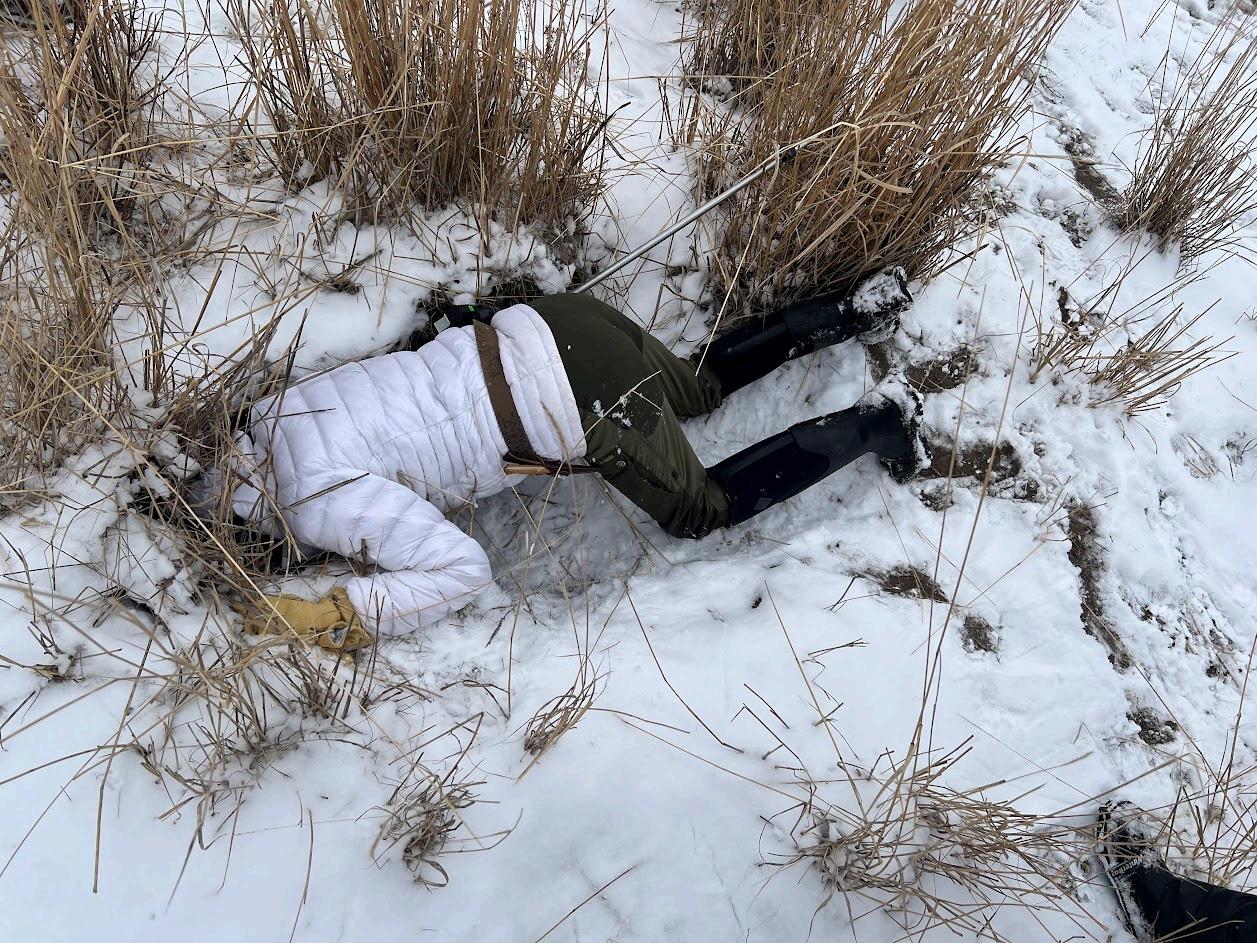
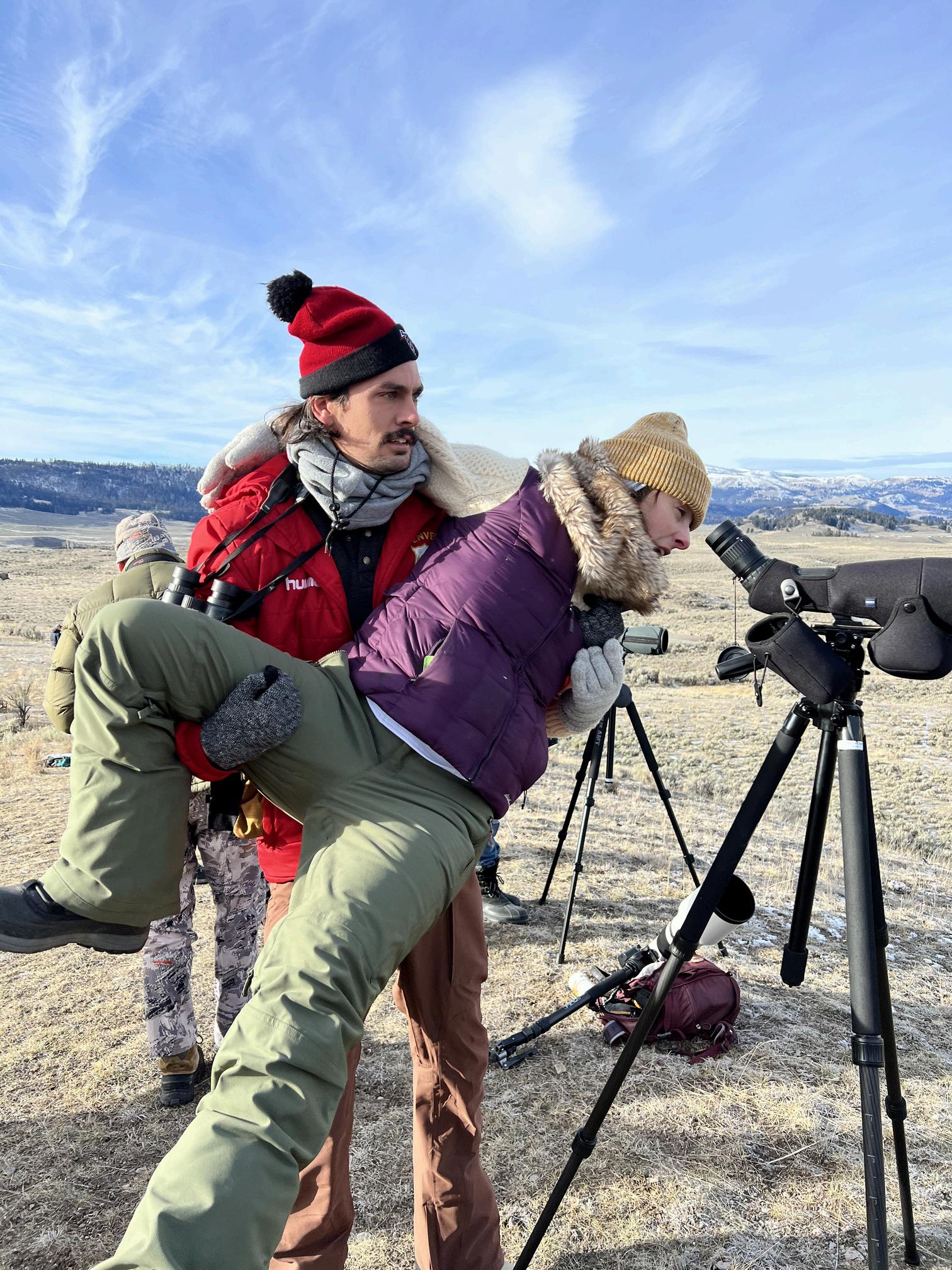
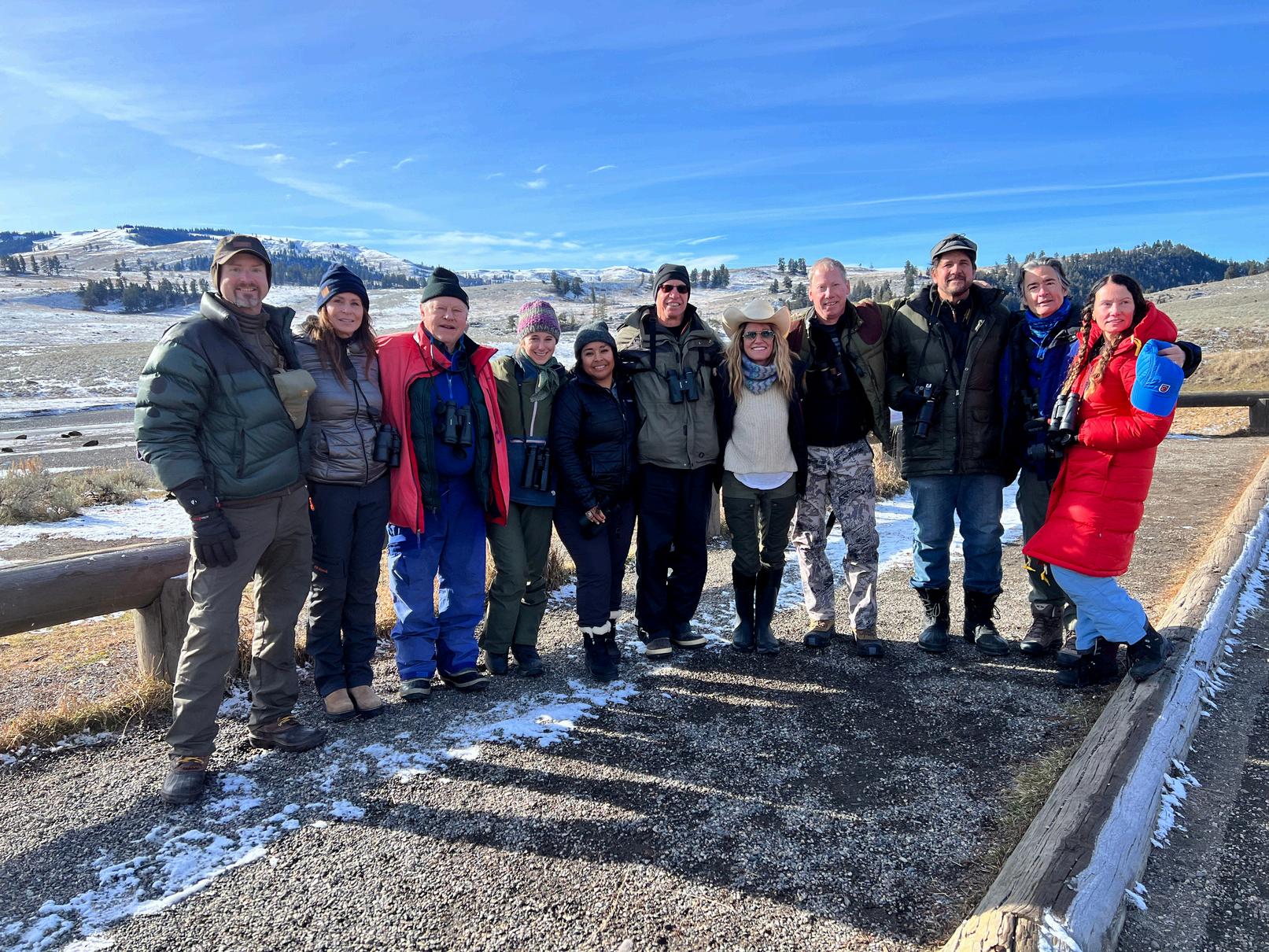
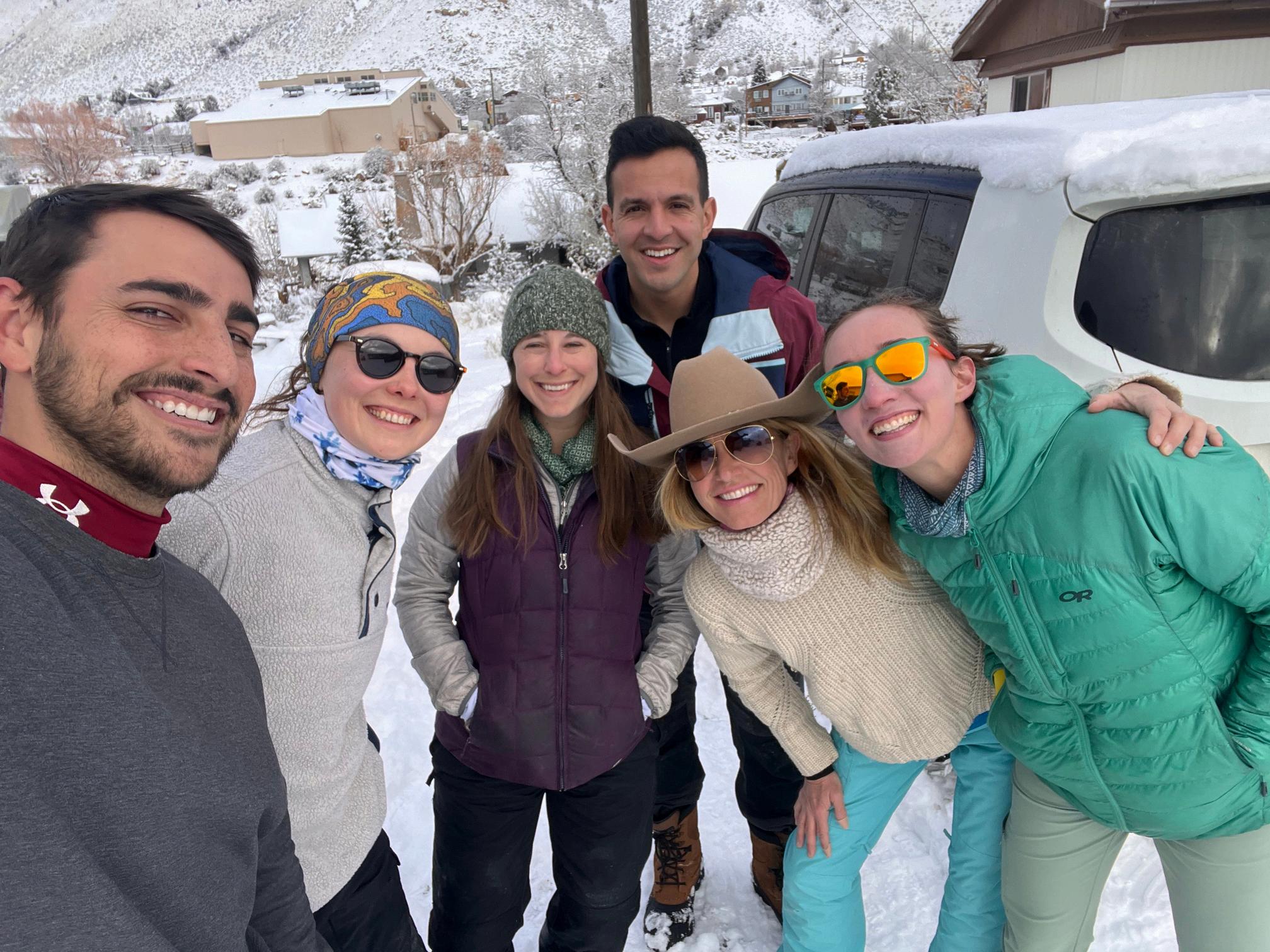
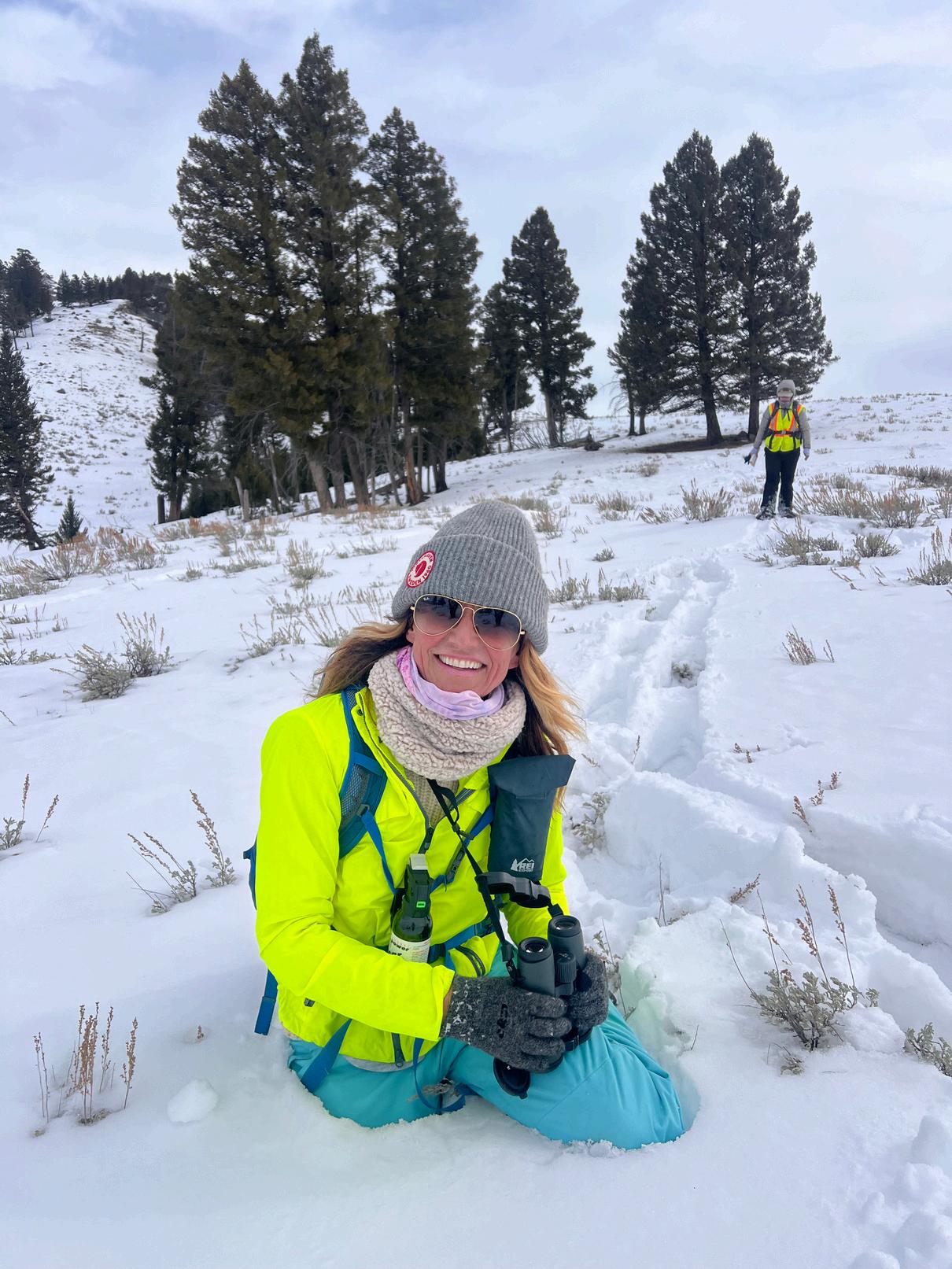
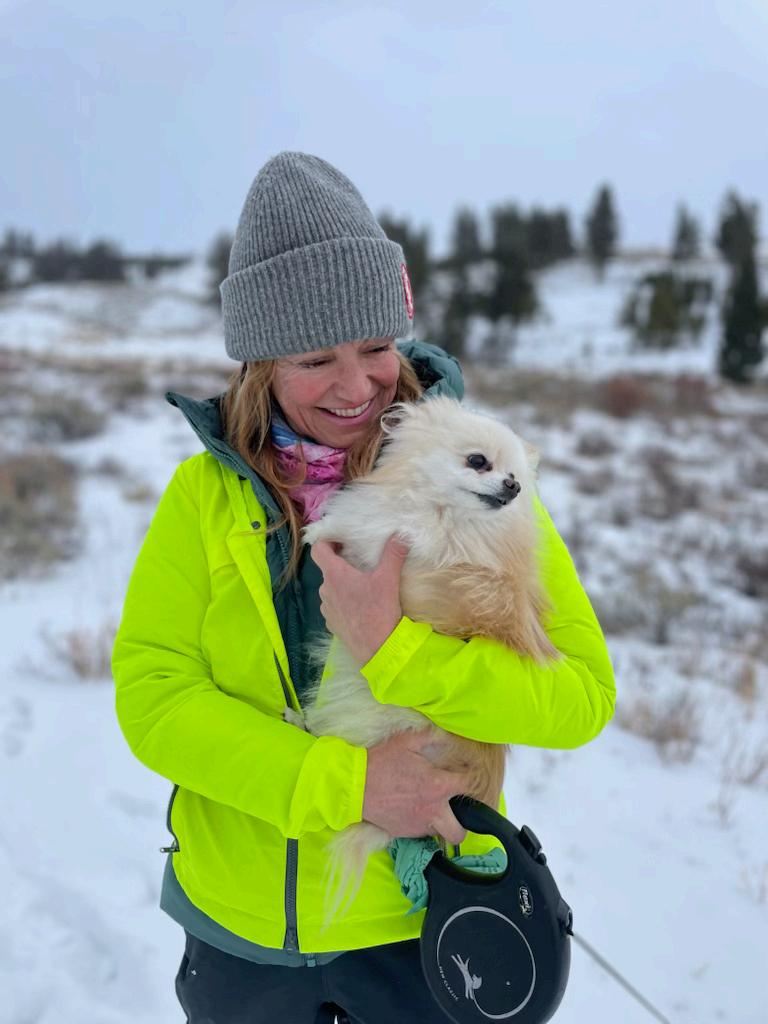
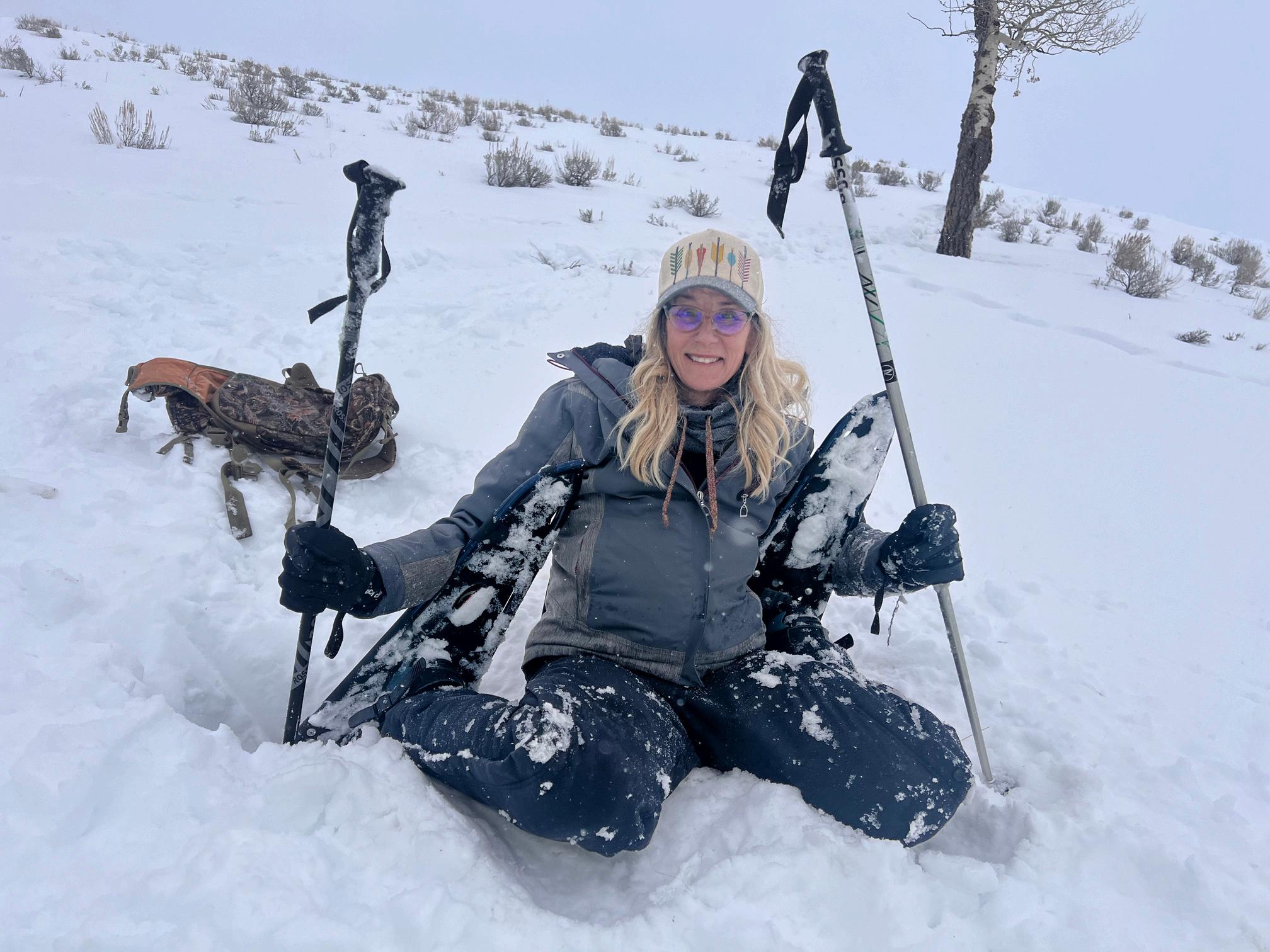
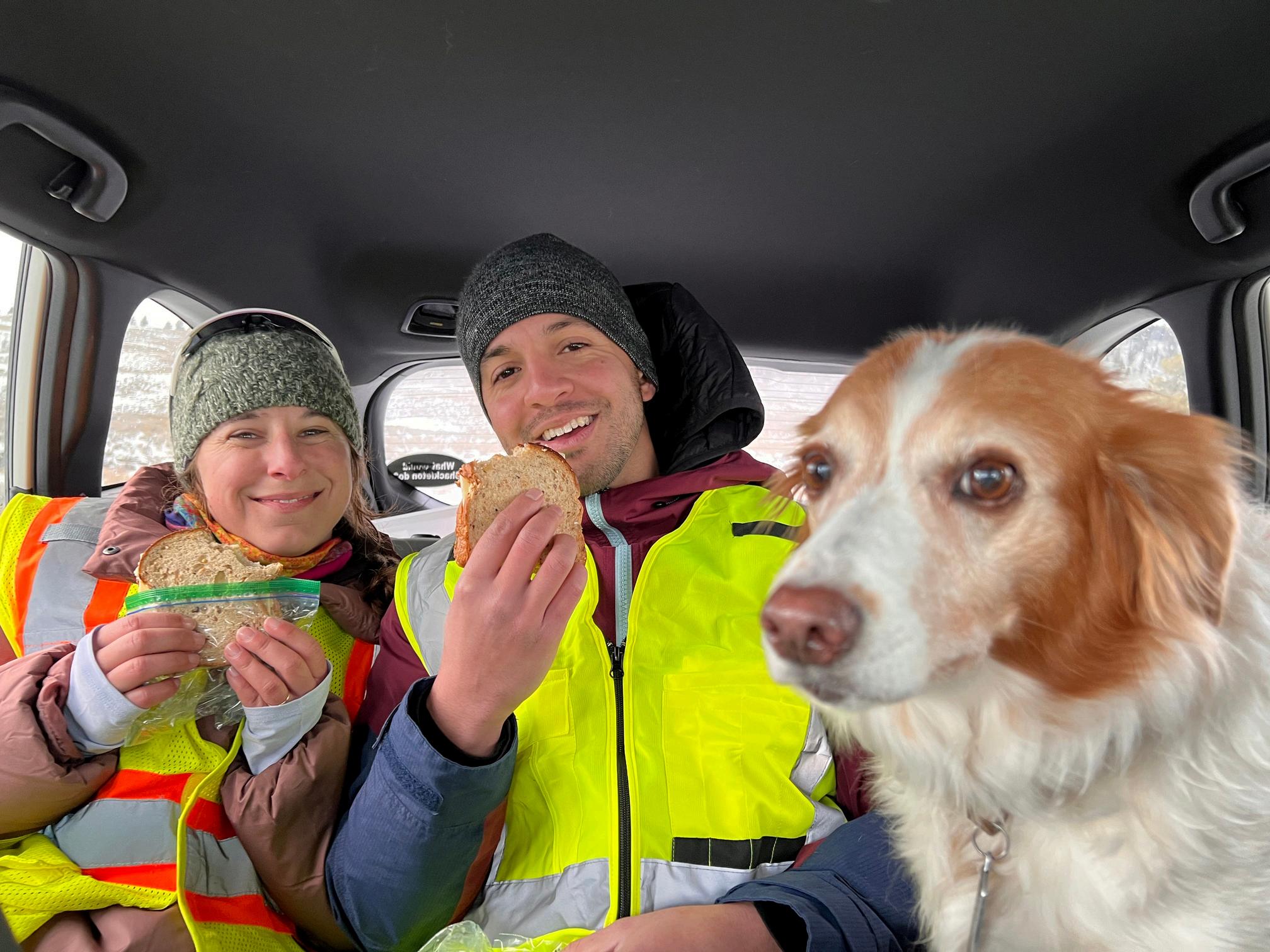
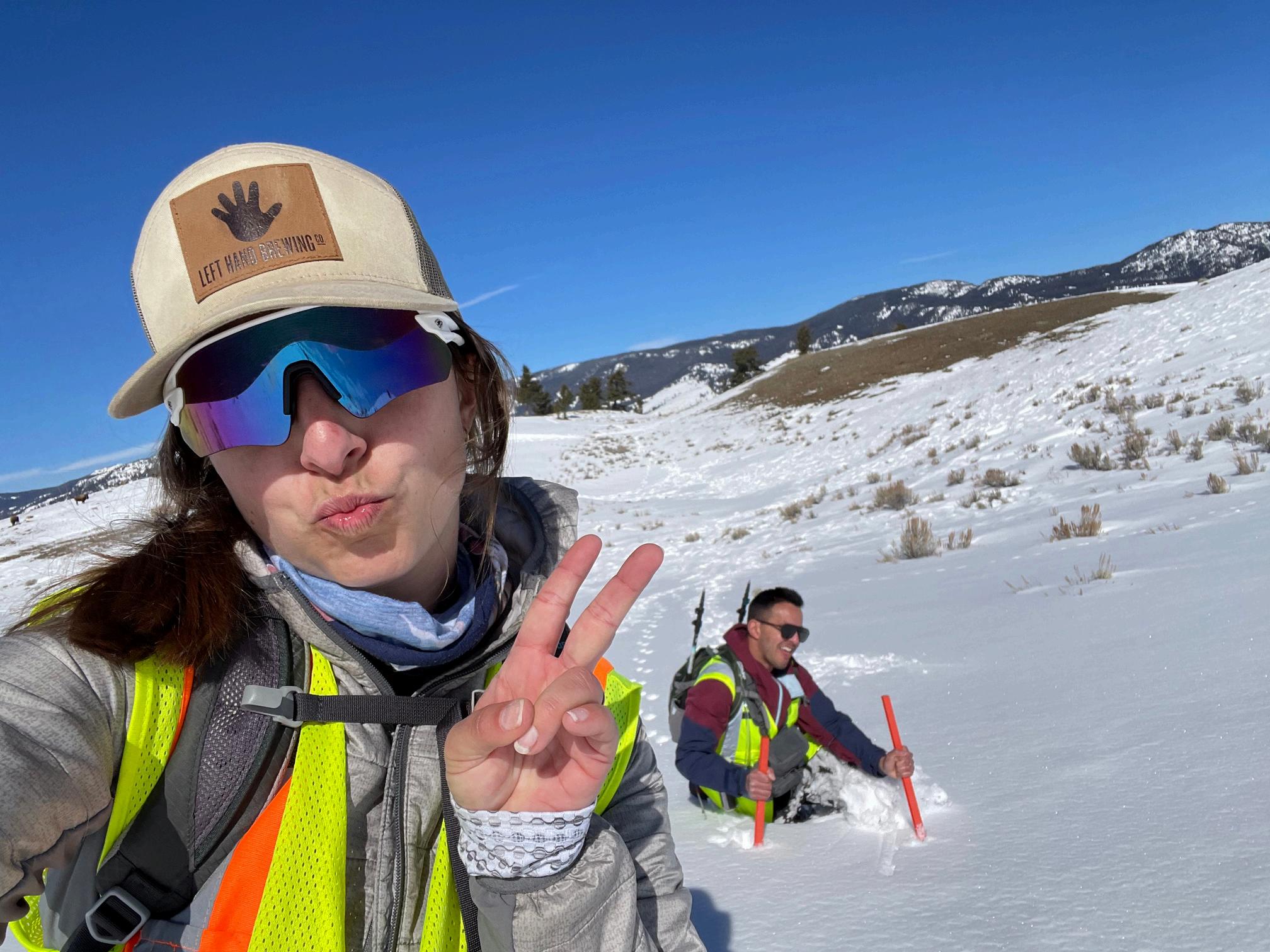
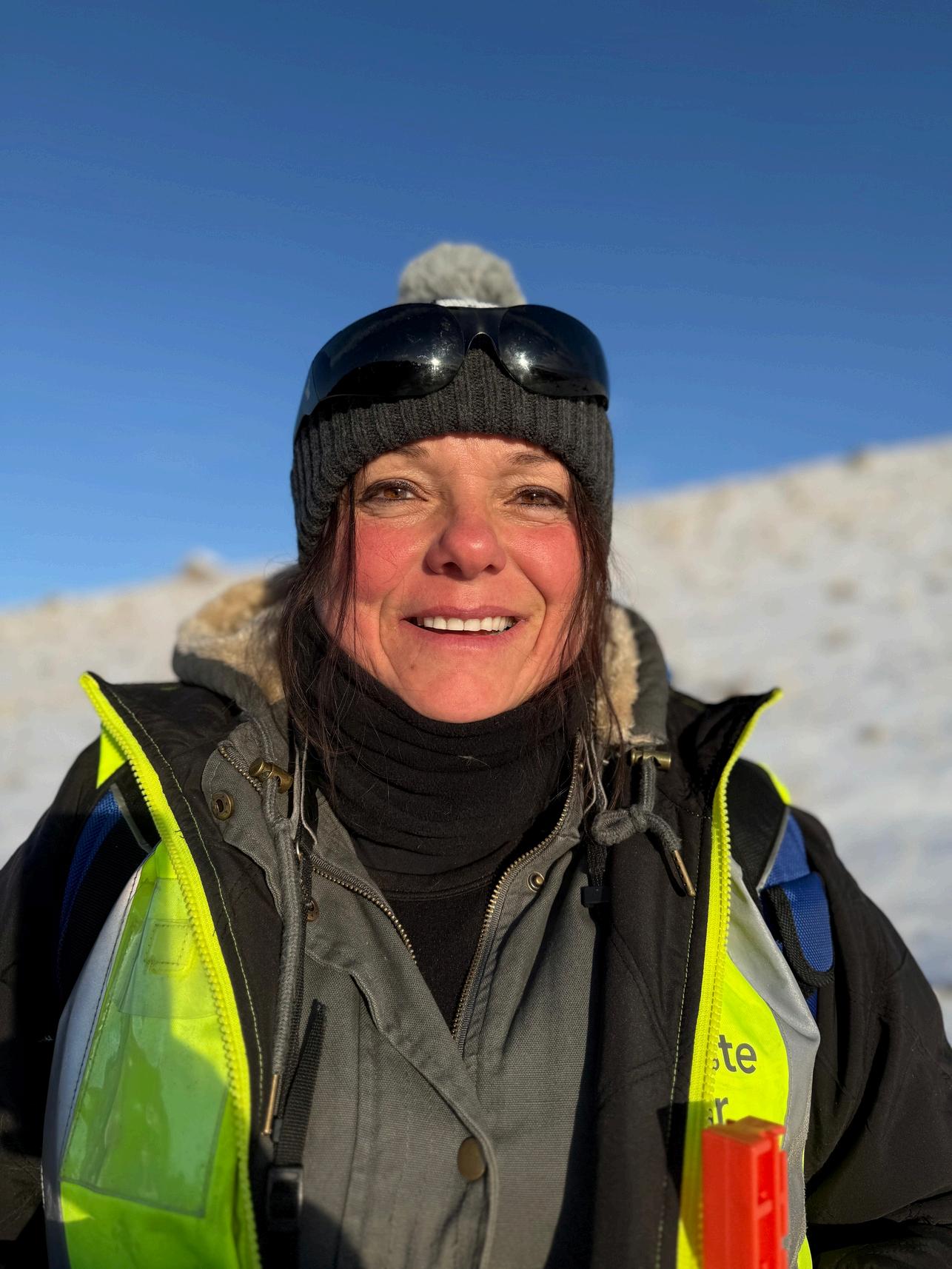
Falling and Post-Holing in Yellowstone’s Deep Snow is a Thing!
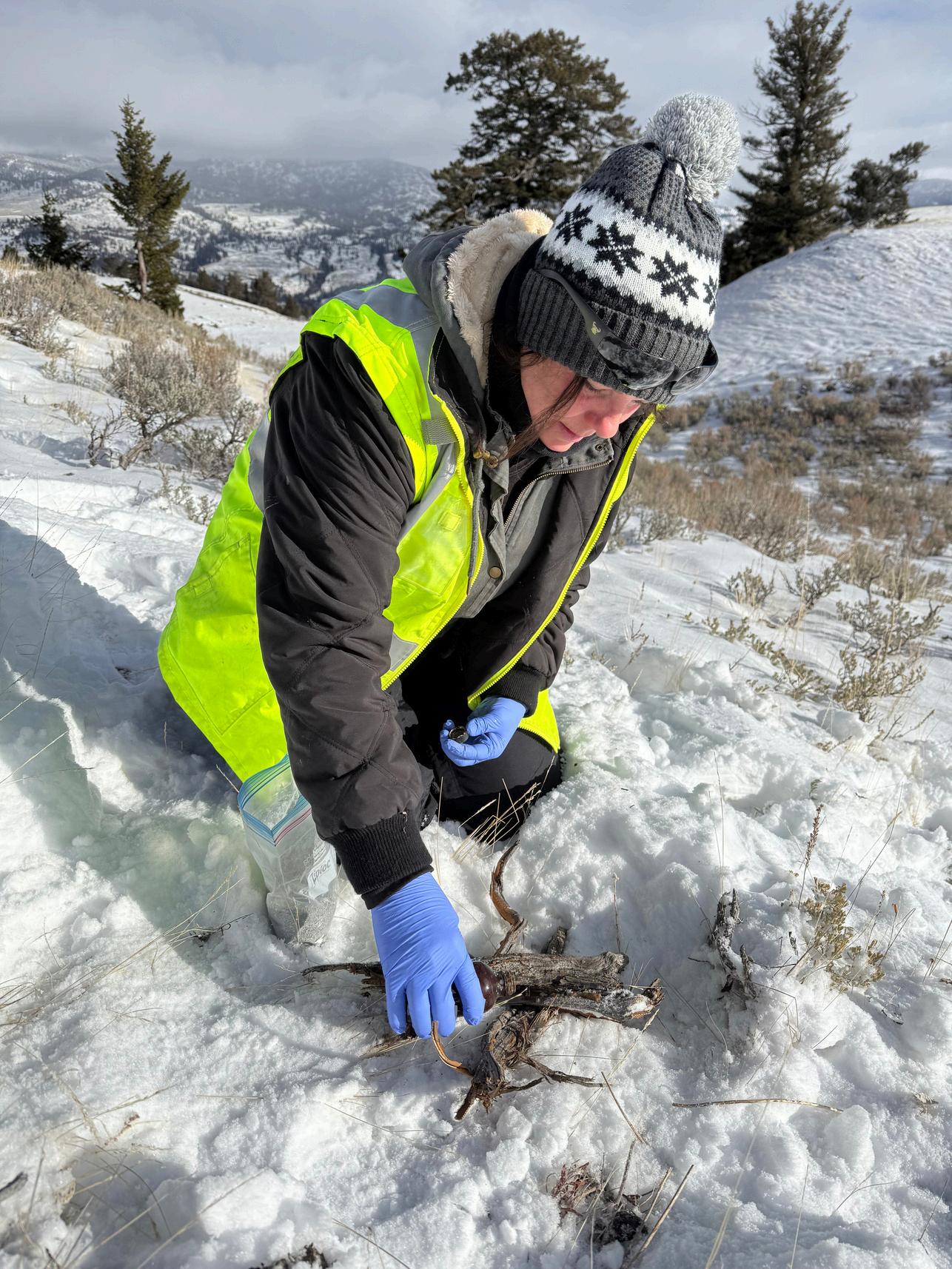
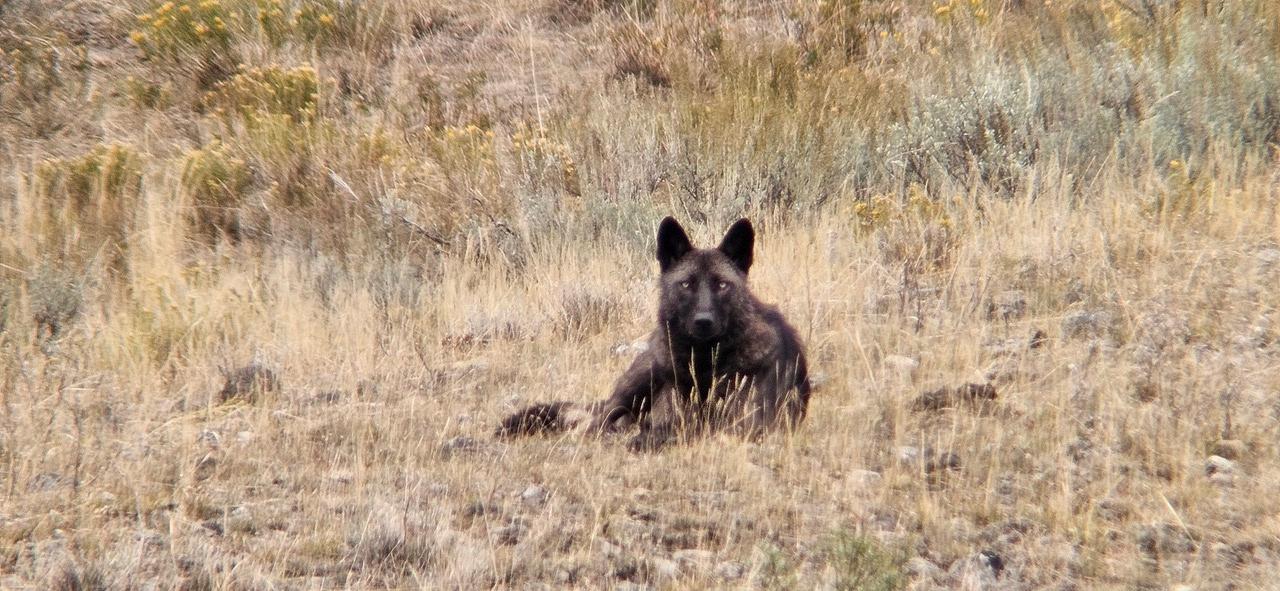
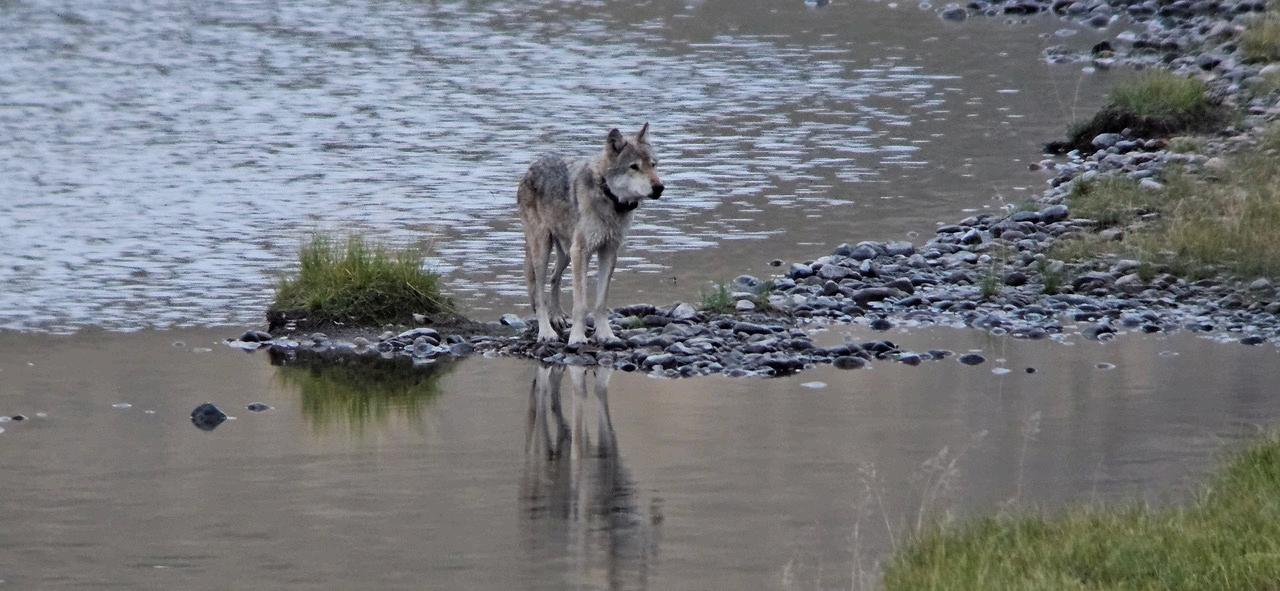
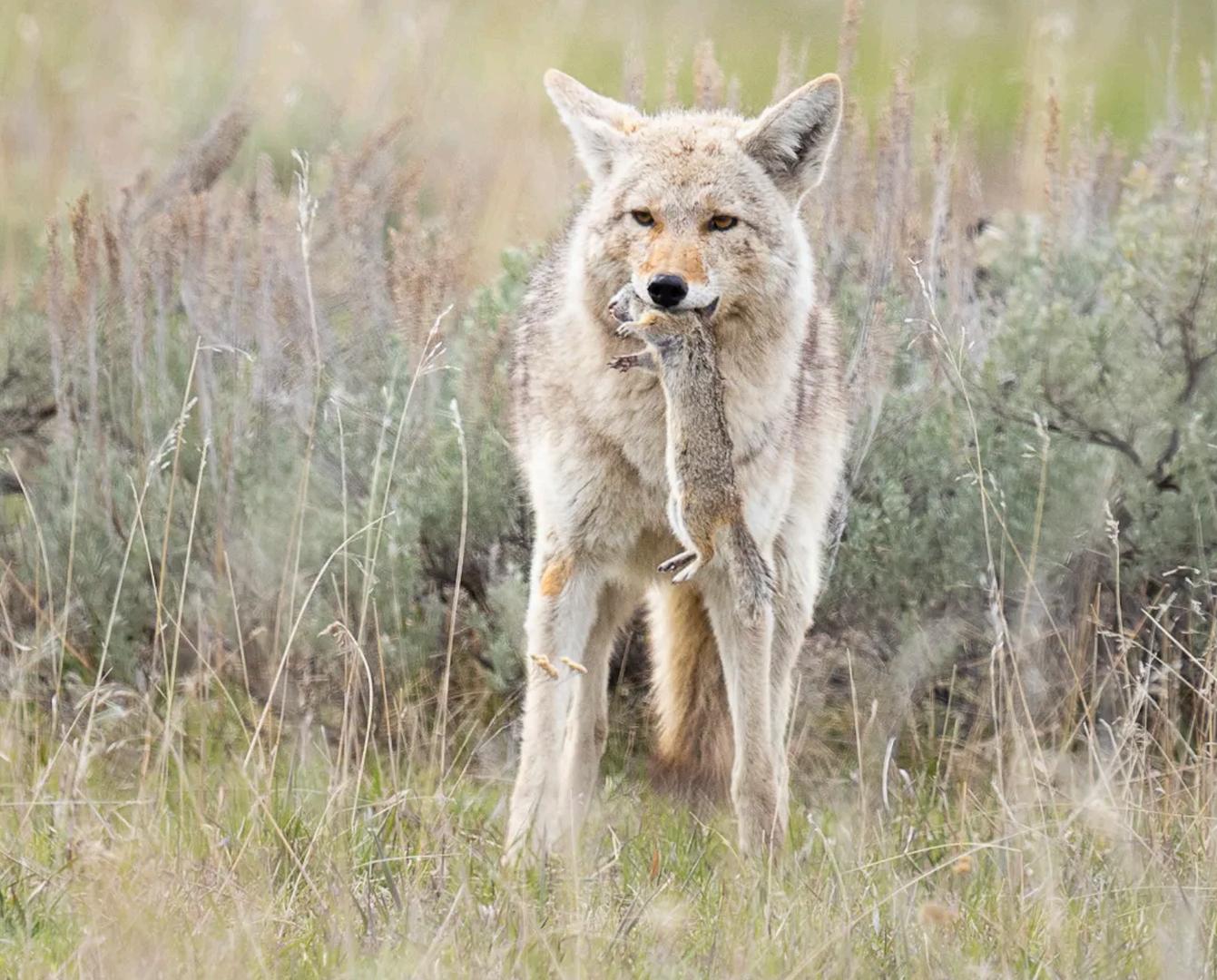
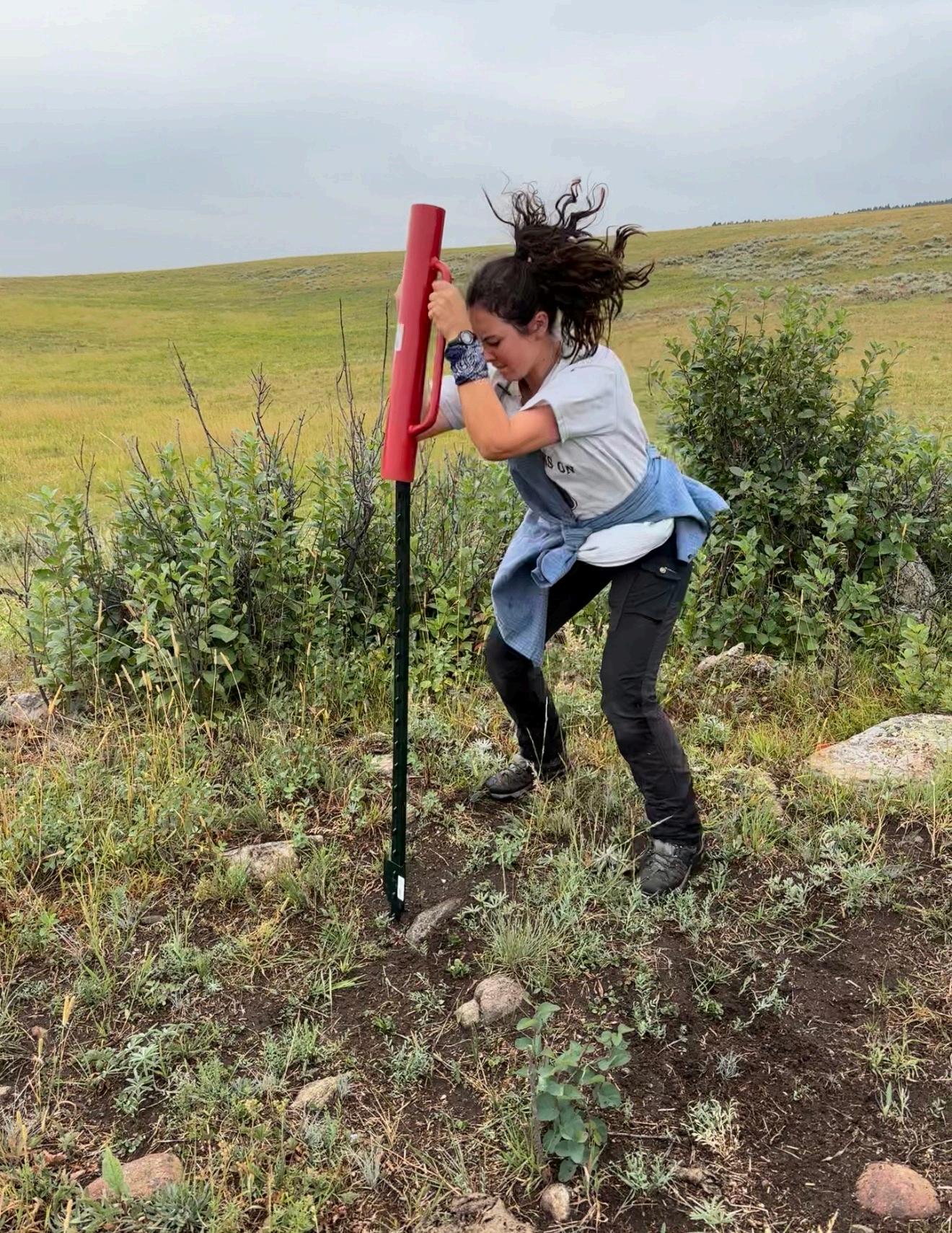
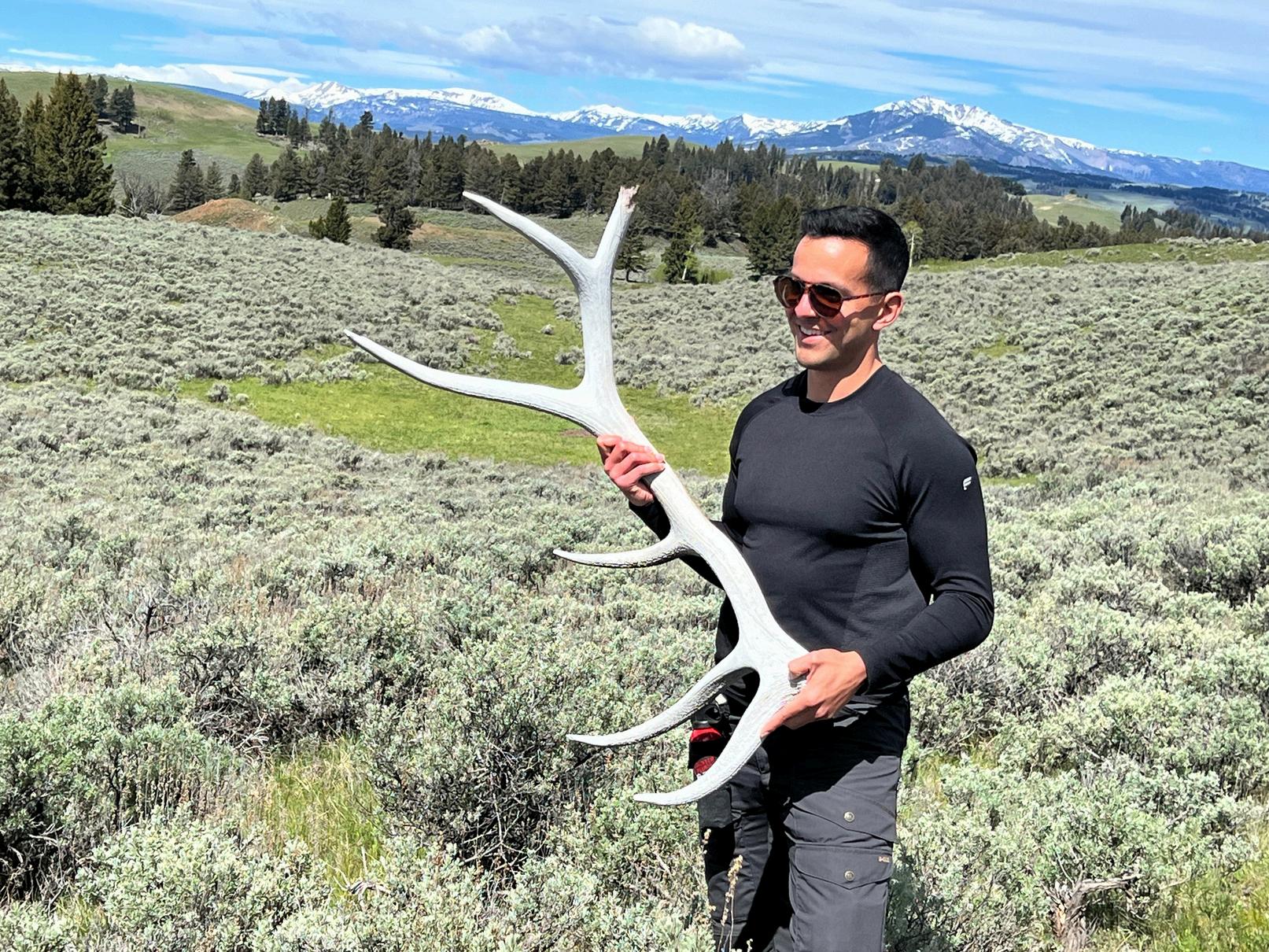
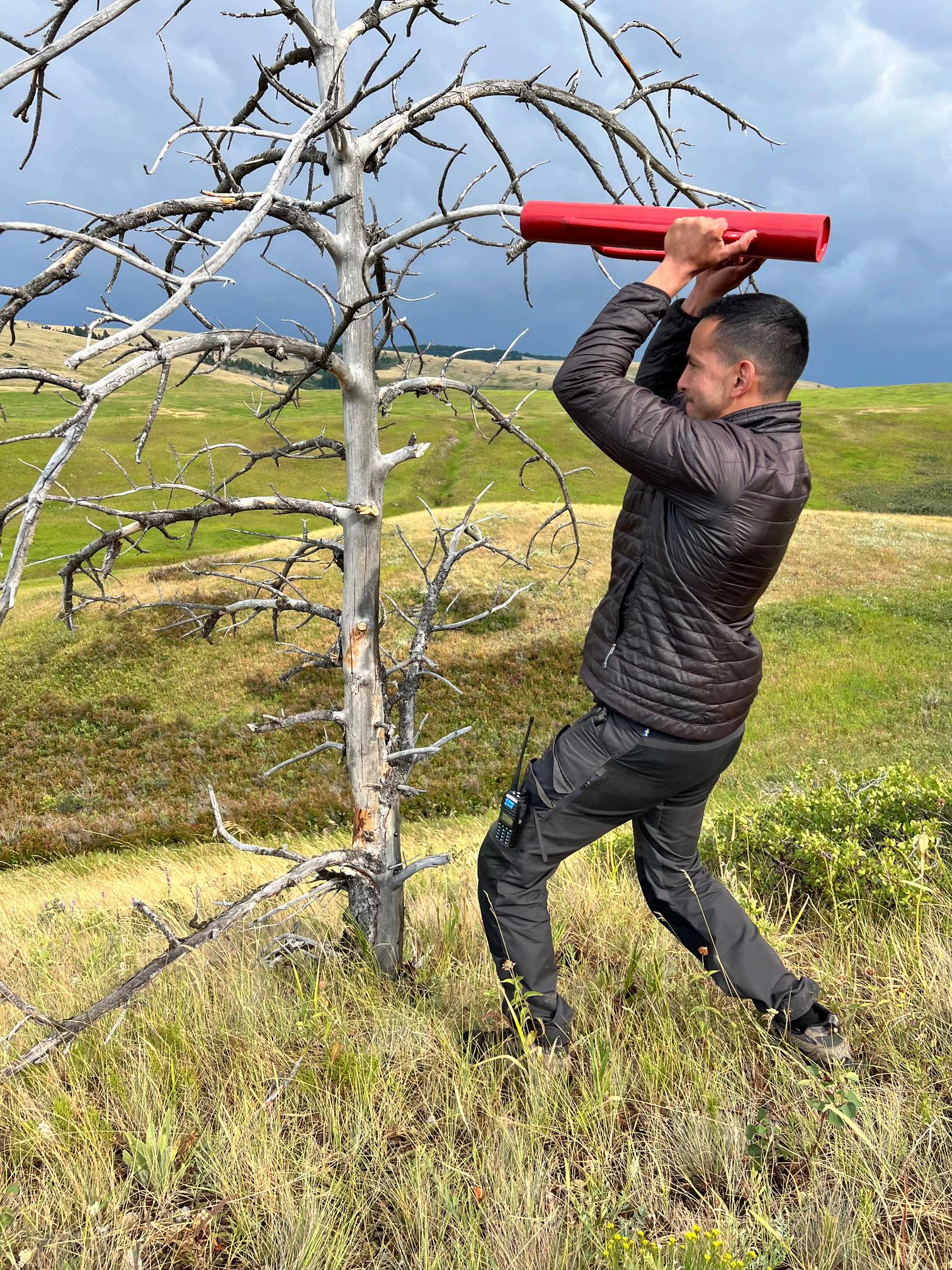
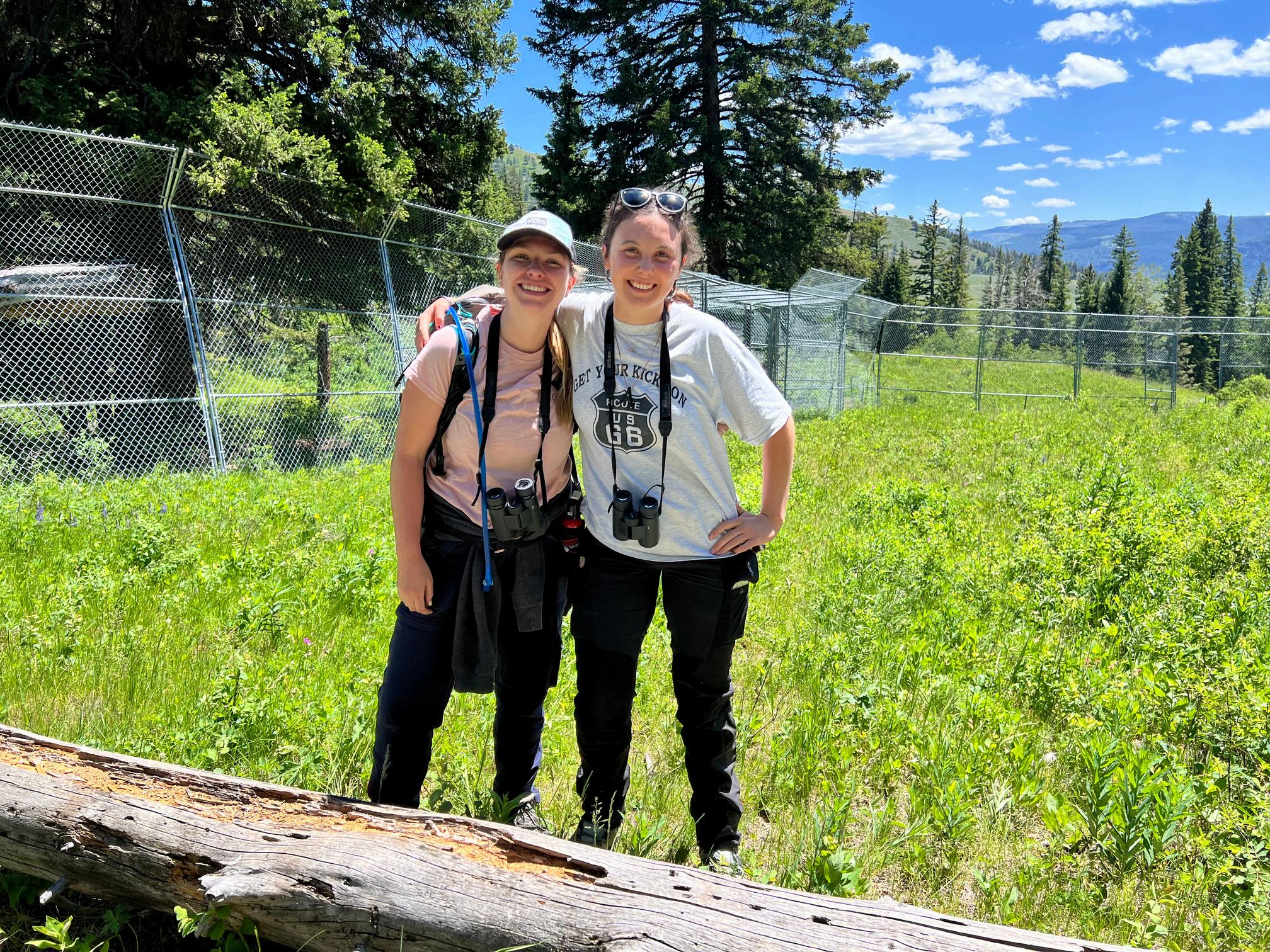
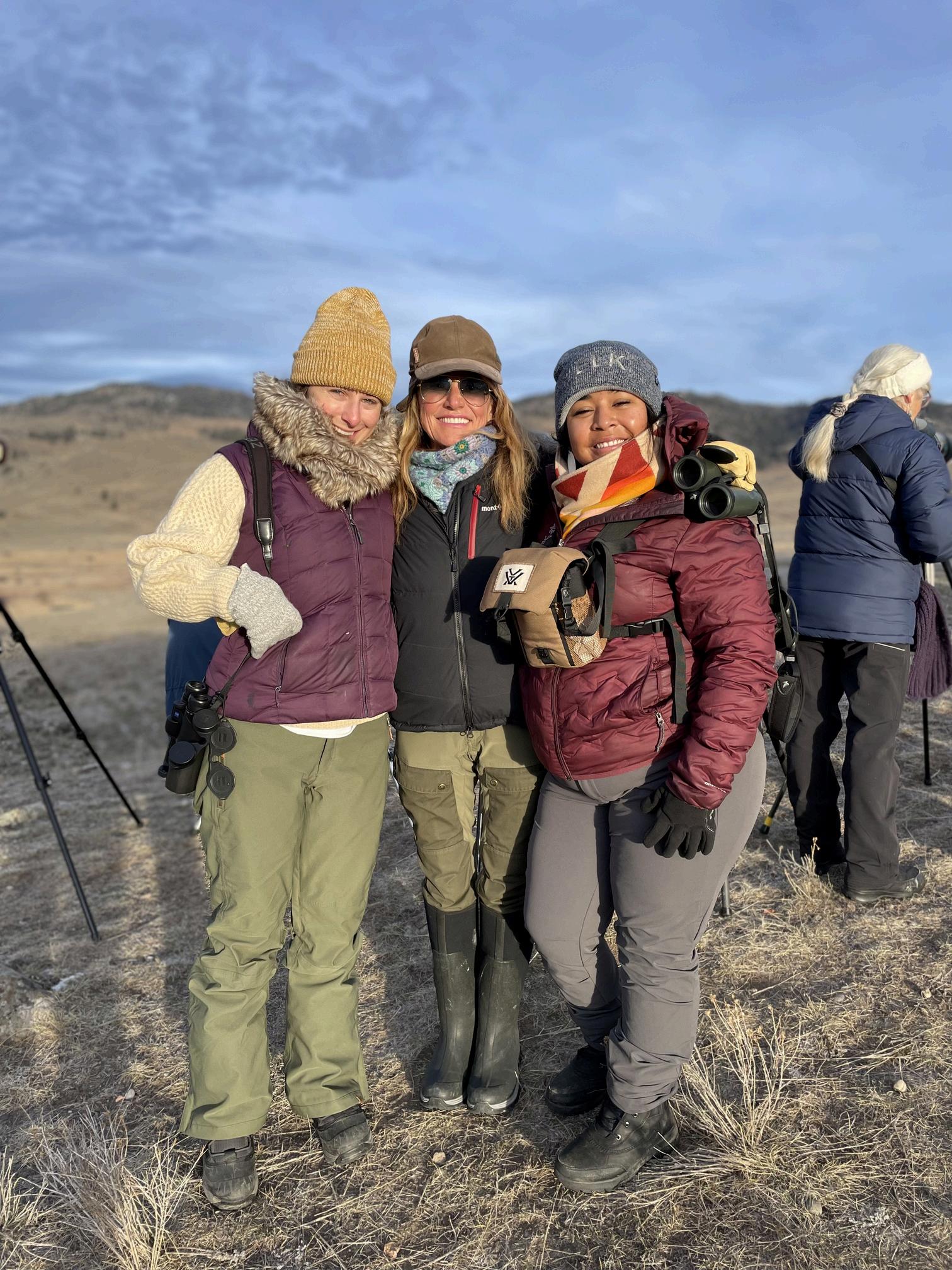
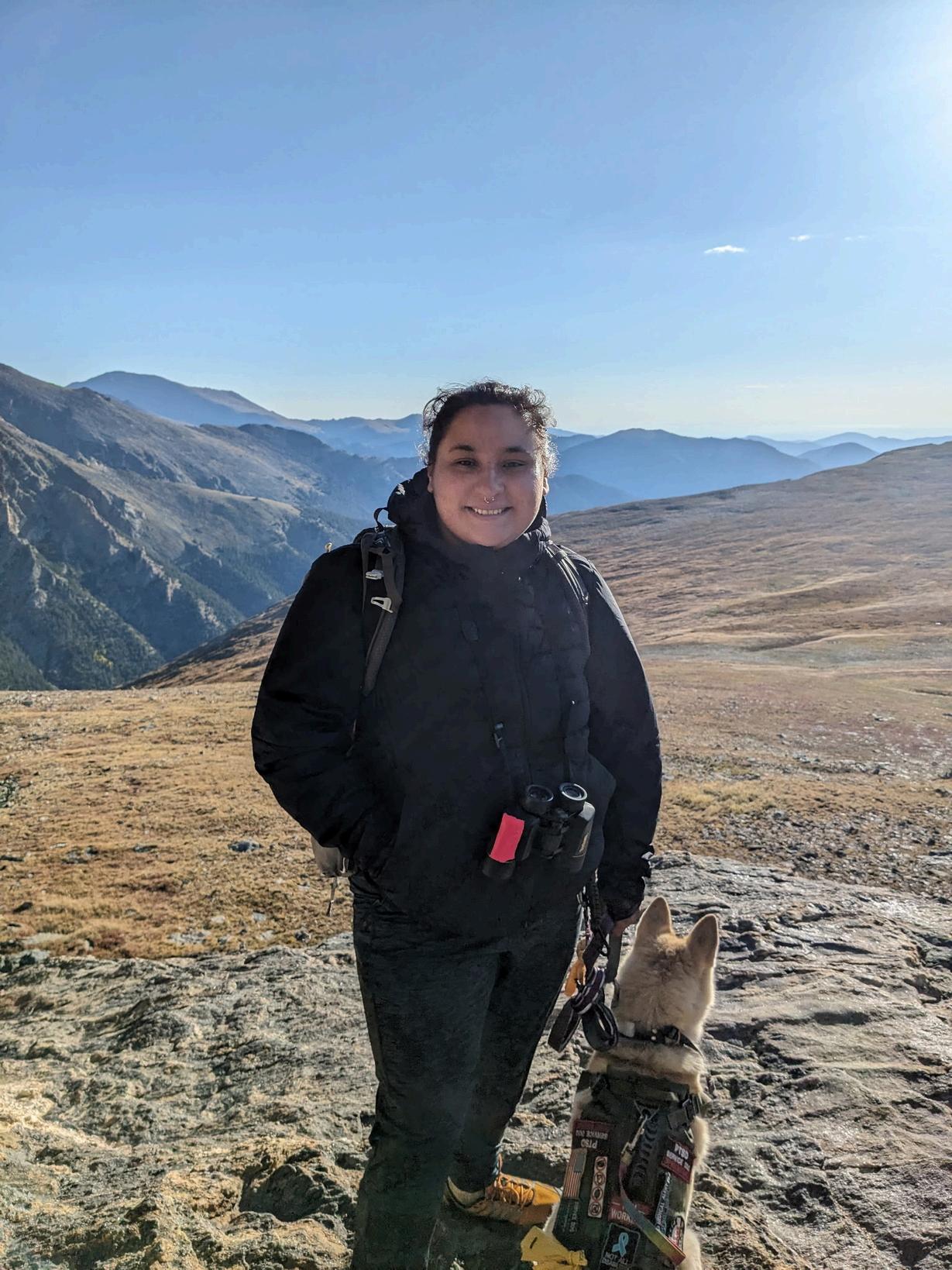
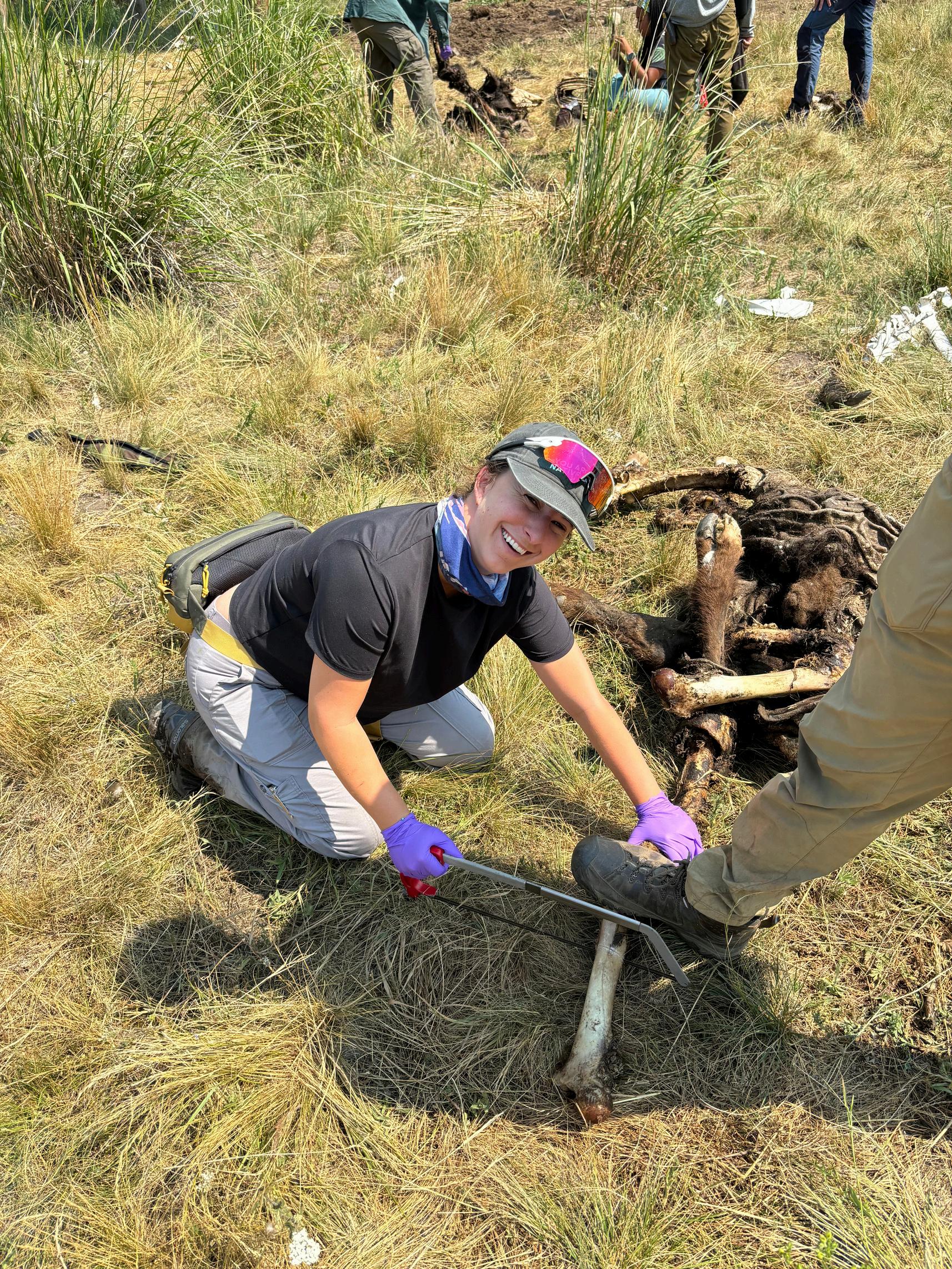
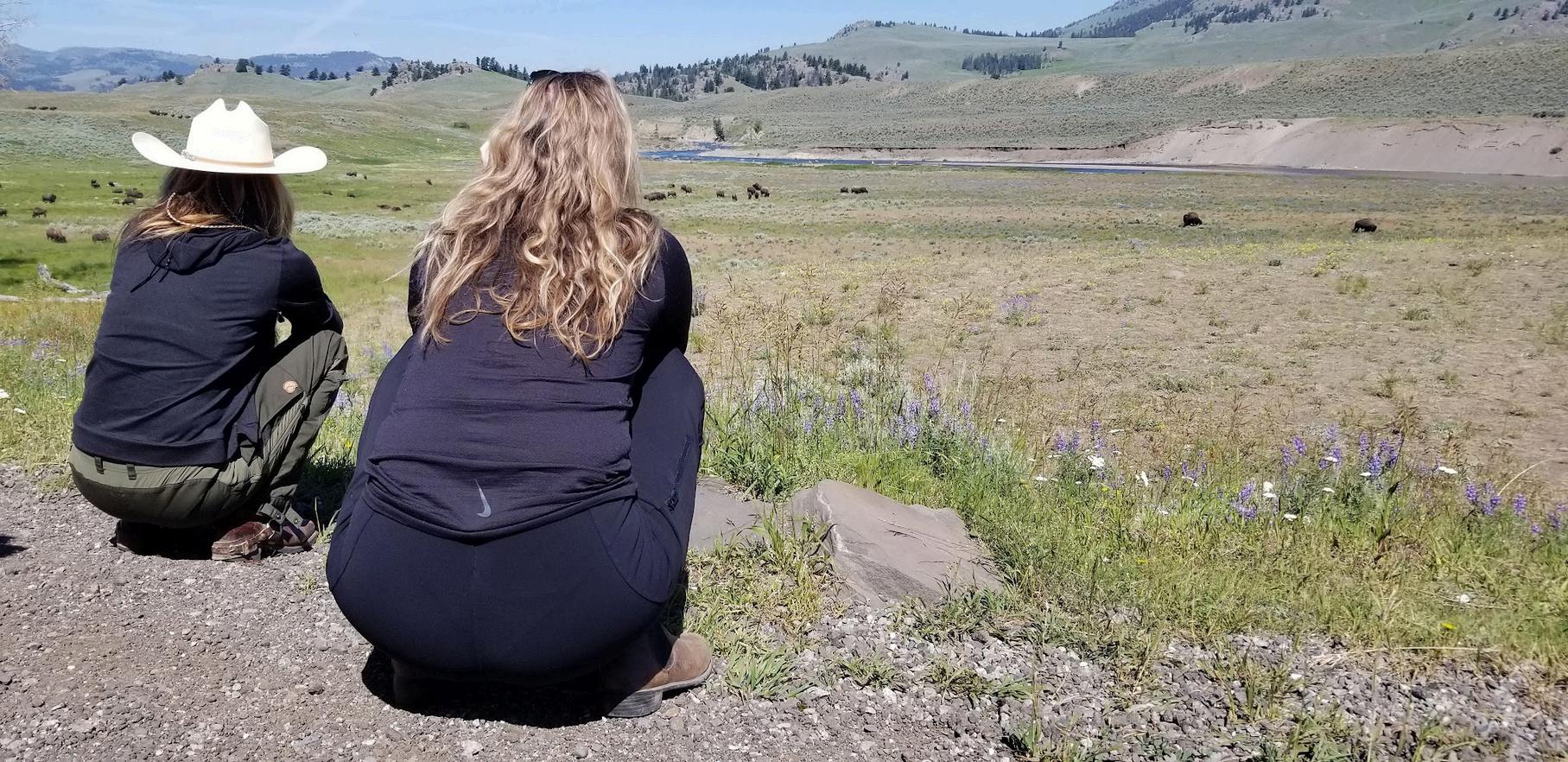
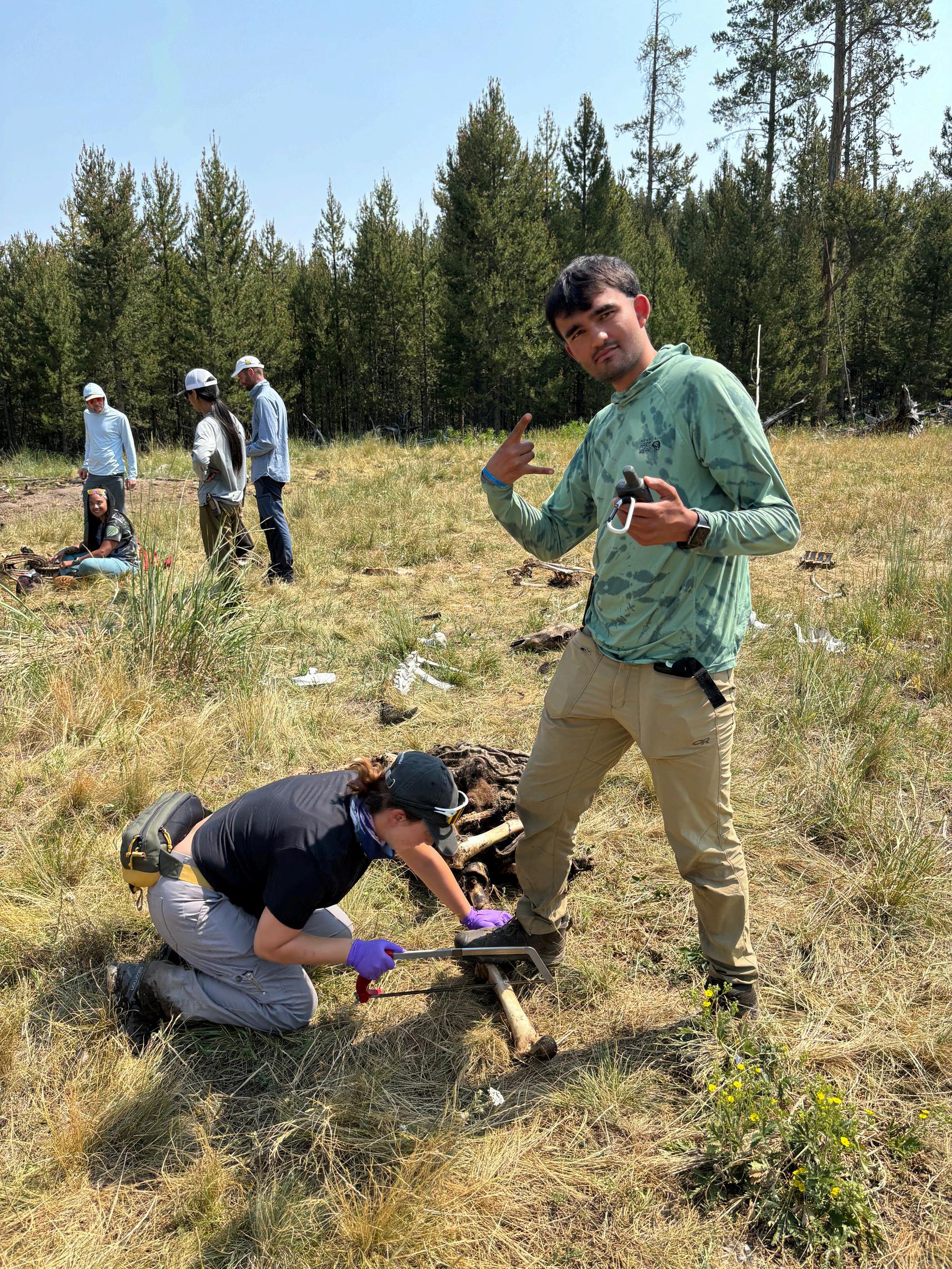
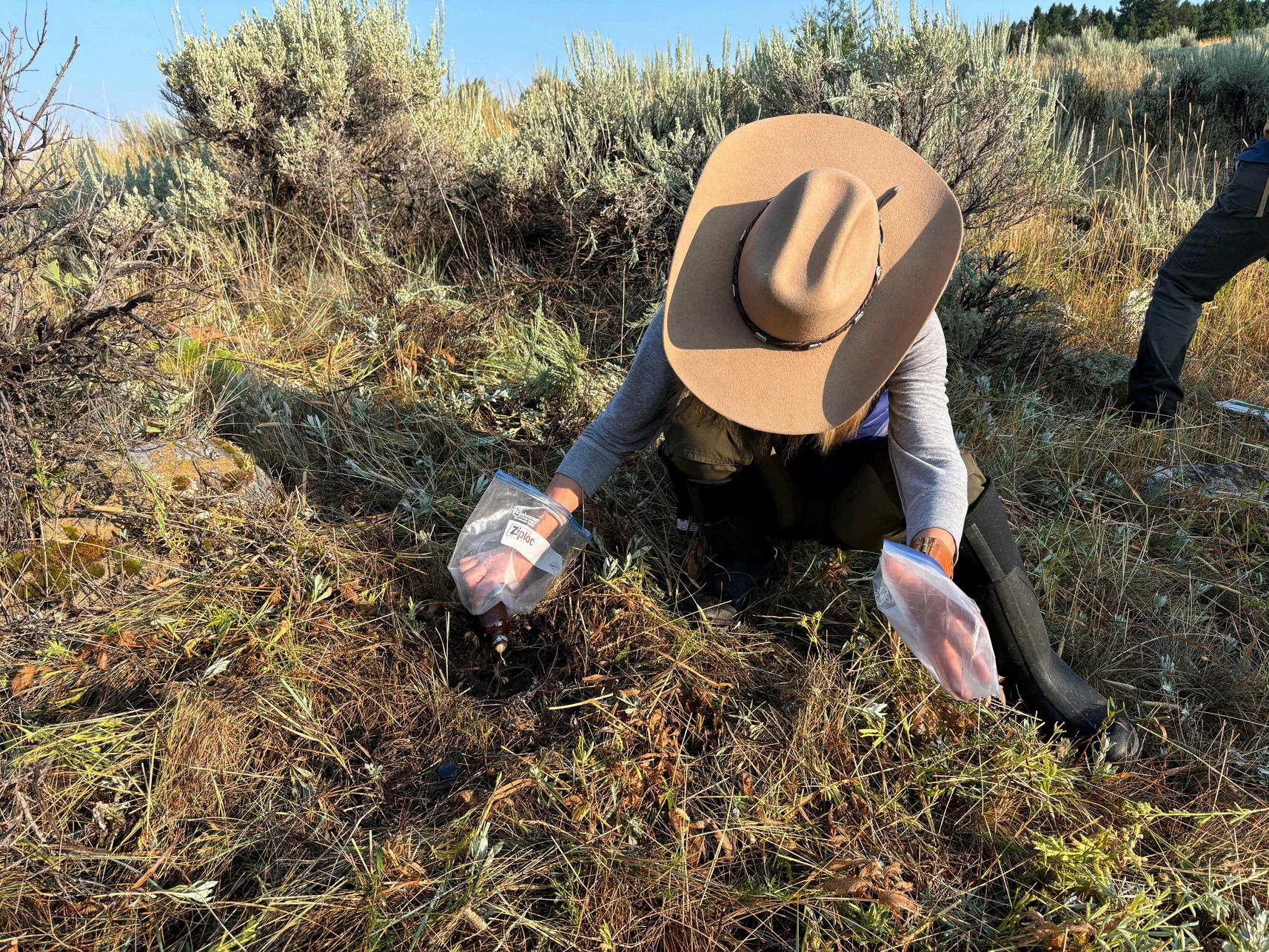
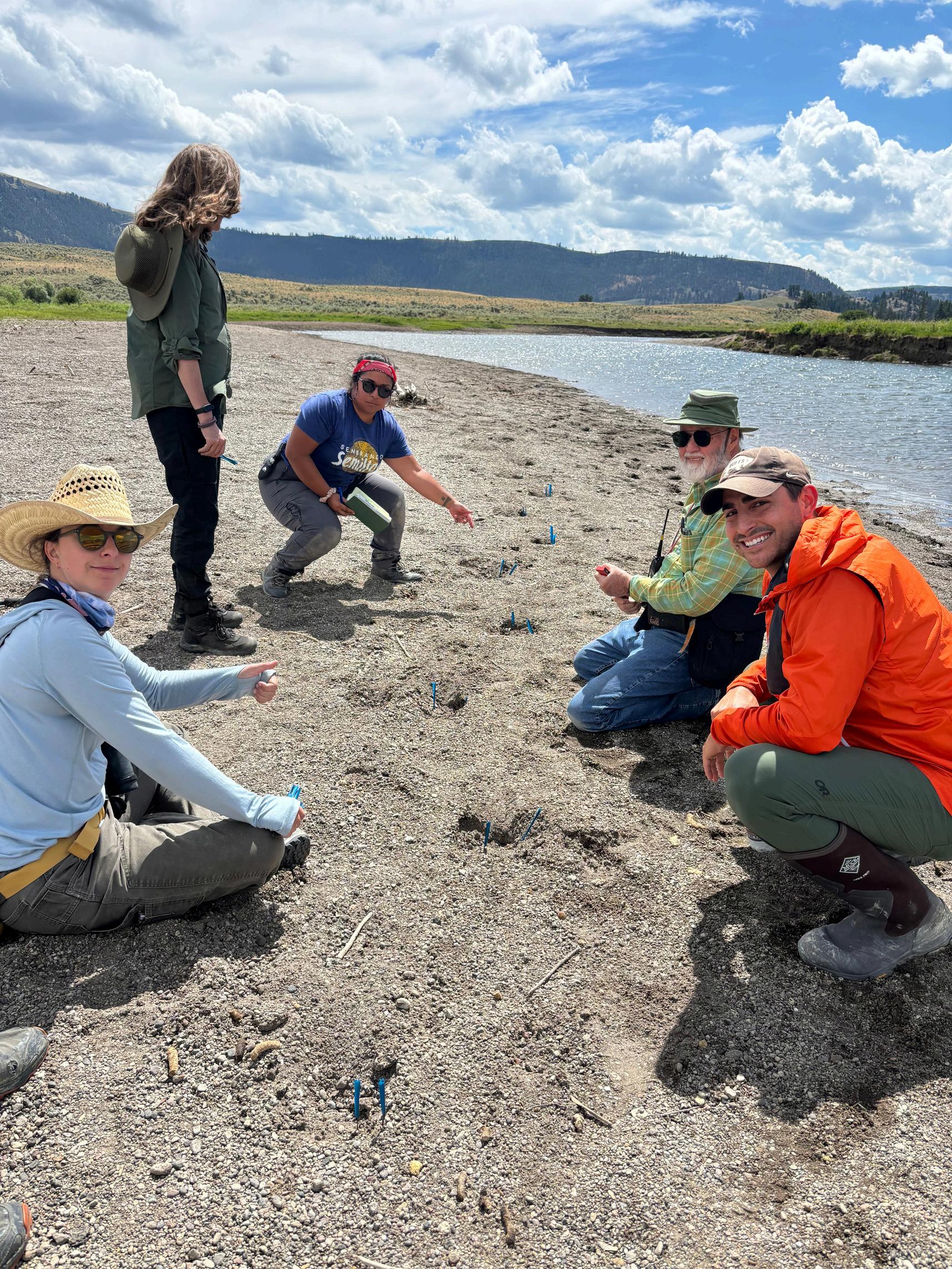
Clockwise from top left: Emily Golden-Beam cutting femur bone of wolf-killed elk, Yellowstone Wolf Project field technician Jeremy SunderRaj overseeing (sort of) Emily’s work; Lambert lab learning tracking science; Joanna and former PhD student Britta Torgrimson watch wildlife behavior; Joanna using ziplock bags to collect scat sample, thereby demonstrating to students the value of being scrappy and making do when in the field
Sam Archibald
Matt Barnes
Joel Berger
George Bumann
Stewart Breck
Kira Cassidy
Rob Edward
Amanda Evans
Noah Fierer
Jim Halfpenny
Brian Hare
Bob Landis
Rob Losey
Rick McIntyre
Brett Melbourne
Lynne Mento
Matt Metz
George (PJ) Perry
Mike Phillips
Holly Pippel
Governor Jared Polis
Taylor Rabe
Jeff Reed
Tricia Reilly
Katie Roloson
Chris Schell
Pat Shipman
Gary Skiba
Doug Smith
Dan Stahler
Jeremy SundeRaj
Joshua Theureur
Linda Thurston
Courtney Vail
Nathan Varley
Eric Washburn
Boulder Open Space
Colossal BioSciences
Colorado State University
Colorado Wolf & Wildlife Rescue
Conservation Nation
Cry Wolf Project
CU Environmental Studies
Denver Museum of Science & Nature
Duke University Canine Cognition Lab
Jefferson County Open Space
Lamar Buffalo Ranch
National Park Service
Pennsylvania State University
Rocky Mountain Wolf Project
Save The Elephants
Cry Wolf Project
Turner Fund For Endangered Species
United States Department of Agriculture
University of California - Berkeley
University of Colorado - Boulder
Yellowstone Center For Resources
Yellowstone Forever
Yellowstone Wolf Project
Volunteers
Clifford Adamchak
Anna Bajaj
Parks Barroso
Evie Benger
Tucker Coons
Julia (JJ) Davis
Thomas (Auggie) Dunne
Jonathan Farr
Cameron (Brody) Guisness
John (Alden) Harris
Jennifer James
Tatum Jentgen
Claire Lewis
Anna Marshall
Rachel Martino
Victoria Mathias
Summer Merrell
Alisa Minjarez
Luke Outman
Michaela Perez
Justin Rapp
Benni Saladino
Abby Schmidt
Jenna Scheithauer
Zachary Schwartz
Emily Suarez
Ava Teller
Dawn - your generosity has transformed more than a research program it has expanded the very scale of what feels possible to me. Because of your support, our work now reaches further into the scientific community and public imagination. You have made it possible to train and inspire students, to communicate science in meaningful and accessible ways, and to pursue questions that truly matter.
On a personal level, your belief in this work has profoundly changed my life—it has given me the freedom to dream bigger, to lead with purpose, and to build something that extends well beyond myself. I will be forever grateful for your vision and your trust in me.
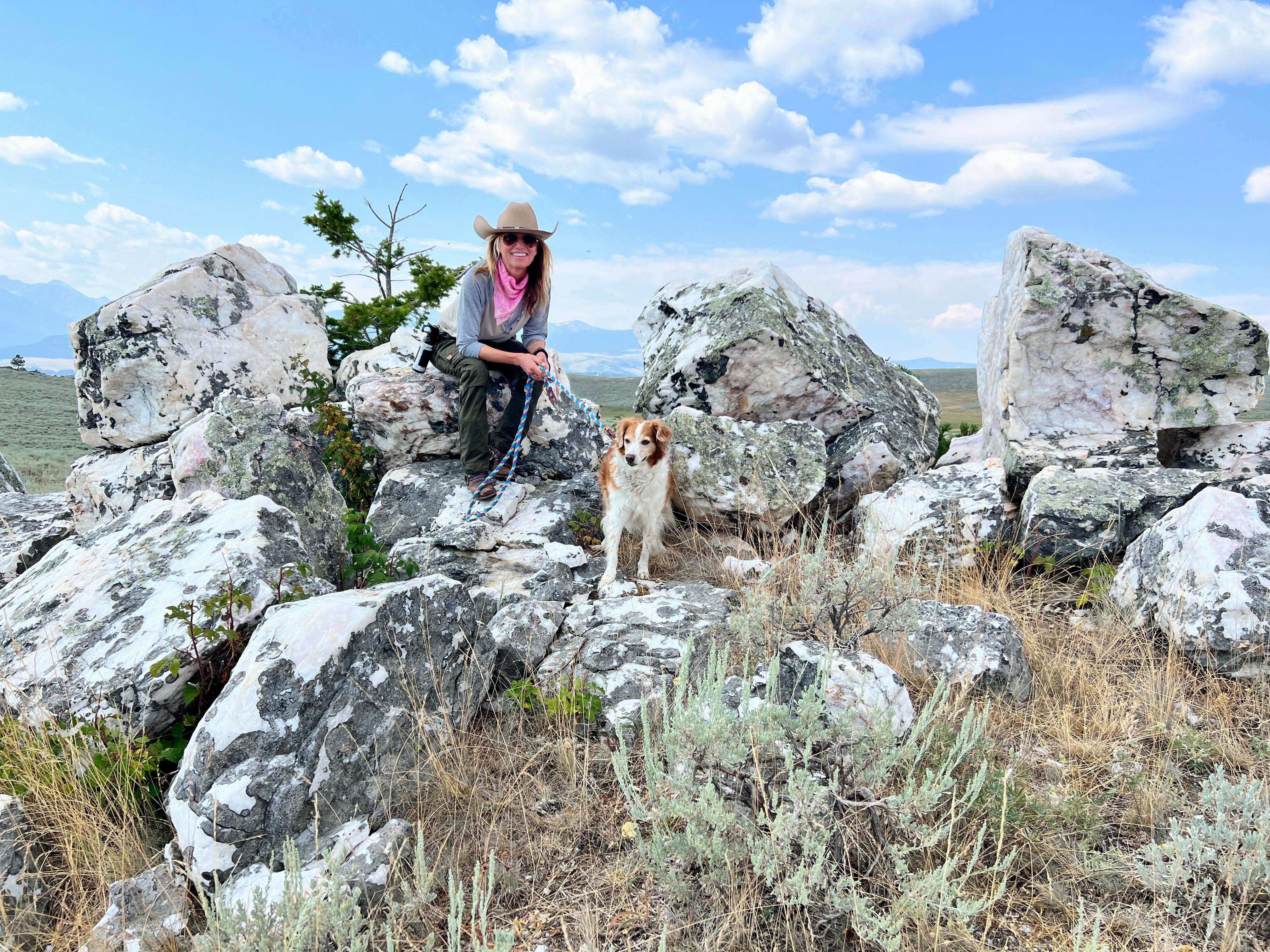
To the right: Joanna and her beloved dog, Firefly, take a break after a day of setting up experiments on theTurner Flying D Ranch, western Montana, 2024
© Joanna E. Lambertt 2026