PORTFOLIO
Brianna Reese Interior Design
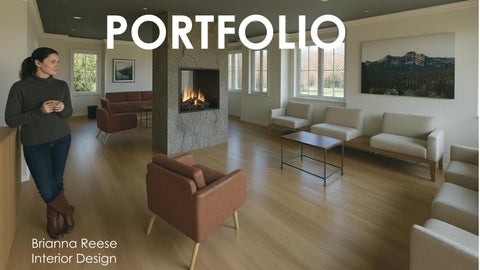
Brianna Reese Interior Design



Joliet Junior College
August 2022- May 2023
Summer Coursework June 2024- July 2024
Overall GPA 3.0
• Achievement Honors Scholarship
• Academic Honors Scholarship
Savannah College of Art and Design
2023- Present
Interior Design Organization
Savannah College of Art and Design
2023- Present
International Interior Design Association
2024- Present Software
Savannnah College of Art and Design
Savannah. GA
Anticipated B.F.A Degree - Interior Design
Minor - Furniture Design
Graduation Date - Winter 2027
Overall GPA 3.2
• InDesign
• Revit
• AutoCAD
• Sketchup
• Illustrator
• Mirosoft excel
• Critical Thinking
• Research
• Organization
• Collaboration
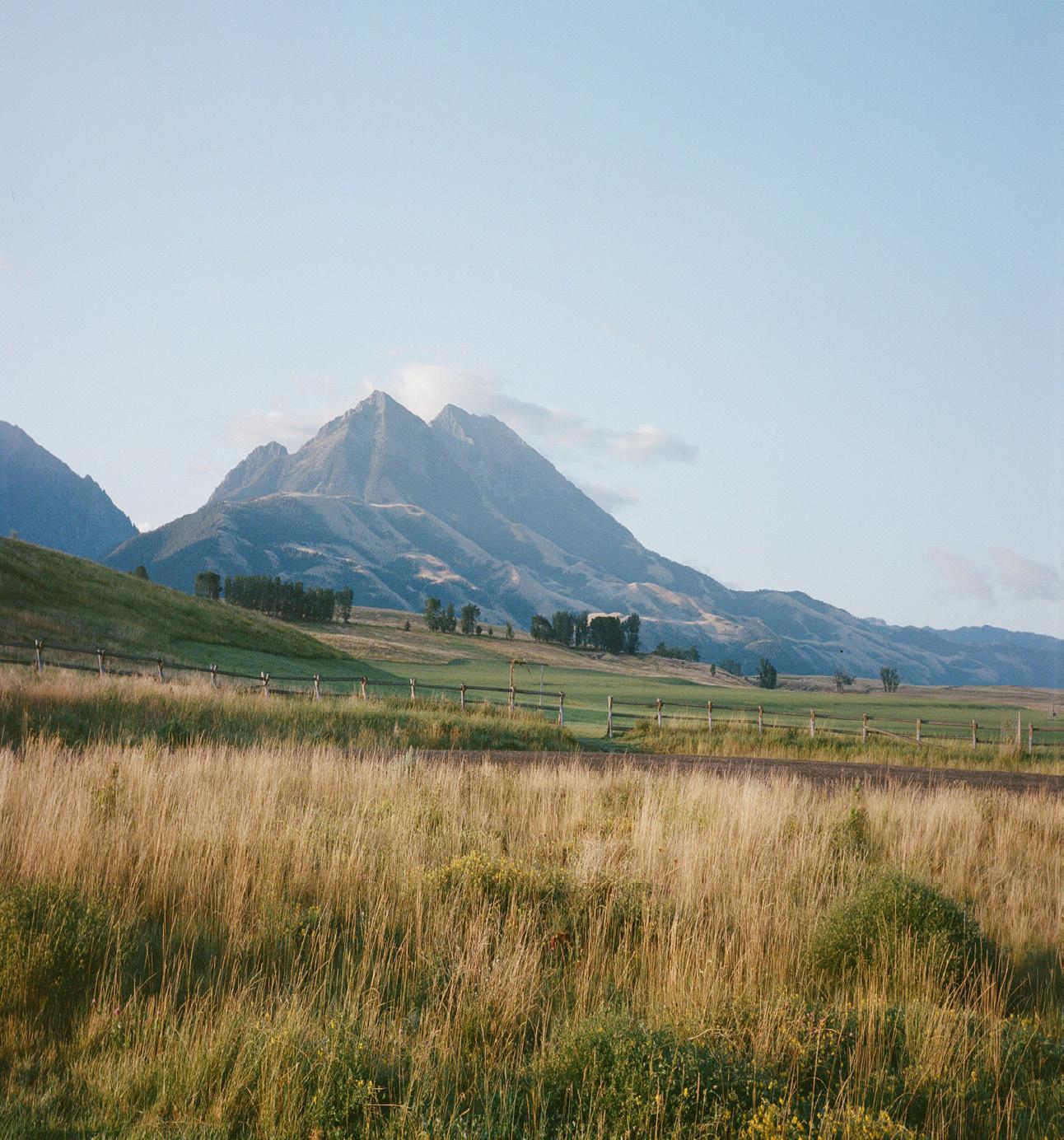
This rural Montana clinic reflects the strength of the community it serves. Designed to be both welcoming and efficient, the spaces balance openness with privacy, ensuring dignity and trust in every interaction. Drawing inspiration from the region’s history of resilience and self-reliance, the clinic creates a place where patients, staff, and caregivers feel supported. Like the land itself, the design remains steady and dependable, reinforcing health as a shared foundation of rural life
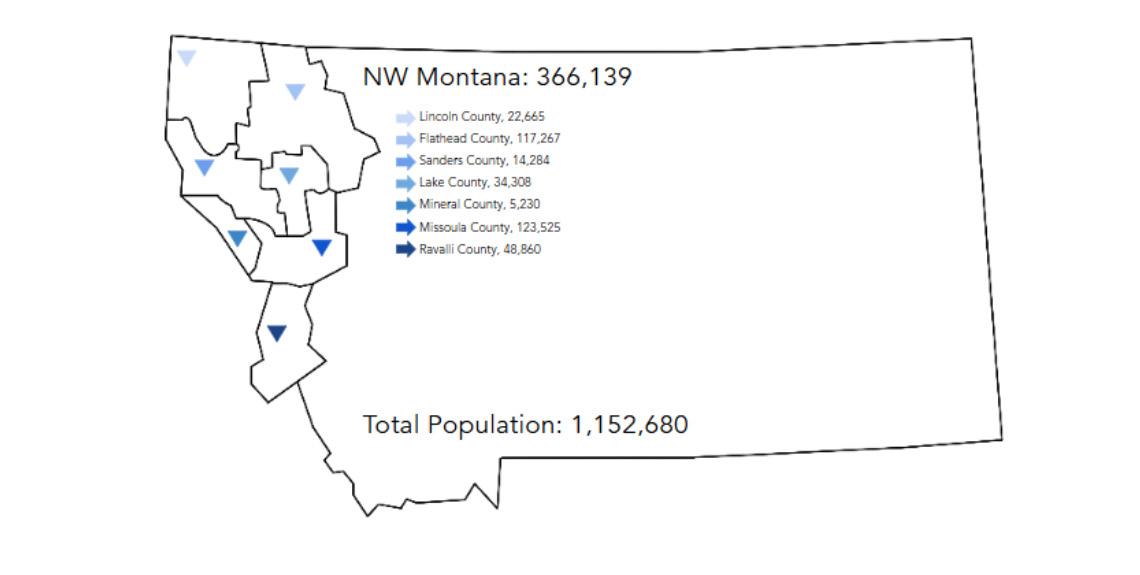
The Clinic is located in Northwest, Montana and features a new concept, logo, and 11,000 SF of newly designed space

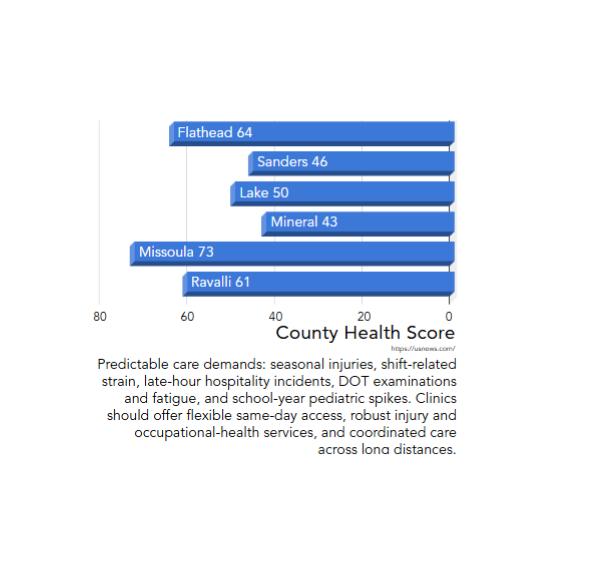
• Local rural residents (families, children, elderly patients)
• Visitors/tourists needing urgent primary care
• Caregivers and family members accompanying patients
• Public health nurses and outreach workers
• Telehealth patients using remote consultation rooms
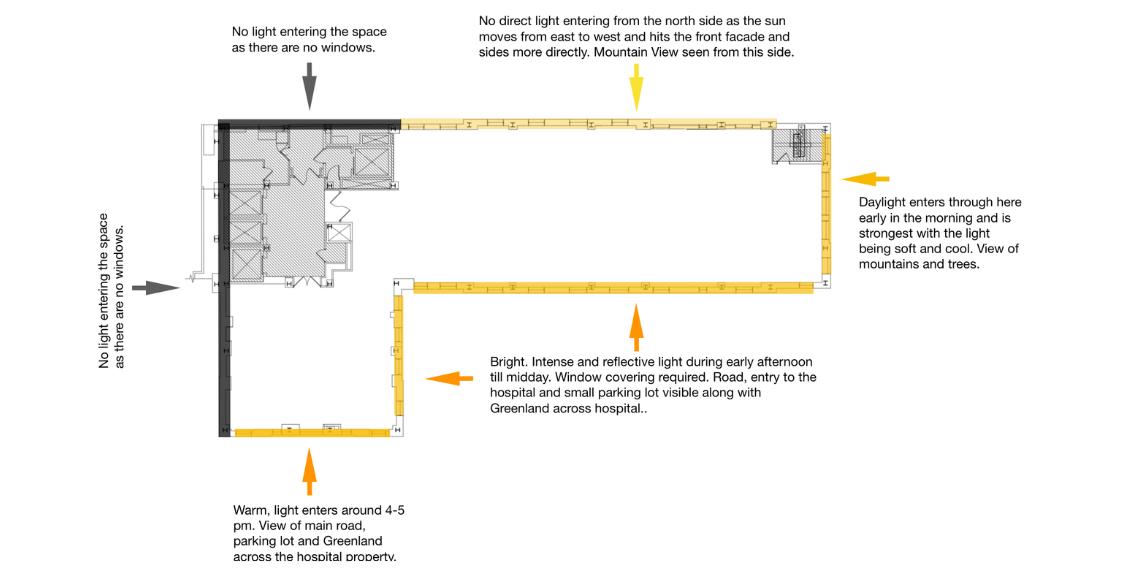
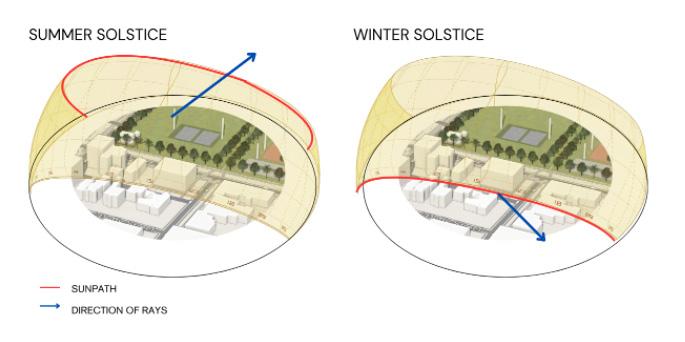
The sun analysis shows that morning light enters from the east, providing softer, cooler illumination with longer shadows at opening hours. Midday light from the southeast delivers the strongest and most direct daylight into the building, creating bright interior conditions and shorter shadows, while late afternoon southwest exposure introduces warmer but harsher light with limited impact on the west façade due to minimal window openings.
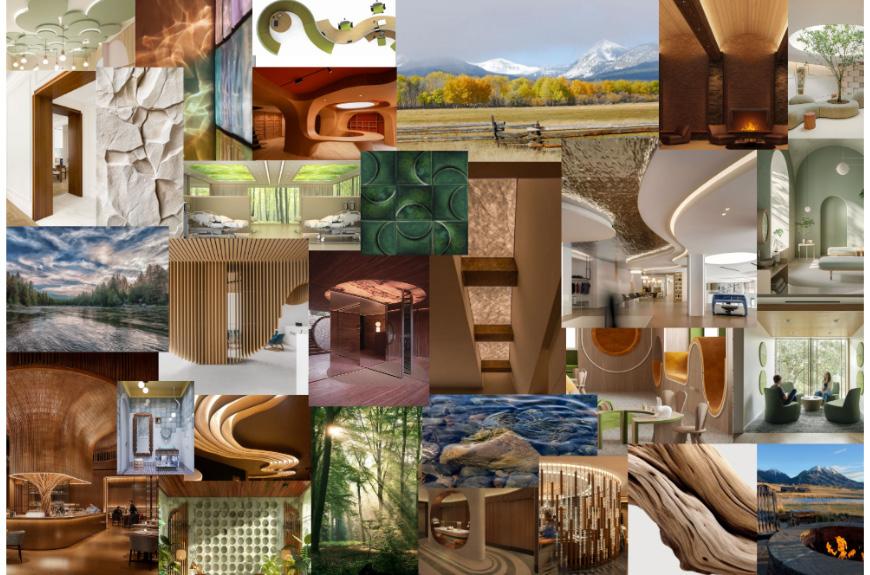

Drawn from tree rings, flowing forms, and the warmth of raw materials, the design nurtures renewal through light, texture, and movement. Earth tones, soft greens, and rich wood grains evoke balance and calm, grounding patients and staff in a sense of familiarity and peace. Sunlight filters gently through layered surfaces, creating moments of reflection, connection, and quiet healing. Every space unfolds organically into the next—balancing privacy with openness and comfort with purposeful function. Rooted in care and attuned to nature’s rhythm, the environment becomes a sanctuary of restoration—alive, breathing, and designed to make every visitor feel at home.
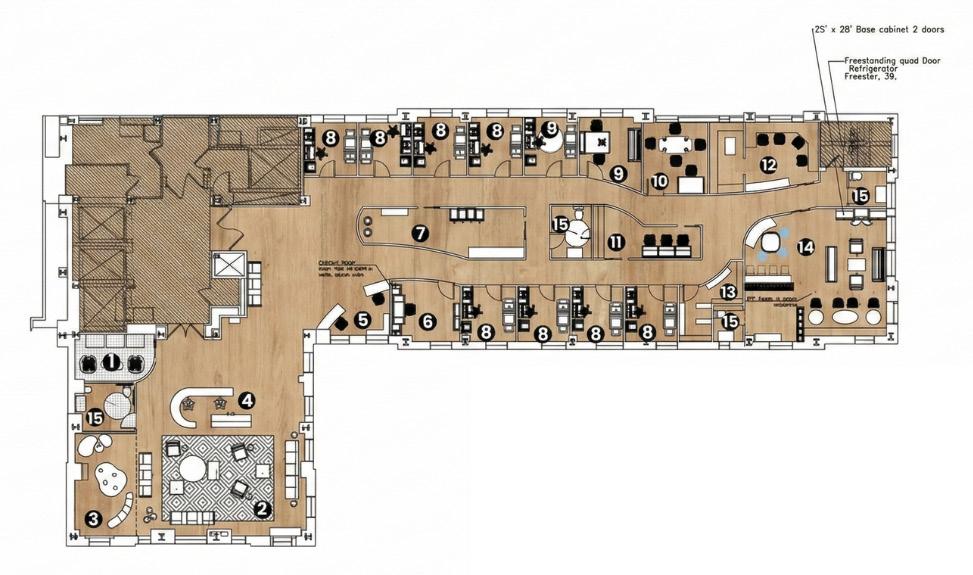
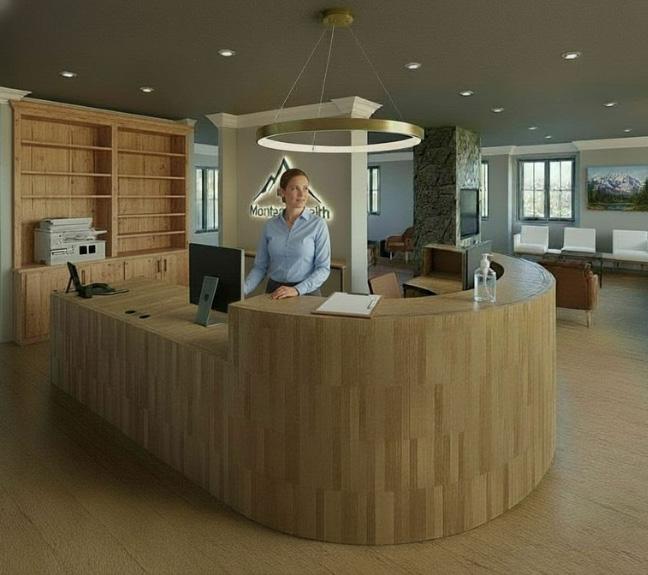
The reception area serves as the primary touchpoint where patients first experience the calming, grounded atmosphere of the Northwest Health clinic. Local materials and organic textures help pull users into a healing environment rooted in the Montana landscape.
The cabinetry and check-in desk utilize a light, warm wood grain that reflects the timber-rich landscape of the Northwest. These materials avoid a sterile clinical feel, creating a space that feels residential and comforting.
The check-in counter features a sweeping, curved wood facade that mirrors the organic flow of Montana’s riverbeds. This asymmetric form guides the eye toward the "Check In" station (4) while softening the transition from the entry to the waiting area.
A vertical pillar finished in rugged, grey stacked stone imitates the rocky outcrops of the local mountain ranges. This tactile element provides a sense of permanence and strength, contrasting with the soft lighting and warm wood tones.

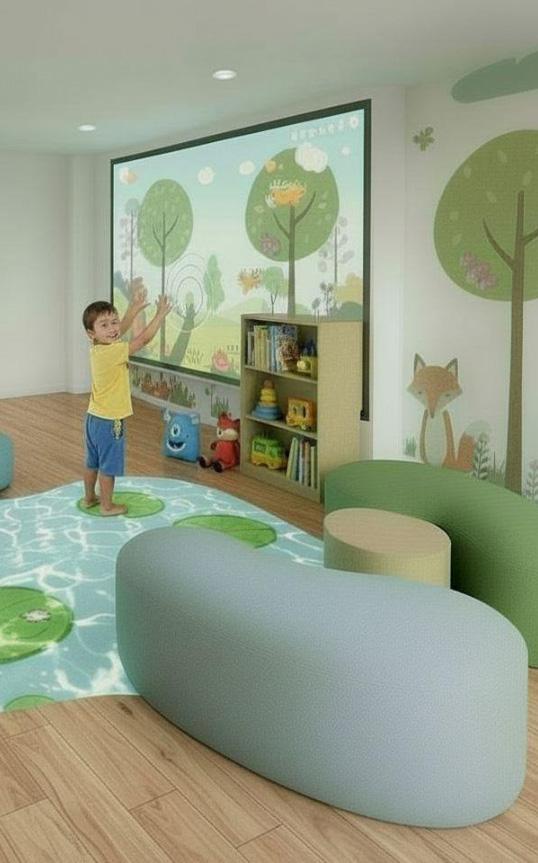
The play area is designed to engage younger patients with the natural beauty of the Northwest, providing a stimulating yet calming environment while they wait.
The large-scale digital screen features interactive forest scenes with native Montana wildlife, such as foxes and owls. This visual element provides a high-tech distraction that reduces patient anxiety through immersive storytelling.
The walls are adorned with simplified tree and animal illustrations that mirror the local flora and fauna. These graphics create a cohesive woodland narrative that transforms the clinical space into an approachable, outdoor-inspired environment.
Rich wood-toned slats provide a transparent boundary between the play area and the main waiting room. This architectural detail references the local timber industry and adds acoustical support to help dampen noise between the active play zone and the quiet seating areas.

The exam room is designed to provide a secure and comforting environment that balances clinical efficiency with a warm, Northwest-inspired aesthetic. This space prioritizes patient comfort during consultations and physical examinations.
The ceiling features a suspended wood-slat cloud that provides a sense of enclosure and warmth to the patient seated below. This architectural element offers a natural focal point that breaks up the clinical feel of the room while contributing to a quieter, more intimate acoustic environment.
The storage and workspace areas feature high-quality wood finishes that echo the local timber industry. This integration ensures that necessary medical equipment and supplies are housed within a sophisticated, built-in system that feels like a natural part of the room’s architecture.
The wood-toned cabinetry and work surfaces utilize non-porous coatings that mimic the look of local timber while resisting moisture. These surfaces, along with the resilient wood-grain flooring, allow for frequent disinfection with medical-grade cleaners, ensuring the space remains sanitary without compromising the mountain aesthetic.
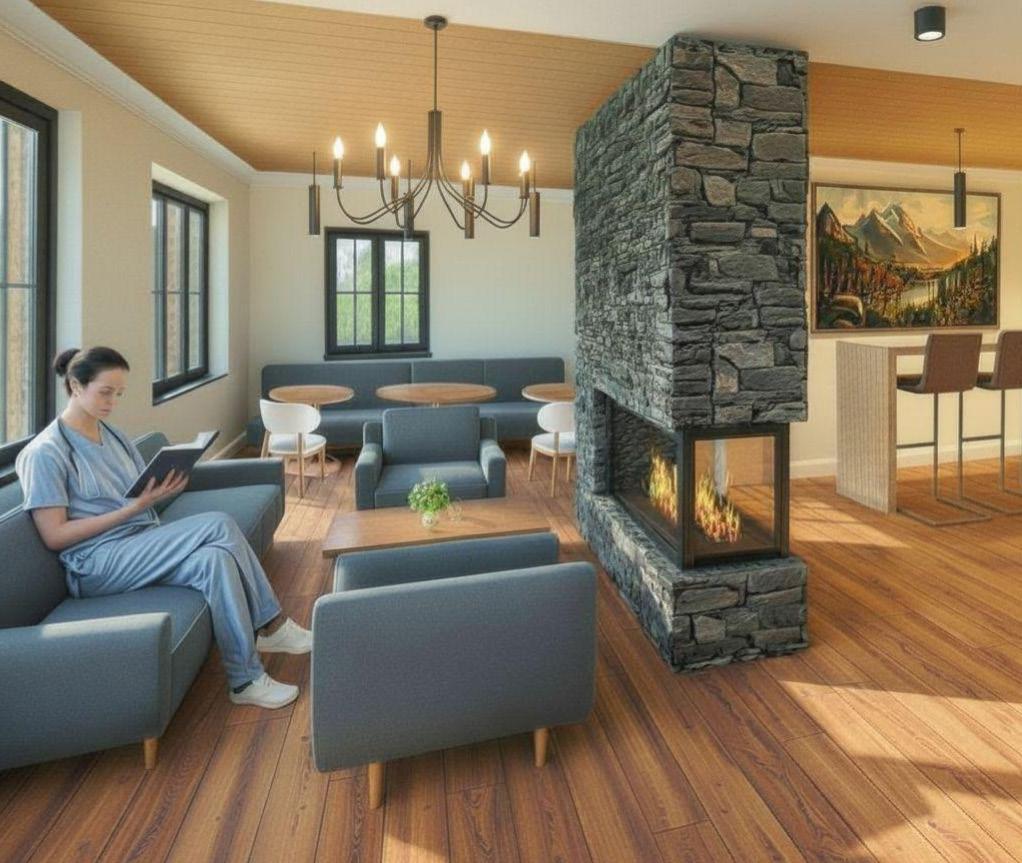
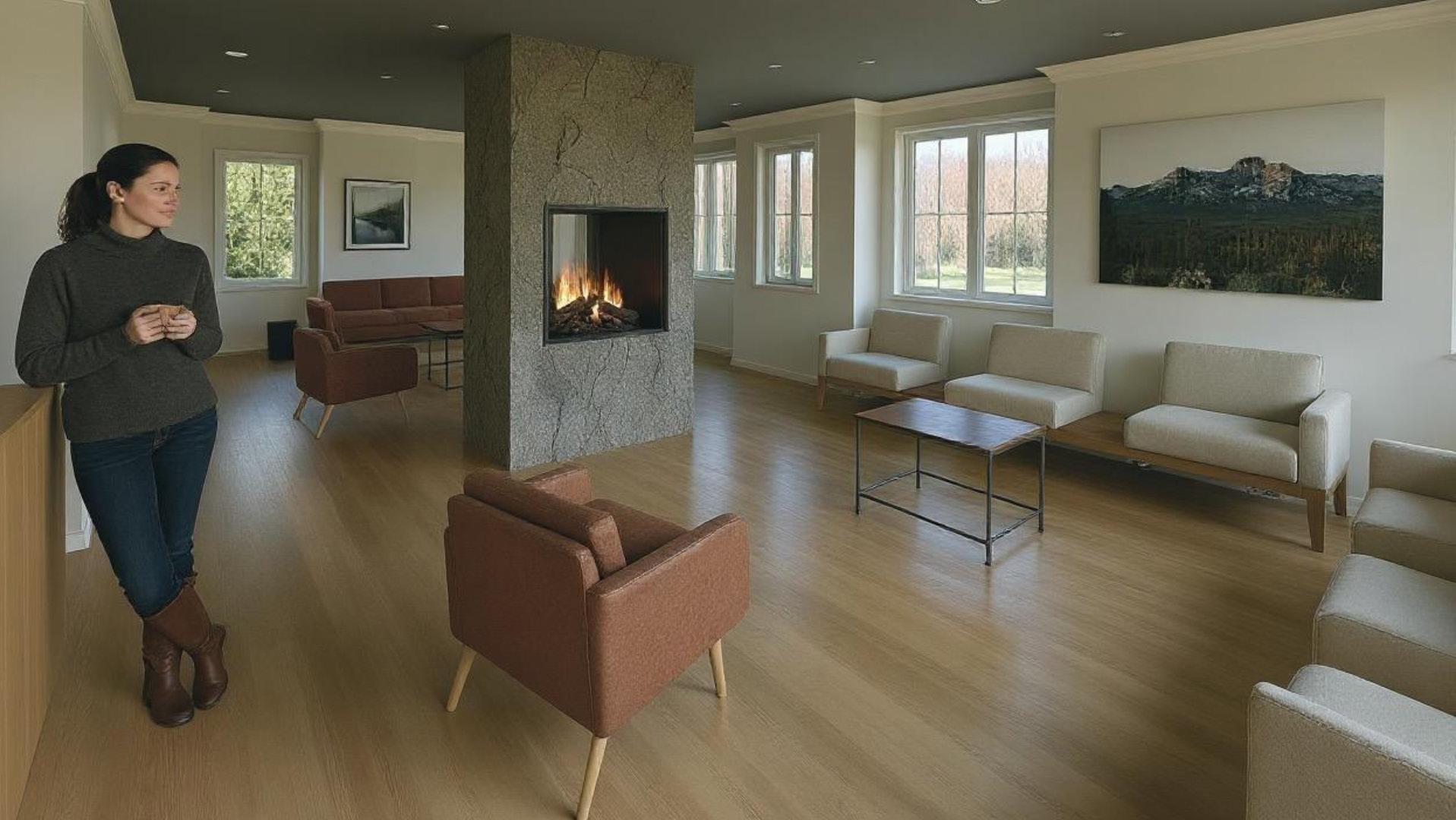
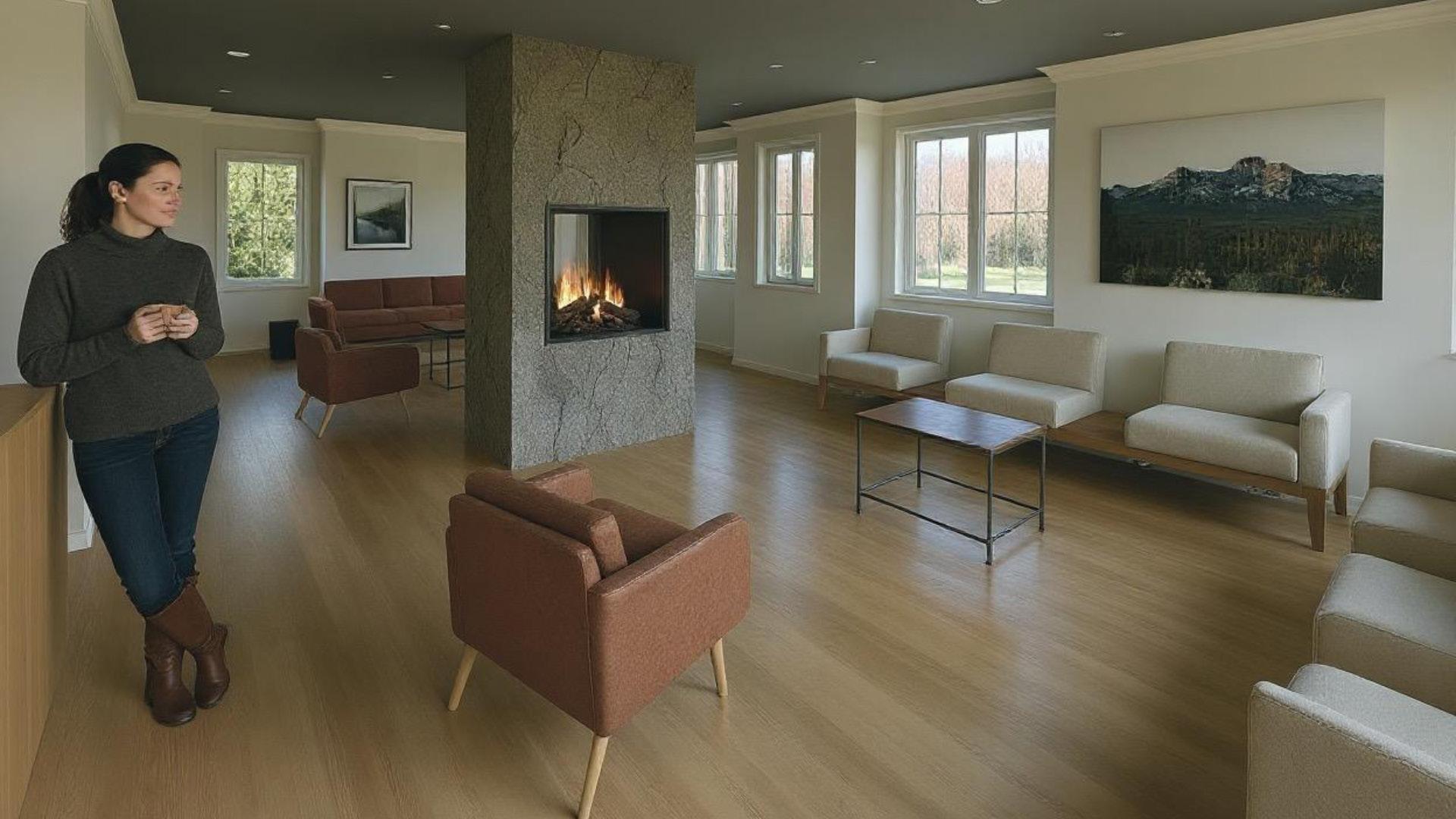
The staff lounge is designed as a restorative retreat for physicians, offering a domestic and comforting atmosphere that provides a necessary mental break from the clinical environment.
The focal point of the lounge is a large, double-sided fireplace finished in rugged, grey stacked stone that reflects the rocky terrain of the Northwest. This feature provides physical warmth and a calming visual anchor, creating a cozy "hearth" for staff to gather around during their breaks.
The space features warm wood-plank ceilings and flooring that mimic the interior of a mountain lodge. This extensive use of timber establishes a residential feel and helps ground the room in its rural Montana setting while providing a soft, natural acoustic environment.
The lounge offers a variety of seating options, including soft-curved armchairs and deep sofas upholstered in calming blue tones. These organic forms and varied arrangements allow for both private moments of quiet reflection and more social interactions between coworkers.
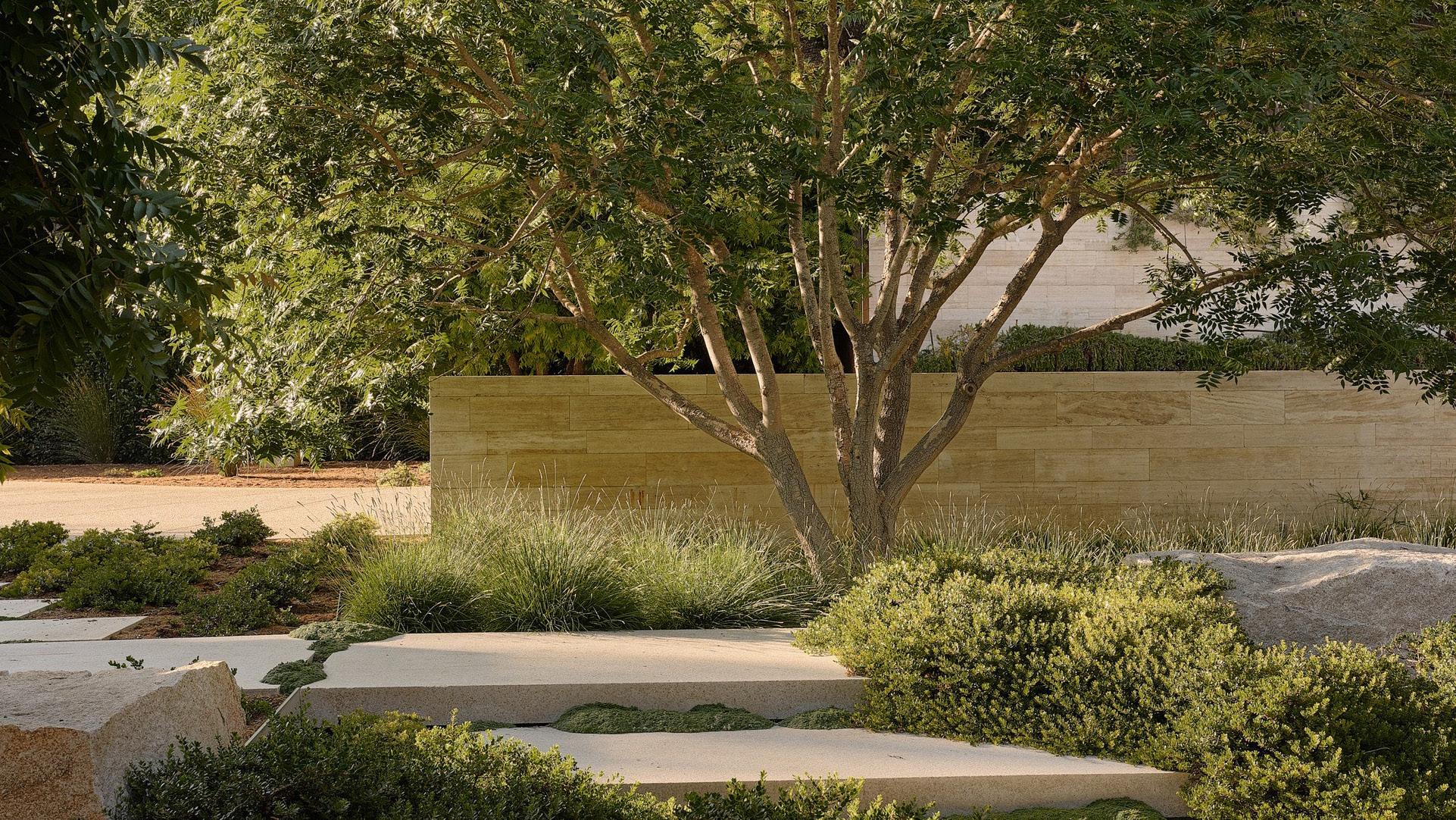
Maggie’s is a nonprofit cancer support charity, founded in 1996 following Maggie Keswick Jencks’ own experience with cancer. The organization is grounded in a simple but powerful belief: with the right support, no one should lose the joy of living in the fear of dying after a cancer diagnosis. This philosophy shapes every aspect of Maggie’s work, from the services they provide to the environments they create, placing human dignity, hope, and empowerment at the center of cancer care.
Maggie’s operates as a network of centers across the UK and internationally, offering free emotional, practical, and social support to anyone affected by cancer. Their approach recognizes that cancer extends beyond the individual, impacting families, friends, and carers as well. By eliminating barriers such as appointments or referrals, Maggie’s ensures immediate and compassionate access during moments of vulnerability, reinforcing their role as a constant and reliable presence in people’s lives.
Human-Centered
Focus on the whole person, not just the diagnosis.
Open-door policy with no referrals or appointments required.
Care extends to families, friends, and
Domestic scale, natural light, gardens, and kitchens replace clinical spaces.
A defining characteristic of Maggie’s is its belief that the built environment plays a vital role in healing. Each center is designed by a world-renowned architect to feel domestic rather than institutional—warm, welcoming, and grounded in everyday rituals. Kitchens, gardens, and quiet spaces replace clinical corridors, allowing visitors to pause, reflect, and connect in settings that feel familiar and safe. These buildings act as beacons of hope, intentionally countering the anxiety often associated with conventional healthcare environments.
Visitors control how, when, and where they engage.
Spaces and services are designed to restore calm, confidence, and selfworth.
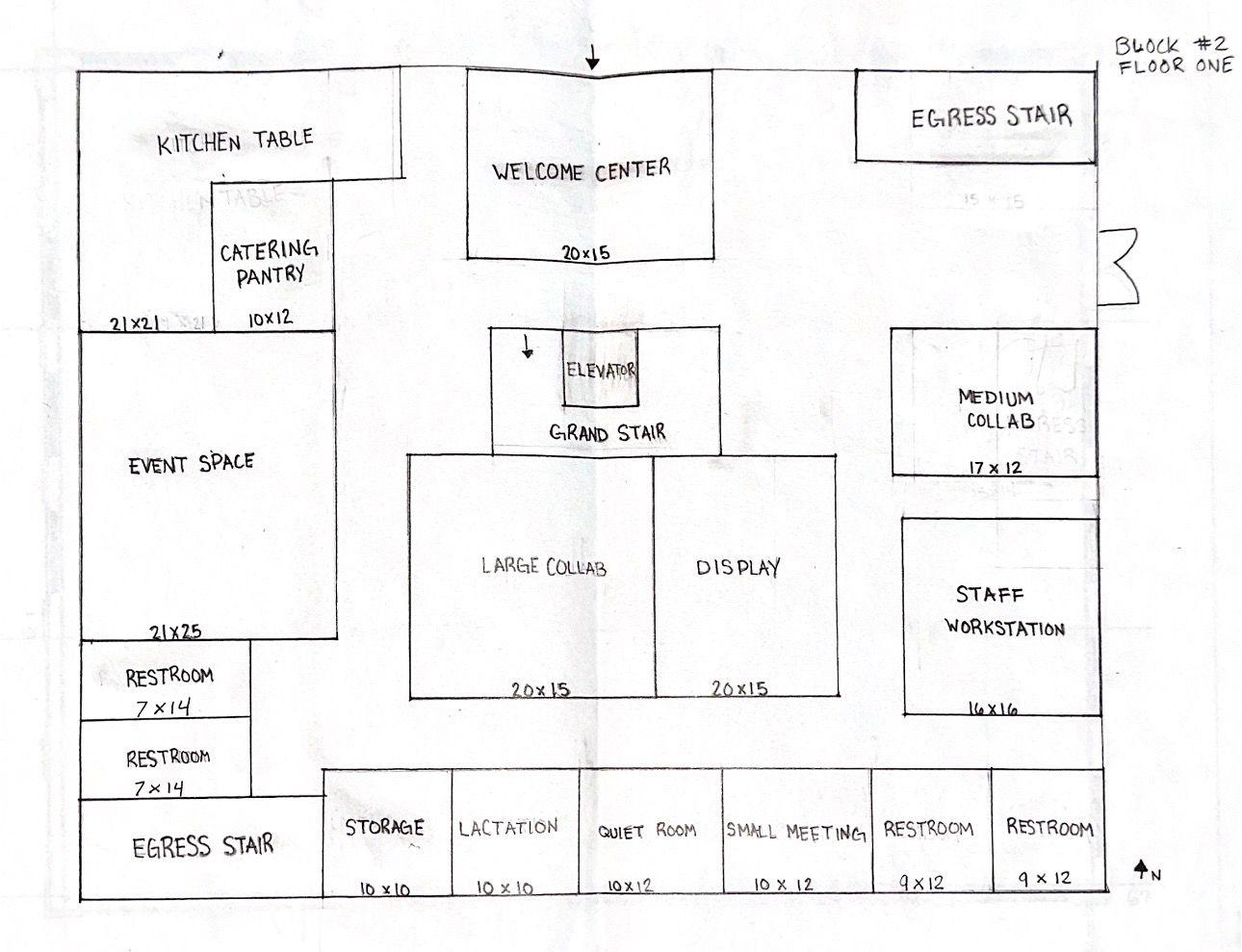
The Headquarter’s is located in Savannah, Georgia and features a new concept, logo, design and 12,500 SF of newly designed space


• Executive Leadership
• Administrative & HR Staff
• Program & Support Staff
• Marketing / Development Team
• Volunteers
• Board Members
• Donors & Partners
• Event & Community Visitors
• Facilities & Support Staff
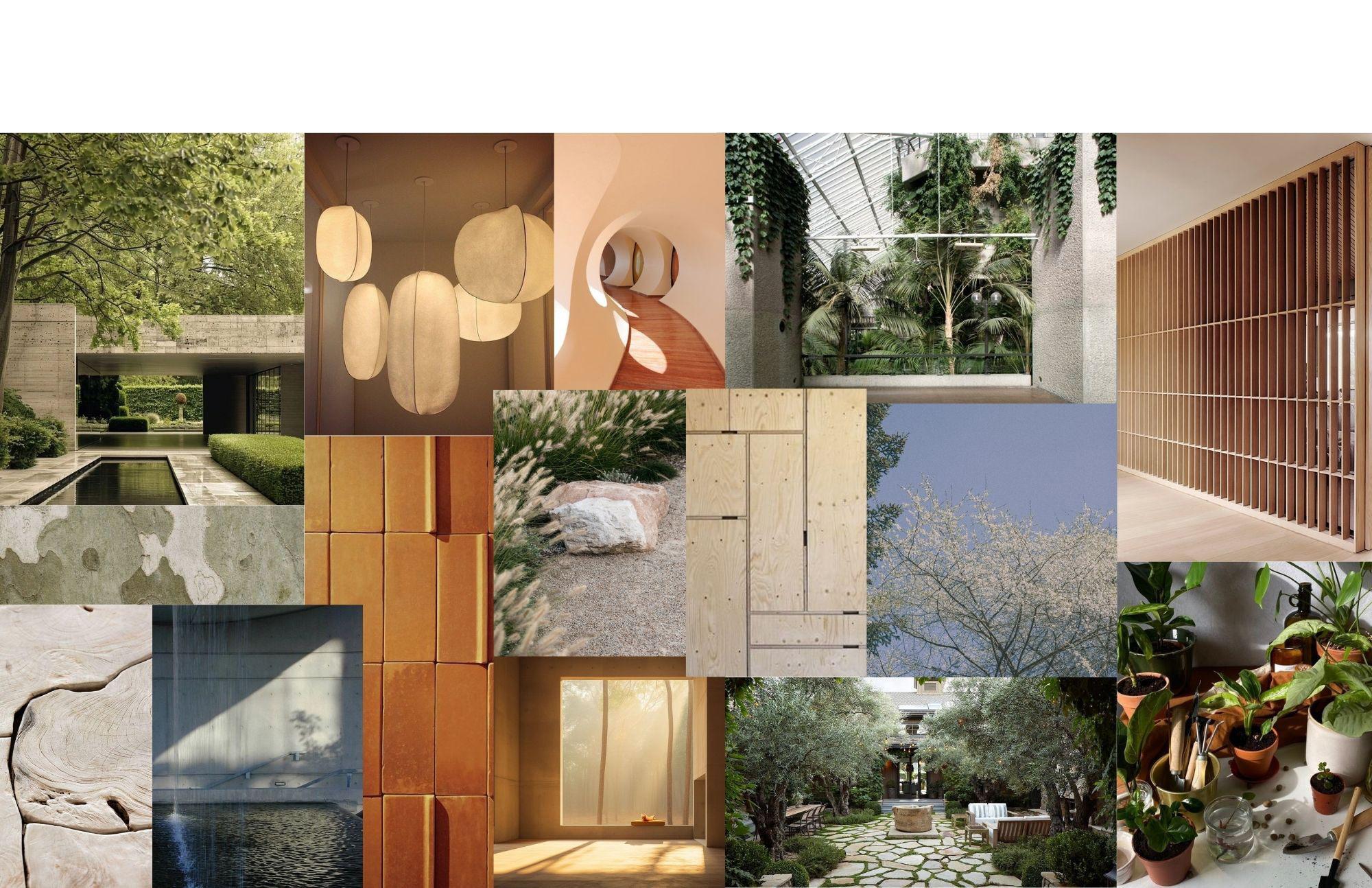
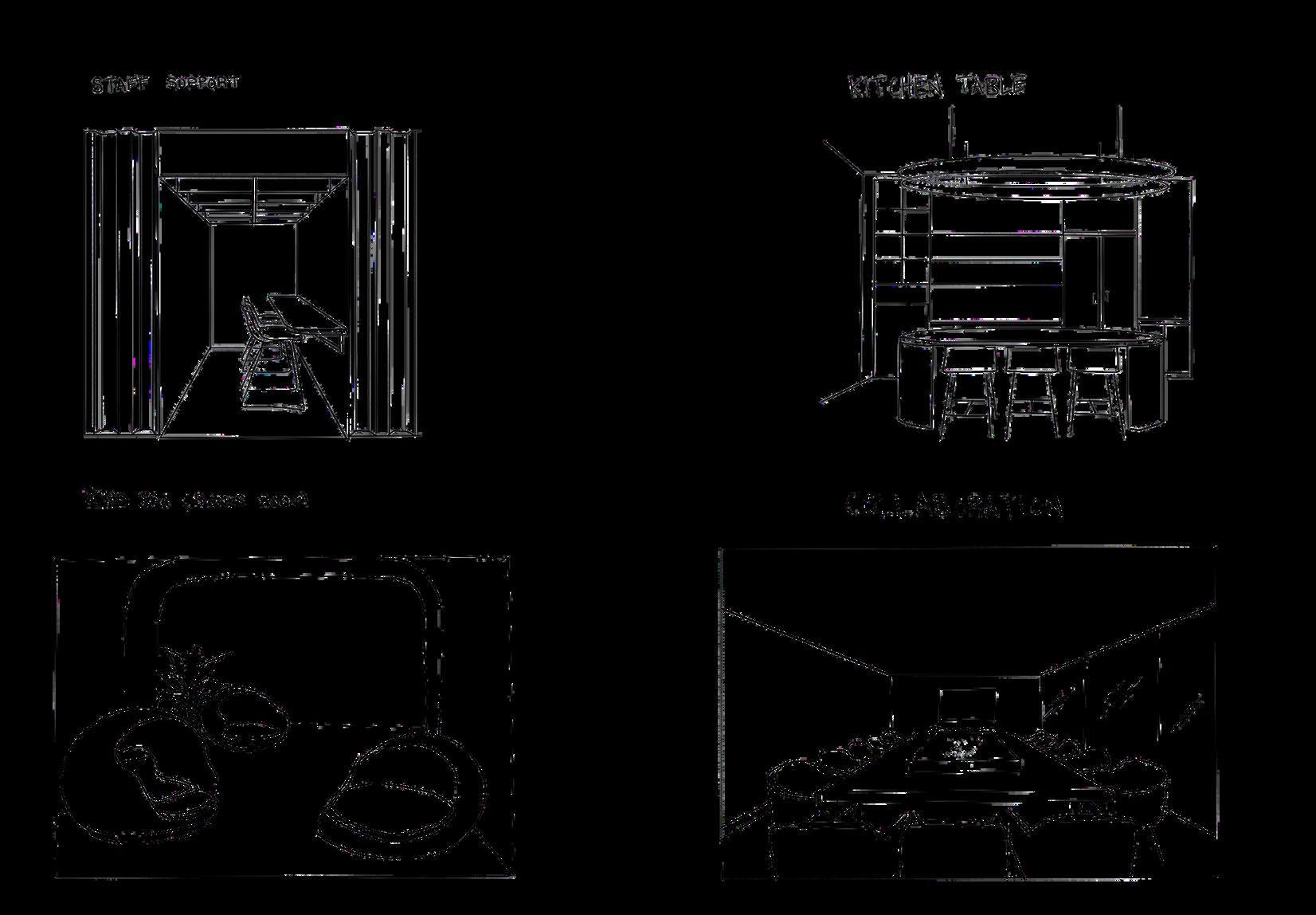
Inspired by the idea of an anchor, Maggie’s Headquarters is conceived as a grounding presence that provides stability, support, and orientation for both people and purpose.
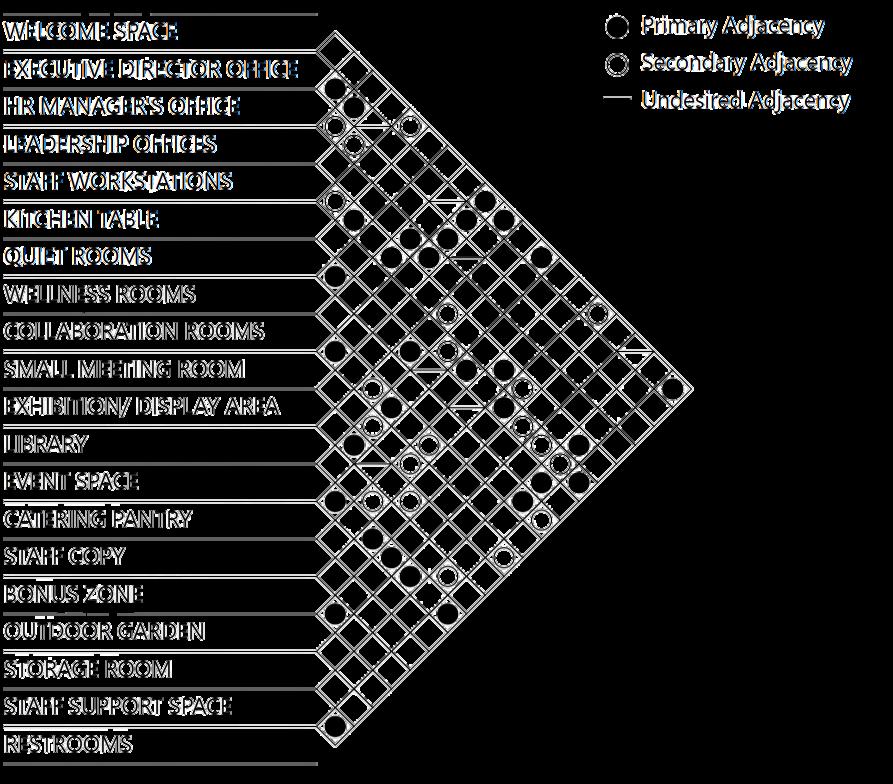
Through clear organization, intentional connections, and human-scaled spaces, the design establishes a strong sense of place that reflects Maggie’s values of care, dignity, and belonging.
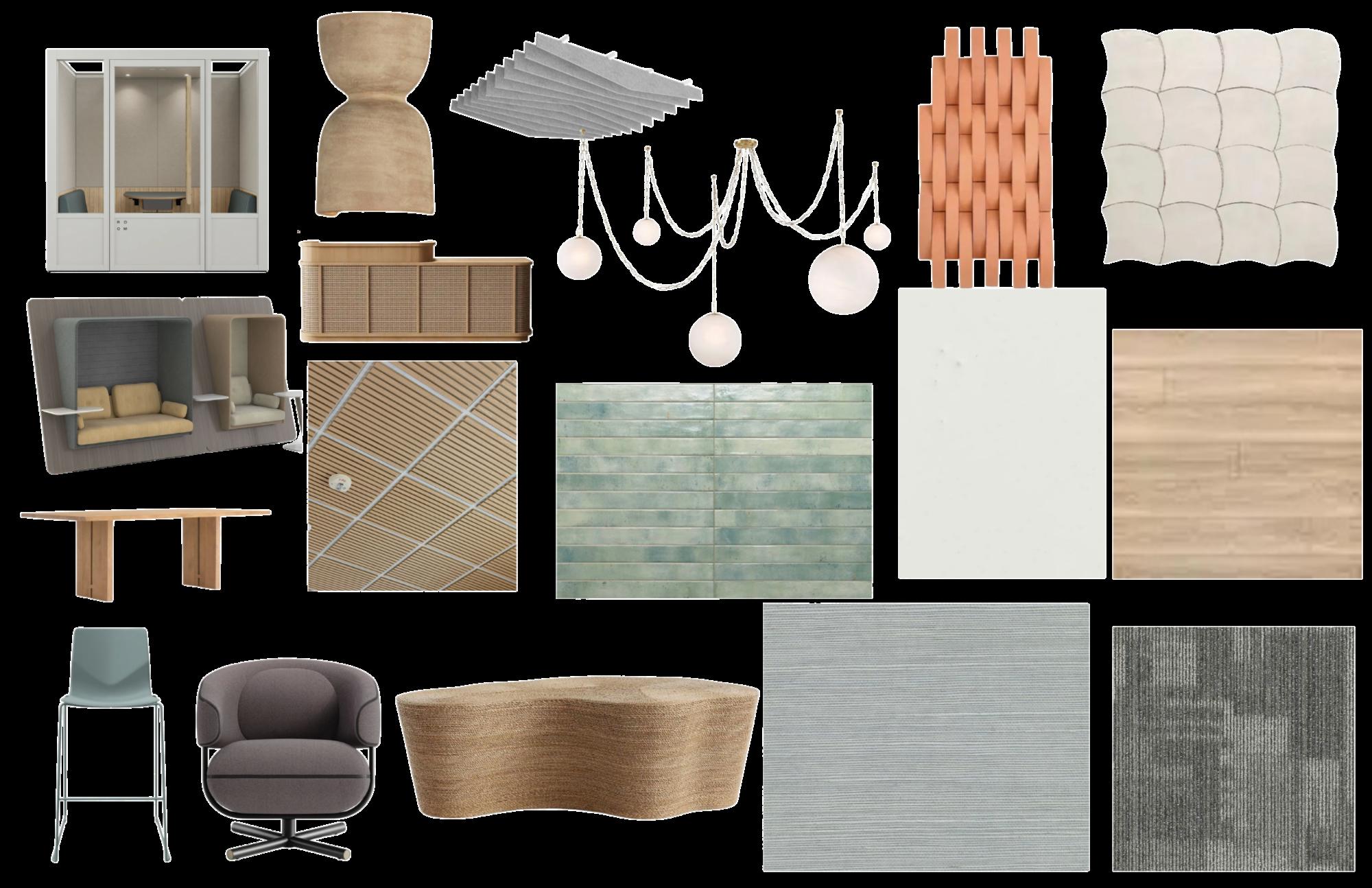
A biophilic approach is integrated through natural light, materiality, and spatial relationships, reinforcing a sense of grounding through connection to nature rather than a clinical expression. Adaptable spaces allow the headquarters to evolve while maintaining a consistent, calm, and anchored identity.


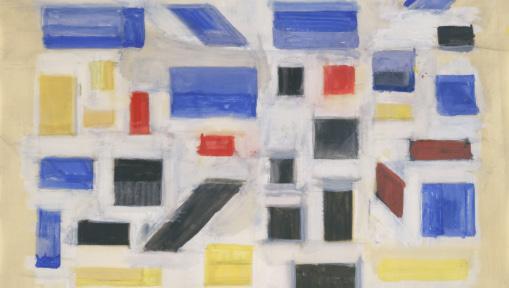
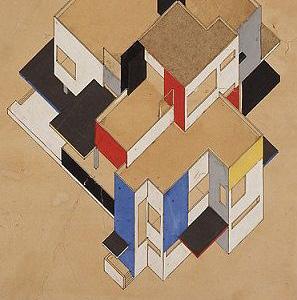
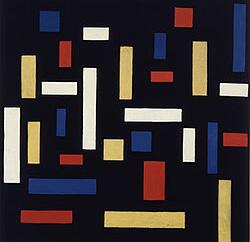
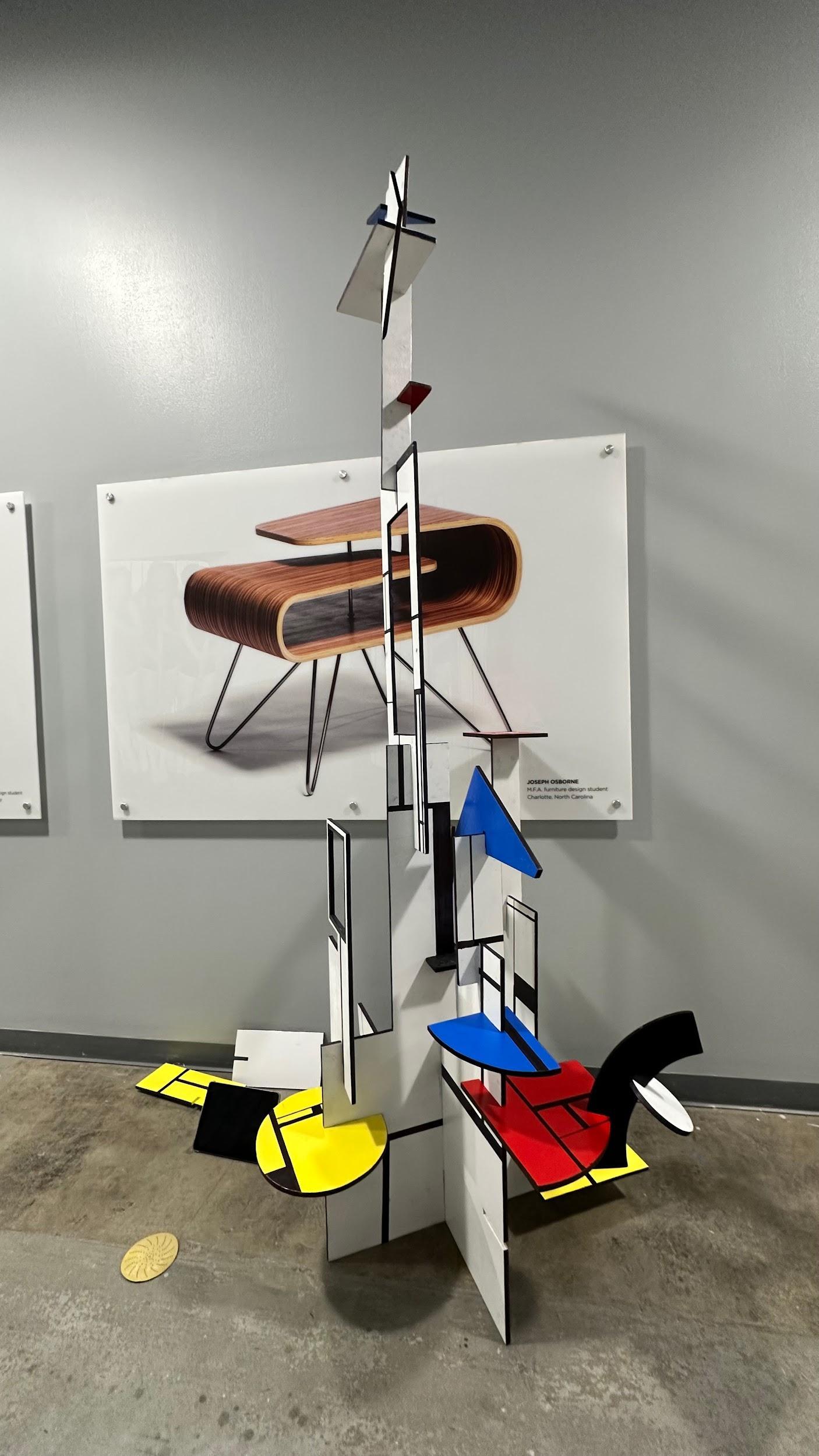
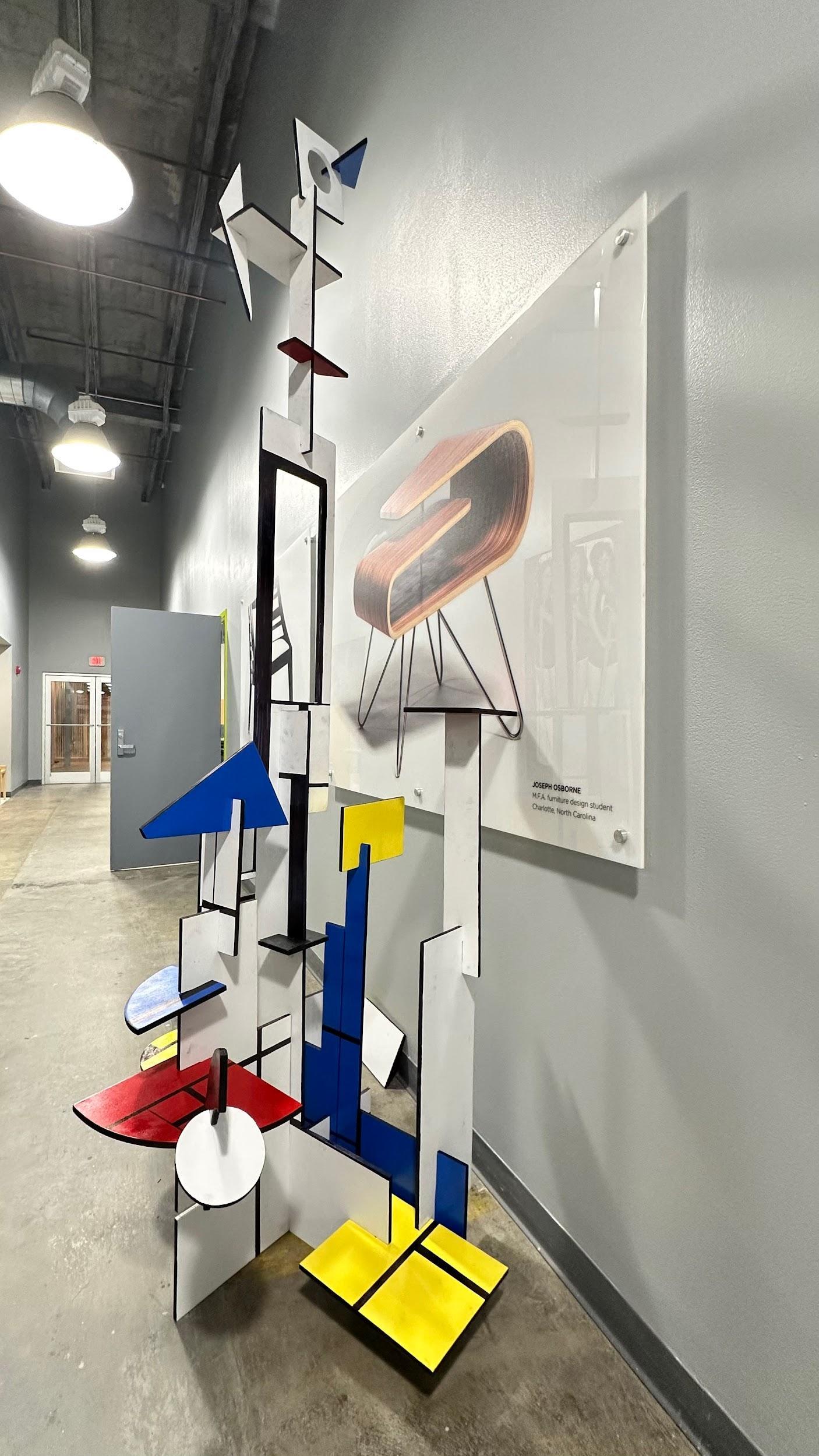
De Stijl was a Dutch post-World War I artistic movement that utilized pure geometry and primary colors to introduce an overarching visual structure as a solution to the destruction and chaos that had torn countries
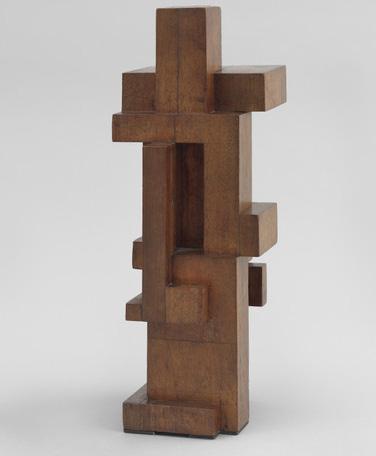

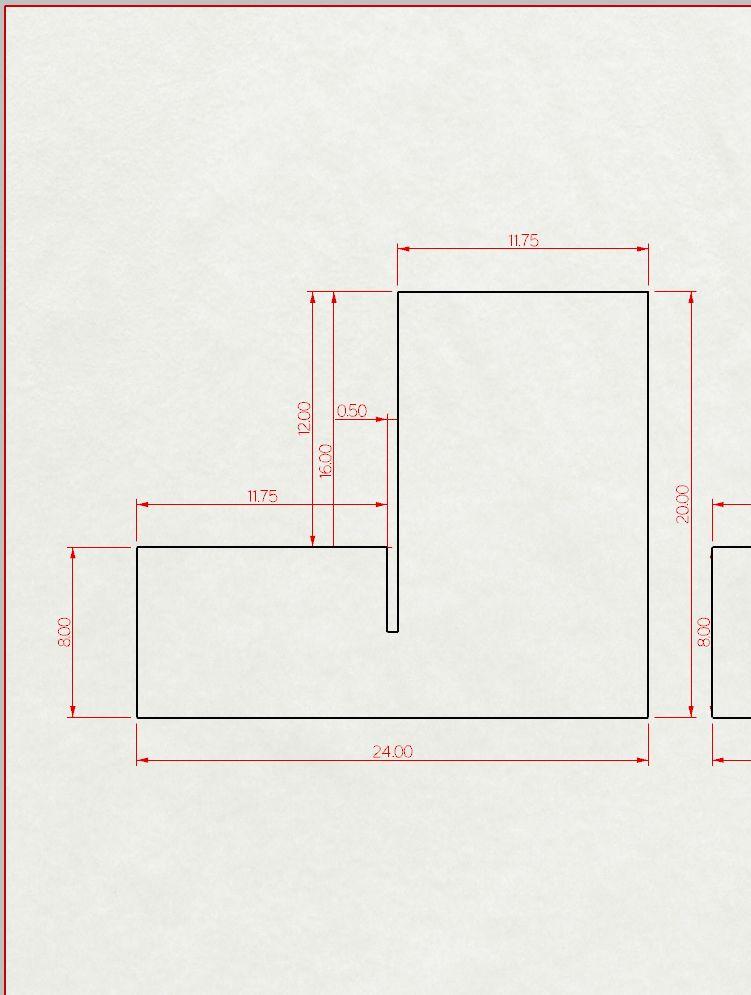
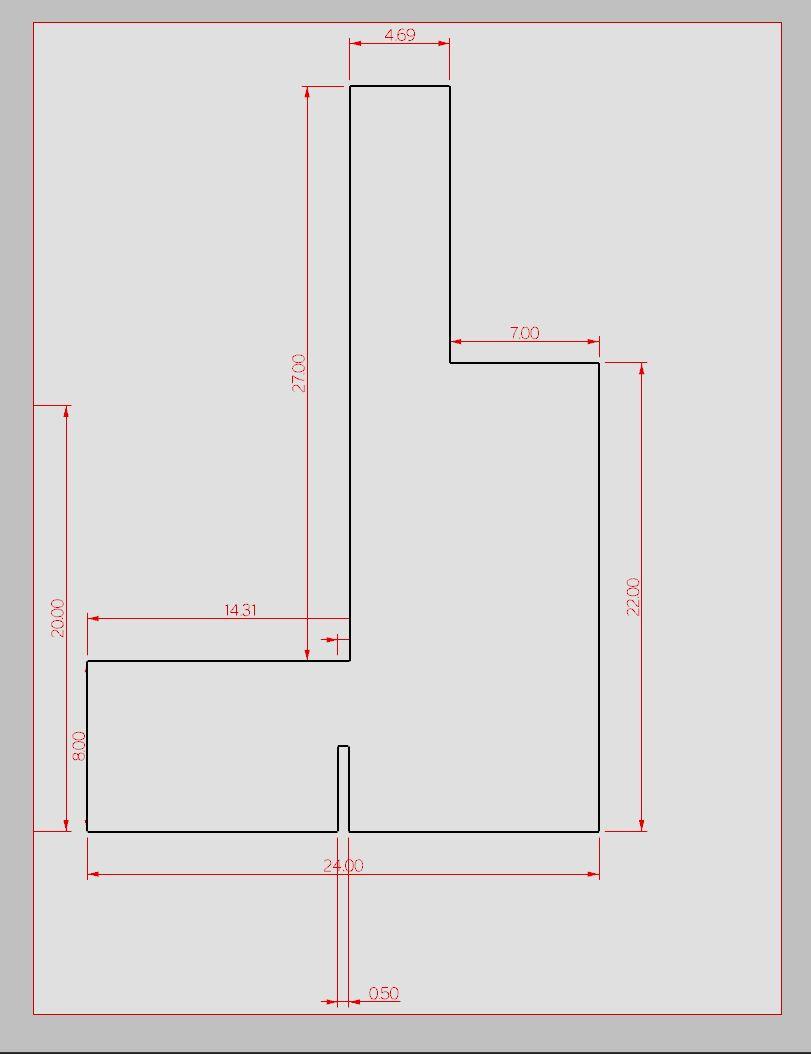
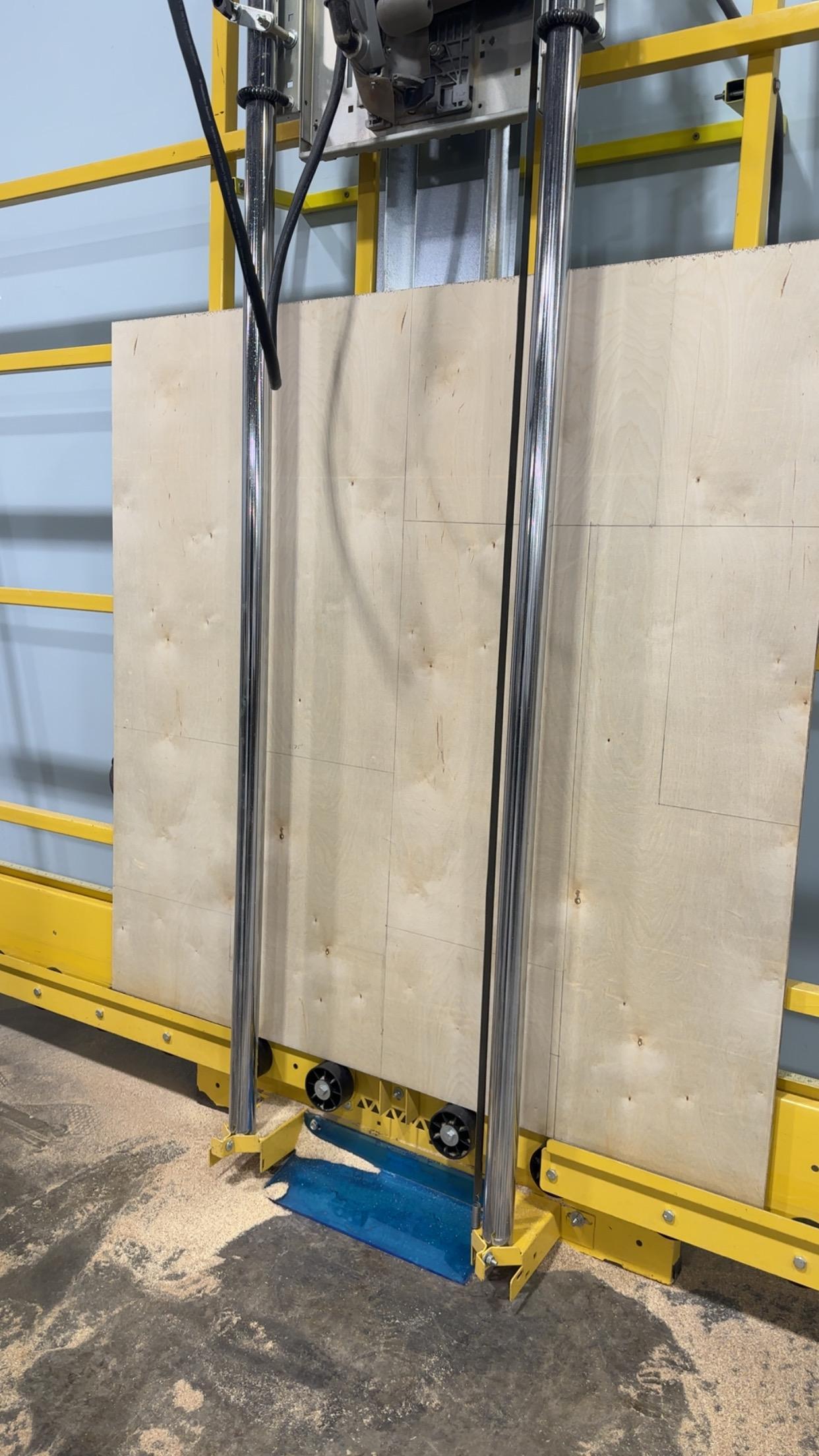

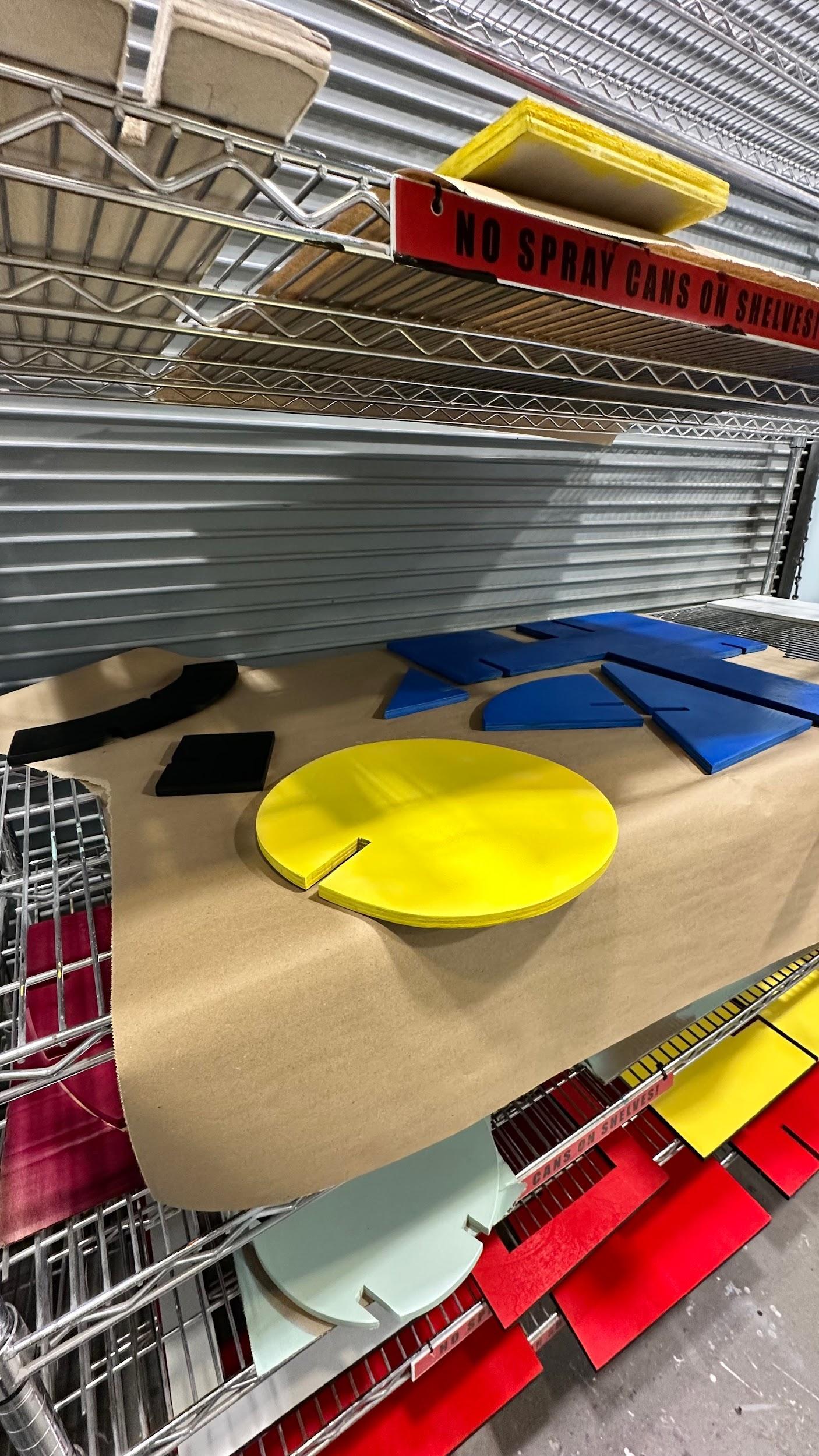

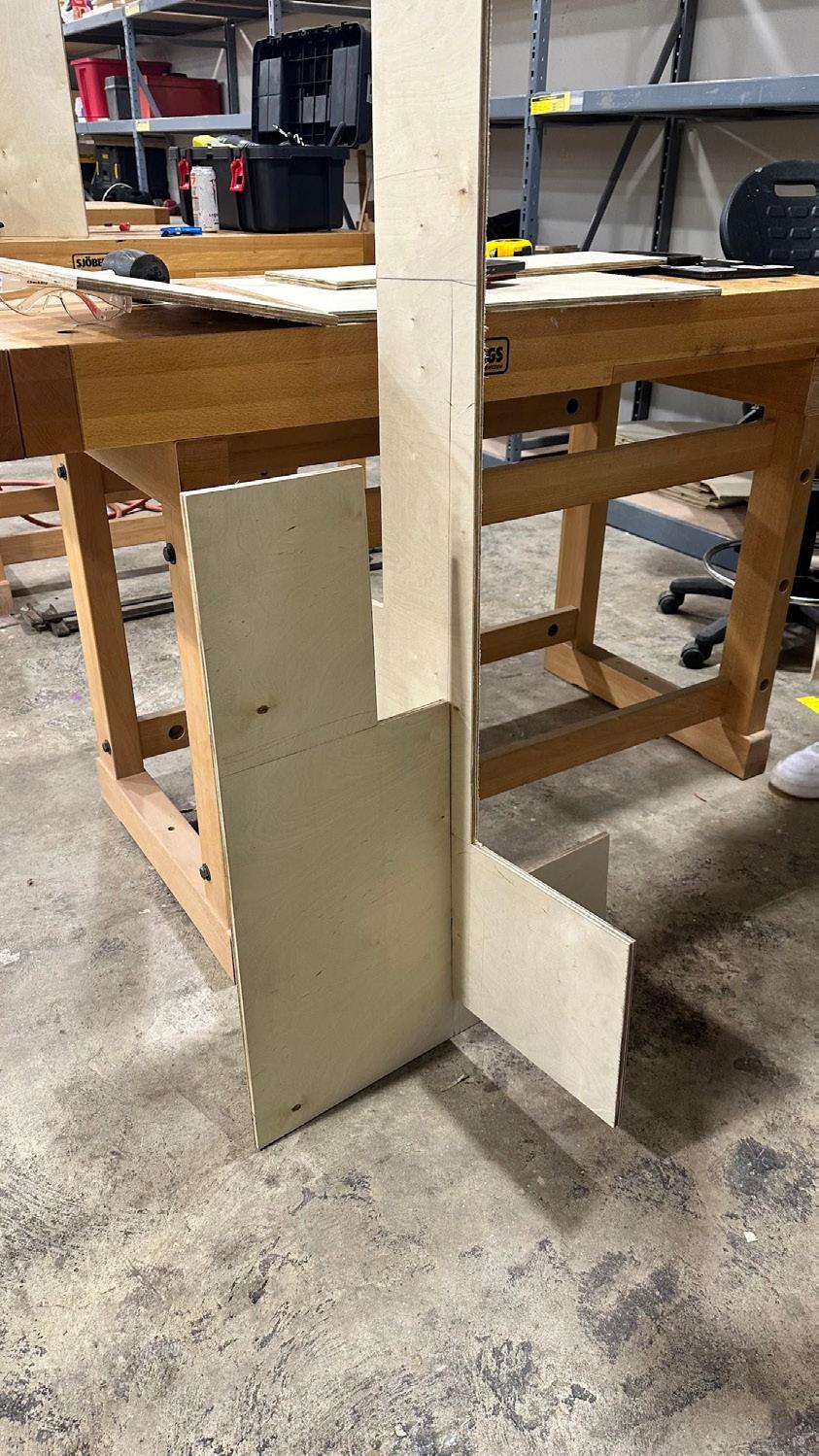
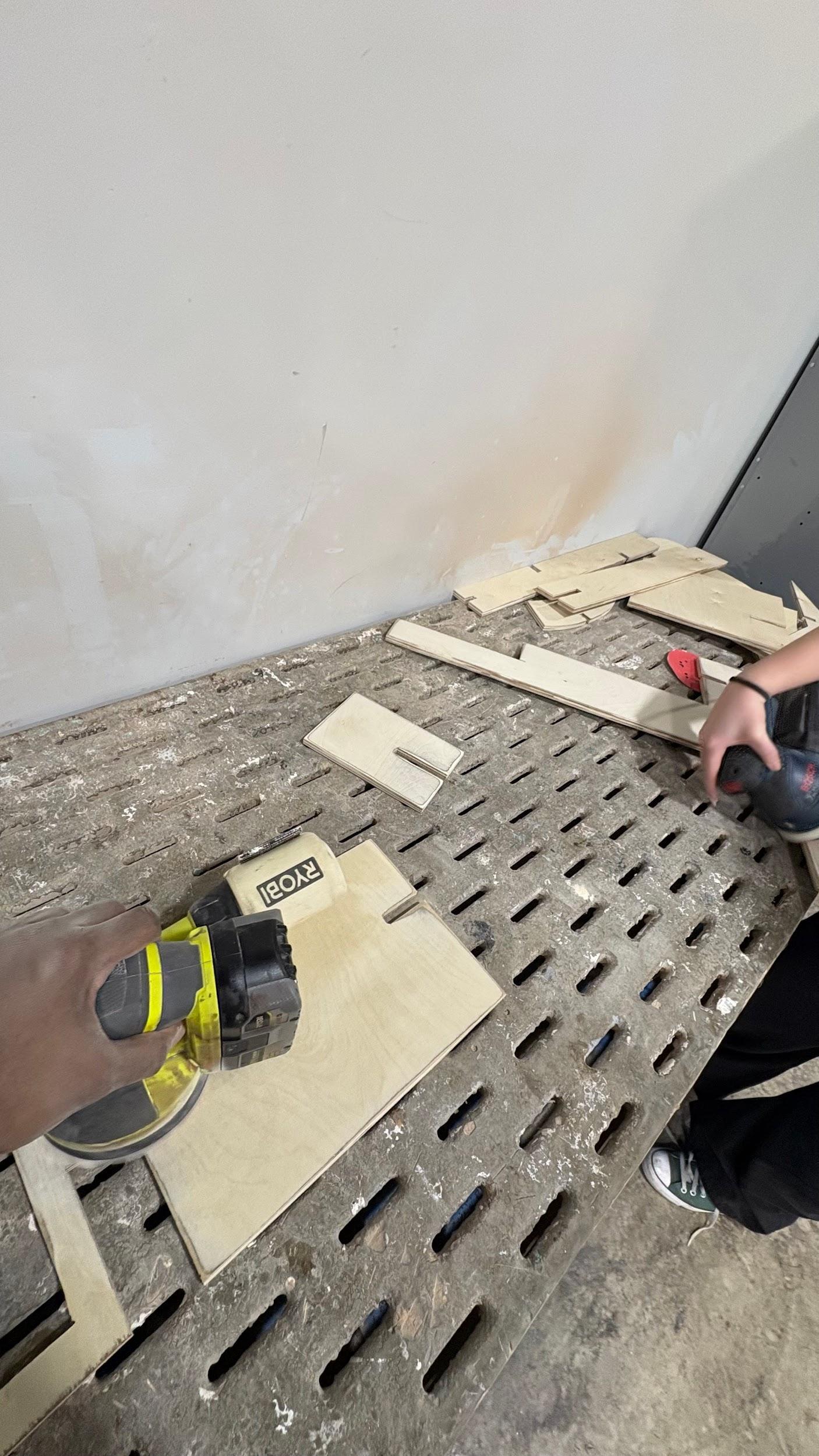
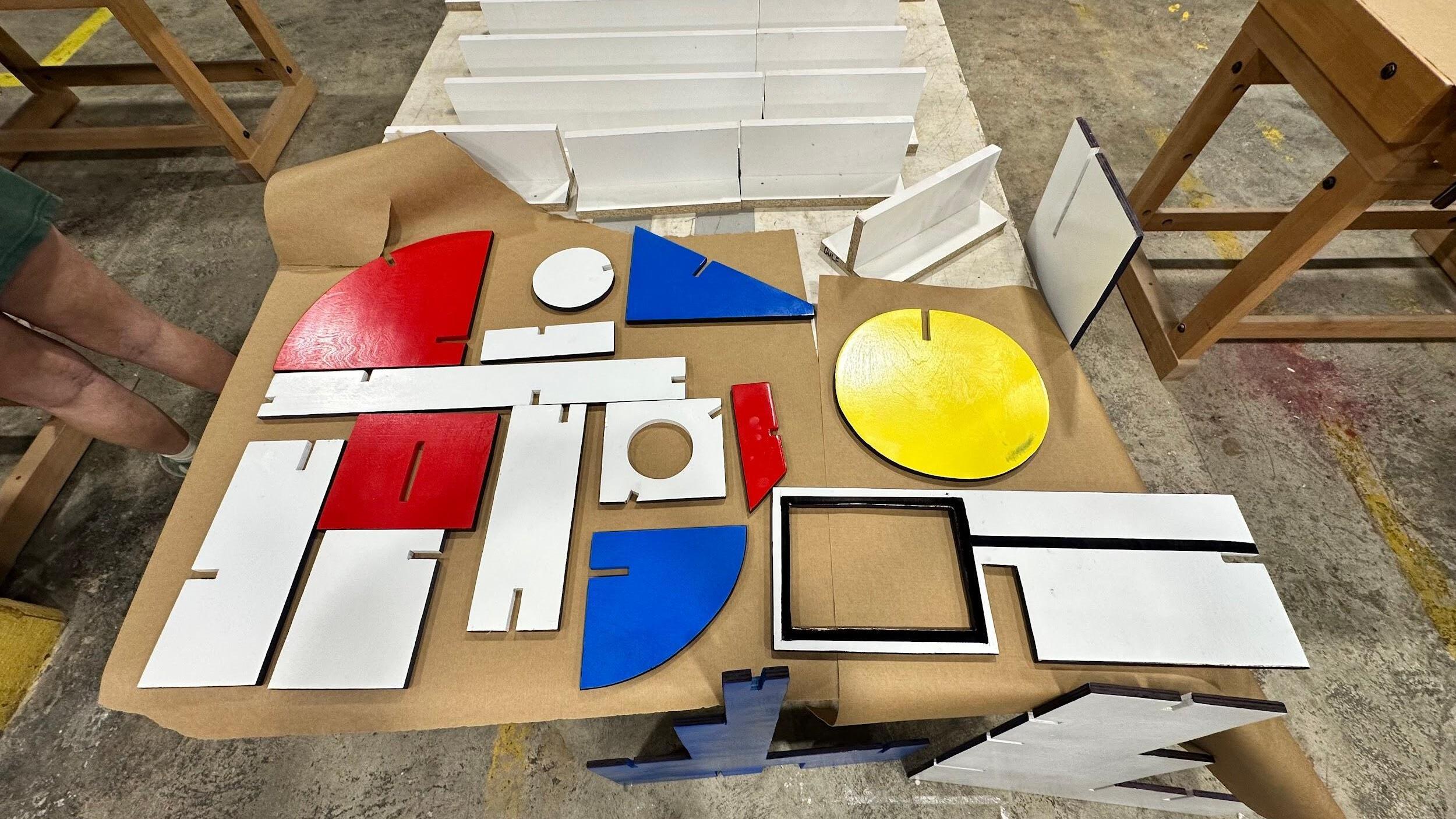
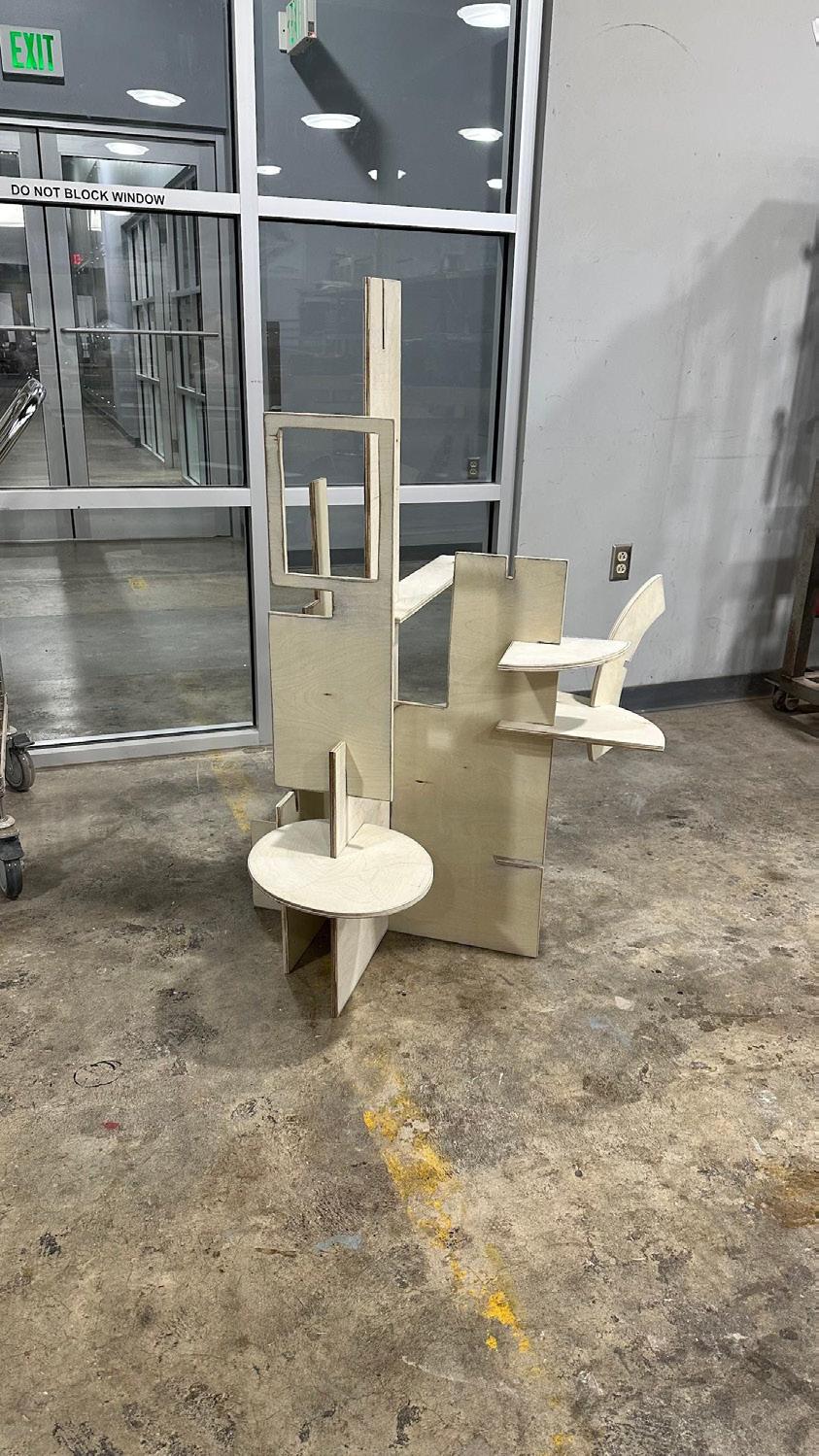



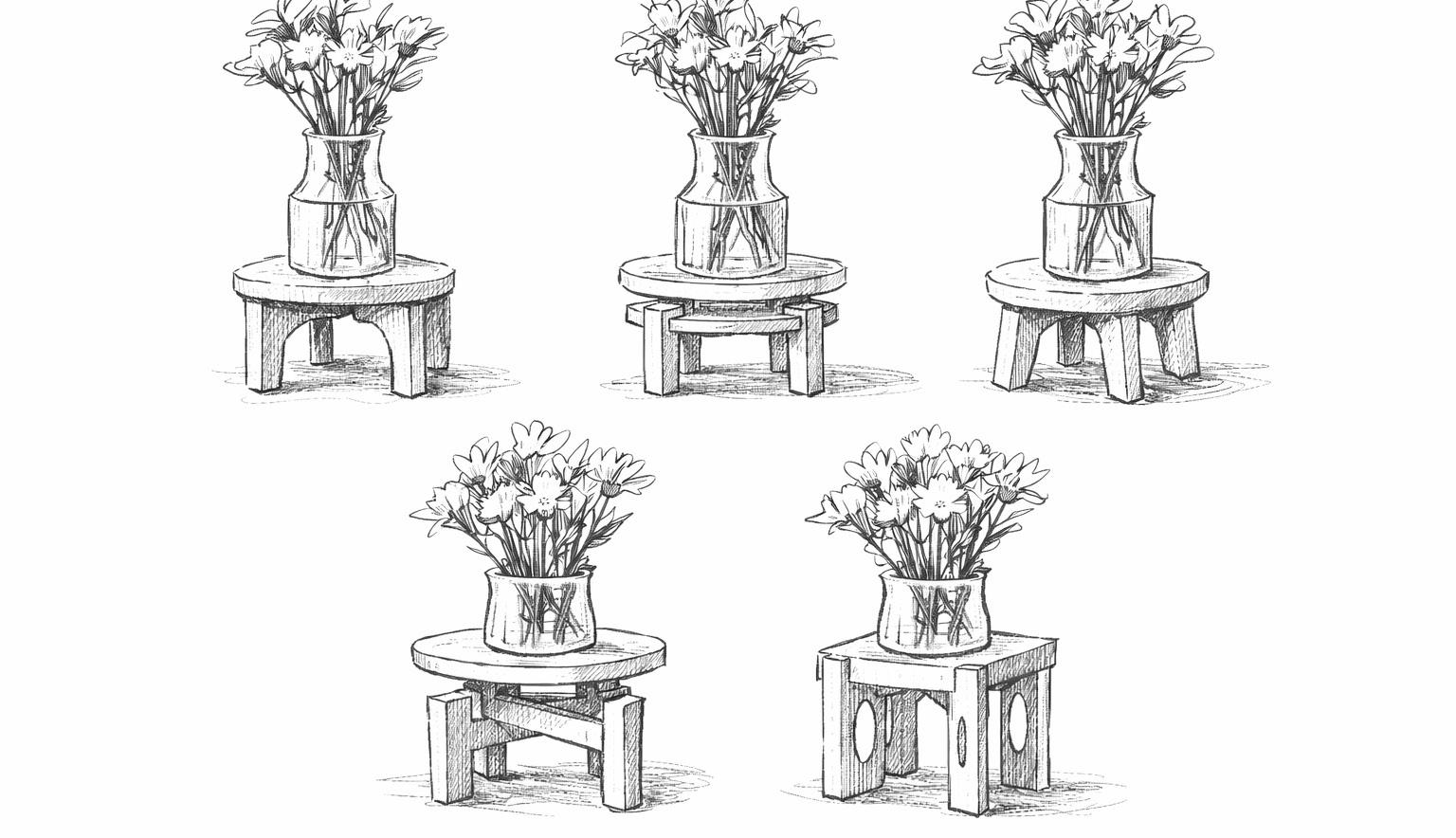
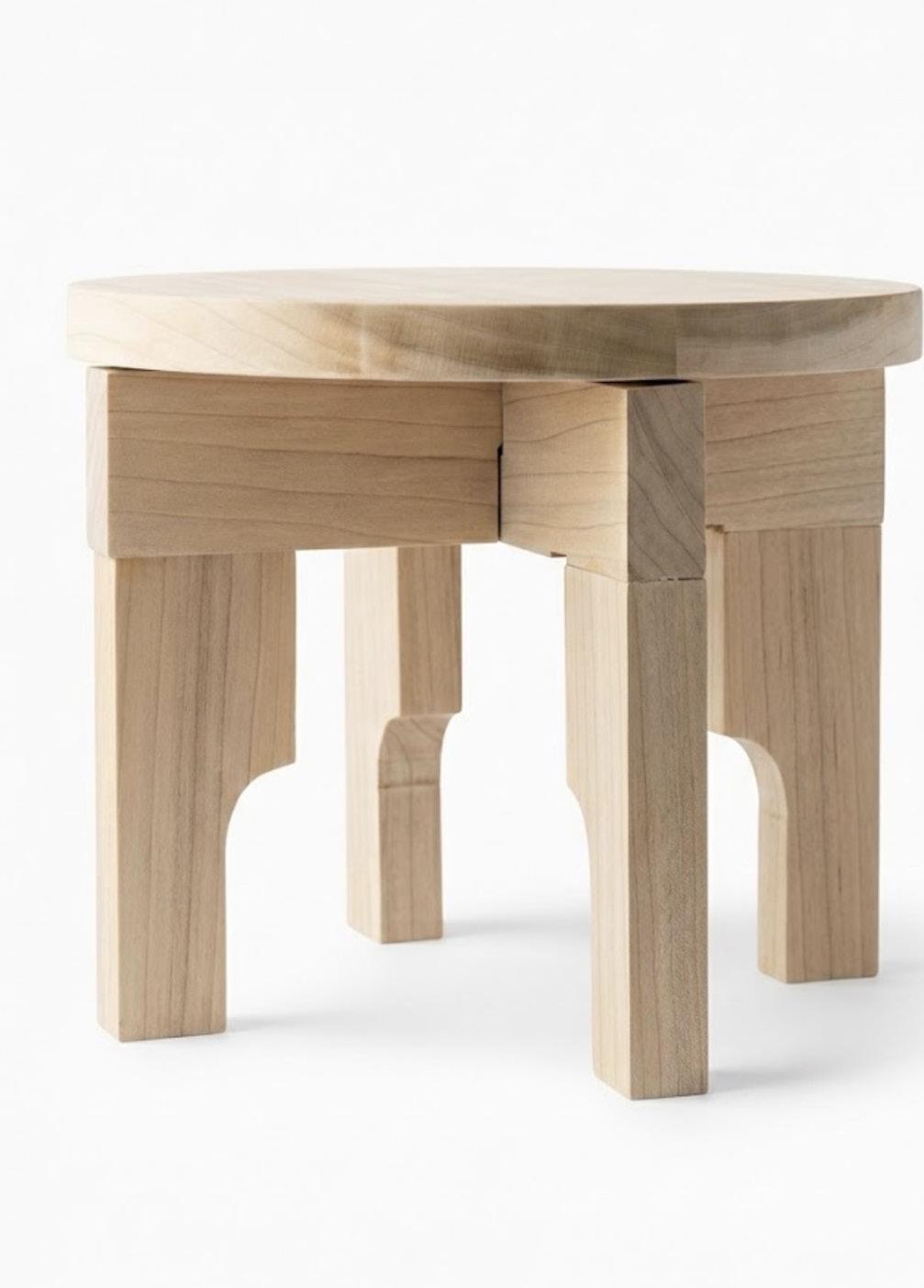
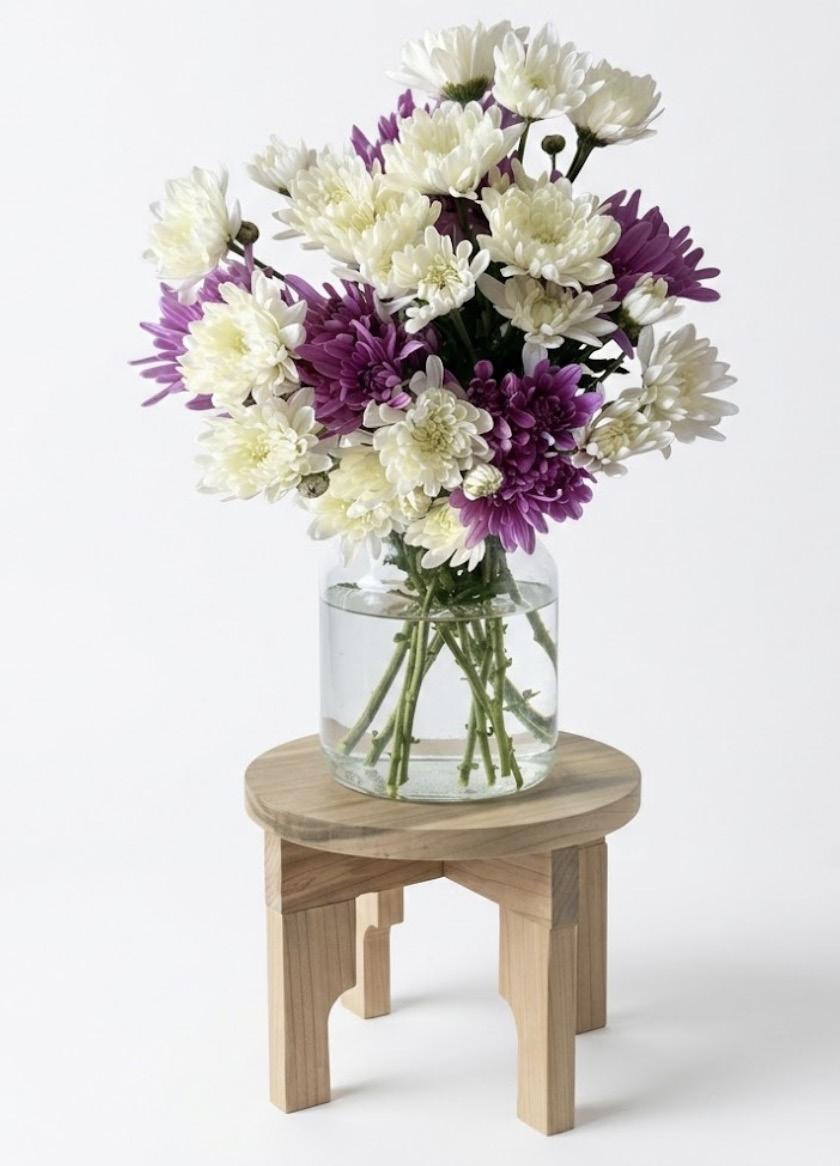
Quiet Bloom is a study in restraint and presence. Elevated on a simple, grounded wooden form, the stand allows the plant to become the focal point—celebrating growth, light, and stillness without distraction. Its minimal geometry and natural materiality create a calm, intentional platform where organic life feels supported, centered, and quietly honored.