

From Fedele

From Fedele
reinforces our sense of purpose.
DEAR PARTNERS,
I LOVE THE ENERGY OF THIS SPRING-INTO-SUMMER SEASON. OUR HIGHER EDUCATION ACCOUNTS HAVE LARGELY WRAPPED END-OF-YEAR AND GRADUATION FESTIVITIES, AND OUR CORPORATE ACCOUNTS ARE HITTING THEIR MID-YEAR STRIDE. THERE’S A TANGIBLE SENSE OF MOMENTUM, AND IT SHOWS UP IN THE WORK OUR TEAMS ARE DOING EVERY DAY TO SERVE YOUR STUDENTS, EMPLOYEES, AND GUESTS.
We’re always striving to ride that momentum as far as it will take us, by delivering consistently strong dining and hospitality experiences while keeping our eyes and ears out for ways of doing things that are unique, efficient and always aligned with your goals.
This issue of Grazie Mille is centered on that idea of progress — how we build on what we know works, then iterate and improve, continuously. You’ll see it in the thoughtful and intentional way our teams approach hospitality. We’ve learned that hospitality lives in the small actions that make guests feel recognized and appreciated, and in the culture we build behind the scenes that encourages the same care and attention to flourish among our team members.
You’ll also see our commitment to continuous improvement in how we approach challenges. Whether it’s navigating shifting expectations around the workplace, finding smarter ways to manage resources, or continuing to evolve our menus and sourcing, our teams bring a practical, solutions-oriented mindset to the table. Through practice, they excel at adjusting, refining, and making things work — without losing sight of the bigger picture.
What I hope comes through in these pages is that this work is the result of teams full of skilled people who pay close attention, who care about getting it right, and who are willing to keep raising the bar.
Thank you for the role you play in that. Your partnership reinforces our sense of purpose. We’re proud of what we’re building together, and I’m looking forward to what’s ahead.
With appreciation, Fedele
BY CHLOE OBOLENSKY
The past year has seen a fresh wave of openings and renovations around Bon Appétit. Read on for a taste of what we’ve been up to.
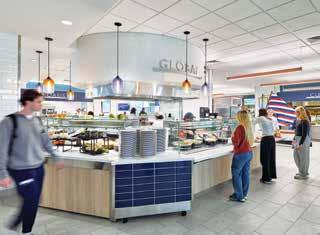
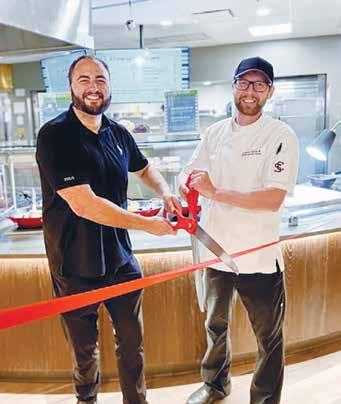
Roger Williams University in Bristol, RI, celebrated the grand reopening of its fully renovated Upper Commons. On August 25, the campus celebrated with a festive “Brekky” (breakfast) event to welcome students back to campus and showcase the new space. The renovation introduced a brighter, more open layout and two standout additions: OASIS and Create Your Own.
Serving dishes free of the top nine allergens, OASIS has quickly become a go-to for students with special dietary needs. Create Your Own brings an interactive, hands-on element to campus dining, inviting students to craft omelets, stir fry, grilled cheese, and more using induction burners and nonstick pans. Fresh toppings, step-by-step guidance via digital signage, and monthly chef demos add both fun and educational value to the space.
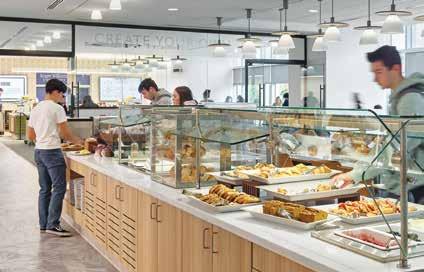
To add to the learning experience, a new overhead camera system projects live, close-up cooking visuals onto screens during demos, giving students a clear view of every technique. While both stations have seen strong engagement, Create Your Own has emerged as a favorite. As student Asuka Fukagawa ’26 shared, “This is amazing. I’m so happy to be cooking by myself.”
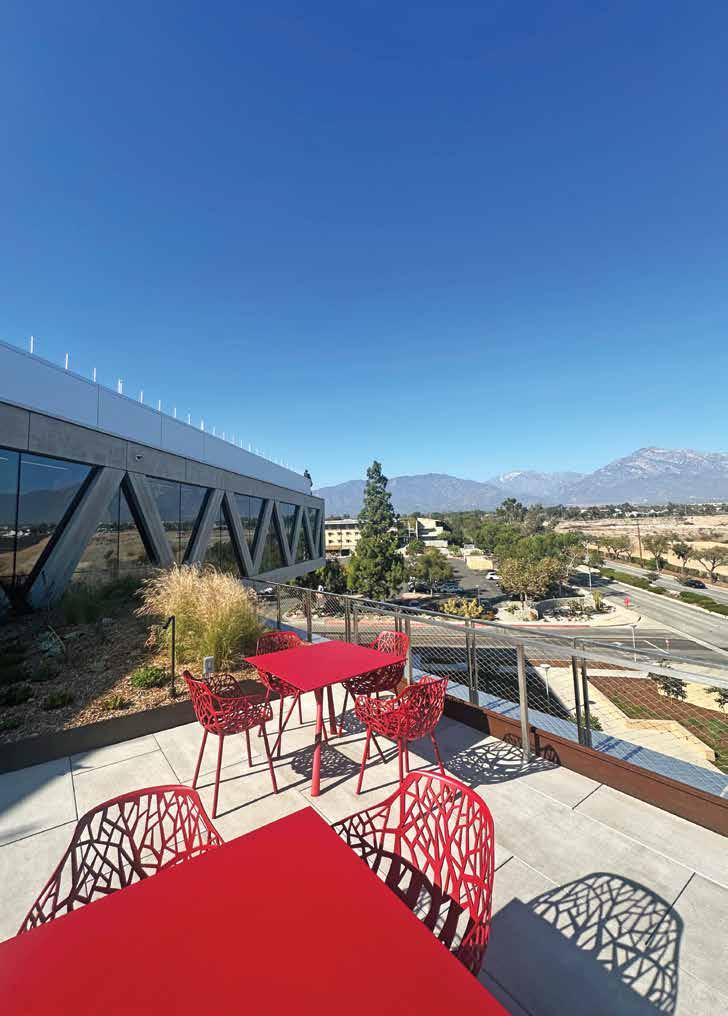
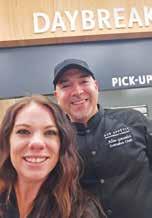
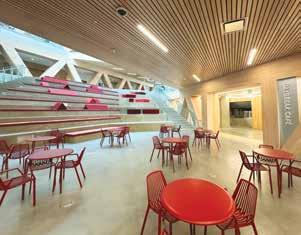
After years of planning and design, the Roberts Day Sciences Center at Claremont McKenna College in Claremont, CA, has officially opened its doors and with it, the launch of the college’s newest dining destination: Daybreak Café. The café represents a milestone project with the team being involved from initial sketches to final execution.
Daybreak Café has already built a following thanks to menu favorites like the Bulgogi Wrap, the Italian, and the Bánh Mì. The café has also sparked excitement with its boba tea and açaí offerings, with the boba being the biggest draw for most students. In just two months, students, faculty, staff, trustees, and university leadership have shared overwhelmingly positive feedback, especially for the artisan sandwiches, salads, and refreshing açaí bowls.
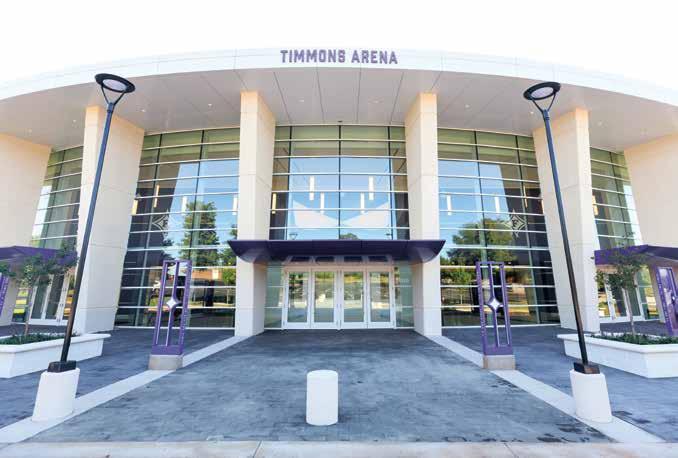
Furman University in Greenville, SC, unveiled its newly renovated and $40 million donor-funded transformation of the Timmons Arena. This transformation brings major upgrades to the fan experience, with two full-service concession stands, two grab-andgo stores, two arena bars, three private clubs, 10 suites, 12 POS terminals, and a state-of-the-art catering kitchen. “Working with the Bon Appétit team, Furman Athletics, project architects, and the team of builders has been an amazing experience,” says Eric Hall, Bon Appétit’s director of operations for the arena.
Described by men’s basketball coach Bob Richey as “mid-major size with high-major experience and amenities,” the refreshed arena debuted with a capacity crowd of 2,500 as Furman hosted the University of Alabama. With support from Furman, SCAD Savannah, and the Bon Appétit team, the opening night was a success.
Brand new Furman-themed packaging and elevated food offerings add a polished touch across the outlets. As operations continue to evolve, the team remains focused on delivering the best fan experience throughout the basketball season and upcoming special events.
In Sunnyvale, CA, Bon Appétit proudly reopened the East and West Crossroad Cafés at Tech Corners. The refreshed cafés now showcase updated smallwares, crisp new station signage, and bold café wraps that infuse the space with fresh energy. Opening week set the tone with vibrant activations, spotlighting fall flavors and a commitment to Farm to Fork partnerships.
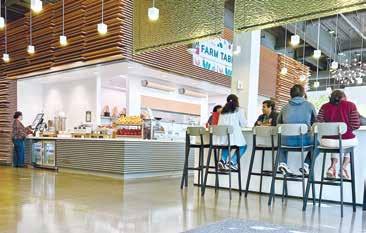
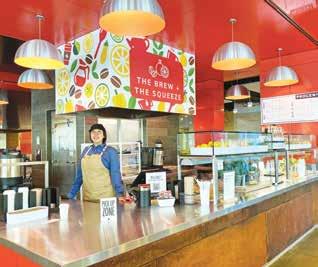
We unveiled the fully renovated and rebranded café of a gaming company in San Mateo, CA. The transformation introduced updated seating, redesigned dining stations featuring playful gaming-themed names, a dedicated snack corner, and a free coffee area. New additions like the “tap wall” offering cold brew and kombucha on tap and a retail market wall showcasing branded merchandise have helped define the café’s new identity.
During the opening week, a coffee truck pop-up helped drive excitement and encouraged guests to download the Café Bon App for ongoing engagement. Every element has been thoughtfully reimagined with purpose, and it’s clear that the new café has truly found its new identity through this rebranding.
Congrats to the team at Scale AI in New York City, who transitioned the food program into their new home on the 74th and 75th floors of One World Trade Center in Manhattan. The expansive, beautifully designed space allows the team to grow into its catering opportunities. Led by General Manager Elaina Durante, the program features breakfast, lunch, dinner, and specialty pop-up experiences. Customizable toast and yogurt bars are the standouts at breakfast, while lunch and dinner offer a spectrum of choices from the salad bar to composed salads, rotating hot protein offerings, and more. Weekly activations and pop-ups might include:
Š Thursday’s Wind-Down event highlights curated snack selections paired intentionally with the client’s wine program.
Š Friday’s beverage activation rotates specialty shakes, hot beverages, boba, spritzes, and a featured health shot — another platform for the commissary to showcase creativity and seasonal flavors.
Š A Hot Sauce of the Month program celebrates local New York City producers like Pepper Salt Pepper (Brooklyn), Queen Majesty (Queens), and Small Axe Peppers, which supports community gardens throughout the city.
Bon Appétit continues to grow alongside the Scale AI team, delivering exceptional dining, hospitality, entertainment, and catering experiences.
“The strength of our small team comes from teamwork and appreciation for the value each person brings,” says Elaina. “Everyone understands
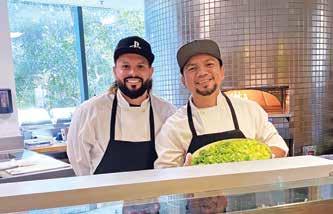
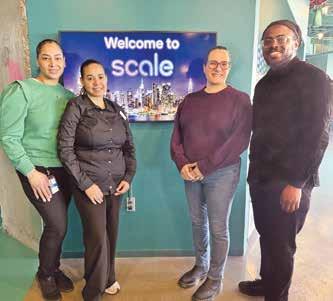
how their role impacts the dining experience and helps maintain a safe environment for the Scale AI community and for one another.”
We are incredibly excited about what the future holds and the continued evolution of this partnership.
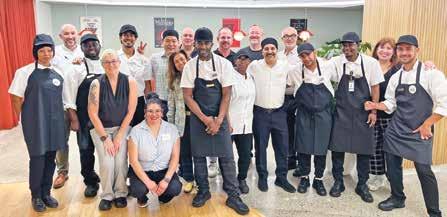
We’re excited to debut a full refresh at the NYC location of a national social media company, featuring reimagined stations, updated branding, and renewed guest engagement. With the newly renamed stations — Daily Dish, Baseline, and Green Lite — the café experience now aligns more closely with the company’s culture and identity. Serving a diverse community of tech professionals, the refreshed stations and branding have created a more engaging, inclusive, and meaningful dining environment.
Also in Sunnyvale, CA, Synopsys Inc. celebrated a major campus refresh. The upgraded headquarters now features two new cafés, a coffee bar, and a new Executive Briefing Center. The enhancements didn’t stop there — the space was also elevated with new wall art, smallwares, updated uniforms, a modernized POS system, refreshed Bon Appétit standards, and digital signage.
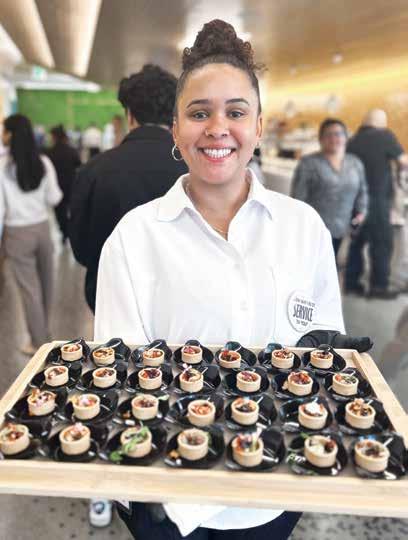
On the East Coast, Bon Appétit recently acquired the entire foodservice program at Wingate University in Wingate, NC. Since reopening, the space has already made a positive impression on faculty, staff, and summer campers alike.
Wendy Sellers, program director for the Master of Social Work program, shared some enthusiastic feedback: “We’re getting rave reviews from health sciences campers about the dining hall. There’s been a noticeable improvement in the pizza and salads.”
And there’s more: Bon Appétit at Wingate unveiled a full refresh of all dining locations in August, giving students a delicious kick off to the back-to-school season.
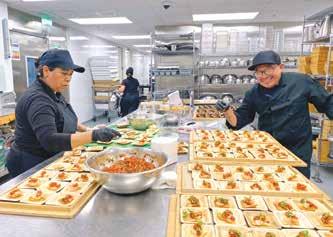
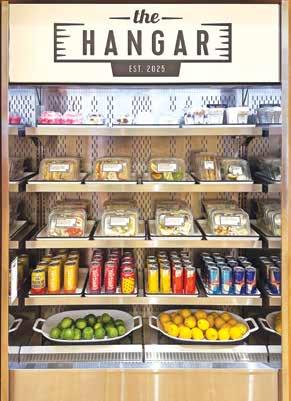
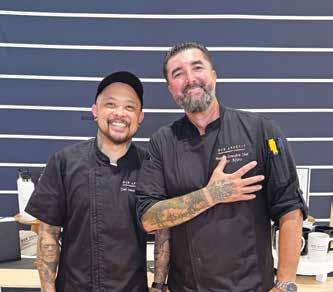
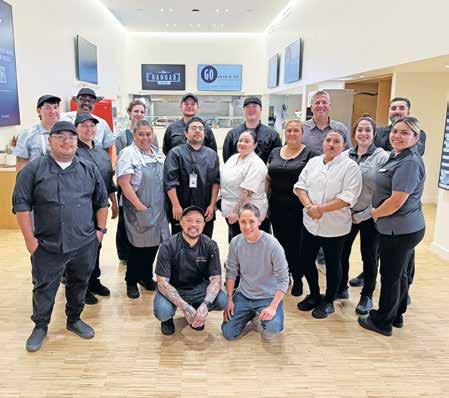
At entertainment company Skydance Media , we introduced The Hangar Café in Santa Monica, CA. Since acquiring the creative campus in 2019, Skydance has steadily transformed it into a vibrant environment that serves as both a collaborative workspace and a welcoming dining destination. With the recent café launch, the site is quickly becoming a go-to hub for employees.
The Hangar Café is already seeing great success, with standout menu items like the Mandarin Cashew Chicken Salad earning such high praise that it’s now a permanent fixture on the menu. As General Manager Kim Maldonado shared, “We’ve received numerous verbal compliments from customers expressing how happy they are with the café, the variety of food options, and how delicious everything tastes.”
Finally, we announced the grand opening of Luther College in Decorah, IA. Since its soft launch, the partnership has already brought exciting changes and momentum to the campus dining experience.
Major enhancements include the renovation of Oneota Market and The Caf, which now has a renewed focus on local and sustainable food options. Also, the campus coffee shop Nordic Brew has undergone a relocation and rebranding allowing for a more centralized and accessible location.
Luther College’s strong commitment to sustainability and local agriculture aligns seamlessly with Bon Appétit’s core values. With many of our partner farms just minutes away, the team is uniquely positioned to source fresh, seasonal ingredients from trusted local producers, making Luther College a perfect addition to the Bon Appétit family.
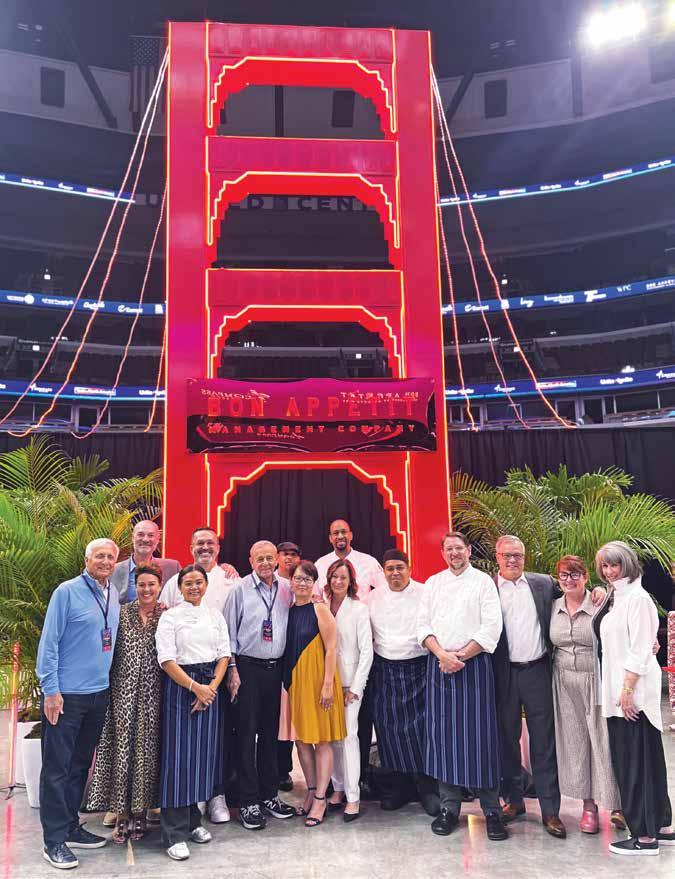
OUR TEAMS ARE ALWAYS BUSY COOKING SOMETHING UP — WHETHER IT’S BRINGING SAN FRANCISCO TO CHICAGO BY WAY OF CIOPPINO AND A FACSIMILE OF THE GOLDEN GATE BRIDGE (SEE PAGE 13!), OR FINDING NEW WAYS TO RAISE THE BAR ON OUR HOSPITALITY AND ENGAGEMENT EFFORTS. HERE’S YOUR LATEST SNAPSHOT OF WHAT FOLKS ARE UP TO ACROSS THE COUNTRY. HINT: IT’S ALL THE THINGS.
Since their SimplyOasis station was launched at Santa Clara University in Santa Clara, CA, in 2023, it quickly became one of the most celebrated stations on campus, a go-to destination for all students, not just those with special dietary needs. This station offers meals prepped in a separate area that is marked, and dishes are made without gluten-containing ingredients and the top nine allergens.
Thanks to the leadership of Culinary Director Eugene Zelditch, in collaboration with Regional Wellness Managers London Baker and Melanie Berdyck, SimplyOasis has set a new standard for allergen-aware dining in a college environment. What used to be a common area of concern for students — lack of safe options — has transformed into one of the most loved dining experiences on campus.
“Dining at SimplyOasis is like dining at a 5-star restaurant,” shared one enthusiastic student. The student newspaper, The Santa Clara, recently featured SimplyOasis in a glowing article titled “Simply the Best.”
Fresh Bytes is another station that’s been evolving to meet student needs. Historically, upperclassmen tend to dine off-campus after their first-year meal plan requirement ends. Fresh Bytes aimed to change that narrative by offering fast, flavorful, and made-fromscratch food that makes staying on campus the better choice. Launched initially in 2021, it faced several pandemic-related hurdles, but the vision remained clear.
When Culinary Director Eugene Zelditch joined the team in 2023 from Bon Appétit at NVIDIA, he worked with the team to reimagine the menu to meet the demands of this high-volume, small-footprint location. Together, they developed offerings that are not only delicious and efficient to produce, but also culturally relevant and appealing to a global student body — with an emphasis on plant-forward options.
Today, Fresh Bytes has evolved into a campus destination. Strategic additions like boba tea help increase foot traffic throughout the day, while a creative grab-and-go tapas menu keeps guests coming back for breakfast, lunch, or anytime snacks.
This tiny location has significantly boosted revenue and guest satisfaction, while supporting our goal of keeping students on campus with food they’re genuinely excited about. Fresh Bytes may be small, but its impact continues to grow — one bite at a time.
— Merilee McCormick, district marketing manager, NorCal
Healthy Kids, Happy Chefs:
A Joyful Day of Cooking at St. Olaf College
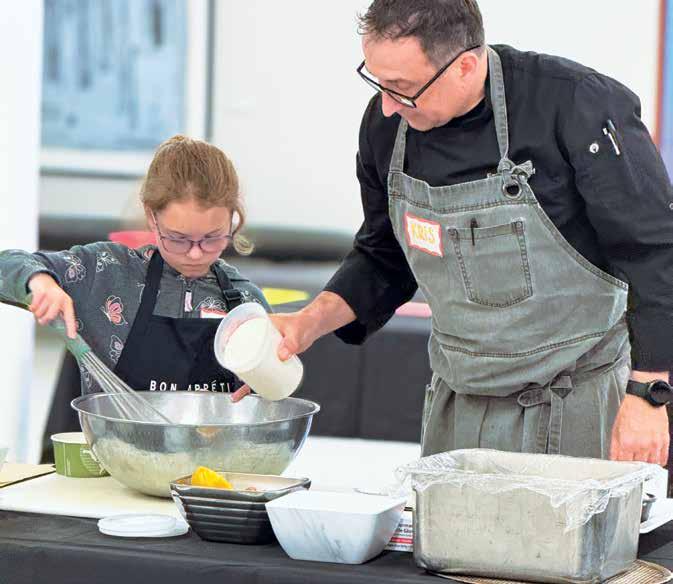
Staff at St. Olaf University in Northfield, MN, welcomed 14 curious and enthusiastic children of St. Olaf faculty and staff — ages 5 to 12 — for a hands-on culinary adventure. Guided by the incredible Chef Kris Koch and Fellow Grace Mennerick, and supported by Director of Operations Dylan Johnson, the class was a true team effort.
The kids got to taste-test a variety of fresh ingredients, including basil (which sparked some strong reactions!), juicy heirloom and cherry tomatoes, and lychee fruit. From start to finish, it was a celebration of food, fun, and exploration.
Rolling, Stretching, and Smiling: Pizza Time
Next, Chef Kris led the students through every step of pizzamaking, from mixing and activating the yeast (“The dough is alive!” one child excitedly shouted) to stretching the dough and adding toppings.
While the pizzas baked, the group shifted focus to fruits and their powerful vitamins. Chef Kris offered a quick knife safety demo,
and then the kids got to work chopping and assembling their own vibrant fruit kabobs — their confidence growing with every slice.
A Pizza Party to Remember
With kabobs complete and pizzas hot and ready, everyone headed to Stav Hall to enjoy the fruits (and vegetables!) of their labor. As the kids savored their meals, the young chefs shared their favorite part of the day. Their answers — stretching pizza dough, skewering fruit, and trying new foods like lychee — were as varied and colorful as their kabobs.
“Watching the students grow more curious, confident, and connected over the course of the class was incredibly rewarding,” writes Grace. “We hope these young chefs keep cooking, tasting, and exploring all that healthy food has to offer — and that they come back soon!” — Grace Mennerick, Midwest regional fellow
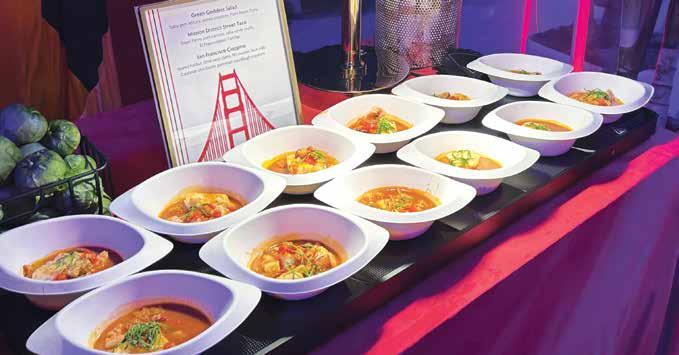
For a Compass Global event in Chicago, the Bon Appétit team fed 230 of Compass’ senior global leaders. Robbie Lewis, a NorCal regional director of culinary, led a Chicago team on preparing this delightfully Bay Area-inspired menu for the evening’s festivities:
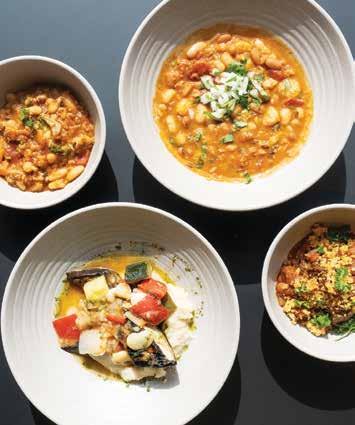
San Francisco Seafood Cioppino
Pacific halibut, red crab, clams, mussels, octopus, Calabrian chili broth, fennel, sourdough croutons
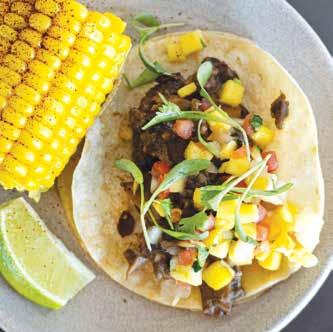
Mission District Street Tacos
Slagel Farms pork, El Popocatepatl tortillas, salsa verde crudo
Green Goddess Salad
Baby gem greens, petit croutons, Point Reyes Toma
Nice work, all! — Tom Dixon, district manager
Our Food Education team recently produced our Hispanic Heritage Month Cookbook, Buen Provecho, filled with recipes from our talented Hispanic culinarians in the field all over the country. With recipes like Pork Pozole, Shrimp in Aguachile, and Patacon, it’s a delicious dose of culinary inspiration from some of the world’s greatest cuisines.
Scan the QR code to check it out!

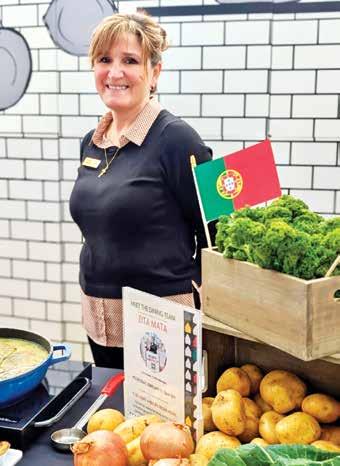
At University of the Pacific (U of P) in Stockton, CA, the team took a fresh approach to Recipes from Home, using the activation as a way for students to get to know the dining team better. Student feedback suggested that students weren’t clear on who to approach with dining questions or suggestions, so the team set out to change that.
To that end, the U of P team designed a series of Recipes from Home pop-ups. Every week, a different member of the team hosted a tabling event featuring samples of a home or heritage recipe, and opportunities for guests to ask questions about campus dining, the dish, or the team member’s story. The team’s diverse backgrounds were well-represented, from Executive Chef Zulma Rodriguez Rios’ dish of green chicken pozole to Café Manager Zita Mata’s caldo verde, and much more.
Lo and behold, students and staff got to know the team behind the meals, discovered new recipes they loved, and felt seen and heard in our dining spaces. The series boosted morale among our team members by celebrating their stories and cultures, and many of the dishes became new guest favorites, driving engagement and increasing participation in our dining program. — Merilee McCormick, district marketing manager
They’ve been stepping up the event offerings at the Austin location of a national financial services company. A recent “512 Week” highlighted local vendors, who joined the team on-site to sample their products and connect with guests. The team handed out “512 Passports” to guests, which they could get stamped by visiting each vendor. Every stamp earned them an entry into a drawing for a gift basket filled with items generously provided by the participating vendors.
Alongside the showcase, they featured a weeklong Texas BBQ menu at the Explore station. Chef Tony, known for his expertise in BBQ, led the effort, and it was a huge hit. Due to ongoing guest requests for his BBQ, it was the focus of the week — with a creative twist each day, including a vegan option. Great feedback and a fantastic week!
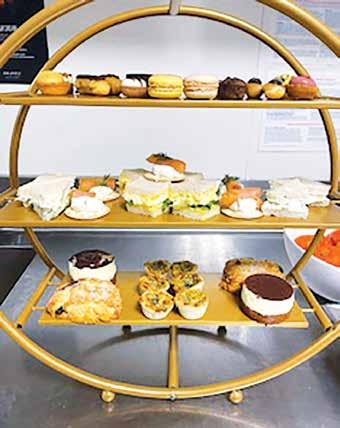
The team also recently introduced afternoon tea, which began as an intimate gathering for four guests and has quickly grown in popularity. Mini tea sandwiches, freshly baked scones with marmalade, our curated selection of Numi teas (served in vintage teacups — too fun!), and an array of mini desserts have all driven overwhelming success (it’s been officially added to the catering program). Adding to the fun, many guests embrace the spirit of the occasion by arriving in elegant dresses and fancy hats! — Dana Andrae, general manager, national financial services company, Austin location
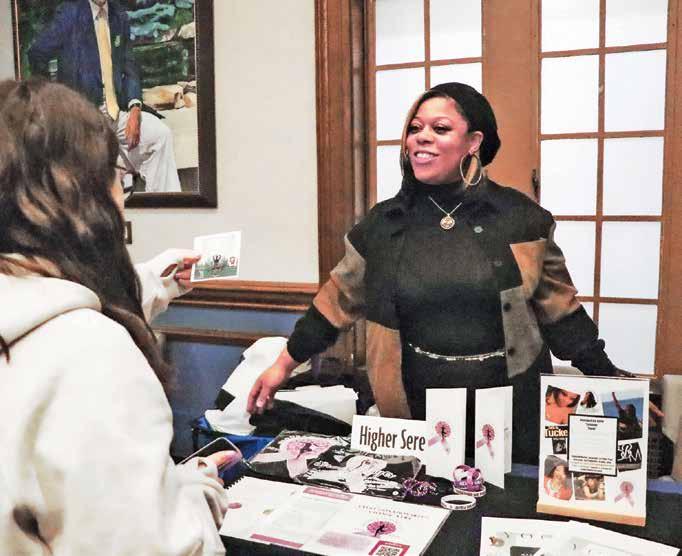
Butler University in Indianapolis, IN, Deepens its Commitment to Responsive, Inclusive Partnership
Butler Dining aims to be a true partner to the universities they serve, engaged in student life and aligned with institutional goals. Two recent developments demonstrate our success in these efforts.
The Midtown Late menu, available to students on weeknights from 8p.m. to 12a.m., was a direct response to student feedback and a testament to the power of strong campus partnerships. The results have been overwhelmingly positive.
The Late Night launch contributed significantly to the rebound in overall student dining satisfaction, which returned to and surpassed historical averages in Spring 2025, after a notable dip in Fall 2024. The new, student-driven program is an example of Bon Appétit’s ability to empower student voices, identify student needs, and implement solutions that resonate with the student body.
Butler recently hosted a Black-Owned Business Showcase, an initiative that reflected the university’s dedication to fostering engaged
citizens and building an inclusive campus community. The showcase was a collaborative effort with key campus partners, including Butler’s Black Student Union and Diversity Program Council.
Butler Dining leveraged its connections with local businesses to bring over 10 Black-owned vendors to campus. These entrepreneurs created a vibrant marketplace and a meaningful, engaging exchange of culture and commerce. The impact of the event has extended well beyond a single day, with one standout vendor building a partnership to offer fresh-pressed juices in select campus retail locations!
Butler Dining and Butler University are excited to grow this event in the coming years. With a continued focus on innovation and partnership, the Black-Owned Business Showcase stands as a testament to Bon Appétit’s role as committed partners in creating vibrant, inclusive, and student-centered campus experiences. —
Submitted by Kevin Asselin, marketing manager, Bon Appétit at Butler University
Stiff (and Tasty) Culinary
Top Chef at Trine
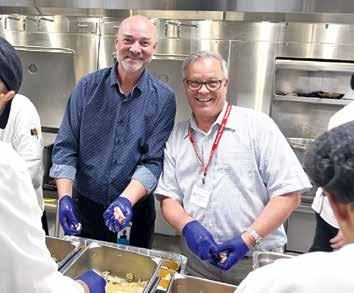
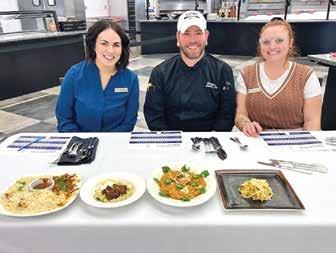
At Trine University in Angola, IN, Bon Appétit partnered with Trine staff to host the first Top Chef: Trine Edition: Staff vs. Students. Two Trine staff members, Cisco Ortiz (vice president for student affairs/ dean of students) and Bill Milnes (executive director of housing and residential life), competed against two Trine students.
The event was a great success, bringing the community together for some friendly competition. “What a fun time and a great event,” said Cisco. “If this is not something you see at other schools, I would love to see this become a common event. We plan to do it each year and grow it.” — Jackie Kramer, general manager at Trine University
Emory Food Fight
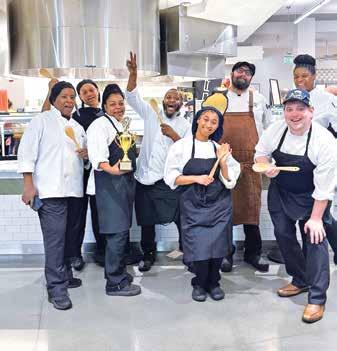
Since 2021, Atlanta’s Emory University has hosted campuswide food fights, and they’ve grown year after year. Atlanta-area accounts Emory ATL , Emory Oxford College, Porsche Experience Center, Savannah College of Art and Design ATL , and Spelman College recently came together for the second annual throwdown event hosted at Emory’s main café.
Chefs created seasonal, local menus beloved by college students (who vote for their fave dishes for the People’s Choice prize), and clients from all accounts were invited to join the festivities. This year, General Manager Allana Jules and Chef Demetrise Edwards, with their culinary team, took home the Judge’s Choice trophy to Emory Oxford College, while General Manager Asia Hunter and Executive Chef John Flagello, with their culinary team, took home the People’s Choice prize to Emory ATL! Here’s a peek at the winning menus:
• Korean Fried Chicken Bao Bun, Hot Honey-Gochujang Glazed Tteokbokki, Kimchi, Ginger-Soy Pickled Cucumber
• Tandoori Chicken Wings, Raita, Mango Chutney
Teams are often so busy with the day-to-day tasks of operations. This event shakes everyone up and brings the Bon Appétit communities within the city together. It gives teams the chance to step away, network, create new friendships, and share successes. — Michelle Reuter, resident district manager, Emory University
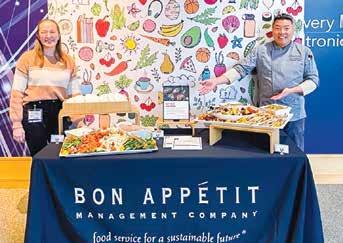
Medtronic’s OHQ (operational headquarters) north of Minneapolis, MN, enjoyed a fantastic opportunity to engage with guests and share valuable insights during a recent Food for Your Well-Being, the Party Smart edition. The team promoted healthy eating and making smart choices during holiday celebrations to the delight of the guests! — Tracy Haraldson, general manager, Medtronic
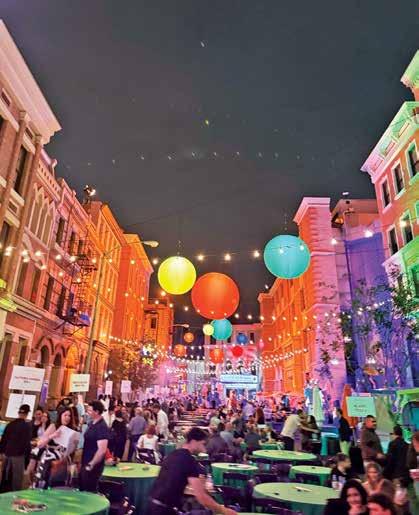
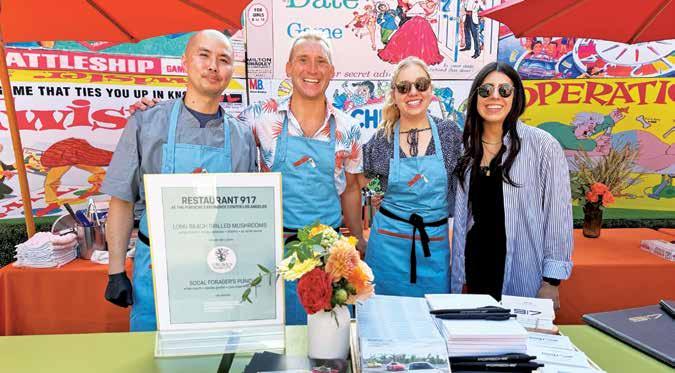
The Porsche LA team participated in this charitable event to benefit the Concern Foundation in an incredible opportunity to showcase everything Restaurant 917 at the Porsche Experience Center Los Angeles (PECLA) has to offer.
With nearly 3,000 attendees, it was the perfect platform for brand visibility, community engagement, and supporting a great cause. The team partnered with Long Beach Mushrooms, a local forager and grower, who generously donated product for the event.
Their stunning oyster mushrooms became the star of one of the signature dishes: grilled mushrooms with cotija cheese, crispy potatoes, cilantro, and aji verde. A non-alcoholic “Forager’s Punch” — a spirit-free beverage crafted to highlight the same complexity and intention brought to the cocktail program — was a huge hit and a perfect complement to Chef Matt’s grilled mushrooms.
Everyone may know the Porsche brand, but events like this allowed the team us to show the community what Bon Appétit hospitality truly looks — and tastes — like. It was an honor to represent PECLA and Bon Appétit in such a fun and meaningful way — and yes, they were the “fun-ghis” of the event.
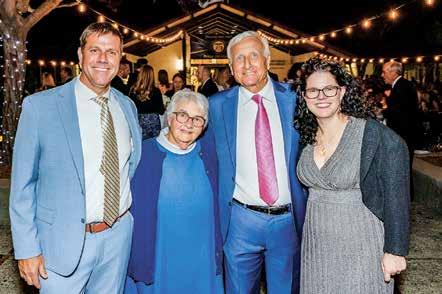
Recently, Santa Catalina School in Monterey, CA, celebrated a milestone of 75 years as an educational institution. As part of that celebration, we are honored to reflect on a relationship that spans nearly half of that history.
Santa Catalina holds a special place in the Bon Appétit family. In 1988, it became Bon Appétit’s very first education account, marking the beginning of our journey in education dining. From the very beginning, Santa Catalina believed in a thoughtful, values-driven approach to dining — one that aligned with our commitment to quality, hospitality, and doing things the right way.
Over nearly four decades, we’ve grown together, supporting generations of students and faculty and sharing countless daily moments around the table. We are grateful for the leadership and partnership of Head of School Dr. Barbara Ostos and Sister Claire Barone, whose guidance, trust, and shared commitment to Santa Catalina’s mission have meant so much to our team over the years. Santa Catalina isn’t just a client to us — they’re family.
As Santa Catalina celebrates 75 years of excellence, leadership, and impact, we are proud of the history we share, the memories we’ve made, and the enduring relationship that continues to define what partnership truly means. — Bob Lubecky, regional vice president, Northern California
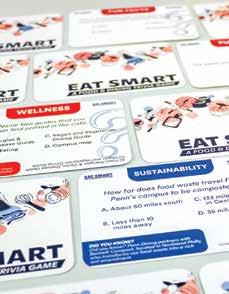
Sometimes, you need a break from the grind, but it can be hard to disconnect or strike up a conversation with someone new. That’s where the new café trivia game at the University of Pennsylvania in Philadelphia, PA, comes in! Scattered throughout the tables in every residential café, “Eat Smart: A Food & Dining Trivia Game” challenges students on basic food trivia in a low-key way.
The game also includes questions on wellness, sustainability, and the dining program as a new avenue to tell the story of Penn Dining’s impact on student life. Serving as both an education tool and an icebreaker for student conversation, the trivia deck helps foster community within the dining space. — Sarah Goff, wellness manager, University of Pennsylvania
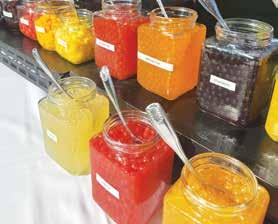
Bon Appétit and Greg Gunthorp from Gunthorp Farms in LaGrange, IN, collaborated to sponsor Luau on the Lawn for students, staff, and community members at Trine University in Angola, IN. They moved dinner outside and served it with a twist, featuring dips, salads, fruit, delicious sides, and a whole roasted locally raised hog from Gunthorp Farms, a proud Farm to Fork vendor for the last 10-plus years. Greg chatted with guests and promoted our partnership while providing delicious, fresh pork with an assortment of barbecue sauces. They also set up a new iced tea and lemonade tiki bar concept, with a variety of different toppings and flavorings that folks added to their drinks, from diced mango to passion fruit boba. The event brought together the Trine community with food at the forefront. It was deliciously hospitable! — Jacilyn Kramer, general manager, Trine University
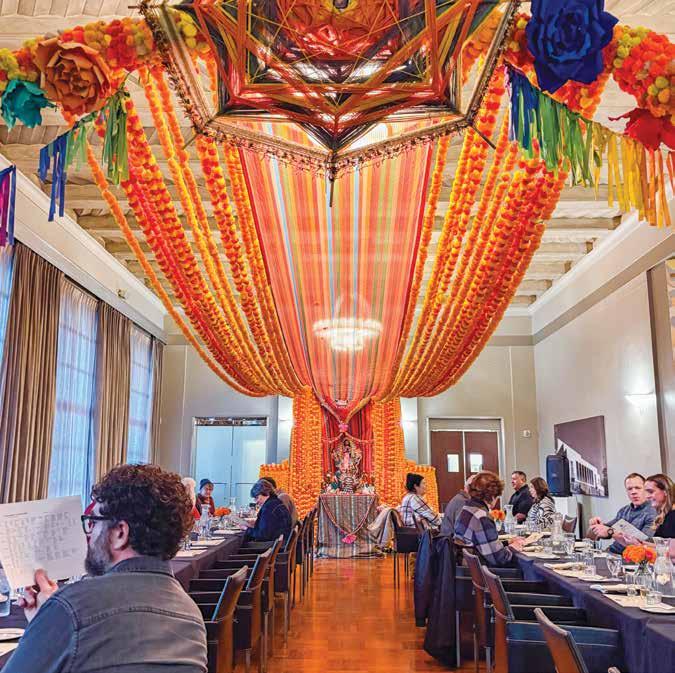
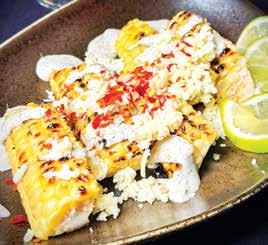
Bon Appétit at Colorado College in Colorado Springs and the Colorado College Fine Arts Center partnered for a meaningful and delicious late fall evening. Over 40 guests joined for an intimate tequila tasting featuring five courses of small bites created by Sous Chef Collin Waller and spirits selected by tequila specialist Josh Howard. Under the beautiful backdrop of the annual ofrenda installation, attendees explored the nuances of tequila, food, and culture.
Proceeds from the event support the Fine Arts Center’s annual Día de los Muertos celebration, which serves around 3,000 people from the community each year free of charge. Evenings like this, at the intersection of great food, meaningful partnership, and community impact, remind us why hospitality matters. — Beth McKinney, campus and community relations manager, Colorado College
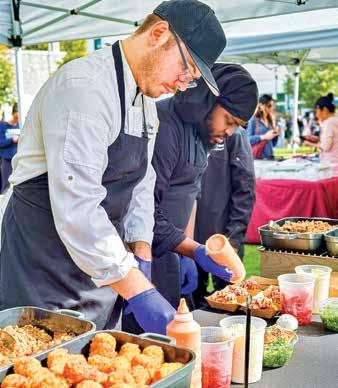
The catering team at Emory University in Atlanta, GA, recently joined the Emory Farmers Market to give our campus community a taste of what we do best! Executive Chef Andrew Renner and Director of Catering Ashley Beaty were both on site, sharing delicious tasting bites and connecting directly with students, faculty, and staff. Special shoutout to Catering Manager Mike Daniels for an outstanding job engaging with students throughout the event.
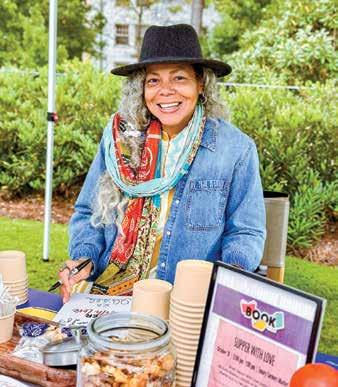
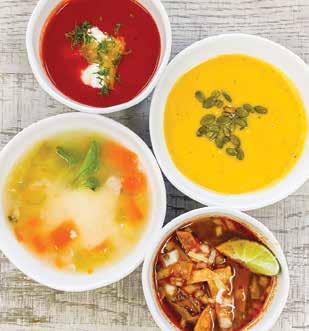
The Emory team followed up the catering showcase with a Book Club Adventure featuring cookbook author Michelle Braxton, whose special meet-and-greet and tasting event at the market warmed hearts and stomachs on a chilly day. They served her soups at the Kettles station inside the dining hall, where they quickly became a crowd favorite, with one student sharing: “This soup made my day — please do this again!” — Chau Nguyen, marketing coordinator, Emory University, Atlanta
At Butler University in Indianapolis, IN, hospitality is woven throughout our daily work, including the game day experience. The dining program supports Butler Athletic’s vision of being a can’t miss sports destination on the campus and beyond. Each home game is designed to feel intentional and elevated, from the moment guests arrive until the final buzzer.
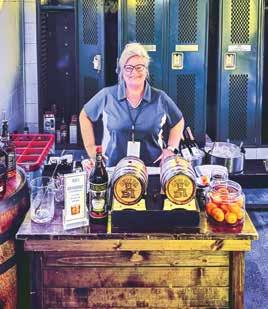
One of the most distinctive additions to this year’s lineup is the new Speakeasy at Hinkle Fieldhouse, an exclusive experience tucked beneath the historic arena. Inside, guests discover an atmosphere that blends history with sophistication. A bourbon barrel from Louisville engraved with the Butler logo ages cocktails made with Butler’s own Circle City Whiskey. Bon Appétit’s team designed the space to bring a chic, lounge-like character to the space.
And the work does not end when the final score is tallied! Whenever Athletics surveys mention Butler Dining, the team follows up personally at the next game, ensuring guests feel heard and appreciated. These small but powerful gestures turn service into hospitality, and hospitality into tradition. — Kevin Asselin, marketing director, Butler University
the Salish Sea with Lummi Island Wild
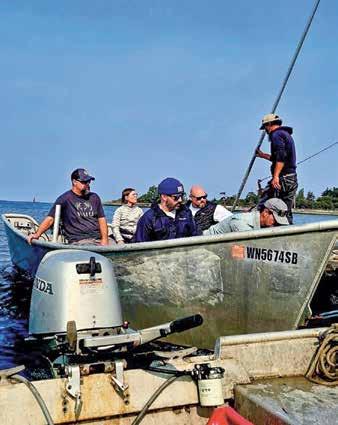
A group of Seattle-area Bon Appétit chefs recently came together for a hands-on experience with the Native American reef net fishery cooperative, Lummi Island Wild. The mission of the day was to experience the operation and strengthen our partnership with Lummi Island Wild, and we did just that. Here’s what we learned:
Š Practiced in the Salish Sea for millennia, reef netting was perfected by the Lummi Nation and neighboring Coast Salish tribes and blends cultural ceremony, ecological knowledge, and place-based fishing methods.
Š The fishing method employs stationary gear structures that guide salmon into nets and transfer them into seawater holding tanks, where any non-target species are released back into the wild.
Š Lummi Island is the only active commercial reef net fishery in the world.
Š Lummi Island Wild was founded in the early 2000s and currently runs exclusively on solar energy, a pioneering move in the world of sustainable seafood.
We are thrilled to have a relationship with Lummi Island Wild, whose practices prove that conservation and commercial success can (and must) walk hand in hand. Their story underscores how honoring ancestral practices can guide us toward a regenerative future. — Kristin White, brand activation manager, Seattle
Patio Pizza Pop-Ups at St. John’s
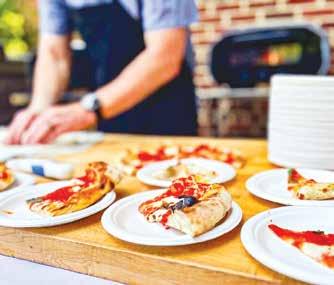
Chefs at St. John’s College in Annapolis, MD, recently added two Ooni pizza ovens to their lineup. The ovens reach a maximum heat of 850°F, making them ideal for producing authentic Neapolitan style pizzas. The team takes advantage of an outdoor patio to host pizza pop-ups, which the students love — they’ve garnered lots of positive feedback. Students are very receptive to authentic pizzas!
— Michael Cleary, general manager, St. John’s College
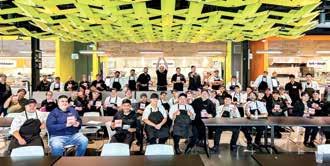
The team at a Bay Area cybersecurity company celebrated over one year with no medical accidents with Crumbl Cookies and a gift from the management team. Thanks to a vibrant culture that combines team building with training, and interactive games like trivia that bring energy and creativity to bear on our shared safety goals, the team is prepared and ready to keep the streak alive! — Samantha Reyes, resident district manager, Bay Area cybersecurity company
In Minneapolis, MN, the Target Plaza team has demonstrated exceptional dedication, precision, and teamwork — achieving an incredible milestone of 730 days without a single accident. This accomplishment reflects not only a strong safety culture but also the unwavering commitment of every team member across multiple service areas. Way to go, team! — Salvatore Rosa, resident district manager, Target


At Bon Appétit, innovation is a collaborative effort that extends far beyond the plate. Across departments, teams are continually developing new ideas that support our people and elevate the guest experience. Here’s a look at what’s new from three teams helping shape the future of our cafés and kitchens.
BY CHLOE OBOLENSKY
Š Behind every Bon Appétit café is a strong foundation of safety training that supports both guests and associates. Managers, chefs, and hourly team members complete ongoing food safety and allergen education that reinforces best practices throughout the year.
Š Cervello, our digital resource hub, brings safety tools and training together in one place. Managers can access food safety manuals, equipment training, safety assessments, and guidance for responding to incidents or inspections.
Š Learning continues through weekly Five Minutes for Food Safety sessions and the quarterly Food Allergy Safety Series, which use real scenarios and practical examples to strengthen awareness across teams. Together, these resources help build a culture where safety is both a requirement and a shared responsibility, allowing teams to focus on delivering great food and welcoming experiences with confidence.
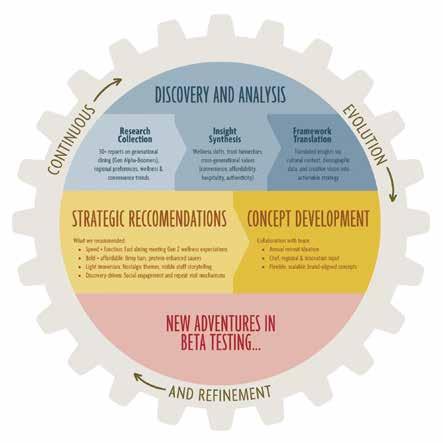
Š Lately on the Image & Style team, they’ve been focused on an ideal process to bring activation ideas to life. It begins by paying close attention to what’s happening in Bon Appétit cafés. Point of sale data, guest feedback, regional dining trends, and cultural moments all help reveal how tastes are evolving and where new opportunities may lie.
Š Led by the Creative Insights and Activation Strategy Manager Ella Gmelich, the team transforms their data and insights into dining activations and guest experiences through a continuous cycle of exploration and refinement. New activations like Taste the Trend and the Palate Challenge were built this way, by focusing on trending ingredients and flavor combinations with a structure that invites chefs to experiment and flex their culinary creativity.
Š Overall, the process is intentionally collaborative and flexible rather than linear, allowing ideas to evolve and take shape in ways that best make sense for teams and the communities they serve.

Š Bon Appétit is reimagining wellness with , a fresh, culinary-forward platform built on the idea that the more people understand food, the smarter and more confident their choices become.
Š Culinary literacy is the heart of the program. “For years, wellness education has focused on nutrient literacy and helping guests understand what’s in their food. But emerging research suggests that culinary literacy (the skills and confidence to prepare food well) may be one of the most underused strategies in behavior change,” says Dayna Munich, manager of wellness solutions. “When people know how to make vegetables taste good, they eat more vegetables. Not because they should. Because they want to,” she says.
Š Grounded in nutrition science and sensory learning, Edible IQ invites guests to explore how food works rather than being told what is good for them, highlighting how flavor, texture, color, and cooking methods influence satisfaction in food choices. “Not everyone wants to eat carrots because they’re high in beta carotene,” Dayna says. “But if we can get people experimenting with technique and flavor, hopefully they’ll eat more carrots because they’re delicious.”
Š It’s practical, evidence-based learning tied directly to real food and real meals.

at Bon Appétit, sustainability is our baseline. And we’ve been resetting that baseline to reach new goals since our founding in 1987, from local purchasing to the food and climate connection. In the following stories, you’ll read about how we’ve carefully defined the parameters for our local purchasing program, Farm to Fork, and how that program has grown with us over the years to now include over 1,700 farms and vendors. And you’ll read about one national account making major progress toward lowering emissions through strategic menu engineering. Both stories point to our commitment to the shared value of food service for a sustainable future.

EVERYONE SAYS THEY BUY LOCAL. HERE’S WHAT THAT SHOULD ACTUALLY MEAN.
BY FEDELE BAUCCIO
“Local” is one of the most reassuring words in food. It evokes images of green rolling hills, pastoral farms, farmers’ markets, and a relatively direct path from field to plate.
But the value of local food is not captured by mileage alone. For Bon Appétit Management Company, that has never been good enough. What matters just as much is transparency: knowing who produced the food, how it was grown or made, and whether our purchasing dollars are going toward the kinds of businesses and communities we want to strengthen. A product can come from just down the road and still tell you very little about these things.
Distance matters. So do size, ownership, and shared values.
OUR DEFINITION IS INTENTIONALLY NARROW
When we launched Farm to Fork in 1999, we were chasing flavor and real connections to the people growing our food. Our chefs wanted ingredients that reflected the places where they were cooking. So, we made a conscious decision to buy from small farms and producers close to our kitchens.
More than 25 years later, Farm to Fork includes more than 1,700 small, owner-operated farms and food businesses across the country. This network exists because our chefs build direct, ongoing relationships with producers, region by region, season after season.
To do that with integrity at scale, we had to draw a clear line. Our chefs are tasked with
spending at least 20% of their annual food budget with small, owner-operated farms, ranches, and artisan food businesses that are in close proximity to their account.
Š Size: Eligible producers must have less than $5 million in annual sales.
Š Ownership: Businesses must be owneroperated.
Š Proximity: Those partners must be located within 150 miles of the kitchen they serve.
That combination of distance, size, and ownership is what “local” means to Bon Appétit.
It matters that the farm is small.
Small and mid-sized farms lack many of the price guarantees and federal subsidies that support large conventional operations. Recent analysis of USDA Census data shows that farm closures between 2017 and 2022 were concentrated among operations with relatively low sales, reinforcing how vulnerable smaller farms are in a consolidated system. Directing our purchases to businesses under $5 million in annual revenue is one of the most tangible ways we can keep those farms in business and rooted in their communities.
It matters that it is owner-operated.
When the person you meet in the field is also making decisions about wages, equipment and infrastructure investments, and how water and land are managed, you gain visibility into labor practices and environmental stewardship, and you gain a true, collaborative partner in the process.




And it absolutely matters that 20% is our baseline, not our best-case scenario.
Our 20% commitment is written into how we budget, buy, and measure performance, not just how we talk about sustainability. It is tracked and reviewed with our teams for measurable proof on the plate for the clients and guests we serve.
This is also where we diverge from much of the industry. Many food and beverage companies tout “local” or “regional” spend, sometimes even within a similar mileage range. What is often missing are the qualifiers that matter most: how big those suppliers are, who owns them, and whether those dollars are strengthening small, independent farms or simply leveraging the nearest arm of a large company. Our definition of local was built to make that distinction explicit.
LOCAL IS ABOUT VALUES AS MUCH AS MILEAGE.
The more we worked with small farmers, the clearer it became that distance alone does not capture what people care about in local food. So, we built nuance into the program.
In addition to core Farm to Fork purchasing, we created:
Š Locally Crafted: Which supports local makers who align with our social or environmental values, from bakeries and tortilla makers to tofu producers.
Š Fish to Fork: Which sets a 500-mile sourcing radius, limits on how far boats can travel per trip, and a focus on underutilized species.
Š Midsize Humane: Which supports mid-sized meat producers that meet strict third-party animal welfare certifications, recognizing they are also squeezed by consolidation.
Those extensions are built on the same premise: local food should reflect a set of values about who benefits from our purchasing power, not only where ingredients are harvested.
OUR FARM TO FORK NETWORK IS OVER 25 YEARS OLD AND OVER 1,700 PARTNERS DEEP — AND EACH ONE HAS A STORY. WE’RE PROUD OF THE RELATIONSHIPS WE’VE BUILT AND THE COMMUNITIES WE’VE CONTRIBUTED TO AS PART OF OUR COMMITMENT TO PURCHASE LOCAL FOOD. KEEP READING FOR JUST A HANDFUL OF SNAPSHOTS FROM OUR NETWORK, FROM FOOD HUBS TO COFFEE ROASTERS.
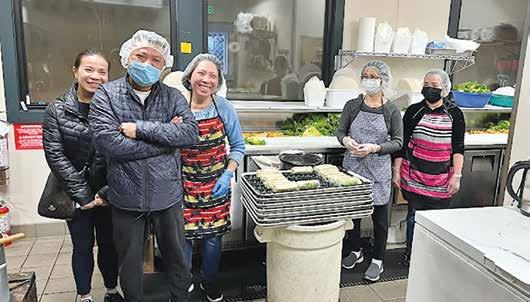
Bui Natural Tofu is a longtime Farm to Fork partner in Portland, OR, serving up both wholesale and retail tofu products and other Vietnamese traditional foods including salad rolls, sticky rice, and more. The tofu operation began in Minh Bui’s garage with help from his sister and two brothers in 1996, two years after they immigrated to the U.S.
Minh has run the business with his family since 2005. He explains, “the tofu business is keeping our family together. When we’re together we are encouraged to keep our culture and pass it down to the next generations,” while using the same methods their family used back in Vietnam.
What started as a small operation in Portland just for friends and family has developed into a continually growing, successful family business. Today, they supply tofu to many colleges and corporate offices in the area. Due to the unmatched quality and flavor, it’s no secret why the Portland community (and our Bon Appétit chefs!) still can’t get enough of Bui Natural Tofu after all these years.
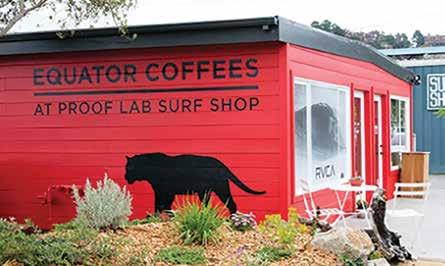
Co-founded by Brooke McDonnell and Helen Russell in a garage in Marin County, CA, in 1995, Equator Coffees was founded on the idea of making people’s lives better through coffee. Almost three decades later, Equator has brought new meaning to transparency in the coffee industry, as well as a commitment to equitable and sustainable practices in action. The B Corp certified company provides high-quality and ethically sourced coffee to customers throughout the Bay Area and nationwide while still holding to their core values of sustainability and social responsibility.
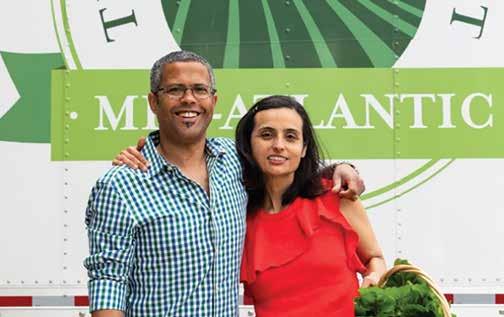
In 2010, our team at the University of Pennsylvania struck up a partnership with The Common Market, a new non-profit organization dedicated to building sustainable and equitable local food systems. The brainchild of husband-and-wife duo Haile Johnston and Tatiana Garcia-Granados, the organization was in its infancy, with just one delivery vehicle and $100,000 in revenue in their first year.
The Common Market’s goal is to connect food producers with consumers in the areas they operate, especially in food-insecure neighborhoods. This mission-driven food distributor aggregates produce, dairy, artisanal products and more from growers and artisans, giving chefs and other wholesale buyers a one-stop-shop to purchase local products.
Nearly 15 years into the partnership, Bon Appétit and The Common Market have grown together, with Bon Appétit-served colleges, universities, cultural institutions, and corporate headquarters sourcing from The Common Market in Pennsylvania, New York, Georgia, Illinois, and beyond.
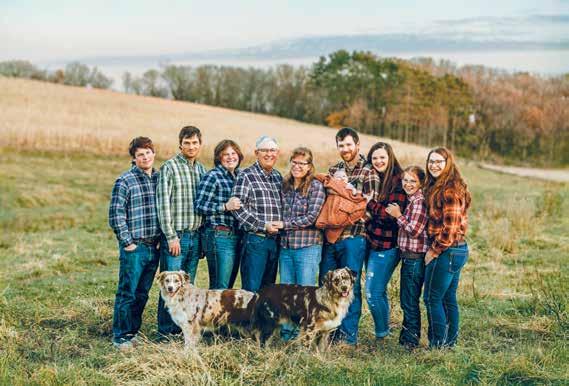
Based in Elgin, MN, Hidden Stream Farm has worked with Bon Appétit for the last 26 years. Owners Lisa and Eric Klein have been reliable Farm to Fork partners since the start of the program back in 1999, providing pastureraised beef, pork, and chicken to several accounts in Minnesota.
Their approach is simple: “We try to raise our animals on sunshine, grass, and fresh air. We use a regenerative system of farming, and we hope we will leave our little corner of the world better than when we received it.”
Hidden Stream sells their own meat and eggs and manages a food hub as well, offering a variety of meats, produce, eggs, and other products from over 25 other small family farms. Lisa shares the impact of our decades-long partnership: “Working with Bon Appétit’s Farm to Fork program has provided not just our farm, but many farmers an opportunity to sell their products and stay on the land.”

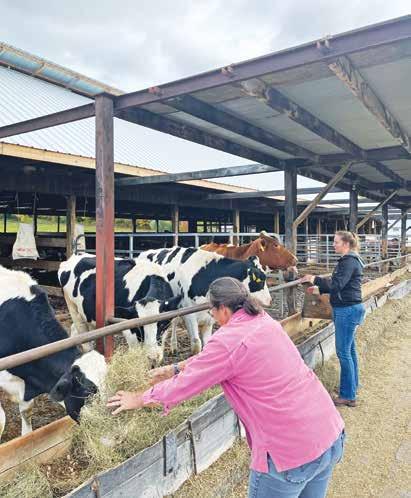
Set amid the rolling hills of the Hudson Valley, Tollgate Farm spans 140 acres in Ancramdale, NY, near the border of Massachusetts and Connecticut. As one of eight member farms of Hudson Valley Fresh Dairy cooperative, a Farm to Fork partner at Vassar College in Poughkeepsie, NY, Tollgate exemplifies a commitment to high-quality milk and sustainable agriculture. Led by fourth-generation farmer Jim Davenport and his wife Karen, the farm has earned national recognition for its dedication to excellence.
A cooperative like Hudson Valley Fresh offers a lifeline to small producers like the Davenports, whose costs of production often outweigh the prices they’d receive for their milk. With the co-op, farms receive a premium price for their high-quality milk. By prioritizing fair compensation, the co-op allows farms to cover their costs, invest in sustainable practices, and retain the independence and traditions that are often lost in larger operations. Hudson Valley Fresh also pitches in on marketing, bringing milk samples to schools like Vassar and telling the stories of the farmers behind the food.
IT’S midweek at any one of the U.S. offices of a global technology company. These are in-office days, and the spaces across the country are in full swing. Our teams are in overdrive, packing the days with special menus, events, and activations designed to keep employees engaged and well-fed. Whether there’s a Bring Your Child to Work Day or a national heritage promotion happening, one thing a guest dining in the café may not notice: none of those promotional menus include beef.

In 2024, the team was working together to see how they could continue to push nutrition education and menus centered on whole foods to align with the company’s WELL certification.
As one step, the marketing team decided to test an idea: dropping beef from the promotional menus. “We thought, well that’s the future of where Bon Appétit is going, and it aligns with [the company’s] sustainability goals for 2030,” says Brielle Wann, director of marketing for the global account.
Kitchen teams across the company were already on a protein rotation to align with the WELL requirements, as well as to minimize repetition and inspire cooks to get creative with protein sources beyond guest favorites like beef and chicken. The protein schedule primed the culinary team to think outside the beef box, with assistance from Brielle’s team, who offered weekly suggestions to help engineer the menus, and reviewed all menus for compliance with members of the wellness team.
BY LEIGH BELANGER
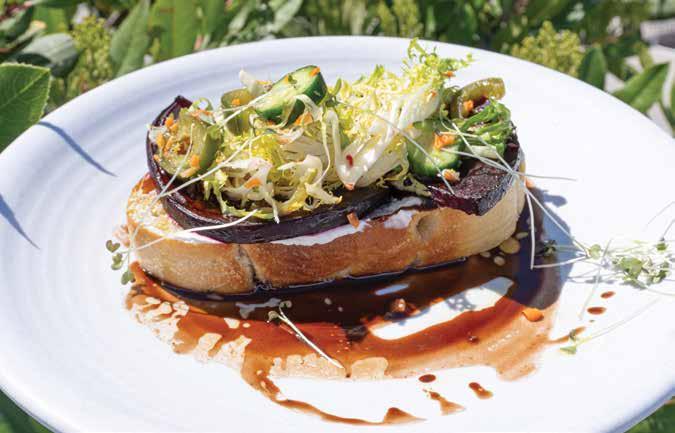
The marketing team decided to keep the menu shift quiet. Beef retained its modest presence in the menu rotation and protein schedule (even the weekly burger is a 50/50 blend of beef and mushrooms), and the team focused on building buzz and excitement around the alternatives featured in the promotions, whether those included other animal proteins or focused on plant-forward dishes like oyster mushroom and huitlacoche tacos or mushroom Reuben sandwiches.
In the kitchens, chefs focused on pushing the creativity and innovation of their teams to “expand the accordion of flavors and techniques,” says Dominick Maietta, culinary director for the Mission Bay and Sunnyvale locations, “and get them out of their safe space of beef as a focal point.” To that end, the culinary leadership team worked with the ideas that marketing sent their way, while also sharing ideas from their own experiences, those from culinary influencers, and encouraging the team to experiment and play within the framework of swapping out beef.
In contrast to the uproar caused by an attempt at Meatless Monday at the account years ago, guests haven’t noticed the beef reduction, or at least they haven’t said anything, says Matt Campbell, vice president of operations for the account. Feedback on the food, whether face-to-face or through the digital system the team uses, has been positive, and another great way to motivate the cooks, says Tony Del Real, executive chef at the Sunnyvale location.
A little over a year into the project, Rosanne Cefalu, senior manager of client services, was working with Curt McClusick, Bon Appétit’s director of purchasing data and analytics, to prepare data for an annual business report. She observed a significant drop in CO2 emissions across the region when reviewing data in the Food Standards Dashboard. When checking with Curt and his team, she learned that in fact, the change in emissions was directly related to the beef cuts. Encouraged by the shift and feedback, the national team continues to refine and deepen their commitment to reducing emissions through creative, strategic marketing and culinary efforts.
Today, beef purchases represent just 2% of overall purchases nationally at this account, compared with an average of 5% at comparable Bay Area tech accounts with a national presence. Strikingly, this purchasing shift has contributed to a 62% year-over-year reduction of greenhouse gas emissions. As they look ahead, says Rosanne, “we’ll continue to keep trying to reduce boxed beef and waste overall and keep tightening that.” Kudos to the team for the consistency and collaboration that have brought them to this accomplishment.
we believe feeding people is a deeply personal act, intertwined with care for communities and the planet we all share. Our Wellness and Food Education teams touch many parts of our operations, from ensuring our guests can safely dine with us, to teaching people stealth nutrition through the pursuit of flavor, to celebrating the diverse cultures and cuisines found among our guest and employee communities. You can learn more about how we bring culinary confidence, well-being, sustainability, and community to life through our Wellness and Food Education projects and initiatives in the following stories.
Our Vice President of Food Education and Wellness Terri Brownlee, MPH, RDN, LDN, has spent the past year collaborating with EAT Lancet and stakeholders from 43 organizations across the globe (including our parent company Compass Group) on an Action Brief for and with Chefs, Restaurants, and Food Service to continue making healthy, sustainable, and delicious food options more desirable, widely available, accessible, and affordable to all. With the recent news of the closure of the EAT Lancet Foundation, continuing to push work like this forward is now more critical than ever.
Her team has also been focused on the rollout of Senate Bill 68 , a landmark act in California requiring restaurants with multiple locations to disclose the top-9 allergens on all menu items starting July 1. This all-hands project between the regional Wellness team and on-site teams is building a process for allergen labeling on all menus in our many California units, including integrating our proprietary tool, Café Manager+, into the process.
Terri also returned to the Culinary Institute of America this month to participate in the annual Menus of Change Leadership Summit . She took part in a panel discussion about responsible AI use as part of the conference, whose theme, Preparing for 2035, challenged participants to reflect on how today’s decisions regarding nutrition and sustainability will affect food systems a decade into the future.
BY LEIGH BELANGER
EARLY IN DAWN SADJYK’S TENURE AS RESIDENT DISTRICT MANAGER AT EMERSON COLLEGE IN BOSTON, MA, A STUDENT WITH A GLUTEN SENSITIVITY ASKED IF THE DINING TEAM COULD BRING IN A SPECIFIC HOT SAUCE THAT’S KNOWN TO BE GLUTEN FREE.
Dawn obliged, even offering the student a bottle to keep in her room. The young woman was so pleased, notes Dawn, that when she became a student tour guide, the episode became one of her go-to stories to share with prospective students. “Small touches have traction,” Dawn says.
Safely serving guests with dietary restrictions — including allergies and food intolerances and sensitivities — while maintaining our high standards of hospitality is a balancing act faced by every operator at Bon Appétit Management Company. Minimizing allergen exposure carries a great deal of weight, and operators must also consider the dietary requirements of different religious
groups, vegans and vegetarians, and global guests who are seeking an authentic taste of home.
It’s a tall order.
But it’s one that, by following protocol and integrating hospitality with compliance, many teams are fulfilling. “Transparency and accuracy are a form of hospitality,” says Terri Brownlee, MPH, RD, LDN, vice president of food education and wellness. “We need to create a space where all are welcome, and they can find foods that meet their dietary needs.”
Our operators work hard to create inclusive menus that welcoming for all — especially guests with allergies and special diets. Here are some best practices they shared:
ALLERGEN MANAGEMENT
Personalized outreach: At Case Western Reserve University in Cleveland, OH, Senior Wellness Coordinator Leilah Absi, MS, RD, LD, makes a point of getting ahead of the students with food allergies. “I try to advertise myself and get myself out there as much as possible, especially in the beginning of the school year,” she says. “I go to orientation fairs, I set up Meet the Dietitian tables in the dining halls, and I try and catch students and introduce myself to students who may have an allergy and didn’t even know a dietitian was on the campus. I do as much as I can to find students who need that help.”
Pro-active planning and communication: At Adobe’s locations in San Francisco, Nutrition Programs Manager Madeline McDonough, MS, RD, LDN, and Enterprise Senior Executive Chef Erik Akers have worked closely to build a thorough system for allergen management, says Madeline. They’ve worked to embed food safety into the team culture by weaving related messages throughout their messaging and emphasizing planning and communication.
“Our standard is pretty high,” she says. “We focus on being pro-active instead of reactive, and when it comes to allergen [management] that’s super important.”
To that end, the chefs create menus two weeks out. “Getting ahead of it two weeks has been super helpful in communicating with the chefs, so they have time to be innovative and creative, but they’re also still keeping safety at the top of their priorities,” says Madeline.
Encouraging open communication has also been key, says Erik. “We focus on building trust with the teams so that if something does change, they can reach out to Madeline or me and ask us to look over the menu,” he says. “That’s something that’s just system-wide, and there’s a lot of trust built into the process,” he says.
Collaboration is key: At the University of Pennsylvania in Philadelphia, the Penn Dining team is always tracking the needs of their global student body and creating programs to fit their needs, often in partnership with other entities on campus.
“Collaborations are the key component to every program that we do,” says Sarah Goff, wellness manager at Penn, “because they inform us on how we can meet students where they are and create programs that are really meaningful.”
For example, the Falk Dining Café on campus makes fully glatt kosher meals (including those for Passover) available to Penn’s Jewish students in partnership with Penn Hillel, a Jewish community organization on campus. Similarly, in partnership with Penn’s Muslim Students Association, Kings Court English House is Penn Dining’s dedicated Halal café. English House serves only certified Halal meats while completely avoiding pork and cooking alcohol.
Additionally, Penn’s new Global Gardens station is one of the first in the country to offer menus in accordance with Jain dietary principles. It was planned and launched in collaboration with the university’s Office of the Chaplain and the student-run Hindu & Jain Association, who provided guidance on Jain diets as well as traditional foods and preferences. Penn Dining then created a dynamic program to meet students’ needs for Jain cuisine and broaden the campus’s plant-forward movement by featuring global cuisines that put plants at the center of the plate.
And the team has recently piloted a new way to serve students with gluten intolerances. Their Made Without Gluten-Containing Ingredients (MWG-CI) self-serve pantries were planned in collaboration with students who were asking for versions of comfort foods, like pizza, burritos, and soup dumplings, that were safe for those avoiding gluten. Sarah surveys the students throughout the school year to maintain satisfaction and keep the rotation fresh.
While the number of students who use the pantry is relatively small, it has a big impact, says Sarah. “I’ll get feedback from students saying how they really appreciate having somewhere that feels very safe and having that peace of mind has been really important for them.”
Be pro-active and responsive: At Emerson, the team serves a student population from all over the world, many of whom are looking for meals that will remind them of home. The team themselves come from diverse backgrounds and love sharing their own cuisines with students, says Dawn. Together, she says, “we just embrace the diversity of it all.” To that end, they’ve prioritized community input and responsiveness. Dawn surveys students when planning station changes and has a comment board in the café where students can add ideas.
“I look at that board seven times a day,” she says. “The chef looks at it seven times a day. Whatever we see up there, we try and get it on the menu within a week or so,” she says, noting that this level of responsiveness helps build satisfaction and trust with students.
Above all, get embedded in the community: Being accessible to guests is a huge part of building trust and community, says Dawn at Emerson. “We look at the community as a whole,” when planning menus and events, she says. Whether intimate sit-down dinners for students with food allergies, making a special meal for a student, or turning around special requests quickly, Dawn is always reminding her team and reassuring guests (and their parents) of their core principle.
“The number one thing is that we’re here for the students, right? We’re taking care of someone else’s kids for nine months out of the year. Think about your own kids — you would want someone doing the same.”
BY WILLIAM PERSSON
FOOD LITERACY AT BON APPÉTIT is an extension of our Dream. We’re committed to fostering a deeper connection between our guests, food, and the impact of food across cultures. Behind-thescenes training boosts our teams’ expertise so they can better help our guests, but we don’t stop there.
On any given day at any given Bon Appétit account, we create experiences aimed at getting more people thinking about and engaging with food in ways that could transform food culture. Whether it’s pickling vegetables at Rose-Hulman Institute of Technology or hosting accomplished home cooks from Italy for a pasta making class, our comprehensive food education programming engages our guests in fun and interactive ways.

Interested in learning more about our food literacy efforts? Scan the QR code to take a look at our Food Literacy Impact Report, released last year.
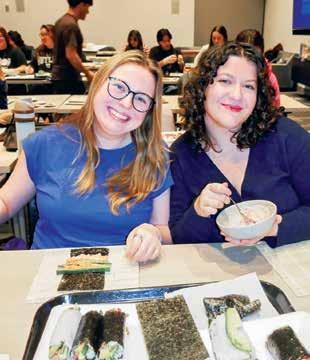
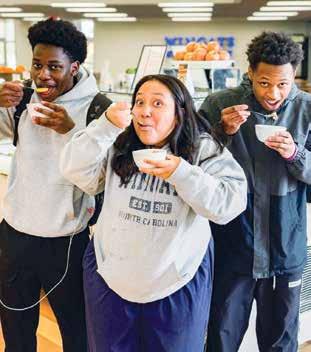
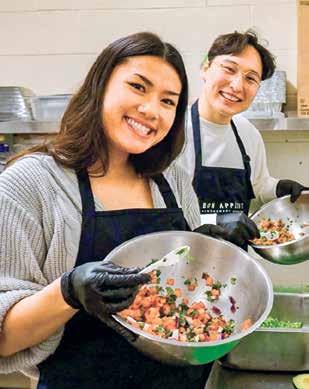
At St. Olaf College in Northfield, MN, students were able to learn how to make salsa, guacamole, and tortilla chips from scratch. Along the way, they learned everything from knife skills to proper food handling from Executive Chef Jerry.
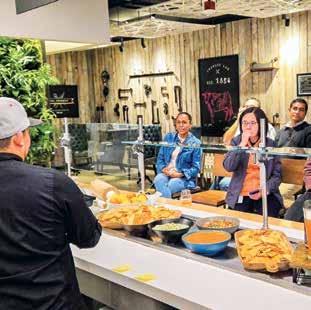
As part of their ongoing cooking class series, Foundry & Lux in South San Francisco, CA, hosted a potluck-approved cooking class with party-ready recipes for guests. The focus was creating dips from scratch, demonstrating that even a humble dip at a party can pack a punch of flavor.
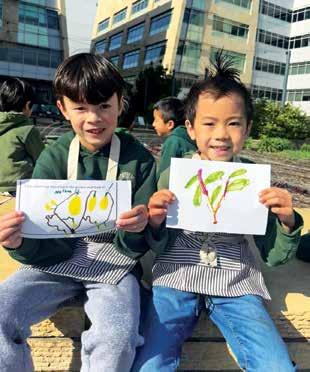
Our restaurant STEM Kitchen + Garden in San Francisco, CA, has become the hub for our Healthy Kids program in the Bay Area. Featuring an on-site garden and gorgeous Bay views, it is the perfect place for local kids from the community to learn everything from where our food comes from to how gardens help us grow.
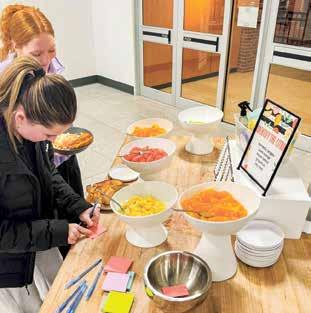
It’s always apple-tasting this, apple-tasting that, but what about citrus!? Winter citrus features a dazzling array of unique flavors and varieties. That’s why our team at Stonehill College in Easton, MA, put their guests to the test with a citrus-focused tasting, featuring everything from tangelos to key limes.
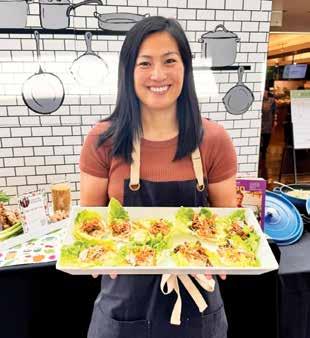
Our new California-based Wellness Manager Carly Ogata, MS, RDN, toured her accounts to sample Mushroom Bulgogi Lettuce Cups, a vibrant plant-based recipe from Vegan Vibes: 100 Soulful Plant-Based Recipes for Everyday Meals by Jenné Claiborne. Jenné was our Black History Month 2026 partner, and her plant-based recipes coincide perfectly with the wellness messages our dietitians are trying to communicate to guests every day.
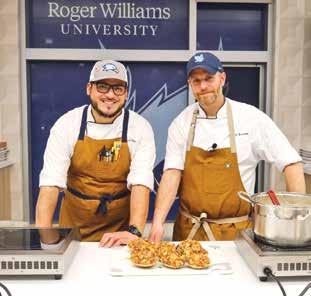
When your college has its own shellfish farm, sometimes a cooking class isn’t just a cooking class. At Roger Williams University’s recent class, the focus was clam chowder and “stuffies,” aka stuffed clams. Because of RWU’s position on Mount Hope Bay in Bristol, RI, the session really highlighted the beauty of true farm (or fish) to fork eating.
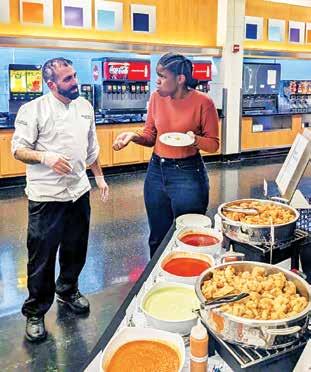
Our team at Gallaudet College in Washington, D.C., challenged their guests to taste five different house-made hot sauces, from mild to wild. The top sauce became the signature sauce they would use for wings in the future. RIP their tastebuds, though, because apparently level 5 was a true scorcher.
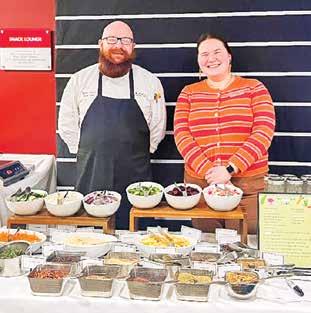
Our team at Rose Hulman Institute of Technology in Terre Haute, IN, hosted a classic event from our Fellows: a pickling pop-up with a variety of different vegetables and spices. The potential was (almost) limitless; the reward for participating was delicious; and the experience taught students the classic culinary technique of pickling!
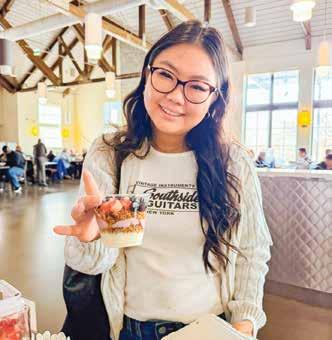
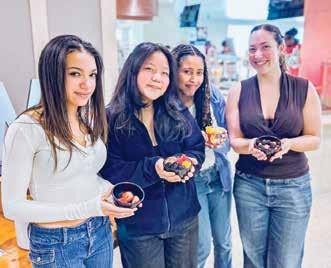
Guests at Oxford College of Emory University in Atlanta, GA, and Wesleyan University in Middletown, CT (among many others!), were able to learn how to customize their very own yogurt parfaits. The lesson? It is easy to pack nutrients into a snack that fuels you.
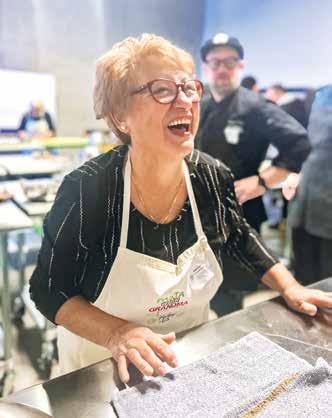
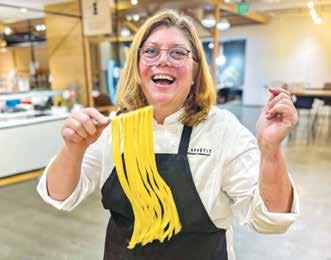
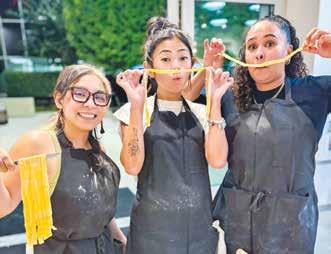
Bon Appétit teams in Seattle and San Francisco welcomed NonnaLive, an online and in-person cooking experience, to host hands-on pastamaking workshops honoring the tradition and craft of experienced Italian home cooks. It was a chance for them to experience the culture and hospitality behind making pasta from scratch (and enjoy some truly top-notch noodles!).
at Bon Appétit, we’re building a culture of care — among our people and our guests — so that all feel welcome and included in our spaces, whether they’re there as staff or a dining guest. As this ethos continues to grow, we’re proud of the ways hospitality is expressed in large and small ways throughout the company. Keep reading to learn how our leaders are thinking about hospitality, how we’re building the culture from the inside out, and what it looks like in practice.

AS WE BUILD THE CULTURE OF HOSPITALITY AT BON APPÉTIT, I AM STRUCK BY HOW MANY WAYS HOSPITALITY CAN SHOW UP IN OUR OPERATIONS. WHEN YOU START TO INTENTIONALLY BUILD A CULTURE, IT’S FASCINATING TO SEE HOW PEOPLE STEP UP AND DEFINE HOSPITALITY IN THEIR OWN TERMS WITHIN THE FRAMEWORK OF THE TRAINING WE PROVIDE THROUGH BENVENUTI AND WOWS, OUR HOSPITALITY AND SERVICE TRAINING PROGRAMS.
Hospitality is what makes Bon Appétit’s cafés feel different. It’s the way we anticipate what guests need, listen to feedback, and create experiences that feel personal and memorable. Whether that’s preparing a separate meal for someone with a food allergy or remembering a coworker’s birthday with a special gesture, hospitality is about taking the extra steps and putting a shine on the small details of service that help people feel seen, heard, and appreciated.
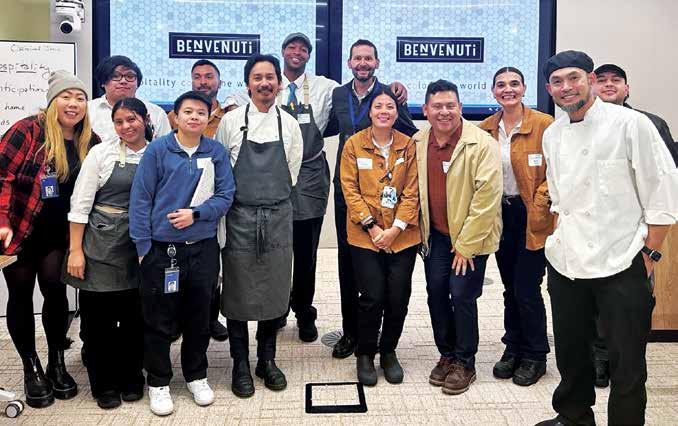
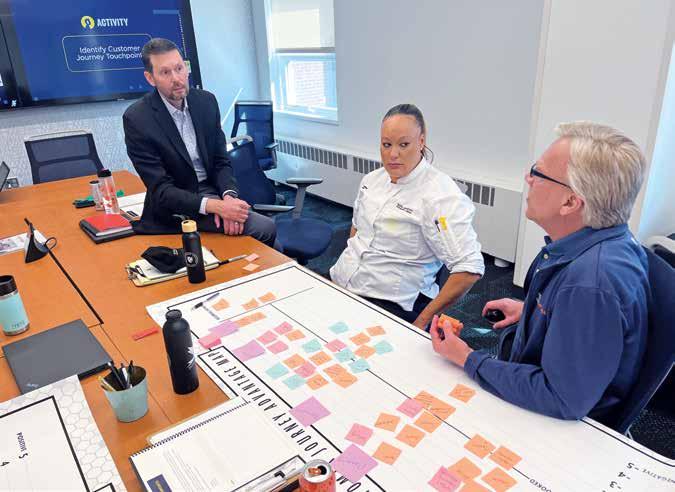
I couldn’t be happier with what I hear from the frontlines because of Benvenuti. As you’ll read in the next set of stories, Guest Experience and Hospitality Manager Robert Kasnekaw has been bringing these trainings to accounts all over the country and inspiring team members to begin their Benvenuti journey by offering hospitality to each other. Starting with each other helps us build the hospitality ‘muscle’ and the environment in which the warm and welcoming vibes can flourish for both guests and associates alike.
And as I mentioned, it’s amazing to see how hospitality shows up in our accounts. Whether that’s extending a welcome to the community outside our café doors or infusing college dining halls with a spirit of belonging, this kind of work depends on creativity, consistency, and collaboration. Every employee has a role to play in creating moments of welcome and care.
Our people and our shared commitment to hospitality are just as foundational to who we are as our sustainability initiatives. I hope you enjoy the stories in this issue and feel inspired to bring your own spin on care and hospitality to your account!

BY LEIGH BELANGER
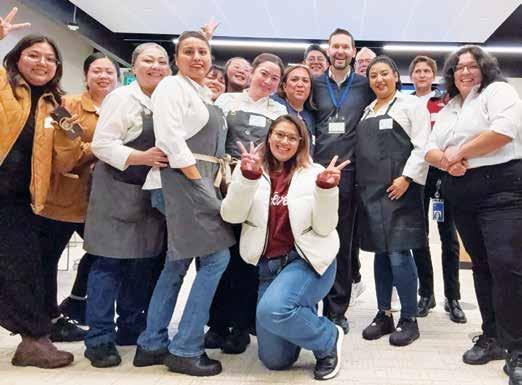
AS A COMPANY OF SERVICE INDUSTRY PROFESSIONALS, HOSPITALITY SKILLS ARE SECOND NATURE TO MANY TEAM MEMBERS AT BON APPÉTIT. BUT OVER THE PAST FEW YEARS, WE’VE BEEN WORKING TO BUILD A BLUEPRINT FOR HOSPITALITY AND EMBED THAT BLUEPRINT INTO OUR CULTURE. ENTER BENVENUTI.
While reading author and industry veteran Will Guidara’s book, Unreasonable Hospitality, Vice President of Image & Style Carrie Buckley had an a-ha moment with the book’s themes and lessons. With Fedele and Michael’s support, she sent thousands of copies of the book out to the field with a note asking teams to read the book and reflect on what they learned.
Meanwhile, with Paula Nielsen and Shannon Hulley from the Employee Experience team, she developed the Benvenuti journal, which includes reflective prompts to help teams integrate the lessons from the book into their lives, both personally and professionally.
Around the country, teams gathered in informal book clubs to discuss the ideas in the book. One of those reading groups was at the Cleveland Museum of Art, where Robert Kasnekaw was the general manager. When diving into the book and its ideas with his team, it struck a chord with him. “It really felt like something we could build on,” he said.
As the book and journal gained traction at accounts, Carrie looked for someone to take the new program to the next level. She reached out to Robert, and together they designed the in-person Benvenuti training, which Robert started taking on the road to accounts across the country. His recent addition is a seven-week follow-up series of emails with prompts and tips to help reinforce the lessons and build them into Bon Appétit’s company culture.
The trainings serve not only to further develop and codify the culture of hospitality at Bon Appétit, but to demonstrate a couple of key ideas:
» Hospitality comes in many shapes and sizes: For some people, when they hear the word, they think of besuited restaurant hosts and grand gestures. Not so, says Robert. “Hospitality is about how you make people feel.” If our goal is to extend care to others so that they feel seen, heard, and welcomed, then our efforts will naturally take many shapes, from remembering someone’s coffee order in the morning to meeting a special request for balsamic vinaigrette in the middle of a busy lunch service.
» Hospitality starts from within: Just as important, says Robert, is helping employees recognize that hospitality comes from within. “I talk about how we need to treat each other with that same level of hospitality that we would our guests,” he says. “When we do that, the spirit of it all comes from the inside out,” he says. “Guests are never happier than our happiest employee.”
In many ways, excellent service and hospitality is found in attention to detail — correctly spelling a guest’s name on the side of their coffee cup or making a special dessert based on a guest’s favorite snack — and “the details are what make people feel a certain way,” says Robert. The Benvenuti training is designed to inspire employees and get them to think differently about the significance of the details that make up their day-to-day work by transforming routine into purpose, he says.
For General Manager John Gkanios, who went through the training with his team at the New York City location of a national social media company, “that’s what’s beautiful about this whole thing, right? It’s giving us the chance to pause and zoom the lens out a little bit,” he says. “We’re not re-inventing something here, but we are shining a light on some of the things we’ve already been doing and seeing what new things we can incorporate.”
In that spirit, the team recently rolled out a winter cranberry kombucha sparkler as a special treat at the office, said John. “It was a bit of ‘surprise and delight’ for the guests here,” he said. “And it changed the energy a bit in the office. People really loved it.”
IT REALLY FELT LIKE SOMETHING WE COULD BUILD ON.
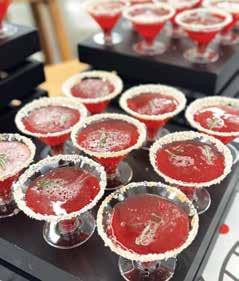
Last year at Macalester College in St. Paul, MN, the team participated in a beta test of the Benvenuti training. While participating, General Manager Amy Tomes had a spark of inspiration to create a Wall of Fame, framing highlights of when employees extended above and beyond hospitality to guests where it could be seen by the team. “Recognition like this creates a symbol of the culture,” says Robert. “It tells every team member, ‘We see you. The work you do is important. You make a difference.’”
For Amy, the inspiration was invaluable. “I found the training really impactful because it sparked a lot of ideas that I was able to make happen within a few months,” she says. “The Wall of Fame is a huge morale booster for our team.”
And at the Austin location of a national financial services account, the team gathers for an Unreasonable Hospitality book club, and in one exercise, they each contributed words reflecting their own culture of care, food, and service — words that now every team member carries on a personalized PID card to help them live their culture with intention.
Whether teams are designing warm and informative Back to School “Welcome Tables” as Tamalynn Flanagan and her team at the University of Portland in Portland, OR, did last fall or exhibiting on-the-fly flexibility to meet guests’ needs during service, the hospitality spirit is alive and well at Bon Appétit.
Robert hopes that the Benvenuti approach to hospitality will continue to become a central part of our company culture. “I’d love to see it evolve similar to our safety culture, where it’s something that is embedded into the way we work,” he says.
BY TARA BARANOWSKE
THE PEOPLE AND CULTURE COUNCIL (PACC) WAS FORMED IN 2020 WHEN WE EMBARKED ON A JOURNEY TO EXAMINE OUR CORPORATE RESPONSIBILITY TO ADDRESS AND DISRUPT THE BIAS UNINTENTIONALLY EMBEDDED IN OUR CORPORATE STRUCTURE.
“We needed a new structure that captured the voices and perspectives of people from across the company and turned their ideas into action,” says Liz Baldwin, Chief Administrative Officer and executive sponsor of the PACC (formerly the Diversity and Inclusion Action Council or DIAC). The timing dovetailed with HR’s plans for response to the DEI and engagement surveys they’d recently sent to employees. The committee convened in the context of what was happening in the world along with people’s own personal experiences at Bon Appétit, says Katie Collins, vice president of Human Resources.
The PACC was born bearing a wealth of employees’ thoughts and experiences in the realm of diversity, equity, and inclusion, to reflect and discuss the results of the survey, with the goal of identifying priorities for the council to address. These priorities then became the foundations for subcommittees, which count among their ranks both corporate and in-unit employees.
Now delivering on their focus areas, the five (so far!) committees have been spreading the word about new initiatives and activities they have created. But just because they’re sharing results doesn’t mean they’re done. In fact, they’re just getting started. With the latest engagement survey results in, the PACC is digging in to see what more they can do.
And your input isn’t all they’ll have to work with. Maybe a PACC member identifies an opportunity for improvement that shows a pattern within their district or region, or maybe HR recognizes a companywide area where inclusivity is lacking. Once the council is made aware, they’re poised to take action to find and suggest ways to better support all our employees. Because of the variety of voices from different roles, the range of perspectives in the council and on each committee offering insight allows them to more successfully further the PACC’s goal to increase equity and inclusion within Bon Appétit.
“PACC members connect with our employees across the country and always bring back inspiring ideas that help shape our culture,” says Liz. “I am incredibly proud of what the PACC has accomplished and look forward to how it evolves in the future.”
Now more than ever, Bon Appétit stands firm that diversity, equity, and inclusion are crucial parts of what makes us who we are. “No matter what some other companies are doing and abandoning their programs, we think that it’s important, and it’s work that we plan to continue,” says Katie. The PACC is here to put those words into action, to ensure a diverse workplace that offers a sense of belonging to all.

THE PACC’S FIVE COMMITTEES ARE TASKED WITH FIGURING OUT WAYS THE COMPANY CAN BETTER SUPPORT INCLUSIVITY AMONG OUR PEOPLE:
The brains behind the Rosetta Stone program, this team makes language learning accessible to full- and part-time employees, empowering better communication in the workplace.
Aiming to provide training and professional development to all seekers, this group supports the learning and development team by exploring and dismantling barriers to participation. They are responsible for revising the Leadership Certification Training as well as expanding the Recipes for Retention library and are focusing on making employees feel like they have an auspicious future with Bon Appétit.
With the third cohort of the mentorship program underway and hundreds of people who have participated so far, this crew is looking to embrace the connections that are being made. Expanding the program to include small groups that share insights and co-develop critical skills opens up a bounty of new opportunities.
With new WOWs exercises such as “Little Fires” and “Fair Treatment for Everyone: Fair is Not Square” under their belt, this committee is looking to foster communication among our people and create activities that build resilience and adaptive skills.
Spread the word! The PACC wants more people to know about the council and their work, and the Communications Committee is here to share.
we know that food can do so much more than feed people. It can be a building block of community.
At Bon Appétit, we’re more than the sum of our parts — we’re a part of hundreds of campus and workplace cultures and communities that we’re honored to help strengthen and grow. Read more to learn about how we’re helping to build culture and community with thoughtful initiatives and events that are tailored to their location.
BY CHLOE OBOLENSKY AND LEIGH BELANGER
SOURCING, COOKING, AND SERVING FOOD IS AT THE CORE OF WHAT WE DO, OF COURSE. BUT AT BON APPÉTIT, FOOD IS ALSO OUR VEHICLE FOR STRENGTHENING CULTURE, THAT KNOW-ITWHEN-YOU-SEE-IT WAY THAT GROUPS SHARE VALUES, HABITS, CELEBRATIONS, AND GENERAL WAYS OF BEING.
Our suite of food-focused and food-adjacent events and activities help to define, create, and enhance campus and company culture in many of our accounts, making the whole greater than the sum of its parts. Read about some of our culture-and-community-enhancing activations and events below.
Brooks Sports Farm Box Donation
When approaching the strategy for this farm box donation event for Brooks Sports in Seattle, WA, Brand Activation Manager Kristin White focused on creating an activation that would foster purpose, connection, and community impact.
Her vision was a Win ‘em Over With Service (WOWS) activity that combined “doing good, giving back, supporting local farmers, and partnering with the Brooks community, creating a deeper sense of purpose for everyone who participated,” she says. After connecting with the Puget Sound Food Hub to coordinate farm box supplies, Kristin worked with Matt Alspaugh, general manager, to confirm their participation in both funding and assembling the boxes.
Brooks selected the Recovery Café as the nonprofit recipient, grounding the project in a mission that resonated with their own values. These thoughtful collaborations not only delivered fresh, local food to neighbors in need but also “support the farmers and artisans who are passionate about the quality and sustainability of the food they produce,” says Kristin, who has seen firsthand how activations like this build culture from the inside out.
Team members have gained a sense of pride and purpose through hands-on involvement, and the physical act of filling farm boxes creates a tangible connection to the project’s impact, reflects Kristin. She notes that clients are enthusiastic when events move beyond marketing and into meaningful community support; choosing nonprofits together strengthens relationships and showcases Bon Appétit’s commitment to local food systems.
For eight weeks this past fall, 27 accounts across California and Oregon hosted events with Henry Awayan, the owner of Whisk Cake Creations, an award-winning bakery based in Alameda, CA. Henry is the author of the Ube Baking Book, which highlights recipes using ube, the famous purple yam from the Philippines.
These Book Club activations amplifying Henry and his talents as a Filipino-American artisan and entrepreneur ranged from cooking demos and workplace workshops to cookbook signings and Taste The Trend pop-ups. Overall, the events brought hundreds of guests together in the spirit of cultural connection, culinary curiosity, and community! Who doesn’t love a (cook)book club?
KKR Pasta Class
For Chef Manager Arwi Odense at KKR in San Francisco, CA, the intention behind hosting a hands-on pasta-making class was all about bringing the community together. Designed as an incentive for the 15 in-house executive assistants, the class offered a moment of connection during a busy September “where although they see each other daily, this was a time for them to relax and have fun together.”
The impact of this kind of activation extends far beyond the hour spent kneading dough. Arwi has found that experiences like this spark genuine engagement and strengthen the emotional fabric of a workplace still navigating the post-COVID landscape. “My theory was to make the most of this time — be creative, have fun, and foster connections.”
With his roots in luxury hospitality, Arwi sees these programs as a way to inspire both clients and associates to embrace fresh ingredients, creativity, and the human warmth at the center of Bon Appétit’s mission.
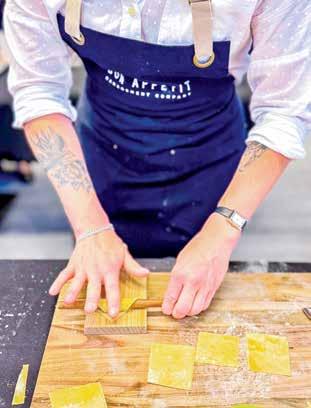
A recent Take What You Need activation at Medtronic near Minneapolis, MN, was a mental health-focused initiative designed to offer a simple moment of pause during a busy workday. The team brought this concept to life through two thoughtful, hands-on experiences. First, a decorate-your-own cookie pop-up encouraged guests to slow down, get creative, and step outside their usual routine with colorful frostings and a lot of sprinkles. Alongside, a gratitude card station invited guests to choose a message that resonated with them and decorate the card, either as a personal reminder to keep at their desk or as a small gesture of support for someone who might need it.
“While showing others gratitude is an important thing to do, sometimes it’s also important to stop and show yourself a little gratitude as well,” says Brand Activation Manager Keane Amdahl. “These events really allow our guests to step outside of their routines for a few minutes and discuss topics with colleagues they might not normally ever interact with.”
By blending creativity, self-care, and kindness, Take What You Need helps build a workplace culture that values emotional support just as much as productivity — offering colleagues a moment to breathe and carry that positivity back into their day.
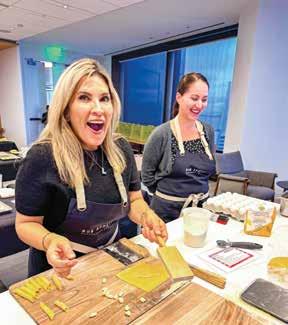
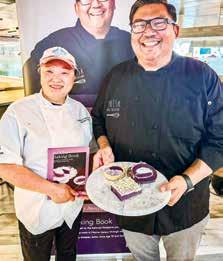
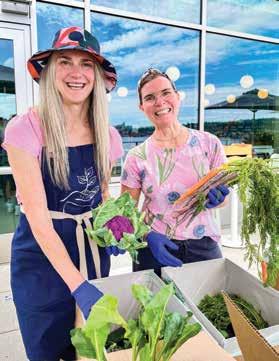
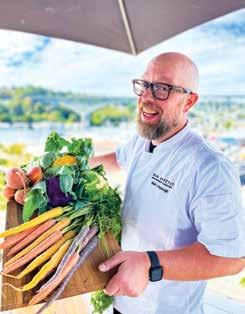

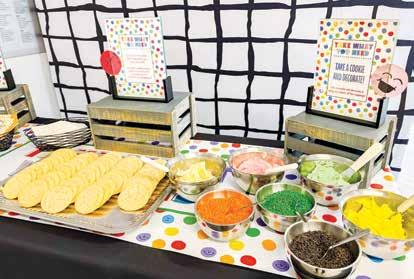
BY ALLY PADRICK
AT BON APPÉTIT, THE MOST DISTINCTIVE PROGRAMS TEND TO START THE SAME WAY: WITH PEOPLE PAYING CLOSE ATTENTION TO THE CHARACTER OF A PLACE AND THE PEOPLE WHO BRING IT TO LIFE EACH DAY. A CLIENT’S CULTURE, A CAMPUS TRADITION, A CONNECTION TO THE SURROUNDING COMMUNITY: THESE DETAILS GIVE EACH PROGRAM ITS SENSE OF IDENTITY.
There’s no single formula — the throughline is a way of working that gives each client’s values, culture, and community room to show up in meaningful ways. Whether bespoke coffee roasting or honey from on-site bee hives, custom programs look different across the accounts we serve, because they should.
Built From the Bean Up
At most accounts we serve, coffee is a given. At a major technology company in Foster City, CA, the team set out to build a comprehensive program beyond placing an order for beans and grounds.
“This was never about adding another coffee station,” says Kirk Rauschhuber Moore, director of operations. “The client wanted a program that felt like their own, and that pushed us to think differently about everything from sourcing green coffee to how we roast, store, and serve it on-site.”
Investing in Bellwether roasting equipment was the first step. Bellwether is an all-electric, ventless commercial roaster designed to make in-house roasting possible without the gas lines, ventilation, or construction a traditional setup often requires. Its software also allows teams to build and refine custom roast profiles, which made it a strong fit for a team looking for more control. The team started asking bigger questions about sourcing and flavor, leading them to work with Farm to Fork partner Progeny Coffee to source single-origin green coffee beans exclusively for the account.
From ideation to the first cup sold, the project took more than a year to realize and required client collaboration to figure out the storage requirements for bulk green coffee beans.
The client had wanted a comprehensive coffee program for years, even prior to selecting Bon Appétit as their partner, and saw the value in building something in-house that reflected the company’s culture. Now, coffee is part of the identity of the account, with a stronger sustainability story thanks to less packaging and room to grow. At roughly 2,000 pounds of coffee per month, this is an expression of what customization can look like when collaborating with our clients.
A Signature Born From Sourcing
Some Farm to Fork relationships begin at a farmers’ market. This one began with a detour. While doing research in California’s wine country, Joe DeBono, forager and executive chef at a major technology company stumbled into Journeyman Meat Co. in Healdsburg, where a conversation with producer Pete Seghesio led to a tour of his family ranch. This chance encounter became something much more meaningful: the kind of relationship Bon Appétit loves to nurture through trust and a commitment to helping small artisans grow.
“We are always looking for artisans whose products reflect the same care and intention we want our guests to experience,” said DeBono. “Sometimes that means finding a great item to bring in. Sometimes, if the relationship is right, it grows into creating something together that could not exist anywhere else.”
At first, the collaboration centered on charcuterie and products with broad application. But for the 25th anniversary of one of the company’s products in 2024, the team worked with the client, an accomplished chef himself, to develop GPU sausage, built around Gruyere, pimenton, and urfa biber, a trio of ingredients that gave the product both its flavor profile and its name. The response was immediate, and the idea proved too good to retire after a single event.
Now produced in limited 250-pound batches and reserved largely for catering and special pop-ups, the sausage has become a delicious example of what can happen when Bon Appétit’s sourcing values lead the way.
At Target’s campus in Minneapolis, MN, one of the most distinctive parts of the food program exists outside the walls of the café. The 330acre property includes restored native prairie and, for about a decade, a partnership with the University of Minnesota’s Bee Squad has been abuzz with 25 beehives. Bon Appétit’s role is to turn the project into something guests can engage with directly, i.e., honey.
Each fall, the honey harvest becomes an event. Team members and their children can watch raw honey spun from the frames by an extractor. Bon Appétit complements the experience with tastings and honeyforward desserts such as scaliddi and struffoli, then packages and labels every jar of honey harvested on-site. Some jars are sold on campus, while others become seasonal gifts for leadership. The numbers alone are impressive, with annual harvests ranging from 800 to 960 pounds in recent years.
But what gives the program staying power is the way it connects land stewardship, education, hospitality, and food. Guests get to see and taste sustainability in action, making an unforgettable program that belongs to the Target campus and landscape.
“People can experience the story from start to finish,” says Salvatore Rosa, resident district manager. “They see the hives, learn about the role pollinators play in the surrounding prairie, and then taste the honey in ways that make that connection feel real.”

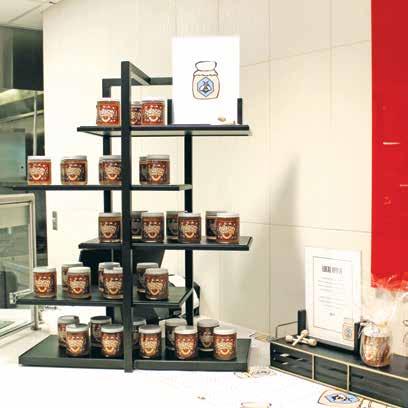
When Bon Appétit began serving Iowa’s Luther College in June 2025, one of the priorities was clear: preserve the campus traditions that already meant something to the client and find ways to support them well. Among the most distinctive was Luther’s long-standing relationship with local, alumni-connected Pulpit Rock Brewing Co., which uses ingredients prepared on campus for select beers.
That has meant sourcing support, storing, and roasting adjuncts (ingredients such as fruit, grains, or nuts added during brewing to build flavor and texture), and most notably incorporating Luther’s house-made granola into select beers including Alma Matter, Luther College’s exclusive branded beer.
“It was important to us that the college saw continuity, not disruption, in something they cared about,” says Nic Supercynski, general manager. “There were real integration hurdles to work through on purchasing, billing, and process, but our team stayed focused on making the partnership work and setting it up for what comes next.”
Today, the collaboration continues through special releases, pop-ups, and pairings that bring together campus pride, alumni ties, and the creativity of both partners. It is a reminder that supporting a client well does not always mean starting from scratch. Sometimes it means recognizing a great tradition, honoring it in the transition, and helping create room for future growth.
at Bon Appétit, we love a good solution. Our teams are known for their ability to find creative answers to the many challenges they face every day, whether it’s navigating supply chain surprises, coming up with dishes for a zero-waste recipe challenge, or customizing menu offerings for our diverse communities. We’re committed to aligning and growing with our clients while navigating the ever-changing, always demanding world of food service. The following stories reflect that commitment.
BY LEIGH BELANGER
As Bon Appétit continues to grow alongside our corporate clients, commissary kitchens have become an important part of our operational toolkit. With companies expanding into new offices, opting for lighter real estate footprints, or managing hybrid office schedules, full-scale on-site kitchens aren’t always feasible or desired by clients — but expectations for fresh, high-quality food and customizable programs haven’t changed.

We’ve turned our operation on its head so many times in the last three years that that’s just kind of old hat to us now.
That’s where commissaries come in. These culinary hubs allow us to prepare, package, and deliver Bon Appétit’s culinary experience (in any number of configurations — hot food, grab-and-go, breakfast, snacking or coffee programs, baked goods — the list goes on) with efficiency. The model offers clear advantages: clients get access to our excellent food and service without the need for extensive kitchen infrastructure, sometimes at a savings. On our end, we benefit from increased scalability, streamlined production, controlled costs, and added growth opportunities for our people.
While off-site kitchens serving multiple clients help us grow thoughtfully and strategically, offering each client a multitude of options, translating Bon Appétit offerings from an on-site to a commissary model comes with a learning curve. “There’s nothing harder in our business, than commissary work and its built-in challenges,” says Regional Vice President Joseph Alfieri. We talked to some of our commissary operators to learn what it takes to build and run a successful commissary, and the best practices that set us up for success. Here’s what they shared:
They never say no... ...but use their expertise to find a workable solution. Managing unlimited inbound requests is part of the job for all operators, regardless of the type of account. “I always try and figure out a way to say yes,” to those requests, says Brian Anderson, a district manager in the Bay Area whose territory includes Custer Commissary in San Francisco, CA. “Maybe not entirely, maybe I make an offer that’s part of the ask, but you can’t say no,” he says.
That’s the philosophy at Custer, he says. “You gotta stay open to new things. You’re going to put yourself in a difficult position, maybe, but that’s how you learn.” Custer, which opened in 2017 with one high-growth tech client, has grown to serve thousands of meals per day to eight clients and counting. Their openness to new ideas and offerings means the commissary now operates a coffee roasting program and manages break room offerings for clients who ask.
Adaptation and growth feed each other By its nature, the commissary model is a flexible one that invites an iterative approach to growth. When Mark Raynor, executive chef at Elliott Bay Culinary in Seattle, WA, joined the account in early 2020, it wasn’t long before they were reacting and responding to pandemic-related challenges. As the new frontier of hybrid work emerged, “we had to ask ourselves how we were going to rationalize being the stewards of this amazing facility,” he says. In addition to feeding the hybrid workforce, the team started using the Elliott Bay space to produce grab-and-go meals for all the accounts in the region, many of which are satellite offices with a smaller population of workers and no on-site kitchen.
They built the cold grab-and-go program and added bakery in the first year, then took on a hot carry-in program for one social media company, then another — adding a new level of scale and complexity to the
operation. The rapid growth has meant the team has had to constantly adapt and iterate, a process that comes with learning curves and growth opportunities, both of which Mark and his team have faced — and embraced. That growth mindset is crucial to success in a commissary, he says.
“A defining trait in this commissary world is adaptability and nimbleness, along with willingness and ability to throw something away as soon as it doesn’t work, and restart and rebuild,” says Mark. “We’re used to doing that in real time. We’ve turned our operation on its head so many times in the last three years that that’s just kind of old hat to us now,” he says.
10X communication is key
This constant adaptation means “there’s no road map for success in the commissary business,” says Regional Vice President Michael Aquaro, whose region is home to six commissaries serving 16 clients. The solveas-you-go approach means that close communication is crucial.
On the client side, says Michael, “you can’t be afraid to share what you need in order to make the program successful.” Whether that’s more equipment or even a larger space to accommodate a growing program, clear and open channels of communication with clients is key to meeting the shared goal of delivering a meaningful and successful program.
Internally, communication is the glue that holds the kitchen and the logistics team together, says Alex Scover, director of operations at Custer.
“If I’m working side by side with our culinary director,” Alex says, “he might see something I might not see and vice versa, so we just work in collaboration to make sure everything rolls in the right direction and that ultimately, the client is happy. That’s the crux of it.”
They make friends with creative culinary troubleshooting “The most critical item in the commissary world is having the right menu,” says Michael Aquaro. While bakery items and cold grab-and-go sandwiches and salads are relatively straightforward, the challenge arises when programs expand to hot food that needs to stay hot and delicious on its trip to the site. At Elliott Bay, they send 1,000 hot boxed meals daily to one account for both lunch and dinner. They needed to not only find the right equipment for that undertaking, but build a collection of menus that would look, smell, and taste good after being held in a hot box during transport.
It’s one thing to do that with meat — starting with higher fat meats and low and slow cooking techniques was one tactic — but quite another to do with vegetables, which are always in high demand. It took a few months of trial and error to come up with vegetable sides that fit the bill. Based on guest feedback, they played with the vegetable options until settling on ones that worked — typically served cold and spiked with garnishes upon serving to bring them back to life. “Really the work is never done,” says Mark. “Whenever my chefs or cooks are composing a new dish, I ask, ‘could it better?’ and then we talk about what we need to do to get there. Because it can always be better.”
The spirit of continuous improvement is alive and well in Bon Appétit’s commissary world, where success is hard-won but comes with great rewards. The one high-growth company that Custer opened with? We now serve them nationwide, and in partnership with Compass, they’ve become our first global account. “Commissaries are a way to get our foot in the door,” says Joseph. “We get in, and we then grow with our client base and partner with them.”
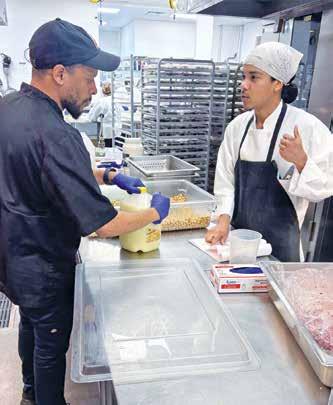
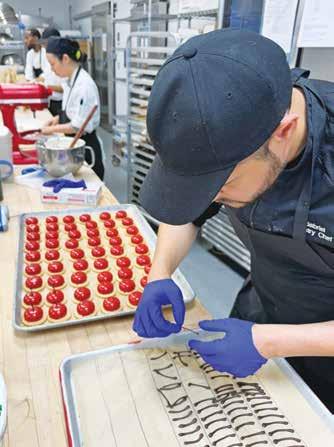
For teams at both Custer and Elliott Bay, the expansion of commissary business has meant increased opportunities for our people. From chefs rolling up their sleeves to do R&D for the types of menus that suit commissary services, to operations managers solving logistical puzzles with routing and deliveries, commissaries offer pathways for associates to stretch and grow in ways they maybe didn’t anticipate.
“It offers so many different growth opportunities for different people in different roles and different lanes,” says Mark, who points to an entrylevel catering manager who took on grab-and-go operations when they started, and is now on the path to becoming a GM; and his sous chef, for whom the growth has meant learning more about financials, hiring, and training. “Everybody has had to get their hands into different pots that were technically not part of their job description,” says Mark, “and all that professional growth has been extremely rewarding to be part of.”
At Custer, where Alex Scover worked his way up to director of operations after starting as a driver in 2019, they look internally to promote people who have “earned their stripes,” he says. “I have one gentleman who was with me when I was a driver,” he says, “who now oversees our whole logistics operation.” Many of the chefs and sous chefs at Custer have worked their way up in the commissary, fostering a tight-knit culture and a set of longtime employees who mentor new hires, says Alex. That culture serves them in the fast-paced commissary world, where “it takes a special kind of person to thrive,” says Joseph.
BY ALLY PADRICK
The phrase “return to office” has become something of a corporate bogeyman — dreaded by employees, debated by leadership, and tied to broader questions about culture and engagement. In the era of hybrid work, office life has a different rhythm, one that flexes by the week, the team, even the weather.
For many of the guests we serve, this flexibility is part of the appeal of their workplace. But it also means our food programs must do something they were never quite built for: shift seamlessly from 100 guests to 700, often multiple times a week.
This challenge can feel daunting. But it also offers a chance to work collaboratively with clients to realign both goals and definitions of success. Across our accounts, operators are finding creative, strategic ways to adapt, not just to survive in a hybrid world, but to thrive in it.
Guest counts used to follow a predictable pattern. Not anymore. While some clients now mandate specific in-office days, others leave attendance entirely up to employees. That leaves our teams planning meals for unpredictable headcounts with labor, quality, and guest satisfaction still expected to hold steady. “We’ve seen a clear difference in how people are planning their days,” says Director of Dining Services Natalie Foster.
At one large, multi-site technology company in the San Francisco Bay Area, the team navigates two very different settings: a large, full-service campus that supports up to 3,000 people, and a much smaller downtown headquarters location where the same standards are expected despite far fewer resources. When considering fluctuating populations, many think of the doldrums of
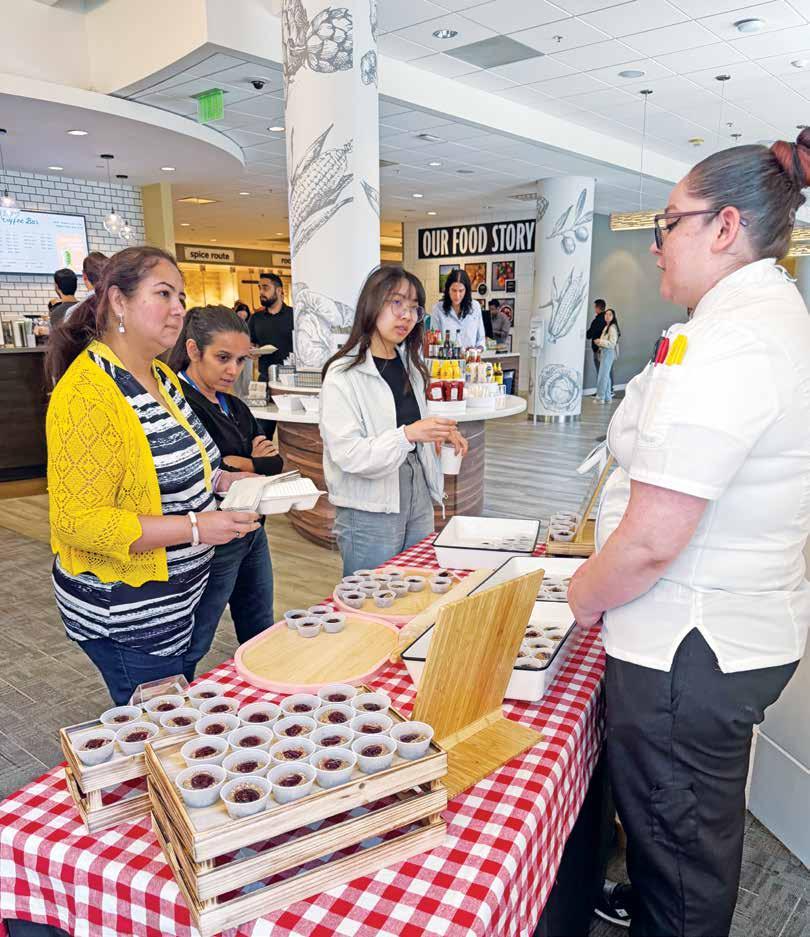
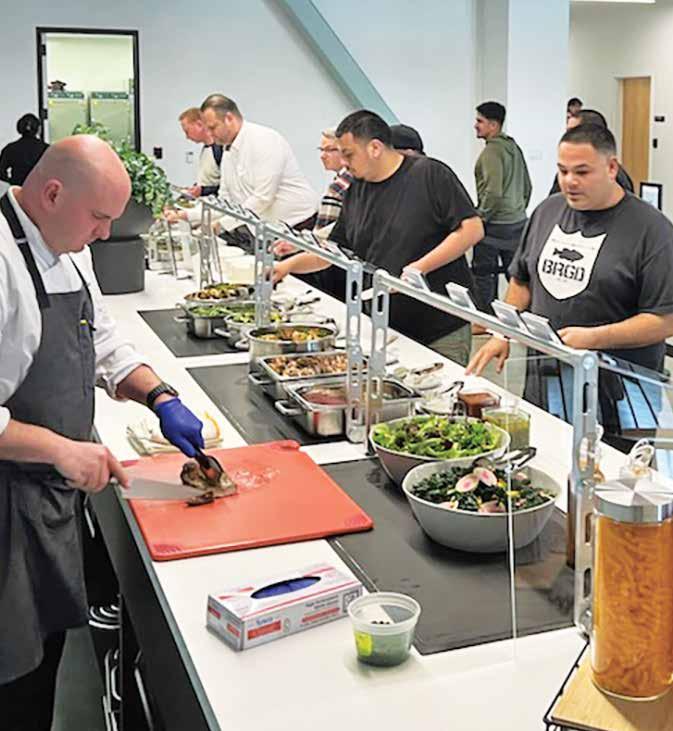
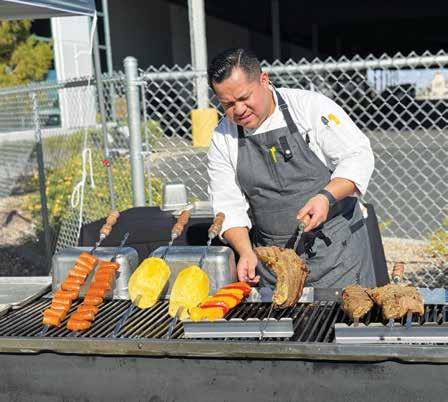
service, where customers trickle in. But this team had to think quickly to scale up services to match unanticipated high-attendance days, not only to feed more people but to mitigate bottlenecks in busy areas.
One solution to re-orient people in crowded spaces? They rolled out a soft serve ice cream program in quieter buildings, mirroring a hit amenity from headquarters. “It created buzz, helped spread foot traffic, and gave us an unexpected revenue boost,” says Director of Operations Michael Bear. “It also let us relieve pressure from pinch points without compromising experience.”
A California-based social media company successfully embraced flexibility, especially on slower days. The team implemented a Friday brunch service that spans both breakfast and lunch windows. Guests love it, and it allows the culinary team to use saved staff time for prep and cleaning tasks, using labor hours more efficiently. And when a scheduled influx of employees from another location showed up for an all-hands meeting, the team responded by offering a second brunch window to accommodate the spike — a small shift that made a big impact.
As the on-site team’s Vice President of Client Relations Andrew Znidarsic puts it, “While we continue to focus on serving great food, we also appreciate the need to present our program in a way that makes people feel good about coming in.”
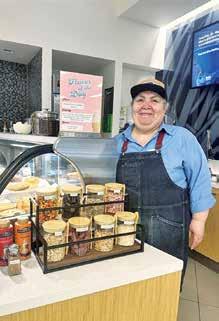
At another corporate account in the area, when the client merged services to fewer vendors, a bold, system-wide approach was needed. Fewer vendors meant Bon Appétit’s scope increased from four to 10 locations under this new, shared program. While challenging, the increase in volume and client-side consolidation effort streamlined both labor and food costs. Serving more locations revealed multiple efficiencies in categories like labor, food cost, and other controllable and non-controllable expenses, reducing the overall cost per person per day by seven percent, says the account’s National Director of Operations Scott MacGowan.
In addition to built-in flexibility from a larger team (like absorbing issues such as callouts and shift changes), an unforeseen benefit to quickly scaling was “watching our team grow, learn, and see what people were truly capable of,” says Culinary Director Kirk Raschhuber Moore.
And while we always celebrate homegrown solutions to widespread challenges, Compass Group can play an important supporting role. Adobe, for instance, has embraced every facet of a data-driven program offered by Compass. In partnership with the client, the team has added a dedicated, senior E15 analyst to the portfolio. E15 helps accounts like Adobe turn feedback and operations data into smarter program design.
The results speak volumes: a 10% reduction in total costs, 8% higher check averages, and the highest guest satisfaction scores on record. Participation now regularly tops 100%, as employees engage with multiple touchpoints throughout the day. Adobe hasn’t raised prices since 2012, yet the program remains financially strong — proof that good data paired with smart strategies can stretch resources further than expected.
The Foundation: Trust and Transparency
Every account with a hybrid office schedule is different. But behind the most successful ones? A thoughtful collaboration with the client. Here’s how to shape one that delivers results.
1
Start with a WITY or SWOT Exercise. Before making changes, pause to align. A WITY (What’s Important to You [the Client!]) or SWOT (Strengths, Weaknesses, Opportunities, Threats) exercise helps teams understand what the client values most. Bring KPIs (Key Performance Indicators), guest feedback, survey results, sales data, and any other data to the table to guide a meaningful conversation.
2
Between client and teams, a shared commitment to partnership connects these efforts. Operators aren’t just responding to client requests; they’re working alongside clients to shape the strategy itself. Whether through alignment exercises, detailed dashboards, or creative event planning, teams are building trust by being transparent about tradeoffs and outcomes. This collaborative spirit is part of our ethos and is mirrored by our clients. As MacGowan put it, when Bon Appétit introduced a commissary program out of his client’s kitchen that saved the client money through shared cost and menu synergies, “the client didn’t just want to realize the savings — they wanted to reinvest it to make the program even better.”
We may not be able to control how many people come to the office on any given day. But we can control how they experience it. Across Bon Appétit, our teams are showing what it means to stay nimble, imaginative, and people-first.
Define Your Win. Is your goal to reduce waste? Increase check averages? Create more excitement around in-office days? Working together, we name our priorities, help anchor decisions, and build buy-in for bold changes. Make sure it is specific enough to track! A goal of increasing Monday participation by 15% in Q3 is far more actionable than simply “increase café participation.”
3 4
Chart the Course. Whether it’s consolidating service, rotating stations, or piloting a new offering, we make sure the plan ties back to the client’s goals. Highlight how the proposed change meets business needs and guest expectations.
Measure and Celebrate. Track the impact of your changes. That could mean participation rates, transaction data, or even anecdotal feedback from regular customers. Share early wins, and if possible, reinvest increased financial or bandwidth efficiencies to further improve the program and guest experience.
BY LEIGH BELANGER
WHETHER MANAGING HYBRID WORKPLACES OR BUSY COLLEGE CAMPUSES, THROUGHPUT IS A CONSTANT CHALLENGE TO BE SOLVED. HOW DO WE FEED ALL OUR GUESTS IN THE LIMITED TIMEFRAME THEY HAVE AVAILABLE, WHILE MAKING SURE THEY HAVE THE CHOICES THEY’RE LOOKING FOR? TIME TO GET CREATIVE. THE FOLLOWING ACCOUNTS SHARED THEIR THROUGHPUT SOLUTIONS HERE.
NATIONAL FINANCIAL SERVICES COMPANY AUSTIN, TX, LOCATION
The Challenge:
The most popular station, Spice Route, occupied one of the smallest station footprints, creating congestion during peak lunch hours.
The Solution:
The team relocated the Explore station to the café entrance, allowing Spice Route to take two station areas. There’s now more workspace and a samosa box that offers a hot grab-and-go option for guests with limited time. Meanwhile, Explore has its own tablet that allows guests to order and pay at the station, further expediting traffic, and offers specialty items at a premium price point, boosting average check value.
The Challenge:
The team at USF was challenged by the client to reimagine some stations for efficiency while generating buzz, boosting participation, and working within existing budget and space limitations.
The Solution:
They launched the Sambal Station, featuring Asian-inspired bowls that blend regional flavors with a streamlined meal format. Decor was refreshed using supplies on hand and out team created fresh signage. The resulting station quickly became a guest favorite while meeting the needs for an option that had lower labor and food costs and an efficient service format.
The Challenge:
Popularity of the meal plan has led to congestion in St. Olaf’s main dining hall, slowing down operations and sometimes delaying meals for busy students.
The Solution:
The team opened two new concepts, which could be purchased or used with a meal swipe. A build-your-own Mediterranean bowl meal is now sold in the school’s retail space. Freshly rolled sushi burritos are served out of Bon Appétit’s catering space, and they’ve instituted a bag lunch program that students can take to go. These efforts offer new options to students while redirecting 700 guests away from the dining hall during the lunch rush.
The Challenge:
The salad station was overwhelmed at this Bay Area software company, due to facility changes and the station’s growing popularity among the company’s health-conscious employees.
The Solution:
The team revived the Blended station by focusing on plant-forward meals that aligned with the diverse dietary needs and wellness aspirations of guests at the account. Executive Chef Miriam Russell (now Culinary Director at the Foster City location of a national financial services account) rolled out an inspired menu of Balanced Bowls (each paired with a power shot!). The revitalized offerings relieved pressure on the salad station while exciting guests with something new.
the spirit of continuous improvement can be found everywhere at Bon Appétit, from how we build our safety culture to how we advance and adhere to brand standards or help students and their families feel at home. Get the scoop in the following pages.
CUSTER COMMISSARY IN SAN FRANCISCO, CA, (HOME TO BAKERY 350) AND THEIR 75-PERSON STAFF CELEBRATED FOUR YEARS SAFE THIS SUMMER. HERE’S A Q&A WITH DIRECTOR OF OPERATIONS ALEX SCOVER ON HOW THE TEAM REACHED THIS MILESTONE:
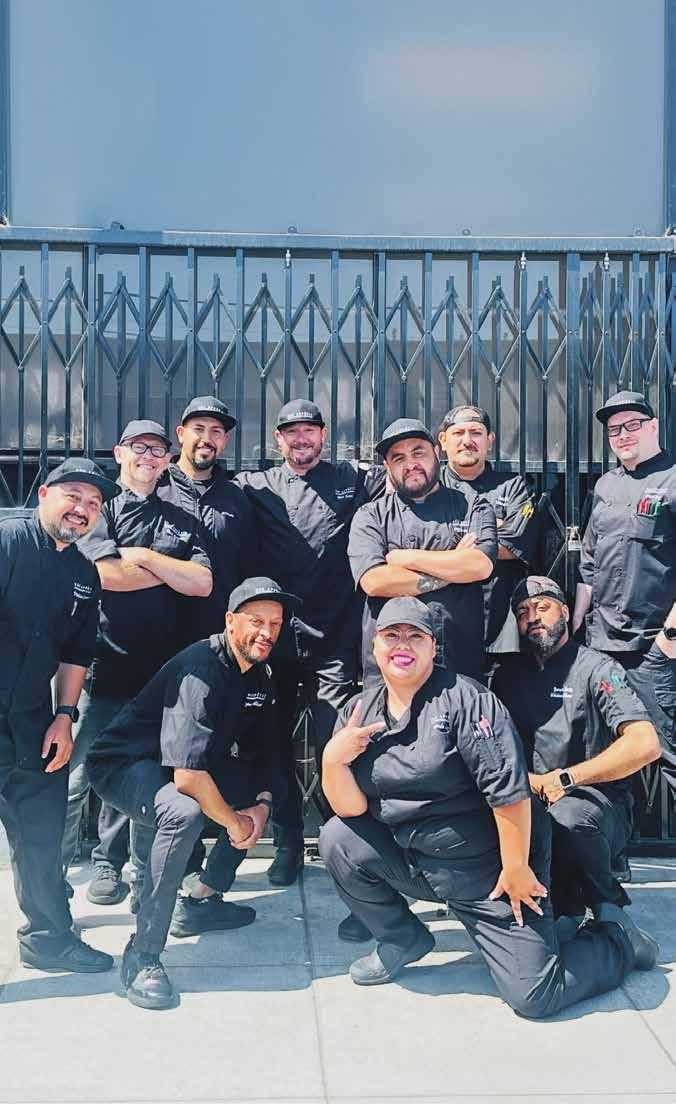
HOW DO YOU GET BUY-IN FROM YOUR TEAM WHEN IT COMES TO FOLLOWING SAFETY PROTOCOLS?
I explain the why behind each protocol. When the team understands how these measures protect them, they’re more likely to take ownership. By fostering a noblame culture, I invite team members to challenge ideas collaboratively and without fear. And I reinforce good habits as frequently as possible.
HOW DO YOU ENSURE CONSISTENCY IN SAFETY PRACTICES ACROSS ALL SHIFTS & TEAM MEMBERS?
Consistency comes from clear, standardized procedures combined with a culture where every team member and leader takes ownership of safety. Clear signage, thorough SOPs, and ongoing spot checks ensure everyone understands and follows the same standards no matter the position or shift.
HOW DO YOU CELEBRATE SAFETY MILESTONES WITH YOUR TEAM?
We highlight milestones during team meetings and give personal shout-outs as they arise. To make it extra special, we’re bringing in an ice cream truck soon to celebrate the team’s achievement of over four years injury-free! These celebrations reinforce that safety is something to be proud of, not just a requirement.
Consistency. Engagement. Creating a strong safety culture. Being proactive every day rather than just reacting after incidents. And importantly, not targeting individuals personally when mistakes happen, focusing instead on learning and improvement. 1. 3. 5. 2. 4. 6. 8. 7.
WHAT DO YOU BELIEVE IS THE NUMBER ONE REASON YOU HAVE STAYED INJURY FREE?
THE CUSTER CREW. FRONT ROW, LEFT TO RIGHT: SOUS CHEF CIPHEOR WILLIAMS; CHEF DE CUISINE BRIANDA ORTIZ; AND KITCHEN MANAGER JARVIS BATISTE. BACK ROW, LEFT TO RIGHT: CHEF DE CUISINE FRANCISCO GONGORA; BAKERY 350 CULINARY DIRECTOR IAN FARRELL; DIRECTOR OF OPERATIONS ALEX SCOVER; CULINARY DIRECTOR MATT AZEVEDO; EXECUTIVE CHEF JORGE LUMBRERAS; KITCHEN MANAGER LUIS MARTINEZ; AND EXECUTIVE CHEF DANIEL KING.
WHAT ROLE DOES COMMUNICATION PLAY IN KEEPING YOUR TEAM SAFE, AND HOW DO YOU KEEP THAT DIALOGUE OPEN?
Open, honest communication is critical. I encourage the team to speak up if something feels unsafe or unclear. Maintaining daily 10@10s, a visible culture, and an open-door policy all help keep the dialogue active. And I reinforce good habits as frequently as possible.
HOW DO YOU HANDLE THE MOMENTS WHEN SOMEONE IS CUTTING CORNERS OR NOT FOLLOWING PROTOCOL?
I treat the individual as a responsible adult who understands the importance of boundaries and the consequences of crossing them. We have an honest conversation about the facts; what happened, why it’s a concern, and the potential impact on safety. The goal is to support them in making better choices moving forward, not to belittle or shame.
WHAT DOES ONBOARDING LOOK LIKE FOR NEW TEAM MEMBERS OR TEMPORARY STAFF, ESPECIALLY WHEN IT COMES TO SAFETY?
All new hires receive a focused safety walkthrough on day one , including PPE, kitchen layout, and emergency protocols. They are also informed about the hierarchy and how to escalate concerns as needed. For temps, we keep it efficient but thorough, and pair them with experienced staff to ensure accountability. We also communicate clearly with our agencies about our standards.
WHAT ADVICE WOULD YOU GIVE TO OTHER MANAGERS/SAFETY CHAMPIONS WHO WANT TO IMPROVE THEIR SAFETY RECORD?
When your team understands that you care about them, not just the rules, they’ll begin to prioritize safety more. Importantly, avoid putting immense pressure on maintaining an injury-free streak. When too much focus is placed on the time without injuries, team members may fear speaking up after incidents for fear of being blamed or “ruining” the safety record. Help the team understand why and how safety protocols matter; not just that they must be followed.
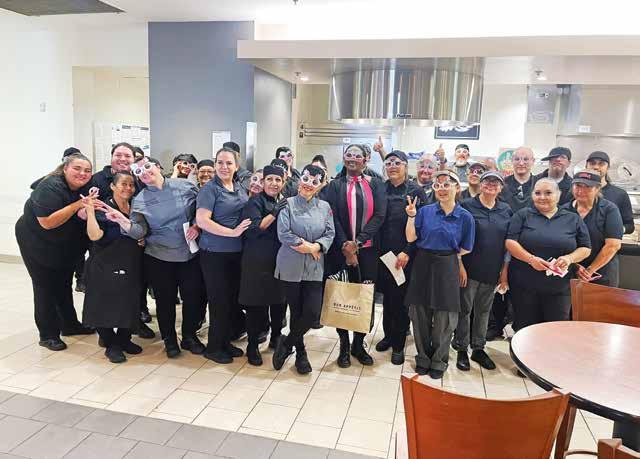
BY LEIGH BELANGER
IN THE DINING HALL BY 10 BRAND-NEW DIGITAL SIGNS THAT THE BON APPÉTIT TEAM INSTALLED OVER SUMMER BREAK.
The signs — light, bright, and able to transmit not just daily menus but branded storytelling moments that also convey meaningful information about wellness, national promotions, and how we source our ingredients — can help transform a space, says Kari Menslage, senior regional director of activation and public relations.
Digital signage was one of the key investments coming out of a Brand Standards Intensive (BSI) that Kari and other members of the Image & Style team held with the team at Biola last spring. The BSI is a comprehensive program developed by Image & Style that helps teams reimagine (and then execute) what’s possible from a brand perspective at our accounts, strengthening loyalty on the part of our guests and clients in the process.
We’ve partnered with Biola, our first education account, for 36 years. Biola and other accounts like it are built on trusting, long-term relationships. These partnerships give us stability, referral power, less churn, and the capital that comes from institutional knowledge.
There are many tactics operators can use to retain accounts like Biola, from delivering on our promise of quality and consistency, to embodying our mission of food service for a sustainable future, to cultivating close and collaborative client relationships. And a key tool in the toolkit is tapping the Image & Style team, whose suite of tools for visual transformation and experiential engagement can have a major impact on how the Bon Appétit brand comes to life in our cafés. The BSI is one place to start.
Think of the workshop as a strategic reset — whether there’s a change in leadership or fresh eyes in the form of new hires who might see opportunities to enliven parts of the café, the menu, or the service. “These shifts are the perfect time to get a little extra support,” says Kari.
At Biola, retirements at the school and among the team at Bon Appétit provided a moment for new District Manager Bob Rall to connect with the Image & Style team and put a BSI on the schedule. “This business is all about relationships,” says Bob, and the retirements, especially of former Senior Vice President Cary Wheeland, who lived within walking distance of the school, meant that “coming in, we recognized we needed to strengthen these new relationships, and the BSI was a great way to do that.”
Because Bob was new to the account as a DM, embarking on the BSI allowed him and managers on the on-site team to come together with the new client and hear what was on their minds in terms of ideas for the food program, and talk further about the depth and breadth of Bon Appétit’s programming. This exchange and collaboration helped to kick off the relationship in a positive way, showcasing our expertise and offerings, and demonstrating our responsiveness as partners.
On the account side, the workshop is also a vehicle for relationship-building. At accounts like Biola, where there’s very little turnover and many associates who have been with the company for two or three decades, says Bob, some can be resistant to making changes suggested by regional and corporate management. “One thing we’ve done is take the whole management staff out to dinner with their whole team,” he says. “Everything lightens up when you’re able to break bread, tell stories, and get to know each other over a meal.” From there, he says, it makes the work ahead much easier.
When Kari and other members of Image & Style kick off a BSI with the on-site team, they start with a SWOT analysis, identifying strengths, weaknesses, opportunities, and threats. This allows teams to talk about what they see on the ground in a structured way, and to start to identify patterns that can then be categorized and prioritized. Image & Style then comes back to the team with recommendations from each SWOT category, helping them to identify strengths they could leverage, quick wins they could implement, and high-priority projects to address.
In this case, they recommended upgrading infrastructure and communication processes, which led to the purchase of digital signage — a modest investment that will pay dividends from a brand perspective.
While still on-site, members of the merchandising and activations team got to work, refreshing and modernizing decor, engaging the team with an “I Spy” activity to get them looking at the space with fresh eyes, and training station leads on weaving brand standards into everything they do.
Within a BSI, Image & Style makes both big-picture recommendations and those that seem small, but that add up to a series of impactful moments and impressions that revitalize environments, reinforce brand loyalty, and foster a sense of pride in the team.
Whether it’s a mini station refresh, training on a wellness pop-up, or establishing regular pre-shift meetings, the seemingly small changes can stack up to something quite meaningful, says Kari. Plus, “just the idea that [the team] is getting support, someone is taking the time to focus on them and make them feel seen,” she says, is valuable for morale and sets the stage for continued improvement and gradual transformation over time.
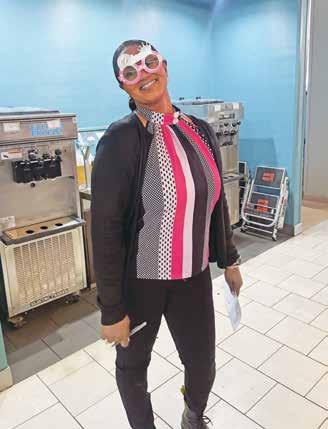
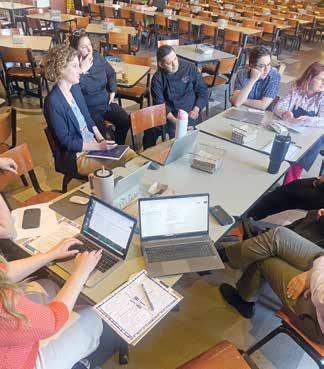
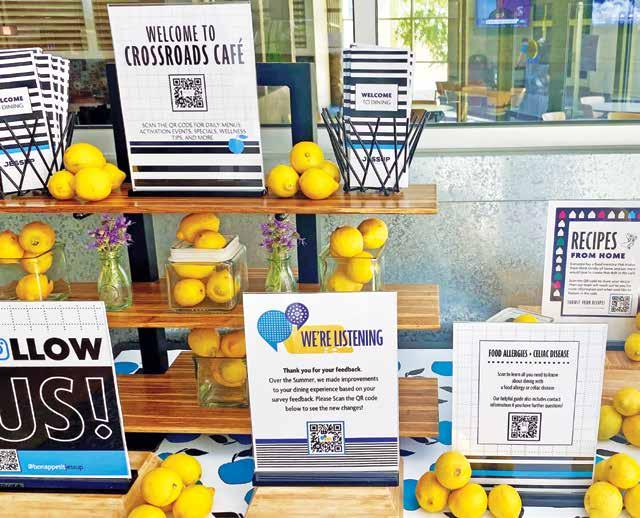
SUPPORTING STUDENT SUCCESS THROUGH HOSPITALITY AND COMMUNICATION
WHEN MERILEE MCCORMICK SERVED AS GENERAL MANAGER AT MILLS COLLEGE IN OAKLAND, CA (NOW PART OF NORTHEASTERN UNIVERSITY), SHE RECOGNIZED THE NEED FOR A MORE SUPPORTIVE AND INFORMATIVE EXPERIENCE FOR BOTH STUDENTS AND PARENTS NAVIGATING CAMPUS DINING. FROM THAT VISION, SHE BEGAN DEVELOPING A SUITE OF TOOLS TO MAKE THE TRANSITION TO COLLEGE LIFE EASIER AND MORE WELCOMING. THE RESULT WAS THE FOUNDATION OF THE BACK TO SCHOOL KIT — A CURATED SET OF RESOURCES THAT HELP FAMILIES CONNECT WITH CAMPUS DINING IN MEANINGFUL WAYS.
The Back to School Kit includes:
Š Dining FAQs for parents and students
Š Event calendars and seasonal menu updates
Š How to contact the dining team + meet the team
Š Submitting a Recipe from Home, recipes contributed by our chefs and team members. Students and families are also invited to submit their own recipes from home and heritage.
Š Hours of operation
Š How meal plans work
Š Station/café descriptions + offerings
Š Allergen and dietary support tools
Š Social media incentives to engage students
Š “Meet the Team” staff profiles
After sending two of her own children off to college, Merilee gained new insight into what parents and students need. In her current role as district marketing manager for Northern California higher education accounts, she discussed creating a cohesive suite of visually appealing materials that can be branded in school colors.
In collaboration with operations teams and district leadership, the Image & Style team, her clients, students, and campus partners, Merilee expanded this vision into a robust, comprehensive back-to-school kit, first launched in fall 2024 across all district accounts, including: University of San Francisco (USF), Santa Clara University, University of the Pacific, Pacific Union College, California College of the Arts, Santa Catalina School, and Jessup University
Merilee worked closely with Heather Lee from the Image & Style team to set up USF as a model campus for the kit. Together, they also co-developed a successful social media campaign called “Just Ask,” encouraging students to reach out with dining questions. The campaign was simple, accessible, and widely embraced by the student body — providing a great example of how digital engagement can foster hospitality and trust.
This past back-to-school season saw many more accounts across the country adopt the kit. With the Back to School Kit, we’re not just feeding students — we’re welcoming them, supporting them, and building a sense of home.
THIS SPRING, WE SENT THREE TALENTED WOMEN CHEFS TO REPRESENT BON APPÉTIT MANAGEMENT COMPANY AT WOMEN IN CULINARY, A COMPASS-SPONSORED TWO-DAY EXPERIENCE IN CHARLOTTE, NC, DEDICATED TO CELEBRATING AND EMPOWERING WOMEN CHEFS. THE PROGRAM CONNECTS PARTICIPANTS WITH LEADING CULINARY EXPERTS, GIVING THEM THE OPPORTUNITY TO EXPAND THEIR PROFESSIONAL NETWORKS, REFINE THEIR SKILLS, AND OPEN NEW DOORS IN THEIR CULINARY CAREERS.
HERE ARE THE THREE INSPIRING WOMEN SELECTED FOR THIS YEAR’S EVENT:
Executive Chef Rose Fletcher
Rose has been a vital member of the Stowers Café team at the Stowers Institute for Medical Research in Kansas City, MO, since 2015. In 2021, she was promoted to executive chef. “Rose works tirelessly to ensure the service our team provides to the guests at Stowers matches or even exceeds the creativity of the menus she develops,” says Regional Vice President Mark LaChance. “The importance of the genuine relationships developed between her team and the members of the institute cannot be overstated.”
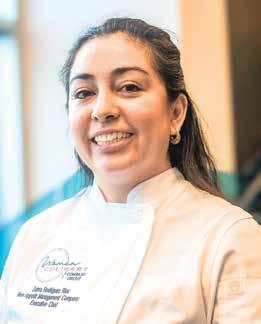
Zulma brought her skills and passion to Bon Appétit in 2017, eventually making her way to the University of the Pacific in Stockton, CA, in 2024. As executive chef, she is a beloved member of the culinary team. She was deeply appreciative of both the relationships she built at Women in Culinary and her own journey. “The key takeaway for me has been the importance of truly appreciating myself and recognizing how far I’ve come,” she reflected.
Jenn joined Bon Appétit in 2019 as chef de cuisine at a Bay Area technology company. During the pandemic, she played a pivotal role in transforming the pastry program, successfully uniting three separate teams into one cohesive, high-performing department. Her strong leadership and strategic approach have driven her professional growth, and she now serves as associate director of culinary, overseeing all café culinary programming for her account.

Scan the QR code to learn more about these chefs on our blog.