PORTFOLIO.
Selected Work
OLIVIA WEBB
1
2
3 Content
4
The Collective
ARC 543
Professor: Tom Brock
Group Project: Aman Shah
Eco-Bridge Library
ARC 302
Professor: Slade Scheaffer
Group Project: Gabriela Soto Sanchez
Graff Revival Pavilion
ARC 301
Professor: Quiara Caguiat
Group Project Partner: Gabriela Soto Sanchez
Mesopotamia
ARC 201
Individual
Professor: Brennan Richards
The Collective
ARCH 543
Professor: Tom Brock
Group Project Partner: Aman Shah
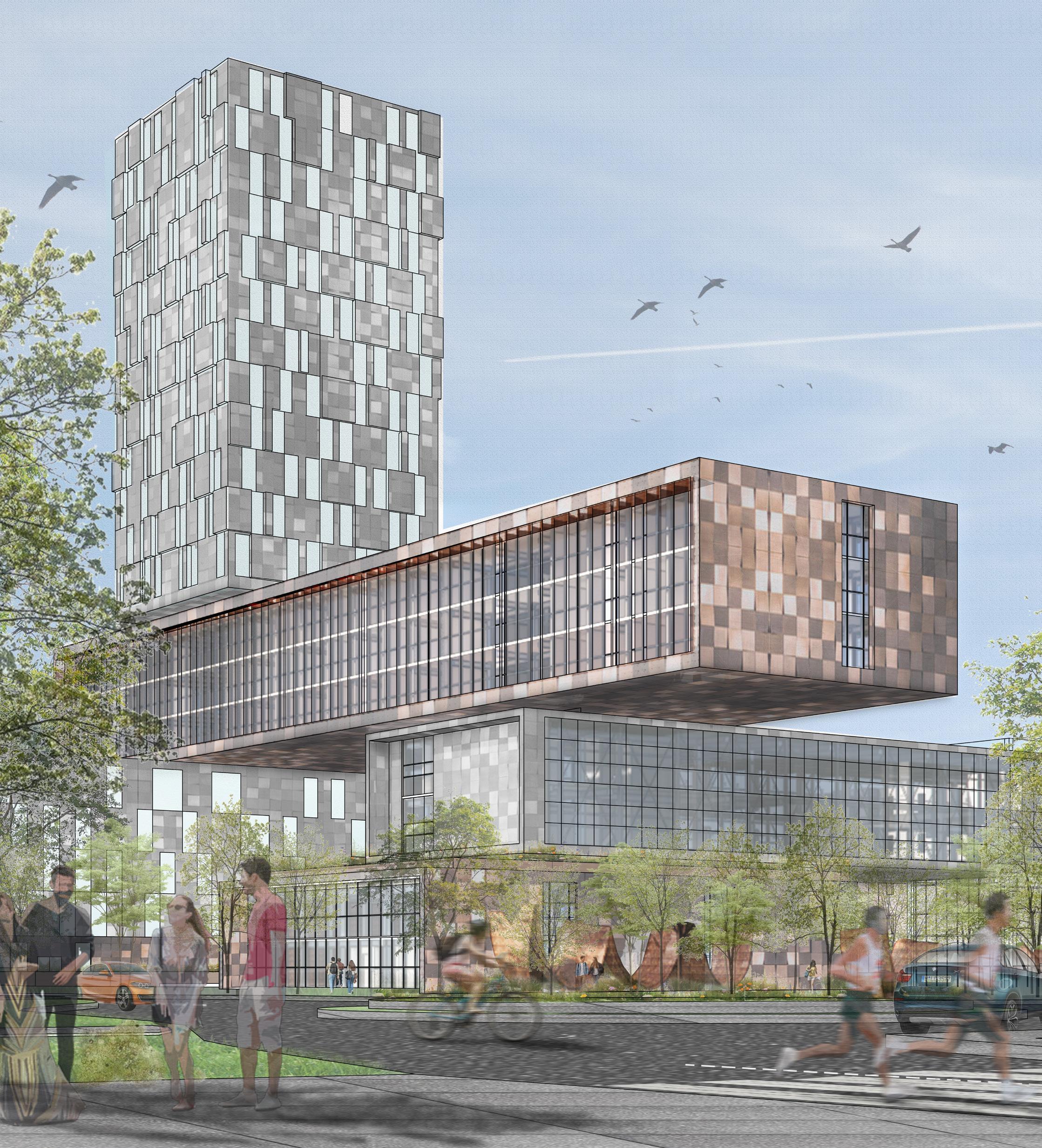
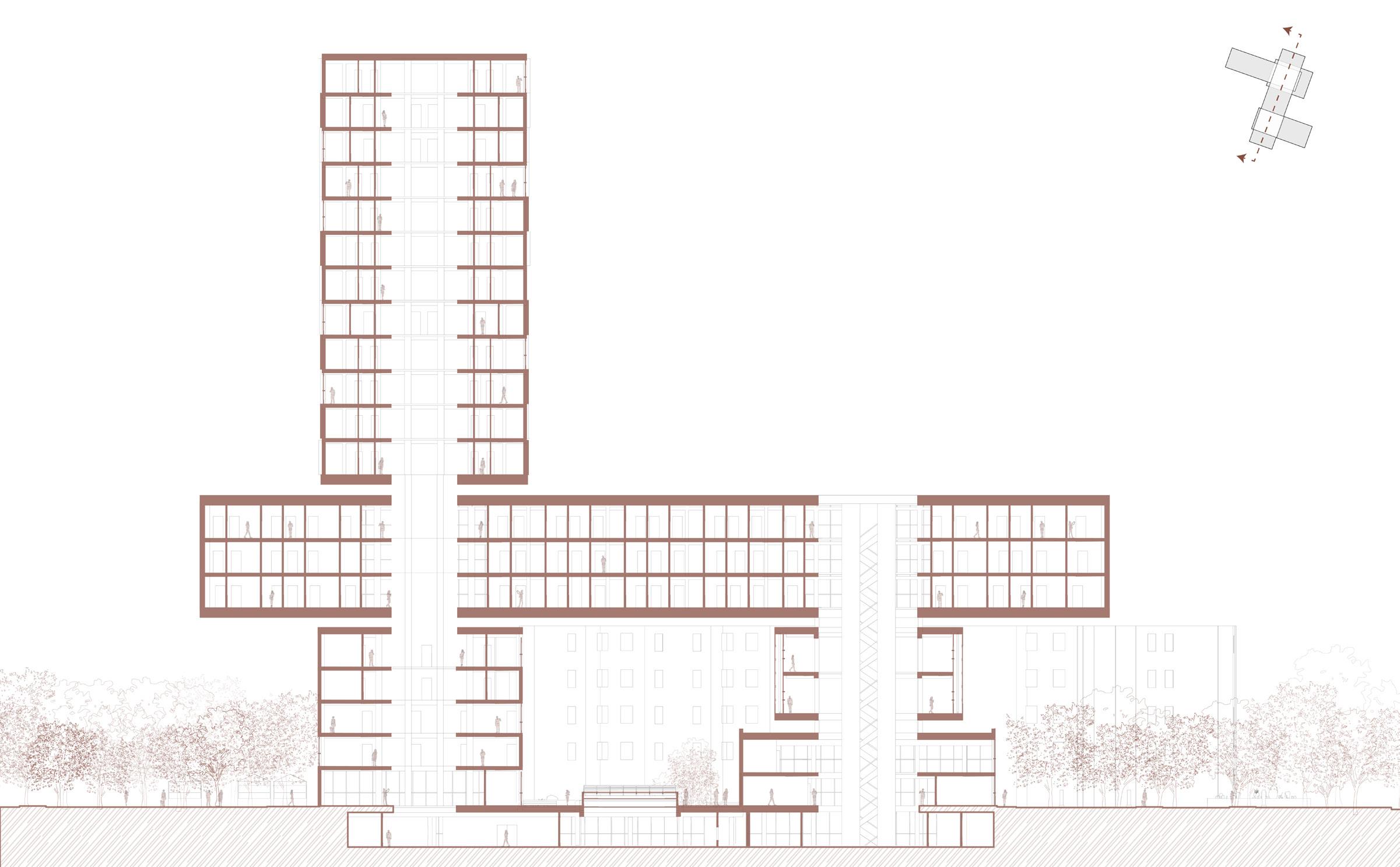
This project investigates the psychological impact of “downtownness” on student life and explores how architectural form cancultivate a sense of urban belonging just outside a traditional campus environment. Situated near Northwestern University, the project serves as a hybrid academic–social hub, giving students access to the energy, density, and layered experiences typically found in metropolitan cores.
The goal is to understand how spatial cues—proximity, vertical layering, visual corridors, programmatic collisions, and the choreography of crowds—shape feelings of independence, agency, and identity in a collegiate context. By creating a concentrated node of activity at the campus edge, the projectproposes that architecture can simulate the emotional and behavioral qualities of downtown life, fostering exploration, confidence, and community engagement within a controlled and safe framework.
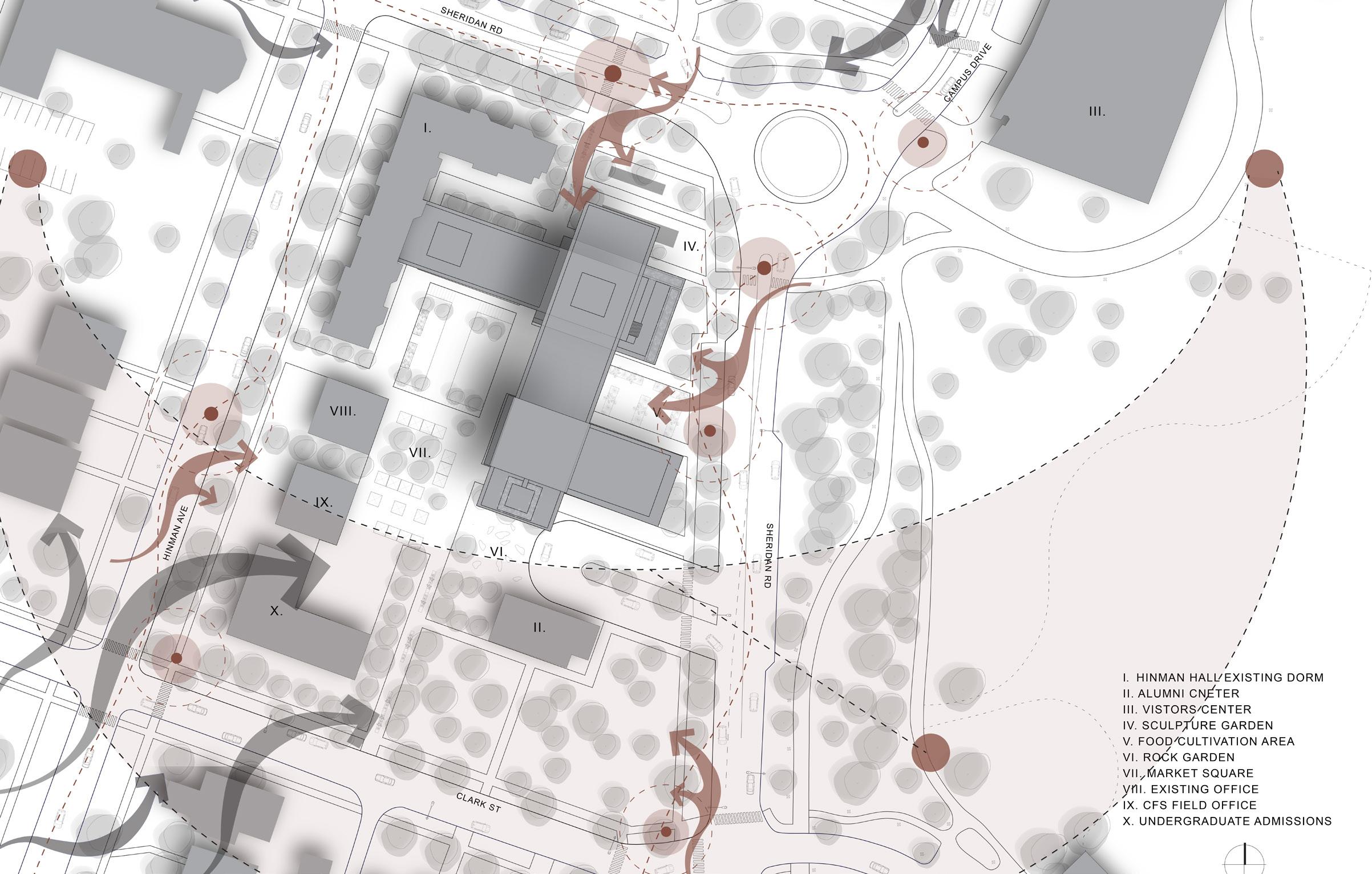
The Collective is conceived as a continuous urban connector that stitches together Northwestern’s campus, the lake front, and the surrounding neighborhood. The project imagines circulation not just as movement, but as a collective social infrastructure—where living, learning, and cultural exchange are aligned along a shared spine. Food production, community gathering, and student life become catalysts for a new academic landscape, transforming an under utilized site into an activated civic corridor.
Site Analysis
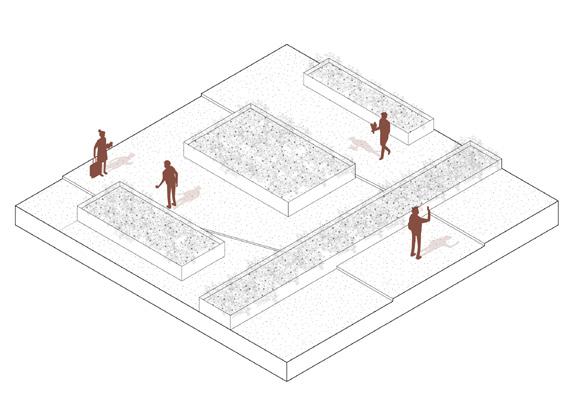
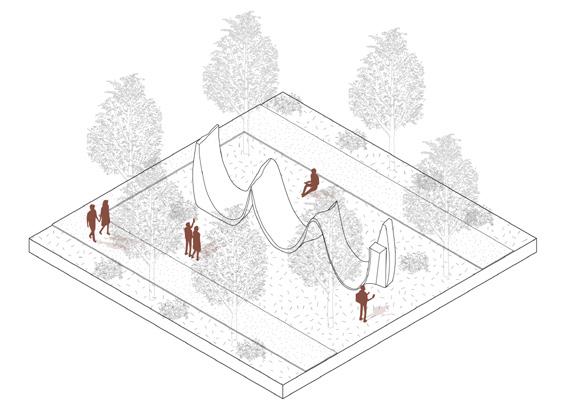
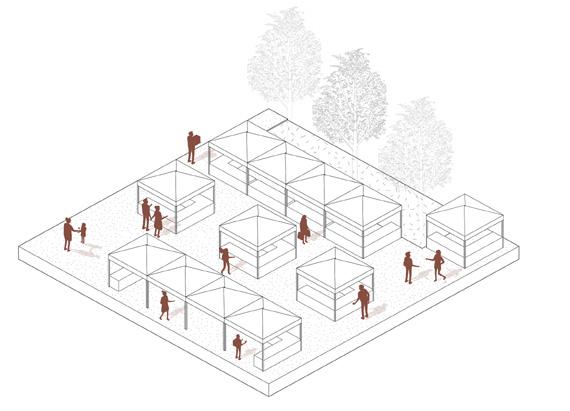


Food Garden Sculpture Graden Market Place Sunken Lawn
Skylight at OISS
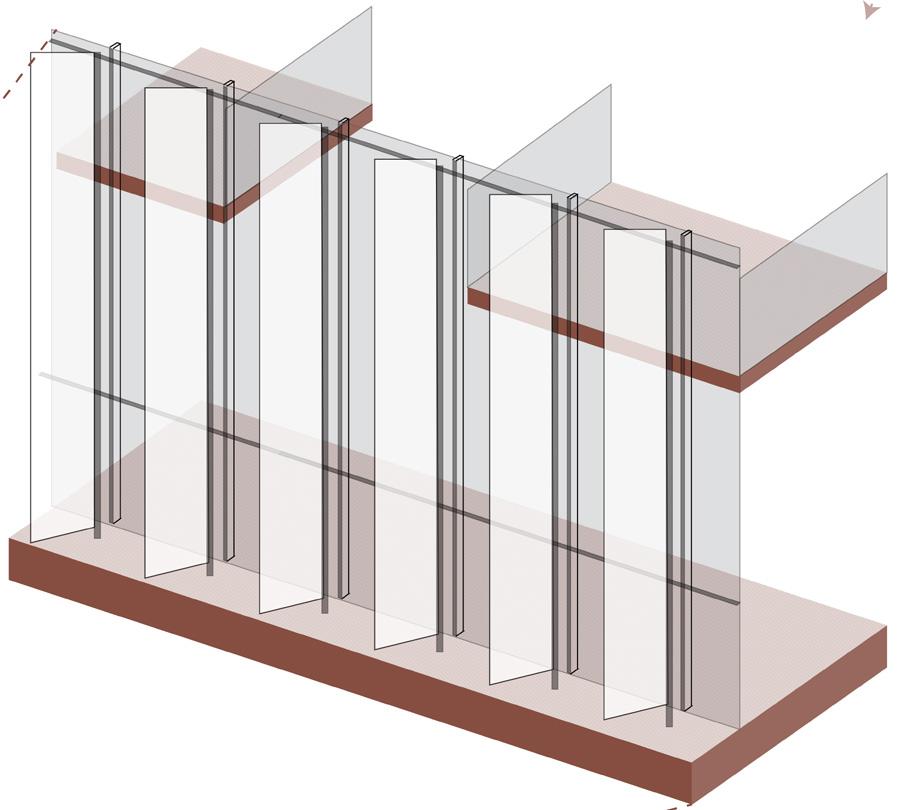
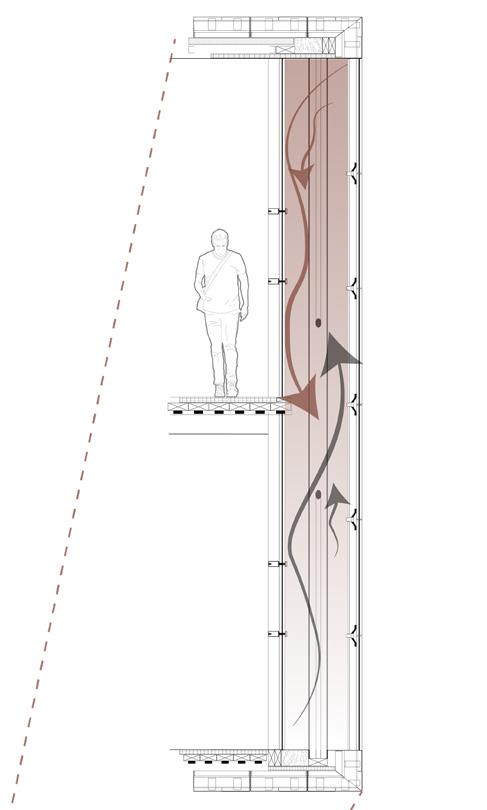
Double Facade with Transulant Glass Fins at Undergraduate Dormitory
Exposed Structure
Double Facade at Gym
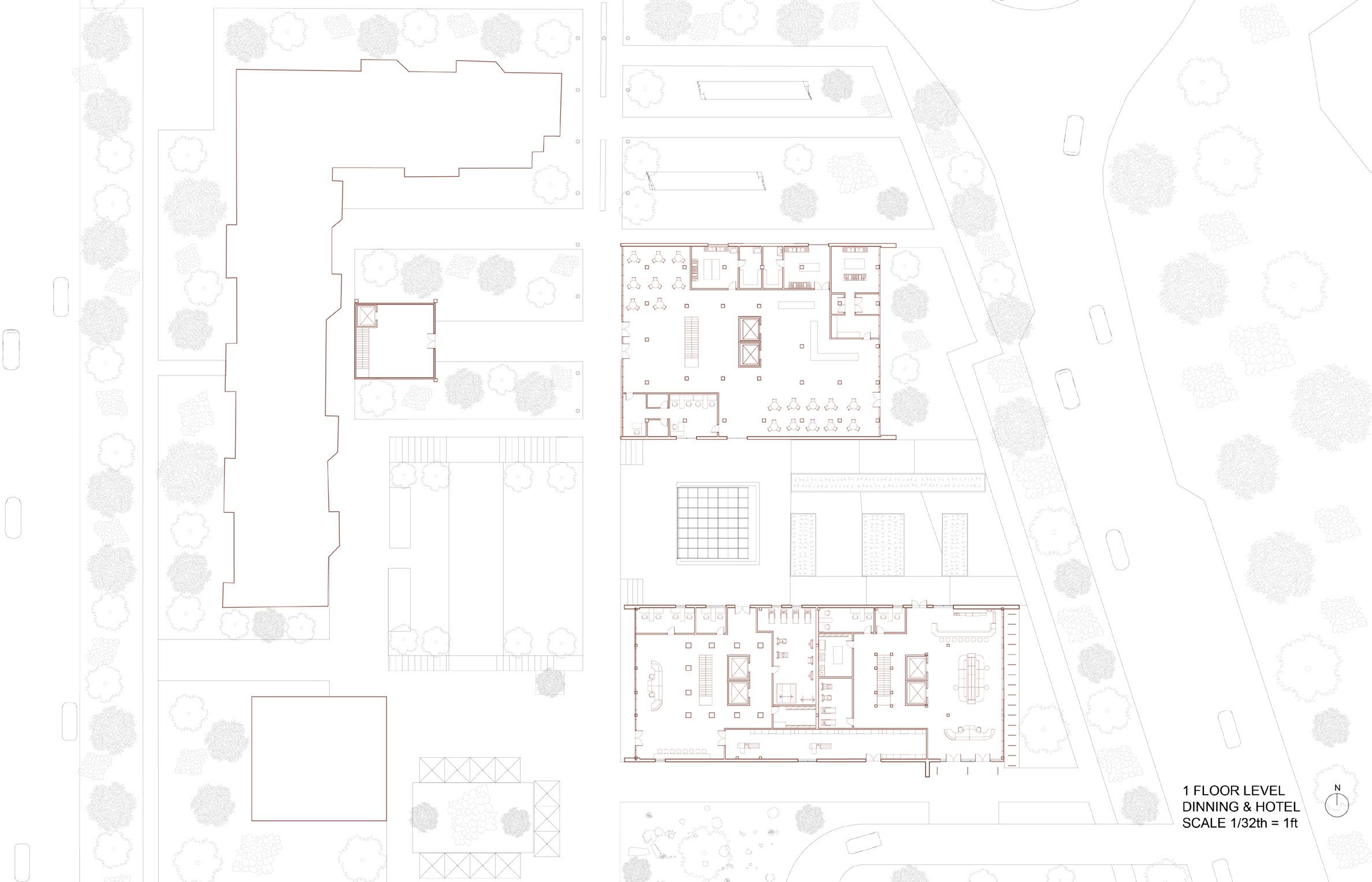
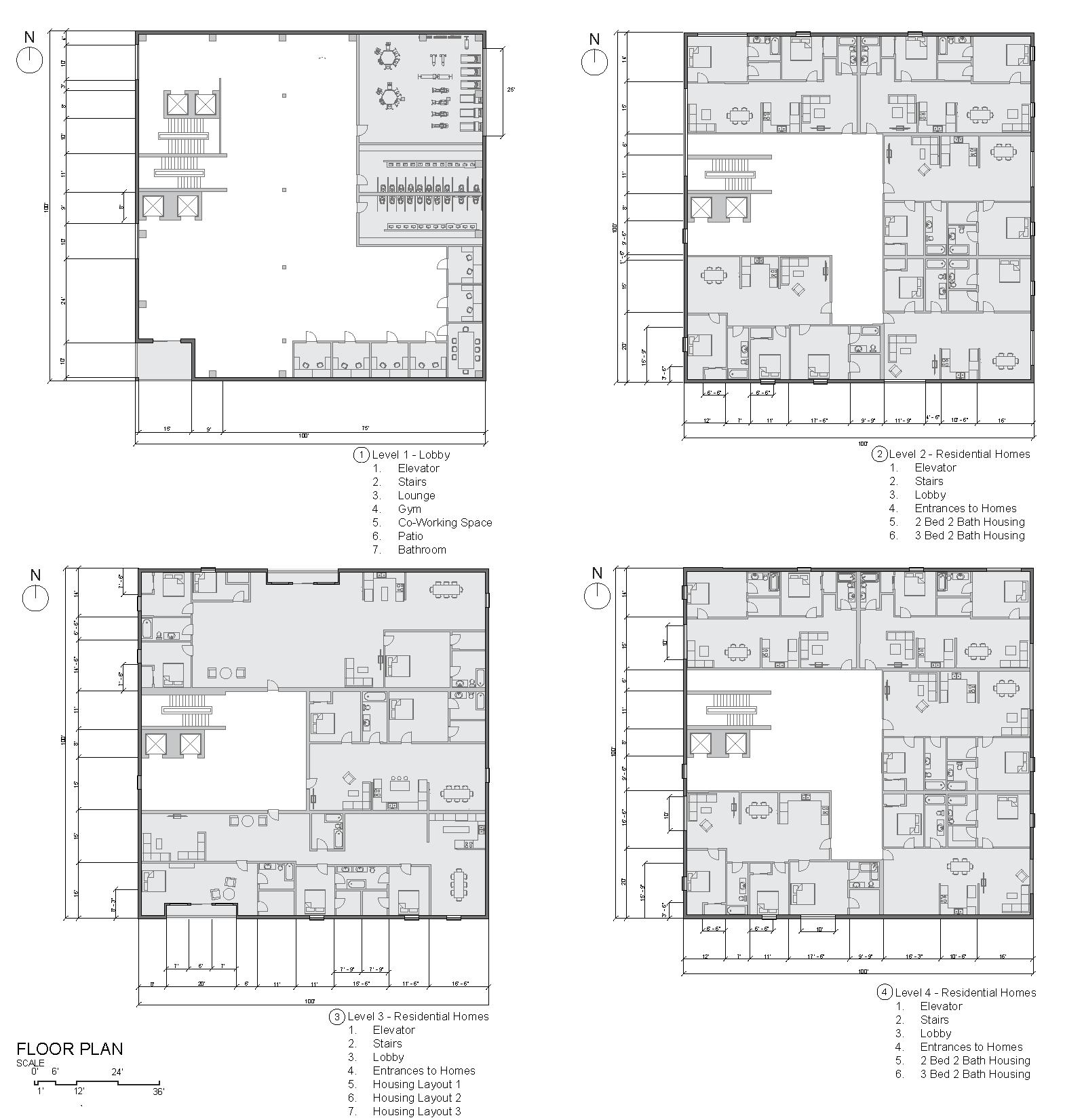
Ground Floor Plan
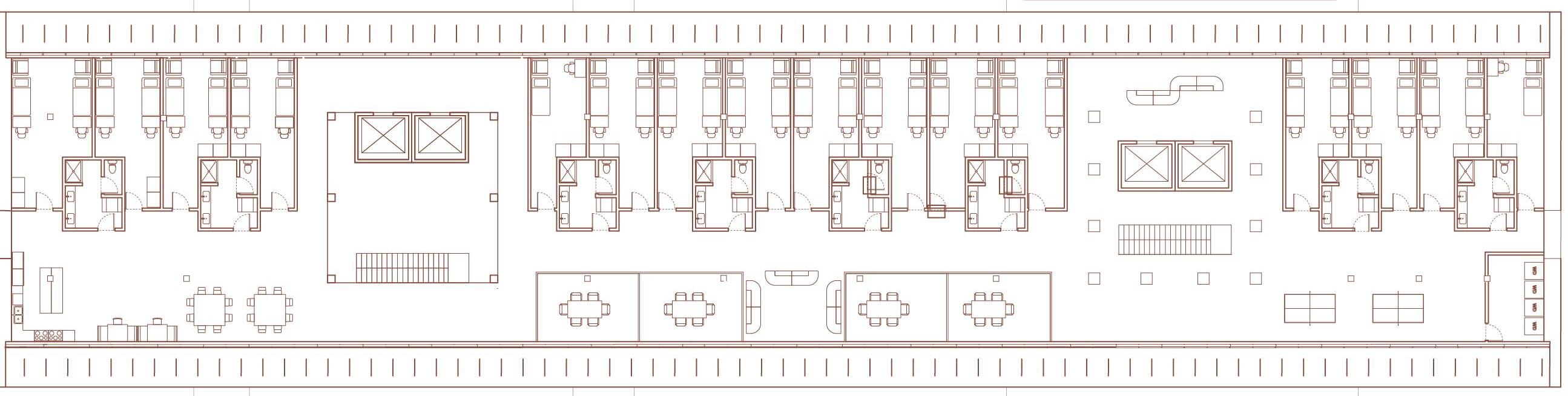
Undergraduate Dromitory Frist Floor Plan
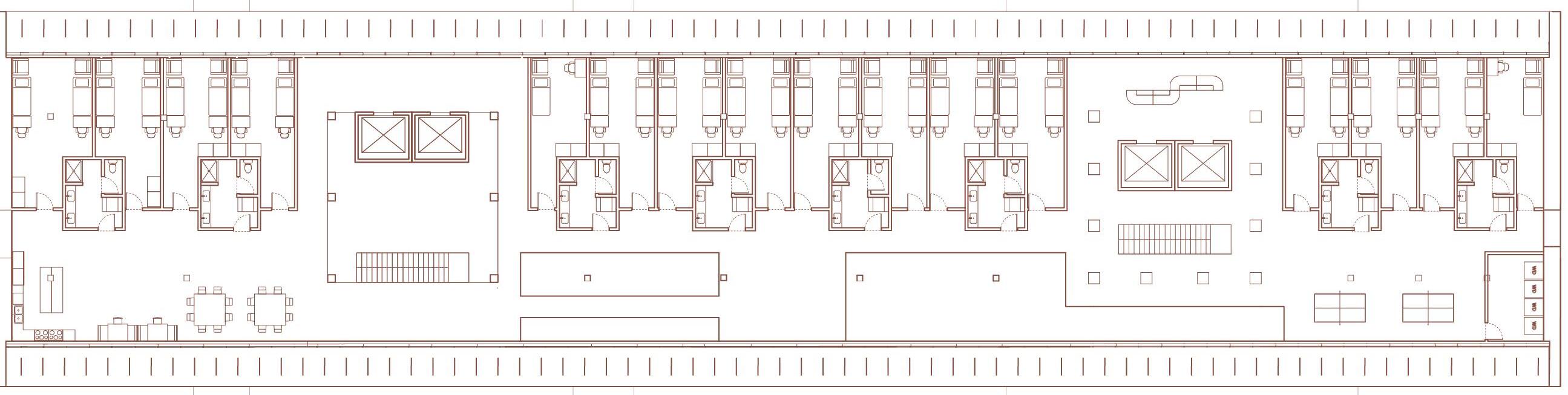
Undergraduate Dormitory Second Floor Plan
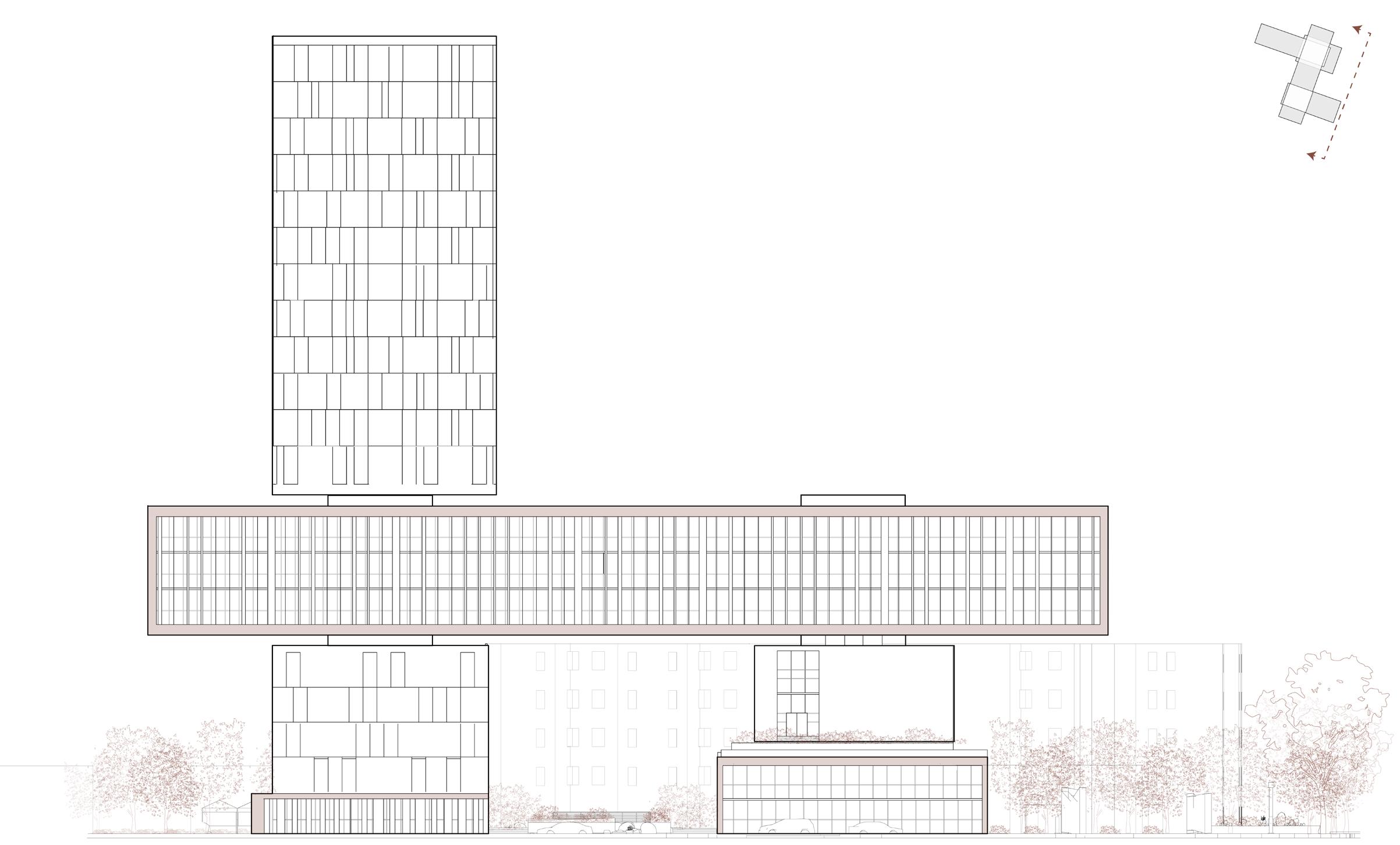
East Elevation
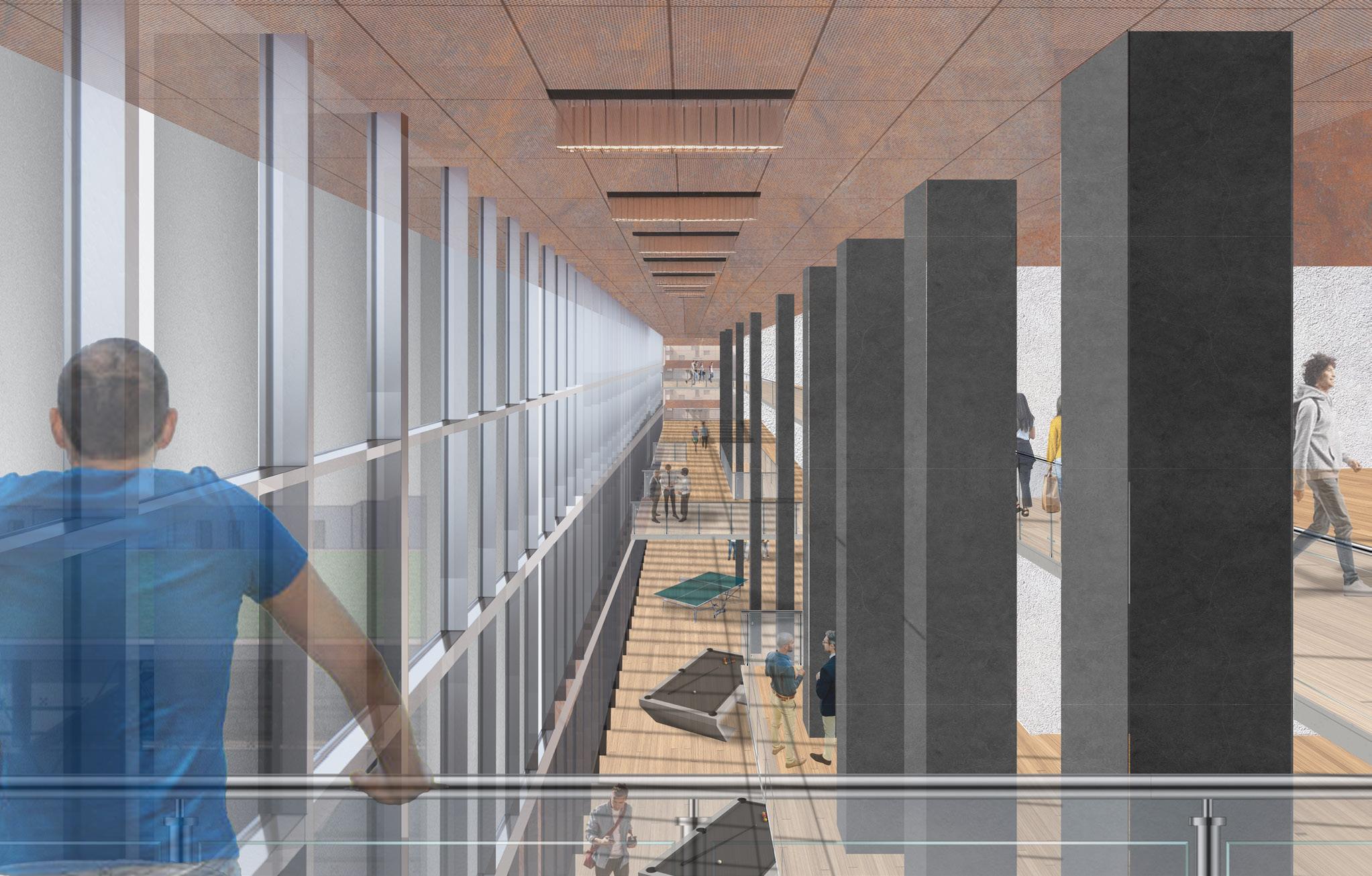
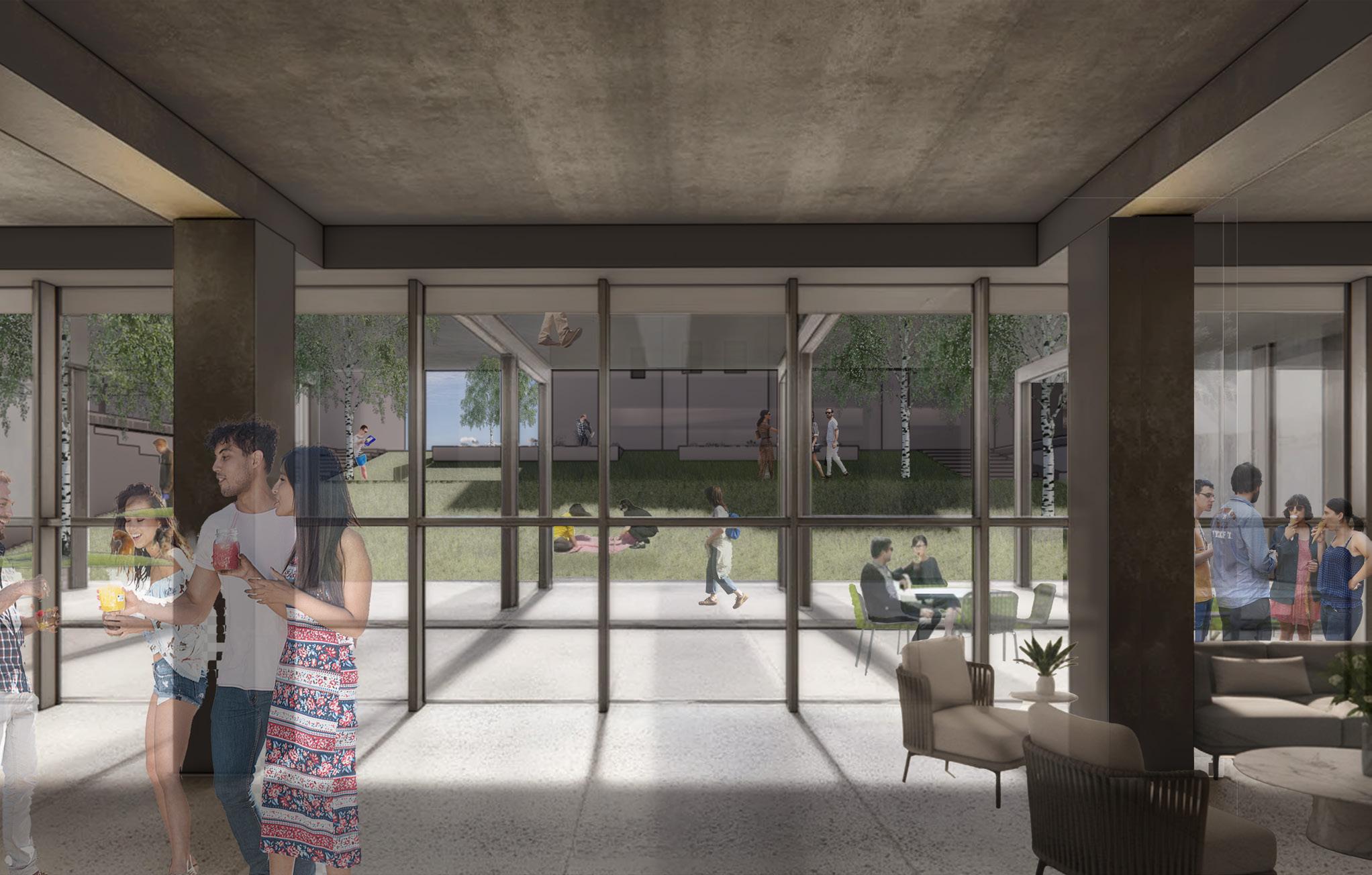
Office of International Student and Scholar Services
Thrid Floor of Undergraduate Dormitory
Eco-Bridge Library
ARC 302
Professor: Slade Scheaffer
Group Project Partner: Gabriela Soto Sanchez Spring 2024 Design Excellence Award 3rd Year Studio
The Eco-Bridge Library project transforms Tempe’s empty, littered site into a vibrant community space. The area lacks structured public spaces and is surrounded by private commercial and residential buildings. This library addresses that need, providing an indoor area accessible to everyone and expanding Kiwanis Park while intertwining with the Western Canal and the Arizona Eastern Railroad.
Arizona’s dominant use of cars and lack of walkable areas inspired this project. It aims to demonstrate that spaces can be walkable, encourage more physical activity, and address sustainability. The elevated ramp bridges from the park to the site, positioned between two railroad tracks and a canal, keep the structure elevated and away from train noise.
The library integrates with its surroundings, promoting a unified relationship between urban infrastructure and natural landscapes, ensuring functionality and aesthetic appeal.
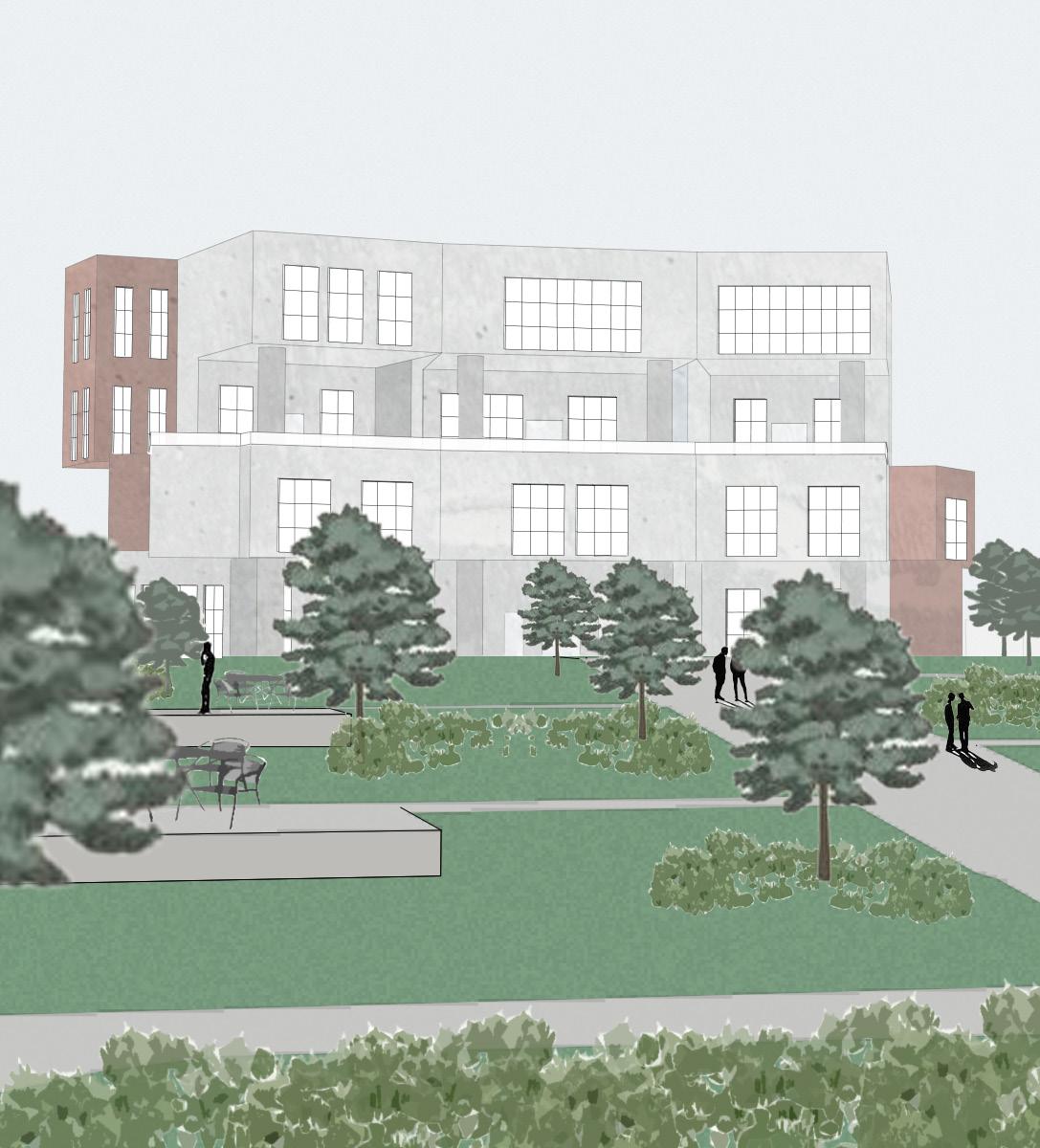
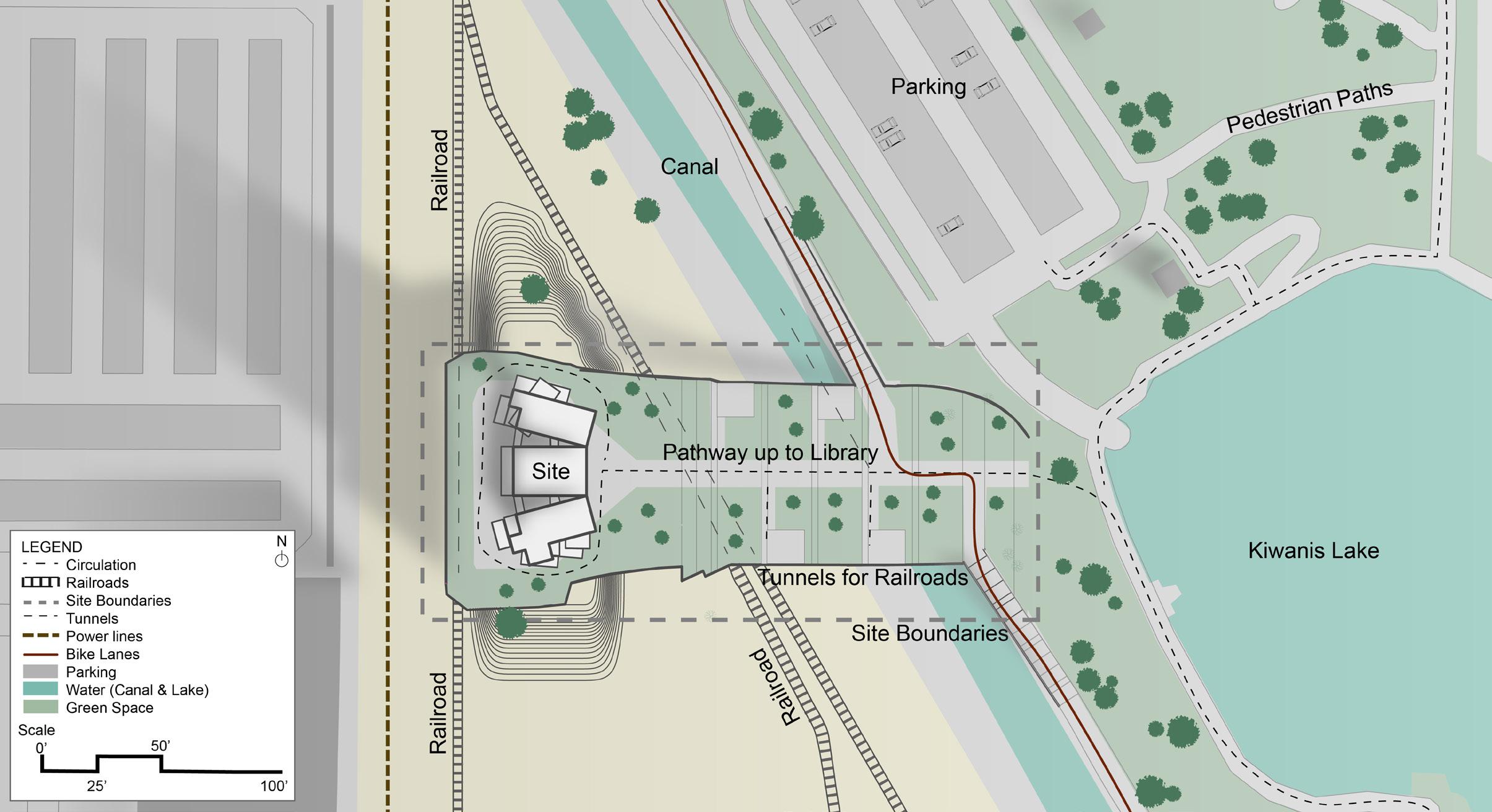
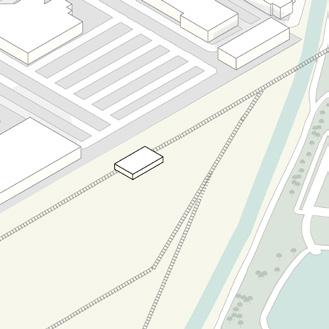
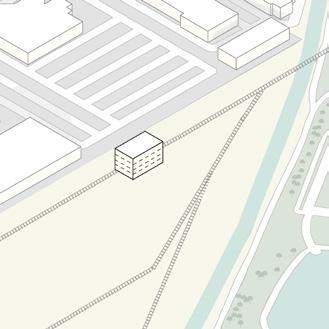
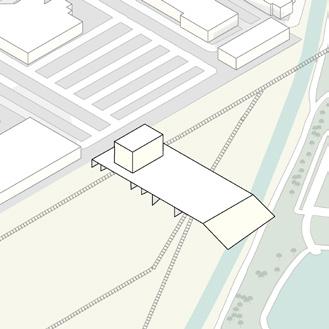
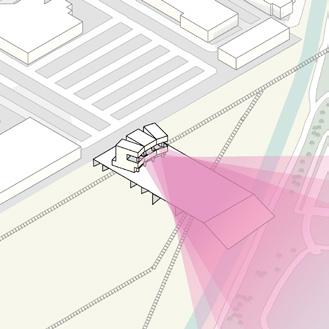
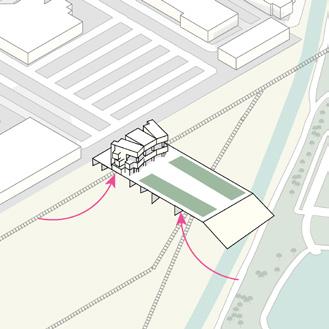
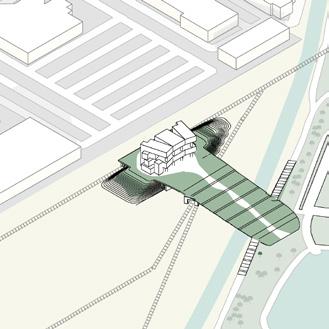
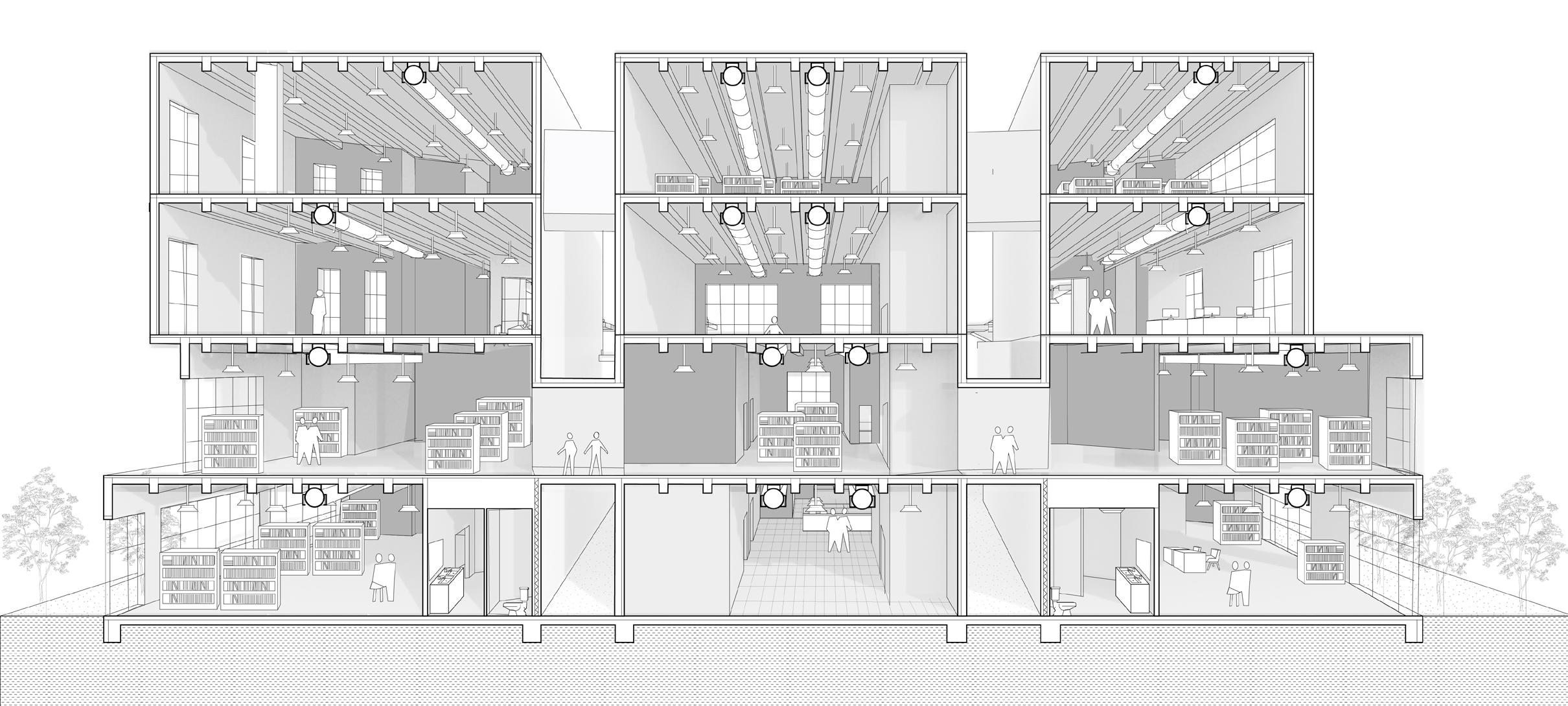
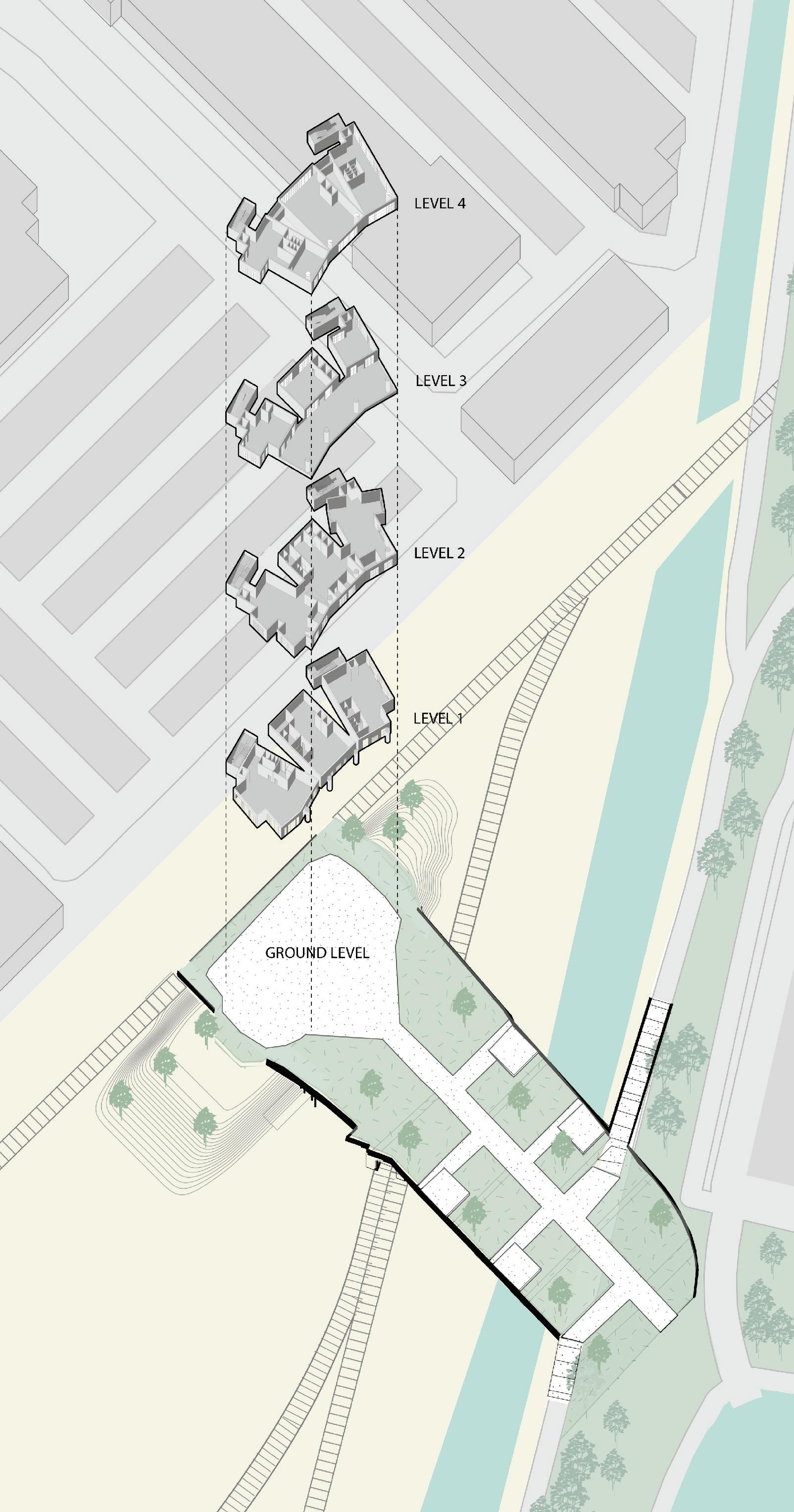
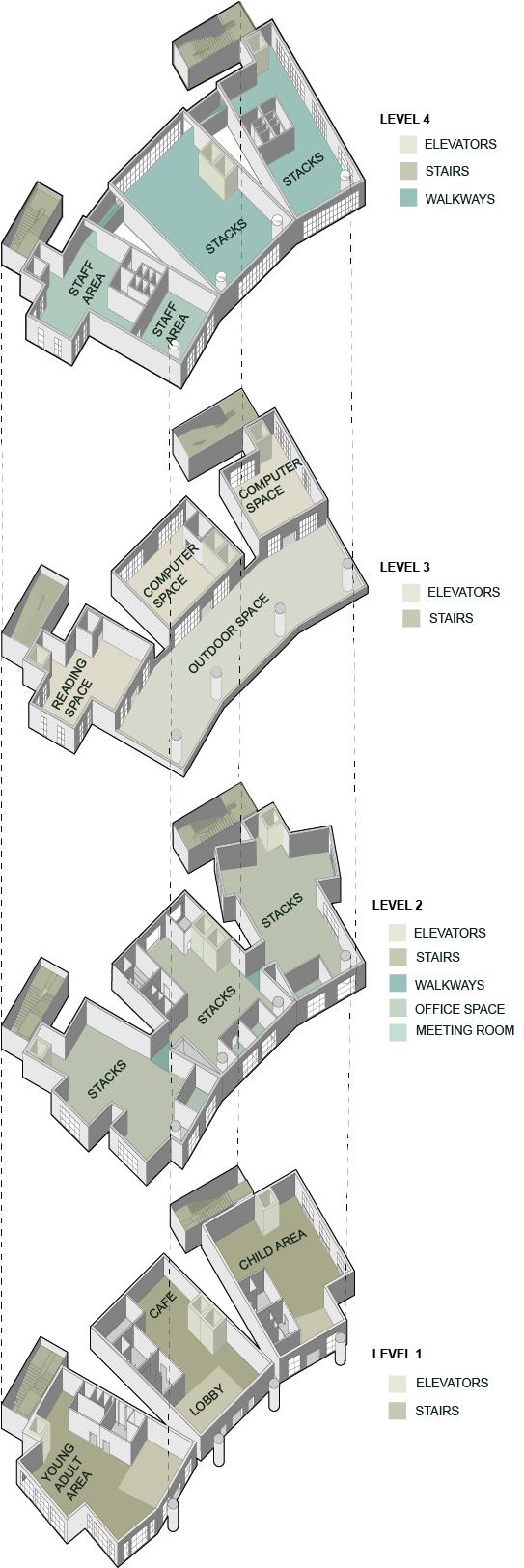
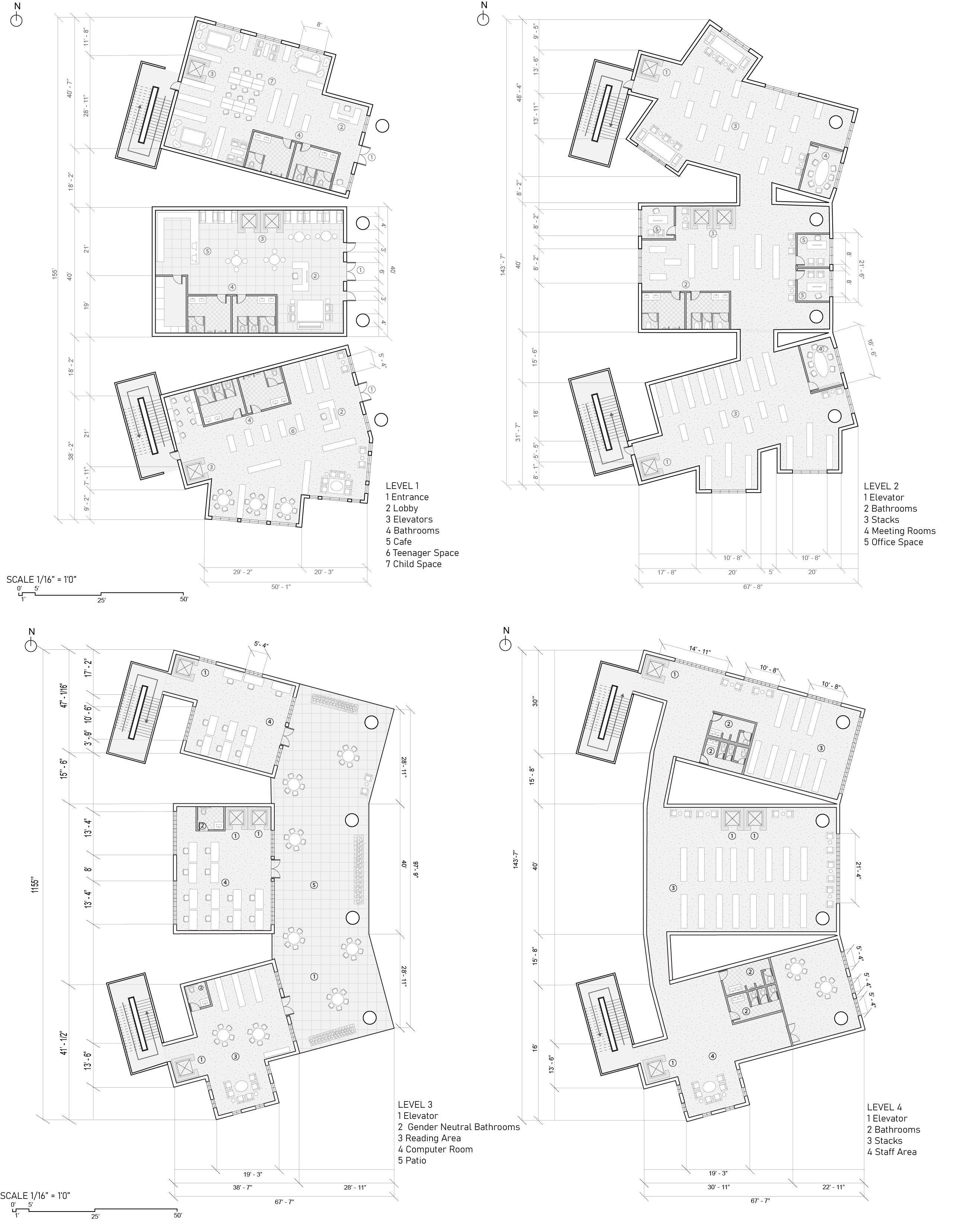
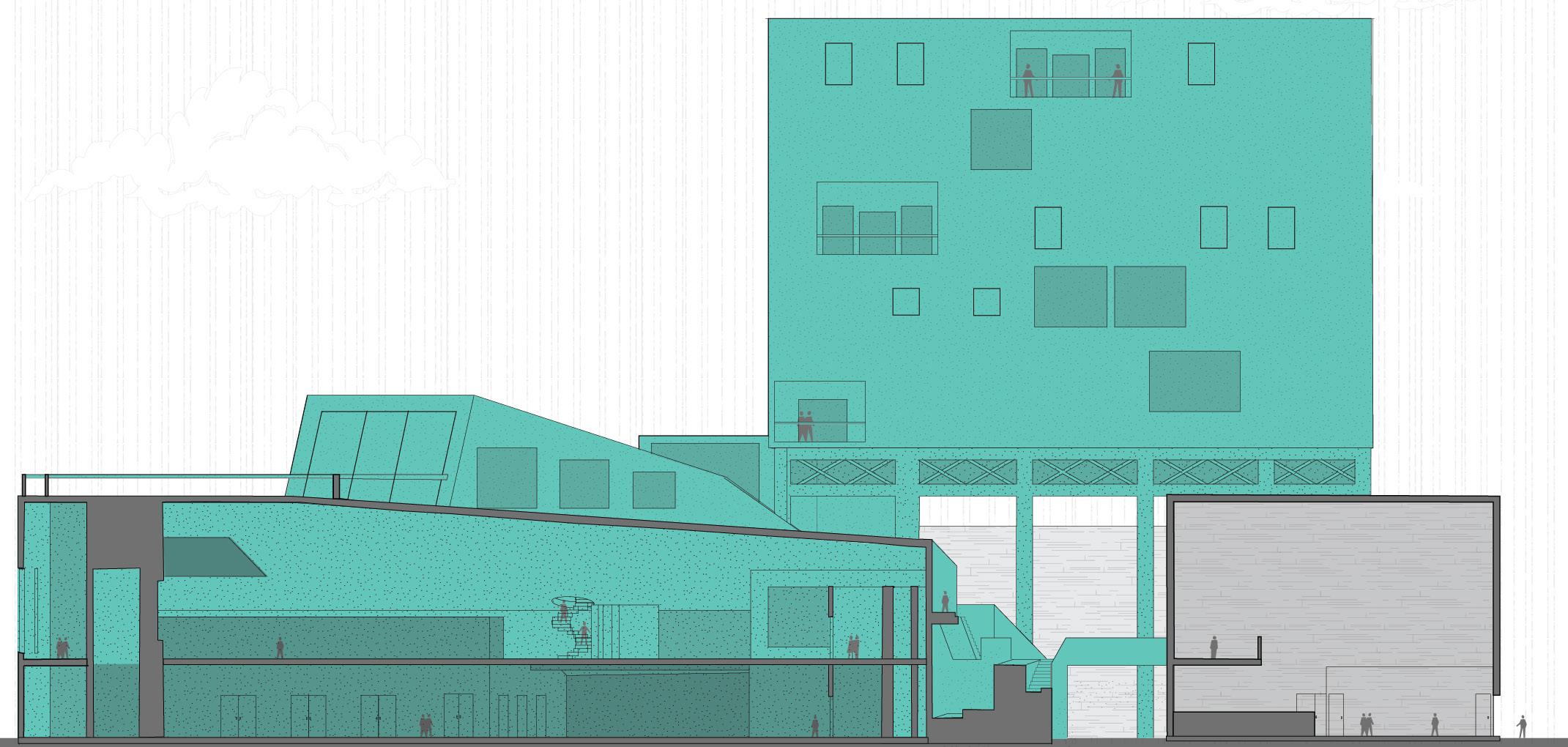
Inspired by the site’s industrial surroundings, the library’s design mimics the stacking of shipping containers, with four floors divided into three sections. Most public areas are on the ground floor and transition to more private and quieter on higher levels. The first floor includes a café and areas for teenagers and children. The second floor has meeting rooms and office spaces. The third floor offers outdoor seating and indoor reading spaces, while the fourth floor houses staff areas and additional stackings.
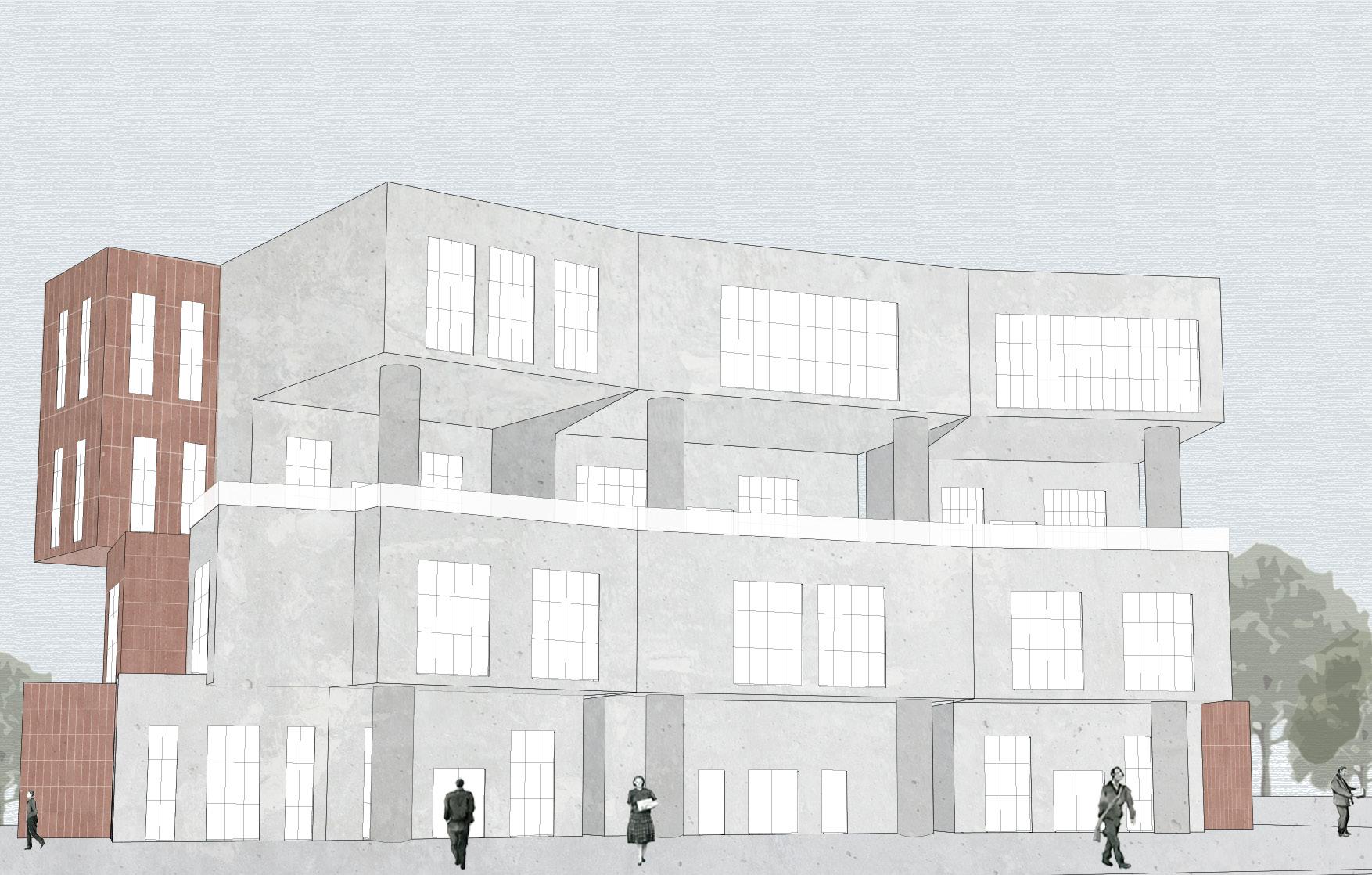
Middle of the Ramp Facing Library Perspective
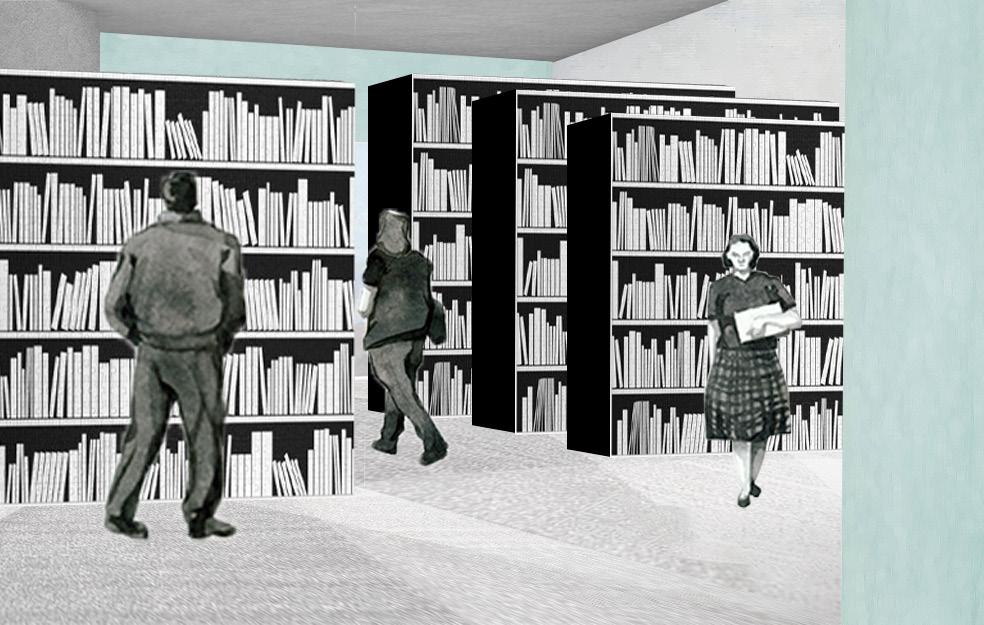
Fourth Floor Perspective
Graff Revival Pavilion
ARC 301
Professor: Quiara Caguiat
Group Project Partner: Gabriela Soto Sanchez
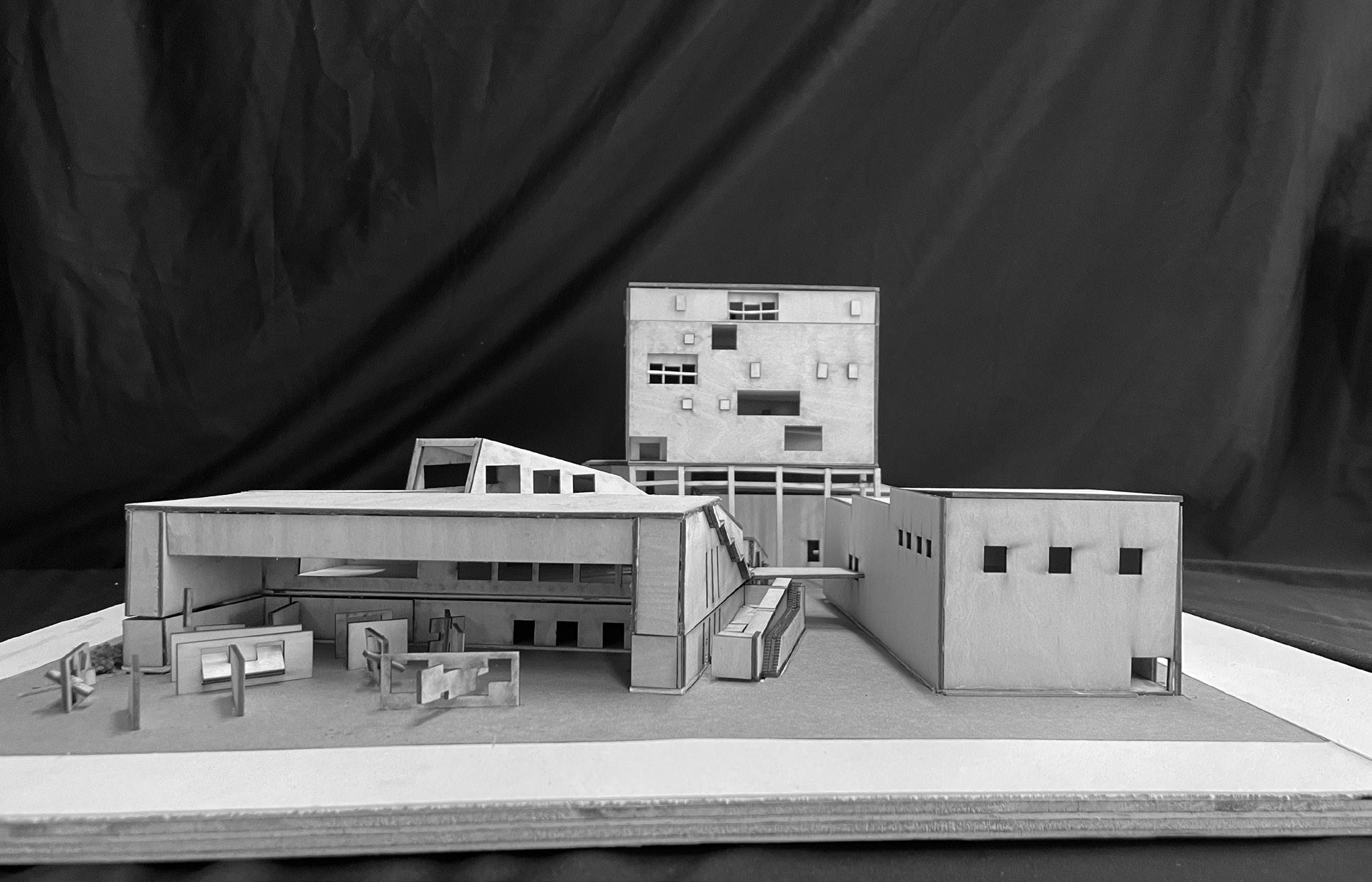
Graff Revivial Pavilion aims to rejuvenate the Phoenix Art District by creating a vibrant center that caters to the community’s needs and celebrates art. This project explores the importance of adaptive reuse and the restoration of culture. Inspired by the graffiti and murals prevalent in Phoenix, the project embraces graffiti as an art form that reflects the community’s voice. The Graff Revival Pavilion seeks to harness and enhance Phoenix’s street art culture through innovative design, promoting a walkable powerhouse of amenities that brings art to life.
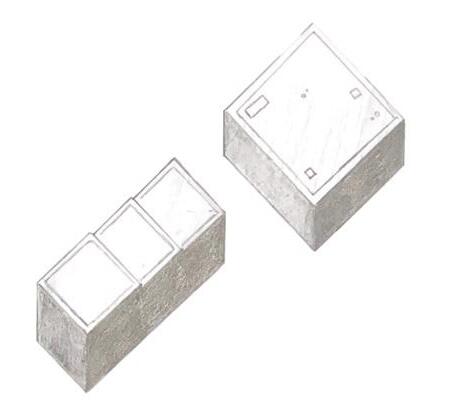
The Pavilion is comprised of two abandoned buildings and five buildings. Each building represents a different art form, such as music, art, and literature. The project contains a cafe, music venue, library, community gardens, affordable housing apartments, and a grocery store.
Graff Revival Pavilion brings new life into an abandoned area, transforming it into a thriving hub that fosters connectivity and a sense of belonging by addressing the complexities of community needs and environmental integration.
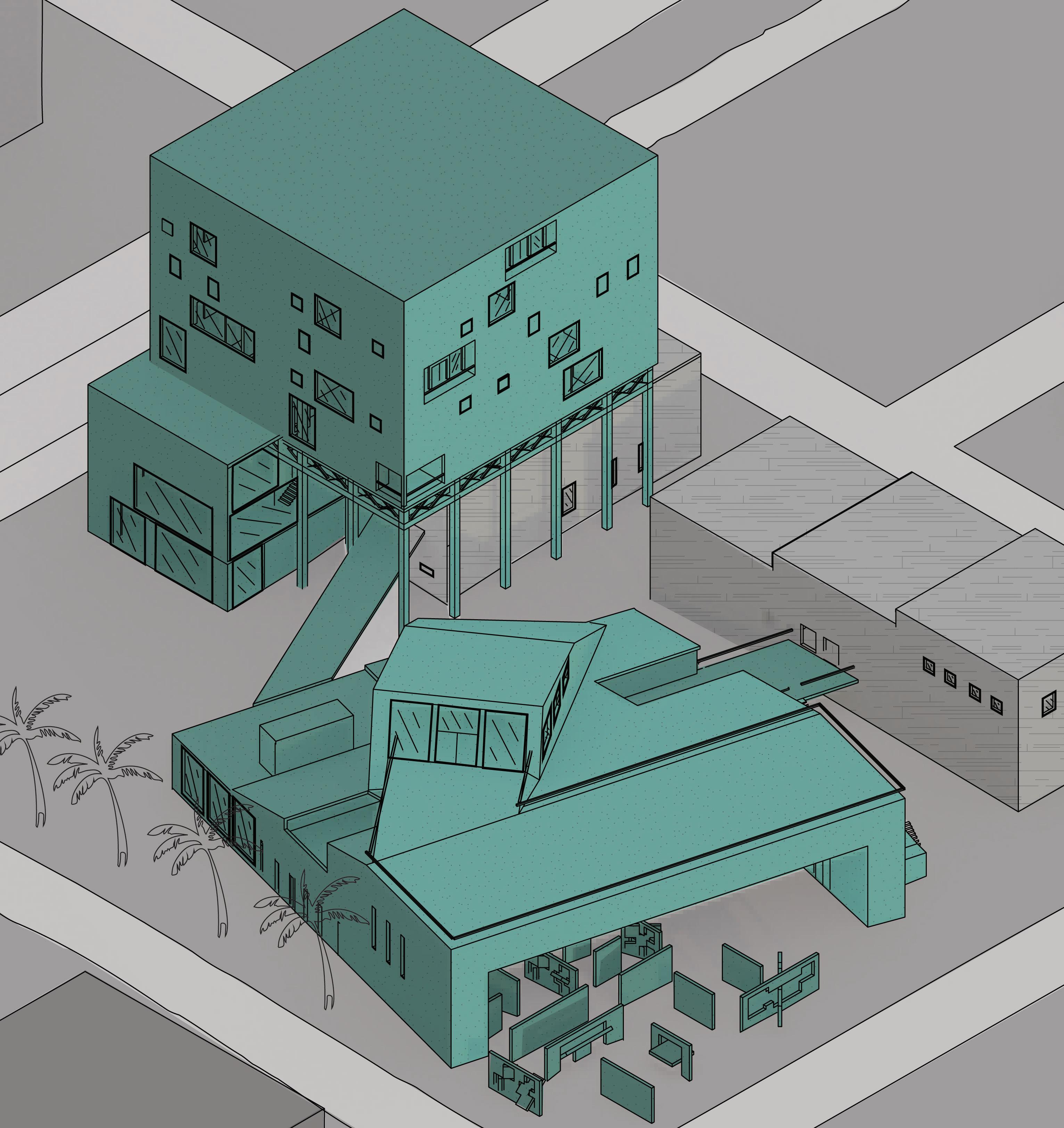

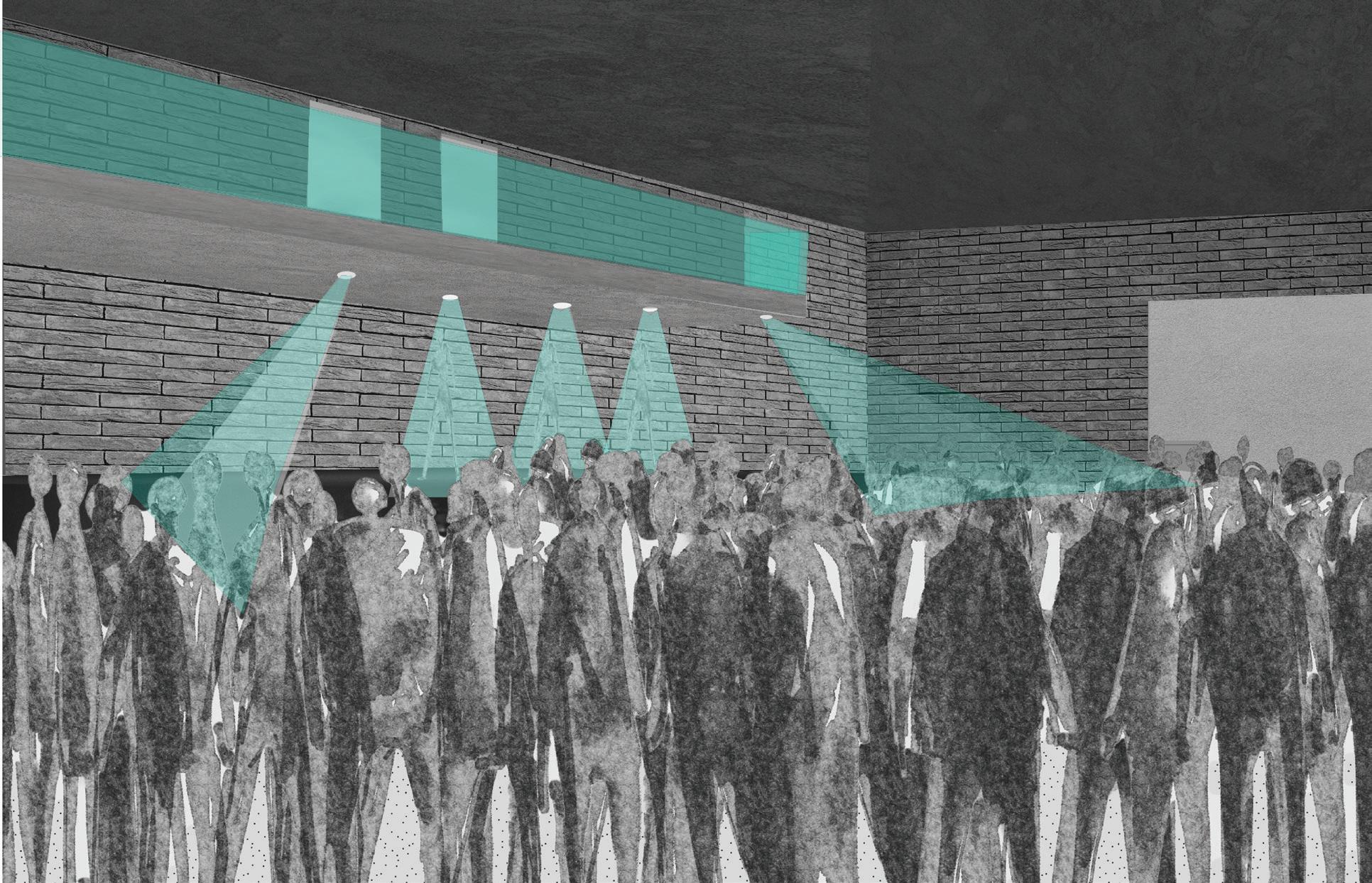
Music Venue Perspective
Physical Model
Mesopotamia
ARC 201
Individual
Professor: Brennan Richards
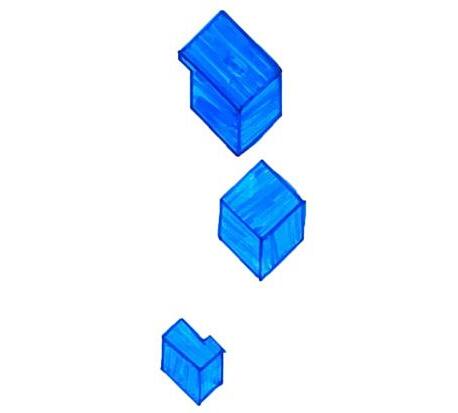
Mesopotamia explores the relationship between architecture and memory, examining how our built environments reflect and shape our memories. It centers on a personal memory that highlights our advantages and brings attention to underlying issues we may not be aware of.
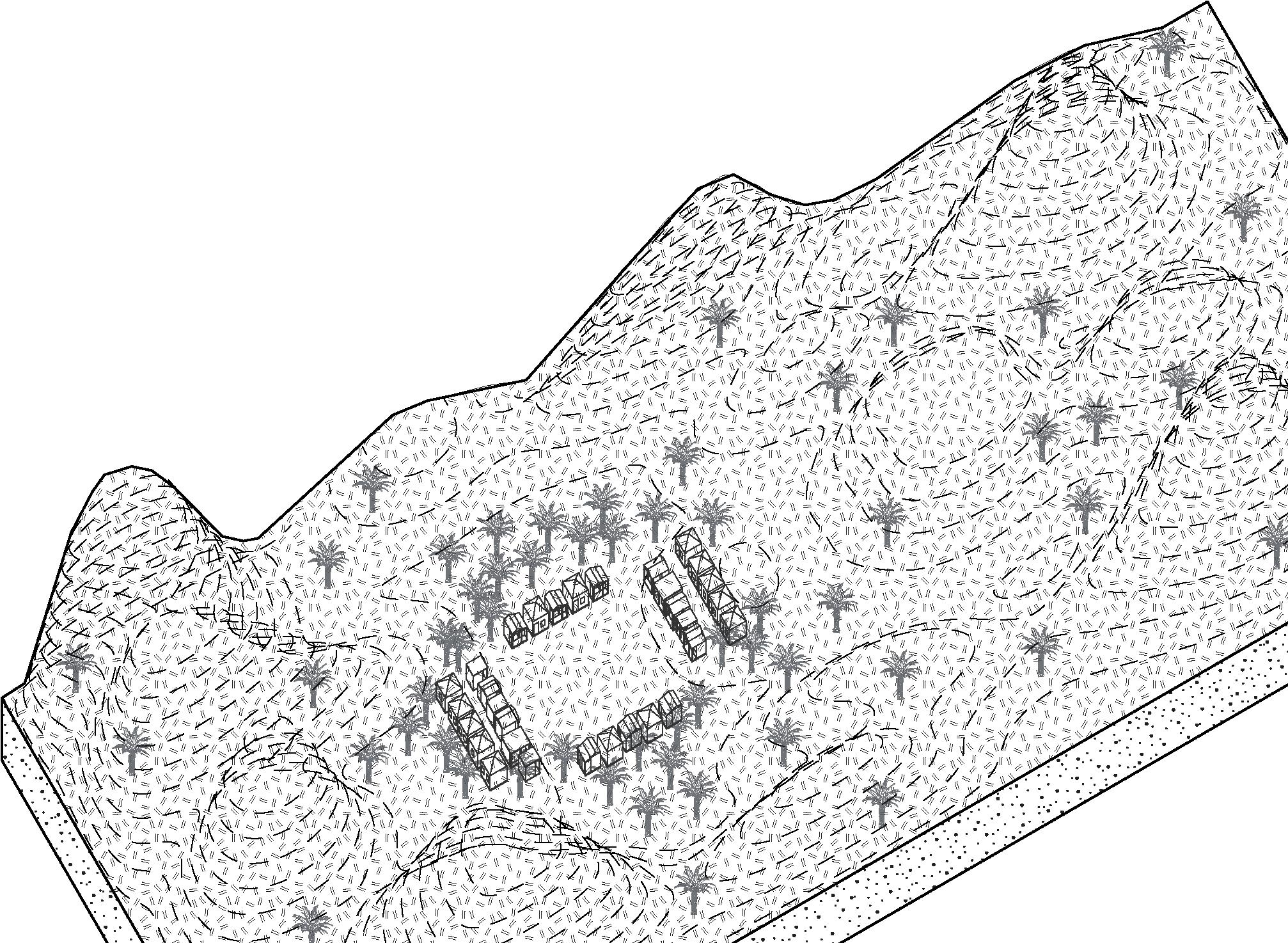
A pivotal memory from my childhood in Jamaica inspired this project. At the time, I perceived the country as a joyful escape. However, I became aware of Jamaica’s challenges as I grew older. This realization inspired this project’s concept: beneath paradise’s surface lie hidden issues that we must acknowledge, understanding that both perspectives can coexist.
Mesopotamia, the first hydrophilic mining town on the moon located on Shackleton Crater, was designed to find water and new support for human habitation. The town includes housing, gardens, a community center with hydrophilic plants, and a factory for workers on the outskirts of the village. This visionary project represents an exciting new frontier for humanity, promising a fresh start in a new environment. However, it also prompts us to reflect on how we arrived at this junction. Is living on the moon indeed the right move, or will we recreate the same problems we left behind on Earth?
This concept parallels the exploration of memory and advantage, reminding us to consider the implications of our actions and our responsibilities as we explore new frontiers in space or our personal lives.
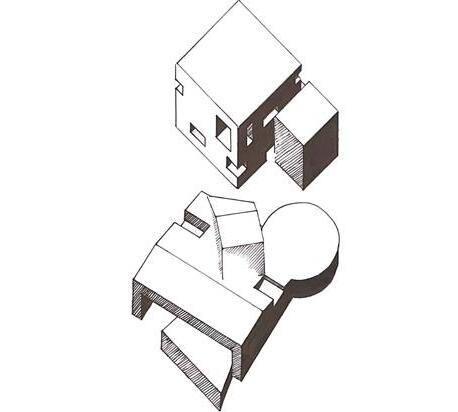
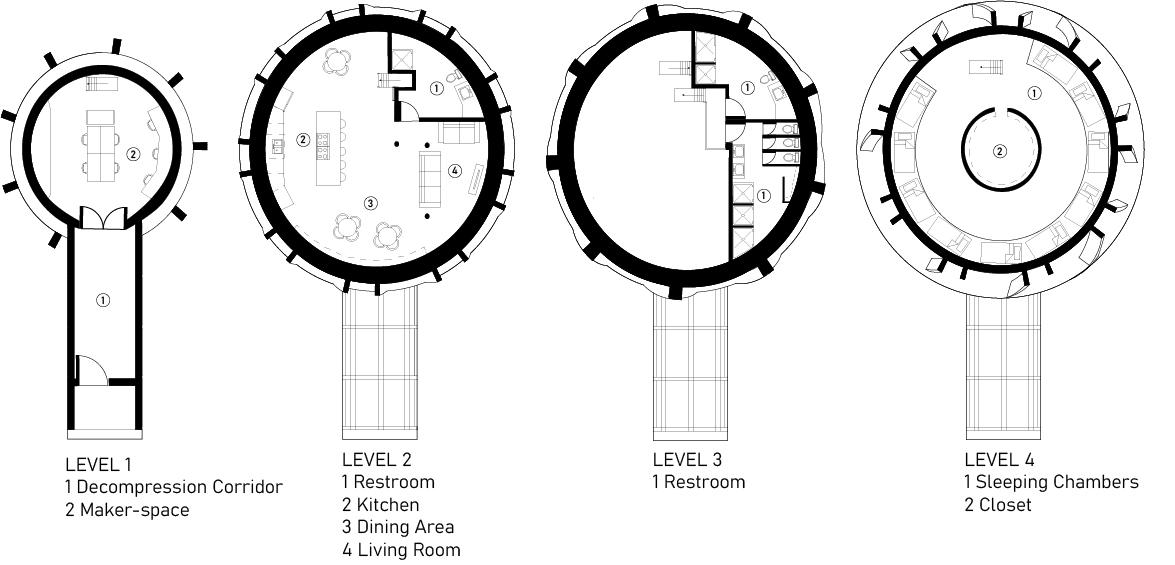
The lower axon drawing shares both memories into one: a small town surrounded by mountains and palm trees. This concept creates the idea of having a village on the moon exploring exploration but also seeing how this can create a problem. Mesopotamia has 11 housing units, a factory, a clubhouse, a garden, and the hydrophilic Tank Plants on the outskirts of the town. The floor plan shares one of the houses that can fit up to 20 people. The house has workshops, a kitchen, 2 community bathrooms, and, on the last floor, the sleeping areas.
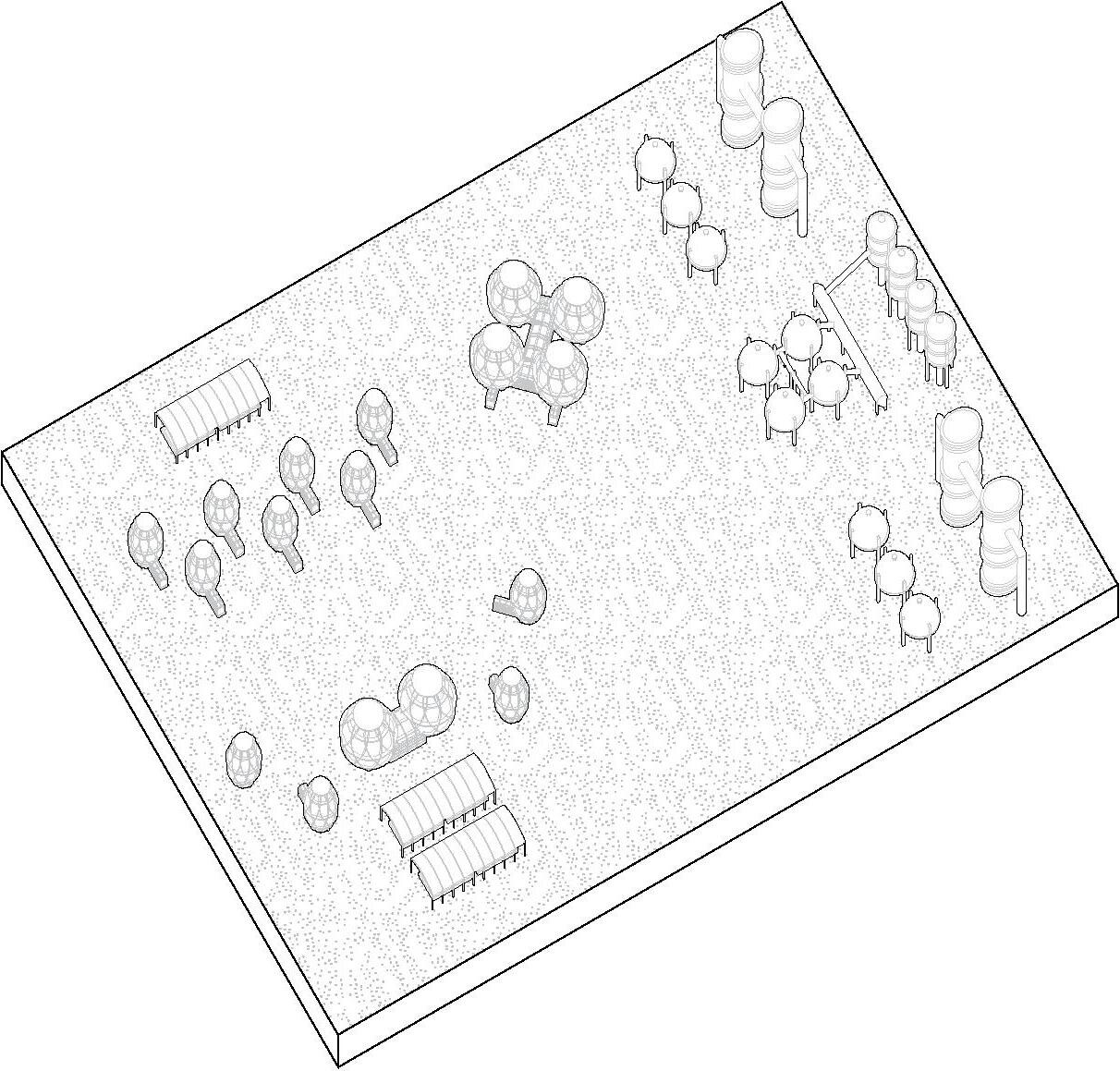
Exploded Axonometric
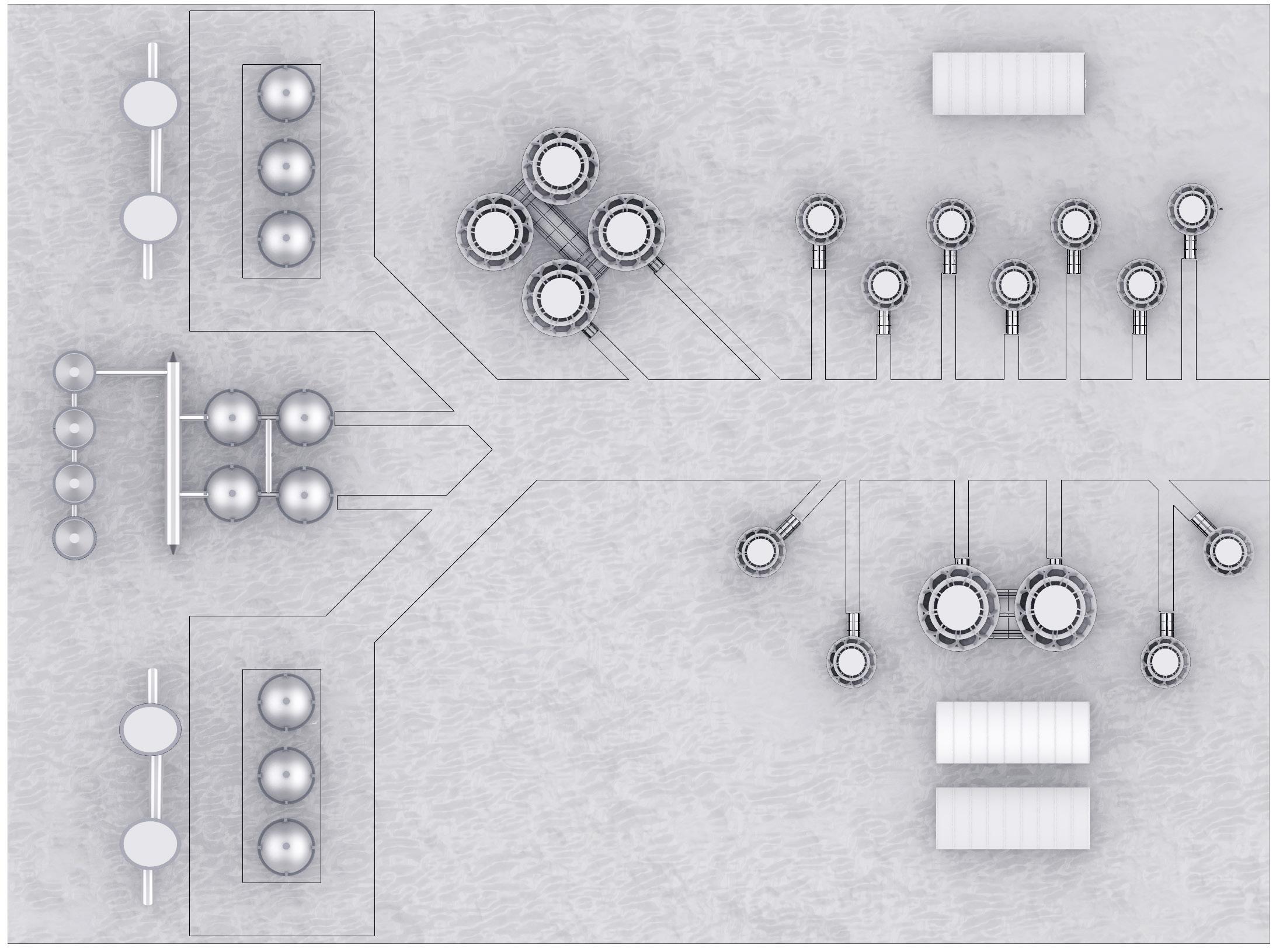
Site Plan
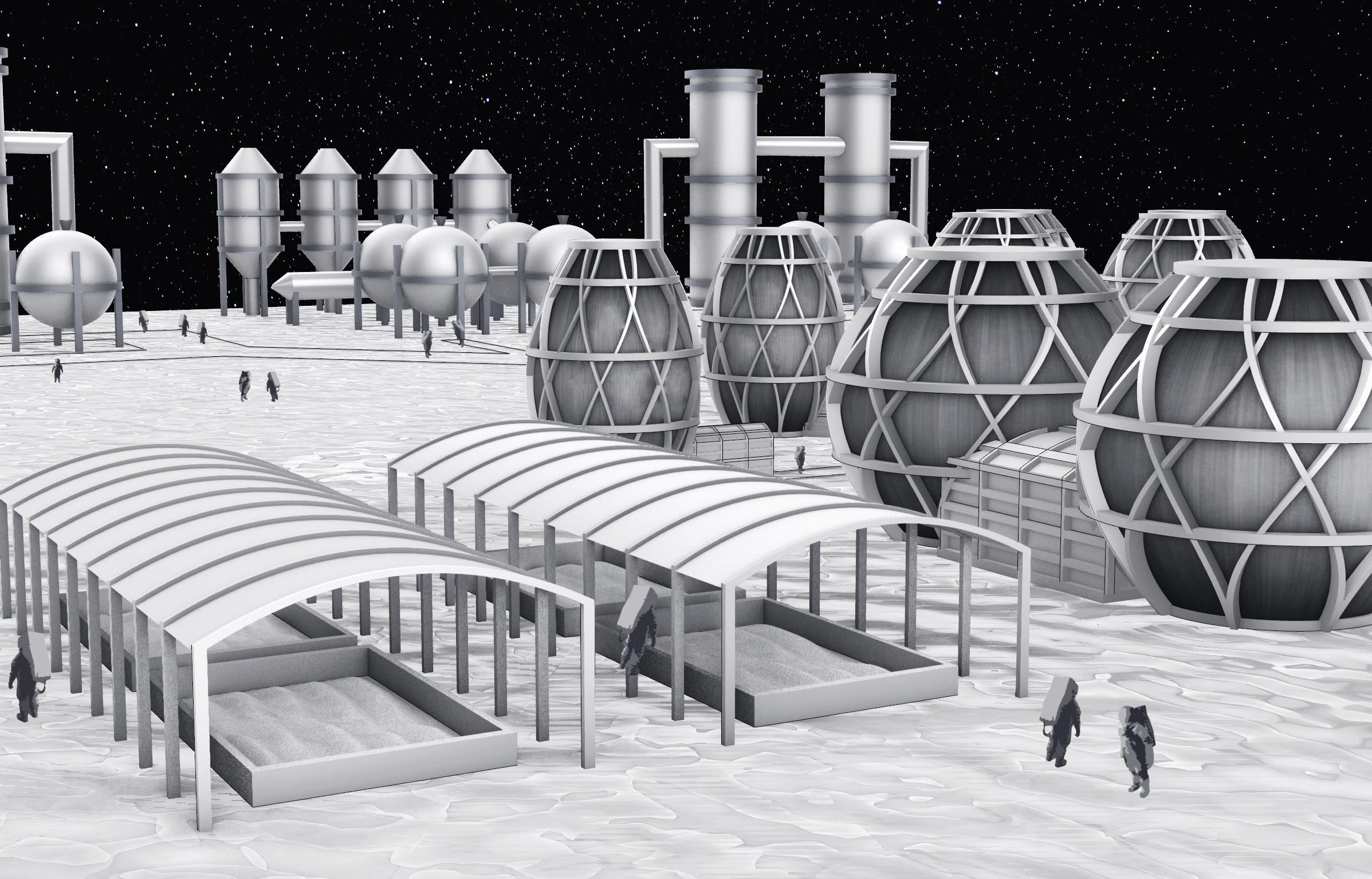
Southwest Perspective