Selected woks of 2024-2025
PORTFOLIO ZHIWEN HUANG


Selected woks of 2024-2025
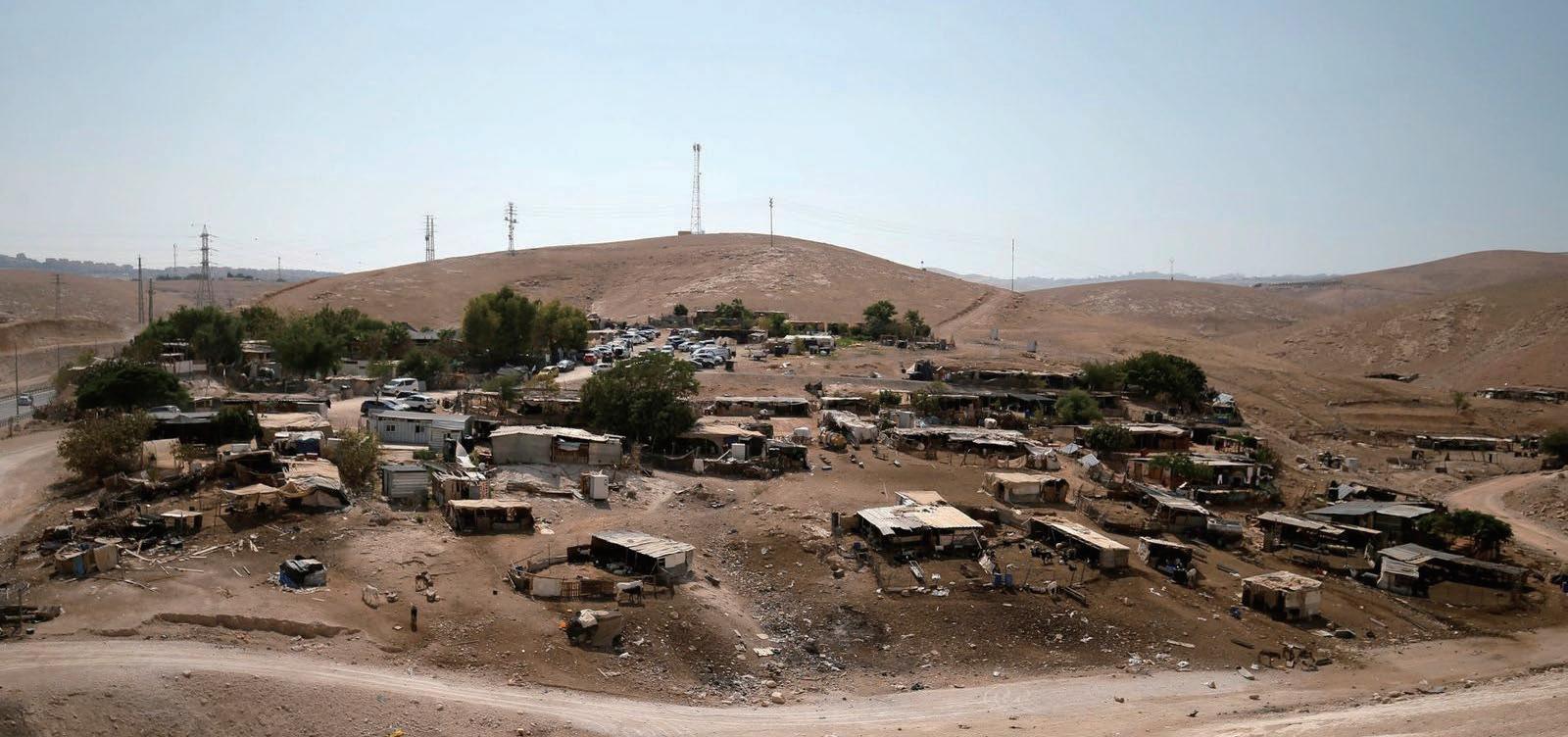
Location: Palestine
Group work (All drawings for this project are my own work.)
Key words: Mobile School,Temporary Architecture, Educational Infrastructure 09/2024-12/2024
Supervisor: Mark Dorrian
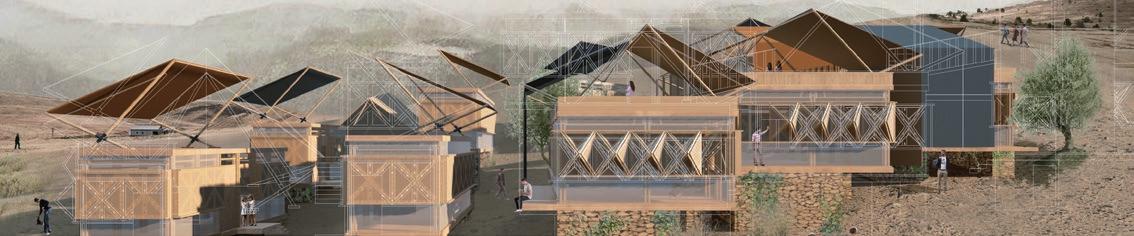
This project is an international architectural competition for mobile schools in Palestine, designed to address the challenges of destruction and violence facing the region. The competition will develop modular school designs that can be quickly dismantled and rebuilt in the face of threats to ensure the continued provision of education even in unstable environments.
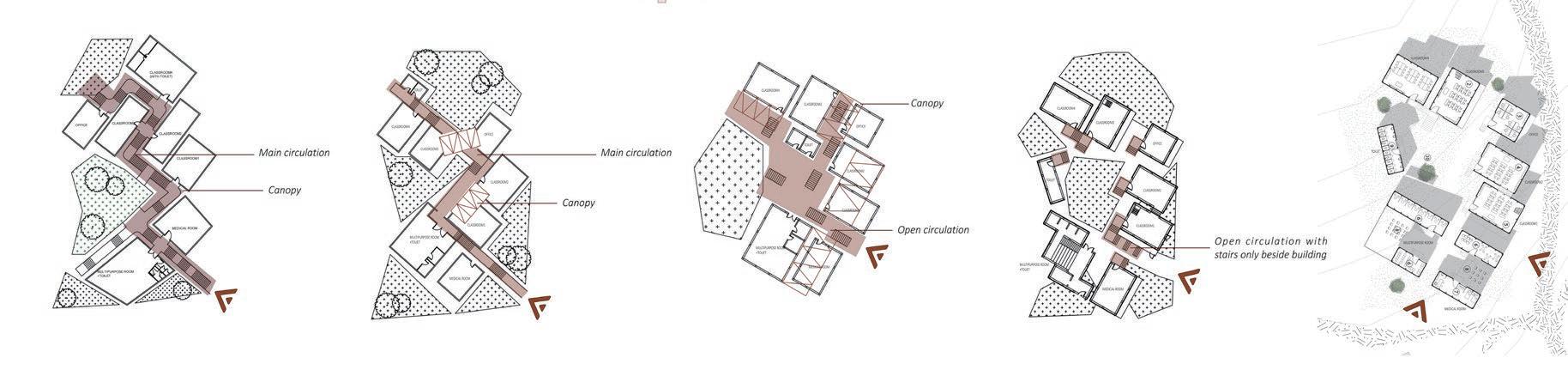
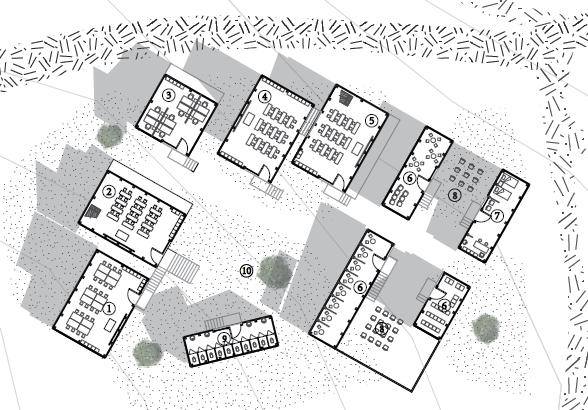
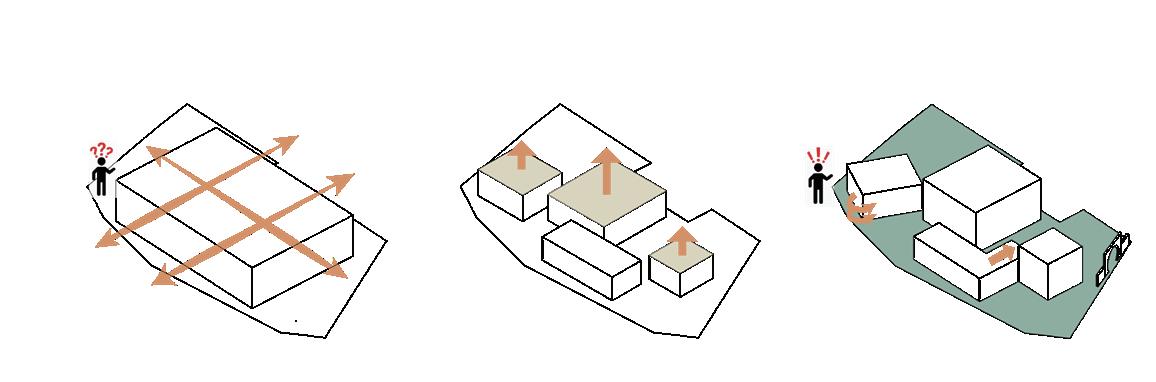
The design begins with a keffiyeh-inspired circulation spine running through the campus. As the scheme develops, the building footprint is reduced to create more open space and allow movement to flow freely between structures. The buildings are then reorganised into a more open layout, with a canopy guiding circulation and stairs placed only at entrances for clarity. In the final arrangement, the school entrance becomes fully open and the Multipurpose Room shifts to a semi-open form, creating an interconnected environment that supports movement,
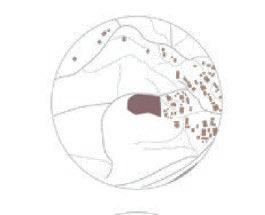
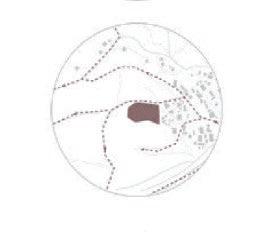
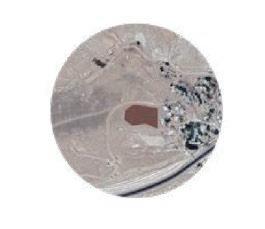
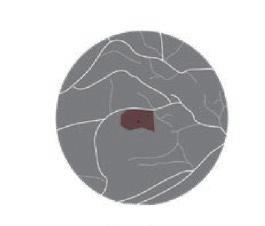
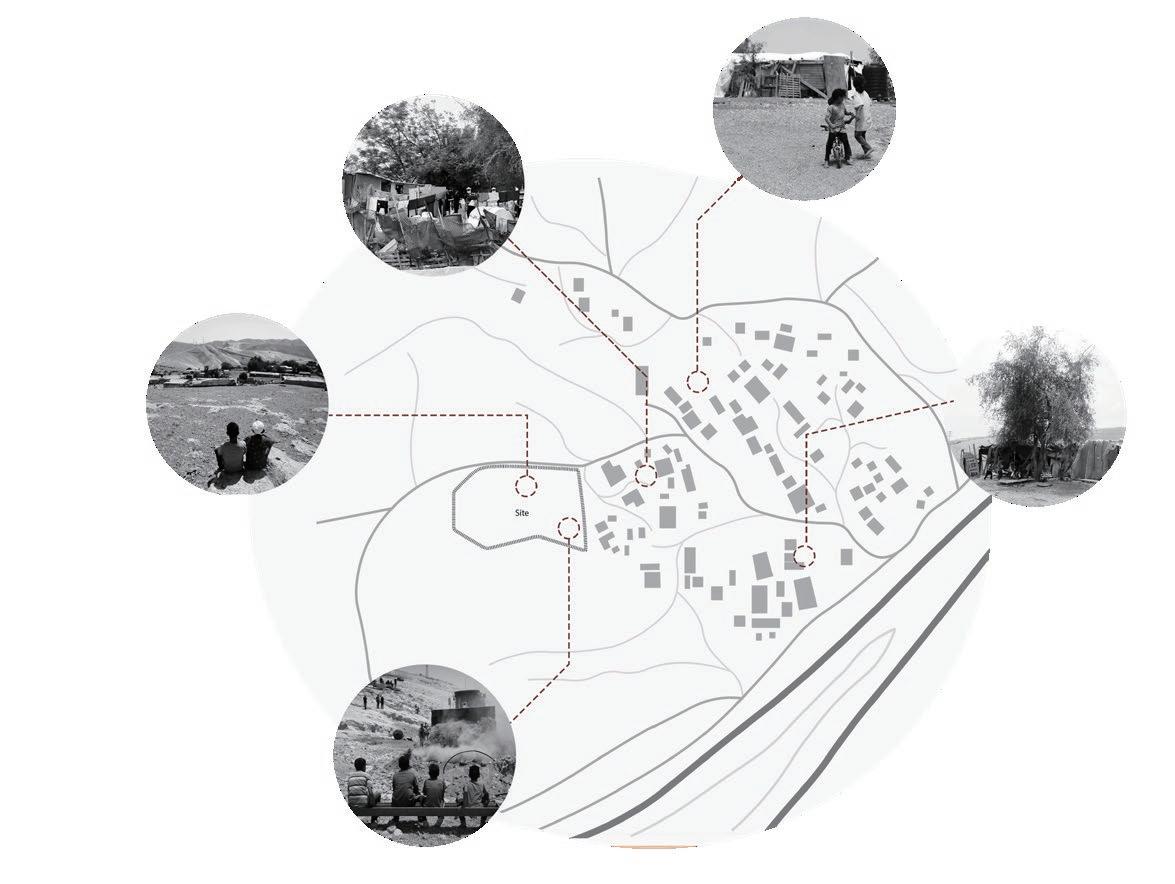
This diagram illustrates the relationship between the physical site in Palestine and its various activities and social interactions, highlighting points of significance such as spaces for solitary reflection, childhood mobility, group shelter, and local life. Each activity is mapped to a specific area on the site, visually connecting the spatial layout to the social and cultural dynamics of the community


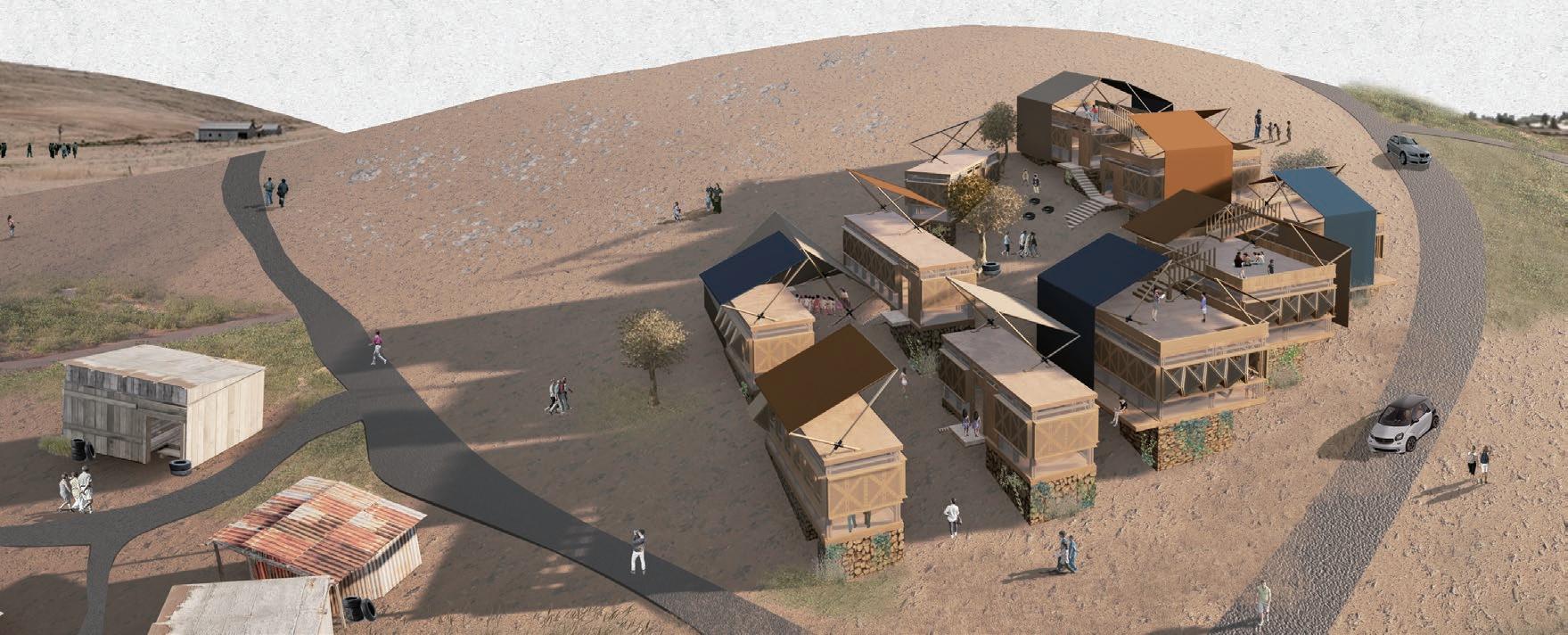
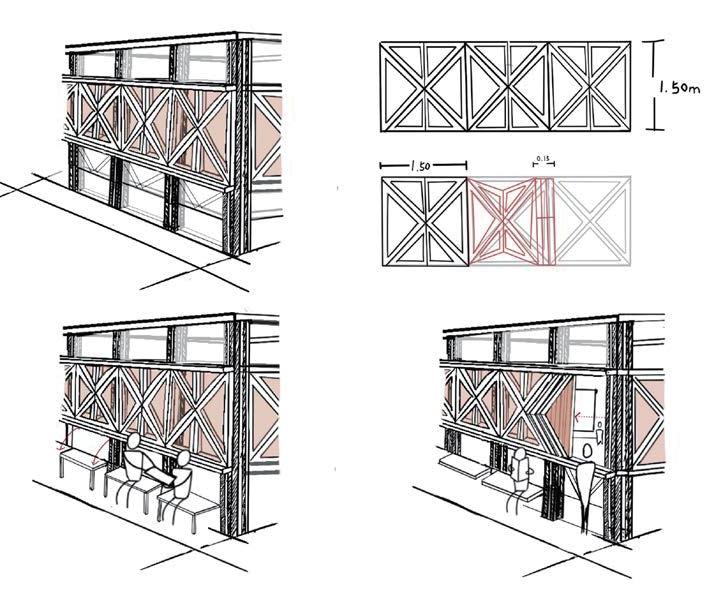
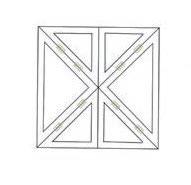
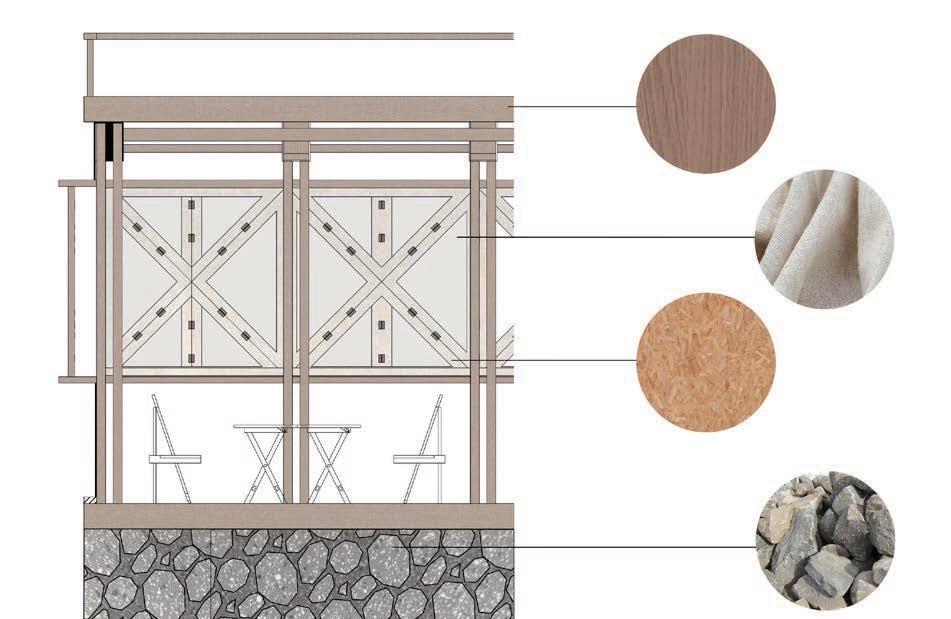
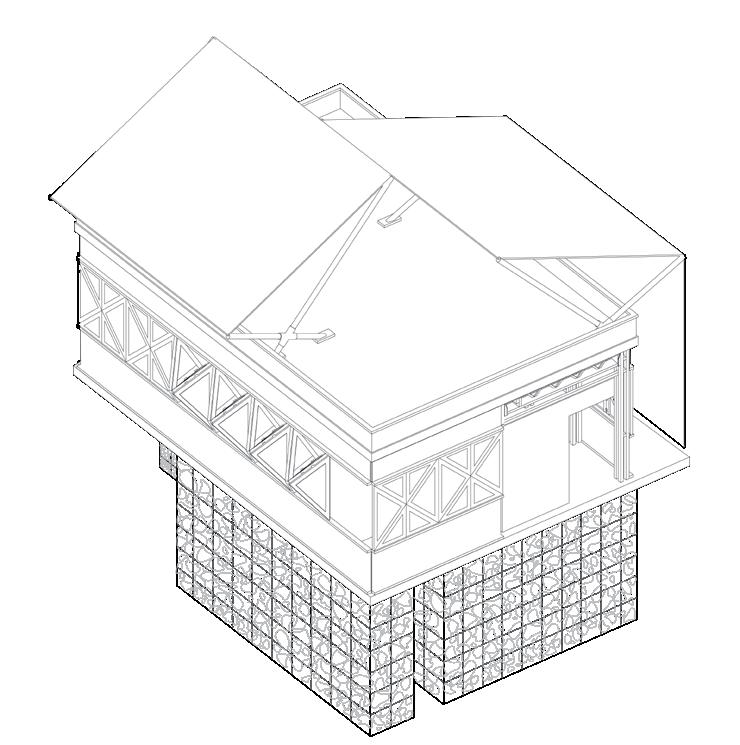
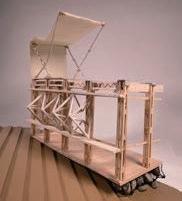
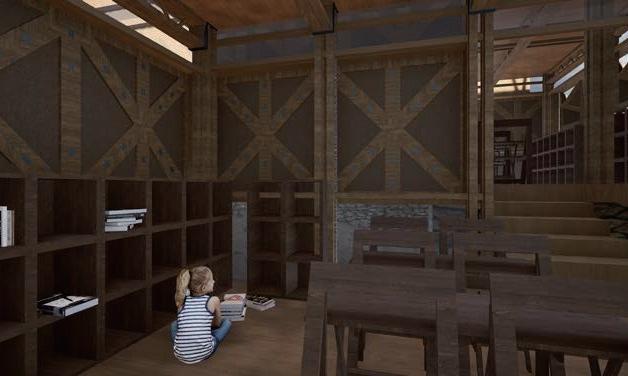
Set at a height of 1.5 metres, the windows are designed as removable and reconfigurable elements, allowing for rapid installation and dismantling. When opened, they transform the classroom facade into an active interface, enabling strong visual and spatial interaction between the interior learning space and the outdoor environment.
The window system is constructed using a lightweight timber frame combined with OSB panels and fabric infill, forming a structure that is both robust and easily operable. Locally sourced stone is used at the base to provide stability and anchorage, while the lightweight upper components ensure mobility and adaptability. Together, these materials balance durability, ease of assembly, and responsiveness to the surrounding environment.
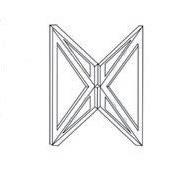
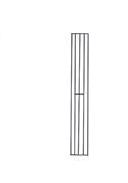
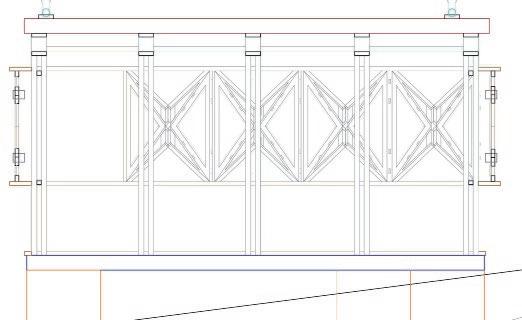

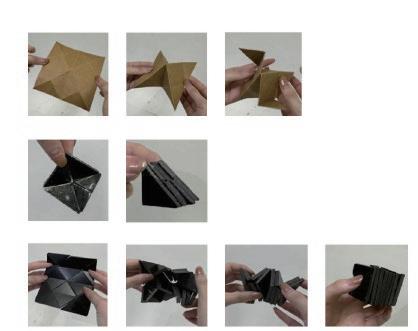
The folding window system is developed through an iterative process that translates traditional folding logic into an architectural element. Inspired by Keffieh patterns, the initial grid is abstracted and reorganised to generate a controllable folding geometry. Through paper folding tests, the logic is gradually refined and scaled up, allowing the system to shift from a flat surface into a spatial and operable component.
As material thickness increases, the original grid is subdivided to maintain flexibility, enabling the folding logic to function structurally at an architectural scale. This process leads to a modular facade unit that can transition between closed, semi-open, and fully open states. The folded panels operate simultaneously as enclosure, window, and seating, transforming the wall into an adaptive interface rather than a fixed boundary.

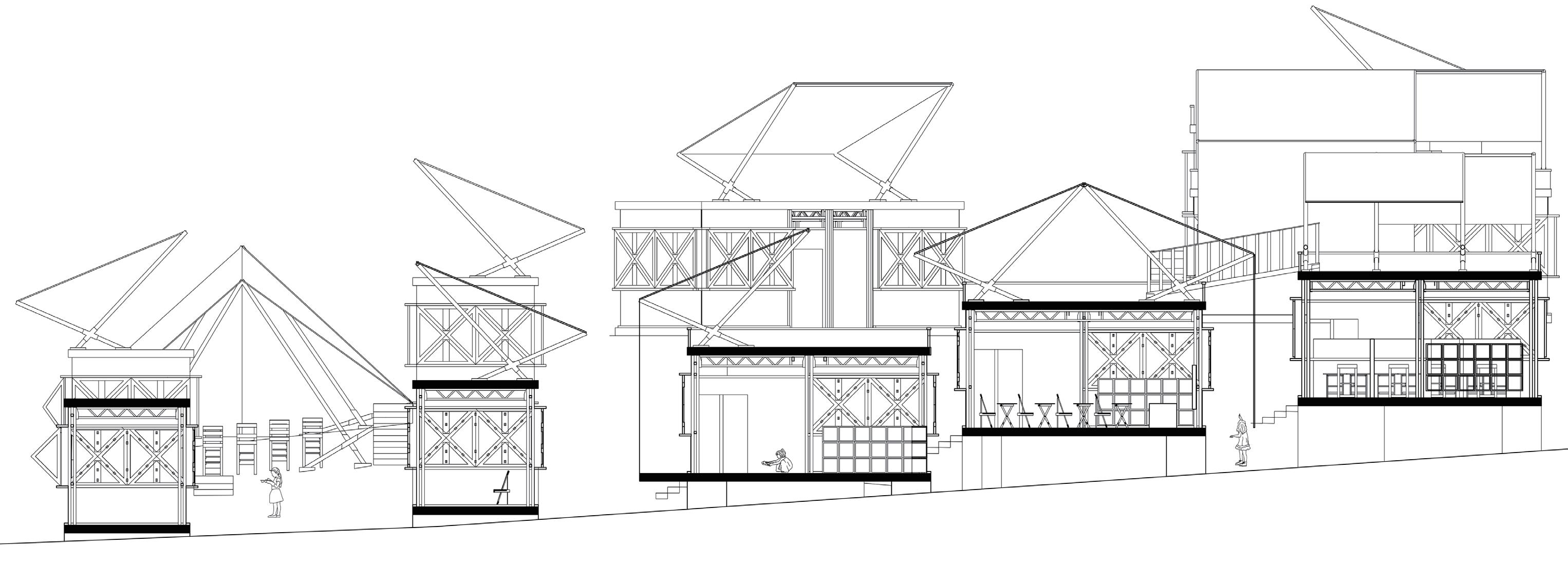
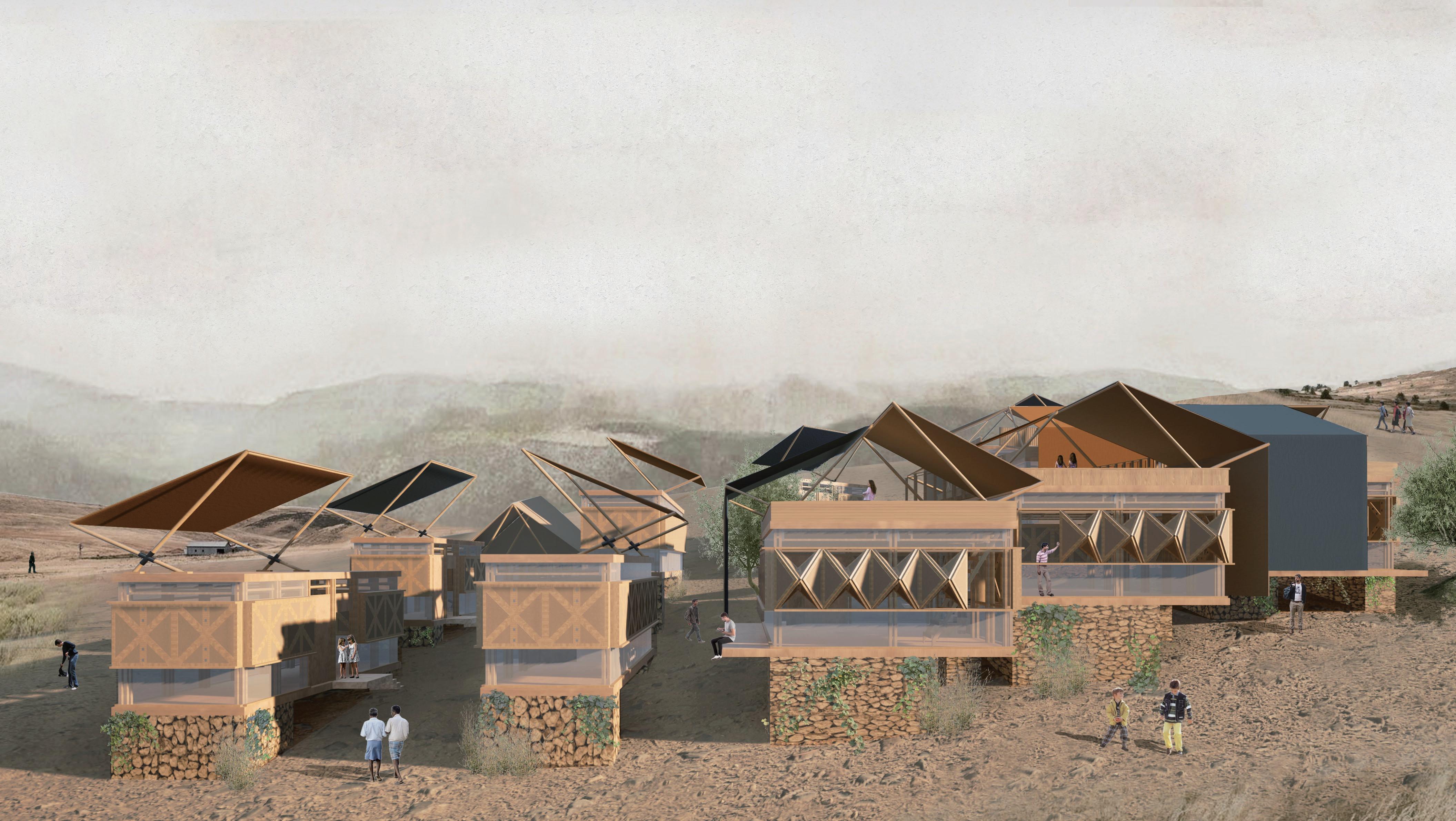
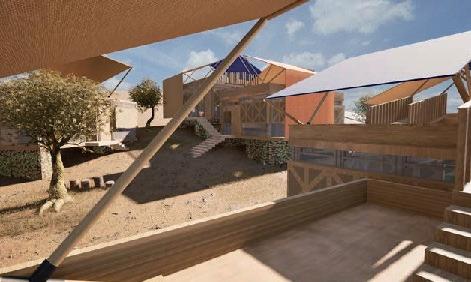
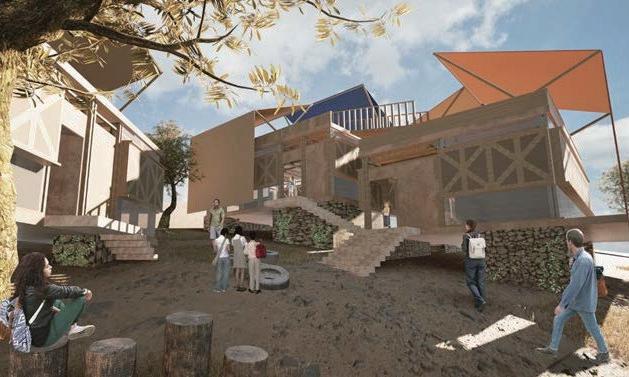
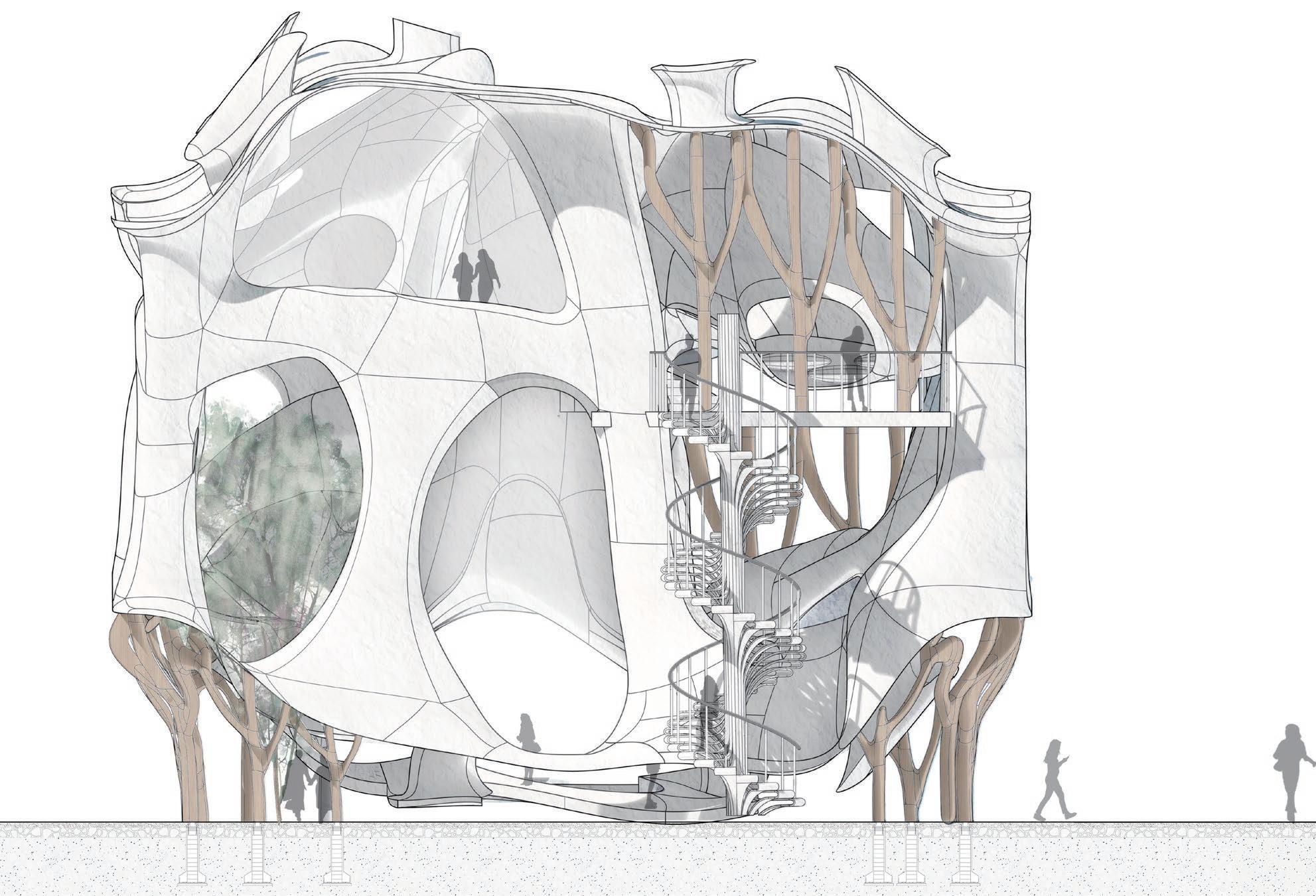
The section drawing clearly articulates the spatial continuity between interior and exterior, revealing how key spaces— such as the two classrooms and the two roof areas—are vertically connected through the staircase. In parallel, the rendered elevation situates the building within its surrounding environment, illustrating different scenarios of student movement, occupation, and interaction, and demonstrating how the architecture supports everyday use under real conditions
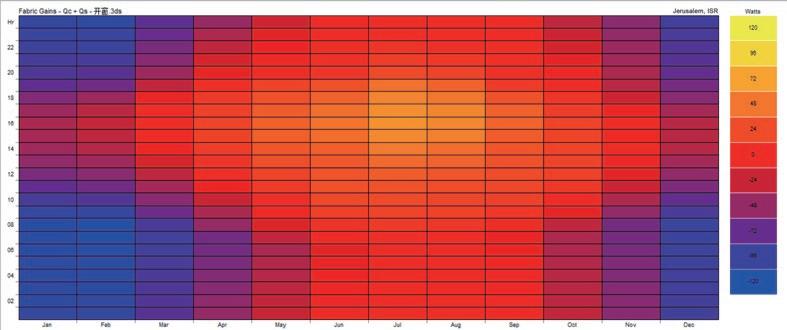
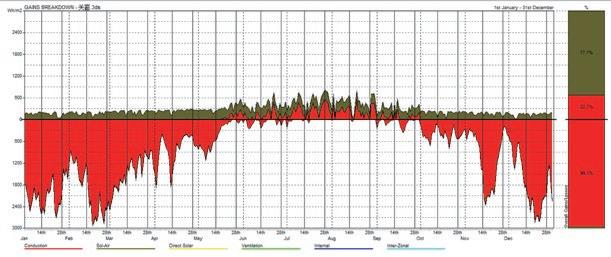
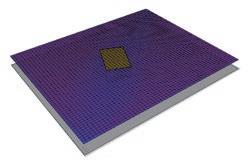
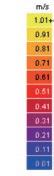
Average Heat Gain Through the Building Envelope
This house was selected for analysis due to the absence of surrounding obstructions, allowing maximum exposure to natural daylight and solar radiation. With most windows oriented towards the northwest and additional openings on the south façade, the building is expected to experience high levels of solar access and daylight availability, making it a suitable case study for environmental performance analysis.
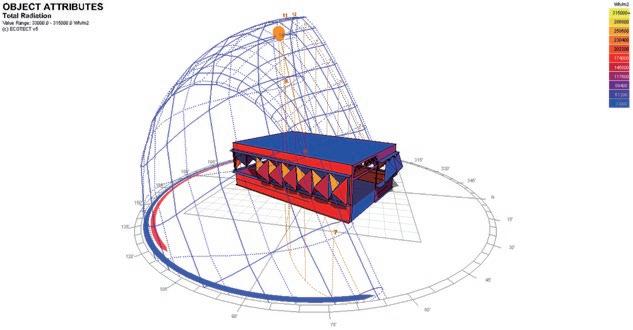
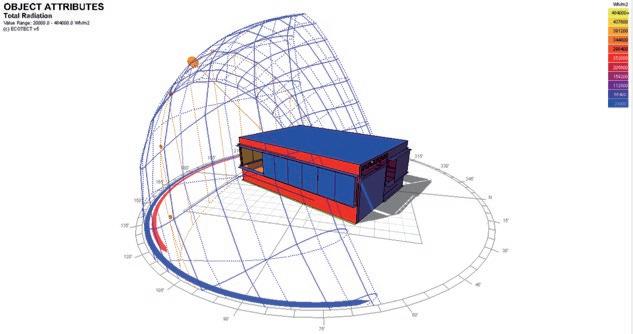
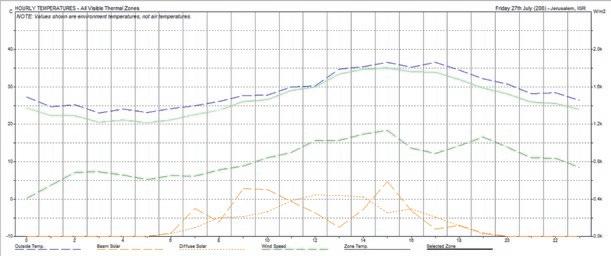
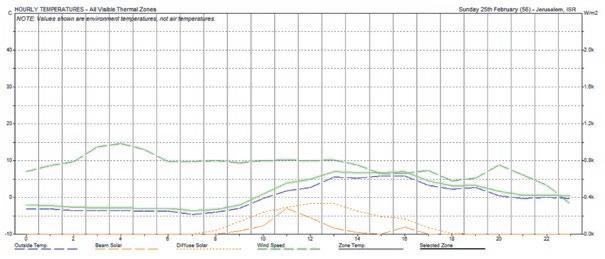
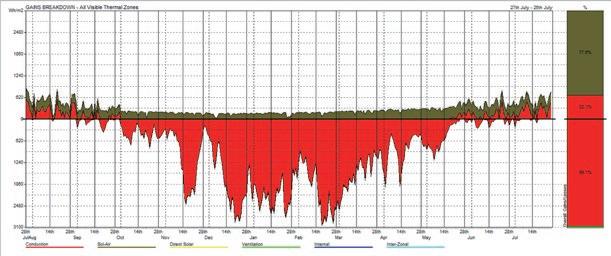
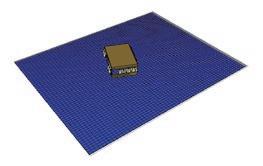
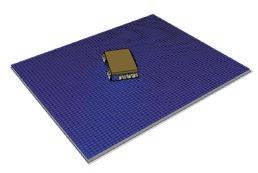
The simulation results indicate that on the hottest summer day, indoor temperatures remain approximately 2–3°C lower than outdoor levels during the peak thermal period (2:00–5:00 pm), while on the coldest winter day, indoor temperatures are about 1°C higher than outdoors at night and can exceed outdoor temperatures by 1–3°C between
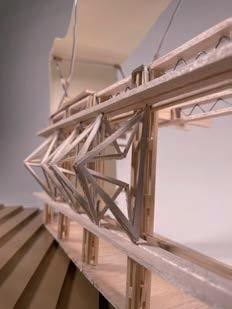
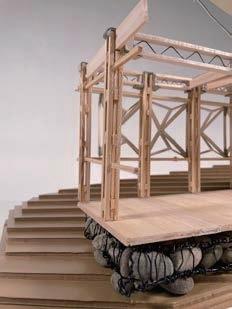
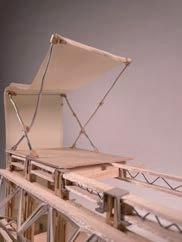
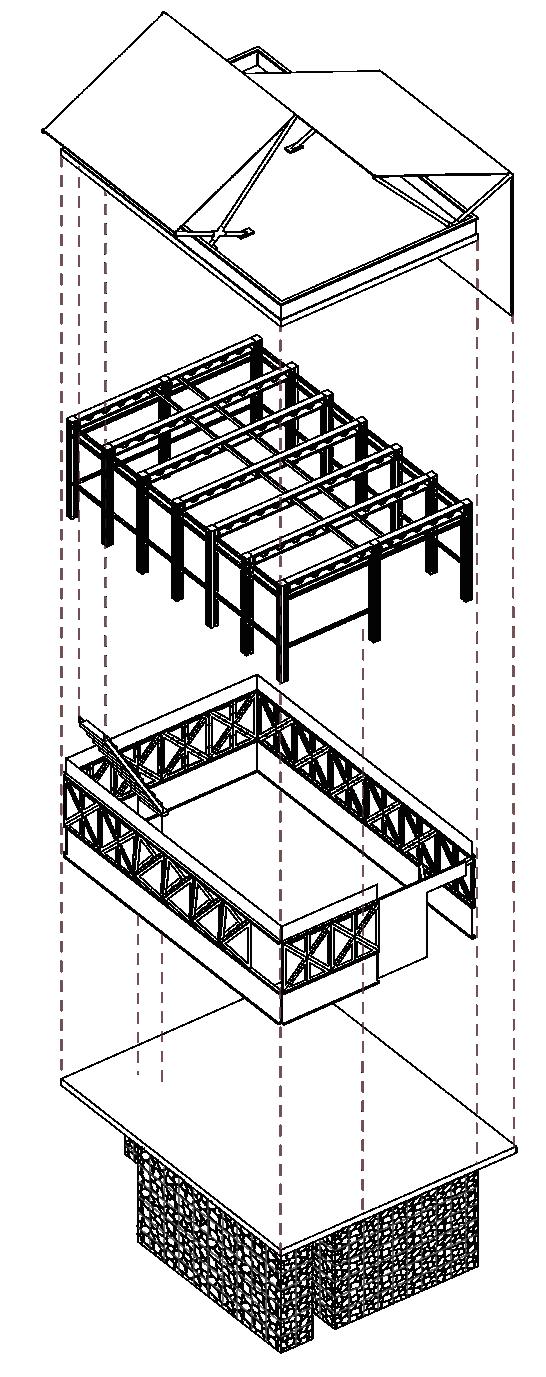
This diagram demonstrates the school's semi-open spatial strategy, where the absence of a fixed entrance blurs the boundary between the school and its surrounding landscape. The 1:20 physical model section reveals the classroom structure, window system, and gabion foundation responding to the sloping site, while also showing how the lightweight canopy is structurally integrated with the roof to provide shading and extend usable learning spaces.
Individual work
Key words: Spatial Companionship,Restorative Space, Bodily Transition 12/2024-3/2025
Supervisor: Xuan Fei
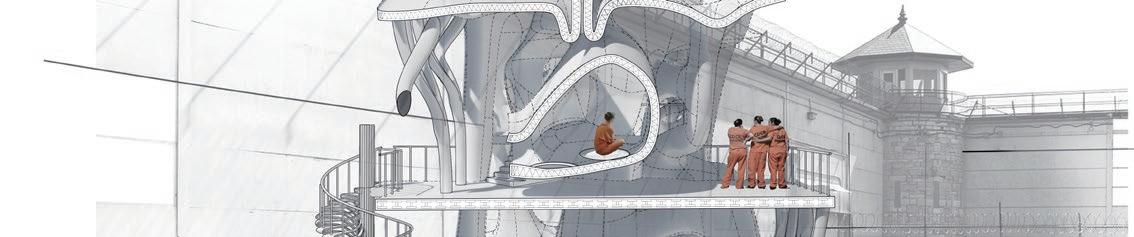
This project addresses the often-overlooked needs of menopausal women, inspired by a suicide case linked to menopausal depression. Using the cave as a spatial prototype, it explores how sheltering forms and stable light, sound, and temperature can create a low-stimulation environment for calm, introspection, and emotional relief. The design proposes architecture as a quiet yet powerful response to a life stage too often ignored
You know, I’ve been feeling physically weird lately, and my mood is always low, s o maybe it’s the menopause.
This lake is so quiet, like a part of my heart ...... only it understands me.
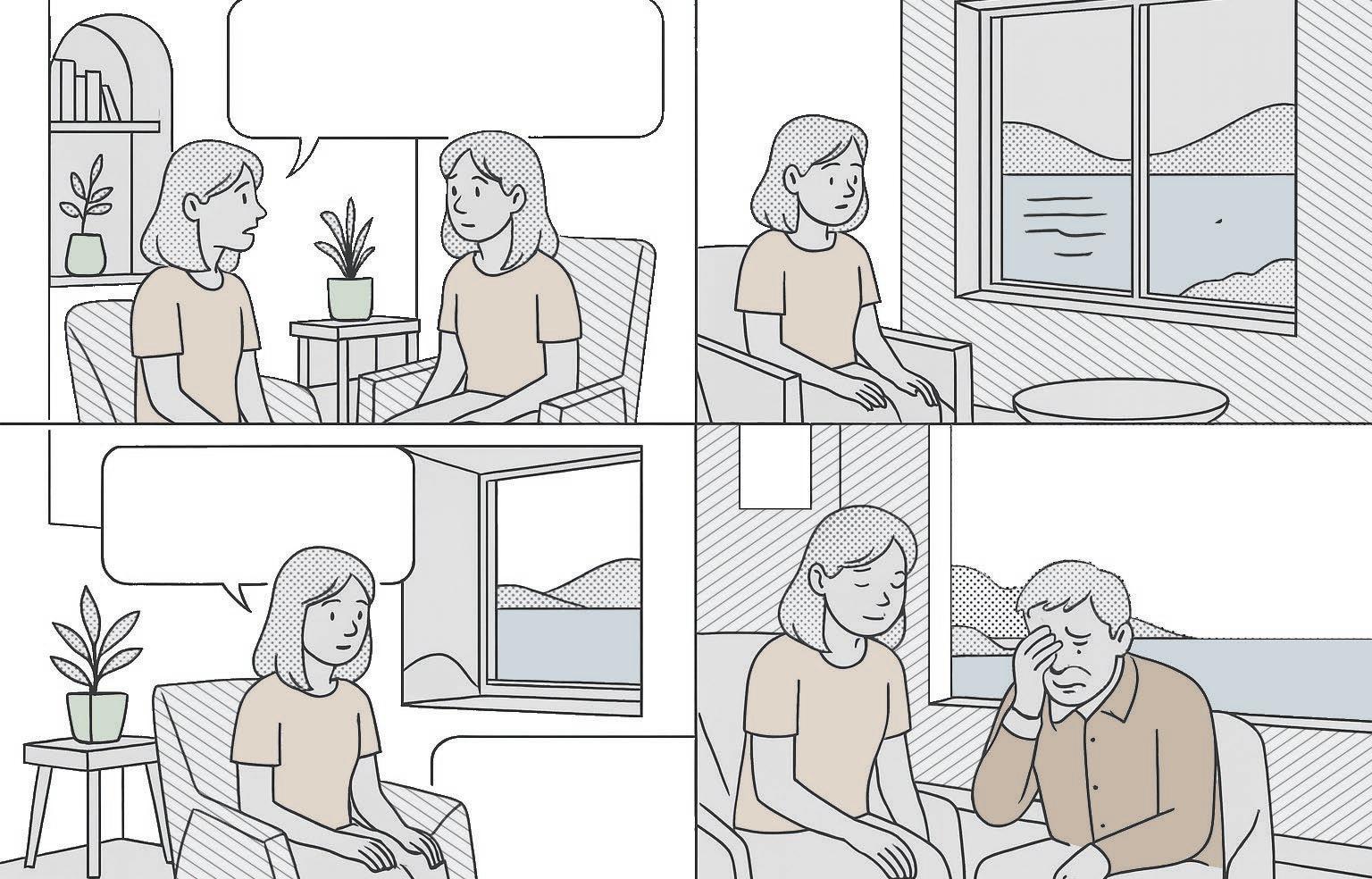
I really like that lake, especially at dusk, as if it will talk to me.
If we’d realised she had menopausal depression earlier we wouldn’t have jumped into the lake.
Research on Womens Periods
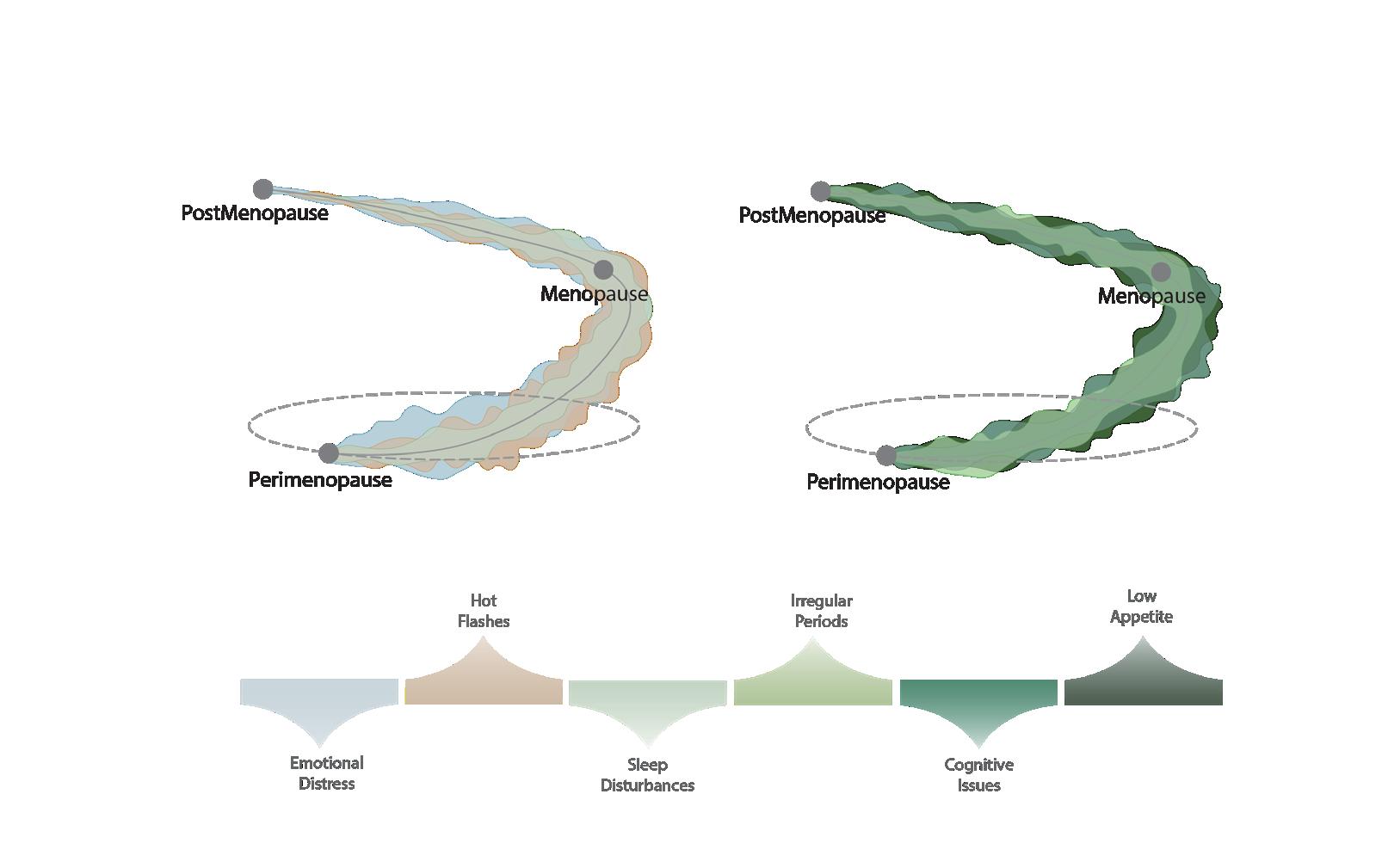
This diagram maps symptom distribution across the three stages of menopause. It shows that most women experience clear physical and emotional changes—especially during menopause—disproving the misconception that menopause passes without noticeable effects. Symptoms like hot flashes and sleep issues peak mid-stage, while others, like cognitive issue and low appetite, extend beyond.
Haha, that’s quite romantic. You are really sentimental.
I began this project with a personal story because it exposed the widespread neglect of menopausal struggles—often misunderstood or overlooked. It became not just a starting point, but a reflection on how architecture can act with care, inclusivity, and healing.
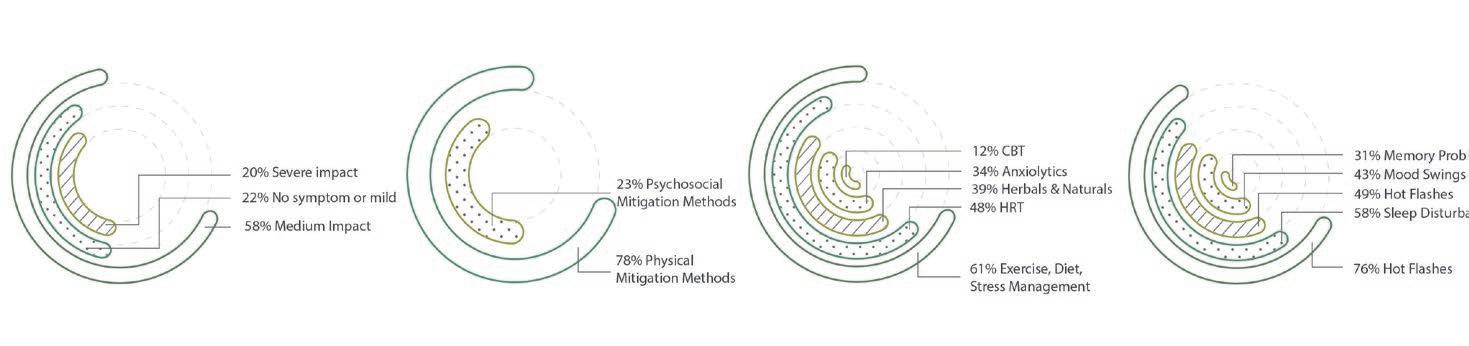
This diagram explores menopause-related data, showing that around 78% of women experience symptoms during this stage. Most rely on physical treatments—such as exercise or diet changes—far more than psychological support. While scientific therapies like HRT are available, only a small number choose them. Instead, many women turn to self-regulation to cope. The findings highlight how menopause brings significant physical challenges, yet structured medical support remains underutilized
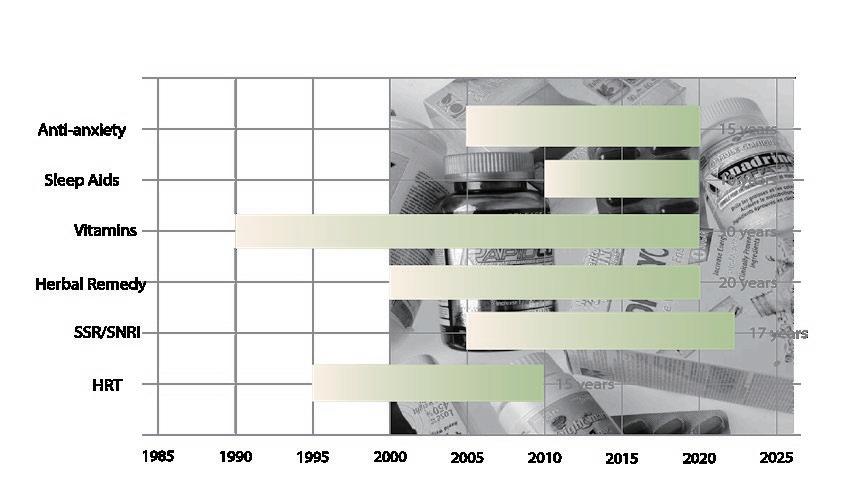
Changes in menopausal substance use Side effects of drugs on the human body
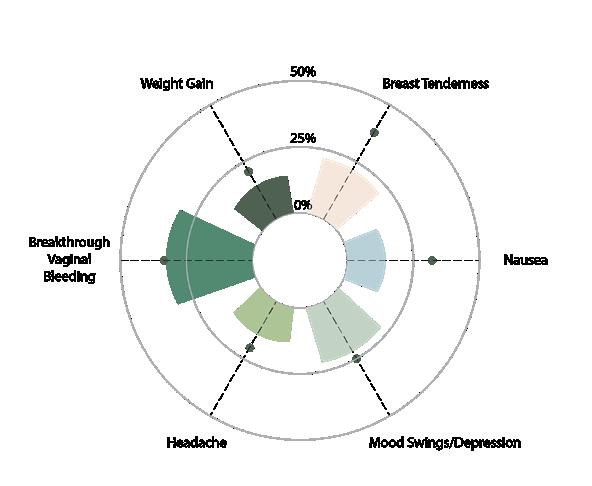
This diagram highlights the growing reliance on medication to manage menopause and the significant side effects many women face—such as weight gain, mood swings, and headaches. By visualizing these impacts, the aim is to question overdependence on pharmaceuticals and emphasize the need for alternative, more holistic forms of support.
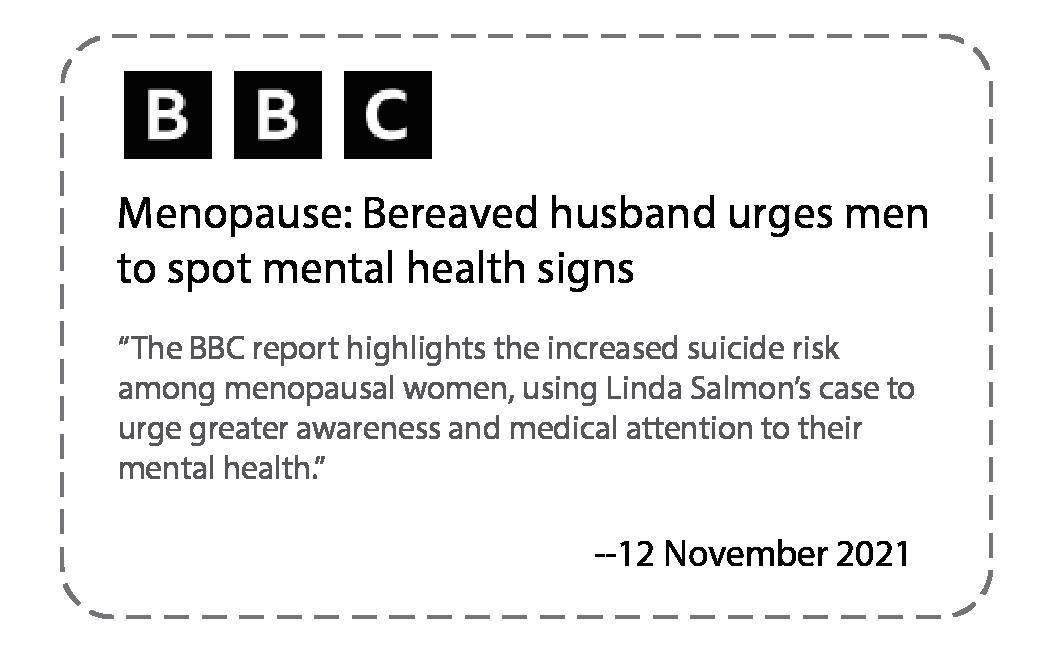
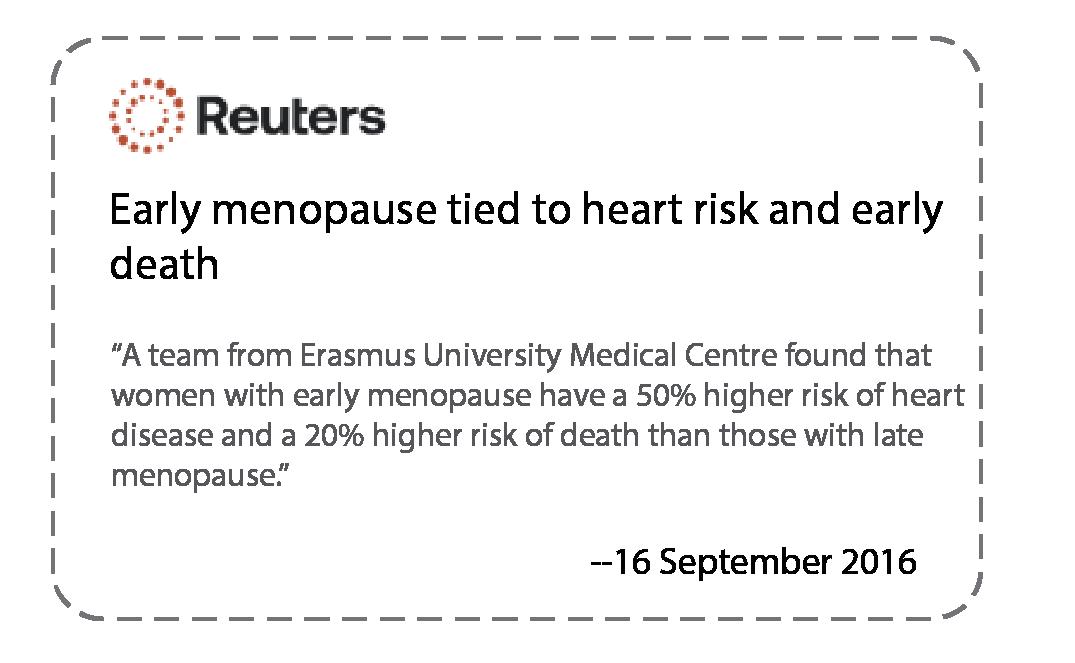
“In the 1960s, scientists began looking into REST [Restricted Environmental Stimulation Therapy], They started to find that it was really beneficial for soothing the nervous system and for relaxation.1”
-By Scott Berman, the founder of Oregon’s Sky Cave Retreats.
1 “Why your next wellness trip might lead you into a cave” Edited by ByKaty
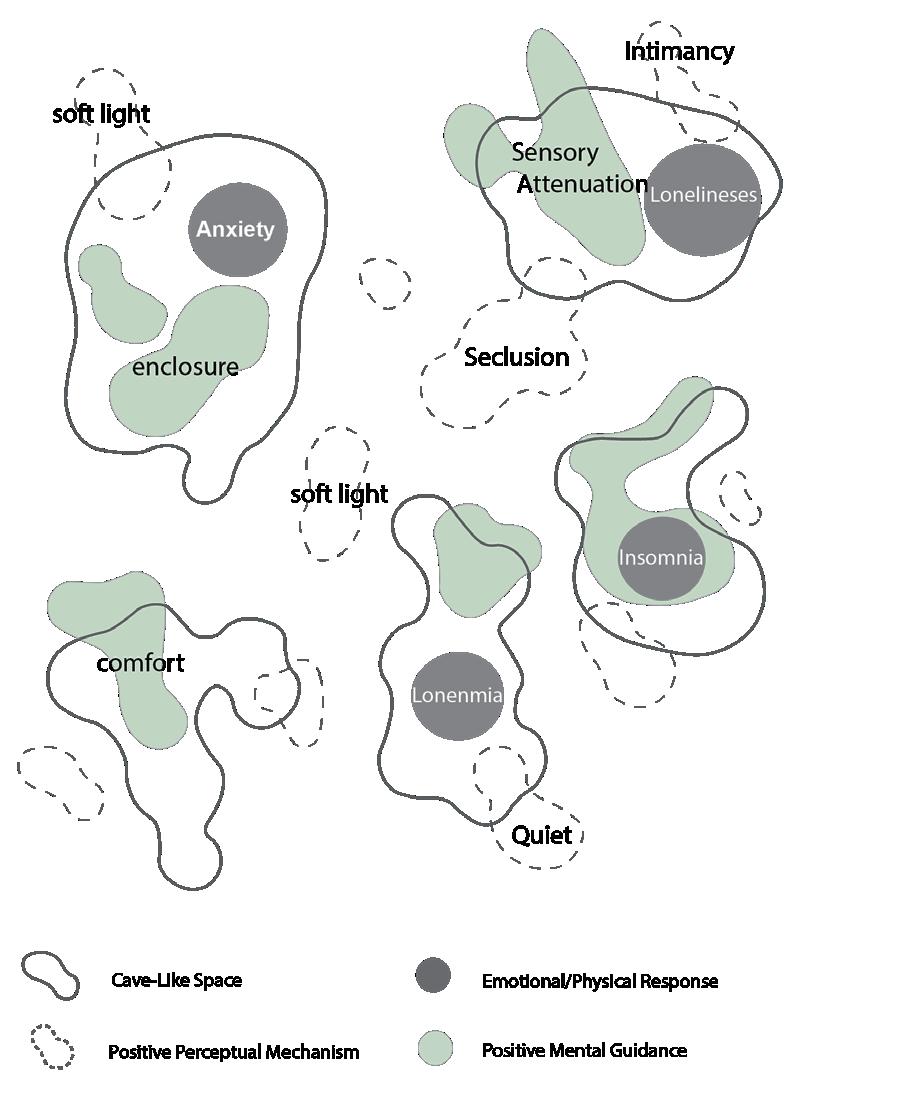
Research on Restricted Environmental Stimulation Therapy (REST) has demonstrated that lowstimulation environments can effectively calm the nervous system and reduce anxiety and insomnia. Building on this evidence, the diagram illustrates how cave-like spaces use enclosure, soft light, and sensory attenuation to provide emotional support and psychological comfort during menopause.

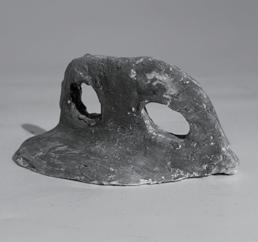
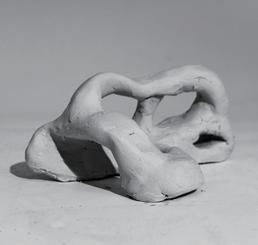
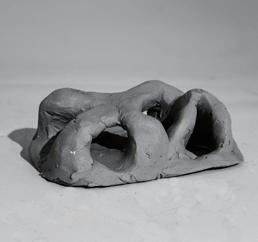


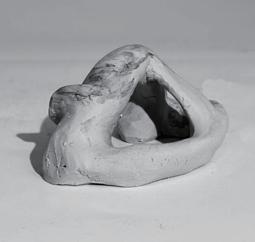
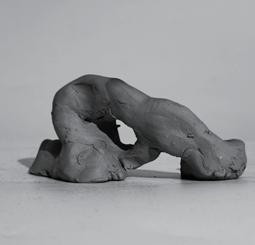
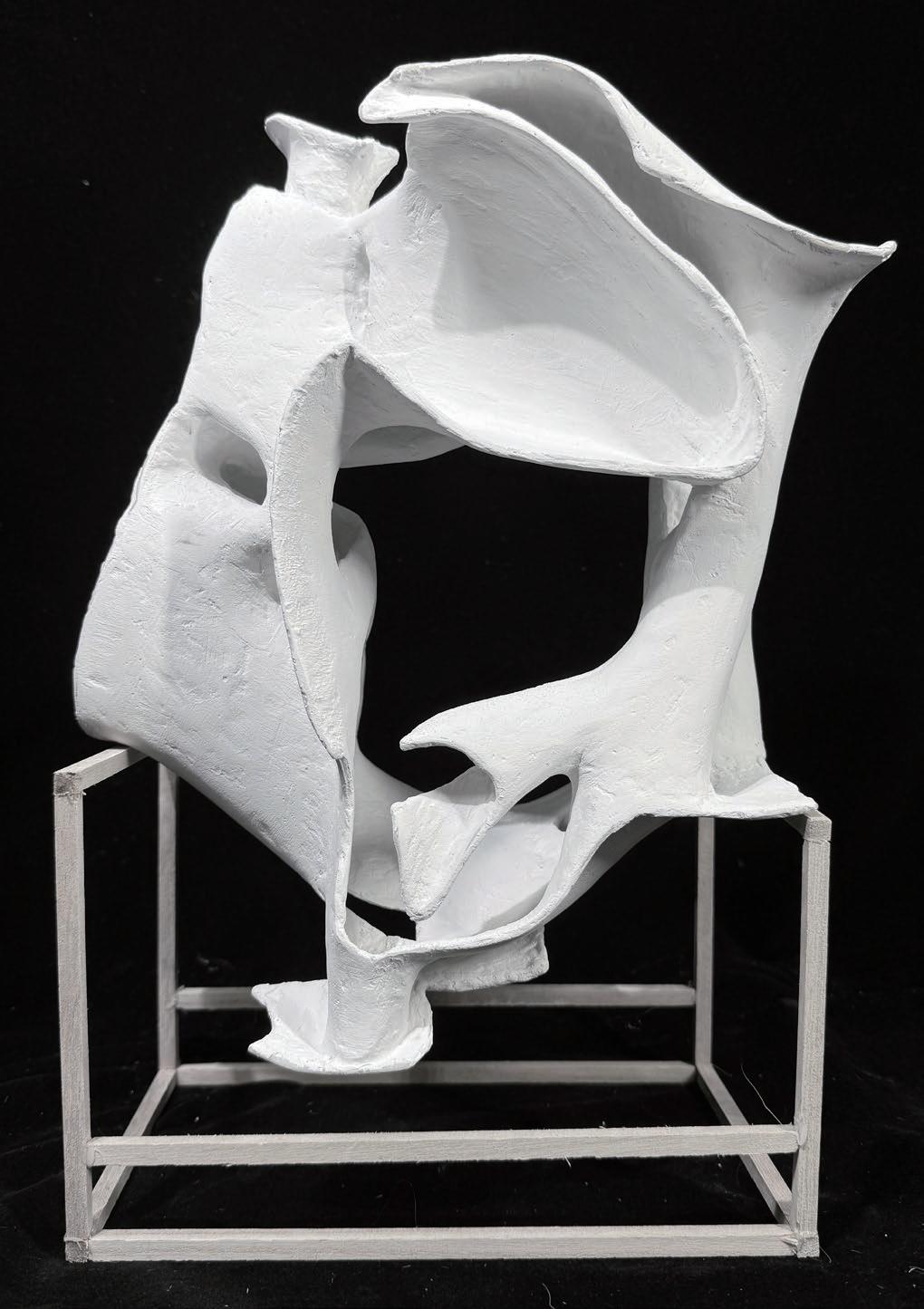
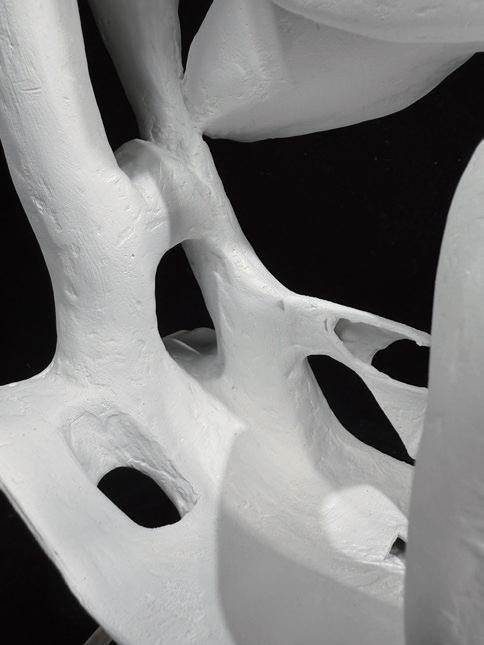
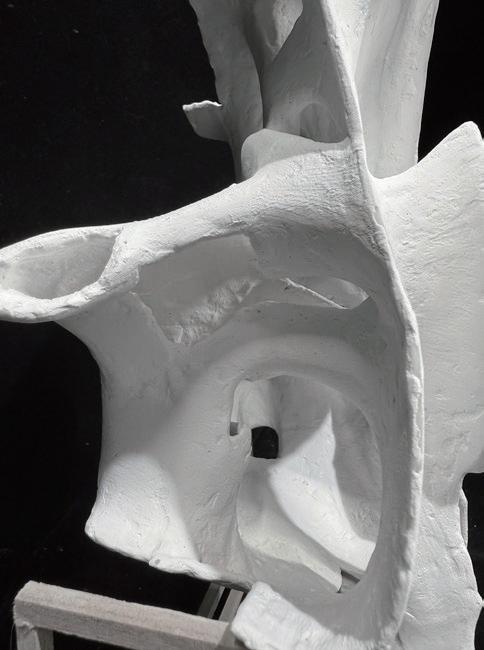
These hand-crafted clay models serve as intuitive studies of cave-like spatial forms. By shaping the material directly, the process captures ideas of enclosure, porosity, and fluidity, encouraging a sensory understanding of space through physical interaction.
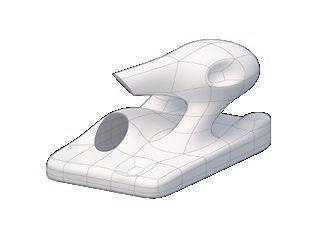
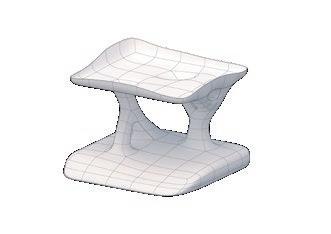
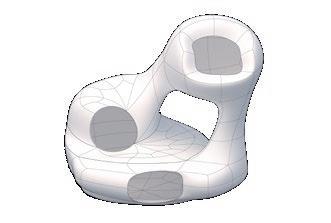
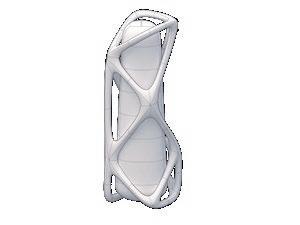
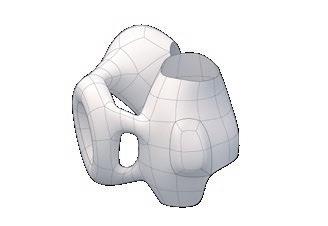
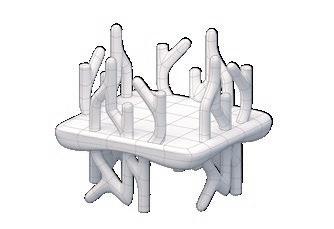
The digital models translate spatial intentions into more defined architectural geometries. Using modeling software, these forms are refined to explore structure, Cooling Deck Comfort Nest Breathing Tower Listening Pod Soothing Shell
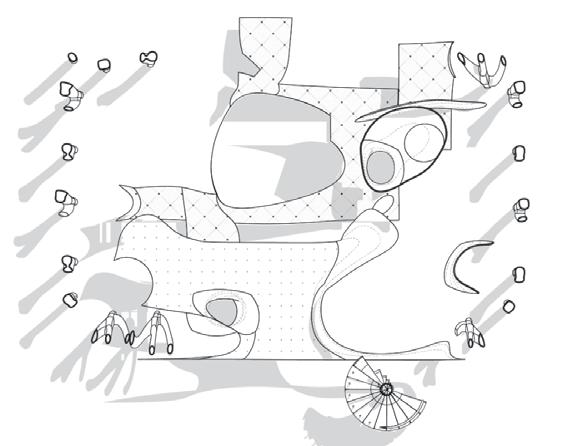
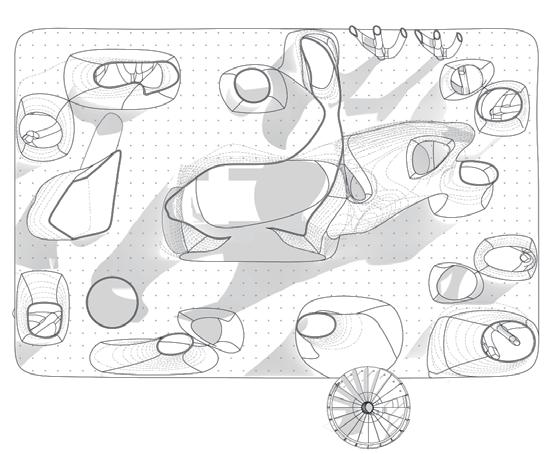
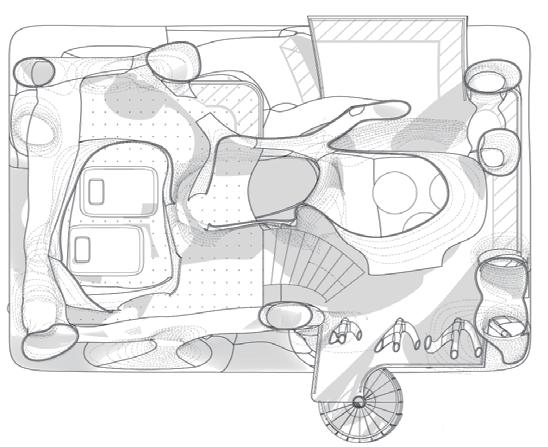
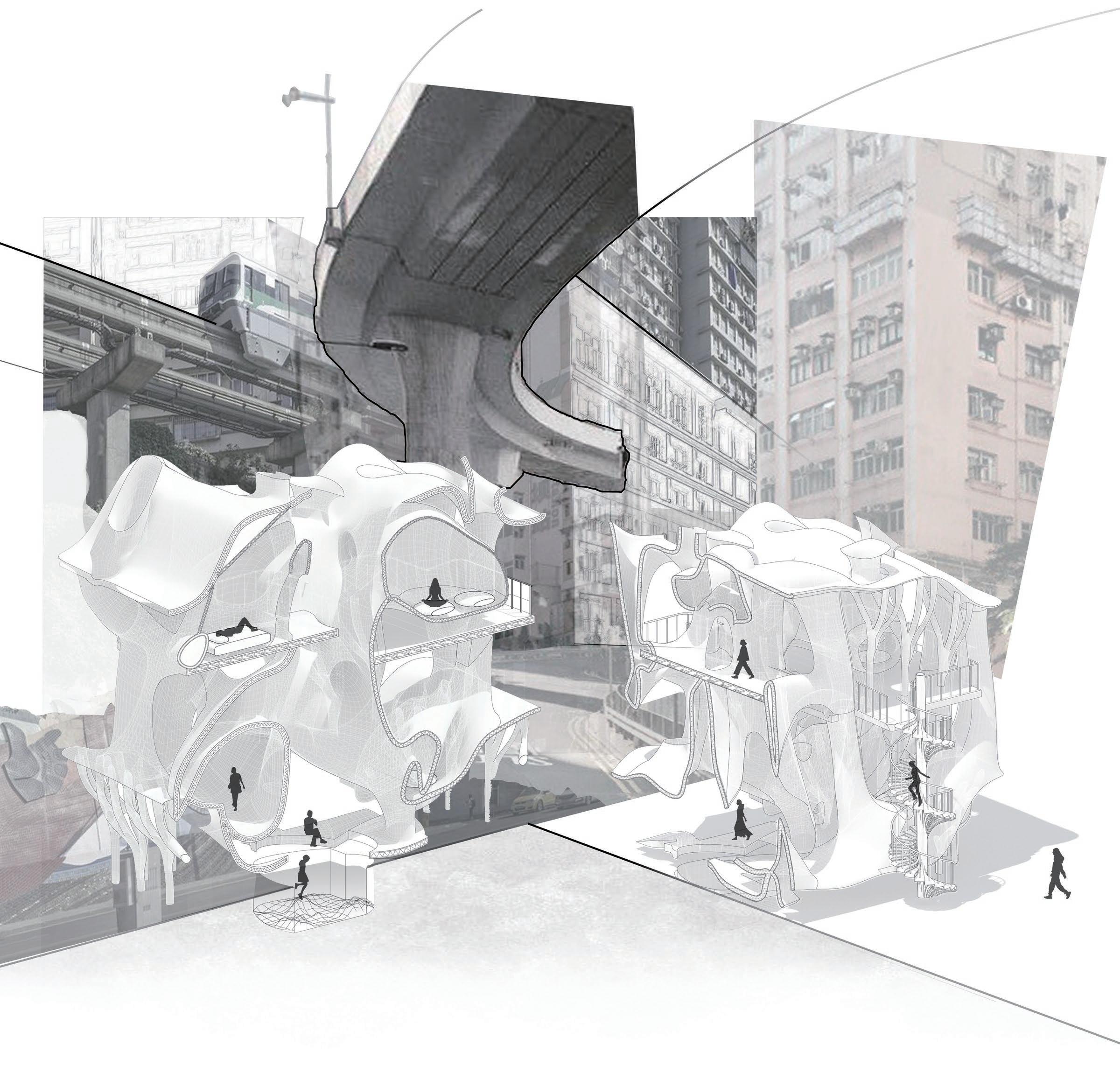

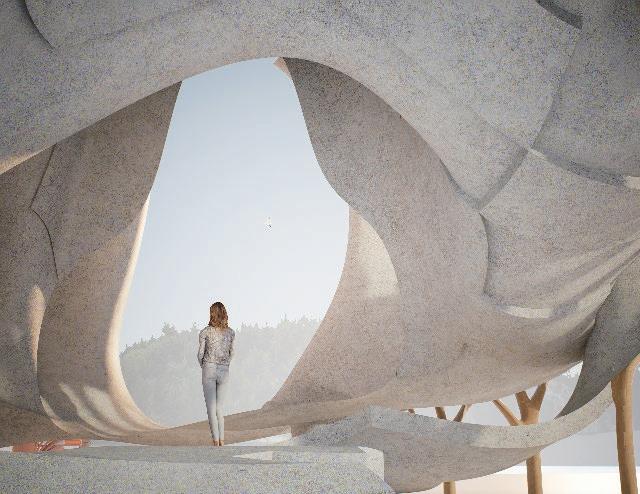
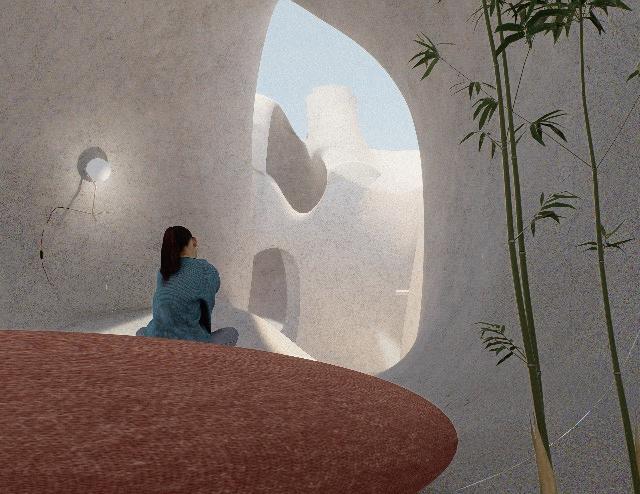
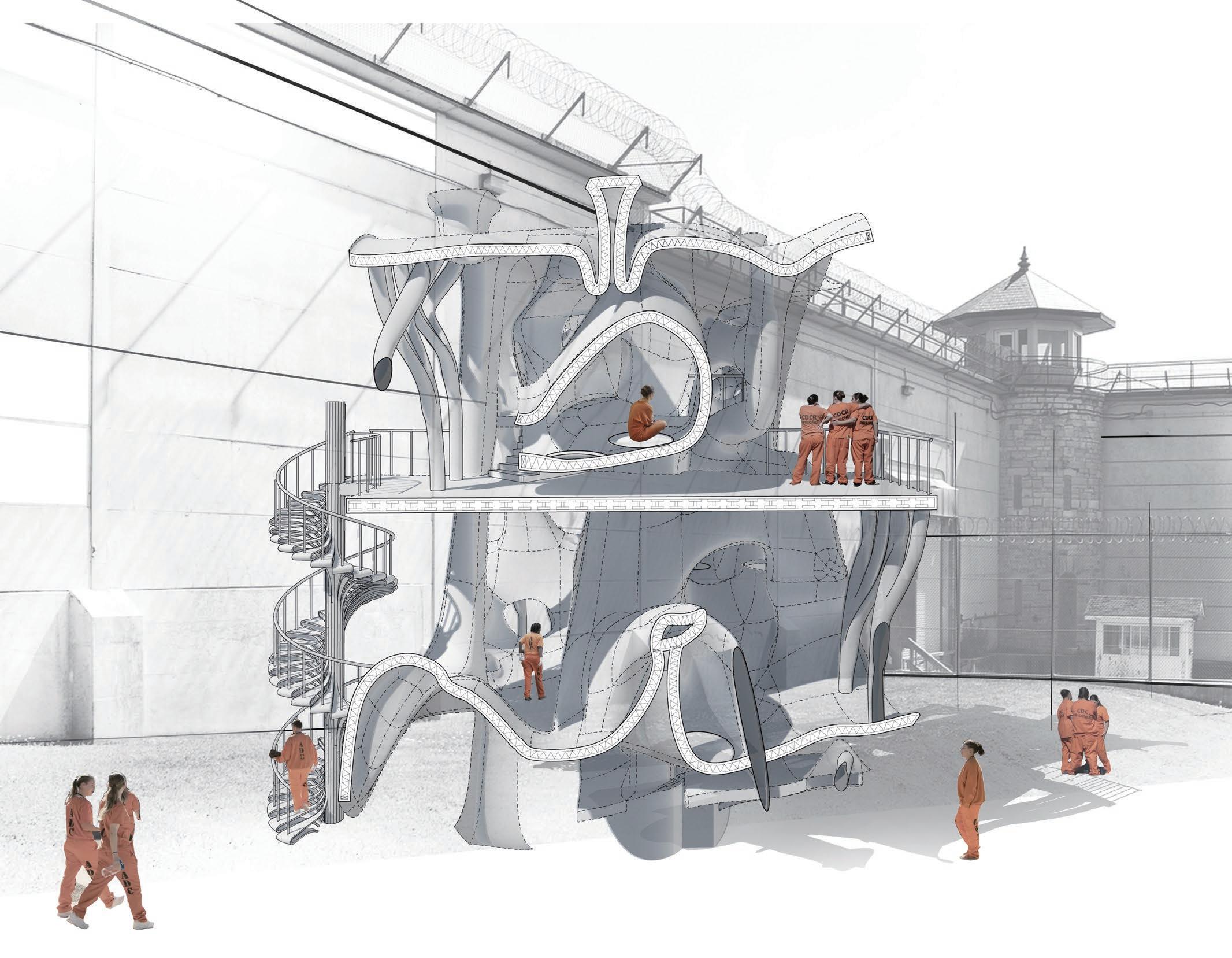
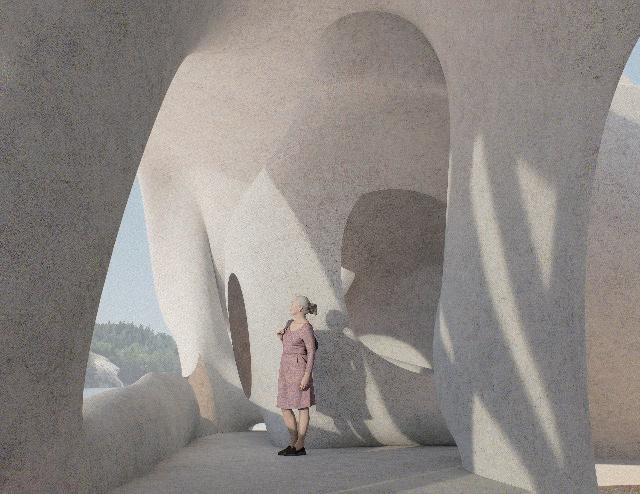
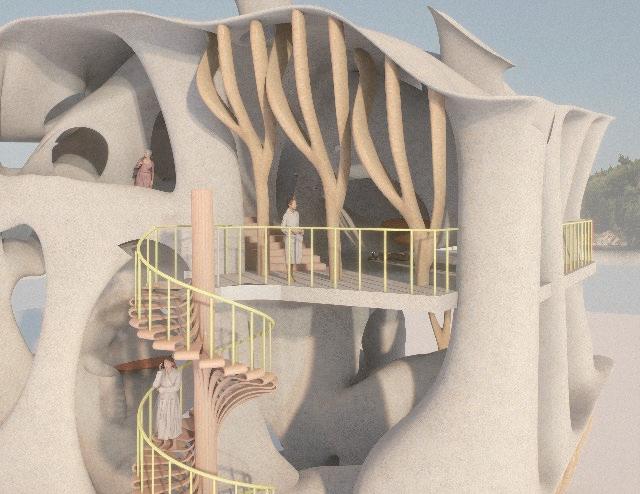
This design is first implemented within a women’s prison as a prototype, responding to the specific needs of inmates experiencing menopause—an issue rarely addressed in such environments. The prison setting provides a controlled context to observe and refine the spatial and experiential qualities of the design. If the results demonstrate a positive impact on emotional stability and daily life, the project will be adapted and introduced into public spaces, extending its reach to support women in broader community contexts.
Individual work
Key words: Discrete Architecture, Stage System,Reconfigurable Structure,Robot-Assisted Assembly 07/2025-11/2025
Supervisor: Yunrui Zhang
This project develops a reconfigurable stage component system that adapts to different performance scenarios through the flexible assembly of modular units. By minimising site occupation, the system enables rapid construction, spatial variation, and efficient reuse across diverse venues.
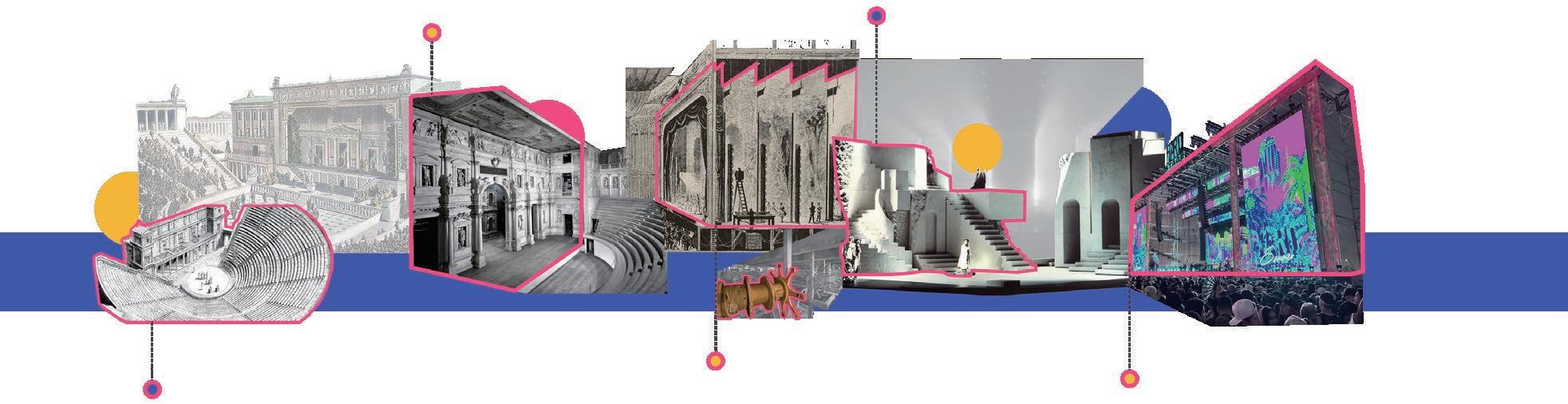
EVOLUTION
The diagram highlights how designers, engineers, technicians, and singers each value different aspects of the stage—its concept, safety, efficiency, and performability, to showing that good stage design balances all four.
DISTRIBUTION AND GROWTH TRENDS(2010–2025) IN CONCERT PRO-
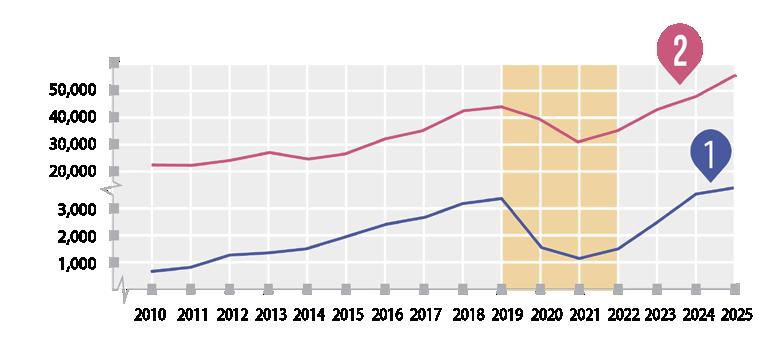
Concert production is defined by high financial pressure and uneven cost distribution; stage construction and logistics dominate time and cost. With concert numbers steadily rising, rapid, modular, reusable stage systems are essential for efficient touring.

I care about whether the system can be assembled quickly, reliably, and run smoothly during the show.
Drawing on the heavy time, cost, and multi-stakeholder pressures of concert production, this project proposes a lightweight, flexible, and fast-assembly stage system that streamlines logistics and elevates the performance experience.
I need the stage to convey the concept clearly and guide the audience’s emotional journey.
Our priority is ensuring every structure and mechanism is safe, stable, and precisely executed.
I want a stage that supports my performance, feels comfortable to move in, and connects me to the audience.
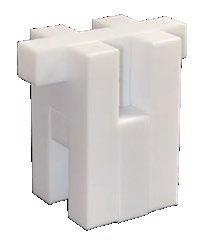
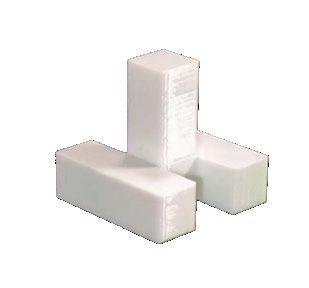
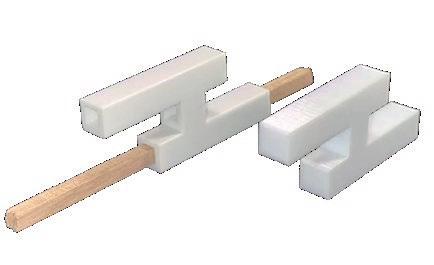
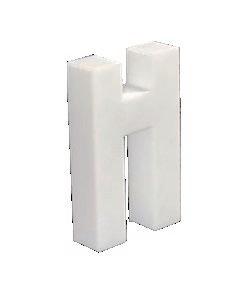
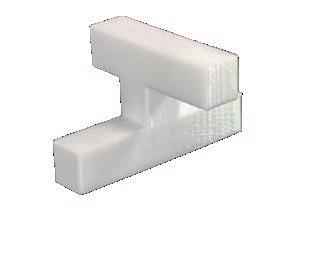
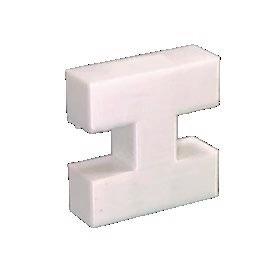
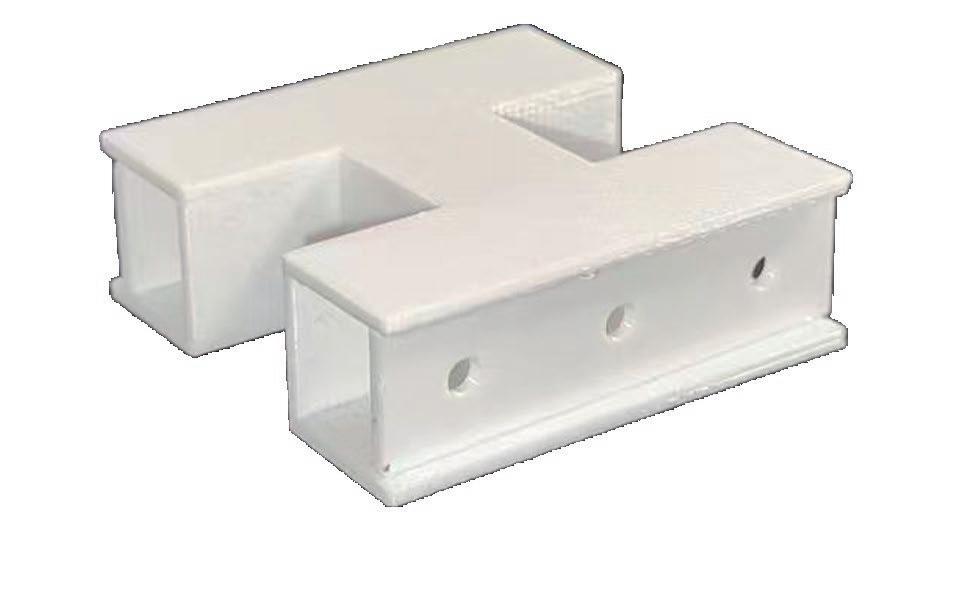
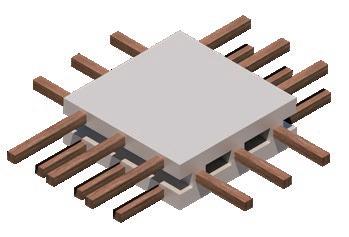
SThe original design used direct insertion, but testing revealed slight variations in timber dimensions, resulting in insufficient stability. The component was therefore redesigned with a carved joint, using adjustable outer plates to accommodate different sizes and secured with bolts for stability.
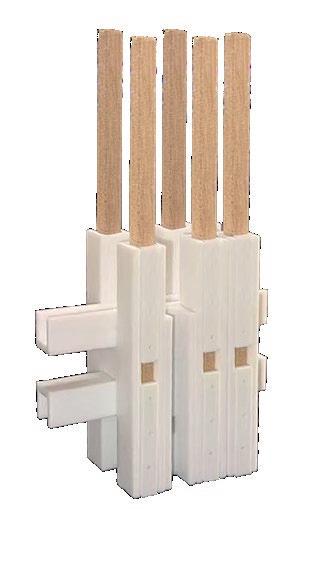
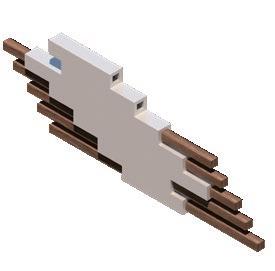
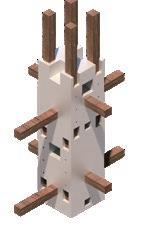
Connectable on six sides, functioning as either a column or a wall element. Repetition and rotation allow the formation of continuous structural systems.
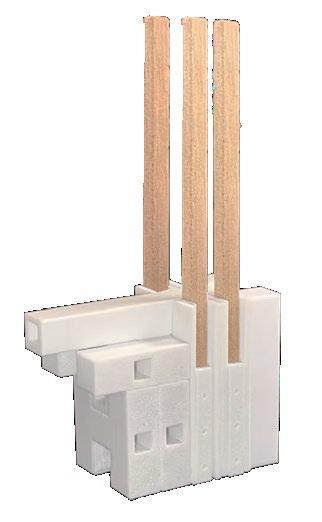
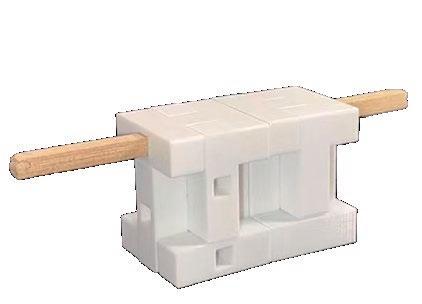
Used to connect wall modules. It adjusts wall direction and enhances overall stability. Acts as the base module for ground connection. It supports and anchors upper structural components.
At the S scale, the project defines the smallest modular components of the stage system. These elements function as basic building blocks, enabling flexible assembly through single, double, and triple pass H-type joints to construct the primary stage structure
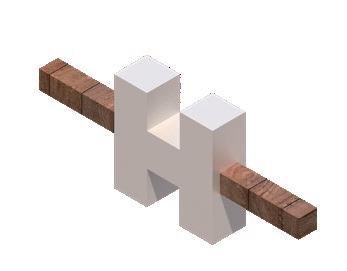

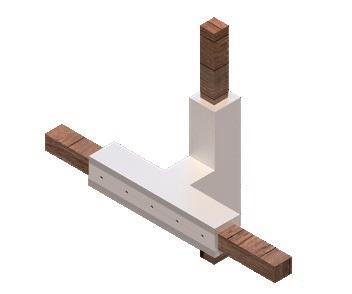
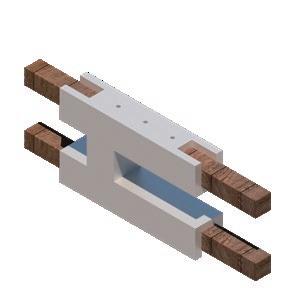
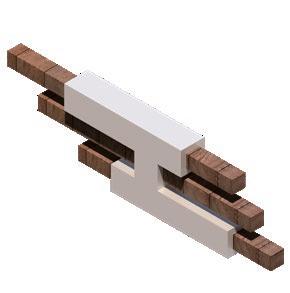
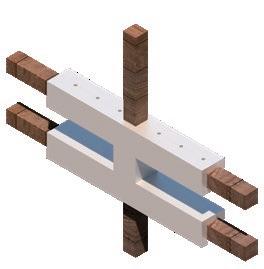
MAt the M scale, multiple S-scale components are aggregated to form functional stage elements. These assemblies operate as floor, wall, stair, and column connections, translating small modular logic into stable and buildable stage structures.
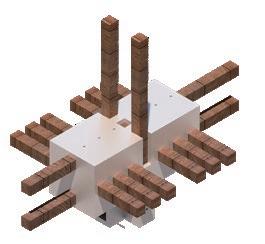
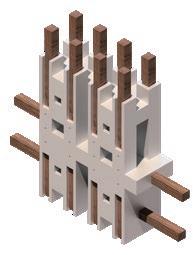
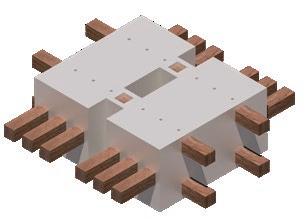
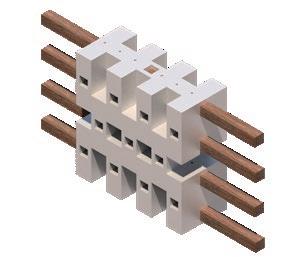
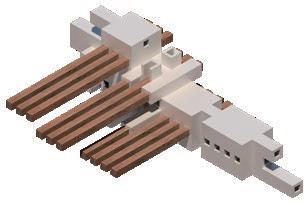
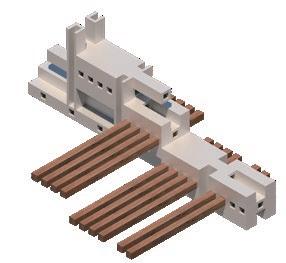

LAt the L scale, M-scale components are assembled into full-stage configurations. These arrangements define spatial proportions, circulation, and performer–audience relationships, demonstrating how the modular system operates at a human and performance scale.
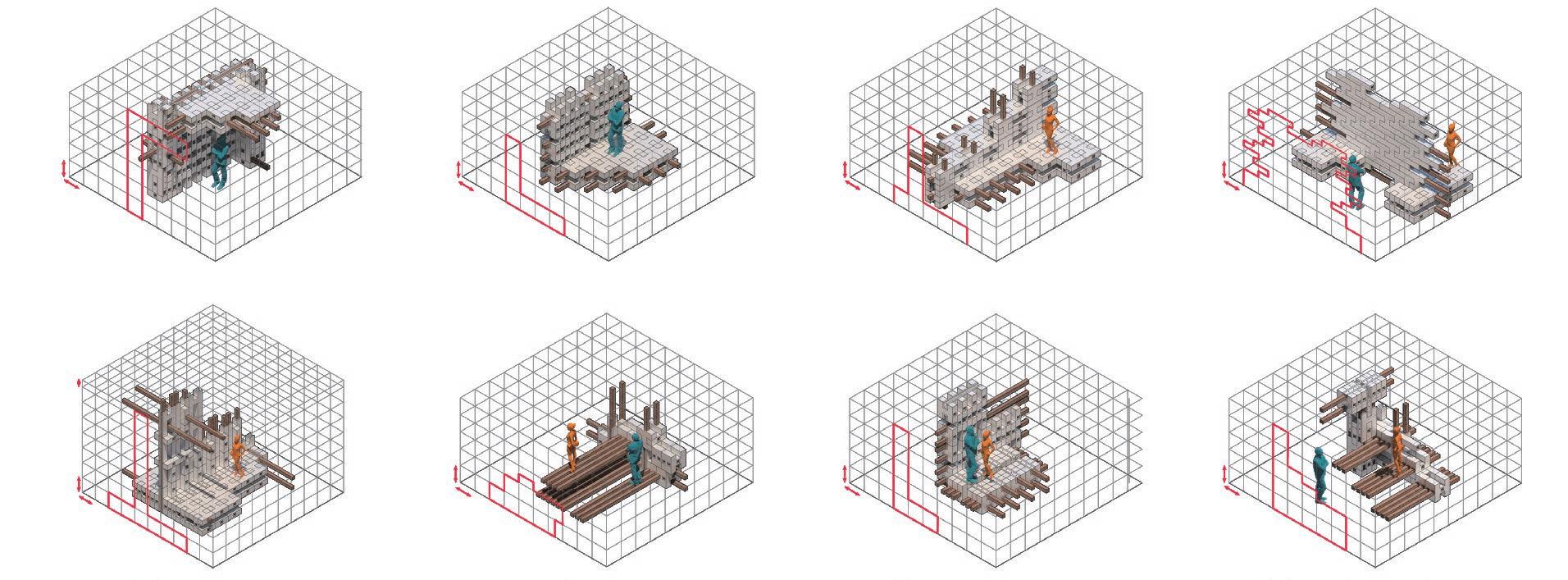
This project develops a scalable modular stage system that translates small structural components into full-scale performance spaces, testing constructability, spatial organisation, and use at human scale.
The modular units are connected through aligned grooves within each component, allowing timber rods to pass through and link adjacent modules. Steel plates are then applied to clamp the timber rods and modules together, providing structural locking and preventing rotation or slippage
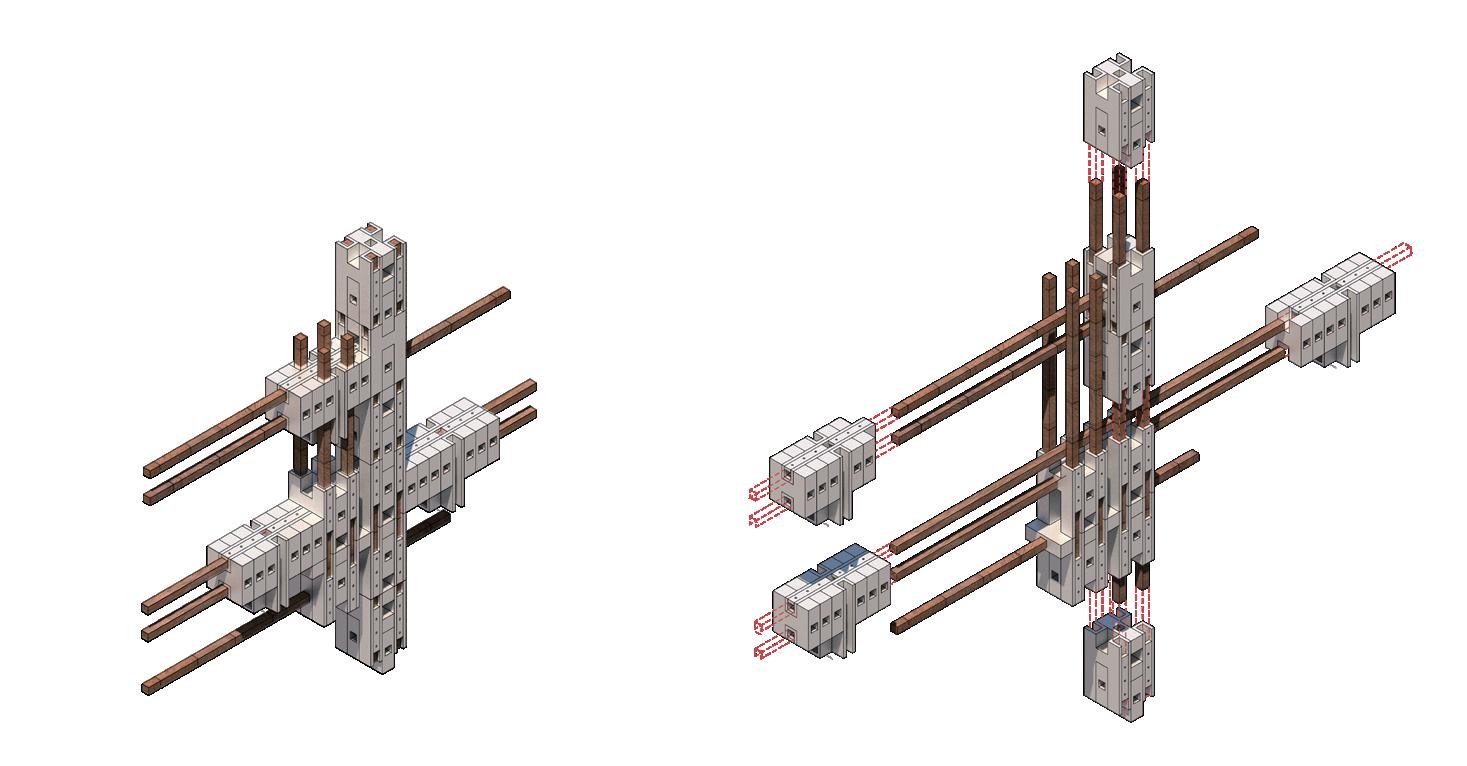
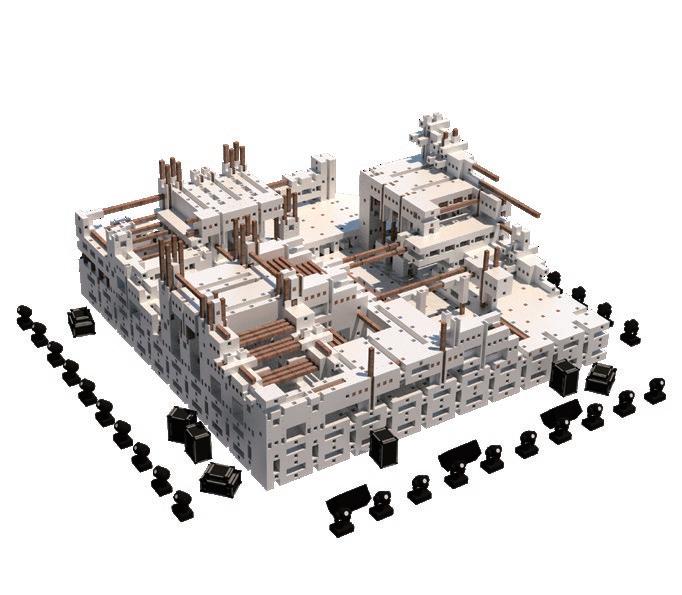
Assembled System
Exploded View
Drawing on the heavy time, cost, and multi-stakeholder pressures of concert production, this project proposes a lightweight, flexible, and fast-assembly stage system that streamlines logistics and elevates the performance experience.
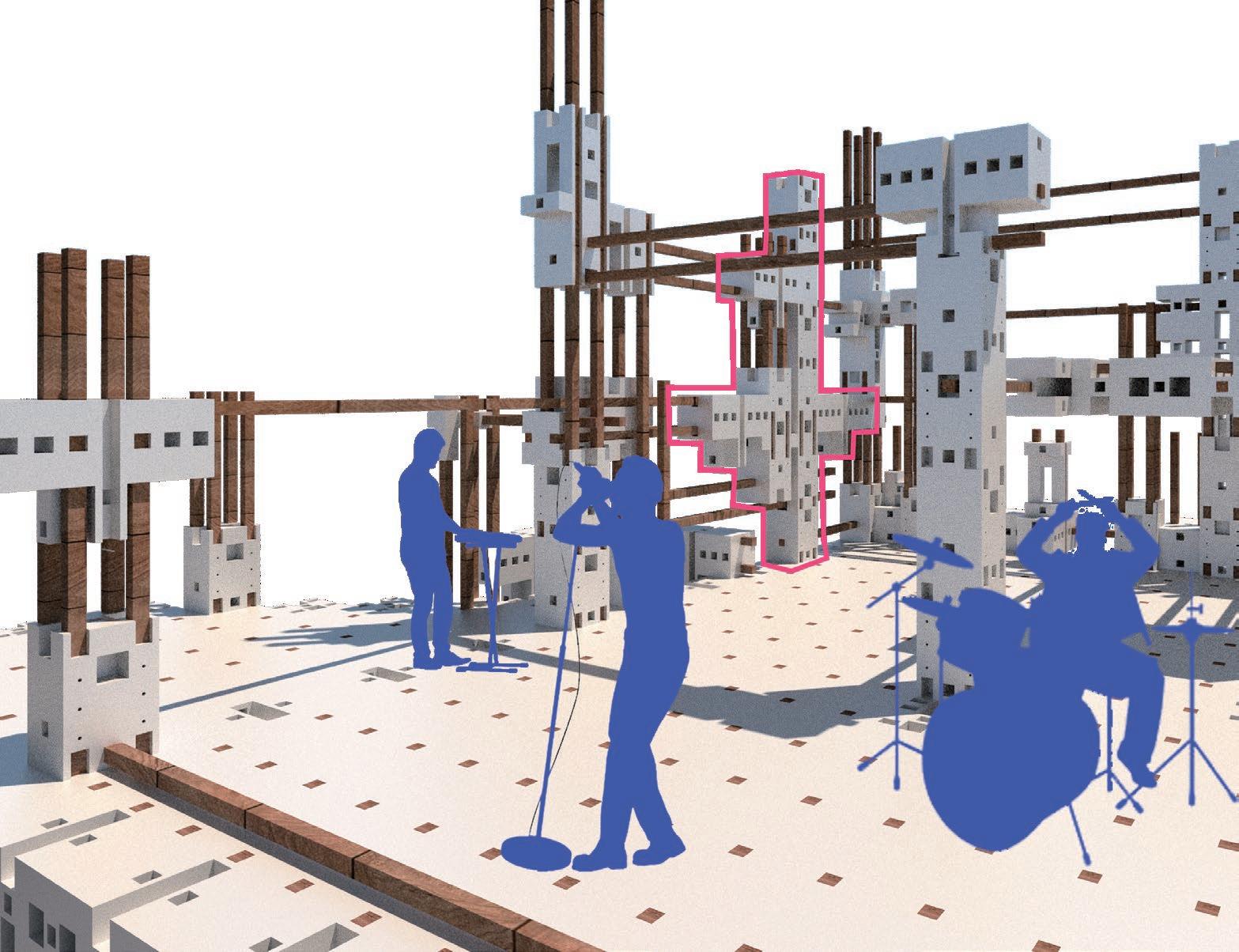
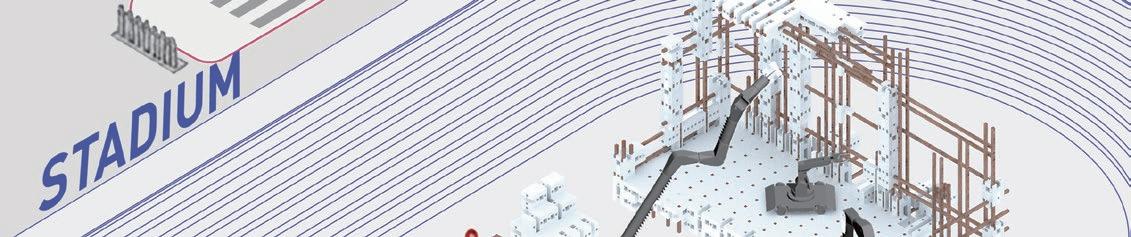
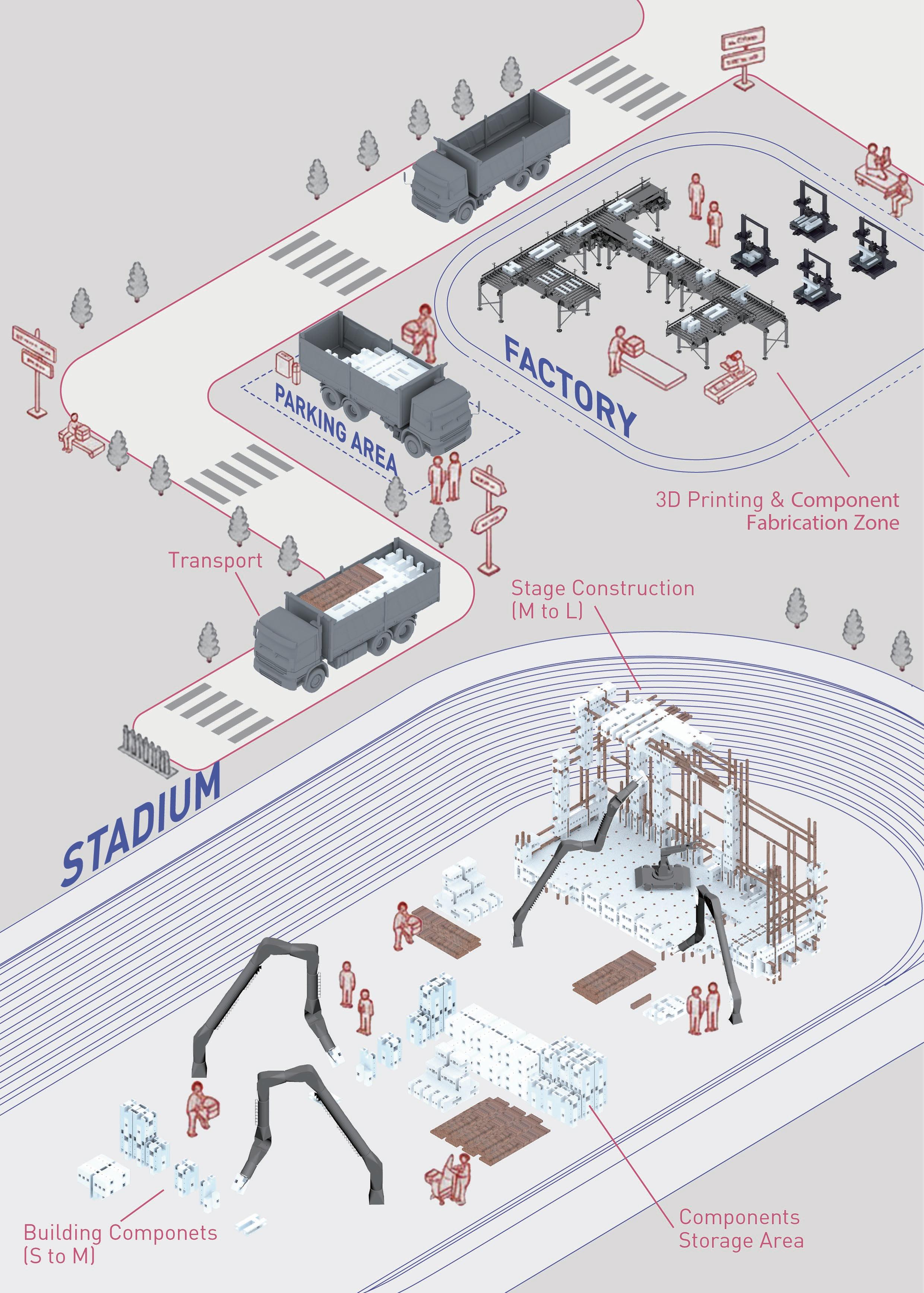
Stage components are 3D-printed in a factory and transported by truck to the onsite storage area. Robotic arms assemble the components from small (S) to medium (M) scale, after which the medium-scale modules are combined on site to form the complete stage structure, enabling rapid assembly and disassembly for flexible reuse across different venues.
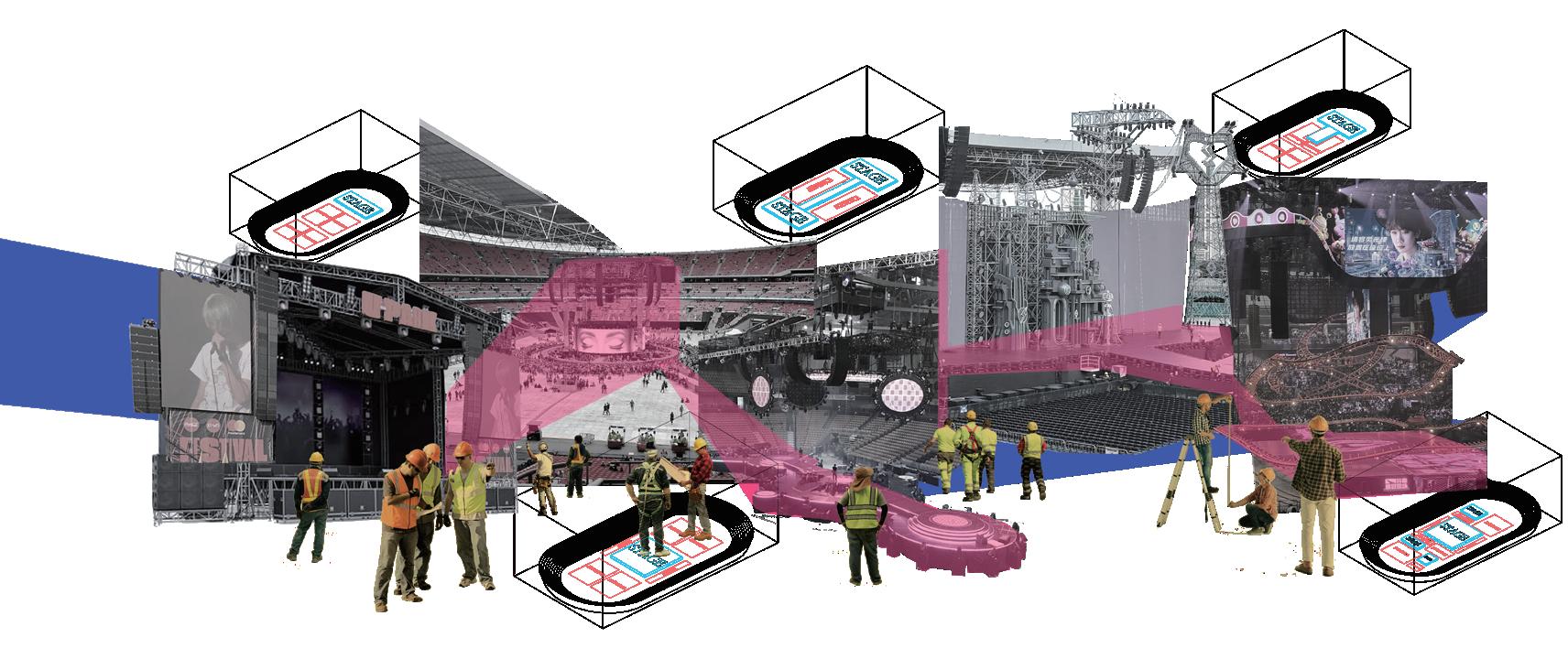
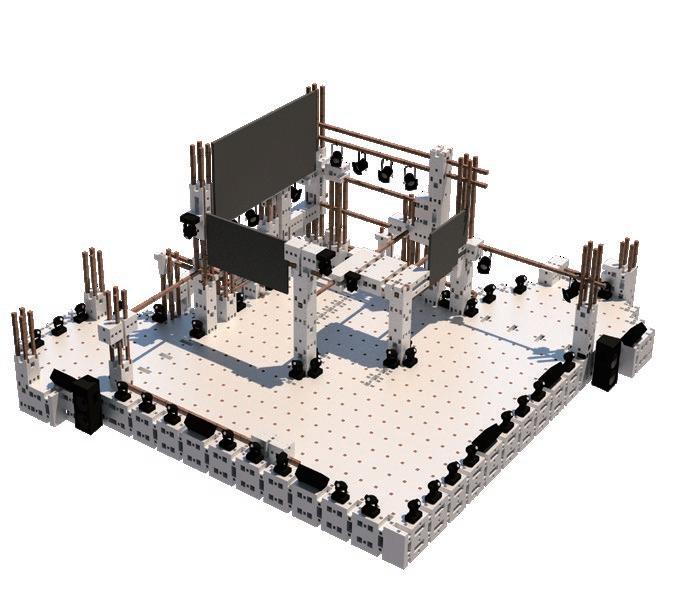
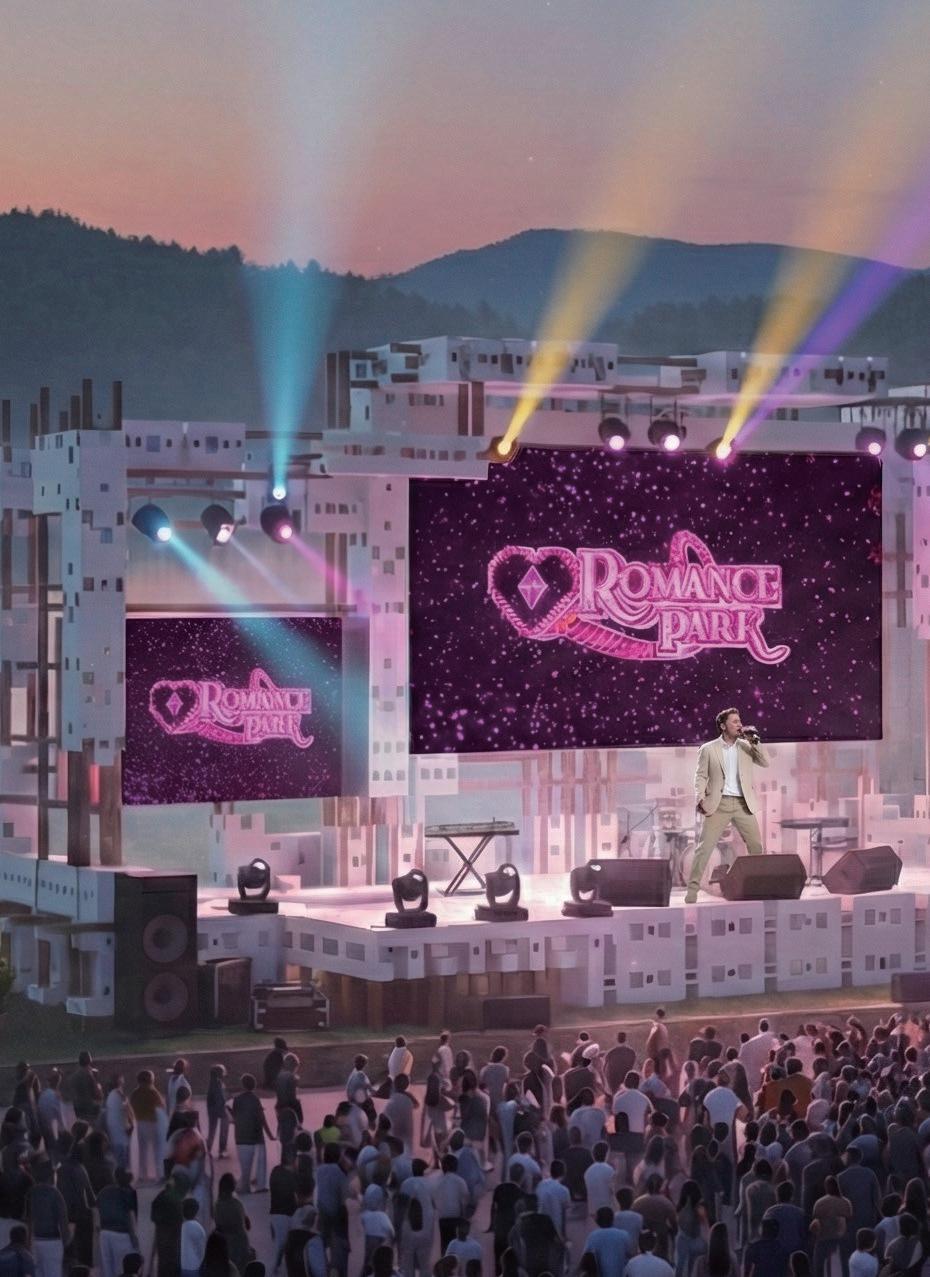
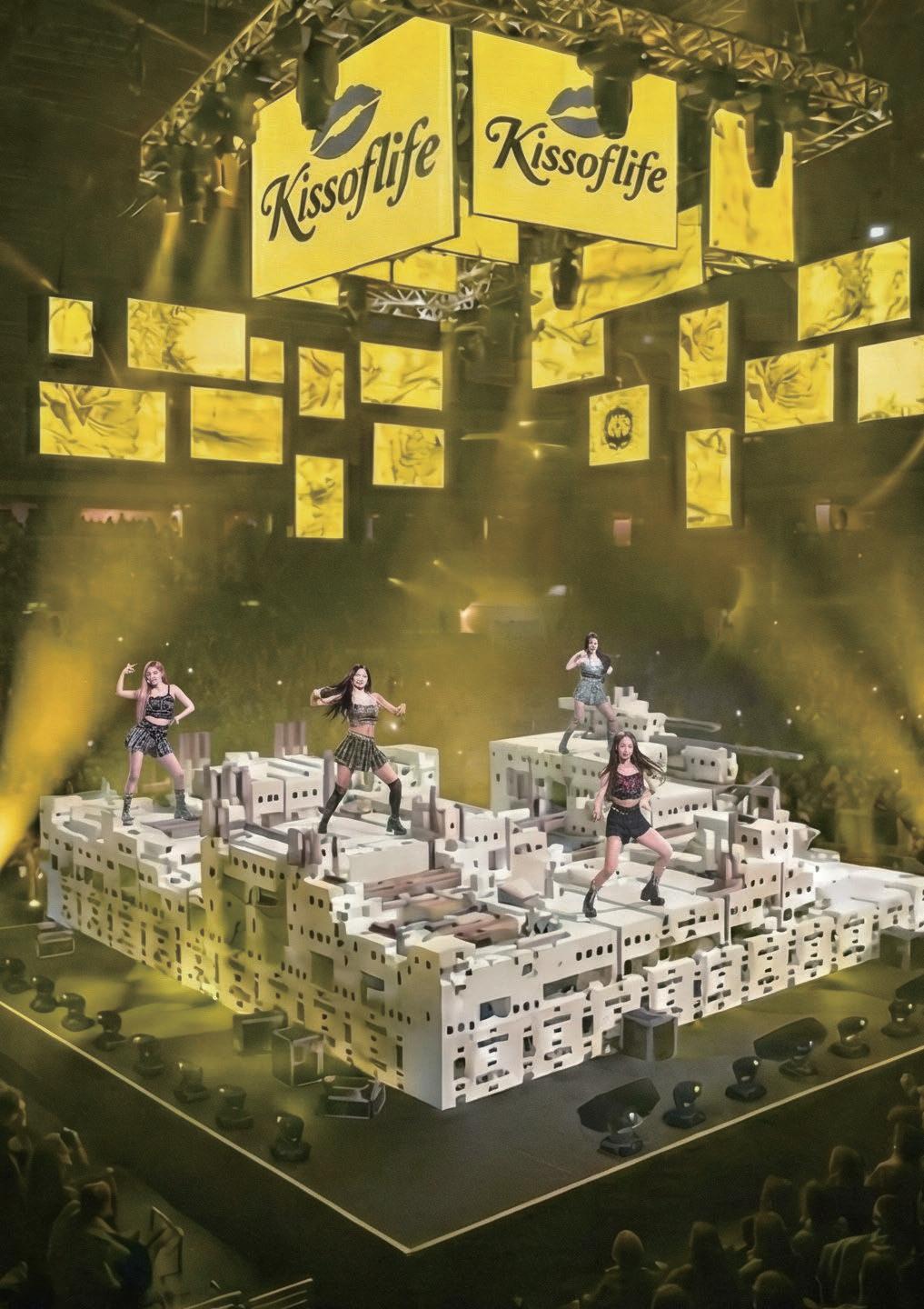
Designed for stadium settings, the stage offers clear sightlines from all seating levels, large-scale screens for enhanced visual accessibility, and an open layout that supports high-capacity audiences.
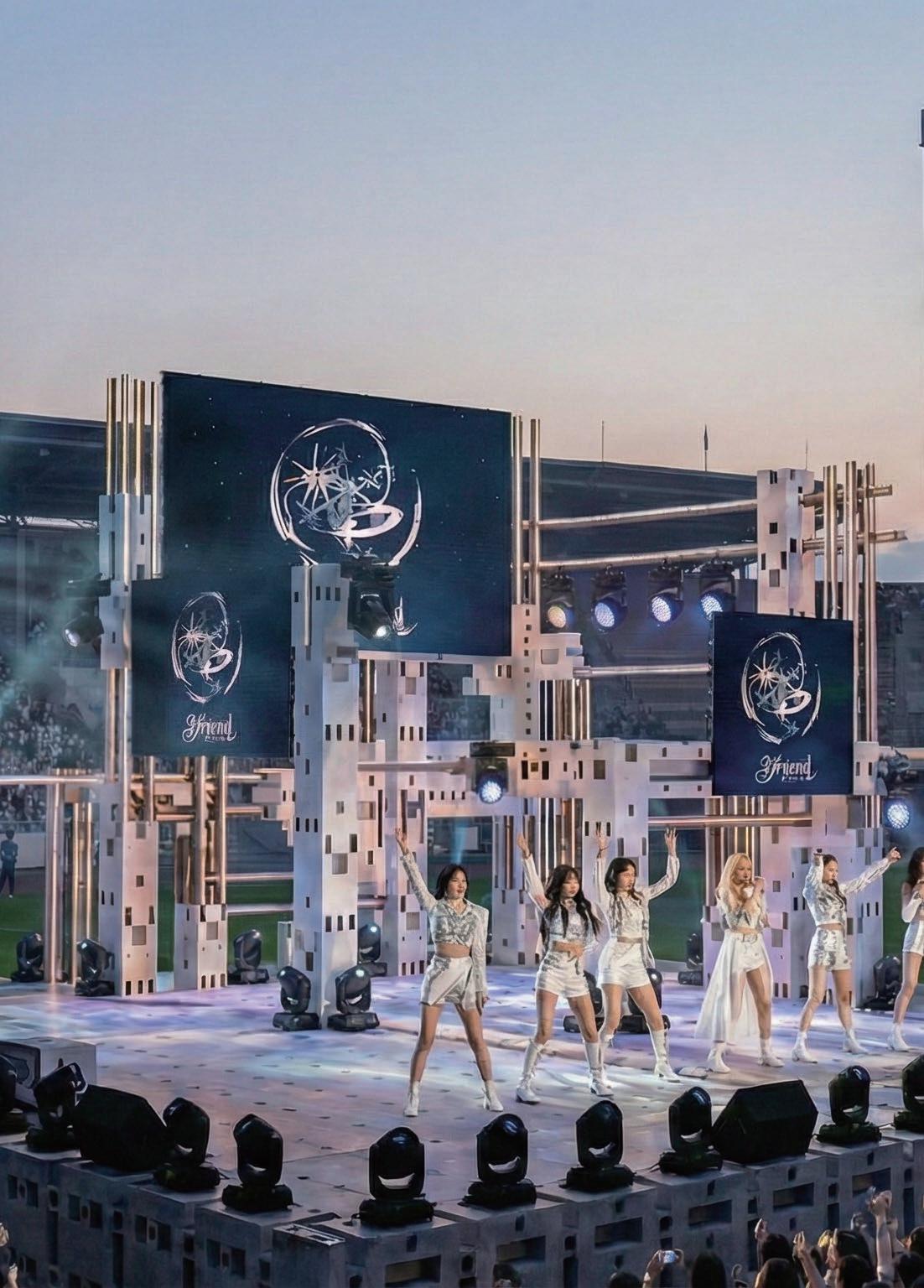
Festival stages offer high spatial flexibility, allowing performances to adapt to diverse sites and environmental conditions. Their modular and open configurations enable concerts to take place across varied landscapes, from urban plazas to natural settings.
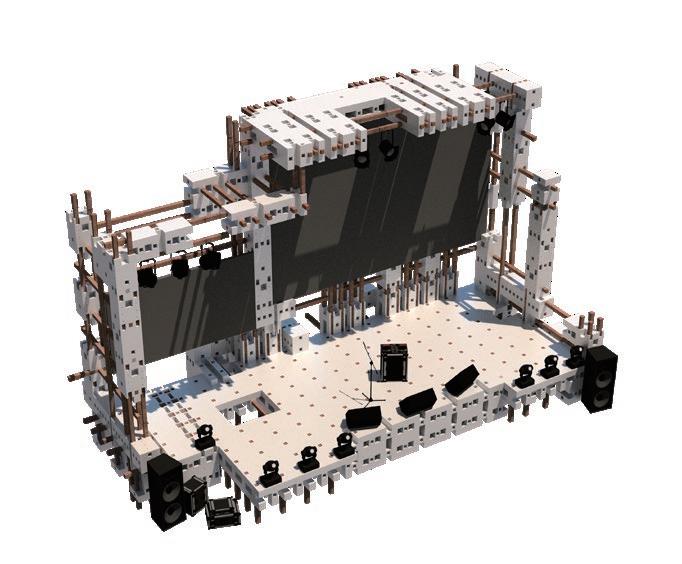
Stadium concert stages must engage audiences on all sides, requiring clear sightlines, balanced sound, and comprehensive visual coverage. An open, modular configuration allows lighting and screen systems to perform effectively from every direction.
Individual work
Key words: Psychological Translation,CharacterBased Spatial Analysis Fragmentation and Assembly 2023
Supervisor:
Jiachuan Shen
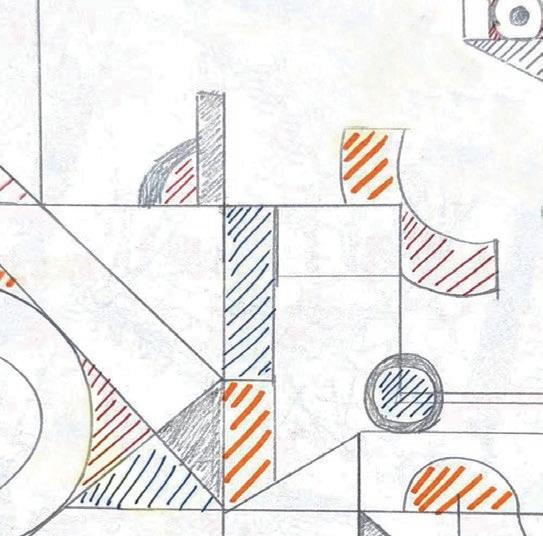
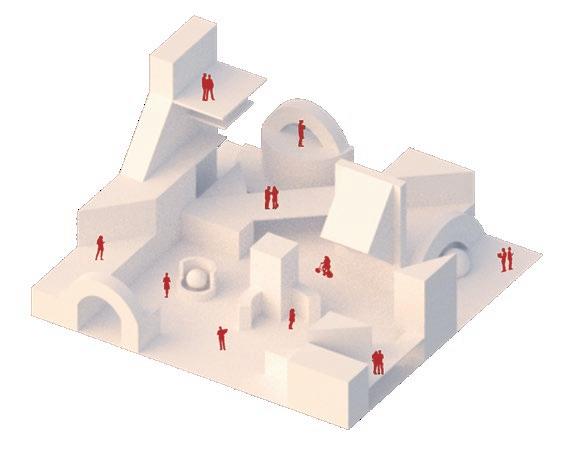
This project uses the fragmented personalities in Split as a framework to translate psychological states into architectural language. Individual identities are abstracted into spatial traits, organisational logics, and material expressions, forming a system where contrasting conditions such as control, vulnerability, and protection coexist.
This diagram illustrates Kevin’s personality transitions (white lines) in Split and the corresponding interpersonal dynamics (red lines) generated by each identity.
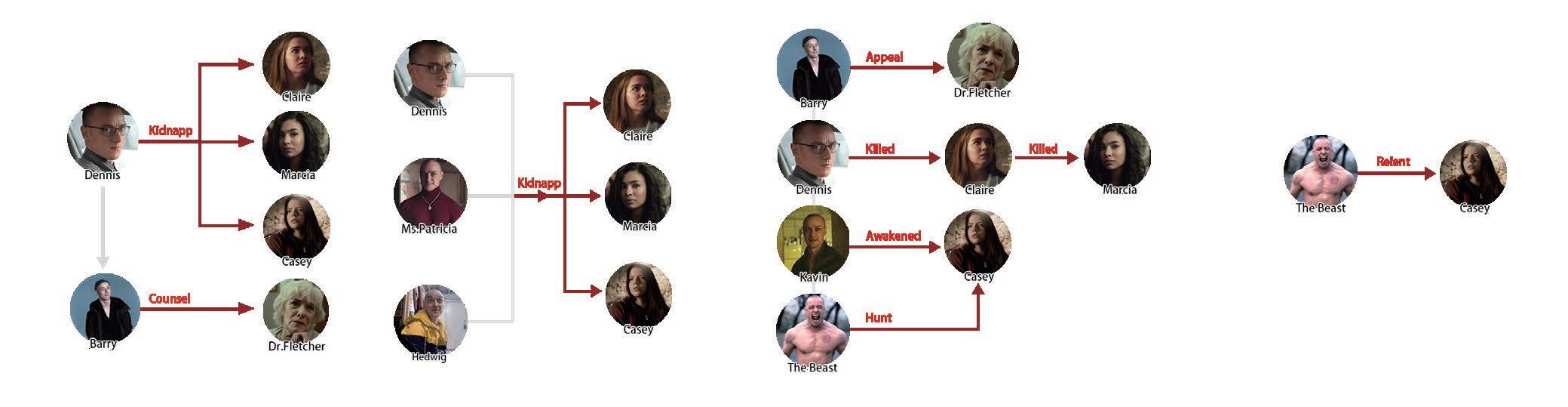
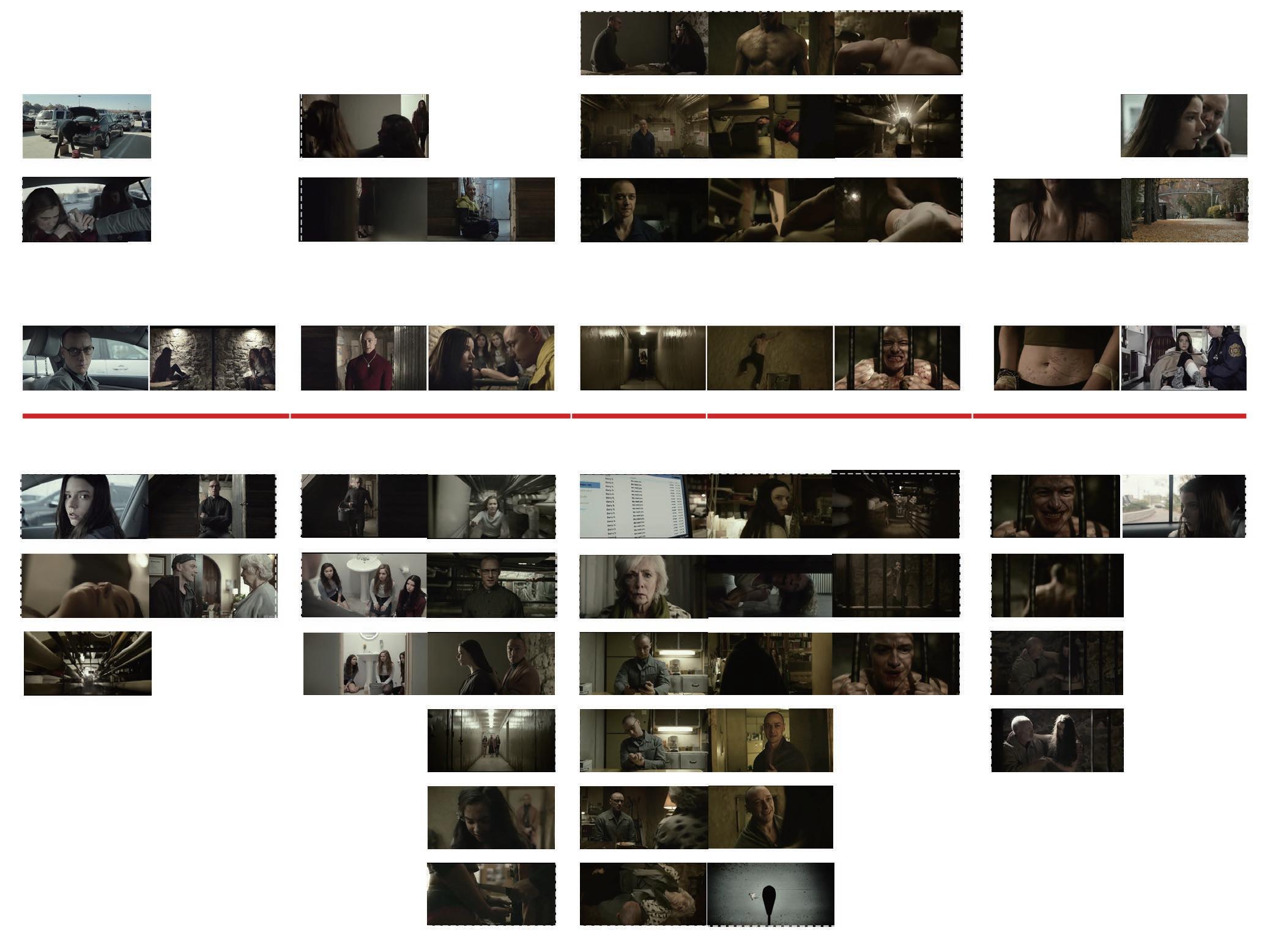
This diagram outlines the four-chapter narrative structure of Split, tracing Kevin’s multi-personality storyline— from the kidnapping of three girls to the escalating internal struggle among his identities. It maps the parallel threads of the abducted girls, Kevin’s shifting personalities, and Dr. Fletcher’s growing suspicions as the plot intensifies. By organising the film chronologically, the diagram highlights how tension builds and how the emergence of the Beast reshapes the story’s final trajectory.
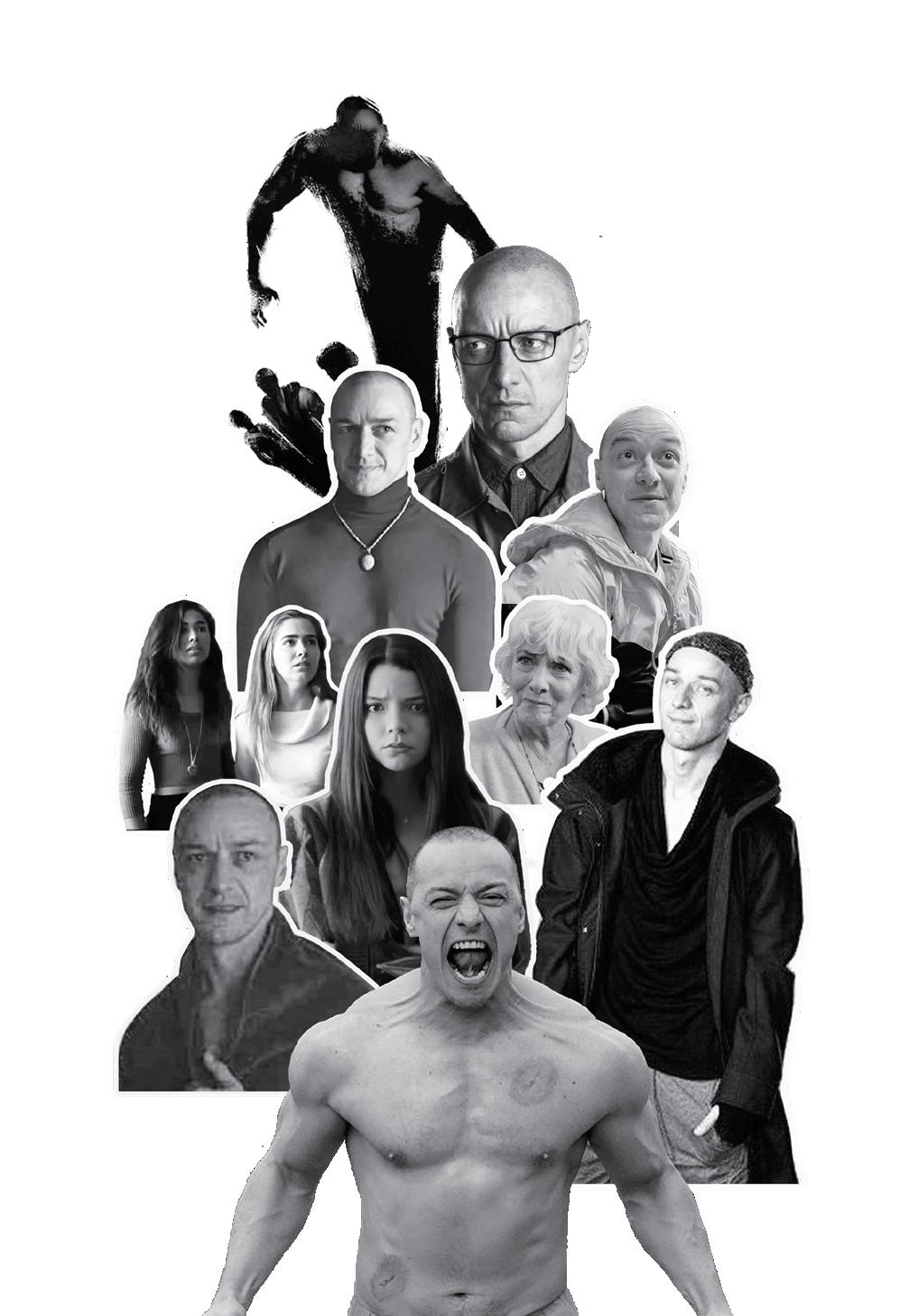

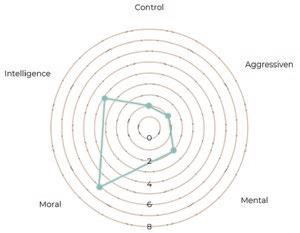

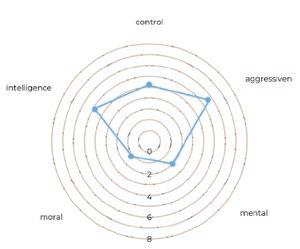

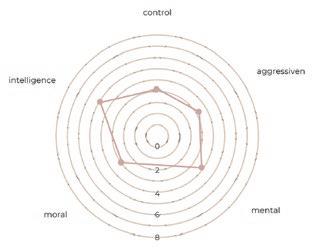
Childhood trauma survivor / Gentle and fearful disposition / Loss of bodily control

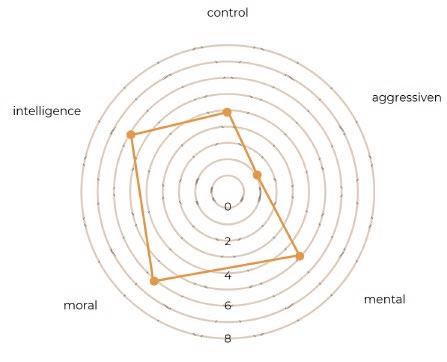
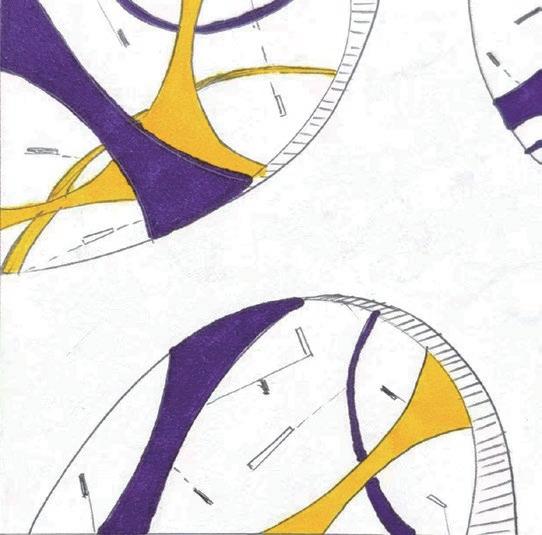
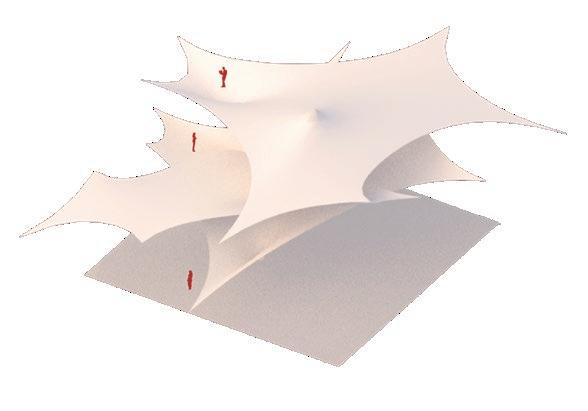
Artistic sensibility/ Primary body host (early stage)/ Empathetic and well-intentioned
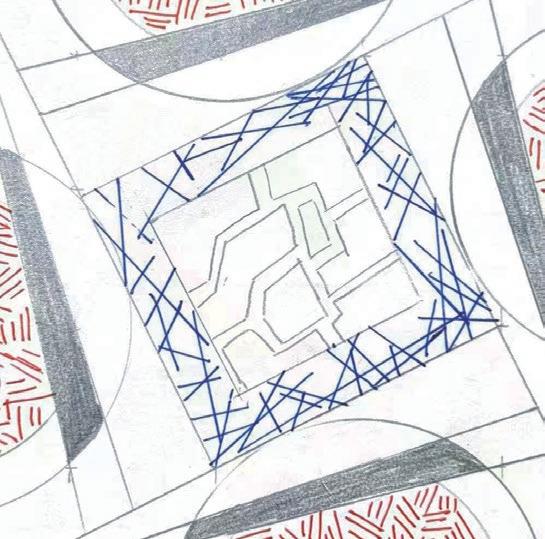
Order- and purity-driven/ Strict rule enforcement/ Gatekeeper of the body

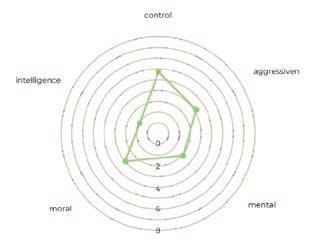
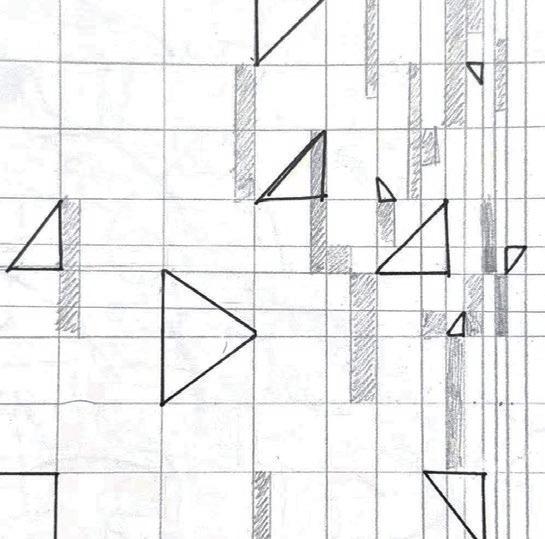
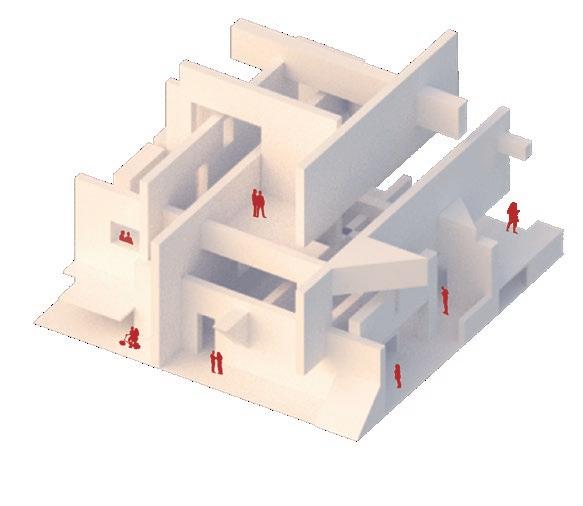
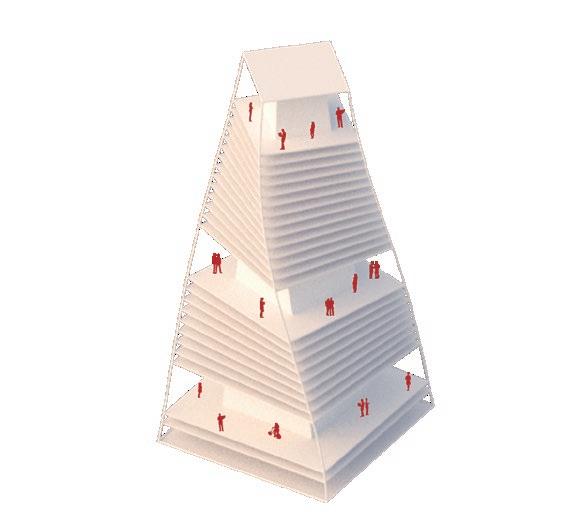
Rational and composed/ Emotionally detached authority/ Behavioural regulation through control

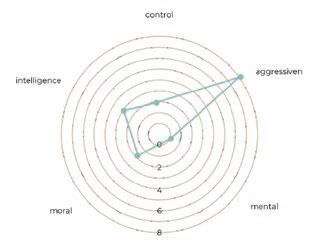
Frozen childhood identity/ Emotionally immature/ Highly suggestible
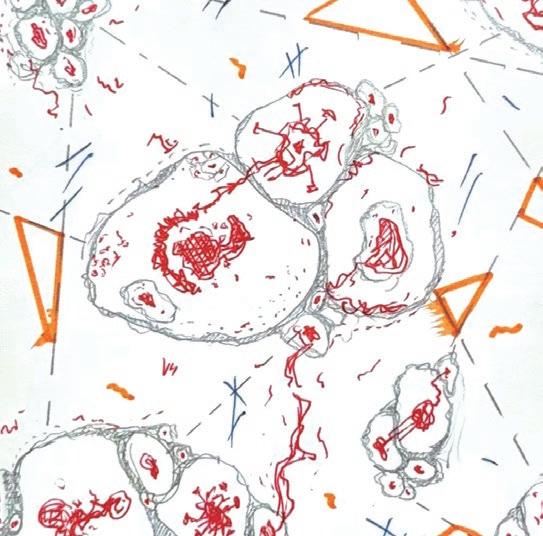
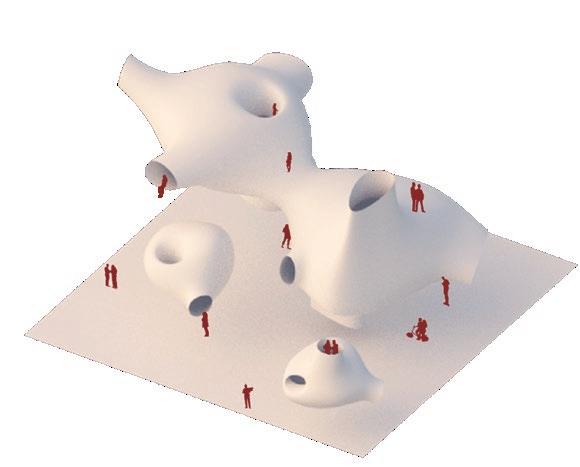
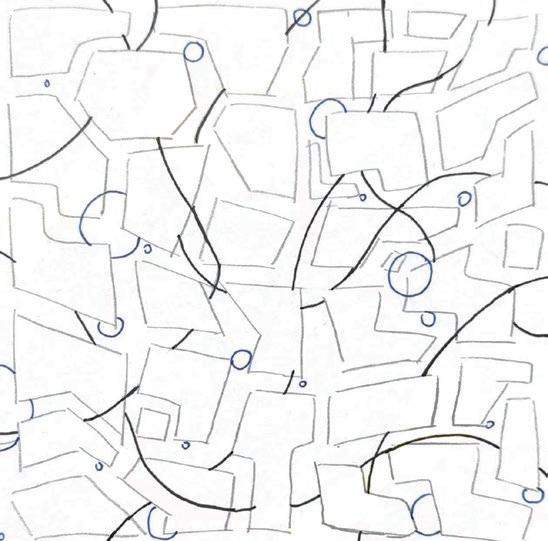
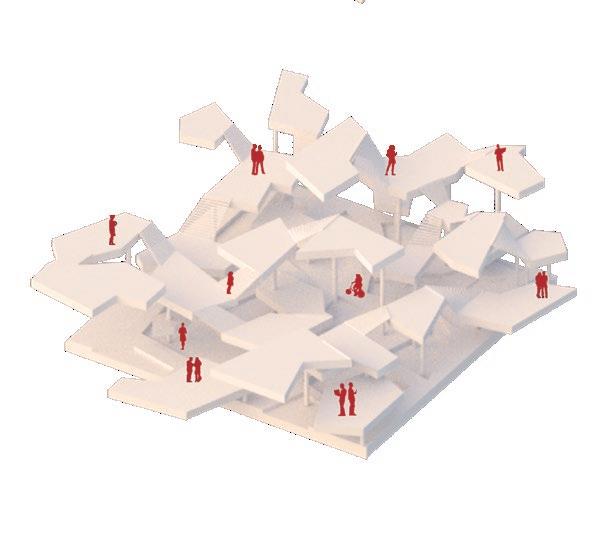
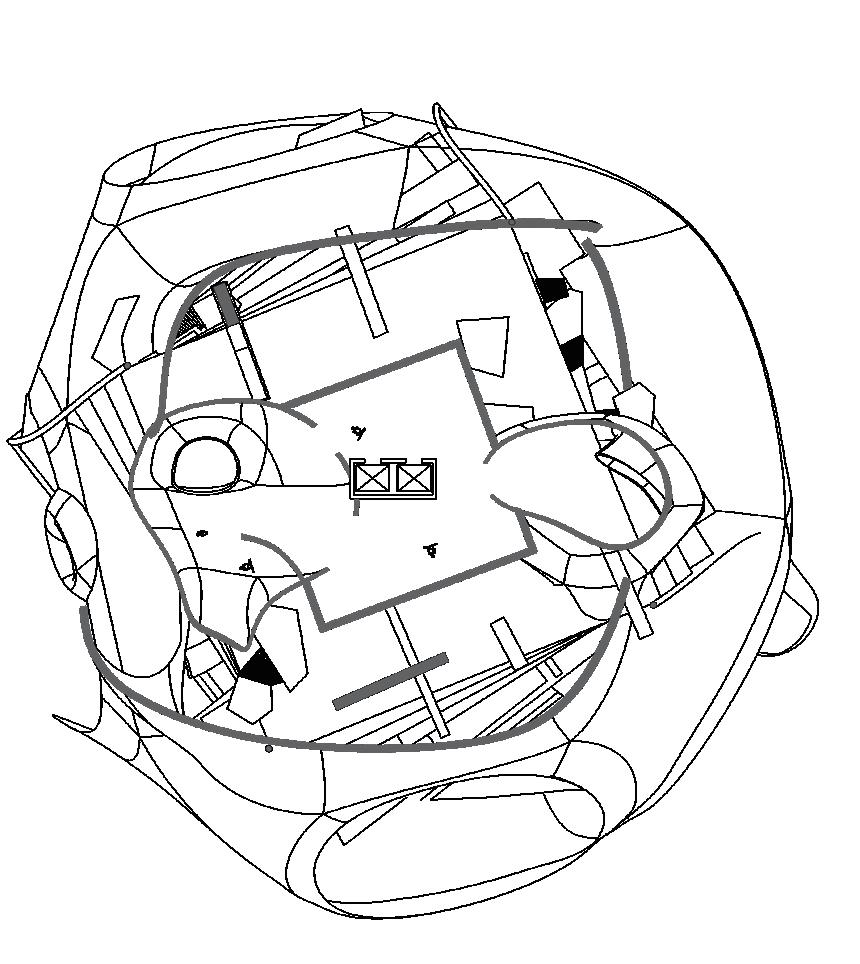
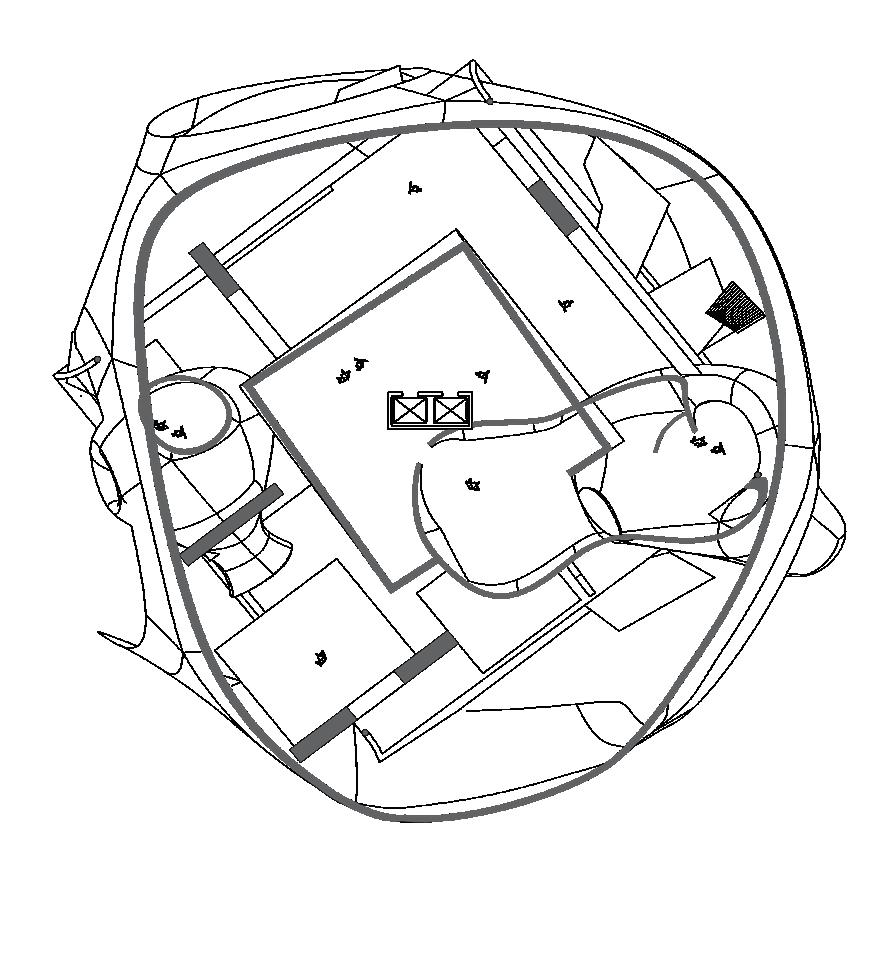
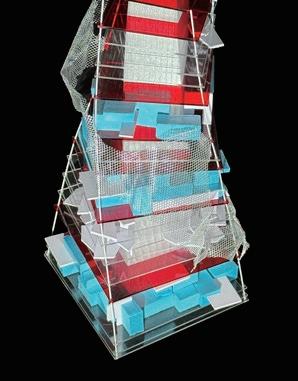
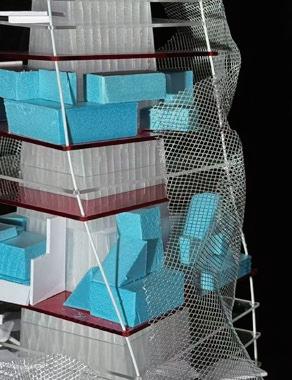
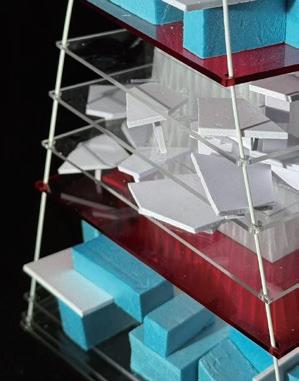
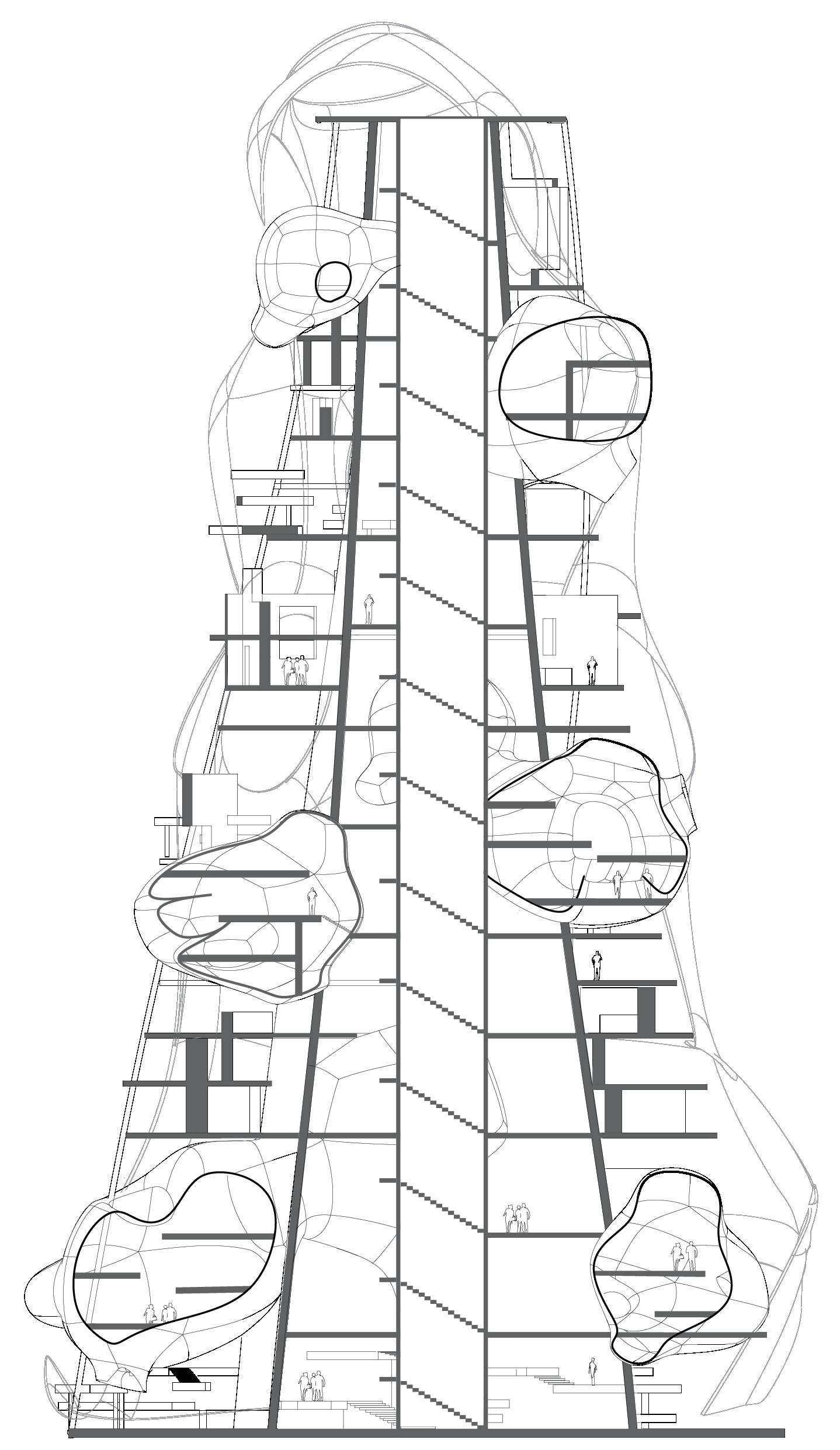
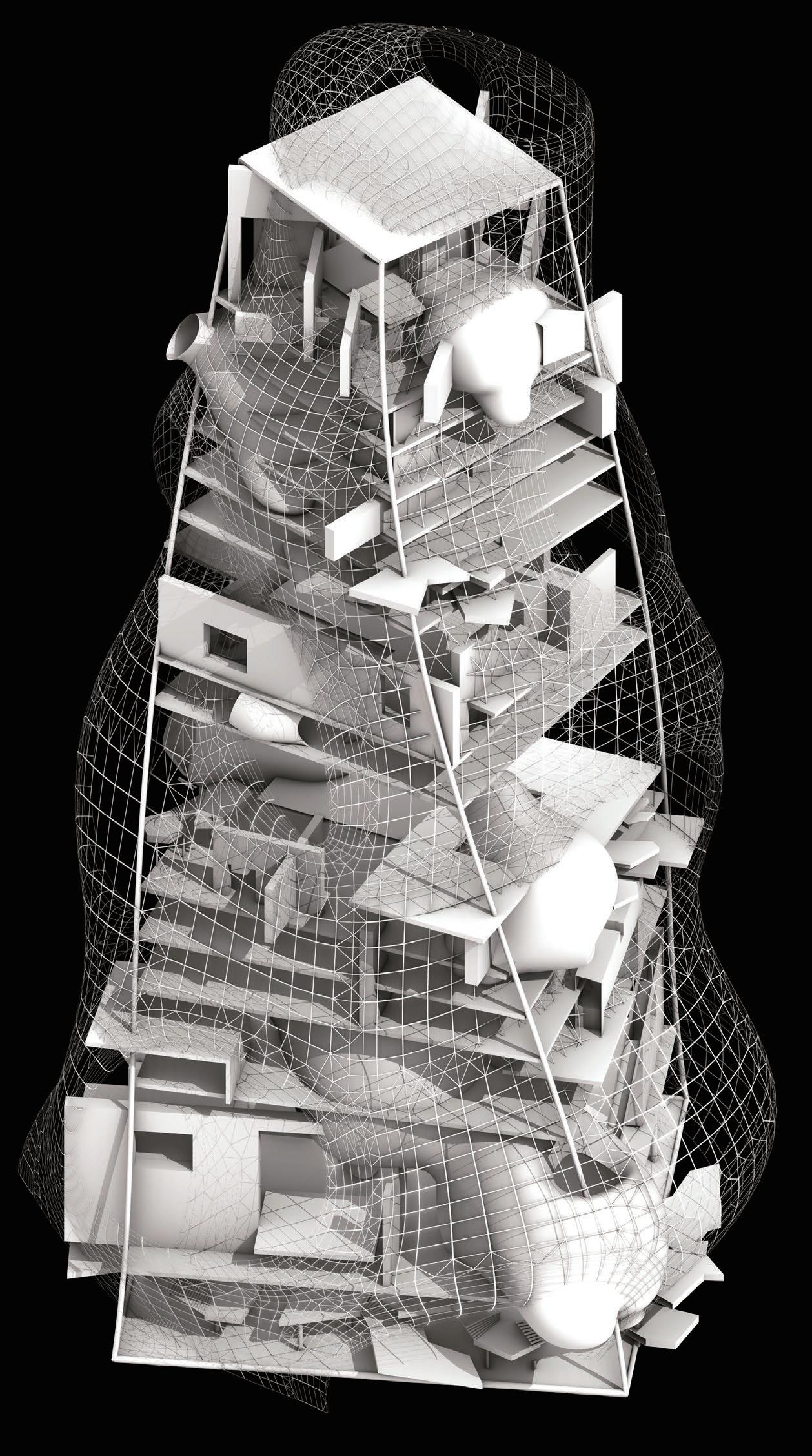
This project integrates the six fragmented personalities from Split into a single architectural system. Rather than representing each personality as a separate space, the design employs a continuous spatial structure in which states of control, fear, vulnerability, aggression, innocence, and restraint coexist, overlap, and interact. Through spatial fragmentation, shifting geometries, and multilayered circulation, architecture is used to express internal psychological conflict and instability. The building moves beyond being a functional container, becoming a spatial manifestation of a divided mind that explores how psychological states are organised, constrained, and temporarily balanced.
Location: Guangzhou
Individual work
Key words: Cantonese Opera , Pop-Up Architecture, Narrative
04/2025-08/2025

Translation,Temporary Structure
Supervisor:Moys MO
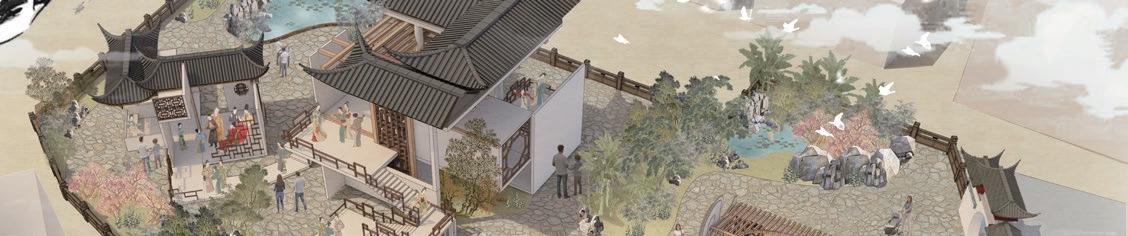
This project proposes a temporary, modular Cantonese Opera popup stage that responds to its declining visibility by reintroducing performance into everyday public space, promoting Cantonese opera to wider and younger audiences.
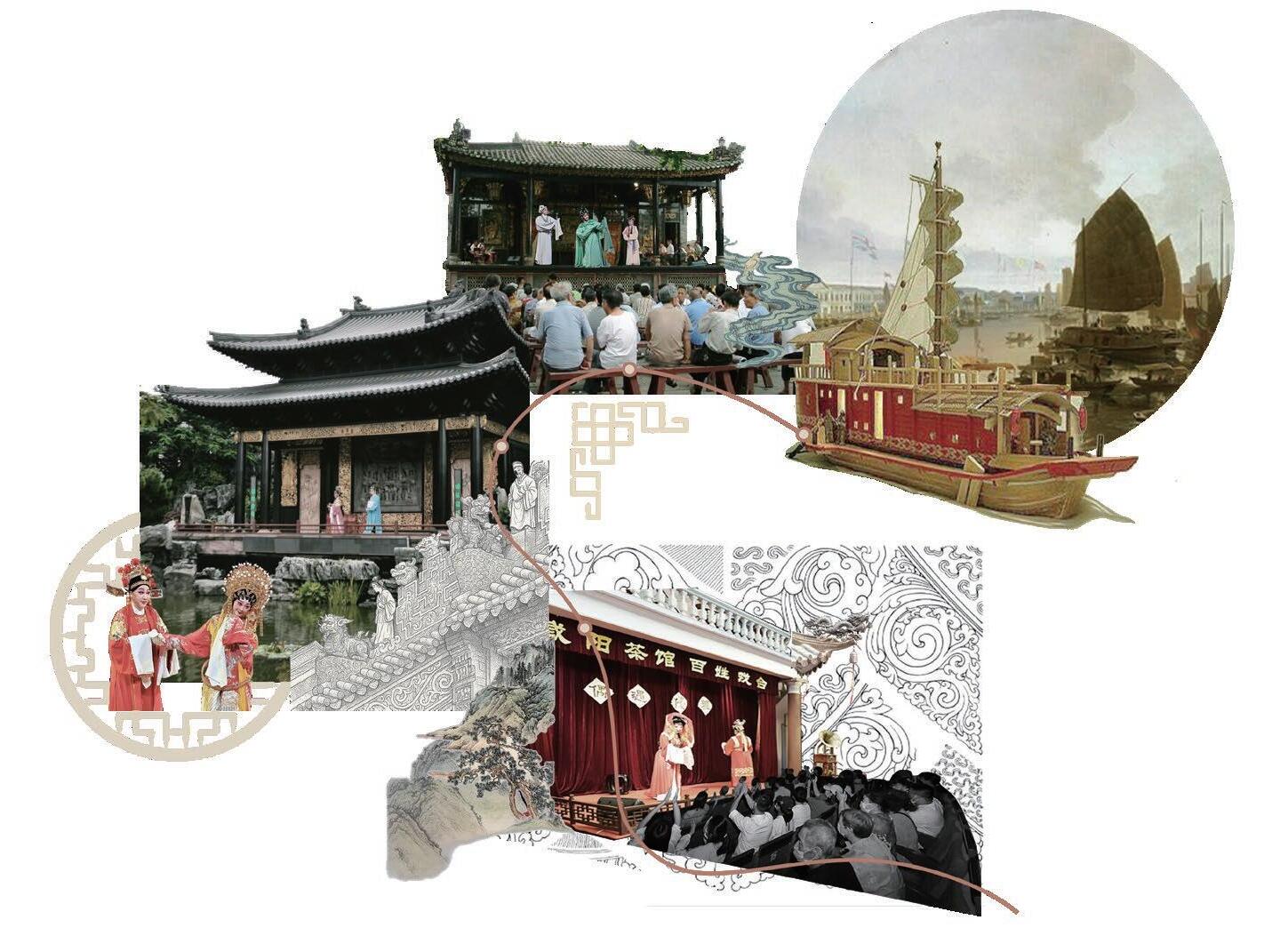
Cantonese opera stages have shifted from open, everyday public settings to enclosed venues, reducing their visibility in contemporary urban life. This transition has weakened the spontaneous encounter between performance and the public, particularly among younger audiences.
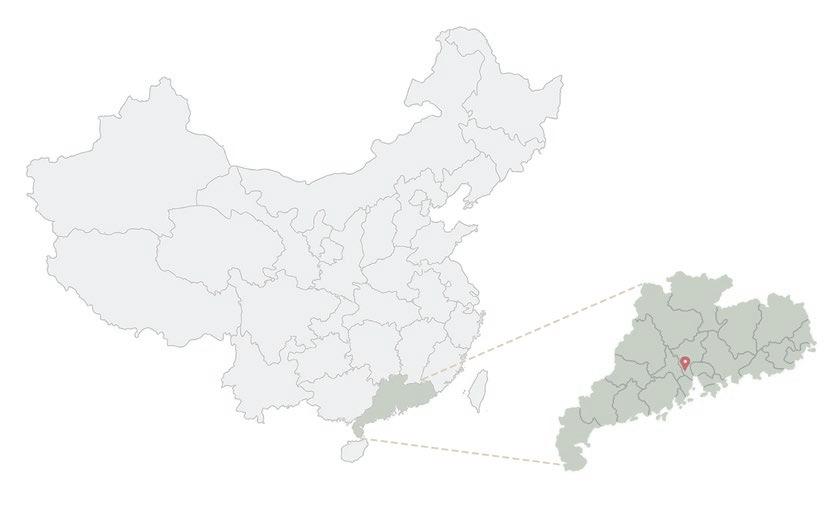
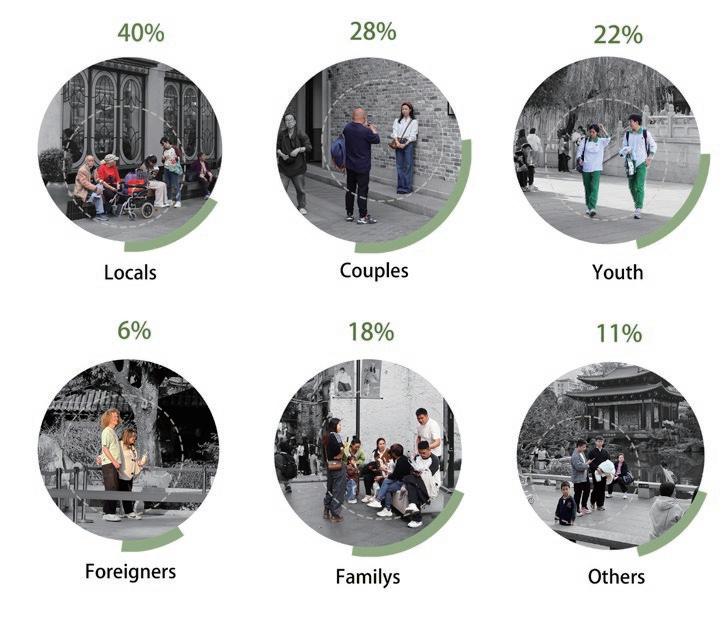
The project is located in Yongqingfang, Guangzhou, a major urban renewal area with both active local life and high tourist footfall. The site attracts a diverse mix of residents, visitors, families, and young people, creating strong conditions for a pop-up opera stage to engage both intentional audiences and passing pedestrians.
Audience Trend (1900–2020) Audience Age Distribution Key Constraints on Opera Attendance
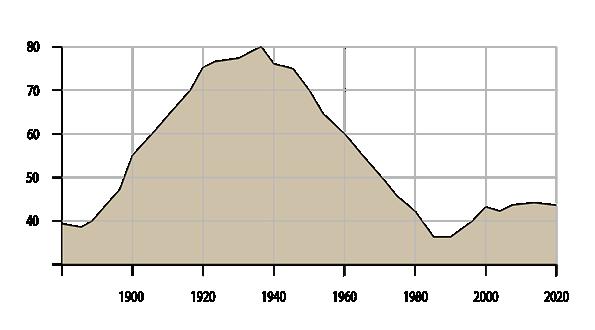
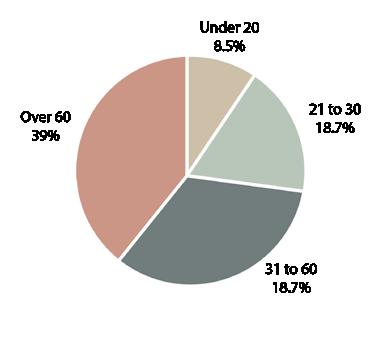
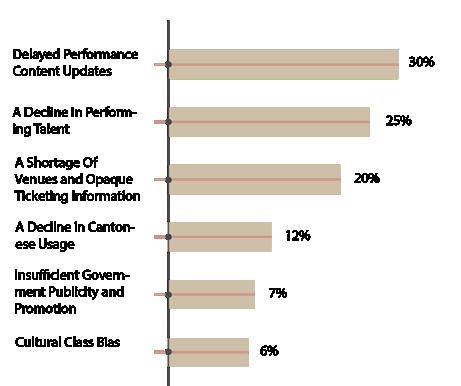
The data indicates a declining audience trend and a strongly aged audience structure, revealing a generational gap in engagement. Rigid performance formats, high cultural and linguistic thresholds, and limited presence in public space collectively constrain the accessibility and visibility of Cantonese opera in contemporary urban life.
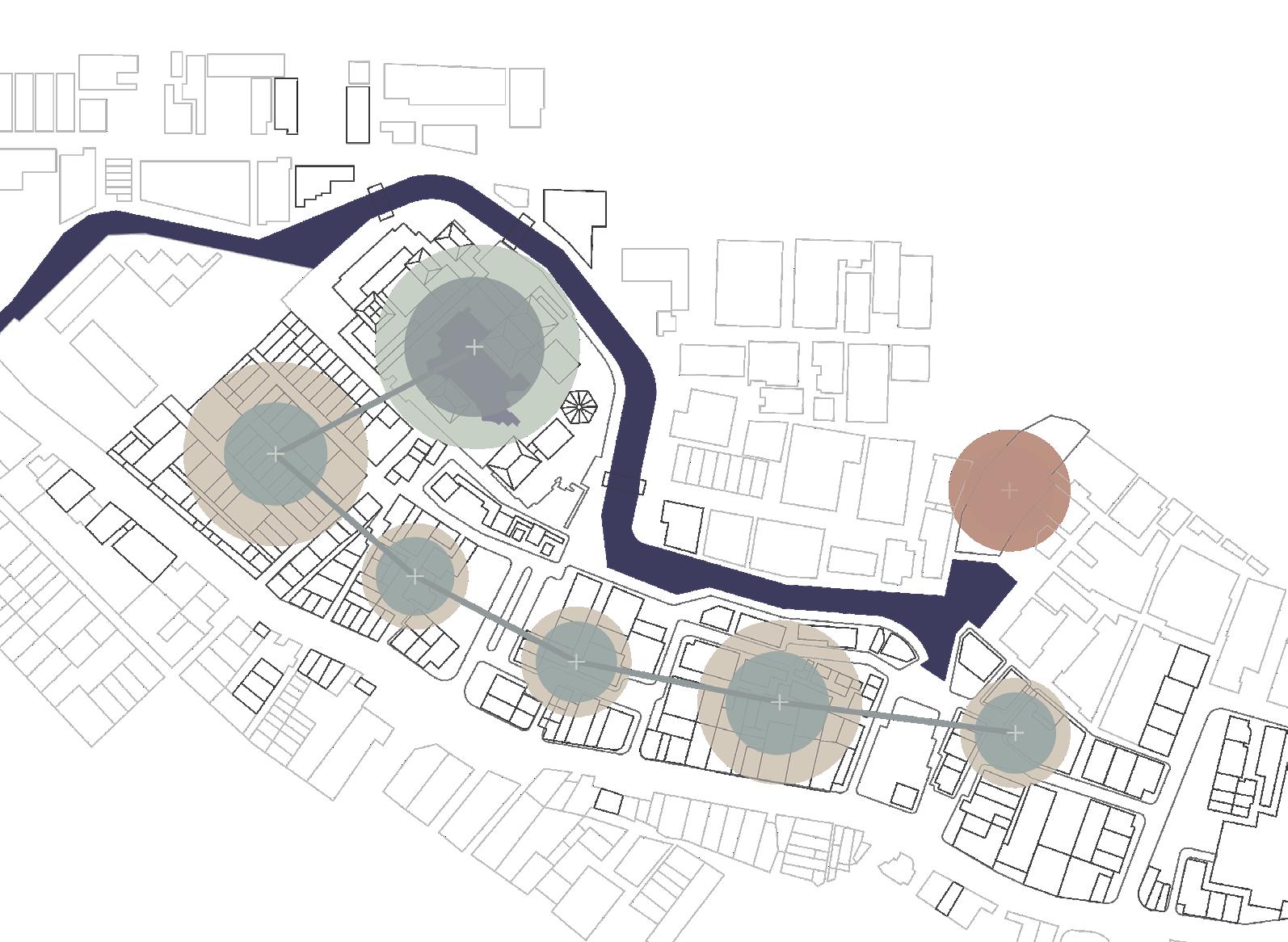
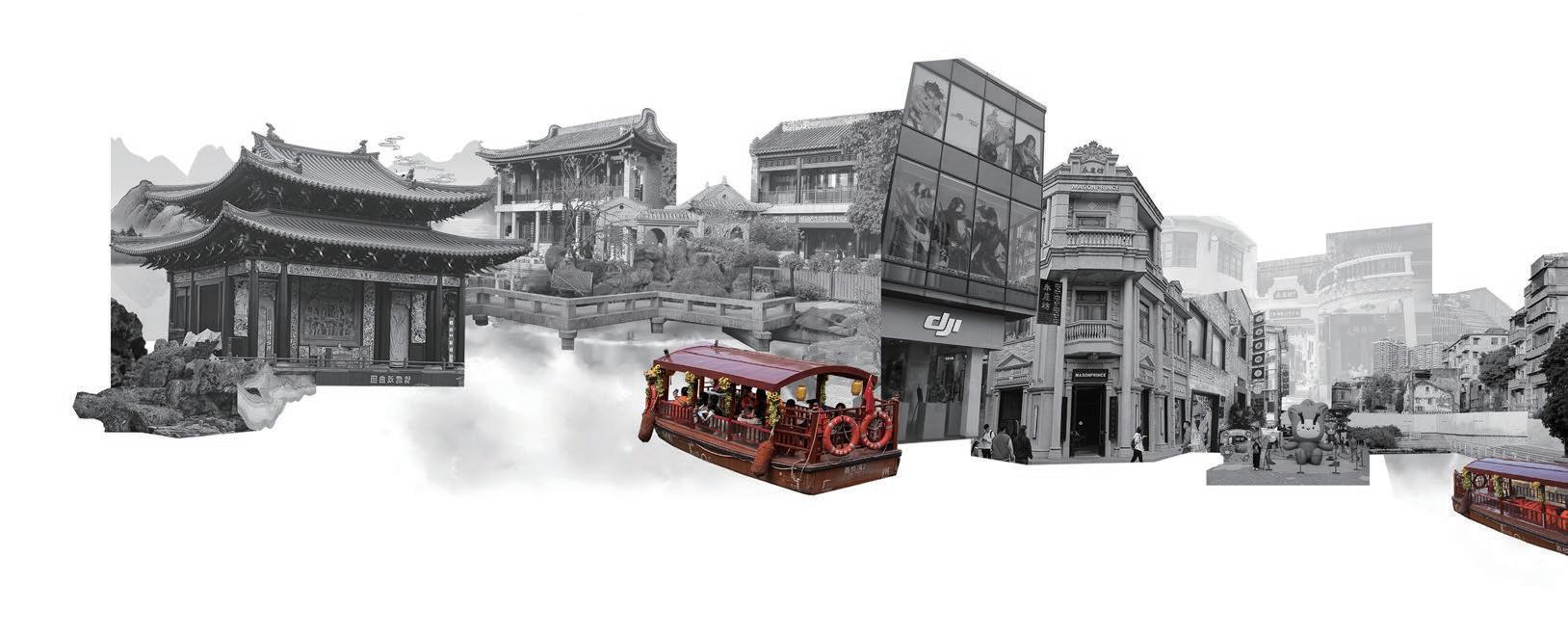
Yongqingfang features a dense Lingnan urban fabric where historic buildings coexist with renewed cultural and commercial spaces. The site sits at the starting point of the waterfront system, functioning as an entrance node where pedestrian flows converge, making it a strategic location for transforming movement into performance and gathering.
DESIGN STRATEGY
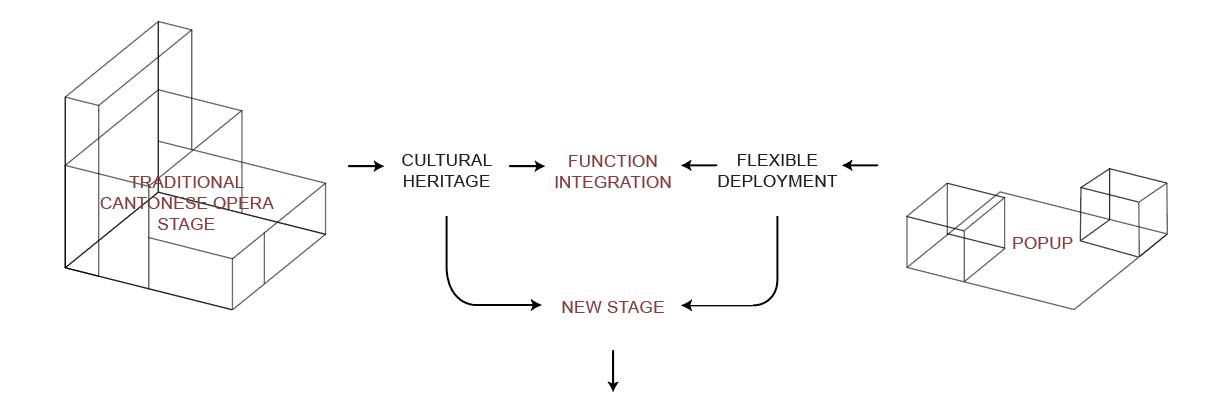
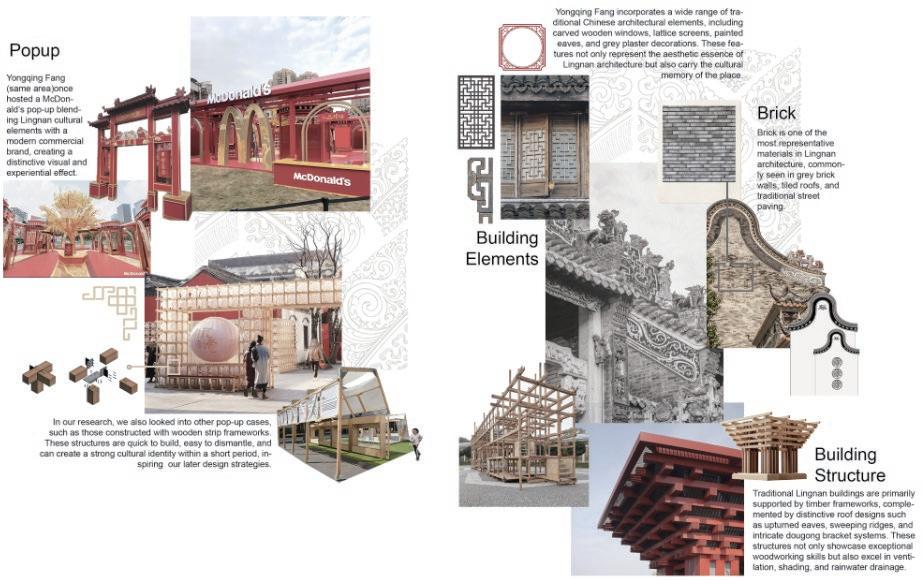
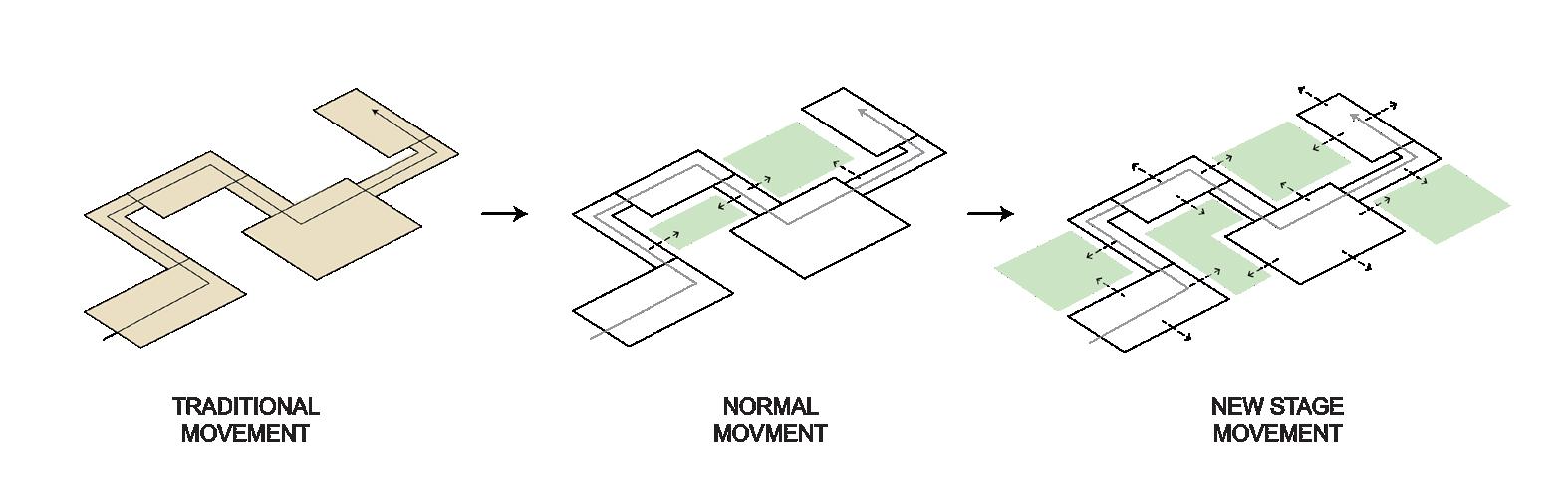
The design integrates traditional Cantonese opera stage relationships with a pop-up system. By transforming fixed layouts into modular components, the stage adapts to different sites while maintaining core performer–audience connections..
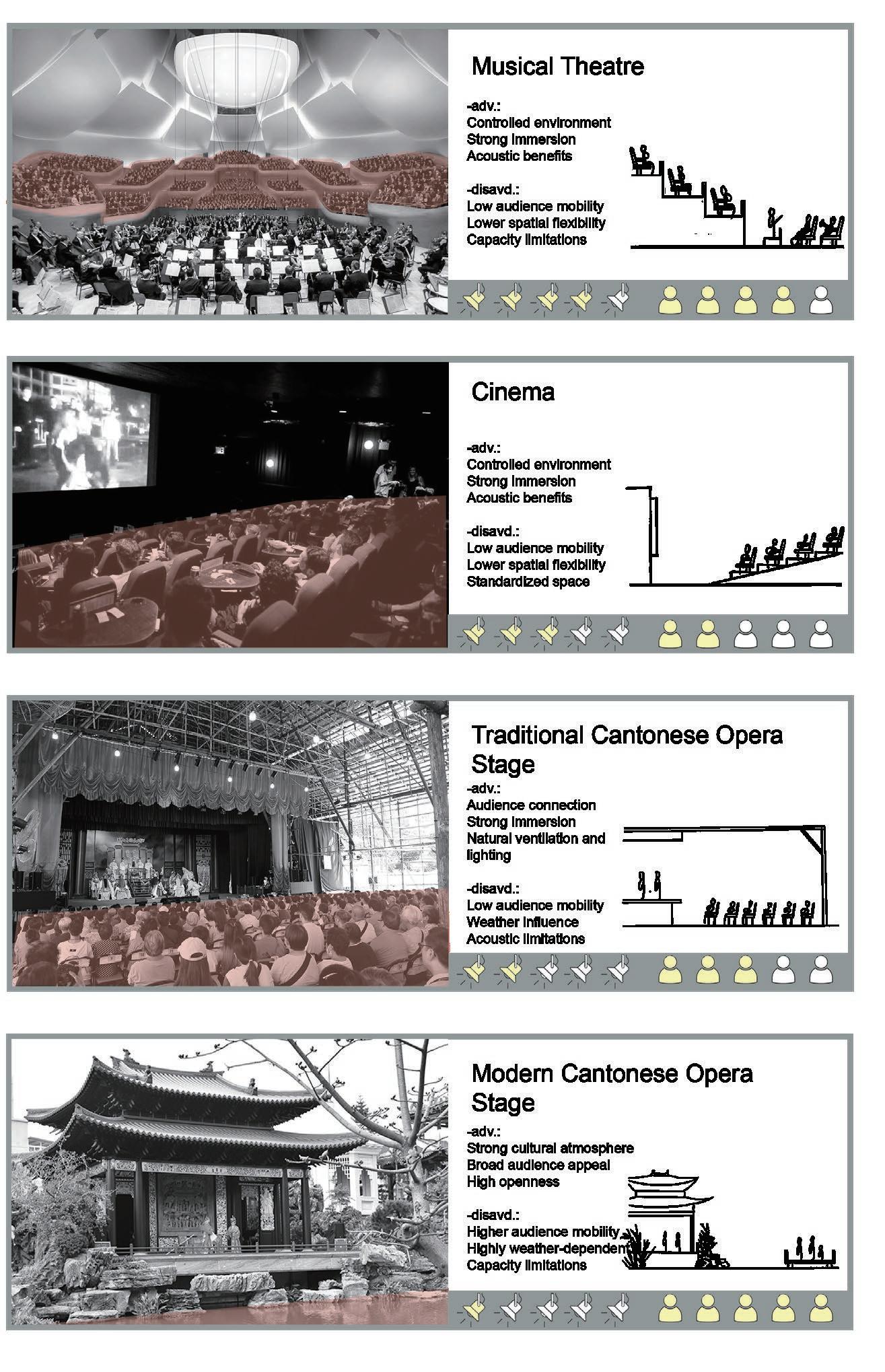
Musical theatres and cinemas provide controlled immersion but restrict audience mobility. Traditional Cantonese opera stages enable closer interaction yet remain limited by fixed layouts and environmental conditions, highlighting the need for a flexible stage typology..
The diagram traces how shifting spatial settings—from movement to enclosure and finally revelation—structure identity, power, and emotional tension in The Female Prince Consort.
Disguised as a man, Feng Suzhen leaves the domestic realm and enters a space of transition. In the ceremonial court, social recognition is achieved while identity remains hidden.
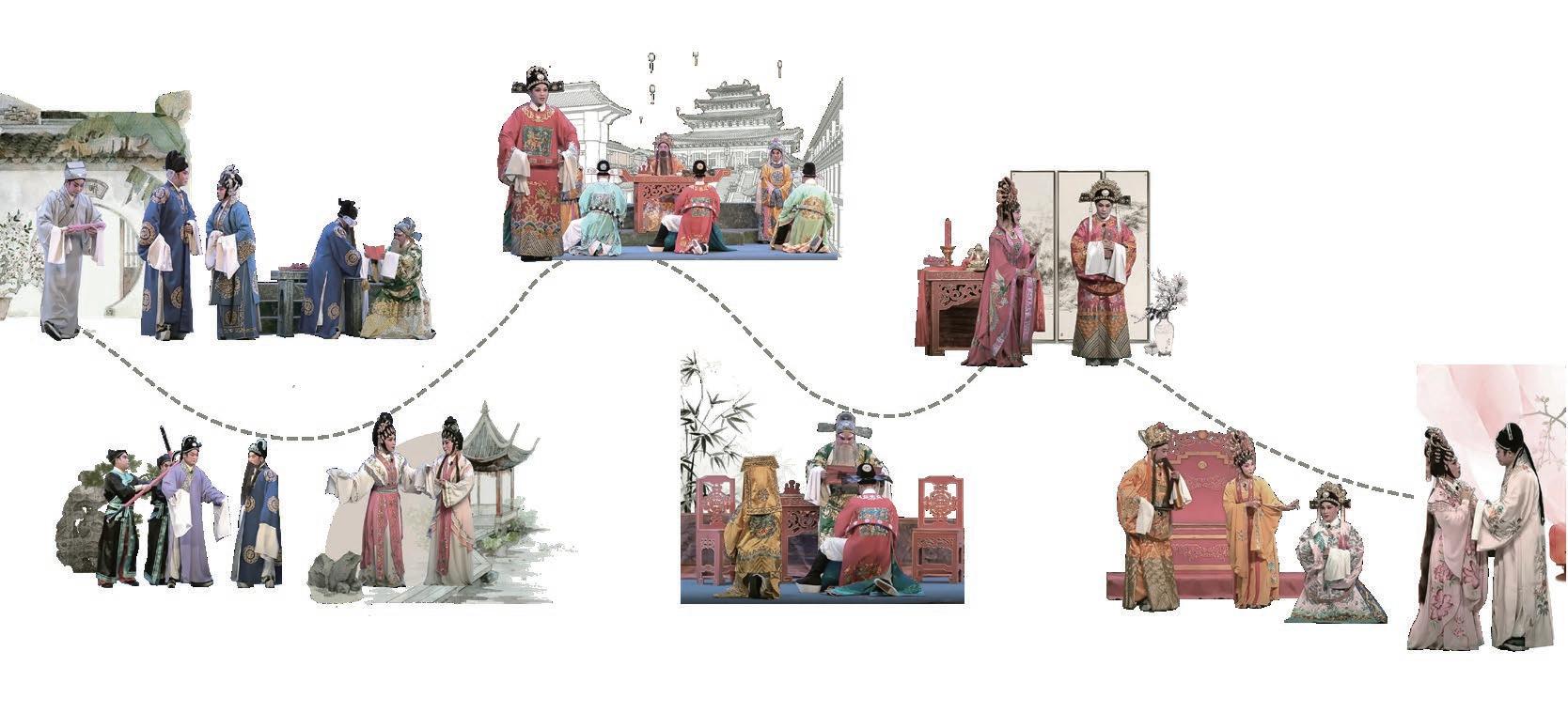
is revealed, and spatial and social order are realigned.
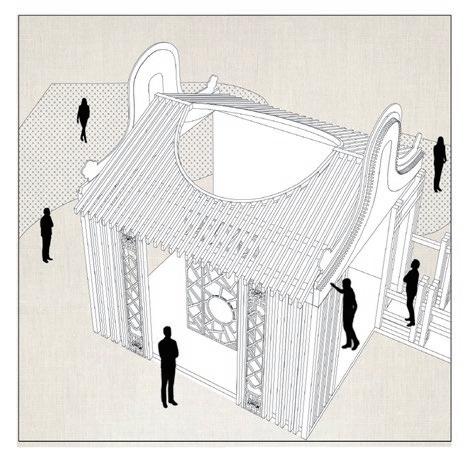
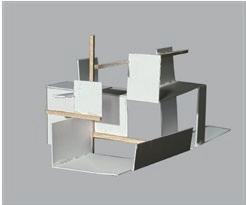
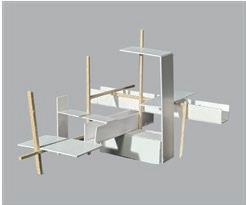
This page explores four spatial frameworks derived from Cantonese opera, focusing on spatial organisation rather than narrative reproduction. The diagrams examine enclosure, hierarchy, thresholds, and circulation, while the models below act as conceptual inspirations that inform massing and structural relationships.
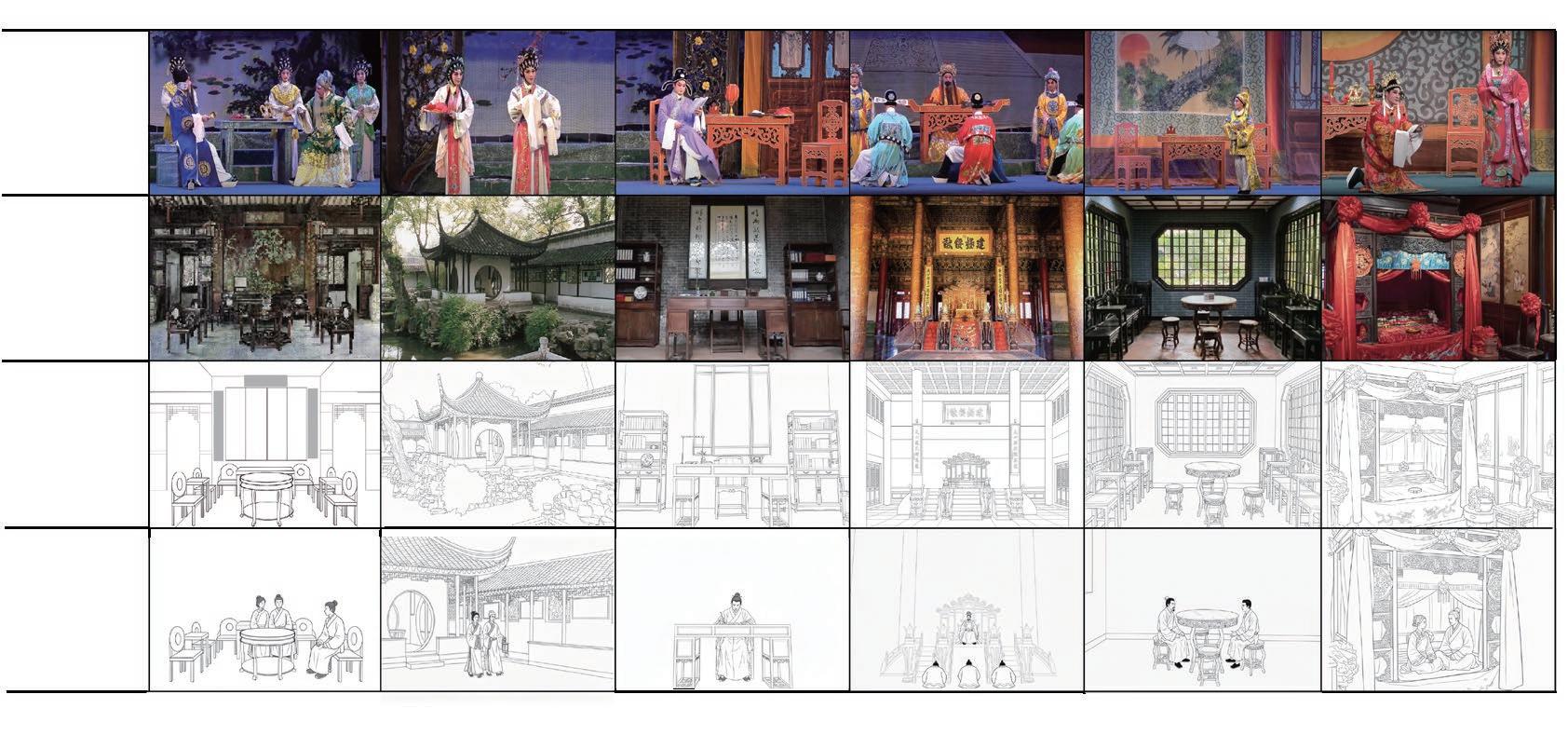
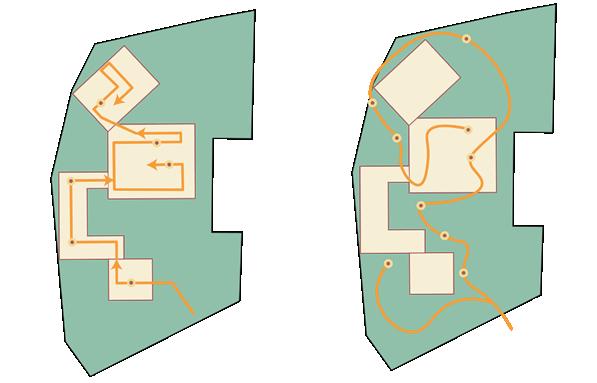
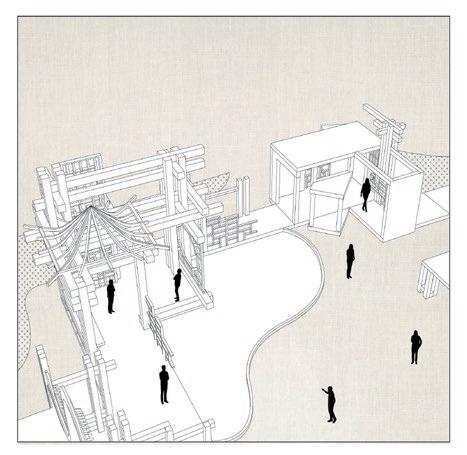
The story begins in a domestic setting, where Feng Suzhen is still protected by familial order and social familiarity, yet already preparing to leave this controlled interior.
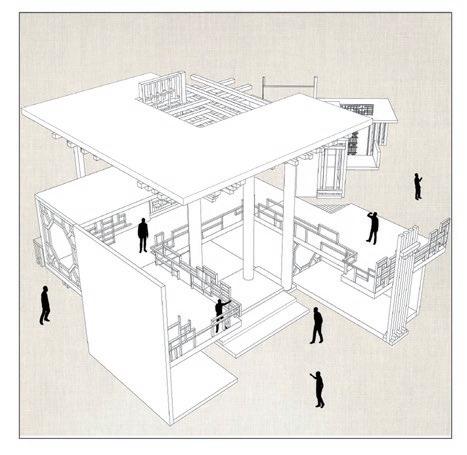
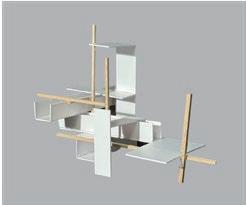
Within the imperial hall, social recognition is performed through ceremony, while true identity remains hidden beneath institutional order and public spectacle.
As Feng Suzhen departs, movement through corridors and transitional interiors suspends identity, reinforcing uncertainty and the tension between concealment and exposure
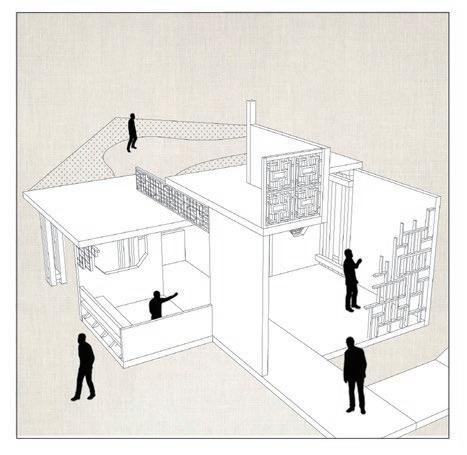
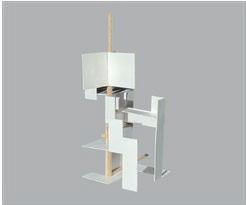
The enclosed domestic ritual space brings intimacy and ceremony together, intensifying emotional conflict until identity can no longer remain concealed.
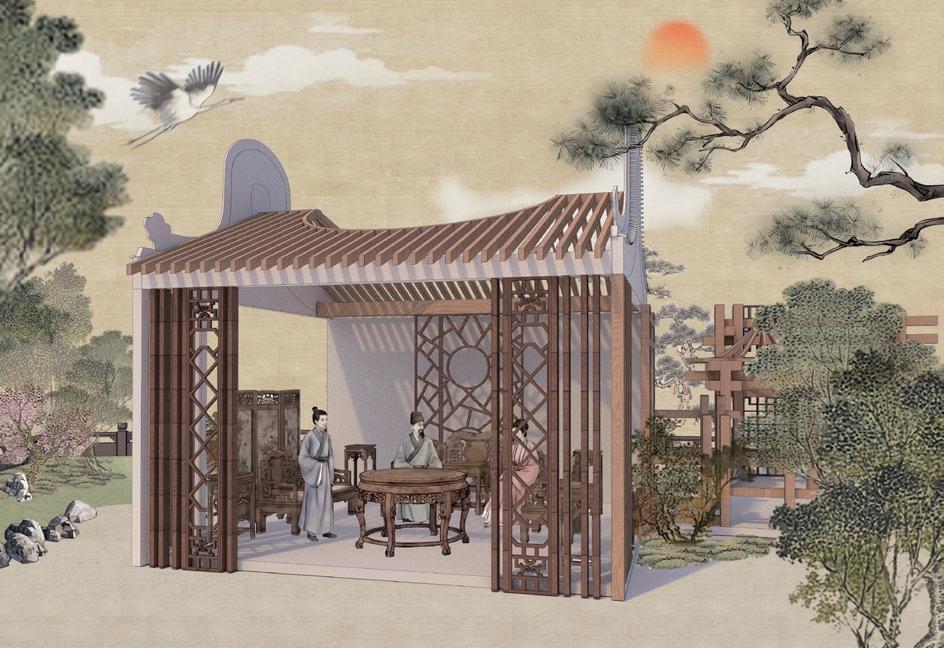
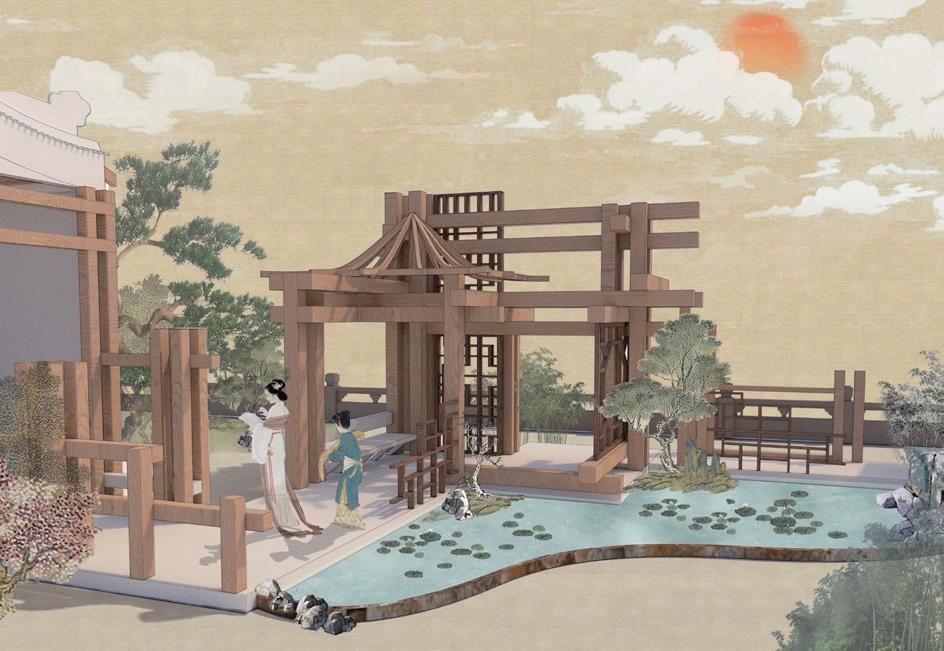
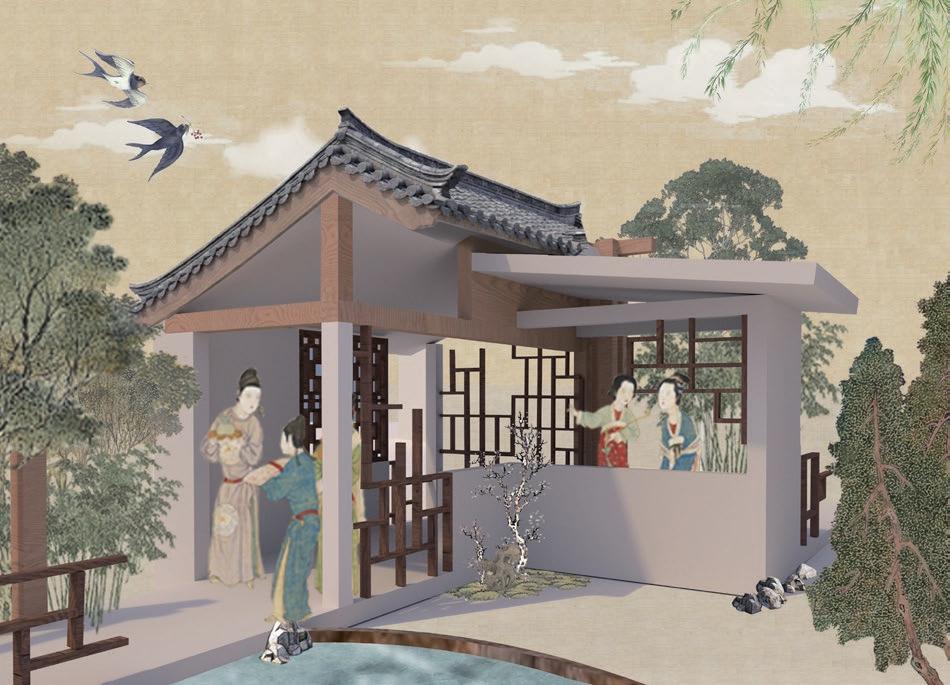
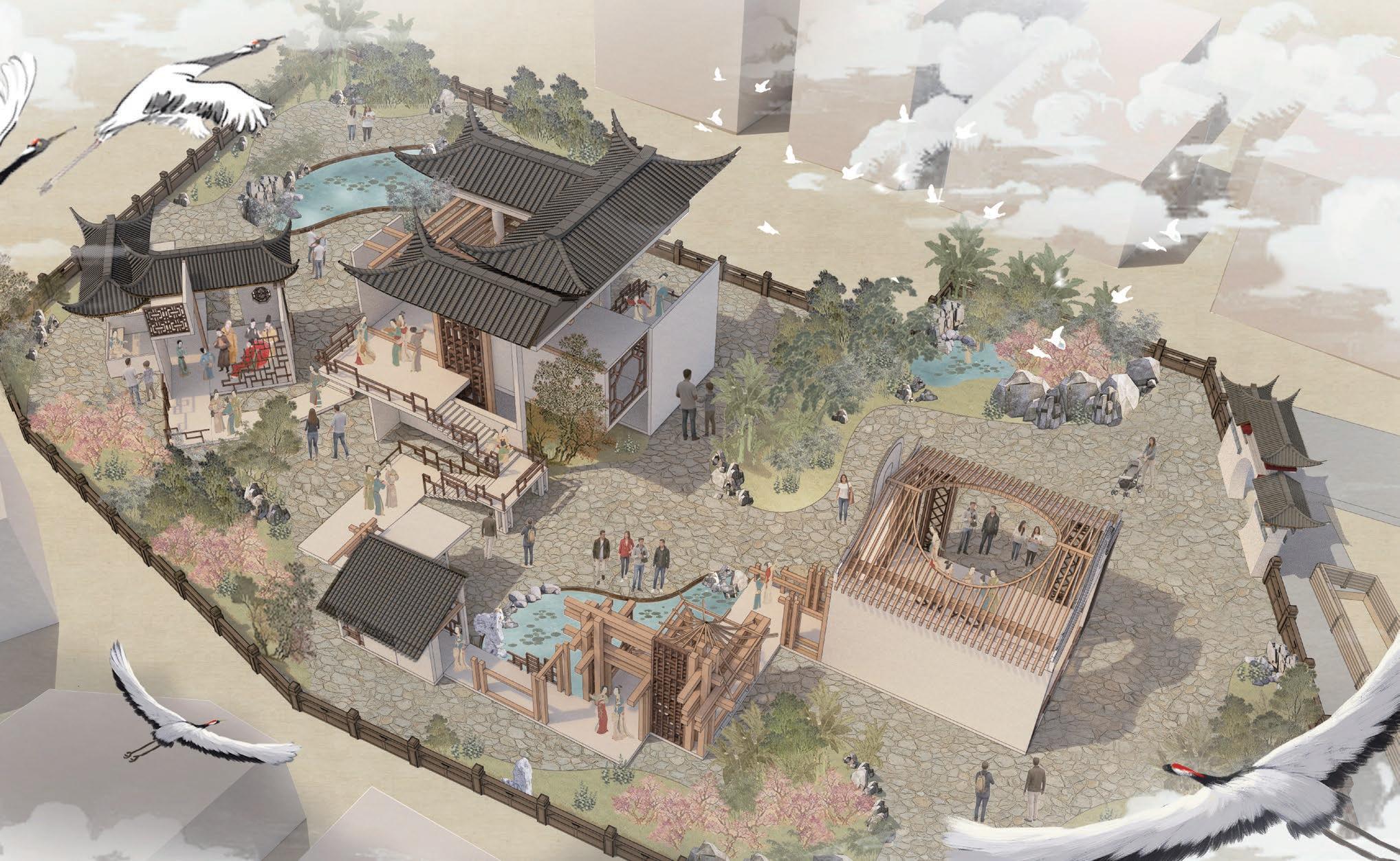
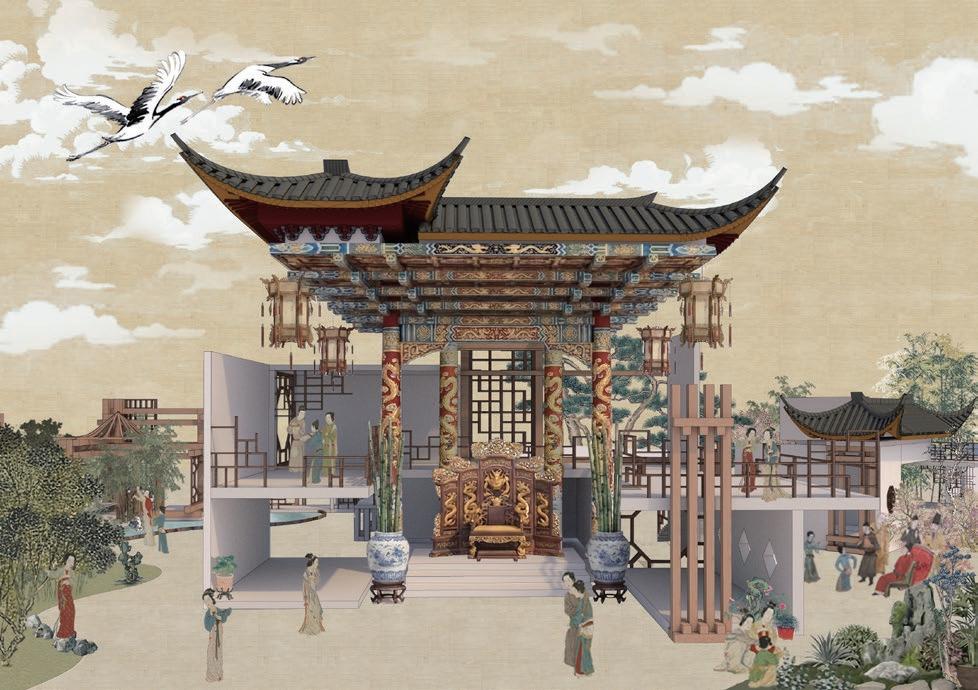
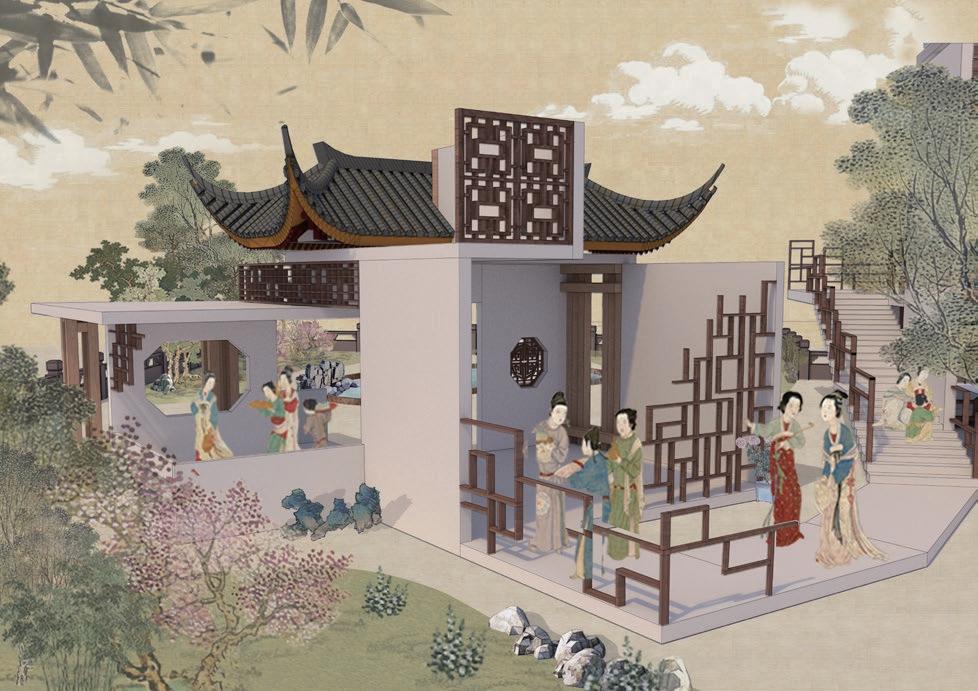
This project translates the spatial relationships of Cantonese opera into six loosely arranged pop-up performance spaces embedded within the public realm, creating a walkable and encounter-based viewing experience. The “Palace” space is divided into two narrative scenes to support different acts and performance rhythms. Timber is used as the primary material, allowing lightweight construction and easy assembly and disassembly, enabling the stage to function as a flexible
Location: Shenzhen
Individual work
Key words:Industrial Regeneration,Adaptive Reuse,Mixed-Use Transformation 10/2025-12/2025
Supervisor: Beko Liu
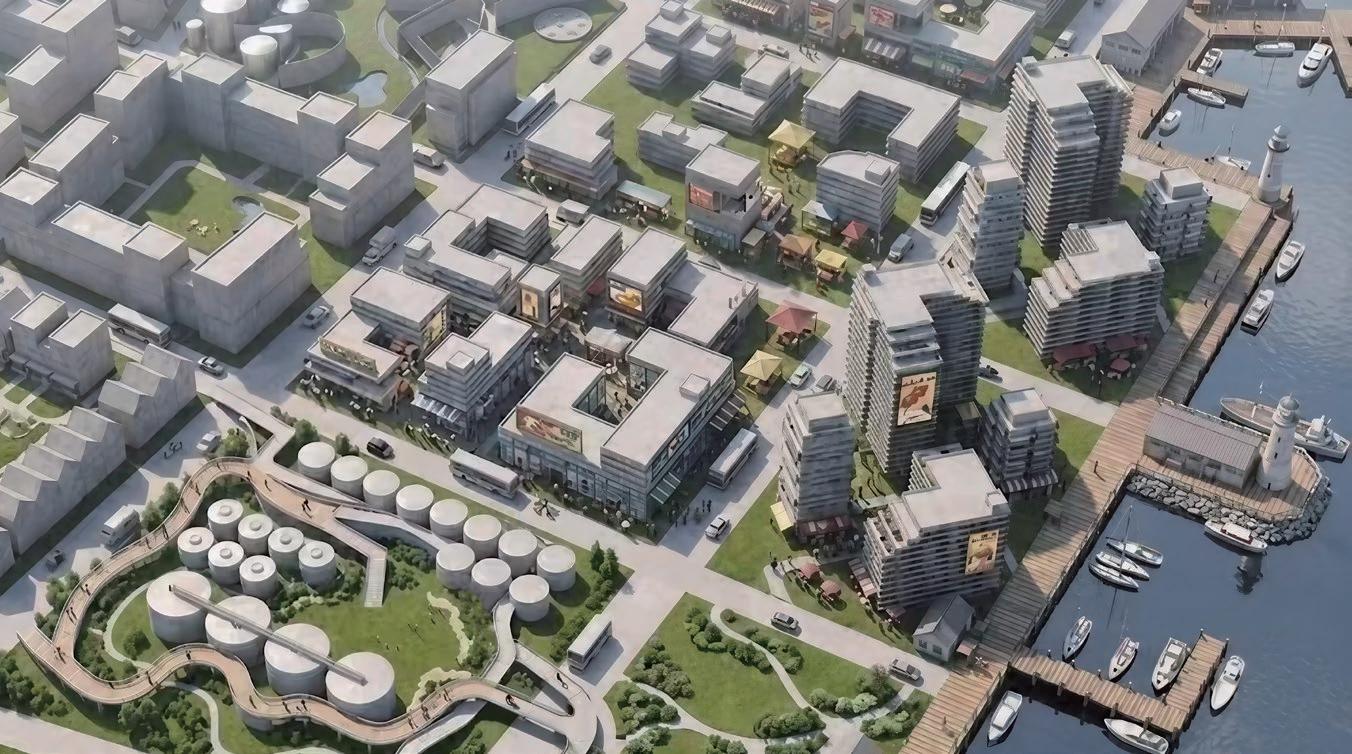
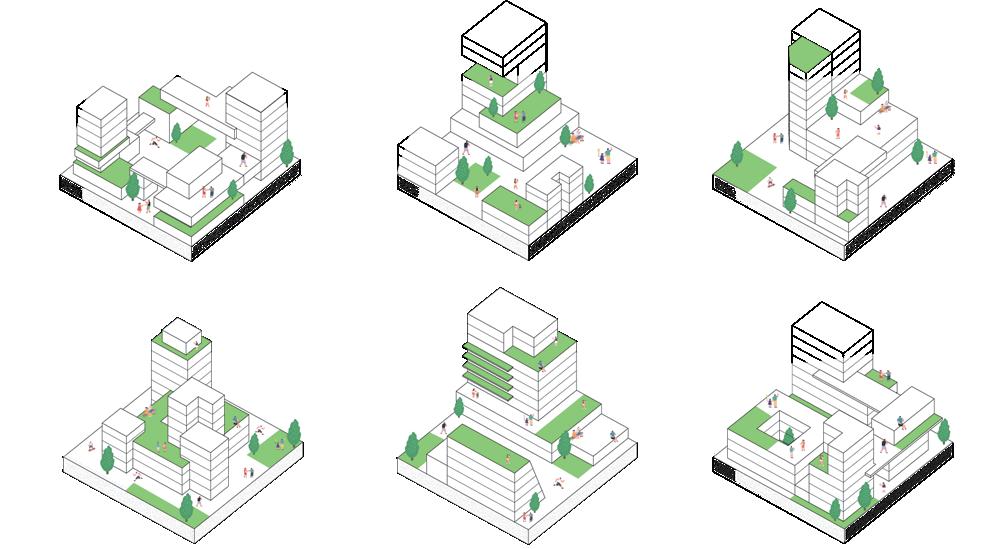
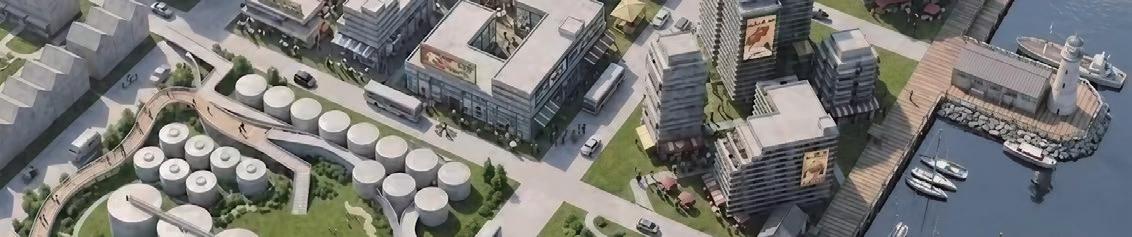
This project focuses on the regeneration of the Chiwan waterfront, a former port and heavyindustrial area fragmented by extensive brownfields. Through industrial heritage reuse and mixed-use development, the project transforms the site into an integrated waterfront district combining commercial, residential, and public spaces.
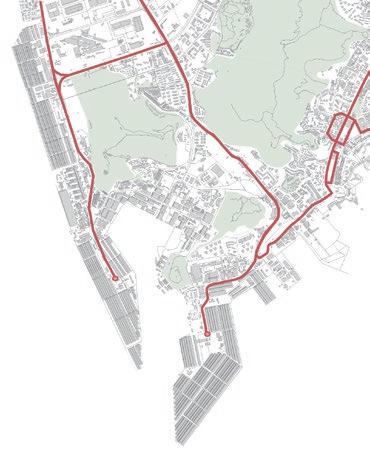
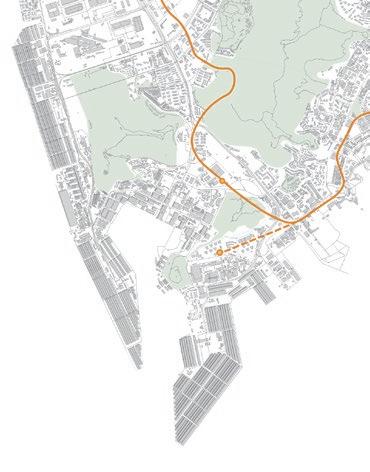
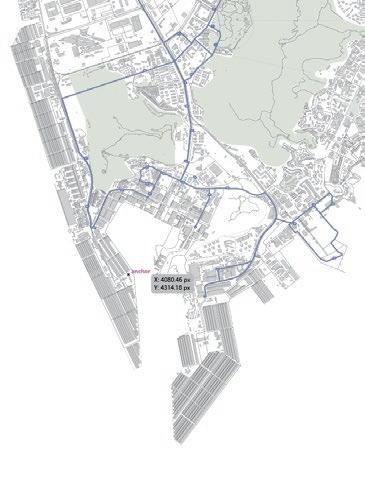
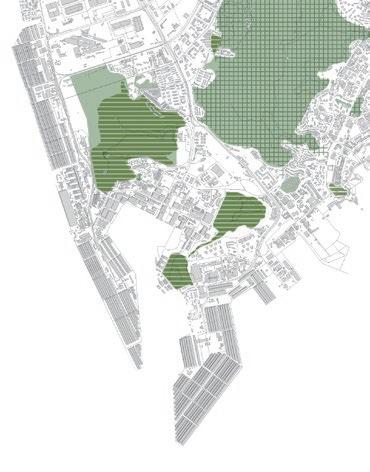
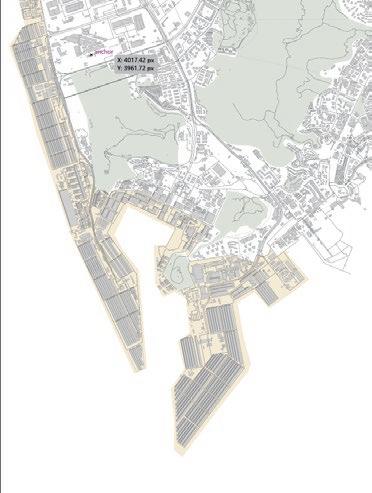
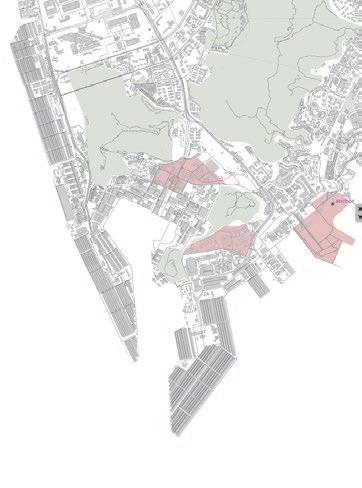
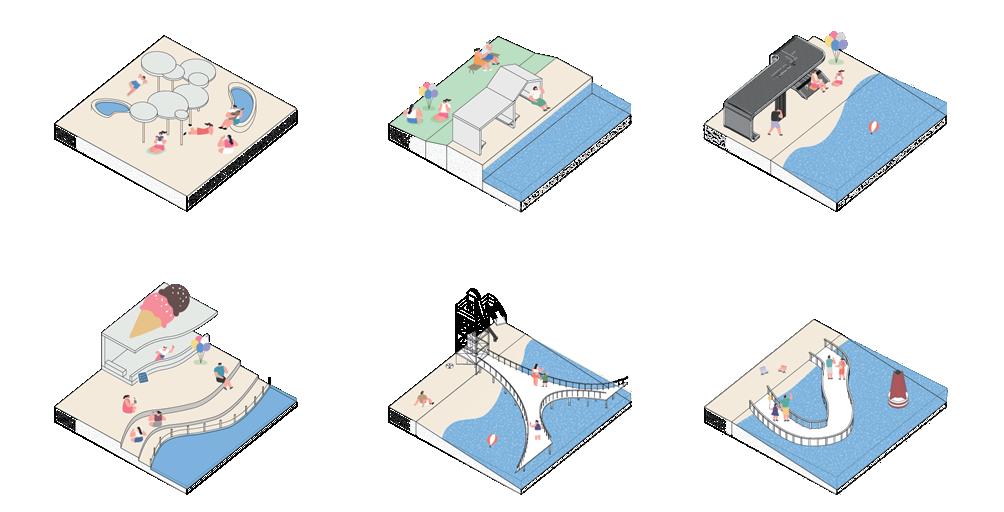
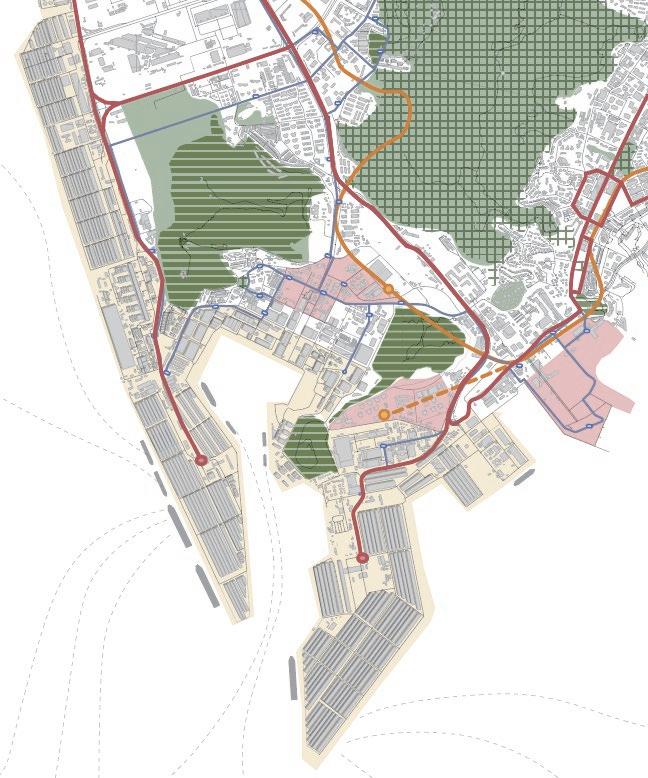
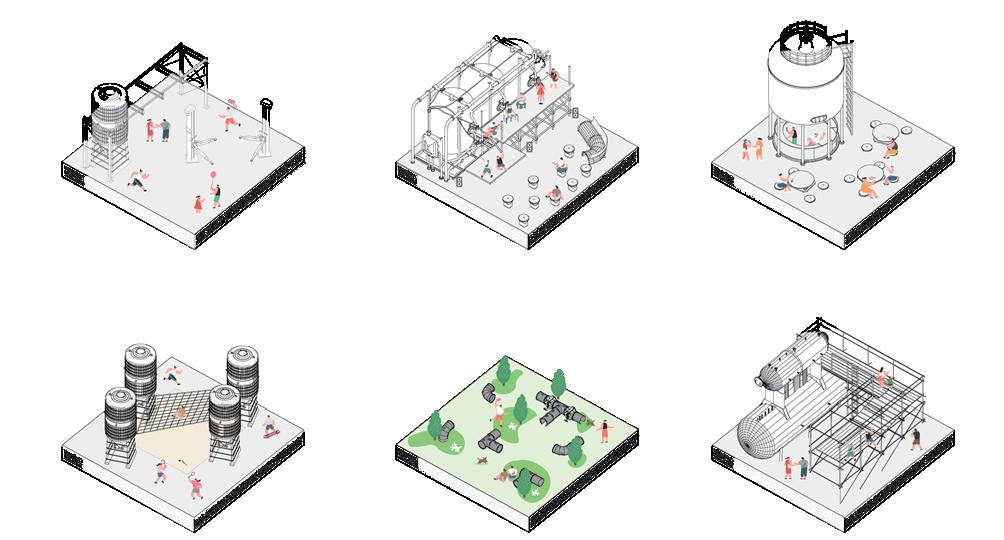
The Chiwan site benefits from strong waterfront conditions but currently suffers from limited public accessibility, as industrial facilities sever the connection between the city and the sea. The regeneration introduces a continuous pedestrian network, preserves selected industrial structures as public parks and exhibition spaces, and repurposes abandoned tanks into green, recreational, and performance areas, allowing industrial heritage to be reactivated within contemporary urban life. Through this transformation, the project repositions the former industrial waterfront as an inclusive public landscape that supports everyday activities and social interaction.
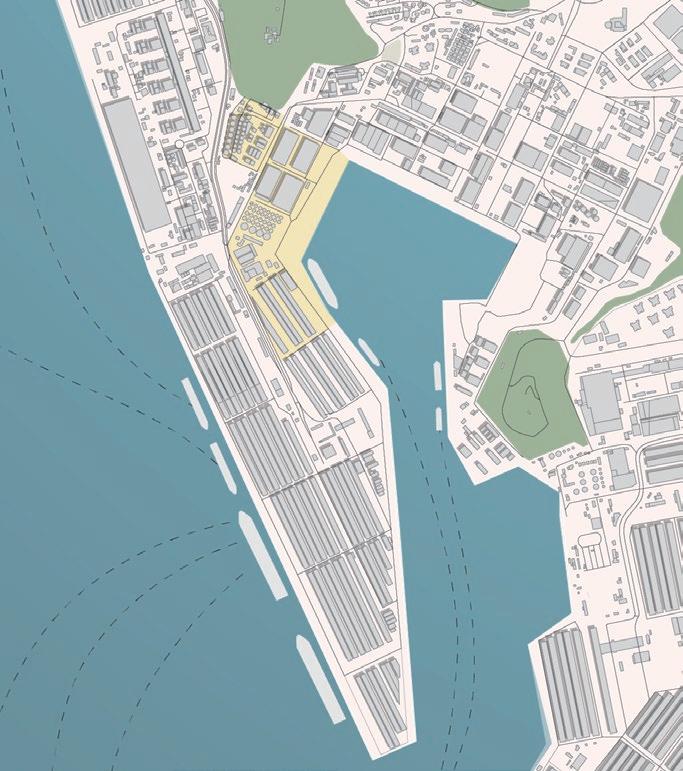
Redevelopment Area
The Chiwan waterfront is characterised by its strategic coastal location, expansive sea views, and proximity to port infrastructure, yet its spatial quality is dominated by large-scale industrial facilities and brownfield land. These elements create physical and visual barriers that limit public access to the shoreline and fragment pedestrian movement. The site lacks a continuous public realm, with green spaces and open areas dispersed and disconnected, reducing opportunities for everyday use and social interaction. While many industrial structures are no longer operational, they retain strong spatial presence and historical value, presenting both constraints and opportunities for adaptive reuse.