
The Ministry of Energy and Transport is committed to building a modern, resilient, and efficient nation, where reliable energy and connected transportation systems support economic growth and improve the quality of life for all Bahamians.

This publication highlights the progress made, the systems strengthened, and the vision guiding the future of energy and transport across our islands.







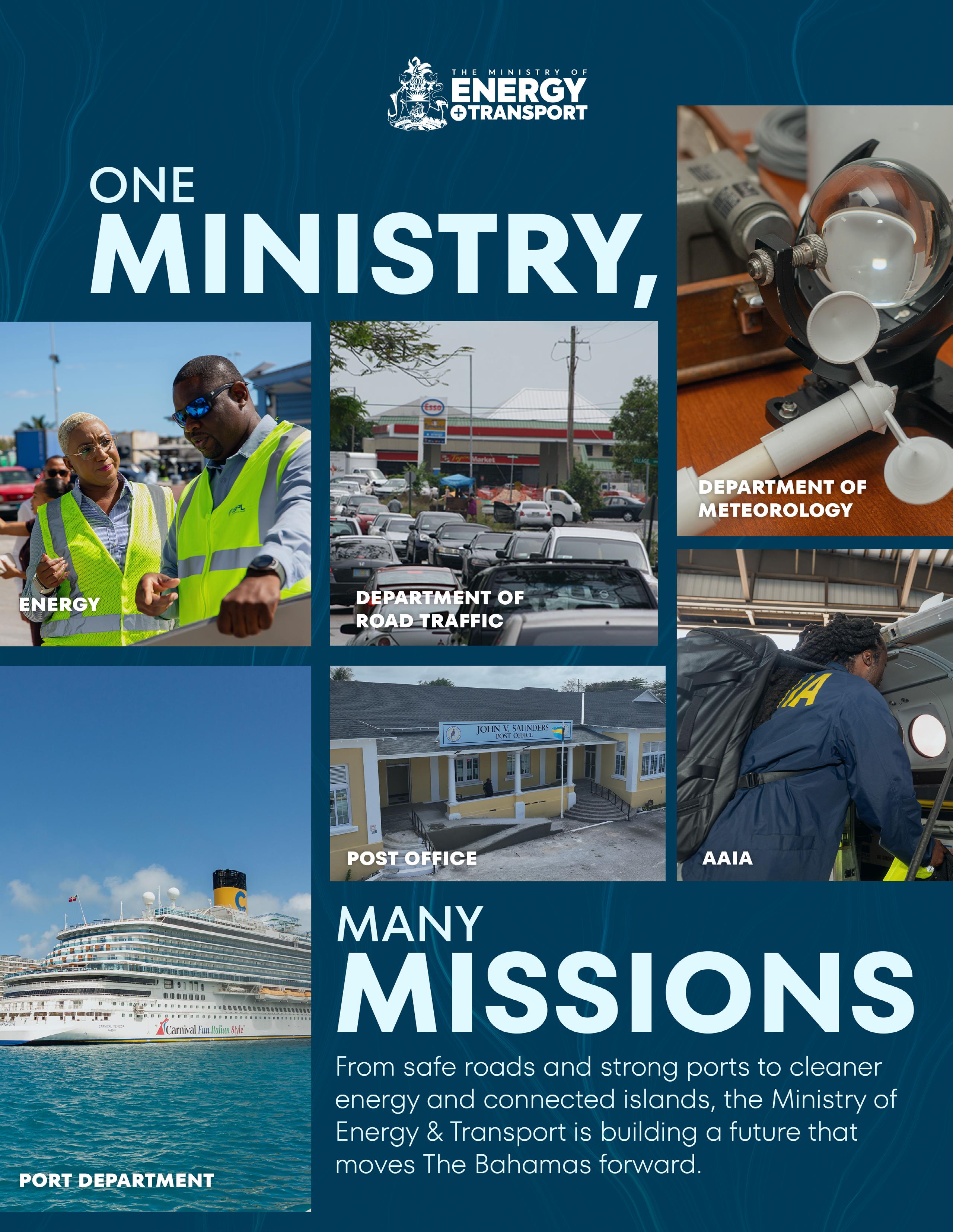
MOET Leadership
Hon. JoBeth Coleby Davis, M.P.,
Minister of Energy and Transport
Donella Bodie, Permanent Secretary
Betty Kerr, Under Secretary
Vaughn Newman,
Communications Consultant
Content Contributors
Fincastle Media Group:
Georgette Turnquest
Larissa Lundy
Vanessa Clarke
Preston Ferguson Jr.
Erin Scavella
Jhanae Winter
Vaughn Newman
Nandi Maynard
Juan McCartney
Verron Darville
Agencies and Departments Featured
Bahamas Power & Light (BPL)
Grand Bahama Power Company (GBPC)
Road Traffic Department
Ports & Maritime Services
Department of Meteorology
Aircraft Accident Investigation Authority (AAIA)
Post Office Department
Special Features & Contributions
URCA – Regulatory Contribution
IDB / PEU (where referenced)
PPA contributors & private sector
Youth programme partners (Embry-Riddle MOU)
Energy Committee
MOET Social Committee
Editorial & Project Leadership
Fincastle Media Group:
Georgette Turnquest
Larissa Lundy
Vanessa Clarke
Erin Scavella
Design & Creative
Fincastle Media Group:
Kamille Ryan
Ashante Pratt
Whitni Cartwright
Marco Bain
Photography
Fincastle Media Group Archives
Larissa Lundy, FMG
Erin Scavella, FMG
Khaylee Sands, FMG
Tyreke Butler, FMG
Justin Kemp, FMG
Kenton Hepburn, Unseen Media
Marvin Thompson
Jim LaRoda
Bahamas Information Services:
Anton Thompson
Eric Rose
Christine Kohler
Dominick Lightbourne
Production & Print
Sign Island
Editorial Review
Krystel Thompson
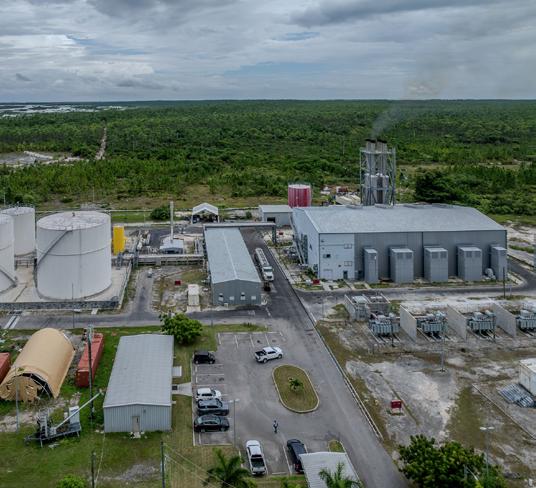

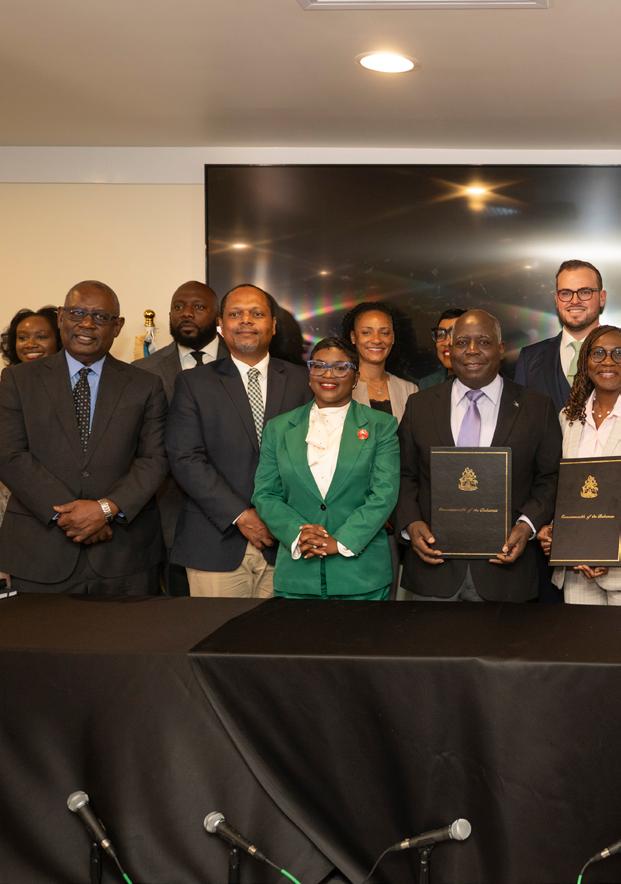


The work of nation-building is never static. It requires momentum, adaptability, and an unwavering focus on the future.
Progress does not happen by chance. It is the result of deliberate choices, bold leadership, and the willingness to confront long-standing challenges with clarity and resolve.
Across The Bahamas, the systems that power our lives and move our people are fundamental to national development. Energy and transport are not abstract policy areas, they shape the cost of living, determine economic competitiveness, support public safety, and influence our resilience in a rapidly changing world. For too long, these systems were constrained by aging infrastructure, outdated frameworks, and decisions deferred rather than addressed.
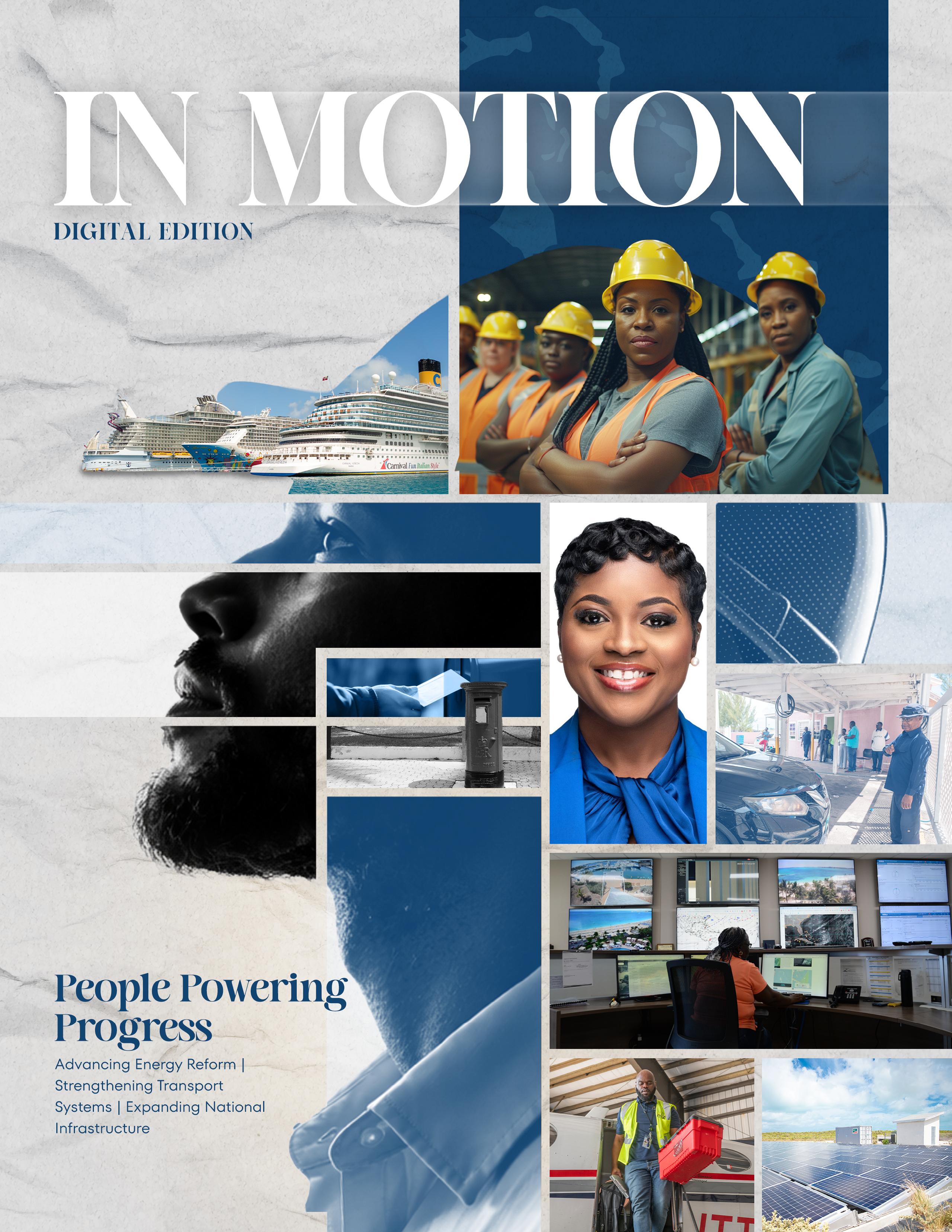
This publication captures a Ministry in motion.
Over the past several years, the Ministry of Energy and Transport has embarked on a comprehensive programme of reform; one grounded in responsibility, guided by evidence, and focused on long-term national benefit. From modernising energy policy and strengthening electricity generation, to upgrading transmission networks, advancing transport services, and investing in the people who deliver these systems, the work has been purposeful and forward-looking.
In Motion reflects a period of transformation, not defined by promises, but by progress already underway. It highlights the shift towards a more diversified and resilient energy sector, the modernisation of critical infrastructure, and the strengthening of institutions entrusted with serving the Bahamian public. Just as importantly, it underscores a commitment to affordability, transparency, safety, and sustainability; principles that anchor reform to real outcomes for citizens.
This is also a story about people. About engineers, technicians, regulators, meteorologists, investigators, port officers, and public servants whose work often happens behind the scenes, yet whose impact is felt every day. It is about investing in Bahamians; building skills, creating opportunities, and ensuring that reform is inclusive and enduring.
The work of nation-building is never static. It requires momentum, adaptability, and an unwavering focus on the future. As The Bahamas continues its journey towards a more modern, resilient, and competitive economy, the Ministry of Energy and Transport remains committed to keeping progress in motion; responsibly, strategically, and always in service of the Bahamian people.
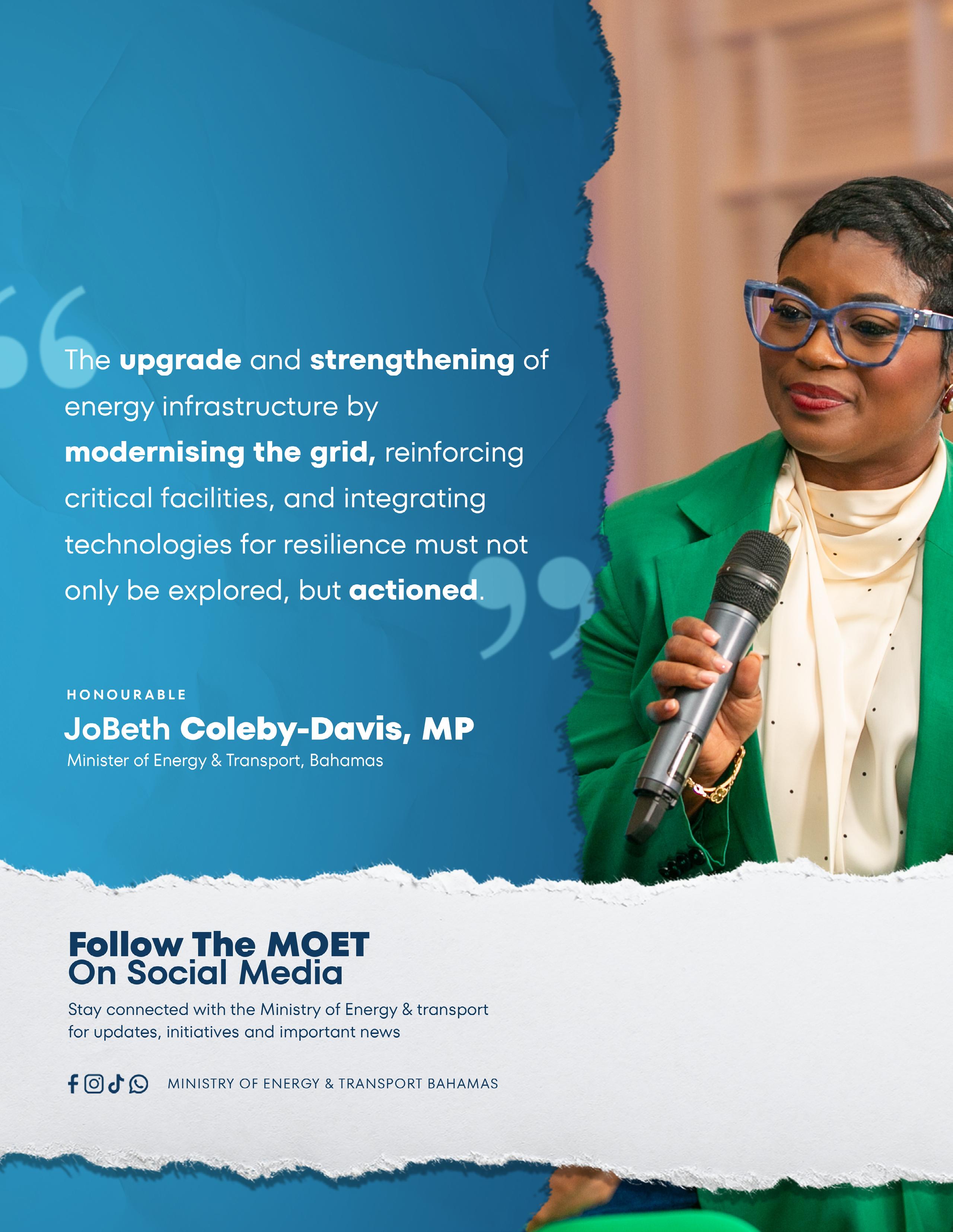
Leadership is not simply about administration. It is about building the future we choose to live in.
The role of a government is often described in administrative terms; but I believe the true role of government is something far more profound: it is to be the architect of possibility.
It is to build the floor upon which every Bahamian can stand, and the ladder by which every Bahamian can climb.
When I look at the pages of this Accomplishment Book, I do not just see a list of policy wins, projects, or legislative milestones. I see the story of a nation in motion.
Progress is not an accident. It is a choice. And today, through the work of the Ministry of Energy and Transport, we are choosing a future where no Bahamian is left in the dark and no island is left behind.
The Ministry of Energy and Transport is at the
very centre of our governance because it provides the “how” of our progress.
If we want a digital economy, we need stable power. If we want a thriving tourism product, we need a strong transport industry. If we want a lower cost of living, we must fix these two pillars. And that is exactly what we are doing.
I want to be very clear about one thing: the motivation behind every meeting, every negotiation, and every project is you.
The Bahamian people are the “Why” behind the “What.”
As you turn the pages of this book, I want you to see it as a roadmap for where we are going.
We are building a Bahamas where “Family Island” doesn’t mean “remote,” but “connected.” A Bahamas where “Energy” doesn’t mean “burden,” but “empowerment.”
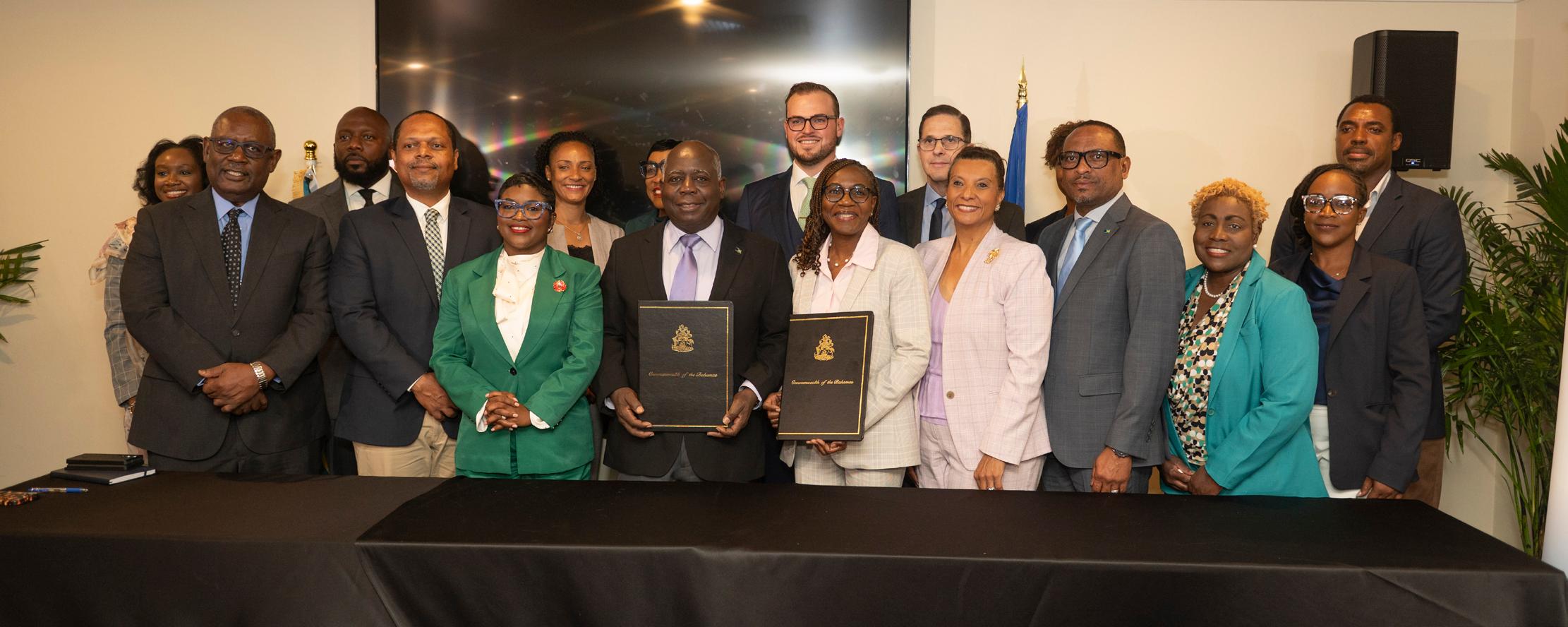
To the Minister of Energy and Transport, Hon. JoBeth Coleby-Davis, Parliamentary Secretary, Hon. Kingsley Smith Jr., Permanent Secretary, Donella Bodie, and other staff of the Ministry, I thank you for your dedication.
Our best days are not behind us. They are straight ahead, glowing with the light of a thousand suns and the promise of a journey that has only just begun.
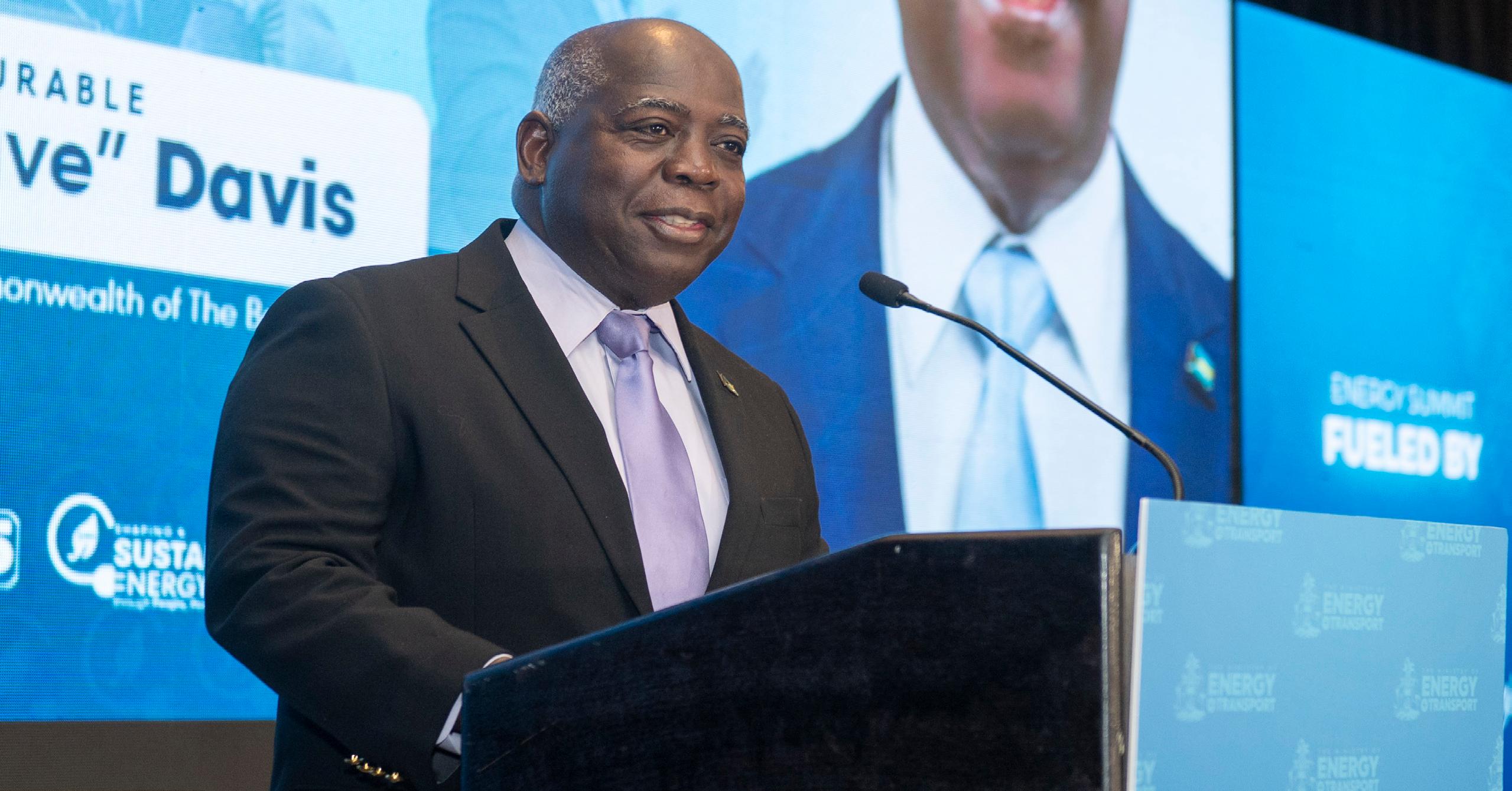
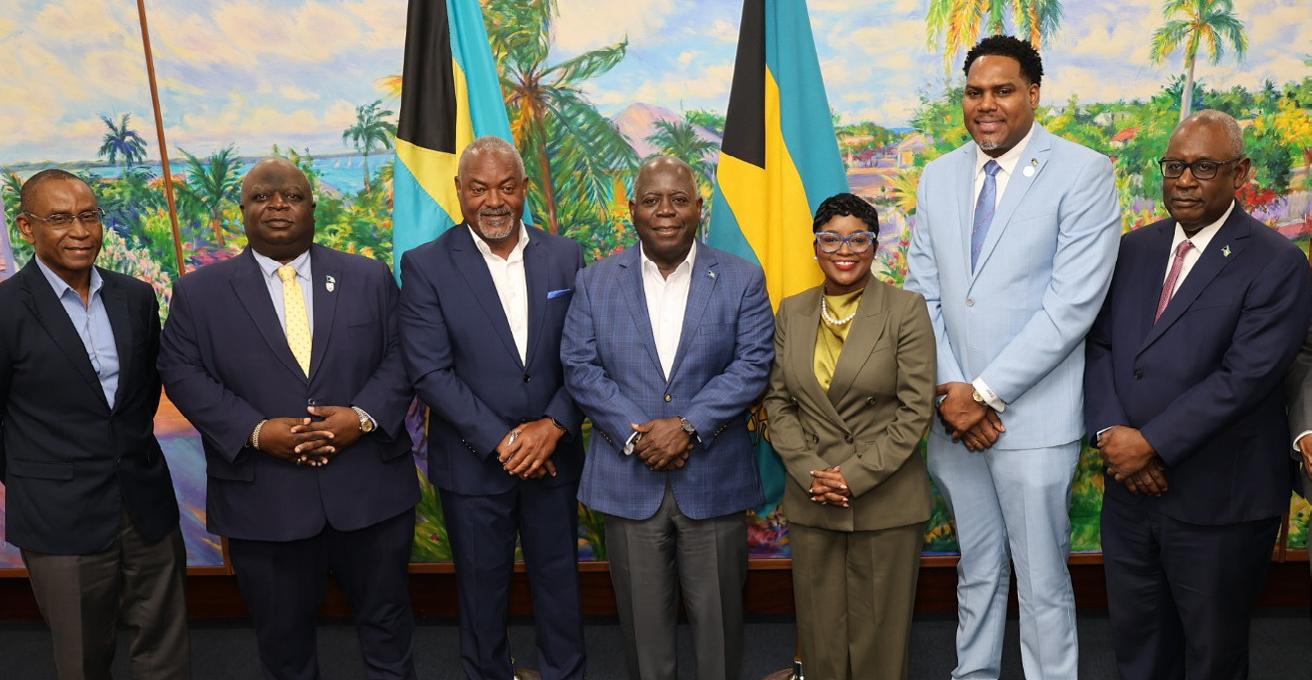
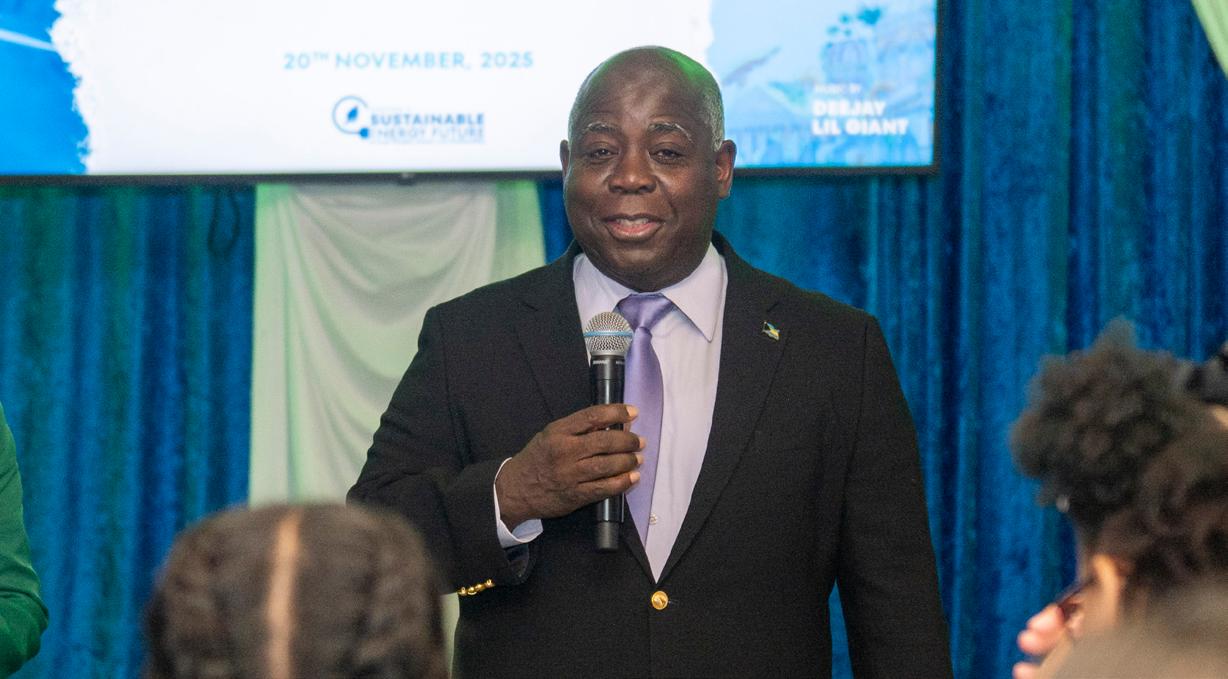
“We are choosing a future where no Bahamian is left in the dark and no island is left behind.”
Rt. Hon Philip “Brave” Davis
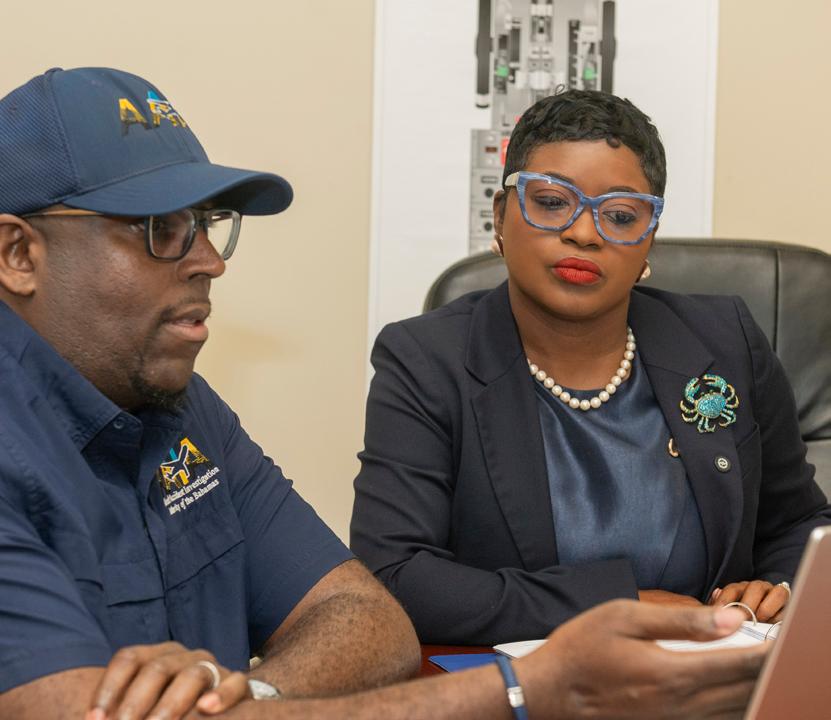

MINISTER FOREWORD
As I reflect on the last 4 years, I am filled with gratitude and a profound sense of honour. Leading the Ministry of Energy and Transport has been a journey of challenges, triumphs, and transformation. In Motion is a celebration of that journey, a record of progress, innovation, and dedication that touches every Bahamian.
Together, we have achieved milestones that inspire pride. In the area of energy, we have expanded access through electrification projects, strengthened partnerships with key power agreements, advanced the transition to solar and cleaner fuels, and hosted Energy Summits that have sparked meaningful dialogue about our nation’s sustainable future. Within the transport sector, we have worked tirelessly to keep our communities safe and connected. From the ‘Drive Safe To Arrive Alive’ campaign to crossing guard programmes, the buoy project, public transport updates, and certification milestones, each initiative reflects our commitment to protecting and empowering the people of The Bahamas.

“We are guiding The Bahamas into a new era of cleaner energy and safer transport.”
These accomplishments are the result of countless hours of work, collaboration, and dedication from our Ministry team and our valued partners. Together, we have turned vision into action and promises into progress.
It is a profound privilege to lead this Ministry at such a pivotal moment. We are guiding The Bahamas into a new era of cleaner energy, safer transport, and transformative innovation, an era our nation has never seen. I am equally honoured to create space for the voices of our youth in this journey through the launch of the Junior Minister of Energy programme, ensuring that the next generation can contribute, lead, and shape the future alongside us.
In Motion captures the stories of achievement and the promise of what lies ahead. It reflects the dedication, creativity, and resilience of those who serve our nation and the partnerships that make progress possible. My hope is that it inspires every Bahamian to celebrate these accomplishments and join us in shaping a sustainable, vibrant, and innovative future.
The journey continues, and the opportunity before us is immense. I am humbled to lead this progress and I am filled with optimism for what we will achieve together.
Hon. JoBeth Coleby-Davis Minister of Energy & Transport
“We are the architects of connectivity. We are the stewards of the nation’s pulse.”
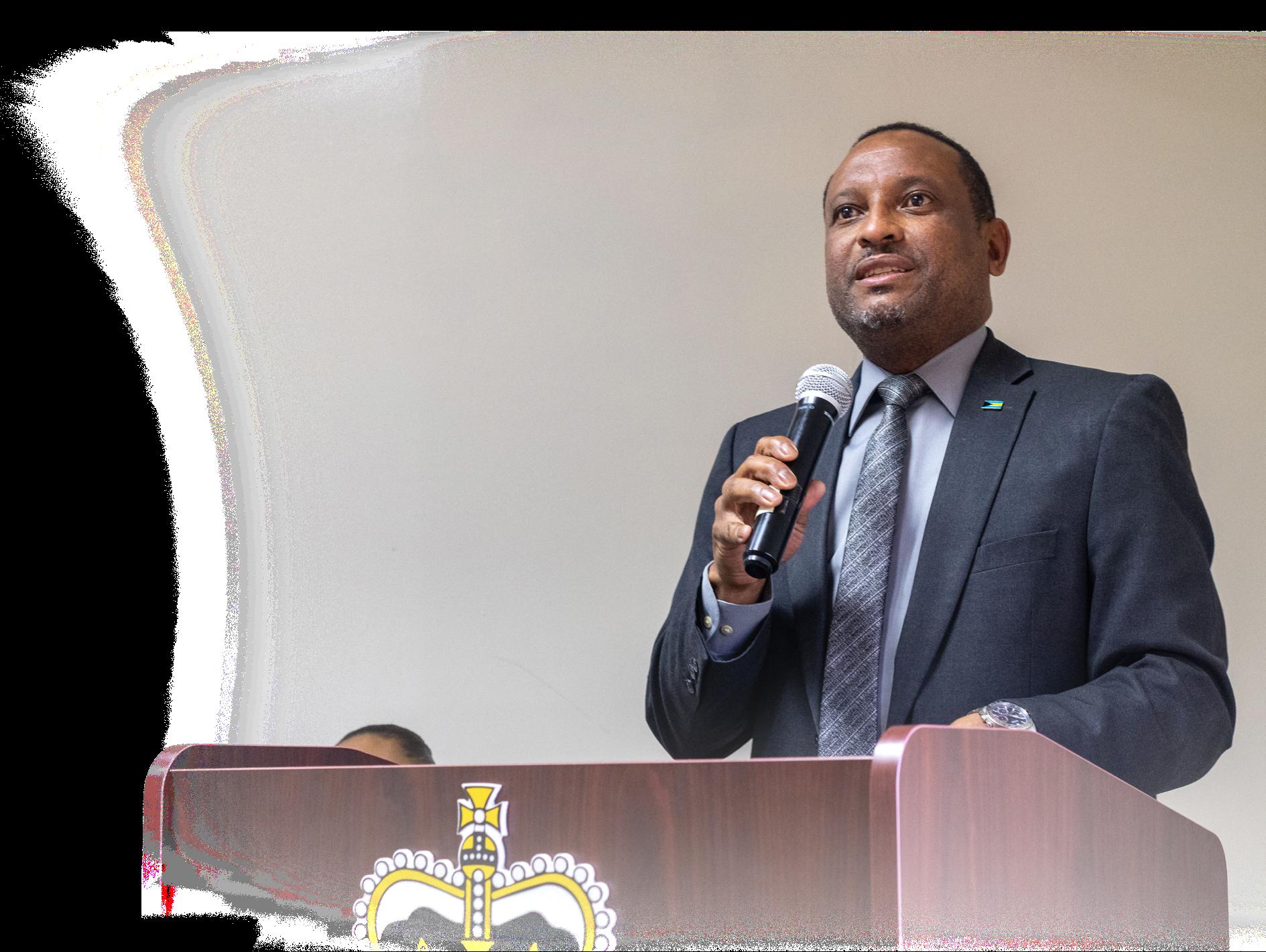
When people ask, “What is the true significance of the Ministry of Energy and Transport?” I tell them this: We are the architects of connectivity. We are the stewards of the nation’s pulse.
This Ministry exists to ensure that no citizen is left in the dark and no community is left behind.
Whether it is ensuring our islands are connected through the mailboat service or transitioning our power grid towards a sustainable, green future, our work is about one thing: Freedom. The freedom to move, the freedom to produce, and the freedom to dream bigger than ever before.
As you flip through the pages of In Motion, you will not just read updates or see statistics and charts. You will see a record of resilience.
In Motion documents a period of transformation where we stopped merely maintaining the status quo and started building the future.
But let us be very clear: The heart of this Ministry is not
found in its buildings, but in its people. The staff of the Ministry of Energy and Transport are unsung heroes. Thank you for your service to your fellow citizens.
To the general public: In Motion is our report card to you. It is a testament to how we are using your resources to build a nation that works for everyone.
Thank you, and may we continue to move forward, together.
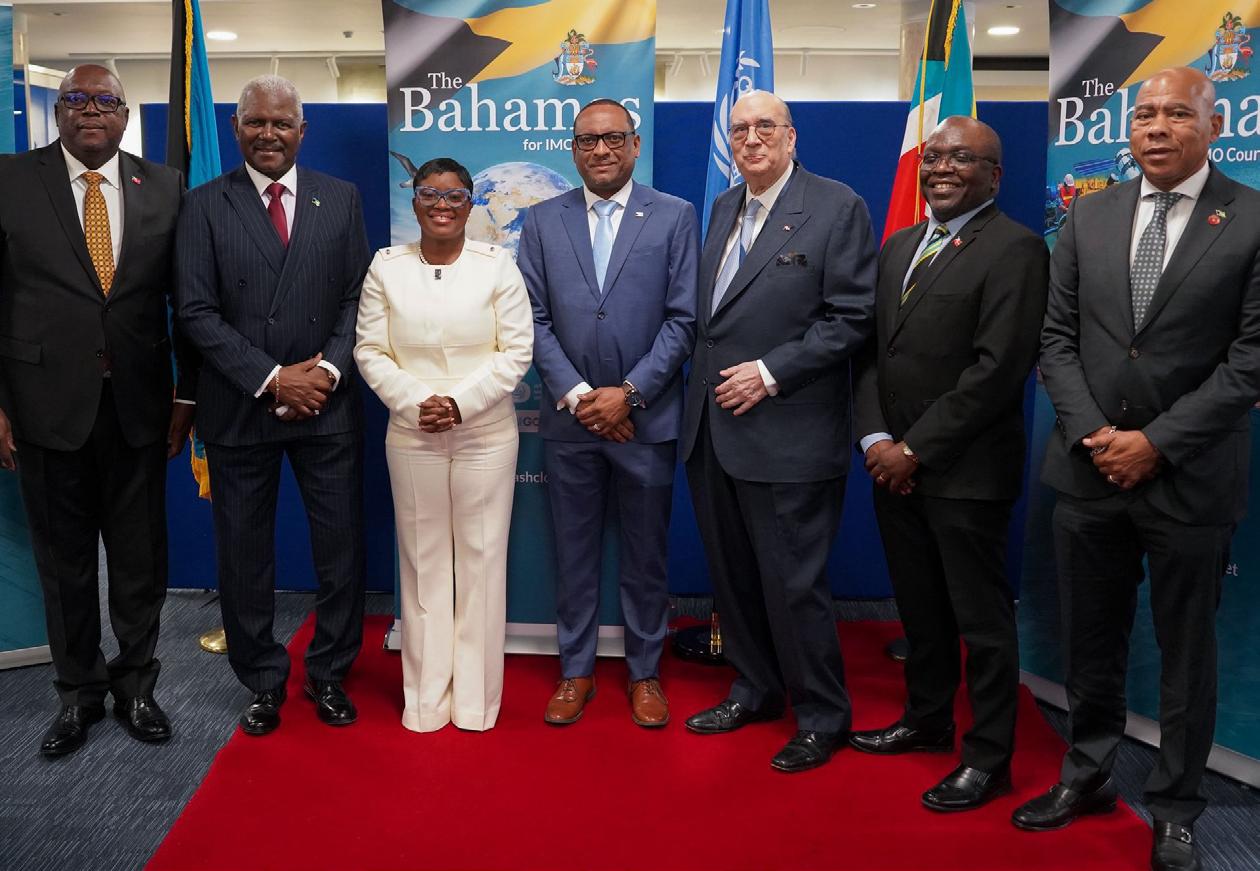
The boards and authorities guiding energy and transport across The Bahamas
Air Accident Investigation Authority
Patrick Rolle
Dennis Martin
Macfarlane Pennerman
Bahamas LNG Partner Ltd. (New Board)
Anthony Christie
Dylan Sawyer
Tonya Ferguson
Alexander Flowers
Gilles Deal
Bahamas Maritime Authority
Ja’Anne Simmons
Peter Goulandris
Dario Mortimer
Ja’Ann Major
Moreno Hamilton
LaMarque Drew
Bryant Lowe
Dwain Hutchinson
Port Authority Board – New Providence
Tavares La’Roda
Brian Strachan
Donovan Gibson
Raquel Carey-Bowe
Pathina Cox
Warren Bain
Derek Feaste
Samuel Rahming
Dorcas Johnson
Bahamas Power and Light Board of Directors
Christina Alston
Dylan Sawyer
Reneika Knowles
Patricia Ann Cleare
Anthony Farrington
Andrew Rodgers
Samuel Brown
Cabs (Hackney Carriages) Board for The Bahamas
Kenneth Romer
Livingston McKenzie
Christo Edgecombe
Eleanor Johnson
Turan Miller
Percy Grant
Pedro Davis
Maritime Sector Council
Richard Macombe
Brent Williamson
Delvonne Duncombe
Samuel Rahming
Dorcas Johnson
Road Traffic Authority Board
Lanecia Darville
Wentworth Musgrove
Jerkera Pinder
Tonique McIntosh
Calvin Brown
Ian Bonamy
Benjamin Pinder
Kirk Smith
State of Energy
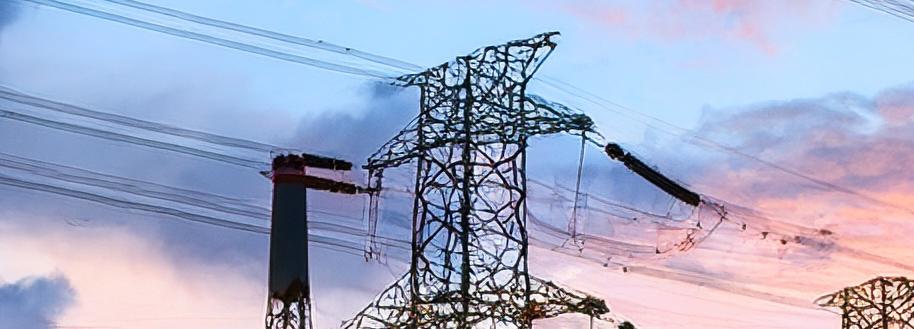
For decades, energy has been the backbone of national development in The Bahamas—powering homes, driving business, sustaining tourism, and connecting islands. Yet behind this essential system was a growing strain. Aging infrastructure, rising fuel costs, and limited modernisation left electricity supply too often unreliable, expensive, and vulnerable to disruption.
This challenge did not emerge overnight. Like many small island states, The Bahamas relied heavily on imported fossil fuels, making electricity costs directly dependent on global oil markets. At the same time, outdated generation systems and transmission networks led to inefficiencies, technical losses, and service interruptions. The impact was felt across the board—higher operating costs for businesses, financial pressure on households, and uncertainty in daily life.
By the early 2020s, it became clear that maintaining the status quo was no longer viable. Demand for electricity was increasing, climate risks were intensifying, and public expectations for reliable service continued to rise. What was needed was not incremental improvement, but structural change.
This moment marked the beginning of a comprehensive transformation. The Government of The Bahamas committed to modernising the energy sector by reforming policy, restructuring key institutions, and making targeted investments. The objective was to build a system that is reliable, financially sustainable, and increasingly powered by cleaner energy sources.
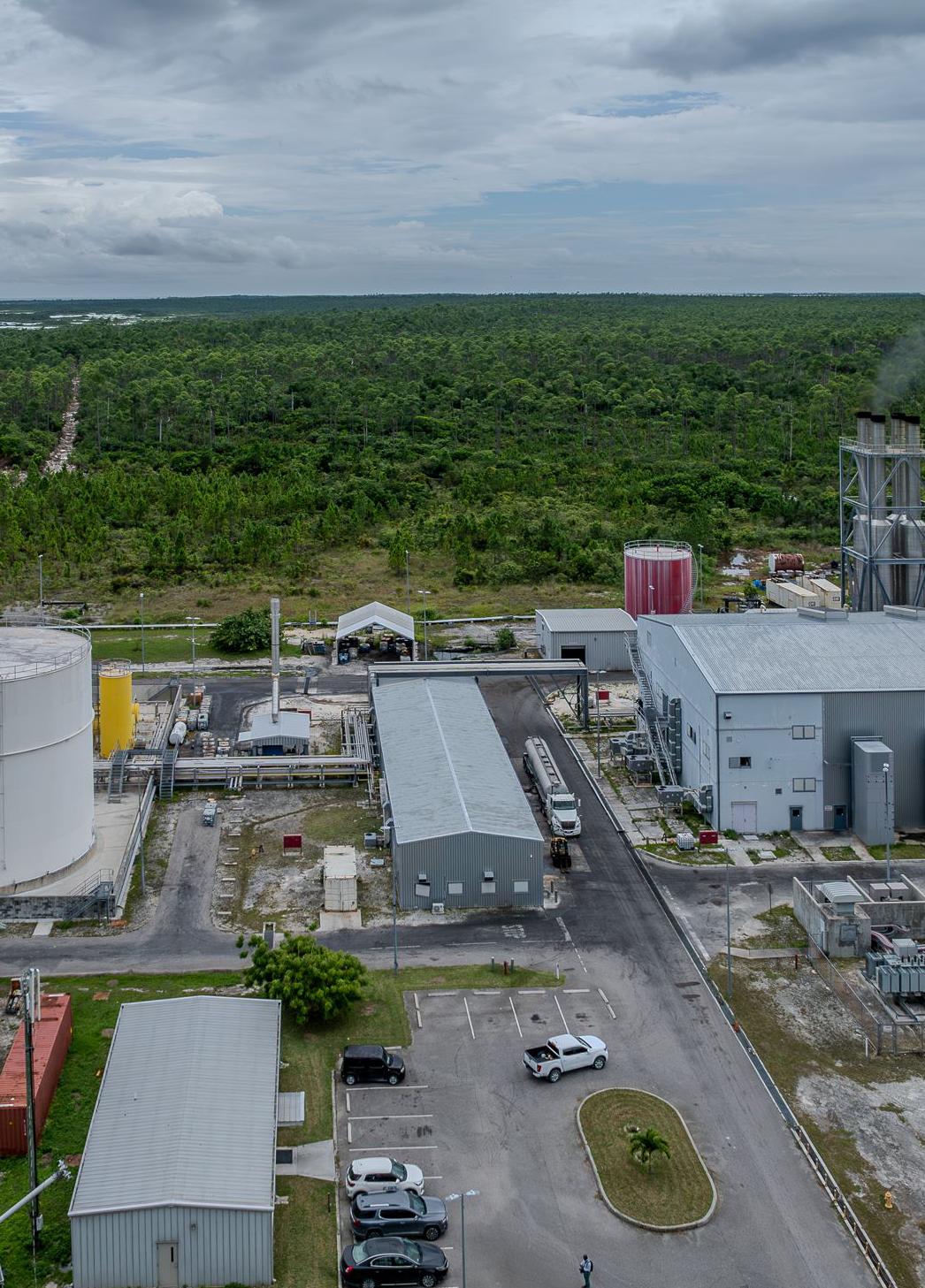
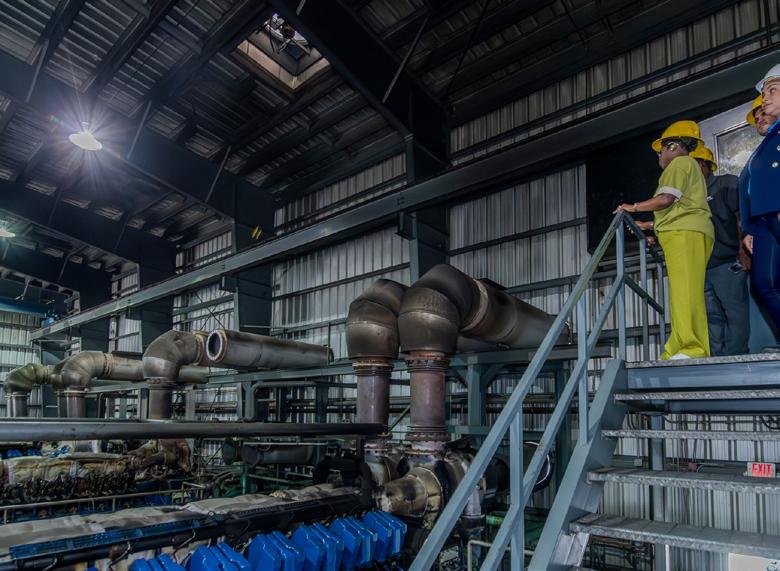
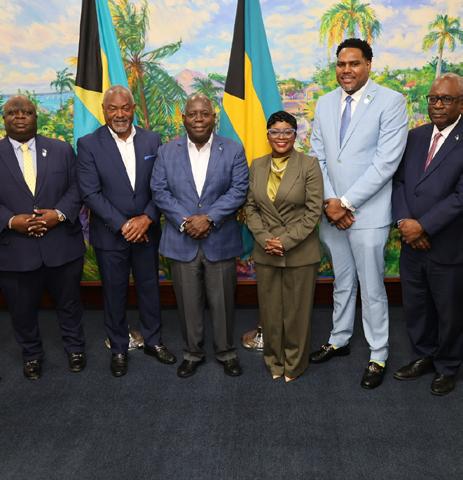
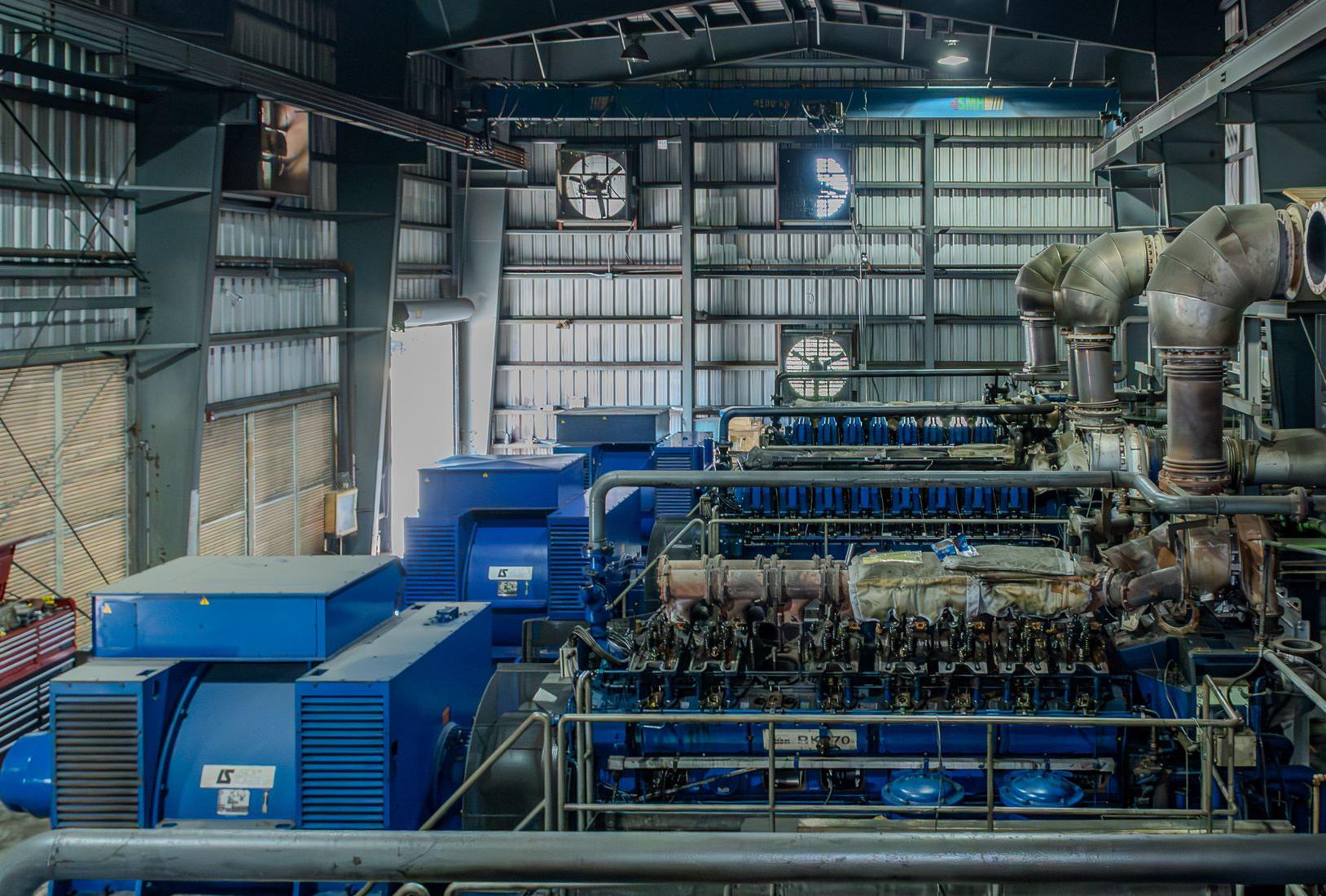
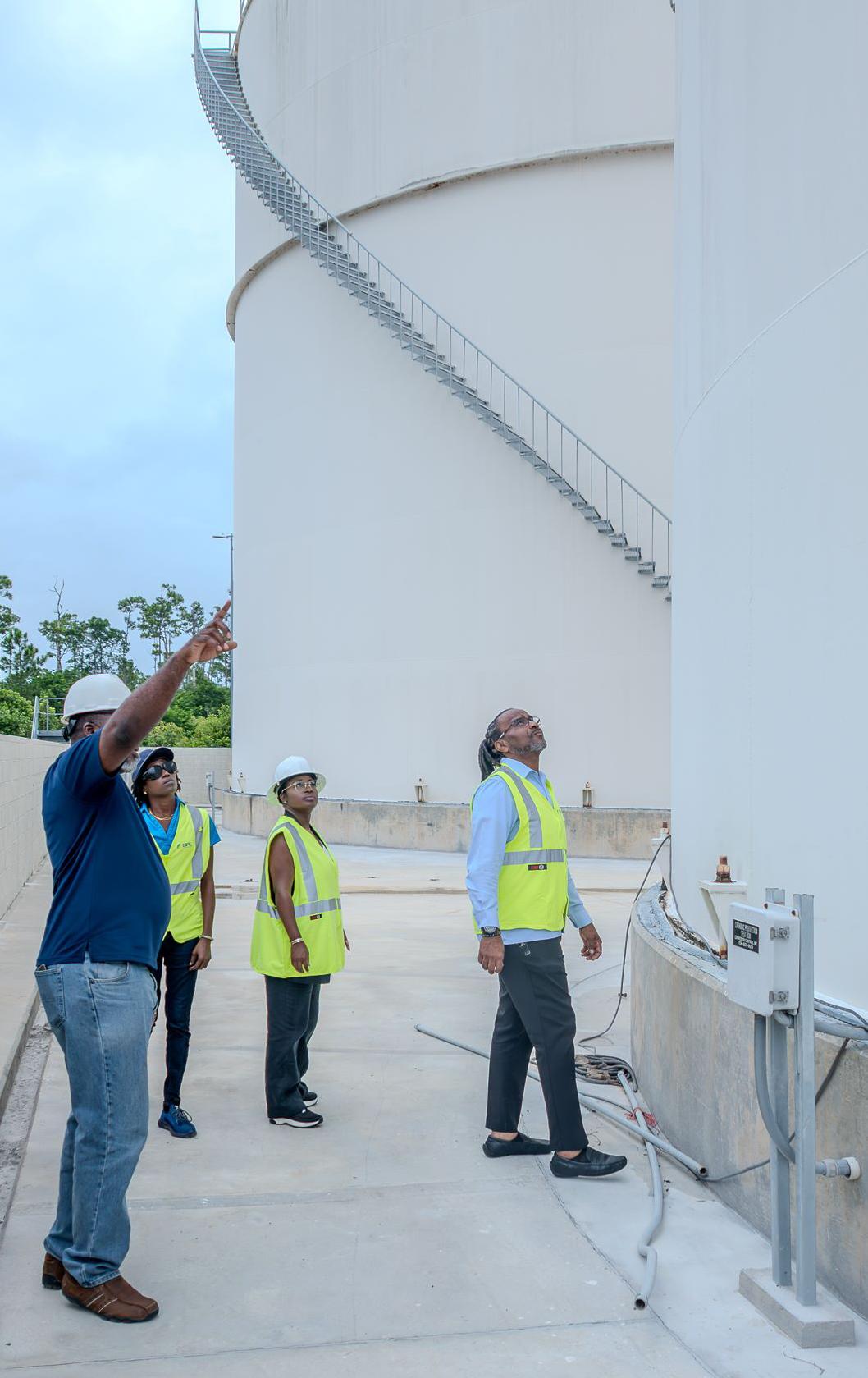
A closer look at the plants that sustain the national grid, forming the backbone of energy production on New Providence.
”By the early 2020s, it became clear that maintaining the status quo was no longer an option.”
• Heavy dependence on imported oil and exposure to global price volatility
• Aging infrastructure and inefficient generation systems
• Limited regulatory oversight and long-term planning frameworks
• Rising demand without corresponding system upgrades
• Expansion of renewable energy, particularly solar generation
• Introduction of liquefied natural gas (LNG) as a transitional fuel
• Modernisation of grid infrastructure to improve efficiency and reliability
• Strengthened regulatory frameworks and increased accountability
• Greater opportunities for private sector participation
At its core, this transformation is not only technical— it is human. Engineers, planners, regulators, and public servants are working to rebuild a system that millions depend on daily. Their work is shifting energy from a constraint on growth to a driver of national development.
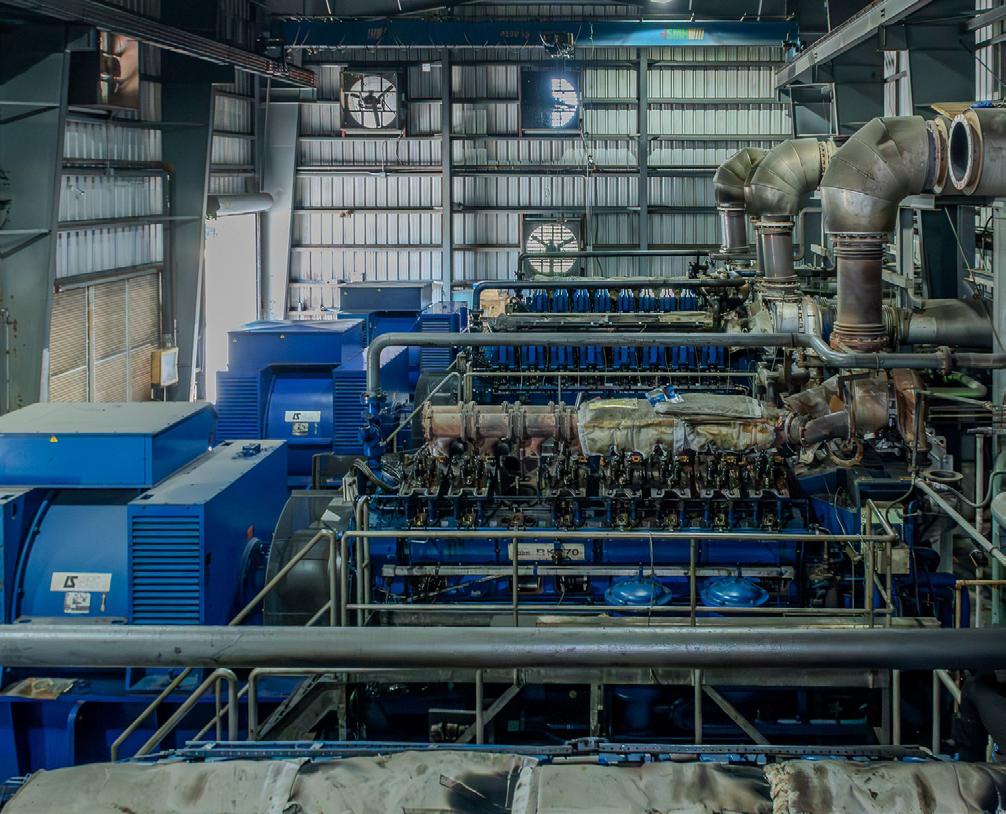

Challenge
Aging infrastructure, high costs, unreliable supply
Root Cause
Heavy reliance on imported fossil fuels
Turning Point
Early 2020s push for systemic reform
Key Actions
Policy modernisation, institutional restructuring, infrastructure investment
Energy Mix Shift
Solar expansion + LNG transition
Goal
Reliable, affordable, and sustainable energy for all Bahamians
Fuel Dependence
• Heavy reliance on imported fossil fuels for electricity generation
• Global oil price volatility directly affected consumer electricity costs
Infrastructure
• Aging generation units and transmission networks
• High technical losses across the grid
• Frequent service interruptions
Cost to Consumers
• Electricity among the highest operating costs for households and businesses
• Limited predictability in monthly billing
Environmental Impact
• High carbon emissions from diesel-based generation
• Minimal renewable penetration in the grid
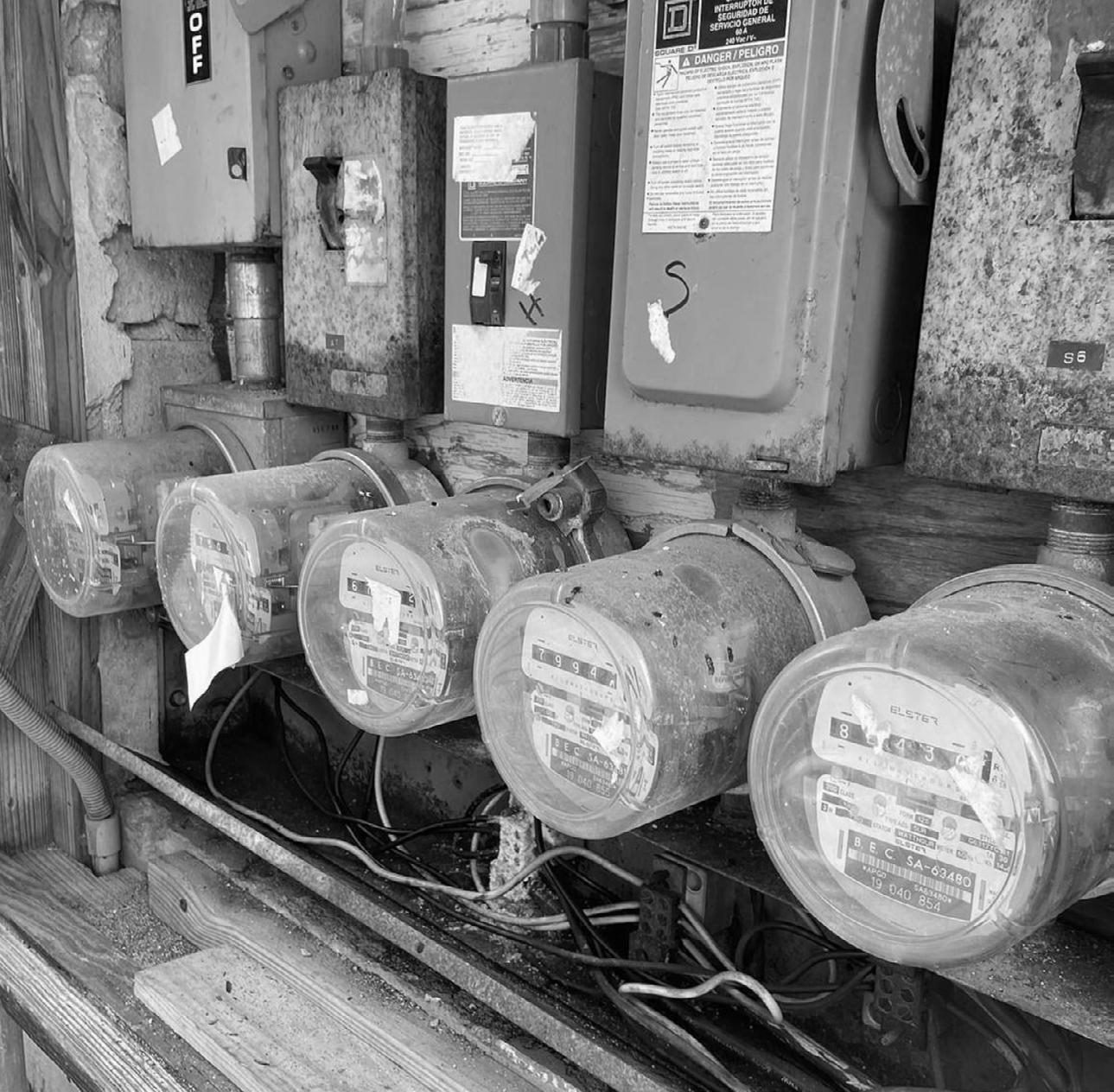

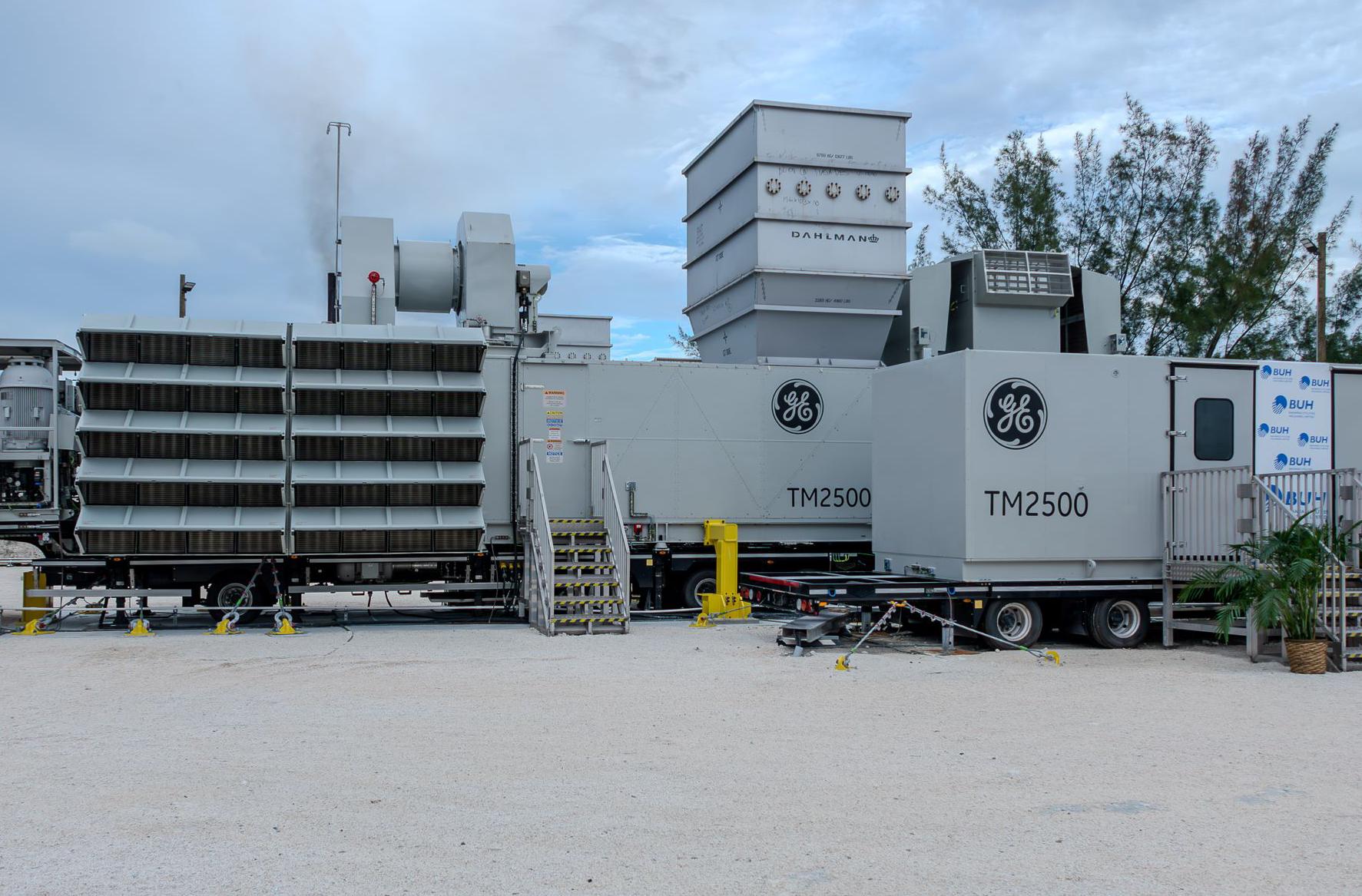
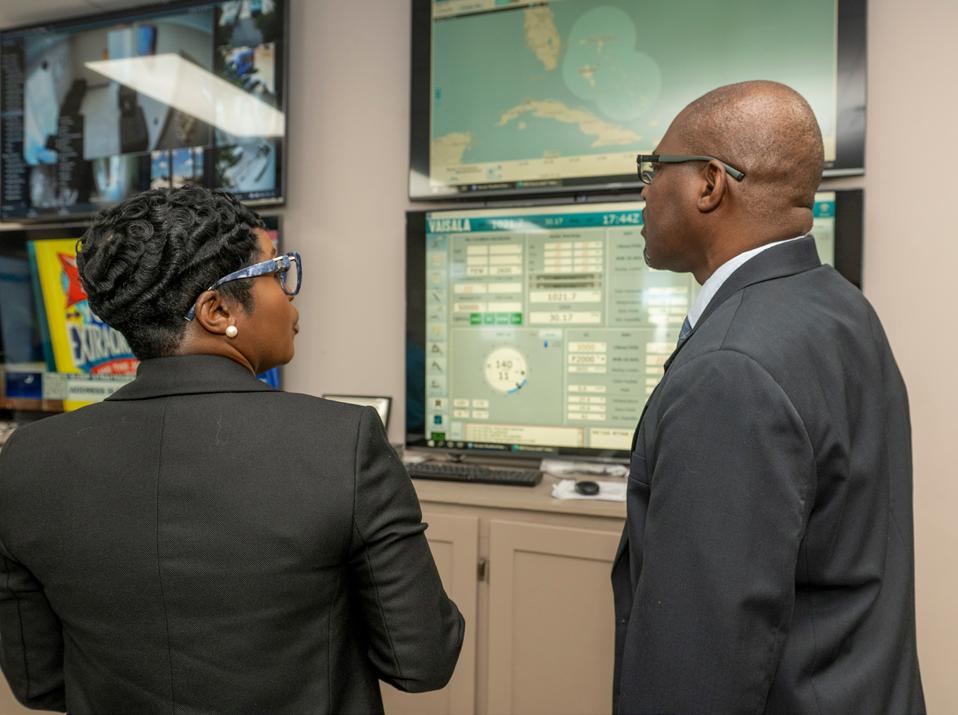
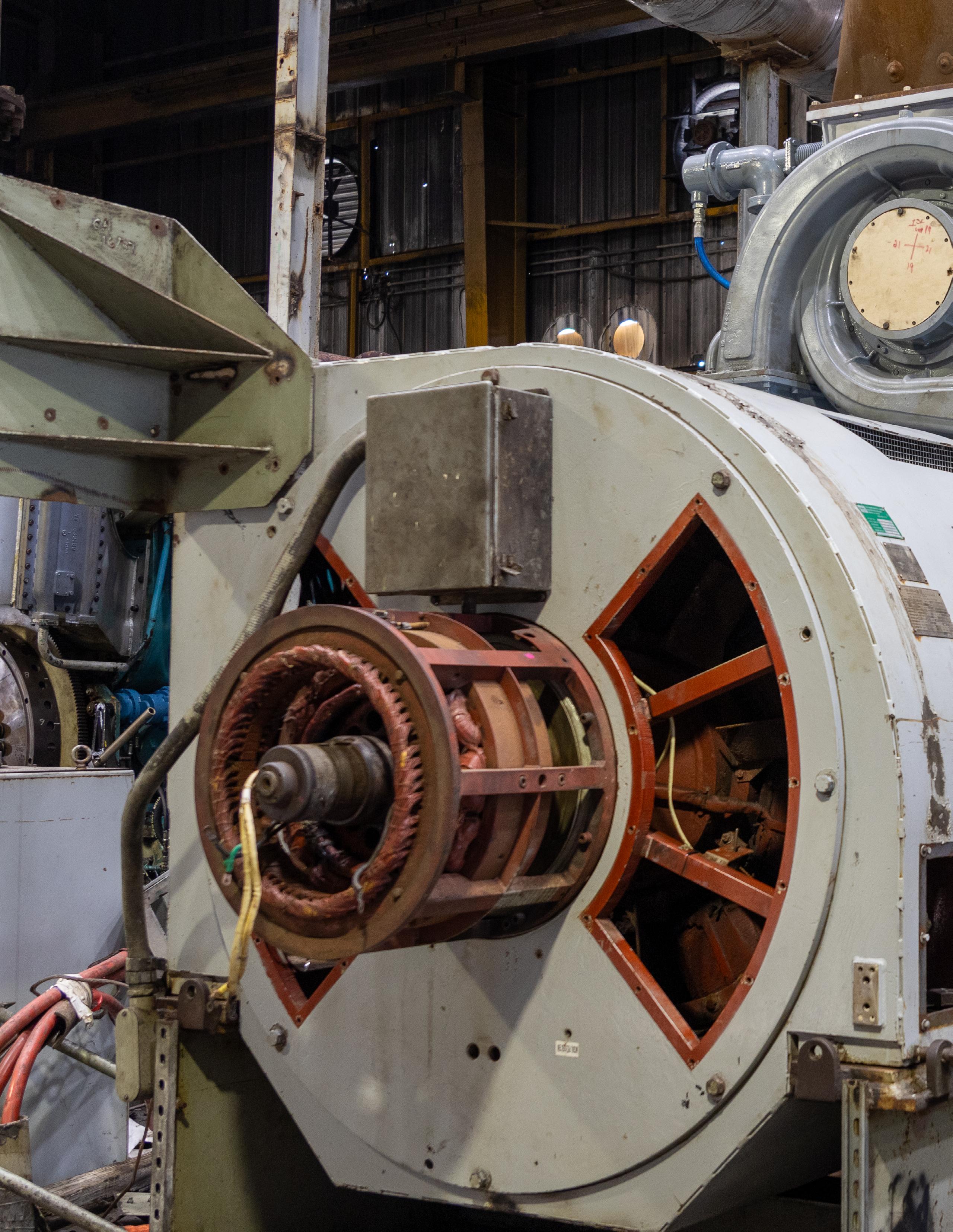
The mechanics behind the grid: precision equipment and real-time monitoring that keep energy systems stable and responsive.
• Independent regulation introduced.
• URCA assumes expanded oversight role.
• Private power participation framework established.

• Solar expansion initiatives launched.
• Grid modernisation planning underway.
• LNG transition planning initiated.
• Power Purchase Agreements executed.
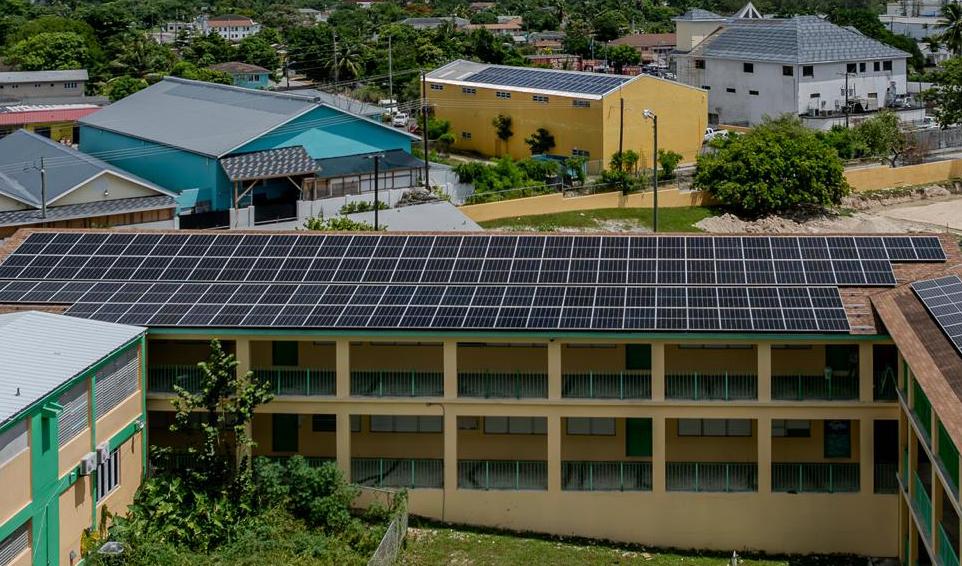
• Public solar programmes launched (schools and public facilities).
• Electrification of key port infrastructure begins.
• Reliable, diversified, and sustainable energy mix.
• Significant increase in renewable generation capacity.

Energy and transport are the invisible systems that keep a nation moving. When they function well, daily life feels seamless. When they falter, every household, business, and community feels the strain. In The Bahamas, a multi-island nation dependent on connectivity and reliable infrastructure, reforming these sectors was not optional. It was essential.
When the power is stable and bills are predictable, this raises the standard of living. Family life feels calmer, community routines thrive, and neighbourhoods are less tense.
- Bahamian Resident, New Providence
For years, high energy costs placed pressure on family budgets and operating costs for small and mediumsized businesses. Inconsistent electricity supply affected productivity, tourism services, and essential public facilities. At the same time, aging transport infrastructure and outdated regulatory systems limited efficiency in ports, road safety enforcement, and inter-island logistics. Together, these challenges formed a bottleneck on national growth.
Reform therefore required a dual approach: modernise how power is generated and delivered, while strengthening the systems that move people and goods safely and efficiently across the country. Investments in grid upgrades,
renewable energy, and diversified fuel sources are reducing vulnerability to external price shocks. Meanwhile, updated transport regulations, improved port operations, and enhanced safety oversight are creating stronger foundations for trade, tourism, and mobility.
These changes are not abstract policy shifts. They affect the cost of groceries in neighbourhood stores, the reliability of electricity in schools and clinics, the turnaround time of cargo shipments, and the safety of roads in local communities. They touch every Bahamian, whether directly or indirectly.
“A modern energy and transport system is about enabling opportunity and improving quality of life.”
Recognising this, the Government’s reform agenda places reliability, affordability, and accountability at the centre of both sectors. Independent regulation now strengthens oversight in energy. Modernised transport institutions improve compliance with international safety standards. New investment frameworks invite private participation while protecting the public interest. In addition, targeted social protection measures ensure that the most vulnerable are not left behind during the transition.
The result is a national development strategy built on strong infrastructure and sound governance. Energy and transport reform are unlocking opportunities for innovation, job creation, and sustainable growth. They are also strengthening resilience — ensuring that The Bahamas is better prepared for external shocks, whether economic or environmental.
The big picture is clear: a modern energy and transport system is not just about power plants, ports, or policies. It is about enabling opportunity, improving quality of life, and building a future where national progress is powered from within.


“Reliable energy and efficient port operations reduce our costs and improve service delivery. That makes Bahamian businesses more competitive.”
— Local Business Owner

“The National Energy Policy 2025–2030 represents a turning point for The Bahamas.”
For years, energy in The Bahamas has come with a familiar tension: High bills, imported fuel and systems that feel stretched. Systems that feel stretched. And every hurricane season, the same quiet question. How resilient are we, really?
The National Energy Policy 2025–2030 answers that question with a shift in direction. Not a quick fix. A reset.
By 2030, 30% of our energy will come from renewable sources. Solar and other clean technologies will grow, while smarter fuel choices like LNG will provide stability as the transition unfolds.
The goal is more than cleaner energy. It’s about creating a system that works every day, for everyone.
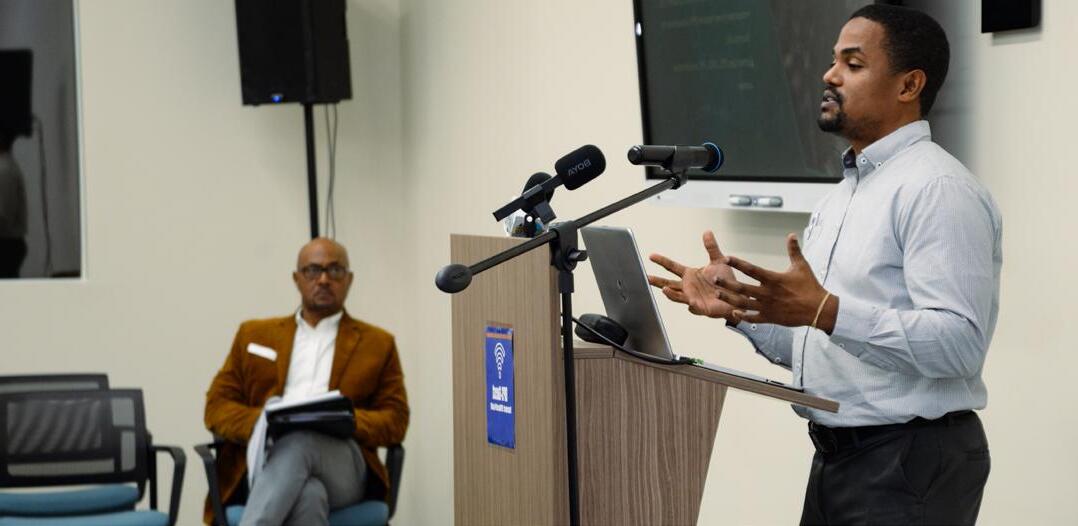
These changes touch every corner of the system:
• A smarter grid: upgraded networks built for reliability and extreme weather
• More options: renewable energy paired with cleaner fuels and storage solutions
• Stronger oversight: URCA ensures fairness, transparency, and accountability
• Energy efficiency: households and businesses encouraged to use power smarter
• Everyday improvements: clearer billing, better service, and stronger protections
Behind the scenes, this policy is built on collaboration.
The Ministry of Energy and Transport, URCA, and industry stakeholders came together to create a plan that is ambitious yet practical. It aligns with the Electricity Act, 2024 and the Natural Gas Act, 2024, turning vision into action.
Resilience runs through every part of it. Infrastructure is storm-ready, systems are decentralised where needed, and planning accounts for climate realities, not just hope.
Because energy security here is not theoretical. It is personal.
The National Energy Policy 2025–2030 is more than a plan. It’s a statement: The Bahamas is ready for a cleaner, smarter, and more reliable energy future.
Not just keeping the lights on, but powering the possibilities ahead.

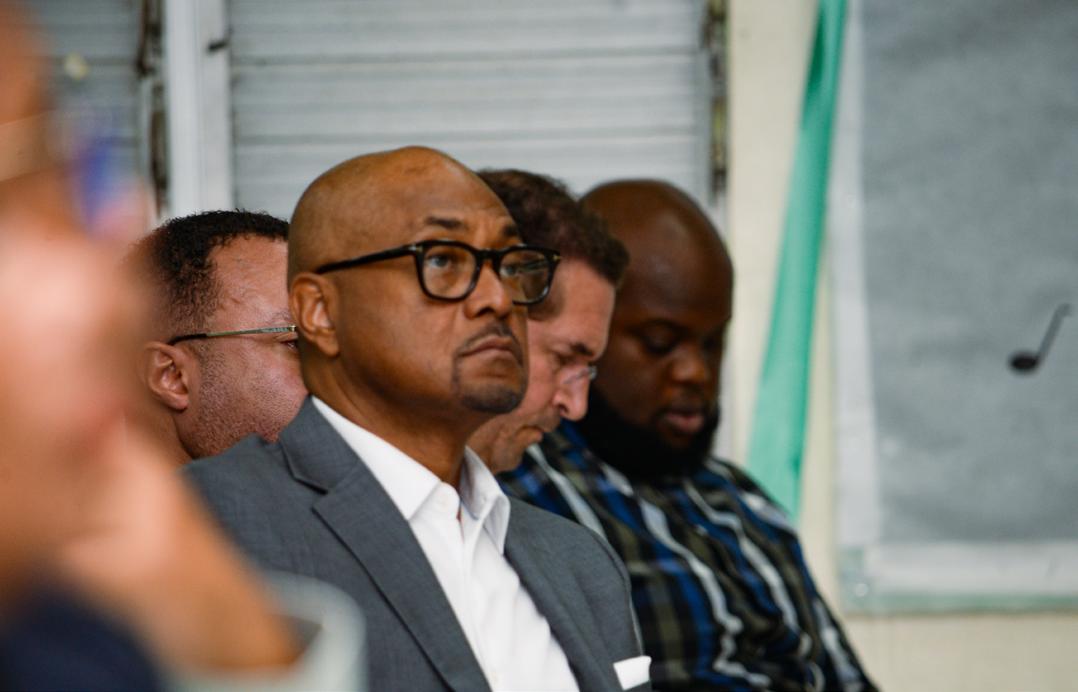


Energy reform is about more than electricity. It is about building the systems that support national development.
The National Energy Policy 2025–2030 marks a defining step in reshaping how energy is governed, delivered, and sustained across The Bahamas.
Reform begins with policy. Before infrastructure is built or markets evolve, governments must establish the frameworks that guide change. For an archipelagic nation like The Bahamas—spread across thousands of islands and more than 100,000 square miles of ocean—energy planning carries unique complexity. Multiple island grids, logistical constraints, and climate exposure demand systems that are both resilient and adaptable.
The previous policy, introduced in 2013, reflected a very different global energy landscape. Since then, renewable technologies have matured, battery storage has advanced, and climate resilience has become central to national planning. Recognising these shifts, the Ministry of Energy and Transport undertook a comprehensive review to ensure that national policy aligns with both current realities and future priorities.
The updated framework strengthens governance and regulatory oversight, with the Utilities Regulation and Competition Authority playing a central role in licensing, tariff regulation, and market supervision. This alignment ensures that innovation is balanced with accountability,
and that reform remains grounded in transparency and consumer protection.
• Expansion of renewable energy and reduction of fuel dependence
• Modernisation of infrastructure across generation, transmission, and distribution
• Strengthened regulatory oversight and institutional coordination
• Increased private sector participation within a structured framework
• Integration of resilience planning across all energy systems
These priorities reflect a long-term strategy—one that addresses structural realities while positioning the country for a more sustainable and reliable energy future.
Energy reform is not a single intervention—it is a sustained process. Through the National Energy Policy 2025–2030, The Bahamas is establishing the systems, governance, and direction needed to support national development for generations to come. In this context, energy reform is not simply about powering homes and businesses. It is about powering the future of the country itself.
Energy systems in The Bahamas must operate across an archipelago where communities are separated by water and often served by independent island grids.
Fuel transportation, hurricane resilience, infrastructure reliability, and energy affordability all shape how electricity systems are designed and managed across the country.
Modern energy policy therefore plays a critical role in ensuring that national infrastructure remains capable of supporting economic growth and everyday life across the islands.
National Energy Policy 2025–2030 — At a Glance
• Expanding renewable energy sources
• Strengthening electricity infrastructure
• Encouraging responsible private sector participation
• Strengthening regulatory oversight through URCA
• Improving long-term system resilience
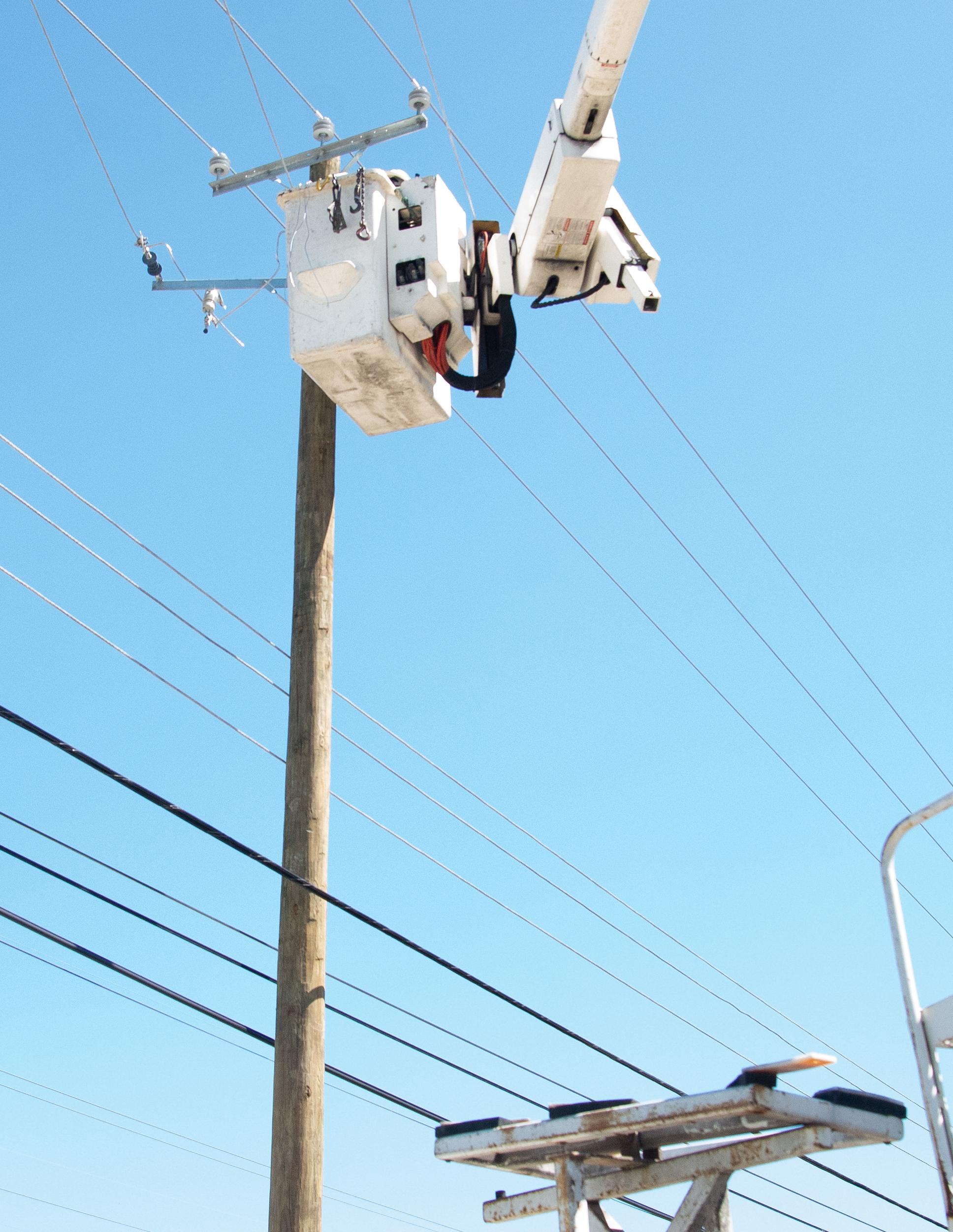

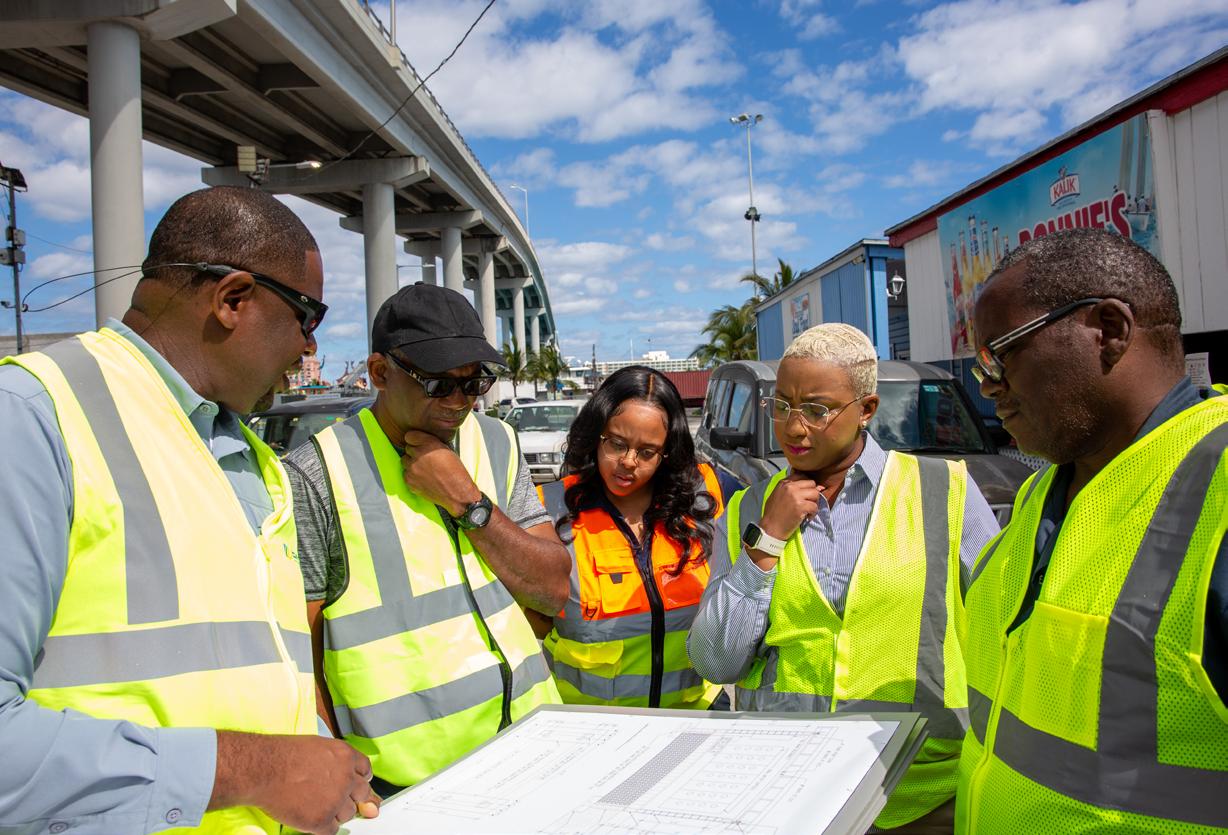
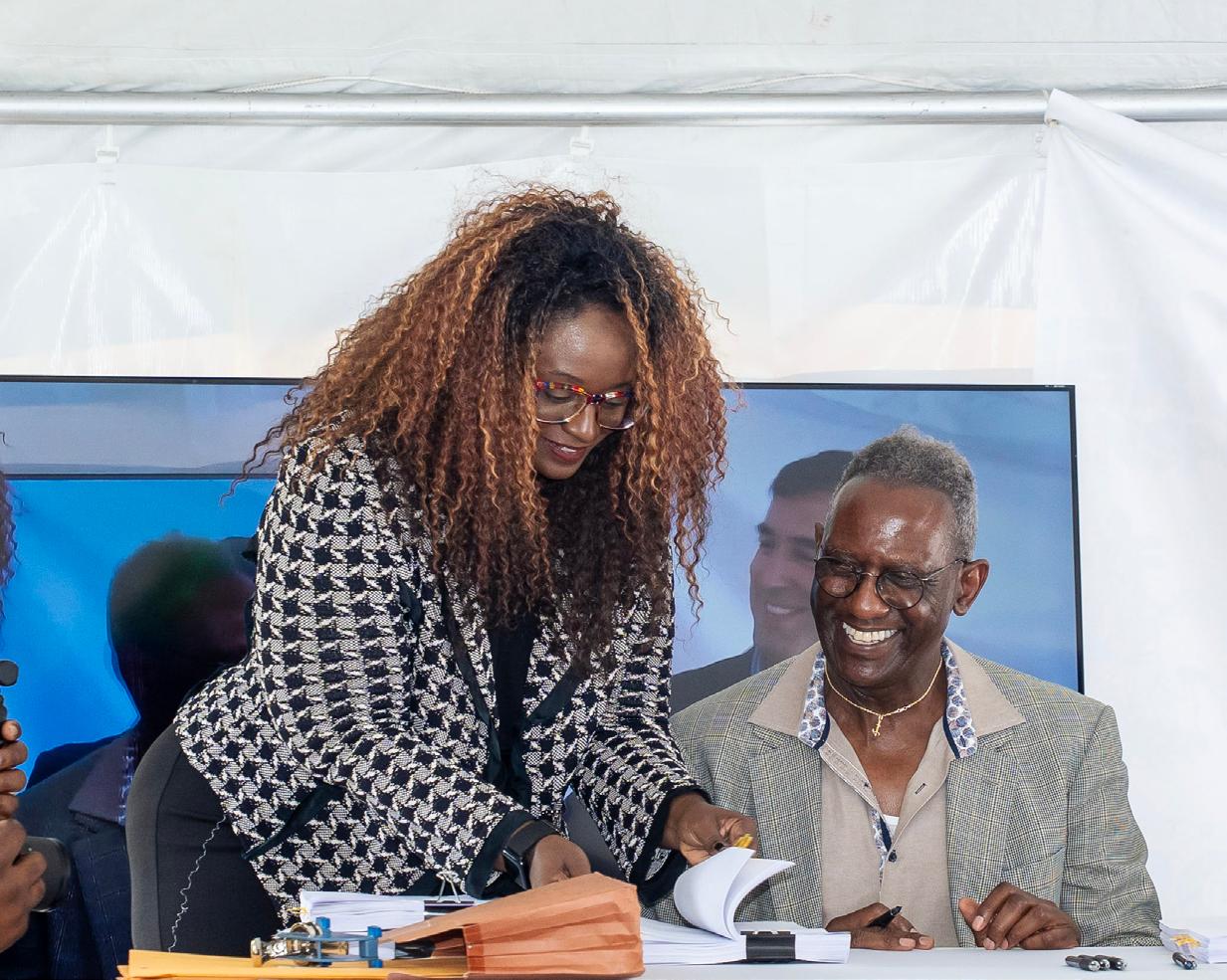

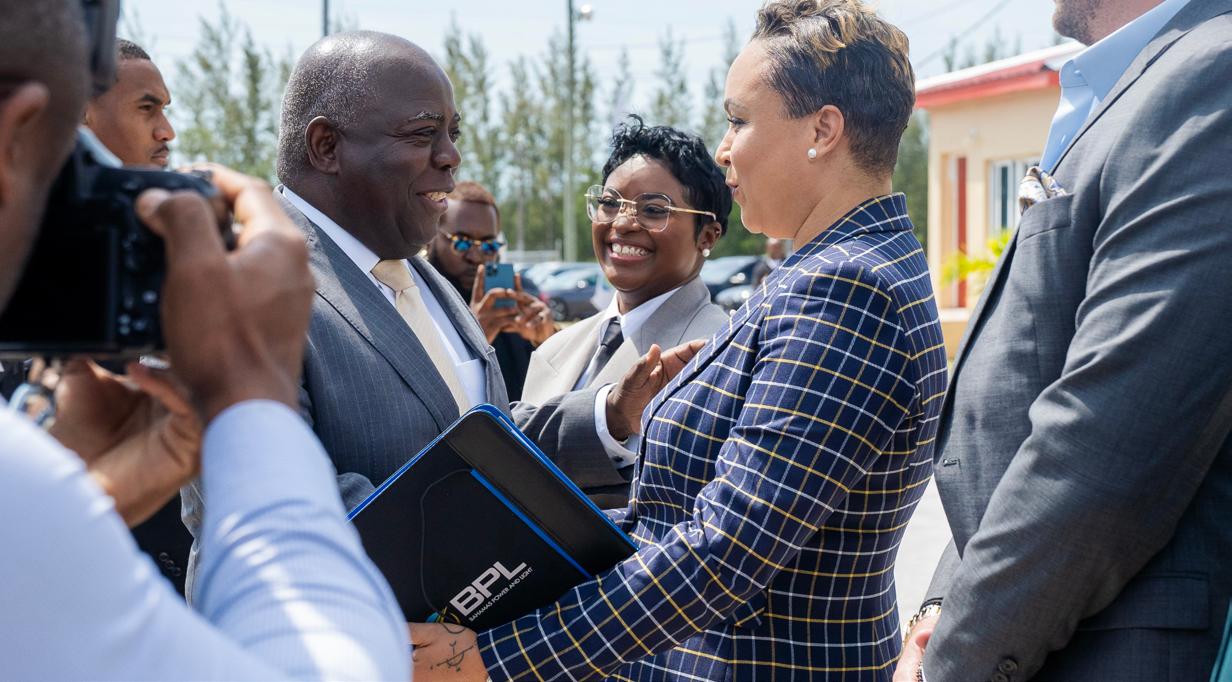

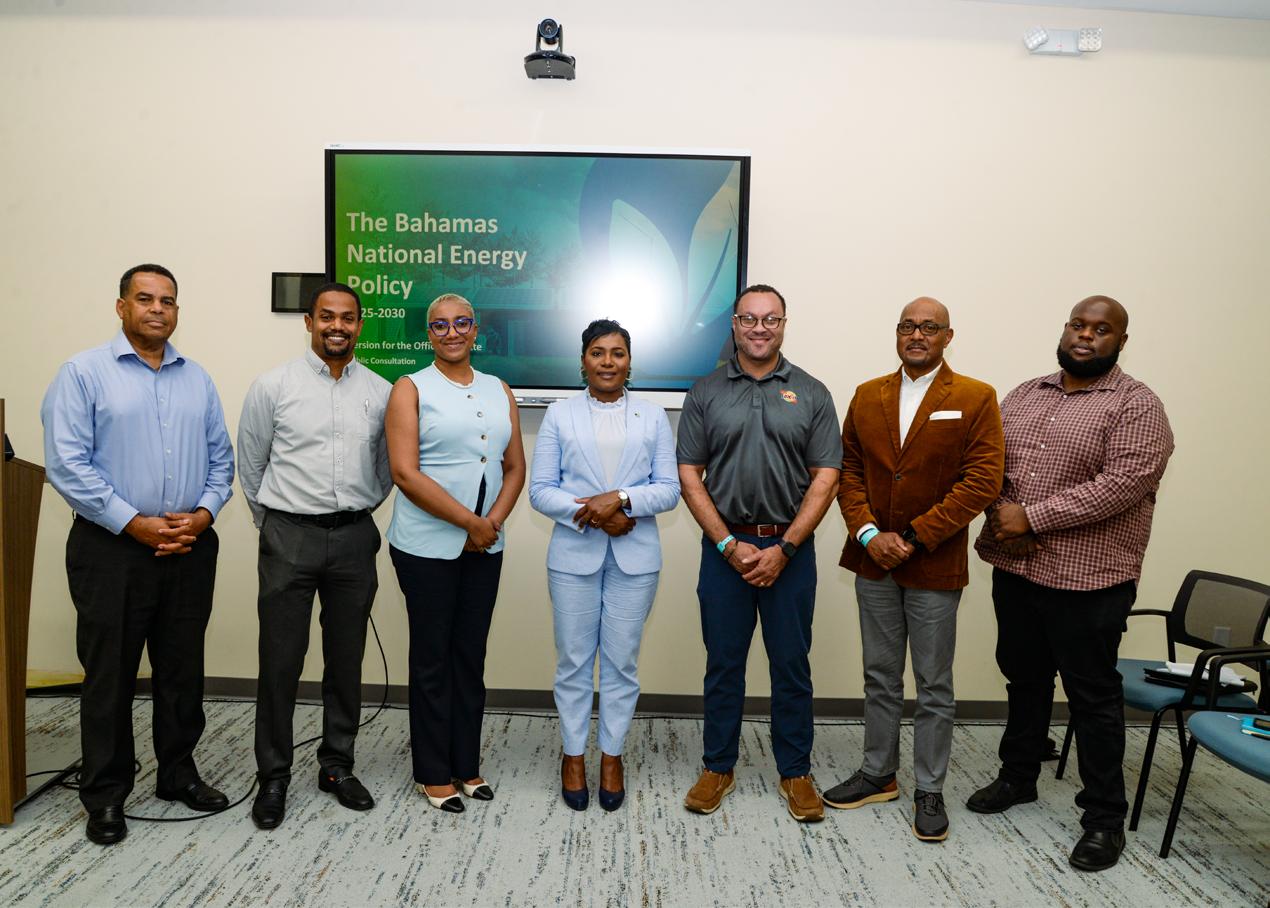
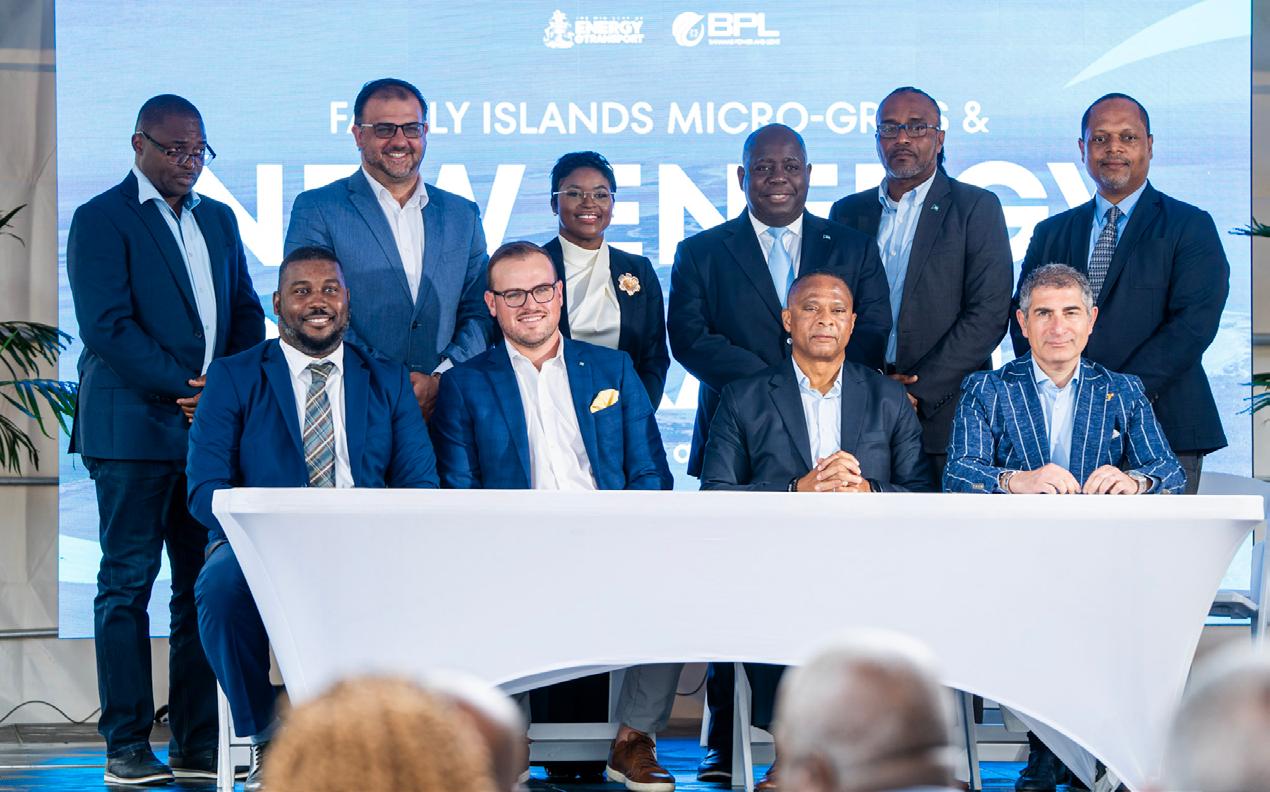


Energy reform is often measured by what people can see—new projects, improved service, or changes in cost. Less visible, but just as important, is the work that happens behind the scenes to make those changes possible.
At the centre of that effort is The Bahamas Energy Committee, a sub-committee of Cabinet that brings together key government agencies, project leads, and Bahamas Power and Light (BPL). Through regular engagement, the Committee serves as a point of coordination and clarity—keeping complex, multi-layered initiatives moving in the same direction and ensuring that progress remains aligned with national priorities.
That steady coordination is already translating into action. Legislative updates, new partnerships, and infrastructure developments are all moving forward under its watch, supporting a broader transition towards a more modern and diversified energy system. It is a role that is not always visible— but it is essential, shaping the pace and direction of energy reform in The Bahamas.

The Bahamas is in the middle of one of its most important energy transitions. New infrastructure is being built. Innovative agreements are being made. But reform is more than wires and turbines. It needs rules, oversight, and public trust. That’s where the Utilities Regulation and Competition Authority (URCA) comes in.
“Strong regulation ensures energy reform works for the people it is meant to serve.”
Electricity touches every part of daily life. When it’s unreliable or too costly, the impact is immediate. URCA’s job is to make sure providers operate legally, meet clear standards, and adapt responsibly as new technologies and business models emerge. Regulation creates a framework that sets obligations, enforces reporting, and builds confidence not just for consumers, but also for investors and policymakers.
Pricing is another area where URCA matters. For most people, electricity is experienced through the monthly bill. Tariffs must be fair, transparent, and grounded in evidence. Fuel, generation, operations, and long-term investment all factor in.
“Bahamian families should see that pricing decisions are handled responsibly and transparently.”
Consumer protection is central. Clear billing, meter disputes, service complaints, disconnections, and reconnections all fall under URCA’s watch. These
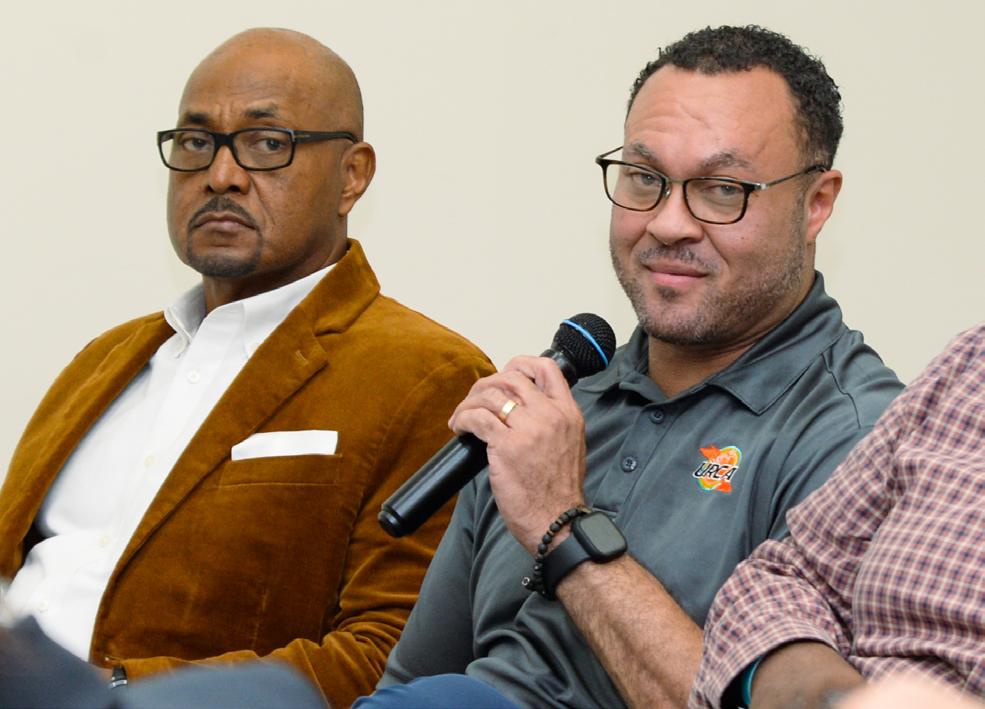
protections are especially important during reform, giving people confidence and a way to resolve issues fairly.
Transparency and public understanding are equally critical. Energy reform can be technical and complex, but decisions affect everyone. Public consultation, education, and access to information help people engage, ask questions, and trust that the system is moving in the right direction.
Ultimately, success is measured in outcomes: more reliable electricity, fair pricing, and a system that works for Bahamian households and businesses alike.
• URCA regulates utilities to protect public interest through oversight, transparency, and accountability
• Regulation enforces service standards and performance obligations
• Tariffs are handled through credible, evidencebased processes
• Consumer protection ensures fair treatment, clear recourse, and service standards
• Transparency allows the public to understand changes and hold providers accountable
“Effective energy reform is not just about infrastructure. It’s about trust, fairness, and confidence.”
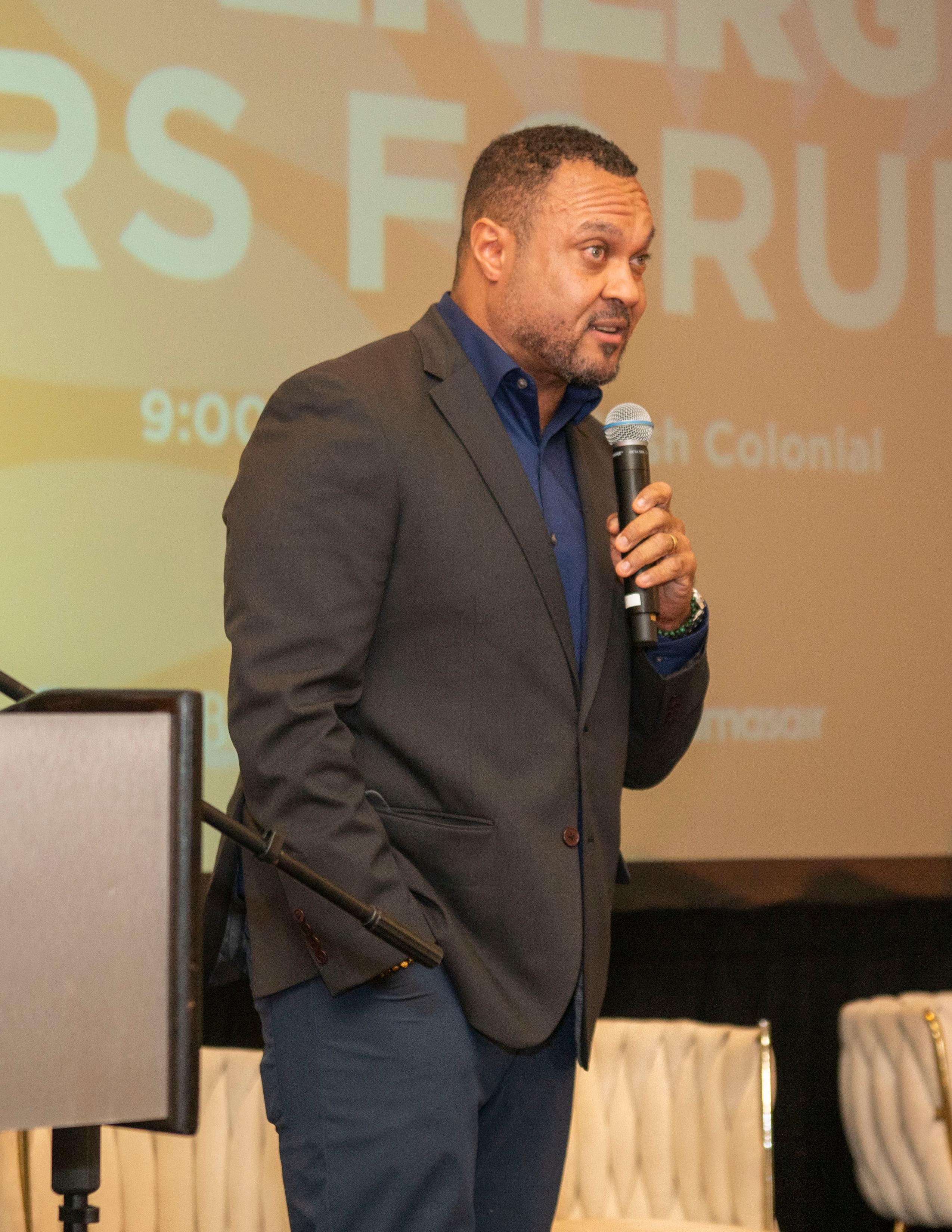
“Bahamian families should see that pricing decisions are handled responsibly and transparently.”
-Juan McCartney, URCA
“Fixing what was broken meant choosing durability over delay.”
There comes a point in governance when managing decline is no longer an option. When debt compounds, infrastructure fails, and temporary fixes become permanent costs, leadership is forced to choose: preserve appearances or repair foundations.
In the energy and transport sectors, that moment arrived.
For years, structural pressures built quietly—aging infrastructure, rising financial exposure, and systems stretched beyond capacity. In energy alone, the scale was significant. Bahamas Power and Light operates 29 power stations across 17 islands, carrying nearly $500 million in debt while requiring an additional $500 million to modernise infrastructure. Aging generation assets, combined with reliance on rental power costing approximately $42 million annually, left little room for resilience.
But temporary solutions are not sustainable.
• Aging infrastructure exceeding its operational lifespan
• High debt exposure and rising financial obligations
• Dependence on costly rental generation
• Limited system resilience across New Providence and the Family Islands
Reform has therefore focused on rebuilding the system’s core. Grid modernisation—requiring at least $130 million in upgrades—has been paired with new financing models that leverage public assets and mobilise private capital. At the same time, diversification of energy sources, including solar integration and battery storage, signals a shift towards long-term stability and reduced fuel dependence.
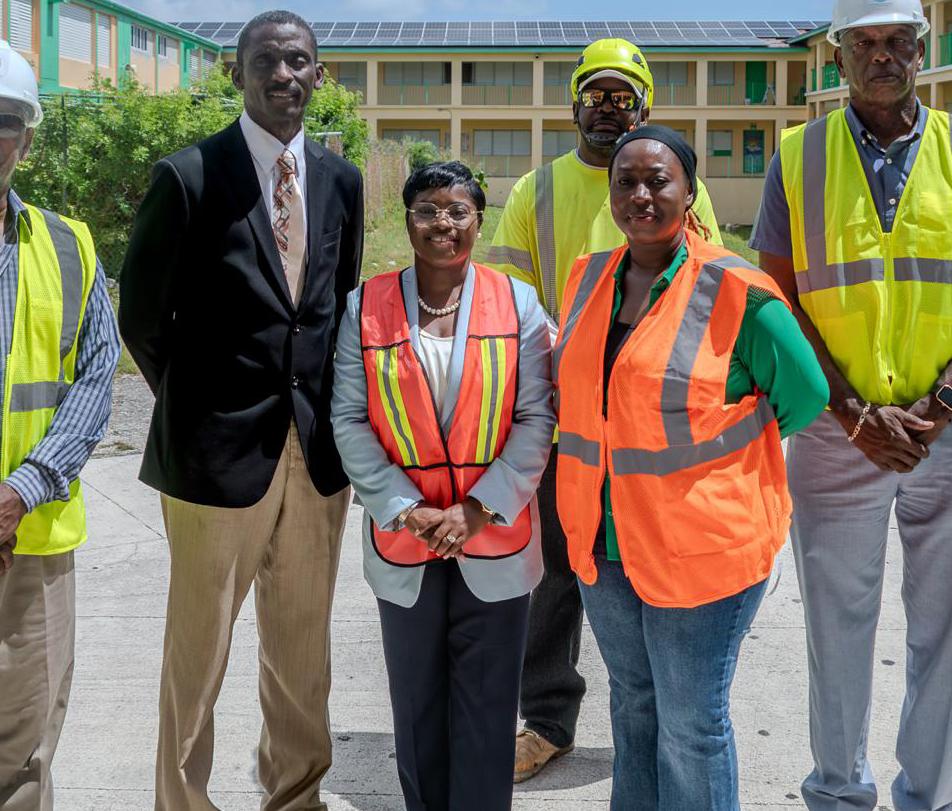
Affordability has also been addressed through the Equity Rate Adjustment, recalibrating tariffs to balance cost recovery with fairness. For many households, particularly lower-consumption users, the result is measurable relief.
Beyond energy, transport governance is undergoing similar correction. Strengthened enforcement within the Road Traffic Department, infrastructure investments within the Port Department, and continued support for mailboat services all reflect a broader approach: reinforcing systems that underpin daily life and economic activity.
Subsidy, in this context, is not excess—it is policy. Connectivity across islands is not optional; it is essential.
Reform at this scale does not arrive with spectacle. It unfolds through disciplined decisions—capital investments, regulatory strengthening, and structural adjustment. Fixing what was broken required acknowledging the depth of the challenge and choosing long-term stability over short-term comfort. Its success will not be measured in promises, but in outcomes: a system that works, a foundation that holds, and a country better positioned for what comes next.
Energy systems rarely change because it is convenient. They change when the structures supporting them can no longer keep pace with demand—when aging infrastructure, rising costs, and economic pressure make incremental fixes insufficient.
For The Bahamas, that moment has arrived.
Electricity generation must serve an archipelago of islands spread across more than 100,000 square miles of ocean, each with distinct
operational realities. For decades, the system relied heavily on imported fuel and generation assets built for a different era. Over time, that model became increasingly strained.
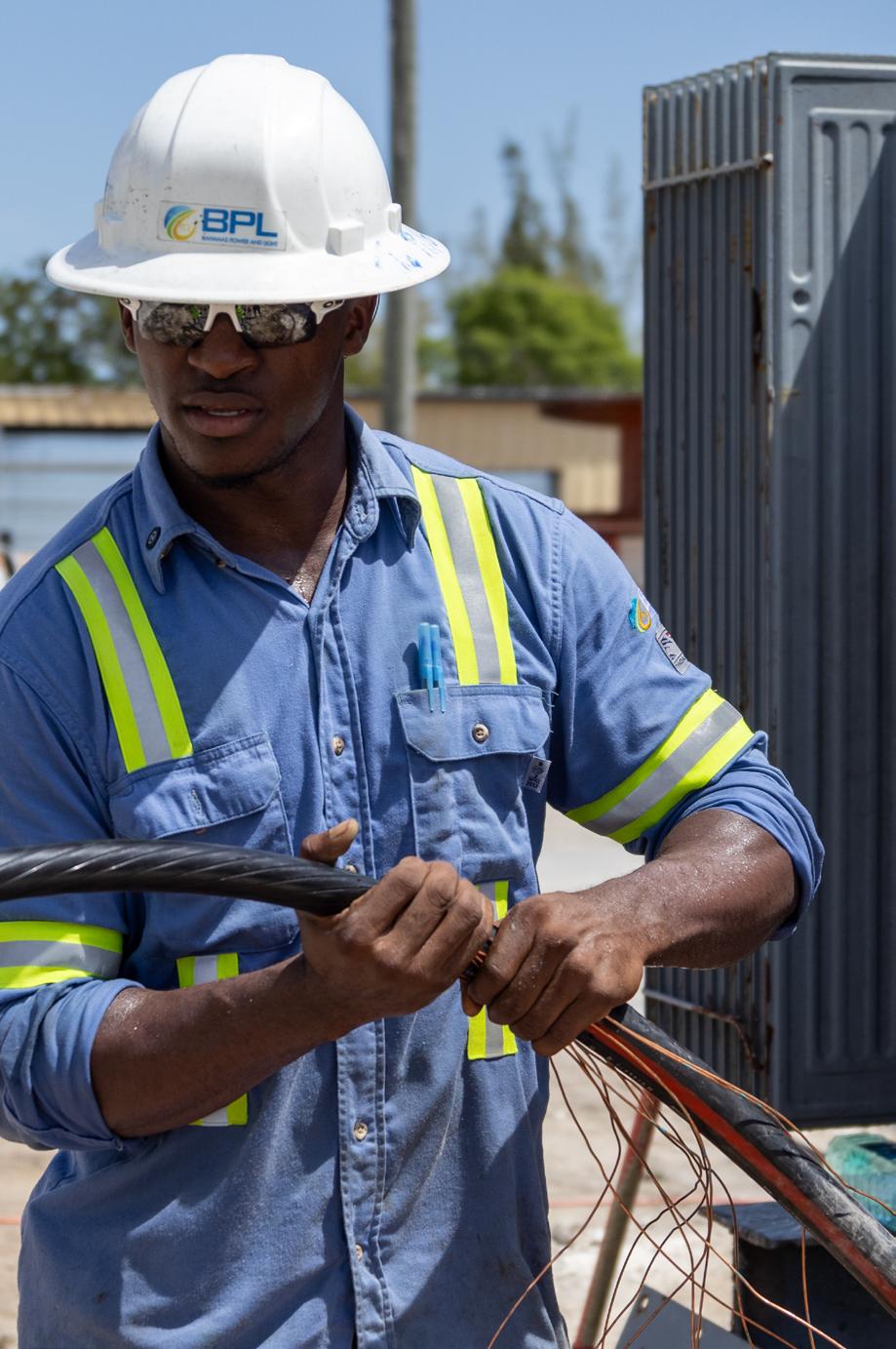
Transforming power generation now requires more than repairing aging plants. It requires redesigning how electricity is produced, financed, and delivered across the islands. The strategy underway is built on three core pillars: renewable energy expansion, the introduction of liquefied natural gas (LNG) as a transitional fuel, and the integration of Independent Power Producers (IPPs).

• Solar Expansion
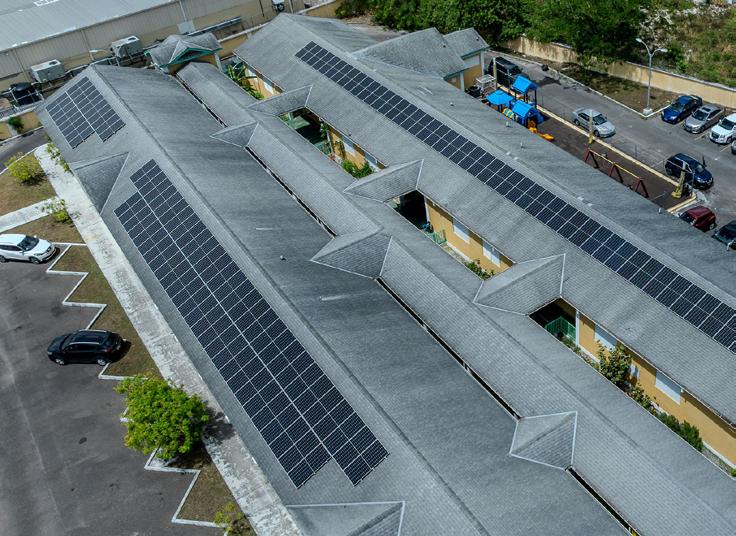
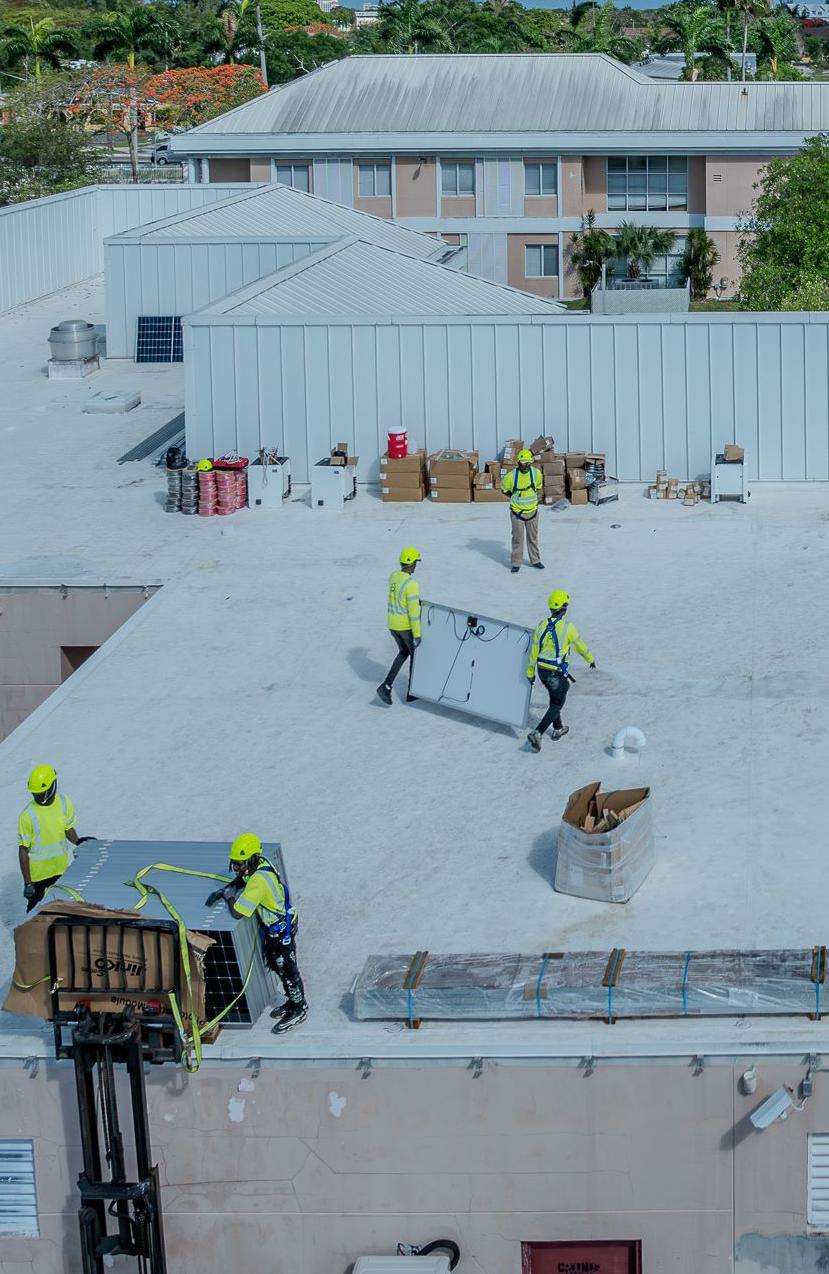
With abundant sunlight and dispersed island grids, solar offers a scalable solution to reduce fuel dependence and diversify the national energy mix. Utility-scale and distributed solar systems are being deployed across multiple islands, strengthening resilience while lowering long-term costs.
• LNG as a Transitional Fuel
Renewable growth must be supported by stable, continuous generation. LNG provides a cleaner, more efficient alternative to traditional fuels, ensuring reliability while the system transitions towards higher renewable penetration.
•
Private sector participation introduces capital, technical expertise, and speed. Through structured agreements, IPPs support the development of new generation infrastructure while maintaining regulatory oversight.
These pillars are not standalone solutions—they function together to create a more flexible and resilient system. Reform also extends beyond New Providence. Many Family Island systems have historically depended on aging diesel generation, resulting in higher costs and lower efficiency. Upgrades now underway—including solar integration, improved generation assets, and modernised grid management—are designed to strengthen reliability while reducing long-term operating and subsidy burdens.
Energy transformation in The Bahamas must reflect the realities of geography. Distributed systems, hybrid solutions, and diversified energy sources are not optional—they are necessary for stability across an island chain.
This transition represents more than a technical shift. It is a structural redesign of how energy supports national life. Solar reduces dependence, LNG ensures continuity, and private investment accelerates progress. Together, these elements are shaping a system that is cleaner, more resilient, and better equipped to power the country’s future.
Major reforms are often judged by visible outcomes—new infrastructure, expanded services, and policy shifts. Yet lasting progress depends on something less apparent: strong institutions. Behind every initiative is a framework of governance, systems, and processes that translate policy into sustained impact.
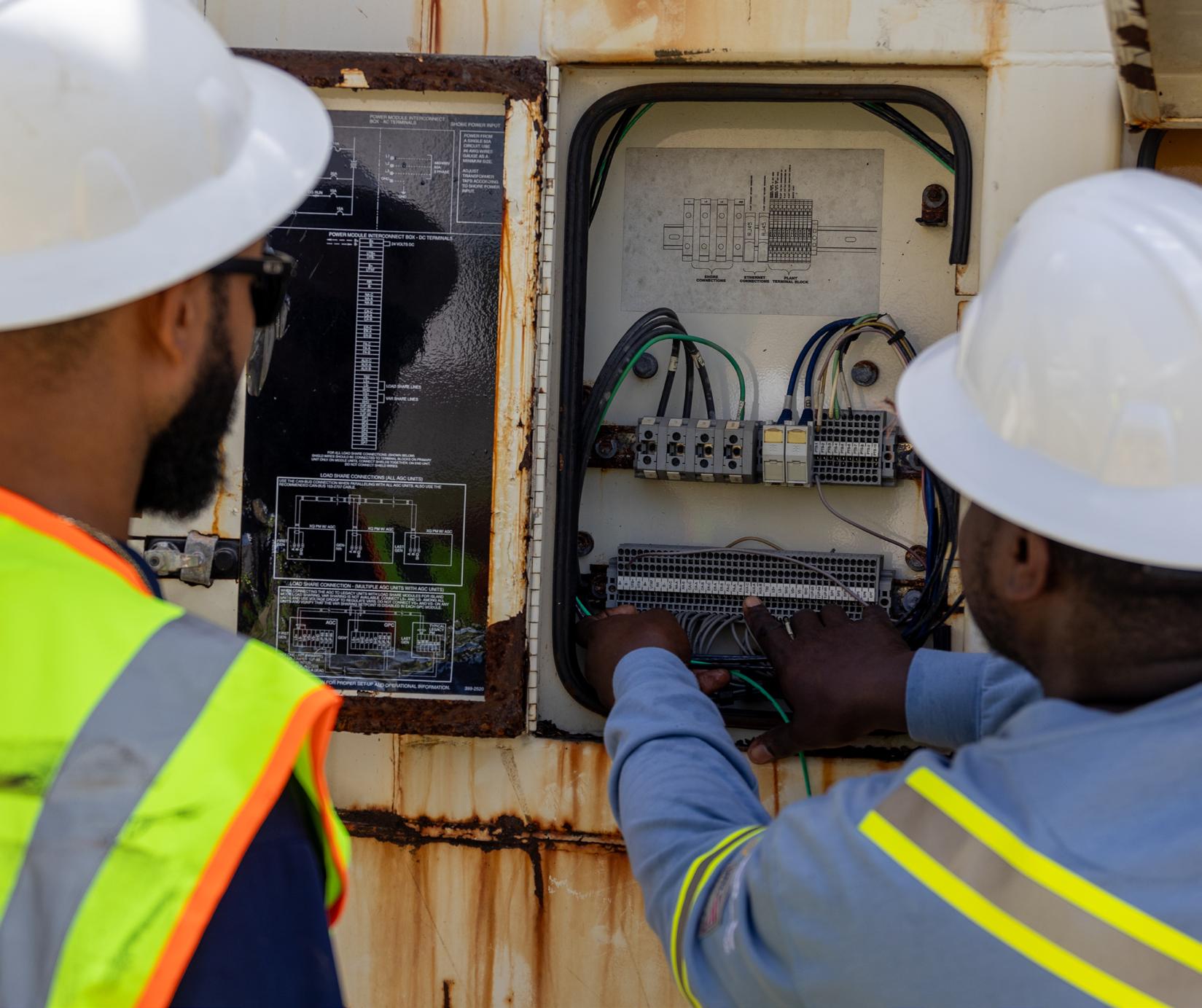
Within the Ministry of Energy and Transport, strengthening institutional capacity has become central to the reform agenda. Through the Department of Energy’s strategic rollout, efforts are focused on improving policy coordination, clarifying institutional roles, and strengthening planning systems that support national energy priorities.
This framework reinforces key initiatives such as renewable energy expansion, grid modernisation, and infrastructure development—ensuring they are backed by effective administrative structures. It also emphasises improved data management, interdepartmental coordination, and governance systems that enhance transparency, accountability, and decision-making.
While institutional reform may be less visible than physical development, it remains essential. By strengthening the systems that support implementation, the Ministry is building a foundation that allows national progress to be not only achieved, but sustained.
“Strong institutions do not simply manage change. They make sustained progress possible.”
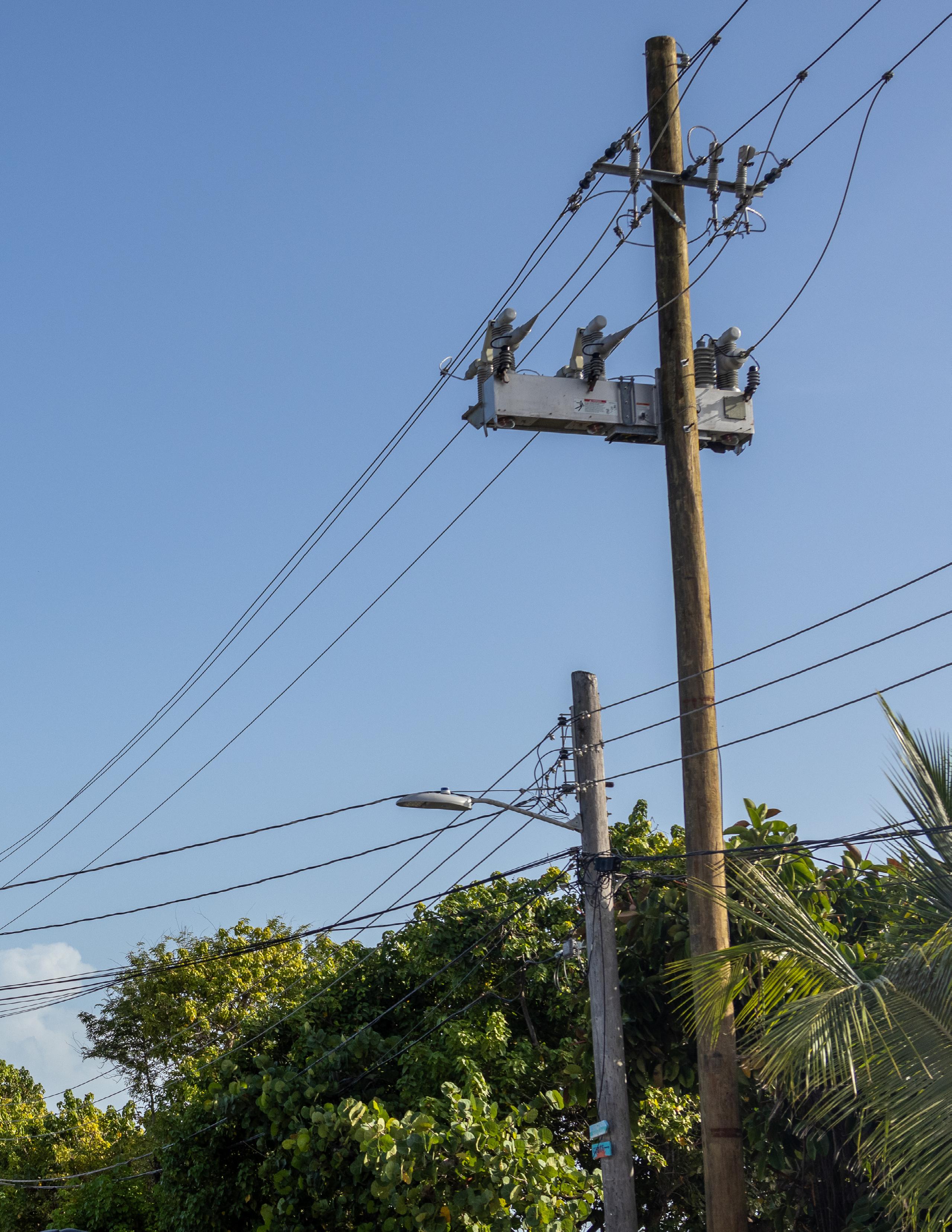
Reinforcing the Backbone of Energy Across an Archipelago
Electricity is often invisible—until it disappears. When outages occur, the system that powers homes, hospitals, airports, and businesses becomes immediately visible. In The Bahamas, maintaining that system across hundreds of islands and cays is both a technical and logistical challenge.
Strengthening the national grid means reinforcing the network of transmission lines, substations, and distribution systems that carry electricity across more than 100,000 square miles of ocean. It is work that rarely attracts attention, yet underpins every aspect of modern life and economic activity.
Transmission and Distribution Upgrades
Investments in substations, transmission lines, and distribution networks are improving reliability and reducing technical losses across the system.
Solar generation introduces variability based on sunlight and weather. Grid modernisation ensures these fluctuations can be balanced while maintaining system stability.
Many Family Island grids operate as standalone systems, historically reliant on aging diesel generation. Upgrades—including hybrid solar, battery storage, and improved management systems—are enhancing reliability while lowering long-term costs.
Infrastructure is being designed to withstand severe weather events, enabling faster recovery and reduced disruption following storms.
At peak demand, the national system supports power generation across multiple island grids. Ensuring that electricity moves reliably across this network requires not only generation capacity, but a grid capable of supporting it.
Power generation may begin at the plant, but reliability is delivered through the grid. Strengthening transmission and distribution systems ensures that electricity reaches homes, businesses, and critical services efficiently and consistently. For The Bahamas, a stronger grid means fewer disruptions, greater resilience, and an energy system built to support longterm national growth.
The electricity grid is what connects power generation to everyday life. In The Bahamas, it must operate across multiple islands, often through separate or semi-independent systems, making reliability and coordination essential.
• Reliable Delivery : Ensures electricity moves consistently from power plants to homes, businesses, and public services.
• Stronger Resilience: Well-built systems reduce outages and support faster recovery after hurricanes and severe weather.
• Greater Efficiency : Modern infrastructure reduces energy losses, helping control longterm system costs.
• Supports Renewable Energy :Grid upgrades allow solar and hybrid systems to be integrated without compromising stability.
Electricity losses can occur during transmission and distribution, meaning not all generated power reaches end users. Modern grid upgrades help reduce these losses and improve overall efficiency.
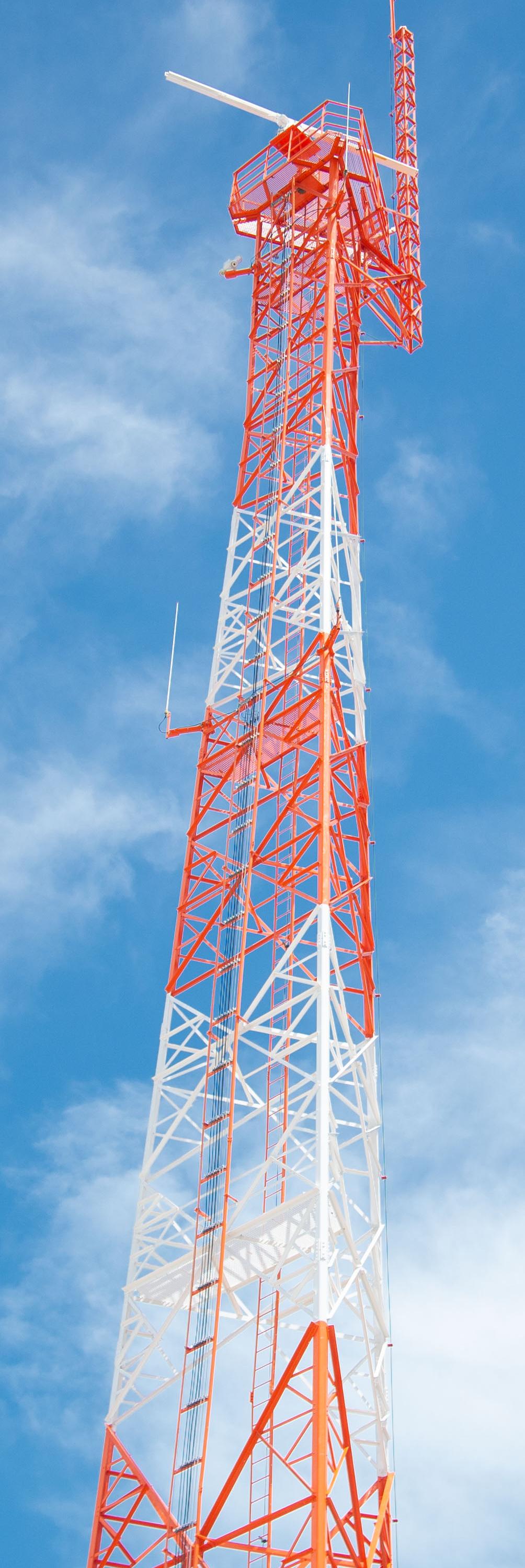

The new era of energy has shone its light on the beautiful country of The Bahamas. As the sunbeams warm our sands and seas, casting their glow across our archipelago, the Government has made a decisive commitment: to harness that sunlight not only as a symbol of paradise, but also as a pillar of national development.
Under the leadership of the Davis Administration, the Ministry of Energy and Transport has set an ambitious and measurable target: achieving 30% renewable energy penetration by 2030. When the Administration assumed office, the national grid faced aging infrastructure, heavy dependence on imported diesel, exposure to global fuel volatility, and inconsistent reliability across islands. The mandate was clear: reform, modernise, and future-proof the system.
At the centre of this transformation is the strategic deployment of Power Purchase Agreements (PPAs). A PPA is a long-term contractual arrangement between a power producer and the national utility, allowing private developers to finance, construct, and operate generation assets while selling electricity to the grid at agreed terms. This model reduces upfront public capital burden, attracts international expertise, and accelerates infrastructure rollout while maintaining regulatory oversight.
Through this framework, the Ministry is executing one of the most comprehensive energy reform programmes in the nation’s history. The programme includes:
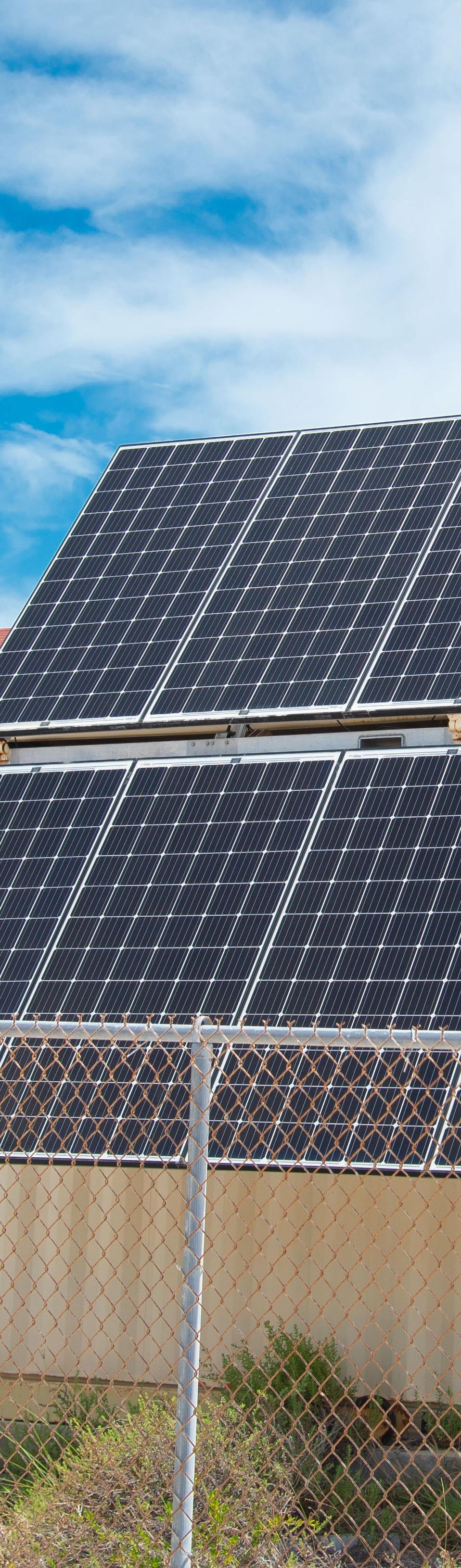
• 120 MW of utility-scale solar capacity
• Over 70 MWh of battery energy storage
• 177 MW of new LNG-fired generation in New Providence
• Deployment of hybrid microgrids across the Family Islands
This is not incremental change, it is systemic reform. Solar photovoltaic (PV) facilities are being paired with Battery Energy Storage Systems (BESS) to stabilise supply, manage peak demand, and integrate renewable power without compromising reliability. LNG generation is replacing heavy fuel oil to provide cleaner, more efficient baseload and grid-forming capacity.
Critically, this reform is archipelagic in scope. Energy equity is now a policy priority. For the first time, microgrid solutions tailored to the unique geography and load profiles of the Family Islands are being delivered at scale. What works in Abaco will not mirror Cat Island or Exuma; therefore, bespoke engineering solutions are being deployed island by island.
The Bahamas is not simply adding solar panels. It is redesigning its energy architecture.
“Bahamian families should see that pricing decisions are handled responsibly and transparently.”
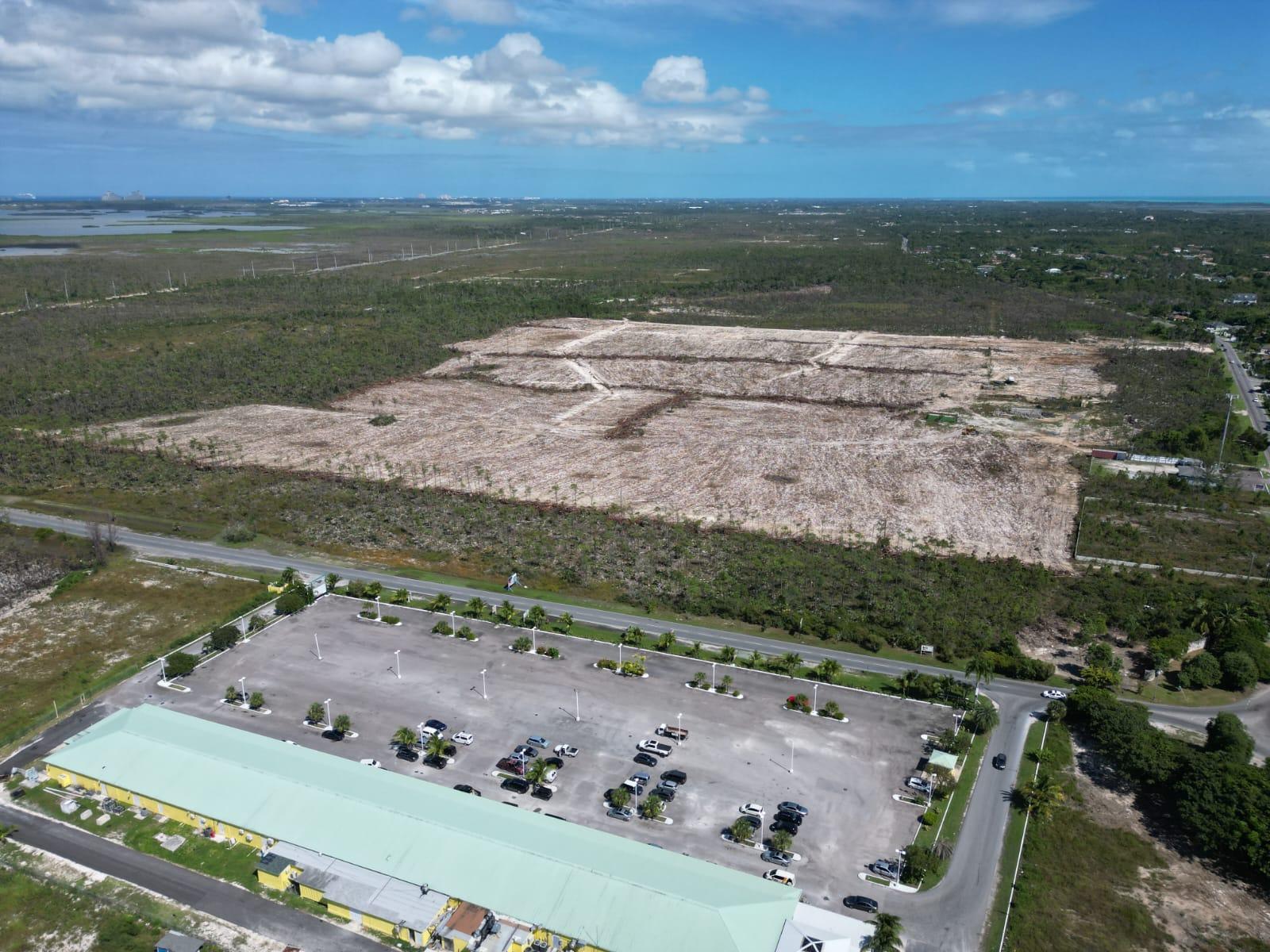
Eco Energy Bahamas Land, Coral Harbour
At the core of grid stabilisation in New Providence is the PPA with Energy Bahamas Holdings Ltd. This project introduces 177 MW of LNG-fired generation located at Clifton Pier Power Station and Baillou Hills Power Station. These modern, high-efficiency generators operate on liquefied natural gas delivered in ISOcertified containers, significantly reducing carbon emissions compared to diesel.
The new LNG units provide critical grid-forming capacity during peak demand, ensuring voltage stability and frequency control. As renewable penetration increases, this cleaner baseload capacity allows the grid to integrate intermittent solar generation without compromising reliability. It is the backbone that enables the renewable transition.
Through its PPA, Eco Energy Bahamas Limited is delivering a 20 MW solar PV facility near Coral Harbour, complemented by a 5 MWh BESS. This grid-tied installation enhances sustainability while strengthening the New Providence network.
The battery system supports peak shaving, voltage smoothing, and contingency backup. By integrating storage with solar production, the project ensures renewable energy contributes meaningfully to daily load requirements rather than operating as a supplemental resource.
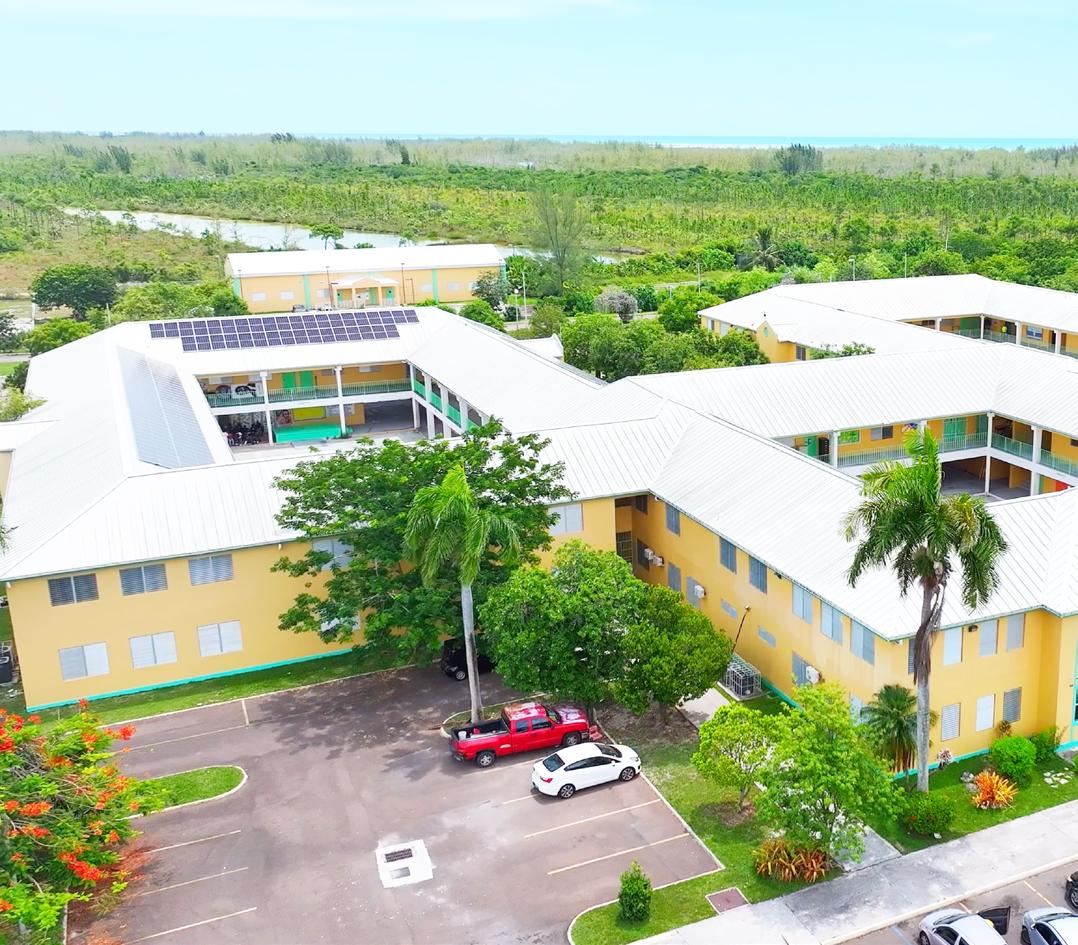
CVB Utilities Limited has executed a PPA to construct another 20 MW solar PV facility near C.V. Bethel, paired with a 5 MWh battery storage system. Like Coral Harbour, this project is grid-tied and engineered to improve stability, resiliency, and renewable penetration.
Together, these New Providence solar projects represent a major step towards achieving national renewable targets while modernising infrastructure in the country’s most populated island.
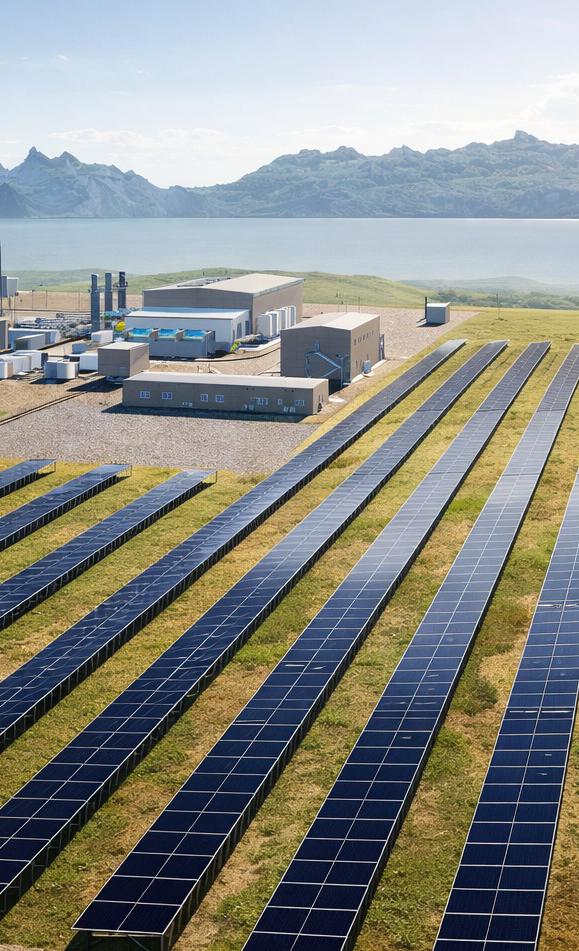
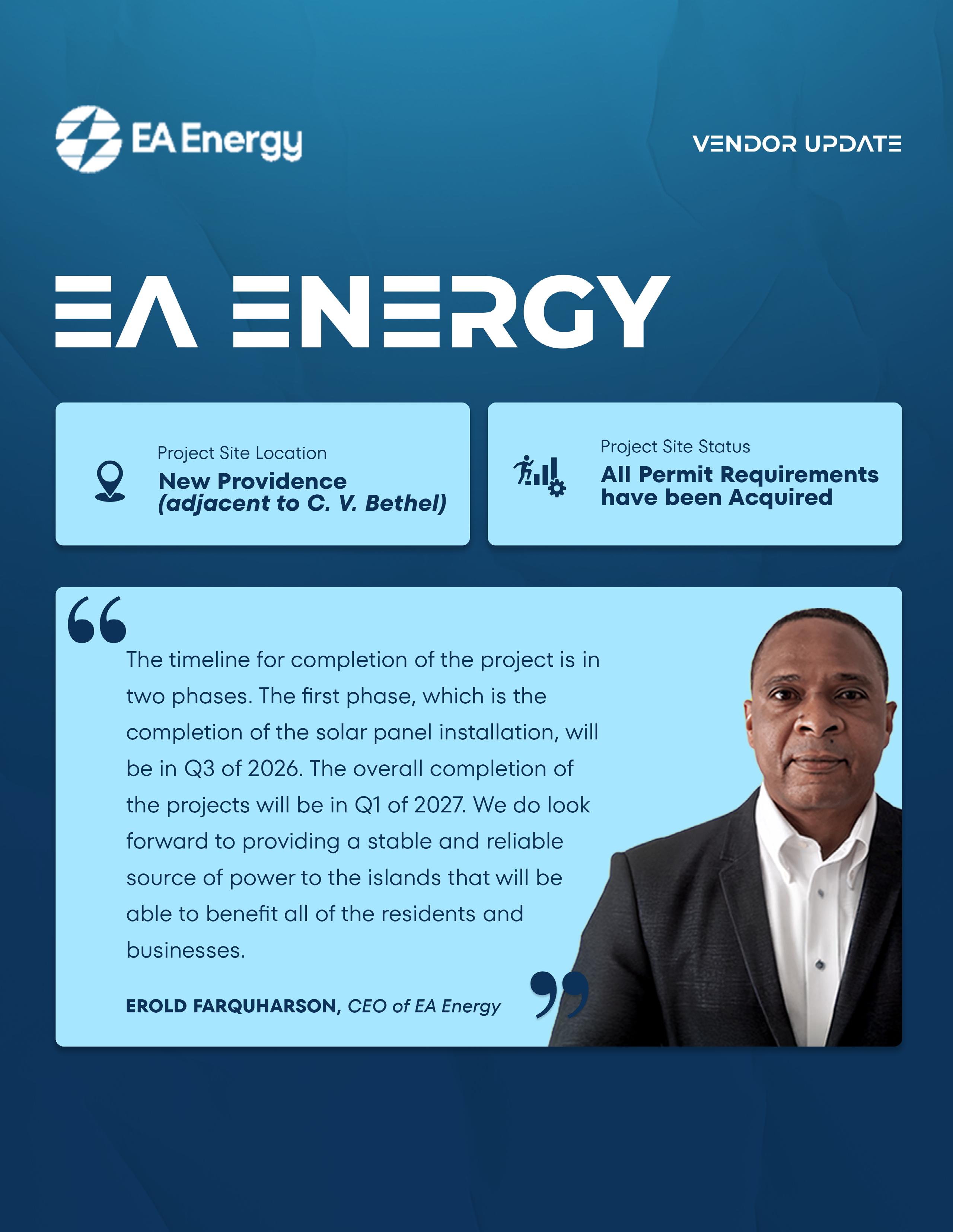
EA Energy has signed a PPA for a hybrid facility in Abaco designed to deliver reliability and resilience following years of vulnerability. The project includes:
• 29.92 MW LNG power plant
• 13.05 MW solar PV facility
• 15 MWh BESS
This integrated model ensures continuous generation through LNG baseload support, while solar offsets daytime fuel consumption. The battery system enhances grid response time, frequency regulation, and outage protection. For Abaco and the Cays, this represents a shift from diesel dependency to a diversified, climate-resilient system.
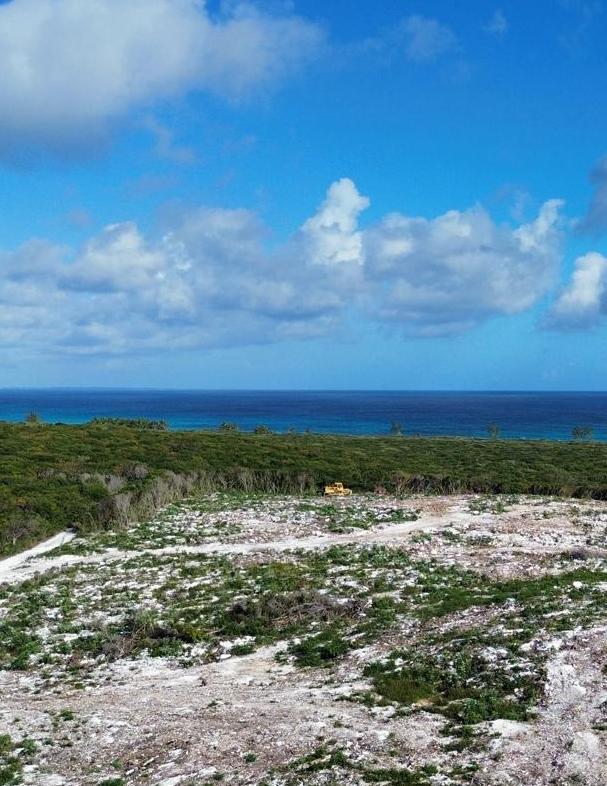
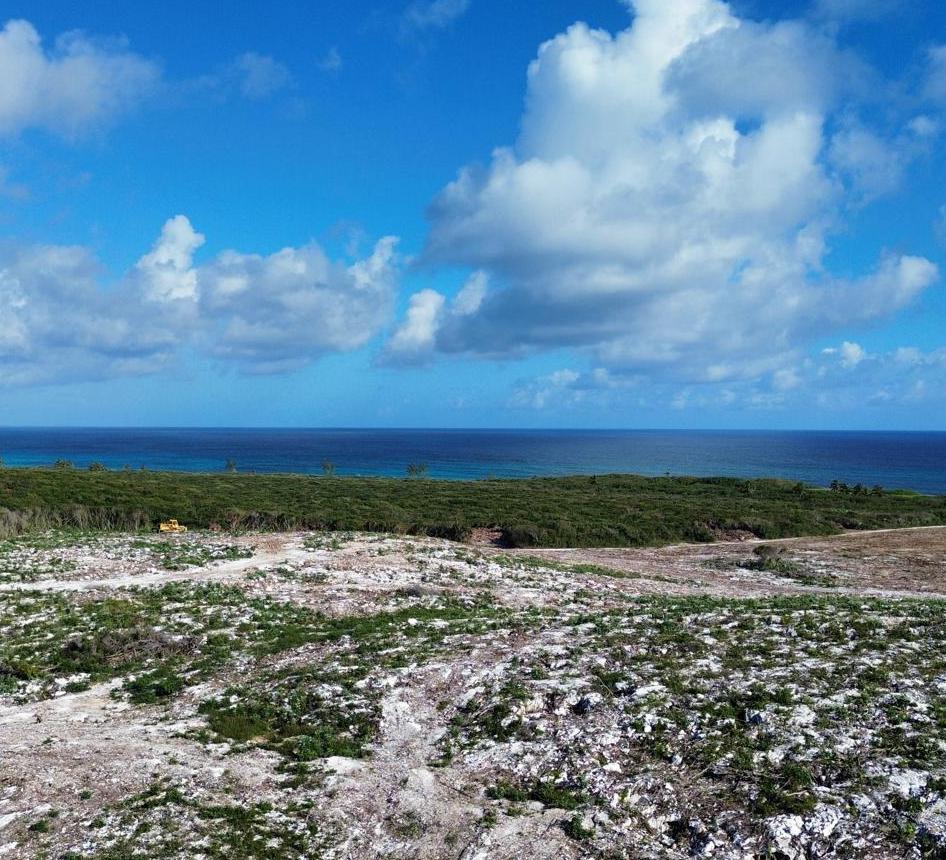
In Hatchet Bay, Eleuthera, EA Energy is deploying a second hybrid facility under its PPA:
• 19.97 MW LNG plant
• 8.7 MW solar PV
• 10 MWh BESS
The engineering configuration reflects Eleuthera’s specific load profile and growth trajectory. LNG ensures grid-forming stability, while solar reduces operational costs and emissions. The battery installation further strengthens peak load management and backup support. This tailored approach demonstrates the Ministry’s commitment to island-specific energy solutions.
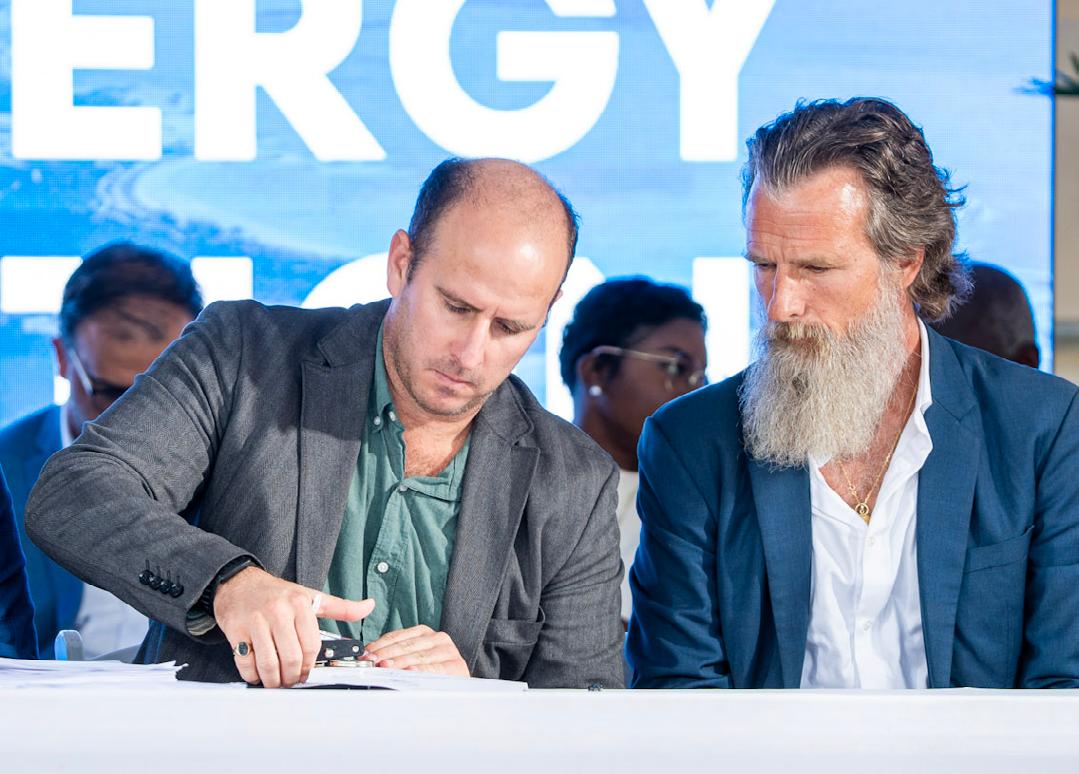
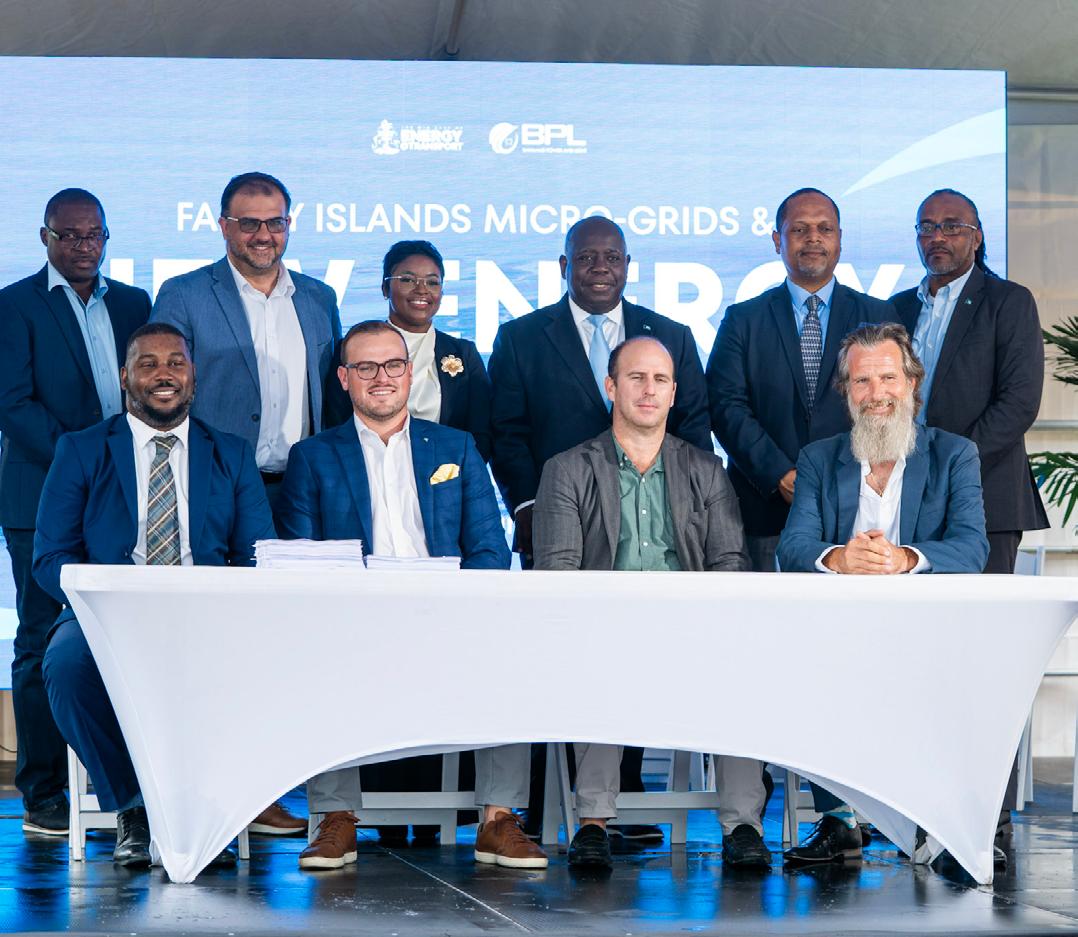
The Exumas Renewable Energy Corporation is advancing a hybrid power facility in Georgetown, Exuma, under a PPA structured to provide long-term grid stability. The project comprises:
• 8.5 MW LNG power plant
• 3 MW solar PV facility
• 6 MWh BESS
Though smaller in scale than New Providence projects, its impact is proportionally significant. The integration of gas, solar, and storage reduces reliance on imported diesel while providing ancillary services essential for grid performance. For Exuma, this ensures economic growth can proceed without energy constraints.
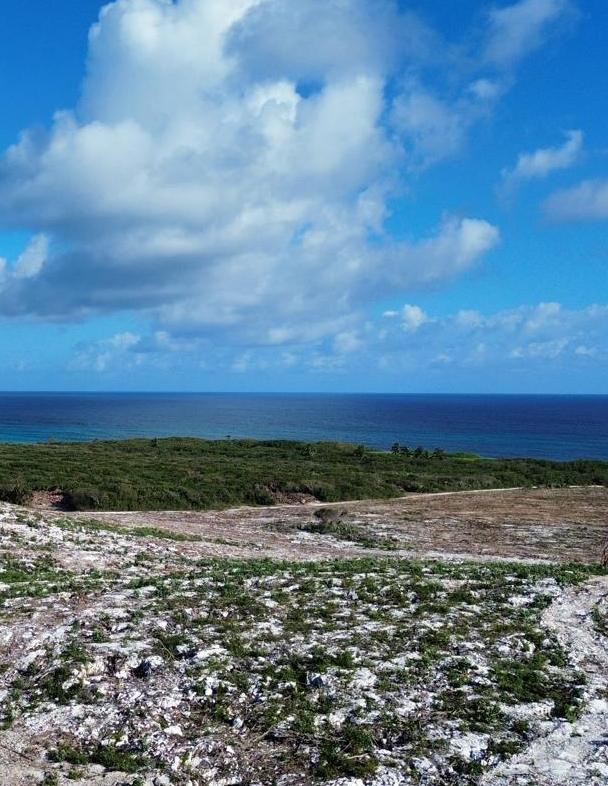

Through additional PPAs with entities including Family Island Microgrid Company and Renugen Pro Company Limited, renewable and hybrid systems are being deployed across Harbour Island, Bimini, Staniel Cay, Black Point, Farmer’s Cay, Moore’s Island, San Salvador, Long Island, and Cat Island.
These microgrids combine solar PV, battery storage, and high-efficiency backup generation. Unlike traditional diesel-only systems, they incorporate grid-forming and grid-following technologies carefully calibrated to each island’s ecosystem. This technical choreography ensures resilience against storms, load fluctuations, and future expansion.
For the first time, Family Islands are receiving energy infrastructure designed not as afterthoughts, but as integral components of the national grid.
The Power Purchase Agreements executed by the Ministry represent more than infrastructure contracts. They are instruments of national transformation.
They reduce fuel import dependency. They stabilise electricity costs over time. They improve reliability across
every major island. They lower carbon emissions. They create pathways for sustainable economic expansion.
The integrated approach, combining LNG as transitional baseload support with solar and battery storage, ensures that the transition to renewables is technically sound and financially responsible. It balances environmental ambition with grid security.
The 30% renewable energy target by 2030 is not aspirational rhetoric. It is backed by signed agreements, engineered designs, capital investment, and measurable megawatts already in development.
The sun that warms The Bahamas now powers it. Through strategic planning, disciplined execution, and island-by-island precision, the Ministry is delivering a cleaner grid, a stronger economy, and a more resilient nation.
A modern Bahamas is not just being imagined. It is being built, megawatt by megawatt.
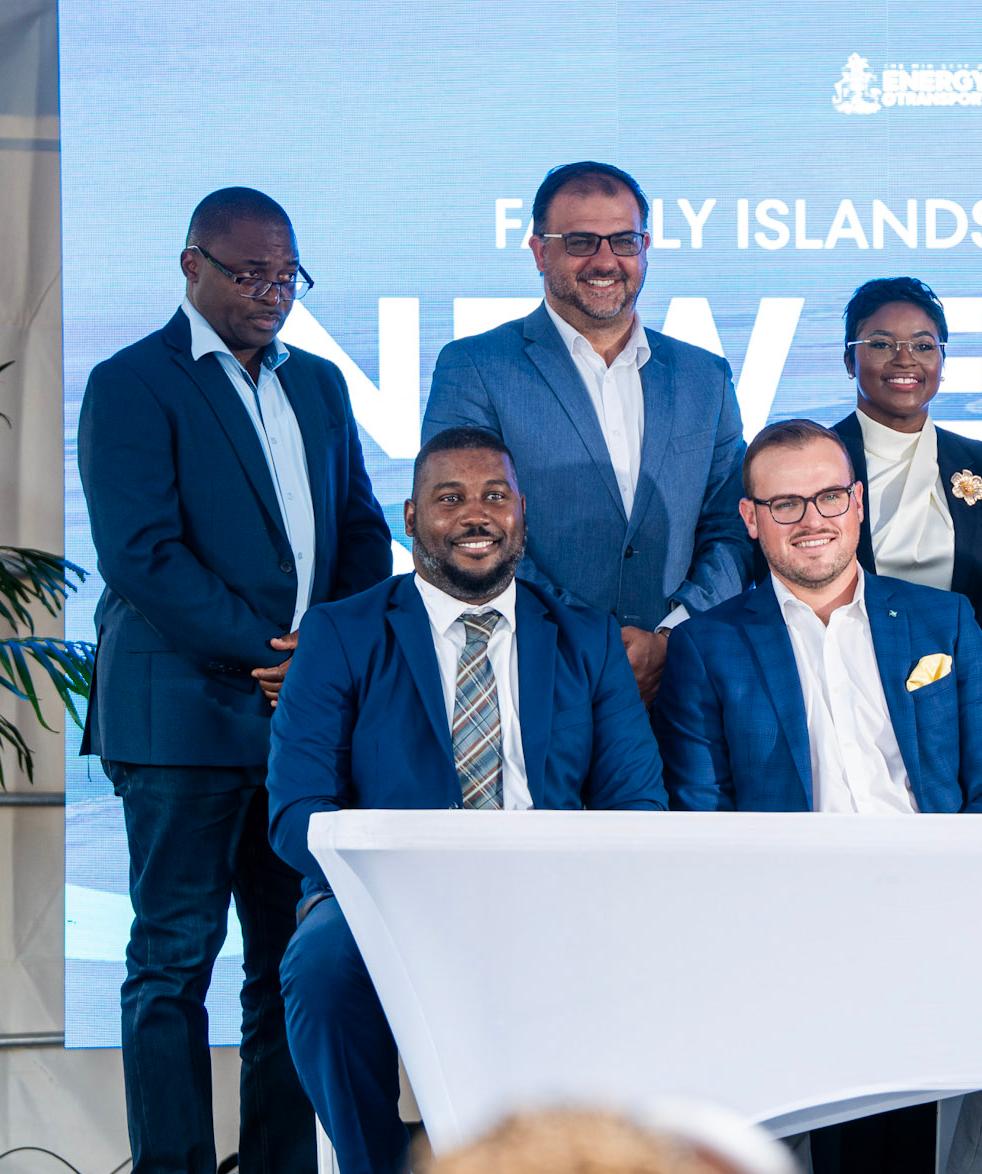
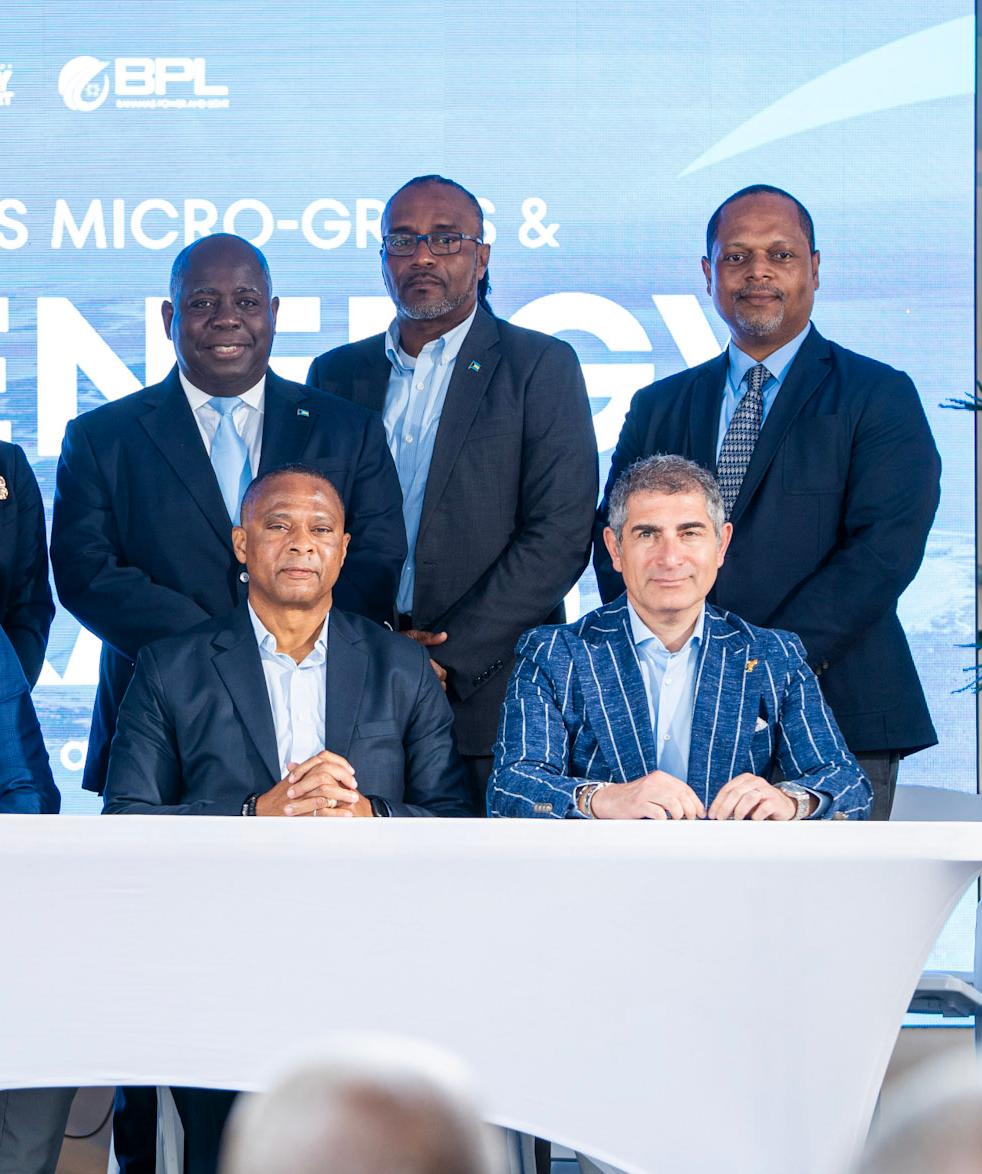
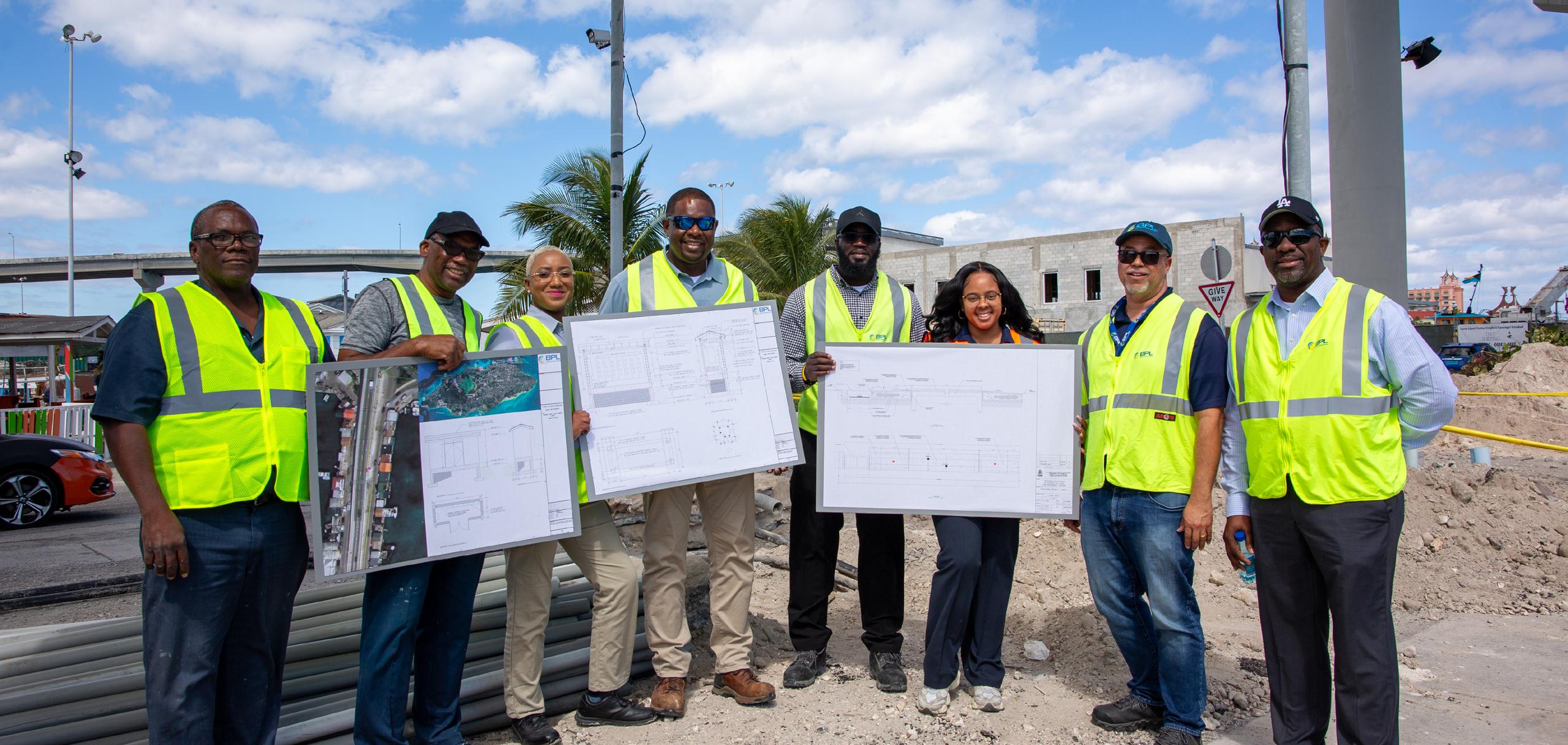
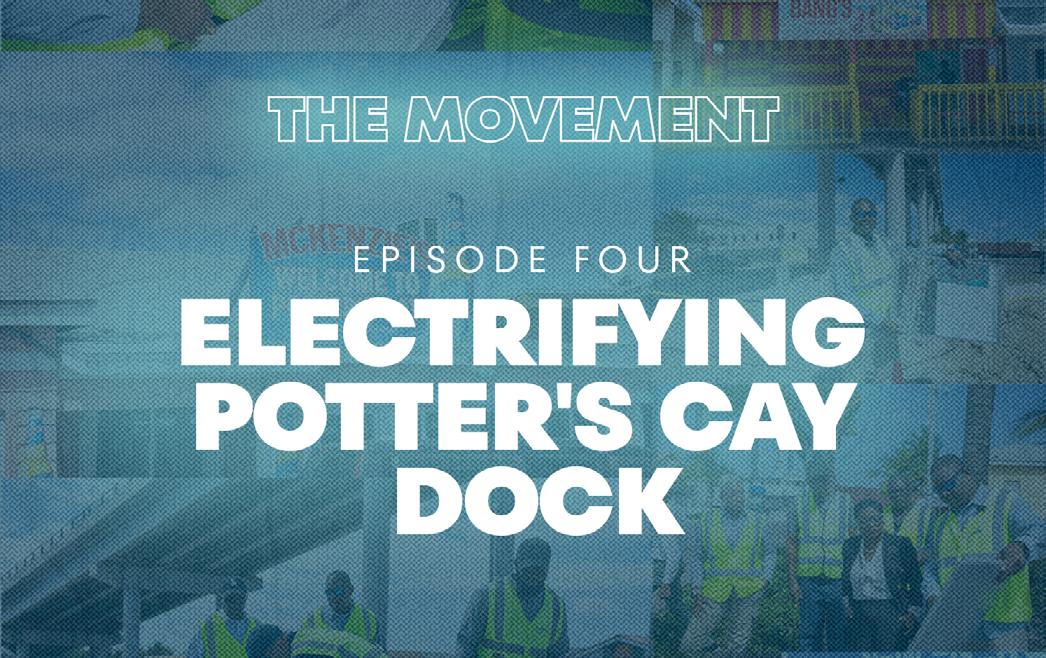
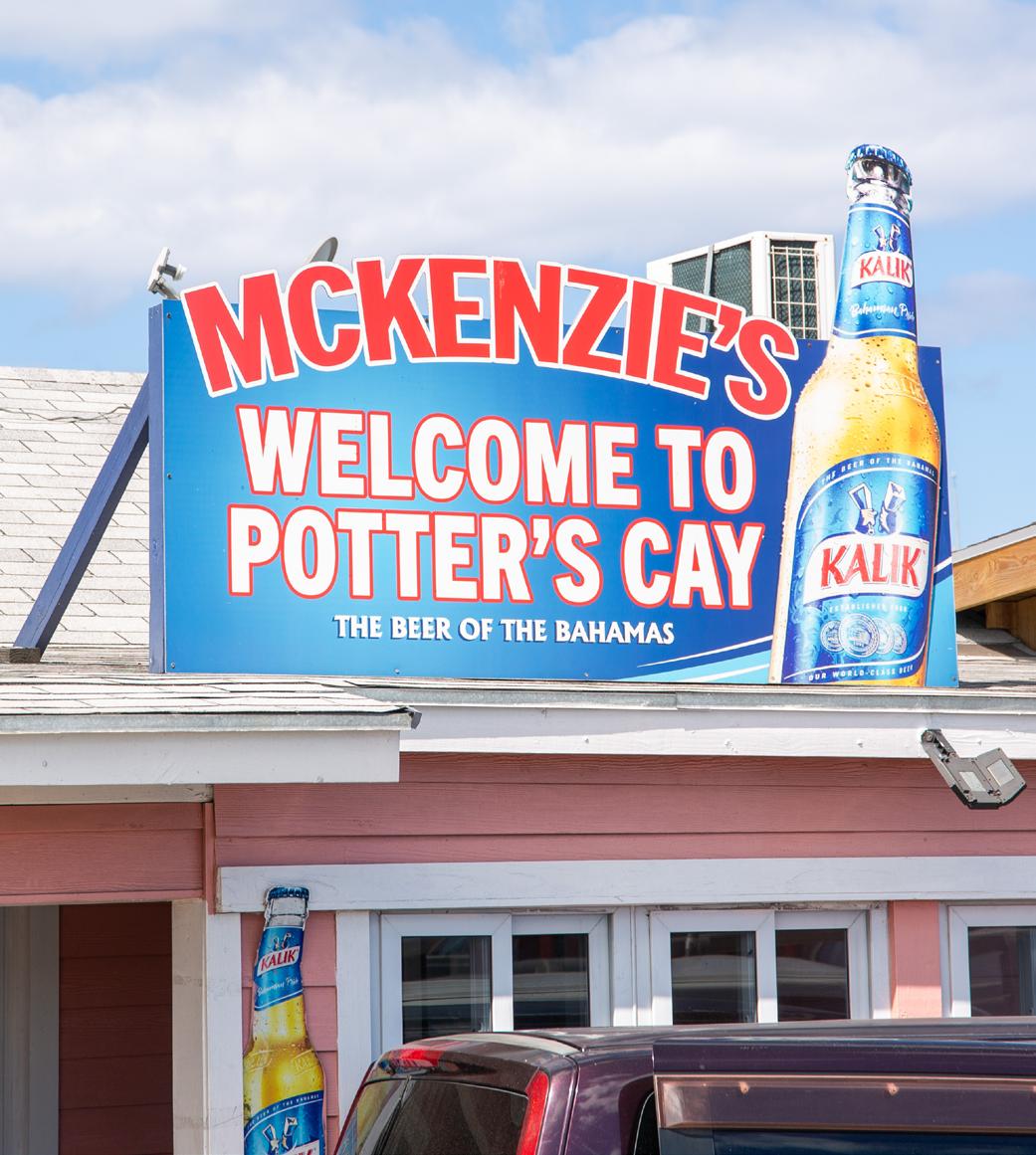
Beneath the iconic bridges of Nassau lies Potter’s Cay, one of The Bahamas’ most vibrant cultural and economic hubs. Known for its rich flavors, bustling vendors, and authentic Bahamian charm, Potter’s Cay has long been a cornerstone of community life and small business activity.
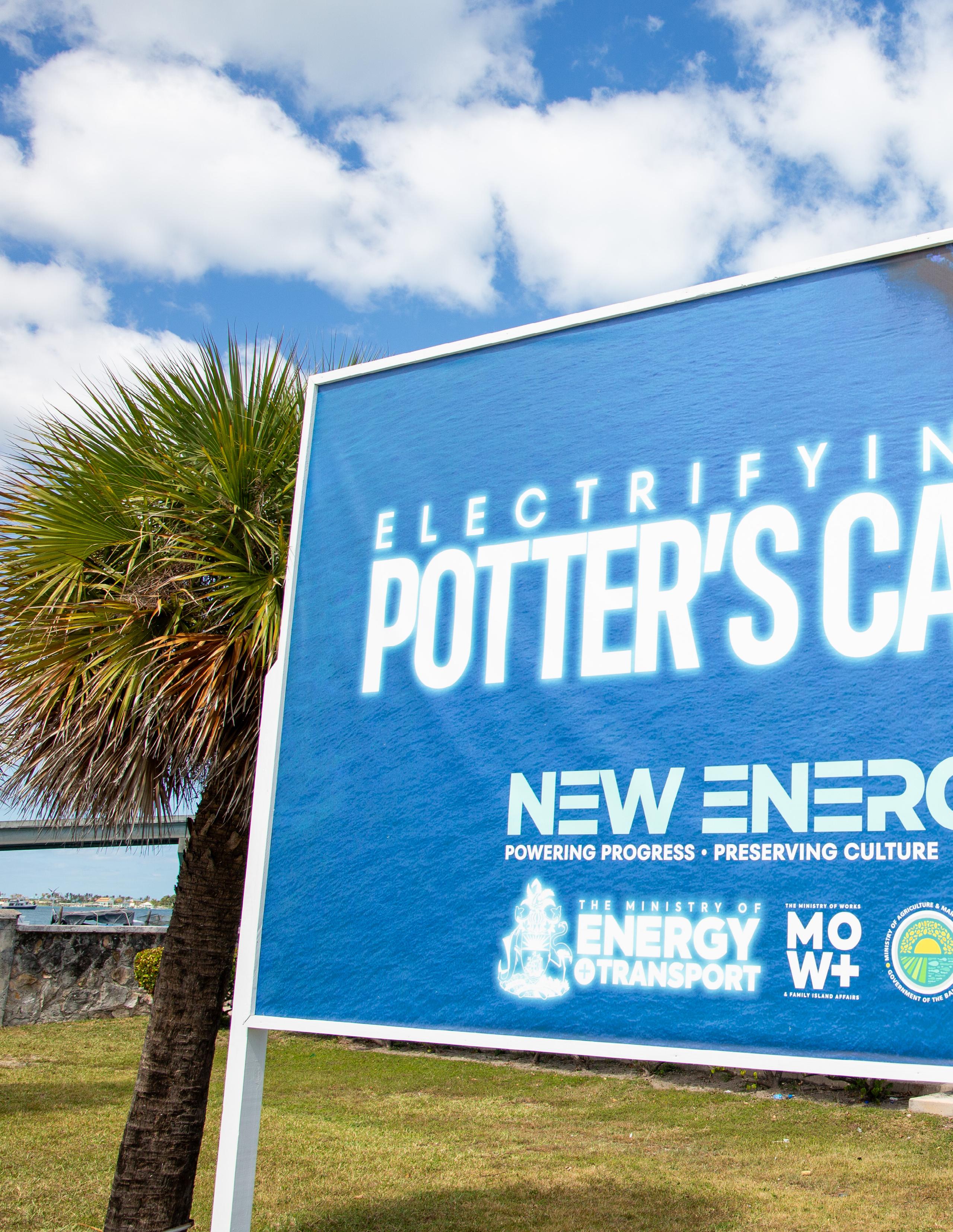
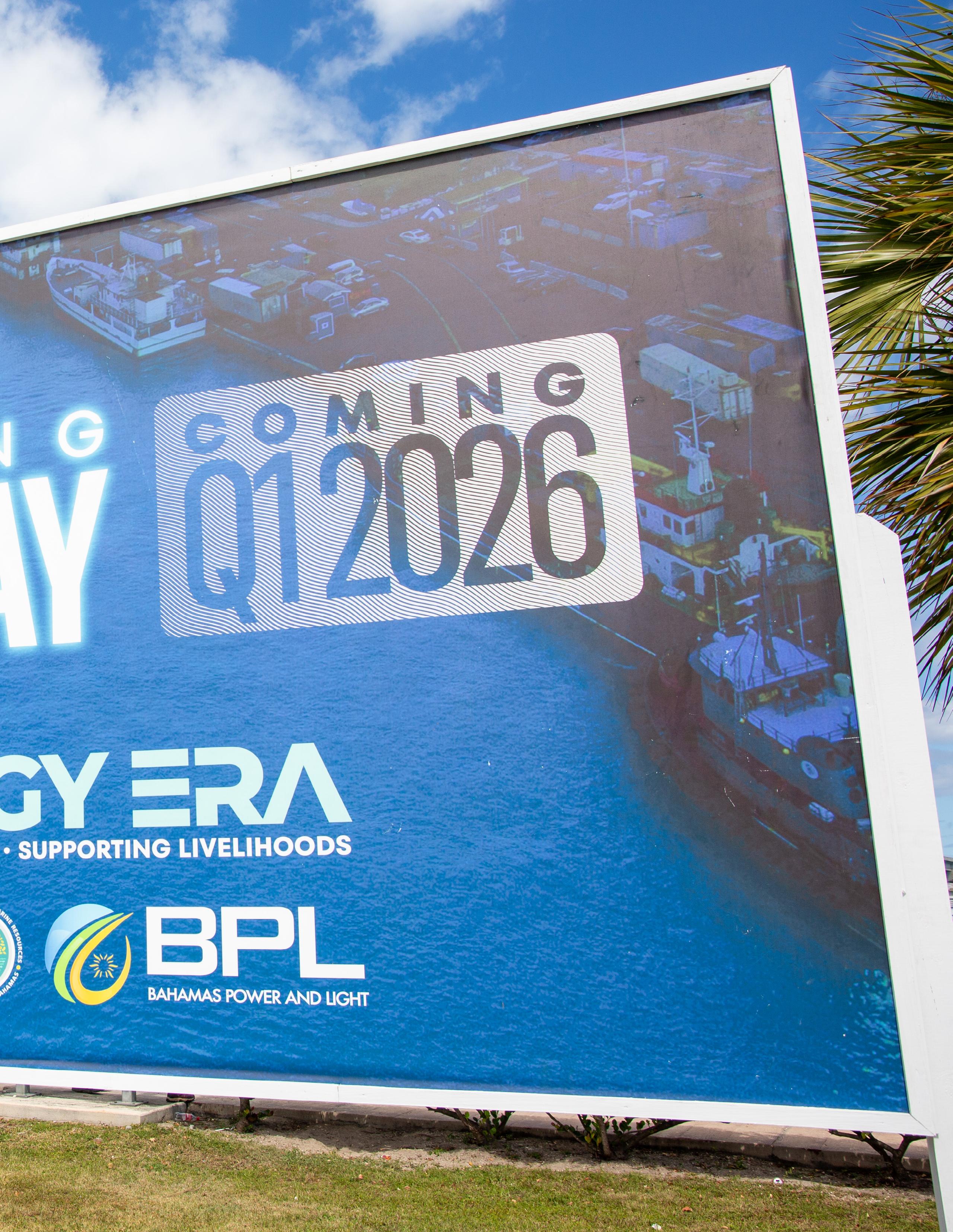
Today, it stands at the centre of a transformative initiative: the Potter’s Cay Electrification Project - a critical step towards modernising infrastructure, improving safety, and empowering local entrepreneurs.
For years, vendors at Potter’s Cay operated in conditions that reflected resilience but also significant constraints. Limited access to safe, reliable electricity created challenges for food safety, business operations, and overall working conditions.
Many vendors relied informal or unsafe electrical connections, generators, which were costly and environmentally unfriendly, and limited lighting, impacting nighttime operations and security.
At the same time, the broader vision to modernise Potter’s Cay - transforming it into a cleaner, safer, and more organised commercial space, required a formalised electrical system as a foundational component.
Electrification was therefore not just an upgrade, rather it was a necessity to:
• Enhance public health and food safety standards
• Improve vendor productivity and income potential
• Strengthen safety and regulatory compliance
• Support tourism and national economic activity
The Potter’s Cay Electrification Project focuses on delivering structured, reliable power to vendors across 25 vendor stalls located across both the eastern and western vendor areas, respectively.
Each stall is being equipped to receive safe and regulated electrical connections.
Key elements of the project include:
• Installation of a centralised electrical distribution system
• Construction of a meter house to manage and monitor electricity usage
• Structured wiring and connection points for each vendor stall
• Integration with national utility standards and oversight
This design ensures that electricity is delivered safely, efficiently, and equitably to all vendors
The project is being led by the Ministry of Energy and Transport in close coordination with key national stakeholders, including Bahamas Power and Light (BPL), Ministry of Agriculture and Marine Resources, Ministry of
Works and Family Island Affairs and the Port Department and local site authorities.
This collaborative approach ensures that the electrification works are aligned with:
• National building and electrical codes
• Utility infrastructure standards
• Broader redevelopment plans for Potter’s Cay
The project has also been structured in phases, beginning with “Quick Wins” to address immediate needs, while laying the groundwork for more comprehensive infrastructure upgrades in subsequent phases.
At its core, the Potter’s Cay Electrification Project is all about people.
It recognises the importance of small vendors in the national economy and seeks to provide them with the tools and environment needed to thrive. By formalising and upgrading the energy systems at Potter’s Cay, the project supports inclusive growth, ensuring that modernisation benefits those at the heart of Bahamian culture and commerce.
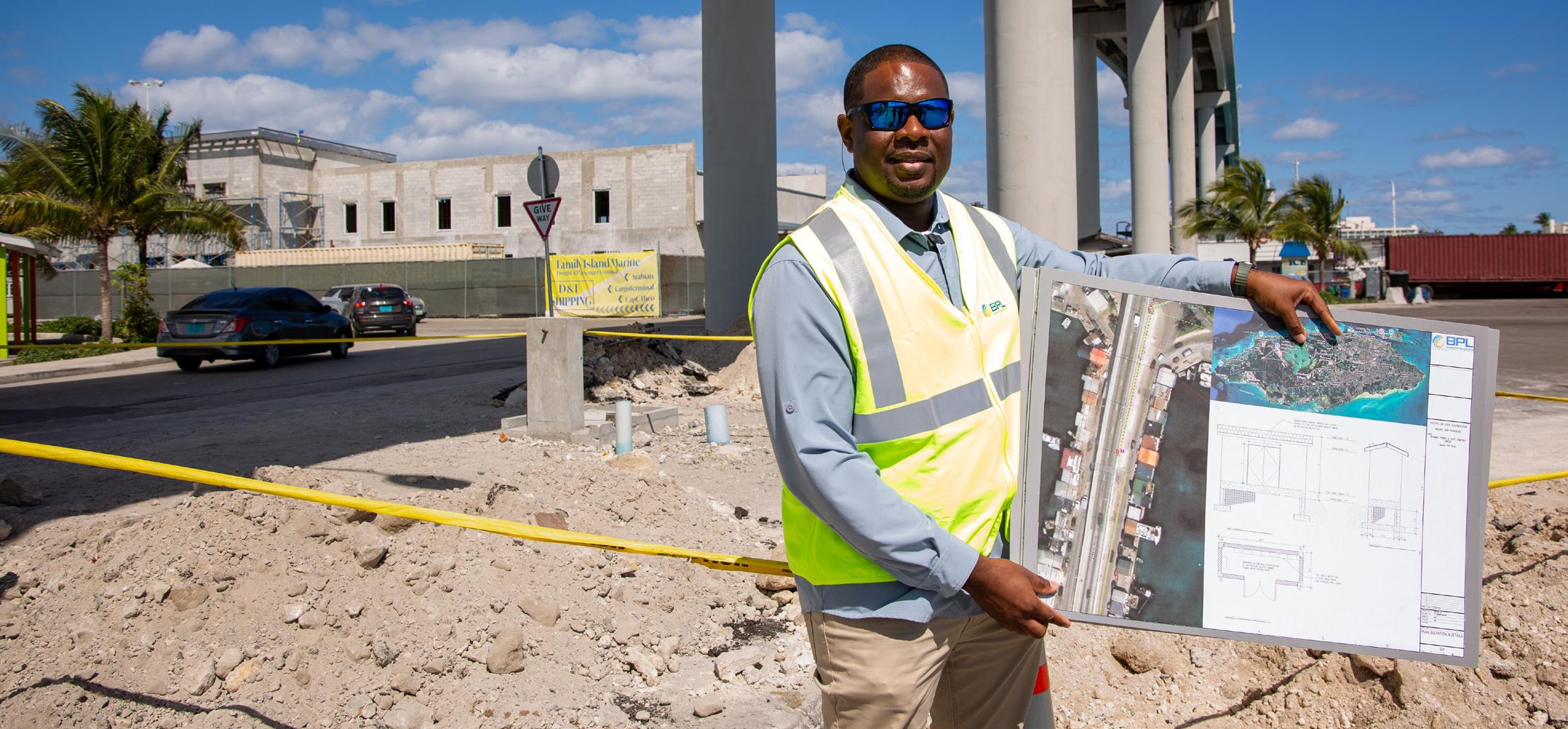
“Modern infrastructure should empower those who make our communities thrive.”
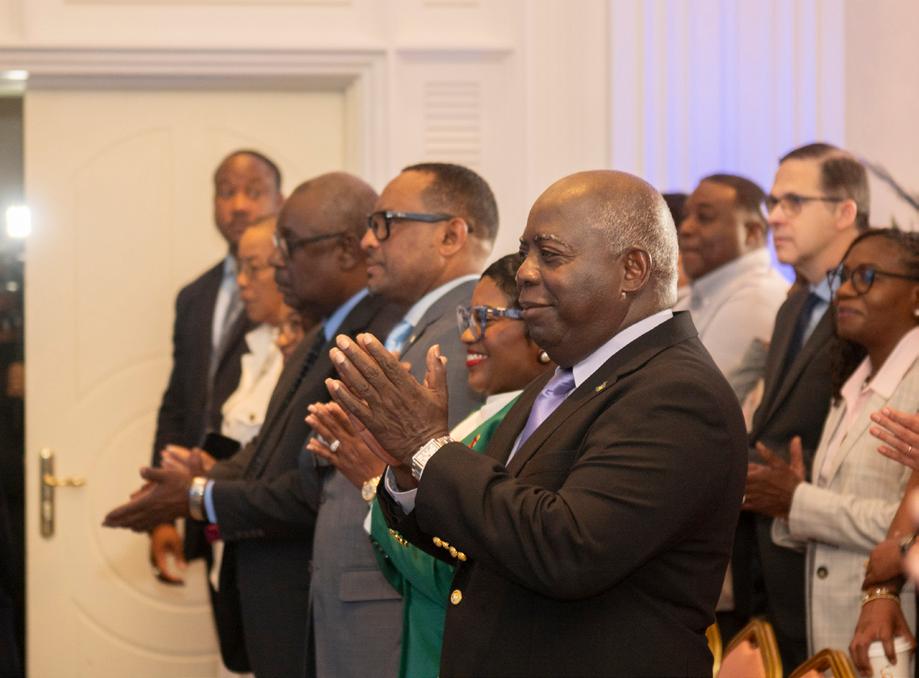

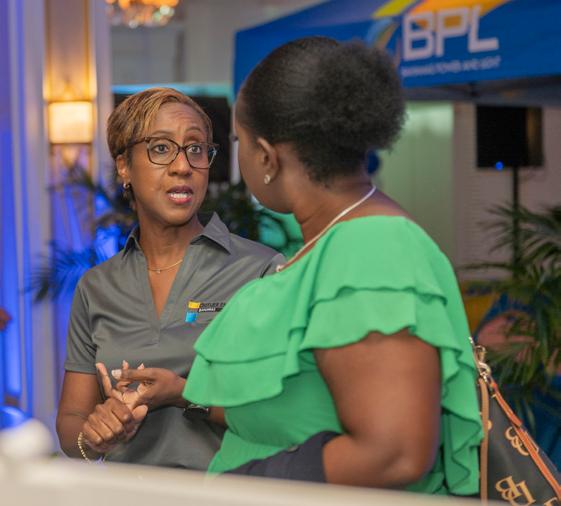
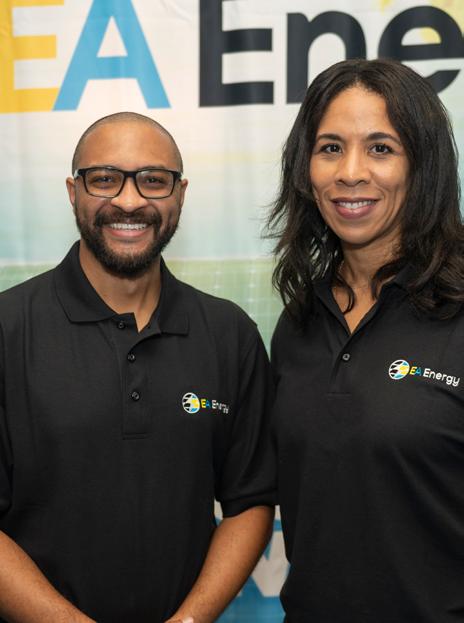

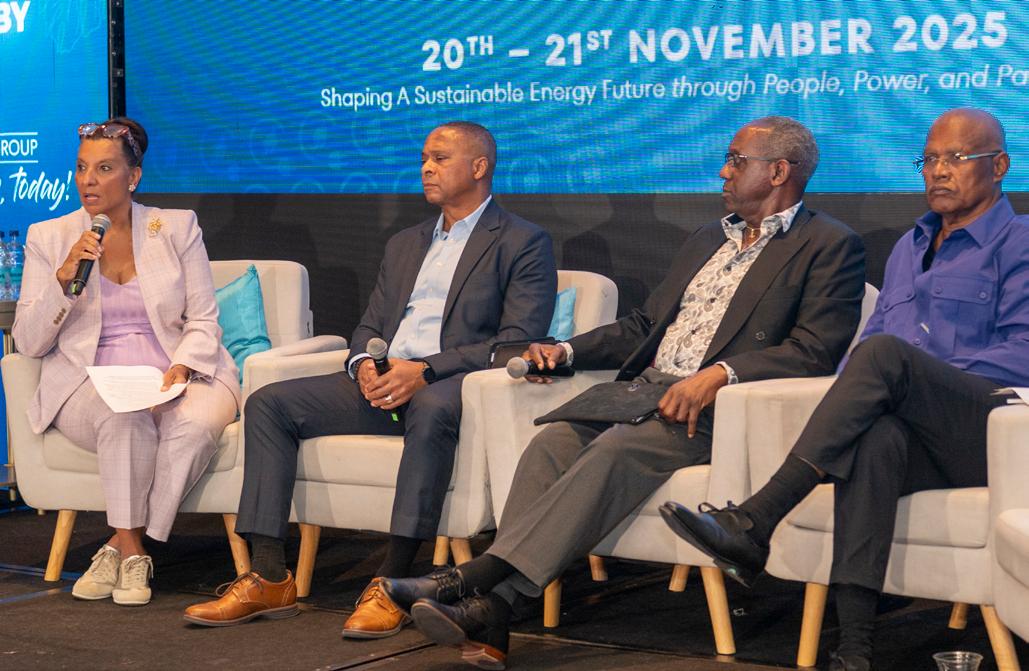
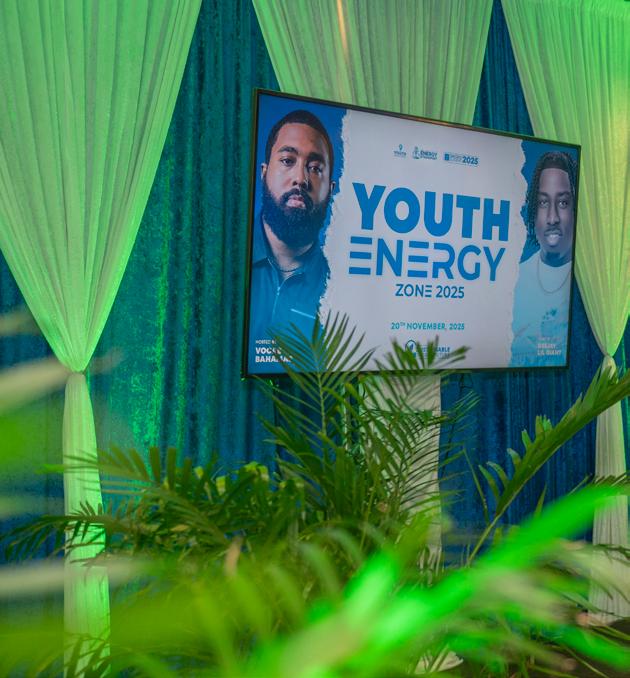
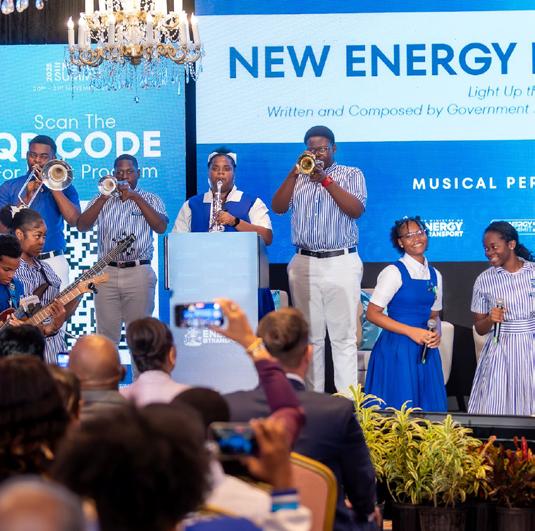
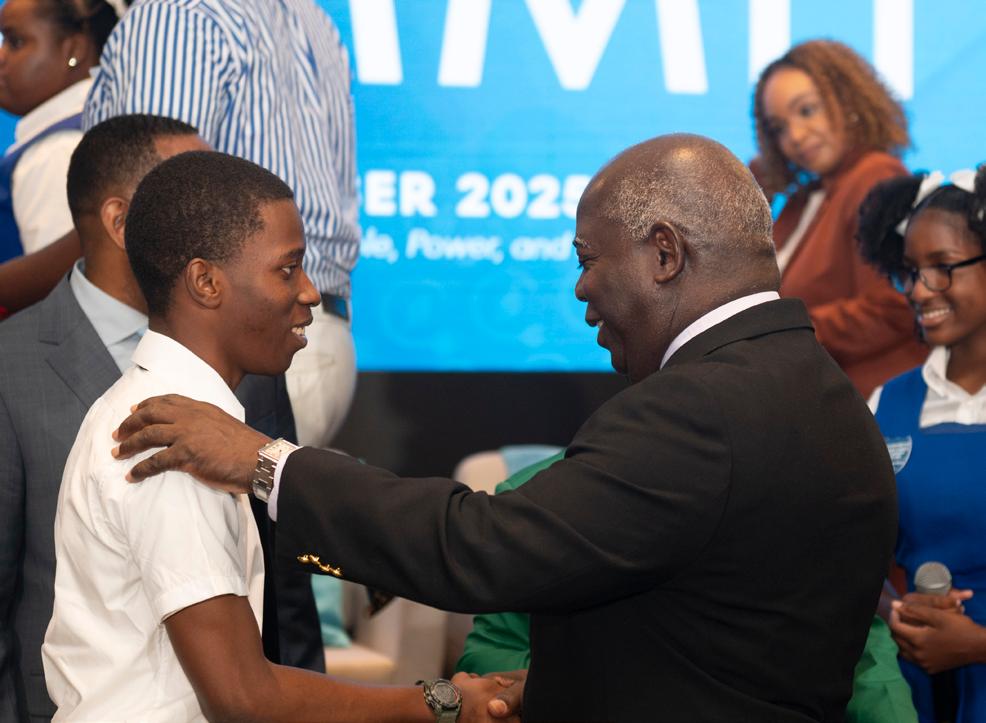
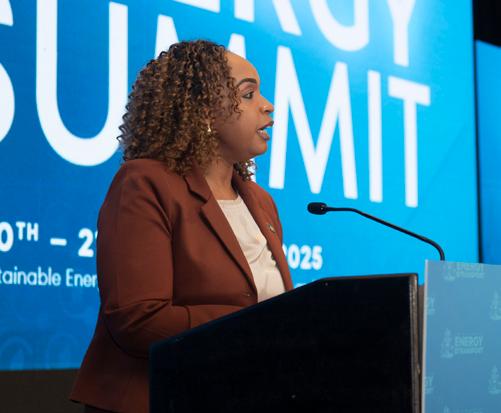
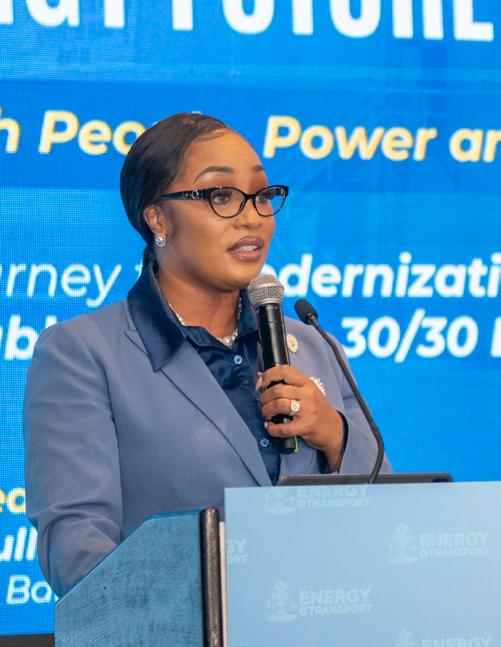
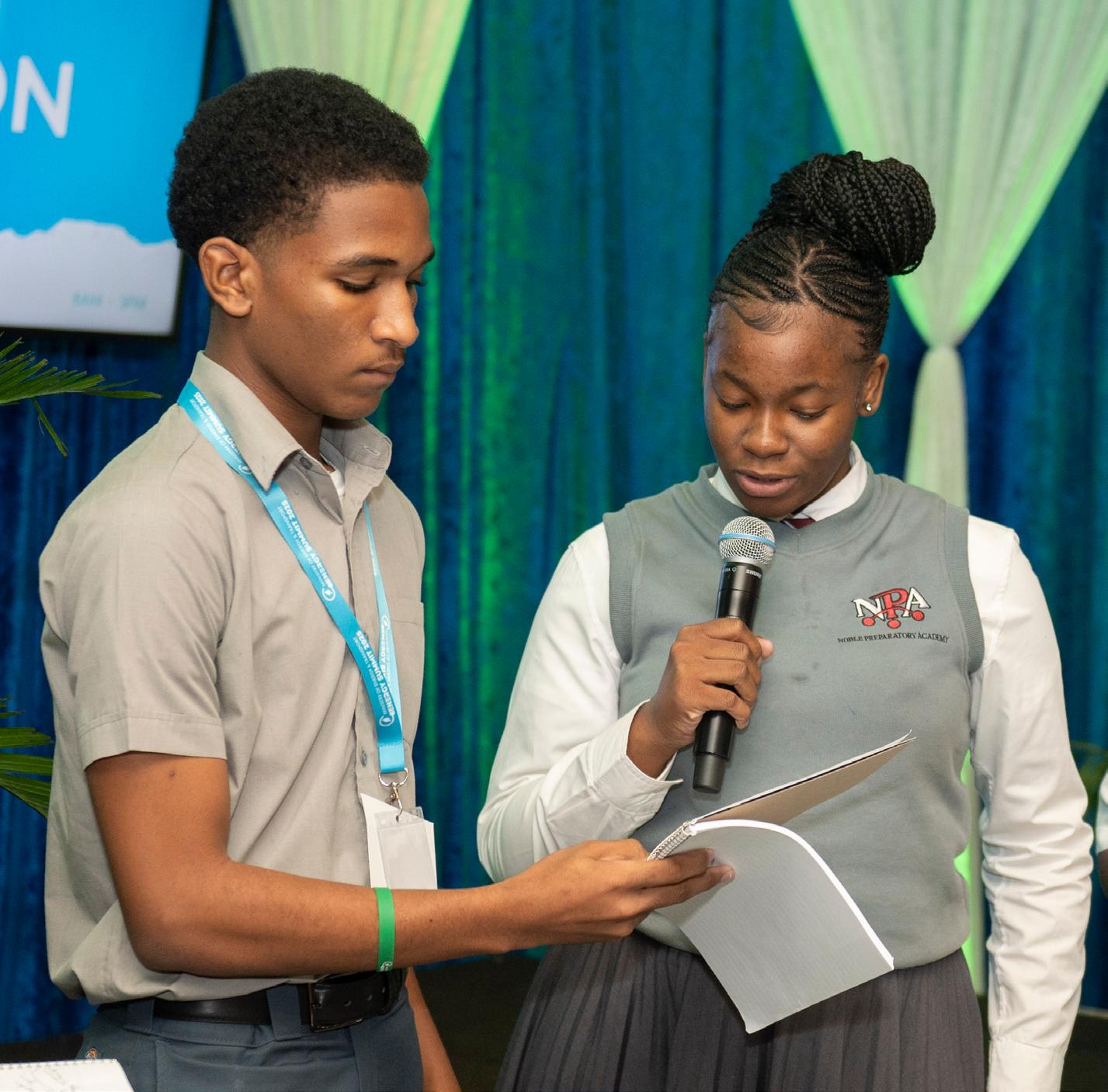
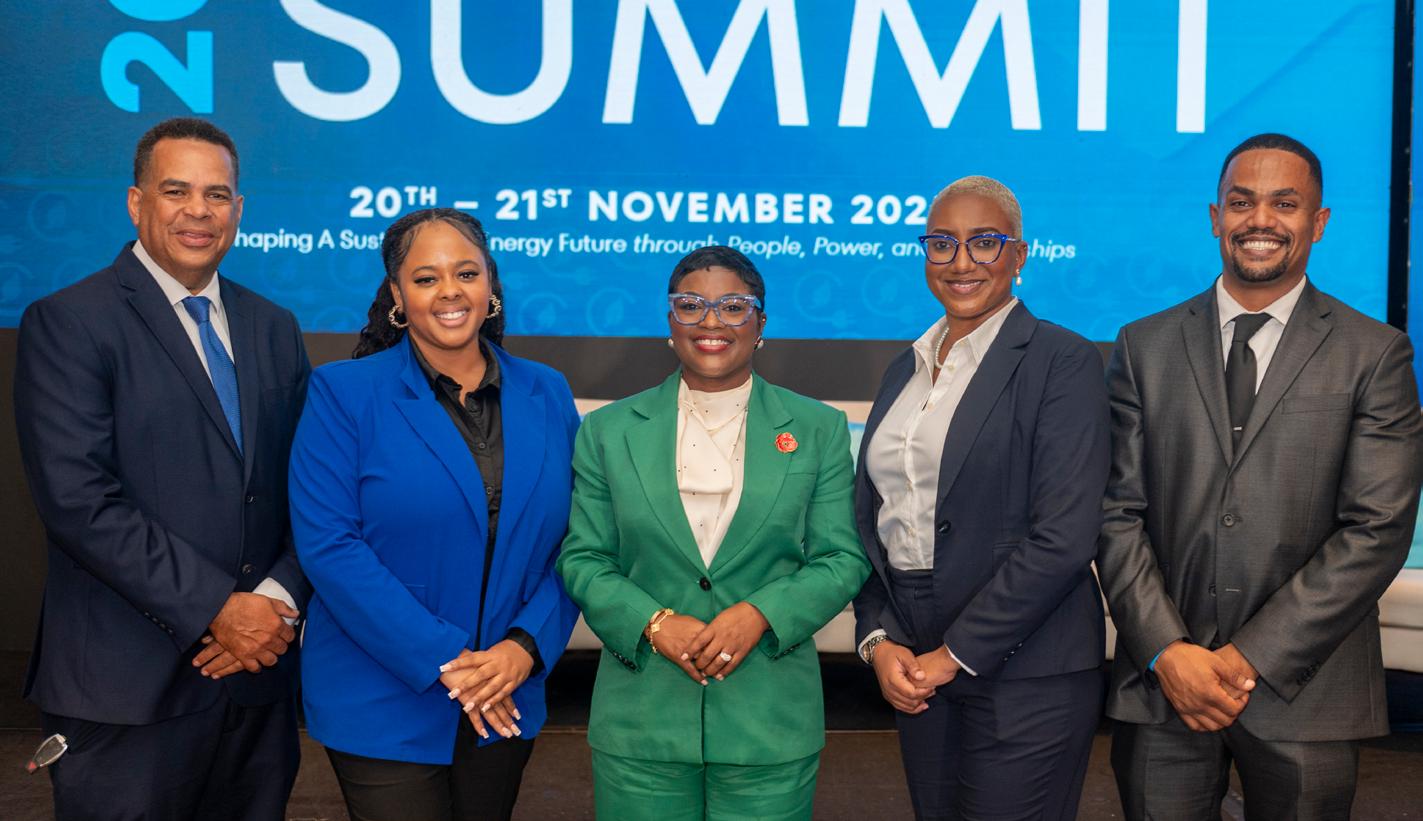
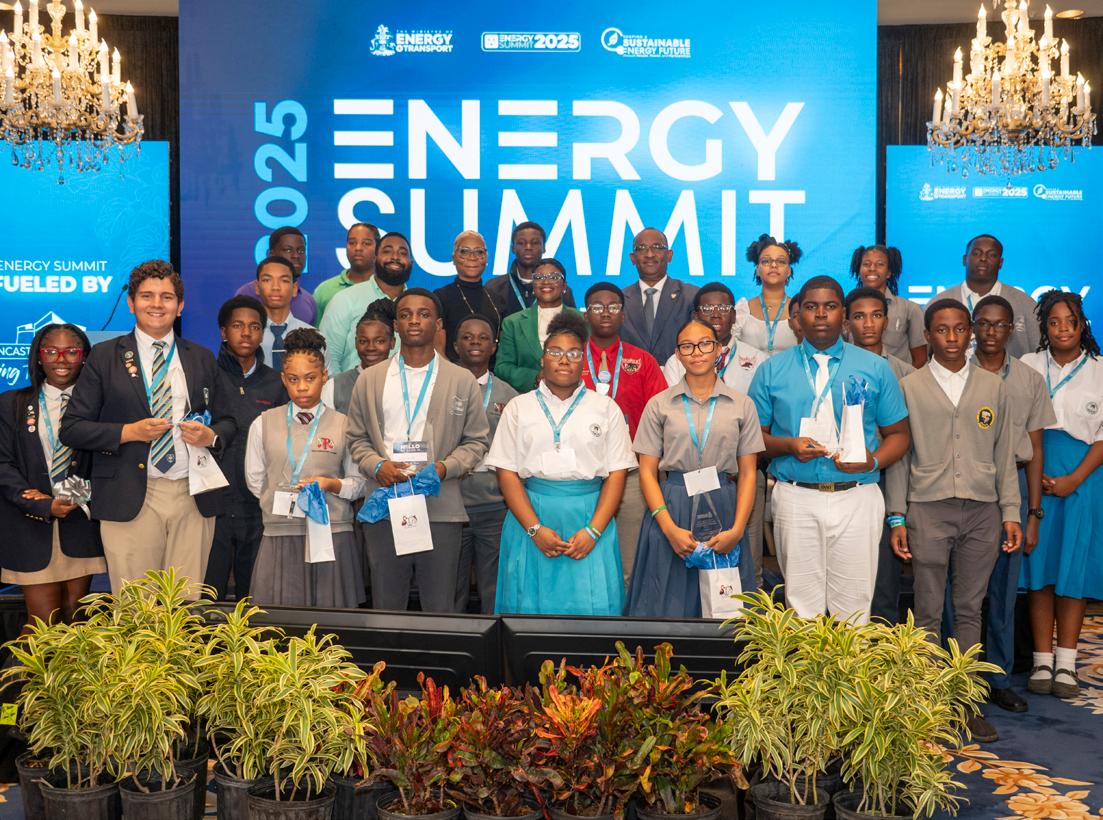
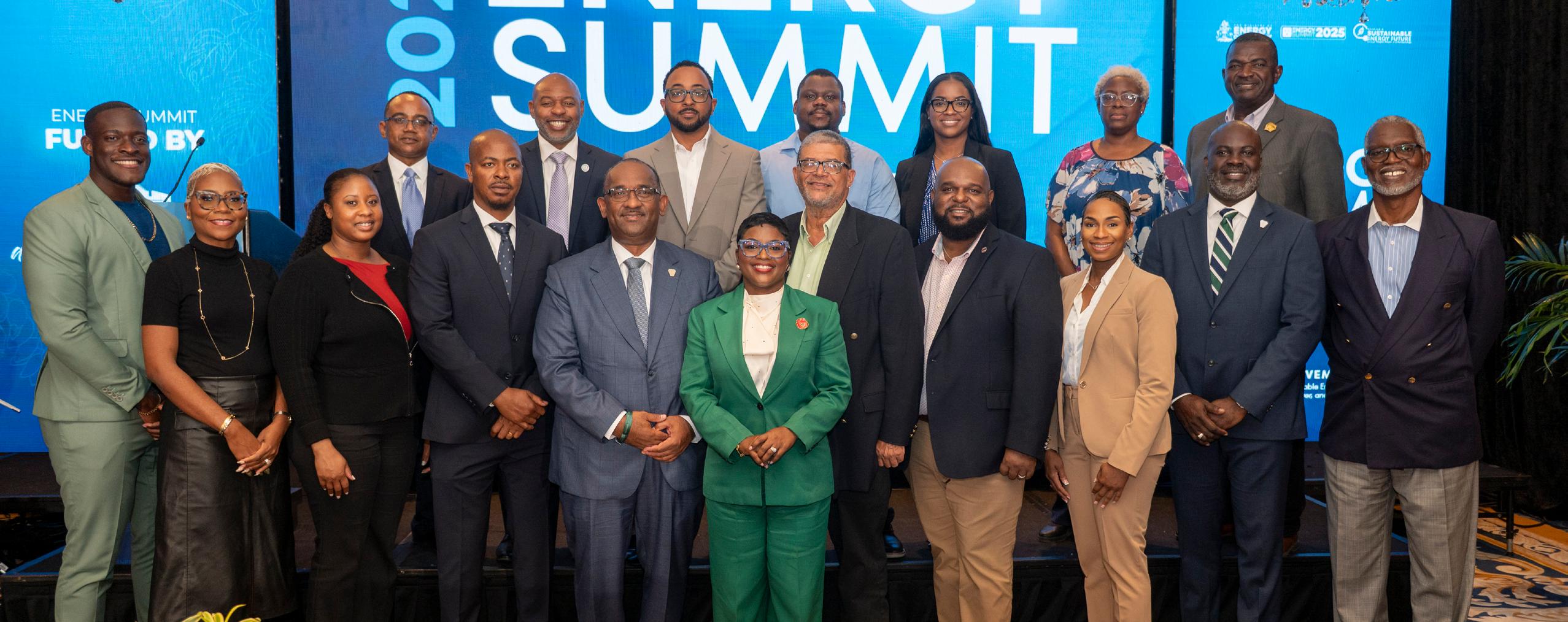
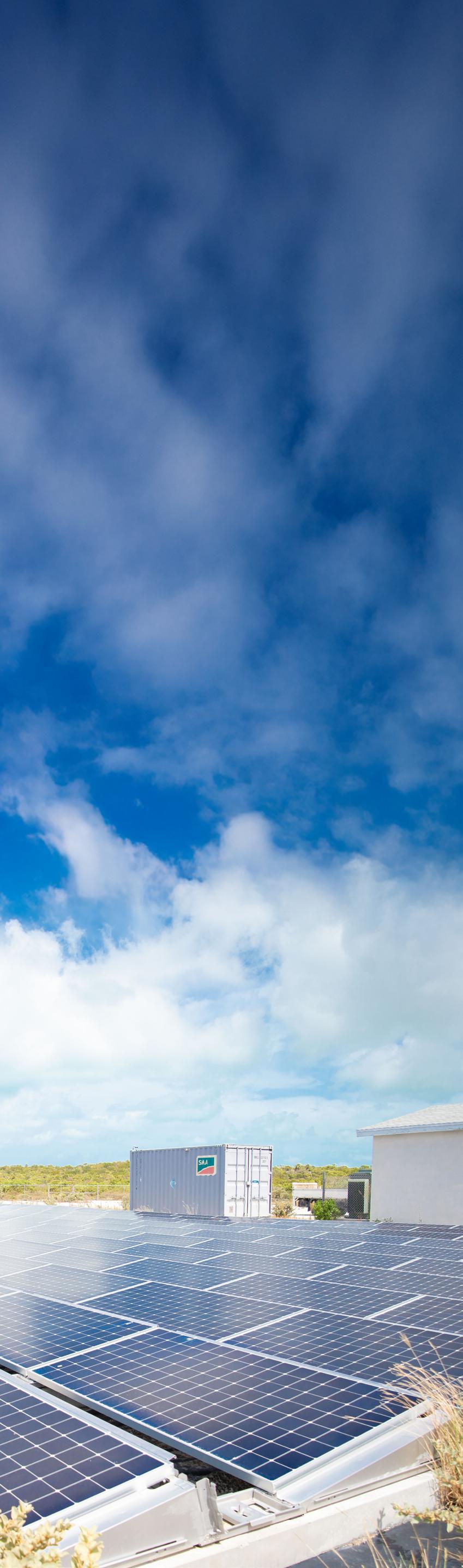
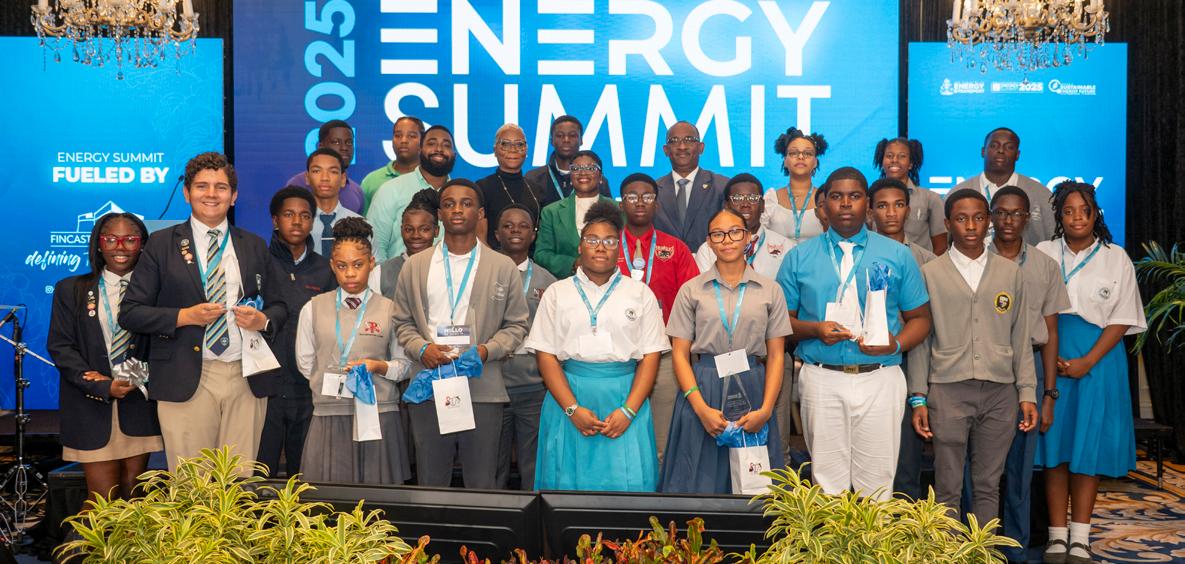
Energy Reform in The Bahamas took centre stage as we proudly hosted our second annual Energy Summit 2025. Over two days, government leaders, regional partners, industry experts, and young people came together in powerful dialogue on the future of energy in The Bahamas.
The Summit also featured our Youth Energy Zone, where the next generation engaged directly in conversations on innovation, sustainability, and what lies ahead. Together, the discussions reflected a clear message: The Bahamas is moving forward, with real momentum towards a more reliable and resilient energy future.





Energy & Infrastructure Transformation
Energy reform cannot be measured only in infrastructure.
It must also be measured in impact.
“Sustainable affordability requires a system strong enough to support it.”
In a small island state where electricity generation is capitalintensive and exposed to fuel volatility, affordability is not a peripheral issue. It is central to economic participation and social stability. But affordability that ignores system sustainability ultimately undermines itself.
Reform, therefore, must balance both.
The Equity Rate Adjustment represents more than a pricing change. It is a recalibration of how cost is distributed across consumption levels.
For too long, tariff structures have been misaligned with operational realities. Over time, those imbalances strain the system and increase exposure.
The revised structure shifts relief towards lower consumption bands while reinforcing conservation at higher usage thresholds. It does not eliminate fuel costs, nor does it ignore system obligations. Instead, it rebalances base rates and fuel charge bands in a way that protects

essential usage without distorting grid economics. The objective is predictability. Predictability requires structure.
Affordability measures must also recognise vulnerability.
The Social Tariff Review reflects an understanding that certain households face energy burdens disproportionate to income — seniors on fixed incomes, low-income families, and other qualifying groups whose consumption may be essential rather than discretionary.
A durable social tariff framework must be clearly defined:
• Who qualifies?
• What level of support is provided?
• How is eligibility verified?
• How is the programme sustainably funded?
Social protection must be embedded within reform — not layered on top of it.

Compassion without fiscal integration creates instability.
Fiscal discipline without targeted protection erodes legitimacy.
Policy must reconcile both.
Infrastructure modernisation and affordability are not competing priorities. They are linked.
Efficient transmission reduces system losses. Diversified generation reduces fuel exposure. Modernised infrastructure lowers outage risk and emergency expenditure. Each of these reduces long-term cost pressure.
Reduced volatility is social protection.
Improved reliability is social protection.
Lower structural inefficiencies are social protection.
Affordability is strengthened when the system itself is strengthened.
Ignoring sustainability to deliver short-term relief merely transfers cost into the future. Sustainable affordability requires that the grid remain financially viable and operationally resilient.
Energy transformation must function on two levels: the balance sheet and the household ledger.
The Equity Rate Adjustment recalibrates structure. The Social Tariff Review reinforces protection. Together, they signal a policy direction that acknowledges both fiscal reality and social responsibility.
The measure of success will not be rhetorical reassurance. It will be whether the system becomes more stable, more equitable, and less exposed to structural shock.
Affordability is not an add-on to reform.
It is a condition of its credibility.
And credibility, once established, is what sustains trust.
DID YOU KNOW?
Batteries store excess solar energy so electricity is available even when the sun is not shining
FICTION
“Renewable energy can’t keep the lights on.”
Solar panels with battery storage provide steady power day and night. Cleaner fuels like LNG make the system even more reliable so homes and businesses stay powered.
Bahamian households can save hundreds of dollars each year by combining solar, battery storage, and energy efficiency
FICTION
“Clean energy is too expensive.”
FACT BITE
LNG produces fewer emissions than traditional fuels which improves air quality
The upfront cost of solar panels and batteries pays off over time through lower electricity bills. LNG also helps reduce national fuel costs, making energy more affordable for everyone.
FICTION
“Fossil fuels are the only reliable energy source.”
Combining solar, battery storage, and LNG reduces reliance on traditional fuels while providing reliable and cleaner electricity.
FICTION
“Saving energy is inconvenient.”
FICTION
“Clean energy won’t create jobs.”
Simple actions like using energyefficient appliances, charging batteries during the day, or reducing unnecessary electricity use make a difference without changing your lifestyle.
FACTS
Solar installation, battery maintenance, and cleaner fuel management are creating new opportunities for Bahamians to work in a growing, high-tech sector
STEP COUNTS
FICTION
“One person can’t make a difference.”
FACTS FACTS
Each energy-smart choice from using solar panels to conserving electricity adds up. Together, these steps create a cleaner and more sustainable Bahamas
TIP
Turning off devices when not in use adds up to significant savings
DID YOU KNOW?
Every investment in modern energy supports local employment and strengthens the economy.
TAKE ACTION
Start small today. Turn off unused lights or use solar power when possible. Every choice matters.



APRYL SANDS
Communications Coordinator
“Storytelling has always been at the heart of my work. In planning and communications, I now help shape real change, from energy initiatives to the electrification of Potter’s Cay Dock. For me, it is simply about impact, using communication to improve lives.”
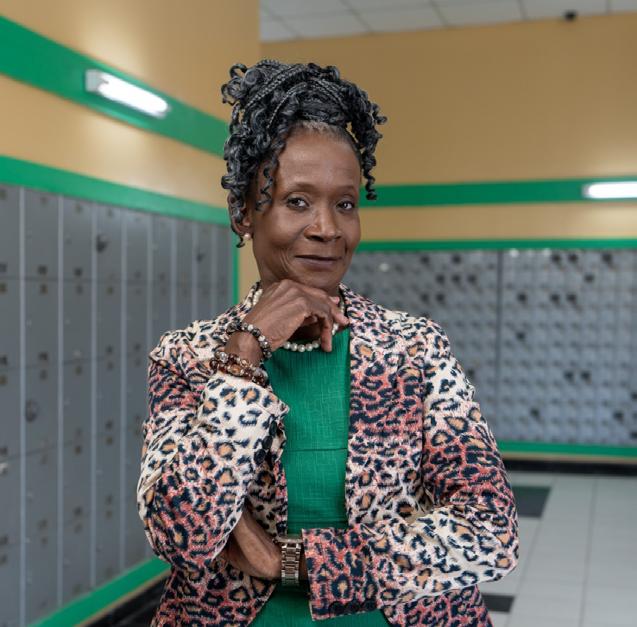
Post Office Superior Superintendent
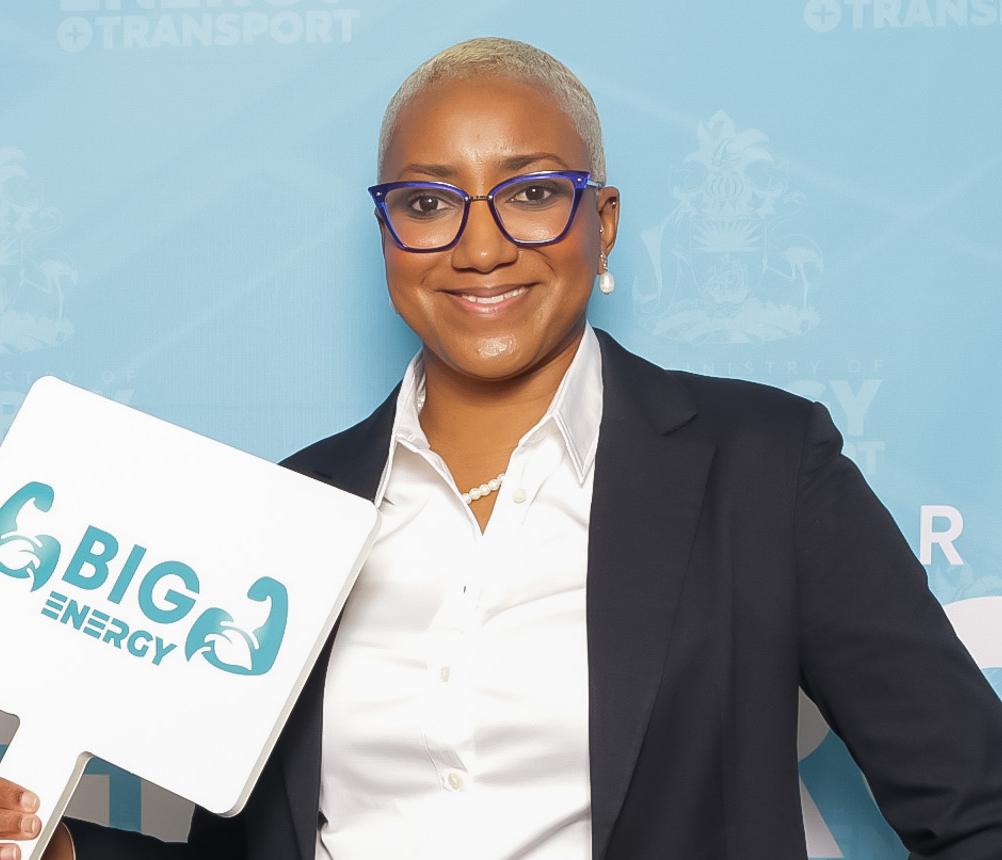
Potters Cay Electrification
“I love what I do because it’s about bringing policy, technology, and people together to move The Bahamas forward. In that space, I’m not just working… I’m helping to build solutions, strengthen communities, and shape a future we can all be proud of.”
“My favorite part about working in the Post Office is imparting knowledge to the new workers. There are certain standards the Post Office had when I first came in, and I’ve watched them dwindle away. So before I leave the public service, I would like to bring some of those things back to the Post Office.”
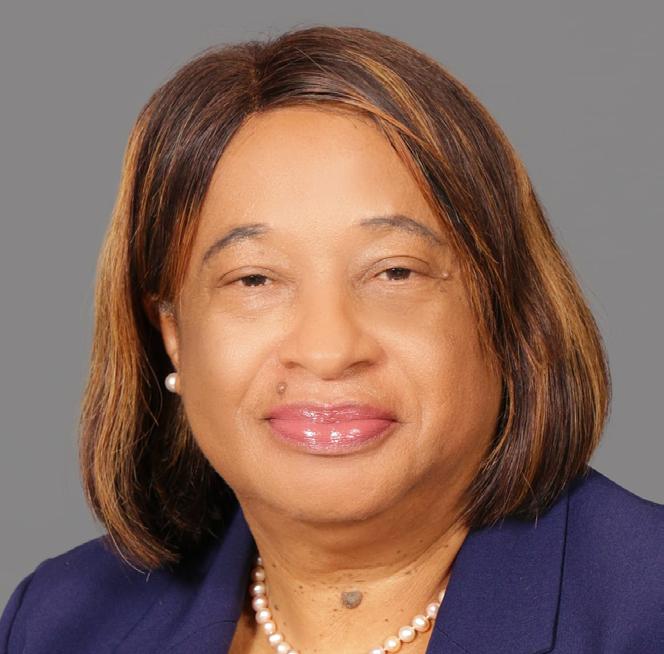
DONELLA BODIE
Permanent Secretary
“It has been an honour to serve at the Ministry of Energy and Transport alongside a dedicated team and a Minister committed to delivering lasting policy change for The Bahamas.”
VAUGHN NEWMAN Consultant
“Telling the story of Energy and Transport is about more than communication; it’s about ensuring the public understands the progress being made, the systems being strengthened, and the real impact these changes are having across The Bahamas.”

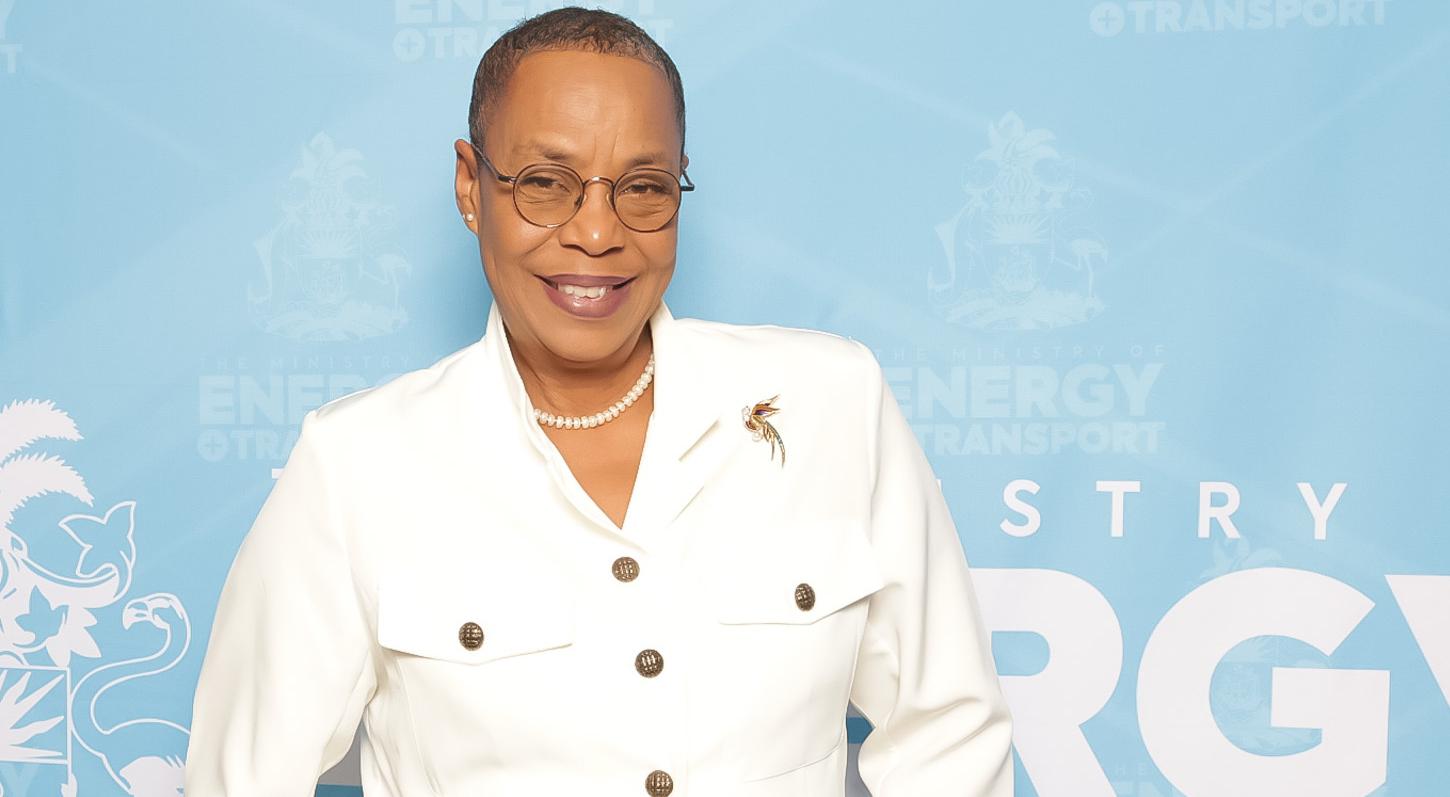
Under Secretary
“What inspires me is the knowledge that behind every system is a person depending on it. This work is meaningful because it is about strengthening the systems that keep our country moving and making life a little easier for Bahamians.”
Chief Energy Officer
“At the heart of my work is service. As Chief Energy Officer, I am driven by the responsibility to strengthen systems, solve challenges, and help build a more resilient energy future for The Bahamas.”

Energy Manager
“Every step I take in energy, agriculture, or sustainability is driven by the same goal: to support Bahamians, protect our environment, and build a healthier, more resilient future for our islands.”
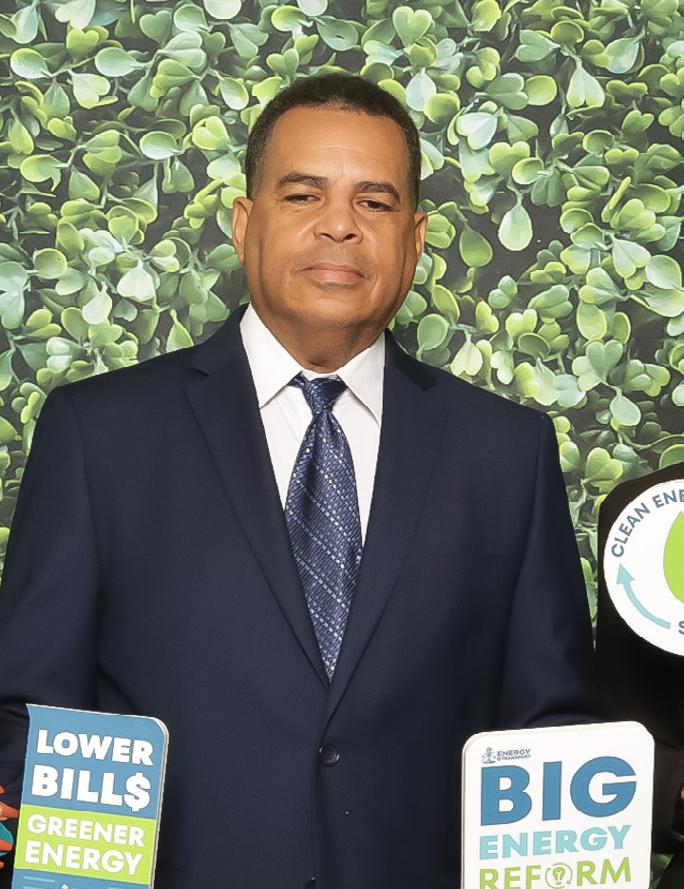
KENDRIA FERGUSON
ESG and Monitoring & Evaluation Specialist Consultant
“It is a true honour to serve in ways that touch the daily lives of Bahamians, and a privilege to be part of work that helps make life a little easier for us all.”

RTD Clerk
“What I value most in my work is knowing that I contribute to keeping people safe on our roads. Enforcing the law and helping to prevent accidents gives my role real purpose and meaning.”

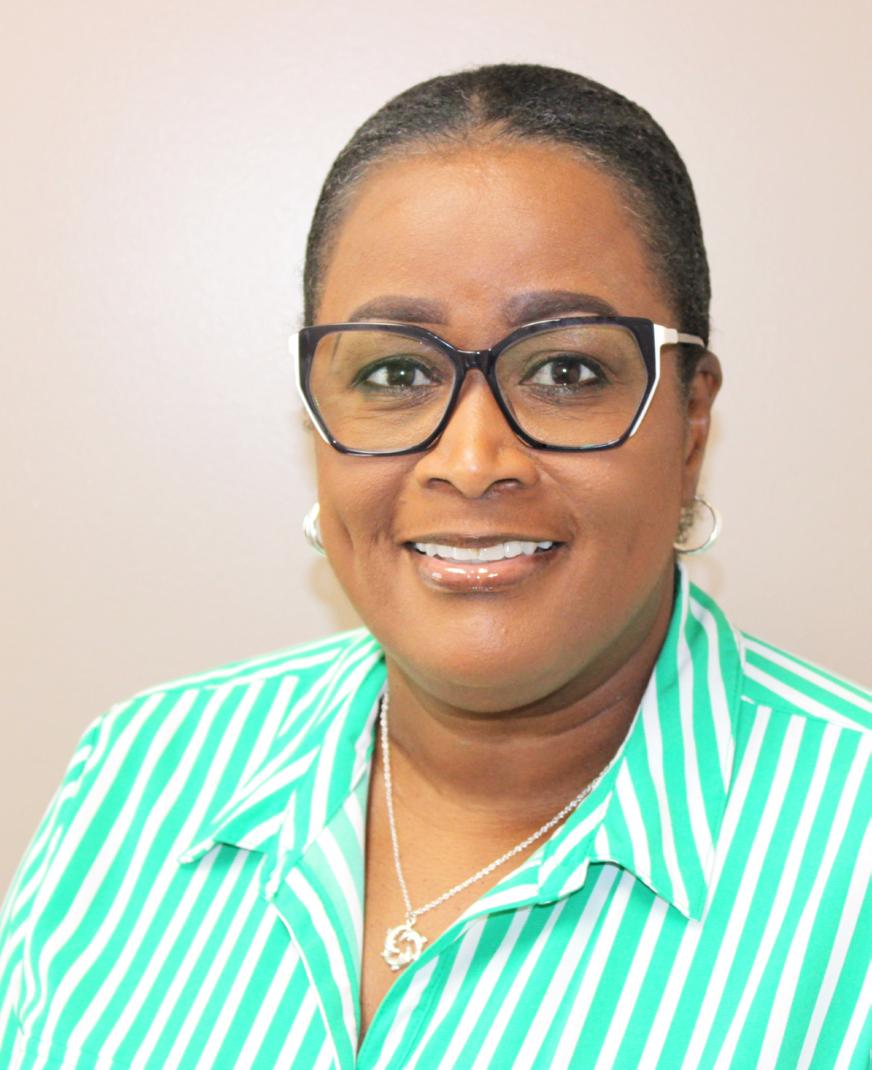
Chief Meteorological Officer

HIRAM LOCKHART
Jr. Electrical Engineer Consultant
“It’s a pleasure knowing that the work we do here is impacting the country for the better, especially when that impact is felt in the everyday lives of Bahamians.”
“Being a supervisor, mentor and sometimes even a confidante to my colleagues is what truly drives me. I stay focused on my work and I welcome challenges as opportunities to grow and give my best.”
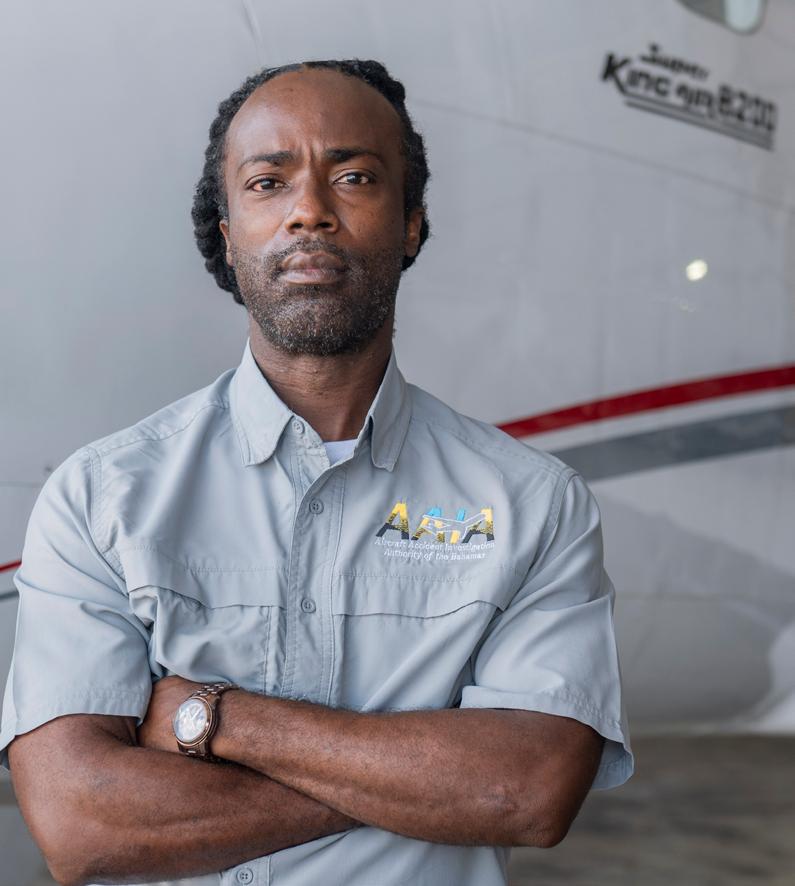
Airworthiness Investigator
“What matters most to me is knowing that my work contributes directly to safer skies. After years in aircraft maintenance, I wanted to be part of reducing incidents from a deeper, more preventive standpoint. Today, that purpose continues to guide everything I do.”

Thank you for the work you have done, the progress you continue to drive, and the future you are helping to build.
Hon. JoBeth Coleby-Davis Minister of Energy & Transport
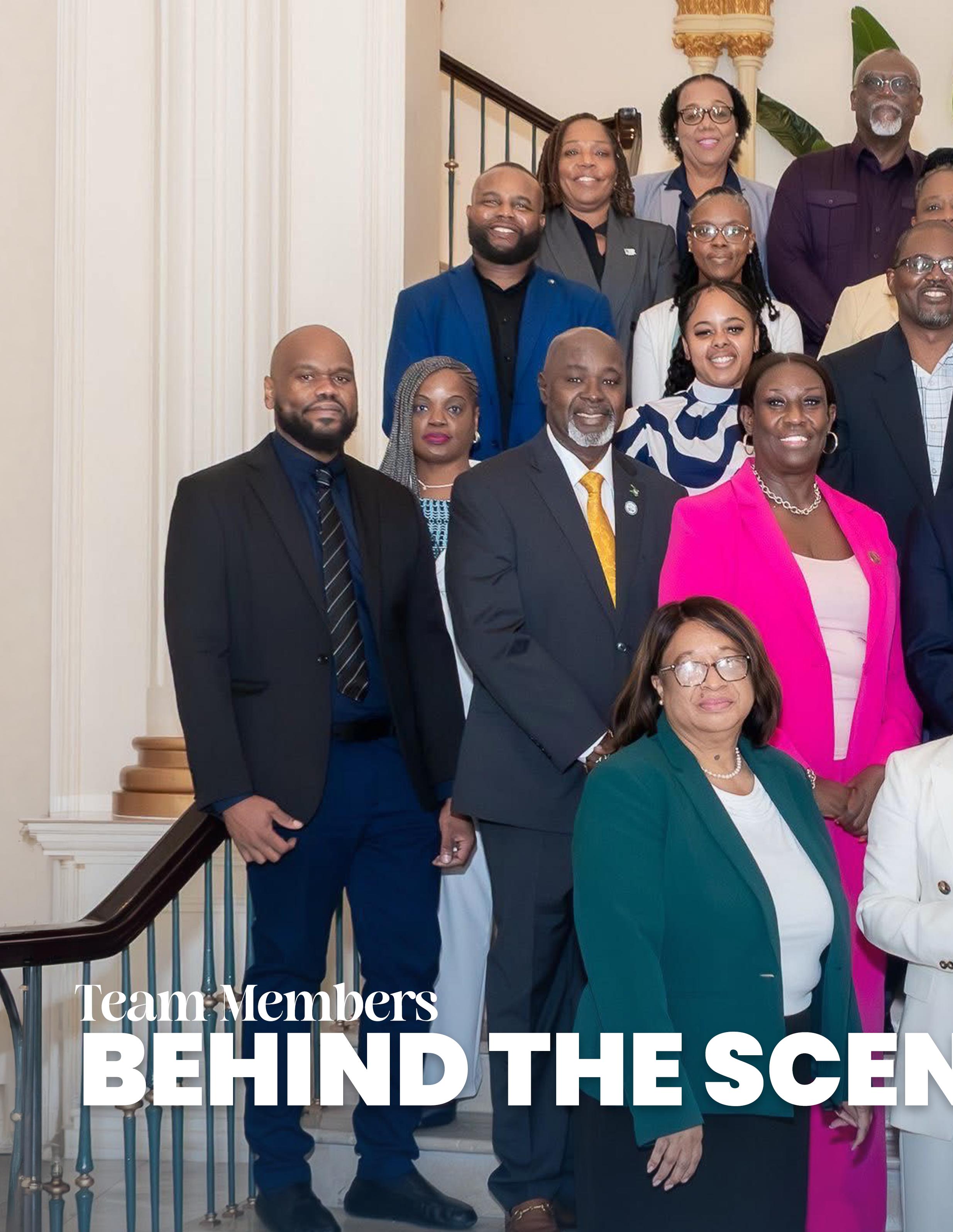



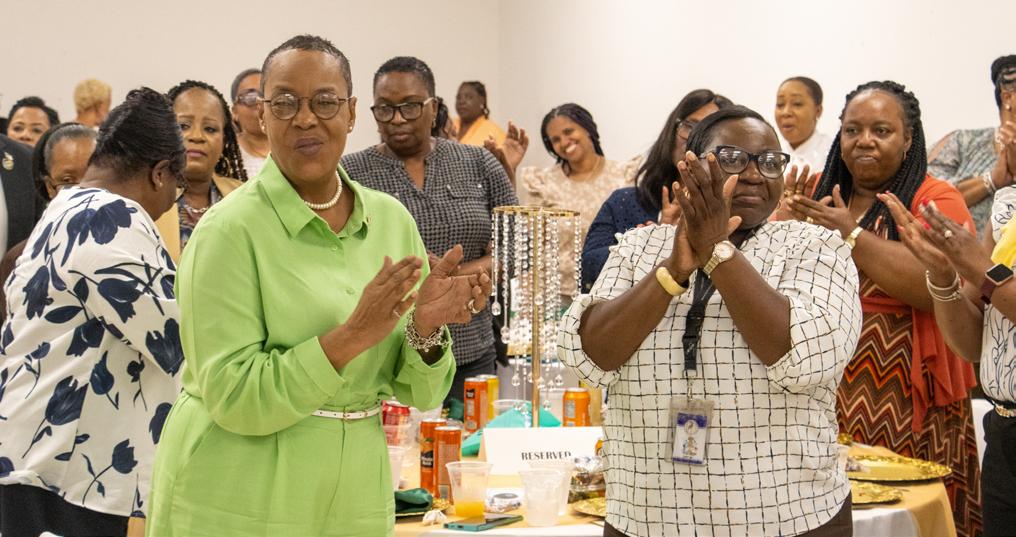
Not all of the Ministry’s work happens in boardrooms or on project sites.
Some of it happens in the moments in between—through connection, shared experiences, and the small efforts that keep a team engaged and motivated throughout the year.
That work is led by the Ministry’s Social Committee, a team responsible for planning internal events and initiatives that support staff morale and strengthen workplace culture. From celebrations and observances to team-building activities, the Committee plays an important role in creating opportunities for staff to connect beyond their day-to-day responsibilities.
While its work may be less visible than policy or infrastructure, its impact is felt across the organisation. By fostering a sense of community and encouraging balance within a fast-paced environment, the Social Committee contributes to a more cohesive and energised team—one better positioned to support the Ministry’s broader goals.






“Strong




“Progress is powered by people. When we create space for connection, we build a stronger, more unified team - one that is better equipped to serve the country with purpose and pride.”
Hon. JoBeth
Minister of Energy & Transport
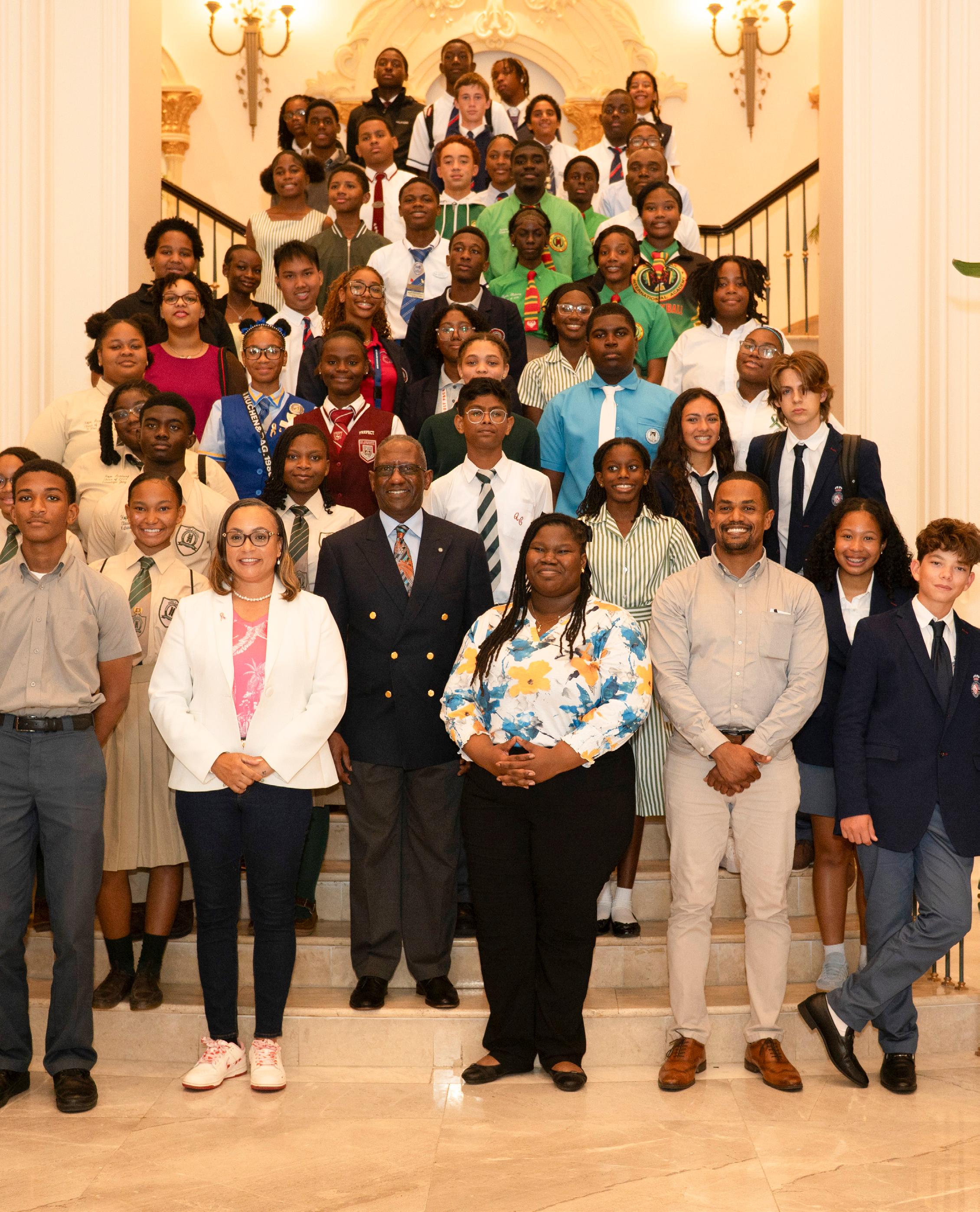
The Bahamas is about to open a door to a bold new future. In the coming months, the Ministry of Energy and Transport will launch the Junior Minister of Energy, a programme designed to put young voices at the centre of the nation’s energy story. This is more than a title. It is an invitation to dream, to create, and to step into a role where ideas turn into action.
The Junior Minister will be a strong voice for youth in national energy discussions, bringing fresh perspectives, promoting sustainability, and inspiring peers to be more engaged.
Imagine a young Bahamian entering a room of decision-makers, confident and ready to share their ideas. They ask bold questions, offer solutions shaped by curiosity and lived experience, and demonstrate that youth can lead the conversation and light the way for others to follow.
The initiative focuses on three core goals. It will champion youth engagement, giving young Bahamians a visible voice in national energy decisions. It will support policy continuity, nurturing leadership that carries today’s progress into the future. Lastly, it will highlight innovation, showcasing ideas that make energy solutions exciting, sustainable, and forwardlooking.
The Junior Minister will represent youth in ministry events and outreach initiatives, advocate for sustainability and innovation, and inspire their peers to engage with the energy sector. Applicants are encouraged to demonstrate initiative, leadership, and vision with the ability to communicate effectively and inspire action.
The selection process begins with a written application and a short video pitch where candidates share their ideas for youth engagement in energy. Shortlisted applicants will present to a panel, demonstrating leadership and clarity of thought.
This programme gives young Bahamians a platform to influence national energy decisions, to be seen and heard, and to inspire their peers. It provides professional visibility, leadership development, and a real opportunity to shape the country’s energy future. The Junior Minister will show that youth are not waiting for opportunities, they are creating them, leading them, and driving the conversation forward.
Through the Junior Minister of Energy, the Ministry embraces a story of ambition, hope, and possibility. It celebrates young innovators, invests in a sustainable future, and signals that the next chapter of The Bahamas’ energy journey begins now with youth taking the lead.

The youth have so many innovative ideas, and they need to be in rooms to be heard, seen, and have their ideas acted upon.
Amber Turner, AOSIS Fellow for The Bahamas, Climate & Environmental Scientist

The Next
“By investing in youth across training, engagement, and policy development, the Ministry of Energy and Transport is contributing to a stronger, more resilient Bahamas.”

From classrooms and cadet programmes to national policy tables, the Ministry of Energy and Transport remains focused on preparing young Bahamians to lead the country’s energy and climate future.
Nation building requires practical action and long-term investment in people. It demands that we equip the next generation with the skills, knowledge, and opportunities necessary to strengthen national resilience and economic development.
Through the Niccolò P. Small Meteorology Cadet Programme, administered by the Ministry’s Department of Meteorology, we are building national capacity in weather and climate science. Young Bahamians receive hands-on training in forecasting, instrumentation, and applied meteorology. These disciplines support aviation safety, marine navigation, disaster preparedness, and climate resilience. In a country highly vulnerable to tropical systems, developing local expertise strengthens national security and reduces reliance on external resources.
Check out our collab with VocabBahamas promoting our Youth Energy Zone.
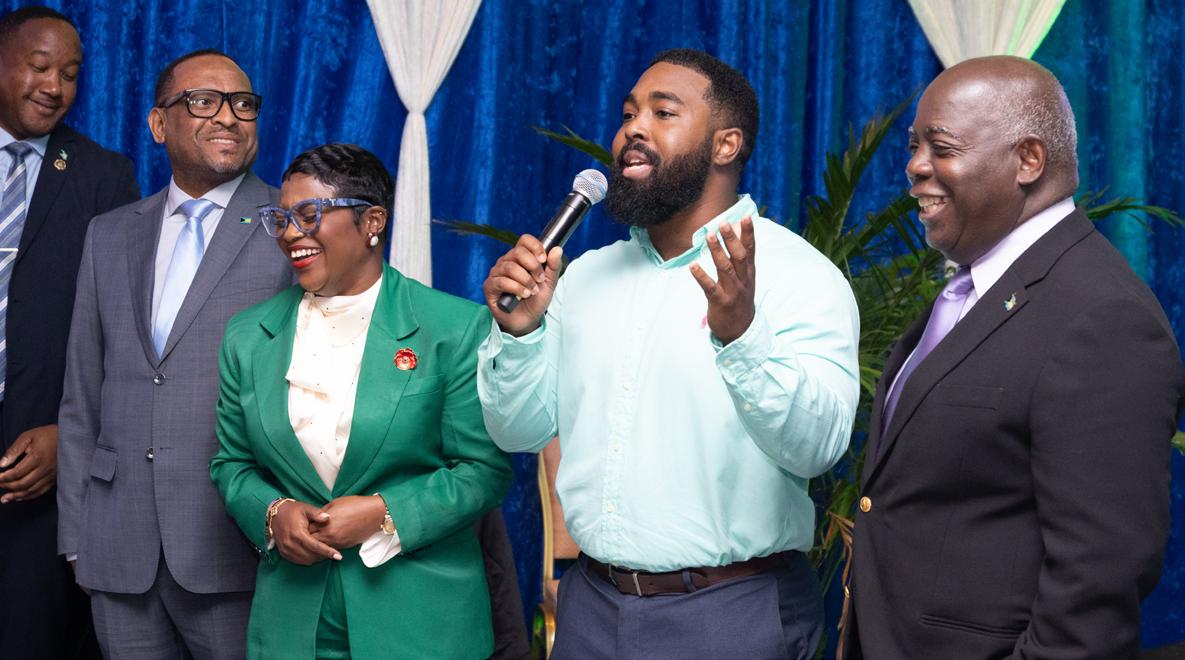
Youth engagement also extends into national dialogue. At Energy Summit 2025, hosted by the Ministry, the Youth Energy Zone provided a structured platform for students and emerging innovators to engage directly with policymakers, regulators, and energy professionals. This initiative ensured that young people were not just observers but active participants in conversations about renewable energy, energy reform, and sustainable development.

At the strategic level, youth participation was embedded in the development of the National Energy Policy 2025 to 2030. Young professionals contributed to research, stakeholder consultations, and drafting. Their involvement helped ensure that workforce readiness, sustainability, and long-term planning reflect the perspectives of the generation that will operate and advance the sector in the years ahead. The policy also establishes frameworks for collaboration with educational and vocational institutions to create clear pathways into energy careers, including renewable energy, system planning, and regulatory support.
This approach reflects a broader national development objective. The Ministry is strengthening technical competence in critical sectors, institutionalising youth participation in governance processes, and aligning education with the evolving demands of the global energy landscape.
Energy reform is not solely about infrastructure. It is about opportunity, access, and national capacity. By investing in youth across training, engagement, and policy development, the Ministry of Energy and Transport is contributing to a stronger, more resilient Bahamas.
Through deliberate planning and sustained youth involvement, we are advancing a model of development that places Bahamians at the centre of the country’s energy future and long-term national growth.

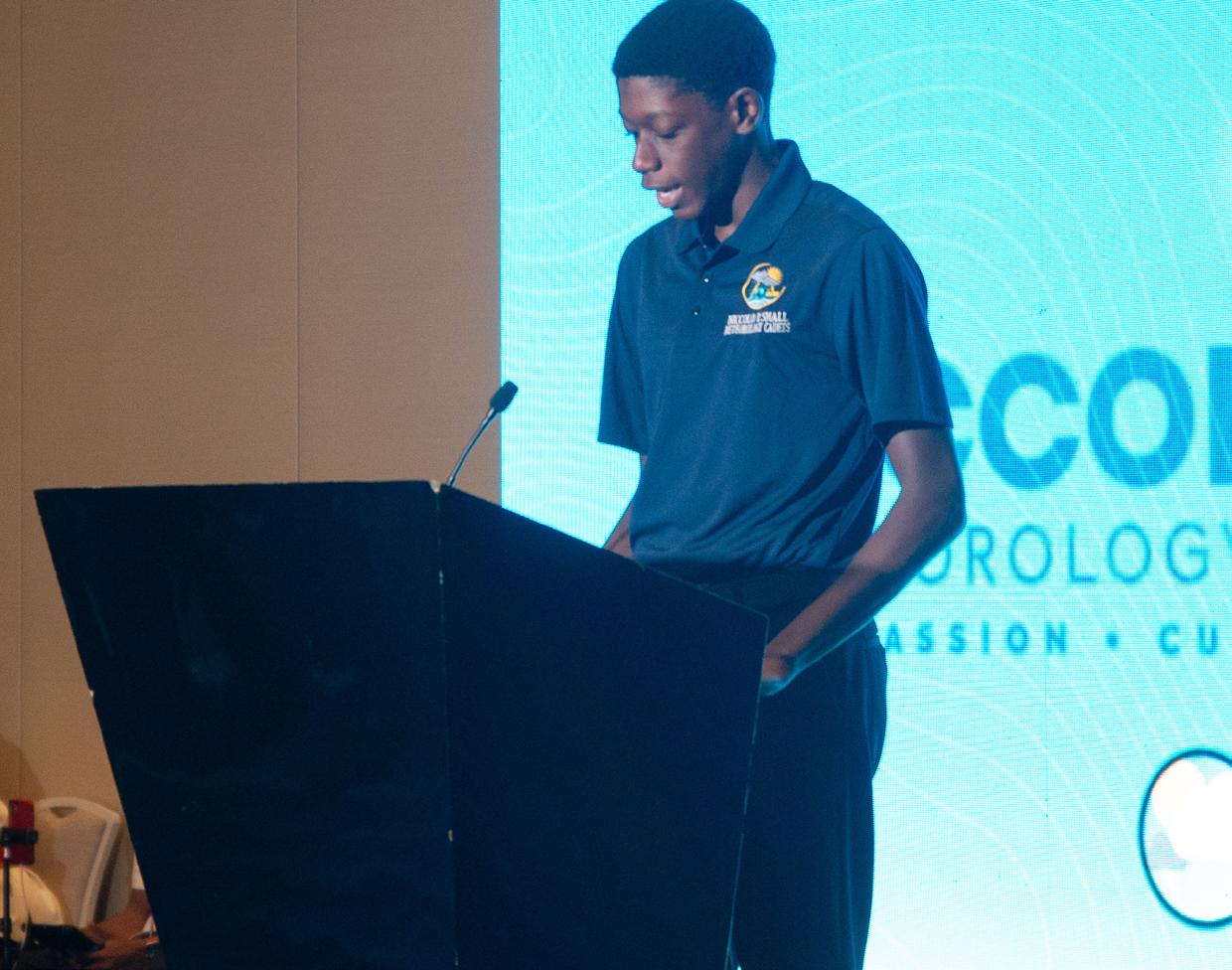
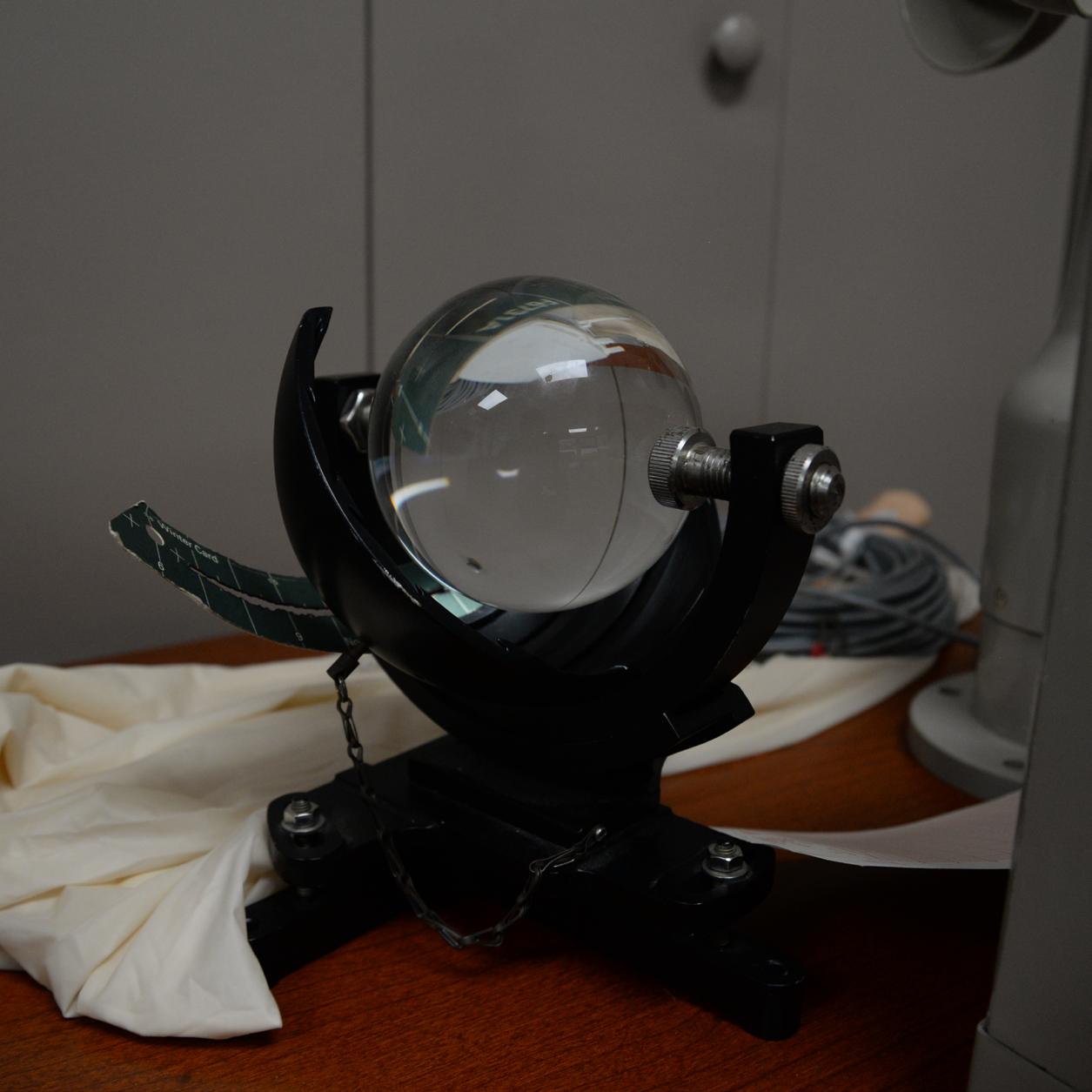
As climate patterns evolve and the demand for accurate weather forecasting increases, initiatives like the MET Cadet Programme are helping to ensure that The Bahamas is prepared.
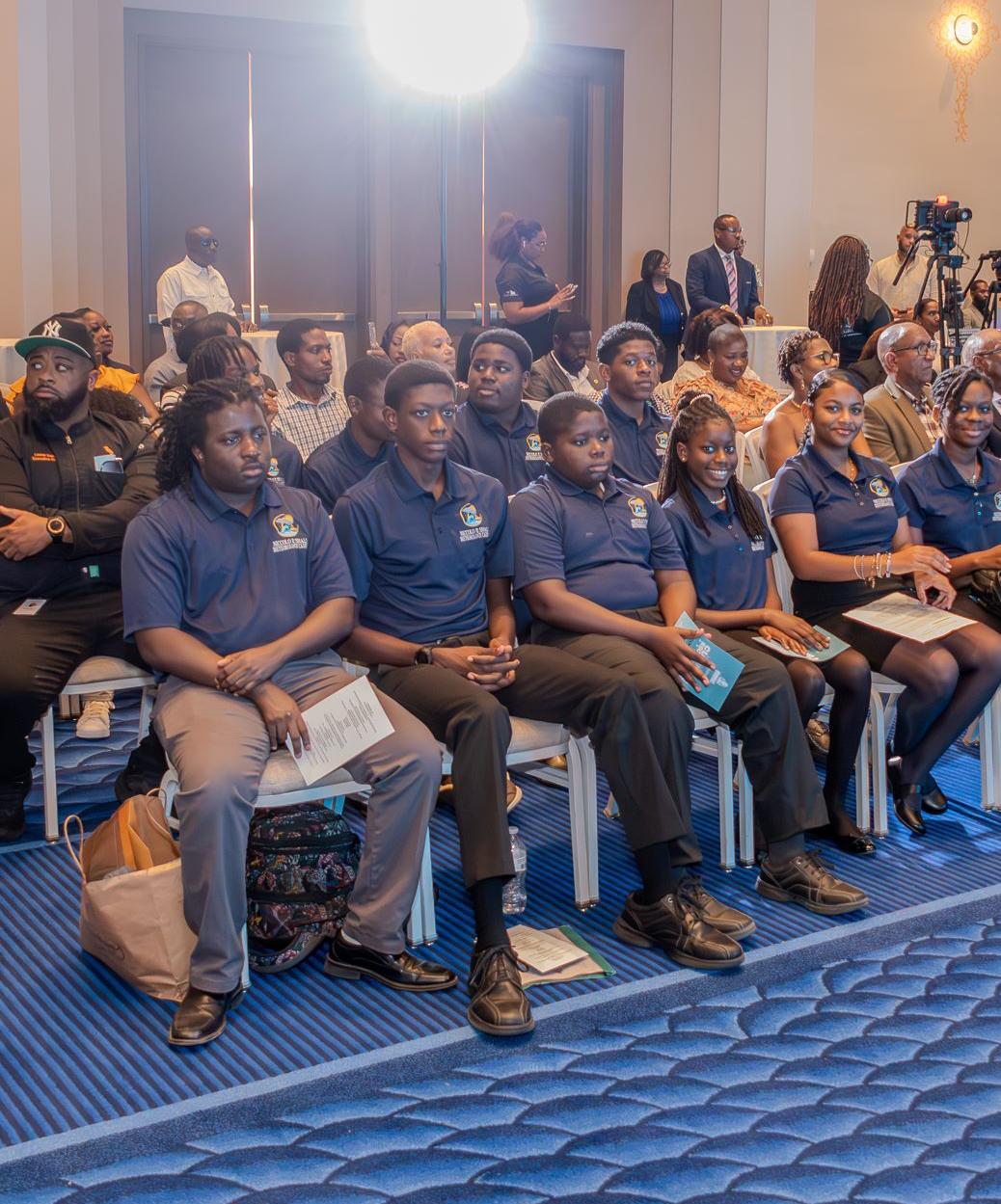

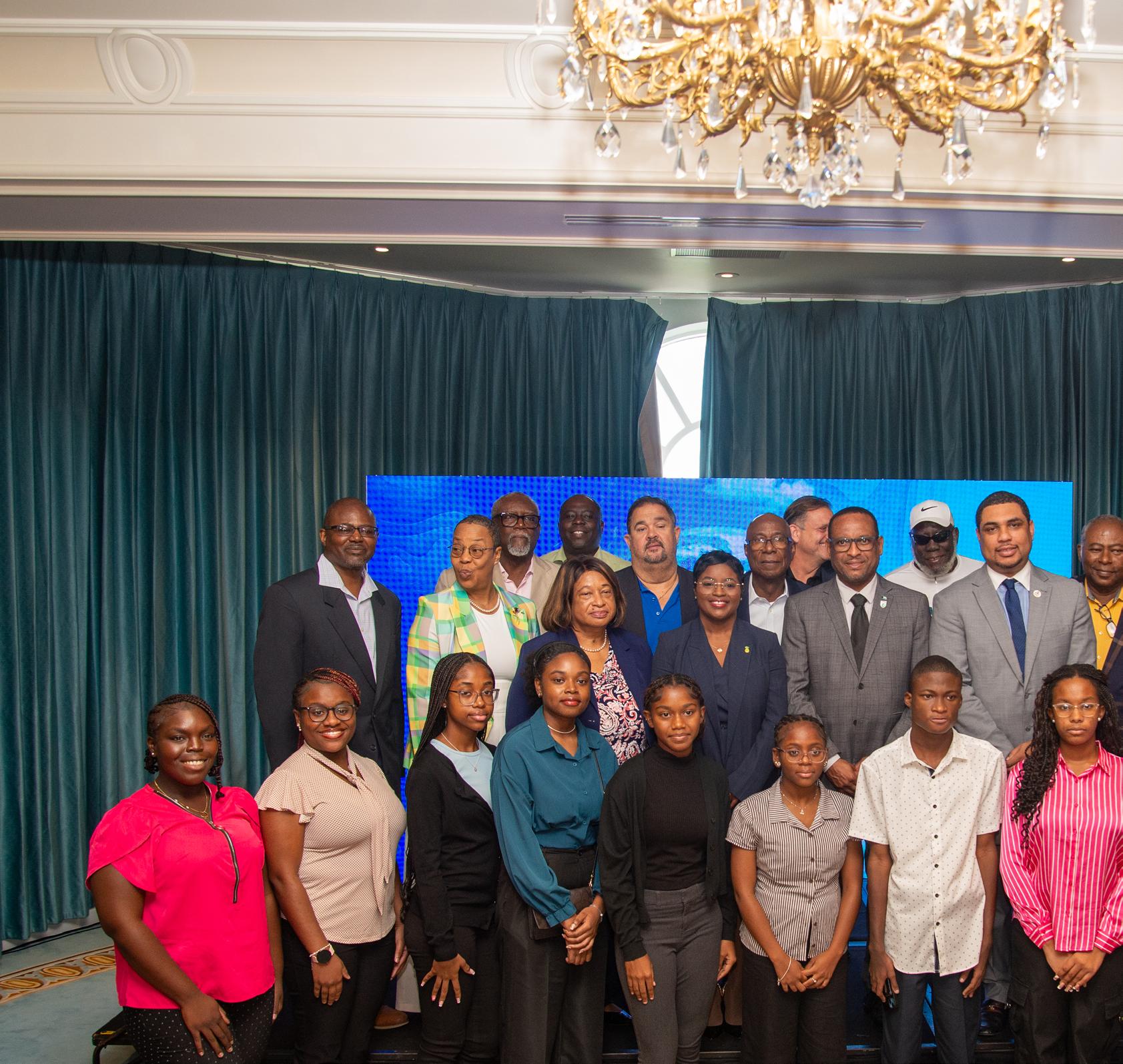
The next generation of meteorologists in The Bahamas is already getting to work.

Launched in 2023, the Niccolo P. Small Meteorology Cadet Programme is a six-week summer initiative by the Bahamas Department of Meteorology that introduces high school and university students to the science of weather forecasting. It is practical, immersive and designed to give young people a clear pathway into a field that plays a critical role in national safety and development.

Named in honour of the department’s first director, the programme reflects both legacy and forward thinking. It is built for students who are curious about the environment and eager to understand how weather systems shape everyday life across the islands.
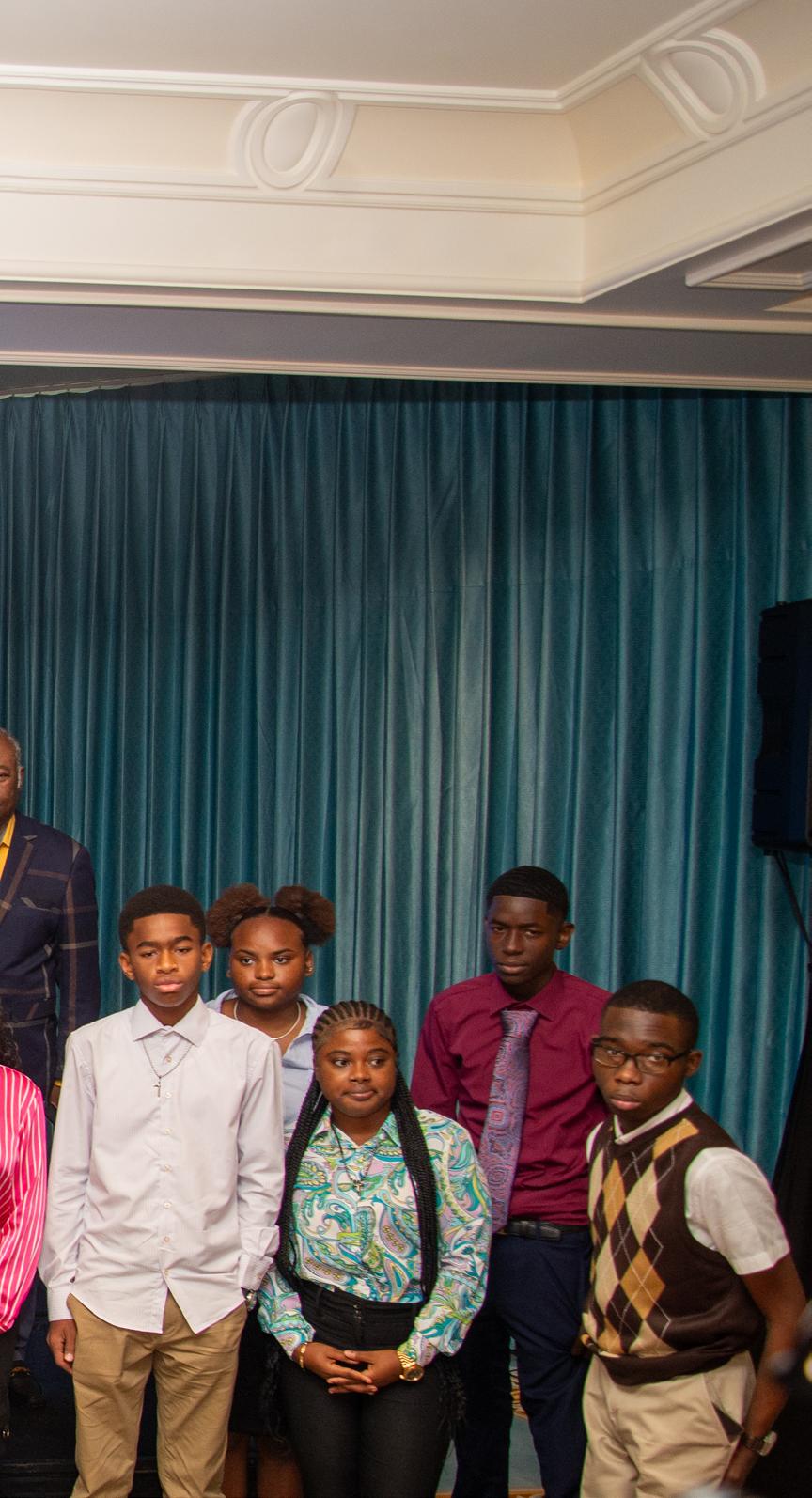
The next generation of meteorologists in The Bahamas is already getting to work.
The structure is simple but effective. Cadets begin with one week of foundational theory, learning how to interpret atmospheric conditions and understand the principles behind forecasting. From there, the programme shifts into hands-on training. Students work with real forecasting models, analyse radar data and learn how professionals track and predict weather patterns in real time.
Learning extends beyond the classroom. Cadets visit key operational sites in Nassau and Freeport, including the Doppler weather radar, instrument enclosures and air traffic control facilities. These experiences place students directly in the environments where critical weather decisions are made, giving them a deeper appreciation for the responsibility carried by meteorological services.
What sets the programme apart is its focus on application. Cadets are not only learning theory, they are practising the work. They learn how to read the skies, interpret data and translate complex information into forecasts broadcasted to the nation. It is a skill set that requires both precision and judgement, and one that becomes increasingly important in a region vulnerable to severe hurricanes and tropical depressions.
The programme is also proving to be more than a summer experience. Graduates have already transitioned into roles within the Department of Meteorology, demonstrating the programme’s impact as a direct entry point into the profession.
Since its launch, interest has continued to grow. The third cohort welcomed 15 cadets, each bringing a shared interest in science and environmental stewardship. That growth signals a wider shift, as more young Bahamians begin to see meteorology as a career with purpose.
As climate patterns evolve and the demand for accurate forecasting increases, initiatives like the MET Cadet Programme are helping to ensure that The Bahamas is prepared. More importantly, it is equipping young people with the tools to be part of that future.
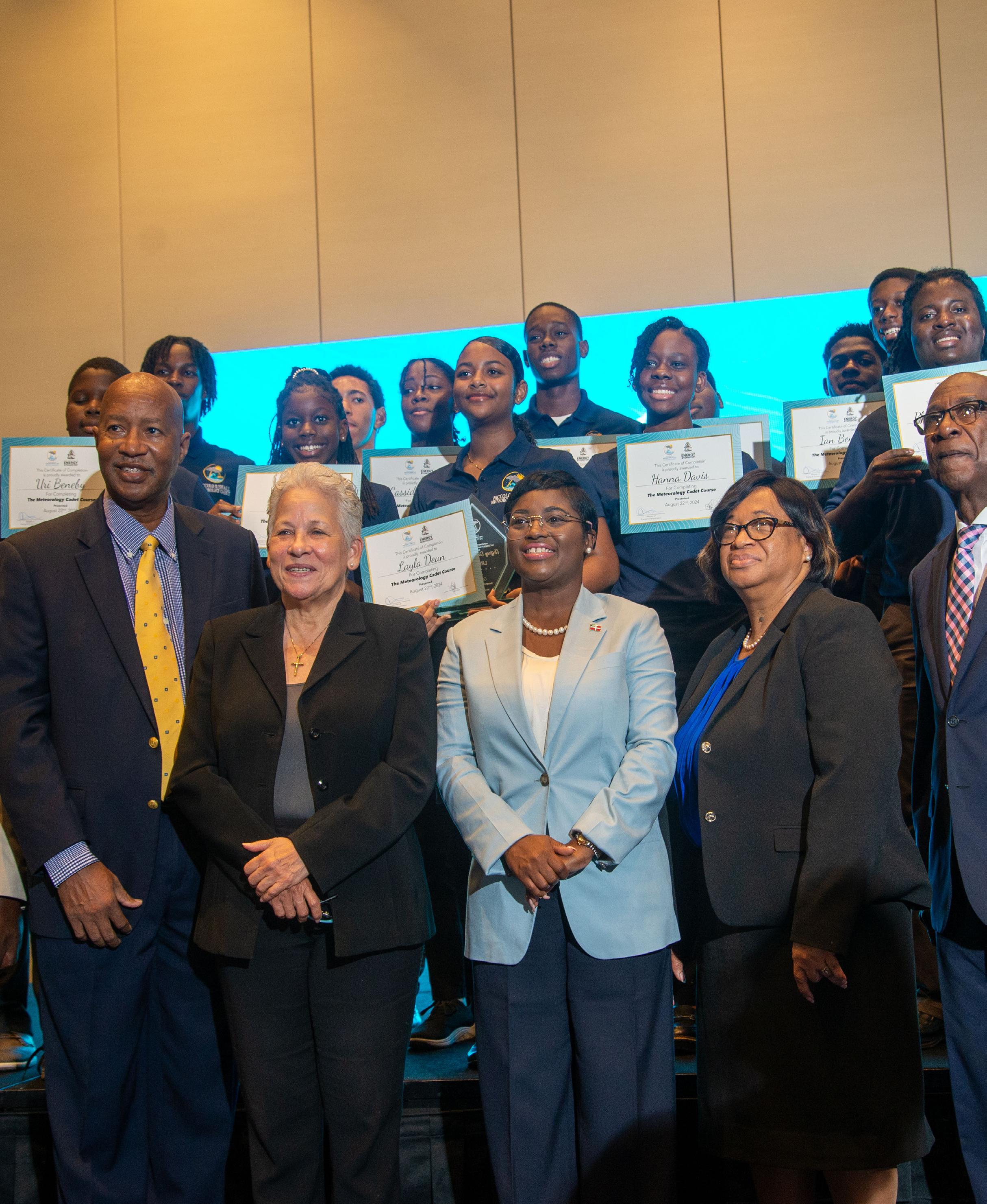
Ministers Glenys
engage with students, reinforcing a shared commitment to education, exposure, and opportunity within the sector. In
and
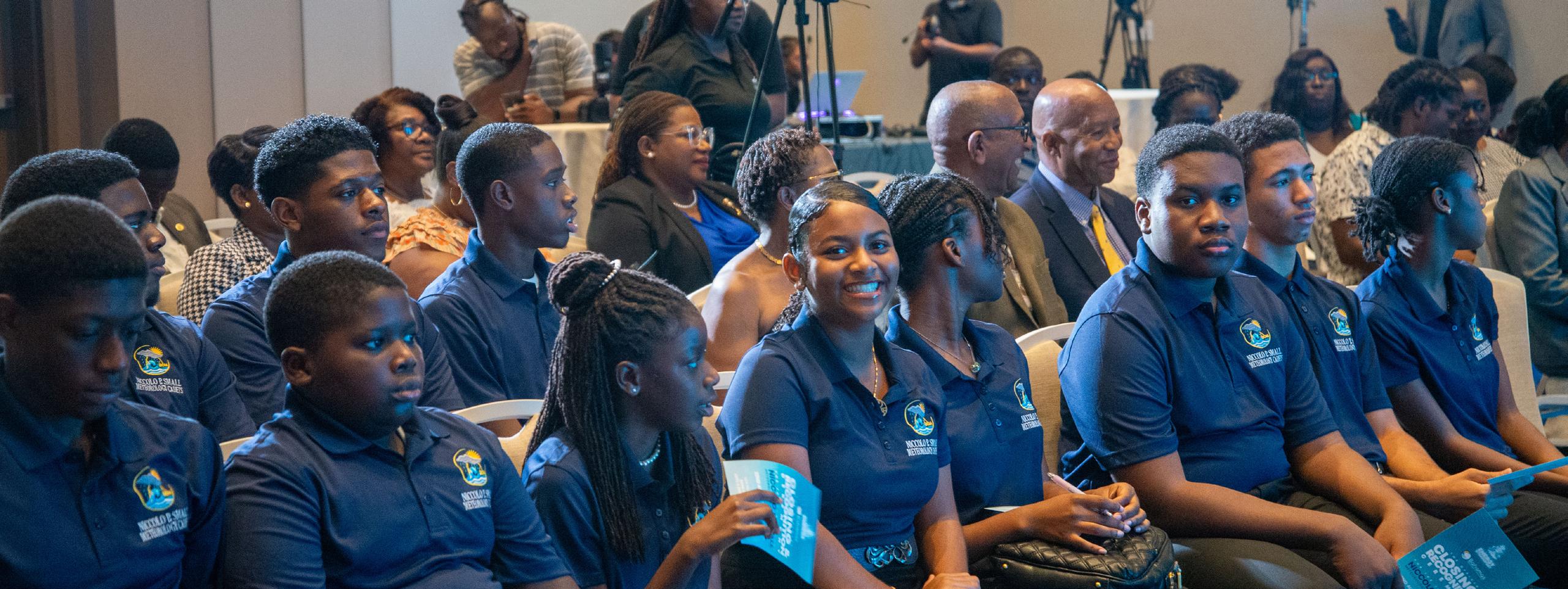
Aviation safety just got a whole lot more exciting, and it’s opening doors for young Bahamians. The Aircraft Accident Investigation Authority (AAIA) is propelling youth towards success through its 2025 partnership with Embry-Riddle Aeronautical University, the world’s largest accredited aviation institution.
This collaboration creates real international training and career opportunities, putting Bahamian youth on the fast track to aviation excellence. The Ministry of Energy and Transport is committed to shaping the next generation of aviation leaders.
Young Bahamians can now pursue careers as Aviation Safety Officers, Accident Investigators, Safety Management System specialists, and more. This initiative fills a long-standing gap in local training, ensuring Bahamians gain access to world-class expertise and resources tailored to their needs.
Embry-Riddle offers a wealth of advanced laboratories and facilities, including state-of-the-art aircraft simulators, giving Bahamian investigators hands-on experience to sharpen their skills. Scholarships will also be made available to qualified Bahamian students (insert scholarship name/details here), opening doors for even more young people to pursue aviation careers.
Through the partnership, AAIA staff receive training in hazard identification, emergency management,
aviation regulatory frameworks, and investigative principles. This equips them with the tools to maintain The Bahamas’ position as a high-performing, independent investigative authority.
Leading the charge is Chief Investigator Kendall Dorsett Jr., appointed in 2022, and the youngest ever to head the Authority. Dorsett brings vision, passion, and innovation to the role.
He inspires both his team and aspiring aviation professionals. “This partnership ensures that the AAIA remains on the cutting edge, strengthening our ability to perform world-class investigations independently,” Dorsett said.
For this brilliant team, that meansaccess to two additional professional training courses per year. These courses provide the skills needed to advance Bahamian aviation safety to the next level.
For Dorsett, the next frontier is research. He envisions expanding the partnership to study the unique nuances of the Bahamian aviation environment. This work will create insights that inform training, safety, and career pathways for years to come.
With initiatives like this, young people in The Bahamas are not just watching the future; they are soaring towards it.
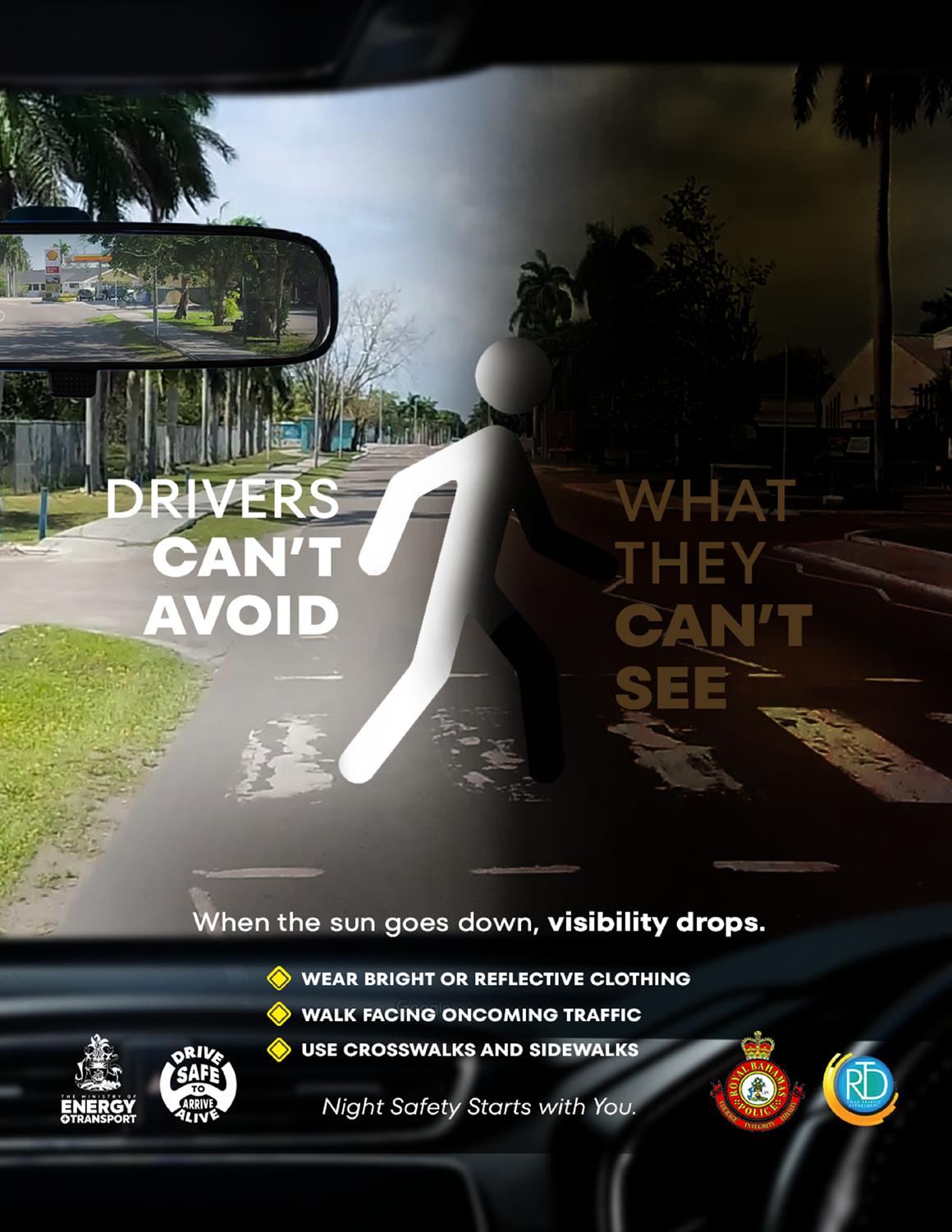
Road Traffic Campaign

A national campaign designed to shift behaviour, raise awareness and save lives. These visuals form part of an ongoing effort to promote responsibility driving and safer roads across The Bahamas.






Getting around The Bahamas is part of everyday life. Work, school, business, community. It all depends on movement that is safe, structured, and reliable. Behind that movement is a system most people only think about when they need it. The Road Traffic Department.
Often seen as a place to renew a licence, its role runs much deeper. It sits at the centre of road safety, regulation, and enforcement, shaping how the country moves every single day.
“Every licence issued and every vehicle inspected is part of a larger responsibility to protect lives.”
Licensing is not just paperwork. Vehicle registration is not routine. Each step is designed to keep drivers accountable and roads safer.
From testing new drivers to inspecting vehicles and regulating public transport, the Department creates the structure that keeps the system working.
It is a constant balance of oversight and service. Making sure standards are met while keeping the country moving.
Driver testing that ensures competence before anyone gets behind the wheel.
• Vehicle inspections that confirm cars on the road are safe and roadworthy.
• Regulation of public service vehicles, from taxis to buses, to protect commuters.
• Systems that track data, manage complaints, and support better decision-making.
“Order on the roads does not happen by chance. It is built through standards, enforcement, and consistency.”
Across the Department, efforts are underway to modernise how transport is managed and how road safety is approached. A National Road Safety Strategy is in development. The Road Traffic Act is under review. Data systems are being strengthened to better understand crashes and improve response.
There is also a focus on raising standards across the board. Updated learning materials, formal training guidelines, and new frameworks for instructors and examiners are being introduced to ensure that drivers are better prepared from the start.
Planning is becoming more intentional.
Efforts to improve public transportation, reduce congestion, and rethink how people move through spaces like Downtown Nassau are all part of the bigger picture.
Because safer roads are not created by enforcement alone. They require education, structure, and longterm planning working together.
“Safer roads begin with informed drivers, clear rules, and systems that hold everyone accountable.”
Even as these changes take shape, the day-to-day work continues. From issuing permits to managing registrations, the Department remains a steady part of daily life across the country.
At its core, this is about more than traffic. It is about safety, efficiency, and public trust.
Because every journey depends on a system that works.
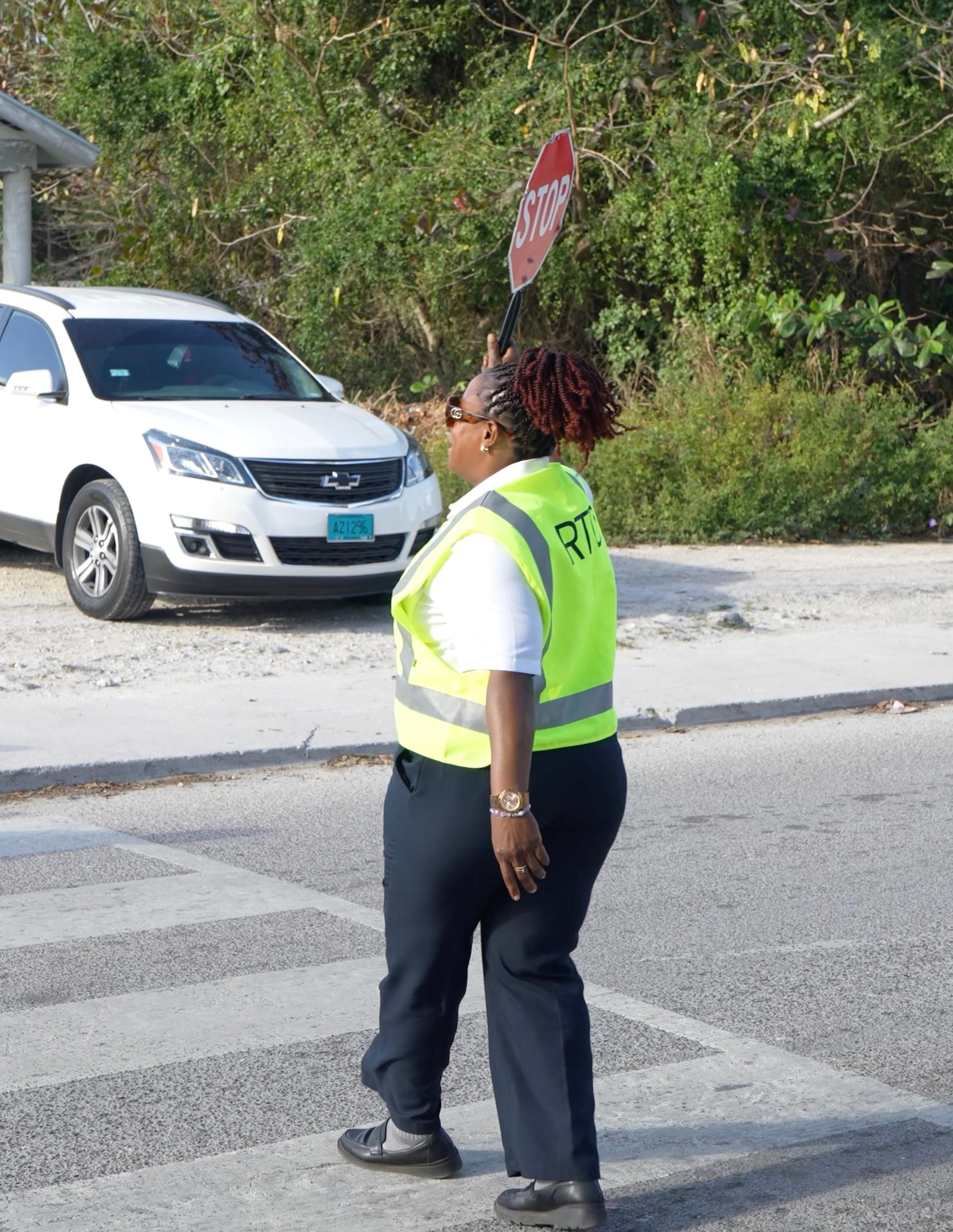
“Every child deserves to walk to school without fear. This initiative is about protecting our children and giving families peace of mind.”
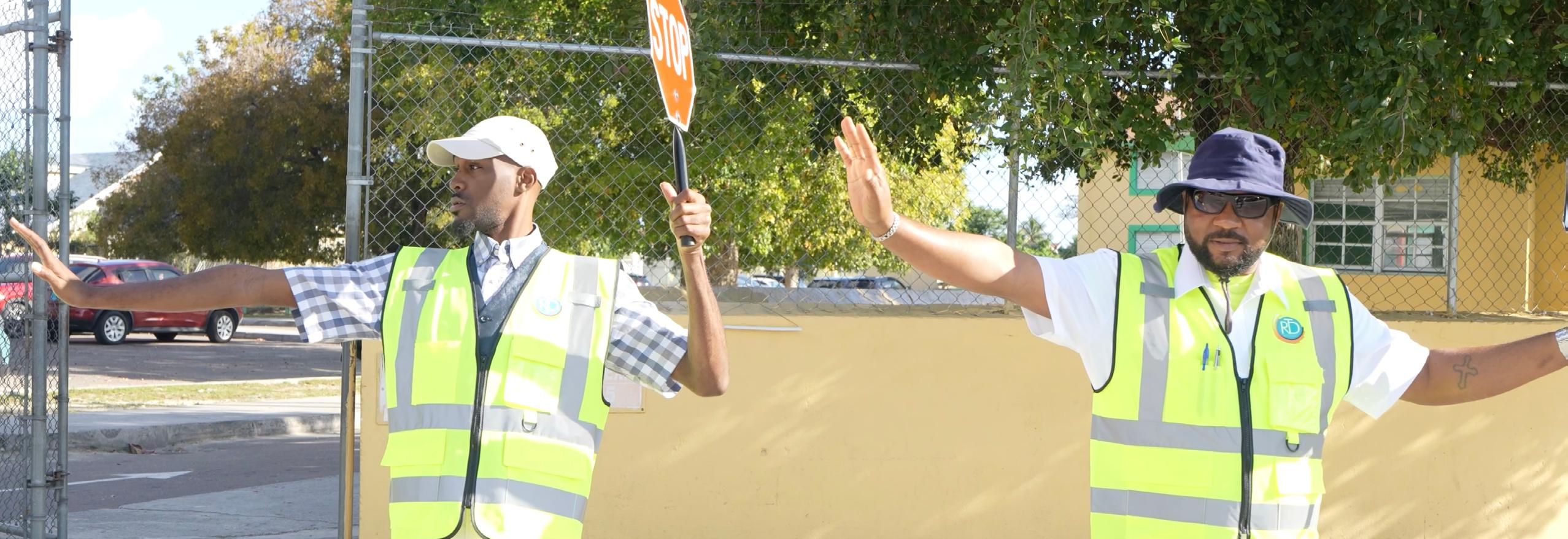
Every morning, children across The Bahamas set out for school. Backpacks on their shoulders, lunch boxes in hand, excitement in their eyes. For some, crossing the street is the most uncertain part of their day. In 2012, 13-year-old Calvin J. Morley Jr. lost his life while walking home from school. His passing touched an entire community and raised an urgent question. How can we make sure this never happens again?
The answer began to take shape through a partnership between the Ministry of Energy and Transport, the Ministry of Education & Technical & Vocational Training, the Ministry of Works and Family Island Affairs, and the Baha Mar Foundation. In January 2024, they launched the Calvin J. Morley Safe School Zone Initiative. The project is designed to make school zones safer, more visible, and more secure for children. It is about protecting lives and giving families peace of mind.
At the heart of the programme are pedestrian crossings upgraded with push-button rapid flashing beacons powered by solar energy. When a child presses the button, drivers are immediately alerted that someone is crossing. It is a simple, effective tool that can save lives while showing how practical solutions and technology can work hand in hand.
The Baha Mar Foundation played a key role in bringing this project to life. Their support demonstrates the power of community partnerships to create meaningful change.
The first phase of the initiative focuses on schools where safety improvements are most needed. Each location was chosen thoughtfully, based on traffic patterns, student numbers, and pedestrian needs. Every crossing is a step towards making school travel safer for children.
This initiative is about more than signs and paint. It is about fostering a culture of safety and respect among drivers, parents, teachers, and students. By combining awareness, infrastructure, and solarpowered technology, the Calvin J. Morley Safe School Zone Initiative is showing that careful planning and community collaboration can turn concern into action. The Ministry of Energy and Transport’s work reminds us that even small steps can make a big difference. Protecting our children is not just a policy. It is a responsibility we all share.

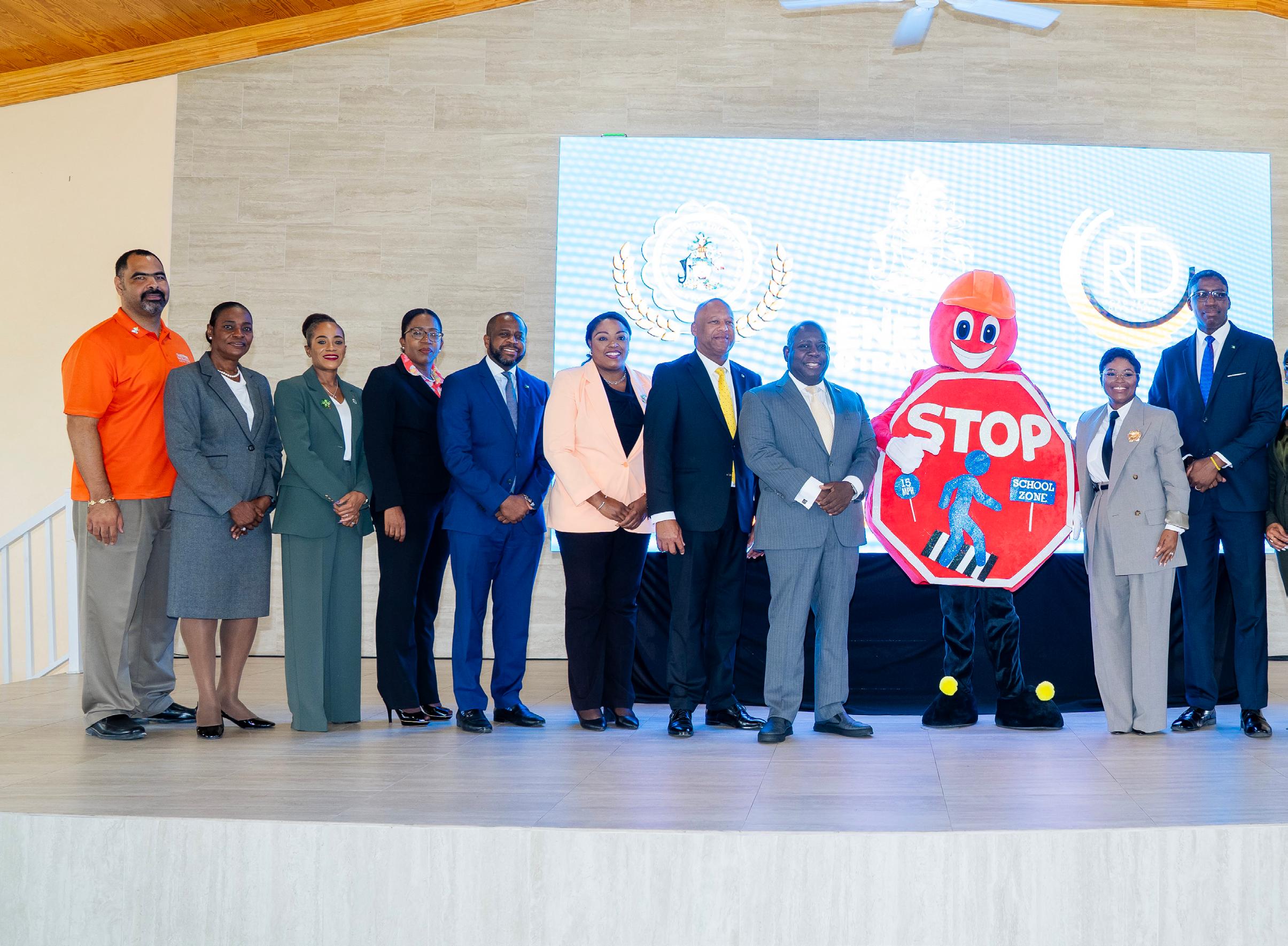

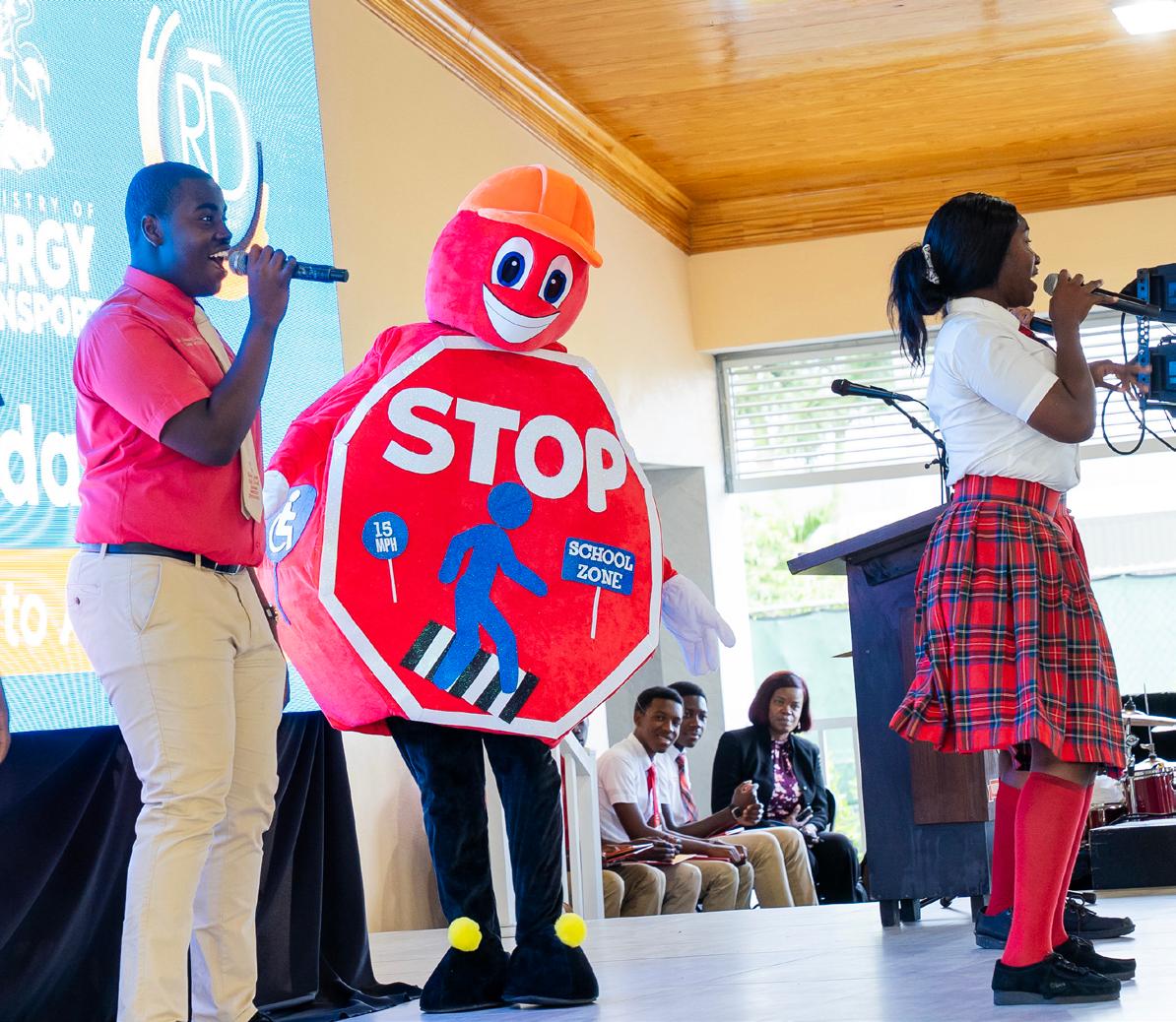

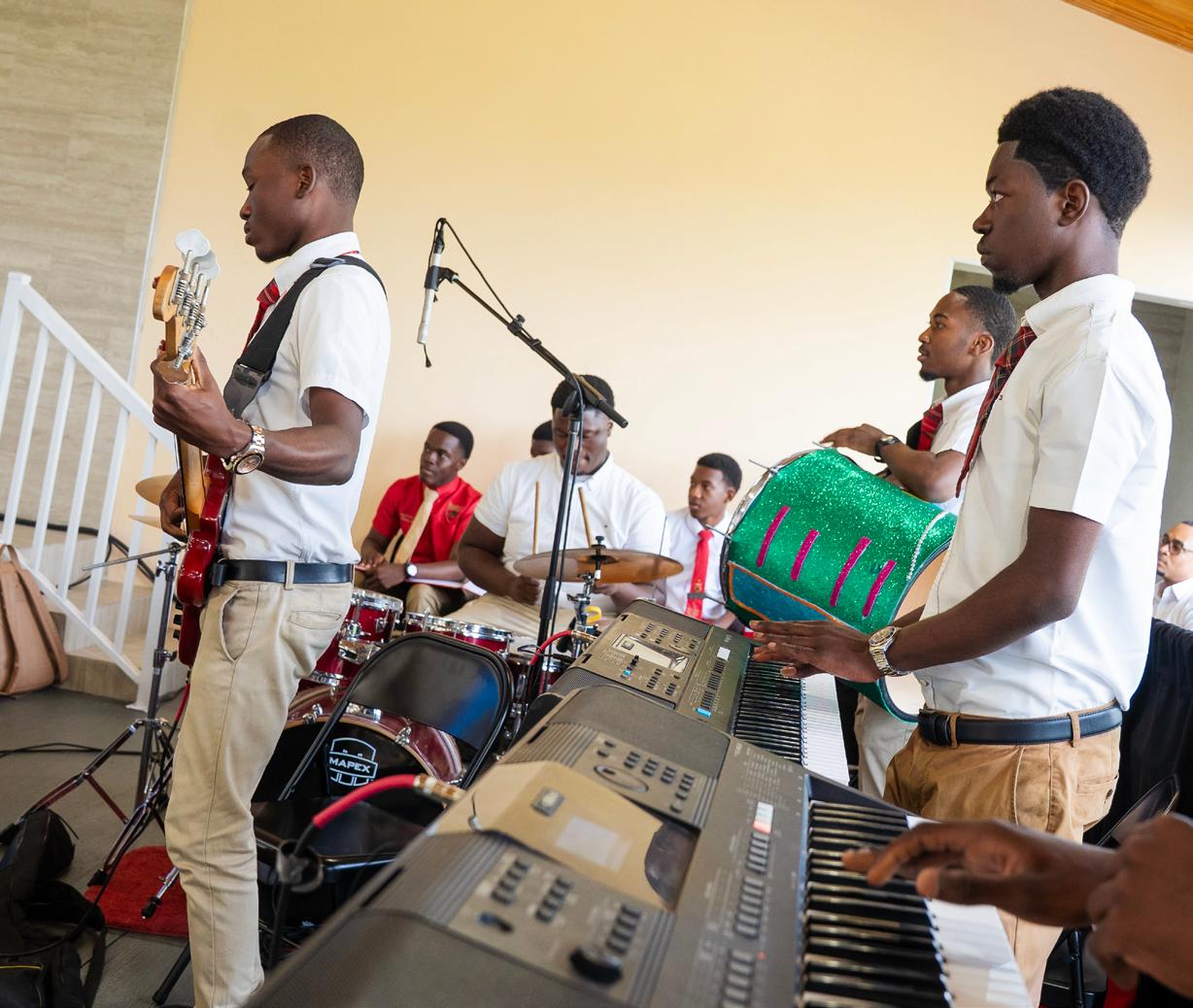
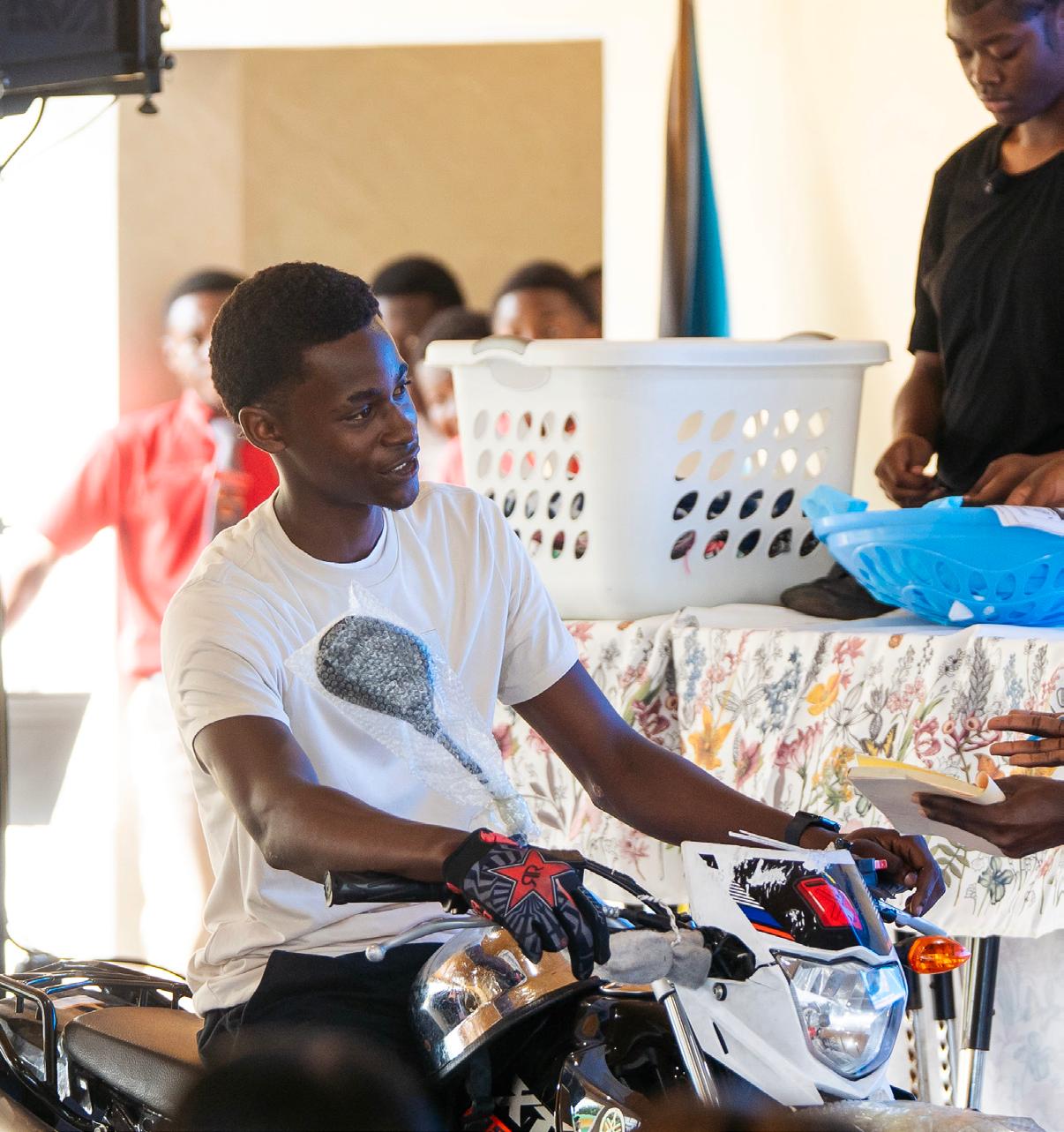
What better way to empower the next generation of drivers than by getting them directly involved. The Ministry hosted a “Watch Da Road” ceremony at R. M. Bailey to highlight the importance of road safety among young people preparing to become future drivers.
The event came to life through student creativity, with the R. M. Bailey Pop Band debuting the new national “Watch Da Road” jingle, while the school’s Arts Department designed a mascot that will help carry the message of road safety forward in a fun and memorable way.


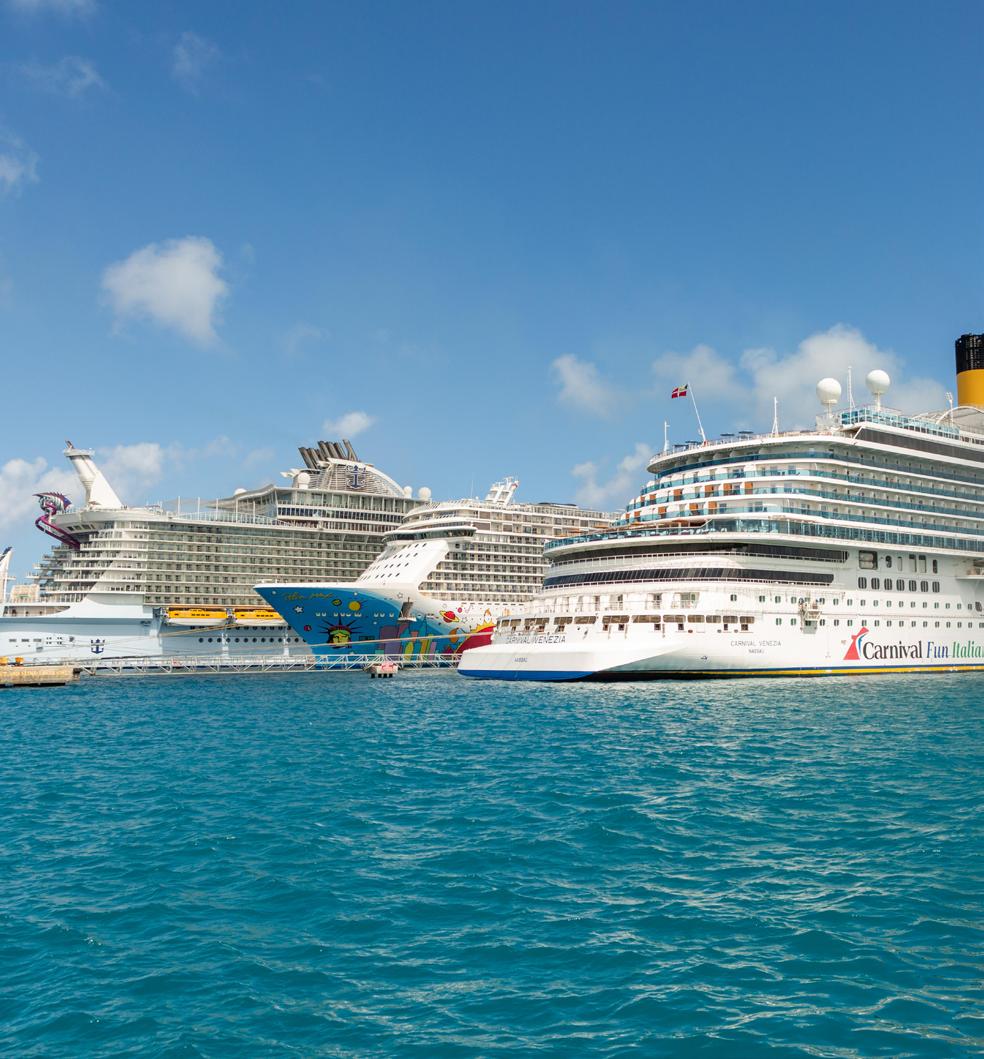
In The Bahamas, the sea is not scenery, it is infrastructure. It carries freight and families, fuels tourism and trade, and connects more than 700 islands and cays into a functioning nation. From the steady churn of mailboats at Potter’s Cay to the orderly choreography of vessels entering Nassau Harbour, maritime movement is constant.
What keeps it all from descending into chaos is not luck, it is structure.
At the centre of that structure are two institutions that rarely dominate headlines but quietly define the rhythm of national life: the Port Department and the Bahamas Maritime Authority (BMA). One governs the waters at home. The other represents The Bahamas across the world’s oceans. Together, they form the spine of a maritime nation.
The BMA manages one of the world’s largest ship registries, a designation that carries both economic advantage and regulatory weight. Registering a vessel under the Bahamian flag is not a symbolic act; it is a legal commitment to uphold rigorous international standards established through the International Maritime Organisation.
In effect, the BMA operates as The Bahamas’ maritime ambassador. Its performance determines how the global shipping community perceives the country: credible or careless, compliant or risky. In an industry where reputation dictates access, that distinction matters.
If the BMA projects outward, the Port Department anchors inward. Its work unfolds on docks, in harbours, and across coastal waters where commerce and recreation intersect daily.
The Department regulates domestic vessel registration and licensing, including:
• Class A – vessels authorised to operate throughout Bahamian waters
• Class B – vessels limited to designated areas
• Class D – commercial watercraft, including watersports operations
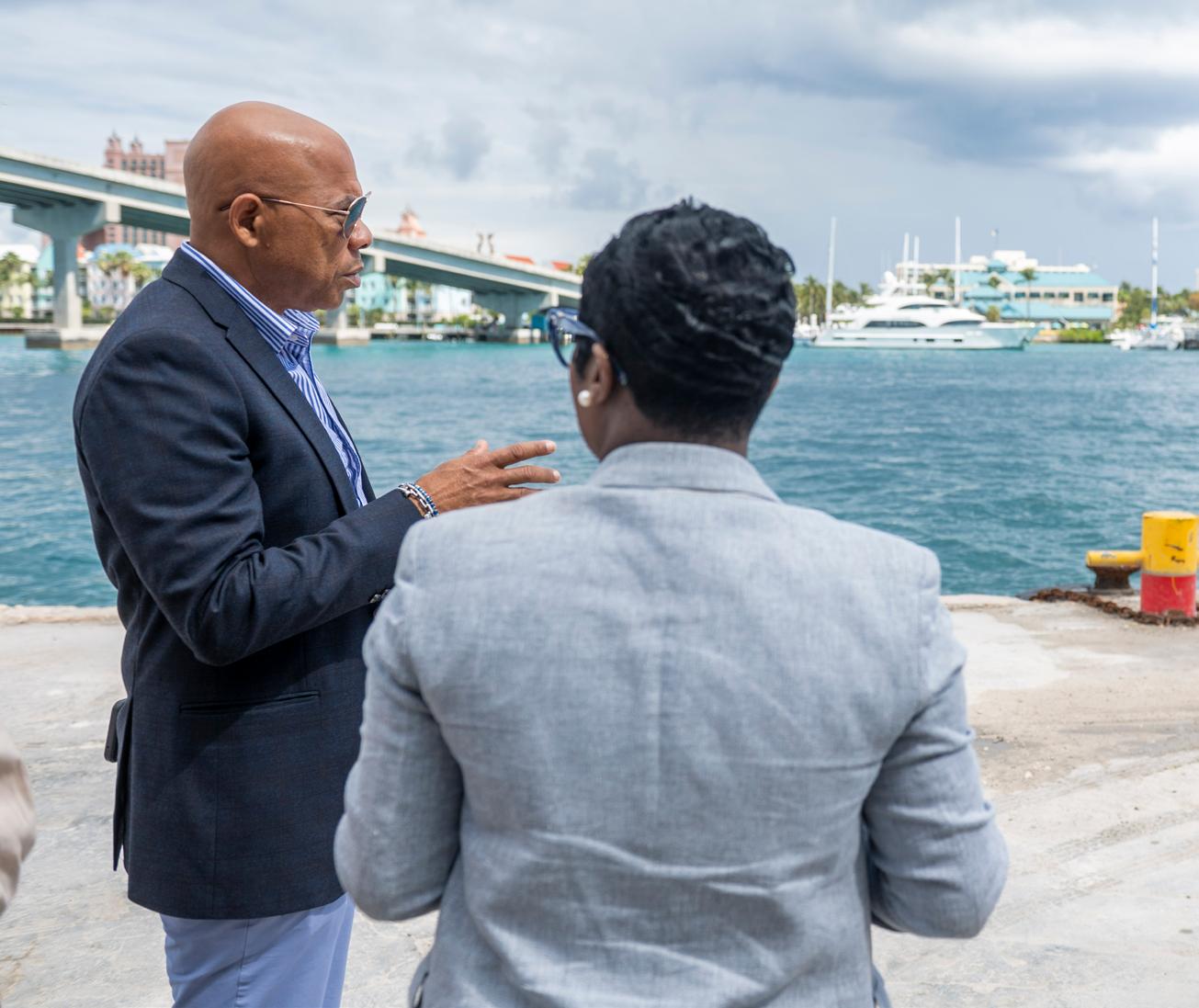
At Potter’s Cay Dock, the country’s primary inter-island hub, the Port Department’s oversight is particularly visible. Mailboats unload produce, hardware, and supplies bound for the Family Islands, while passengers board for journeys that sustain business, healthcare access, and community ties. The margin for disorder is slim. Harbour management, pilotage regulation, and vessel inspections ensure traffic flows safely.
To reinforce security, the Department operates with an attachment from the Royal Bahamas Defence Force (RBDF), strengthening port surveillance and enforcement capacity. It is a reminder that maritime governance is not merely administrative, it is protective.
On July 1, 2025, reform happened on the waters. Sweeping amendments to maritime laws came into force, reshaping the regulatory landscape.
The changes introduced stricter accountability:
• Mandatory registration and licensing for all vessels and masters
• Compulsory lifejackets for jet ski riders
• Prohibition of night-time jet ski operations
• Increased scrutiny of commercial recreational craft
• Fixed penalties and expanded enforcement authority for harbour patrol units
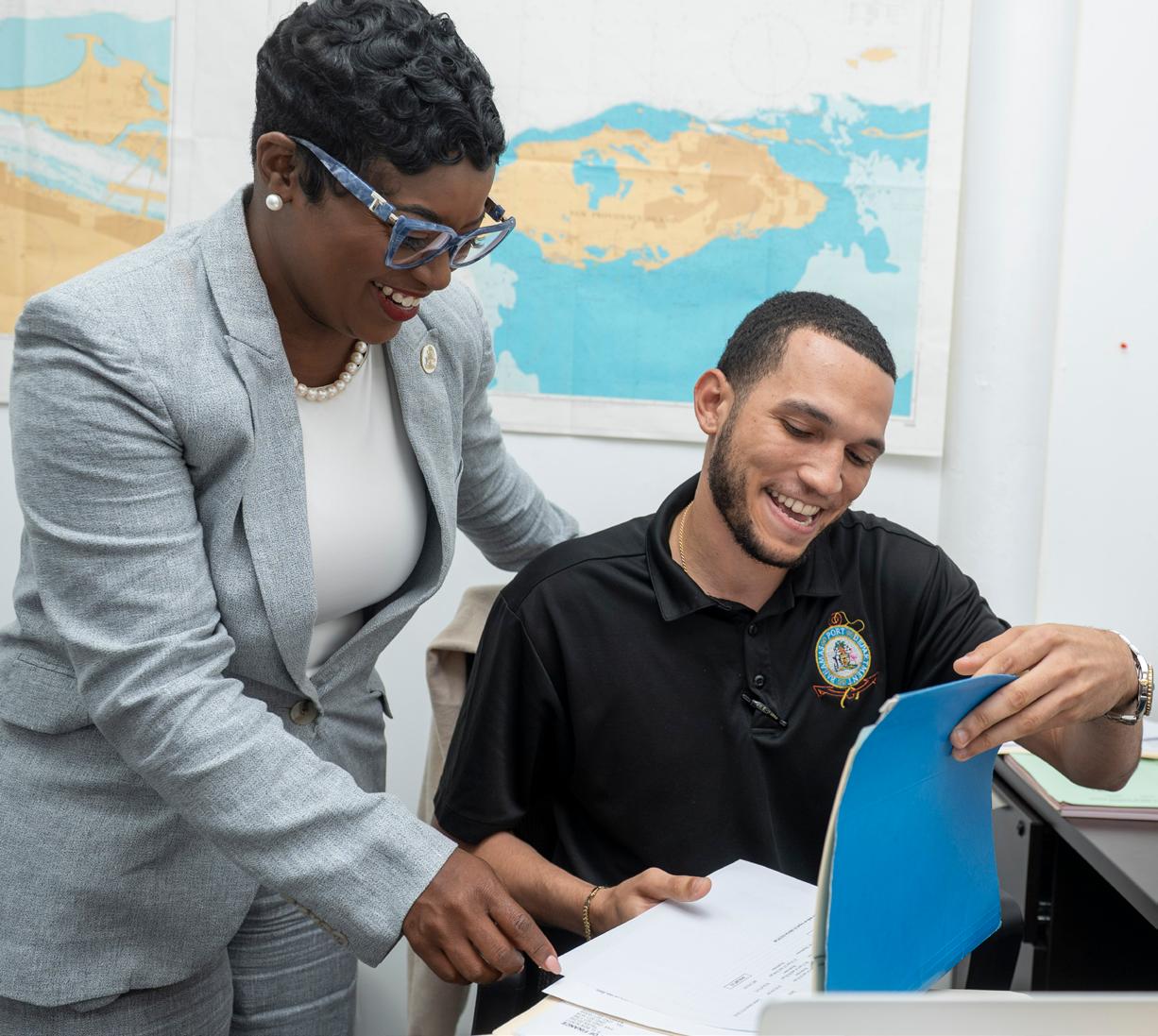
The dual framework of the BMA and the Port Department mitigates those risks through layered governance:
• The BMA ensures Bahamian-flagged vessels meet global standards wherever they sail.
• The Port Department ensures vessels operating within Bahamian waters do so responsibly and lawfully.
One safeguards the nation’s maritime brand abroad. The other protects its people and environment at home.
The Bahamas’ identity has always been inseparable from the sea, culturally, economically, and geographically. Yet modern maritime stewardship demands more than heritage; it demands regulation, enforcement, and constant adaptation.
The Port Department and the Bahamas Maritime Authority may operate in different arenas, but their mandates converge on a single objective: secure, sustainable, and credible maritime operations.
In a nation defined by its waters, governance is not anchored to land; it sails with the tide.
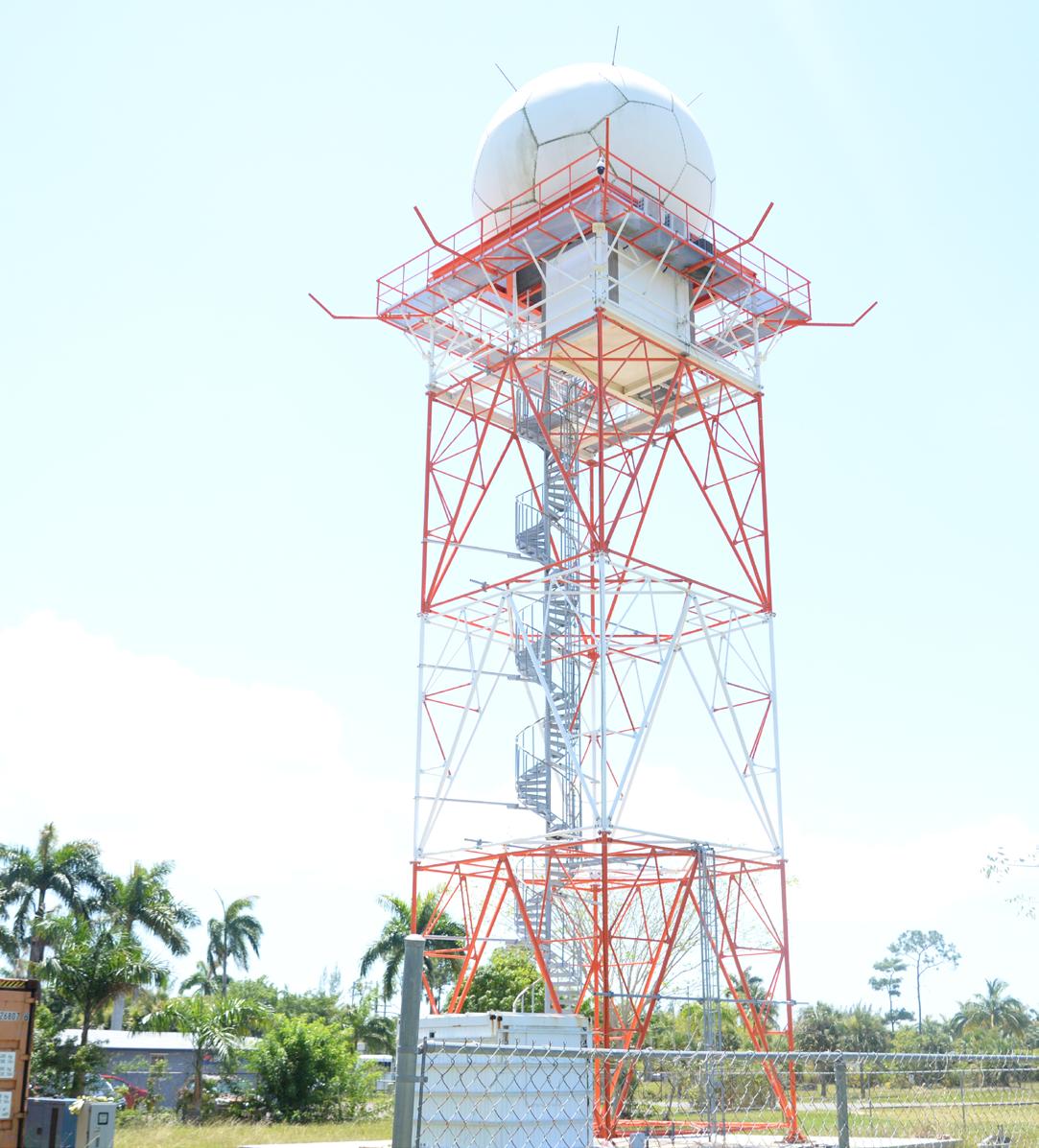
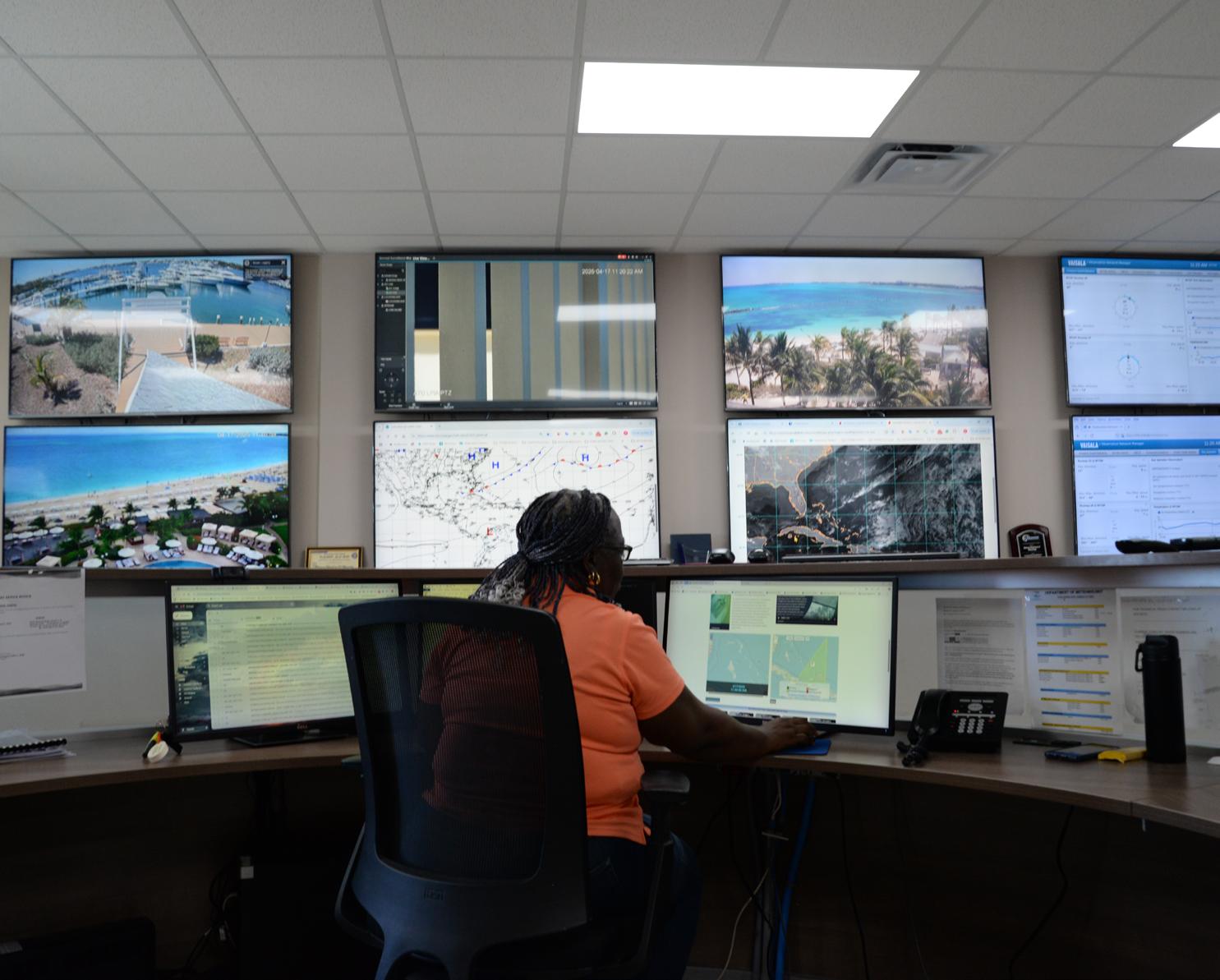
In a country shaped by the sea and exposed to the forces of nature, The Bahamas Department of Meteorology plays a central role in the life of our nation. Established in 1957 and operating under the Ministry of Transport and Aviation since 1973, the Department serves as the official weather authority for The Bahamas. Its responsibility is clear: to provide accurate and timely meteorological and climatological information that protects lives, supports key industries, and informs public decision-making.
The Department’s mission is rooted in service. It delivers forecasts, warnings, and alerts that help residents, businesses, and government agencies prepare for changing conditions. In a region vulnerable to hurricanes, tropical storms, and other severe weather events, reliable information is not optional. It is essential.
Beyond daily forecasts, the Department provides critical data used in the design, planning, and management of infrastructure, settlements, and national development projects. Sectors such as agriculture, water resources, energy, and transport depend on credible weather and climate information to operate effectively. The Department also maintains a continuous and comprehensive historical record of the nation’s weather and environmental data, supporting long-term planning, research, and climate change assessment.
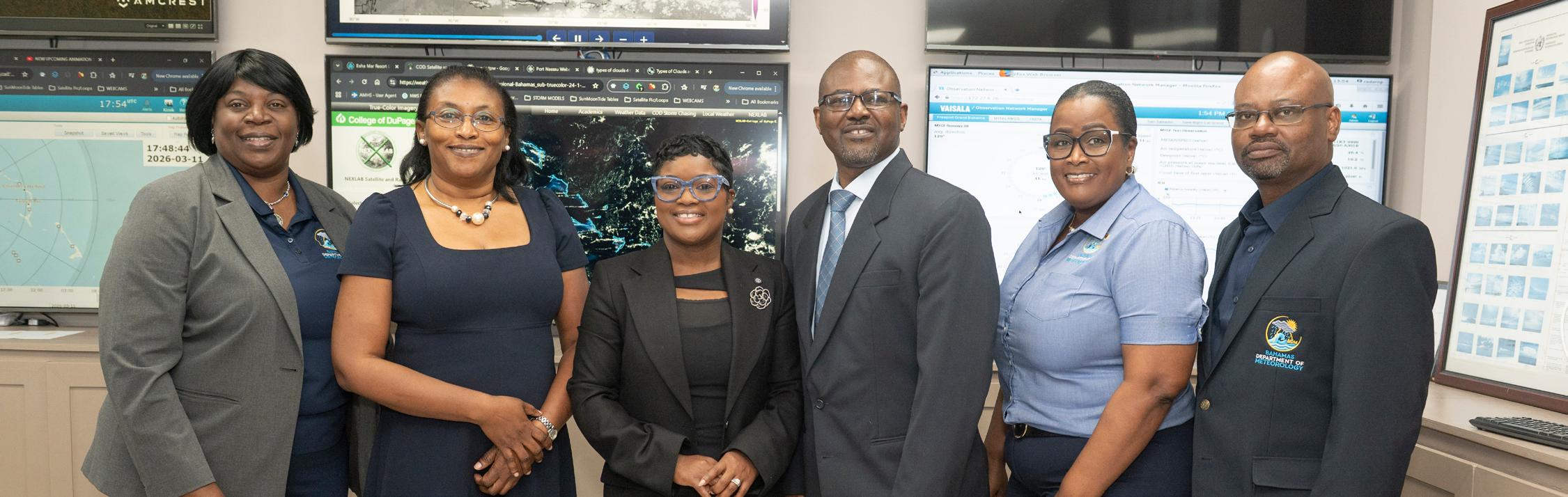
Through its network of observing stations and dataprocessing systems, the Department collects and analyses real-time information to guide forecasting and public advisories. It contributes to national multihazard early warning systems and provides technical advice on weather and climate issues that affect economic and environmental stability. Its work also extends to research and development, advancing scientific understanding and strengthening national capacity.
International collaboration remains an important part of its mandate. By participating in regional and global meteorological programmes, the Department fulfills international commitments while ensuring that The Bahamas remains aligned with global standards in forecasting and climate monitoring.
Guided by a vision to be the premier provider of meteorological and climatological information in The Bahamas, the Department is equally committed to inspiring the next generation of scientists. Its continued investment in systems, data management, and service delivery strengthens national preparedness and resilience.
In a nation where weather influences nearly every sector of society, the Bahamas Department of Meteorology remains a quiet but critical force behind public safety and sustainable development. Its work allows the country to plan with confidence and respond with clarity when it matters most.
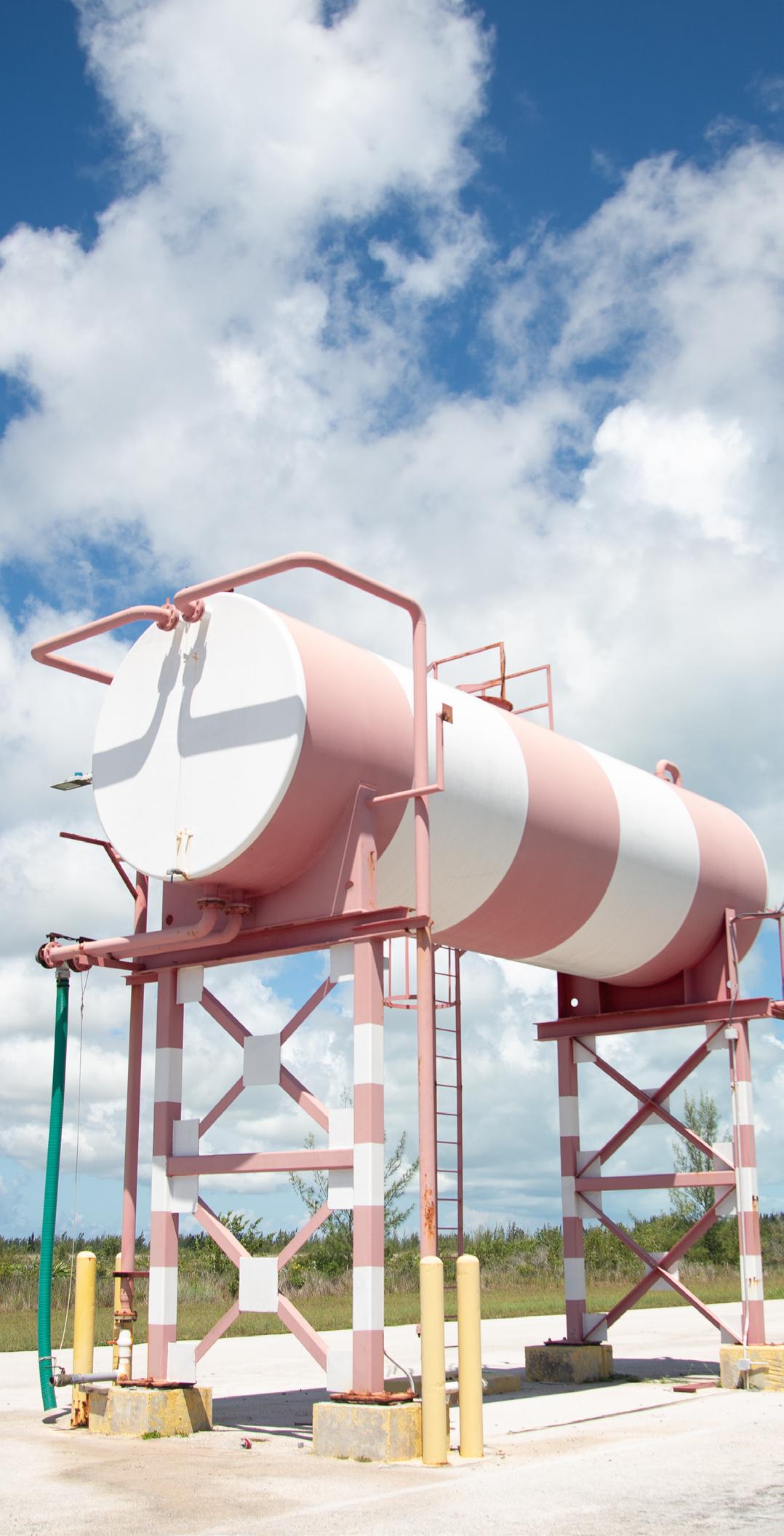
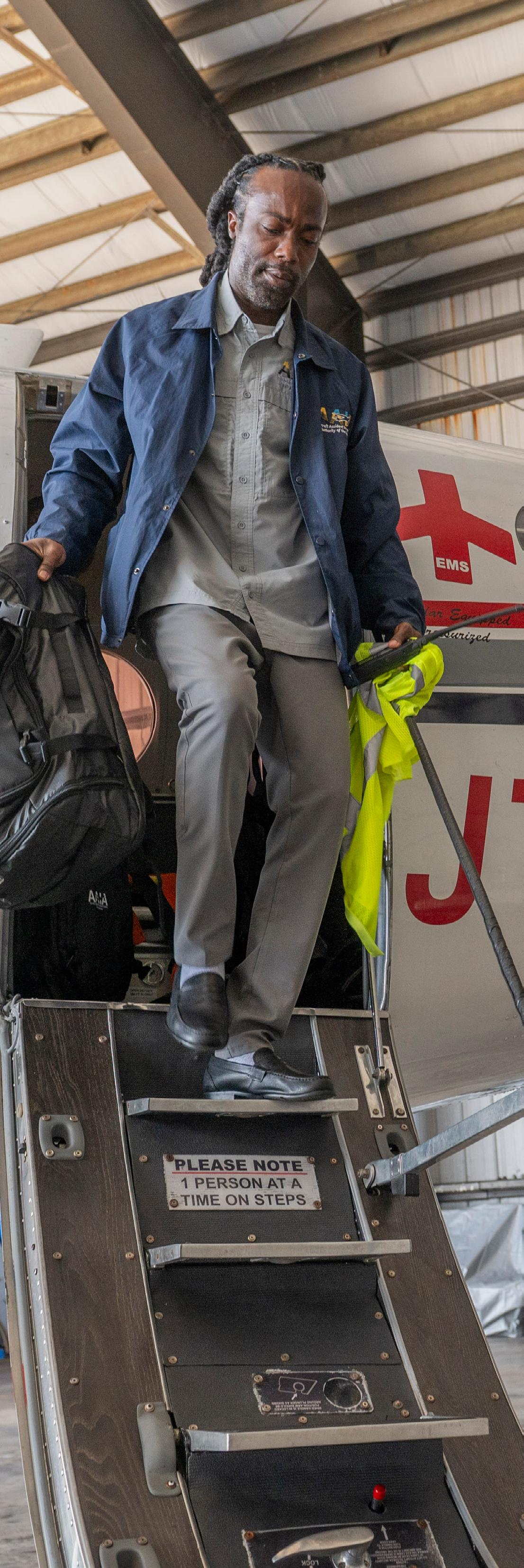
In The Bahamas, aviation is not a luxury—it is a lifeline. Spanning more than 100,000 square miles of ocean, the country depends on safe, reliable air travel to connect people, commerce, and critical services. At the centre of aviation safety oversight is the Aircraft Accident Investigation Authority, an independent body tasked with ensuring that when incidents occur, they lead to learning, reform, and stronger systems.
• Established in 2016 under the framework of the Convention on International Civil Aviation, the AAIA operates as The Bahamas’ independent authority for aviation accident investigation.
• Its mandate is not to assign blame, but to identify systemic deficiencies and issue safety recommendations that prevent recurrence.
• Investigations are rooted in institutional learning— ensuring that each occurrence strengthens the overall safety framework rather than focusing on liability.
• Under the leadership of Kendall Dorsett Jr., the Authority has strengthened its operational capacity and reinforced its role within national transport governance.
• The AAIA maintains compliance with International Civil Aviation Organisation Annex 13 standards, including the timely publication of final or interim investigation reports.
• Adherence to international standards directly impacts The Bahamas’ credibility within the global aviation community, where compliance signals reliability and trust.
• Strategic partnerships, including a Memorandum of Understanding with Embry-Riddle Aeronautical University, support advanced training and access to specialised investigative resources.
• Investment in human capital includes internship programmes designed to expose young Bahamians to aviation safety and investigative work, building future capacity in the sector.
• The Authority’s 2025–2027 strategy focuses on strengthening autonomy, modernising internal systems, expanding public access to safety information, and enhancing operational efficiency.
• Ongoing legislative amendments aim to align national frameworks with evolving global standards, reinforcing long-term institutional resilience.
When aviation systems function well, their safeguards are largely invisible. Flights depart and arrive without incident, and connectivity is taken for granted. Behind that seamless experience, however, is a disciplined process of investigation, oversight, and continuous improvement. Through its work, the Aircraft Accident Investigation Authority ensures that safety is not assumed, but actively maintained—protecting lives, supporting economic stability, and reinforcing The Bahamas’ standing in the global aviation community.

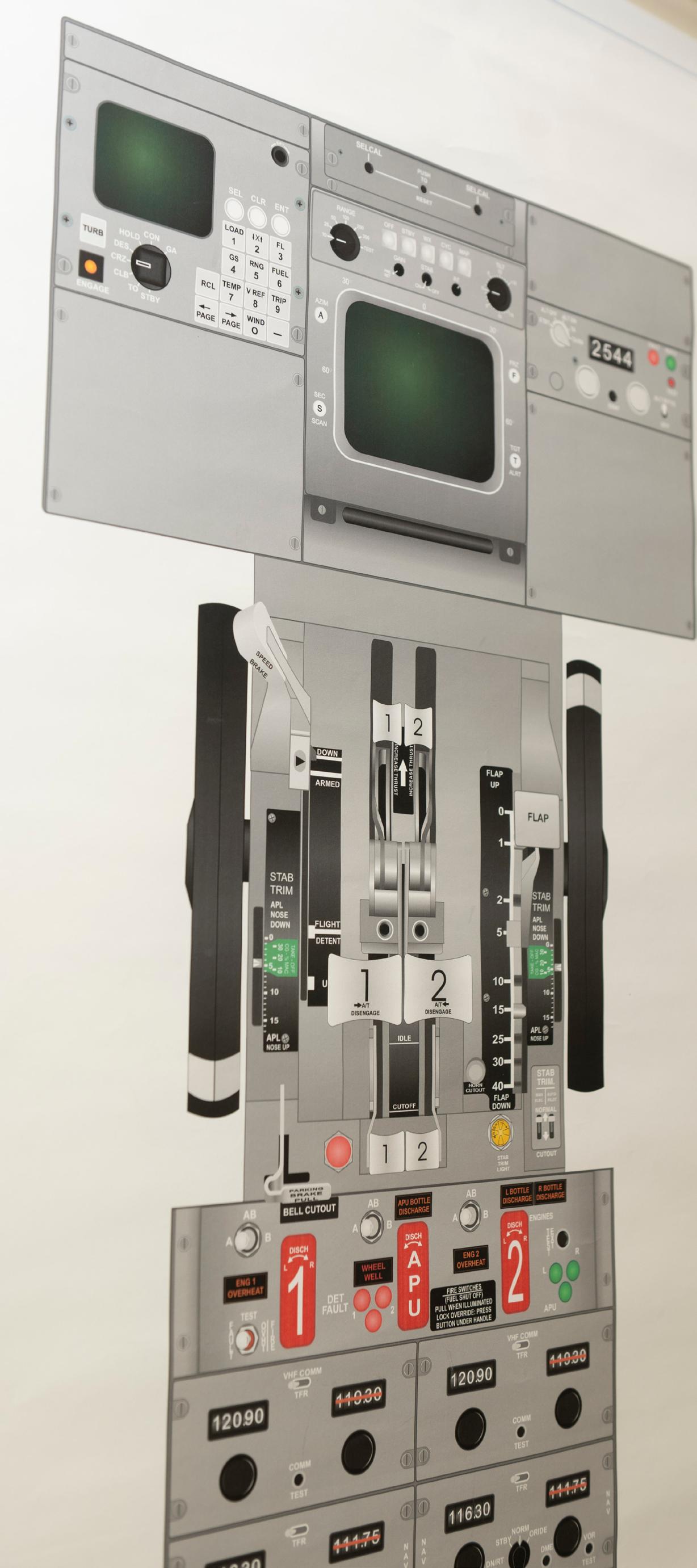
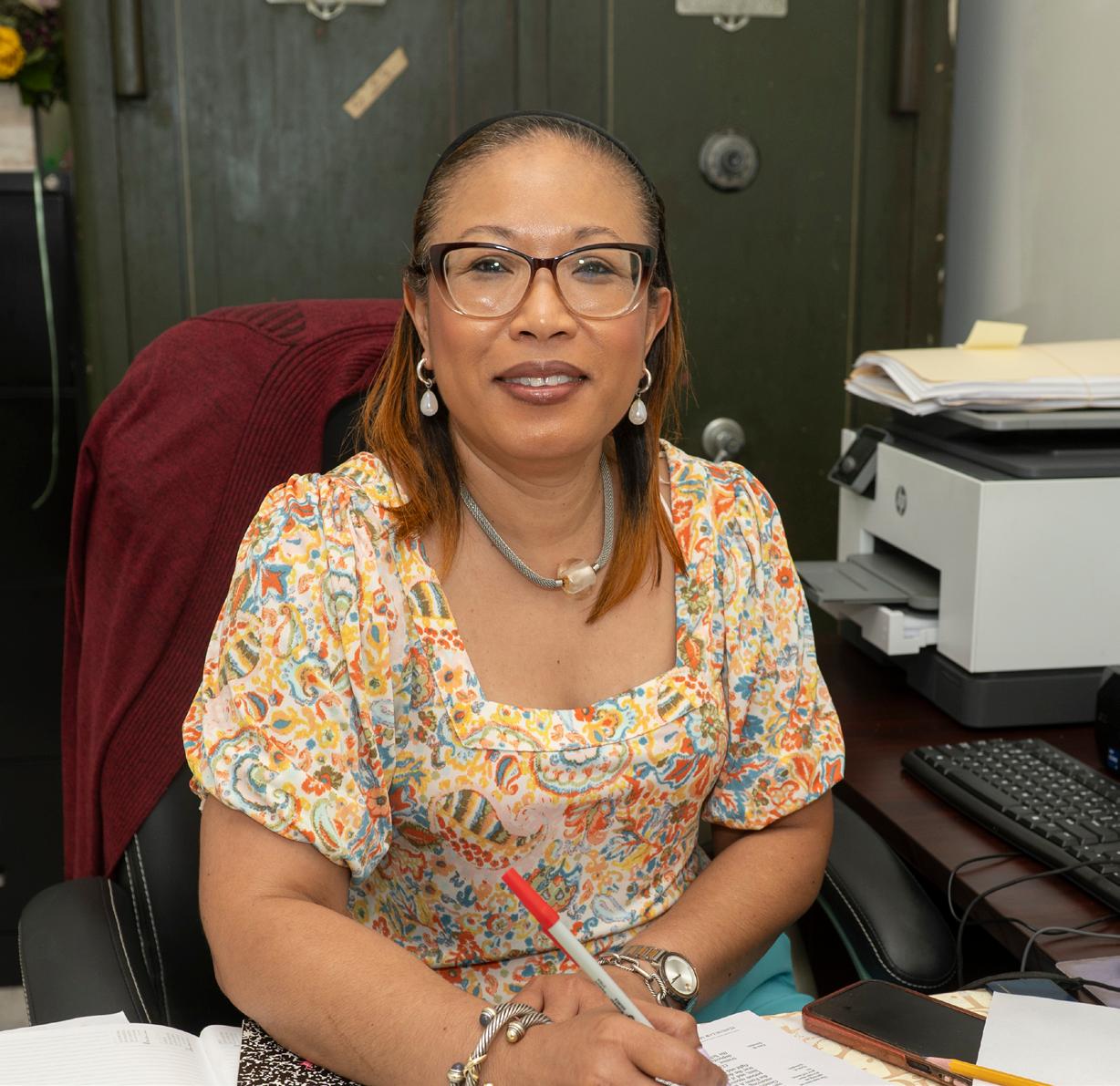
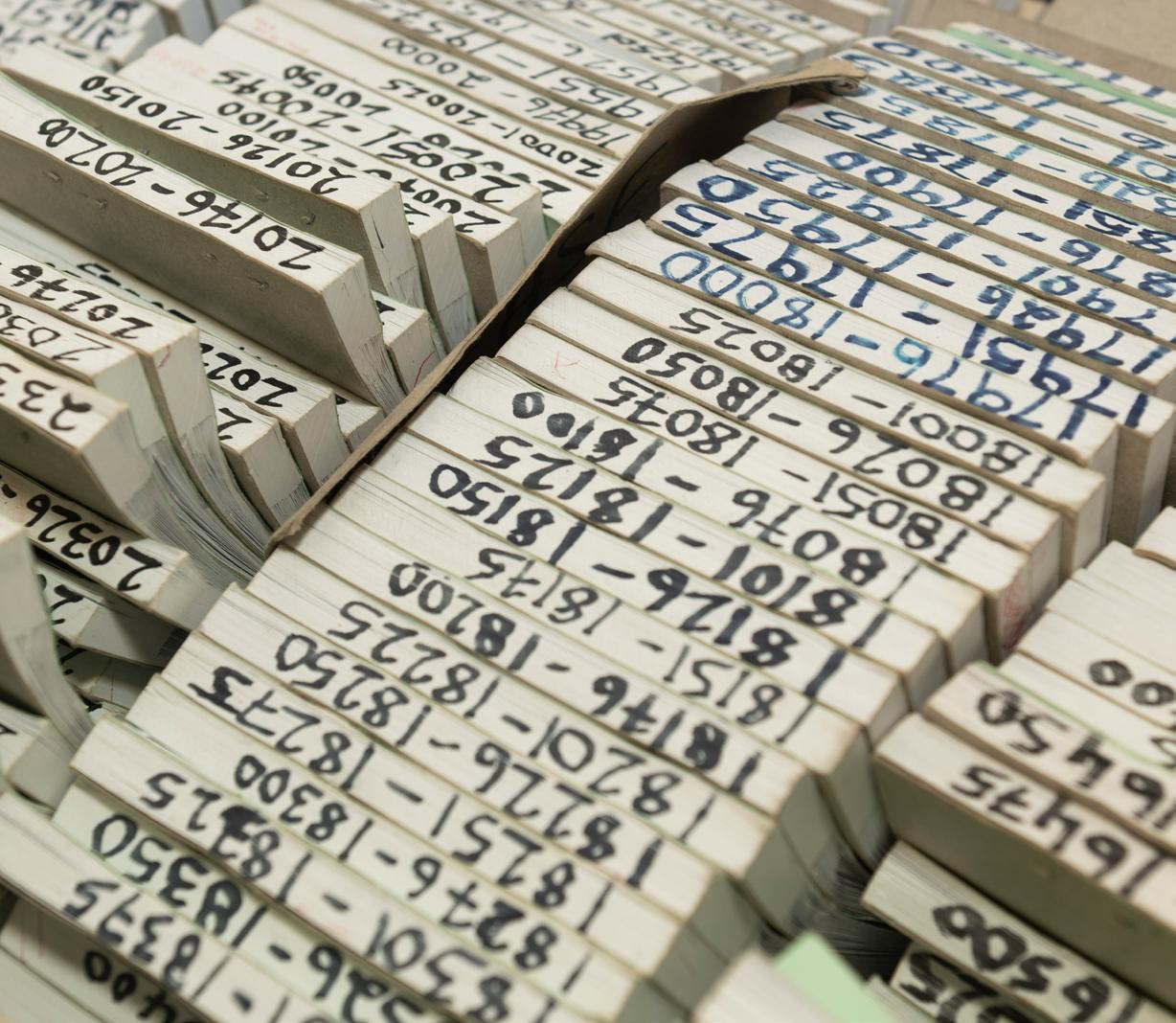
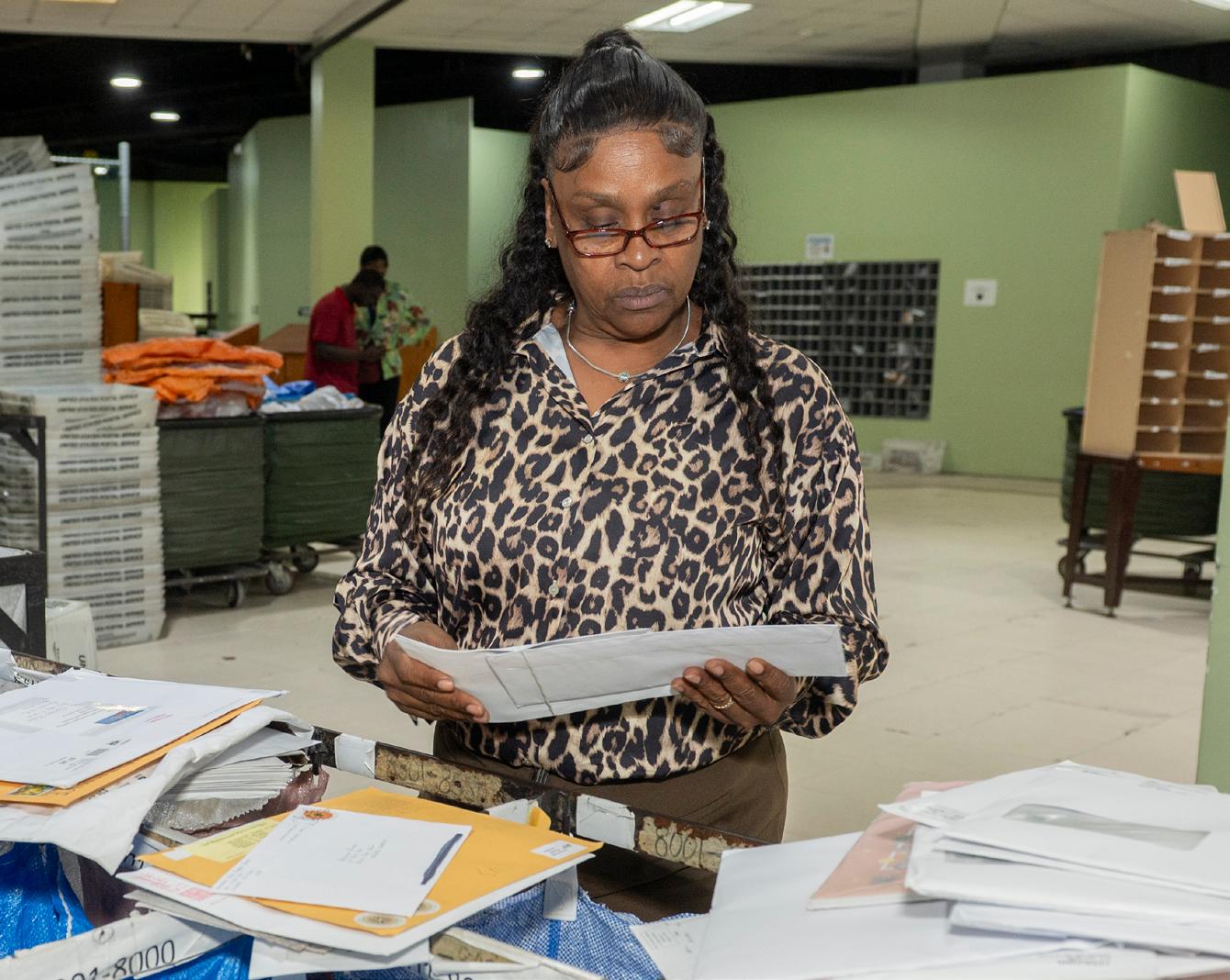
How the Bahamas Postal Service Continues to Connect Communities and Expand Access in a Changing Economy
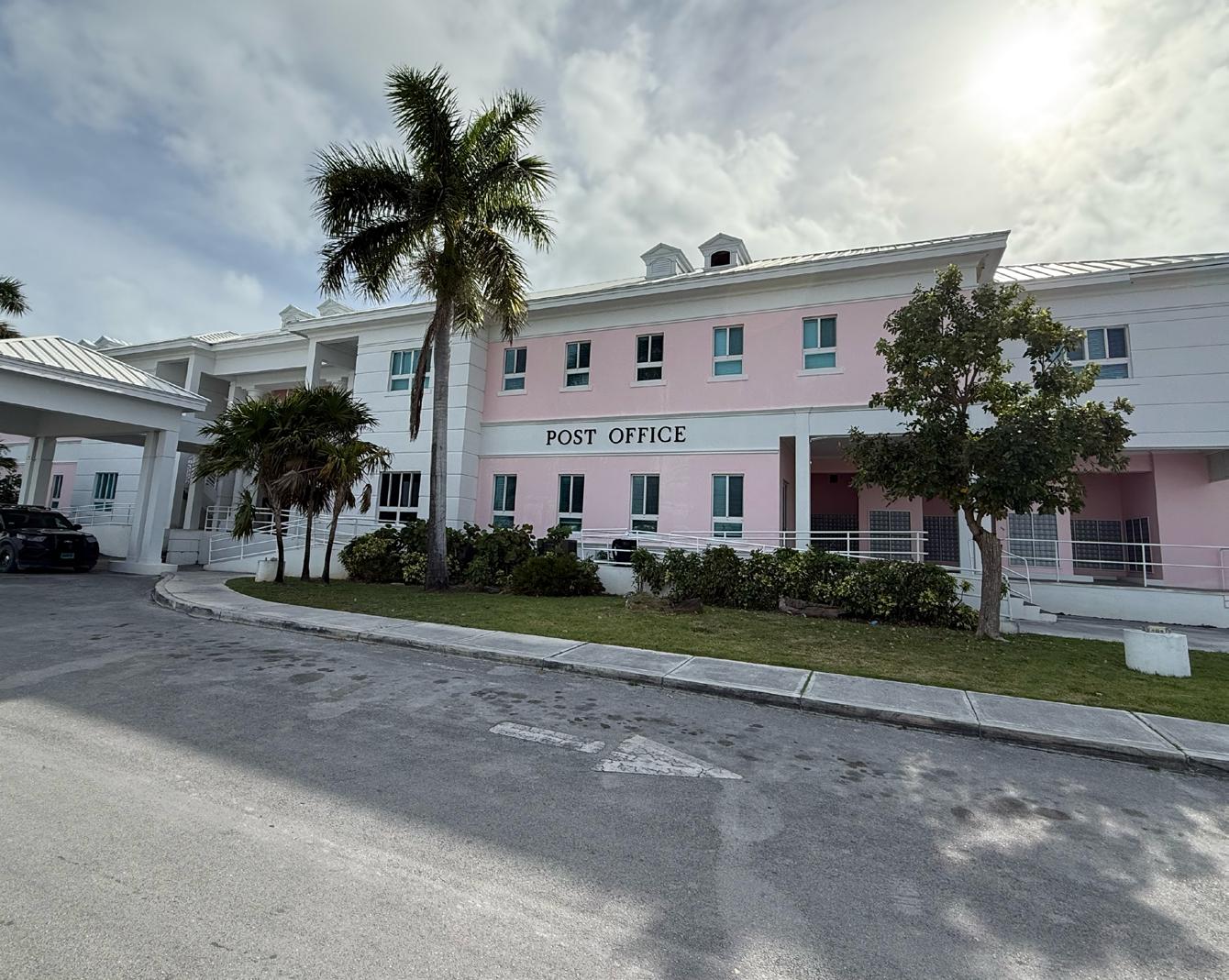
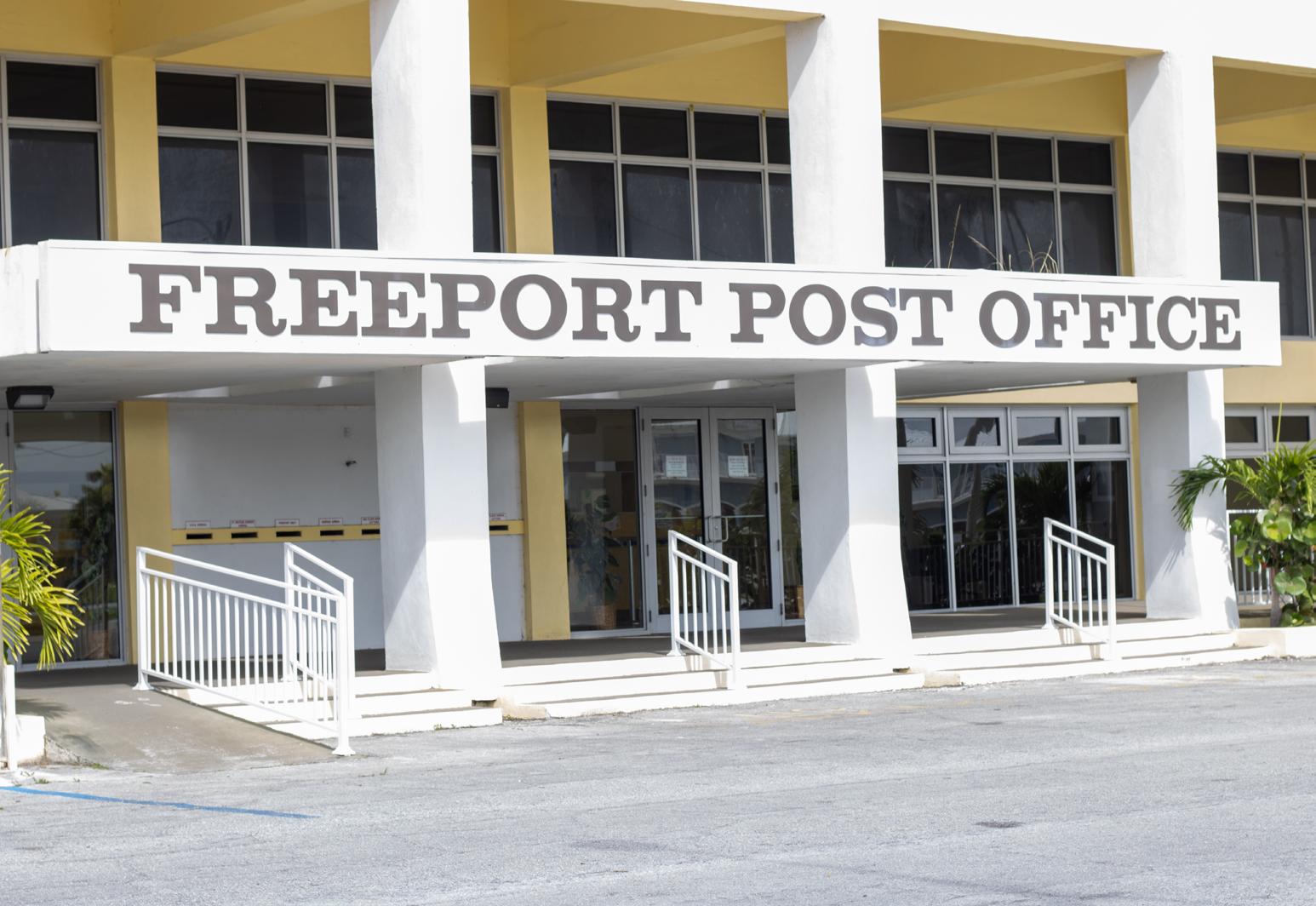
For many, the Post Office is a place to send a letter or collect a package. Across The Bahamas, it continues to play a much broader role. It connects communities, supports livelihoods and provides access to essential services.
With a network that spans New Providence and the Family Islands, the Bahamas Postal Service ensures that communication remains consistent and accessible, regardless of location. Whether it is general delivery for those without a fixed address, secure post office box rentals or registered mail for important documents, the department provides everyday solutions that people rely on.
Parcel services have also become increasingly relevant. International air parcels and express mail options support the growing demand for shipping, particularly as more Bahamians engage in online shopping and small business activity. These services quietly support a significant part of the country’s day-to-day economic movement.
Beyond mail and logistics, the Post Office continues to serve as an important financial access point. Domestic and telegraph money orders allow funds to move across islands with ease, ensuring that families remain connected and supported.
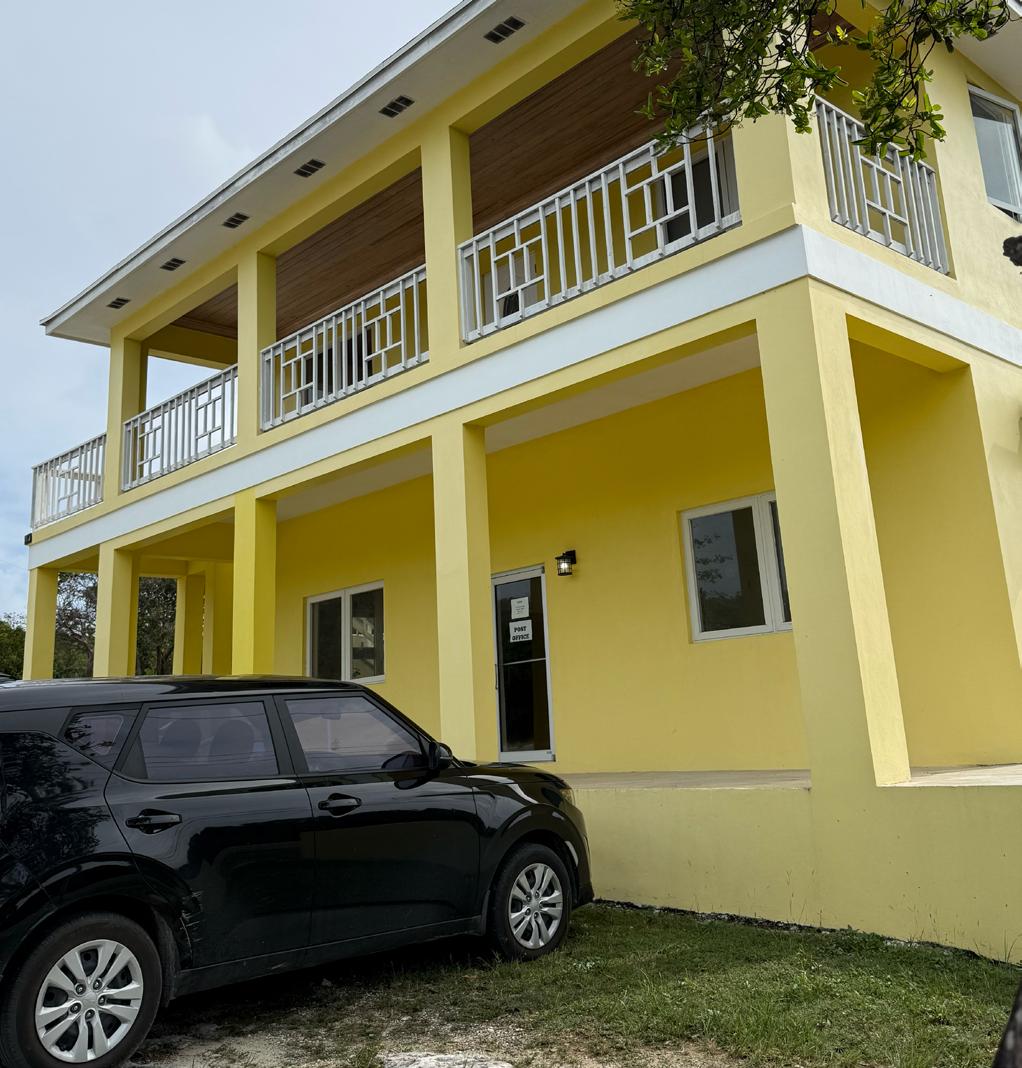
More recently, the Post Office Savings Bank has reentered public conversation, drawing attention to a long-standing but often overlooked service. For many Bahamians, it offers a simple and accessible way to save, particularly for those who may not have easy access to traditional banking institutions. Its renewed visibility reflects a growing need for inclusive financial services and reinforces the Post Office’s continued relevance in everyday life.
As Acting Postmaster General Mabalene Miller explains, “Our mission in the Post Office is to provide reliable, affordable, and universal mail service… we make it our number one priority to exceed the expectations of our customers by going above and beyond to meet the everyday demands of connecting people to people.”
That commitment is reflected not only in the services offered, but in the department’s continued effort to adapt. In a world where communication is increasingly digital, the Post Office remains a physical and reliable presence that meets people where they are.
Still evolving and still essential, the Post Office continues to connect The Bahamas one letter, one package and one service at a time.
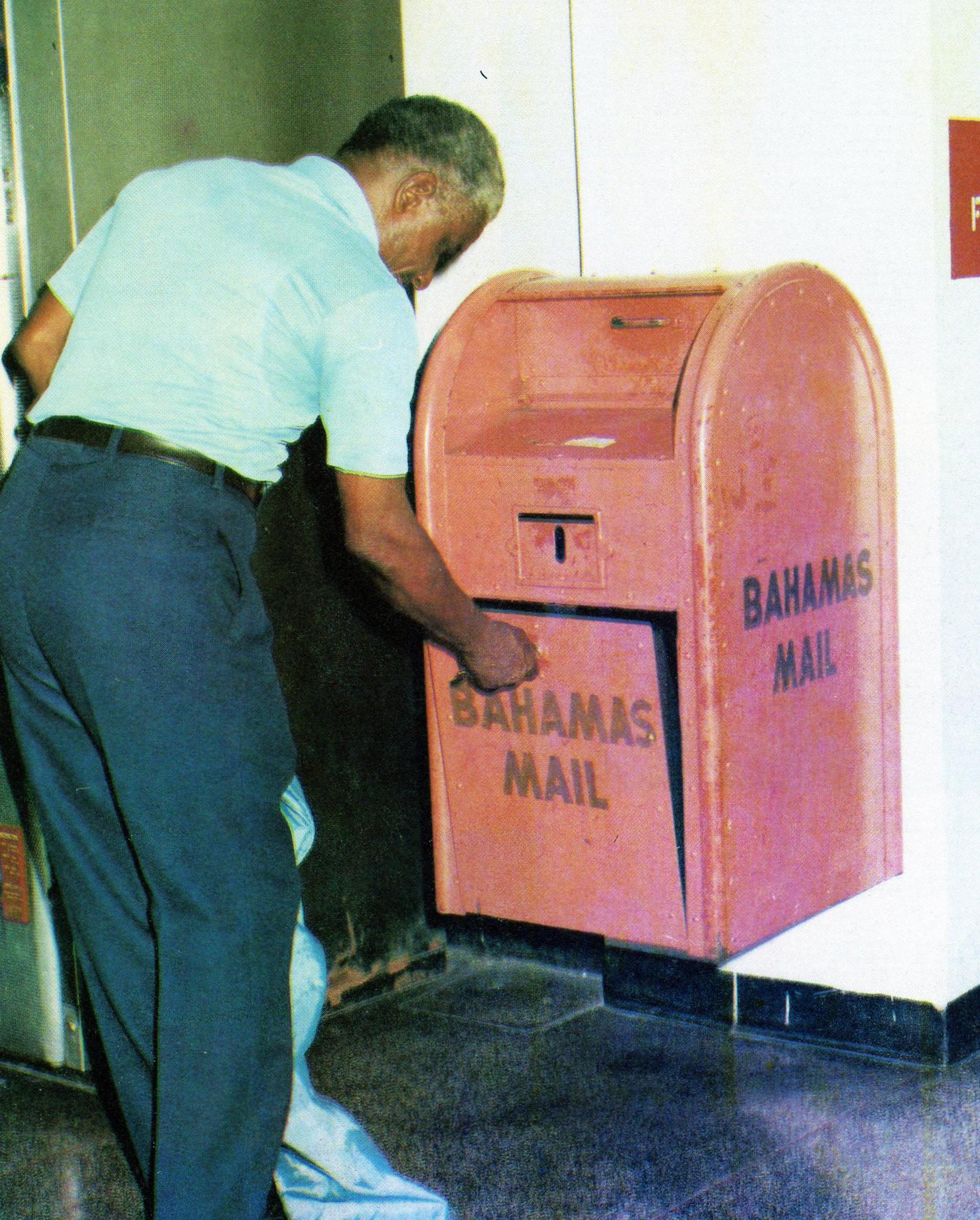


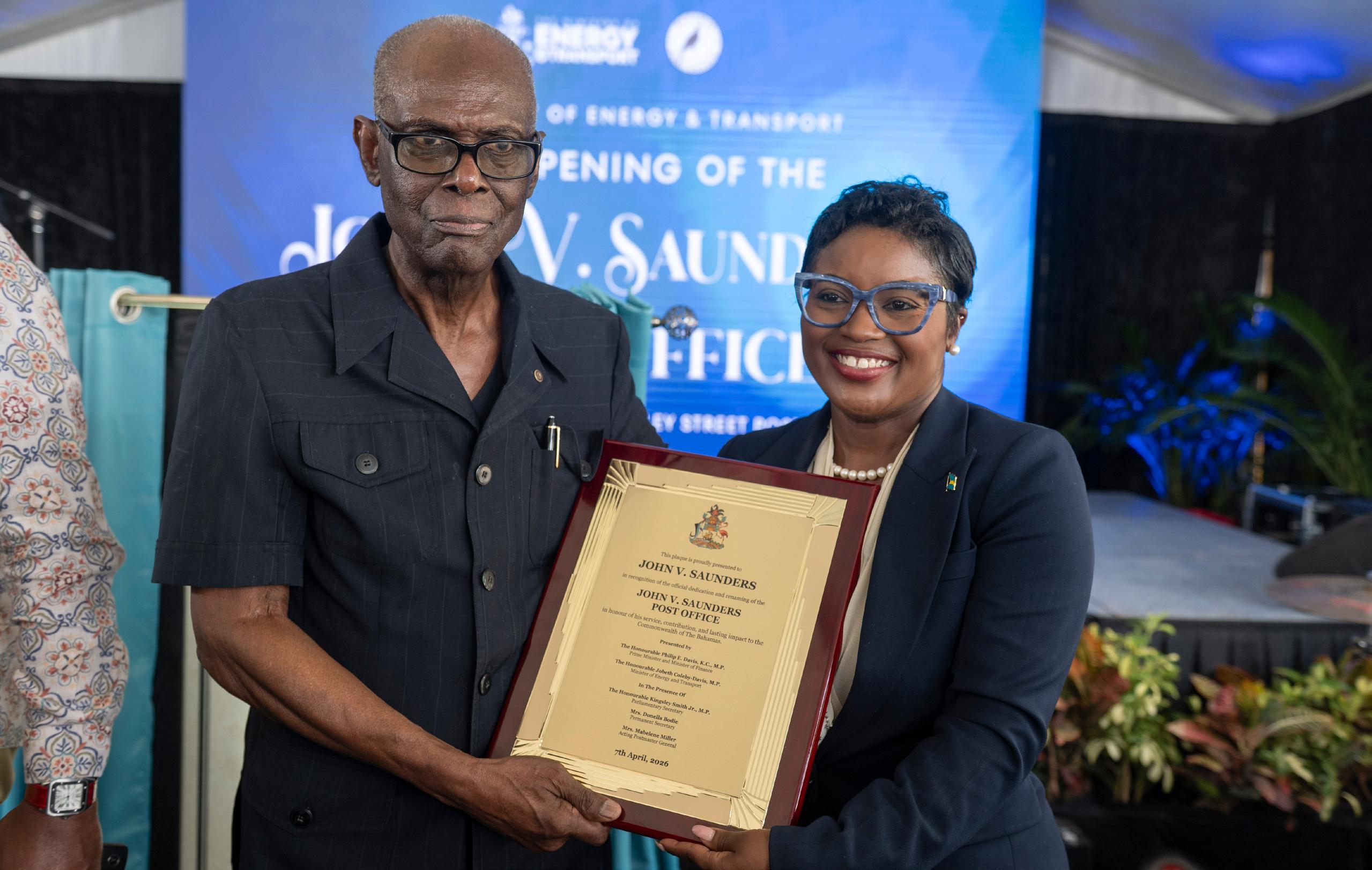
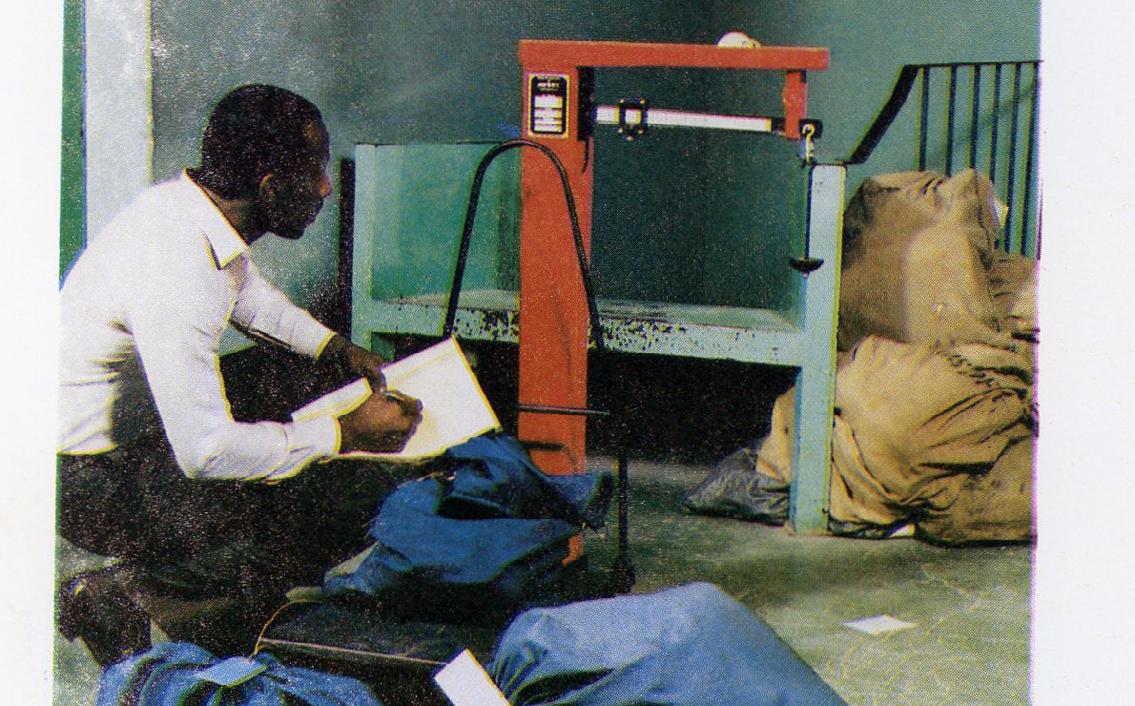
The Shirley Street Post Office stands as one of the most recognised and essential public service institutions in New Providence—serving generations of Bahamians through connection, communication, and community.
And now, that legacy is further strengthened.
Following its recent renovation, the Shirley Street Post Office is being rededicated and named in honour of Mr. John V. Saunders, a man whose life and career reflect the very principles upon which the Postal Service was built: commitment, leadership, and service to country.
Born on May 14, 1941, in Moss Town, Exuma, Mr. Saunders’ journey is one defined by steady growth, discipline, and purpose. After continuing his education in Nassau, he joined the Post Office in 1960—beginning what would become a distinguished career spanning four decades.
Through diligence and unwavering dedication, Mr. Saunders rose through the ranks to serve as Postmaster General, one of the highest positions within the Postal Service. His leadership extended beyond national borders, representing The Bahamas internationally and contributing to the advancement of postal services across the region and beyond.
Yet, his impact cannot be measured by title alone. Mr. Saunders is widely regarded as a leader who
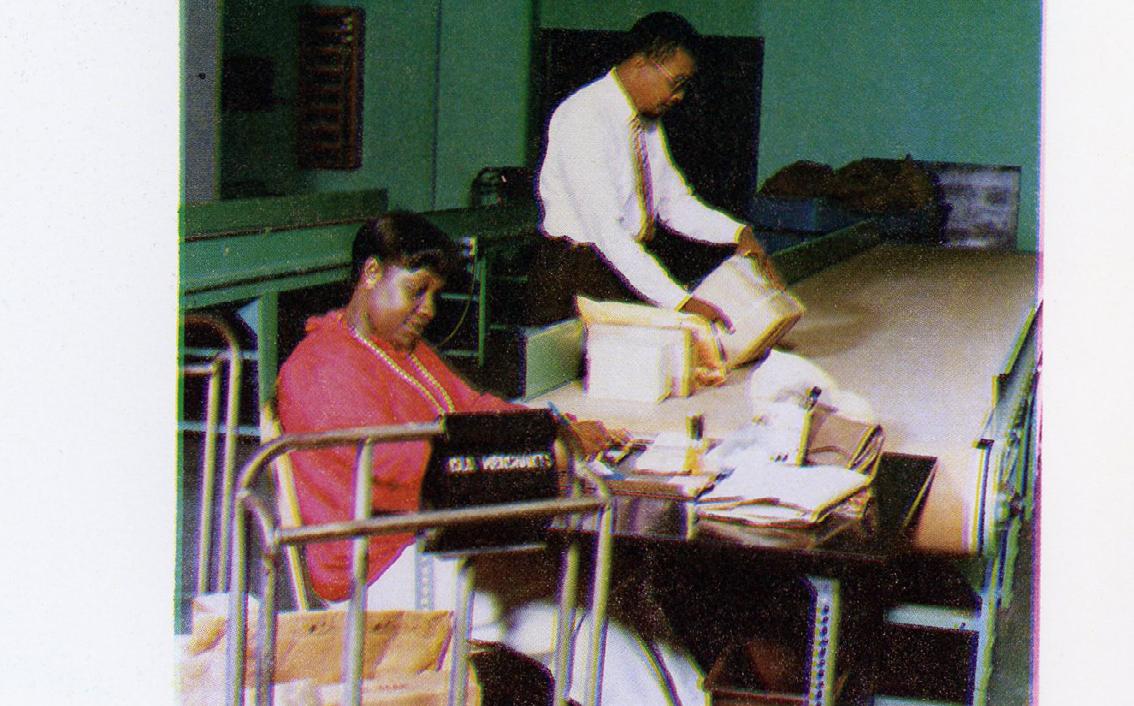
embodied integrity, professionalism, and a deep commitment to public service. His influence extended beyond the workplace into his community and family, where he served as a role model—guiding not only through words, but through example.
The decision to rename the Shirley Street Post Office in his honour is therefore both fitting and significant. It recognises not only his years of service, but the standard of excellence he set—one that continues to shape the Postal Service today.
As the facility enters a new chapter following its renovation, it does so grounded in history and inspired by legacy.
The John V. Saunders Post Office will stand as a lasting reminder of what dedicated public service looks like at its best—consistent, impactful, and rooted in a genuine commitment to the people it serves.
In honouring Mr. Saunders, we also honour a broader tradition of service—one that continues to connect communities across The Bahamas.
“Dedicated public service at its best—consistent, impactful, and rooted in a genuine commitment to the people it serves.”
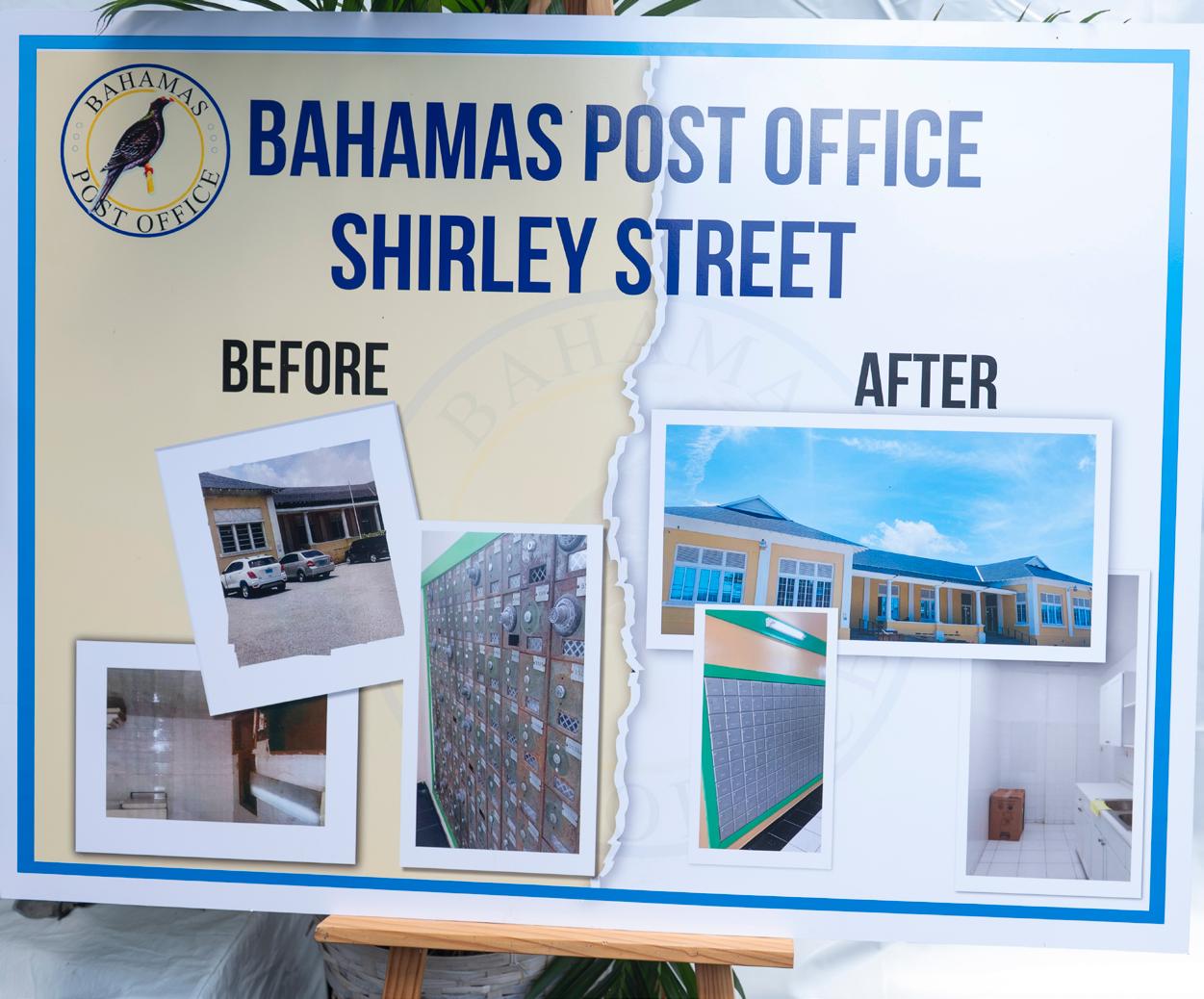
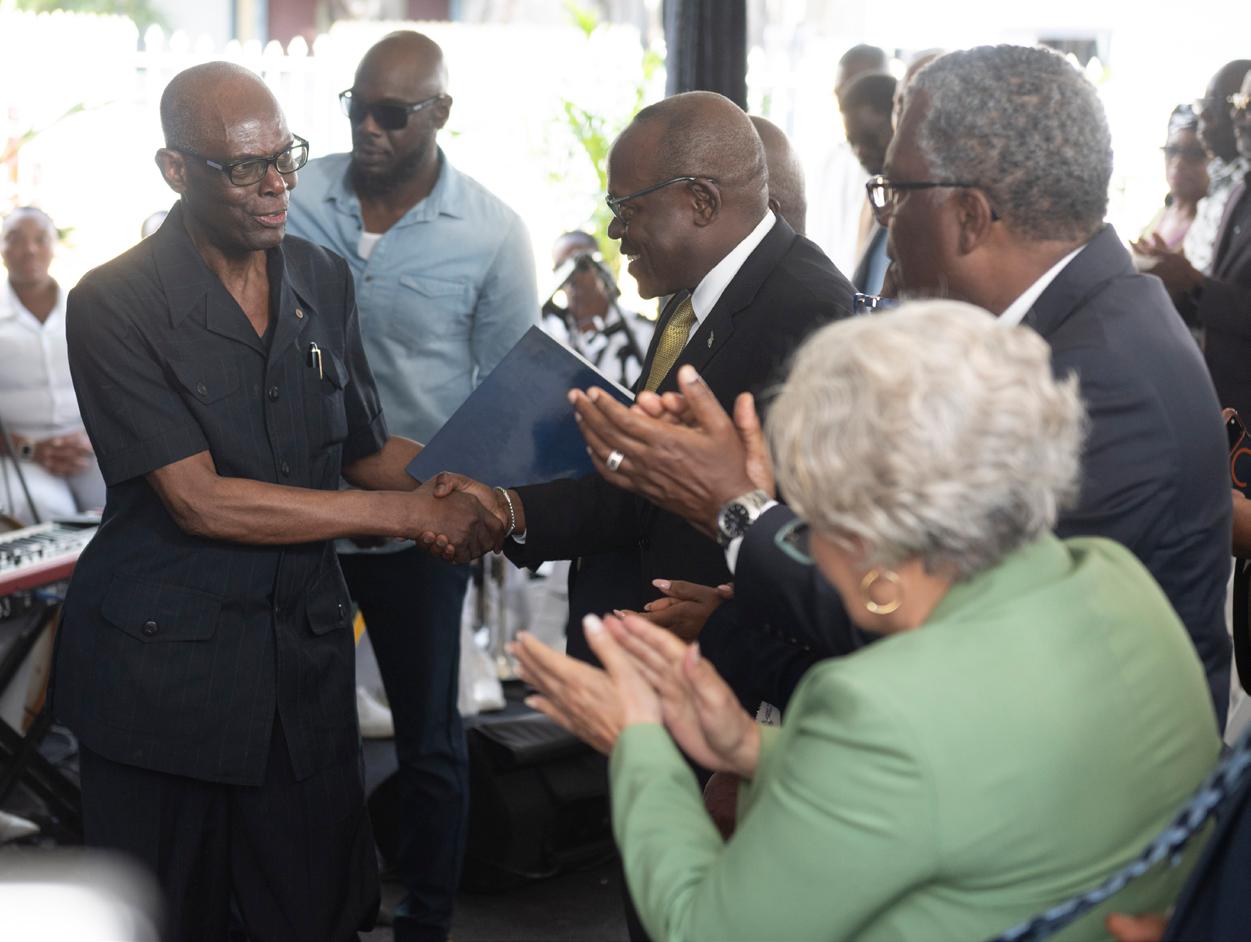

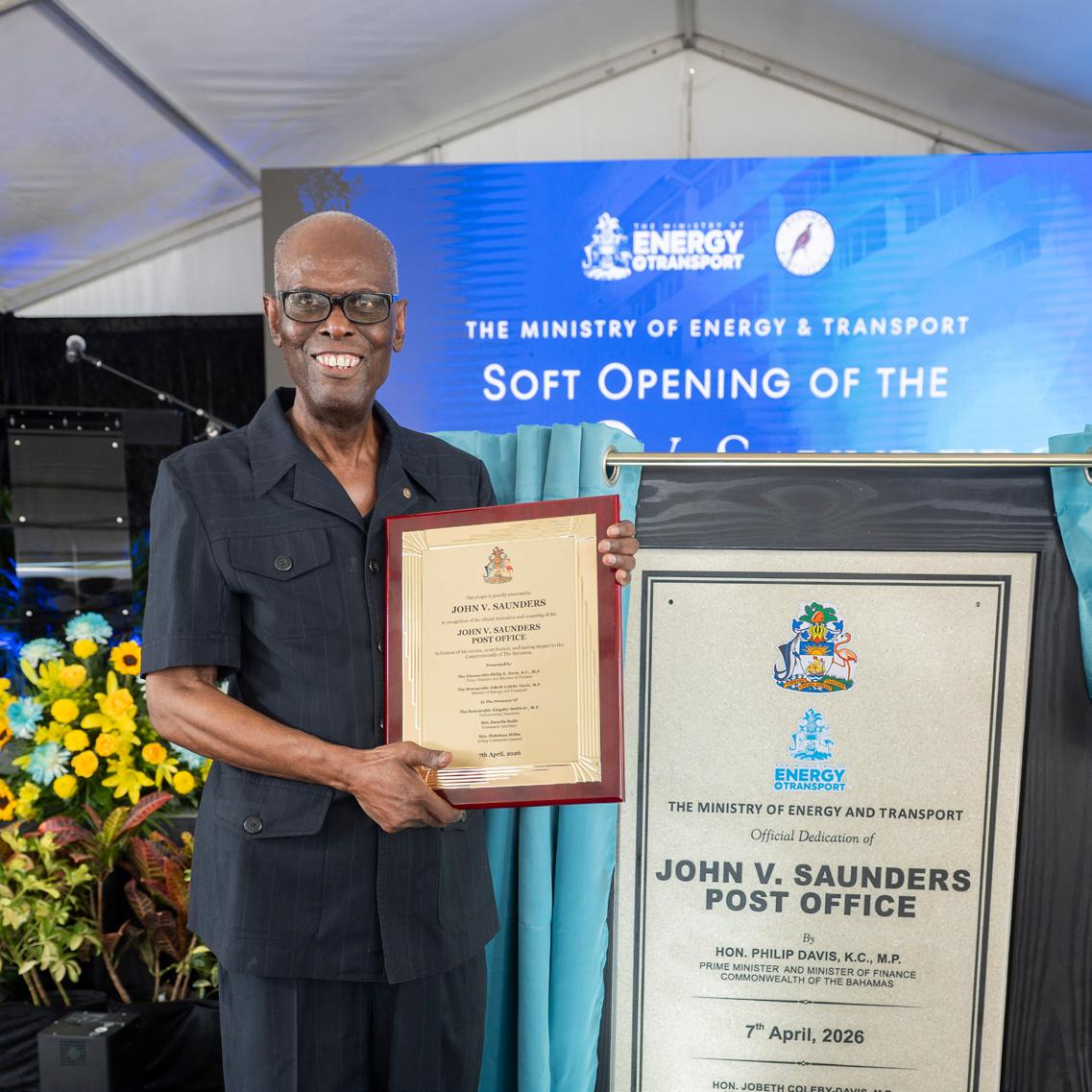
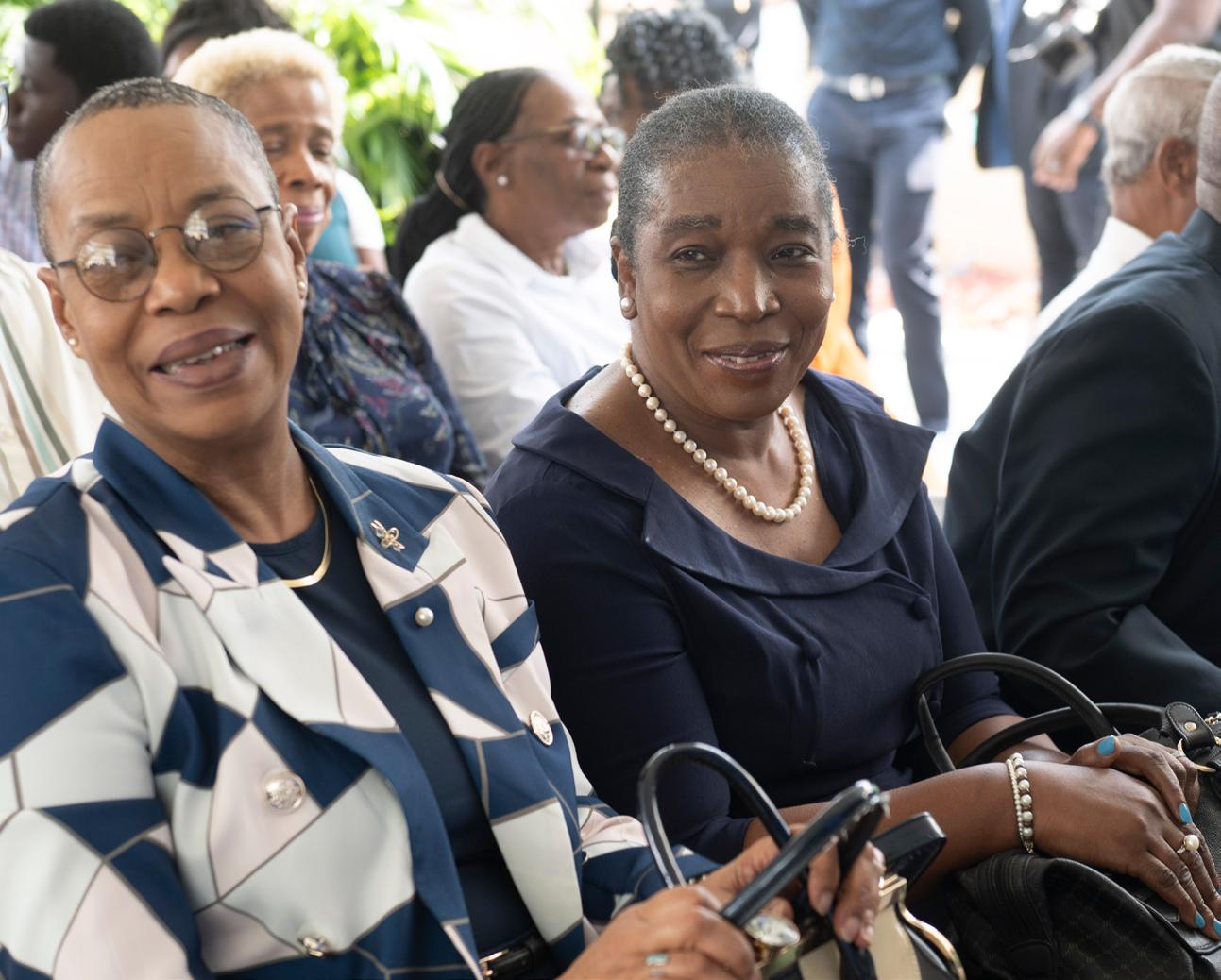
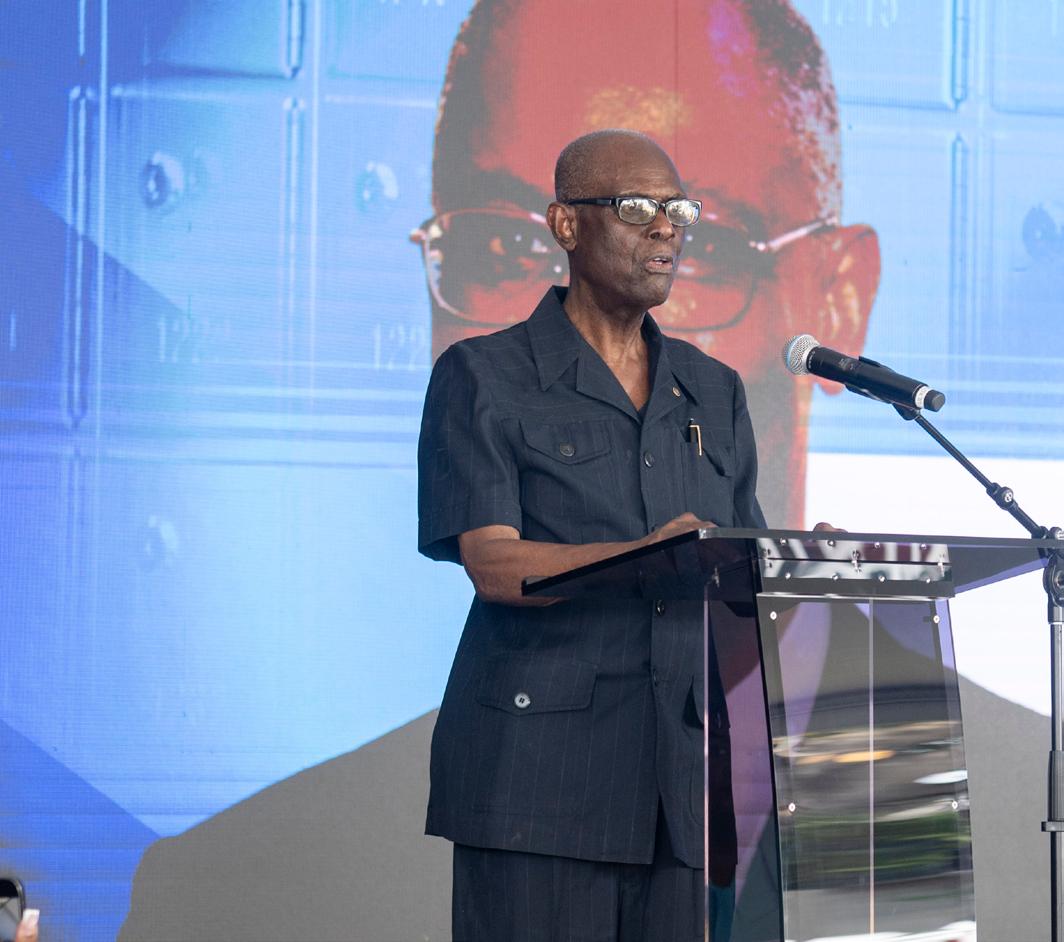
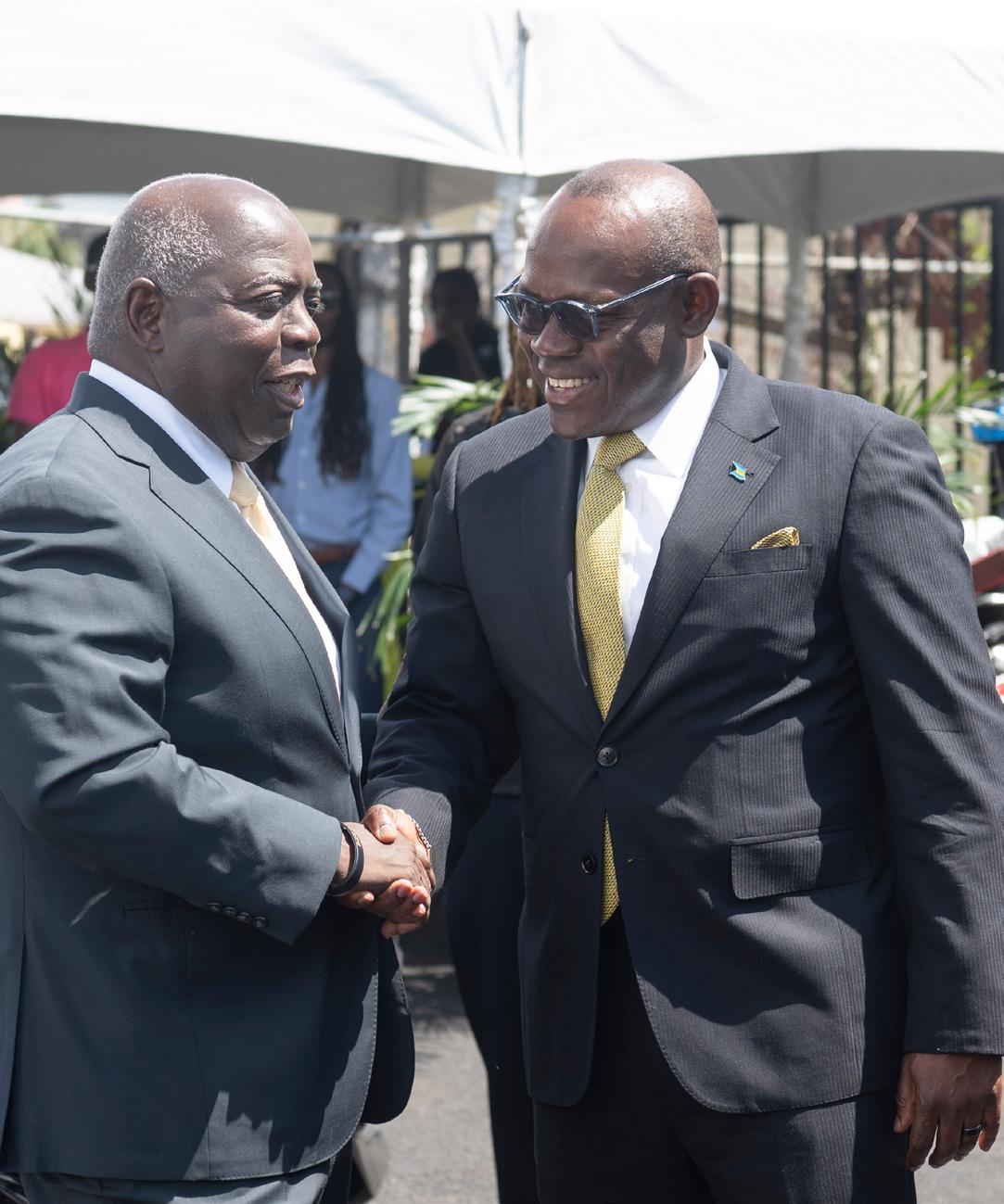

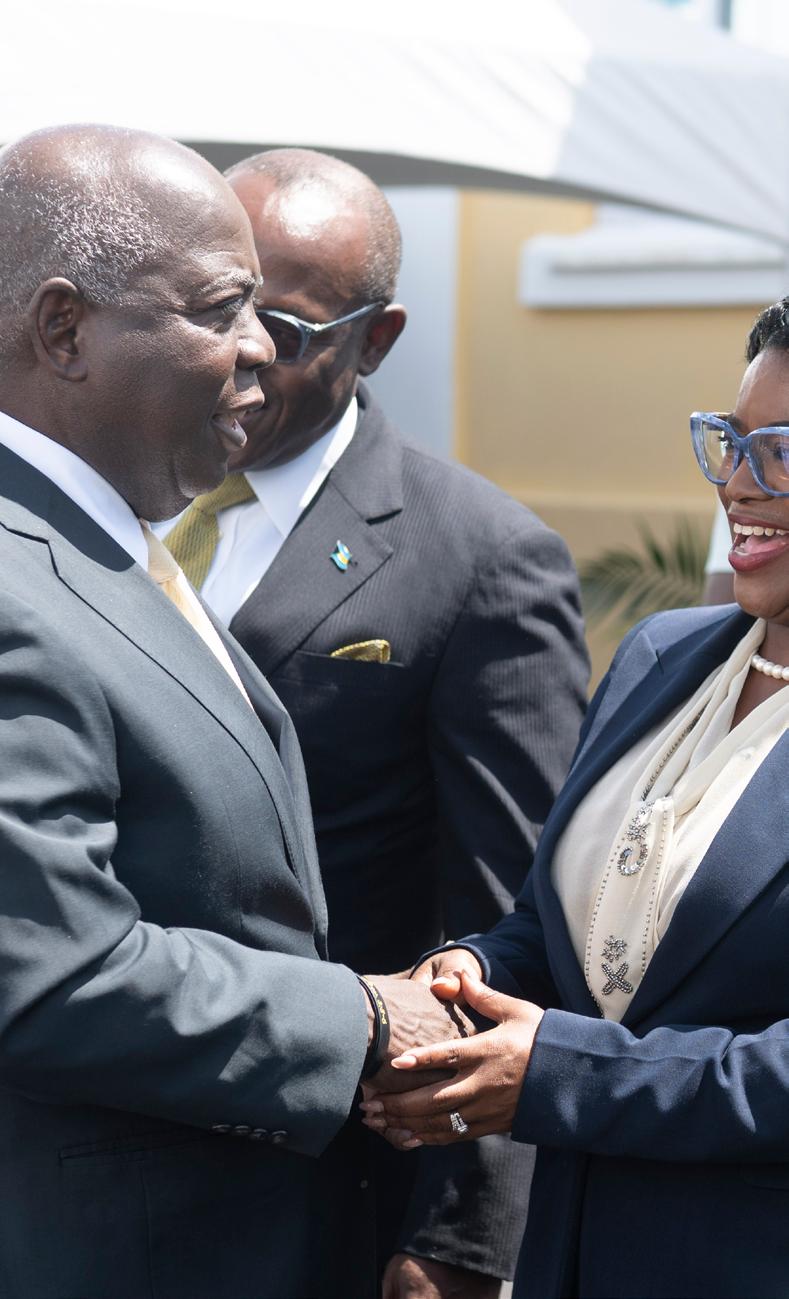
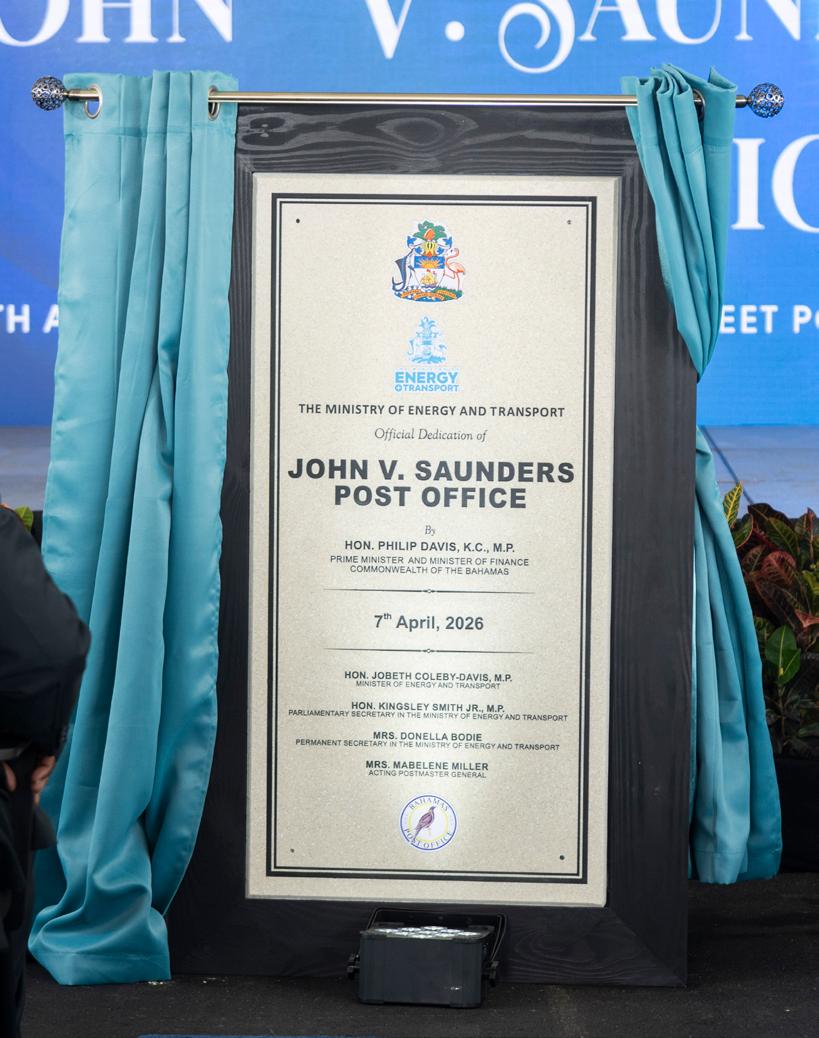
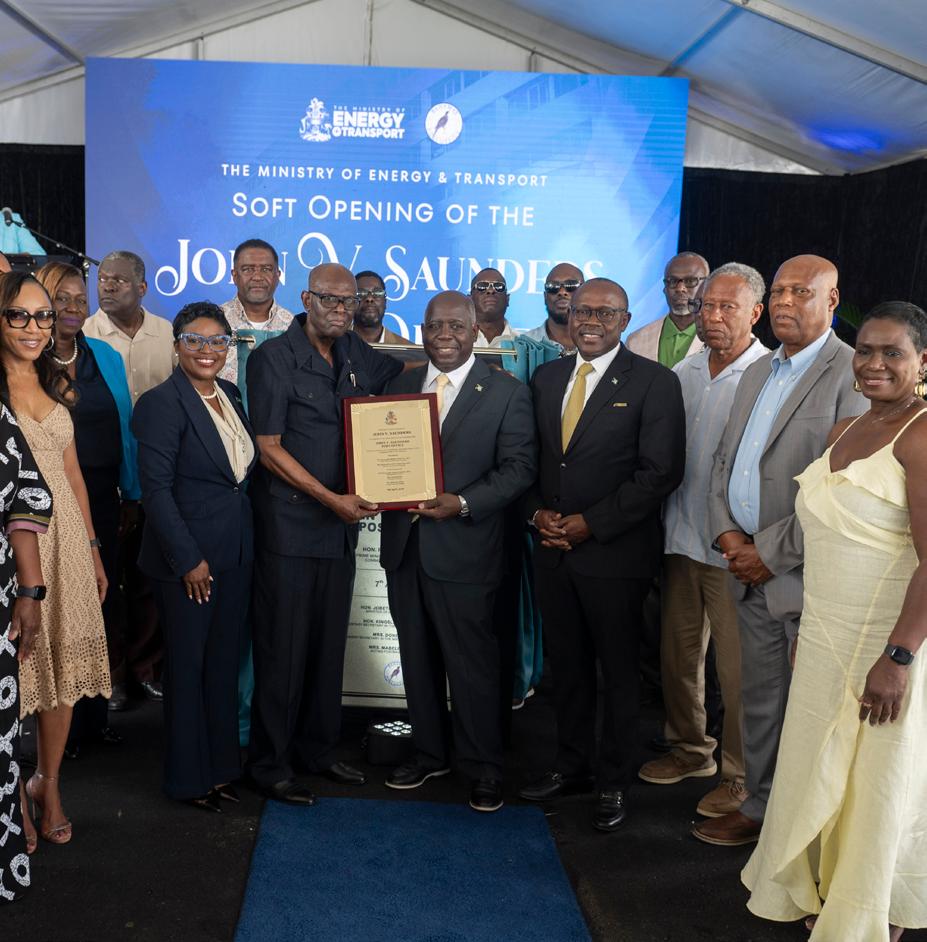

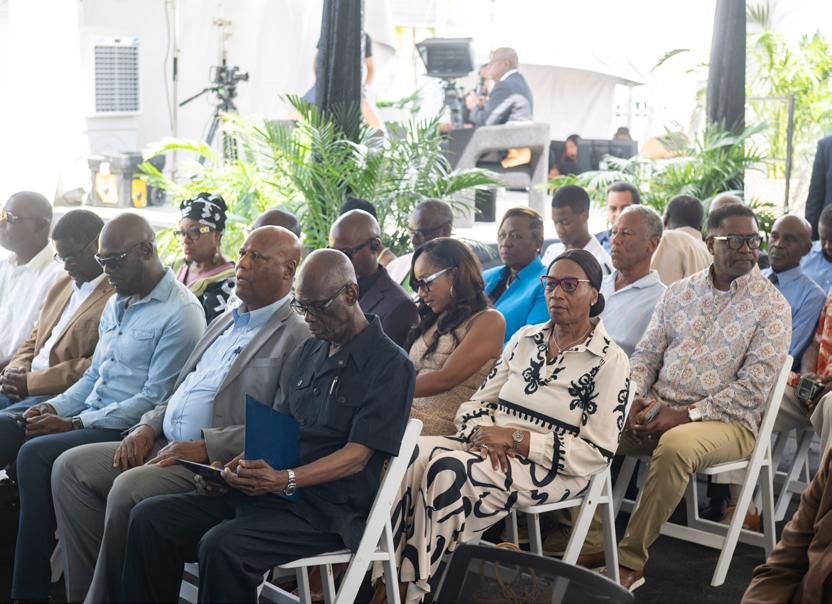

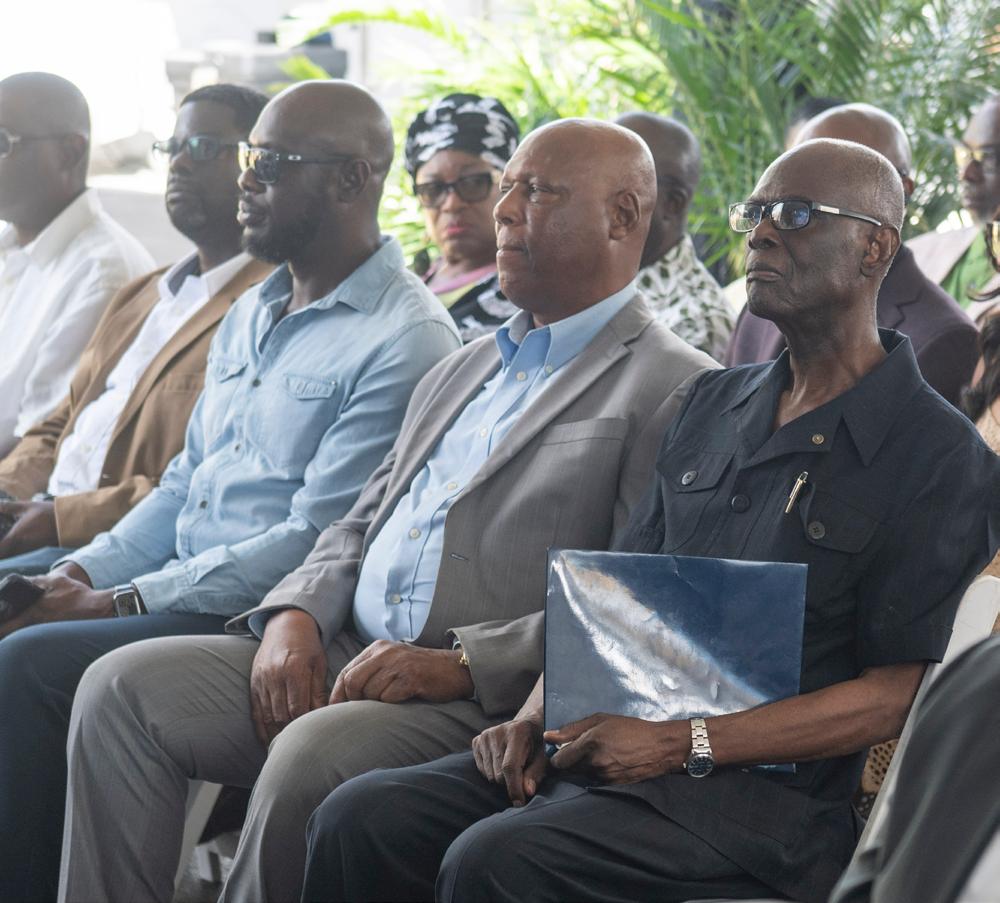
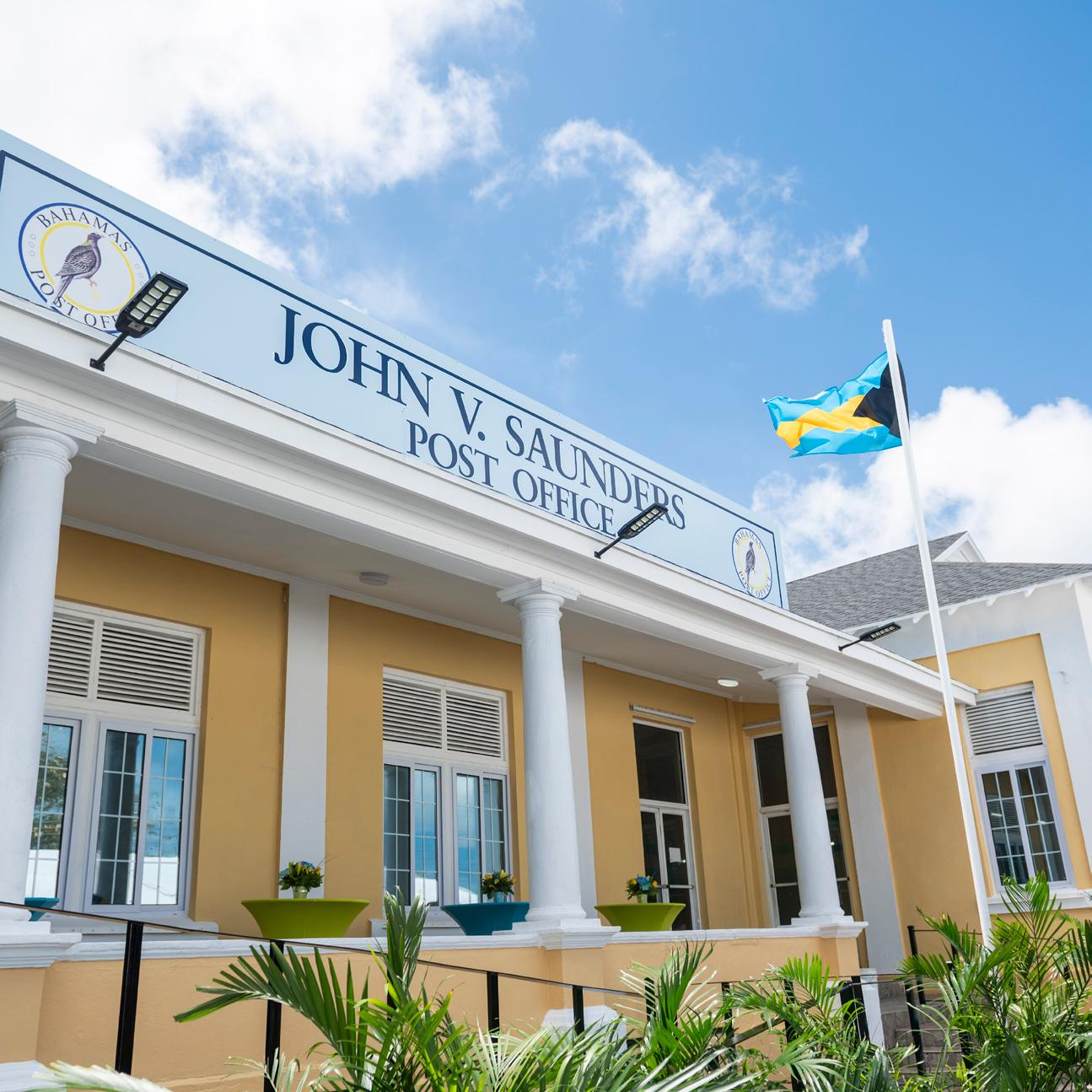
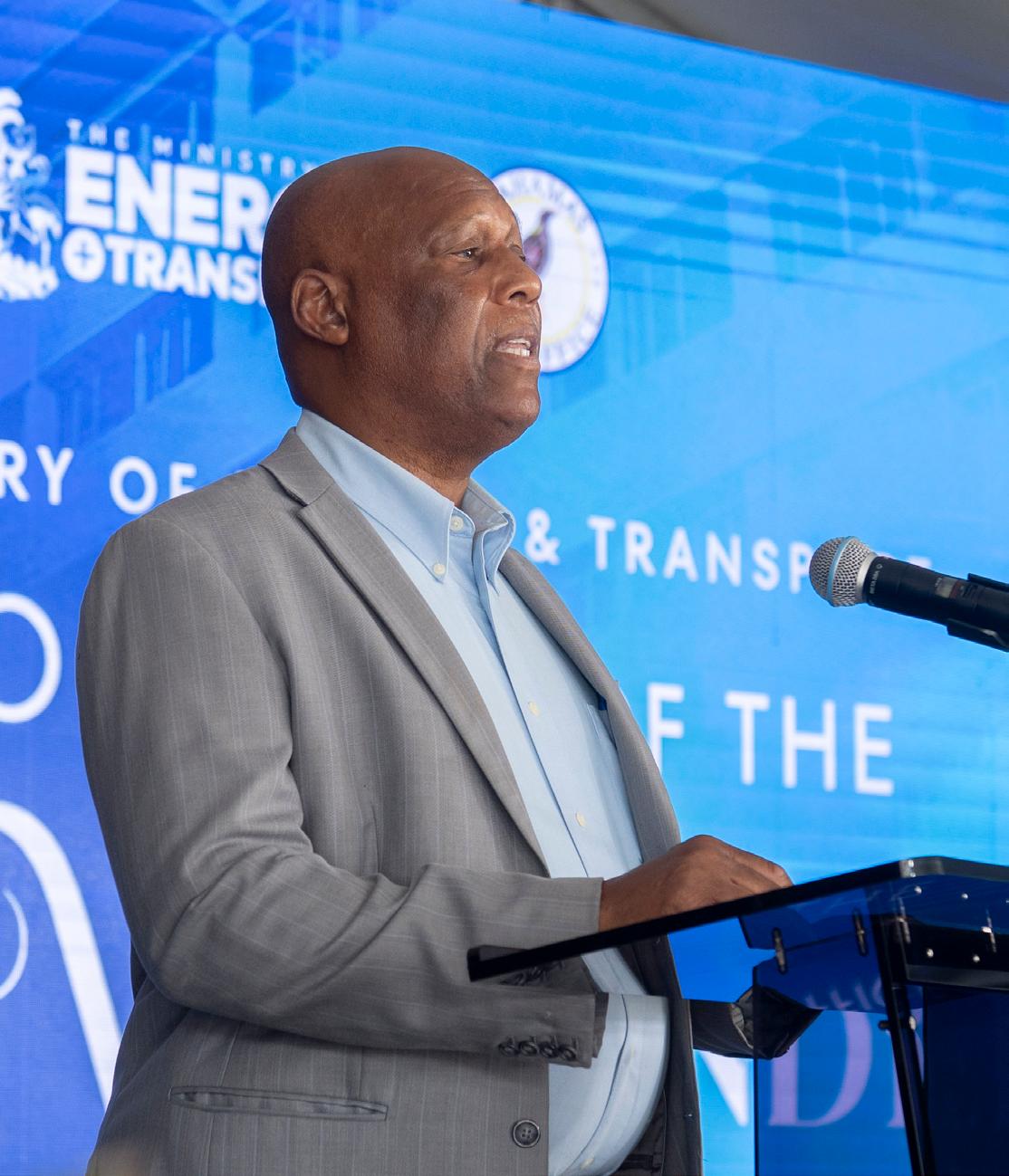
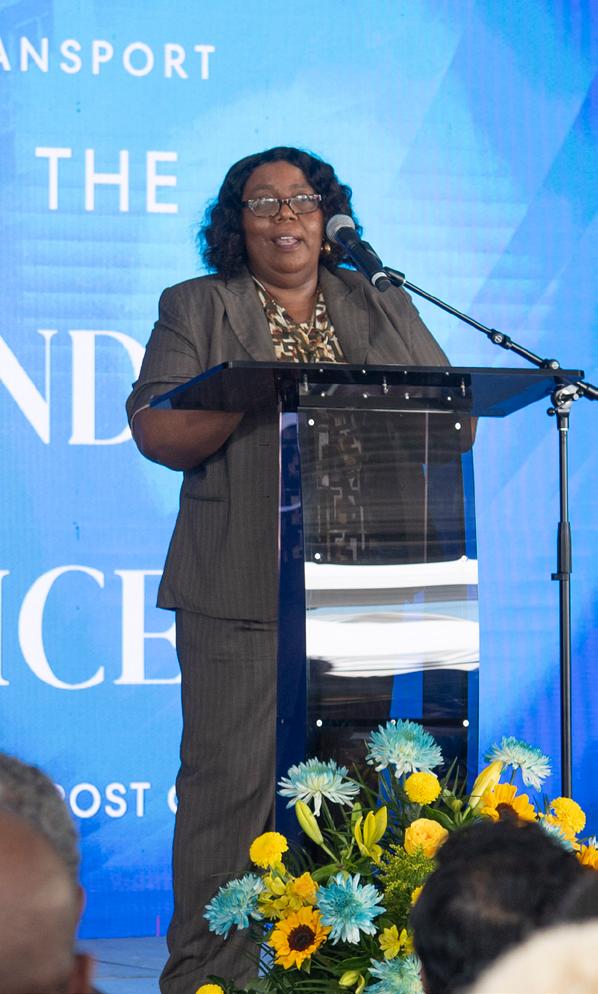
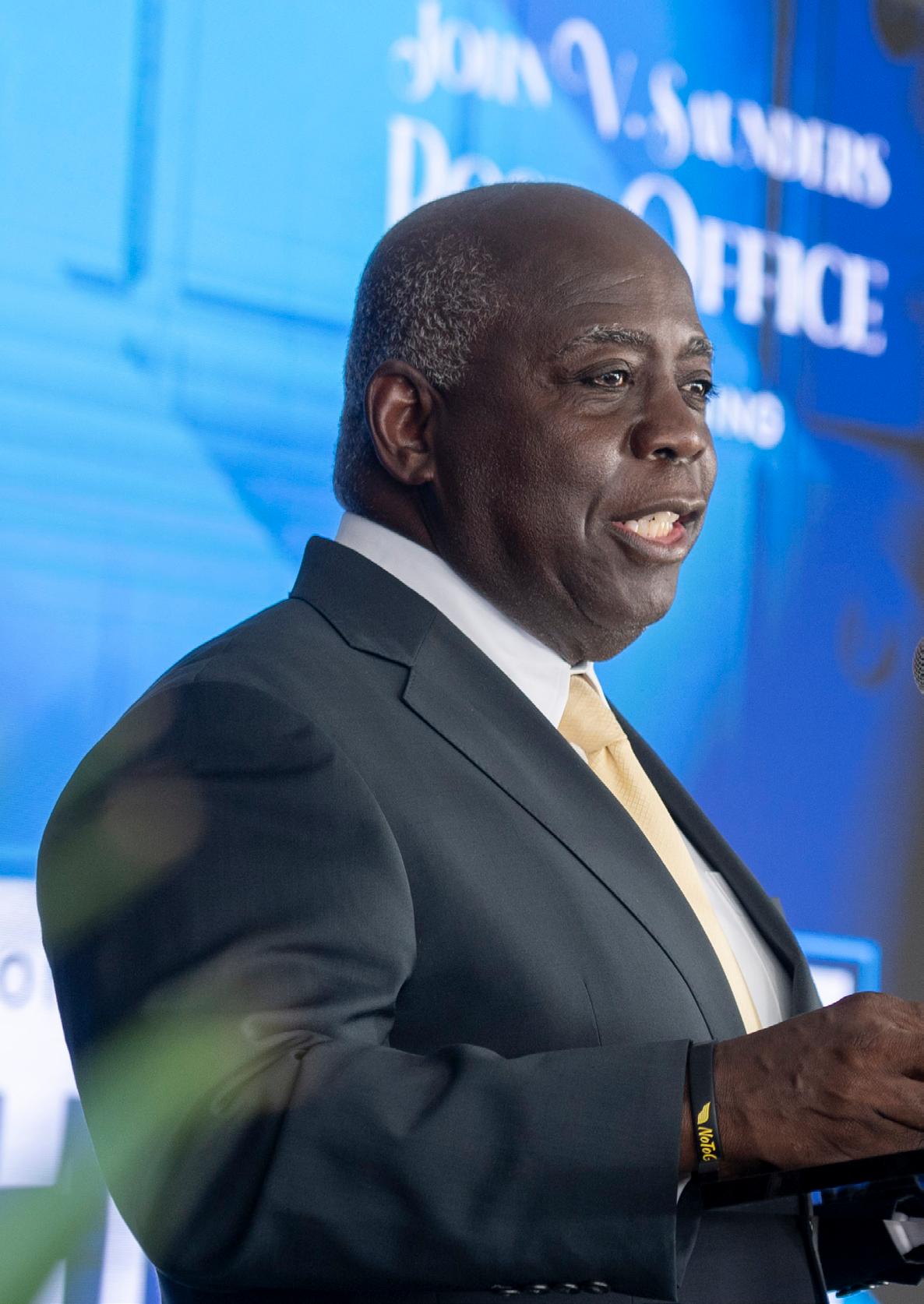
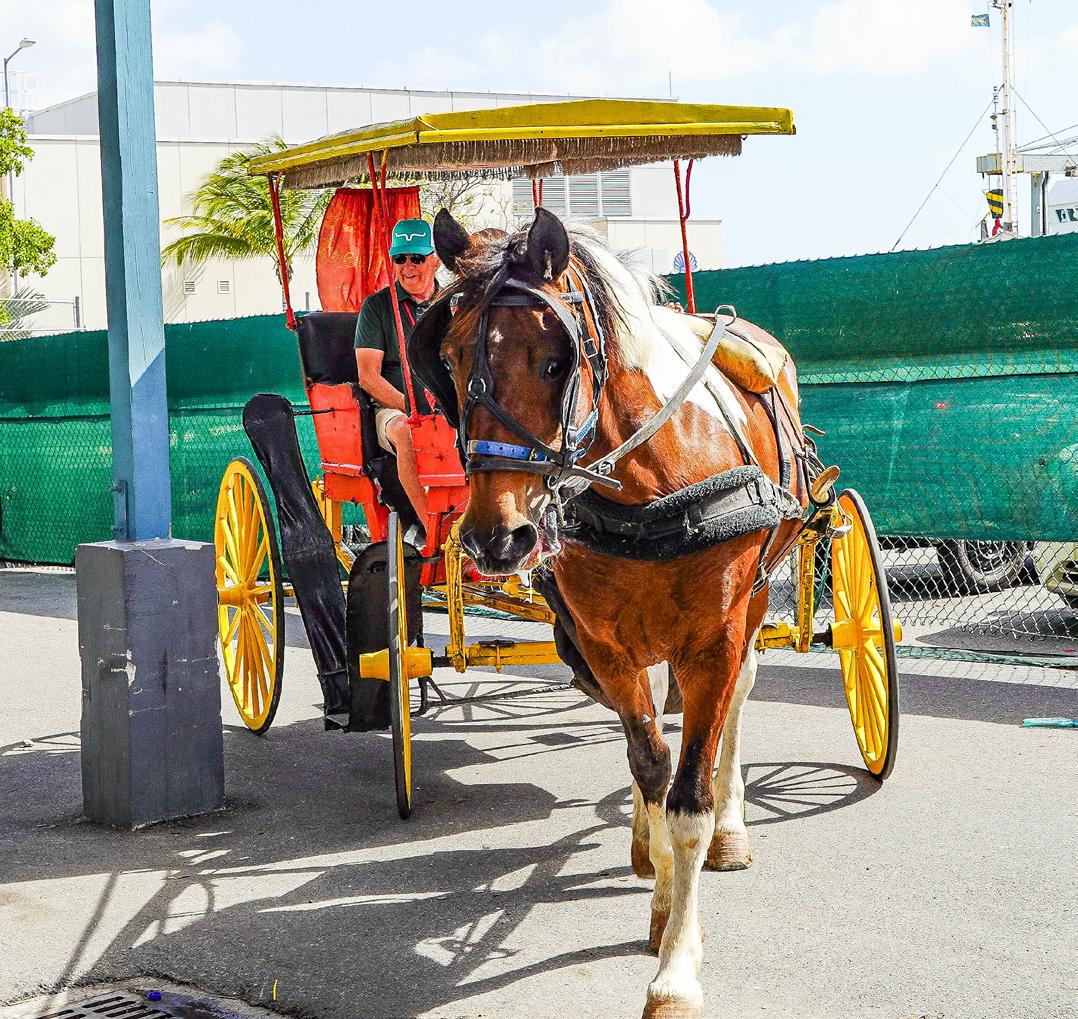
Across The Bahamas, taxis are more than a convenience. They are often the first point of contact for visitors arriving at airports, cruise ports, and hotels, and a daily transportation option for residents moving between work, home, and community.
Behind this familiar service is a regulatory framework designed to ensure safety, fairness, and reliability across the industry.
The Cabs and Hackneys Unit within the Ministry of Energy and Transport plays a central role in managing this system — overseeing licensing, regulatory compliance, and operational standards for the country’s taxi sector.
The taxi industry forms an important part of the
country’s broader transportation network. Cabs operate at major transportation hubs, within communities, and across tourism centres, providing a flexible transportation option that complements public transit and private travel.
The Cabs and Hackneys Unit works to ensure that drivers, operators, and vehicles meet established standards for licensing and operation. This includes reviewing applications, maintaining records of licensed operators, and ensuring that vehicles used for public transport meet safety requirements.
By maintaining clear guidelines and oversight, the unit helps support an industry that serves both residents and the millions of visitors who travel to The Bahamas each year.
For many travellers, a taxi ride represents their first interaction with Bahamian hospitality. Drivers often serve not only as transportation providers but also as informal ambassadors — offering directions, sharing local knowledge, and helping visitors navigate the islands.
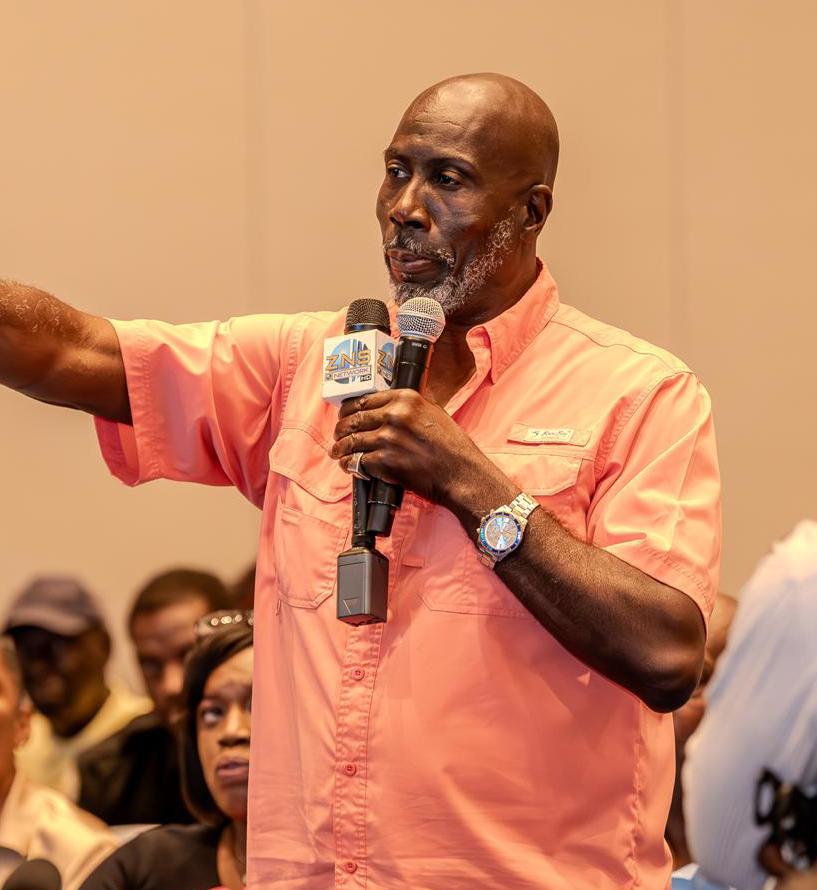
Ensuring that the industry operates smoothly is therefore important not only for transportation but also for the country’s tourism product.
Through licensing oversight and operational standards, the Cabs and Hackneys Unit helps maintain a system that supports safe and reliable service across major visitor destinations.
The taxi sector also provides an important economic opportunity for Bahamians seeking to operate small transportation businesses.
By maintaining licensing structures and regulatory frameworks, the unit helps ensure that opportunities remain accessible while also protecting the integrity of the industry.
This balance between oversight and opportunity allows the sector to continue serving communities while contributing to the broader national economy.
Reliable transportation plays a quiet but essential role in the rhythm of everyday life across the islands.
Through its work overseeing licensing, standards, and operational compliance, the Cabs and Hackneys Unit helps ensure that the country’s taxi system continues to operate safely, efficiently, and in service of both residents and visitors.
In doing so, the unit supports a transportation network that keeps people — and the country — moving.
“Taxis are often the first and last impression visitors have of a destination. Strong oversight helps ensure that experience reflects the best of The Bahamas.”
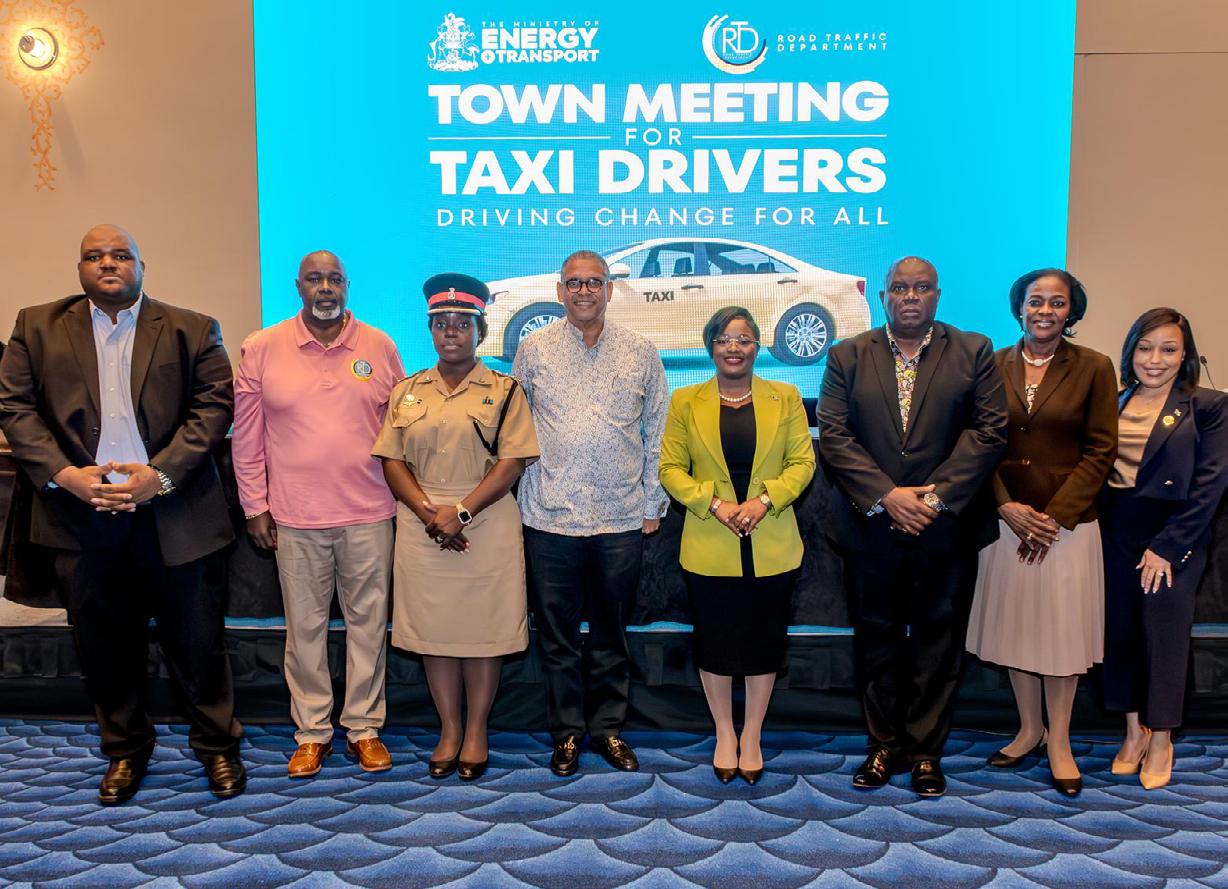
Role: Regulates and oversees the taxi industry in The Bahamas.
Core Responsibilities:
• Licensing of taxi operators and vehicles
• Regulatory oversight of the industry
• Safety and operational compliance
• Record management and permit administration
Impact:
Supports transportation access for residents and visitors while maintaining industry standards.

At Potter’s Cay Dock, the activity can appear routine— until you understand what is moving. Goods, people, and essential supplies flow steadily between islands, sustaining daily life across the archipelago. In The Bahamas, where geography separates communities by water, connectivity is not incidental. It is essential. At the centre of this system is the Mailboat Unit, quietly ensuring that movement—and by extension, national cohesion—continues uninterrupted.
Key Points
• The mailboat system functions as critical national infrastructure, linking New Providence with Family Islands and facilitating inter-island trade, transport, and communication.
• Vessels transport a wide range of goods, including freight, vehicles, building materials, groceries, medical supplies, livestock, and passengers— supporting both households and local economies.
• For many Family Island communities, mailboats represent the most viable logistics channel, particularly where air freight is cost-prohibitive for bulk goods.
• Each voyage sustains economic activity, delivering inventory for small businesses, equipment for contractors, and essential supplies for daily living.
• Mailboat services are supported through government subsidy, with $13.8 million allocated under the Ministry’s recurrent budget, including a 15 percent increase to strengthen operations.
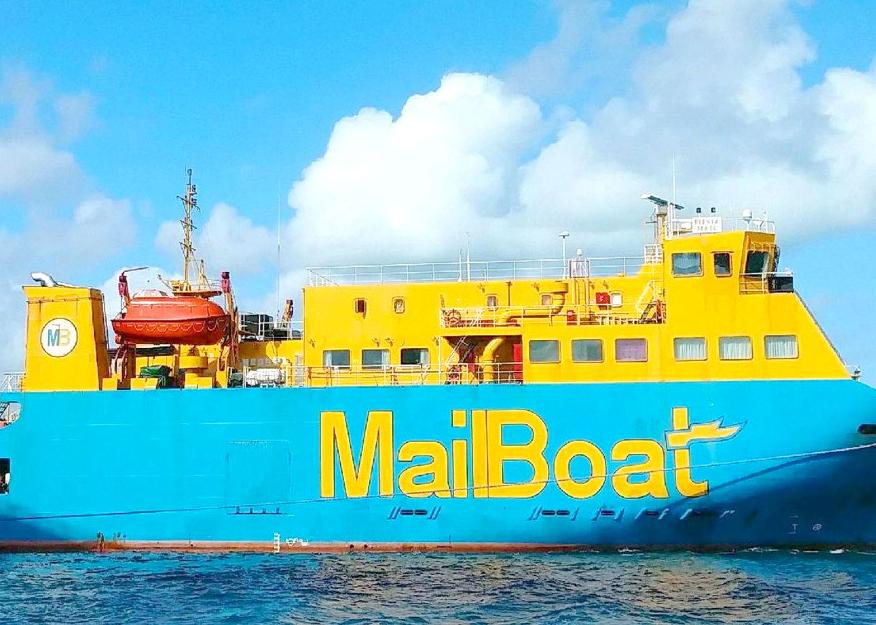
• The subsidy model reflects deliberate policy: ensuring equitable access to goods and services across islands where commercial viability alone would not sustain consistent routes.
• Recent service expansions include the M/V Bella Lushun operating routes in Abaco and the M/V Patriot servicing connections between Grand Bahama, Bimini, and surrounding cays.
• A comprehensive review of the mailboat system is anticipated, focusing on route optimisation, operational efficiency, freight logistics, and strengthening inter-island connectivity beyond Nassau-centric models.
• Beyond logistics, the system supports social continuity—enabling families to send and receive goods, maintain connections, and sustain livelihoods across distance.
• Captains and crew operate within challenging maritime conditions, ensuring consistent service across shallow banks and open ocean routes.
The mailboat system may not command attention in the way large-scale infrastructure projects do, but its impact is foundational. It sustains commerce, supports communities, and ensures that no island is left disconnected from the national economy. In an archipelagic nation, movement is survival—and with every departure from dock, the Mailboat Unit reinforces the ties that hold The Bahamas together.
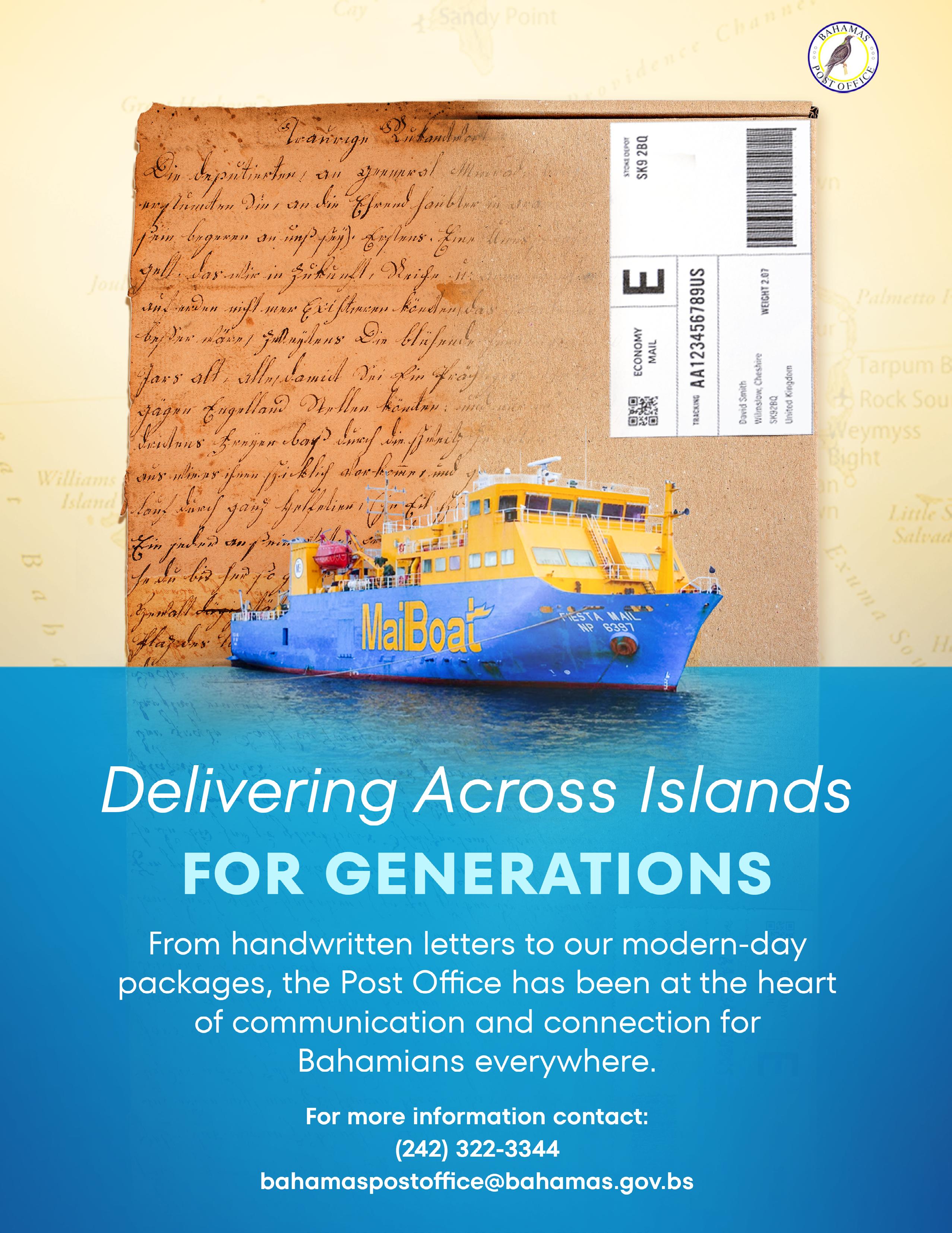
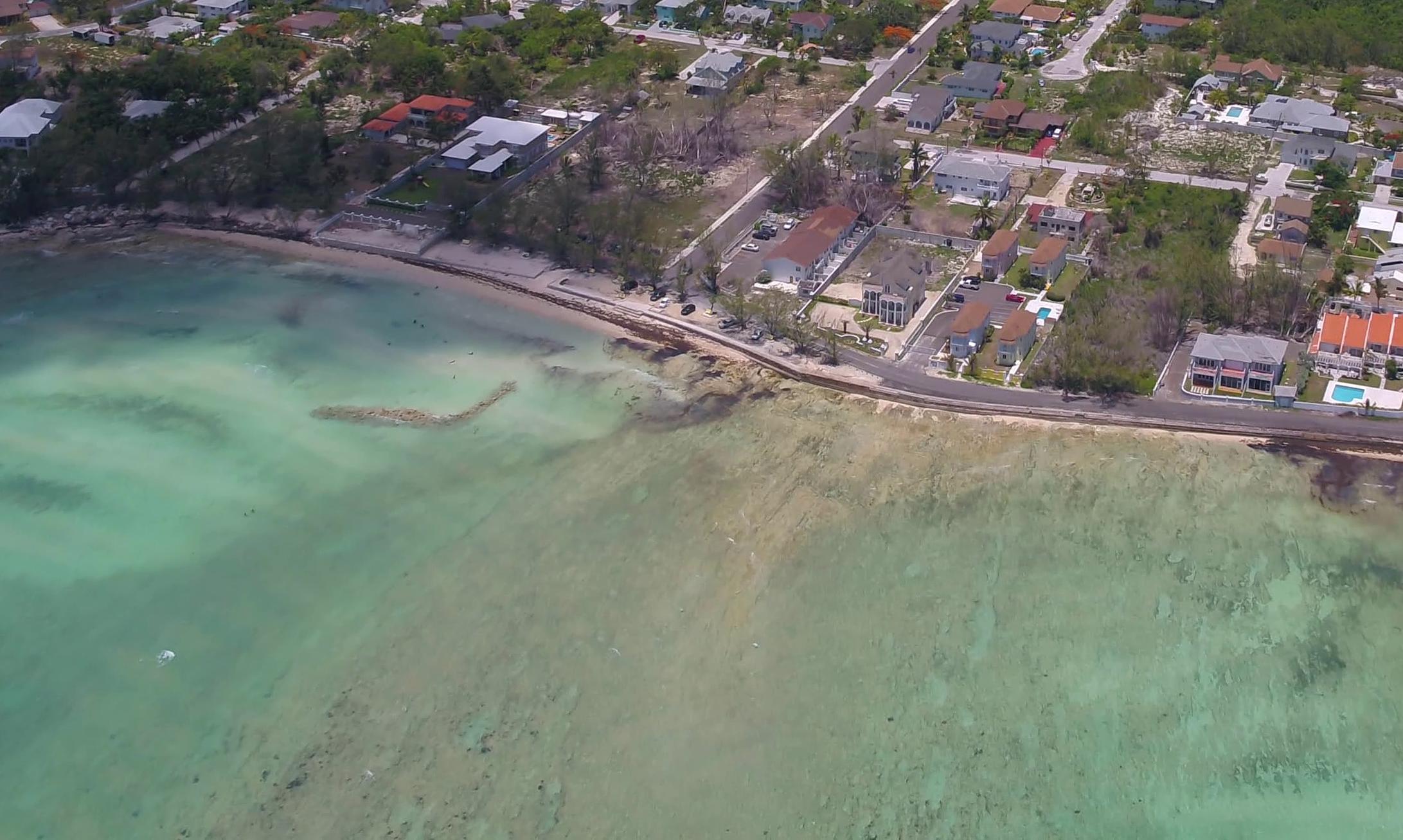
When you think about energy in The Bahamas, it is easy to imagine the hum of generators, the flicker of streetlights at night, or the reassuring glow of a home fully powered. Behind those everyday comforts is a bold story of vision, innovation, and resilience led by the Ministry of Energy and Transport.
The Ministry is on a mission to transform the way the islands are powered. Their goal of 30% renewable energy by 2030 is more than a target. It is a promise that The Bahamas can lead in sustainability while protecting its future. Across the islands, solar panels glint in the sun, LNG facilities are being implemented to bring cleaner energy, and microgrids provide power to communities that rely on them most. Each project is a step towards a cleaner, stronger, and more resilient energy system.
Living in the Caribbean comes with unique challenges. Hurricanes, tropical storms, and rising seas are realities the Ministry plans for in every project. This is where meteorological resistance planning comes in. Infrastructure is designed to withstand extreme weather, power systems are fortified against storm damage, and microgrids act as lifelines during outages. Every kilowatt generated carries the message that The Bahamas will keep moving forward, no matter what the weather brings.

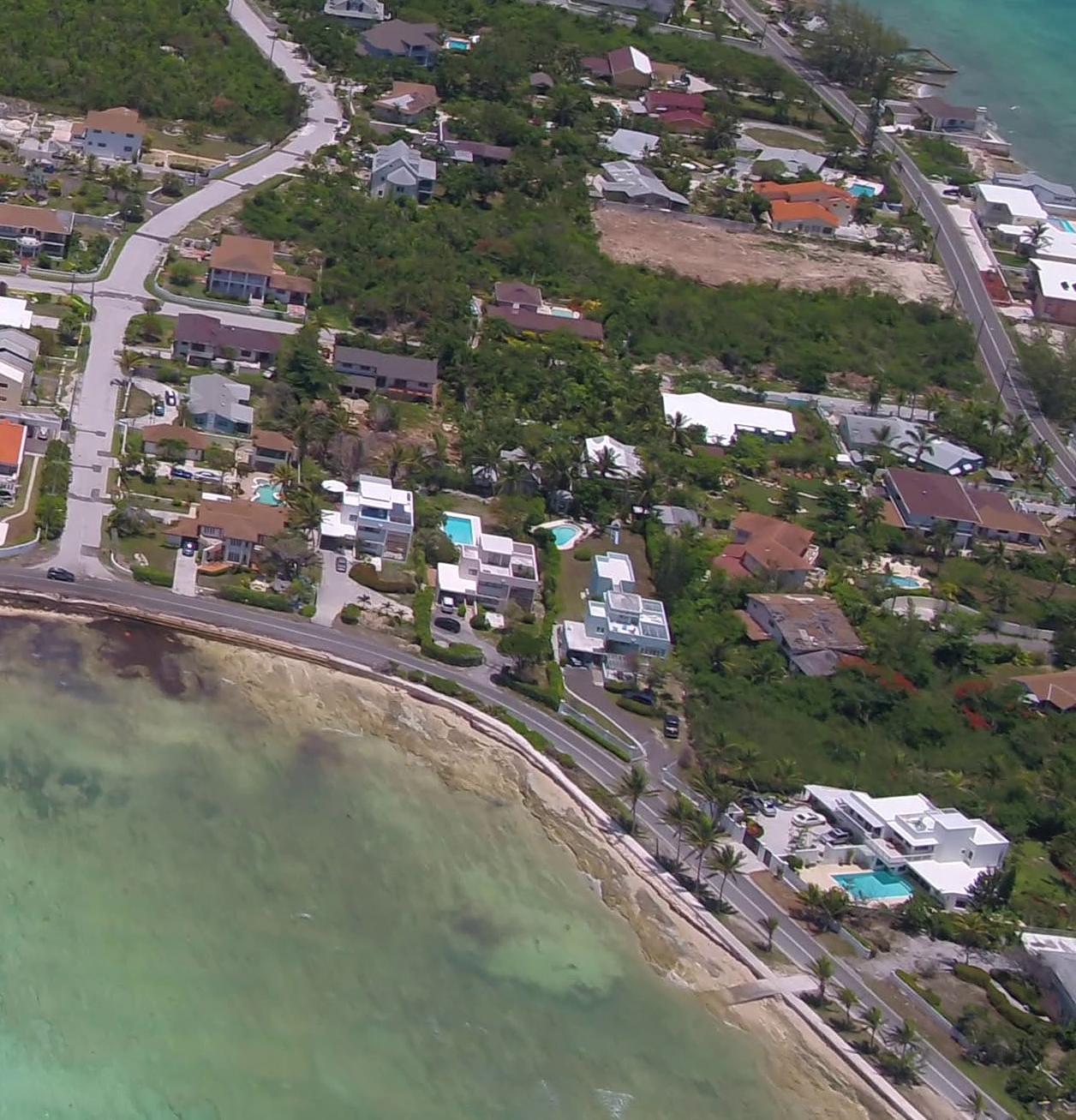
In Motion, Powering Progress Across Energy & Transport
The Ministry is also modernising the grid to make energy flow more efficiently across the islands and inviting private investment to strengthen the system. Solar projects in schools and community centres show that energy is not just about lights and appliances. It is about giving communities stability, opportunity, and confidence in the future.
Supporting this work is the Climate Change and Environmental Advisory Unit (CCEAU). The unit ensures climate action and energy planning go hand in hand. From training young Bahamians in climate modelling to advising on storm-resistant infrastructure, the CCEAU helps turn the Ministry’s big ideas into real, lasting solutions.
What stands out is the Ministry’s ability to combine technology with humanity. They are building systems that protect people, empower communities, and inspire confidence. In a region often defined by vulnerability, The Bahamas is proving that resilience and ambition can go hand in hand.

The next time the lights turn on or a new solar project opens, remember that behind it is a team working tirelessly to light the path towards a sustainable, resilient, and thriving future for the islands.
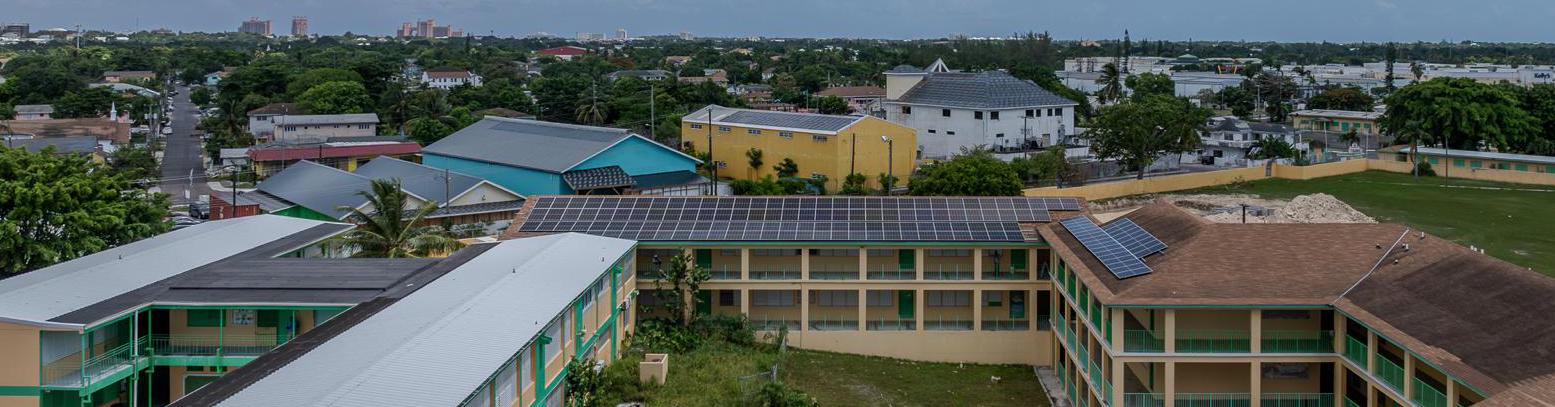
An island described as merely 21 miles by 7, surrounded by sun, sand, and sea. Just with that description, most vacationers live and thrive here simply based on the natural resources offered here, so why can’t solar energy?
The truth is, it can. And it does. Yet, despite the clear advantages of renewable energy in a country like The Bahamas, persistent myths and misunderstandings continue to cloud public perception. At a time when global energy markets are shifting and small island states are prioritising resilience and sustainability, it is critical that decisions are guided by facts, not fiction.
One of the most common misconceptions is that solar panels do not work in cloudy or cooler conditions. In reality, solar panels generate electricity from light, not heat. While direct sunlight increases output, panels continue to produce energy even on cloudy days by capturing indirect light. In fact, solar panels often perform more efficiently in cooler temperatures, as excessive heat can reduce their overall output. For The Bahamas, this reinforces a simple truth. Solar energy is not just viable, it is highly practical, with the potential to significantly reduce electricity costs and dependence on imported fuels.
Equally important is addressing concerns about liquefied natural gas, or LNG. A common myth suggests that LNG spills would cause long term environmental damage similar to oil spills. However, LNG behaves very differently. In the unlikely event of a spill, it rapidly warms, vaporises, and dissipates into the air, leaving no lasting residue in water or soil. Unlike oil, it does not create persistent pollution in marine environments.
This does not mean LNG is without risk. A spill would still pose immediate hazards, including extreme cold exposure and fire risk. However, these risks are managed through strict international safety standards, advanced containment systems, and proven transport practices. Around the world, LNG has been safely handled for decades.
For The Bahamas, both solar energy and LNG play important roles in building a more secure and sustainable energy future. Solar provides a clean, renewable resource that aligns naturally with the country’s environment, while LNG offers a cleaner burning alternative to traditional fuels as the nation continues its transition.
Misinformation can slow progress, create unnecessary concern, and limit opportunity. By focusing on facts and embracing innovation, The Bahamas is well positioned to strengthen its energy independence, lower costs, and protect its natural resources for generations to come.
Because in the end, progress is powered not just by technology, but by truth.


Everyday life in The Bahamas depends on systems most people rarely think about—until they stop working. Electricity, transport, and connectivity shape how people live, work, and plan for the future. Reforming these systems is not just about infrastructure—it is about making daily life more reliable, more predictable, and more secure.
Few issues affect daily life as directly as energy and transport. From the reliability of electricity to the ease of movement between islands, these systems underpin economic growth, national development, and quality of life. As The Bahamas advances through reform, the focus has shifted—from whether change is needed to what that change will deliver.
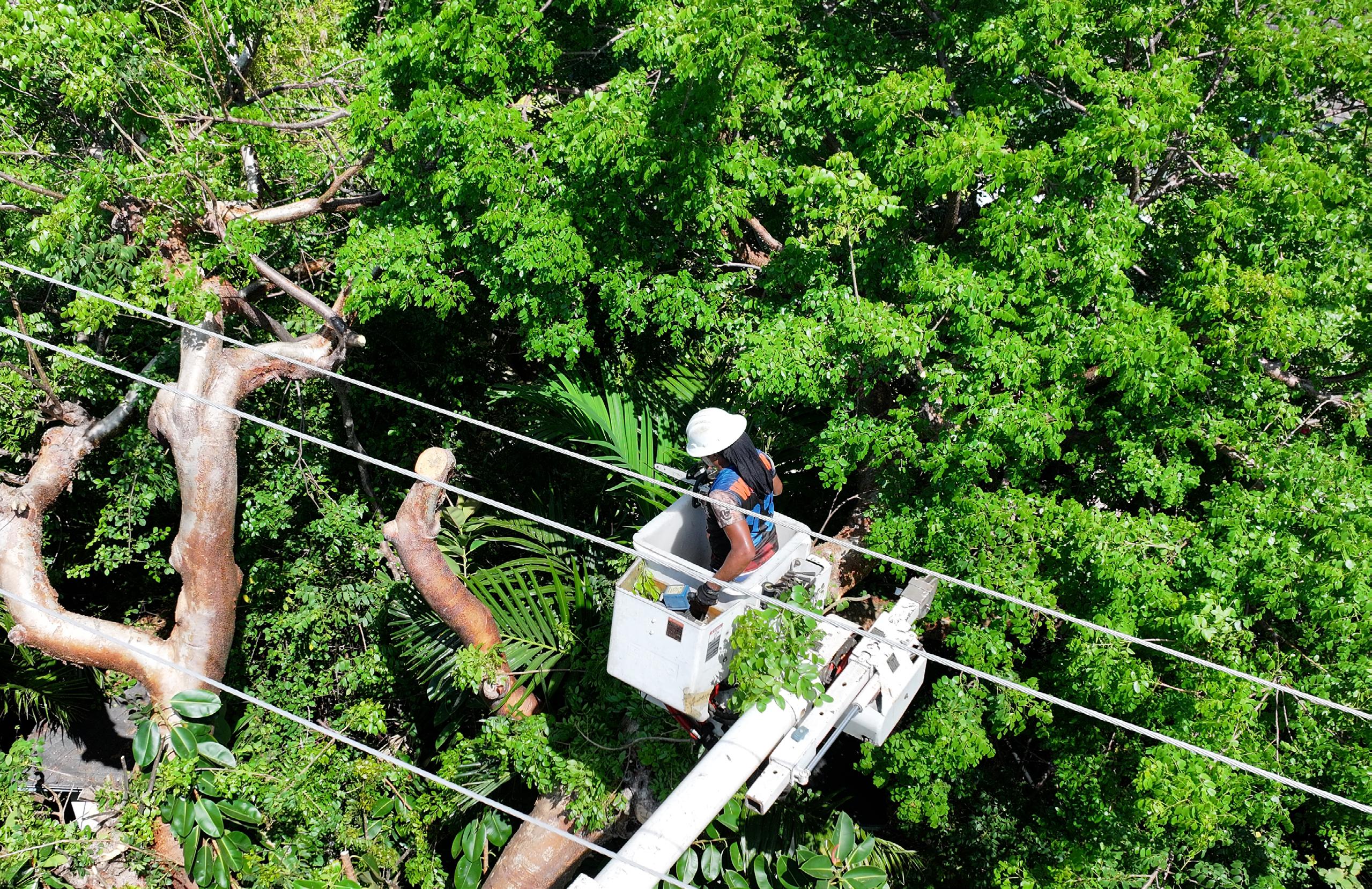
From the reliability of electricity to the ease of movement between islands, these systems underpin economic growth, national development, and quality of life. As The Bahamas advances its reform agenda, the focus is no longer on whether change is needed— but on what that change will ultimately deliver.
By 2030, success is expected to be both measurable and tangible.
At the centre of that vision is a clear national target: achieving at least 30% renewable energy penetration, supported by a more resilient, diversified, and efficient system. Across New Providence and the Family Islands, this transformation is already underway through solar expansion, grid modernisation, and the integration of cleaner fuels.
As Prime Minister, the Right Honourable Philip Davis, outlined in setting that vision, “we envision a future with solar microgrids on every major island, integrated seamlessly with cleaner fuels and a modern grid, to power local economies.”
That vision is being translated into action through Power Purchase Agreements (PPAs) and strategic partnerships delivering hybrid systems that combine solar, LNG, and battery storage—systems designed to support consistent, reliable power output for residents, improve long-term cost stability, and reduce reliance on traditional fuel sources.
The rollout of these projects across the Family Islands reflects a deliberate effort to ensure that reform is both inclusive and nationally distributed. As Minister of Energy and Transport, the Hon. JoBeth ColebyDavis, emphasized, “we are ensuring that reforms are inclusive and support comprehensive economic growth.”
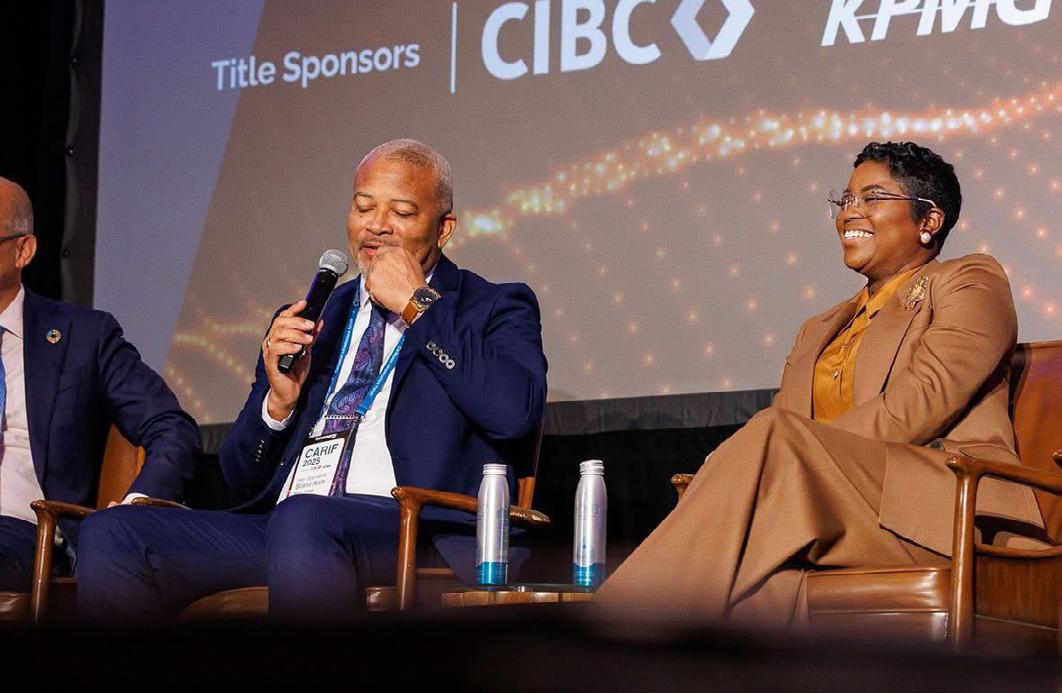
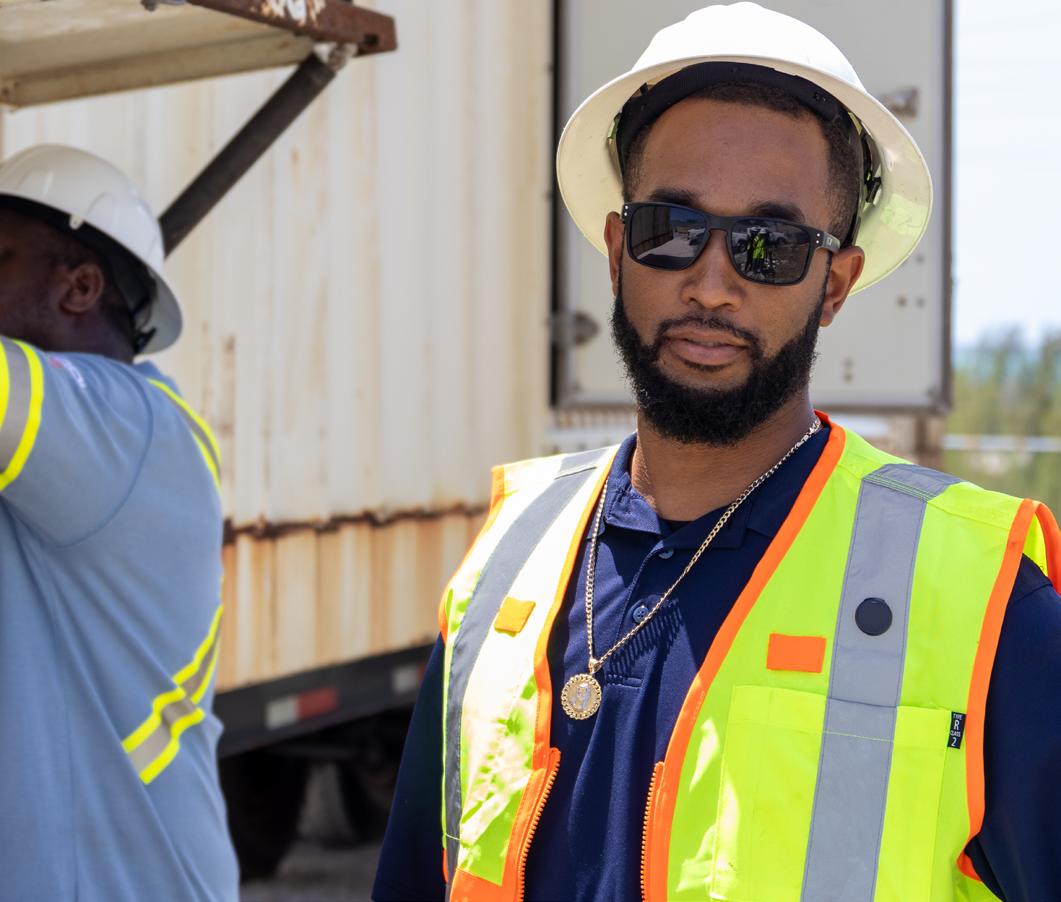

That inclusivity is evident in the expansion of renewable energy projects across islands such as Abaco, Eleuthera, Exuma, Long Island, San Salvador, and Cat Island—each supported by tailored solutions that reflect the realities of an archipelagic system.
The approach is not only about expanding capacity, but about strengthening the system itself. In advancing these agreements, Minister Coleby-Davis noted that “in signing these PPAs, we are taking a pivotal step forward in the transition to cleaner and more efficient fuels in our Family Islands.”
At the system level, grid modernisation remains critical, with investments in transmission and distribution infrastructure expected to reduce outages, improve voltage stability, and enable renewable integration at scale.
For Bahamians, the intended outcome is not abstract— it is practical and immediate. As Prime Minister Davis
underscored, the goal is clear: “No more sky-high electricity bills at the end of each month. No more sweating in the dark at night because of power failures and load shedding.”
This is the standard by which success will be measured—not by policy, but by performance.
Transport reform follows a similar trajectory.
Efforts are ongoing to strengthen inter-island connectivity and improve transport services across the archipelago, with a focus on building a network that is more responsive, efficient, and accessible. The shift deliberately moves beyond a Nassau - centric model towards stronger connections between islands.
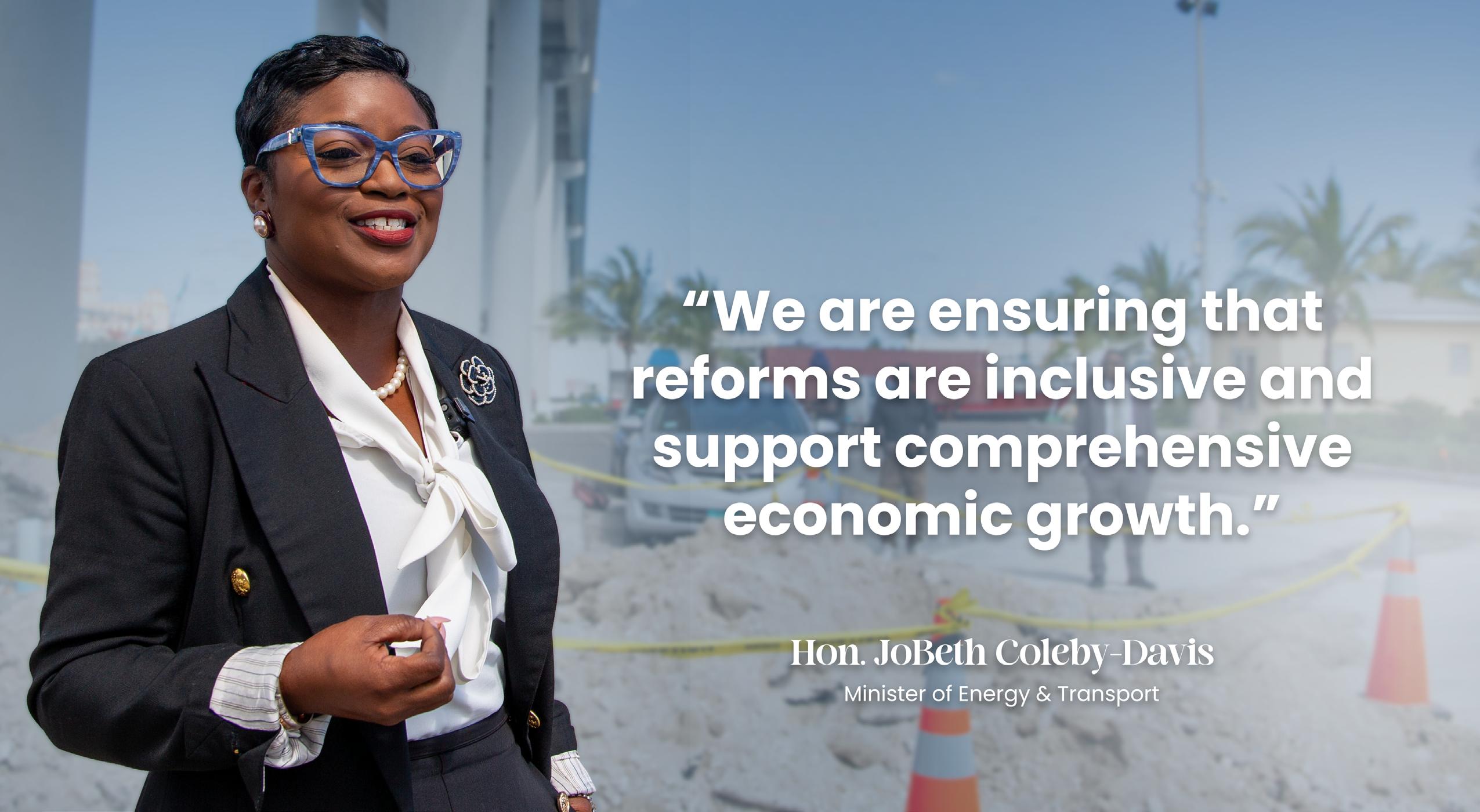
While the direction towards 2030 is clear, the next phase of reform is focused on scale and execution.
Energy transformation in The Bahamas is guided by a defined set of priorities: modernisation of the electricity grid, expansion of solar energy, LNG integration, and the transformation of Bahamas Power and Light (BPL). These initiatives are already being implemented through active projects, infrastructure upgrades, and legislative action.
Grid modernisation remains central, with investments in transmission lines, substations, and system protections designed to improve reliability, reduce inefficiencies, and support long-term growth.
At the same time, LNG is expected to enhance generation efficiency and reduce fuel-related costs, providing stability as renewable capacity continues to expand. This transition reflects a broader strategic approach, as Minister Coleby-Davis noted that, as a small island developing nation, The Bahamas must “embrace partnerships to grow and deliver meaningful benefits for the Bahamian people.”
The scale of this transformation is best understood in context. Prior to reform, Bahamas Power and Light (BPL) carried more than $500 million in debt, alongside aging infrastructure and high operational costs. Reflecting on these conditions, Prime Minister Davis described the reform process as one that “is ambitious, complex and long-term… designed with a very simple aim in mind: to give Bahamians a power system that works.”
These realities underscore both the urgency and the ambition of the reforms now underway.
At the same time, environmental considerations remain central. As solar expansion, LNG integration,
and infrastructure development continue, careful planning and regulatory oversight are required to ensure that progress is balanced with the protection of marine ecosystems and natural resources.
Transport reform continues to evolve alongside these changes.
Ongoing efforts to improve connectivity, strengthen infrastructure, and enhance service delivery are aimed at creating a transport network that is more efficient, accessible, and aligned with national development— one that supports both economic activity and daily life across the islands.

“We envision a future with solar microgrids on every major island—powering communities, strengthening resilience, and supporting growth.”
• Target: 30% renewable energy by 2030
• Approach: Solar + LNG + battery storage + grid modernisation
• Scope: Nationwide, including Family Islands
• Grid Focus: Transmission, distribution, and reliability upgrades
• Transport Focus: Ports, mailboats, inter-island connectivity, digital systems
• Challenge Addressed: Aging infrastructure, high fuel costs, system inefficiencies
• Outcome: More reliable, efficient, and integrated national systems
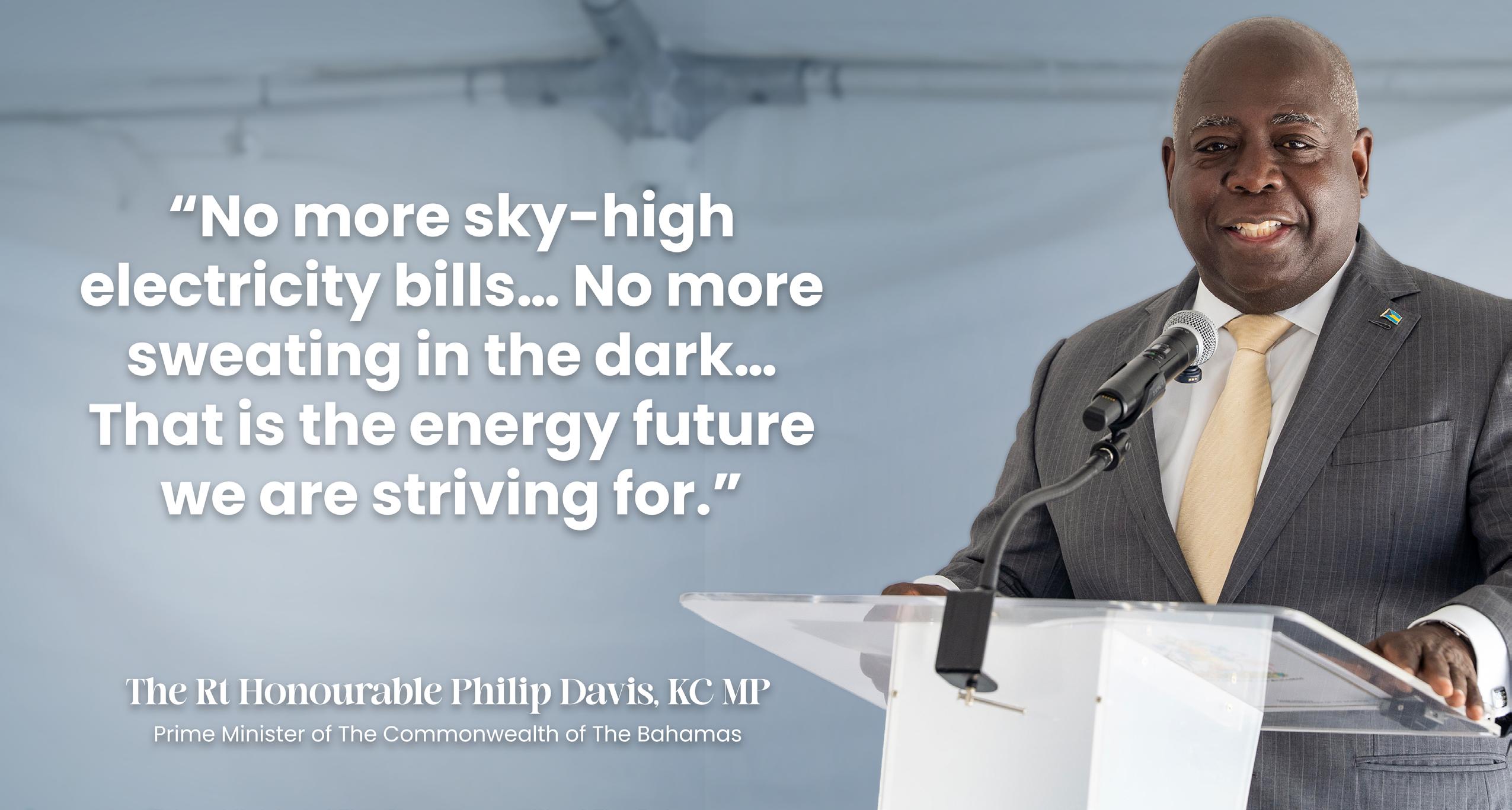
Looking ahead, the focus remains firmly on building systems that are not only modern, but dependable.
As Minister Coleby-Davis emphasised in outlining the role of emerging technologies, “the requirement for battery energy storage systems… is crucial… to ensure seamless backup power… improve efficiency, maximize savings, and increase reliability.”
That emphasis on reliability, efficiency, and resilience reflects the broader direction of reform.
The future of The Bahamas is not imagined—it is being built every day.
Through sustained investment, coordinated planning, and a commitment to long-term transformation, the country is moving towards systems that are more reliable, more efficient, and better equipped to support national growth.
And as the next phase unfolds, the goal remains clear: building systems that work—for every island, and every Bahamian.
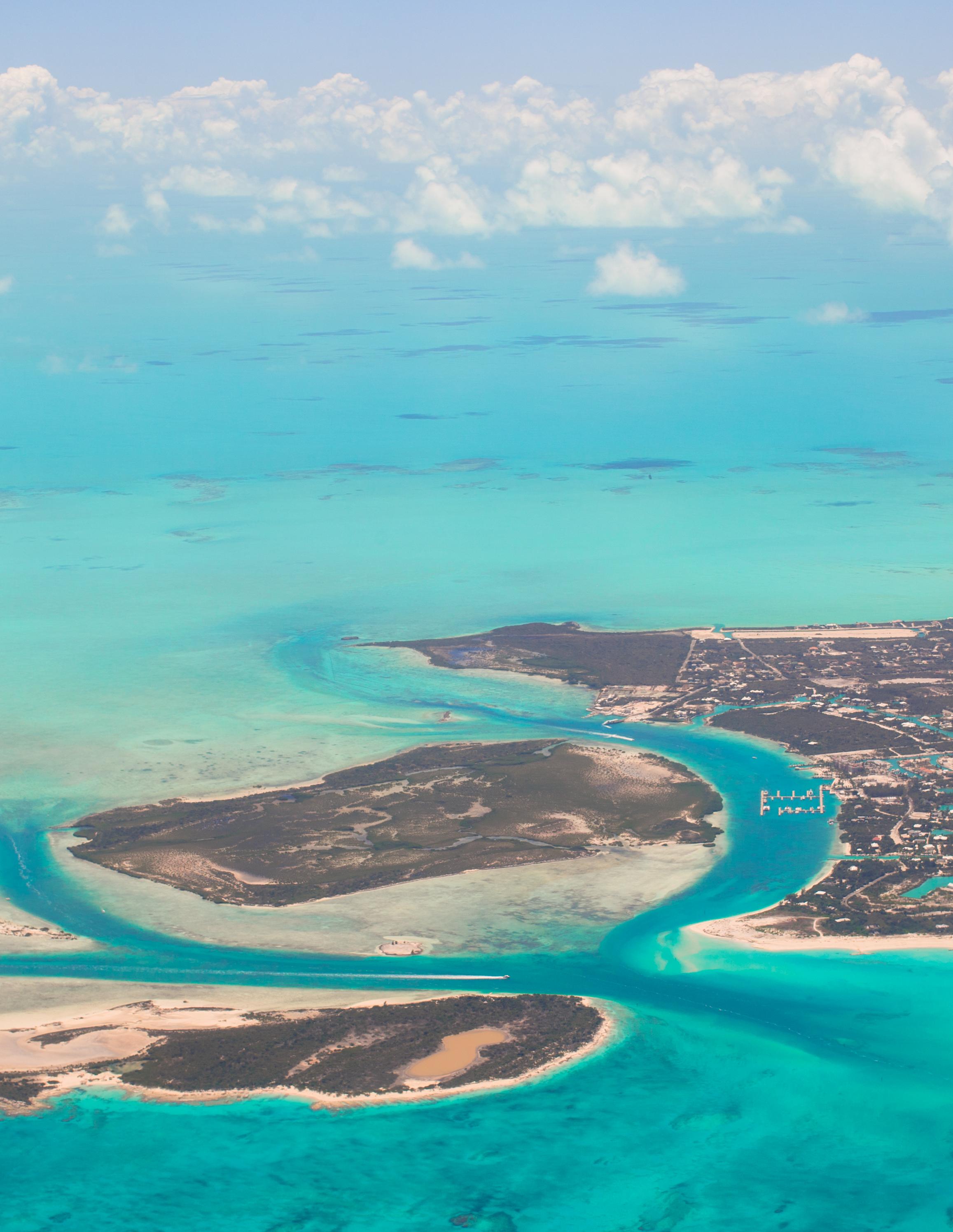
All around The Bahamas, these organisations collaborate to ensure that people can stay connected, powered, and mobile. Their work is essential to our everyday lives, our communities, and the progress of our nation, spanning energy and transportation.
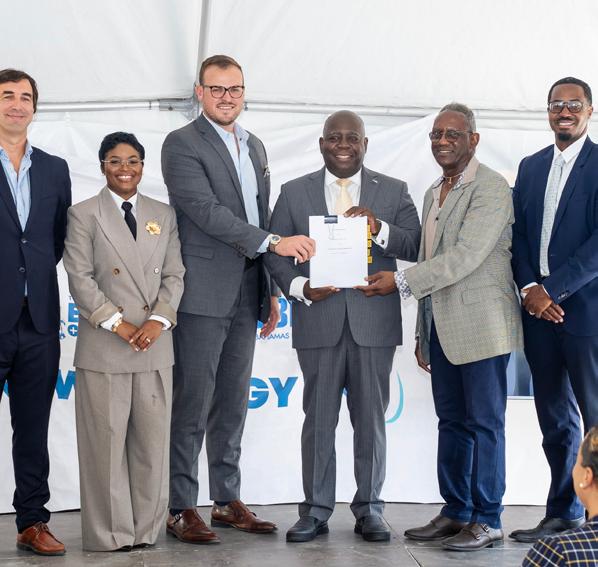
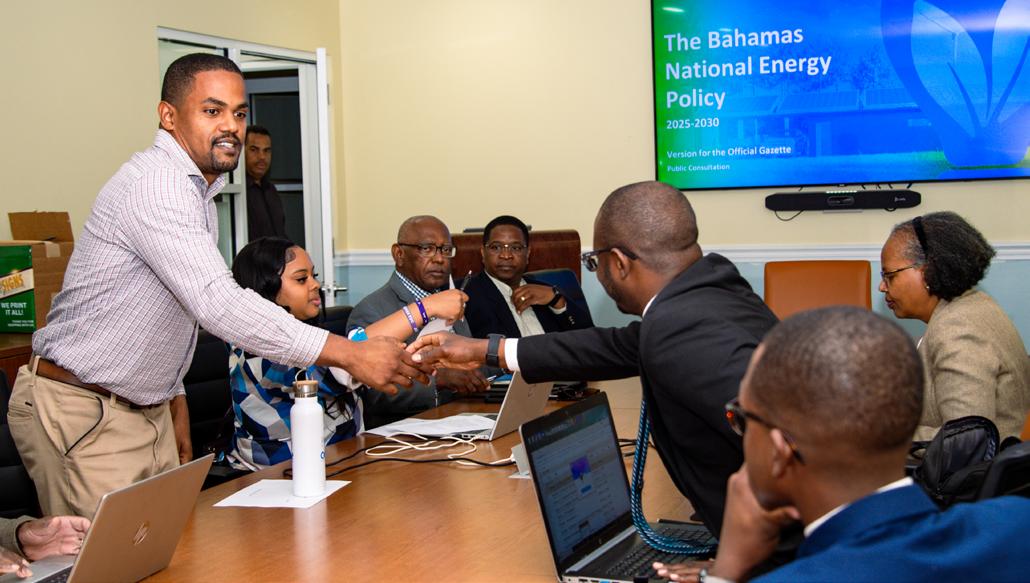
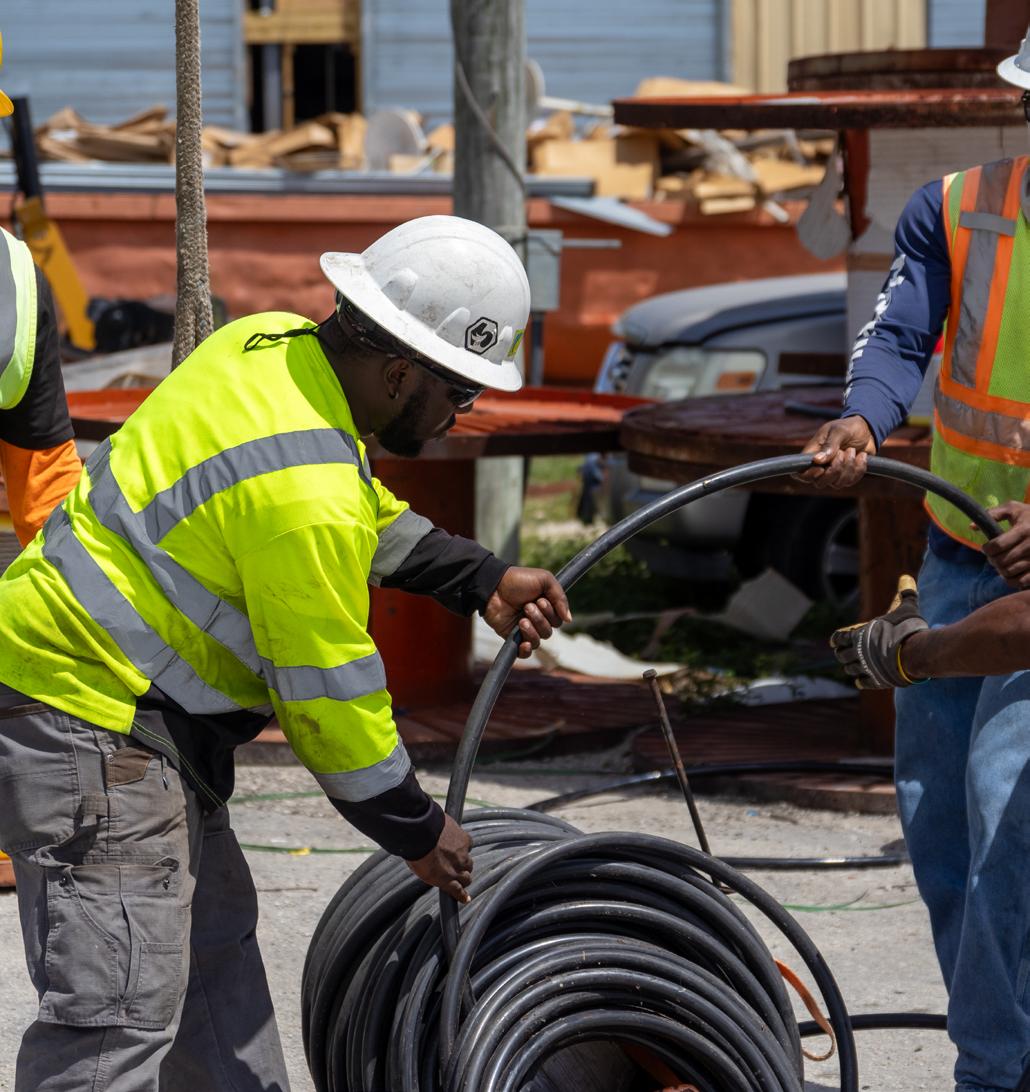
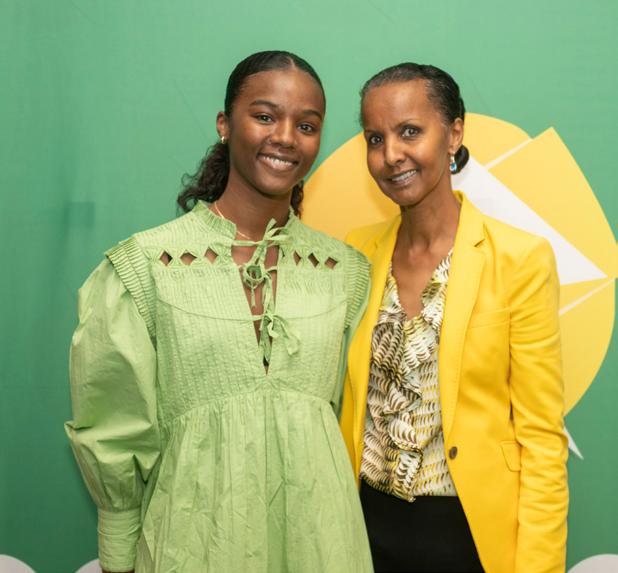
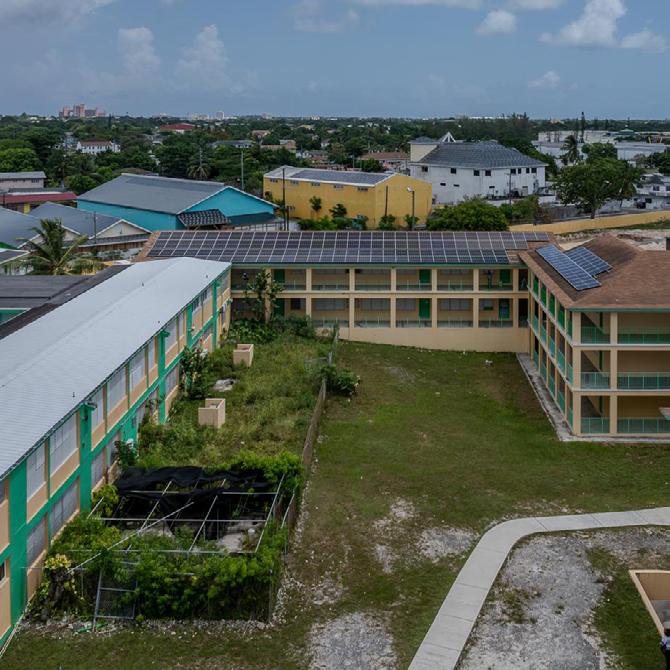
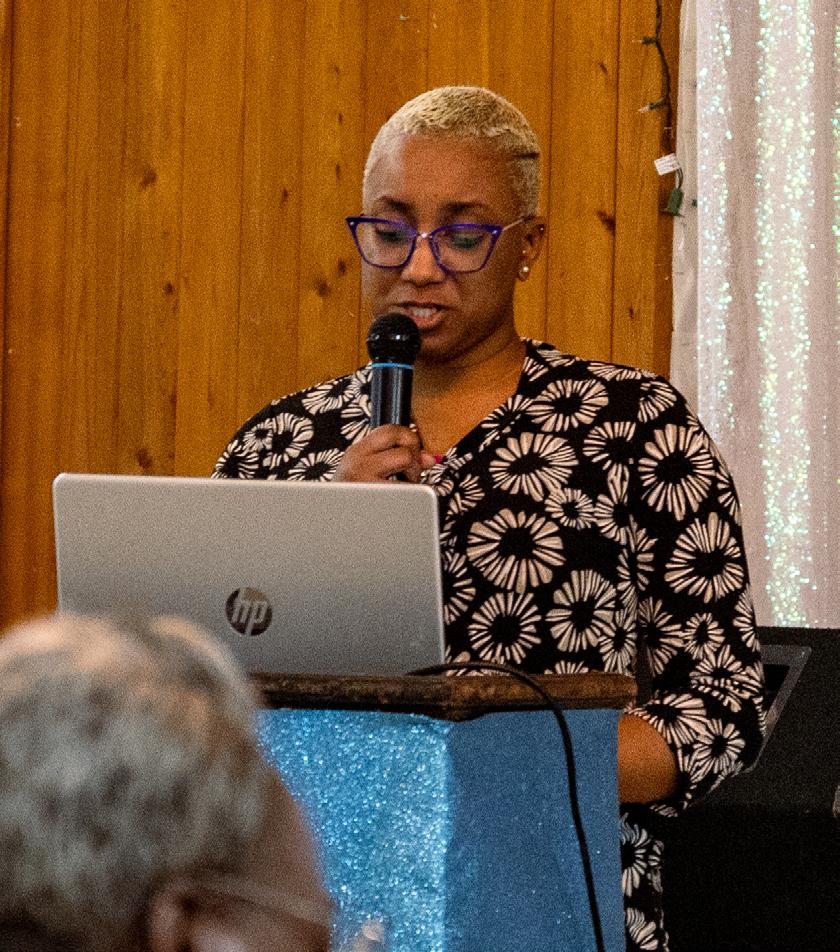
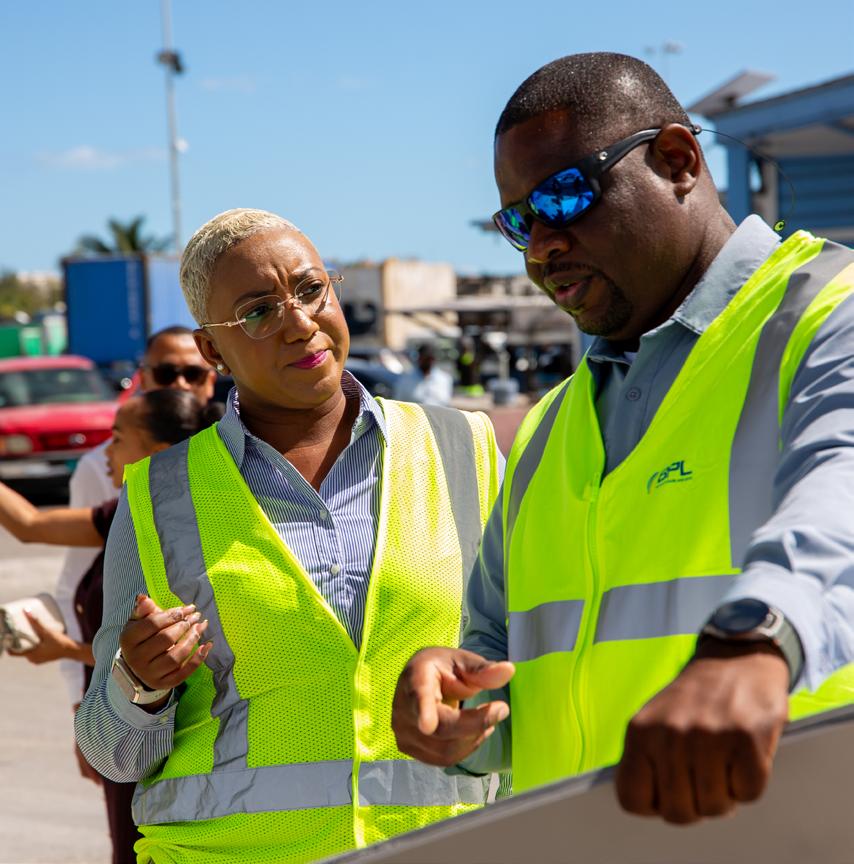
At the centre of national development is energy— driving industry, supporting communities, and shaping what’s possible for the future.

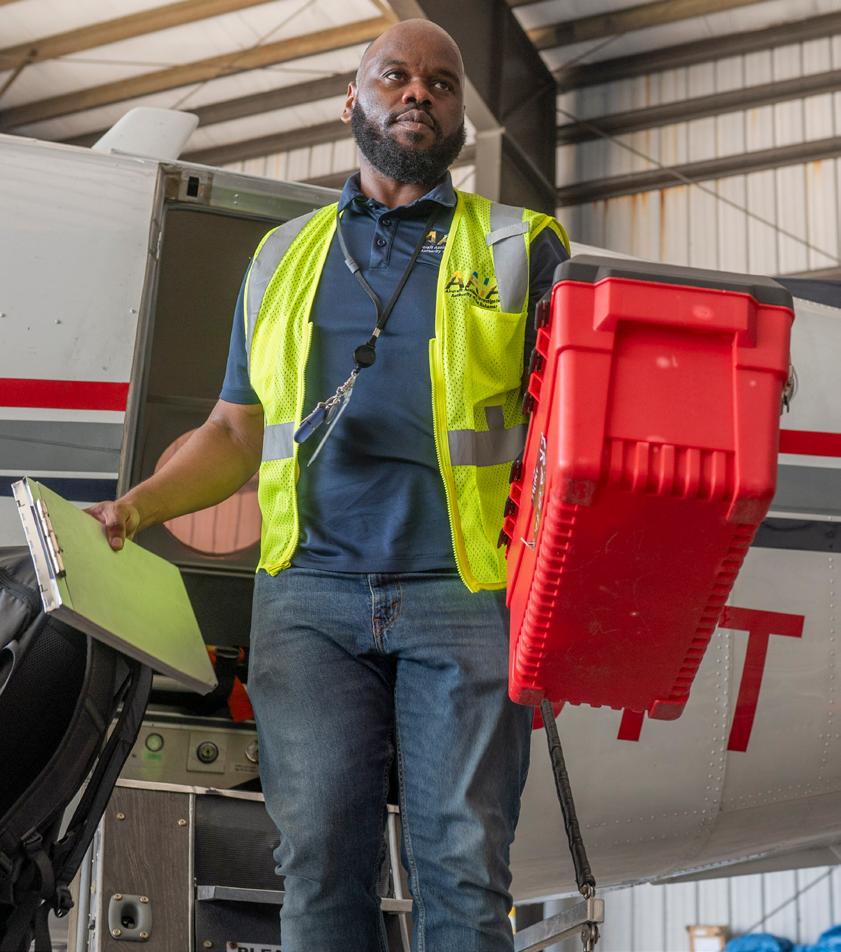
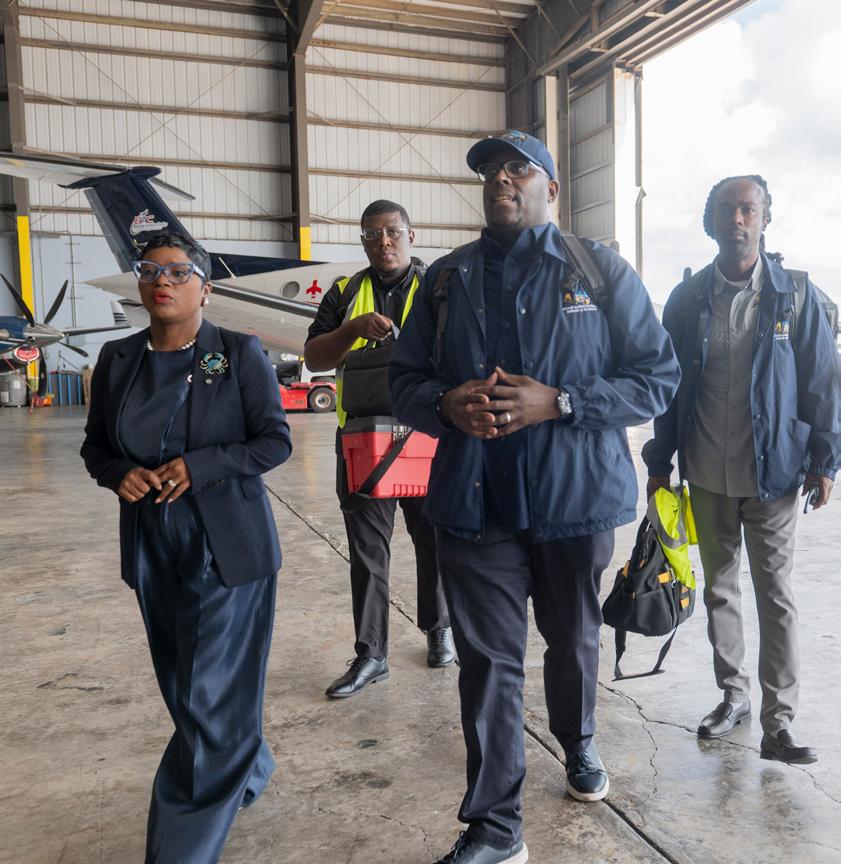
Through investigation, analysis, and oversight, the Aircraft Accident Investigation Authority works to strengthen aviation safety across The Bahamas.
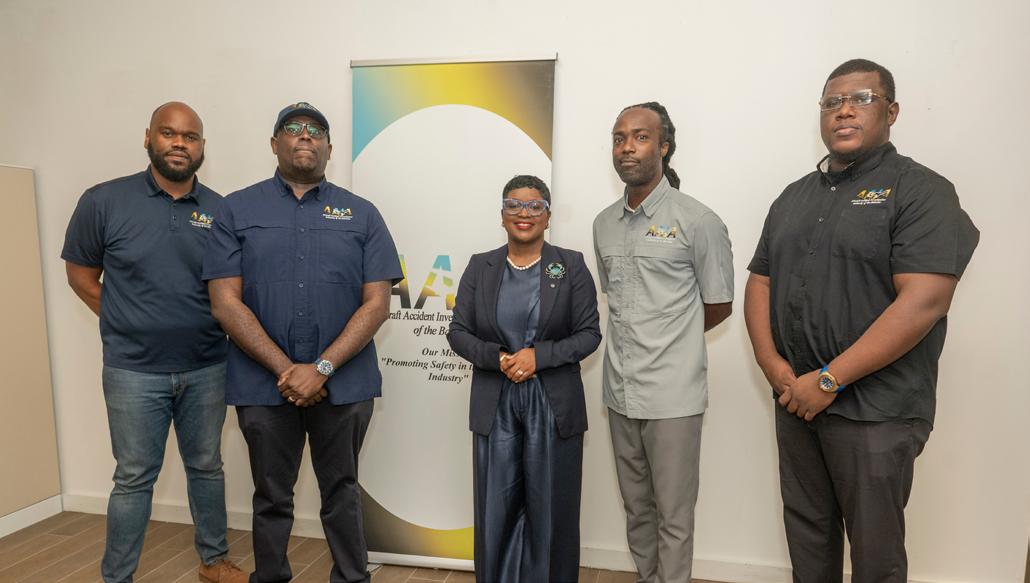
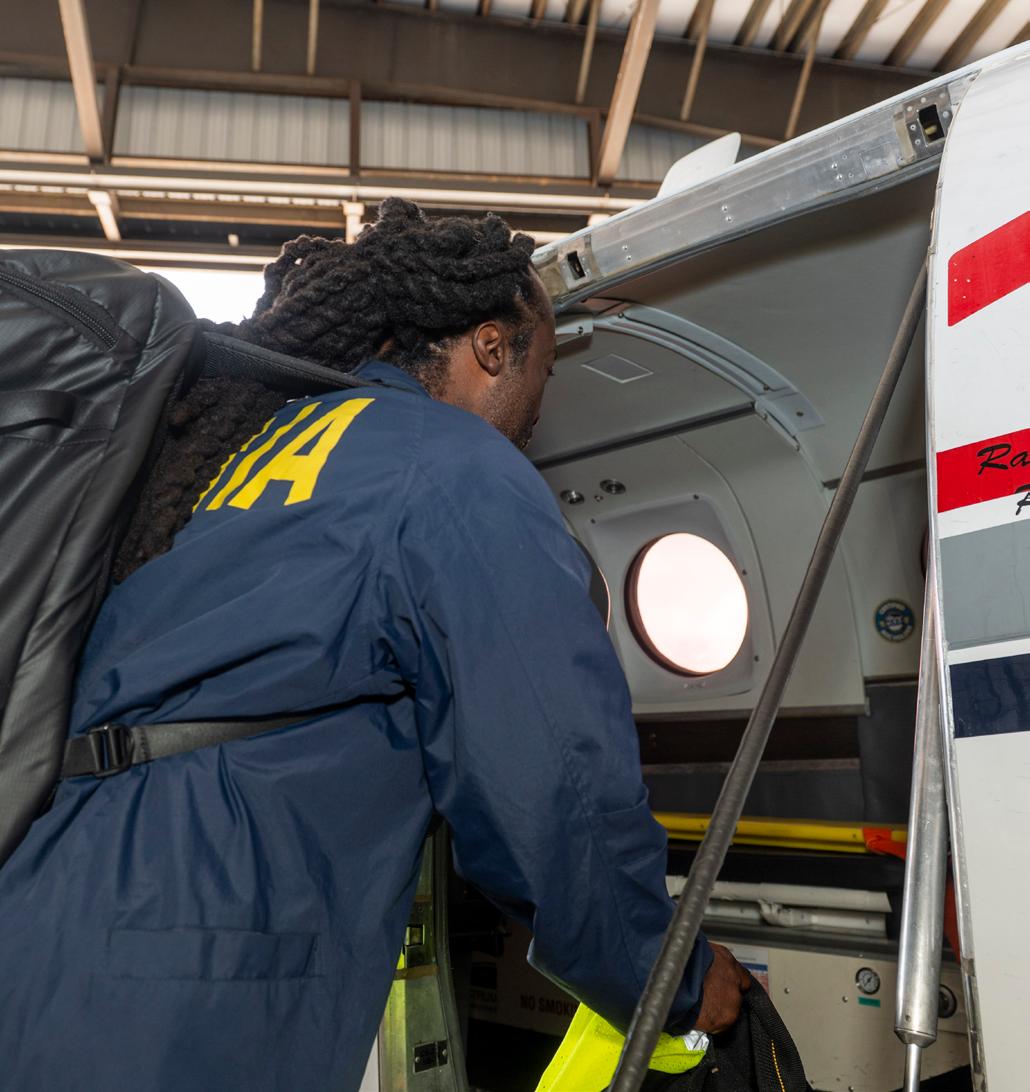
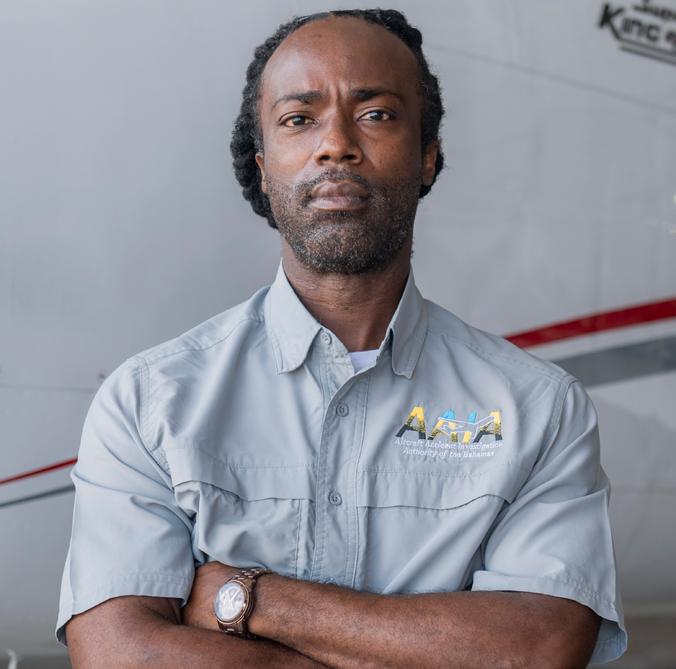

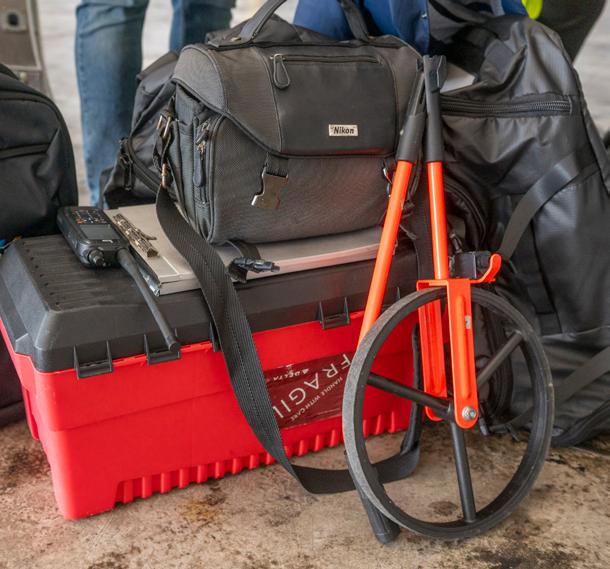


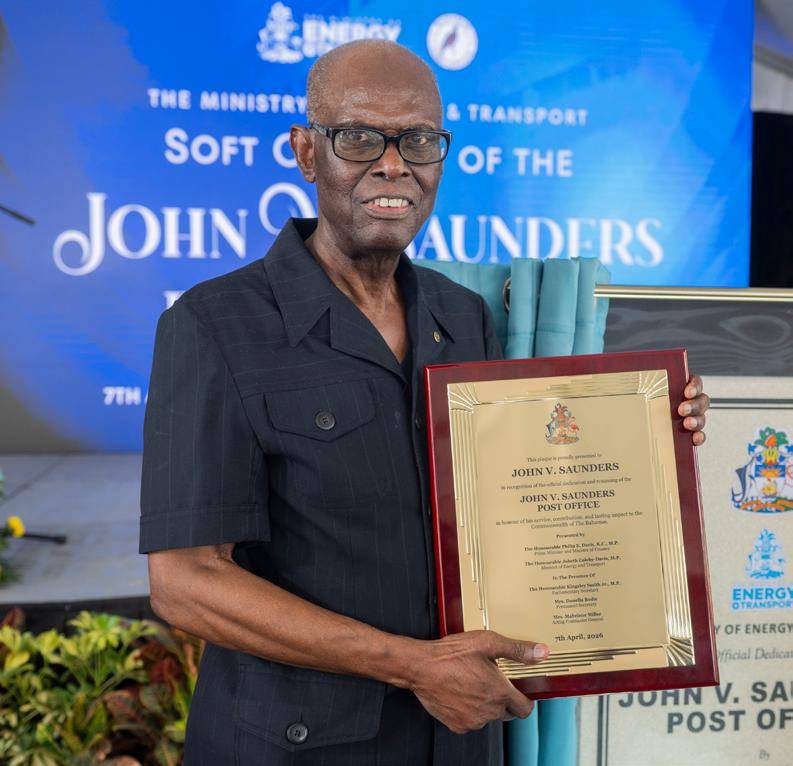
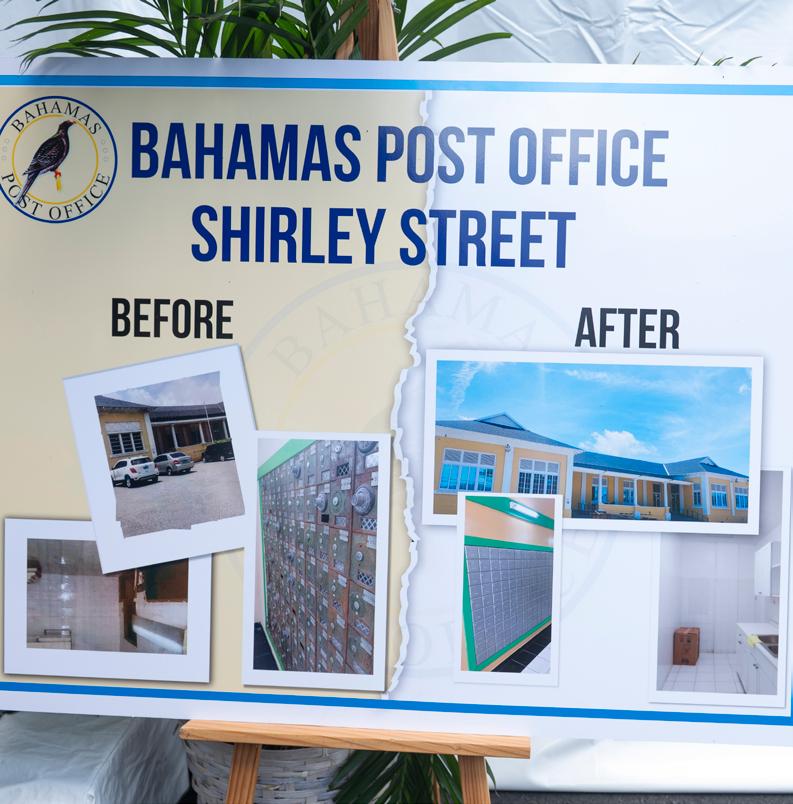

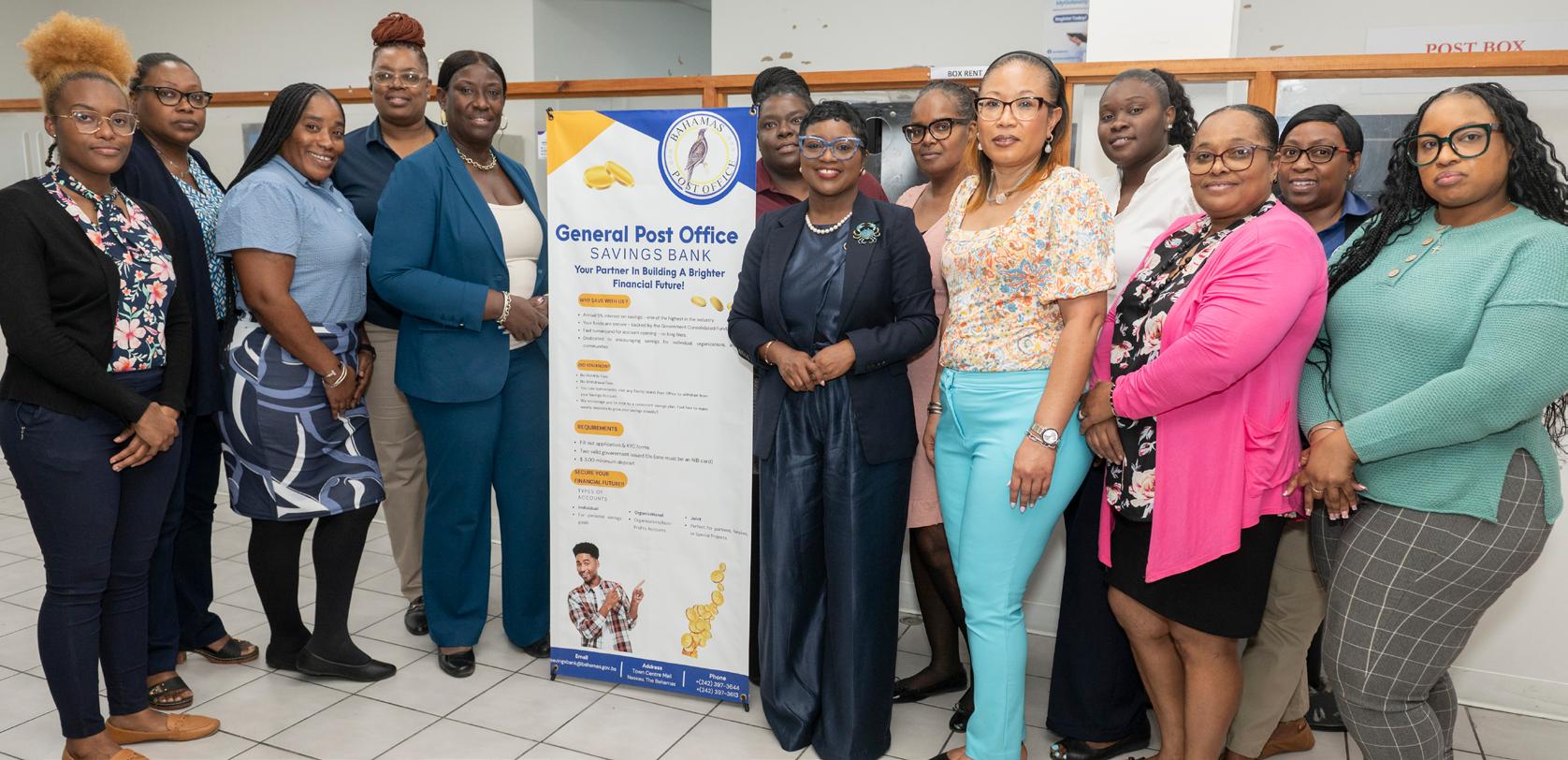
Connecting islands and communities, the postal service remains a vital link in communication, delivery, and national connectivity.
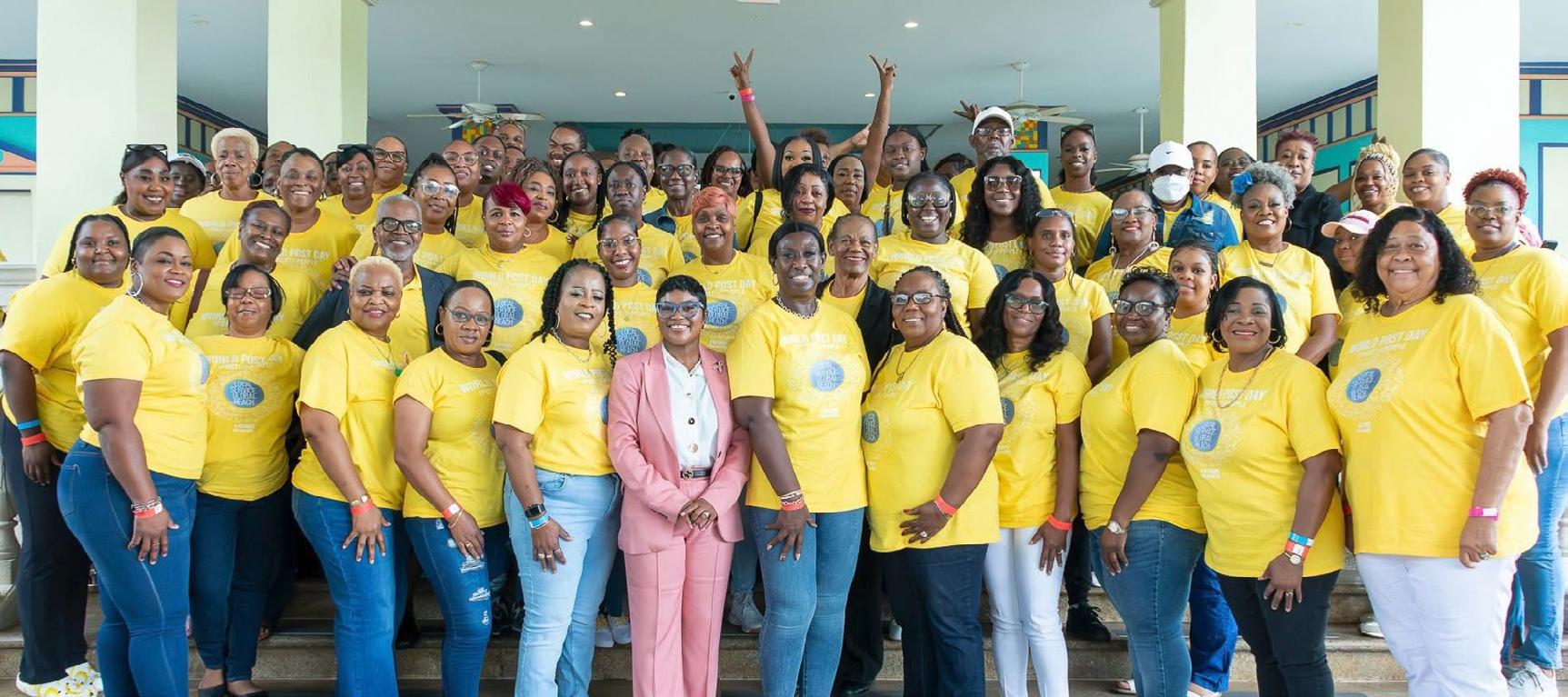
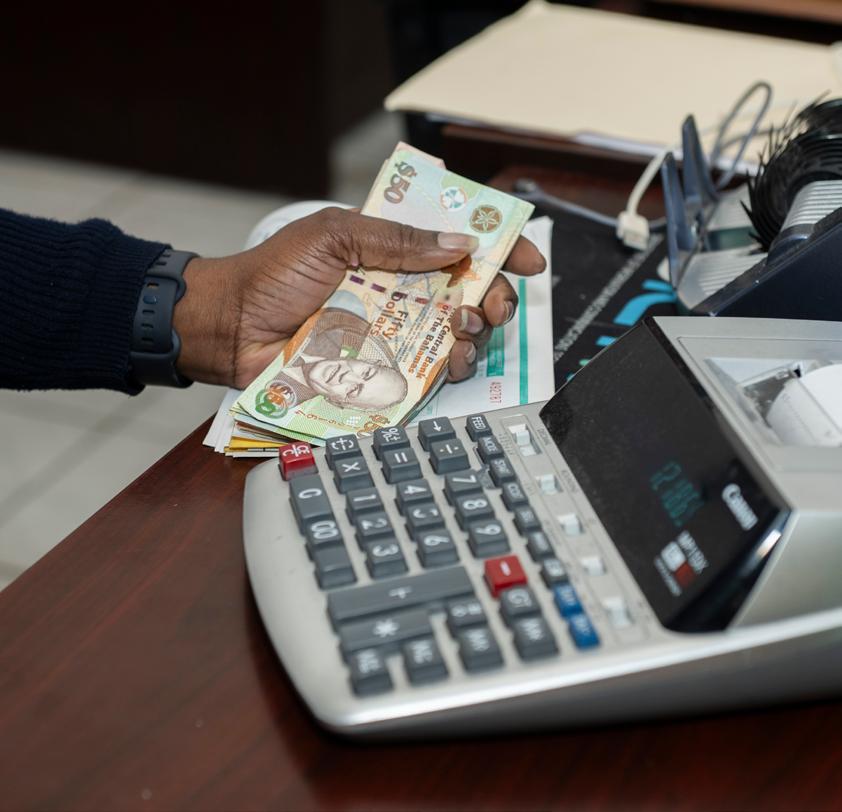
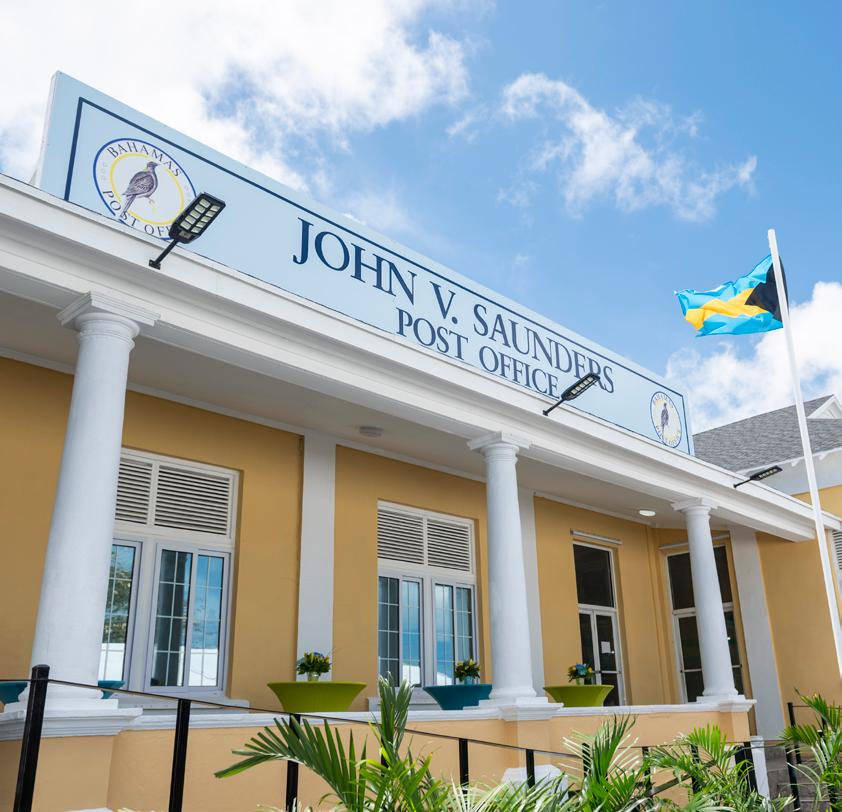
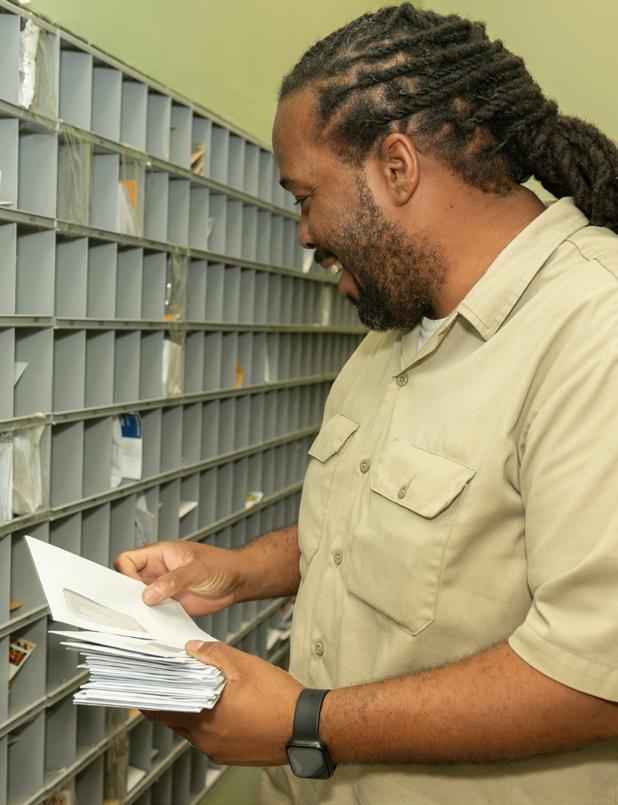
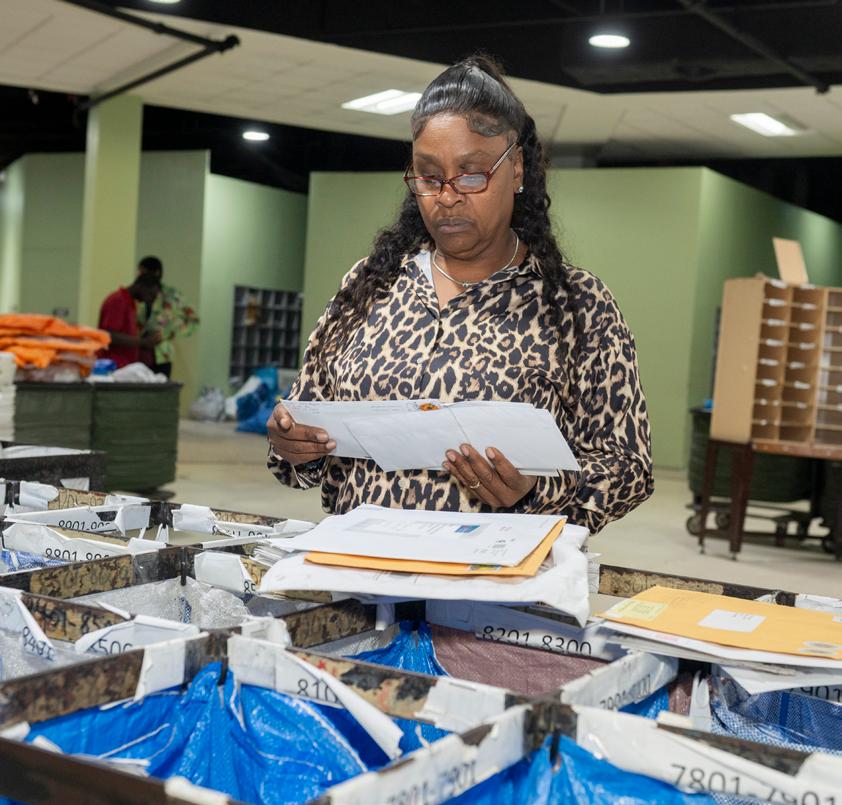
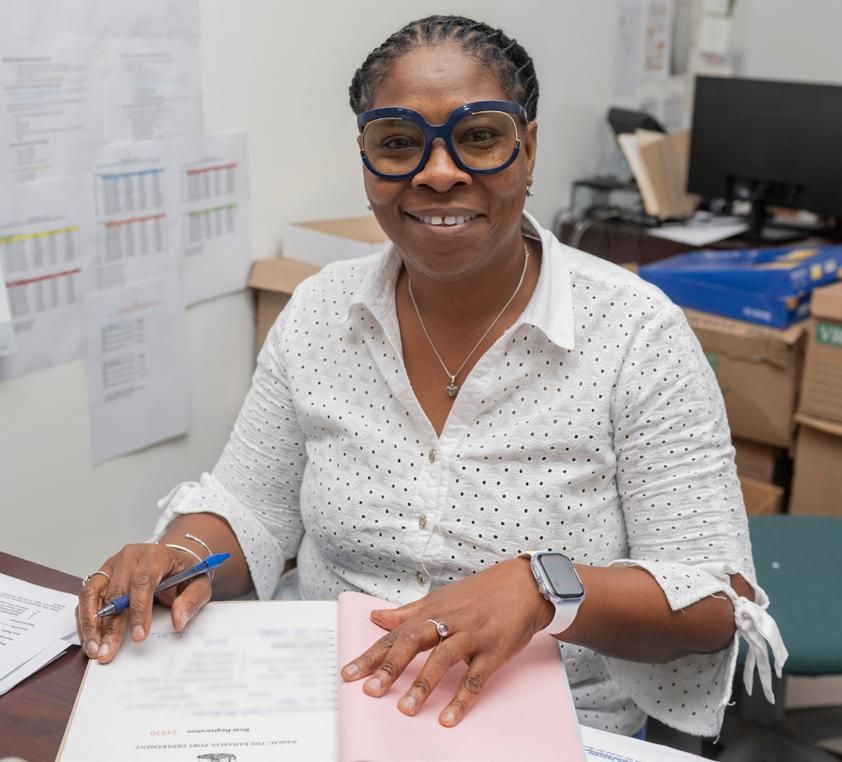
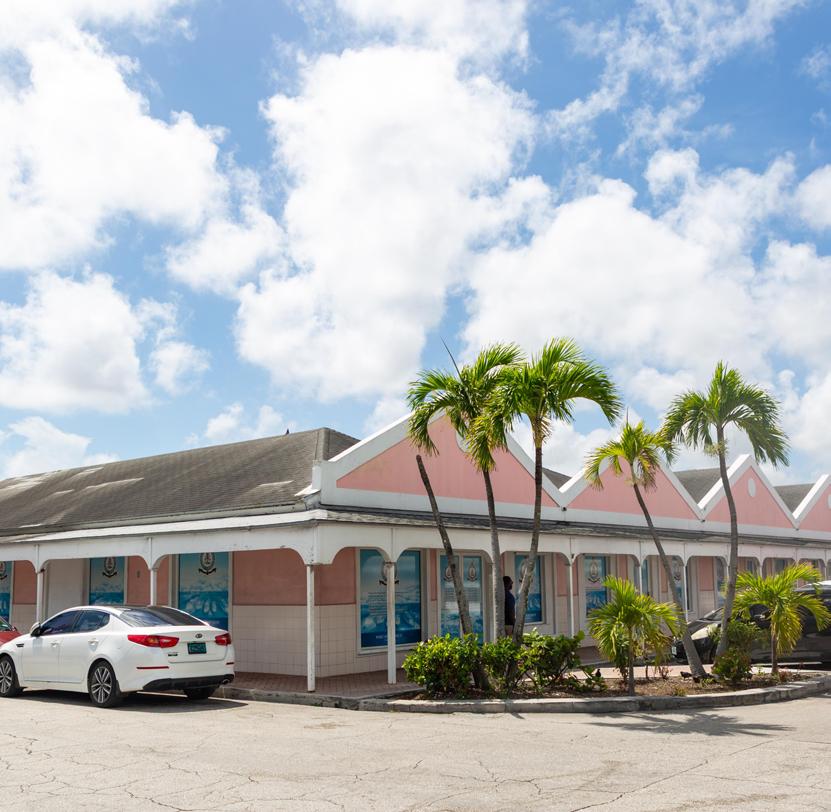
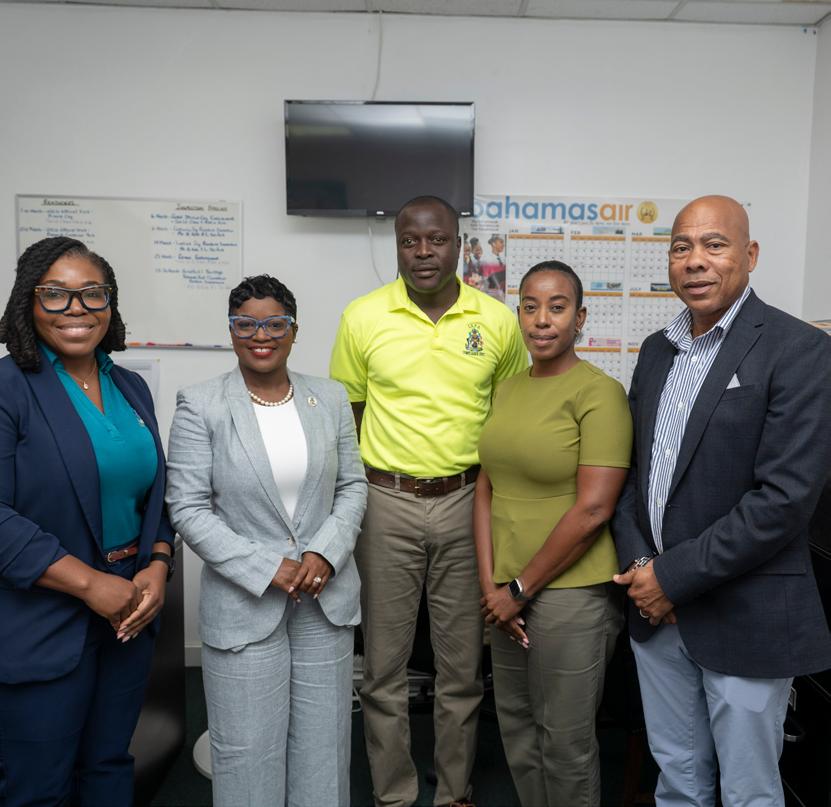
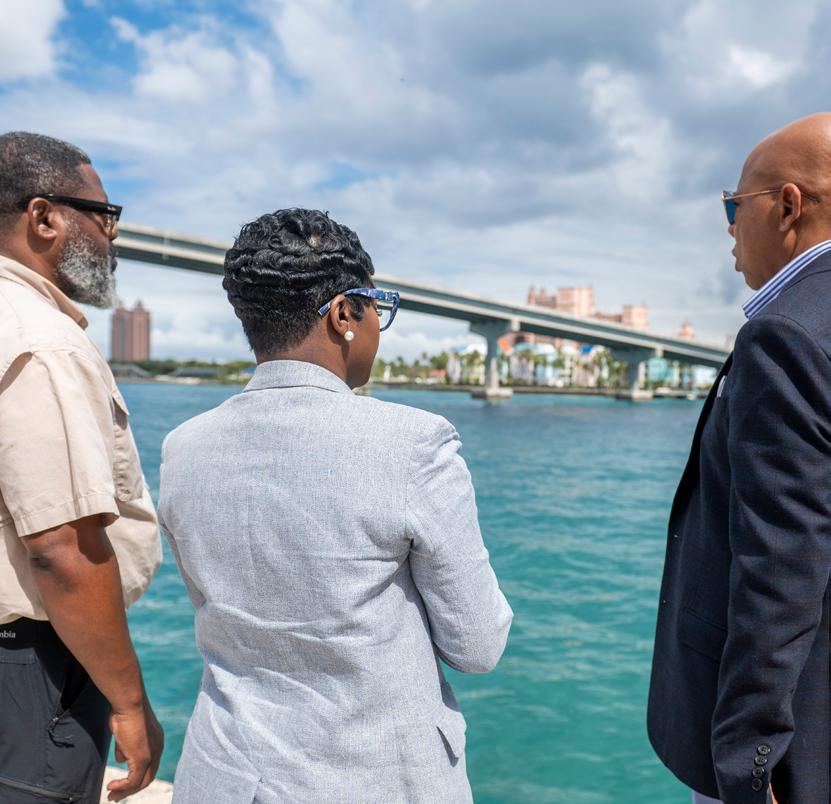

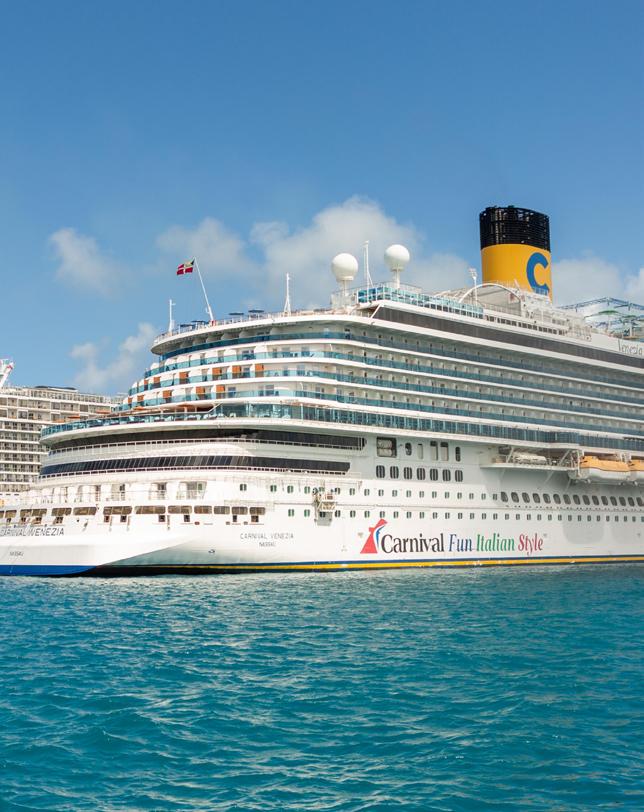
From vessels to infrastructure, port operations support trade, travel, and the steady flow of activity across the islands.
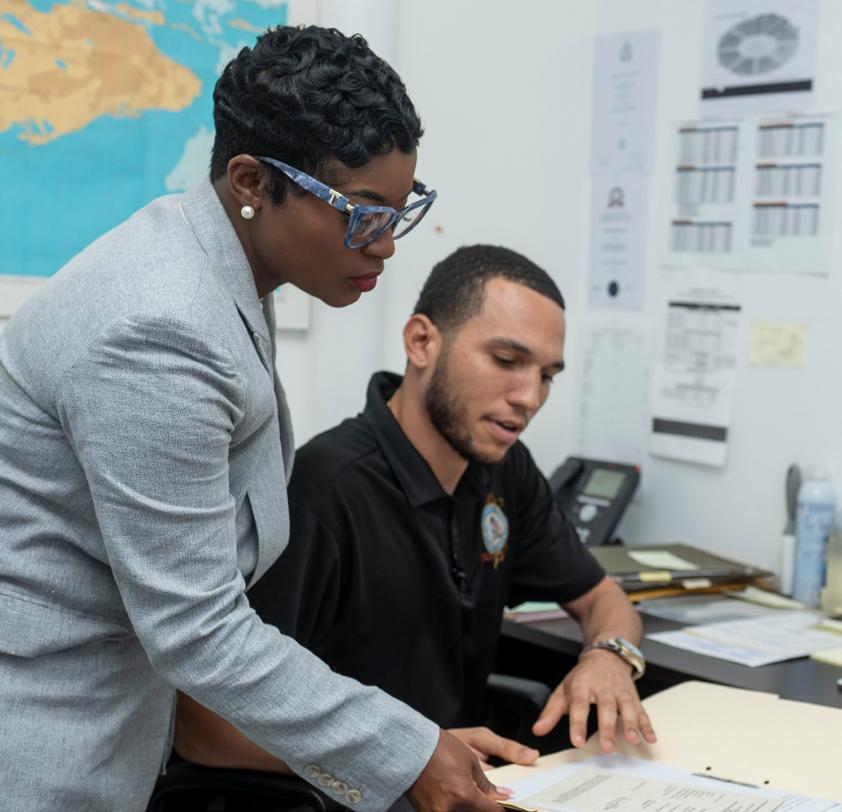
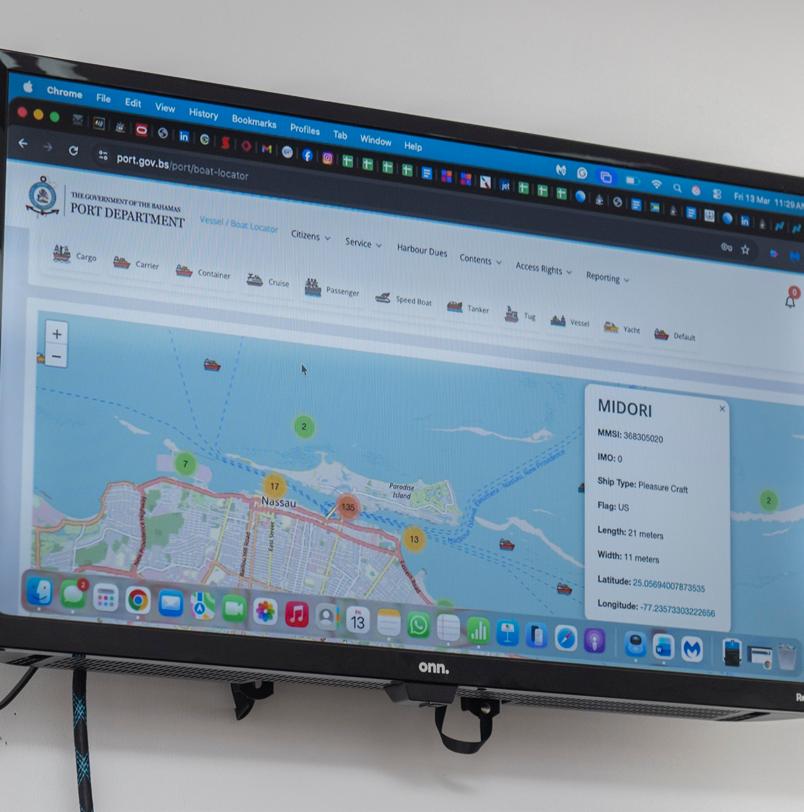
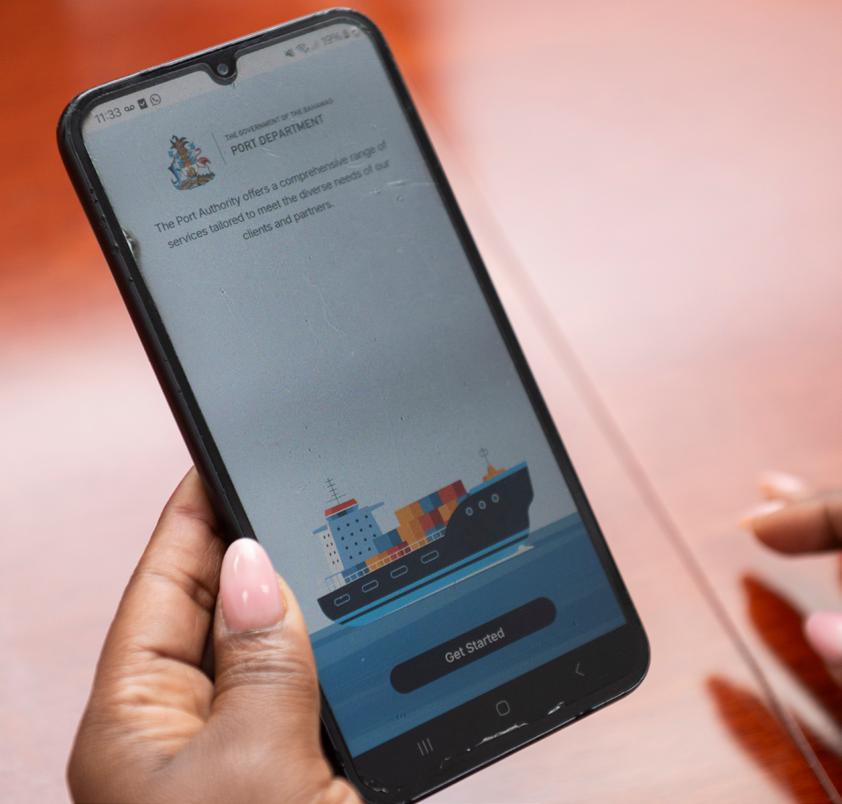
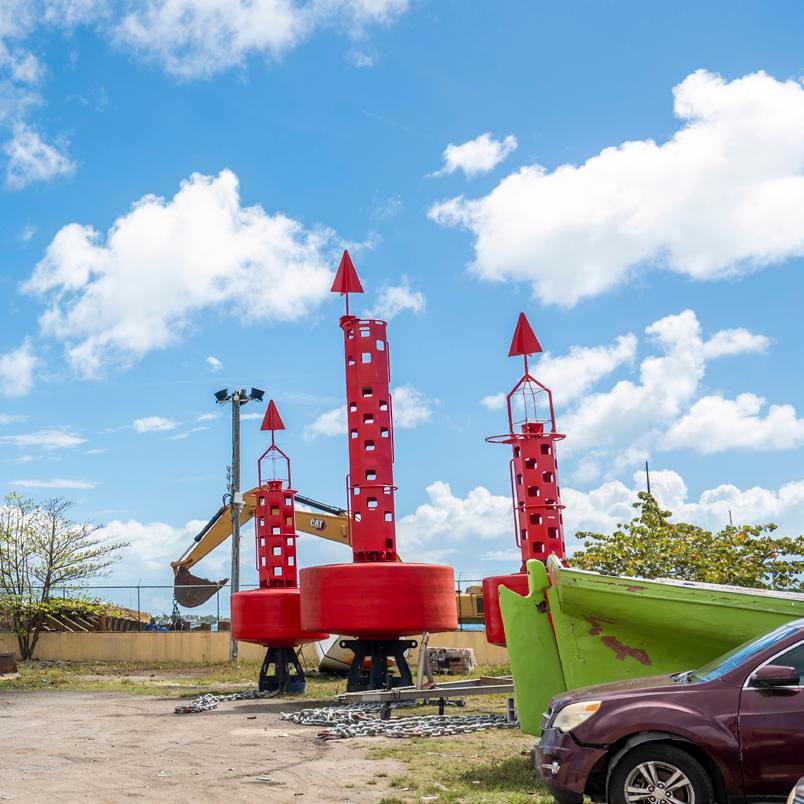
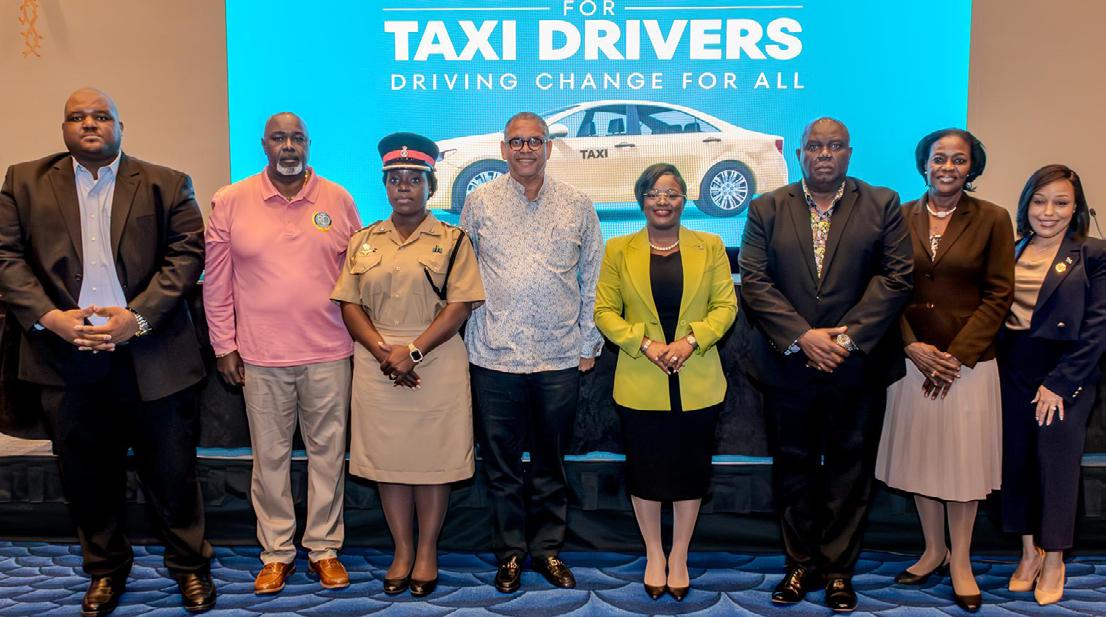
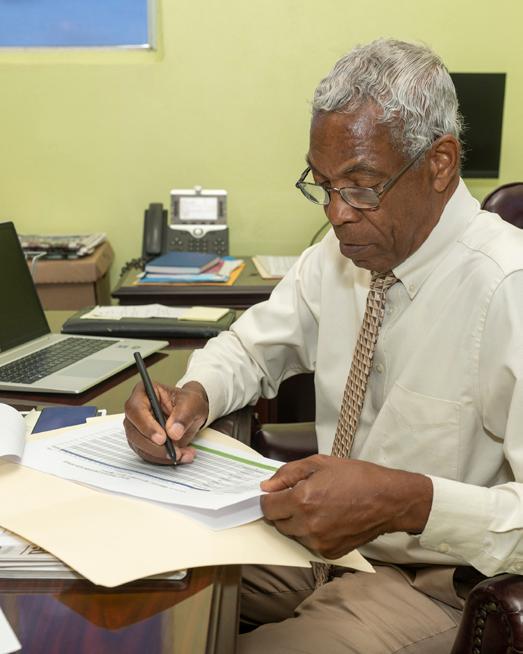
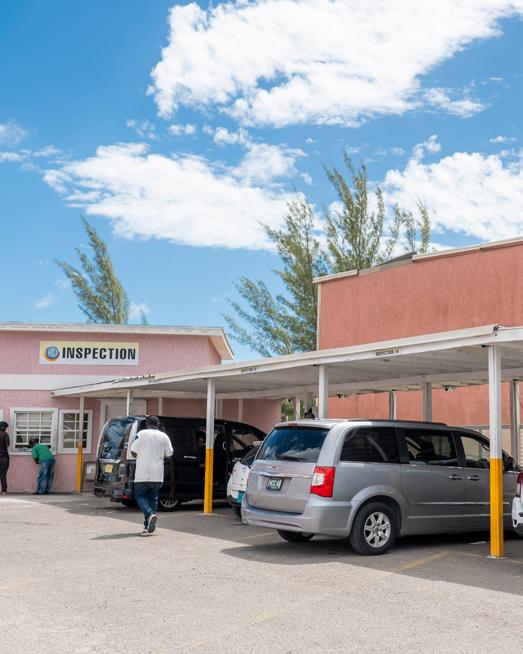
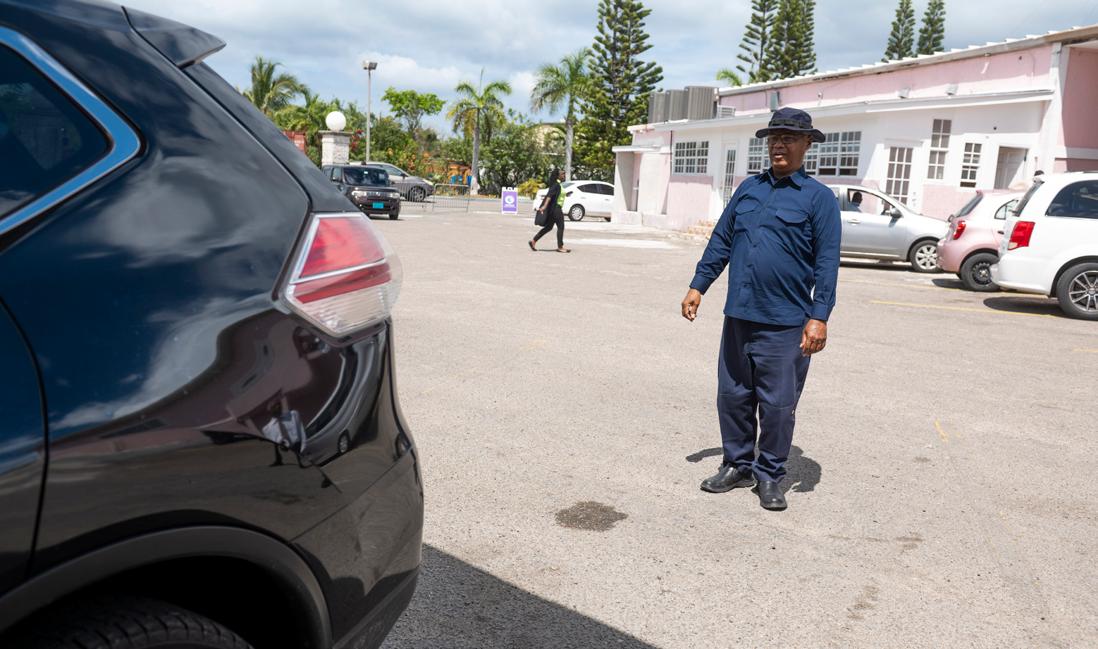
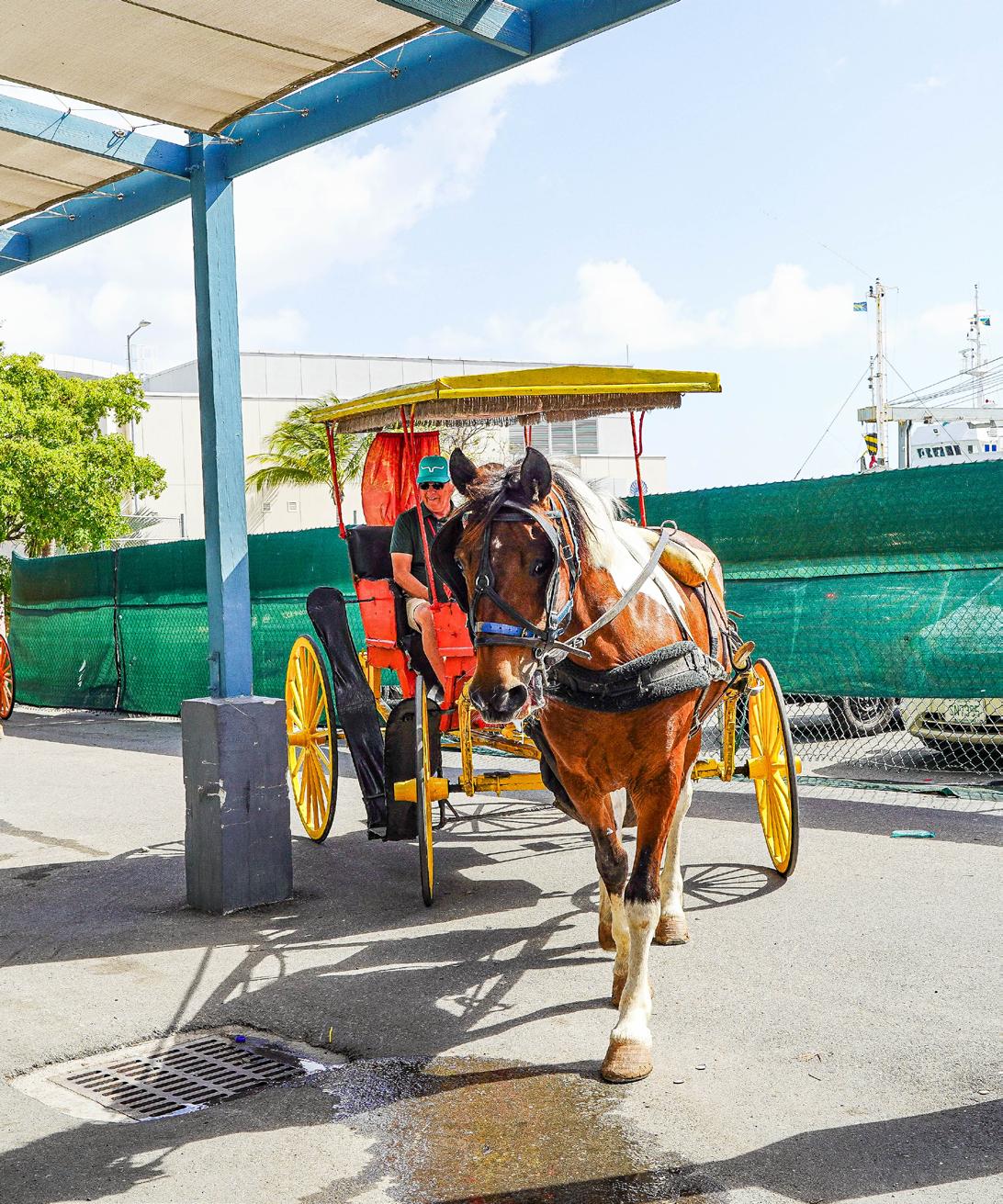
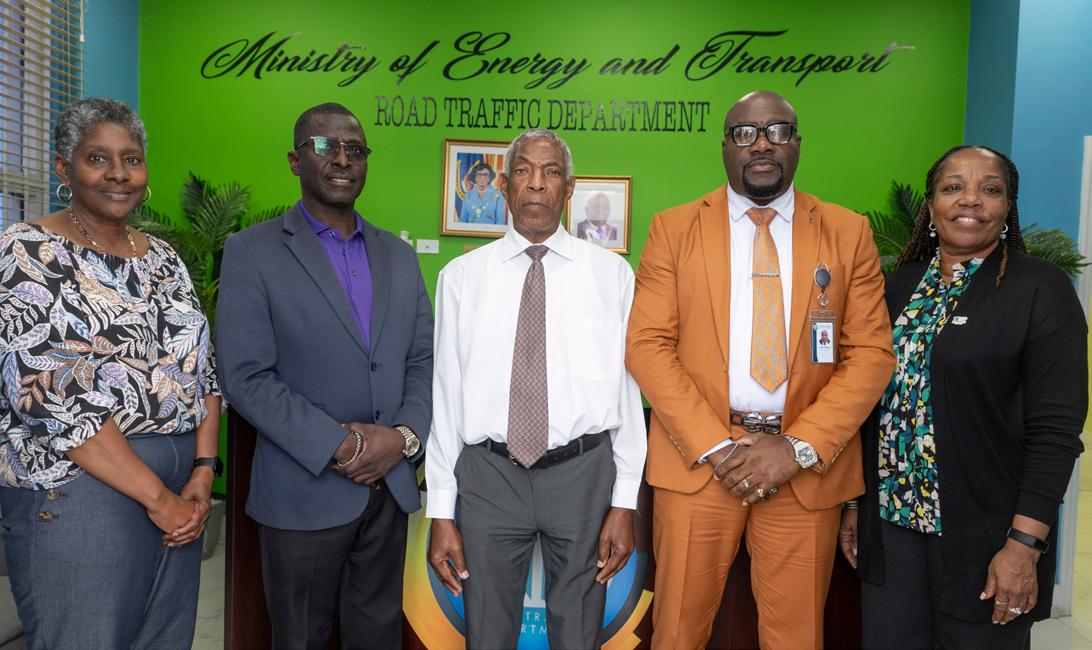


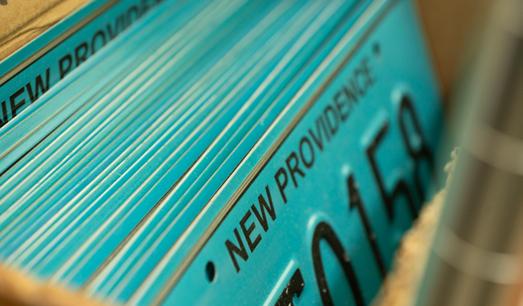
Focused on safety, compliance, and modernisation, the Road Traffic Department works to improve how people move across the country.
In Motion, Department of Meteorology
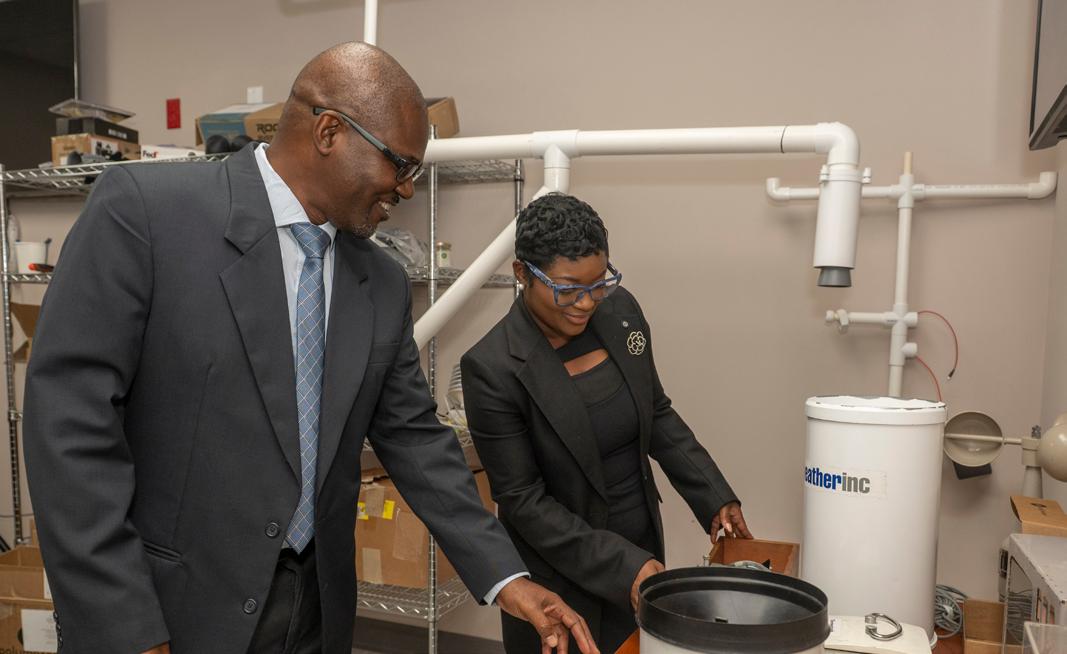

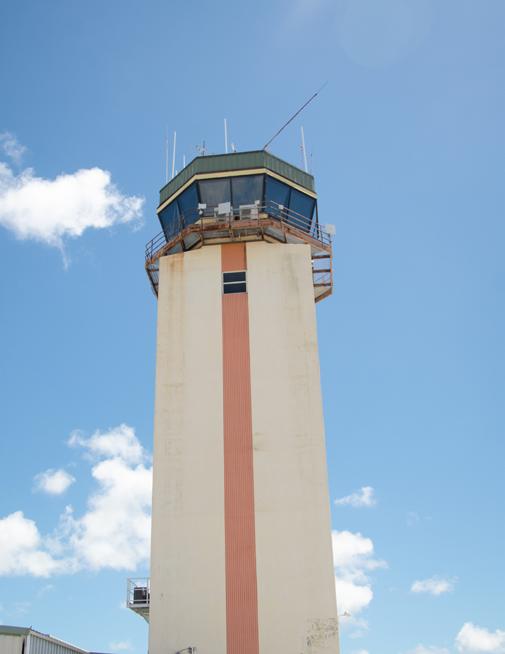
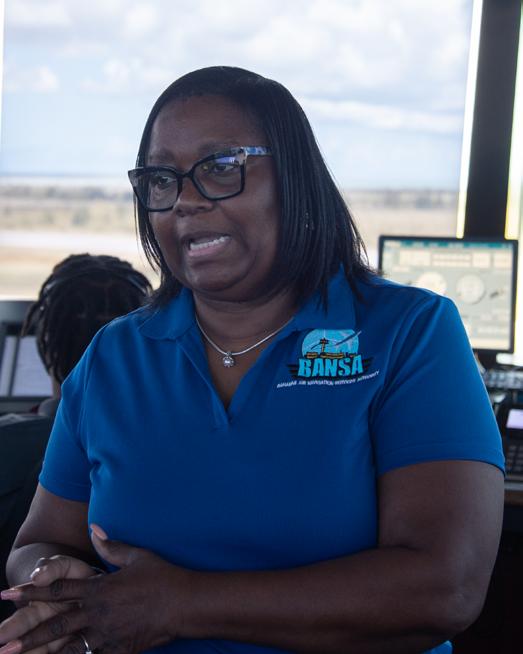
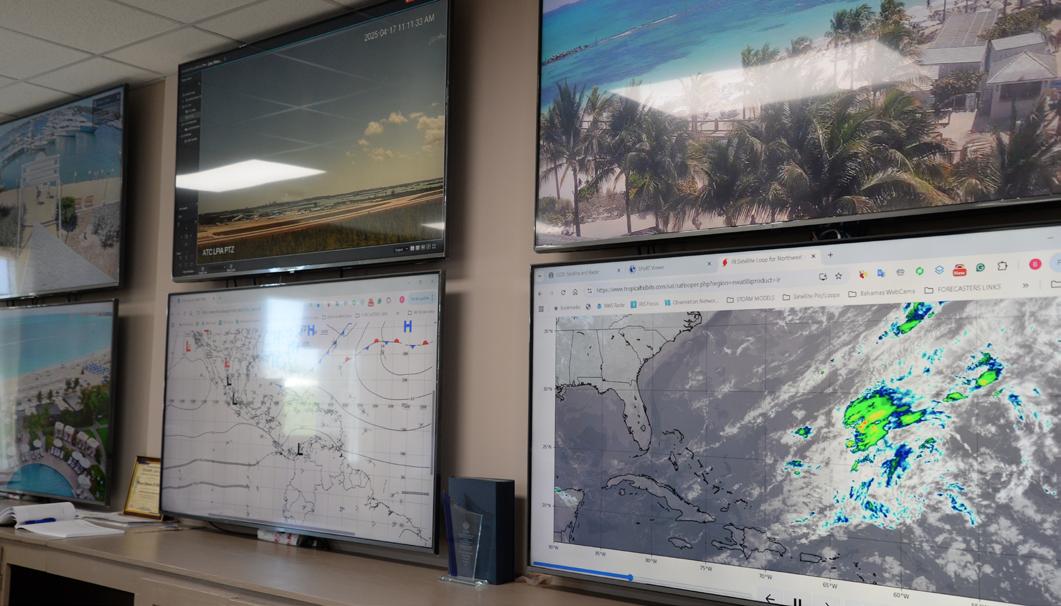
Through monitoring, forecasting, and public communication, the Department of Meteorology plays a vital role in national safety and preparedness.


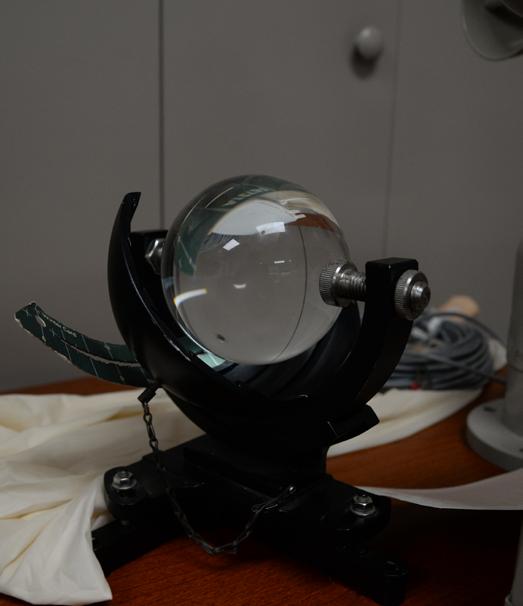
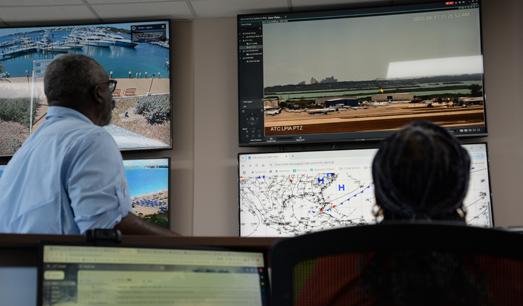
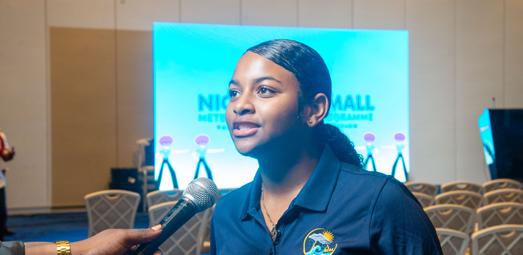
What you’ve seen in In Motion is a reflection of the work of people coming together to strengthen the systems that keep The Bahamas moving.
Across every agency, there has been steady investment, real on-the-ground change, and a shared commitment to power progress for the people we serve.
It’s this collective effort that continues to shape a more resilient, efficient, and sustainable future.