BENEFICIAL BEVS Energy, protein, calm and beyond
INSIGHTS FROM ASIA What’s driving change and growth


BENEFICIAL BEVS Energy, protein, calm and beyond
INSIGHTS FROM ASIA What’s driving change and growth
26
What’s Trending in Energy Drinks?
This category is lighting up as new and evolving brands hope to appeal to wider markets.
34
Lessons From Convenience Summit Asia
Earlier this year, global leaders gathered in Shanghai to talk about new consumers, new technologies and how to make a business stand out.
48 Consumers Weigh In: Drive-Thru, Online or In-Store
A NACS survey found mixed reactions to drive-thru and delivery offerings at c-stores.
52
Beverages With Benefits
What are your drinks doing for you? Functional beverages appeal to consumers thirsty for hydration, health, happiness and more.
58 Better Together
From seasonal offerings to permanent companions, CPGs are building excitement with brand mashups.
Cool Ideas for the Cold Vault Industry suppliers share how they’re helping c-stores innovate the cooler door space, from smart fridges to built-in promotion.
Subscribe to NACS Daily—an indispensable quick read of industry headlines and legislative and regulatory news, along with knowledge and resources from NACS, delivered to your inbox every weekday. Subscribe at www.convenience.org/NACSdaily.
annual NACS Day on the Hill event, retailers and suppliers from across the country pushed for legislation on critical issues affecting the convenience industry.



EDITORIAL
Jeff Lenard VP of NACS Media & Strategic Communications (703) 518-4272 jlenard@convenience.org
Ben Nussbaum
Publisher & Editor-in-Chief (703) 518-4248 bnussbaum@convenience.org
Michelle Cassidy Managing Editor mcassidy@convenience.org
Lauren Shanesy Editor/Writer lshanesy@convenience.org
Noelle Riddle Editor/Writer nriddle@convenience.org
Chrissy Blasinsky Digital & Content Strategist cblasinsky@convenience.org
CONTRIBUTING WRITERS
Terri Allan, Amanda Baltazar, Al Hebert, Steve Holtz, Pat Pape
DESIGN
Ji Ho
Creative Director jho@convenience.org
David Marvin Graphic Designer dmarvin@convenience.org
ADVERTISING
Stacey Dodge Advertising Director/Southeast (703) 518-4211 sdodge@convenience.org
Jennifer Nichols Leidich National Advertising Manager/ Northeast (703) 518-4276 jleidich@convenience.org
Ted Asprooth National Sales Manager/ Midwest, West (703) 518-4277 tasprooth@convenience.org
PUBLISHING
Logan Dion
Digital Media and Ad Trafficker (703) 864-3600 ldion@convenience.org
Advertising production: production@convenience.org
/ MAY 2026
CHAIR: Annie Gauthier, CFO/Co-CEO, St. Romain Oil Co. LLC (dba Y-Not Stop)
TREASURER: Lonnie McQuirter, Director of Operations, 36 Lyn Refuel Station
OFFICERS: Chris Bambury, Bambury Inc.; Tom Brennan, Casey’s; Varish Goyal, Loop Neighborhood Markets; Charles McIlvaine, Coen Markets Inc.; Natalie Morhaus, RaceTrac Inc.; Travis Sheetz, Sheetz Inc.
GENERAL COUNSEL: Doug Kantor, NACS
MEMBERS: Lisa Blalock, BP North America Inc.; Brian Donaldson, Maxol Limited; Tony El-Nemr, Nouria Energy Corp.; Terry Gallagher, Gasamat Oil Corp./Smoker Friendly; Erin Graziosi, Robinson Oil Corp.; Raymond Huff, HJB Convenience Corp. (dba Russell’s); Mark Jordan, Refuel Operating Co.; Thomas Love, Love’s Travel Stops & Country Stores; Crystal Maggelet, Maverik Inc.; Rich Makin, Wawa Inc.; Brian McCarthy, Blarney Castle Oil Co.; Andrew Mitchell, Toot’n Totum Food Stores LLC; Jigar Patel, Fastime; Stanley Reynolds, 7-Eleven Inc.; Kristin Seabrook, Global Partners LP; Doug Yawberry, Weigel’s Stores Inc.; Scott Zietlow, Kwik Trip Inc.
PAST CHAIRS: Brian Hannasch, Alimentation Couche-Tard Inc.; Victor Paterno, Philippine Seven Corp.
SUPPLIER BOARD REPRESENTATIVES: Bryan Morrow, Chobani & La Colombe; Kevin LeMoyne, The Coca-Cola Co.
SUPPLIER BOARD CHAIR: Bryan Morrow, Chobani & La Colombe
CHAIR-ELECT: Kevin LeMoyne, The Coca-Cola Co.
VICE CHAIRS: Mike Gilroy, Mars Wrigley; Jim Hughes, Supplying Demand Inc. dba Liquid Death; Danielle Holloway, Altria Group Distribution Co.
MEMBERS: Tony Battaglia, PMI U.S.; Ryan Calong; Jerry Cutler, InComm Payments; Jack Dickinson, Dover Fueling Solutions; Matt Domingo, Reynolds; Mark Falconi, Greenridge Naturals; Ramona Giderof, Diageo Beer; Adam Gryzbek, BIC Corp.; Kevin Kraft, Tropicana Brands; Jay Nelson, Excel Tire Gauge LLC; Jordan Nicgorski, JUUL Labs; Nick Paich, TriggerPoint Media; Bria Troy, PepsiCo Inc.; Melissa Vonder Haar, iSEE Store Innovations LLC; Jason Zagaria, Primo Brands; Derek Zahajko, CAF Inc.;
GENERAL COUNSEL: Doug Kantor, NACS
STAFF LIAISON: Bob Hughes, NACS
RETAIL BOARD REPRESENTATIVES: Tom Brennan, Casey’s; Scott Hartman, Rutter’s; Kevin Smartt, TXB
PAST CHAIRS: Vito Maurici, McLane Co. Inc.; David Charles, Cash Depot; Kevin Farley, Farley Retail Advisors
Subscriptions
NACS Magazine (ISSN 1939-4780) is published monthly by the National
of
Stores (NACS), Alexandria, Virginia, USA. Subscriptions are included in the dues paid by NACS member companies. Subscriptions are also available to qualified recipients. The publisher reserves the right to limit the number of free subscriptions and to set related qualifications criteria.
POSTMASTER: Send address changes to: NACS Magazine 1600 Duke Street, Alexandria, VA, 22314-2792 USA. Contents © 2026 by the National Association of Convenience Stores. Periodicals postage paid at Alexandria VA and additional mailing offices.












NACS has been fielding consumer surveys for many years. This program, led by Jeff Lenard, is a fantastic snapshot of what consumers think. It also explores how they feel about convenience stores and what this industry can do to attract more customers.
Starting with last month’s issue, we’re publishing five articles based on the latest NACS survey. This month’s installment dives into how customers feel about drive-thru, delivery and online services compared to in-store shopping. It starts on page 48.
One finding from the survey that I thought was noteworthy is that frequent c-store customers are more likely than the average consumer to use delivery services like DoorDash or Instacart. It makes sense: Convenience shoppers value convenience. So stores should be as convenient as possible. Easy, right?
Of course, it’s not that simple. Flip to our takeaways article from NACS Convenience Summit Asia (page 34). A major theme of the event was differentiation. What makes a store stand out in a sea of sameness? How do you make sure customers drive past the dollar store or the QSR to find you, and specifically you?
There aren’t easy answers, but when you walk into a great c-store, you can see convenience and differentiation happily coexisting.
Which brings us to the cooler. This most quintessential c-store offer is the definition of easy and fast for your customers. But how does your offer stand out from a merchandising, marketing, or assortment standpoint? Be sure to read our articles on coolers (page 42) and products that they hold (pages 26, 52 and 74) for ideas and insights.

Younger consumers have a different perception of “convenience store” than older consumers. Turn to page 48 to find out more.
We’re heading into peak cooler season. Before you know it, summer will be in full swing and it will be time to start planning for the fall. The NACS Show returns to Las Vegas this year, October 6-9. Visit convenience.org to find out more about the NACS Show or to see the full range of NACS events and services.

Ben Nussbaum Editor-in-Chief, NACS Media


Leadership is accountability with humanity—a lesson that guides how I support employees.
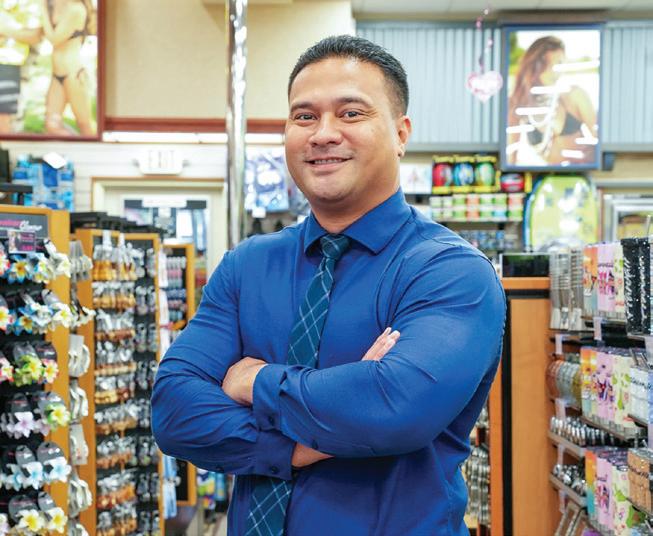
In Hawaiian language and culture, ohana means family. Nineteen years ago when Johnmark Mageo joined ABC Stores in Honolulu as a stock associate, he didn’t know he would find his family, his home and a two-decade career at the convenience store. He’s now the company’s employee relations and government affairs manager, supporting ABC team members through evolving policies, compliance and workplace needs he said. ABC Stores has more than 75 locations in Hawaii, Guam, Saipan and Las Vegas, along with affiliate stores and restaurants.
Over the past 19 years, Johnmark said his roles at ABC have taught him “firsthand the value of leadership, responsibility and genuine Aloha.”
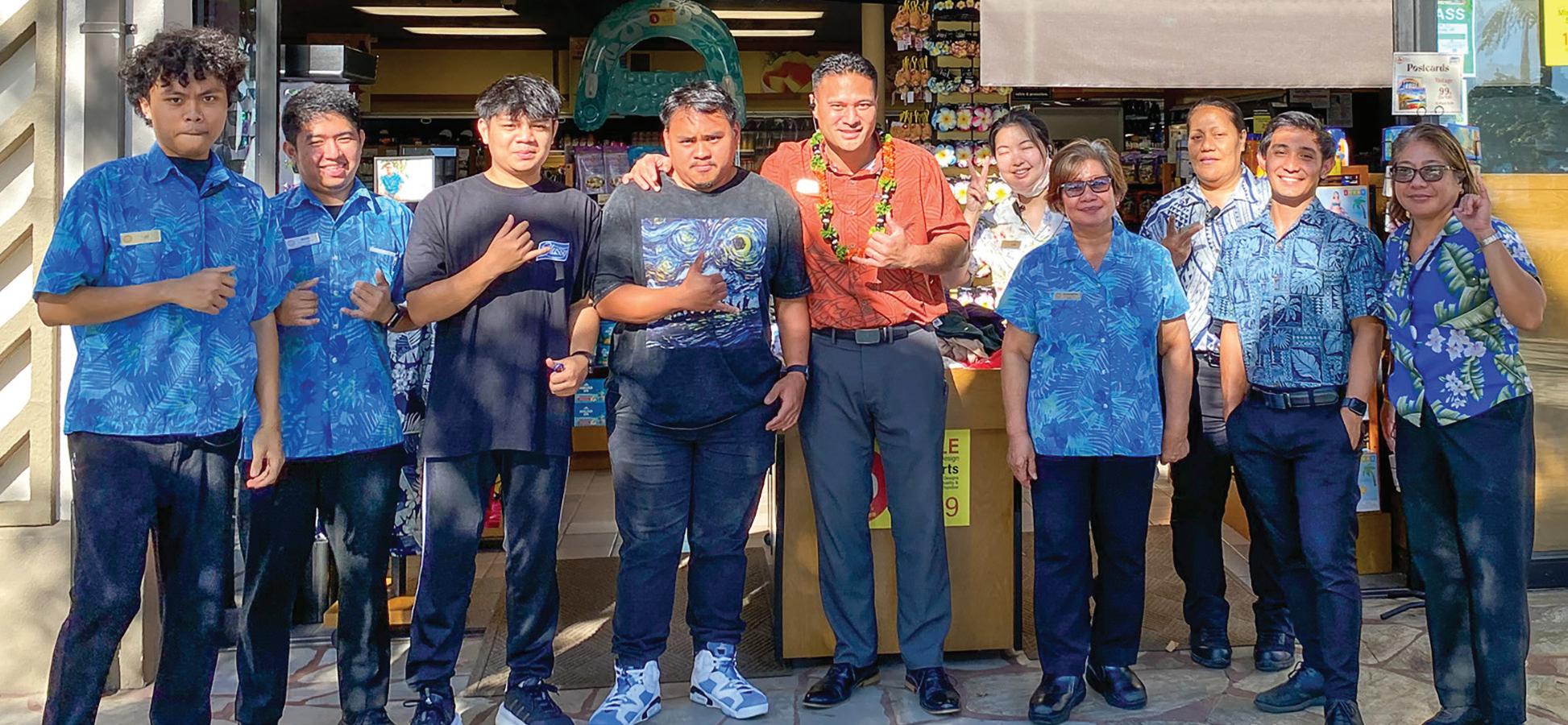
ABC Stores serves both our community and visitors from around the world. In this industry, you meet people from every walk of life, and every day gives you the chance to help someone. That’s what I love most; your effort directly shapes the experience and the results you create.
For me, every day begins with people. I work with different departments to interpret new laws and stay connected with our stores to ensure policies work in real life. Whether uplifting teams through company messages or addressing difficult issues, the focus is always the same: treating everyone with dignity and respect.
It’s serving our people. Whatever I can do and accomplish for our people is what fulfills my role as an employee of ABC Stores. On the customer level, it’s the dedication to solving a dispute or escalating their issue to the right department. My favorite thing is gaining the trust of our people and customers.
Early in my management career, I showed up late to work and saw our COO standing at the front of the store. It was a moment that carried real weight given the expectations we hold as leaders. I braced for whatever consequence awaited me for being late, but instead he simply asked, “Is your family okay?” That moment changed me. It taught me that leadership is accountability with humanity, a lesson that guides how I support employees, resolve conflicts and uphold the culture we protect.
I’m living proof that there is real career growth in this job, having gone from a stock associate to management roles to now the employee relations and government affairs manager. This is a job where you will learn real life skills, like customer service, resilience, teamwork, leadership and problemsolving. In convenience, you will make a difference every single day. Even small interactions matter.

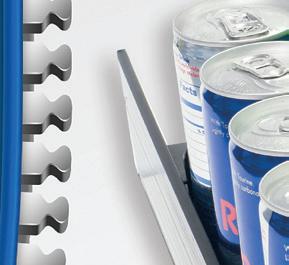
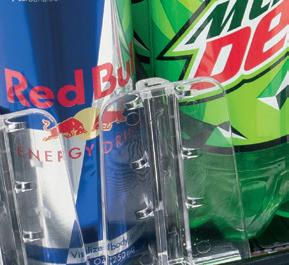
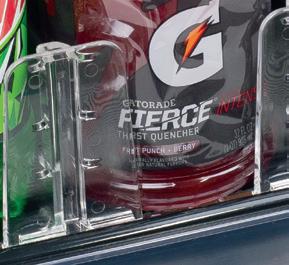
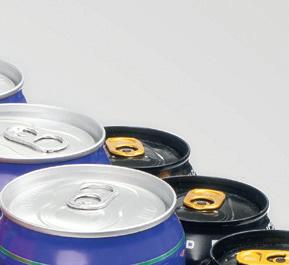
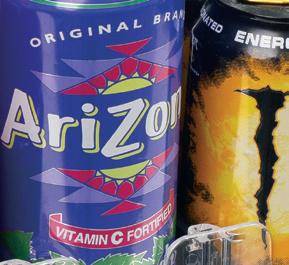
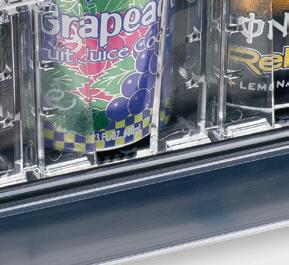


Adaptable, multi-use Zip Track ® system handles different size and shape packages with

ZIP ® is a modern merchandising system that forwards and faces its product offerings at all times. Quickly add new facings with this cost-effective easy to install and adjust system.



Use actual product to set lane width. Slide product front-to-back to ‘ZIP’ tracks together in final position.
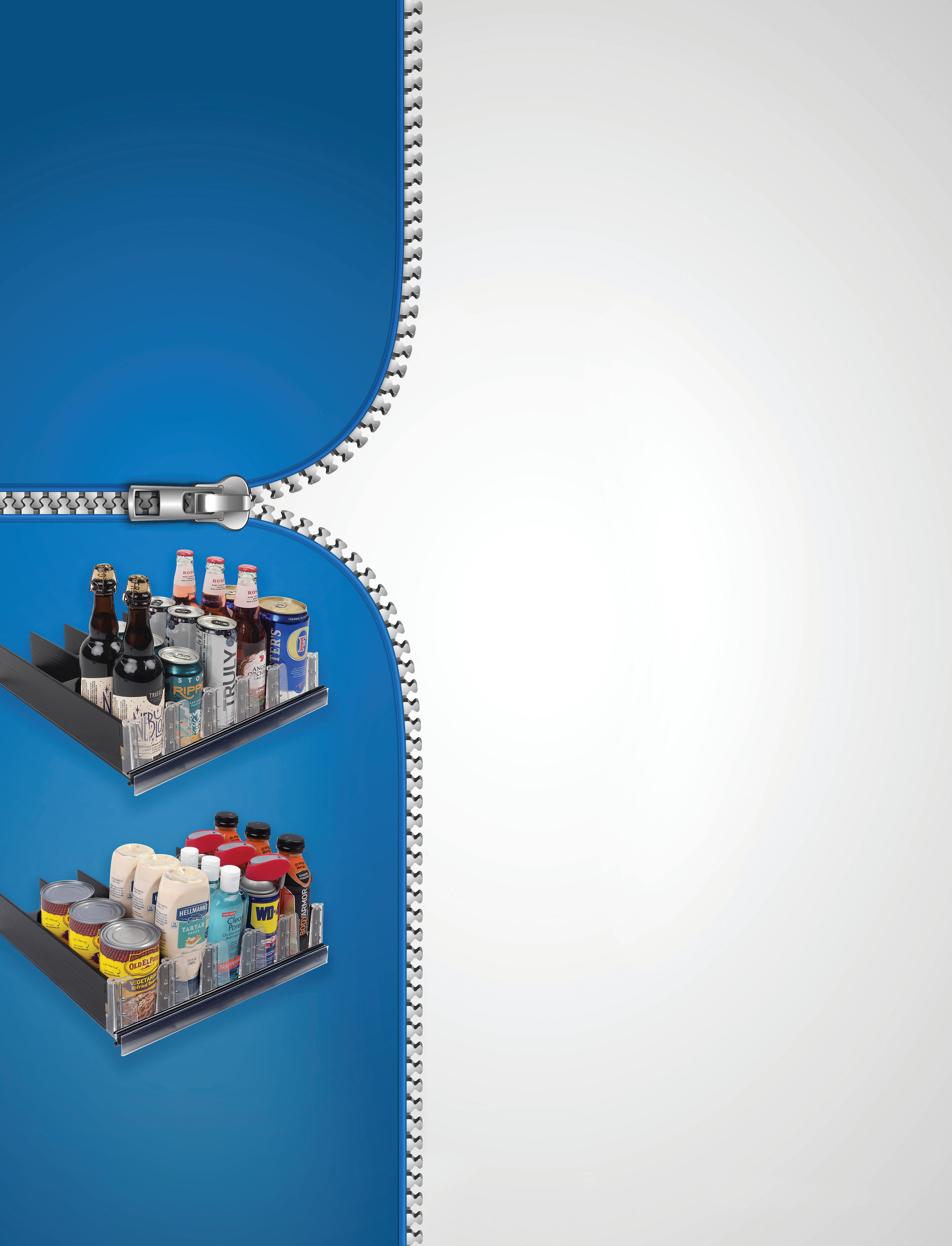
ZIP Track® maintains its width accurately for the entire length of facing without the need for a rear anchoring system.















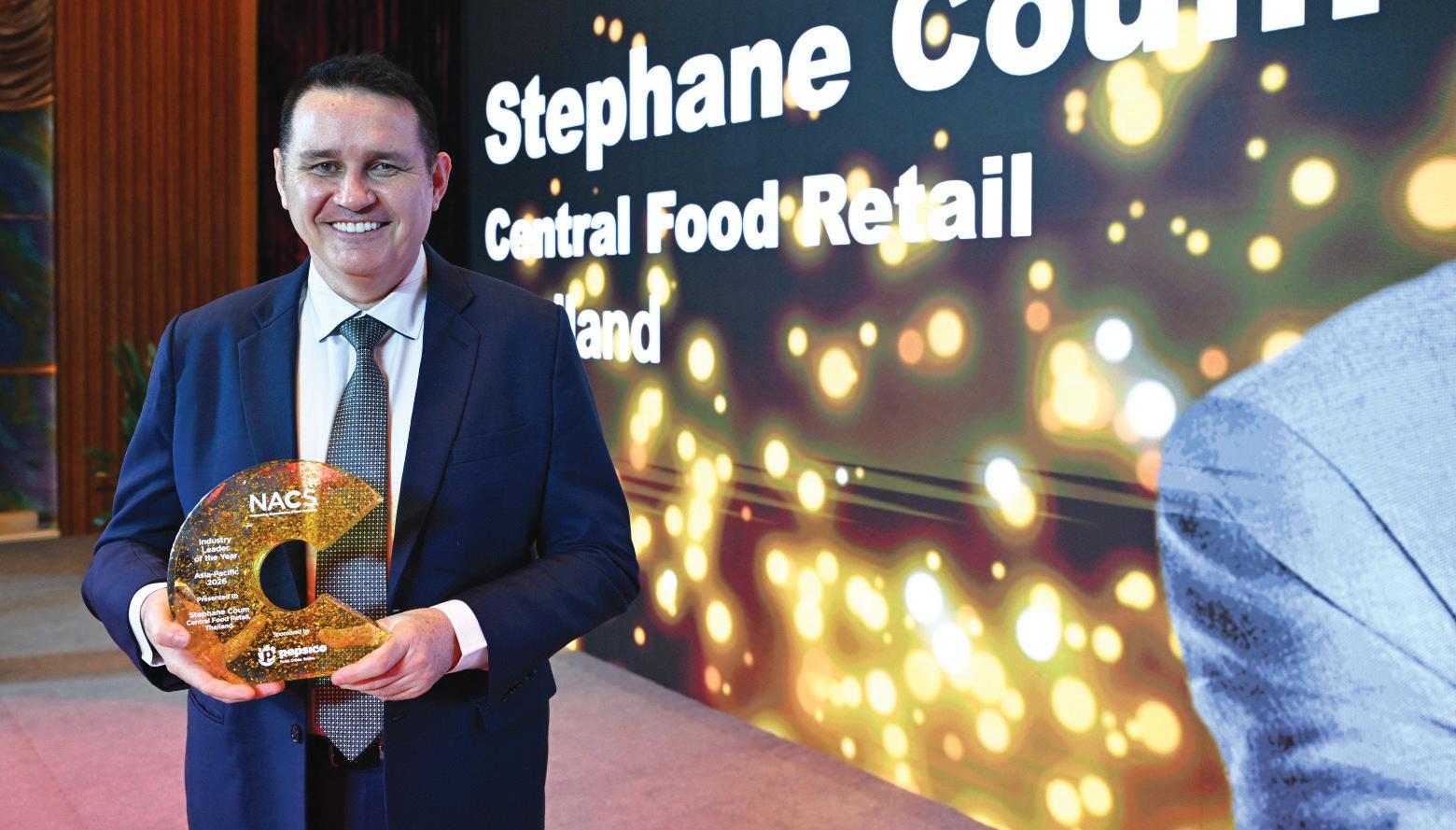
NACS INDUSTRY LEADER OF THE YEAR AWARD
STEPHANE COUM, CEO OF FOOD GROUP, CENTRAL RETAIL, AT CENTRAL FOOD RETAIL CO. LTD IN THAILAND
Stephane Coum represents Tops Daily from Thailand/Central Food Retail Co. Ltd. He helped grow the organization’s success through executive vision and resilience. He led the company through a complete business turnaround by 2022 and has transformed Tops Daily into a growth engine, achieving 3.7% year-over-year sales growth.

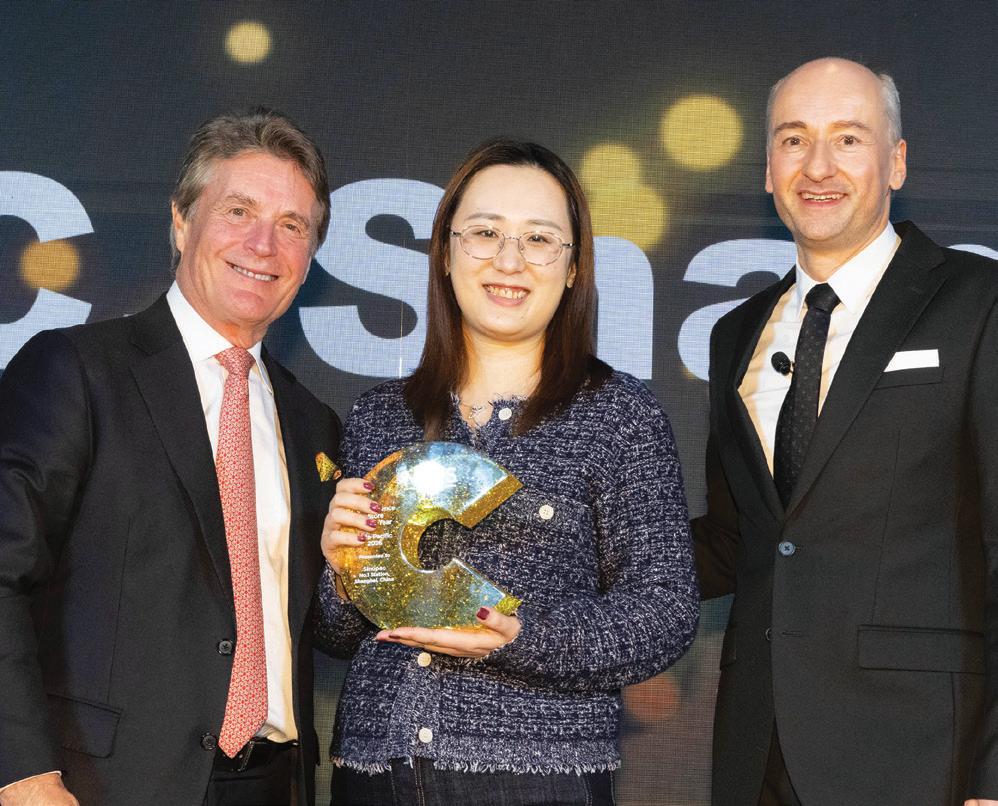
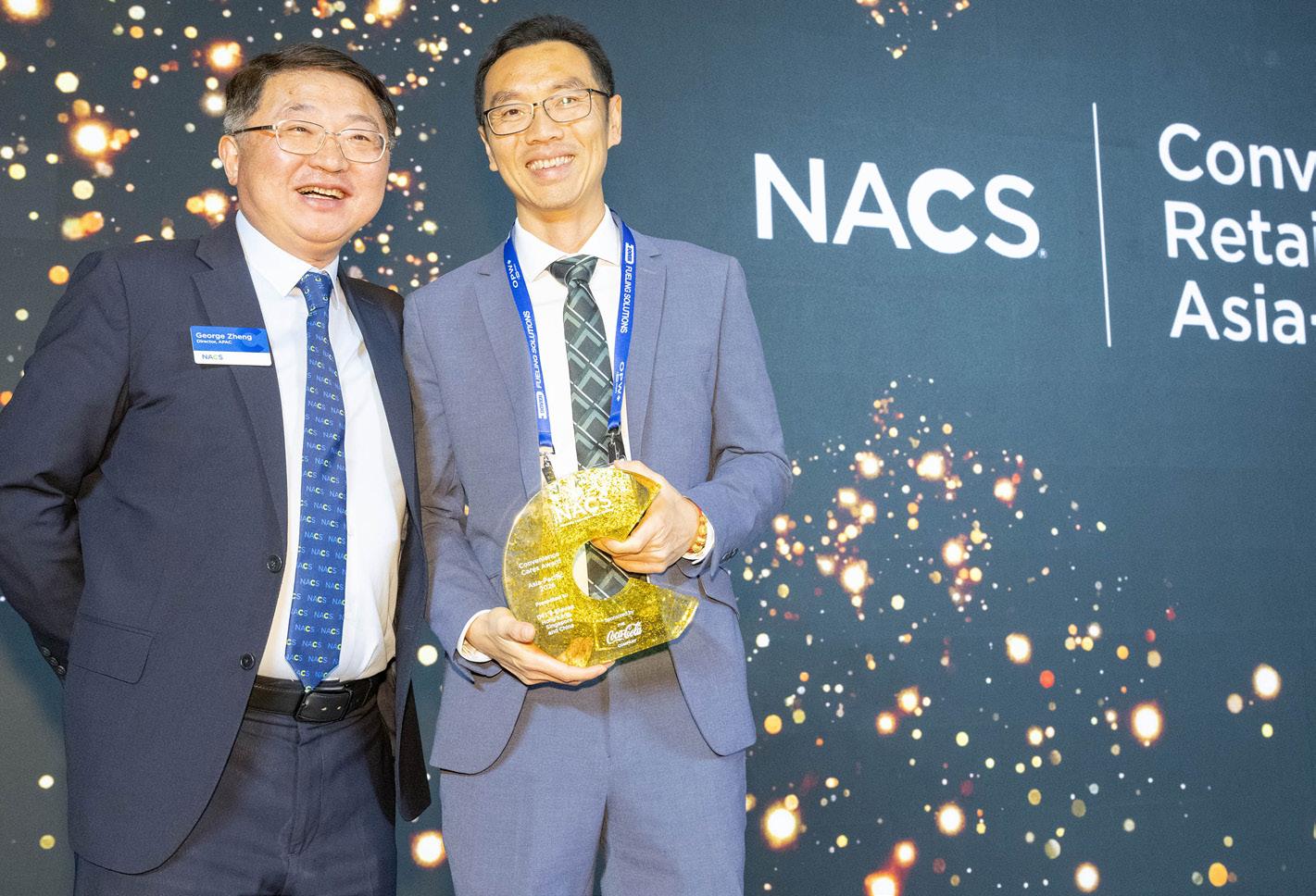
At the 2026 NACS Convenience Summit Asia in March, NACS celebrated the winners of the Convenience Retail Awards Asia-Pacific.
At the 2026 NACS Convenience Summit Asia in Shanghai, China, several companies were recognized for outstanding achievements in Asian retail communities with the NACS Convenience Retail Awards Asia-Pacific. The awards highlight standout retail store design, exceptional industry leadership, progressive sustainability initiatives and effective technology innovations, providing one of the greatest benchmarks of global convenience retailing excellence.

Coum has also redefined the traditional convenience store model by introducing the “Joyvenience” brand concept under the banner #EveryDayForEveryone. This strategic shift moved the brand from basic utility to a destination-based experience through four pillars: Joy Eat, Joy Shopping, Joy Value and Joy Loyalty.
He also pioneered the “First Room Concept” for Thai convenience stores, creating a distinct market differentiation for “Eat Now” and “Eat Later” categories. Furthermore, his vision for the Tops Daily Hybrid Model—integrating specialty offerings like Tops Wine Cellar, The Baker Café and Looks—has set a new benchmark for crosscategory synergy in the global convenience industry.
Through the retailer’s YES! Program, Coum has empowered the workforce to focus on service excellence, store standards and customer satisfaction. This human-centric approach ensures that the innovation at the top is felt by every customer on the store floor.

Sinopec has the world’s second-largest gas station network and China’s largest retail store network with more than 30,000 in-service gas stations and over 27,000 Easy Joy stores. Sinopec Shanghai Petroleum No. 1 Gas Station, also known as Shanghai No. 1 Store, is located by the Suzhou River in Shanghai. The store was originally built in 1948 and was China’s first state-owned gas station. In 2020, it was renovated and transformed into a comprehensive convenience space that integrates fueling, retail, a second-floor coffee shop with an observation deck and cultural exhibitions.
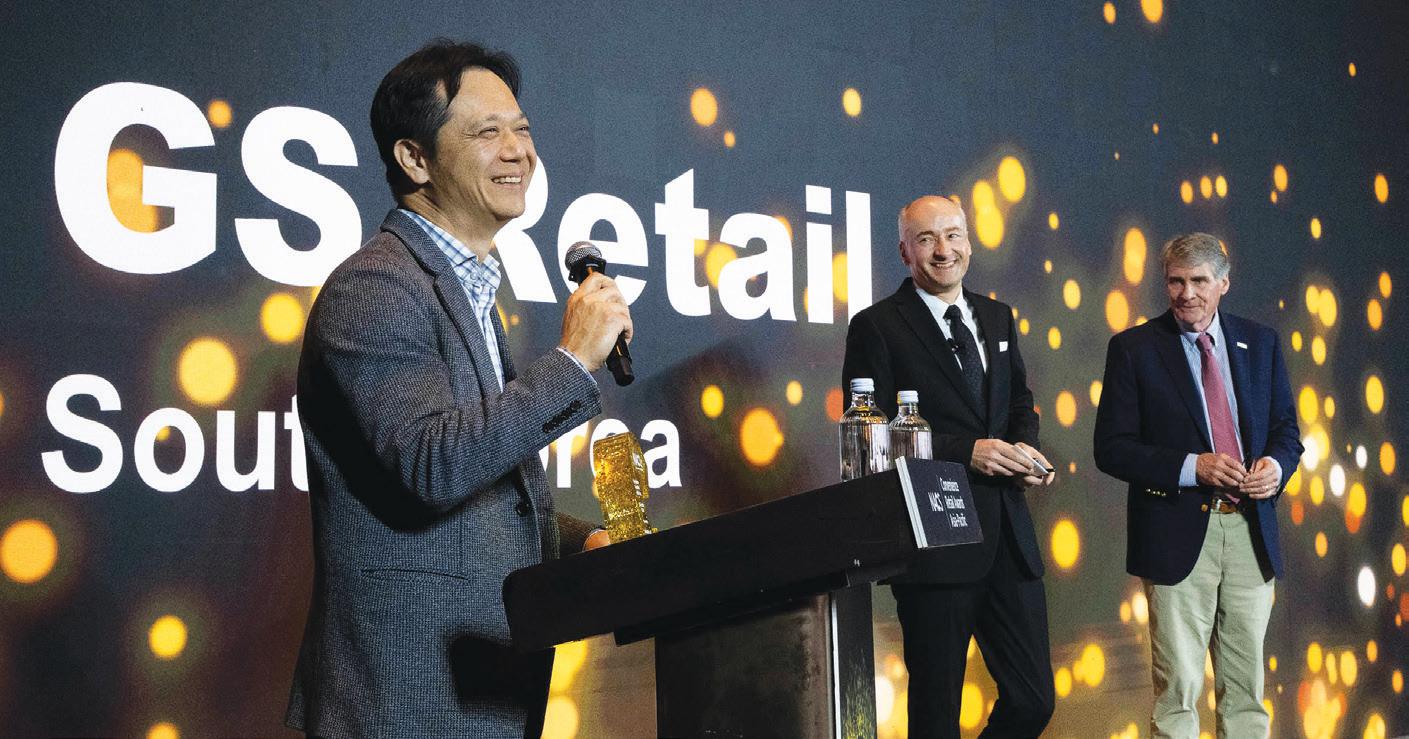
Operated by parent company
GS Retail in South Korea, GS25 is consistently named “Korea’s Most Respected Company.”
The company’s retail media network, GS Retail Media, integrates in-store and mobile environments into a unified retail media platform powered by AI and first-party data. GS25 Retail Media links in-store ad exposure to real purchase outcomes, enabling a measurable return on ad spend and attentionbased performance.
Founded in 1886, DFI Retail Group is a leading Asian retailer driven by its purpose to “sustainably serve Asia for generations with everyday moments.” DFI operates a network of nearly 3,000 7-Eleven stores in Hong Kong, Macau, Guangdong Province and Singapore. The company’s sustainability strategy is anchored in three pillars:
• PEOPLE: enhancing personal wellbeing, supporting community growth, investing in team members and ethical sourcing to protect human rights throughout the supply chain.
• PRODUCTS: sustainable products, packaging and recycling; product quality and safety standards.
• PLANET: decarbonization throughout operations and value chains, low-carbon choices for key categories and waste recycling and reduction.
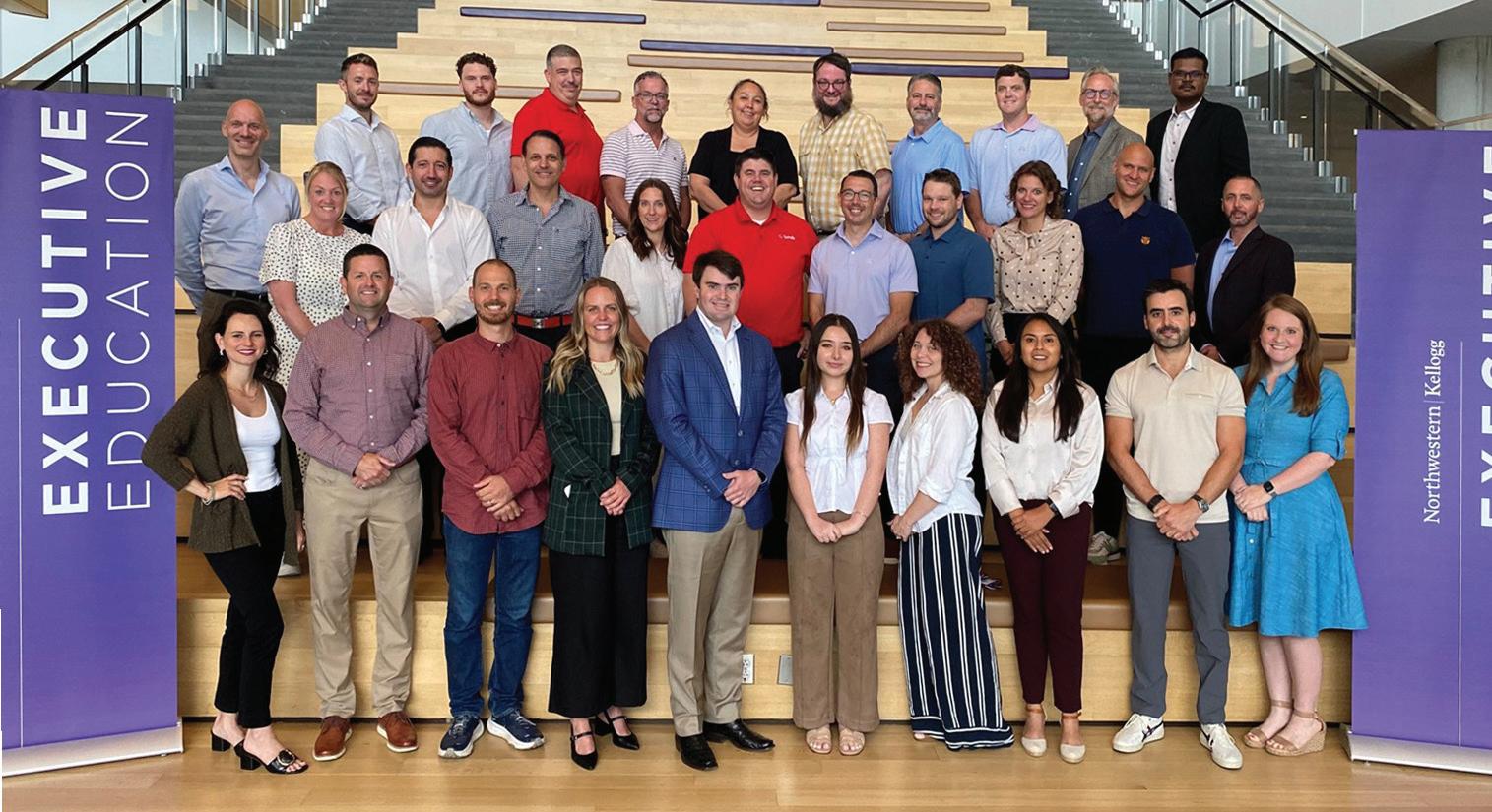
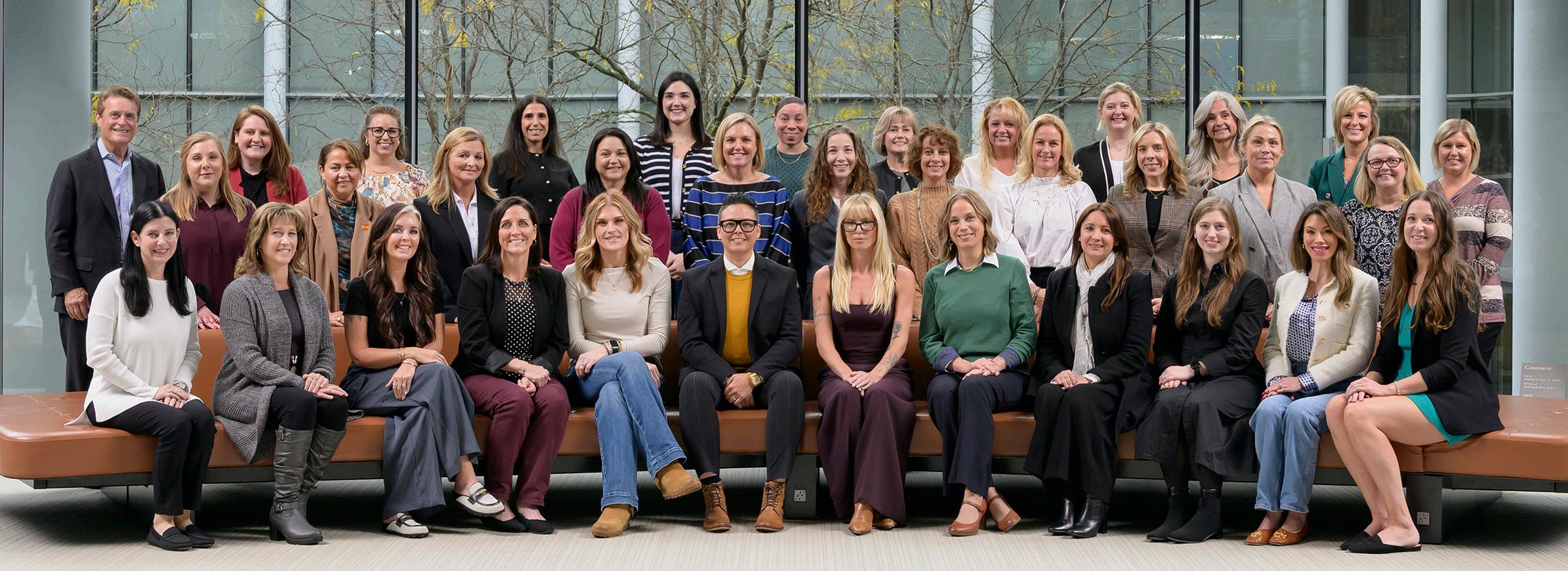
NACS Executive Education is the only comprehensive, multi-discipline industry curricula that offers customized, Ivy League training exclusively for senior convenience leaders. NACS offers five courses each year, focusing on strengthening leadership skills, financial acumen, marketing strategies and innovative thinking, and delivers an unmatched learning opportunity for convenience industry professionals.
Interested in attending but not sure which program might be the right fit for you? Here’s a rundown of each of the available programs.
NACS FINANCIAL LEADERSHIP PROGRAM
July 12-17, 2026
The Wharton School of the University of Pennsylvania
Endowed by Cash Depot
This is a program for any leader within the convenience industry hoping to enhance their financial skills. While it is a finance leadership course, it will help any leader build a stronger financial foundation to help push organizations forward. For instance, a marketing executive could attend to enhance their financial vocabulary when approaching various organizational projects and initiatives. We expect participants with varying levels of financial acumen.
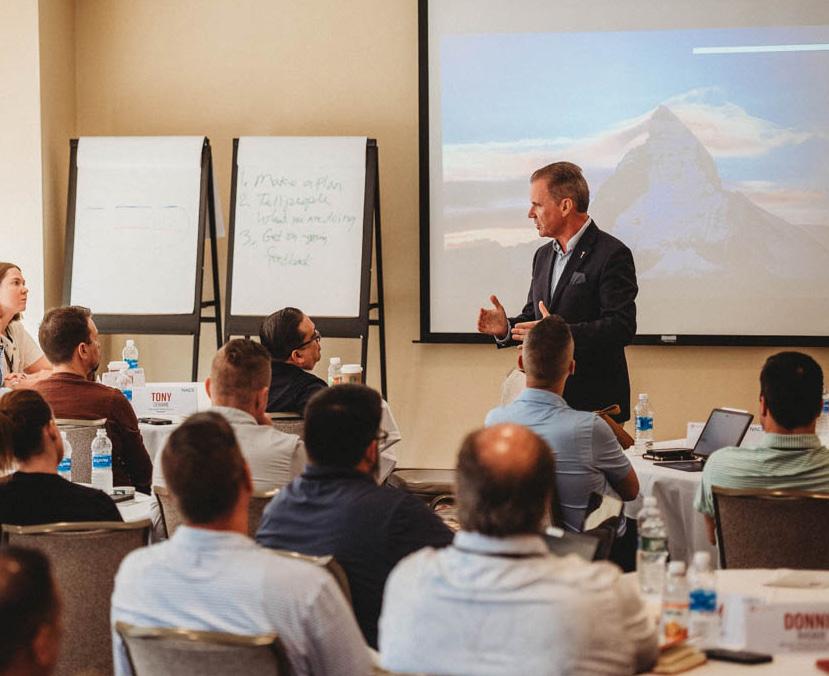
“As an HR professional, I was very pleased to see a blend of attendees including operators and financial professionals. I appreciated the blended approach to learning, including instructor-led discussions and group learning. The dynamics of the groups and understanding how peers think about scenarios only deepens the learning,” said Sherri Hart, VP of HR field operations at Casey’s General Stores and a program alum. “The presenters were clearly experts in their field and were able to challenge the group to think differently about business planning and the use of analytics in decision making. Attending definitely increased my retail business acumen as well as helped me think about questions I should be asking when getting data.”
July 19-24, 2026
The Kellogg School at Northwestern University
Endowed by Keurig Dr Pepper, McLane and NielsenIQ
This is a course designed for senior-level marketing executives in retail companies looking to enhance their knowledge in topics such as branding, consumer experience, customer strategy and analytics. Topics range from digital strategy to customer loyalty programs, and in addition to sessions, attendees will work on a group project and case study to apply the concepts learned throughout the week.
“I also recommend this program to those outside of marketing roles as it helps any leader think more with a customer-focused mindset to help meet company goals. For instance, the finance executive could benefit from attending this course to ensure their efforts are aligned with the overall company brand and mission,” said Brandi Mauro, program manager, executive education at NACS.
NACS EXECUTIVE LEADERSHIP PROGRAM
August 2-6, 2026
Cornell University
Endowed by Reynolds American
When competition surrounds you, how will you lead? How will you excel? This executive leadership course is tailored to senior-level retail management roles, and is designed to enlighten, inform and level-up your skills. Participants will learn how to foster new ways of thinking, respond to the challenges you will face, and become better equipped to own your position as a visionary leader.
NACS INNOVATION LEADERSHIP PROGRAM
November 1-6, 2026
MIT Sloan School of Management
Endowed by Gilbarco Veeder-Root, Phillip Morris International U.S. and Shell Innovation isn’t just a word—it’s a necessity. Without innovation, stagnation sets in. And we all know this fast-paced world has no room for stagnation. If you want to be an innovator, think with an innovative mindset or network with other innovative leaders, this program is for you.
November 9-13, 2026
Yale School of Management
Endowed by Altria, BP and PepsiCo
Women have unique strengths—and those attributes are not only celebrated, but nurtured and enhanced at the NACS Women’s Leadership Program at Yale. The course is designed for women who want to bolster their leadership abilities, reinvigorate their companies and expand their networks.
“One of the most impactful and empowering moments was to have a professor talk to you about using the attributes you have as a woman, instead of apologizing for those or trying to conform in a way that fits what’s traditionally been a male dominated [field],” said Meridith James, a former convenience industry executive and alum of the program. For more information and to register, visit convenience. org/leadership or contact Brandi Mauro at bmauro@ convenience.org.
First Responder of the Year Award 2025
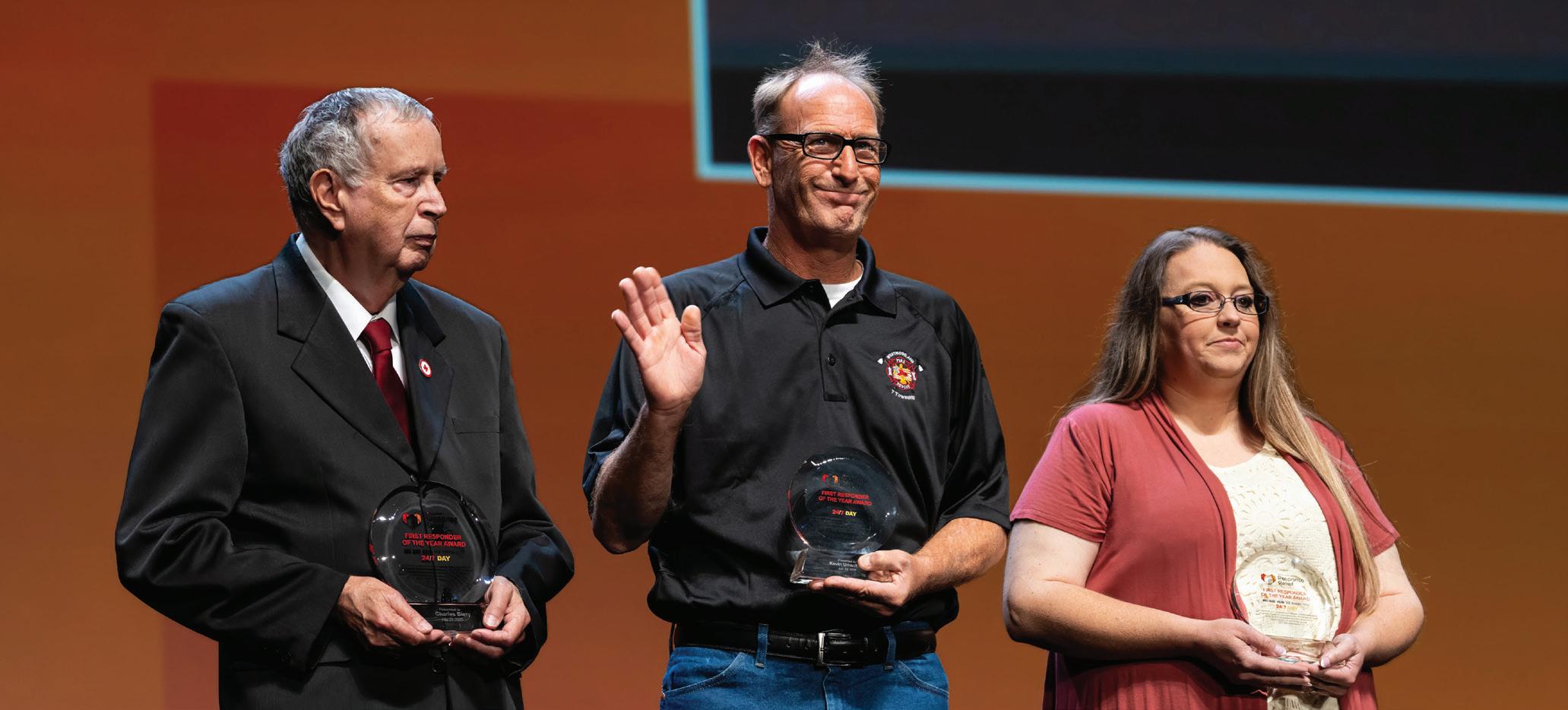
As part of the NACS Foundation’s 8th Annual 24/7 Day, the First Responder of the Year Award is back for its second year. The First Responder of the Year Award honors local heroes who go above and beyond in times of crisis, responding to scenarios from natural disasters and everyday accidents to medical emergencies.
“We know that first responders and hometown heroes don’t do it for recognition. They run toward danger while others evacuate, simply because they want to help. The industry sees their sacrifice, courage and commitment, and this campaign is more than taking a moment to honor that work—it’s truly a community movement that brings together the industry,” said NACS Foundation Executive Director Kevin O’Connell.
Last year, the NACS Foundation received more than 75 nominations and honored three recipients with the inaugural award:
• Charles Biery, Newport, Kentucky: First place winner Charles Biery has been an American Red Cross volunteer for more than 55 years. He has assisted in a multitude of disasters, including 9/11 recovery efforts and recent natural disasters in the Kentucky and Ohio areas. During those five decades, he has responded to over 4,500 emergencies, from headlinemaking natural and manmade disasters to the deeply personal tragedies that never make the news.
• Angela Ryan, Rockville, Indiana: Runner-up Angela Ryan has been a Casey’s team member for seven years and is also a volunteer firefighter in Marshall, Indiana. Thanks
to her training as a first responder, Ryan helped save two customers’ lives while at work after identifying signs of heart attacks inside her Casey’s store.
• Kevin Umscheid, St. George, Kansas: Runner up Kevin Umscheid is a volunteer fire chief and fulltime fuel driver at Dara’s Corner Market in Kansas, who takes vacation days from his day job to lead wildfire and tornado rescue efforts. Kevin was nominated for the many lives he has saved and constant commitment to putting the community and its needs ahead of his own.
Last year’s winners received prizes ranging from free gas for a year to a 12-month supply of free Keurig Dr Pepper products. The recipients were also flown to the 2025 NACS Show in Chicago where they received a complimentary ticket and were recognized on stage in a special ceremony.
From 9-1-1 dispatchers, nurses, firefighters, police, EMT and American Red Cross volunteers, there are many types of first responders. This award is an opportunity to say “thank you” to those who selflessly commit themselves to helping others and let them know we see their sacrifice, passion and effort.
Nominations are open until June 1. Winners will be recognized during this year’s 24/7 Day celebrations on July 24. Suppliers who may want to become part of the award efforts are encouraged to reach out. For more information, visit 247day.org or contact Kevin O’Connell at koconnell@ convenience.org.







s will s will








The Wills Group, which operates nearly 60 Dash In convenience store locations across Maryland, Delaware, Virginia and North Carolina, elected Julian B. (Blackie) Wills III as chairman of the board. Blackie will continue to serve in his role as president and chief executive officer.
The appointment follows a board decision and reflects a thoughtfully planned leadership transition centered on continuity, stewardship and long-term growth. Blackie succeeds his father, J. Blacklock “Lock” Wills, Jr., who has served as chairman of the board since 1998 and will continue to support the company as chairman emeritus. The transition preserves family leadership while reinforcing a governance structure that has guided the Wills Group through decades of growth and change.
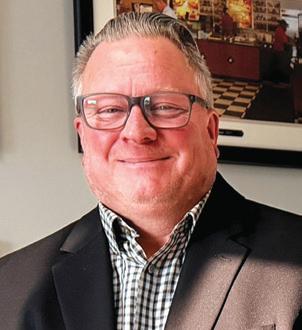

Rutter’s announced the addition of two category managers, Michael Jackson and Joe Eccker, who have joined the company to support key corporate initiatives.
Michael Jackson joins Rutter’s as
category manager, overseeing multiple areas, including packaged beverages and grocery. With over 25 years of experience across convenience and grocery retail, Jackson brings a proven track record of driving results in high-volume, highly competitive categories. Most recently, Michael spent 12 years at High’s of Baltimore.
Joe Eccker also joins Rutter’s as a category manager, where he will lead the alcohol category, which includes beer, wine, canned cocktails and spiked slushies. Eccker brings a strong background in brand building, assortment strategy and consumer insights, with most of his career rooted in the beverage alcohol industry. He previously worked at Diageo North America, where he gained extensive experience managing brands, launching new products and partnering cross-functionally to translate strategy into in-store execution.
Rhodes Convenience Stores
announced that Robert Cisneros will assume the role of president of PAJCO Holdings, Inc., PAJCO DBA as Rhodes Convenience Stores, Imo’s Pizza restaurants and Riverbend Fuels, effective April 1. Cisneros will succeed Brent Anderson, who will transition to a board memberonly role, where he will continue providing strategic guidance and governance support to the company.
Cisneros joined Rhodes in July 2025 as chief operating officer and has played an instrumental role in strengthening operational
execution across the company’s 30+ locations. As president, he will continue overseeing daily operations while focusing on scaling operational capabilities, advancing fuel and retail performance, elevating customer experience, strengthening leadership development and guiding Rhodes’s long-term growth strategy.
JUNE
NACS Convenience Summit Europe
June 16-18 | Hilton Warsaw City Warsaw, Poland
JULY
NACS Financial Leadership Program at Wharton
July 12-17 | The Wharton School University of Pennsylvania Philadelphia, Pennsylvania
NACS Marketing Leadership Program at Kellogg
July 19-24 | Kellogg School of Management, Northwestern University Evanston, Illinois
AUGUST
NACS Executive Leadership Program at Cornell
August 2-6 | Dyson School, Cornell University Ithaca, NY
OCTOBER
NACS Show
October 6-9 | Las Vegas Convention Center Las Vegas, Nevada
For a full listing of events and information, visit www.convenience.org/events.

BP has appointed Natalie Cattermole as head of fuel sales, UK, bringing together responsibility for both dealer and fleet fuel sales under a single, integrated leadership role.
Under the new structure, BP’s dealer and fleet teams will work more closely to ensure the UK network is built and developed around customer needs, supporting dealers with strong, reliable demand while helping fleet customers access a national network that works wherever and however they operate across the UK.
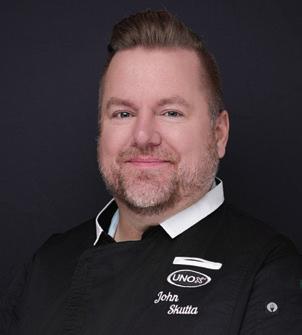
Unox announced the addition of John Skutta as its new active marketing chef for the Southwest region, covering Arizona, New Mexico and El Paso, Texas.
In this role, Skutta will work closely with foodservice professionals to ensure they maximize the benefits of Unox’s advanced cooking solutions.

Wip announced the appointment of Joe Wichser as senior vice president of sales. In his new
role, Wichser will lead Wip’s sales strategy and execution across key markets and channels, with a focus on expanding distribution, deepening strategic customer partnerships, and building scalable revenue programs to support the company’s aggressive growth plans. Most recently, he served as vice president of sales at Feastables, where he helped drive sales expansion and go-to-market execution. Keep NACS in the know— send your updates to news@convenience.org
NACS welcomes the following companies that joined the Association in February 2026. NACS membership is companywide, so we encourage employees of member companies to create a username by visiting convenience.org/create-login. All members receive access to the NACS Online Membership directory and the latest industry news, information and resources. For more information about NACS membership, visit convenience.org/membership.
NACS HUNTER CLUB
BRONZE
ITW Food Equipment Group Glenview, IL itw.com
Proximo Spirits Jersey City, NJ proximospirits.com
Vivazen
South Jordan, UT vivazen.com
RETAILERS
G&M Oil Company, Inc. Huntington Beach, CA gmoc.com
KND Investments Lafayette, CA
PROformance Open Market Phoenix, AZ proformanceom.com
GASOCENTRO CHASQUI S.A.C Lima, Peru
SUPPLIERS
Acrisure
Emerald Hills, CA acrisure.com
Appliance Innovation Inc Richardson, TX applianceinnovation.com
Beefeaters Miami, FL beefeaters.com
Big Apple Granola New York, NY
Bradley Company Menomonee Falls, WI bradleycorp.com
BrainBox AI US LLC Annapolis, MD brainboxai.com
Buddy’s Kitchen, Inc. Burnsville, MN buddyskitchen.com
Buzz Bomb Caffeine Company Payson, UT buzzbombcaffeine.com
Claudia’s Canine Bakery The Colony, TX claudiascaninebakery.com
Clyde’s Delicious Donuts Addison, IL clydesdonuts.com
Crisp Power Hauppauge, NY crisppower.com
DV Brands Valencia, CA dvbrands.com
E&J DISTRIBUTION LLC Scottsdale, AZ
Eversys Northvale, NJ eversys.com
GoodBrew Cuba City, WI goodbrew.us
Howes Lubricator North Kingstown, RI howesproducts.com
HUSNIK MEAT COMPANY South Saint Paul, MN husnikmeats.com
Ingredion Westchester, IL
Kraftworth Inc. Twinsburg, OH
Lotte USA Boulder, CO
Moda Food Woodland Park, NJ modafood.com
OSI Group Aurora, IL
Rapidcash ATM Houston, TX rapidcashatm.net
Reser’s Fine Foods Beaverton, OR resers.com
Schilling Cider Auburn, WA
Sioux Chief Manufacturing Kansas City, MO siouxchief.com
South Chicago Packing Chicago, IL scpprofessional.com
The Legacy Companies Weston, FL thelegacycompanies.com
Ultra Pouches United States Velos Grandville, MI velosgo.com



























The retailer celebrated the service of a veteran and a ‘life-changing’ charity.
Weigel’s continued its support of Smoky Mountain Service Dogs, joining a Passing of the Leash ceremony to honor United States Coast Guard veteran Chief Shawn.
The Passing of the Leash Ceremony is a formal placement of a specially trained service dog with a veteran or first responder. During the ceremony, the leash is symbolically passed from the puppy raisers and trainers to the recipient, signifying trust, partnership and the beginning of a working bond.
“Chief Shawn served over 24 years on active duty, building a career defined by leadership, technical expertise and a steadfast commitment to protecting others,” Weigel’s said. “As Chief Shawn begins this next chapter with his service dog, Weigel’s expresses its gratitude for his lifelong dedication to protecting others and its appreciation to Smoky Mountain Service Dogs.”

Weigel’s is a longtime supporter of Smoky Mountain Service Dogs, a Tennesseebased organization that pairs service dogs with veterans or first responders. Earlier this year Chief Shawn received his trained service dog at a Passing of the Leash Ceremony.
Based in East Tennessee, Smoky Mountain Service Dogs is a nonprofit organization that trains and provides mobility and psychiatric service dogs to veterans and first responders living with service-related disabilities. In November 2025, the retailer made a $40,000 donation to the organization, “continuing its annual commitment to support local charities that make a lasting difference in East Tennessee,” Weigel’s said.
Every year, the convenience retail industry dedicates billions of dollars to advancing the futures of individuals and families in our communities. The NACS Foundation unifies and builds on NACS members’ charitable efforts to amplify their work in communities across America and to share these powerful stories. Learn more at conveniencecares.org
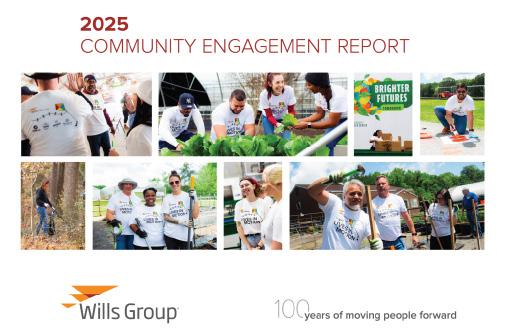
Wills Group, parent company of Dash In stores and Splash In car washes, distributed more than $1.2 million in philanthropic grants in 2025 to nonprofit partners across Maryland, Delaware, Virginia and North Carolina. The retailer supported 52 local organizations through grants, sponsorships and in-kind contributions and contributed more than 640 team member volunteer hours in partnership with local nonprofits and community initiatives.
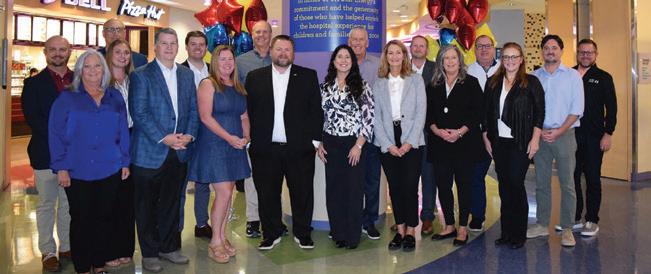
Nashville-based Twice Daily, owned by Tri Star Energy, was honored at the Monroe Carell Jr. Children’s Hospital at Vanderbilt. The hospital named its cafe the Twice Daily Cafe in honor of the retailer’s “commitment to transforming pediatric healthcare in Middle Tennessee for over two decades.” The café celebrates Tri Star Energy’s $2 million pledge over the next five years to
support the Patient and FamilyCentered Care Program.
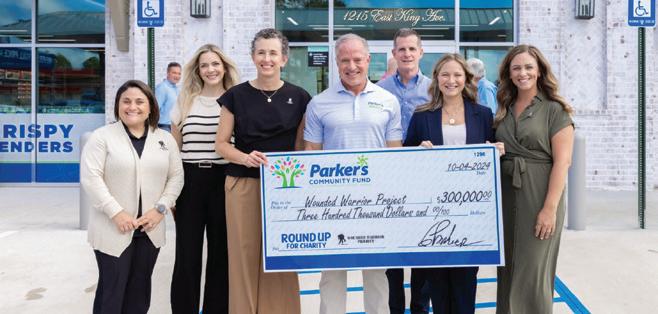
Parker’s Kitchen partnered with Wounded Warrior Project (WWP) for the third consecutive year to support local veterans in Georgia and South Carolina. All Parker’s Kitchen locations are running a round-up campaign to support the organization from March 1 through July 5.
The company will match 25% of every customer donation, “amplifying the impact and supporting even more veterans,” the retailer said. In addition, the company will match 50% of every customer donation throughout the month of May in honor of National Military Appreciation Month and Parker’s Kitchen’s 50th anniversary.
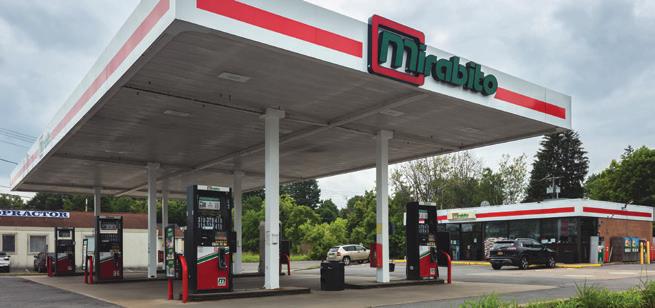
From March 2 through March 31, customers at all 112 Mirabito Convenience Store locations could round up their in-store purchases to the nearest dollar. Proceeds from the campaign will benefit the Upstate Foundation, supporting specialty and emergency care at Upstate Golisano Children’s Hospital, the region’s only Level 1 trauma center and burn center, and Friends of Bassett, which brings pediatric preventive and dental care directly into rural schools through school-based health programs.
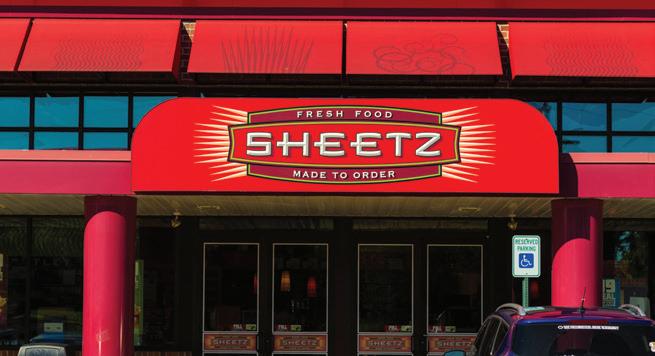
Sheetz broke its own yearly record, raising more than $2.4 million for local children in 2025. “We are thrilled to share that our
amazing team raised $1,171,909.65 for Sheetz For the Kidz during our December campaign,” Sheetz shared in a LinkedIn post, adding that it marks the first year the company surpassed $1 million raised in both its July and December campaigns.
Each Sheetz store supported 16 children from their local community, impacting more than 13,400 children over the holiday season.
Retailers and suppliers from across the country pushed for legislation on critical issues affecting the convenience industry at the annual NACS Day on the Hill event.
BY ESMERALDA OROZCO
In-person advocacy took center stage as convenience store advocates from across the country traveled to Washington, D.C., to bring their stories directly to Capitol Hill. Members came together around a shared mission: championing the interests of the convenience store community.
More than 160 retailers, state association executives, and supplier members representing 41 states attended Day on the Hill. During the annual advocacy event on March 18, participants met with more than 200 members of Congress to continue conversations on the critical issues that impact our industry. This year, advocates reminded lawmakers of the need to address the rising cost of credit card swipe fees and urged them to make sure regulators provide more clarity and enforcement to stem the tide of illicit nicotine products.
Participants also made targeted outreach on issues including the penny shortage, problems with the impending ban on hemp products, and legislation allowing for the year-round sale of E15.
The day before visiting Capitol Hill, NACS President and CEO Frank Gleeson kicked off the general session, welcoming attendees to Washington, D.C. He highlighted the importance of sharing real-world stories and showing lawmakers how their decisions directly impact Main Street businesses and the communities that they serve. “The objective of our fly-in is always to move the needle forward on the issues that impact your business,” he said. “We do that by telling our story,
Advocates reminded lawmakers of the need to address the rising cost of credit card swipe fees and urged them to make sure regulators provide more clarity and enforcement to stem the tide of illicit nicotine products.
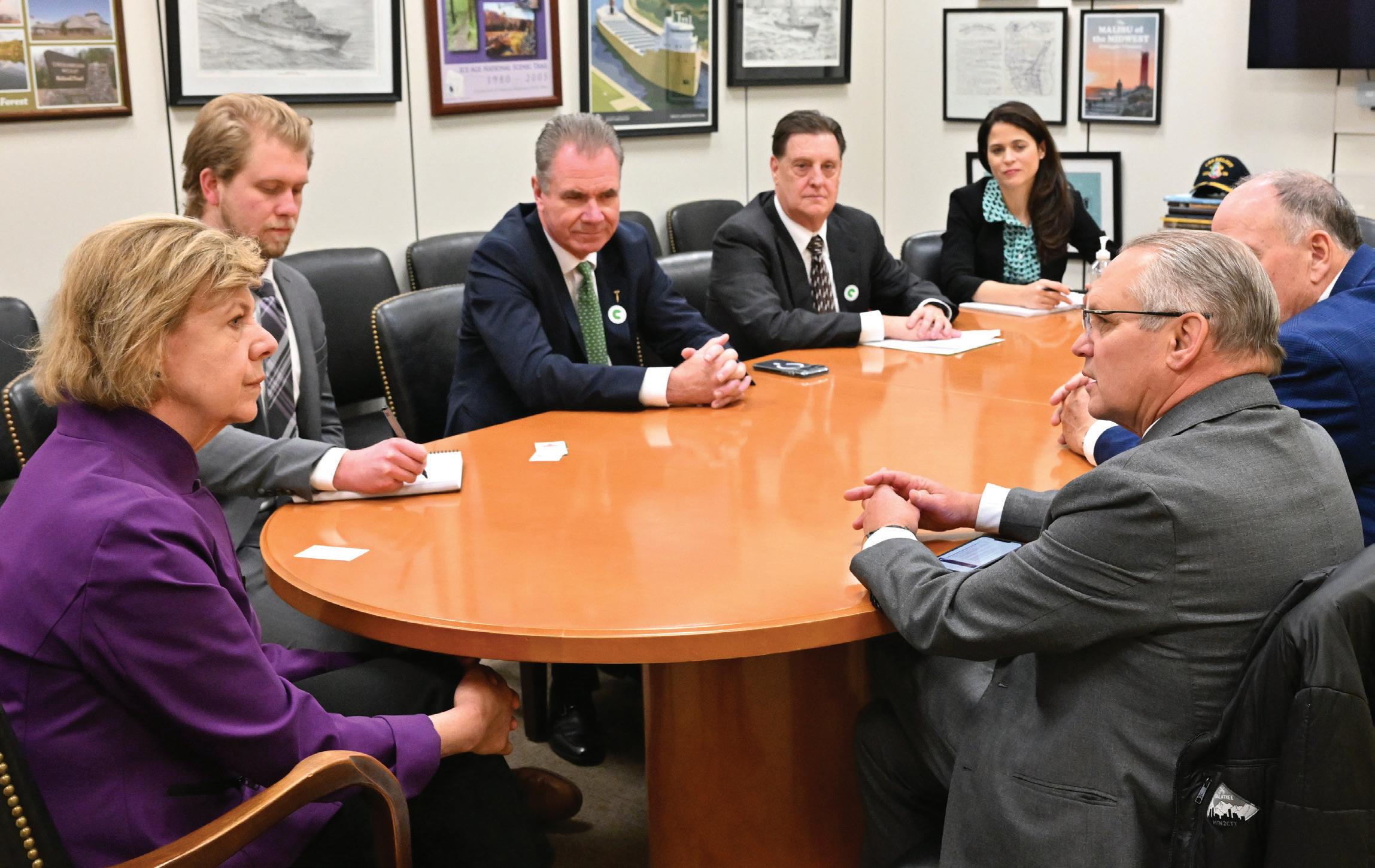
giving lawmakers the opportunity to hear directly how their policy decisions affect your stores and the people you serve each day in your community.”
Gleeson, who stepped into the role on January 1, brings more than 30 years of industry experience and understands that government policy presents one of the biggest challenges facing the convenience industry. He is committed to ensuring the industry continues to have a powerful voice in the legislative process. Alongside Day on the Hill attendees, Gleeson met with members of Congress and their staff on some of these key industry concerns.
As the second highest cost for retailers nationwide, credit card swipe fees are a key concern and the push for swipe fee reform was a major focus during this year’s advocacy day. Swipe fees are hidden costs that businesses pay to credit card companies for every credit card transaction made by their customers.
Sometimes serving our communities means traveling outside of our footprint to our nation’s capital to engage directly with leaders in Congress on issues that matter to our industry.
These fees continue to rise, and banks earn significant profits. There is no competition in the marketplace, as rates are centrally fixed by Visa and Mastercard. The Nilson Report shared that retailers paid $198 billion in swipe fees last year (compared to $187 billion in 2024). This means swipe fees have increased $60 billion since the Credit Card Competition Act (CCCA) was first introduced in 2022, and these fees have gone up 80% since the start of the Covid pandemic.
In January, Senators Dick Durbin and Roger Marshall reintroduced the
CCCA in both the House and Senate and President Trump endorsed the bill.
Advocates emphasized the importance of supporting this bipartisan legislation, which would require the largest banks to allow two network routing options on credit cards, giving retailers more choice in how transactions are processed.
Addressing the rise of illicit nicotine products is another top priority for retailers. The market is increasingly
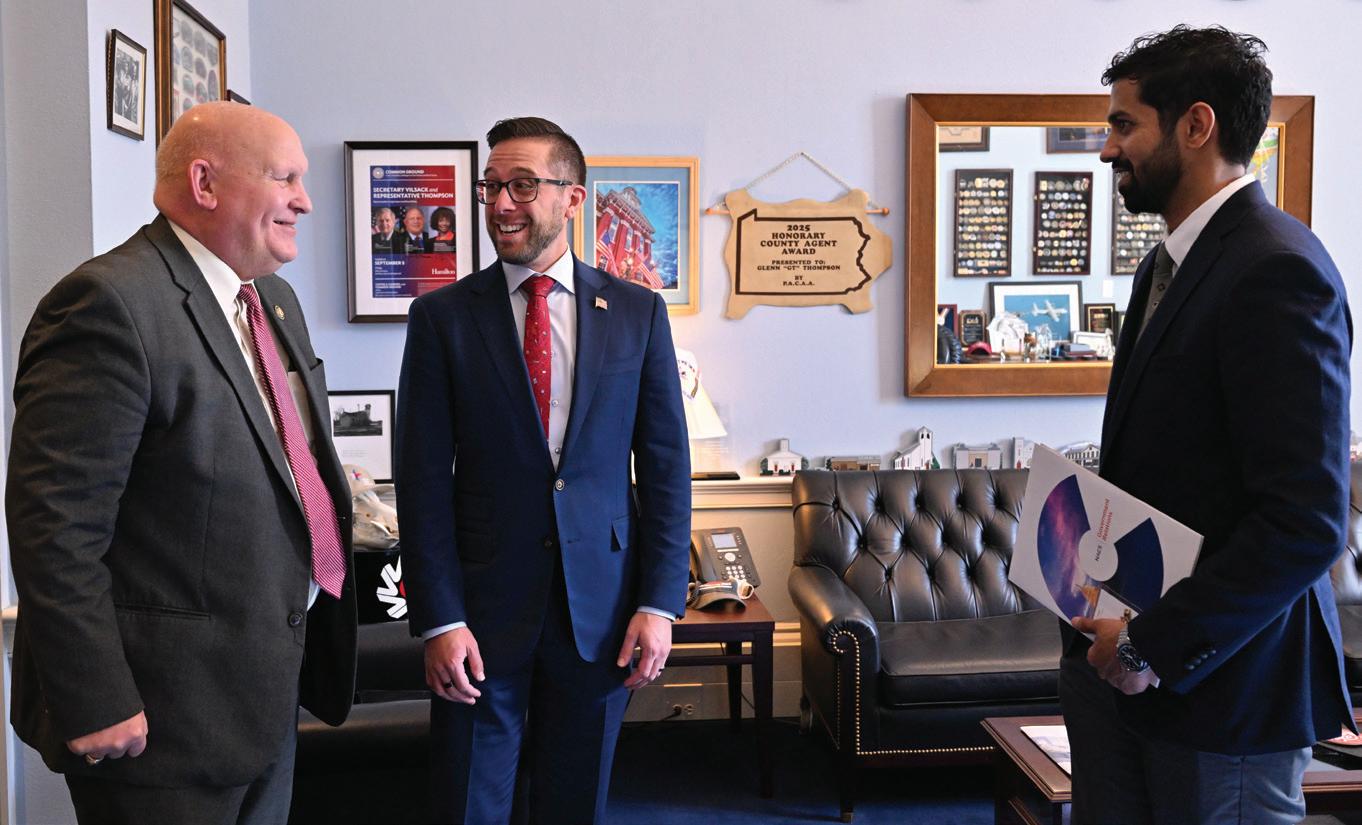
Rep. Glenn Thompson (Pa.-15) talks with Chris Hartman (vice president of fuels, advertising and development for Rutter’s), and Harman Aulakh (vice president of marketing at Onvo).
flooded with illegal products, creating an uneven playing field for responsible retailers.
It is estimated that a majority of the U.S. market consists of illicit products. Beyond the impact on sales, these products pose a serious threat to communities nationwide. Advocates shared concerns about how easily minors can access them and underscored the need for lawmakers to act now to protect the industry and the public.
Advocates pointed to a lack of clear direction from the U.S. Food and Drug Administration (FDA) as a major driver of the problem and urged members of Congress to push for solutions. Retailers emphasized the need for regulatory clarity, timely review of premarket authorization applications and stronger enforcement against those who manufacture, distribute and sell illicit products.
While these are just a few of the issues facing the industry, taking the time to engage with policymakers and share stories builds momentum for progress. Day on the Hill gives members of Congress a firsthand look at the challenges
that Main Street businesses face every day, as well as the critical role the industry plays in serving our communities.
Day on the Hill highlights the strength and impact of the collective voice of NACS, bringing tremendous value to businesses and the broader retail community. As Tom Brennan, senior vice president and chief marketing officer at Casey’s, shared, “Sometimes serving our communities means traveling outside of our footprint to our nation’s capital to engage directly with leaders in Congress on issues that matter to our industry, our team members, our supplier partners—and, of course, our guests.”
Engagement from industry leaders makes a significant impact on Capitol Hill. Consider joining NACS for Day on the Hill 2027, March 16-17. If you’re interested in learning more or are looking for other ways to get involved, reach out to NACS Grassroots Manager Esmeralda Orozco at eorozco@convenience.org.

Esmeralda Orozco is the grassroots manager at NACS.
NACSPAC was created in 1979 by NACS as the entity through which the association can legally contribute funds to political candidates supportive of our industry’s issues. For more information about NACSPAC and how political action committees (PACs) work, go to www.convenience.org/ nacspac. NACSPAC donors who made contributions in March 2026 are:
Bill Allshouse
Core-Mark International
Roger Audette Excel Tire Gauge, LLC
Anna Blom NACS
Tony Gaines
Joey
Parker Lipscomb Lipscomb Oil Company Inc.
James McNutt
Midwest Petroleum Company
Jerry Niblett Tootsie Roll Industries Inc.
Stanley Reynolds 7-Eleven Inc.
Stanton R. Sheetz Sheetz Inc.
Bill Stein
Core-Mark International
Linda Toth Conexxus
Dan Trotzer GSTV
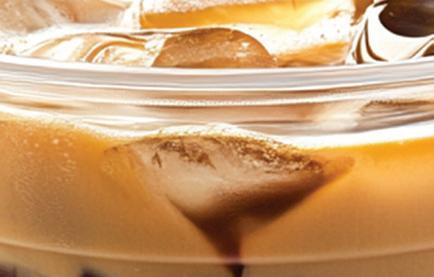
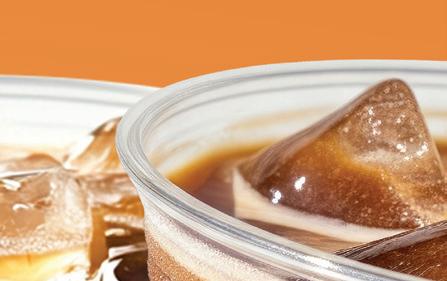
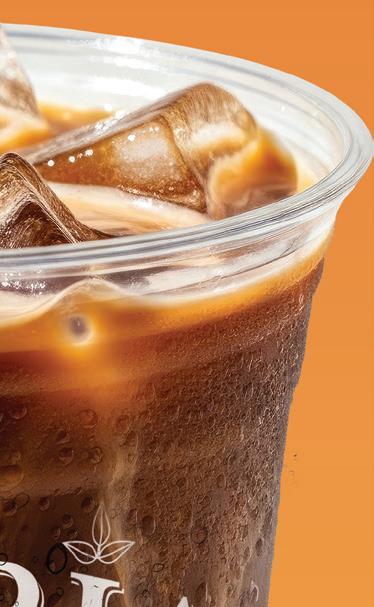
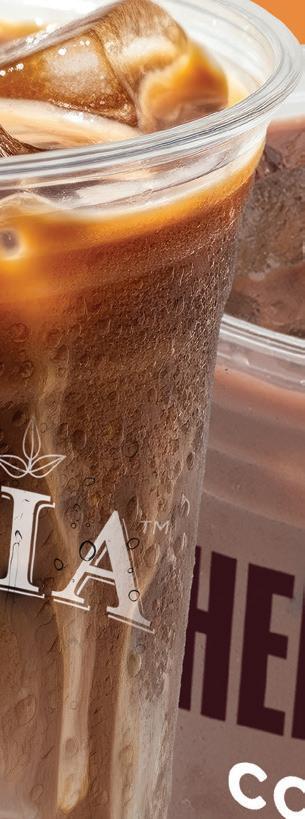
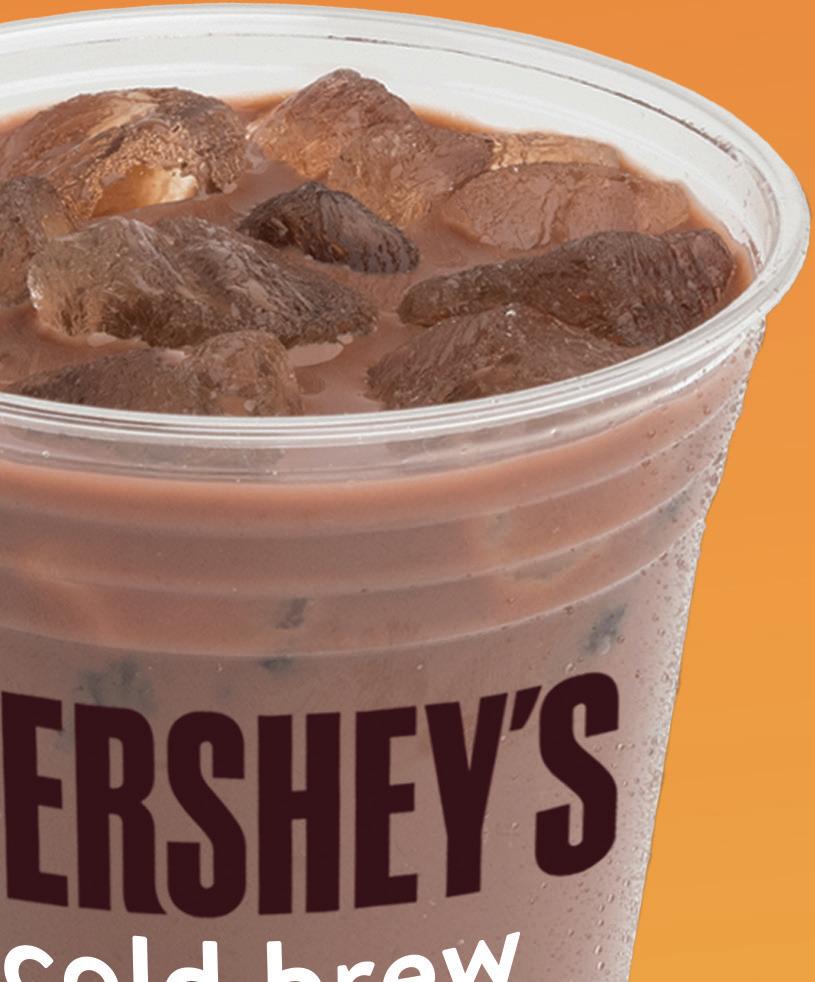
Today’sconsumers expect more from iced coffee. UPOURIA® delivers premium cold brew alongside licensed favorites like HERSHEY’S Cold Brew Mocha Latte and Cinnabon® Cold Brew—bringing craveable flavor with proven brand power. Sunny Sky® Products helps operators build beverage programs that elevate everyday cold brew into premium retail experiences.












The category is lighting up with new and evolving brands that hope to appeal to wider markets.
BY STEVE HOLTZ
After testing the waters of the energy drink category, Anheuser-Busch (AB) dove headfirst into the packaged beverage segment in May 2025 with the launch of Phorm Energy. The new drink is the result of a partnership between AB, sports nutrition company 1st Phorm and Dana White, CEO of Ultimate Fighting Championship.
“I couldn’t be more excited to take on the energy category with this partnership and product,” AB CEO Brendan Whitworth said at the time, “and alongside our world-class distribution network and team, I can’t wait to bring Phorm Energy to consumers across the country.”

“The No. 1 Energy Brand in the World.”
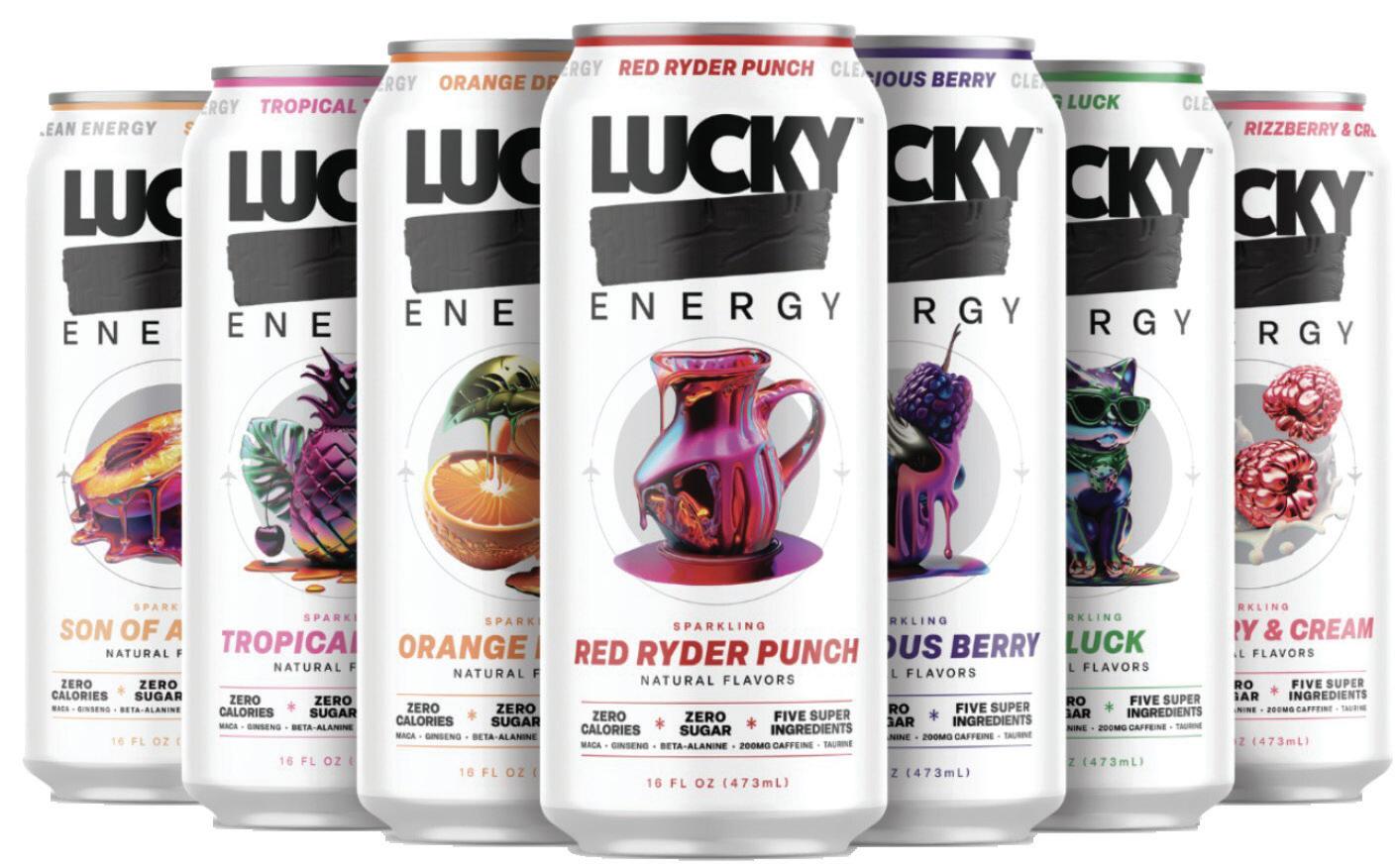
That’s the boast Lucky Energy presented, tongue firmly planted in cheek, at its booth on the 2025 NACS Show floor. It’s not the No. 1 brand, but the claim represents the brand’s aspirations and demonstrates a brand personality that it hopes will give the drink a leg up in the market.
Less than a year later in January 2026, AB announced that Phorm Energy was “a top 15 brand in total energy,” citing Circana data for all retail channels. Such is the potential of the energy drink category. A new brand that captures the imagination and attention of consumers—or at least a segment of them—can find itself among the fastest-growing brands in the country. As a result, it’s no surprise that hundreds of new energy drinks and brands come to market each year. Unfortunately, not all of them come with the backing of AB’s marketing and distribution reach. NielsenIQ reported that 258 new energy drinks launched in 2024. It also reported that 90% of new beverage brands fail within two years. Still, energy drink product launches have grown at a rate of 20% since 2018, according to Innova Market Insights.
Source: NielsenIQ
“If you look at where we say it, the source is ‘according to this banner,’” said Hunter Kessler, general manager of brand at Lucky Energy. “It’s our way of being a little irreverant and mischevious.”
Initially launched in 2023 as Lucky F*ck, the brand has toned down the attitude a little while embracing its marketing strut.
“The danger of this brand is it’s a lifestyle product,” Kessler said. “Naturally, 18 to 28 [years old] is the sweet spot for energy consumers: students, young people. But because of ... the nostalgic vibe that we try to lean on, [we appeal to] 40-plus. Moms that shop for the household, we have a stronghold on them. But we’re still finding our way as a consumer brand.”
Lucky Energy currently comes in 16-ounce cans and seven fruity flavors.
You could argue that energy is the most crowded category of any of them.
Why so much focus on a single category segment? The continued growth of the segment is certainly a draw.
It’s been six years since energy drinks first outsold the carbonated-soft-drink category in convenience stores. The 2020 milestone established the energy segment as a golden product not just in the cold vault but for the entire store. In 2025, packaged beverages brought in $45,022 per store, per month, according to preliminary data from the NACS State of the Industry Report®, with more than 28% of that coming from the energy drink segment.
The $26 billion market in the U.S. remains 77% owned by big brands Red Bull and Monster. Still, for beverage manufacturers new and old, there remains a desire to bring something unique to the fastest-growing segment in the cooler to reach current and new consumer demographics.
New energy drink brands need to stand out from the competition. That’s the conclusion of a September report by Innova Market Insights that provided an overview of the global energy drink market.
Here are the top ways manufacturers are doing that now, according to the report:
• REDUCED SUGAR : “About one-third of new energy drink launches carry a sugar-free claim,” as nearly three-quarters of consumers globally are limiting the amount of sugar in their diet.
• FUNCTIONAL INGREDIENTS:
“Certain ‘hero’ ingredients have become particularly prominent in the past few years, and emerging sectors and functional ingredients are shaping category growth.” One area of growth is in ingredients, such as adaptogens, that support brain health or immune health. Others: protein and hydration.
• FAMILIARITY: Product launch data tracked by Innova shows that energy drinks have a lower penetration than other types of soft drinks. This presents a challenge for beverage brands.
“Markets may be able to break through with products that suit the changing lifestyles of consumers and meet the needs of consumers regardless of how they are spending their time,” the report stated.
For three-year-old Lucky Energy, that unique proposition begins with something as basic as how the product gets to market.
“You could argue that energy is the most crowded category of any of them, but we didn’t agree,” said Hunter Kessler, general manager of brand at Lucky Energy. “There are legacy brands that have been served to us for 20 years, and they’re great. And there are a bunch of brands that are finding their way.”
Many new brands in the category are leaning on a healthier product as an advantage, determined to change consumer perception of the category and appeal to a new consumer segment.
“Today’s consumers are more health-conscious than ever, demanding more from their energy drinks than just a caffeine jolt,” retailer H&S Energy Group said in a 2025 blog post. That may be why more energy drinks are opting to include ingredients with benefits, like L-theanine to reduce the jittery effects of caffeine, ashwagandha or rhodiola to manage stress, and B vitamins, magnesium and zinc, which may improve energy metabolism.
“This shift toward ‘smart energy’ supports a wellness lifestyle—something modern consumers are eager to invest in,” the retailer said.
Accelerator Active Energy debuted in 2019 with a slightly different brand name (Accelerator Shoc or A Shoc) and different packaging. The brand was the latest brainchild of Lance Collins, the creator of several successful packaged beverages, including NOS Energy, Core Hydration and BodyArmor.
For Accelerator, his goal at launch was differentiation and a tight target audience. “We’re placing A Shoc in traditional energy doors, as well as new ‘fitness-enhanced energy’ space that retailers have created to help target consumers looking to purchase performance energy drinks,” Collins said in 2019. “As the ‘healthier performance’ energy category grows, we believe retailers will embrace unique products like A Shoc that target a younger consumer with modern demands.”
Following mixed success, A Shoc was rebranded, reformulated, and repackaged to a smaller can. In 2022, the reformulated product earned the NSF Certified for Sport mark, which indicates that it meets a strict set of standards for health and safety and doesn’t include any substances that are banned by major athletic organizations.
That certification gave Accelerator the unique positioning the company had been seeking. “[It] means athletes can drink it, and there’s nothing that’s going to pop up on a drug test,” said Dan Moran, area sales manager for the brand.
Another growing strategy for energy drink manufacturers is focusing on female consumers. Today, men account for about 60% of energy drink
Anheuser-Busch (AB) launched Phorm Energy in May 2025 to “celebrate and support those who embrace grit, discipline, and resilience in their everyday lives,” the company said.
To create the energy drink, AB collaborated with supplement maker and fellow St. Louis-based company 1st Phorm and, significantly, Dana White, the CEO and president of the Ultimate Fighting Championship, providing the product with a natural marketing crossover opportunity.
“With the launch of Phorm Energy, we’re bringing together two American companies based in St. Louis and Dana White, all united by a powerful commitment to brand-building, quality, innovation and meeting the evolving needs of consumers,” said AB CEO Brendan Whitworth at launch. “This partnership is strengthened by our complementary capabilities and expertise, but it’s also driven by the amazing people and cultures that make our companies special.”
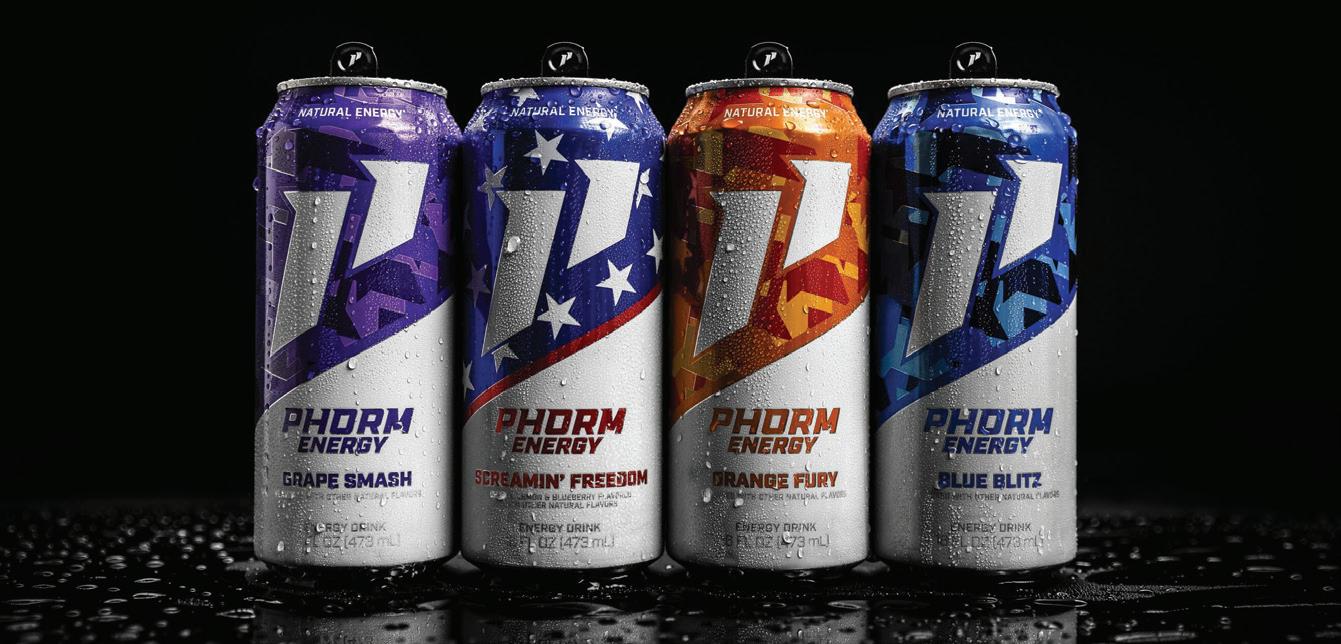
Available in four varieties— Screamin’ Freedom, Blue Blitz, Orange Fury, and Grape Smash—Phorm Energy is made with natural flavors, natural caffeine from green tea, electrolytes for hydration, and a blend of ingredients aimed at supporting mental focus.
[Current] trends in energy drinks are redefining the beverage landscape and creating new opportunities for c-store operators to increase sales and satisfy changing customer preferences.
consumers, according to a report by Jeffrey Slater, founder of The Marketing Sage consultancy.
“This gender gap isn’t just a coincidence,” he said. “It’s the direct result of decades of marketing that alienated female consumers through hypermasculine positioning and imagery that suggested energy drinks were exclusively a ‘guy thing.’”
Celsius Energy stands as the original outlier here. The brand was introduced in 2004 as a fitness drink that actually burned calories. It has since gone through changes in both ownership and value proposition. Today, it promises to provide “essential energy,” to accelerate metabolism and to burn body fat. The result is a 50-50 split in male-to-female consumption ratio.
As the third-largest energy drink company in the U.S., Celsius found itself able to acquire another female-leaning brand, Alani Nu, in February 2025.
The company said the drinks are made with “better-for-you ingredients” that provide collagen, immunity, skin and hair support, all with the idea that energy should be “as vibrant, fearless and fun as the women who drink it.”
The 12-ounce slim cans are designed with pastel colors and an abstract flower logo. FLRT is intended to provide a new opportunity for Monster. It also provides a halo for convenience retailers, which gain a new product to market to female consumers, perhaps bringing in new customers who can then discover a chain’s customer service, foodservice, clean restrooms and more.
With projections from Grand View Research showing the energy drink market in the U.S. will grow another 7.2% to reach nearly $38 billion through 2030, there’s no doubt new variations and new brands of energy drinks will continue to flow onto the market. H&S Energy Group welcomes the innovation and sees the category remaining a major growth opportunity for c-stores.
“[Current] trends in energy drinks are redefining the beverage landscape and creating new opportunities for c-store operators to increase sales and satisfy changing customer preferences,” the retailer said. “Once the go-to for college students and overnight workers, energy drinks now attract consumers of all ages. Athletes, remote workers, busy parents and even older adults are turning to these beverages for performance, focus and wellness benefits.”
C-stores that understand this broadened appeal, H&S concluded, can maximize profits by stocking a variety of energy drinks that cater to different lifestyles.

Steve Holtz (Steve@HoltzMC.com) is a c-store journalist with more than 20 years in the industry and president of Holtz Media Consulting.
One reason energy drinks are bigger than ever—people are consuming them across more occasions than in the past. “It’s more people, more places, more often,” said Eric Hanson, president and chief operating officer at Celsius Holdings.
The 22-year-old company, which owns Alani Nu and Rockstar in addition to its namesake Celsius, has seen massive growth over the last few years. Hanson attributed that growth to the company’s efforts to create products that fit the wider range of occasions and dayparts.
These are some of the trends he’s seeing:
• FITNESS COMPANION: Energy drinks are increasingly a top choice for consumers on their way to the gym, Hanson said. “Celsius [was] kind of the beginning of this modern energy category. It was [one of] the first brand[s] to focus on fitness,” said Hanson.
• ENERGY OVER ALCOHOL: “We’re seeing substitutions between alcohol occasions and energy,” said Hanson. A 2025 Gallup poll found that the percentage of U.S. adults who say they consume alcohol has fallen to 54%—a 90-year low.
• FOOD PAIRINGS: “Meals have traditionally not been an energy drink occasion, but that’s changing,” said Hanson. Celsius reports that 37% of its consumers have an energy drink with meals.
“A lot of people’s first stop is a convenience store,” Hanson said. “We want to give them an opportunity to grab our drinks early on and work through their day-to-day routine.”
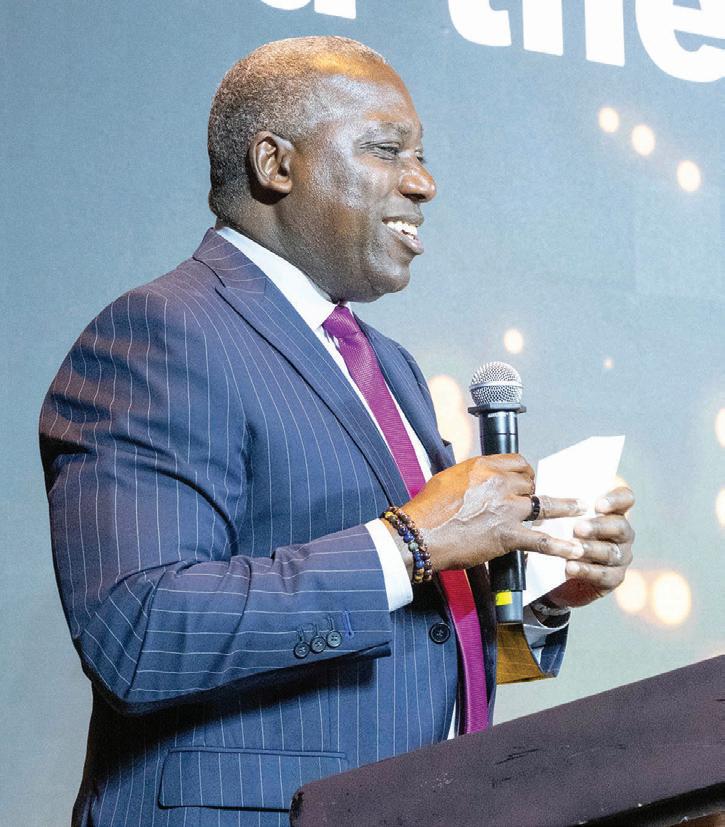

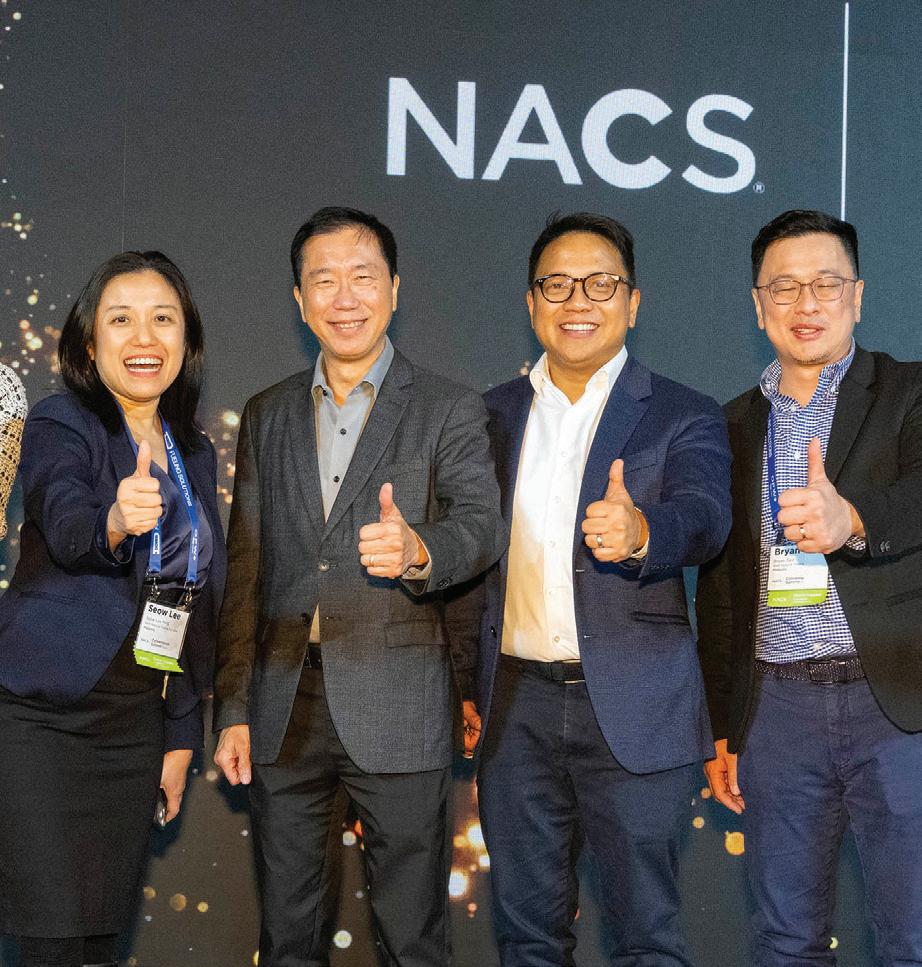
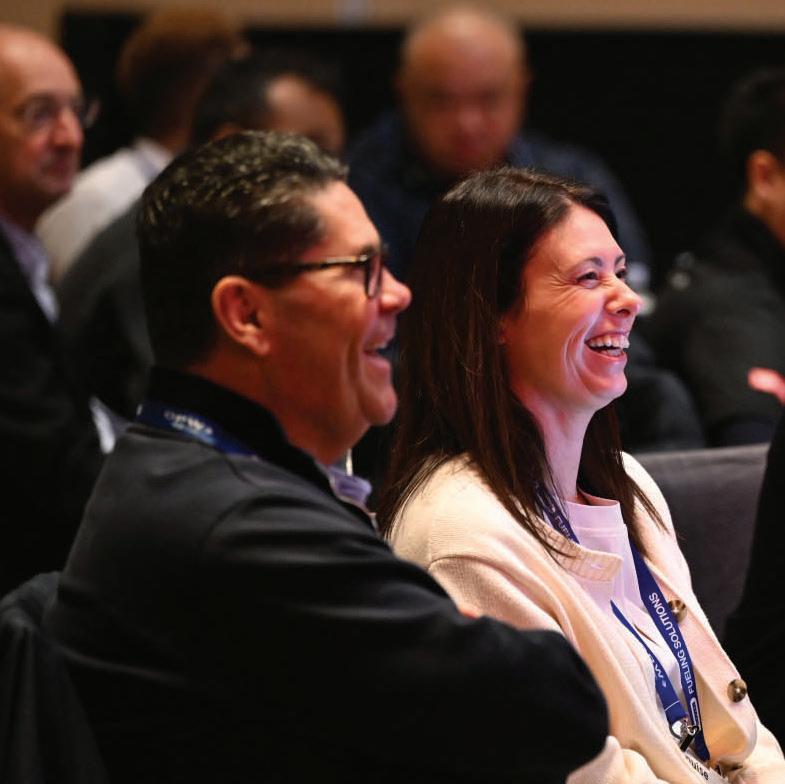



More than 180 global leaders gathered in Shanghai to talk about new consumers, new technologies and how to make a business stand out.
BY HENRY O. ARMOUR, PH.D.
There was one word repeated during many of the 2026 NACS Convenience Summit Asia presentations: differentiation.
What makes your stores and your offer different? If that’s not clear, or the strategy isn’t fleshed out, are you stuck in a sea of sameness? Are you leveraging foodservice and your real estate? Are you keeping up with change?
We heard about these strategic issues and more in Shanghai from speakers and during conversations. Here are some of my takeaways.
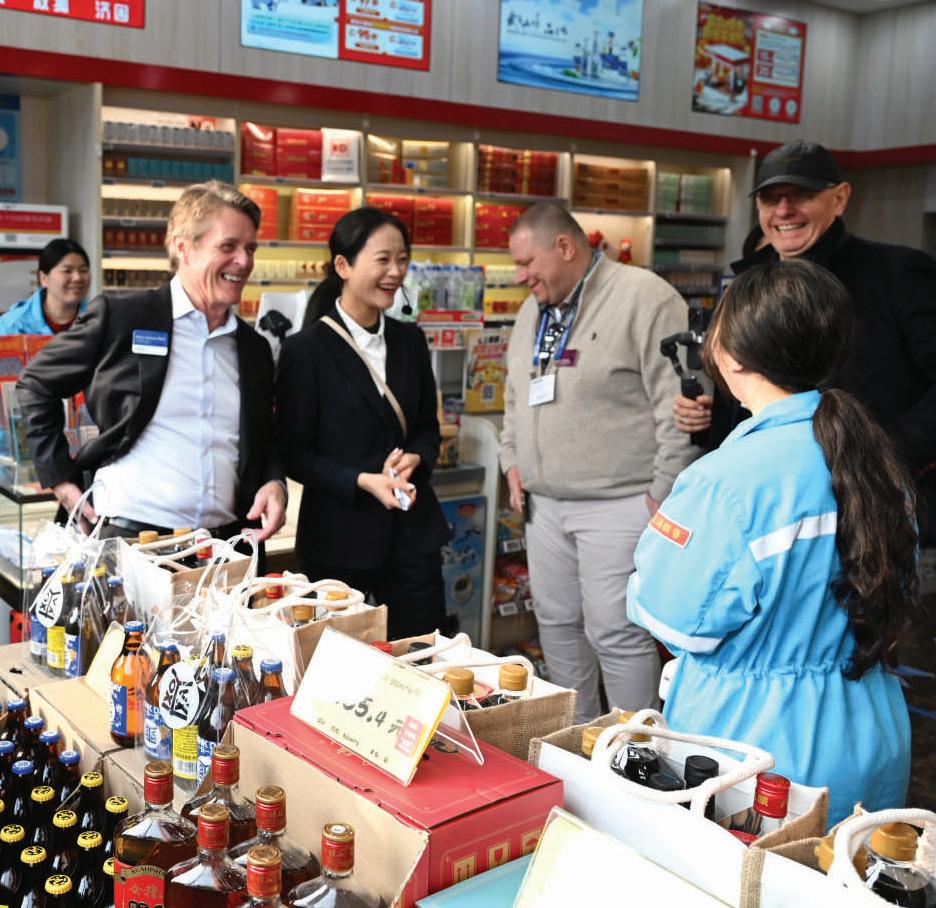
Whether you’re in the United States, Asia or Europe, people who belong to Generation Z (born 1997–2012) grew up with major world issues like global conflicts and a global pandemic. These experiences have shifted their shopping behavior. Because of this uncertainty and instability, their emotional needs, health and welfare are important to them.
C.F. Cheung of Ipsos got us thinking about why we should care about Gen Z. It’s not because they’re young; it’s because they’re a huge population that’s going to live a long time—and there are a lot of them.
And by the way, they have money. By 2034, Gen Z is predicted to reach about $9 trillion in global spending, which is more than any other generation. Cheung said that Gen Z is the first generation ever to reach two billion people, or more than a quarter of the total global population.
We also heard from Lynn Wang, executive director, NielsenIQ China, on trends and opportunities for retailers specifically in China, although the consumer insights are applicable within other regions.
She talked about channel reinvention and moving beyond just selling products—the sea of sameness— and redefining the convenience proposition.

Melody Qian and Neville Manekshaw of Lockton & AIG touched on several key points about cyberattacks and cybersecurity:
• Take all the preventive actions you can. There's been a number of huge cyberattacks and breaches in retail, and they will only increase in frequency.
• Don’t just develop a plan, practice it. Simulate that a breach has taken place and execute on the plan.
Proximity, long hours of operation, the availability of late-night bites, supporting their health and wellness—these are all ways to meet the daily lifestyle needs of our customers and make convenience more about the overall experience than the price of goods.
Allen Zhang of BCG shared insights on our customers’ digital journey, which comes down to the touchpoints we create before they visit our sites, while they’re shopping the store, while they’re completing their transaction and after they leave. The question is no longer whether digital matters, he said, it’s how to create value across the entire customer journey.
Loyalty used to be what differentiated our channel from competitors, but now it’s table stakes. For example, personalization has become “a visit-deciding factor.” Rewards and product recommendations need to be unique to the customer and match their individual preferences, purchasing habits and personal milestones. And they want flexibility on how they use rewards.
We’re a people industry that has more face-toface interactions every day than any other channel.
The convenience channel is not going to grow foodservice by stealing share from other convenience stores down the street. We have to take business from QSRs, and that’s what Tom Kilroy, senior partner at McKinsey, talked about.
He mentioned several QSR trends that stood out to me:
• Value: Innovating with value products and bundles
• Digital: Leveraging data to drive insights and operational efficiencies; implementing AI for ordering and customer experiences
• Last mile: Investments in drive-thru, delivery and carry-out; mobile order and pay
Then he mentioned ways to compete with QSRs. Again, value and digital, and he mentioned hero items—what are you famous for?—that can differentiate your brand.
Kilroy also listed beverages, which we know are the c-store channel’s strength. However, we’ve seen QSRs like McDonald’s and Chick-fil-A test beverage-only concepts. Convenience has the broadest selection of beverages in any retail channel. We need to continue owning our beverage expertise if we want to compete.
I like this finding from NielsenIQ: 60% of consumers in China are willing to pay more for faster delivery, which is good news because delivery costs will have to shift to the consumer regardless of your region.
In China, there has been a huge shift in traditional delivery models towards autonomous solutions. Use cases extend beyond retail, and include furniture delivery, cold supply chain delivery, community services for the elderly, and more—the future of delivery is here.
Will Zhao’s presentation, “What the Last Mile of Your Supply Chain Could Look Like,” showed us that future, and not just in China. Zhao’s company, Neolix, operates in 15 countries and supports last-mile and middle-mile delivery.
Zhao shared a case study with Sinopec’s uSmile c-store brand, where Neolix’s autonomous delivery solution has enabled more precise deliveries on complex urban routes, as well as reductions in vehicle and energy costs.
One point on autonomous delivery that’s worth noting is that accidents happen. When a vehicle breaks down, what happens to that delivery? The Neolix team does two things: It rescues the vehicle and makes sure that the delivery is made.
I always bring our Convenience Retailer of the Year Award winner on stage for a conversation. This year Stephane Coum, CEO of Central Food Retail Group, joined me, and he shared that a leader needs to bring a dream to his or her team. Other people may say, “paint the vision,” but there’s an emotional piece attached to building a dream.
I like that he said great leaders love their people. The most successful companies
Trust is irreplaceable and … revenue is not.
have leaders who are very people-driven, and they build their teams the same way. It’s one of the wonderful things about our industry—we’re a people industry that has more face-to-face interactions every day than any other channel.
He said you have to assemble a team of determined and passionate people. That doesn’t necessarily mean they’re the smartest people in the room, but they are the ones who can make the dream reality.
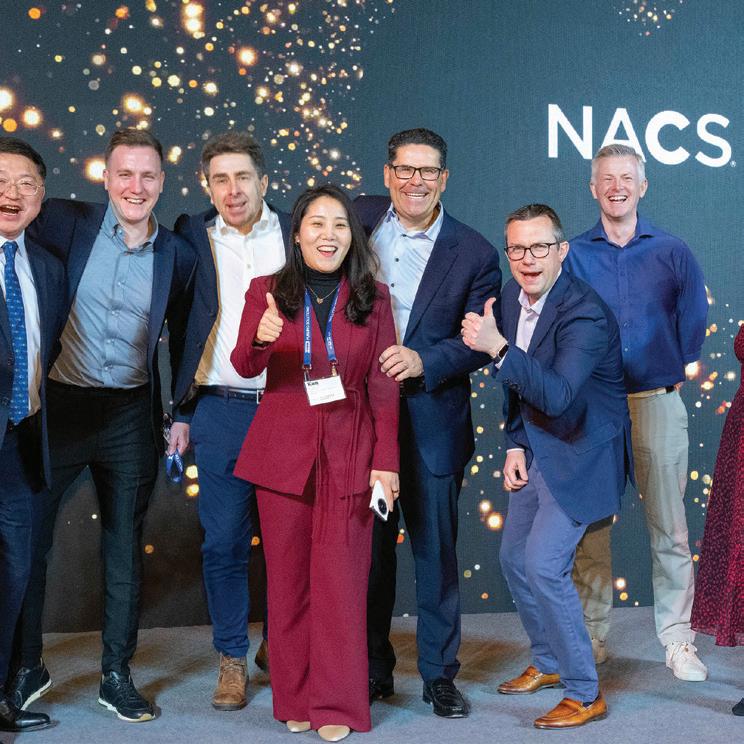
We talked about the future of our industry. Coum said online will continue to grow, and because of that, we have to keep innovating the physical store. C-stores have to be exciting and deliver something new and enticing. Again, how do you differentiate?
Then he mentioned that trust is irreplaceable and that revenue is not. This is important because we’re all in the business of selling things while also building our organizations. We do this with our people.
It’s easy to lead when things are easy, when the sun’s shining, right? Leadership really comes forth when times are tough, and that’s when we have to bring people together.
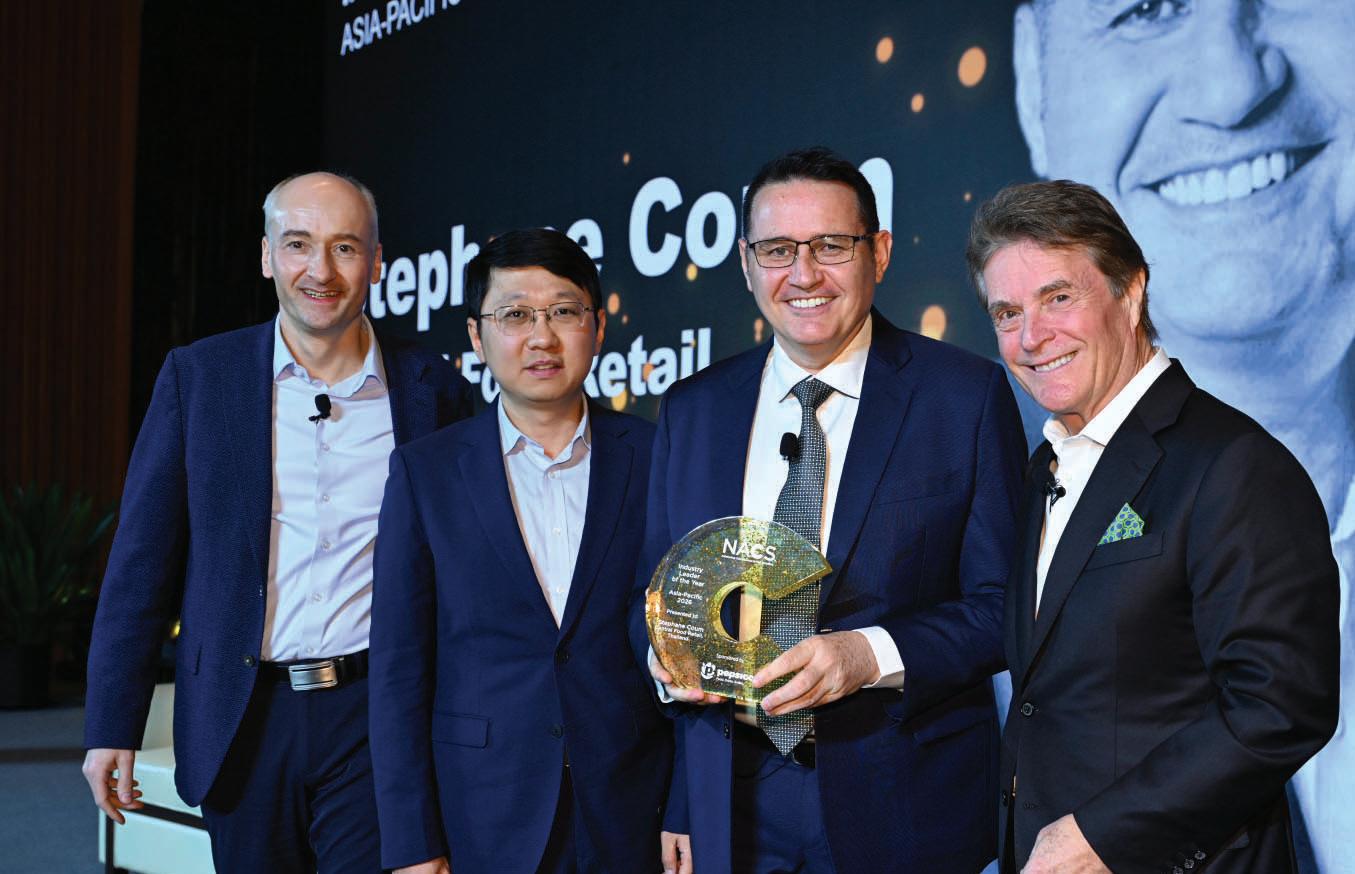
Two convenience retailers offered insights into their operations: Easy Joy by Sinopec and FamilyMart China.
Li Hong shared how Sinopec—an energy company—is innovating the Easy Joy gas station/c-store model while leveraging its core business. The shift is from a one-stop shop for fuel purchasing to a more serviceoriented ecosystem.
He shared great insights on leveraging real estate to get the highest and best use of sites. The company tore down a low-volume gasoline station and built a McDonald's in its place, and in another case, converted the second
story of a store into a distribution center for nearby deliveries.
Haibin Wu of FamilyMart China talked about the retailer’s customers and the “silver tsunami,” where the amount of elderly people aged 60 and above in China has exceeded 310 million and accounts for 23% of the total population.
He brought up the idea of “thickening your relationship” with your customer, as in differentiating the store from an efficient space to make a quick purchase to a dwelling space. This is all about connecting with people. He shared examples of how FamilyMart’s physical stores have evolved, adding elements that promote lingering and browsing.

AI IS NOT THE FUTURE—IT’S THE PRESENT Zhongwei “David” Ren of Dmall talked us through how digital intelligence brings retail back to its essence: “better, cheaper, faster.”
If there’s one thing that I’ve seen over the last two decades, and particularly in Asia, it’s technologists coming up with technologies that are bright and shiny and then looking for a retail application. Inevitably, the success rate is very low. If retailers start with the problem they’re trying to solve and then look for technologies to solve the problem, the success rates are much higher.
Ren talked about digital solutions making everything more efficient in retail and process changes. With the demands and complexities we all face in our operations, he suggested that we’ve essentially outpaced the limits of human management—and we need help.
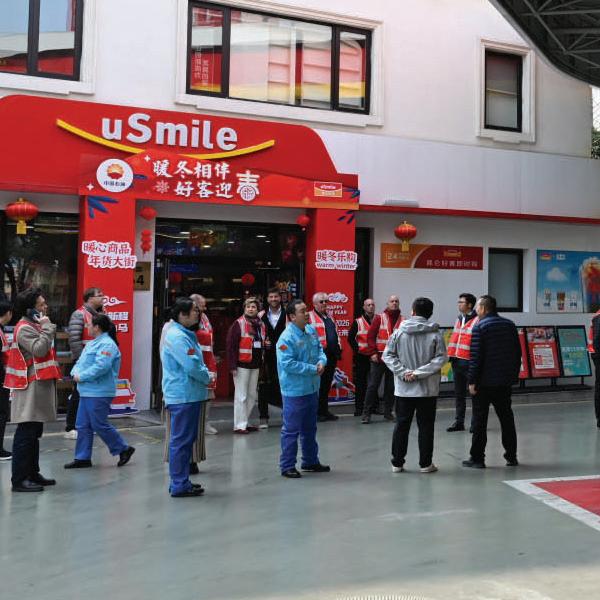
Merchandising, product assortment, loss prevention, dynamic pricing— these are all areas that technology and AI can solve for. I always learn a lot from Brian Gray and the work he does at Accenture.
From early AI adoption to generative AI to where we are today, it’s all about AI agents, use cases and implementation.
I like what Gray said about shifting from “human
in the loop” to “human in the lead.” We need to stop thinking about AI in terms of a replacement—it’s a collaborator and another tool in our toolbox. This is similar to what Ren of Dmall said, that AI is not about replacing individual roles—it’s about upgrading the entire retail operating system with the tools and efficiencies that AI applications bring to our stores.
This year’s Convenience Summit Asia was a record-breaking event, with more than 180 attendees joining us in Shanghai. Look forward to more connections at the upcoming NACS Convenience Summit Europe in Warsaw, Poland, June 16-18, and at the NACS Show in Las Vegas, October 6-9. Stay tuned for details on our 2027 NACS Convenience Summit Asia in Kuala Lumpur, Malaysia.

Henry Armour Ph.D. is the Chairman Emeritus & CEO International of NACS.








Industry suppliers share how they’re helping c-stores innovate the cooler door space.
BY STEVE HOLTZ
The cold vault is one of the most visited and profitable points of purchase in a convenience store.
Most packaged beverages purchases are immediately consumed, making convenience the channel of choice for refreshments, according to the 2025 NACS Convenience Voices study. Packaged beverages also accounted for 18.7% of total in-store sales in 2025, according to preliminary numbers from the NACS State of the Industry Report® of 2025 data.
There’s no doubt a functioning beverage cooler is of the utmost importance to convenience retailers. And nearly two years after most manufacturers made the required switch to R290 propane as a refrigerant, the cold vault hasn’t changed much. Recent equipment innovation, however, is turning the cooler door space into one of the best merchandising and marketing tools inside the store.
“The cooler itself, functionally, they’re all doing the same thing. … There’s not a lot to change,” said Danielle McMiller, vice president of foodservice sales and marketing at Structural Concepts, a food and beverage equipment manufacturer.
New tools to improve the spacing in a cooler or promote brands and campaigns, however, are providing retailers with additional ways to draw attention to new products, promotions and SKUs that bring in more sales margin and volume.
“Once a [refrigeration] unit is in place, the real opportunity lies in how it is evaluated through the eyes of the shopper,” said Farley Kaiser, senior director of culinary innovation for McLane Company’s McLane Fresh food and beverage division.
“Today’s most impactful innovations focus on how a cooler helps retailers grow higher-margin categories like fresh grab -and-go meals, premium sandwiches, protein snacks, ready-to - drink beverages and seasonal or limited-time offerings. Retailers are thinking more intentionally about how refrigeration can elevate and sell fresh and premium items,” said Kaiser.
Here’s a look at some of the new merchandising and marketing tools that are heating up the cold vault.
McLane Company helps its c-store customers get the most out of their cold vault and other refrigeration equipment.
“Does the unit simply hold product, or does it actively sell it? Lighting, sightlines, shelf optimization and curated assortments all play a role in turning refrigeration into a true merchandising opportunity,” Kaiser said. “A well-designed cooler should clearly communicate what’s fresh, what’s worth trading up for and what solves today’s eating occasion.”
McLane encourages retailers to think beyond the equipment itself and focus on how a cooler functions as part of their broader foodservice and merchandising strategy.
“A cooler that tells a clear story makes it easier for shoppers to understand the value proposition immediately,” Kaiser said. “If a shopper cannot quickly see what problem the cooler is solving for them, there is likely more that the unit could be doing to drive both margin and relevance.”
Of course, the worst thing that can happen to a cooler is a malfunction that stops it from doing its job.
Structural Concepts, which manufactures standalone coolers that rely on an ambient curtain to maintain internal temperature, is making its units “smarter.” Its new FreshWatch technology is a collection of sensors that monitor cooler
Retailers are thinking more intentionally about how refrigeration can elevate and sell fresh and premium items.
operations throughout the day, according to McMiller, and alerts retailers to problems via an online dashboard.
McMiller said customers were asking for the equipment to be smarter by helping them understand when something is failing or has failed, how to troubleshoot and how to bring the case back into service faster. “We’re gathering 11 data points of information so that when that operator is alerted to a problem, and that data, which is now being brought up into the cloud in real time all the time, can assist with diagnosing much faster,” she said.
Through the use of AI, the system will allow for predictive analysis that senses when a problem may be on the horizon.
“The goal is the reduction of downtime, if there is one at all,” said Jason Zimmer,

product manager and market analyst for Structural Concepts. “Using the data we receive from those sensors, we can help the user actually troubleshoot the [problem] and avoid a tech visit. It might be, ‘clean the filter’ or ‘have you done maintenance on the case?’ It could be just washing off the cooler, and you can do it yourself.”
FreshWatch will be included on select Structural Concepts equipment moving forward, with the service provided free of charge during the warranty period. Retailers will be able to subscribe to the service thereafter.
‘THE
Display Technologies, a Marmon Foodservice Technologies brand, debuted its Ice-Glide beverage merchandisers to the c-store channel during the 2025 NACS Show in Chicago.
The shelf organization solution boasts customizable and easy-to-maintain features, including snap-fit components and repositionable lane dividers for customizing plan-o-grams. “Ice-Glide is solely focused on gravity feeding and [providing] the flexibility to allow the merchandising of any
to be able to present the product so that it’s visible, so that it’s accessible. You remove those barriers by having everything front of shelf so that you can pick your brand, your flavor, grab your bottle and let that door close behind you,” he said.
Moving forward, Gatto sees technology increasingly playing a larger role in cold vault sales as more and more services are merged into the cloud and through artificial intelligence.
“I believe that the future of consumer engagement with beverage is digital,” he said, noting retail media is amplifying video content throughout the store. “There’s lidar [light detection and ranging] now where you can put a camera out to see when someone comes in the vicinity of your cooler. … Brands can start measuring how long they hang out there. If it’s an in-and-out thing, does that mean that we’re doing a good job? Or [did they linger because] they’re enthralled by the media content that we played?” he said.
‘WE SEE THE DIGITAL DISPLAY SPACE IN C-STORES GROWING’ CSE Products brings Internet-of-Things (IoT) solutions to everyday products by placing a digital media screen in cooler door handles.
“This is part of the evolution of digital content. We’re part of that bigger evolution,” said Greg Miedema, owner and president of CSE Products.
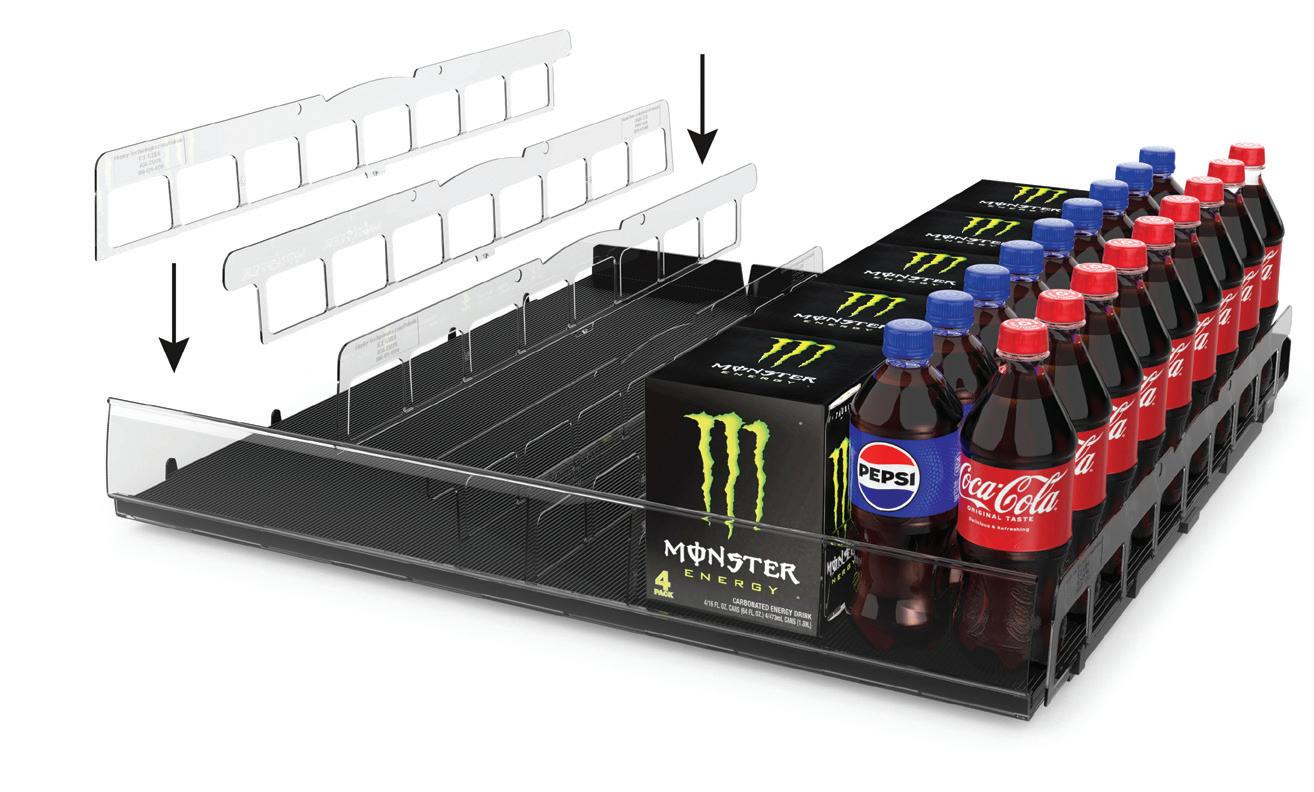
sized packaged beverage,” said Dan Gatto, senior product manager, merchandising at Marmon Foodservice.
“With a three- to four-minute store journey on average, [a c-store] isn’t a place where the consumer is going to browse. They know what they’re looking for, and you want

“We’ve created a unique location for media. It’s in a location that gets high traffic, but it’s just part of a larger media opportunity,” he added, referring to the growing use of retail digital media in convenience stores.
The handle, which Miedema said works as a retrofit on about 70% of cooler doors in the market, provides a 60 x 190-millimeter viewing area that can display graphics, photos and video in full color at 400 x 1280 pixels.
“We see the digital display space in c-stores growing,” Miedema said. “A cooler door is a piece of hardware first, and we’ve turned into a digital solution. It’s a new approach.”

The Temp-Pal Remote Temperature Monitoring system by ITD Food Safety, introduced at the 2025 NACS Show, is less about marketing and more about making sure the cooler stays cold. With sensors installed inside each cooler, the wireless system constantly monitors the temperature within and alerts the retailer when there’s an issue.
“If your cooler or freezer experiences any issues, such as a power interruption or equipment failure, Temp-Pal immediately sends text and email alerts to notify you,” the company said. “This real-time notification system allows you to take swift action, preventing potential food spoilage and saving you money.”

A cooler door is a piece of hardware first, and we’ve turned into a digital solution.
‘FOR THE CONSUMER, IT’S A SIMPLER PROCESS’
iSEE Store Innovations is known for its suction-cup and other secondary product displays, but its latest innovation brings digital promotions to the cold vault and other areas of a store.
Zapli, launched at the 2025 NACS Show, is a small disc that sticks to a cooler door (or checkout counter or fuel pump) providing a new way for consumers to take advantage of promotions with just a tap of their phone.
“Most of the POP on a cooler is going to be a cling or a sticker on the cooler door,” said Tim Cuneo, director of sales at iSEE, noting that those clings often block the view into a cooler. “We came up with Zapli ... to replace the old fashioned QR code. This uses NFC technology, which takes a step or two out of the process and is more secure than a QR code.”
A promotional card posted on the Zapli unit advertises the promotion and encourages a tap of a customer’s smartphone. That tap opens a webpage that allows the customer to interact with a promotion immediately or engage with a rebate opportunity after checkout.
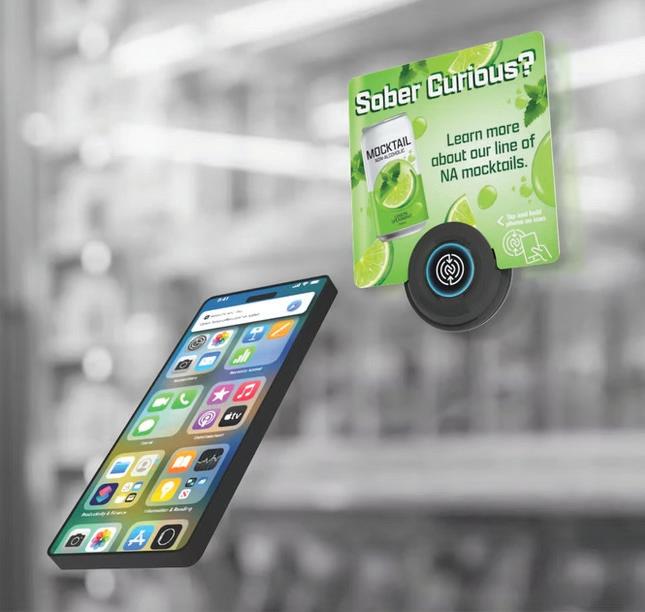


“For the consumer, it’s a simpler process,” Cuneo said. “With a QR code, you have to open your phone, scan the QR code, then click on a link. With the NFC technology, you simply put your phone up to [the Zapli unit], it identifies that link, and it takes you to that offering. That could be price-off, sweepstakes, whatever program the retailer or the brand is running.”
Anthony International’s Infinity MAX
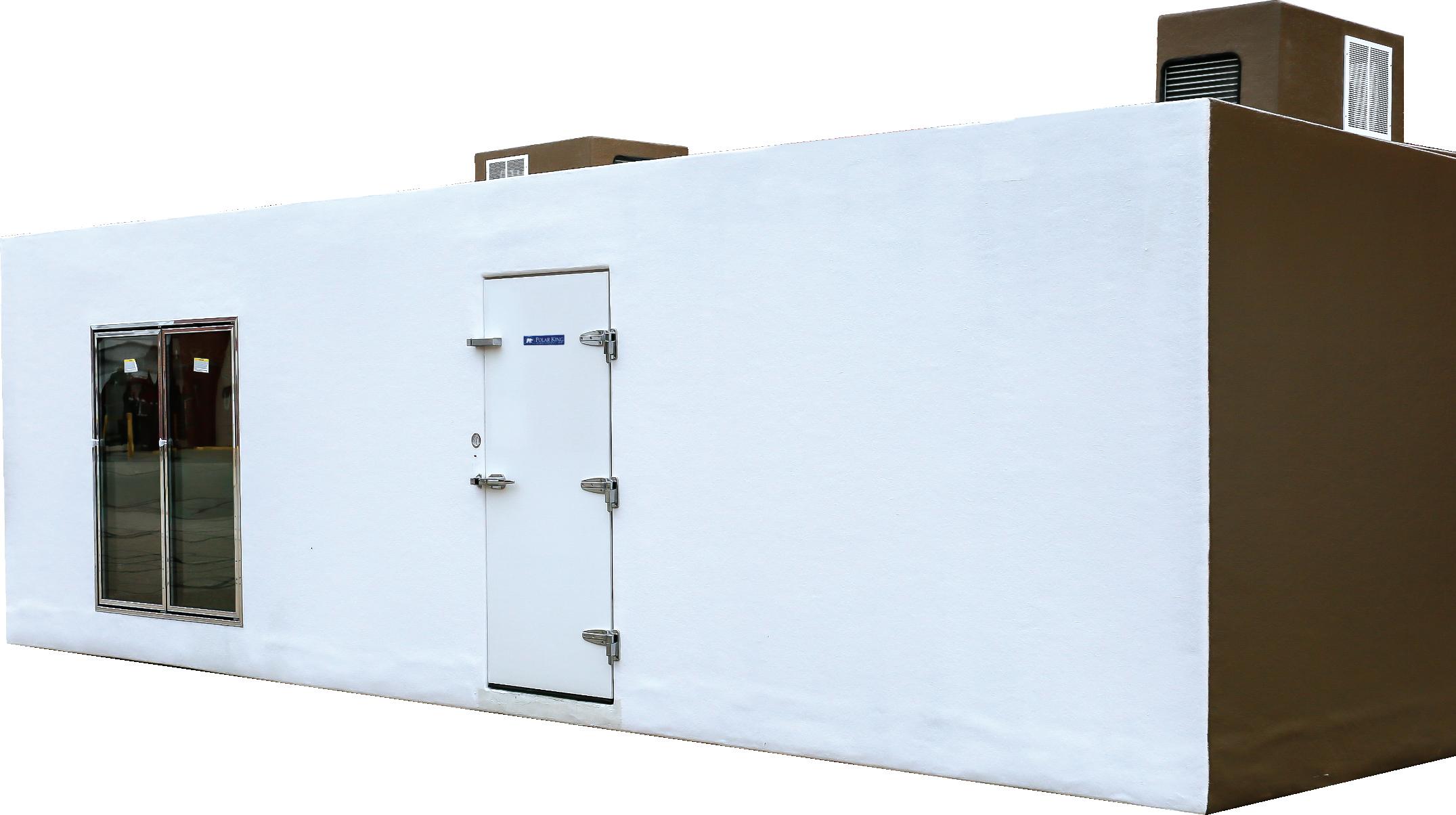
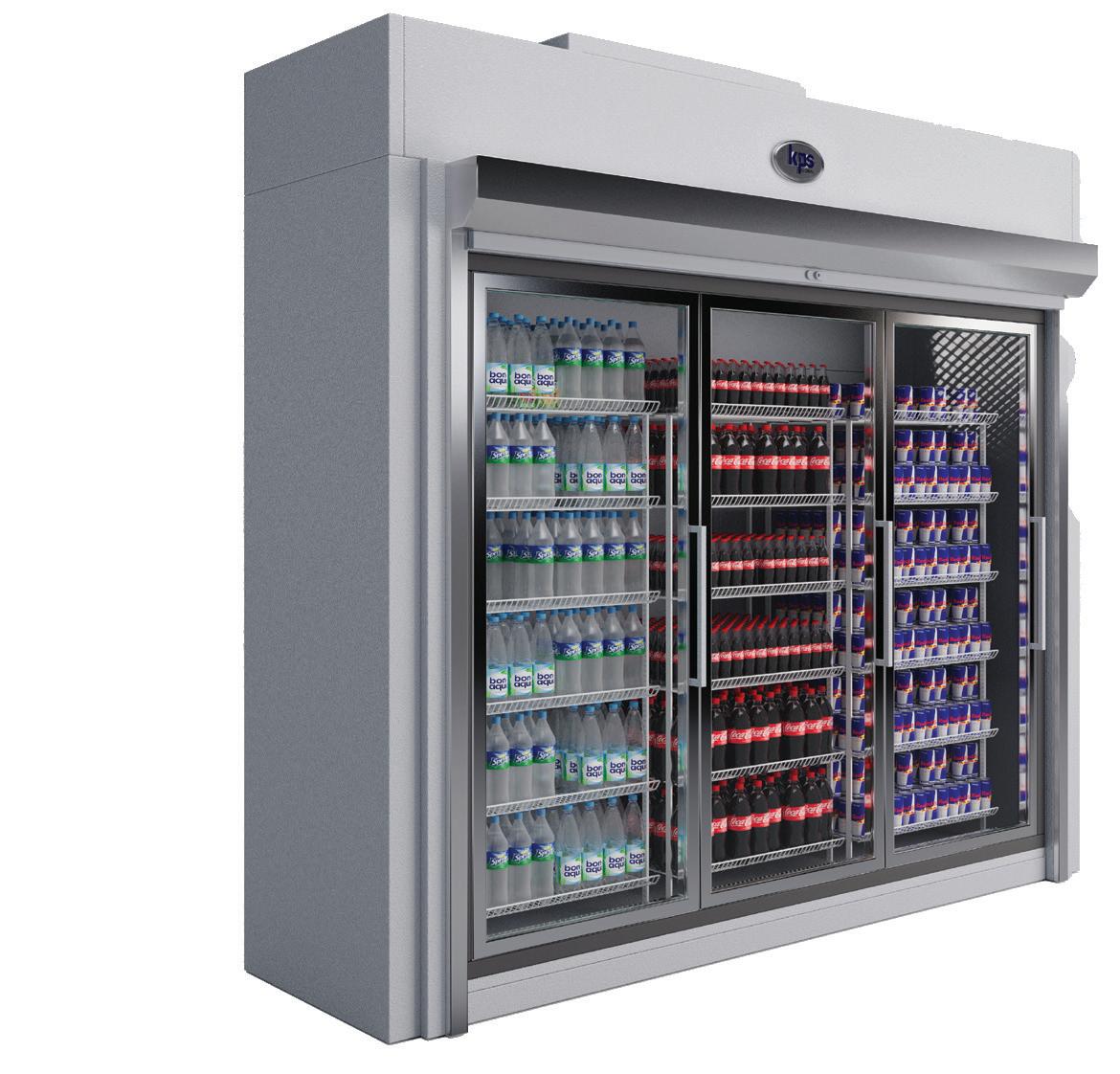
Walk-In Cooler Doors help retailers create an elevated and convenient shopping experience. Featuring no mullions or vertical door rails, the Infinity MAX provides merchandise visibility and easy product accessibility, according to the company.
“The modern shopper eats with their eyes first. If a product isn’t seen, it isn’t sold,” said Margie Proctor, senior marketing and design manager for Dover Food Retail, the parent company of Anthony International. “By maximizing product visibility and minimizing framing, retailers can create a seamless wall of refreshment that enhances the overall store atmosphere.”
With much of the innovation around coolers happening beyond refrigeration, some manu facturers are looking beyond the traditional cold vault with an eye on electric vehicle charging sites or travel centers.
Structural Concepts’s Autonomous Retail Merchandiser (ARM), a refrigerated beverage and fresh-food vending unit, provides immediate payment and product delivery that also reduces employee involvement. “The customer can do everything themselves [and] faster,” said McMiller.
Meanwhile, KPS is bringing the cold vault out to the forecourt with RefreshRecharge. The platform provides outdoor coolers that can be customized to fit a fueling site, and closed and locked after hours with a pulldown security door.
Both companies are also targeting EV charging sites. Zimmer noted that ARM can help retailers “pull in more customers, even after hours to sell more product while people are using charging stations.”
Johnny Wood, national account manager c-stores at KPS Global, said that RefreshRecharge is “positioned to meet the rising demand for convenience at EV charging stations, where customers have more dwell time.”
The innovation happening in and around c-store cold vaults is part of an ongoing consolidation of services and equipment with media, marketing and analytics. This will be an endpoint for all c-store tech, according to Kaiser at McLane Co.
“When refrigeration is integrated into a thoughtful category strategy, it becomes a driver of profit growth rather than simply a piece of equipment,” she said.
And that’s a strategy retailers can warm up to.
Steve Holtz (Steve@HoltzMC. com) is a c-store journalist with more than 20 years in the industry and president of Holtz Media Consulting.

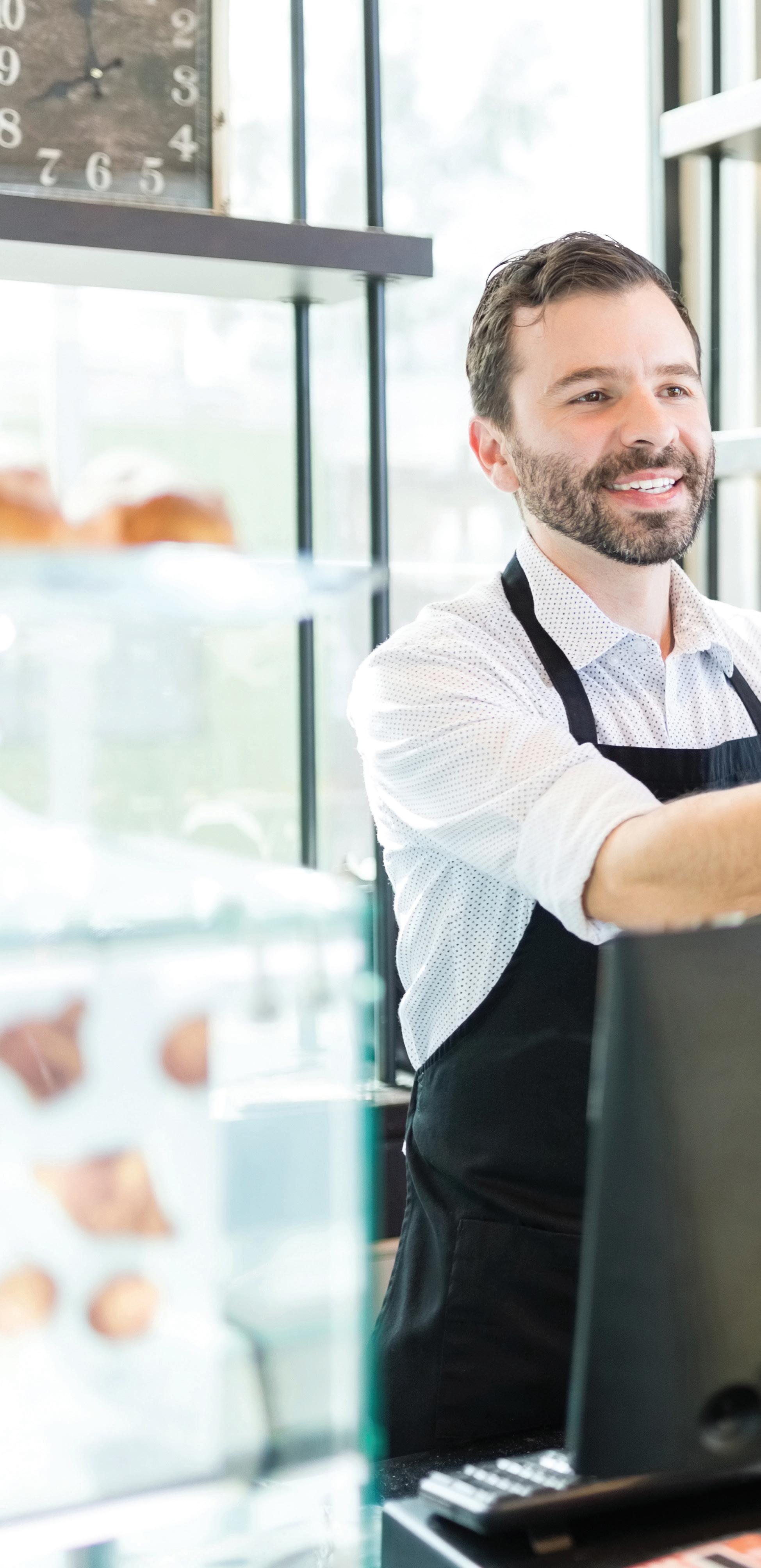
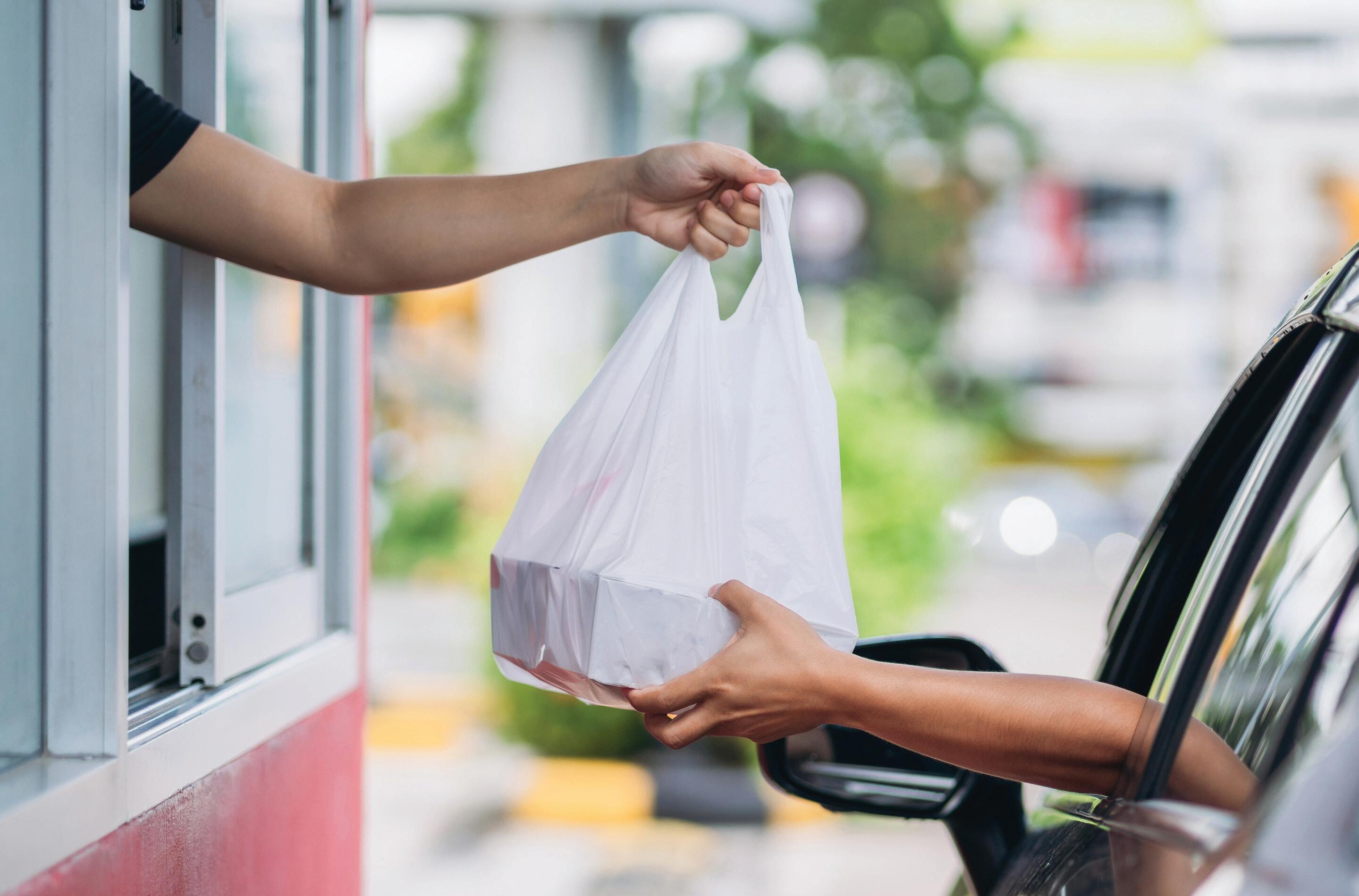
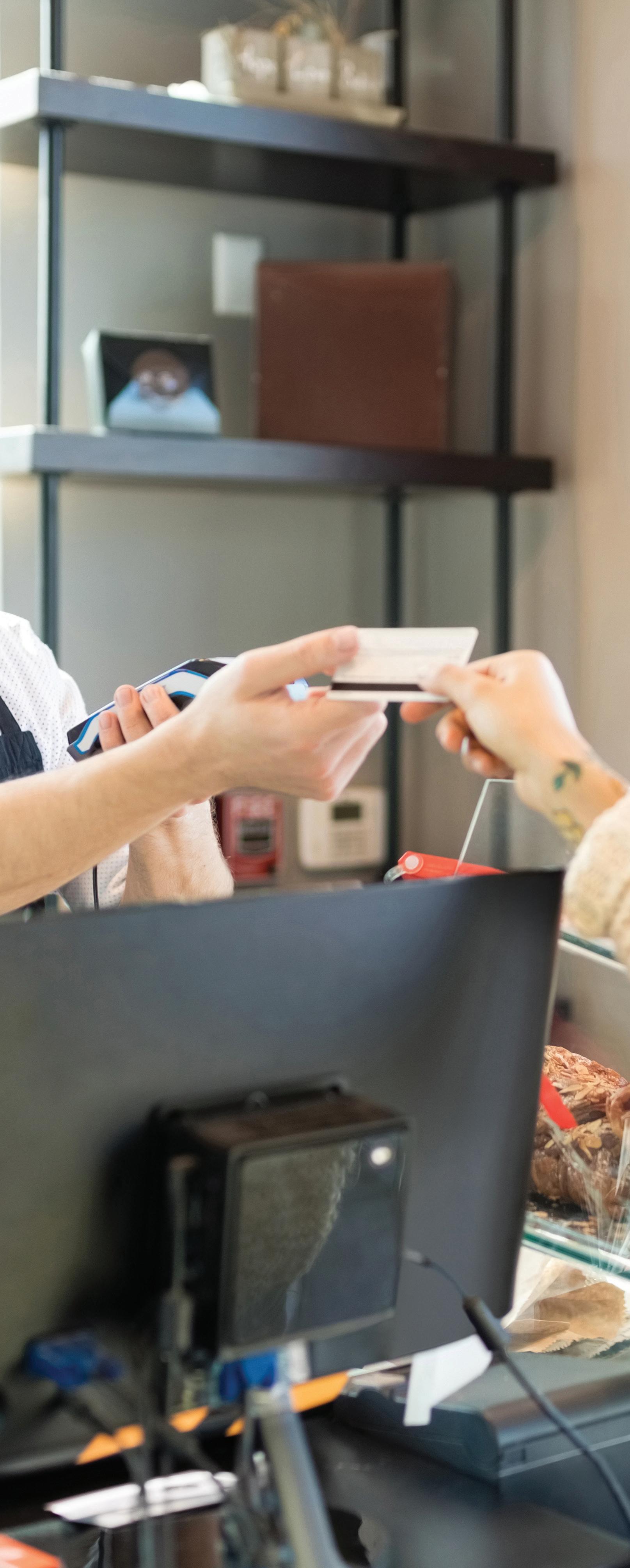
This is the second of a five-part series that explores exclusive NACS consumer data. This month’s article dives into consumer perceptions on other conveniences like the drive-thru and delivery.
BY JEFF LENARD

Nearly 75% of all restaurant orders aren’t eaten at restaurants—meaning about three out of four orders are consumed in a car, at home, at work or somewhere else, according to the National Restaurant Association’s 2025 Off-Premises Restaurant Trends report.
The findings highlight how off-premises dining has grown, “with the convenience and availability of takeout, delivery and drive-thru now deeply embedded in everyday life,” noted the report.
Convenience stores have long offered off-premises consumption by way of dashboard dining, with customers taking their food and drink purchases to go. The drive-thru, meanwhile, has been a relative newcomer to the c-store space. Given the QSR industry’s drive-thru dominance, is there room in the sandbox for convenience stores to grow this type of service? The 2026 NACS consumer survey revealed what consumers think about less-common c-store offers like drive-thru, as well as delivery.
The key differentiator for drive-thrus is that consumers don’t need to leave their car. While speed of service is often cited as a top reason for choosing a QSR drive-thru, the math doesn’t add up.
Even the fastest QSR chain’s drive-thru is slower than the average c-store visit. Taco Bell has the shortest average drivethru time at about four and a half minutes, according to the 2025 QSR Drive-Thru Report. The average c-store visit takes about three and half to four minutes.
QSRs also can’t compete with c-stores on what’s inside the four walls. Unlike QSRs, convenience stores offer way more options, such as packaged beverages and center store merchandise like candy and snacks.
When asked to imagine that they were purchasing food and/or drinks from a c-store that had a drive-thru option, people had a slight preference for the in-store experience, with 38% saying they would go inside, 31% opting for the drive-thru and 25% having no preference.
AMONG CUSTOMERS WHO PREFER GOING INSIDE A C-STORE VS. A DRIVE-THRU … (multiple responses permitted)
60% Enjoy browsing different options inside the store
44% Prefer getting out of the car/stretching their legs
40% Prefer face-to-face interactions
34% It’s faster than the drive-thru
30% It’s a chance to use the bathroom
“As a retailer, you are defined by your restroom,” said Austin Burns, president and CEO of Paragon Solutions in the March 2026 NACS Magazine feature, “Creating Best in Class Restrooms.” He suggested that retailers should think of their restroom as a profit center: Customers who use it are likely to purchase items in the c-store.
When asked what was the main reason for their trip the last time they went to a convenience store, consumers predictably answered fuel (44%), food (28%) and beverage (20%). But restrooms really matter, with 3% of consumers reporting that the main motivation for their last c-store trip was to use a restroom.
Proximity is a key part of the convenience store value proposition, with 93% of all Americans living with 10 minutes of a c-store. Considering all shopping occasions—not just those at convenience stores—consumers prefer to shop inside the store. While about half of all Americans don’t have a preference whether they go to the store or order online for delivery, those who have a preference said they prefer the in-store experience over online ordering by an almost two-to-one margin (32% vs. 18%).
FOR ITEMS YOU COULD BUY ONLINE OR IN-PERSON, DO YOU PREFER SHOPPING …
2%
Don’t know
Charts and insights are based on a national survey of 1,207 consumers conducted January 30-February 6, 2026, for NACS by national public opinion research firm Bold Decision (bold-decision.com). In some cases, total may not add up to 100% because of rounding. About the Consumer Survey
However, there are strong variations by age. Those ages 18-34 are most interested in online ordering over shopping in-store (28% vs. 13%). To a smaller extent, those ages 35-50 are also more interested in online ordering than the in-store experience (24% vs. 19%).
Whether in-person or online, convenience stores have a distinct advantage over all other retail: speed of service. Whether a consumer is hungry, thirsty or running low on gas, a right-hand turn to a c-store can solve those needs.
Given that convenience stores sell just that—convenience— it’s no surprise that frequent customers are also interested in delivery. While 62% of consumers report that they’ve used a food delivery service in the past, 84% of frequent c-store customers report doing so. The same pattern holds for grocery delivery, where 50% of consumers have tried a grocery delivery service but 70% of frequent c-store customers have done so.
When asked whether the items they purchased via a grocery delivery service could have been purchased in a c-store, only 18% of overall consumers said yes, while 78% said no.
Overall, nearly half of all consumers (48%) are at least somewhat interested in using a delivery service for c-store items.
Whether a drive-thru and delivery is right for your business also depends on the customer base you want to attract. Younger customers aged 18-34, for example, are more likely to want household goods, basic electronics and fresh groceries at c-stores compared to customers aged 35-50, who gravitate toward traditional c-store offerings like fuel, restrooms and beer.
Why the difference in perceptions? Traditional retail channel definitions might not apply to younger consumers— especially those who have grown up in a world that’s always been online and convenient.
To attract those younger customers, it will continue to be important to define how you best fit into their lifestyles and can make their lives easy—especially competing in a retail environment that includes easy, ever-present delivery options.

Jeff Lenard is the NACS vice president of media and strategic communications.




The rapidly expanding functional beverages category appeals to consumers who are thirsty for hydration, health, happiness and more.
BY AMANDA BALTAZAR
“THE PROBLEMS CONSUMERS EXPECT TO SOLVE with a beverage are multiplying,” said Howard Telford, head of soft drinks with market research firm Euromonitor International. “As consumer priorities diversify and scientific narratives evolve, functional is becoming an umbrella term—not just a performance drink, but a portable, format-flexible solution to a growing list of lifestyle concerns.”
Functional beverage sales increased by 8.8% in 2025, according to NielsenIQ. The market has seen more products promising more benefits. It’s an increasingly important—and increasingly complex—category.
“People are trying to maximize their consumption of things that are good and minimize their consumption of things that are harmful,” said Huy Do, research and insights manager at Datassential. Functional beverages, he explained, “give people a simple and easy-to-understand source of what they want.”
And they have benefits over food products, he said. Consumers find them easy to consume, easy to carry—and generally an easy source of nutrition. Convenience stores are a great spot for functional beverages, Do said, because this channel is already front of mind for consumers when it comes to beverages.
While functional drinks appeal to everyone, they do skew younger, said Chris Costagli, vice president, food and beverage insights, NielsenIQ. Gen Z and Millennials are driving 55% of the functional beverage spend.

Functional beverages are growing at Tiger Fuel Company (Charlottesville, Virginia), which has 10 The Market stores. “Everyone is looking for something from their drink … improving focus, improving energy, health reasons,” said Bryce Proffitt, retail merchandising manager. “People are looking for something more than a caffeine pick-me-up. Everyone is trying to be more focused on what they’re putting in their body.”
At QuikTrip, “Functional beverages are experiencing rapid growth and moving firmly into the mainstream, with strong sales momentum and increasing consumer demand,” said Aisha Jefferson, spokesperson.
The biggest demand for these beverages comes from Gen Z and Millennial customers. They’re looking for promised benefits like calm, focus, energy, hydration, gut health and recovery, she said.
Convenience stores are an ideal spot for consumers to trial these beverages, Telford said. “If you want to experiment with a new flavor or a brand you haven’t heard of, you’re probably not going to Walmart to buy a six-pack. This is the experimentation channel.”
These drinks can command a premium price because they’re offering benefits, said Telford, “and consumers are happy to pay that premium. If it tastes good and answers the question of ‘what is it doing for me,’ that’s the place to be.”
Fireside Market (Slinger, Wisconsin) has seen “very steady sales” with functional beverages, a category that continues to grow and perform consistently, especially with female shoppers, said Peter Juzenas, director of operations. “We’re constantly getting questions from guests and we’re adding more SKUs.”
A longtime leader in functional beverages, Gatorade continues to innovate with products like Gatorlyte (launched in 2021), powders and, most recently, Gatorade Lower Sugar (launched this spring). “We’re not only serving athletes, but developing solutions for everyday movers looking for all-day hydration,” said Noel Rodriguez, vice president of commercial for Gatorade, which is owned by PepsiCo. “Our goal is to offer everyday movers exactly what they are looking for and pack in the benefits.”
Convenience stores, he said, “are a critical component of our strategy, as we have a high volume of consumers who purchase our products on the go.”
Consumers are happy to pay [a] premium. If it tastes good and answers the question of ‘what is it doing for me,’ that’s the place to be.


















































16-18 June, 2026
Warsaw, Poland






















Connected Convenience: At our 2026 Summit you’ll see how European convenience retailers redefine the shopping experience, meeting new consumer demand for omnichannel experiences, hard discounts, food-to-go and food-for-later meal options.
Reserve your seat today! / convenience.org/CSE



Our goal is to offer everyday movers exactly what they are looking for and pack in the benefits.
7-Eleven offers a line of functional beverages under its 7-Select private label, with hydration, nutrition and performance benefits. There are several brands within the line, including Rehydrate and Replenish for sports performance and hydration; Fusion Energy and Fusion Energy Shots to support energy, give a mental boost and elevate mood; and Rebuild, which features high-protein shakes. This spring, the chain is launching a three-SKU line of Vitamin Enhanced Water. At QuikTrip, both large brands and startup companies are popular for functional beverages. Large brands fuel category expansion, Jefferson pointed out, while niche brands drive “discovery and excitement though they rely heavily on
strong placement.” C-store shoppers, she said, “want a balance: trusted staples alongside new functional innovations.”
While larger brands command the most trust, the situation is changing, said NielsenIQ’s Costagli, because “younger shoppers are more likely to say they have higher trust in smaller and emerging brands.” And, he added, a brand’s reputation and legacy matters less to Gen Z when it comes to trust. Functional beverage consumers are very open to trying new brands, said Juzenas, “because most of them are very new to the game. And social media has a heavy influence on beverage categories.”
Tiger Fuel is putting a big focus on small, local brands. The retailer recently launched a special section in its coolers with “Made in Virginia” signage. The retailer carries Crunchy Hydration, which offers a full spectrum of functional beverages, including Blue Ridge Kombucha and Running Lights energy drinks.
There are customers for both the big brands and the smaller ones among Tiger Fuel’s customer base. Some shoppers, explained Maurice Lamarche, vice president of operations, like the idea of buying a
product that is new and unknown, “or maybe that local product makes them feel that sense of pride.”
Tiger Fuel ensures it educates its employees so they can recommend beverages to customers. To do this, the retailer starts by listening to what shoppers want. Employees at the store level report this back to the buyers. “If we’re listening to our customers and carrying the products they want, they don’t have a reason to go down the road to buy something,” said Lamarche.
QuikTrip stores group these beverages by function “to create a clear, simple and intuitive shopping experience for customers,” Jefferson said.
And these sections tend to look good. Most functional beverages come in cans, which provide a “nice shiny packaging that looks cleaner,” said Proffitt. And the manufacturers of these drinks, he pointed out, have created a great-looking product.
Lamarche added that the industry learned a lot from the boom of craft beer, where every brewery had to distinguish itself with its can due to the proliferation of competition. “With easily identifiable cans,” he said, “it becomes easy [for consumers] to identify when a store has what they want.”
It’s important that the packaging of functional beverages communicates the right amount of information, said Datassential’s Do. Manufacturers should emphasize one or two top claims—or “buzzy words”—on the front of the packaging. “People are looking for one or two things rather than have the beverage do everything. They’re more interested in seeing the function rather than the ingredients that get you that function,” he explained.
And innovation is key, he said. “Innovation is helpful in meeting the constant demand and the shifting consumer mindset … because category winners aren’t settled in this category yet.”
It’s important, in such a trending category, to keep offering something new, said Proffitt. “We want to make sure we’re offering that exciting new product.”

Amanda Baltazar is a journalist who covers operations, design, marketing and trends for B2B publications.
55%
Percentage of functional
Percentage of functional beverage spend driven by Gen Z and Millennials
258
New functional beverages
New functional beverages launched in 2024
144.6%
Increase in beverages that include collagen in 2025
Source: NielsenIQ
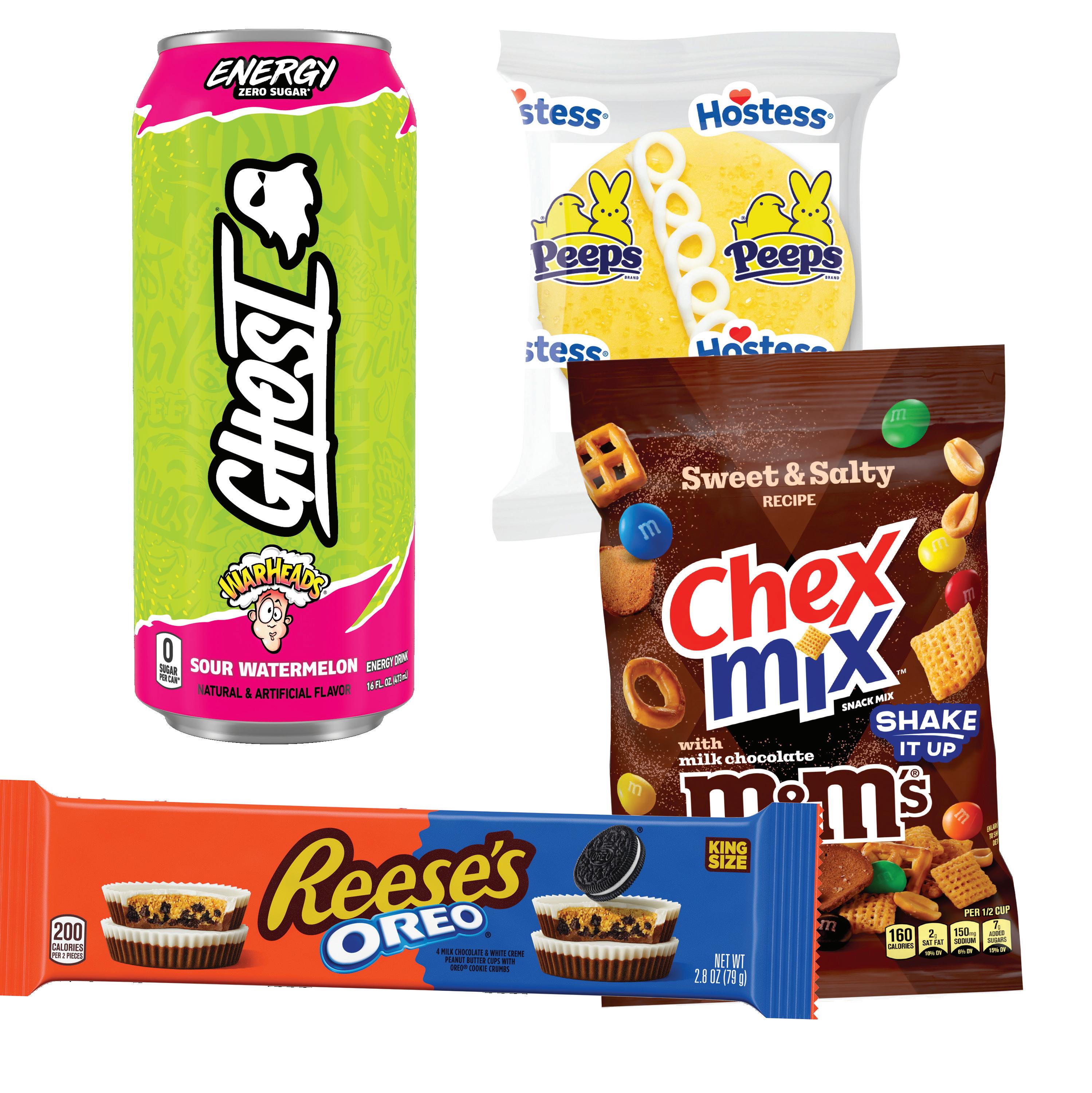
From seasonal offerings to permanent companions, CPGs offer brand mashups to build excitement and trial.
BY TERRI ALLAN
Marketers are increasingly committing to the idea that one plus one equals three. Combining brands allows marketers to appeal to loyal consumers and attract new ones.
Now in its second year on the market, the Reese’s Oreo Cup is a collaboration between the Hershey Company and Mondel ē z. Along with its companion product, Oreo Reese’s Peanut Buttery Creme Chocolate Sandwich Cookies, the mashup demonstrates how cross-category brand collaborations can drive consumer trial and impulse purchases in c-stores.
These kinds of CPG partnerships have been growing in number, becoming a running theme in new product launches. “Brand collaborations are growing because they combine discovery, scarcity and trust,” remarked Kevin Martello, vice president, foodservice and industry relations at Keurig Dr Pepper. The products are a good fit for c-stores as they deliver “affordable novelty,” while their limited availability drives trial and traffic, he said.
“As consumers, we’ve never been at such a point as now, where we’re approached by more products and more brands,” commented Jason Cantelli, chief commercial officer at Nutrabolt, the marketer of C4 energy drinks. As a result, companies search for creative and faster ways to attract consumers, he explained. “By co-branding with a product that has heritage within a consumer’s historical perspective, a marketer can pull them to the shelf,” Cantelli said.
In August 2025, Reese’s and Oreo teamed up to launch Reese’s Oreo Cups and the Oreo Reese’s Cookie. Reese’s Oreo Cups combine milk chocolate and white creme peanut butter cups with Oreo cookie crumbs, while the Oreo Reese’s Cookie features chocolate sandwich cookies with a Reese’s peanut butter creme with Oreo cookie crumbs. The mashup has been well-received, and both of the products have been permanently added to the companies’ portfolios.
For Hershey, the Oreo addition to the Reese’s line has delivered, company executives reported. “In 2025, 6.5% of households tried the product, tripling the trial rate of prior Reese’s launches,” said Melissa Blette, senior brand manager at Hershey. “Even more impressive, 35% of those who tried Reese’s Oreo Cups purchased them again.”
Nik Culver, director of category management, c-stores, at Hershey, added that the product—milk chocolate and white creme peanut butter cups with Oreo cookie crumbs—has “driven lapsed users back into the category, with 35% of purchasers being new to the chocolate category in the past year.”
Reese’s first partnered with Oreo more than 10 years ago on an LTO, and according to Blette, “fans have been asking for the partnership to return ever since.” C-stores have reported good responses to the new product.
“It’s no surprise that when two of our top sellers come together, the mashup performs extremely well,” added Bryce Proffitt, retail merchandising manager at The Market by Tiger Fuel in Virginia.
Not every mashup is meant to last forever. Sidd Singhal, business unit director for salty snacks at General Mills, said there is opportunity to expand LTO offerings “to tap seasonal apertures,” such as holidays and sporting events.
Peeps marshmallow candy is another confection that has been active in the collaboration space. Among the recent Peeps flavor lineup are mashups
Convenience retailers note that many brand collaborations do best with a limited life span. “It’s important to see the product as a quick in and out,” said Nathan Arnold, director of marketing at Englefield Inc., the operator of Ohio-based Duchess c-stores. Even when some popular brand collaborations are expanded into year-round distribution, the novelty can fade.
Among other categories, salty snacks are also partnering with outside brands on mashups, including those that incorporate sweet flavor profiles, like Sweet & Salty Chex Mix with M&M’s. General Mills has been marketing co-branded products for decades that combine products from its own brand portfolio, including a Lucky Charms/ Cinnamon Toast Crunch Mix. “It’s great to be able to collaborate within our own four walls to give different brands exposure to different categories and consumers,” said Singhal.
Brand collaborations are growing because they combine discovery, scarcity and trust.




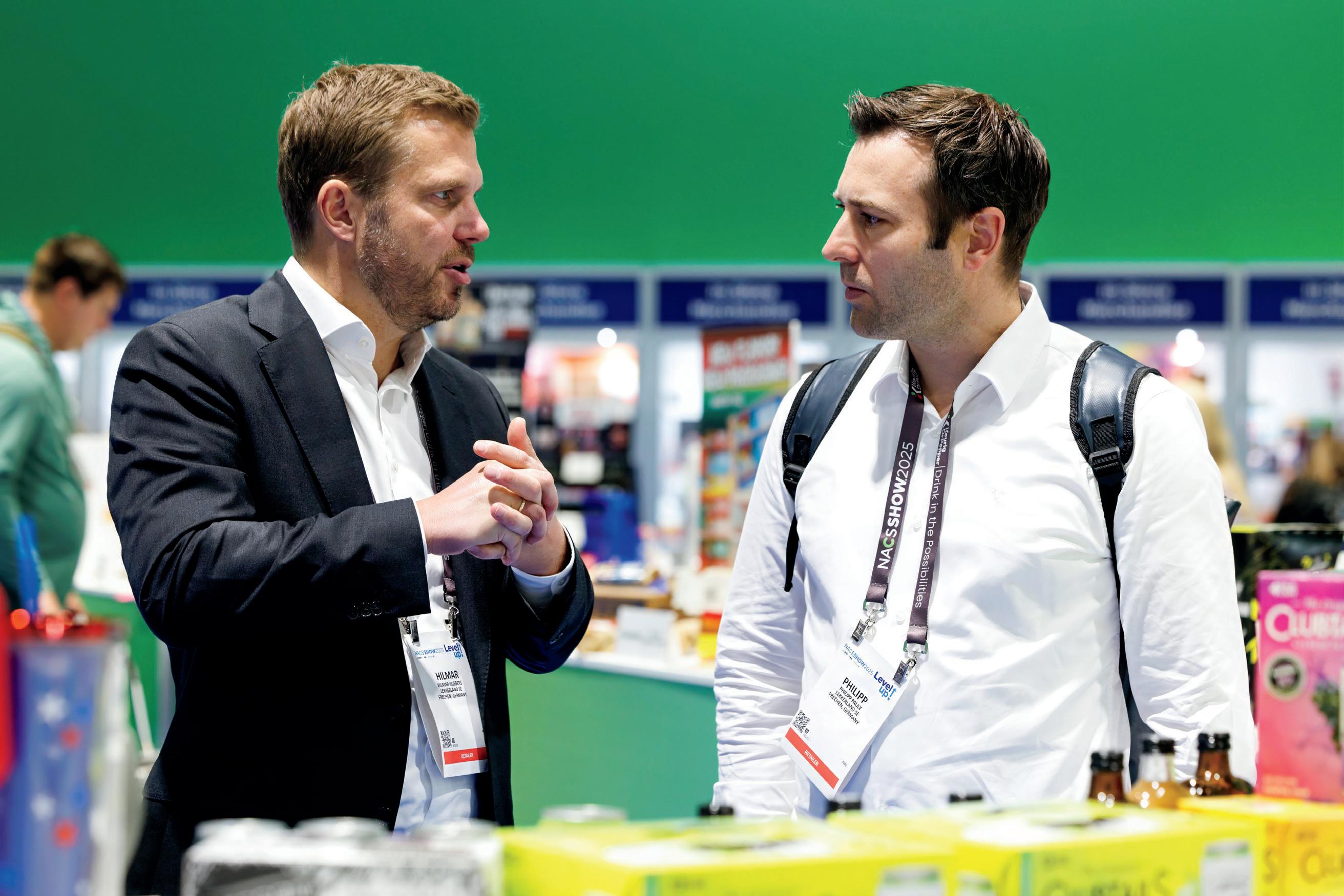
The excitement around a new flavor draws customers to a product outside of their daily purchase habits.
Ghost teamed up with Impact Confections’ Warheads to create this energy drink with an ultra-sour twist. According to Lindsay Karlin, global vice president of product development at Impact Confections, consumer response to the Warheads-flavored energy drink has been strong. “The Ghost flavors deliver the Warheads sour that our fans love in a completely different product format,” she said.
The packaged beverage category has also seen quite a few brand mashups in recent years.
PepsiCo, for example, partnered with the Ferrara Candy Company’s Trolli candy on the Mountain Dew Zero Sugar x Trolli Cherry Lemon. Paul Andreotta, chief customer officer at PepsiCo Beverages U.S., said consumer response was very positive. “Mountain Dew and Trolli both have strong relevance with Gen Z, who are seeking bold, unconventional flavors and experiences that feel fresh and surprising,” he noted.
Energy drinks also benefit from co-branding. Six-yearold C4 Energy has partnered with several other brands to create mashups like C4 Performance Energy x Jolly Rancher collaboration with Hershey. Cantelli remarked that the collaboration has been “outstanding for us. … In a category like energy drinks, that is driven by flavors, a collaboration with a known product can help stimulate trial,” he said.
Brand collaborations have also made their way into c-store foodservice. At the 2025 NACS Show, Johnsonville showcased the Dr Pepper Inspired Sausage LTO for c-store roller grills, supplemented by distribution to other retail outlets.
“It’s an exciting, new and different space for us,” remarked Kim Main, senior director of channel marketing at Johnsonville. Because the company is focused on flavor innovation, “it made sense to pair the No. 1 sausage roller grill item with the fastestgrowing soft drink, two products that are endearing to c-store consumers,” she said.
While initially planned as an LTO, availability of the Dr Pepper Inspired Sausage could be expanded based on consumer response, said Main, adding that in addition to building sales of Johnsonville sausage, the product’s collaboration with Dr Pepper is likely “to bring new customers to the roller grill.”
CPG marketers and c-store operators say brand mashups provide a number of benefits for the channel, including the potential for impulse purchases. “We’re always trying to help our c-store retailers drive traffic and grow basket ring,” said Cantelli. “Right now, a heavy focus for c-stores is on the basket size, such as getting customers to move from two to three items to four to five. Co-branded products are an excellent vehicle to do that.”
Retailers agree that co-brands drive excitement. “When you combine two strong brands together, it provides a sense of newness that appeals to customers,” Arnold from Duchess stores said. The top two SKUs in his stores are Mountain Dew and Reese’s, and he noted that mashups from those brands “offered a fun new trial,” although they didn’t necessarily change buying behavior on their parent brands.
“The excitement around a new flavor draws customers to a product outside of their daily purchase habits,” said Proffitt of The Market by Tiger Fuel. Moreover, the search for a new collaboration can drive a customer through the store “in ways they typically wouldn’t shop,” he said.
As with any new product, brand mashups don’t come without a few considerations for c-stores, such as space and timing. “You can miss the boat and order late,” Proffitt cautioned, “and product can linger on shelves, taking up valuable retail space.” Excitement over the product can also fade, and an over order can result in out-ofdate inventory.
So how do you let customers know about these new, often limited-time offerings? Special displays and bundling promotions are great ways to call out new brand crossovers. But the mashups also provide an opportunity to drive sales of the original brands.
In addition to displays, for example, General Mills recommends that Sweet & Salty Chex Mix with M&M’s should sit with the rest of the Chex Mix
This spring, Hostess debuted Peeps Cupcakes, one of many mashups for the classic marshmallow treat brand. The fluffy golden snack cakes are filled with creamy marshmallowflavored filling and topped with a yellow frosting inspired by the signature Peeps color.
Due to the limited availability of many of the items, thoughtful promotion planning and space-allocation decisions are necessary.
We’re seeing co-branded collaboration products popping up in all sorts of categories, and we expect this trend to continue.
lineup. “Innovation and partnership launches work best when we minimize cannibalization to core items,” said Hershey’s Culver.
During the launch of the Reese’s Oreo Cups, Hershey suggested promoting core Reese’s products, which resulted in a near-40% buyer overlap with Reese’s Cups. “This merchandising strategy
General Mills Convenience launched Sweet & Salty Chex Mix with M&M’s, which contains milk chocolate M&M’s, Chex cereal, rye chips, vanilla breadsticks, salty peanuts and pretzels. The combination of flavor profiles taps into “trail mix cues,” said Sidd Singhal, business unit director for salty snacks at General Mills.
has helped Reese’s Oreo to be a top 10 item in the venience channel, all while seeing growth on the core Reese’s portfolio,” Culver reported.
“As these stay in play long-term, customers will typically revert to the classics,” and the mashup products will fall off in sales, said Proffitt of The Market by Tiger Fuel.
Proffitt added that special manufacturer-provided shippers can go a long way in drawing customer attention to the novel products. “If the product rollout includes a creative shipper, we’ll give that prime placement to encourage additional traction,” he said. In the case of Reese’s Oreo Cups, The Market stores placed countertop shippers by registers and coffee bars.
Due to the limited availability of many of the items, thoughtful promotion planning and space-allocation decisions are necessary. “Retailers need to plan ahead to maximize the window and ensure the right placement and support are in place from day one,” advised PepsiCo’s Andreotta.
In addition to POS and bundling offers, digital support can be a big asset for co-branded products. “Loyalty and retail media can amplify impact through geofenced ads, in-app bonuses and social-ready displays,” said Martello from Keurig Dr Pepper.
CPG marketers say brand mashups are here to stay. “We’re seeing co-branded collaboration products popping up in all sorts of categories, and we expect this trend to continue,” said Singhal.
The success of Reese’s Oreo Cups “reinforces our belief that these collaborations will continue,” added Hershey’s Blette, “with a focus on intentional, consumer-led partnerships.”
That’s good news for c-store operators like Proffitt. “Future offerings for mashups are always top of our list for consideration,” he said. “Even with the minor drawbacks, it’s always worth having products to put in front of customers that are new and exciting.”

Terri Allan (terri4beer@aol.com) is a freelance writer who specializes in consumer products and retail channels.





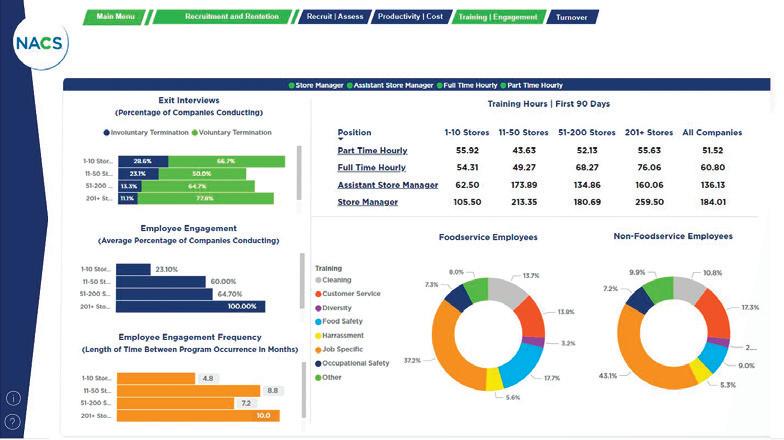






This advertorial-style guide of services and packaging appears monthly and is an information-packed tour of ideas and approaches that can change how consumers view your store or choose your brand. It spotlights the newest thinking in convenience and fuel retailing and gives you an advance look at ways of staying in front of industry trends. Products are categorized the same way we organize the Cool New Products Preview Room at the NACS Show each year in October— New Design, New to the Industry, New Flavors, Health & Wellness, Green (EcoFriendly), New Services and New Technology Products are considered “new” this year if they’ve been introduced since October 2025. The products featured here also can be seen in the Cool New Products Discovery Center at www.convenience.org/coolnewproducts
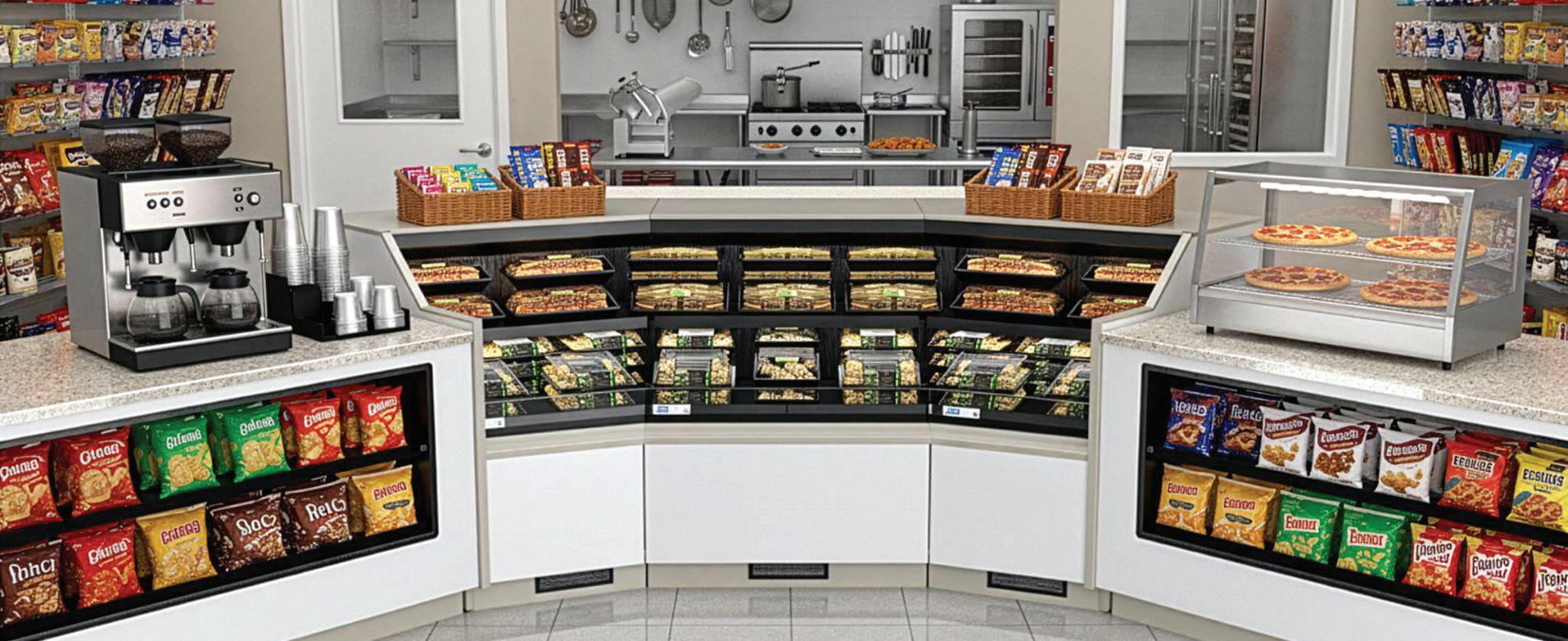
Structural Concepts
Q Series - A modular refrigerated platform built to maximize grab-and-go sales in convenience stores
The new Q Series from Structural Concepts helps c-store operators turn fresh food into a high-impact profit center. Its low-profile, modular design creates flexible merchandising lineups that fit tight footprints while maintaining clear sightlines across the store. Engineered for demanding Type II environments, Q Series delivers consistent temperature performance in high-traffic conditions. Self-contained, plug-and-play refrigeration simplifies installation, while scalable configurations make it easy to expand as programs grow. From sandwiches and salads to snacks and fresh items, Q Series is designed to speed self-selection, increase visibility, and drive impulse purchases.
Tater Kegs are shredded potato mixed with delicious flavors. All the best parts of a baked potato in the perfect handheld package. From the freezer, to the fryer, to the customer. Serve them in a variety of different ways and in many different applications. Great for to-go. Tater Kegs have a hold time of up to 4 hours under heat lamps. With all the uncertainties in the world today we should be able to be certain that our food always has great flavor, and Tater Kegs provide that comfort in every bite!
Tater Keg flavors include Bacon Cheddar Chive, Cheese Bomb, Bacon Jalapeno, Buffalo Chicken, Crab Feast, Chorizo Burrito, Breakfast Skillet & The Reuben. Request samples today at www.taterkegs.com!
NACS: National Association of Convenience Stores
If customers can’t find your store online, they’ll find someone else. THRIVR makes it easy to show up and stand out everywhere they search. Manage your online listings, reviews, and social engagement across 130+ platforms like Google and Yelp from one simple tool. Keep your store’s information accurate, respond to reviews, and post content to your different social pages from one place. For retailers who want big‑brand digital power at a small‑store price, THRIVR is the essential tool to grow traffic and customer trust. Get a digital health check and see how your store’s online presence measures up.
Learn more at convenience.org/THRIVR.
BY JEFF LENARD
A Q&A with Lisa Blalock, vice president of U.S. convenience and mobility at BP, about the important roles that c-stores play in supporting communities.
In March, a record 340 marketers gathered at the 2026 BP Amoco Marketers Association (BPAMA) convention for three days of general sessions, networking and an expo. The company outlined its key growth initiatives for its U.S. branded marketers, reinforcing its focus on fuel differentiation, digital momentum and continued network expansion.
During the meeting, Jeff Lenard, NACS vice president of strategic communications and media, sat down with Lisa Blalock, vice president of U.S. convenience and mobility at BP, to discuss the technological innovations that excite her, the changes BP is making to its stores and the company’s support for the fight against human trafficking.
What are some things that you’re thinking about over the next five years in terms of market dynamics?
Lisa Blalock: I would call out a couple of things. One is differentiation, both from a guest perspective around the physical side and the experience in store. I would also call out the digital experience—how do you differentiate that experience? How do you win the heart and mind of that guest? How do you define what you’re famous for across the offer components that truly differentiate yourself? And how do you bring that awareness of the differentiation across the entirety of your network and the region in which you operate? Another focus for us is how we think differently with the evolution of AI. How do we leverage it from an operational standpoint to drive efficiencies and a better experience? Finally, we’re investing time and energy in sourcing the best talent and developing it. When I look at a lot of our management and executives across our company, they started as operators. Being able to step in and develop people to the next pathways is just a real area of opportunity for all of us to continue to invest in the people that engage every day with our guests.
Over the last few years, the media’s perception of our industry has changed for the better, especially related to fuel pricing. If we put the same energy around other topics, can we make a difference over the next couple of years?
Blalock: We have talked a lot about security, cleanliness and upgrading the perception of our industry. We have really put a lot of work into all the elements of the physical experience, but I think there’s more to do. Becoming a destination for food is another opportunity for the industry—stepping into the space of a QSR and ensuring that the food-for-now offers are at the highest quality that we can deliver across the industry. And when it comes to healthy options across
convenience, we want to make sure we’re really leaning in and ensuring that we’re bringing the best, highest quality across all proprietary offers, as well as working with the consumer packaged goods companies.
What gets you most excited about our industry?
Blalock: I would double down on the people. Where I get the most energy is in our stores. I learn so much from the people who operate and run our stores 24/7—the energy, the passion, the commitment that they have to our brand. Without our people, we don’t have the physical touch to the community. They’re the ones who are delivering experiences across our network.
The other area that excites me is digital technology, which is already transforming our industry. We’ve seen it in many different facets, including loyalty programs and personalized rewards. It offers a chance to connect in an authentic and genuine way beyond what we can do within the four walls of the store.
It’s a huge change from how people traditionally thought of gas stations as a chore to making them a central part of their lives in the community.
Blalock: Fueling used to be a necessary element. But now the entire industry is leaning into that differentiation. What are you famous for? Food as a destination, really addressing the
LISA BLALOCK Vice President of U.S. Convenience and Mobility at BP
I learn so much from the people who operate and run our stores 24/7—the energy, the passion, the commitment that they have to our brand.
At the BPAMA convention, BP announced that it donated more than $350,000 to In Our Backyard, a nonprofit dedicated to fighting human trafficking.
In Our Backyard is dedicated to fighting human trafficking across the United States through awareness, education, mobilization, prevention programs, survivor advocacy and partnerships. Its Convenience Stores Against Trafficking (CSAT) program equips convenience stores with no-cost training on human trafficking for their employees and provides “Freedom Stickers” that feature the National Human Trafficking Hotline number (1-888-373-7888) and are now displayed at more than 50,000 convenience stores across the country.
In August 2025, all BP and Amoco locations in the United States carried messages about In Our Backyard on fueling dispensers.
“We wouldn't be where we are without the tremendous support of BP and the greater convenience store community,” said IOB Executive Director Cheryl Csiky. “Convenience stores posting the Freedom Sticker in restroom stalls reach over 4 million Americans a day. Survivors say the inside of a restroom stall is the safest place to reach out for help—and they report visiting convenience stores every day.”
perception of the industry. And I couldn’t be prouder to stand with all of our store team members because those memorable moments that we make every day is what truly matters to us as a brand, to us as humans—making that connection and ensuring that we’re doing and supporting the communities in which we operate.
Speaking of the community, you are a major supporter of the anti-human trafficking group In Our Backyard. Talk about the importance of purpose, whether it’s for your customers or to your employees.
Blalock: When I think of human trafficking, In Our Backyard is playing such a pivotal role to fight against the global issue. We are very proud to stand with them and leverage the reach that we have around communities—to give back and contribute to their broader cause. I’m a mother of two girls; there is a very personal connection for me. Most of all, it’s the right thing to do, both from a corporate perspective and from a community perspective.
Our BP and Amoco brands are present in over 30 states across the United States. That reach in the moments that matter, when people need an uplifting moment in their day or when they need a consumable for their personal energy or whether they need the energy for their vehicles. It is in those moments that we connect with the community. Our network supports healthcare, local projects and community efforts. I am so proud of our customers who operate and run a majority of our network because they truly are the fabric of the communities in which they serve.

Jeff Lenard is the NACS vice president of media and strategic communications.


Know a first responder who goes above and beyond? They could win free gas for a year*, plus a trip to Las Vegas. This award is an opportunity to say “thank you” to those who selflessly commit themselves to helping others and let them know we see their sacrifice, passion, and effort. #ConvenienceCares
Submit a Nomination / Takes 5 minutes. Means everything.
Locals agree that John Musa has created something special at United Deli & Grocery.
BY AL HEBERT
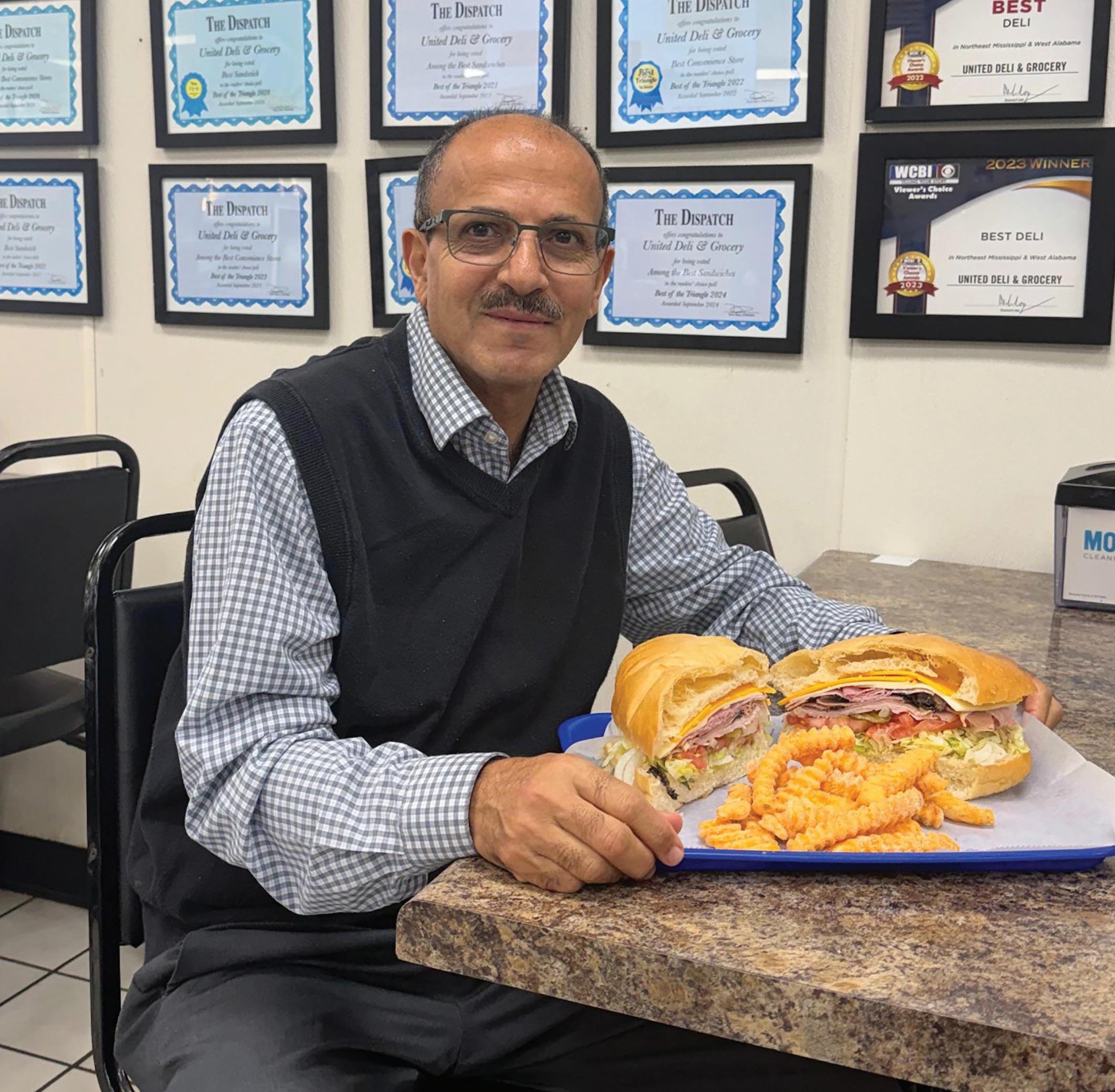
When local television stations ask viewers to vote on their favorite restaurant, convenience stores don’t often make those lists. However, United Deli & Grocery in Columbus, Mississippi, is bucking this trend: In 2025, the store won the WCBI News Viewer’s Choice Award. And that’s not its only award: Mississippi Magazine named United Deli & Grocery the maker of “Mississippi’s Best Sandwich” and Columbus Dispatch readers voted the store “Best Deli in the Triangle.”
So, what’s the secret? Owner John Musa believes there are a few factors at play.
“I’d say the cook sets us apart. Second, the quality of the meat,” Musa explained, adding, “People drive 20 or 40 miles to eat here. You have to be there for your customers.”
Musa said he insists that the employees love the food they prepare and that they pay attention to detail.
“I tell my workers when you have food, you have to design it. When you make it, be happy. You have to respect the food. You get it in your system. When I sell a hamburger or Philly steak, customers feel they have to eat it,” he said.
Customers also love the food at United Deli & Grocery, as Facebook users will attest to. “If y’all ain’t been here and got
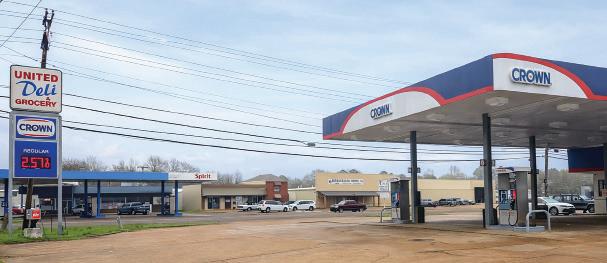
After filling their tanks, customers can fill their stomachs with a sandwich made with generous toppings and bread that’s baked in-house daily.
a ‘Johns special’ you’re missing out!” read a comment on the store’s Facebook page. The John’s Special sandwich is piled high with roast beef, turkey, ham, cheddar and Swiss cheese, mayo, lettuce, tomato, onions and pickles.
Also popular are the hamburgers, which found their way to United Deli & Grocery from a previous store Musa owned.
“I was in Brooksville, Mississippi, with a little gas station in the middle of nowhere. I was working by myself. I only sold pizza. I got a tiny grill to cook hamburgers for myself. People would smell the hamburger cooking and ask about it. I sold a few and customers liked [it] better than pizza. … I brought it to this store and customers like it,” he said.
Bread is the most important component of the dish, according to some chefs. For Musa, he had to take matters into his own hands—literally.
“When I was in New York, hoagie style bread was everywhere. You can’t find this [in Mississippi]. A friend said my hamburger was good, but I had the wrong bread,” Musa said. That comment led to his search for the perfect bread.
“I bought the right oven, I tried a lot of bread, but none of them were right. I found a factory in Buffalo,
I am grateful for all of my customers— the military, law enforcement and firefighters have put us in business and keep us in business.
New York, that was making dough and it was what I needed,” he said. Now he sources dough from Sysco and bakes it on-site.
Baking bread is a commitment, explained Musa. “If you don’t have the energy for it, you’re not going to make it right. I proof the dough overnight. I bake bread four or five times a day— about a hundred loaves—and some customers come in and just buy the bread,” he said.
Customers ask for the hamburger on the baked-in-house hoagie rolls. That’s right, a 12-inch hamburger.
“I put two patties on the bread—it’s big,” he said.
Just like his love for food, Musa wholeheartedly believes in serving his customers directly. “I work here every day. If you own a restaurant and you’re not in it all the time it’s not good,” he said.
He also believes in transparency, which instills trust with customers that their food is prepared fresh. “My deli is wide open. You can see everything. Customers can watch the sandwich being made,” he said.
And although he enjoys seeing what other restaurants are doing, Musa is confident in his menu and food.
“I eat in other restaurants; I’ve tried a lot of delis and food. They go in a different direction. My menu is full and I don’t want to change,” he said, noting that his customers prefer to order their favorite dish. “We have a lot of older customers who like the same thing most of the time.”
“I am grateful for all of my customers— the military, law enforcement and firefighters have put us in business and keep us in business. I get my results from customers,” he said.
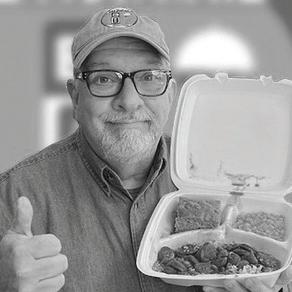
Al Hebert (GasStationGourmet. com) is the Gas Station Gourmet, showcasing America’s hidden culinary treasures.
Flavor, function and high margins make packaged beverages a top revenue source.
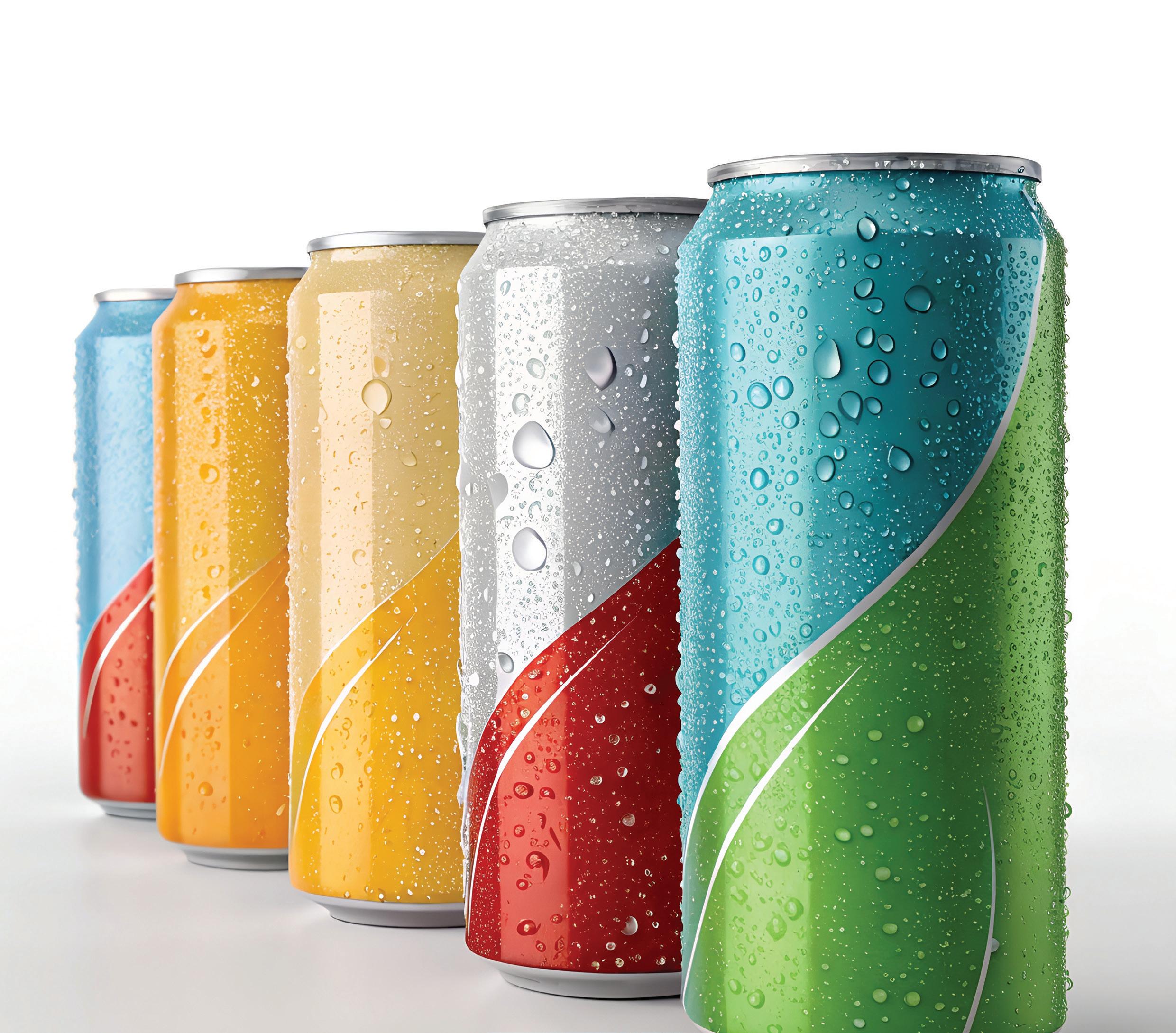
BY PAT PAPE
Beverages in convenience stores are a big business that keeps getting bigger.
“Consumers are turning to beverages for more than quenching their thirst,” said Sally Lyons Wyatt, global executive vice president and chief advisor, consumer goods and foodservice insights at Circana. “They’re turning to beverages for functional benefits, to replace meals or to be a snack. Innovation is helping to give customers what they’re looking for.”
Packaged beverages are key for driving trips and building baskets inside c-stores. The category is consistently a top margin contributor for in-store merchandise, contributing more than 18% to in-store sales in 2025, according to preliminary NACS State of the Industry data.
According to the Keurig Dr Pepper 2025 State of Beverages Trend Report, 44% of Americans, including 72% of Gen Z, try new beverages each month, which creates tremendous opportunities for flavor exploration and innovation.
In February, Keurig Dr Pepper announced 2026 plans to introduce more than 35 new drinks across its owned and partner brands. The company said the lineup delivers “what consumers want most: bold new flavors, twists on nostalgic favorites, more zero-sugar options and expanded energy offerings.”
Packaged beverages were the No. 1 inside merchandise category in 2025
Source: NACS State of the Industry Report® of 2025 Preliminary Data
Beverages with bold flavors or a treat-like experience continue to perform well as affordable, everyday indulgences.
“Our target consumer ranges from performance-minded shoppers to lifestyle users seeking ‘permissible’ energy,” said Kevin Martello, vice president of foodservice and industry relations at Keurig Dr Pepper. “We reach them through digital-first marketing, creator partnerships, in-store visibility, flavor-driven LTOs and clear functional callouts that highlight benefits at a glance.”
This year, Keurig Dr Pepper is bringing back Dr Pepper Creamy Coconut, the most successful LTO in the company’s history. New offerings include Bai Blood Orange, Mott’s 100% Juice in Strawberry Peach, and Mott’s Juice Zero Sugar in both Apple and Peach Mango. There’s also a full Snapple reboot in the works, including a Two Hundred Fif-TEA Party LTO in time to celebrate America’s 250th birthday.
“We’re also expanding flavorforward platforms, such as Canada Dry Fruit Splash, adding strawberry to meet rising demand for real fruit cues and variety,” said Martello.
Kevin LeMoyne, vice president of convenience retail at The Coca-Cola Company North America, noted that
Jan. 2022-Sep. 2025
$55,527
Source: NACS CSX Database
CSX, the engine behind category metrics and NACS State of the Industry data, provides current and customizable tools for financial and operational reporting and analysis in the convenience industry. Retailers can measure their company by any of the myriad metrics generated via our live database. Contact Chris Rapanick at (703) 518–4253 or crapanick@convenience. org for a complimentary executive walkthrough.
shoppers are redefining convenience by prioritizing speed, value and discovery.
“Despite ongoing economic pressure on low- and middle-income consumers—and fewer than two in five shoppers feeling they get good value—convenience stores remain a top destination for food and beverages, particularly for ‘treat myself’ occasions,” said LeMoyne.
“Variety strongly drives perceived value, second only to ease of getting in and out. Innovation continues to fuel growth, delivering nearly a quarter of non-alcoholic ready-todrink growth and 90% of sparkling soft drink immediate-consumption growth in the channel,” LeMoyne added. “And shoppers increasingly seek smaller portion sizes and new flavor experiences, relying on the channel for immediate-consumption food and drinks.”
In response to the desire for smaller servings, Coca-Cola introduced its 7.5-ounce mini can as a single-serve option on January 1 of this year. Mini cans have been a favorite in grocery
aisles for more than a decade, but until now, they were sold only in multipacks.
Keurig Dr Pepper also plans to roll out 8.4-ounce cans designed for consumers seeking a smaller container and 100 milligrams of caffeine.
“Consumers today are looking for functionality, indulgence and value. Beverages with bold flavors or a treat-like experience continue to perform well as affordable, everyday indulgences,” said Paul Andreotta, chief commercial officer at PepsiCo Beverages U.S. “In the convenience
The packaged beverage category is shifting toward bold flavors, zerosugar options and nostalgic twists.
Source: NACS CSX Convenience Benchmarking Database
44% of Americans, including 72% of Gen Zs, try new beverages each month.
channel specifically, shoppers often make quick, occasion-based purchases. Clear benefits, strong innovation and eye-catching flavors all play an important role in driving trial and repeat purchases.”
PepsiCo continues to invest heavily in innovation across the beverage portfolio, including new flavors, LTOs and functional products designed
It’s tough to compete with convenience stores in the packaged beverage space—especially without walls of dedicated cooler space.
Absent cold vaults, QSRs lean into their fountain offers to move more drinks. Chains like McDonald’s, Taco Bell and Chick-fil-A have opened or tested proprietary beverage-forward spin-offs. “They’re trying to create that coffee shop experience with a variety of beverages,” said Sally Lyons Wyatt of Circana.
McDonald’s unveiled the first of five CosMc’s test locations in late 2023 to serve cold coffees, refreshers, craft sodas and energy drinks and a
to keep the category exciting. The company’s recent innovations include Mountain Dew Cabo Citrus, Poppi Shirley Temple and Starbucks Coffee Plus Protein, along with Starbucks Chilled Refreshers Lemonade. There’s also a reformulation of Pure Leaf Zero Sugar, which “reflects growing consumer demand for great taste with no sugar,” said Andreotta.
limited snack menu. Though the outlets closed 18 months later, the beverage learnings transferred to McDonald’s stores.
Taco Bell opened the original Live Más Café more than a year ago and, as of January, has 31 locations in Southern California, Houston, Dallas and the Las Vegas area. Live Más Cafés offer the regular Taco Bell menu, while trained “Bellristas” prepare madeto-order drinks.
As a test, Chick-fil-A introduced Daybright, a standalone beverage-centric restaurant concept in Hiram, Georgia, in 2025. The location features specialty drinks, coffees, smoothies, juices and teas, along with a light food menu.
Retail was strictly brickand-mortar 80 years ago. However, in the past decade there has been rapid change from in-store and online only, to in-store, online, plus social commerce and omni-channel
In fact, social media’s influence has created a huge shift in the traditional path to purchase and shoppers have responded.
“In the last quarter of 2025, we saw TikTop Shop do $91 million in sales in drink-related categories,” said Sally Lyons Wyatt of Circana.
“TikTok, e-commerce, and social commerce are accelerating beverage innovation at lightning speed,” she continued. “There are so many products available that you can’t fit them all in a brick-and-mortar store, but consumers are finding them online. Is this competition for c-stores? The answer is yes. However, there is a lag time in getting from an online retailer. If you’re thirsty, the c-store is the primary place to go.”
In February, Coca-Cola capitalized on the premium-soda trend with the LTO release of Coca-Cola Cherry Float. “This flavor innovation blends the classic taste of Coca-Cola with a nostalgic combination of cherry and creamy vanilla,” said LeMoyne.
In addition, Mr. Pibb has been revived with a bold reformulation and rebranding designed to meet consumer demand for intense flavor and extra caffeine. The company describes Mr. Pibb as a “an intense sweet cherry flavor with hints of caramel and a lingering spicy finish.”
“With 30% more caffeine than Pibb Xtra, Mr. Pibb is crafted for consumers looking for sparkling soft drinks with an edge in every sip,” LeMoyne said. “It launched in October and comes in two flavors, Thrillin’ Vanilla and Punchin’ Peach. It’s available in 12-ounce 12-pack, 20-ounce and two-liter bottles in select regions of the U.S., and we have plans to expand its availability this year.”
The energy category is no longer one-sizefits-all.
Fanta Sour Cherry, a springtime LTO, “will feature a vibrant dark red hue and a tantalizing sour twist, delivering a uniquely exciting taste profile that captures shopper attention,” he added. “Fanta Sour Cherry will be available in 12-ounce and 20-ounce bottles.”
The functional drink market is one of the fastest growing segments in the global foods and beverage industry. It was valued at $164.68 billion in 2025 and is expected to hit $315.89 billion by 2033, reports Grandview Research.
When energy drinks first hit c-store shelves over 20 years ago, customers gravitated to them for a big caffeine boost to get them through the day, but “the energy category is no longer one-size-fits-all,” said Martello. “Shoppers are increasingly looking for bolder flavors, functional benefits, brands that match their lifestyle and options they can personalize,” Martello said. “We’re building a portfolio that reflects the different ways consumers use energy throughout their day— especially as female household penetration grows. Ghost Energy will anchor a major 2026 push with proven core flavors and high demand LTOs,
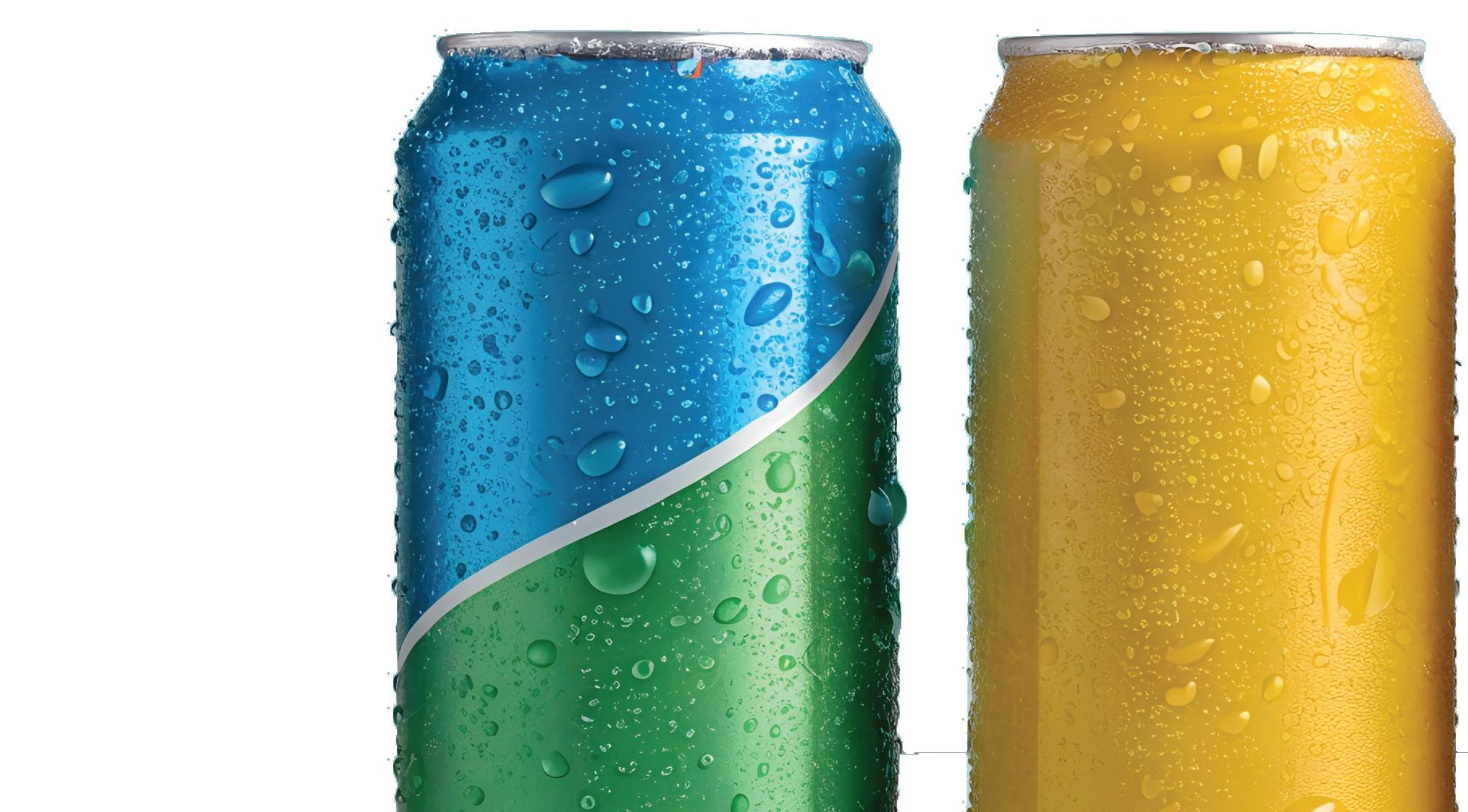
including Sour Strips and Welch’s GrapeCran.”
Keurig Dr Pepper is responding to the growing demand for hydration and better-for-you benefits, “especially among Gen Z and Millenials, who significantly over-index in these categories,” Martello said.
“Electrolit leads rapid hydration with a high-efficacy electrolyte blend, while Ghost, C4, Bloom and Black Rifle Energy deliver functional ingredients, such as beta-alanine, B vitamins, prebiotics, nootropics and added hydration support,” Martello continued, adding that aside from Ghost, all the brands are Keurig Dr Pepper distribution brand partners.
“In hydration, Gatorlyte recently introduced a new tropical coconut flavor,” said PepsiCo’s Andreotta,
“offering consumers another option with Gatorade’s specialized fiveelectrolyte blend.”
With so much activity in the marketplace, how can c-store operators get in on the hottest new drinks?
Contact Information Page
Convenience Voices
(404) 642-4967 getchyl com
convenience org/events/GlobalEvents/ Convenience-Summit-Europe
“Some retailers will see something new and will give the product 60 days. Others don’t want to be early adopters. They want a vendor to come in and demonstrate that the product is selling,” Wyatt said.
She continued: “We’ve seen a longterm impact on the choices consumers are making regarding food and beverages, with beverages being the No. 1 category driving growth. Foodforward convenience retailers will need to up their game. They need to be catering to the beverage client like they do the food client.”
Thank you to these advertisers who have demonstrated their support of the convenience and fuel retailing industry by investing in NACS Magazine.
convenience org/Solutions/ Business-Intelligence-Data-Analytics/Convenience-Voices NACS Executive Education
convenience org/Education/NACS-Executive-Education NACS Foundation: 24/7 Day
conveniencecares org/24-7-Day 247daymap conveniencecares org NACS Show 2026
nacsshow com
State of the Industry® Talent Insights Dashboard
convenience org/Research NACS THRIVR
convenience org/THRIVR
American Bancard
north com
(800) 367-3677 smna com
(866) 576-7645 polarking com
Manufacturing
(636) 537-6800 gopremier com
Gate Foods
(952) 445-1350 stonegate-foods com
Concepts Corporation
structuralconcepts com
Sky Products
Industries
(800) 444-4665 triononline com
(888) 4-XCALIBER xcaliberinternational com
Loyalty or rewards programs are reshaping how shoppers engage with their favorite convenience store brands.
In 2025, 75.0% of shoppers in the Convenience Voices Survey reported being a member of a convenience
store loyalty program, marking an 18.2 -point increase from 2020, when membership stood at 56.8%. This growth reflects a broader shift in shopper behavior as consumers increasingly seek value, savings and personalized offers.
Loyalty programs can also play a crucial role in influencing where
customers choose to shop. Among the various perks offered, fuel discounts remain the most popular: 45.2% of shoppers cited cents- off-per-gallon rewards as a most-liked feature, followed by coupons and digital discounts, which were zpopular with 44.2% of respondents.
What Features Do You Like Most About the Convenience Store Loyalty/Rewards Program(s) That You Use? Same-Firm Sample

Source: 2025 NACS Convenience Voices Annual Survey
NACS Convenience Voices studies c-store customers in real time while they are inside stores and on the forecourt. To learn how this program can help your business, visit convenience.org/voices.

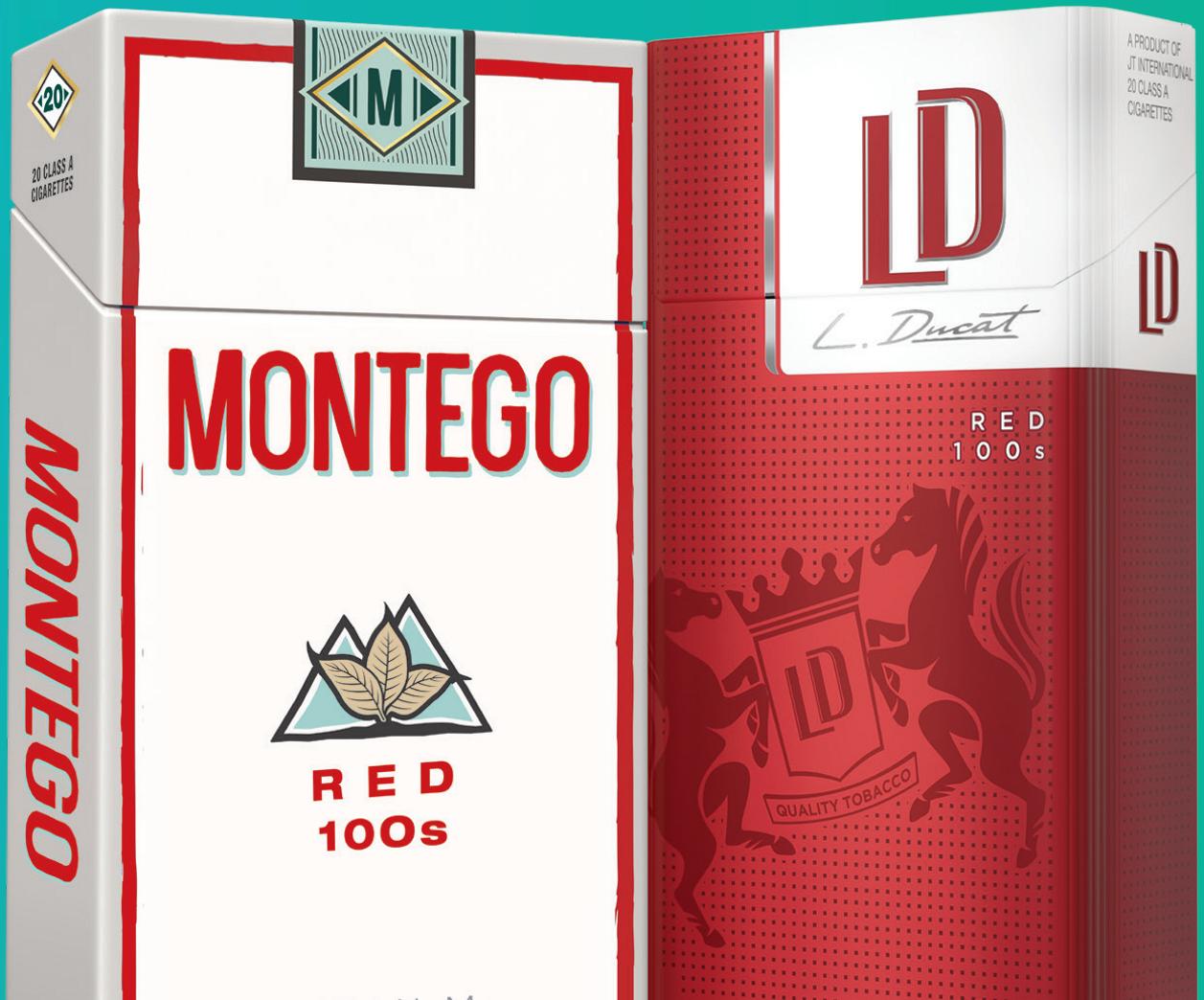



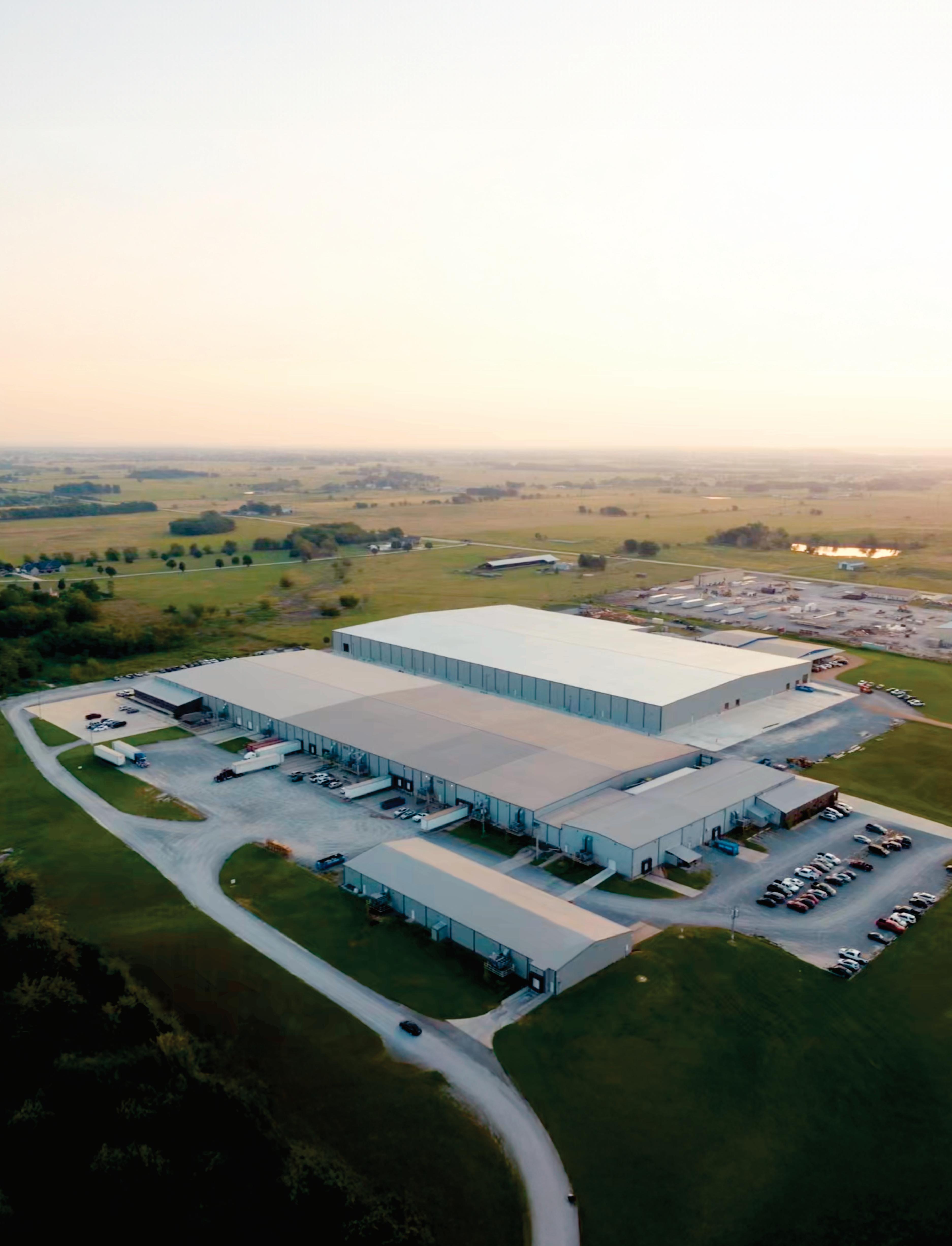
For 25 years, Xcaliber has been dedicated to a single mission: manufacturing the highest-quality fourth-tier cigarette products in the industry.
We couldn't have reached a quarter-century of success without the steadfast support of our retail and wholesale partners. Thank you for trusting us to stock your backbars with exceptional value and uncompromising quality. Here’s to 25 more years of partnership.