WINNING
Earn trips with spaces that are clean, quick and connected.
DRIVER
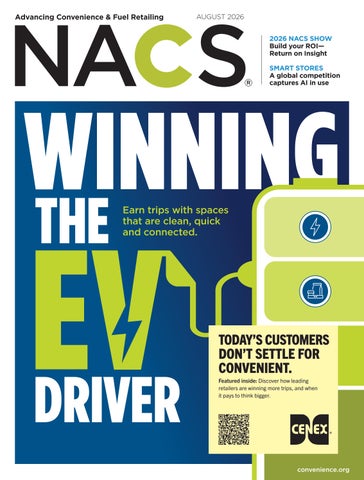
Earn trips with spaces that are clean, quick and connected.
34 NACS Show Preview
The 2026 NACS Show will deal attendees a full deck of Education Sessions, networking opportunities and ideas and innovations that can pay off.
56 Convenience at the Crossroads
Explore music and fried chicken (and some barbecue) on a tour of Mississippi gas stations.
64 Driving Benefits in Both Directions
This Q&A is brought to you by Shell Mobility.
The upgraded Shell App offers benefits to both customers and operators.
68 Big Ideas from the Smartest Store in the World
The winners of this competition showcase how leading global retailers are using AI and other technology to transform their stores.
CONNECTED
78 It’s Not a SNAP
What do convenience retailers need to know about the new SNAP landscape?
86 Hello, Dolly!
Dolly Parton has entered the travel center business—NACS was there for the grand opening.
93 Betting on Lotto
Even with increased competition from online gambling, lottery can be a win for c-store operators.
100 Community in Convenience
The NACS consumer survey takes a closer look at what drives good customer experience.
104 Building Revenue by Tearing Down
This article is brought to you by Cenex.
The stores winning more trips aren’t just remodeling, they’re rethinking what’s possible.
Subscribe to NACS Daily—an indispensable quick read of industry headlines and legislative and regulatory news, along with knowledge and resources from NACS, delivered to your inbox every weekday. Subscribe at www.convenience.org/NACSdaily.
A FACT
The average sales per store, per month of other tobacco products in 2025
CATEGORY CLOSE-UP PAGE 20
Washington There’s power in numbers. Tools like the NACS Call to Action platform and the Convenience Donor Network can help turn customers into industry advocates.
tobacco products, especially nicotine pouches, help offset the cigarette category’s decline.























































EDITORIAL
Jeff Lenard VP of NACS Media & Strategic Communications (703) 518-4272 jlenard@convenience.org
Ben Nussbaum Publisher & Editor-in-Chief (703) 518-4248 bnussbaum@convenience.org
Michelle Cassidy Managing Editor mcassidy@convenience.org
Austin Fuller Senior Writer afuller@convenience.org
Lauren Shanesy Editor/Writer lshanesy@convenience.org
Noelle Riddle Editor/Writer nriddle@convenience.org
Chrissy Blasinsky Digital & Content Strategist cblasinsky@convenience.org
CONTRIBUTING WRITERS
Terri Allan, Amanda Baltazar, Al Hebert, Steve Holtz, Pat Pape, Rich Proulx
DESIGN
Ji Ho Creative Director jho@convenience.org
Lisa M. Zilka Senior Graphic Designer lzilka@convenience.org
David Marvin Graphic Designer dmarvin@convenience.org
ADVERTISING
Stacey Dodge Advertising Director/Southeast (703) 518-4211 sdodge@convenience.org
Jennifer Nichols Leidich National Advertising Manager/ Northeast (703) 518-4276 jleidich@convenience.org
Ted Asprooth National Sales Manager/ Midwest, West (703) 518-4277 tasprooth@convenience.org
Logan Dion Digital Media and Ad Trafficker (703) 864-3600 ldion@convenience.org
Advertising production: production@convenience.org
NACS BOARD OF DIRECTORS
CHAIR: Annie Gauthier, CFO/Co-CEO, St. Romain Oil Co. LLC (dba Y-Not Stop)
TREASURER: Lonnie McQuirter, Director of Operations, 36 Lyn Refuel Station
OFFICERS: Chris Bambury, Bambury Inc.; Tom Brennan, Casey’s; Varish Goyal, Loop Neighborhood Markets; Charles McIlvaine, Coen Markets Inc.; Natalie Morhaus, RaceTrac Inc.; Travis Sheetz, Sheetz Inc.
GENERAL COUNSEL: Doug Kantor, NACS
MEMBERS: Lisa Blalock, BP North America Inc.; Brian Donaldson, Maxol Limited; Tony El-Nemr, Nouria Energy Corp.; Terry Gallagher, Gasamat Oil Corp./Smoker Friendly; Erin Graziosi, Robinson Oil Corp.; Raymond Huff, HJB Convenience Corp. (dba Russell’s); Mark Jordan, Refuel Operating Co.; Thomas Love, Love’s Travel Stops & Country Stores; Crystal Maggelet, Maverik Inc.; Rich Makin, Wawa Inc.; Brian McCarthy, Blarney Castle Oil Co.; Andrew Mitchell, Toot’n Totum Food Stores LLC; Jigar Patel, Fastime; Stanley Reynolds, 7-Eleven Inc.; Kristin Seabrook, Global Partners LP; Doug Yawberry, Weigel’s Stores Inc.; Scott Zietlow, Kwik Trip Inc.
PAST CHAIRS: Victor Paterno, president and CEO of Philippine Seven Corp.; Don Rhoads, president and CEO of The Convenience Group LLC
SUPPLIER BOARD REPRESENTATIVES: Bryan Morrow, Chobani & La Colombe; Kevin LeMoyne, The Coca-Cola Co.
NACS SUPPLIER BOARD
SUPPLIER BOARD CHAIR: Bryan Morrow, Chobani & La Colombe
CHAIR-ELECT: Kevin LeMoyne, The Coca-Cola Co.
VICE CHAIRS: Mike Gilroy, Mars Wrigley; Jim Hughes, Liquid Death; Danielle Holloway, Altria Group Distribution Co.
MEMBERS: Tony Battaglia, PMI U.S.; Ryan Calong, Tropicana Brands; Jerry Cutler, InComm Payments; Jack Dickinson, Dover Fueling Solutions; Matt Domingo, Reynolds; Mark Falconi, Greenridge Naturals; Ramona Giderof, Diageo Beer; Adam Gryzbek, BIC Corp.; Kevin Kraft, Olipop; Jay Nelson, Excel Tire Gauge LLC; Jordan Nicgorski, JUUL Labs; Nick Paich, TriggerPoint Media; Bria Troy, PepsiCo Inc.; Melissa Vonder Haar, iSEE Store Innovations LLC; Jason Zagaria, Primo Brands; Derek Zahajko, CAF Inc.;
GENERAL COUNSEL: Doug Kantor, NACS
STAFF LIAISON: Bob Hughes, NACS
RETAIL BOARD REPRESENTATIVES: Tom Brennan, Casey’s; Scott Hartman, Rutter’s; Kevin Smartt, TXB
PAST CHAIRS: Vito Maurici, McLane Co. Inc.; David Charles, Cash Depot; Kevin Farley, InStore AI
Subscriptions and customer service: nacsmagazine@convenience.org
NACS Magazine (ISSN 1939-4780) is published monthly by the National Association of Convenience Stores (NACS), Alexandria, Virginia, USA.
Subscriptions are included in the dues paid by NACS member companies. Subscriptions are also available to qualified recipients. The publisher reserves the right to limit the number of free subscriptions and to set related qualifications criteria.
POSTMASTER: Send address changes to: NACS Magazine 1600 Duke Street, Alexandria, VA, 22314-2792 USA.
Contents © 2026 by the National Association of Convenience Stores. Periodicals postage paid at Alexandria VA and additional mailing offices. / AUGUST 2026


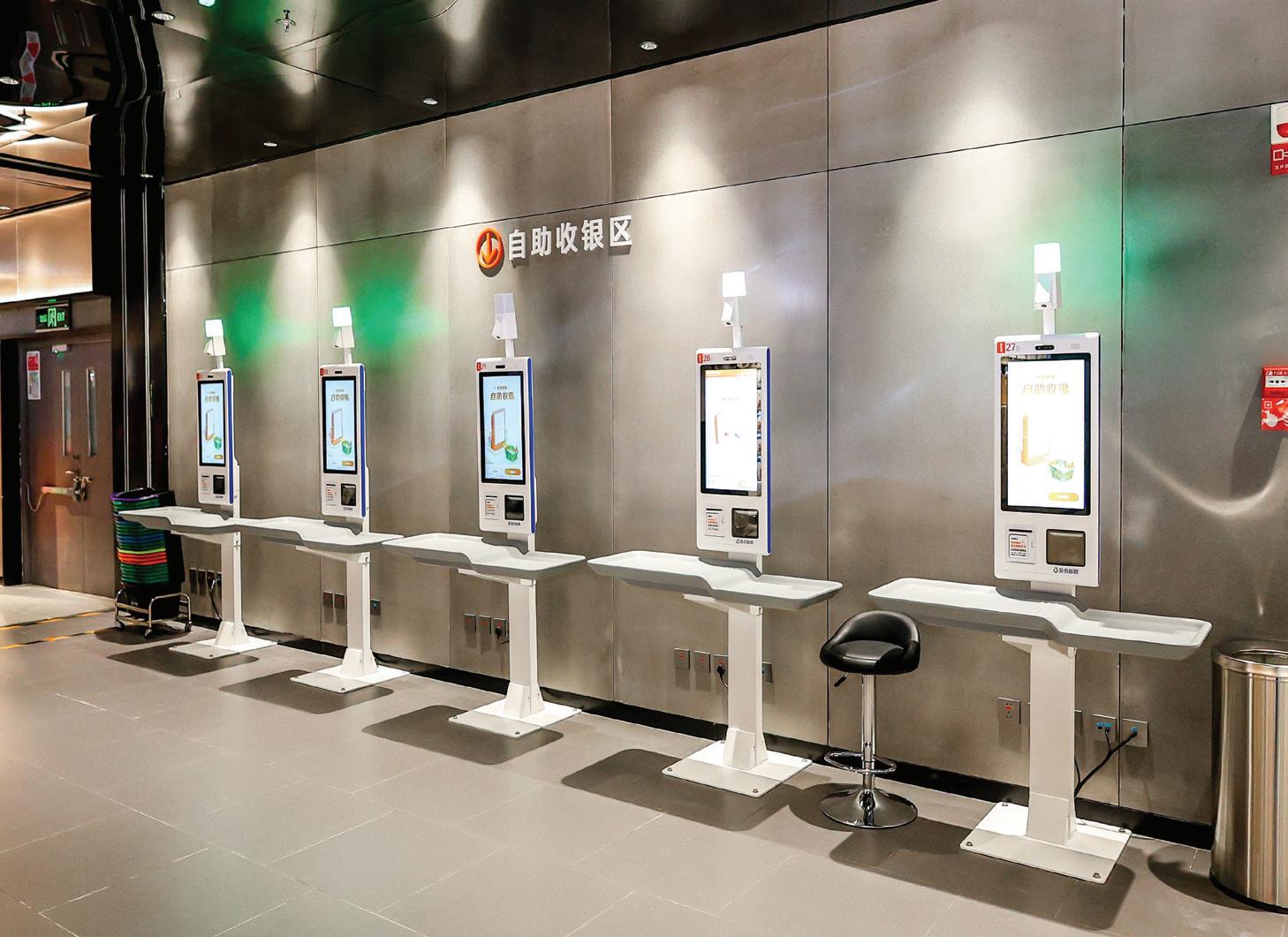
Turn to page 68 to read about Wumart, the winner of the Smartest Store in the World competition.
If this issue has a theme, it’s “Let’s learn from each other.” Of course, that theme also defines a central reason why NACS was founded 65 years ago this month—August 14, 1961, to be exact.
On the theme of learning together, earlier this year NACS joined with Insight Research to co-host a competition to find the smartest store in the world. It’s less about the destination—handing someone a trophy—and more about the journey— sharing how creative operators around the world are harnessing technology.
The timing of the competition was perfect, noted Accenture’s Brian Gray, who served as one of the judges. The competition launched as retail operators were finding success with a range of next-generation AI applications, making it a snapshot of the state of AI in retail.
Our coverage of the competition starts on page 68, and you can discover all the submissions at globalconvenience.com. The 21 retailers who submitted profiles
deserve huge kudos for sharing.
Staying on the theme of learning together: Be sure to check out Rich Proulx’s article on SNAP, starting on page 78. I’m thrilled that Rich, who spent more than a decade at USDA, is sharing everything he knows with the c-store community.
As another example, Jeff Lenard ’s trip through Mississippi to sample gas station cuisine started with a visit to Stafford Shurden, an expert on the topic who suggested several favorites to visit. Jeff’s story starts on page 56. And, of course, the NACS Show is the ultimate when it comes to learning from each other. We’re ramping up our 2026 NACS Show coverage with a preview that starts on page 34. Be sure to mark your calendar and register early: The NACS Show returns to Las Vegas this year, October 6-9.

Ben Nussbaum Editor-in-Chief, NACS Media





















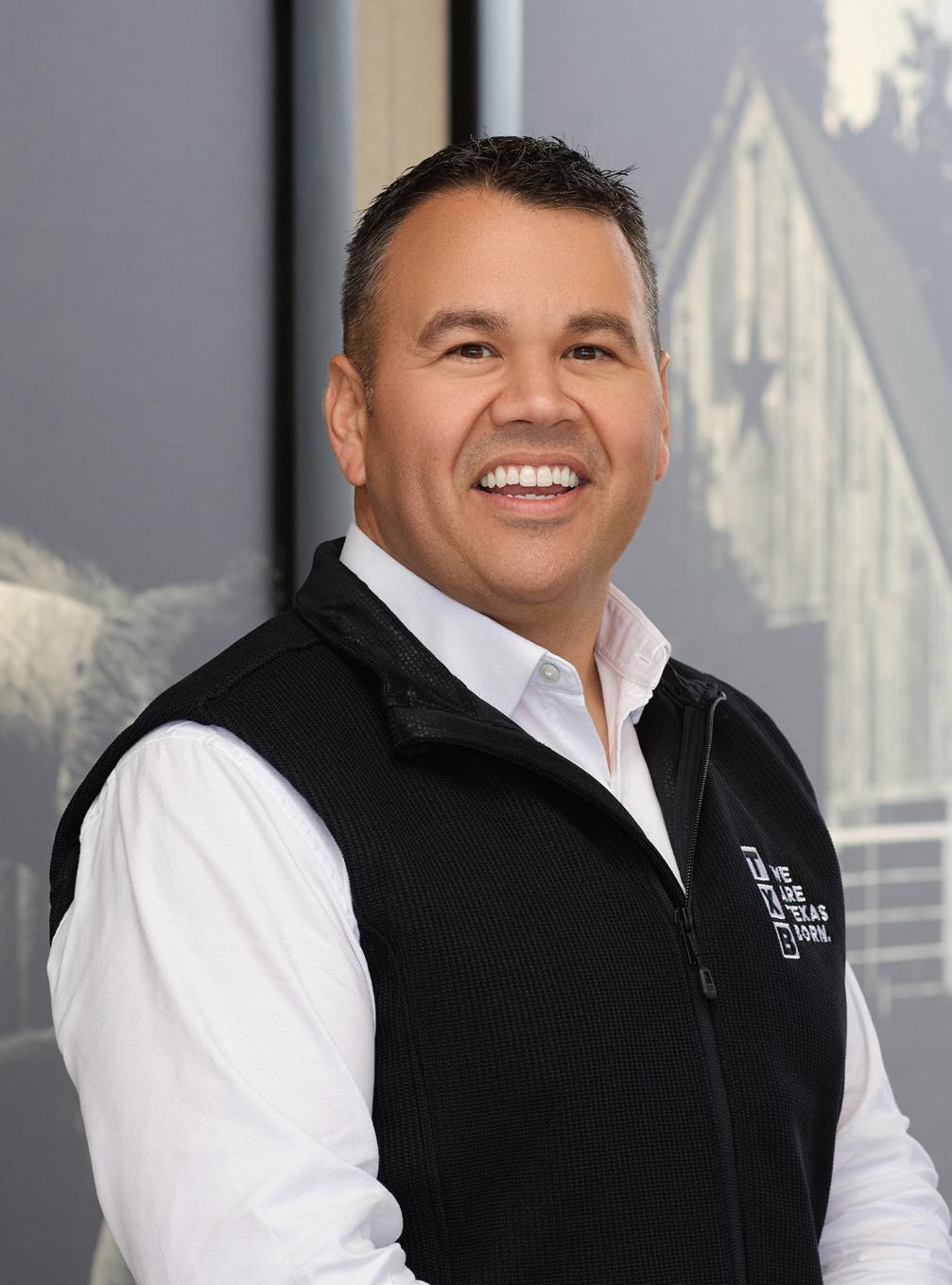
Nathan Graham, TXB’s director of human resources, began his career with the retailer 22 years ago.
Two decades ago, when he was a senior in high school, Nathan Graham began working at Texas retailer TXB (then known as Kwik Check) as a cashier. After attending college, he returned to work at the company as a store manager and then area manager before moving to the corporate office, where he eventually became TXB’s director of human resources in 2017.
Due to his long history with company, Nathan has implemented several training programs aimed at helping employees find their own path toward leadership positions at TXB and beyond. “It is my goal every day to ensure all employees feel supported and equipped to tackle their workday,” he said.
Our industry offers upward mobility. I love seeing employees realize they have a true future here.
I love the fast-paced environment, the opportunity to grow and the community connection. But it’s the people I love the most. I am a people person, and this is a people business. I have met and worked with so many great people during my career with TXB.
The most fulfilling aspect of my job is helping people turn jobs into careers. Many peo -
ple start in entry-level roles and grow into managers or even corporate leaders. Seeing this is incredibly rewarding. My favorite thing is the people and the potential they have. Every employee brings a different background and perspective. Being a part of building programs that help employees succeed in and out of the workplace is amazing. Our industry offers upward mobility. I love seeing employees realize they have a true future here.
It’s a great choice if they want a role that’s people-focused and full of opportunities. Convenience stores help you build people skills and thrive in a fast-paced environment. It’s a job where you can start quickly, learn a lot, grow fast and make an impact not only on your life but also on others. This industry can give you a solid foundation and real career opportunities.
I hope my story inspires other teenagers to think big about their own careers, and encourages other HR specialists to invest in training programs that support entry-level employees to help them grow.











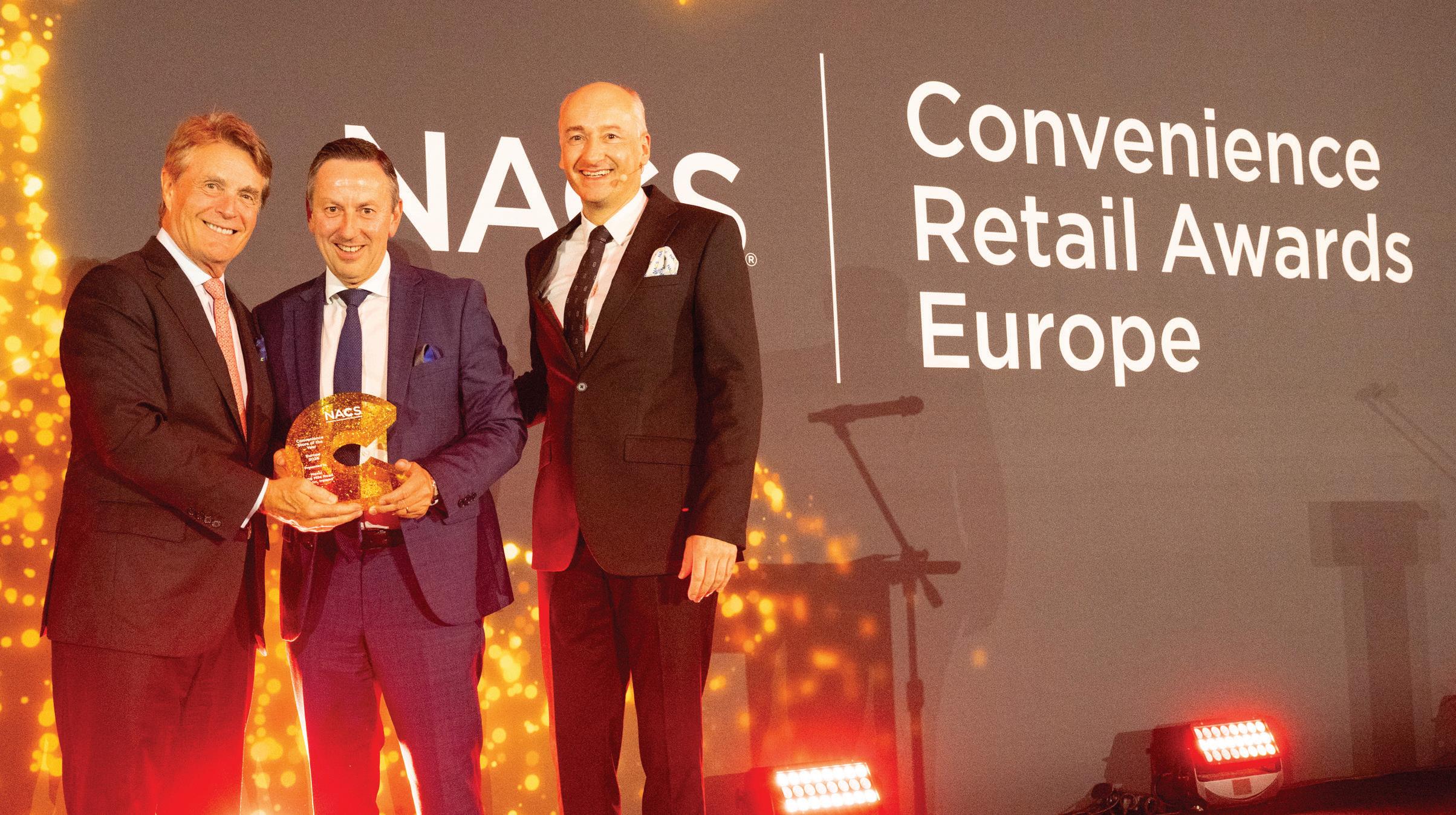
Recipients included Maxol Long Mile Road, Marks & Spencer and BWG Foods UC.
Insight Research and NACS are co-hosting the “Best Foodvenience Store in the World” competition, along with knowledge partner The Moseley Group and sponsors AACS and Deliverect, in a search to find excellence and innovation in convenience store foodservice through a unique combination of customer experience, operational excellence and commercial performance.
MAXOL LONG MILE ROAD
NACS CONVENIENCE STORE OF THE YEAR AWARD
Located on a major commuter route in southwest Dublin, Maxol Long Mile Road has been transformed into a modern, sustainable retail destination thanks to a €4.5 million investment. The flagship site features an expanded Maxol Deli, Zambrero, Burger King with drive-thru, digital ordering, ROSA Coffee, seating for 48 people, an ATM and upgraded restrooms.
The redevelopment of the Long Mile Road store showcases Maxol’s digital innovation strategy. Every touchpoint has been enhanced, from refueling on the forecourt to foodservice with digital ordering kiosks, dynamic menu screens, backoffice platforms and in-store loyalty to deliver a seamless, frictionless customer experience.
Established in 1920, Maxol is Ireland’s largest family-owned convenience forecourt retailer with a network of 247 branded service stations.
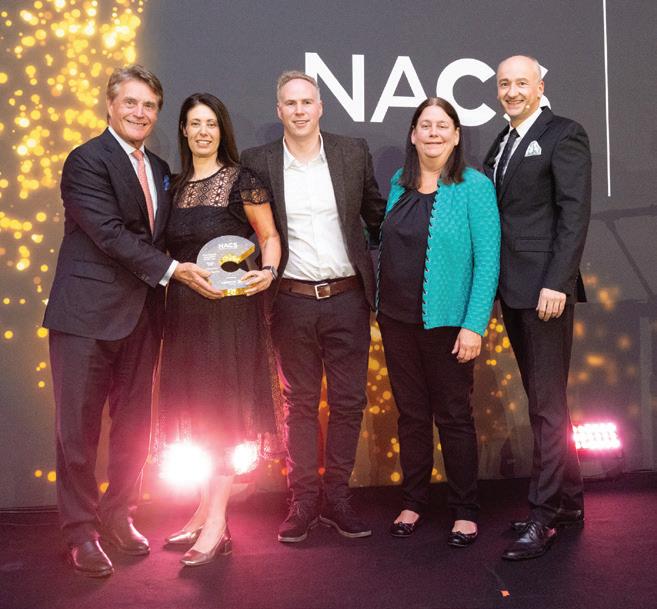
NACS CONVENIENCE INNOVATION OF THE YEAR AWARD
(SUPPORTED BY CONEXXUS)
Marks & Spencer (M&S) launched a viral social media campaign to actively participate in its TikTok communities. The British retailer operates an extensive network of convenience stores, primarily under the M&S Simply Food brand. The campaign strategy was built around zeitgeist M&S products that tapped into trends and popular culture, making them something customers would immediately want to buy, share on social media or tell their friends and family about. The goal: inspire users to create their own content around M&S brand products and go viral with millions of views on social from the user-generated content.
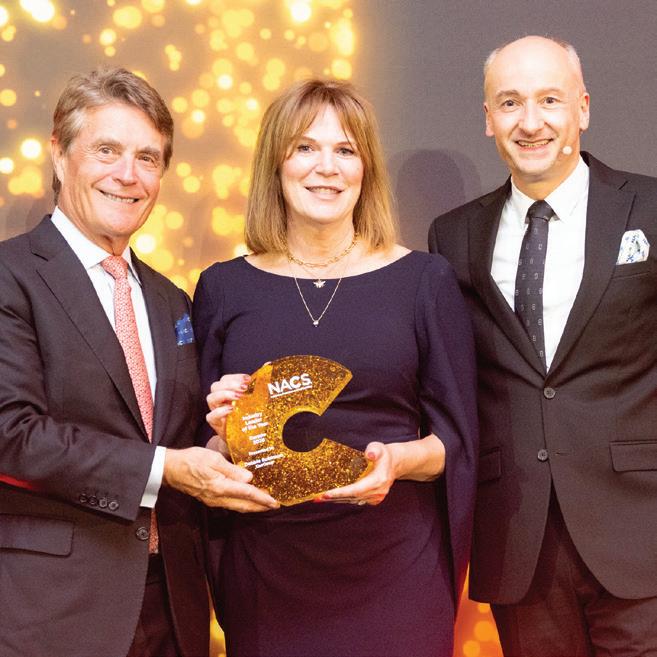
DEBBIE ROBINSON, CEO OF OURCOOP NACS INDUSTRY LEADER OF THE YEAR AWARD EUROPE
OurCoop is the U.K.’s largest independent co-operative society, with more than 1 million members and 13,000 colleagues operating in communities nationwide. It was formed by bringing together Central Co-op, the Midcounties Co-operative and Chelmsford Star Co-op societies.
Under Robinson’s leadership, OurCoop’s values reach beyond the U.K., through its Malawi partnership; its role in Cooperative Mutuals 50 (CM50) and the Fund for International Cooperative Development, which she chairs; and a 2026 King’s Award for Enterprise for promoting opportunity through social mobility, one of the U.K.’s most prestigious
business accolades.
Robinson is a seasoned leader in the cooperative sector. She has been instrumental in driving initiatives that put members and communities first.
“Debbie has shown what bold, values-driven leadership can achieve—bringing three societies together to create the U.K.’s largest independent cooperative and driving innovation that strengthens the movement well beyond her own organization,” said Henry Armour, NACS chairman emeritus and CEO international. “Her ambition for cooperatives, and the growth she has delivered, are exactly why she is this year’s Industry Leader of the Year recipient.”
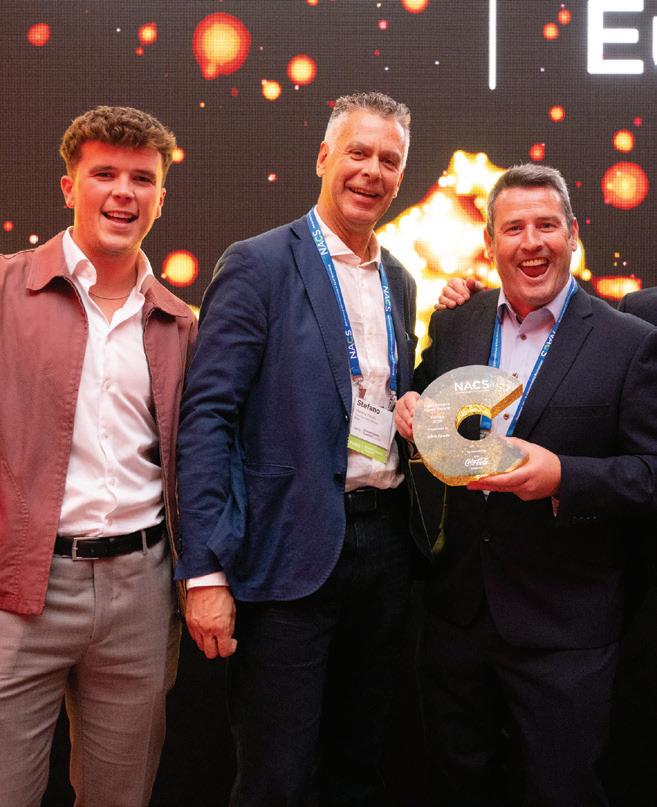
NACS CONVENIENCE CARES AWARD
(SUPPORTED BY THE COCA-COLA COMPANY)
As part of its store development strategy, BWG Foods introduced Climate Flow, a system that reduces reliance on traditional air conditioning by reusing hot and cool air already generated instore. Instead of creating new hot and cold air that work against each other, it captures existing airflow and redistributes it to maintain optimal temperatures efficiently. First installed at the Eurospar Meakstown store, Climate Flow has delivered strong energy savings and demonstrates BWG’s commitment to practical and scalable sustainability solutions.
BWG Foods UC is one of Ireland’s leading food retail and wholesale companies. BWG Foods works in partnership with more than 1,000 independent retailers, serving more than 1 million shoppers every single day.
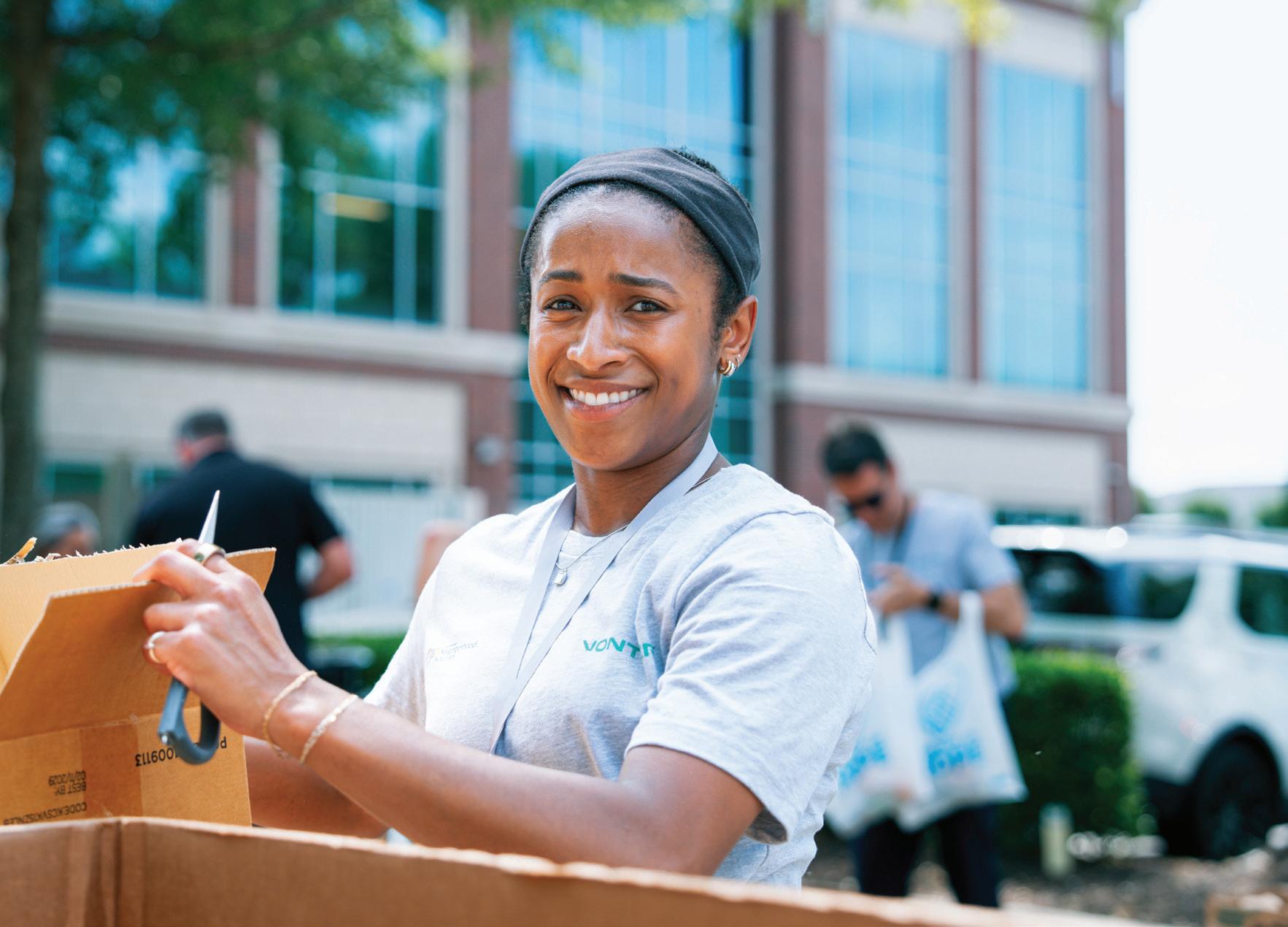
In partnership with the nonprofit Convoy of Hope and the NACS Foundation’s Neighborhood Nourish program, Vontier Corporation mobilized over 40 employee and community volunteers at an event in June. Together, they packed 2,000 bags of groceries for children and families facing food insecurity across Raleigh, North Carolina.
Summer is often the most challenging season for families facing food insecurity. When schools close, many children lose reliable access to the free and reduced-price meals they depend on during the academic year. Organizations like NACS’s Neighborhood Nourish and Convoy of Hope play a vital role in bridging that gap.
In addition to mobilizing volunteers to pack 2,000 bags of groceries, Vontier Corporation donated $25,000 to the NACS Foundation’s Neighborhood Nourish program.
“This partnership underscores the fact that convenience stores are community stores and central to the wellbeing of towns, both large and small, across the United States,” said Kevin O’Connell, executive director of the NACS Foundation. “This is just one of nearly a dozen packing events Convoy of Hope is supporting, and one we hope to replicate many times over with like-minded organizations that are passionate about using our collective knowledge and power to do good.”
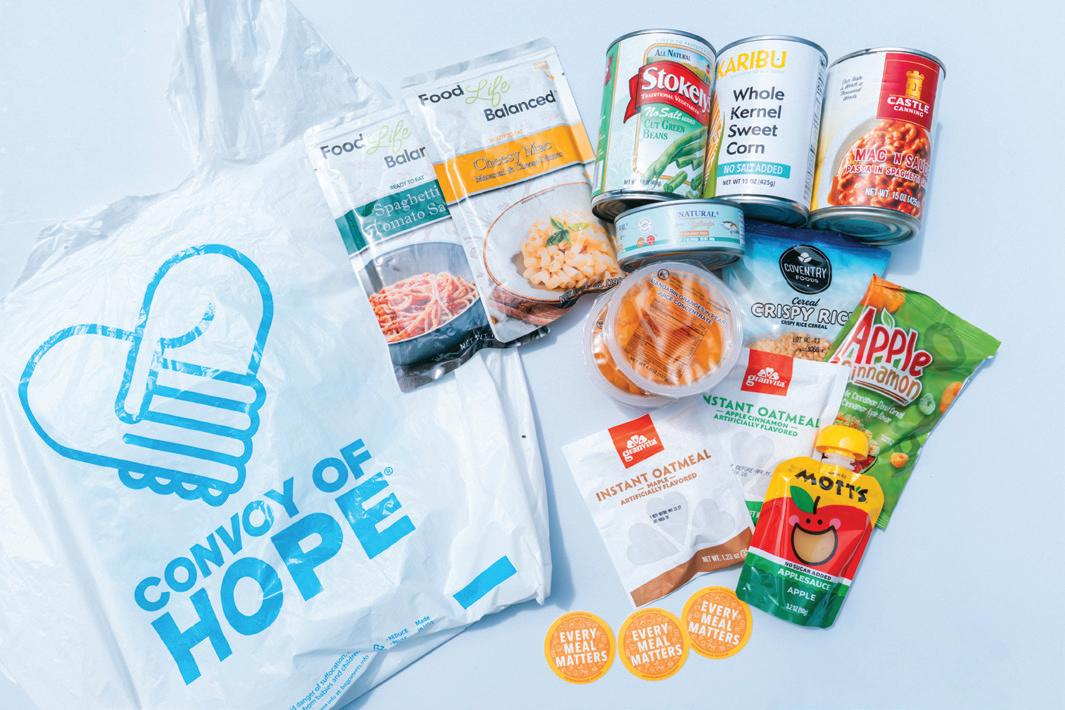
Each meal bag included shelf-stable food items including oatmeal packets, fruit cups, vegetables, protein, pasta meals, cereal and other nonperishables designed to provide balanced,
practical nutrition for children and families. Additionally, Keurig Dr Pepper donated 2,000 units of Mott’s applesauce. Convoy of Hope distributed the bags via local partners across the community.
To mark the group’s inaugural activation in Raleigh, Vontier donated $25,000 to the NACS Foundation’s Neighborhood Nourish program. Vontier said the sponsorship is part of a larger $75,000 commitment from the company for 2026. It builds on Vontier’s previous NACS Foundation contribution in October 2025 of a $50,000 donation supporting food recovery and redistribution efforts in the Chicago area.
Insight Research and NACS are co-hosting the “Best Foodvenience Store in the World” competition, along with knowledge partner The Moseley Group and sponsors AACS and Deliverect, in a search to find excellence and innovation in convenience store foodservice through a unique combination of customer experience, operational excellence and commercial performance.
Now in its third year, the initiative has attracted entries from across the globe and has become a powerful platform for industry learning, showcasing the best examples of modern convenience retail and foodservice innovation. Previous winners include Applegreen in Ireland and Rutter’s in the United States.
“The Best Foodvenience Store in the World competition is about more than selecting a winner. It helps move our industry forward by sharing ideas, recognizing excellence and creating a truly global showcase of innovation in convenience retail,” said Dan Munford, founder of Global Convenience and Insight Research. “Partnering with NACS represents a major step forward
for the initiative and reflects the growing importance of foodvenience within our industry worldwide.”
Prior to becoming president and CEO of NACS, Frank Gleeson cofounded the Best Foodvenience Store in the World competition with Munford. “The industry is increasingly dynamic and becoming more sophisticated in its foodservice offer,” said Gleeson. “The best stores have well-trained teams, highly engaged management, a culture of service and
OCTOBER
NACS Show
October 6-9 | Las Vegas Convention Center Las Vegas, Nevada
NOVEMBER
NACS Innovation Leadership Program at MIT
November 1-5 | MIT Sloan School of Management Cambridge, Massachusetts
NACS Women’s Leadership Program at Yale
November 9-13 | Yale School of Management, Yale University New Haven, Connecticut
DECEMBER
NACS & TEI Future of Mobility Summit
December 2-3 | Sheraton
Charlotte Hotel Charlotte, North Carolina
2027
FEBRUARY
are giving consumers what they want at different dayparts and different meal occasions. Foodservice starts with a great customer offer, and successful stores combine that with operational efficiency and financial profitability. And they do it all consistently.”
Entries are open through September 8. The winner will be announced both online and live on stage at The Retail Marketeers’ Convenience Leaders Convention in Hamburg, Germany, on November 12.
NACS Leadership Forum
February 16-18 | Ritz-Carlton
Amelia Island
Amelia Island, Florida
MARCH
NACS Convenience
Summit Asia
DATES TBD | Kuala Lumpur, Malaysia
NACS Day on the Hill
March 16-17 | Four Seasons Washington D.C. Washington, D.C.
NACS Human Resources Forum
March 22-24 | The Ballantyne Charlotte, North Carolina
For a full listing of events and information, visit www.convenience.org/events.

























































Flexeserve has hired Jordan Brown as Internet of Things (IoT) infrastructure and support manager to work on Flexeserve’s cloud-based system, Connect.
With years of experience in IT support and solutions, Jordan will facilitate Connect’s deployment process across thousands of locations, from managing the rollout, arranging test sites for potential customers or offering continued support and training.
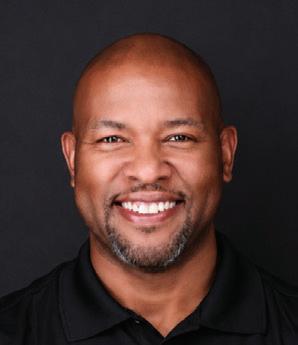
Unox hired Jermaine Richardson to serve as regional sales manager for its South Central and Rocky Mountain regions.
Richardson has more than 18 years of experience in the foodservice industry. He will support customers, dealers, consultants and distributors across Wyoming, Utah, Colorado, Texas, Oklahoma, Arkansas, Louisiana and Mississippi.
“Jermaine’s background gives him a unique perspective on the needs of our customers,” said Derrick Richardson, president of Unox North America.

ChargePoint announced Jyothi Swaroop as its chief marketing and growth officer. Swaroop will lead the company’s global go-to-market strategy, including marketing, operations, sales enablement, growth initiatives, partner monetization and new market expansion.
Swaroop will unify ChargePoint’s global GTM motion, strengthening revenue generation and pipeline conversion, scaling partner-led growth, expanding market awareness and building a modern product and platform narrative that reflects the company’s role in the future of electrification.
Keep NACS in the know— send your updates to news@convenience.org
NexChapter announced the addition of four new team members as the firm continues to expand its capabilities across convenience, grocery and the broader commerce ecosystem. The new team members include:
Jessica Bardon , who joins to support NexChapter’s growing loyalty and customer engagement practice. Bardon will help clients evolve loyalty strategies, deepen personalization efforts and create more connected customer experiences powered by data, digital engagement and AI-driven insights.
Darrin Samaha , who joins NexChapter to support the firm’s expanding marketing and strategic communications initiatives. Samaha brings experience across retail
marketing, brand development and integrated communications, helping clients strengthen positioning, storytelling and market engagement.
Claire Sanchez , who joins the firm’s retail and commerce media practice. Sanchez will support clients across retail media strategy, activation, partnerships, measurement and the growing intersection of media, customer data and AIenabled targeting.
Doug Thomason , who joins NexChapter as Director of Operations. Thomason will lead project management and operations across client engagements while also helping scale NexChapter’s internal AI capabilities and operational infrastructure to support continued growth and innovation.
NACS welcomes the following companies that joined the Association in May 2026. NACS membership is company-wide, so we encourage employees of member companies to create a username by visiting convenience.org/create-login. All members receive access to the NACS Online Membership directory and the latest industry news, information and resources. For more information about NACS membership, visit convenience.org/membership.
Aloha News Stand LLC Kahului, HI
Big Star Group LLC Austin, TX
Campbell Cove 1-Stop Lake Havasu City, AZ
Daily Press LLC Monroe, LA mydailypress.net
Deftos Liquors Brockton, MA
Evergreen Co-operative Association
Rocky Mountain House, Alberta, Canada evergreenco-op.crs
Food & Fuel
Expresso
Overland Park, KS
JD’s Bodega Boise, ID
Little Store Kodiak, AK
Stein BP Inc. Kenosha, WI
Tip Top Inc. Watertown, SD
Amcor (Berry Global) Peachtree City, GA amcor.com
Cheap Treats Pineville, NC cheaptreats.com
Chici Mama Pineville, NC chicimama.com
CMI (Custom Made Inventory) St. Petersburg, FL cmi.com
Conair LLC Oklahoma City, OK
Coxreels - Div. of Coxwell’s Inc. Tempe, AZ coxreels.com
CSC ServiceWorks Inc. Melville, NY cscsw.com
Dissolvd Draper, UT
Hardy Beverages LLC Memphis, TN
HAT Design Works Easton, PA hatdw.com
John Greene Logistics Co. Titusville, FL jglc.com
KiZE Concepts Oklahoma City, OK kizeconcepts.com
LaserGifts Prescott, AZ lasergifts.com
LyvWel Clifton, NJ lyvwel.com
Nevcore Innovations Inc. Floral Park, NY clewpouches.com
NWTLI Sherwood, OR
Panthers Technologies LLC Houston, TX
Placebased Media Nisswa, MN placebased.media
Real Time Networking LLC Milledgeville, GA
Replenish LLC Delray Beach, FL getreplenish.com
Sindoni North America Miami, FL pirucream.com
Spked Inc. Wayne, NJ spikedade.com
State Fair Mini Donuts Davidson, NC
Tarczynski Inc. Gloversville, NY















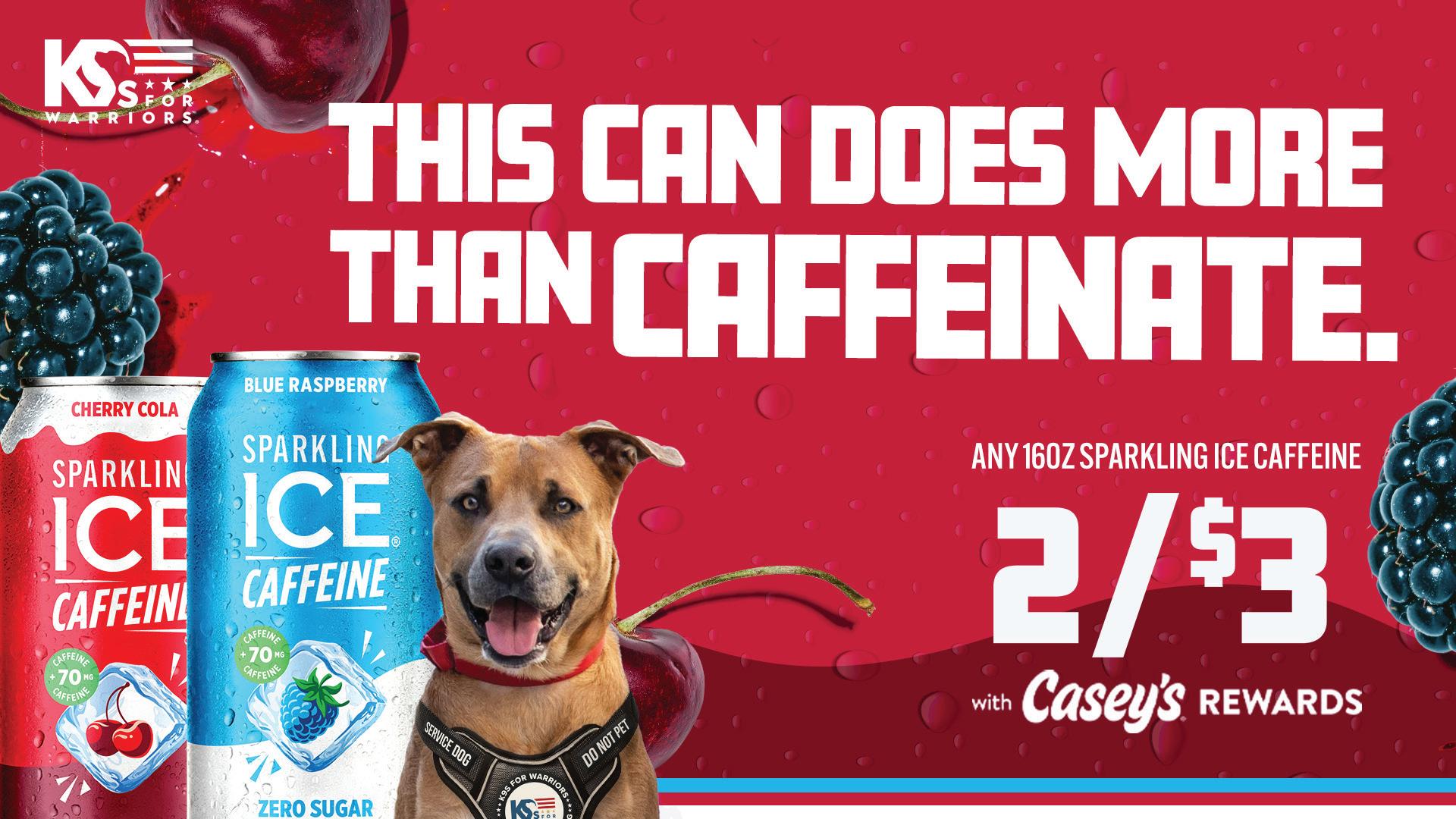
The retailer partnered with Sparkling Ice to raise funds for K9s For Warriors.
Casey’s partnered with Sparkling Ice, crafted by Talking Rain Beverage Company, to get “caffeinated for a cause” in support of K9s For Warriors. The organization provides trained service dogs to military veterans suffering from posttraumatic stress disorder, traumatic brain injuries and other invisible wounds of war, at no financial cost to the recipients.
In May and June, when customers visited a Casey’s store and bought Sparkling Ice Caffeine Soda Shoppe flavors, they got “a perfectly caffeinated pick-me-up and [to] support a meaningful mission,” said Ken Sylvia, CEO of Talking Rain.
“We’re proud to team up with Sparkling Ice to support K9s For Warriors, helping fund the training of service dogs for military veterans, engaging our team members in a meaningful mission and creating life-changing impact in the communities we’re here to serve,” said
Steph Hoppe, vice president of omnichannel marketing at Casey’s.
At the annual Casey’s Commitment Conference in May, Casey’s employees voted on the name of the service dog that this partnership supports. The dog was named Knox as a nod to Casey’s expansion into Knoxville, Tennessee. Team members will get to meet Knox during his visit to Casey’s Store Support Center in Ankeny, Iowa, this fall, the company said.
Meanwhile, Rocky, a rescue dog-turnedservice dog who was trained by K9s For Warriors, was featured across Casey’s promotional materials in stores and online. In 2024, Sparkling Ice sponsored Rocky’s “presidential campaign” as he traveled across the country, including a visit to Washington, D.C., to raise awareness of veterans’ needs and the important role that service dogs play as lifesaving companions.
Rocky, a rescue dogturned-service dog who was trained by K9s For Warriors, was the face of a recent Casey’s and Sparkling Ice partnership.
Every year, the convenience retail industry dedicates billions of dollars to advancing the futures of individuals and families in our communities. The NACS Foundation unifies and builds on NACS members’ charitable efforts to amplify their work in communities across America and to share these powerful stories.
Learn more at conveniencecares.org
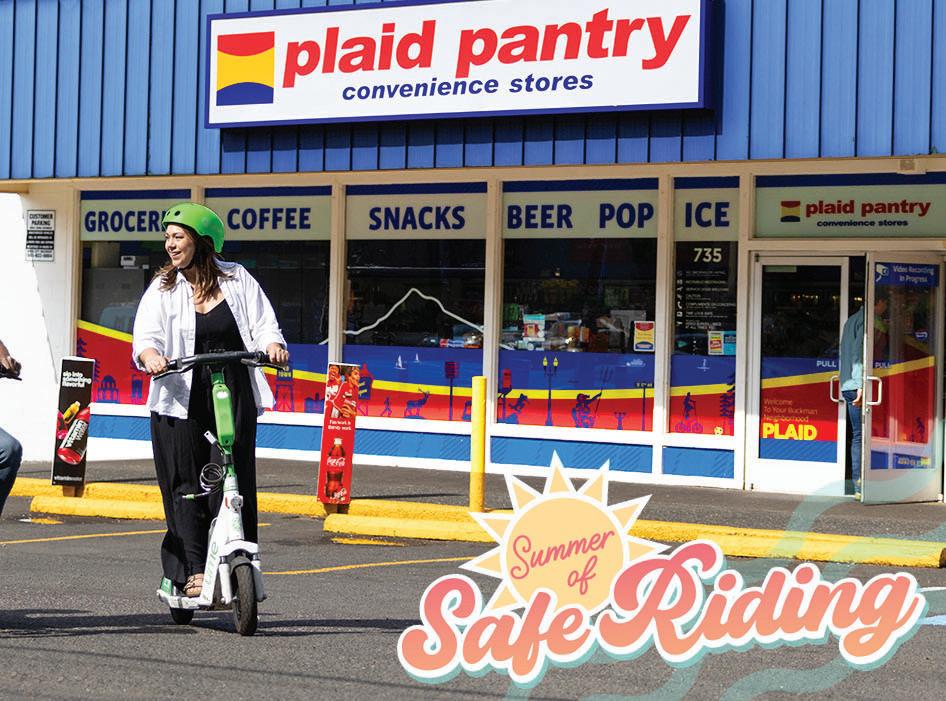
Oregon-based Plaid Pantry teamed up with the Portland Bureau of Transportation (PBOT) to “help Portlanders ride safer this summer, one neighborhood at a time” by distributing helmets to the community.
PBOT and Plaid Pantry distributed 5,000 helmets across 53 Plaid Pantry locations throughout Portland. Helmets were available on a first-come, first-served basis to Portlanders ages 12 and older, with a limit of one helmet per person. Each helmet also included a free Plaid Pantry sticker.
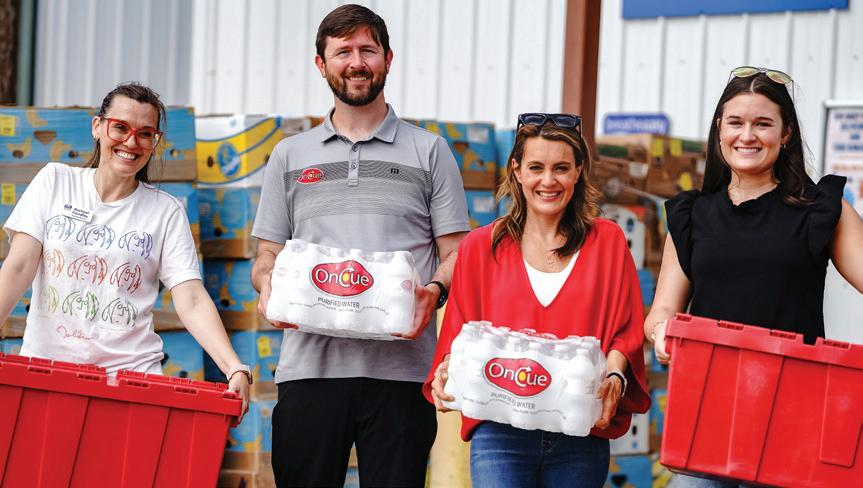
OnCue donated more than $101,000 in financial support and products to organizations serving families facing food insecurity across Oklahoma and Texas.
The retailer said several organizations across the region will benefit from this year’s donation. The Regional Food Bank of Oklahoma, the state’s largest hunger relief organization, received donations equivalent to 4,175 meals. The food bank serves hundreds of partner agencies and communities statewide.

Through its Pieces of Hope campaign, Stinker Stores raised $75,000 and donated to 13 organizations “dedicated to helping women and children who have experienced abuse,” the retailer said on LinkedIn.
“Every donation, every purchase and every act of support helped put another piece in place for someone rebuilding their life. We’re proud to stand alongside these organizations as they provide safety, healing, hope and a path forward for those who need it most,” Stinker Stores said.
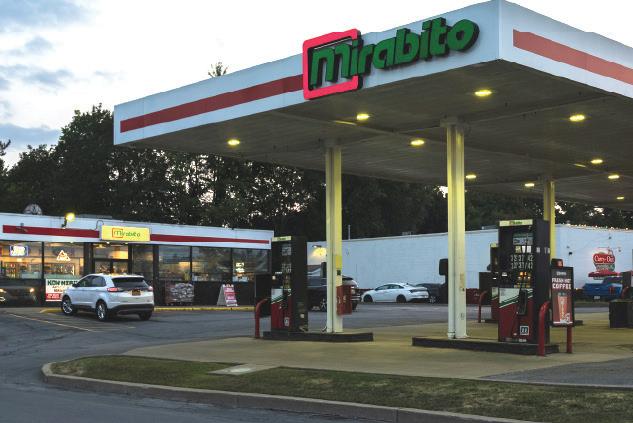
Mirabito Convenience Stores supported the American Heart Association’s “Heart Heroes Dinner” and “Big Thank You” award, according to a LinkedIn post from the company.
As part of a community initiative called ”The Big Thank You,” attendees and fundraisers at the 2026 Southern Tier Heart Walk signed special canvases, which were presented to two hospital systems, United Health Services and Guthrie, in the Southern Tier community. “This collaborative gesture serves as a heartfelt thank you for their unwavering dedication to making every heartbeat count,” Mirabito wrote in the post.
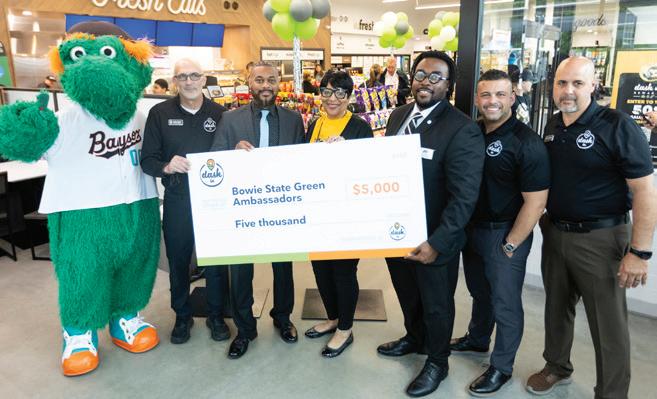
The Wills Group hosted a two-day community celebration at its new Dash In store in Bowie, Maryland. The retailer raised $19,000 in donations for local organizations, including a local theater company, a food pantry, a community garden initiative, Bowie State University Green Ambassadors and Prince George’s Country Fire and EMS Department.
“Thank you to all who joined us in celebration of the Bowie community. We’re thrilled to be your neighbor and to continue to work together to keep Lives in Motion,” the retailer posted on LinkedIn.
BY ESMERALDA OROZCO
In Washington, D.C., lawmakers and regulators constantly hear from advocacy groups, lobbyists and stakeholders, all competing for attention. What often carries the greatest weight is hearing directly from constituents and the businesses that serve their communities.
Convenience retailers are uniquely positioned to tell that story. We provide essential products and services to millions of customers, understand the needs of our communities and see

firsthand how public policy affects dayto-day operations. Like elected officials, we share a common goal: supporting strong, thriving communities. However, many customers are unaware of how legislative decisions can affect the businesses they rely on every day.
That’s why educating our customers is so important. By helping them understand the connection between public policy and their everyday experiences, we can build a stronger, more informed network of advocates
who are more likely to engage with lawmakers and advocate for policies that support the businesses they love and depend on.
Educating customers about policy issues is one of the most effective ways to strengthen our industry’s voice on Capitol Hill. NACS offers several tools designed to make advocacy simple, accessible and powerful.
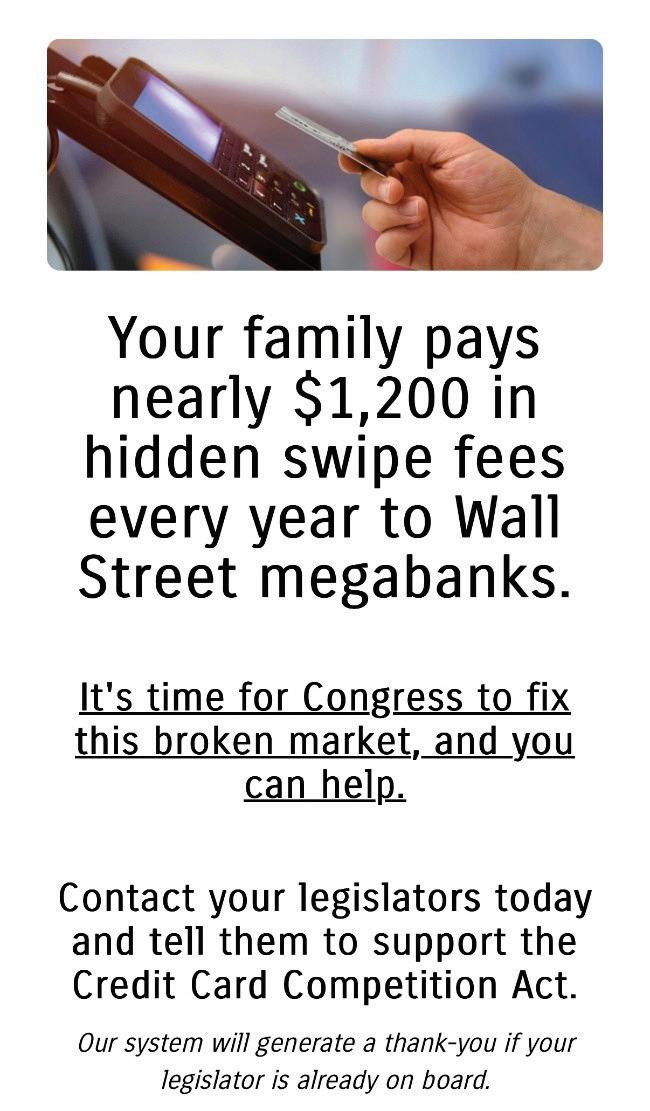

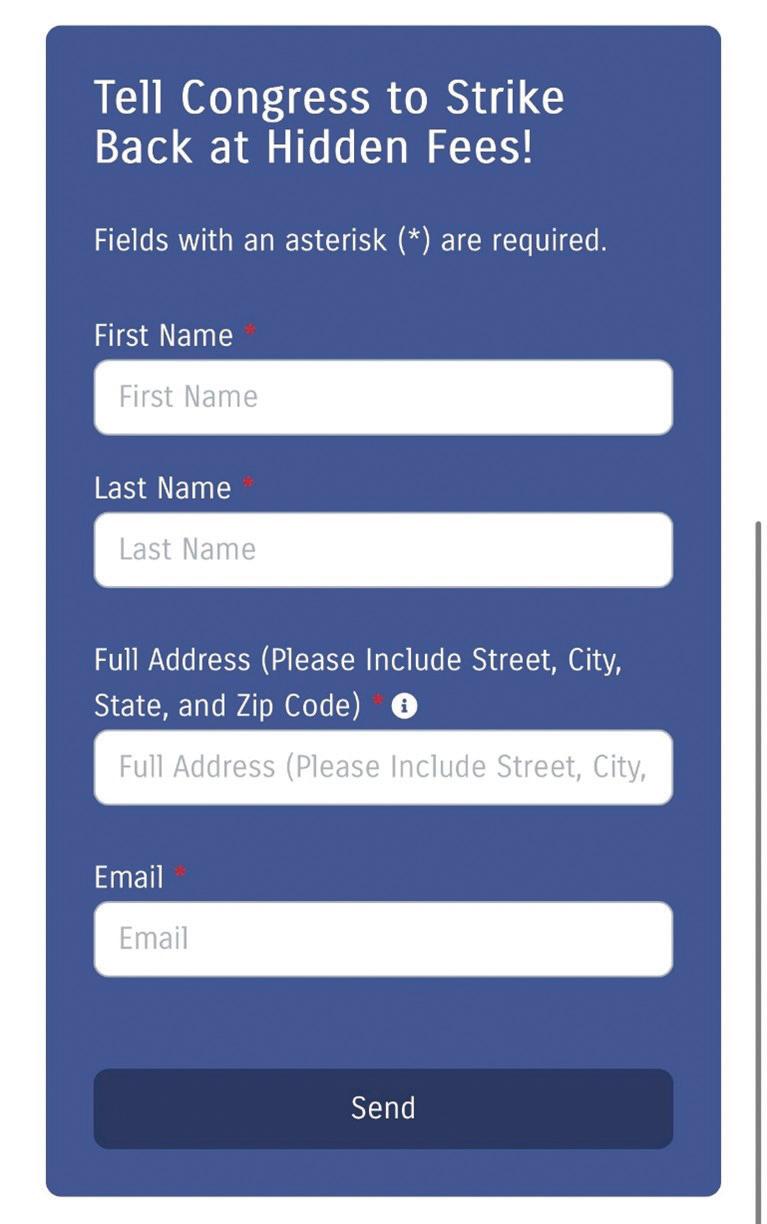
One of the most effective resources is the NACS Call to Action (CTA) platform, which allows participants to send a quick message to their elected officials on an important policy issue. This tool is an effective strategy for driving letters of support or opposition when Members of Congress and their staff are considering policy positions.
NACS can also create custom CTA campaigns for your company. You can then share personalized CTA links or QR codes with your customers
through various forms:
• In-store signage
• Pump-top signage
• Customer newsletters
• Social media channels
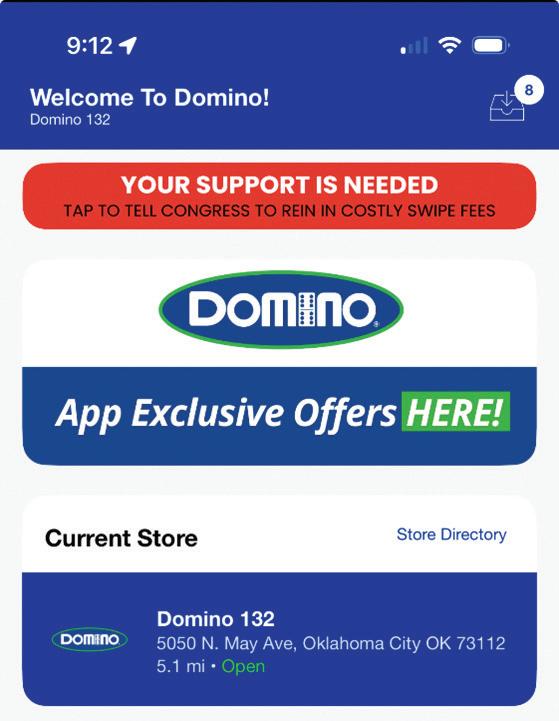
• Customer loyalty apps
The process for participants is quick and easy. Using their mobile device, customers can learn about an issue, contact their elected officials and support the convenience industry’s advocacy efforts in less than a minute.
Retailers across the country have already been putting these tools into action, and the results demonstrate the impact customers can have when given an easy way to engage. In 2025, convenience store customers generated more than 20,000 letters to Members of Congress using NACS advocacy tools. What began as instore signage has expanded to include digital outreach through customer

NACS has partnered with Rovertown to help convenience retailers integrate advocacy into their customer loyalty apps. Jeffry Harrison, cofounder and president of Rovertown, shared his experience with getting his clients involved in digital advocacy efforts.
Rovertown has been integral in partnering with retailers to apply a call-to-action campaign to their customer loyalty apps. Was there any hesitation about getting involved in advocacy in this way?
We had an “aha moment” while testing our app platform technology and realized we could help our retailers create personalized content for their users within their branded app. The key to making this successful is that we can customize call-to-action campaigns to relevant consumers. For example, for advocacy around age-
JEFFRY HARRISON
restricted content, we make sure it’s only available to consumers over 21 years old. And because many retailers have locations across different states, Rovertown’s technology can make sure that only relevant customers see the correct call-to-action statelevel campaigns.
Have you seen tangible results from the industry’s advocacy efforts on loyalty apps?
Yes! The number of petitions we’ve received from everyday consumers has exceeded our wildest dreams. We’re talking tens of thousands of consumers taking time out of their busy day to say, “Hey, this matters to me and affects my family, so I want my voice to be heard and to support the convenience industry.”
Are you seeing participating retailers in the customer loyalty app program motivated to get involved in advocacy efforts?
Yes, with the dynamics of today’s politics, you need to proactively get involved. From this experience, we’ve had more of our retail customers attend NACS Day on the Hill, host local politicians for store visits and get more involved with state and local politics.
Do you hear from retailers on their customers’ thoughts, progress in advocacy or anything else?
Certainly! What’s great about the advocacy programs we have launched on the Rovertown app platform is that it has become an outlet for consumers to make their voices heard. Customers often care deeply about issues affecting them but may not know how to engage. Through retailers’ loyalty apps, they can quickly learn about an issue and contact their elected officials in just a few clicks.
Hey, this matters to me and affects my family so I want my voice to be heard and support the convenience industry.”
loyalty apps, helping retailers engage frequent customers on issues affecting the convenience industry. Over 20 retailers participated in these efforts by adding a simple tile to their loyalty apps, giving customers a direct way to learn about key issues and take action.
Customers who clicked on the tile were able to contact their members

Elsa McCoy, chief marketing officer of Whitesburg, Kentucky-based Double Kwik, shared her experience with customer engagement on Double Kwik’s loyalty app.
What concerns or hesitations did you have initially?
We really didn’t have any hesitations. If there is an opportunity to advocate for positive change and help keep costs down, we want to be involved.
Had you ever involved your customers or community in advocacy efforts?
of Congress and also learn how policy decisions affect their everyday experiences as consumers. Awareness drives action, encouraging them to engage with lawmakers and advocate for the businesses they trust.
With the expansion of outreach efforts enabled by NACS, both supplier and retail members
This was the first time we engaged customers through our app, and it was a great learning experience. Looking back, we saw additional opportunities to expand awareness through in-store signage.
Why is it important for customers to understand and engage with issues that affect the industry?
There is strength in numbers. Our voice becomes more impactful when we work together. Helping employees and customers understand these issues allows them to see how polices can affect local businesses and gives them an opportunity to support meaningful change.
Have you heard anything from your customers, such as their impressions or their progress in advocacy?
We didn’t receive significant direct feedback from customers, but the response itself spoke volumes. We think it shows that customers are willing to engage when they understand the issue and are given a simple way to participate.
are seeing firsthand how easy, accessible digital tools can create meaningful customer action. The following interviews highlight how our retailer advocates are leveraging their loyalty apps to drive engagement and amplify their customers’ voices to support the advancement of our industry.
There is strength in numbers. Our voice becomes more impactful when we work together.”
MART SMITH

Mart Smith, marketing manager for Domino Food & Fuel, shared his experience with featuring a call-toaction campaign on the company’s customer loyalty app.
What motivated you to get involved in the industry’s advocacy efforts?
I’ve always been a strong supporter of NACS advocacy efforts, but when Rovertown reached out about getting our customers involved directly with a link to contact Congress, I was thrilled to get Domino involved and amplify our voice on the issues at hand.
After participating in the app campaign, I wanted to do more. So in March of 2026, for the first time, I was able to attend NACS Day on the Hill, the industry’s annual advocacy day, and meet face-to-face with Congress on the most pressing issues across the industry. It was an eye-opening experience and something I plan to continue on behalf of Domino Food & Fuel.
Do you see this as part of your responsibility as a retailer? Why or why not?
I do. I think as convenience retailers, we are called to serve our customers to the best of our ability. Whether it is [advocating for] safer products, cheaper products, or anything in between, retailers have an amazing opportunity to be heard and create change for our shoppers, and I think it is important that we take advantage of this opportunity when we have the chance.
Why do you think it’s important for retailers—not just industry groups—to speak up?
Being in D.C. for Day on the Hill provided new perspective on the potential opposing parties while we advocate for change. Our opposition is extremely well funded but is coming for a small handful of companies. Although we could never counter the opposing industry dollar for dollar, as a collective unit our voices are extremely loud and they expand to all corners of the United States. Now consider the millions of customer interactions our industry has every day. That kind of reach gives us an incredible opportunity to educate consumers and amplify our collective voices on the issues affecting our industry.
Advocacy is an investment in your business and the future of our industry. Whether you’re interested in engaging lawmakers directly, educating customers on key industry issues or launching a custom call-to-action campaign through your loyalty app, NACS is here to help. Every customer who learns about an issue and sends a message to Congress and every retailer who participates strengthen our industry’s voice. By working together, we can ensure policymakers understand the important role the convenience and fuel retailing industry plays in communities across the country.

To learn more about customer advocacy opportunities, contact Esmeralda Orozco, grassroots manager, at eorozco @convenience.org or sign up using the QR code.
Our voices are extremely loud and they expand to all corners of the United States.”

Esmeralda Orozco is the NACS grassroots manager. She can be reached at eorozco@ convenience.org.



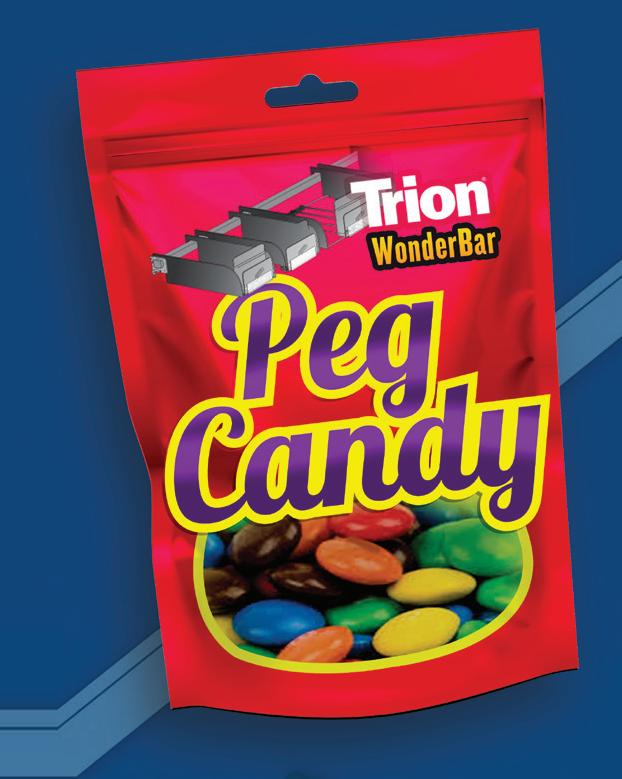
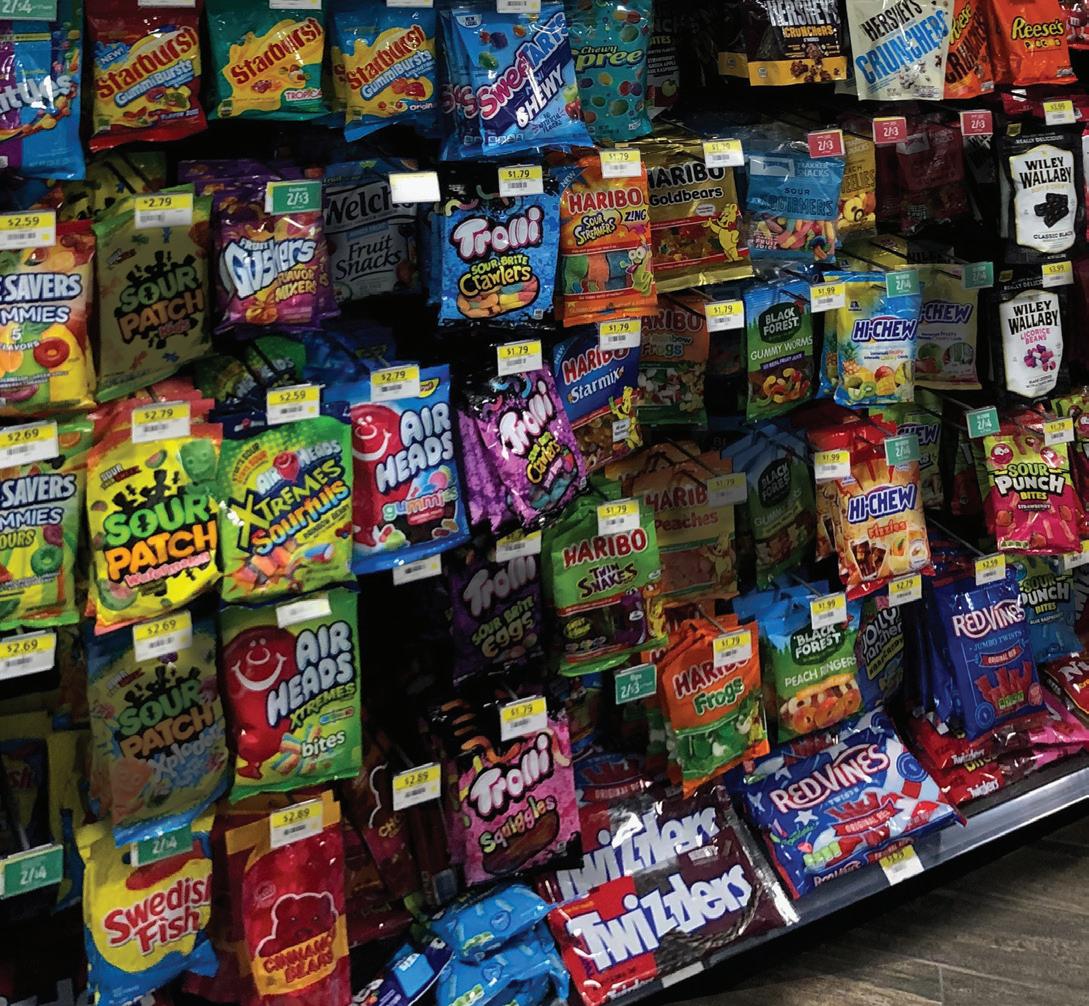
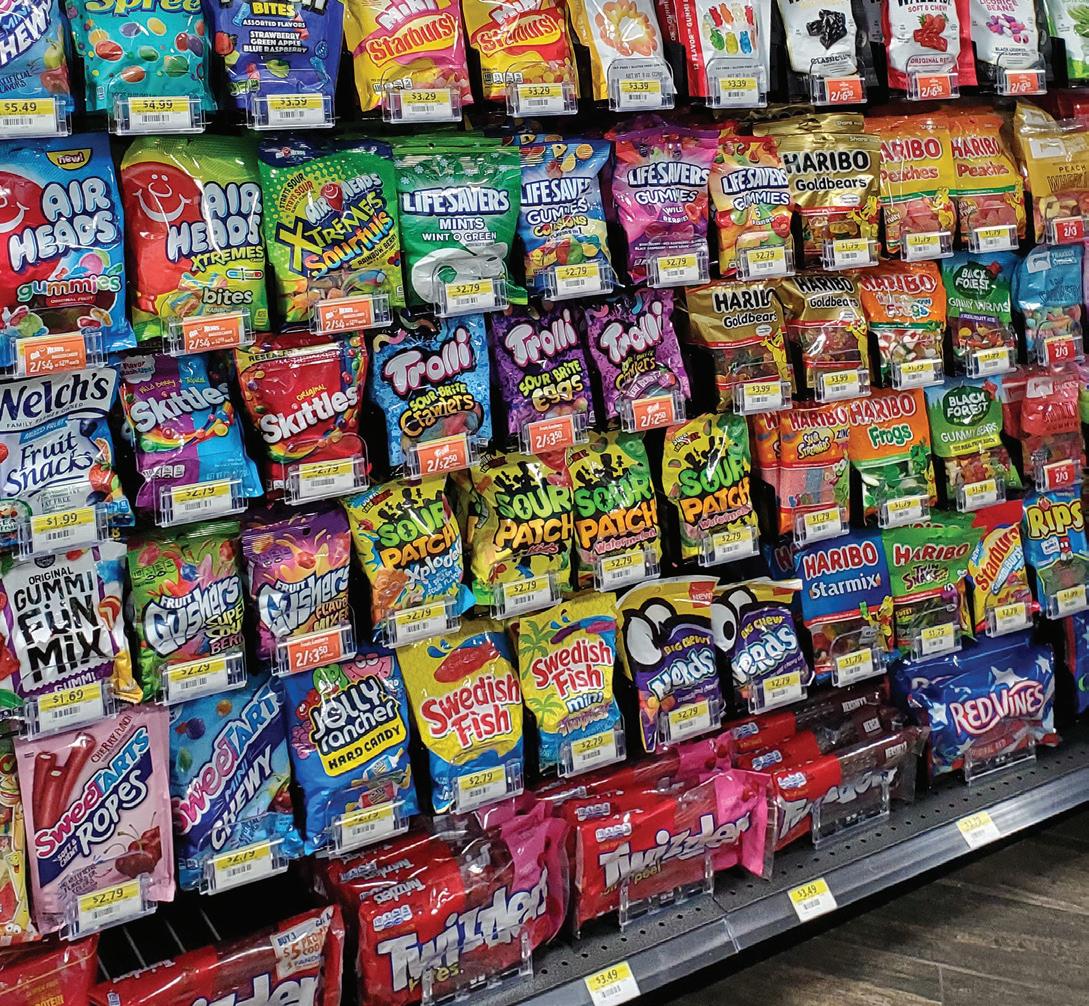





n Increased facings from 70 to 90, a 29% increase*.
n Automatically billboards and faces product.
n Reduces losses from bag hook tearout.
n Cuts over 1 hour/day labor for restocking.
n Allows rear restocking and proper date rotation.
n Dramatically increases sales in the same space.
n Adjusts to accommodate various package widths.
*
In Washington and throughout the country, relationships matter. The Convenience Donor Network (CDN) helps our industry build them.
The CDN is a direct-giving program that connects convenience industry leaders with members of Congress who understand the challenges and opportunities facing our industry. Through personal political contributions, members help strengthen the industry’s voice while building valuable relationships with policymakers.
If you already support federal candidates you believe in, the CDN amplifies the impact of those contributions while strengthening the convenience industry’s collective voice.
The concept is straightforward:
• You choose the federal candidate
• You contribute directly to their campaign
• You receive full recognition or your support
The added benefit? Members of Congress can see that support is coming from someone in the convenience and fuel retailing industry,
reinforcing the real-world impact of the issues affecting our businesses and customers every day.
The CDN is not about changing where you give. It’s about connecting your personal political engagement to the broader industry story. By making contributions through the CDN portal, the convenience industry receives credit for the engagement while lawmakers still know the contribution came directly from you.
From payments and labor to fuel and product regulations, policy decisions in Washington continue to shape the future of our industry. The stronger our relationships and engagement, the stronger our voice becomes.
You can check out the portal and make your contribution here:

If you have any questions, please reach out to Katie Bohny, director, political engagement at kbohny@ convenience.org.
NACSPAC was created in 1979 by NACS as the entity through which the association can legally contribute funds to political candidates supportive of our industry’s issues. For more information about NACSPAC and how political action committees (PACs) work, go to www.convenience.org/ nacspac. NACSPAC donors who made contributions in June 2026 are:
Brennan Duckett NACS
Tony El-Nemr Nouria Energy Corporation
Adam Grzybek BIC Corporation
Jeromy Jones Oberto Snacks Inc.
Thomas Love Love’s Travel Stops & Country Stores
Derek Zahajko CAF Outdoor Cleaning

21+ adult consumers view the updated design as more modern, premium, and visually engaging, contributing to a +242% increase in high-quality perceptions.
+118% increase in 21+ adult consumers perceiving Dutch as better than other brands, driven by modernized visuals that elevate shelf standout and positioning in a crowded set.
Increase in 21+ adult consumers Who View the Brand as a Dependable, Quality Cigarillo Product.
Yes—the NACS Show really is incredibly fun. And it’s an amazing way to stay connected with your industry friends and colleagues. More than that, it’s the best possible way to make sure you’re in the know about the current state of the industry and thinking ahead to what’s next.
Here are industry trends shaping convenience—and how the NACS Show can help you stay one step ahead.
There are fantastic real-life use cases of AI happening right now in convenience retail—and plenty of false starts and investments that haven’t shown return. Other companies are still in the dip-a-toe-in-the-water phase.
AI will be everywhere at the NACS Show Expo, while Education Sessions give operators everything from food for thought to practical tips.
Want to separate AI hype from retail reality? There’s an Education Session on that specific theme. Other sessions cover how to shop for AI without breaking the bank and how to implement agentic AI. You can also learn from the winner of the Smartest Store in the World competition, Wumart in Beijing, which has turned itself inside out to become an AI-first retailer.
Trendy snack foods, emerging flavors, customer-generated secret menu combos and new products garner attention faster than you can say “squishy butter.” The value of jumping on trends at the right time isn’t going away: More than half of Gen Z say they would rather use social media, like TikTok, to find products than search engines.
The summer of 2026 was all about the squishy toy, with everything from squishy butter to collectable NeeDoh’s making waves across the internet—and in c-stores, where customers are going “squishy hunting” for the latest releases. Recent trends driven by social media, like Dubai chocolate, turned out to have staying power.
What’s going to follow in 2027? The NACS Show is the place to find out. More than 100 companies display their products in the New Exhibitor Area, while the Cool New Products Preview Room has hundreds of trending items.
You already have cameras, but what can you do when you combine cameras and AI? The answer is computer vision. Applications are endless, from tracking how long product has been on the roller grill, to identifying shoplifters and gathering data in real time on which merchandising approach is working.
Digital shelf labels (DSLs) aren’t new, but combined with the latest AI enhancements, they offer retailers the ability to someday turn over pricing to AI agents. In the meantime, they offer one-click price changes.
The technology area of the NACS Show Expo is where you will find the latest innovations in both these categories, and get the insights to decide what’s right for your business.
Younger shoppers, particularly Gen Z and Gen Alpha, are driving changes in the snacking landscape. They’re buying snacks less frequently and choosing smaller pack sizes. More so than
other generations, they are looking for functional ingredients. And they are into novelty and social media-worthiness.
There’s no better place to see evolving consumer packaged goods than the NACS Show, with hundreds of suppliers offering their latest innovations at the NACS Show Expo. Want to better understand this consumer? Attend the Education Session “What’s Convenient Now? Gen Z and Gen Alpha Weigh In,” where experts explore how the younger generations define convenience.
What’s shrinking, what’s gaining and how do retailers stay on top of what customers are looking for?
The NACS Show Expo showcases the latest innovations from established backbar suppliers while offering new entrants a chance to showcase their products. Don’t forget to check out new ideas in shelving, too. With assortments changing more rapidly than ever, is your shelving keeping pace?
Education Sessions have you covered, too, with topics including how tobacco and loyalty programs intersect and how to rethink your backbar to keep pace with the modern consumer.
Accounting for 28% of inside sales, foodservice is an integral part of the c-store industry’s future—and it begins with equipment. Whether it’s keeping hot foods hot, offering bean-to-cup coffee or dropping chicken, a successful foodservice program requires reliable and efficient equipment in a small footprint.
Many operators come to the NACS Show looking for solutions that extend the shelf life of product and reduce waste. And if installing a hood system is not an option, highspeed ventless ovens are go-to c-store solutions for baking, steaming and toasting.
Foodservice equipment also has to deliver on the speed of service expectation that c-stores are known for. Countertop warmers, ice machines, fountain dispensers, frozen dispensed beverage machines … these are all massive investments that need to produce a ROI.
If you’re looking for the latest tech-enabled solutions, many companies are incorporating artificial intelligence for cook time precision and reducing waste, which can help store teams focus on customerfacing tasks and alleviate redundancies across multiple foodservice categories.
At the NACS Show Expo, retailers will
find foodservice equipment solution providers showcasing warming equipment and ovens, refrigeration, ice machines, water purification, foodservice cases and counters displays, roller grills, and hot, cold and frozen beverage dispensers.
What once seemed like an imminent EV takeover has slowed down—way down. While the EV market has stabilized, traditional internal combustion engine vehicles are featuring better-than-ever fuel efficiency and hybrids continue to make up a meaningful amount of new car sales.
How will you attract customers who need fuel less often?
The Education Session “Trip Drivers on Your Lot in the Post Fuel Era” can help sharpen your thinking.
Meanwhile, the question of how to make money selling ions continues to be pressing. Two Education Sessions dive into the business side, including a conversation on hosting versus owning EV chargers.
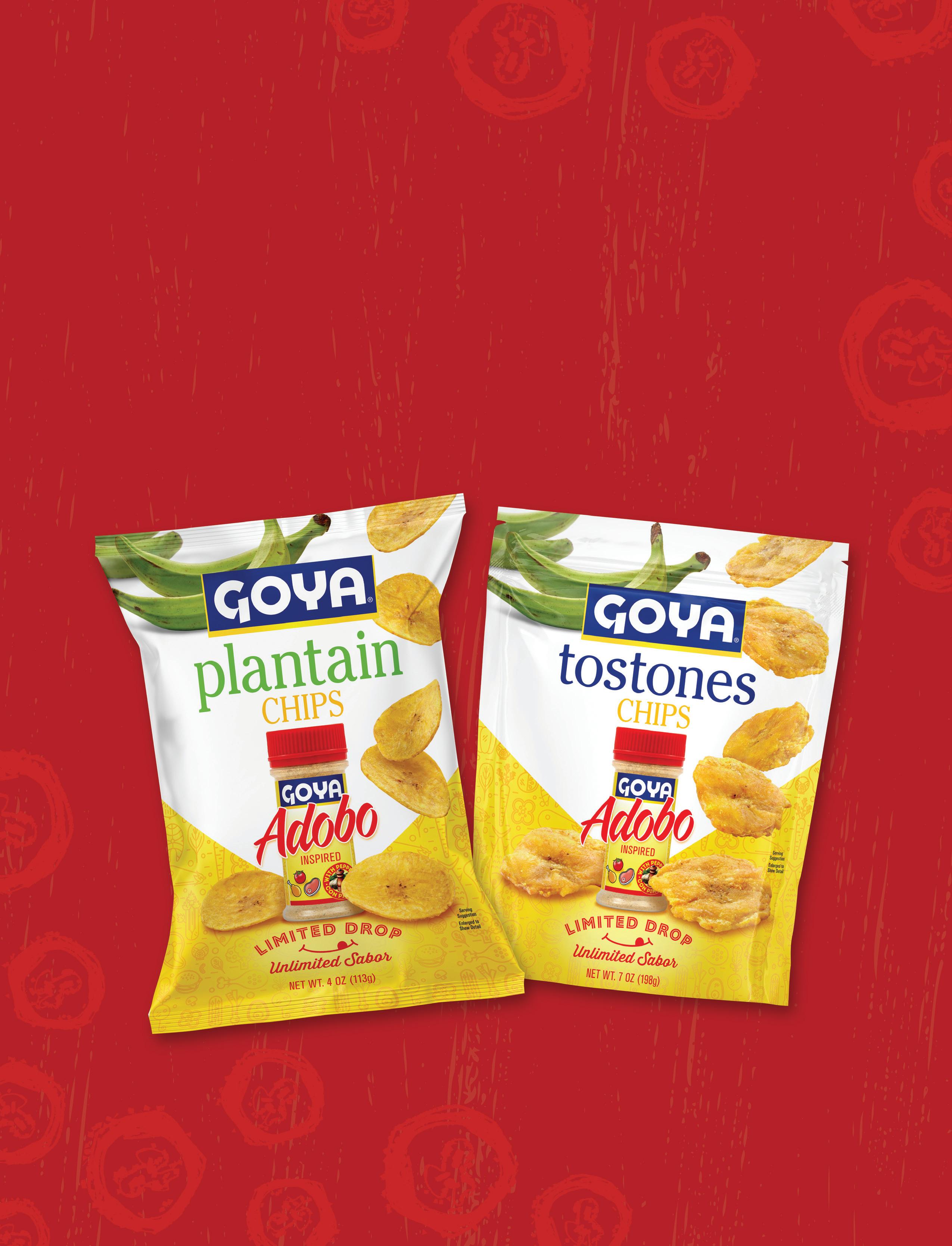



I GOYA® Adobo-Inspired Plantain Chips and Tostones Chips ,k




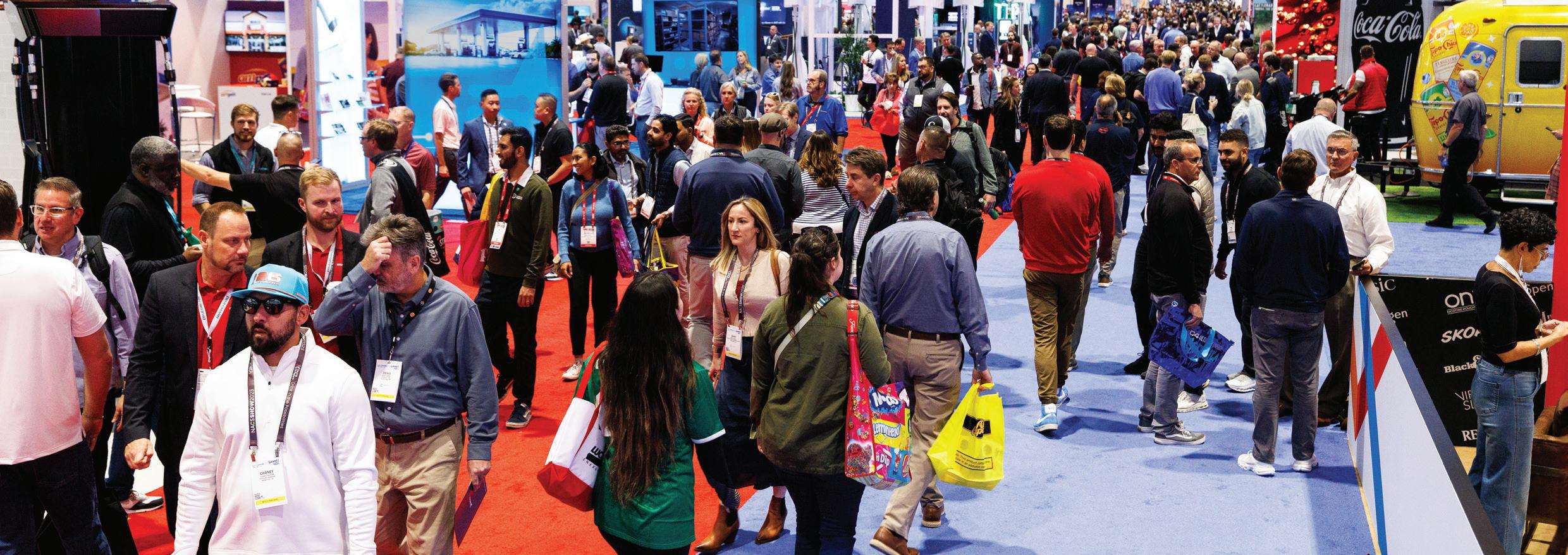
The 2026 NACS Show will deal attendees a full deck of Education Sessions, networking opportunities and ideas that can pay off—plus an endless NACS Show Expo.
BY LAUREN SHANESY
Las Vegas is one of the gambling capitals of the world. But one thing you don’t want to gamble with is your business.
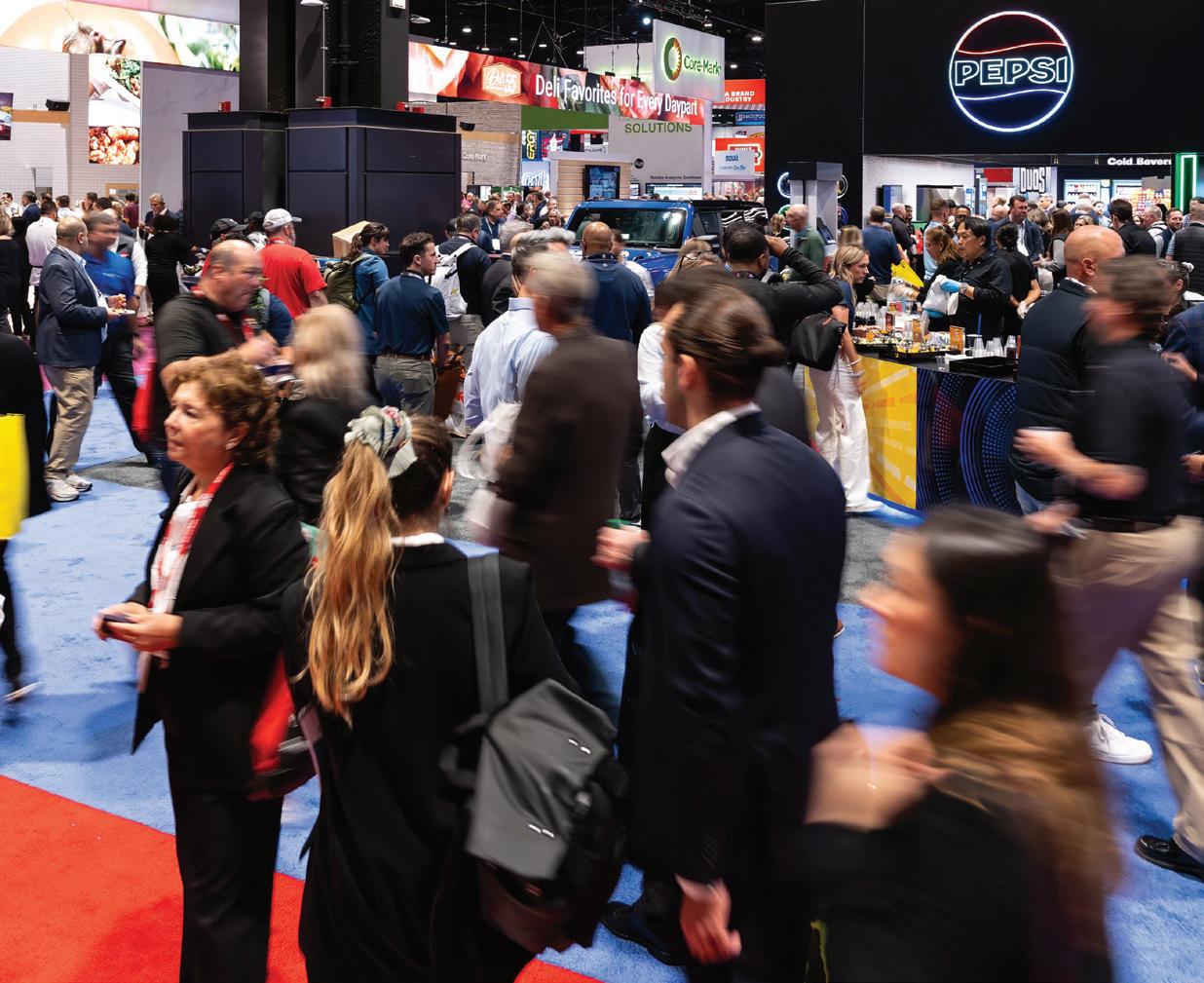
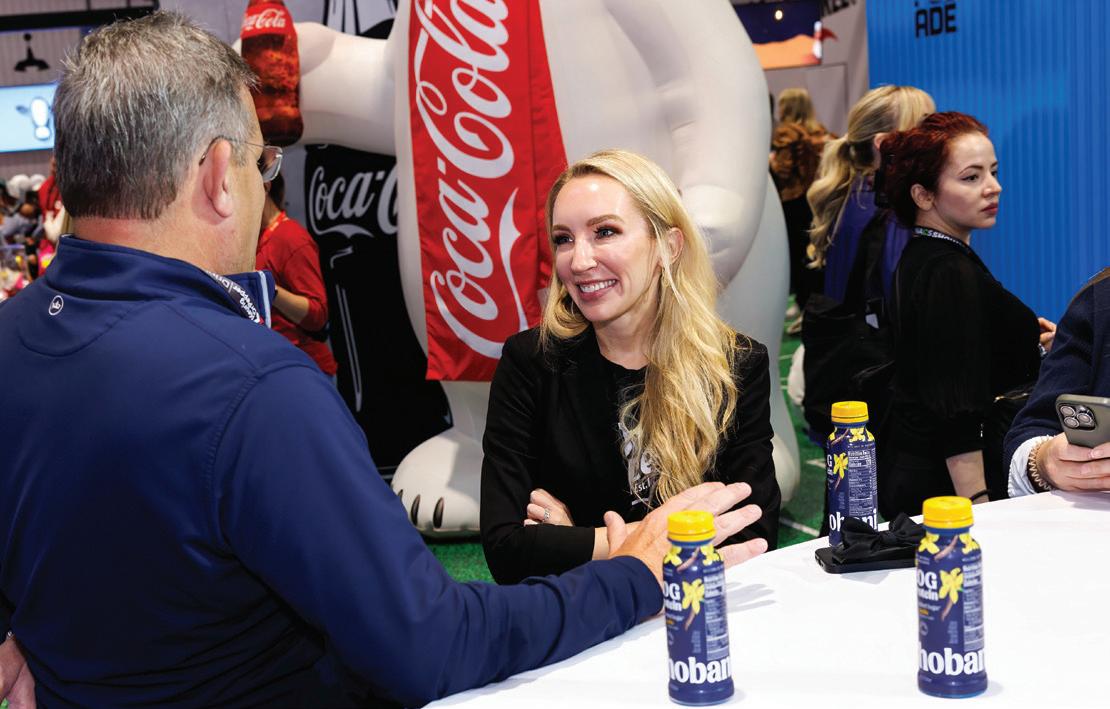
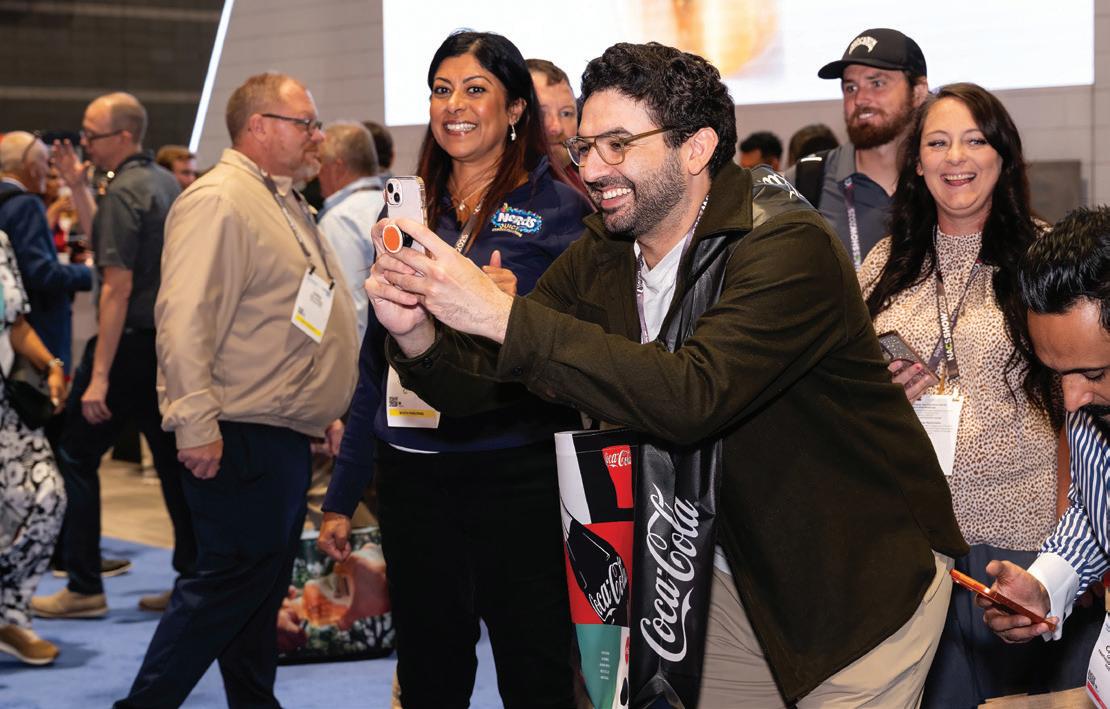
That’s where the NACS Show comes in. The 2026 NACS Show will take place in Las Vegas, Nevada, from October 6-9, with the NACS Show Expo opening on October 7. Over four days, the industry comes together to network, discover the latest products and innovations, gather information on top industry trends from a variety of Education Sessions, and generally find inspiration.
In the convenience and fuel retailing business, the NACS Show is, as Chairman Emeritus and CEO International Henry Armour always puts it, “the greatest show on earth!” Here’s what you can expect to see this year.
The theme of this year’s NACS Show is “ROI: Return on Insight,” reflecting the fast-paced c-store environment in which operators are balancing labor, fueling, category management, foodservice, technology, regulatory shifts and channel blurring— all at the same time. Retailers need insights that sharpen decisions and deliver measurable results.
You only need one idea to transform your business. Whether it’s a new product, a new category, a new piece of equipment, a new partner or a new way of thinking about your store, you can find it at the NACS Show.
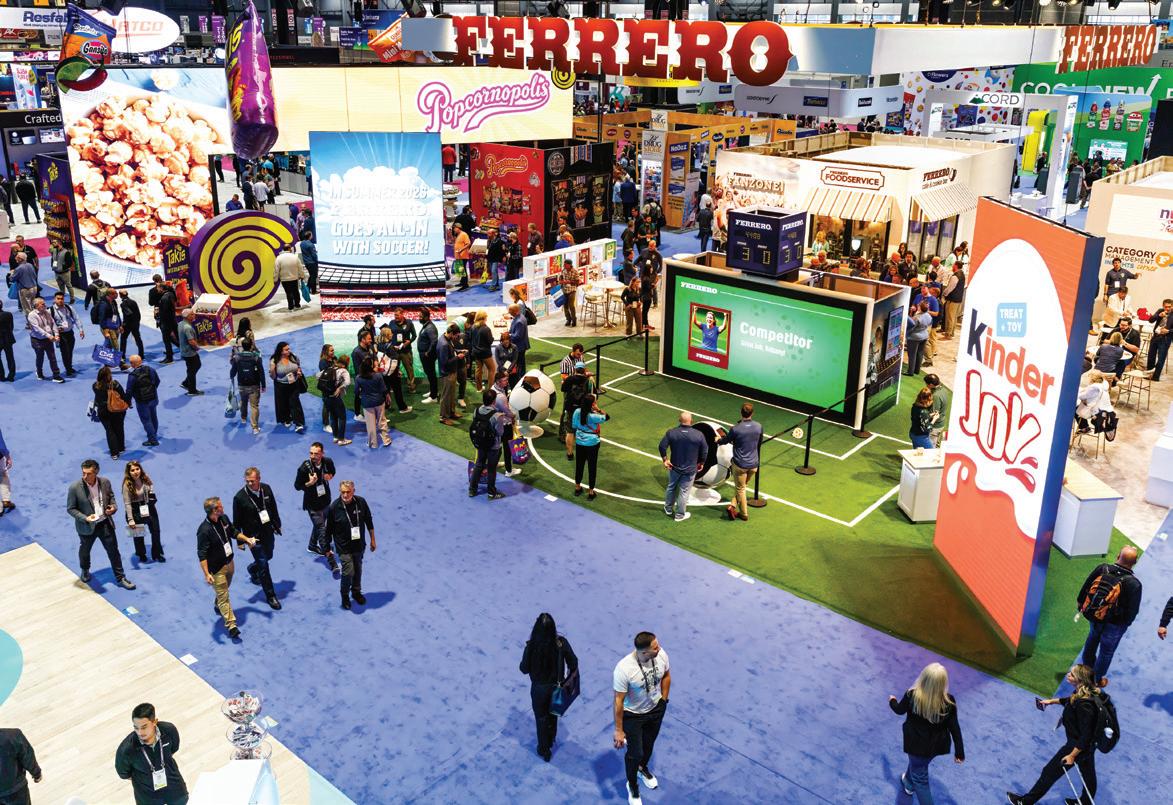
One of the NACS Show’s biggest features—literally—is the more than 435,000-square-foot Expo, which showcases thousands of the latest products, services and trends that can better help retailers serve ever-evolving customer needs.
The NACS Show Expo will feature more than 1,200 exhibitors across five categories:
• Facility Development & Store Operations
• Food Equipment & Foodservice Programs
• Fuel Equipment & Services
• In-Store Merchandise
• Technology
The New Exhibitor Area features companies that have never exhibited at the NACS Show before. This is a great place to check out new and emerging brands, many of which include companies entering the convenience channel or ones in emerging categories. In 2025, more than 150 companies were featured in the space. This year, the section will house about 170 new-to-industry companies.
The Cool New Products Preview Room is a snapshot of the latest products and innovations shaping the industry. It’s the go-to spot to see what innovative products and technologies are emerging in the market. In the NACS Show App, attendees can scan hundreds of QR codes for the products they see in the Cool New Products Preview Room, get exhibitor information and create their own shopping list for the Expo.
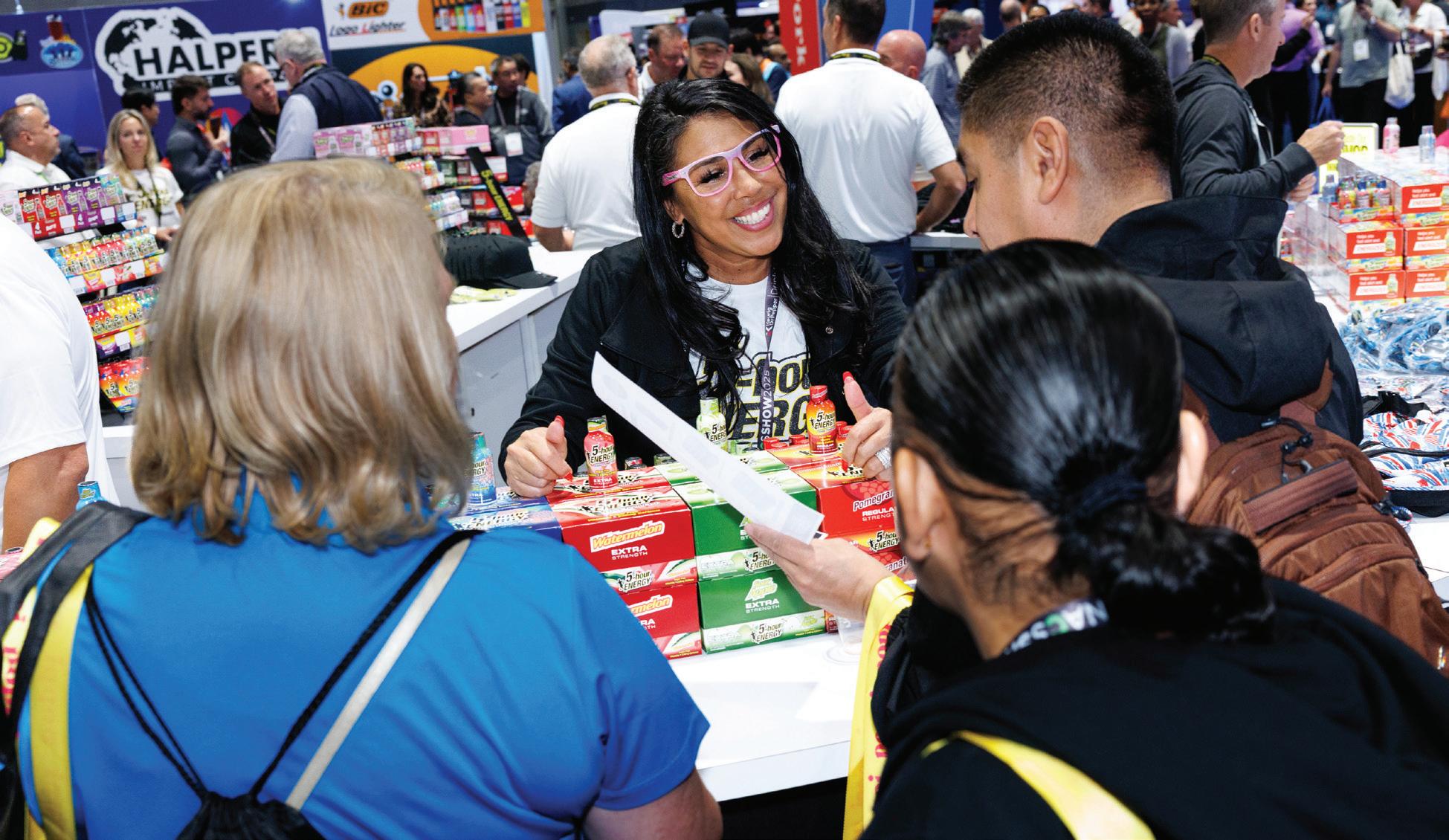
At the 2025 NACS Show, the Cool New Products Preview Room featured 346 products on display that were scanned a combined 11,225 times.
The top 10 most-scanned products in 2025 were:
1. Philadelphia to Go (Kraft Heinz)
2. Little Joe novelty automotive air fresheners—Put a Smile in the Air & Ride Happy! (Little Joe Drive Int. USA)
3. Self-serve bakery display by Palram 4U (Palram 4U)
4. CigarBros vertical-standing humidor system (CigarBros USA Inc.)
5. Come Ready Foods’ Ready Protein Bar, Clear Protein Water and Protein Puffs (Come Ready Foods LLC)
6. Die-cast pull-back cars 225 ct. floor display (K&S Wholesale Inc.)
7. Skippy Oatmeal Protein Pie and Dippin’ Dots Birthday Cake Protein Donut (Newco Enterprises Inc.)
International trending chocolates displays
Just the Fun Part Dubai-Style Chocolate
The NACS Show offers more than 50 Education Sessions on topics ranging from how to implement the latest technology and what’s trending in in-store sales to developing leadership skills and fundamental business strategies.
Here’s a sampling of the Education Sessions you can attend in Las Vegas. Education Sessions will take place October 6 (the day before the Expo opens), October 7 and October 8.
What makes certain leaders energizing to be around—and how can you become one of them? In this session, Emma Seppälä, faculty director of Yale’s Women’s Leadership Program, explores the science and practice of positively energizing leadership. She’ll share practical strategies to build resilience, strengthen relationships and elevate team performance in today’s demanding workplace.
Despite recent headwinds, the market for EVs will continue to expand and demand for public fast charging is projected to increase significantly as more customers who do not have access to home charging acquire lower priced and used EVs.
Convenience retailers are perfectly positioned to serve these customers, but gaining their loyalty will require attention to details. This session will present findings from a new study by the Transportation Energy Institute (TEI) that dives deep into the driver experience when using a public fast charger. The first step to generating a profit from a charging station is giving EV-driving customers what they want.
This session equips retail leaders with a practical guide to evaluating and purchasing AI solutions without falling into costly traps. Attendees will explore common pitfalls such as hidden fees, usage-based pricing, subscription sprawl and integration challenges that can undermine ROI. The discussion will break down total cost of ownership while highlighting the critical questions to ask before making an
AI will be an important focus at the NACS Show. Other AI topics on the schedule include “AI Hype vs. Reality” and “How to Build Agentic AI into Everyday Operations.”
Learn more about Wumart, the inaugural winner of the Smartest Store in the World competition, in “Big Ideas” on page 68.
investment. The key takeaway: Without proper integration and strategy, AI can create more complexity than value—so smart buying decisions matter.
Interest in THC beverages is growing rapidly, creating both opportunity and uncertainty for convenience retailers. In this session, industry experts will explore the evolving regulatory landscape, what retailers need to know about selling these products responsibly and how the category may fit into convenience retail. Attendees will gain insight into current state-level regulations, operational considerations such as age restrictions and product placement, and the potential role THC beverages could play in the future of the category as legislation continues to develop.
This session will feature the winner of the Smartest Store in the World competition, announced in June 2026, celebrating the most innovative and high-performing retail operation across formats and markets. Attendees will get an inside look at the winning store’s strategy, technologies, and execution—from AI-driven insights to advanced analytics and operational excellence. The session will highlight how this standout retailer is achieving faster transactions, higher margins, and an enhanced customer experience through intelligent design and data-powered decision-making. Join us to learn what truly sets the world’s smartest store apart—and how its success can inspire the future of retail
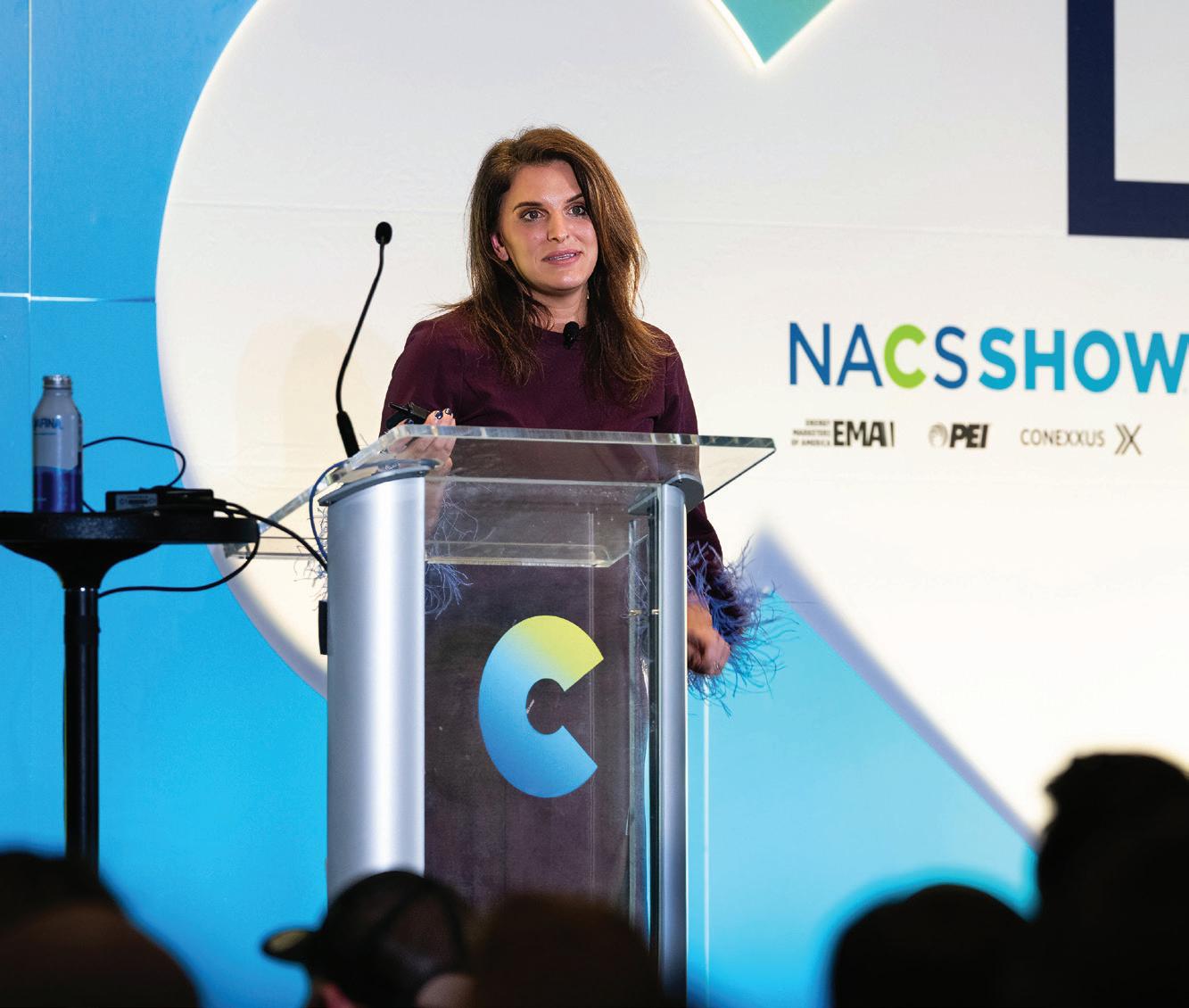

Using insights from the State of the Industry (SOI) Report®, this session examines the performance of the top 10% of operators, ranked by store operating profit, and the key factors that distinguish them from the rest of the industry.
What insights can attendees gain from the SOI report and its data?
The SOI Report provides a comprehensive look into industry performance in 2025. It helps retailers understand both the big picture in terms of macroeconomic factors that shaped the performance landscape as well as deep dives into store operational and category performance. It also includes chapters focused on shopper behavior, breakdowns by each NACS region, and top performers within the industry.
What can convenience retail companies learn from the top-performing operators? What is setting them apart?
Benchmarking against the top performers in the industry can help retailers see how their fuel and in-store strategies differ, and see where top companies are investing to generate

Jayme Gough , NACS director of research and development, will share insights on what the topperforming operators do differently.
the most return on investment. Top operators (those who generate the most store operating profit per store), typically operate large stores with robust foodservice programs. They invest heavily in foodservice equipment, employees, etc., but make large returns on that investment. However, strategies for top operators can vary: It’s not all about foodservice. Sometimes top operators focus on fuel volume, sometimes it’s other revenue streams.
What should attendees take away from this session?
Attendees should bring their own company financials and be prepared to compare how they fall into the decile rankings. Then, they should go back to their business with one idea for something to change to either control expenses, invest in a new program or diversify revenue to break into the next highest decile. You’re not going to go from 6th decile to top decile in a year—it’s about moving up one by one by making small tweaks over time.
You’ll have the opportunity to connect with a NACS research expert after the session and learn how to get more involved.
New this year, the Top Women in Convenience (TWIC) programs developed by Convenience Store News, an EnsembleIQ brand, have been added to the official NACS Show program. The programs recognize and celebrate female senior-level leaders, rising stars and mentors from across the industry’s retailer, distributor and supplier communities. To date, nearly 800 women have been welcomed into the TWIC.
On Thursday, October 8, Convenience Store News will host its inaugural Top Women in Convenience Connections luncheon from 12 to 2 p.m., bringing together the 2026 class of TWIC honorees and TWIC alumni from past years for professional development and networking. The TWIC Awards Gala will now take place the evening of October 8 at the Westgate Las Vegas Resort & Casino.
held in Las Vegas, set record attendance
at 26,124 attendees.


Three days of General Sessions will kick off on Tuesday, October 6, with a keynote from former “Saturday Night Live” producer
Shookus ran SNL’s talent department and was responsible for booking the hosts, musical guests and cast for 415 live shows. She is a seven-time Emmy-winning and two-time Peabody-winning producer, speaker and executive coach.
On stage at the NACS Show, Shookus will share her experiences managing beloved SNL personalities and celebrity guests while navigating the pressure cooker of producing a live TV show, focusing on how to build relationships and trust in a fastpaced environment.
Keep an eye on NACSshow.com as more General Session speakers are announced.
Lindsay Shookus will share insights on building trust— quickly and under pressure. She was a producer at SNL for 20 years.
GAME® LEAF GIVES CUSTOMERS WHAT THEY WANT
In 2015 Game Leaf was introduced as part of the Garcia y Vega portfolio of cigars, revolutionizing the Rolled Leaf cigar category. Now, as part of our 10th anniversary celebration, we’re reintroducing Game Leaf with colorful, eye-catching, consumer-tested 3-cigar packaging designed to bring Rolled Leaf customers more of what they want.
AVAILABLE AT 3 FOR $2.19 TRIAL PRICING AND SAVE ON 3


3 REASONS FOR 3-PACK SALES





In 2024, the 3-pack was the only Rolled Leaf format to show volume growth, along with a 5.7% increase in share of the market.
While all other Rolled Leaf formats showed velocity declines in 2024, the velocity for 3-packs rose by 15%.
Rolled Leaf 3-packs were added to shelves in over 9,700 c-stores in 2024, an 11% increase in store count over 2023.









3 REASONS TO GO WITH GAME LEAF

Game Leaf is able to build on the tremendous brand equity of Game, the #1 selling Natural Leaf cigar in the US.
Game Leaf’s commitment to quality and stringent quality standards—from broadleaf crop selection through manufacturing—ensure the best quality Rolled Leaf cigar available.
Consumers equate the Game Leaf brand with the Garcia y Vega tradition of quality and craftsmanship, as Garcia y Vega has been making Natural Leaf cigars since 1882.
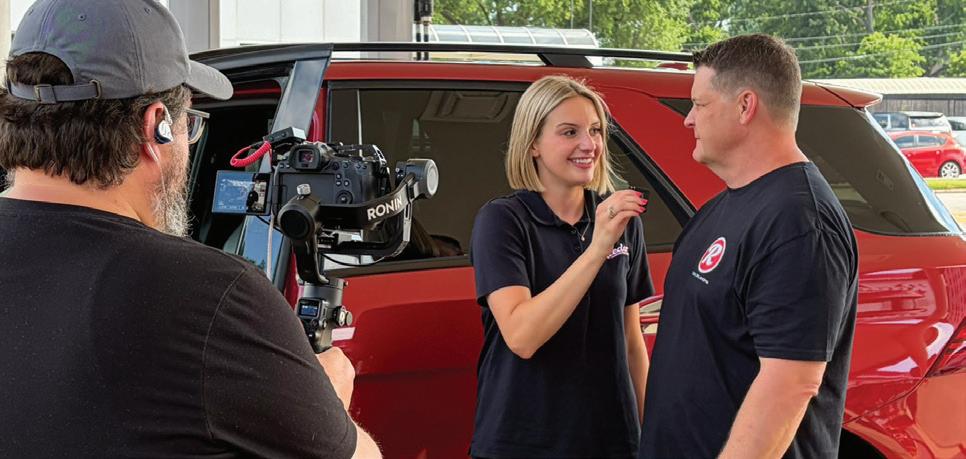
Mary Hatheway of Reeder’s interviews her dad, Ross Ledbetter.
During the General Sessions, NACS debuts its newest Ideas 2 Go videos. They profile convenience retailers that are breaking the mold with innovative ideas or operating at a high standard of excellence. From innovative foodservice offers to enhancing the customer experience, these retailers are operating the convenience store of tomorrow. Over the years, Ideas 2 Go has featured hundreds of interviews with convenience retailers in nearly every U.S. state and multiple countries.
This year, NACS visited five stores.
FULTON, MISSISSIPPI
Customers in the South are “running with the best” at Sprint Mart. This newly built 13,500-square-foot store serves locals, travelers and truck drivers with high-quality staples and amenities. A highlight: the “bestrooms” and the store’s fresh food program with some of the biggest chicken tenders you can find around.
WHITE PLAINS, NEW YORK
Chestnut Market’s the “Hutch” store on the Hutchinson Parkway in Westchester County, about 25 miles outside of New York City, is passed by 100,000 drivers per day. With a high influx of customers, the retailer focuses on tight execution and speed of service.
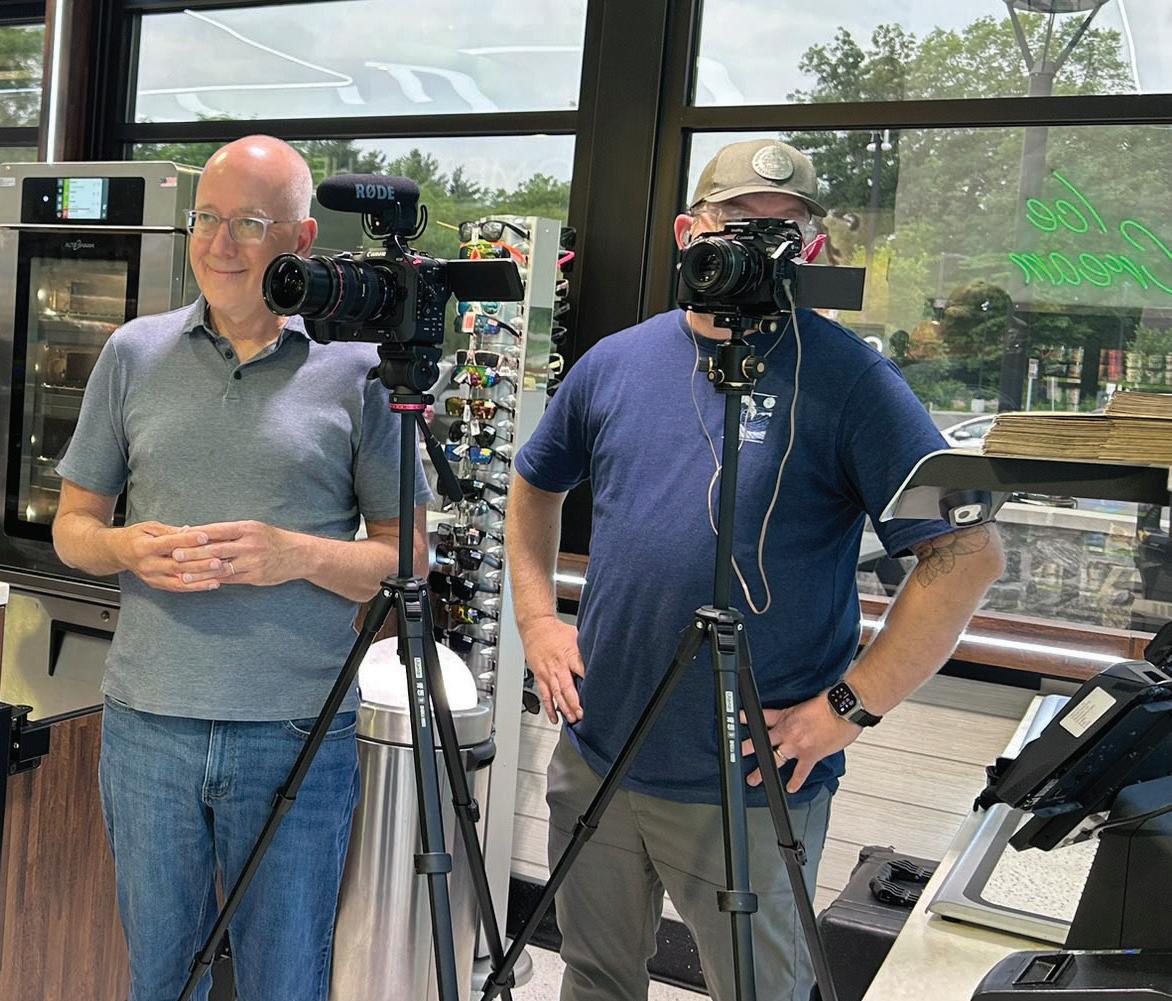
Jeff Lenard (left) of NACS getting ready to interview Rick Theilig of Chestnut Market (not pictured).
TULSA, OKLAHOMA
Family-led business Reeder’s is a local favorite in Tulsa, Oklahoma, and has existed in the town for generations. The retailer offers unique, trending items inspired by social media and was an early adopter of the squishy toy craze. It also differentiates itself with fresh-prepared food made daily by an in-house chef.
Built in 2024, The Spinx Market & Eatery in downtown Greenville is an elevated convenience concept and new format for the retailer offering fresh, artisanal food and grab-and-go items. It sets itself apart with a variety of everyday essentials, from toiletries to souvenirs in addition to featuring seasonal, local items year-round.
An established local player in eastern Tennessee, Weigel’s is known for its commitment to the community and its variety of milk flavors that draw on its roots as a dairy. The nearly 100-store retailer recently opened a commissary facility to centralize the production of its fresh food.
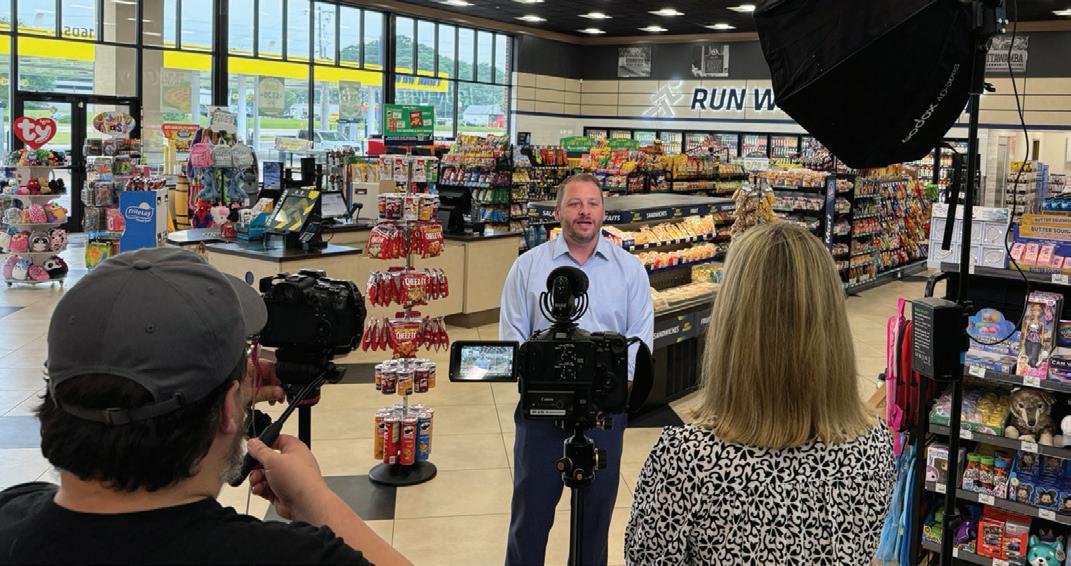
Chrissy Blasinsky of NACS interviews Matt Bogue of Sprint Mart.

TUESDAY, OCTOBER 6
7:30 A.M.-5:30 P.M. Registration
10:00 A.M.-5:30 P.M.
Cool New Products Preview Room—Buyers Only
10:00 A.M.-5:30 P.M.
NACS Future of Convenience and NACS Foundation Booth
12:30-3:45 P.M. Education Sessions
4:00-5:00 P.M. General Session featuring Lindsay Shookus
5:30-7:00 P.M. NACS Show Kick-Off Party (ticketed event)
WEDNESDAY, OCTOBER 7
7:30 A.M.-5:30 P.M. Registration
8:00 A.M.-10:00 A.M. Education Sessions
8:00 A.M.-11:30 A.M.
Cool New Products Preview Room— Buyers Only
8:00 A.M.-5:30 P.M.
NACS Future of Convenienc and NACS Foundation Booth
10:15 A.M.-11:15 A.M. General Session
10:30 A.M.-5:30 P.M. New Exhibitor Area
11:30 A.M.-5:30 P.M. Expo
11:30 A.M.-5:30 P.M. Cool New Products Preview Room
THURSDAY, OCTOBER 8
7:30 A.M.-5:30 P.M. Registration
8:00 A.M.-5:30 P.M. Cool New Products Preview Room
8:00 A.M.-5:30 P.M.
NACS Future of Convenience and NACS Foundation Booth
8:00 A.M.-10 A.M. Education Sessions
10:15-11:15 A.M. General Session
1 0:30 A.M.-5:30 P.M. New Exhibitor Area
11:30 A.M.-5:30 P.M. Expo
FRIDAY, OCTOBER 9
7:30 A.M.-1:30 P.M. Registration
8:00 A.M.-1:30 P.M. Cool New Products Preview Room
8:00 A.M.-1:30 P.M.
NACS Future of Convenience and NACS Foundation Booth
9:00 A.M.-1:30 P.M. Expo
Schedule is subject to change. For the most up to date schedule, go to NACSshow. com/schedule.
for the NACS Show Today!
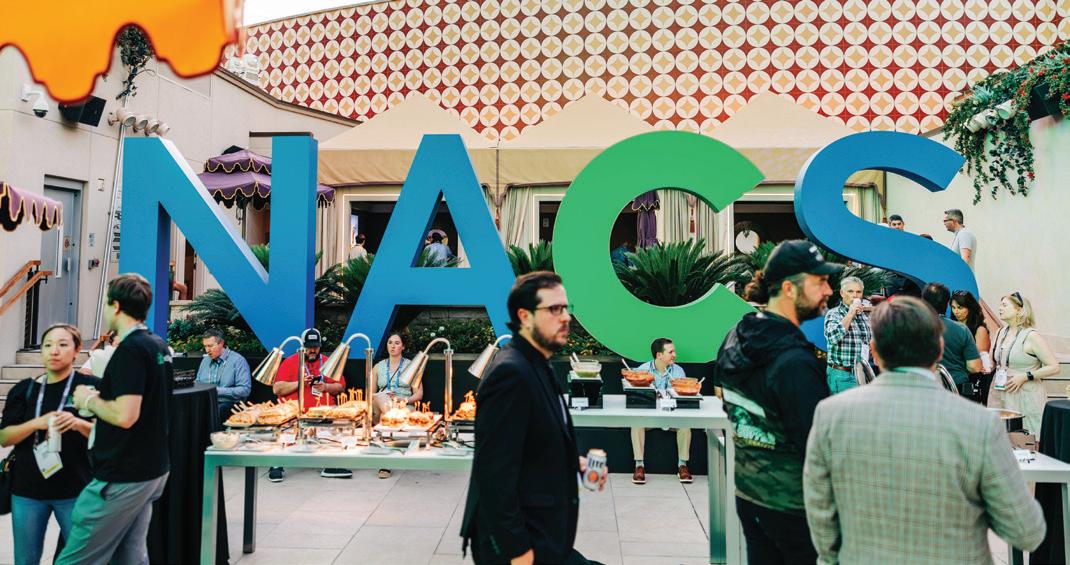
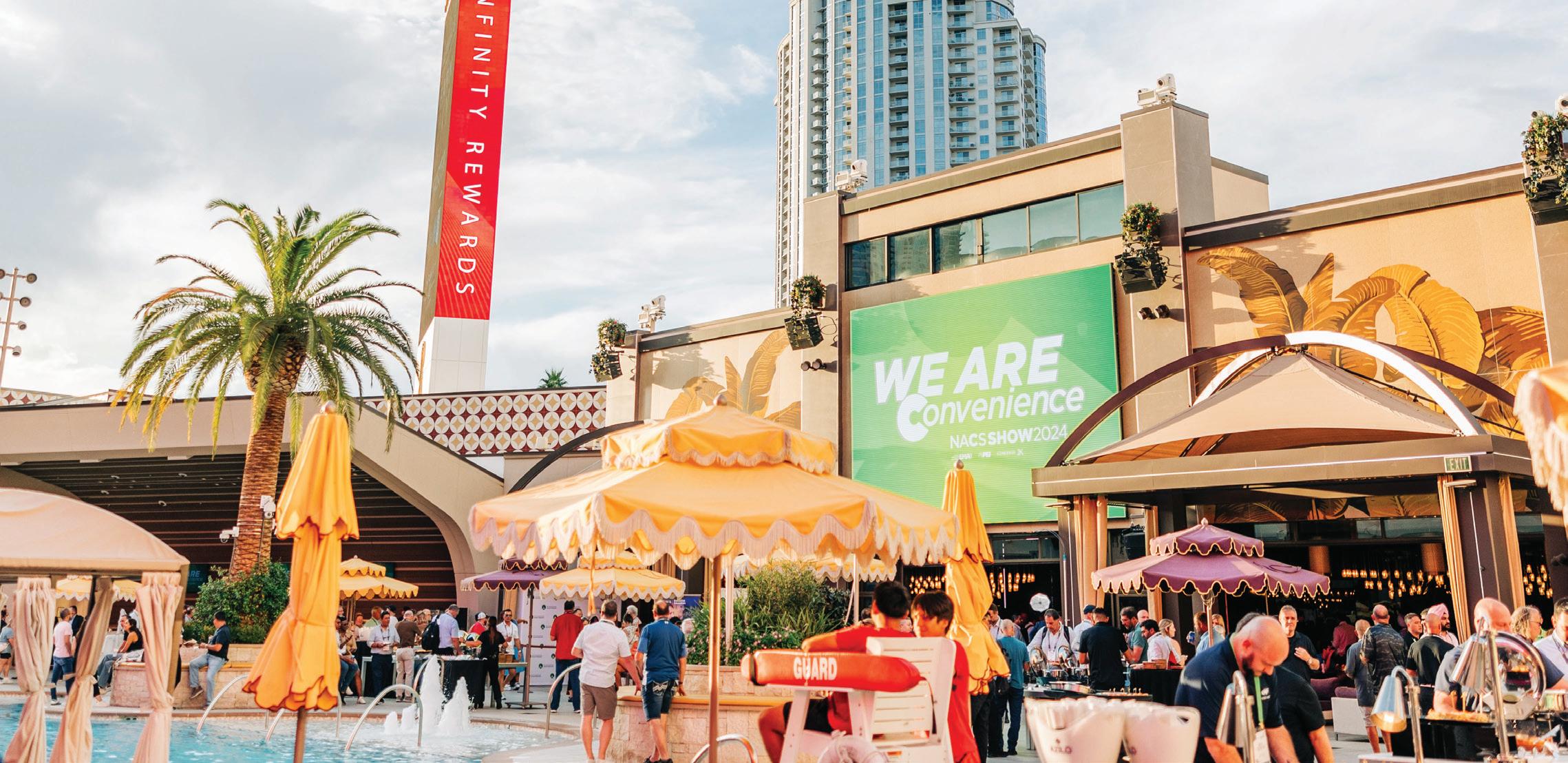
The NACS Show Kick Off Party will take place Tuesday, October 6, from 5:30-7 p.m. PST at the Sahara Las Vegas hotel’s Azilo lounge and pool. The Kick Off Party is a ticketed event included in the full conference registration.





















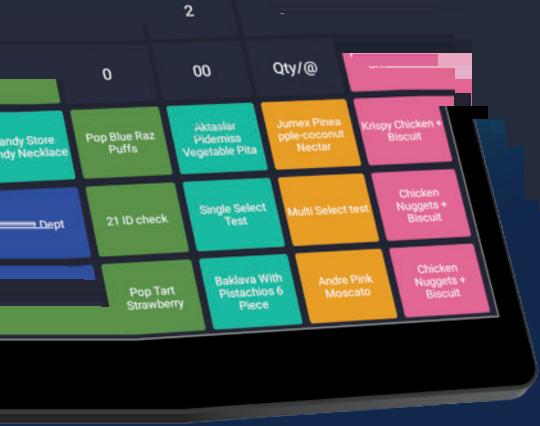









Your Pumps Shouldn’t Need a Different System than Your Store. Visit Booth C6056


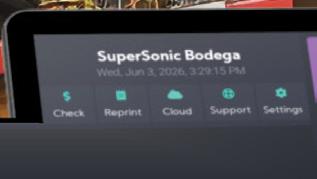
Start with SuperSonic Cloud: works with your existing POS or powers the full SuperSonic stack.
Control fuel pumps. Track in-store sales. Manage loyalty programs. Monitor inventory. Run promotions. Access real-time reporting. Built to grow from 1 store to 100.









Electric-vehicle charging strategy extends well beyond the forecourt.
BY STEVE HOLTZ
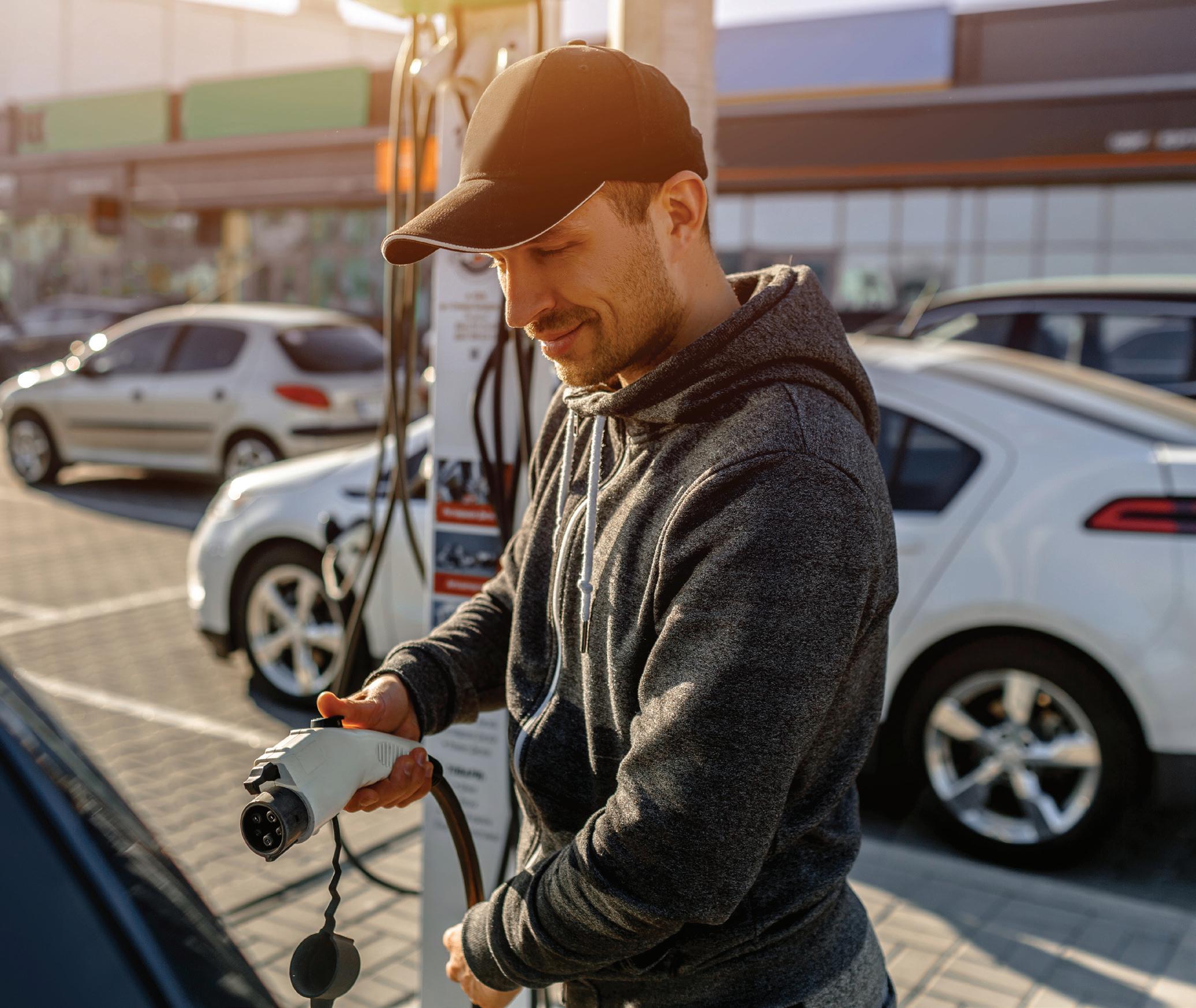
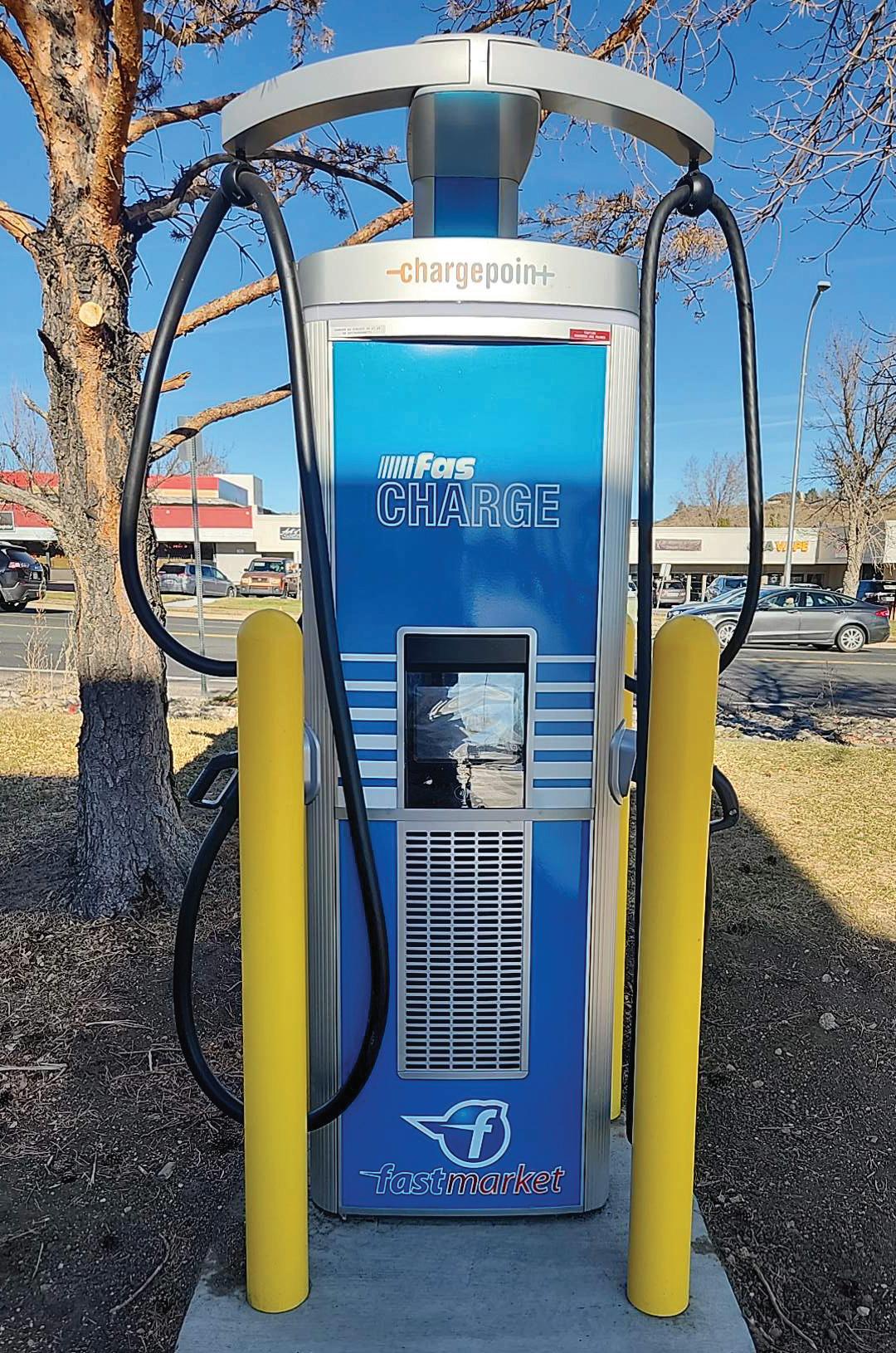
As electric vehicle chargers spread across the forecourt, convenience retailers are learning that the real opportunity is not just in selling electricity. It is in giving EV drivers a reason to come inside—and a reason to come back.
For decades, fuel retail was built on speed: pull in, pump gas, grab a drink, get back on the road. EV charging is forcing operators to rethink that formula. The average fuel transaction lasts between three and four minutes, but EV charging sessions typically last around 30 minutes. When drivers stay longer, the forecourt becomes less a place for a quick transaction than a place to win a longer, more profitable visit.
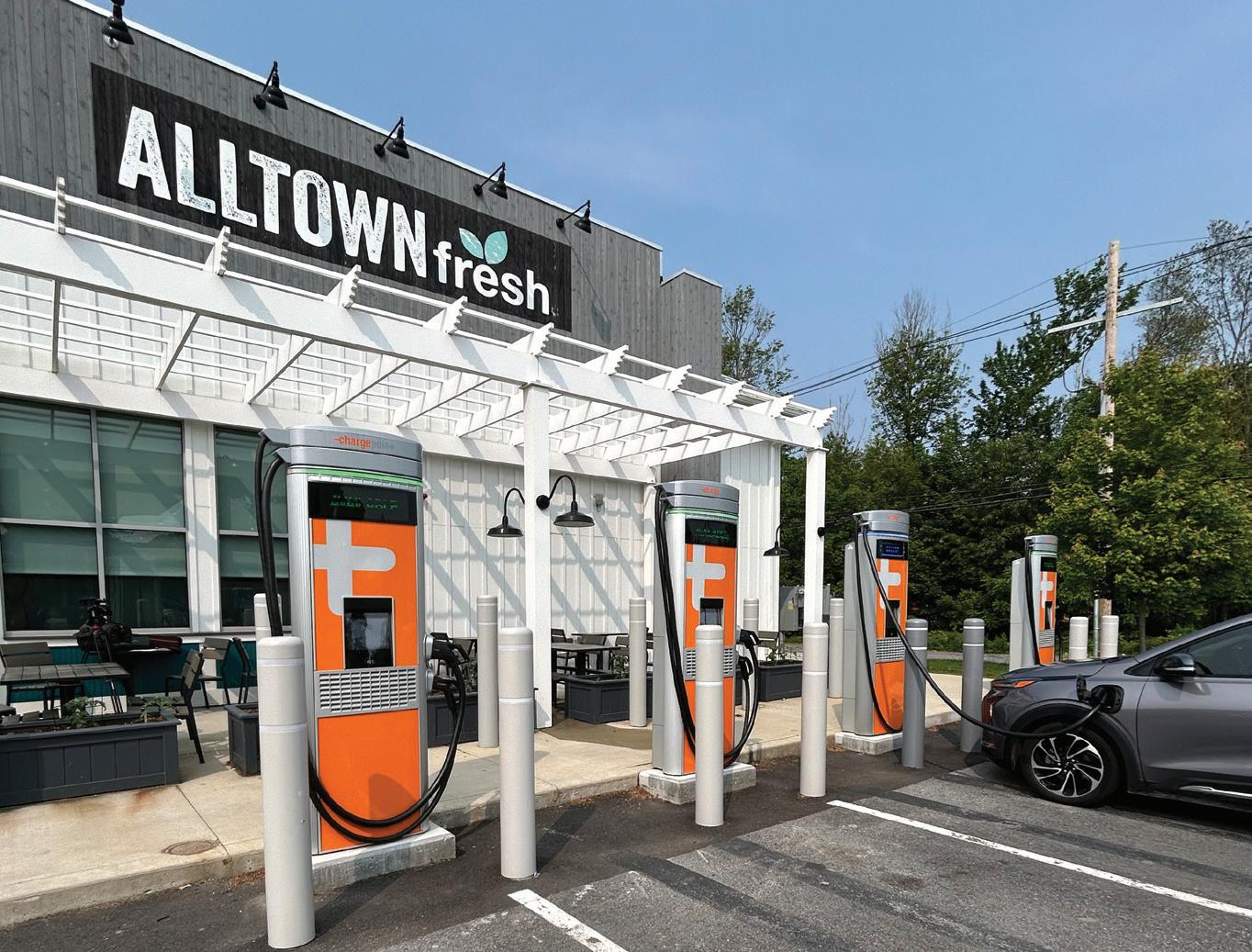
That’s a key measure Global Partners is using as it builds new stores or remodels its Alltown Fresh sites to break the barriers of how consumers view convenience stores.
“The point of success is not just the charging session, but it is all the other amenities around that charging session,” said James Cater, senior director of sustainability strategy and innovation at Global Partners LP. “You don’t get that chance in any other place that I know of in the convenience retail space. No customer is going to be at your site for 30 minutes except for an EV customer. And that’s a whole new opportunity that has not existed before.”
That is changing how operators think about retail. The question is no longer simply where to put chargers
or who should own them. For those choosing to embrace EV charging, it is how to turn charging time into store traffic, bigger baskets and stronger loyalty. That is driving investments in better food, cleaner restrooms, safer sites, digital engagement and a broader set of amenities designed to make a charging stop feel worth the wait.
Some retailers want to own and operate chargers themselves, betting that control over pricing, uptime and the customer experience will pay off in the long run. Others prefer partnerships that let them focus on merchandising and hospitality while a third party handles the charging network. Either way, the strategy is shifting in the same direction: from selling fuel to staging a retail experience around longer dwell times.
“The point of success is not just the charging session, but it is all the other amenities
Fast , reliable chargers with clear wayfinding and weather protection
Clean, comfortable restrooms and a safe, well-lit site
Free wi-fi and a place to spend 15 to 30 minutes productively or comfortably
Fresh food, coffee, snacks, and meal options that go beyond grab-and-go basics
Digital engagement, including loyalty rewards, app-based offers and easy payment
Convenience: a location close to major routes, not a long detour
With charging times longer than gasoline fueling, hospitality and merchandising matter more. For many retailers, the winning formula will include a combination of charger uptime, foodservice quality, digital offers and basic amenities executed consistently.
That is especially attractive in a channel where foodservice, packaged beverages and prepared meals already generate some of the best margins in the box. EV charging effectively creates more time for those categories to work.
For some operators, EV charging is beginning to look less like a side business and more like a core part of the forecourt.
While Global Partners started its EV journey with a third-party owned and operated site, it now opts to own and operate the entire footprint.
Source: Edmunds
“Owning the chargers, operating the chargers— we do this for a number of reasons,” Cater said. The biggest is consistency. “From when they arrive onto our sites to when they leave our sites, we love to control that entire customer journey and have it be consistent. Whether it’s somebody who fuels up with gas or fuels up with electrons, we are controlling that experience.”
While it added its first EV chargers in 2023, Global Partners is just at the beginning of its electric-vehicle strategy. It currently operates seven EV charging sites, with another six in development.
“We are accelerating our EV deployment,” Cater said. “Doing it in small steps. We open a couple of sites and ask, ‘How are they doing?’ Then, let’s do another four. Then, let’s open another six or even 12. It’s a ramp-up because you become comfortable with this kind of operation.”
Arko Corp.’s GPM Investments also is scaling up. With more than 1,400 c-stores in 33 states, GPM has 90 live charging sites with 269 active ports, plus 62 more sites approved or under construction, and more to come.
“We view EV charging as a long-term
mobility and customer traffic opportunity for convenience retailers,” said Michael Bloom, executive vice president, chief merchandising and marketing officer. “While the economics are still highly market dependent, EV charging can help drive forecourt traffic, keep our sites relevant over time and create incremental in-store sales opportunities due to longer customer dwell times.”
That emphasis on traffic and basket growth demonstrates how retailers are reframing charging economics. A charger does not have to stand on its own as a pure energy asset if it helps bring in a shopper who buys coffee, a made-to-order sandwich, snacks or a meal.
That is where retail strategy really starts to change. “We’re obsessing over what’s in the basket,” said Jac Moskalik, vice president of food, innovation and strategy at Global Partners. “When you go and look at the tickets that are being purchased, we look at the customers that we’re attracting and determine if we’re speaking to the customers that we want to.”
“What we’re doing is breaking that barrier to the consumer’s perception that you can get an amazing food experience inside of a convenience store,” Moskalik said. “They’re designed differently, with different aesthetics. When you go inside the store, there’s additional product variety. We going really big on local in [our] stores.”
Bloom says the economics of EV charging are highly market dependent. But the retailer has found some familiar product categories in primary areas to invest in EV-charging locations.
“Food and beverage are the strongest revenue generators,” he said. “Top segments include beverages, coffee, hot food items, meals and snacking.” He also pointed to amenities that matter during longer visits: “clean, comfortable restrooms, wi-fi, air conditioning and safe well-lit environments.”
According to a 2026 report by Paytronix,



EV customers generate 340% higher in-store revenue per visit compared to traditional fuel customers. The report says they tend to have a strong preference for sustainable and organic food options and show a 40% higher rate of engagement with loyalty programs.
“EV drivers tend to be digitally engaged so they respond well to loyalty programs,” said Moskalik. Cater at Global Partners said EV drivers consider these and other local amenities when considering where to stop to charge a vehicle.
A retailer needs to ask itself, “to what extent can you get the customer out of their car while they are charging and into the store?” he said. “It’s actually at a higher rate than you would normally get with a gas vehicle. But you want to push that rate higher and higher. That’s where the real success comes in.”
A spring 2026 study of EV charger use data by Paren suggests drivers consider the number of businesses and services available to them at or near a charging unit. “Stations that have 11 or more nearby amenities see seven times the utilization of isolated ones,”
the report concluded. “A single anchor, like a big-box store, still performs well on its own, but amenity variety strongly helps.”
The study by Paren, a data and analytics platform for the EV industry, shows EV charger sites with “some” nearby amenities—from shopping malls, pharmacies, grocery stores, coffee shops, restaurant and other types of retail—averaged nine charging sessions per day, while those with 11 or more amenities scored 28 sessions. Those
30.9% The share of public chargers nationally that were 300+ KW in Dec. 2025, up from 24.9% a year earlier.
Source: TEI and the Charging Analytics Program’s EVSE Charger Performance Analysis Q4 2025 Benchmarking Report























93% of EV drivers are willing to pay a little more to avoid a 20-minute detour to charge.
Source: Konect
with no nearby amenities averaged just three sessions per day.
The best traffic driver is grocery stores, which drive an average of 42 charging sessions per day. Convenience store/gas station locations see about 13 sessions.
“The data suggests the impact of EV charging extends well beyond the charger itself,” said John Eichberger, executive director of the Transportation Energy Institute, which partnered with Paren and Electric Era on the study. “The broader retail and economic effects emerging around charging locations are becoming difficult for the market to ignore.”
Longer dwell times also raise the bar for site design. Love’s Travel Stops has more than 200 EV chargers at 42 locations in 15 states and plans to add another 100 chargers this year, according to Kim Okafor, director of strategic growth for zero-emission solutions at Love’s Alternative Energy.
“On average, the EV charging experience can last about 20 to 30 minutes, compared to a five-minute gasoline experience,” Okafor said. “The more onsite amenities that can be accessed during the charging time frame, the better the EV charging experience for the customer and for Love’s.”
Love’s next-generation charging format
includes “canopies to protect drivers from weather with typical amenities such as trash cans, windshield cleaning supplies and DC fast charging,” she said, along with “24/7 access to clean restrooms, fresh food, quick-service restaurants and more—not something all EV charging experiences offer.”
That list sounds routine in traditional fueling, but it becomes a competitive differentiator in EV charging because not every charging location offers it. A driver can find chargers in a mall parking lot, behind a big-box store or at a dealership. But a well-lit travel center or convenience store with food, bathrooms, wi-fi and a comfortable place to pause offers a more complete experience.
90,348 Number of public EV charging locations in the U.S. as of June 2026
“To the extent we can offer a premium convenience experience at our Alltown Fresh and Honey Farms brands, I think customers over time will gravitate toward that experience, just like they do with the gas customer,” Cater said. “Sure, you can shop on price. But at the same time, you’re also shopping around on places that make you feel safe, make you feel good. ... That’s what we’re gunning for.”
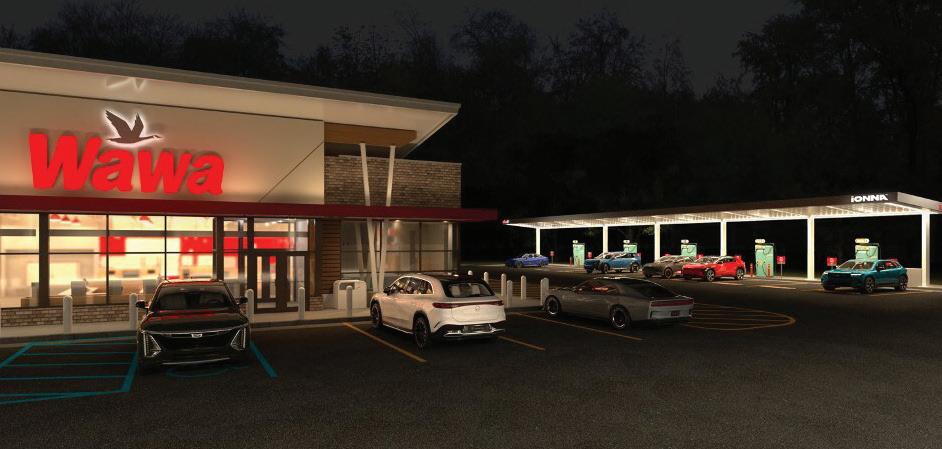
That is one reason Wawa’s messaging around its IONNA partnership is so telling. In a July 2025 press release
Source: U.S. Department of Energy Alternativ e Fuels Data Center
1:00 p.m.
When charger utilization peaks nationally, at around 25%.
Source: TEI and the Charging Analytics Program’s EVSE Charger Performance Analysis Q4 2025 Benchmarking Report
Whether it’s somebody who fuels up with gas or fuels up with electrons, we are controlling that experience.”
188
The average total sessions per charger, per month at convenience stores in Q4 2025.
Source: TEI and the Charging Analytics Program’s EVSE Charger Performance Analysis Q4 2025 Benchmarking Report
announcing the deal, Wawa described the offer as a “one-stop for fresh food, beverages and EV charging.”
The partnership pushed IONNA’s contracted bays past 3,000 units. The new Wawa-hosted “Rechargeries” will include 400kW dispensers, canopy coverage, car-care amenities and full access to Wawa’s store offer.
That language captures the heart of the strategy shift. The charger is not the entire product—it is part of a broader bundle that combines fueling, foodservice, comfort and convenience.
And data reinforces the strategy. A 2024 Consumer Reports study found that installing EV chargers can increase foot traffic by an average of 4% and revenue by 5% at retail locations.
Other studies recently summarized by CyberSwitching, a company that specializes in commercial EV charging stations, show that a single charging station brought in an average of $3,412 annually in additional spending at nearby businesses between 2021 and 2023.
Meanwhile, research from Gilbarco Veeder-Root and its EV unit Konect reported that 93% of EV drivers are willing to pay a little more to avoid a 20-minute detour to charge. The most desired amenities, it said, as free wi-fi, clean restrooms, loyalty perks and food and drinks on site, a preference set that lines up neatly with the strengths of the convenience channel.













































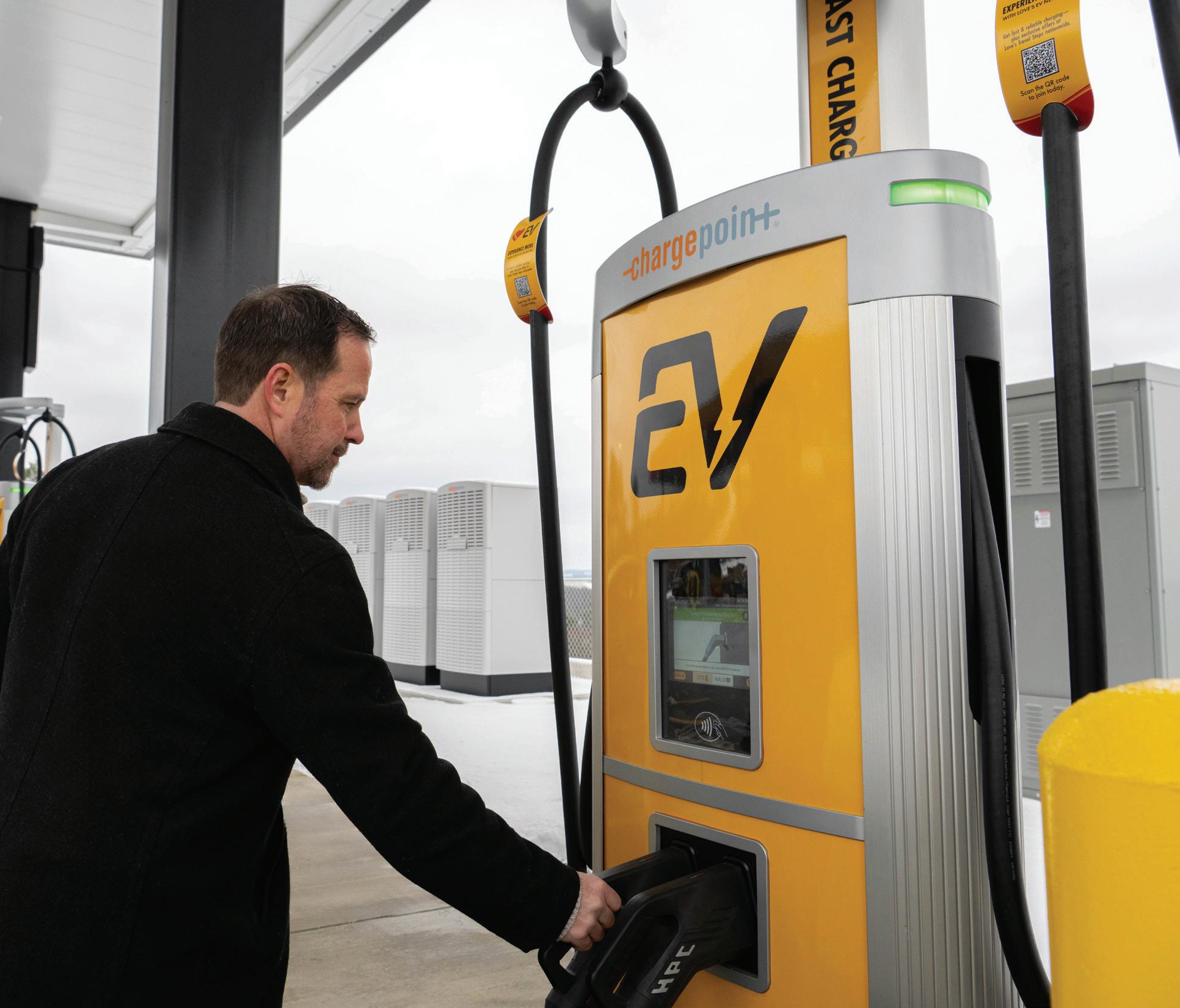
In April, Love’s Travel Stops rebranded its alternative fueling branch from Trillium Energy Solutions to Love’s Alternative Energy.
17.9% The average utilization rate Friday through Sunday nationally, vs 15.3% Monday through Thursday.
Source: TEI and the Charging Analytics Program’s EVSE Charger Performance Analysis Q4 2025 Benchmarking Report
So how are fuel retailers changing their strategies as they add EV chargers?
They are shifting from a model built around rapid fuel transactions to one built around managed dwell time. They are investing in premium food, beverages and store environments that can hold a customer for 20 or 30 minutes. They are emphasizing amenities that matter more when drivers remain on site. They are using digital loyalty and basket analytics to understand how an EV shopper behaves differently than a gasoline customer. And they are
treating charging not merely as a utility service, but as a catalyst for broader retail transformation.
In other words, the forecourt is no longer just a place to fuel a car. Increasingly, it is setting the stage for a larger retail experience.
That is likely to be the industry’s biggest lesson from EV charging. The competitive advantage will not belong simply to the retailer with a plug in the parking lot. It will belong to the retailer that turns charging time into reasons to enter the store, buy more, feel comfortable, and come back.
Explore music
and
fried chicken (and some barbecue) on this tour of Mississippi gas stations.
BY JEFF LENARD
The lyrics to the song “Gas Station Chicken”—in the red text on this page— by The Nighthawks were written about a specific gas station in southern Virginia. But those lyrics could also apply to almost any gas station in Mississippi, a state that prides itself on its rich music history and great food.
Around a recent Ideas 2 Go shoot in Fulton, Mississippi, I took a few extra days to sample the food and experiences at stores across the state.
“When I’m on the road and heading south, I can’t wait to feed my mouth. With the gas station chicken that’s oh so great, You can smell it cookin’ from the interstate!”
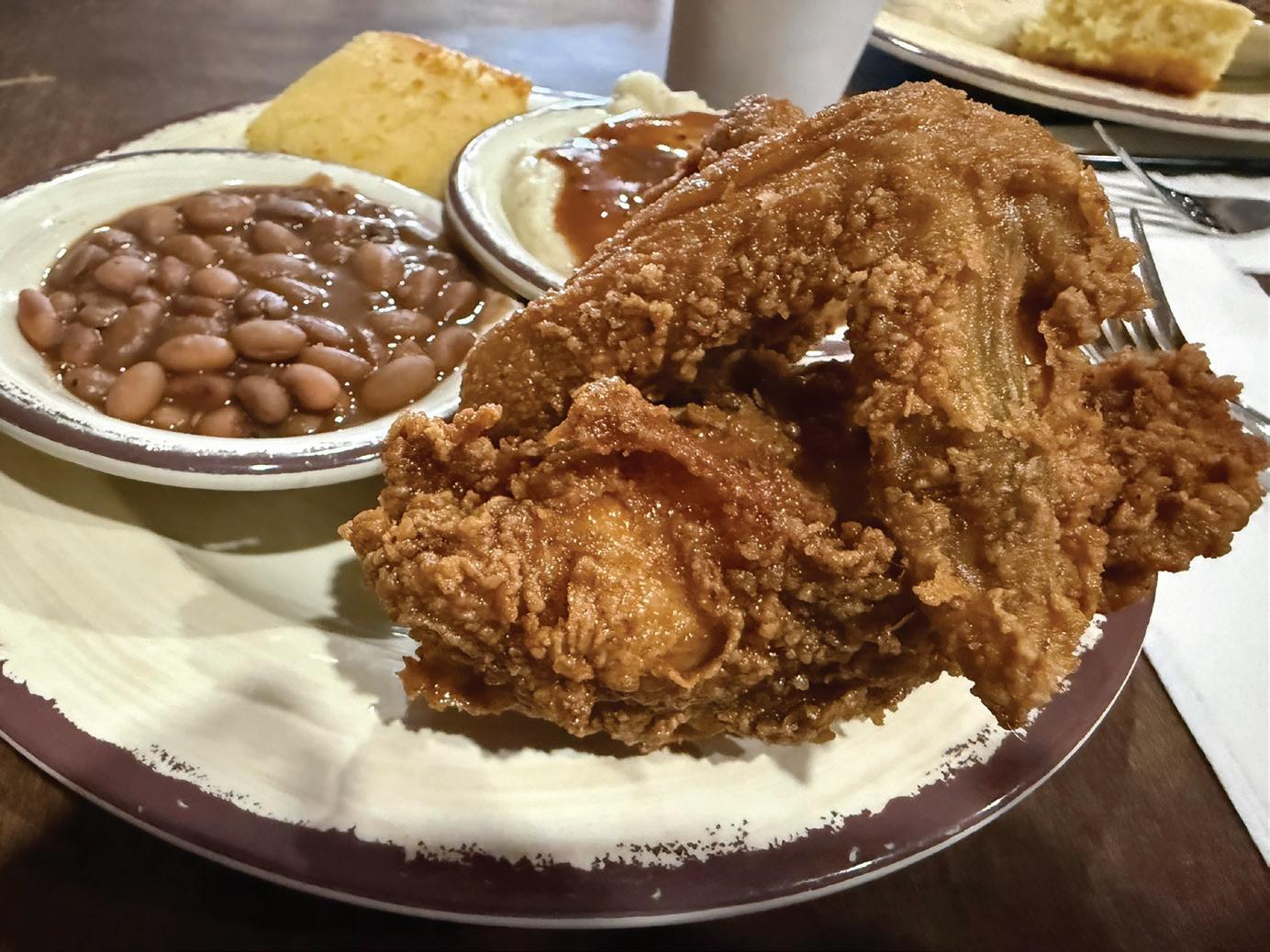
There’s a certain person in Mississippi you must consult when you want to find great gas station food. Stafford Shurden, creator of the popular Gas Station Tailgate Review series, often gets more than 2 million views of his online video reviews of gas station and c-store food.
So it made perfect sense to start my trip there, especially considering that Stafford’s on Main, his restaurant in Drew (population 1,800), was recently voted by Mississippi Magazine as having the best fried chicken in the state. For the record, it was that good. Stafford said he perfected his recipe by studying the fried chicken served at gas stations throughout the South.
Stafford was a featured General Session speaker at the NACS Show in 2023. He’s not the only person from Drew to speak at the NACS Show—Archie Manning spoke in 2007. (And his son Peyton spoke at the 2016 NACS Show.) Drew is also the birthplace of Roebuck “Pops” Staples, founder of the Staple Singers and father of Mavis Staples, who moved his young family just up the road to work at the Dockery Plantation. So, as one of their hits goes, “I’ll Take You There.”
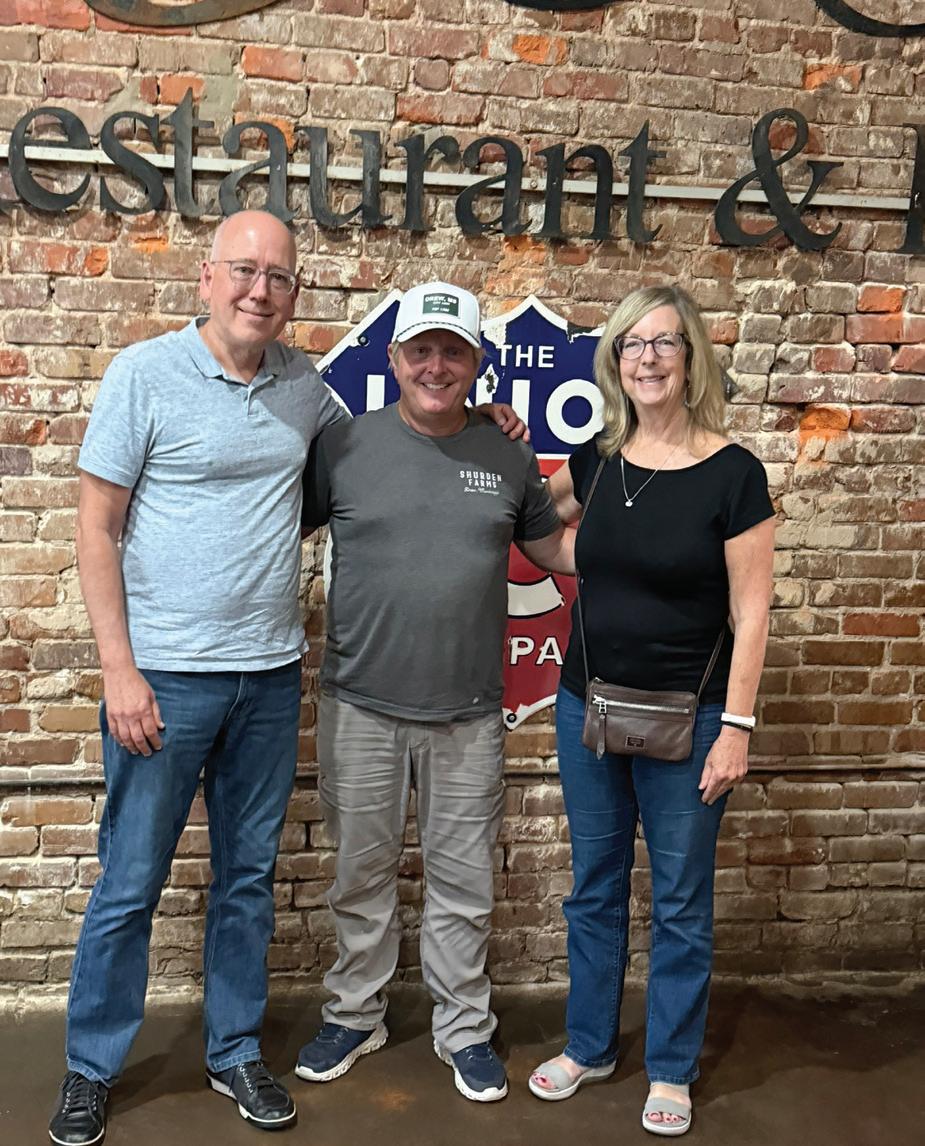
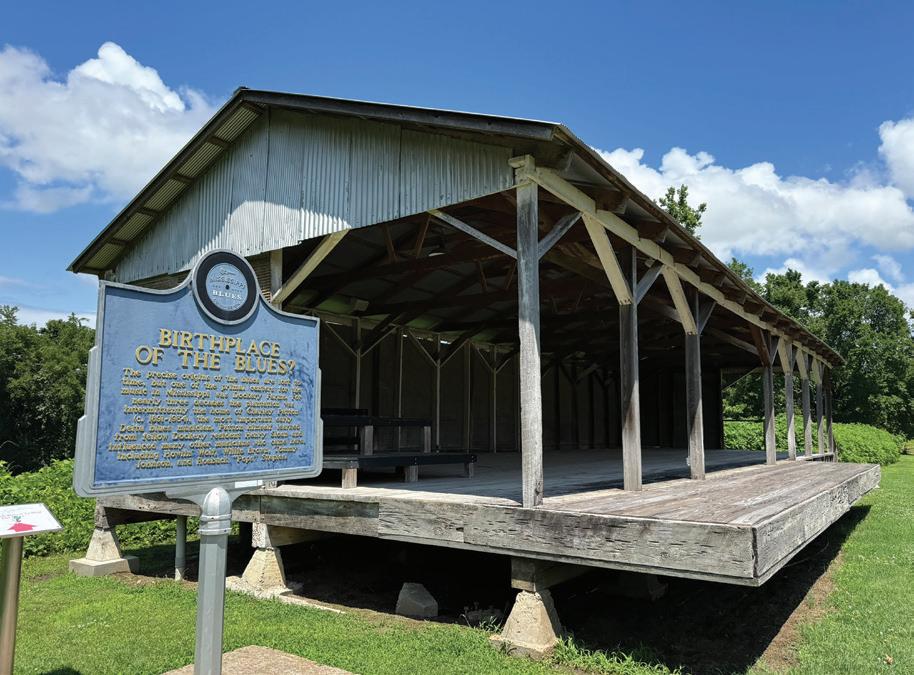
Dockery Plantation), is considered by many to be the place where Delta blues music was born. As this historical marker on the Mississippi Blues Trail points out, Dockery was home to legendary musicians Charley Patton, Willie Brown and Howlin' Wolf.
This town, specifically Dockery Farms (formerly the Dockery Plantation), is widely considered the birthplace of the blues. Before Pops Staples came to town, Delta blues legend Charley Patton would host get-togethers with blues icons such as Howlin’ Wolf, and his music inspired other Mississippi greats, including Robert Johnson and Elvis Presley.
The centerpiece of the plantation was the Dockery Service Station, built in the 1930s, which also housed a general store and a business office.
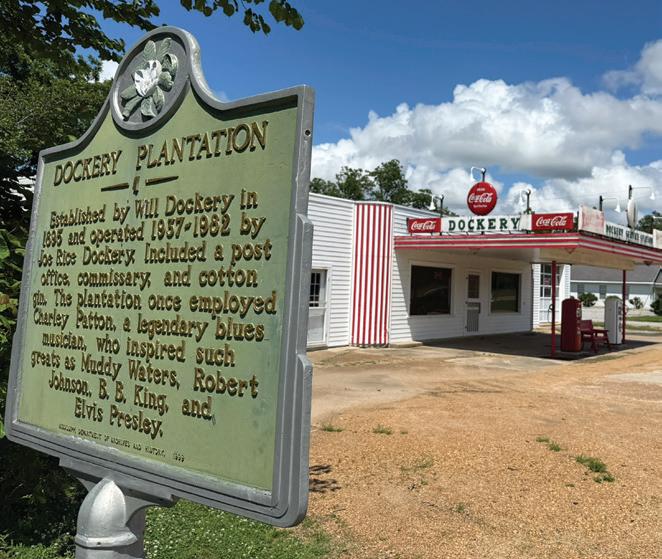
The Dockery Service Station, built in the 1930s, still has a few gas pumps outside.
The crossroads in Clarksdale is at the intersection of Highway 49 and Highway 61 (as in the Bob Dylan song and album “Highway 61 Revisited”). In the 1930s, area blues singer Robert Johnson wrote the song “Cross Roads Blues,” better known as “Crossroads,” which has been covered by Eric Clapton and others.
The crossroads myth details how Johnson went from an ordinary musician to a legendary one in just a few months. He supposedly went to the crossroads one day at midnight and sold his soul to the devil in exchange for quickly mastering the guitar.
An art display and plaque commemorate the alleged location, and the intersection also is home to a convenience store, The Castle. Operated by Imperial Gas & Oil Co. and opened earlier this year, its design makes it obvious how it got its name.
Inside, guitars decorate the walls, and chicken is part of the store’s offerings. The latter includes chicken-adjacent offers in the (TikTok viral) ice cream section: Fried Cluckin Ice Cream novelties, which are shaped
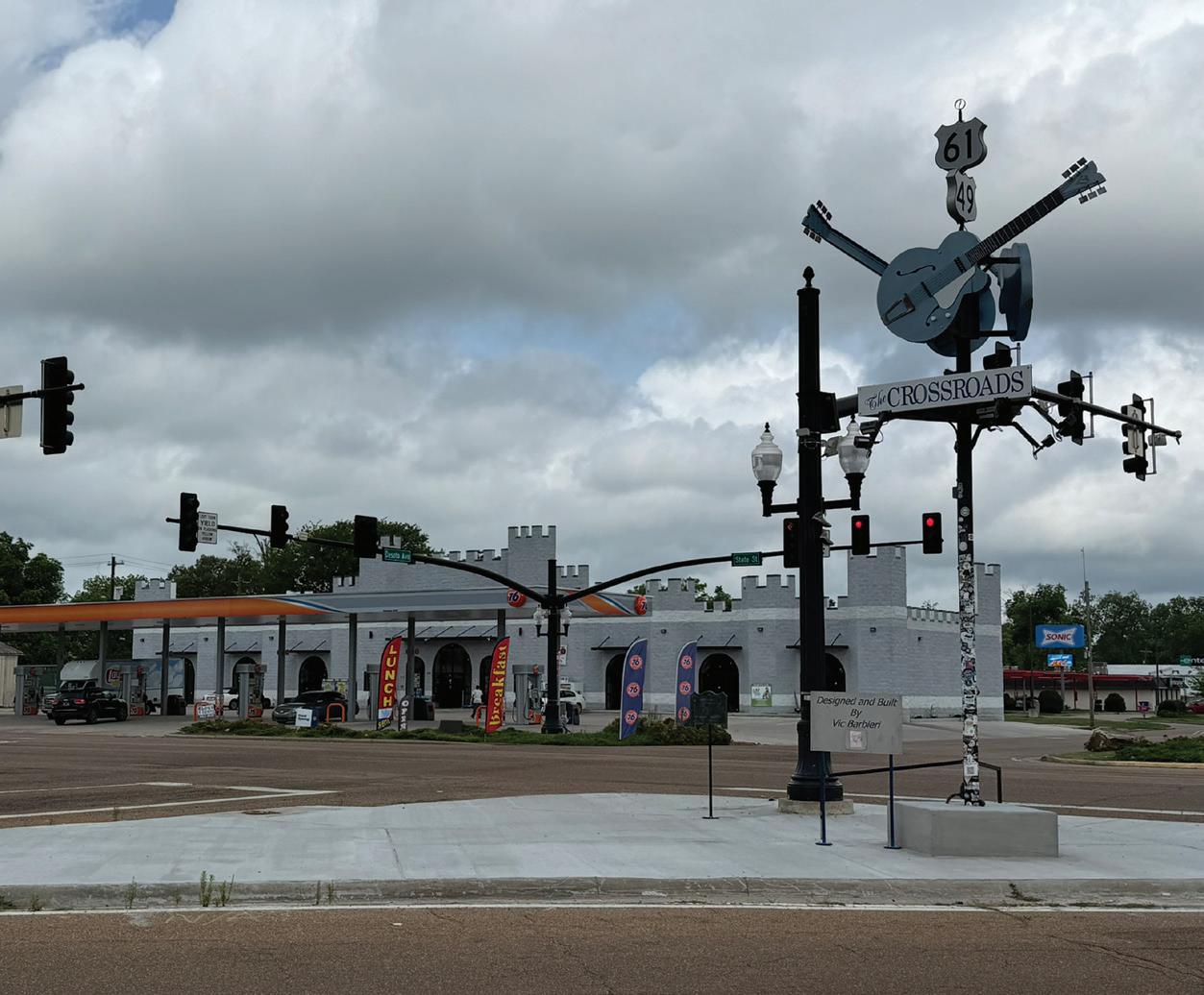
to have sold his soul to the devil in exchange for supernatural guitar skills. Today, it’s also home to a convenience store aptly called The Castle.
The Castle in Clarksdale offers fried chicken …
… and ice cream that looks like fried chicken, both sandwiches and drumsticks.
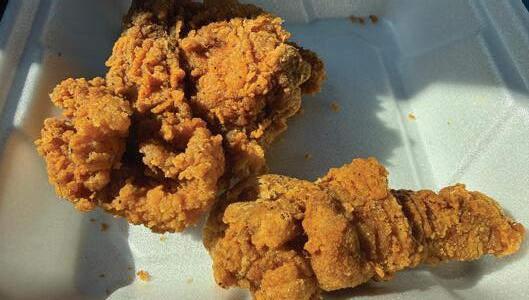
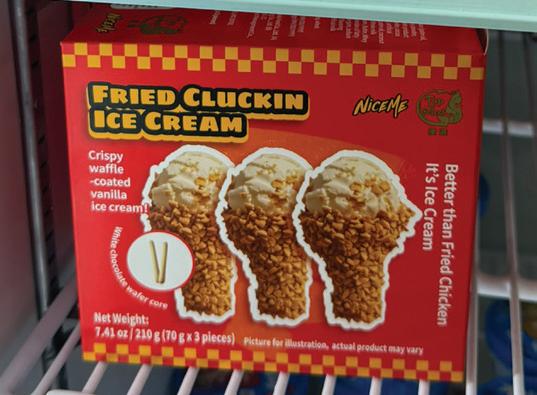














This is Fred, who was selling pickles from the back of his truck outside Rebels Gas Mart in Oxford. He serves as the store’s unofficial greeter. Management saves him a spot out front.
Stafford Shurden has visited more than 230 gas stations and convenience stores to spotlight great food. He’s had his share of less-than-amazing food, too, but he posts only the positive reviews.
He joined “Gas Station Gourmet” and NACS Magazine contributor Al Hebert for a road trip to visit four Louisiana c-stores in 2023. See the video at convenience. org/Ideas2Go. You can follow Stafford on Facebook, Instagram or YouTube. He also has been on multiple NACS Convenience Matters podcasts, including one with a member of the band The Nighthawks, who discussed their song “Gas Station Chicken.”
If you have a suggestion for a store he should visit—including one of your stores—contact him at staffordshurden@ gmail.com.
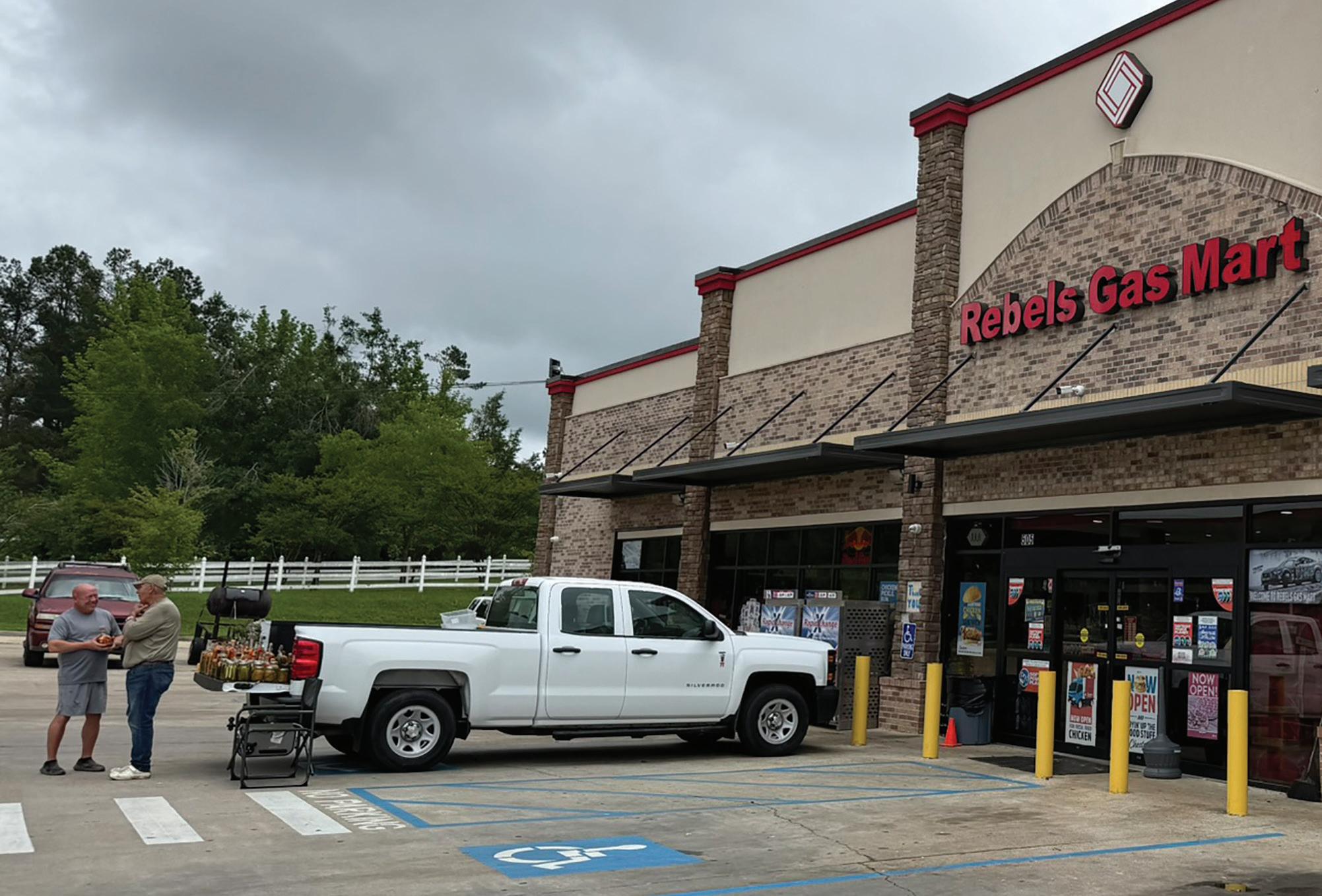
Just a mile from the Oxford town square is Sky Mart, described in signage as “gas, grocery and bait,” which is accurate. But it didn’t say anything about how good the prepared food looked. An employee said the smoked chicken was popular—and now I know why. It was the best smoked chicken I’ve ever eaten. The ribs also looked delicious, but there’s only so much you can eat in one sitting. About a mile away is 4 Corners Chevron, known for its chicken on a stick. Three very filling pieces on a stick made for a tasty, if not unusual, breakfast. They also sell plenty of t-shirts and hats promoting the chicken on a stick.
Soon it was time for second breakfast, which I found at Rebels Gas Mart. More great-looking chicken there, but a tasty biscuit was all I needed.
The most interesting thing at Rebels was in the parking lot: a man named Fred, who was selling his “Fred and Judy’s” pickled vegetables out of the back of a pickup truck. He was in a prime parking spot at the front of the store, he said, because management told him, “This spot is for you.” He said he’s treated like royalty, and it’s easy to see why: Fred serves as the unofficial greeter for the store and offers customers some unique local items.
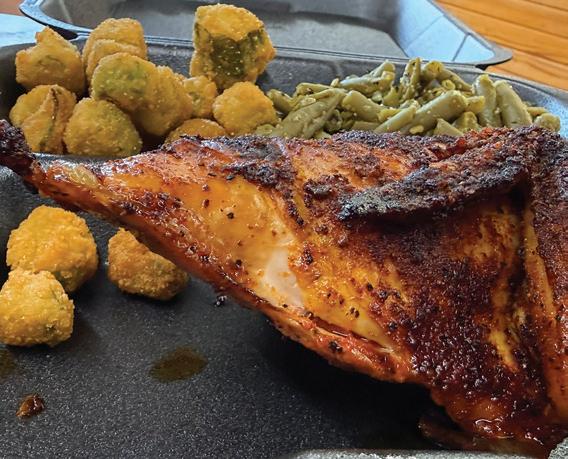
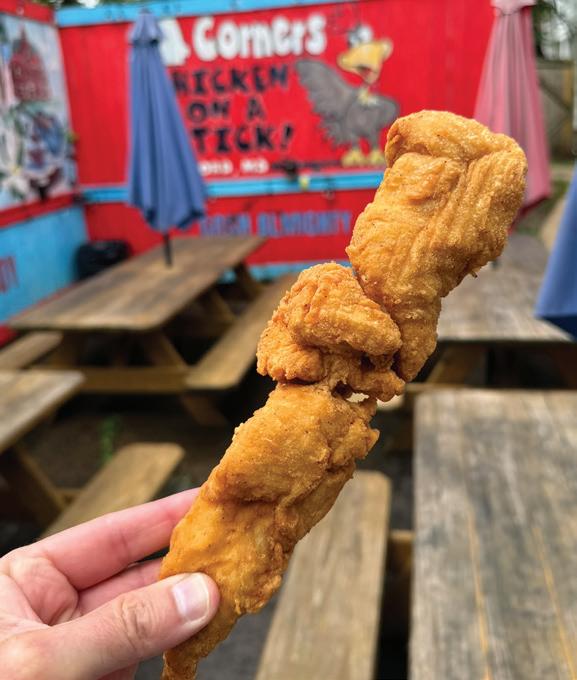
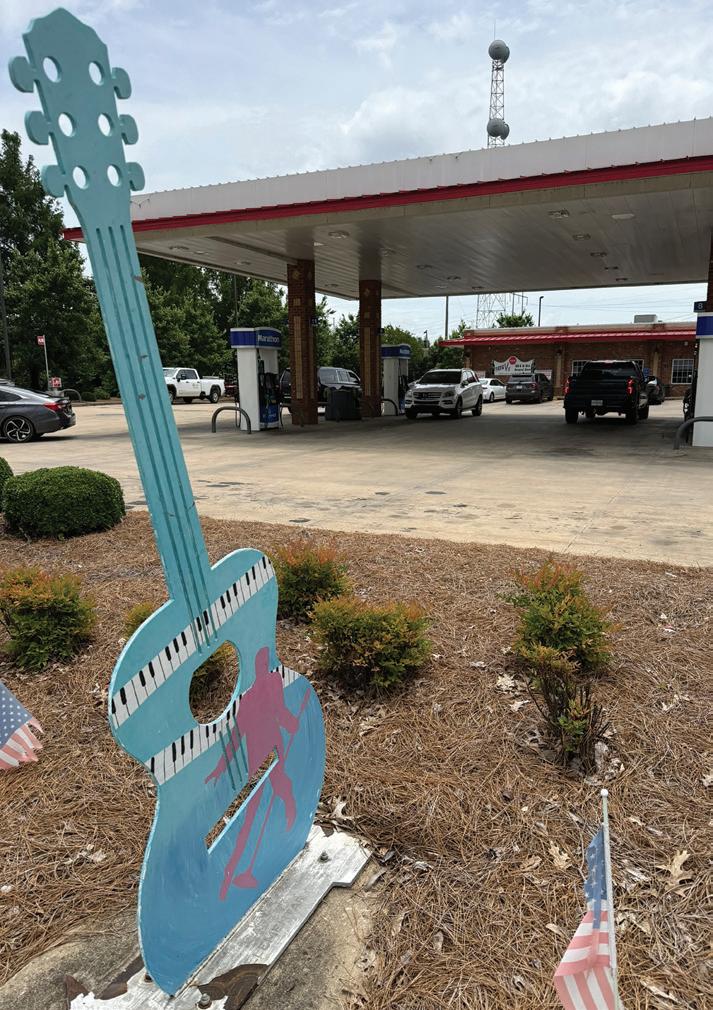
Tupelo is known as the birthplace of Elvis Presley. You can see homages to the King all over—including this wooden guitar outside of Papa V’s.
While Mississippi gas stations are known for their chicken, they also have great barbecue, and that’s what I had at Papa V’s in Tupelo. The rib tips, accompanied by fried squash and lima beans, were delicious. As was the case with many previous stops, it was obvious that everyone in town went there for lunch. Among the clientele were landscape crews in matching fluorescent t-shirts and nicely dressed office workers. It’s also worth pointing out the great beer selection at Papa V’s. Multiple cooler doors held craft beers, and there were a few aisles of local and national brews. The store even has a beer manager, who was as knowledgeable as any I have talked to, whether at a brewery or a larger alcohol store.
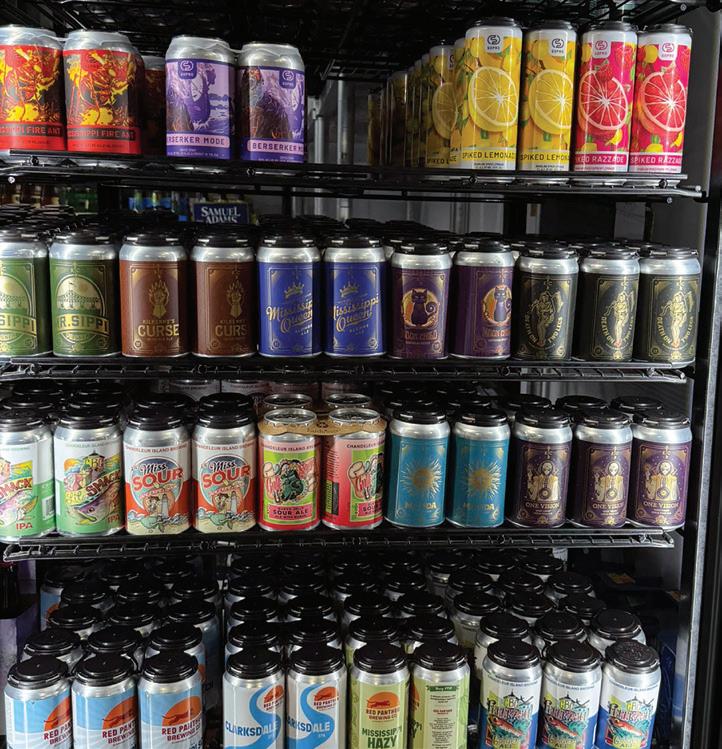
As Mojo Nixon once sang, “Elvis is everywhere”—and that includes gas stations.
There is an Elvis Presley Food and Fuel convenience store on (no surprise) Elvis Presley Boulevard in Memphis, Tennessee. And there are plenty of Elvis-related signs and artwork at Mississippi gas stations, including one with a mural of Elvis that encourages customers to “Eat like a King.”
Industry icons also support Elvis. Henry Dodge, president of Dodge’s Southern Style c-stores— known for their fried chicken—is chairman emeritus of the Elvis Presley Birthplace Memorial Foundation. The Dodge family also contributed funding for the Elvis Presley Birthplace Museum.
Elvis apparently had some altercations at a few forecourts. The Elvis News Blog recounts that when Elvis was first topping the charts, he stopped to fill up at a Memphis gas station, where fans quickly descended upon him for autographs and pictures. The crowd grew so large that other drivers couldn’t get to the pumps. The station owner, who didn’t know who Elvis was, asked him to move his car. Reports on what happened next vary, but a scuffle ensued, with Elvis carted off under arrest (and later acquitted).
Then, only two months before his death in 1977, Elvis was reportedly riding in his limo in Madison, Wisconsin, when he saw two teens beating up another teen outside a gas station. He quickly got out of the car to help and took his classic karate stance, announcing, “I’ll take you on.” While the gas station is no longer there, Atlas Obscura reports that a plaque marks the event, noting, “After a few classic karate moves by Elvis, the youths recognized him, stood, shook hands and promised to stop fighting.”
Want your picture taken with an Elvis statue? You can find one at the Westgate Las Vegas Resort & Casino while you’re at this year’s NACS Show, October 6-9 in Las Vegas. Register at NACSshow.com.
Papa V’s in Tupelo had a great beer selection with tons of local and national brews. A beer manager was on hand to answer questions and make recommendations.
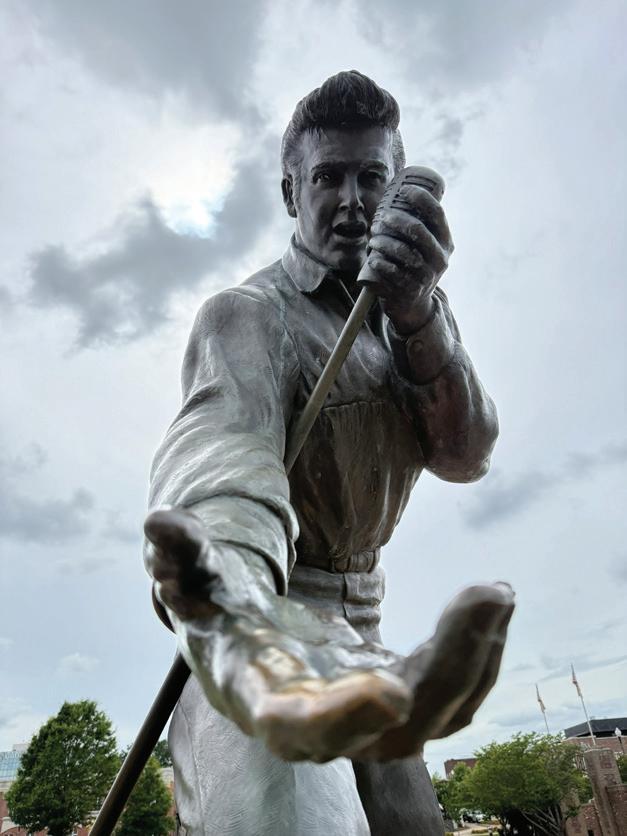
Here’s a behind-thescenes sneak peek at the Ideas 2 Go shoot at Sprint Mart travel center in Fulton, Mississippi.
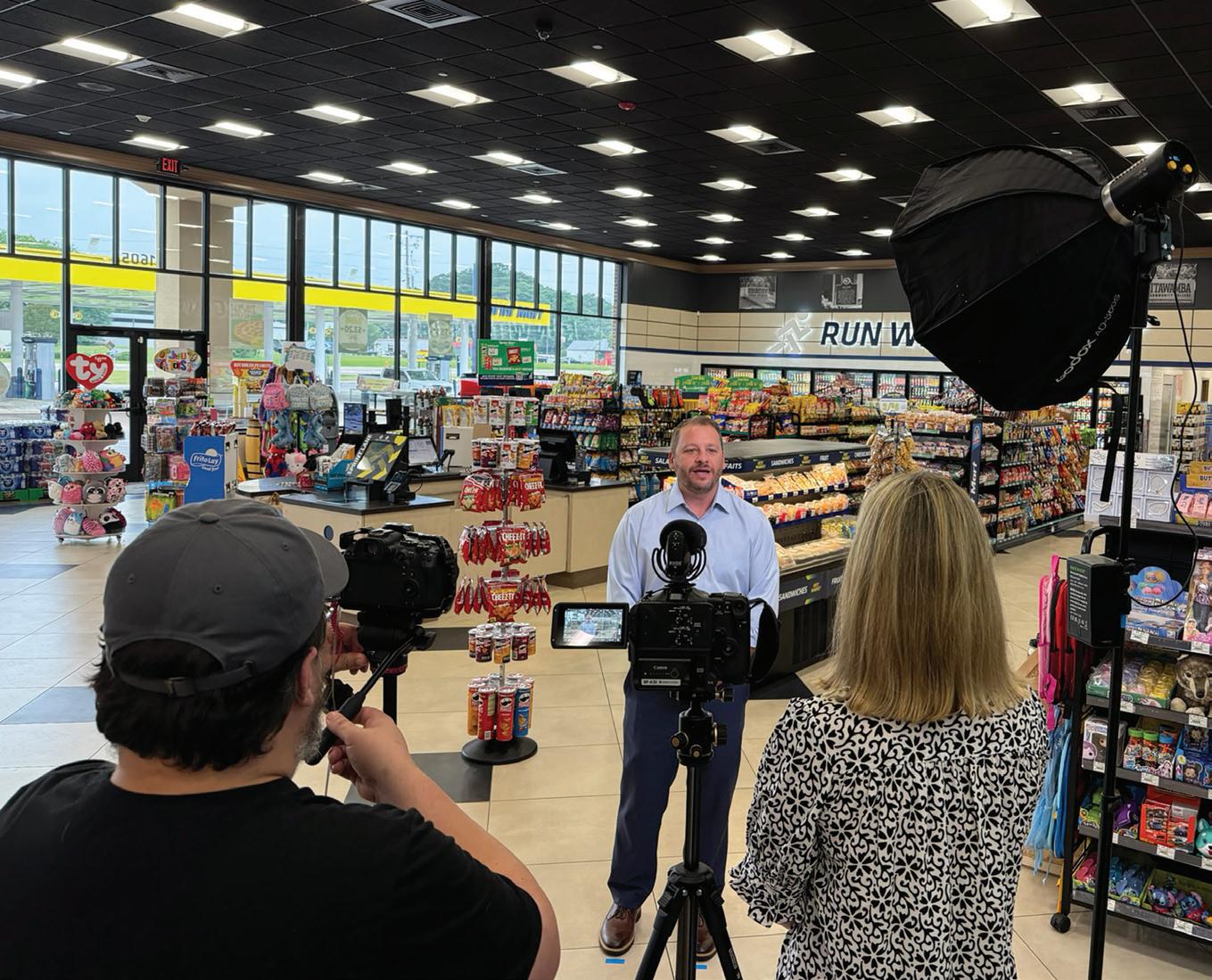
Finally, the reason for our trip: an Ideas 2 Go video shoot at the Sprint Mart travel center in Fulton. When you’re here, you must try the chicken tenders. Many people think of tenders as weird, sometimes dinosaur-shaped food served to finicky kids. Not these tenders—they were huge pieces of chicken, and while two were included in a lunch meal, I only needed one. I also learned the secret of savoring these tenders: Dip the pointy end in the sauce first, then bite the chicken in a way that makes new pointy ends.
In the parking lot, we met Mississippiborn country musician John Major (@ JohnMajorCountryMusic), who was in the middle of a 40-state club tour. Maybe he’ll find the next great gas station food while on the road—I told him to shoot me a note from his travels. He must know something about our industry: One of his songs is called “Gasoline.”
And as impossible as it sounds, just as I was taking the exit off Highway 61 in Memphis on my way to the airport, Dylan’s “Highway 61 Revisited” came on the radio. Fittingly, Mississippi is a state I intend to revisit for more great gas station food.

Jeff Lenard president of media and strategic communications.
If you find yourself at the Sprint Mart, you must try the chicken tenders. These aren’t just for kids—they’re huge, juicy pieces of chicken with craggly, crunchy breading, perfect for dipping into sauce.
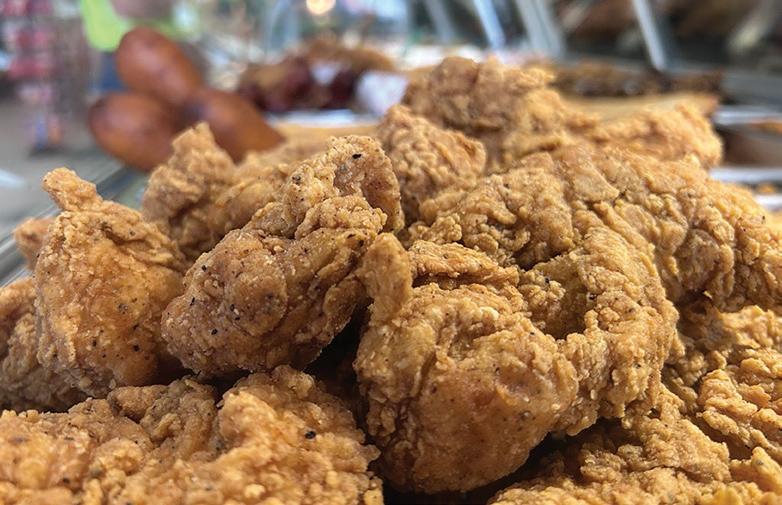
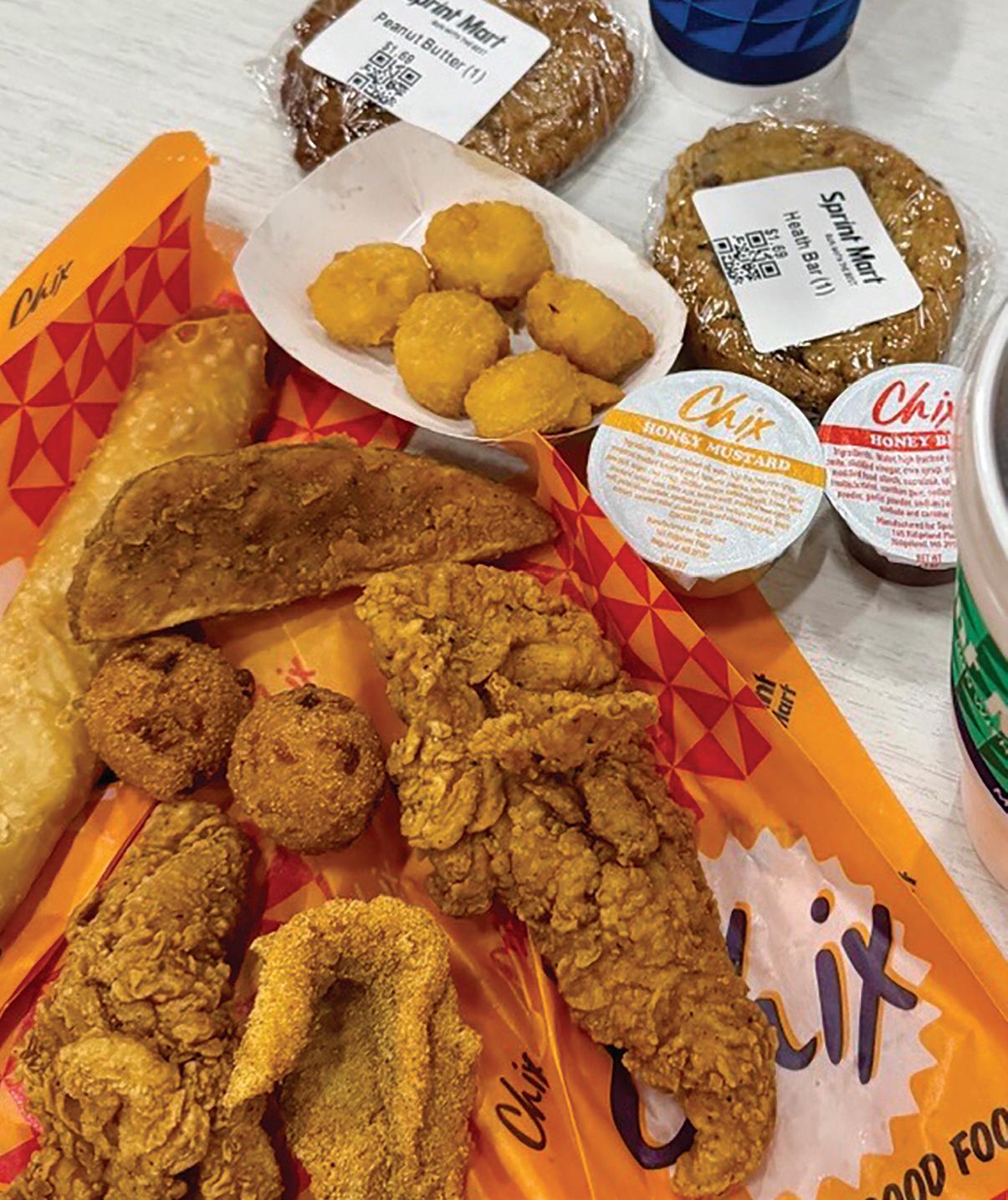
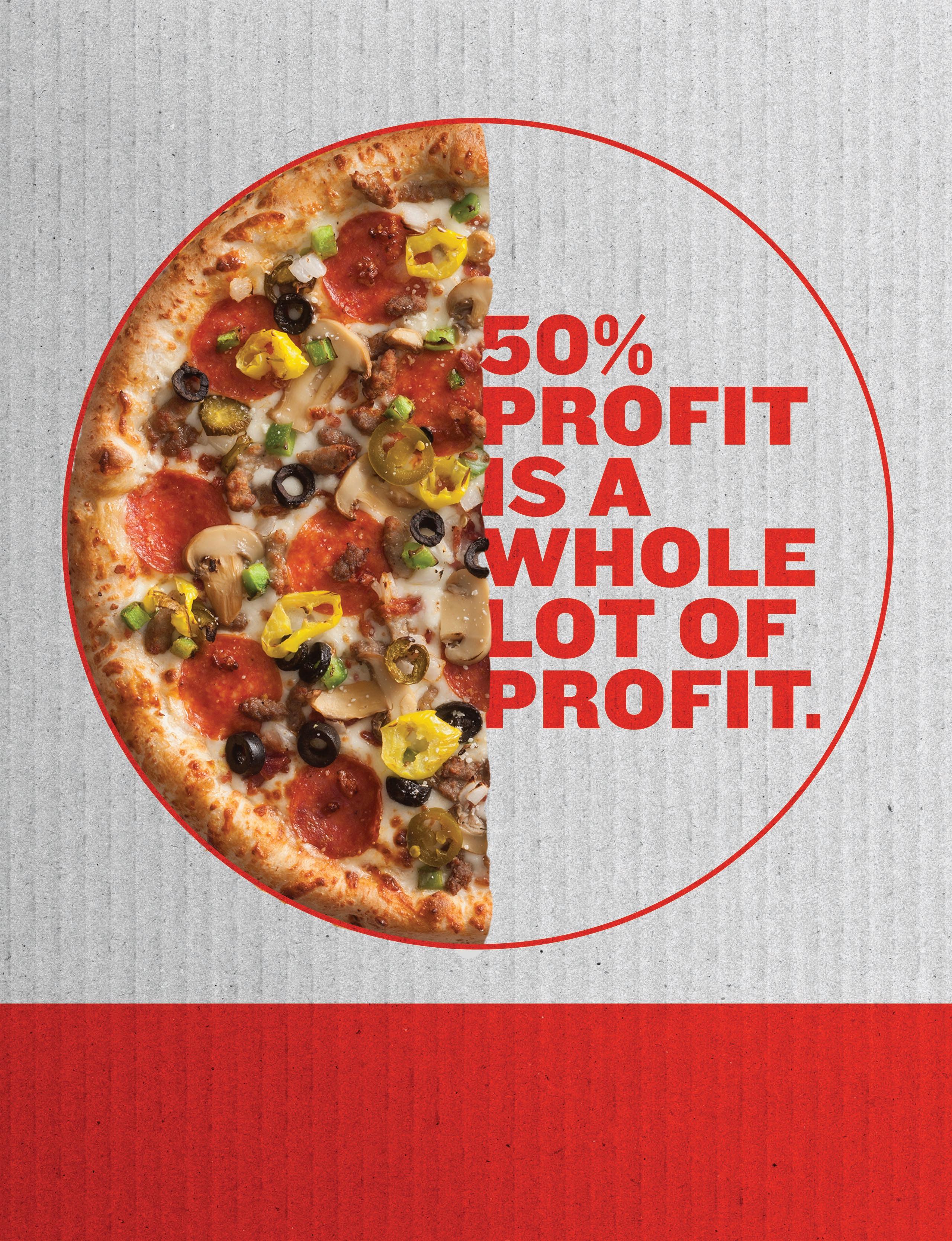
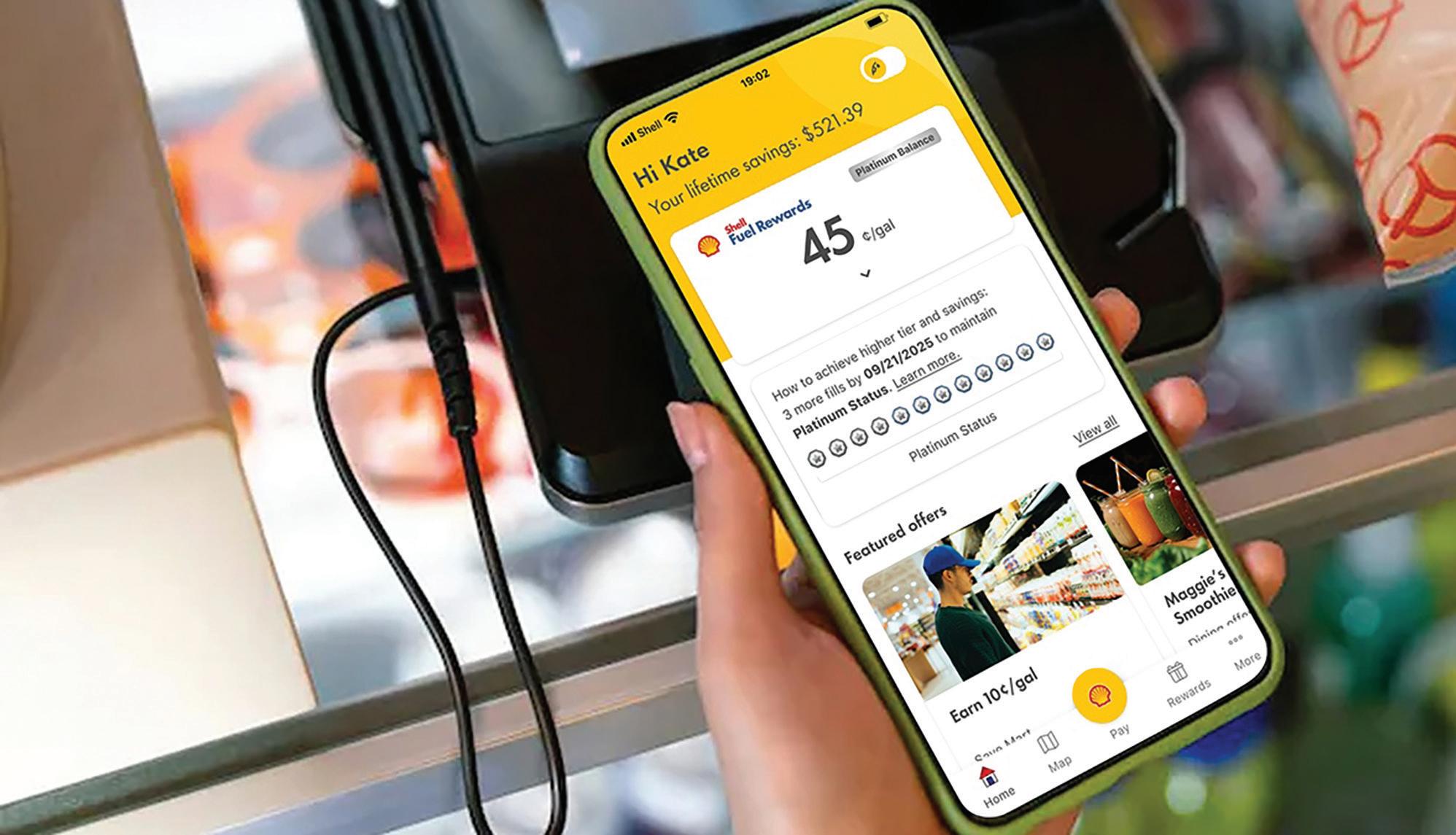
SHELL’S DIGITAL AND LOYALTY EXPERIENCE IS NEW AND IMPROVED—WHAT ARE THE BIG CHANGES?
Zoë Baldwin: Over the past year, we have evolved our loyalty experience. We have simplified enrollment and are moving toward a single customer journey within the Shell App. This transformation has already driven growth in active users, strengthening the ability of Shell® to engage consumers at scale.
Shell Fuel Rewards is now fully integrated into the Shell App, creating a seamless experience from registration through everyday use.
The launch is supported by compelling introductory offers that are designed to accelerate enrollment, encourage repeat visits and drive sustained engagement across Shell-branded sites.
For a limited time, every new Shell App registration now automatically enrolls customers in Shell Fuel
Rewards, and new members save 10 cents per gallon on their first fill-up. The rewards grow from there—they can save 20 cents per gallon on their second fill-up and 30 cents per gallon on their third fill-up.
WHAT WERE THE KEY OPERATOR BENEFITS YOU WERE WORKING TOWARD WHILE BUILDING THIS APP?
Baldwin: Shell invested in the improved Shell App to create

By consolidating features, offers and loyalty into one platform, the app strengthens everyday interactions and deepens engagement between customers and operators.

ZOË BALDWIN Chief Marketing Officer, Mobility and Convenience Shell North America
one strong engagement channel. By consolidating features, offers, loyalty and payment into one platform, the app strengthens everyday interactions and deepens engagement between customers and operators. Shell loyalty and customer experience are evolving, and this app allows them to come together in one unified place.
Shell Fuel Rewards in-store deals surfaced directly in the app encourage customers to go beyond buying fuel and make additional in-store purchases.
The Shell App is designed to help drive traffic, encourage repeat visits and strengthen customer loyalty. Shell App users visit nearly three times a
month and are two times more likely to make a purchase at a Shell station. They also buy more gallons at each visit and are more likely to choose premium fuel.
The goal is to help support increased traffic, fuel sales and customer engagement at participating locations.
The platform is designed to support loyalty program participation, brand consistency and customer engagement. Our message is clear: Shell is providing customer-centric tools that help drive foot traffic, reinforce brand preference and support long-term retention.
HOW CAN LOCAL OPERATORS ENSURE THE EVOLVED SHELL APP IS A SUCCESS FOR THEM?
Baldwin: Local operators bring the digital experience to life at fuel stations. That starts with educating customers and enrolling them in the Shell App. Operators can promote the app at the pump and in the store. They can also encourage customers to sign up and help them understand the value they can get from using the app.
Signage, materials at the point of sale, and prompts from the cashier can reinforce the experience by connecting digital offers to the physical store and the forecourt.
Operators should communicate clearly to customers at their stores
about promotions, rewards and how to save as much as possible. Strong execution at the store bridges digital and physical, which can lead to increased adoption, repeat visits and more transactions.
CUSTOMERS?
Baldwin: In addition to the sign-up rewards for new members, there are practical tools built into the app, including digital payments, a station finder, fuel pricing and filtering by amenities. Customers can also track and redeem their savings in one place. Customers can pay for fuel directly from their cars using the Shell App. Their Shell Fuel Rewards savings are applied automatically and a receipt arrives digitally in the app.
Many consumers value experiences that help save them time and money. It’s our goal to help customers get consistent value wherever and however they interact with us.
HOW DO YOU SEE THE CONSUMER DIGITAL JOURNEY EVOLVING IN THE COMING YEARS?
Baldwin: The consumer digital journey is becoming highly personalized and increasingly frictionless—many customers expect instant, relevant engagement wherever they are.
We’re continuing to evolve the Shell App from a transactional experience to a more connected engagement platform, with a focus on delivering relevant experiences for customers. It also means integrated loyalty across fuel and convenience and a more open and seamless customer experience.
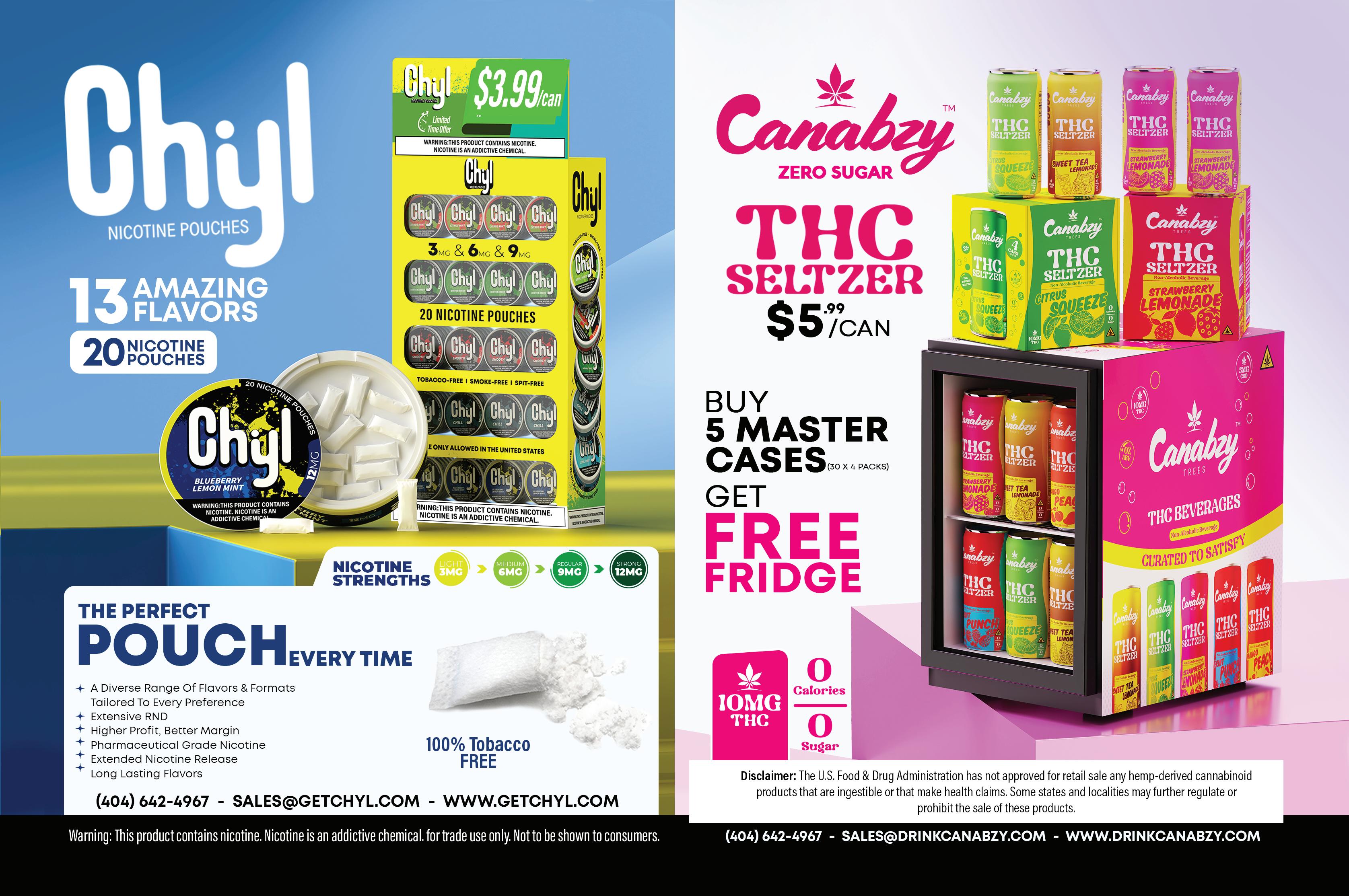
BY BEN NUSSBAUM
Twenty-one retailers put their hats in the ring for the inaugural Smartest Store in the World competition. They represent a who’s who of retail leaders from North America, Europe and Asia, ranging from large operations to tech-forward independents with a handful of stores.
“It was incredible to see the global participation and the willingness these retailers had to share their insights,” said Henry Armour, chairman emeritus and CEO international at
NACS. “This competition is a chance to elevate the entire industry—and the retail experience in general—by recognizing and connecting those driving progress.”
The winner, announced at NACS Convenience Summit Europe in Warsaw in June, was Wumart’s Xueqing Road store, located in Beijing, China. The retailer’s “pioneering AI-powered flagship” features innovative uses of artificial intelligence technology.
“In many ways, this was a research project to find out where AI is in retail,” said Dan Munford, CEO of
Insight Research and Global Convenience. Munford pointed to the ideal timing of the competition, capturing retailers as they start to operationalize agentic AI.
George Zheng, NACS Asia Pacific Director, was one of the 12 judges for the competition. He stressed that the submissions were about technology solving problems instead of technology as a shiny object. “I always think of their ROI,” he said. “It’s not about how advanced this kind of technology looks. I’m more interested in those people using less investment but really resolving some problems.”
Zheng pointed to the submission from 7-Eleven South China. The retailer introduced a new selfcheckout system for fresh food that uses technology developed by Dmall. It removed a series of small frictions that were unique to the retailer’s foodservice offer, which consists of an extensive assortment of a la carte items that were time consuming to ring up at the cash register. Now, customers can go straight to the foodservice offer, point to what they want, get a receipt with a QR code and pay at the self-checkout station. This “one simple solution,” Zheng said, built to solve a particular
operational problem, has saved the retailer more than a million labor hours since it was implemented.
Martin Baille, a growth and AI expert who previously spearheaded a Tata and Tesco joint venture in India, was also a judge. Like Zheng, he emphasized that the submissions aren’t “tech for tech’s sake.” He cited the rising cost of doing business as a driver for innovation.
“AI is naturally being spoken about a lot. … What it does is bring speed, accuracy and therefore agility,” said Baille. “But for me, it’s about empowering the employees, the human, and ultimately not replacing them.” Freeing frontline staff to add value to the customer journey is “the biggest win of all.”
NACS and Insight Research, together with Knowledge Partner Accenture and sponsors VenHub Global, Invenco Powered by Vontier and PlexorAI, cohosted the Smartest Store in the World competition. The winner was determined by combining the votes of 12 judges and the public and was announced at NACS Convenience Summit Europe in Warsaw, Poland, in June.
“Wumart is an AI-first business,” Munford explained when he announced the winner of the competition. “This is a new kind of retailer. AI agents are running the store.”
An AI merchandise agent covers the end-to-end product lifecycle.
“It drives a perfect closed loop of key actions, from market insights and smart assortment to autoreplenishment, dynamic pricing and slow-seller elimination,” according to Wumart.
An AI store agent acts as the
store’s intelligent central nervous system, providing “24/7 real-time monitoring of operational status, proactively analyzing data and directly intervening in execution workflows.”
The winning location in Beijing is the Wumart AI flagship, but the technology has been rolled out to 40 Wumart locations.
For Gray Taylor, who is a senior advisor to NACS and was one of the judges, what stood out was how the Wumart location flips expectations around AI. “Everybody uses AI to go out to the people with messaging. But often you don’t have enough data points, you don’t have enough participation.” Wumart is focused on in-store operations and customer behavior in the store.
“It’s basically collecting every bit of data that it can and feeding it into AI in real time. Then realtime decisioning comes out of it.”
and marketing lead for Dmall, Wumart’s technology partner in the project. Wumart and Dmall were both founded by Dr. Zhang Wenzhong and operate closely together.
According to Du, Wumart is “pioneering AI in one of the most competitive retail markets: mainland China. The massive competition in China really helps us to improve AI, because we just cannot make AI a demo or a proof of concept. We must make it practice real operations.” He continued: “We don’t just see AI as a tool to replace one specific function. We redesigned the whole workflow around AI. We changed almost everything.”
“In the traditional way, merchandising was divided into sourcing, assortment, pricing, replenishment and clearance,” said Du. When Wumart first piloted its AI project, it continued to think of merchandising as having separate functions. “We had separate, isolated AI replenishment, for example, and isolated AI clearance dynamic pricing.”
Source: Wumart Smartest
One way Wumart uses AI to transform operations is through dynamic clearance pricing. The system recognizes the need for clearance pricing, determines the optimal discount and the right time to lower prices, and pushes the new pricing and promotional language to digital shelf labels (DSLs). The human role can be simplified to one-click approval.
Troy Du is the global branding
While efficiency did improve, “it basically was not as good as we expected,” Du said. “Now Wumart is using a merchandising agent to control that whole part of the business. We totally changed the flow. … We changed the entire workflow around AI.” Du emphasized that this includes every job function and how employees are trained. AI isn’t bolted on to the way things have
always been done. It’s the core of the store.
“AI is not perfect,” said Du. “From the very first day, Wumart knew that there would be a lot of mistakes.” The retailer built feedback loops so that its stores would “evolve and improve day to day.”
Marcus Spurrell is the CEO of Dmall. Speaking about retail in general, he said that “the sensing part”—computer vision or other ways of gathering data—”is kind of happening in real time, but it’s just data that gets thrown up and historically is in dashboards and reports. And the decisioning component and the execution component, they drop right back down to human speed. They’re not running at real time at all, right?”
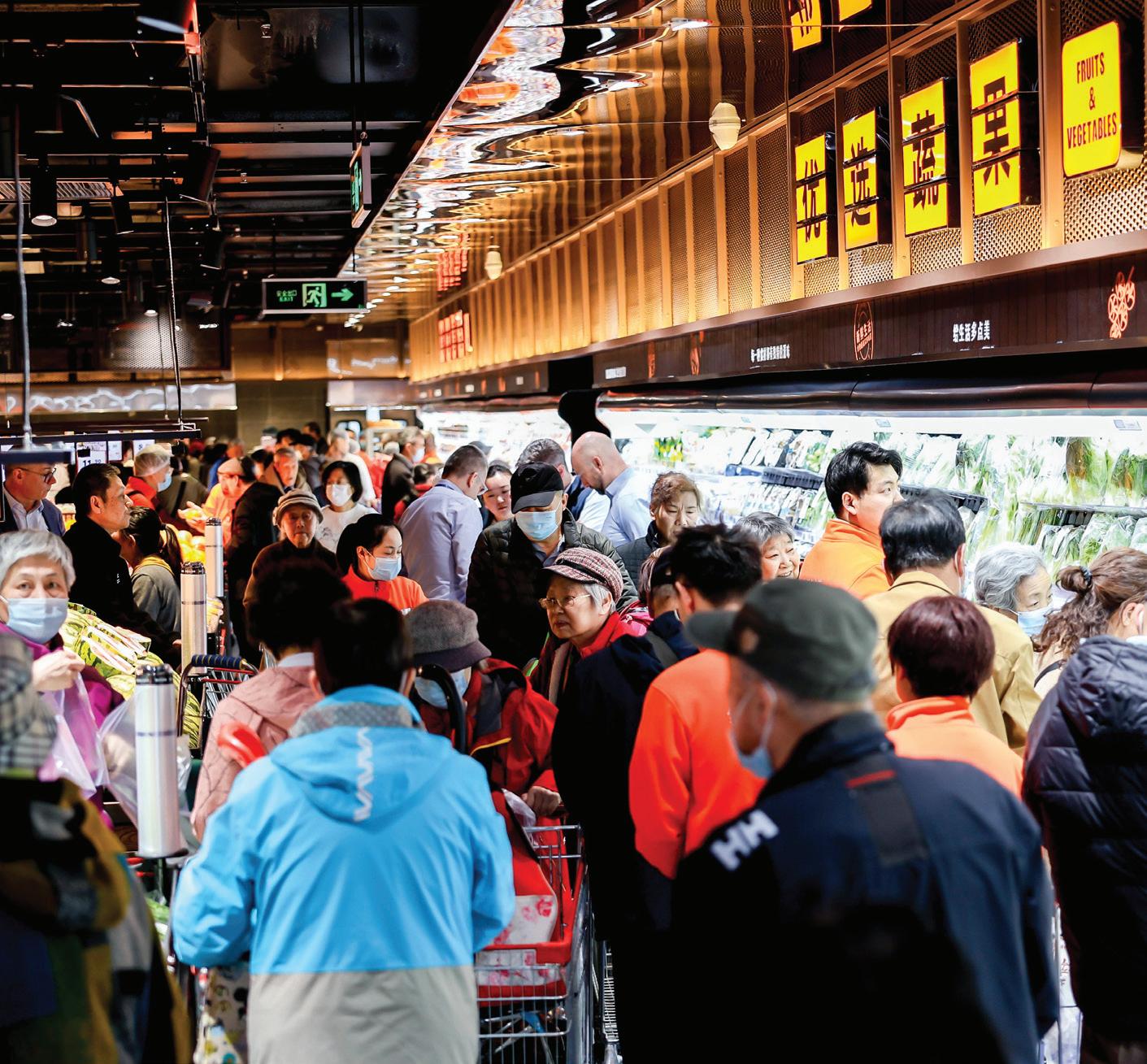
“Now that we see more and more broader application of digital technologies in the sensing systems themselves, this layering in of AI on top of it to do the
decision-making … I think is something that we’re going to see rapid expansion of across all of the retail processes,” Spurrell said.
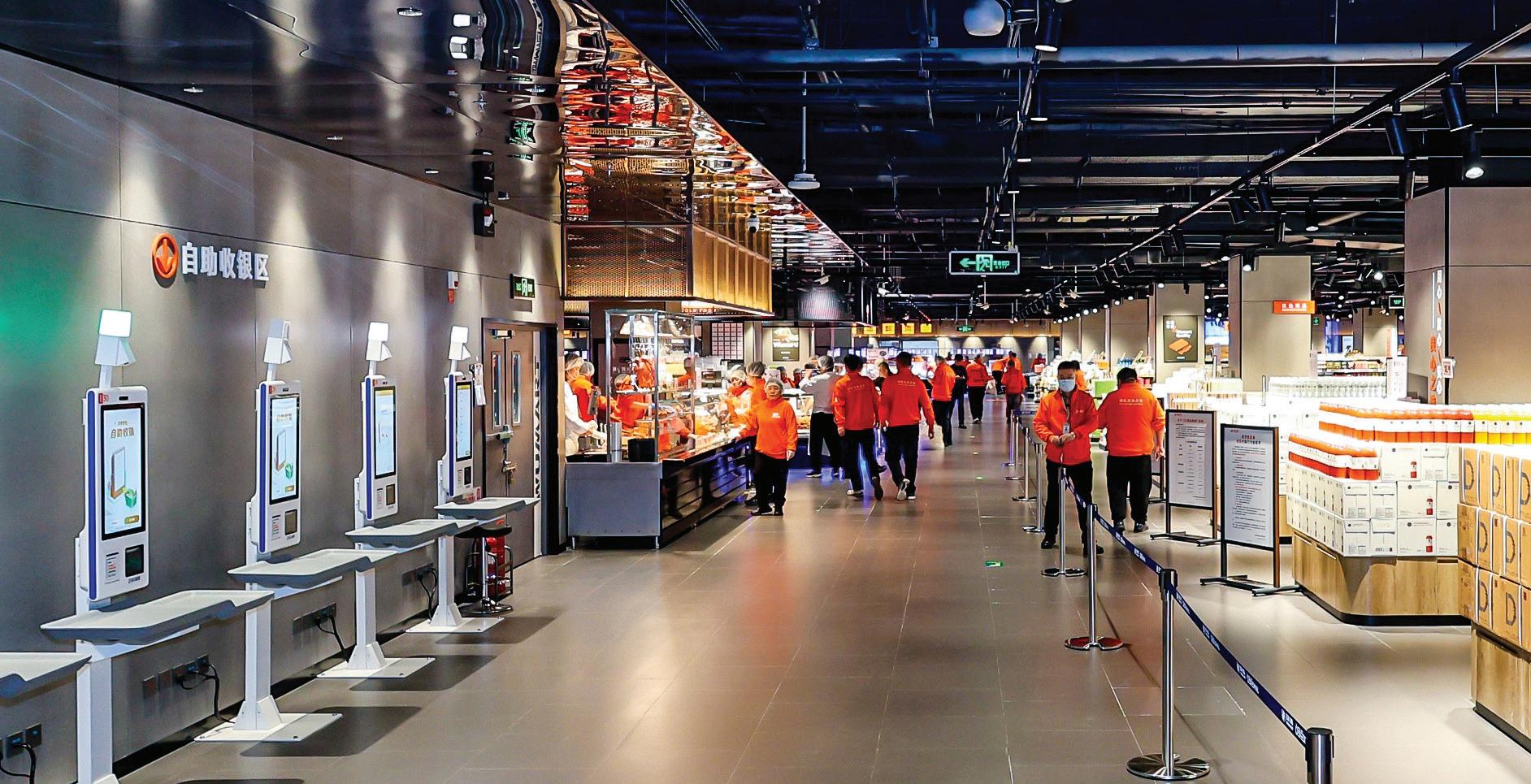
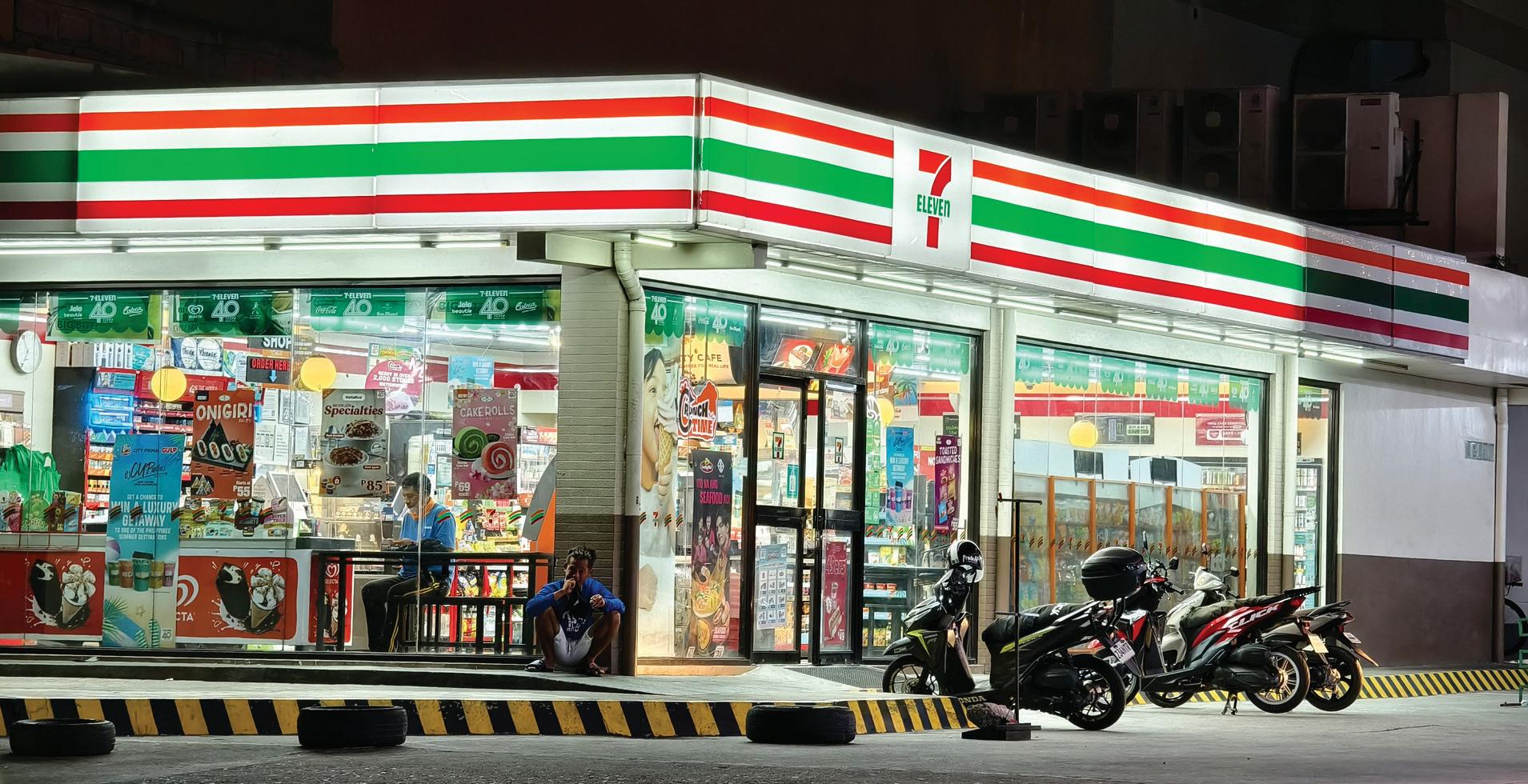
Two common themes across the submissions were DSLs and computer vision.
“How you use shelf labels paired with dynamic pricing, I think is going to be something that we’ll see catch fire across this industry over the next 12 to 18 months,” said Brian Gray, managing director at Accenture and another of the judges. “And then the second thing is, how do you leverage your cameras in your stores and take advantage of the existing infrastructure that’s in place to now bring intelligence and real-time operational data to the picture? Computer vision will start to be a pretty big piece of puzzle in the future.”
The key role digital shelf labels can play in the store of the future also stood out to Zheng. Promotions are always going to be part of retail, Zheng said, and removing the manual labor that comes with changing prices is huge. “Now, a button in the back office can change the price.” Add in agentic models that can manage price changes on behalf of the
retailer, and DSLs may start to feel like core tech.
Zheng also mentioned how many of the submissions involved the checkout process itself. “If people can create a smooth checkout, that will go a long way to make shopping frictionless.”
Taylor and Zheng both cited the submission from 7-Eleven Philippines as particularly impressive.
Imagine operating 4,500 stores in non-standardized sites scattered across 700 islands with more than 20 distribution centers. Then factor in different cultures and customers across a far-flung archipelago. While 7-Eleven Philippines leaned into variable planograms (VPOGs) from Omnistream to address some of these issues, it’s easy to picture
empty shelves, inaccurate pricing, lack of compliance and frustrated customers and frontline workers.
As the company wrote in its submission, “We could not identify gaps between the ideal picture that VPOGs painted and the messy reality we had to render it in.”
This daunting challenge was met with a solution that required “no special devices, no PDA, no extra costs, no extra investments,” said Zheng. Frontline workers just have to download an app and take a picture of the shelf. They receive immediate, actionable guidance to correct planogram and availability issues. As the company wrote, the technology “effectively places a ‘digital auditor’ in every store, enabling real-time execution.” While the sales uplift and efficiency gains are both impressive, the most eye-opening statistic shared by the company is that its own store staff give the app an NPS score of 9.2 out of 10.
Computer vision will start to be a pretty big piece of puzzle in the future.”
For Taylor, this submission touches on an important question in the industry: How can technology make the lives of frontline workers easier? “We know we have a problem attracting and keeping great employees. Use technology so that you’re not throwing a whole mess of tasks at people,” he said. “Frictionless works both ways,” for the store employee and the customer.

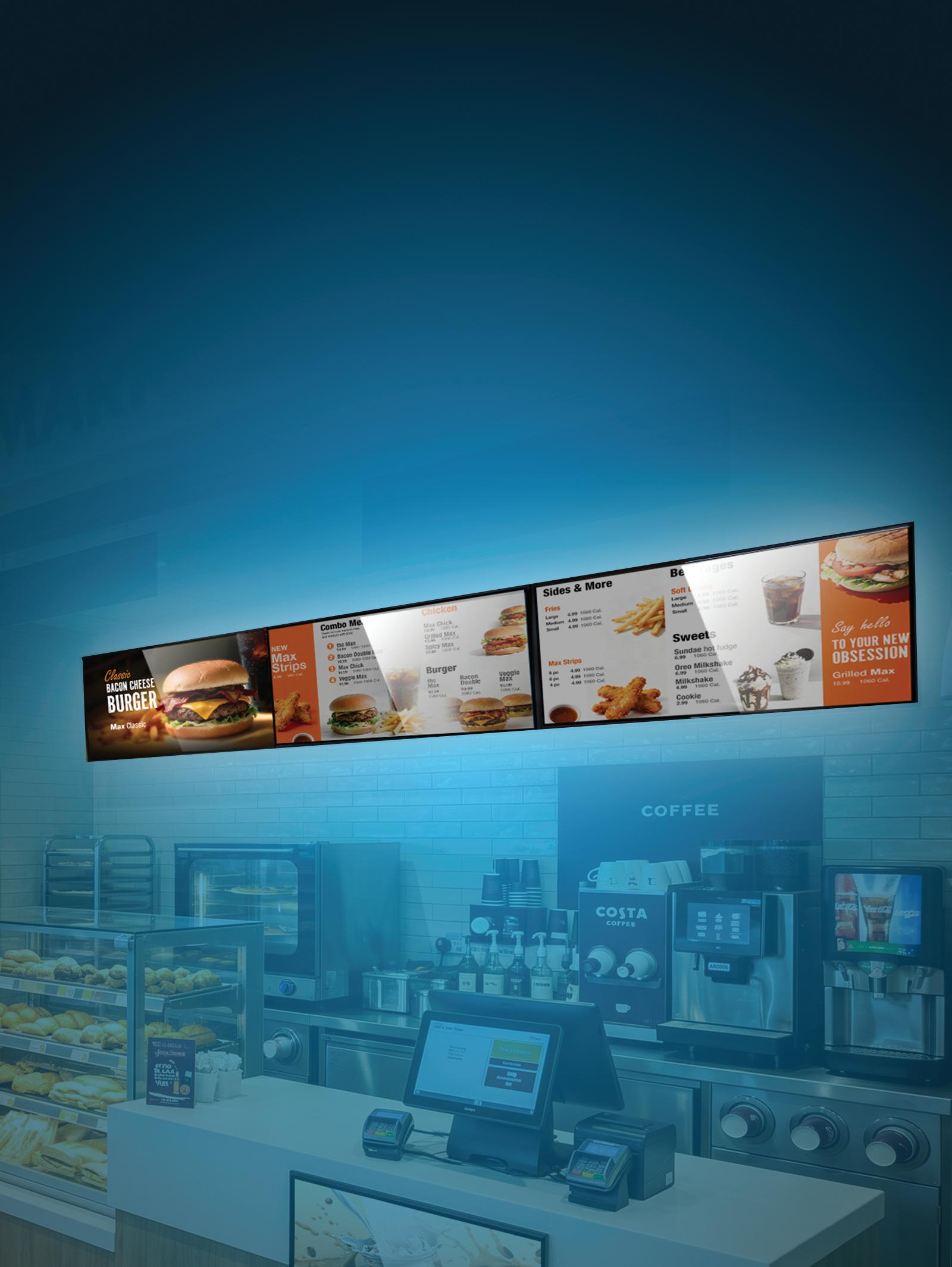

































“FairPrice in Singapore was one of the top contenders because it’s a connected ecosystem. It’s not just one thing. It’s an integrated intelligence system,” said Gray, managing director at Accenture. The Grocer Genie “superapp” consolidates task management, communication and store operations for frontline workers. Operationally, AI vision, AI agents and digital shelf labels combine to
create more efficient real-time operations. Customers benefit from AI-powered shopping assistants and smart carts. Customers using the smart carts have baskets three times larger than customers who use traditional checkout. In its submission, FairPrice noted that a smart cart “identifies the customer, processes items
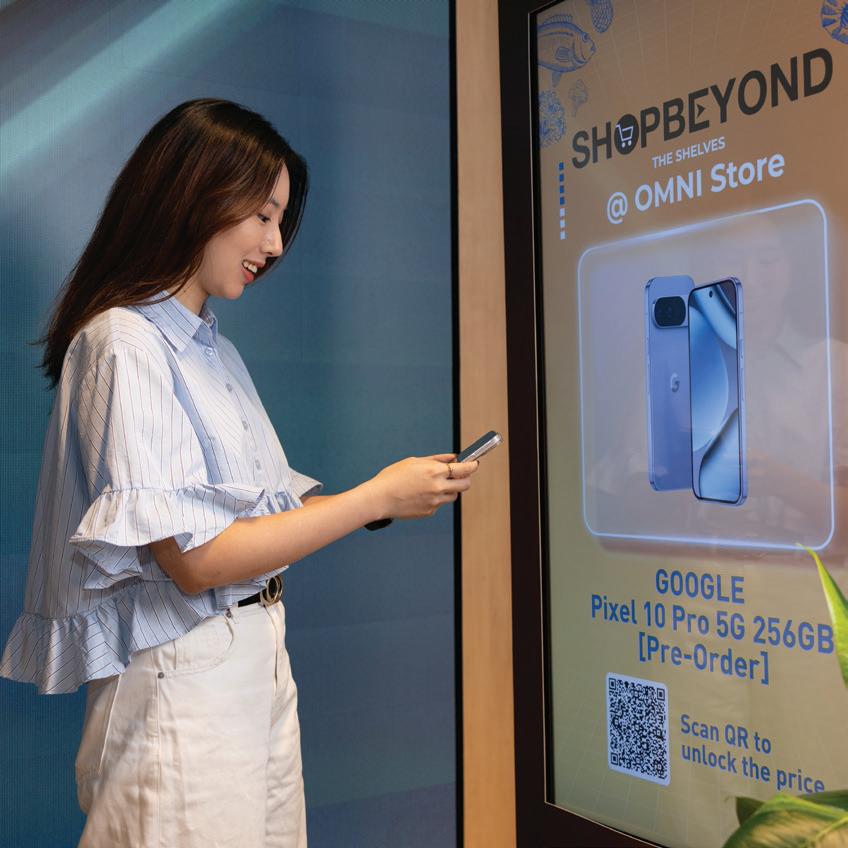
in real-time and integrates with our payment and loyalty systems.” This includes applying any government benefit, such as discounts for seniors.
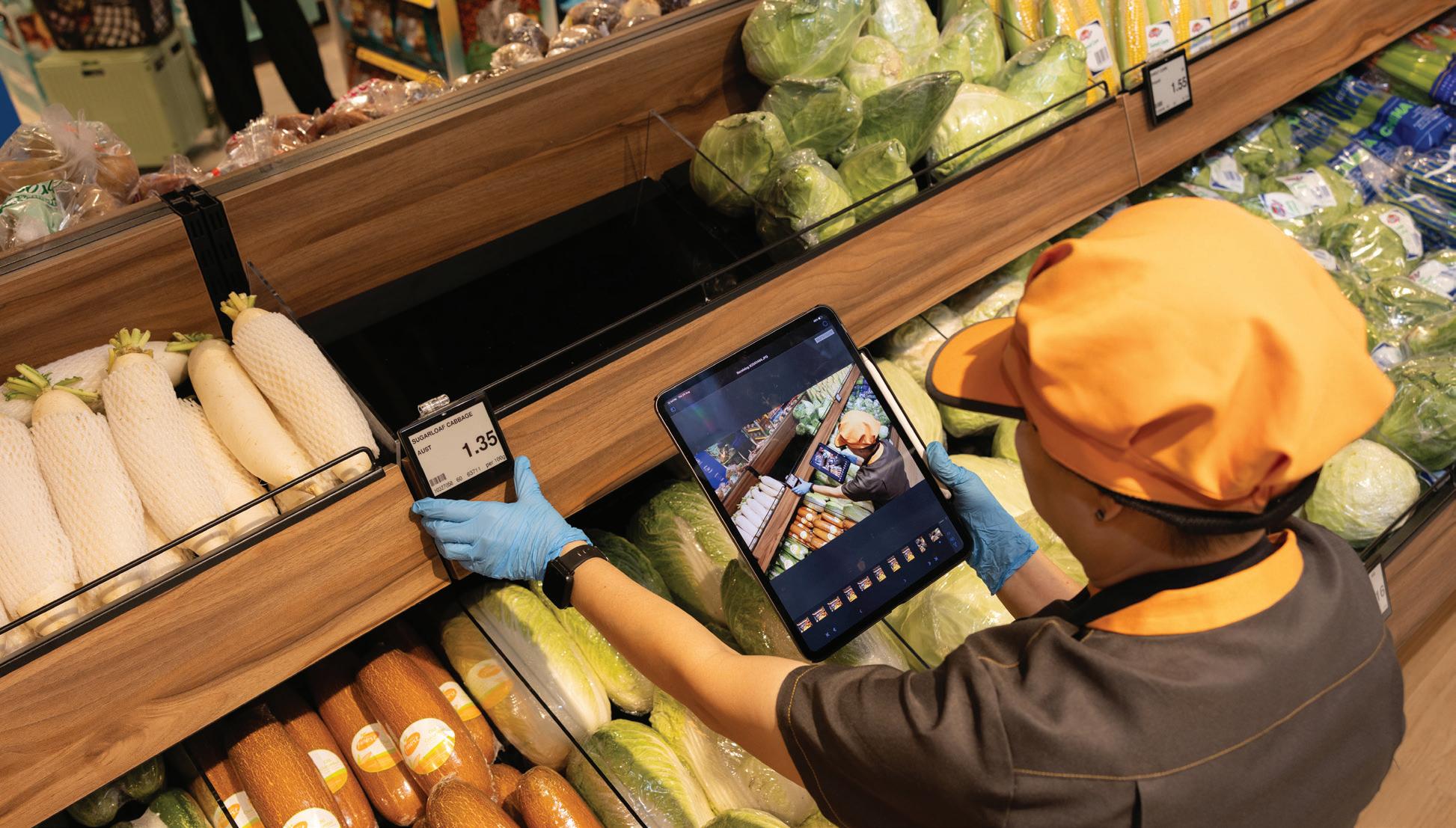
Our iconic brands draw drivers in because they’re known for reliable, high-quality fuel. But the power of Phillips 66®, Conoco® and 76® goes far beyond the canopy. From best-in-class service and proven expertise to innovative resources and dedicated support, everything we do is designed to help fuel your success.
Scan QR code to learn more about where we can GO together.
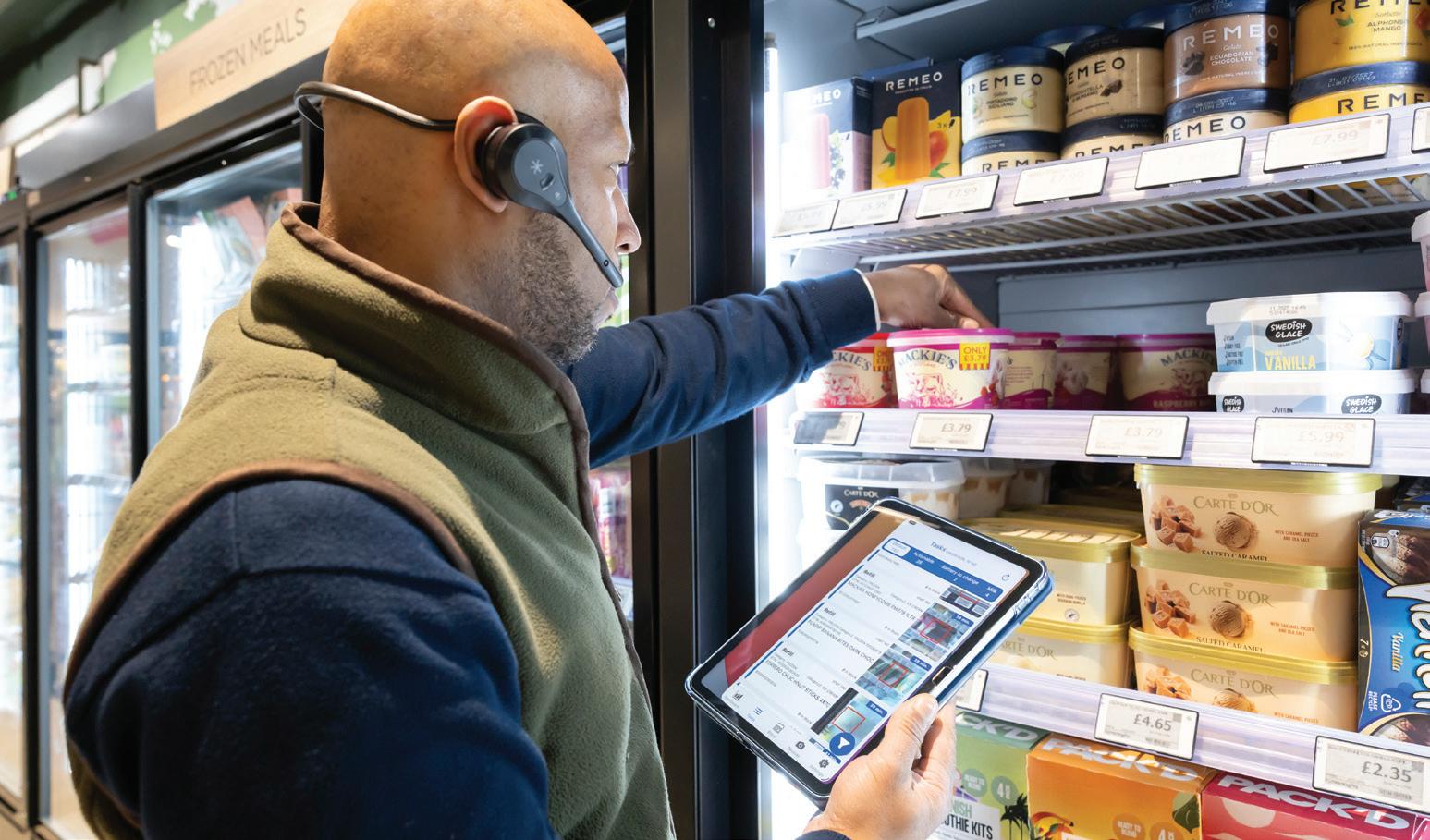
“Kavanagh’s in London was able to prove that innovation isn’t just for the big players,” said Accenture’s Gray. The grocer combines Bluetooth shelf rails, AI vision and an analytics engine to monitor pricing, availability and shelf execution continuously.
In its submission, Kavanagh’s noted that “like many physical retailers, the store generates vast
amounts of data from transactions and stock levels to pricing and promotions, yet historically much of this data has been fragmented across disconnected systems. The challenge is not a lack of data, but a lack of real-time visibility and actionable insight.”
In partnership with Vusion, Kavanagh’s transformed its store into a fully connected, data-driven
The next competition from NACS and Global Convenience is a search for the leading foodvenience store in the world. The 2025 winner was Rutter’s, which showcased its 14,000-square-foot store in Milton, Pennsylvania, in its winning submission. Stay tuned to convenience. org and globalconvenience.com for more details.
At Kavanagh’s, enhanced product labeling, including attribute badges touting high fiber, high protein, and low carbon, has resulted in like-for-like sales growth of approximately 20%.
environment. The goal is physical retail that operates with the intelligence and responsiveness of a digital ecosystem.
Pricing updates are executed instantly, competitor pricing is tracked daily and shelves are continuously monitored. The results? Waste cut by more than 50%, 100% pricing compliance, and 98% on-shelf availability.
Ben Nussbaum is the editor in chief of NACS Media. Reach him at bnussbaum@ convenience.org.
What do convenience retailers need to know about the new SNAP landscape?
BY RICH PROULX
Being a SNAP-authorized convenience store has never been easy. Every year, thousands of retailers are denied authorization or have their authorization withdrawn for failing to meet SNAP eligibility requirements. Recent changes to SNAP stocking standards, allowable food definitions and enforcement efforts have made it harder than ever. Once a c-store meets the requirements for SNAP authorization, the owner must act prudently to remain authorized. In fiscal year 2024, the U.S. Department of Agriculture (USDA) conducted 12,525 investigations. These investigations were primarily of c-stores: of the 2,711 sanctions issued in fiscal year 2024, 2,265 were against convenience stores—a 21% increase over the prior fiscal year.
The most significant enforcement tool used by the USDA to ensure retailers operate in compliance with SNAP regulations is undercover investigations conducted by USDA contractors. Most of the sanctions imposed as a result of these investigations were due to clerks permitting the use of SNAP benefits for the purchase of ineligible items.
Last year, the USDA implemented a change that greatly increases the likelihood that an undercover investigation will result in a sanction. “Retailers used to be disqualified only if an investigator was able to purchase nonfood items at least three times,” said Jess Berkowitz, an attorney specializing in defending stores sanctioned for SNAP violations. “Now, stores are being disqualified for the sale of a single nonfood item. I have a case where an investigator’s attempts to buy nonfood items were repeatedly turned down. The investigator returned to the store four times before they were able to purchase a lighter. The store was then disqualified.”
SNAP regulations permit a six-month disqualification of a retailer that has “committed violations such as … the sale of common nonfood items.” Nothing in SNAP regulations permit the disqualification of a retailer for a single violation or for the sale of a single common nonfood item.
A good POS system is the best first line of defense for preventing the sale of ineligible items with SNAP benefits. Coding non-food items as unallowable for purchase with SNAP can greatly reduce the risk that a retailer will be disqualified from SNAP due to a clerk’s error.
One challenge to POS programming for c-stores operating in multiple states is that the USDA has granted waivers to 23 states to prohibit the purchase of sweet foods with SNAP benefits. The effective dates of these bans, and the items included, vary by state. Banned foods include soda, energy drinks, sweetened beverages, candy and prepared desserts. With SNAPeligible purchases now determined on a state-by-state basis, retailers must ensure their POS systems are programmed accordingly.
“The way the states are eliminating foods is too complicated. … It’s almost as if they are trying to make stores get rid of EBT.”
Mike Wilson, chief operating officer of Omaha, Nebraska-based Cubby’s, which operates stores in Iowa, Nebraska and South Dakota, knows firsthand about the difficulty of this endeavor. “We spent 500 hours carrying out Nebraska’s drink restrictions for EBT (electronic benefit transfer),” he said. “Iowa’s changes were different. Now Nebraska is doing a new one on candy. The way the states are eliminating foods is too complicated. It’s very expensive for businesses, and most are single-store operators. It’s almost as if they are trying to make stores get rid of EBT.”
The legality of these food restriction waivers has been called into question. On June 22, 2026, U.S. District Judge Amy Berman Jackson ruled that changes to the eligible food definitions were impermissible. “Congress defined what ‘food’ is supposed to be, and it did not authorize the agency to amend or waive

Rich Proulx was the senior administrative review officer for the U.S. Department of Agriculture (USDA), Food and Nutrition Service, now known as the Food and Nutrition Administration, where he adjudicated appeals of SNAP retailer sanctions and rendered final decisions on behalf of the USDA.
the definition it enacted. It did not authorize the agency to cut types of food out of SNAP entirely,” she said. This ruling applies to stores in Colorado, Iowa, Nebraska, Tennessee and West Virginia. In response to the ruling, a USDA spokesperson said, “USDA will not be backing down from the fight to Make America Healthy Again.”
are permanently disqualified from owning another SNAPauthorized store.
Of the 2,711 sanctions issued in fiscal year 2024, 2,265 were against convenience stores.
Another line of defense against being disqualified from SNAP due to the sale of ineligible items is litigation. “I frequently file in federal court on behalf of store owners who have been issued sanctions for SNAP violations,” said Andrew Tapp, managing attorney at Metropolitan Law Group. “For the last couple of years, the government has settled all these cases. The stores have stayed SNAP authorized, although most owners had to pay fines equal to a small percentage of their SNAP sales.”
For the most serious SNAP violations, c-store owners are strictly liable for their clerks’ actions. If a clerk is caught exchanging cash for SNAP benefits, the store will be permanently disqualified from SNAP. Even owners who instruct their employees not to exchange cash for SNAP benefits or who do not know if such an exchange occurred are subject to this penalty. Owners whose only SNAP-authorized store is permanently disqualified
The majority of retailers that are permanently disqualified for trafficking SNAP benefits for cash are identified by the USDA through data mining. Retailers with unusual transaction patterns are subject to in-depth analyses to determine whether trafficking is occurring. However, the process the USDA uses to identify trafficking stores has never been tested against non-trafficking stores, resulting in one in seven stores being incorrectly charged with trafficking.
Well-stocked small stores at the edge of food deserts are at particular risk of being misidentified as trafficking stores. Once accused, there is little that these stores can provide in their defense. A store charged with trafficking has a 99% likelihood of being disqualified permanently.
Once the USDA concludes that trafficking has occurred, a retailer can avoid permanent disqualification if it had a training program to prevent SNAP violations in place prior to the trafficking. If the SNAP compliance training program is deemed sufficient by the USDA, the retailer may pay a substantial fine and remain SNAP authorized. But the USDA rarely deems retailers’ SNAP compliance training programs to be acceptable.
SNAP regulations list 22 required and discretionary factors for eligibility for a fine instead of a permanent disqualification for trafficking; the USDA considers all of them. Of the 795 stores sanctioned for trafficking in fiscal year 2024, only six avoided permanent disqualification because their training programs
were judged to be acceptable. (Federal courts have taken a more permissive view than the USDA when assessing whether a retailer’s SNAP compliance training program warrants a fine rather than permanent disqualification.)
Despite repeatedly finding retailers’ SNAP compliance training programs to be lacking, the USDA has been reluctant to create a training program for SNAP retailers that would be robust enough to meet regulatory standards. The USDA does provide training materials to assist owners in creating their own SNAP training programs at www.fna.usda.gov/snap/retailer/ training.
Even though owner-created training programs rarely meet USDA standards, having a SNAP compliance training program is critical for retailers interested in reducing their risk of being sanctioned for a SNAP violation. A free training program designed to help retailers meet the 22 requirements for receiving a fine instead of a permanent disqualification for trafficking can be found at www. ebtstoretraining.com.
The final Updated Staple Food Stocking Standards for Retailers in SNAP was issued on May 8, 2026, with an effective date of November 4, 2026. To be SNAPauthorized, retailers must carry at least seven varieties (up from three) in four staple food categories: dairy, vegetables or fruits, grains, and proteins. Retailers must stock at least one perishable variety in three of those categories (up from two). Each variety needs to have at least three stocking units (cans, boxes, bottles, etc.) in stock at all times.
The definition of variety has changed significantly. For a






To be SNAP-authorized, retailers must carry at least seven varieties (up from three) in four staple food categories: dairy; grains; proteins; and vegetables or fruits. The first four categories have been substantially revised, while the vegetables or fruits category has remained largely unchanged from previous years.
• Milk (1%, 2%, nonfat, etc.)
• Chocolate milk (or other flavored milk)
• Shelf-stable liquid milk (UHT)
• Dried/ powdered milk
• Cream (including half-and-half)
• Sour cream
• Shredded cheese (including grated, shaved, crumbled)
• Cheese (non-shredded)
• Yogurt (non-liquid)
• Fermented/ cultured dairy beverages (buttermilk, kefir, drinkable yogurt, etc.)
• Infant formula
• Plantbased dairy alternatives (for each different type: soy milk, coconut milk, rice milk, etc.)*
• Breakfast cereals
• Other breakfast foods (frozen waffles, pancake mix, etc.)
• Infant cereal
• Bread (rolls, loaves, tortillas, pitas, etc.)
• Multigrain bread (any amount of whole grain is sufficient)
• Pasta
• Multigrain pasta
• Flour (for each type of grain: wheat, rye, oat, corn, rice, etc.)
• Raw grains (for each type of grain: rice, barley, corn, etc.)
• Raw meat, poultry or fish (for each kind of animal)
• Meat as the main ingredient in a multi-ingredient perishable food (for each kind of animal)
• Shelf-stable items with meat as the main ingredient (for each kind of animal)
• Nuts/seeds
• Beans
• Cooked beans (e.g., canned)
• Peas
• Lentils
• Eggs
• Tofu/tempeh
*A maximum of three different types of plant-based dairy alternatives can count as different dairy varieties.
“A store charged with trafficking has a 99% likelihood of being disqualified permanently.”
multi-ingredient item, a variety is still determined by the main ingredient: the first item listed on an ingredient list other than water, broth or stock. For certain staple foods, a single-ingredient
item (e.g., chicken breast) is a different variety from a multiingredient food with the same main ingredient (e.g., seasoned chicken breast). A shelf-stable item (e.g., canned chicken) also constitutes a different variety.
While offering enough dairy products has long been c-stores’ biggest stocking challenge, now meeting stocking requirements in several staple food categories has become much more complicated The final rule expands the lists of varieties for the dairy, grain and protein staple food categories. In some cases, different types of the same item (e.g., flour) are each considered a different variety. The vegetables or fruits category has remained unchanged. Different forms of vegetables or fruits still
count as only one variety. Fresh tomatoes, canned tomatoes, tomato juice and tomato sauce all count as one variety.
Accessory and prepared foods still do not count toward meeting staple food requirements, but the long-standing definitions of these terms have changed. Snack bars (e.g., granola, protein), cheese and fruit spreads (e.g., cheese dips, jams), jerky and butter are now included with snack foods (e.g., chips, crackers), desserts (e.g., cookies, muffins, ice cream), cooking oils, sweetened beverages, condiments, sweeteners (e.g., sugar, honey) and other accessory foods. Prepared food can be hot or cold and is defined as 1) intended for on-site or immediate consumption, and/or 2)





“Retailers used to be disqualified only if an investigator was able to purchase nonfood items at least three times. Now, stores are being disqualified for the sale of a single nonfood item.”
assembled, cooked or otherwise prepped by the retailer on-site. Prepared food does not include food cut or sliced by a retailer on site (e.g., deli meat) unless it is made ready for on-site or immediate consumption. Precut fruits or vegetables for a make-your-own salad bar are staple foods; a salad tossed by a retailer is a prepared food. USDA contractors conduct surprise inspections of retailers’ staple food stock. A few common reasons retailers provide for being understocked are that stock was temporarily low due to refrigeration equipment malfunction, or that an owner was out of town or incapacitated, which interrupted normal restocking. The only way for an understocked retailer to avoid a USDA sanction is to provide invoices or receipts showing that the missing items had been ordered or received within 21 days prior to the store visit. Failure to meet the stocking requirements results in a six-month disqualification.
Retailers that are forced to stock unpopular varieties prone to spoilage solely for the purpose of SNAP authorization might consider stocking units with long shelf lives or placing stocking units in the freezer. For example, dried beans, dried peas, dried lentils, multigrain pasta, dry oats, dry corn kernels, rice, powdered milk and coconut milk can all last for years when stored properly. Placing corn meal in the freezer can extend its shelf life from one year to two or three years. A stocking unit is the package that a product is usually sold in, which is subject to a retailer’s discretion; there is nothing preventing a retailer from selling 8-ounce boxes of UHT milk individually even if other retailers typically sell these items by the case.
Perishable varieties are commonly found in the dairy and vegetables or fruits categories. For a third perishable variety, retailers might consider bread, eggs or fresh meat.
Retailers dependent on unpopular items for their SNAP authorization should regularly conduct visual inspections of these items to ensure they remain on the shelf. Some retailers have lost their SNAP authorization because theft resulted in a stocking deficit.
SNAP-authorized c-store owners hoping for consistent and accurate oversight from the U.S. Department of Agriculture (USDA) face an uncertain future.
In April 2026, the USDA announced that the Food and Nutrition Service, the agency identified in statute as overseeing SNAP retailers, would be renamed the Food and Nutrition Administration (FNA) and its staff relocated. This relocation requires staff to move to different cities across the country to remain employed. The USDA’s relocation of the Economic Research Service and the National Institute of Food and Agriculture to Kansas City, Missouri, in 2019 resulted in 85% of the staff departing. Responses to a poll conducted by the National Treasury Employees Union (NTEU) chapter that represents FNA workers indicated that 81% of staff planned to quit or retire rather than relocate, and another 12% were unsure.
The USDA declined to be interviewed for this article. A USDA spokesperson has previously said that there will be no service disruptions as a result of the relocation of FNA.
NTEU chapter president Amy Rosenthal said, “The massive loss of staff will have a catastrophic impact on all aspects of SNAP retailer operations, from oversight of contractors to timely responses for authorization and assistance. The devastating effect of these losses will hinder SNAP administration for years to come.”
Should the USDA carry out its relocation of FNA as planned, time will tell which of these predictions proves more accurate.



Conference: October 6-9, 2026
Expo: October 7-9, 2026
Las Vegas Convention Center
NACS Show is where advantage is built. More than a showcase—it becomes the training ground for competitive advantage, where strategy, solutions, and partnerships sharpen the industry’s edge.
Explore the complete list of 2026 education sessions at nacsshow.com/edu

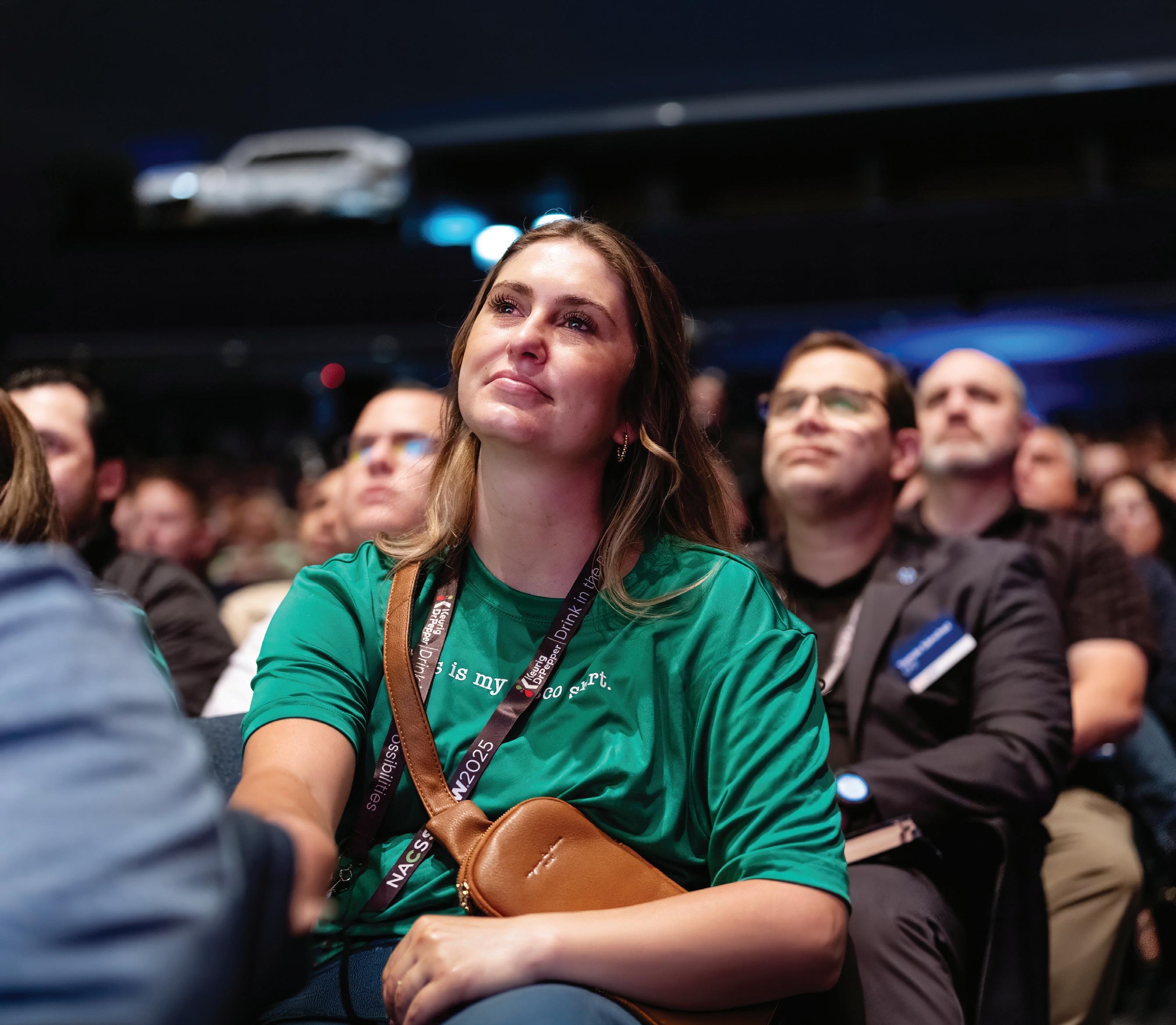
Dolly Parton entered the travel center business— and NACS was there.
BY JEFF LENARD
The legendary Dolly Parton—country music superstar, theme park owner, award-winning actress and philanthropist—just added a new title to her long resume: travel center operator.
Dolly’s Tennessean Travel Stop opened for business on June 24, focusing on the idea that every stop on the highway should feel a little more like home. The travel stop is a joint venture between Parton, her manager Danny Nozell and Gregory H. Sachs, who has owned and operated the Tennessean Travel Stop since 2017.
The travel stop, located about 60 miles south of Nashville, is a reimagined and renovated Tennessean Travel Stop and a proof of concept that will inform future locations.


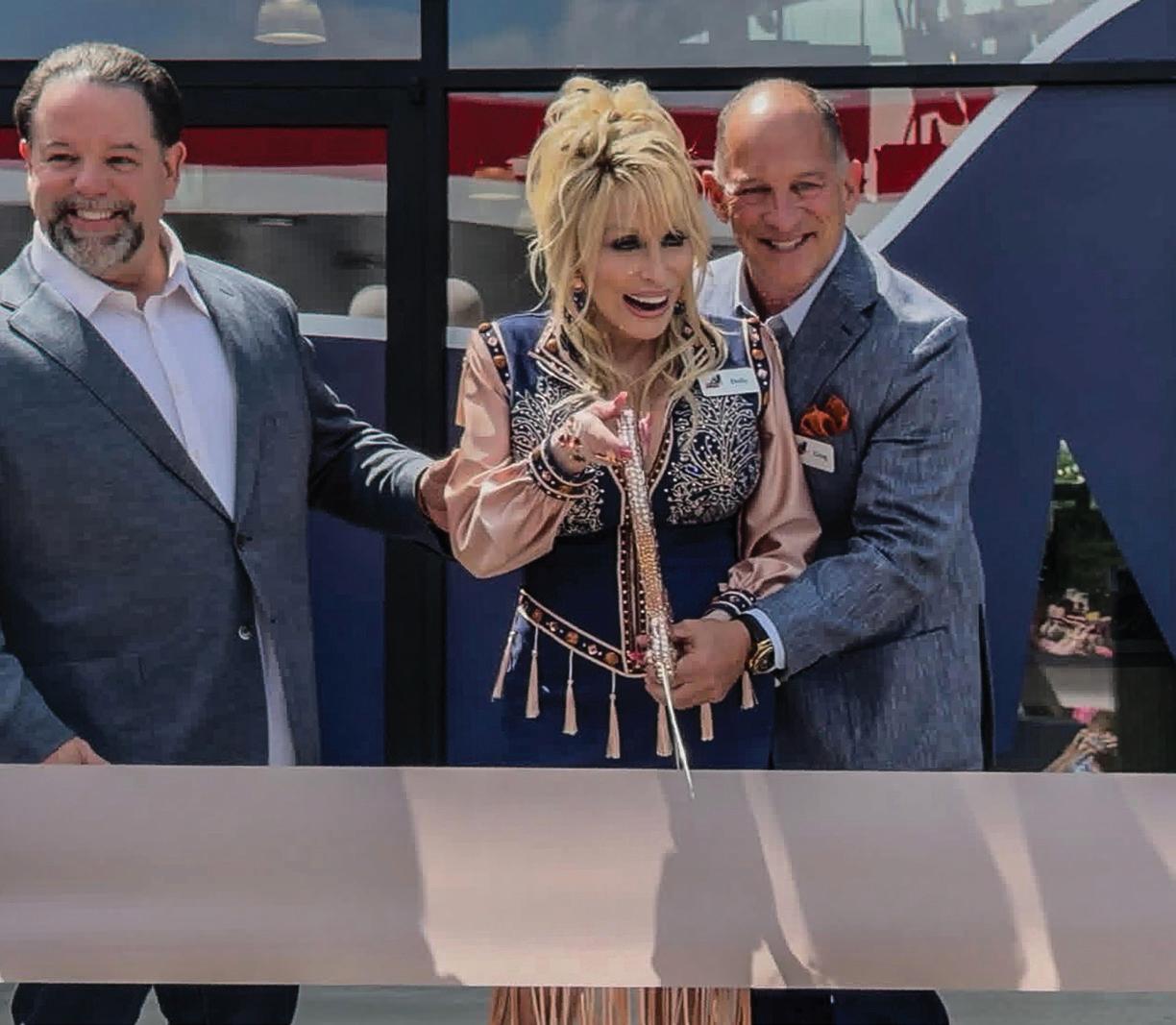

Like the rest of the industry, Dolly’s has a huge focus on foodservice. There are three concepts: One is a full-service café and restaurant; one is grab-and-go barbeque offerings under the DLY BBQ brand; and the third is an ice cream and coffee concept called Cup of Ambition, whose name plays off a line in her hit song “9 to 5.”
Greg Sachs, shown helping cut the ribbon, is Parton’s business partner in the venture. He said at the opening that a few years ago he wanted to reimagine travel stops to become more of a destination. And he came to one conclusion.
“Who is better in the world to personify kindness and hospitality than Dolly Parton? I am extremely proud and blessed to call her my friend and my partner,” he said.
“I’m sure some of you want to know why I wanted a truck stop,” Parton said before cutting the ribbon that officially opened the store. “Well, I couldn’t leave it to the beavers,” she joked, referencing another well-known travel stop.
Dolly’s Tennessean Travel Stop certainly has all the elements of a c-store, whether offers at the pump or inside the store. But more than that, it is a destination in itself. Anything you could possibly imagine is available with either the word “Dolly” or her image. There is also plenty of butterfly imagery—butterflies are considered Dolly’s personal emblem. Beyond the merch, the store celebrates Dolly with quotes and images throughout the space, plus a gorgeous chandelier made of several dozen guitars that overlooks the main shopping area.
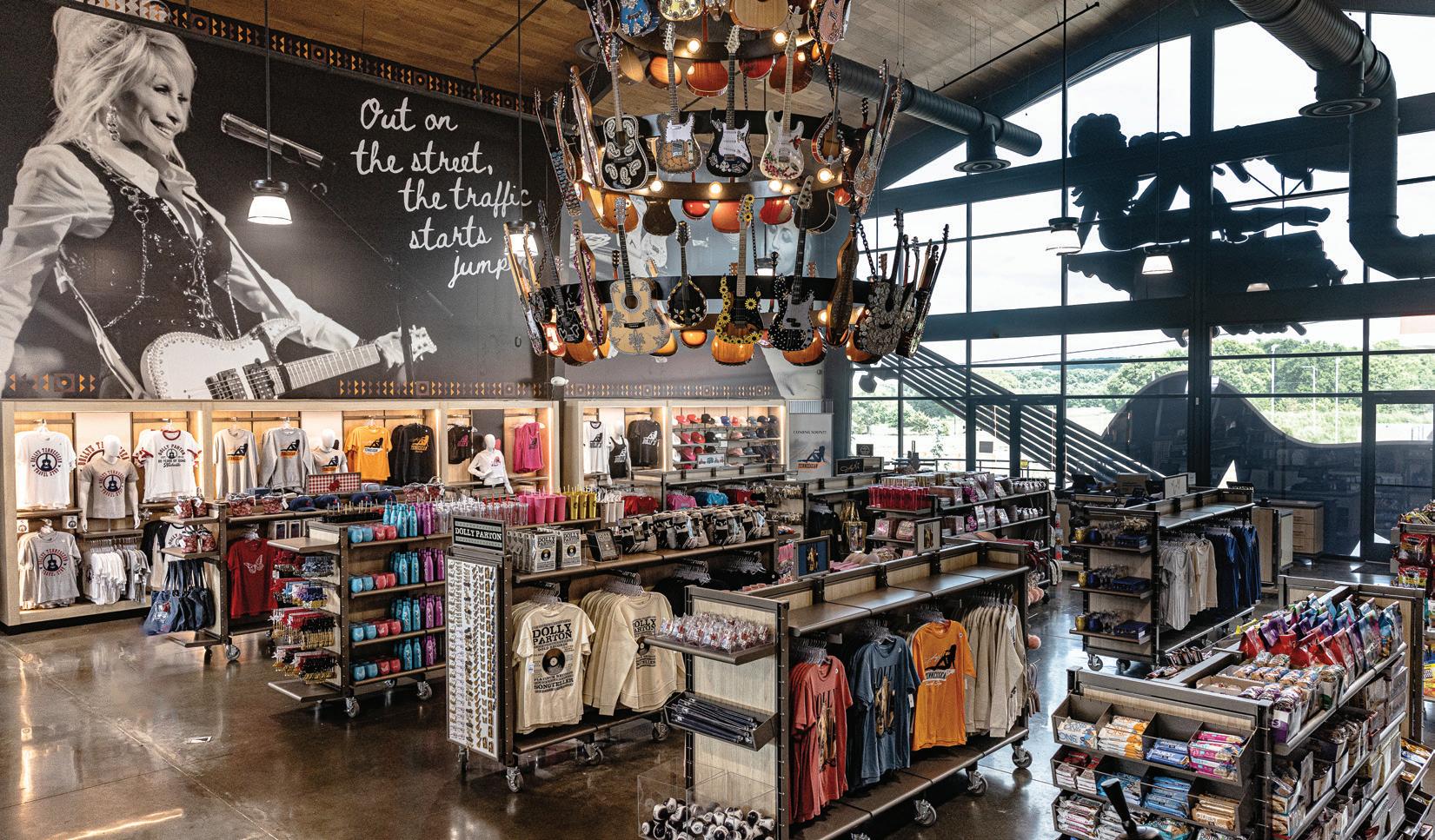

What’s the sense in going somewhere if you can’t celebrate it, right? Dolly’s has a wealth of photo opportunities. A mural makes a great social media background. Right next to it is an old tour bus that guests can walk into and explore. At the grand opening, both had big lines of people wanting to capture the moment. And you don’t have to have a dog to enjoy the playful signage and action in Doggy Parton Dog Park.
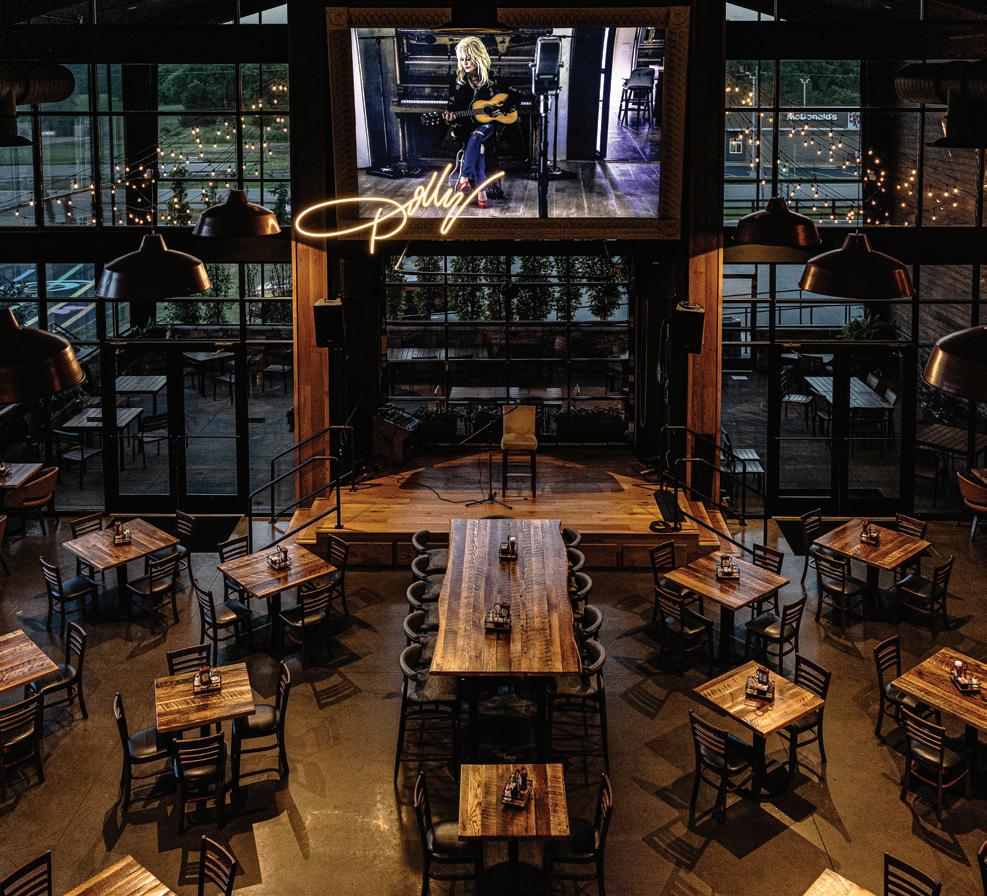
The former Tennessean was known as a hangout for locals in the small town of Cornersville, featuring dance and trivia nights. That hangout feel has not only been maintained, it has been expanded. There are upstairs lounges and a screened-in hangout area with firepits overlooks the main store.
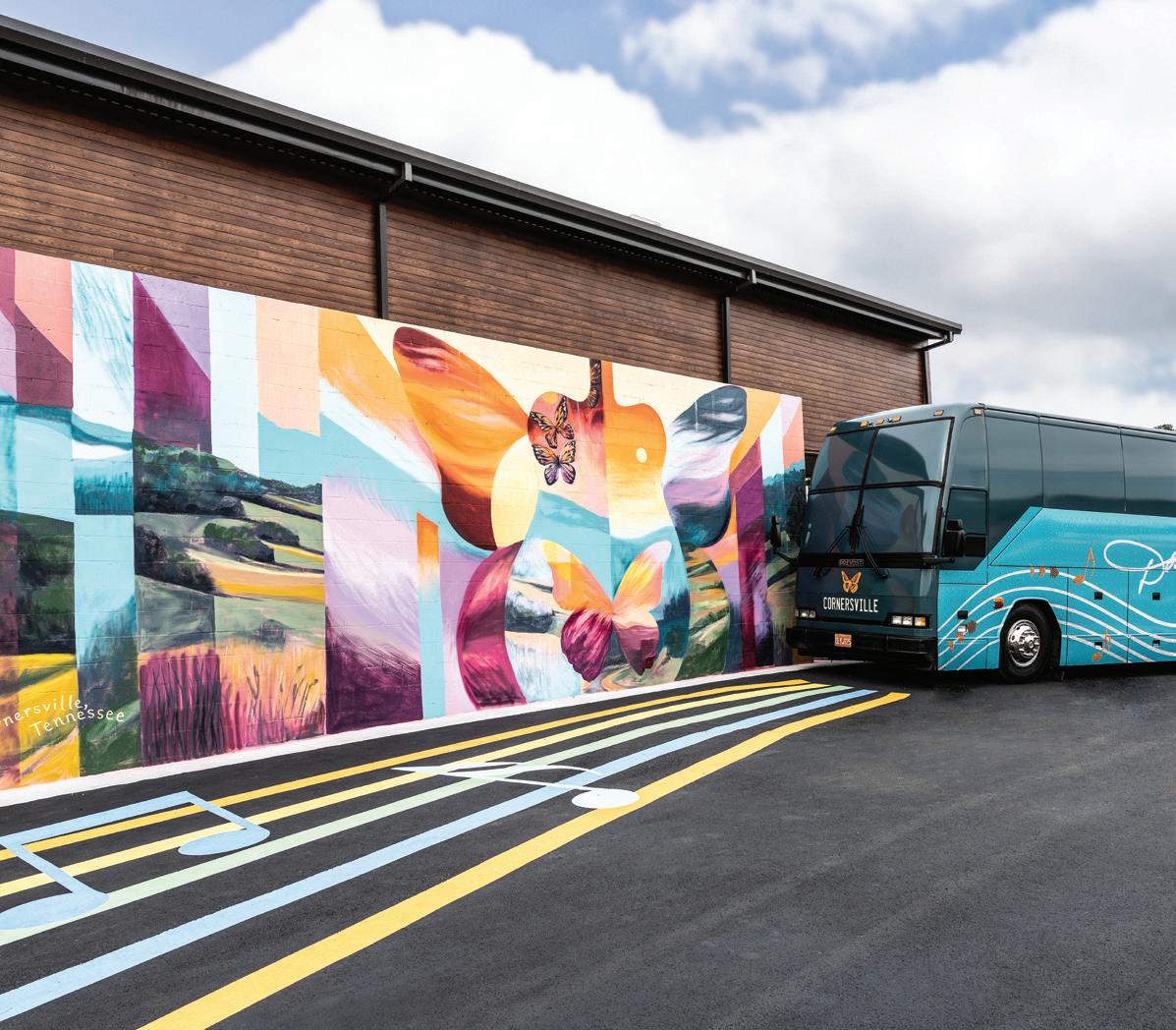
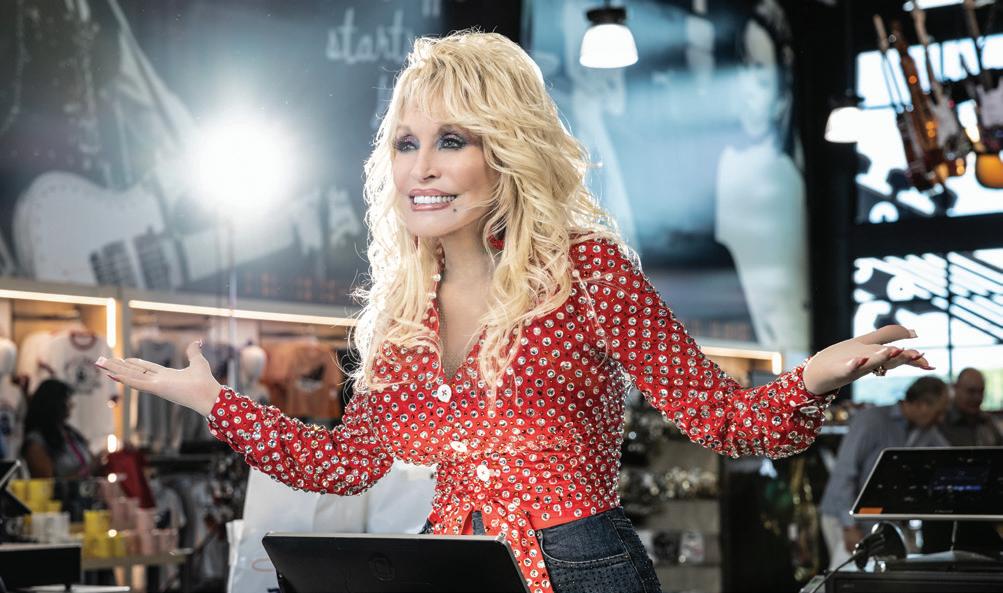
The site is called a travel stop, not a truck stop, but it has everything truckers require. Showers and other amenities, such as a laundry area, are tailored toward long-haul drivers, and there is a large parking lot for trucks to stay overnight. And with some estimates suggesting that about half of all truckers sometimes bring pets on the road, Doggy Parton Dog Park is the perfect solution.
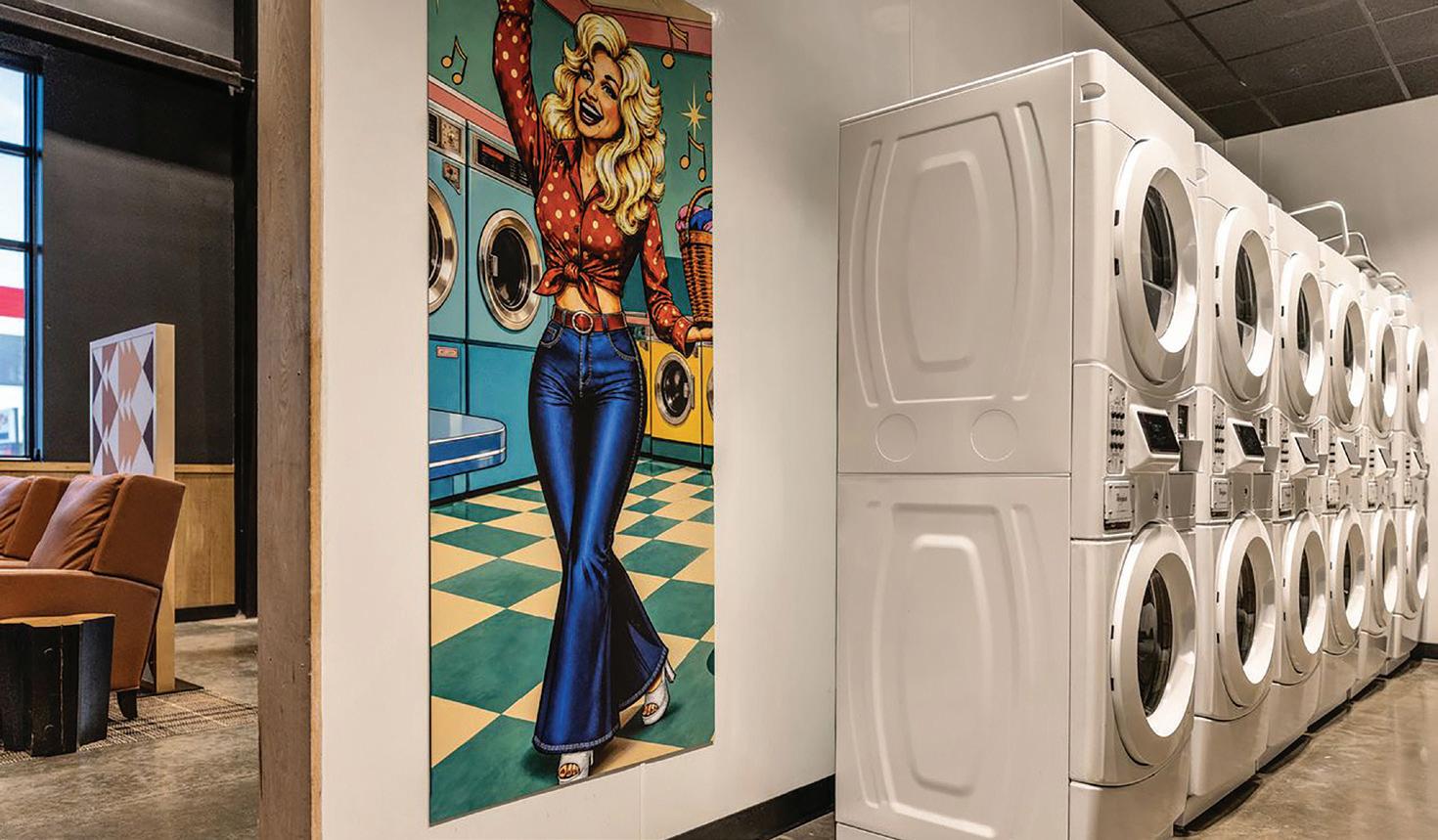





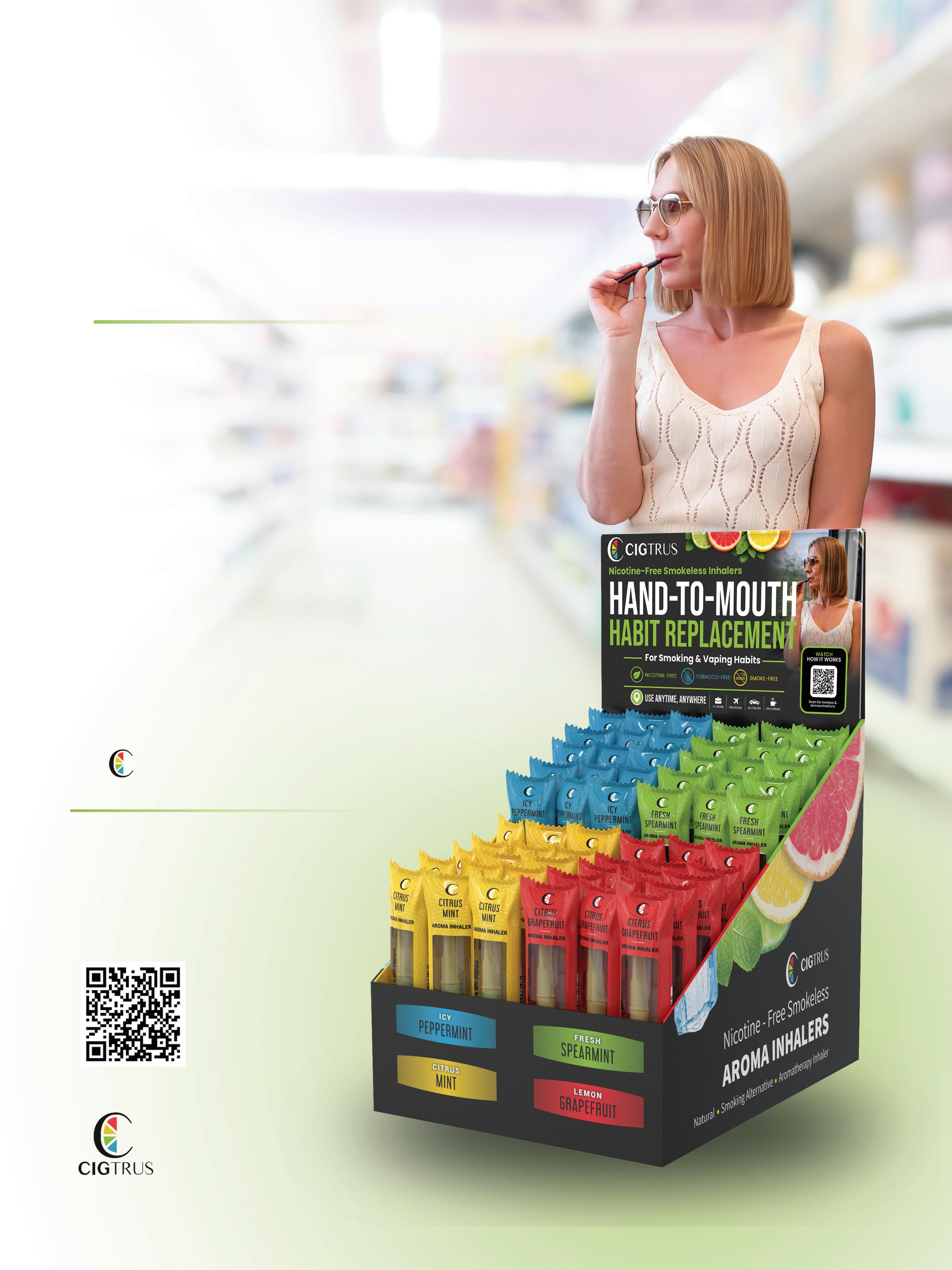







www.cigtrus-wholesale.com
500+
Feature
Scanning driver’s licenses
Mandatory scan prompts
Fake ID detection
Proof of verification
Volume restriction compliance
Birthdate logged Unsupported

Verify age. Protect identity.
Just four points of data are used in a TruAge scan: driver's license number, issuing state, birthdate and expiration date. All information stays anonymous, keeping your customers’ personal data private.


retail brands now using TruAge 30x faster than manual carding available nationwide
With Truage






activate your FREE account today
Supports physical IDs & emerging digital ID formats
Built in prompts for front line staff
Multi-point authentication (no PII stored)
Encrypted token for audit/legal evidence
Automated enforcement across transactions
Available now and FREE for convenience retailers










COMING SOON




Even with increased competition from online gambling, lottery can be a win for c-store operators.
BY TERRI ALLAN
It’s been more than 60 years since the first modern-day lottery launched in the United States. Retailers—particularly convenience store operators—have played a vital role in the success of state and multistate lottery operations.
Some 220,000 retailers across the country sell traditional lottery games. In Iowa, for example, 63% of all Powerball retail licensees are c-stores, accounting for 74% of total lottery sales volume, Matt Strawn, Powerball’s former product group chair and Iowa Lottery CEO, reported. In total, retailers earned nearly $6.3 billion in lottery sales commissions last year, according to Strawn. While licensing regulations mean that a c-store’s share varies by state it can be significant.
According to NACS State of the Industry Report® of 2025 Data, lottery commissions contributed $2,407 to “other” operating income in 2025 on a per store, per month basis, down from $2,425 in 2024 and $2,583 in 2023.

In 2025, Powerball jackpots reached close to $2 billion twice while Mega Millions reached $983 million in November (the largest Mega Millions jackpot ever—$1.6 billion—was reached in 2023). Those jackpots created a boom for c-store traffic as well as other lottery sales, according to retailers and state lottery officials.
“We have higher ticket sales when the jackpots are big,” said Shital Patel, owner of Commissary Food Market in Philadelphia. The store has sold several winning tickets in recent years, and that reputation has made it a destination for many players.
Chris Kerber, owner of CD’s Quik Mart in Hopkins, Michigan, noted that while overall lottery ticket sales are up at his store, “It sometimes seems that the only time people buy lottery tickets is when the jackpot is big.” Still, ticket purchases during
those large jackpots often result in add-on sales of other merchandise, such as CD’s fresh pizzas, he said.
Lottery officials concur that in addition to generating consumer interest and demand, large jackpots also create a halo effect that benefits other lottery products. Pointing to the $1.8 billion Powerball jackpot won on Christmas Eve in 2025, Strawn said that while it was no surprise Powerball sales skyrocketed in Iowa during the run up to the drawing, monthover-month scratch ticket sales increased nearly 12% as players added instant tickets to their baskets while making a Powerball purchase.
“Rising tides raise all boats,” said Brian Rockey, president of the North American Association of State and Provincial Lotteries (NASPL) and director of the Nebraska Lottery. While in Nebraska about a third of the population waits until a jackpot reaches a certain level before purchasing a ticket, once
Other gambling options are increasingly competing with draw and scratch-off tickets for consumers’ attention and dollars.
The increased legalization of online betting allows consumers to place virtual bets on any sporting event from home. According to the American Gaming Association, 34.5% of commercial revenue came from digital sources in 2025—a 4.5-point increase over 2024 and more than 20 points higher than in 2022.
In fact, several states, including Nebraska, already allow online lottery sales. But according to Brain Rockey, president of the North American Association of State and Provincial Lotteries and director of the Nebraska Lottery, retail sales haven’t been cannibalized. In fact, Matt Strawn, Powerball’s former product group chair and Iowa Lottery CEO, reported that in multiple states that have rolled out “iLottery” programs, retail brick-and-mortar lottery sales growth was “almost instantaneous as sales accelerated in the year after iLottery launch, compared to the previous year.”
David Gale, executive director at the North American Association of State and Provincial Lotteries, believes that advances like online lottery sales can aid in drawing in emerging consumers. “That’s how they spend their time and make their purchases today—online,” he said. “Online lottery sales is a mechanism to deliver our product to emerging markets.”
Regardless of the inroads e-commerce makes in the lottery business, agency officials emphasize that physical stores will continue to play an important role. “Consumers will continue to shop at c-stores for gas, snacks, tobacco, etc.,” said Brian Rockey. “And for many of those consumers, there will always be the tangible value of a lottery ticket.”

it hits that threshold, instant ticket sales also increase, Rockey said.
Overall, David Gale, NASPL executive director, said that “the biggest advantage of large jackpots for retailers is that they increase foot traffic.”
In addition to the huge jackpots, 2025 also saw an increase in Mega Millions ticket prices. Single ticket prices increased from $2 to $5 in April of last year, a move expected to result in more frequent large jackpots and improved chances of winning.
Rockey explained that without a significant increase in draw lottery players, one of the few ways to build the big Mega Millions jackpots that appeal to so many consumers is to “adjust the price and the matrix. For consumers, that provides a balance in the value proposition—the risk and the reward.”
Several months after the Mega Millions ticket price hike, c-store operators reported pushback from customers.
“A lot of people won’t buy them anymore,” said Kerber. While in the past, some customers would buy five $2 tickets at a time, “now, they’ll just buy one when the jackpot gets close to a billion dollars,” he noted.
That’s also the case in Philadelphia, where Patel said, “customers don’t like to spend the $5.” As a result, $2 Powerball tickets are outperforming those of Mega Millions at Commissary Food Market, she said.
Powerball is sold in 45 states and the District of Columbia. While data varies state by state, Strawn said that through the first six months of the Iowa Lottery’s current fiscal year, Powerball comprised approximately 20% of all lottery sales.
In recent years, Powerball has made significant investments in national partnerships, such as the season-long NASCAR program that culminates in a live $1 million Powerball drawing on NBC before the NASCAR Cup Series Championship Race in the fall.
In 2026, Powerball has expanded its national partnership footprint to include emerging and fast-growing professional sports like disc golf and pickleball, Strawn revealed, as well as the forthcoming Powerball Xs & Os, a lottery game collaboration between Powerball and the National Football League (NFL).
In other news, the Multi-State Lottery Association (MUSL) launched the new daily draw game Millionaire for Life in February, replacing the previous Cash4Life and Lucky for Life games. At $5 a ticket, Millionaire for Life offers top-prize winners $1 million per year.
While draw games have received their share of headlines in the last year, instant or scratch-off games remain very relevant.
Rockey noted that the price tier component of many scratch tickets has been a big differentiator versus traditional draw games and lotteries have started to diversify the draw portfolio based on price point.
At CD’s Quik Mart, sales of instant tickets are robust. Pointing to some tickets that cost $50 a piece, Kerber said, “It’s crazy how many of them I sell.”


Now a mature business, lotteries are working to stay relevant for consumers and the changing face of retail. Consumer demographics are a concern as lottery agencies grapple with attracting younger players to replace aging core lottery customers.

Unsurprisingly, the lotto industry is placing bets on technology. “We’re always looking at the latest technology that streamlines the process for retailers, whether it’s to allocate tickets, cash tickets, or returns,” said NASPL’s Gale. In fact, he noted that the organization is working on a project that would feature a bar code on instant products, thus “streamlining the process of validation.”
In-store kiosks, which are legal in most states, can save c-stores on labor, Rockey said. But the selfserve machines also provide a space challenge.
“Lotteries are getting squeezed for counter space at the same time store footprint often limits the potential for lottery selfservice machines,” said Strawn, adding, “That’s unfortunate because current trend data indicate retailers with lottery available at both the checkout counter and self-service
Lottery officials advise c-store operators to aggressively promote lottery sales via both traditional and emerging platforms. Brian Rockey, president of the North American Association of State and Provincial Lotteries and director of the Nebraska Lottery, pointed to the opportunity for “dynamic signage,” including LED and digital signs that provide messaging related to lottery offerings and other retail items.
Matt Strawn, Powerball’s former product group chair and Iowa Lottery CEO, said that a “simple lighted jackpot sign in the window can go a long way toward awareness that fully leverages the Powerball brand and opportunity to increase lottery basket size.” He also suggested digital engagement and paid media timed to jackpot runs.
“Retail strategies that intentionally connect digital engagement with in-store experiences have been shown to increase store visits by as much as 80% when digital and physical touchpoints are designed to work together.”



Conference: October 6-9, 2026
Expo: October 7-9, 2026
Las Vegas Convention Center






My Show Planner is your starting point for navigating the NACS Show with confidence and ease. Preview education sessions, identify your must-see exhibitors, and organize your time before you arrive in Las Vegas.
Plan ahead, prioritize your time and enjoy your Show experience without stressing where to be or when.

















Start planning your NACS Show now! NACSShow.com/showplanner










































+ Export your agenda to your calendar!
+ Mobile app coming soon to the App Store and Google Play.





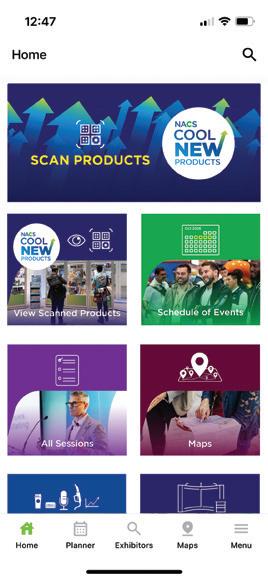







kiosks see significant sales growth without cannibalization.”
According to lottery company Scientific Games, sales of “fast play” games— like scratch-offs but played at a terminal—grew 1.9% from 2024 to 2025, increasing by $28 million. That growth was supported by “new price points, enhanced prize structures, omnichannel strategies, progressive jackpots, and games with simple play mechanics that continue to attract players.”
Retailers and lottery officials acknowledge the benefits lottery provides c-store operations. While base commissions might be modest—ranging from 5% to 8% in Powerball jurisdictions, according
to Strawn—awards for selling winning draw tickets can be generous. Bonuses can range from $10,000 up to $1 million for a retailer that sells a grand prize Powerball jackpot, or lotteries may apply a bonus as a percentage of the jackpot, typically capped at a specific dollar amount.
Other monetary gains come in the form of increased foot traffic, attracting new customers and boosting incremental sales. “The margins aren’t great [on lottery] but they get people in the door, especially during big drawings,” said Kerber.

Terri Allan (terri4beer@aol. com) is a freelance writer who specializes in consumer products and retail channels.



















































































































































































































































































What experience do customers want?
And how do you create a good vibe?

This is the final article in a five-part series that began in the April 2026 issue of NACS Magazine with a look at what consumers think about—and expect from—convenience stores.
BY JEFF LENARD
Compared with other channels, convenience stores have two long-standing advantages: They are never more than a few minutes away, and they are fast.
In terms of proximity, 93% of Americans say they live within 10 minutes of a convenience store. There are 151,975 convenience stores in the United States, which equates to one store for every 2,230 people.
Let’s put that store count in perspective. Despite a slight decline in 2026, the U.S. c-store count is still more than the combined total of all U.S. grocery stores (43,692 stores), drug stores (38,514) and dollar stores (39,003), plus McDonald’s (13,814) and Starbucks (16,864).
Speed of service is also well documented. A NACS Speed Metrics Study found that the average time from when someone left their car to when they got back into their car was three minutes and 33 seconds—essentially the length of a song. More recent NACS studies have found that most transactions still take less than four minutes, even considering the growth of foodservice and extended prep times.
Customer experience is a bit harder to define. After all, how do you put metrics around a vibe? We looked at two factors related to experience that consumers say are important: Using a convenience store as a place to relax for a few minutes and interacting with store employees.
Many retail locations, notably Starbucks, have touted their locations as “third places”—spots where you can relax that are not work or home. With robust foodservice offers, many c-stores also serve as that third place for customers who are not in a rush.
But for the many customers who are in a rush, c-stores serve a different purpose. The stores are decompression zones that allow customers a brief reset before getting on with their days. Sometimes that means getting out of the car to stretch their legs, but mostly it means buying something.
When asked if they prefer to pick up items they’ve ordered inside the store or via a drive-thru, consumers said they prefer going into the store (38% vs. 31%). And the top reason they like to go into the store is to browse (60%).
A little more than half of consumers (51%) say convenience stores present them with a moment to relax.
This moment of Zen is most important to those who shop frequently at convenience stores. More than two in three
WHY DO YOU PREFER GOING INSIDE OVER THE DRIVE-THRU? (MULTIPLE RESPONSES PERMITTED)
I enjoy browsing different options
WHICH IS YOUR TYPICAL EXPERIENCE INSIDE A CONVENIENCE STORE?
Don’t know/ not sure
Charts and insights are based on a national survey of 1,207 consumers conducted January 30-February 6, 2026, for NACS by national public opinion research firm Bold Decision (bold-decision.com). In some cases, total may not add up to 100% because of rounding.
frequent customers—those who shop inside c-stores at least three times a week—say they find the in-store experience to be a moment during which they can relax (68%).
One other factor that can lead to a relaxing in-store experience is music. By a more than 2-to-1 ratio, consumers say they like music in stores (55% vs. 23%). Younger customers (62%) and frequent customers (71%) like music in stores the most.
DO YOU PREFER STORES THAT PLAY MUSIC WHILE YOU SHOP?
Don’t know/ not sure
You take a moment outside of your car where you can briefly relax and get something you might want or need
You feel rushed and hurried to quickly get in
As advances in AI and technology have created opportunities for efficiencies within the store, how can those be applied to the labor force, considering that wages and benefits are the top expense item? The better question is: Should it?
More consumers say they like to interact with store employees than say they don’t.
DO YOU ENJOY BEING GREETED WHILE SHOPPING OR DO YOU PREFER NOT TO INTERACT WITH STORE EMPLOYEES?
2% Don’t know/ not sure
43% I prefer to interact with employees
27% I prefer to be left alone
Let’s go beyond simply interacting with employees. Is it possible to create that “Cheers” feeling in your stores, “where everybody knows your name?”
Consumers say it is. They recognize or remember employees at the stores where they most commonly shop— and they say employees remember them, too.
70% of consumers say that they recognize/ remember specific employees 60% of consumers say that employees recognize them in stores
The great news is that consumers say the industry delivers a solid customer experience. More than four in five consumers (82%) say their experience the last time they were in a convenience store was either excellent or good, up from 81% last year.
Thankfully, just 1% said their experience was poor. While it’s good to see such high satisfaction, it’s also another reminder that customers have many different options—and
the small percentage who rated their experience as poor might choose not to return to that store again.
Not surprisingly, frequent customers are most likely to say that their experience was excellent or good (90%), compared with only 64% of rare customers (those who shop in c-stores once or twice a month or less). Only 8% of these rare customers say they had excellent service, far lower than the overall average of 22%.
HOW WOULD YOU RATE YOUR EXPERIENCE THE LAST TIME YOU WERE IN A C-STORE?
of consumers say they had excellent or good customer service the last time they visited a c-store.
While some consumers’ perceptions could be too hard to change, there may be an opportunity to create and promote some sort of customer service pledge to get them to at least try your store.
Jeff Lenard is NACS vice president of media and strategic communications.
The stores winning more trips aren’t just remodeling, they’re rethinking what’s possible.
Winning the trip isn’t about being the closest stop anymore.
For years, fuel and convenience alone were often enough to earn the stop, but today’s customers expect more. They’re looking for quality food, broader merchandise, inviting stores and an experience worth making the stop for.
According to a 2025 NACS consumer survey, more than 82% of surveyed American adults said they would drive five minutes out of their way to visit a gas station they like more. That means your biggest competitor isn’t always the nearest store. It’s the one that customers decide is worth the extra drive.
“For retailers, the challenge isn’t simply keeping up with changing expectations. It’s determining which investments actually create a store customers choose over the competition,” said Gary Braaten, director of retail development at Cenex®.
Looking across five years of retailer investment performance, Cenex found a clear trend: while remodels can improve a store, the strongest longterm business results consistently came from raze and rebuild projects.
Two retailers put that finding to the test.
For Missouri-based Eagle Stop, the decision to start over wasn’t about replacing aging stores. It was about creating locations designed for the way customers shop today.
The company’s most recent project in Camdenton, Missouri, shows why. Located near the Lake of the Ozarks, the site serves both local residents and a steady stream of weekend visitors. But the previous store was not designed to fully capture those visits. Limited space constrained merchandise, restricted offerings and made it harder for

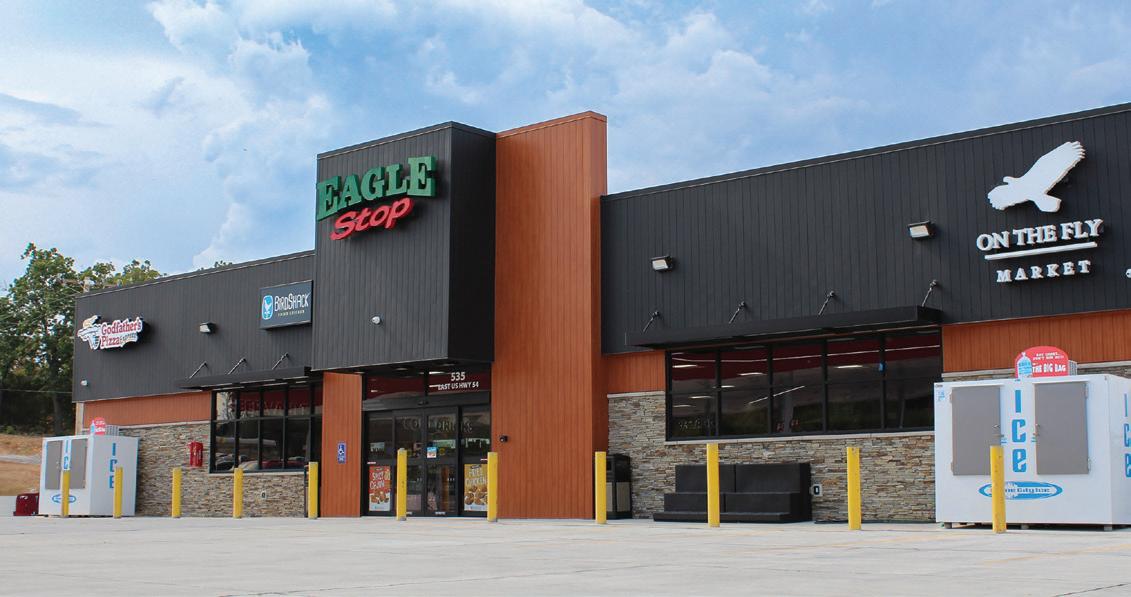
A rebuild helped grow the store footprint of Eagle Stop in Camdenton, Missouri, by 2,500 feet.
Three Signs It’s Time to Think Bigger
Not every store needs a raze and rebuild. But when these challenges begin to surface, it may be time to look beyond another remodel.
YOU’RE RUNNING OUT OF WAYS TO GROW INSIDE YOUR EXISTING FOOTPRINT.
Sales have more than doubled, on average, across Eagle Stop’s rebuilt locations.
the business to keep pace with customer expectations.
Eagle Stop knew the opportunity was there. The remaining question was how to move forward with the right investment.
That’s where the Cenex LIFT program came in. By combining low-interest financing, principal balance contributions and preferred vendor discounts, LIFT gave Eagle Stop the flexibility to pursue a raze and rebuild rather than continue investing around the limitations of the existing store.
“Too often, retailers know exactly what their business needs, but cost forces them to think smaller,” said Braaten. “LIFT gives them the flexibility to evaluate the opportunity based on long-term potential, not just upfront cost.”
Since 2020, Cenex has paid nearly $11 million in interest on behalf of retailers, helping operators pursue larger, higher-impact investments while preserving capital for other business priorities.
For Eagle Stop, that meant moving forward with a raze and rebuild that expanded the store’s footprint by 2,500 square feet, creating room for broader merchandise offerings, expanded food service and the kind of customer experience that simply wasn’t possible within the previous footprint. The payoff was transformational.
According to vice president Jenna Gier, sales have more than doubled, on average, across Eagle Stop’s rebuilt locations.
“It’s a win for everyone from the numbers that we’ve seen,” Gier said. “It’s busy all the time.”
For Eagle Stop, the investment was not simply about building a larger store. It was about creating more reasons for customers to stop, more ways to serve them once they arrived, and more room for the business to grow.
“Our goal isn’t simply to help retailers build bigger stores,” Braaten said. “It’s to help them build stronger businesses.”
• There isn’t enough room to expand foodservice or highmargin categories.
• Customer flow feels cramped or inefficient.
• The building limits what you can realistically offer.
YOU’RE INVESTING IN THE BUILDING, BUT NOT CHANGING THE BUSINESS.
• Cosmetic updates improve appearance, but traffic and sales remain relatively flat.
• You’re solving the same maintenance issues year after year.
• Customers notice the improvements, but their shopping behavior doesn’t change.
YOU’RE MAKING DECISIONS BASED ON TODAY’S BUDGET INSTEAD OF TOMORROW’S OPPORTUNITY.
• Projects are being scaled back because of upfront cost.
• You’re asking, “What can we afford?” instead of, “What will position this business for the next 10 years?
• Long-term growth opportunities are being delayed because the investment feels too large.
Creative Energy faced a similar decision in Jamestown, North Dakota.
The company’s Sooper Stop location was built in 1950 and expanded multiple times over the decades. Leadership knew the store needed investment, but determining the right type of project was less obvious.
Rather than making that decision alone, Creative Energy worked alongside its Cenex Retail Business Specialist to evaluate the store’s operational limitations, long-term growth potential and the financial return of several investment options.
“Retail Business Specialists become an extension of the retailer’s team,” Braaten said. “They’re in stores every day, bringing ideas from across the industry and connecting retailers with the right resources. They help retailers step back, evaluate the opportunity and make decisions with confidence.”
For Creative Energy CFO Amber Backen, that relationship became one of the most valuable parts of the process.
“Our Retail Business Specialist does a fantastic job keeping up with trends, looking at what we’re doing inside the store, giving us suggestions and creating relationships with vendors that I probably wouldn’t be able to do as quickly,” Backen said. “He helps me avoid costly mistakes and shortens the learning curve.”
With a clearer understanding of the opportunity, Creative Energy concluded that continuing to invest in the existing building would only delay a larger decision. A raze and rebuild offered the stronger long-term return. LIFT helped make that path more attainable.
“The LIFT program was the key driver in our decision to demo our old store and rebuild the new store,” Backen said. “A buydown in interest makes the decision … much easier because it eliminates interest costs, allowing us to invest in growth without adding significant financing expenses.”
The new location reflects both the community it serves and the future the cooperative envisioned. Local
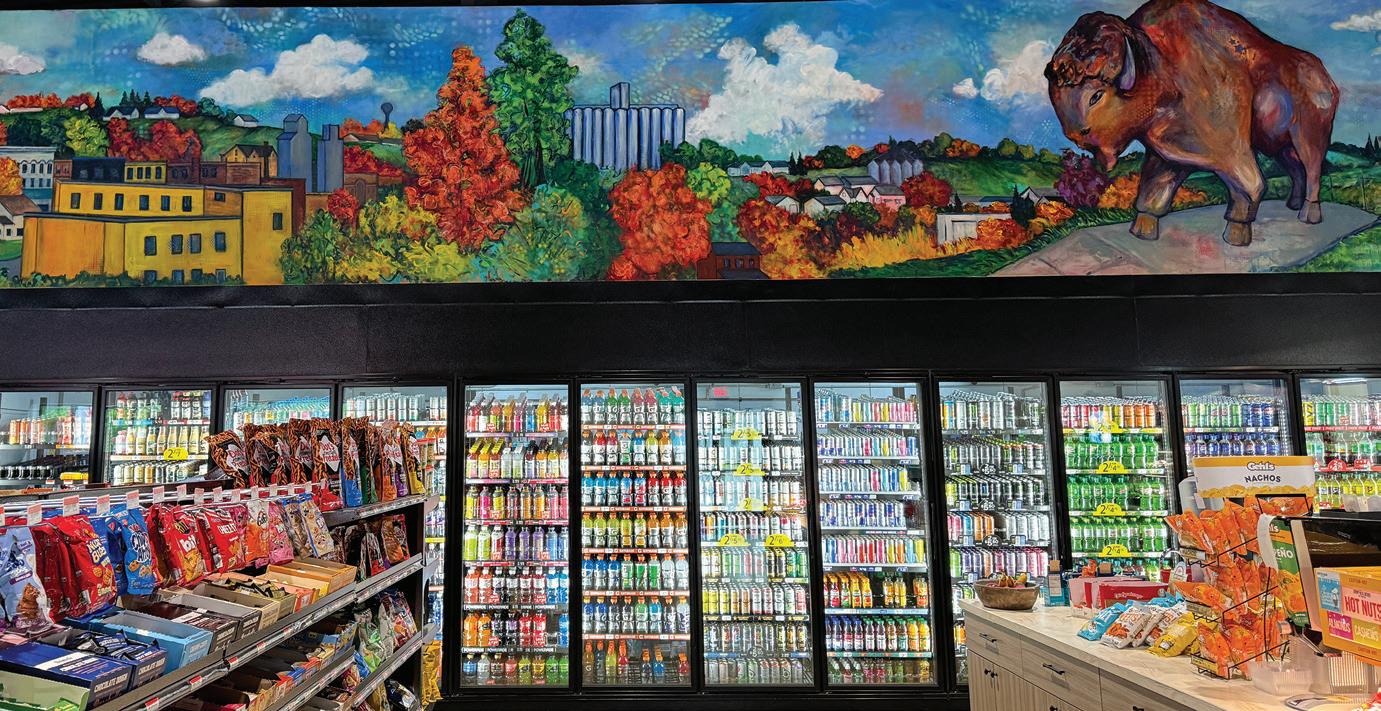
Sooper Stop’s rebuilt location in Jamestown, North Dakota, is filled with artwork, including a mural celebrating the community’s history.
artwork is featured throughout the store, including a mural celebrating downtown Jamestown and the community’s iconic buffalo monument. Expanded merchandise, improved layout and additional customer amenities created a destination designed to serve the community for years to come.
The investment resonated with customers almost immediately, exceeding its first-year sales goal by more than 50%.
For Backen, the project validated something many retailers eventually discover: sometimes the best investment isn’t another remodel. It’s having the confidence to start over.
Not every store needs a raze and rebuild. But every retailer should understand which investment gives their business the greatest opportunity to grow.
That’s where Cenex Retail Business Specialists come in. They help retailers evaluate their sites, compare investment options and determine the right path forward. Combined with the Cenex LIFT program, retailers have access to financial support that can help turn the right investment into a realistic one.
Learn more about the Cenex LIFT program and Retail Business Specialist support at cenex.com/dealer-brandingprogram.
Across five years of retailer site investments, raze & rebuild projects consistently delivered the strongest business performance across every major metric.
Key takeaway: The biggest opportunity isn’t always finding a better location. Sometimes it’s building a better store for the location you already have.









Retail is becoming more complex than ever. Higher build costs. More services. Greater pressure to perform. That’s why retailers need fuel providers with the experience, scale, and long-term support to keep pace as the industry evolves. Cenex® supports retailers operating in increasingly demanding environments, delivering reliable fuel supply and the backing needed for what’s ahead.




cenex.com/dealer-branding-program
This advertorial-style guide of services and packaging appears monthly and is an information-packed tour of ideas and approaches that can change how consumers view your store or choose your brand. It spotlights the newest thinking in convenience and fuel retailing and gives you an advance look at ways of staying in front of industry trends. Products are categorized the same way we organize the Cool New Products Preview Room at the NACS Show each year in October— New Design, New to the Industry, New Flavors, Health & Wellness, Green (EcoFriendly), New Services and New Technology Products are considered “new” this year if they’ve been introduced since October 2025. The products featured here also can be seen in the Cool New Products Discovery Center at www.convenience.org/coolnewproducts
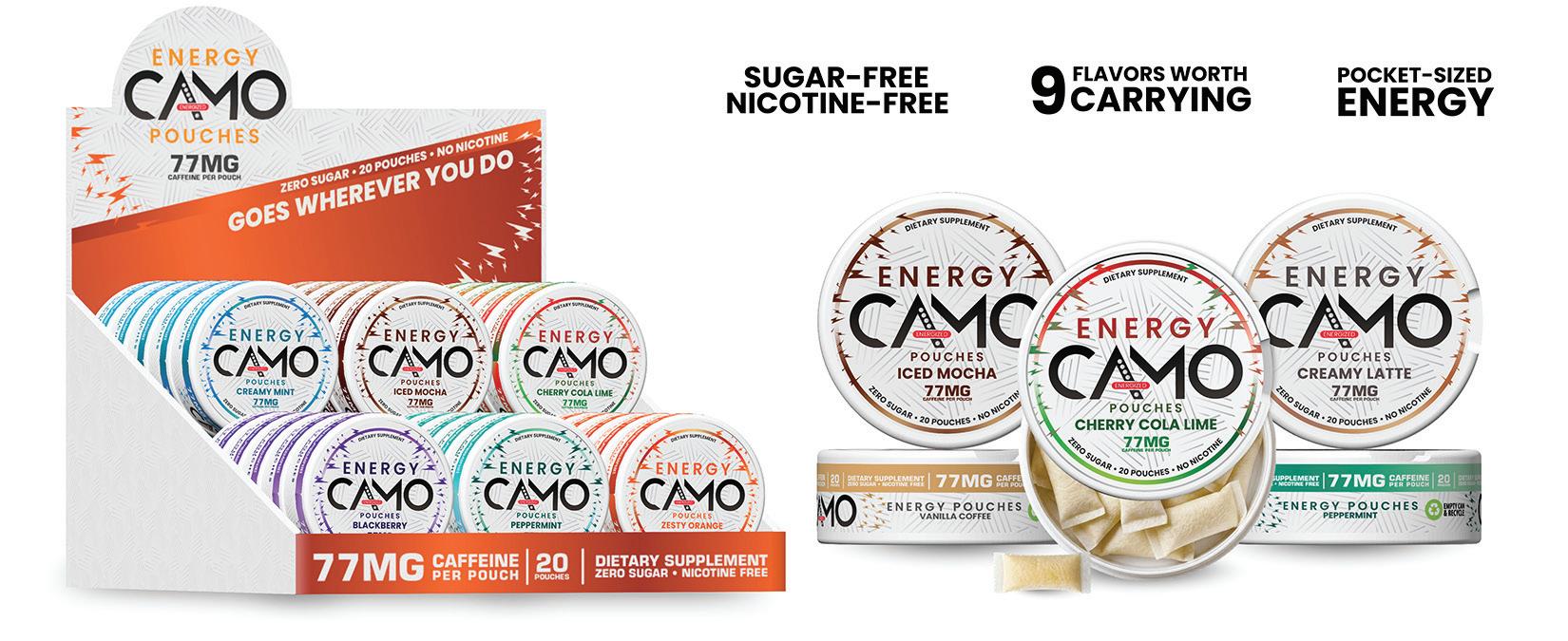
SNUS
Caffeine Energy Pouches
NEW TO THE INDUSTRY
Good. Nobody ever built a category with one brand. That’s usually what happens when consumers find a format that goes wherever they do. After all, if the channel is built around convenience, shouldn’t the product be too?
Meet CAMO — a caffeine pouch brand from Lithuania, brought to the U.S. by Global Snus. We spent six years building under EU standards. CAMO is the result. Cutting corners wasn’t. Retailers know: marketing gets the first sale. Quality gets the next ten. Consumers decide what grows. Retailers decide what stays. That’s why CAMO is owned, developed, and manufactured by the same company. One brand. One manufacturer. One very uncomfortable level of accountability. See us at the NACS Show, Cool New Products Showcase. Reach out to Stela Donica +370 664 33008 | stela@globalsnus.com | www.globalsnus.com
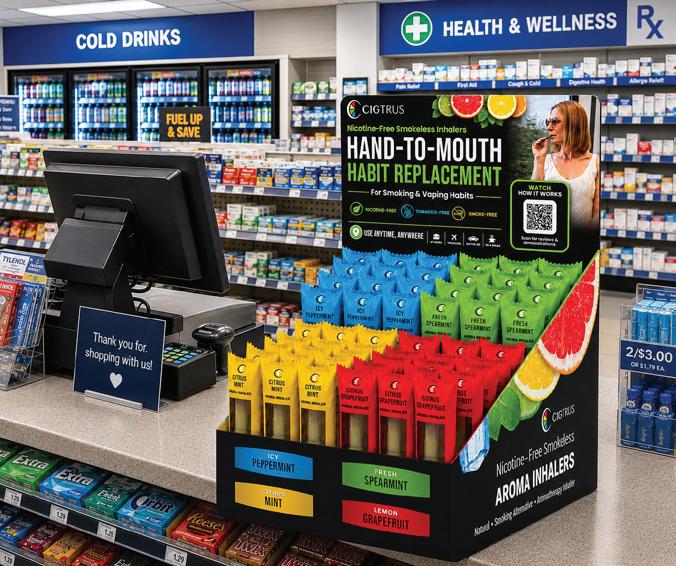
NEW TO THE INDUSTRY
Stateside Brands
NEW TO THE INDUSTRY
Behavioral Habit Replacement for Smoking & Vaping
Cigtrus is a natural, nicotine-free inhaler designed to help satisfy the behavioral hand-to-mouth habit associated with smoking and vaping. Unlike traditional nicotine replacement products that focus on nicotine cravings, Cigtrus complements the smoking cessation category by addressing the physical routine many consumers continue to miss. Smoke-free, vapor-free, and non-electric can be used ANYTIME, ANYWHERE.
Super Lyte Vodka + Ade
From the makers of Surfside, introducing Super Lyte - a refreshing vodka + ade canned cocktail inspired by your favorite classic sports drink flavors. With only 90 calories, zero sugar, and zero bubbles.
f’real by Rich’s
f’real by Rich’s Blend n’ Serve Back of House Program
NEW FLAVORS
Today’s consumers crave customizable, premium beverages, and the f’real by Rich’s Blend n’ Serve Back-of-House Program makes it easy to deliver. Blend n’ Serve helps c-store operators serve shakes, smoothies, frozen coffees and more in under a minute with the push of a button. With eight Blend n’ Serve flavors, including new Creamsicle® Milkshake and Frozen Lemonade, plus customizable Made to Order options, Blend n’ Serve offers endless opportunities for creating signature beverages, seasonal promotions and repeat visits. It’s time to get f’real about your beverage menu.
To order, visit newrequest.bic.com
The convenience channel can now enjoy the high quality, top selling High Protein, Heart Healthy seafood snack items in the USA! With the longest shelf life in the market, these viral sensations with over 160M views are ideal for open-air deli coolers. For over 45 years, Gadré has provided value added seafood product innovation globally through technology and focus on quality. For inquiries, please email us at marketing.usa@gadremarine.com. Come visit us at booth C3797 at the NACS Show!
Monster Energy Company
Juice Monster Strawberry Lemonade
12 score and 10 years ago our great nation was born. Now, we celebrate with our limited-edition Juice Monster Strawberry Lemonade! It’s like an AP Honors U.S. History book packed onto a can. Not a tiny Euro can… an American size 16oz. can! Bursting with real juice, perfectly tart lemonade, and the sweet taste of strawberries, plus a full load of our energy blend.
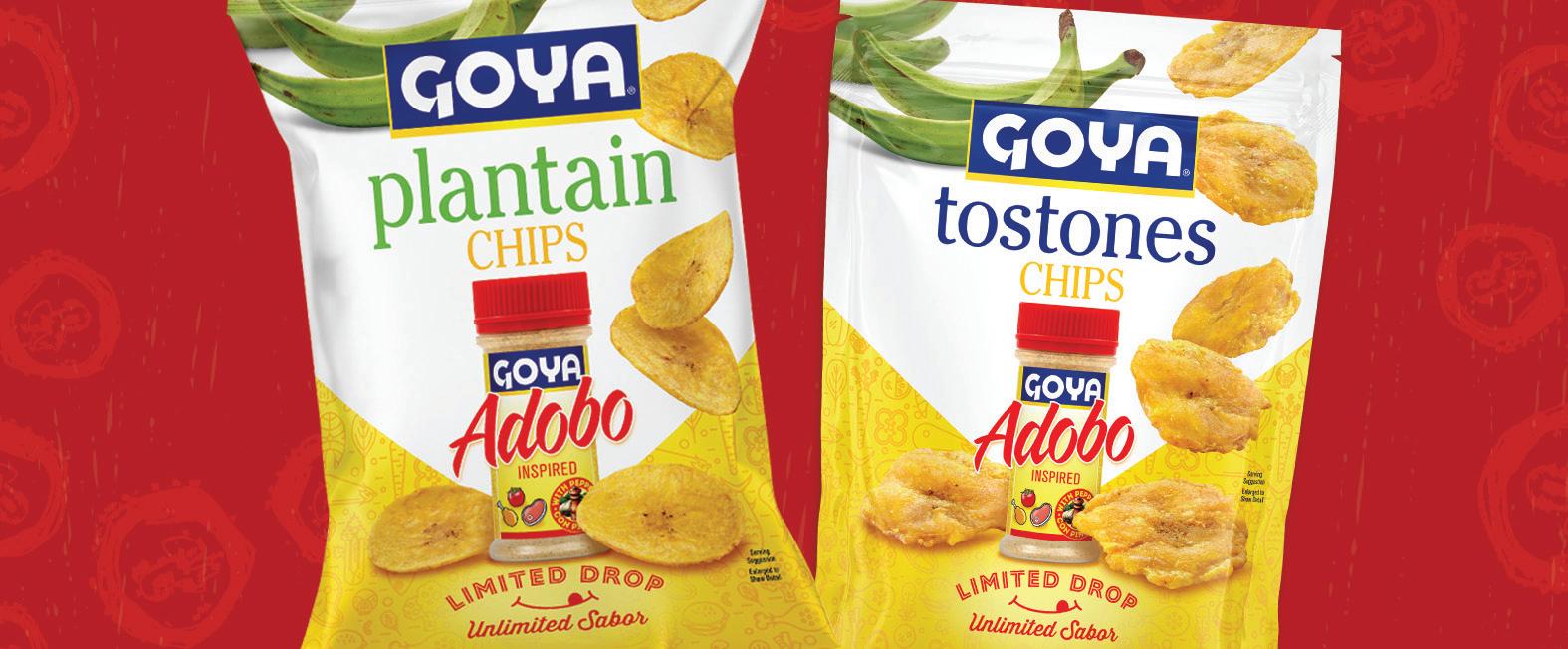
Goya Foods Inc.
Plantain Chips
Introducing GOYA® Adobo-Inspired Plantain Chips and Tostones Chips, a limited time snack innovation combining crispy plantains with the bold, savory flavor of GOYA® Adobo. Seasoned with garlic and Latin spices, this”Limited Drop. Unlimited Sabor.” offering is built to drive excitement, trial, and incremental sales in the growing snack category. Available in 4 oz. Plantain Chips (12 units per case) and 7 oz. Tostones Chips (6 units per case), these craveable flavors help differentiate your assortment and boost merchandising opportunities across displays and impulse placements.
Contact your GOYA representative or email salesinfo@goya.com | Trade.goya.com

Sunny Sky Products
Trolli Very Berry Slush
Wildly fruity with a sour bite, this Trolli Very Berry Punch Slush delivers blue raspberry flavor layered with juicy berry punch. Icy cold, sour, and unmistakably bold, it’s a slush that delivers instant fun in every sip. This slush drives impulse purchase, strong brand recognition, or pairs with a Trolli candy display. Now available in FCB 3-Gal BIB and FUB 0.5 Gallon Bottle formats.

Dynamo Wellness
The Original Screaming O Vibrating Ring & ColorPop Quickie
The Original award-winning Screaming O Vibrating Ring is a disposable adult toy designed to enhance pleasure. The body-safe SEBS ring is super stretchy, comfortable, and fits all. Its powerful micro-motor lasts ~45 minutes and can be turned on and off with a simple flick switch. Each ring is individually wrapped and priced for quick sales and repeat happy customers.
*Make Love More Fun when paired with Dynamo Delay Wipes for Men*
Contact Us Today!
Phone: +1 310-446-1632
Email: Dan@momentum-management.com Expand your adult wellness category beyond just condoms. Fun. Discreet.

































































If your store information online is wrong, missing, or reviews go unanswered, you’re invisible when it matters most.
NACS THRIVR ensures you’re everywhere that customers are searching. Ensure information accuracy across 150+ platforms all from one tool.

Turn local searches into foot traffic








BY JEFF LENARD
Reopening the Strait of Hormuz is a start, but it won’t quickly solve every challenge.
Initial news reports following the announcement in mid-June that the Strait of Hormuz would reopen made it seem that the oil markets would rapidly return to normal. And financial markets reacted as if that were the case. After peaking at nearly $120 a barrel in April, Brent oil prices dropped to $77 per barrel on June 18, within $5 of their pre-war levels.
The approximate distance for a ship to travel from the Strait of Hormuz to Houston.
But there is a big difference between how financial markets react and the actual conditions, according to Transportation Energy Institute Executive Director John Eichberger. “It will be spun as if we have opened up the gates of heaven and everything will go back to normal,” Eichberger said. “That is not how oil flows out of the Persian Gulf.”
Even if the elements related to the peace plan hold, that doesn’t mean that traffic going through the strait will immediately return to normal.
Roughly 20% of the world’s oil supply goes through the Strait of Hormuz, making it one of the most important transit routes in the global economy. Even though news reports have made it seem tankers are lining up ready to go, that’s not the case.
“One of the big challenges is that carriers are going to wait for their insurers,” said Eichberger. “Insurance companies are extremely risk averse.”
The largest oil supertankers, known as Very Large Crude Carriers (VLCCs), can hold 2 million barrels of oil. Multiply that by $75 per barrel—not to mention security concerns for the crew and the cost of the ship—and it becomes obvious why insurers would want a high degree of certainty that it is safe to pass through the strait.
The long-term end of hostilities is only one of many concerns. The strait will also need to be cleared of mines that could damage ships.
Once it’s safe, there are logistical realities. VLCCs travel slowly—topping out at about 15 miles per hour, about the speed of a leisurely bike ride. The journey from the Strait of Hormuz to Houston is approximately 11,000 miles, meaning that it could take up to six weeks for oil to arrive at U.S. refineries. “It takes weeks for oil to move across the world,” Eichberger said. “A lot of those ships have been dislocated. … It’s going to take them a long time to get back in the queue.”
With redeployment delays and long transit times, including time for empty VLCCs to move into the strait to pick up fuel, the supply chain reset will take months. Eichberger said that most industry experts estimate it will take 12 to 18 months before markets resemble anything close to pre-disruption conditions—if they ever do.
So why have oil prices dropped when actual market conditions are still so uncertain? To an extent, the reason is similar to 2008, when oil prices shot up to $140 a barrel and gas prices topped $4 for the first time, despite no major supply disruptions: speculation.
“The markets are very focused on what we think is going to happen, not what has happened,” Eichberger said.
That dynamic has led to volatile swings driven by headlines rather than fundamentals. “The futures markets continue to react to news,” he said. “And let’s be honest, the news has not been consistent. So, it’s been a very jagged market.”
While the news of the strait reopening pushed down prices, market realities will shape what follows. “If the strait opens and supplies don’t start to recover, the investors are going to have a very different calculation,” Eichberger said. “Their focus will shift to what’s happening in Cushing [the city in Oklahoma that houses massive oil tank farms]. How many days of supply are in storage?”
“Cushing is a critical hub, but also what about terminals at refineries—are they full of crude? What about refined product at terminals throughout the country?” he asked.
Even prior to the signing of the peace agreement, gas prices had been falling, from a high of over $4.50 in May to under $4 the day after it was signed. But that
There are approximately 148,000 fueling locations in the United States. Convenience stores account for the vast majority of locations, making up about 80% of the market.
The other 20% is sold by three other types of retailers:
• Kiosk fueling sites with very small assortments of items
• Hypermarkets/big-box retailers such as Walmart, Costco, Sam’s Club and Kroger
• Service stations that sell fuel and offer oil changes and mechanical repairs
In the U.S., fuel sales in the average 8.9 million barrels per day, or about 370 million gallons. The average fueling location sells about 2,500 gallons of gas per day, while hypermarkets/big-box stores with larger forecourts often sell 10 times more than that. Some convenience stores like Buc-ee’s, which has more than 100 fueling positions at its sites, have even higher volumes.
How long experts estimate it will take before markets resemble anything close to pre-disruption conditions—if they ever do.
doesn’t necessarily mean that prices would continue to fall to the pre-war price point of around $2.80.
Because it will take months for actual barrels to arrive, be refined and distributed, there is a significant lag between market sentiment and market reality. “It is highly unlikely that we’re going to see a lot of relief at the pump over the next several months,” Eichberger said.
Meanwhile, global supply remains constrained. Strategic reserves have been drawn down, and key
regions—including Europe and parts of Asia—are facing acute shortages.
While gasoline prices dominate consumer attention, Eichberger pointed to diesel as a more important indicator of economic health—and concern.
“Everything we buy is delivered by a truck,” he said. “A vast majority of trucks—close to 76%—run on diesel.”
Rising diesel prices ripple through the economy, increasing costs for agriculture, manufacturing and retail—not to mention adding a few cents per gallon to the cost of transporting gasoline to fueling stations.
“That doesn’t just affect the people buying the fuel,” he explained. “It affects all their customers and all their customers’ customers.”
This compounding effect could influence inflation in the months ahead, particularly if supply constraints persist.
Beyond immediate market impacts, the disruption has sparked broader questions about energy security and strategy. Countries are now reassessing how they source, store and consume energy.
Even if the agreement holds, the experience has exposed vulnerabilities that will shape future policy. Some countries may expand reserves, while others will accelerate efforts to reduce dependence on oil altogether.
“There’s a huge amount of opportunity behind every change,” Eichberger said. “The question is how we take advantage of it.”
“I think Europe is going to double down on electrification,” he said. “China is doing the same thing.”
Alternative supply routes and technologies are also gaining traction. “You’re starting to see people look at alternatives,” Eichberger noted, pointing to new pipelines, rail transport and shifts in production. Rather than a single solution, he expects a diversified response. “Countries will try to refill their reserves, but they also want to quell demand and change the demand platform.”
With so much uncertainty related to the agreement and how it will be embraced, not to mention all the physical uncertainties related to supply and distribution, it’s important to pay attention to four broad areas in looking at a return to stability— and recovery.


















• International support: “Who’s backing this? Who is committed to supporting it?” Eichberger asked.
• Insurance activity: “When do [companies] start giving a green light to move through the Strait?” Ship traffic patterns will provide visible clues.
• Local supply conditions: “Are the refiners able to run at full tilt? Are they able to get the oil they need?”
• Economic activity: Strong travel demand and freight movement could sustain pressure on fuel supplies, even as geopolitical risks ease.
“All of these things now come in to play when you have limited supply,” Eichberger said.
Jeff Lenard is NACS vice president of media and strategic communications.


































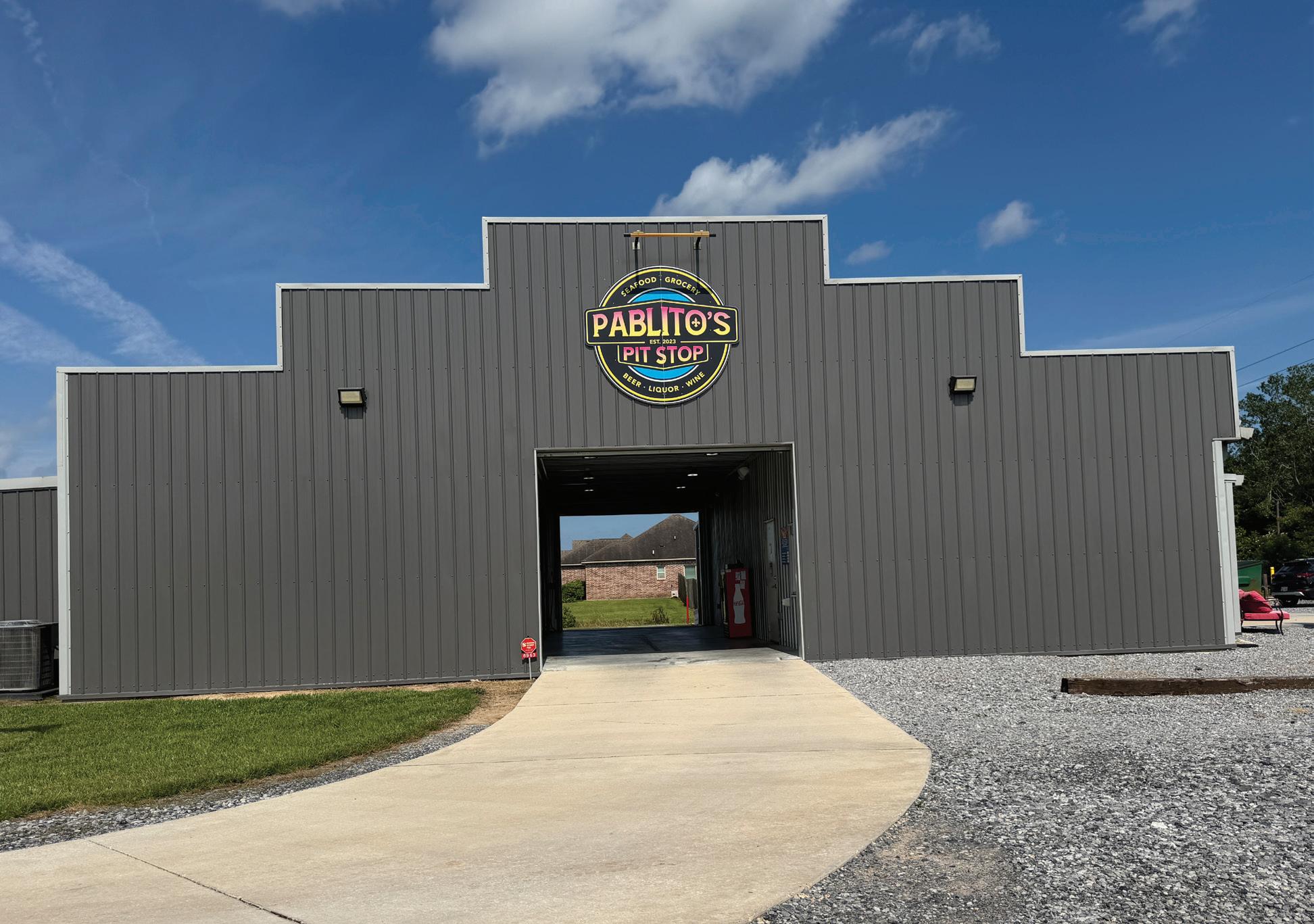
A tunnel cuts through the middle of Pablito’s Pit Stop. Most of the time it works as a drive-thru, but sometimes Pablito’s uses the space for live music.
Brisket, bloody marys and secret family recipes are on the menu at Pablito’s.
BY AL HEBERT
Driving along Highway 167 near Abbeville, Louisiana, you’ll see a building that looks like somewhere you could get a quick oil change or a car wash. But it’s actually a convenience store called Pablito’s Pit Stop.
Customers can drive through the tunnel in the middle of the building. A bell rings when cars drive up. Employees take orders and collect purchases. Pablito’s co-owner Melissa Verret says the store is all about customer service: “If customers come with an empty ice chest, we fill it up for them and they are ready to go.”
“It all started with my son, Cody,” said Verret. “He went deer hunting in Texas and drove through a convenience store. He loved the concept.” The name of the store also came from her son, who competes in mixed martial arts (MMA).“He was training for a fight with [MMA fighter] Dustin Poirier,” she said. “Dustin thought he would call him Pablito. The name stuck.”
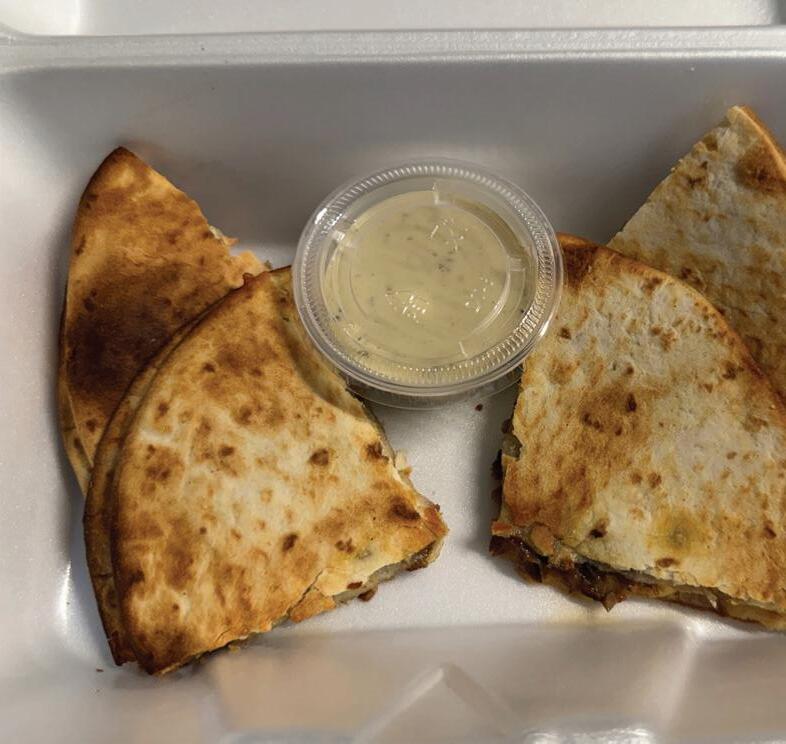
Brisket is a theme of the foodservice offer. That includes brisket quesadillas.
Food is one of the big draws, especially the brisket. “It’s smoked brisket and we finish it in the oven and put our own special seasoning on it,” said Verret. Customers can get the brisket on anything from sandwiches to breakfast burritos to pizza to quesadillas, which are one of the top sellers. The quesadillas come with a side of jalapeño ranch dipping sauce. “People dip everything in it, even pizza,” said Verret.
Breakfast is busy at Pablito’s, serving customers who work in the oil fields, hospitals, nursing homes and other businesses nearby. The store tends to see a big lunch rush, according to Verret. “Businesses like our pizza because it feeds a lot of people,” she said. Customers in a hurry make use of the drive-thru, but those with more time will sit on the patio to enjoy a meal.
One of the most popular menu items at Pablito’s is the Payne pizza, named after customer Cody Payne. It gets topped with Pablito’s famous brisket
along with onions, bell peppers and Nectar Del Diablo sauce from local company Shelton’s Seasoning.
Verret says that customers also like their quesadilla with crawfish boudin, a seafood variation of the traditional Louisiana Cajun sausage.
Pablito’s Pit Stop is actually two businesses connected under one roof. There’s the convenience store and then there’s the pub, which is a popular local hangout.
Cody had a great idea and built on it. I’m excited that he’s taken me along for the ride.
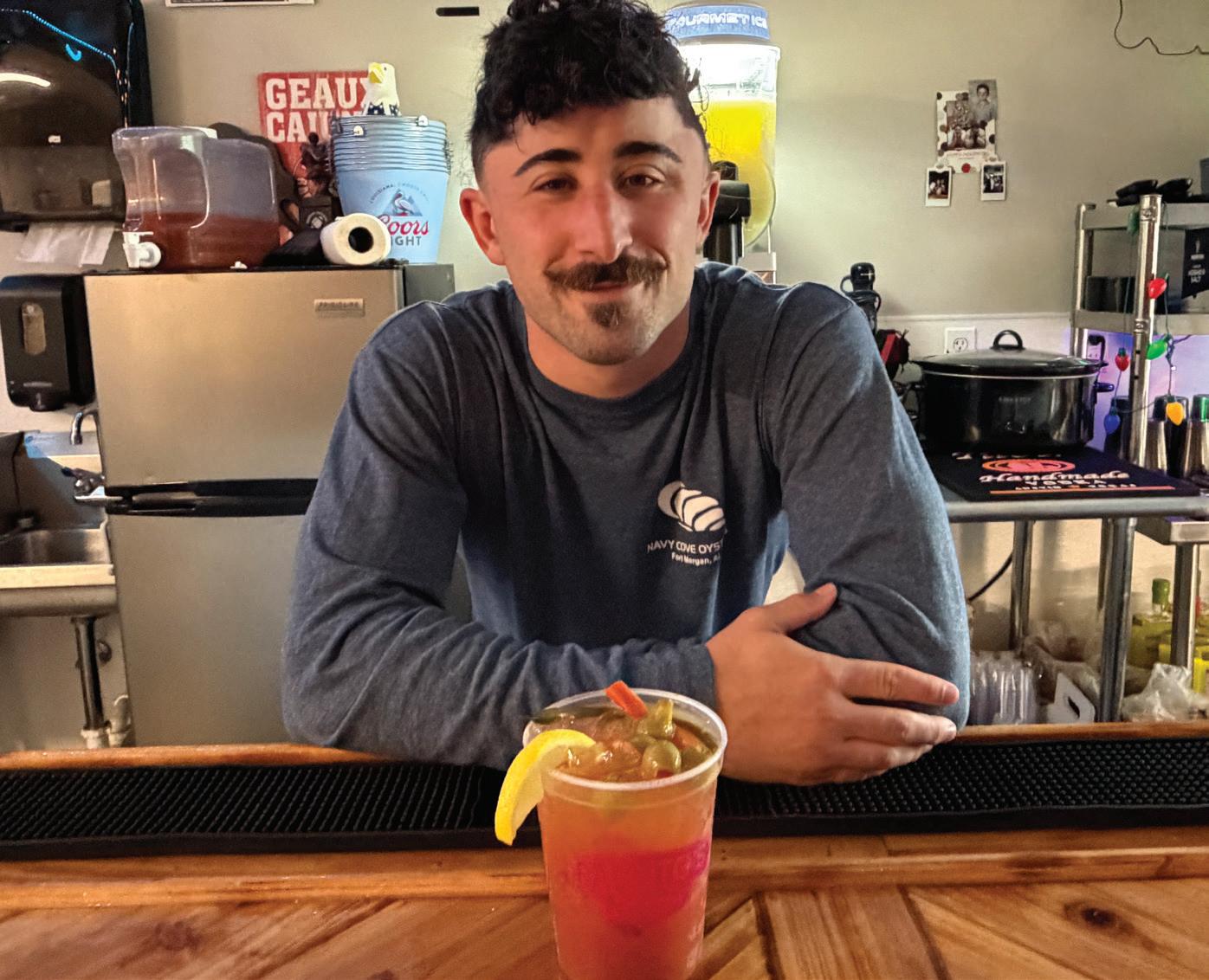
“People come and watch football and baseball and so on. Some people have their fantasy drafts in the pub. We have live music every weekend when it’s not crawfish season,” said Verret.
The pub offers customers a cozy atmosphere where they can enjoy a drink while watching sporting events. The cocktails at Pablito’s have gotten a lot of attention.
The top seller is the bloody mary, and its recipe is a closely guarded secret.
“I’m the only person who knows the recipe. My son doesn’t have the recipe. If I die, it goes down with me,” said Verret. She makes it in large batches, measuring carefully to keep the ratios consistent.
“People start ordering those at 6 a.m.”
“Everything has a little story behind it,” said Verret, adding “that makes it more special.”
Pablito’s has been open since 2024. But Verret and her son have dreams of growing Pablito’s, either by expanding the current space or building another location. “It’s a lot of long days and long nights,” said Verret. “Cody had a great idea and built on it. I’m excited that he’s taken me along for the ride.”
“He’s good at certain things, I’m good at certain things,” Verret said. “We have a lot of plans for the future.”
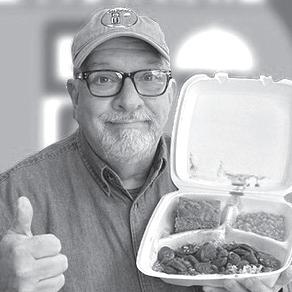
Al Hebert (GasStationGourmet. com) is the Gas Station Gourmet, showcasing America’s hidden culinary treasures.
Nicotine pouches and other OTP offset the cigarette category’s decline.
NACS Category Definition:
Other Tobacco Products
The Other Tobacco Products (OTP) category is made up of all tobacco and nicotine products that are not cigarettes. It includes cigars and pipes, loose tobacco that users can place inside papers or pipes, e-cigarettes/vaping products, smokeless tobaccolike chew, dip and snuff, and newer products like nicotine pouches. (See convenience.org/categorydefinitions for the full guide.)
BY CHRISSY BLASINSKY
The other tobacco products (OTP) category has pulled away from the pack. It’s a $20 billion category for the c-store channel, per NielsenIQ (NIQ) data, and represented 8.5% of in-store sales in 2025, according to NACS State of the Industry Report® of 2025 Data.
For the first time, OTP surpassed cigarettes in gross profits per store, per month, likely due to a combination of factors including polyusage and consumers shopping both categories.
OTP posted the largest year-overyear sales increase among all inside merchandise categories in 2025 and contributed more in-store gross profits
than cigarettes for the first time (6.7% vs 6.6%, respectively). This historic shift signals a consumer transition to alternative forms of nicotine and tobacco delivery versus combustibles.
Even with these gains, OTP was not immune to the effects of inflation and pricing, which led to year-over-year unit declines among smokeless (8.0% unit decline), vaping products (13.7% decline) and cigars (5.9% decline), while smaller subcategories saw unit growth, according to NIQ: smokeless alternatives papers (31.9% unit increase) and pipe/cigarette tobacco (0.6% increase).
As tobacco manufacturers diversify their portfolios within the smokeless space, most c-store operators are experiencing backbar success with nicotine pouches.
Philip Morris International’s Zyn brand holds more than 70% market share of the modern oral nicotine category and was the first nicotine
OTP posted the largest year-over-year sales increase among all inside merchandise categories in 2025.
Source: NACS State of the Industry Report of 2025 Data
CSX, the engine behind category metrics and NACS State of the Industry data, provides current and customizable tools for financial and operational reporting and analysis in the convenience industry. Retailers can measure their company by any of the myriad metrics generated via our live database. Contact Chris Rapanick at (703) 518–4253 or crapanick@convenience. org for a complimentary executive walkthrough.
pouch to gain FDA marketing approval. PMI added Zyn to its portfolio in 2022 with the acquisition of Swedish Match. The top-selling Zyn flavors in c-stores are wintergreen, spearmint, peppermint and cool mint, according to NIQ data for 2025.
British American Tobacco’s Velo Plus nicotine pouch brand experienced triple-digit revenue growth in 2025, with Velo “reaching the number two position in volume and value share and achieving category contribution profitability within one year of launch,” said CEO Tadeu Marroco in a June 2026 earnings call.
Altria Group noted in its 2025 Annual Report that shipments of its On! brand of nicotine pouches grew to more than 177 million cans, and that On! captured an 8.2% retail share of the modern oral category. In December 2025, the company received FDA marketing authorization for On! Plus Mint, Wintergreen and Tobacco in six and nine milligram nicotine strengths.
ITG Brands launched its Zone nicotine pouch brand in the United States in 2024. Earlier this year, the company acquired Black Buffalo, a Chicago-based company, to strengthen its position in the U.S. within the oral nicotine category and complement its Zone brand.
POLYUSE KEEPS CLIMBING Polyuse continues to shape tobacco and nicotine purchasing behavior. Data shared at the 2026 NACS State of the Industry Summit showed that more than half of cigarette smokers (52%) also use other nicotine products, while 87% of modern oral nicotine consumers use multiple nicotine products.
As the rate of cigarette smoking in the U.S. continues its decades-long decline, nicotine pouches have become a key growth driver within OTP as consumers seek smokeless alternatives.
That overlap gives retailers a reason to view cigarettes and OTP together rather than as separate categories. Many
Percentage of sales during each hour of each day
*Friday is the peak day of the week for OTP with nearly 17% of sales. The afternoon
Source: PDI Insights Cloud, January-December 2025
In-store Sales Contribution
In-store Gross Profit Contribution
6.2%
In March 2026, the FDA authorized the marketing of four Glas electronic nicotine delivery systems (ENDS) through the premarket tobacco product application (PMTA) process— the first authorization by the agency for non-tobacco and non-menthol ENDS products.
Glas e-liquid pods contain 50 mg/ ml (or 5%) of tobacco-derived nicotine in four flavors: Classic Menthol, Fresh Menthol, Gold (mango) and Sapphire (blueberry).
shoppers are not fully substituting one product for another; they are buying across categories.
NACS Convenience Voices research reinforces that connection, showing that cigarettes are among the items most commonly purchased alongside OTP.

The FDA’s approval of the Glas products is significant. Certain flavors for vape devices that could be perceived as attractive to minors have historically had difficulty receiving approval through the PMTA process.
The FDA noted in a press release that Glas technology mitigates youth access by requiring users to verify their age and identity with a governmentissued ID and pair the device with a smartphone via Bluetooth. The device will not operate if it is separated from the user’s smartphone.
As of May 5, 2026, the FDA has authorized 45 e-cigarette products from five companies that can be lawfully sold in the United States.

The market for electronic nicotine delivery systems (ENDS) is in regulatory disarray, and nicotine pouches appear headed in the same direction.
With millions of premarket tobacco product applications, the FDA has not authorized enough products to meet market demand. Too few authorized products coming to market has created a huge amount of illicit and unregulated product flooding the U.S. market—as much as 85% of products, according to some estimates.
With so many bad actors
selling illicit products, responsible retailers are at a competitive disadvantage. Not only are stores losing sales of legal products, they’re missing out on a basket of in-store merchandise and high-margin foodservice items that nicotineand tobacco-buying customers may have purchased.

The illicit market also undermines efforts to prevent underage access to tobacco and nicotine products, raises concerns about product safety and reduces the tax revenue collected through legitimate retail channels.
NACS maintains that the FDA should provide regulatory
39 it es 26,000+ t res 386,000+ yees
Benchmark against operators like you and back workforce decisions with industry-specific HR data.

tobacco applications and moving more quickly on new submissions. The FDA should also increase enforcement efforts against those manufacturing, distributing and selling illicit products. For more on the effort to regulate this part of the market, see “Cleaning Up Illegal Vapes” in the June 2026 issue of NACS Magazine.
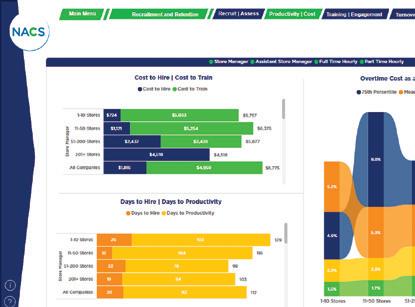





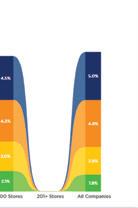
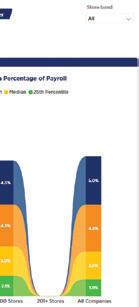















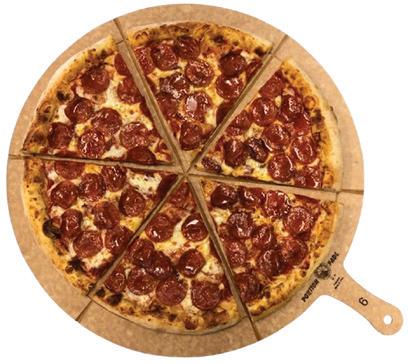
Information
Altria Group Distribution Company Inside Front Cover AGDCTradeRelations@Altria com altria com tobaccoissues com BIC Corporation
us bic com/en_us
Blackbuffalo com
The Boston Beer Company
bostonbeer com
CHS Inc / Cenex
cenex com
Chyl Brand LLC
(404) 642-4967 getchyl com
New Products Guide
convenience org/Media/NACS-Magazine/ Cool-New-Products DEEL Media
deelmedia com
Dosal Tobacco Corp
dosal com
foods
freal com Gadre USA Inc
gadre-usa com
Goya Foods, Inc
goya com/en
huntbrotherspizza com
(866) 328-2485 itgbrands com
johnsonville com
Thank you to these advertisers who have demonstrated their support of the convenience and fuel retailing industry by investing in NACS Magazine.
Snacking
mars com/our-brands/mars-snacking
Company, Inc
(254) 771-7500 mclaneco com
monsterenergy com NACS Convenience Voices
convenience org/power-your-business/ business-intelligence-data-analytics/convenience-voices
NACS State of the Industry Report®
convenience org/Solutions/Business-Intelligence-Data-Analytics/ NACS-State-of-the-Industry-Enterprise
THRIVR
convenience org/THRIVR






The conflict in Iran that began on February 28, 2026, has had a huge impact on the convenience and fuel retailing industry. On a year-over-year basis, the industry grew slowly in January and February, then lost gallons and in-store transactions in March and April.
For more insights on how the conflict with Iran is affecting the convenience industry, see “Strait Talk” on page 114
Transactions Metrics Before and After Start of Conflict
Source: NACS CSX Convenience Benchmarking Database Fuel Metrics Before and After Start of Conflict