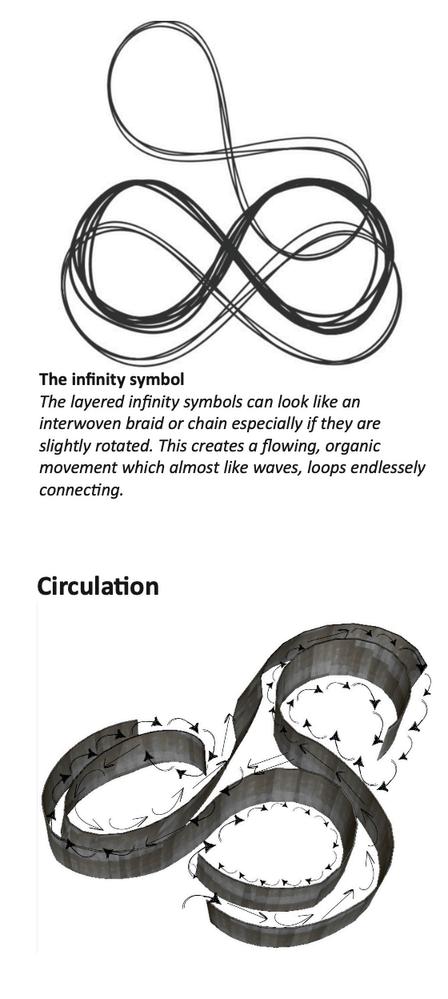
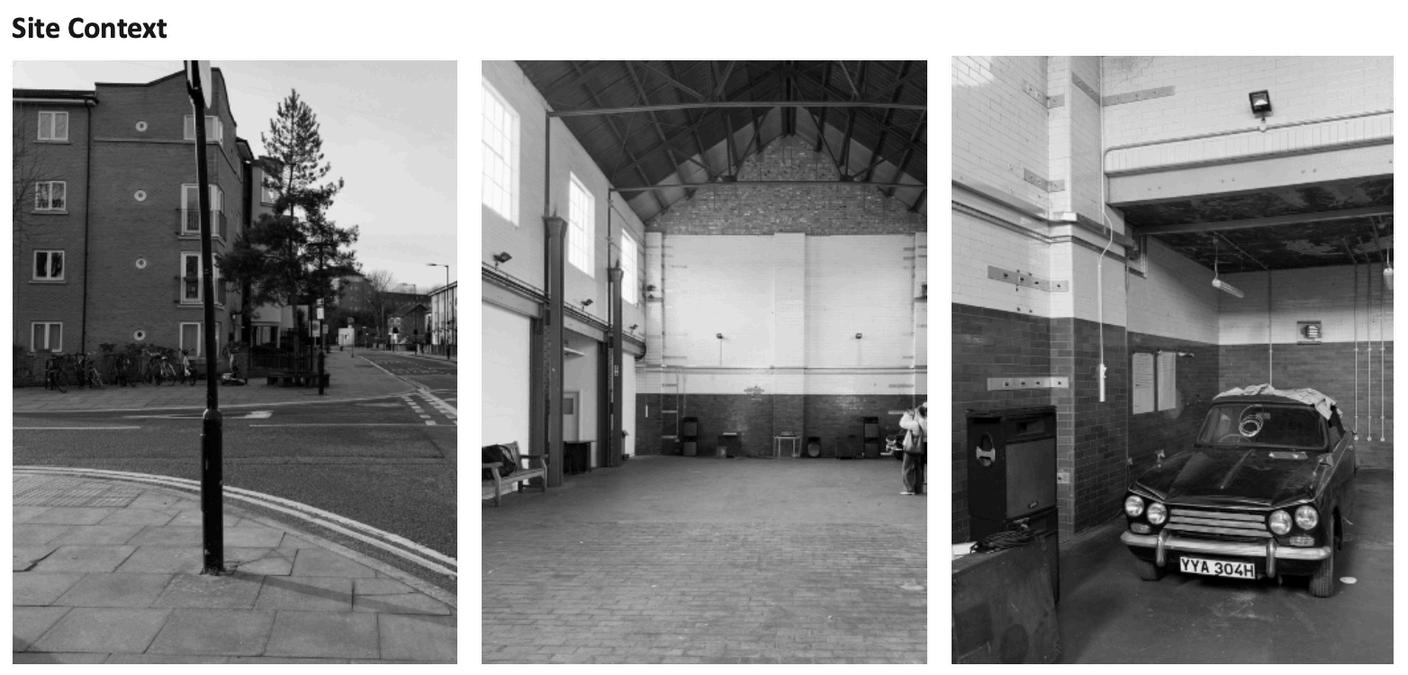
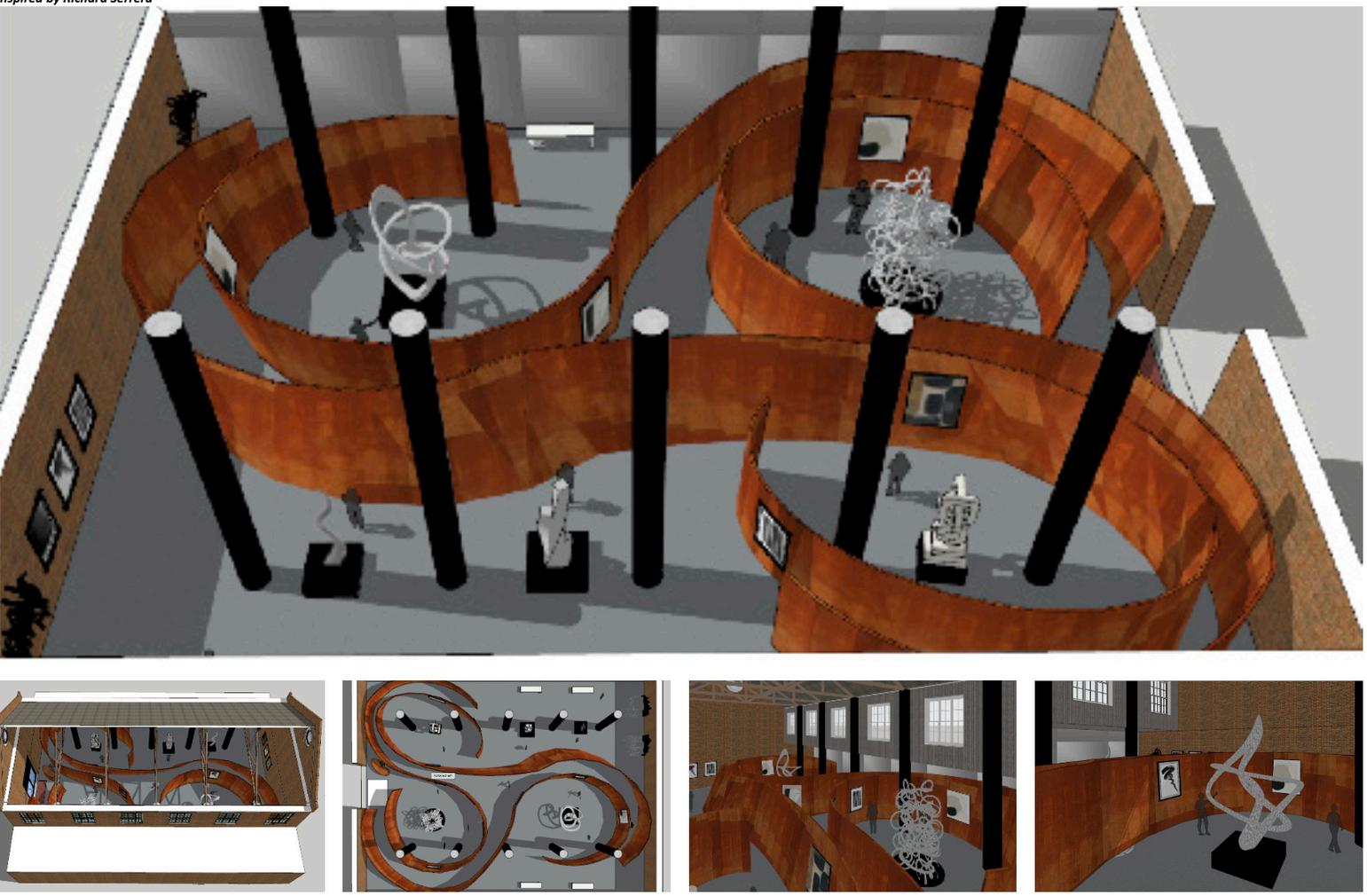
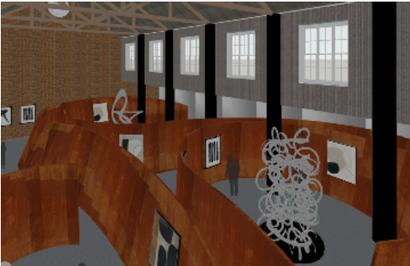
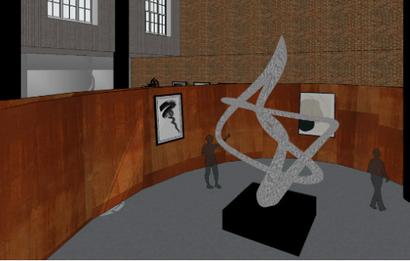
This project was for the Exhibition Design course I was taking in my Bachelors Degree which involved transforming an empty tram shed into a engaging exhibition space. The slide shows the site context through exterior and interior photos, highlighting the large industrial character of the space. The concept is based on the infinity symbol, representing continuous movement and connection. This is reflected in the looping, fluid pathways that guide the visitors through the exhibition which turns the space into a dynamic experience.
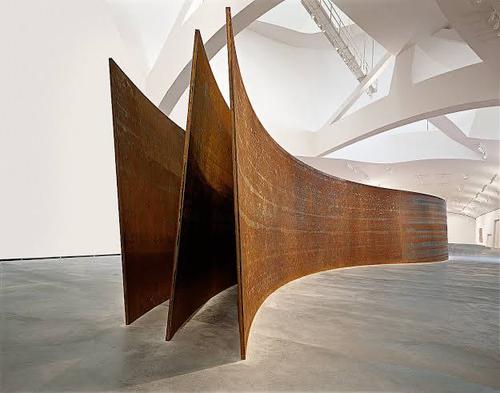
Artist Inspiration: Richard Serra
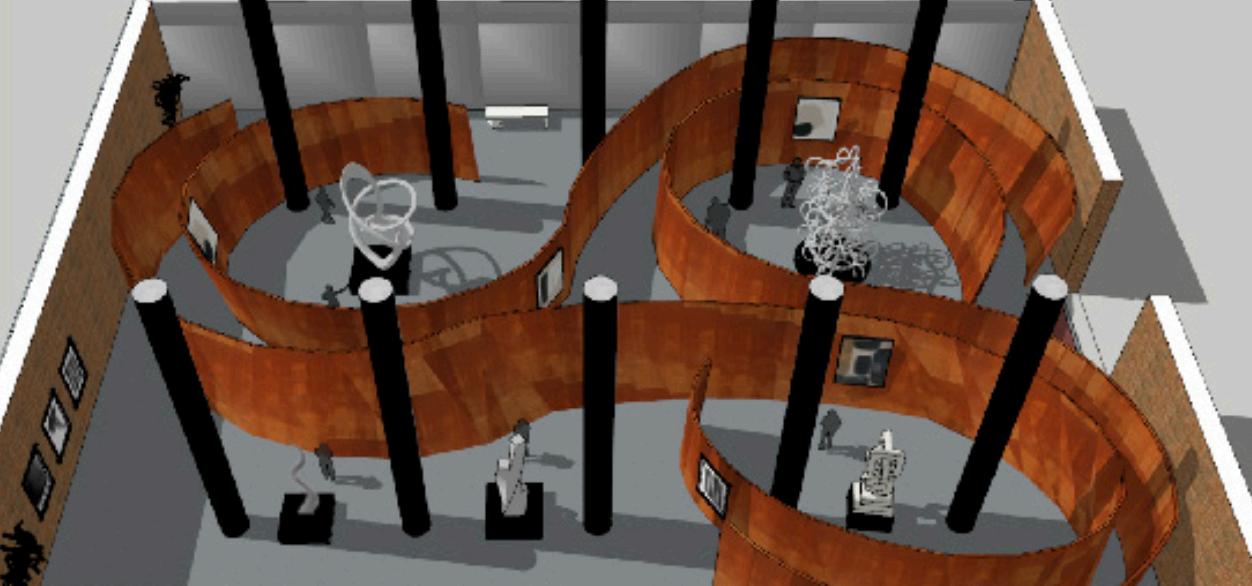
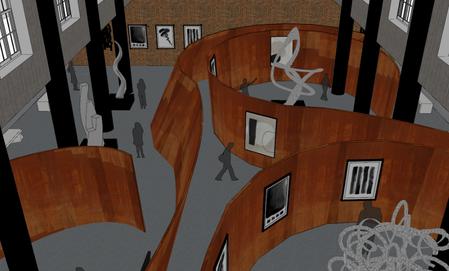
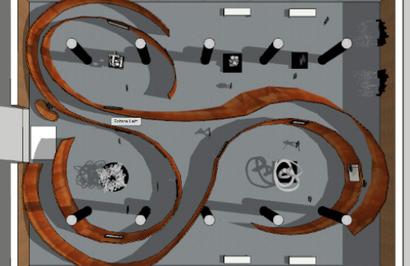
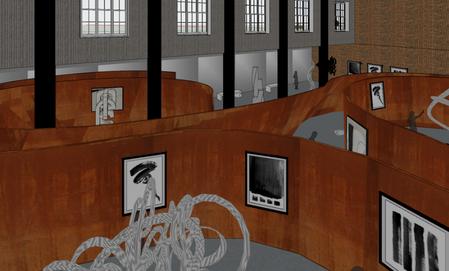
This page presents the developed exhibition proposal which was inspired by the work of Richard Serra, particularly his use of large, curved steel forms that guide movement and shape spatial experience. The design translated this idea into the tram shed through continuous, flowing partitions based on the infinity concept, creating a looping journey for the visitors.
I modelled the space in SketchUp, which allowed me to explore the form, circulation and placement of artworks. The renders show the detailed views, highlighting how the curved walls interact with the existing industrial structure to create an immersive and dynamic exhibition.
Performance Design Project
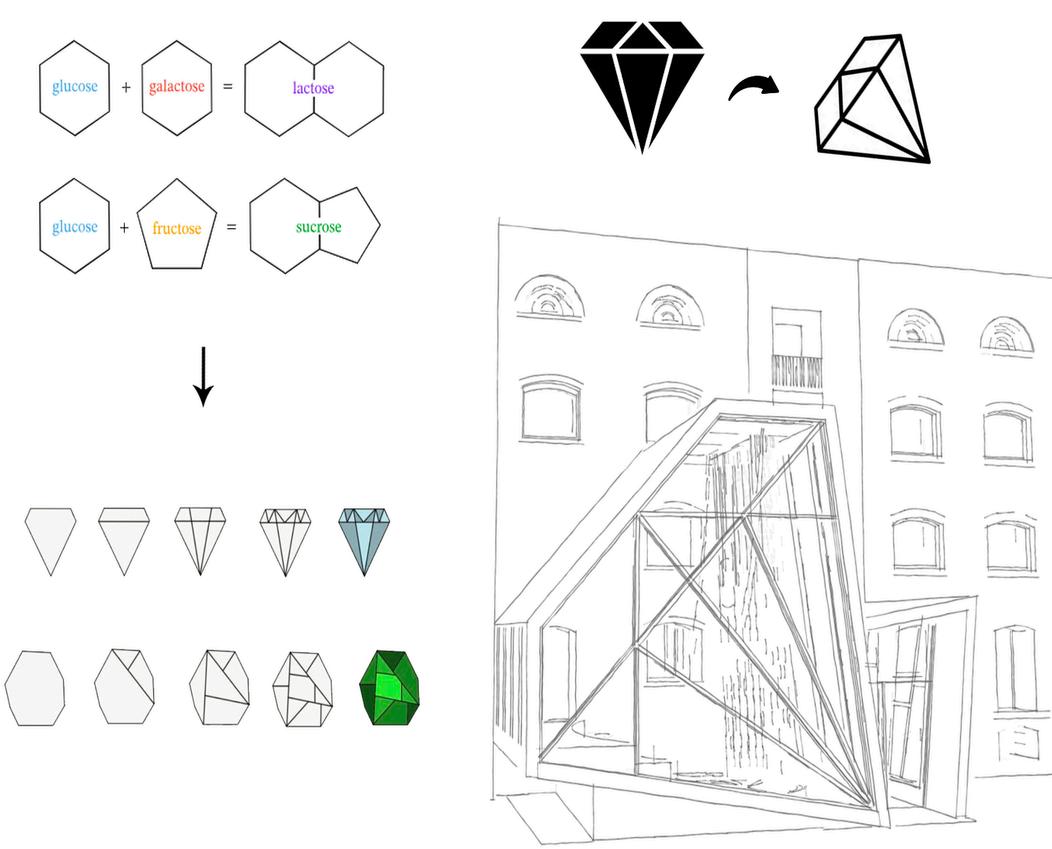
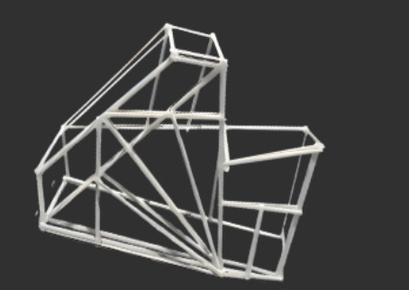
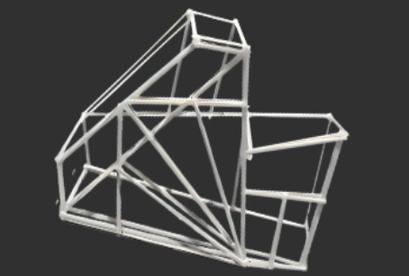
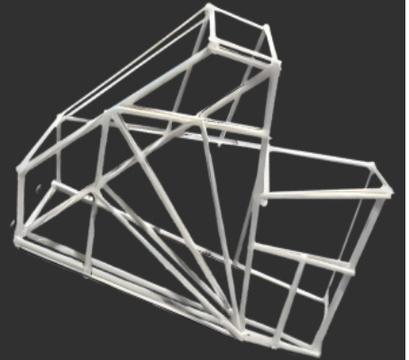
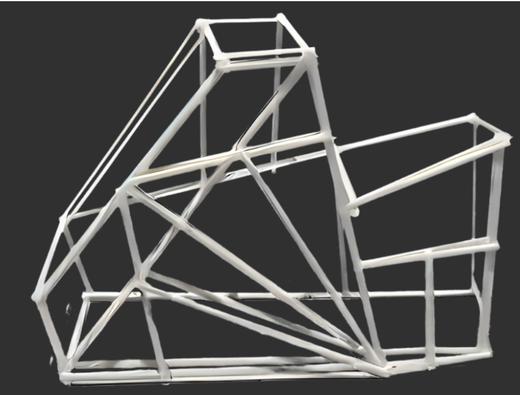
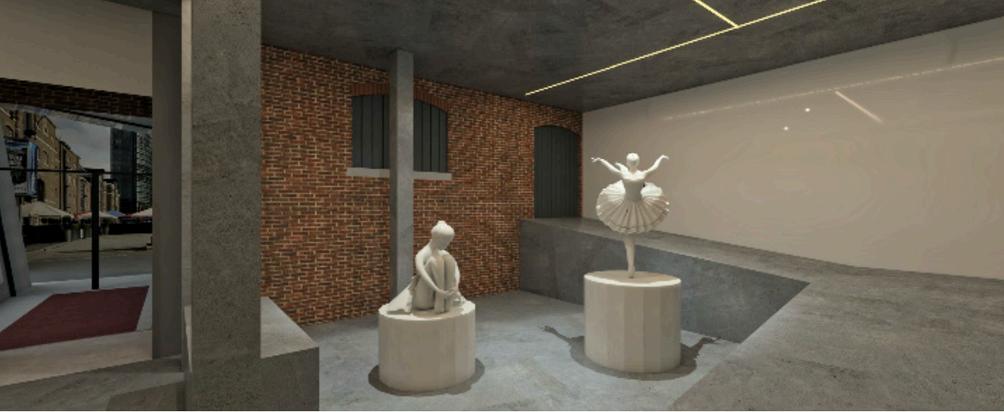
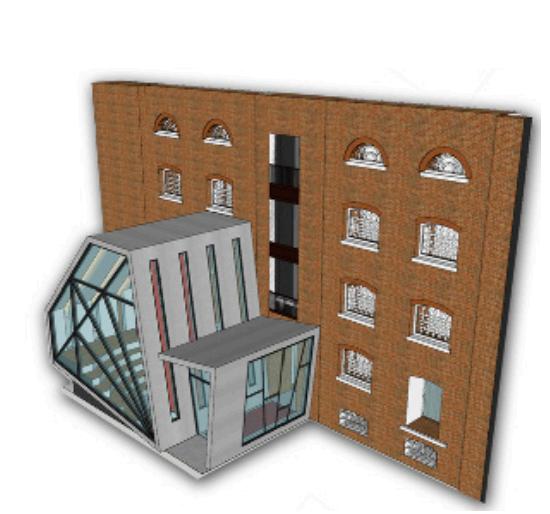
This performance design project is situated within the Docklands Museum. The site is deeply connected to London’s trading history. During the 19 and 20 centuries, the Docklands played a crucial role in global commerce with diamonds being one of the valuable commodities that passed through the Port of London. These diamonds symbolised wealth, luxury and the international exchange which helped me with the concept devolopment of the design. The project translated the geometric qualities of diamonds into architectural form. th th This concept is materialised through a 3D model constructed from plywood which then I spray painted. The plywood framework highlights the faceted geometry of the design, allowing the internal structure and spatial relationships to remain visible, reinforcing the connection between the abstract diamond form and its architectural interpretation.
Performance Design Project
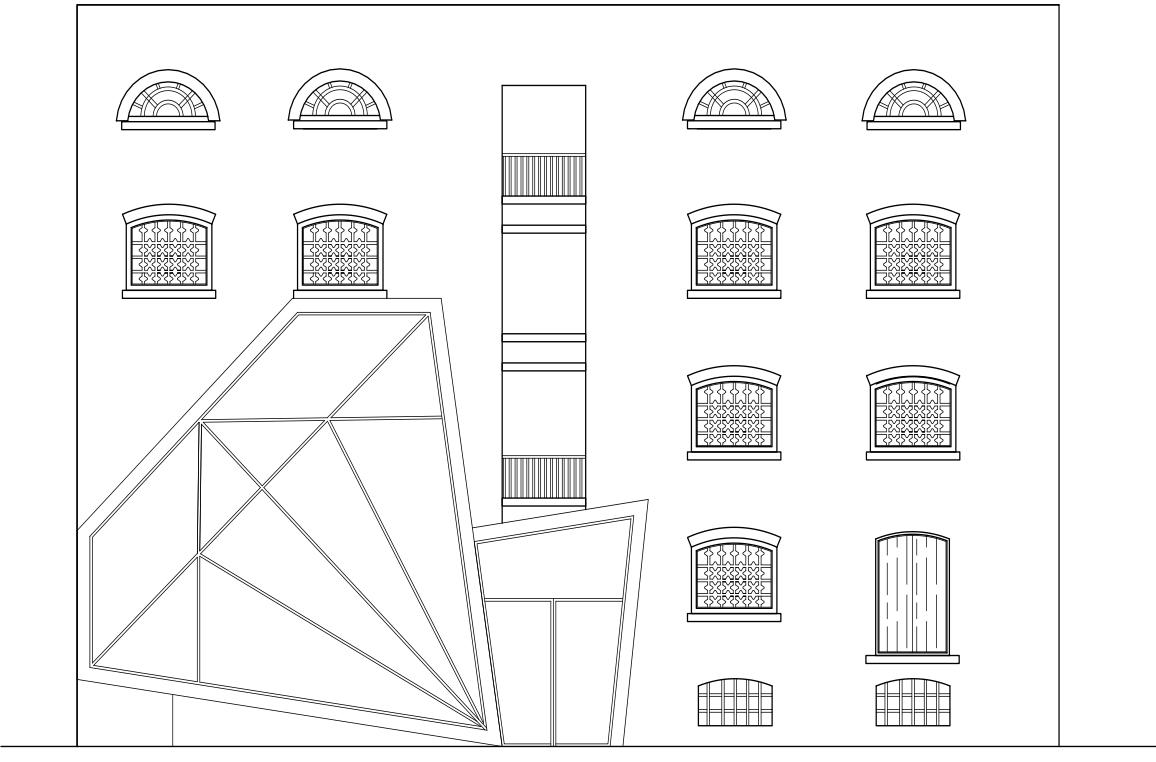
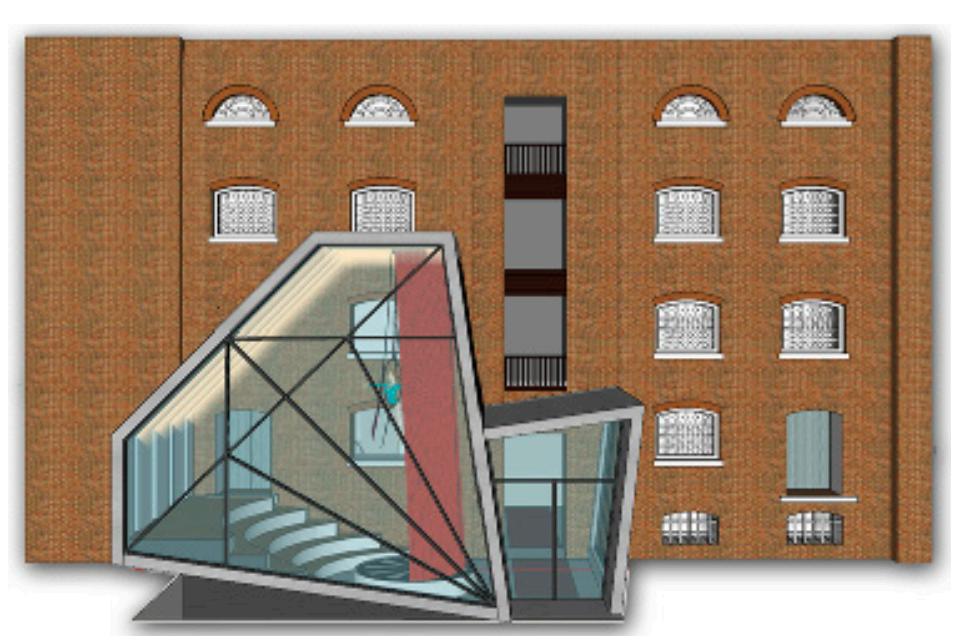
These orthographic drawings were produced using AutoCad to accurately show the architectural proposal within the Docklands Museum context. The elevation drawing, set at scale of 1:100, illustrates the relationship between the existing historical facade and the inserted geometric structure inspired by the diamond form.
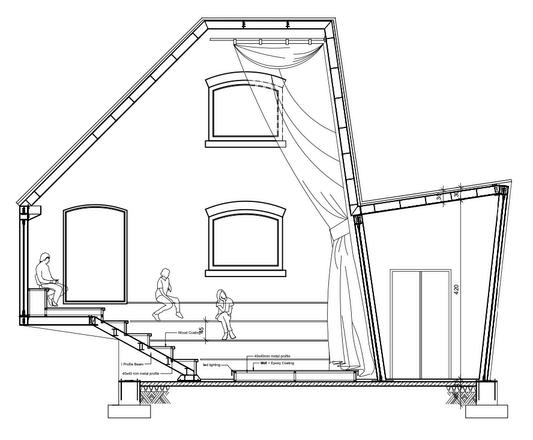
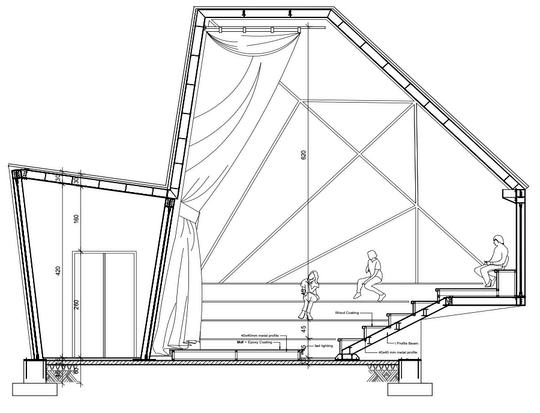
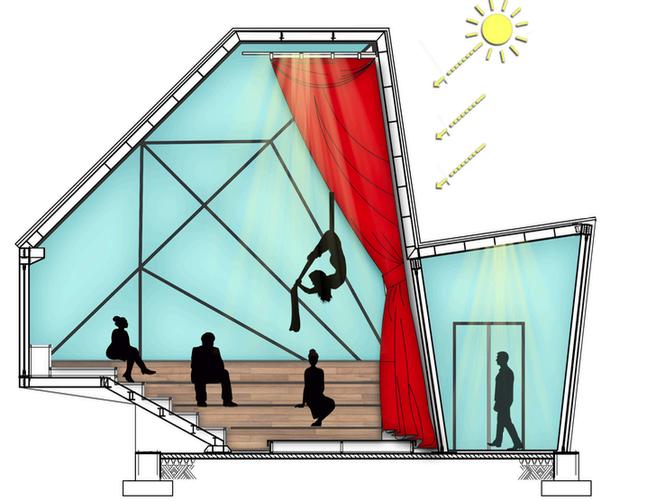
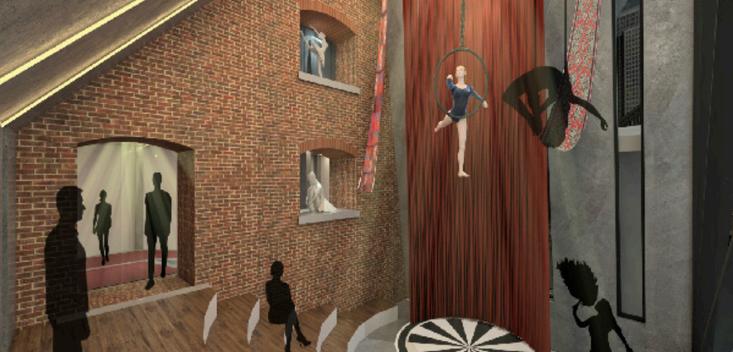
The sections, drawn at a more detailed scale of 1:50, explore the internal spatial qualities of the design, including the levels, circulation and the performance space layout. Through AutoCAD, precise linework and clear composition were achieved, allowing structural geometry and spatial organisation to be clearly understood while maintaining consistency in scale and proportion across all drawings.
Performance Design Project
SketchUp Models
Rubiks Cube Project
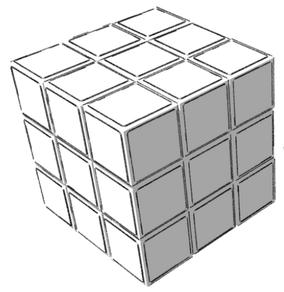
This project began by selecting a meaningful childhood object and I chose the Rubik’s Cube as it represents complexity, memory and transformation. Beyond being a simple puzzle it reflects a process of trial, error and eventual clarity which parallels both personal growth and personal growth and the design journey. I was particularly interested in how the cubes structured grid and rotating components could be translated into spatial ideas, where fragmented parts come together to form a cohesive whole. This concept became the foundation of my design thinking.
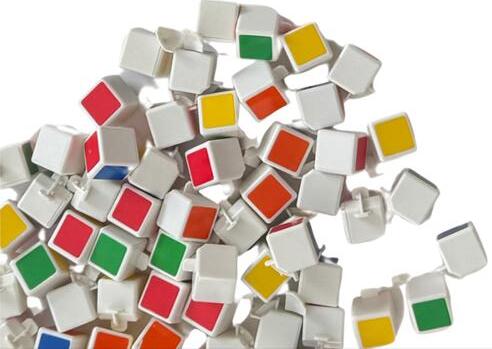
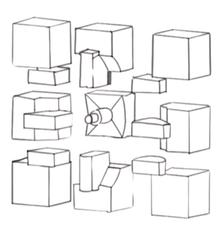
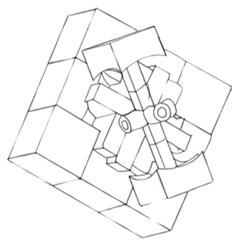
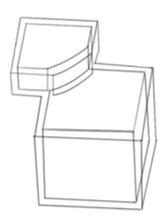
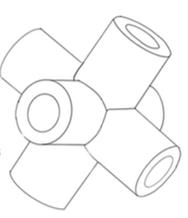
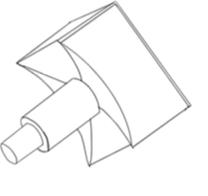
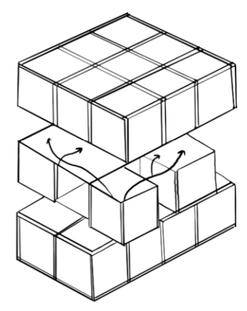
To explore this further, I physically and conceptually deconstructed the Rubik’s Cube, breaking it down into its individual components. By analysing each piece, the corner blocks, edge elements and central core. I was able to understand how the system functions as an interconnected mechanism.
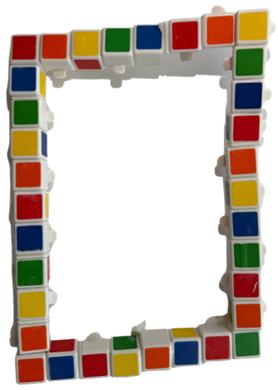
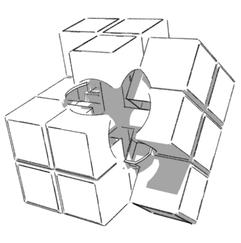
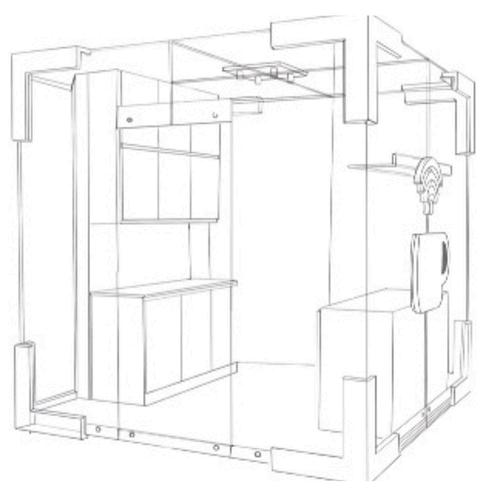
From this process, I translated the cube into a new spatial outcome by reassembling its elements into a frame structure used within the project. Instead of rebuilding the cube as a closed object, I opened it up creating a frame that defines space while remaining visually lightweight and permeable. This transformation reflects the journey from confusion to clarity where the original object is no longer static but becomes an architectural language. The frame embodies both memory and transformation, acting as a structural and conceptual device that connects the childhood inspiration to the final design proposal.
Rubiks Cube Project
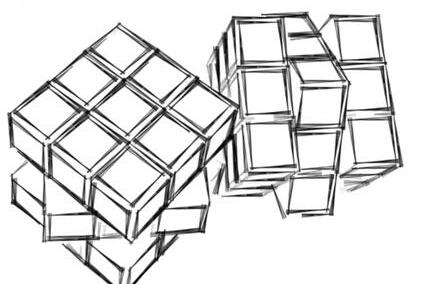
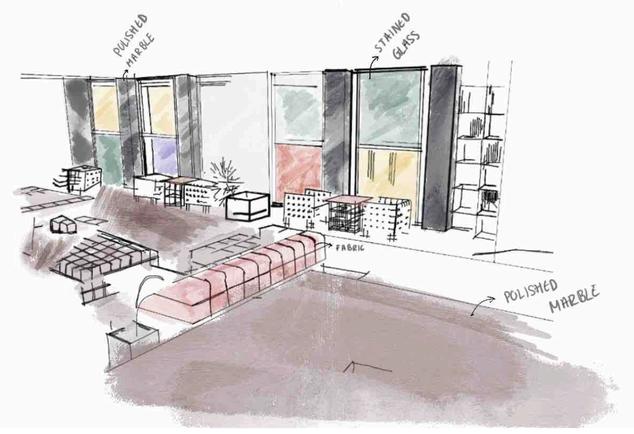
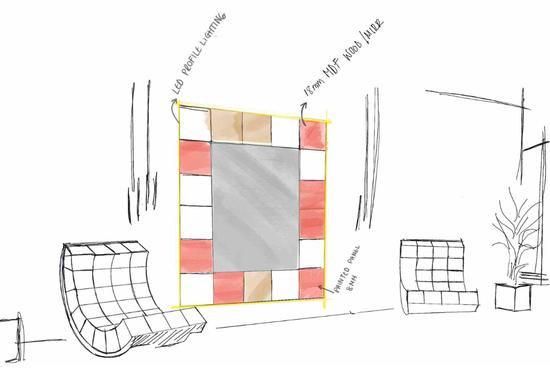
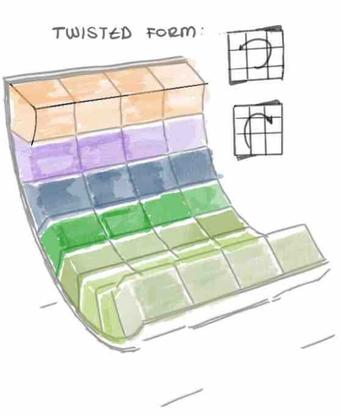
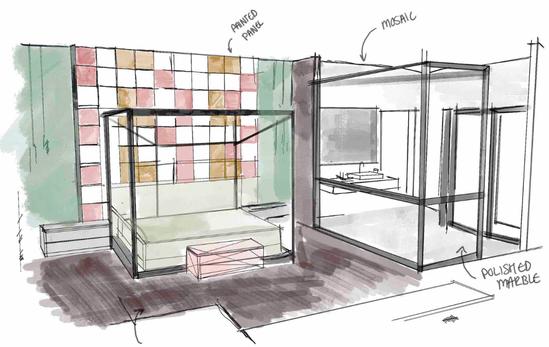
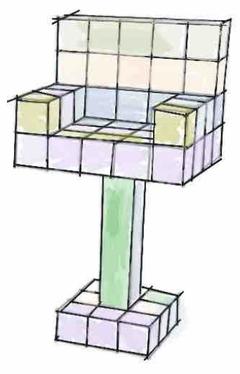
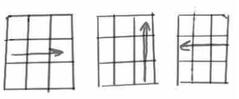
These spatial design sketches explore how the Rubik’s Cube concept can be translated into architectural forms and interior elements. By experimenting with extrusion, rotation and transformation, the cubes grid becomes a flexible design system rather than a fixed object. The sketches show how individual modules can be extended vertically to create structural elements, twisted to generate fluid seating forms or repeated to form walls and enclosures. Colour is used to reflect the original cube while also helping to define zones and movement within the space. Through these iterations, the Rubik’s Cube evolves from a childhood object into a spatial language that informs structure, furniture and overall composition of the project.
Rubiks Cube Project
These spatial design sketches explore how the Rubik’s Cube concept can be translated into architectural forms and interior elements. By experimenting with extrusion, rotation and transformation, the cubes grid becomes a flexible design system rather than a fixed object. The sketches show how individual modules can be extended vertically to create structural elements, twisted to generate fluid seating forms or repeated to form walls and enclosures. Colour is used to reflect the original cube while also helping to define zones and movement within the space. Through these iterations, the Rubik’s Cube evolves from a childhood object into a spatial language that informs structure, furniture and overall composition of the project.
Rubiks Cube Project
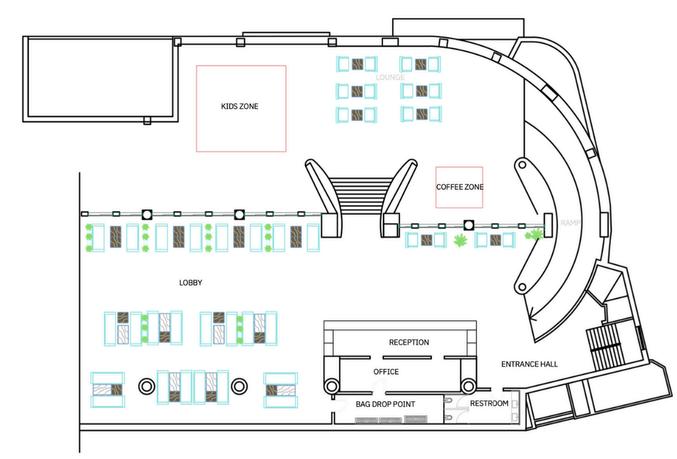
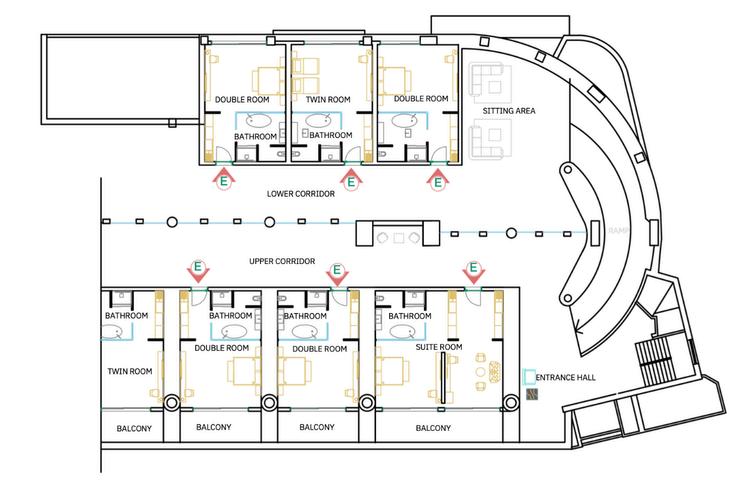
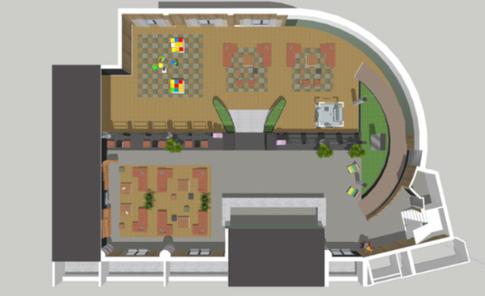
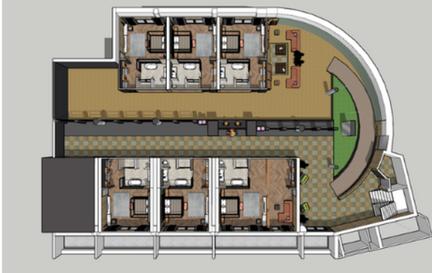
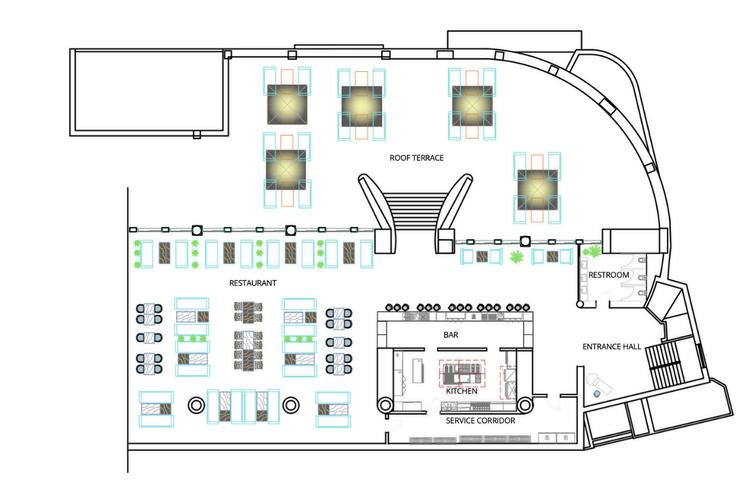
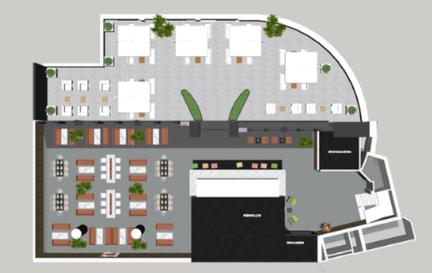
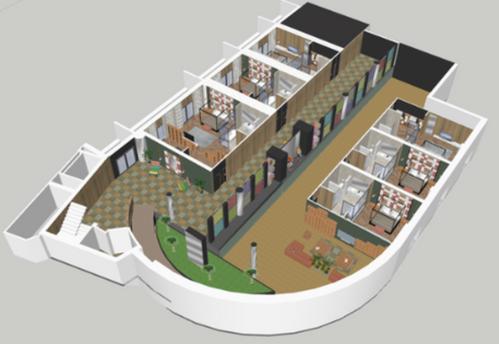
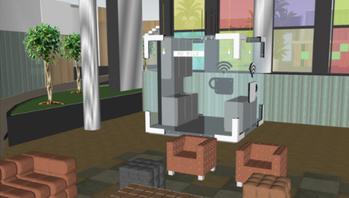
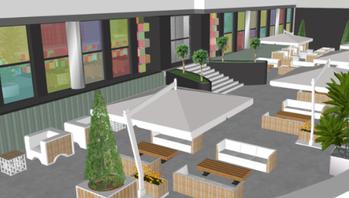
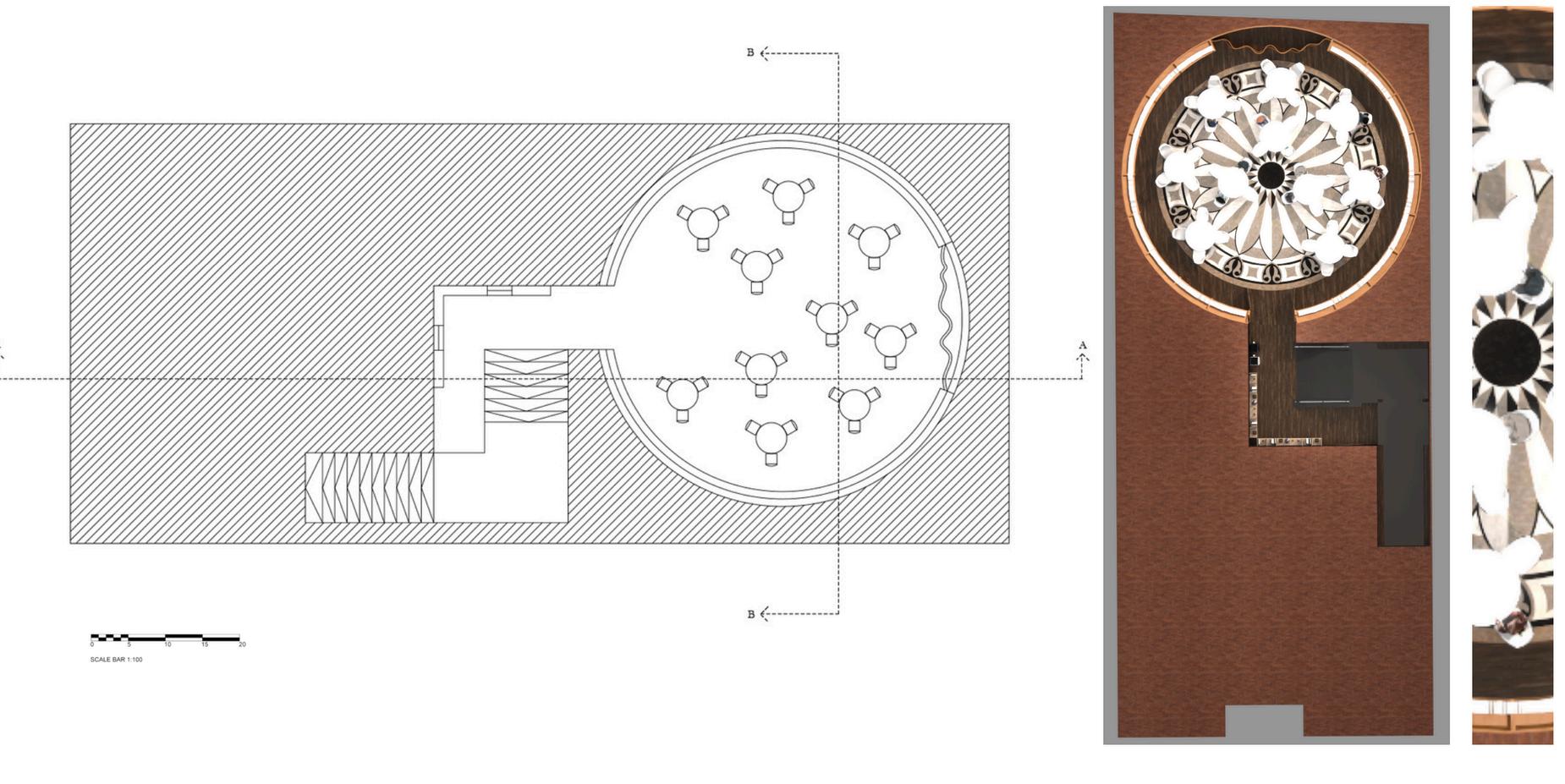
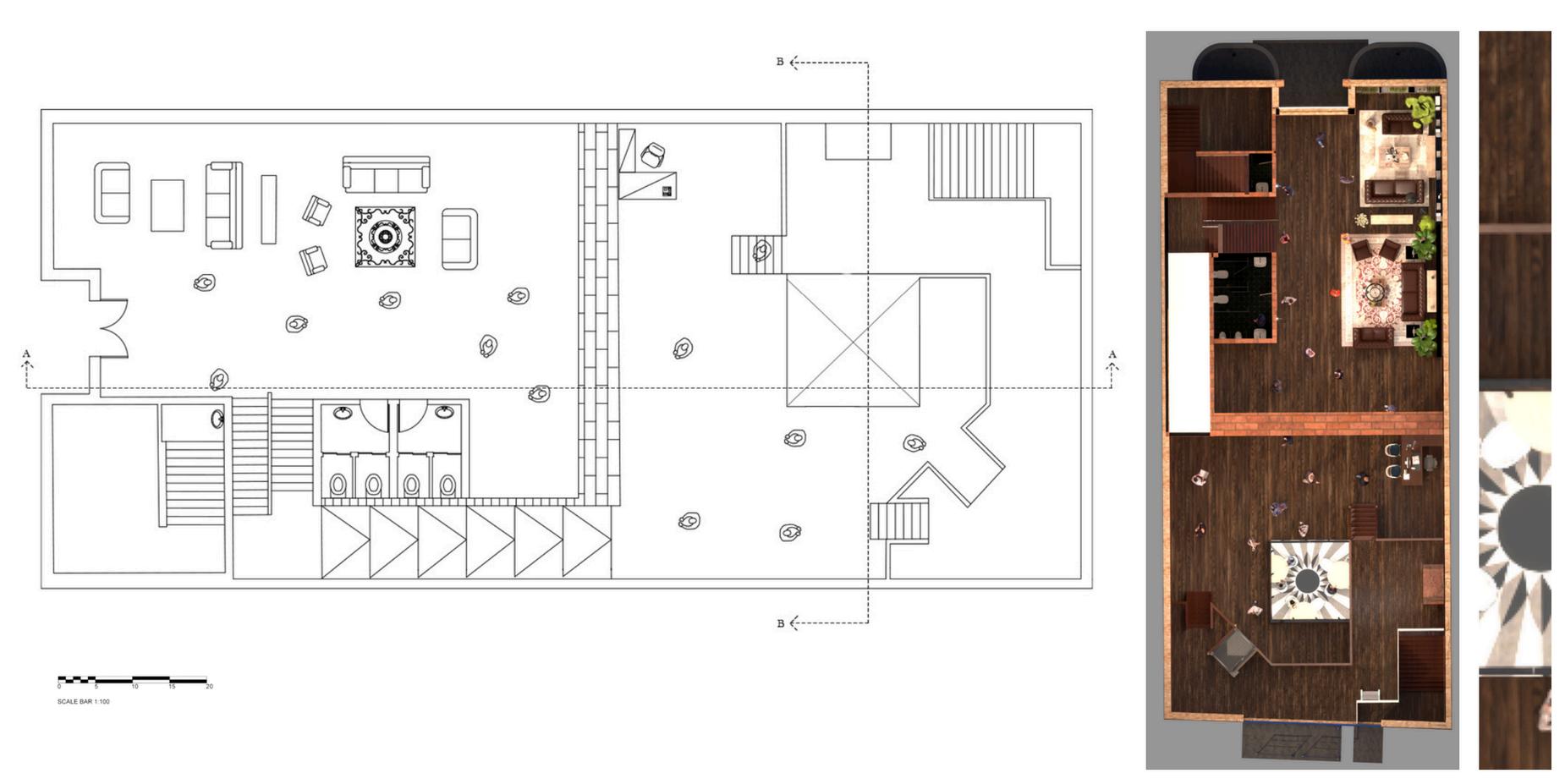
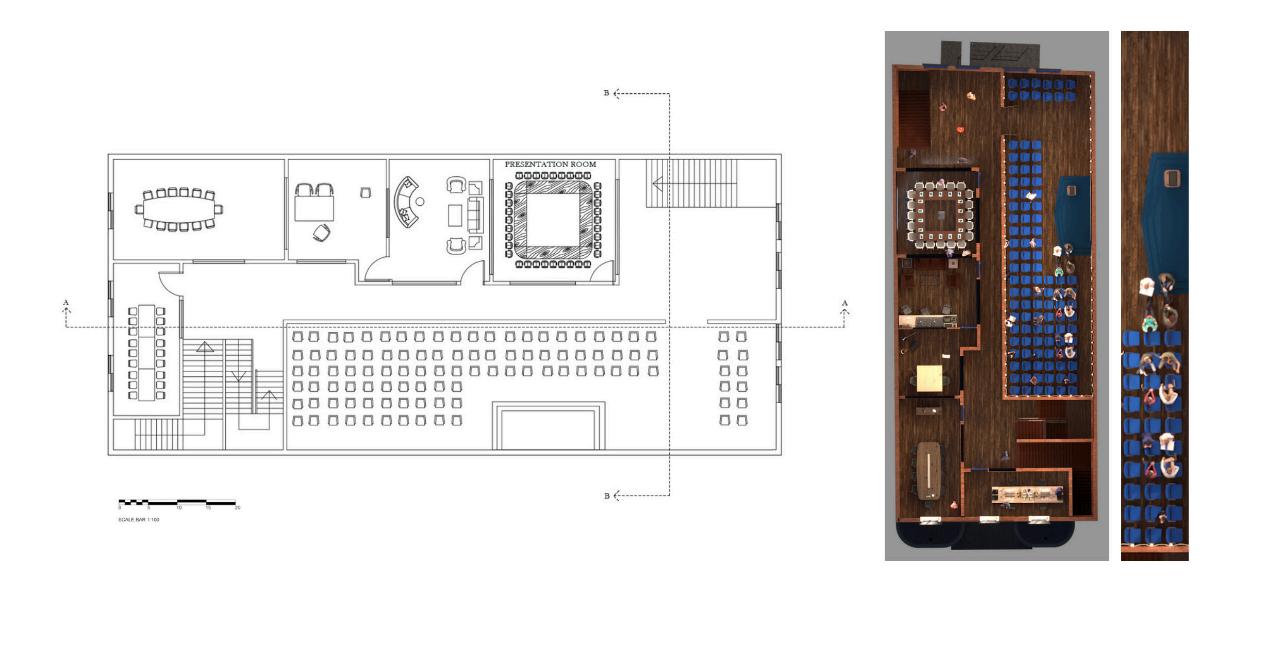
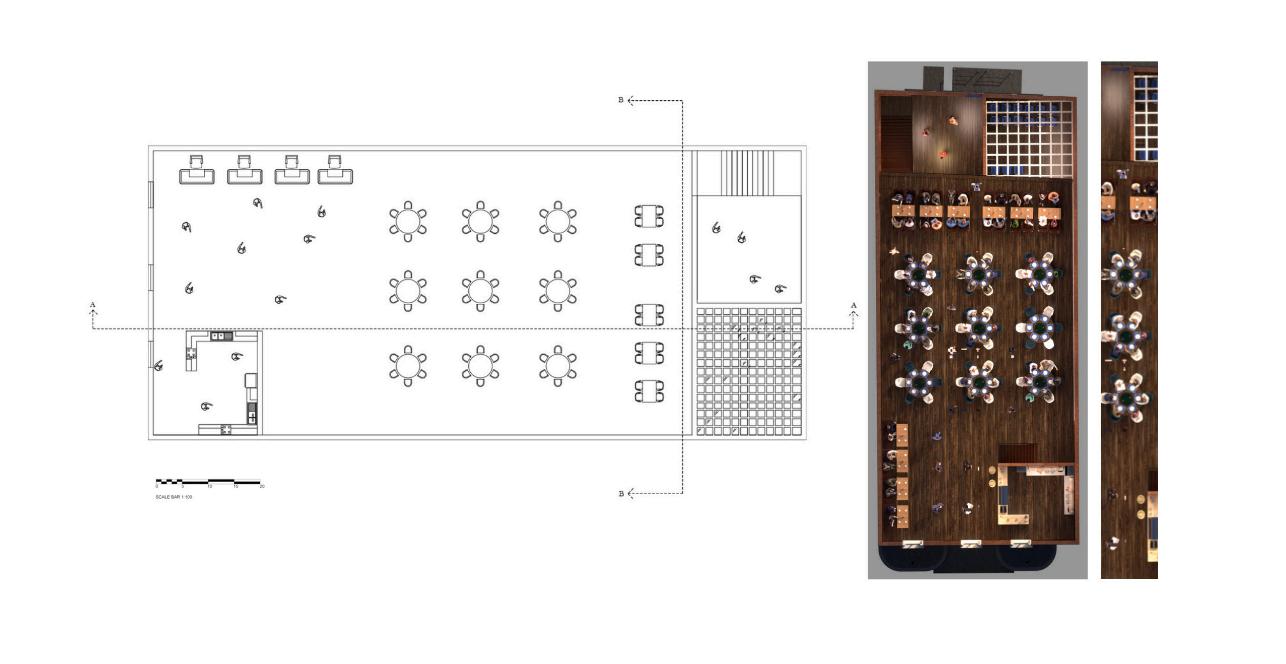
This page represents the developed floor plans for the Rubik’s Cube project, produced through combination of AutoCAD and SketchUp. The plans were initially drawn in AutoCAD so that I could ensure accuracy and precisely organise the space.
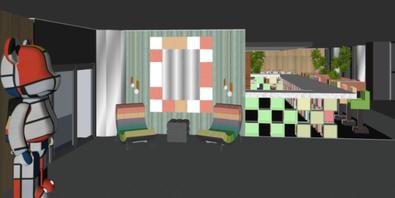
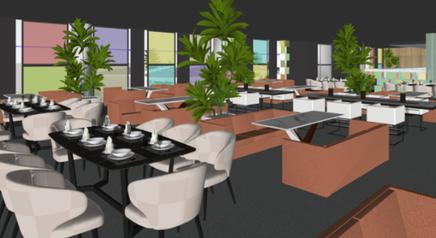
The 2D drawings were then made into 3D SketchUp models, helping visualise spatial qualities, materiality and overall atmosphere on each floor. The rendered views alongside the plans illustrate how the design evolves from technical drawings into inhabitable spaces showing depth, lighting and the relationship between different zones.
The combination of AutoCAD and SketchUp allowed me to bridge precision with visualisation, effectively communicating both the technical resolution and the experimental qualities of the project.
Rubiks Cube Project
This page represents the developed floor plans for the Rubik’s Cube project, produced through combination of AutoCAD and SketchUp. The plans were initially drawn in AutoCAD so that I could ensure accuracy and precisely organise the space.
The 2D drawings were then made into 3D SketchUp models, helping visualise spatial qualities, materiality and overall atmosphere on each floor. The rendered views alongside the plans illustrate how the design evolves from technical drawings into inhabitable spaces showing depth, lighting and the relationship between different zones.
The combination of AutoCAD and SketchUp allowed me to bridge precision with visualisation, effectively communicating both the technical resolution and the experimental qualities of the project.
Self Citizen Project
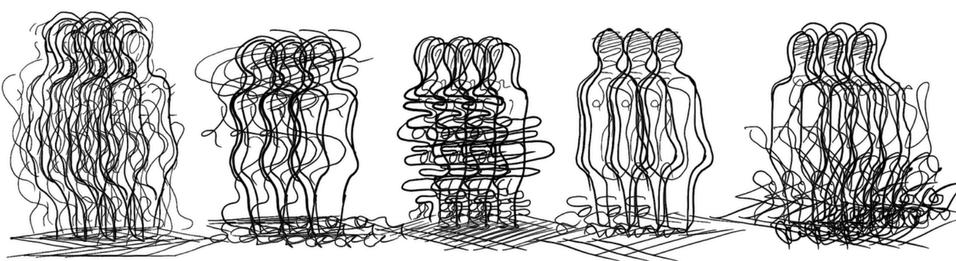
This Self Citizen Portrait project explored the idea of self identity. Representing my identity through the relationship between past, present and future. The abstract drawings express these phases as continuous and overlapping, showing how my experiences are interconnected and constantly evolving. The past appears more dense, the present more defined and the future more open which reflects my personal growth over time.
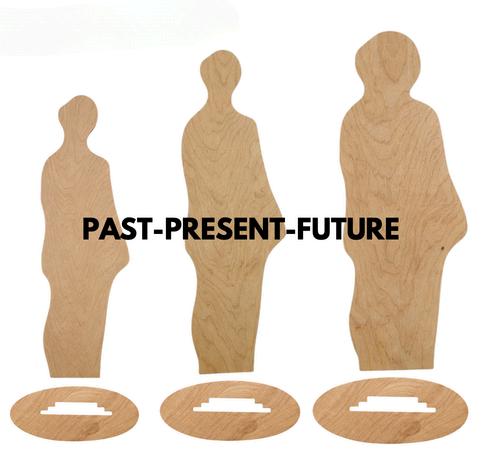
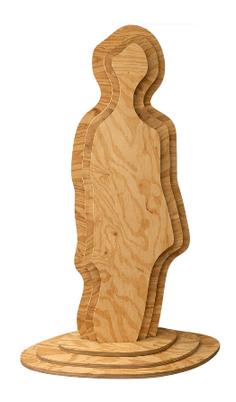
I translated this concept into a stacked plywood model, turning the drawings into a three dimensional form. Each layer represents accumulated experiences, with repetition and vertical alignment symbolising continuity. The compressed layers create a sense of identity while the organic shape maintains a human presence and sense of self.
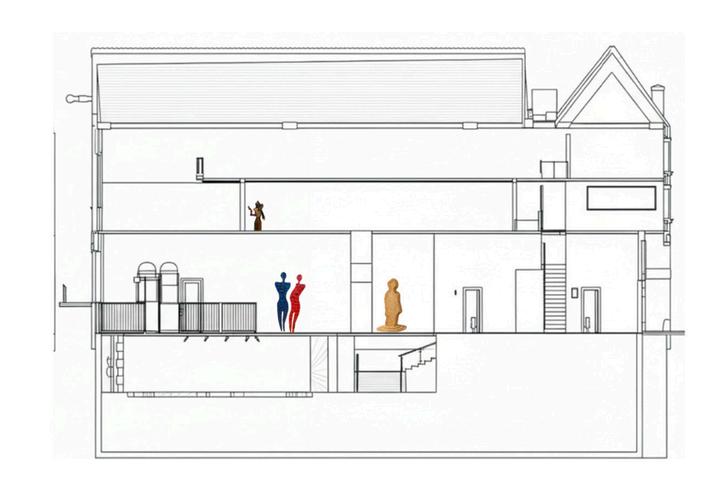
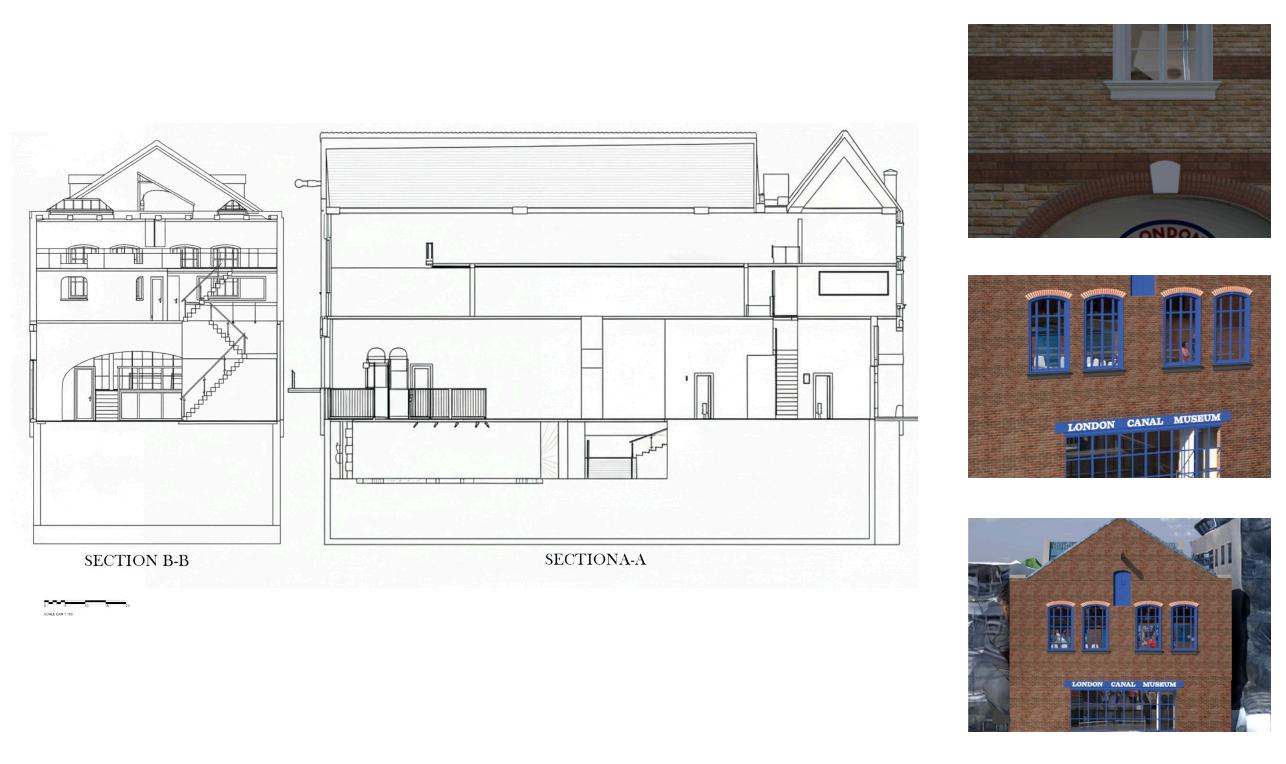
In the elevations the portrait was placed within the London Canal Museum, which was the site we were given for our project, positioning it as a “citizen” within real architectural context. This explores how personal identity interacts with space, showing how individual narrative can exist within and contribute to a wider cultural and historical environment.
Self Citizen Project
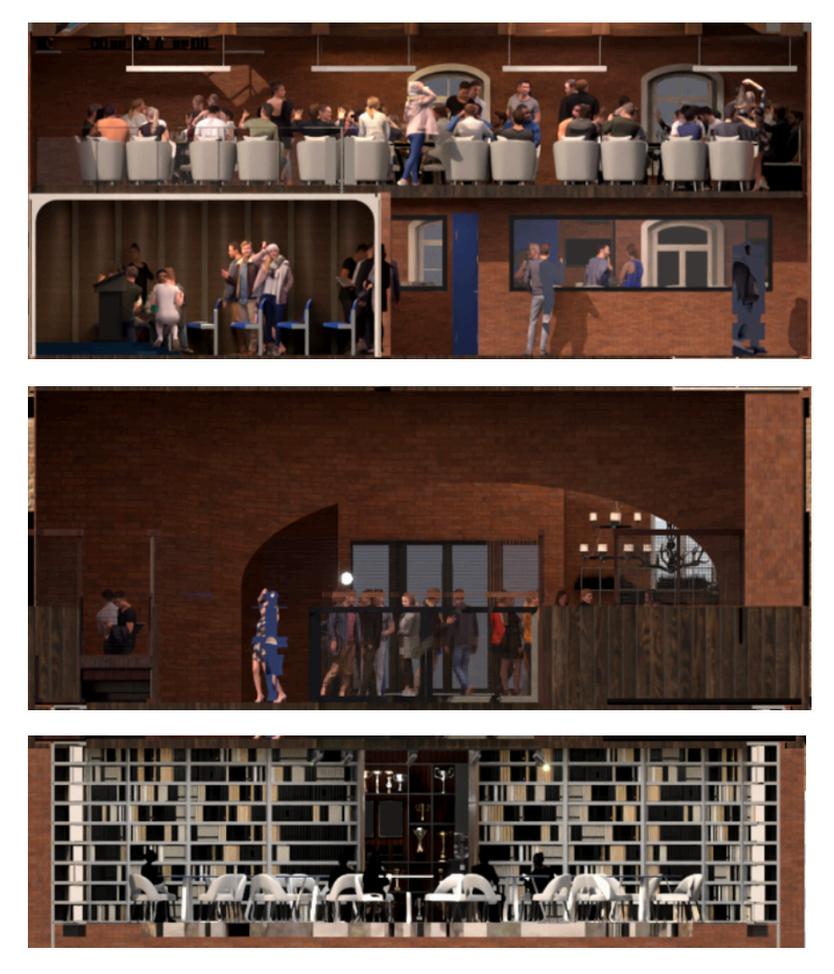
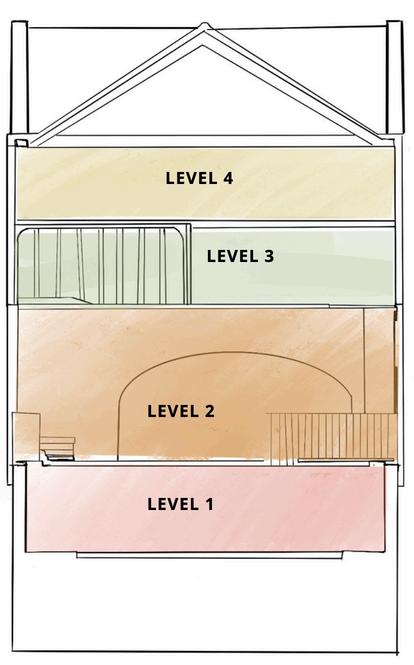
This page presents the spatial layout of my design within the London Canal Museum, organised across four levels to create a clear progression of experience. Level 1 is more grounded and enclosed, Level 2 acts as a shared threshold, while Level 3 and 4 become more open and collective, focusing on reflection and growth. The sectional elevation illustrates how these spaces connect vertically, highlighting circulation, volume and the user interaction within the space.
The elevation was modelled in AutoCAD, then enhanced with colour and atmosphere in Procreate to distinguish each level. The overal design was developed in Rhino3D and rendered to visualise the final spatial quality, materiality and lighting of the project.