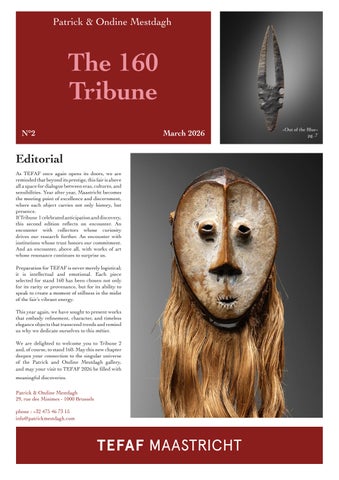
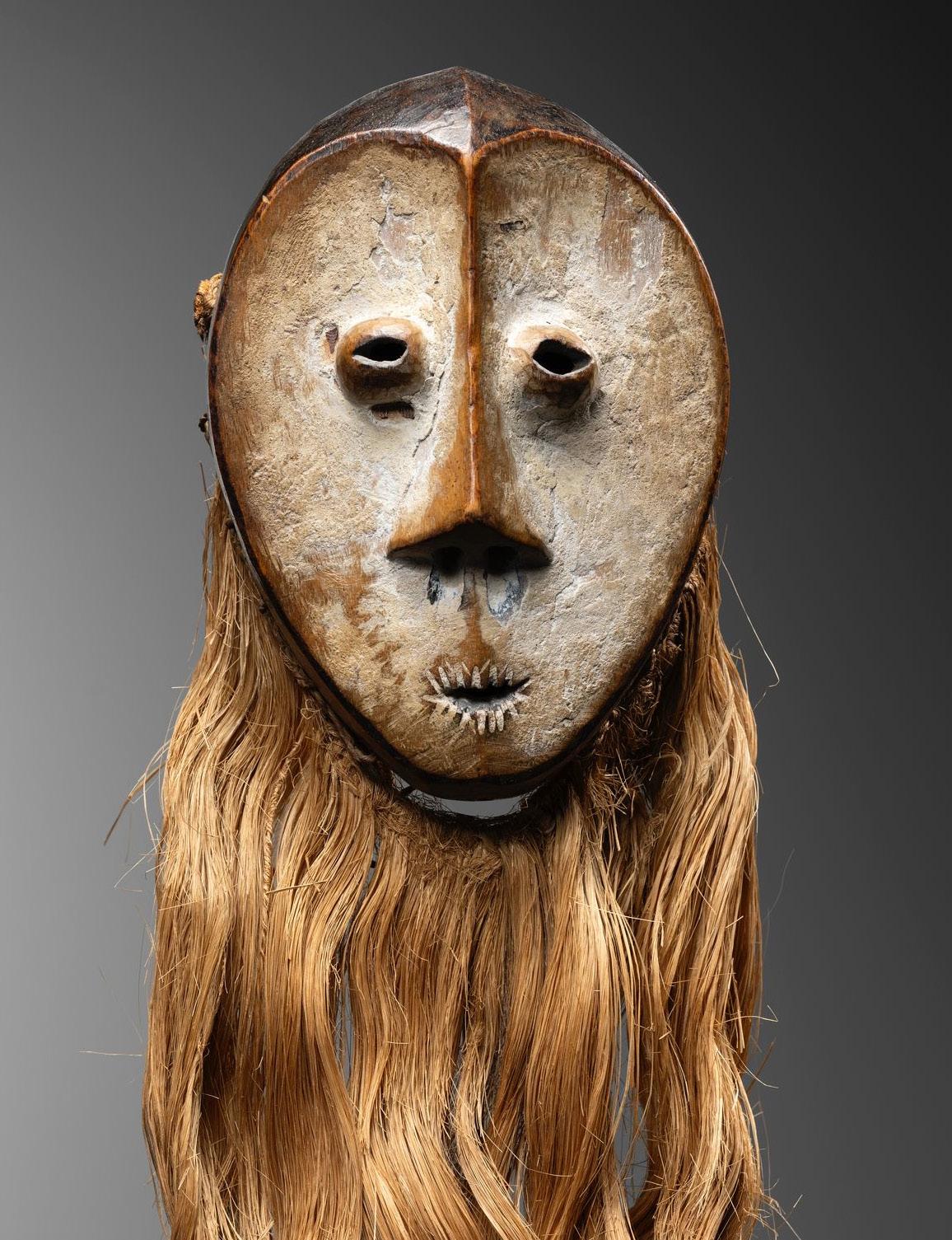
As TEFAF once again opens its doors, we are reminded that beyond its prestige, this fair is above all a space for dialogue between eras, cultures, and sensibilities. Year after year, Maastricht becomes the meeting point of excellence and discernment, where each object carries not only history, but presence.
If Tribune 1 celebrated anticipation and discovery, this second edition reflects on encounter. An encounter with collectors whose curiosity drives our research further. An encounter with institutions whose trust honors our commitment. And an encounter, above all, with works of art whose resonance continues to surprise us.
Preparation for TEFAF is never merely logistical; it is intellectual and emotional. Each piece selected for stand 160 has been chosen not only for its rarity or provenance, but for its ability to speak to create a moment of stillness in the midst of the fair’s vibrant energy.
This year again, we have sought to present works that embody refinement, character, and timeless elegance objects that transcend trends and remind us why we dedicate ourselves to this métier.
We are delighted to welcome you to Tribune 2 and, of course, to stand 160. May this new chapter deepen your connection to the singular universe of the Patrick and Ondine Mestdagh gallery, and may your visit to TEFAF 2026 be filled with meaningful discoveries.
Patrick & Ondine Mestdagh 29, rue des Minimes - 1000 Brussels
phone : +32 475 46 73 15 info@patrickmestdagh.com
March 2026
«Out of the Blue» pg. 7
3 questions to Yves-Bernard Debie
1. How did you discover the Patrick and Ondine Mestdagh Gallery?
There are encounters that feel almost preordained.
My partner, Maître Marc Matthys, was a friend of Patrick and Ondine Mestdagh. He was their lawyer and, as chance would have it, the lawyer was also a collector. It was through him that I first crossed the threshold of the gallery.
I did not enter as a professional, nor even as a seasoned amateur, but simply as a curious visitor. I left as a collector of what were once called “distant arts.”
My first acquisition was a small shell pendant from the Solomon Islands: three frigate birds, stylised to the extreme, almost reduced to a sign, a graphic comma suspended in space. For the island peoples who carved them, these migratory birds embodied the horizon, escape, the promise of freedom beyond the sea.
I still remember the way Patrick spoke of it: precise, learned, yet always inhabited by a restrained poetry. The object has remained with me; so has the voice.
That pendant has never left my side.
Continued on page 6
Jade delights
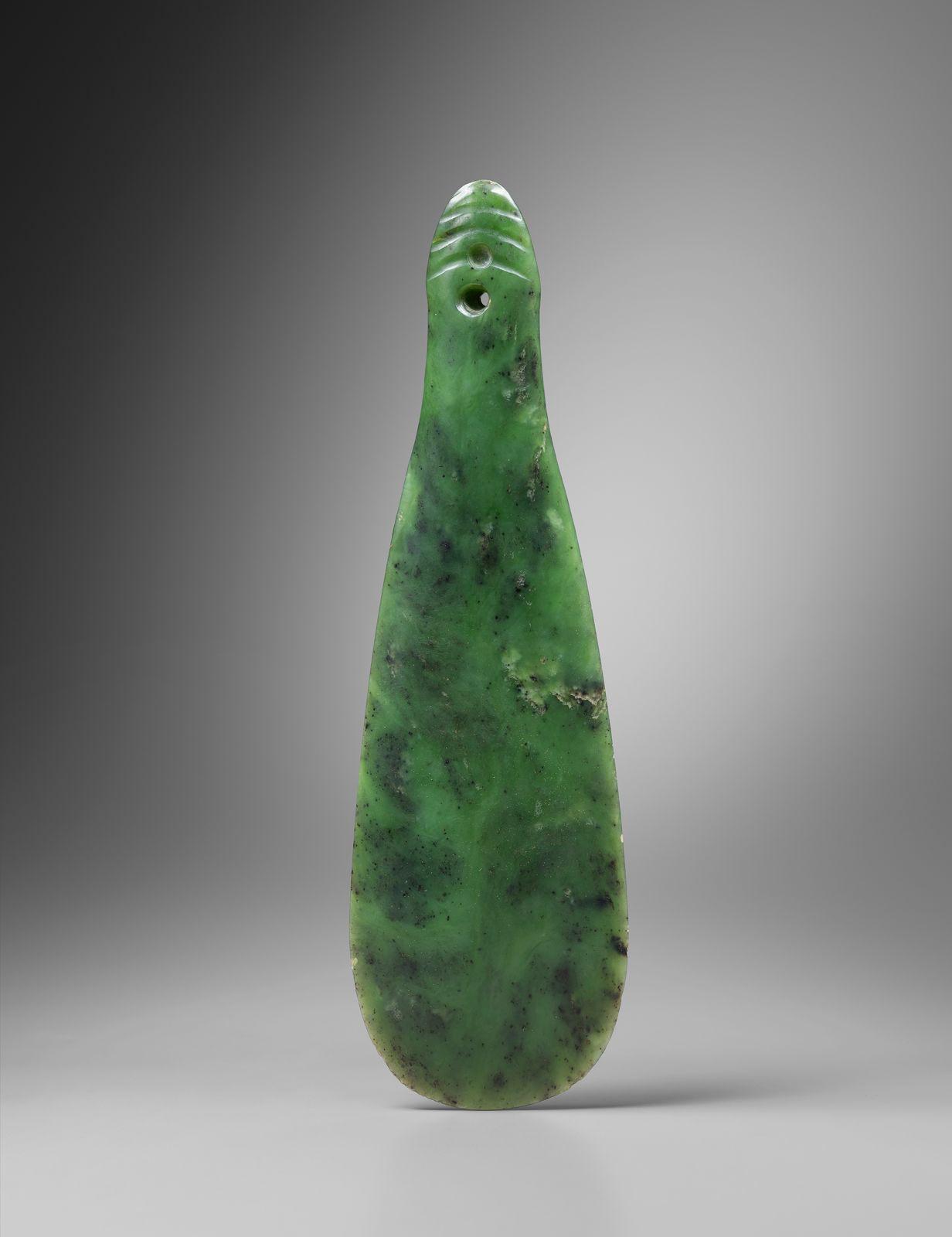
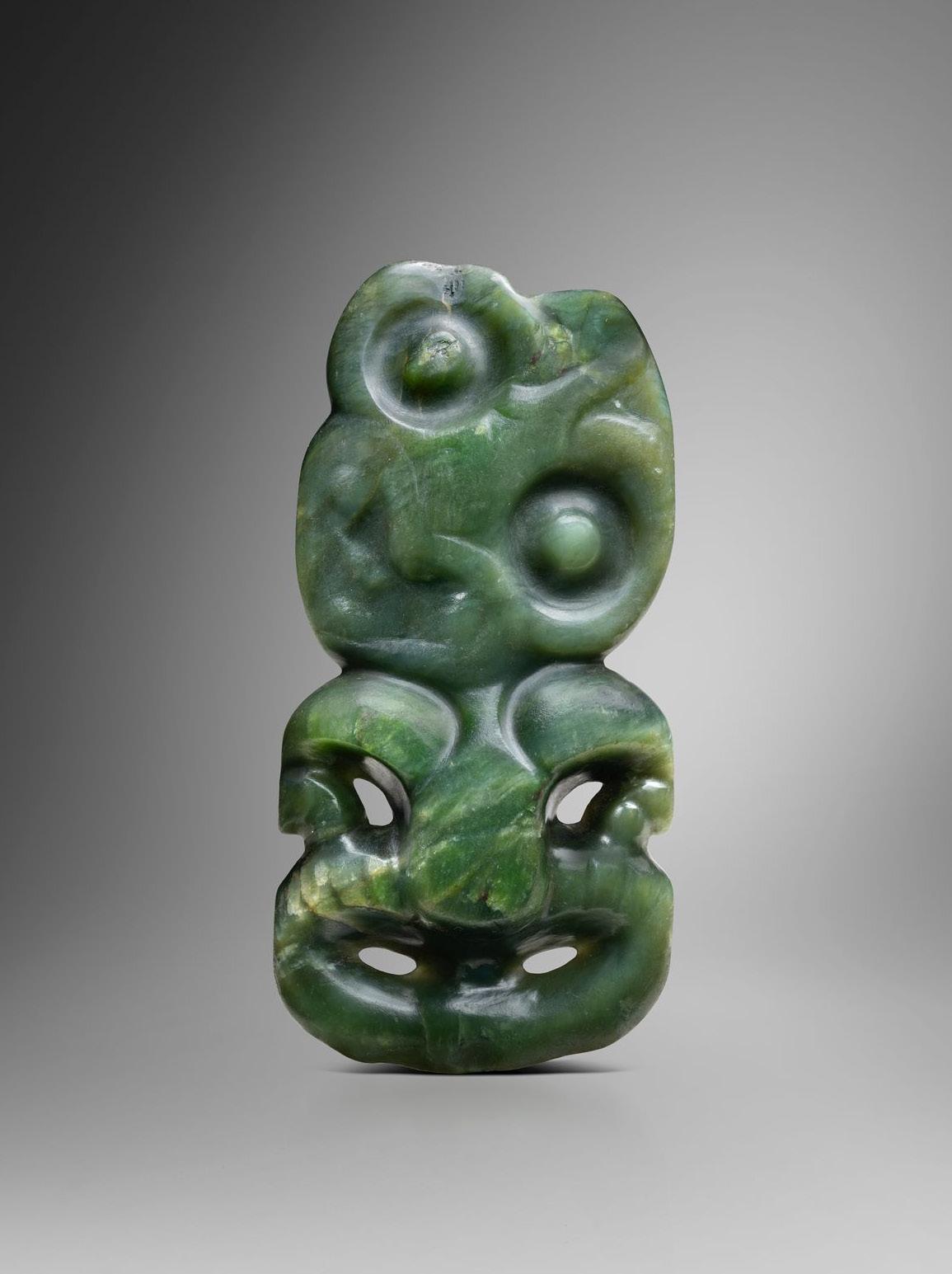
In Oceania, jade known as greenstone or Pounamu, is treasured not only for its beauty but as a symbol of strength, prestige, and connection to ancestors, often carved into tools, weapons, and sacred ornaments.
A large Maori hand club, patu pounamu New Zealand, 18th century
Breast pendant, hei-tiki, New Zealand, 18th century Dimension : 14, 7 cm
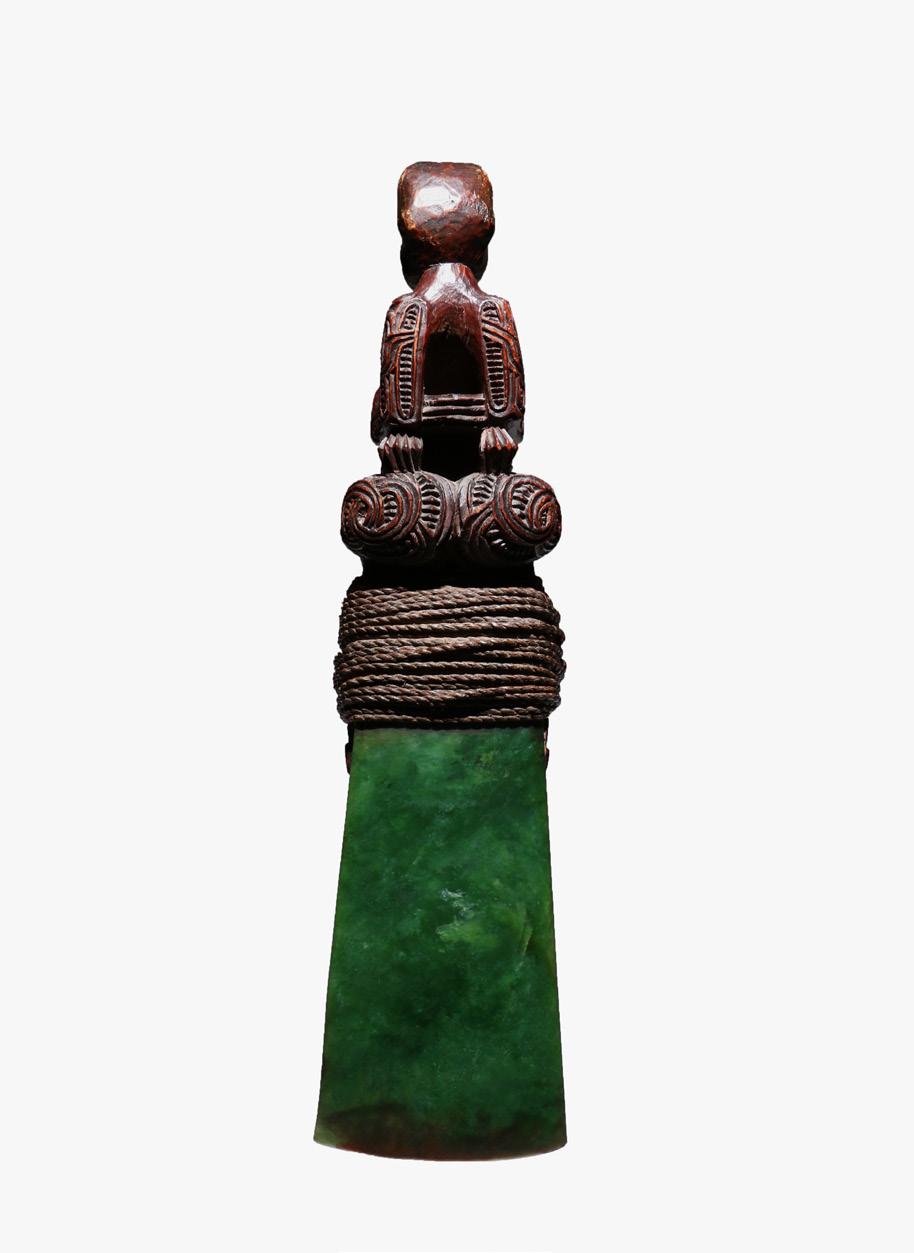
Maori chief’s adze New Zealand, 19th century
Our number for Tefaf :
Nelson Rockefeller
Charles Spencer-Churchill
William O. Oldman
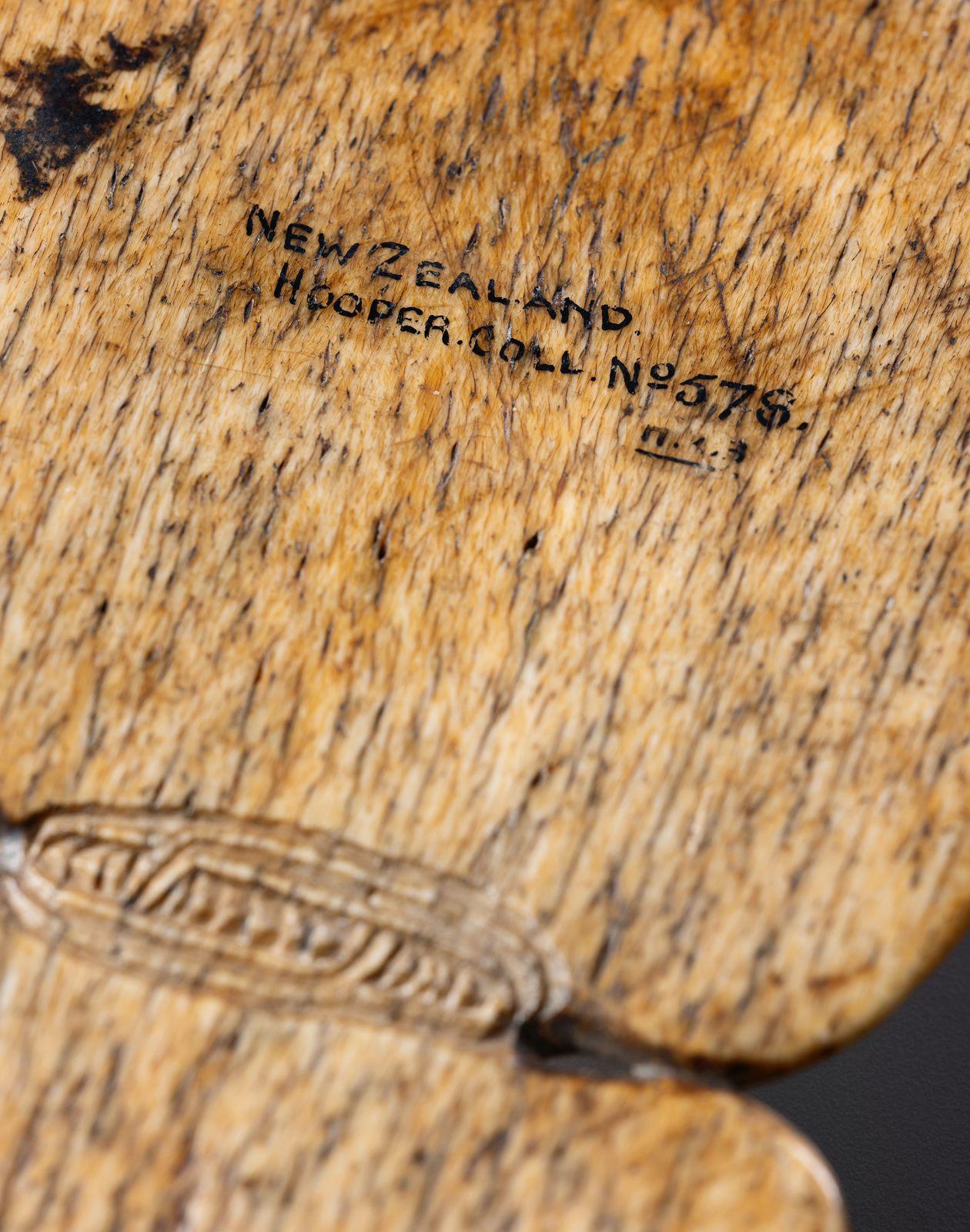
James Thomas Hooper provenances
The Importance of Distinguished Provenance
In the art world, beauty alone is not enough. A work’s true strength also lies in its history, inscribed through its provenance.
A distinguished provenance is not a mere biographical detail; it is integral to an object’s identity. To have belonged to a major collection, to have been studied, published, or exhibited, is to enter a lineage of discerning eyes that have recognized its value.
Provenance also embodies rigor, transparency, and responsibility—principles that are essential today.
To acquire a work with important provenance is not simply to own it, but to become part of its continuing story.
Nelson Rockefeller : American philanthropist and patron of the arts, whose visionary collecting helped shape major museum holdings.
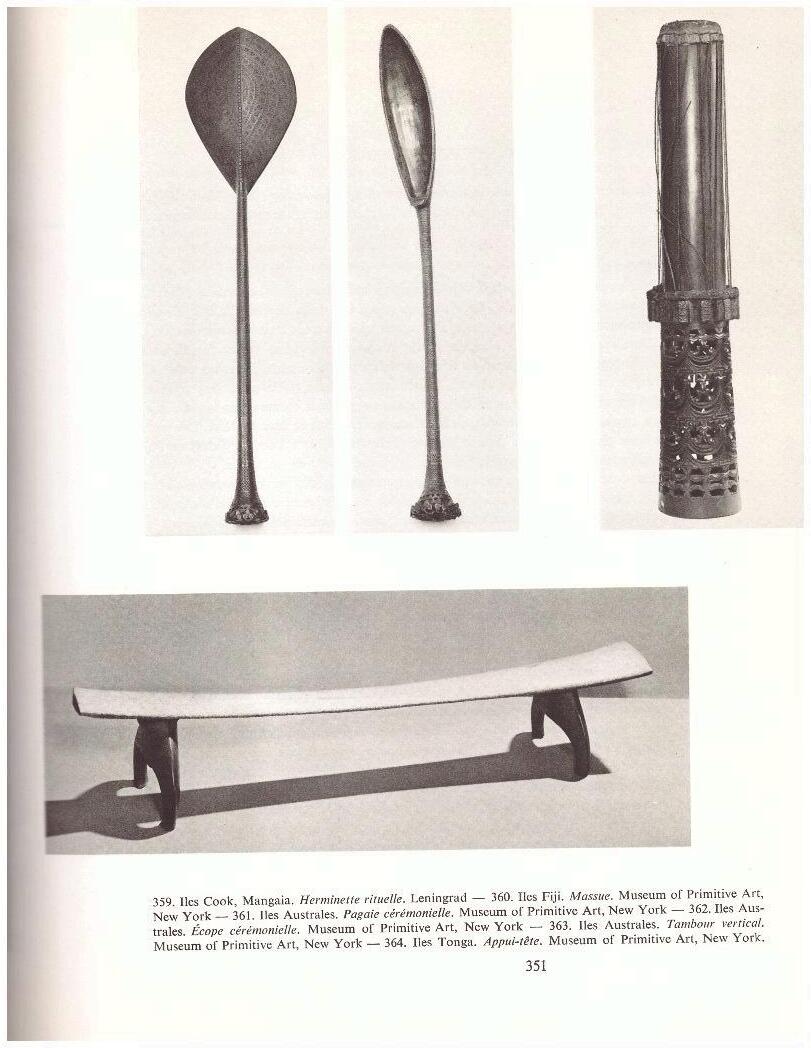
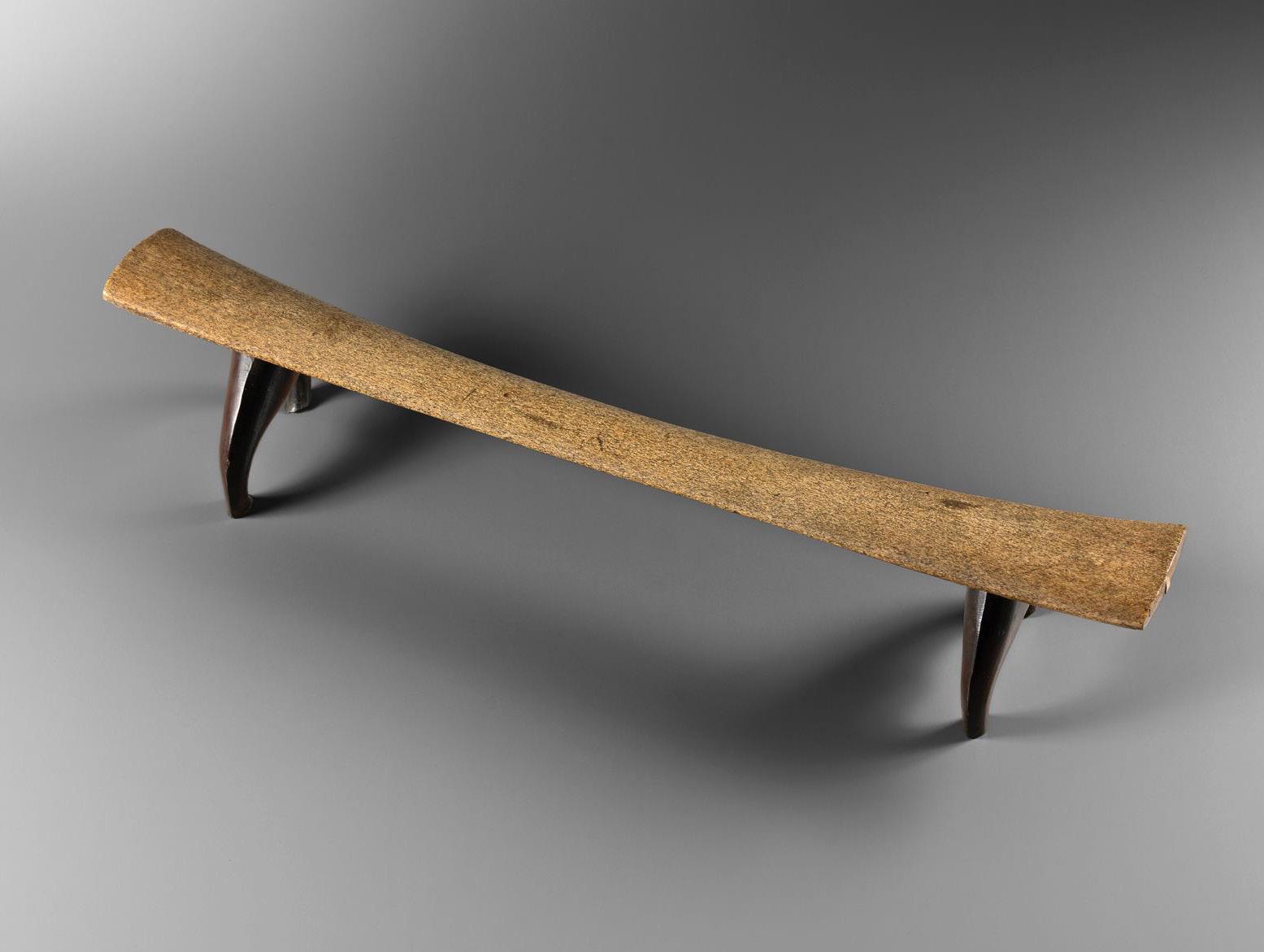
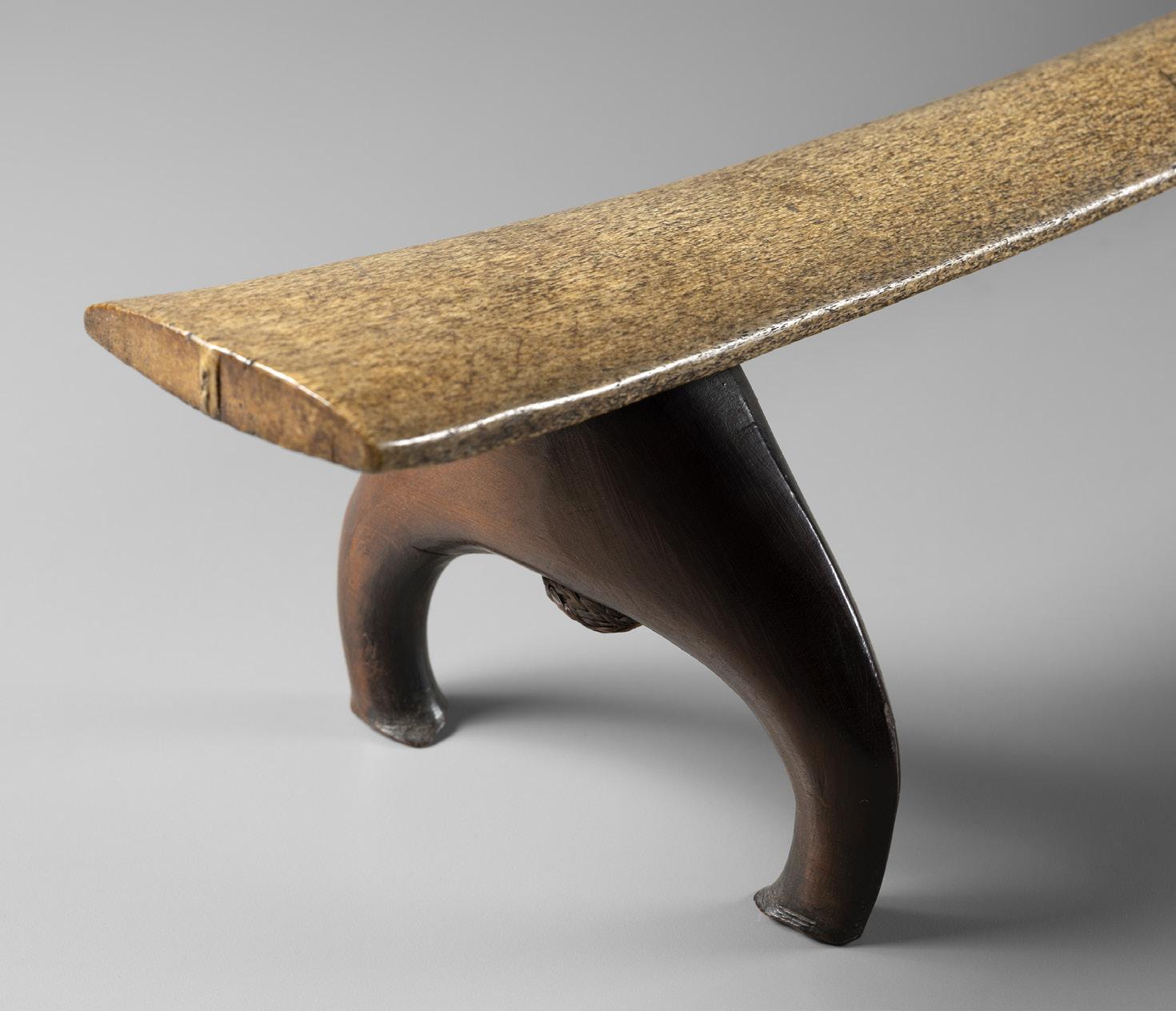
Headrest Kali Toloni Tonga Island, 19th cenutry
The Maori chief’s adze (pg. 2) also comes from the Rockefeller collection.
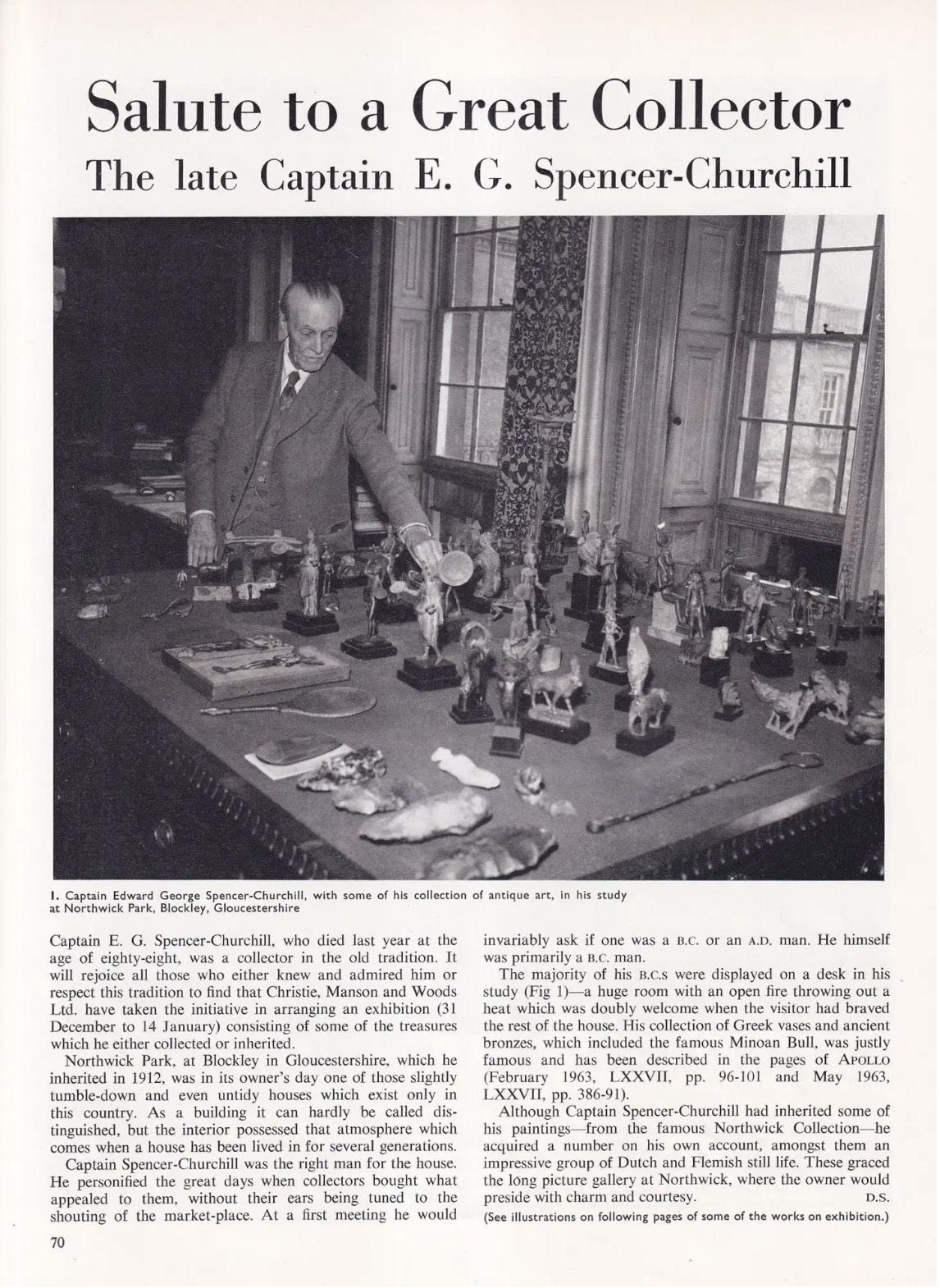
Charles Spencer-Churchill
Charles Spencer-Churchill : British aristocrat known for his refined taste and dedication to preserving cultural heritage.
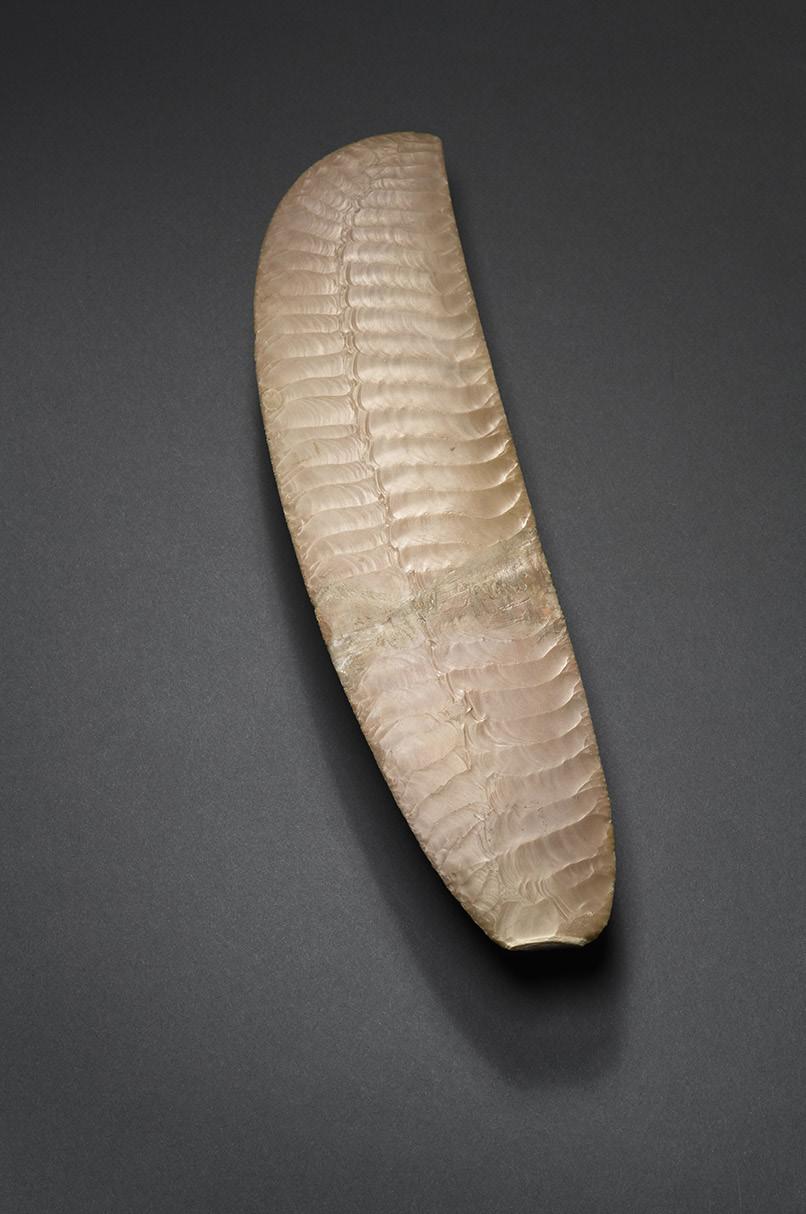
A large knife called “Ripple flake” Egypt, Nagada I or II period, 3 900 - 3 300 B.C.
James Thomas Hooper
James Thomas Hooper : Legendary British collector whose passion for rare and exceptional works inspired generations of art enthusiasts.
A Maori hand club, Kotiate, New Zealand, 19th century
William O. Oldman
Nelson Rockefeller
See pg. 3
William O. Oldman : Distinguished collector and dealer, celebrated for his exceptional expertise in ethnographic and tribal art.
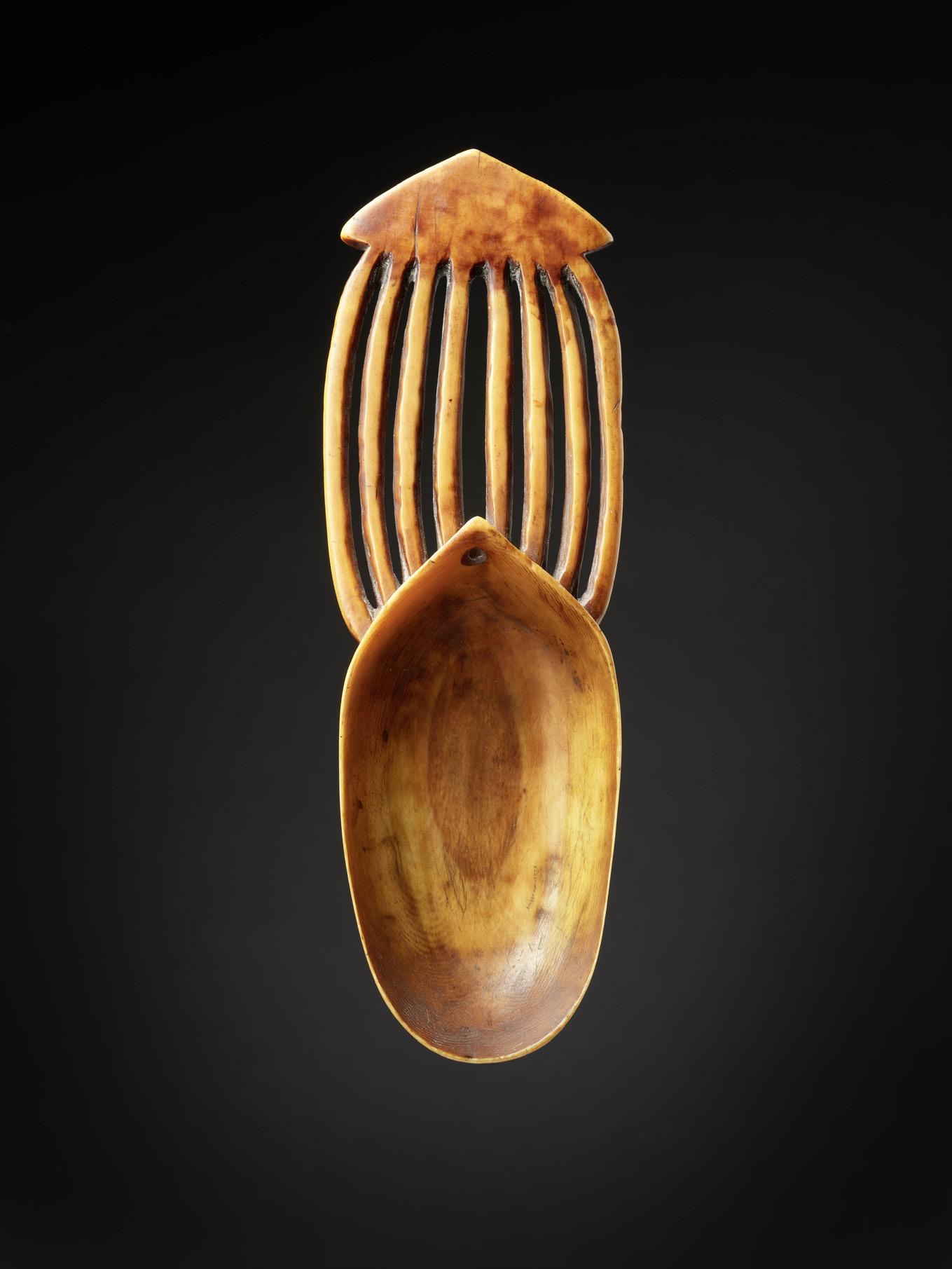
A very importanty Bango elephant ivory spoon, Democratic Republic of Congo, 19th century
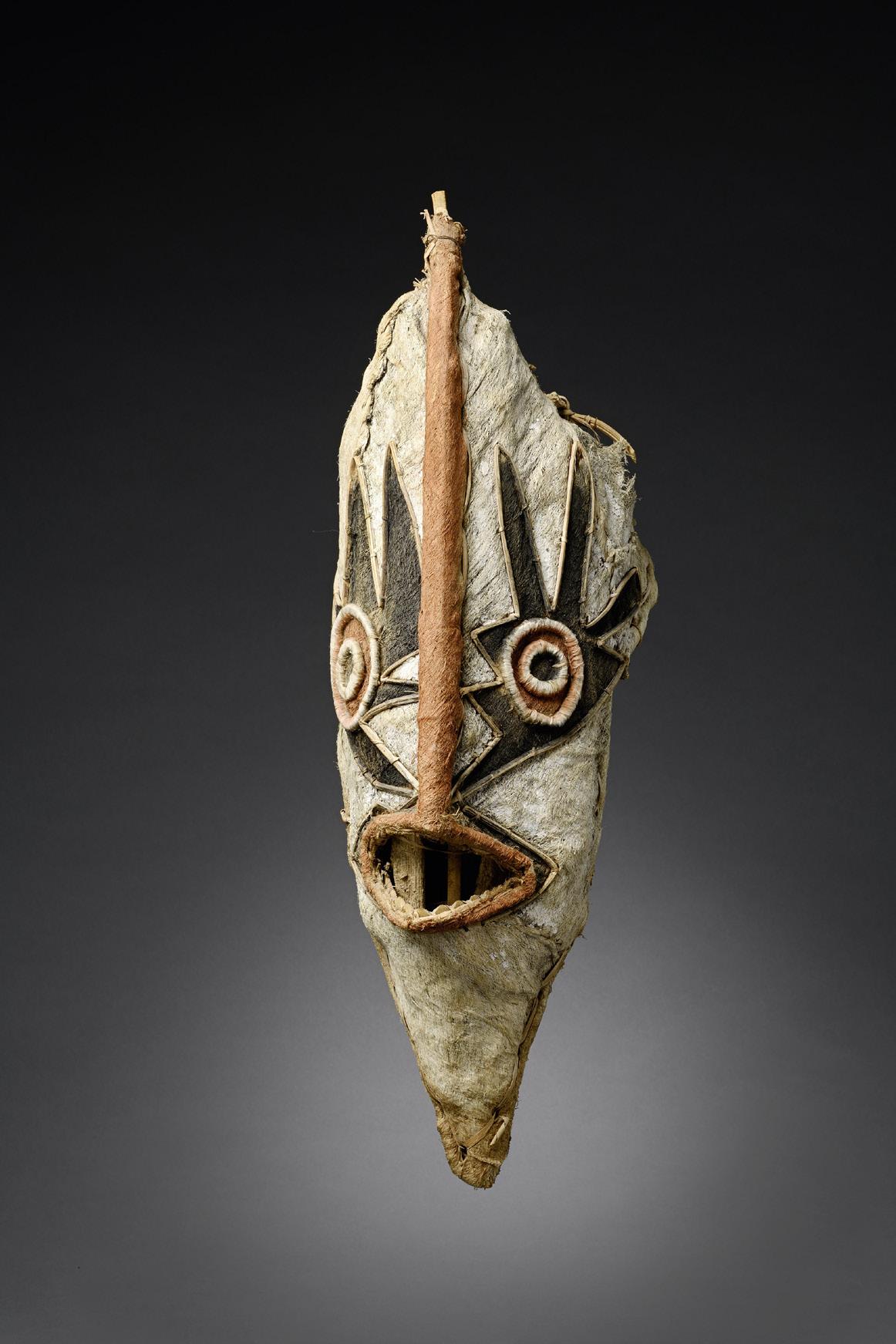
An Elema Mask, made of tapa, plant fiber frame, pigments Papuan Gulf, Papua New Guinea
Maori chief’s adze See pg. 2
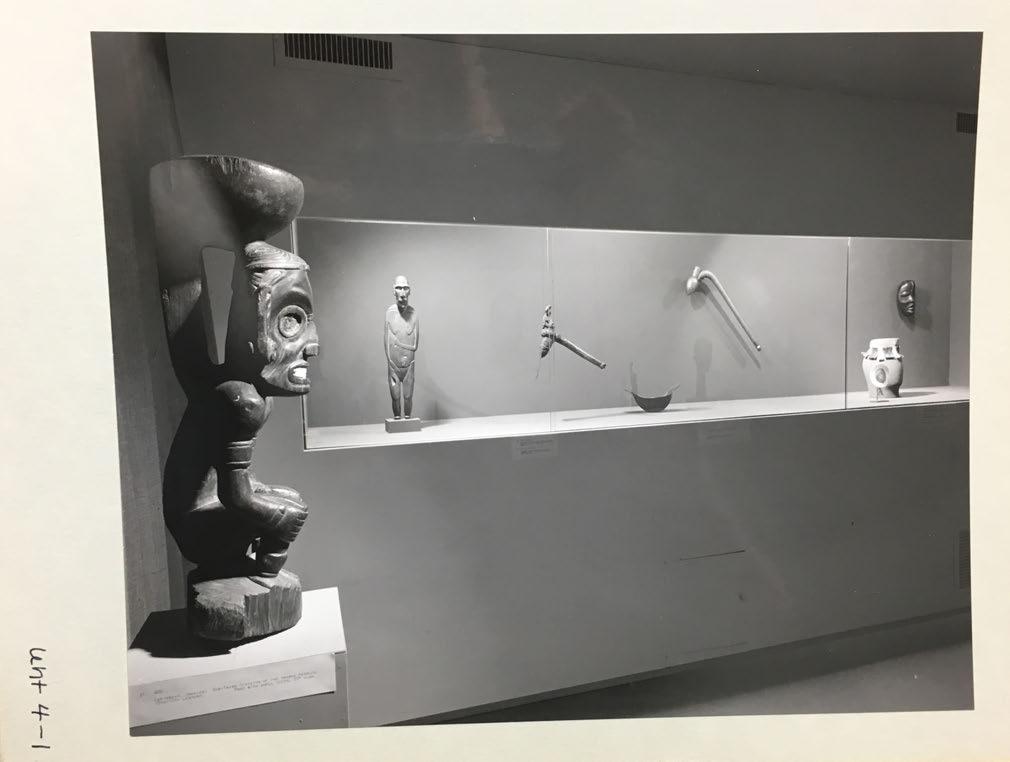
The Musuem of Primitve Art New York, 1961
2. You seem to have followed this gallery for many years. What distinguishes it from others?
The gallery of Patrick and Ondine Mestdagh resembles no other. It rests upon a rare equilibrium, the one evoked by their nearhomonym, the great collector Willy Mestach, when he spoke of “the universe of forms.” Here, form is never decorative; it is essential, taut, at times radical.
To this is added an elegance, discreet yet constant, and, above all, an uncompromising rigour in matters of quality and provenance. Nothing is left to chance. The eye is free, but the method is exacting. And yet, one must say it: a certain grain of folly runs through the whole. Folly in its noblest sense, the audacity to conceive an exhibition for the sheer pleasure of making works converse, of provoking unexpected correspondences, of bringing together artists, collectors and sensibilities.
But just when one lingers on this freedom, one understands that what ultimately endures is the quality of the objects themselves.
As I answer these questions, I find myself looking at a Tanzanian shield, known as Sukuma, acquired during the exhibition Forms and Functions. I still see the catalogue brilliant violet, almost metallic, extravagantly bold. The shield, through its formal power and impeccable provenance; the catalogue, through its daring: together, they perhaps encapsulate the spirit of the gallery.
Exigency and freedom.
3. What is your finest memory and your most beautiful discovery in this gallery?
When I think of this question, I hear the voice of Cyrano de Bergerac writing for Christian, yet speaking in truth to Roxane’s heart:
“Of you, I remember everything; in you, I loved everything.”
It is somewhat like that.
Every exhibition, every opening, even the more intimate dinners, has left a vivid imprint upon me.
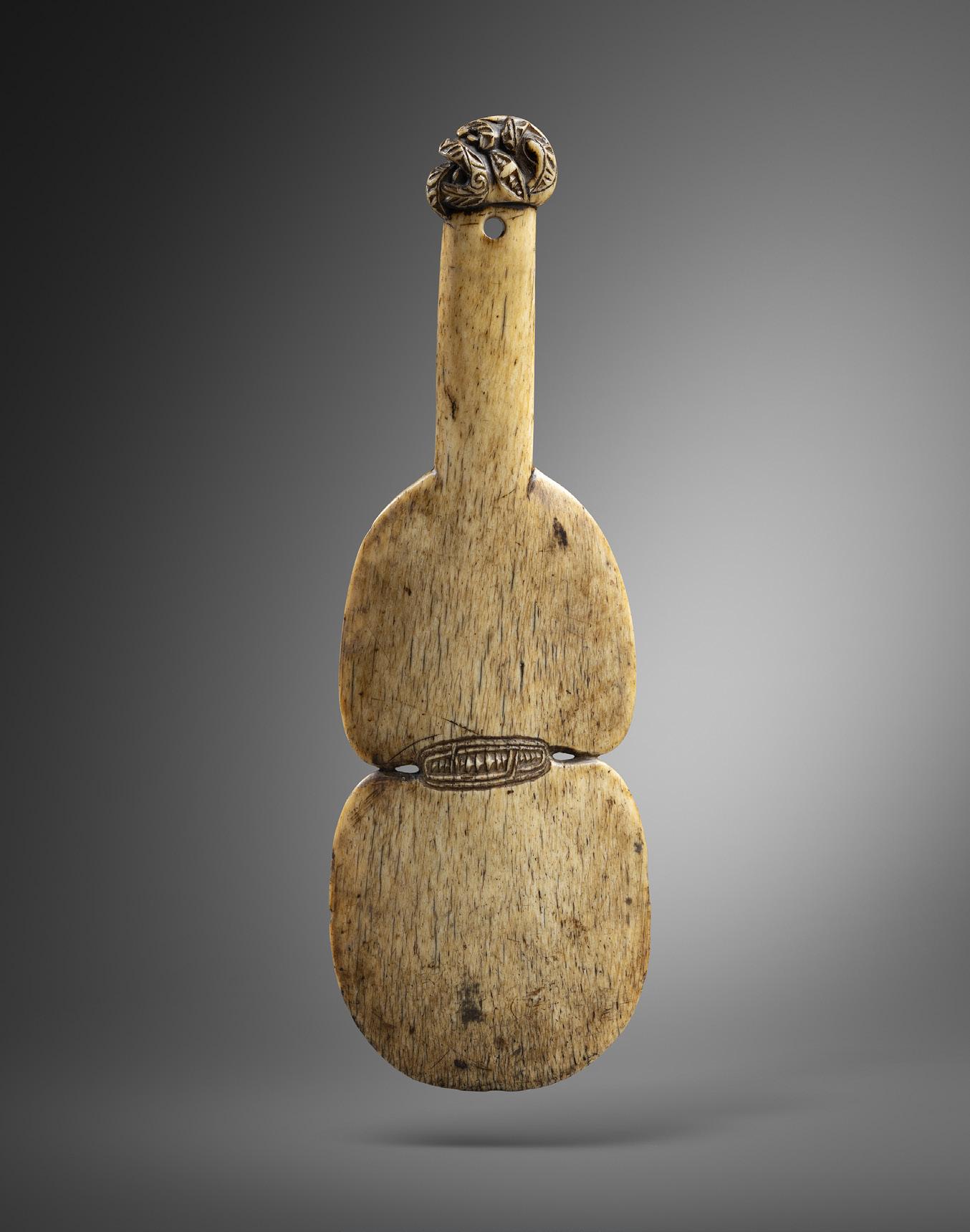
I recall the gathering of patu in bone, stone and jade presented at the Sablon Fair of Grands Antiquaires, a dozen figures assembled like a silent choir. They marked me so deeply that I began collecting them myself.
I also remember the exhibition devoted to African throwing knives: a dazzling demonstration of formal virtuosity. Three of those knives entered my collection.
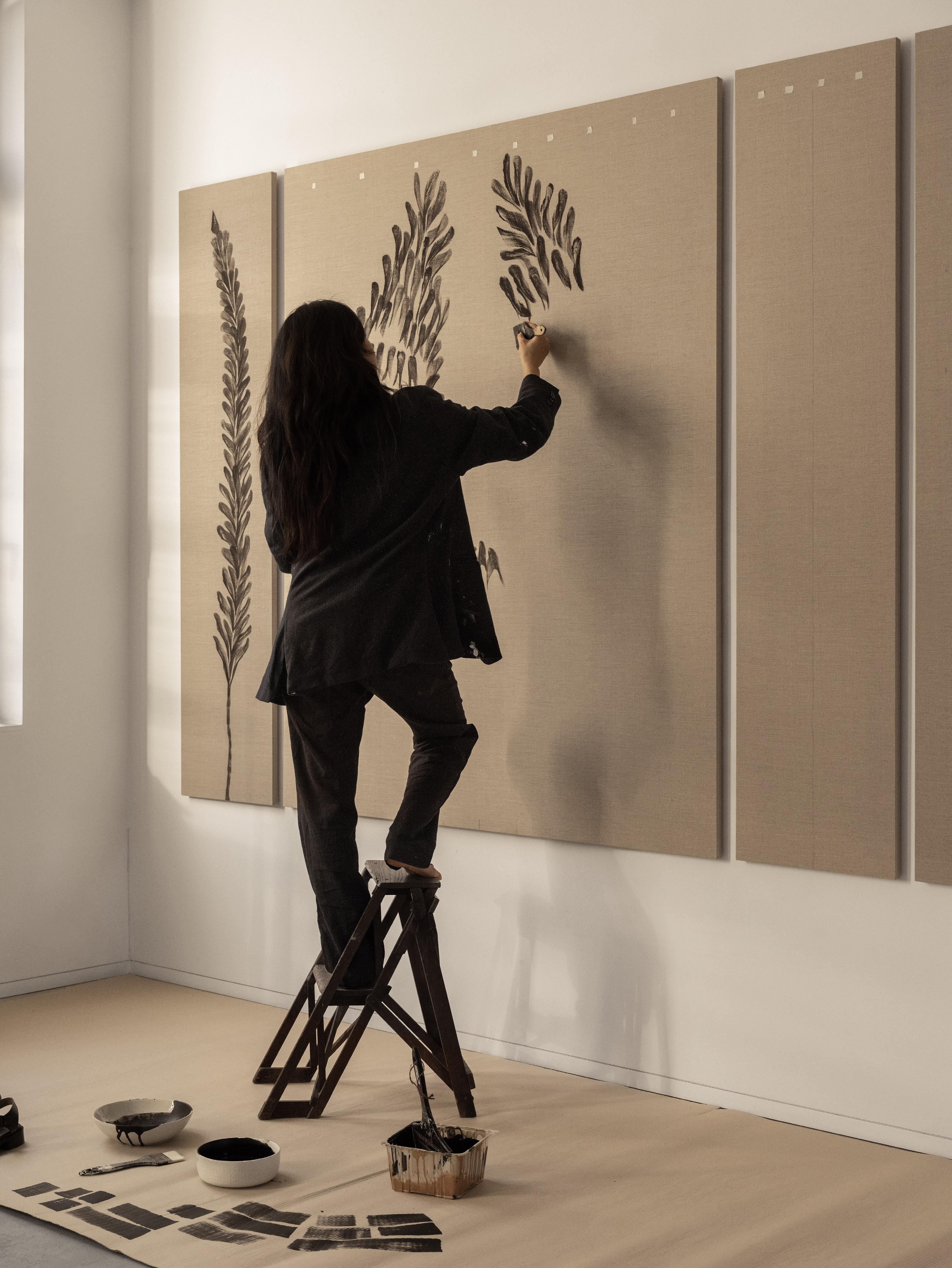
More recently still, in January, there was the opening at which the gallery invited the artist Tiffany Bouelle to present her performance Extraordinary Flowers, a work of enchanting poetry. The space became a stage; the objects, almost actors.
If I were to summarise, I would say that the gallery did not merely shape my eye; it shaped the way I collect.
And today, I am proud to count myself among those collectors who grew within its orbit and, over the years, to have gained the friendship of Patrick and Ondine.
Yves-Bernard Debie, lawyer specializing in art market and cultural property law.
4 - 7 JUNE
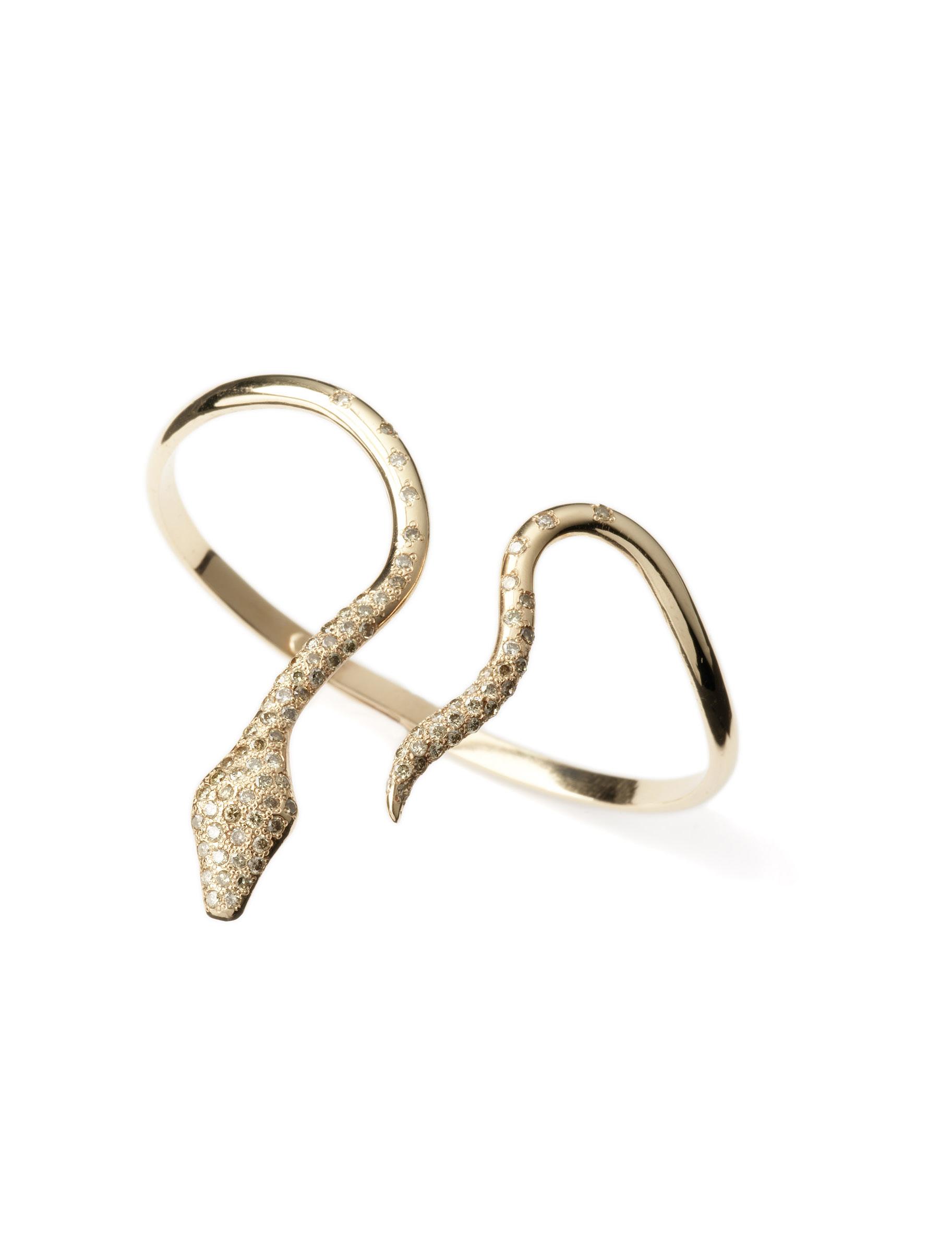
Tailormade creations
snake collection
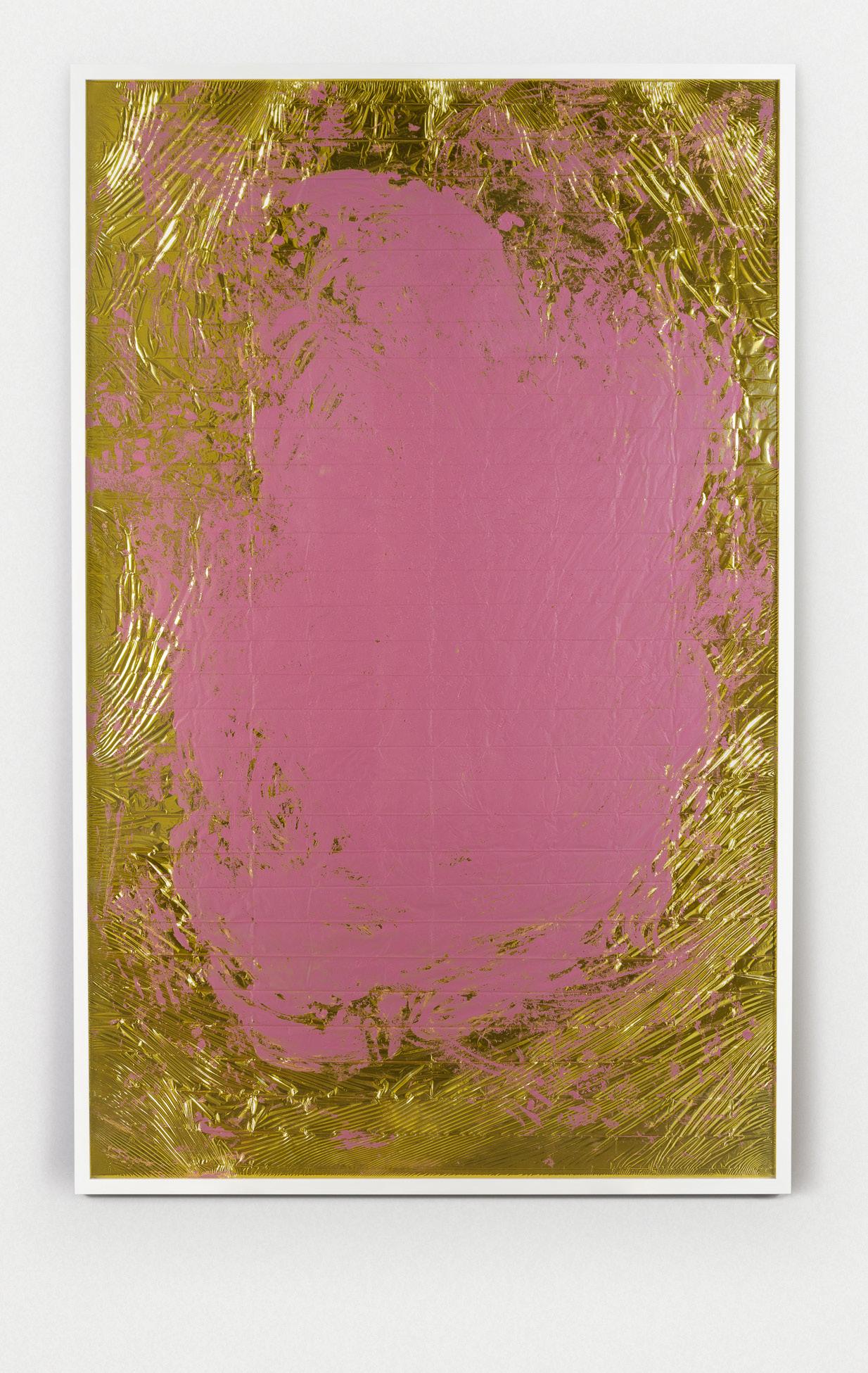
Out of The Blue
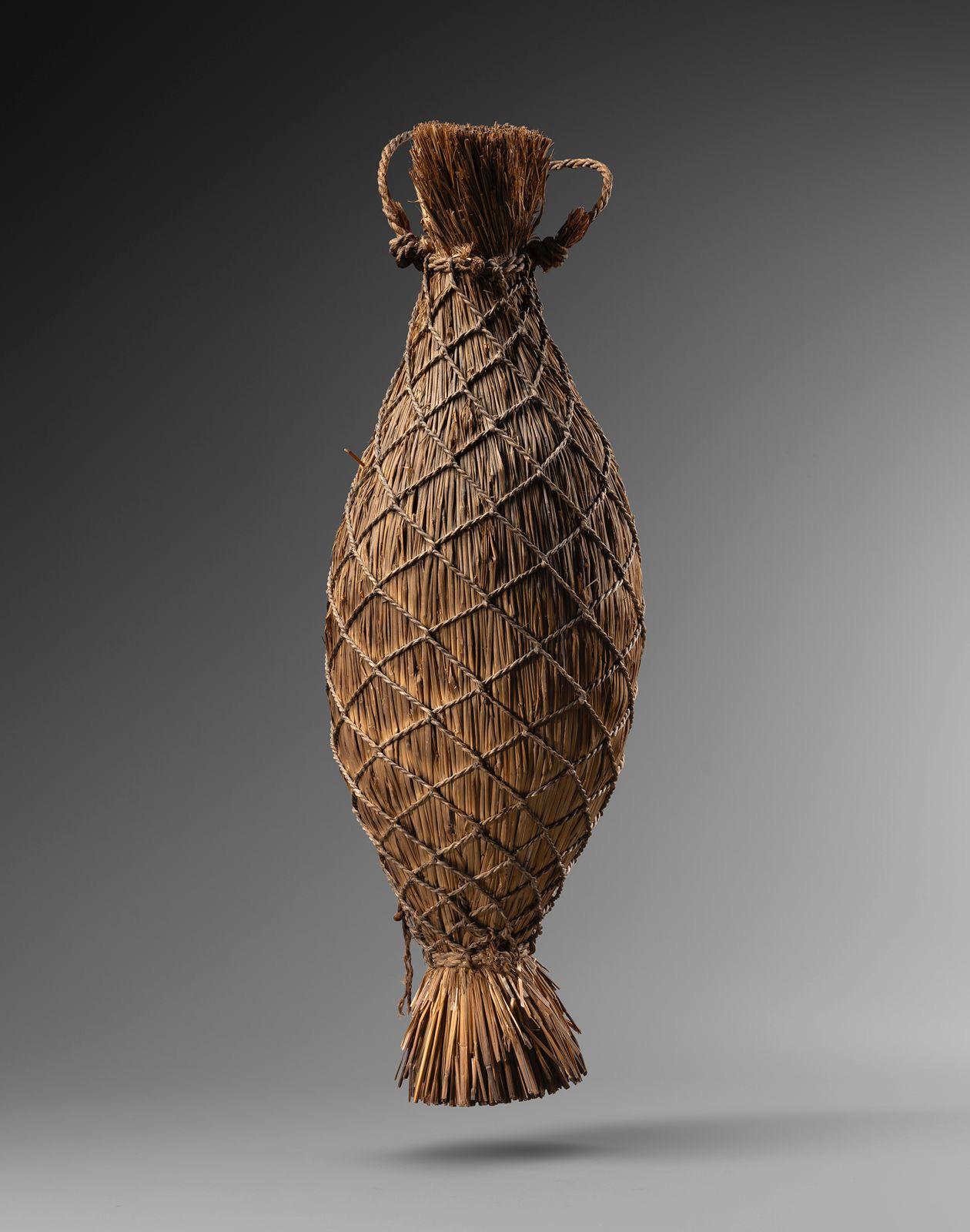
The support for ayu is sometimes called «Benkei.» Japan, early 20th century
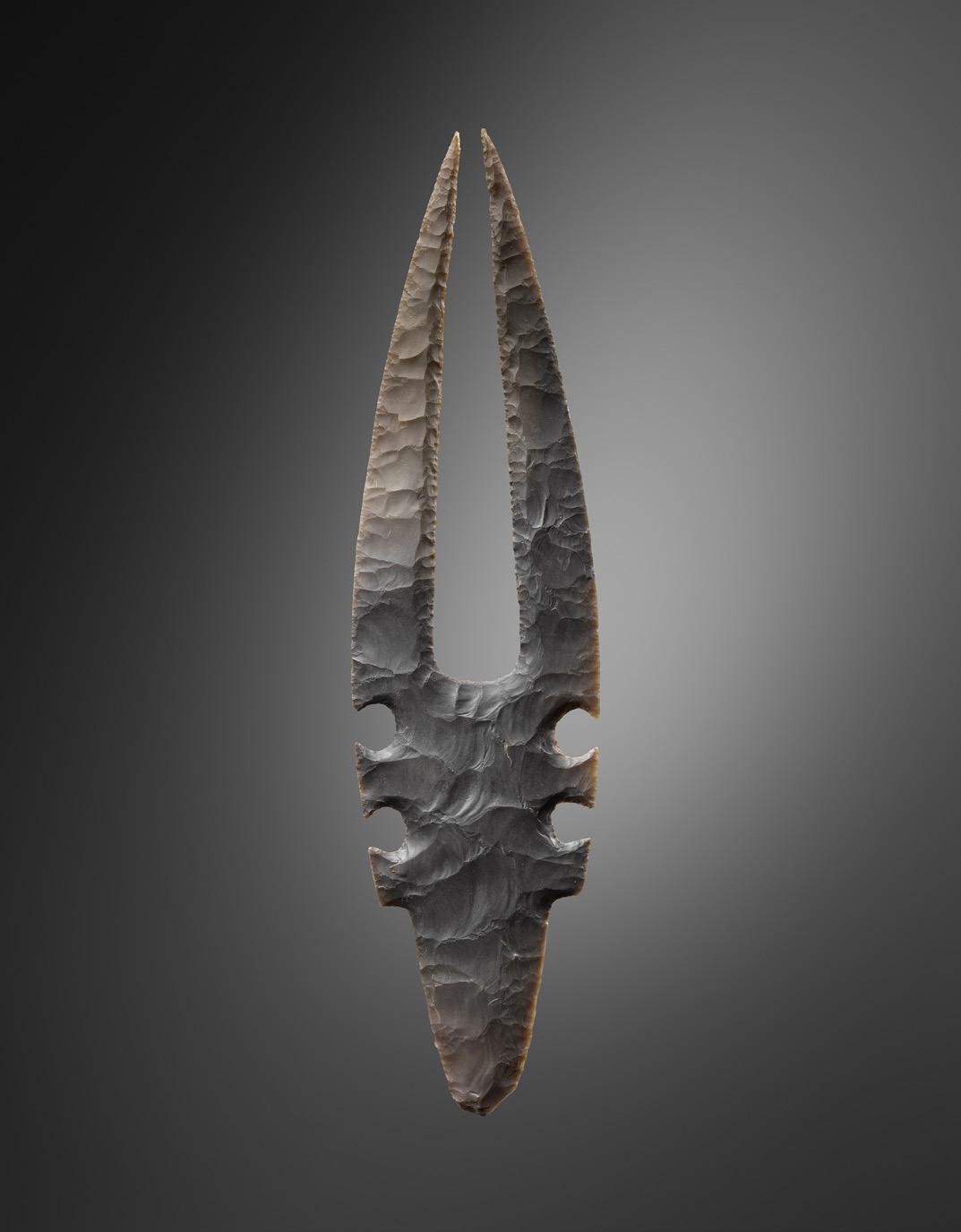
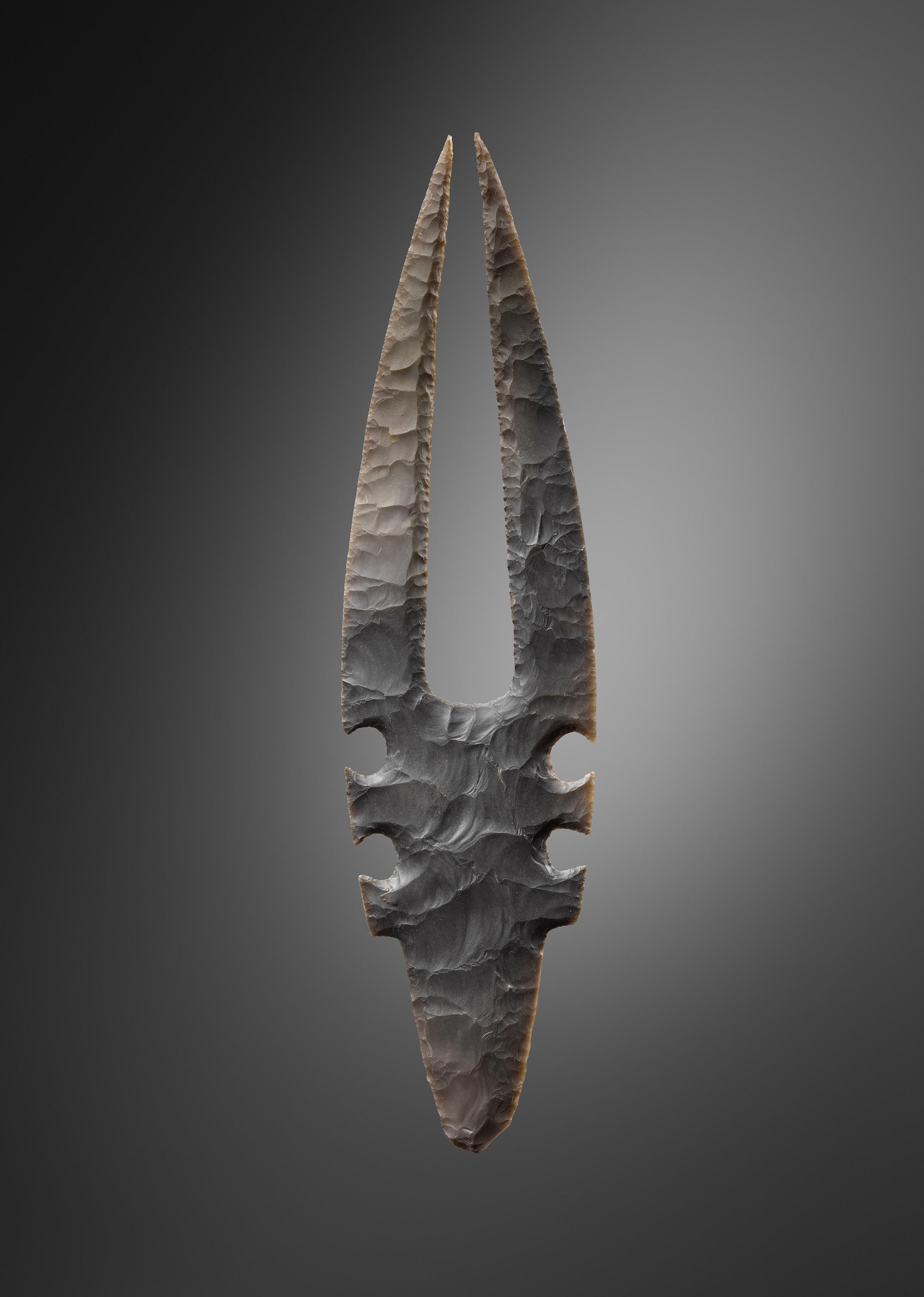
Maya Eccentric Flint Late Classic, circa AD 550 - 950
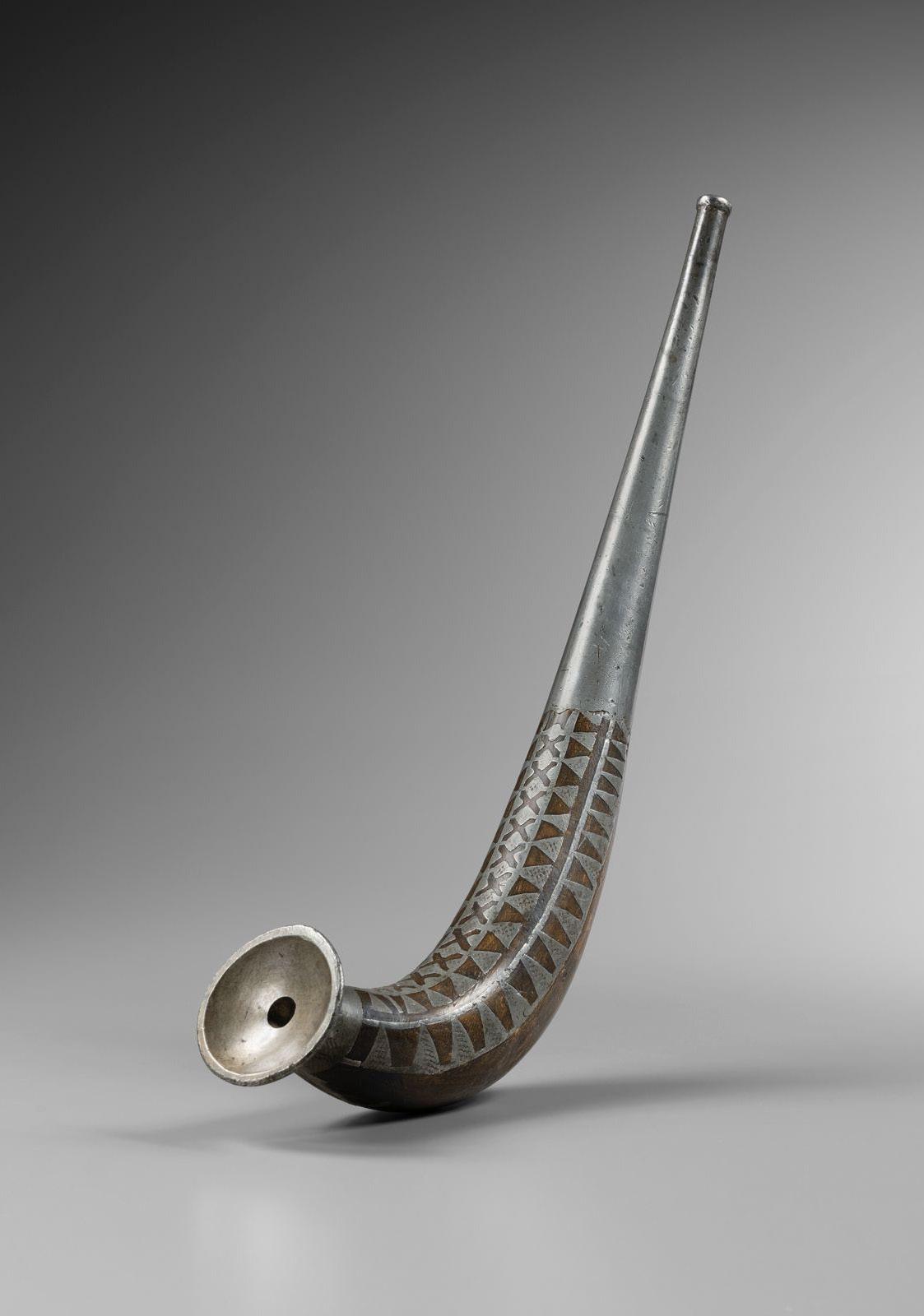
A rare Eskimo inlaid pipe Alaska, early 20th century