04. Well House 08. Institutional - PoolSchool - West Harlem Daycare and Rec. Facility
12. Construction Technology - Platform House
16. Nexus - Urban Agricultural Pavilion
20. Adapting on the Hudson
24. South Hamptons Residence - Jaimie Abel Designs
26. Model - Kasmin Gallery 28. Urban Design - Revitalizing the Green
Well House
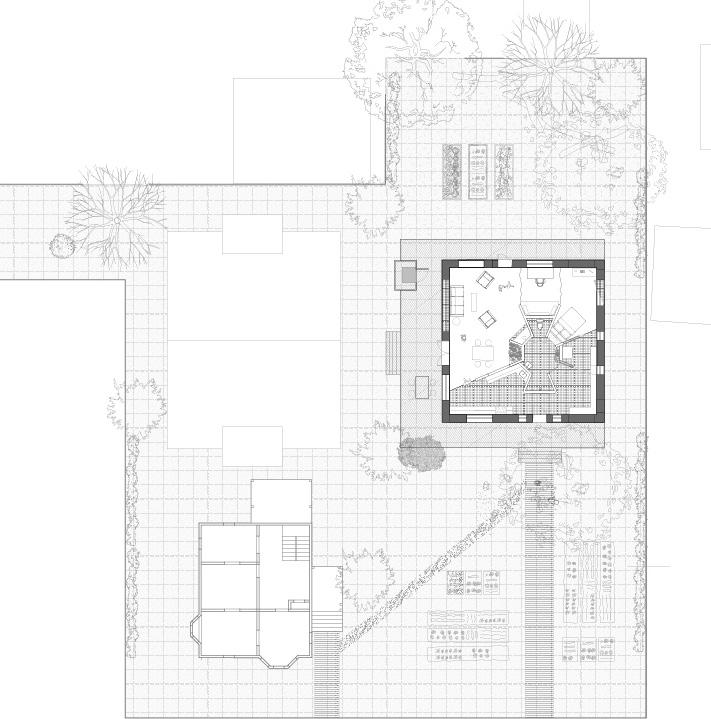
The Well House is fundamentally organized around the separation of wet (virtual poche) spaces from dry one. Centralizing dirty, messy space allows for flexible living quarters around the wet core (the “well”). The organization allows residents to embrace a living-off-the-land mentality in an urban setting by running a community garden in the growing season and an interior garden year round in a home built around outdoor-indoor symbiosis.
ADU in Portland, Maine City College of New York
Floorplan Iterations
CHILD CARE
POOL
PoolSchool
Harlem Daycare and Recreation Facility
City College of New York
Collaborator: Nico Masters
An early childhood education center located in West Harlem, NY, the building meaningfully incorporates a community pool to celebrate it as an essential neighborhood amenity, helping to connect city children with water experiences from a young age. The building features an atrium that serves as the intersection between the pool and the school areas, allowing children and parents to see and feel the light reflecting off the pool in every common space.
Convent
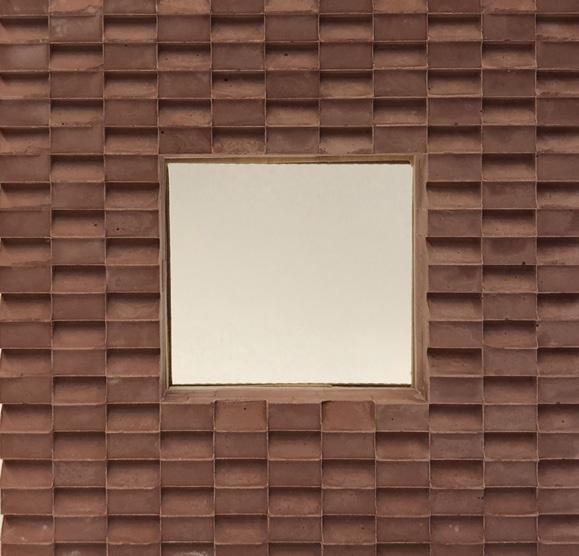
The facade is made of a bespoke cut brick pattern. Drawing on West Harlem vernacular, it combines a flatiron shape and turret. Inside, vertical sightlines facilitate supervision and playful interaction between children and teachers across different levels. A glass back egress network enhances natural light throughout the building and guides users upward through a glass elevator and adjacent stairwells.
Courtyard
Biophilic Platform House
Sapporro, Japan
City College of New York
Collaborators: Michael France & Michael Martinovich
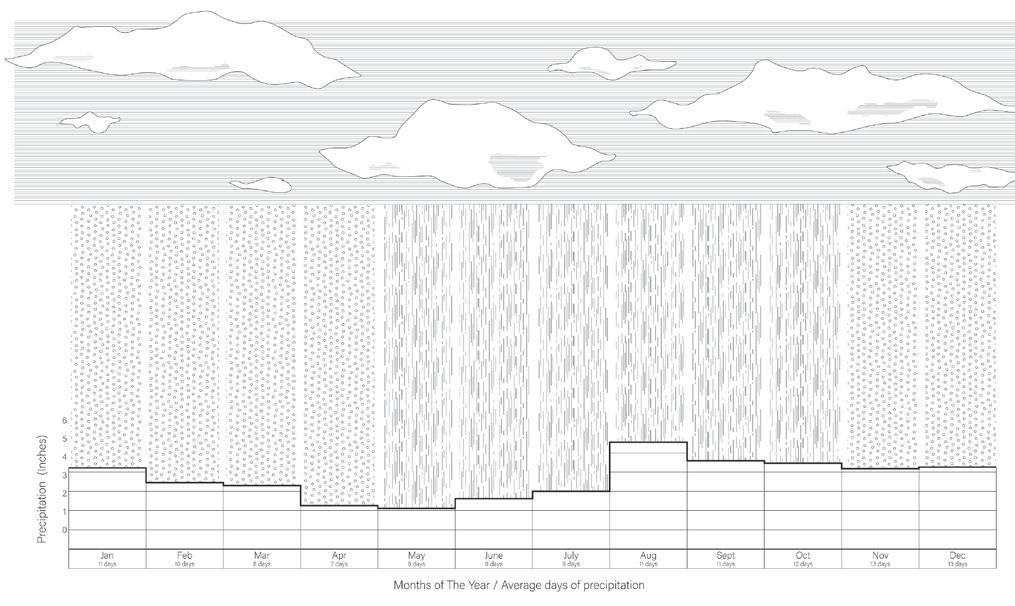
Brief: Design a 1000 sf house in a cold climate which responds to annual solar, wind, precipitation, and temperature conditions.
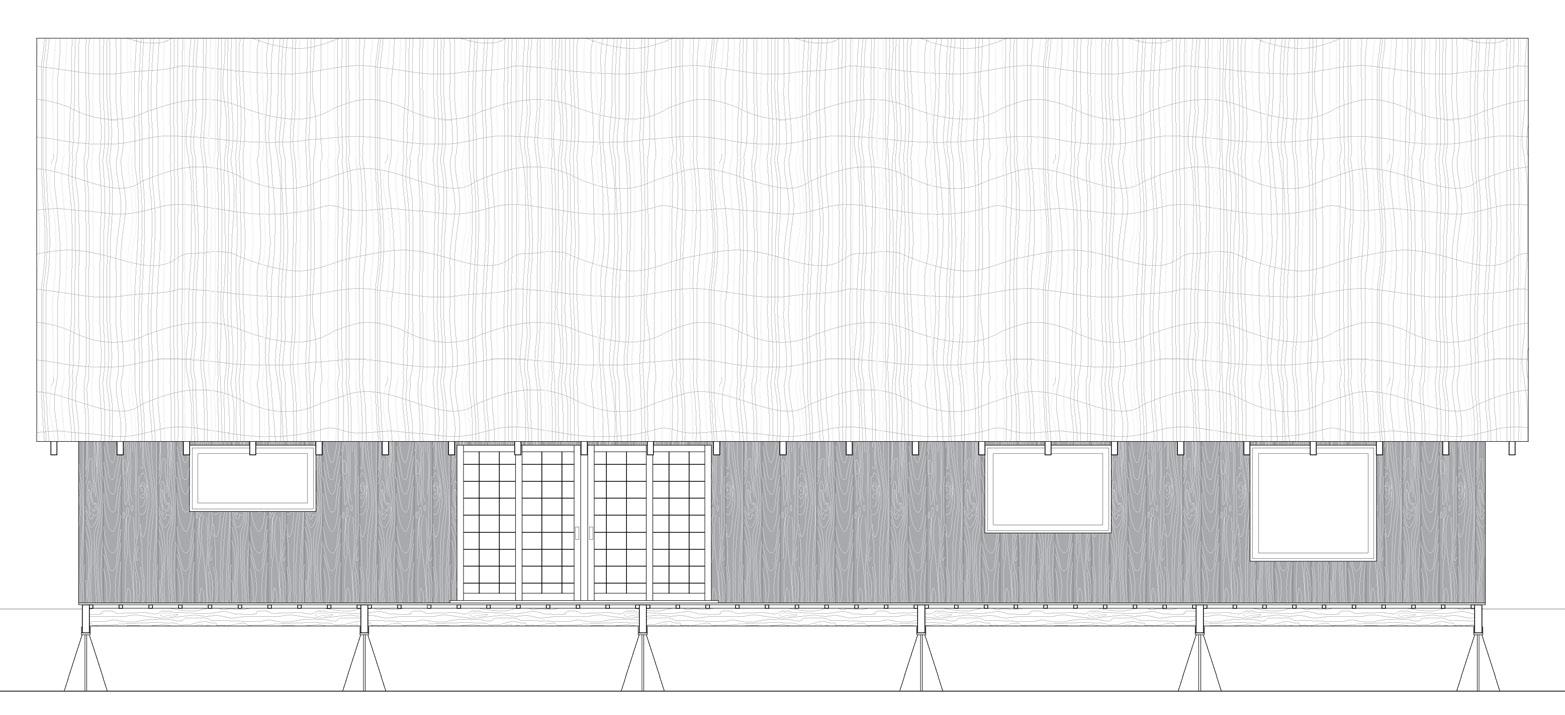
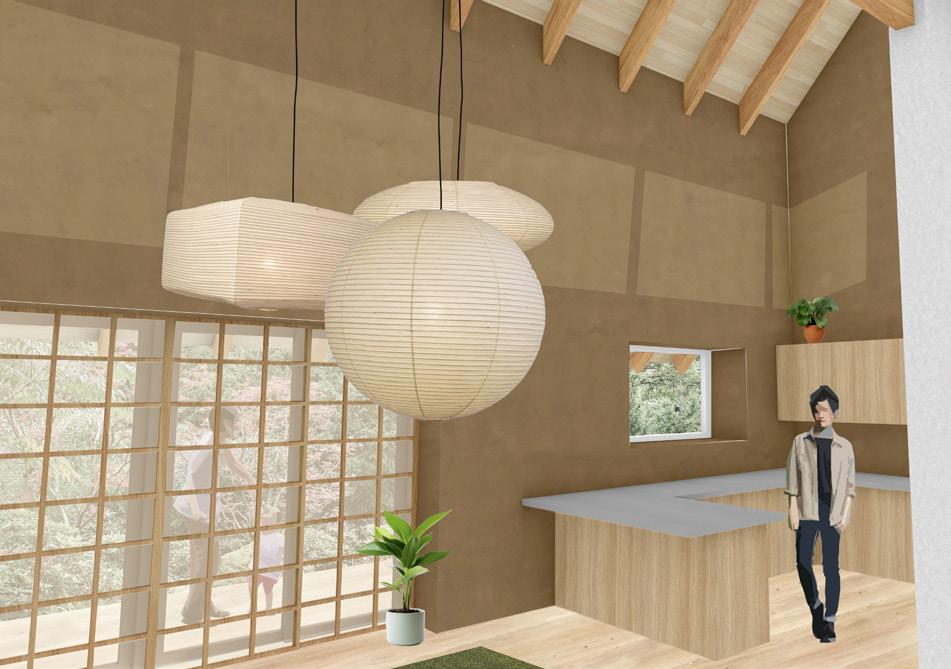
Proposal: Using climate responsive design tactics like a tromb wall, south-facing clerestory windows, elevated foundation, and wood fiber insulation, this minimalistic Japanese house combines simple tatamic geometry with well lit cathedral-like interior space.
Climate Analysis
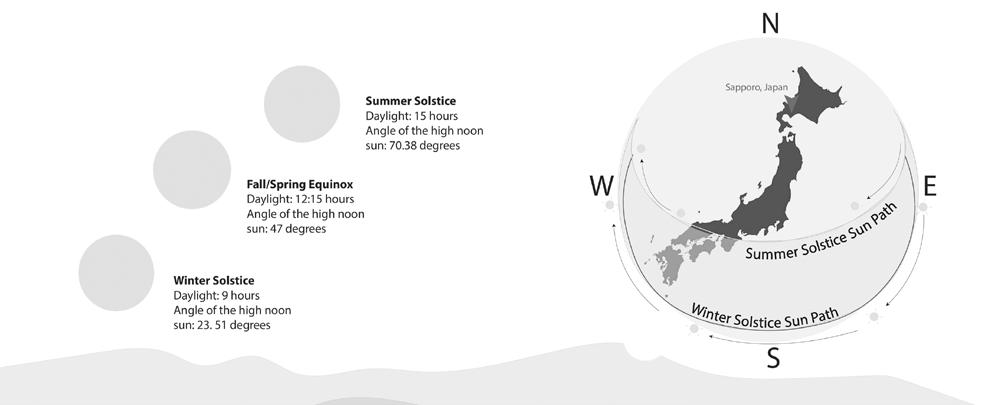
Sapporo averages 1,865 hours of sunlight annually, alternatively recorded as 172 days per year.
Given this availability of sun light and Sapporo’s cold climate, making the most effective use of southern light through clerestory windows is an important factor in our design.
The addition of a trombe wall into the center of the building captures solar energy with a more efficient and sustained distribution of heat.
Harvard Graduate School of Design Eastie Farms Auxiliary Structure
Brief: An auxiliary structure for a community farm in East Boston that can house community garden programs year round and support garden function during the growing season.
DESIGN
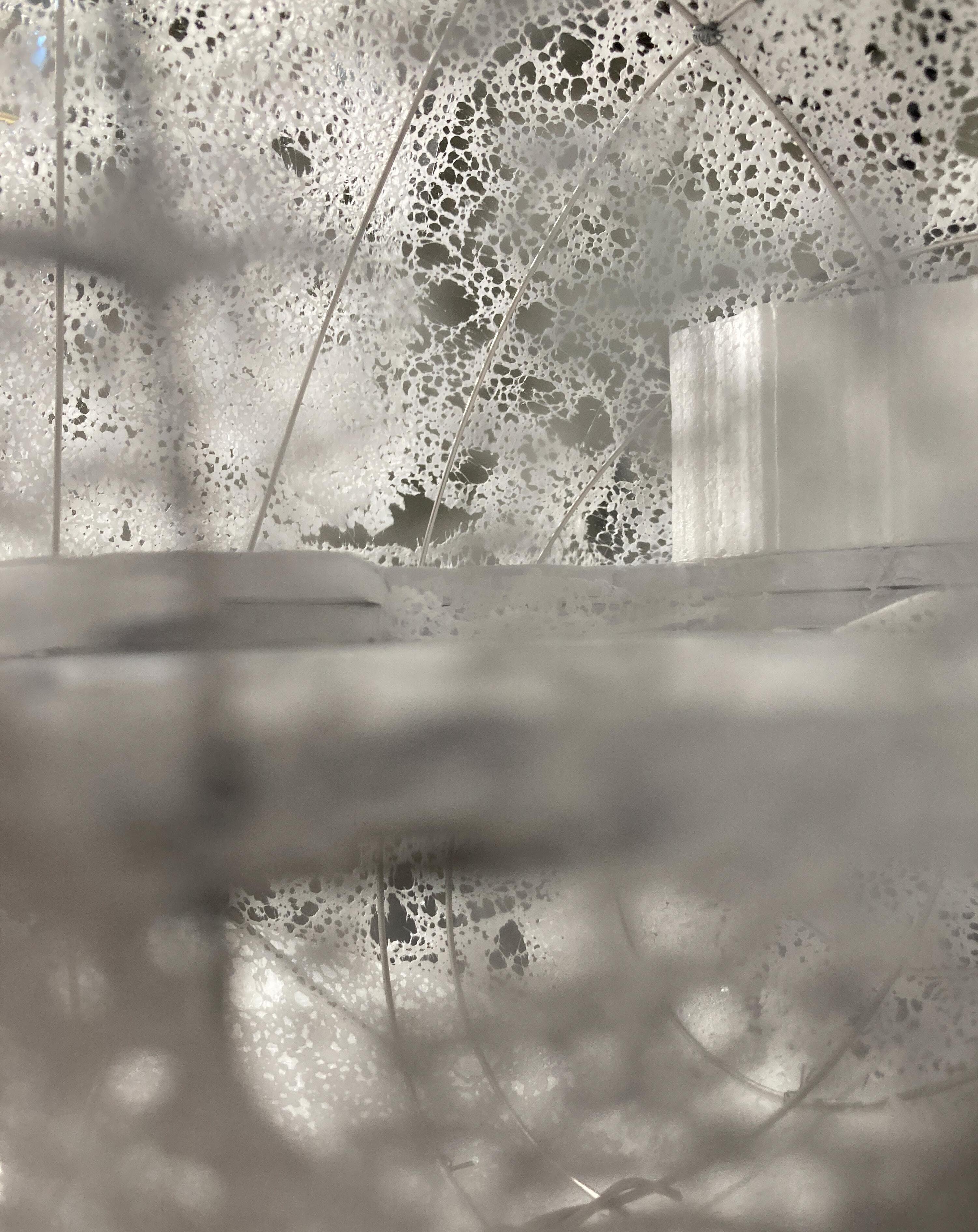
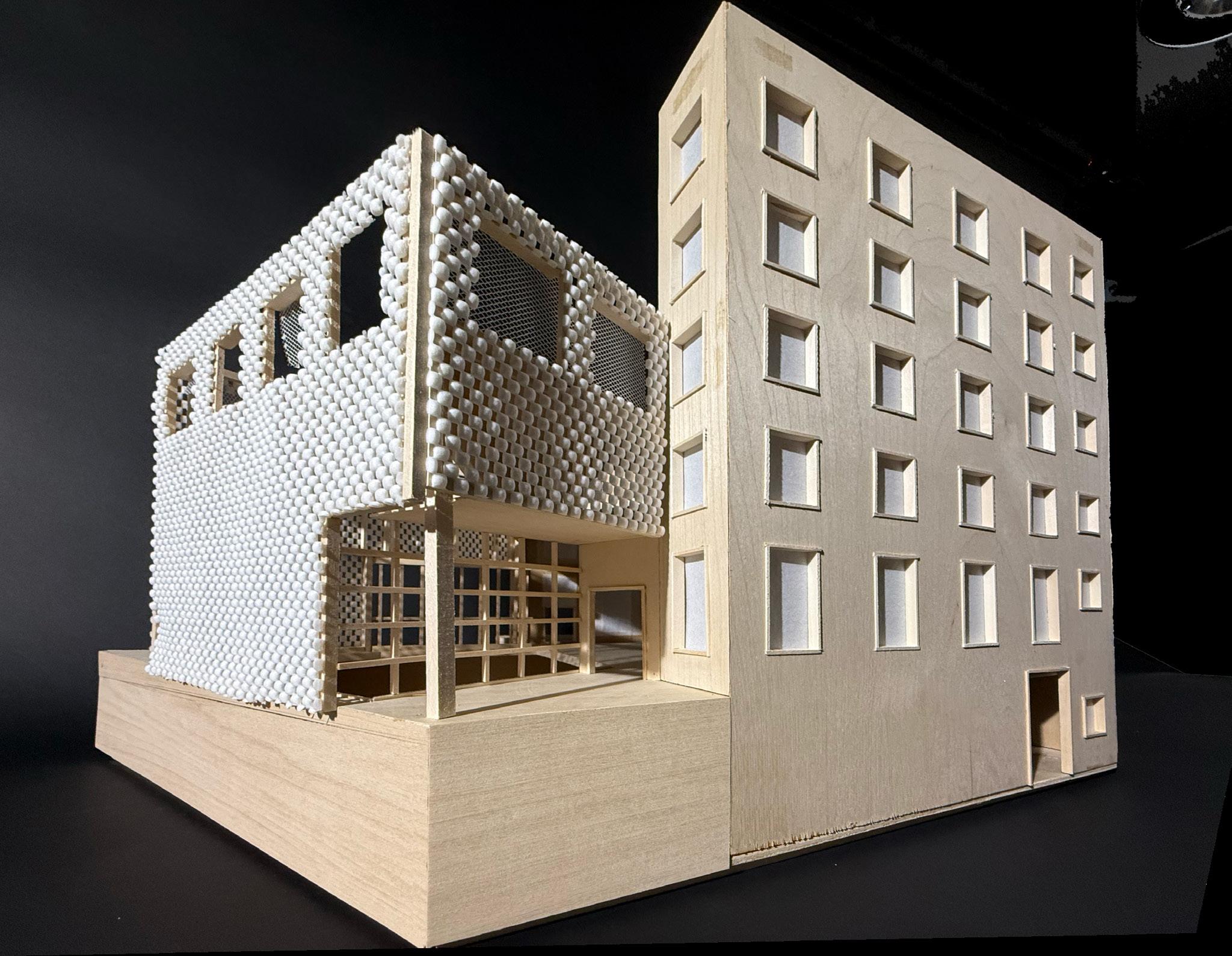
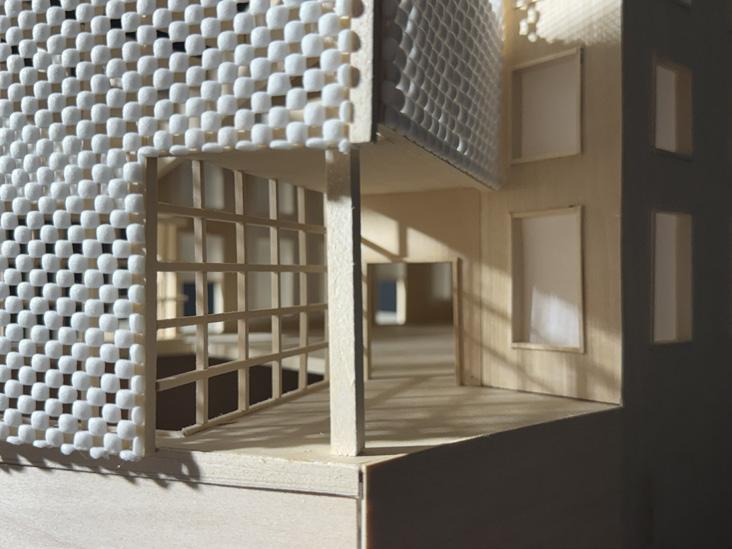
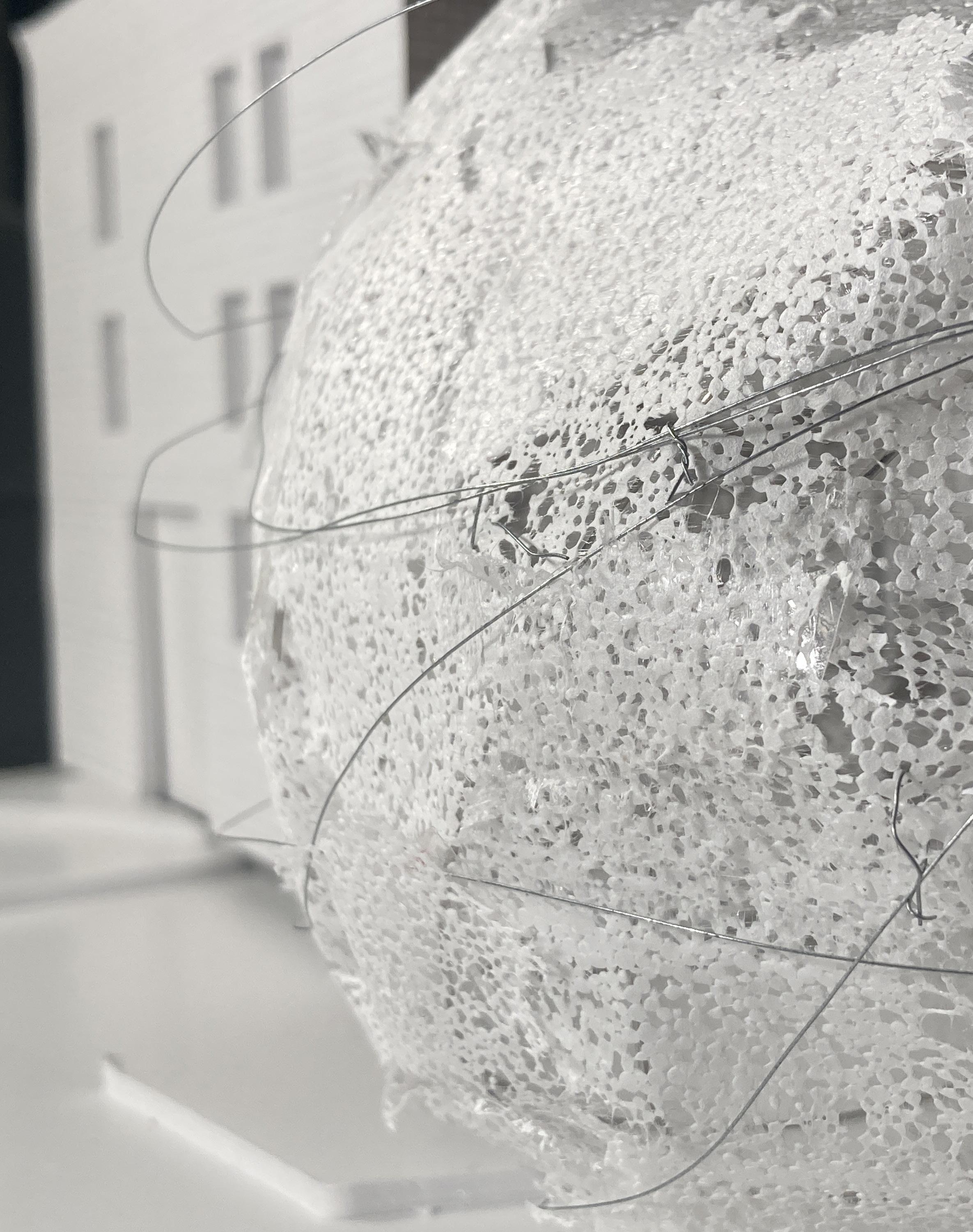
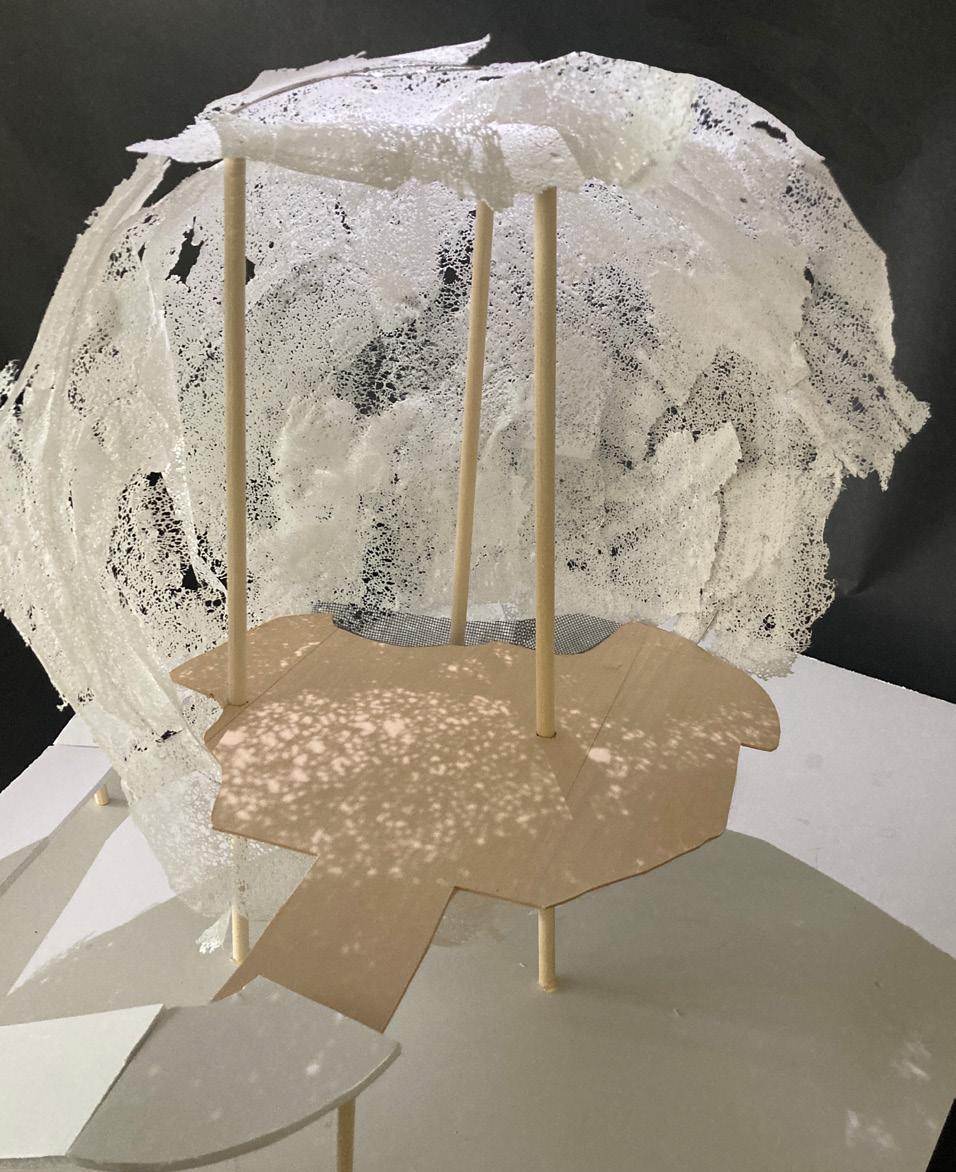
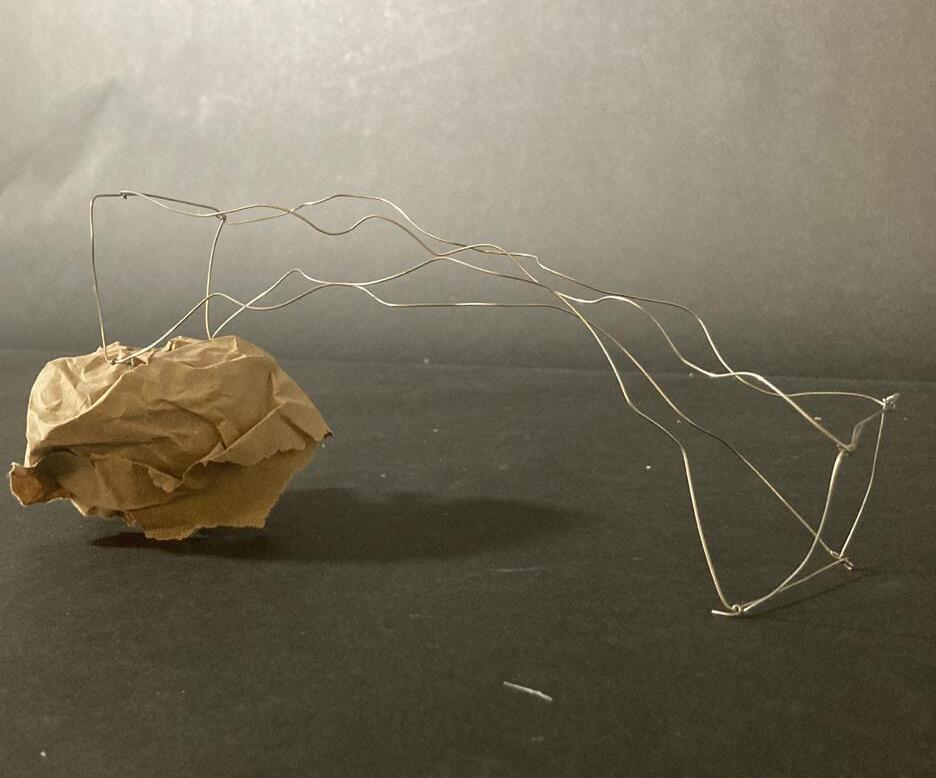
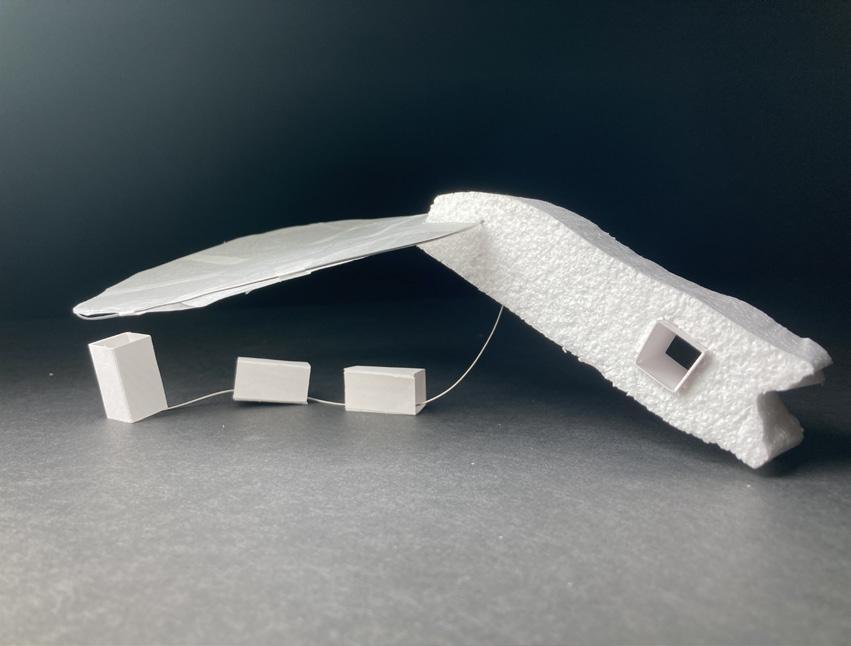
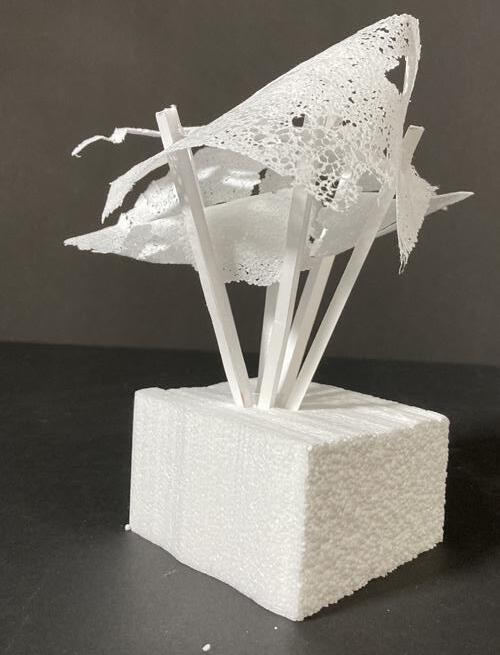
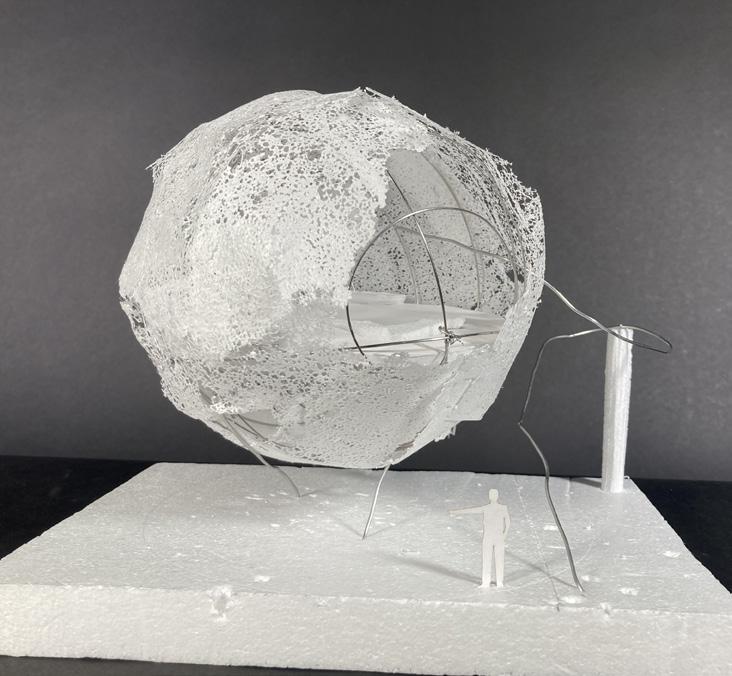
The sketch models served as provocations for the final design. Experiments with semitransparent modeling materials and wire helped bring to life the essence of the proposal which was to play in light permeability, textured shadows, and the contrast between lightness and mass. The result is an ellipsoidshaped elevated classroom which gives students inside the feeling of being in a tree house.
Emmet Pl.
(3/32")
[G - Dims - 3D]
DIMENSION
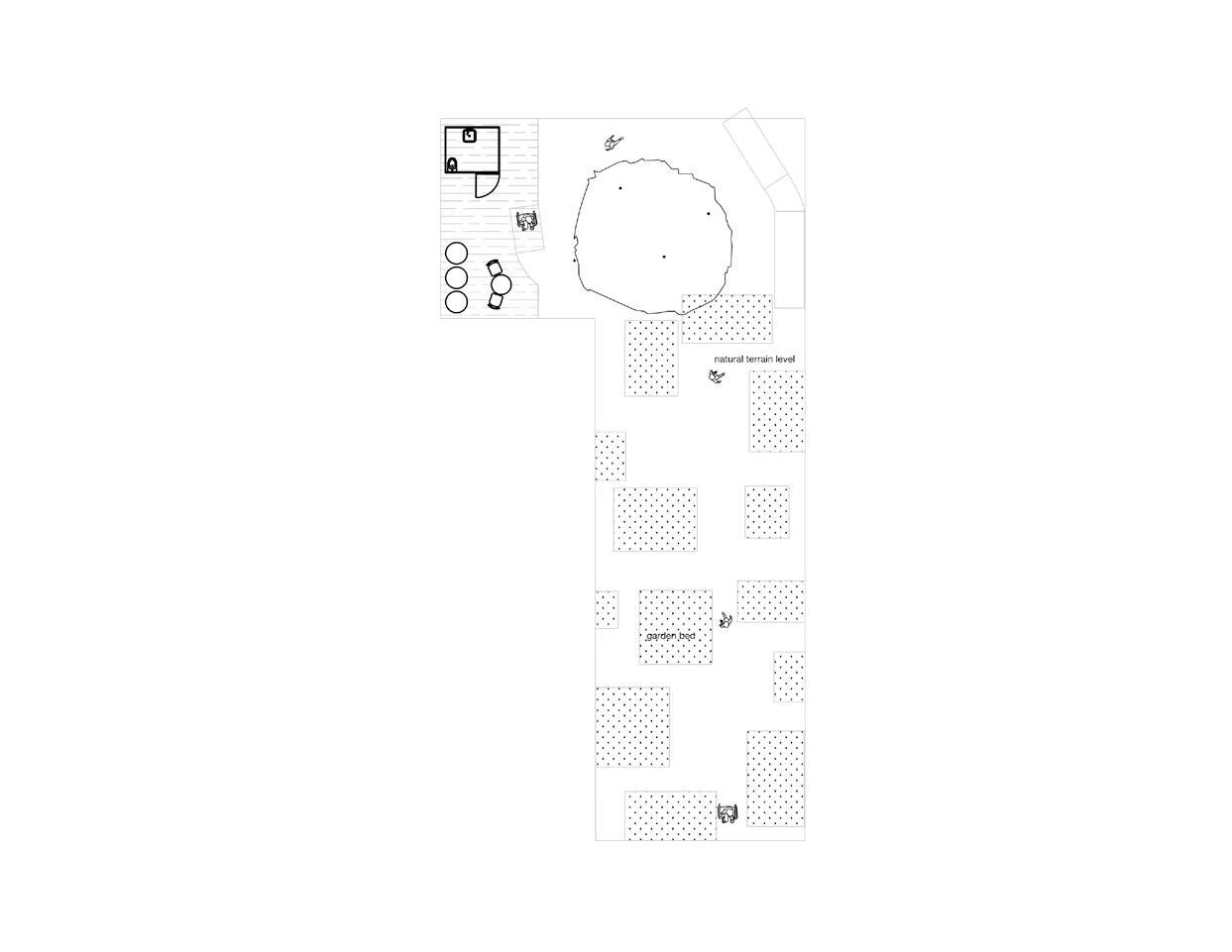
Design Challenges: Narrow community garden lot between residential townhouses with minimal shade in the summer, and no winterized space.
Proposal: An elevated educational pod enveloped in perforated alluminum skin to provide shade in summer while allowing for sunlight to pass through reaching garden beds around & beneath it. The site connects neighborhood children to the farm’s urban agricultural practices. A warm sculptural public addition to the confluence of backyards behind Sumner Street, Nexus allows community members access to Eastie Farms programming year round.
Sumner St.
Sumner St.
alley
Adapting on the Hudson
Riverine Museum and Community Center
City College of New York
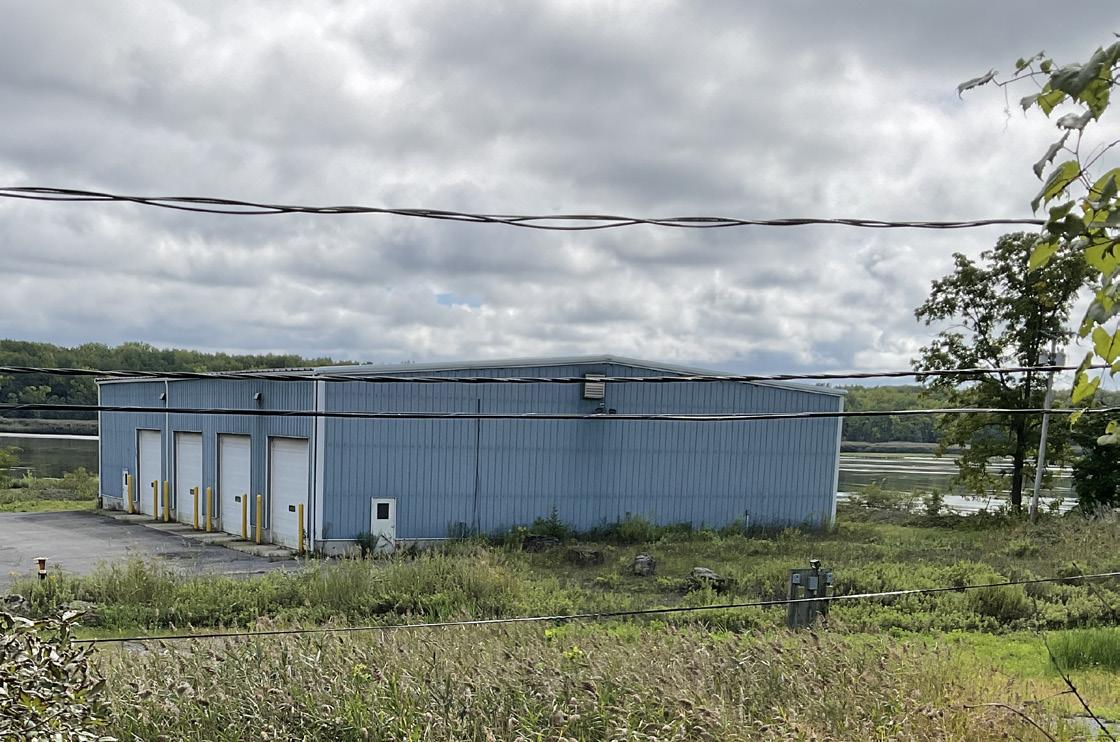
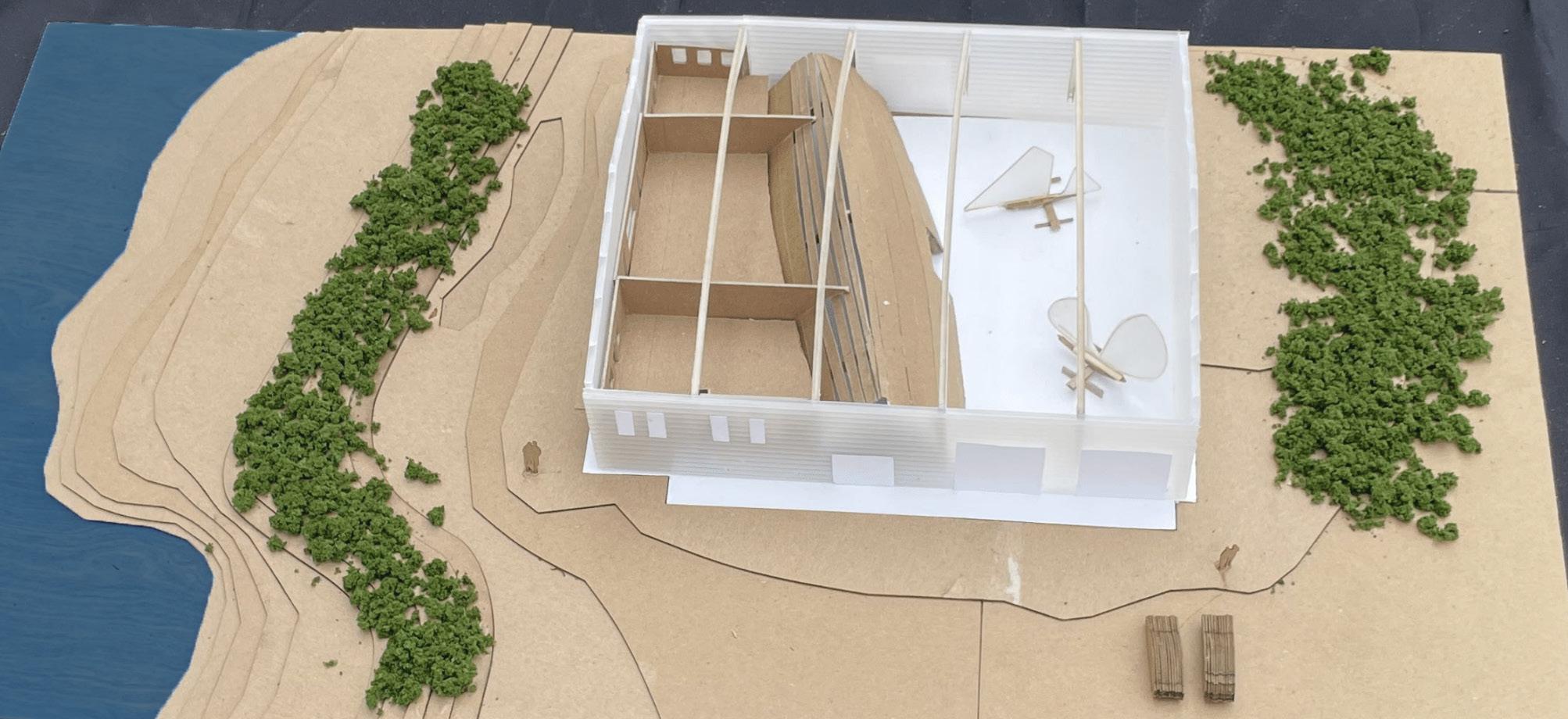
Brief: Adaptive reuse of a 20 year old former truck repair warehouse into a museum, boat building workshop and educational space for Hudson Valley residents.
Design Challenge: The existing steel structural frame remains and, feet from the waters of the Hudson River, the 20 year old warehouse floods regularly.
Proposition: An overturned wood vaulted exhibition ceiling hanging from existing steel beams is a central hall for the museum and divides the program between workshop on the east and classrooms on the west. The upturned boat shape creates a warm interior environment with a nod to the region’s historical ice boating. As you walk the length of the exhibition, the large window opposite the entrance brings in light and expansive river views, creating a sense of immediate connection with the riverine landscape.
Render image created using a photograph editted in photoshop and input into
Midjourney
North Facing Long Section
Workshop
Museum Gallery
Viewing Deck
Existing Warehouse
North River View
Workshop Ice Boat Loading
Parking
Gallery
Berm
Office
Conditioned
Climate Control (Passive and Active)
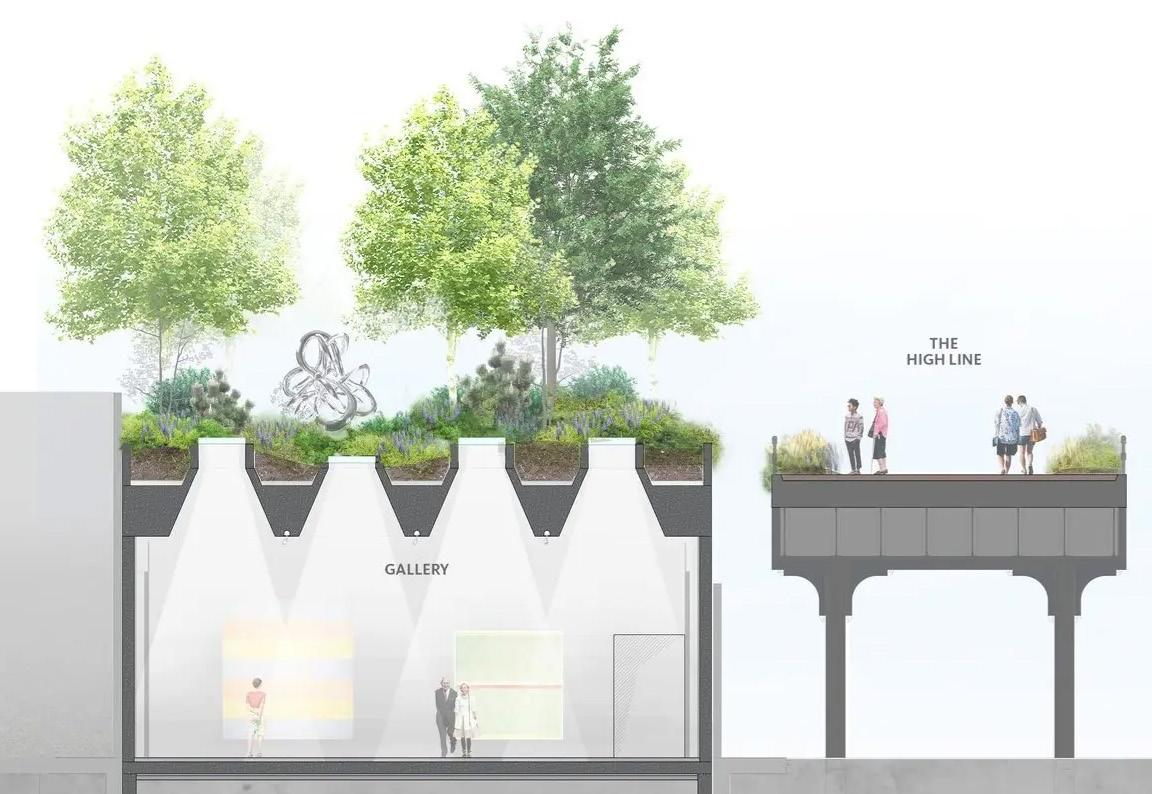
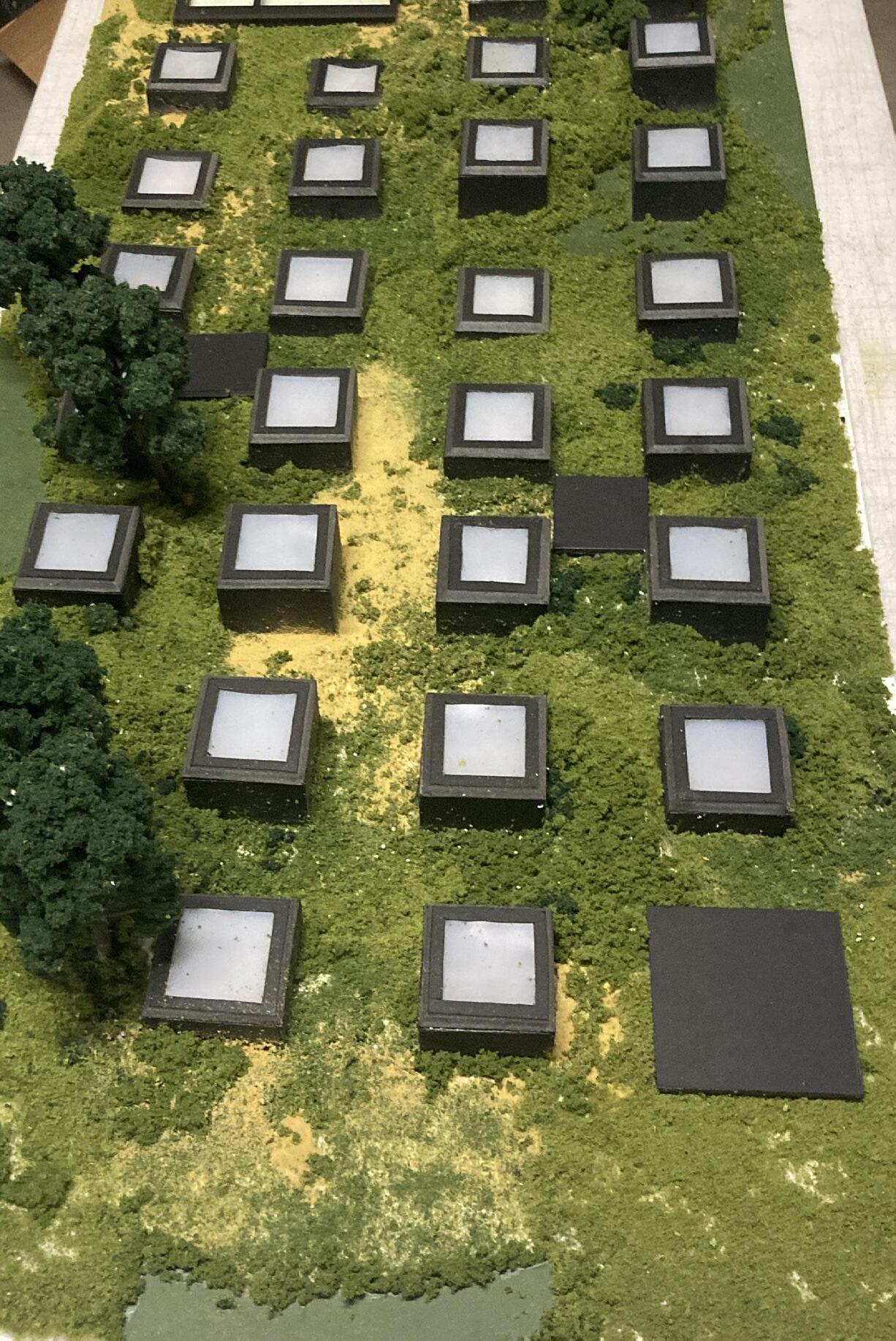
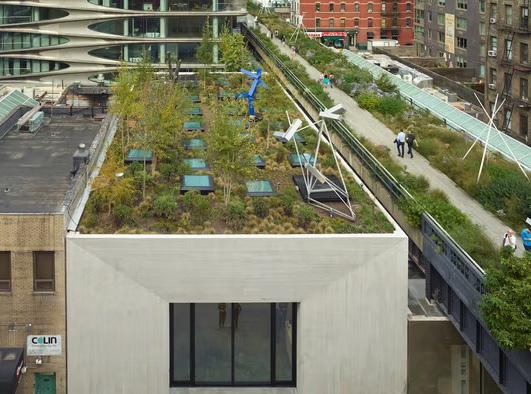
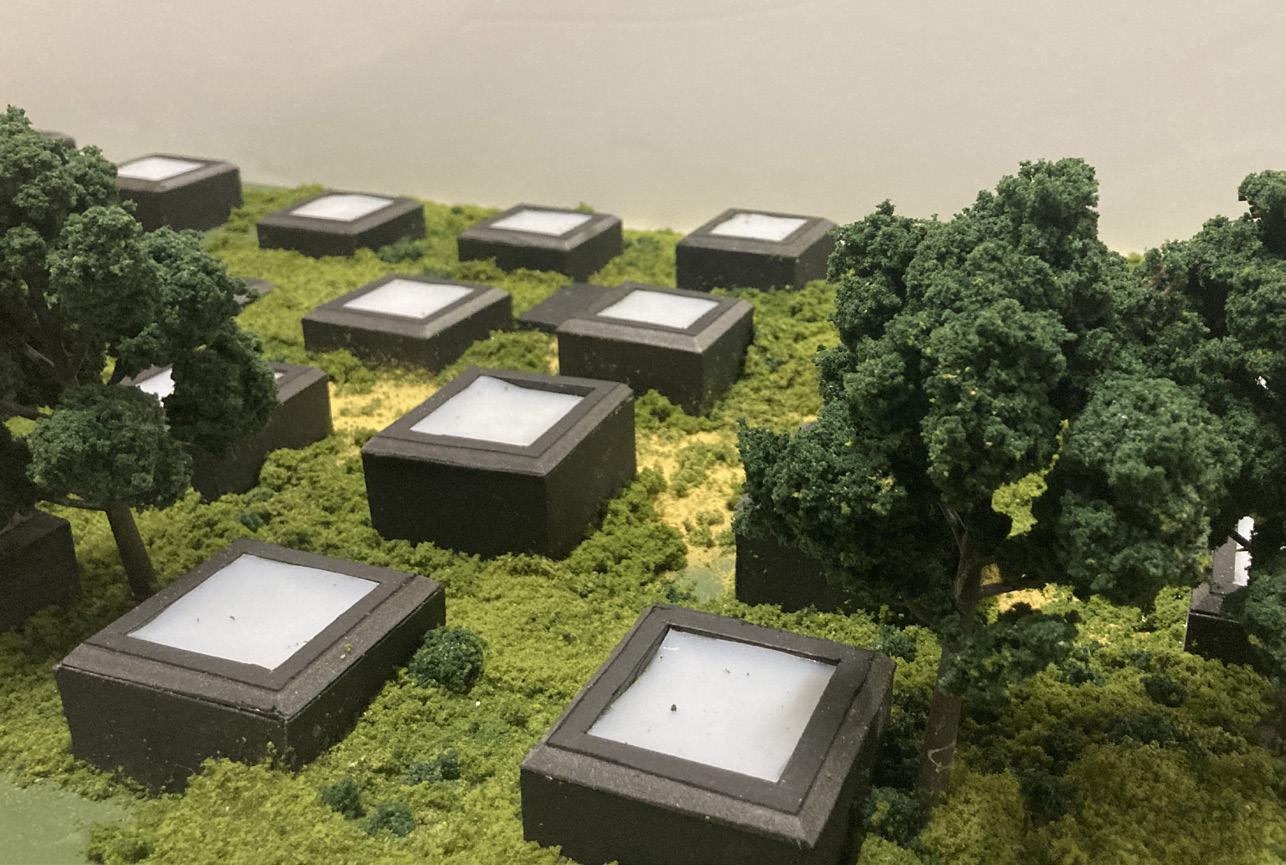
Roof Sculpture Garden 1/2 Scale Model
Kasmin Gallery
Jaimie Abel Designs
South Hampton Residence
Jaimie Abel Designs
South Hampton Residence
Specific Work:
• Interior Design Selections
• Construction Document Creation
• Construction Schedule Creation
• Finish and Interior Specification Selections (Appliances, Finishes, Plumbing, Tiles)
• Elevations Drafting
Specific Work:
• Interior Design Selections
• Construction Document Creation
• Construction Schedule Creation
• Finish and Interior Specification Selections (Appliances, Finishes, Plumbing, Tiles)
• Elevations Drafting
Jaimie Abel Designs
South Hampton Residence
Interior Design Material and Specification Selection
Elevation Drafting
Construction Schedule
Activating Mundet’s Green Corridor
Barcelona, Spain
Escuela Technica Superior d’Arquitectura de Barcelona
Collaborator: Carmen Unterberger
Site Conditions: Near the Mundet Metro station on the outskirts of Barcelona, there is an absence of cafes, restaurants, or markets to support daily life and social interaction for residents. An existing green corridor holds great spatial potential but little urban vitality, given its slope and lack of amenities for travelers to stop and enjoy on their way to school, home, or the doctor.
Intervention: Activate Green Corridor, Densify land around Metro Entrance, Frame the Open Space
Proposal: The ground floor of a new mixed use development hosts public space at the heart of the corridor, flexible for everyday useand virant on weekend market days. Green islands, shaded seating, and clear pathways enhance walkability and accessibility along the slope. The intervention activates the corridor by introducing essential services housing and social spaces, transforming an underused transit passage into a vibrant community hub.