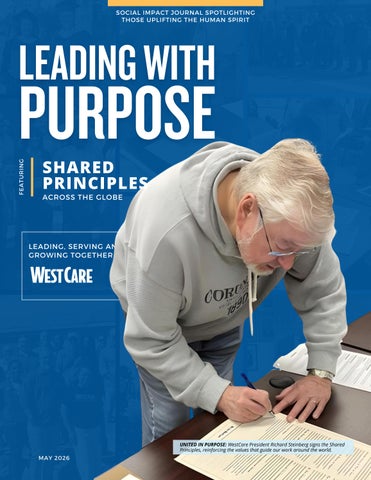
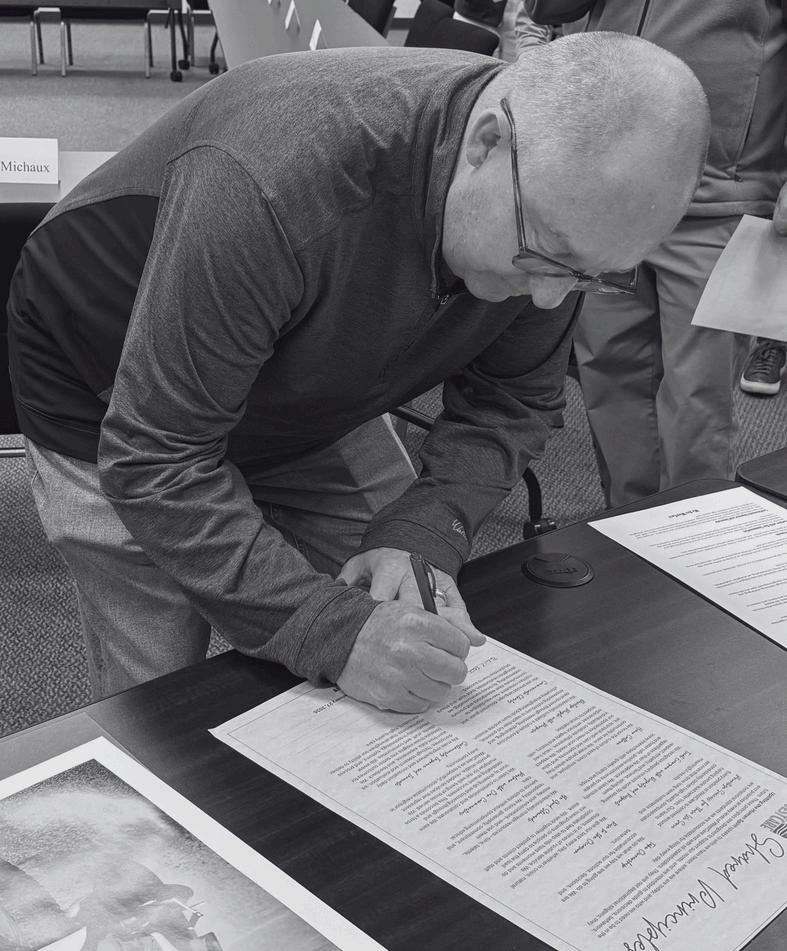
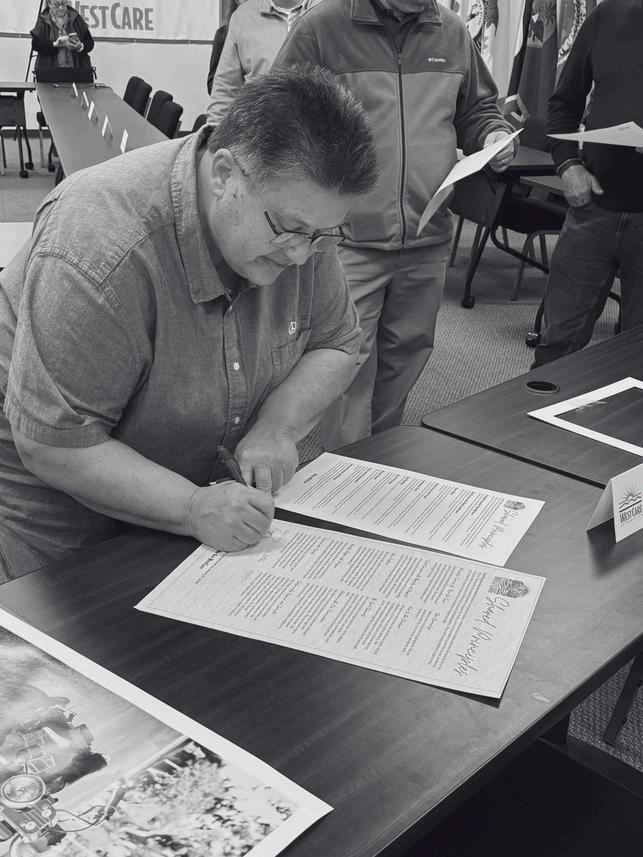
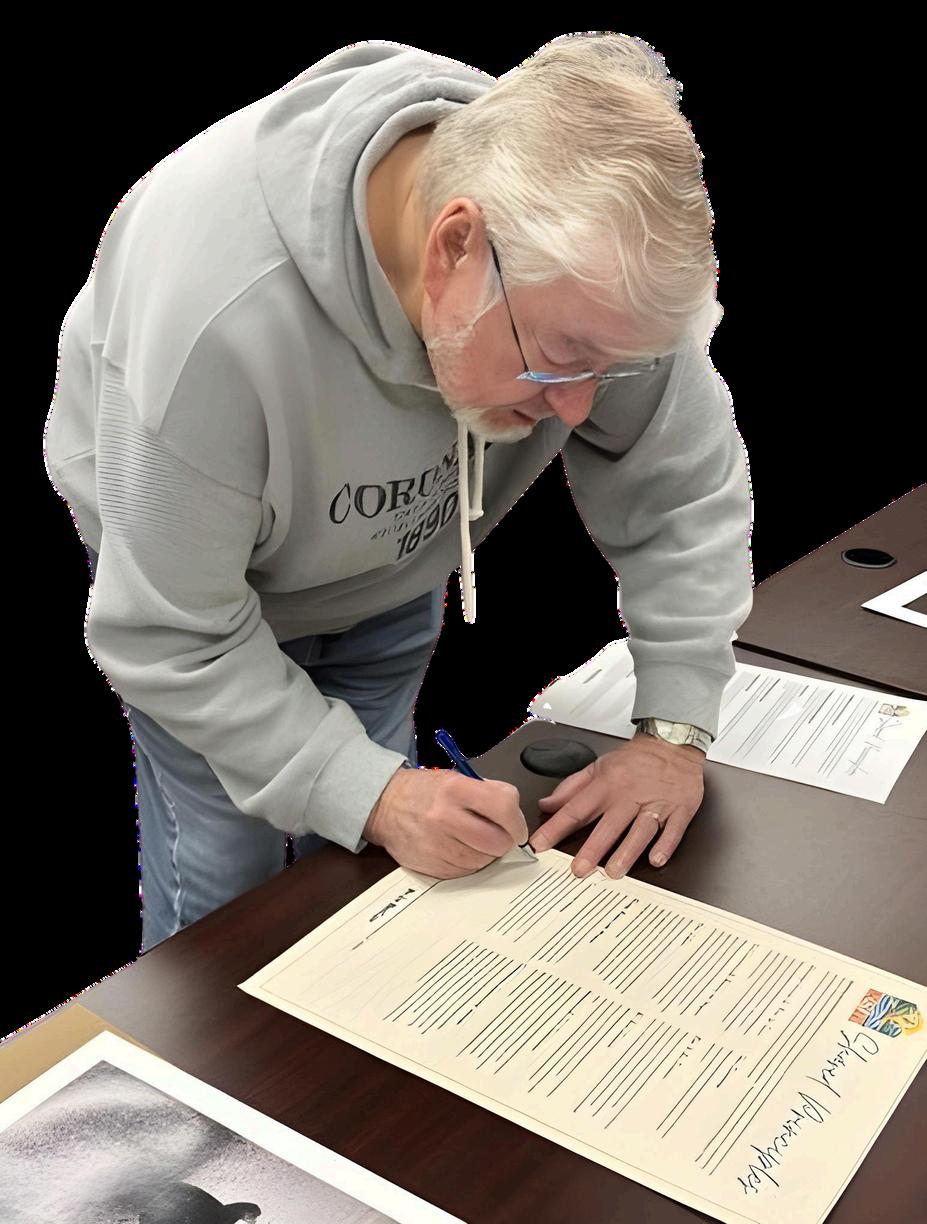
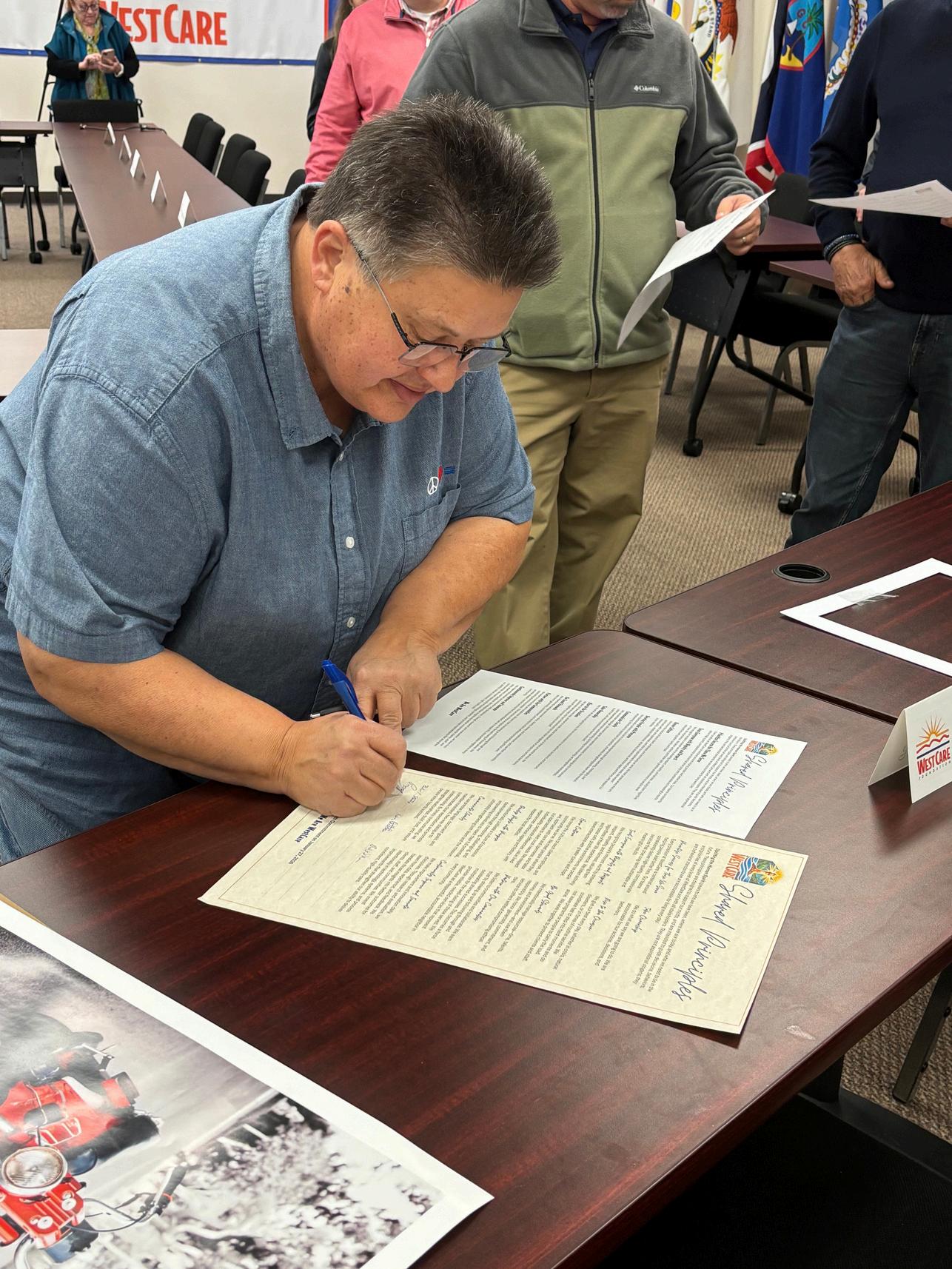
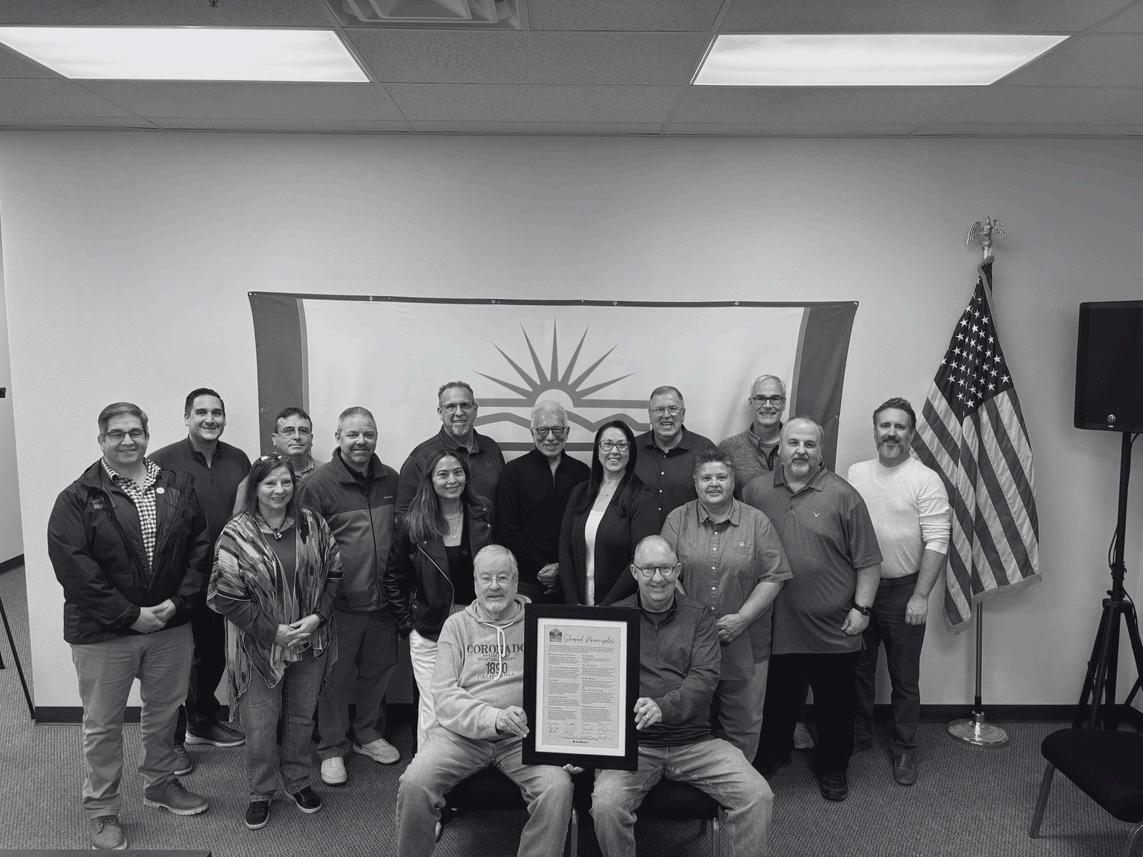
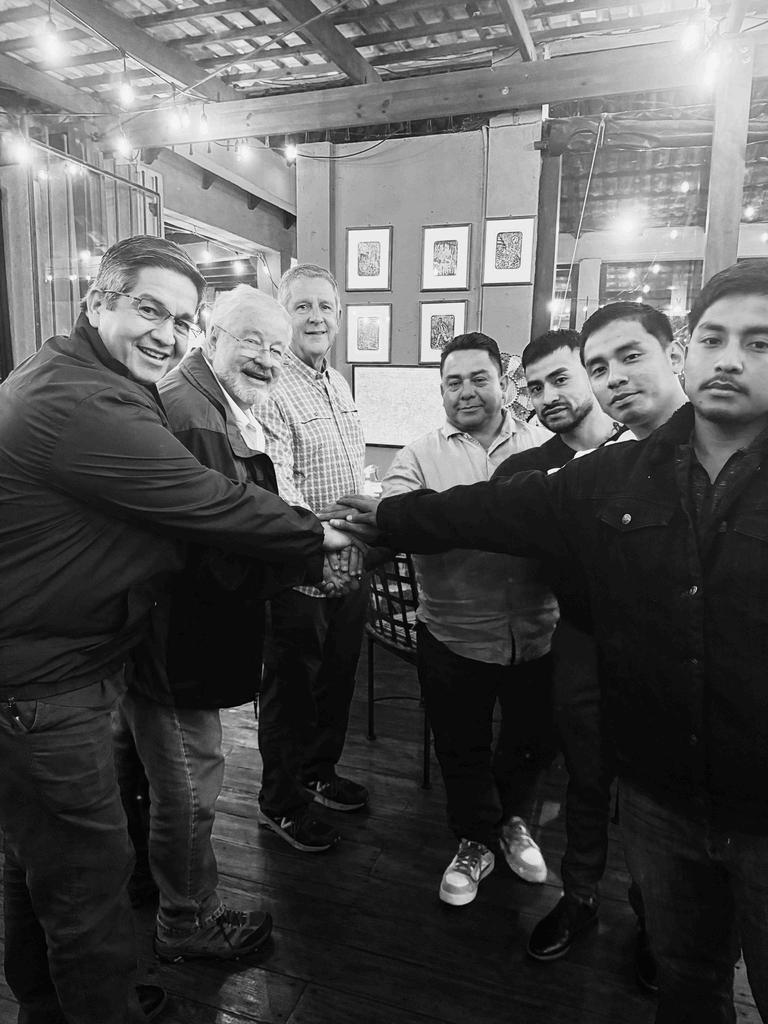
UNITED IN PURPOSE: WestCare President Richard Steinberg signs the Shared Principles, reinforcing the values that guide our work around the world.
Dear WestCare Teammates,
Uplifting With You,
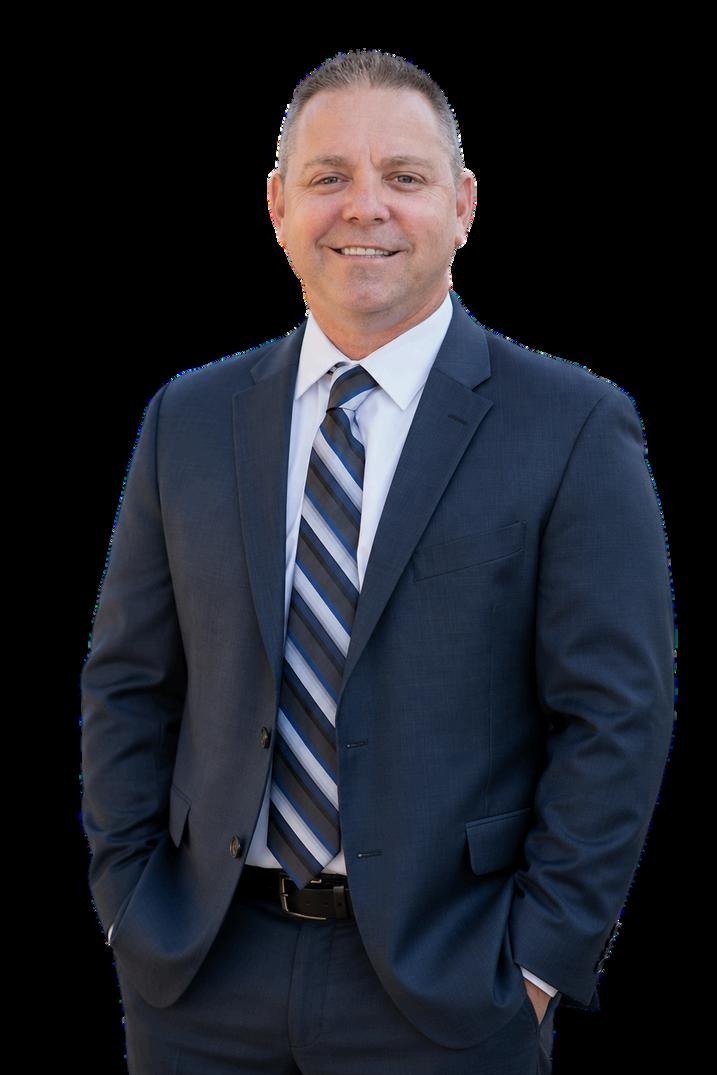
Dwayne Stevens is Chief Information Officer at WestCare, bringing nearly 25 years of experience in technology leadership, information security, healthcare systems, and organizational strategy.
Dwayne Stevens
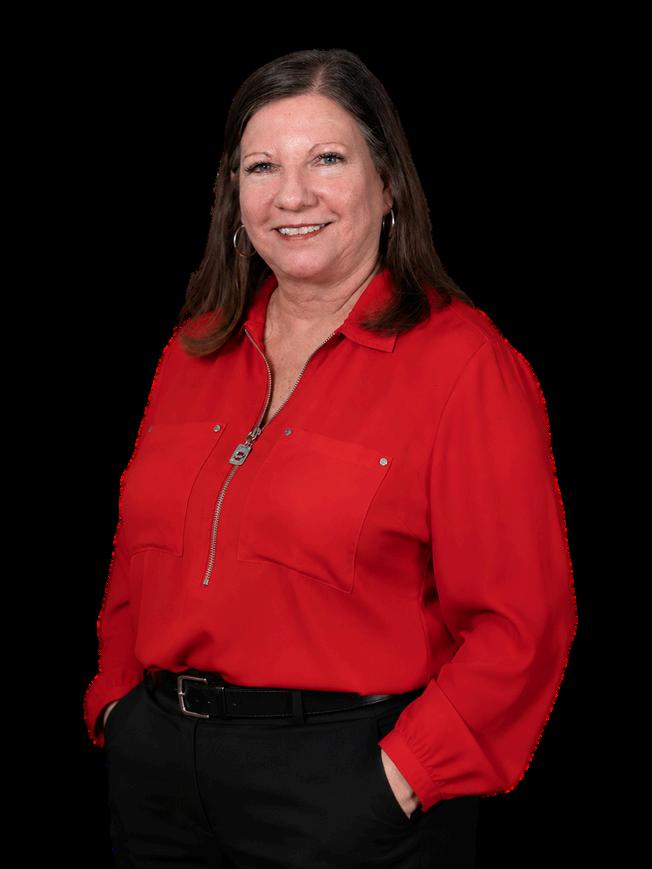
Peggy Quigg
PRIORITIZE SUCCESS FOR THOSE WE SERVE
Every position at WestCare is centered around helping people lead better lives Our teams consistently deliver high-quality, compassionate services that drive long-term sustainable and meaningful results is strengthened by strong relationships with stakeholders When programs deliver meaningful results and build trust across all levels, everyone becomes invested in their success.
Prioritizing success for those we serve means recognizing that impact extends far beyond the client alone. True success is achieved when both those we serve and those who support the work, including staff, partners, and the broader community, are aligned and invested. Bob describes this as a balance between “managing down” and “managing up,” where quality care for clients
At its core, this principle is rooted in a deep respect for the individual. Every person served brings a complex life story, and it is essential to approach each interaction with empathy, curiosity, and intention Leadership must cultivate environments that prioritize connection over transaction, ensuring that clients feel seen, valued, and supported from the very first interaction.
Bob believes some of the most meaningful outcomes happen when people feel genuinely heard and understood “People want to know that they matter and that someone is truly listening,” he shared. Creating that sense of trust and connection strengthens engagement, builds confidence, and helps individuals feel supported throughout their journey of care.
Ultimately, prioritizing success requires both awareness and action, creating a culture where compassion, partnership, and purpose drive outcomes, and where success is shared across the entire WestCare community.
Robert “Bob” Neri, LMHC, MCAP, is Chief Privacy Officer for WestCare and a member of the Executive Leadership team and President’s Legacy Council, bringing decades of leadership experience in behavioral health, program development, and organizational quality improvement.
TREAT EVERYONE WITH DIGNITY AND RESPECT
We recognize people’s inherent worth by showing respect, empathy, and fairness, valuing them regardless of their life experience. We listen actively and foster safe, positive environments so people leave interactions with greater clarity and hope.
Treating everyone with dignity and respect begins with meeting people where they are, recognizing that both clients and staff come with diverse experiences, challenges, and needs. Peggy emphasizes that those we serve often arrive hurt, vulnerable, and in need of compassion, and it is our responsibility to honor their humanity without judgment. This principle extends equally to staff, many of whom bring their own lived experiences into the work
At its core, dignity and respect require active listening, empathy, and the ability to set aside personal bias and ego. Leadership plays a critical role by modeling these behaviors, especially in challenging moments. By leading with humility and self-awareness, leaders create an environment where trust, understanding, and collaboration can thrive
Peggy believes dignity and respect begin with self-awareness and the ability to lead by example, especially during difficult moments. Leadership plays a critical role in setting the tone for how people are treated and supported “Leadership setting that example is really critical, and also to recognize in themselves when they’re not capable in that moment, to step back,” Peggy shared. Creating space for empathy, reflection, and humility allows stronger relationships and
more meaningful collaboration to grow across teams and communities
In everyday leadership, this principle shows up through openness, feedback, and a willingness to try new approaches. Continuous improvement is not about perfection. It is about making thoughtful changes over time that strengthen both teams and outcomes
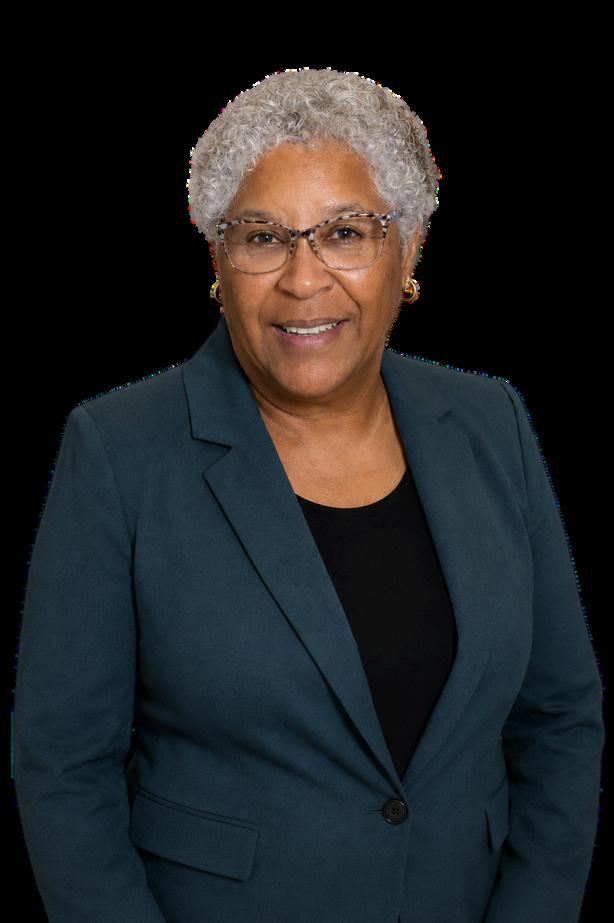
Peggy Quigg, a Continuous Quality Improvement Consultant and member of the WestCare President’s Senior Service Advisors and Legacy Council, brings decades of leadership experience and helped shape WestCare’s Shared Principles.
We honor the culture of each client, employee, and community we serve. We meet people where they are, approach with care and openness, and tailor our approaches to meet local needs. We respect individuality, celebrate differences, value lived experiences, embrace legacy and history, with respect for local realities.
Honoring Culture means more than respecting differences It’s about taking the time to truly understand the people and communities we serve so that care feels relevant, meaningful, and effective. For Beverlyn, culture is not separate from the work itself. It shapes how trust is built, how services are delivered, and how relationships are formed
Working across Guam and the Pacific Islands has reinforced the importance of listening first While many island communities share similarities, each has its own identity, history, and lived experience. Beverlyn shared that meaningful progress only happened when WestCare partnered with trusted community members who could guide conversations, open doors, and help shape services in ways that reflected the needs of the people being served
Beverlyn believes cultural understanding begins with humility and a willingness to learn from the communities themselves. “You cannot serve people well if you do not take the time to understand who they are and what matters to them,” she shared. Creating space for people to feel seen, respected, and represented strengthens trust and allows services to feel more personal and impactful
Her leadership has been deeply influenced by her own experiences growing up as a CHamoru woman and navigating different cultural spaces throughout her life. Those experiences taught her the importance of remaining curious, adaptable, and willing to learn from others
Beverlyn reminds us that, “Honoring culture is not extra work. It’s how we make our work more meaningful.”
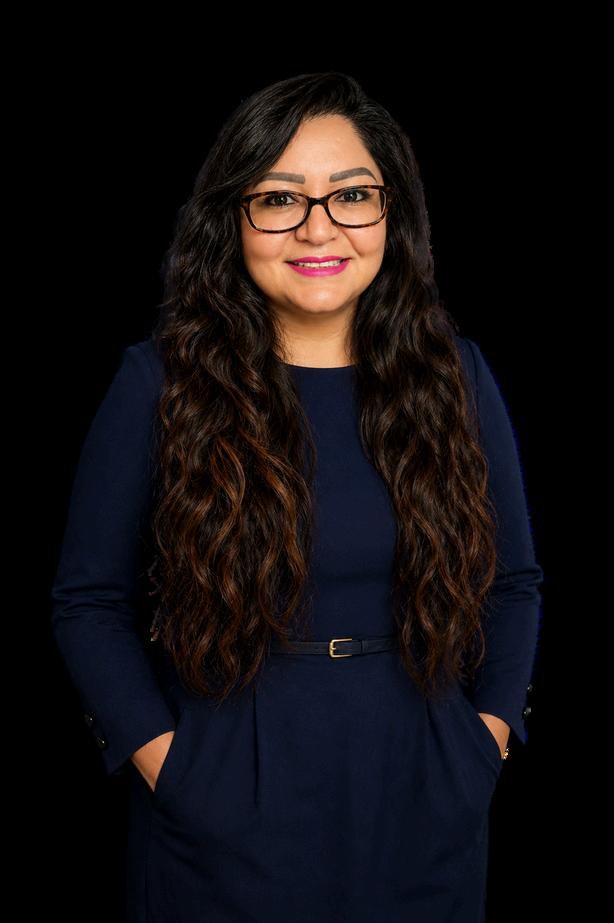
Beverlyn Coleman is Vice President of Operations for WestCare Pacific Islands, a proud CHamoru leader and Army National Guard Veteran with nearly 20 years of experience serving youth, families, and diverse island communities.
IS NOT ABOUT WHEN IT IS ABOUT HOW WE RESPOND
THINGS ARE GOING WELL.
Ivan Moratiel
DEVELOP PEOPLE WITH PURPOSE
We intentionally cultivate a culture of conscious development through mentoring, challenging, and empowering individuals to reach their full potential, ultimately strengthening both team and the mission.
Developing people with purpose means ensuring that the work we do is rooted in both skill and heart. While systems, data, and processes are essential, they are not what define our impact. People are. If we are not intentionally developing staff to see those we serve as individuals, not numbers, we cannot truly fulfill our mission of Uplifting the Human Spirit
For Jeannie, this principle comes to life through empowering others to grow into confident, independent leaders.
Rather than relying on constant oversight, effective leadership creates space for individuals to think critically, take ownership, and step forward when needed. By guiding rather than controlling, leaders help others build the confidence and capability to succeed on their own.
She believes growth happens when people feel trusted, supported, and encouraged to think for themselves “If you have to oversee every single thing someone does, then you’re not really developing them,” Jeannie shared. Creating opportunities for people to lead, problem-solve, and learn from experience helps build stronger teams and more confident leaders over time.
This approach not only strengthens teams but creates lasting impact When people are developed with purpose, they carry those lessons forward, influencing others and shaping the culture around them. In essence, this principle is about more than performance. It is about caring for people in a way that allows them to grow, lead, and contribute meaningfully to the mission
Jeannie Lewis is Vice President of Accreditation and Clinical Integrity at WestCare, a Licensed Mental Health Counselor, and an experienced behavioral health leader with a background spanning clinical care, accreditation, and program leadership.
COMMUNICATE CLEARLY
We use precise language, document goals, and maintain consistent, two-way dialogue to communicate clear expectations and promote understanding. By timely communicating, we strengthen relationships, build trust, and ensure people know how to succeed.
Communicating clearly means creating an environment where no one has to guess It is about being transparent, direct, and thoughtful so that people understand not just what they are doing, but why it matters. In an organization as large and diverse as WestCare, clarity is essential to keeping teams aligned, focused, and moving forward together.
For Gabriela, clear communication is not just about sharing information it is about building trust. When people feel informed and included, they are more confident, more engaged, and better equipped to serve others. This shows up in leadership through setting clear priorities, defining timelines, and being honest about capacity, while also creating space for questions and dialogue
She believes some of the strongest teams are built when communication is consistent, respectful, and grounded in transparency.
“Clarity is kindness,” Gabriela shared, emphasizing that people work best when expectations are understood and conversations are approached openly. Creating that kind of environment allows teams to collaborate more effectively, navigate challenges with less confusion, and stay connected to the larger purpose behind their work.
Over time, she has learned that avoiding difficult conversations only leads to confusion and stress. By leaning into those moments with both honesty and care, leaders can strengthen relationships and improve outcomes. Ultimately, clear communication protects time, energy, and purpose allowing teams to move beyond reaction and into meaningful, strategic work that supports the mission
Gabriela Swartwood is Vice President of Marketing and Communications at WestCare, bringing more than 20 years of experience in nonprofit storytelling, strategic communication, and community engagement.
We do what we say we are going to do. We are accountable for our actions, decisions, and behaviors.
Taking ownership means fully embracing responsibility, not only for what we do, but for how we show up for others. For Travis, this principle is rooted in accountability and follow-through. It is about doing what you say you will do and making sure the work is carried out with intention and care.
In practice, ownership goes beyond simply completing a task It means staying engaged until someone truly gets the help they need. Especially in moments of vulnerability, small gaps in support can lead to missed opportunities for care and connection. Taking ownership requires people to remain present, responsive, and willing to step in when needed
Travis believes real leadership is demonstrated through action and personal responsibility. “If someone needs help, don’t just point them in the right direction take them there,” he shared. That mindset creates stronger relationships, builds trust, and reminds people they are not navigating challenges alone
This principle also shapes team culture When individuals are trusted to own their roles, it reduces the need for micromanagement and builds confidence across the team. Ownership creates accountability, mutual respect, and a stronger sense of commitment to both the mission and the people being served.
Travis Landry is Regional Vice President of WestCare Wisconsin, bringing years of community leadership and hands-on experience serving some of Milwaukee’s most at-risk neighborhoods through outreach, collaboration, and service.
A TITLE DOESN’T A TITLE DOESN’T
GIVE YOU GIVE YOU CREDIBILITY. CREDIBILITY.
Nichole Smith
RISE TO THE OCCASION
We give our best every day, whether in crisis, natural disasters, or in times of routine service. We coordinate fast to step into hard moments and do not leave programs or people to carry the load alone. We work together to protect clients and staff.
Rising to the Occasion means doing what needs to be done, especially when circumstances are difficult or uncomfortable. It is not about waiting for ideal conditions or looking for excuses. In the work we do, there is always someone depending on us to respond well, and how we handle those moments has a direct impact on the people we serve
For Ivan, this principle became especially clear during a period of intense pressure when multiple responsibilities converged. Rather than stepping away or letting one person carry the burden alone, the team stayed connected, communicated consistently, and worked through challenges together. That experience reinforced the importance of presence, accountability, and shared responsibility
Ivan believes leadership is shown most clearly during difficult moments, when people look to one another for stability, direction, and support. Rising to the occasion means remaining present and willing to carry responsibility alongside the team rather than stepping back under pressure “What falls to us, falls to us, and it is up to us to make sure it happens,” Ivan shared That mindset strengthens trust and reminds teams that challenges are best faced together.
In everyday leadership, rising to the occasion means showing up fully, listening to the team, understanding what people are carrying, and providing direction even when decisions are difficult Over time, this principle has taught Ivan that leadership is defined not by moments of control, but by how we respond when things become challenging.
Ivan Moratiel is Regional Vice President of Guara Bi Puerto Rico, co-founder, and social work leader overseeing programs for vulnerable populations, including those experiencing homelessness and substance use challenges.
We intentionally manage resources time, talents, money, and environment and use them responsibly We honor generosity, commitment, and service to others without compromising ethical care
Being a Good Steward means responsibly managing the resources entrusted to our care, especially people, time, and money. For Linda, stewardship is not just a financial responsibility; it is a leadership mindset rooted in accountability, trust, and long-term sustainability.
In practice, this principle shows up every day through careful oversight, compliance, and thoughtful decision-making From reviewing budgets and grant requirements to ensuring resources are used effectively, stewardship is about protecting the organization’s ability to continue serving clients and supporting staff. It also means creating an environment where employees feel valued, respected, and empowered to grow
Linda believes stewardship extends beyond numbers and reporting. Strong leaders act as caretakers, not owners, and help foster stable, productive teams built on integrity and communication. She emphasizes the importance of addressing challenges directly, mentoring staff through difficult situations, and creating a workplace where people feel supported rather than fearful
She also emphasizes that true stewardship requires presence and accountability in every aspect of leadership.
“Leadership is showing up and being accountable, even when the work is uncomfortable or the outcomes aren’t certain,” Linda shared. Taking responsibility for both decisions and people strengthens teams and ensures the organization can meet its mission.
At its core, being a good steward means keeping the mission sustainable, so WestCare can continue making a meaningful difference in the lives of those it serves
Linda Erath is Chief Financial Officer of WestCare, bringing extensive corporate and nonprofit experience to oversee finances, drive operational excellence, and ensure resources are used to maximize mission impact.
PARTNER WITH OUR COMMUNITIES
We listen to communities and collaborate. We earn trust by showing up and following through and celebrating shared successes. This becomes a force multiplier for the well-being of those served. We provide reliable, needed services that represent WestCare as a respectful, accountable neighbor in every community
Partnering with Our Communities means recognizing that meaningful change cannot happen in isolation. It requires true collaboration, where those closest to the challenges are also closest to the solutions. For Nichole, this work is grounded in the belief that communities are not passive recipients of services, but experts in their own lived experiences
Effective partnership begins with trust It requires intentionality, proximity, and a willingness to listen rather than prescribe. Leaders must ensure that all voices are represented, especially those most impacted, while actively removing barriers to participation. Without this, even the most wellintentioned efforts risk missing the mark.
Nichole believes the strongest partnerships are built when organizations approach communities with humility and a genuine willingness to learn. “The people closest to the pain should be closest to the power,” she shared. Creating space for communities to shape conversations, priorities, and solutions leads to more authentic relationships and stronger long-term outcomes
This principle also demands discipline in decision-making. Programs and initiatives must be informed by community input, not assumptions. When organizations take the time to engage, ask, and listen, they create solutions that are relevant, sustainable, and impactful.
Ultimately, partnering with communities is about building relationships that evolve over time, grounded in trust, shaped by collaboration, and driven by a shared commitment to progress.
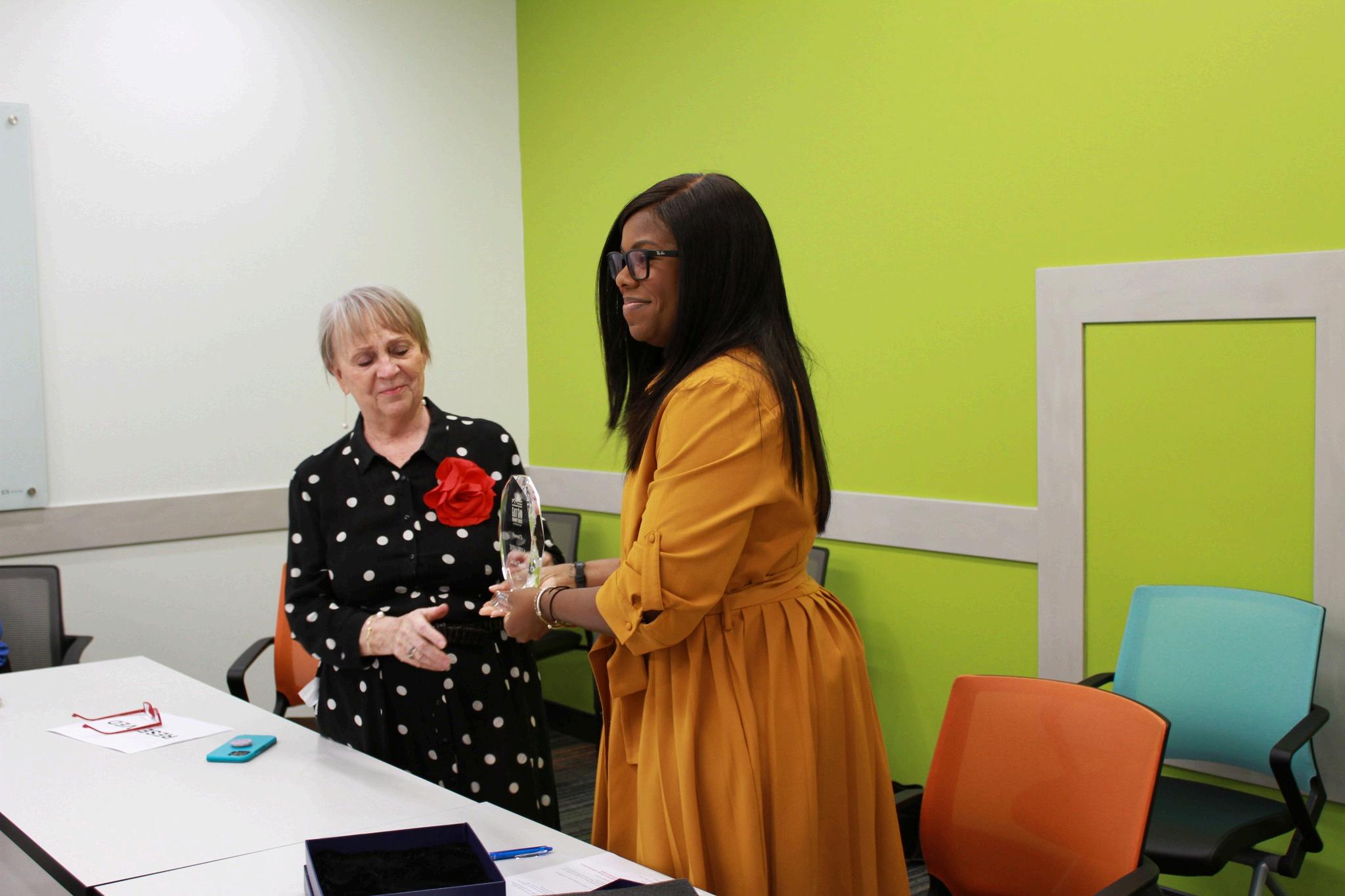
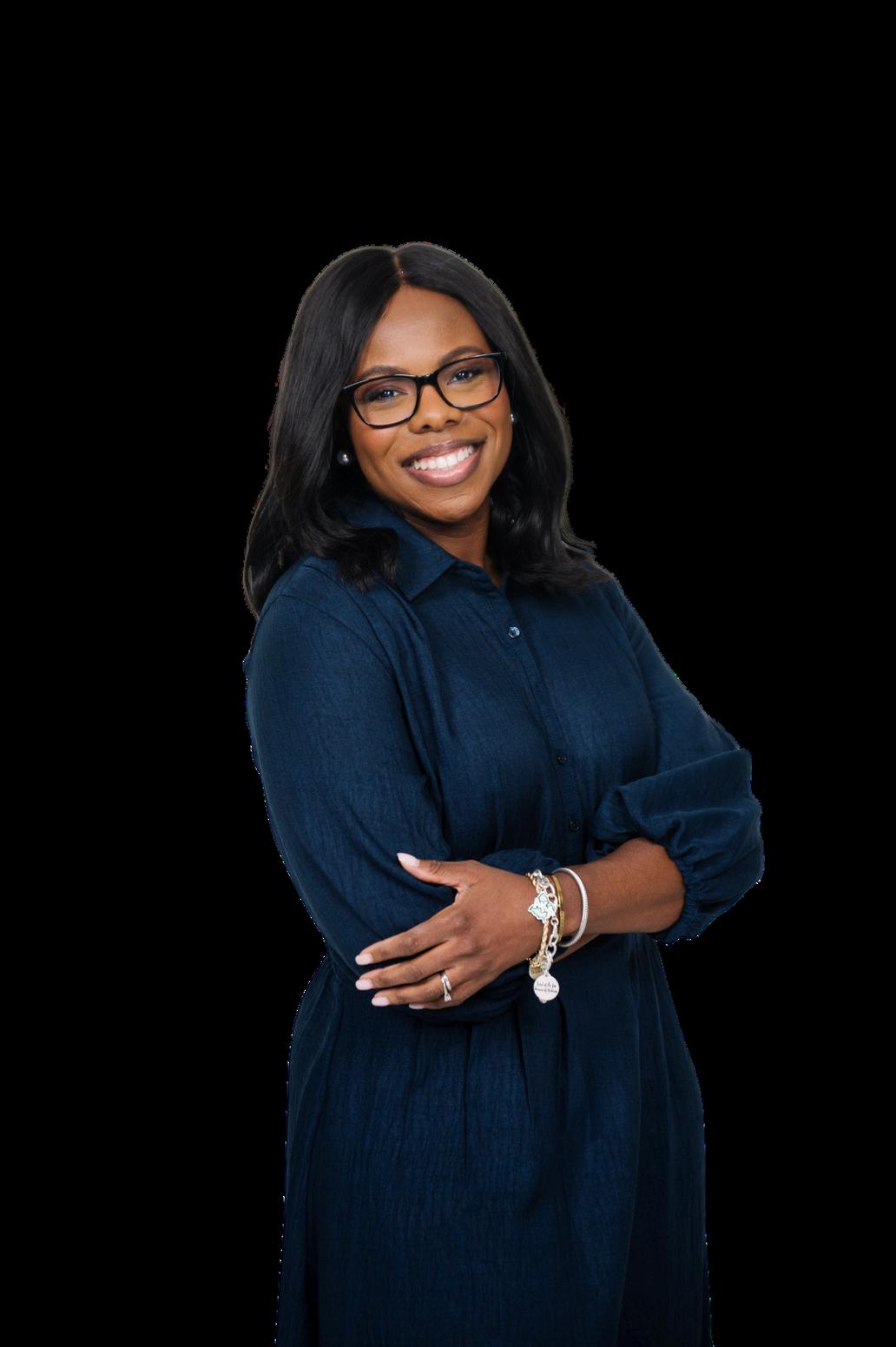
Nichole Smith, CSSGB, serves as Regional Vice President of WestCare Ohio and Executive Director of East End Community Services, bringing a background in law enforcement, nonprofit leadership, and community advocacy to her work in collaborative community engagement.
CONTINUOUSLY IMPROVE AND INNOVATE
We make improvement and innovation daily disciplines. Through research and evaluation, we learn from data, experience, and feedback. We translate those insights into better outcomes for clients, staff, and communities. We invest intentionally in technology, systems, and process improvements that strengthen our ability to deliver consistent, high-quality care
Continuously Improving and Innovating means not becoming complacent in how we deliver care It is about recognizing that what works today may not be enough tomorrow and being willing to adapt as needs change. In behavioral healthcare, where the people we serve often have complex and evolving needs, continuous improvement is essential to providing meaningful support.
For Dr Engel, innovation is not just about efficiency It is about protecting the human connection at the center of care. By integrating artificial intelligence into documentation, his team reduced administrative burden and gave providers more time for direct client interaction, allowing care to feel more present and focused.
He believes innovation is strongest in environments where people feel safe contributing ideas and speaking openly about challenges. “The environment I have always worked best in is the one where it felt safe to voice my ideas,” he shared. Creating that kind of culture encourages collaboration, thoughtful problem-solving, and growth across teams.
In everyday leadership, this principle shows up through openness, feedback, and a willingness to try new approaches. Continuous improvement is not about perfection. It is about making thoughtful changes over time that strengthen both teams and outcomes
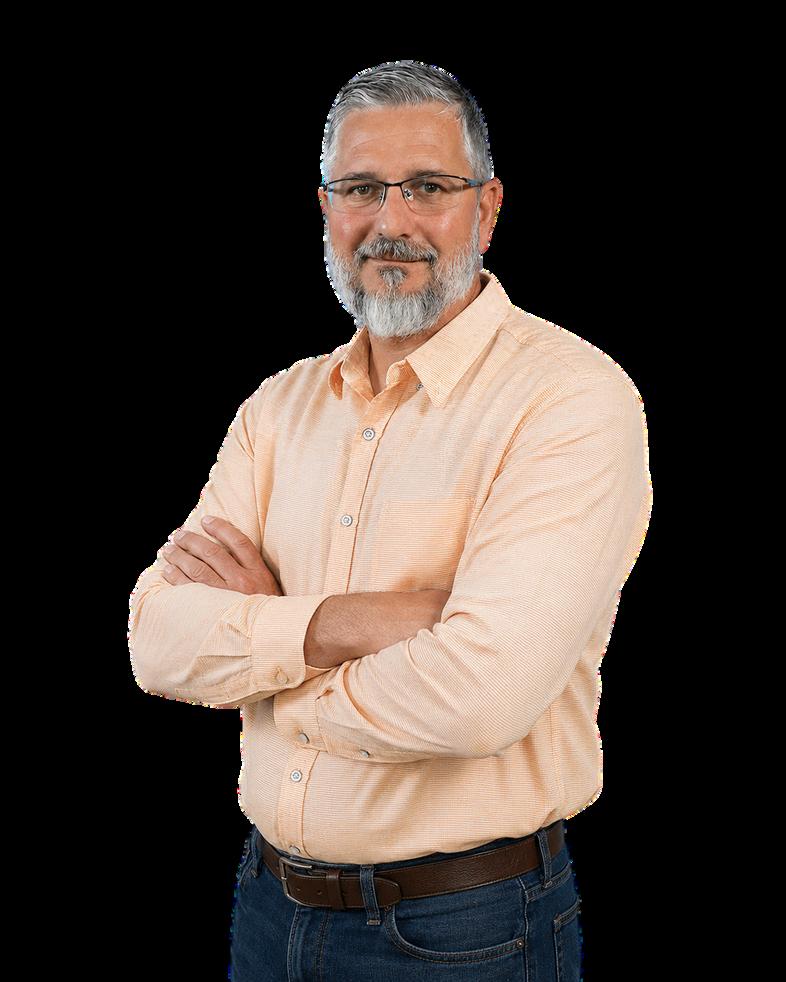
Jason Engel, DBH, MBA, LCSW, LCADC, is Chief Clinical Officer of WestCare, bringing extensive experience in clinical innovation, quality improvement, and behavioral healthcare leadership.