Maryland Lawyers Have a Chance to Change Lives: 500 PEOPLE ARE WAITING
BY NATASHA M. DARTIGUE, ESQ., AND ALEXANDRA STRUBING PARADISE, ESQ.
Maryland Lawyers Have a Chance to Change Lives: 500 PEOPLE ARE WAITING
BY NATASHA M. DARTIGUE, ESQ., AND ALEXANDRA STRUBING PARADISE, ESQ.

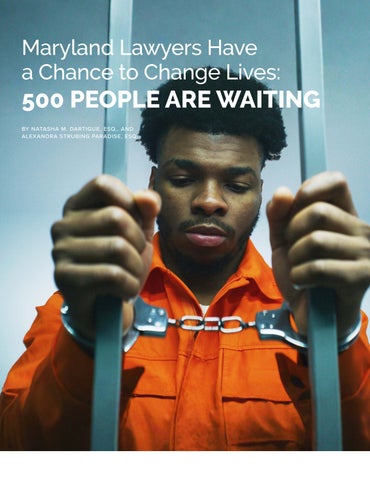
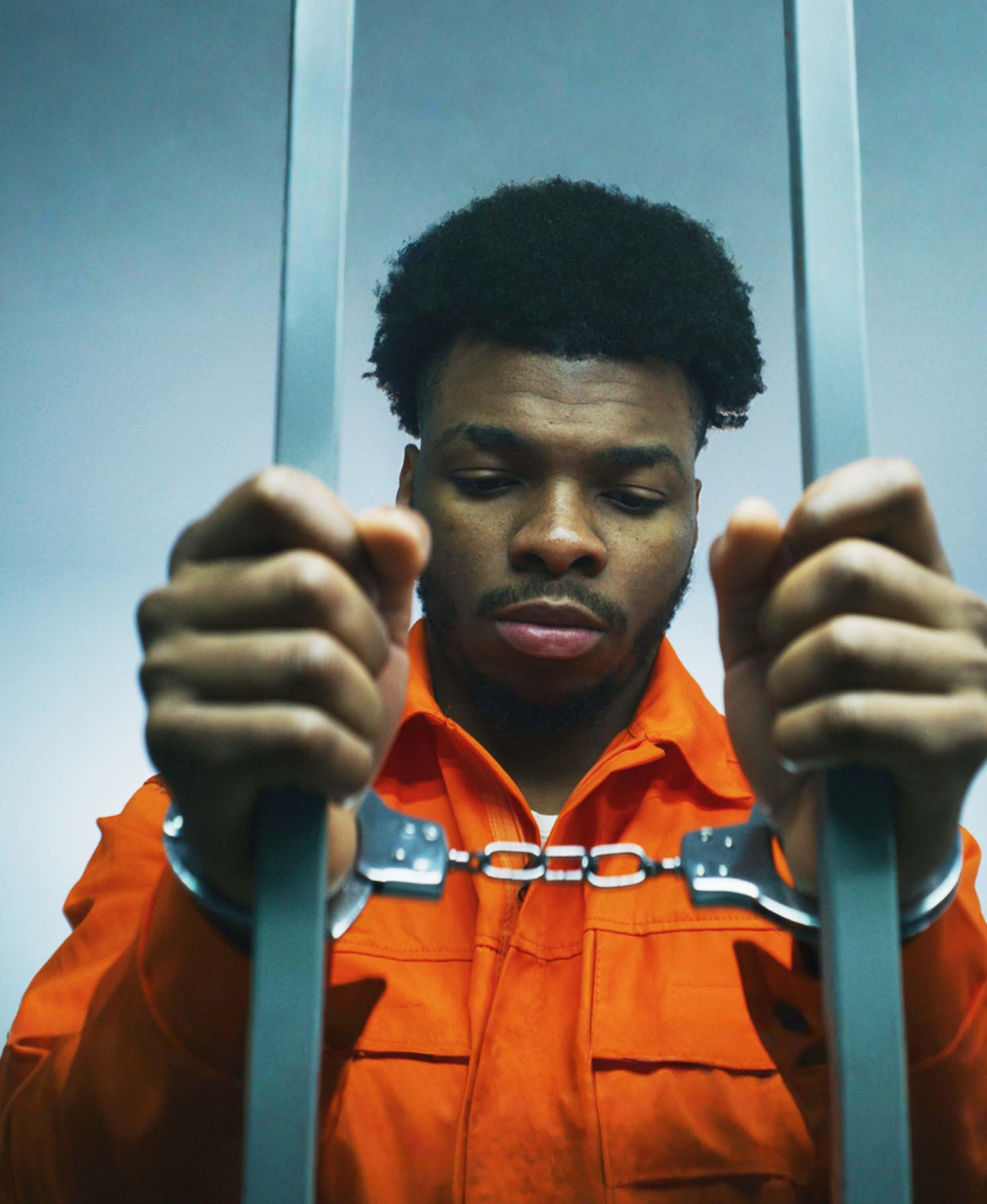
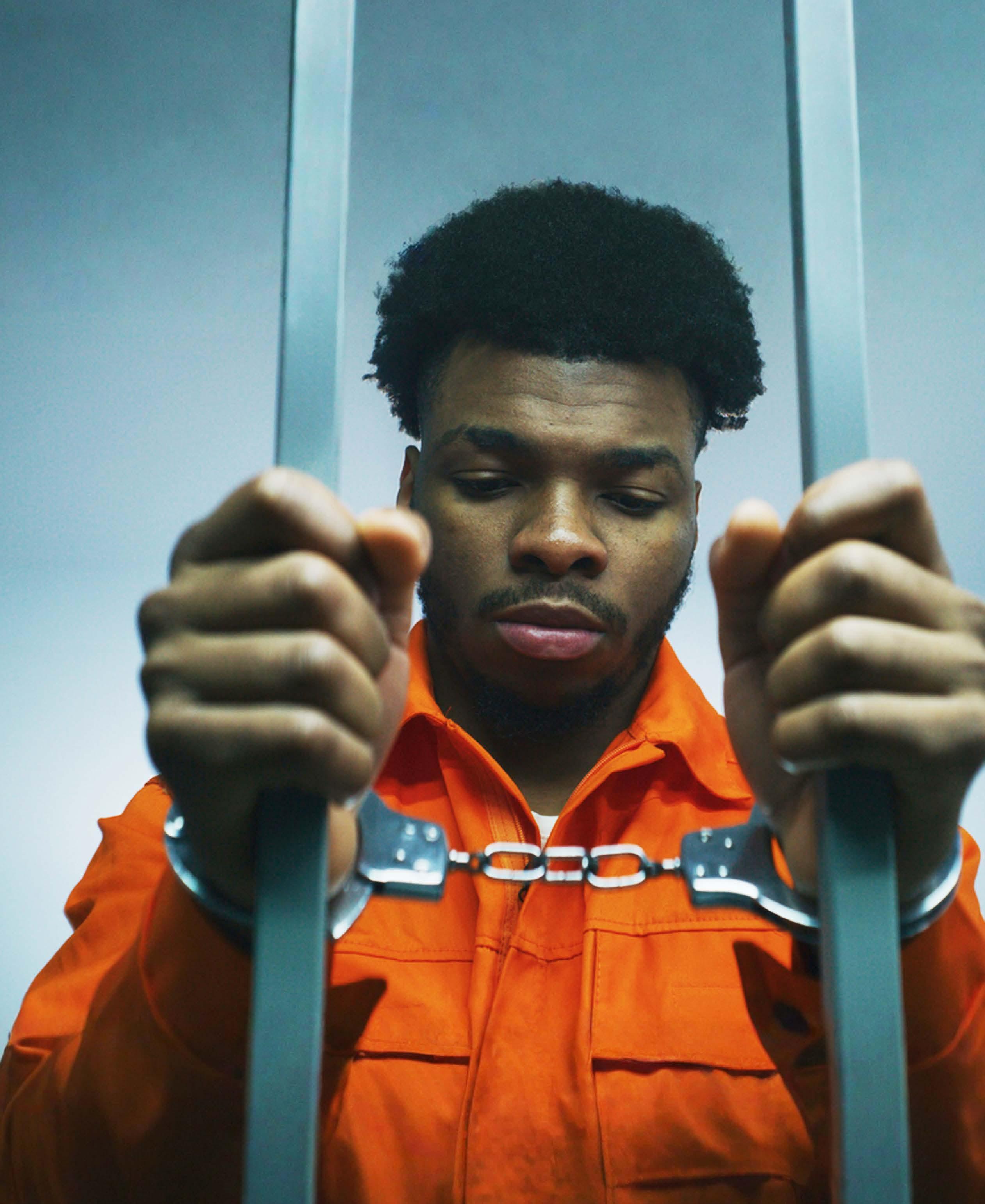
Maryland incarcerates children as adults at a higher rate than every state in the country except Alabama. Most are Black. Many are now adults who have spent decades in prison, transformed, and ready to return home. They remain incarcerated for one reason: no lawyer is available to make their case.
In the past five years, the Maryland General Assembly passed two critical laws creating a pathway for people serving long sentences for crimes committed when they were young to seek a second look at their sentences. A second chance is possible if they can show they no longer pose a risk to public safety and that their release is in the interest of justice.
First, in 2021, the Juvenile Restoration Act allowed individuals who have served at least 20 years for crimes committed before age 18 to seek sentence reductions. As of January 2026, 85 individuals have had their sentences reduced, and 73 have been released. They have reconnected with their families, entered the workforce, and contributed to their communities. One man, released after 23 years, now works as a peer specialist in Baltimore, helping others navigate reentry and recovery.
Building on that success, the Maryland General Assembly passed the Second Look Act in 2025, extending eligibility to individuals who were between 18 and 24 at the time of their offense and have served at least 20 years. When the law took effect in October, more than 500 people became immediately eligible, with more qualifying each year. These laws created a pathway to release. The state did not fund the path.
A second look case is not a simple filing. It requires building a comprehensive picture of who a person has become over two decades. It means gathering evidence of rehabilitation, obtaining expert assessments, developing a concrete reentry plan, and presenting all this information persuasively to a court. This work requires attorneys, social workers, mitigation specialists, and reentry experts working together. It takes time, skill, and resources that incarcerated individuals do not have on their own.
Without that support, the process stalls before it starts. Motions go unfiled. Hearings never happen. People who have spent 20 or 30 years earning degrees, mentoring younger inmates, and building the case for their own release have no mechanism to present it. The law says they are eligible. The absence of counsel ensures they remain stuck. People who have already demonstrated rehabilitation stay incarcerated not because the law denies them relief, but because no one is available to help them access it.
Every year Maryland fails to act, we spend millions incarcerating people we have already determined may be safe to release. All the while, Maryland’s prison population ages, medical costs rise, and correctional resources are stretched thinner. These are not abstract concerns, but the direct consequence of passing reform without funding it.
To help close this gap, the Maryland Office of the Public Defender (OPD) and the Association for the Public Defender of Maryland (APDM) have built a public-private partnership. OPD is providing direct representation and training attorneys to take these cases. APDM is securing resources and support to expand that work. However, with more than 500 eligible individuals, we cannot meet this need alone. This is where Maryland’s legal community comes in.
Lawyers at every stage of their career can make a difference. These cases are complex but supported. OPD will train you, guide you, and mentor you. What is required is a willingness to step forward. More than 500 people are waiting. They wait not for sympathy but for representation. If you are a Maryland lawyer, this is your moment. Take a case.