




Iscannabistrulythecure;allit'smadeouttobe?
In recent years, the narrative surrounding cannabis has shifted dramatically, evolving from a once; demonized substance to a celebrated panacea for a plethora of ailments. From pain relief to anxiety alleviation,thebenefitsofcannabisarebeing toutedfarandwide.Butasthegreenwaveof acceptancesweepsacrossnations,it'svitalto pauseandreflect:Iscannabistrulythecure; allit'smadeouttobe?
Undeniably, cannabis offers potential health benefits.Scientificresearchhasilluminatedits therapeutic potential for conditions like epilepsy, chronic pain, and certain mental health disorders. The endocannabinoid system, a complex cell; signaling system within our bodies, plays a pivotal role in regulating a variety of functions and processes. Cannabis, through its compounds like THC and CBD, interacts with this system, whichiswhyithasgarneredimmenseinterest inthemedicalworld.
However, heralding cannabis as a universalremedyisbothsimplisticand potentially misleading. The body's biochemistry is intricate, and while cannabismightofferreliefforsome,it maynotbesuitableforeveryone.
Furthermore, leaning heavily on cannabis as a primary solution risks overshadowing other vital aspects of healthandwellness.Physicalexercise,a balanced diet, mental well-being, and regular medical check-ups are foundational to health. Cannabis, at best, should be viewed as a complementary component in this spectrum,notareplacement.
As advocates and consumers of cannabis, the call to action is clear: Embraceamoreholisticviewofhealth.
This means understanding that while cannabis can be a beneficial tool, it operates best within a broader frameworkofoverallwell-being.
Before turning to cannabis for relief, individuals should be encouraged to explore a multi-pronged approach to theirhealthconcerns.Thiscouldmean combining traditional medical interventionswithalternativetherapies, incorporating dietary changes, or prioritizing mental health strategies alongsidecannabisuse.

Don’t you dare throw out those bananas! The dark, nearly black bananas you would normally toss- I promise you, will make the most delicious banana bread you’ve ever had. Growing up in Los Angeles, CA, there was a restaurant I would go to as a kid called Dinah's. The genius thing they did was give rolls and banana bread with nuts(clearlyallergieswerenotaproblem) immediately after you sat down. Those were the days of the infamous “bread basket”,atraditionItrulymiss.

Thequarantinehasusallfeelingeverytype of way, and nostalgic memories of childhood favorite foods have me baking a lot of things I loved long ago. Plus, I would’ve felt like a complete jerk throwing outthebananasIhad,withsomanypeople currently going without food and basic support. Missing my family, I decided to 2way video a cooking lesson with my nephew, George, and use the nearly rotten bananas as a teachable moment, not to be wasteful,andtobethankfulforallwehave. Not a surprise, my sister had a few very dark brown bananas, and we got right to work.
My nephew has special needs and sensory challenges, so I wanted to incorporate a fun way for him to help and knew he would love mashing the bananas and crumbling the cinnamon sugar blend on top of this delicious batter. As for myself, I medicated these by substituting ½ the shortening with a *cannabis-infused vegetable oil that I make at home. If you choose to add *CBD or *THC to this recipe, pleasedosowithcare.

½ cup shortening
You can enjoy this recipe as muffins, a loaf, or even as layers for a cake, as the recipe doubles beautifully! You can also feel free to throw in 1 cup of nuts, or maybe some chocolate chips, coconut, top with a drizzled vanilla icing, or even bake the batter alone without the topping; either way, you’ll be happy you didn’t toss those bananas.
*(To medicate, use ¼ cup shortening and ¼ cup
*canna-oil or butter; dosage varies)
1 cup sugar
2 eggs
1 teaspoon vanilla extract (optional)
3 very ripe peeled and mashed
1 ¼ cup sifted all purpose flour
¾ teaspoon baking soda
½ teaspoon salt
½ cup brown sugar
1 tablespoon all-purpose flour
1 tablespoon cinnamon
1 tablespoon melted butter

Preheat oven to 425 f and grease the muffin pan with baking spray, butter or shortening, or use cupcake liners (I would still use nonstick spray on the liners). Sift the flour, baking soda and salt into a separate bowl and set aside. Make the cinnamon crumble by melting the butter in a microwave safe bowl and once melted, simply add the brown sugar, cinnamon and flour and mix until combined and crumbly. You can adjust by adding more or less brown sugar, and maybeevenmorecinnamon. Setaside.

In a mixing bowl fitted with the paddle attachment, or a hand mixer – cream the shortening and sugar until light and fluffy. Scrape the sides and bottom of bowl and cream for another minute, then add your eggs one at a time, making sure to beat well after each. Stir in the vanilla extract if using, and the banana puree. Very carefully fold in the sifted, dry ingredients into the batter just until mixed. The key to a lighter quick-bread is to not overmix the batter. Fill the greased muffin pan – you can also use cupcake liners, ¾ to almost all the way full. Sprinkle lightly a little of the crumble onto the batter and bake at 425 f for 5 minutes –then reduce the oven temp to 350 f and continue baking another10minutes.
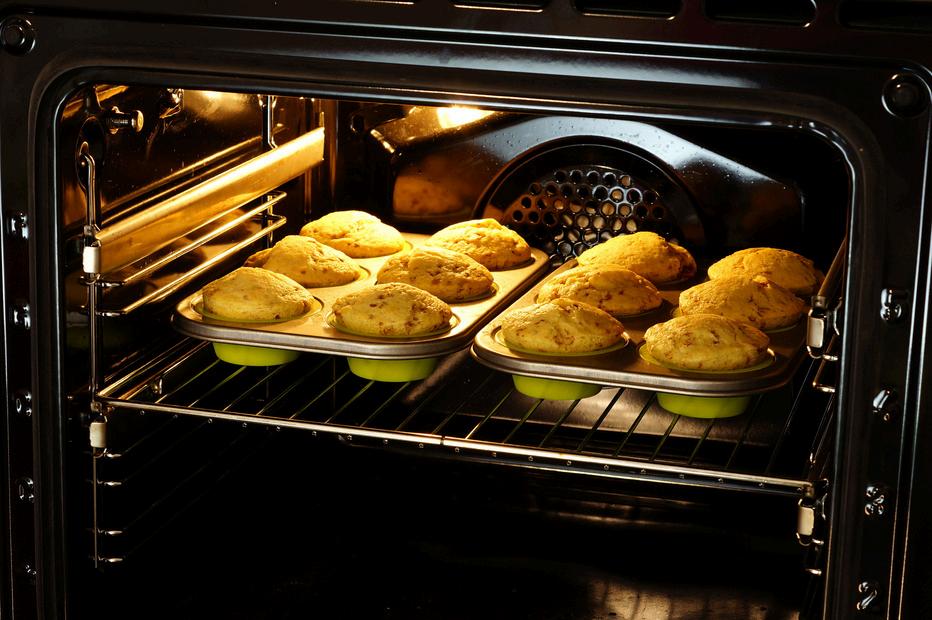
Pull the muffins out, close the oven door immediately, and make sure to gently place them down before very quickly adding more cinnamon crumble to your liking to the top. Transfer back to the oven and continue to bake until a toothpick or cake tester comes out clean – about another 8-10 minutes, depending. Let cool and gently remove from the pans with a little offset spatula or knife so as not todisturbthecrumble. Enjoy!
–@reallygreatsite
*This is not to be construed as medical advice. The author has no involvement in the medical field. Please note, that state laws vary as to the use of THC and or CBD and it is the reader’s responsibility to know their own state laws. The author is not a lawyer, or giving legal advice. Please note, the FDA has not approved the use of THC or CBD for use by children or anyone.
"WHENYOU

Bob Marley


Instagram: coolmalik82
Facebook: Malik Long
Twitter: smoothMalik
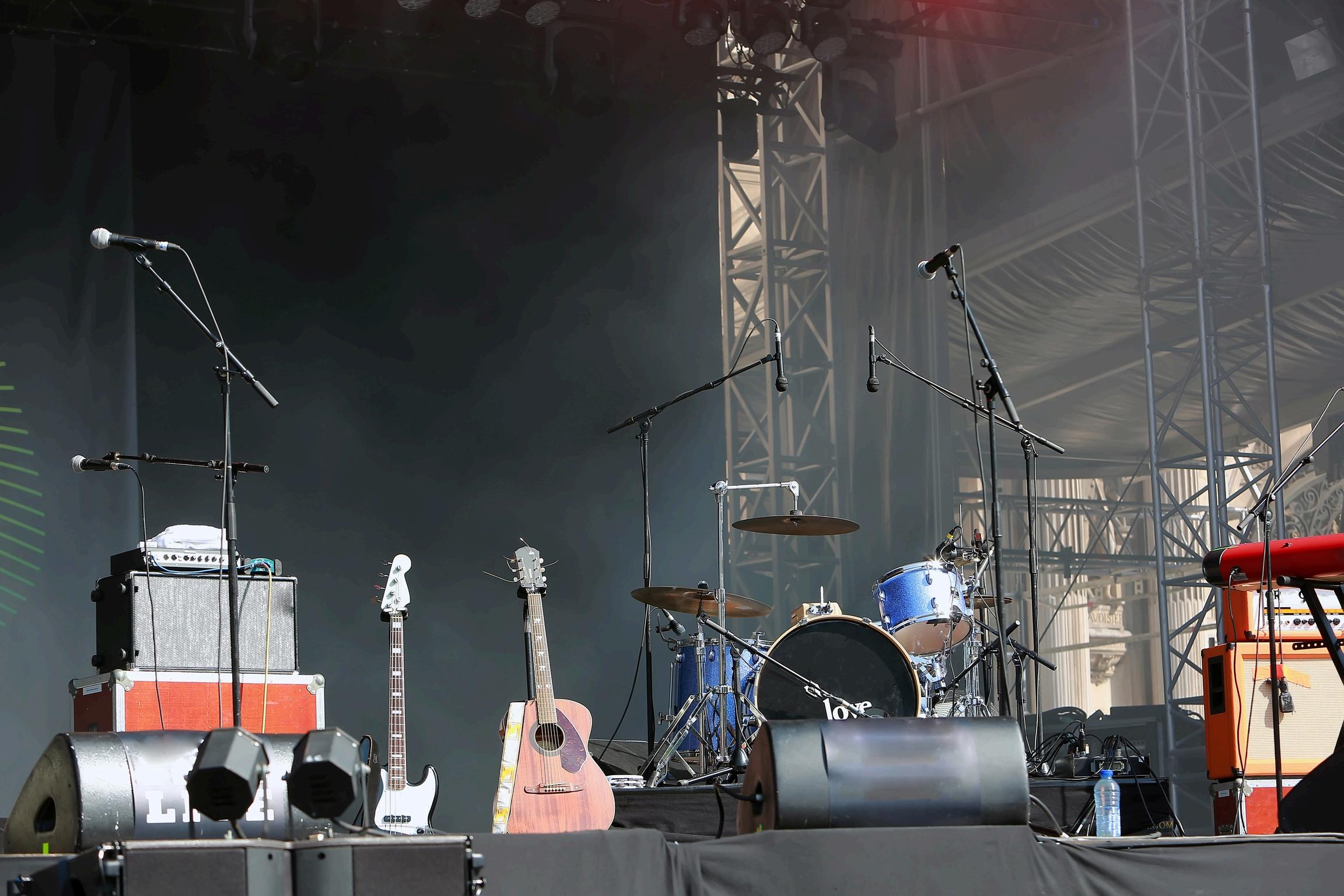

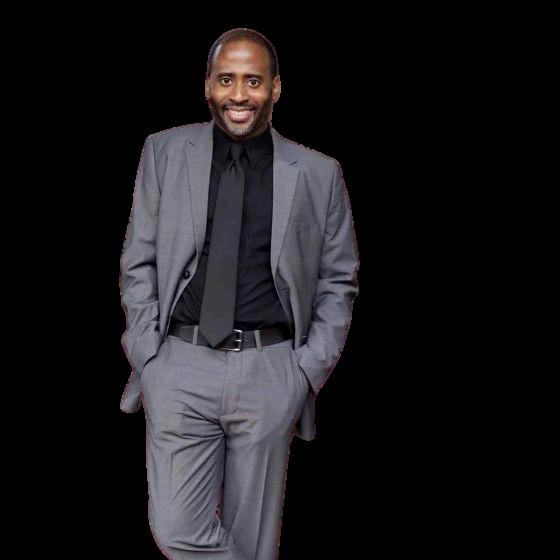
MalikLong,adistinguishedsingerwith rootsdeeplyplantedinPhiladelphia's rich musical soil, now thrives in Pittsburgh,Pennsylvania,embodyinga narrative that deserves acclaim not just for his vocal prowess but for his commendable dedication to local businesses.
Malik'sjourneyintotherealmofmusic, inspired by the soul-stirring rhythms of Motown, is a testament to the power of genuine passion. From his early days in grade school choirs to his notable involvement with the Nu Nostalgia music group, his career trajectory reflects a profound dedication to his craft. However, Malik'sinfluencestretchesfarbeyond the notes he so expertly delivers. His favorite artists, ranging from The Temptations to Aretha Franklin, underscore a musical lineage rooted in storytelling and emotional connection, elements that Malik weavesintohisownperformances.
Yet, what sets Malik apart in the industry is not just his exceptional talentorhisadmirableinfluenceslike RalphTresvantandMichaelJackson.It is his mission to infuse love and life intoeverynotehesings,ensuringthat his music serves as a bridge connecting people, emotions, and experiences. In doing so, Malik also extends his support to the local businessesthatformthebackboneof Pittsburgh’s cultural landscape. By choosing to perform in local venues and collaborate with homegrown brands, Malik not only enriches his music with the authentic spirit of the community but also contributes significantly to the economic and culturalvitalityofthearea.

Inaworldwhereartistsoftenchaseglobal fame, Malik Long's commitment to local engagement is both refreshing and inspiring. It serves as a reminder that at theheartofmusicliestheabilitytobring peopletogether,tosupportandupliftthe communities that nurture talent. Malik is notjustbuildingasuccessfulcareer;heis crafting a legacy that celebrates local businesses, encourages community cohesion, and, most importantly, champions the transformative power of music.
AsMalikcontinuestoascendinhiscareer, his story is a powerful illustration of how artistscanplayapivotalroleinbolstering localeconomieswhilestayingtruetotheir artistic vision. His dedication to local businesses, coupled with his musical talent, not only enhances his community butalsosetsabenchmarkforhowartists can contribute to the places that shape them.MalikLong'sjourneyisaharmonious blend of personal achievement and communalsupport,makinghissuccessall the more significant and worthy of admiration.
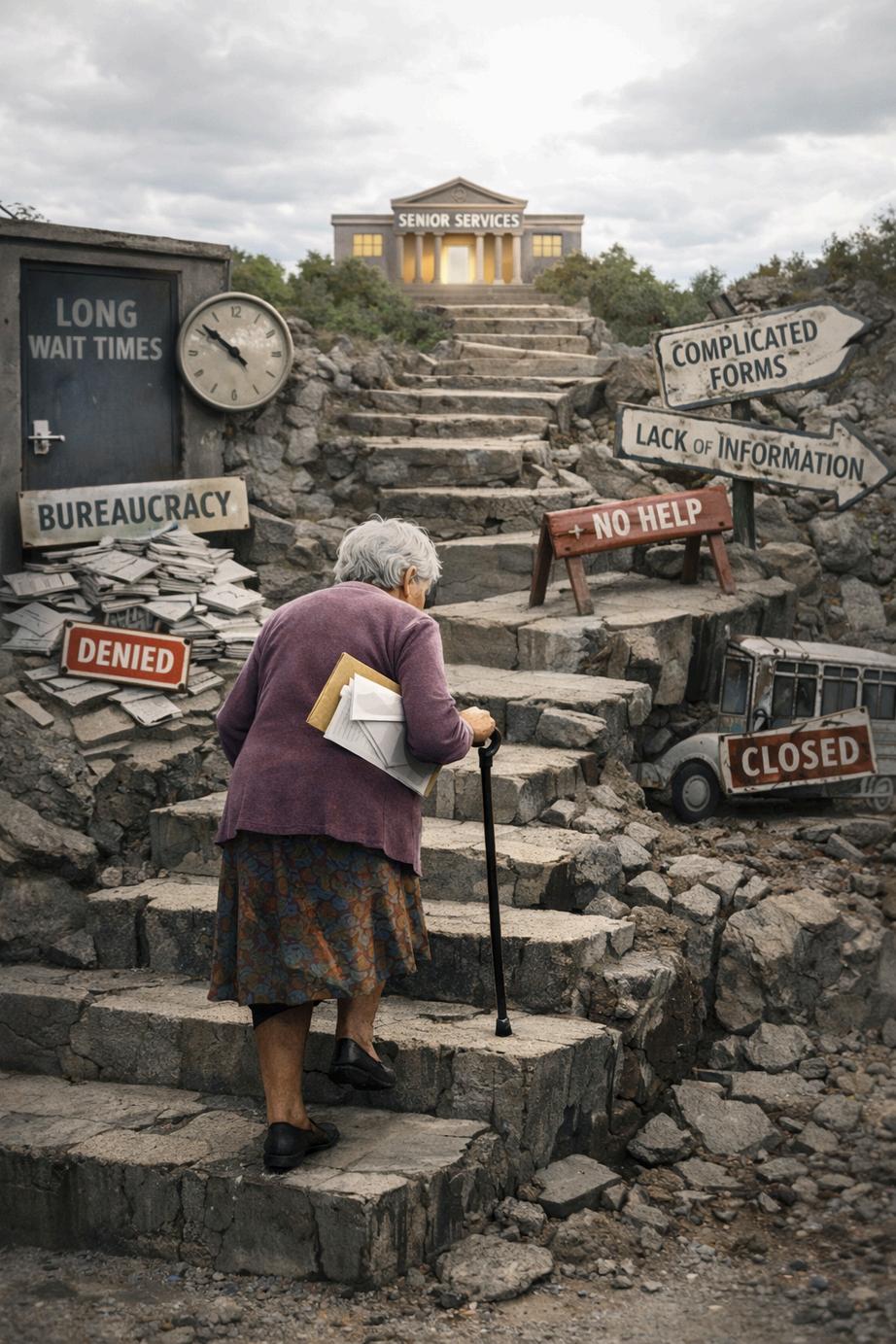
Assomeonewhohasnavigated thelabyrinthofseniorservices,I canattesttothefrustrationand exhaustion that accompanies the process. It's a journey filled with long wait times, endless referrals,andaconstantfeeling ofrunningincircles.
Take, for instance, the Social Security Administration. Theoretically, it should be a straightforward process to get information or assistance. However, the reality is far from it. Recently, I experienced a holdtimeofoveranhouranda half, only to be referred to my local Social Security office. This isnotjustaninconvenience;it's a barrier that many seniors cannot afford to face. Time is precious,andfortheelderly,it's evenmoreso.
Thisisn’tjustpaperwork.It’snotjustphonecalls,forms,orwaiting lists.
It’sexhausting.
The emotional weight of trying to access senior services is somethingpeopledon’ttalkaboutenough.Thesystemwearsyou down slowly. You start out hopeful,thinking help is coming, that someonewilllisten.Thenthedelaysbegin.Therunaround.Thelost documents.Thesilence.Andbeforeyouknowit,hopeanddespair aretakingturnsfightinginsideyou.
You’renotaskingforanythingextra.You’refightingforbasics.For care.Forsafety.Fordignity.Thingsthatshouldbeaccessible,clear, andhumane.Instead,you’releftfeelingpowerless,watchingseniors strugglewhileyou’restucknavigatingasystemthatfeelscoldand indifferent.
Thathelplessfeelingstayswithyou.Itfollowsyouhome.Itsitswith youatnight.Noseniorshouldfeellikeaburden.Nocaregivershould feellikethey’vefailedsimplybecausethesystemfailedthem.
This has to change.
This isn’t about tweaking a policy or updating a form; it’s about how we value our seniors and thepeople who care for them. A society is judged by how it treats its elders, and right now, too many arebeing pushed to the margins.
We need systems that make sense. Processes that are clear. Funding that actually reaches people.And most importantly, a compassionate approach that treats seniors like human beings, not casenumbers.
This can’t fall on families alone. Change happens when communities speak up, when stories are told, and when people refuse toaccept “this is just how it is.” We need awareness. We need advocacy. We need pressure ondecisionmakers to do better, and to do it now. Our seniors deserve respect. They deserve dignity. They deserve access to services without havingto fight for every step forward. And caregivers deserve support, not obstacles. Navigating senior services should never feel like a battle for survival. It’s a right. One that must be protected.
This isn’t just their struggle.
It’s all of ours.


Asthestigmasurroundingcannabiswanesanditsmedical benefitsgainrecognition,anunexpecteddemographicis showingincreasedinterest:seniors.Whethermotivatedby chronicpain,sleepdisorders,orsimplecuriosity,manyelderly individualsareexploringcannabisasapotentialtherapeutic option.Forthoseconsideringthispath,here'saguidetoensurea safeandinformedjourney.
ChronicPainRelief:Cannabis,particularlyCBD,hasbeenlauded foritspotentialanti-inflammatoryandpain-relievingproperties. Thisisappealingtoseniorsdealingwithailmentslikearthritisor neuropathy.
SleepAid:Someseniorsfindthatcertainstrainsofcannabishelp improvesleepqualityandduration.
MentalHealthandWellness:Preliminaryresearchsuggests cannabismighthelpalleviatesymptomsofanxietyand depression,conditionsthatarenotuncommonamongtheelderly
1.CognitiveEffects:THC,thepsychoactivecomponentin cannabis,canhavevaryingeffectsoncognition.It'sessential tomonitorforanychangesinmemoryorclarityofthought.
2.BalanceandCoordination:Somemightexperiencedizziness oradecreaseinmotorcoordination,increasingtheriskof falls.

3.InteractionswithMedications:Aswithanynewsubstance, there'sapossibilityofitinteractingwithothermedications. Thisunderscorestheimportanceofconsultingwitha healthcareprovider.
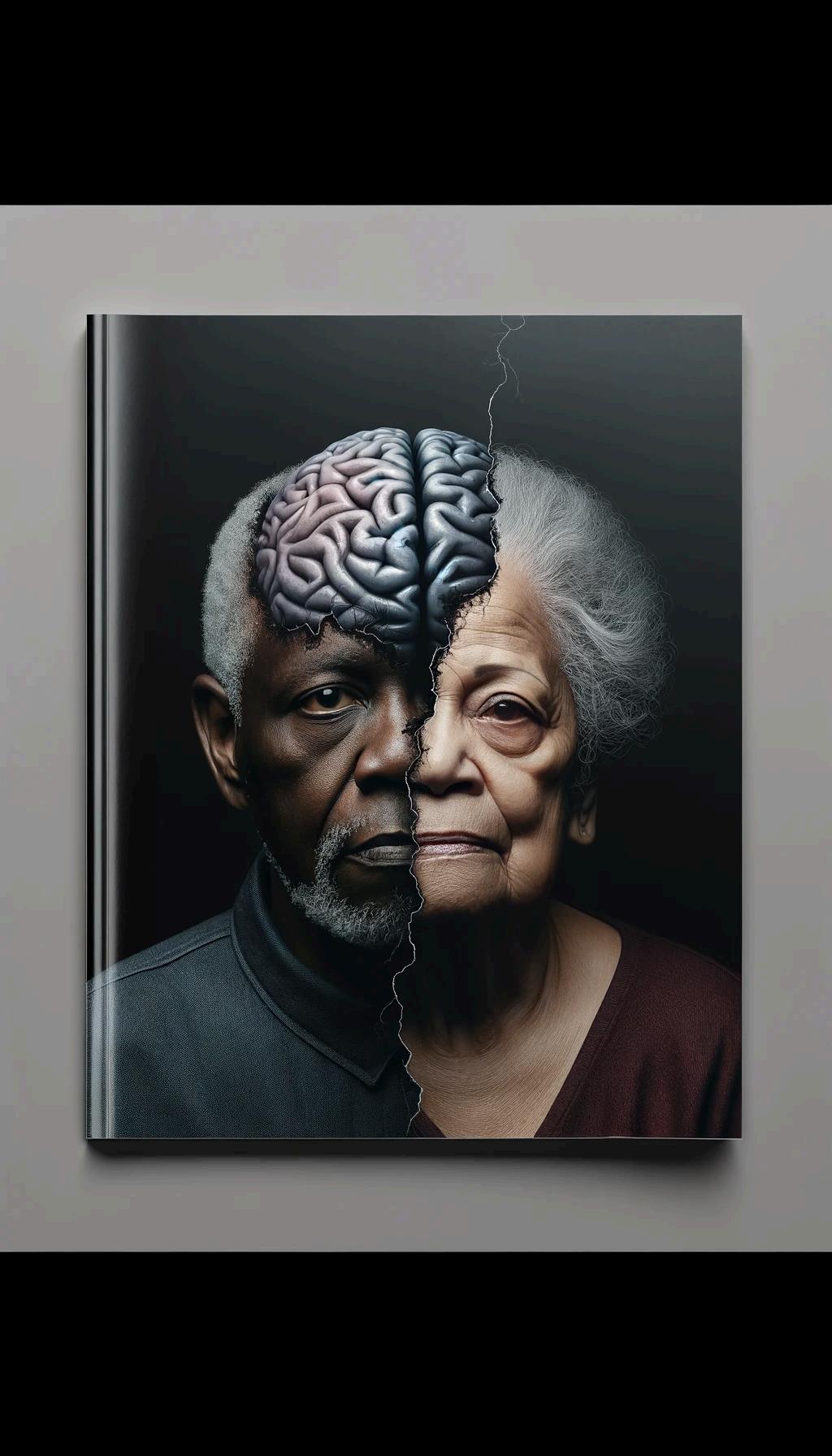
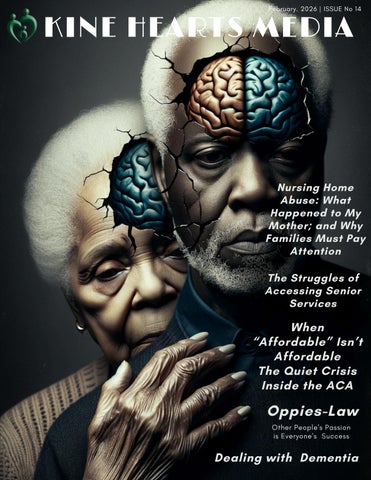
Walking This Road With Joanne
I want to be clear about something from the start.
We are not even certain my mother, my mom, hasfull-blowndementia.
Thatmatters.
Too often, age-related changes are labeled quickly, permanently, and without enough listening. There was even a hospice note that suggested as much, but if you ask my mom herself,she’lltellyouplainly:“I’mjustold.Iforget things.”
Andhonestly,thatdistinctiondeservesrespect.
Livingwithmymomhastaughtmethatmemory changes are not always a disease. Sometimes they are age. Sometimes they are fatigued. Sometimes they are emotional. Sometimes they aremomentsofdistractionoroverwhelm.
Mymomstillreasons.
Shestillobserves.
Shestillrecognizespeople,patterns,andtruth. She may forget details, but she does not forget whosheis.
And that’s where I’ve learned to slow down and question assumptions instead of accepting labels.
MemoryChangesDoNotEqualLossofSelf
What I’ve seen firsthand is this: even when memory slips, identity does not automatically disappear.
SheknowswhoIam.
Sheknowsherpreferences. She reacts to tone, intention, and energy immediately.
She’lltellstoriesfromyearsagowithclarityand emotion. She’ll comment on what she’s watching. She’ll pick up on things others miss. Those moments don’t come from someone whois“gone.”
They come from someone who is still very muchhere.
Withmymom,timeoverlaps.
Sometimes the past feels closer than the present. Sometimes yesterday fades faster than expected. But instead of forcing her into rigid timelines,I’velearnedtomeetherwheresheis. Correctingherdoesn’thelp.
Arguingwithherdoesn’thelp.
Whathelpsiscalm.Familiarity.Reassurance. Noteverymomentofforgetfulnessispathology. Sometimesit’sjustadifferentwayofprocessing theworld.
Walking this road with my mom has taught me to be careful with language.
Words like dementia, decline, loss, they carry weight. And once they’re applied, people stop looking closely. They stop listening. They stop seeing the full person in front of them.
I refuse to do that with my mother. Instead, I observe. I adapt. I stay present. I protect her dignity by not reducing her to a diagnosis that may not even fully fit.
When my mom says, “I’m just old, and I forget things,” I hear wisdom in that.
A lifetime of living leaves its marks. Memory doesn’t always fade because something is broken. Sometimes it softens. Sometimes it reorganizes. Sometimes it prioritizes what matters most.
And what still matters to her, music, conversation, humor, and connection, is very much alive.
Whatpeoplerarelytalkaboutarethemoments thathappenbehindcloseddoors.
The moments that don’t fit neatly into conversations about “memory loss” or “aging.” The moments that test your patience, your exhaustion, and your ability to stay calm when everythingaroundyoufeelsoutofcontrol.
For me, those moments often come in the night,like2-3inthemorning.
Sundowning Is Real
Asthedaywindsdown,thingsshift. Mymomcanbefineallafternoon,watchingTV, talking, and then something changes. The light fades,theenergychanges.Confusioncreepsin. Restlessnessreplacescalm.
Thisiswhatpeoplecall sundowning. She may start moving things around, opening drawers. Taking items out and not remembering why. Sometimes she undresses. Sometimes she removes her brief, thinking she ishelpingme,thenIhaveahugemesstoclean up.
The room ends up a mess, not out of defiance, not out of anger, but out of confusion and discomfortshecan’talwaysexplain.
Thereisnothingtheoreticalaboutthis. Youwalkintoaroomandrealize: Thisjusthappened. Nowyouhavetofixit. Now you have to stay calm, even though I am beyondtired.Itstillhastobedone!
These are the moments caregivers don’t post about.
There’sfrustration,butit’squiet. There’ssadness,butyoudon’tshowit.
There’s exhaustion, but there’s no pause button.
Youclean.
Youresettheroom.
Youhelphergetdressedagain.
You reassure her, because she often feels embarrassedorunsettledafterward.
And you do all of this while reminding yourself: Sheisn’tdoingthisonpurpose.
One day, I just sat on the floor and started crying.SheaskedmeifIwasOK,thenshesaid, “You’re doing a great job.” That makes me feel likeshedoesunderstandthehardship.
Peoplethinkcaregivingismostlyemotional. It’snot.
It’s physical. Lifting. Cleaning. Re-dressing.
Resetting spaces, sometimes multiple times a day. It’s mental, always anticipating what might happen next. And it’s emotional in a way that’s hardtoexplainunlessyou’relivingit.
You love the person deeply, but you’re also tired.
You’repatient,butyou’rehuman.
You’restrong,butyoustillfeelstretchedthin. Andyet,youkeepgoing.
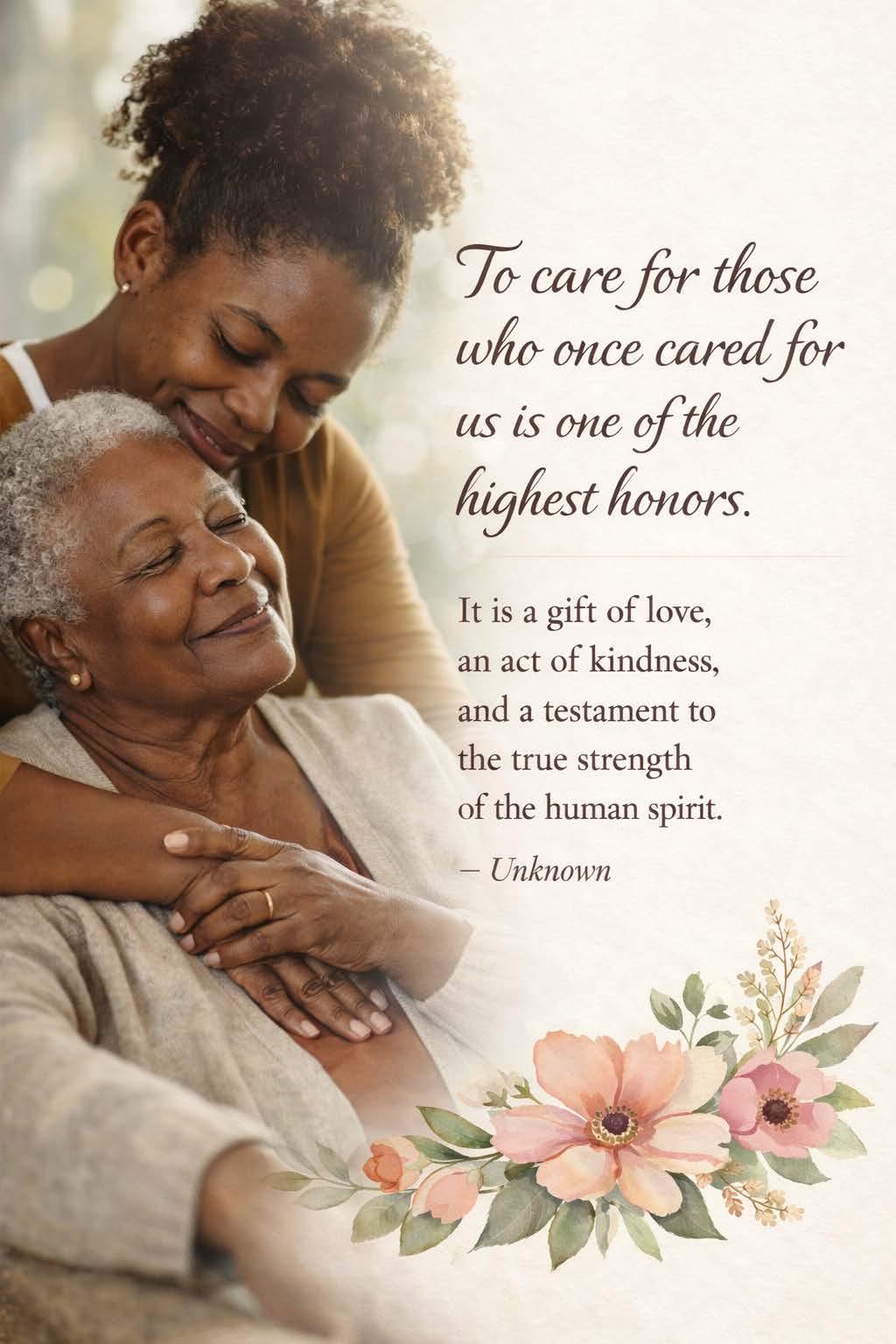
Caregiving is love in action, especially when it’s hard, especially when it’s messy, especially whennooneiswatching.
Andthatkindoflovedeservesrecognition.


“Neglectdoesn’talwaysleavebruises.It leavespatternsandthosepatternsareoften ignoreduntilit’stoolate.”
Ididnotimaginethis. Ididnotmisunderstandit. AndIdidnotoverreact. Whathappened tomymother insideanursing hometaughtme how easily abuse can be hidden behind charts, credentials, and silence, and how quickly families are expected to accept harm as “normalaging.”
My mother was not dying. She was eating. She was talking. She was present. Yet once she entered a facility, her condition declined rapidly, not because of disease, but because of what was done to her and what was not doneforher.
Thatdistinctionmatters.
My mother experienced repeated falls, far more than any reasonable person would consider acceptable. Falls that should have triggered intervention instead became routine. Each incident came with a different explanation. None camewithaccountability.
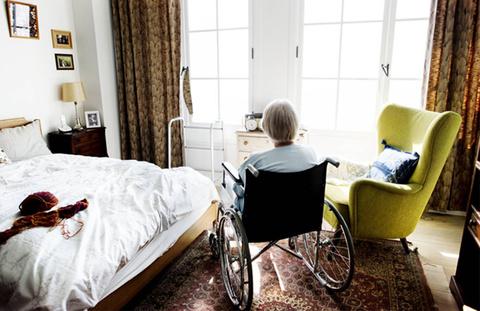
At the same time, medications appeared on her chart that we did not authorize. Sedatives. Drugs that dulled her, weakened her, and made her more vulnerable to falls. When questioned, explanations were vague or delayed. Consent was assumed. Documentation was incomplete. This was not care. This was control.
Neglect does not leave dramatic marks. It leaves patterns.
Missedcare. Delayedresponses. Lackofsupervision. Basicneedsignored.
When residents are left alone, under-monitored, or chemically restrained instead of properly cared for, the system has failed them. And when that failure is repeated, it isabuse.
I am speaking because my mother could not protect herself.
Because too many families are told to “be patient” while harmcontinues.
Because facilities rely on exhaustion and intimidation toavoidscrutiny.
What happened to my mother is not rare. It is common, and thatisexactlytheproblem.
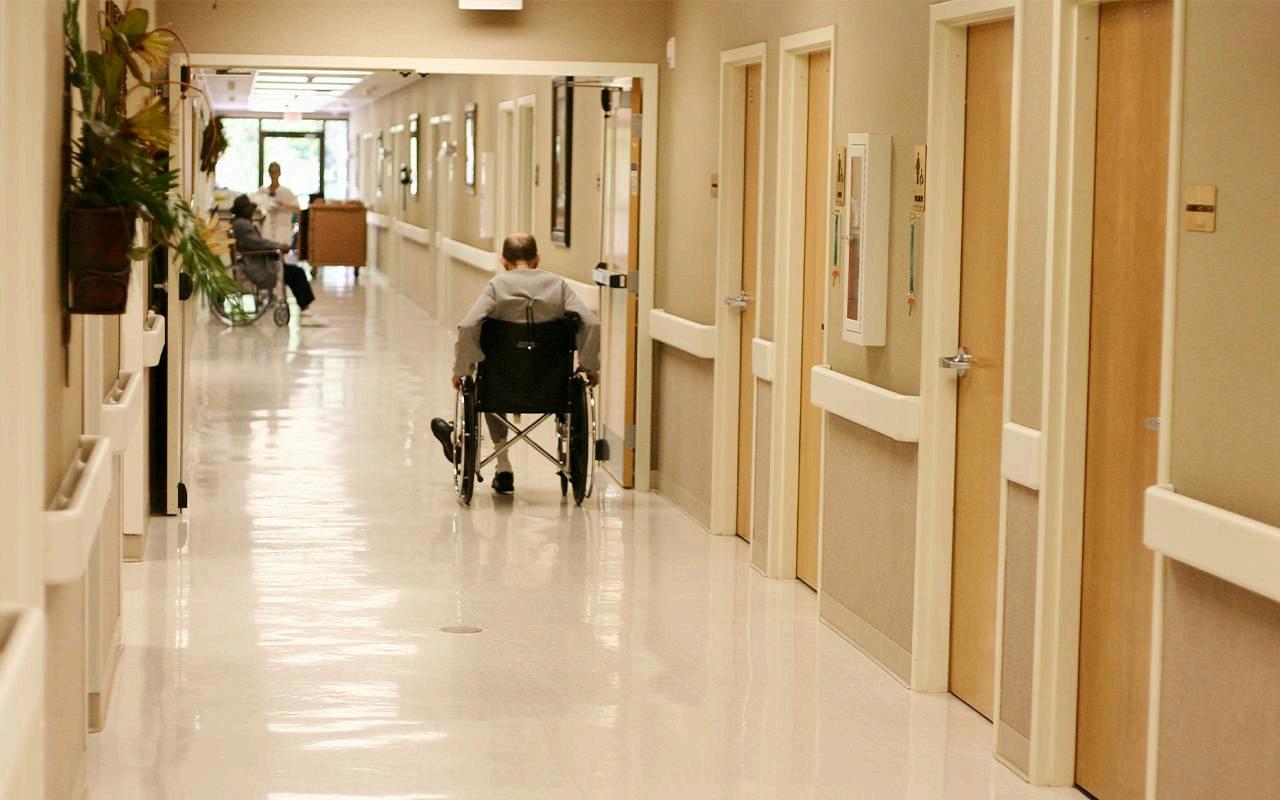
I’ve seen what happens when dementiameetsneglect.
Facilitiesthatsedateinsteadof supervise.
Doctors who treat confusion instead of investigating infection.
Hospice decisions made withoutjustification.
Falls explained away instead ofprevented.
Dementia patients are easy targets because they may not remember or may not be believed.
That’s why family presence is notoptional.It’sessential.
By Carol Black

By Carol Black Licensed Insurance Broker
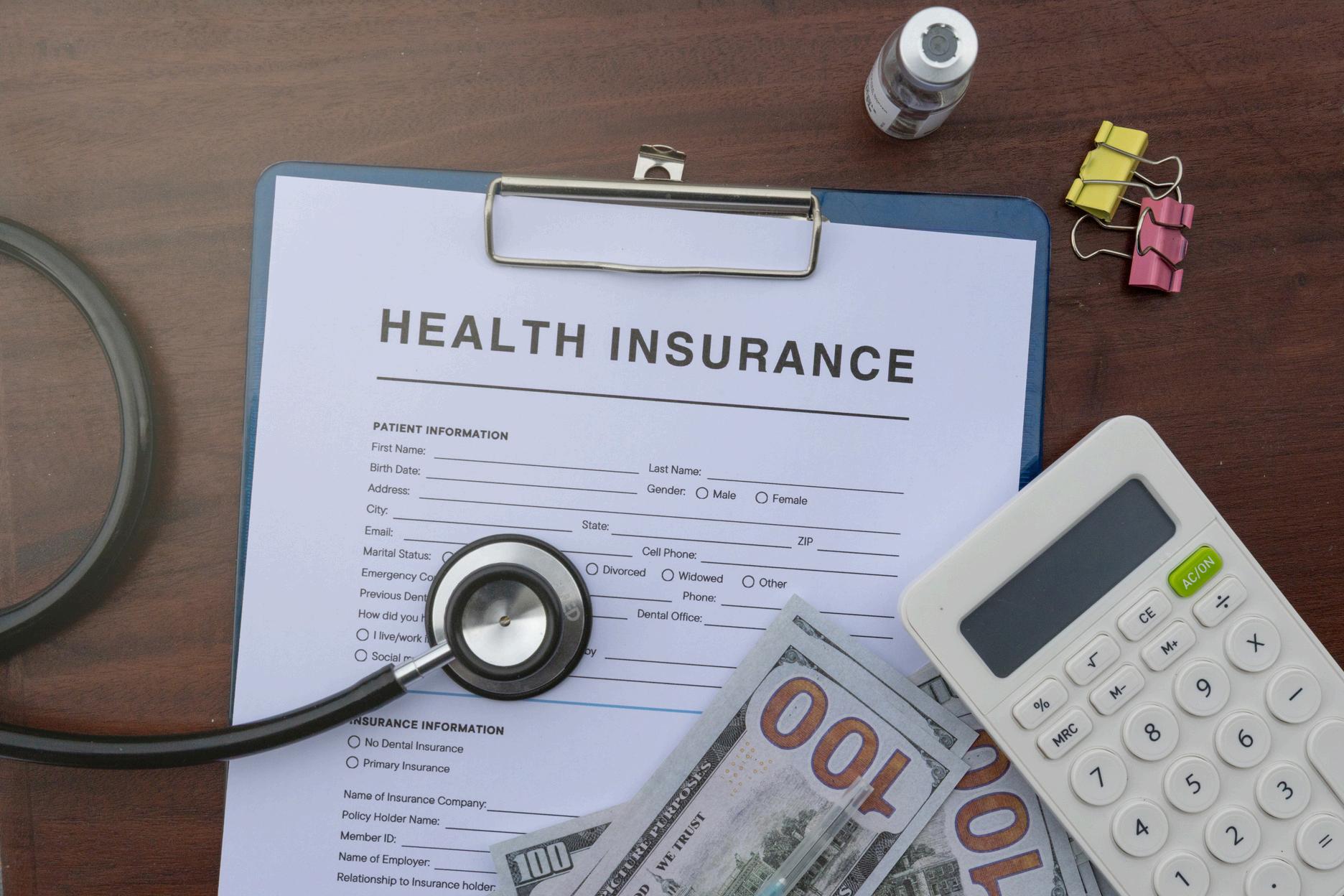
TheAffordableCareAct wasdesignedtodoone thingaboveallelse: makehealthinsurance accessible.Formillions ofAmericans,itdid,at leastonpaper.Butin practice,forfartoo manyfamilies,theword affordablehasbecomea cruelcontradiction. Thisweek,aclient reachedouttomein distress.Sheandher daughterarereceiving medicalbillsfromtwo differentinsurers.
Confusion.Overlapping coverage.Premiums theycannotsustain.
Andthemosttelling sentenceofall: “Icannotaffordthis insurance.” Thisisnotanisolated case.Thisisthenorm.
One of the biggest myths surrounding the Affordable Care Act is that consumers are making informed choices between reasonable options. What is actually happening looks very different.
Clients are asked to decide between:
Keeping a plan they don’t understand
Canceling coverage and risking penalties or gaps
Reapplying for state insurance without clarity on eligibility
Paying premiums that exceed their monthly margin for survival
This is not choice. This is pressure.
When a client asks, “Does it need to be canceled?” or “Should we reapply for state insurance?” what they are really saying is:
“I’m overwhelmed, and the system is not explaining itself.”
“I
There is a moment I hear over and over again in my work. It usually comes quietly, almost apologetically.
“I don’t know what needs to be done. I just know I can’t afford this.”
In this case, the number was simple and devastating: $500.
Not for surgery. Not for an emergency. Not for some luxury plan.
Just for insurance.
One of the biggest myths surrounding the Affordable Care Act is that consumers are making informed choices between reasonable options. What is actually happening looks very different.
Clients are asked to decide between:
Keeping a plan they don’t understand
Canceling coverage and risking penalties or gaps
Reapplying for state insurance without clarity on eligibility
Paying premiums that exceed their monthly margin for survival This is not choice. This is pressure. When a client asks, “Does it need to be canceled?” or “Should we reapply for state insurance?” what they are really saying is: “I’m overwhelmed, and the system is not explaining itself.”
Another quiet failure of the system is timing.
People are told to call. Then told to text. Then told they missed the window.
Meanwhile, life is happening. Work schedules. Children.
Caregiving. Medical appointments. Bills arriving faster than answers.
When someone says, “I was available all afternoon,” what they mean is: I tried. The ACA assumes people have unlimited time, emotional bandwidth, and administrative skill. Many do not.
The $500 Reality Check
A $500 monthly premium may look reasonable on a policy spreadsheet. But in the real world, it represents:
A car payment
Groceries for a family
Utility bills
Medication
Rent shortfalls
For many households, there is no rearranging the budget to make it work. The money simply does not exist.
And yet, these are the plans being presented as “affordable.”
When clients ask whether they should reapply for state insurance, there is often shame attached. There shouldn’t be. State programs exist because the private market does not serve everyone equitably. For many families, Medicaid or other statebased coverage is not a downgrade it is the only sustainable option.
The real problem is not reapplying.
The real problem is being pushed into private plans that were never financially viable in the first place.
Until affordability is measured by real households, real numbers, and real stress levels, we will keep hearing the same sentence: “I can’t afford this.”
And no amount of policy language will change that.