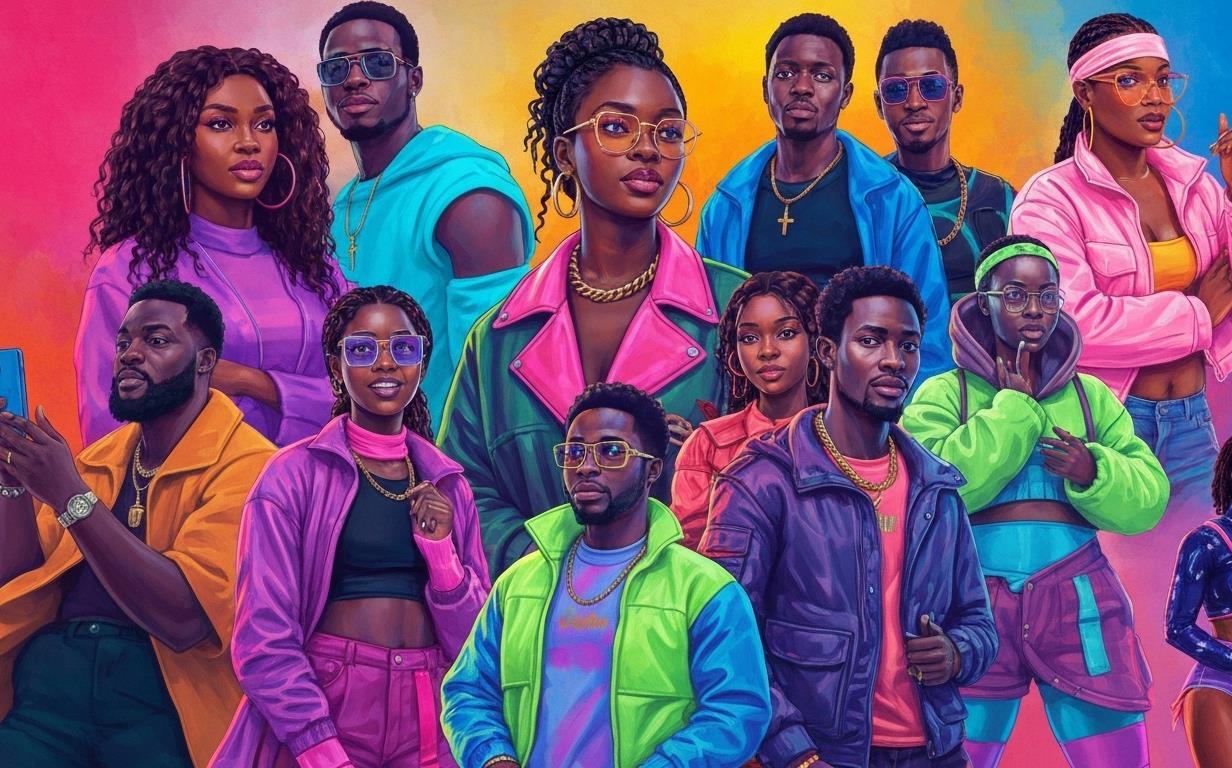
The definitive guide to creator strategy across East, West & Southern Africa
The definitive guide to creator strategy across East, West & Southern Africa
Influencer marketing has proven success, with 92% of consumers trust influencers more than traditional ads, generating 11X the return on investment. This is driven by a growing ad fatigue and ad aversion with up to 49% of shoppers' traditional ads annoying or irrelevant, thus application of ad blockers or skips with 47% of shoppers applying ad blockers, but there’s no overlooking an influencer’s post on their social feed due to content resonance and the possibility of engagement.
This playbook is The bathrobe CEO’s gold standard for influencer marketing, grounded in best practices and tailored to the unique cultural and regulatory landscapes of Sub-Saharan Africa. It is a living document, meant to evolve as market conditions change and new trends emerge.
By following these detailed guidelines, brands will not only maintain its leadership in the region but also set new benchmarks for innovative, culturally relevant, and effective influencer marketing.
To refine and expand each section of the influencer marketing playbook, we'll focus on getting more granular, incorporating data, and emphasizing that these are best practices specifically tailored for Sub Saharan Africa .
This will provide the region with a detailed, actionable, and data-driven roadmap to executing influencer marketing campaigns across this beautiful, youthful, culture rich and tech hungry populace.

An influencer is a person who can affect the purchasing decisions of others due to their authority, knowledge, position, or relationship with their audience.
Influencers can be bloggers, social media personalities, celebrities, or experts in specific fields who have built a significant following on platforms like Instagram, YouTube, Twitter, or TikTok.
Their influence stems from the trust and rapport they have developed with their audience, making them effective advocates for the brands they choose to endorse.

Measuring someone's influence involves evaluating several factors, including the size of their following, the level of engagement they generate (likes, comments, shares), and the relevance of their content to the target audience.
Metrics like reach, engagement rate, and conversion rate are often used to assess an influencer’s effectiveness.
Additionally, qualitative factors such as the influencer's authenticity, the depth of their relationship with followers, and their alignment with the brand’s values also play a crucial role in determining their overall influence.
Copyright
of The Bathrobe CEO
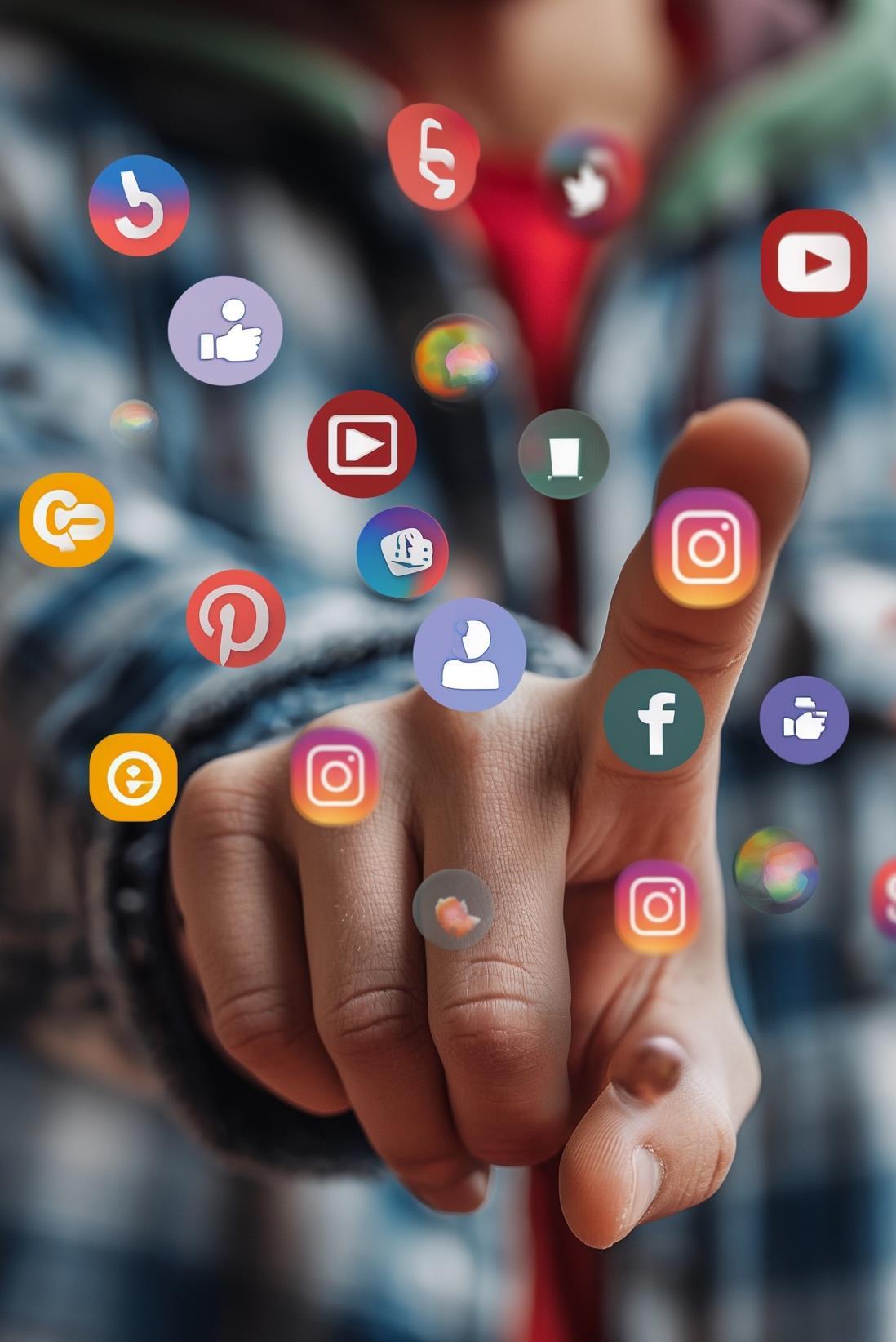

Influencer marketing is a strategy where brands collaborate with individuals who have a strong online presence to promote their products or services.
These individuals, known as influencers, leverage their credibility, reach, and relationship with their audience to drive brand awareness, engagement, and sales.
This form of marketing taps into the influencer’s ability to shape opinions and behaviours, making it a powerful tool for brands to connect with target audiences in a more authentic and relatable way than traditional advertising.
We use influencer marketing to maintain and grow visibility, among demographics who are more active on social media. A great place to start for every campaign is setting goals such as, increasing social media mentions by 20% over six months; grow salience by +3% per financial year.
Foster deeper connections with consumers by creating interactive, engaging content. Best practice is to aim for a 15% increase in engagement rates on platforms like Instagram, Snapchat and TikTok.
Drive direct sales through influencer campaigns, using unique discount codes or affiliate links to track conversions, realitime sales and interactions with customers, from influencer actions.
Copyright of The Bathrobe CEO


First, let’s appreciate the scale, momentum & opportunity in Sub-Saharan Africa



Sub-Saharan
Powered by The Bathrobe CEO
What are the types, tiers, KPIs, pricing benchmarks & strategic roles of influence across SSA

CURATORS

INDUSTRY EXPERTS/ ANALYSTS
Understanding who influences audiences across Sub-Saharan Africa


Media Influencers
Platform-native creators on TikTok, Instagram & YouTube. Highest volume, most brand-flexible.

Celebrities & Entertainers
Musicians, athletes & TV personalities. Mass reach, premium pricing, cultural prestige.

Cultural Curators
Arts collectives, festival curators, cultural gatekeepers. Niche but influential tastemakers.

Bloggers & Content Writers
Longer-form, SEO-driven. Declining but still valuable for health, finance & tech niches.

Industry Experts & Analysts
Finance, health, agri & tech authorities. Trust-driven, B2B-friendly, long consideration cycles.

Media Organisations
News outlets, radio stations, TV channels. High credibility, broad reach, regulatory savvy.
Curators are individuals or organizations that carefully select and present content or experiences to their audience, often in a specific niche like art, fashion, music, or culture. They serve as tastemakers, shaping public opinion by highlighting trends and curating content that resonates with their followers.
IN KENYA: The Nest Collective, a multidisciplinary arts collective known for curating impactful exhibitions and events.
IN UGANDA: Nyege Nyege Festival, which curates a diverse lineup of underground music artists from across Africa.
IN TANZANIA: Nafasi Art Space, an art center that curates exhibitions showcasing Tanzanian contemporary art.
Powered by The Bathrobe CEO
Social media influencers have built a significant following on platforms like Instagram, Twitter, and TikTok. They engage their audiences with content that resonates on a personal level, often collaborating with brands to amplify messages.
IN KENYA: Joy Kendi, a fashion and lifestyle influencer with a strong Instagram presence.
IN UGANDA: Sheilah Gashumba, a social media personality and influencer with a diverse following.
IN TANZANIA: Kundi Majira, a TikTok star known for her comedic skits and relatable content.

Celebrities are widely recognized individuals with a large following due to their work in entertainment, sports, or other public-facing careers. Their influence is significant, as they can easily attract attention and drive trends within their fan base.
IN KENYA: Lupita Nyong'o, internationally acclaimed actress with deep connections to Kenyan culture.
IN UGANDA: Eddy Kenzo, a celebrated musician with a massive following across East Africa.
IN TANZANIA: Diamond Platnumz, a music superstar and one of the most influential figures in Tanzanian pop culture.

These individuals are recognized authorities in their fields, providing insights, analysis, and opinions that influence industry trends and decisions. Their expertise makes them valuable voices in discussions and media related to their sectors.
IN KENYA: Aly-Khan Satchu, a financial analyst known for his insights on East African markets.
IN UGANDA: Dr. Maggie Kigozi, an expert in entrepreneurship and economic development.
IN TANZANIA: Ali Mufuruki, a prominent business leader and analyst on Tanzanian economic issues.

Media refers to traditional and digital news outlets, magazines, television, and radio stations that provide information and entertainment to the public. Media organizations have the power to shape narratives and reach large audiences across different platforms.
IN KENYA: Nation Media Group, the leading media conglomerate in East Africa, known for its wide reach and influence.
IN UGANDA: NTV Uganda, a top television station known for its news coverage and entertainment programming.
IN TANZANIA: Clouds Media Group, a multimedia company with a strong presence in radio, television, and online platforms.
Powered by The Bathrobe CEO

Bloggers are content creators who write and publish regular posts on topics ranging from fashion and travel to technology and politics. Their personalized approach and in-depth content often attract niche audiences who trust their opinions.
IN KENYA: Sharon Mundia (This Is Ess), a lifestyle blogger known for her fashion and travel insights.
IN UGANDA: Patricia Kahill, a blogger who focuses on digital media and creative entrepreneurship.
IN TANZANIA: Jamii Forums, a popular platform known for its in-depth coverage of social and political issues.
Individuals with 100K+ followers who have a broad reach. These could include wellknown celebrities in Kenya, such as musicians or athletes, who have a significant following on Instagram.
Individuals with 10K–100K followers who have a highly engaged, niche audience. brands can leverage micro-influencers who are seen as authentic and trustworthy.
Individuals with fewer than 10K followers who are seen as highly relatable and authentic. Working with nano-influencers in urban, peri urban and rural areas to build brand loyalty in less urbanized regions.
Powered by The Bathrobe CEO
KEY OPINION LEADERS, (KOLS) are industry experts with significant influence and credibility within their niche areas. They are usually recognized for their academic or clinical achievements, publications, and research contributions.
Nano Influencers (1k-10k followers)
Role: Hyper-engaged communities, product trial and review.
Typical Channels: Instagram, TikTok (niche-specific).
ROI: High engagement rates, authentic testimonials.
Content Formats: User-generated content (UGC), product reviews, tutorials.
THOUGHT LEADERS are recognized for their innovative ideas, unique perspectives, and contributions to the field. They have a broad vision of their industry and aim to provide insights and guidance that go beyond their immediate expertise.
Micro Influencers (10k-100k followers)
Role: Niche authority, fostering brand loyalty, driving targeted traffic.
Typical Channels: Instagram, YouTube (vlogs), Twitter (thought leadership).
ROI: Manage brand costs, strong community connection, measurable conversions.
Content Formats: Product demonstrations, lifestyle integration, explainer videos, blog posts.
BRAND AMBASSADOR is a person, often a celebrity or highprofile personality, commissioned by a company to represent their brand — whether online or offline — in a positive light playing a vital role in building and enhancing the brand’s reputation and visibility in the market.
Macro Influencers (100k-1 Million followers)
Role: Increased brand awareness, influencer marketing campaigns.
Typical Channels: Instagram, YouTube (broader reach), collaborations with other influencers.
ROI: Scaled reach, brand credibility boost, potential for viral content.
Content Formats: High-quality sponsored content, product launches, brand storytelling.
CELEBRITY’S INFLUENCE, when leveraged strategically, can catapult any brand to stardom. The celebrity endorsements enhance customer preference and confidence in choosing products.
Mega Influencers/ Stars/ Icons/ Giants (1 Million+ followers)
Role: Mass-market reach, generating hype and buzz.
Typical Channels: Instagram, YouTube (celebrity endorsements),high-profile events.
ROI: High visibility, potential for significant sales lift, brand association.
Content Formats: Exclusive product reveals, influencer challenges, celebrity testimonials.
Powered by The Bathrobe CEO
Our market nuances, cultural intelligence & localization across key SSA markets
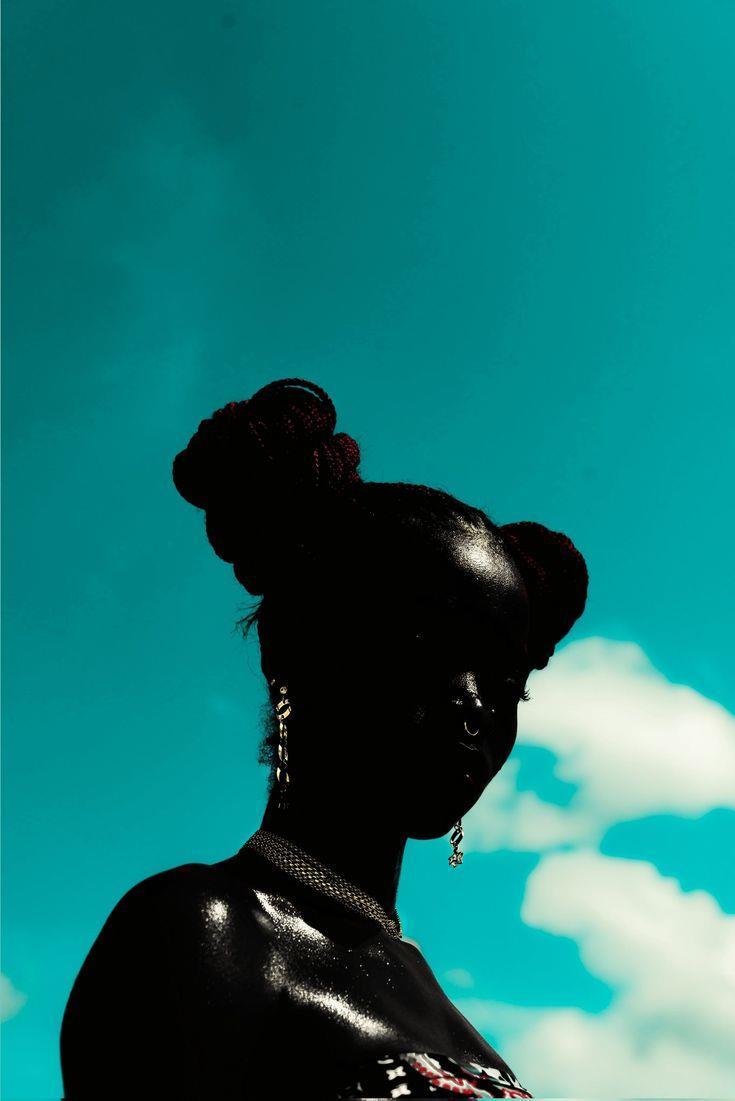

Cultural intelligence is the difference between a campaign that resonates and one that misses

Median Age:
~20 yrs
Top Platforms:
TikTok, Instagram, YouTube
Cultural Lens:
Urban middle class values premium experiences. Alcohol linked to success & social status. Swahili-language creators build deep trust.
Demographics:
Digital natives, aspirational urban youth
Fin. Context:
M-Pesa integration creates seamless social commerce funnel

Powered by The Bathrobe CEO

Median Age: ~18 yrs
Top Platforms:
TikTok, Instagram, Facebook
Cultural Lens:
Largest & fastest-growing FMCG market (+54.1%). Pidgin English creators drive hyperlocal engagement. Community identity is central.
Demographics:
Young, digitally native, brand-conscious
Fin. Context:
OPay, PalmPay & Moniepoint drive fintech influencer adoption

Median Age:
~27 yrs
Top Platforms:
Instagram, TikTok, YouTube
Cultural Lens:
Most mature influencer market in SSA. Users spend 3h36m/day on social 90 mins above global average. Multi-language imperative.
Demographics:
Most diverse demographics; Millennial + Gen Z
Fin. Context:
Yoco, TymeBank driving financial inclusion creator content
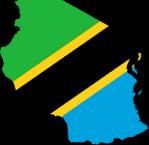
With a median age of 18 years, Tanzania's young population is gradually but steadily embracing social media. Facebook remains the leading platform with the broadest reach, while TikTok is gaining rapid momentum among urban youth in Dar es Salaam and Arusha. Swahili-language content significantly outperforms English in engagement, making linguistic fluency a non-negotiable for any creator strategy in this market.

Uganda's population is among the youngest in the world, with a median age of just 16.7 years. Youth are increasingly active on TikTok and Instagram, particularly in Kampala, where a vibrant creator community is emerging around music, comedy and lifestyle content. Ugandans place enormous value on authenticity and local pride influencers who genuinely embody community values and cultural identity consistently outperform those who don't, regardless of follower count.

RWANDA aka The land of a thousand hills
Rwanda's median age sits at approximately 19 years, with one of Africa's fastestgrowing digital infrastructures underpinning social media adoption. Instagram and TikTok are gaining significant traction among Kigali's urban youth, while the government's pro-digital economy stance makes Rwanda a uniquely forwardlooking market for creator partnerships.

The DRC has a median age of just 16.7 years one of the youngest populations on the continent. Mobile-first social media adoption is accelerating rapidly, with Facebook and TikTok leading engagement, particularly in Kinshasa. Connectivity constraints outside urban centres make influencer strategy a carefully tiered proposition.
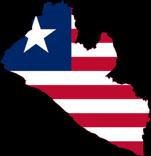
With a median age of around 18 years, Liberia's young population is increasingly active on Facebook, which remains the dominant social platform, and a growing TikTok community is emerging strongly among urban youth in Monrovia. Authentic, community-rooted voices carry outsized trust in a market where personal recommendation drives decisions.
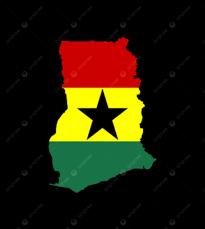
With a median age of approximately 22 years, Ghana's digitally savvy population is one of West Africa's most connected. Instagram and TikTok dominate among urban youth in Accra and Kumasi, while Facebook retains strong reach across broader demographics and peri-urban communities.


Position brands as central to life's milestones — weddings, graduations, sporting events. Celebration is the #1 cultural connector across Kenya, Uganda & Tanzania.

Vertical video (TikTok/Reels), WhatsAppforwarded content, and short-form 15–60s video outperform all other formats across every SSA market.

Feature local entrepreneurs and community heroes. Align with the aspirational mindset of SSA's growing urban middle class. 'I made it' narratives are highly sharbrandse.
Leverage national pride moments (Mashujaa Day, Independence Day, AFCON). 'Ujamaa' community values drive high organic amplification across East Africa.
How-to content, financial literacy, health tips and agri-advice drive the highest saves and shares. SSA audiences reward content that makes their lives better.

React to trends in Afrobeats, football, fashion and comedy culture within 24–48 hours. Speed-to-post beats production quality in the viral economy.
Powered by The Bathrobe CEO

KENYA aka the Cradle of Humanity
Urbanisation is moving fast but community remains the connective tissue. Nairobi and Mombasa's expanding middle class signals success through lifestyle and taste always with community validation close behind. Harambee, the spirit of collective contribution, runs through content that celebrates shared achievement over individual glory. Swahili and Sheng are the languages of authentic connection.
What trends in Nairobi ripples across East Africa — Kenya is the region's essential cultural bellwether.
Powered by The Bathrobe CEO
Gatherings, celebrations and religious occasions are the primary arenas for social bonding — and brand visibility. Ugandans are exceptionally adept at detecting inauthenticity. Creators perceived as disconnected from community values lose credibility fast. In Kampala, a youthful entrepreneurial energy is producing homegrown voices across music, comedy and fashion that carry genuine authority because they are of the community, not merely speaking to it.
Ujamaa — familyhood and collective wellbeing remains a quiet but powerful undercurrent. Community over individual, togetherness over personal display. Influencer content centring shared experiences and family uplift resonates far more than solo aspiration. Swahili is not just a language preference — it is a statement of cultural belonging that commands loyalty English content simply cannot replicate.
The continent's most electric and most rewarding influencer market and the one most likely to humble brands that underestimate it. Lagos alone is dozens of micro-communities, each with its own codes and gatekeepers. Pidgin English is the great social equaliser, cutting across ethnic and class lines to create viral cultural moments at speed. The "I blew up but I'm taking everyone with me" narrative drives enormous engagement. Afrobeats is not just music here — it is a pride signal, a cultural export, and a marketing vehicle of global reach.
Powered by The Bathrobe CEO
The most complex consumer landscape in the region eleven official languages, deeply distinct cultural identities, and a market shaped by historical inequality and its ongoing reversal. Ubuntu underpins social behaviour even as individualism grows. The rising Black middle class is redefining aspiration on its own terms. Zulu, Xhosa and Sotho-language creators unlock audiences that English-only campaigns will never reach. In the township economy, nano-influencers carry cultural authority no macro budget can buy.
Communal identity runs deep, shaped by strong ethnic and family ties. Accra and Kumasi's growing middle class celebrates success loudly and publicly "making it" is shareable content. Ghanaians are fiercely proud of their heritage and respond strongly to creators who weave local language, Highlife, Afrobeats and homegrown entrepreneurship into their storytelling.
Deep collectivism and resilience define Liberian community culture. Personal relationships carry enormous weight word of mouth remains the most powerful marketing channel. In Monrovia, youth culture is vibrant and diaspora-connected, with strong US influence on fashion and lifestyle. Creators who bridge local pride with global aspiration occupy a uniquely powerful space.
Community is anchored in family networks and the powerful role of the church as social infrastructure. Trust is hyperlocal audiences respond to creators who speak their dialect and reflect their lived reality. In Kinshasa, a dynamic creative class around music, fashion and street culture is producing influential voices with strong organic followings.
RWANDA aka The land of a thousand hills
Communal identity runs deep, shaped by strong ethnic and family ties. Accra and Kumasi's growing middle class celebrates success loudly and publicly — "making it" is shareable content. Ghanaians are fiercely proud of their heritage and respond strongly to creators who weave local language, Highlife, Afrobeats and homegrown entrepreneurship into their storytelling.
Choosing the right platform is a strategic decision not a default
Users: 150M+ Africa
Demo: 15–34
Role: Discovery, viral commerce, entertainment
Sectors: FMCG, Beauty, Finance
Users: 300M+ Africa
Demo: 25–55
Role: Community, marketplace, rural reach
Sectors: FMCG, Agri, SMBs
Users: 100M+ Africa
Demo: 18–40
Role: Brand storytelling, commerce, lifestyle
Sectors: Fashion, Beauty, FMCG
Users: 100M+ Africa
Demo: 18–45
Role: Long-form education, reviews, SEO
Sectors: Finance, Tech, Health
Users: 500M+ Africa
Demo: All Ages
Role: Dark social, conversions, UGC sharing
Sectors: FMCG, Finance, SMBs
Users: 30M+ Africa
Demo: 25–50
Role: B2B, thought leadership, fintech
Sectors: Finance, Energy, Dev.
Influencer selection, content strategy, partnership models & timelines

Understanding who influences audiences across Sub-Saharan Africa

Demographics align with target consumer profile (age, location, income)
Interests overlap with brand category and campaign objective
Use AI-powered tools to analyse audience quality and authenticity

Engagement rate above 3% minimum (5%+ preferred for micro tier)
Comment quality: real, relevant conversations not generic responses
An influencer with 50K followers at 5% beats 200K at 1%

Values, ethics and tone consistent with brand guidelines
Content quality and production values meet brand standards
No history of controversial content or brand-conflicting partnerships
Speaks audience's language (literal and cultural)
Understands local context, events, and social nuances
Has authentic community standing not just follower count
Define clear messaging that reflects brand values.
For example, one brand house’s messaging could focus on national pride and heritage, while another could emphasize progress and personal achievement.
Establish a tone of voice that resonates with the target audience.
For instance, bold and patriotic, or adopting a more refined and aspirational tone.
Instagram Stories
Use Instagram Stories for behind-the-scenes content, product launches, and interactive polls.
TikTok Challenges
Create TikTok challenges that encourage user-generated content. For example, a dance challenge using a branded hashtag could be an effective way to promote among younger audiences.
YouTube Vlogs
Encourage influencers to create YouTube vlogs that document their experiences, such as attending a festival courtesy of he brand.




Sponsor events where creators provide real-time content coverage. Guinness Golden Matchday: 6 influencers, 8.1M impressions, $415K EMV in 4 days. Events generate authentic UGC at scale.
Powered by The Bathrobe CEO
Powered by The Bathrobe CEO
Long-term (6–12 month) partnerships where creators become the face of a brand. Builds progressive salience and deep audience association. 92% of brands prefer long-term partnerships over one-offs.

Creators take stakes in brands/products. Prime (KSI & Logan Paul, $1B+ in 2 years) shows the model. Emerging strongly in Lagos and Nairobi with fashion and wellness brands.

Reward everyday consumers for creating and sharing brand content via CRM-integrated portals. Milo Creator Hub Vietnam: 2,638 sign-ups, 78M views in year one. Highly scalable in SSA.

Time-bound campaigns tied to product launches, seasonal moments, or cultural events. Deploy 2–6 weeks with clear KPIs and content cadence. Best for burst awareness.
Performance-based model with unique codes, UTM links and real-time conversion tracking. Integrates with thebar.ke (beverages), M-Pesa checkout, or Instagram Shopping for direct ROI.
Planning our campaigns around key local events is most ideal with influencers.
For example, launch a campaign featuring influencers around the Safari Sevens rugby tournament in Kenya, or during Uganda’s Independence Day celebrations.
Establishing a posting schedule maintains audience interest and a reliable momentum to get best ROI.
For example, during a month-long campaign, have influencers post weekly content, alternating between Instagram, Snapchat, and YouTube.

Local Traditions
In Kenya, leveraging influencers during major cultural events like Mashujaa Day can tie the brand to national pride. In Uganda, working with influencers during festive seasons like Christmas or Independence Day can resonate with communal values.

CULTURAL SENSITIVITY
Respect for Traditions
Ensure all content is culturally appropriate. For instance, avoid using religious symbols or referencing cultural taboos. Adhere to the Advertising Standards Body of Kenya’s guidelines on alcohol advertising, which prohibit content that encourages excessive drinking or portrays alcohol as enhancing social success.

Look for influencers with an engagement rate above 3%, indicating a highly engaged audience. Tools like Upfluence can help track this metric.
An influencer with 50K followers and a 5% engagement rate would be more valuable than one with 200K followers and a 1% engagement rate.
Use measuremnet tools to analyze an influencer’s followers and detect any signs of inauthenticity, such as a large number of fake or inactive accounts.
Influencer Fees
Budget allocation is based on influencer reach and engagement.
In most cases the influencer in SSA might command higher fees, but could offer significant reach.
Contingent Pay is based on measurable outcomes such as engagement rates, conversions, or sales directly attributed to the influencer’s efforts, ensuring that our investment aligns with tangible results and brand objectives.
Leaning in to data from past campaigns and leverage the indepth insights from dashboards to inform budget decisions.
Budget for high-quality content production, such as professional photography and video shoots.
This is particularly important for Instagram and YouTube content where visuals are key.
Moving beyond vanity metrics to demonstrable business impact
50% of marketers still cannot prove influencer ROI. Here is how to fix that. (SAMY Research 2025)
Awareness Reach, Impressions, View Rate, Brand Recall Lift
Engagement ER%, Saves, Shares, Comments, VCR (70–80% benchmark)
Conversion Promo codes, UTM links, App downloads, Sales uplift
Sentiment
Account for WhatsApp organic amplification
Comments in local language = authentic engagement
Cash economies: unique codes > tracking pixels
Positive sentiment score, Comment quality analysis CiQ, Sprout Social, Meltwater, Brandwatch for real-time monitoring >80% positive sentiment
Revenue/ROI ROAS, CPA, AOV, Customer Lifetime Value (CLTV)
Avg $5.78 return per $1 invested (global benchmark)
Brand Health EMV, Share of Voice, Brand Lift Studies, NPS 83% of marketers use EMV for nondirect ROI attribution Monthly brand tracking
A/B test CTAs (swipe-up vs coupon code vs link-in-bio) before scaling. Run post-campaign analysis comparing actual vs forecast KPIs to sharpen future investment.
Powered by The Bathrobe CEO
$4
SMB
$5–
Energy (Solar)
$3–$7 | Community gatekeeper nano-influencers for off-grid rural adoption campaigns.
Fintech / Banking
$3–$6 | App downloads & account openings. Multitouch attribution required.
Alcoholic Beverages
$2–$5 | Brand preference & event attendance. Agegated attribution adds complexity.
Insurance
$2–$4 | Long consideration cycles blur short-term attribution. Patience required.
Compliance, disclosure, brand safety & crisis management across SSA markets


Advertising Standards Body of Kenya (ASB-K) governs all influencer content. Alcohol ads must not target minors, suggest enhancement of social/sexual success, or encourage excessive consumption. Mandatory use of #Ad or #Sponsored tags. All influencers must be bound by signed legal contracts.
Tanzania Fair Competition Commission (FCC) requires truthful, nondeceptive advertising. All sponsored content must be clearly disclosed. Uganda's National Bureau of Standards mandates health warnings on all alcohol-adjacent influencer posts. Contracts must specify content rights and usage terms.
National Broadcasting Commission (NBC) and Advertising Regulatory Council of Nigeria (ARCON) govern digital advertising. ARCON requires all commercial influencer content to be registered and approved. Age-gating mandatory for restricted categories (alcohol, betting, certain finance products).
Advertising Regulatory Board (ARB) provides binding rulings. ASA Code requires clear identification of paid content. Protection of Personal Information Act (POPIA) applies to influencer data collection. Competition Commission monitors fairness in endorsement deals.
UNIVERSAL RULE: Influencers must clearly label all sponsored content (#Ad #Sponsored #Partnership). All active influencers must be bound by signed legal contracts specifying content rights, usage terms, exclusivity, and crisis protocols.
Powered by The Bathrobe CEO
Tailored influencer strategy for FMCG, Finance, Energy, Beverages, Insurance, SMBs & Aid
A guided approach to co-relate sector and influencer ROI
SECTOR
FMCG –Beauty/Fashion
FMCG – Food & Beverage
Micro + Nano
TikTok / Instagram
Product demos, lifestyle integration Affiliate links, promo codes
Nano + Micro
Finance & Fintech Micro (Fininfluencer)
Energy (Solar/Offgrid)
Nano (community)
Alcoholic Beverages Mid-Tier + Macro
Insurance Micro
SMBs / Social Commerce
Nano + Micro
Development / Aid Nano (community leaders)
Powered by The Bathrobe CEO
TikTok./ Facebook / WhatsApp Family celebrations, recipe content Social commerce, WhatsApp sales
YouTube / IG/TikTok
TikTok./ Facebook / WhatsApp
Financial education, myth-busting App downloads, account openings
Product demos, family uplift stories Lead generation, word-ofmouth
Instagram / TikTok Celebration, music & sports moments Brand preference, event footfall
TikTok / Instagram
WhatsApp / TikTok
Myth-busting, accessible explainers Policy applications, CLTV
Product showcasing, behind-thescenes
Direct sales, WhatsApp conv.
TikTok./ Facebook / WhatsApp Peer testimonials, behaviour change BCC outcomes, cost per reach
AI, creator commerce, virtual influencers, IRL communities & the evolving SSA landscape



Boom
Social commerce market hits $4.45B in SSA by 2025. Live selling, affiliate codes & social checkout transform influencers into sales channels.


Creators co-founding brands and taking equity stakes in exchange for content and distribution. Fastestgrowing model in Lagos, Nairobi & Accra.

AI tools for editing, translation & scheduling scale creator output without compromising voice. Human creativity remains the trust differentiator.
58%of US users follow at least one virtual creator. AI livestreaming avatars selling products 24/7. Watch China's model SSA is 3–5 years behind.
Audiences return for episodic content. Podcast series, YouTube season arcs & recurring formats outperform single-post campaigns.

Influencer-led in-person meetups, brand camps & fan summits build loyalty that digital alone cannot. Coca-Cola Creator Summits, Cadbury Pakistan model.

Commerce
WhatsApp Channels + influencer communities = the most powerful conversion layer in SSA. 500M+ African users. 15–30%conversion rates from warm referral traffic.

Sports Creator Economy
Athletes as lifestyle creators and equity partners. NIL model expanding globally. Africa's football, rugby & athletics stars represent a massive untapped opportunity.
Powered by The Bathrobe CEO

01 Go Micro-First, Then Scale
50 nano-influencers at $100 each = $5K. One macro at $5K. The micro programme wins on engagement, conversion & trust — every time in SSA markets.
04 Integrate WhatsApp as Conversion
No SSA influencer strategy is complete without a WhatsApp activation layer. Channels, broadcast lists & community groups convert at 15–30% from warm referral.
02 Speak the Language — Literally
Pidgin English, Swahili, Zulu, Yoruba, Twi.
Language is the primary trust signal. Culturally fluent creators outperform geographic proximity every time.
05 Prioritise Serialised Influence
6–12-month creator partnerships compound ROI over time. Episode 5 outperforms episode 1. Audiences return, trust deepens, brand recall soars.
03 Build Content Loyalty Programmes
Turn everyday consumers into a perpetual content engine. CRM-integrated creator portals with points, prizes and exclusive access drive organic UGC at scale.
06 Measure What Matters
Shift from likes to affiliate sales, promo code redemptions, app downloads, EMV. Every campaign needs pre-set KPIs, mid-campaign optimisation and post-campaign analysis.
The winners in Sub-Saharan Africa's creator economy will be those who build genuine community trust not just chase attention. Micro-influencers, local language, authentic storytelling, and measurable ROI are the foundations. The future belongs to brands that invest in people, not just platforms.

Powered by The Bathrobe CEO
Ambassadorships allow us to develop long-term partnerships with key influencers.
For instance, having a popular musician in Uganda the face of Uganda Waragi, with the influencer creating content throughout the year.
This builds salience progressively and associaltes the brand to the influencer’s audiences with more ease.
Sponsor local events where influencers can create live content, experience the brand essence and connect with actual consumers for feedback or reactions.
For instance, popular music festivals in Tanzania, with influencers providing real-time coverage and branded content.
Powered by The Bathrobe CEO
Provide weekly reports to stakeholders on campaign performance, highlighting key metrics and insights.
Use of the measurement dashboards to visualize data for easier interpretation.
Conduct a thorough post-campaign analysis, comparing actual performance against goals. Identify areas for improvement, such as optimizing influencer selection or refining messaging.
A/B testing on different types of content or messaging to see what resonates best with the audience. Such as testing different Instagram captions to see which drives more engagement.
Be prepared to make real-time adjustments based on performance data. If an influencer’s post is underperforming, consider boosting it with paid ads or adjusting the posting schedule.
Create custom AR filters on Instagram that allow users to experience brands products in a virtual environment.
For example, an AR filter that places users in a virtual Tusker brewery could drive engagement and brand immersion.
Host live events on Instagram or YouTube where influencers can interact with the audience in real-time, answering questions and sharing experiences with brands products.
This could be particularly effective during product launches or special events.
Powered by The Bathrobe CEO

As consumers become more conscious of sustainability, brands can leverage this emerging social first trend by highlighting its sustainability efforts through influencer campaigns.
KOLs or influencers document brands initiatives to reduce environmental harm, social ills, plastic waste or support local farmers, aligning the brand with environmental responsibility.
Collaborate with influencers who are known for advocating environmental causes.
This not only enhances the brand image but also connects the company with a growing audience that prioritizes sustainability.
Powered by The Bathrobe CEO
The power of social trade via social media with social influence as the driver
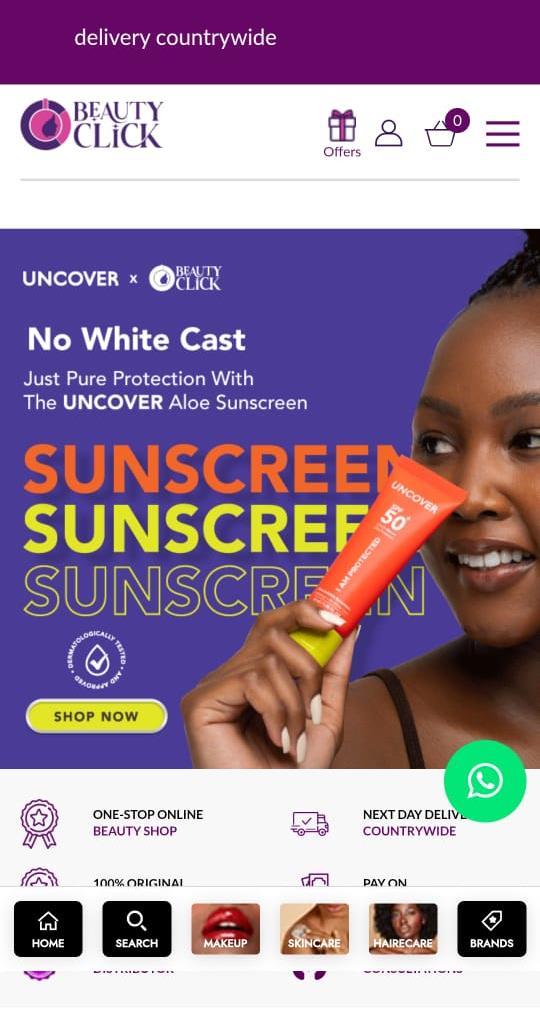
This is where eCommerce and Influencer Marketing converge for brands, focusing on pinpointing effective loyalty programs, applying data-driven strategies, and analysing industry trends.
From identifying users most likely to engage with promotions to spotlighting key brands, we provide a comprehensive report for those aiming to harness influencers for eCommerce success.
Influencer marketing is a key channel for brands, boosting awareness and authenticity. However, its role extends further as more brands leverage influencers to meet eCommerce objectives.
Influencers have always excelled at engaging with highly active audiences. As influencer strategies evolved, integrating salesfocused KPIs into campaigns became a natural progression for brands.
The reliance and confidence is best built off Swipe-Ups, Coupon Codes, Discounts, and Promotions, makes it crucial for brands to integrate influencer marketing into its sales strategy effectively.
Ambassador programs are strategic programs set up to identify influential customers/ influencers and turn them into brand advocates.
A successful ambassador program will not only build meaningful relationships with your existing clients but also establish trust for future clients.
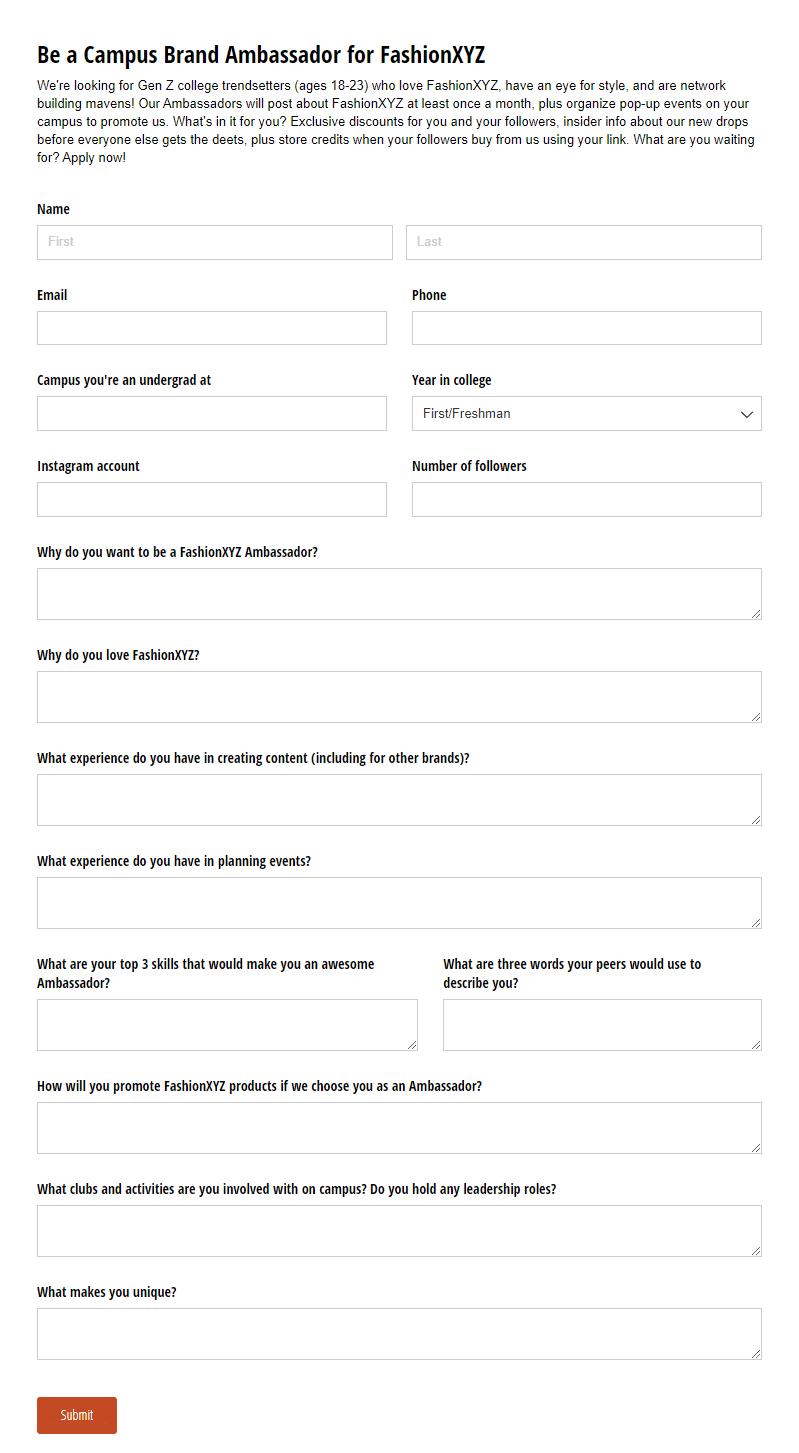
It is customary for brands to have a page on their website inviting clients to become a brand ambassador.
Copyright of The Bathrobe CEO
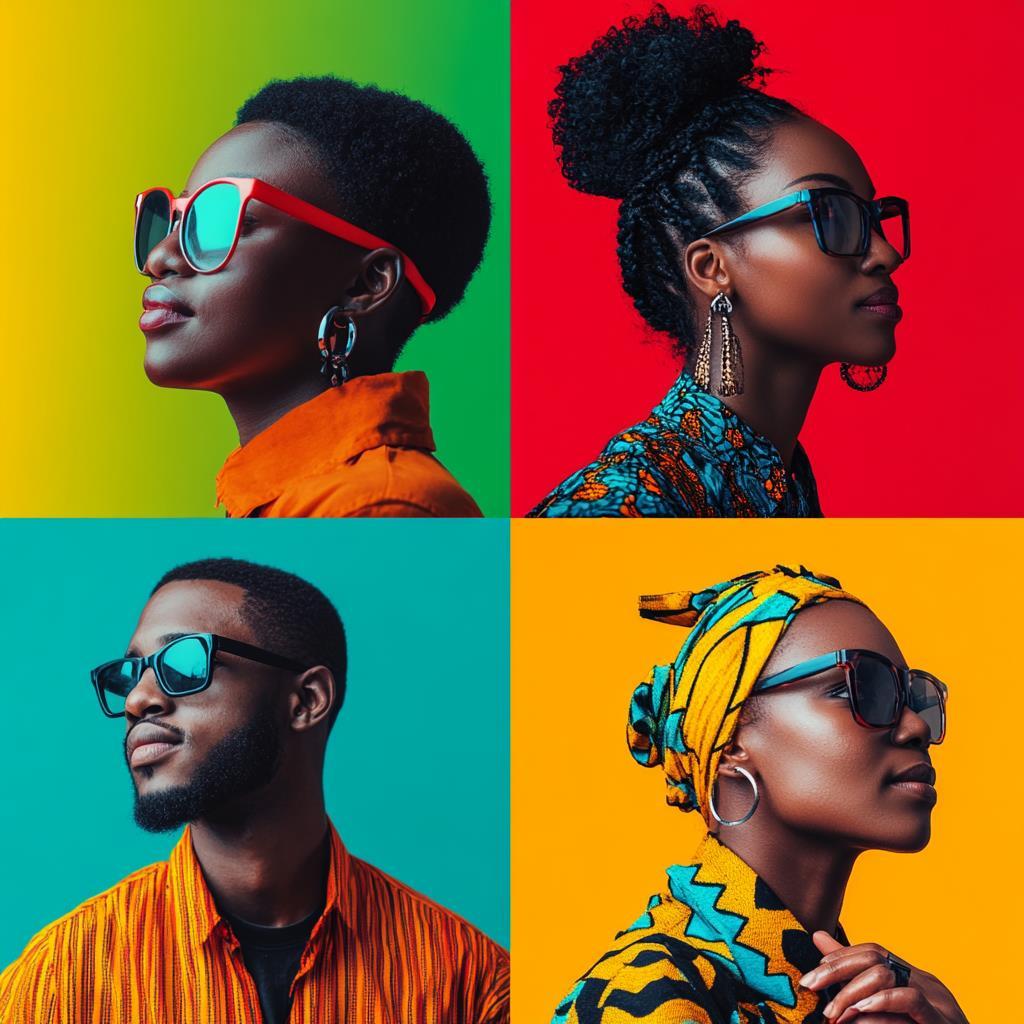
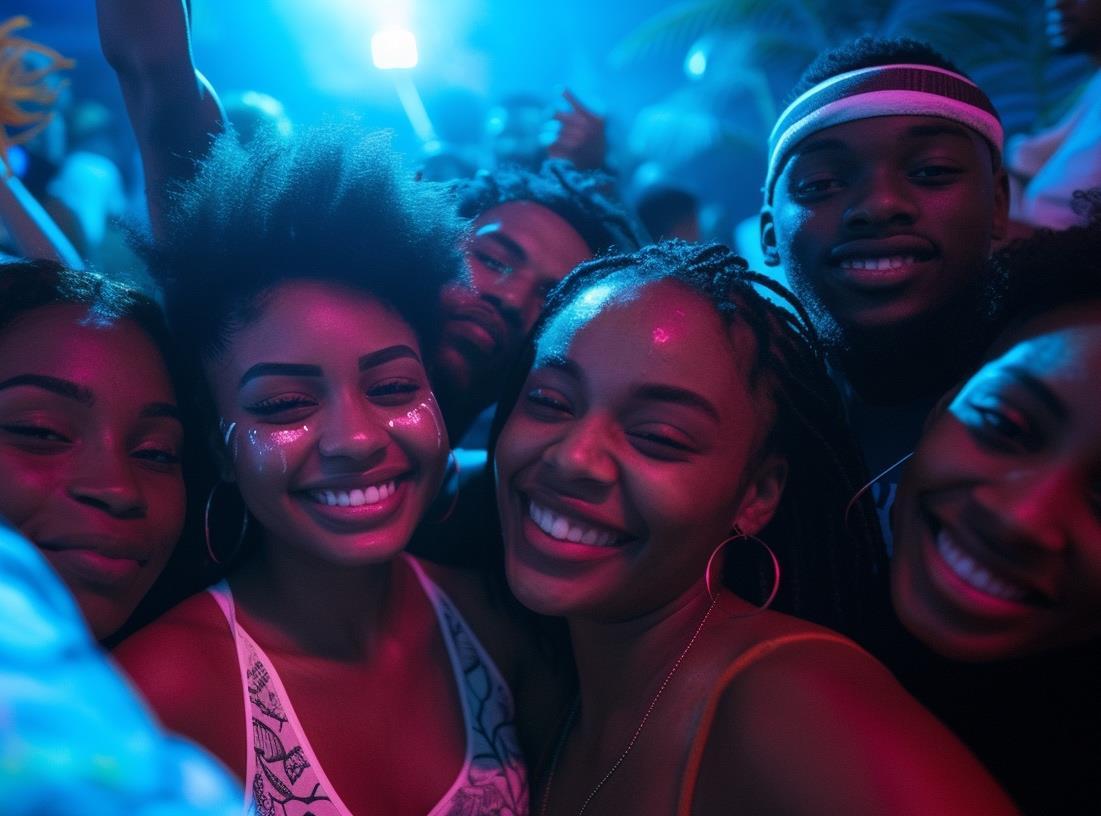
STEP 1: GIVE AN INCENTIVE
What will entice them to become ambassadors? Perhaps you will offer discounts, free products, or monetary compensation.
STEP 2: INVITE & ESTABLISH INFLUENCE
Create an integrated page where you can collect social details, so you can easily identify those with social influence!
STEP 3: IDENTIFY THE INFLUENTIAL CUSTOMERS
Using data-driven influencer insights, brand checks, to vet our applicants and select those that best support brand goals and values.
STEP 4: KICK OFF COLLABORATION
Begin collaborating with your ambassador. Here we tell them why we love them and build a meaningful relationship with transparent communication.
STEP 5: TRACK AND IMPROVE
Analyse the impact of all campaign content while we also identify areas of success and how you can improve in the future.
Recruiting ambassadors is a seamless process that clearly defines how and why to join, a sales program.
The recruitment page is often best integrated within the customer journey, embed on partner sites
WHERE TO PUT RECRUIT PAGE
• Webpage
• Landing page
• Purchase Complete page
An informative #hashtag is also critical so customers can search existing content e.g. #ILOVE100DEALS
MUST HAVE INCLUSIONS FOR RECRUITMENT PAGES
• Reason the influencer to become an ambassador; what does your brand stand for, what is unique about your ambassadors, what is the reward of joining?
• Examples of current ambassadors to get them inspired – artists, KOLs etc.
• An easy to fill out recruitment form, collecting social credential and necessary details.
Brand ambassadors offer many benefits to brands.
The benefits of an Ambassador program are immense.
Not only are you able to build lasting relationships with your existing client base, but you can connect with new clients in an authentic and organic nature.
Additionally, as Ambassador programs are intended to promote sales, you can easily measure conversions and ROI.
It is estimated that influencer marketing is 10.52 X more cost-effective than paid media. Influencers have 10X ROI.
• Run a cost-effective campaign that boosts sales and brand awareness
• Ability to drive product seeding campaigns and innovations testing campaigns at low costs
• Establish meaningful relationships with clients
• Reach new, untapped markets – best for product seeding
• Learn about new demographics that are interested in your product
• Generate sales with highly engaged customers
• Receive beautiful user-generated content that can be repurposed
Incentivizing customers to make a purchase is one of the main goals of an eCommerce influencer campaign. Determining the CTA for a campaign is a holistic decision, as it should fit the tone of the campaign and connect with your audience.
Influencer marketing is successful due to its authenticity. Including a sales incentive into a campaign should have the same authenticity.
Popular Incentives:
1. Coupon Codes
2. Discounts
3. Giveaways
4. Donations
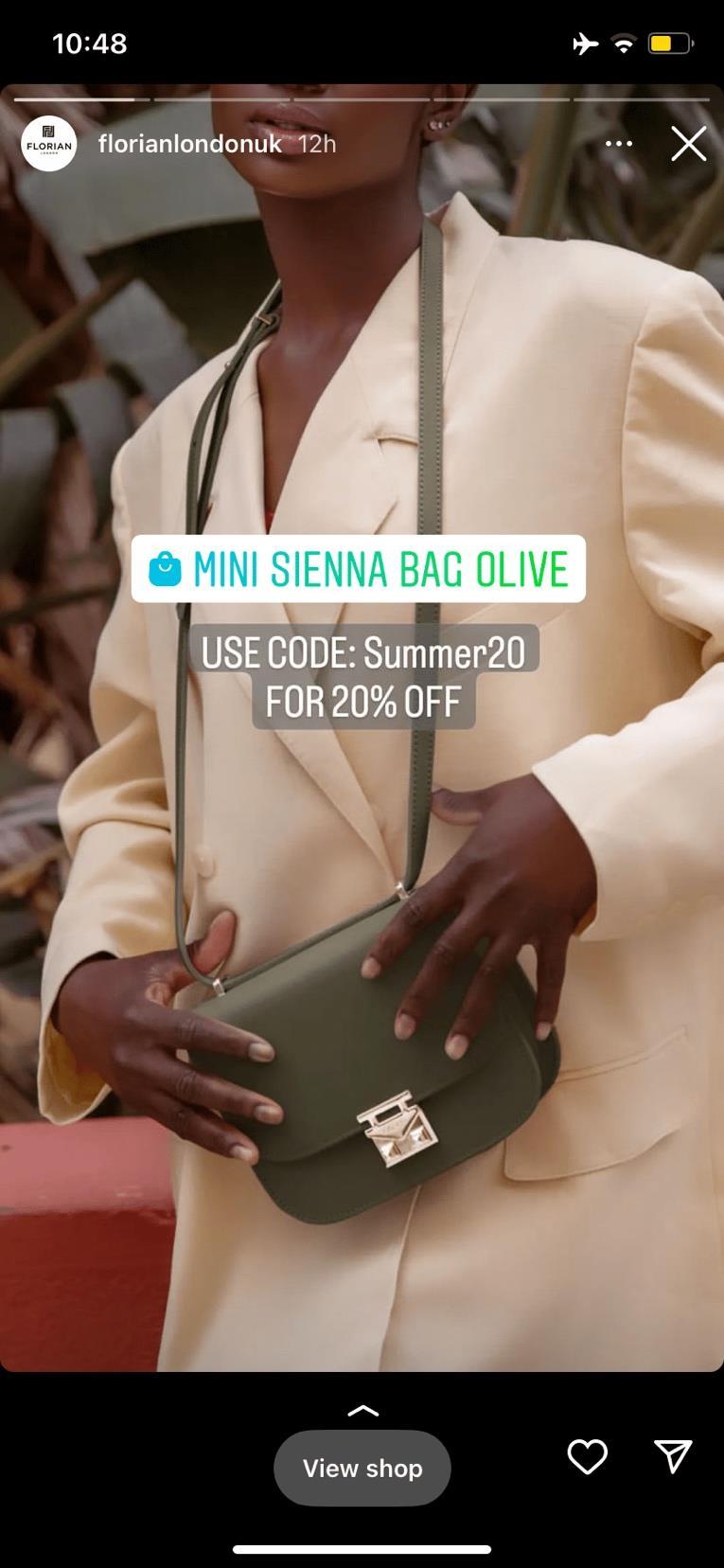
Swipe-Up is the most common CTA in a Story.
When Stories are incorporated into an influencer campaign, it can include a promotion which entices a viewer to make an action or purchase.
From a global report , 70% of incentives were Swipe-Up, which direct viewers to an eCommerce site, in Q1 2023- Q4 2023.
Of the discounts we surveyed, the majority were offerings of 10-20% off that the brands offered to customers and ambassadors who drove the actions.
One of the main KPIs for a successful eCommerce campaign is conversions. There are several methods for accurately measuring conversions.
Customizable coupon codes for ambassadors that can be automatically tracked. By tracking coupon codes, you can learn which influencers generated the most sales.
Integrate a pixel on various pages of the website you want to track, as well as the purchase completion page.
This is a link that your ambassadors will share with their network. A pixel will help you learn who generated the most intent (clicks) and conversions.
Successful campaign measurement is dependent on the ability track conversions and identify the ambassadors that are most beneficial for your brand.
By tracking conversions you learn what methods and which influencers are most successful for your brand.
Test multiple CTA methods and review conversion data to see which works best . The social or community management team can run A/B tests to see what CTAs drive the most actions.
These are then used across the influencer categories to drive their KPIs.
This is not only about influence. It is about trust. About belonging.
About a continent of storytellers who have always known their worth — and are now, finally, being heard at scale.
Powered by The Bathrobe CEO
The continent is not catching up. It is leading.
Sub-Saharan Africa has the youngest population on earth, the fastest-growing creator economy in the world, and a generation that has never known a life without a screen in its hand and a story to tell. This is not an emerging market. This is the market raw, real, and rewriting the rules in real time.
For too long, the narrative about African consumers was written by outsiders looking in. Today, a nano-influencer in Kampala, a fin influencer in Lagos, a lifestyle creator in Kigali they are not waiting for permission. They are building audiences, shifting culture, and moving product with a trust and authenticity that no media buy in the world can manufacture.
The creator economy here is not a trend. It is infrastructure. It is how a mother in Dar es Salaam discovers a product, how a young entrepreneur in Accra builds a brand, how a generation defines what aspiration looks like when it belongs to them.
And we are still in the first chapter.
The brands, agencies and strategists who understand this who respect the cultural codes, invest in community, speak the language of the streets and not just the boardroom — will not just win market share. They will be woven into the fabric of the most dynamic consumer landscape in human history. This is not only about influence. It is about trust. About belonging. About a continent of storytellers who have always known their worth — and are now, finally, being heard at scale.

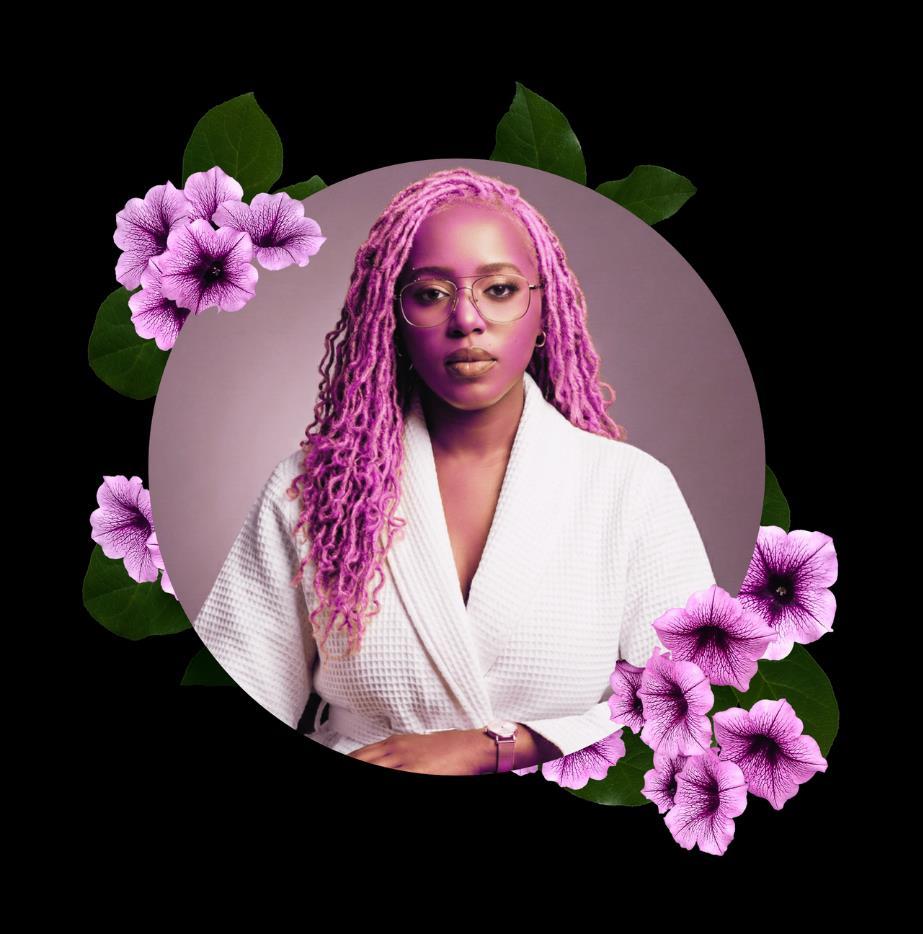
Cultural Economist , Influence Savant & Creator Economy Architect

Eighteen-plus years in advertising will either break you or make you relentlessly curious. For me, it’s done the latter and then some.
With eight years spent at the beating heart of Sub-Saharan Africa's influencer and creator economy, I’ve built campaigns, established mar tech solutions, brokered partnerships, and shaped cultural conversations for some of the most demanding brands on the planet. Netflix. The Coca-Cola Company. The British High Commission. The European Union. ByteDance. DIAGEO. Not just logos on a credentials slide — but proof that influence, done with intelligence and intention, works across every category, every audience, and every brief imaginable.
I operate at a rare intersection: equal parts creator economy strategist, cultural economist, and content obsessive. I don't just study the creator economy — I believe in it, and architect for it fiercely, as one of the most consequential forces reshaping Africa right now. In my world, a nano-influencer in Kisumu and a mega-creator in Lagos are both part of the same extraordinary story: a continent telling its own narrative, on its own terms, at breathtaking speed.
My work reads less like a media plan and more like an anthropological field study. I spot the micro-shift in a comment section that signals a macro-shift in culture and a micro lens into what the society needs.
I build frameworks rigorous enough for the boardroom and real enough for the evolving streets.
Swanky? A little. Sharp? Always. But above all, deeply, genuinely in love with the prospect that in Sub-Saharan Africa, the creator economy isn't coming — it's already here, and it's rewriting the rules for everyone.