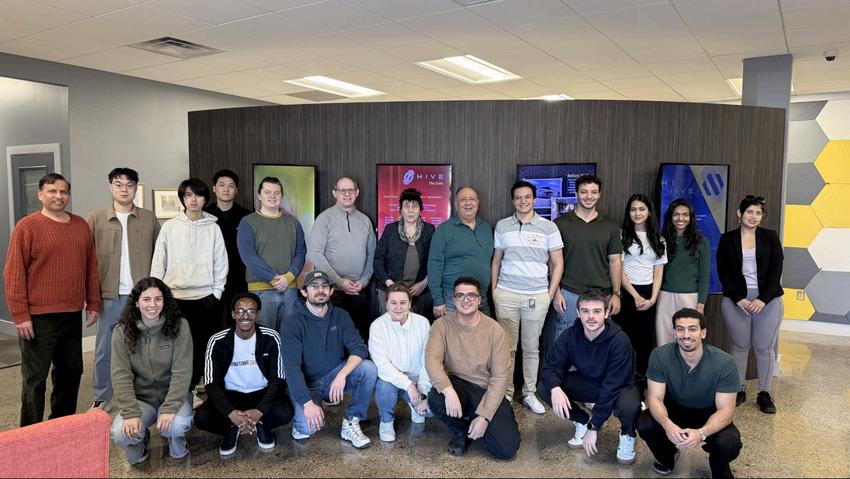
Cyber HIVE continues to bring together students, researchers, and industry partners to develop innovative solutions in artificial intelligence, cybersecurity, healthcare technology, and immersive digital experiences Through hands-on projects and collaborative research, the studio provides opportunities for learning, creativity, and realworld impact
From AI-powered cybersecurity systems to healthcare and VR applications, Cyber HIVE remains focused on building technologies that solve meaningful problems while preparing the next generation of innovators.
CYBER HIVE NEWSLETTER
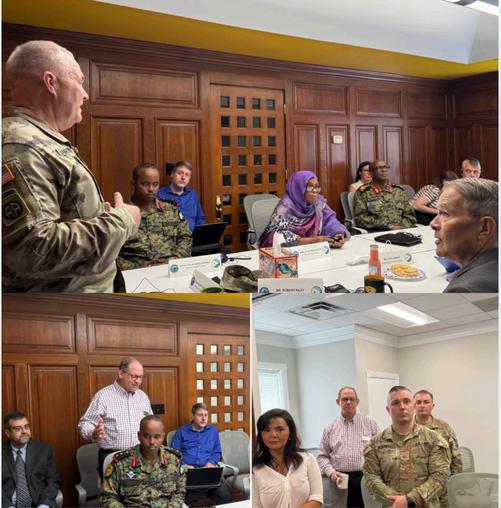
On July 22, 2025, Hive had the privilege of hosting a distinguished delegation from the Kentucky National Guard as part of the State Partnership Program with Djibouti The group included military leaders and academics, notably Kyle Hurwitz, Director of the Center for Military-Connected Students at the University of Louisville, accompanied by representatives from Djibouti
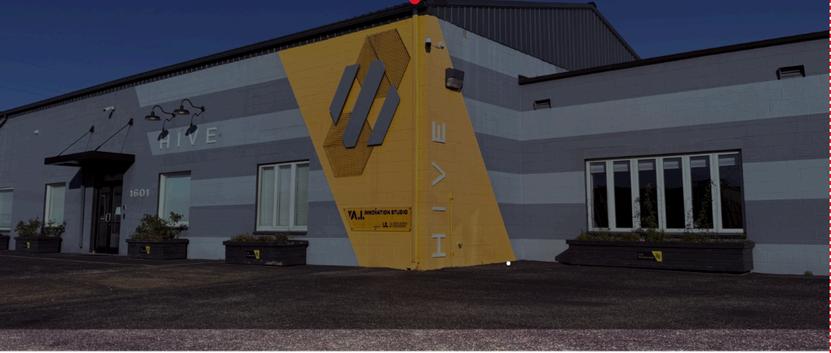
The visit began with warm welcomes from University of Louisville leaders who emphasized the importance of cross-sector partnerships that support both local communities and international allies The group gathered at Hive, the university’s innovative AI and cybersecurity hub, where discussions centered on advancing community engagement, technological innovation, and international security.
Overall, the visit fostered meaningful connections between Hive, the Kentucky National Guard, and the Djiboutian delegation, reinforcing shared commitments to innovation, security, and community partnership
Global Collaboration
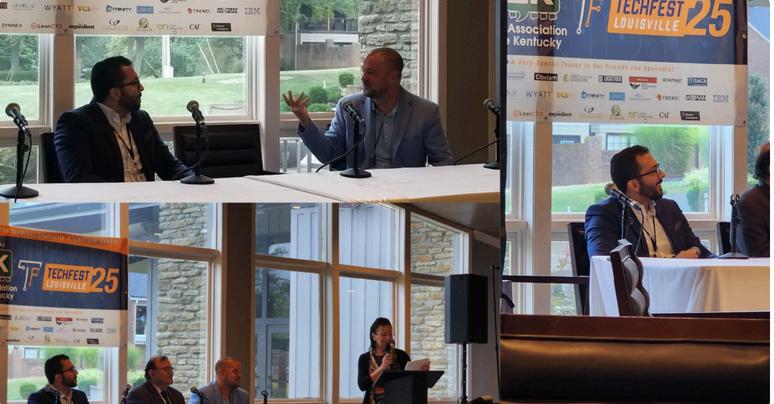
A standout moment from this year’s program was the panel discussion led by Omar Emam, “Regional AI Research & Startup Developments ” Omar shared insights on how artificial intelligence is shaping both research and entrepreneurship in our region He spoke candidly about the opportunities AI creates, the challenges that come with adoption, and how collaboration between universities, startups, and business leaders can position Louisville as a leader in innovation
Cyber HIVE was proud to be part of this year’s TechFest We left inspired by the growing momentum around innovation and excited to continue supporting the people and organizations driving that progress. As always, our mission remains focused on connecting communities, sharing knowledge, and growing together through innovation
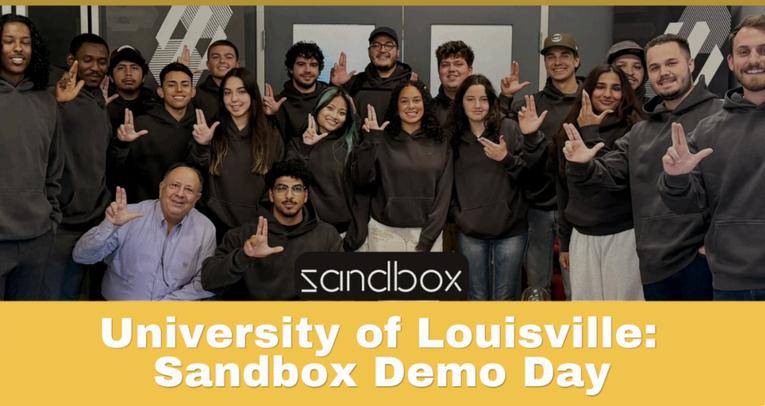
UofL to Host Sandbox Demo Day Showcasing Student Innovation
On April 2 from 5:00 PM to 6:30 PM, the University of Louisville will host Sandbox Demo Day at the College of Business in Horn Auditorium The event will bring together students, faculty, and community members to experience a semester of innovation, entrepreneurship, and hands-on learning
Sandbox Demo Day serves as the culmination of the Sandbox program, where undergraduate students develop startup ideas into real-world solutions
Throughout the semester, teams engage in customer discovery, rapid prototyping, and iterative design to refine their concepts
During the event, attendees will explore student-led projects, view innovative prototypes, and engage with teams addressing real-world challenges
TechFest 2025
TechFest 2025 brought together innovators, entrepreneurs, and technology leaders from across the region for a full day of conversations, workshops, and connections. Over the years, the event has become a key gathering point for the Louisville tech community, offering a space to share ideas, showcase local talent, and highlight the creativity that’s driving change across industries
HIVE serves as a catalyst for creativity giving students access to a community and environment that encourages exploration, problemsolving, and independent initiative. This space has allowed Sandbox teams to develop their ideas outside the traditional classroom setting, reinforcing the connection between learning and real-world application
C t R search & Projects
Solvita Cost Planning Model
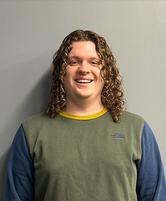
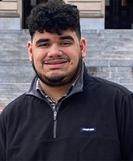
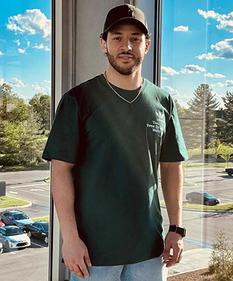
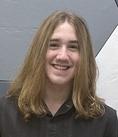
Isaac Emery has continued developing the Solvita Recovery Optimization Model with a focus on improving cost estimation and decision-making The model uses detailed tissue data and multiple attributes to generate more accurate and granular cost predictions, helping support better planning and resource optimization
Document Data Extraction
Isaac is also working on an agentic document data extraction system that uses large language models (LLMs) to identify document types and extract important information from varying formats Unlike traditional OCR methods, this modular approach is more flexible and reduces the need for separate models or rigid pattern-based recognition.
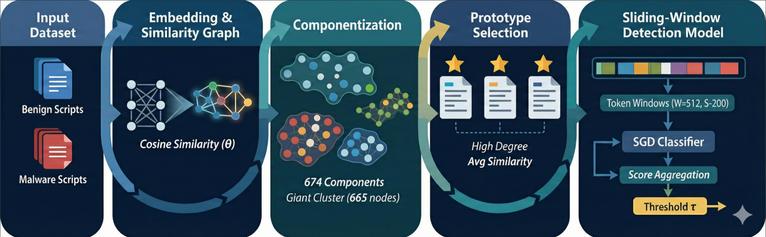
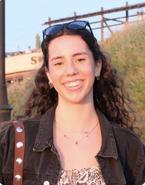
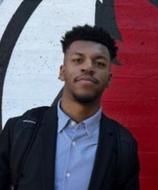
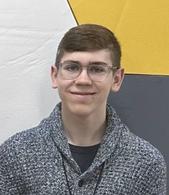
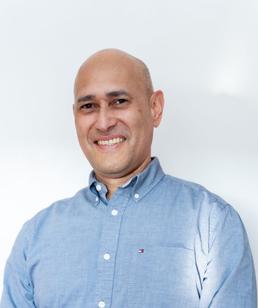
Noureldin Youssef has been leading research focused on improving the reliability of AI-driven malware detection systems His work addresses duplicate and near-duplicate samples in Android and PowerShell malware datasets, which can artificially inflate detection accuracy and reduce real-world reliability
Using structural, semantic, and behavioral analysis, he developed deduplication-aware pipelines that help AI models better identify new malicious behaviors instead of memorizing repeated samples. His recent research also explores similarity-based malware detection and prototype selection techniques for improving cybersecurity dataset quality and evaluation methods
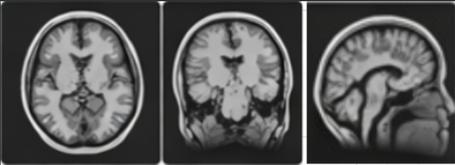
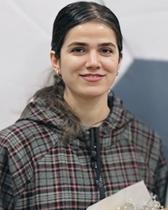
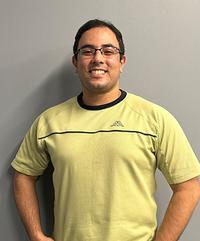
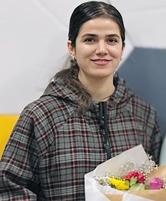
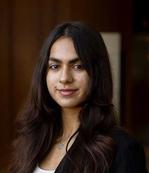
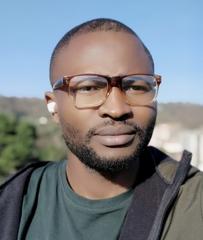
Mona Ebadi Jalal has been working on developing a deep learning framework for analyzing MRI data to support the early detection of Alzheimer’s disease Her research focuses on designing and training advanced 3D neural network models capable of processing full MRI scans while incorporating explainability techniques to better understand which regions of the brain influence the model’s decisions
The goal of her work is not only to improve classification accuracy, but also to help identify potential imaging biomarkers that may contribute to future clinical research and earlier diagnosis methods The project is ongoing, with the model continuing to analyze full 3D MRI scans and provide insights into complex brain imaging data.
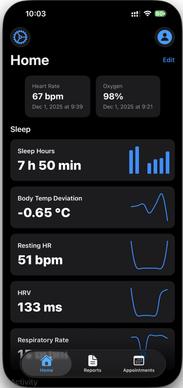
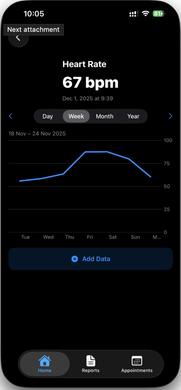
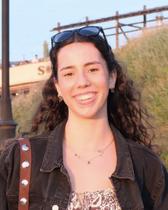
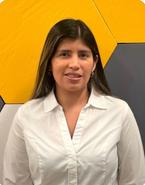
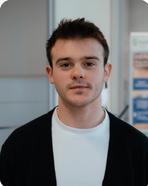
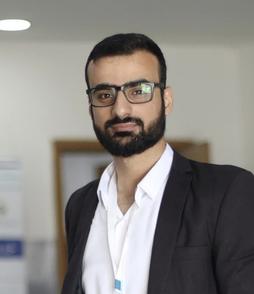
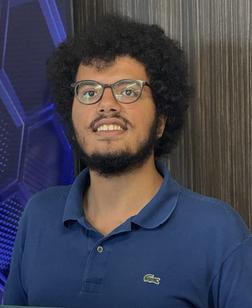
Ana Martínez Otero has been working on the development of an integrated digital health monitoring system designed to support stroke recovery and rehabilitation The project combines a mobile iOS application, wearable health data from devices such as the Oura Ring, and a custom backend built using a LAMP stack (Linux, Apache, MySQL, and PHP)
The system collects and visualizes important physiological data including heart rate, oxygen saturation (SpO₂), heart rate variability (HRV), sleep, and activity levels through integrations with Apple HealthKit and external APIs It also features voice interaction through Amazon Alexa, allowing users to access health information using simple voice commands
In addition, the platform includes a rehabilitation module powered by computer vision technology to track body movements during exercises, helping guide patients and monitor recovery progress more effectively.
Isaac Emery
Noureldin Youssef
Mona Ebadi Jalal
Ana Martínez Otero
Current Research & Projects
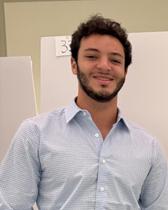
Omar Sheta has been working on BeePrepared, an AI-powered interview preparation platform designed to create a more personalized and effective learning experience for students and job seekers The app analyzes a user’s resume and target role to identify skill gaps and generate tailored mock interview questions instead of relying on generic question banks
His work also includes developing features such as real-time voice interaction, live coaching hints during interviews, and detailed performance reports that help users better understand their strengths and areas for improvement A major focus of the project has been making the interview experience feel more realistic while still remaining supportive and educational
In addition, Omar has been improving the app’s live interview flow, feedback systems, progress tracking, and overall architecture to ensure the platform can scale reliably as more users engage with the system
Francesc Serra has been working on predicting the progression of Parkinson’s disease using the longitudinal PPMI dataset His research applies ETL techniques along with advanced machine learning and deep learning methods to analyze large amounts of patient clinical data over time
Using patients’ clinical history collected across a three-year period, the project aims to predict future disease progression stages based on the Hoehn and Yahr (HY) scale, a widely used system for measuring the severity of Parkinson’s disease Because Parkinson’s is highly variable in how it progresses from patient to patient, the research focuses on building predictive models with strong forecasting capabilities
The goal of the project is to help shift healthcare from a reactive approach to a more proactive one by enabling earlier intervention, improved patient monitoring, and better long-term clinical decision-making through AI-driven analysis
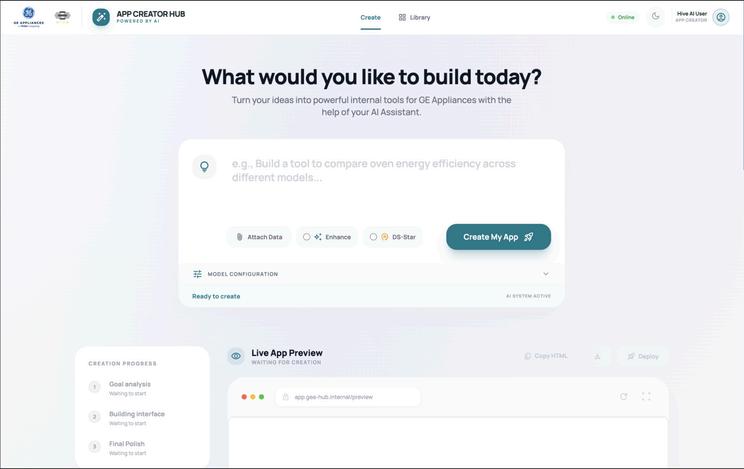
Mohamed Konsowa, alongside Ryan and Omar, has been working on the development of agentic AI platforms focused on making artificial intelligence more accessible to non-technical teams in real-world enterprise environments. In collaboration with an industry partner, the team has been building systems that allow users to create, customize, and manage their own AI-powered solutions without requiring deep engineering expertise.
A major part of the project involves designing enterprise-ready AI systems that are both flexible and reliable, with particular attention to workflow management, governance, scalability, and seamless behindthe-scenes integration The goal is to make advanced AI tools easier to use while still supporting the needs of large organizations and complex operational environments
In addition to this work, Mohamed has also been developing an agentic AI application builder inspired by platforms such as Lovable ai, with the aim of making AI-powered app development more intuitive and accessible A demo version of the project can be viewed here: https://geappliances-ai-tool-prototype onrendercom/
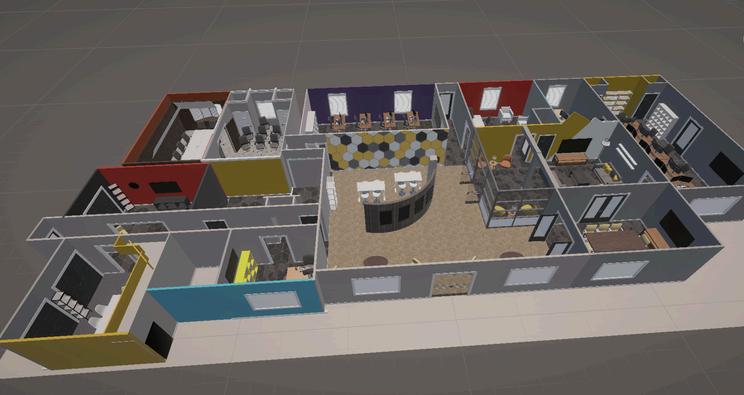
Outside of his AI platform work, Mohamed has also contributed to projects involving gaze detection for driving test scoring and the HIVE digital twin environment showcased during the recent UPS visit, supporting innovation in both AI-driven evaluation systems and immersive virtual technologies
Omar Sheta
Francesc Serra
Mohamed Konsowa
AI-Powered Mammography Analysis
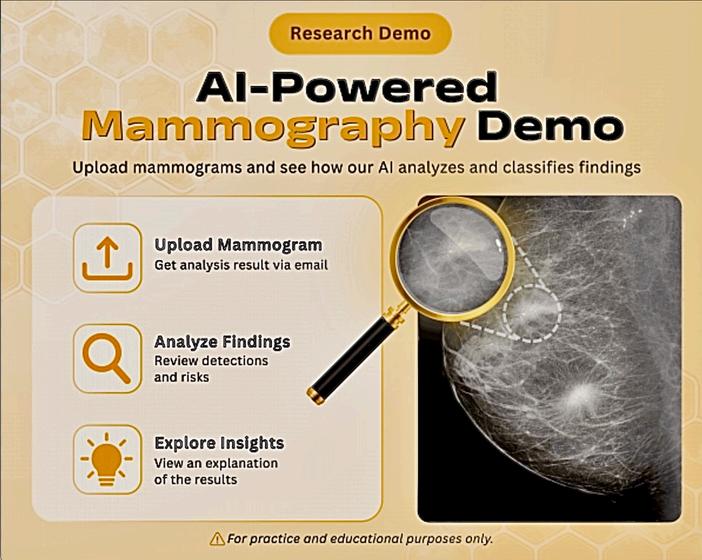
HIVE Mammography Image Processing Demo
This demo highlights a research project focused on using artificial intelligence and computer vision techniques to improve automated mammography analysis and support earlier breast cancer detection The research was led by Asma Baccouche, Begonya Garcia-Zapirain, Yufeng Zheng, and Adel S Elmaghraby, and was published in Computer Methods and Programs in Biomedicine (Elsevier, 2022)
The project introduces an end-to-end YOLO-based fusion framework designed to detect and classify suspicious findings in digital mammograms, including Mass, Calcification, Architectural Distortion, and Normal cases In addition to analyzing current mammograms, the research also explores retrospective early prediction by generating synthetic prior mammogram images using image-to-image translation techniques such as CycleGAN and Pix2Pix
By applying the trained detection model to these translated prior images, the study investigates whether subtle imaging patterns associated with future abnormalities can be identified before clinical diagnosis The project demonstrates how AIdriven medical imaging systems can support healthcare research through faster analysis, improved detection capabilities, and more advanced predictive modeling
What Happens Behind the Scenes
1—Locate
The system scans the mammogram and identifies regions that may contain suspected abnormalities such as masses or calcifications.
2 Focus
When a suspicious region is found, it is isolated and outlined, making the area easier to visualize independently of surrounding breast tissue.
3 Analyze
The isolated region is analyzed by a deep-learning model to demonstrate how AI can support future radiology workflows.
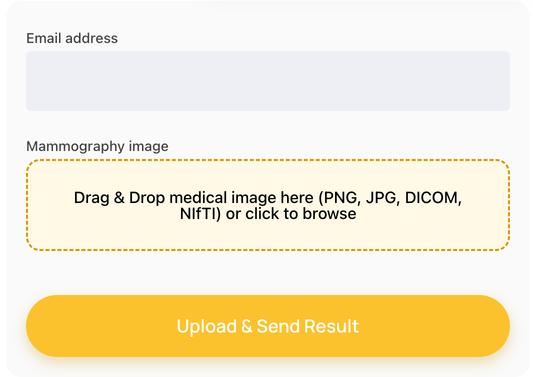
TrytheDemoin4Steps
Step 1: Enter the email address where you want to receive the result.
Step 2: Select a mammography image from your device (e.g., JPG, PNG, or another supported format)
Step 3: Click “Upload & Send Result” to send the image to the processing server.
Step 4: Wait a few moments, then check your email for the processed result If it does not appear, check your spam or junk folder
Cyber HIVE Opportunities
Building AI Agents with Multimodal Models
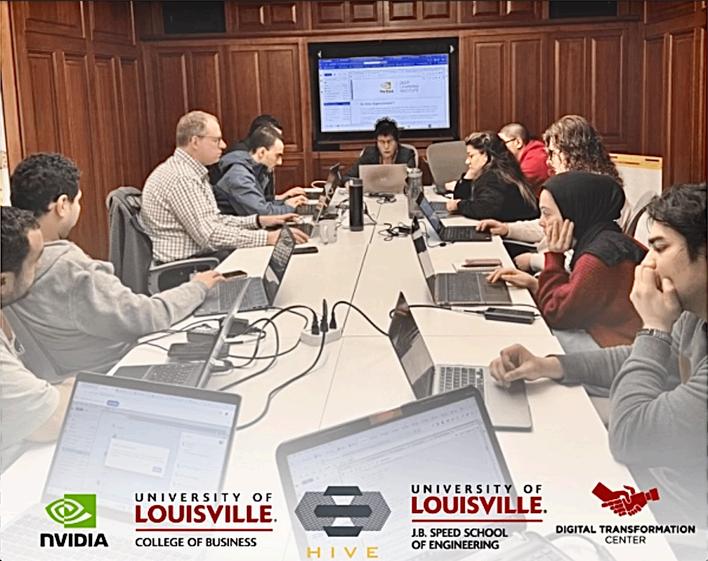
The Building AI Agents with Multimodal Models workshop, hosted at Cyber HIVE on April 8, 2026, introduced participants to the growing field of multimodal AI and its real-world applications Led by Dr Mariofanna Milanova, the hands-on workshop explored concepts such as multimodal data fusion, vision-language models, vector databases, and AI agent orchestration using NVIDIA technologies
Through interactive exercises and collaborative learning, participants gained practical experience working with AI systems that combine text, images, video, and sensor data to create more adaptive and intelligent agents The workshop helped attendees build a stronger understanding of next-generation AI technologies and their use in real-world environments Upon successful completion, participants received certification from the NVIDIA Deep Learning Institute (DLI)
The Fundamentals of Deep Learning Workshop, hosted by Cyber HIVE on April 5, 2025, provided participants with hands-on training in deep learning and its applications in cybersecurity Led by Professor Mariofanna Milanova, an NVIDIA-certified instructor and NVIDIA DLI University Ambassador, the workshop combined theoretical concepts with practical exercises focused on training deep learning models for real-world cybersecurity challenges.
Participants completed skills-based coding assessments to demonstrate their understanding of deep learning techniques and model development Throughout the workshop, attendees gained practical experience using industry-relevant tools and cloud-based GPU environments while applying AI models to cybersecurity scenarios Upon successful completion, participants received an official NVIDIA Deep Learning Institute (DLI) certificate recognizing their newly developed skills and expertise
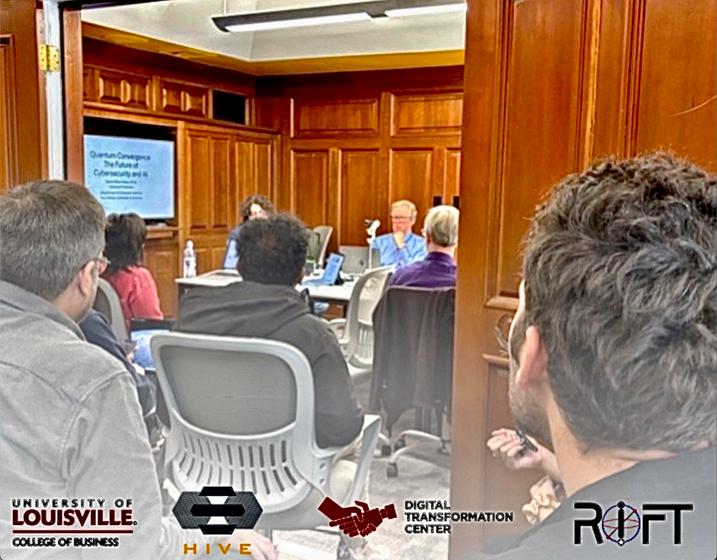
On November 8, 2025, Quantum Day at HIVE brought together students, researchers, and industry professionals to explore how quantum computing is shaping the future of artificial intelligence and cybersecurity Hosted in collaboration with the University of Louisville’s Digital Transformation Center as part of the World Year of Quantum Science and Technology, the event focused on introducing quantum computing concepts, highlighting hybrid quantum-classical innovation, and showcasing its growing impact on science, engineering, and secure computing
The event featured presentations from Dr Daniel Sierra-Sosa of The Catholic University of America and Alejandro Giraldo-Quintero, a Ph.D. candidate at the University of Louisville, who shared insights into the future of Quantum AI and secure computation Through interactive discussions and hands-on sessions, participants explored real-world quantum applications while gaining a deeper understanding of how collaboration, education, and emerging technologies are driving the next generation of innovation in AI and cybersecurity
The Future We’re Building
AI & Machine
Our Services
Cybersecurity
Learning Tailored AI solutions, predictive analytics, chatbots, and automation to optimize operations across industries.
Data Analytics
Actionable insights through advanced analytics, real-time data processing, and interactive dashboards to fuel smarter decisions and growth
Full-spectrum protection with testing, assessments, and code reviews powered by our UofL partnership.
Virtual Reality
Immersive VR for training, visualization, and interactive storytelling that feels future-ready
App Development
Scalable, user-centric mobile and web apps built with agile methods for seamless cross-device experiences
Custom Solutions
Unique challenge? We engineer tailored systems, integrations, and platforms built around your goals
Our mission is to empower innovation through collaboration, research, and cutting-edge technology while delivering scalable solutions that matter Through projects in artificial intelligence, cybersecurity, healthcare technology, quantum computing, immersive systems, and data analytics, Cyber HIVE continues to connect students, researchers, and industry partners through hands-on innovation and emerging technologies
852-0470
Floyd
Ready to innovate? We’d love to hear your ideas and explore opportunities for collaboration Contact Cyber HIVE at tech@hivehub.org or +1 (502) 852-0470, and learn more at cyber-hive org
Support innovation and education. Your support helps Cyber HIVE continue advancing research, student opportunities, and technology-driven innovation Visit cyberhive org or scan the QR code to stay connected