PORTFOLIO.
DESIGN STUDIO
01a. Trimorph - Envelope
Facade Study on Sunlight and Ventilation | Y2S2
01b. Trimorph - A Space of Light
Facade Application in Architectural Design | Y2S2
02. Myth of Boundary and Space
Spatial and Material Exploration | Y1S1
03. O Sports Center – Weaving Spaces
A Sports Center Weaving Fragmented Spaces Togetherr | Y3S2 (in progress)
04. Time Travel - A Community Reconnected
A Sports Center Integrating Fragmented Spaces | Y3S1 (In Progress)
OTHER PROJECTS
05. Transit Hub Commons
A Multifunctional Hub Allowing Passengers to Rest Within the City | Y3S1
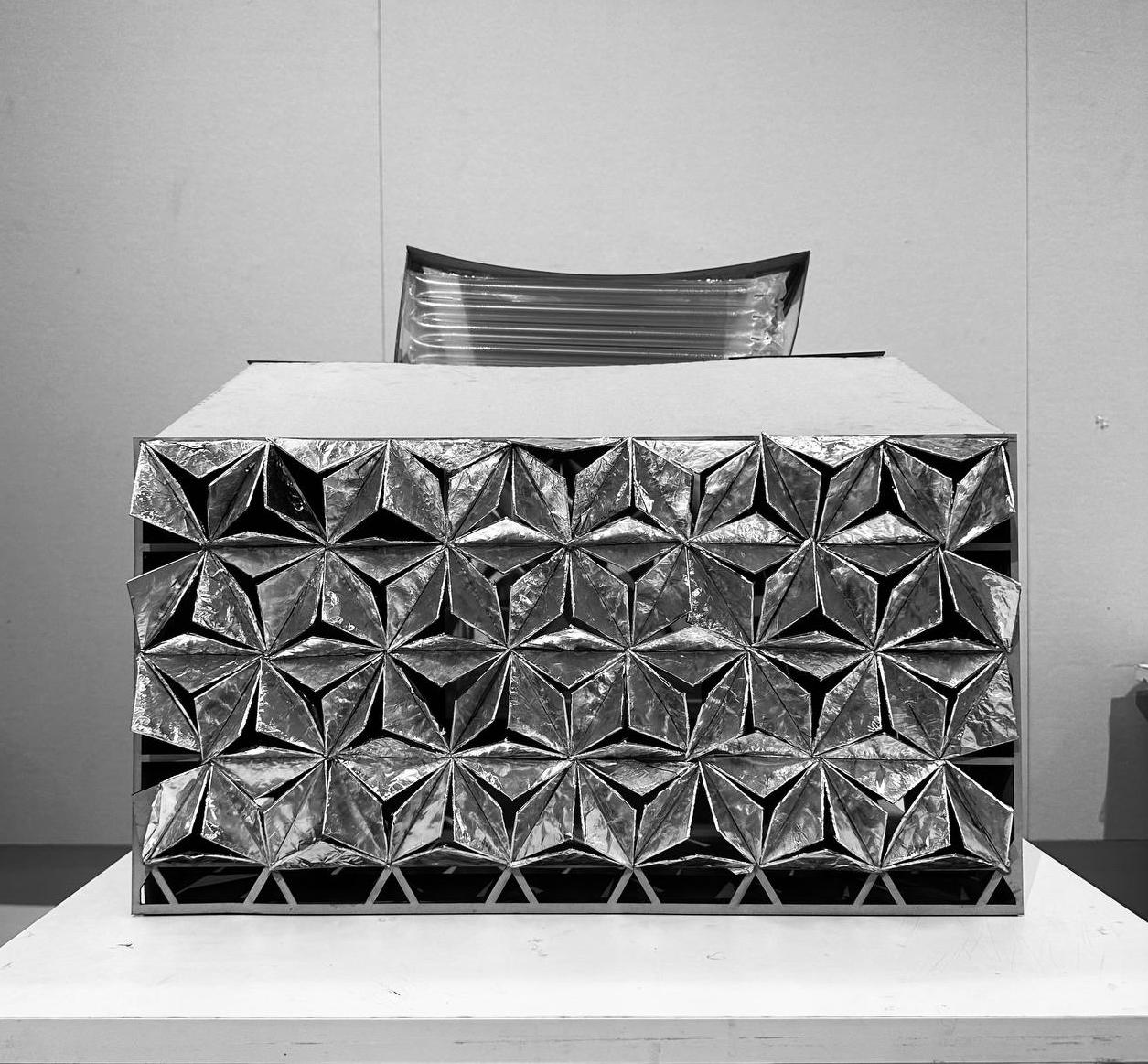
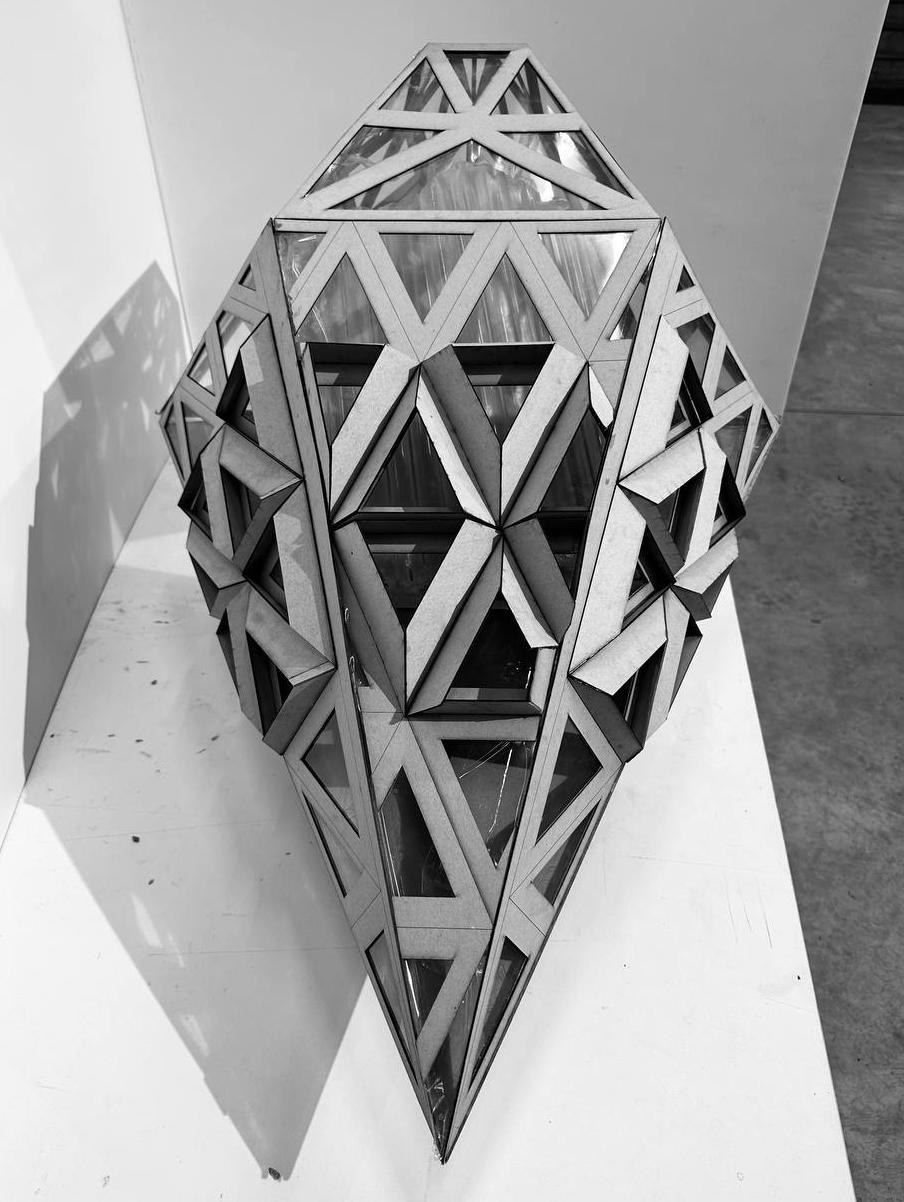
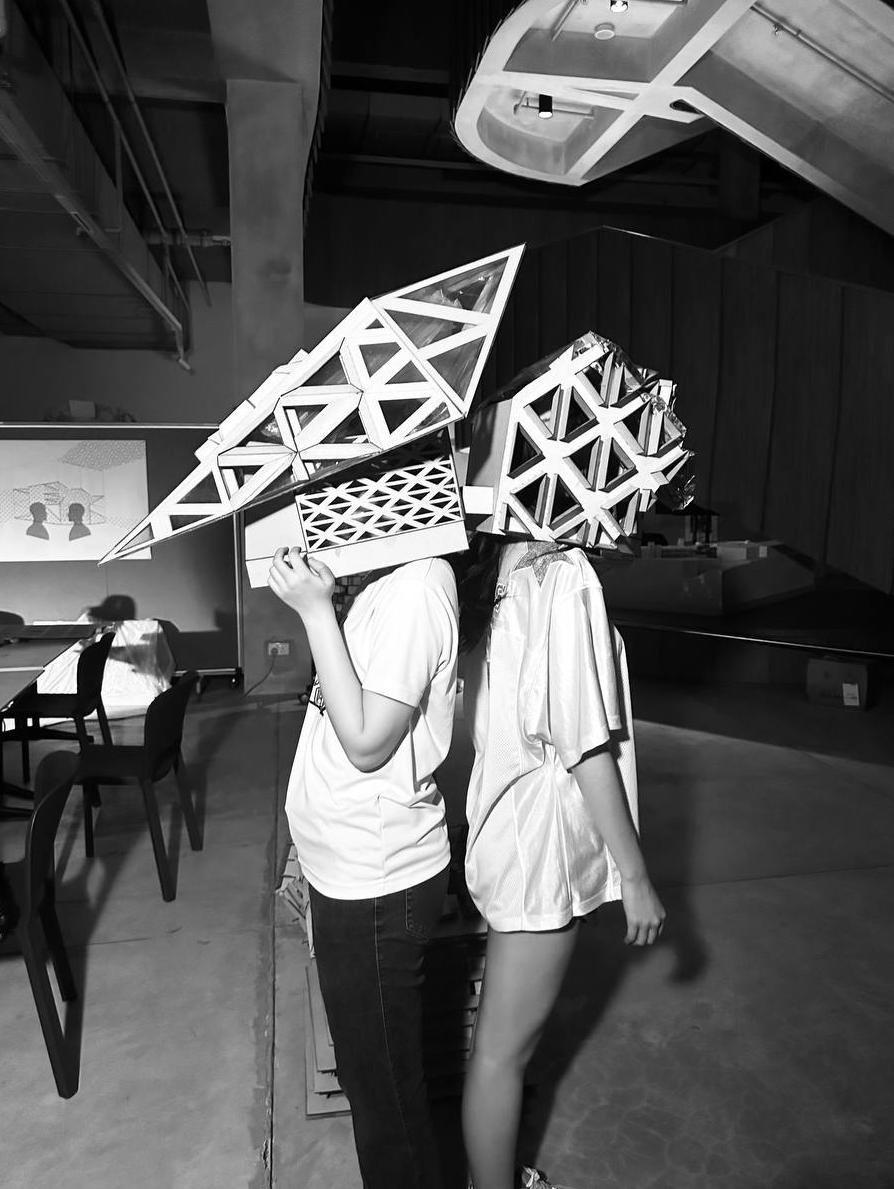
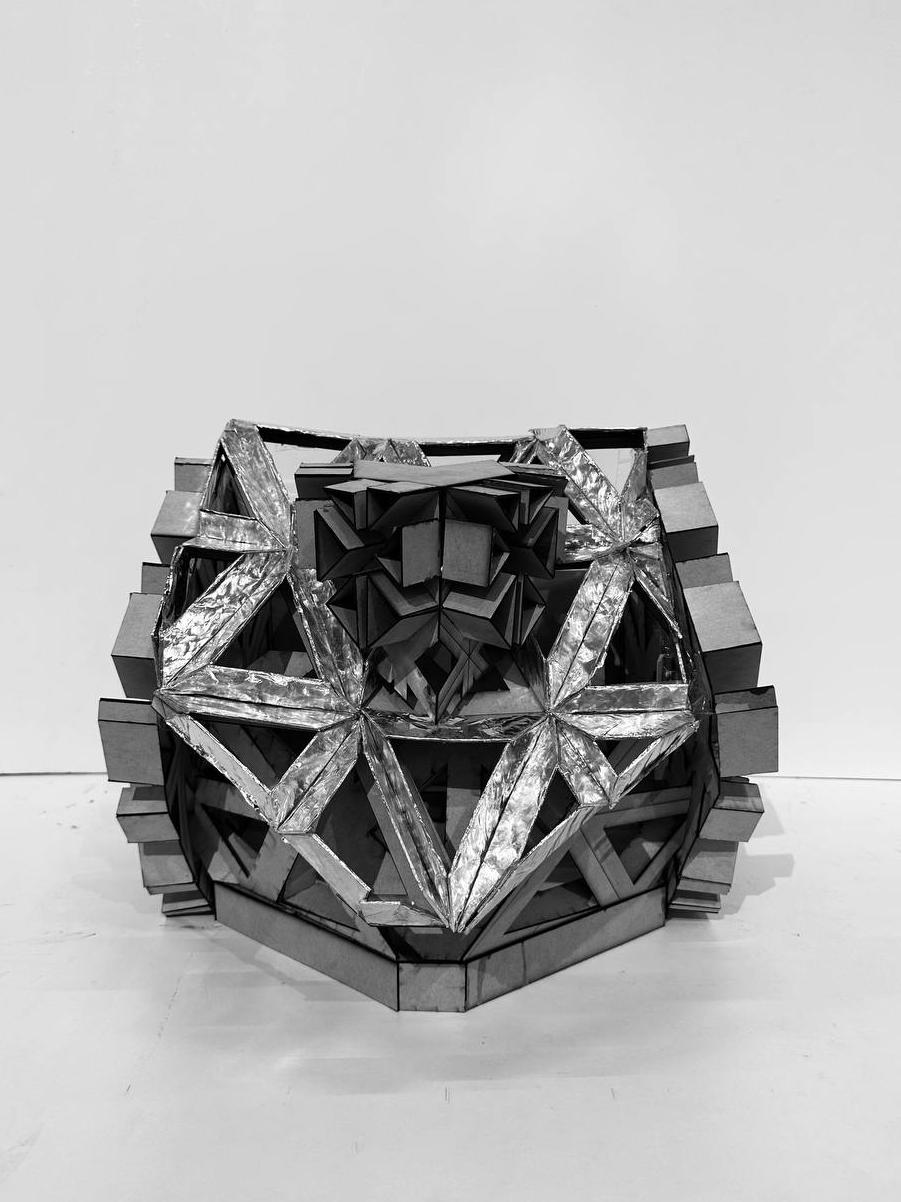
Trimorph Envelope
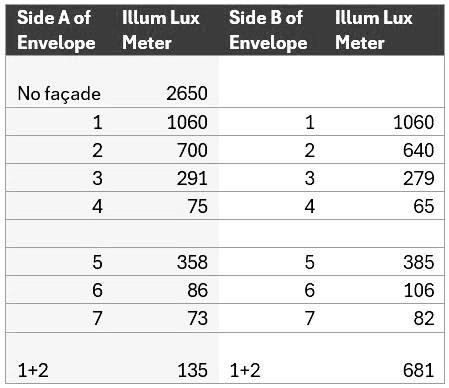
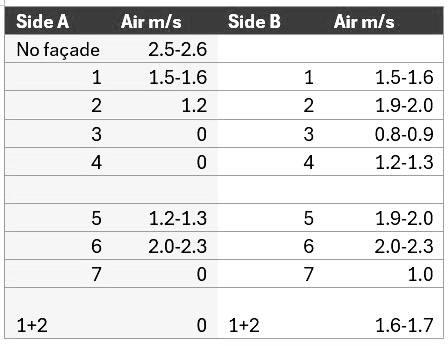
Facade Study on Sunlight and Ventilation | Y2S2
Thermal Analysis in Hot Environment
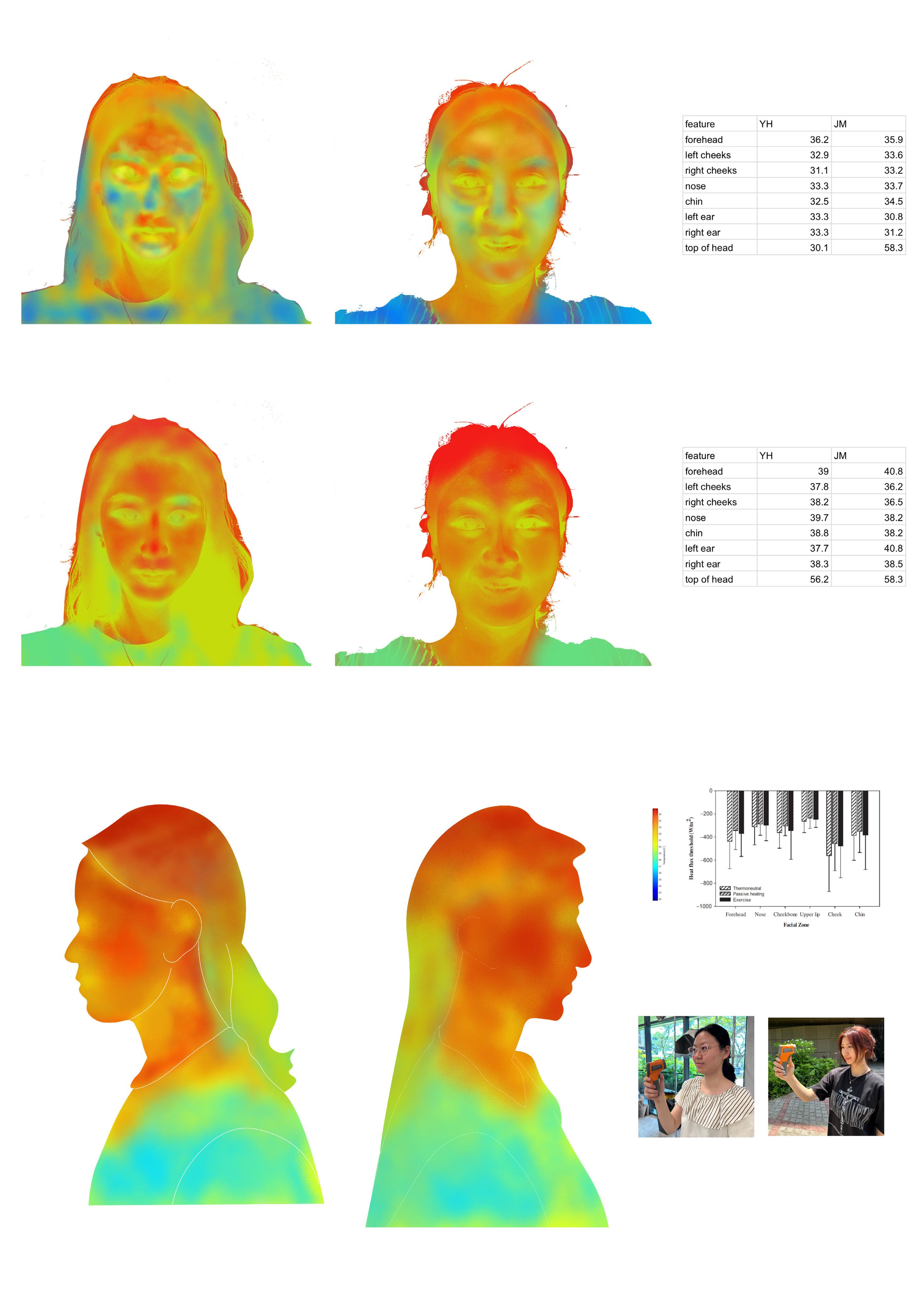
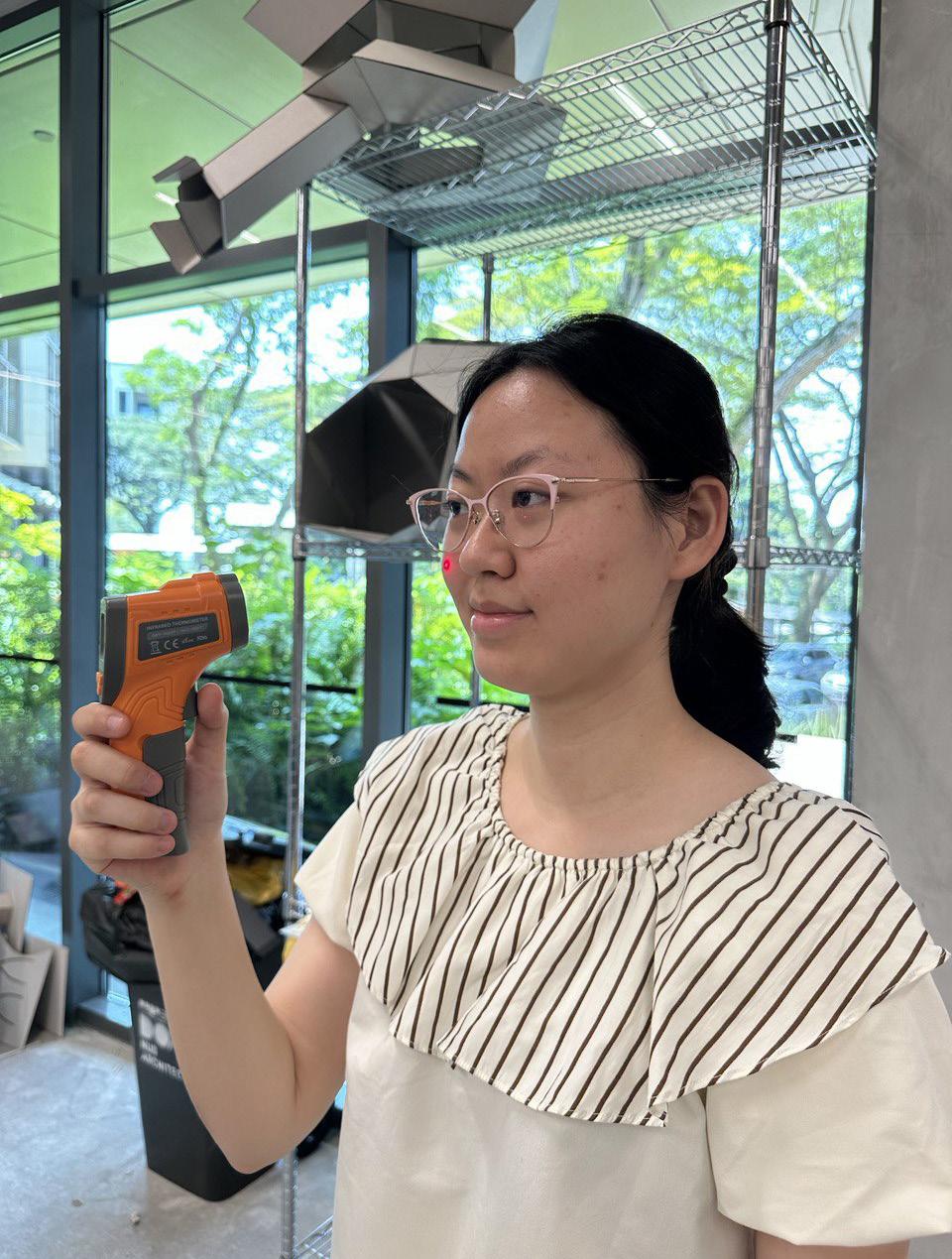
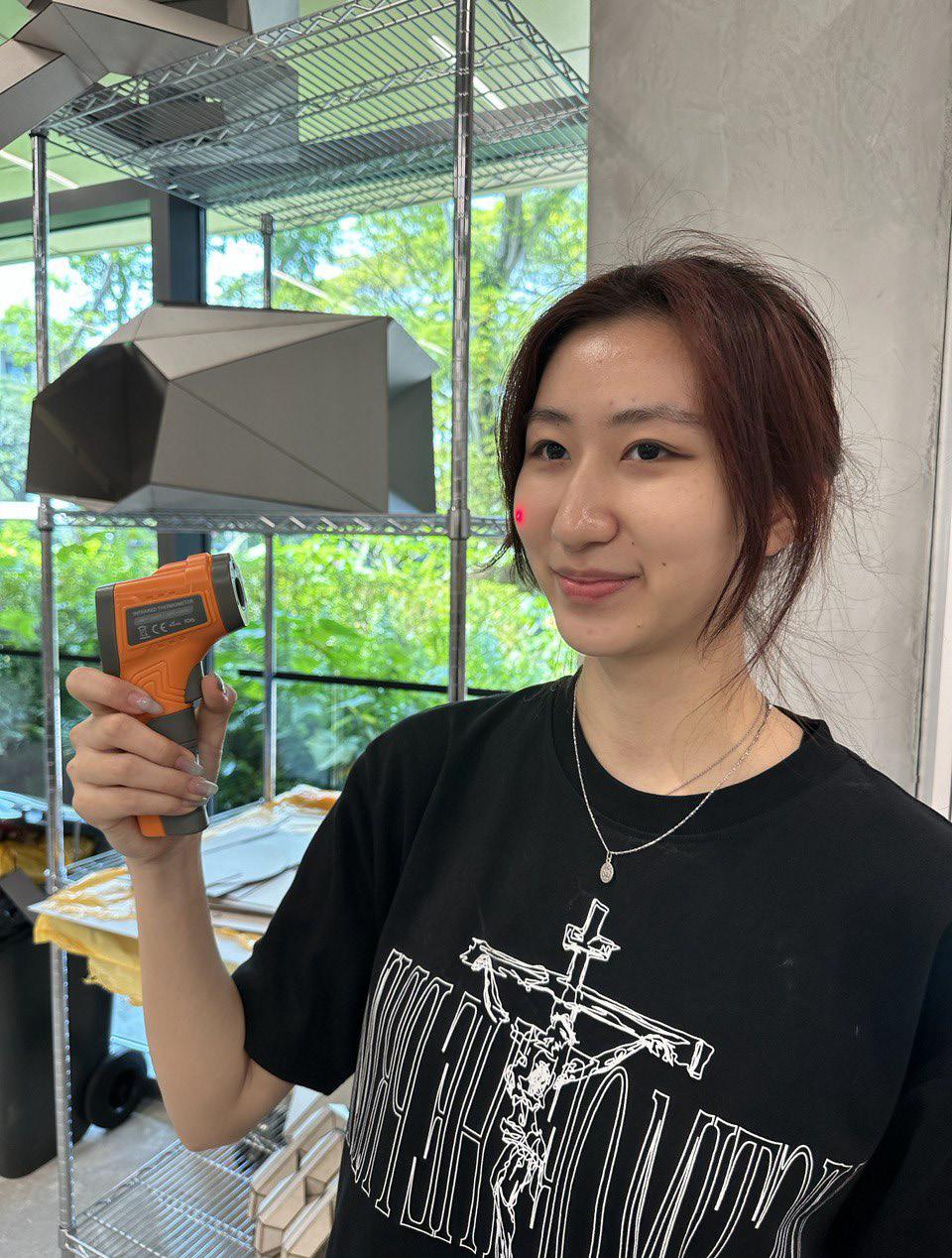
Heat Flux Threshold Process
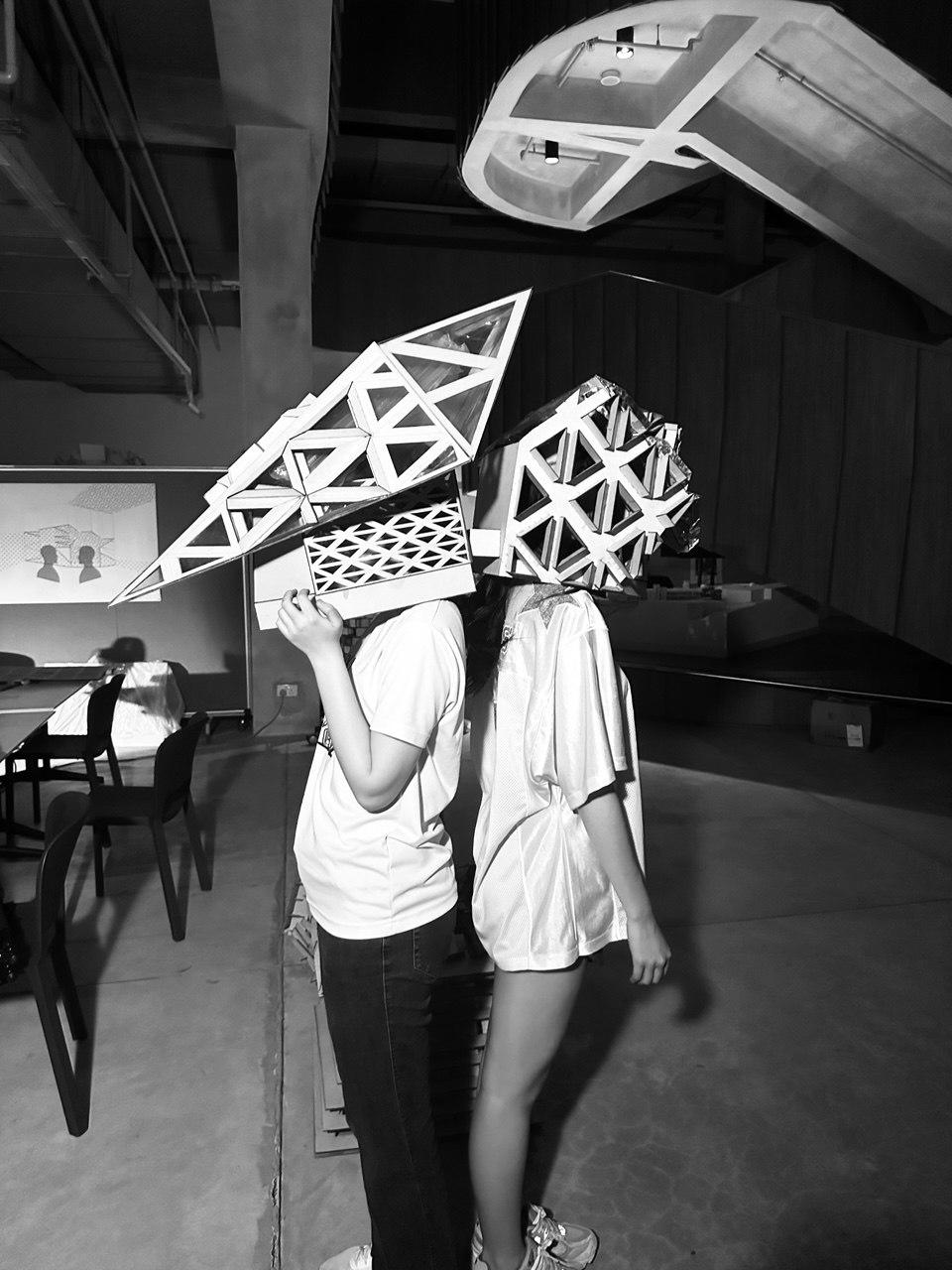
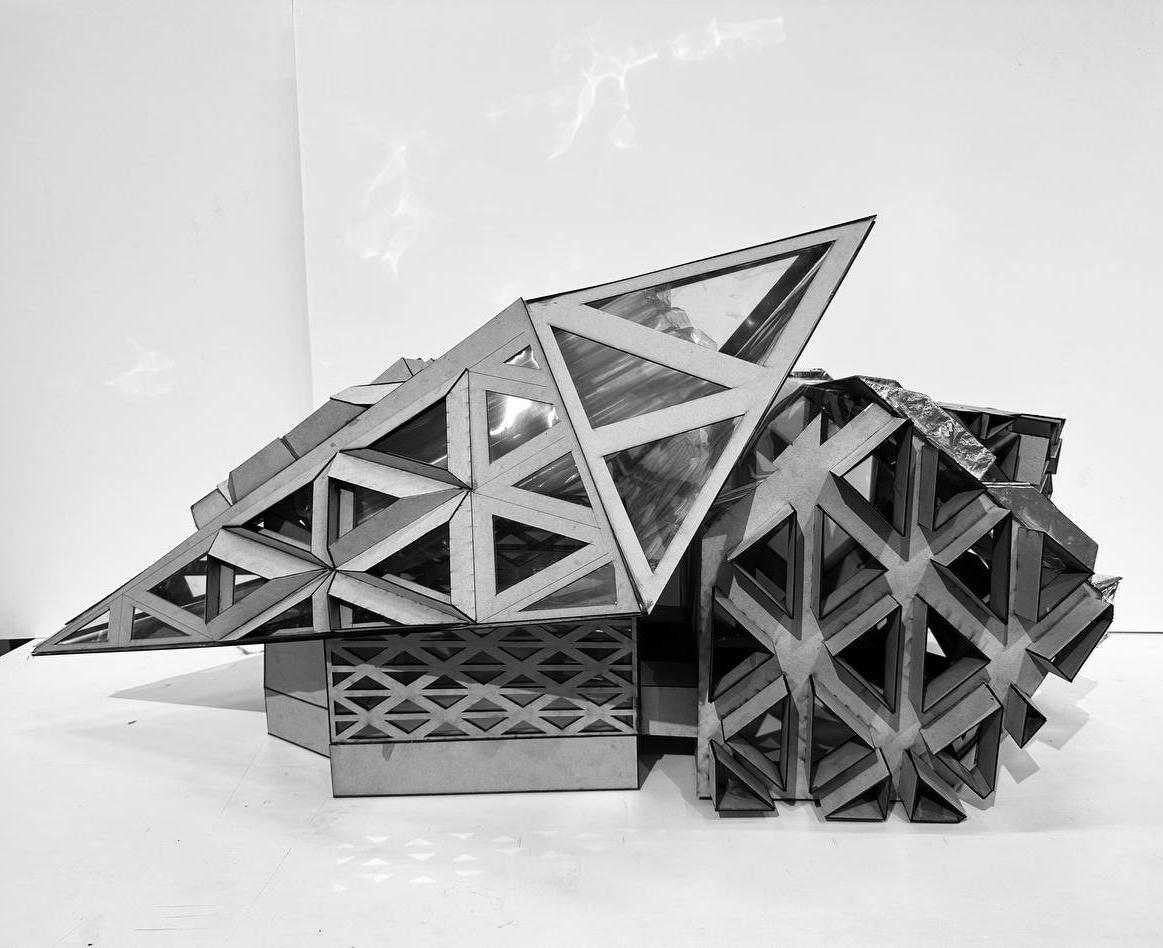
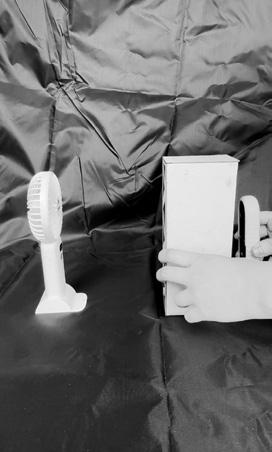
The TriMorph project explores how wearable architecture can mediate individual thermal comfort through passive environmental control, using triangular facades to regulate heat, airflow, and light based on metabolic differences. key strength is its material and climatic experimentation, where static surfaces create personalized yet interdependent microclimates that subtly contaminate each other. While the concept effectively challenges boundaries between personal and shared space, further refinement in contamination dynamics, ergonomic adaptability, and structural wearability could enhance its feasibility.
Side A of control + converging big opening + long n
glass, no ventilation
Eye/face shield: to prevent eyes from glares Jm cheeks are sensitive
Interaction: straight air duct, cool air ventilation goes from YH side to JM side.
Envelope Performance Diagram
Interaction: sunlight goes from Jm side to Yh side.
Side A of straight small opening + long n
A of control + converging big opening + long n aluminium foil
Eye/face shield
B of control + converging big opening + long n
Side
Side
Oblique,
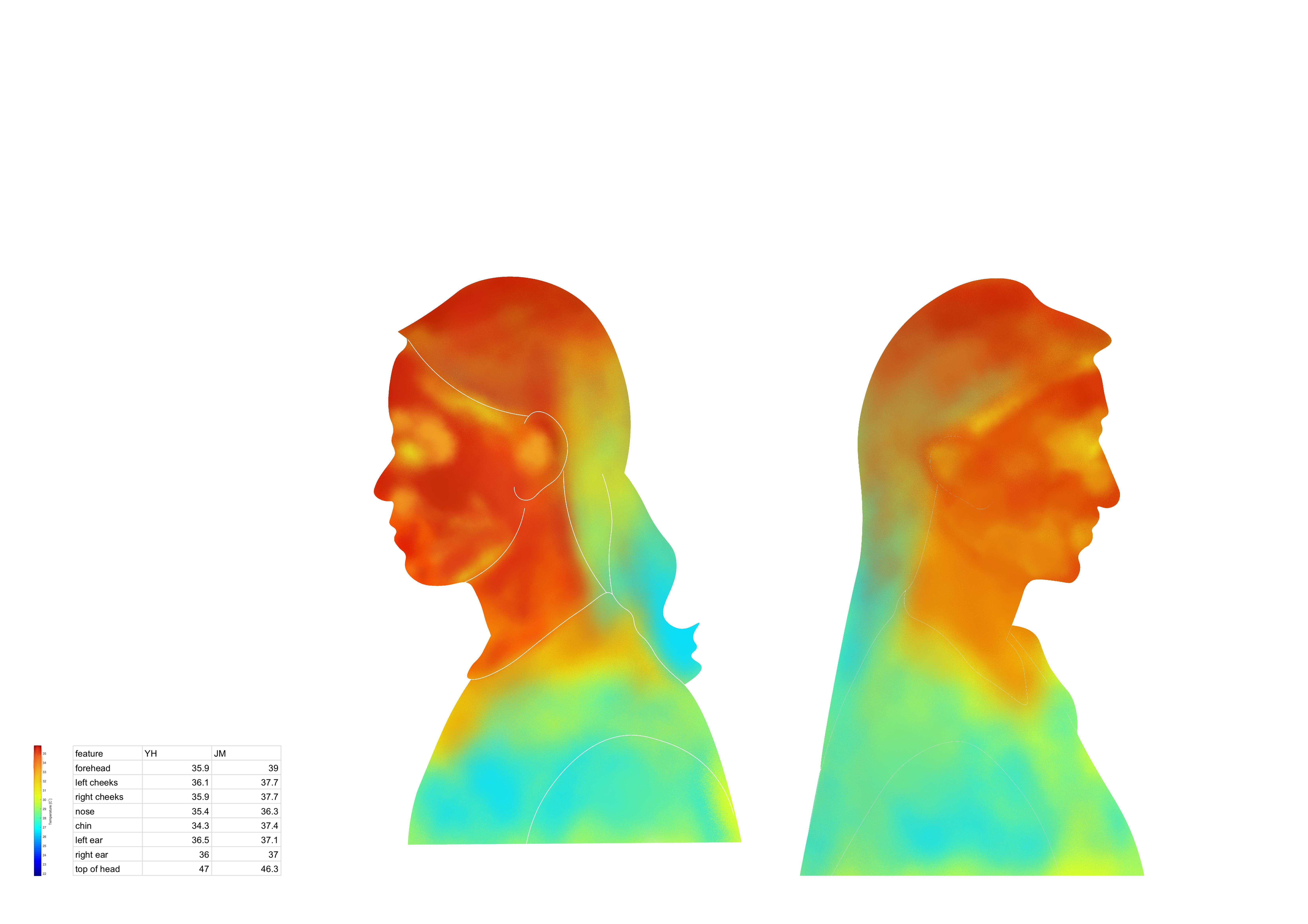
Human–Environment Thermal Interaction Diagram
air speed: 1.9m/s
Trimorph – A Space of Light
Facade Application in Architectural Design | Y2S2
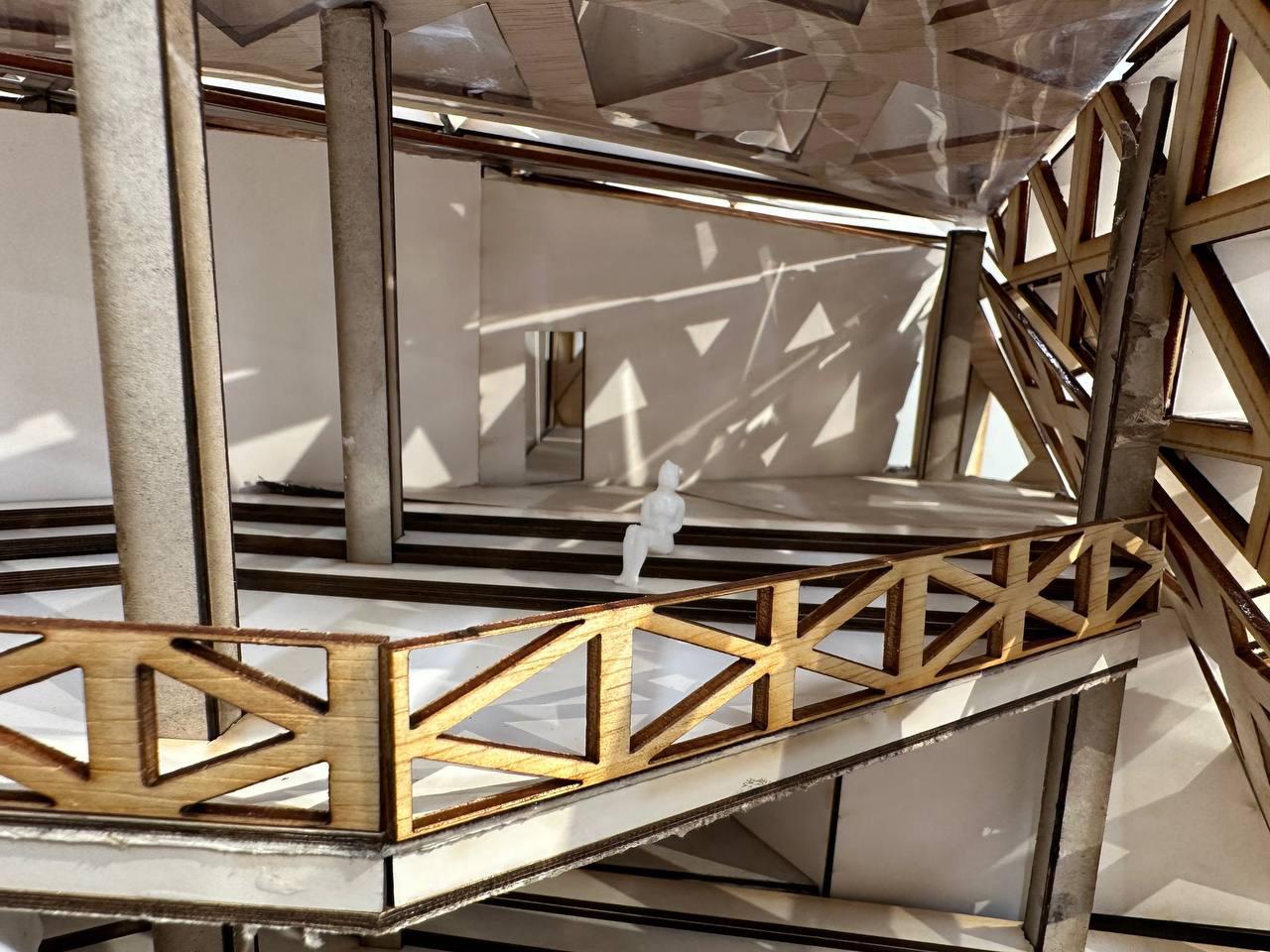
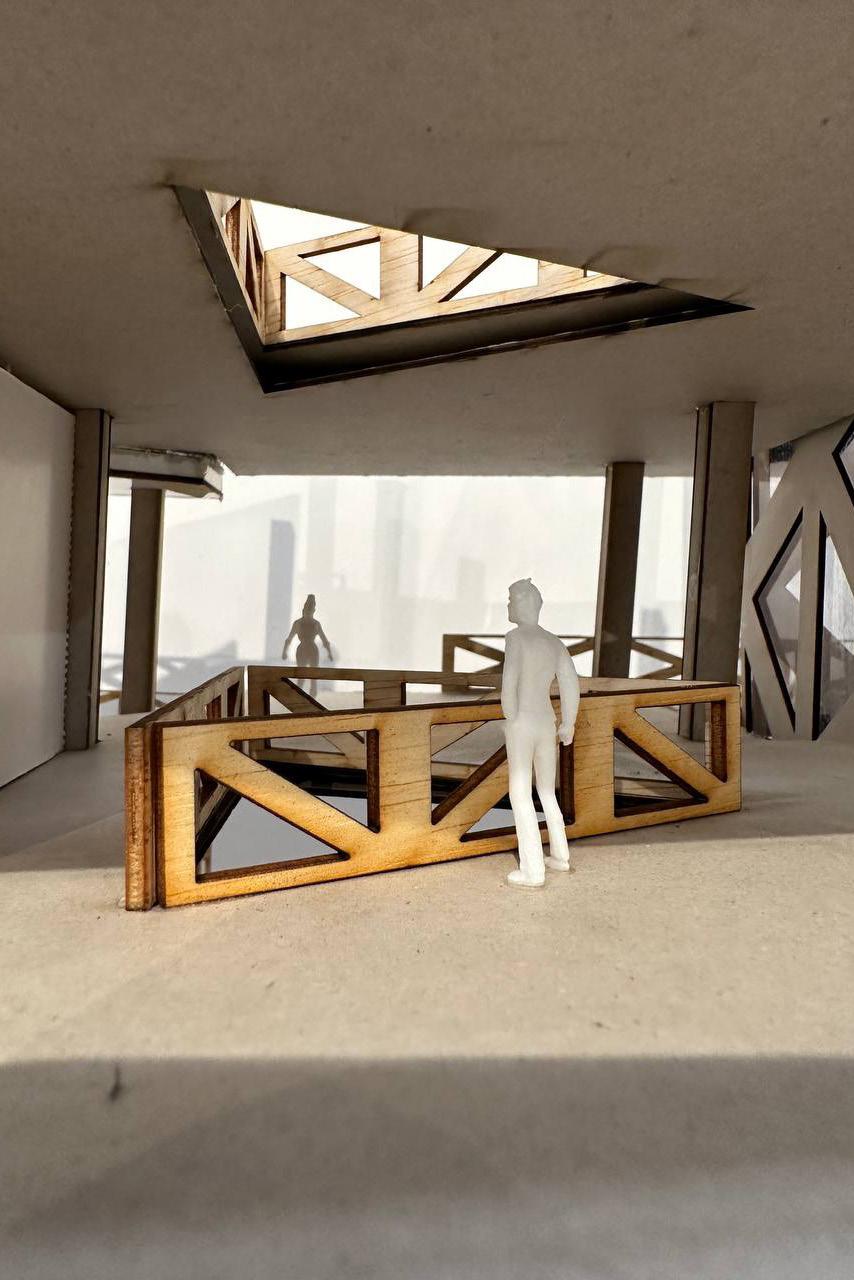
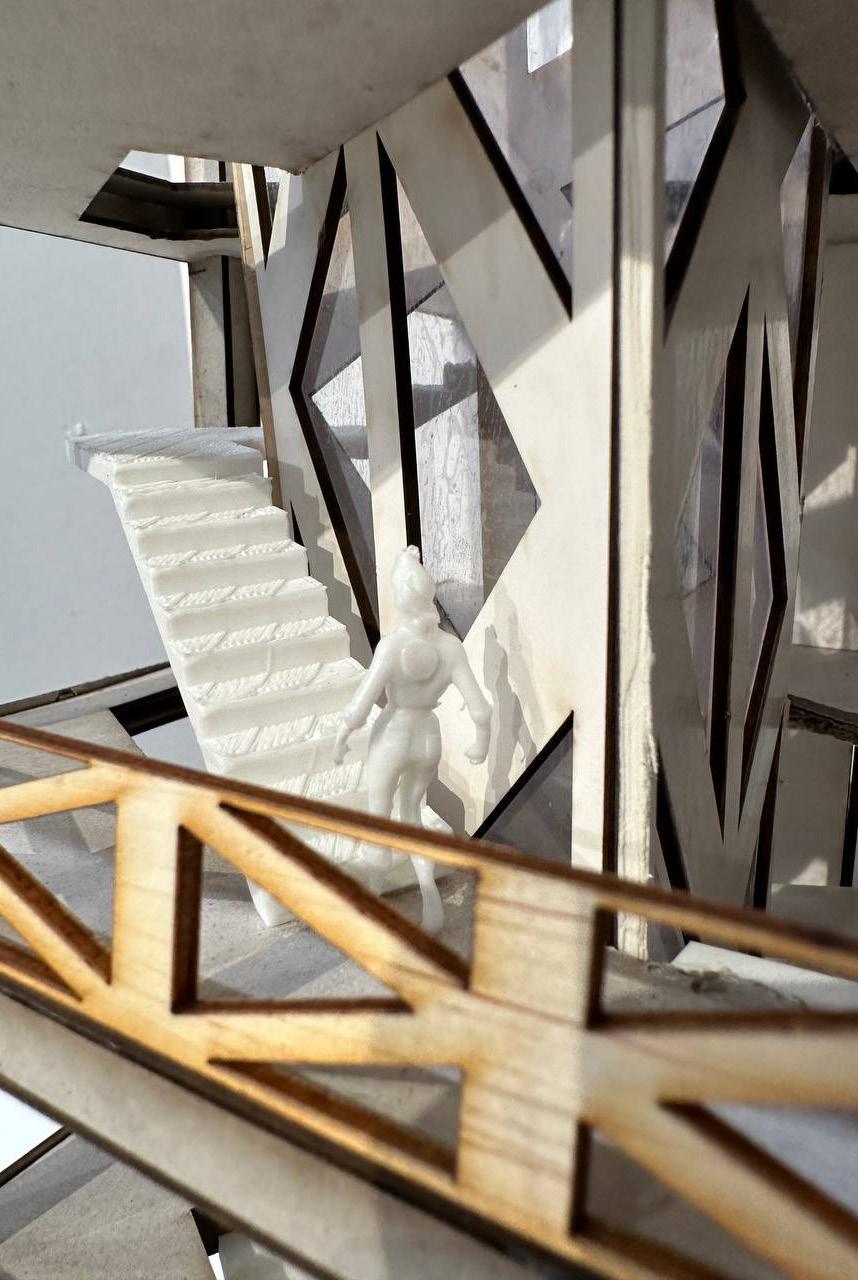
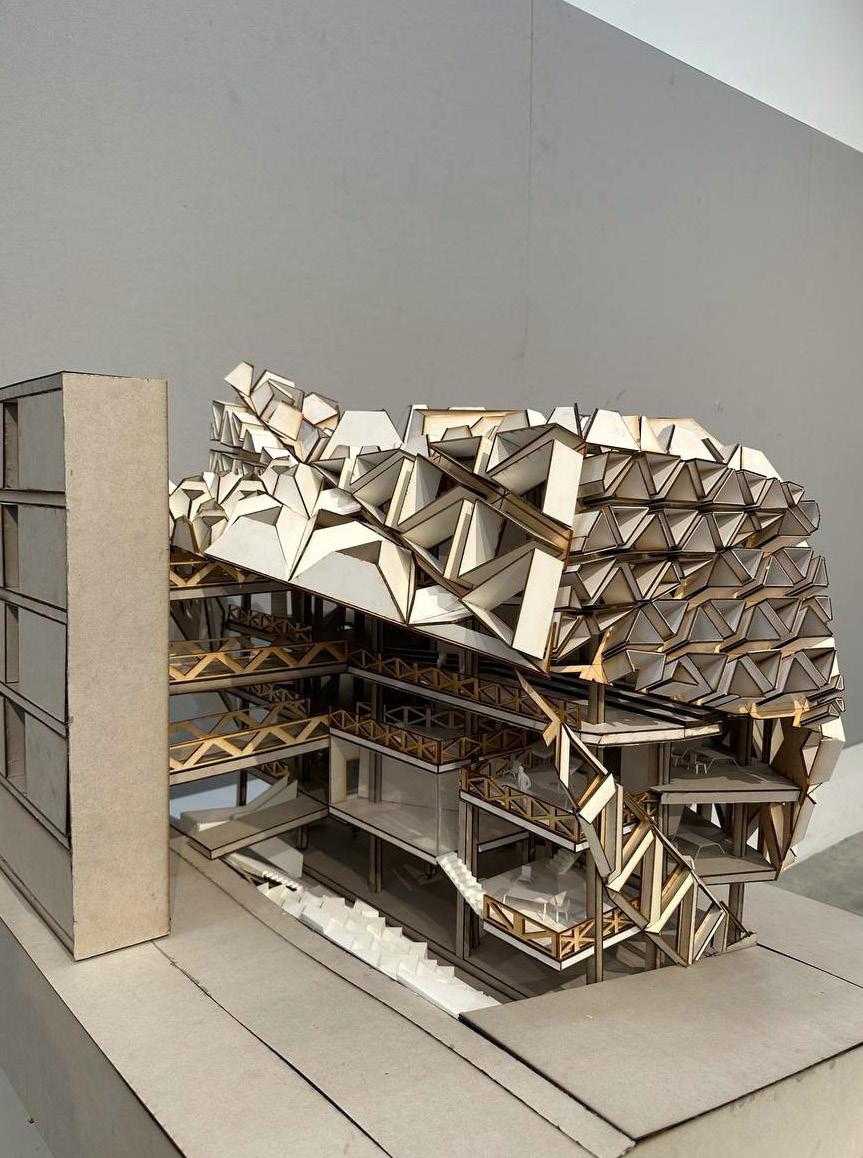
This project reimagines AS2 as a adaptable academic environment that responds to the diverse comfort needs of its users. Recognising that individuals experience light and air differently, the design introduces a triangulated fin façade system and strategically placed light wells to create a range of spatial atmospheres.
Each triangular module varies in size, density, and angle based on solar exposure and wind direction, creating a gradient of brightness and ventilation across the façade. Areas requiring focused, quiet work. Such as private study rooms or offices are shielded with tighter, smaller fins to reduce glare and create calm, softly lit environments. In contrast, communal zones like seminar rooms or shared lounges open up to daylight and airflow, enhancing sociability and alertness.
Light wells deepen this sensitivity to comfort by channelling soft, diffused light into the building’s core, reaching interior zones often left dark. These features reduce overexposure to direct sun while still ensuring visual connectivity to the out doors.
Exploded Axonemetric Floor Plans
This exploded diagram illustrates the internal spatial organization across different floor levels of the building.The form and placement of partitions are directly informed by the penetration of light through the openings and fins in the roof facade, shaping the interior accordingly. This results in a more dynamic and engaging spatial experience.
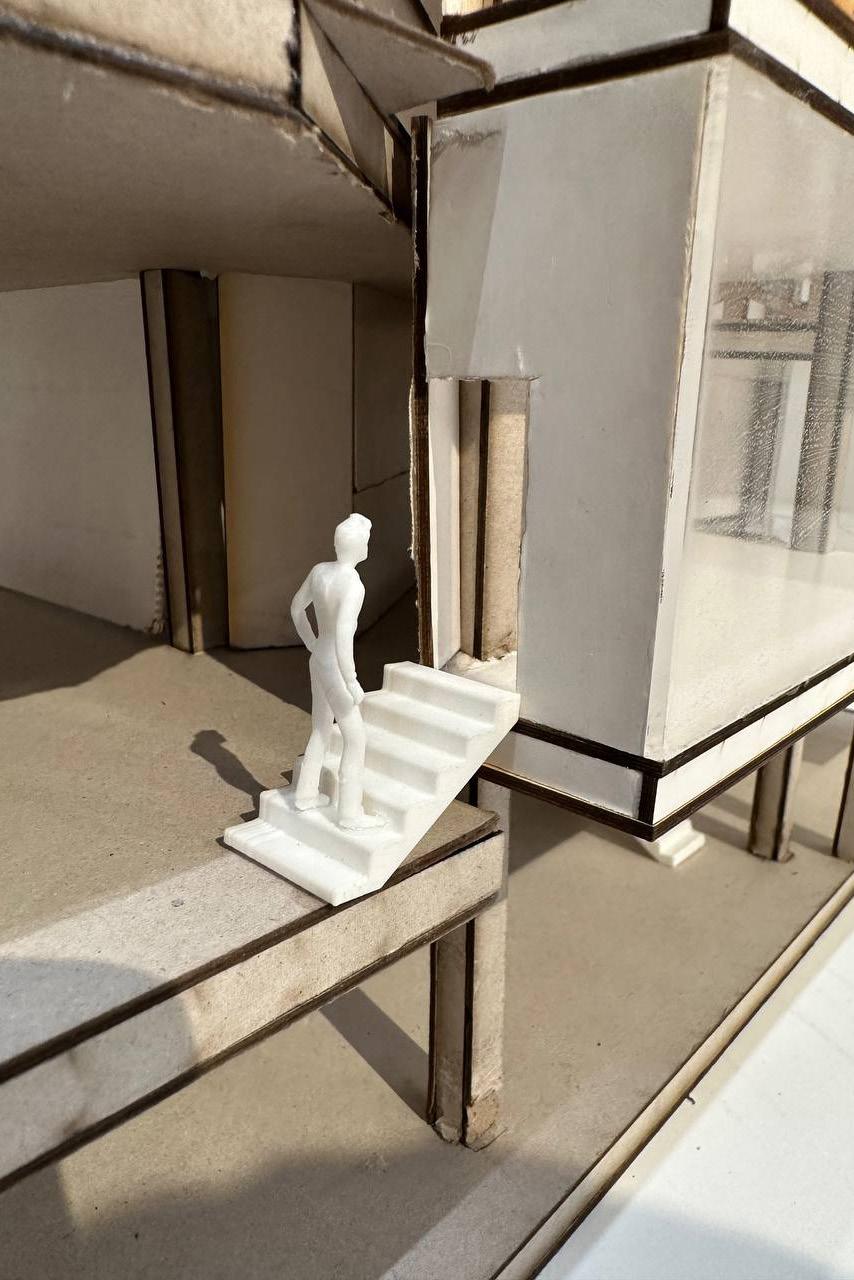
Level differences are also introduced on each floor to distinguish between public and private programs, such as exhibition spaces and cafés versus classrooms.
Therefore, the facade fins not only respond to environmental conditions but also actively redefine and shape the interior spatial experience.
Axonometric Floor Plans, 1:100
Myth of Boundary and Space
Spatial and Material Exploration | Y1S1
Sketches - Wander In The
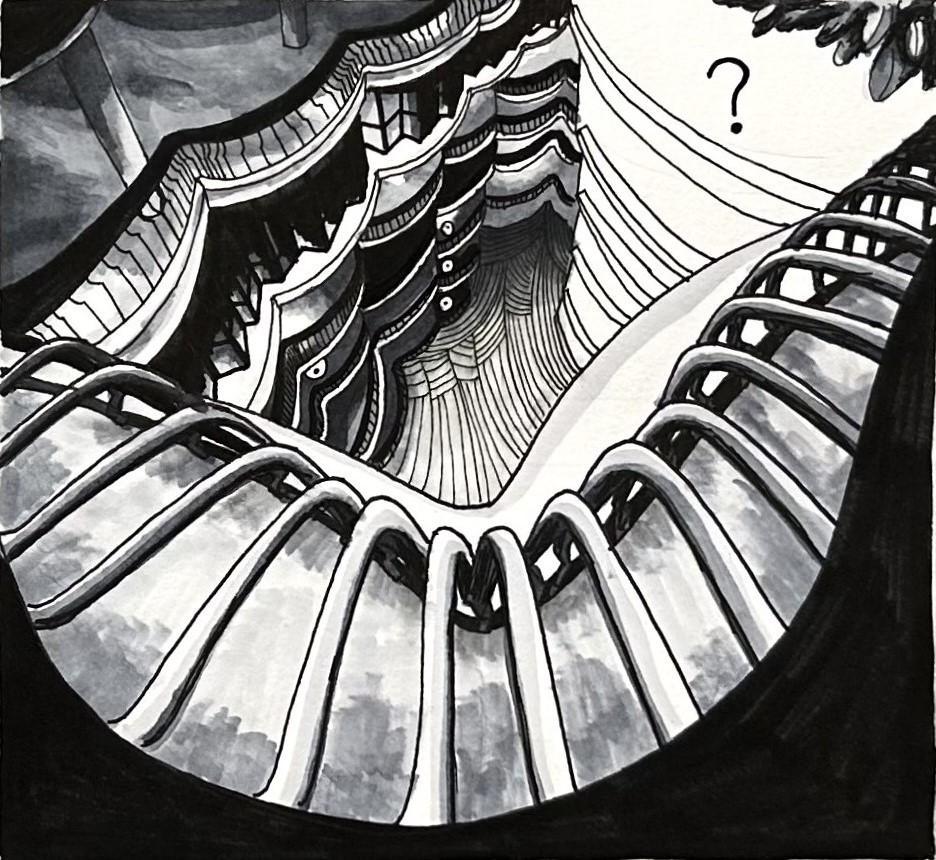
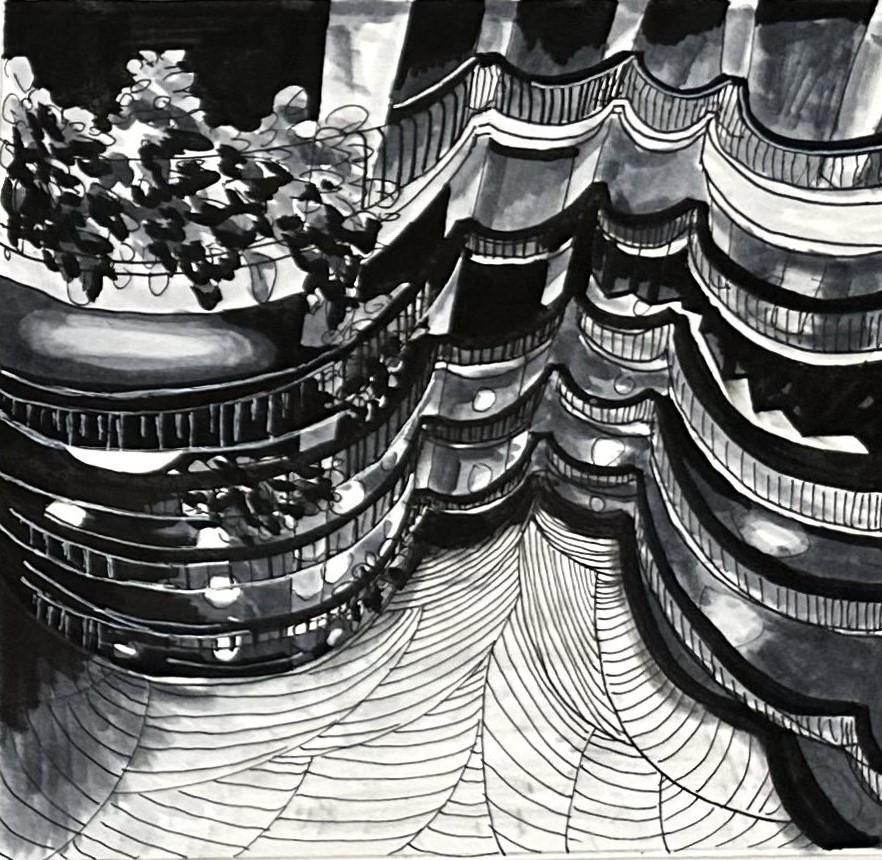
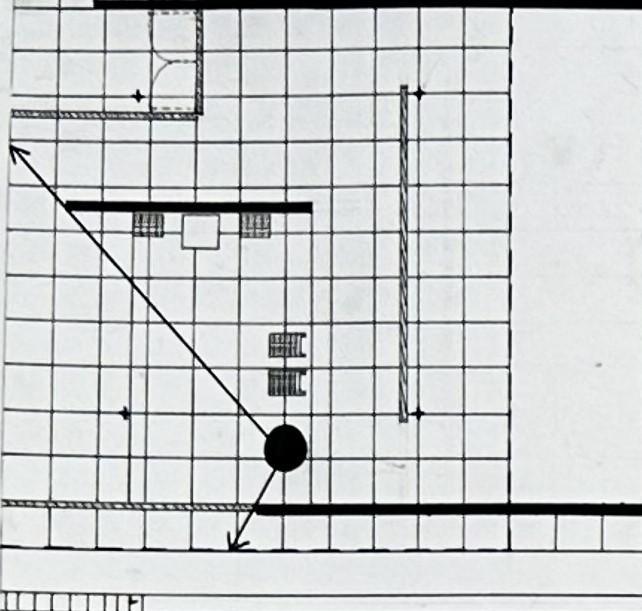
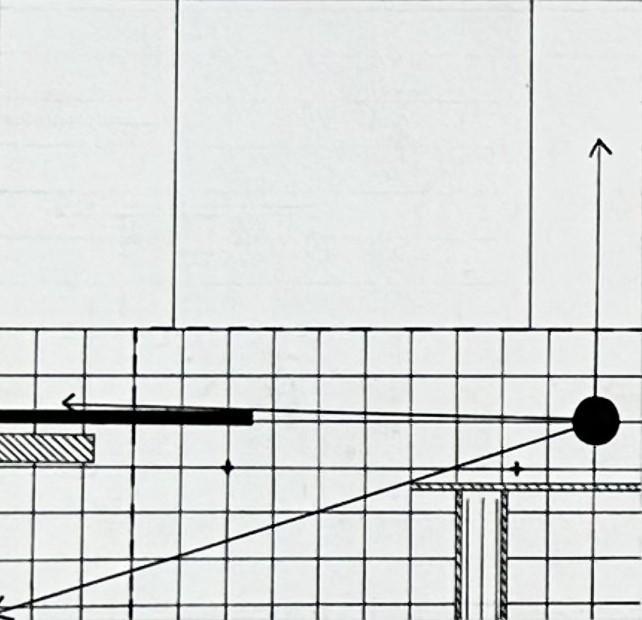
Myth Of Boundary
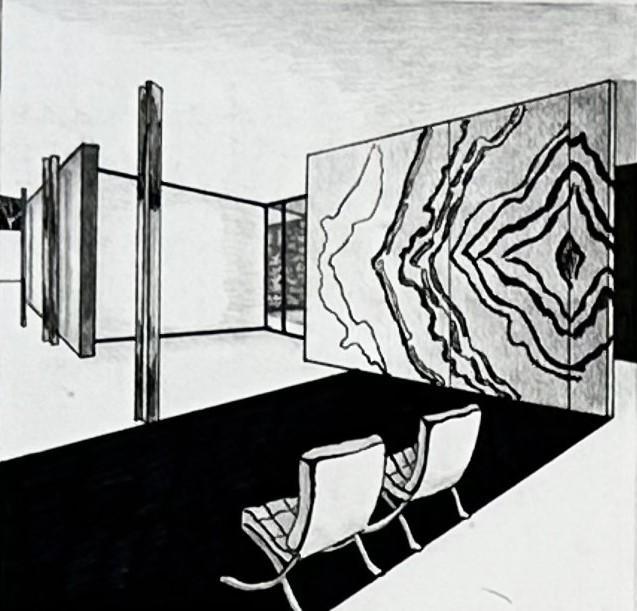
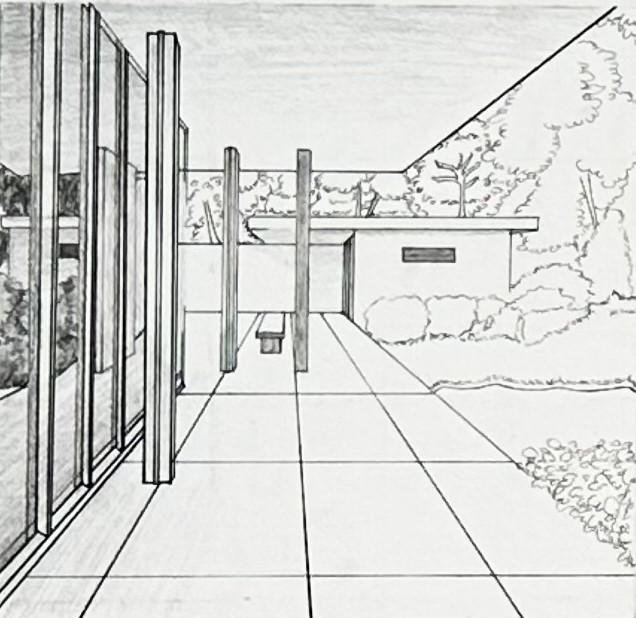
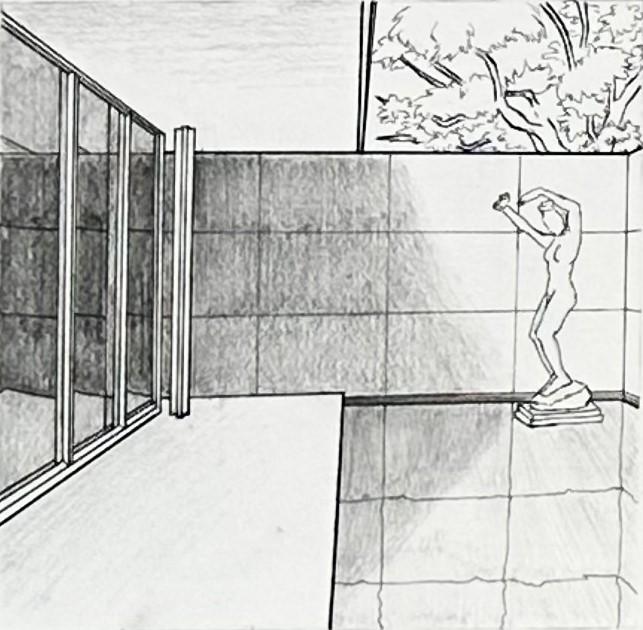
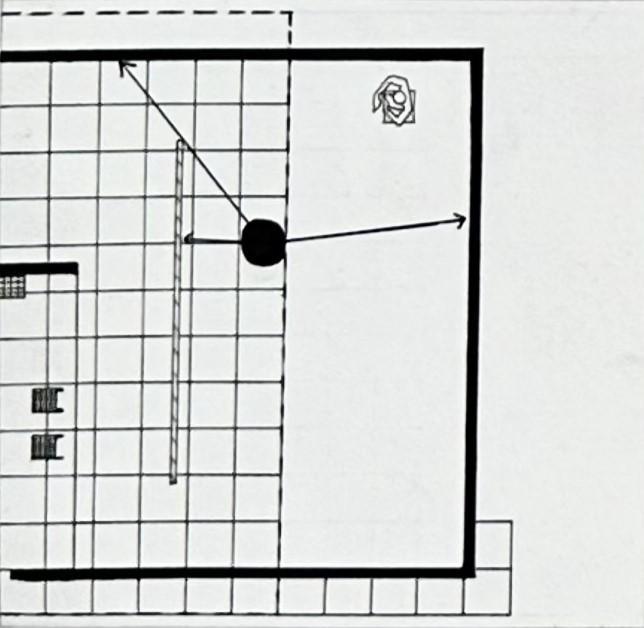
1st row (from left): the position of the visitor and their field of vision.
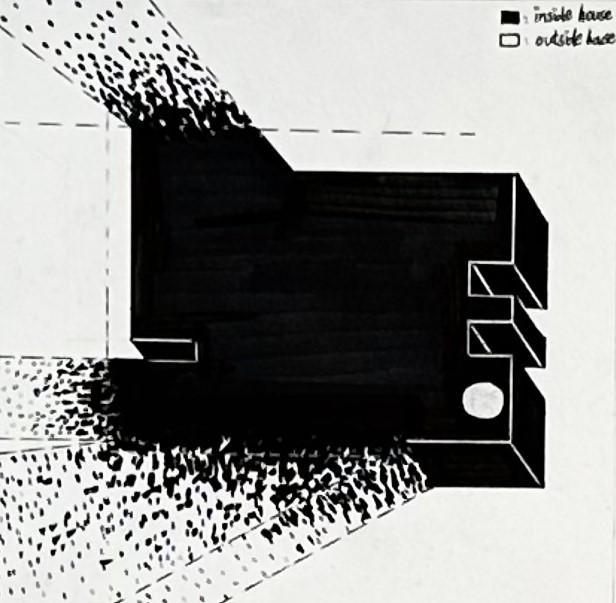
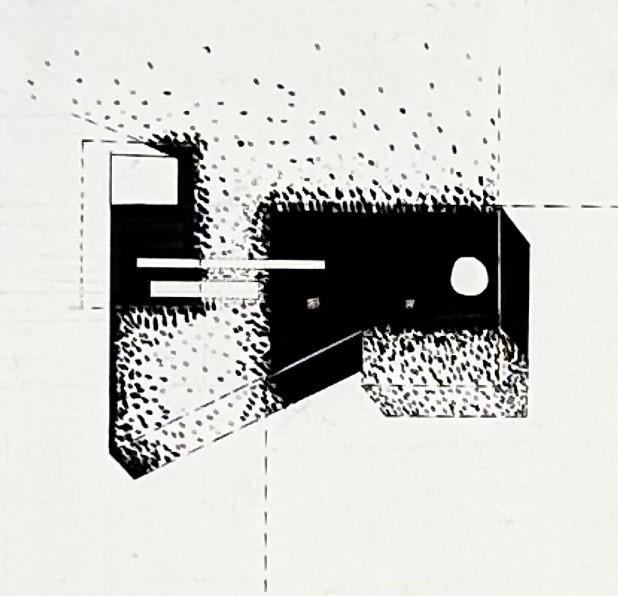
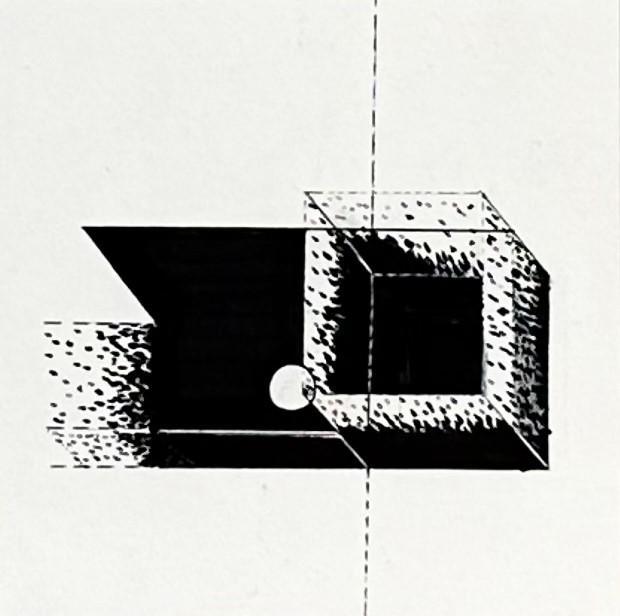
1st row from the left: the position of visitor and one’s range of vision.
2nd and 4th rows: the scenes observed by the visitor during daytime and nighttime, respectively.
2nd row and 4th row: the scenery seen by visitor at daytime and night respectively.
3rd row and 5th row: the negative space experience by guest at daytime and night correspondingly.
3rd and 5th rows: the negative space experienced by the visitor during daytime and nighttime, respectively.
And Space
Analysis of Barcelona Pavilion
(a visual analysis of Barcelona Pavilion)
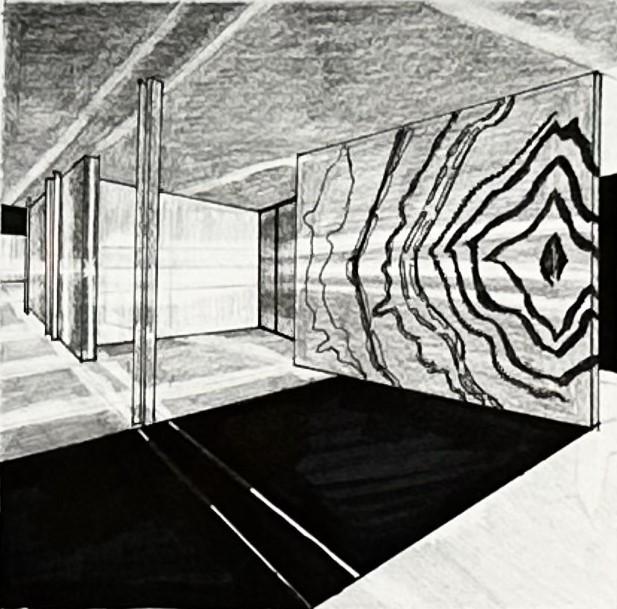
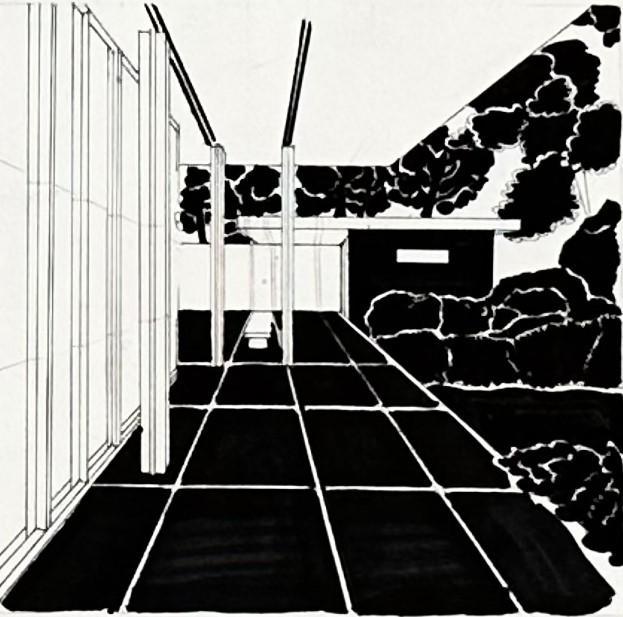
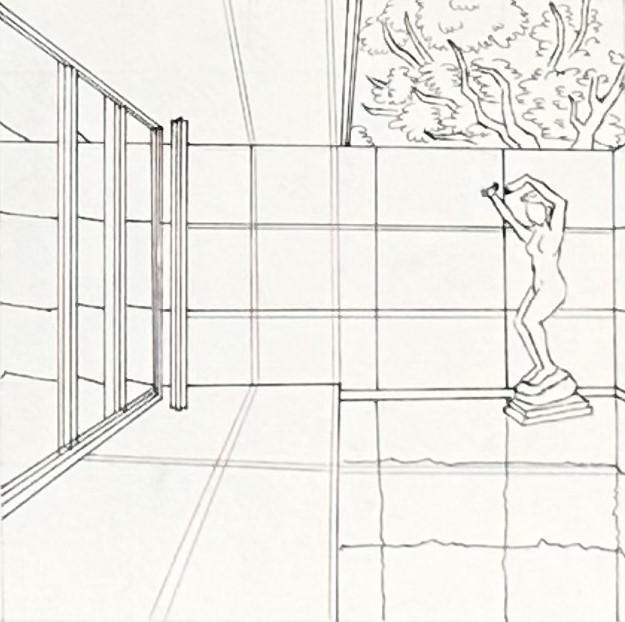
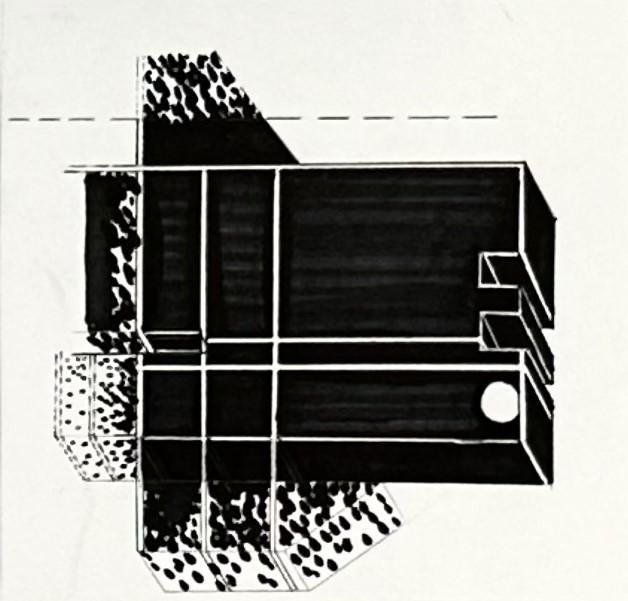
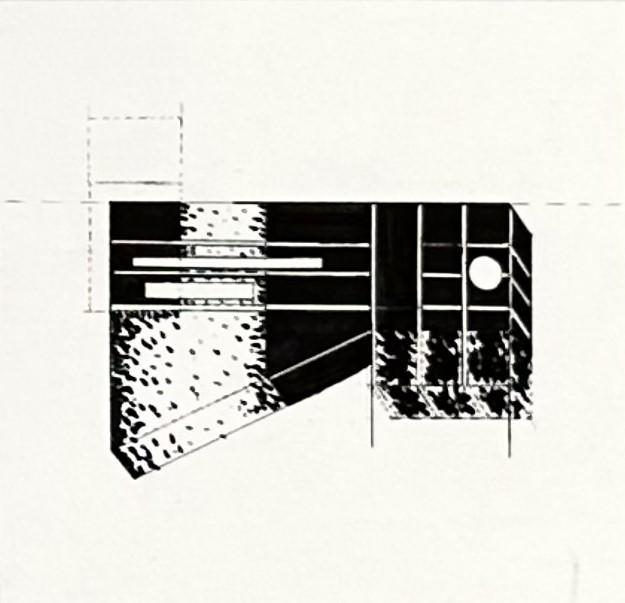
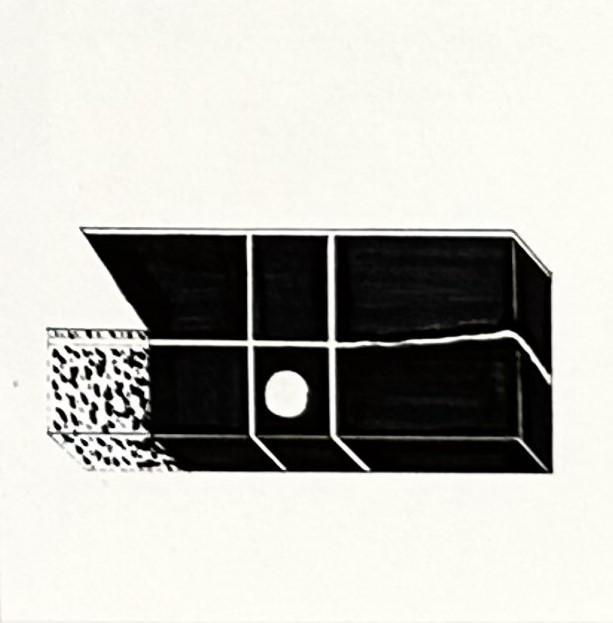
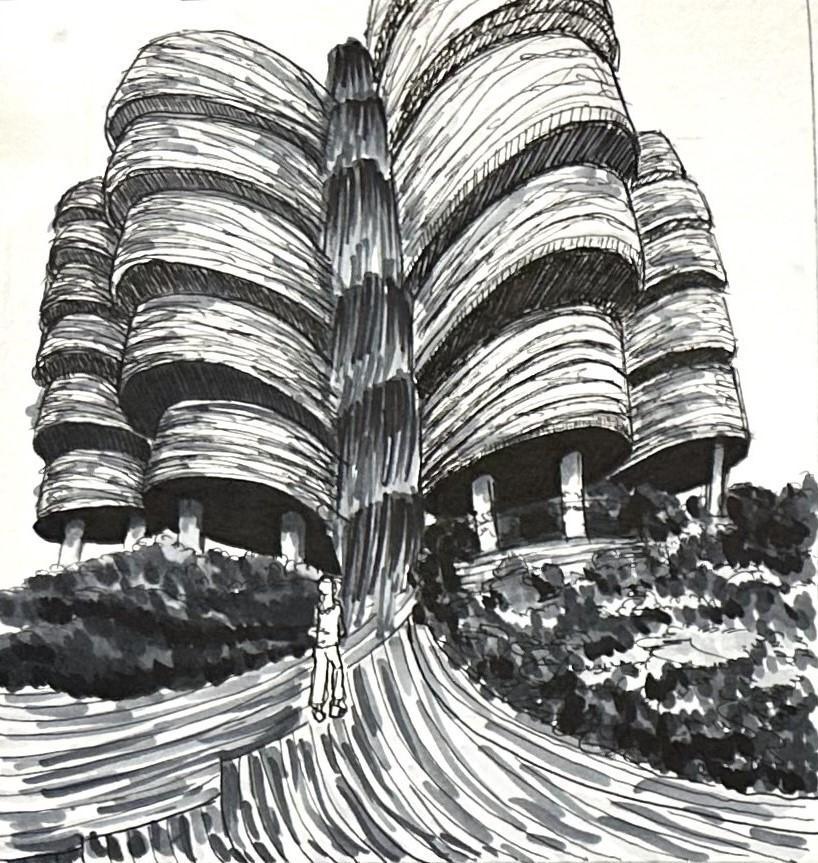
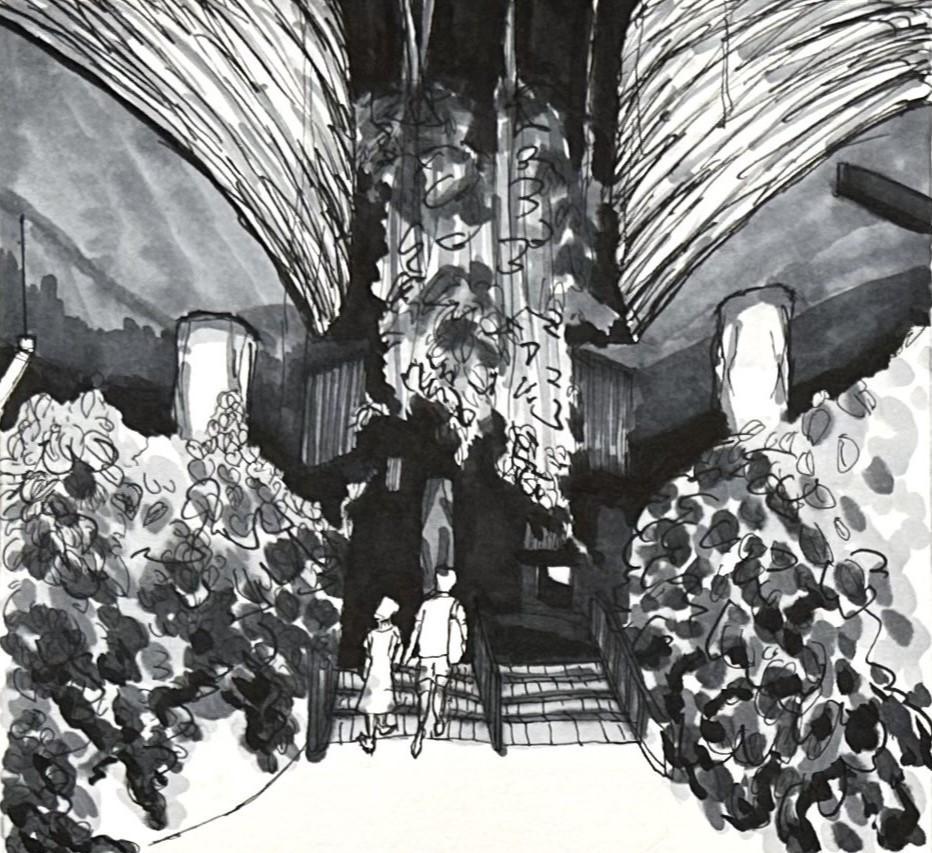
What interests me is the boundary of the pavilion and the different negative spatial experiences perceived by visitors. There is no complete enclosure within the building due to the extension of the roof and partitions, making it ambiguous to distinguish whether one is inside, outside, or in a semi-enclosed space.
Materials also play an important role. For instance, in the morning, the glass appears transparent when viewed from inside, but becomes reflective when seen from outside. This further influences the perception of space and boundary.
What interests me is the boundary of the pavilion, and thus the different negative space experienced by tourists. There is no fully closure inside the building because of extension of roof and partitions. Thus, it is ambiguous to tell whether one is inside, outside or semi-inside of the space. Moreover, the materials play a role. For instance, in the morning, glass is transparent when see inside the house and is reflective when see outside the room.This can affect the experience of space and boundary as well.
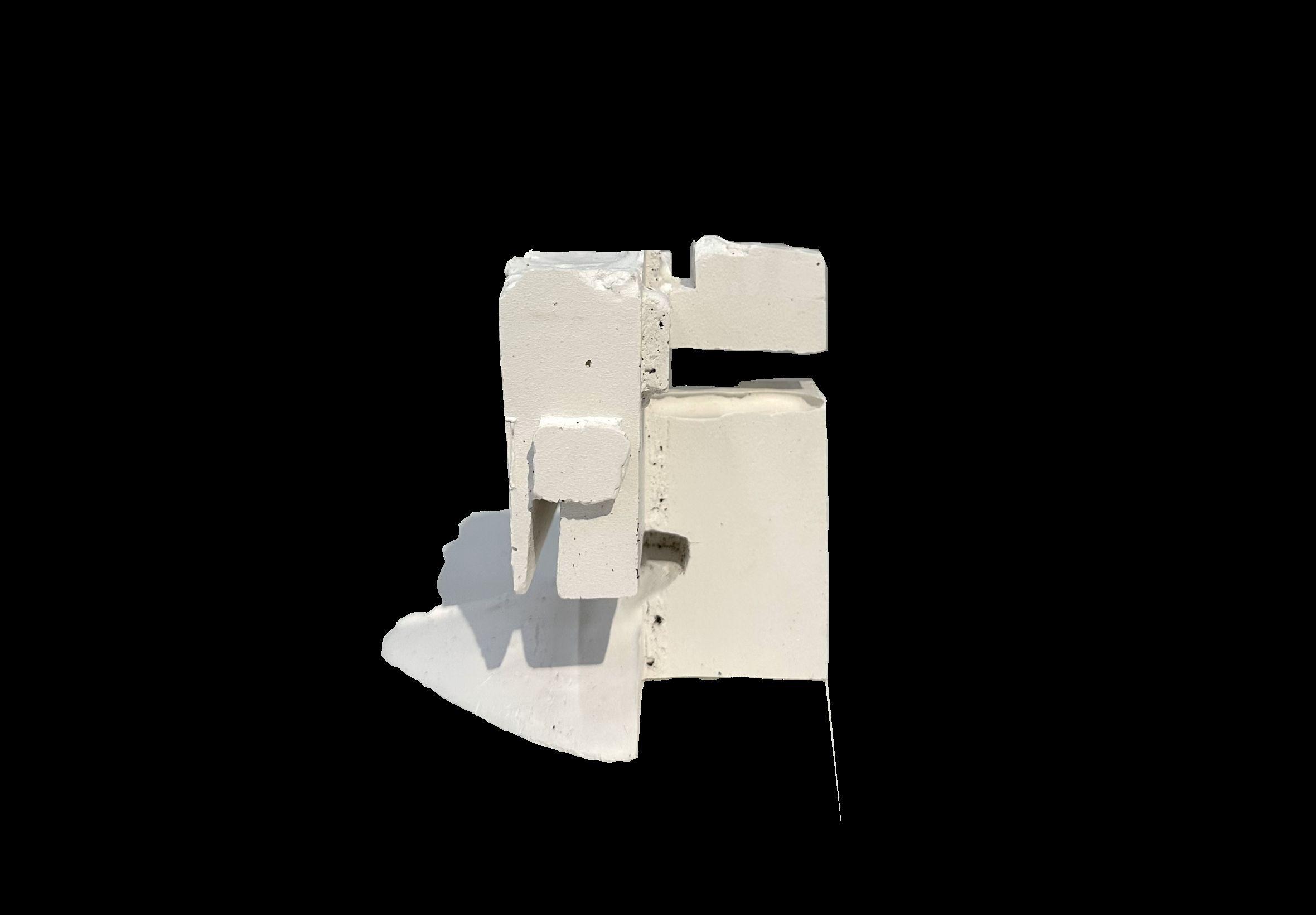
Exploration of Negative Space
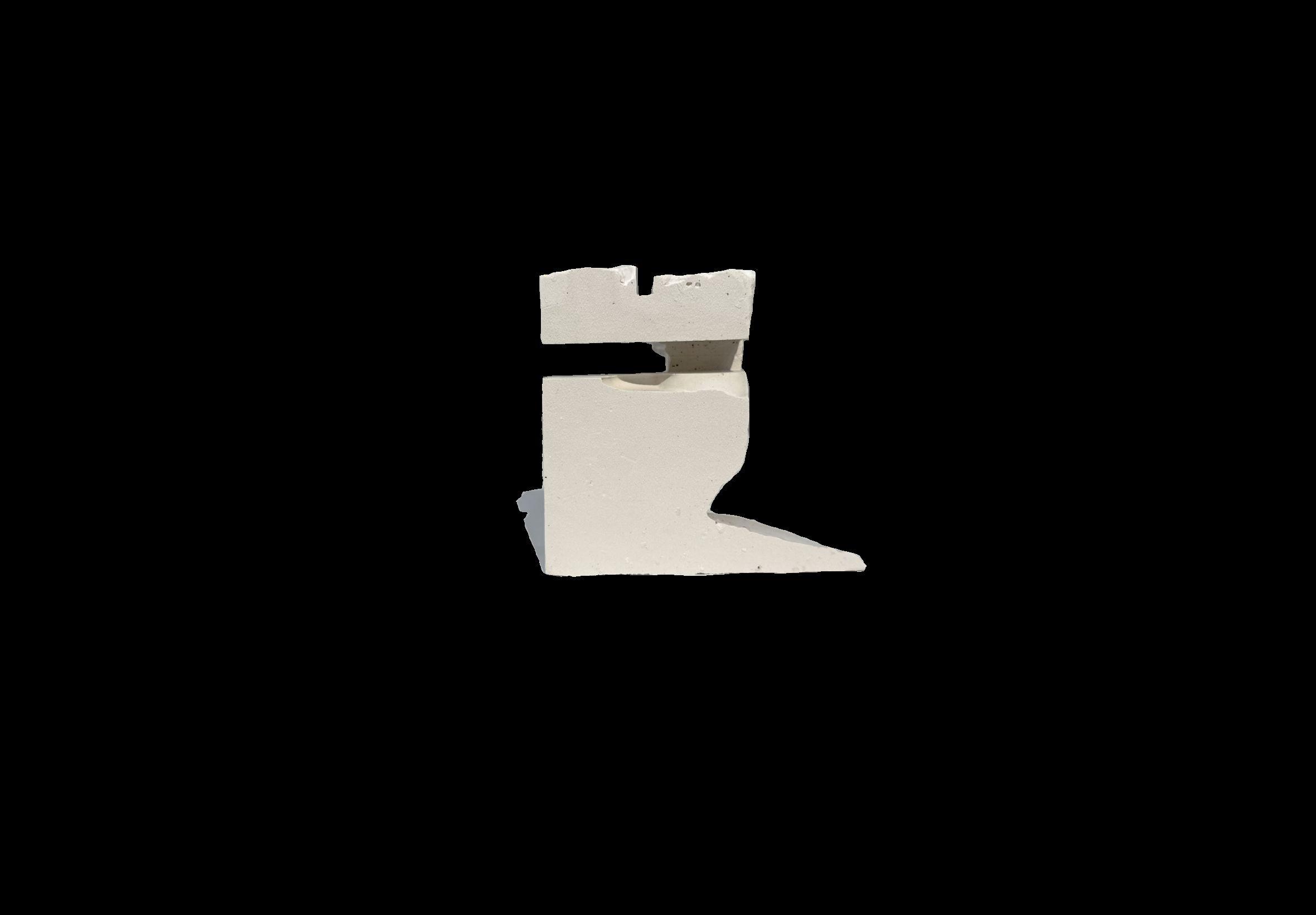
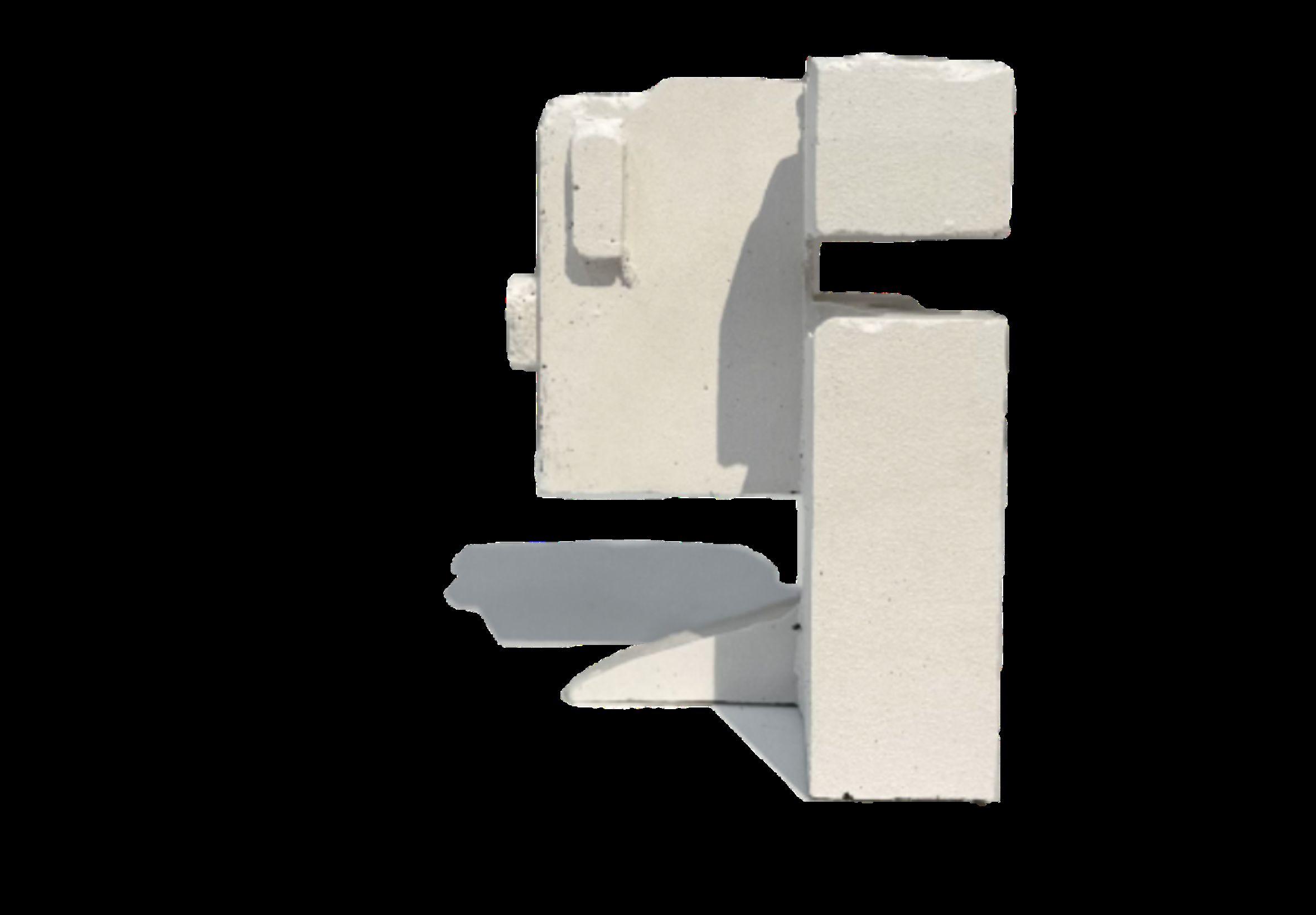
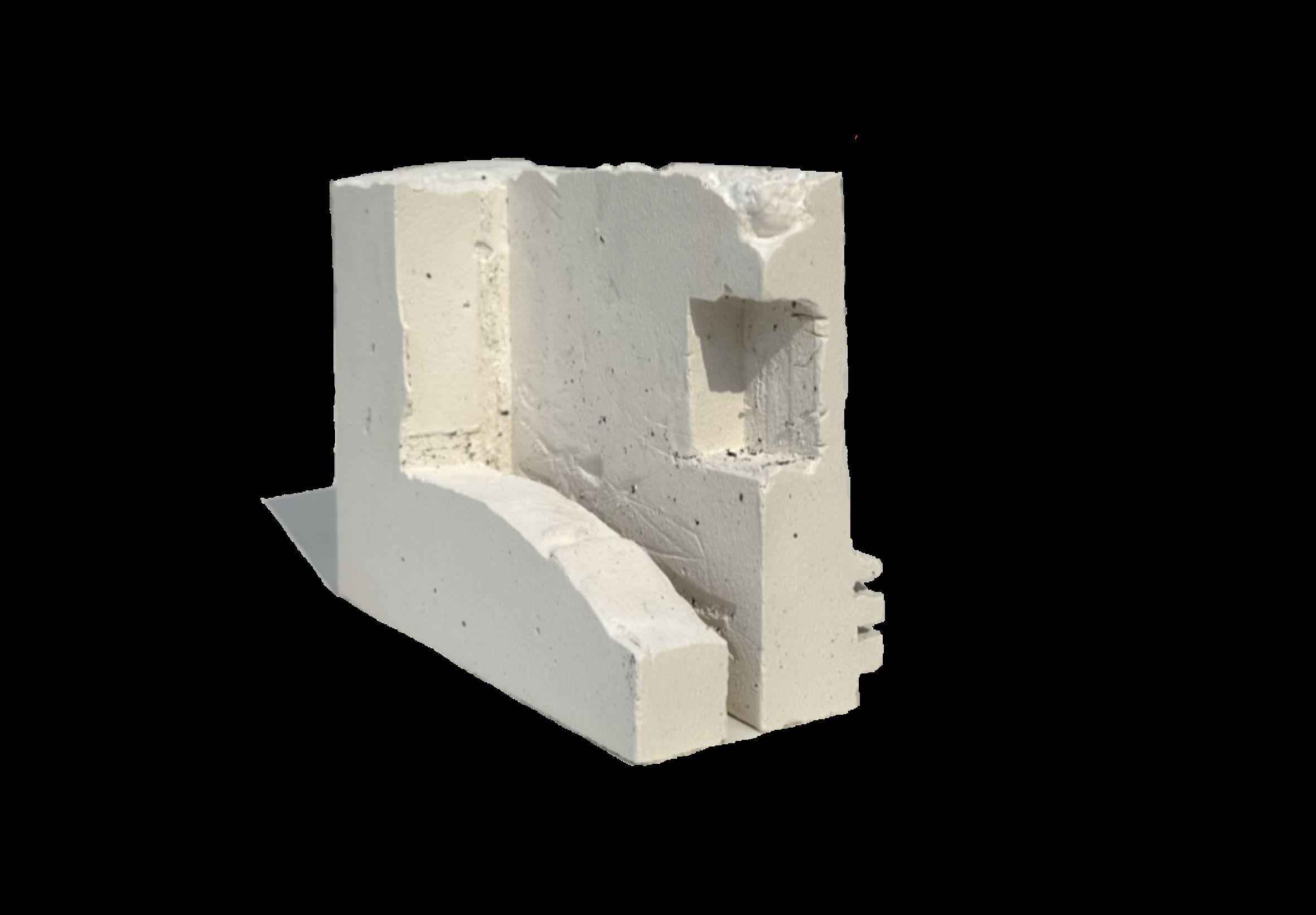
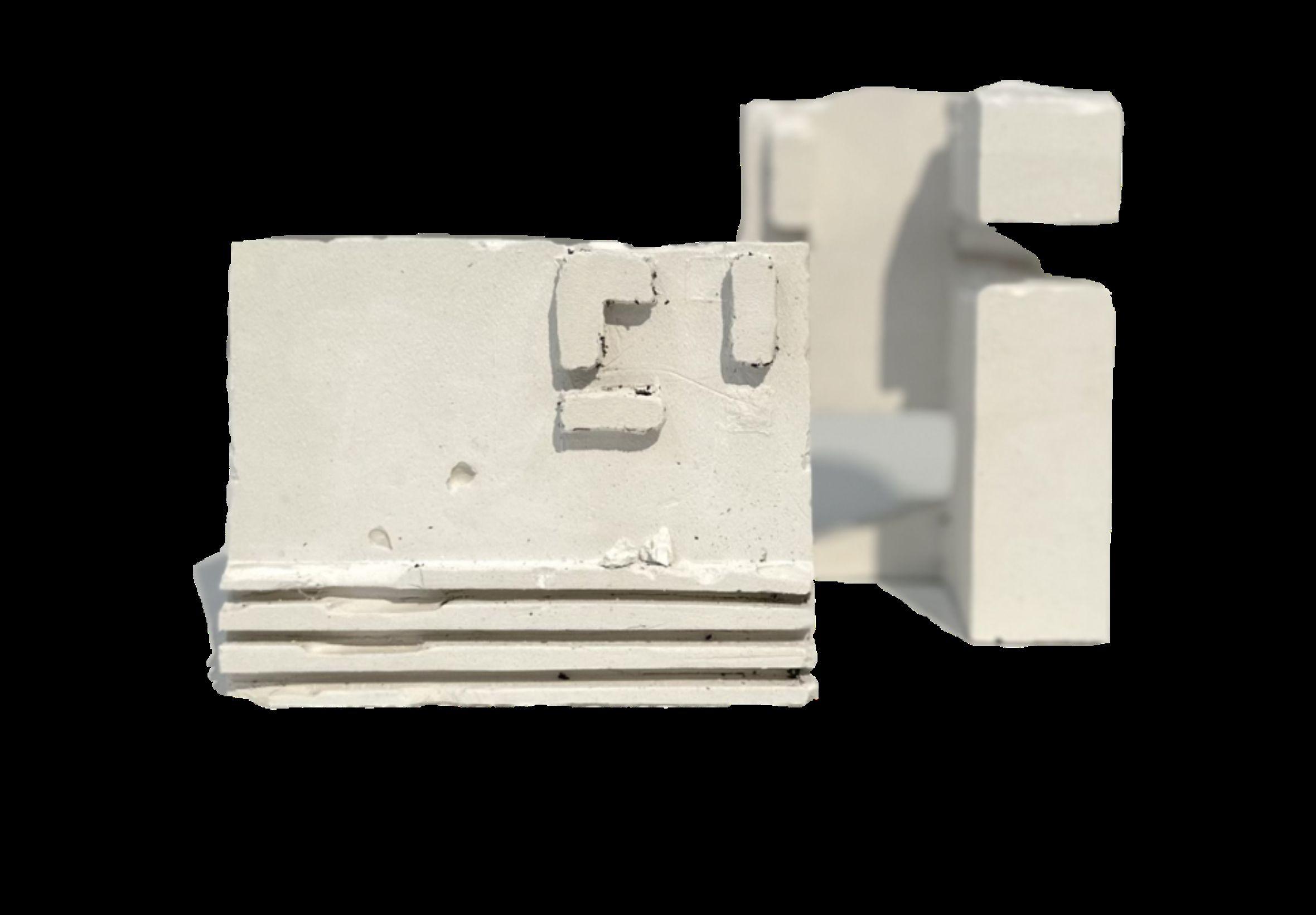
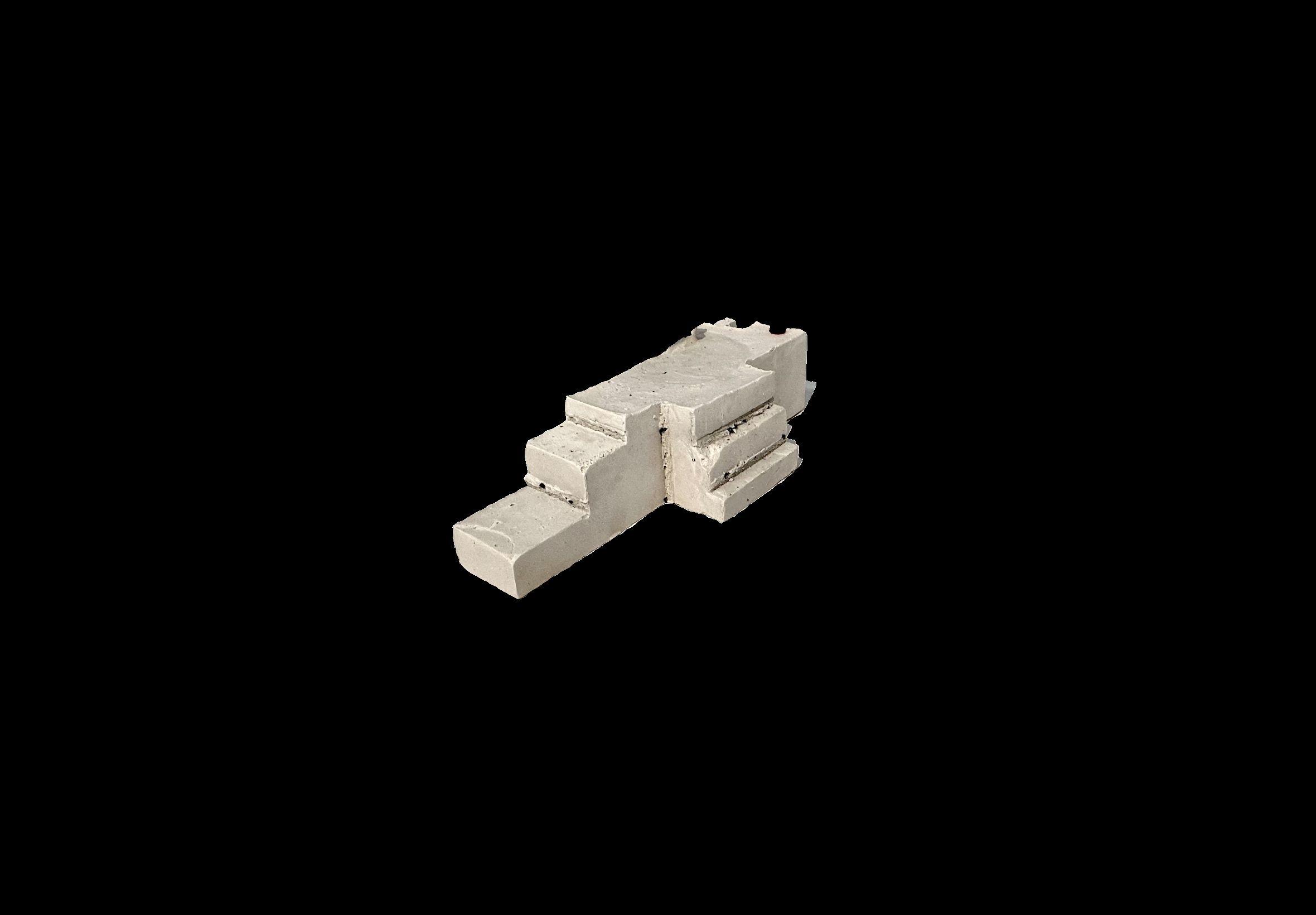
combination a. combination b.
(These models come from the exercise of Bauhaus analysis.)
(These models are developed from a Bauhaus analysis exercise.)
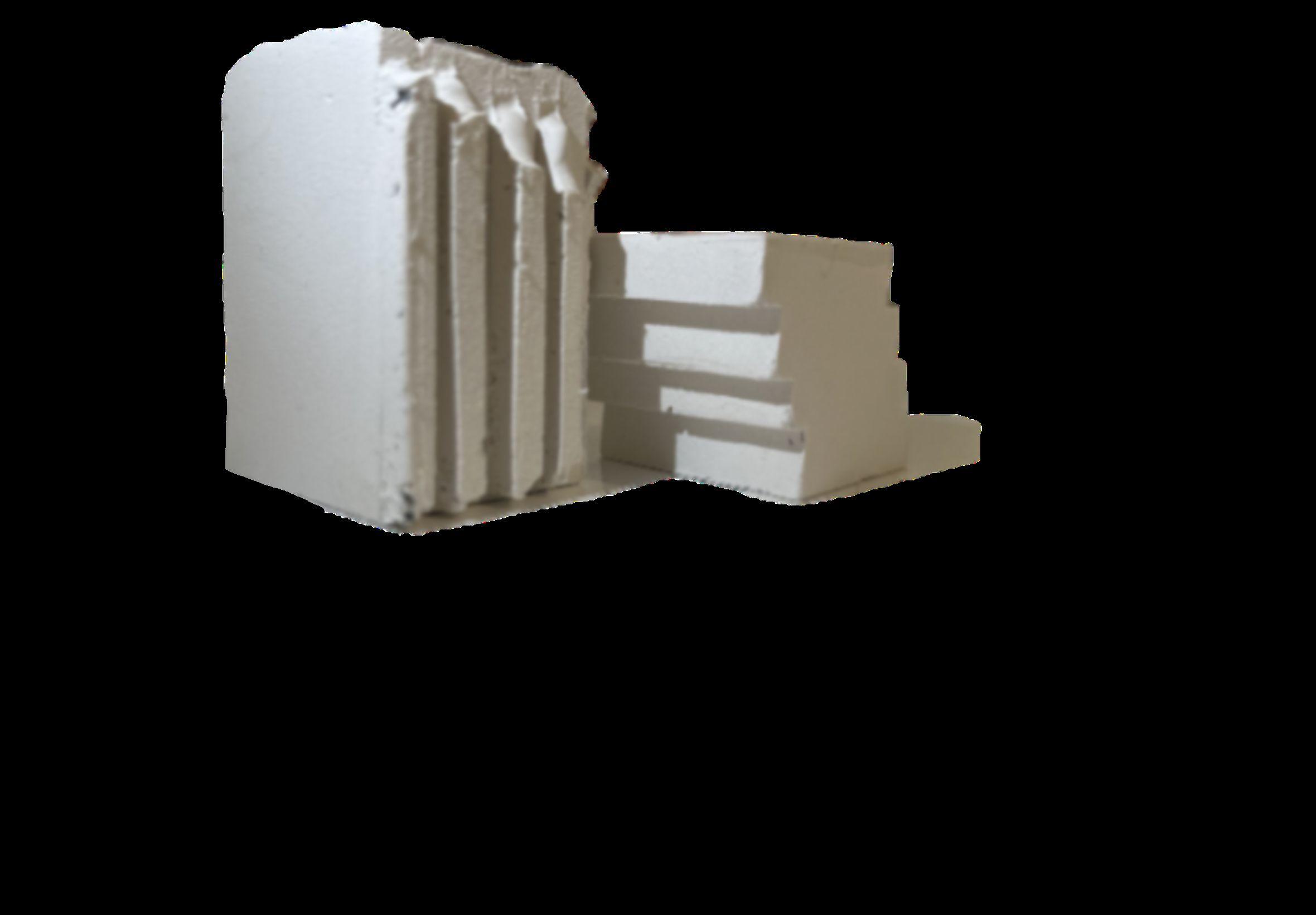
These models study the negative space of Bauhaus architectural design. Plaster gives an initial impression of being bulky, heavy, and inflexible. In the early stages of exploration, the models I produced were primarily rectilinear, characterized by straight lines and right angles.
Plaster gives me a first impression of bulky, heavy and inflexible. At the initial stage of exploration, the models I made were mainly rectilinear.They have regular shapes of straight line and right angle. I used black foam board as the vessel for these models, which is also defined by its straight shape.
Black foam board was used as the base for these models, further reinforcing their rigid and linear qualities.
model a.
model b.
model c.
Exploration of Plaster
Kingdom Of Plasters
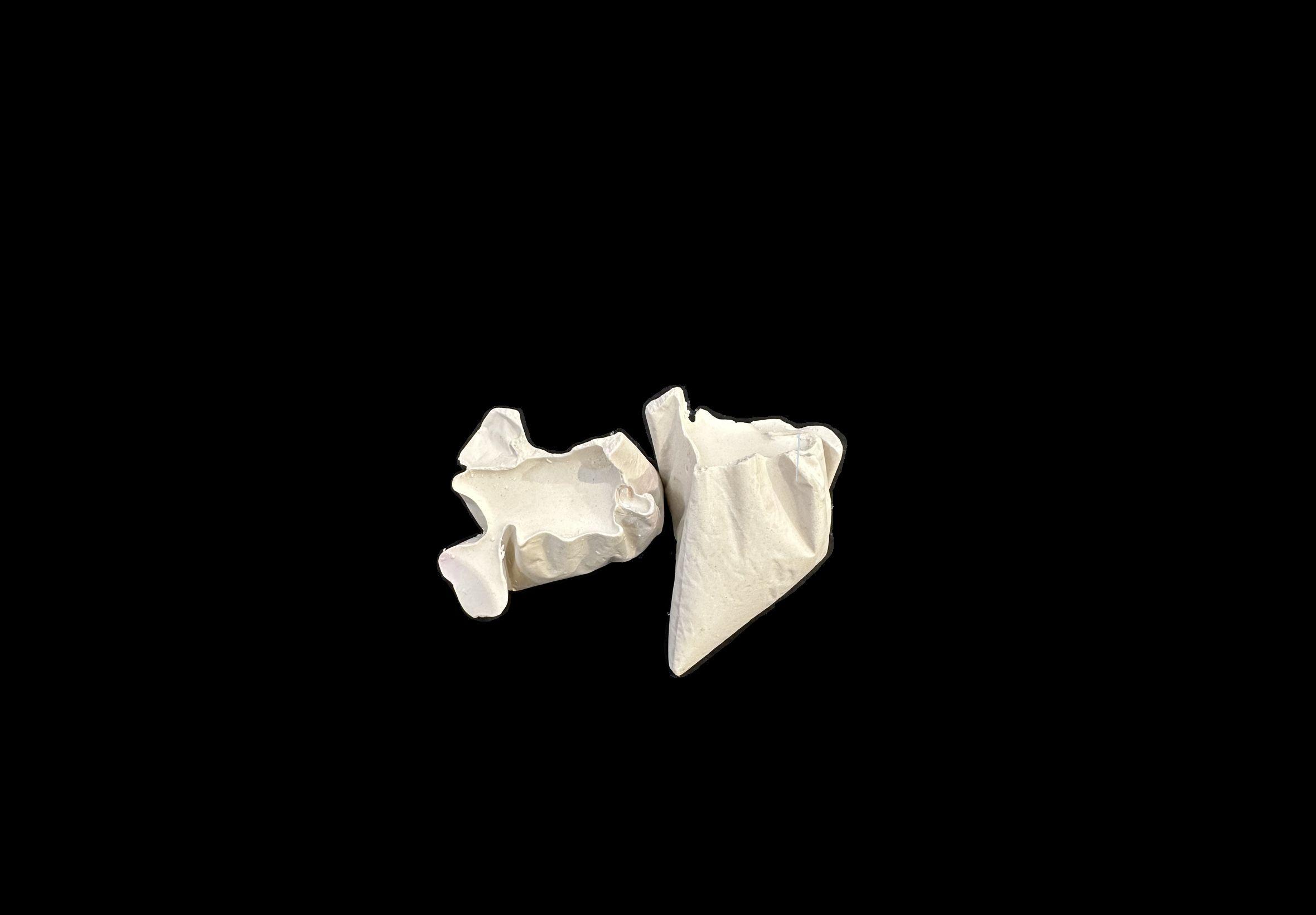
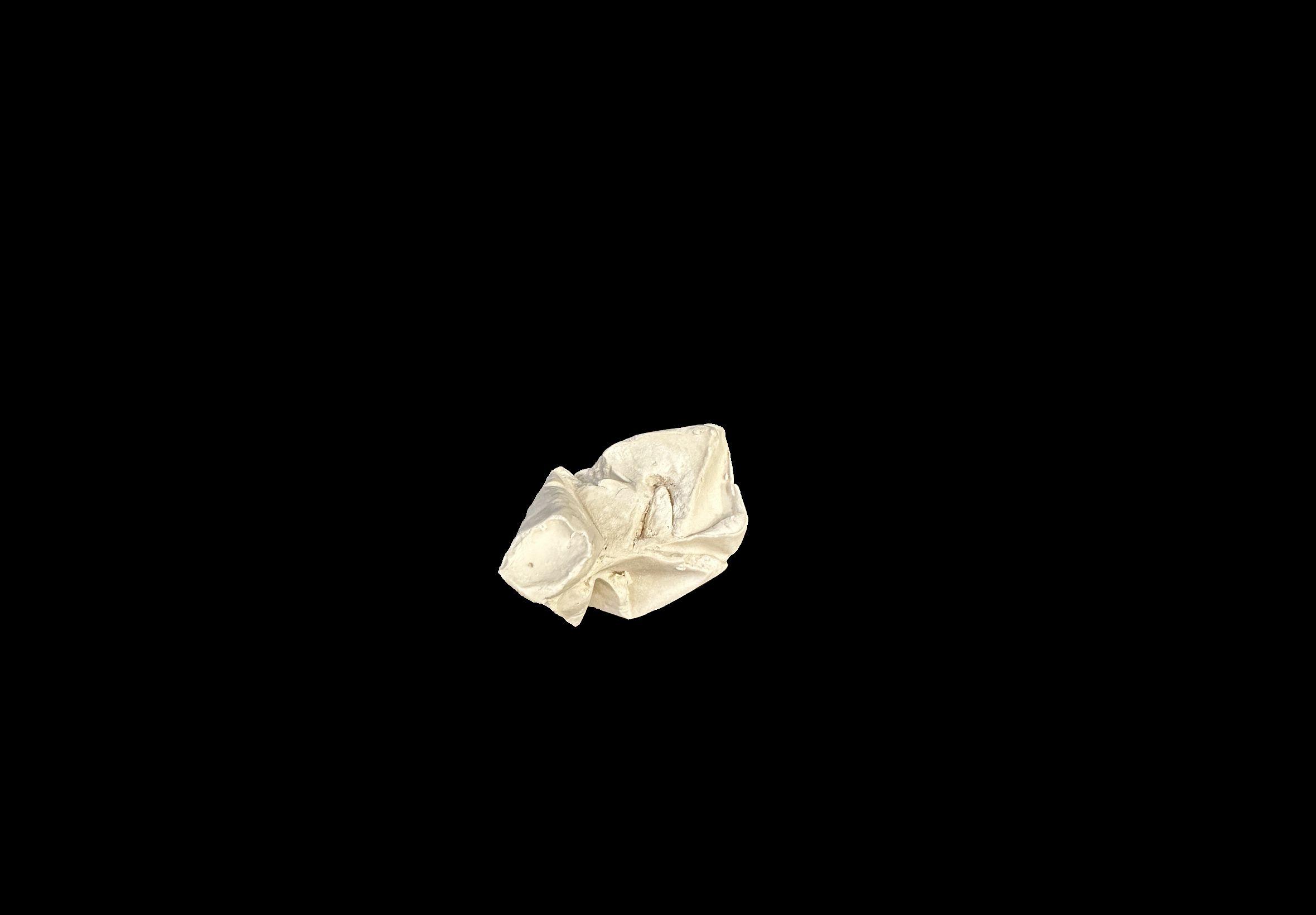
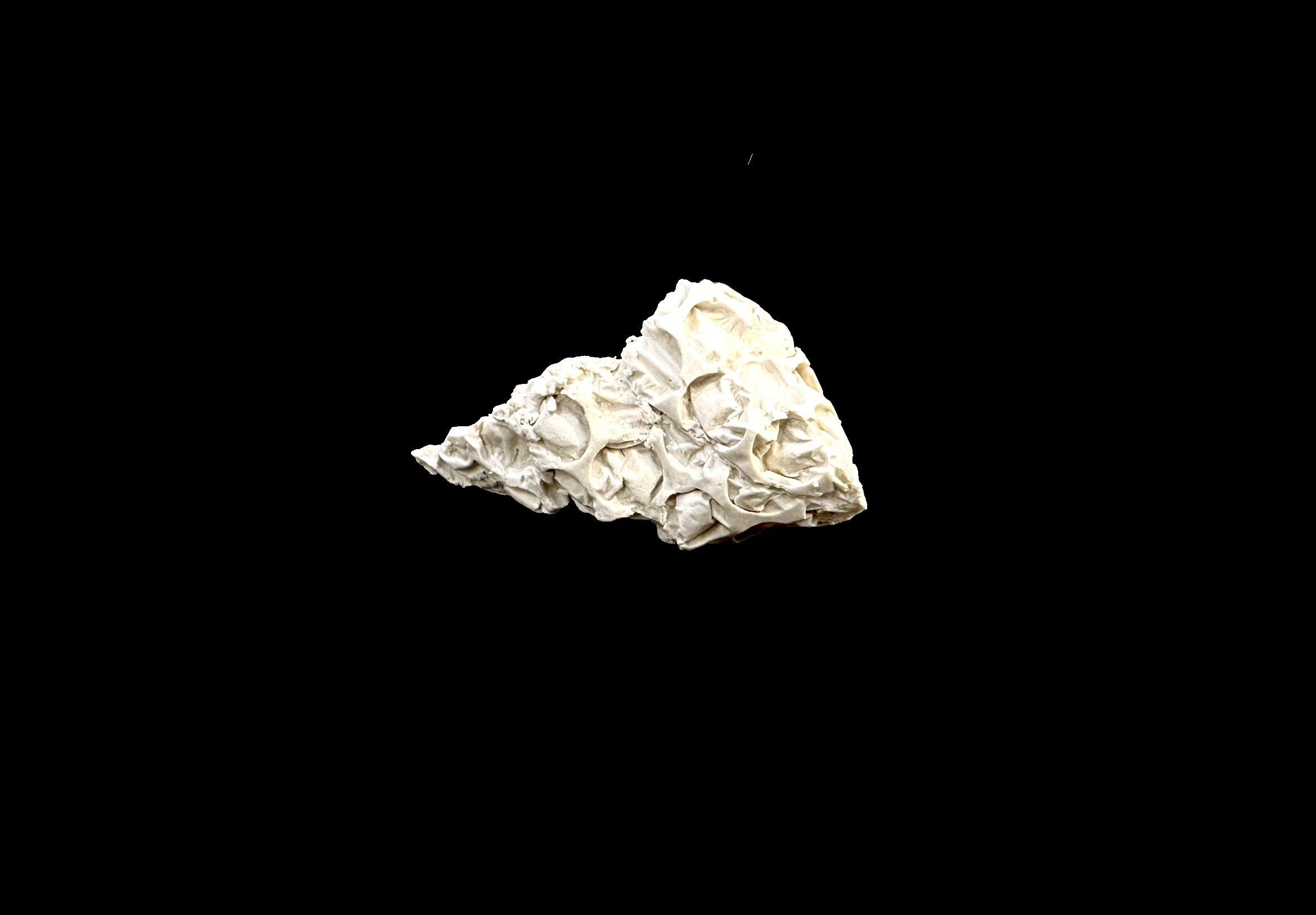
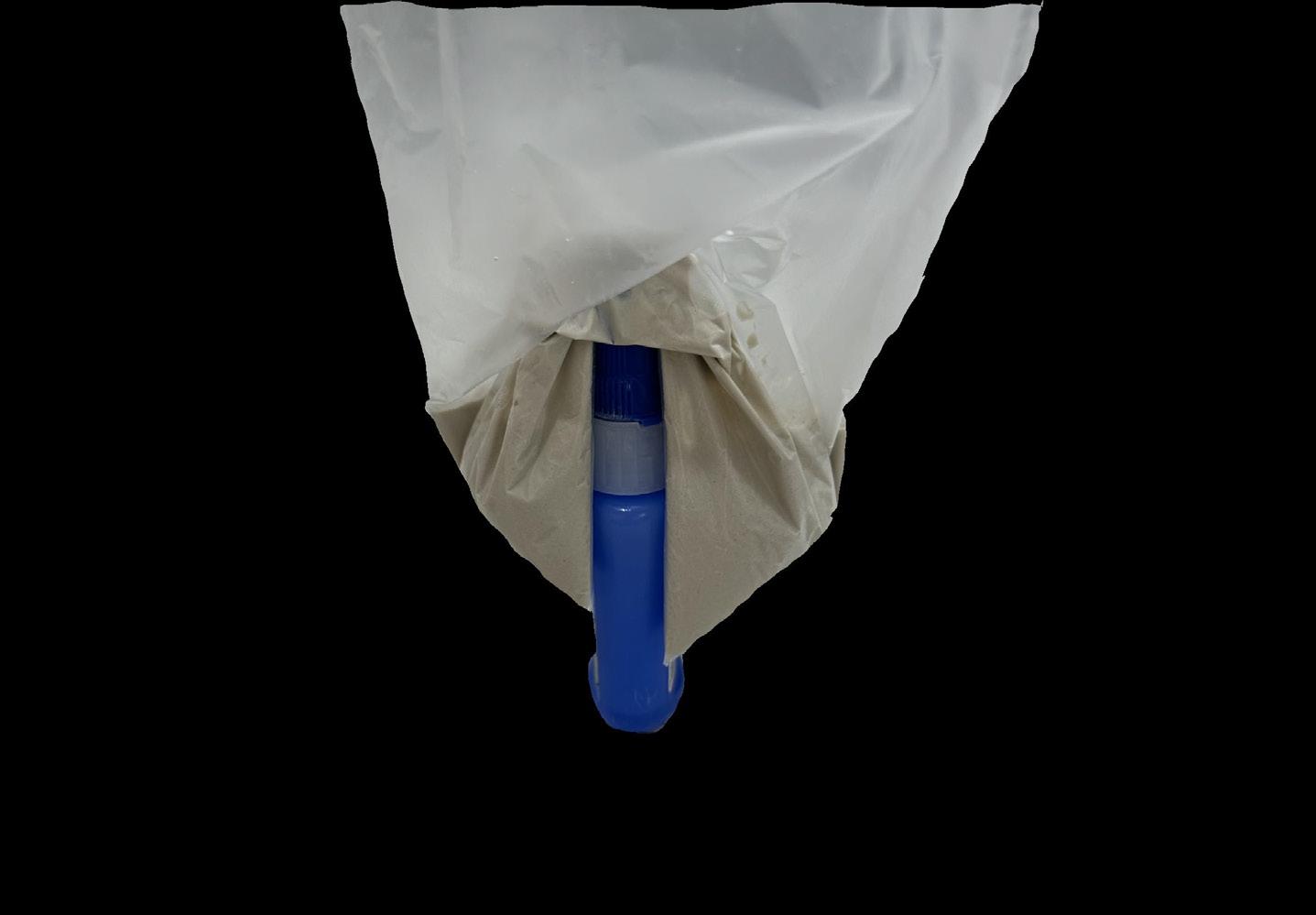
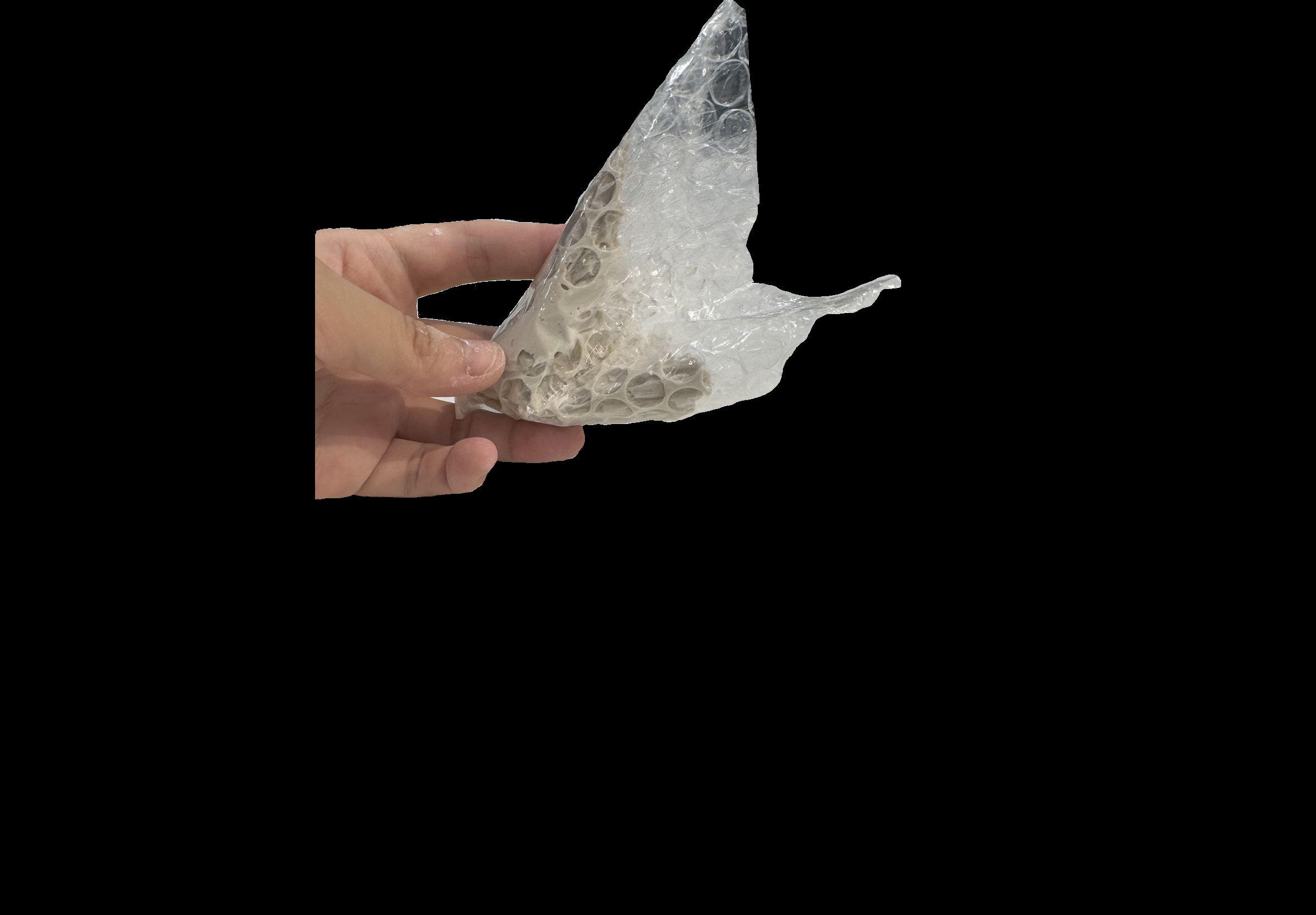
Various types of plastic bags were used as casting containers, including standard plastic bags and bubble wrap. Due to their formless nature, the bags allow the plaster to behave freely, resulting in more unpredictable outcomes.
I used various types of plastic bags to be new vessels, including the normal one and bubble sheet. Plastic bag is formle ss and allows plaster to perform naturally, which makes the outcome more unpredictable.
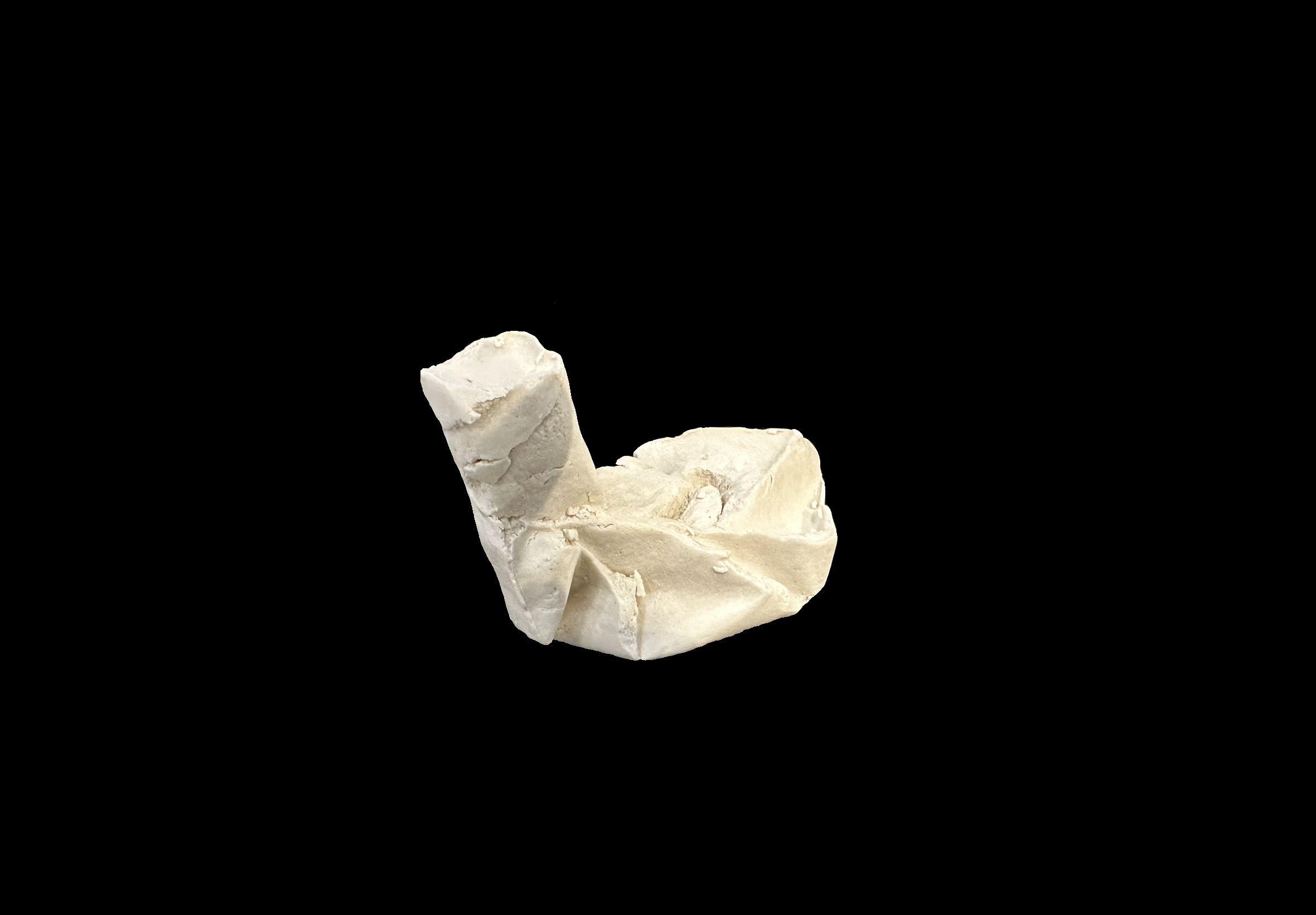
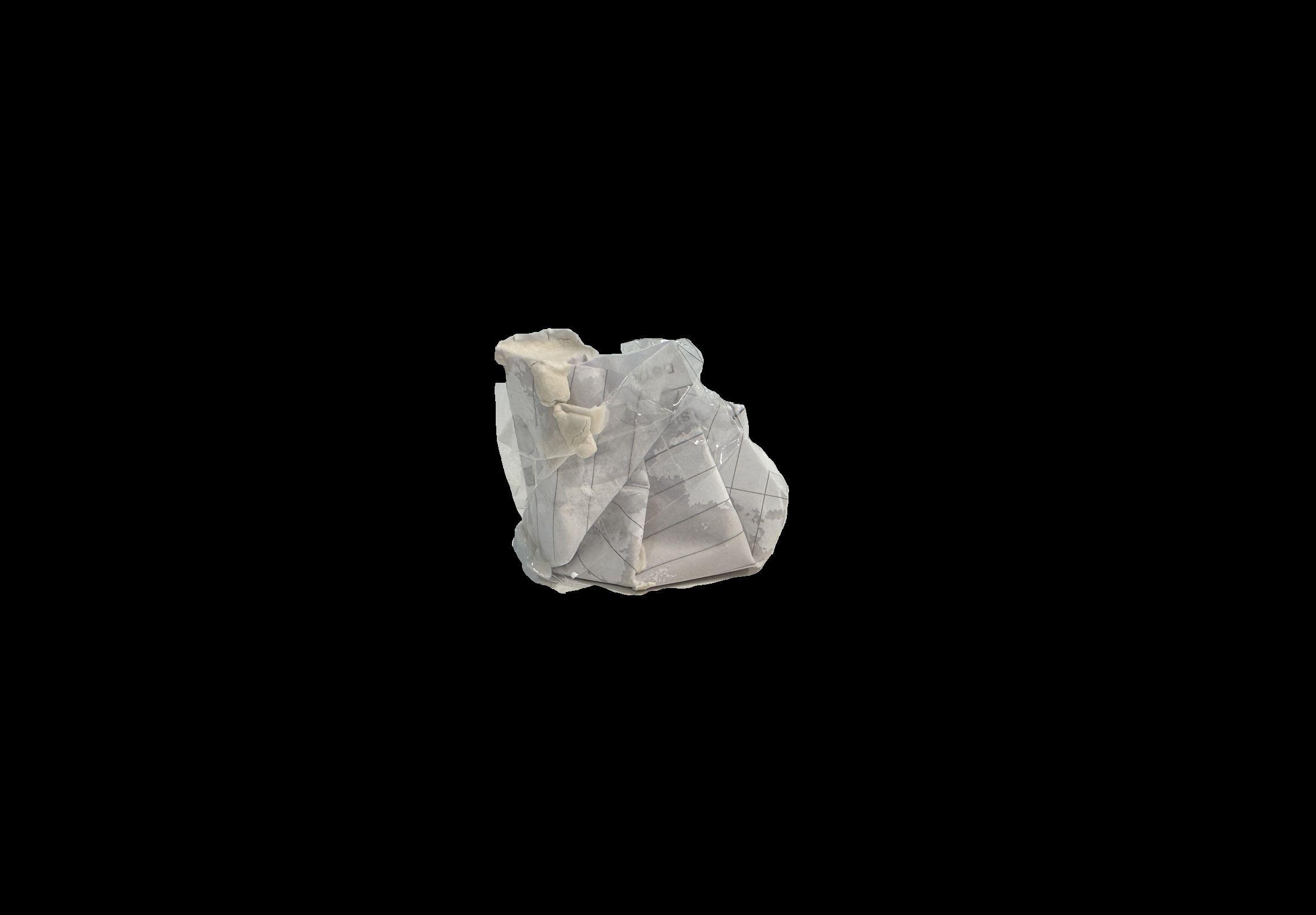
The resulting models reveal folds, valleys, ridges, and inward-curving edges, formed as the plaster flows into the small creases and cavities of the plastic.
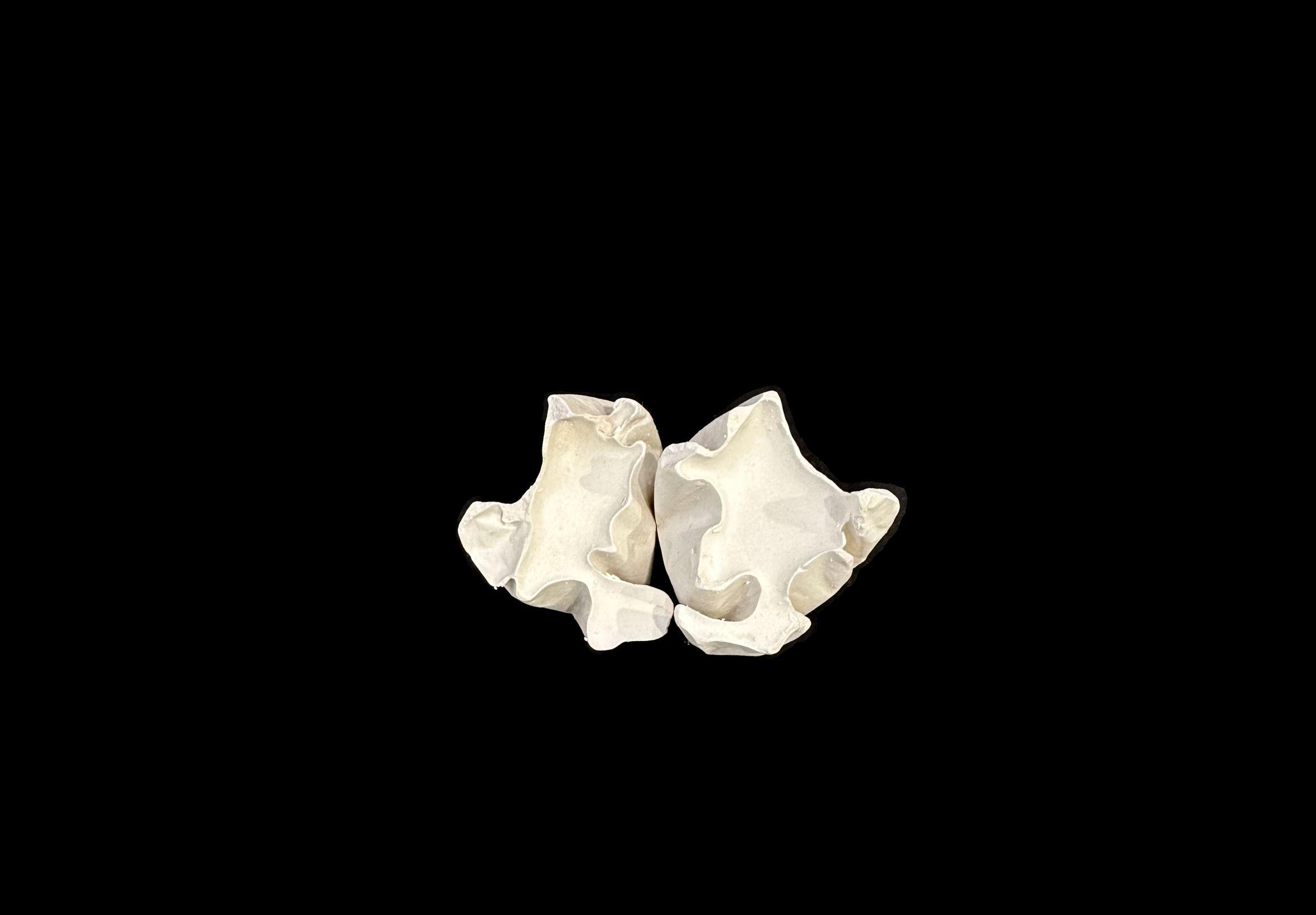
You can observe folds, valley and ridge, and edges curling in of these models. This is because plaster can flow into the small crevasses of plastics.
This experiment reshaped my understanding of plaster, revealing its potential to behave as fluidly and flexibly as water. Its final form is therefore determined by the container that holds it.
This experiment changes my concept of plaster. It makes me realise that plaster can be as flowy and as flexible as water. It can turn into any shape depending on its container.
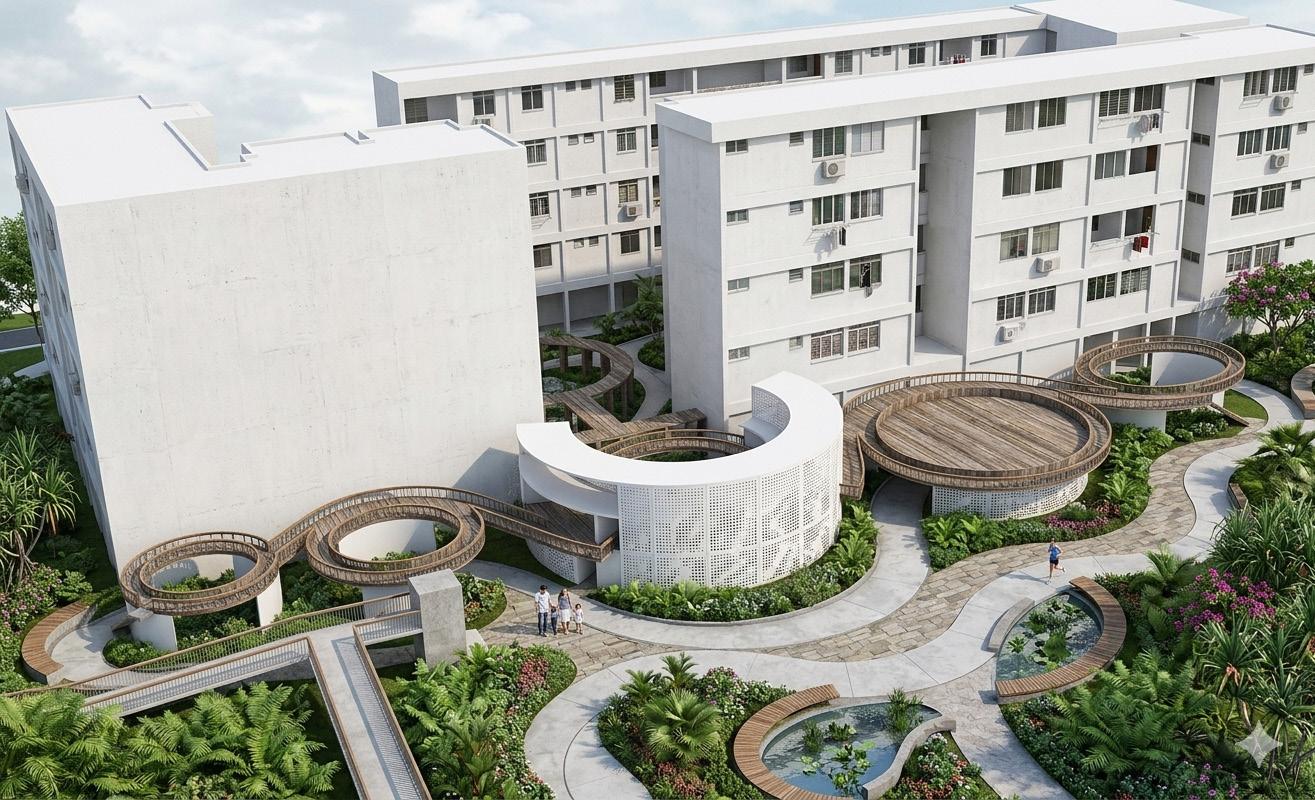
O Sports Center – Weaving Spaces
A Sports Center Weaving Fragmented Spaces Togetherr | Y3S2 (in progress)
Through site observation, I found that while HDB estates offer a variety of community activities and facilities, they remain fragmented and spatially isolated. Even when positioned in close proximity, these elements lack integration.
This project proposes a community sports center that reconnects these dispersed programs, forming a more cohesive and accessible network of activities.
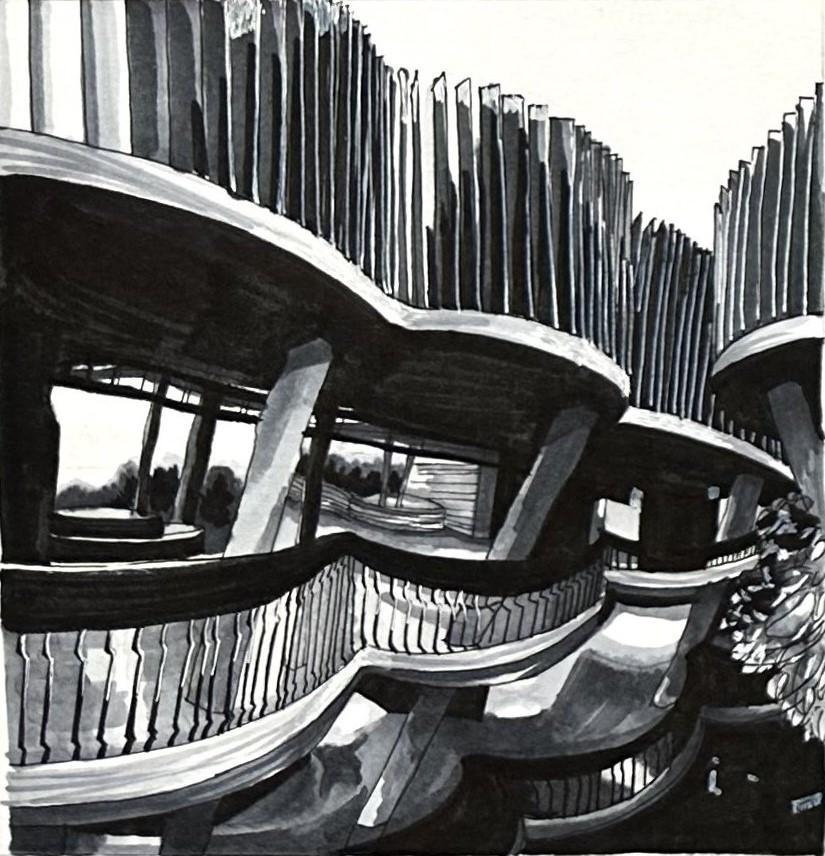
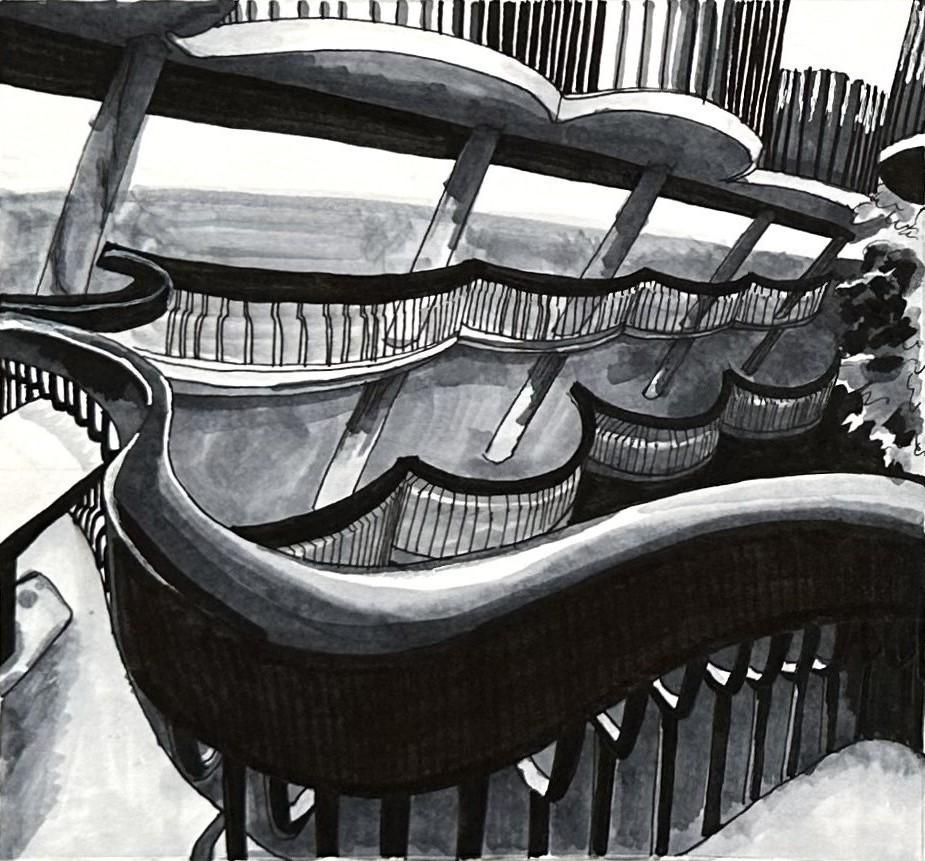
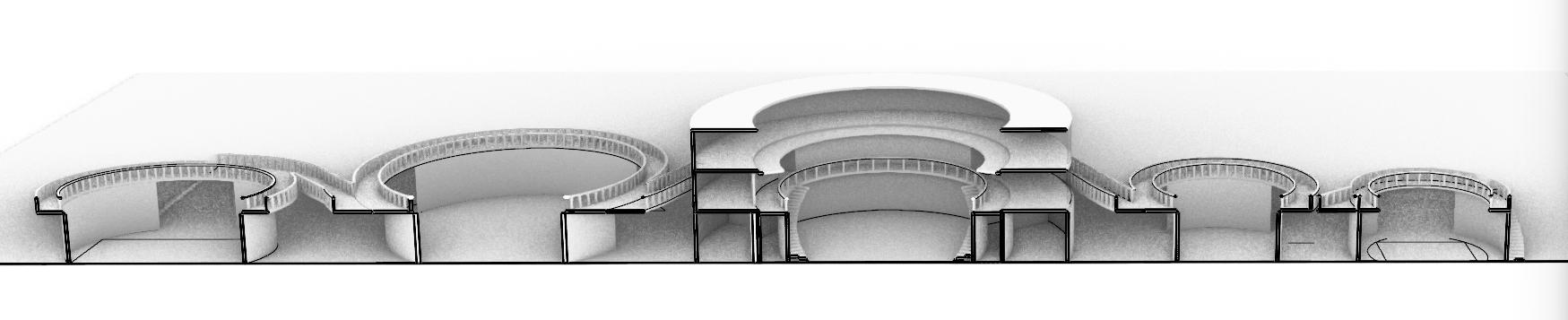
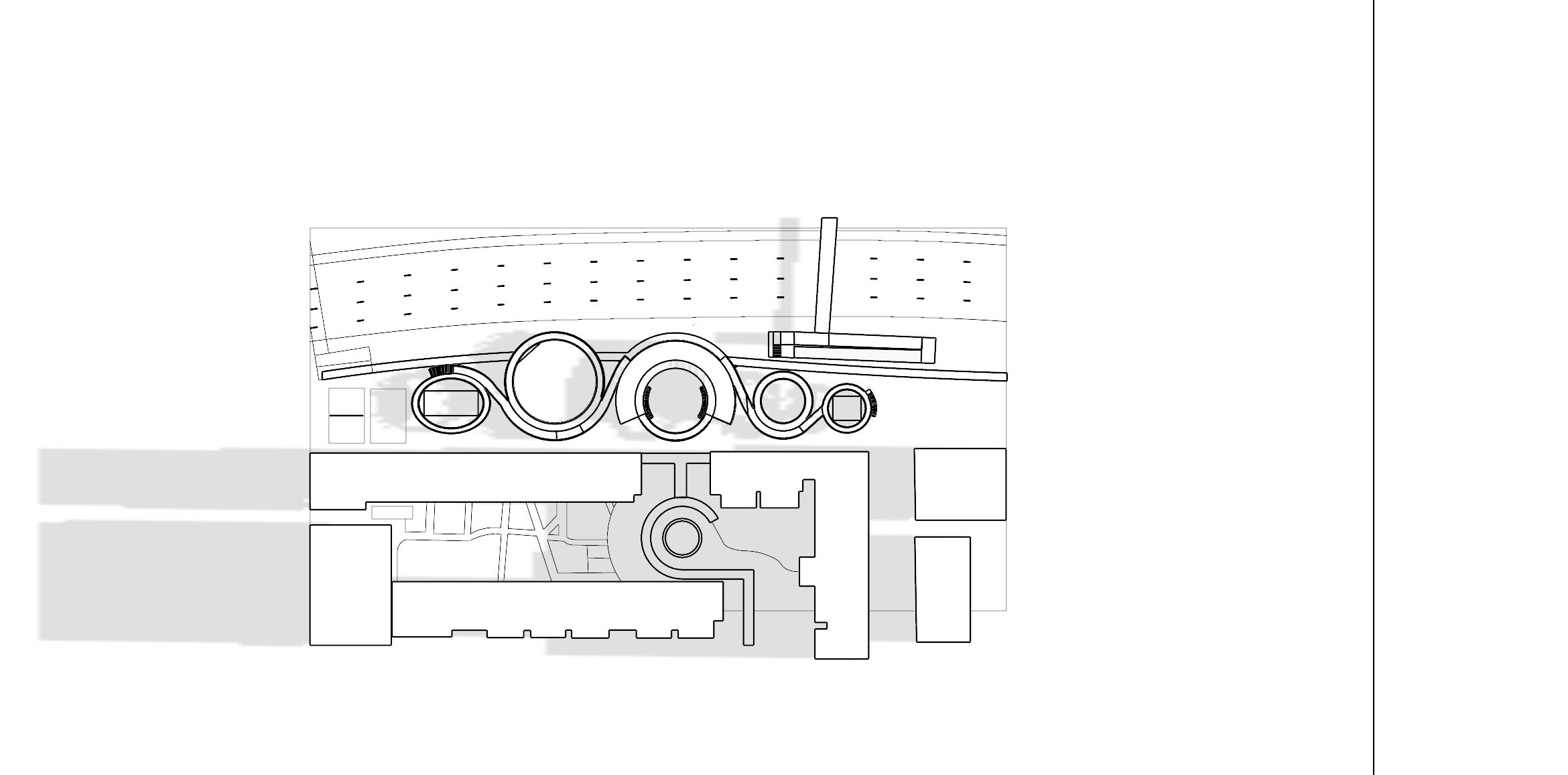
The design builds upon existing community elements, such as the circular sheltered walkways, extending them into a larger spatial system. Circular geometry becomes both a formal and organizational strategy, informing the design of elevated skywalks that guide circulation and link different zones.

Design Evolution
01 STAGE 01 Inspiration - An Extension From the Neighbourhood
02 Activity Allocation STAGE 02
The existing area facing the entrance is the most hustle-and-bustle area of the site. Therefore, the main Sports Center is placed facing the entrance.
The locations of the other sports fields are arranged according to existing activities (shops), original facilities, and circulation.
03 STAGE 03 Circulation & Skywalks
Circulation: connect and weave different activities together.
Skywalk: encourage circulaton and exercise of the elderly and people.
Orientation of staircase: facing HDB’s main entrance, hawkers centers, the end of the skywalk.
04 STAGE 04 Sun Analysis & Facade
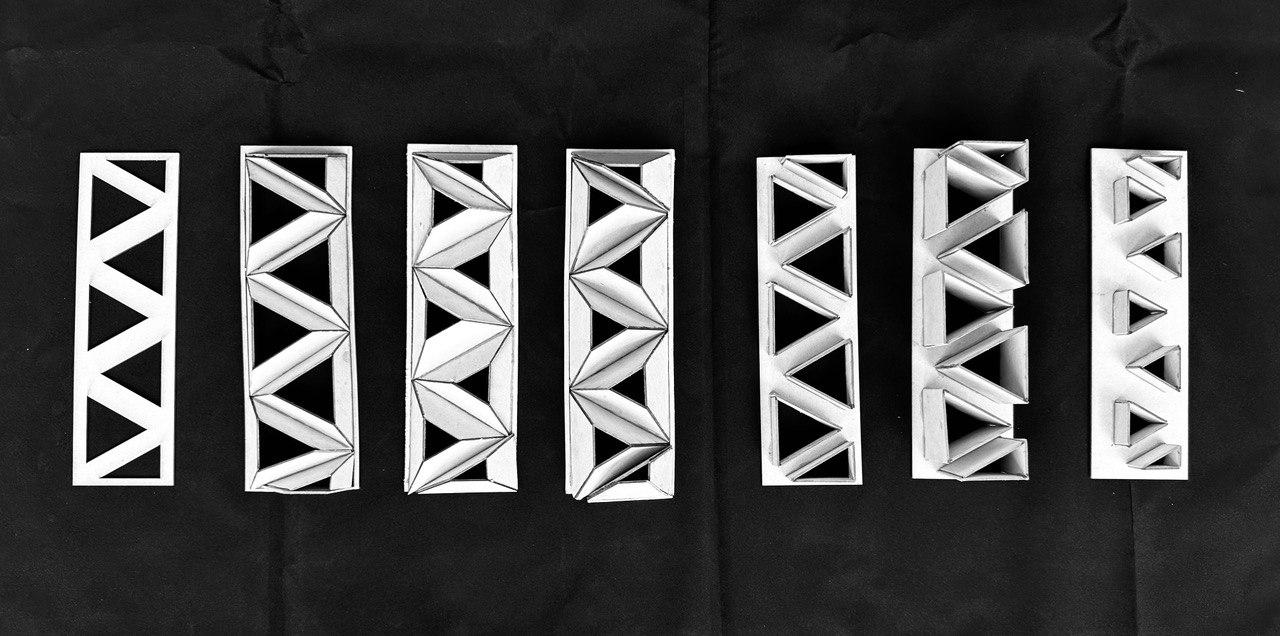
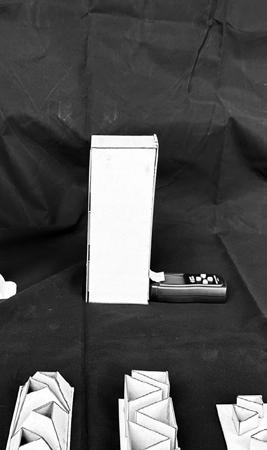
Sunpath: By analysing the sun path, I can determine how much sunlight needs to be screened by holes and fins of different sizes.
Activities: Different sports need different amounts of sunlight.
05 STAGE 05 Final Form respond to existing circulation shelter.
Geometry
Strategic Allocation of Programs
1) Most noisy, high interaction intensity programs are on the ground level. --> further away from residential buildings.
Sunpath Analysis
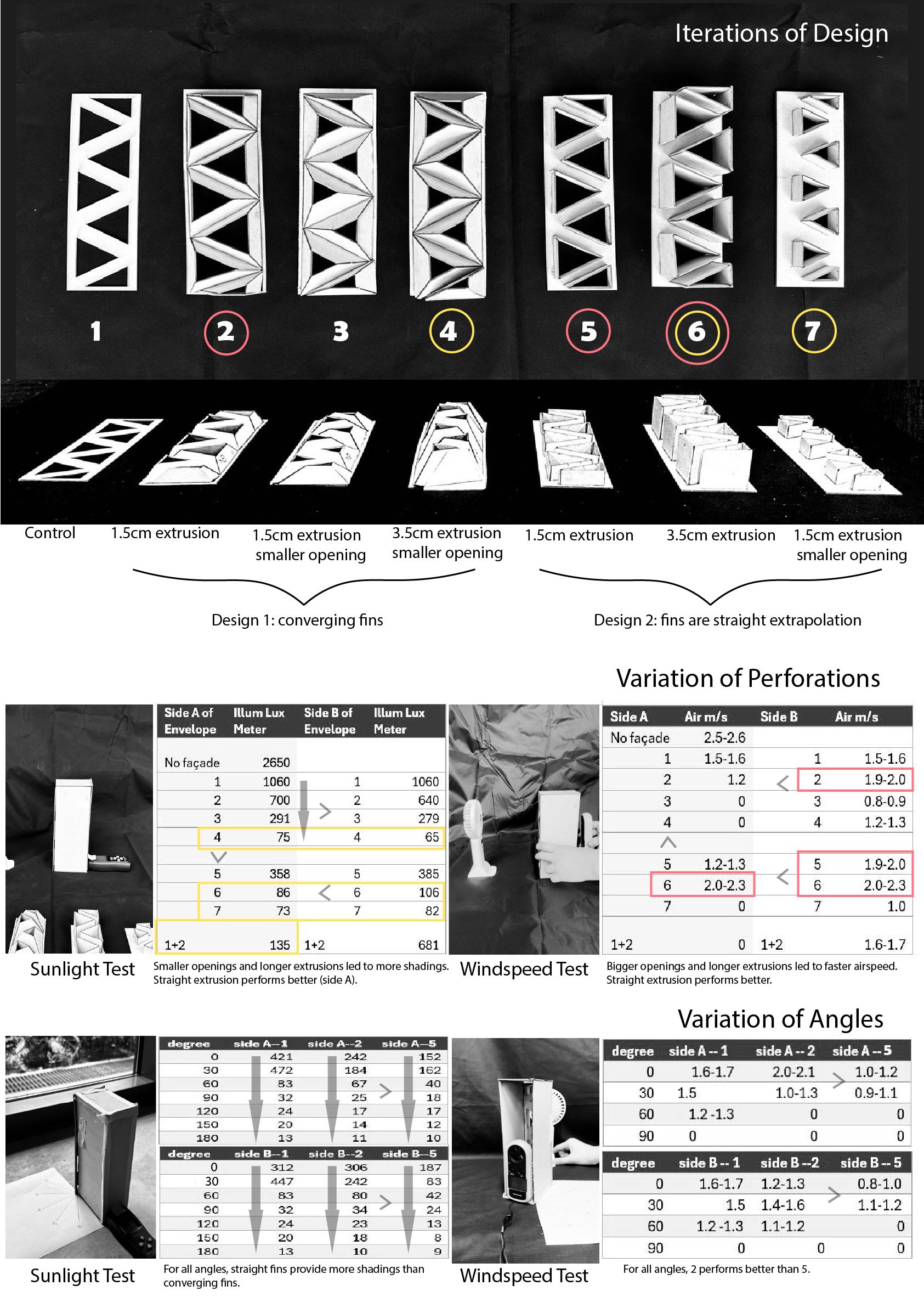
Facade - Iterations of Design

Sunlight Test
Time TravelA Community Reconnected
A Sports Center Integrating Fragmented Spaces | Y3S1
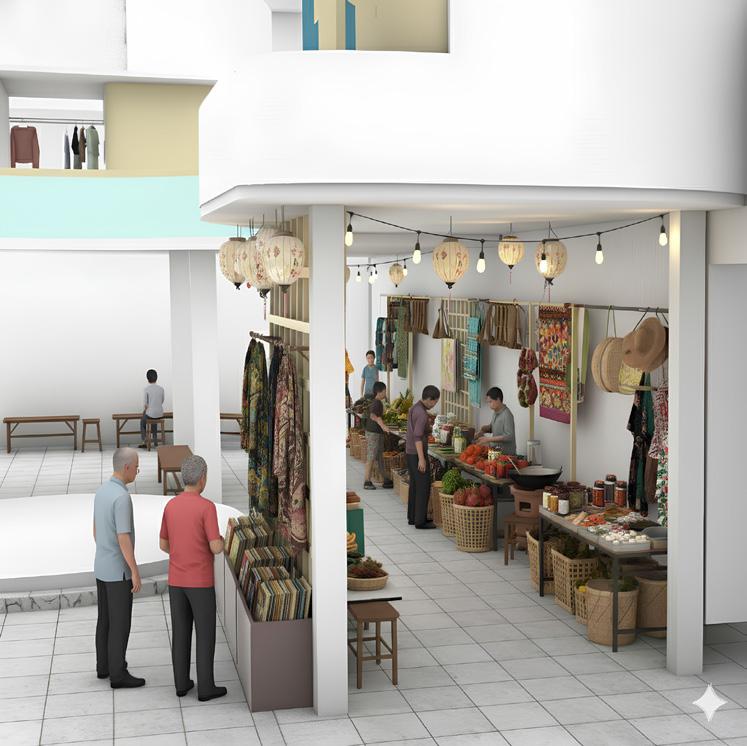
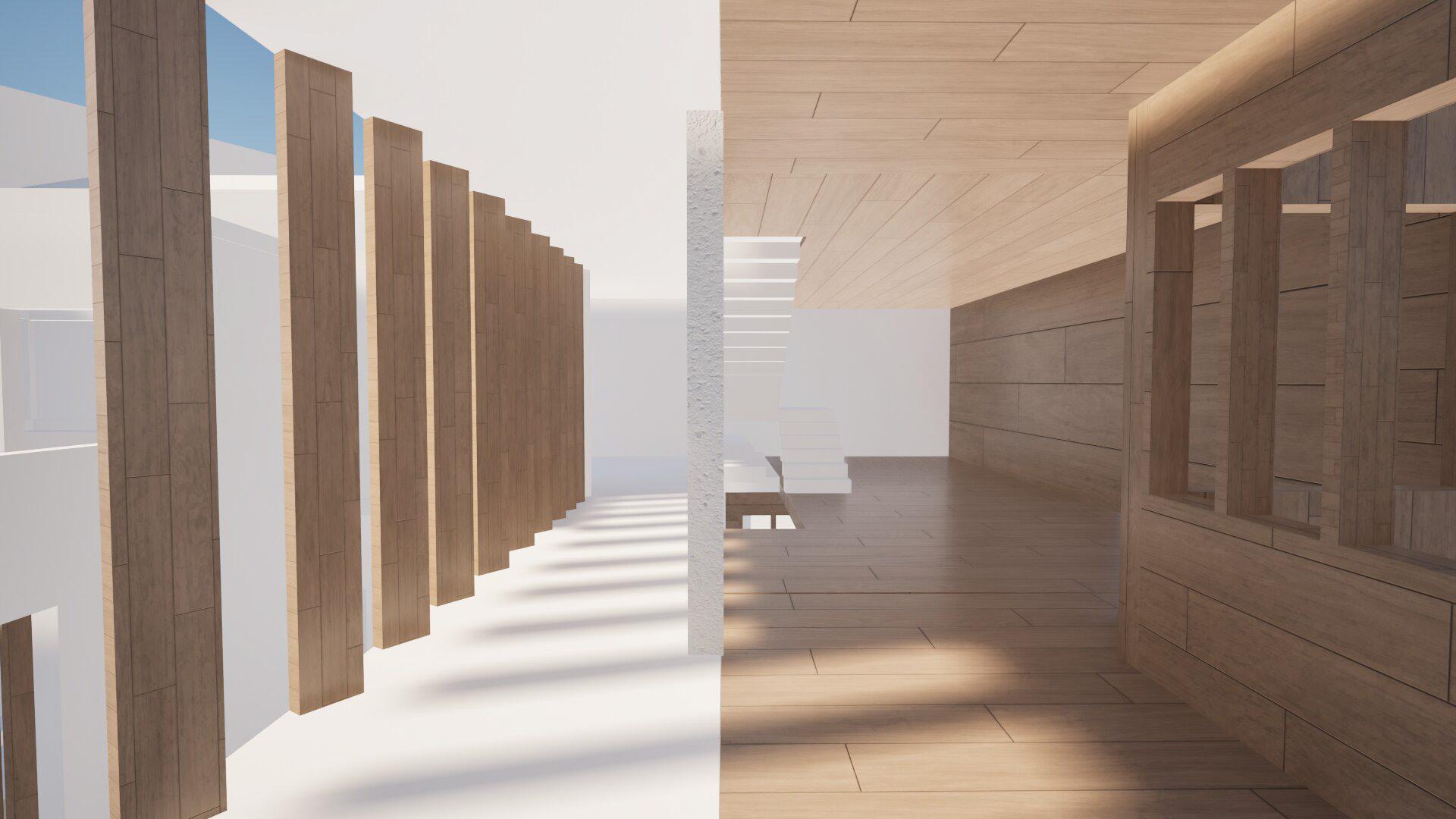
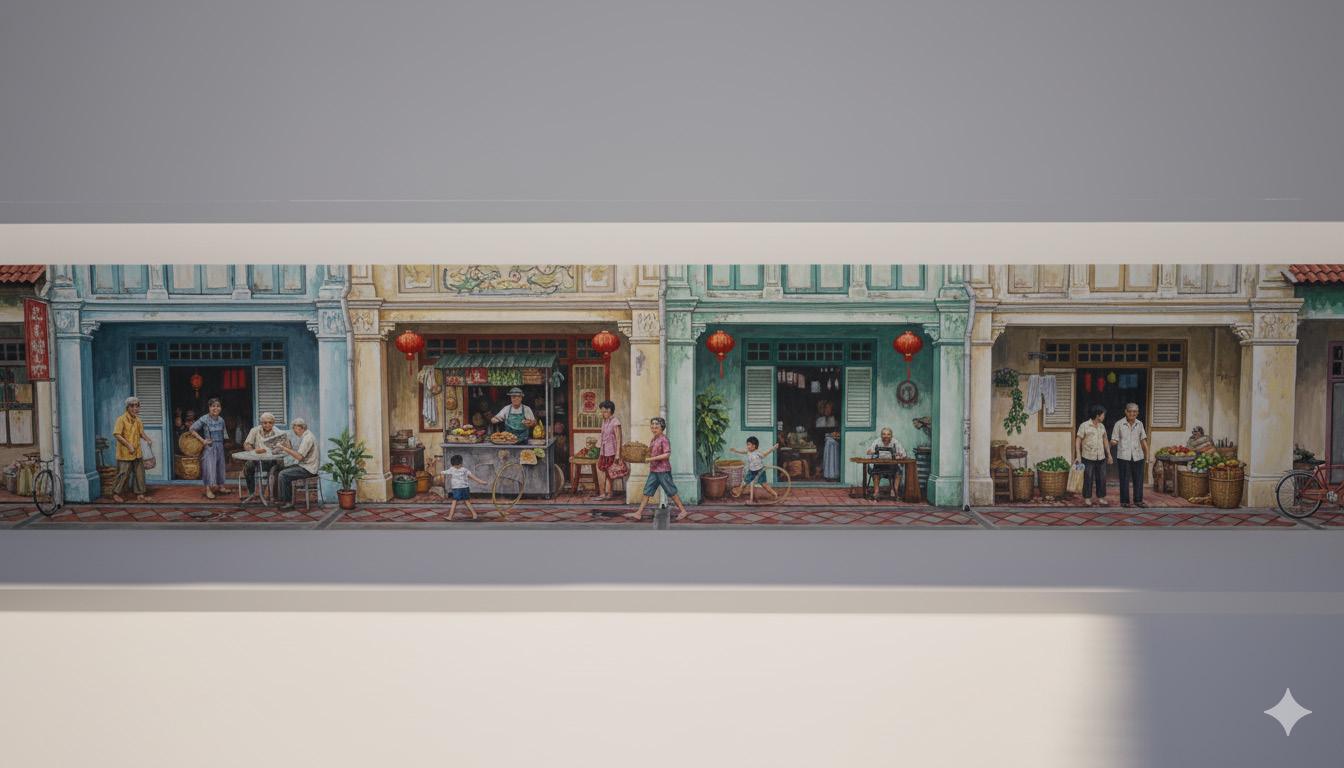
Tanjong Pagar’s shophouses are more than architectural artifacts—they are vessels of memory. Once shaped by everyday rituals, these spaces have gradually faded as the district shifts toward consumption and nightlife, leaving behind a streetscape that no longer fully accommodates its original community.
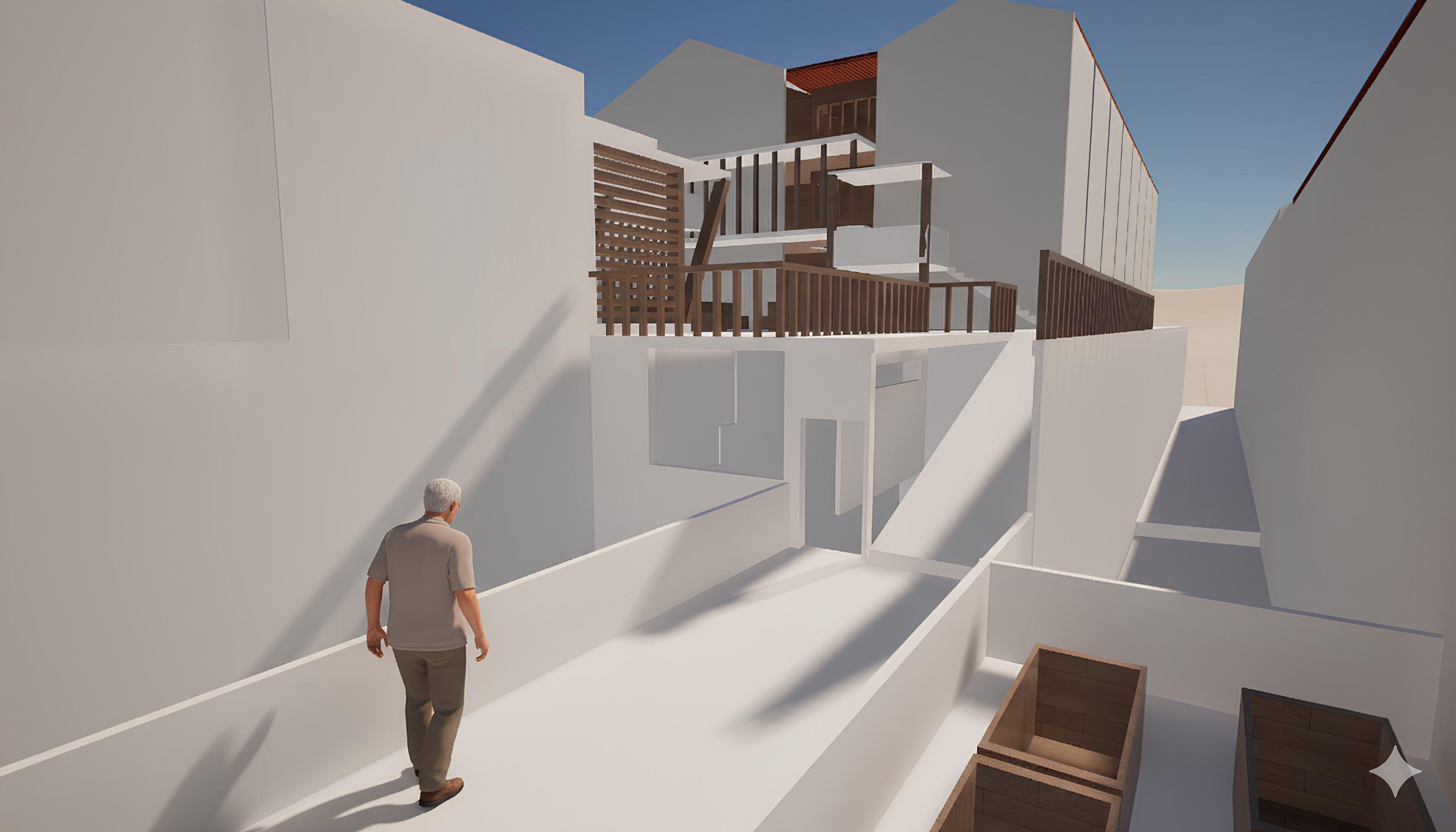
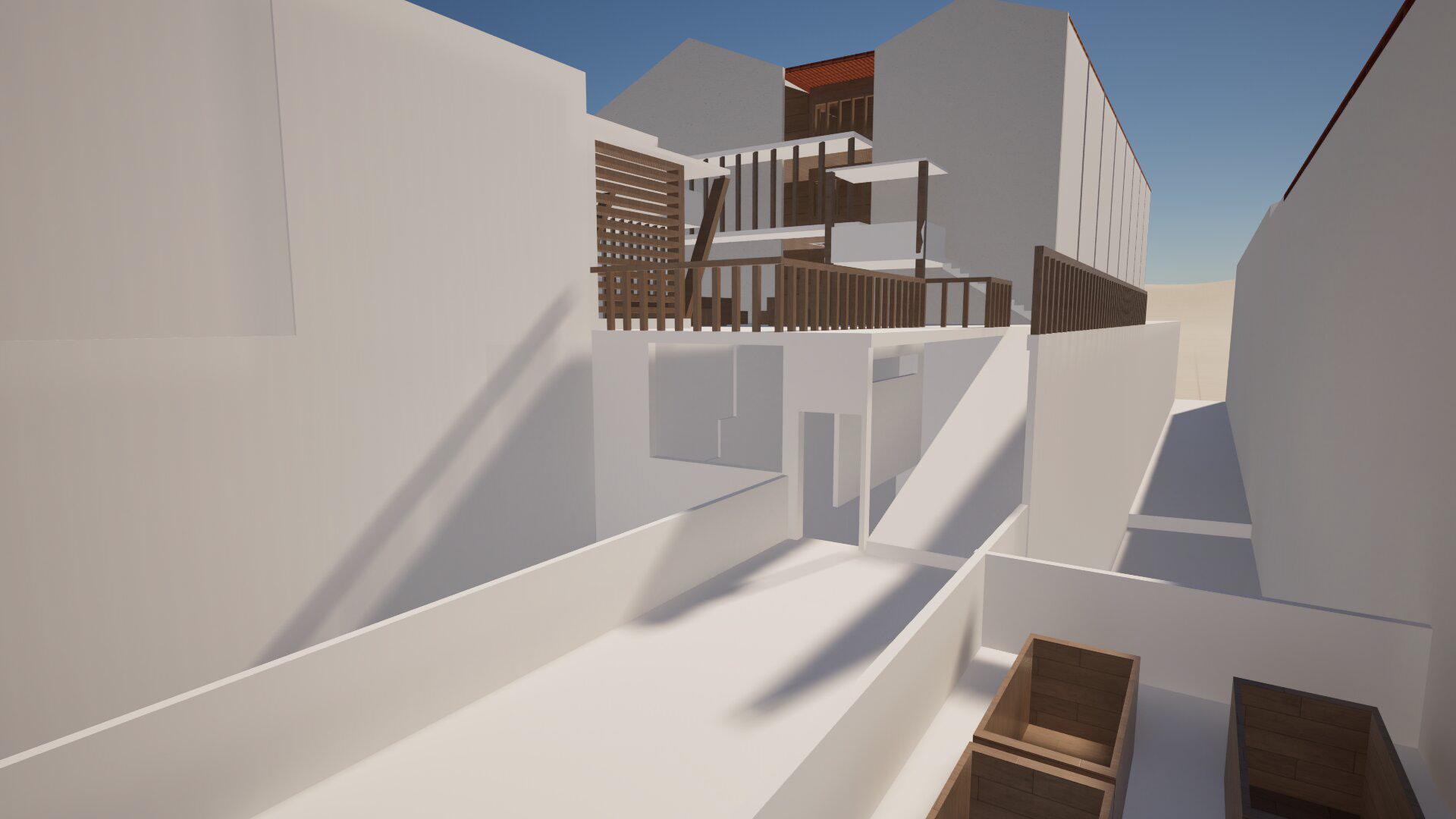
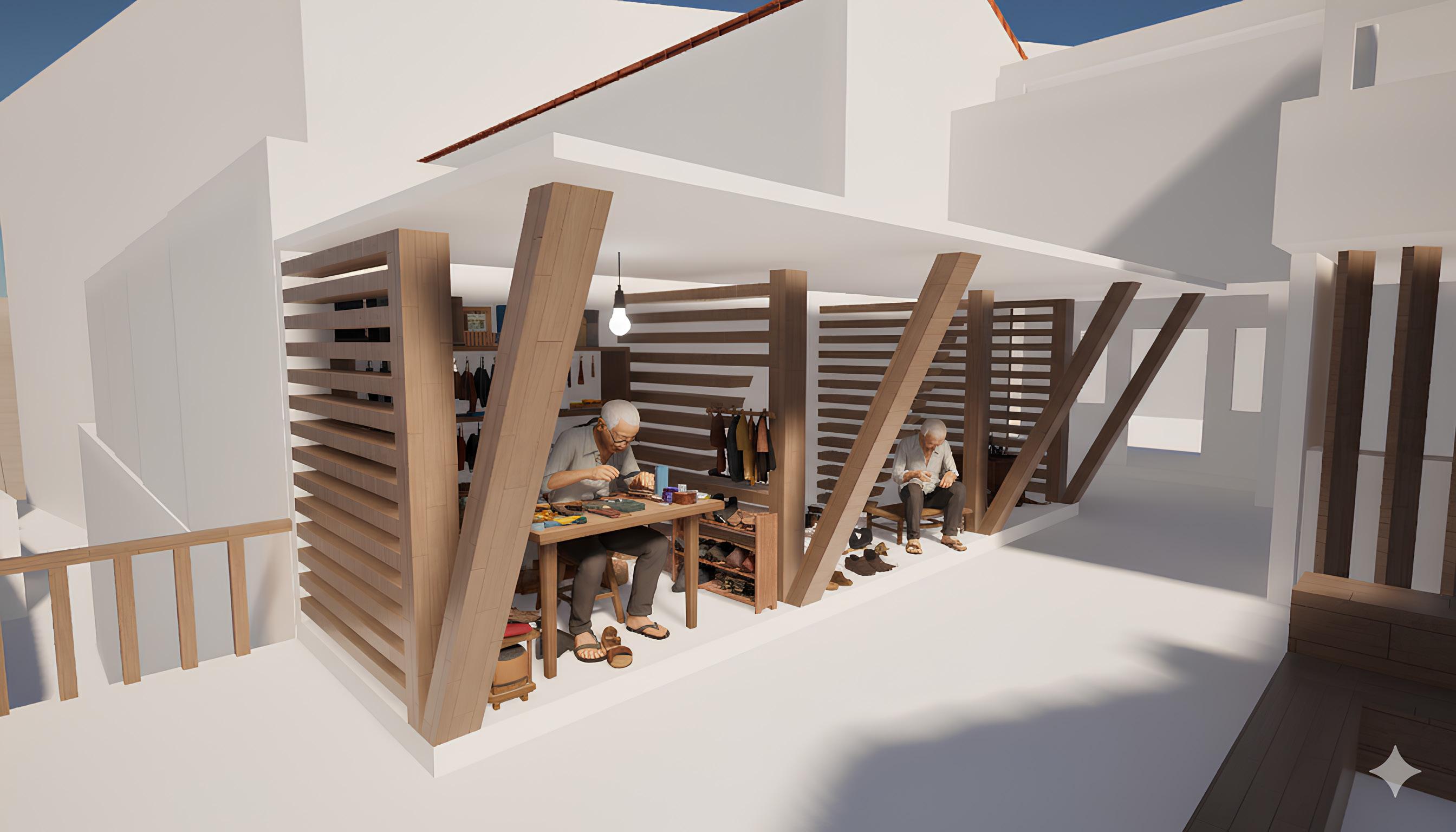
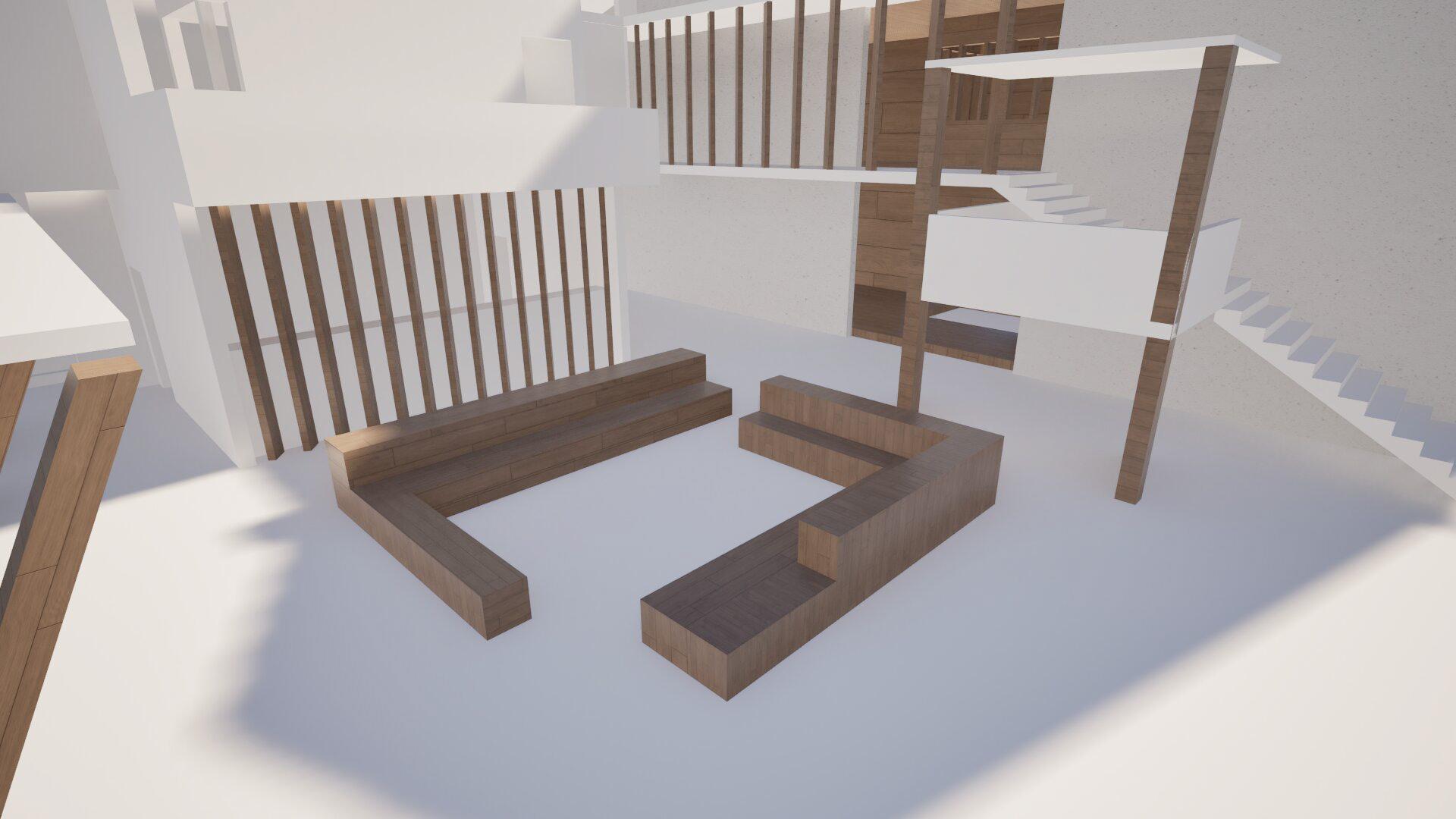
This project reintroduces the elderly into the shophouse district through careful occupation rather than replacement. By activating overlooked pocket spaces, a small-scale community hub is proposed—supporting rest, social interaction, and daily activities within a familiar and accessible environment. Rather than isolating the elderly, the space remains open, encouraging intergenerational engagement.
Tanjong architectural For many framed everyday the five-foot shared spaces. landscape and nightlife, gradually no longer belonged This project shophouse replacement, activating existing shophouse center is interaction, accessible isolating allowing and participate.
The architecture is conceived as a temporal journey. Spaces closer to the street reflect the contemporary condition of Tanjong Pagar, while deeper areas become quieter and more intimate. Elements derived from shophouse typology—such as the five-foot way and environmental strategies—are reinterpreted to evoke embedded memories.
This transition from street to interior becomes a movement between present and past. Rather than preserving memory as a static image, the project allows it to be lived, shared, and rediscovered across generations.
The architecture journey. contemporary present-day moves deeper gradually Here, spatial typology—such and the environmental reinterpreted everyday This transition pocket space from the youth. Through project does static image, gently rediscovered
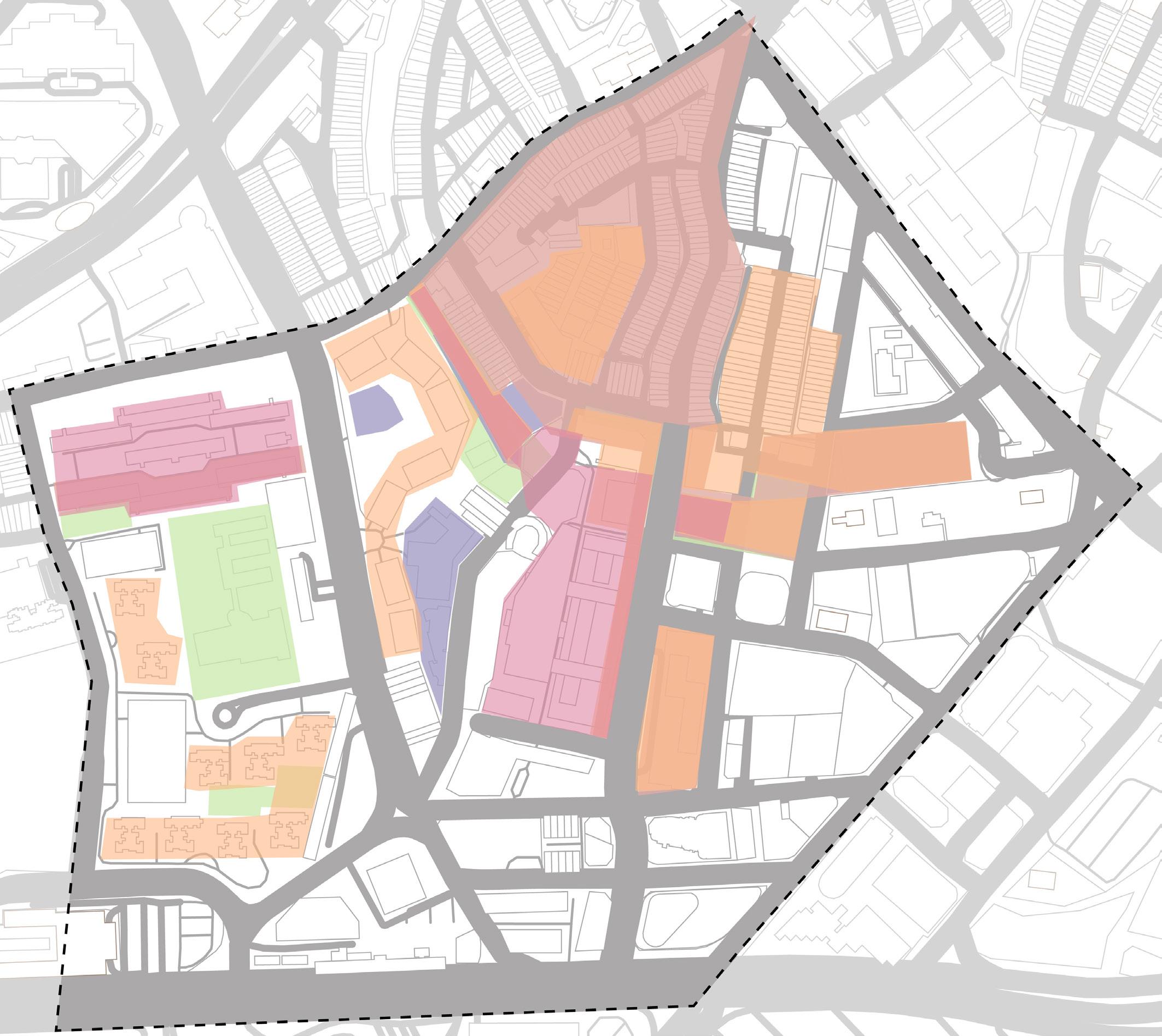
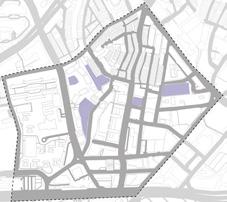
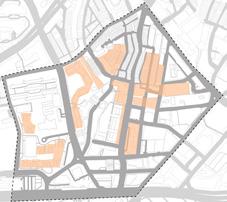
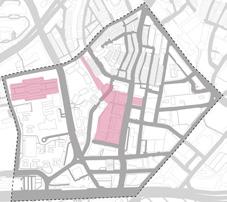
Site Analysis - Demographics
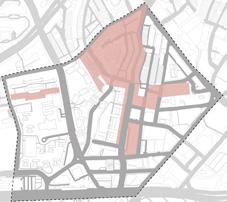
Demographics Segregation and Spatial Relations
Demographics Segregation and Spatial Relations
Overall Map
Overall Map
Demographics Segregation and Spatial Relations
Demographics Segregation and Spatial Relations
Overall Map
Overall Map
Demographics
Segregation and Spatial Relations

Demographics Segregation and Spatial Relations
Demographics Segregation and Spatial Relations
Demographics Segregation and Spatial
Relations
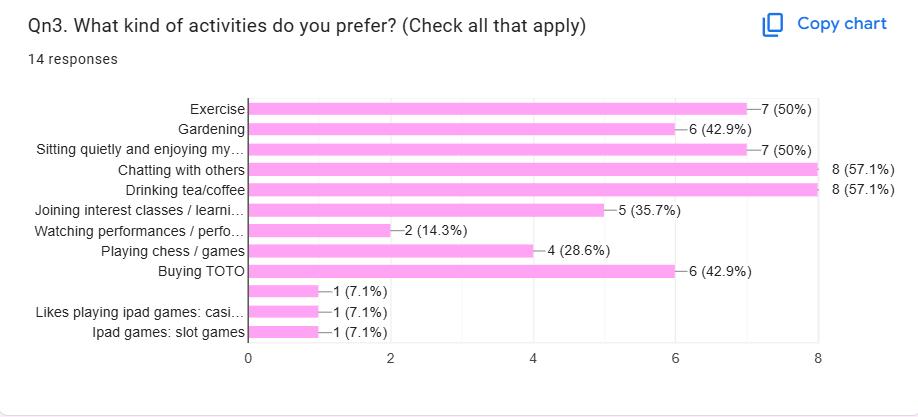
Different Ways Seniors Use Space
Different Ways Seniors Use Space
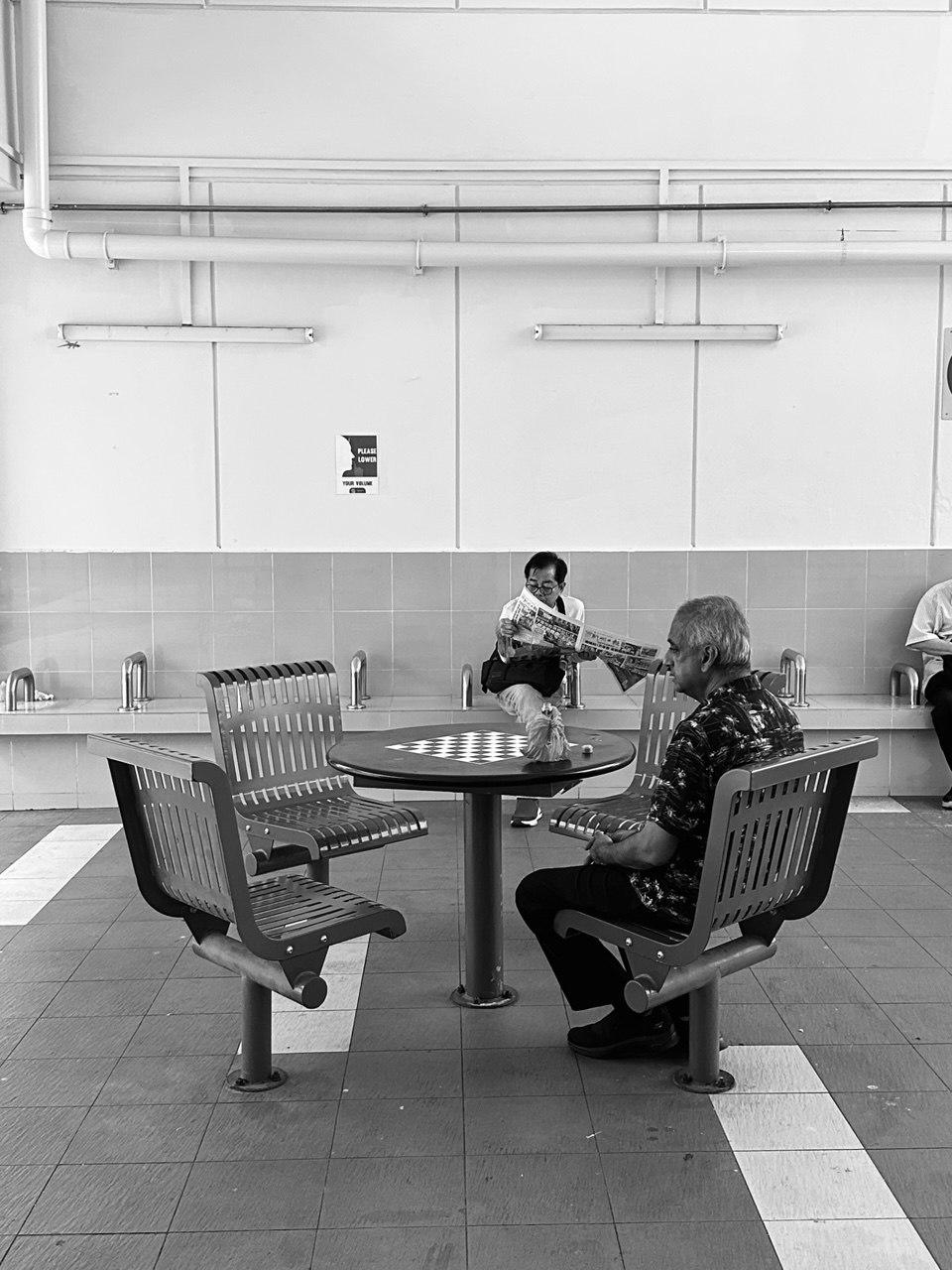
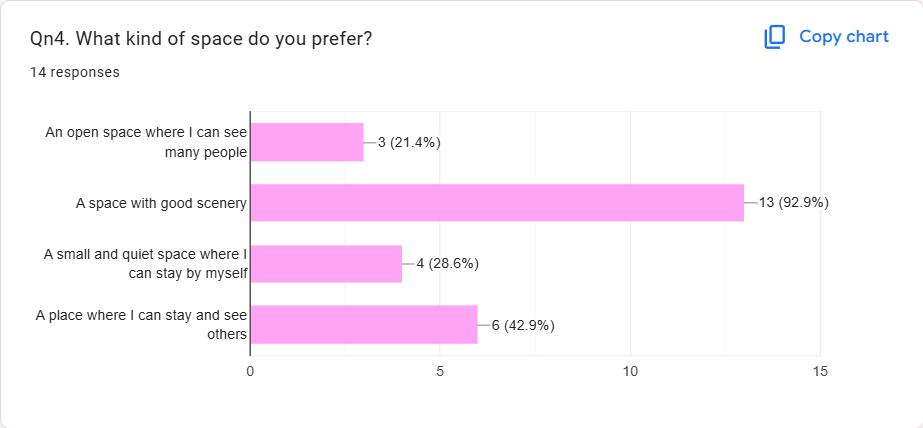
Behavioural Characteristics
Behavioural Characteristics
Different Ways Seniors Use Space Behavioural Characteristics
Different Ways Seniors Use Space
Corresponding Space
Corresponding Space
Corresponding Space
Shophouse Studies
Space Division: Explode the
Shophouse Studies
D) The Rhythm of the Five-Foot
area B
Density of human: low middle high area B area A
Density of human: low middle high
area A
Different Types of Shophouses: Location of the airwell: back central others
Different Types of Shophouses: Location of the airwell: back central others
Transit Hub Commons
A Multifunctional Hub Allowing Passengers to Rest Within the City | Y3S1
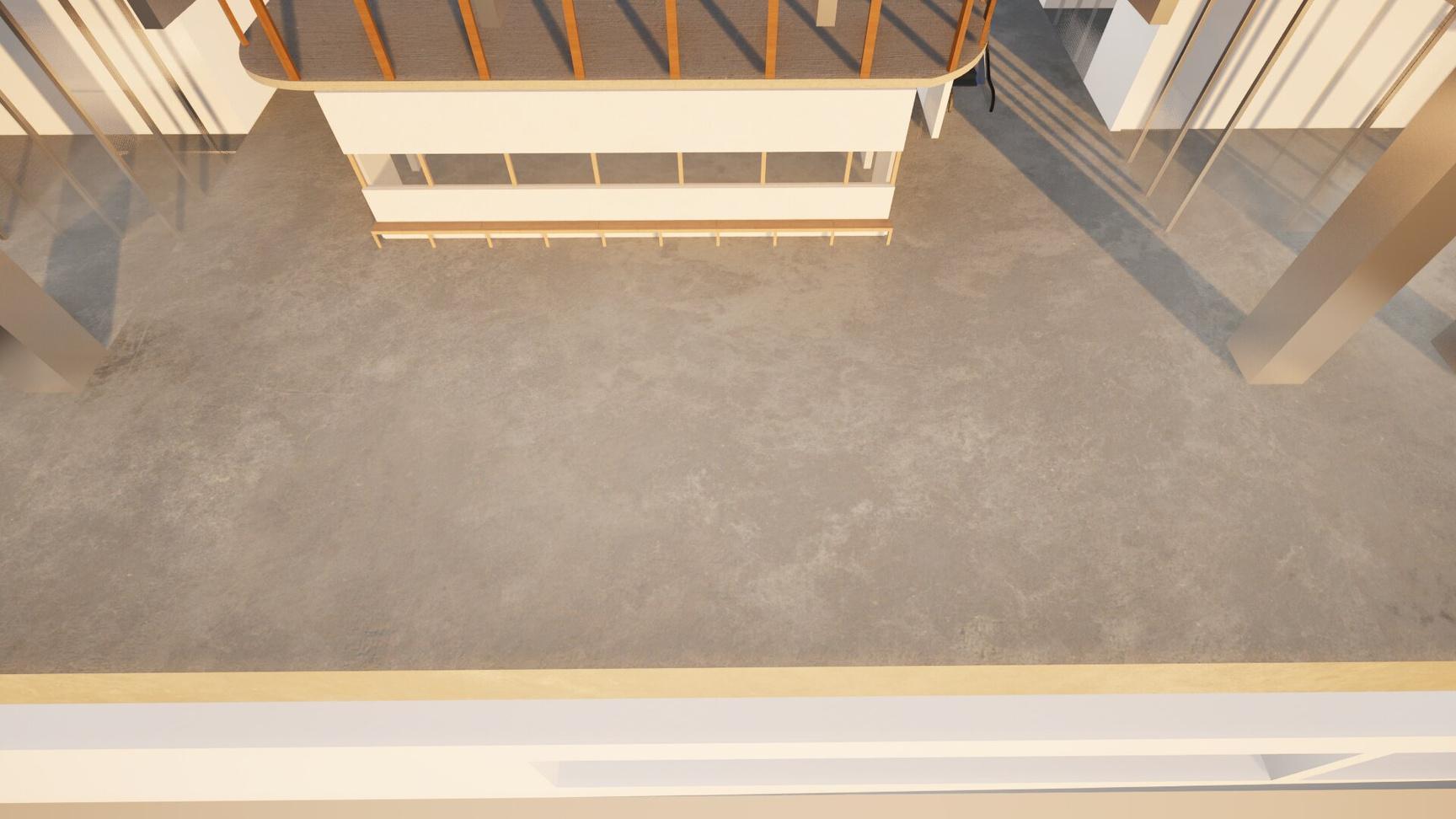
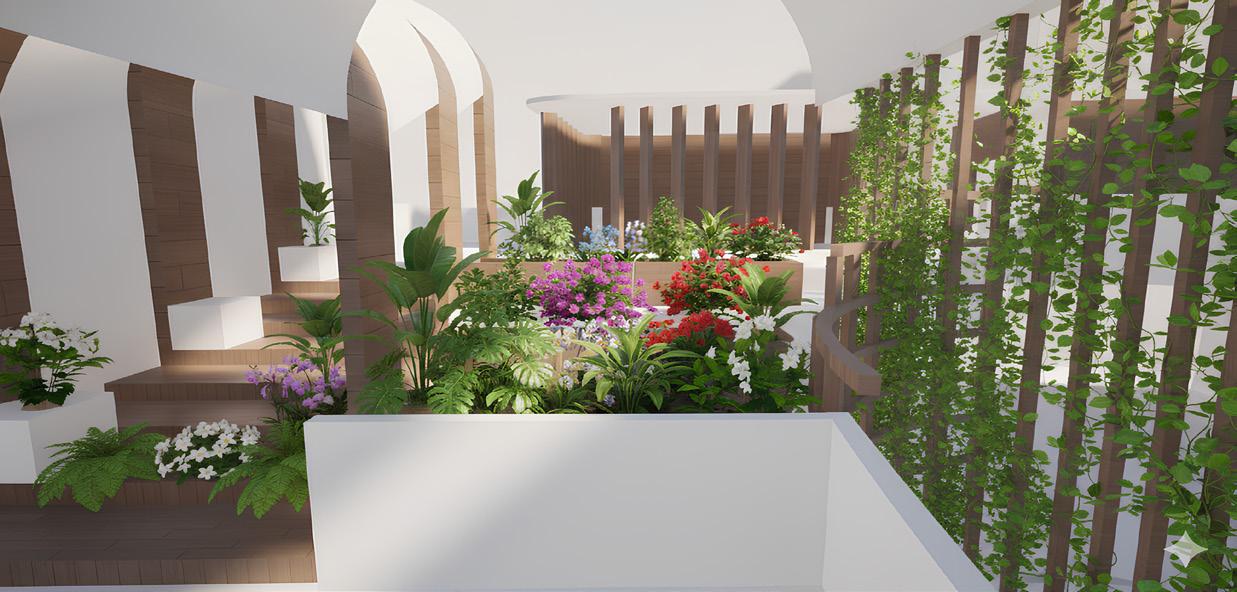
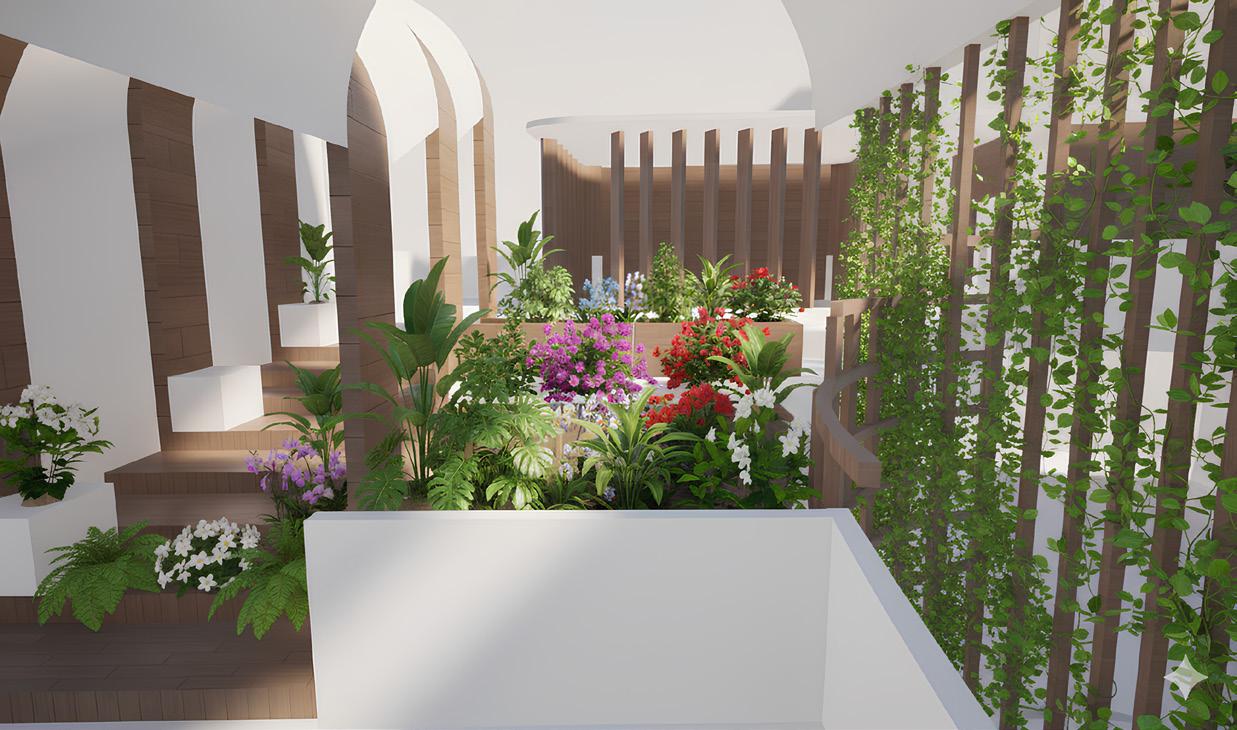
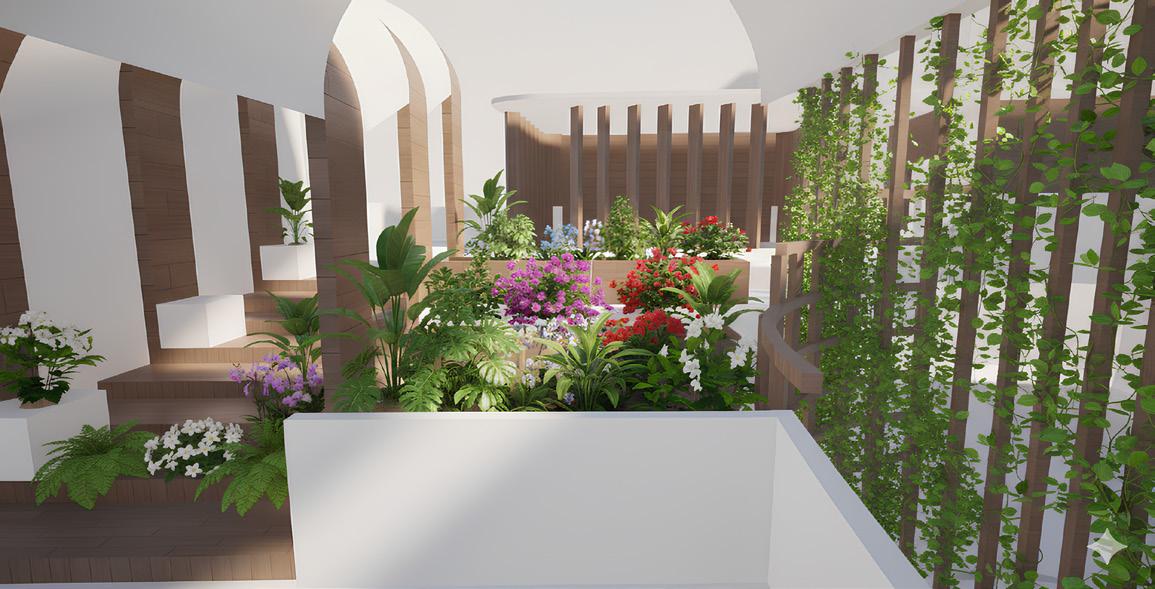
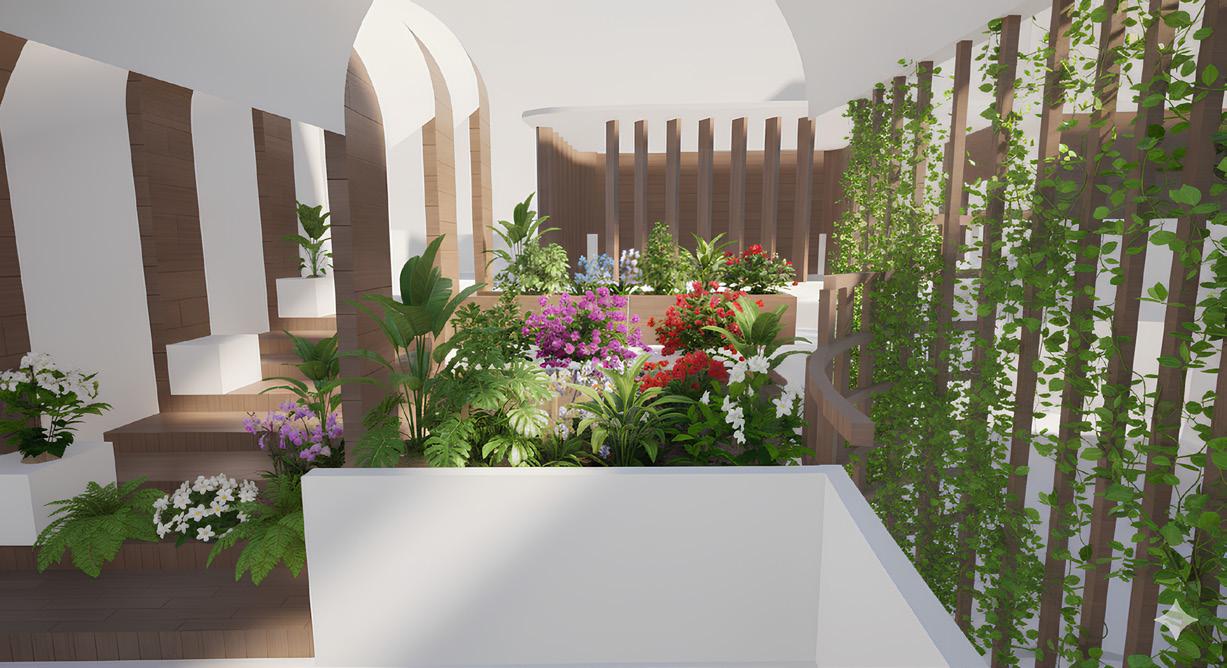
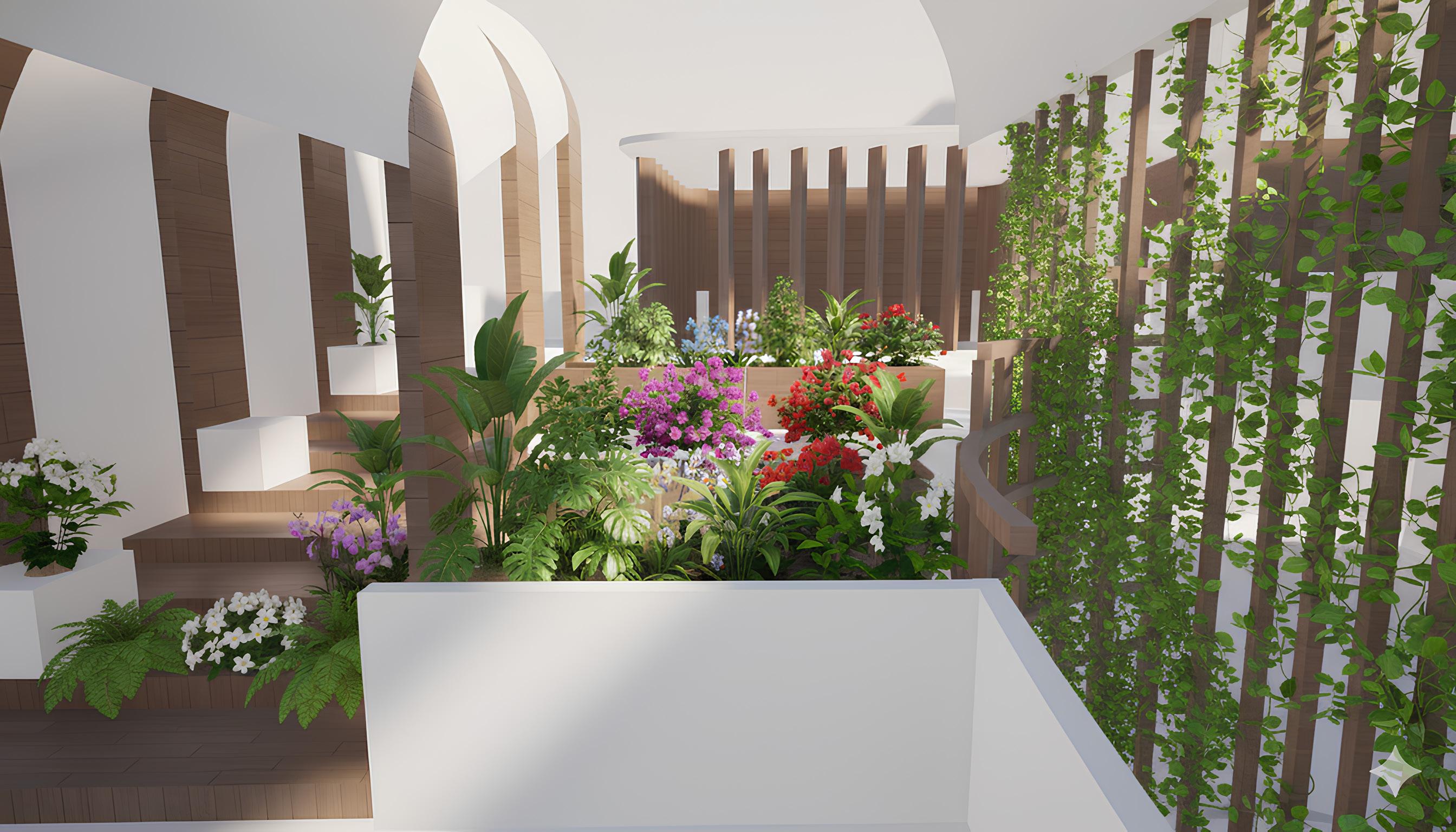
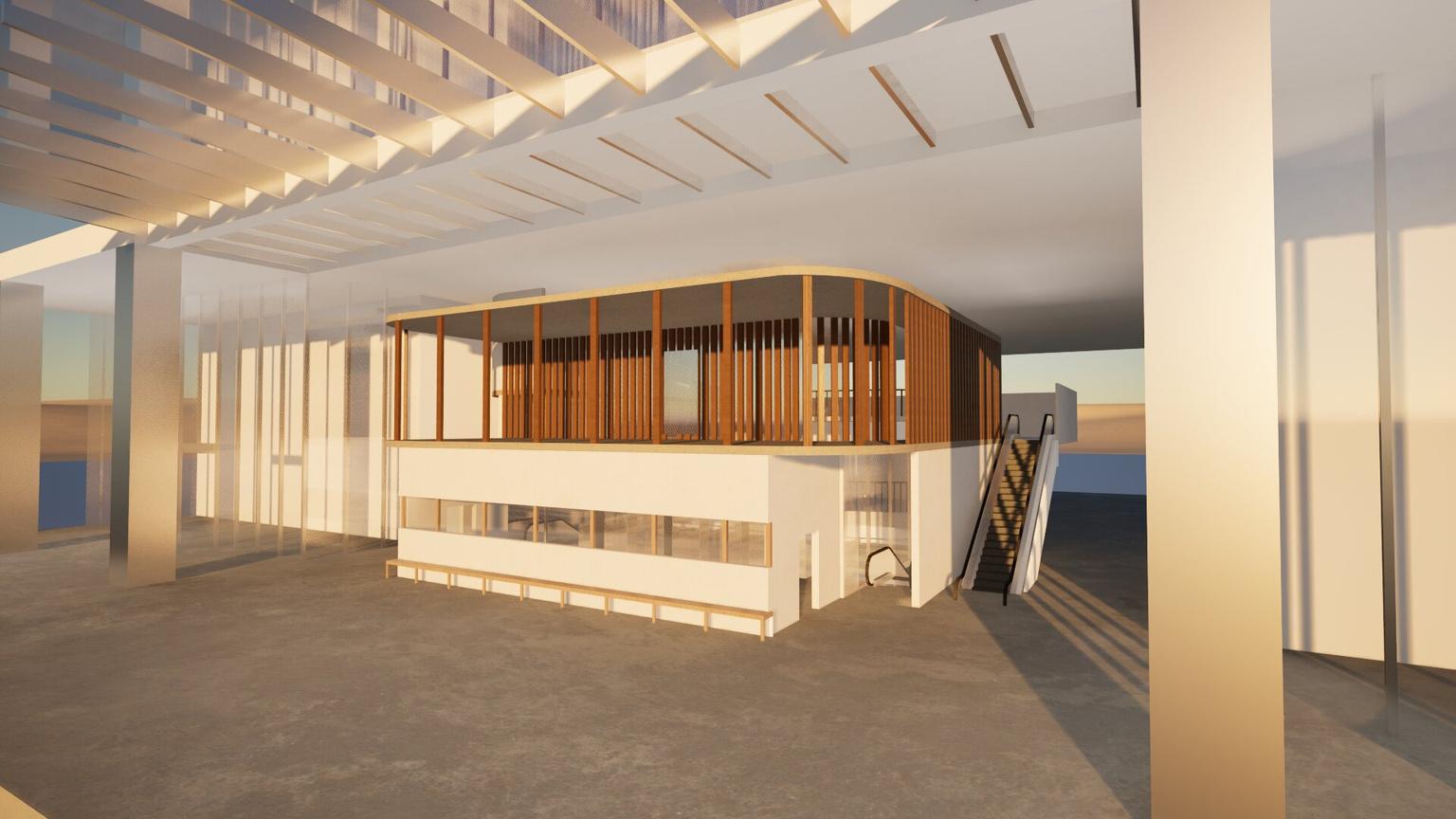
By employing the TOD concept, the transit hub at Guoco Tower is seamlessly integrated into everyday urban life. It introduces a gentle pause between ground and underground, providing comfort, rest, and a breathing space for commuters and office workers.
A place where movement slows and living begins—where infrastructure and human experience are carefully brought together.

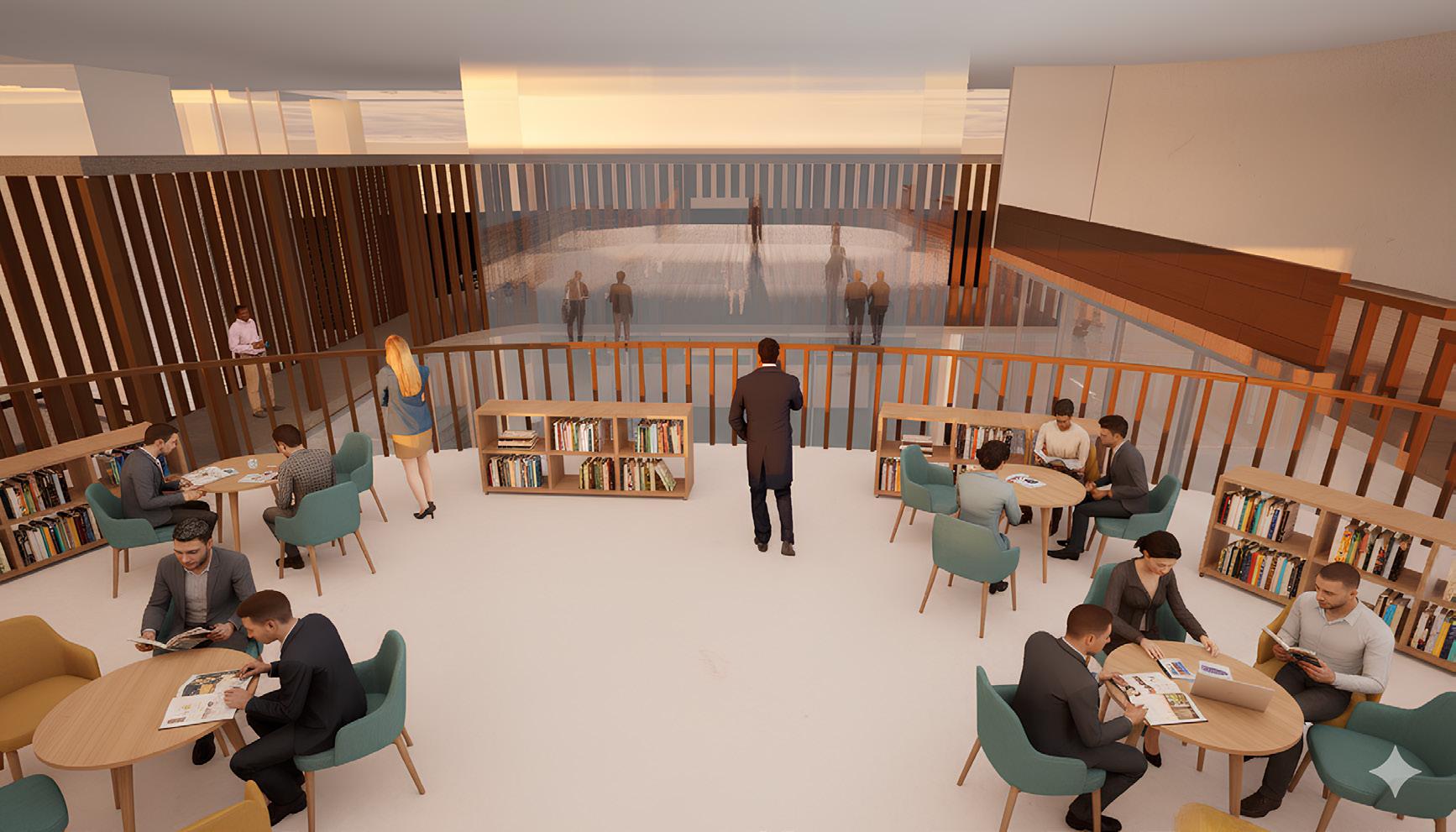
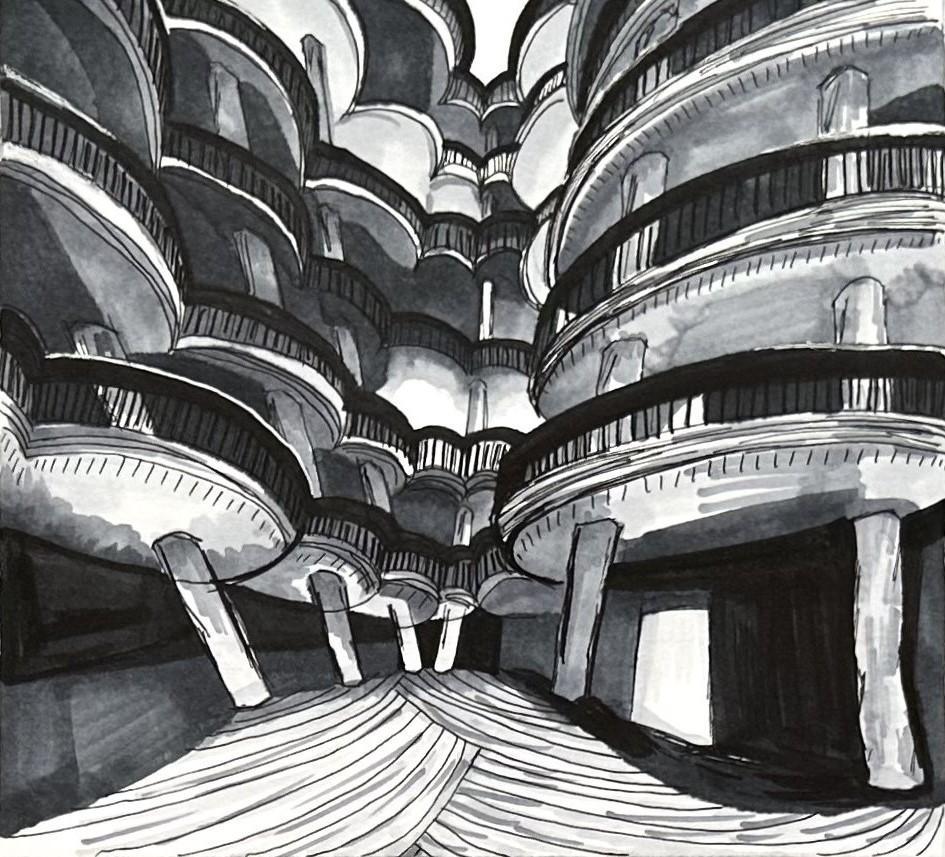
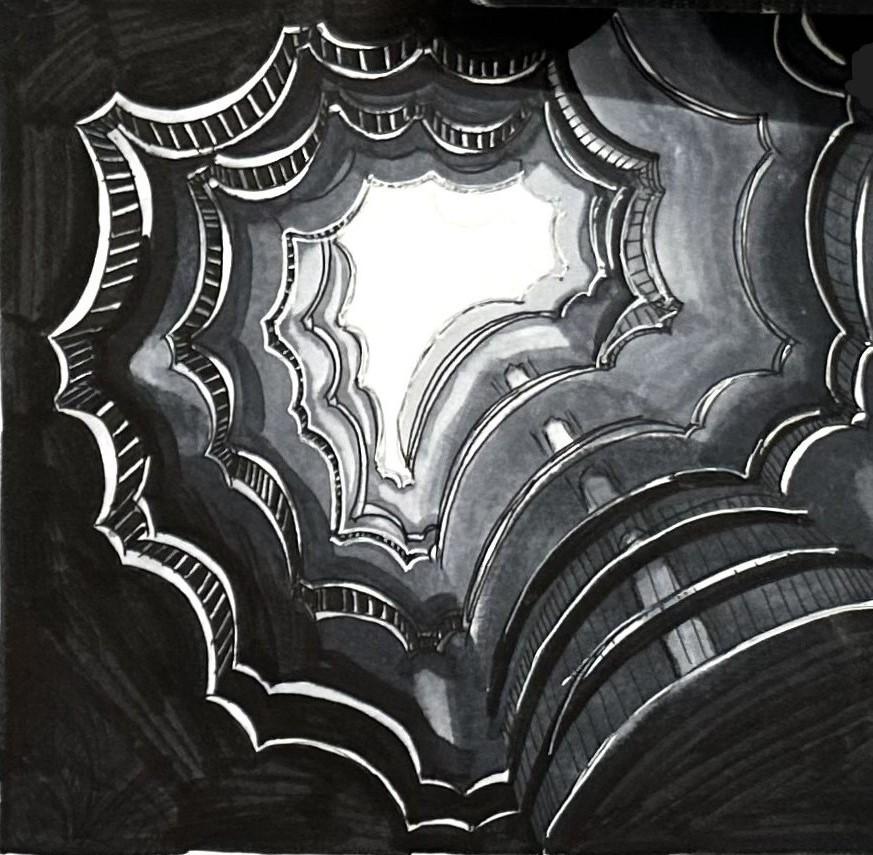
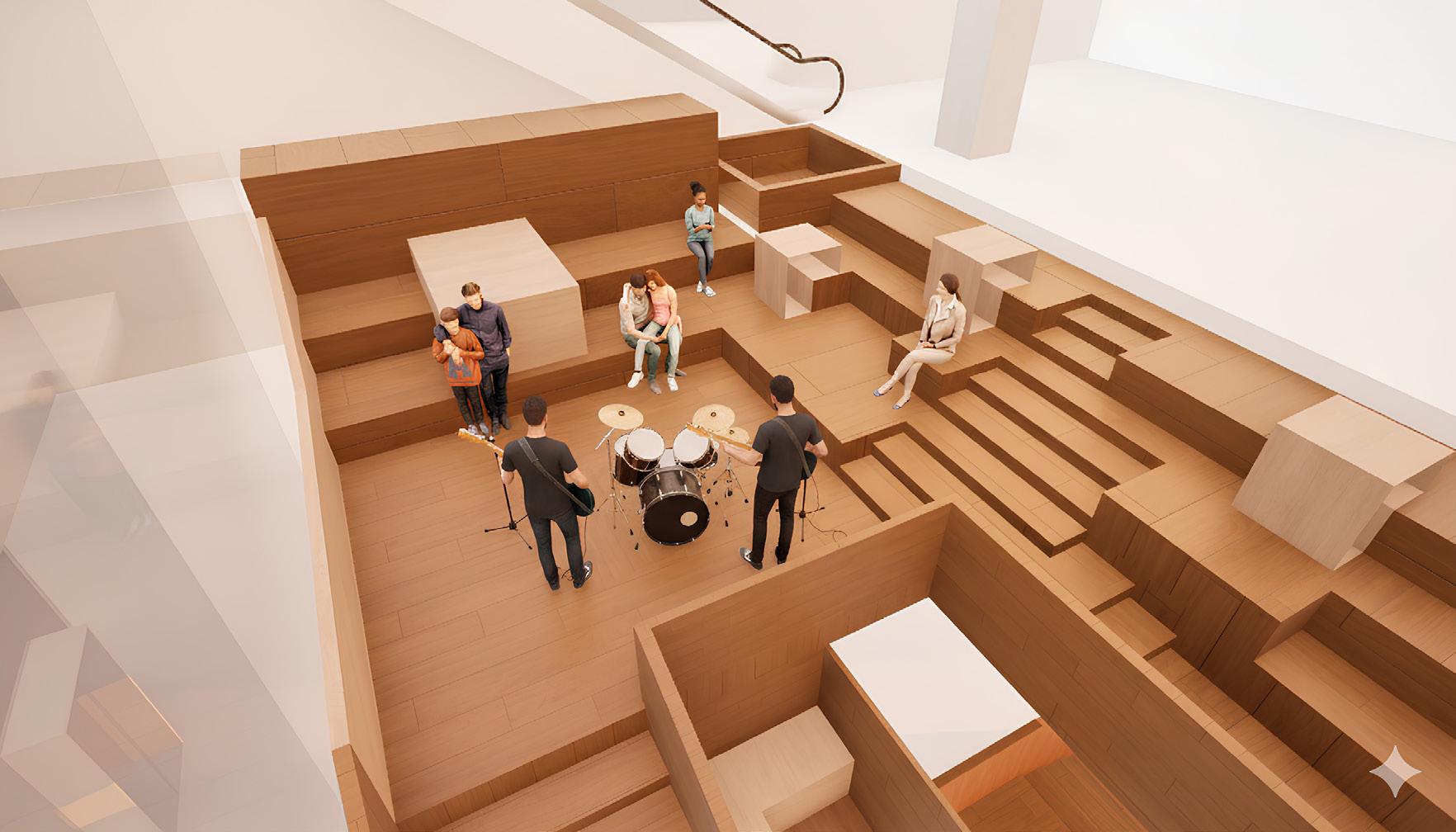
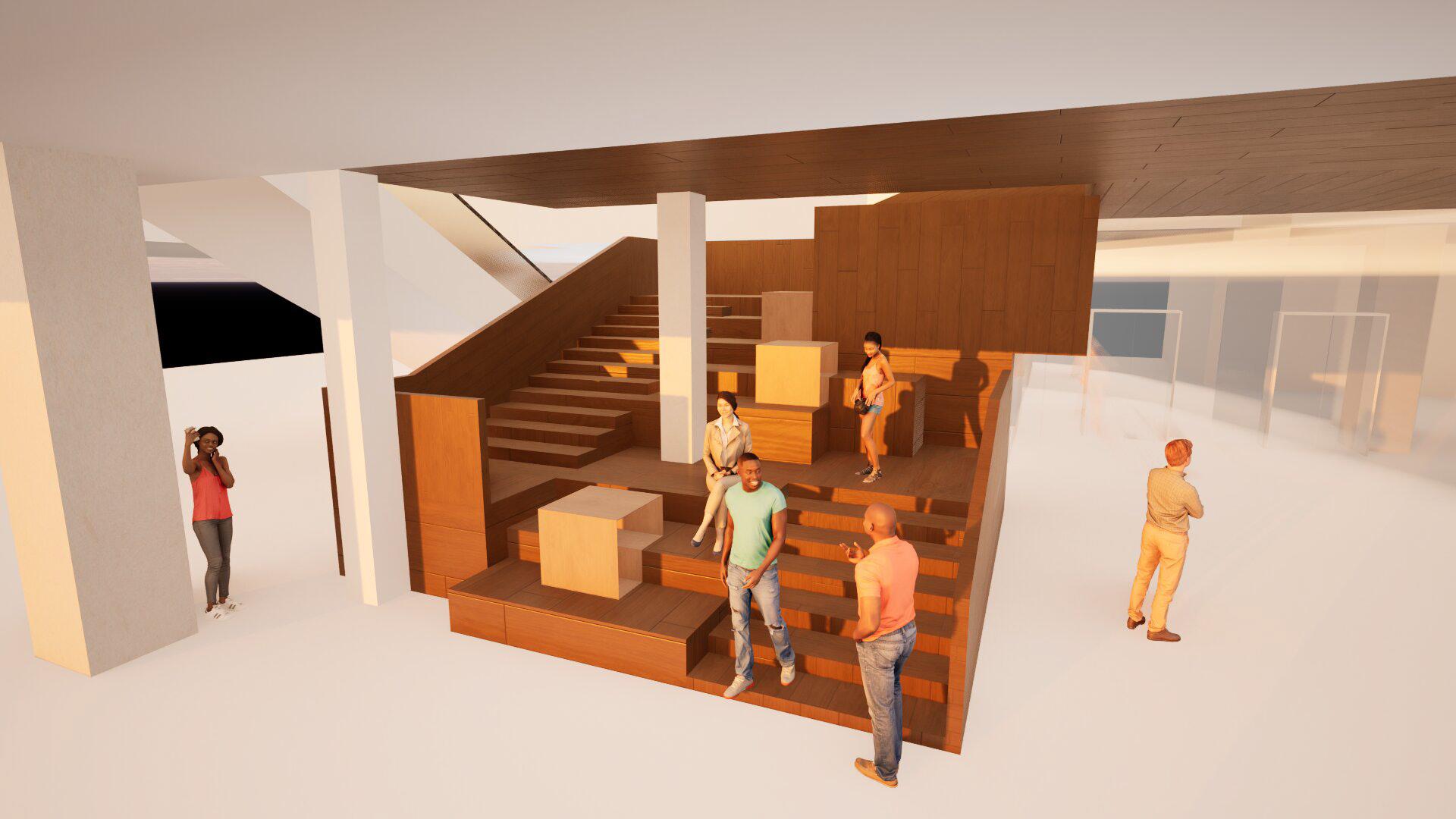
This sectional perspective illustrates how the upper, middle, and lower levels are vertically connected through the shared atrium. The platforms surrounding the central void create a theatre effect — people on the upper levels can look down toward the performance stage below, while those in the basement can look upward, fostering visual interaction and spatial engagement. This vertical relationship activates the transportation hub, transforming it into a vibrant, multifunctional center.
Earth - MomentsMoments
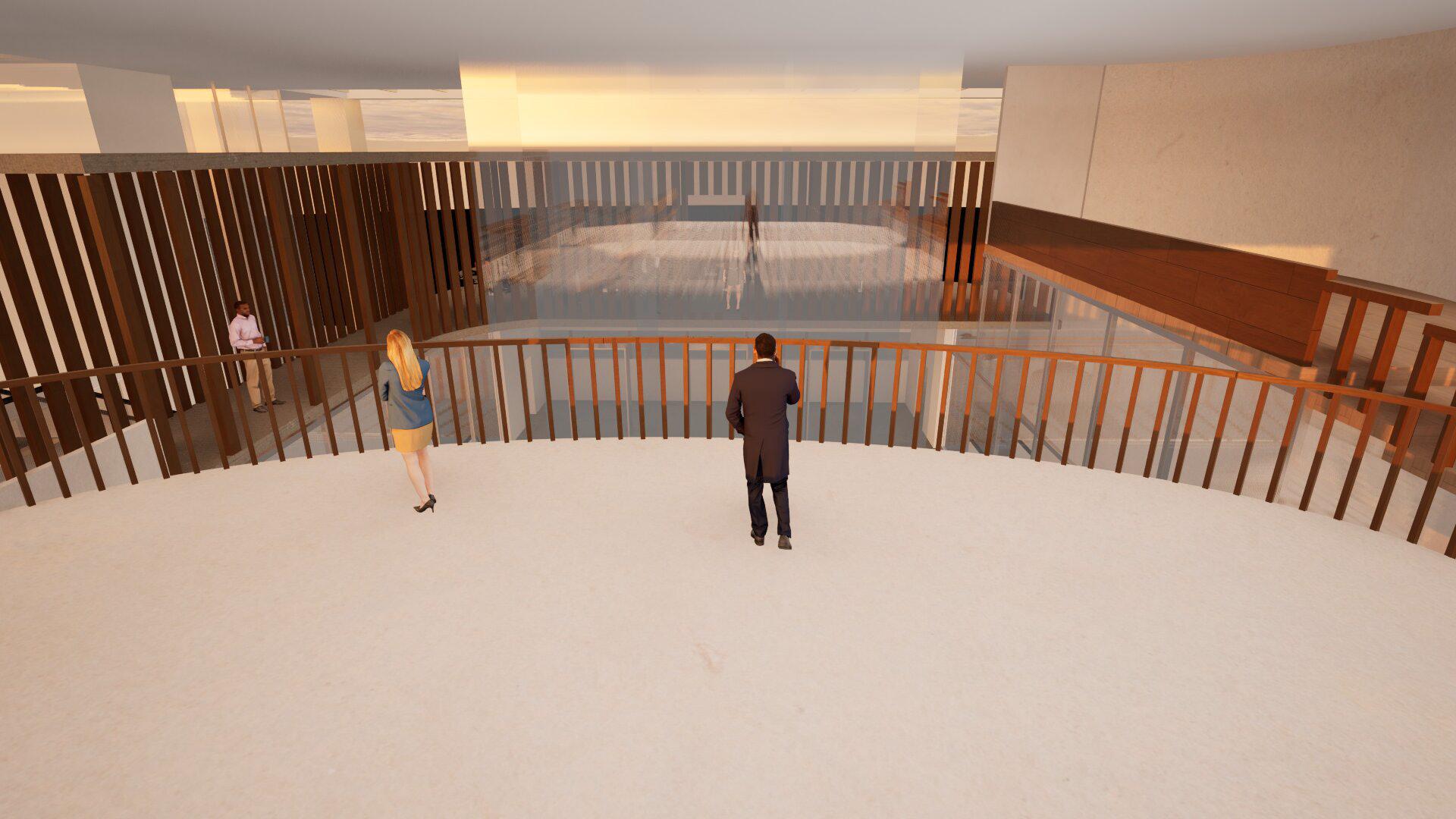
Visitors can look down from the platform to observe the activity below, or spend time in the reading corner, enriching their minds through quiet moments with a book.
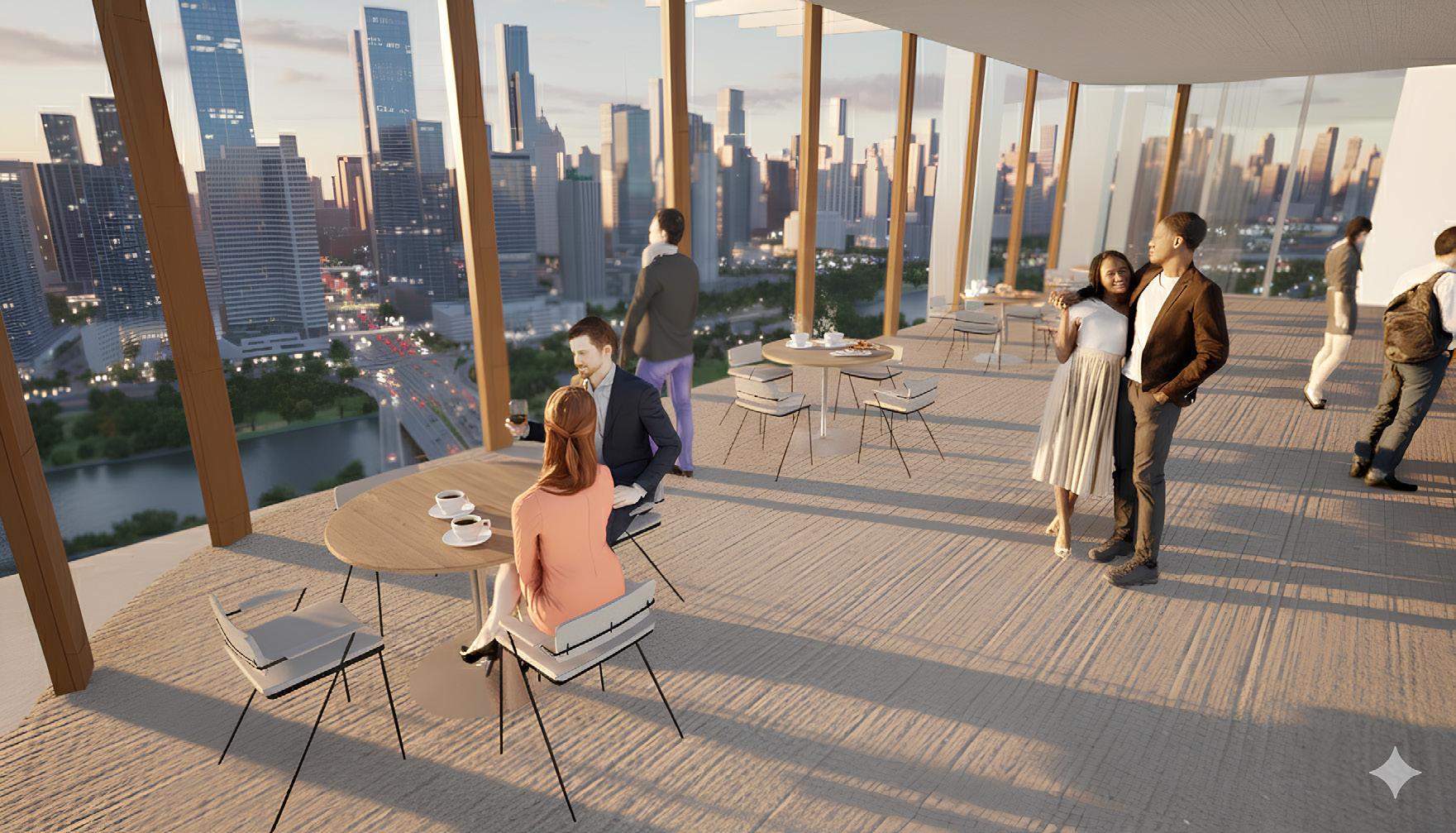
People can enjoy delicious drinks and meals in the
easily accessible, just an elevator ride down from the
corner
and
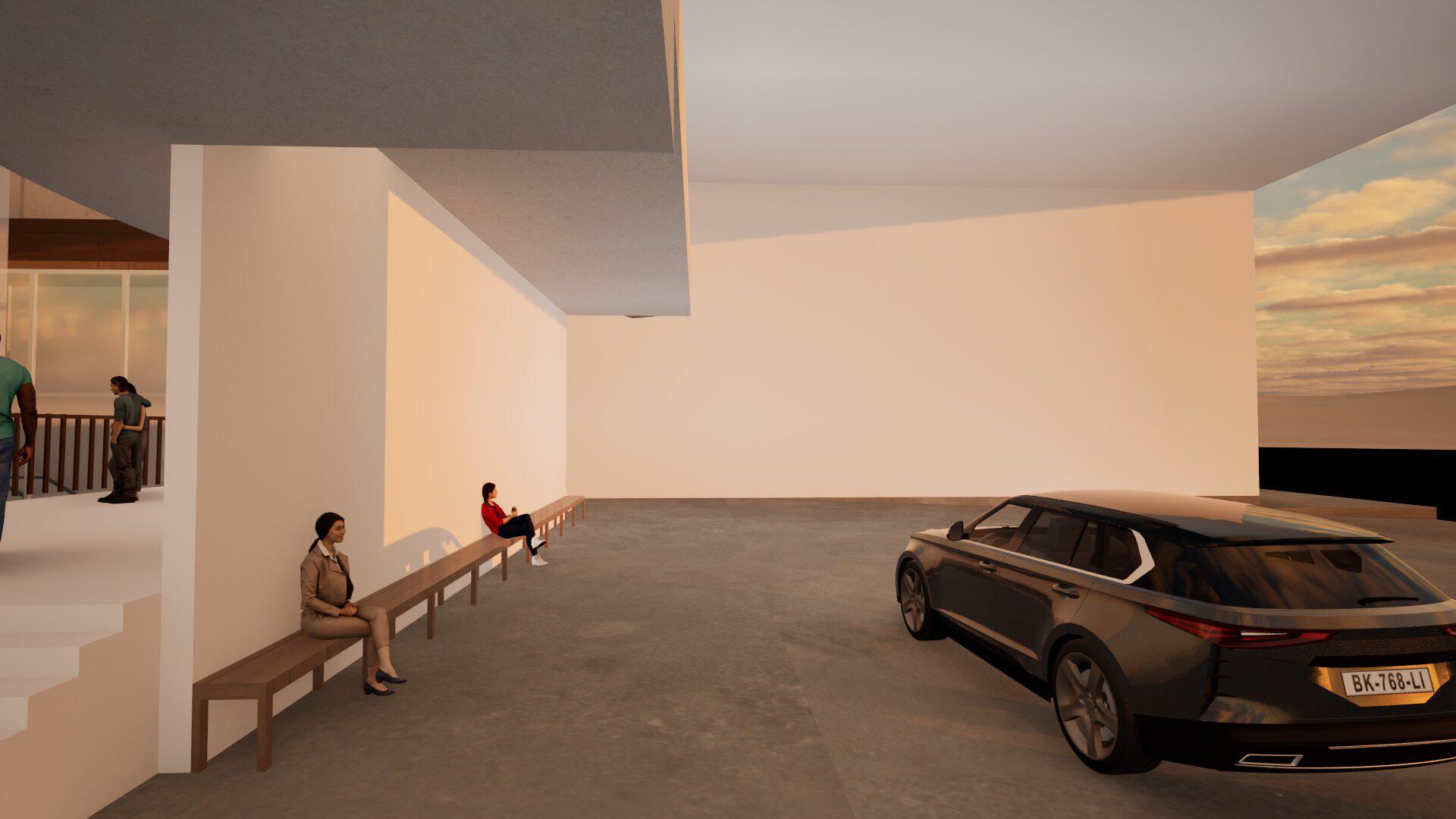
We introduced long benches and a canopy in the drop-off waiting area, providing a place for people to rest while waiting for cars — something that did not exist before.
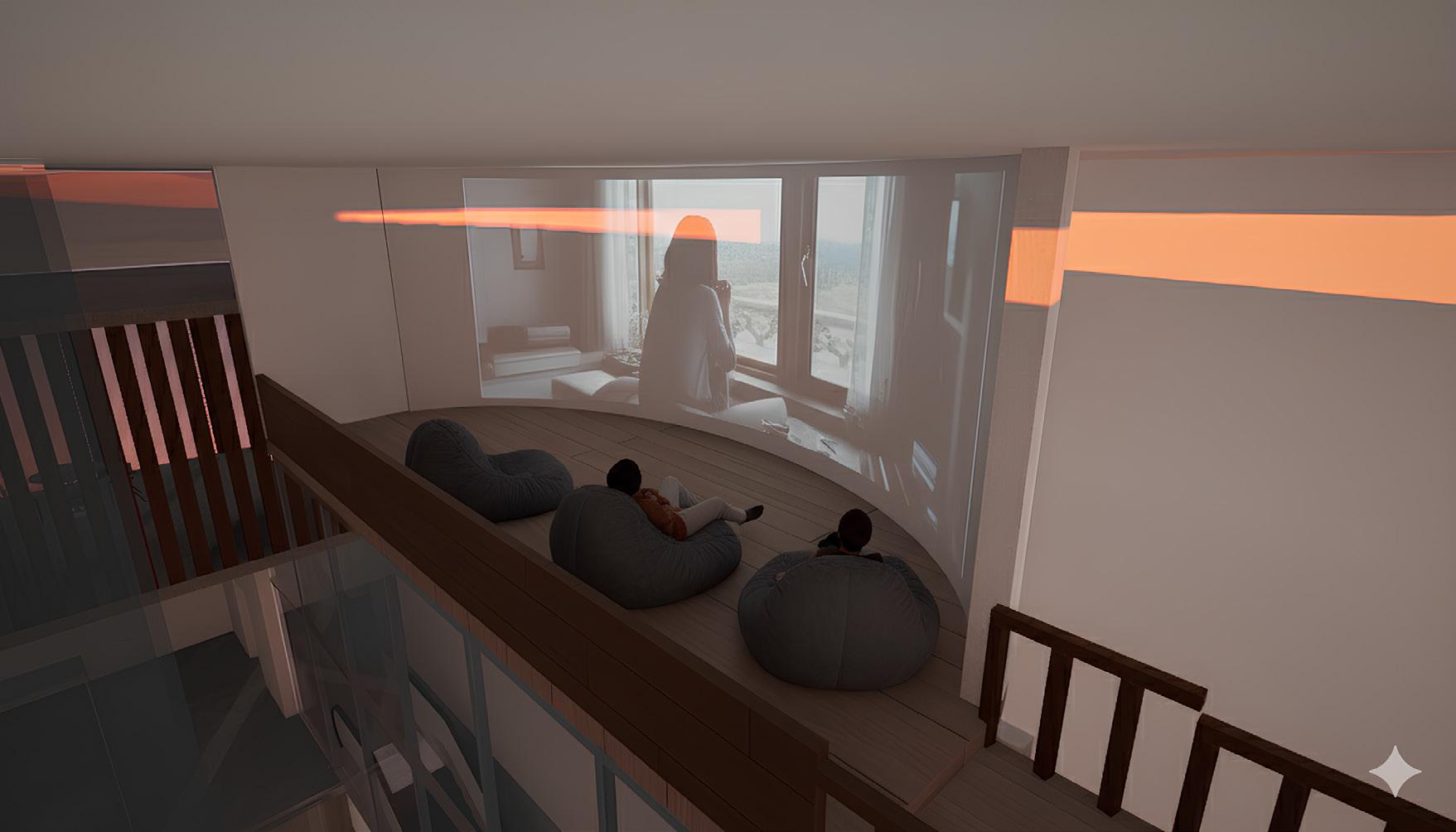
A cozy
of emotional recharge for office workers. After work, with a warm cup of cocoa in hand, sink into a beanbag
watch a short film with friends.
café. It is
offices above.
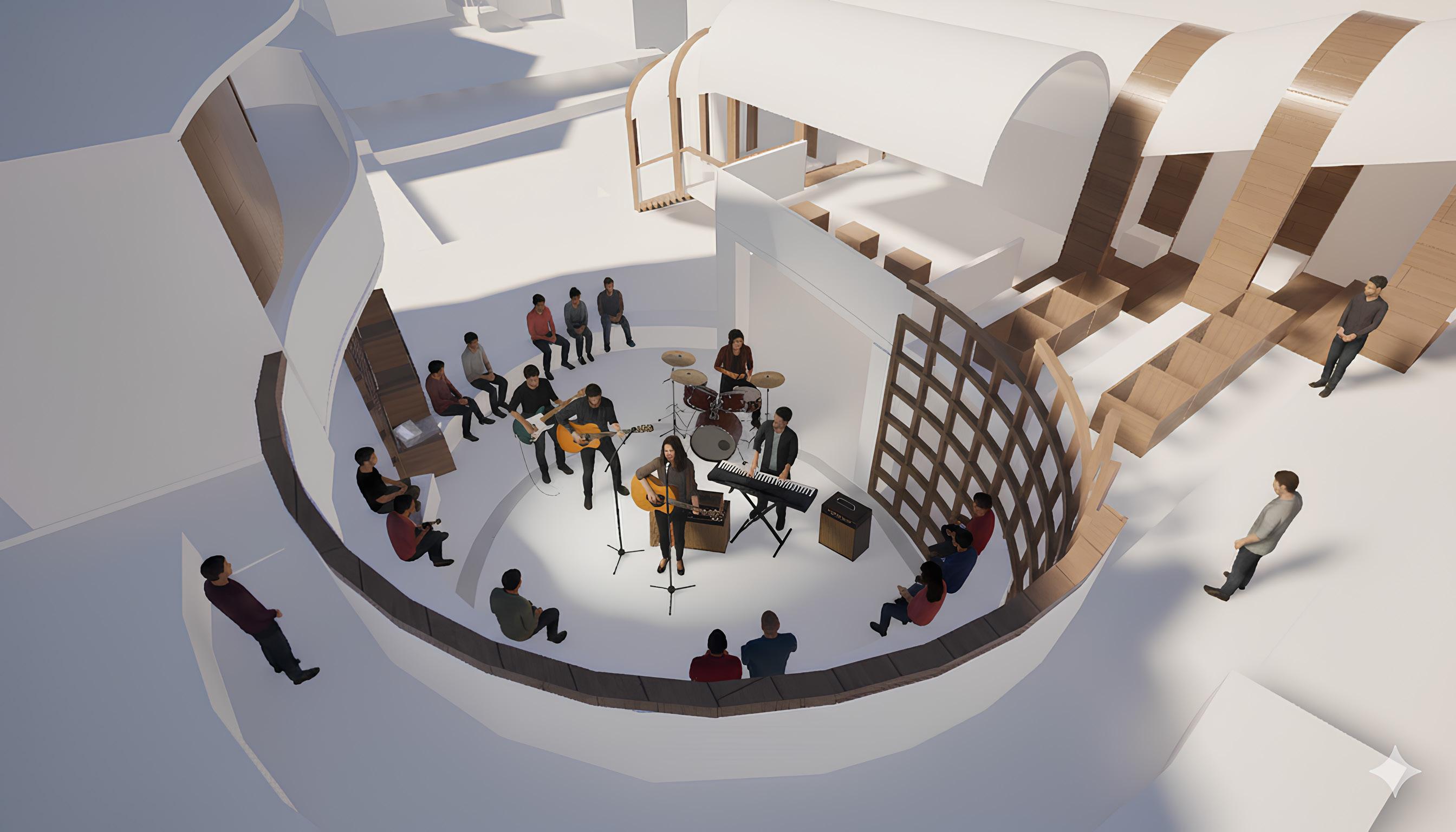
The large steps serve multiple functions. People can watch live band performances here, or simply sit and rest.
The large steps also form a great social area, where people can chat with friends for a moment before heading to the MRT

About Me Ma Jiaming
National University of Singapore
Architecture Undergraduate Year 3 / Junior
I am interested in narrative-driven and experimental architecture that explores spatial storytelling and material possibilities, while engaging with sustainability and everyday life. My work seeks to create spaces that are both sensitive to human experience and environmentally responsive .