
Distributor info and Catalog





CIN had boots on the ground for the two key recent bike trade shows in Asia, and we had reporters lingering in Taiwan and China to tour factories and glean insights into the shape of things to come. It’s definitely a good issue to have in your hands if you enjoy factory tours (nine pages of reportage start on page six), and even better if you enjoy frank analysis from the heart of the cycling world’s manufacturing hubs, with a further four pages beamed direct from Asia.
There’s talk of trends like 32-inch wheels within these pages, for sure, but they also drill down a little deeper. They uncover how some bike component manufacturers are broadening their scope and reaching into other industries where they can apply their manufacturing skills. Why? Because recent years have hammered home how important diversification of income streams is if you want to survive downturns.
They also uncover how sustainability has proven robust, not buckling under economic pressure and continuing to be a focus in the bike trade’s manufacturing hubs, despite what must be a bucketload of temptation to cut corners to postpone green measures.
Maybe one of the big ‘take homes’ from these pages is that there are few companies covered here that have their heads in the sand. Recent economic hardship has laboured the point that companies must be innovative (not just in the sense of product) and nimble. As one of our reporters puts it: “What remains from our factory tour is the picture of an industry that doesn’t wait out the crisis but actively works through it”. With competition fierce, and consumer cash generally hard to extract these days, and an evolving retail scene, there’s little choice but to “work through it” and ensure you’re well placed for the future. There’s a neat – and blunt – cycling adage that fits that thinking... keep pedalling or fall off.


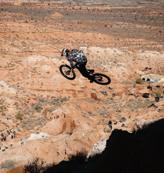
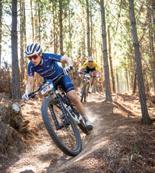
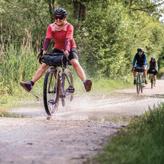
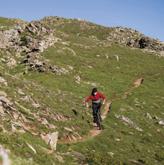

Revealing what kind of things customers are heading to their local bike shop to talk about is something akin to gold dust for the bicycle trade… we discuss exactly that in our latest extract from the CIN Market Data project…
Road tubeless
MTB tubeless
Discussions about eBike/battery �res
Participation in group rides or clubs
Women’s cycling engagement
Interest in shop events
Cargo bike interest for personal use
As a publication, we wrestle a bit with new technology and innovation. On one hand, new tech is exciting, something to talk about, can provide a competitive edge and – crucially –something that drives sales. On the other, technology can be baffling and make the first steps for beginners seem discouragingly large, which is unhelpful when you’re aiming to grow your market. Quite the conundrum.
What does seem pretty clear is that new technology requires education and the expert bike shop is well placed to provide this. How that balances with maybe younger customers who are happy to be educated by online individuals, is the kind of issue that really should be on the radar of the industry. Shops moving into that online educator role to ensure they continue to fulfil that role might become more important as time goes on and newer generations are deciding where to spend their cycling cash.
But enough preamble – what are the trends that are in ascendancy with customers stepping into bike shops right now? Once again, tubeless technology figures highly. MTB tubeless was picked out by 34% of shops taking part in the CIN Market Data survey, while road tubeless was identified
by 38% of dealers, both clearly the biggest trends identified. Tubeless has been with us for some time, but it’s continuing to drive customer conversation and – presumably – footfall unlike it seems any other, so if your shop has room to develop its tubeless offering, surely that’s an area to explore. Less positively, one of the other larger trends cropping up in bike shops was discussions about eBike battery fires (27%). It’s a reminder for the trade and industry at large that there’s no sense in resting on our collective laurels about hammering home the eBike Positive message and how reputable eBike dealers and brands are the way forward.
Participation in group rides or clubs also factored highly, with 26% of respondents reporting it to continue to be a big conversation drivers in shops. Something your shop could work on? Another one to mull over…
The 2026 CIN Market Data will be available shortly, sent freeof-charge to all survey participants and, for everyone else, available to purchase. Contact: jon@cyclingindustry.news for more details.
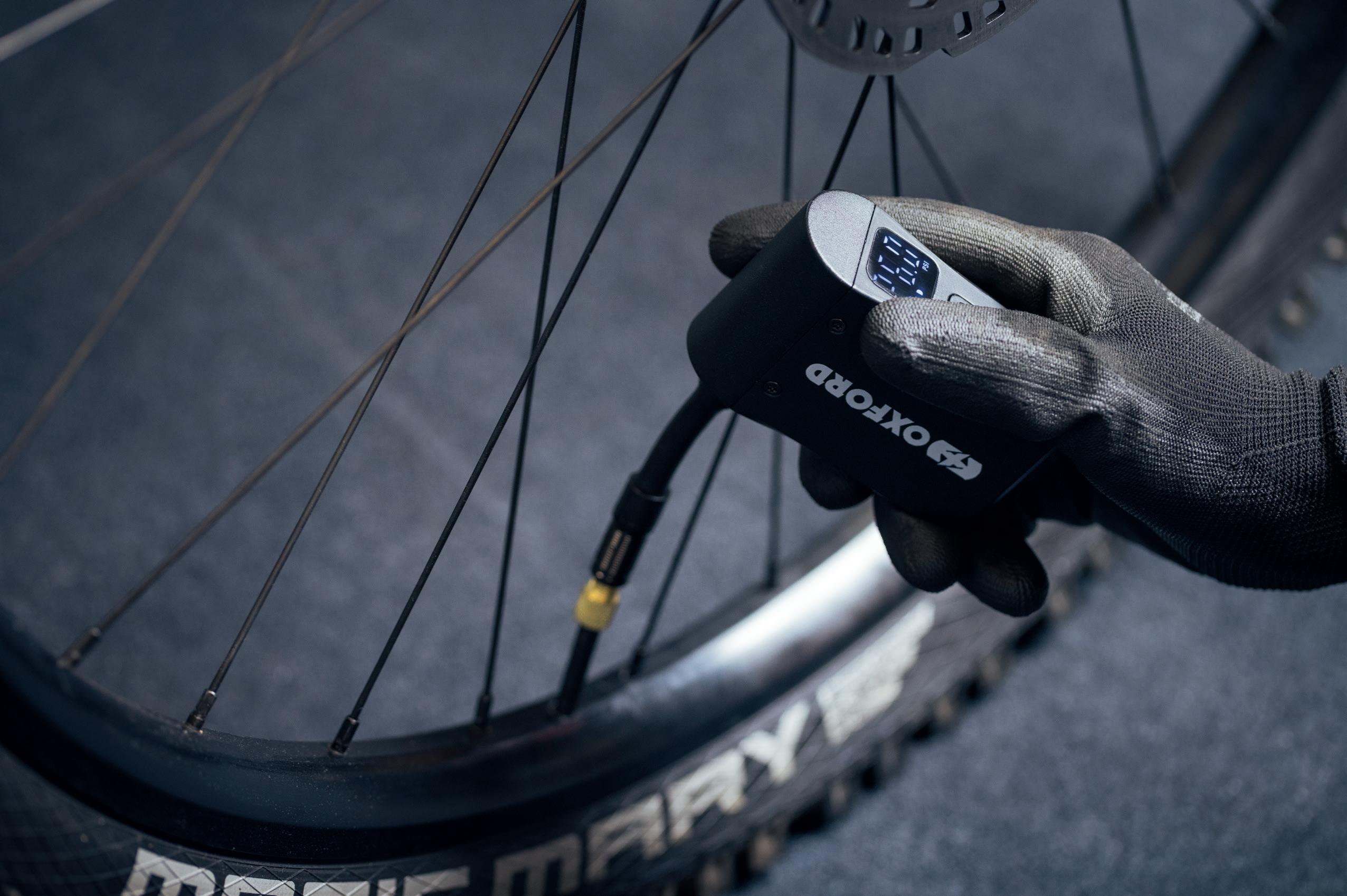
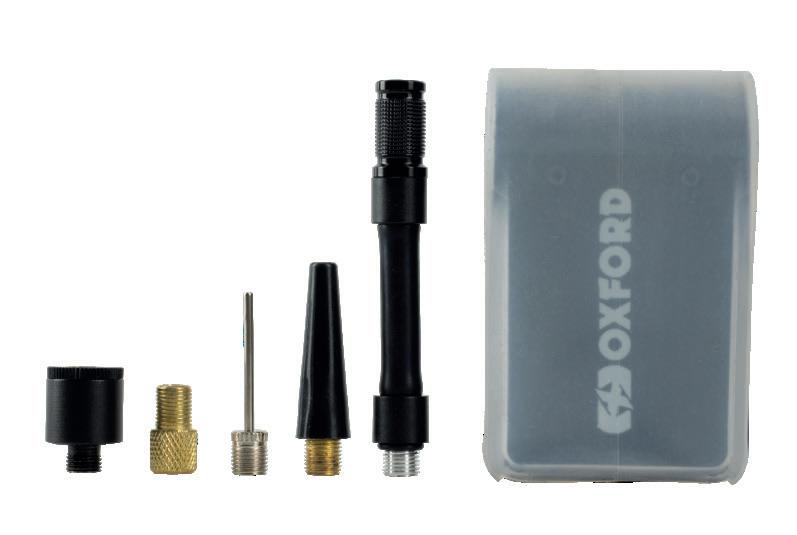
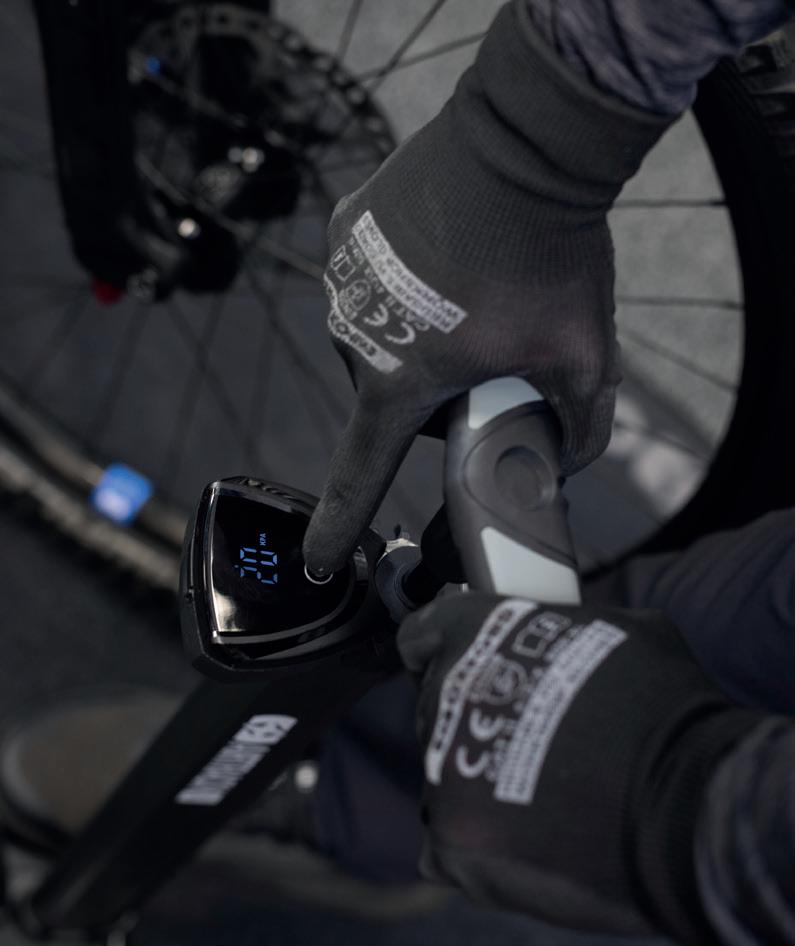
The NanoJet delivers quick and easy inflation of Presta, Schrader & Clik tyre valves and other small inflatables.
Due to its compact size and robust design it is easy to store away so you can take it with you anywhere. The backlit digital screen makes it easy to set the tyre pressure and the inflator has a digital auto stop feature that will automatically stop inflating the tyre when the desired pressure is reached.
RRP £59.99
ALSO AVAILABLE:
FLOOR PUMP WITH INTEGRATED AIR CHAMBER
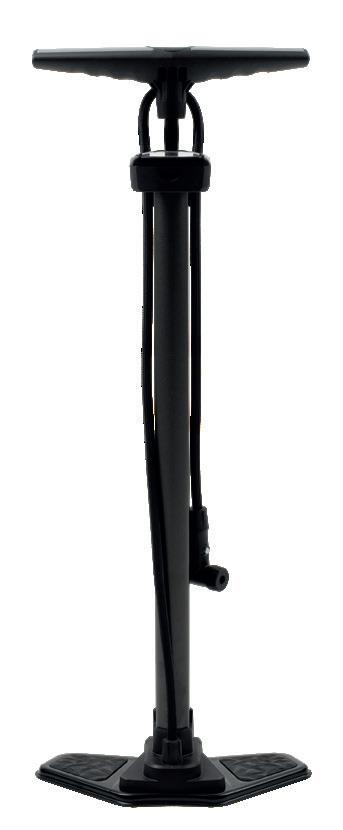
Inflating and seating tubeless tyres is now an easy task with the Airtrack TL.
An integrated air chamber that can be charged with up to 200PSI to quickly inflate a tyre for proper installation on a tubeless rim. The valve head incorporates a lever to switch between ‘charge’ and ‘inflation‘ so you can choose to use the pump as a conventional pump for topping up pressure or other applications.
RRP £54.99
FIND OUT MORE:
J&G Tianjin Factory
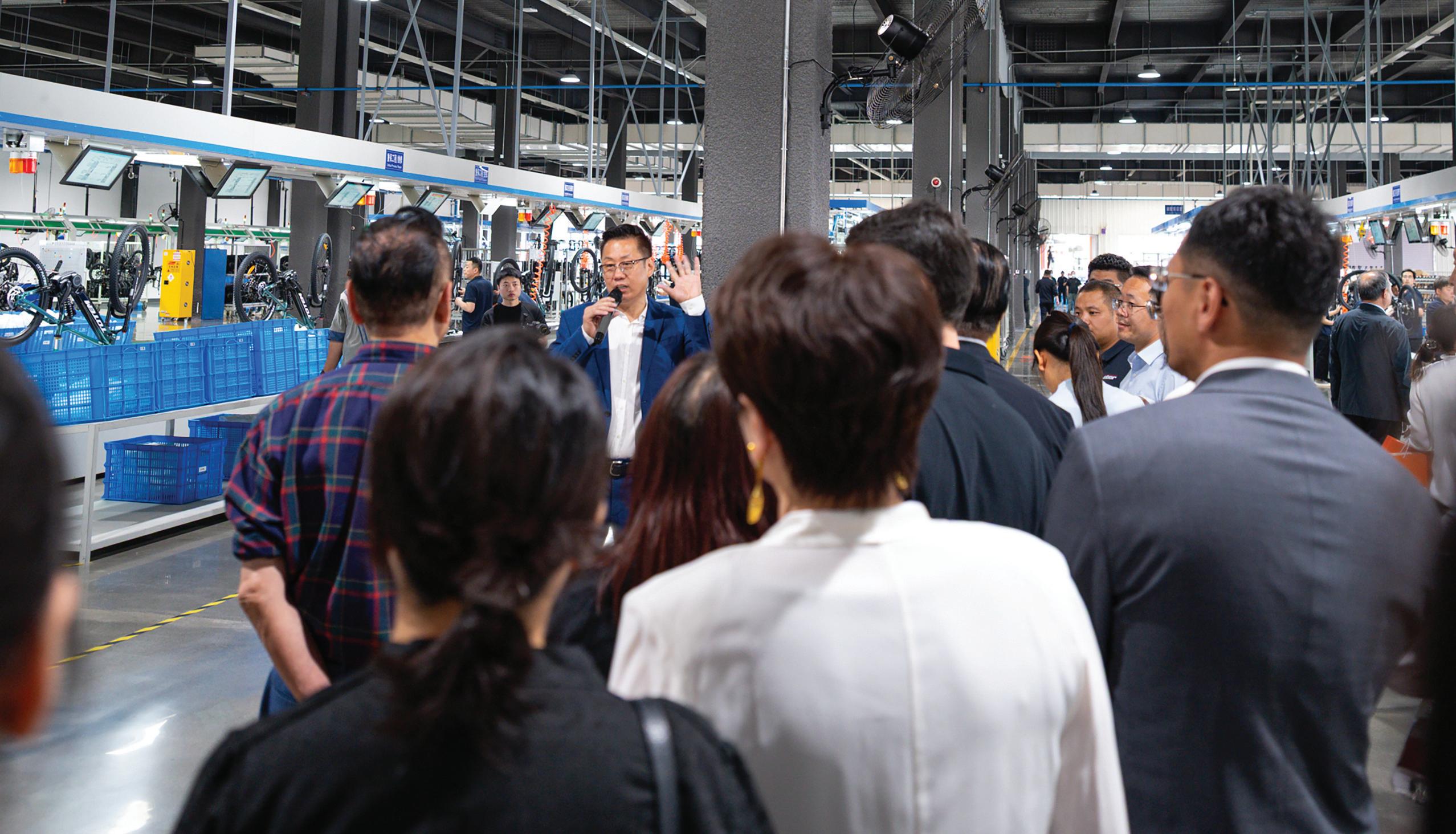
Reporting for CIN, Chris Keller Jackson returns to this purpose-built mega bicycle factory to see it in operation, producing everything from kids bikes to thoroughbred UCI-badged road frames. Featuring cutting edge processes all under one roof, could this be one of the world’s most advanced bicycle factories? We take a look inside…
Isaw GoldenWheel this time last year as they launched a Joint Venture with Dahon to manufacture some of their folding bike range. Alongside this, GoldenWheel also showcased a brand new ‘Mega Factory’ that was still to be populated with robots and automation, it was empty but the opportunity was exciting.
You may remember that I wished to see the ‘Mega Factory’ in production. I was invited to the official launch at the facility in Tianjin on Saturday 9 May 2026.
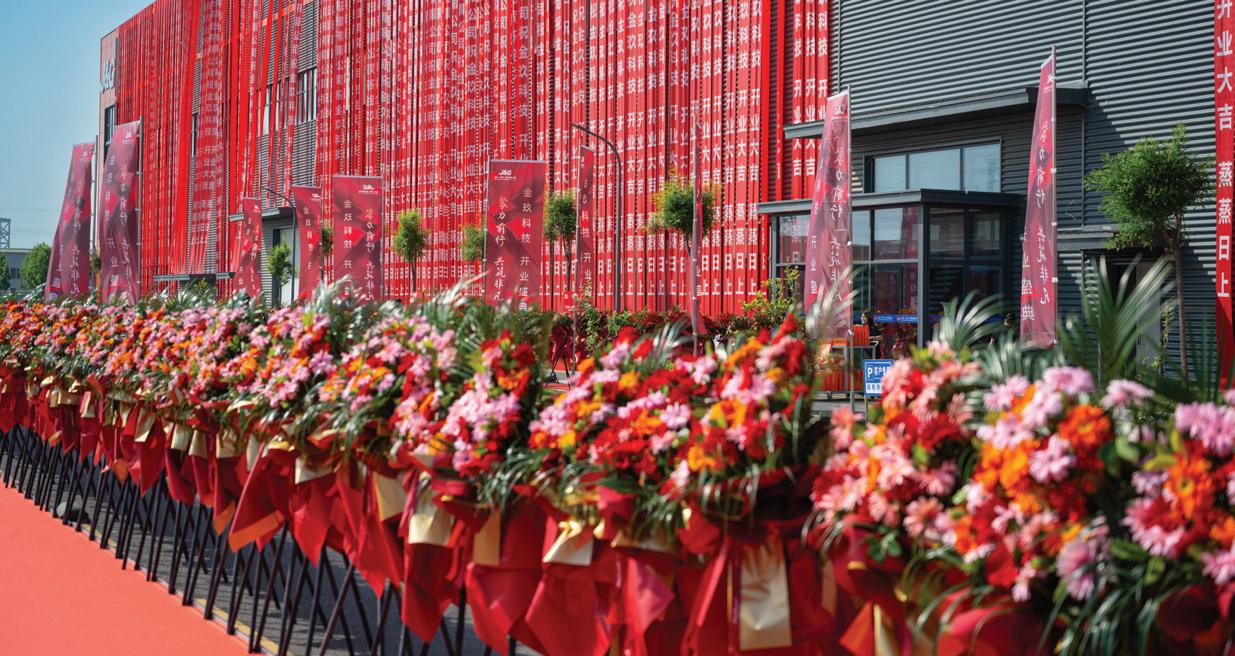
I was already in China, attending China Cycle, the biggest cycle trade event on the planet, and those planets must have aligned because, here I am, sat outside that Mega Factory, suited and booted in 30 degree heat with over 1,000 of the global bike industries great and good (plus myself), witnessing the grand and very opulent opening of this facility.
“THIS NEW FACTORY BLENDS TRADITIONAL HAND CRAFTED WORKMANSHIP, LOW COST LOCAL LABOUR, CUTTING EDGE CARBON FIBRE AND ROBOT FABRICATION...”
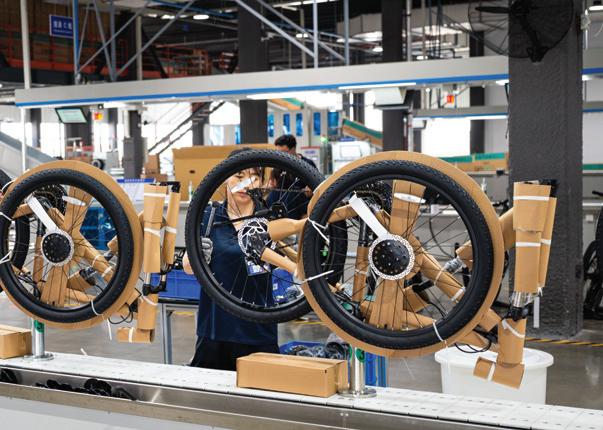
It’s not GoldenWheel though, all the signage says ‘J&G’, with banners hung down from the roof to the floor of the facility, with messages of congratulation from suppliers, customers and industry friends, all in Chinese. These massive red and gold banners wafted gently in the breeze, with regal pomp and circumstance music, ceremonial (and very loud) cannons and lots of flower garlands. This feels very Communist China, almost more like a USSR May Day Parade, minus the ICBMs and heavy tanks, thankfully this is hinterland China, sat behind and serviced by its major port infrastructure, in a newly developed business park.
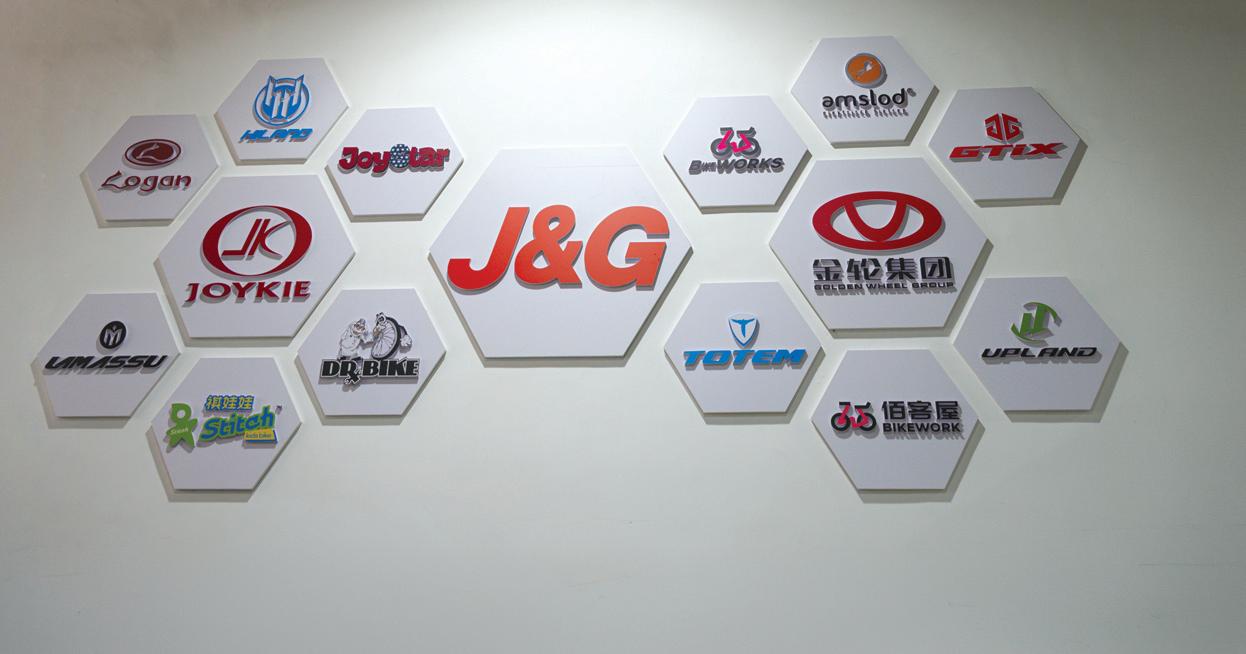
J&G (Tianjin) Technology Co., LTD or J&G is a collaborative Joint Venture between Joy Kie Corporation Limited and GoldenWheel Group, taking the premises built for GoldenWheel and now making a range of bikes, from the
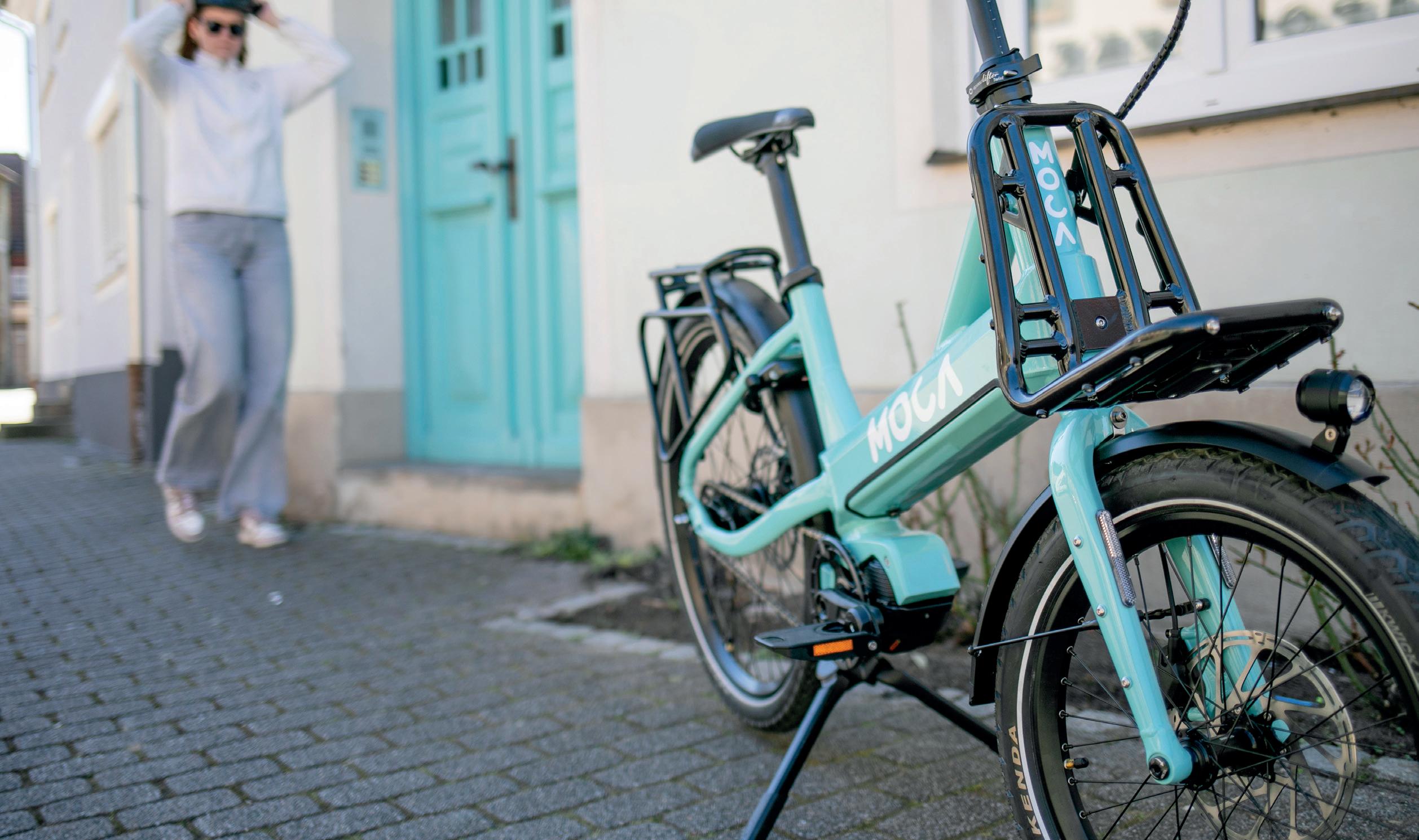


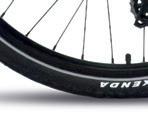


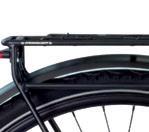
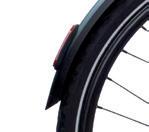
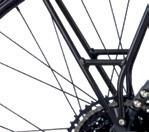




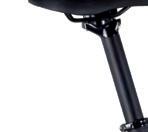

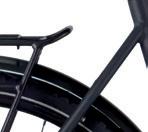



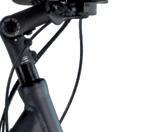
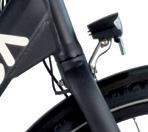
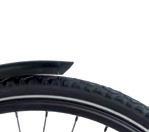



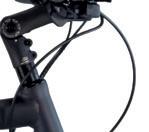

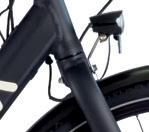
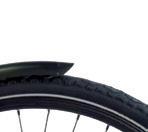

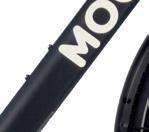




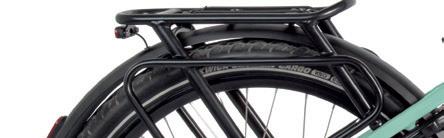
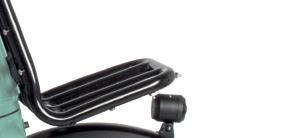
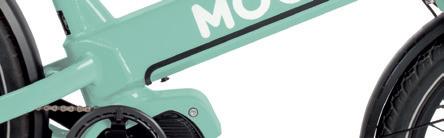
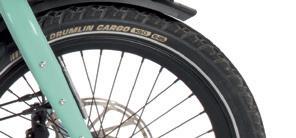
E-hybrid and compact E-cargo models designed to meet growing demand from city commuters and utility riders
Strong margins supported by a wide range of high-value accessories.
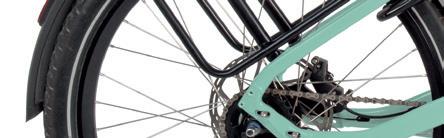
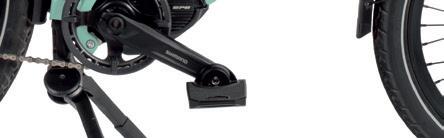
Bafang & Shimano Components, with full service and warranty with backup and spares in the UK.





EXCLUSIVELY DISTRIBUTED IN THE UK BY
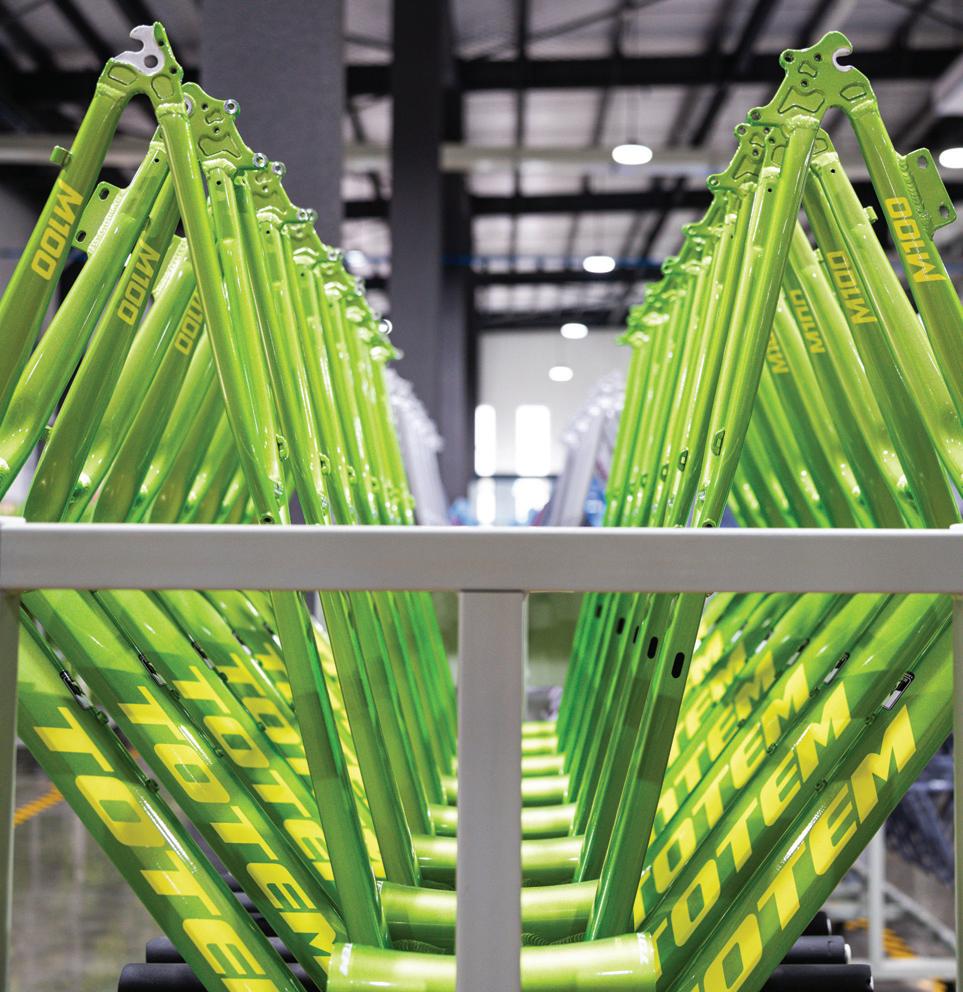
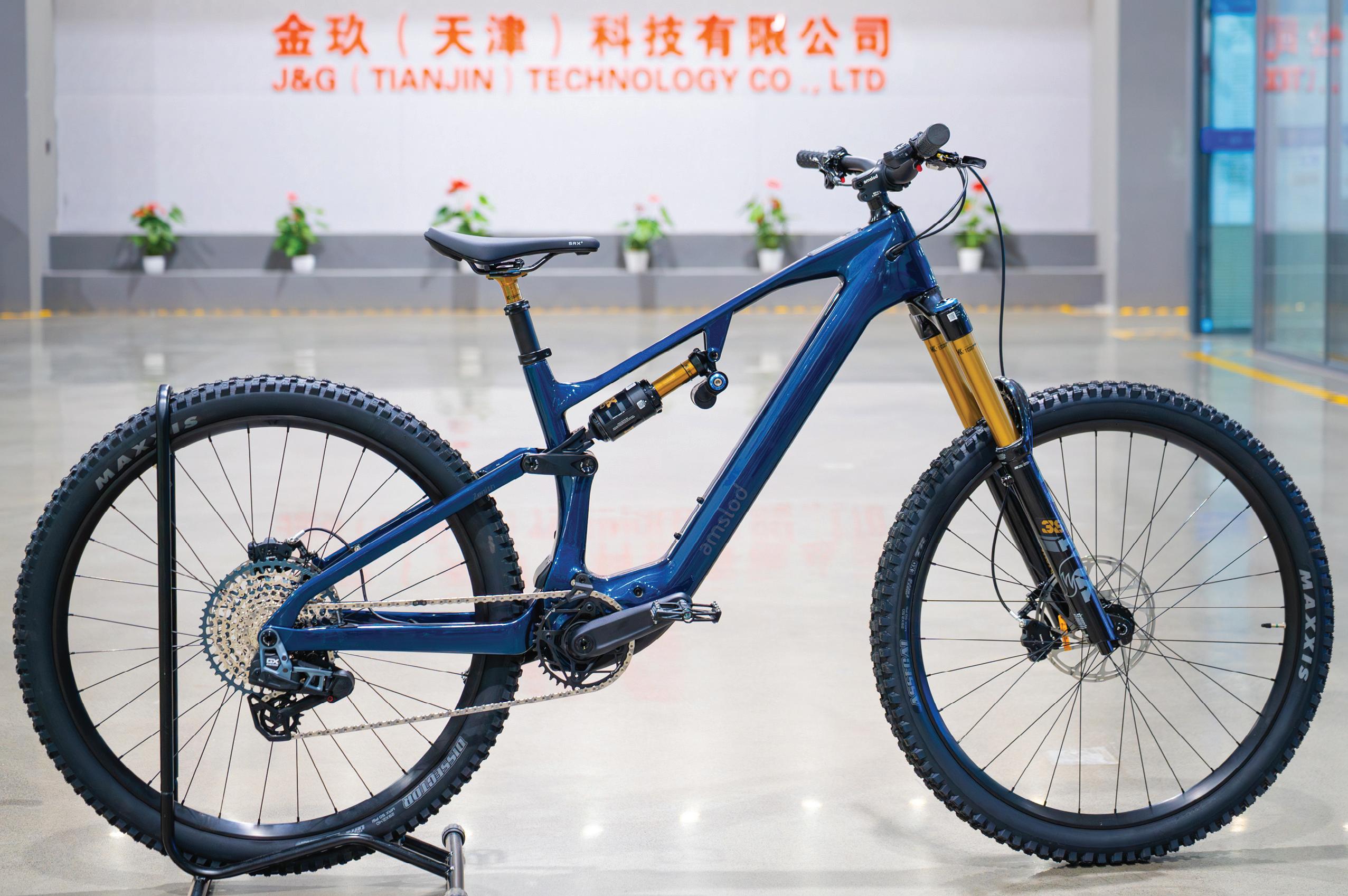
more economic Joykie range (much of it children and youth-focused) through to thoroughbred badge engineered UCI stickered road frames – more the GoldenWheel focus, along with Totem, Uplands, Amslod and a plethora of well known names under the ‘Bike Work’ banner. You can see who they make for with a quick Google – it’s eye opening.
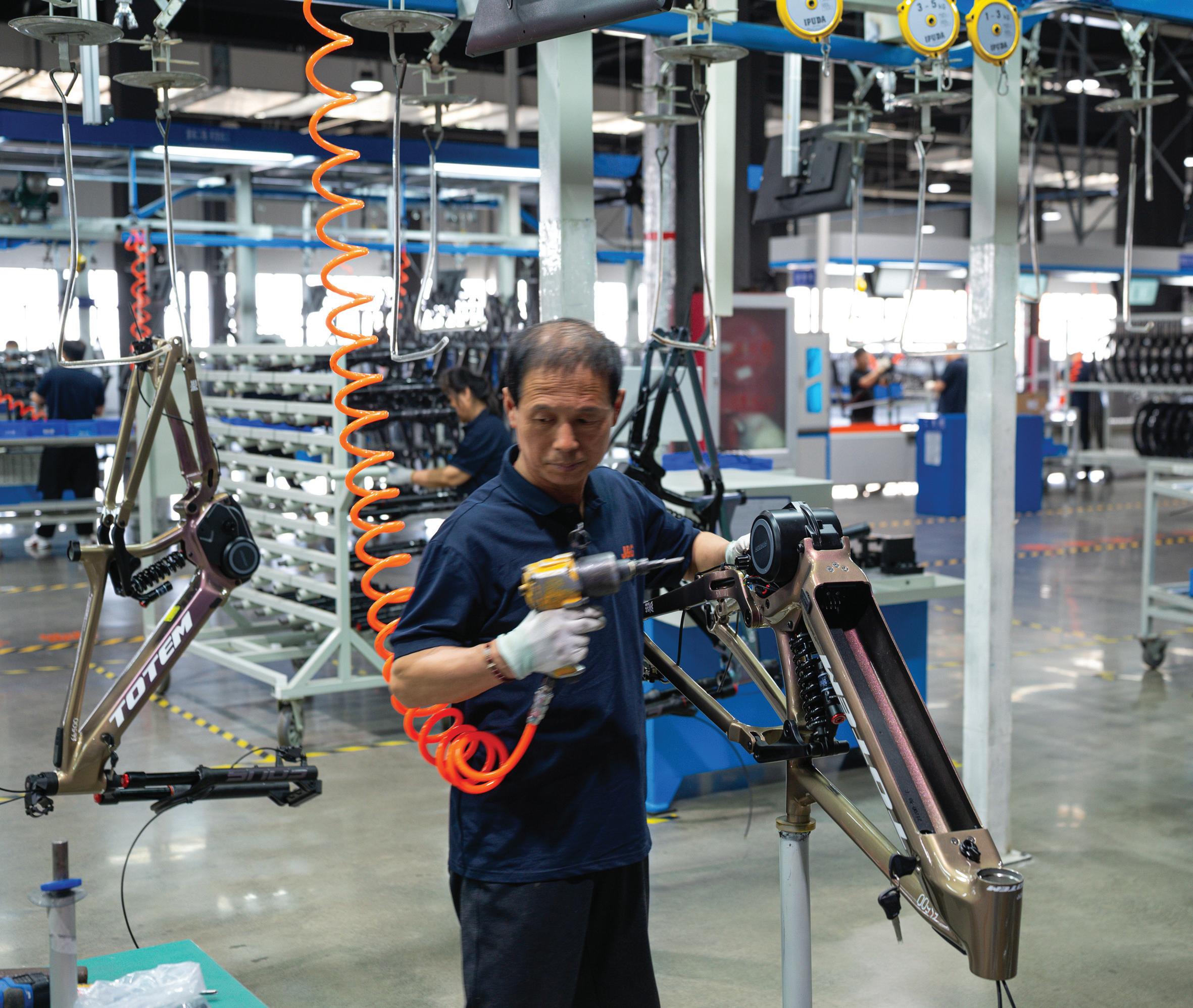
This new factory blends traditional hand crafted workmanship, low cost local labour, cutting edge carbon fibre and robot fabrication with eco-friendly finishing shops and complexed ERP software fused with a modern take on the Toyota Production System. It was very satisfying to see what has been achieved in fitting out and developing this facility.
Let’s break down what GoldenWheel promised last year and compare to reality.
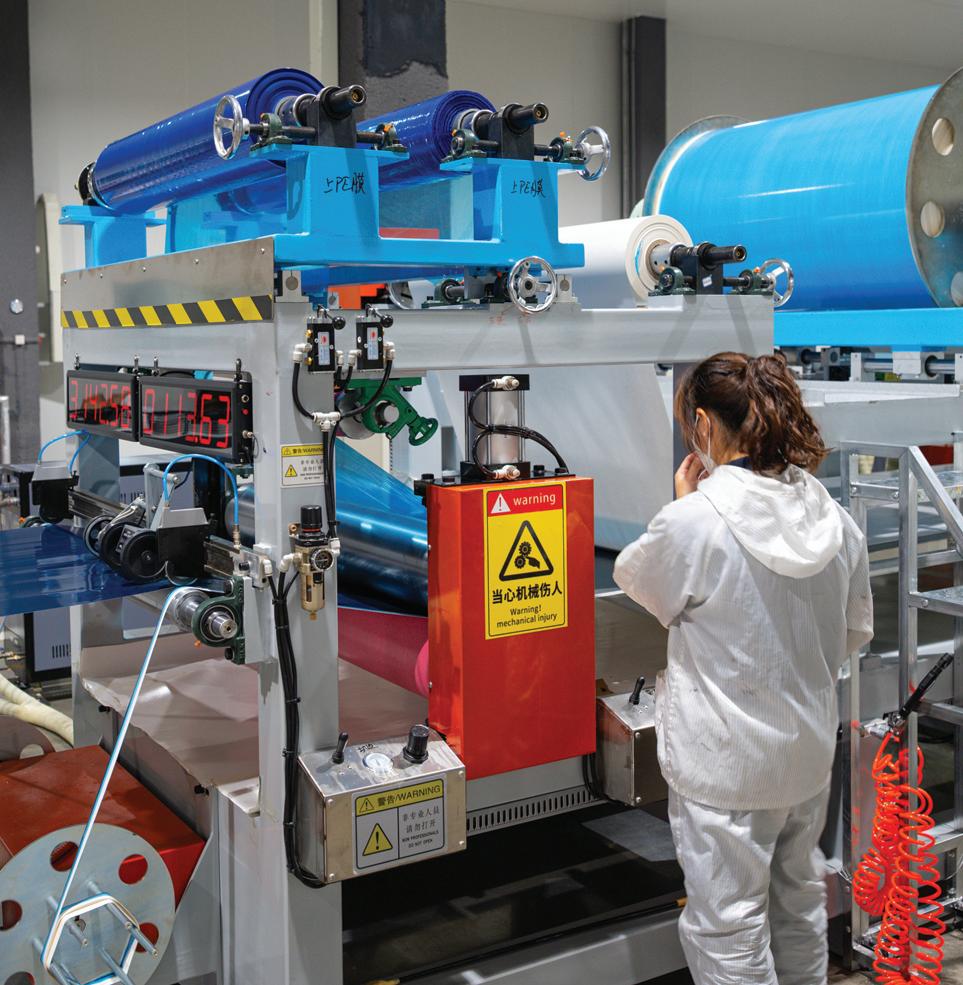
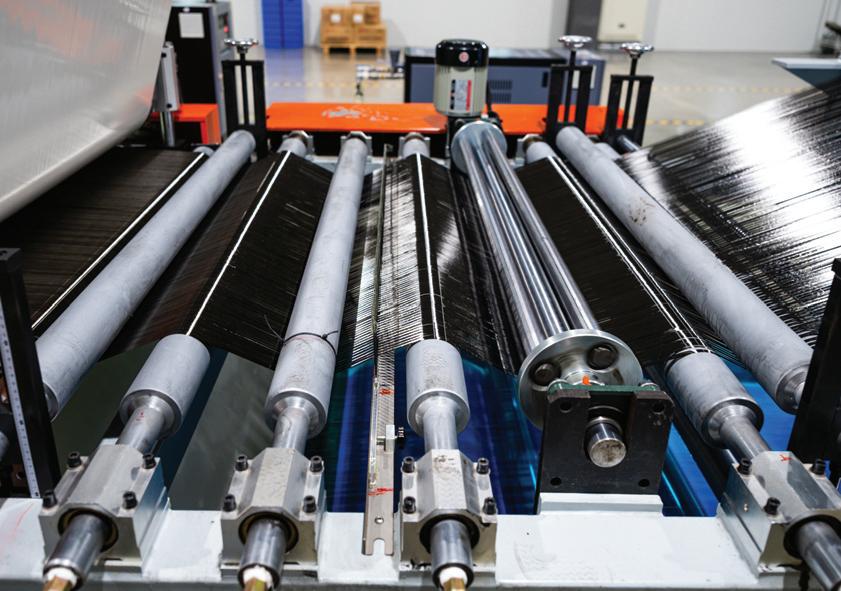
Carbon Weaving – last year I clocked three weaving machines still wrapped in plastic, purported to take raw Toray Carbon Fibre bobbins and weave them into carbon textiles. The reality? This
was their shining star, a carefully sealed and beautifully choreographed production room with racks of raw carbon bobbins, feeding into one long loom and sets of rollers. with a wide reel of woven carbon fibre matting as the output. There was a second production line facing this, with room to add two more looms next to these, as time and the need arrives. This is cutting edge manufacturing, with the benefit that the factory can selfmanage carbon substrate quality.
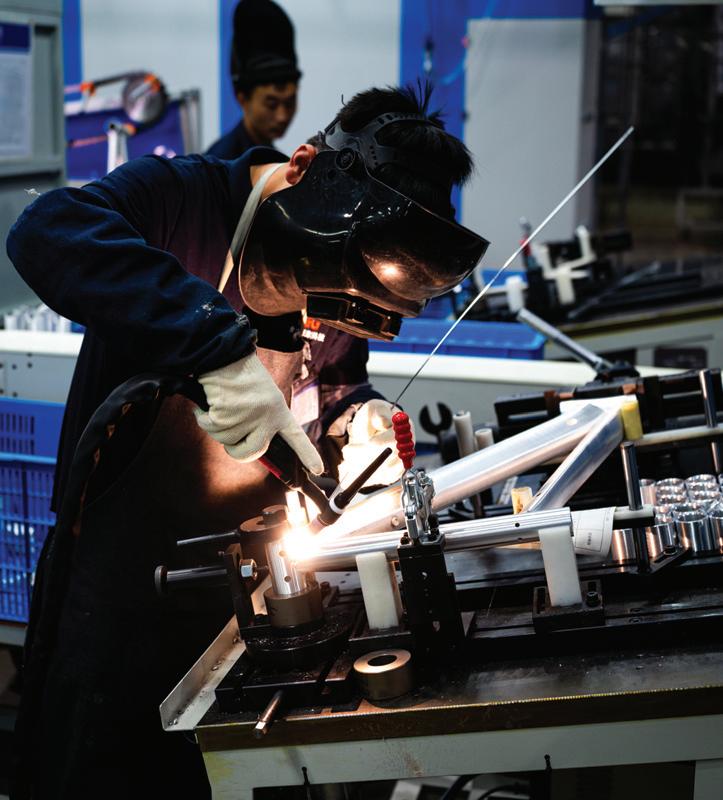
We were also promised Robot Frame Welding, and saw the dormant machinery last year, looking somewhat forlorn. Cellular Manufacture is a big part of the Toyota Production System (TPS) utilised throughout China and the Far East, a production methodology and philosophy where each station in the production line does one specific set of tasks, bringing order and control to production.
In the case of frame welding, an operator places the parts into a jig, carefully taking the frame components

and aligning them. When ready, a screen comes down to shield the operator and a specialist robot arm takes over, welding the tube junctions. The results are beautiful, noisy and a well choreographed waltz around the alloy tubes. Whilst the robot is doing this, the operator is setting the next frame into a replacement jig. Two operators feed the robot, one at a time to maximise throughput. This is a compact machine that maximises floor space and time on task for all involved, a wonderful blend of human and machine.
Not all frame fabrication is automated however, many of the lower specification frame are hand welded, but even this seems clean, meticulous and well executed. Automation is used where it best benefits production and makes financial sense. The blend of human and automated fabrication is at the core of TPS and shines through in the well lit, clean air workshop.
This fabrication area in particular feels very industrious, lots of people feeding tube stock into machines to
profile the ends, some using robots to aid in the precision tube mitring. Whilst it appears to have been in operation for a while (it’s well bedded in) it’s clean and efficient.
Making carbon fibre fabric is neat and economic, it is nothing without an application though, and we witnessed carbon layup, where sheets of carbon fabric are laser cut, then the fabric parts are wrapped around a former by hand. Over a series of hand finishing activities, we saw handlebars and frames being laid up, then placed onto stillages for later curing. Layup is such a manual task, where correct application and quality is vital to ensure a good finish. With a raw carbon finish there is nowhere to hide, no filler in sight nor pots of resin to seal voids. We also saw several moulds, most of which are made in-house in the mould shop.
So far, everything has been incredibly comfortable, with a clean-room feel, acceptable heat and a relatively benign environment. Moving on to the curing room, everything changes. This
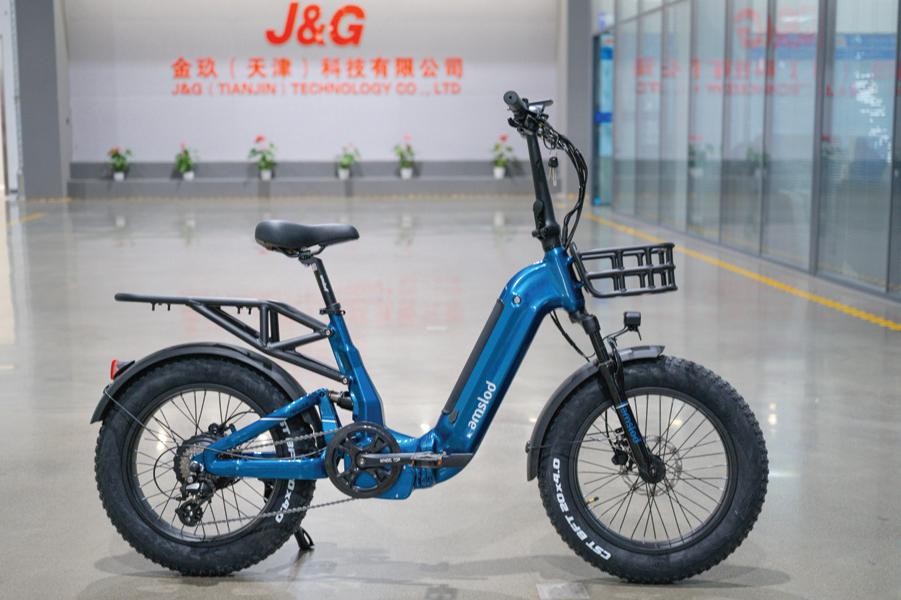
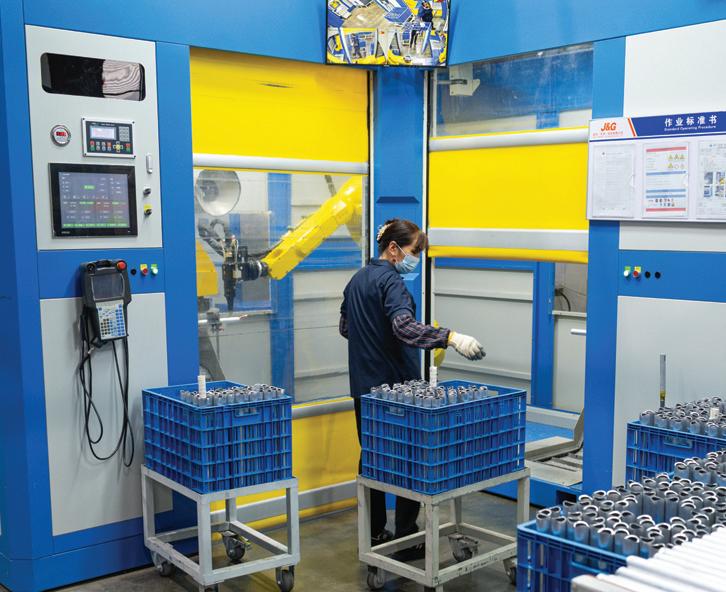
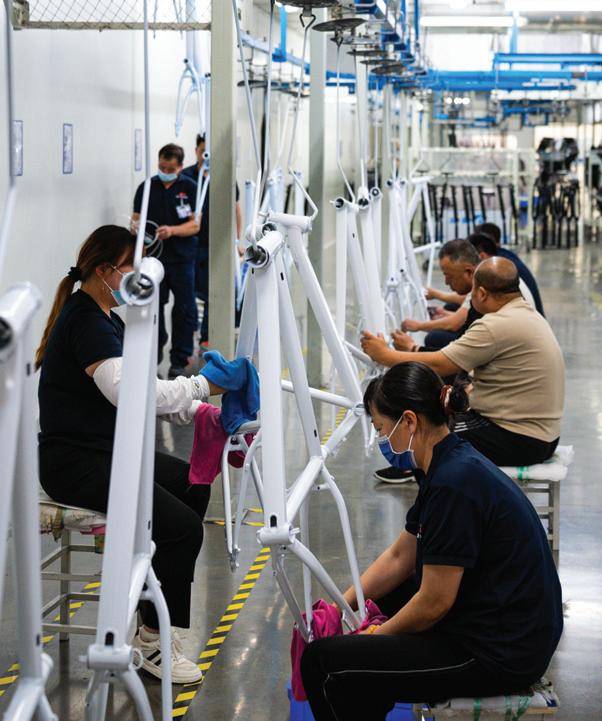
part of the facility is where carbon weave is fused together, using heat and pressure to bond the fabric to the resin that forms part of the ‘prepreg’ resin impregnated carbon fabric. This is far more intense, hot, heavy, industrial, oily, manual, noisy and with lots of hammering and a distinct pressure and manufacturing smell in the air. It’s alchemy, turning a fabric, wrapped around a former into a solid shape capable of bearing a riders weight with compliance, flex and support. It’s material science at its finest, and as with all transformational processes like this, it’s heavy and hot.
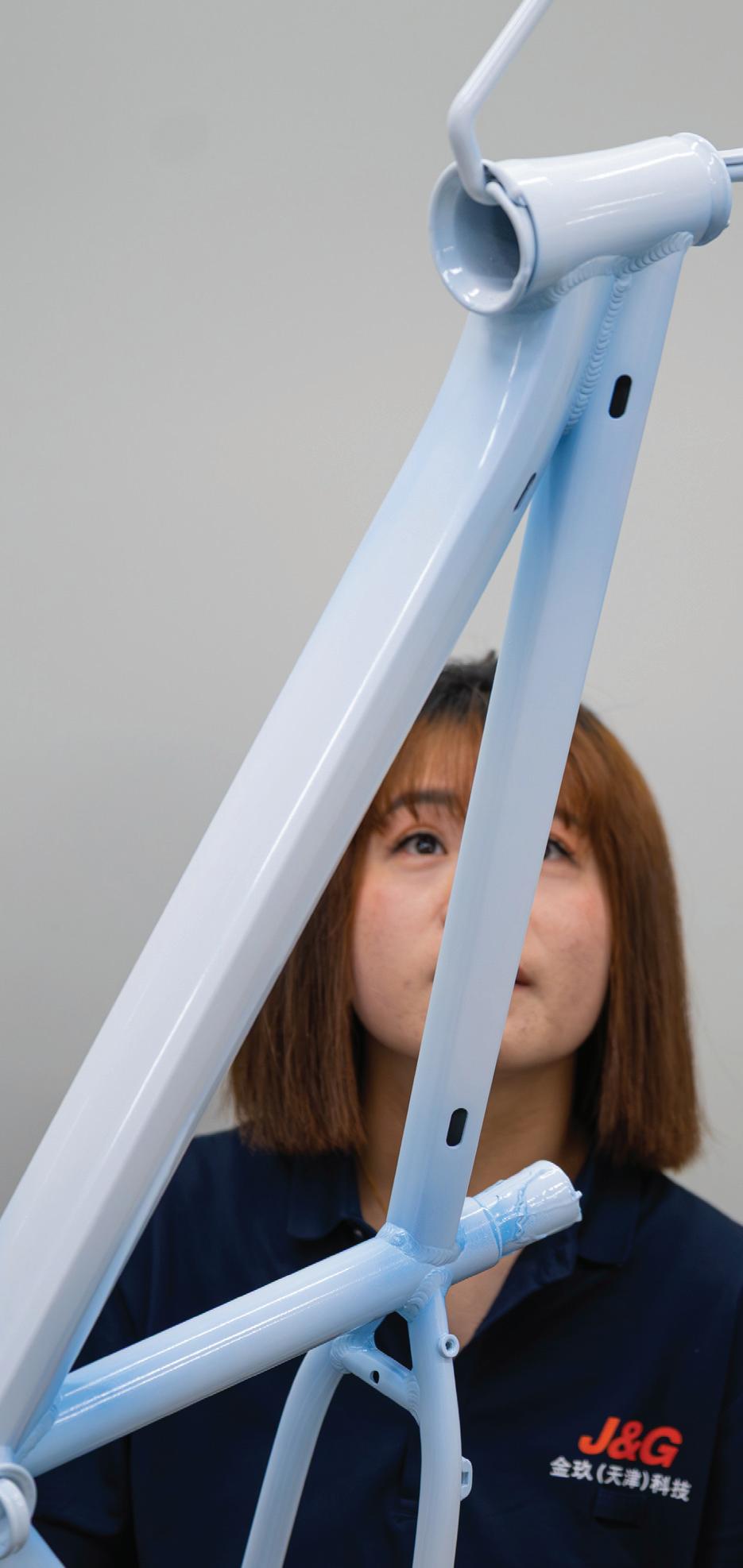
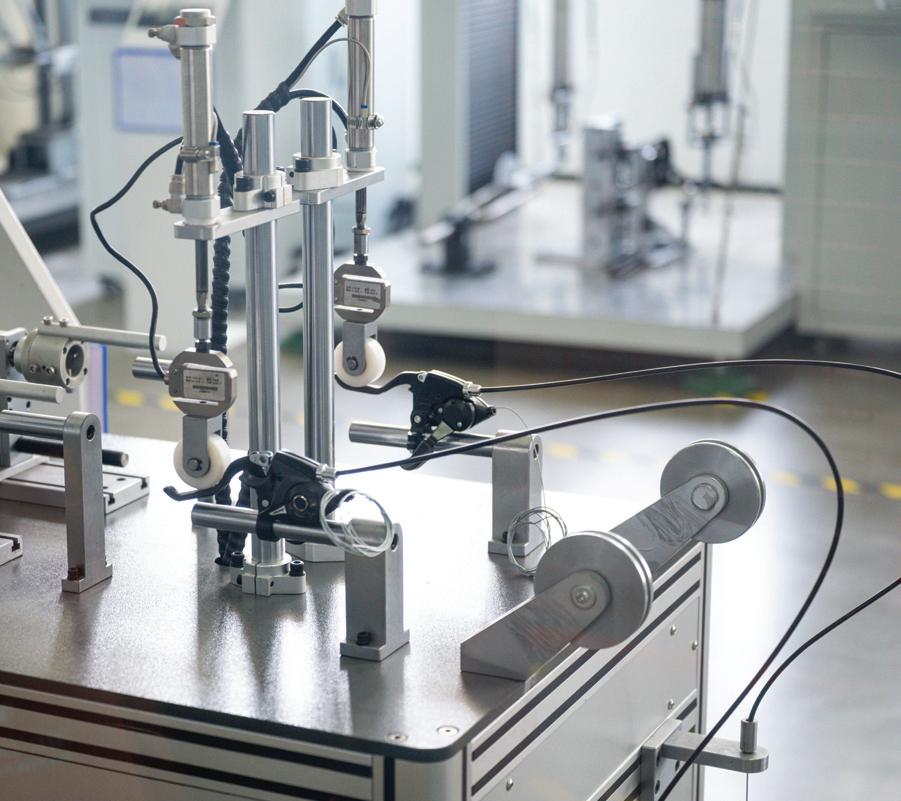
Before finishing, all frames are checked manually, not just visually, but by feel and non-destructive testing methods – they have an extensive testing department. Modifications are made where necessary, then frames are painted, lacquered and decaled. Much of the approach of this facility revolves around environmental sensitivity, with the painting facility built into the factory, hermetically sealed
and using water-based paints and water sprays to help reduce the use of harsher chemicals. Again, paint finishing is a mixture of manual activity, robotic spraying and guided transport along the paint path, depending upon the requirements.
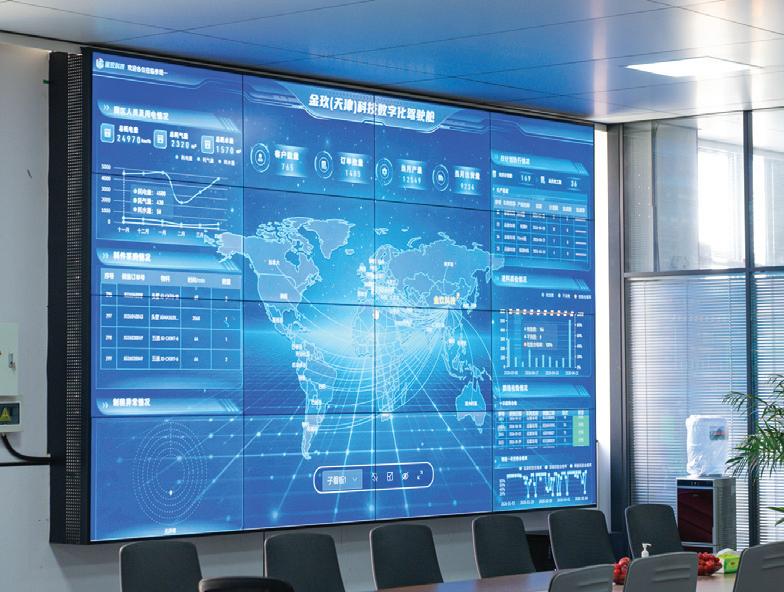
Control of the process is vital in such a large facility making diverse products from kids bikes to Tour-specification superbikes. Much of this identification is controlled by Radio Frequency Identification (RFID) technology, each stillage of finished frames included a wireless indicator, somewhat like the one hidden in your airport luggage tag, telling the Parts Warehouse what parts are needed to complete the build, the routing and order details.
This is classic Enterprise Resource Planning (ERP), where a Bill of Materials, forward planning and Just In
“THIS IS CLASSIC ENTERPRISE RESOURCE PLANNING (ERP), WHERE A BILL OF MATERIALS, FORWARD PLANNING AND JUST IN TIME DELIVERY COME TOGETHER AT THE ASSEMBLY LINE”
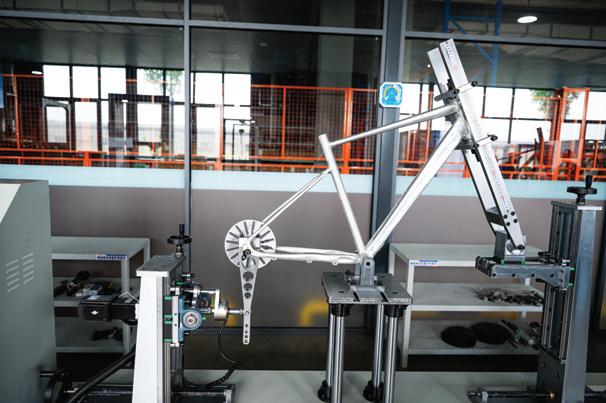
Time delivery come together at the assembly line, where the parts are delivered in time for assembly.
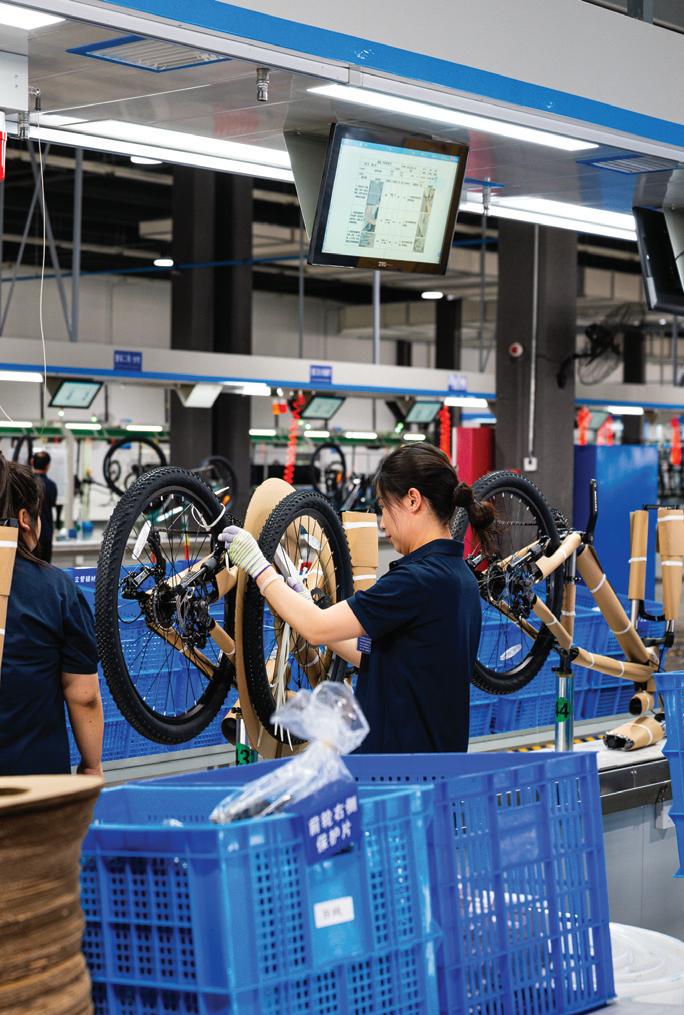
Assembly line workers don’t have a workshop full of tools at their disposal either, only the specific tools they need to do that job at that work station, such as a torque tool with the correct bit, and only the components they need for that build. This level of efficiency, planning and control is built into the assembly process.
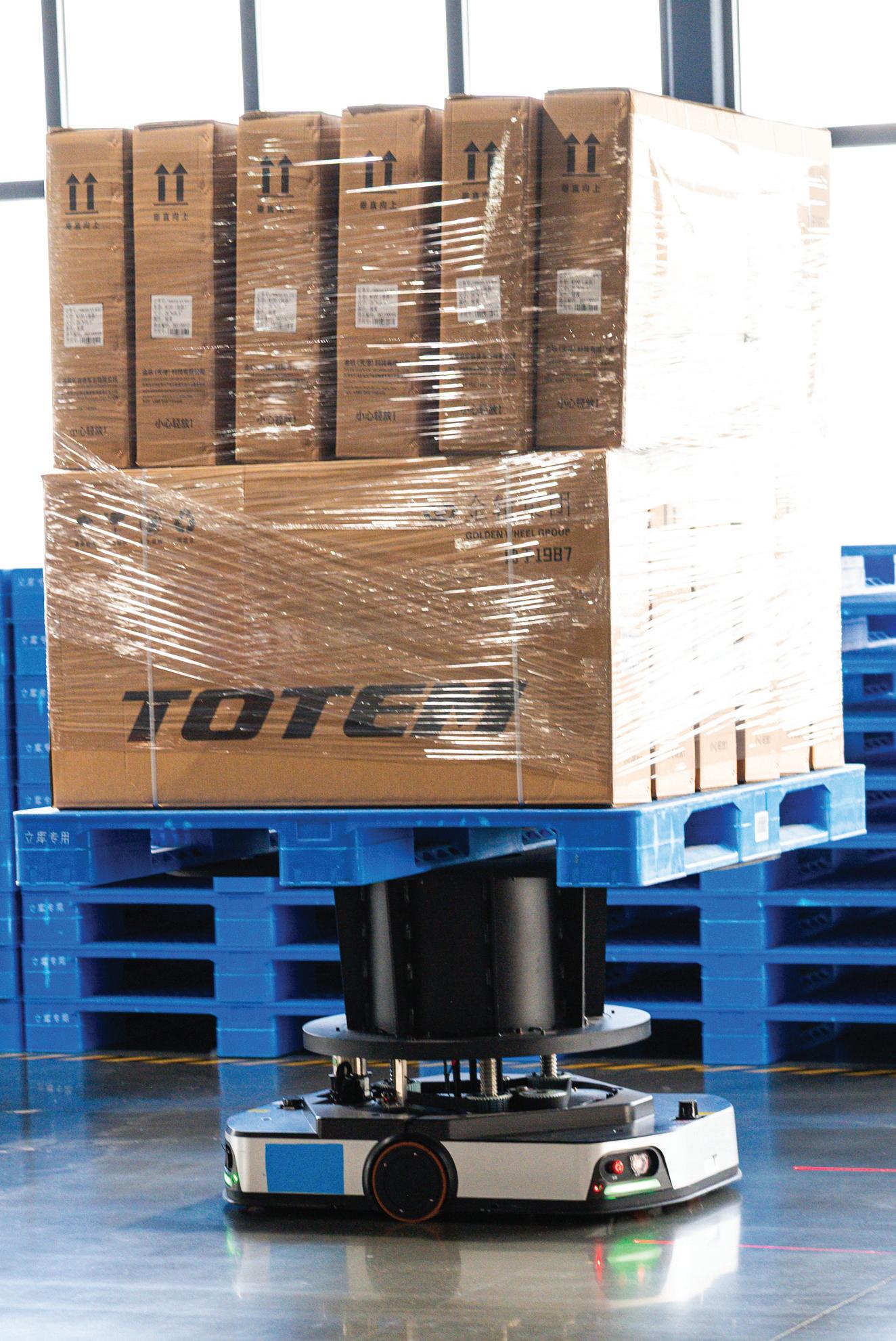
A highlight of last year’s trip was a just installed box handling robot arm, moving fully boxed eBikes onto pallets. This was still there (now fully integrated into the rest of the plants assembly line) but now this is supplemented by AGV minions. These Automated Guided Vehicles run on underfloor sensor tracks, lifting, moving and depositing stillages and pallets of eBikes around the site, a very clever integrated and





































automated handling approach.
Is any of this new? No, I have seen every element of this process, carbon weaving, robotic welding, automation, TPS production and enterprise planning across other facilities within the Far East. What I haven’t seen is all of this in one place before, nor have I seen it at this scale in any facility – this is a step up, and if you are following the TPS philosophy and eschewing Total Quality Management from the ground up, this is the way you’d do it. Building a modern plant like this is efficient, environmentally responsible and smart, blending production methodologies with automation, in-house manufacturing to support quality, and the craftsmanship of skilled workers.
One year on from an ‘empty’ warehouse, the J&G facility in Tianjin truly is a Mega Factory.
“I HAVE SEEN EVERY ELEMENT OF THIS PROCESS, CARBON WEAVING, ROBOTIC WELDING, AUTOMATION, TPS PRODUCTION AND ENTERPRISE PLANNING ACROSS OTHER FACILITIES WITHIN THE FAR EAST. WHAT I HAVEN’T SEEN IS ALL OF THIS IN ONE PLACE BEFORE, NOR HAVE I SEEN IT AT THIS SCALE IN ANY FACILITY”
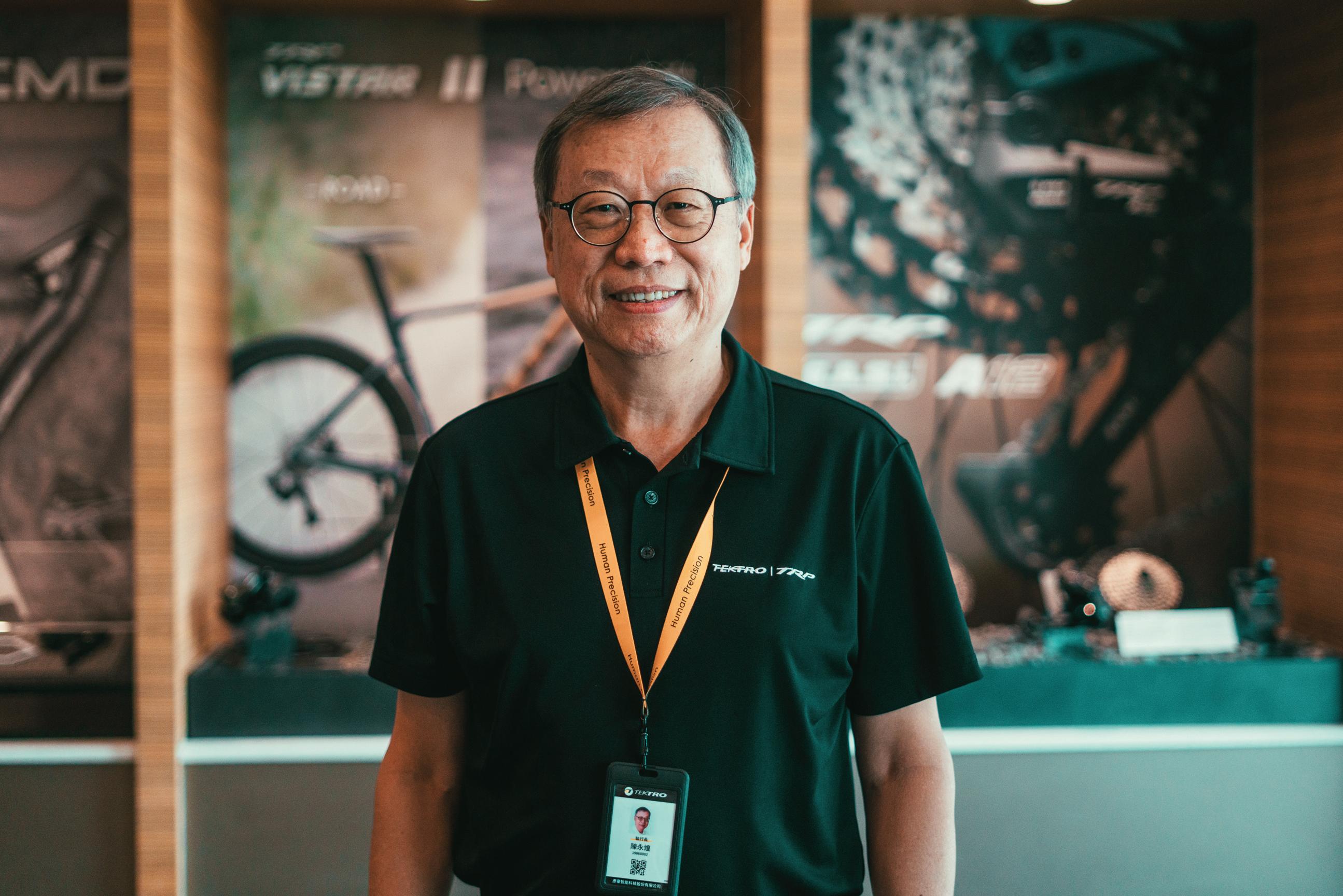
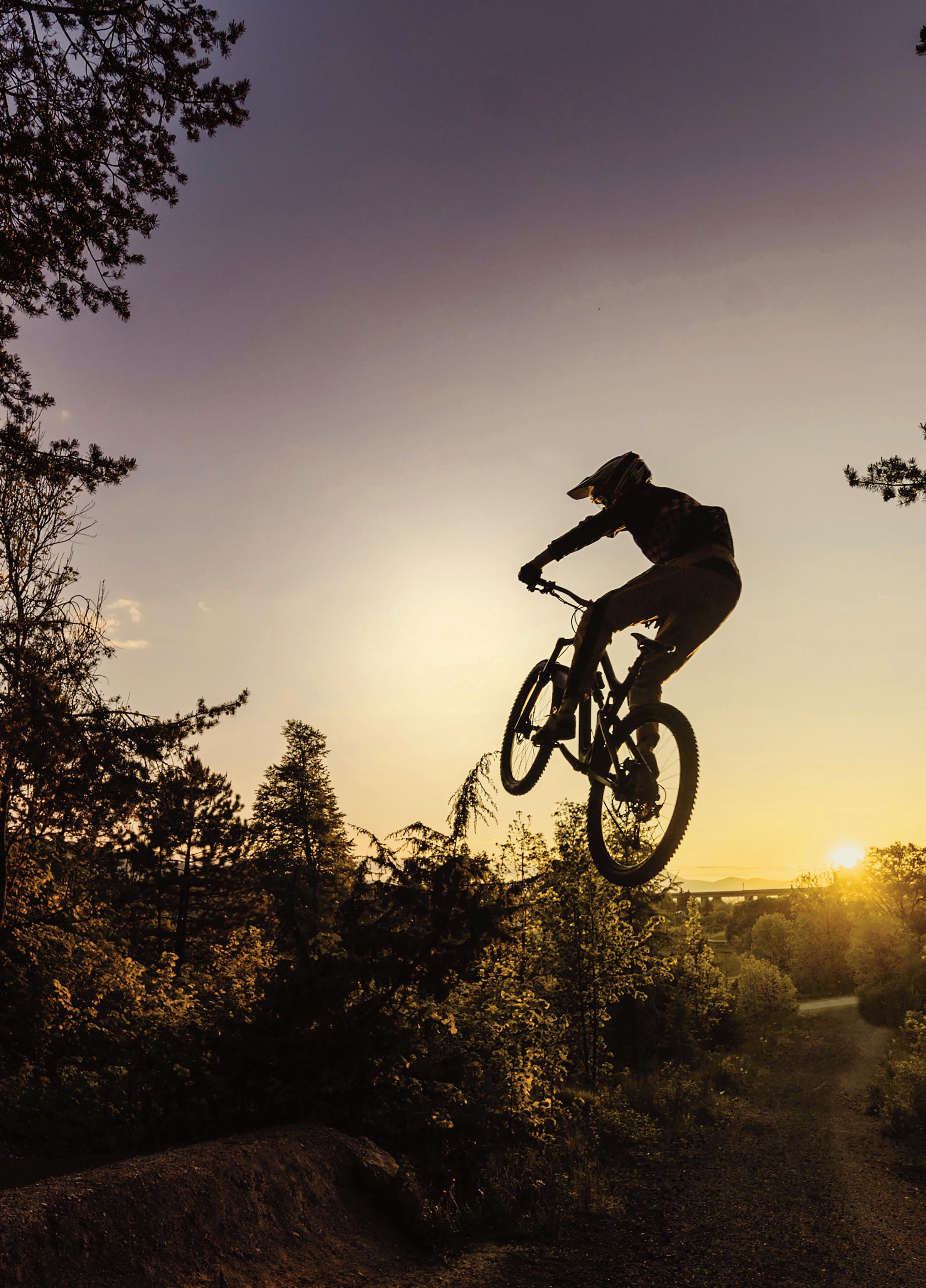
Taiwan’s bicycle industry is facing its toughest downturn in years. Yet rather than retrench, the island’s manufacturers are doubling down – on automation, smart production and new markets. Cycling Industry News was on-site to visit several factories in Taiwan’s production hotspots Changhua and Taichung. Werner Müller-Schell writes…
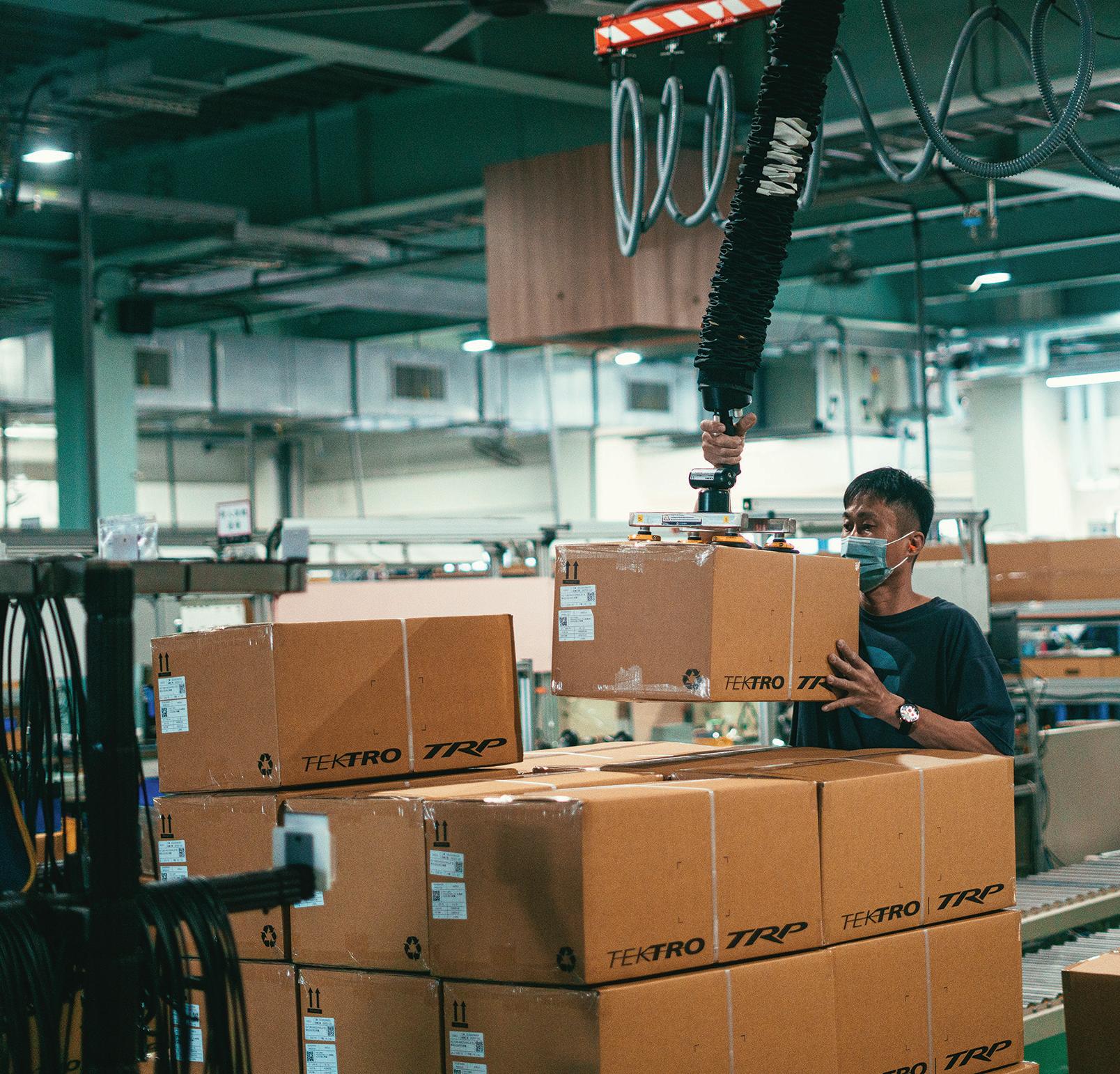
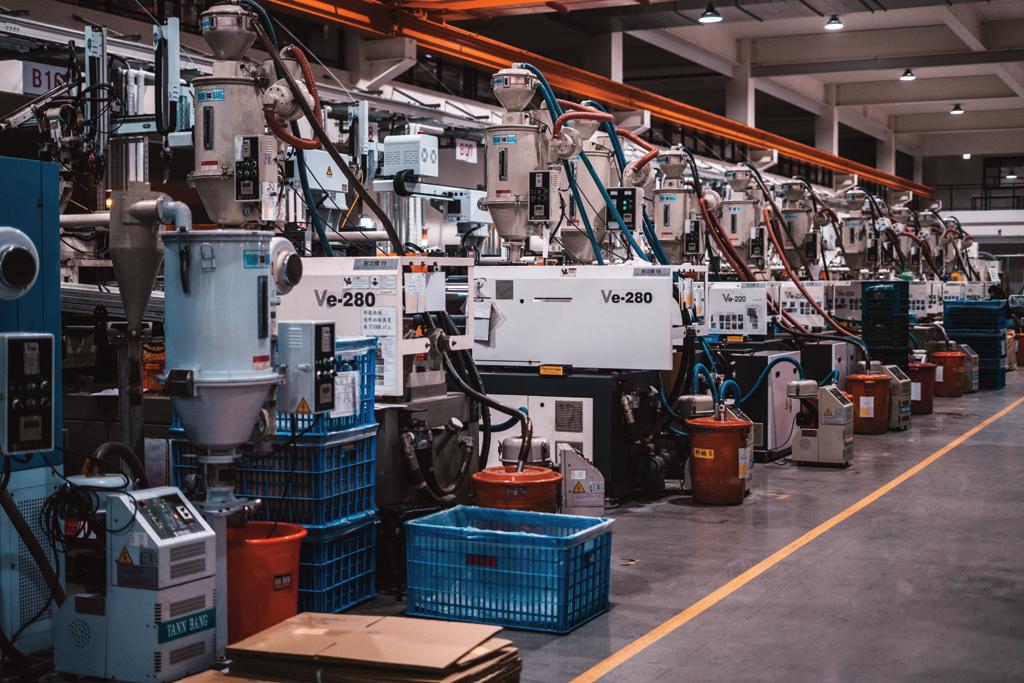
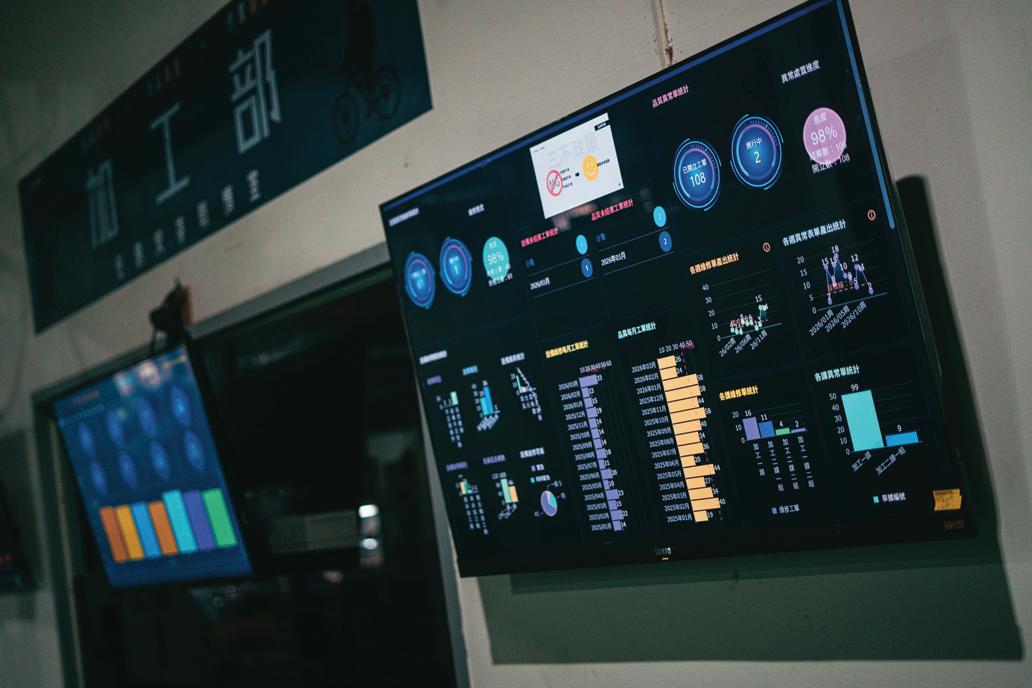
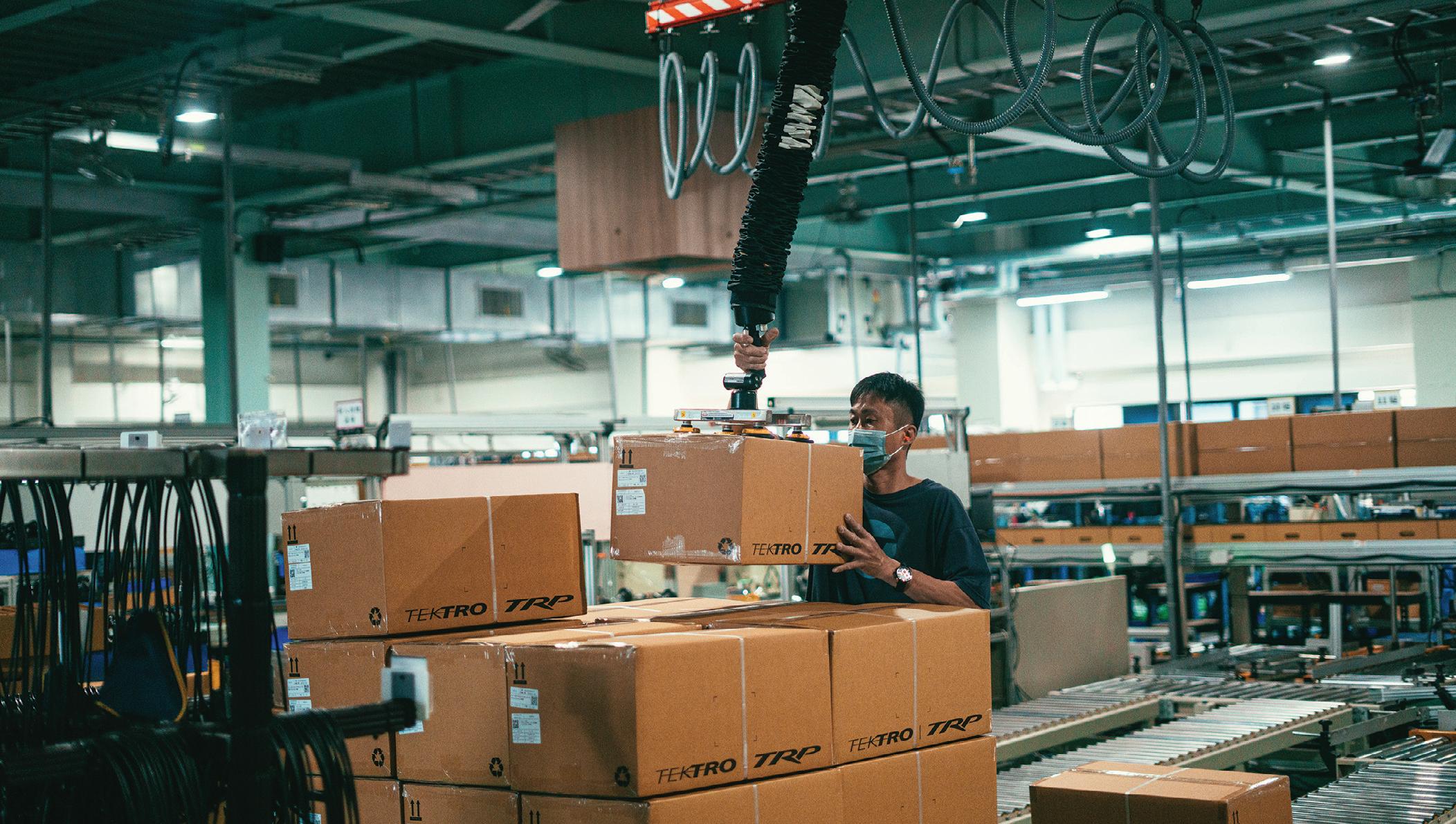
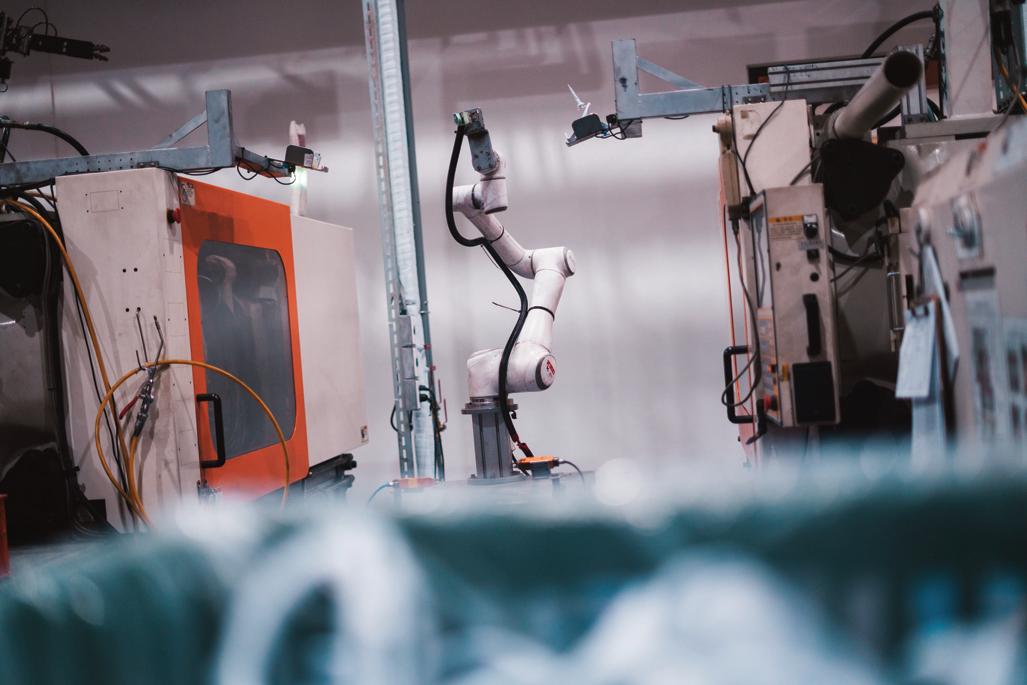
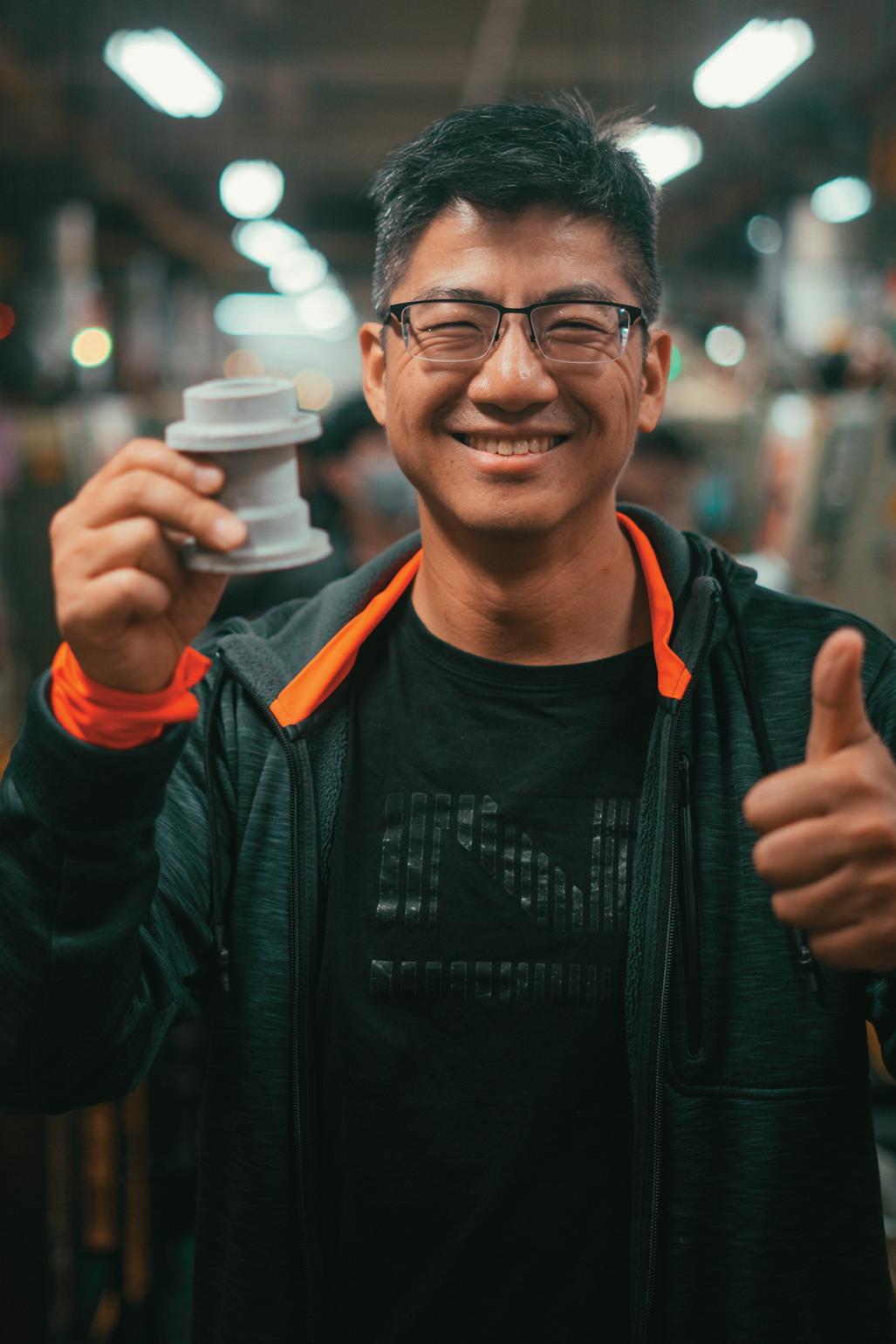
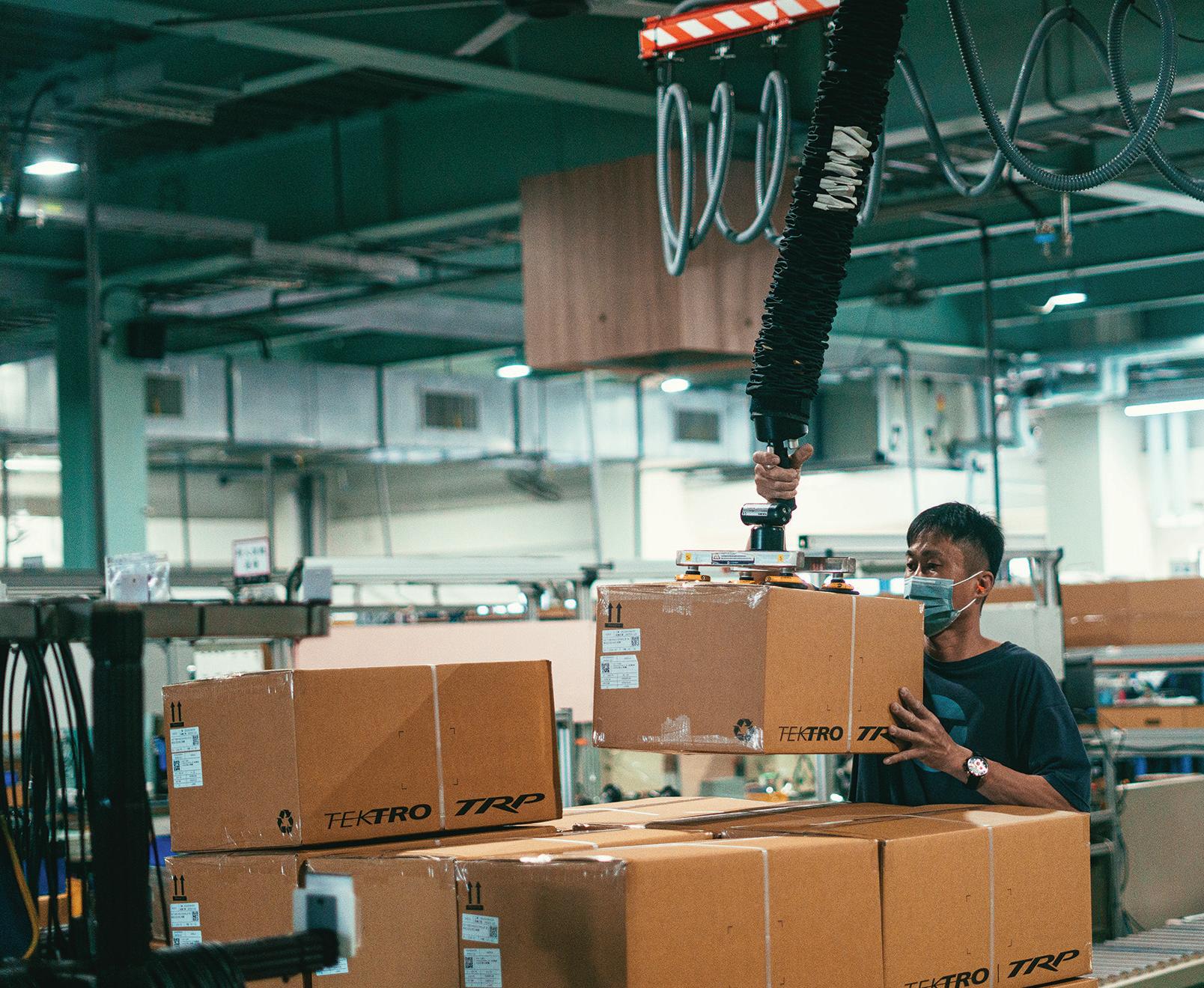
The machines work in sync, precise and unrelenting. Supervisors are barely needed. Where once every production cell required its own pair of watchful eyes, today a single technician oversees four, sometimes six, robotic stations at once. The rest is handled by the technology itself: sensors that measure, software that decides, algorithms that check quality. It is a self-sustaining loop – and it is the reason that here, in this factory in Taiwan’s Changhua County, an impressive number of 15 million components leave the production lines every year. Brake levers, callipers, shifting parts, electronic modules for eBikes, destined for markets across the globe. Therefore, within minutes of arriving at component manufacturer Tektro, one thing becomes clear: somewhere between the rice paddies and the industrial estates of central Taiwan, an industrial revolution is in full swing. One that began quietly, and by now has long since become unstoppable. And one intended to ensure that Taiwan
retains its status as one of the most important hotspots in the global bicycle industry for many years to come.
A Kingdom under pressure Taiwan is small. By area, the East Asian island nation is barely larger than Switzerland; by population, it amounts to roughly a third of the United Kingdom. And yet, almost nothing moves in the global bicycle industry without it. Roughly 800 companies on the island are tied to bicycle production – frame builders, component specialists, drivetrain developers, suppliers of every conceivable kind. The who’s who of the industry produces or develops here. Giant, the world’s largest bicycle manufacturer, was founded on this island and remains headquartered there to this day. KMC, Maxxis, Merida and Tektro are other familiar names. Add to them countless smaller manufacturers, and you have a value chain compressed into a smaller geographical footprint than anywhere else in the bicycle
world. Therefore, Taiwan’s nickname –the “Kingdom of Bicycles” – is not just a marketing slogan. And Changhua County sits squarely in the middle of this kingdom.
But the kingdom is under pressure –and its decades-long dominance in the global bicycle world has begun to falter in recent years. Leo Chen, cofounder and managing director of Tektro, speaks about the situation with striking openness: “Taiwan benefited greatly from the pandemic boom. But now we’re feeling all the more clearly just how hard the market is being hit by normalisation,” he explains. “Warehouses in many countries are still full, orders are coming in cautiously, and exports from Taiwan have suffered noticeably as a result.” Tektro itself, he says, has returned to pre-pandemic levels. But that is not enough, Chen stresses. “For an industrial hub like Taiwan, standing still and stagnating won’t be enough in the long run. If we want to maintain our strong position, we can’t rest on past successes. Taiwan





has to become faster, bolder, and more innovative – the individual companies, but the industry as a whole as well.” It is an appeal that reaches beyond his own company – and captures the seriousness of the situation.
The latest figures from the Taiwan Bicycle Association (TBA) put hard numbers on Chen’s words. In 2025, exports of conventional bicycles fell by a striking 23.9% to 691,219 units, while their total value plunged by 27.8% to USD 742.9m – down from just over USD 1bn in the year before. eBikes, too, lost ground in terms of volume, with 335,750 units shipped abroad – a decline of 7.7% compared to the previous year. The regional breakdown only
adds to the overall strain, with US shipments down 33% in value and EU eBike exports still sitting well below their 2022 peak of USD 791m. All in all, 2025 marked the third consecutive year of significant losses for the so-called “bicycle kingdom”. For a country that built much of its modern prosperity on the bicycle, those are figures that clearly demand a response.
How Tektro is responding to that pressure becomes clear as the tour through the Changhua plant continues. As part of a ten-year plan launched in the 2010s, the company has invested heavily in artificial intelligence that moni-
tors production almost in real time: sensors at every machine feed continuous data into a central system, which flags problems before they materialise. Quality control is increasingly automated, too, with algorithms detecting deviations in small parts faster and more consistently than the human eye can. “Automation is not optional anymore,” says Chen, summarising a philosophy that now defines the industrial culture of more and more companies – also beyond Taiwan: at last year’s Hannover Messe, for example, Amazon Web Services showcased an “eBike smart factory” to demonstrate how digital twins, machine data, predictive maintenance
Proud to be Look’s New UK Distributor
and defect detection can be integrated into a connected manufacturing environment. The bicycle industry, in other words, is no longer merely talking about smarter factories. It is starting to build them. And Taiwan aims to be at the forefront of this movement.
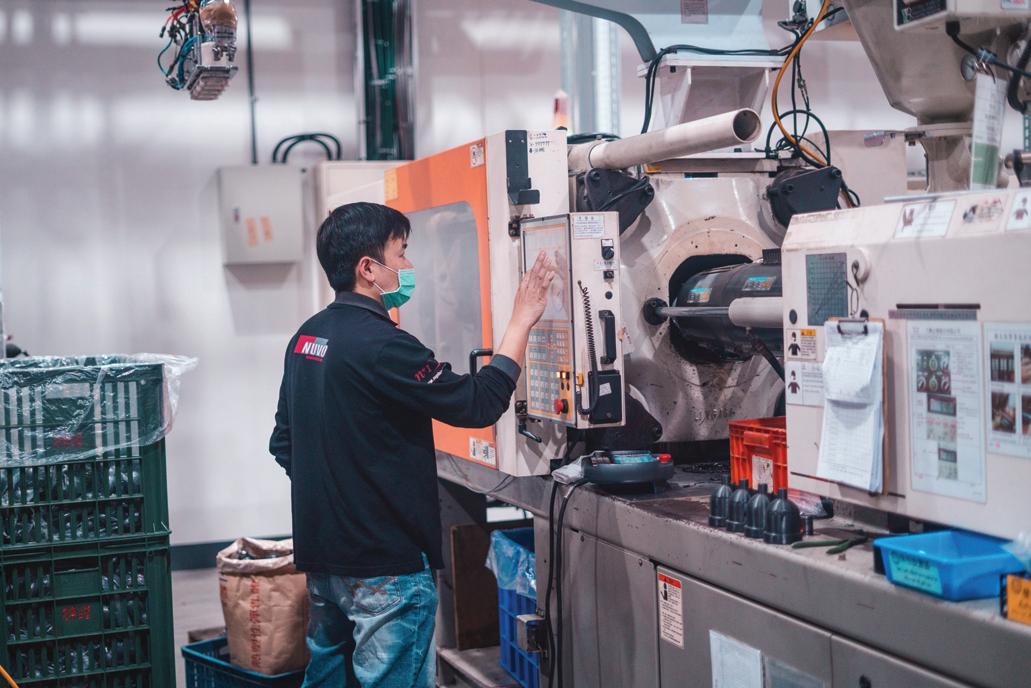
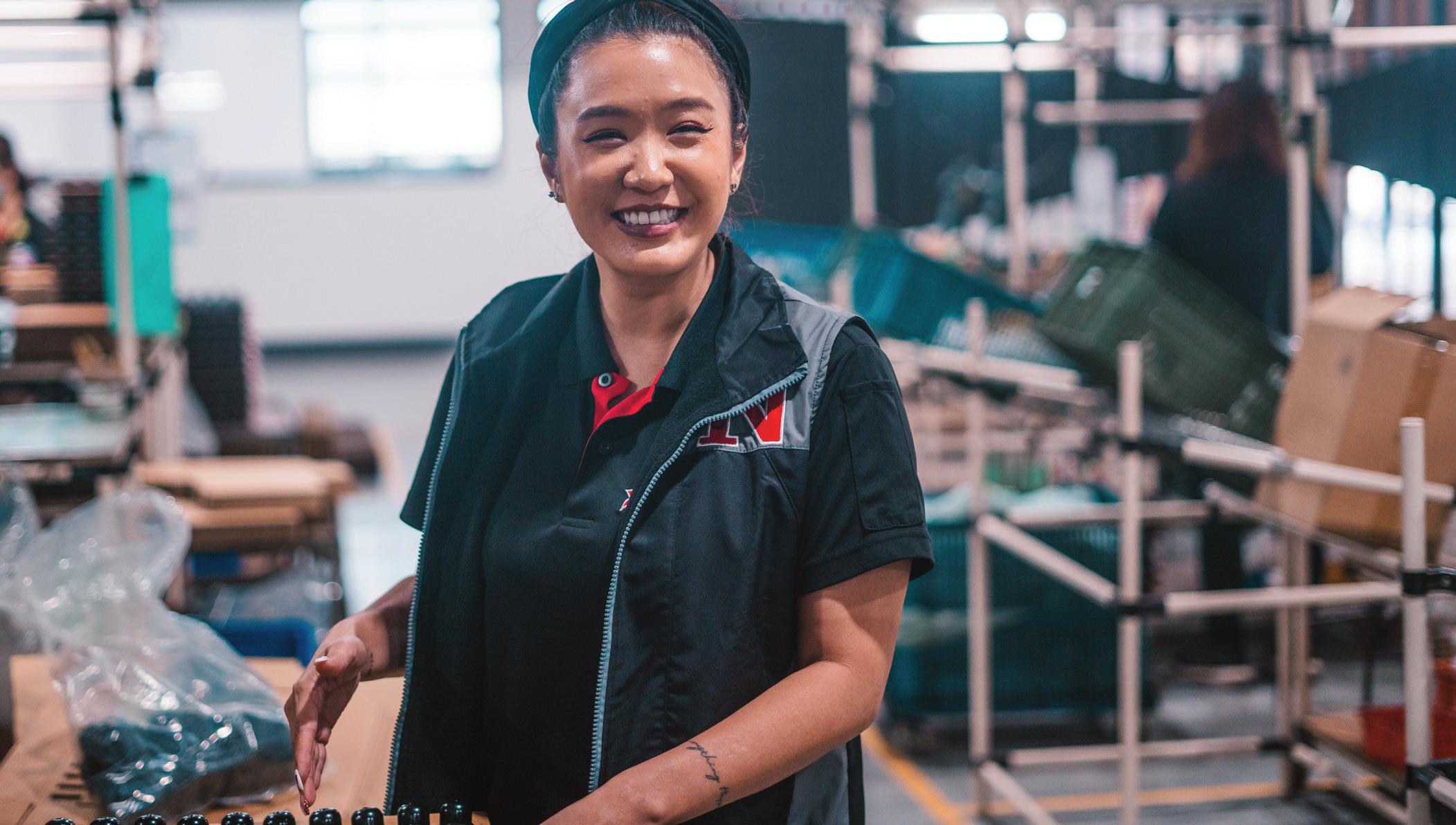
Just a few kilometres from Tektro, also in Changhua County, sits Nuvo. Only a few months ago, the component manufacturer opened a new corporate campus. “The factory integrates energy-efficient production processes, smart manufacturing technologies and environmentally friendly practices,” says Marketing Director Amy Shih who leads us through the facility. The numbers tell their own
story: usable floor space has grown from 4,600 to 21,000 square metres, monthly capacity from one to 1.8 million parts, the level of automation has climbed by 20%. “We are currently focusing on two strategic priorities: low-carbon manufacturing and digitalisation,” Shih explains. The building reflects that ambition – with photovoltaics, rainwater harvesting and a pending EEWH green building certification. The fact that Nuvo’s new factory is designed to serve customers in aerospace, sporting goods and automotive supply alongside cycling points to a broader trend in Taiwan: the industry is widening its base, transferring decades of production know-how
into adjacent fields to become more resilient. “For us, it ’s about playing to our strengths in a way that keeps us flexible and resilient in a volatile market,” Shih sums up.
A similar logic – broadening the base to stay resilient – plays out a few kilometres further north, in Taichung. Novatec, one of the world’s leading hub manufacturers, has by its own account been in “crisis mode” for four years, as CEO Jeff Chen tells us at the company’s headquarters with little in the way of softening. But what he describes is not retreat. Tight cost control, leaner inventories and a slimmed-down product range now define day-to-day operations – paired with consistent
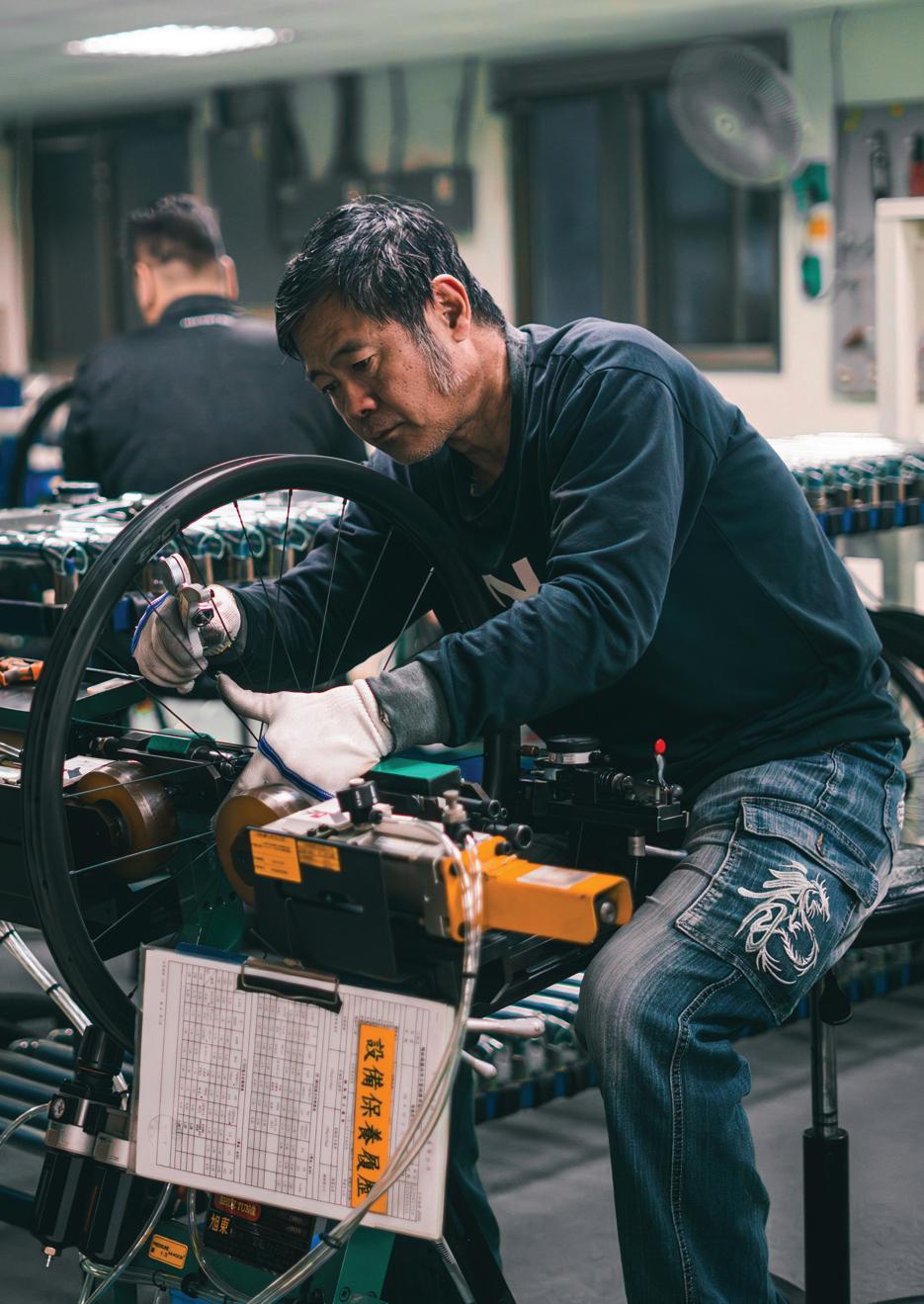
investment into new business areas. For several years, Novatec has systematically expanded its carbon components business, which today already generates up to 20% of group revenue. Sustainability, too, has not been quietly shelved under economic pressure: plastic packaging has been phased out, recycled paper introduced, trials with package-free shipping are underway, and recent production runs include hubs made from recycled “green” aluminium. Where Chen does pull the brakes is on full automation. “In the bicycle industry, there are very many small production runs,” he says. “Fully automated lines only pay off from around 5,000 units per product – and that figure isn’t always achievable.” On the broader direction, though, his stance stays firm: “Standing still is not an option, regardless of where we sit in the market cycle. And we’re always looking into smarter ways of producing – just selectively, where it really makes sense.”
The Kingdom builds on Across our three factory visits – Tektro and Nuvo in Changhua, Novatec in Taichung – the answers to the crisis share a basic logic, even where each company takes its own path: investments in digitalisation and AI, sustainability strategies, broader activities beyond the bicycle market. But none comes without limits. Green materials and certifications cost money before they pay off; diversification into adjacent industries demands approvals, new customer relationships and years of lead time; and full automation, for now, remains more vision than reality. What remains from our factory tour is the picture of an industry that doesn’t wait out the crisis but actively works through it – sharing a common conviction: those who invest now will emerge stronger; those who wait risk falling behind competitors in Southeast Asia and China. Of course, none of the paths is fast, cheap or guaranteed. But Taiwan has never held its dominance through a
single advantage – rather through the sum of inventiveness, dense supplier networks and deep process know-how. Back at Tektro, at the end of the tour through the plant in Changhua County. The machines run, the sensors measure, the algorithms check. What began a decade ago as a long-term plan is today a lived reality – and the next ten-year plan is already in motion, as the Tektro team explains to us with visible pride, emphasising that smart production technologies remain at the very top of the agenda. It is precisely the mindset Leo Chen describes in conversation: “Innovation has been our cultural DNA from day one. We never stop improving – whether the market is calm or not,” Leo Chen says. For Taiwan as a whole, the same applies. The crisis is real, the figures are hard. But the industry one experiences here is not waiting for the situation to improve on its own. Between rice paddies and industrial estates, Taiwan is building its future instead.











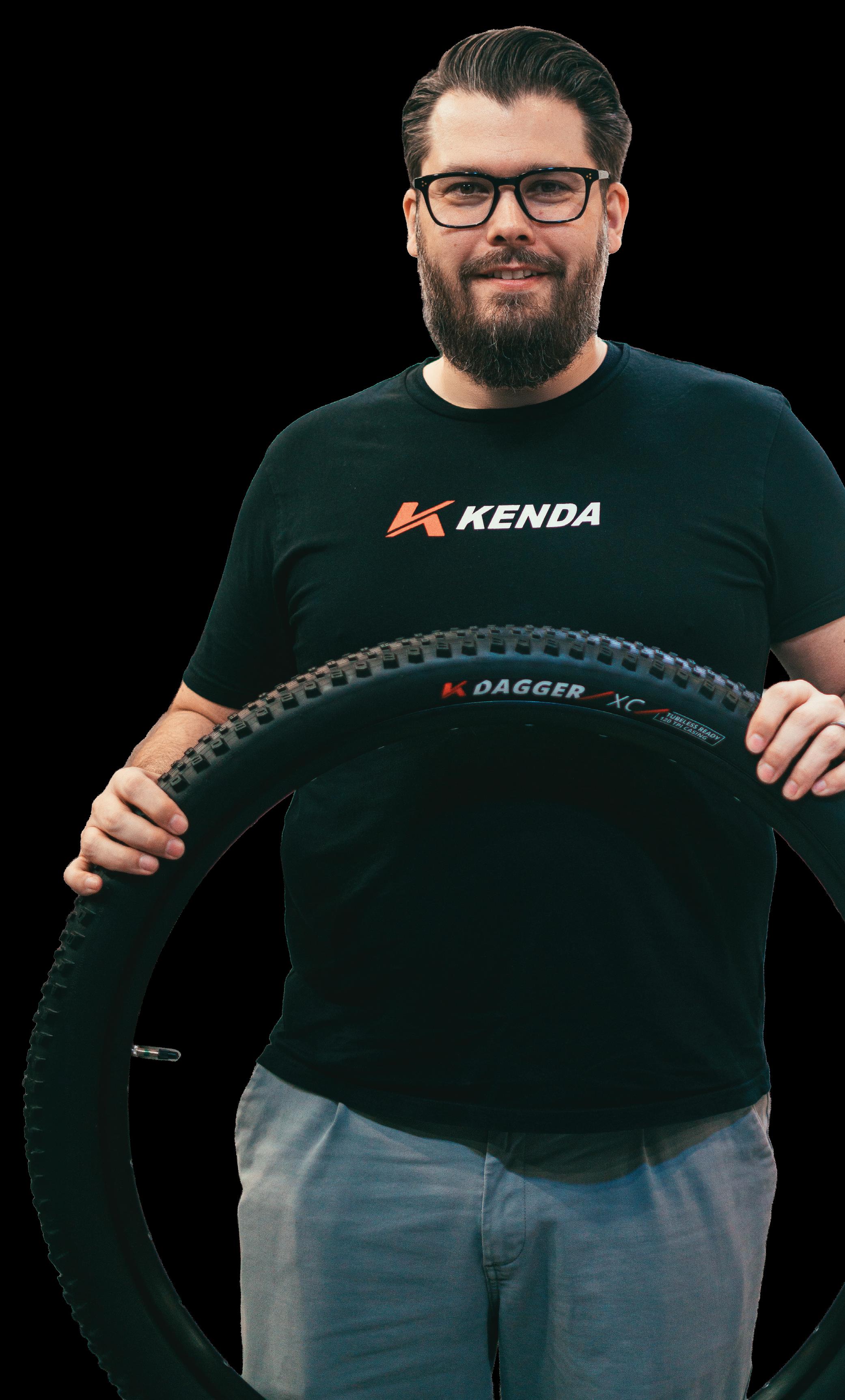
With an award-winning cross-country tyre in a new 32-inch format and a reshaped product line-up, the Taiwanese manufacturer is making calculated bets on where mountain biking is heading. Werner Müller-Schell writes from Taipei…

W“WHEEL SIZE DEBATES, AS HISTORY SHOWS, RARELY RESOLVE CLEANLY – THEY SIMPLY FIND THEIR LEVEL”
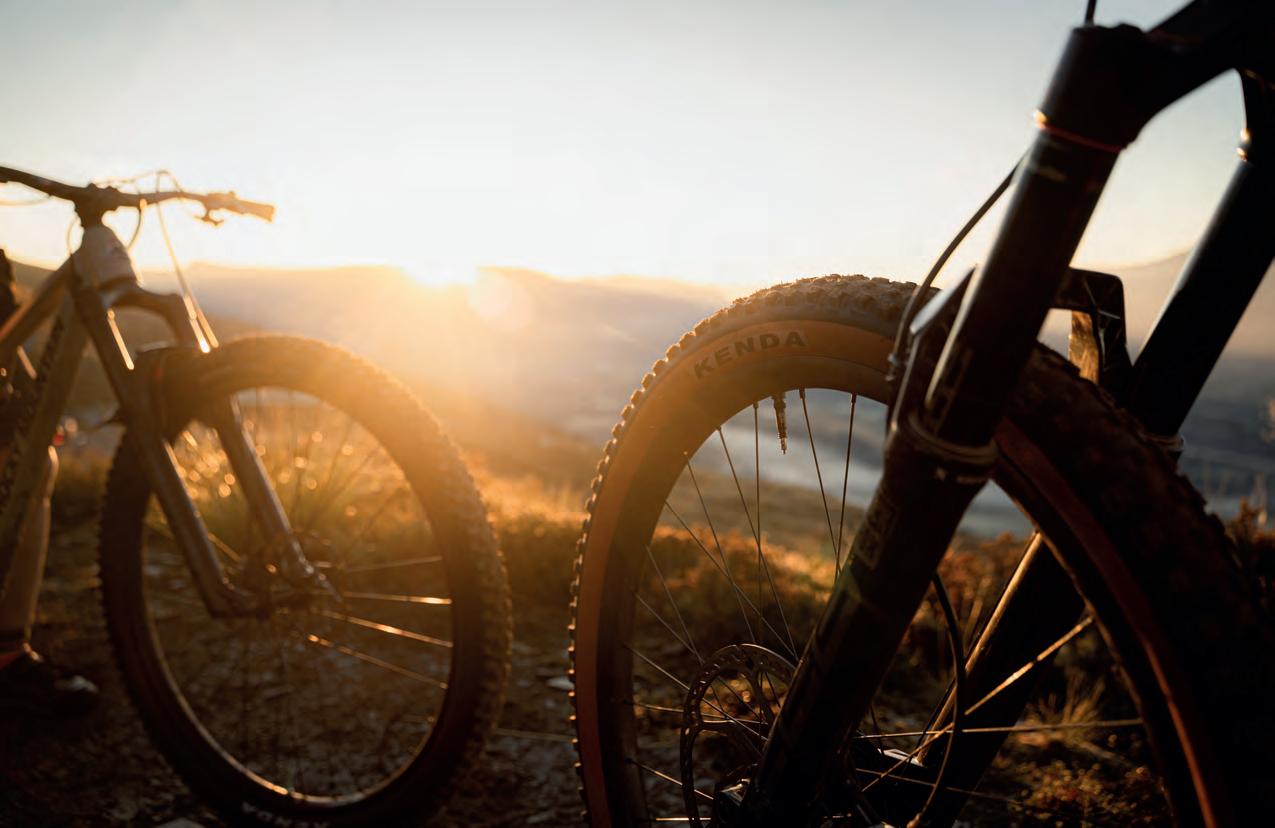
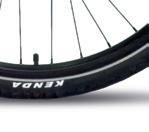
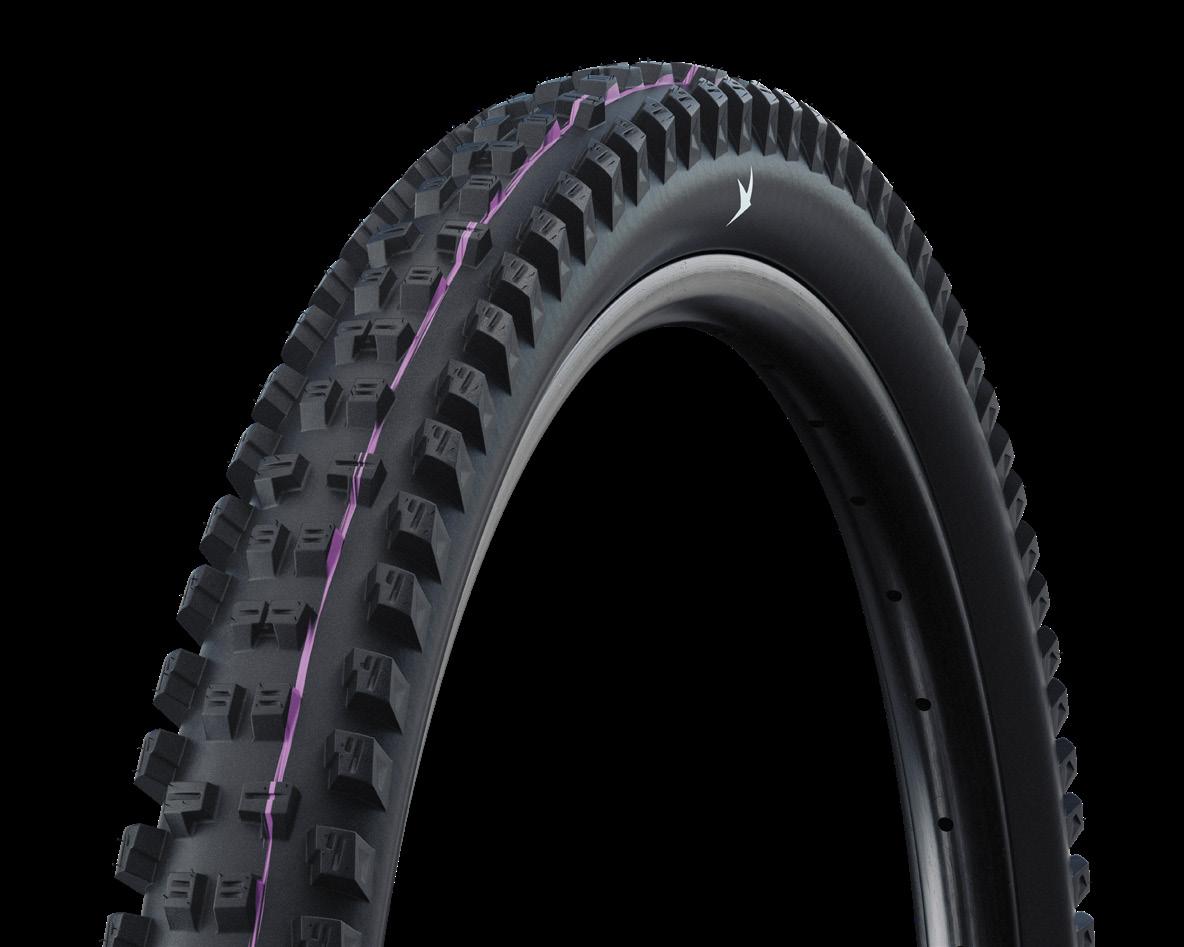
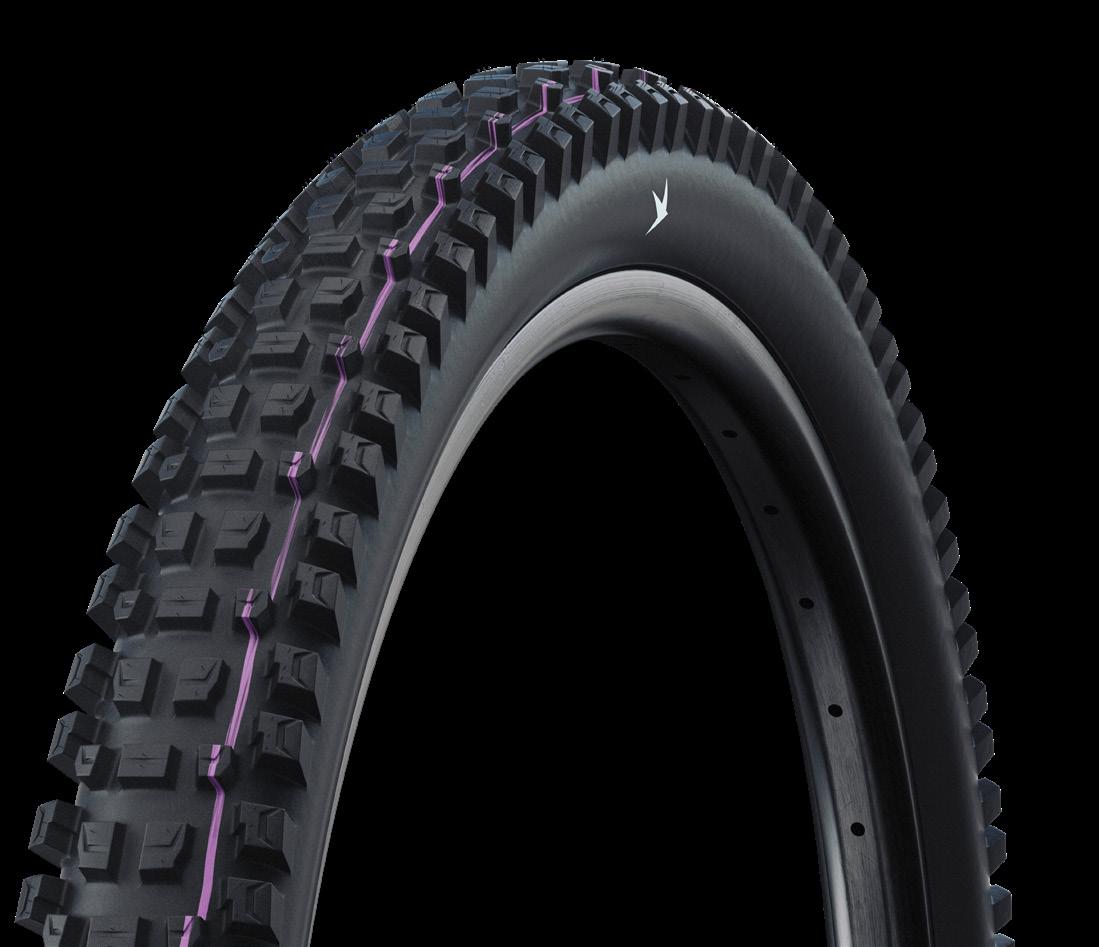
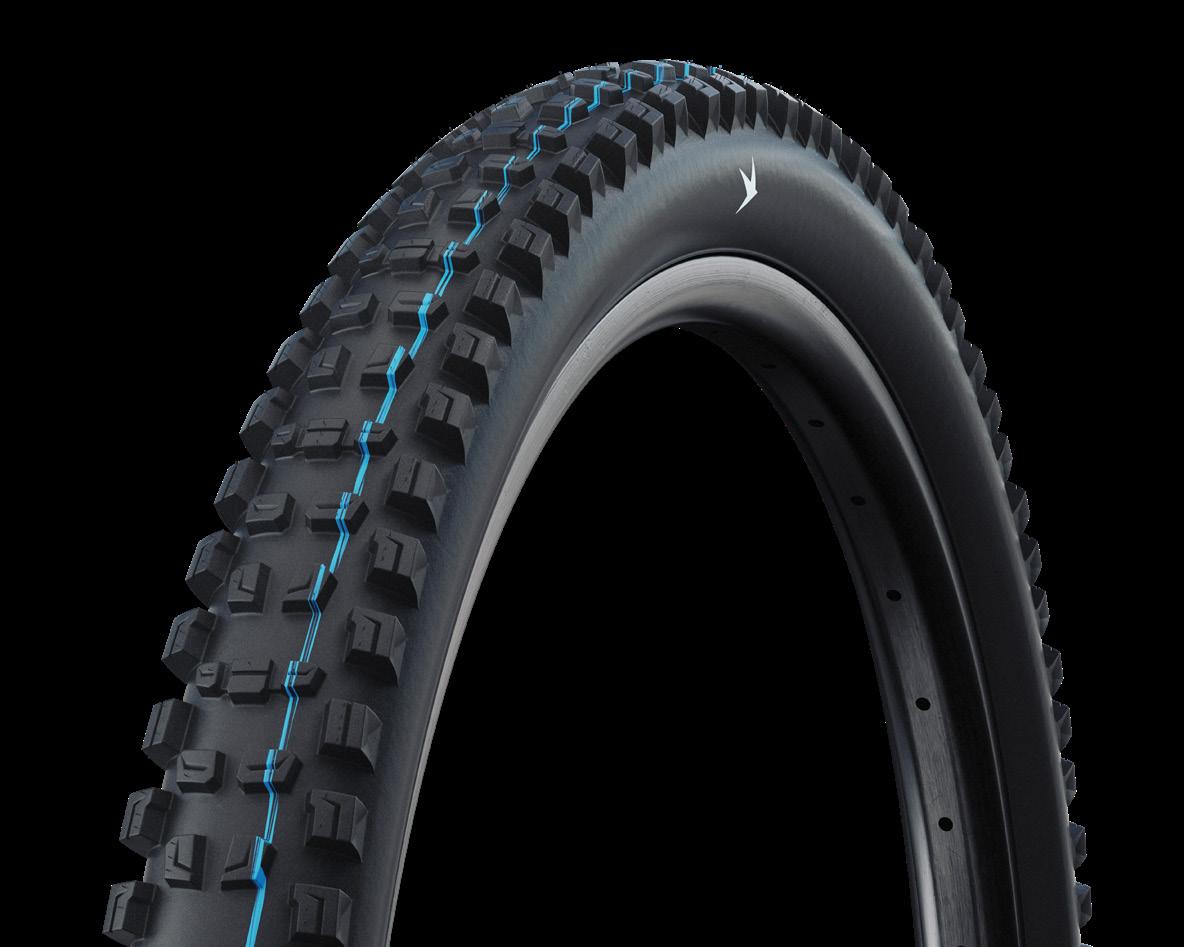
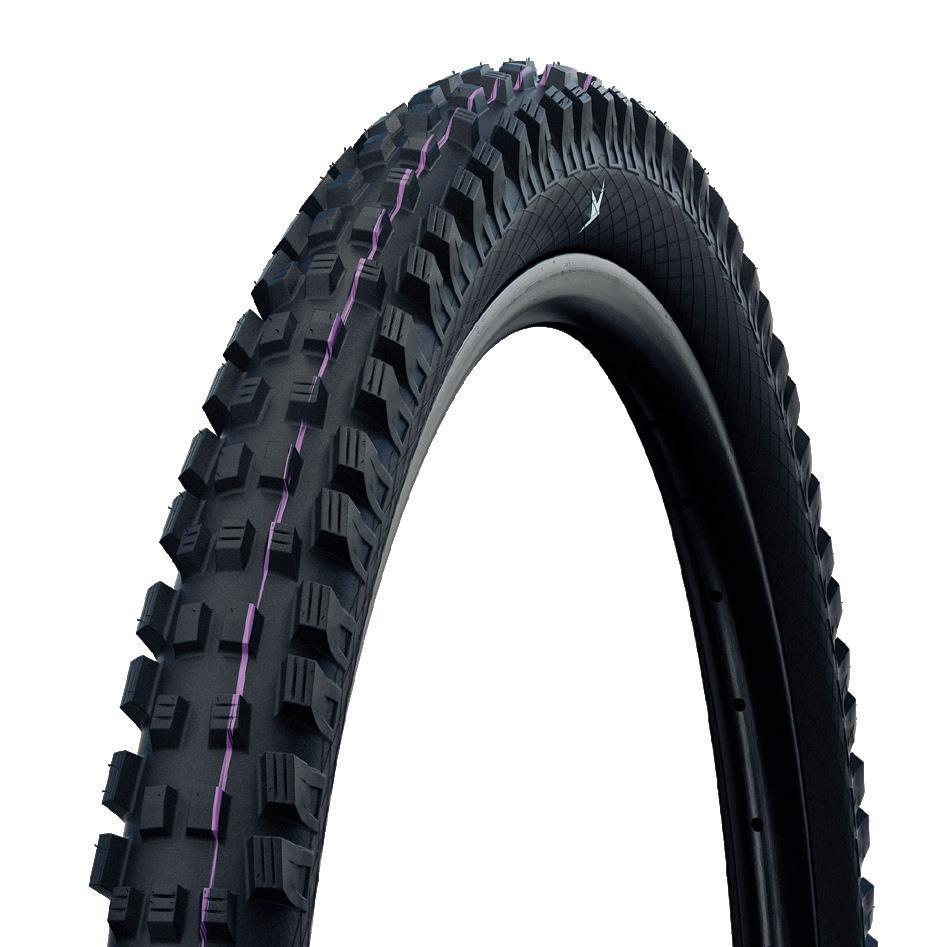
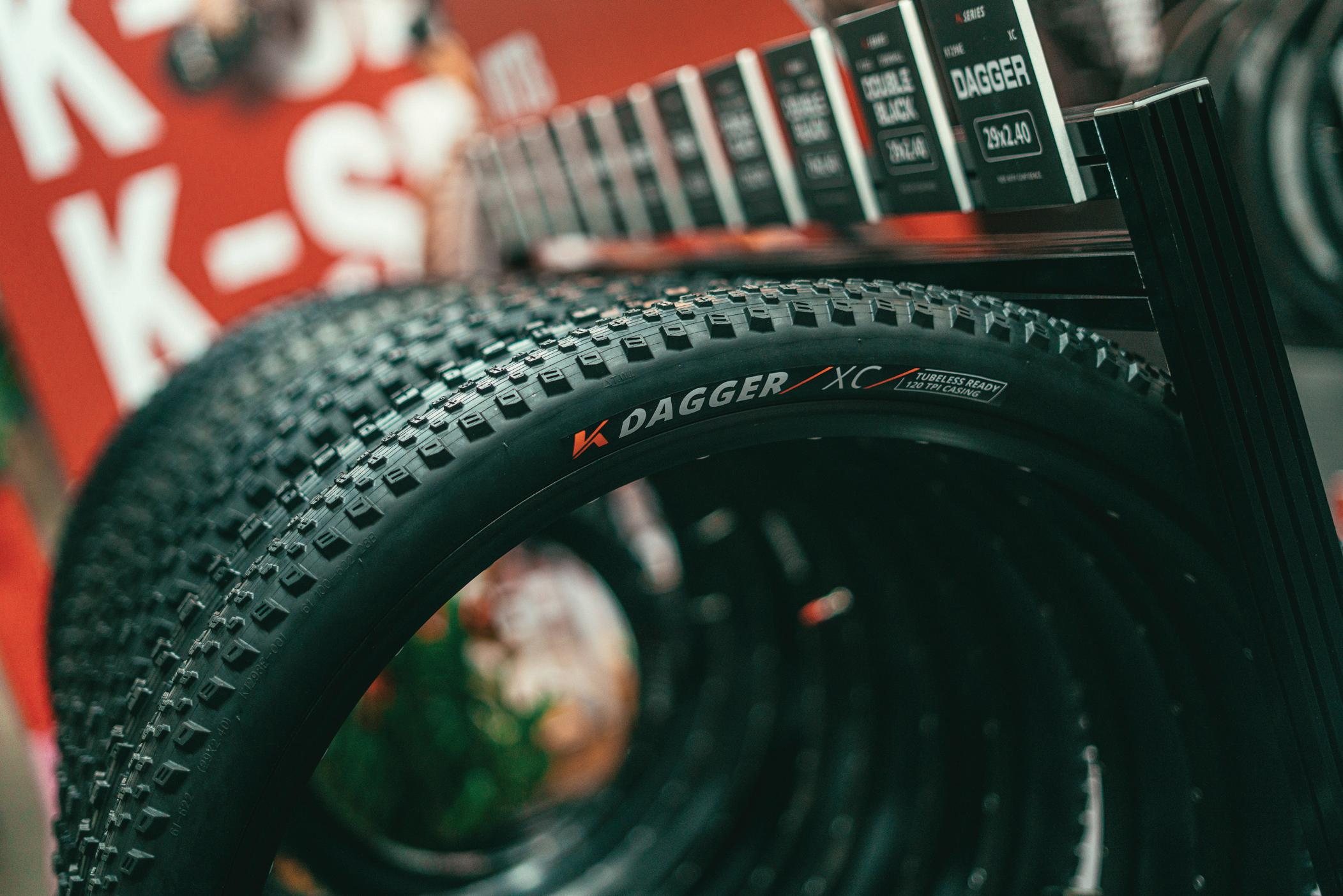
heel size debates have a way of resurfacing in cycling from time to time — as they did when 27.5-inch wheels appeared, and again with 29ers. At Taipei Cycle 2026, Taiwanese bicycle tyre specialist Kenda made a pointed contribution to the latest chapter: the Dagger XC, a new cross-country tyre built around an entirely new tread pattern, won a Taipei Cycle Award — and its 32-inch version was among the most talkedabout products on the show floor.
“The 32-inch format’s physical logic is borrowed from motocross: a larger wheel rolls over obstacles more easily, reducing resistance and improving momentum,” explains Alexander Mai, Sales Director Europe for Kenda’s bicycle tyre division, during our visit to the Kenda booth. Two 32-inch models are in development: one XC, one gravel, the latter arriving slightly earlier, given the absence of suspension components to tune around.
Interestingly, getting to 32 inches required genuine manufacturing investment in the Taiwanese compa-
ny’s factories. New moulds, a new building drum – the machinery used to construct 29-inch tyres simply couldn’t accommodate the larger format. “At some point, you have to believe in an innovation enough to invest,” Mai said. Kenda has made that call. Mai’s three-year market forecast for 32-inch tyres remains measured: 29-inch holding at roughly 65%, 27.5inch at 20%, and 32-inch carving out around 15% – meaningful, but not a revolution.
Wheel size debates, as history shows, rarely resolve cleanly – they simply find their level. According to his prognosis, Mai is not predicting that 32 inches will replace 29, and Kenda is not betting on it either. But with the investment made, the moulds cut and the first tyres heading to Eurobike, the question is no longer whether the format is real. It is whether the rest of the industry is ready to follow where the physics already point – and Kenda, for one, has already decided.”
www.kendatire.com
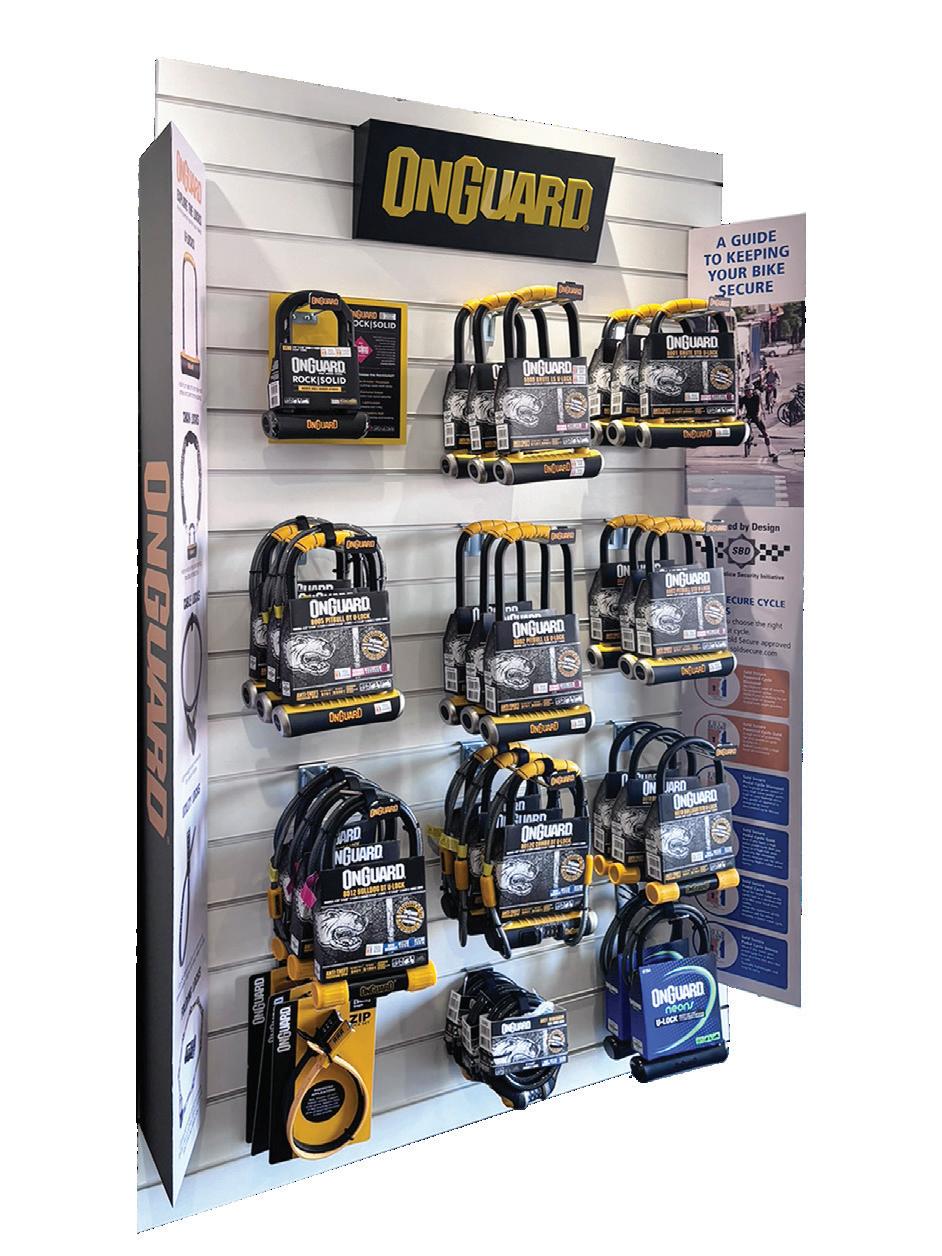
• Flexible options to suit your store
• Clear in-store messaging for faster sales
STORE MERCHANDISING THAT WORKS HARDER SALES OPPORTUNITIES YOU CAN LOCK IN
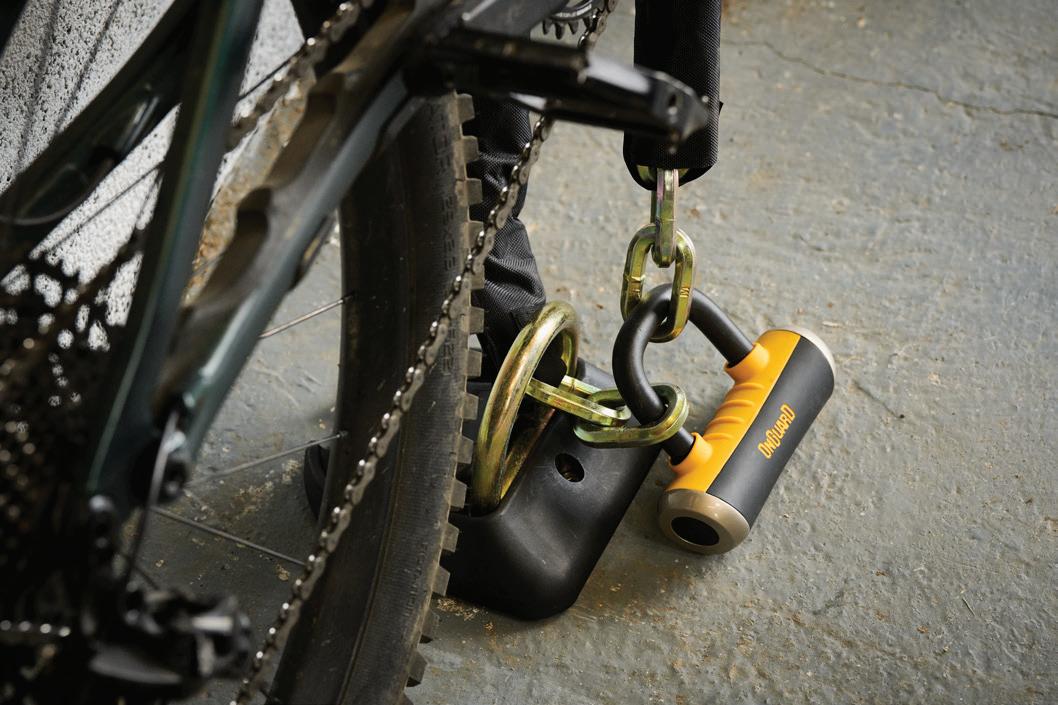
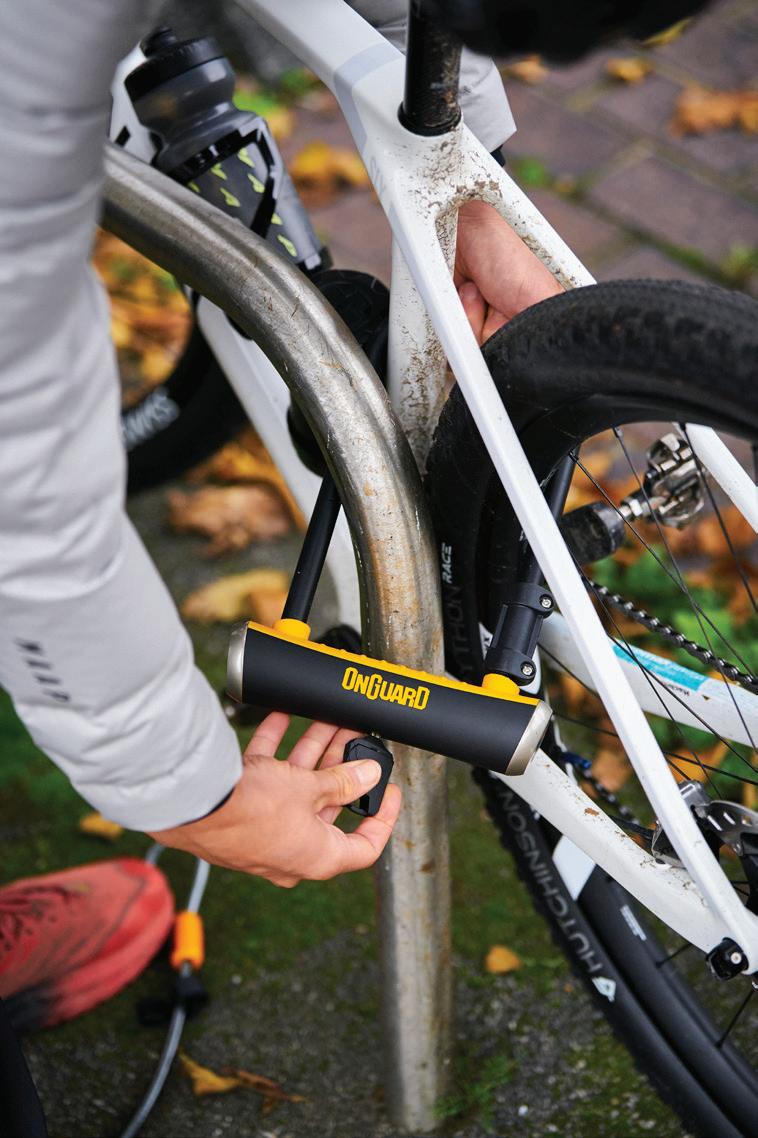
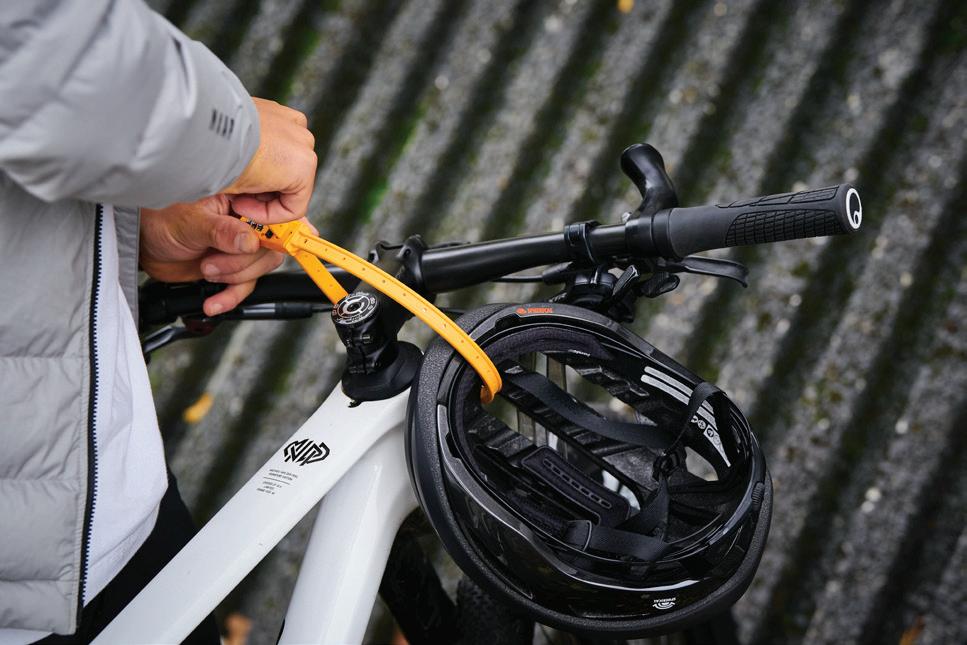
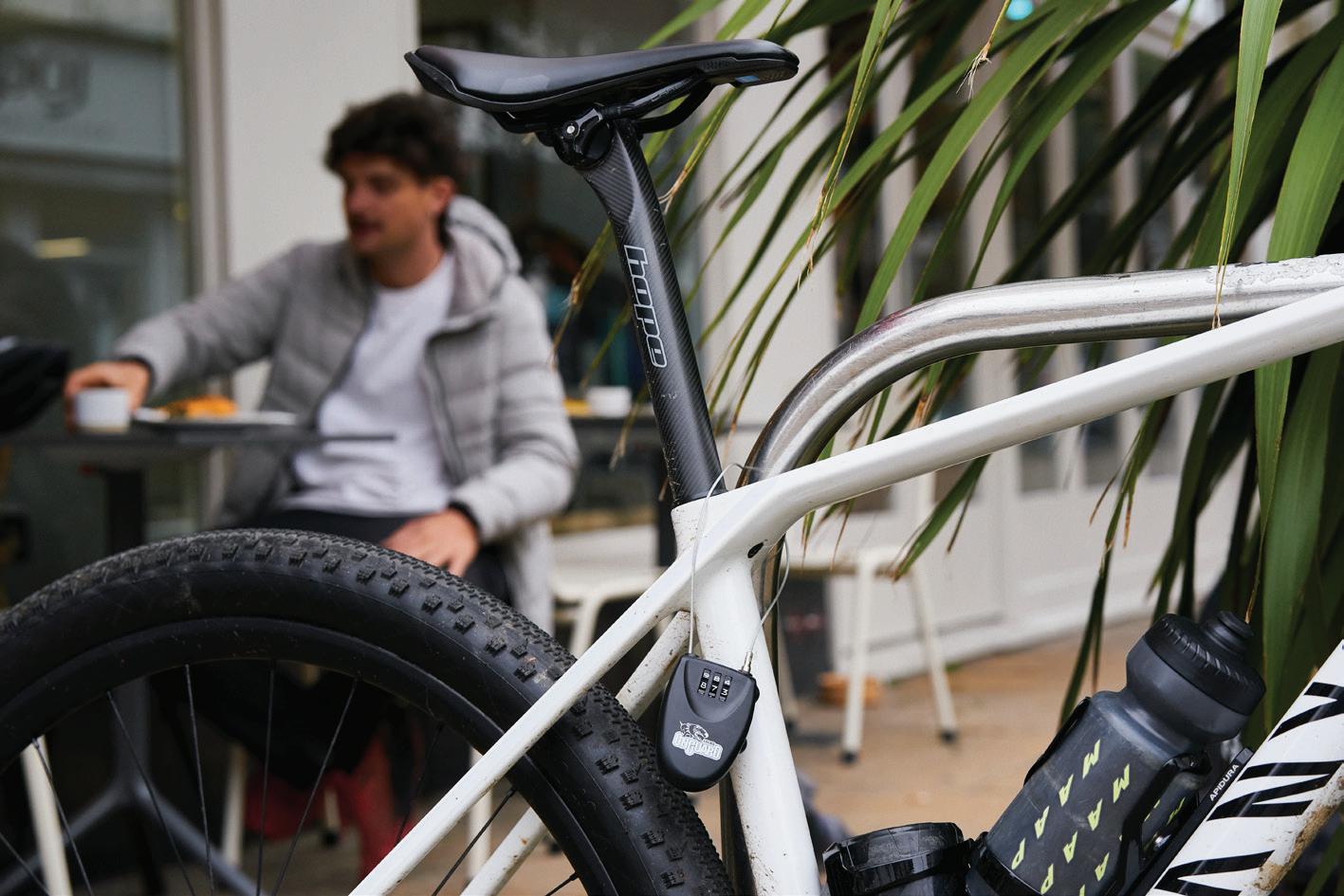
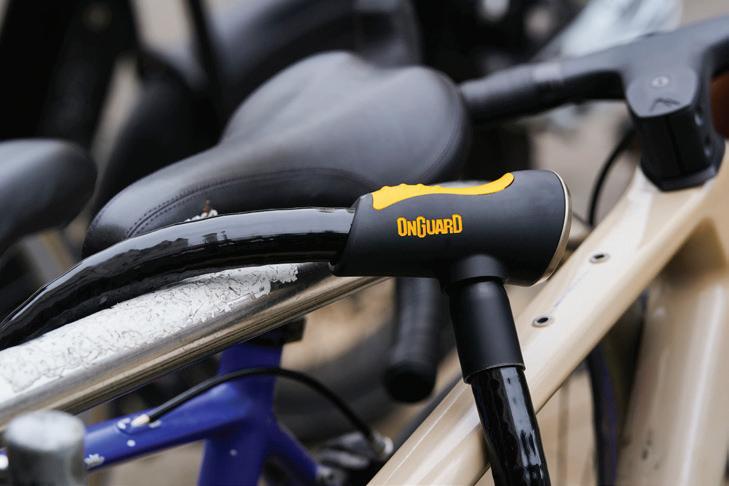
• Sold Secure Diamond locks from £49.99 SRP
• Comprehensive Range at competitive pricepoints
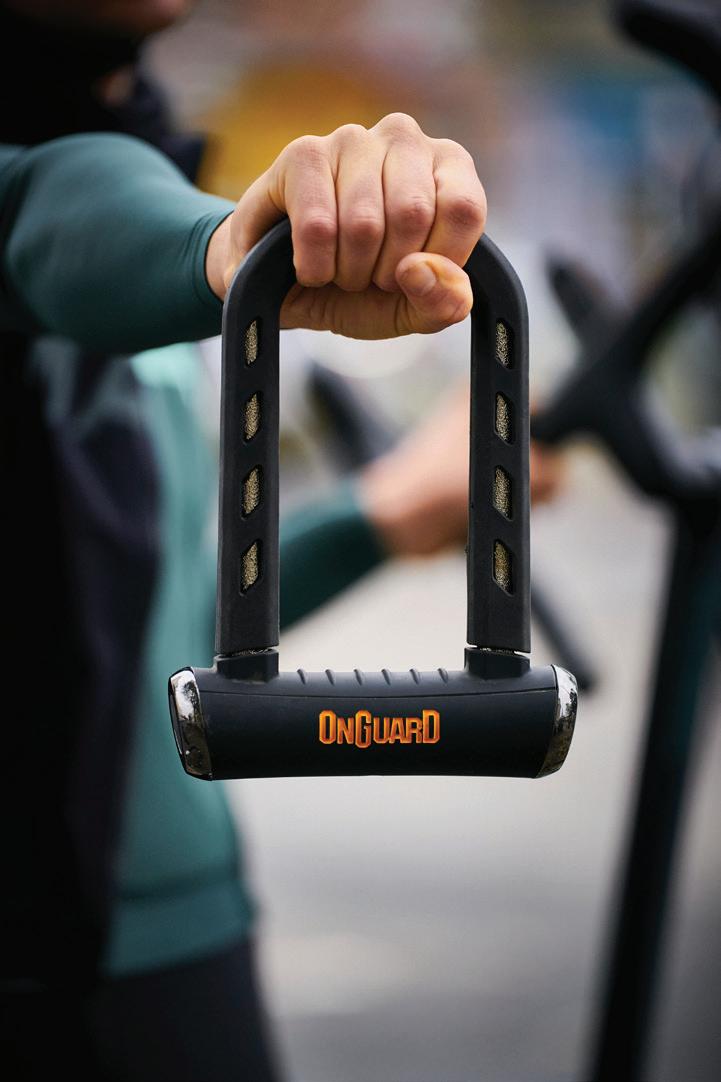
• Rock|Solid - the lightest angle-grinder resistant lock on the market
• High margin performance
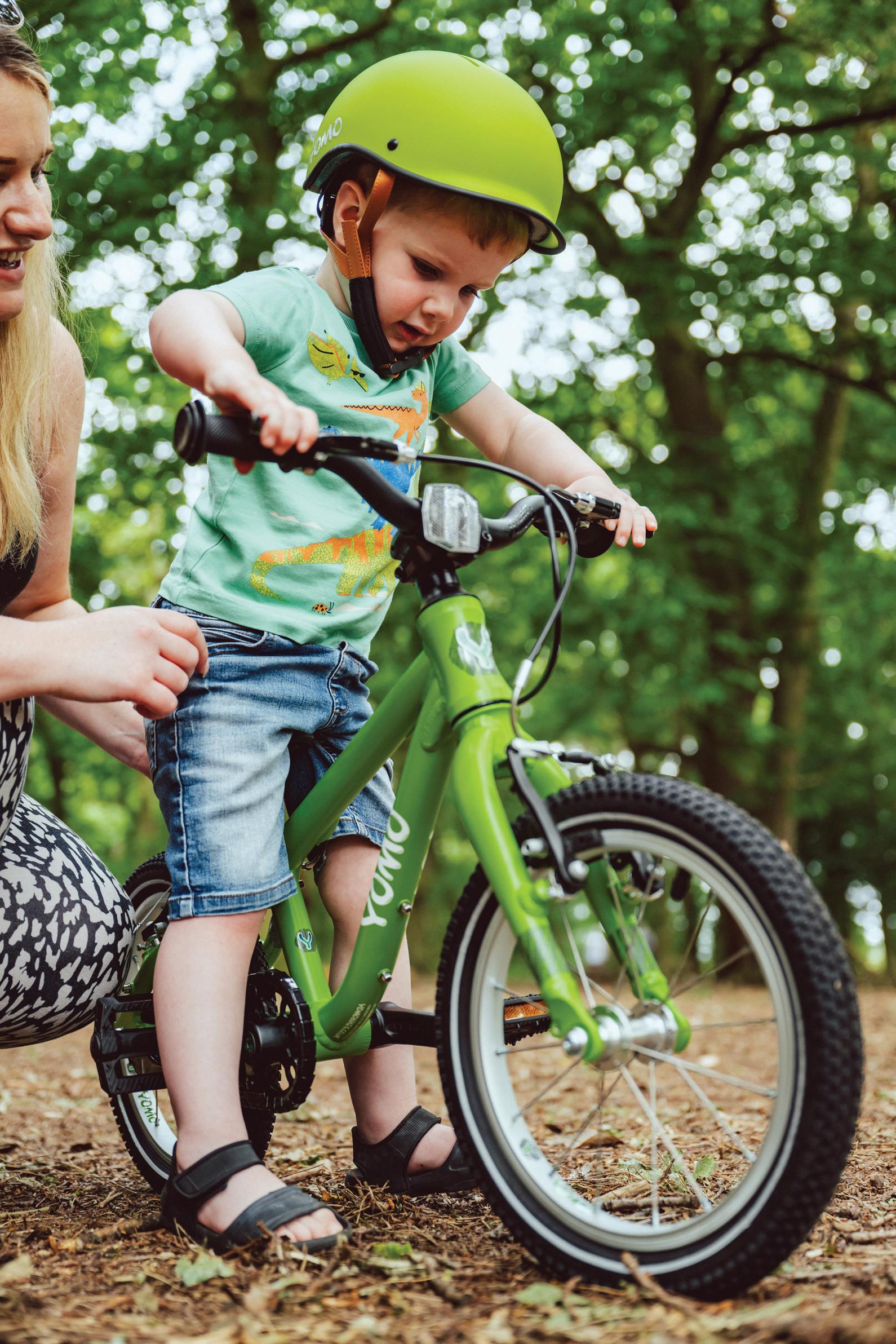
There’s been much change in the kids bike sector of late, perhaps enough to make dealers want to distance themselves from the market. But the fundamentals of children’s bikes remains solid and a vast opportunity, writes YOMO
Bikes Founder Shuvo Dev
…
In a changing bike industry landscape there are very few ‘evergreen’ opportunities. Wheel sizes change, eBike technology evolves and fashions come and go. However, there is one undeniable and everlasting truth: children love bikes. To our youngest members of society bikes offer freedom, adventure and fun. Accommodated correctly and this audience can end up being lifelong cyclists and customers long after they have outgrown their various sizes of kids’ bike. Add in the appeal of family days out and you may find mum and dad become regular customers too. It’s a true retail opportunity.
Now let’s face the elephant in the room right from the start. Historically not all kids bikes on the market have perhaps been the greatest quality. As a result, selling them can sometimes feel like creating work for yourself and not of high value. However, times are evolving.
The children’s bike scene has undoubtedly changed of late with wellknown brands leaving the market but as some leave, others are forming and growing. My brand, YOMO, was developed as I, a parent myself, became increasingly frustrated at the options on the market. One of the things that
“THE CHILDREN’S BIKE SCENE HAS UNDOUBTEDLY CHANGED OF LATE WITH WELL-KNOWN BRANDS LEAVING THE MARKET BUT AS SOME LEAVE, OTHERS ARE FORMING AND GROWING”
separates YOMO from those you may perhaps find in a toy chain or those low-quality bikes of the past, for example, is that the bikes are developed specifically for children with riding pleasure and durability at their core. This is an important consideration.
Kids bikes should not simply be ‘shrunk down’ adult bikes. Children have very different physiology and needs from a bike than an adult does so finding a brand like YOMO that designs its bikes around children is key. The result of this focus is a more engaging and fun riding bike which children will genuinely want to ride. There is no need for a small bike to weigh more than an adult bike either. The drive towards lighter kids bikes is a welcome development – especially for the children riding them. However, there is a balance that needs to be made between lightweight and durability and this is sadly all too often neglected. Quality, hard wearing components help keep the weight down whilst ensuring that you the retailer are not liable for lots of future warranty work on broken bikes.
Younger riders are not known for treating their bike like a carbon superbike after all so the bikes have to be tough and resilient to knocks. This is also a huge advantage to the parents, as durable bikes tend to need repairing far less and last longer – maybe even being passed on to the younger siblings –which in turn creates loyalty to both the brand and to the retailer who sold it to them. It also helps them justify paying a little extra for a premium bike as opposed to a cheap bike shaped object. This loyalty point also brings me to another important advantage of stocking quality kid’s bikes. The parents present you with a great cross selling opportunity. Firstly, they will likely buy helmets and accessories for their young ones alongside the bike. Secondly, as the summer rolls in and they see families out in the sunshine enjoying time together, they are likely to come back to you for their own bikes and accessories too. Therefore the child bike sector offers you a sales funnel of potentially new and loyal customers.
As the child grows, their need for new bikes continues so that first sale can lead to many future sales too and this leads me on to my next point.
The bike industry’s future is uncertain. No one can foresee what is coming along the road ahead. However, this is where another ‘evergreen’ factor comes into play. Better riding

“THE CHILDREN’S SECTOR HAS BEEN, IN MY HONEST OPINION, UNDERVALUED AND UNDER INVESTED IN OVER MANY YEARS”
experiences through better quality bikes supplied by a premium retailer, leads to a long-lasting loyalty to you and a love of cycling developed for the growing children and their families. In turn, this will drive bike brands to innovate more and invest in further improving their bike offering for all ages. The children’s sector has been, in my honest opinion, undervalued and under invested in over many years. When this changes, your market will expand, and new opportunities will present themselves for renewed customer loyalty and cross selling.
So, I for one, call on the bike industry to allocate more time and resource to developing the kids’ sector for the
greater good of all. Brands like YOMO will continue to innovate but in isolation there is only so much we can do as it needs an industry wide commitment, in my opinion.
We will continue to invest in this area and any future increased market competition is warmly welcomed by us as it shows that the sector is thriving, and young people are getting into cycling at an earlier age. This is not just good for those of us in the market already, but for everyone involved. The brands, the riders, their families and you the retailer. Embrace the kids’ market – it’s the future.
yomobikes.co.uk
YOUR PARTNER TO HELP YOU BUILD YOUR BUSINESS


√ 24 years of experience √ Customer & sales support
√ Customized marketing activities √ Delivery from stock
√ Place orders 24 hours a day 7 days per week
For more info about our brands, send a message to sales@onewaybike.nl or give us a call: +44 1527 958331
Website: shop.oneway.bike
What not to do at the till, especially when you’ve already made the sale. John Styles continues his series of unpicking the sales process by exploring how shops can ensure they aren’t unpicking their hard work at the till…
So last time we looked at ways to complete the sale and I promised you an introduction to your new best friend “NANI”. Now if you’d like to picture her as a character, imagine something along the lines of Catherine Tate’s character, NAN. In a word, un-predictable. You can imagine what she might say “£8k, for a bike!... what a… bleedin’ liberty!” You don’t want her at the till, so be careful not to invite her yourself.
“TRY TO BECOME COMFORTABLE WITH NOT HAVING TO UTILISE ALL OF YOUR KNOWLEDGE ABOUT EVERY PRODUCT, ON EVERY SALE”
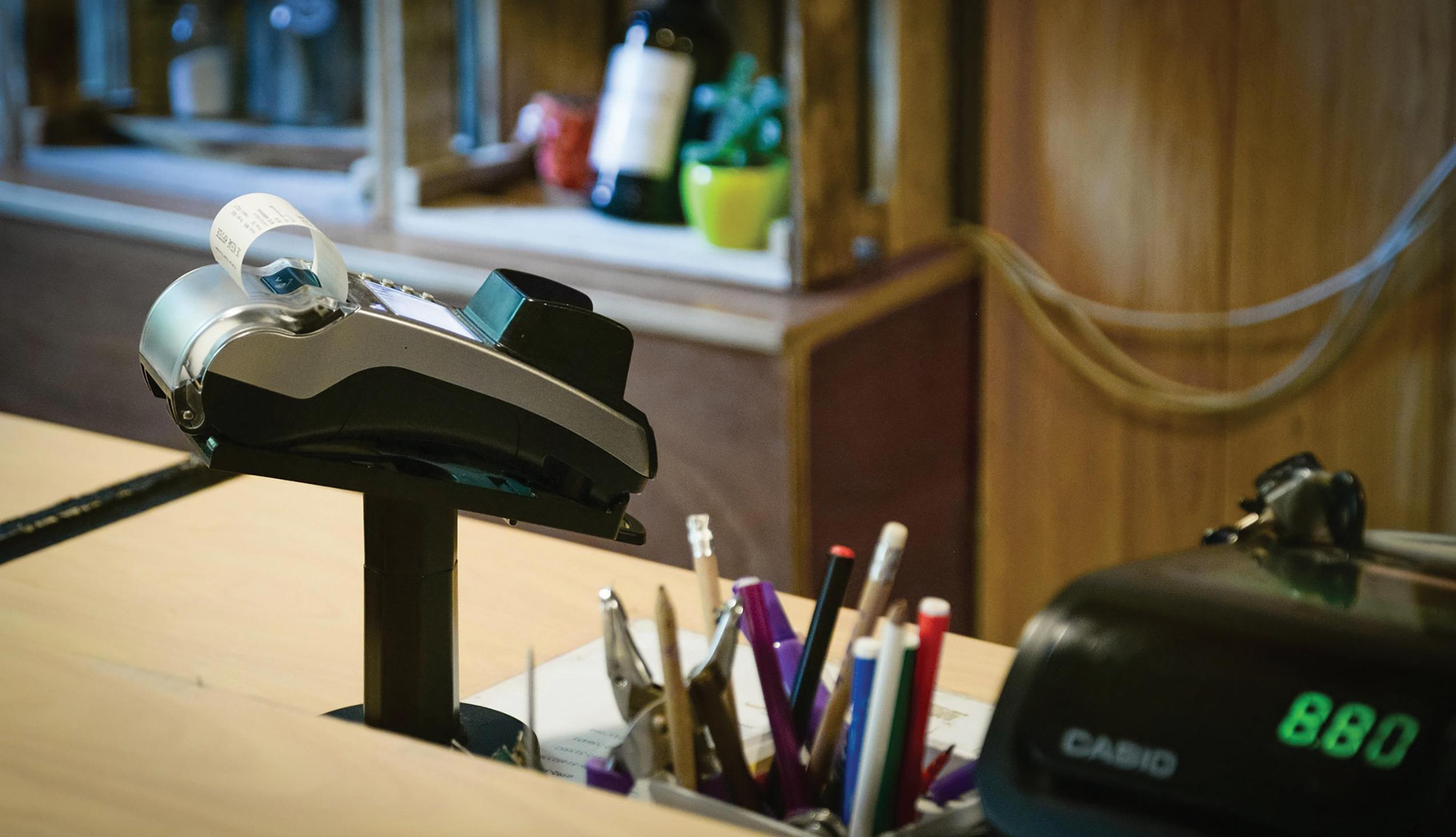
Never Add New Information (at the till) NANI stands for Never Add New Information (at the till). Because doing that can, occasionally, unravel a sale. For example, you might not have covered all the features of a product. Or perhaps the full warranty terms or crash replacement during the sale process. If the consumer has not asked about that feature, you don’t have a duty to explain every single thing to them. And it creates risk if you start volunteering new information at this point in the process. If they’re happy with the product based on what they asked about and what you’ve explained, you can proceed. Whenever you add new information after the customer made the decision to make a purchase, it may raise more questions. It may cause them to come back into the sales process to understand more. It might mean they delay the purchase, or you might raise a purchasing criteria that means they steer away towards other goods.
So, to avoid this:
• Ensure your previous conversations are thorough (but based on stated needs)
• Practice being comfortable with quiet after the sale is made, or talking about something else
• Try to become comfortable with not having to utilise all of your knowledge about every product, on every sale (there’s plenty more about that in Donny Perry’s Book, Leading Out Retail).
It’s easier said than done, so like everything else in the Simple Sales Tips series, just give a try sometime, don’t expect immediate results, just add it your good habits.
Avoiding Doubts (at the till)
One final note when you’re at the till; be aware of your own feelings about the sale – especially when it’s time to collect payment. Because you can add
new information (in the form of doubts) without really realising you’re doing it (it can be quite subtle). Sometimes, the customer’s choice doesn’t quite resonate with your favourite product or best advice. And that’s where the urge to add new information can creep in, you’re doubting the consumers choice. So, ask yourself why? Because of their choices or what might be yours?

“SOMETIMES, THE CUSTOMER’S CHOICE DOESN’T QUITE RESONATE WITH YOUR FAVOURITE PRODUCT OR BEST ADVICE. AND THAT’S WHERE THE URGE TO ADD NEW INFORMATION CAN CREEP IN”
In a handful of stores, I’ve also noticed that some staff can project their internal ‘financial concerns’ on the consumer. They might be feeling cautious about spending money themselves. And sometimes that caution can be projected onto the consumer, worrying about whether the consumer can afford the goods. I know it’s easy to say, but if you recognise that in yourself, even a little, let it go. It’s a habit that isn’t serving you or your store well. We’re all adults and if the consumer has made the effort to come to your store and spend money, it’s not your responsibility to think about their spending choices. So long as you have listened to their needs, proposed the appropriate product (without pressure or misinformation) you can hold your head up high and be proud of what you do.
Next time: let’s look at the sale that happens after the sale. Warranty. And just to pre-warn you, the challenge will be to try turning your current conversations both upside down and backwards.
John Styles is a veteran of the cycling industry, having worked with leading distributors and brands across the sector. With a well-rounded perspective on the opportunities and challenges facing the sector, backed by a Bachelors Degree in Economics, John Styles is an expert consultant for the bike trade. Get in contact via johnstyles2002@yahoo.co.uk
BICYCLE TUBES CAREFULLY ENGINEERED TO EXCEED ALL EXPECTATIONS, BREAKING BARRIERS OF TOUGHNESS, WEIGHT AND SIZE
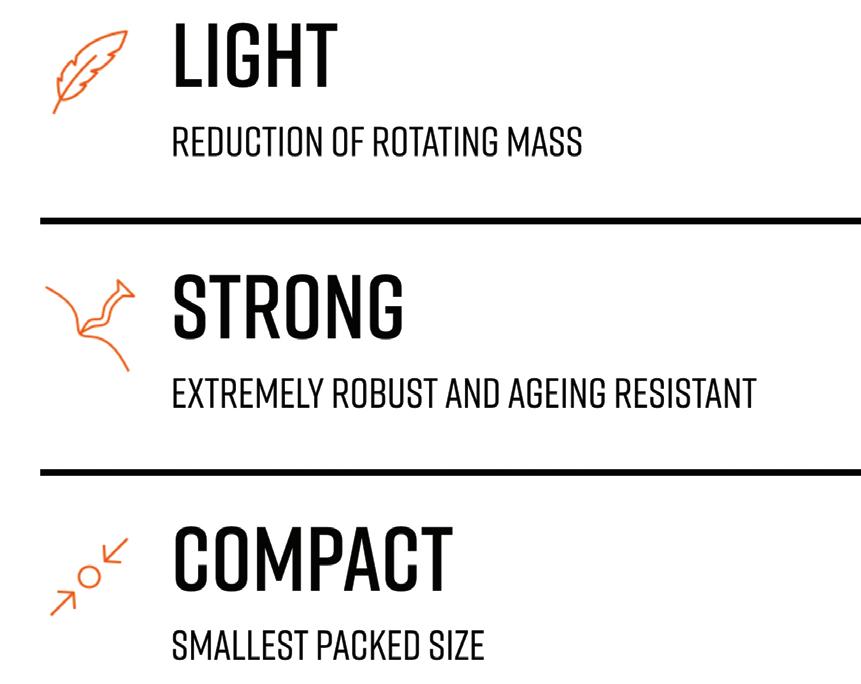
Using a new high-tech thermoplastic elastomer and combined with a unique manufacturing technology Tubolito is capable of delivering very light, robust and reliable bike tubes to their customers
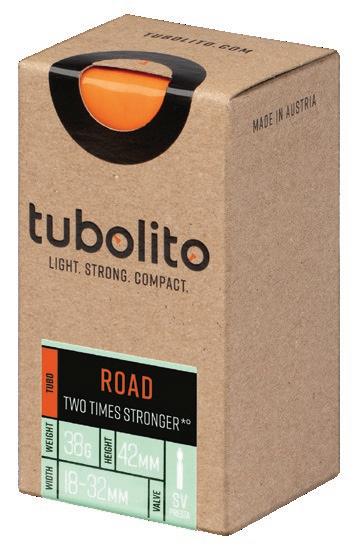
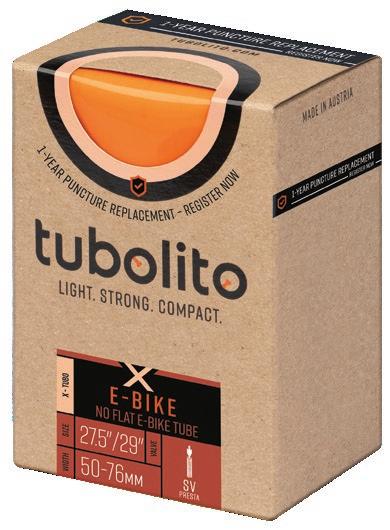
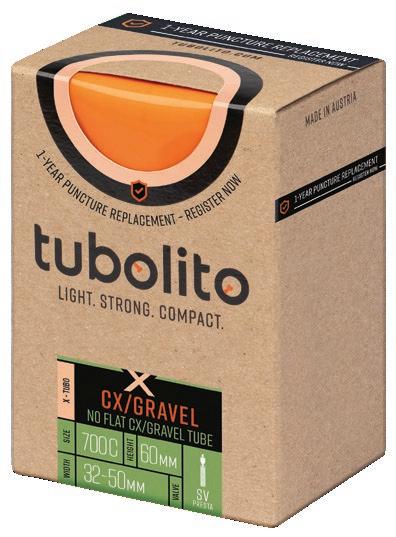
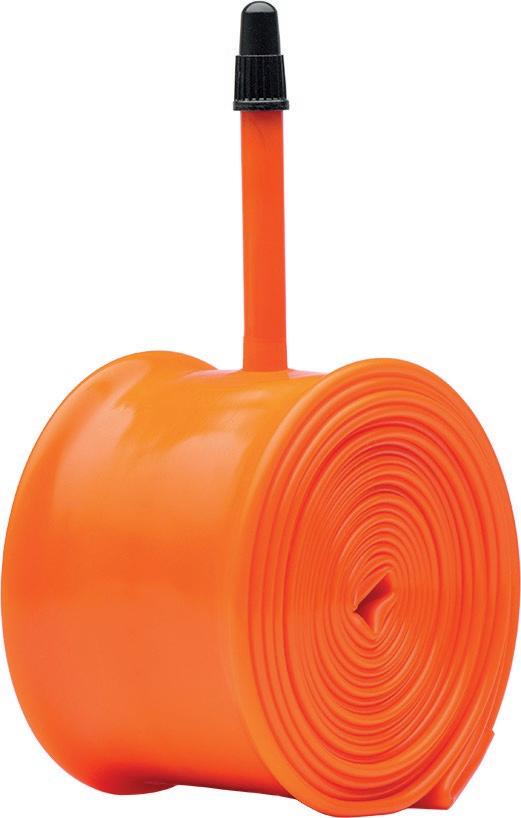
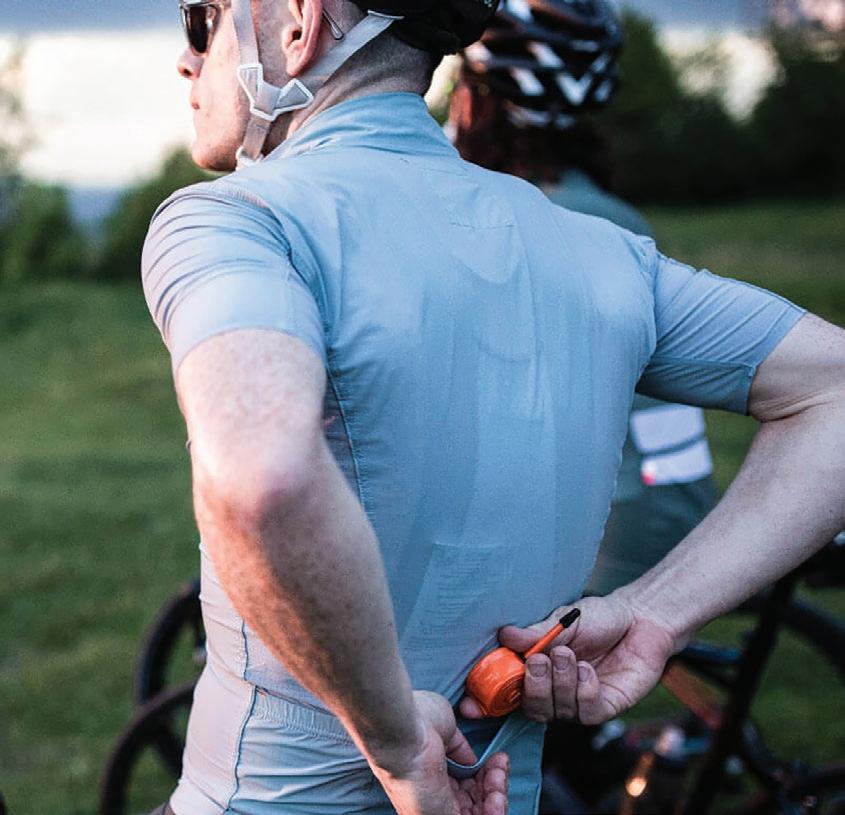
There are many advantages using Tubolito inner tubes on your bike: You easily save up to 100 grams, place emphasis on the importance of regional products and short supply chains (Tubolito tubes are manufactured in Europe) and show customers that your brand is paying attention to details to provide the best overall package.
To find out more about Tubolito and our extensive range of products, contact your area sales manager, email us at sales@bob-elliot.co.uk or call us on 01772 459887

how we can fine-tune our output to resonate with new customers…
It sticks with me to this day, the cringe worthiness that’s impossible to wash off, as I expect the paint may have been after several days at Eurobike. I’m talking about the Kelly’s brand and a marketing stunt that went on for far too many editions of the German trade show; the one where two women in the nude were painted in the firm’s branding. I’ve never ridden a Kelly’s bike, in fact, I still know very little about the brand, but the one thing I do know is that they’ll never live that down in the minds of those who want to see the bike industry become a more progressive place where we sell far more bikes to women.
There was the YT Jeffsy campaign, a Pinarello ad that got pulled in late 2017 and also a Colnago promotion before that that stands out in my mind too. These are historic gaffes, for which each brand has apologised, but it’s noteworthy nonetheless that I was able to recall each from memory.
I’m not the right person to comment on whether bike industry marketing has moved on when it comes to targeting women. I think it has, slowly, but I’m not the target, and when it goes awry, it’s a second-hand annoyance, one that frustrates me in the sense that my partner, who I’m gradually coaxing into riding eBikes, would perhaps be put off cycling.
As the Editor of consumer title
CyclingElectric, we have always gone to extra effort to represent those who have been lesser seen over the years in cycling and for that reason over 50% of magazine covers have featured a female eBike rider and, more recently, we’ve had an electric trike too, hopefully reaching out to an arguably even more neglected crowd: those with a disability or mobility issue.
This deliberate effort to create content and seek stories from a crowd that has been generally underserved has delivered a pleasantly surprising return. When you consider that 16.8 million people in the UK are classed as disabled – that’s a quarter of the population – it’s a regret that we hadn’t made firmer outreach efforts sooner.
I’m not here to self-promote, but I do believe in being the change you wish to see and I think it worth highlighting success stories like that of UK e-mobility specialist Jorvik, one of a handful committed to going all in on a niche and building a firm reputation as a result.
Understanding that historically we have not done nearly enough to position underserved segments of society in our marketing is one thing, realising that we have a blue sea of untapped but increasingly interested customers is another, potentially lucrative nut to crack.
Marketing is of course one thing, understanding the barriers each consumer faces to cycling more is
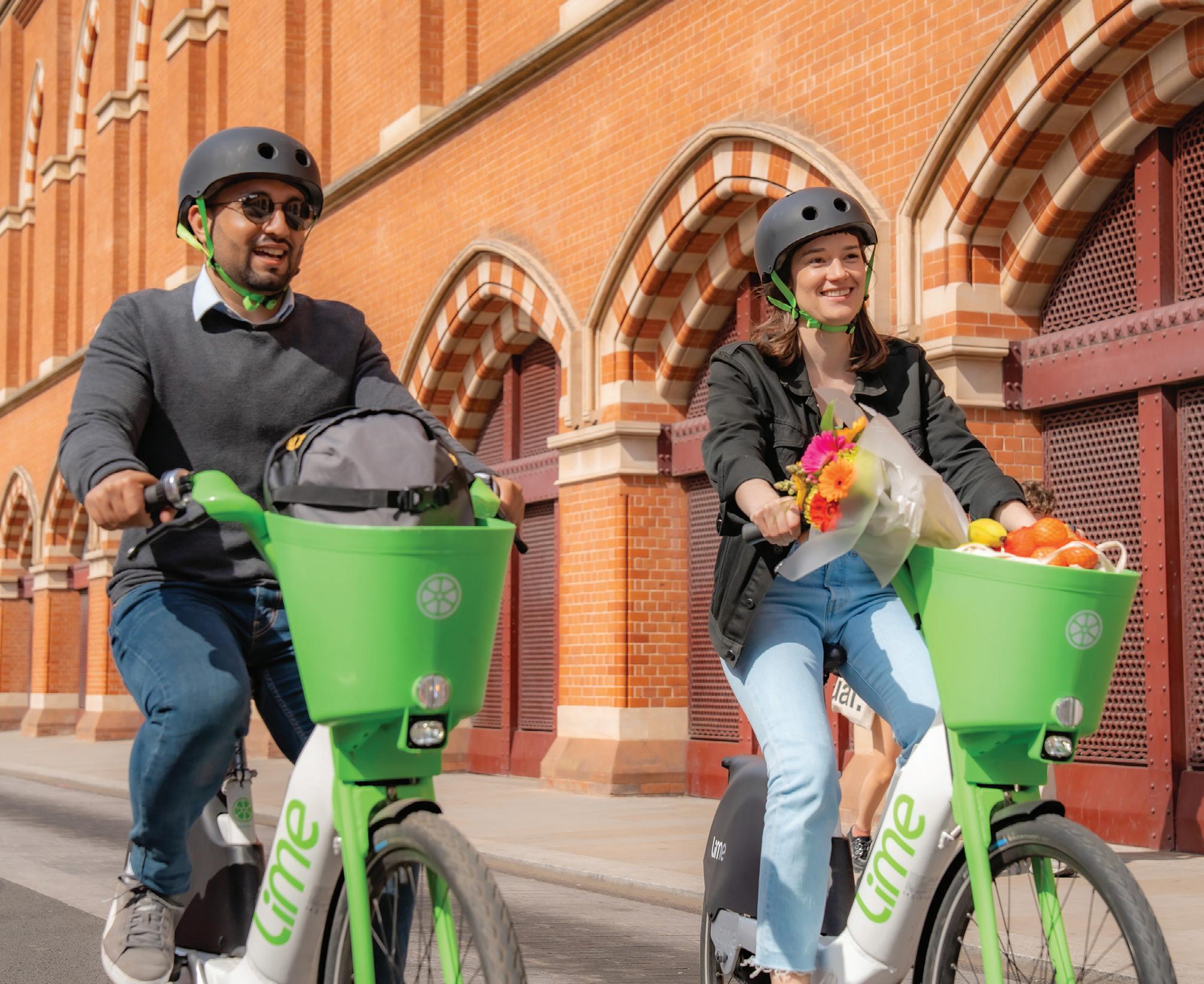
another. For women, the main barrier that has come up time and again in surveys is the safety perception around cycling. The gender gap in cycling remains a two-to-one ratio when looking at patterns of cycling once per week. Here, arguably, bike share has done more to level the natural interest, Lime quite notably altering its entire bike design to focus on ‘who isn’t riding’. This is the warplane analogy expertly applied, we know where the bullets hit on downed planes, but that’s not as important as where they hit on planes that stayed in the air. Lime is making their hire bikes with a lower step-through, with adjustments to weight distribution to help handling for everyone is a masterstroke of subtle appeal. The bikes are just as functional as before, but now they look visually far more able to be handled by a broader demographic, whereas before the sheer bulk was intimidating. That’s not all, either. Noting that 50% of its riders felt unsafe cycling at night, the firm added a ‘follow my ride’ feature that lets people share their journey details. If you’ve ever worried about yourself, or a partner while cycling, that’s an incredible peace of mind value add and a word of mouth marketing masterstroke. From Lime’s perspective, a handful of design features that listened to the wants and needs of the masses serve as the catalyst for brand new
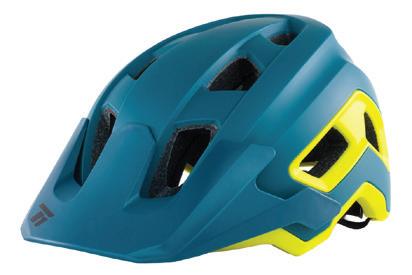
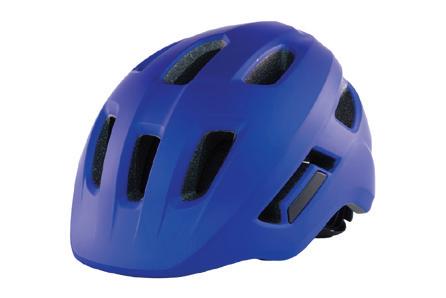
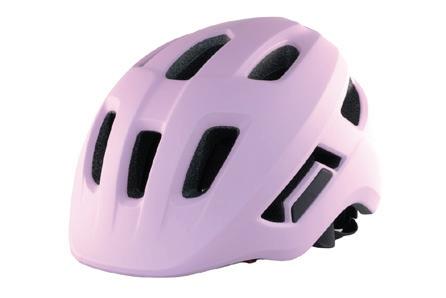
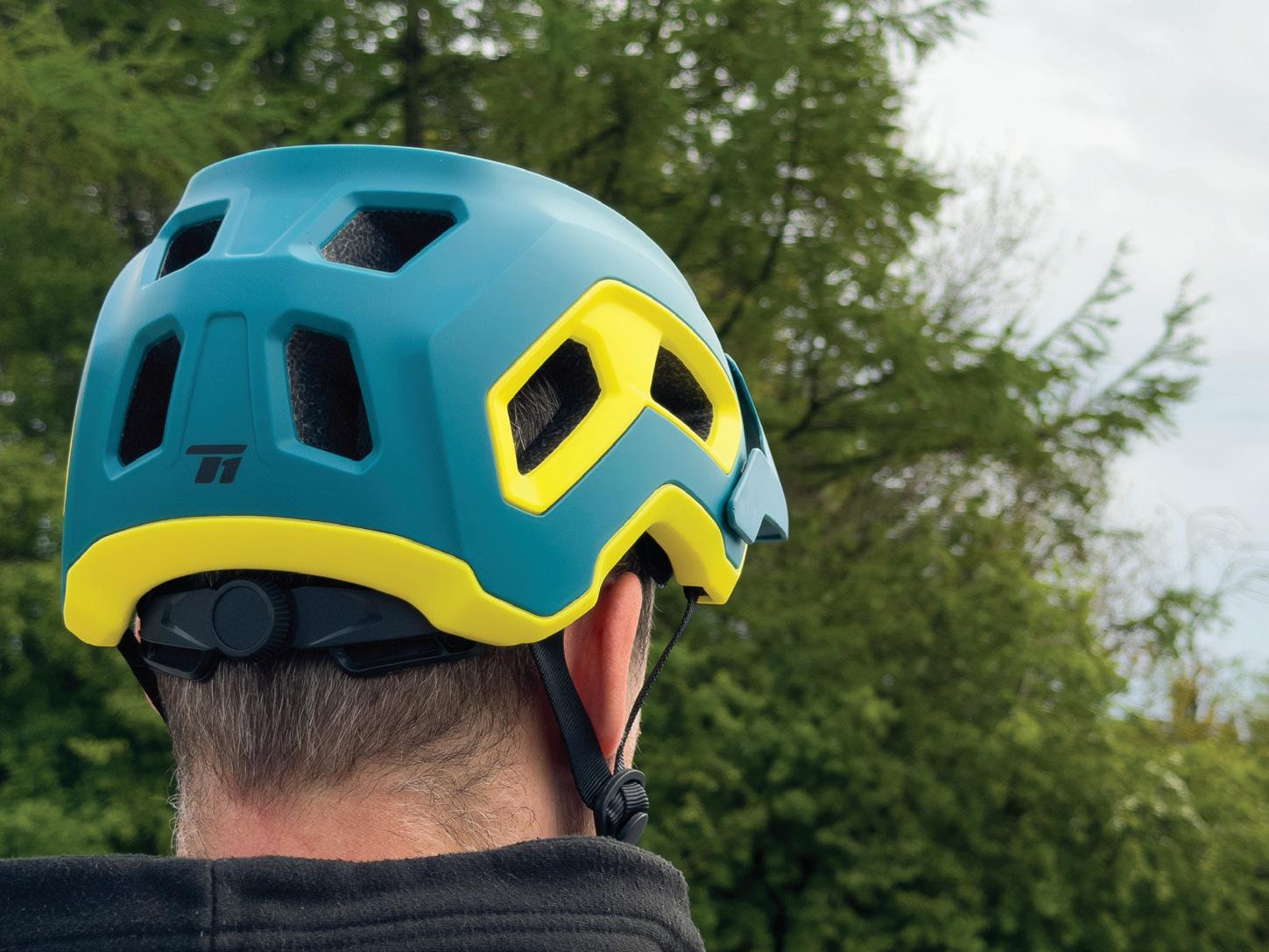
• All models with in-mould construction
• A wide range of colours and styles to choose from
• No buy in requirements
• Excellent dealer margins by
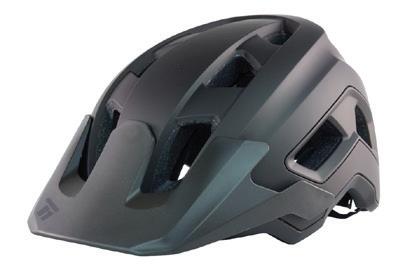
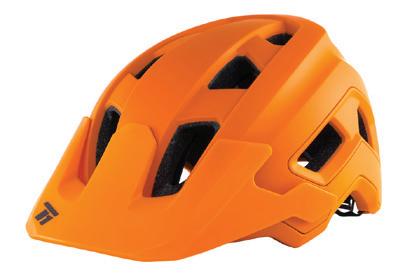
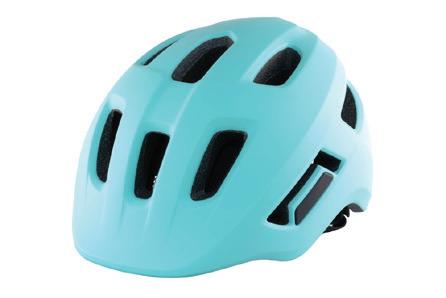
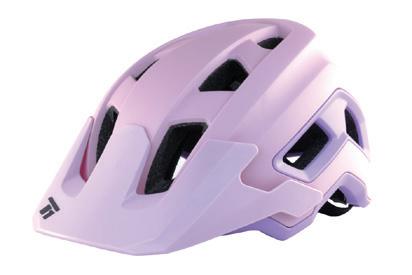
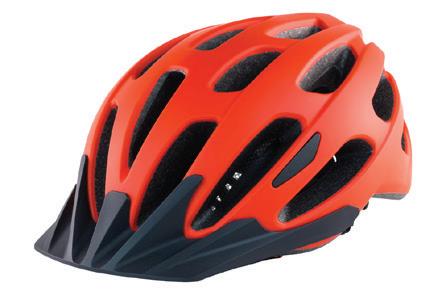
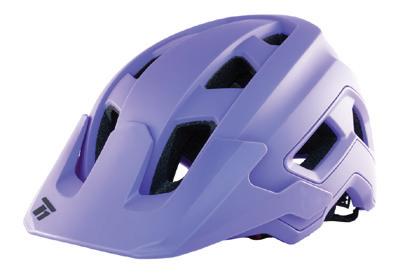
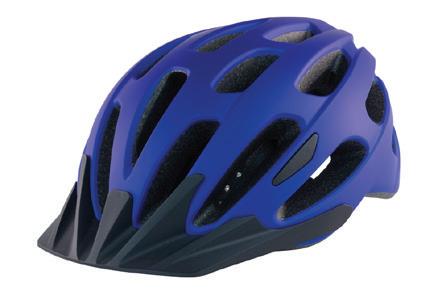
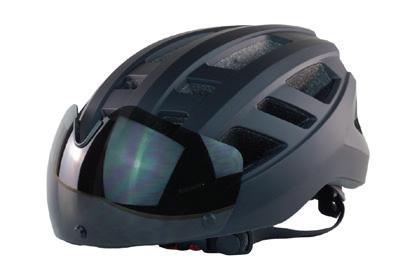
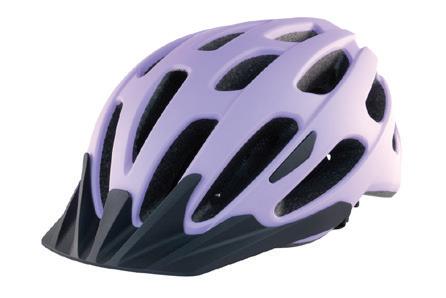
Contact us for a copy of our new bikes or parts and accessories brochures, or for more information on becoming a dealer.
“RESPONDING TO THE LATEST ROUND OF LONDON TUBE STRIKES, LIME TOOK OUT EXPERIMENTAL ADS ON A HANDFUL OF BUS SHELTERS. IT WON’T HAVE BEEN CHEAP, BUT IT WOULD HAVE BEEN AN OFFER DIFFICULT TO REFUSE FOR THOSE QUESTIONING THEIR FUTURE TRANSPORT HABITS”
ridership, all without explicitly spending a penny of marketing budget. Instead, the imagery sells the refreshed experience.
I’ve previously urged the bike industry on these very pages to revive the #BikeIsBest era collective marketing, because in my mind, this was a brief but golden moment. A moment where budgets were elevated during the better (for business) part of Covid and there was a broad agreement that all boats rising together on the back of very public campaigns would be a good thing. This saw the media agency behind the effort, Fusion Media, land adverts alongside petrol garages with elevated prices (sounds familiar) and collaborate with brands like Specialized to take ad space on the pumps themselves.
We can all agree that if there’s one thing the bike industry needs, it’s brand new customers. The noncyclists do require more lubrication than the enthusiasts, sure, but with the
consumer-side economy now in a perpetual state of affordability crisis and, lately, accelerating job losses, the trend with the enthusiast seems to be to hold onto kit longer, repair existing items and not be so likely to buy again on such predictable cycles. A new goal should be to sell the idea of cycling as an affordable means of transport to those who are currently struggling with their transport costs.
Unfortunately, marketing spend is one of the first things to be cut when hard times hit, so justifying a collective rather than a focused effort is a big ask. I understand that, but what a glorious moment that was, where the bike industry clubbed together to appeal to hearts and minds with a brand-neutral, but powerful message pasted in places where emotions run high.
Striking while the iron is hot is something that is incredibly tricky, especially if you are a slim resource or need layers of approvals. Yet some of
the most effective marketing I have seen has reacted in the moment to real problems people are facing, for which we have the answers. Well-positioned adverts that make an impact stand a far better chance of going viral, or making a political point to be digested where it matters. Led By Donkeys, a crowdfunded political pressure group are the masters of this Guerilla-style of thought-provoking messaging, if you need inspiration.
Now, I’m not encouraging you to pressure wash via a stencil your probike message or slogan into the pavement outside train stations, but technically speaking cleaning the pavement is actually an act of social good, not vandalism. Given that HS2 is now projected to cost £102.7 billion –about 169 times the five-year direct capital spend on cycling and walking combined – I wonder if there’s some viral content to be generated around the Westminster area.
The new Super Charging System enables charging at record speed –80 % in just 20 minutes for a 750 Wh battery. 80 % Charge. Only 20 Minutes.

More to come. Stay curious. Eurobike 2026.
“THE GENDER GAP IN CYCLING REMAINS A TWO-TO-ONE RATIO WHEN LOOKING AT PATTERNS OF CYCLING ONCE PER WEEK.”
An example of reactive marketing seen recently came from Dash Rides, the eBike subscriptions, marketplace and cycle to work business. Responding to the latest round of London tube strikes, a time when every hire bike in London is suddenly pre-booked, the firm took out experimental ads on a handful of bus shelters advertising its cycle to work reductions on Lime Bike hires. ‘Save 28-47% on Lime Bikes’, the large-format advert read. It won’t have been cheap, but it would have been an offer difficult to refuse for those questioning their future transport habits. I’d wager it was responsible for creating brand new ridership, hopefully to the eventual benefit of all of us.
If you’re in the midst of a forced behaviour change, the first pain point is anchoring to a price, then wondering quickly if it’s good value and can you get it cheaper? The anchoring
effect is fascinating. We all do it, even if the information or the price of something is broadly irrelevant. This cognitive bias disproportionately affects our decision-making and quite often the result is that we may be reluctant to commit to the first price we see. If we happen to catch sight of another lower price in quick succession, then commitment to an impulsive purchase increases quickly.
Advertising that targets our emotions can be some of the most effective, but as the start of this article alluded to, making sure the tone is right is an absolute must, or going viral for the wrong reasons is not just possible, but likely. Not quite as bad, but equally useless, is blindly repeating an expired message, which is something that feels surprisingly common. Always check your adverts for things like event dates that may not account
for a lead time in publication. For extra impact, always consider optimal placement. In print, that can be things like early right-hand pages, or cover placements, or even out-of-the-box creative ideas like wall planner takeovers. We’ve all seen them pinned up in workshops.
I briefly worked for a computer gaming trade magazine 20 years ago and distinctly remember a brand asking if they could pay to dye every page in the magazine their brand’s colours as part of an activation. It was impossible to ignore and the not something featured on the standard rate card. Once upon a time, this very magazine was asked if it could produce a pop-up to advertise a new dropper post. It turned out to be prohibitively complicated and expensive to make a reality, but the idea, if it came off, would have been legendary.
“NOWADAYS, VIDEO CONTENT HAS BECOME FAR MORE PROMINENT AS A RESULT OF AN INCREASED APPETITE FOR SHORT-FORM CONTENT ON MOBILE DEVICES, AS POPULARISED BY TIKTOK IN PARTICULAR”


Print is only one, surprisingly resilient format. Nowadays, video content has become far more prominent as a result of an increased appetite for short-form content on mobile devices, as popularised by TikTok in particular. Short-form content that sits within a continuous scrollable reel feed has to be especially good to stick in the mind, however, and producing clean, engaging video is an art form and a workload. If you are to go this road, where attention spans are fickle, having a unique angle is critical, otherwise your content can become doom scroll fodder. Start strong and keep it concise, but actionable.
Increasingly, it’s notable that these high-energy, short burn formats have to become ever more sensational to get engagement. The net result, so far
as my eBike-centric algorithm is showing me, is irresponsible use of eBikes, some seemingly sponsored by brands that come across as wanting the peak power arms race to substitute thoughtful marketing. Disappointingly, I have noted a handful of brands sponsoring content that showcases unrestricted or tampered use of eBikes, as well as runs that have featured eBikes forcing walkers off of trails. This has to be our collective responsibility to discourage, or we risk land access conflicts.
With that in mind, I’d urge restraint if your company feels the urge to generate something clickbaity. There are smarter ways to generate engagement. Various studies now show that many consumers are not impressed by, nor asking for higher ebike power peaks. It might make good content,
but knowing the press-at-large’s notoriously lazy reporting on eBikes, it’s the kind of engagement baiting that could cost us all far more down the line. It’s always a risk that irresponsible content gets called out too, which then becomes a crisis management problem.
Finally, outside of sheer delivery of numbers, I want to ask you, the CIN readers, what bike industry advertising has stuck with you, or provoked a response and why? And which of your own efforts have led to genuine new customer creation or add-on sales?
At a time when marketing resources feel lighter than ever, we all need to give extra thought to the impact of our efforts. Share your thoughts on the Cycling Industry Chat Facebook Group, a network of over 3,200 trade members.
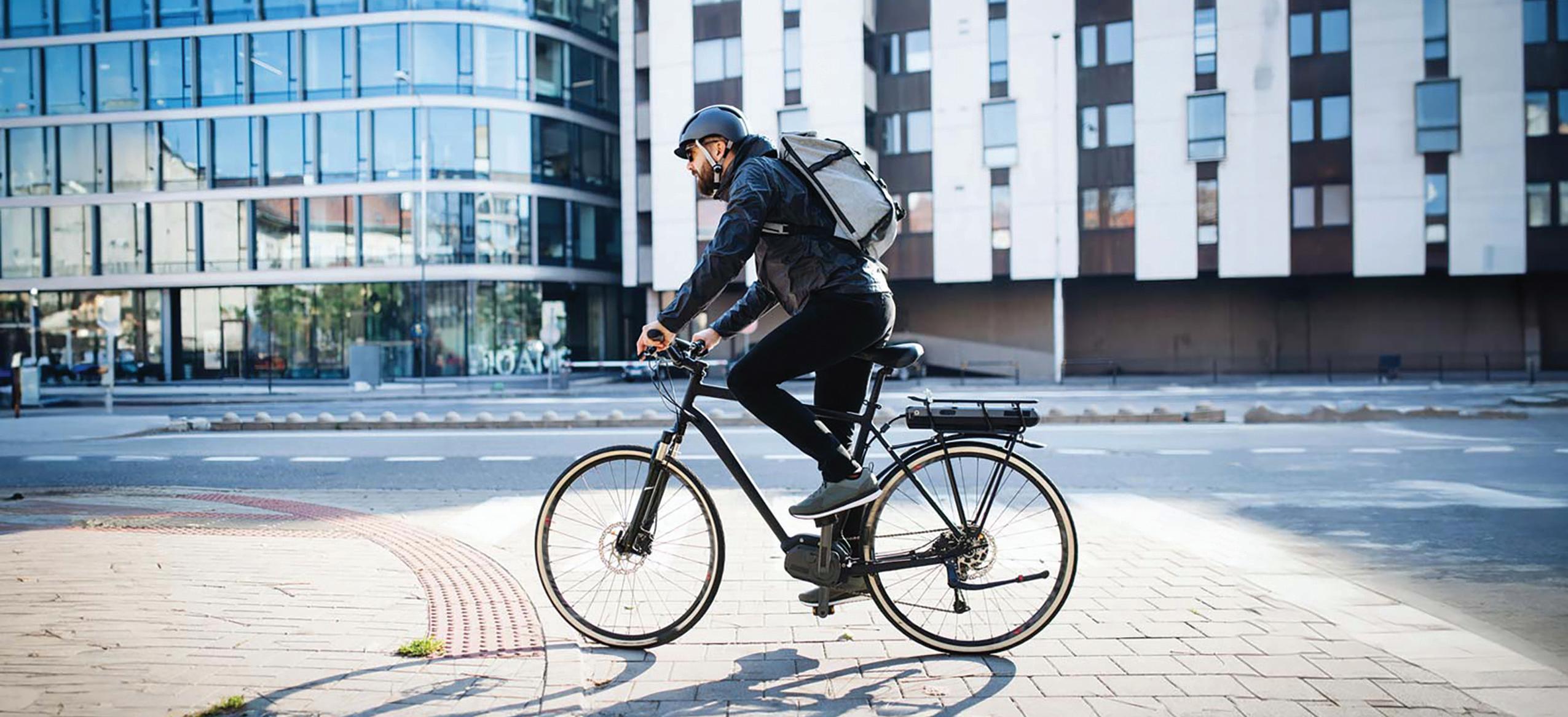
CycleTrac was developing its featurerich stolen bike tracking solution long before the eBike market came of age. The business takes us through the timeline and development behind this securityboosting product aimed at the electric bike sector…
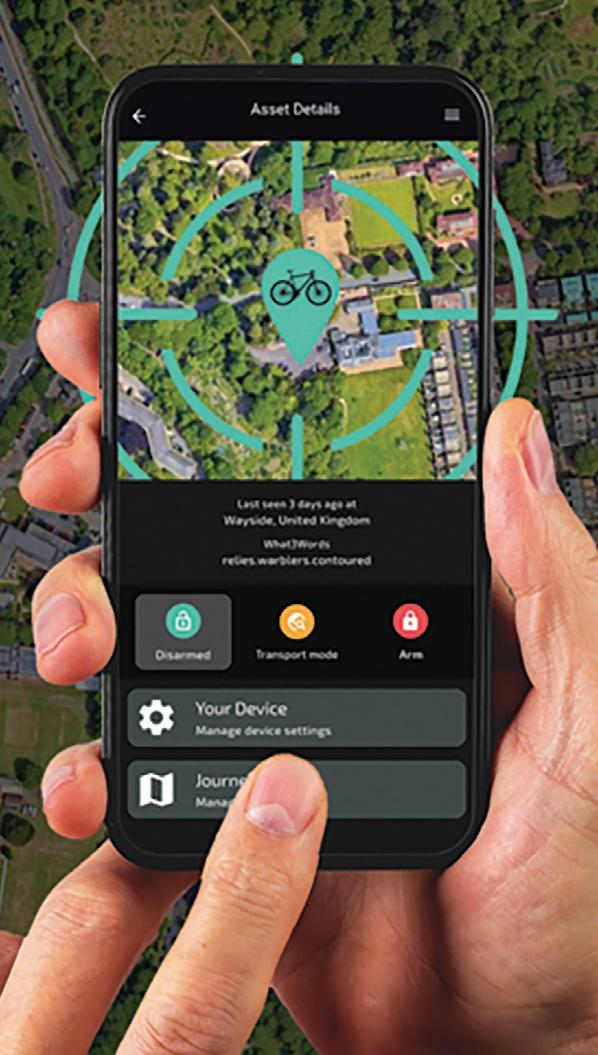
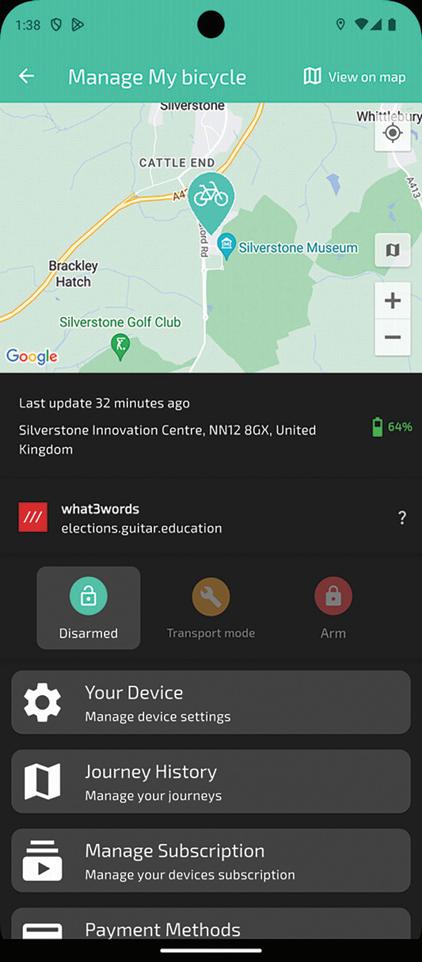
CycleTrac is feature-rich, with GPS and Radio Frequency technology, and users can track their bike live via the app

CycleTrac is a new name to many in the eBike market, but in fact, the brand that is set to revolutionise eBike Security, comes from a background steeped in experience, protecting the motorcycle market and others for the last 15 years.
So, what is CycleTrac and who is behind it? The genesis of CycleTrac actually dates back to 2008, when the original motorcycle tracking business was formed under the Road Angel Group (RAG). Renowned for their in-car tech, RAG decided to embark on the challenge of building a tracking product for motorcycles, under the watchful eye of tech wizard Andrew Conrich and motorcyclist and sales manager, Bill Taylor. By 2009, a prototype was developed.
With BikeTrac quickly establishing itself as the first dedicated product with Thatcham approval for motorcycles, the team enjoyed huge success, recovering bikes successfully from the word go and proving the proof of concept.
Bill Taylor picks up the story: “It really was the right product at the right time. We knew and trusted in the technology we’d developed, so once we were able to get the customer support elements agreed with a Secure Operating Centre and full back-up, then we just had to prove to customers and the authorities that it worked.”
BikeTrac quickly showed owners and police forces right across the country that its tech and support was very much effective. Fast forward to today, and the system is responsible for recovering over £17m worth of vehicles.
But despite the success in motorcycling, right from its very inception, the team had been looking at ways to make that technology work for bicycles.
Taylor adds: “Of course eBikes weren’t a thing back then as such, but we were testing tech in ordinary road bike frames.

It was tricky, and the biggest challenge was powering the unit, certainly enough to make it a truly effective solution. Of course when eBikes became more prevalent, we started to look at the tech again, and due to their higher value, we also saw the trend for theft grow.”
And so, when the parent company AllTrac became a standalone entity in 2016, the team set about work again to develop a dedicated eBike tracker. Bringing cycling industry stalwart Pasq Bianchi onboard, the team spent several years developing and testing the system, before finally bringing CycleTrac to the market in 2025.
“We worked hard to make sure we only launched CycleTrac when we were absolutely sure that the tech was ready and foolproof,” says Taylor. “With so many motors available on the market, we tested our system exhaustively, before coming with a product that we were confident to launch. And in literally just a few weeks, we were recovering stolen eBikes.”
And that experience, like BikeTrac before it, quickly led to confidence from the law enforcement authorities too, knowing that if CycleTrac notifies them of a theft, there’s a strong chance of a recovery and often a conviction too, said the business. CycleTrac is reportedly the first and only tracking device to be approved by Secured by Design - the official Police security initiative that provides a recognised standard for security.
CycleTrac is unlike other products on the market, namely because it is featurerich, with GPS and Radio Frequency technology. CycleTrac is much more than a crude tag, it’s a complete system, that is in contact 24/7, can be tracked live via app and has a team behind it with a Secure Operating Centre, in contact 365 days a year, should the worst happen..
www.cycletrac.co.uk

e-drive
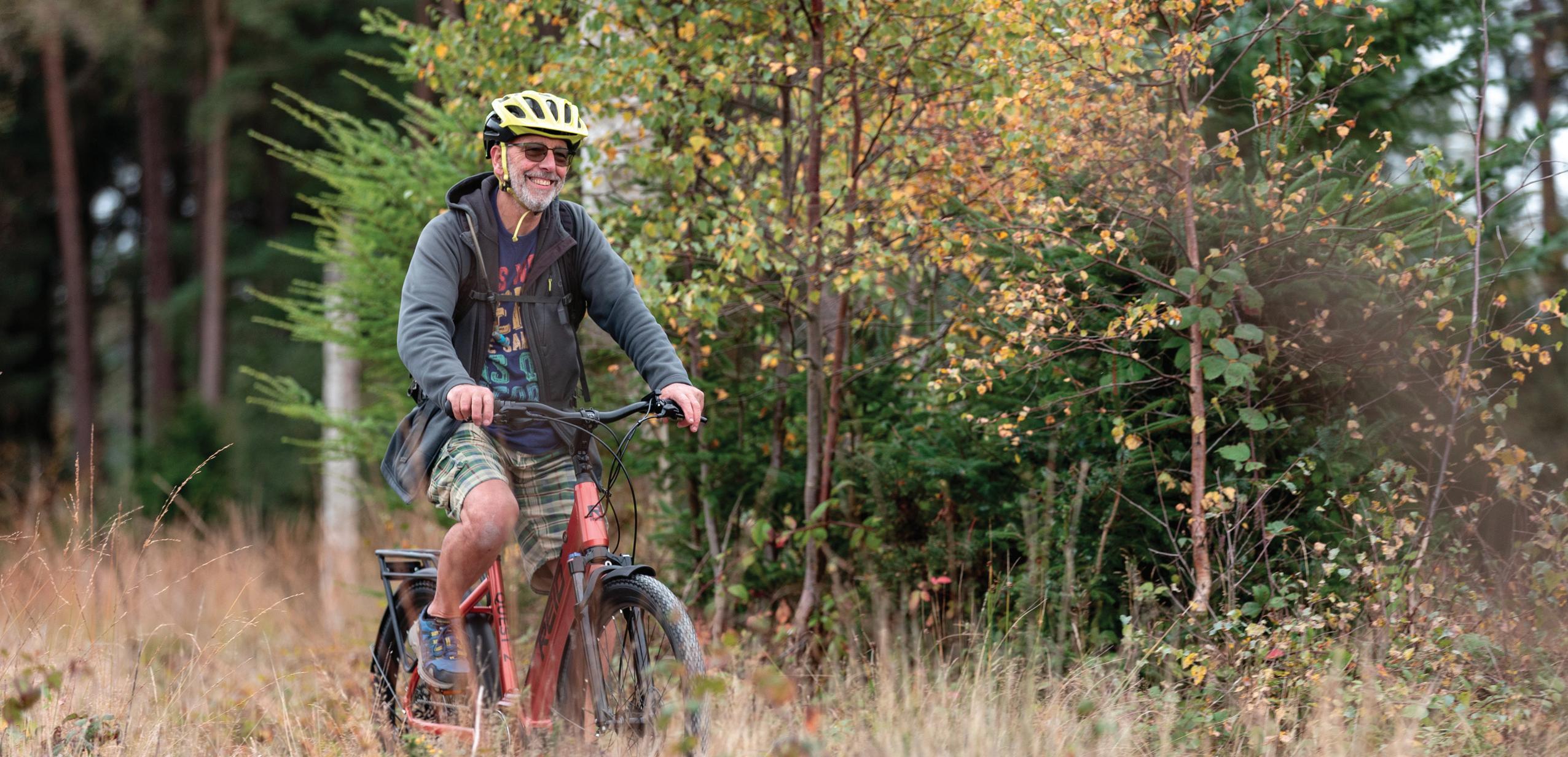
For OEMs and bike brands, leaning on the expertise and experience of a e-drive specialist often makes practical sense, leaving you to focus on your specialisms.
Reid Bikes lifts the lid on how and why it chose Ananda to work on its eBikes, how that works in practice and how after-sales service matters…
How long has Reid being working with Ananda as an e-drive partner?
Reid’s partnership with Ananda began in 2019. At the time, we were looking for a competitively priced yet powerful mid-motor from a company that could provide reliable support, even with our use of third-party batteries and displays. This partnership has since evolved, allowing us to share feedback and build on strengths to the point where we now confidently offer Ananda systems to our Private Label Programme (PLP) clients as well.
What kind of challenges do you face in choosing an e-drive OEM partner?
What are the key considerations that you can share with us?
Finding an e-drive partner that shares and understands your vision is key when producing eBikes at our level. We have always aimed to make our bikes accessible to all and our eBikes are no exception. We want to offer our customers the
same experience they would get with a more premium product but at more affordable prices. Ananda offers a wide selection of hub motors and mid motors at all levels allowing us to fine tune the eBike spec and e-system to hit the price points we are looking for.
What does the process involve? Factory visits? Research…?
The process starts with the end consumer in mind, what style of bike we are designing, what the demographic is and how they will use it. Because people treat eBikes very differently, we work to balance motor power output, torque and battery range. This may involve factory visits and communication with Ananda to ensure we select the correct components that match the product we want to produce. Sampling and testing are also important to achieve the right ride feel and performance, ultimately giving the consumer the best possible experience.
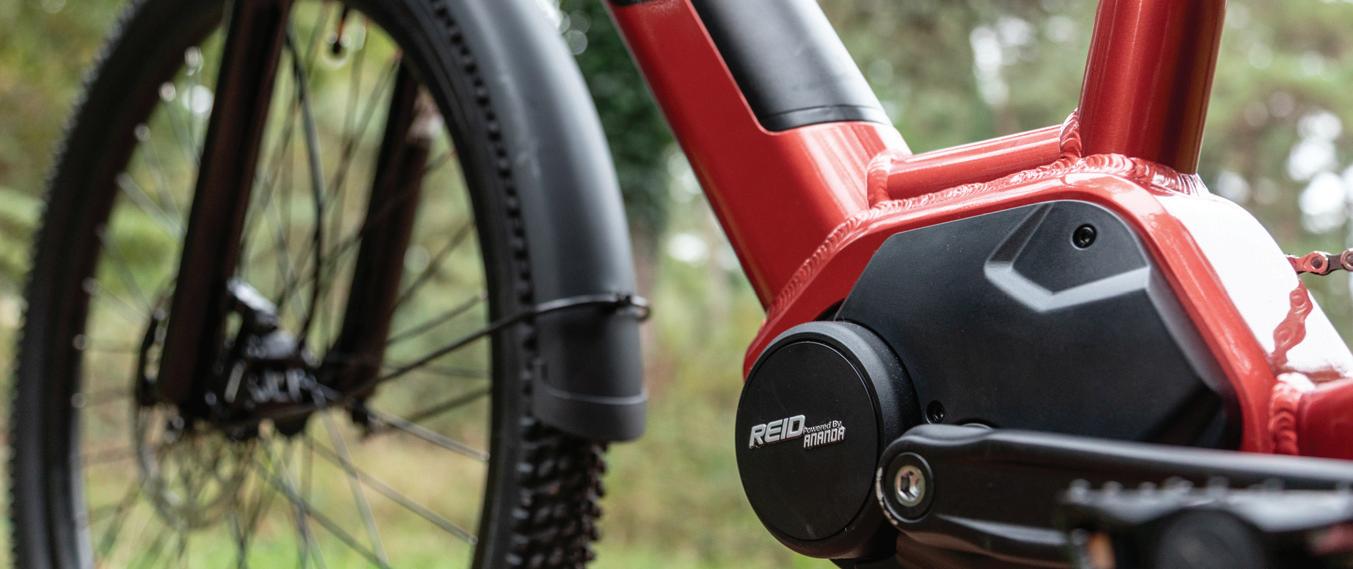
“We were looking for a powerful mid-motor from a company that could provide reliable support”
So why Ananda? What appealed about the brand’s products and service? If you look at their specs you will see why. Their mid motors boast an impressive 70–120 Nm of torque, depending on which motor you use. We also produce bikes for many different markets, such as Canada and the USA where their requirements are very different from those of an EPAC. Ananda has mid-drive and hub-drive motors up to 750W meaning we can cover a range of eBike classifications all within the one brand.
How crucial is the post-manufacture, aftercare and product feedback aspect of a relationship with an OEM e-drive partner?
Our retailers consistently value reliability and simplicity. Many of our customers are new to cycling and not technically minded, relying heavily on the retailer’s advice. Our retailers gain the confidence to sell our products knowing that our bikes are high quality, easily serviced, and backed by excellent after-sales support.
We are genuinely excited about entering some new markets this year and showing a wider audience our Ananda powered eBikes. We also hope more OEMs will partner with Ananda to grow the brand in the entry to midlevel eBike sector.
reidbikes.com
www.ananda-drive.com
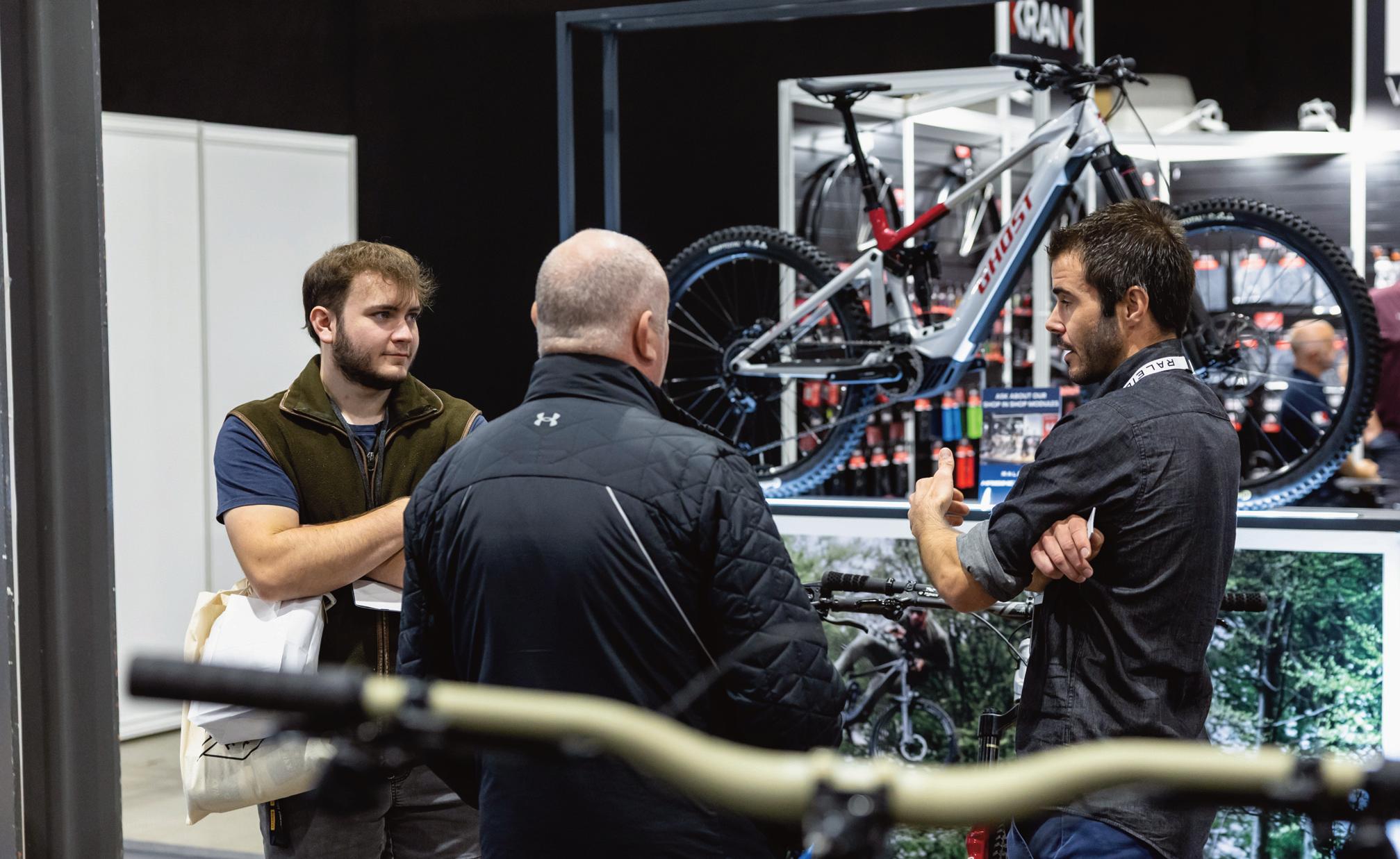
Get it in the diary, get pre-registered and lay the foundations for the coming season and year at Cycling Industry News Live this September…
Shops, workshops, mobile mechanics and associated bike trade execs can now head to the Cycling Industry News Live 2026 site and pre-register for the show, which runs Sunday 20 and Monday 21 September 2026, back at NAEC Stoneleigh in Warwickshire, slap bang in the Midlands of England with a bunch of handy transport links.
This year’s event will be larger than the debut in 2025, so you can expect more exhibitors and products to see
WHAT?
Cycling Industry News Live 2026
WHEN?
Sunday 20 and Monday 21 September 2026
HOW?
CIN Live is in its 2nd year, organised by the team behind Cycling Industry News (itself celebrating 10 years in 2026)
across a larger space at NAEC. Timed outside peak selling season at a traditionally strong time for bike shows, it’s an ideal time to examine lines and ranges to stock for the coming season with doubtless plenty of products being previewed for the following year, all under one roof.
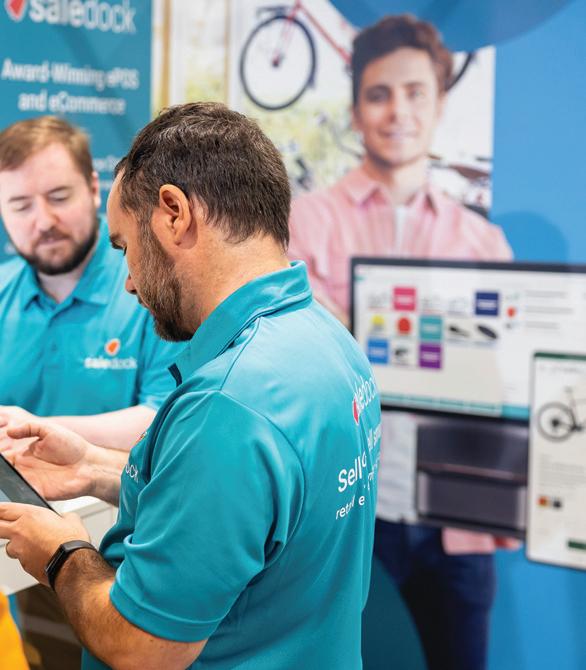
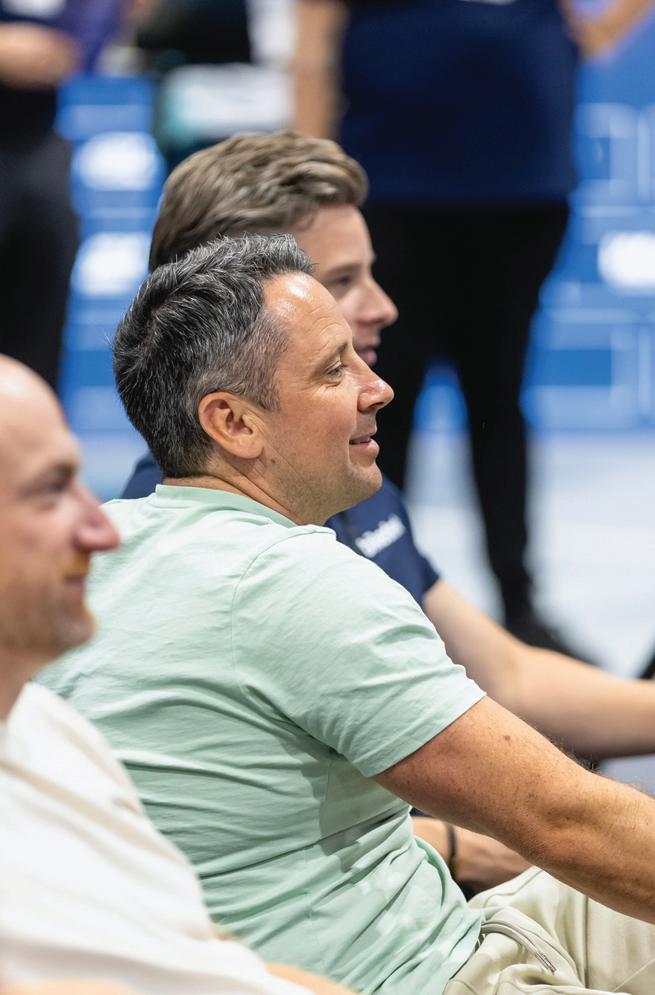
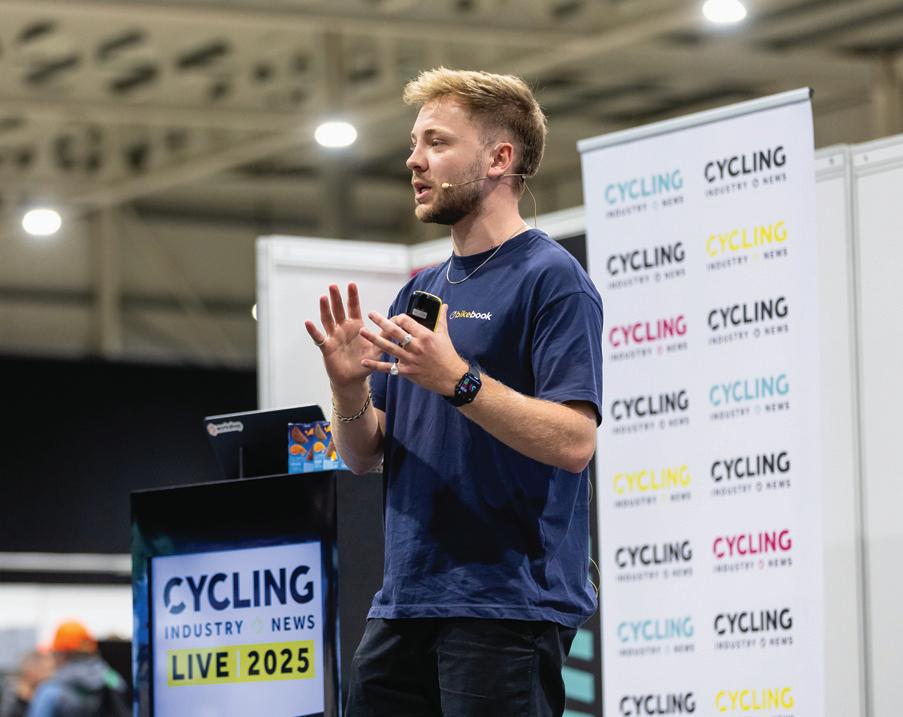
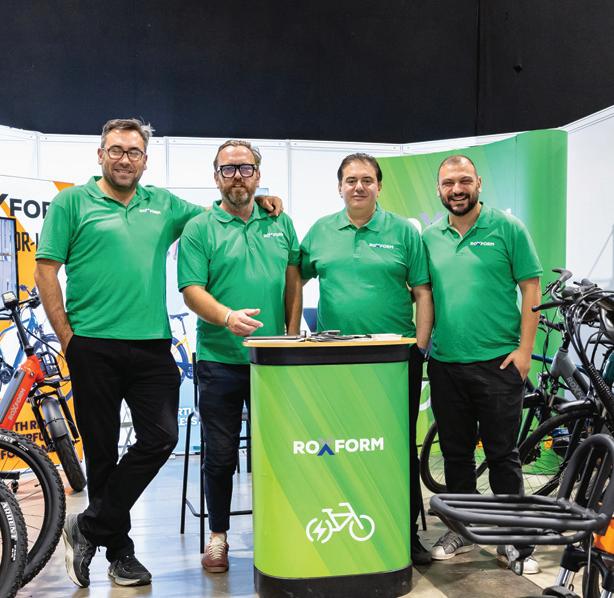
Didn’t come along last time? Take a look at the pics and some of the testimonials from last year.
As the old adage states: fail to plan and you plan to fail, so with that in
mind, why not go ahead and plan what you’re doing on 20-21 September, helping set you up for the coming season and year at Cycling Industry News Live 2026.
Prospective exhibitors can register interest at Lloyd@cyclingindustry.news Visitors should watch this space and the official site live.cyclingindustry.news for more previews and hints of what to see at the show, including announcements of brands and seminars being lined up over both days.
Meet a uniquely broad crosssection of the cycling industry, all under one roof in the UK, with major suppliers alongside upand-coming brands and importers. AND grow your knowledge and insights through the extensive seminar programme and network with the cycling industry community.
NAEC Stoneleigh, Warwickshire (SAT NAV CV8 2LH). Rail: London Euston or Birmingham New Street to Coventry; London Marylebone to Warwick Parkway Air: NAEC Stoneleigh is within 30 minutes of Birmingham International Airport, with easy access via the A45 and A46.
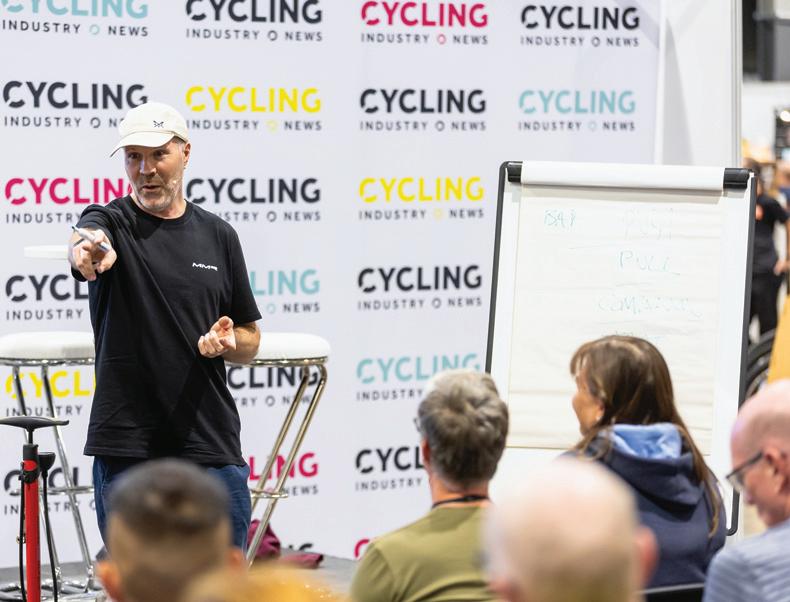


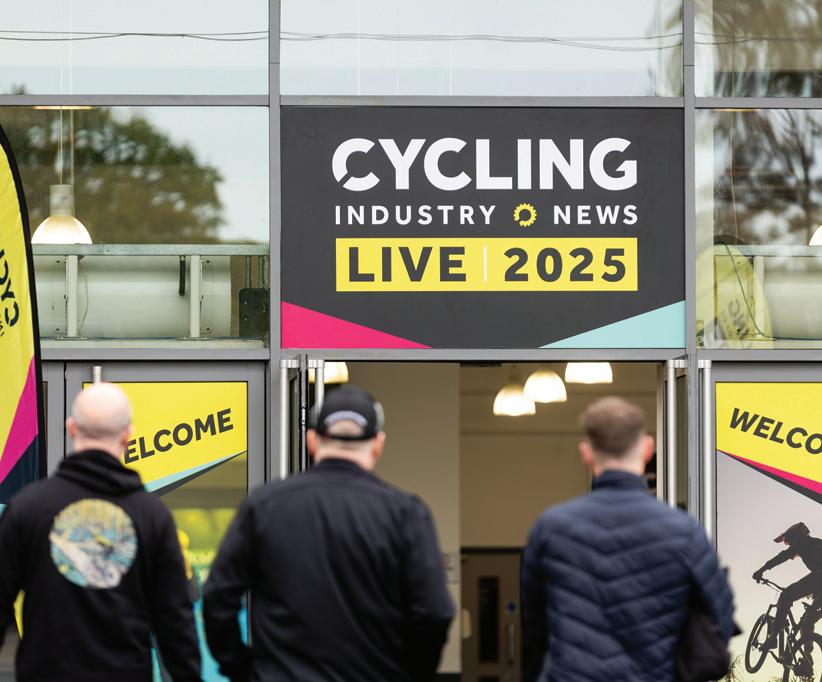
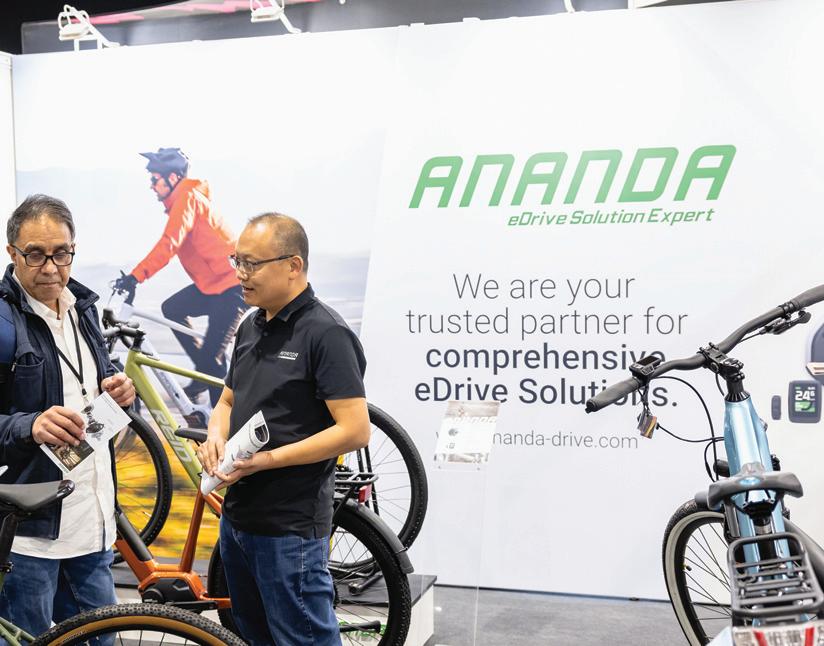



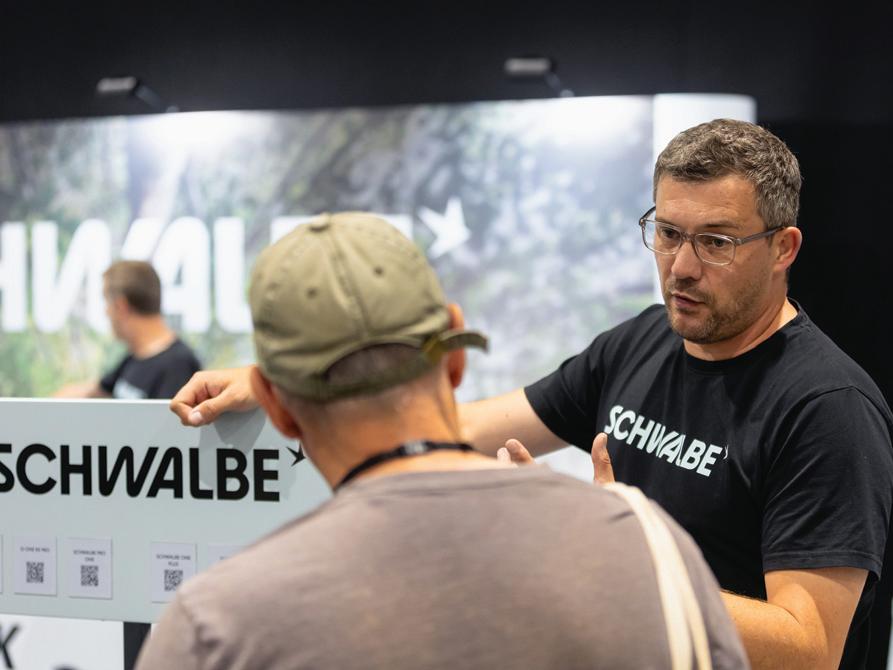




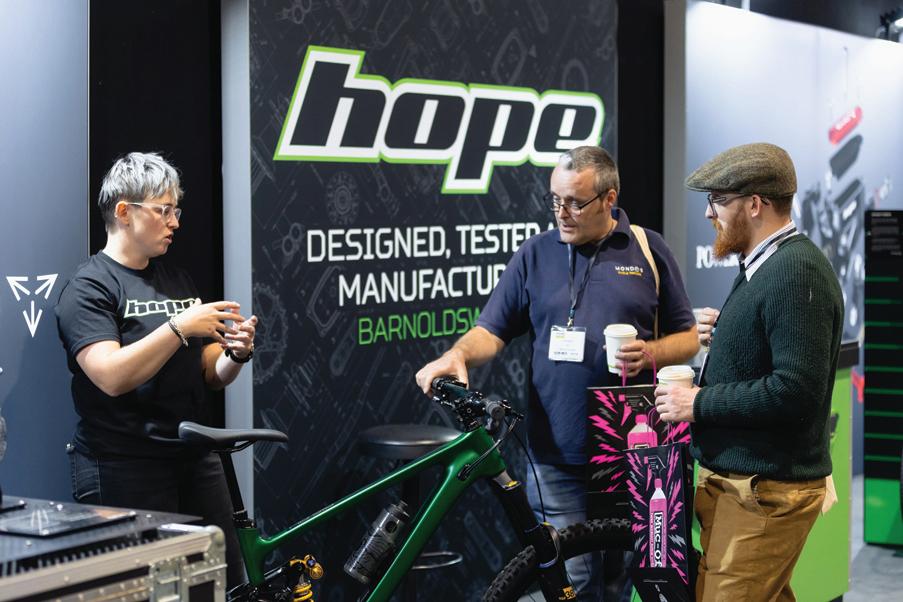
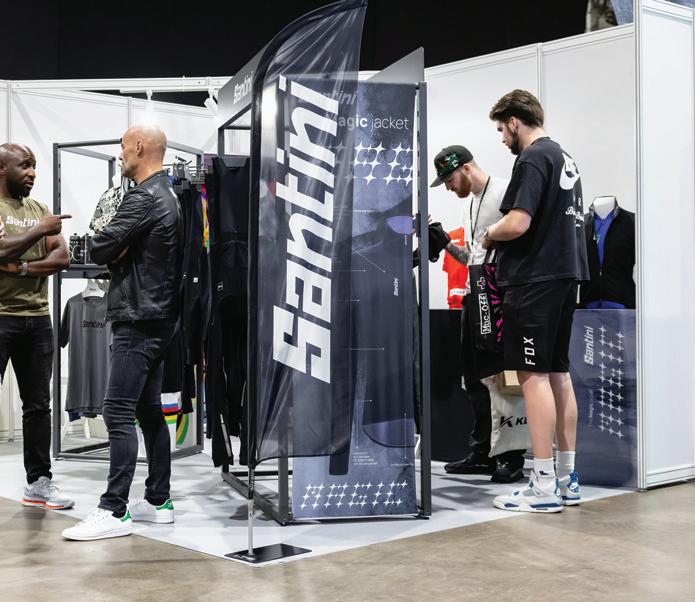
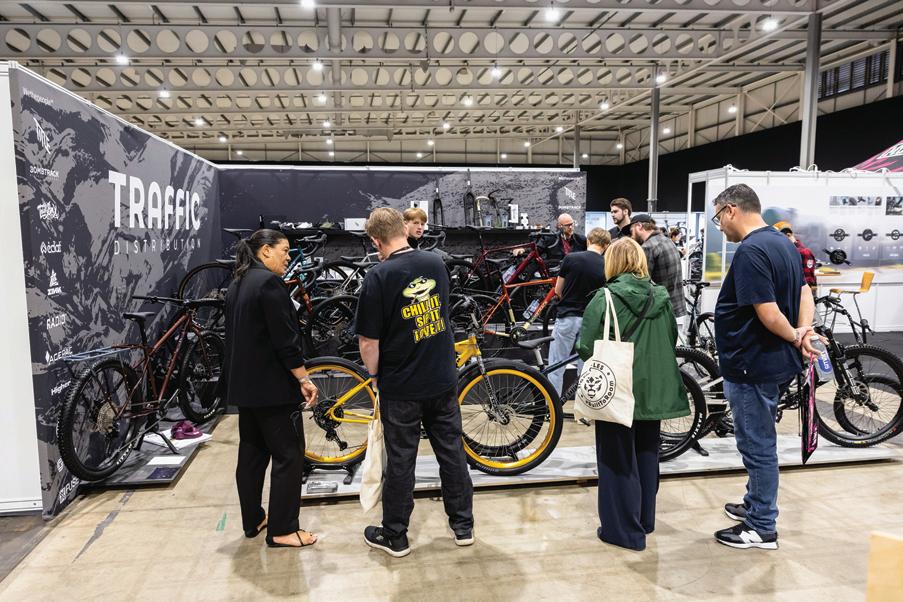

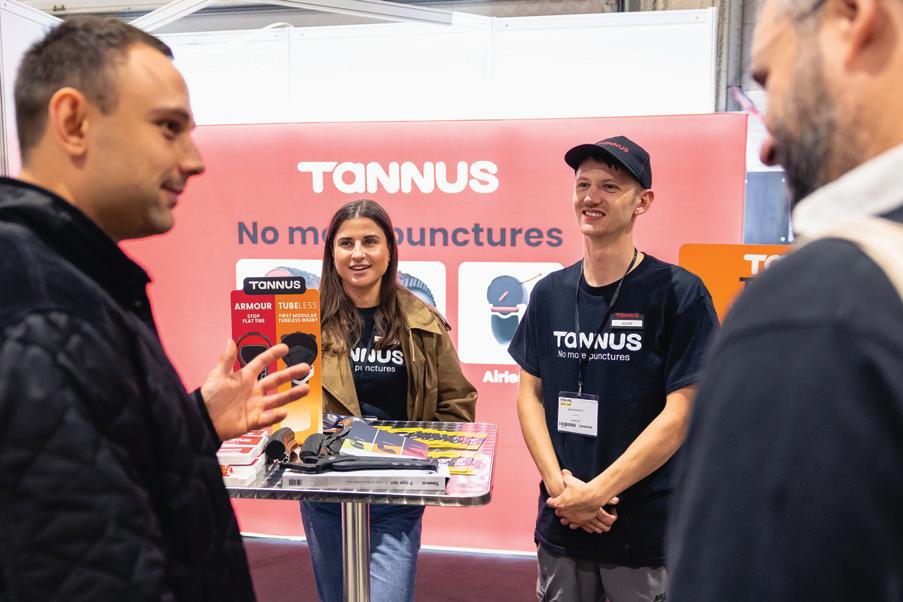
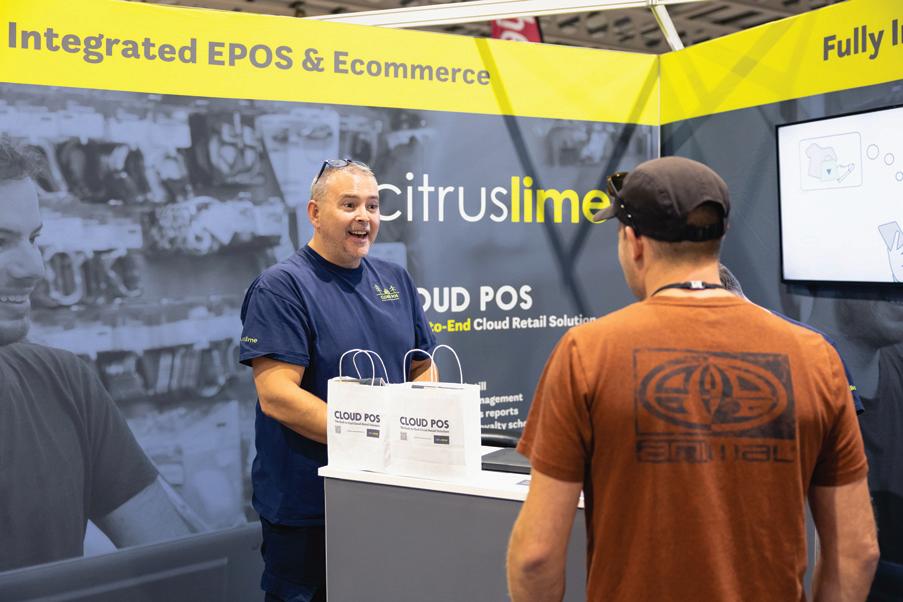
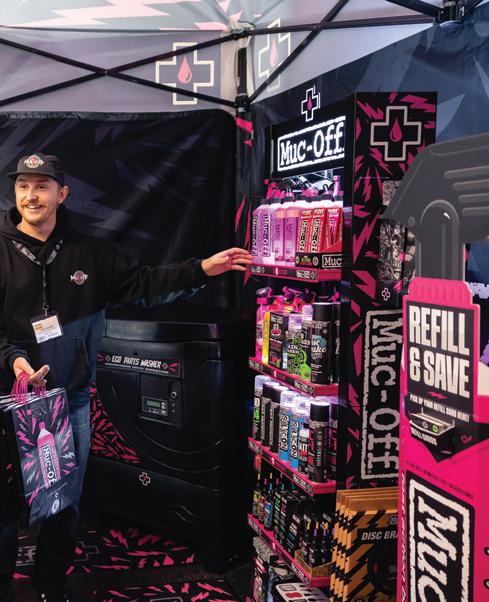



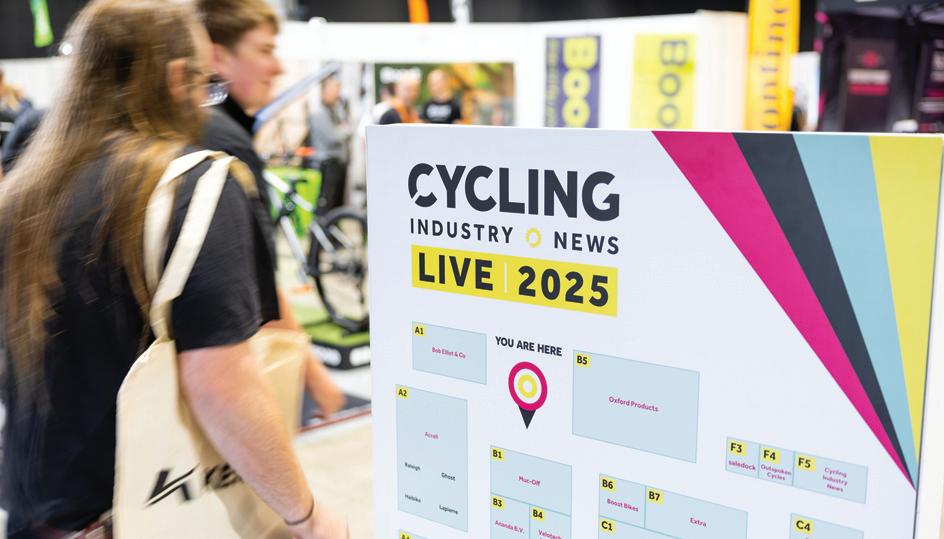
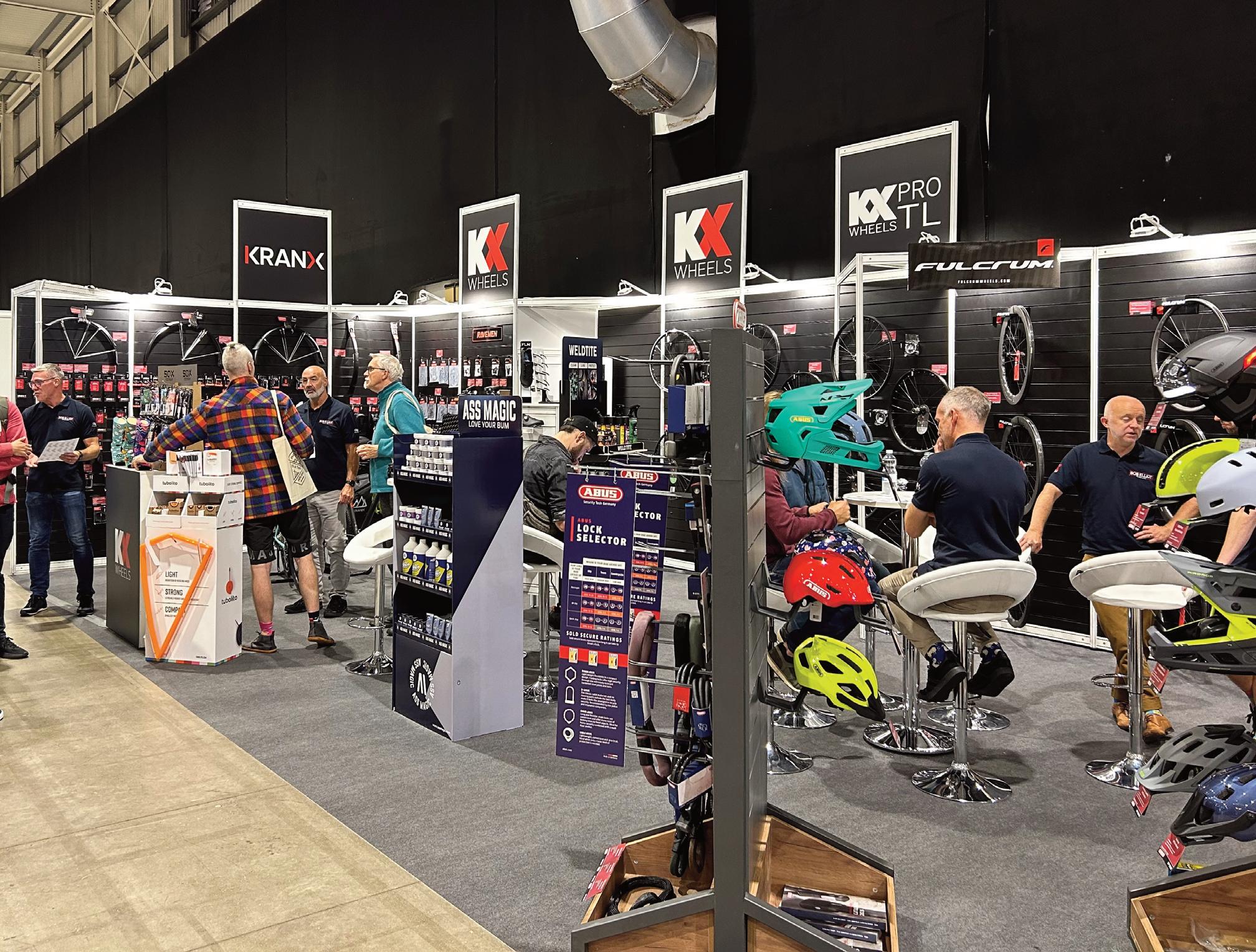
"For Bob Elliot & Co, CIN Live 2025 was our first exhibition for over seven years so we met it full of enthusiasm and excitement. For us, it felt matched by the dealers who attended and collectively there was an appreciation for a show at that time of year, with a traditional feel. With it being CIN’s first walk into producing a show – there was of course a lot of trepidation about how it would work and what sort of attendance could be expected. For us, we saw a lot of dealers, and a lot of good quality. For 2026 we will be back, bigger and better and on approach to the show we will have a much louder voice in inviting customers over to see us based on a positive 2025 experience."
Paul Elliot, Director, Bob Elliot
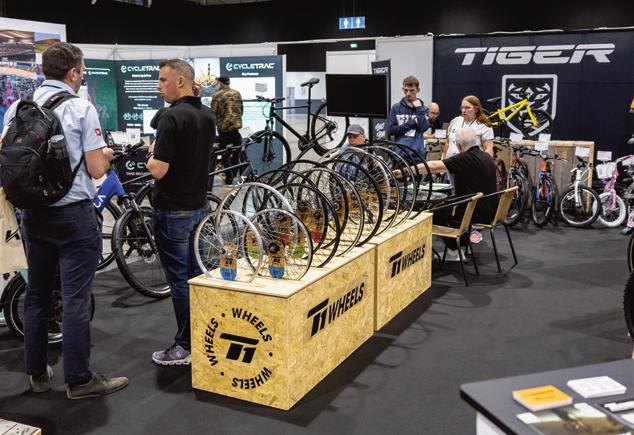
“It was a fantastic event for the industry as a whole. Well set up and supported in a great location. CIN Live 2025 was a great opportunity to showcase our product range and meet the faces of the industry.
“It was a fantastic platform for meeting current and prospective customers, connecting with fellow exhibitors, and discovering new opportunities. Looking forward to CIN Live 2026.”
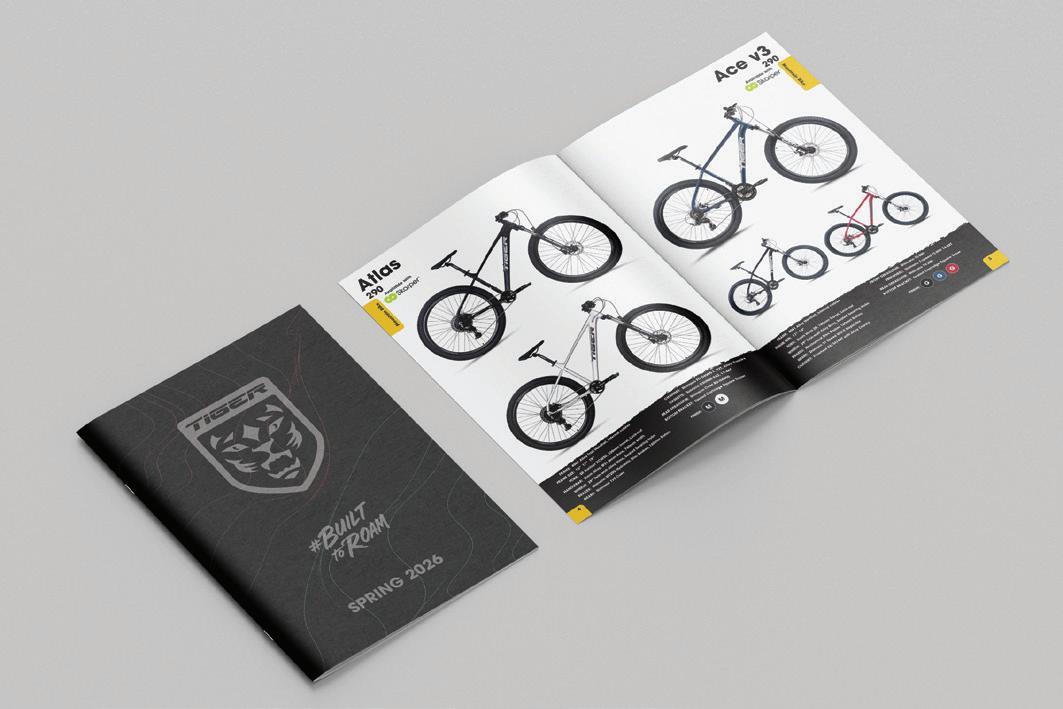
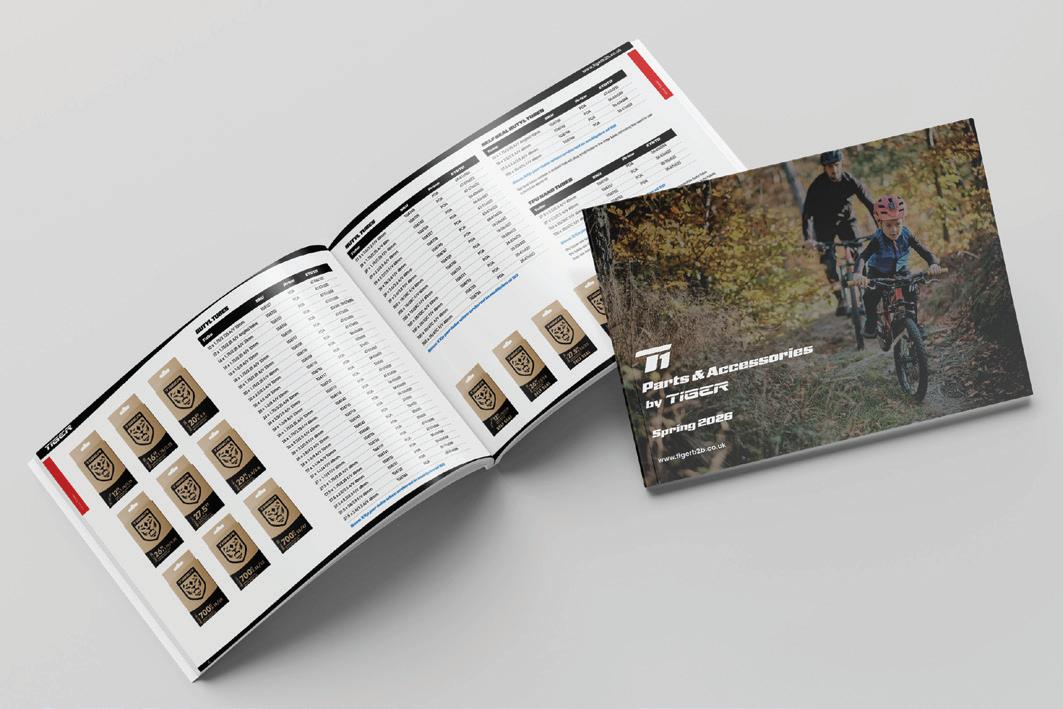
Tiger Cycles
PRE-REGISTRATION IS NOW OPEN... VISITORS CAN PRE-REGISTER NOW, VIA THE OFFICIAL SITE... live.cyclingindustry.news
Prospective exhibitors can register interest at Lloyd@cyclingindustry.news CYCLING INDUSTRY NEWS LIVE 2026 run over 20-21 September at NAEC Stoneleigh, Warwickshire
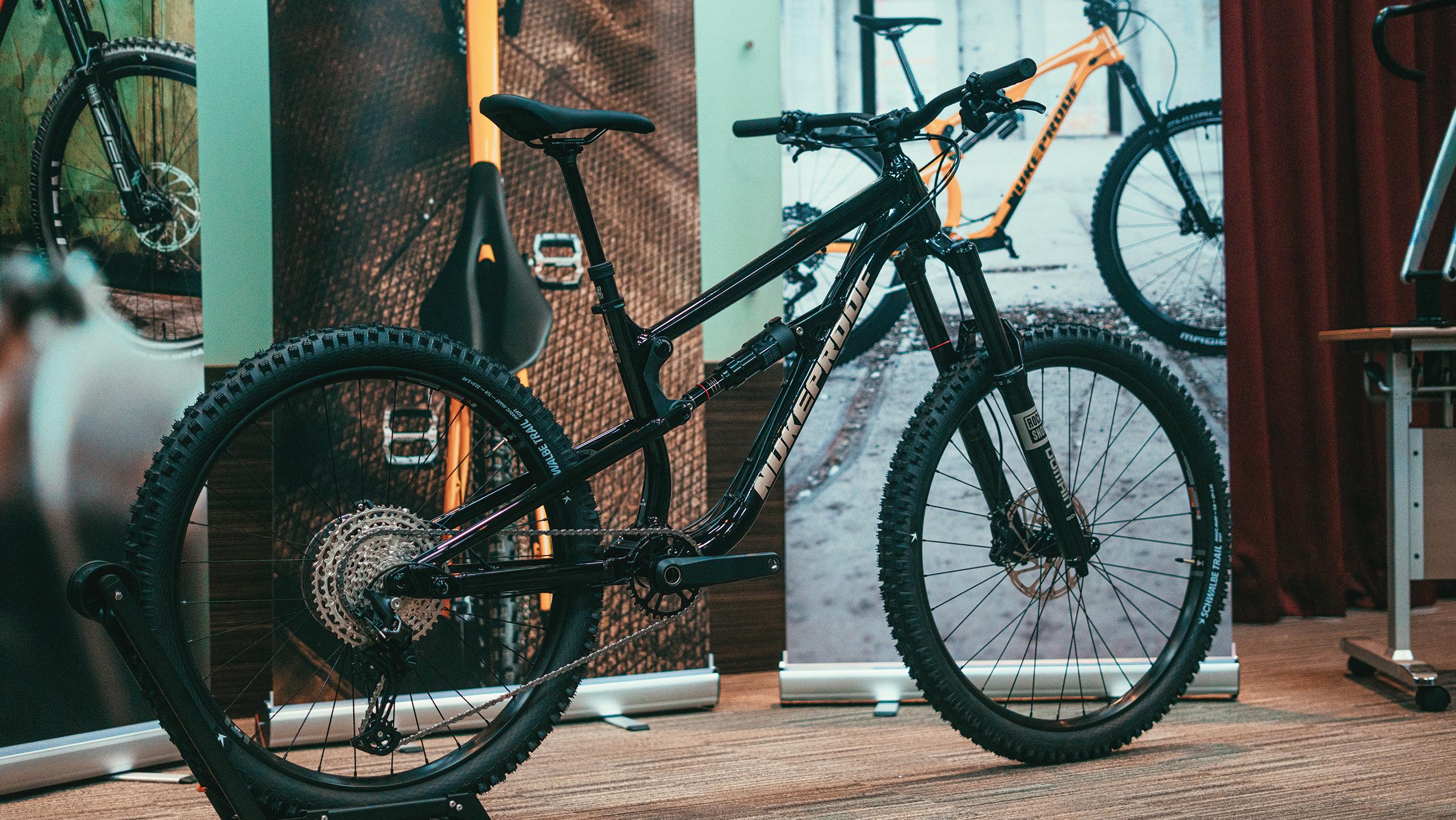
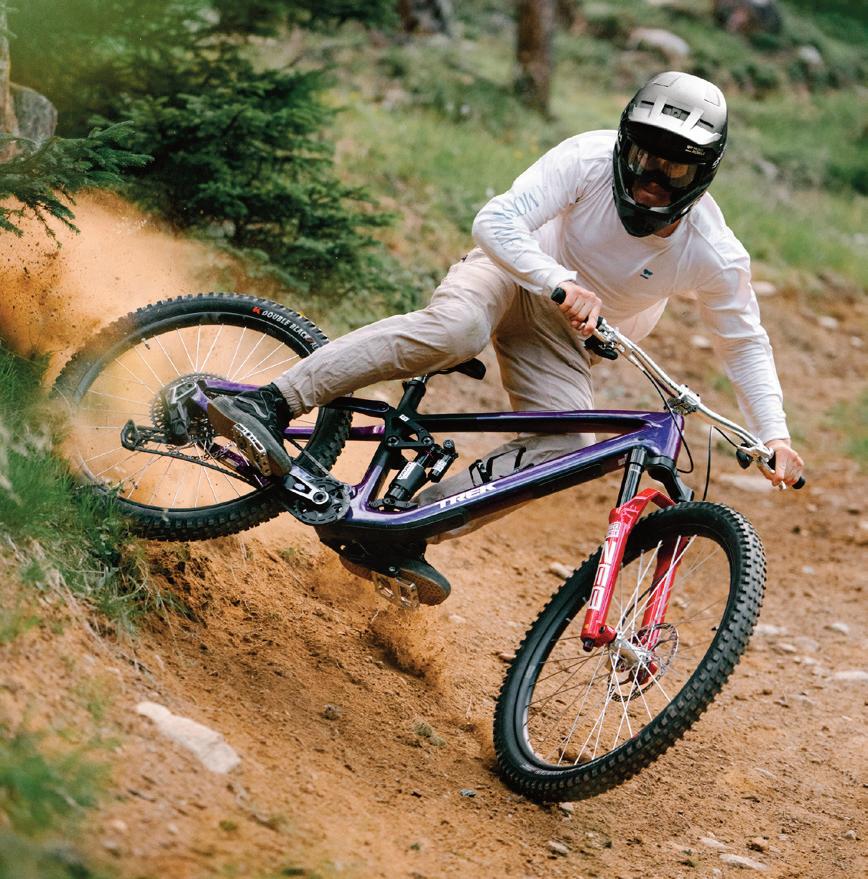
Thirteen months after Belgian Cycling Factory acquired the iconic mountain bike brand from Frasers Group, the new owners are moving fast. At Taipei Cycle, the brand presented new bikes and showed a deliberate effort to keep its soul intact. Werner MüllerSchell reports…
Russell Merry, Managing Director of BCF UK and Global General Manager of Nukeproof
Few brands in mountain biking carry as much cultural weight as Nukeproof. Founded in 1990, it built its reputation on progressive geometry, race-
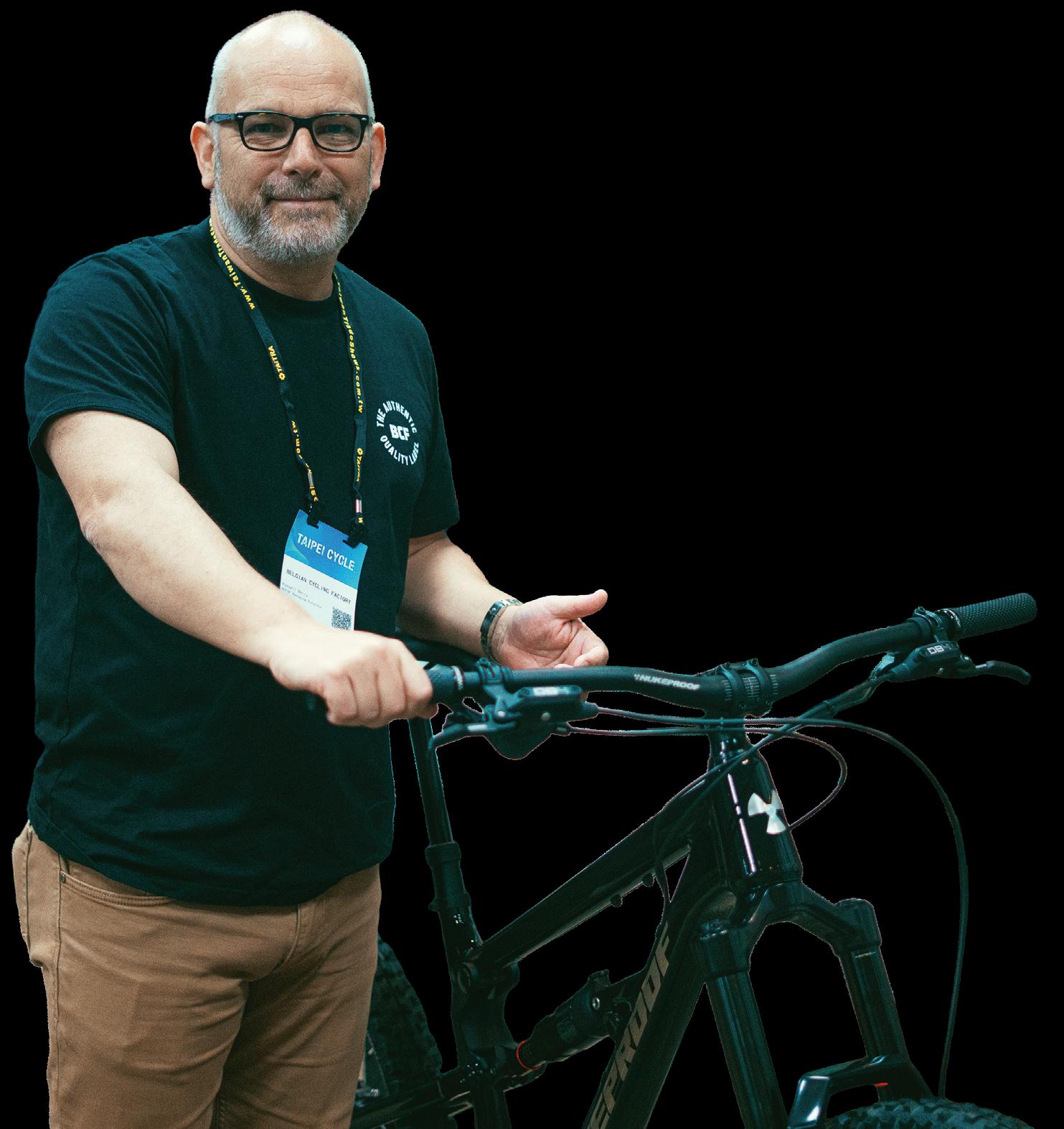
entry-level to high-end – all within just over a year,” he summarises. “We’ve been running as fast as we can,” he continues. The idea: preserve everything that made Nukeproof worth saving, while building the commercial infrastructure it never had. “We’ll keep the soul – high-end, premium, race-focused,” Merry says. “But we also have commercial reality now.”
That commercial reality takes the form of the Tracker series – competitive sub€1,000 bikes – and a new range of children’s bikes, neither of which Nukeproof had offered before. The distribution model has also flipped: where Nukeproof was once a consumer-direct brand, it now moves through distributors and independent dealers. According to Merry, the network has grown to 53 dealers in the UK and 300 across Europe, with ten new international distributor agreements signed before the show.
For BCF, the acquisition does more than add a mountain bike brand to a road-focused portfolio. It gives the group’s sales force – already calling on dealers with Ridley and Eddy Merckx – a reason to walk through doors that were previously closed. “A dealer would say: nice bikes, but I can’t take on another brand,” Merry explains. “Now we can offer a full line through the same company and the same salesperson.”
Nukeproof survived the wreckage of Wiggle. Whether it can rebuild its place in a crowded market is the next question – but 13 months in, the foundations look solid.
www.nukeproof.com