portfolio

gina stewart
meet the designer
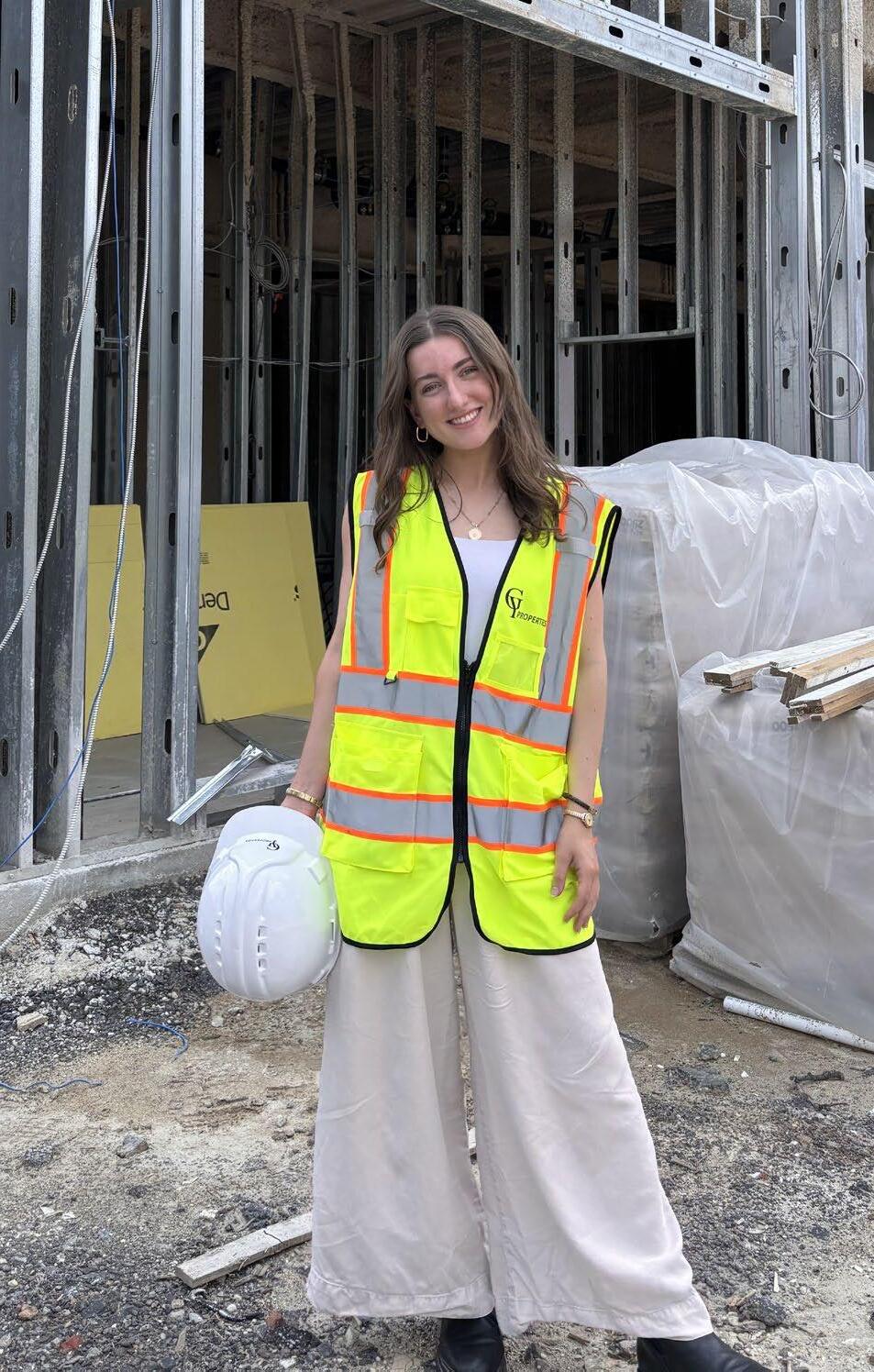
Hi! My name is Gina Stewart!
I am currently a fourth year undergraduate student at the University of Pittsburgh pursuing a Bachelor of Science degree in Architecture with a minor focus in Studio Arts. I initially became interested in the field of architecture and design in my senior year of high school after taking a class oriented around creative creation. My passion for design only grew after changing my major from biology studies to architecture in my first year of undergrad. Now, after three years of studying spatial design, I am confident in my abilities to understand and recognize successful and enjoyable environments.
History of sites, buildings, regions, and neighborhoods is something I hold close to myself as a designer. From spending time abroad in Florence, I became accustomed to the notion of appreciating memory while still encouraging public exploration and positive experiences. I gained valuable knowledge of how art and history adds to a space and how important it is to implement in design.
I hope to join a team of designers and do whatever I can to aid in the completion of projects in time for their respective deadlines. I want to be in office everyday, working through challenges in order to help the firm.


01
NUTRIENT HOUSING
PITTSBURGH, PENNSYLVANIA
Design Studio 3
Spring 2025
Revit, AutoCAD, Adobe Illustrator, Adobe PhotoShop, SketchUp
OBJECTIVE
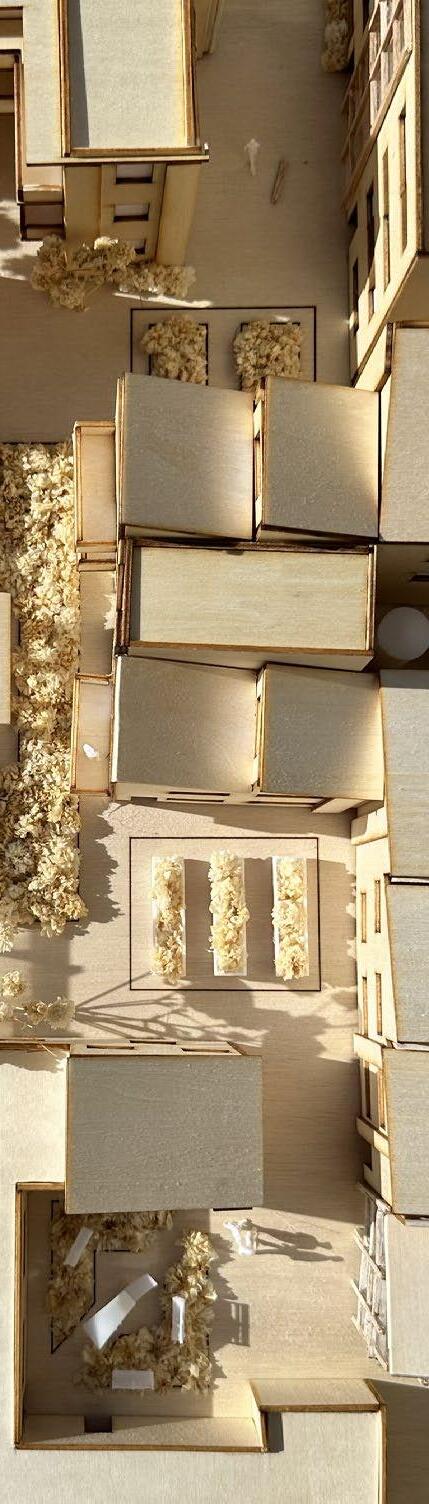
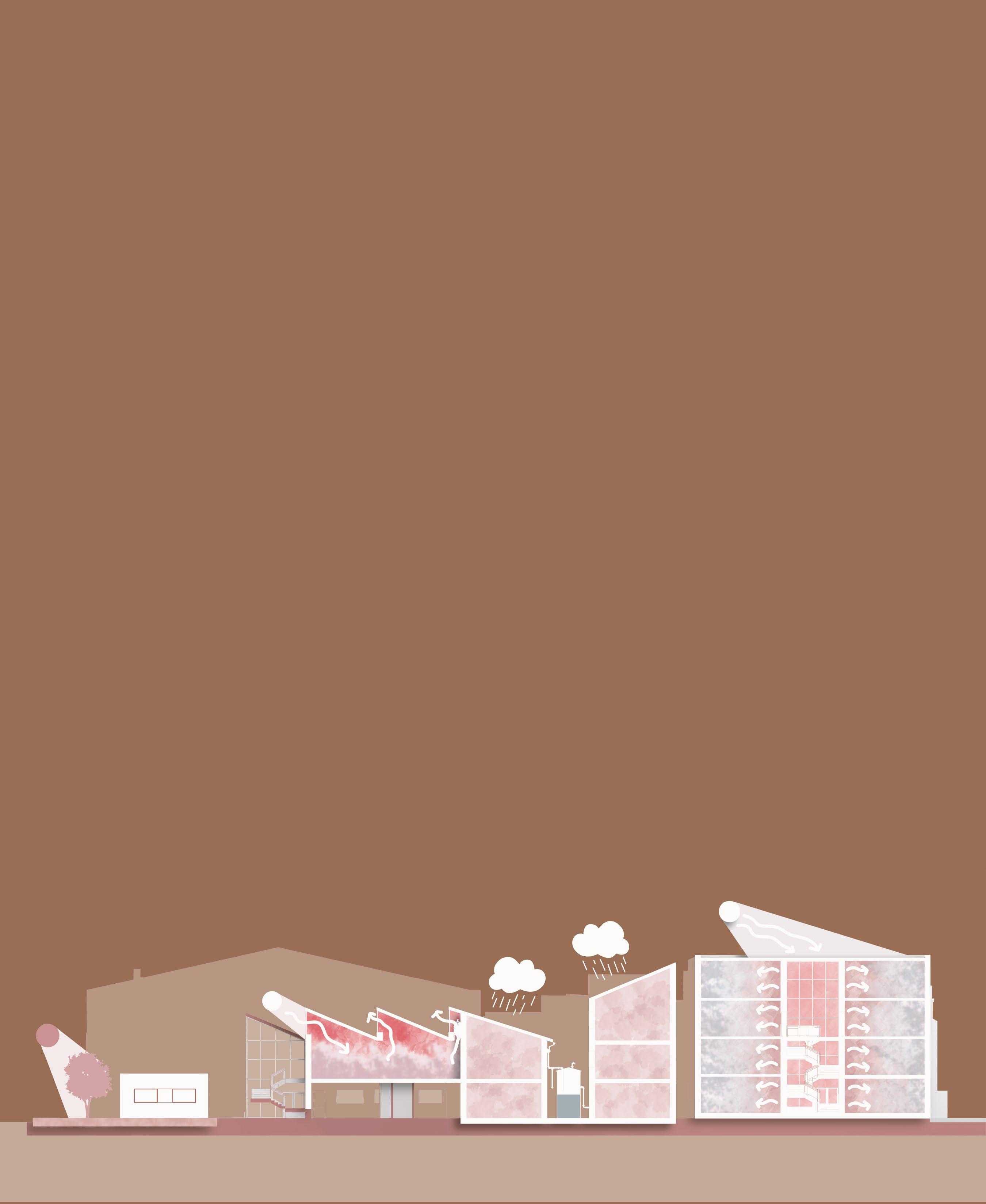
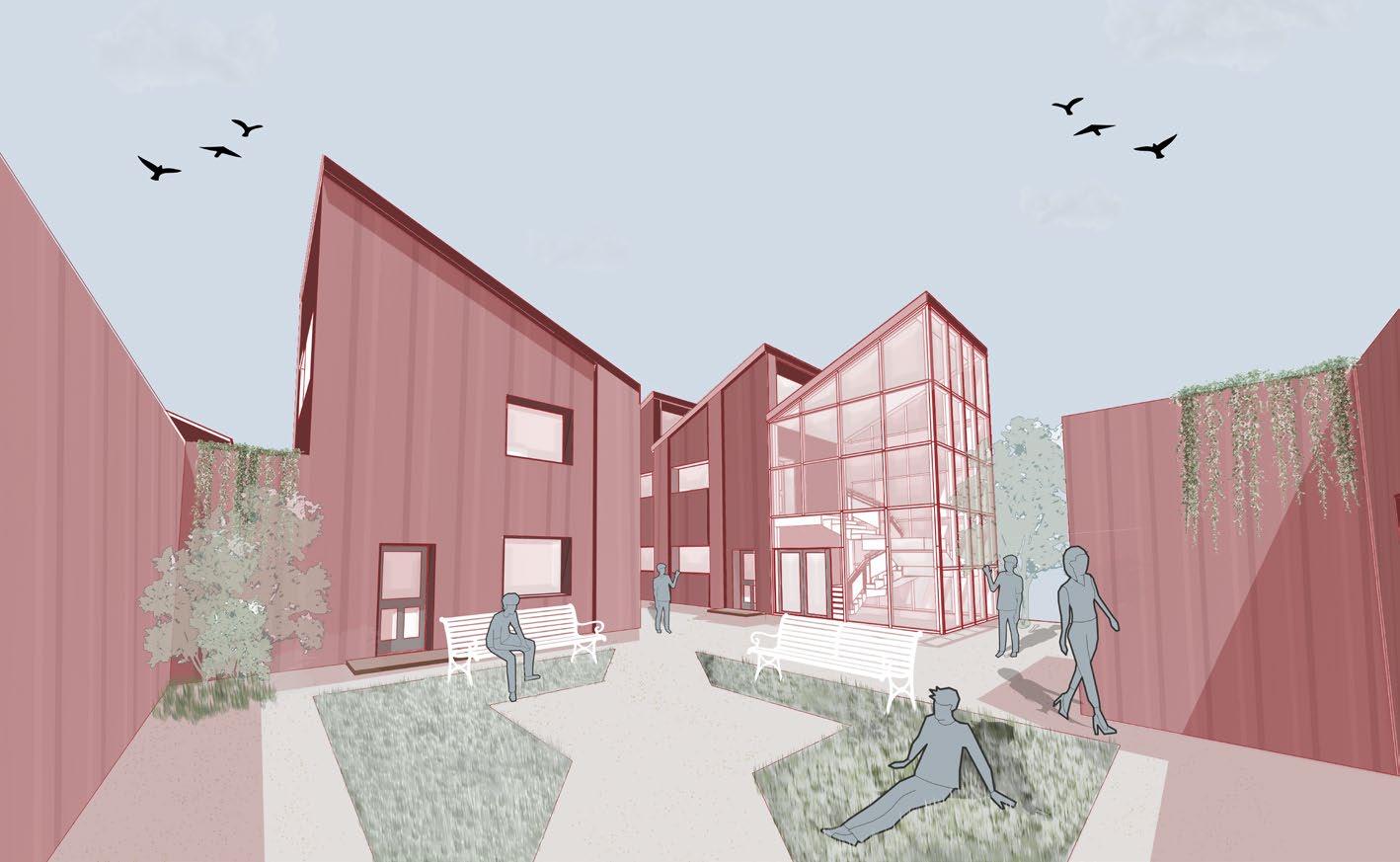
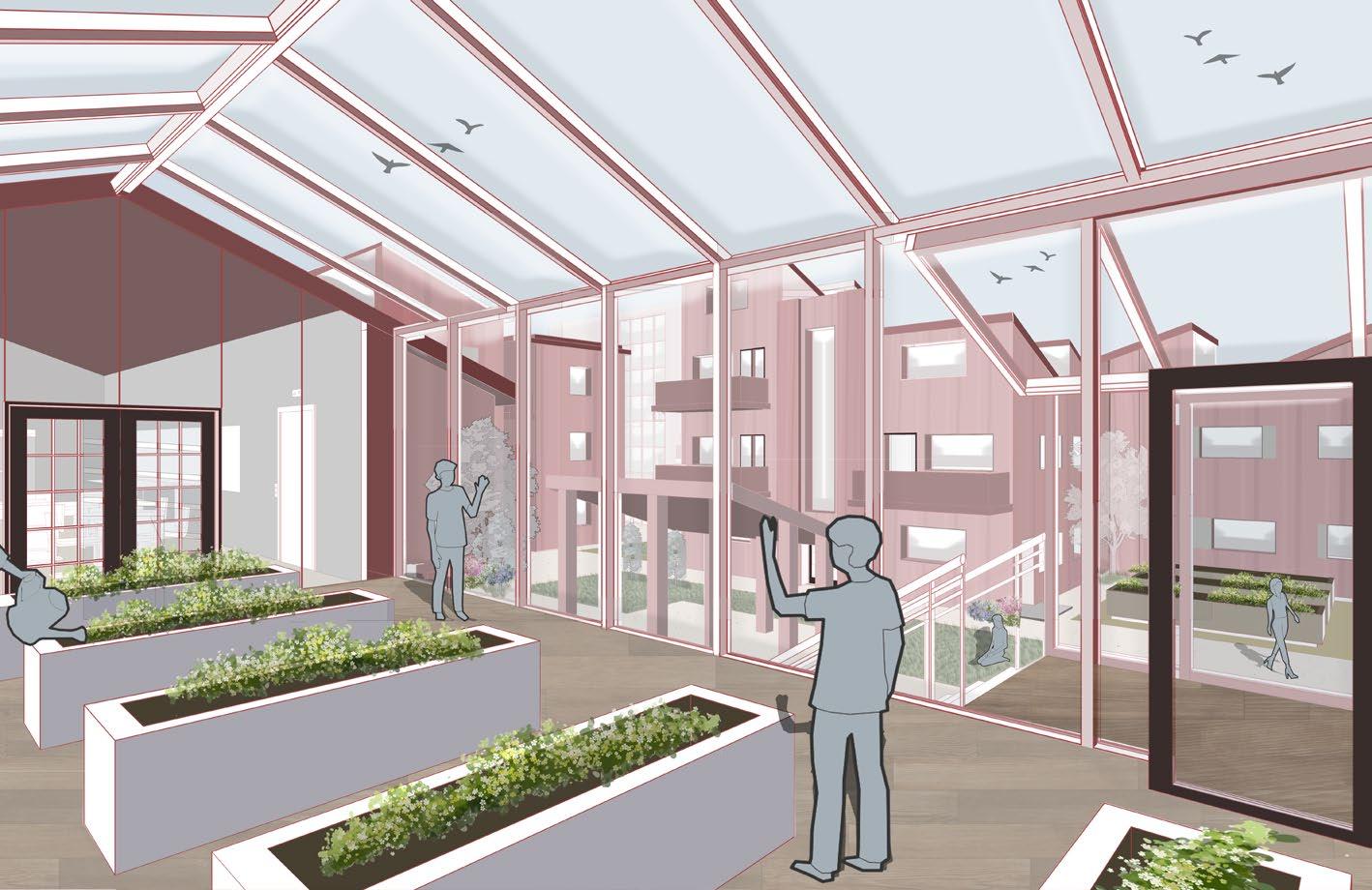
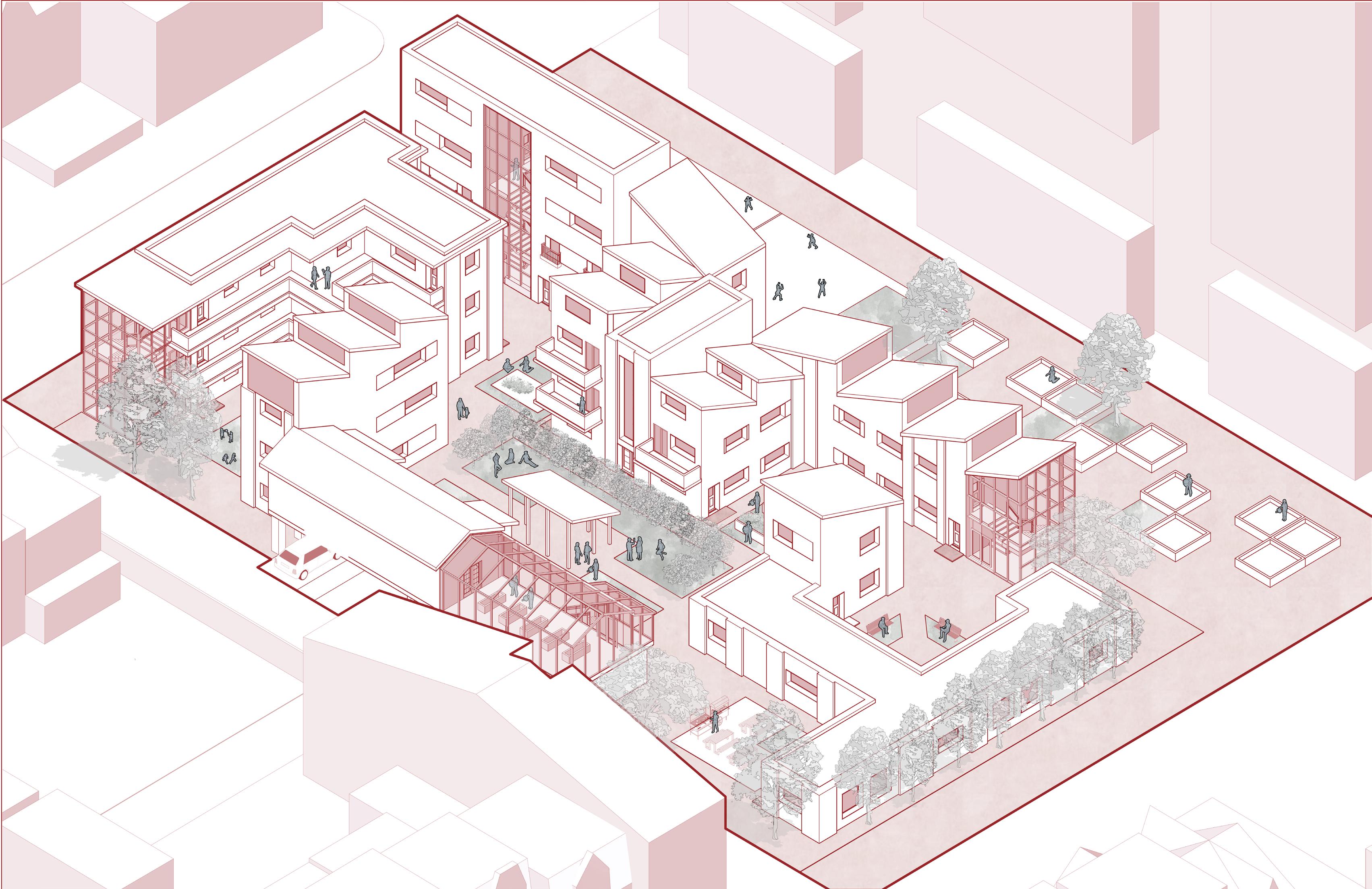
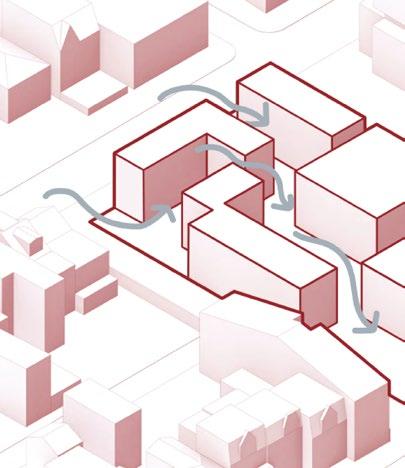
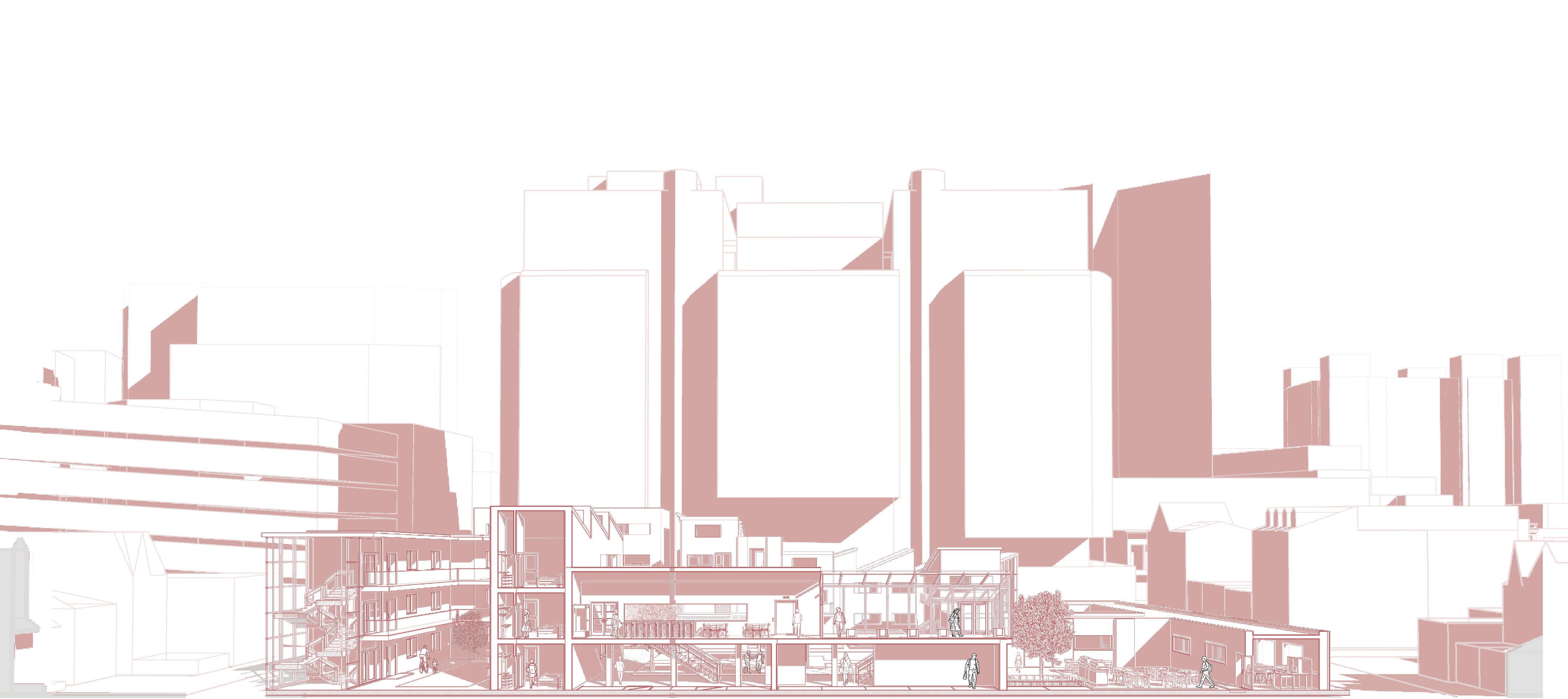
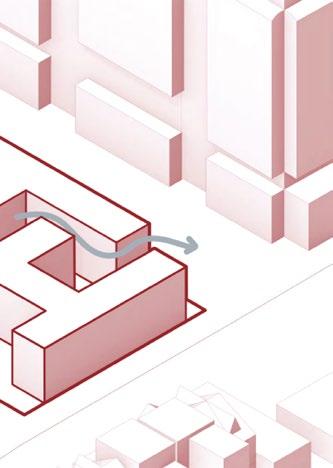
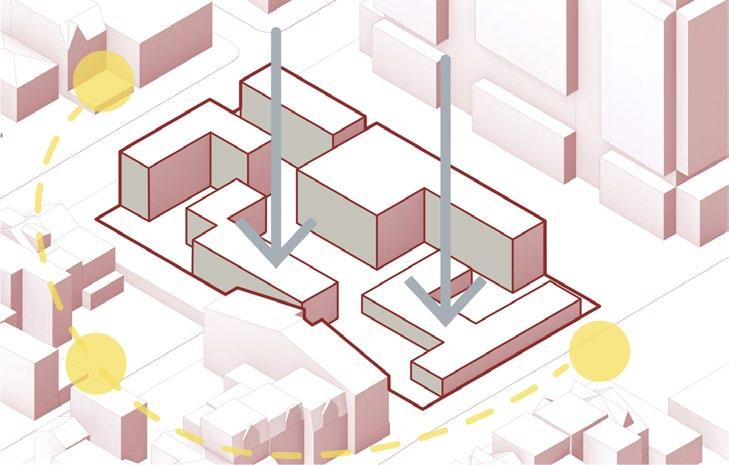
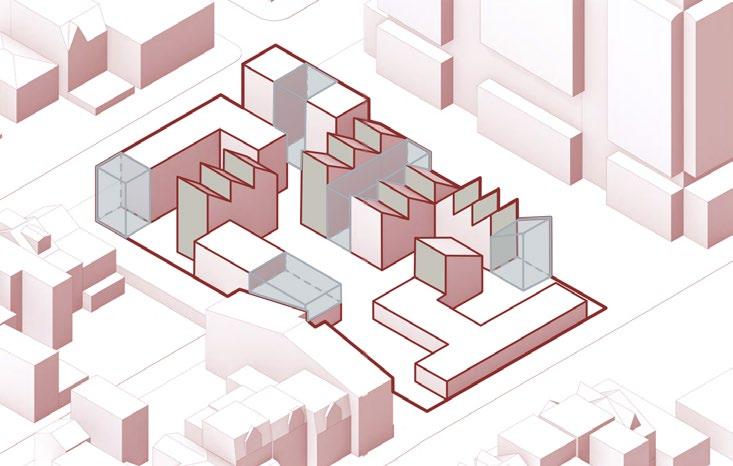
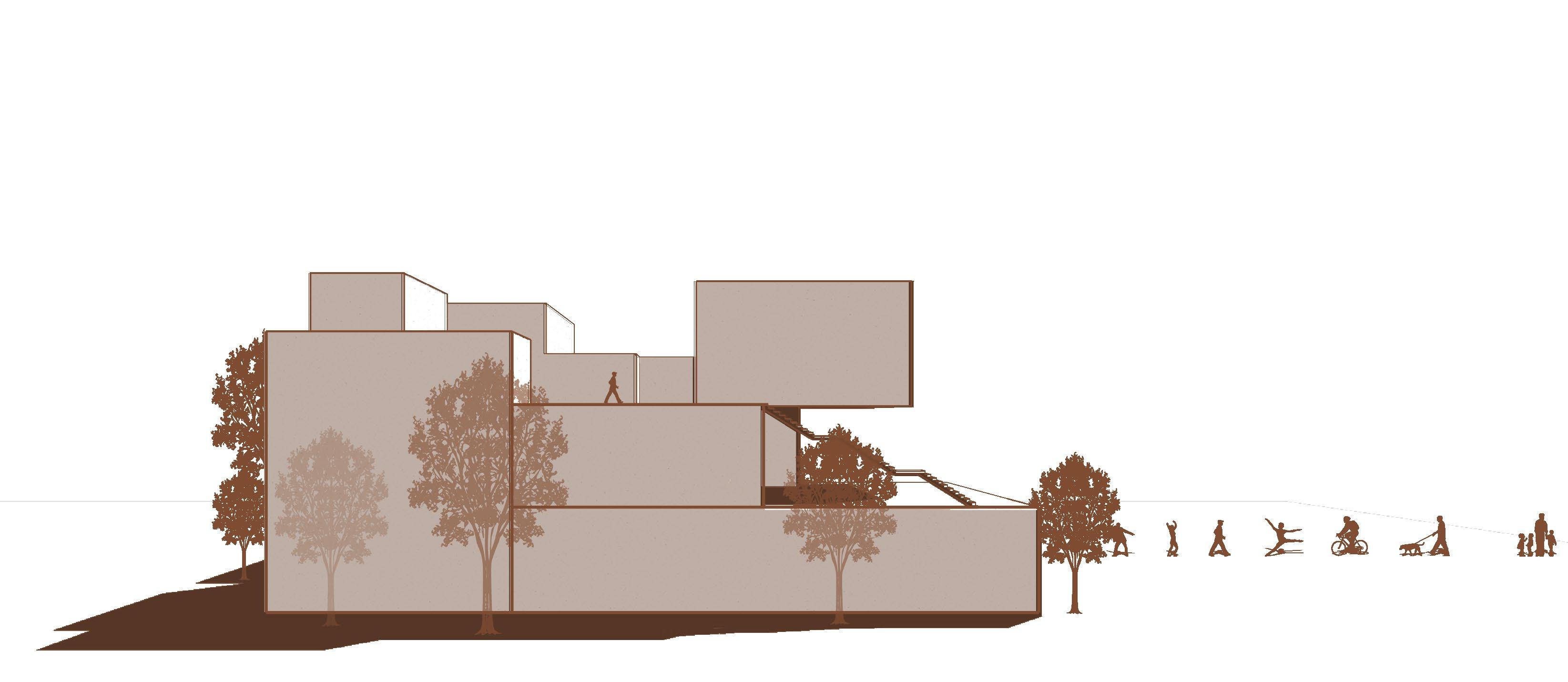
This term project, completed in collaboration with my partner Patrick Diamond, explores the objective of creating high-density, low-rise, affordable housing in Central Oakland that prioritizes sustainability, serving graduate students and refugee families. Nutrient Housing was developed within a studio focused on sustainable design, with the inital phase of the project being dedicated to understanding passive design strategies and their integration into residential architecture. These principles directly controlled the building’s form, which developed from site analysis and sun path studies to maximize solar gain, reduce reliance on active systems, and maintain thermal comfort during Pittsburgh’s harsh winters and summers. The concept centers on the health and wellness of both residents and the surrounding neighborhood. It introduces five communal gardens to address the lack of green space in the surrounding neighborhood. Each garden owns a distinct programmatic focus, alongside a neighborhood greenhouse and shared dining space that offers farm-to-table living. Majority of the residential units are paired with adjacent flex-space garden plots, offering residents opportunities for personal cultivation, relaxation, or storage. Unit types ranging from one-bedroom apartments to lofts and twobedroom units support a diverse population in age groups and family size. Together, these elements create a sustainable, community-oriented housing model that nourishes social, environmental, and physical well-being.
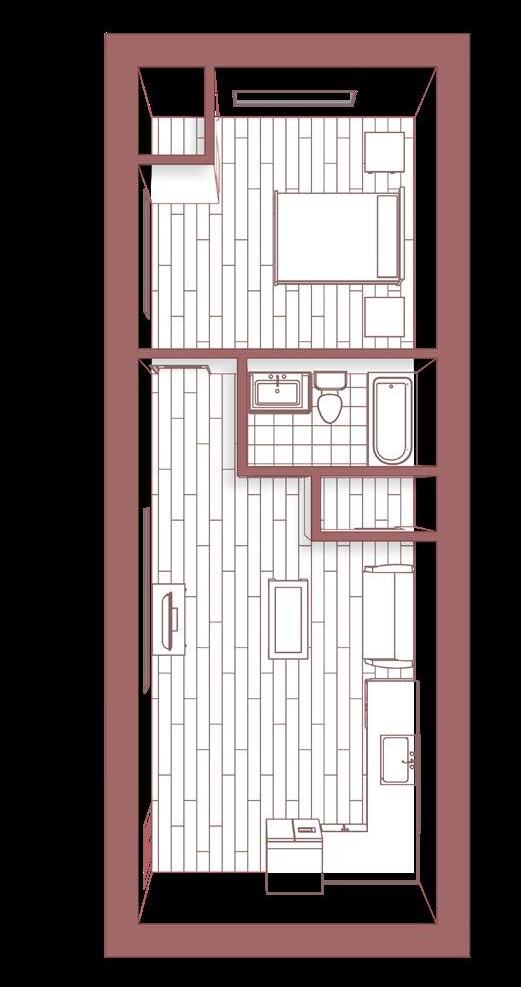
1 BD | 1 BA
500 SQFT 14 UNITS

2 BD | 1 BA
625 SQFT
5 UNITS
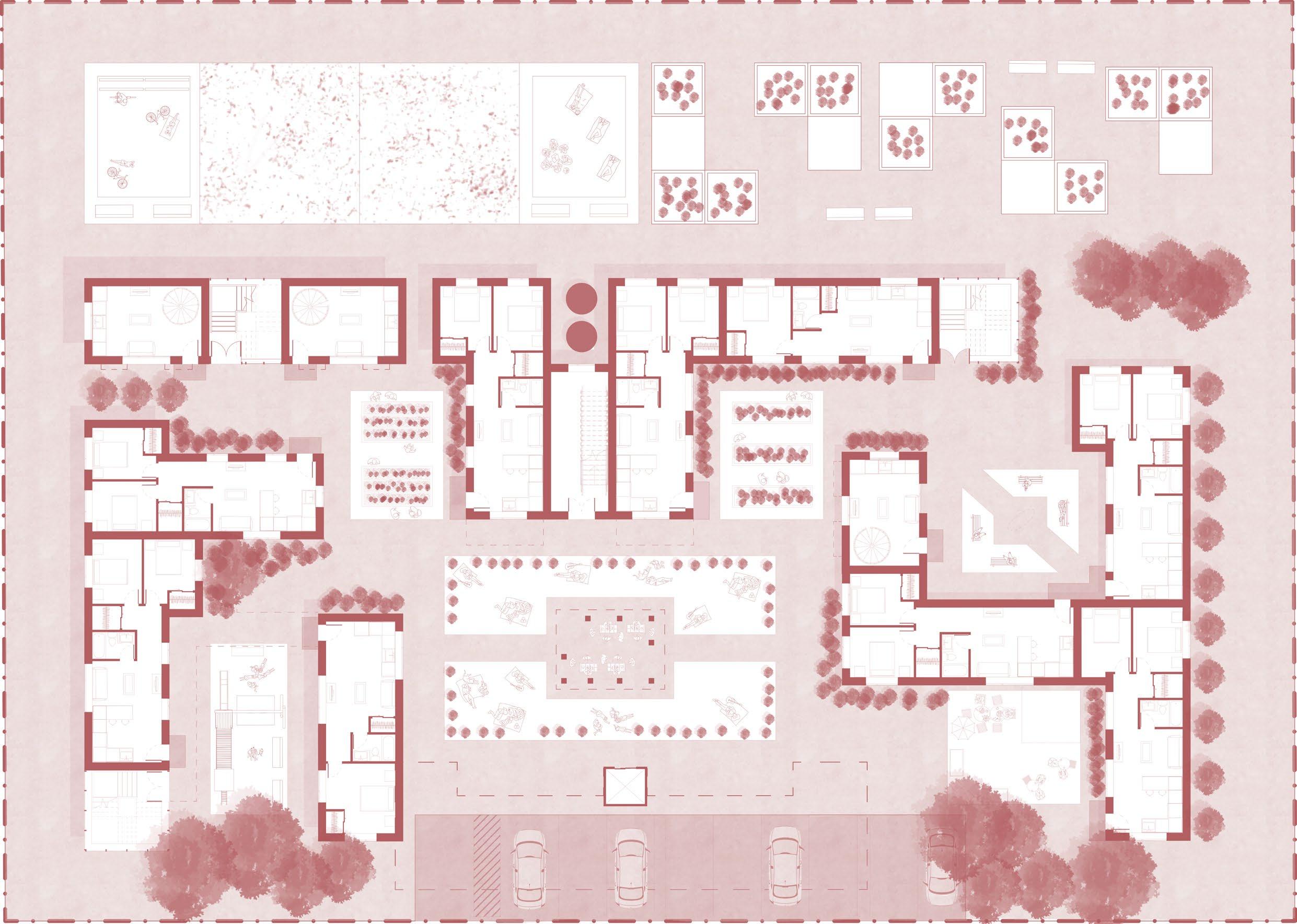
PASSIVE GARDENS
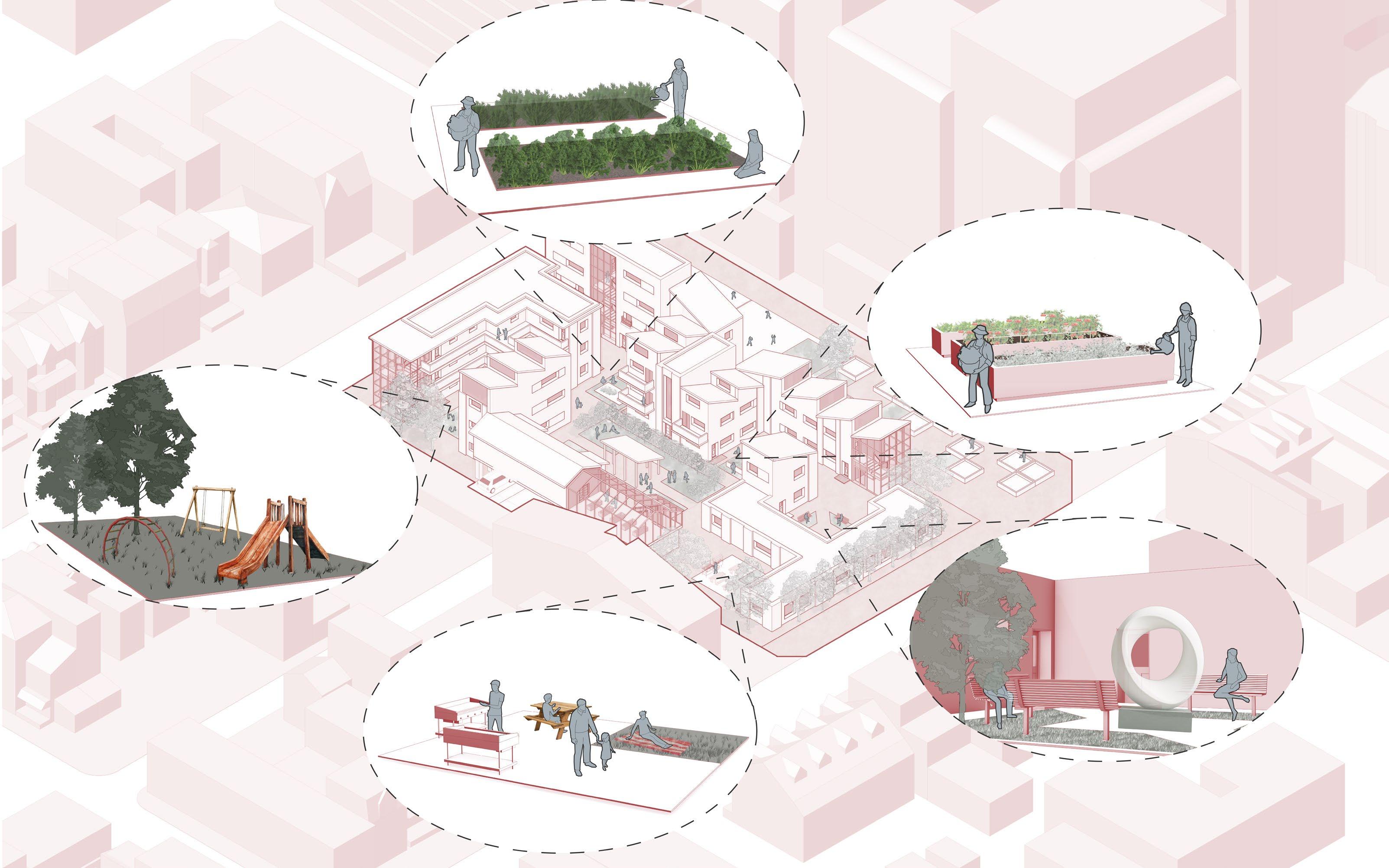
1. sunken garden beds
2. raised garden beds
art installation
outdoor kitchen
playground
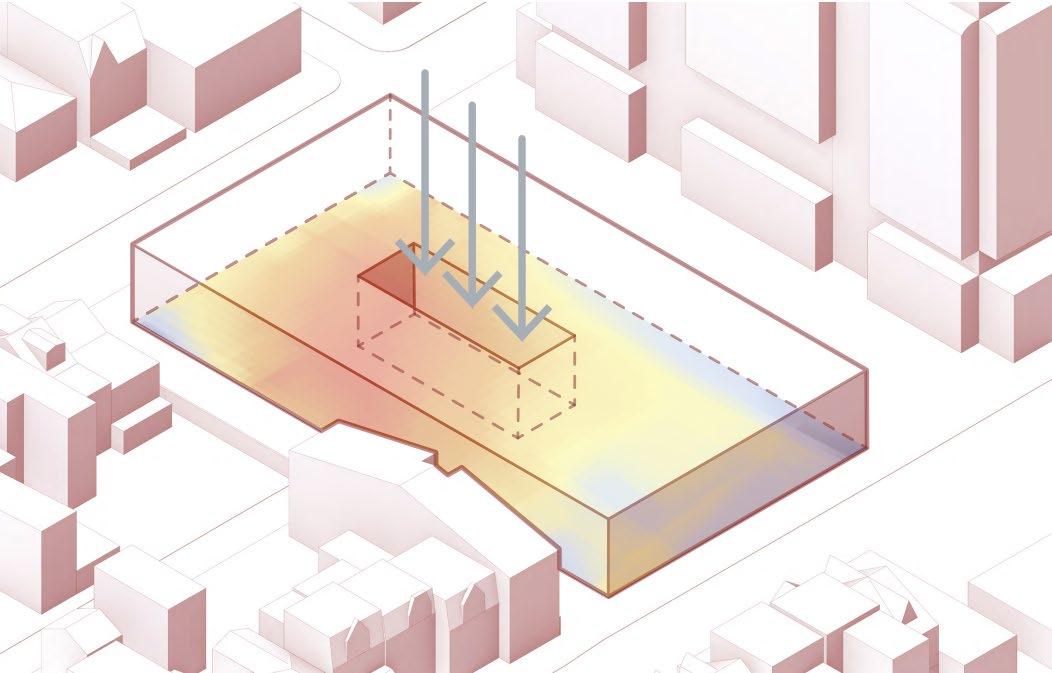
DISTRIBUTE PUNCH
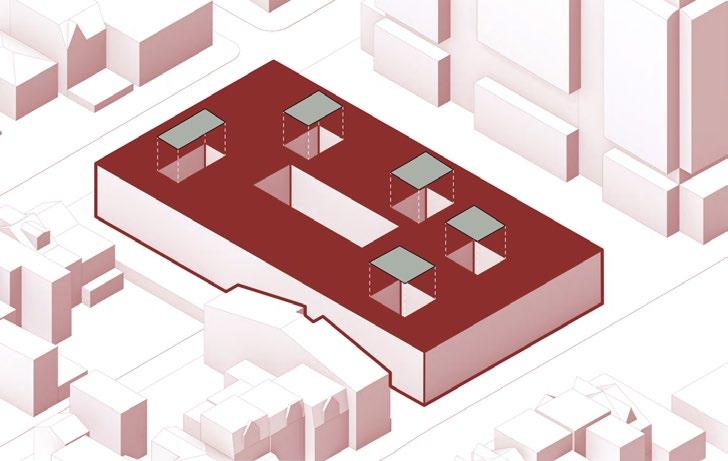
ANGLE
02
HORIZON 24
PITTSBURGH, PENNSYLVANIA
Design Studio 4
Fall 2025
Revit, AutoCAD, Adobe Illustrator, Adobe PhotoShop, SketchUp,
OBJECTIVE
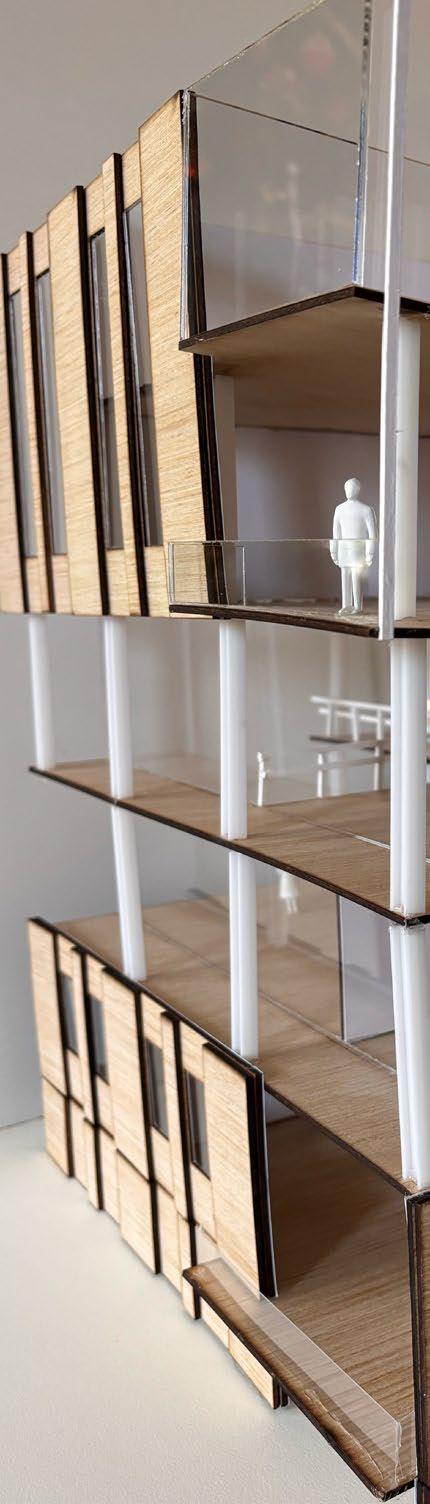
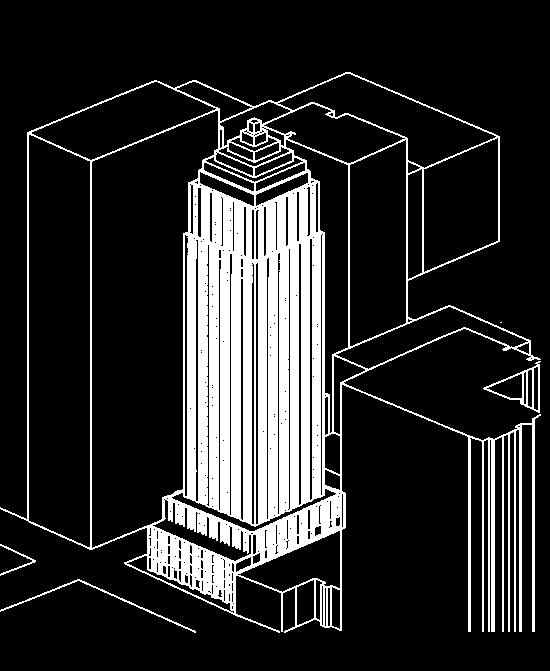
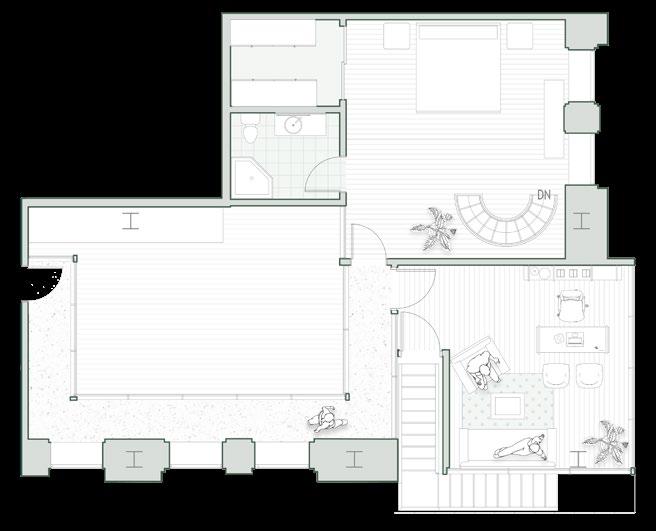
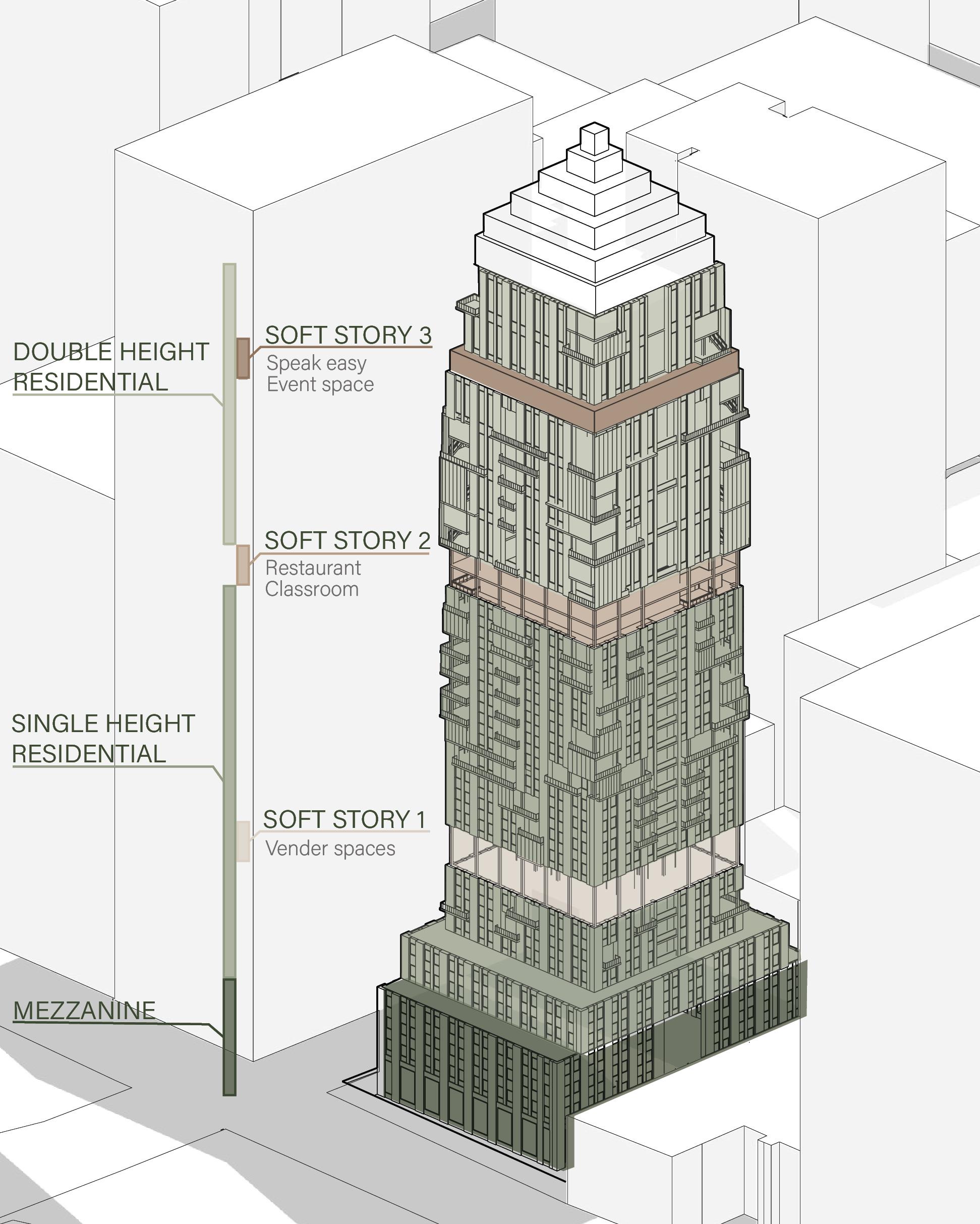
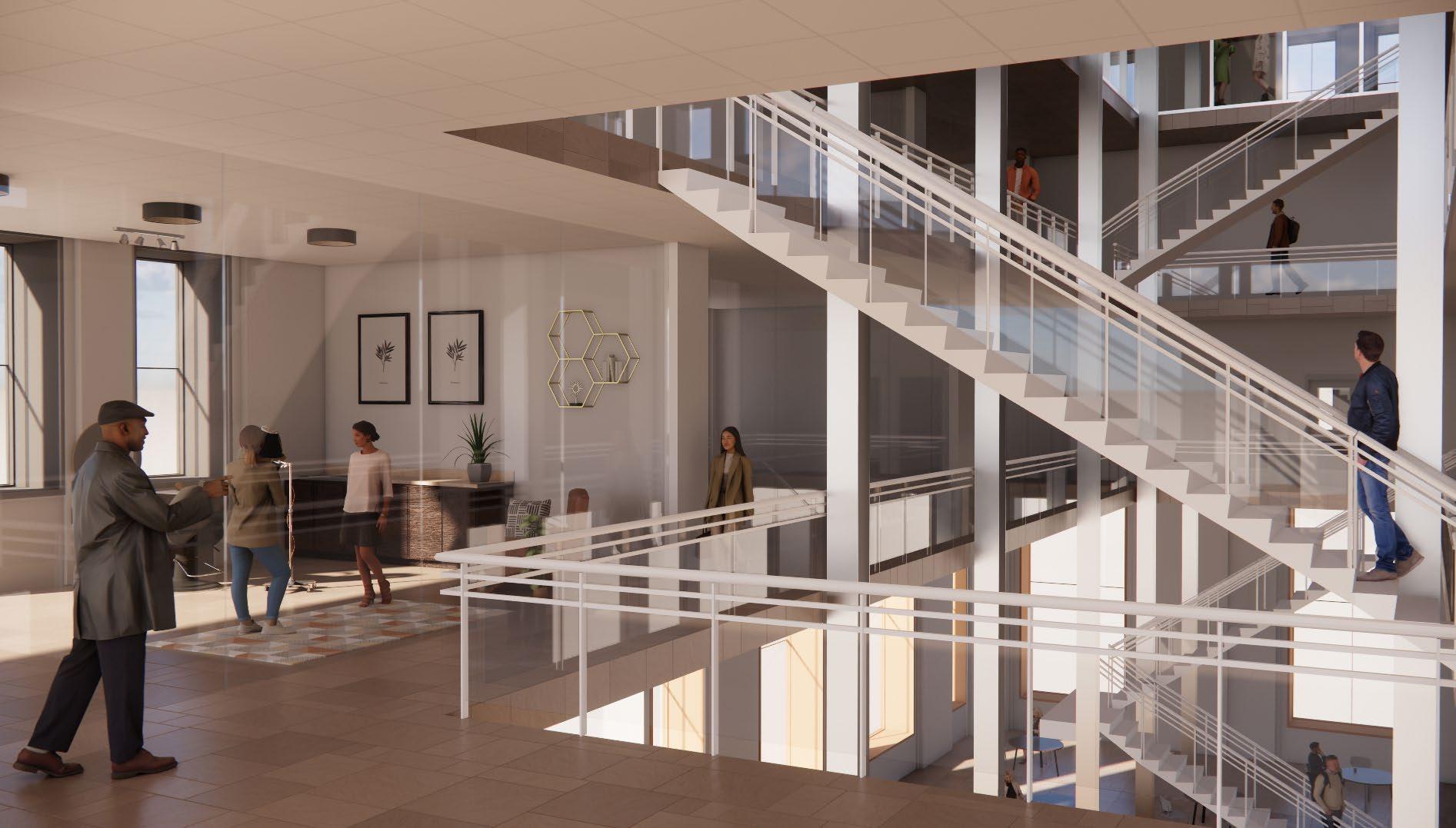
This adaptive reuse project transforms the Gulf Tower into an accessible, mixed-use landmark that supports a more connected and livable downtown. It creates a 24-hour environment where people can live, work, and gather, strengthening community life and urban vitality. Centered on affordability, openness, and walkability, the concept aims to serve Pittsburgh’s working and middle-class residents while making the city more inclusive and sustainable. The renewed Gulf Tower brings together public amenities and adaptable living spaces to create a continuously active vertical community. A transparent ground level forms a civic gateway with cafés, work areas, and gathering spaces organized around a bright central courtyard that links the tower to the city. Above, the residential levels offer two flexible unit types: single-story apartments and double-height units with dedicated loft studios that can serve as art spaces, podcast rooms, therapy offices, or any tenant-defined use. These upper-level studios are accessed by a separate catwalk for added privacy and professional convenience, while residents in single-story units use shared mezzanine flex spaces. Together, these programs form a layered habitat that supports diverse lifestyles and nurtures a dynamic urban ecosystem. This project was completed in collaboration with partners, Leah Vereb and Marisa Sphar.

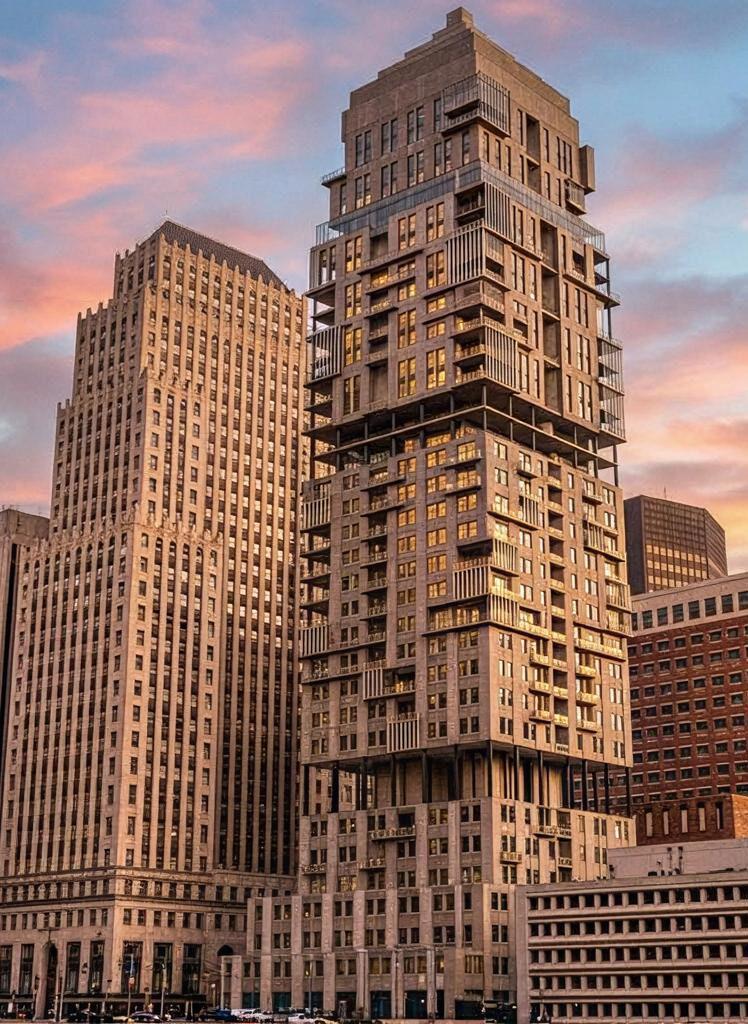
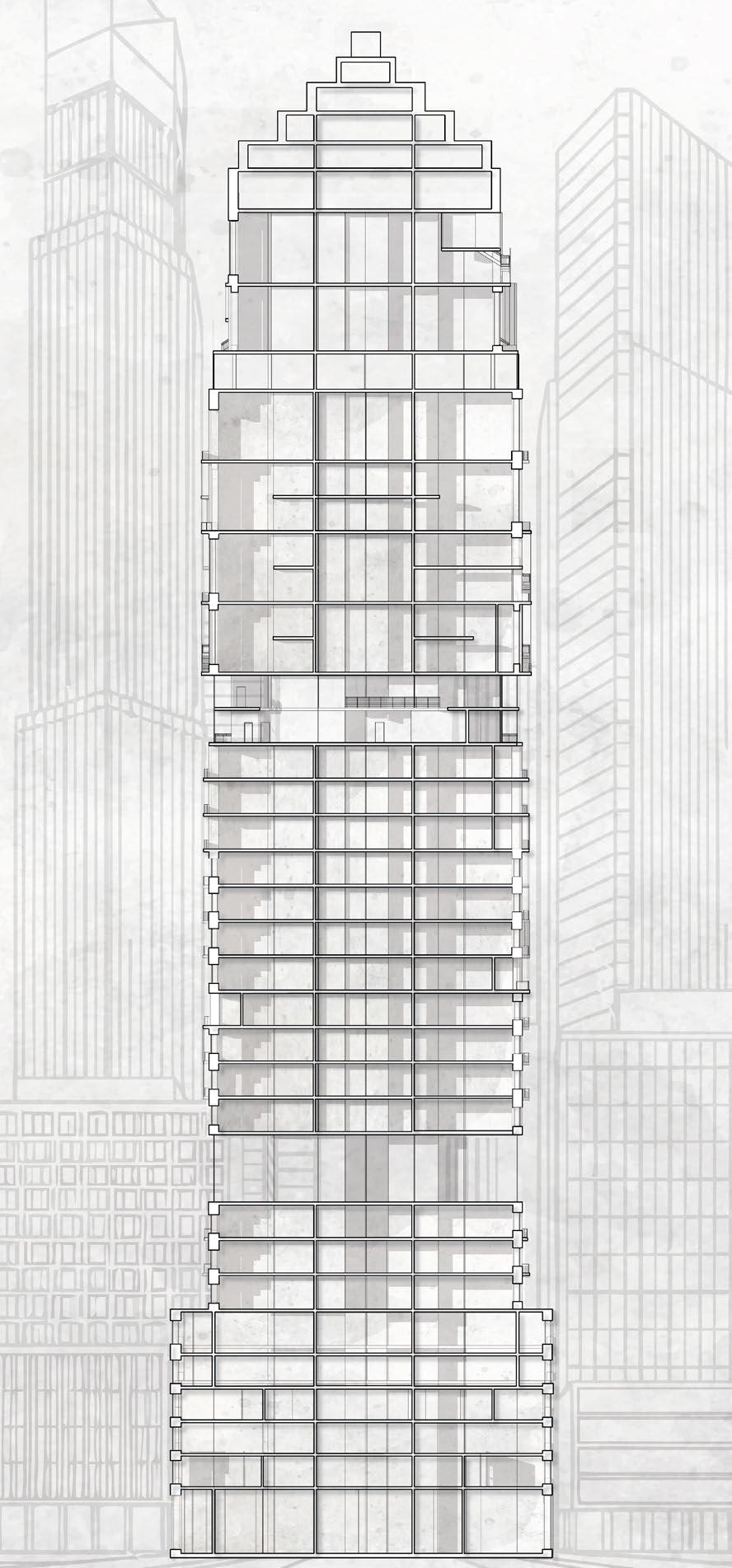

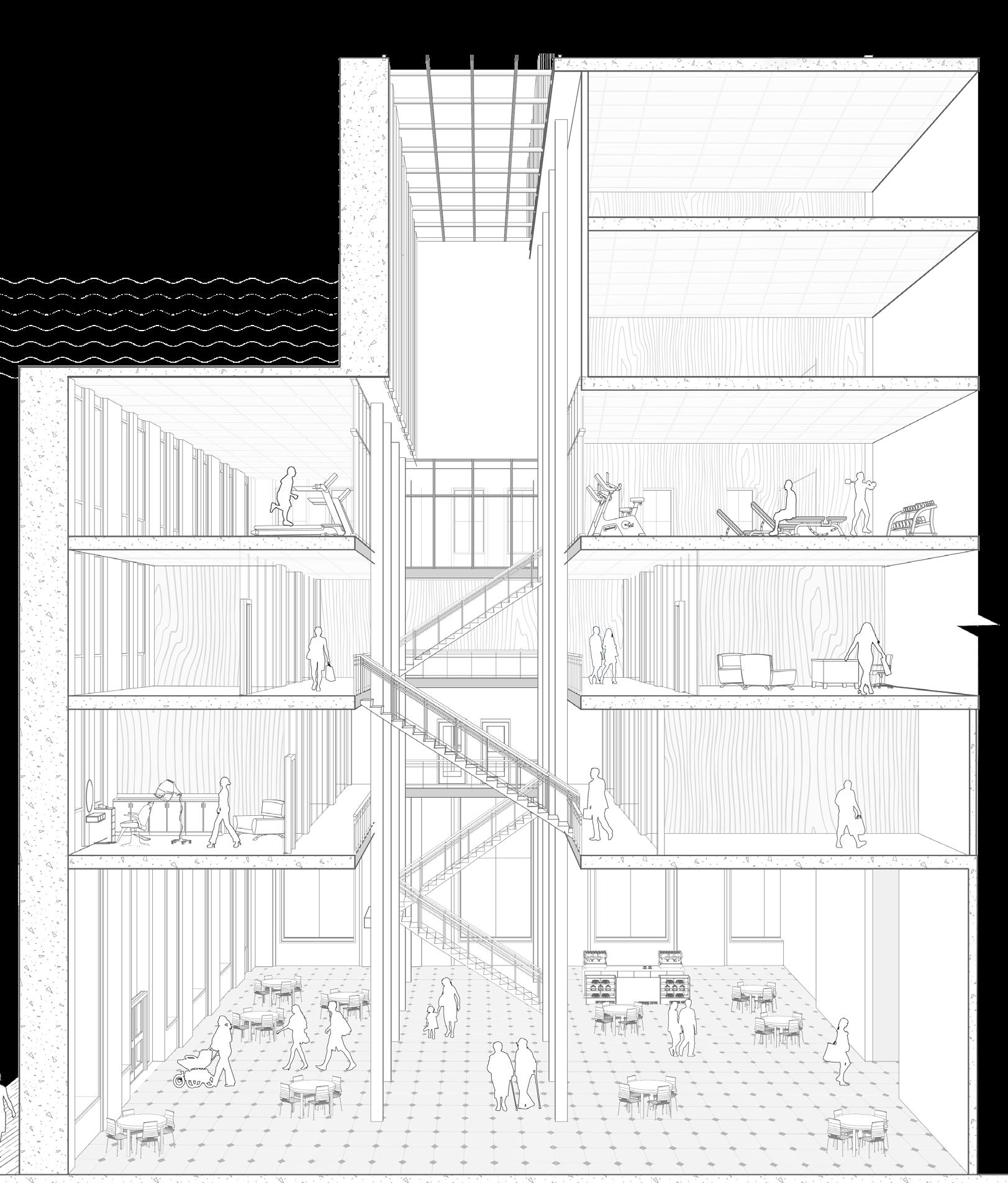
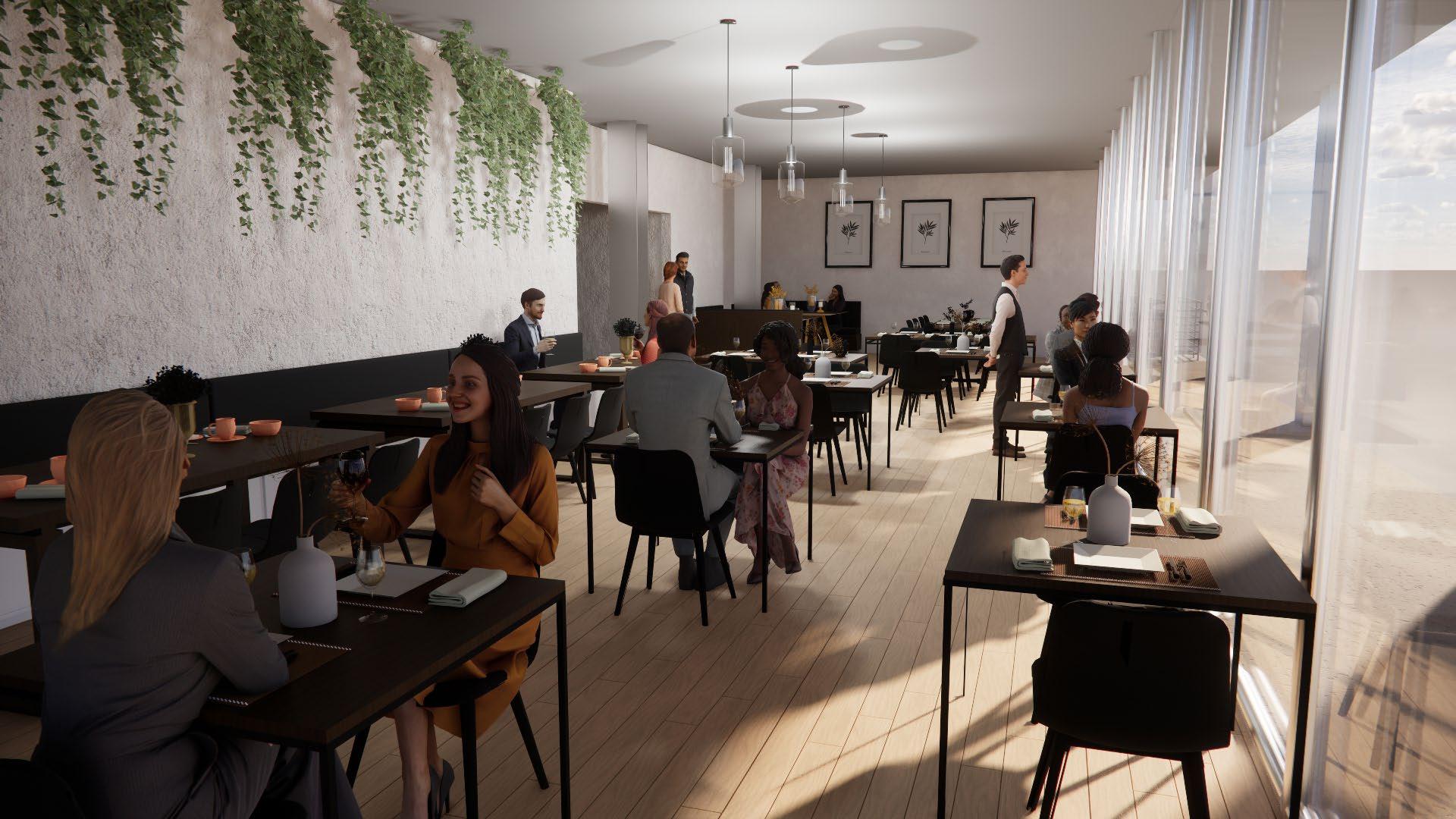
the 24 hour concept arises from the layout of programs throughout the tower. the mezzanine level hosts the morning crowd with cafes, gyms, and children daycare facilities. the mid section houses a vendor space for small business owners to showcase their work and a rotating kitchen for those starting out a restaurant and need a space to test their menu and staff. the top soft story includes a speakeasy event space available for renting.




PERSPECTIVE INSIDE KITCHEN
PERSPECTIVE
03
THE MUSEUM OF HIDDEN THINGS
PITTSBURGH, PENNSYLVANIA
Design Studio 2
Fall 2024
AutoCAD, Adobe Illustrator, Adobe PhotoShop, SketchUp
OBJECTIVE
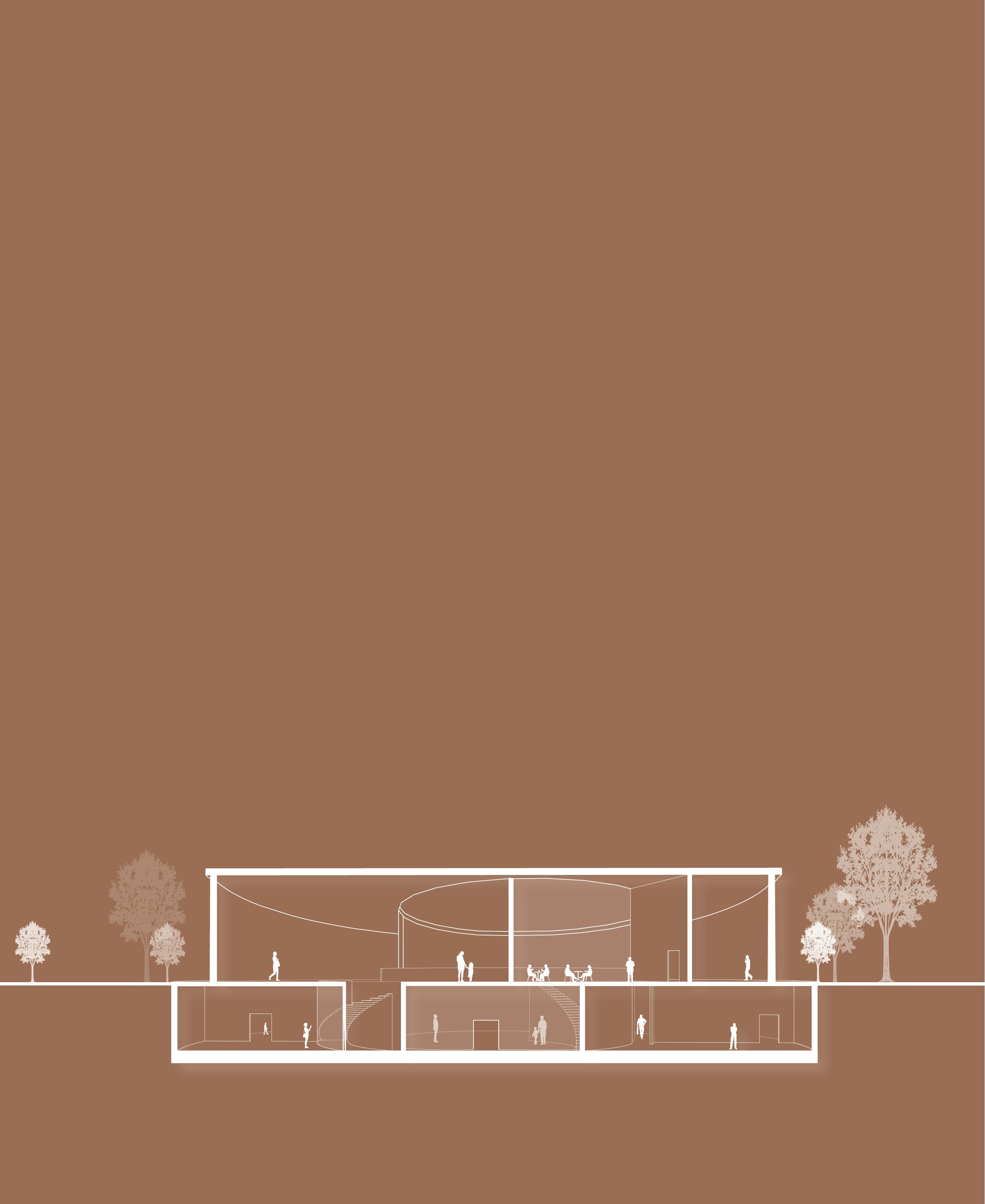
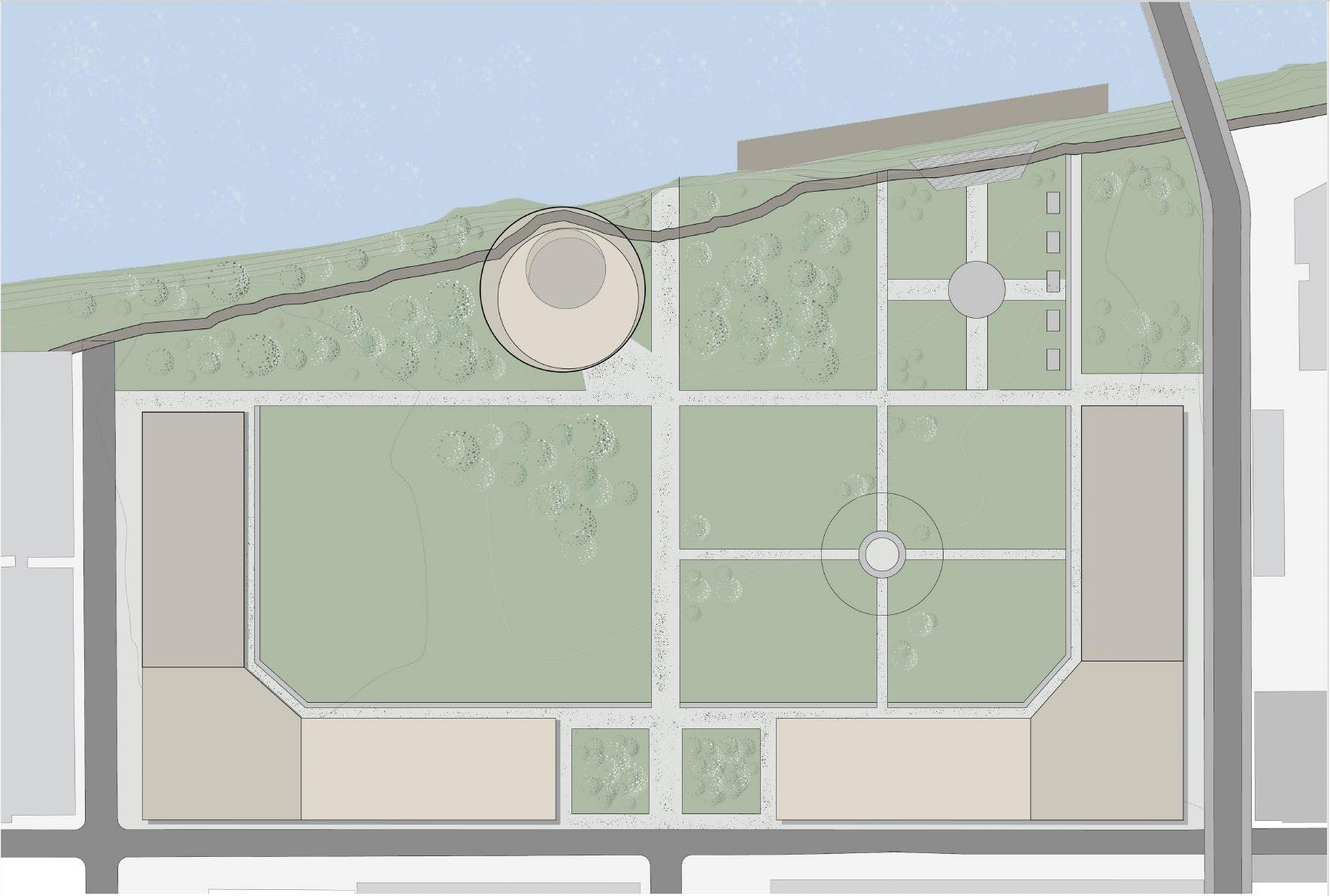
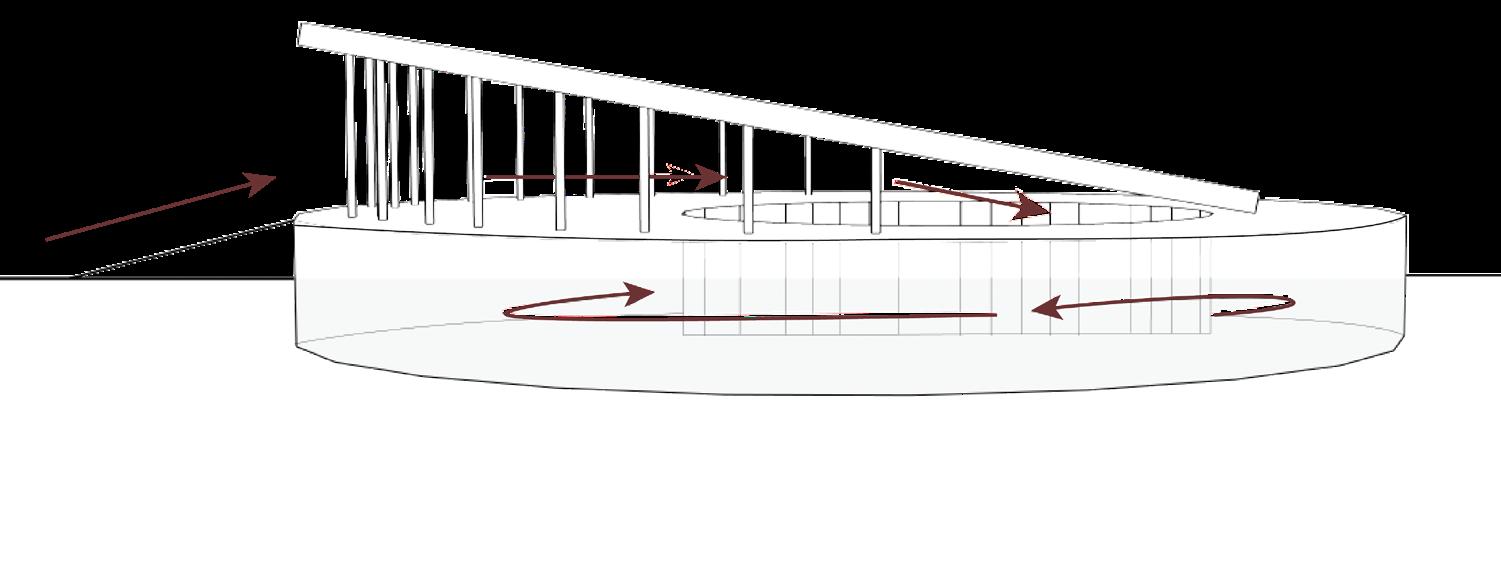
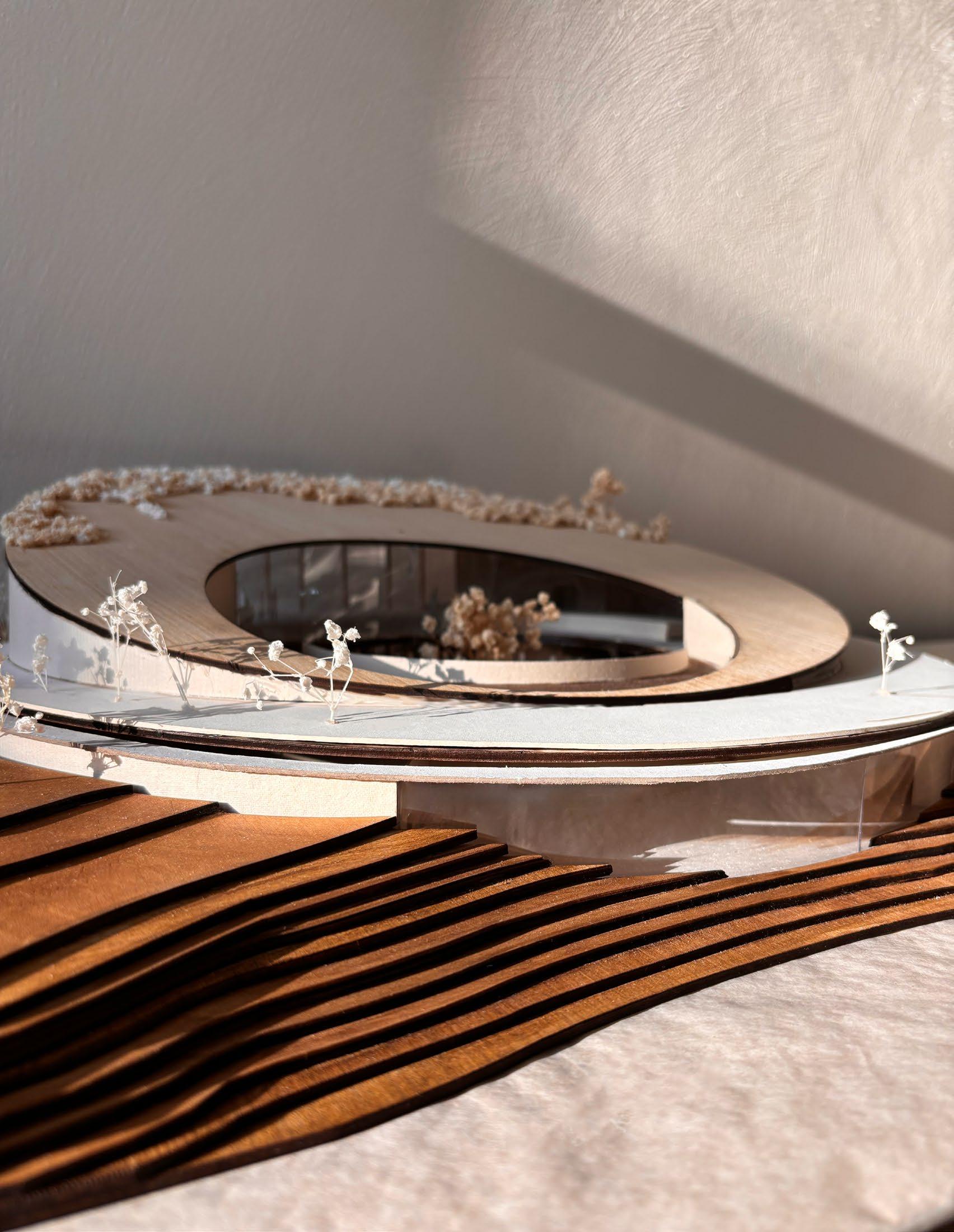
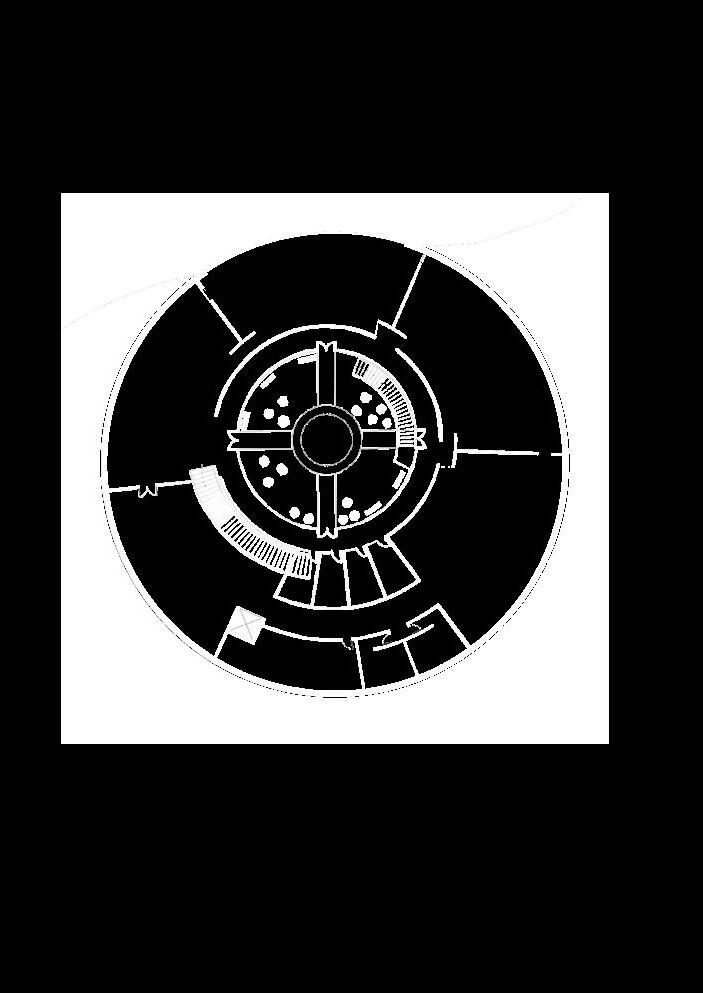
The Museum of Hidden Things is a conceptual project highlighting Pittsburgh communities erased by gentrification, eminent domain, and displacement. Inspired by the Lower Hill District in the mid 1950s, it seeks to restore memory through an inclusive experience. The design centers on the action verbs “disappear” and “surround,” featuring a circular floor plan with a public courtyard at its heart. Four exhibition galleries, a classroom, lobby, and café, span two stories, with the ground floor partially hidden below street level to symbolize lost communities. The sunken floors are home to exhibits honoring the memory of loss communities around Pittsburgh, and are illuminated through the glass walls facing north of the site. Organic circulation fosters exploration, while the courtyard encourages dialogue. This project redefines museum typologies by integrating place, memory, and history to honor displaced communities.
THROUGH MUSEUM

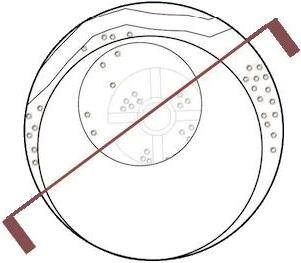

“SURROUND” represents the encapsulation of community through organic forms. subsequently, the verb disappear was added to honor the loss of forgotten communities.
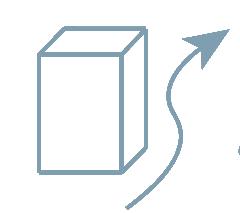
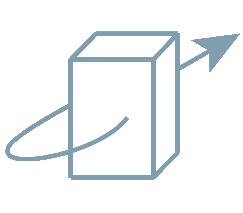
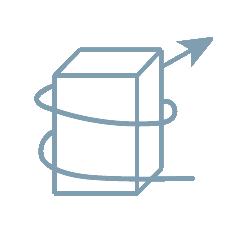
SECTION A-A
04
COMMUNITY CENTER
HAZELWOOD, PENNSYLVANIA
Design Studio 1
Spring 2024
AutoCAD, Adobe Illustrator, Adobe PhotoShop, SketchUp
OBJECTIVE
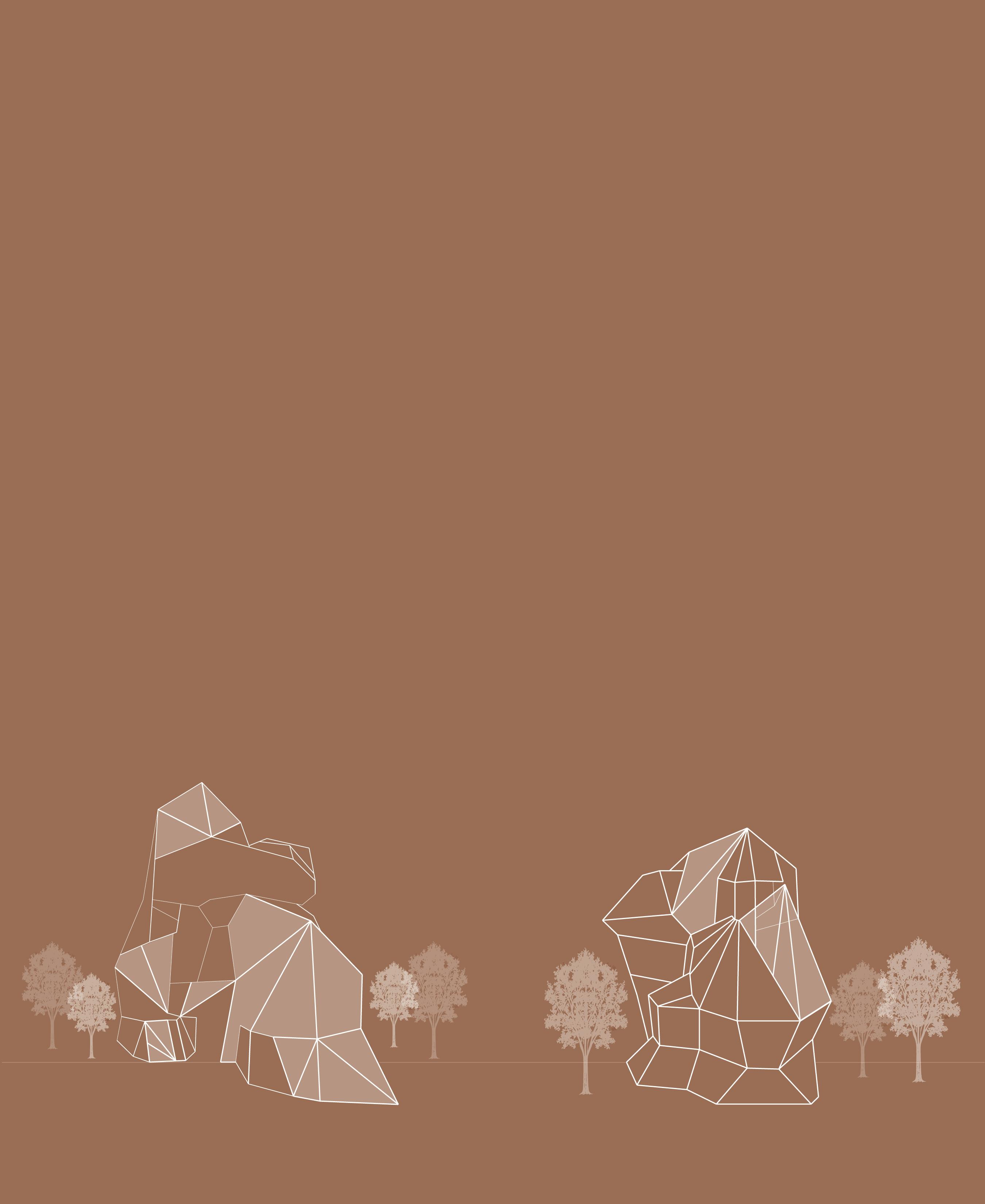
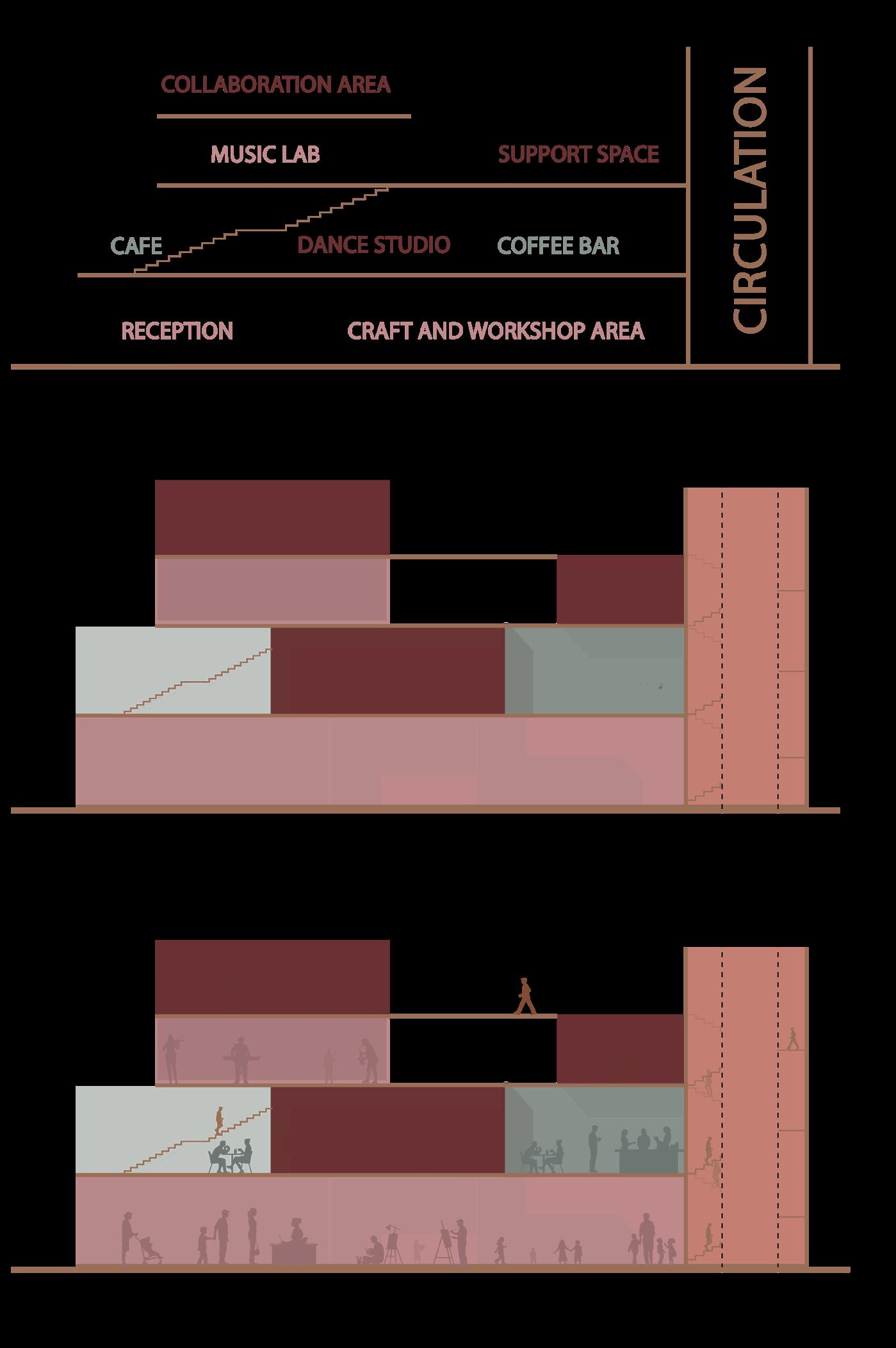
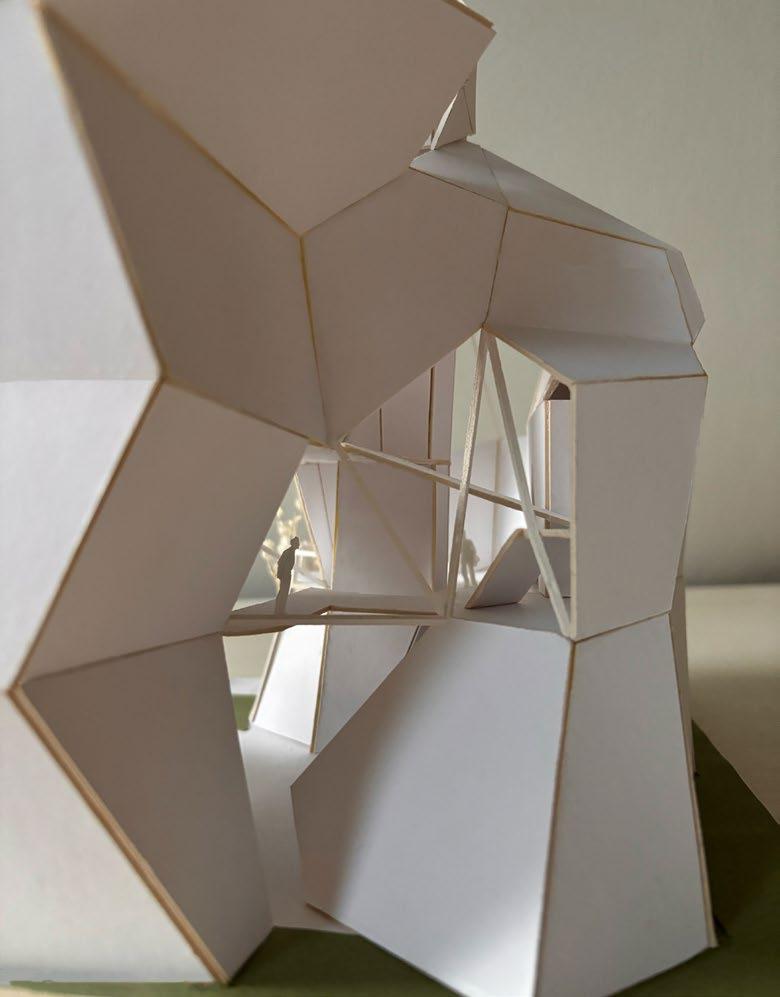
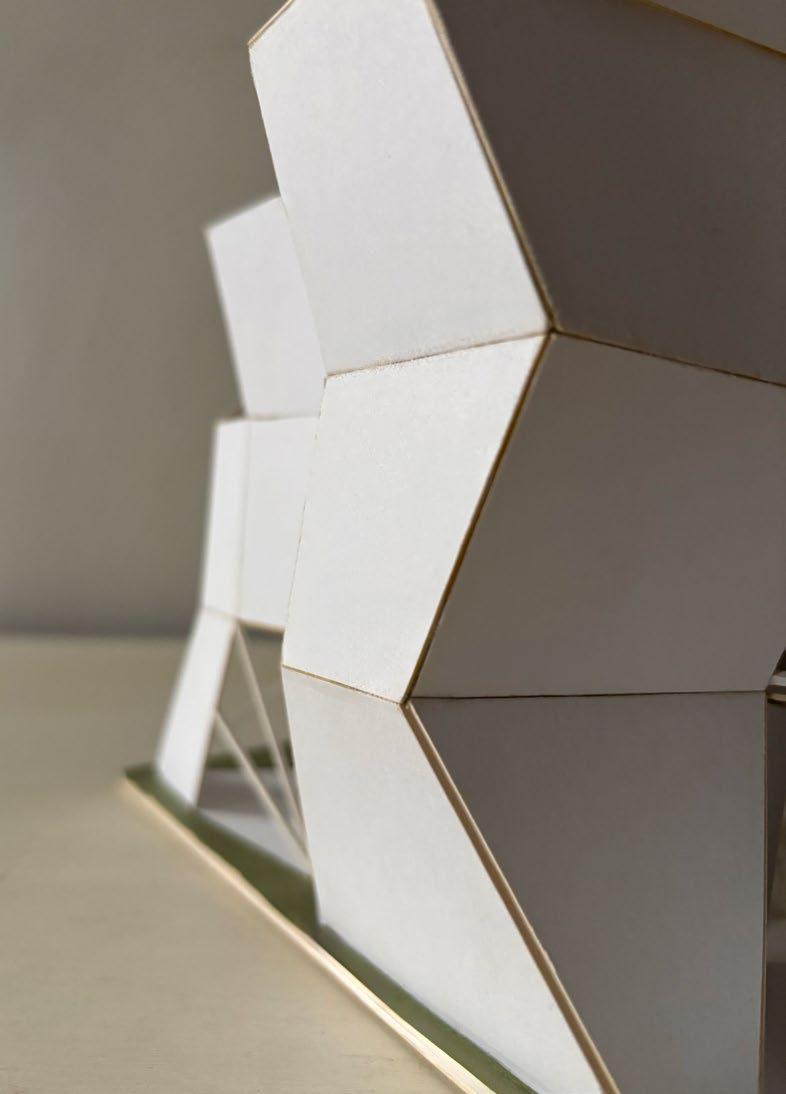
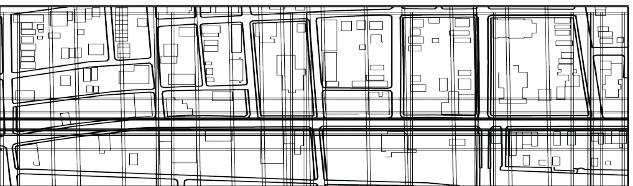
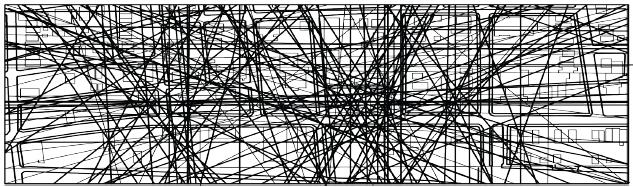
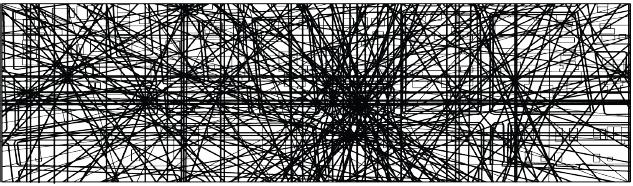
This semester emphasized program development through abstract design. Students designed a public building for Hazelwood, PA, incorporating an assigned program, one of three additional functions, and a supplemental program of their choice. This project resulted in a multi-purpose youth center combining a creative fabrication space, dance studio, and café. Site analysis challenged the design, using data on public safety, foot traffic, and surrounding businesses to shape the form by “folding” intersecting ideas. A key takeaway was the strategic use of windows to draw the public closer, with the dance studio placed at the front to spark curiosity. The project highlighted how visibility fosters creativity and interaction strengthens community.
FOLDED FLOOR PLAN
FORCE LINE BUS STOPS AND STREET LIGHTS
CRACKING OF HOURS OF OPERATION
CRACKING OF VISITATION FREQUENCY
05
PAVILLION RETREAT
OHIOPLY, PENNSYLVANIA
Foundations Studio
Fall 2023
Hand drafting, Adobe Illustrator, Adobe PhotoShop
OBJECTIVE
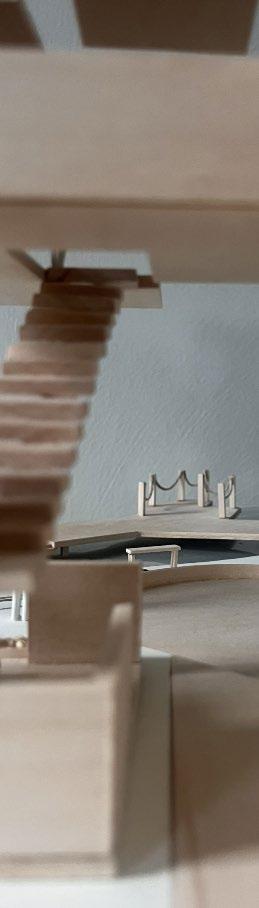
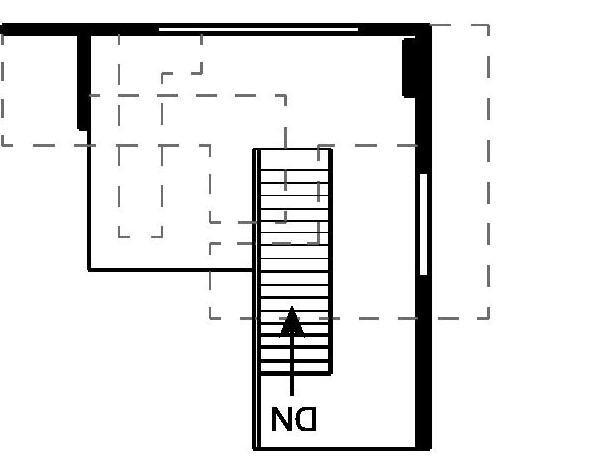
The final project for my first studio challenges students to merge private and public spatial conditions into a cohesive architectural composition. Set along the Youghiogheny River, the design involves designing a retreat with a boat dock, private pavilion, and public pavilion, emphasizing the interstitial space between them. The design must balance privacy and openness, incorporating approach, transition, threshold, and destination to shape an intentional experience. Drawing on atmospheric design, formal deconstruction, and phenomenal transparency, students will create a retreat that harmonizes with the site while meeting functional, aesthetic, and experiential goals. The floorplans and sections were hand drafted, and then scanned and traced for digital fabrication


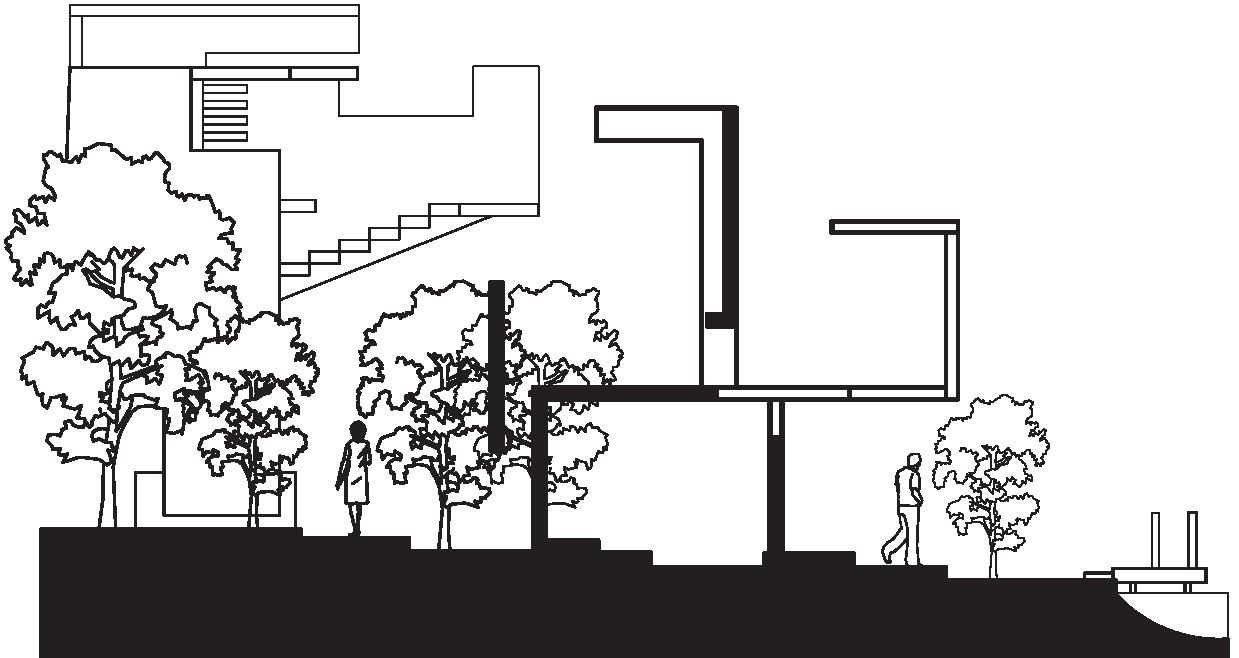
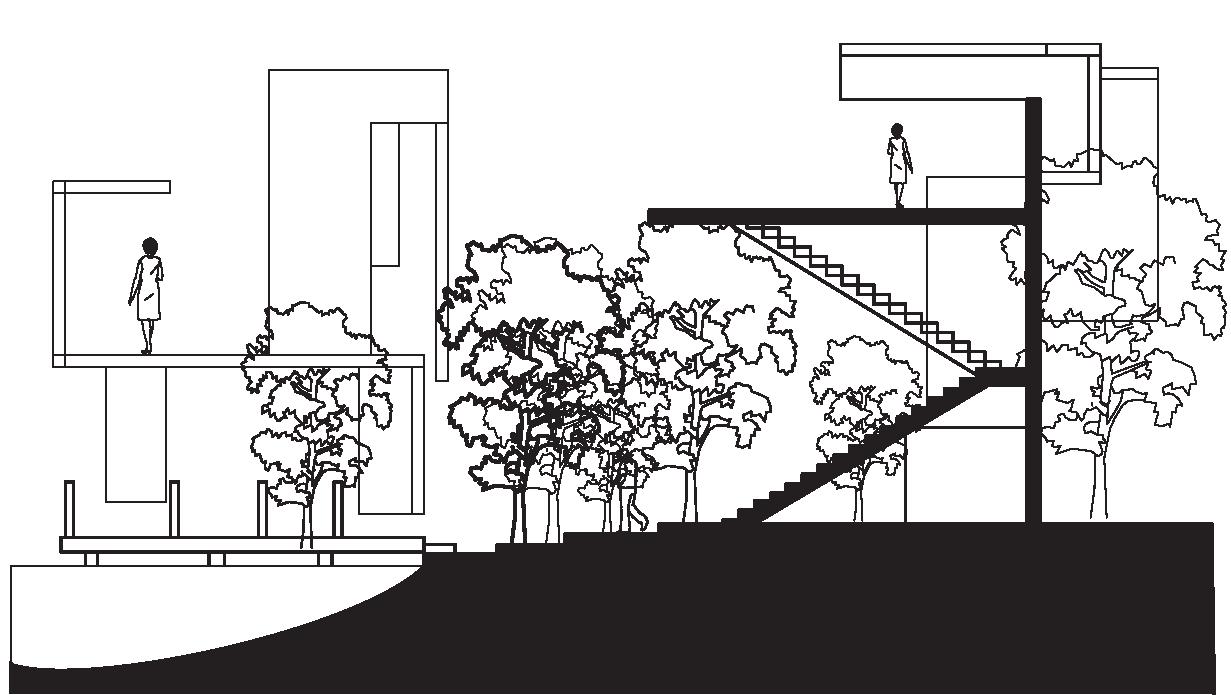
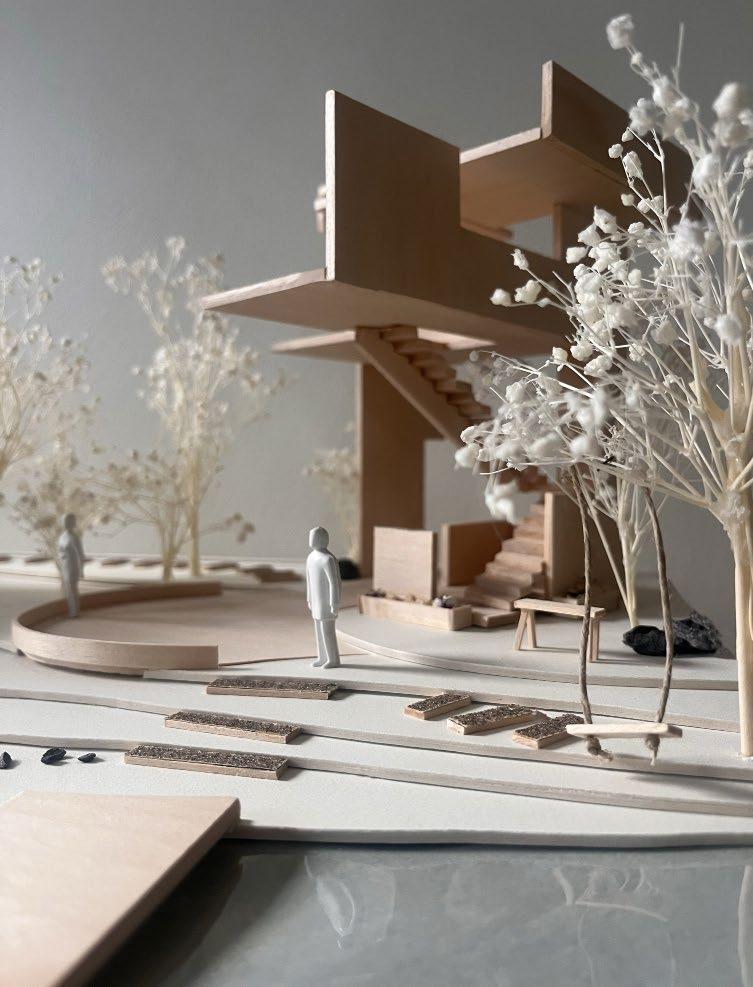
PRIVATE PAVILION SECTION
0’ 5’ 10’ 15’ 25’ 45’
06 LAKE HOME
EQUINUNK, PENNSYLVANIA
Personal Project
Summer 2024
AutoCAD, Adobe Illustrator, Adobe PhotoShop, Autodesk Revit, Sketchup
OBJECTIVE
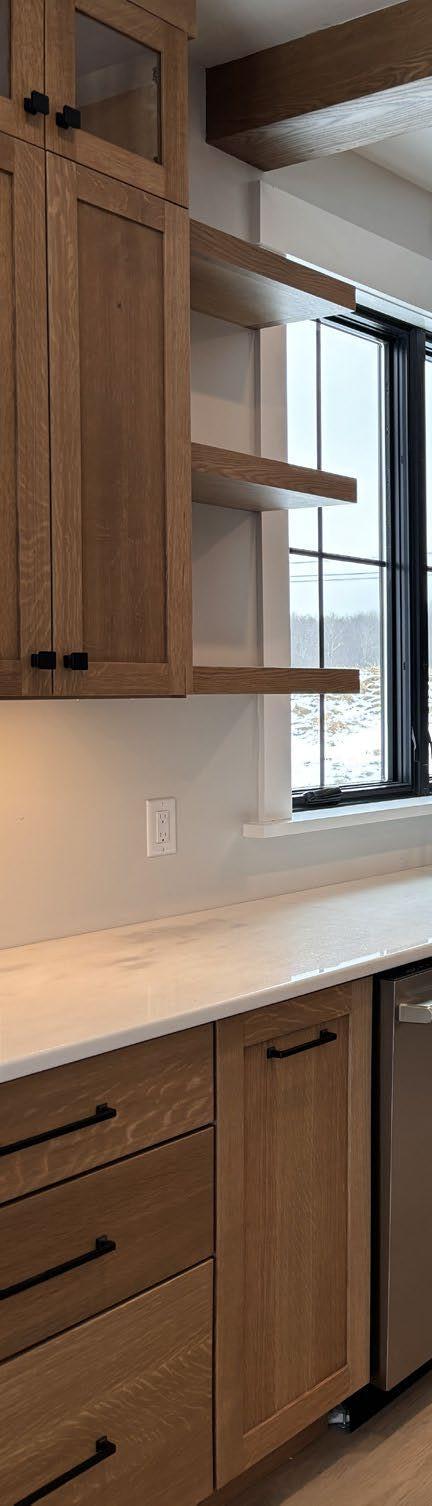
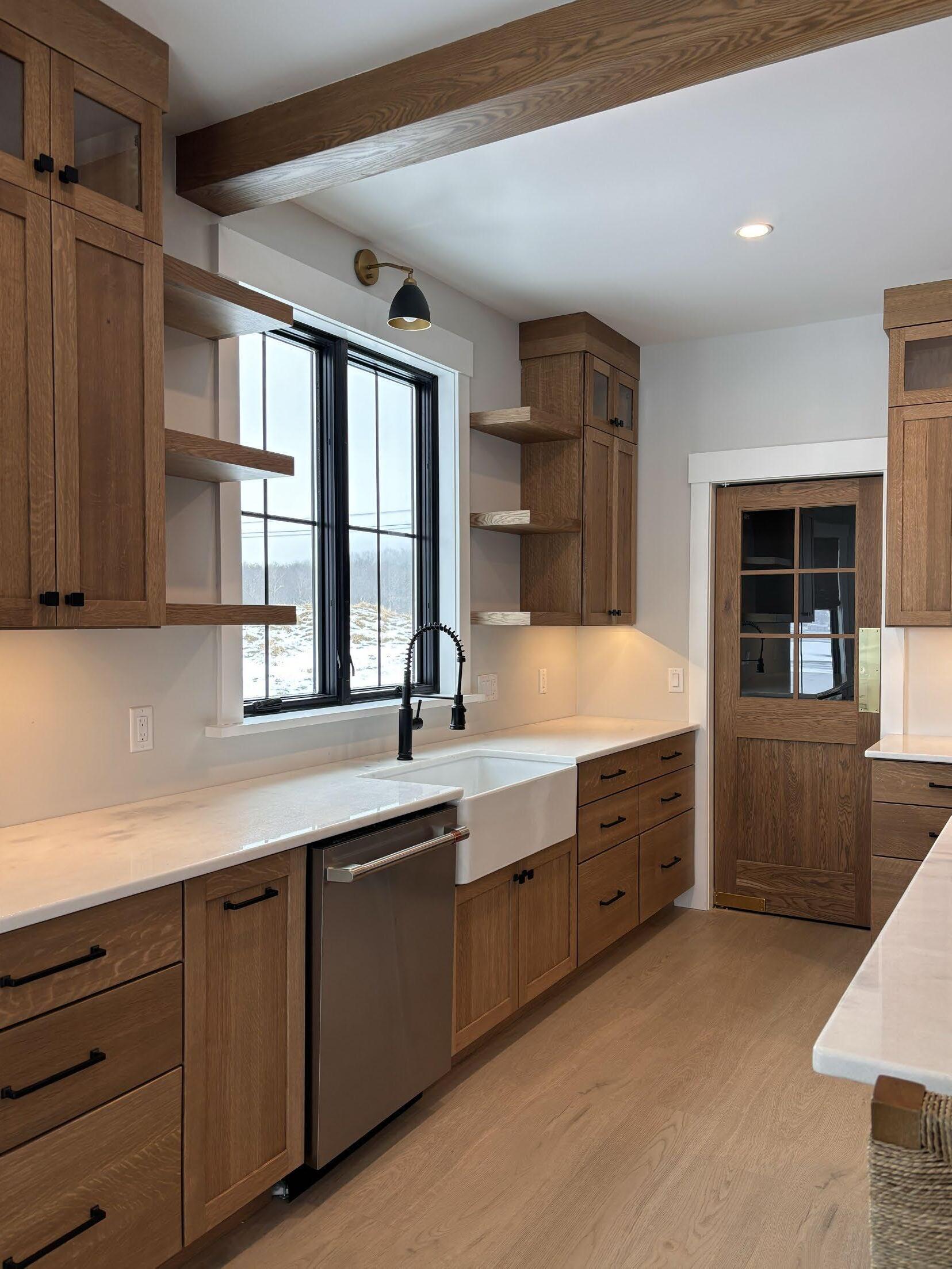
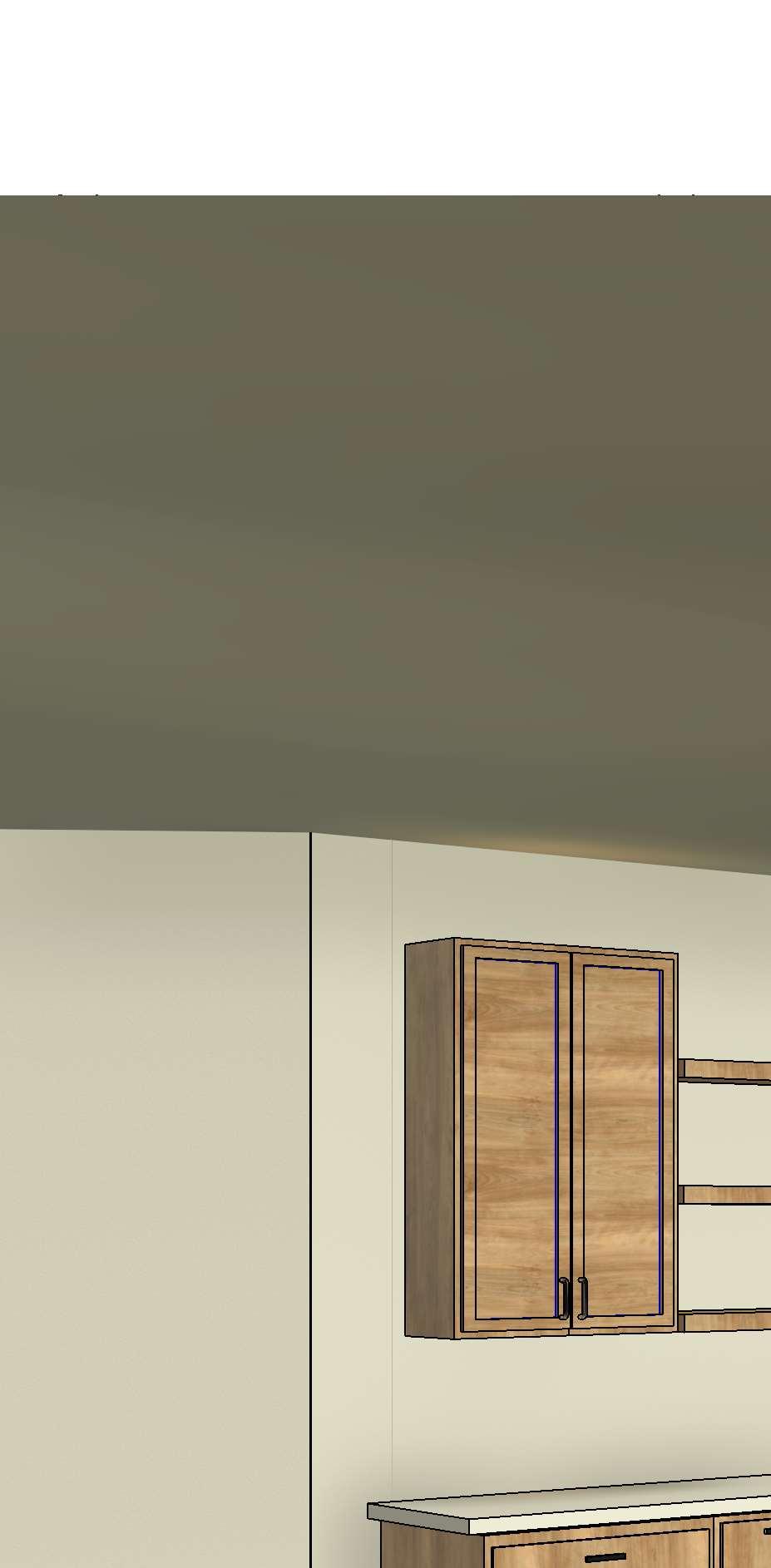
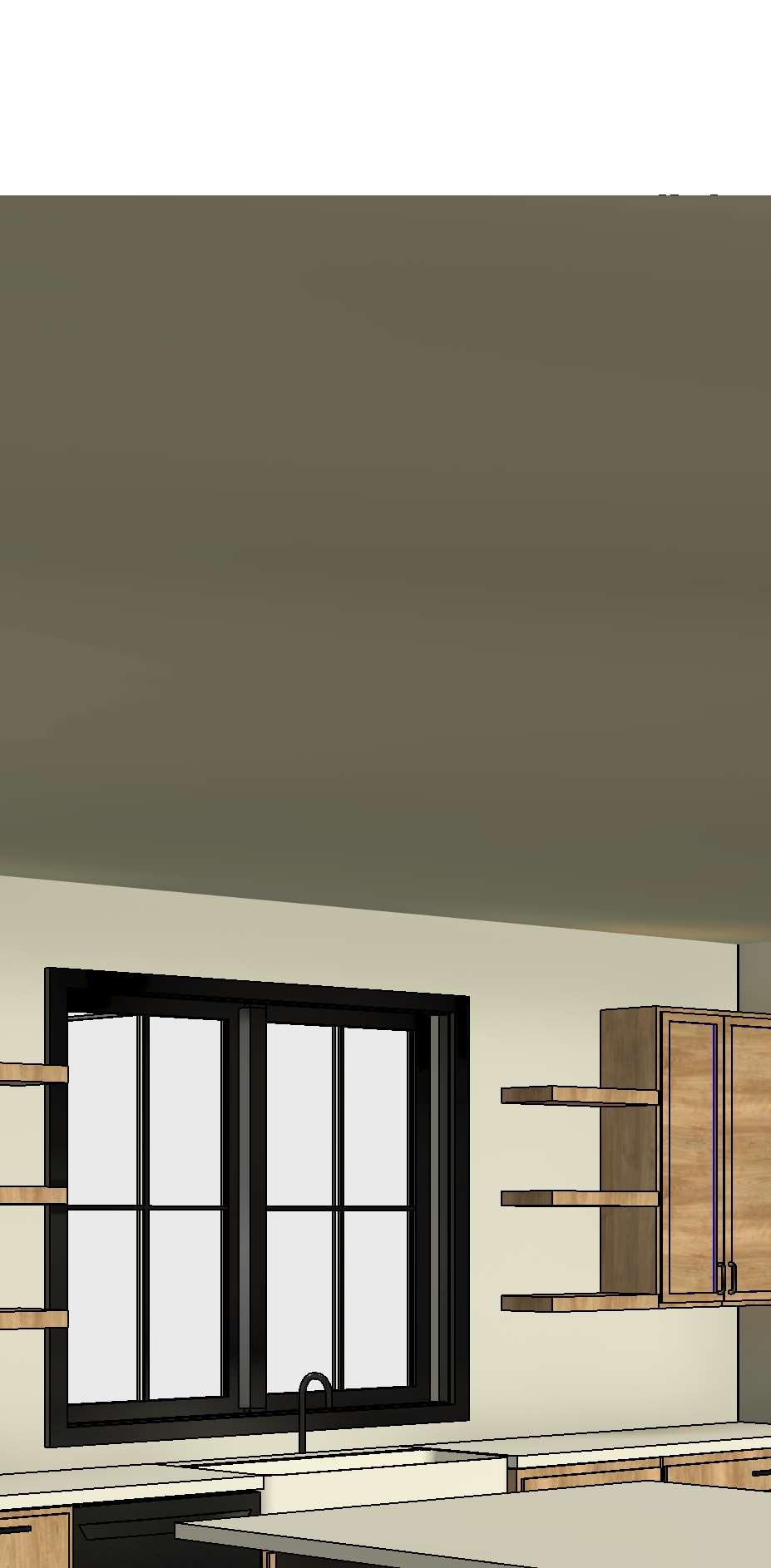
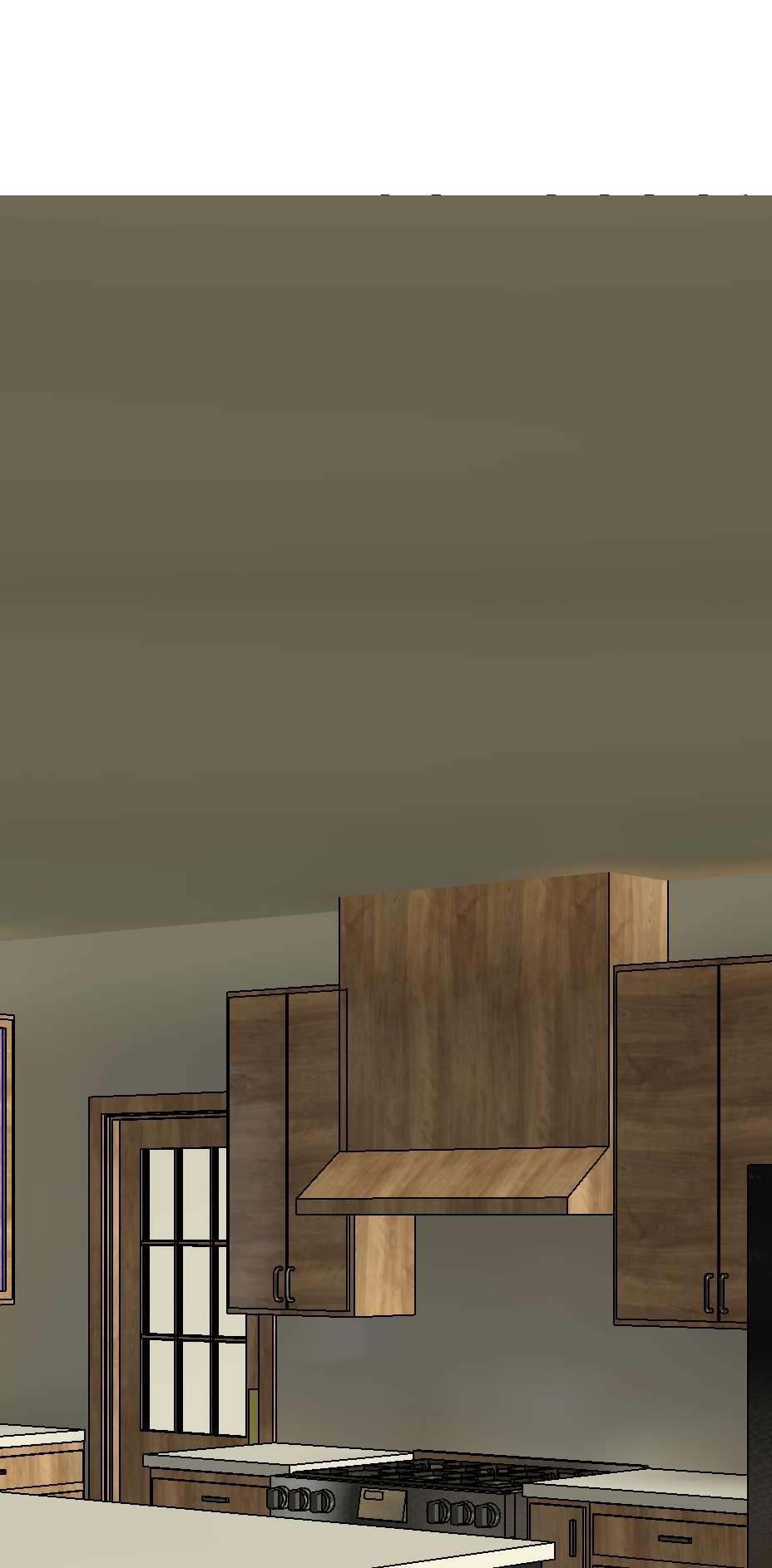
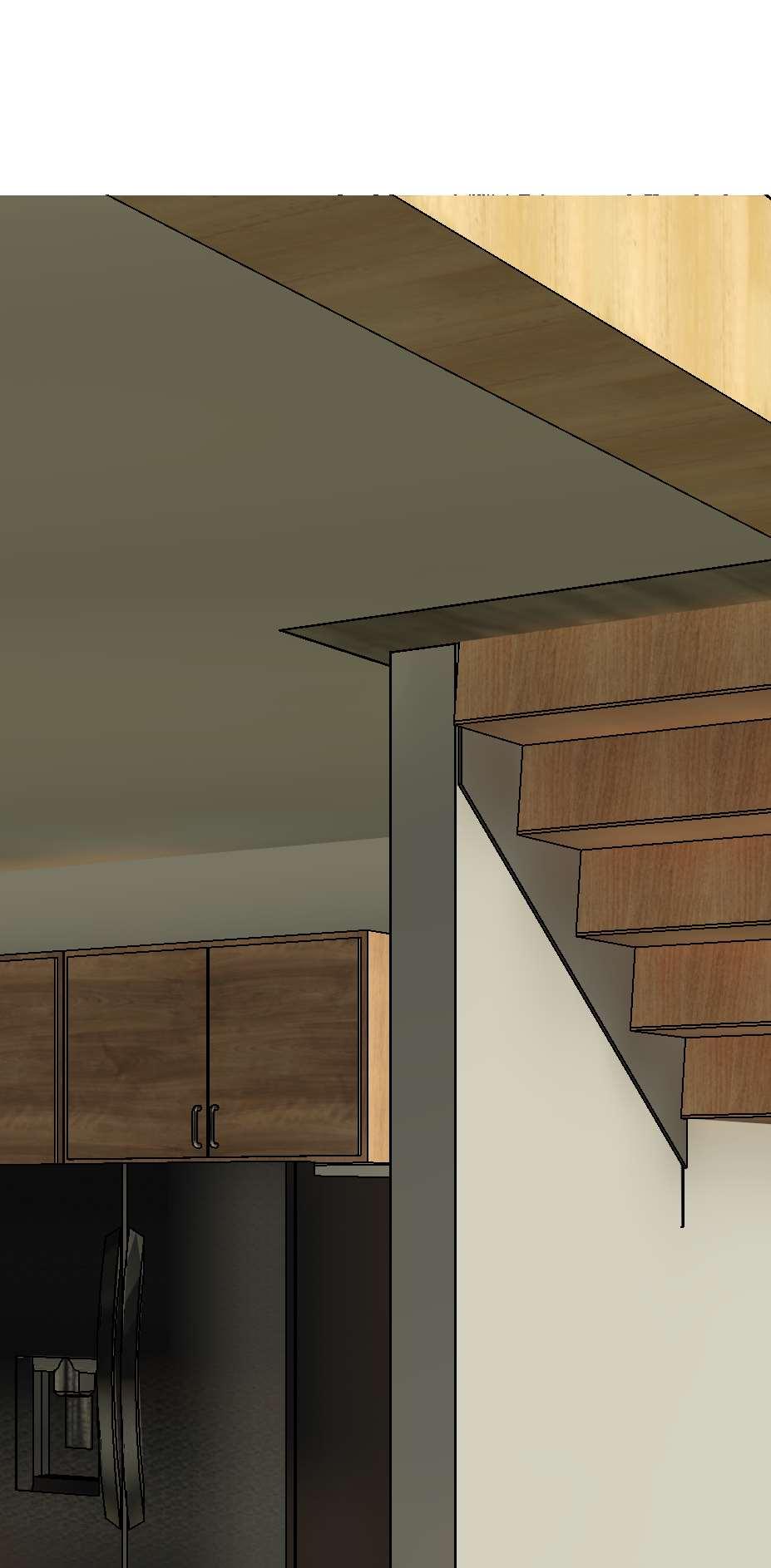
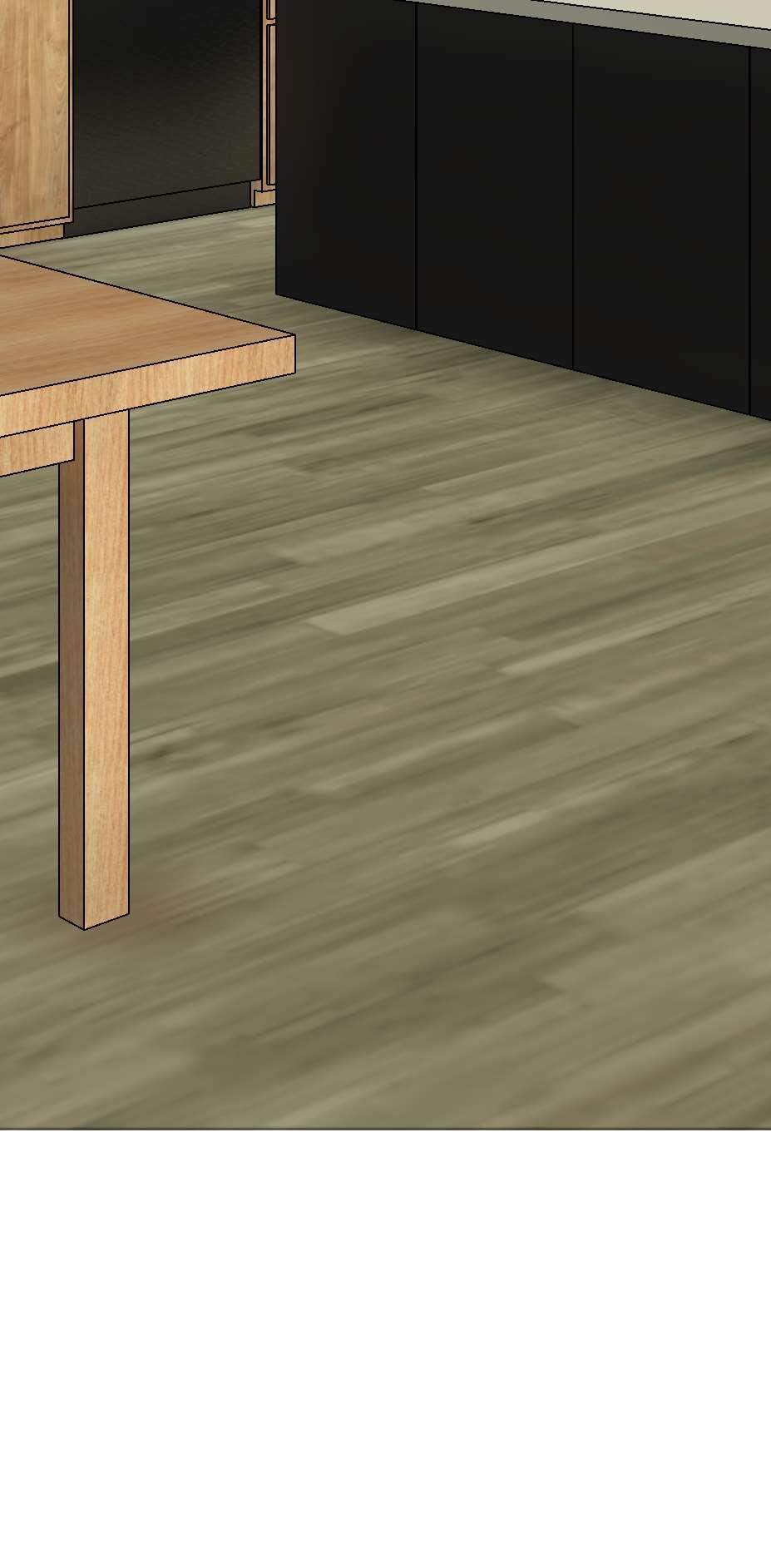
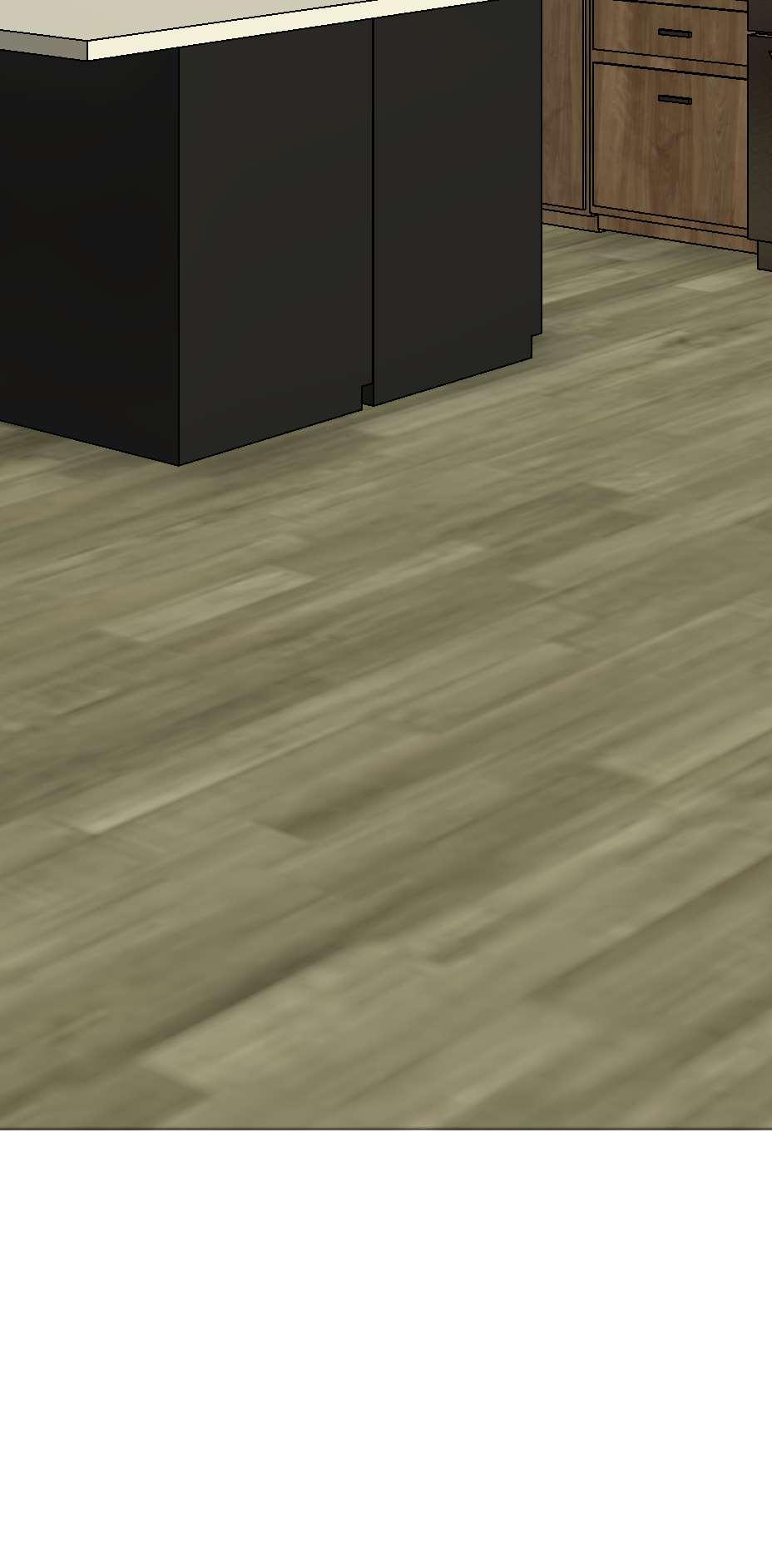
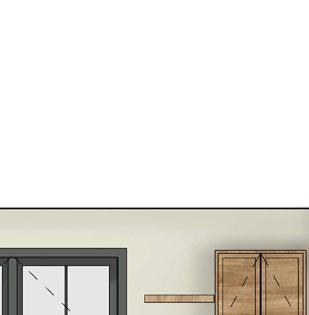
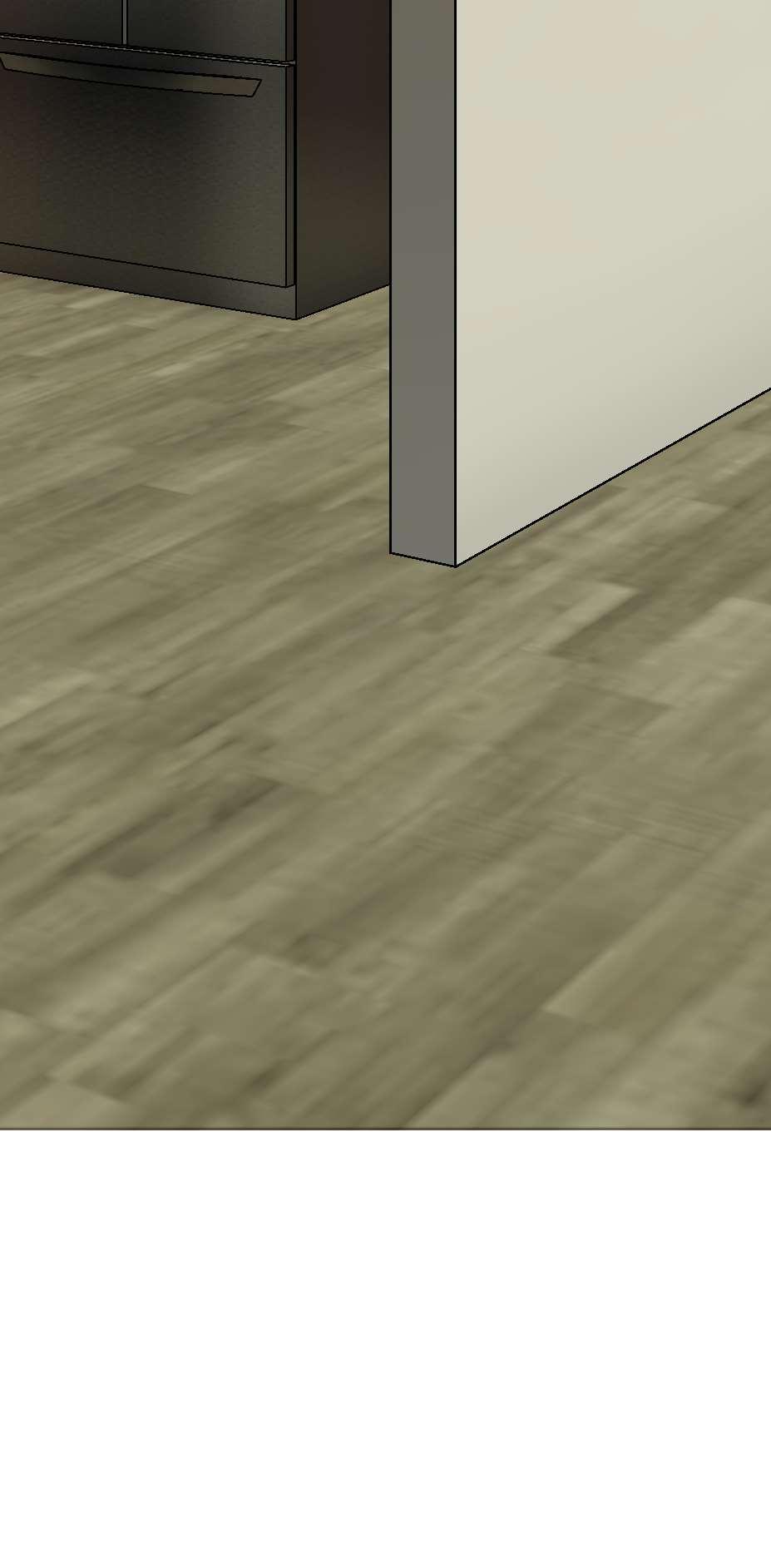
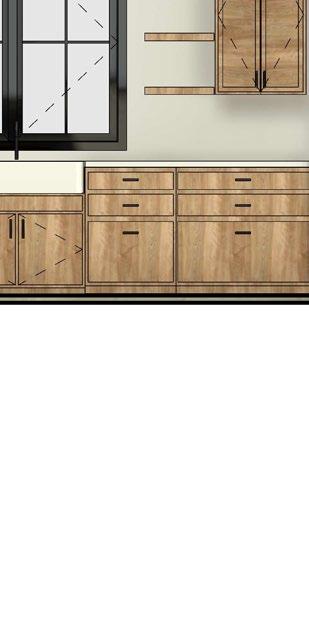
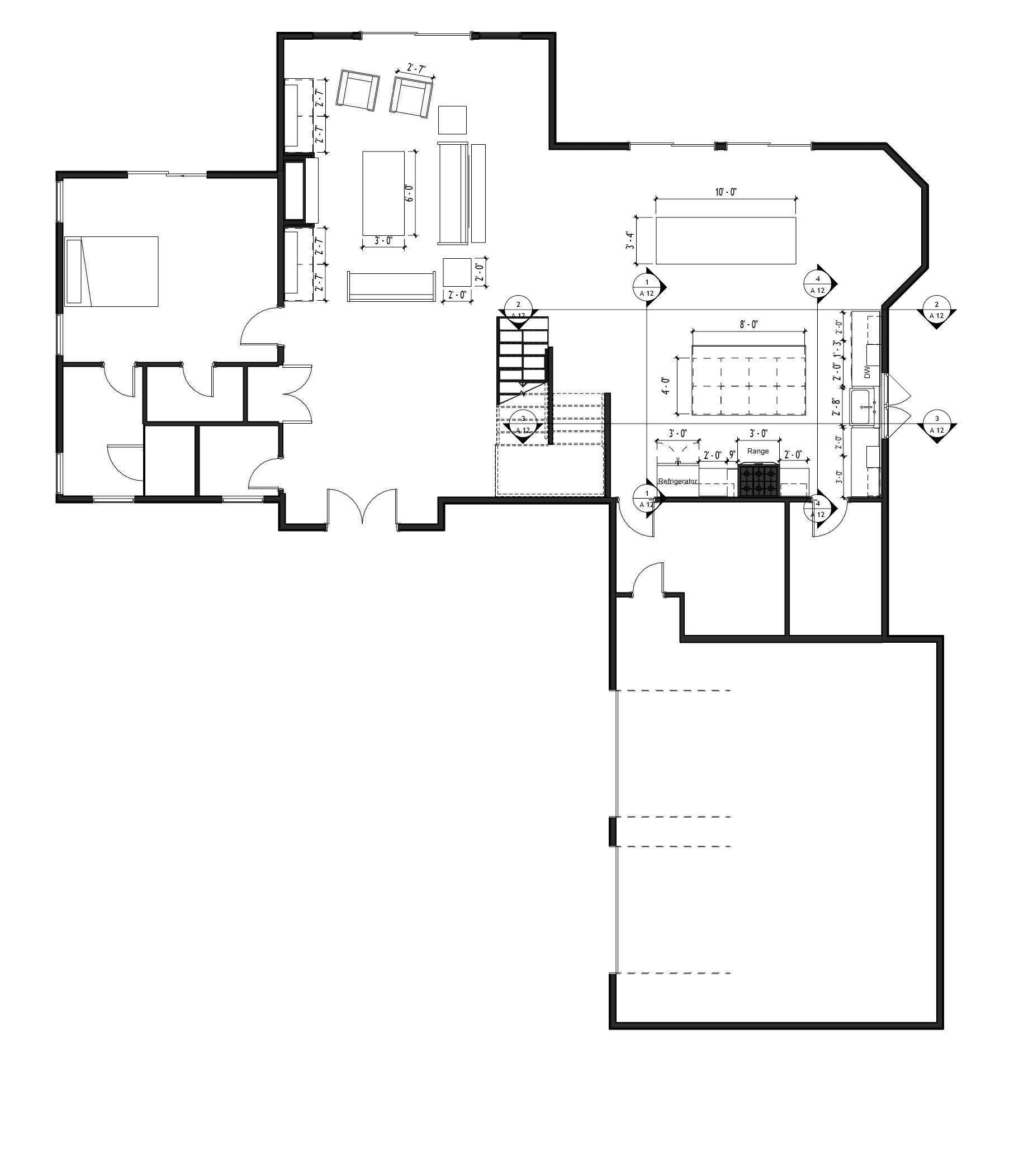
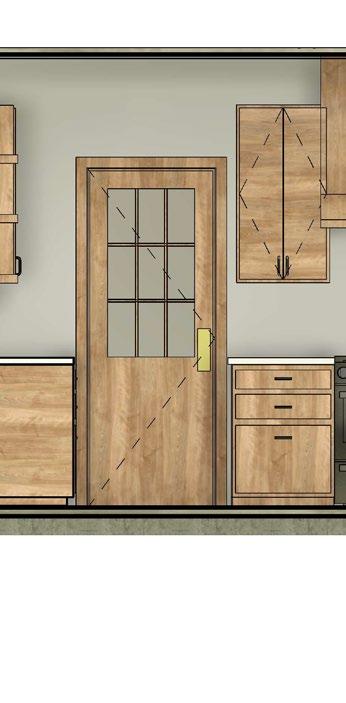
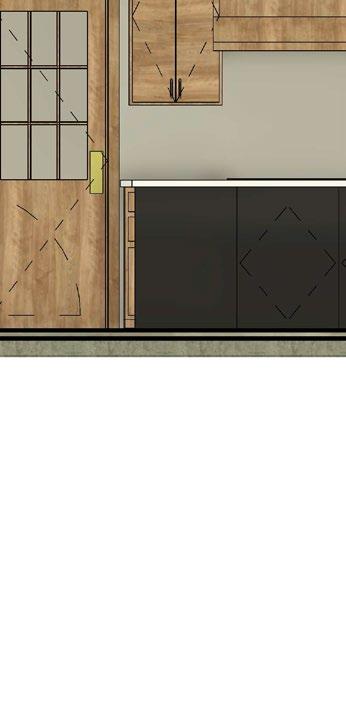
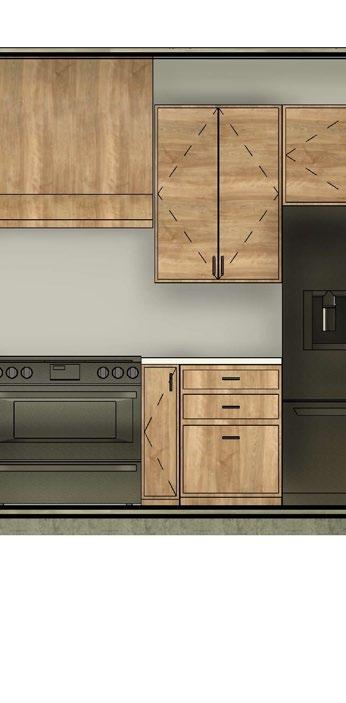
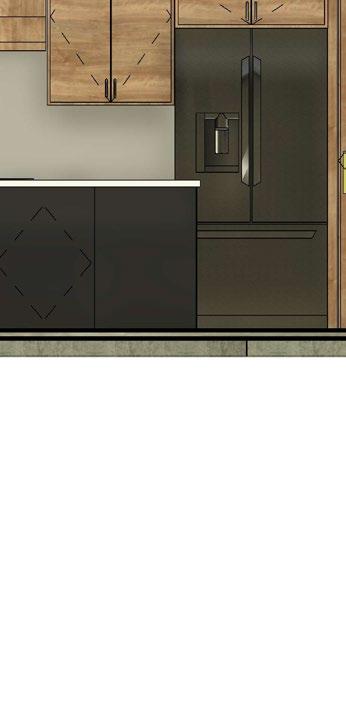
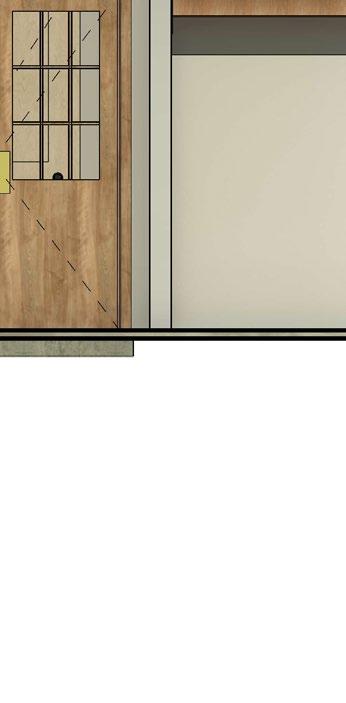
As a personal project, I played a key role in designing a residential lake home, creating a detailed 3D Revit model to bridge the communication between clients and the architect. I created concept packages to translate design ideas through floor plans, sections, elevations, perspective renders, and most importantly, a conceptual Revit model to aid in the visualization of spatial features within the building envelope. My contributions ensured a cohesive space and guided the contractor in cabinet positioning. This project enhanced my understanding of residential design, spatial problem-solving, and user-centered functionality while reinforcing the value of clear visualization in architectural communication.




LAUNDRY
stewart