F ORUM INSIGHT S
F ORUM INSIGHT S
A focused look at how family offices are rethinking investment strategy. From private credit and secondaries to direct deals and alternative assets, the Forum highlighted a clear shift beyond traditional portfolios. Expert insights emphasised adaptability, opportunity, and long-term value creation in an evolving market.


Strategy Trumps Performance: The Evolution of Portfolio Construction for Family Offices
The Future of Private Credit is Already Here
Using Secondaries in order to Build Positions in Attractive Names
Beyond Plan B: Wealth Migration as a Strategic Asset Class
Markets Take The Escalator Up, But The Elevator Down
Fireside Chat: Perfect Matches: Connecting Private Wealth with Direct Deals
The Old Playbook is Dead - What Does the Next Gen Family Office Want?
Ruling Your Wealth Versus Having It Rule You
Doing Well Through Doing Good: Investing in Rare Disease Drugs
Sponsors & Partners
CHARLES PAIKERT
US Correspondent New York Family Wealth Report April 10, 2026 (published article here)
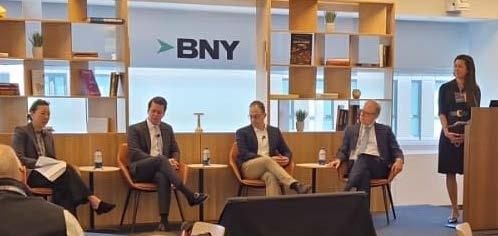
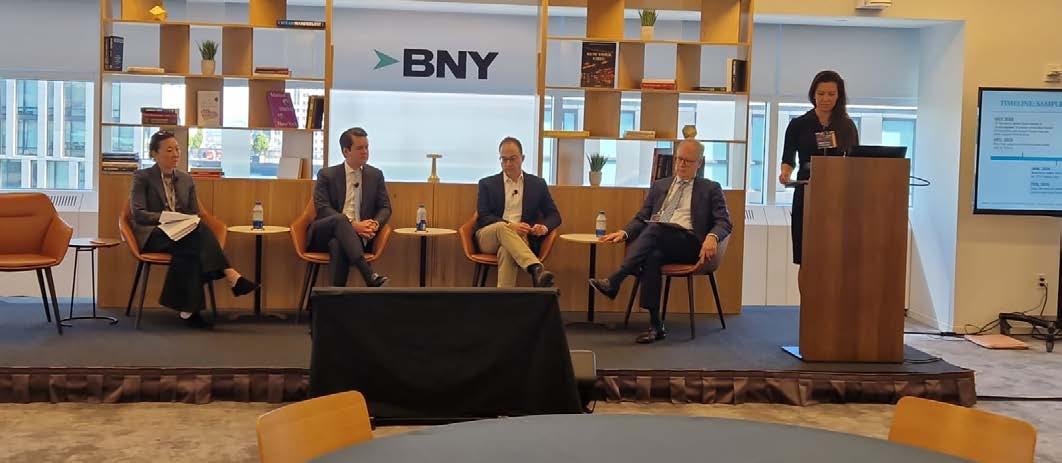
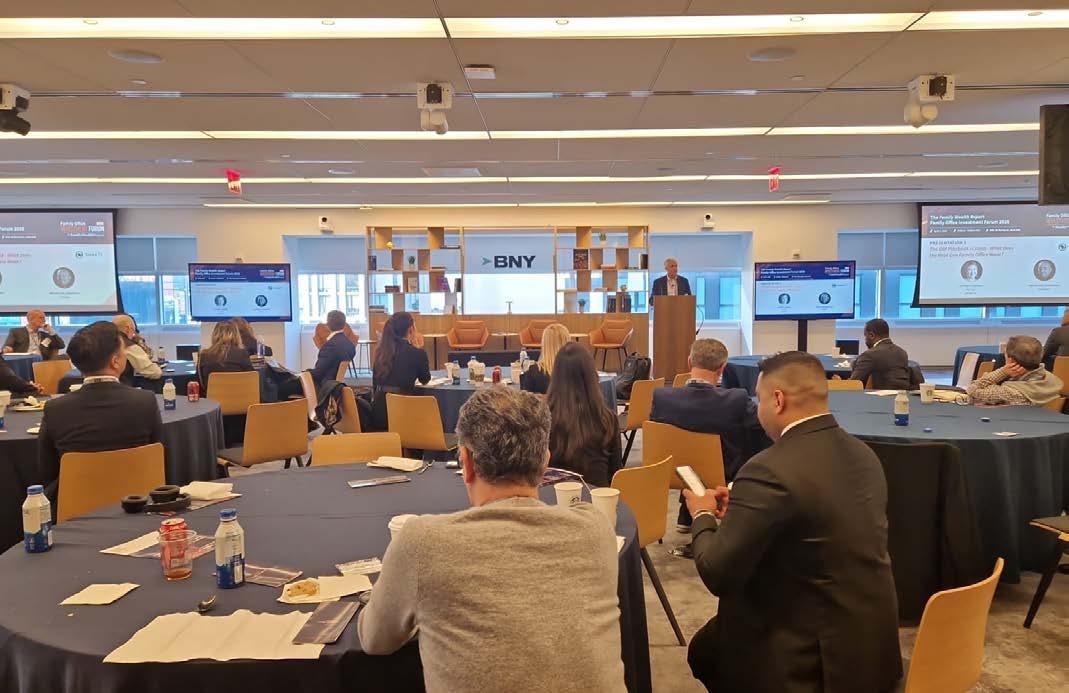
The ongoing “acceleration phase” of artificial intelligence, and the rapid growth and popularity of private credit, secondaries and direct investing highlighted this year’s Family Office Investment Forum in New York.
Dubbed the “standout theme” for family offices, AI is “still in its acceleration phase” three years since the introduction of ChatGPT, said Kevin Shea, senior investment analyst for BNY Wealth as he opened the Family Wealth Report sponsored conference. Investors should expect “so much value creation going forward,” Shea said.
To date, AI is outpacing growth of the Internet at a similar stage of development and OpenAI “is the fastest growing company the world has ever seen,” Shea said. He also noted the extraordinary capital expenditure spending on AI by Meta, Microsoft, Amazon and Google and disruption being caused by Anthropic’s Claude Cowork in the software business. Software was a value add, Shea said, but Cowork has made it a data depository.
To reach its potential, AI needs to expand geographically and embed in “all employee layers” of companies, according to Shea. AI investors should look for “where the bottlenecks are,” such as data centers, and make sure they have private exposure to AI-related companies.
When asked about the negative impact AI may have on employment and the labor market, Shea said that while he was more sympathetic to a “doom and gloom” scenario last year, he now believes businesses will “shift” job roles, mitigating cumulative job losses.

Private credit was identified as another fast-growing area at the conference, as industry executives cited estimates that the market was project to nearly double to around $4 trillion by 2030. Private credit investors need “clear disclosure on asset quality,” said Mike Szymanski, managing director of Aquiline Credit.
Spreads are likely to go higher, said Michael Perez, managing director of Stone Point Capital, who advised investors to “stay in dry powder.” Stone Point was avoiding “big directional bets” in favor of smaller incremental investments, Perez added. Due diligence is critical to align assets and liabilities, said panelist Jenny Lee, cohead of private credit at Brigade Capital Management. Research is especially important in the asset class because “there’s no upside in private credit,” said Stuart Katz chief investment officer for Robertson Stephens. “You win by losing less.”
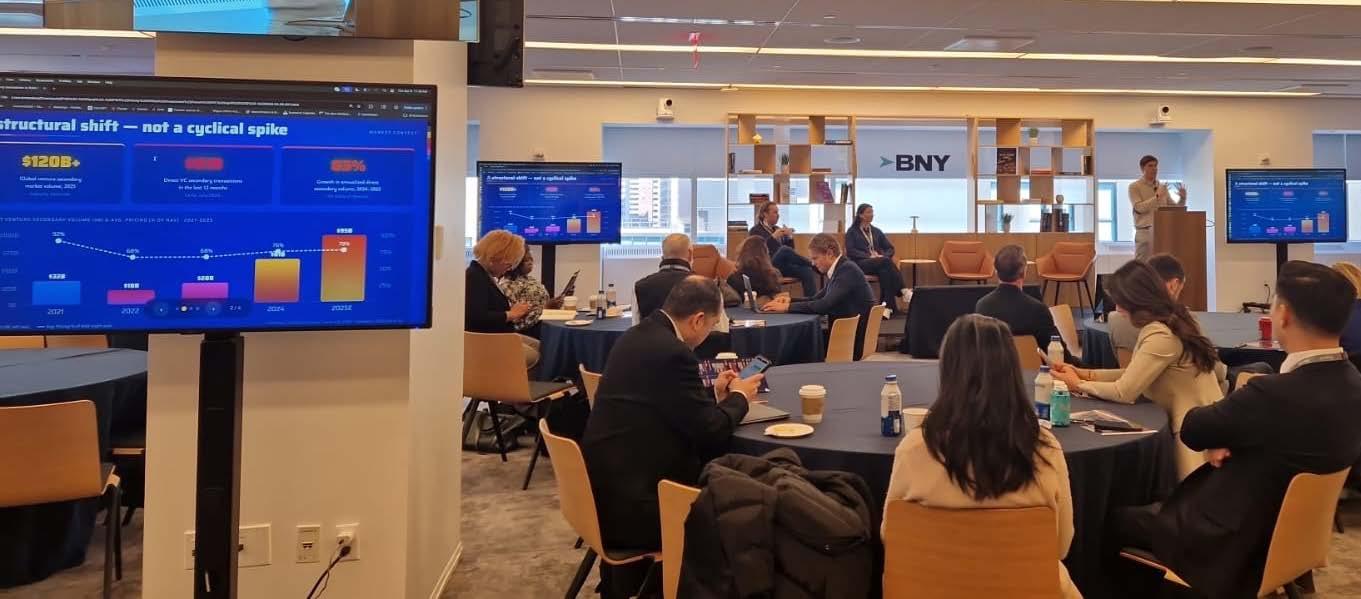
The secondaries market is growing at a “staggering pace that you don’t see in the public markets,” said Maxime Seguineau, managing partner at Raido Ventures. And the longer private companies stay private, the more robust the secondaries market is, added Will Snape, head of capital formation at Open VC, and Kelly Han, investor at The Gate Technologies Capital.
Open VC’s secondaries market index fund tries to “capture alpha without being an early stage investor” at the tail end of a company remaining private said Snape while Han’s firm focuses more on individual companies and targets 40 per cent growth with a three to five year exit horizon.
Both executives said access to a private company’s financials was key in this opaque marketplace. Unlike public markets, investments can’t be made with one click of a button, said Seguineau. “You need full traceability of shares,” said Snape.
Direct investments, already a popular investment for family offices, have become even more so because of the lack of liquidity of so many private equity funds. An estimated 70 per cent of U.S. single and multifamily offices make direct investments, said Lindsey Sichel, principal of Legacy Wealth.
The ability to retain control over a direct investment also appeals to families, as is the opportunity to invest directly in an area that may align with the family’s values. Sourcing, networking and trust are important as well. Legacy considers people, pricing, performance and philanthropy; asks why this investment and why now, and tries to determine if the direct investment has a differentiated value proposition, Sichel said.
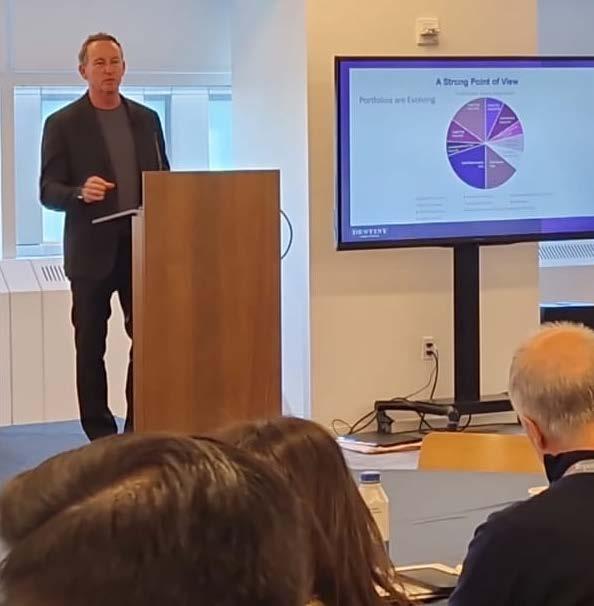
The investment forum also covered collectibles, wealth migration, a critique of the Sharpe ratio, rare disease drugs, the REG A+ “mini-IPO,” NextGen issues and coastal infrastructure. Discussing legacy portfolio construction, Thomas Ruggie, CEO of Destiny Family Office argued against age-based allocations and championed structured notes, options funds and collectibles, which he said has moved from a passion to an investment class by itself.
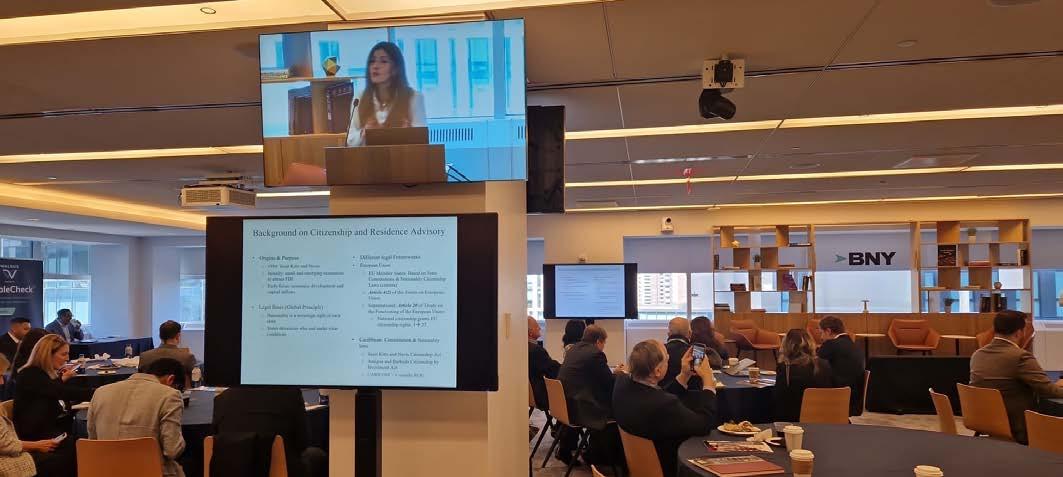
Elena Scemama, private client advisor at Henley & Partners discussed wealth migration as a strategic asset class, noting the advantages of global mobility, investment diversification and advantageous tax systems.
The famous Sharpe Ratio is flawed, according to Neal Nisker, co-CIO and executive chairman of Our Family Office Inc., because it only looks backwards; the risk-free rate of return number could be one of many different assumptions and it doesn’t take into account Black Swan events. Nisker advocates a ratio of return divided by risk, or standard deviation, and said investors should demand they get a unit of return for every unit of risk they take.
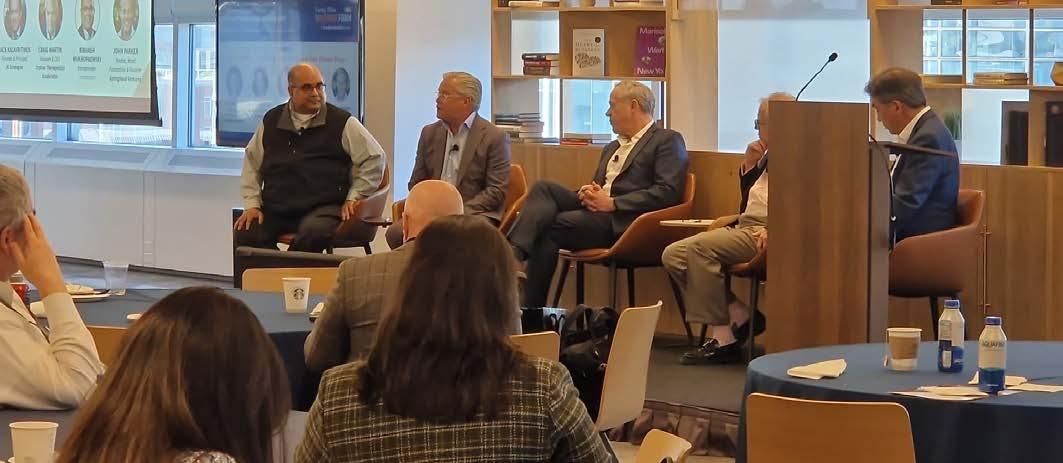
Despite the rarity of orphan diseases, entrepreneur Bibhash Mukhopadhyay argued that investing in rare disease drugs is financially viable and also allows family offices to make a “meaningful difference” in people’s lives.
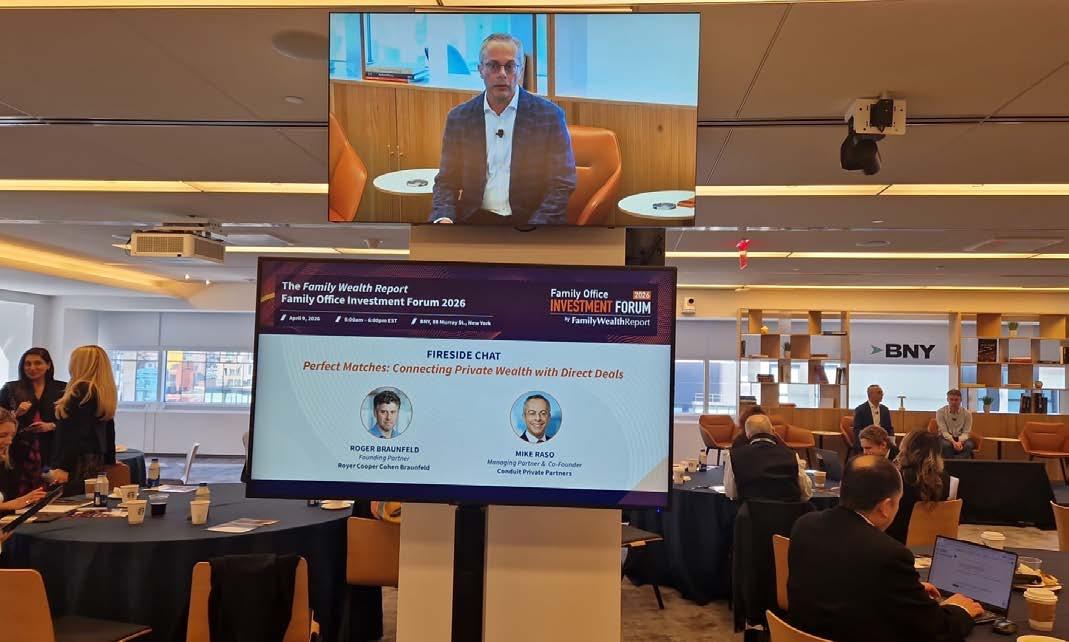
Regulation A+, known as REG A+, part of the 2012 Jobs Act, is part of the “democratization of private markets,” according to Mike Raso, managing partner of Conduit Private partners and Roger Braunfeld, founding partner of Royer Cooper Cohen Braunfeld.
They urged family office investors to take advantage of a real estate oriented “mini-IPO” that is an SEC-regulated exemption from traditional registration that allows private companies to raise up to $75 million annually from both accredited and non-accredited investors. The vehicle is considered cost-effective, can be marketed to the general public and can provides immediate liquidity to investors.
Arinder Mahal, partner of Capri Harbor Marina Group, discussed how investors can unlock value in marinas along America’s coastal infrastructure.
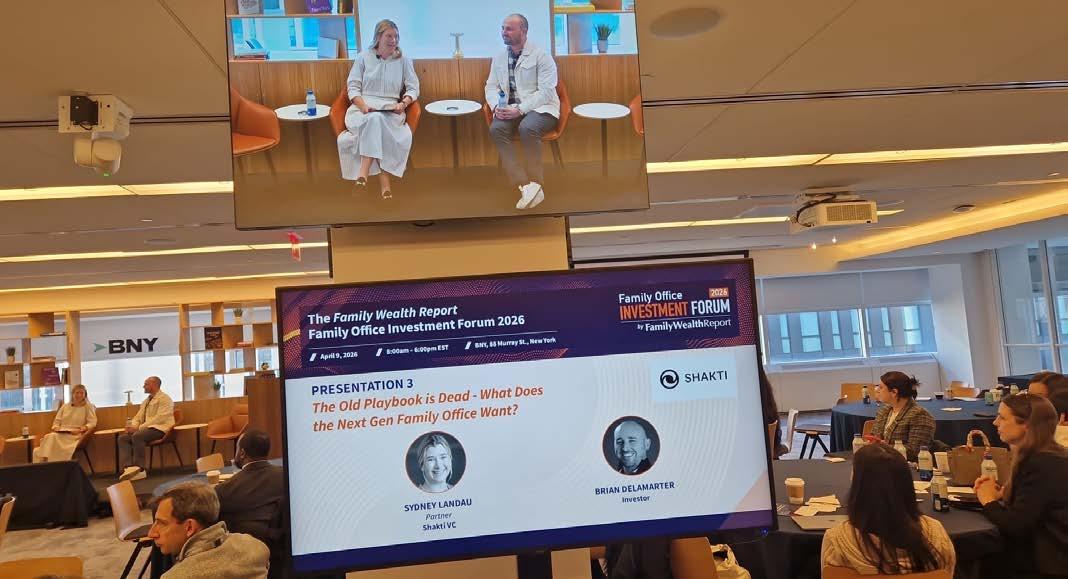
NextGen family office investors are looking for investments where they can be educated, gain expertise and expand their network, said Sydney Landau, partner at Shakti VC and investor Brian Delamarter.
Chip Fisher, principal at Ursus Advisory, closed the conference by talking about how money affects people in different ways. It’s not how much money someone has, Fisher said, but their perspective on handling it. For inheritors, the best way to appreciate money is to “go out and try to make it yourself,” Fisher said.



Tom Ruggie, ChFC®, CFP® Founder and CEO, Destiny Family Office
Tom is a visionary wealth manager, executive, and entrepreneur who has spent 30+ years building one of the country’s pre-eminent wealth management organizations, comprised of two independent RIAs, a multi-family office, multiple wealth management firms, various alternative investment funds, co-investment fund and other privileged investment initiatives. He focuses heavily on providing privileged access to institutional-caliber alternative investments, including pre-IPO direct/private investments. He has also combined his own passion as an avid collector with his financial expertise to help clients turn personal interests into powerful investments and recently started a Collector’s Network for TIGER 21. A member of the UHNW Institute, in 2025, Tom was named the InvestmentNews Advisor of the Year for Alternative Investments, and in 2024 Destiny Family Office was named a Family Wealth Report Awards Finalist. He speaks nationally and has been published in Family Wealth Report and other industry leading publications.
At the 2026 Family Wealth Report Family Office Investment Forum, in a presentation Tom Ruggie delivered titled Financial Capital to Cultural Capital: Alternatives, Direct Investing, and Collectibles in Legacy Portfolios, one reality became clear. Portfolio construction is undergoing a fundamental transformation.
For decades, investors relied on traditional allocation frameworks built around public equities, fixed income, and a measured allocation to alternatives. That model is now under pressure. Market dynamics, generational shifts, and the expansion of investable assets are forcing family offices to rethink how capital is deployed.
The conclusion is straightforward. Strategy trumps performance.
In today’s environment, success is no longer defined by short-term returns. It is defined by the ability to design a portfolio strategy that is durable, adaptable, and aligned with long-term objectives.
Traditional allocation models, including the long-standing 60/40 framework, are becoming less effective in addressing today’s market realities. Static allocation models and agebased strategies no longer reflect the complexity of modern portfolios.
Family offices are moving toward a more dynamic approach, one that integrates multiple time horizons, liquidity needs, and asset types. This evolution is not incremental. It
represents a fundamental shift in how portfolios are constructed and managed.
The question is no longer what percentage should be allocated to equities or fixed income. The question is how capital should be structured to meet different objectives over time.
One of the most important changes is the role of alternatives.
Alternatives and direct investments are no longer supplemental. They are becoming core components of portfolio construction. This includes private equity, direct deals, and other non-traditional strategies that offer differentiated return profiles and lower correlation to public markets.
Family offices are leading this shift. The increased use of alternatives across high-net-worth and ultra-high-net-worth investors reflects a growing recognition that traditional assets alone are not sufficient to achieve long-term objectives.
The implication is clear. The modern portfolio is no longer built around traditional assets with alternatives on the margin. It is built with alternatives at the core.
As portfolios evolve, the definition of what constitutes an investable asset is expanding. Non-traditional investments, including passion assets such as collectibles, are increasingly
being considered as part of a broader allocation strategy. In some cases, there is a logical argument for higher allocations to these types of assets, particularly when they offer diversification and reflect long-term demand dynamics.
This shift is not about replacing traditional investments. It is about expanding the opportunity set in a disciplined way.
A key concept emerging in modern portfolio construction is cultural capital. Cultural capital includes assets that derive value from cultural significance, scarcity, and sustained demand. These investments often reflect identity, personal interests, and legacy, while still operating within market-driven pricing structures and carrying distinct risk and liquidity considerations.
For family offices, cultural capital represents a strategic extension of the portfolio. It provides a way to align financial objectives with personal values and long-term legacy goals.
Importantly, this is not a replacement for traditional asset classes. It is an additional layer within a broader, more diversified allocation framework.
Modern portfolios require a more structured approach to time horizon and capital deployment.
Rather than relying on static models, capital can be segmented into distinct pools aligned with different objectives. These may include short-term capital preservation, intermediate growth, and long-term growth.
This type of framework allows family offices to better manage liquidity, align investments with specific goals, and create a more resilient portfolio structure.
It also reinforces a critical point. Allocation is not just about asset classes. It is about purpose.
The next generation of wealth holders is playing a significant role in reshaping portfolio construction.
Younger investors are bringing a different perspective. They are more open to non-traditional asset classes, more interested in direct ownership, and more focused on aligning investments with personal values.
They want portfolios that are not only optimized but also understood and connected to their interests and long-term vision.
This generational shift is accelerating the adoption of alternatives and cultural capital. It is also influencing how family offices approach governance, communication, and long-term planning.
In a period defined by macro uncertainty and evolving market dynamics, family offices face a critical inflection point.
The most important priority is not identifying the next outperforming asset class. It is rethinking the overall investment strategy.
Family offices should be evaluating whether their current allocation reflects today’s realities, how non-traditional assets are integrated into the portfolio, and whether their strategy aligns with long-term objectives and generational priorities.
Performance will always matter. But performance without strategy is difficult to sustain.
The direction of travel is clear.
The future portfolio will be defined by alternatives and direct investments at the core, discipline as the foundation, and cultural capital as a strategic extension.
This is not about abandoning traditional principles. It is about evolving them to reflect a broader and more complex investment landscape.
The ability to construct a thoughtful, flexible, and forward-looking strategy will define long-term success. Because in today’s environment, and in the years ahead, strategy will always trump performance.
For more information, please contact: Tom Ruggie, ChFC®, CFP® truggie@destinyfamilyoffice.com
Stuart Katz Chief Investment Officer, Robertson Stephens
Stuart Katz creates and leads the firm’s investment strategy, global asset allocation, portfolio analytics, risk management, manager selection and overall long-term strategic portfolio and near-term tactical asset allocation investment process. Stuart has more than 30 years of institutional and family office investment experience as both a direct investor and allocator across traditional public asset classes and alternative strategies. He began his career at Goldman, Sachs & Co., where he worked for 15 years in New York and London, serving in multiple roles including overseeing private equity and private credit investments in the Merchant Banking Division across financial services, media, industrial and other sectors.
Jenny Y. Lee Partner / Co-Head of Private Credit, Brigade Capital Management
Ms. Lee is Co-Head of Private Credit and a member of the Investment Committee. Prior to joining Brigade in 2022, Ms. Lee was the Co-Head of JPMorgan’s Leveraged Capital Markets Group. At JPMorgan, Ms. Lee focused on the Healthcare, Automotive, and Consumer industries, and Financial Sponsor clients. Ms. Lee was also the Co-Head of JPMorgan’s US Debt Capital Markets Diversity, Equity and Inclusion Committee. Ms. Lee started her career at JPMorgan as an associate in the Healthcare Mergers and Advisory group in 1993. Ms. Lee received a BA in Biology and Art History from Amherst College and an MBA from the Yale School of Management.
Michael Perez
Managing Director, Stone Point Capital
Michael Perez is a Managing Director at Stone Point and has been with the Firm since 2020. Previously, Mr. Perez was a Director & the Head of US Alternatives Sourcing in the Private Capital Markets Group at BlackRock, an Associate at Barclays and an Analyst at Lehman Brothers. Mr. Perez holds a B.A. from Middlebury College.
Mike Szymanski
Managing Director, Aquiline Credit
Mike Szymanski joined Aquiline in 2025 as a managing director on the firm’s credit team. Prior to joining the firm, he completed a Fellowship in the SEC’s Division of Investment Management as an industry specialist in private funds and structured products. Prior to the SEC, he served in CFO, COO, and CEO roles in public and private fund management firms and capital markets firms, leading private debt, CLO, mortgage REIT, fund derivatives, and infrastructure teams. He started his career at Ernst & Young, and then worked for Lehman Brothers, Zurich Capital Markets, XE Capital Management, ZAIS Group, Fidelity Investments, and American Tripe I Partners.

JanetLee Santiago joined DF Capital Management, LLC (DFC) in November 2022 as Managing Director & Head of Capital Markets, after a rewarding 13-year career at Deutsche Bank Securities Inc. (NYC) within the Financial Institutions Group of the Investment Banking Division. She has significant deal execution and origination experience both in the U.S. and Globally across products and sectors. While at Deutsche Bank she established a coverage segment with middle-market private equity firms focused on financial services. Over the course of her career, she covered transactions across numerous sectors such as Asset/Wealth Management, Banks, Insurance, Financial Technology and Specialty Finance including REITs and BDCs.
Private credit became one of the fastest growing asset classes once it emerged as a dominant force in global finance post the Great Financial Crisis of 2008 (GFC). It developed a central role in corporate lending as traditional banks were constrained by regulation and risk limits. In recent years the asset class also grew to encompass a more diverse array of investors, no longer only the purview of institutions but also increasingly accessible to family offices and retail investors.
The current environment for private credit markets represents its most significant stress test since the GFC. Although going through an uncertain period it nevertheless remains one of the fastest growing areas of global finance. The global private credit market is currently estimated at approximately $2 trillion in assets under management (AuM) with an expectation for Private Credit to double to approximately $4 trillion by 2030. Private Credit exists across a number of strategies including BDCs, asset-backed finance and sponsor-backed transactions and touches nearly every industry from Real Estate and Healthcare to Consumer sectors to just name a few.
After a period of rapid expansion, in part due to low interest rates and the retreat of traditional banks, the environment has shifted sharply. Interest rate uncertainty, rising defaults, liquidity constraints, and growing regulatory scrutiny have all contributed to a recent risk off tone. In addition, risk-off fears in 1Q26 and early 2Q26 were in part rooted in concern from private credit’s exposure to the software sector, which sold off sharply earlier this year, partially due to fears of AI, tech disruption, and concerns around capex levels.
The rise in default levels is one clear sign of stress. Fitch Ratings reported that their U.S. private credit default rate (PCDR) reached 6.0% in April 2026, the highest level recorded since inception in August 2024. In the latest report, a majority of defaults now occur through distressed exchanges and maturity extensions marking a shift from historical defaults that were related to PIK introductions. One concern is that this may mask the extent of borrower weakness. Separately, when looking to the near future, even when just focused on rated BDCs, there is a roughly $12.7 billion maturity wall looming in 2026–2027 – up 73% year over year — thus refinancing risk may remain elevated.
Liquidity pressure became another defining feature of the current cycle with some of the largest names in BDCs gating redemptions in the first quarter of 2026, blocking billions in withdrawal requests. The gating wave deflated investor confidence, particularly amongst retail oriented vehicles, and resulted in greater scrutiny of valuation practices across the industry.
However, against this backdrop of uncertainty, Private Credit remains a foundational element of Global Markets that continues to grow. The stress in the current environment is not evenly distributed. There is a distinction between institutional platforms with patient capital bases and more retail heavy vehicles that may be more vulnerable to redemption cycles. To illustrate one example, an institutional flagship private credit fund saw recent redemption requests of approximately 5%, while a tech fund that was more retail heavy hit headlines with an approximate 40% redemption request.
Private credit as a market continues to develop reflecting opportunity and caution. Some asset backed finance and specialty credit strategies are gaining share as investors seek higher quality collateral and more predictable cash flows. Some AA rated private credit funds have attracted inflows from investors that are seeking “safety with income”. Although private credit may offer contractually higher returns and a stream of income, this should not be confused with being “riskless”. At the same time, as some are proceeding with caution, certain exchange-traded funds investing in private credit and business development companies have seen record inflows, the opposite of sentiment in headlines.
With attention on the asset class, regulators are also evaluating the market as concerns regarding leverage and interconnected risk have emerged. One area where regulators are increasingly focused, is on bank lending to both private credit and private equity funds, a roughly $300 billion portion of the market.
Private Credit is undergoing this first real stress test in the post GFC period and is not the same enthusiastic, yield-chasing environment of the last several years. However, as the market is under pressure, perhaps one could argue it is a necessary leveling period. Importantly, the asset class is not going away — it is evolving as it further
matures alongside an increasingly broader universe of investors and remains an important component of global finance. Those that endure will likely evoke disciplined underwriting and use of leverage, stable capital, and offer transparent governance.
Disclaimer, views represented in this article are meant to represent a point in time opinion, and may reference publicly available information, views do not necessarily reflect the view of any firm or panelist.
- JanetLee Santiago - Credit Panel Moderator

Kelly Han Investor, The Gate Technologies Capital
Kelly Han is an investor at The Gate Technologies Capital, a New York–based direct tech secondaries firm, spun out of and anchored by a family office. Kelly holds a B.A. from the University of Chicago.
Maxime Seguineau is a financial entrepreneur and private investor with expertise across capital markets, technology, and alternative investments. He is Managing Partner at Raido Capital Partners, which he co-founded to back financial software and AI-enabled services firms with structured growth equity. Previously, he was Managing Director at Seaport Global, where he co-founded and led Axegine, an AI-driven systematic credit hedge fund. He also served as a credit Portfolio Manager at Millennium Management and was the CEO and founder of Antepo, a real-time collaboration startup he sold to Adobe. Maxime sits on the Board of Sterling Trading Technology, a global leader in trading infrastructure for equities markets. He holds degrees from University of Chicago (MBA), Bocconi University (MS), as well as Sciences Po (BS), and is a CAIA Charterholder.
Co-Founder & Head of Capital Formation, OPEN VC
Will Snape is a Co-Founder and the Head of Capital Formation at OPEN VC. In his current role, Will oversees the entire lifecycle of capital deployment, from deal origination to managing sophisticated relationships with General Partners (GPs) and portfolio company leadership. Prior to co-founding OPEN VC, Will spent his career in tech, most recently at Google and previously in a leadership capacity at a high-growth AI startup. Will holds a B.A. in Urban Studies and Formal Organizations from Trinity College-Hartford.
VENTURE SECONDARIES ARE NO LONGER OPTIONAL BUT ALPHA DEPENDS ON WHERE YOU LOOK
Venture secondaries have moved from a niche liquidity tool to a central part of private market structure.
As companies stay private longer and traditional exit pathways prove less reliable than they once were, secondaries have become the mechanism that keeps capital, ownership, and incentives moving through the system.
That shift was at the heart of our recent discussion at the Family Wealth Report Forum in New York on April 9. 2026.
Our panel of investment professionals, including Kelly Han (Investor at The Gate Technologies) and Will Snape (Head of Capital Formation at OPEN VC), discussed how to use secondaries to build positions in attractive private companies. Our conversation was not about whether the market matters anymore. That question has largely been answered by scale. Industry Ventures estimates that the global venture secondary market surpassed roughly $120 billion in 2025, while Carta reports $61.1 billion in VC secondary transaction value over the 12 months ending June 2025.
The more relevant questions now are where the best opportunities sit, how investors should underwrite them, and why
specialization is becoming more important as the market institutionalizes.
The secondary market exists to transfer ownership of already-issued shares from one holder to another. In venture-backed companies, that can mean employees selling stock, early investors taking liquidity, funds repositioning portfolios, or LPs selling fund interests before a portfolio fully matures. Our panelists noted that these transactions now span direct secondaries, tender offers, GP-led deals, and fund interests, reflecting a much broader and more structured market than many investors still assume.
What changed is not just the form of transactions, but their importance. The venture ecosystem has stretched in duration. Companies that once might have exited sooner now have the ability to remain private for longer, often with substantial private financing support. Panelists described this dynamic clearly: the surge in primary venture fundraising allowed companies to defer the public markets, which in turn increased the need for alternative liquidity options for employees and investors.
That is why secondaries increasingly function as a release valve. They provide a way to return liquidity to early stakeholders without forcing a company into an IPO or sale before it is ready. They also give new investors another path into strong companies when primary allocations are limited or unavailable. In that sense, secondaries are no longer just a workaround. They are becoming part of the normal operating architecture of private markets.
A market does not scale toward $120 billion globally unless it is responding to a real structural need. In venture, that need is straightforward: more shareholders are waiting longer for liquidity, and more capital is locked in assets that do not yet have natural exit windows. As I noted on the panel, Industry Ventures explicitly links the growth of the market to the continued lack of exits from IPOs and M&A, which has created a backlog of shareholders and LPs seeking liquidity.
This is an important distinction. The growth of secondaries should not be interpreted simply as a symptom of stress. It is also a sign of maturation. As private markets grow in size and complexity, ownership transfer mechanisms become more necessary, not less. A more developed private market should have multiple paths for liquidity, including structured secondary transactions.
That said, growth alone does not make the market easy. The private secondary market remains fundamentally different from public markets. Our panelists agreed that there is no centralized infrastructure, limited standardization of disclosures, negotiated pricing, and sometimes very little information provided to prospective buyers. Those frictions make the market more opaque, but they also create the conditions for differentiated underwriting.
One of the most important ideas in the panel discussion was that growth in the market does not mean opportunity is evenly distributed. In practice, a disproportionate amount of investor attention tends to concentrate around a relatively small group of highly visible private companies. Those names often attract the deepest buyer interest, the most broker activity, and the strongest signaling effects from prior financings or public comparables.
That dynamic matters because crowded demand can narrow the opportunity set. When too many buyers pursue the same names, pricing can become more efficient, seller expectations rise, and the margin for error shrinks. The result is a paradox: the companies that feel safest or most familiar may not always offer the most compelling entry points. In a negotiated market, popularity can work against return potential.
This is where the conversation becomes more nuanced. The right takeaway is not that well-known companies should be avoided categorically. It is that investors need to distinguish between quality and crowding. A great company can still be a poor trade if pricing already reflects consensus enthusiasm. In a market with fragmented supply, uneven information, and bespoke transaction processes, the best risk-adjusted opportunities often emerge where fewer people are looking with discipline.
That leads to what may have been the central thesis of the panel: alpha in venture secondaries may increasingly come from going one layer deeper. Rather than focusing only on the most obvious private “blue chips,” investors may find better opportunities in the broader universe of high-quality companies that are institutionally relevant but less crowded.
This idea matters for several reasons. First, outside the top tier of heavily trafficked names, there may be more pricing dispersion. Second, seller motivation may be more varied and less intermediated. Third, buyer competition may be lower, allowing disciplined investors to underwrite with less pressure to overpay. None of that guarantees superior returns, but it does create the possibility of finding mispricing in ways that are harder to achieve in the most consensus-driven trades.
The distinction is subtle but important. The opportunity is not necessarily in lower quality. It is in better selectivity. In other words, access by itself is not an edge. Differentiated access to the right opportunities, paired with disciplined underwriting and patience, is the real edge.
For many allocators, that is a useful reframing. The question is no longer simply whether to allocate to venture secondaries. It is whether a manager has the sourcing network, pricing discipline, and structural expertise to find value outside the most obvious market hotspots.
If venture secondaries were easy to underwrite, the market would likely be more efficient than it is. What makes the category compelling is precisely what makes it difficult. Buyers are not just evaluating a company. They are evaluating a transaction.
That starts with structure. Even when two transactions appear similar on the surface, their legal and economic realities can be meaningfully different.
Then there is the question of access and mechanics. Private companies may have transfer restrictions, rights of first refusal, consent requirements, or other governance features that affect execution. In some cases, information may be limited or highly asymmetrical. In others, pricing may be shaped as much by seller urgency as by company fundamentals. The panelists noted that negotiated pricing and inconsistent disclosures are defining features of the private secondary market, and that means buyer judgment matters enormously.
This is why a sophisticated secondary investor must underwrite more than headline company quality. The real diligence framework also includes who is selling, why they are selling, what rights attach to the shares, how the transaction gets approved, what the likely path to liquidity looks like, and whether the purchase price properly reflects all of those variables. The best investors in this space do not just source supply. They convert complexity into informed decisions.
A common assumption is that when a market grows, edge becomes less dependent on specialization. In venture secondaries, the opposite may be true. As the category attracts more capital and more participants, the premium on real expertise may rise.
That is because larger markets do not automatically become simpler. They often become more competitive in the obvious areas while remaining structurally complex in the less obvious ones. As more buyers enter the space, crowded trades become even more crowded.
The edge then shifts toward investors who can navigate the hard parts better: sourcing overlooked opportunities, understanding transaction structure, evaluating seller context, and maintaining pricing discipline.
For allocators, that puts manager selection at the center of the discussion. Exposure to the category alone is not enough. The more important question is what kind of exposure one is getting, through what process, and with what underwriting framework. In a market where the same headline company can trade at different implied values depending on seller, timing, rights, and process, strategy design matters as much as market access.
That might have been the most durable takeaway from our conversation. Institutionalization does not eliminate alpha. It changes where alpha lives. In venture secondaries, that increasingly means specialization over generalization, process over momentum, and disciplined access over broad enthusiasm.
Raido Capital invests in the broad financial domain. We envision a secure economic future powered by intelligent augmentation and programmable finance. Backed primarily by family offices and ultra-high-net-worth individuals, we pursue growth-oriented investments in next-generation financial services and technologies.
For more information, please contact: Maxime Seguineau, Raido Capital ms@raido.ventures

Elena Scemama Private Client Advisor, Henley & Partners
Elena Scemama is an attorney with a multidisciplinary background spanning M&A, commercial roles, and business litigation. She began her career at Ernst & Young on the M&A team in Tel Aviv, before moving into a commercial role leading enterprise accounts at a MedTech startup, and later working in business litigation in Miami. As part of the Private Clients team at Henley & Partners, she advises high net worth families on citizenship and residency planning, helping them structure jurisdictional diversification and wealth migration strategies within their broader wealth frameworks. Elena brings a distinctly international perspective, having lived in Paris, the Middle East, and Africa, and combines legal expertise with a strong commercial and client relationship mindset.
At a time when the world feels increasingly uncertain, shaped by the war between Ukraine and Russia, rising tensions between global powers, regional instability across parts of Africa and the Middle East, and the rapid, largely unregulated rise of artificial intelligence, the notion of stability has taken on a new meaning. For many wealthy American families, stability is no longer tied to a single country, but to the ability to move, adapt, and reposition across borders.
Citizenship and residency by investment, once viewed as an opportunistic strategy, has evolved into a deliberate component of wealth planning. What began as a macroeconomic tool to attract foreign capital is now increasingly driven by families themselves. U.S. nationals have consistently ranked among the leading sources of demand, with applications rising meaningfully in recent years.
More importantly, the nature of that demand has shifted. With entry points ranging from approximately $105,000 to several million euros, and investment options spanning private equity, venture capital, real estate, and operating businesses, jurisdictional diversification is no longer ancillary. It is becoming a strategic component of portfolio construction.
In a world where uncertainty is constant, families are not only diversifying assets. They are diversifying where those assets, and their lives, are anchored.
Five drivers underpin this shift: global mobility, investment diversification, structural and legacy planning, tax considerations, and geopolitical risk.
In 2020, during the COVID-19 pandemic, something unprecedented occurred. U.S. passport holders, long accustomed to one of the strongest travel documents globally, found themselves unable to enter much of Europe for an extended period. What appeared temporary revealed a deeper truth: mobility is not static.
While a U.S. passport provides access to approximately 185 to 190 destinations, that access remains contingent on external factors. Political decisions, regulatory changes, and global events can alter mobility almost overnight.
A second citizenship or residency introduces resilience. It expands flexibility and, in Europe, removes constraints such as the Schengen rule, which limits U.S. citizens to 90 days within any rolling 180-day period. For families who spend extended time across jurisdictions, this is a material limitation.
In the Caribbean, where citizenship can be obtained within months, families gain speed, regional mobility through frameworks such as CARICOM, and easier access to alternative banking systems.
For globally active families, mobility is no longer a convenience. It is infrastructure.
In a market estimated at $20 to $25 billion in 2025, families are increasingly treating jurisdictional diversification as they would any other allocation. It sits alongside equities, private markets, real estate, and alternatives.
Risk today extends beyond markets to jurisdictions, regulatory systems, and currencies. As a result, concentration is no longer only about asset classes, but about where those assets are anchored. Investing in mobility is therefore becoming as relevant as any traditional allocation.
These programs allow families to deploy capital into familiar asset classes, whether private equity, venture capital, real estate, or operating businesses, but in different jurisdictions. In doing so, they gain exposure to new markets, currencies, and financial systems, reducing reliance on a single environment.
What distinguishes this allocation is that it converts capital into optionality.
The outcome is threefold. Families make a real investment, with returns tied to the underlying asset and risk profile. They diversify across jurisdictions and currencies. And they expand global mobility through residency or citizenship, embedding flexibility into their overall wealth structure.
If mobility and investment address the present, structural planning addresses the future.
What begins as a single investment rarely remains confined to one individual. One applicant invests, yet the benefit extends to the entire family. Spouses and children are typically included, and in some jurisdictions, parents or even adult independent children as well. In the case of citizenship, the impact extends further, as it can be passed down to future generations, including those not yet born.
The result is exponential. A single decision translates into multiple residencies or citizenships across an entire family and over time. Families are not simply solving for themselves. They are building a durable mobility plan, embedding flexibility and access into generations that follow.
The implications are practical. Families gain access to public education, healthcare systems, and broader economic environments across jurisdictions. In many cases, it also removes employment constraints by eliminating the need for sponsorship.
What is being built is not simply mobility, but continuity.
In most cases, the decision to pursue a second residency or citizenship is driven by optionality rather than relocation. Families are making a thoughtful investment that expands mobility while creating flexibility should circumstances evolve.
There are, however, instances where tax becomes more central. Some families choose to relocate and become tax residents elsewhere, often following a liquidity event or lifestyle shift. In those cases, jurisdictions are selected based on their tax frameworks.
These range from territorial systems such as Panama or Costa Rica, to capped regimes and favorable impatriate systems as seen in Italy, to time-limited exemptions such as Uruguay, and to zero personal income tax environments including Monaco, the United Arab Emirates, Antigua and Barbuda, St. Kitts and Nevis, and the Bahamas. Switzerland offers structured lump-sum taxation for qualifying individuals.
For U.S. families, mitigation mechanisms such as tax treaties, foreign tax credits, and the Foreign Earned Income Exclusion under Section 911 of the Internal Revenue Code may help manage exposure.
That said, this is not the typical case. Most families remain U.S.-based and are not seeking relocation. In those situations, acquiring a second residency or citizenship carries no tax implications unless tax residency changes. U.S. citizens remain taxed on worldwide income.
The final driver is the most difficult to quantify, yet increasingly the most relevant: uncertainty. Risk is no longer confined to markets. It now extends to technology, regulation, climate, and geopolitics.
Artificial intelligence is developing faster than regulatory frameworks can adapt. Climate risks are increasingly shaping long-term planning decisions. Geopolitical tensions continue to shift global dynamics.
In this environment, additional citizenships and residencies are viewed as a form of insurance. Not against a single event, but against the accumulation of risks.
They provide something simple: the guaranteed right to an alternative.
Where wealth has traditionally been diversified across assets, it is now being diversified across jurisdictions.
The pathways available reflect a wide spectrum of objectives, timelines, and investment profiles.
In Europe, residency programs remain among the most sought after. In Portugal, families can allocate approximately €500,000 into regulated funds spanning private equity, credit, or venture capital, with returns typically ranging from 4 to upwards of 20 percent, leading to residency and, over time, citizenship. Italy offers a dual approach, combining relocation-based residency with investment pathways, while Greece provides residency through real estate investments starting at approximately €250,000.
Citizenship within the European Union is more selective and increasingly affirmed as citizenship by merit following the 2025 European Court of Justice decision concerning Malta. Citizenship in one member state confers the right to reside, work, and study across all 26 other European Union
countries. Malta offers one of the fastest paths, while Austria provides more tailored pathways at a higher entry point, both operating through contribution-based models aligned with national interests.
Beyond Europe, the Caribbean offers a different value proposition. Programs are faster and more costaccessible, with entry points starting around $230,000 and timelines of six to twelve months. These pathways extend to families and provide access to alternative financial systems and international banking relationships.
Further afield, jurisdictions such as New Zealand, Costa Rica, and Panama offer residency options aligned with relocation or lifestyle objectives. Costa Rica is attractive for its passive income pathways, Panama for its territorial taxation and real estate access, and New Zealand for its model allowing approximately $3 million into venture
capital and private investments in exchange for lifetime permanent residency.
What is most notable is not the expansion of these programs, but the shift in how they are perceived.
Citizenship and residency planning is no longer ancillary. It is becoming an integrated component of wealth strategy.
In a world defined by constant change, stability is no longer tied to geography, but to the ability to choose.
For more information, please contact: Elena Scemama, Henley & Partners elena.scemama@henleyglobal.com

Neil Nisker Co-Founder, CO-CIO & Executive Chairman, Our Family Office Inc.
Neil is a trusted and respected figure in the Canadian financial services industry. With well over 50 years of experience, Neil has served as President of Fiera Private Wealth, as the company’s Executive Vice Chairman and a member of its Board of Directors. He was also President of YMG Private Wealth, Chairman of Nisker Associates and was a driving force behind Brown Baldwin Nisker Ltd for more than 25 years, before it was sold and became HSBC Securities in 1998. He is also well known for being one of three managers of Sir John Templeton’s personal global mutual fund, Best Investments International, having been selected by his mentor in 1990. Active in philanthropy, he’s acted as Co-Chair of the UJA Federation of Greater Toronto Annual Campaign, Co-Chair of the Baycrest Centre for Geriatric Care Campaign, Vice-Chair of Mount Sinai Hospital Foundation and Chair of its Investment Committee, Chair of the Jewish Foundation of Greater Toronto and Chair of its Investment Committee.
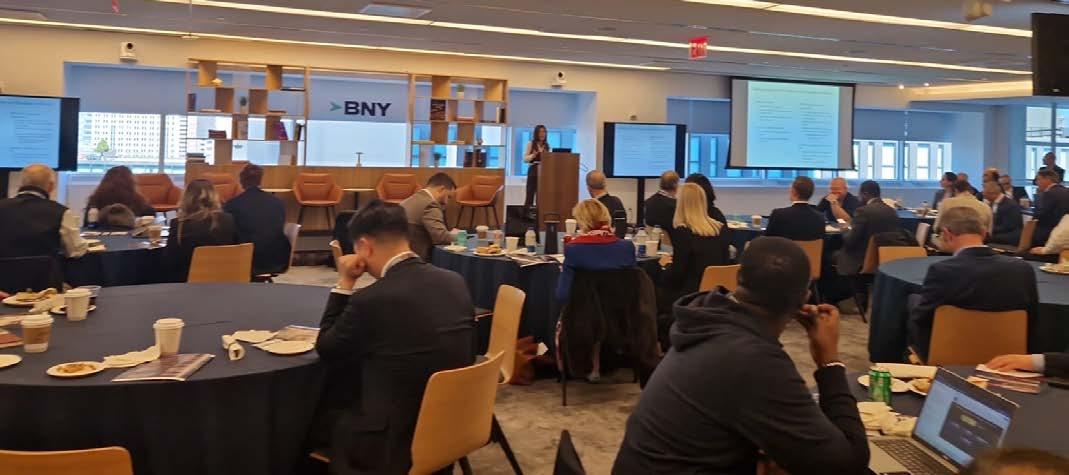
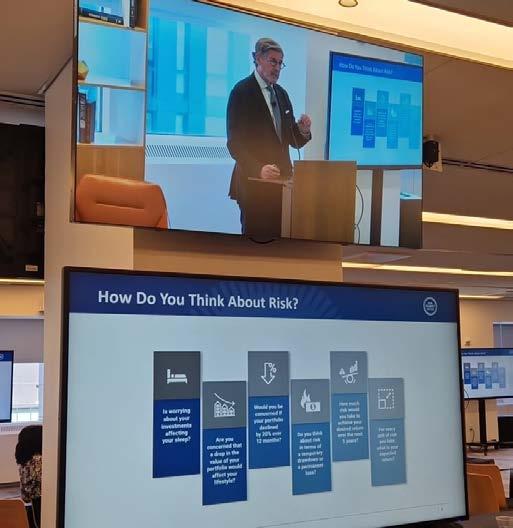
At the 2026 Family Wealth Report Investment Forum, Neil Nisker, Co-Founder, Executive Chairman and Co-CIO of Our Family Office, delivered the afternoon keynote titled Markets Take the Escalator Up, but the Elevator Down. His presentation offered a sober assessment of today’s investment environment, challenging investors to look beyond recent market performance and focus instead on valuation, leverage, and the structural risks embedded in modern portfolios.
Nisker’s remarks resonated strongly with the family office audience navigating the tension between record market highs and growing economic fragility. While equity markets continue to reward optimism, he argued that the foundations supporting those returns have become increasingly unstable.
Nisker opened by addressing what he sees as a persistent misunderstanding of risk. Too often, investors equate risk with short-term volatility rather than permanent capital loss. Volatility may be uncomfortable, he noted, but it is survivable. Large drawdowns are not. Once capital is materially impaired, the mathematics of recovery work against the investor.
He reminded the audience that a portfolio decline of 40 per cent requires a subsequent gain of nearly 67 per cent just to break even, an imbalance many investors underestimate. This reality underpins his firm’s emphasis on capital preservation and steady compounding rather than maximizing headline returns.
Quoting Warren Buffett’s well-known rule, “don’t lose money,” Nisker reinforced the idea that successful long-term investing is less about forecasting markets and more about controlling downside risk through thoughtful portfolio construction.
From there, Nisker turned to the importance of asset allocation. Academic research, he explained, shows that asset allocation accounts for the majority of long-term investment outcomes, far outweighing tactical decisions or individual security selection.
Risk, however, must be measured properly. While standard deviation remains one of the clearest indicators of a portfolio’s behavior across cycles, Nisker criticized the industry’s reliance on the Sharpe ratio, describing it as backward-looking and overly dependent on assumptions around the risk-free rate.
In its place, he highlighted the Simple Investment Ratio, or SIR® Ratio, a framework used by his firm to evaluate how much return is earned for each unit of volatility. Using longterm data, Nisker showed that the S&P 500, global bonds, and even the traditional 60/40 portfolio have delivered relatively modest return-to-risk tradeoffs over time, raising questions about whether investors are being adequately compensated for the risk they are taking.
A central theme of the presentation was valuation. Nisker pointed to several indicators that suggest public markets are priced for optimistic outcomes. Among them was the Buffett Indicator, which compares total market capitalization to GDP. When this ratio exceeds 100 per cent, as it does today, equity valuations are historically stretched relative to the size of the underlying economy.
He also highlighted the CAPE ratio, or Shiller P/E, which smooths earnings over a ten-year period to account for
economic cycles. Current readings place the market near the highest valuation percentiles observed in history, rivaled only by the late 1990s.
High valuations, Nisker emphasized, do not predict short-term market movements. They are, however, highly predictive of long-term returns. Periods that begin with elevated multiples have consistently delivered lower real returns over the following decade.
Nisker warned that these valuation pressures have meaningful implications for traditional portfolio structures. The familiar 60/40 portfolio, long viewed as a reliable balance of growth and stability, has experienced multiple extended periods in which it failed to preserve purchasing power.
Historically, he noted, that over the last 100 years there have been six distinct periods averaging more than a decade when a 60/40 portfolio produced flat or negative real returns. Each of these periods followed an extended run of strong performance, a pattern that bears resemblance to today’s environment.
With equity valuations elevated and real bond yields offering limited protection, Nisker suggested that investors relying heavily on traditional allocations may face disappointing outcomes in the years ahead.
Another concern raised during the keynote was the compression of the equity risk premium. The additional return investors receive for holding stocks rather than bonds is currently near historic lows, implying that investors are accepting less compensation for risk than at most prior points in history.
At the same time, leverage throughout the system has increased. Nisker pointed to record levels of federal debt relative to GDP and persistent structural deficits that limit policymakers’ flexibility in responding to future downturns.
Investor behavior has followed a similar pattern. Margin debt has reached levels that historically preceded major market declines, and the rapid growth of leveraged single-stock ETFs, largely driven by retail investors, adds another layer of fragility. These instruments, he cautioned, can amplify losses when markets turn.
Household asset allocation provided another warning sign. U.S. households now hold a greater proportion of their financial assets in equities than at any previous market peak, including those preceding the bear markets of 1968 and 2000. When investors are already fully invested, Nisker argued, markets become more vulnerable. There is little dry powder left to absorb shocks.
To illustrate the dangers of leverage, Nisker shared the story of Rick Guerin, a lesser-known and third member of the early Buffett-Munger partnership. Guerin was widely regarded as a gifted investor, but unlike his partners, he relied on margin to accelerate returns.
During the market downturn of the early 1970s, those margin loans triggered forced selling. Guerin sold Berkshire Hathaway shares to Buffett at roughly $40 per share. Today, those same shares trade at prices exceeding $700,000 and had cost him over $10 billion at the time of his death in 2020. The long-term cost of leverage, Nisker noted, was not poor judgment about the business, but being forced to exit at precisely the wrong moment.
Nisker concluded by returning to the central metaphor of his keynote. Markets tend to move higher gradually, reinforcing confidence and encouraging risk-taking. Declines, however, are faster and far more unforgiving.
Rather than attempting to time the next correction, he urged families and advisors to focus on building portfolios designed to withstand it. This means prioritizing downside protection, avoiding excessive leverage, and demanding appropriate compensation for risk.
His message to the audience was clear. Enduring wealth is not built by chasing returns at market peaks, but by maintaining discipline, respecting risk, and ensuring portfolios are prepared not just for the escalator up, but for the elevator down.
For more information, please contact: Neil Nisker, Our Family Office Inc. - neil@ourfamilyoffice.ca

Mike Raso Managing Partner and Co-Founder, Conduit Private Partners
Mike Raso is a seasoned investment leader and Co-Founder of Conduit Private Partners, LLC. Conduit is dedicated to providing “The Right Way To Alternatives®” by advising deal sponsors and fund managers on new distribution channels, global market entry or operational efficiency execution for investment management solutions. With a background spanning senior roles at WP Global Partners, Aberdeen Investments and OppenheimerFunds, Mike combines a track record of cross-functional success with a deep understanding of private market structures. Mike’s mission is clear: connecting private wealth and institutional investors with the right strategies through structures that prioritize their unique objectives.
Roger Braunfeld is a founding partner at Royer Cooper Cohen Braunfeld LLC (RCCB). He focuses on financing and development strategies and transactions for investors and a wide array of businesses in various stages of development. Among other things, Roger’s practice encompasses fund formation, private equity and venture capital transactions, debt and equity offerings, mergers and acquisitions, real estate and corporate restructurings, as well as a range of business and commercial transactions, agreements, and general business counseling. Roger is also actively involved in strategic opportunities for the firm, including the creation of an alternative investment platform that has deployed more than $600M. Roger is also a founding partner of both 3iCo, LLC (RCCB affiliated compliance business) and Clermont Trust USA (RCCB affiliated South Dakota Trust Company).
At the April 2026 The Family Wealth Report Family Office Investment Forum, Mike Raso and Roger Braunfeld discussed a new, more effective “matchmaking” model that combines legal, regulatory, and digital infrastructure to transform access to private investments. This model efficiently connects high-net-worth investors with curated direct deals, including Reg A+ real estate and private company opportunities.
Roger, you are not the typical lawyer and RCCB is not what many would consider the typical law firm. What I mean by this is you are more entrepreneurial and tech forward than most law firms. Tell us more about yourself, why you founded RCCB and how the firm operates.
We started RCCB with 4 founders and have grown to over 90 attorneys in less than 14 years. Our philosophy/edge is our culture - smart people (underline people not just
attorneys), who like each other and like our clients. Our dream is to empower our people to build something that outlasts our founders and keeps getting better every year. We like to solve problems and make opportunities happen and like finding YES. We also look for opportunities. Generally problems are opportunities and the question is whether it is worth the effort. Virtually every opportunity needs an attorney, hence law can be a trojan horse to opportunities. We focus on building a culture that empowers people and related opportunities. Hence, we now have a Broker-Dealer, Compliance Business and Trust Company. We also try to figure out how we along with our clients can leverage this across platforms.
So while RCCB combined with our affiliated entities have a lot of the components needed, we lack a technology platform and partner to more elegantly tie it all together. What excited us about Conduit was your technology capability and equally important was your shared desire to challenge status quo thinking by being open to change and partnering.
REG A+ PROVIDES A BRIGHT FUTURE FOR
Regulation A+ was created by the 2012 JOBS Act to make it easier for smaller companies and real estate deals to raise capital from a broad audience. Reg A+ remains a two-tier exempt public offering regime under the Securities Act. Our focus today is on the Tier 2 part of the SEC exemption allowing companies to raise up to $75 million from the public (accredited and non-accredited investors). It is known as a "mini-IPO". If done properly and with scale, Reg A+ has the potential to impact the private markets similarly to the effect that mutual funds had on public markets.
If Reg A+ has so much potential why has it not used more in the industry?
In general the process is cumbersome with regulatory hurdles that have been the biggest obstacles. That was reinforced by the fact that there was not a significant uptick in usage after the increase in March 2021 to a $75 million threshold. Complexity and expense get in the way of change and adoption. We see this happen all the time.
The path forward requires partnership and a technology platform. So while RCCB has the legal expertise, a broker-dealer, a compliance business and a trust company, we lacked a technology partner to build the proper connectivity. This is not technology that you “buy off the shelf” because it simply does not exist. It requires a joint venture of like minded parties.
We were excited when we learned that Conduit has the capability to partner with RCCB to tie it all together from end to end. Upfront you need a virtual data room with permission and controls in place to access information. In the middle you need to standardize investor onboarding, automating eligibility rules for KYC/AML, a digital subscription workflow process and reduce compliance overhead, Ongoing you need audited reporting, regulatory compliance and a consistent ongoing process.
Equally important is that RCCB and Conduit Private Partners have a shared ethos. We both envision the newly created platform to democratize access to private deals with the same terms and conditions for both
RCCB has a number of projects we are involved with. One real estate example is a new housing building at a university. Imagine if you allow all alumni or the people who planned and constructed the building to be owners by making small investments of a few hundred dollars. So going beyond large donor naming rights to make these projects accessible not only to the wealthy class but to everyone on the same terms. Taking this a step further, we envision that Reg A+ can also play a role to include a financial return on impact related investing.
To be clear we want this platform to co-exist alongside Reg D offerings but we want to democratize the access. Let's take a $500 million real estate deal for a new academic
building at a university. We see a future of carving out $50 million of the development to offer the school alumni and even the workers doing the construction to participate in the investment. $450 million will still be for Reg D investors.
RCCB has had consistent interest from our private client relationships on gaining awareness and access to private deals. We have been randomly connecting them to the private deals that we have worked on. While the outcomes have been beneficial for all parties, the process has been inefficient and reactive. Also we realize this is a very small subset of opportunities. Our team has been thinking about how we could improve things with a repeatable, systematic approach. We have been searching for a technology platform that was designed for our vision. So we got excited as we got to know the Conduit team capabilities. Mike, tell the audience here more about how Conduit operates.
Thanks Roger. At Conduit Private Partners, we get excited about breaking barriers that exist by system limitations and status quo thinking. We bring a full circle perspective of relevant experience that comes from having used systems that did not fit properly for the problem to be solved. We set up Conduit to operate differently. Our approach is to design platform solutions to manage the complexity of integrations involved that are tailored for the need rather than telling you that you need to change to use our system.
Conduit was equally excited as we knew we were only part of the solution and that partnership is needed to do this. Key players are a law firm like RCCB, an operational platform manager like Conduit, a provider for the accounting function for audited financials and compliance to address the ongoing SEC filings. Conduit can tie all the essential functionality to automate and more efficiently run the full lifecycle process but we cannot do it alone. We have built similar institutional quality functionality on a global basis.
Tell us more details about the steps involved for getting a deal done?
For a real estate development it has been a challenge to offer a sophisticated dual-offering structure, utilizing Reg A+ for broad-based investor access alongside Reg D for targeted private placements. Solving for a seamless transaction process as we handle the full lifecycle of the deal — from establishing the underlying corporate structures and drafting comprehensive legal documents to navigating the rigorous regulatory filing and disclosure requirements has been elusive.
Recognizing that traditional technological hurdles often slow these processes, we are excited to partner with Conduit to streamline the investor experience through a dedicated platform setup. This integration ensures that the legal, compliance, and financial vetting stages are no longer roadblocks, but rather a cohesive engine for project success.
Our shared goal is to provide equal opportunity and access to private deals. Using Reg A+ alongside Reg D is the way forward. Technology, legal, compliance, regulatory and financial vetting need to be all integrated seamlessly to achieve broad based success. RCCB and Conduit believe cooperation across the deal ecosystem are equally important key components. This means having a platform that is open for other qualified firms to participate rather than a closed proprietary approach. We are excited to move this forward.
For more information, please contact: Mike Raso, Conduit Private Partners mike@conduitpp.com

ISydney Landau Partner, Shakti VC
Sydney is a Partner at Shakti VC, an early-stage venture firm investing at inception in category-defining AI companies. At Shakti, Sydney focuses on the next generation of both founders and capital. She recently co-led a study on the evolving priorities of next-gen family office investors, holding conversations with 40+ next-gen wealth allocators across the US,UK, & UAE. Sydney is a graduate of Colby College where she played tennis for four years and was named NESAC Sportswoman of the year.
Vice President, Madaluxe Group
Brian Delamarter holds a JD/MBA from Pepperdine University and has built a career at the intersection of investment strategy, M&A, and family office advisory. After beginning in fund analysis for a multi-family office, he transitioned into mergers and acquisitions and now leads investment initiatives across all asset classes–brokering transactions, and managing tax, legal, and advisory matters for multiple family offices, including his own. Outside of the office, Brian can be found on his cattle ranch, the golf course, and exploring new corners of the world.
n a crowded venture landscape, Shakti is built differently. We deliver white-glove support to founders without burdening LPs with the large AuM and fee structures of traditional venture platforms.
Our edge comes from our Titan platform, a network of 50+ world-class operators including current and former founders, CEOs, and CxOs of technology companies. These operators are also LPs in the fund, aligning incentives while actively mentoring our portfolio companies.
This model gives Shakti differentiated access to exceptional founders at the earliest stages. For family offices, it means early exposure to breakout companies years before they become mainstream, with the opportunity to build direct relationships and invest alongside them over time.
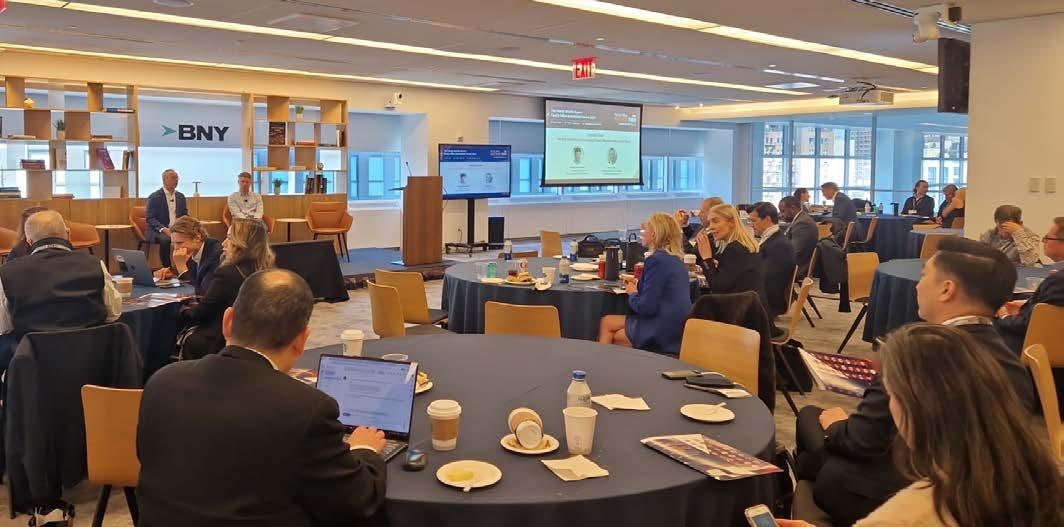
At the recent Family Office Forum, Sydney Landau (Shakti VC), sat down with Brian Delamarter (Madaluxe Group). Their conversation explored how the NextGen Family office is investing in the age of AI and what they look for when making investment decisions.
An estimated $124 trillion is expected to transfer to the next generation over the coming decades, coinciding with a period in which private markets, specifically tech, have become the primary drivers of wealth creation. While prior generations preserved wealth largely through diversified portfolios anchored in public equities, today’s environment demands something different. As Brian noted, this is a tech-native, entrepreneurship forward generation that watches wealth tied to tech grow in real time and wants access. The numbers bear that out: tech now accounts for 35% of the S&P 500, and four tech companies have passed the trillion-dollar threshold - a figure that stood at zero just a decade ago.
For family offices, the question is no longer whether to engage with technology, it's how. Brian laid out his approach: invest directly in sectors when they have genuine expertise, for him that's biotech and fashion tech, and then rely on
specialist fund managers like Shakti in other areas they want exposure. The logic is simple. Access to innovation at day one matters, but conviction requires context and the context requires proximity. Investing in top fund managers is about getting great returns AND it’s about getting the latest AI insights before it hits Bloomberg six months later.
This marks a meaningful shift in how investing is understood specifically to the next generation. Investing is no longer viewed as a passive exercise in capital allocation, but rather as a mechanism for building expertise, developing conviction, and staying close to the people and ideas shaping what comes next.
Expectations of venture funds are evolving. Strong performance remains a requirement, but it is no longer the differentiator. The next generation is asking more of their fund relationship: introductions to founders, access to emerging sectors, education on emerging tech and genuine engagement. The nextgen wants to learn alongside their investments.
Brian pointed to Shakti’s Titan network as a compelling example. The Titans are a group of 50+ CEO’s and CxO’s who serve as both coaches to portfolio companies and LPs in the fund. Through events and dinners the LPs can interact and learn from one another.
A central theme that emerged from the discussion is the increasing desire for direct participation. Across Shakti’s recent conversations with 41 nextgen allocators in the US, UK, and UAE, every single one actively investing in early-stage
technology had participated in direct deals, with the majority of those decisions being driven by the next generation themselves.
Brian was clear that fund and direct investing are complementary. Outside of household names like SpaceX, his office uses fund relationships to source coinvestment opportunities. A co-invest in a later round of a company already in the portfolio is a pre-vetted deal with a very different risk profile than something sourced cold.
This next generation has a shift in identity where they see themselves as generalists. The prior generations who built the wealth were often specialists who dominated a single industry. The next generation is taking a different path, increasingly positioning themselves as generalists and cross-asset allocators with a strong emphasis on continuous learning. Venture capital serves a dual purpose here, a source of potential returns and also a training ground for developing a broader investment thesis.
What's emerging from this conversation, and from the broader family office landscape, is a fundamental shift in how capital is deployed. The future of family office investing will be less about passive allocation and more about active involvement where capital is deployed not just to generate returns, but to build knowledge, networks, and long-term conviction in the companies shaping the next wave of innovation.
For more information, please contact: Sydney Landau - sydney@shaktivc.com
IChip Fisher Principal, Ursus Advisory
Chip is a serial entrepreneur and inherited part of a large family fortune at the age of 21, and has spent a lifetime examining the principles of wealth while building his own life outside of his family’s legacy.
nherited wealth is a wonderful gift, as well as a great responsibility which can sometimes create an arduous journey of self examination.
Children of wealth face different challenges from their peers, trying to live their lives according to a wide range of familial and societal expectations, both implicit and explicit.
Ursus Advisory was founded to provide impactful and trusted advice, and guidance rooted in similar peer experiences. From first-hand experience we understand the obstacles which can interfere with leading a gratifying life.
On my twenty-first birthday I was given a significant amount of money by my father, Avery Fisher. While receiving this inheritance was a joy and a surprise, it also created a whole new set of challenges. Very few of my friends had this level of financial freedom, and it took time for me to figure out how to be a good steward of this wealth, and how to find my own path in life.
I had few resources to help me navigate the subject of inherited wealth and its effect upon me personally. Perhaps even more difficult than coming to terms with the money I inherited was growing up and then continuing to live in New York City, where my father’s name was iconic. I was always known as “the son of….”. My goal was therefore to establish my own identity without negating my heritage, nor having it overshadow me.
Over time I did just that, but without the benefit of mentorship which I now provide to others in this unique situation. In the past forty-five years I’ve pursued a wide range of interests which have led to a productive and fulfilling life in business and non-profit pursuits, and also to building a family.
It is a pleasure to guide clients through thoughtful, weekly conversations which help shorten the period of struggle, especially in one’s twenties and early thirties - key year for personal development.
These reflections and the desire to help others led me to establish Ursus Advisory five years ago, both for UHNW nextgens as well as those who’ve experience early exits and are grappling with the challenges of possessing new found wealth.
Key topics frequently explored in conversations with clients:
• How to understand and appreciate the origins of your family’s wealth and its unique challenges.
• Building genuine and honest relationships, both within and outside of one’s economic peer group.
• Friends and partners and how they relate to you and you to them vis-a-vis your wealth.
• Choosing a life partner who understands and appreciates the responsibility of great wealth, and can appreciate you apart from your money.
• How to understand your parents and siblings as people, diffuse tensions, and build self-worth and personal independence
• Money and your personal identity; how to spiritually separate yourself from your money while using it for your own purposes.
• Learning to embrace the importance of staying engaged in the work you choose, no matter which field you pursue.
• The importance of hobbies and interests, clubs and associations and the meaning of third places. How to become a full person and gain breadth and perspective.
It is a pleasure to provide this level of individual service to clients based upon a lifetime of observations, as well as extensive conversations over the years with dozens of young inheritors.
Through our work clients discover, identify and put into practice the elements of what it means to create and lead a happy and productive life.
For more information, please contact: Chip Fisher, Ursus Advisory - ursusadvisory@gmail.com


Les Funtleyder
Portfolio Manager - Healthcare, E Squared Capital Management
Les was recently the CEO of Applied Therapeutics, an Orphan disease company which was acquired by Circle Therapeutics. He is also a Healthcare Portfolio Manager at E Squared, where he is responsible for conducting fundamental and valuation analysis of public and private companies within the healthcare industry. Prior to E Squared Les was the Director of Strategic Investments for Opko Health and a healthcare strategist portfolio manager for the Miller Tabak Health Care Transformation Fund (Symbol: MTHFX). He joined Miller Tabak after managing a healthcare portfolio for Provident Advisors. Before joining Provident, Les worked as a medical device analyst at UBS Warburg. He also covered Biotechnology stocks at Bigelow and company.
Jack Kalavritinos is a Washington-DC based public affairs veteran having served at the White House and three different federal agencies. Jack and his team focus on advising companies and national trade association in the life sciences and infrastructure areas and he serves as a speaker for investor groups, trade association conferences and as a contributor on national and Washington-DC based cable and broadcast news programs. Jack has served on the Trump Administration Transition team in 2016-17 and as a senior official at U.S. HHS and at the U.S. Food and Drug Administration advising the HHS Secretary and FDA Commissioner. He founded the public affairs firm JK Strategies representing clients and two coalitions: the Washington Health Innovation Council and the Construction Leadership Council.
Craig is a deeply experienced executive, advisor and board director, with extensive background in biotech and health technology fields. His focus in emerging innovation in areas of high unmet need has led to a longstanding commitment and extensive experience working in rare diseases. Craig has led for-profit and non-profit organizations focused on advancing and expanding access to treatments for rare, genetic conditions and is a frequent speaker and commentator on overcoming challenges facing innovators in rare diseases. He has worked extensively on the advancement of new technologies and treatment modalities – including gene editing and gene therapy, mRNA and microbiome-based treatments, genomic sequencing and molecular diagnostics, as well as in wearables and other aspects of digital health.
Entrepreneur/Firm builder, Asset Manager, Investor and Advisor to Biotech Companies
Bibhash is an investment fund manager, investor, company builder and board member with almost 2 decades of experience in biotech. He is the CEO of Sapient Biotech, which is currently building a sector-specialized investment fund that invests exclusively in biotech companies, both private and small-cap public, with a fundamental, bottom-up, absolute-return strategy. It is also building a fund focused on rare diseases with a double bottom-line mandate for return on mission and return on investment. Through DW Wealth Management, he also advises various Family Offices and Disease foundations on investing in the healthcare sector. Previously, he was a co-founder and GP in Sound Bioventures and an investor with the biotech practice of a large, diversified venture fund, NEA.
John Parker is a family member and trustee of the Charles H. Hood Foundation, a Boston-based private foundation that has supported pediatric research since 1942. The foundation reflects a philanthropic legacy established by his great-grandfather, the son of the founder of HP Hood & Sons, the largest dairy business in New England, which the family owned for more than 130 years. In addition to being a trustee, John established and manages the Foundation’s direct investment arm, which invests in life science and healthcare companies addressing significant challenges in children’s health.
nvestment portfolios in Family Offices are geared towards protecting first, and then growing generational wealth. This is typically achieved with a traditionally diversified capital allocation approach where a small fraction of discretionary allocation is towards mission-driven outcomes that the family principals are passionate about in spaces or areas they want to make a difference in.
Historically these spaces have spanned affordable housing, alternative energy, women empowerment, global health, health equity, racial equity and the like, where the power of company building through solutions architectures and impact measurement frameworks are well articulated and relatively mature frameworks for evaluation of outcomes of the investments made, already exist. No one has really shined a set of headlights in the rare disease space. Historically they have been neglected because they are not considered to be “big enough” by themselves i.e. each of these thirty thousand or so rare diseases afflict a small number of patients, but cumulatively, they impact one in every ten Americans.
The moderator, Bibhash Mukhopadhyay, has been working on constructing an unique investment fund structure and an associated ecosystem of capabilities bespoke to rare diseases drug development. This effort would integrate both philanthropic and for-profit sleeves of capital and construct a portfolio of systematic and consistent returns and measure the impact with a novel scale enabling a double-bottom line approach where Return on Mission AND Return on Capital are equally pertinent. This was the nucleating theme of the panel discussion.
The participants were carefully curated with representation from a private mission driven foundation, venture capital investor, an operator in a biotech which underwent M&A to deliver return to its investors, a leader who developed a novel model for rare disease development and a matchmaking marketplace for such treatments and a rare disease policy expert, with close ear to the ground on how the government thinks about rare diseases.
John Parker, a trustee of the Charles Hood Foundation that supports scientific advancements and innovation in pediatric diseases, as well as Founder of Springhood Ventures, provided background on the barriers perceived by the pharmaceutical industry and how a new model for drug development is needed. Being uniquely positioned both as an investor as
well as closely affiliated with a private foundation, he shared his perspective between goals advanced by the philanthropic approach versus those advanced by a for-profit intent and how the two can co-exist with a common mission.
Craig Martin, CEO of the Orphan Disease Accelerator, a nonprofit biotech focused on expanding development and commercial access to promising rare disease treatments, highlighted the CGTxchange. This platform will enable a crowdsourced model of rare disease drug development, where a match-making process will be performed between capital and projects. The projects seeking financing will be listed for individual investors, who are mission-driven to find a cure, to peruse and provide capital for.
Les Funtleyder, who until recently was the CEO of Applied Therapeutics and previously a fund manager investing in healthcare, opined on how an evergreen fund focused exclusively on rare diseases can be an attractive “financial product” in any asset allocators’ portfolio. He walked the audience through the journey in Applied Therapeutics through the ups and downs of both the drug development process and the financial markets, and how ultimately, he was able to generate a return for his investors through acquisition of the company and fulfil an implicit compact with patients who need the drug that they were developing by appropriately resourcing the effort.
Finally, Jack Kalavritinos, drawing on his deep expertise in public affairs and health communications highlighted how new regulatory pathways are being formed and existing ones reinforced. Despite what is claimed in the popular press about political and policy uncertainty, this “ground reality” in the FDA, CMS and HHS, should assuage the concerns of a generalist investor, who at the outset perceive of investing in biotech and rare diseases, as risky because of the regulated nature of the industry.
The key takeaways from the discussion harped back to underlining rare disease drug development as a space that is ripe for consideration of investment from impact-oriented Family Offices and UHNWIs. Being able to put a smile on a child or a parents’ face is priceless. And if one can make money while doing it brings that added layer of satisfaction.
For more information, please contact: Bibhash Mukhopadhyay - bmukhop1@sapientbi.com
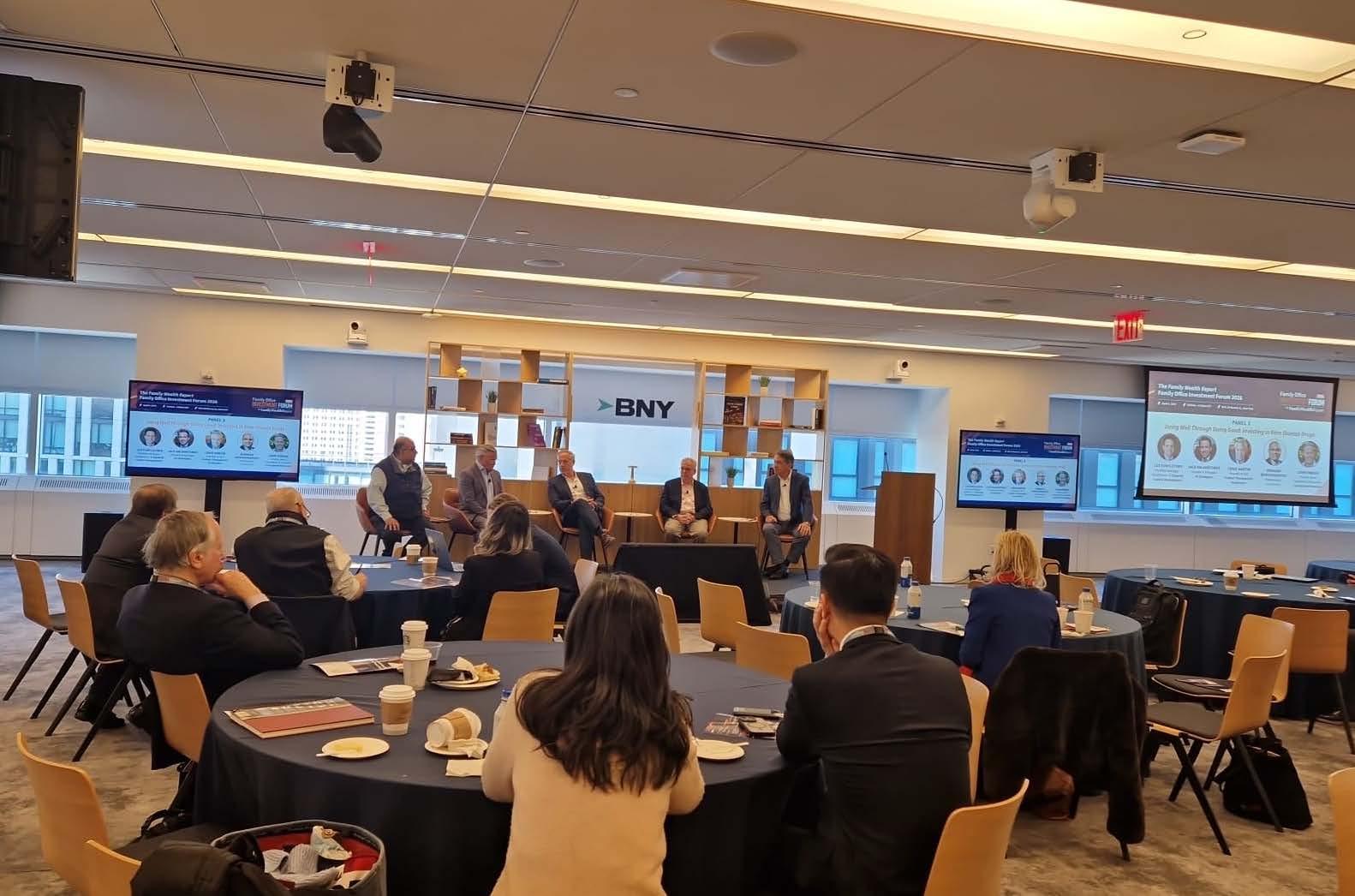
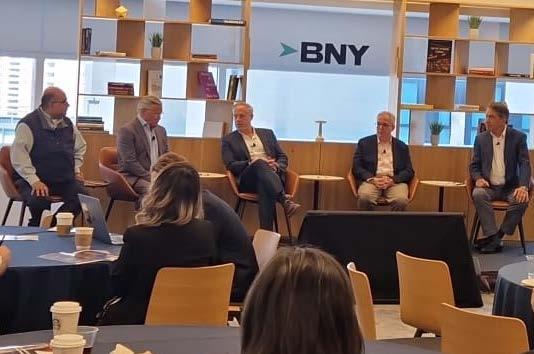
BNY is a global financial services company that helps make money work for the world – managing it, moving it and keeping it safe. For more than 240 years BNY has partnered alongside clients, putting its expertise and platforms to work to help them achieve their ambitions. Today BNY helps over 90% of Fortune 100 companies and nearly all the top 100 banks globally to access the money they need. BNY supports governments in funding local projects and works with over 90% of the top 100 pension plans to safeguard investments for millions of individuals, and so much more. As of Dec. 31, 2024, BNY oversees $52.1 trillion in assets under custody and/or administration and $2.0 trillion in assets under management. For more than 50 years, BNY Wealth has been a trusted partner for family offices, delivering tailored family office services that enhance operational efficiency, reduce risk, and safeguard generational wealth. These results stem from a family office investment strategy built on deep expertise and a collaborative approach that starts from day one. Few family office service providers understand the complex financial and investment needs of wealthy families like BNY Wealth.
For more information: www.bny.com
Girish Massand - Girish.Massand@bny.com

Henley & Partners is the global leader in residence and citizenship planning, advising ultra-high-net-worth families and their advisors on global mobility, jurisdictional diversification, and long-term wealth structuring. Founded in the 1990s, the firm pioneered the investment migration industry and operates across more than 70 offices worldwide. Henley runs the world’s leading government advisory practice in wealth migration, having supported the design and implementation of the world’s leading programs and raised over USD 15 billion in foreign direct investment. Combining private client advisory with government expertise, Henley delivers strategic, end to end solutions for internationally mobile families.
For more information: www.henleyglobal.com
Elena Scemama - elena.scemama@henleyglobal.com
Capri Harbor Marina Group is a Florida-based acquirer, operator, and developer of salt-water marinas built for larger, high-value vessels. We target supply-constrained coastal markets where aging assets haven’t kept pace with rising overall boat sizes. Our value creation is straightforward: acquire and redevelop for the modern bigger boat fleet, automate operations, and apply technology for consistency and efficiency, and deliver a high-touch service model with a full amenity set. We also assemble land for greenfield projects in top-demand corridors. Storm-hardened, Category-5–resistant infrastructure and disciplined insurance/continuity programs protect uptime and cash flows - while enhancing customer security. Diversified revenue streams (slips, racks, fuel, service, office/retail leases, memberships) and platform efficiencies expand NOI and support multiple exit paths to infrastructure buyers, strategics, or recapitalizations.
For more information: www.chmarinas.com
Arinder Mahal - arinder@capriharbormarina.com

On Location is dedicated to curating premium live event experiences with the goal of creating memories that will last a lifetime for our guests. With over two decades of experience, On Location has redefined luxury hospitality with unsurpassed access, trusted VIP service, and expertise in event planning, travel, hospitality, and corporate ticket sales, providing seamless convenience, comfort, and elevated entertainment for both personal and corporate clients.
For more information: fifaworldcup26.hospitality.fifa.com
Jordan Praitano - jpraitano@onlocationexp.com

We know great founders have options. We hope you will speak to the founders we have backed to learn why they chose us to be their trusted partner from zero to IPO. Founder trust is our most important asset and we have a demonstrated track record of earning it. We’ve been in your shoes, building and scaling companies in Silicon Valley for decades. Along the way, we’ve partnered with 100+ founders at the earliest stages — sometimes before there was even a product or company. Many have partnered with us more than once … and even chosen to invest in our funds. Our team is intentionally complementary: Gen X, Y, and Z; a mix of Silicon Valley tech and Wall Street finance. We’re engineers, marketers, and financiers — and we know what Day 1 feels like. At Shakti, venture capital isn’t a transaction. It’s an ongoing service we provide to you. We help you hire the right people, land customers, raise your next round — and we’re there when the journey gets messy (because it always does). If you're building something that reimagines the way the world works, we'd love to hear from you.
For more information visit: shaktivc.com
Elizabeth Harrow - liz@shaktivc.com Sydney Landau - sydney@shaktivc.com

Sending payments is risky and time-consuming. DoubleCheck® by Walrus Security can help. Developed by a team of experts in computer science, mathematics, and cryptography, DoubleCheck gives security-conscious investment managers peace of mind when collecting payment details for wires, stock, and more. DoubleCheck’s AI-driven identity verification and validation technology replaces manual confirmation methods that are vulnerable to fraud. Counterparties can easily submit wire instructions and verify their identity online — no logins required. Trusted by leading investment managers across private markets, Walrus Security is proud to provide the most secure and efficient way to collect payment details: DoubleCheck.
For more information visit: www.walrusfi.com
Steven Logan - steven@walrus.nyc