Welcome to the 2025 collection of prize-winning Extended Research Projects.
This independent study programme gives students in their Lower Sixth year the opportunity to study a question of their choosing with guidance from a supervisor in their field. There are few restrictions to where their interest and passion can take them and the process culminates in the submission of either a 3,000 to 4,000 word written piece or a production project such as a film or computer programme
with supporting materials. All will have engaged in their own research and presented their views, positions, intentions and/or judgements in an academic manner. The project seeks to encourage them to be intellectually ambitious alongside developing the creativity, independent study skills and broader scholastic attributes which will allow them to thrive at the finest institutions of higher learning.
After a rigorous process of external marking the prize-winning projects presented here represent the very best of the over 250 unique submissions made by students across the Haberdashers’ Elstree Schools. They showcase the remarkable application, courage and ambition of all of the students in completing such exceptional pieces of independent work alongside
their A Level subjects and many cocurricular commitments.
We are immensely proud of the achievements of our students; the depth and range of the projects they have completed is inspiring and we are excited to share them with you.
Saul Grenfell chose to consider the struggle with faith in the poetry of Philip Larkin and John Betjeman due to his love of Larkin alongside his interest in philosophy of religion. The project compared their poetic responses to the waning of religious faith in 20th century: Betjeman was a studied Anglican, and Larkin was famed for his cynical materialist atheism. Yet he was able to consider Larkin’s work not to be as ‘entirely secular’ as both Larkin himself and critics insisted. Saul is studying English Literature, History, and Philosophy, and hopes to pursue a degree in English Literature at university.
‘And is it true?’
The struggle with faith in the poetry of Larkin and Betjeman
By Saul Grenfell
Contents
(i) Introduction: the struggle with faith as a poetic tradition
(ii) The process of struggle
(iii) Moments of vision
(iv) Conclusion
(v) Reference list
(vi) Appendix
(i) Introduction: the struggle with faith as a poetic tradition
The struggle with faith is a historic poetic tradition. Perhaps the very first struggle with faith in the Christian literary tradition is Eve’s failure to suspend her doubt when commanded that ‘of this Tree we may not taste nor touch,’ (Milton, 1667) where she fails to take a ‘leap of faith’ (Fish, 1967 in Walker, 2007, p. 144). Milton’s Paradise Lost is also notable in that it demonstrates the struggle of the poet. Milton’s avowed intent was ‘to justify the ways of God to men’, yet portrayed Satan as an attractive, defiant anti-hero, hence Blake’s famous characterisation of Milton as ‘of the Devil’s party without knowing it’ (Blake, 1790-3). This is the phenomenon which this project seeks to explore: the poet’s struggle with faith, as expressed in their works.
Likewise, John Donne’s contemporaneous Divine Meditations portray a potent, and sometimes violent, struggle with faith, most famously in his emphatic imperative ‘batter my heart, threeperson’d God’, (Donne, 1633) a desperate desire for faith with the metaphysical conceit of Donne being like ‘an usurped town’ whom God must recapture.
This tradition persisted into Romanticism, as Blake struggles to reconcile God’s role as benevolent creator with the existence of sinister creatures in the unanswered question addressed to The Tyger in his matured Songs of Experience: ‘Did he who made the Lamb make thee?’ (Blake, 1794)
More radical modern voices include the work of the African-American social activist and writer Langston Hughes, whose Goodbye Christ opens with the frank address:
Listen, Christ,
You did alright in your day, I reckon—
But that day’s gone now.10
To Hughes the archaic, irrelevant Bible, and the religion it represents, is ‘dead now’. (Hughes, 1932)
The choice, therefore, to explore the struggle with faith in the more recent works of Philip Larkin and Sir John Betjeman, two poets steeped in preconceptions of grey photographs and clipped archaic voices chirping over radio frequences, must be understood in the social and poetic context of the 20th century.
Faith was waning in England since the rise of industrialisation, as famously expressed by Matthew Arnold in On Dover Beach as ‘the Sea of Faith’, which ‘was once, too, at the full, and round earth’s shore’, but is now ‘retreating, to the breath / Of the night-wind’. (Arnold, 1867) This retreating was exacerbated by the poetic volta of the 20th century – Modernism – as a reaction not only to war, but to a fragmented impersonalised society characterised by the nightmarish ‘Unreal City’ of T. S. Eliot’s The Waste Land. Aptly, the pentameter which beat under the work of Milton and Donne was likewise fragmented.
This modernist volta can be characterised religiously too. The First World War ‘accelerated those long-term social trends which undermined religious institutions’. The Church was ‘revealed as unable to prevent war or mass unemployment’. (Mews, 1994 in Wyck, 1996, p. 449) This was intensified by the Second World War, which haunted much of Larkin’s work. For Larkin, having grown up in Coventry, ‘the devastation continued to haunt him for many years’ (Motion, 1993, p. 49), explicitly explored in his uncollected 1943 poem A Stone Church Damaged By a Bomb and thematically echoed in The Explosion. Likewise, the Church as an institution was severely weakened. The post-war England was one of increased cynicism and disillusionment with religion. England was both physically and spiritually damaged. The period witnessed increased sexual liberties, notions of individual ‘spirituality’ and rejection of organised religion, the cultural effects of which are depicted in the first stanza of Larkin’s Annus Mirabilis:
Sexual intercourse began
In nineteen sixty-three (which was rather late for me)Between the end of the Chatterley ban And the Beatles’ first LP.2
The religious climate of the 20th century was one of disillusionment and decline, where organised Christianity became ‘a pale if benevolent ghost of religiosity’. (Wyck, 1996, p. 453)
It is a time of declining religious faith and secularisation in which Larkin, the sceptical agnostic, and Betjeman, the studied Anglican, must be understood. Larkin swam with the tide of English faith. Betjeman swam against it.
It is Larkin’s reflection of the general zeitgeist which gained him popularity. As Pollitt writes, ‘although his poems spring from intense personal experience, he generalizes from it in a way few modern poets have cared, or dared, to do’ (Politt, 1990, p. 258) Perhaps this relatability, alongside an endearing cynicism, is why, as Politt notes, ‘Many (it sometimes seems all) contemporary poets have been praised in lavish superlatives. Only Larkin, though, is regularly described as “loved.”’ (p. 257) Larkin’s language captures this disillusioned cultural spirit. ‘He rejected the lush and mystical palette of Dylan Thomas in favor [sic] of wit, clarity, vernacular language and subjects from contemporary life’. The banal subjects of industrial landscapes, commercialisation and monotonous jobs often characterises Larkin alongside fellow 1950s British poets as part of ‘The Movement’.
In contrast, Betjeman defies this cultural shift away from religious faith. It is this, Kevin J. Gardner argues, that sets Betjeman apart in that he was going against the cultural tide: ‘It is the remarkable fact of Betjeman’s studied faith in an age of scepticism, his tenderness in a time of jaundiced cynicism, that makes him interesting and worthy of attention.’ (Gardner, 2005,
viii) Betjeman may thus be seen as a spiritual descendant of Donne. Betjeman as a radio poet, his ‘Poems in the Porch’ airing on the BBC’s West of England Home Service, may hark back to Donne’s sermons in his role as Dean of St Paul’s Cathedral.
This project will attempt a critical comparison of the work of Philip Larkin with that of Sir John Betjeman regarding religious faith. Combining close reading with literary criticism and biographical details, this project seeks to use Betjeman as a counterpoint to argue that whilst Larkin’s struggle with faith does not result in the same Christian outcome, it was still a struggle nonetheless. Contrary to the standard critical interpretation, Larkin’s views, whilst openly critical of religion, will be argued not to be totally irreligious: moments of vision are achieved in Larkin’s poetry which border on the religious, thereby undermining his traditional atheistic reputation.
(ii) The process of struggle
On 14 February 1986, a ‘Service In Memory of Philip Larkin C.H. C.B.E’ was held in Westminster Abbey. The bidding prayer included a comment that:
We give thanks for his intellectual integrity which would not allow him to accept the consolations of a faith which he could not share and which would have delivered him from a fear of dying by which all his life he was haunted.
An obstacle to Larkin’s faith throughout was an inability to reconcile religious faith with a fear of death, with which his work is so often preoccupied. The inevitability of death is a recurrent motif in the works of both Larkin and Betjeman. A similar struggle with death characterises a similar struggle with faith, yet with different outcomes.
Larkin’s often misquoted An Arundel Tomb, which follows centuries of change around the tomb of the Earl and Countess of Arundel, ends with the platitude: ‘What will survive of us is love’. Yet this is qualified as ‘our almost-instinct almost true’, and the poem’s view of death is bleak. The couple’s death is both physical, and in its turning into a platitude. As Jeremey Axelrod writes, ‘the couple has vanished into an abstraction’. Ironically the poem’s misinterpretation means that the poem itself too has vanished into an abstraction. As Larkin writes, ‘Time has transfigured them into untruth.’ They ‘lie’ in stone – reclining and untrue – a pun echoed in the ‘lying together’ in Talking in Bed. Death is bleak and permanent.
Death too is appallingly depicted in The Old Fools. The traditional consolation expressed by Roman philosopher Seneca – that death is not to be feared for it simply the same as before one was born – is strikingly inverted:
It’s only oblivion, true: We’ve had it before, but then it was going to end.3
Larkin sarcastically mocks consolation: ‘it’s only oblivion.’ Larkin similarly does so in Aubade, where an italicised voice consoles ‘No rational being / Can fear a thing it will not feel’, but this platitude is mistaken. ‘This is what we fear’ is the absence of feeling: ‘no sight, no sound, / No touch or taste or smell’. After a serious of questions, The Old Fools ends with the crushingly inevitable realisation that ‘Well, / we shall find out’, the enjambment enacting the inevitable passing of time. Death is imminent and inescapable.
The inevitability of ageing is likewise depicted in Dockery and Son, in which Larkin returns to his college to learn that the son of his contemporary Dockery is studying there, whereas Larkin is childless and alone. Knowledge of death is almost immediately made clear in the compound adjective ‘death-suited’, as if death is as intimate and restricting as the clothes one wears. Death is an unspoken end in the final line, in the evasive phrase:
And age, and then the only end of age.4
Death, our only end, approaches. This final thought is often quoted: ‘Life is first boredom, then fear’, described as ‘a magnificently glum meditation on the meaning of life’ (Sutherland, 2013, p. 225). When faced with such meaninglessness and inevitability, religious faith is fundamentally incapable and provides no consolation. This is most strikingly expressed in Aubade:
This is a special way of being afraid
No trick dispels. Religion used to try,
That vast moth-eaten musical brocade
Created to pretend we never die.5
Larkin’s cynical dismissal of religion derives from its inability to quell the fear of death. It is almost malicious and inappropriate to try: it is a ‘trick’. Death is such a potent and recurrent motif in Larkin’s work, an obvious and impending fact, as ‘the anaesthetic from which none come round’, that ‘to pretend we never die’ is merely wilful ignorance. This is touchingly and tragically expressed in Compline, its title referring to the final prayer liturgy of the monastic day. In a hospital ward, religion fails as consolation. The image of ‘the radio’s altar light’ is of a desperate need to see and be consoled by God, when really the mundane ‘radio’ is there. Despite ‘the hurried talk to God’, ‘unhindered in the dingy wards / lives flicker out, one here, one there’. Death is ‘unhindered’; prayers are rendered useless. Religious diction is deployed, yet does not prevent death. For Larkin, religion fails in the face of death.
However, the standard critical interpretation argues that this supposed struggle with faith does not constitute much difficulty. Larkin’s conviction that religion fails when faced with death is somewhat shallow. An apocryphal story tells that Larkin awoke in Hull Infirmary to see a Roman
Catholic chaplain sitting by his bed, sent for a death-bead conversion. Larkin’s response was brief and four-lettered. (Return to Larkinland, 2015) For all Larkin’s ‘almost believing’, Clive James argues that in his poetry ‘faith itself is extinct.’ (James, 1974, in James, 2019, p. 25) Nicholas Marsh notes that ‘there is no question that the poet or speaker might find religion: he will not.’ (Marsh, 2007, p. 119) Larkin seems to assume God’s non-existence, and his poetry is an apologia for his view. In Vers de Société – the title itself an allusion to the sophisticated wit of light poetry, Larkin giving the tradition a scathingly sarcastic twist – Larkin mentions ‘the hermit with his gown and dish / Talking the God (who’s gone too)’. The parenthetical phrase is a sardonic dismissal of God, as if a truism. As Lachlan Mackinnon notes in the Independent, ‘Philip Larkin’s attitude to religion was ostensibly dismissive, even derisive. He obeyed his father’s injunction: “Never believe in God!”’ (Mackinnon, 2018)
Yet this standard interpretation fails to capture fully Larkin’s struggle with faith. Church Going, his most explicitly religious poem, contains a serious entertaining of religion that emerges from his cynical veneer. Its title’s oblique pun seems itself an apt characterisation of Larkin’s relationship with religion. He visits churches – he is ‘church going’ – unironically for their aesthetic value. But another meaning teasingly suggests the Church’s declining role within society: the church is ‘going’. The genuine and the ironic coexist in this poem. Faithlessness is in tension with faith. His dismissal that ‘the place was not worth stopping for’, is followed by a stanza break and the realisation: ‘yet stop I did; in fact, I often do.’ Whilst Larkin insisted the poem to be ‘entirely secular’ (Larkin, 1964 in Day, 1989), this is a mischaracterisation. The poem seriously acknowledges ‘this serious house on serious earth’ – the language of ‘earth’ suggesting a supernatural element beyond the material – yet finds its modern use ‘obscure’, the source for its rumination. In adopting the first person – ‘we and our’ – the poem encapsulates the collective struggling faith of postwar Britain, torn between the aesthetic and social function of the Church, and its seeming hollowness, an ‘accoutred frosty barn’, about whose ‘worth’ – financially, societally and personally – the poem wonders.
Thus, a genuine struggle with faith is found in Larkin’s work. Larkin’s struggle to reconcile death and religious faith is a core similarity with Betjeman’s poetry.
In On a Portrait Of A Deaf Man, Betjeman explores a vignette of a deaf man after his death. Throughout, gentle imagery is met with the brutal finality of death.
The loosely fitting shooting clothes, A closely fitting shroud.6
The imagery of his clothes in life is immediately and ruthlessly met with the ‘shroud’, the cloth for burial. The shift from ‘loosely’ to ‘closely’ is claustrophobic, and the second line’s trimeter is an abrupt shortening of the first’s tetrameter, enacting an inescapable trajectory towards death.
This pattern of life being met with death repeats throughout the poem. For each four-line stanza the first two lines take an image of his life (‘he smiled and looked so wise’), which the second two lines pervert (‘of maggots in his eyes’). Its ABCB rhyme scheme suggests an inescapable finality. Suitably, another of Betjeman’s poems is titled Inevitable. The tactile lexis of ‘maggots in his eyes’, ‘finger-bones’, ‘finger-ends’ and ‘his mouth is wide to let / The London clay come in’ is almost nightmarish, a haunting fear of death.
Such appallingly unsettling imagery of ageing and death is similarly seen in Larkin’s The Old Fools, in the strikingly colloquial rhetorical question:
Do they somehow suppose It’s more grown-up when your mouth hangs open and drools, And you keep on pissing yourself, and can’t remember
Who called this morning?7
Larkin’s reference to ‘the whole hideous, inverted childhood’ alludes to the melancholic cynic Jacques in As You Like It, who calls the final of the ‘Seven Ages of Men’ ‘second childishness’. (Shakespeare, 1599) Death haunts Larkin’s work and life. A doctor noted ‘he had a cancer phobia and a fear of dying.’ (Motion, 1993, p. 513) He had a particular fear of Hull Royal Infirmary –explored in The Building (1974) – where, in life’s tragic irony, he eventually died of oesophageal cancer. Betjeman’s hauntingly eloquent morbid language is thus shared with Larkin, as is his fear of death.
Therefore, both poets share a struggle with faith as a result of fears of death, but their conclusions are remarkably different. Death for Larkin is evidence for the uncaring universe; Clive James claims he is ‘the poet of the void.’ (James, 1974, in James, 2019, p. 25) Death for Betjeman necessitates faith. Larkin’s The Old Fools is an exercise in rhetoric and conveying the depressing horrors of ageing, whereas Betjeman’s On a Portrait of a Deaf Man is a genuine wrestling with God. It culminates in the final stanza, where Betjeman steps out of the anecdotal and addresses God directly:
You, God, who treat him thus and thus, Say ‘Save his soul and pray.’
You ask me to believe You and I only see decay.8
This is colloquial, brash and blunt. ‘You ask me to believe You’ expresses a frustration between a genuine want to believe and the fact that ‘I only see decay’. Note the use of the pronoun ‘you’. Whilst ‘thou’ is traditional informal and ‘you’ is the traditional formal, with God referred to with the informal ‘thou’, Betjeman addresses God as ‘you’. ‘Thou’ seems archaic to us too, and religious language is stripped back in an open plea to God.
For both Larkin and Betjeman, the reality of death causes tension with religious belief. Yet whilst for Larkin the reality of death is a reason not to believe, for Betjeman the reality of death is a reason to believe.
In Churchyards, Betjeman offers a Christian response to death, that: We die; that’s it; our flesh decays Or disappears in other ways. But since we’re Christians, we believe That we new bodies will receive To clothe our souls for us to meet Our Maker at his Judgment Seat. And this belief’s a gift of faith And if it’s true, no end is death.9
To Betjeman, death’s finality is an unsatisfactory explanation as expressed in the almost prosaic monosyllabic clauses punctuated by final semi-colons ‘we die; that’s it’. It seems that Betjeman’s previous disturbing preoccupation with the decaying ‘maggots in his eyes’ is resolved by Christianity, since ‘we new bodies will receive’. As Betjeman wrote in The Spectator: the only practical way to face the dreaded lonely journey into Eternity seems to me the Christian one. I therefore try to believe that Christ was God, made Man and gives Eternal Life, and that I may be confirmed in this belief by clinging to the sacraments and by prayer
(Betjeman, 1954 in Gardner, 2005, xv)
As he summarised in a letter to Evelyn Waugh, a convert to Catholicism, ‘there is nothing else I want to believe but that Our Lord was the son of God and all He said is true.’ (Betjeman, 1991 in Gardner, 2005, xv) Whilst Larkin wanted not to believe, Betjeman wanted to believe. This may seem peculiar to the modern reader. Betjeman – in his adoration of Victorian architecture, unwavering patriotism, and compulsion towards religion – may seem archaic. Yet Betjeman was acutely aware of this. In reference to his often anthologised poem In Westminster Abbey, his biographer A.N. Wilson argues that Betjeman’s delightfulness to his admirers – and capacity to irritate others – is because ‘he both thought these sentiments ridiculous and subscribed to them wholeheartedly.’ (Wilson, 2006, p. 142) Betjeman at once genuinely believed, and desired it aesthetically pleasing to do so. Betjeman truly desired to believe.
Betjeman’s poetry is thus a search for God. His blank verse autobiography is aptly titled Summoned by Bells. Church bells as a metaphor for religious calling runs as a motif throughout his work. One poem is titled ‘Church of England Thoughts occasioned by hearing the bells of Magdalen Tower[…]’, another is titled ‘On Hearing the Full Peal of Ten Bells from Christ Church, Swindon,
Wilts.’ and his poem ‘City’ opens with ‘When the great bell, / BOOMS’ in glorious exalted capitals. Notably, Betjeman’s Summoned By Bells returns to the pentameter, harking back to a time before Modernism and religious disillusionment; Betjeman resisted the tides of secularisation.
In Chapter VIII of Summoned by Bells, entitled ‘Cornwall in Adolescence’, Betjeman wonders in a search for God:
Oh, who is God? O tell me, who is God?
Perhaps He hides behind the reredos[…]
Give me a God whom I can touch and see.10
A similar plea is seen in his 1955 poem The Conversion of St. Paul, which concludes with an almost evangelic call to faith:
God grant before we die we all
May see the light as did St Paul.11
Yet Betjeman’s faith is not free from being plagued with doubt. Even in Churchyards, as mentioned above, an inkling of doubt persists. In a poem of chiming rhymes, the resolution that ‘no end is death’ provides a slightly dissonant half-rhyme (‘faith’ / ‘death’).
Similar doubtful language is seen in Betjeman’s Christmas, where the vignettes of advent season seem hollow, with the mention of ‘corporation tramcars clam’ and that the purpose of the elaborate decoration if ‘so that the villages can say / “The Church looks nice” on Christmas Day’, a feeble epithet. Yet these Christmas preparations are haunted by nagging doubt, the masterfully succinct recurring question: ‘And is it true?’
And is it true? And is it true,
This most tremendous tale of all, Seen in a stained-glass window’s hue, A Baby in an ox’s stall?
The Maker of the stars and sea Become a Child on earth for me?12
The Nativity story is ‘tremendous’ and personally touching, that in the incarnation ‘the Maker of the stars and sea’ humbly ‘become a Child on earth for me’. Betjeman wishes it were true, but lacks the conviction to say that it is. His question is left unanswered and his resolution is hypothetical, ‘grammatically dependent on the “if it is” of the preceding verse.’ (Johnson, 2006, p. 192) Betjeman does not wholly affirm faith, just as Larkin does not wholly reject it. Perhaps Betjeman’s doubt is too occupied with reason. His pleas in On a Portrait of a Deaf Man are reminiscent of rational arguments against God’s existence from suffering. Betjeman failed to take that ‘leap of faith’ just as Eve did not.
But in this failure is a human fallibility. Betjeman’s connection to a poetic tradition of struggles with faith does not undermine his faith, but affirms it. Gardner writes that ‘It is perhaps his capacity for doubt that makes Betjeman the great poet of the Church of England in the twentieth century, for faith is deepened by questioning.’ (Gardner, 2005, xxii) Likewise Trevor Johnson reminds us of Tennyson’s famous lines that:
There lives more faith in honest doubt, Believe me, than in half the creeds.13
This is reminiscent of Larkin, who insisted that Church Going was ‘entirely secular’ (Larkin, 1964 in Day, 1989), yet the poem is celebrated for its ambivalence, and Larkin’s atheism is opened up, with a volta which seems to surprise itself: ‘Yet stop I did: in fact I often do.’ Just as Betjeman’s doubt affirms the thoughtfulness of his faith, so too do glints of Larkin’s doubt make his agnosticism all the more compelling. It is thus no wonder that A.N. Wilson described him as the most ‘memorable poet of materialist atheism’. (Return to Larkinland, 2015) Wilson theorises that the power of his poetry comes from his not pretending to feel what he didn’t: ‘he meant every word of it.’ Despite their different conclusions, Betjeman and Larkin struggle with similar questions, a struggle explored and constantly questioned throughout their bodies of poetic work.
(iii) Moments of vision
This final section will be a close analysis of Larkin’s work regarding what Edward Mendelson identifies as ‘moments of vision’, (Mendelson, 1989, p. 33) which, it will be argued in counterpoint to Betjeman’s work, border upon spiritual and religious experiences. Larkin’s studied misery seems a deliberately performed sardonic persona; he writes to a friend, ‘And now Christmas is coming again, as if we hadn’t enough to put up with.’ (Larkin, 1960 in Hobson, 2022) Critics have been eager to reduce him to this persona. In the 1990s, ‘Larkin fell spectacularly from grace’ (Booth, 2014), influenced by the publication of Andrew Motion’s 1993 biography in which details of love affairs, misogyny, and politics were emphasised, and Anthony Thwaite’s Selected Letters of Philip Larkin (1992), leaked excerpts of which made front-page news. An interview with Motion in the Independent was even headlined ‘Mr Nice tackles Mr Nasty’. (Lawson, 1994) But as Jeremy Axelrod writes, ‘One returns to Larkin not for lyrical heckling but for the human clarity at the core of his irreverence’, (Axelrod, 2009) and as Banerjee concludes an article: ‘Streaks of light occasionally shoot through the bleak landscape in Larkin’s poetic world’. (Banerjee, 2008, p. 441)
Take Sad Steps. Its initial premise, a man ‘groping back to bed after a piss’, is elevated to the observation of the celestial moon. The moon is a point of reference for the spiritual; ‘its farreaching singleness’ is in vast contrast to the deliberate vulgarity of Larkin’s verb ‘groping’ and expletive ‘piss’. Larkin’s initial materialist vulgarity ascends towards a spiritual conclusion.
Larkin’s poetry has thus lent itself to a dualistic interpretation. ‘How’, A.N. Wilson asks, ‘could the plaintive voice which captured our innermost emotions be so downright nasty?’ (Return to Larkinland, 2015) This has led A.N. Wilson to theorise that there are two Larkins: the first is laddish, idiosyncratic and vulgar; the second is transcendent, vulnerable and lyrical. Edward Mendelson similarly distinguishes between Larkin’s ‘official voice’ of comical disgust and permanent pessimism, and the ‘unofficial voice’ of clarity, which Mendelson compellingly observes to be the inverse of most other poets, whose clear official voice conceals an inner voice of pessimism. (Mendelson, 1993, p. 29)
But perhaps this is better seen not as a duality, but an ascension. This is epitomised in the titular poem of his collection High Windows. It begins in expletive envy of the youth’s contraceptive sex. Larkin wonders if anyone ‘anyone looked at me, forty years back’ with similar thoughts of a world free of religion, with ‘No God any more’, nor ‘sweating in the dark’, nor worries about ‘having to hide what you think of the priest’. But a volta follows. After the sardonic italicised expletive of ‘free bloody birds’ comes a sharp caesura and the jarringly capitalised ‘And immediately’, before the poem’s white space carries this thought into the final stanza:
Rather than words comes the thought of high windows: The sun-comprehending glass, And beyond it, the deep blue air, that shows Nothing, and is nowhere, and is endless.14
Laddish Larkin ascends to lyrical Larkin. Particularly effective is the phrase ‘rather than words’. Earlier in the poem, the sarcastic words ‘paradise’ (playing off Eden) and ‘free bloody birds’ feel pointed and nasty when read aloud, but later it is as if the burden of words is lifted; what follows is ‘the thought’. This thought is of heightened lyricality. It is illuminative and understanding – the glass is ‘sun-comprehending’ – and profound – the blue air is ‘deep’. The downward movement of the ‘the long slide’ has shifted to ‘high windows’, and above and beyond to what is ‘endless’. The ‘words’ of materialist atheism are looked beyond and the religious image of ‘high windows’ is reached.
Larkin’s often uncollected The Spirit Wooed opens with ‘Once I believed in you, / And then you came.’ Its quasi-religious diction of ‘obeyed’, ‘never questioned’, and ‘absolutes’ comprise what Theo Hobson calls ‘its imagery of biblical election’. (Hobson, 2006, p. 205) This sense of calling, of poetic ‘beauty and truth’ (Hobson), is completely in earnest. Yet this a poem in retrospect; the
vision is gone. The final clauses hang off a hyphen and resolve in a question mark. Uncertainty about this spiritual vision persists. But this spiritual calling is no less valid that Betjeman’s overtly religious summoning of bells, and Larkin’s ‘deep blue air’ is more transcendent than the ‘deep blue’ of Betjeman’s strictly descriptive Cornish Cliffs.
Larkin, however, is clearly not wholly religious. His moments of vision lack the overt Christian diction of Betjeman’s. Betjeman’s Village Wedding ends with the exclamations of ‘Flying clouds!’ and vows which are ‘made in heaven.’ Larkin’s ‘moments of vision’ are not nearly as religious, nor as prevalent, as Betjeman’s undoubtedly Christian motif of bells.
But even if this cannot be shown as explicitly religious, Larkin is shown to be more than a reductive materialist atheist, perhaps what a modern reader would identify with the vague epithet of ‘spirituality’.
Therefore, the critical perception of Larkin is subtly mistaken. Larkin and Betjeman struggle with faith. Betjeman struggles towards Christianity; Larkin struggles towards something neither Christian, nor wholly irreligious.
(iv) Conclusion
Betjeman and Larkin shared a remarkably similar poetic struggle with faith, despite differing as to whether they believed. Betjeman’s struggle with faith resisted secularisation; Larkin’s did not, although was not as ‘entirely secular’ as both he and critics insisted.
Amid Clive James’ collected essays on Larkin, a thoughtful comparison with Betjeman is found: ‘Larkin loves and inhabits tradition as much as Betjeman does, but artistically he had already let go of it when others were only just realising it was time to cling on.’ (James, 1974, in James, 2019, p. 25)
Larkin’s poetry rejects Betjeman’s resonant bells, rejects explicit Christian diction, and, as part of ‘The Movement’, rejects the neo-romanticism of the 1940s. (Tandon, 2006) But it inhabits a world not entirely devoid of hope. Even the most seemingly atheist of poets has this ambiguous glimmer, encapsulated in the final line of The Whitsun Weddings:
Sent out of sight, somewhere becoming rain.15
This is the same ‘somewhere’ as the final line of Sad Steps. The ‘somewhere’ which is unidentifiable, yet inexplicably felt.
If Larkin represents the tide of religious belief, whose withdrawal persists into the 21st century, Larkin’s lucid spirituality suggests that our current world is not one as devoid of faith as it may seem. Therefore, the poetic tradition of struggling with faith – stretching from Milton’s Eden to the present day – is as relevant as ever.
Reference list
Axelrod, J., (2009). Philip Larkin: ‘An Arundel Tomb’, [online]. Available at: https://www. poetryfoundation.org/articles/69418/philip-larkin-an-arundel-tomb [Accessed 10/06/25].
Banerjee, A., (2008). Larkin Reconsidered. The Sewanee Review, 116(3), pp. 428-441.
Betjeman, J., (1960). Summoned by Bells. Great Britain: William Clowes & Sons.
Booth, J., (2014). Philip Larkin: Misogynist, racist, miserable? Or caring, playful man who lived for others?, Independent. [online] Available at: https://www.independent.co.uk/artsentertainment/books/features/philip-larkin-misogynist-racist-miserable-or-caring-playfulman-who-lived-for-others-9684522.html [Accessed 10/06/25].
Day, R., (1989). ‘That vast moth-eaten musical brocade’: Larkin and religion, in Cookson, L. and Loughrey B. (ed.) Poems, Philip Larkin. London: Longman, pp. 81-92.
Fish, S., (1997). Surprised by Sin. London: MacMillan, in Walker, W., (2007). Studies in English Literature, 1500-1900. 47(1), pp. 143-159
Hobson, T., (2006). Strange Calling: A Theological Approach to Larkin. Literature and Theology, 20(3), pp. 301-320.
Hobson, T., (2011). Did Philip Larkin really hate Christmas?, The Spectator. [online]. Available at: https://www.spectator.co.uk/article/did-philip-larkin-really-hate-christmas/ [Accessed 10/06/25].
Gardner, K., (2005). Faith and Doubt of John Betjeman. London: Continuum.
James, C., (1974). Wolves of Memory. Encounter, 42 in James, C., 2019. Somewhere Becoming Rain. London: Macmillan.
Johnson, T., (2006). Hardy, Betjeman and ‘Honest Doubt’. The Thomas Hardy Journal, 22, pp. 186-195.
Larkin, P., (2003). Collected Poems. London: Faber and Faber.
Lawson, M., (1993). Mr Nice tackles Mr Nasty: Andrew Motion, Independent. [online]. Available at: https://www.independent.co.uk/life-style/interview-mr-nice-tackles-mr-nasty-andrewmotion-the-poet-behind-the-first-biography-of-philip-larkin-serialised-in-this-paper-nextweek-tells-mark-lawson-his-subject-is-also-his-hero-1496300.html [Accessed 10/06/25].
Mackinnon, L., (2018). Larkin: Always an agnostic – but an Anglican agnostic. Independent, [online]. Available at: https://www.independent.co.uk/arts-entertainment/books/news/larkinalways-an-agnostic-but-an-anglican-agnostic-9148449.html [Accessed 10/06/25].
Mendelson, E., (1989). Larkin’s Eggs. The New Republic, pp. 29-33.
Motion, A., (1993). Philip Larkin: A Writer’s Life. London: Faber and Faber.
Pollitt, K., (1990). Philip Larkin. Grand Street, 9(3), pp. 250-260.
Return to Larkinland. (2015) BBC One Television, 11th October. BBC iPlayer [online]. Available at https://www.bbc.co.uk/iplayer/episode/b06hhlyl/return-to-larkinland [Accessed 10/06/25].
Sutherland, J., (2013). A Little History of Literature. Yale University Press.
Tandon, B. J., (2006). Philip Larkin: A Critical Review of Selected Poems. New Delhi: Spectrum Books.
Walker, W., On Reason, Faith and Freedom in ‘Paradise Lost’. Studies in English Literature, 1500-1900, 47(1), pp.143-159.
Wilson, A. N., (2006). Betjeman. London: Hutchinson Radius.
Wyck, T. H., (1996). The Decline of Christianity in Twentieth-Century Britain. Albion: A Quarterly Journal Concerned with British Studies, 28(3), pp. 437-453.
Appendix
References for extended passages of poems and their collections
1 Hughes, L., (1932) ‘Goodbye Christ’
2 Larkin, P., (1974) ‘Annus Mirabilis’ in ’High Windows’
3 Larkin, P., (1974) ‘The Old Fools’, in ‘High Windows’
4 Larkin, P., (1964) ‘Dockery and Son’, in ‘Whitsun Weddings’
5 Larkin, P., (1977) ‘Aubade’, in ‘Collected Poems’
6 Betjeman, J., (1940) ‘On a Portrait of a Deaf Man’, in ‘Old Lights for New Chancels: Verses
Topographical and Amatory’
7 Larkin, P., (1974) ‘The Old Fools’, in ‘High Windows’
8 Betjeman, J., (1940) ‘On a Portrait of a Deaf Man’, in ‘Old Lights for New Chancels: Verses Topographical and Amatory’
9 Betjeman, J., (1932) ‘Churchyards’, in ‘Poems in the Porch’
10 Betjeman, J., (1960) ‘Cornwall in Adolescence’, in ‘Summoned by Bells’
11 Betjeman, J., (1959) ‘The Conversion of St. Paul’, in ‘Collected Poems’
12 Betjeman, K., (1954) ‘Christmas’ in ‘A Few Late Chrysanthemums’
13 Tennyson, A., (1850) ‘In Memoriam A.H.H.’
14 Larkin, P., (1974) ‘High Windows’, in ‘High Windows’
Scarlett’s Extended Research Project explores the intersection of visual culture, activism, and politics, inspired by her A level History module on the ‘American Dream’. She focused on artists’ responses to racial injustice, particularly during the Civil Rights period, and examined art as a form of activism and political expression. Alongside her essay, she created a ‘zine’—a medium rooted in student protest and deliberately outside mainstream publishing. The project allowed Scarlett to combine skills from English Literature, History, and Art, and she hopes to continue this interdisciplinary approach as she pursues a law degree.
If Paintings Could Talk:
To what extent has the labelling of Black art been shaped by racial and cultural bias since the Civil Rights era, and how have Black artists responded through visual culture to assert their creative legitimacy and cultural agency?
An extended research project by
Scarlett Harrison-Mirauer
‘I do not look upon the story of the Blacks in America as a separate experience to the American culture but as a part of the American heritage and experience as a whole’
– Jacob Lawrence (1943-200X)
Here, black artist Jacob Lawrence makes the argument that the visual arts and political activism are one and the same and the black experience should not be divorced from or seen as ‘other’ to American culture and heritage more broadly (Lawrence, 2021). Visual culture has long been intertwined with and influenced racial justice movements- from Civil Rights Movements through Black Power to more recently Black Lives Matter and the resurgence of racial justice activism following the death of George Floyd in 2020. Though the context has shifted across this chronology, African-American creative expression has remained a means of translating political ideology and driving protest in a system arguably designed to silence and suppress. Despite the judicial and social progress made in the gradual unification of American society during aftermath of the Civil Rights movement, radical artwork from the period is often stripped of political meaning in order to make it more palatable for mainstream (predominantly white) audiences. This can be considered a form of censorship given it undermined the revolutionary cause and legacy of African American creative expression and allowed white institutions to profit from Black creativity at the expense of African Americans, Richard.J.Powell in Black Art: A Cultural History notes “The visual rhetoric of Black art, once charged with social critique and pollical urgency is frequently repackaged as a celebration of heritage, effectively neutralizing its radical potential”
This project will consider three arguments; first that art criticism and labelling – including notions of “good” and “bad art” is deeply entrenched in racist and colonial ideologies. The criteria for what is considered “good art” are often based on technical standards that predominantly white or ‘culturally neutral’/ censored creative expressions. As a result, art that deals with racial issues or acts as a form of political activism that could provoke controversy is frequently dismissed by critics who hold narrow, Eurocentric views of artistic expression. Clarisa Camargo takes this further in suggesting the traditional concept of European art is limited firstly because it is ethnocentric- ‘privileging Western art and marginalising non Western traditions’ (Camago 2024). Building on this, my second argument is that Black art possesses intrinsic value regardless of whether it conforms to establishment conventions of quality or creative expression, based on the artists’ educational or racial background, or whether the subject matter is situated outside institutional or societal norms. Black artists cannot be expected to strip themselves of their
cultural roots or their lived experiences in order to gain critical recognition in a white dominated creative industry. Art can fall outside critical boundaries and retain cultural significance. Finally, I argue the artist collectives formed during the Civil Rights era and the use of the visual arts as political activism for racial justice succeeded in creating powerful art because they resisted the oppressive standards imposed on them by establishment institutions. Through exploring the arts as resistance to segregation in the fight for racial justice in the US from the Civil Rights era to the more recent Black Lives Matter protests, I aim to explore the ongoing bias within creative industries and bring to the foreground the continuing oppression of Black expression confronting the false notion that the Civil Rights era facilitated a period of ideological enlightenment and societal progression for the cause of racial justice in the United States.
An exhibition titled Harlem on My Mind (1969) at the Metropolitan Museum of Art controversially excluded Black artists, yet ironically in doing so, heightened awareness about the systemic marginalisation of Black Art within the establishment art world, highlighting the hypocrisy of American society at the time. Protests erupted, led by the Black Emergency Cultural Coalition (BECC). A week before the opening, a group of artists including Benny Andrews, Romare Bearden, Henri Ghent, Norman Lewis, Cliff Joseph, and Ed Taylor formed the Black Emergency Cultural Coalition (BECC) to organize protests against The Met. Several of their signs read, “Harlem on Whose Mind?”. ‘Harlem on My Mind’ was far from an isolated incident: of all the exhibitions presented as part of the Museum’s centennial, not a single one included work by a Black artist, proof that institutionalised racism had continued to pollute the creative industry and impressing a desire for radical change. According to historian Bridget.R.Cooks this black artist led, community protest changed the discourse of Black art in mainstream museum politics (Cooks 2011).
‘Harlem On My Mind’, Metropolitan Museum, 1971
Protest art, particularly in the form of street art, murals and zines, has long constituted a vital and enduring strand of African American visual culture, often mis-associated with ‘art brut’ for its ‘other’ ness and deliberate opposition to institutional conventions and the hierarchies of the established art world. From the early twentieth century through the Civil Rights Movement and into the era of Black Lives Matter, such forms of creative expression have played a pivotal role in articulating resistance, mobilising communities and challenging systemic racial injustice. These practices, though frequently excluded from formal galleries and museum exhibitions, have contributed to a distinctive and politically charged aesthetic of protest that continues to shape the cultural landscape. Their ephemeral nature—particularly in the case of zines and streetbased communal art forms—means that these works are rarely preserved in traditional archives, yet their influence continues to persist into the 21st century in the dawn of the digital age. This project will examine the role of visual culture in the ongoing struggle for racial justice in the United States, examining its development from the mid-twentieth century to the present day.
Historian Taylor Branch in his novel Parting the Waters: America in the King Years 1954–63 (1988) argues; “The Civil Rights Movement was the greatest awakening of American democracy in the 20th century, proving that ordinary citizens could collectively bend the arc of history toward justice” suggesting the Civil Rights Movement was the pivotal moment of political activism for racial justice of the 20th century. From an arts perspective, the visual culture of the Civil Rights Movement and related Black Power organisation is grounded in a culturally resonant history that can be retraced from the so called ‘Harlem Renaissance’ of the 1920s and which continued to influence the plethora of Black Arts Movements through the 1980s. The arts ( including poetry, film and music alongside visual and material culture) have played a crucial role in this progression, supporting both the expression of resistance and the construction of Black identity for an often violently repressed community. Exploring the visual arts, specifically artist collectives and their influence on political change and activism focusing on the works of the renowned black artists Jacob Lawrence, Barbara Jones Hogu, Elizabeth Catlett, and through delving into the works produced by the AFRICOBRA (African Commune of “Bad” Relevant Artists) collective (1968-present day), formed by artists Jeff Donaldson, Barbara Jones-Hogu, Wadsworth Jarrell, and Gerald Williams, it becomes increasingly evident that the visual arts were fundamental in the fight for racial justice in America. According to art historian S. Lewis, art has not only allowed us to gauge a cultivated understanding of the ‘black experience’ but has also been a turning point for ideological and legislative change that shifted the role and representation of African Americans in society (Lewis,S.2003).
The use of the visual arts to express political ideology and project political ideology to a wider community remains relevant today, subverting the establishment notions of art and making street art and murals that are raw, uncensored and controversial, but offer true insight into the experiences of marginalised groups in the 20th century.
The so-called ‘Harlem Renaissance’ of the 1920s formed the earliest foundations of political activism through African-American visual arts. In an act of defiance and protest against the history of Jim Crow segregation in the South, the Great Migration of 1916-17 witnessed millions of African Americans relocating from the rural south to the rapidly urbanising north. Harlem emerged at the heart of an artistic and intellectual rebirth. Visual artists such as Aaron Douglas developed a distinct style, drawing on African traditions, symbolism, and abstraction from a modern lens. His work was often commissioned for publications like ‘The Crisis’, functioning as propaganda. His murals such as ‘Aspects of Negro Life’ (1934) depicted black history from slavery through emancipation- highlighting the continuities between the historical struggle of African-American citizens and the systemic injustice they endured.
Figure.2 Aaron Douglas (1899–1979), Aspects of Negro Life: From Slavery to Reconstruction, 1934 . Art and Artifacts Division, Schomburg Center for Research in Black Culture
In the 1925 anthology ‘The New Negro’, edited by Alain Locke (1925), artists and writers used visual art as a symbol of racial pride and socio-political mobilisation, an ideology that was echoed into later works in the Civil Rights movement.
By the mid twentieth century, visual art became interwoven with the urgency of political activism, as artists influenced each other and formed collectives to express their passion for AfricanAmerican culture and courage to create in the face of adversity. Jacob Lawrence (1917-2000) is a key figure in this regard, with his modernist, propaganda-style characterised by vivid colours and abstract impressionism, his works document African-American life in times of oppression. His Migration Series (1940-41) comprised of 60 panels, tells the story of Black families migrating North to avoid persecution and in search of opportunity; the promise of the ‘American Dream’. As Lawrence stated in 1996, ‘This is my genre. My surroundings. The people I know … the happiness, tragedies, and the sorrows of mankind … I am part of the Black community, so I am the Black community speaking” (Stella Paul, 2004). The Migration Series is marked by a distinctive style; the abstracted bodies with mask-like faces act out the stages of the Great Migration. The first half of the series illustrates the economic hardships and social injustices of the South; the second half describes the life the migrants found when they reached the North. Jacob Lawrence’s works have left a long-standing legacy on Black visual culture.
Figure.3 Jacob Lawrence, ‘The migrants arrived in great numbers’ (panel 40 of 60). 1940–41, MoMA
By definition visual artists with a political or activist message engage in anti-establishment forms-including street art, zines and murals, these media can be considered forms of protest in themselves. Art as activism sees forms of creative expression that are not ‘curated’, edited, designed or censored in order to make them palatable for the (predominantly white) institutional or establishment audiences. The panel arrangement of Lawrence’s Migration Series is mirrored in the format of serialised political zines used to spread awareness of politics in black communities and encourage resistance, an example of the enduring influence of Lawrence’s art on the visual culture and narratives of the Civil Rights era.
Black artist Barbara Jones-Hogu’s work reflects the broad historical trajectory across which black artists have used visual arts to challenge systemic oppression and as a unifying force against racial injustice. Hogu’s works move beyond the canvas, adopting a muralist style, inspired by creators like Lawrence with their vivid, Afrocentric colours and expressive styles and transitioning into street art and muralism, reclaiming African-American heritage and promoting the cause of justice.
Figure.4 Barbara Jones Hogu, “Unite (First State),” 1969 screenprint, Barbara Jones Hogu, Courtesy Lusenhop Fine Art .
In moving beyond the canvas to produce murals and public artworks, Jones-Hogu engaged entire communities in political activism, intentionally rejecting cultural elitism. Her work stands as a both a continuation and revolution of the aims of the Harlem Renaissance collectives; while figures such as Aaron Douglas used art to reaffirm Black identity and heritage, Jones-Hogu intensified this aim by embedding art directly into the heart of American society in a more confronting way, and increased political engagement in promoting the cause of civil rights for black Americans and Black Power movements, her work acts as a constant reminder of what African Americans had endured, tying communities to their heritage and entrenching the cause for racial justice and equality through immersive creative expression. As one of the co-founders of the AfriCOBRA arts collective, Jones-Hogu was integral in the development of what she called “a Black aesthetic,” rooted in unity, Black pride, and the visual expression of resistance through the medium of street art and muralism as means of connecting with the roots of black communities in the ‘universal language’ of creativity.
“We wanted to create a new aesthetic that was responsible to and about the Black community, one that was free of the conventions of European art traditions and communicated the pride, strength, and beauty of our people” (Hogu, Inaugurating AfriCOBRA: History, Philosophy and Aesthetics, 2012).
Her prints and murals, characterised by their pattern, slogans, and eye-catching colours in a sort of propoganda’esque style were designed not only to inspire and encourage political activism and change but to mobilise people, shifting the public atmosphere from one of fear to one of redemption.
“The fact that in AFRICOBRA, it became revolutionary. We were revolutionary artists before we were relevant artists. You know, so we were revolutionary in terms of the fact that we were dealing with some ideas and concepts that we had not seen before. We were not concerned where the others had a tendency to find value in them or not” (Hogu, Interviewing Barbara Jones Hogu, 2010)
Here Jones-Hogu outlines that the AfriCOBRA group weren’t seeking financial gain, nor were they materialistic – they were revolutionaries aiming to unite marginalised groups through the universal language of creative expression. Hogu revolutionised the mural movement alongside groups like OBAC (Organization of Black American Culture) whose Wall of Respect (1967) set a precedent for politically motivated public art that recognised and celebrated, on the public stage, Black resilience and cultural significance.
Figure.7 Photograph of the ‘Wall of Respect’ taken by Roy Lewis, South-side Chicago, August 1967. National Museum of AfricanAmerican History & Culture, Smithsonian.
Hogu’s work transformed walls into mass cultural declarations, using the permanence of architecture to symbolise the permanence of Black pride. This can be read as challenging attempts to erase Black culture in urban America, and encouraging Black resilience. Muralism is artwork that interacts with and is interwoven with the African-American experience in an unfiltered, uncensored way, emphasising its ongoing importance in Black art, cultivating a form that lies beyond museum culture.
Figure.8 Photograph of Barbara JonesHogu in her studio at the Institute of Design at the Illinois Institute of Technology (IIT), Chicago, IL, c. 1968. Courtesy of Lusenhop Fine Art, Cleveland Jones-Hogu’s commitment to public art as a medium of protest finds resonance in contemporary acts of muralism such as Xena Goldman, Cadex Herrera, and Greta McLain’s mural commemorating George Floyd in 2020 (Figure 9).
Created in the aftermath of Floyd’s murder and in response to public protests, the mural of Floyd presents a visual indictment of systemic racism and police brutality. It is an artistic gesture that echoes Jones-Hogu’s understanding of the street as both witness and weapon, in the fight for racial justice and equality. Both artists demonstrate how murals, by their very nature, interrupt everyday urban landscapes with urgent demands, revealing the lives and struggles often suppressed by institutional narratives.
Figure.9 Mural of George Floyd, 38th Street and Chicago Avenue South, Minneapolis, artists
Xena Goldman, Cadex Herrera, and Greta McLain
In this light, Jones-Hogu’s legacy is highly political. Her murals are a direct attempt to communicate and visualise ideologies of ‘blackness’ into public consciousness. According to Julie Widholm, Jones-Hogu’s work bridges the cultural affirmation of the Harlem Renaissance with the radical urgency of the Chicago Black Arts Movement, showing that art, when situated in the public realm, can become a site of resistance, remembrance, and revolutionary possibility. (Widholm 2018). By expressing demands for justice through the visual arts onto the physical walls of the city, Jones-Hogu and those who continue to be inspired by her, redefine art as both a reflection of past struggle and the ongoing journey toward liberation.
The rise of photojournalism radically influenced popular perceptions of racial injustice and gave direct insight into the realities of racially motivated crime/ inequality across American communities. Photographers, namely Gordon Parks and Charles Moore captured visceral, graphic, uncensored images of police segregation, brutality and protest. In Gordon Park’s 1963 ‘A Harlem Family’ for Life magazine, he provides (predominantly white) American audiences with a deeply raw, intimate portrayal of poverty within African-American society, in a time where racially inequality had become increasingly normalised.
Figure.10 ‘Harlem Family’, Gordon Parks; ‘The Fontenelles at the Poverty Board, Harlem, New York, 1967’, Gordon Parks Foundation
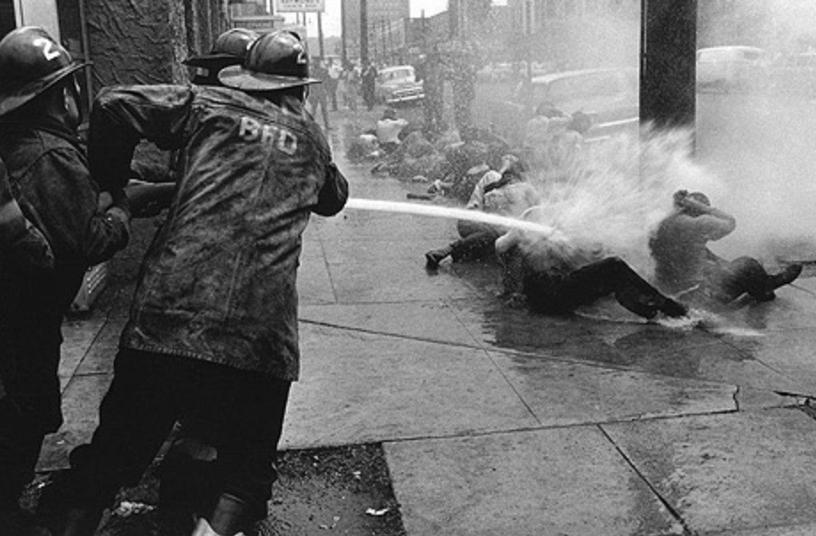
Contrastingly, Moore’s photographs of the Birmingham Campaign of 1963, which included the violent use of firehoses and dogs on protestors, were spread worldwide and influenced both public opinion and federal policy. According to Branch, the influence of these images was indisputable, film and photography exposing horrors including the murder of Emmett Till and the Edmund Pettus Bridge protest was pivotal in changing public opinion and marked a turning point in Civil Rights judicial law through President Kennedy’s progressive legislative strategy (Branch 1988). Moore’s heavily publicised 1967 collection ‘A Harlem Family’ (Figure.10) acts as a poignant exposure of the harsh realities of life for black families living in the urbanised north post the Great Migration, due to immense overcrowding, sweeping unemployment and denial of proper housing due to segregationist landlords in the urban regions. Lawrence explains; ‘They also found discrimination in the North although it was much different from that which they had known in the South’ (Lawrence 1941) alluding to the extreme poverty ravaging African-American communities.
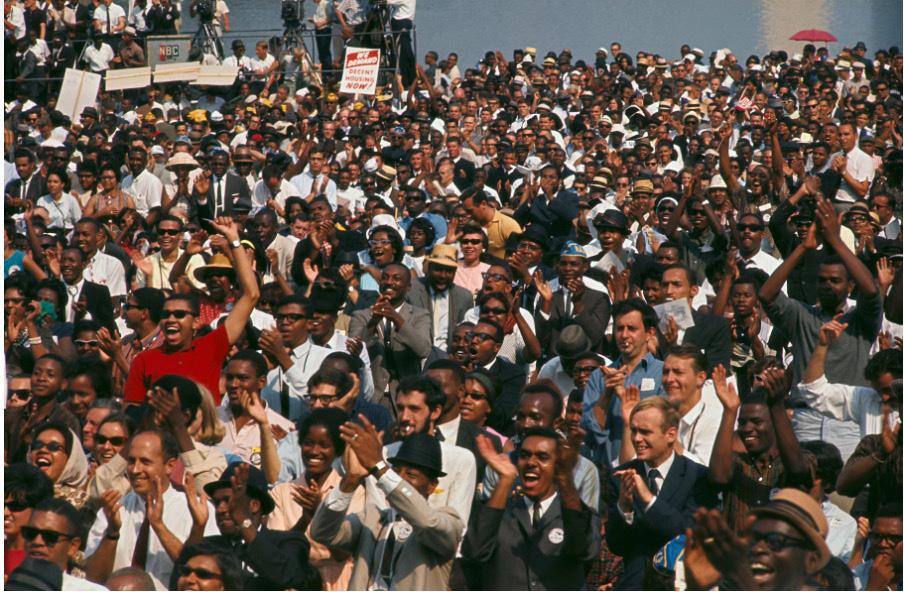
Figure 11. Gordon Parks, Untitled, March on Washington, D.C 1963, The Gordon Parks Foundation.
Thanks to the impact of photojournalism in spreading awareness of the Civil Rights agenda nationwide, the 1963 March on Washington became a global visual spectacle, as hundreds of thousands of American citizens of all
racial cultural backgrounds campaigned for Jobs and Freedom, demanding an end to segregation, fair wages economic justice, voting rights, education and civil rights protections. The truth of Americas political affairs and long institutionalised racial prejudice was revealed to the world, an act of radical, revolutionary confrontation of the oppressive American political, judicial system that had never been witnessed before, encouraging administrative concessions and uniting the American peoples.
Similarly, the Black Panther Party’s Ten-Point Program was published, and heavily distributed with vivid, eye-catching poster art by Emory Douglas, the party’s Minister of Culture, in order to draw awareness. These materials reached thousands and were crucial in shaping the visual rhetoric and legacy of revolution.
Figure 12. Life magazine, September 6, 1963, The Gordon Parks Foundation
Figure.13 Charles Moore, ‘Police using dogs to attack civil rights demonstrators, Birmingham, Alabama,1963’, Birmingham, Alabama, International Center of Photography
Figure.14. Charles Moore, ‘Fire hoses aimed at demonstrators’, Birmingham, Alabama, 1963, Library of Congress.
Curator and art historian Maurice Berger’s book White lies: Race and the Myths of Whiteness (1999) explores how visual culture can both reinforce and challenge narratives about race and social justice. The autobiographical novel builds on Berger’s lived experiences during the Civil Rights movement and Dr Martin Luther King’s assassination. Berger explains; “My mother was the embodiment of the mutability of race, evidence that terms like ‘black’ and ‘white’ are imprecise at best, confirmation that race itself is socially and culturally constructed.” He exposes the devastating impact of systemic racial injustice on African-American culture, reinventing it as a beacon of racial pride across generations of black families. Through this, he underscores the divisiveness of a repressive segregationist society, drawing a line between the politically charged artworks and art accepted by the white establishment.
Art as a form of protest developed further with the rise of the Black Arts Movement during the late 1960-70s. Following Malcom X’s assassination in 1965, pioneers like Amiri Baraka urged black artists to embrace more revolutionary artistic forms, marking a shift in visual style more explicit in its activist orientation, but also more self-consciously collective, encouraging protest within African-America communities. Out of this newfound urgency the African Commune of
Bad Relevant Artists (AfriCOBRA) was born in Chicago (1968) by artists including Barbara Jones Hogu, Jeff Donaldson and Wadsworth Jarell. Their manifesto called for art that was “collective, accessible, and relevant” to Black communities. AfriCOBRA aimed to empower black artists and the community as a whole through the use of bold colours and patterns, interwoven with traditional African culture in celebration of African-American heritage beyond the scars of colonialism. Barbara Jones-Hogu’s Unite (1971) Figure 15. embodies this, depicting figures in an abstract style against a backdrop of expressive pattern in graffiti or “street” style using Afrocentric typography.
Figure 15. Barbara Jones Hogu, ‘Unite’, 1971, Art Institute, Chicago
The piece presents itself as a visual anthem or chant, her blunt style and block colours resembles propaganda caricatures, a recognisable visual vocabulary evoking political messaging.
One important question my research project raises is, what makes a work of art revolutionary? For Black artist and educator Elizabeth Catlett, the answer depended on who the work addressed.
Motivated by a conviction “to put art to the service of people,” Catlett (granddaughter of formerly enslaved people) produced sculptures and prints throughout her career that drew on her personal experiences as an African American woman, mother, and immigrant living in Mexico. Catlett directly addresses people whose perspectives and experiences, like hers, had historically been excluded from artistic representation. She developed a distinctive visual language defined by its compositional focus. Merging the political with the personal, her work influenced younger generations of artists, including many associated with the Black Arts Movement of the 1960s and ’70s, who shared her activist principles and commitment to harnessing art for Black liberation. Catlett stated in her address to the Conference on the Functional Aspects of Black Art (CONFABA) at Northwestern University in the spring of 1971; “To the degree and in the proportion that the United States constitute a threat to Black people, to that degree and more, do I hope I have earned that honour, for I have been, and am currently, and always hope to be a Black revolutionary artist, and all that it implies” (Elizabeth Catlett, 1971). Catlett declares her artistic production is a ‘revolutionary’ act.
Figure.16. Elizabeth Catlett, ‘Singing Their Songs’, 1992; National Museum of Women in the Arts.
Figure.17 Elizabeth Catlett. ‘Homage to My Young Black Sisters’, 1968
Catlett remained keenly aware of and involved in political efforts for racial justice in the United States throughout the 1960s and ’70s. Such works as Malcom X Speaks for Us (Figure 18) reflect her solidarity with those fighting for equality.
Figure.18 Elizabeth Catlett. ‘Malcom X Speaks for Us’ (1969)
Catlett’s leftist political involvement led the US to label her an “undesirable alien,” and for over a decade, she was barred from entering the country of her birth (her US citizenship was not reinstated until 2002). Catlett remained undeterred declaring in 1970 “I have been, and am currently, and always hope to be a Black Revolutionary Artist, and all that it implies!” ( Catlett, 1970 CFABA)
The use of the visual arts as means of expressing self-determination, influencing and encouraging a shift in public ideology extends beyond painting – extending further into poster art, murals and zines, which began emerging as grassroots media at the pinnacle of the Civil Rights era.
The Watts Towers Arts Centre, Los Angeles, built in recognition of the Watts riots of 1965 provided workshops and a communal space to express creatively, representative of the influence of the visual arts and the significance of artistic expression on the Black community during an era of systemic injustice and popular unrest. In order to communicate, and increase awareness of, political ideology through the medium of the visual arts, zines were born. A traditional method of spreading awareness of political issues that were unpublicised by the press, and are therefore key in revealing the true lived experiences of African-Americans and give an insight into culture at the time, particularly in urbanised areas.
Zines became a frequently used form of creative expression, combined with active political engagement that went uncensored by press releases and authorities. Zines were often created in response to major events, specifically court cases and legislative change, and allowed for greater public consciousness of progress or lack thereof, in contrast to the widespread propaganda and
misinformation surrounding legislative change and racial justice under a reluctant and corrupt administration. The fourth issue of the ‘Black & Red’ zine (Fig. 19) devoted to “We Called a Strike and No One Came,” which recounts the failed efforts of the WMU (West Michigan University) campus SDS (Students for Democratic Society) members to organise a student strike in 1968. The piece is composed using reproductions of early European paintings and cut-out images from magazines alongside word bubbles. It resembles a comic made by amateurs, inside back cover calls for artists, “We’re looking for people who like to draw”, a reclamation of unsophisticated or ‘bad art’. Zines, whilst typically disregarded, are hugely important artifacts of visual culture from the heart of the African-American community.
Figure.19 ‘Black & Red’ zine, fourth issue by Unknown, 1968, reprinted 1973, The People’s Graphic Design Archive
Artists such as Faith Ringgold, known for her quilt-making, and Betye Saar, whose work The Liberation of Aunt Jemima (1972) was aimed at critiquing racial stereotypes, continued the tradition of politically engaged art into newly emerging media.
Figure 20. ‘The Liberation of Aunt Jemima’, 1972, Betye Saar. Courtesy of Benjamin Blackwell, Los Angeles, California.
Their inclusion in major exhibitions, such as the “Where We At: Black Women Artists, Inc.” (WWA) of 1971 and “Afro-American Artists” at the Whitney Museum of American Art in 1970, signified both progress and acceptance of newer forms of African-American expressionism, and emphasised the ongoing tensions between institutional recognition and validation and the revolutionary / protest nature of the artists’ messages.
However, to confine the expression of African-American culture and the politicised arts to the visual arts alone would be an insult to its legacy. A plethora of black individuals took to the stage, wrote novels, expressed the diversity of their culture with just a needle and thread through quilting. Although quilting originated in the late 19th century with the Gee’s Bend quilters of the deep south, as a practice it gained momentum during the Civil Rights Movement through the Freedom Quilting bee, an organisation formed in 1966 across Alabama’s ‘Black Belt’ to auction off the works through department stores. The Gee’s Bend quilters formed their network just after Emancipation in 1863. Still oppressed under the legacy of Jim Crow in the deep rural South, Black women began to salvage scraps of cloth, worn out garments and used fabrics to produce deeply pragmatic art. Quilting was significant as a way for marginalised groups of people to channel expression, and form a tight-knit social network (The Guardian, 2023).
The Gee’s Bend community of Boykin Alabama became renowned as the birthplace of the tradition of Black quilt-making, tracing its lineage back to the slaves of the Pettway plantation and their descendants, preserving historic textile-making as a fundamental cultural practice. The women of Gee’s Bend became the creators of modernist masterpieces using fabric pulled out of recycling, using the remains of whitedominated corruption to create cultural expression and beauty, like a phoenix from the ashes.
Figure 20. ‘Housetop Variation’ by Loretta Pettway (1966). Photo by Steve Pitkin/Pitkin Studio, Souls Grown Deep Foundation, Gees Bend Quilters.
Figure 21. ‘Housetop, Log Cabin Variation’ by Lucy Mingo ( 1966). Photo by Steve Pitkin/Pitkin Studio, Souls Grown Deep Foundation, Gees Bend Quilters.
The increased awareness of the US Civil Rights movement alongside the promotion of William Arnett propelled the quilters to the national and then the global stage, with the establishment of the aforementioned Freedom Quilting Bee, initiated by Estelle Witherspoon as both an economic and political initiative, it enabled the quilters to gain economic benefit from their craftsmanship and put them at the forefront of the political scene, as politicised culture and expressionism in the visual arts became an increasingly influential driving force of progression during the Black Power era. The Freedom Bee created a support system for the economic independence of Black women in Alabama, encouraging ‘resistance through craft’ (Callahan 2007). During the Selma to Montgomery marches in 1965, several Gee’s Bend residents were heavily involved in supporting demonstrators, providing hospitality, and using quilting proceeds to support political activism. The use of craft as an historic form of creative expression is deeply woven into the fabric of Afrocentric culture and tradition. Quilting holds immense cultural poignance and significance. The art community briefly ‘heralded the women for their modernist abstract, painterly use of colour’ and their work moved from beds to museum walls (Sohan 2015), and the quilts remain prized centrepieces in many global art institutions. Sohan debates responses cultural practice as art claiming the quilters ‘defy traditional definitions of both high art and “traditional quilting”, and quotes Mary Lee Bendolph one of the most celebrated Gee’s Bend quilters, ‘I didn’t know anything about art. I ain’t never heard [my mother] say nothing about art. People go from museum to museum checking other peoples work. Sometimes they like it sometimes they don’t… They have a name for it – art- and we didn’t,’ this comment goes to the heart of my project which suggests Black visual culture requires a lexicon and consideration of its own.
The Civil Rights era was marked not only by political marches and legislation but also by mass cultural mobilisation. Organisations such as the Student Nonviolent Coordinating Committee (SNCC) and the SCLC understood the role of culture in communicating the message of racial justice to a broader audience. Poetry, ‘freedom’ songs, spirituals, and folk ballads echoed the message of racial equality, becoming fundamental in this period of cultural mobilisation. The NAACP and other advocacy organisations designed to advocate for the cause of civil rights for African-Americas through curated cultural projects, including art exhibits and public readings, to present African American creativity as a diverse form of national contribution. For example, between 1926–1933, The Harmon Foundation, frequently in collaboration with the NAACP and other African American leaders hosted
annual art exhibitions showcasing the work of African American artists, such as Aaron Douglas, Meta Warrick Fuller, and Palmer Hayden. While the Harmon Foundation was a white dominated organisation, it worked closely with Black cultural figures and NAACP leaders to promote African American art nationwide. The NAACP helped promote these exhibits as demonstrations of Black pride, interweaving them with broader civil rights aims by showing African Americans as cultured, creative citizens contributing to American life (Karp, 1991).
While the 1960s saw increased funding for Black artists from foundations and arts councils, providing critical infrastructure for voices that had long been excluded the marginalisation of African American artists in the establishment mainstream continued. According to Ivan Karp in ‘Exhibiting Cultures’ (1991) despite the raised awareness of racial issues throughout the Civil Rights and Black Power movements, African American artists remained peripheral within mainstream artistic institutions, galleries, and museums. Black artists and art was often relegated to craft, to folk art and indigenous art, as the creative industry continued to be heavily dominated by white curators and collectors who fail to recognise Black art as ‘high art’.
The practice of taking art into communities, using collective spaces and, in the case of zines, hand making photocopies has evolved, the rise of social media and the digital age has facilitated new platforms for the circulation of African-American visual creative expression and the arts as political ideology on a global scale. Overall, the labelling of Black art has undeniably been shaped by racial and cultural bias, yet Black artists have persistently resisted these limitations throughout history through to the modern day. Through an ever-evolving visual culture that continues to progress in the dawn of the digital age, black artists have used the visual arts as means of representation, asserting not just the legacy and legitimacy of African-American cultures despite centuries of systemic oppression, but autonomy for the black artistic community, which has in turn empowered the black community as a whole through its consistent encouragement of resistance and black pride. In doing so, these black individuals invite a more decolonised engagement with art history, rejecting the biases and racial stereotypes that have been imposed on them by the creative industries. Black creativity has been, and continues to be, a highly generative force in its own right. Through the politically charged aesthetics explored by artists in response to the Civil Rights agenda, Afrocentric forms of creative expression have been reclaimed by the black community, facilitating a shift in ideology with black art being increasingly considered ‘high art’ or ‘established art’, despite its politicisation. Communal art culture has continued to expand, as artists today continue to be influenced by iconic black artists, such as the likes of Jacob Lawrence and Barbara Jones Hogu, as modern day black creative industries reclaim the traditional ideology that black art is revolutionary. In this way, Black art has continued to endure as a source of resistance and cultural reclamation. Its ongoing evolution continues to remain inseparable from the struggle for creative justice and uncensored expression within a historically exclusive and elitist artistic industry.
Bibliography:
Online Archives, Museum and Gallery Collections
Birmingham Civil Rights Institute, (n.d.) Gees Bend Quilts. Available at: https://www.bcri.org/.
Charles Moore Photography, (n.d.) Charles Moore | International Center of Photography. Available at: https://www.icp.org/browse/archive/constituents/charles-moore.
Chicago History Museum, (2024) Designing for Change Learning Guide. Available at: https:// www.chicagohistory.org/app/uploads/2024/11/Designing-for-Change-Learning-GuideFinal-10.2024.pdf.
Digital Commons Providence, (2023) Zines collection. Available at: https://digitalcommons. providence.edu/zines_2023/.
Gordon Parks Foundation, (n.d.) ‘Gordon Parks: The Harlem Family’. Available at: https://www. life.com/photographer/gordon-parks/.
Library of Congress, (n.d.) Civil Rights History Project. Available at: https://www.loc.gov/ collections/civil-rights-history-project/articles-and-essays/.
MoMA, (n.d.) Jacob Lawrence artworks and exhibitions. Available at: https://www.moma.org/ artists/3377.
National Archives, (n.d.) Black Power Arts Movement 1965–1975. Available at: https://www. archives.gov/research/african-americans/black-power/arts.
National Gallery of Art, (n.d.) Elizabeth Catlett — artist profile and works. Available at: https:// www.nga.gov/artists/34221-elizabeth-catlett/artworks.
National Gallery of Art, (n.d.) Black Artists in the National Collection. Available at: https://www. nga.gov/black-artists.
Peoples’ Graphic Design Archive, (n.d.) Black Red No 4 Christmas Issue (Zine). Available at: https://peoplesgdarchive.org/item/4163/black-red-no-4-christmas-issue.
Soul’s Grown Deep Foundation, (n.d.) Gees Bend Quilts Artists. Available at: https://www. soulsgrowndeep.org/artists.
The Art Newspaper, (2024) ‘Elizabeth Catlett—the artist who was seen as a threat to the US—gets her due with touring show’.
The Art Institute of Chicago, (n.d.) ‘Barbara Jones Hogu, Unite (AfriCOBRA)’. Available at: https:// www.artic.edu/artworks/.
Zineopolis, (n.d.) Zine Archive. Available at: https://zineopolis.blogspot.com/search/label/ zines%20-%20C
Sherwood Forest Zine Library Archive. Available at:sherwoodforestzinelibrary.org
Books and Articles
Baldwin, J. (1962). The Creative Process, in The Price of the Ticket. New York: St. Martin’s Press.
Berger,M. (1999). White Lies:Race and the Myths of Whiteness, Farrar, Straus& Giroux
Berger,M. ( 2024). Race Stories: Essays on the Power of Images, Aperture
Branch, T. (1988). Parting the Waters: America in the King Years 1954–63. New York: Simon & Schuster.
Callahan,N. (2007) The Freedom Quilting Bee: Folk Art and the Civil Rights Movement
Tuscaloosa:University of Alabama Press.
Daily Illini, (2022) ‘Zines provide low-cost avenue for Black voices’. Available at: https://dailyillini. com/special-sections/black-history-month/2022/01/19/zines-provide-low-cost-avenue-forblack-voices/.
Daily Tar Heel, (2023) ‘NC Zine Culture’. Available at: https://www.dailytarheel.com/ article/2023/10/lifestyle-nc-zine-culture.
The Guardian, (n.d.) ‘Chicago’s Wall of Respect: how a mural elicited a sense of collective ownership’. Available at: https://www.theguardian.com/cities/2016/mar/21/chicagos-wall-of-respectmural-black-power.
Lewis,S. (2024). The Unseen Truth. Cambridge,Mass.:Harvard University Press
Lewis,S. Founder Vision and Justice Available at: www.visionandjustice.org
Joseph, P. E. (2006). Waiting ‘Til the Midnight Hour: A Narrative History of Black Power in America. New York: Henry Holt and Company.
Karp, I. (1991). Exhibiting Cultures. The Poetics and Politics of Museum Display. Smithsonian Institution.
Lawrence, J. (1996). Jacob Lawrence: The Migration Series. New York: Rizzoli.
Lewis, S. (2003). African American Art and Artists. Berkeley: University of California Press.
Locke, A. (ed.) (1925). The New Negro: An Interpretation. New York: Albert and Charles Boni.
Patton, S. F. (1998). African-American Art. Oxford: Oxford University Press.
Powell, R. J. (1997). Black Art and Culture in the 20th Century. London: Thames & Hudson.
Powell, R. J. (2002). Black Art: A Cultural History. London: Thames & Hudson.
Sohan,V.K. (2015). “But a Quilt is More”: Recontextualising the Discourse(s) of the Gee’s Bend Quilts. College English,77 (4). National Council of Teachers of English
Widholm, J.R. (2018). Barbara Jones-Hogu:Resist, Relate, Unite 1968-1975. Chicago. DePaul University Art Museum.
Frederick Sanitt
MUSIC
Fred Sanitt chose ‘Der Wanderer: Mahler and Judaism’ as his Extended Research Project because of his love for the music of Gustav Mahler. The project explored Mahler’s music and its relationship to his Jewish faith. Fred also composed an orchestral piece ‘Im Dunkel’, which took inspiration from Mahler. Fred currently studies Music, English Literature and German and hopes to pursue Music in the future.
Der Wanderer: Mahler and Judaism
By Frederick Sanitt
Abstract
Mahler has always been a particularly important composer to me. His symphonies and songs encapsulate the entirety of the human condition, from existential suffering to ecstatic joy to radiant love. ‘The symphony must be like the world: it must embrace everything,’ Mahler famously said to the composer Sibelius, and these symphonies certainly do, both musically, and in many ways, also philosophically. What also drew me to Mahler was his complex and tragic personal life – a man deeply troubled by questions of faith and identity. Mahler was, of course, born Jewish, but converted to Catholicism as an adult. As a Jewish person myself, many of the questions that would have certainly plagued Mahler have plagued me in the past few years: what does it mean for me to be Jewish, especially given the uncertainty in the world and rising antisemitism? In many ways, this essay is an attempt to combine these two ideas: a love and appreciation of Mahler’s music and my own personal questions of faith and identity. More specifically, I will examine Mahler’s music in detail, especially his last three works, the 9th and 10th symphonies, and Das Lied von der Erde, and not only analyse specific, explicit references to Mahler’s Judaism and his personal Jewish identity, but on a wider, and more important level, a Jewish philosophy that we can find in many of his works, especially the late ones. How can we characterise, for better or worse, this music as ‘Jewish’? Additionally, I will attempt to write a piece for a large orchestra, influenced by the late Romantic style of Mahler, Wagner, and Strauss, and to a lesser extent, the Second Viennese School.
Introduction
‘I am thrice homeless, as a native of Bohemia in Austria, as an Austrian among Germans and as a Jew throughout the world. Everywhere an intruder, never welcomed.’1
Gustav Mahler
To call Mahler a ‘Jewish’ composer would be a disservice to him. The Nazis banned his music and labelled it ‘degenerate’ simply because of his Jewish heritage, and for most of his life, he faced ‘repeated attacks’2 from the antisemitic press in Vienna, where he lived and worked. As director of the Wiener Hofoper, the Vienna State Opera, and conductor of the Vienna Philharmonic, he was one of the most important (Jewish) musicians in Europe, and for this reason, ‘much antisemitic criticism was directed specifically’3 at him. At the beginning of the 20th century, the city was an extremely hostile place for Jews, and as a figurehead for the Jewish population,
1 Mahler, A. (1946). Gustav Mahler: Memories and Letters ... Translated by Basil Creighton. (Translated and abridged from ‘Gustav Mahler: Erinnerungen und Briefe.’) [With portraits.]. The Viking Press, p.98.
2 Draughon, F. and Knapp, R. (n.d.). Gustav Mahler and the Crisis of Jewish Identity. [online] ECHO. Available at: https://echo.humspace. ucla.edu/issues/gustav-mahler-and-the-crisis-of-jewish-identity/.
3 Knittel, K.M. (1995). ‘Ein hypermoderner Dirigent’: Mahler and Anti-Semitism in ‘Fin-de-siècle’ Vienna. 19th-Century Music, 18(3), pp.2 s57–276.
Mahler was frequently the target of such hostilities. Even despite converting to Catholicism in 1897, to ‘qualify’4 for the prestigious musical position of director of the Hofoper, Mahler’s Judaism was weaponised and used to attack him, in his own lifetime and beyond. According to one critic, the antisemitic Rudolf Louis, his music ‘spoke German with a Jewish accent’6.
Yet, in calling him a ‘Jewish’ composer, we can reclaim his identity and heritage, for the better. It was, after all, the legendary (Jewish) conductor-composer Leonard Bernstein that so passionately advocated for Mahler and his music, recording two cycles of the Mahler symphonies, and, and even conducting the Second Symphony, the Resurrection, in Israel, first in 1948, during the War of Independence, and then later in 1967, after the Six Day War6. What made this occasion in 1967 even more poignant, was the choice for the chorus to sing in Hebrew in the last movement, rather than in German. In so heavily identifying with Mahler and performing his symphonies in Israel, Bernstein reclaimed Mahler as a ‘Jewish’ composer, even after Mahler himself had turned his back on his Jewish heritage.
Yet, on the question of whether we can call Mahler a ‘Jewish’ composer or not, he was silent, never once publicly speaking about his Jewish heritage and faith. He confided privately to his friend Alfred Roller, the (non-Jewish) set designer at the Hofoper, that he could never write a Credo, after Roller had suggested to him to write a Mass to show his conversion to Catholicism, with the Credo being the declaration of belief in Jesus7
But apart from this, what else do we have that can tell us about Mahler’s relation to his Jewish faith and identity? Well, I and many others believe that his music reveals to us his feelings about his faith and identity, especially his conflicting feelings. There are, of course, overt references to his heritage, as we will see, but overall, the references are much more subtle.
The question, therefore, is not whether we can call Mahler a ‘Jewish’ composer, but whether we should. I personally believe we should, especially given that he lived through one of the most trying times for European Jewry. Defining his Judaism, certainly a more important task, will, therefore, be one of aims of my project, looking more specifically at his last three works, the 9th and 10th symphonies, and Das Lied von der Erde.
The other part of my project is to write a piece inspired by the style of the late 19th Century and early 20th Century, for a large orchestra, for which I will provide an analysis below this essay, entitled Part 4.
With these aims laid out, let us begin to examine Mahler and his Jewish faith…
4 Draughon, F. and Knapp, R. (n.d.). Gustav Mahler and the Crisis of Jewish Identity. [online] ECHO. Available at: https://echo.humspace. ucla.edu/issues/gustav-mahler-and-the-crisis-of-jewish-identity/.
5 Louis, R. (1909). Die deutsche Musik der Gegenwart. Georg Müller.
6 Gould, S. (n.d.). Leonard Bernstein: The Concert at Mt. Scopus, July 9, 1967. [online] Leonardbernstein.com. Available at: https:// leonardbernstein.com/about/conductor/historic-concerts/mt-scopus-concert-1967.
7 Weiser, A. (2017). Antisemites and Jews Agree: Gustav Mahler is a Jewish Composer. [online] YIVO Institute for Jewish Research. Available at: https://www.yivo.org/Gustav-Mahler-is-a-Jewish-Composer.
Part 1
‘I heard a thousand blended notes, While in a grove I sate reclined, In that sweet mood when pleasant thoughts Bring sad thoughts to the mind.’8
William Wordsworth
To understand late Mahler, we must also have an insight into early Mahler. Gustav Mahler was born on the 7th of July 1860 in Kaliště, Bohemia, which was then part of the Austro-Hungarian Empire. He was the son of Bernhard Mahler, a tavern keeper and distiller, and Marie Mahler, and the second of fourteen children, of whom eight died in childhood. On October 22nd of the same year, Bernhard moved the family to Jihlava, an ‘attractive, peaceful little town’9 in Moravia, halfway between the culturally important cities of Vienna and Prague.
Mahler was a musically precocious child – he sang in the choir of the Church of St James the Greater, where he would have been introduced to several masterpieces, notably Christus am Ölberg by Beethoven, Die Sieben Wörte by Haydn, and the Requiem of Mozart. He composed his first piece, Polka with Introductory Funeral March10 at age five, and, a year later, he gave his first public performance on the piano. Mahler absorbed the music he heard around him, from the military music of the nearby infantry barracks and Jihlava folk songs played by the village band, to funeral marches and Klezmer music, all of which would have a decisive influence on his songs and symphonies, as we will see later.
In 1875, he moved to Vienna, the capital of the Austro-Hungarian Empire, and the musical heart of Europe, to study at the Conservatory. Upon leaving, he assumed conducting positions in Kassel, Leipzig, Prague, and Budapest, composing only when time allowed. It was in Leipzig, in 1884, where he began to compose what would become his First Symphony, but it was five years later, in 1889, when the piece, titled Titan: eine Tondichtung in Symphonieform, in reference to a novel by Jean Paul, was first performed in Budapest11, conducted by the composer himself.
The first symphony marks a turning point in our understanding of Mahler’s Judaism. It is important to note that Mahler was not religious in any way – his family did not practise the Jewish faith, he spoke neither Yiddish nor Hebrew, and he never had a Bar Mitzvah. Yet, he was Jewish nonetheless, culturally, and ‘racially.’ And it is here in this symphony, where Mahler
8 Wordsworth, W. (2013). Lyrical Ballads. OUP Oxford.
9 de La Grange, H.-L. (1973). Mahler. Garden City, N.Y.: Doubleday, p.9.
10 Celestini, F. and Utz, C. (2022). Gustav Mahler Werke (GMW). [online] Gustav-mahler.org. Available at: https://www.gustav-mahler.org/ en/research/catalogue-of-works/gmw#c100088.
11 Betsy Schwarm (2025). Symphony No. 1 in D Major. [online] www.britannica.com. Available at: https://www.britannica.com/topic/ Symphony-No-1-in-D-Major-by-Mahler.
first references his Judaism. In the third movement, a funeral march in the ‘style of Callot’, Todtenmarsch in ‘Callots Manier’12, marked Feierlich und gemessen, ohne zu schleppen, solemn and measured, without dragging, Mahler creates a canon to the theme of Frere Jacques, known to him as Bruder Jakob, but titling it Bruder Martin instead. He places it the minor mode and begins the canon with a solo double bass in a high register (See example 1). There is a grim and obvious irony here – a nursery rhyme, clearly representing childhood, juxtaposed with a funeral march, representing death. Mahler knew childhood mortality well. But there is even further irony, when we consider Mahler’s inspiration for the movement: a well-known Austrian folk story, The Hunter’s Funeral Procession13, depicted in a woodcut by Moritz von Schwind, where we see animals following the hunter’s coffin. This should be a time of rejoicing for these animals, but instead it is a time of mourning.
This irony, in particular Jewish irony, which recognises the ‘irony in human suffering and in particular the suffering that we bring upon ourselves’14 remains a key feature throughout Mahler’s music, as we will see in the late symphonies.
But it is only after the entry of the full orchestra in canon where the true (Jewish) irony begins. The funeral march is abruptly interrupted by music that Mahler would have certainly heard and remembered from his childhood in Jihlava – Klezmer, and is marked Mit Parodie, with parody (See example 2). Not only does the instrumentation resemble that of a (Jewish) Klezmer band –e-flat clarinet, oboe, trumpet, bass drum, and high-hat cymbals, with the clarinet as the most prominent voice in the ensemble – but the musical content itself sounds distinctly klezmerlike. Here, not only does Mahler use notes of the ‘Ukrainian Dorian’ mode, where the third scale degree is flattened and the fourth scale degree is sharpened, to create an augmented second interval, commonly used in Eastern European Jewish music, but the melody itself mimics Eastern European Jewish melodies, rising, rather than falling, pivoting around the third scale degree, emphasising the fourth and seventh degrees, and turning between the first and fifth degrees15 Furthermore, this melody is characterised by dotted rhythms, which are found distinctly in many folk songs16 of the Hassidic Jewish movement.
But what is most striking, and most revealing about Mahler’s Judaism, is the way in which he juxtaposes these two ideas – on one hand, the religious solemnity of the funeral march, and on the other, the caricature mockery of the Klezmer. Though the Klezmer music subsides after it first interrupts the march, it then returns to interrupt this march, but only after a brief, more contemplative section in G major. This time, we are not only jolted into a new tonality, from the
12 DRoman, Z. (1973). Connotative Irony in Mahler’s Todtenmarsch in ‘Callots Manier.’ The Musical Quarterly, 59(2), pp.207–222.
13 Mahler Foundation. (2015). Movement 3: Feierlich und gemessen, ohne zu schleppen. [online] Available at: https://mahlerfoundation. org/mahler/compositions/symphony-no-1/symphony-no-1-movement-3-feierlich-und-gemessen-ohne-zu-schleppen/.
14 Landau, T. (2024). Between Laughter and Tears: Jewish Irony in Shostakovich’s Satires - Guarneri Hall. [online] Guarneri Hall. Available at: https://guarnerihall.org/between-laughter-and-tears-jewish-irony-in-shostakovichs-satires/.
15 Idelsohn, A.Z. (1948). Jewish music in its historical development. Tudor Publishing Company.
16 Brod, M. (1916). Jüdische Volksmelodien. Der Jude: eine Monatsschrift, 1(5), p.344.
B-flat minor of the funeral march, heard for the second time, into the same ‘Ukrainian Dorian’ mode, but, the same funeral march accompaniment, the repeating fourths, is heard underneath the Klezmer music. In combining the two, Mahler uses the (Jewish) Klezmer music to make an exalted mockery of the (Christian) funeral march, already a caricature of itself, with its nursery rhyme theme. Mahler is reclaiming his Jewish heritage against his (Christian) oppressors, much like the animals in the woodcutting at the funeral of the hunter. But we return to the accompaniment of the funeral march, and the movement fades out – antisemitism has won, and Mahler cannot express himself as a ‘Jewish composer.’ In this first symphony, we see Mahler’s subtle embrace of Judaism, even in the span of only one movement. Yet, after this symphony, Mahler seems to reject Judaism and embrace Christianity, whether that be in the Second Symphony, which deals with resurrection and absolution, clear Christian ideals, or in the Fourth Symphony, in which, in the last movement, a soprano sings about a child’s vision of a Christian heaven. After converting to Catholicism, Mahler wanted to affirm his Christian beliefs, rejecting his Judaism, and it is only in his last works when he returns to it.
2.
Symphony no. 1, movt. 3, mm. 45-49
Example 1. Mahler, Symphony no. 1, movt. 3, mm. 1-8
Example
Mahler,
Part 2
‘Dark is Life, and so too Death.’
Li Bai17
In the summer of 1907, three ‘blows of fate’18 struck Mahler. He was forced into resigning from his directorship of the Hofoper, he was diagnosed with a cardiac valvular defect that would prove fatal, and, most tragically, his eldest daughter, Anna Maria, contracted scarlet fever and diphtheria, and had perished within a fortnight of their arrival in their summer home in Maiernigg.
It is with this in mind that we can now begin to examine Das Lied von der Erde, the Song of the Earth, the first of Mahler’s late masterpieces. Though he described it himself as a Symphony für eine Tenor- und eine Alt- (oder Bariton-) Stimme und großes Orchester, a Symphony for a Tenor and Alto (or Baritone) Voice and Large Orchestra, he nevertheless refused to number it, supposedly fearing the superstition around writing a 9th symphony, which this piece would have been.
Practically speaking, Das Lied von der Erde is not a symphony, but rather, a cycle of six songs, using poems from the anthology die Chinesische Flöte, the Chinese Flute, by Hans Bethge, which comprises of free translations of eighth century Chinese poets. It is easy to see why Mahler chose this poetry as a basis for this piece – this was the poetry of the ‘outsider,’ of the ‘other’, something with which Mahler, as a Jew and a Wanderer in a hostile, antisemitic world, would have identified. In many ways, the choice of using this ‘Oriental’ poetry, was simply as a ‘cover for Mahler’s Jewish element’19 .
But how does this ‘Jewish element’ manifest itself in Das Lied von der Erde? The poems express a sense of longing, more specifically, a longing for a home, as a Jew, as well as a sense of exile, both Mahler’s own exile from the Hofoper and, more widely, Jewish exile. At the same time, they are infused with characteristic irony, akin to Mahler’s use of Klezmer music for mockery in his First Symphony, which marks his complex relationship to his Jewish faith. Yet, it is not only the poems that express this distinct ‘Jewish element,’ but more importantly, the music. Though lines such as ‘dunkel ist das Leben, ist der Tod’, dark is life, and so too death, which is from the first song das Trinklied vom Jammer der Erde, the Drinking Song of Earth’s Misery, or ‘in dem Dunkel ihres heißen Blicks schwingt klagend noch die Erregung ihres Herzens nach’, in the darkness of her ardent gaze, her agitated heart still throbs and grieves for him, which is from the fourth song Von der Schönheit, Of Beauty, or ‘wenn nur ein Traum das Leben ist’, if life is but a dream, from the fifth song, der Trunkene im Frühling, the Drunkard in Spring, seem to express
17 Bethge, H. (1907). Die chinesische Flöte. Inselverlag.
18 de La Grange, H.-L. (1995). Vienna: The Years of Challenge. Oxford University Press, p.712.
19 Weiser, A. (2017). Antisemites and Jews Agree: Gustav Mahler is a Jewish Composer. [online] YIVO Institute for Jewish Research. Available at: https://www.yivo.org/Gustav-Mahler-is-a-Jewish-Composer.
a unique Jewish philosophy, the music reveals even more about Mahler’s complicated Jewish faith. The final movement, der Abschied, the Farewell, lasting as long as the other five combined, prominently features an isolated oboe solo throughout, sounding both pseudo-Chinese, with its quasi-improvisatory style, from the use of free rhythm as well as note addition, and Jewish, with the oboe having a distinct nasal quality that reminds us of a synagogue Cantor, or at the very least ‘Jewish singing’20. Here, Mahler refers not to the Klezmer or Jewish folk music, but rather religious, cantorial music. Where he would have heard this music is unclear, but it may have been from his childhood in Jihlava, a town which had a synagogue.
And it is here where another contradiction in Mahler’s Judaism lies. The poems themselves are atheistic in outlook, yet Mahler evokes religious music. What is certain, is that this piece, and Mahler himself, are humanistic in nature. There is no reference to God or the Divine, there is drinking, horse-riding, gardening, and many other earthbound pleasures in many of the songs, and even when death is mentioned, in der Abschied, Mahler chooses the words ewig, ewig, eternity, eternity. There is no heaven, but simply earth and its beauty.
We can also infer that Mahler uses pseudo-Chinese elements to only strengthen the humanistic, yet Jewish, philosophical aspect of the piece. In the third song, Von der Jugend, Of Youth, in particular, Mahler liberally uses the pentatonic scale centred around F, to evoke this ‘Oriental quality.’ But more generally, it is the ‘almost chamber-music-like transparency of the orchestral writing’21, the avoidance of chromaticism, extensive ornamentation, and the use of ‘heterophonic’ counterpoint, that give it this quality. With these elements, Mahler creates the music of the ‘other,’ particularly the ‘exotic other,’ which clearly aligns with his own personal feelings of alienation as a Jew in a hostile environment. This is music that wants to belong, and in trying to emulate the music of such a different culture, he only highlights the alienation he feels, and how he does not belong.
Example 3. Mahler, Das Lied von der Erde, movt. 3, mm. 1-5
20 Flam, G. (1972). The Twentieth Century. Encyclopaedia Judaica, 14(2), p.685.
21 Schubert, G. (2018). Das Lied von der Erde. Eulenburg, p.V.
Whereas Das Lied von der Erde deals with the Jewish experience of exile, alienation and longing for a home, the Ninth Symphony, in contrast, deals with Jewish experience towards death and dying. Not only does Mahler write leb wohl, farewell, at the end of the fourth movement, showing us that this is not the fire and brimstone of a (Christian) Hell, but rather a (Jewish) acceptance of dying as a natural and inevitable process22, but the music itself reflects this Jewish philosophy, full of resignation and reflection. Leornard Bernstein, perhaps the most important interpreter of Mahler, asserts that ‘each movement (of the 9th symphony) is a farewell: the 1st is a farewell to tenderness, passion – human love; the 2nd and 3rd are farewells to life – first to country life, then to urban society; the finale is a farewell to life itself.’23 But even in farewell, Mahler chooses life, and nowhere more clearly can we see this in the first movement, where the first theme (with characteristic Jewish irony) quotes a waltz by Johann Strauss, Freuet euch des Lebens, Enjoy Life24. As with all his symphonies, the ninth is filled with Mahler’s characteristic Jewish irony, particularly in the second movement, a rustic Ländler, marked Im Tempo eines gemächlichen Ländlers. Etwas tappisch und sehr derb, in the tempo of a comfortable Ländler. Somewhat clumsy and rough, which increasingly parodies itself.
And yet, even in this symphony, Mahler seems to, at least on the surface, reference Christianity. The opening theme, with its chorale like counterpoint and solemn and stately rhythm, sounds distinctly like Abide with Me, and the two bar introduction at the beginning of the movement seems to reference the Adagio of the 9th Symphony of Anton Bruckner, a mentor to Mahler and, more importantly, a devout Catholic. Where Mahler was able to go further than a ninth symphony, realising, in part, a 10th, Bruckner could not, leaving only three completed movements of his ninth. Not only is the scoring of these two bars almost identical, with violins alone in unison, but the other musical features are uncannily alike, with a dotted rhythm figure that leaps by an octave and a turning figure around the dominant note, hallmarks of the Brucknerian style25. On one hand, we have a reference to Bruckner, in the opening two bars, and on the other, a reference to Bach, in the counterpoint in the rest of the movement.
Yet the music still feels, to my mind, distinctly Jewish. Of course, there are the elements which invoke a Christian religion, but more deeply and philosophically, there seems to be a sense of Jewish mourning, as Bernstein again puts it, ‘it is terrifying, and paralysing, as the strands of sound disintegrate’26. This disintegration feels uniquely Jewish – the dissolution of body and soul27 , perhaps even like a Kaddish.
22 Kolatch, A. (2019). Death and Mourning in Judaism. [online] Jewishvirtuallibrary.org. Available at: https://www.jewishvirtuallibrary.org/ death-and-mourning-in-judaism.
23 Four Ways to Say Farewell. (1971). [Documentary] Tony Palmer Films.
24 Kubik, R. (2009). Mahler - 9. Symphonie for orchestra. [online] Universal Edition. Available at: https://www.universaledition.com/en/ Works/Symphony-No.-9/P0005530.
25 Bricio, F. (2021). Listening Guide - Movement 4: Adagio. Sehr langsam und noch zuruckhaltend. [online] Mahler Foundation. Available at: https://mahlerfoundation.org/mahler/listening-guide/listening-guide-movement-4-adagio-sehr-langsam-und-noch-zuruckhaltend/
26 Bernstein, L. (2002). The Unanswered Question: six talks at Harvard. Cambridge, Mass: Harvard University Press.
27 www.chabad.org. (n.d.). Introduction: How Jews Approach Death. [online] Available at: https://www.chabad.org/library/article_cdo/ aid/282496/jewish/How-Jews-Approach-Death.htm.
However, the ninth symphony does not seem particularly telling of Mahler’s Judaism, in the same way Das Lied von der Lied is. Though it expresses an ‘extraordinary love for the earth’28, conducive with Jewish philosophy towards dying as a natural part of life, this is not conducive enough. However, it is undeniable that we should still regard Mahler as a Jewish composer, regardless of how Jewish this symphony may be.
28 Mahler Foundation (2015a). Introduction Symphony No. 9. [online] Mahler Foundation. Available at: https://mahlerfoundation.org/ mahler/compositions/symphony-no-9/symphony-no-9-introduction/
Example 4. Mahler, Symphony no. 9, movt. 3, mm. 1-2
Example 5. Bruckner, Symphony no. 9, movt. 3, mm. 1-2
‘So, so breake off this last lamenting kisse, Which sucks two soules, and vapours Both away, Turne thou ghost that way, and let mee turne this, And let our selves benight our happiest day, We ask’d none leave to love; nor will we owe Any, so cheape a death, as saying, Goe; Goe; and if that word have not quite kil’d thee, Ease mee with death, by bidding mee goe too. Oh, if it have, let my word worke on mee, And a just office on a murderer doe. Except it be too late, to kill me so, Being double dead, going, and bidding, goe.’
John Donne29
Mahler wrote his 10th Symphony in the last summer of his life, 1910. Conducting both the New York Philharmonic and the Metropolitan Opera, he was far away from home, the Vienna that often been so hostile to him during his time at the Vienna State Opera. Nevertheless, he continued to work diligently, raising the musical standards of his institutions to an unprecedented level. But it was during this summer where his personal life would collapse around him. Alma, his beloved Almschi, had cheated on him with the architect Walter Gropius. Devastated, he returned to Vienna to consult the Jewish Sigmund Freud and worked on this symphony. A fastidious worker, he was also preparing his 8th Symphony for its premiere in Munich, which would be a triumphant success.
The 10th occupies an extremely difficult place in Mahler’s works. Given what we already know about the ninth and its message of farewell, placing the 10th Symphony into the context of his life becomes extremely difficult. Mahler was in fact in good health at the time of writing the 9th Symphony, and so this idea of farewell is therefore difficult to justify, especially given how Alma continued to perpetrate it after his death in May 1911. This then makes our work more difficult, in trying to place the 10th Symphony into a Jewish context, if the (Jewish) ‘farewell’ of the ninth is void. Nonetheless, the 10th is a work of immense musical and emotional value.
What is also immensely difficult to grasp, is the stage of completion Mahler left the symphony at the time of his death. Only the first movement and some of the second can feasibly be performed in their current state, and the last three movements reduce the music to only a few staves, sometimes only a single line. It is only thanks to the efforts of the British musicologist Derycke
29 Donne, J. (2000). Major works. Oxford; New York: Oxford University Press.
Cooke and his colleagues, Berthold Goldschmidt and Colin and David Matthews, that we have an illuminating ‘Performing Version.’30 Naturally, Mahler would have substantially revised the work had he lived to fully orchestrate it, but what we do have is nonetheless extraordinary.
Yet, this is not a philosophical work, in the same way that Das Lied von der Erde and the 9th Symphony are. Instead, according to my correspondence with Colin Matthews, the 10th reveals how far Mahler went in extending his musical language and would go, had he lived longer. Matthews claims that there is no reason to believe why Mahler would not have looked to write an 11th Symphony31
So, what value does it have our understanding of Mahler’s Judaism. Well, for one, it shows Mahler at his most Expressionist, a style associated with many of his Jewish colleagues, including Arnold Schoenberg, who wrote his Fünf Orchesterstücke only a year before. More importantly, it often expresses deep, existential anguish, particularly in the ‘scream’ chord, an earpiercing 9-note chord, itself an altered dominant of F sharp major. But this is not just a cry of betrayal and despair, Mahler finding out about the affair, the very chord cracks tonality apart and usher in a new age of music. Existential anguish is at the very heart of Jewish philosophy, especially given the virulent antisemitism Mahler experienced in his own lifetime, and it is at the very heart of this symphony.
And yet, by the end, even after all this tragedy, Mahler chooses love, as confirmed ‘by Mahler’s avowal of devotion to his wife written over the last bars.’32 Finally, a Jewish farewell.
Example six. Mahler, Symphony no. 10, movt. 1, mm. 203-206
30 Cooke, D. (1989). Symphony No. 10. [online] Fabermusic.com. Available at: https://www.fabermusic.com/shop/symphony-no10-p141207.
31 Matthews, C. (2017). Preface. [online] Donemus.com. Available at: https://webshop.donemus.com/action/front/sheetmusic.
32 Cooke, D. (1960). Mahler: Symphony No.10 in F Sharp. BBC.
Part 4
‘ The soul silences the blue springtime.
Under moist evening branches
The forehead of lovers sank in shudders.
O the greening cross.
In dark conversation
Man and woman knew each other.
Along the bleak wall
The lonely one wanders with his stars.
Over the moon-brightened forest ways
The wilderness
Of forgotten hunts sank; gaze of blue Breaks from decayed rocks.’
Georg Trakl33
This poem, entitled Im Dunkel, in the Dark, by the Salzburg born poet, Georg Trakl, served as the primary extramusical influence for my piece. The content of the poem itself, with its nocturnal imagery, and themes of loneliness and rapturous love, were suitable for the late Romantic musical style. I found direct comparisons with other works of the same time period, in particular
Verklärte Nacht, Transfigured Night, by Arnold Schoenberg, which is similarly based off a poem of the same name by Richard Dehmel, as well as the end of Act 1 of Die Walküre, the Valkyries, by Richard Wagner, where the two twins, Siegmund and Sieglinde express their (incestuous) love for each other, accompanied by appropriately lush music. Like the poem, I chose to structure the piece in three sections, using the natural imagery and symbolism to create a clear narrative arc: late evening, the moment of rapture between ‘man and woman’, as in Verklärte Nacht and die Walküre, and finally nighttime and resolution, returning to quiet.
33 Detsch, R. (1991). Georg Trakl’s Poetry. Penn State Press
Bibliography
Bernstein, L. (2002). The Unanswered Question: six talks at Harvard. Cambridge, Mass: Harvard University Press.
Bethge, H. (1907). Die chinesische Flöte. Inselverlag.
Betsy Schwarm (2025). Symphony No. 1 in D Major. [online] www.britannica.com. Available at: https://www.britannica.com/topic/Symphony-No-1-in-D-Major-by-Mahler.
Bricio, F. (2021). Listening Guide - Movement 4: Adagio. Sehr langsam und noch zuruckhaltend. [online] Mahler Foundation. Available at: https://mahlerfoundation.org/mahler/listening-guide/ listening-guide-movement-4-adagio-sehr-langsam-und-noch-zuruckhaltend/ [Accessed 8 Jun. 2025].
Brod, M. (1916). Jüdische Volksmelodien. Der Jude: eine Monatsschrift, 1(5), p.344.
Celestini, F. and Utz, C. (2022). Gustav Mahler Werke (GMW). [online] Gustav-mahler.org. Available at: https://www.gustav-mahler.org/en/research/catalogue-of-works/gmw#c100088.
Cooke, D. (1960). Mahler: Symphony No.10 in F Sharp. BBC.
Cooke, D. (1989). Symphony No. 10. [online] Fabermusic.com. Available at: https://www. fabermusic.com/shop/symphony-no-10-p141207.
de La Grange, H.-L. (1973). Mahler. Garden City, N.Y.: Doubleday, p.9. de La Grange, H.-L. (1995). Vienna: The Years of Challenge. Oxford University Press, p.712.
Detsch, R. (1991). Georg Trakl’s Poetry. Penn State Press.
Draughon, F. and Knapp, R. (n.d.). Gustav Mahler and the Crisis of Jewish Identity. [online] ECHO. Available at: https://echo.humspace.ucla.edu/issues/gustav-mahler-and-the-crisis-ofjewish-identity/.
Eliot, T.S. (2022). The waste land, Prufrock, The hollow men and other poems. Garden City: Dover Publications.
Flam, G. (1972). The Twentieth Century. Encyclopaedia Judaica, 14(2), p.685. Four Ways to Say Farewell. (1971). [Documentary] Tony Palmer Films.
Gould, S. (2025). Leonard Bernstein: The Concert at Mt. Scopus, July 9, 1967. [online] Leonardbernstein.com. Available at: https://leonardbernstein.com/about/conductor/historicconcerts/mt-scopus-concert-1967.
Haas, M. (2013). Forbidden Music: the Jewish Composers Banned by the Nazis. Yale University Press.
Idelsohn, A.Z. (1948). Jewish music in its historical development. Tudor Publishing Company. Knittel, K.M. (1995). ‘Ein hypermoderner Dirigent’: Mahler and Anti-Semitism in ‘Fin-de-siècle’ Vienna. 19th-Century Music, 18(3), pp.257–276.
Kolatch, A. (2019). Death and Mourning in Judaism. [online] Jewishvirtuallibrary.org. Available at: https://www.jewishvirtuallibrary.org/death-and-mourning-in-judaism.
Kubik, R. (2009). Mahler - 9. Symphonie for orchestra. [online] Universal Edition. Available at: https://www.universaledition.com/en/Works/Symphony-No.-9/P0005530.
Landau, T. (2024). Between Laughter and Tears: Jewish Irony in Shostakovich’s SatiresGuarneri Hall. [online] Guarneri Hall. Available at: https://guarnerihall.org/between-laughterand-tears-jewish-irony-in-shostakovichs-satires/.
Louis, R. (1909). Die deutsche Musik der Gegenwart. Georg Müller.
Mahler Foundation (2015a). Introduction Symphony No. 9. [online] Mahler Foundation. Available at: https://mahlerfoundation.org/mahler/compositions/symphony-no-9/symphony-no-9introduction/ [Accessed 10 Jun. 2025].
Mahler Foundation. (2015b). Movement 3: Feierlich und gemessen, ohne zu schleppen. [online] Available at: https://mahlerfoundation.org/mahler/compositions/symphony-no-1/symphonyno-1-movement-3-feierlich-und-gemessen-ohne-zu-schleppen/.
Mahler, A. (1946). Gustav Mahler: Memories and Letters ... Translated by Basil Creighton. (Translated and abridged from ‘Gustav Mahler: Erinnerungen und Briefe.’) [With portraits.]. The Viking Press, p.98.
Matthews, C. (2017). Preface. [online] Donemus.com. Available at: https://webshop.donemus. com/action/front/sheetmusic.
Roman, Z. (1973). Connotative Irony in Mahler’s Todtenmarsch in ‘Callots Manier.’ The Musical Quarterly, 59(2), pp.207–222.
Schubert, G. (2018). Das Lied von der Erde. Eulenburg, p.V.
Weiser, A. (2017a). Antisemites and Jews Agree: Gustav Mahler is a Jewish Composer. [online] YIVO Institute for Jewish Research. Available at: https://www.yivo.org/Gustav-Mahler-is-aJewish-Composer.
Weiser, A. (2017b). Antisemites and Jews Agree: Gustav Mahler is a Jewish Composer. [online] YIVO Institute for Jewish Research. Available at: https://www.yivo.org/Gustav-Mahler-is-aJewish-Composer.
Wordsworth, W. (2013). Lyrical Ballads. OUP Oxford. www.chabad.org. (n.d.). Introduction: How Jews Approach Death. [online] Available at: https:// www.chabad.org/library/article_cdo/aid/282496/jewish/How-Jews-Approach-Death.htm.
Miriam Sleep
CLASSICS
Miriam chose reader reception theory as her Extended Research Project focus because of her fascination with literature and the complexities of the relationship between reader and author. The project explored the ideas of theorists such as Barthes and Iser and the potential applications of these ideas to the infamous death and celebrated return of Sherlock Holmes. Miriam is studying English Literature, History, Classical Civilisations and Art, with hopes to pursue English Literature at university.
Did Sherlock Holmes kill his creator?
Investigations into structuralist theory in Victorian London.
In December 1893, London was thrown into turmoil; 20,000 subscriptions to the Strand magazine were cancelled, young men wore black armbands in the street, and rumours even circulated that Queen Victoria herself was “Not amused.” . This cultural upheaval was inspired by an unlikely source; the death of a popular fictional detective known for his serialised adventures in magazines. Sherlock Holmes’ death came both in the form of a fall from a Swiss waterfall, in ‘ The Adventure of the Final Problem’, and from the pen of the long-suffering Arthur Conan Doyle, who chose to eliminate Holmes in order to focus on what he considered his “more serious work” Conan Doyle went so far as to invent one of the most famous villains in history, James Moriarty, just to kill off his detective , an extensive measure, particularly given Moriarty’s resultant infamy, and repeating presence as Holmes’ archnemesis in many modern adaptations. Despite Conan Doyle’s effort to kill off the character, Holmes returned in the 1901 serialised novel ‘ The Hound of the Baskervilles’, set before Holmes’ death. Holmes was then permanently revived in ‘The Return of Sherlock Holmes’ , a series of short stories first serialised in 1903. The question that remains is, therefore, who killed Sherlock Holmes, or, perhaps more interestingly, who resurrected him?
The topic of literary theory is often approached by writers and academics who use it as a method of understanding texts, or as a means by which they can explore further understanding, or manipulated understandings, of texts. Later in the Twentieth Century, academics, writers and philosophers began to move away from traditional methods of engaging critically with literary texts, such as Roland Barthes, who famously questioned the very idea of th e Authorial role in relation to text, coming to the conclusion t hat the Author no longer mattered and the Reader now claimed power over the determination of meaning in texts. The Sherlock Holmes stories are some of the most popular works of fiction ever published, some of the best selling books ever published, and the atmosphere and characters created by Conan Doyle are so saturated in detail and intrigue that there have been many adaptations and spin-offs of the stories, from the BBC’s ‘Sherlock’ (2010) to medical drama ‘Watson’ (2025). ‘The Adventures of Sherlock Holmes’ were named amongst the best selling books of all time, at number 24 (Book Cave, 2018). Despite their great fame and popularity, they are consistently seemingly disconnected from their author; it almost seems as if Arthur Conan Doyle has been overshadowed by Sherlock Holmes, and, in a lesser sense, John Watson, despite both men being figures of his own creation. Even Eliot, a great fan of the Holmes stories, separated the two, saying ‘what has [Arthur Conan Doyle] got to do with Holmes?’ in his review pages in the April edition of ‘the Criterion’ (1929). The murder of Holmes, in order to regain control over a character who was becoming so real and popular to the general public that Conan Doyle would receive fan mail addressed to
1 - a Punch cartoon of Conan Doyle being chained up by Holmes, demonstrating his being trapped by the character, and overshadowed by him. (Arthur Conan Doyle Encyclopedia, 2017)
1 Queen Victoria’s granddaughter later confirmed that she never heard her grandmother say this iconic phrase, so it is likely that this is confined to rumour rather than fact.
Figure
Holmes, was a rare act of an Authorial attempt to regain lost control over his creation Whilst I will still look at the character of Conan Doyle and how that influenced his decision to kill off, and later revive, Sherlock Holmes, I will be focusing on how literary theory helps give a unique insight into one of the most famous moments in literary history: the death of Sherlock Holmes.
Roland Barthes wrote in his essay ‘The Death of the Author ’ (1967) that ‘Linguistically, the author is never more than the instance writing.’, a statement suggesting that the Author is not he who gives meaning to text, but rather, simply he who writes text; rather, the Reader is the one who gives meaning to the text written by the Author. With this statement lies the culmination of Barthes’ theory: in this “death” of the role of an omniscient Author comes the “birth” of the reader, or rather, he who interprets the text. Barthes’ theory suggests that the role of the Author is nullified, which puts into question much of crime fiction, as the ultimate culmination of a crime novel comes from the writer’s conception: the identity of the criminal. Therefore, the theory of ‘The Death of the Author’ puts into question much of what is understood by crime fiction readers, if, as Barthes claims, literature is up to the Reader to interpret rather than the Author to write. If the Author, (meaning Arthur Conan Doyle) was unable to influence the interpretation of his writings, then it wou ld mean that the livelihood of Holmes was in the hands of the Reader
This idea of the “death” of the role of an influential Author as a contributor to the meaning of a text is complex when addressing the death of Arthur Conan Doyle’s Sherlock Holmes. It can be said with some certainty that Conan Doyle, at heart, wanted to b e known for his own merits, rather than the fame of one of his characters, especially not Holmes; Conan Doyle openly considered his historical fiction his “better writing”, and the death of Holmes was in part an attempt to shift focus to this work, rather than the detective stories he had gained so much credit for. Conan Doyle responded to his character taking on a life of its own, and overshadowing its own creator, with the response of the author taking on the ultimate display of power – killing Holmes. This shows an inherent understanding that the author has power over the text, in contradiction to Barthes’ ‘ Death of the Author’ theory (1967), which states that the only figure with influence over the text is the interpreter, he who reads and understands.
Whilst it is clear that Barthes’ theory is flawed, at least when dealing with crime fiction, where clear outcomes, and the ignorance of the reader, play a large role in the success and understanding of the text, ‘The Death of the Author ’ does have certain merits. The theory acknowledges the role of the reader in the interpretation of a text, although it may overstate the importance of this role. If Barthes’ theory was acknowledged to be true and accurate, Holmes’ death, and the ability of Conan Doyle to bring it into reality, would likely both have been taken away – the reader would simply interpret the text differently, so that the death of Holmes was not in fact written, as Conan Doyle intended.
In Krasner’s series ‘Sherlock Holmes: Beyond the Elementary’ (2021), he discusses Conan Doyle’s writing in the context of his audience: not only does Krasner believe that Conan Doyle is writing for Victorian London, but also for the fictional audience in his stories. By distinguishing these two audiences, Krasner uncovers an aspect of Conan Doyle’s writing that is often overlooked; Conan Doyle’s writing also appeals to his fictional audience. The idea of writing for different audiences has a serious effect on the application of Conan Doyle’s work to reader reception theory – if the audience of Conan
2 Such as how Barthes uses ‘Author’ and ‘author’ to be terms with different meanings, I use the two not as interchangeable terms , but rather to differentiate the writer from the figure of the Author.
Doyle’s work is a serious influence to its development, then the addition of another audience must therefore have an influence. It also raises the question of whether the response of the fictional audience had any influence on the return of Holmes , given that it is clear that his real audience was influential in the return of the character, although the extent of this influence is up for debate. If we are to assume that the fictional audience that Krasner identifies in the Holmes novels is an audience which manipulates the text in the same way that the real audience does, Conan Doyle’s control over his own text is also unstable, as he is at the whim of an audience which he cannot sever himself from.
The concept of Authorial control in comparison to Authorial intent is one that is explored in Pierre Bayard’s ‘Sherlock Holmes was wrong ’ (2008), where Bayard picks holes in Holmes’ reasoning, and rewrites Conan Doyle’s narrative of his novel ‘the Hound of the Baskervilles’. This act of the reader taking hold of the meaning and interpretation of the text clearly plays with the ideals stated in Barthes’ ‘Death of the Author ’ theory. Authorial control can be defined as the influence that the author has over the way in which, and extent to which, the readers interpret their work. Bayard’s act of reimagining the meaning and eventual conclusion of Conan Doyle’s text is a clear act in response to ‘the Death of the Author’, and brings into question my conclusion on the application of literary theory to genre fiction. It also brings into question the control that Conan Doyle had over his readers, despite the limitations of the genre of crime fiction to the interpretation of the text.
Bayard asks the reader to suspend any preexisting ideas that the y may have about crime fiction, and to become the detective themselves, controlling the meaning of the text that they are reading rather than trusting the author with the interpretation of the text. This use of structuralist theories in reading Conan Doyle’s work is interesting in its relation to Barthes’ theory, especially that it is given through the context of Conan Doyle’s writing Bayard uses the constraints of the genre to formulate an attack on Holmes’ intelligence, questioning the detective’s understanding of his own case, and placing emphasis on the character rather than the author, in order to reanalyse the genre, and comment on the inconsistency of the text required by crime fiction.
Eight years after Conan Doyle seemingly finally solved the problem of Holmes , he published perhaps his most famous work to date: ‘ The Hound of the Baskervilles’ (1901). The Hound of the Baskervilles may have featured Holmes and Watson, but Conan Doyle made his readers well aware that the famous detective had not been revived; Hound was a prequel, and was in no way a return of the characters that had been so beloved by many. In fact, Conan Doyle had never been intending to write another Holmes novel, but rather, in the creation of a new detective duo, came to terms with the fact that the new duo had the same characters as his famed ones. Even in death, it seems that Conan Doyle was unable to escape Holmes, and so came The Hound of the Baskervilles, perhaps Conan Doyle’s triumphant return to detective fiction, but in no way a return of Holmes himself. However, merely two years later, Holmes was brought back to life in ‘ The Adventure of the Empty House’ (1903). This is in part accredited to an American publisher, who offered him £45,000 for a new collection of Holmes stories after the success of Hound, but the success of the Hound of the Baskervilles implies a significant audience reaction.
It was only in 1891 that Conan Doyle had officially become a full time writer, and it is clear that part of his reasoning behind both killing and reviving Holmes had been his career – by removing the Holmes stories from his regular output, Conan Doyle could theoretically force both himself and his readers to focus rather on his other work, the work that he preferred. In practicality, this would have worked as
a strategy if the character Conan Doyle was attempting to write out had not been Sherlock Holmes, who has since his publishing become one of the most depicted characters onscreen of all time, as well as one of the most famous characters of all time. Since the response of Conan Doyle’s audience to Holmes’ death hadn’t been a move to reading his other novels, but rather one of grief and public outrage, Conan Doyle’s motivation to revive the detective was not only one influenced by audience, genre, or his own character, but ultimately by his own search for recognition in his career – Hound of the Baskervilles is arguably Conan Doyle’s most famous novel , and his greatest literary success. It cannot be coincidence that Conan Doyle’s most famous and successful novel marks the initial return of his most famous and successful character: Hound of the Baskervilles fulfilled a craving for Holmes in the hearts of the readers.
Iser writes of the reader in ‘ The Reading Process: a Phenomenological Approach ’ (1972), that ‘each individual reader will fill in the gaps in his own way, thereby excluding the various other possibilities; as he reads, he will make his own decision as to how the gap is to be filled .’ It is evident that such gaps in texts are necessary in any text reliant on deduction; Sherlock Holmes is a character defined by his deductive powers, which he uses to the delight of his readers, and to the infuriation of Watson. This is particularly true in his resurrection in ‘The Adventure of the Empty House ’, when he corrects the details of his death which both Watson and the reader have taken to be “true” for ten years: ‘ In your picturesque account of the matter, which I read with great interest some months later, you assert that the wall was sheer. This was not literally true.’ In Holmes’ correction of a seemingly trivial detail in comparison to the scale of his own death, he allows a new interpretation of the gaps in text left by Conan Doyle in ‘The Adventure of the Final Problem ’, and undermines the veracity of Watson’s account Here we see Holmes as a reader himself, correcting Watson’s text, and being used as Conan Doyle’s means by which he is able to rewrite the past, and justify Holmes’ return. Holmes is only entitled to this reading of Watson’s account through his own lived experience beyond Conan Doyle’s writing.
A further exploration into the return of Sherlock Holmes shows Conan Doyle’s own character as a potential reasoning for the revival of his famed character – given that Conan Doyle himself was entirely responsible for the detective’s death, it seems only right that the author should be at least in part responsible for his return. The most significant piece of evidence for the idea that Holmes’ revival was an incident of Conan Doyle’s own making is the return itself – the fact that Conan Doyle wro te a death that could be reversed implies that the death itself was unsatisfactory. This loophole in Conan Doyle’s writing ultimately led to the return of his character, but it raises the question of whether this in-text instability is due to Conan Doyle’s writing, and doubts over killing off his character, or due to the innate instability of the crime novel. The crime novel is written with an inherent lack of clarity; in order for the reader to find enjoyment and suspense in the novel, the writer must include vagueness, seeming gaps in information and uncertainty of timings. Therefore, ‘ The Adventure of the Final Problem’ was a novella with understandable areas of unreliability. However, whether this instability was to such an extent that it allowed Holmes’ death to be entirely rewritten is debatable.
Holmes’ death is unarguably unsatisfactory: Conan Doyle , in ‘ The Adventure of the Final Problem’(1893), writes of ‘Two lines of footmarks [were] clearly marked along the farther end of the path, both leading away from me. There were none returning.’ This seems like an insufficient death for such a monumental detective – even if unintentional, it seems unarguable that Conan Doyle had written a dissatisfactory ending for his despised character, and so the audience reaction is made more understandable. Such lack of clarity in death seemed to fuel the response of outrage to the death of
the detective, understandably, given the anticlimacti c, and seemingly indefinite , death of such a significant character. This is reinforced by the instability of the crime novel, as the genre itself relies on a climactic point at the end of th e story, usually the point at which the detective reveals th e key to understanding the constant inadequacies in the text. In this way, the limitations of the genre that Conan Doyle writes in work both for and against him in the death of Holmes – the obliqueness of the text allowed Conan Doyle to write a death to his detective that could be reversed, but the expectations of the reader thanks to the features of the genre forced the death of Holmes to feel anticlimactic and rushed, rather than a natural end to a beloved character. Of course, it cannot be assumed that Conan Doyle cared for the character of Holmes enough to wish a better death upon him than the one written in The Adventure of the Final Problem , as Conan Doyle was becoming increasingly frustrated with the character and his popularity over that of his work that he considered “more worthy” – Conan Doyle had been receiving mail addressed to Holmes for months before he took the final step of killing him, and he had begun to fall behind his character in fame, an unusual phenomenon. Conan Doyle’s anticlimactic murder of one of the most famous characters in literature could be entirely put down to his indifference to his audience’s enjoyment of the text: ultimately, Conan Doyle just wanted Holmes gone.
Stashower writes in his 1999 work ‘Teller of Tales: the Life of Arthur Conan Doyle’ that Conan Doyle’s own popularity was ‘a fact that caused him much distress’. This insight into Conan Doyle’s own relationship with his fame (or rather, Holmes’ fame) depicts an image of him which aligns with that shown through the death of Sherlock Holmes. Conan Doyle experienced great discomfort when faced with the popularity of Holmes, and his detective fiction, which was likely a leading factor in Conan Doyle’s decision to remove Holmes from the narrative. Conan Doyle was becoming more popular than those whom he considered the greatest writers of the time, but not for work that he considered worthy of this accolade: the works that were bringing Conan Doyle this level of success were his self-described ‘shilling shockers’ (Stashower, 1999).
Ultimately, there is no definite answer to the question of who revived Sherlock Holmes – this resurrection can (and should) be accredited to the audience reading and responding to Conan Doyle’s work, Conan Doyle’s character, and, perhaps most importantly, to the genre he was writing in . These factors all influenced one another, through the text’s encouragement of the dramatic response of the readers, and Conan Doyle’s own opinions on Holmes being influenced by the response that readers had previously had to his work – if Holmes had not been taken so seriously by so many, it would have been unlikely that he were killed in such a way. The genuine belief that some held that Holmes and Watson were real people, whose cases were published under the guise of Conan Doyle, seriously impacted Conan Doyle’s own opinion of the detective duo. Conan Doyle was a strong believer in his own abilities and worth, meaning that the idolisation of one of his creations in place of Conan Doyle himself simply added to his discomfort over the success that Holmes was getting rather than what he believed to be his “better work”.
In the most obvious sense, it is through the economic incentives created by the public response first to Holmes’ death in 1893, and again in the publication of the prequel Hound of the Baskervilles in 1901, which ultimately led to Conan Doyle’s revival of the character. Although we may no longer wield the power that Conan Doyle’s contemporary audience had over his works, it is evident that the role that we hold as readers is a powerful one, and remains so, over 100 years later. More so than ever, Holmes’ fame continues to exceed Conan Doyle’s, through adaptations on stage and screen, and it is clear that
although he has cemented himself in literary history, he has done so alongside his detective, a testament to the character that Conan Doyle wrote in the late nineteenth century. Ultimately, through an awareness of theories which attempt to understand the reading process, it is possible to discover more about the worlds of texts, and further explore an advanced understanding of the relationship that is had with literature.
Reference List:
Abrams, M.H. (1953). The Mirror and the Lamp : Romantic Theory and the Critical Tradition . London: Oxford University Press.
Armstrong, J.K. (2022) How Sherlock Holmes changed the world https://www.bbc.com/culture/article/20160106-how-sherlock-holmes-changed -the-world.
Arthur-conan -doyle.com. (2017). Mr. Punch’s Personalities. XII. - Sir Arthur Conan Doyle - The Arthur Conan Doyle Encyclopedia . [online] Available at: https://www.arthur-conandoyle.com/index.php/Mr._Punch%27s_Personalities._XII._ -_Sir_Arthur_Conan_Doyle [Accessed 10 Jun. 2025].
Barthes, R. (1967) 'The Death of the Author,' Aspen [Preprint]. https://letras.cabaladada.org/letras/death_author.pdf.
Bayard, P. (2008) Sherlock Holmes Was Wrong: Reopening the Case of The Hound of the Baskervilles . Bloomsbury Publishing USA.
Bayard, P. (2001). Who killed Roger Ackroyd? : the mystery behind the Agatha Christie mystery . New York: New Press.
Bianchi, N. (2018) 'When Arthur Conan Doyle killed Sherlock Holmes - The Writing Cooperative,' Medium, 16 June. https://writingcooperative.com/when-arthur-conan-doyle -killed-sherlock-holmesf9856a5abfdb.
Conan Doyle, A. (1903). The Adventure of the Empty House. [online] Available at: https://www.gutenberg.org/files/108/108 -h/108-h.htm [Accessed 7 Jun. 2025].
Conan Doyle, A. (1893). The Adventure of the Final Problem . [online] Available at: https://www.gutenberg.org/files/834/834 -h/834-h.htm [Accessed 7 Jun. 2025].
Conan Doyle, A. (1901). The Hound of the Baskervilles. [online] Available at: https://www.gutenberg.org/cache/epub/2852/pg2852-images.html [Accessed 7 Jun. 2025].
Eagleton, T. (1983). Literary Theory: an Introduction . Malden, Mass. ; Oxford: Blackwell Publishing.
Eliot, T.S. (1929). Books of the Quarter. The Criterion , [online] 8(32), pp.552– 556. Available at: https://archive.org/details/criterion19221930008unse/page/n7/mode/2up [Accessed 9 Jun. 2025].
Iser, W. (2008). The Reading Process: a Phenomenological Approach. In: D. Lodge and N. Wood, eds., Modern Criticism and Theory: a Reader . Pearson Longman.
Krasner, J. (2021) 'Sherlock Holmes: Beyond the Elementary.' Audible. https://www.audible.co.uk/pd/Sherlock-Holmes -Beyond -the-Elementary-Audiobook/B0947B8TMF.
Lodge, D. and Wood, N. eds., (2008). Modern Criticism and Theory: a Reader. Third ed. Pearson Longman.
Mazzeno, L.W. (2023) The critical reception of Sir Arthur Conan Doyle , Boydell and Brewer eBooks https://doi.org/10.1515/9781800102569.
Mecham, S. (2022) 102 Best-Selling Books of all Time. How Many Are on Your Bookshelves? https://mybookcave.com/102-best-selling-books-of-all -time-how-many-are-on-your-bookshelves/.
Parvin, C.R. (2012) The death, burial, and resurrection of Sherlock Holmes https://faculty.etsu.edu/odonnell/2012fall/engl3130/student_essays/death_sherlock_holmes.pdf.
Rosenblatt, L.M. (1960) 'Literature: the reader’s role,' The English Journal, 49(5), pp. 304– 310. https://doi.org/10.2307/810700https://www.jstor.org/stable/810700.
Stashower, D. (1999) Teller of Tales: The Life of Arthur Conan Doyle . http://ci.nii.ac.jp/ncid/BA53101597.
Alexandra Hartman
ART
Lexi Hartman chose the suppression of artistic expression as her Extended Research Project focus because of her interest in how laws can interact with, and legitimise, censorship in different contexts. Her project explores how artistic expression has been subject to restriction, particularly by government bodies, throughout history. She is studying History, Economics and Art for A Level and wants to pursue Law at university.
The Suppression of Artistic Expression Throughout History: A 20th Century to Present Day
Historical/Legal Analysis
By Alexandra Hartman
This project is dedicated to those who have faced, or are currently, facing suppression.
Artistic expression, in my own words, is the ability for artists to pour authenticity into their work. It reflects unchecked creativity that manifests in the work that artists produce when there is an absence of restriction. Unbounded therefore, art is an intensely powerful tool that can be exploited to communicate what words may not convey.
This research project will analyse three time periods where artistic expression is restricted. Starting in the 1930’s, my project explores the concept of “degenerate art” under the Nazi Regime in Germany, followed by case studies that focus on artists of the time who faced suppression. My research then shifts to the period of “McCarthyism” in America (where widespread fear of communism led to the suppression of American artists in the late 1940’s and 50’s), after which it concludes in present-day North Korea, where artists lack creative control.
From this research project, I aim to deconstruct similarities between these areas of artistic suppression, such as the influence and involvement of the state. I also want to have a broadened knowledge of some of the legal responses to the oppression of artistic freedom, which will hopefully be gained by a deep dive into legal documents and legislation.
1933 – 1945 Nazi Germany
Germany, from 1933 to 1945, was under the bitter command of the Nationalist Socialist German Worker’s Party (better known as the Nazi Party) who stripped the nation of democracy, freedom of speech, and peace. Their political and social influence, however, had been paramount long before Adolf Hitler, leader of the Nazi Party, was appointed chancellor of Germany in January of 1933.
Throughout the 1920’s the popularisation of derogatory, Nazi Party terms such as ‘entartete kunst’, which means ‘degenerate art’, planted the seeds from which the suppression of art sprouted. Broadly speaking, the term ‘entartete’ refers to artwork that is ‘non-art,’ or ‘unclassable’ (Barron et al. 9). Applying the term to artwork, therefore, is not only insulting, but confines art to boundaries that undermine creative freedom. The emergence and normalisation of the use of terms like ‘entartete’ was prevalent in creating an atmosphere of discrimination in the ‘20s. The term paved the way for the violent suppression that followed, and the suppression of art, incrementally, became more accepted.
After the Nazi Party took control of Germany in 1933, ‘Schandausstellungen’ (‘condemnation exhibitions’) emerged across the Reich (Schuhmacher). These exhibitions housed the ‘entartete’ art that was considered unacceptable to the Reich/ “un-German.” (Barron et al. 9) Some of the names the exhibitions were called include the ‘chamber of horrors’ and ‘exhibition of shame,’ (United States Holocaust Memorial Museum) which not only acts to humiliate the artwork within,
but illustrates the radical perspectives that the Nazi Party enforced on German society. The establishment of these exhibitions set a precedent for the infringement on the creative rights of artists in Germany that followed four years later.
On the 30th of June 1937, Joseph Goebbels, the Reich Minister of Propaganda, issued a decree which granted a five-man commission the authority to select and confiscate ‘degenerate’ works from all major German museums (Barron et al. 9–19). This commission, led by Adolf Ziegler, President of the Academy for Fine Arts, was for the purpose of displaying some of the degenerate works in a new exhibition. The exhibition, which opened on July 19th, 1937, is often referred to as the “greatest attack on modern artwork”, and its catalog was based around Paul SchultzeNaumburg’s ‘Kunst und Rasse’(‘Art and Race’) book (Weitz). Published in 1928, ‘Kunst und Rasse’ establishes a connection between art and race, claiming that there is a link between an artist’s mental or physical condition and the artwork that they produce. For example, it states that “racially healthy” artists: those without a mental or physical disability, would produce art that reflects and commemorates the “German race”. Equally, it argues that individuals with disabilities only have the capability of “producing art that mirrored their ‘racial deficiencies’” (Schuhmacher).
Named the ‘Entartete Kunst’ exhibition, it was strategically placed opposite the ‘Grosse Deutsche Kunstausstellung’ (Great German Art Exhibition) so that viewers could visit and compare the two. The Great German Art Exhibition, an imposing building, was built to showcase art that spoke to the concept of the Third Reich (Alastair Sooke). While it was heavily praised and celebrated, works in the ‘Entartete Kunst’ exhibition were denounced, ridiculed, and degraded by offensive slogans that stamped the walls around them. The popularity of the Degenerate art exhibition was unmatched; with roughly twenty thousand visitors passing through it per day, and over two million visitors viewing it within the four months span it was open in Munich (Barron et al. 9–19). In contrast, the neighbouring Great German Art Exhibition attracted fewer than fifty thousand visitors, despite heavy advertisement (United States Holocaust Memorial Museum, ““Degenerate” Art”).
By autumn of 1937, sixteen thousand avant-garde works had been stripped from the nation’s museums, six hundred and fifty of which were displayed in the Degenerate Art exhibition (Barron et al. 1–19). The effect on avant-garde artists was unmeasurable. Abstraction, Cubism, Expressionism, Surrealism and Dadaism are examples of the art styles scrutinised by the Nazi Party. Any artist who produced work in these styles was targeted, regardless of their political opinions (Barron et al. 1–19). Wassily Kandinsky, Otto Dix and Emil Nolde are a few of many artists who were thrown into the limelight of public criticism.
Unsurprisingly, the attack on art that Goebbels orchestrated, through the mass confiscation of artwork in the 1930’s, was carried out upon no legal grounds (Rebholz). The Nazi party only sought to legitimise their actions in May of 1938, when the ‘Law on Confiscation of Degenerate Products’ was decreed. The law stated that all artwork seized by the Führer and Reich Chancellor prior to
the passing of the law did not need to be compensated ‘provided that they were guaranteed to be owned by national or domestic legal entities’ (University). Consequently, not only could the Nazi Party legalise the corrupt process of confiscation, but the law enabled the confiscated works to be sold, leading to mass dealing of stolen art. Despite efforts from galleries to claim back these works, many pieces remain missing.
1940’S - 1950’s America:
America in the late 1940’s and 1950’s was marked by widespread fear of communism, which prompted the suppression of artists who had a perceived affiliation to the Communist party. One key figure; Senator Joseph McCarthy, can be credited for amplifying what is now referred to as the “Second Red Scare” which progressed the anti-communist movement.
Senator Joseph McCarthy was a right-wing Republican from Wisconsin (Miller Centre) who’s claim to fame was his “Lincoln Day” speech on February 9th, 1950, in Wheeling, West Virginia. The speech attracted a large amount of attention and blamed “failures in American policy on Communist infiltration of the U.S. government” (United States Senate), which was incredibly fearinvoking given the context of the time. Post World War Two, many Americans had developed xenophobic attitudes - a consequence of the strong sense of nationalism that had been instilled in them after fighting two great ‘Patriotic Wars’. This meant that the country was on high alert to any outside threats.
After communist takeover of China in 1949 and North Korea’s invasion of South Korea in 1950, alarm amplified, and several Americans saw communism as a fleeting threat that would infect and dismantle the USA (Clare). Senator McCarthy’s speech, therefore, indicated a real possibility to the American people that the government had been infiltrated by espionage. Any perceived sources of communism began to be eliminated as a result, and with this came the suppression of modern artwork.
A leading figure of the fight against communism: George A. Dondero, was passionate about the condemnation of any modern art. His influence lay mainly in the censorship of artwork and suppression of art exhibitions that displayed art with suspected communist links (Hauptman). Despite no background in art, he launched what can be described as a “one-man campaign to purge American art” (Hauptman) with the purposes of destroying any art that he associated to existing communist ideologies. His beliefs are summarised in a congressional speech that he delivered on August 16th, 1949, in which he expresses his radical views. Some of these beliefs are listed below.
“Art is considered a weapon of communism, and the Communist doctrinaire names the artist as a soldier of the revolution”
“Cubism aims to destroy by designed disorder.
Futurism aims to destroy by the machine myth.
Dadaism aims to destroy by ridicule.
Expressionism aims to destroy by aping the primitive and insane.
Abstractionism aims to destroy by the creation of brainstorms.
Surrealism aims to destroy by denial of reason”
(Allen)
The reflection that art can be used as a “weapon” in the hands of a Communist, in many ways, mirrors the Nazi views held against art. In particular, this is highlighted in Dondero’s comparison of art styles such as ‘Dadiasm’ and ‘Abstractionism’ to destructors of American standards and tradition. The construct that American ‘standard’ and ‘tradition’ had been infiltrated by abstract art styles can be compared to the Nazi Regime’s views on how ‘degenerate art’ infected traditional German values. While the efforts made by Dondero were not as radical as those made by the Nazi Party; the ideology behind both purges remain the same, bringing to light the similarities in causation of the suppression of art.
In the United States, the First Amendment is one of the most valued pieces of legislation. It states that “Congress shall make no law respecting an establishment of religion, or prohibiting the free exercise thereof; or abridging the freedom of speech, or of the press; or the right of the people peaceably to assemble, and to petition the Government for a redress of grievances” (Congress.GoV). In the context of this research project, the amendment embodies the principle that individuals should have the right to express their own opinions or ideas, even if these beliefs prove to be provocative or controversial. Under the First Amendment, the rights of artists are - broadly speaking - protected from government censorship (Leadingham). The question of whether Congressman George Dondero acted against the law of the First Amendment can be raised.
One on hand, Dondero’s efforts to censor artwork in America did not interfere with the principles of the First Amendment. The political climate of the time was ravaged by fear of communism, which bled into every aspect of life. As tensions were high, censorship felt like a necessary step that would help the government contain political ideologies and protect American citizens from communist infiltration. In this way, Dondero’s actions may be viewed as a step towards safety, rather than an infringement upon the rights of the American people.
That being said, his actions violated the freedom of expression in which every American citizen has a right to. If the government felt threatened by the likes of communism, this still wouldn’t constitute the purge of artwork that Dondero organised. Censorship is designed to suppress, interfering with the law of the First Amendment by limiting and restricting artists’ freedom of expression.
Overall, the extent to which Dondero worked to suppress artwork in the 1950’s is not fully known, meaning it is hard to develop a nuanced judgement. However, to reach a broad conclusion, Dondero’s actions interfered with the principles of the First Amendment, meaning his censorship violated the rights of American artists. The artwork Dondero worked to suppress was not defamatory, meaning his actions were unjustified and ultimately “unconstitutional”.
North Korea (present-day)
While most oppression is recognised in history textbooks, it is vital to understand suppression as an enduring notion. Evidence lies in the dictatorial dynasty of North Korea, who’s cemented, strictly authoritarian regime ensures that any freedom of expression is curtailed.
Art falls under state patronage and, for this reason, mainly takes the form of propaganda. Political messages are conveyed through art - often depicted through paintings of historical events that North Korea overcame (Portal). For example, art illustrating the events of the Korean War is misleading in the way it narrates North Korea as the “victors” of war, placing the government in a positive limelight (Portal). Those living within the walls of North Korea are exposed only to the information they are fed by the state, with no access to the outside world. Artists living in North Korea must be recruited by the government and are only allowed to practice with the permission of the regime. They are restricted to a selection of styles/art forms, and popular mediums include ink (chuchehua), oil paint, and lino cutting (Studio).
Mirroring the Nazi Party’s persecution of art in the 1930’s, and the suppression of art by the American Government in the 1950’s, any form of abstract or conceptual art is strictly banned in North Korea. The quote below, stated by Kim Jong-Il, summarises North Korean ideology towards art…(Portal)
“A picture must be painted in such a way that the viewer can understand its meaning. If the people who see a picture cannot grasp its meaning, no matter what a talented artist may have painted it, they cannot say it is a good picture.”
The quote illustrates the regimes definition of ‘art’. Art must be “illustrational”, unambiguous, and overpowering in its lack of individuality (Morley). Any work that leaves space for imagination, or is not “obvious” in its message, would not adhere to North Korean constraints.
Art produced in the country must remain “positive”, meaning there should be no room for people to look at the artwork and find criticisms of the regime (Portal). For example, North Korea experienced damaging storms in 2020, in which there were dozens of casualties. Despite this, the art produced in response to these storms appeared hauntingly romanticised. Grateful victims receiving aid - sent personally by Kim Jong-Un – are pictured smiling, relief consuming their faces. Art seeks to glorify the regime, validating the state as the saviours of North Korea from the grasp of the outside world. As articulated by Koen de Ceuster, an historian specialised on the
subject: “The disaster is not the subject, but rather the background that allows to show the love and care of Kim Jong-Un.” (Zwirko) The projections of idyll and harmony in paintings fall under the North Korean determination to give visual form to a utopian world (Yoon).
The role of Juche Ideology in shaping art:
‘Juche ideology’ was developed by Kim Il-Sung, founder of the North Korean state. It has set a precedent for the personality cult which upholds the Kim dynasty, meaning any artwork produced within the sphere of Juche acts to legitimise the power of the state (Teekah). The roots of “Juche Realism” stemmed from Socialist Realism. It is fundamental in its role of disillusioning the public to believe that the outside world is hostile towards North Korea (Teekah).
The principles of Juche Realism are codified in Kim Jon Il’s book, entitled On Fine Art, 1991(Morley). For example, the statement “Fine art is visual art which vividly shows man and his life through the formative portrayal of reality”, (Jong-Il 1) embodies the North Korean belief in art being purely representational.
Sun Mu – The Faceless Painter
While conducting this research project, I came across the name ‘Sun Mu’, a pseudonym which translates to “an absence of borders”. An anonymous North Korean artist, and defector of the regime, has claimed this name. The pseudonym plays on both the physical border which divides North and South Korea, as well as the artistic boundaries North Korean artists are confined to (Represent). In honour of Sun Mu’s bravery, this section of the research project will focus on his story, and the ways in which he was limited in artistic expression…
Growing up in North Korea, Sun Mu reflects on the lack of creative freedom he was allowed: “If you try something beyond the frame of what you have learned from your teachers you will go to jail.” (Administrator) He often comments on the fact that, while living in North Korea, he was blind to the scale of censorship he faced.
Leaving the country in 1998, Sun Mu’s desire to cross the border to China was fuelled by hunger, not a desire to leave his homeland (Administrator). In the late 1990’s, North Korea was struck by famine, with countless families dying of starvation. Sun Mu’s plan, as discussed with his parents, was to meet Chinese relatives at the bank of the Tumen River where he would receive food and money to bring home. When his relatives refused to cross the border, Sun Mu had no option but to time an escape, praying the North Korean soldiers who stood guard along the riverbank would not see/shoot him (Administrator).
It was four years later, in 2002, when Sun Mu arrived in South Korea. Years of roaming around China, Thailand and Laos, in fear of being captured and sent back home, came to an end. Trained as a propaganda artist in North Korea, Sun Mu is accredited as the first defector from the North to have won artistic fame in the South (Represent).
To advance my understanding of the suppression North Korean artists face, I drafted and sent Sun Mu an email which asked these three questions…
1) In what way did the North Korean government work to suppress artistic freedom?
2) Did you personally feel suppressed/limited in artistic freedom?
3) Do you believed that your art has improved with the freedom you have gained by escaping North Korea?
Through Sun Mu’s cooperation, and the help of Google Translate, I was lucky enough to receive a reply, in which he answered…
1) “In North Korea there is a standard called Juche ideology. You must not cross that line, and you must find freedom within it. Of course, it is different from the concept of freedom in the outside world. However, the word freedom exists in North Korea as well.”
북한에는 주체사상 이라고 하는 기준이 있습니다. 그 선을 넘어가면 안 되고, 그 안에서 자유를
찾아야 합니다. 물론 바깥 세상의 자유의 개념과는 다르지요. 그러나 북한에서도 자유라는 단어가
존재합니다.
2) “I didn’t feel that way when I was in North Korea. That was my everything and my world. When I came out, I realised that I was wrong.”
북한에 있을 때는 그런 것을 느끼지 못했습니다. 그것이 나의 전부고 나의 세상이었 으니까요. 밖에 나와 보니 잘못됐다는 것을 깨달았습니다.
3) “Yes. I was able to freely imagine and express myself outside the fence of North Korea. I am grateful that art exists in this world.”
그렇습니다. 북한이라는 울타리를 벗어나서 자유로운 예술적 상상을 하고, 표현할 수 있었습니다.
이 세상에 예술이 존재한다는 것에 대해 나는 고맙게 생각합니다.
Now, Sun Mu channels his creativity towards creating irony-packed, propaganda-style posters that reflect North Korean leaders as a foil to how they would be represented in traditional North Korean art forms. Examples of this include paintings of Kim Jong-Il in pink tracksuits and sunglasses, as opposed to corporate style suits. Much of Sun Mu’s artwork that is more overtly ‘political’ has developed with time, as he began to adjust to the freedom of expression he had gained outside of North Korea. While Sun Mu believes in leaving the meaning of his art as an open-ended topic and free for interpretation, many viewers see his work as politically motivated. For example, Sun Mu’s 2015 solo Beijing Exhibition, entitled “Red White Blue” was known for being shut down and censored before its official opening.
Promoted in the 2015 Netflix documentary ‘I am Sun Mu’, upon entering the room, viewers were invited to step on the calligraphy-styled names of leaders Kim Il-sung, Kim Jong-il, and Kim Jong-un. Importantly, Sun Mu recognised that any staff from the North Korean embassy wanting to enter the exhibition would be unable to (Tabby Refael). The way the exhibition was shut down prompted backlash, drawing attention to the suppression of artwork and the role of defectors in progressing the push against suppression (Tabby Refael).
Overall, one factor has remained constant across all three periods of suppression: the government. With its size and influence, the role of the state plays a significant role in exercising power. Unfortunately, this project has focused on aspects of power abuse and exploitation of the masses. For this reason, history is vital in allowing society to learn from the past and move to a more progressive future. By researching the common denominators and causes of suppression, it allows historians to grasp greater understanding on how to prevent/limit the effects of suppression.
My artistic response:
To elevate my research project, I wanted to create a meaningful piece of art, honouring the work of those artists who have faced/are facing suppression. While the base of my painting draws inspiration from an image of the Degenerate Art Gallery, it aims to celebrate the artwork within – through small adjustments which alter how the art may be viewed. In places where degrading slogans were once stamped, the walls are bare. The once black and white image is now rich in colour, reflecting artwork rising above censorship, and suppression being left in history.
Each piece of art in my painting had been deemed “degenerate” by the Nazi Party. While two of the original pictured pieces – Franz Marc’s ‘The Tower of Blue Horses’ (top right) and Wilhelm Lehmbruck’s sculpture ‘Kneeling Woman’ (far right) remain, I chose to incorporate a selection of confiscated artworks, each differing in style, to the exhibition. This decision was made to illustrate the diversity of culture that has been oppressed and bring light to the beauty of each piece. Although this painting is predominantly inspired by my research on Nazi Germany, I wanted the meaning of my piece to illustrate the idea of suppression being overcome with time. In this way, the piece connects each period of research, emphasising how suppression is not confined to one country. Underneath the painting - to embody the suppression of artistic expression being left in history - three soldiers, one from each period, have been drawn and painted over.
‘The Art Gallery’ – medium: water-based oil paint.
(Encyclopaedia) The above image is the original photograph from which I drew inspiration
Works Cited
Administrator. “Sun Mu – the Faceless Painter - Sun Mu 선무아트닷컴.” Sunmuart.com, 30 Aug. 2013, sunmuart.com/sun-mu-the-faceless-painter/. Accessed 2025.
Alastair Sooke. “Degenerate Art: The Art the Nazis Hated.” Bbc.co.uk, BBC, 6 Mar. 2014, www. bbc.co.uk/culture/article/20140306-the-art-the-nazis-hated. Accessed 2025.
Allen, Greg. “Better Read #013: Modern Art Shackled to Communism, by Congressman George Dondero – Greg.org.” Greg.org, 17 Apr. 2017, greg.org/archive/2017/04/17/better-read-013modern-art-shackled-to-communism-by-congressman-george-dondero.html.
Barron, Stephanie, et al. Degenerate Art : The Fate of the Avant-Garde in Nazi Germany. Los Angeles, Los Angeles County Museum Of Art, 1991, pp. 1–19.
Clare, John . “Causes of the Red Scare of the 1950s.” Johndclare.net, 2025, www.johndclare.net/ EUS9.htm. Accessed 2025.
Congress.GoV. “U.S. Constitution - First Amendment .” Constitution.congress.gov, Library of Congress, 15 Dec. 1791, constitution.congress.gov/constitution/amendment-1/. Accessed 2025.
Hauptman, William. “THE SUPPRESSION of ART in the MCCARTHY DECADE.” Artforum, 1 Oct. 1973, www.artforum.com/features/the-suppression-of-art-in-the-mccarthy-decade-214149/. Accessed 2025.
Jong-Il, Kim . On Fine Art. 16 Oct. 1991, p. 1, www.marxists.org/archive/kim-jong-il/works/OnFine-Art.pdf. Accessed 2025.
Leadingham, Scott A. “Art Censorship: First Amendment Violation or Free Speech?” Freedom Forum, 18 Jan. 2024, www.freedomforum.org/art-censorship/. Accessed 2025.
Michael Rebholz, Recovery of Nazi-Related Art: Legal Aspects Under German and U.S. Law Exemplified by the Gurlitt Case, 37 UC LAW SF COMM. & ENT. L.J. 305 (2015). Available at: https://repository.uclawsf.edu/hastings_comm_ent_law_journal/vol37/iss2/4. Accessed 2025.
Miller Center. “McCarthyism and the Red Scare.” Miller Center, University of Virginia, 2025, millercenter.org/the-presidency/educational-resources/age-of-eisenhower/mcarthyism-redscare. Accessed 2025.
Morley, Simon. “Juche Realism: North Korean Art.” NOTES from the EDGE. On Art, Culture, Korea, Roses, Etc., 10 May 2025, www.simonmorley-blog.com/blog-1/juche-realism-northkorean-art-part-1. Accessed 2025.
Portal, Jane. “Art under Control in North Korea.” OpenDemocracy, 27 June 2006, www. opendemocracy.net/en/art_northkorea_3690jsp/. Accessed 2025. Represent, Art. “ART REPRESENT.” ART REPRESENT, 2015, www.artrepresent.com/sun-mu. Accessed 2025.
Schuhmacher, Dr Jacques . ““Entartete Kunst”: The Nazis’ Inventory of “Degenerate Art” · V&A.” Victoria and Albert Museum, V&A, 2019, www.vam.ac.uk/articles/entartete-kunstthe-nazis-inventory-of-degenerate-art?srsltid=AfmBOooHfgoIU6DqnlVGLPvpJiZzxS91zL3mQUm4Swjm0GoED3wNn24. Accessed 2025.
Studio, Koryo. “Art Galleries in North Korea (and Visiting Them, 2024) | Koryo Studio.” Koryo Studio, 18 Feb. 2024, koryostudio.com/blog/art-galleries-north-korea/. Accessed 2025.
Tabby Refael. “North Korean Defector Sun Mu Is Turning Propaganda Art on Its Head - Sun Mu 선무아트닷컴.” Sun Mu 선무아트닷컴 - Artist Sun Mu Official Website - 작가 선무 공식 웹사이트, 5 Mar. 2019, sunmuart.com/north-korean-defector-sun-mu-is-turning-propaganda-art-on-itshead/. Accessed 2025.
Teekah, Ethan. “Juche.” Www.britannica.com, 22 May 2024, www.britannica.com/topic/juche. Accessed 2025.
United States Holocaust Memorial Museum. ““Degenerate” Art.” Encyclopedia.ushmm.org, United States Holocaust Memorial Museum, 8 June 2020, encyclopedia.ushmm.org/content/en/ article/degenerate-art-1. Accessed 2025.
---. “Hitler Comes to Power.” Holocaust Encyclopedia, United States Holocaust Memorial Museum, 23 Feb. 2022, encyclopedia.ushmm.org/content/en/article/hitler-comes-to-power. Accessed 2025.
United States Senate. “U.S. Senate: Joseph R. McCarthy: A Featured Biography.” Www.senate. gov, United States Senate, www.senate.gov/senators/FeaturedBios/Featured_Bio_McCarthy. htm. Accessed 2025.
Weitz, Eric D. “GHDI - Image.” Ghi-Dc.org, 2025, ghdi.ghi-dc.org/sub_image.cfm?image_ id=4217. Accessed 2025.
Yoon, Min-Kyung. “Visualizing History: Truthfulness in North Korean Art.” Journal of Korean Studies, vol. 25, no. 1, 1 Mar. 2020, pp. 175–201, https://doi.org/10.1215/07311613-7932298. Accessed 2025.
Zwirko, Colin. “Drawing the Fine Line between Art and Propaganda in North Korea | NK News.” NK News - North Korea News, 12 Mar. 2021, www.nknews.org/2021/03/drawing-the-fine-linebetween-art-and-propaganda-in-north-korea/. Accessed 2025.
Below are the drawn soldiers, erased by paint.
STEM Faculty
Shravan Senthilkumar
BIO/CHEM/MED
Shravan Senthilkumar chose “The Effectiveness of CRISPR and Stem Cell-Based Therapy for Treating Cardiovascular Diseases” as his Extended Research Project focus because of his interest in cardiovascular science, genetics, and regenerative medicine. The project examined the effectiveness of two medical technologies in addressing a key global health issue. Shravan is studying Maths, Chemistry, and Biology and hopes to study Medicine at university.
The
Effectiveness of CRISPR and Stem Cell-Based Therapy for Treating Cardiovascular Diseases
By Shravan Senthilkumar
Introduction 1.1
Cardiovascular disease (CVD) remains the leading cause of mortality globally, with the World Health Organisation (WHO) estimating that 13% of deaths worldwide in 2024 were due to ischaemic heart disease. There has been an increasing trend in fatalities since 2000, with an estimated 18.6 million deaths from CVDs in 2019, accounting for almost one-third of global deaths in that year. As a result of these trends, the National Institute of Health (NIH) estimates worldwide healthcare costs to ‘increase 2.5-fold, reaching over $818 billion by 2030’, posing the potential for large global socio-economic impacts soon (Kim et al., 2021). These figures demonstrate a need for new treatment methods beyond conventional practices in cardiology, and CRISPR and stem cellbased therapies are two new and emerging methods which could be implemented to treat CVDs. Currently, treatment for CVDs is resolved through symptomatic discovery and invasive surgical procedures and the use of pharmacologic agents and therapeutic devices, instead of focusing on the underlying causes and reasons for CVDs’ development. Whilst these methods significantly improve survival rates and can reduce adverse symptoms, improving the patient’s quality of life, they fail to reverse the pathological processes that cause CVDs. Whilst the NHS states that lifestyle choices, such as poor diet and exercise, are the leading contributors to CVD development, inheritance of genes can greatly increase the risk of CVD diagnosis, and unlike lifestyle choices, genetics are unalterable, unless new and emerging cellular and molecular biology techniques are utilised, such as CRISPR. Regenerative methods can also be used to reduce the adverse effects of CVDs, such as stem cell-based therapy.
The two gene therapy techniques this paper will discuss are CRISPR and stem cell-based therapy and how they can be used in gene alteration and cardiac regeneration to treat CVDs. The paper will discuss a case study for each modality, then use the findings of the case study and further research to assess the positives and negatives of each method, to understand the effectiveness of each and to conclude with which technique should perhaps be used moving forward to treat CVDs, or whether a combination of both should be utilised.
Gene Therapy 1.2
Gene Therapy Overview
Gene therapy is a strand of genetic engineering where the DNA sequence is manipulated to alter someone’s genetic material to treat or cure diseases. The following steps outline the general function of gene therapy techniques seen in Figure 1:
1. dentification of gene of interest
2. Multiplication of gene and insertion via a vector (viral or non-viral)
3. Genetically modified gene marked and cloned.
Figure 1 shows overview of gene therapy (Emulate, 2023).
Gene therapy methods work through three different methods. Firstly, replacing a diseasecausing gene entirely or swapping it for a healthy copy of the gene. Secondly, inactivating an incorrectly functioning gene. Or thirdly, introducing a newly modified gene.
Introduction to CRISPR
CRISPR is part of the bacterial immune system that can cut DNA, which scientists have repurposed as a gene-editing tool. CRISPR refers to interchanging repeat and non-repeat sections of DNA in the genome, which provides bacteria immunity against phage viruses. The CRISPR-Cas9 system is made of two key components (see Figure 2). Firstly, the CRISPR-associated (Cas9) nuclease carries out the binding and cutting of the DNA. The nuclease contains NUC and REC domains, which act like the two blades of a molecular pair of scissors, cutting both strands of the DNA. The REC domain also helps the Cas9 protein to bind to the guide RNA sequence (gRNA), the second part of the system. gRNA directs Cas9 nuclease to the target DNA and has two key parts. CRISPR RNA (crRNA) is made of a varying length of 17-20 nucleotides which are complementary to the specific target sequence. Trans-activating CRISPR RNA (tracrRNA) acts like an adhesive, joining the Cas9 nuclease and gRNA together.
Figure 2 showing simplified functionality of the CRISPR system (GAO, 2020)
Its overall function can be broken down into 3 key stages:
1) Identification of the target gene
2) Cleavage
3) Repair
Case Study: Duchenne Muscular Dystrophy
A notable case study which demonstrates the potential of CRISPR in treating CVDs was during an experiment at Professor Eric Olson’s laboratory at UT Southwestern Medical Centre. The research they were conducting focused on Duchenne muscular dystrophy (DMD), a severe form of neuromuscular disease that is commonly inherited, which leads to progressive degeneration in muscle fibres, leading to weak muscle contractions, affecting cardiac function. There are currently no available treatment options, as patients typically die during early adulthood due to cardiomyopathy (disease of the heart muscle), highlighting the desperate need for a new treatment method for this CVD (Venugopal and Pavlakis, 2023). They utilised CRISPR to delete a defective portion of the Dmd gene in mice using the three key steps mentioned in the Introduction to CRISPR:
1) Identification of the target gene – Researchers began by identifying the specific section of the Dmd gene (dystrophin gene) which contained the mutation giving rise to the neuromuscular disease. The DMD mutation works by disrupting the production of dystrophin, a protein which is vital for the integrity of muscle fibres. In this case, they decided to delete the mutated part entirely.
2) Cleavage – They used an adeno-associated virus (AAV) vector, which delivered the CRISPRCas9 system into the heart muscle cells of the mice. The system included the Cas9 nuclease which served as a molecular pair of scissors which cut the DNA and the gRNA which guided the Cas9 nuclease to the precise location of the mutation on the Dmd gene, where a double-strand break (cleavage) was made.
3) Repair – After the DNA was cut, the cell’s natural repair mechanism was activated, where nonhomologous end joining (NHEJ) occurred, which is a repair pathway by which the broken ends of DNA are directly joined together. This caused the mutated section of the DMD gene to be deleted entirely, forming a shorter but functional dystrophin gene (Erkut and Yokota, 2022).
Analysis of CRISPR’s Effectiveness
The DMD CRISPR case study is particularly promising from a positive viewpoint, as it demonstrates CRISPR’s ability to not only manage symptoms but also to manage the course of the disease, as scientists observed noteworthy improvements in the cardiac function of the DMD mouse model. DMD-related cardiomyopathy is a serious complication, and this case study demonstrates that CRISPR-based gene editing has broad therapeutic potential to treat DMD. CRISPR has highlighted its ability to provide long-lasting and preventive treatment, as opposed to traditional treatment methods that only address the symptoms of muscle degeneration. This would align with the NHS’s long-term goals of shifting towards preventative medicine, highlighting CRISPR’s suitability for integration in the UK. Another highlighted strength is precision targeting capabilities, having successfully isolated and deleted the mutated section of the Dmd gene. This highlights its proficiency in the safety and efficacy of treatment and significantly reduces the risk of off-target gene editing effects, which may lead to adverse side effects. Finally, from a patient’s perspective, the DMD case study offers hope to those suffering with DMD, which currently has limited treatment options, and the possibility of gene editing to restore dystrophin production is an exciting prospect in the field of cardiology. Conversely, whilst the initial results of the DMD study show promise, the safety of CRISPR-based gene editing long-term remains a concern, and scientists must be cautious. Further research needs to be carried out to assess the potential for other risks that have not been identified yet.
Arguably the biggest risk of CRISPR is the possibility of unintended gene edits, leading to negative consequences. There are two types of unintended gene edits that are possible: off-target and on-target effects (see Figure 3). Off-target effects arise from edits in the gene at locations not
specified by the gRNA. On-target effects arise from edits at the gene location specified by the gRNA; however, the gene is edited in a manner not initially intended. Both have the potential to harm the organism or produce a different phenotype. In the case study, for example, an unintended gene edit at the specified location by gRNA of the Dmd gene could potentially lead to an even further reduction in dystrophin protein production, leading to even weaker muscle integrity and worsened cardiac function. However, these unintended gene edits can also go unnoticed and have little to no effect. This is due to the degenerate nature of the genetic code, meaning multiple triplet codons code for the same amino acid, so small changes in the genetic sequence can still lead to the production of the same protein (Henderson and Halpern, 2024).
Figure 3 shows the different gene editing pathways using CRISPR (Innovative Genomic Institute, 2024).
Another problem which arises is the risk of unintended immune responses due to foreign entities entering the body. The CRISPR-Cas9 system may be recognised as a foreign body, triggering the body’s immunological response, as the Cas9 protein is derived from bacteria and hence contains foreign antigens. This is a prevalent issue, as studies have shown that a large majority of the population contains anti-Cas9 antibodies. SpCas9 antibodies were found in 58% of donors, and SaCas9 antibodies were found in 78% of donors (Charlesworth et al., 2019). Another immunological
issue which may arise is that as the CRISPR system is derived from bacteria, individuals may have pre-existing immunity against proteins because of prior exposure, and therefore the system wouldn’t work in these individuals (Gough and Gersbach et al., 2020). The AAV vector used should not trigger a similar reaction due to it being non-immunogenic (it contains antigens that don’t trigger the immune system).
Whilst the DMD case study was a success in mice, this does not guarantee success in humans, leading to another major consideration when assessing CRISPR’s suitability for integration into cardiology. The biology, disease progression and treatment delivery in mice are vastly different compared to humans. DMD in humans is caused by thousands of different mutations in the dystrophin gene compared to a smaller subset of mutations in mice, leading to increased variability and complexity in CRISPR-based therapy in humans. In the DMD case study discussed, scientists were able to remove a single gene entirely and reverse the effects of DMD and increase dystrophin production; however, the translation of similar results in humans is unlikely (Lim et al., 2020).
There are also delivery challenges, as efficient and targeted delivery of the CRISPR-Cas9 system to different regions of affected cardiac muscle cells can be difficult due to limitations of payload capacity, which may hinder widespread application.
Finally, CRISPR is an extremely expensive treatment option, with costs ranging from $2-3 million per patient. This means only people living in the top 1% of economic wealth can afford this treatment, leading to significant national and global health disparities (Rueda et al., 2024).
Stem-Cell Based Therapy 1.2
Overview
Stem cell-based therapy is an approach which combines the regenerative ability of stem cells and genetic modification techniques to treat CVDs. Stem cells are undifferentiated and unspecialised cells which can differentiate and specialise into specialised cell types and allow for self-renewal. By using genetic modifying techniques, the cells can be altered to contain therapeutic genes to produce therapeutic proteins. The main aim of scientists is to utilise this modality to regenerate damaged myocardial tissue caused by ischaemia or myocardial infarction (heart attack). Three types of stem cells may be used in cardiology for this therapy.
Mesenchymal stem cells (MSCs) are found in bone marrow, adipose tissue and umbilical cord blood. MSCs can promote angiogenesis (new capillaries forming from blood vessels) (Cleveland Clinic, 2022) and have immunomodulatory properties (the ability to stimulate or suppress the immune system) (National Cancer Institute, 2011).
Cardiac Stem Cells (CSCs) are stem cells found in the heart capable of differentiating into cardiomyocytes. The heart is one of the least proliferative organs in the human body, as it cannot grow tissue cells and therefore has limited regenerative capacity. Most of its cells are terminally differentiated, and it is described as a post-mitotic organ. However, the presence of CSCs means 50% of cardiomyocytes renew over the lifespan of an adult, suggesting despite the heart’s nonregenerative state, the presence of CSCs may allow self-renewal, an exciting prospect as it can be used in conjunction with gene therapy techniques to enable cardiac regeneration (Mehanna et al., 2022).
Induced pluripotent stem cells (iPSCs) are derived from adult somatic cells and can undergo differentiation into any type of cell, including cardiomyocytes.
Function
There are several key steps involved in stem cell-based gene therapy.
1. Harvesting – stem cells are harvested from the patient or a donor.
2. Gene editing – the stem cells are genetically modified ex vivo using various gene editing. Viral vectors such as lentiviruses or adenoviruses are used; however, nonviral methods such as electroporation (use of electricity to introduce DNA into cells) or liposomes (spherical lipid vesicles) can introduce genes without the need for viruses.
3. Cell Expansion – in vitro culturing of the modified stem cells leads to proliferation to increase numbers and can be used to test whether the stem cells have the required therapeutic genes.
4. Conditioning Therapy – patients will undergo preparatory treatments to optimise the body’s environment for the insertion of stem cells. This can include immunosuppressive drugs to prevent immunological responses.
5. Cell Transplantation – the genetically modified stem cells are transplanted into the patient via various methods. The intramyocardial injection is a direct injection into the damaged heart tissue. Intravenous infusion is delivered through the bloodstream for even distribution. Finally, epicardial patches, which are biodegradable scaffolds lined with stem cells, are placed directly on the heart’s surface through an invasive procedure.
6. Regeneration – once stem cells have been transplanted, they integrate into the desired tissue, undergoing differentiation into cardiomyocytes or alternative supportive tissue types, to produce therapeutic proteins (Gallina et al., 2015; Farokhi et al., 2024).
Case Study: TAC-HFT Trial
The TAC-HFT trial was a key clinical study that assessed the ability of mesenchymal stem cells (MSCs) to treat patients with ischaemic cardiomyopathy – a reduction in cardiac function following a myocardial infarction. The trial enrolled 65 patients who suffered from chronic ischaemic heart failure and were randomised into three groups. The first group received MSCs derived from bone marrow tissue. The second group received bone marrow mononuclear cells (BMMNC). The third group was a placebo group that received neither MSCs nor BMMNCs. The scientists utilised an injection mechanism using a catheter-guided system to inject the MSC directly into the myocardial regions which contained scarring.
To assess MSC’s effectiveness in reversing the effects of ischaemic cardiomyopathy, the scientists utilised four key outcome measurements and their subsequent results:
1. Left ventricular ejection fraction (LVEF) – a measurement of the heart’s pumping efficiency. LVF improvements were modest, at around 3%.
2. nfarction size reduction – assessment of changes in the size of the scarring region using an MRI scan. Patients who received MSCs had a 19% reduction in infarct size as opposed to no change in the placebo group.
3. Quality of life (QoL) – evaluation using standardised questionnaires. QoL scores had a significant improvement in patients who received MSCs.
4. Exercise capacity – the distance participants could walk in 6 minutes. The distance travelled by those who received MSCs increased by an average of 50 metres.
The results of the clinical study demonstrate the ability of MSCs to reverse the effects of ischaemic cardiomyopathy; however, results from a larger study would be required to confirm with absolute certainty whether it’s a therapeutic approach that should be implemented fully into cardiology (Heldman et al., 2014).
Effectiveness of Stem Cell-Based Therapy
The biggest advantage of stem cell-based therapy is its regenerative potential, demonstrated through preclinical and clinical trials. For example, MSCs can secrete factors such as VEGF and SDF-1, which can increase angiogenesis and reduce fibrosis. Alternatively, iPSCs and CSCs can differentiate into cardiomyocytes to allow heart tissue regeneration. However, a large proportion of MSCs are lost through coronary circulation upon injection, highlighting MSCs’ potential lack of engraftment efficiency after entry into the body. The stem cells also struggle to survive when inserted into the body due to hostile body conditions resulting from fibrosis and ischaemia (Hoover-Plough et al., 2012).
Another major consideration is the risk of immunological response resulting from the entry of the stem cells. When stem cells are harvested, they can either be from the patient (autologous) or an alternative donor (allogenic).
Autologous cells ensure there is no risk of immune injection, as the stem cells come from the patient, so the immune system will recognise them. The use of autologous cells also enables personalised therapy, as the treatment can be tailored towards the needs of the individual. Recovery times after treatment using autologous cells are quicker, as these stem cells are more likely to survive in the body and proliferate more quickly and easily. Finally, there is also no need for immunosuppressive drugs, which reduces risk for the patient, as weakened immunity can increase complications. However, there is the risk of contaminated cells or cancerous cells being harvested unknowingly, which can lead to further complications. Finally, the availability of autologous stem cells may be low in patients, such as elderly patients or patients who have already undergone prior therapies (Li et al., 2021).
Allogenic stem cells are free of cancer or infections and can be mass-produced for urgent medical situations; therefore, they’re more accessible and have lower preparation times. However, the key drawback is the risk of the patient’s immune system attacking the stem cells as they are foreign. Conversely, the foreign stem cells may attack healthy tissue in the patient, which can be life-threatening, and the use of immunosuppressive drugs is therefore required. Upon use of these drugs, the recovery time for immunological suppression is longer when using allogenic cells, leading to the patient being in a more vulnerable state for longer. Finding a suitable donor can also be time-consuming and difficult. These drawbacks are demonstrated through increased treatment-related mortality for allogeneic transplants due to complications (NCBI, 2003).
The use of stem cell-based therapies also carries the risk of tumour formation due to uncontrolled proliferation, which may arise due to incorrect gene editing ex vivo. These therapies also have very high costs due to the complex procedures involved. The cost of autologous MSC therapy, for example, can exceed $100,000 per patient. These costs will therefore limit access for patients in lower-income populations and will only be available in economically well-developed countries (Farokhi et al., 2024).
Conclusion 1.3
CVDs present a complex challenge that requires innovative and multifaceted solutions. The research undertaken in this paper demonstrates how both CRISPR and stem cell-based therapies offer distinct advantages against CVDs. The research was backed by two key case studies, which covered an important range of ideas which must be considered when considering the effectiveness of each modality and were sufficient to conclude due to the breadth of what they offered.
CRISPR’s precision in editing genetic mutations shows its strength against inherited CVDs, where correcting a single or a few faulty genes can lead to transformative and potentially lifelong benefits. However, CRISPR has its drawbacks, including high costs, risk of immunological responses, the lack of success in human studies and the feasibility of off-target effects, which all limit its widespread use.
On the other hand, stem cell therapies show strength in repairing damaged tissue post-acquiring CVDs, such as those from myocardial infarctions or ischaemic injury. The clinical trial discussed, TAC-HFT, showed that mesenchymal stem cells can reduce infarct size and improve patients’ quality of life, and the use of patient-specific autologous stem cells allows for personalised regenerative medicine. However, issues still arise, such as engraftment issues, the risk of tumour formation and significant treatment costs.
Due to their different strengths and weaknesses, rather than choosing between these modalities, the evidence from the research supports a strategy that utilises the strengths of both. In the short term, CRISPR should be prioritised for patients with monogenic forms of CVD, while stem cell therapies are better suited for those suffering from tissue damage following events like myocardial infarction. Both can also be combined too. CRISPR can be used to edit genes in stem cells before transplantation, which would enhance its therapeutic effect and reduce adverse risks, further improving its effectiveness. Policies should also be introduced by healthcare systems to subsidise CRISPR treatments and expand stem cell banking programmes to lower costs and increase widespread availability.
By using the precision of CRISPR with the regenerative capacity of stem cells, this paper argues that both modalities are effective in treating cardiovascular diseases in the future when used alongside one another or in combination to make the most of each other’s unique strengths.
References –
Asif, M., Khan, W.J., Aslam, S., Aslam, A. and Chowdhury, M.A. (2024). The Use of CRISPR-Cas9 Genetic Technology in Cardiovascular Disease: A Comprehensive Review of Current Progress and Future Prospective. Cureus. [online] doi:https://doi.org/10.7759/cureus.57869.
Bonowicz, K., Jerka, D., Piekarska, K., Olagbaju, J., Stapleton, L., Shobowale, M., Bartosiński, A., Łapot, M., Bai, Y. and Gagat, M. (2025). CRISPR-Cas9 in Cardiovascular Medicine: Unlocking New Potential for Treatment. Cells, [online] 14(2), p.131. doi:https://doi.org/10.3390/cells14020131.
Charlesworth, C.T., Deshpande, P.S., Dever, D.P., Camarena, J., Lemgart, V.T., Cromer, M.K., Vakulskas, C.A., Collingwood, M.A., Zhang, L., Bode, N.M., Behlke, M.A., Dejene, B., Cieniewicz, B., Romano, R., Lesch, B.J., Gomez-Ospina, N., Mantri, S., Pavel-Dinu, M., Weinberg, K.I. and Porteus, M.H. (2019). Identification of preexisting adaptive immunity to Cas9 proteins in humans. Nature Medicine, [online] 25(2), pp.249–254. doi:https://doi.org/10.1038/s41591-0180326-x.
Cleveland Clinic (2022). What is angiogenesis? [online] Cleveland Clinic. Available at: https:// my.clevelandclinic.org/health/articles/24206-angiogenesis.
Erkut, E. and Yokota, T. (2022). CRISPR Therapeutics for Duchenne Muscular Dystrophy. International Journal of Molecular Sciences, [online] 23(3), p.1832. doi:https://doi.org/10.3390/ ijms23031832.
Gough, V. and Gersbach, C.A. (2020). Immunity to Cas9 as an Obstacle to Persistent Genome Editing. Molecular Therapy, 28(6), pp.1389–1391. doi:https://doi.org/10.1016/j.ymthe.2020.05.007.
Heldman, A.W., DiFede, D.L., Fishman, J.E., Zambrano, J.P., Trachtenberg, B.H., Karantalis, V., Mushtaq, M., Williams, A.R., Suncion, V.Y., McNiece, I.K., Ghersin, E., Soto, V., Lopera, G., Miki, R., Willens, H., Hendel, R., Mitrani, R., Pattany, P., Feigenbaum, G. and Oskouei, B. (2014). Transendocardial Mesenchymal Stem Cells and Mononuclear Bone Marrow Cells for Ischemic Cardiomyopathy. JAMA, 311(1), p.62. doi:https://doi.org/10.1001/jama.2013.282909.
Henderson, H. and Halpern, J. (2024). CRISPR & Ethics. [online] Innovative Genomics Institute (IGI). Available at: https://innovativegenomics.org/crisprpedia/crispr-ethics/.
Hoover-Plow, J. and Gong, Y. (2012). Challenges for heart disease stem cell therapy. Vascular Health and Risk Management, p.99. doi:https://doi.org/10.2147/vhrm.s25665.
Kim, Y., Zharkinbekov, Z., Sarsenova, M., Yeltay, G. and Saparov, A. (2021). Recent Advances in Gene Therapy for Cardiac Tissue Regeneration. International Journal of Molecular Sciences, [online] 22(17), p.9206. doi:https://doi.org/10.3390/ijms22179206.
Li, C., Zhao, H., Cheng, L. and Wang, B. (2021). Allogeneic vs. autologous mesenchymal stem/ stromal cells in their medication practice. Cell & Bioscience, 11(1). doi:https://doi.org/10.1186/ s13578-021-00698-y.
Lim, K.R.Q., Nguyen, Q., Dzierlega, K., Huang, Y. and Yokota, T. (2020). CRISPR-Generated Animal Models of Duchenne Muscular Dystrophy. Genes, 11(3), p.342. doi:https://doi. org/10.3390/genes11030342.
Mehanna, R.A., Essawy, M.M., Barkat, M.A., Awaad, A.K., Thabet, E.H., Hamed, H.A., Elkafrawy, H., Khalil, N.A., Sallam, A., Kholief, M.A., Ibrahim, S.S. and Mourad, G.M. (2022). Cardiac stem cells: Current knowledge and future prospects. World Journal of Stem Cells, [online] 14(1), pp.1–40. doi:https://doi.org/10.4252/wjsc.v14.i1.1.
Redman, M., King, A., Watson, C. and King, D. (2016). What Is CRISPR/Cas9? Archives of Disease in Childhood - Education & Practice Edition, [online] 101(4), pp.213–215. doi:https://doi. org/10.1136/archdischild-2016-310459.
Varkey, B. (2020). Principles of clinical ethics and their application to practice. Medical Principles and Practice, [online] 30(1), pp.17–28. doi:https://doi.org/10.1159/000509119. Venugopal, V. and Pavlakis, S. (2023). Duchenne Muscular Dystrophy. [online] National Library of Medicine. Available at: https://www.ncbi.nlm.nih.gov/books/NBK482346/. www.cancer.gov. (2011). https://www.cancer.gov/publications/dictionaries/cancer-terms/ def/immunomodulating-agent#. [online] Available at: https://www.cancer.gov/publications/ dictionaries/cancer-terms/def/immunomodulating-agent#.
www.sciencedirect.com. (n.d.). Electroporation - an overview | ScienceDirect Topics. [online] Available at: https://www.sciencedirect.com/topics/neuroscience/electroporation.
Wells, J. (2023). An Introduction to Gene Therapy and Its Applications for Drug Development. [online] Emulate. Available at: https://emulatebio.com/an-introduction-to-gene-therapy-andits-applications-for-drug-development/.
Enora Hauduc
COMPUTER SCIENCE
Enora Hauduc’s keen interest in the applications of machine learning led her to explore how advances in computer vision could shape the future of agriculture. Her project investigates how to build a more sustainable global food system by harnessing this technology to monitor crop health, map fields, and manage livestock. Enora is studying Maths, Further Maths, and Computer Science at A Level and hopes to pursue Maths at university.
Harves'ng Intelligence: How Computer Vision is Transforming Food Security in Agriculture
Extended Research Project
Computer Science
2024/2025
1.1 Introduc+on
With 733 million people facing food insecurity in 2023, hunger remains one of humanity’s most urgent crises An increasing populaGon, combined with unpredictable weather, shrinking farmland, and rising temperatures, is placing the global food system under more pressure than ever before (United NaGons, 2024)
In an aQempt to solve this, in September 2015, all United NaGons Member States adopted a 15-year plan aimed at eradicaGng poverty, improving global equality, and tackling climate change. The plan, known as the 17 Sustainable Development Goals (SDGs), centres on sustainability and long-term global development (United NaGons, 2024) To address these challenges and support the UN’s SDGs, modern and advanced agricultural innovaGon is essenGal. One such emerging technology, computer vision – a rapidly growing subfield of arGficial intelligence focused on interpreGng visual data – is already showing great potenGal for applicaGon in agriculture (Khan and Al-Habsi,2020).
This paper will explore the exisGng and emerging applicaGons of computer vision and assess how they are currently impacGng, and could further support, progress towards the UN’s SDGs
1.2.1 Applica+on One: Plant Disease Detec+on
Crops, which account for the largest percentage of global calorie intake, suffer annual losses of up to 40% due to pests and plant diseases (NaGonal Geographic, 2025). This significantly impacts the availability of food and affects progress towards Zero Hunger (SDG 2), a goal aimed at prevenGng hunger and malnutriGon (FAO, n.d.).
By detecGng plant diseases earlier, their impact can be substanGally reduced before the pathogen can spread to neighbouring plants. That said, it is Gme-consuming and labour-intensive for a farmer to constantly monitor crops for signs of disease, and most crop diseases remain asymptomaGc unGl they have already spread
Figure 1 – The Septoria tritici: The most damaging wheat disease in the UK (Alemayehu et al., 2012).
One tradiGonal soluGon is to use pesGcides as a prevenGve measure before any pathogens can affect the crops (Alavanja, 2010). However, pesGcides harm local pollinators and wildlife. They also pose health risks, including asthma and cancer in humans, meaning they are not a suitable soluGon for safe and sustainable farming (PesGcide CollaboraGon, 2025).
A promising alternaGve uses a computer vision model to monitor crops for signs of disease. Unlike their human counterparts, these models provide conGnuous, highly accurate data that can alert farmers about possible outbreaks earlier, without negaGvely impacGng the local environment (Shoaib et al., 2023)
1.2.2 Applying Hyperspectral Imaging
To detect these asymptomaGc diseases, imaging methods that capture wavelengths beyond the visible light spectrum are required to highlight subtle indicators of plant disease. Unlike standard cameras, which only capture spectral data for red, green, and blue bands from the ElectromagneGc spectrum (EM), a technology known as Hyperspectral Imaging (HSI) captures data from hundreds of narrow wavelength bands, creaGng a conGnuous spectral map across the enGre EM spectrum.
Figure 2 - Hyperspectral imagery spans the full wavelength range compared to just three wavelength bands (Bhargava et al., 2024)
HSI works by using hyperspectral sensors to record the unique paQern of light known as a ‘spectral signature’, which is reflected from plant leaves (Bhargava et al., 2024). Since every ‘spectral signature’ is unique to each material, HSI allows for the detecGon of subtle differences between healthy and infected plant Gssue.
Figure 3 - Early detecEon of Tomato SpoHed Wilt Virus using hyperspectral images. Healthy plants (a,b), (e,f), (i,j); TSWV-infected plants (c,d), (g,h), (k,l). Green: healthy pixels. Red: infected pixels. Note how it is difficult to disEnguish between healthy and infected pixels without the hyperspectral analysis. (Wang et al., 2019)
1.2.3 An Introduc9on to 3D Convolu9onal Neural Networks
While HSI captures detailed spectral data, by itself, it cannot directly detect plant diseases. To interpret this data, it must be processed by a computer vision model, such as a 3D ConvoluGonal Neural Network (3D CNN).
Figure 4 - Each pixel contains a stack of data for the entire reflective spectrum (Polder & Pekkeriet, 2013)
3D CNNs are designed to process three-dimensional data, so plant images captured using HSI technology must first be converted into a ‘data cube’ - stacks of plant images with each slice represenGng a specific wavelength. By using this format, it is possible to analyse each pixel individually through a spectrum of wavelengths, revealing both spaGal and spectral connecGons between different areas of the plant. Once trained, the 3D CNN can then extract these paQerns, ulGmately performing an image classificaGon role by sorGng inpuQed images of plant Gssues as healthy or diseased.
1.2.4 Inside the 3D CNN
To extract these paQerns, the 3D CNN must process the inpuQed cube data through a series of layers. This process centres on the use of convoluGonal layers, which contain a set of 3D filters known as ‘kernels’ that scan through the data to idenGfy significant features. Each kernel is a three-dimensional matrix of numbers that slides across secGons of the input data, mulGplying the value in the kernel by the pixel values in the cube. The result of this mulGplicaGon is summed, producing a single value that captures the key features of that block of input data.
RepeaGng this across the enGre data cube reduces the data size and creates a 3D ‘feature map’ that highlights specific paQerns such as unusual textures or edges, which could indicate disease.
Figure 5 - The kernel multiplies each value in the kernel by the corresponding pixel value and then sums the result (Costa, 2019)
The model then passes this feature map through an ‘acGvaGon layer’ to introduce non-linearity into the data, allowing even more complex paQerns to be detected. The most common method is ReLU (RecGfied Linear Unit), which replaces all negaGve pixel values with a zero while only keeping the important posiGve values. Without non-linearity, the model would only be able to predict simple straight-line relaGonships between the input and output In the case of plant diseases, introducing non-linearity allows the model to make connecGons across different dimensions (height, width, depth) and wavelengths so that it can learn intricate paQerns such as the shape and texture of diseased plants.
In between each stage, the spaGal dimensions of the cube are repeatedly reduced through ‘pooling’. SecGons of pixels are replaced with one pixel represenGng the average value of that area, reducing the computaGonal cost of the model, so that subsequent layers will require fewer computaGons to process.
6 - The HSI cube is repeatedly convoluted, pooled, and acEvated before being flaHened and classified into ‘healthy’ or ‘diseased’ (Nagasubramanian et al., 2019)
Ager mulGple rounds of convoluGon, acGvaGon and pooling layers, the final cube is then ‘flaQened’ into a 1dimensional (1D) vector. This crucial stage allows for the data to act as an input into the ‘fully connected layer’, a layer that only accepts 1D inputs. Here, each of the elements from the 1D vector input directly impacts the output (compared to convoluGonal layers, where only some elements impact the next output). Finally, a calculaGon is performed on the 1-dimensional vector, leading to a single classificaGon of ‘diseased’ or ‘healthy ’ (Montesinos López, Montesinos López and Crossa, 2022; Yamashita et al., 2018)
Figure
1.2.5
Why Should We Use 3D CNNs?
Whilst 3D CNNs are essenGal for analysing 3D data such as HSI cubes, a major disadvantage of using high-dimensional models is the vast amount of compuGng power and Gme required to process the data. For example, a study found that training a 3D CNN to detect strawberry mould disease took 100 Gmes as long as training a 2D CNN to perform the same task (Jung et al., 2022)
Figure 7 - Reflectance differences between healthy and infected plant Essue with a noEceable contrast in the 700-800nm range (Nagasubramanian et al., 2019)
Some academics have proposed a soluGon to this problem by idenGfying and isolaGng only a few key wavelength bands that most effecGvely disGnguish between diseased and healthy plant Gssue (Nagasubramanian et al., 2019). These wavelengths could be captured using cheaper mulGspectral cameras tuned to this specific wavelength band and then analysed using a 2D CNN
Currently, 3D CNNs must run on expensive processors known as Graphical Processing Units (GPUs) due to their high computaGonal requirements. So, by reducing the processing power required, the model could become more accessible in rural areas that lack access to high-end hardware (Iqbal, Davies and Perez, 2024). However, a study in South Korea found that even at the most effecGve wavelength band (760-800nm), the mulGspectral camera lacked sufficient accuracy for diagnosGcs (Jung et al., 2022)
The study proposed an alternaGve soluGon by allowing the user to manually select the desired areas of the plant to be processed instead of processing an enGre leaf or stem (Jung et al., 2022). This would reduce the dimensions of the inpuQed data, decreasing the computaGonal cost Nevertheless, the requirement for manual intervenGon by the user would offset the benefits of reduced processing power, meaning neither soluGon would be pracGcal
Overall, this means that using a HSI cube with a 3D CNN remains the most viable soluGon for plant disease detecGon, given that the alternaGve opGons have not achieved the same level of accuracy and efficiency.
1.2.6
The Future of Plant Disease Detec9on
Despite these challenges, the future usage of 3D CNNs for plant disease detecGon remains promising due to advancing research in the computaGonal efficiency of neural networks One new technique, known as Neural Architecture Search (NAS), can automate the design of neural network architectures to create more efficient models (Lin et al., 2024). Applying it to the disease-detecGon model would reduce the amount of computaGonal power needed for training and execuGon, addressing the overarching issue of 3D CNNs’ high computaGonal requirements Improved network efficiency would reduce the baQery and memory requirements of the GPU running the model, allowing the 3D CNNs to run on edge devices such as smart cameras or drones This would reduce reliance on the cloud for processing, making the future of plant disease detecGon more portable and accessible, especially in remote locaGons without internet access (Dong et al., 2023).
1.3.1 Applica+on Two: Field Boundary Segmenta+on
In developing naGons, where smallholder farms are prevalent and food security is a concern, tools for accurate monitoring of agricultural land are essenGal. These farms tend to have more irregularly shaped and smaller field boundaries than those on large commercial farms, making precise and consistent measurements difficult (Yang et al., 2020)
However, obtaining accurate esGmates of field sizes is crucial for local governments to effecGvely determine yield per acre, a key metric for evaluaGng crop performance. For farmers, this data informs best practices and helps identify factors that limit production, enabling them to improve agricultural efficiency Even a small error of ±0.1ha in the field
size esGmaGon of a 0.25ha field can deviate the actual yield by ±30%, potenGally leading to poor decisions on producGvity strategies.
Field boundary data also plays a direct role in calculaGng the quanGty of seeds or ferGliser required This is especially important in smallholder farms, where input costs have a significant impact on the amount of food that can be grown Improving efficiency through beQer data analysis supports Life on Land (SDG 15), promoGng beQer land management through precision agriculture (Flor et al., 2024).
TradiGonally, field areas have been measured using boundary maps; though these become outdated, are not available in most smallholder farms, and are expensive to update regularly (Wagner and Natascha, 2020).
A beQer soluGon is to use satellite imagery: a standardised, large-scale imaging technique that captures images at regular intervals, allowing for conGnuous monitoring of fields. While satellite images alone do not compute field sizes, combining them with a computer vision model allows boundaries to be detected consistently and precisely, leading to more accurate measurements of area (Wagner and Natascha, 2020).
1.3.2 Instance and Seman9c Segmenta9on
At the core of field boundary detecGon is image segmentaGon, which involves dividing secGons of an image into meaningful regions. It is comprised of two key segmentaGon techniques: semanGc and instance segmentaGon. Unlike object classificaGon, which simply produces a label, segmentaGon creates a new image with the relevant boundaries highlighted
Instance segmentaGon assigns each pixel in the image to a pre-defined category, disGnguishing between separate instances of objects from the same category. The alternaGve approach, semanGc segmentaGon, similarly classifies pixels into disGnct categories but does not disGnguish between mulGple instances of the same object For example, all fields would be simply labelled as ‘field’, without disGnguishing between individual plots (Wołk and Tatara, 2024).
9 – Instance segmentaEon differenEates between different objects from the same class (as seen by different colours for each chair) (Solawetz, 2024)
For field boundary segmentaGon, it is unnecessary to differenGate between mulGple instances from the same category. Instead of classifying the fields as ‘field 1’, ‘field 2’, etc , it is sufficient to disGnguish between ‘field’ and ‘soil’. Thus, semanGc segmentaGon is the most suitable segmentaGon technique for this applicaGon.
Figure 8 – Input field images (le_), processing (middle), segmented field unit output (right) (Xu et al., 2023)
Figure
1.3.3 Models for Field Boundary Segmenta9on
To effecGvely perform semanGc segmentaGon, a specialised neural network known as a Fully ConvoluGonal Neural Network (F-CNN) is required Unlike tradiGonal CNNs, which produce an overall label showing what the object is (but not where it is), F-CNNs label each pixel individually, producing a segmentaGon map that preserves the spaGal layout of the input. This is crucial for delineaGng the fields and not just staGng whether they are present in the inpuQed image (Huang et al., 2022)
1.3.4
An Overview of F-CNNs
These F-CNNs consist of two main components: an encoder and a decoder The encoder repeatedly reduces the spaGal dimensions of the image, filtering out unnecessary noise and extracGng key features from each image As the total number of pixels decreases, the image becomes more abstract, eventually consisGng of very few pixels, which compactly represent criGcal informaGon such as the edges or shapes of the field boundary
Figure 10 - Layers are encoded and decrease spaEally, and then decoded by adding informaEon from previously encoded layers (Huang et al., 2020)
The decoder secGon then reconstructs the image using ‘skip connecGons’ to reintroduce important features from earlier layers of the encoder unGl the image reaches its original size. Rather than simply ‘undoing’ the work of the encoder, it selecGvely reintroduces key pixels which recover essenGal details while avoiding unnecessary complexity.
As a result, encoding reduces detailed resoluGon, while during upsizing, the decoder reconstructs a broader view of the fields, preserving the general shape and layout of objects without reintroducing minor details (Pound, 2018) This encoder-decoder structure is crucial for field boundary segmentaGon, where it is essenGal for the model to generalise field shapes and not to focus on specific textures and paQerns. This is important as it avoids overfisng - where the model memorises paQerns without generalising to unseen data - as this leads to poor performance on unseen satellite images (IBM, 2021)
and the
1.3.5 Applying
F-CNNs to Field Boundary Segmenta9on
The real-world applicaGons of F-CNNs have already demonstrated promising results. In rural Bangladesh, where fields average just 0.105 hectares, an F-CNN model achieved a 90% accuracy in predicGng field boundaries Similarly, in Nigeria, where, despite trees obscuring some field boundaries, the F-CNN-based method managed to achieve high precision regardless, showing its robustness across different landscapes (Yang et al., 2020)
Figure 11 – The le_ image fails to capture paHerns in the data, the middle one shows a well-ficng model,
right one is overfiHed and has memorised noise and unnecessary detail (Bhande, 2018)
The main benefit of using F-CNNs compared to tradiGonal CNNs is their ability to preserve spaGal context during segmentaGon by producing an image output rather than a single predicGon Because tradiGonal CNNs flaQen data in their final layer, which loses these spaGal relaGonships, maintaining spaGal relaGonships within the image would be impossible without the use of an F-CNN (Kim, 2024) AddiGonally, F-CNNs lack fully connected layers: these are the final layers with a large number of parameters, where each pixel influences the overall predicGon As a result, their computaGonal complexity is reduced, allowing them to process high-resoluGon images more efficiently, using less memory and training Gme (Pound, 2018).
Whilst F-CNNs have their advantages, they also have some limitaGons The nature of the encoding and decoding process means that, despite the use of skip connecGons, some finer details will sGll be lost. However, because field boundary segmentaGon disGnguishes between major field divisions, rather than capturing small, intricate details, some loss of detail is acceptable. Compared to medical imaging , where high precision is crucial, the advantages of the F-CNN, through their computaGonal efficiency and preservaGon of spaGal context, are more favourable in this context.
1.3.6
The Future of Field Boundary Segmenta9on
While F-CNNs form the basic model, several advanced variants, such as U-Net and PSPNet, have been created to resolve issues like loss of detail. U-Net, for example, reduces the loss of detail by using more extensive skip connecGons, creaGng a conGnuous flow of spaGal informaGon throughout the network (Kim, 2024).
Finer segmentaGon, however, is only as effecGve as the resoluGon of the satellite image used. To provide higher-quality images, a company known as Albedo Space intends to launch satellites with a resoluGon of 10cm for public use in 2025, a significant improvement to current resoluGons of 15m for NASA’s Landsat satellites (The Economist, 2025), (Maxar Technologies, n.d). With each pixel soon represenGng just a 10 x 10cm square and the resoluGon set to increase drasGcally over the coming years, field boundary segmentaGon models will become increasingly precise This means that using F-CNNs to segment field boundaries will conGnue to remain a vital use of computer vision, contribuGng to more resilient food systems and acGng as an innovaGve tool for improving data-backed agricultural pracGces
1.4.1 Applica+on Three: Precision CaEle Farming
Over the past 50 years, the demand for meat and dairy has surged, with global producGon of caQle more than doubling since 1961 (Ritchie, Rosado, and Roser, 2017) Our reliance on caQle for meat and dairy means that to improve food security, meat and dairy must conGnue to remain available.
The main indicator of caQle producGvity is their Body CondiGon Score (BCS), a 5-point scoring system that assesses body fat levels CaQle with a low BCS have an increased risk of diseases such as masGGs, which shortens their life span and reduces their milk yield and meat quality (Krogstad and Bradford, 2025)
Figure 13 - Cow Body CondiEon Score (Li et al., 2019)
Figure 12 - A visual representation of diRerent satellite resolutions on photo clarity (IPTSAT, 2024)
Equally, higher BCS indicates obese cows, a sign of feed inefficiency. For farmers, there is an economic incenGve to ensure cows maintain a suitable BCS score as the efficient conversion of feed opGmises resources, in turn affecGng responsible consumpGon and producGon (SDG 12)
TradiGonally, BCS must be conducted through thorough and Gme-intensive hands-on assessments, which are performed at least five Gmes annually per cow (Megalac, 2024). However, with the average farmer in the UK managing a herd of 152 cows (an increasing number due to economic pressures), regular and accurate assessments are difficult to maintain (Prior, M., 2024)
For this reason, integraGng a computer vision system that conGnuously monitors caQle BCS could provide farmers with valuable feedback regarding their herd’s health Unlike periodic and manual checks, automated systems would provide real-Gme analysis, increasing the efficiency and accuracy of caQle rearing (Li, G. et al., 2021)
1.4.2
An Overview of Object Detec9on
To idenGfy a cow’s BCS, we must use object detecGon: a computer vision technique that idenGfies and locates objects in an image using a square known as a ‘bounding box’. This is parGcularly useful when tracking and idenGfying individual cows within crowded environments such as barns
There are two main approaches to object detecGon: two-shot detecGon and single-shot detecGon. Two-shot detecGon processes the inpuQed image twice: first, it finds potenGal object locaGons, before refining this predicGon in a second pass to establish these locaGons. The result of this is an object detecGon which is more accurate but also more computaGonally expensive. Using it in a barn, where surveillance occurs 24/7, would be impracGcal as the thousands of frames generated per hour would need to be processed twice, meaning it would quickly become unsustainable in the long term.
Instead, a more efficient approach known as single-shot object detecGon processes the enGre image in one pass, simultaneously making predicGons about the posiGon and occurrence of the cows. While this model is more computaGonally efficient, it is also less accurate at detecGng smaller objects. The most commonly used single-shot model is YOLO (You Only Look Once), which balances both speed and accuracy, making it ideal for real-Gme cow monitoring (Parab et al., 2022)
1.4.3 Usage of YOLO for Object Detec9on
YOLO is a CNN that takes image inputs and outputs predicted bounding boxes , along with corresponding class labels. It uses a grid-based detecGon system, dividing the image into smaller cells known as ‘grid cells’, which individually predict the presence and locaGon of an object in their area The mulGple grid cells mean the model can process predicGons in parallel instead of scanning the image linearly, making YOLO incredibly fast
Figure 15 - If there are multiple bounding boxes, the box with the highest confidence score is selected (shown by the green box) (Bhalerao, C., 2023)
Figure 14 - Each bounding box predicEon contains a confidence level raEng (Morgunov, 2024)
Ager predicGons have been made, a post-processing technique known as ‘Non-maximum Suppression’ (NMS) is used to remove any duplicate bounding boxes. NMS compares the probability of each overlapping bounding box, keeping only the bounding box with the highest confidence score, thus reducing false posiGves from the image (Diwan, Anirudh and Tembhurne, 2022)
1.4.4
Applica9ons of YOLO to BCS
A 2024 study in Türkiye successfully applied YOLOv8 to 1,270 cows, using experts to manually create the training data (Dandıl, Çevik, and Boğa, 2024) The researchers set up cameras in a barn to capture images of cow tails, achieving an overall accuracy of 0.81. The study considered two different breeds of cow, Holstein and Simmental, which have different appearances due to their geneGcs. Holsteins, typically leaner and used for milk, had more visible skeletal features, resulGng in a slightly higher accuracy of 0.82. By contrast, Simmental cows, larger and bred for both milk and meat, were harder to classify accurately, scoring 0.80 (Koknaroglu et al., 2021)
The study found that misclassificaGon occurred between ‘Fat’ categories, possibly caused by Holsteins remaining leaner even when they had gained weight In Simmental cows, the misclassificaGon occurred between the ‘Fat’ and ‘Obese’ categories, due to their body structure naturally including more fat and muscle.
A soluGon to this problem could be to adjusGng BCS thresholds for each breed of cow was not perfect, BCS is ulGmately a parGally subjecGve scoring system the model’s ability to differenGate between already provides significant improvement to her 2024)
1.4.5
Why Do We Use YOLO?
YOLO is a highly successful one-shot object detecGon algorithm With a frame per second (FPS) rate of happen frequently, such as when cows move around their shed.
However, the main disadvantage of YOLO into a grid, each cell can predict only detected if many other objects are already if spread out in the pen, are impacted minimally by this
are denoted by a
Another challenge is that, like most models, YOLO operates as a ‘black box model’ where the code, and therefore decision-making processes, are not available to farmers and veterinarians. Without understanding how these labels are applied, farmers and veterinarians may find it more difficult to trust or interpret these results (Diwan, Anirudh and Tembhurne, 2022)
1.4.6
The Future of BCS
Since its launch in 2015, the YOLO family has progressed significantly. And with the latest YOLOv11 released in 2024, each iteraGon brings conGnual improvements in speed, accuracy, and efficiency (Ali and Zhang, 2024).
AddiGonally, as higher-level camera resoluGons of 6k and 8k become more standard, future YOLO models will be able to leverage this higher resoluGon to detect objects that cover a smaller proporGon of the frame, improving the model’s accuracy (Minami and Nishikawa, 2024), (Pepe et al., 2022). For the applicaGon of cow BCS monitoring, this means cows in the background will be detected without needing close-range cameras, making the system more flexible and effecGve.
classificaEons
1.5 Conclusion
Each of the applicaGons of computer vision outlined above offer scalable, non-invasive soluGons to enhancing food security by reducing food waste, improving agricultural planning, and increasing livestock efficiency
That said, each applicaGon has varying levels of impact on the SDG goals. Whilst caQle producGon is increasing globally, we are seeing a shig to more conscious meat consumpGon closer to home (AHDB, 2025). In the UK, the domesGc caQle supply is already falling at a rate of 5% each year, meaning the impact of implemenGng a BCS detecGon model in the UK would be minimal (AHDB, 2025). Similarly, field boundary segmentaGon, while an invaluable tool in smallholder farms, has limited effects on large-scale industrial farms, which tend to be built in regular geometric shapes with known field measurements
By contrast, plant diseases affect farms in both developed and developing countries globally. With climate change increasing temperatures, diseases will spread quicker, making their early detecGon more vital than ever Early detecGon is criGcal to reducing pesGcide use, prevenGng crop loss, and improving food security. Therefore, invesGng in plant disease detecGon would have the greatest impact on improving global food security in agriculture
ApplicaGons of machine learning are sGll a relaGvely new part of technology, so they are constantly evolving and improving. UlGmately, by making these intelligent tools available on a global scale, the usage of computer vision not only addresses food insecurity but also contributes to a more resilient, efficient, and producGve global food system that benefits all.
Bibliography:
1. AHDB: What’s the long-term outlook for beef and sheep meat consump7on? [online]. Agriculture and HorGculture Development Board (AHDB). Available at: hQps://ahdb.org.uk/knowledge-library/what-s-the- lon g-term-outlook-for-beef-and-sheep-meat-consumpGon [Accessed 8 June 2025]
2. AHDB. 2025 Beef Market Outlook - February 2025. [online]. Agriculture and HorGculture Development Board (AHDB). Available at: hQps://ahdb.org.uk/beef-market-outlook [Accessed 8 June 2025]
3. Alavanja, M.C.R., 2010. PesGcides use and exposure: Extensive worldwide. Rev Environ Health, [online] Avail able at: hQps://pmc.ncbi.nlm.nih.gov/arGcles/PMC2946087/ [Accessed 6 March 2025].
4. Alemayehu, W., Orozco, D., Tache, M., et al., 2012. GeneGc basis of heterosis for yield in hybrid rice. PLOS Gene7cs, [online] Available at: hQps://journals.plos.org/plosgeneGcs/arGcle?id=10.1371/journal.pgen.1002070 [ Accessed 27 January 2025].
5. Ali, M.L. and Zhang, Z., 2024. The YOLO Framework: A Comprehensive Review of EvoluGon, ApplicaGons, and Benchmarks in Object DetecGon. Computers, 13(12), 336. Available at: hQps://doi.org/10.3390/computers13120336 [Accessed 18 March 2025]. Available at: hQps://doi.org/10.3390/heritage5030099 [Accessed 23 March 2025]
6. Bhalerao, C., 2023. A Deep Dive Into Non-Maximum Suppression (NMS). [online] Available at: hQps://builGn.com/machine-learning/non-maximum-suppression [Accessed 18 March 2025].
7. Bhande, A., 2018. What is underfisng and overfisng in machine learning and how to deal with it. GreyAtom [online] Available at: hQps://medium.com/greyatom/what-is-underfisng-and-overfisng-in-machine- learnin g-and-how-to-deal-with-it-6803a989c76 [Accessed 17 March 2025]
8. Bhargava, A., Sachdeva, A., Sharma, K., Alsharif, M.H., Uthansakul, P. and Uthansakul, M., 2024. Hyperspect ral imaging and its applicaGons: A review. Heliyon, [online] 10(6), p.e23999. Available at: hQps://doi.org/10.1016/j.heliyon.2024.e23999 [Accessed 23 March 2025].
9. C. Costa, V., 2019. Understanding the structure of a CNN (image) Medium. [online] Available at: hQps://viniciuscantocosta.medium.com/understanding-the-structure-of-a-cnn-b220148e2ac4 [Accessed 17 March 2025].
10. DairyNZ (2024) Body CondiGon Score Reference Guide 2024. Available at:hQps://www.dairynz.co.nz/media/hjpl5oj2/body-condiGon-score-reference-guide-2024.pdf [Accessed: 17 March 2025].
11. Dandıl, E., Çevik, K.K., and Boğa, M., 2024. Automated ClassificaGon System Based on YOLO Architecture for Body CondiGon Score in Dairy Cows. Available at: hQps://pmc.ncbi.nlm.nih.gov/arGcles/PMC11435893/ [Accessed 17 March 2025].
12. Diwan, T., Anirudh, G. and Tembhurne, J.V., 2022. Object detecGon using YOLO: challenges, architectu ral successors, datasets and applicaGons. Mul7media Tools and Applica7ons, 81(6), pp.9243–9275. [online] Available at: hQps://doi.org/10.1007/s11042-022-13644-y [Accessed 23 March 2025].
13. Dong, D., Jiang, H., Wei, X., Song, Y., Zhuang, X., and Wang, J., 2023. ETNAS: An energy consumpGon task- d riven neural architecture search. Sustainable Compu7ng: Informa7cs and Systems, [online] Available at: hQps://www.sciencedirect.com/science/arGcle/abs/pii/S2210537923000811 [Accessed 27 January 2025].
14. FAO, n.d Plant Produc7on and Protec7on Division. [online] Available at: hQps://www.fao.org/plant- pro ducGon-protecGon/about/en [Accessed 27 January 2025].
15. Flor, R.J., Yuan, S., Rizzo, G., Agus, F., Pame, A.R.P., Ouk, A., Then, R., Keo, S., Kumar, V. and Grassini, P., 2024. Accurate measurement of field size is essenGal for analysis of smallholder survey data. Field Crops Research, [online] Available at: hQps://www.sciencedirect.com/science/arGcle/pii/S0378429024001369 [Accessed 8 June 2025].
16. Huang, H., Wu, Y., Yu, M., Shi, X., Qiao, F., Luo, L., Wei, Q., and Liu, X., 2020. EDSSA: An Encoder-Decoder S emanGc SegmentaGon Networks Accelerator on OpenCL-Based FPGA Plaorm (image) Sensors, 20(14), p.3969. Available at: hQps://doi.org/10.3390/s20143969 [Accessed 17 March 2025].
17. Huang, S.-Y , Hsu, W.-L., Hsu, R.-J. and Liu, D.-W , 2022 Fully convoluGonal network for the semanGc s egmentaGon of medical images: A survey Diagnos7cs, 12(11), p.2765 [online] Available at: hQps://doi.org/10.3390/diagnosGcs12112765 [Accessed 23 March 2025].
18. IBM, 2021. What is Overfisng? [online] Available at: hQps://www.ibm.com/think/topics/overfisng [Accessed 17 March 2025]
19. IPTSAT, 2024. High and Very High-ResoluGon Data. IPTSAT, [online] Available at: hQps://www.iptsat.com/en/high-and-very-high-resoluGon-data/ [Accessed 18 March 2025].
20. Jung, D.H., Kim, J.D., Kim, H Y., Lee, T.S., Kim, H.S. and Park, S.H., 2022. A hyperspectral data 3D convoluGonal neural network classificaGon model for diagnosis of gray mold disease in strawberry leaves. Fron7ers in Plant Science, 13. [online] Available at: hQps://doi.org/10.3389/fpls.2022.837020 [Accessed 27 January 2025].
21. Iqbal, U., Davies, T. and Perez, P., 2024. A Review of Recent Hardware and Sogware Advances in GPU- Accele rated Edge-CompuGng Single-Board Computers (SBCs) for Computer Vision Sensors. Sensors, 24(15), p.4830. [online] Available at: hQps://doi.org/10.3390/s24154830 [Accessed 9 June 2025].
22. Khan, A.I. and Al-Habsi, S., 2020. Machine Learning in Computer vision. Procedia Computer Science, 167, pp.1444–1451. [online] Available at: hQps://doi.org/10.1016/j.procs.2020.03.355 [Accessed 23 March 2025]
23. Kim, D., 2024. Fully ConvoluGonal Network Overview Computer vision. Available at: hQps://www.doptsw.com/posts/post_2024-11-11_f23973 [Accessed 17 March 2025].
24. Koknaroglu, H., Demircan, V., Dalgic, A. and Cinar, I., 2021. Comparison of Holstein and Simmental cows in te rms of performance, cost and profitability. [online] Available at: hQps://www.researchgate.net/publicaGon/351711321_Comparison_of_Holstein_and_Simmental_cows_in_te rms_of_performance_cost_and_profitability [Accessed 18 March 2025].
25. Krogstad, K.C. and Bradford, B.J., 2024. AssociaGons of body condiGon score, body condiGon score change, an d hyperketonemia with masGGs, reproducGon, and milk producGon. Journal of Dairy Science. [online] Avail able at: hQps://doi.org/10.3168/jds.2024-25387. [Accessed 18 March 2025].
26. Li, X., Hu, Z., Huang, X., Feng, T., Yang, X., and Li, M., 2019. Cow Body CondiGon Score EsGmaGon with ConvoluGonal Neural Networks. 2019 IEEE 4th Interna7onal Conference on Image, Vision and Compu7ng (ICIVC), pp. 433-437. Available at: hQps://www.semanGcscholar.org/paper/Cow-Body-CondiGon-Scor e- EsGmaGon-with-Neural-Li-Hu/15f7d28ad100ca50e1188b615331f13abf785186 [Accessed 17 Ma rch 2025].
27. Lin, C.-H., Chen, T -Y , Chen, H -Y and Chan, Y -K., 2024. Efficient and lightweight convoluGonal neural netwo rk architecture search methods for object classificaGon. PaYern Recogni7on, 156, p.110752. . [online] Avail able at: hQps://doi.org/10.1016/j.patcog.2024.110752 [Accessed 23 March 2025].
28. Lu, G. and Fei, B., 2014. Medical hyperspectral imaging: a review (image) Journal of Biomedical Op7cs [online] Available at: hQp://biomedicalopGcs.spiedigitallibrary.org/arGcle.aspx?arGcleid=1816617 [Accessed 27 January 2025].
29. Maxar Technologies, 2025. Clarity and Confidence: How High-ResoluGon Satellite Imagery Can Help You Ext ract CriGcal InformaGon at Scale. Available at: hQps://go.maxar.com/Imagery-Leadership-SpaGal- ResoluGo n [Accessed 17 March 2025].
30. Megalac, 2024. Everything you need to know about body condiGon scoring dairy cows. Megalac, [online]. Available at: hQps://www.megalac.com/about/news/352-everything-you-need-to-know-about-body- condiGon -scoring-dairy-cows [Accessed 18 March 2025].
31. Minami, D. and Nishikawa, K., 2024. YOLO for High ResoluGon Images without Retraining. Asia Pacific Signal and Informa7on Processing Associa7on Annual Summit and Conference (APSIPA ASC), [online] Available at: h Qps://www.apsipa.org/ [Accessed 18 March 2025].
32. Montesinos López, O.A., Montesinos López, A. and Crossa, J., 2022. ConvoluGonal Neural Networks. In: O.A. Montesinos López, A. Montesinos López and J. Crossa, eds. Mul7variate Sta7s7cal Machine Learning Met hods for Genomic Predic7on Cham: Springer, [online] Available at: hQps://link.springer.com/chapter/10.1007/978-3-030-89010-0_13 [Accessed 23 March 2025]
33. Morgunov, A., 2024. Object DetecGon with YOLO: Hands-on Tutorial. Neptune Blog (image), [online] 28 Octo ber. Available at: hQps://neptune.ai/blog [Accessed 18 March 2025].
34. Musyoka, G.M., 2018. AutomaGc delineaGon of smallholder agricultural field boundaries using fully convol uGonal networks. [pdf] Available at: hQps://library.itc.utwente.nl/papers_2018/msc/gfm/musyoka.pdf [Access ed 17 March 2025].
35. Nagasubramanian, K., Jones, S., Singh, A.K., Singh, A., Ganapathysubramanian, B., and Sarkar, S., 2019. Plant disease idenGficaGon using explainable 3D deep learning on hyperspectral images. Plant Methods. [online] Available at: hQps://plantmethods.biomedcentral.com/arGcles/10.1186/s13007-019-0479-8 [Accessed 27 Jan uary 2025].
36. NaGonal Geographic, 2025. What the world eats. [online] Available at: hQps://www.naGonalgeographic.com/what-the-world-eats/ [Accessed 30 January 2025].
37. Parab, C.U., MwiQa, C., Hayes, M., Schmidt, J.M., Riley, D., Fue, K., Bhandarkar, S. and Rains, G.C., 2022. Compariso n of single-shot and two-shot deep neural network models for whitefly detecGon in IoT web applicaGon AgriEngineering, 4(2), pp.507–522 [online] Available at: hQps://doi.org/10.3390/agriengineering4020034 [Accessed 23 March 2025].
38. Pepe, M., Alfio, V.S., CostanGno, D. and Herban, S., 2022. Rapid and accurate produc7on of 3D point cloud via la test-genera7on sensors in the field of cultural heritage: A comparison between SLAM and spherical videogr ammetry. Heritage, 5(3), pp.1910–1928. [online]
39. PesGcide CollaboraGon, 2025. The Problem with PesGcides. [online] Available at: hQps://pesGcidecollaboraGon.org/the-problem-withpesGcides/#:~:text=Recent%20findings%20suggest%20that%2041,wildlife%2C%20and%20as%20crop%20poll inators[Accessed 27 January 2025].
40. Polder, G. and Pekkeriet, E., 2013. A Spectral Imaging System for Detec7on of Botry7s in Greenhouses. EFITAWCCA-CIGR Conference “Sustainable Agriculture through ICT InnovaGon” [online] Available at: hQps://www.researchgate.net/publicaGon/259215766_A_Spectral_Imaging_System_for_DetecGon_of_Botry Gs_in_Greenhouses [Accessed 27 January 2025]
41. Pound, M., 2018. Encoder Decoder Network - Computerphile. [online] Available at: hQps://www.youtube.com/watch?v=1icvxbAoPWc [Accessed 17 March 2025]
42. Prior, M., 2024. More caQle kept in UK ‘megafarms’, BBC finds. BBC News, [online] 14 August. Available at: h Qps://www.bbc.co.uk/news/arGcles/cy4ldkpz1klo [Accessed 18 March 2025].
43. Ritchie, H., Rosado, P., and Roser, M., 2017. Meat Produc7on Our World in Data. Available at: hQps://ourworldindata.org/meat-producGon [Accessed 17 March 2025]
44. Shoaib, M., Shah, B., EI-Sappagh, S., Ali, A., Ullah, A., Alenezi, F., Gechev, T., Hussain, T. and Ali, F., 2023. An advanced deep learning models-based plant disease detecGon: A review of recent research. Front Plant Sci., [online] Available at: hQps://www.ncbi.nlm.nih.gov/pmc/arGcles/PMC10070872/ [Accessed 6 March 2025]
45. Singh, A., 2020. SelecGng the Right Bounding Box Using Non-Max Suppression (with implementaGon). Anal yGcs Vidhya, [online] Available at: hQps://www.analyGcsvidhya.com/blog/2020/08/selecGng-the-right- boun ding-box-using-non-max-suppression-with-implementaGon/ [Accessed 18 March 2025].
46. Solawetz, J., 2024. What is Instance SegmentaGon? A Guide. Roboflow Blog [online] Available at: https:// blog.roboflow.com/instance-segmentation/ [Accessed 17 March 2025].
47. The Economist (2025) 'Spy-satellite-grade images could soon become available to everyone', The Economist, 25 February. Available at: hQps://www.economist.com/science-and-technology/2025/02/25/spy-satellite- g rade-images-could-soon-become-available-to-everyone [Accessed: 17 March 2025].
48. United NaGons, 2024. The 17 Goals – Sustainable Development. [online] United NaGons Sustainable Dev elopment Goals. Available at: hQps://sdgs.un.org/goals [Accessed 23 March 2025].
49. Wagner, M.P. and Natascha, 2020. ExtracGng agricultural fields from remote sensing imagery using graph- based gro wing contours. Remote Sensing for Crop Mapping, 12(7), p.1205. [online] Available at: hQps://doi.org/10.3390/rs12071205 [Accessed 8 June 2025].
50. Wang, C.-Y and Liao, H -Y M , 2024 YOLOv1 to YOLOv10: The fastest and most accurate real-Gme object det ecGon systems. arXiv, [online] 18 August. Available at: hQps://arxiv.org/html/2408.09332v1 [Accessed 18 Ma rch 2025].
51. Wang, D., Vinson, R., Holmes, M., Seibel, G., Bechar, A., Nof, S. and Tao, Y., 2019. Early detecGon of Tomato SpoQ ed Wilt Virus by hyperspectral imaging and outlier removal auxiliary classifier generaGve adversarial n ets (OR-AC-GAN). Scien7fic Reports Nature, 9, ArGcle number: 4377. [online] Available at: hQps://www.nature.com/arGcles/s41598-019-40975-7 [Accessed 8 June 2025].
52. Wołk, K. and Tatara, M.S., 2024. A review of semanGc segmentaGon and instance segmentaGon techniques in forest ry using LiDAR and imagery data. Electronics, 13(20), p.4139. [online] Available at: hQps://doi.org/10.3390/electronics13204139[Accessed 23 March 2025].
53. Xu, Y., Xue, X., Sun, Z., Gu, W., Cui, L., Jin, Y. and Lan, Y., 2023. Deriving agricultural field boundaries for crop manag ement from satellite images using semanGc feature pyramid network. (image) Remote Sensing, [online] 15(11), 2937. Available at: hQps://doi.org/10.3390/rs15112937 [Accessed 17 March 2025].
54. Yamashita, R., Nishio, M., Do, R K G and Togashi, K., 2018 ConvoluGonal neural networks: an overview and applicaGon in radiology Insights into Imaging, 9 [online] Available at: hQps://doi.org/10.1007/s13244-0180639-9 [Accessed 23 March 2025].
55. Yang, R., Ahmed, Z.U., Schulthess, U.C., Kamal, M and Rai, R., 2020 DetecGng funcGonal field units from satell ite images in smallholder farming systems using a deep learning-based computer vision approach: A cas e study from Bangladesh. Remote sensing Applica7ons: Society and environment, [online] Available at: h Qps://www.sciencedirect.com/science/arGcle/pii/S2352938519301831 [Accessed 17 March 2025].
Ryan Das PHYSICS
Ryan Das chose “The Two-Ball Bounce” as his Extended Research Project focus, inspired by how a simple experiment can model complex real-world phenomena such as the gravity-assist manoeuvre used in space exploration. His project explored the physics of collisions, coefficients of restitution, and the transfer of energy in multi-body systems, connecting classroom mechanics to spacecraft trajectory design. Ryan is studying Maths, Further Maths, Physics, and Economics at A level, and hopes to pursue Physics at university
1) Introduction
This paper looks to model the gravity assist, or slingshot effect, used in space missions to increase or decrease a spacecraft’s velocity by passing it near a planet. This manoeuvre allows the spacecraft to gain speed at the expense of the planet’s negligible loss. A simplified one dimensional version of this slingshot effect can be demonstrated using a tennis ball and a football in the two-ball bounce experiment. Previous research on the two-ball bounce has often included preliminary investigations into the coefficients of restitution of the balls being used, followed by dropping them with the lighter ball on top of the heavier ball. Various different balls are used to encourage the mass ratio between them to vary. The balls are dropped from a variety of different heights , and some investigations (RD.AV.LV, 2025) (Cross, n.d.)seek to introduce a small separation between the 2 balls to make the collision between them more instantaneous
I sought to conduct 2 investigations, an elementary one where there was no separation between the balls, and another where I incrementally moved the tennis ball up from the football to introduce a separation. As control variables, I keep the balls the same and seek to control environmental factors. Further avenues of exploration would include using different types of balls (therefore a different mass ratio), and different surfaces to drop onto, yielding different coefficients of restitution, but I chose to keep these constant in my investigation. I then aim to tie this back to the real world application with a mathematical explanation of the gravity assist.
2) Mathematical Preliminaries
We consider two balls of mass m1 and m2 with radii r1 and r2. The lighter ball (1) is placed on top of the heavier ball (2). All quantities with subscript (1) denote the top (lighter) ball, and all quantities with subscript (2) denote quantities associated with the bottom (heavier) ball. The balls are to be released from an initial resting position with their centres of mass in vertical alignment and with initial heights h0 and h1 above a rigid surface(as per figure 1). We take upwards to be positive. During free-fall we assume that the only force acting on the balls is gravity. We also assume that the balls obey Newton’s law of restitution. Consequently, define e2g as the coefficient of restitution between the lower ball (2) and the ground and e12 as the coefficient of restitution between the two balls. (RD.AV.LV, 2025)
The following results about the final velocity of the top ball are derived and full derivatives may be seen in Appendix 1.
It may be shown, that the rebound velocity of the upper ball (v1) is given by the relationship;
In the special case of perfectly elastic collisions (e2g = e12 = 1), the expression becomes:
In the further case where the top ball is much lighter than the bottom ball (σ → 0) As shown in equation 2 below v1 = 3|v0| and v2 = −v0 in the upward direction. From the conservation of energy, we find that the height which m1 rises through to be 9h0. The classical result! Furthermore, this result is corroborated by the following previous studies.[REFERENCE]
Using equation 1 we can arrive to predictions for the final velocity of the top ball. If we know the mass ratio, σ, coefficients of restitution, e2g and e12. All of these quantities can be measured independently, to produce predicted values.
3) Investigation into coefficients of restitution.
3.1 Elementary information about the balls
I used a tennis ball and a football for Ball 1 and Ball 2, respectively. Henceforth the subscript ‘T’ denotes quantities associated with the tennis ball and likewise ‘F’ for the football. The diameter of the balls were measured using a pair of vernier callipers. Each ball was ‘sandwiched’ across multiple directions between large straight wooden blocks, and the maximum distance between the inside of the blocks was measured to determine the diameter of the ball and hence the radius(repeats were taken to produce an average). The masses were measured with a top-pan balance
3.2 Investigation into the coefficient of restitution between the lower ball and the ground
In order to measure the coefficient of restitution between the lower ball and the ground a simple method was followed.
• Recording: the experiment is recorded using an iPhone slow-motion camera
• Ball Drop: the football is dropped from a height and falls through a height hF
• Rebound: The ball naturally rebounds, the camera records the farms at which the ball is at its maximum rebound height. Then I selected the frames when the ball is at its original height and its maximum rebound height for data processing.
• Data Processing: I used Adobe Illustrator is used to contrast these frames and determine the ball’s centre of mass (CoM). The heights hF and rebound height hʹ F are calculated by averaging the y-coordinates of white pixels, then subtracting the radius of the football r2 (Figure 3). The vertical position of the CoM is calculated as;
The location of the ball’s CoM at its original height is calculated, and so is its maximum rebound height. From these, I can calculate the coefficient of restitution. From the conservation of energy, we know the;
ball, it likely cancelled out in CoM calculations. Additionally, I had to manually choose a frame to contrast, which involves a level of estimation as to when the ball is at its maximum height. Therefore, in good faith, I could not claim to be more accurate than to the nearest cm ±0 005����.
3.4) An aside on experimental considerations for the investigation into the coefficient of restitution between the two balls.
(4) (5) (6)
From Newton’s law of restitution and substitution of equations 4 and 5 we have;
This method is repeated for a variety of different heights and a graph of is plotted. The gradient of the graph is calculated to give an estimate of the coefficient of restitution between the football and the ground.
While it would be reasonable to question the validity of using conservation of energy(eqs. 4, 5) in a system with non-conservative forces (e.g. air resistance), I tested manually tracking the ball in the frames before and after hitting the floor and the variation between these values and the calculated ones were negligible and within the margins of measurement uncertainty, Furthermore, I believe that manually tracking the ball would introduce a larger error than that of the nonconservative forces in the system.
3.3 Considerations of Uncertianty and error
Uncertainty in the heights: The tracking software allowed us to track the heights with great precision ±0 01����
Environmental factors: Repeated collisions could cause internal heat build-up, affecting the coefficient of restitution, which was difficult to avoid. Additionally, air pressure in the balls may have changed over time, especially since readings were taken on different days. To mitigate this, I taped over the football’s nozzle. However, no such measure could be taken for the tennis ball.
Despite using contrasted images, slight blurring at the ball’s edges may have introduced minor errors. However, since this effect was uniform around the
When considering how I would measure the coefficient of restitution between the two balls, I faced one major problem: how would I align the CoMs of the balls to ensure that the tennis ball would rise vertically? A small misalignment between the CoMs would cause the tennis ball to rebound in an unpredictable direction. In the end, four solutions were considered.
1. A simple pendulum(see figure 4) could be used in which the tennis ball (1) would be released from a height hT, and I would record the maximum rebound height h T using similar camera analysis used in Section 3.2. Conservation of energy could then be used to calculate the coefficient of restitution as per this formula:
2. The second method involved dropping the ball with out considerable care for the alignment of the two balls. Two cameras would record perpendicular planes. From camera analysis, I could find the x, y, and z components of the velocity vector of the ball immediately following the collision. Therefore, the coefficient of restitution would be calculated using the formula:
3. Perhaps the best possible method involved setting up both balls on an air-track, and then sliding them to wards each other and allowing them to collide and rebound, while recording from a side-on perspec tive. From this recording, the video tracking software could have been utilised to find the velocity of each ball instantaneously before and after the collision, and then ideas regarding conservation of momentum to calculate the velocities given an elastic collision, to
thereby calculate the coefficient of restitution be tween the two balls, with minimal energy loss due to friction or air resistance. This method’s desirability was however realised too late.
4. The final method considered involved trying to align the CoMs of the two balls using a jig. If aligned perfectly, the ball will only bounce in one direction and plane. Then, a near-identical method to that in Section 3.2 would be used, where the coefficient of restitution would be calculated through equation 7 The football would have to be held in place by a stopper, to negate any errors from the ball moving while exerting an impulse onto the tennis ball
Ultimately, I chose the fourth method. I deemed the second method far too unpredictable and concluded that I would need to build a jig to align the CoMs, which could be reused later (see section 5.1.3 and Apendix C). This method perhaps also accounted for energy losses when the football compressed upon impact with the tennis ball, providing a fitting eFT value, as shown in my results.
All diagrams are created by myself in adobe illustrator.
4)
Results
4.1) Creation and derritvation of model results. Recalling equation 1;
We can define a new constant, eeff, which acts as a total effective coefficient of restitution for the bounce as a whole:
By substituting my values for σ, eTF and eFG, we find that eeff = 1.52 ± 0.04, yielding the equation:
From this, we can derive predicted values for separation velocity of the tennis ball, and compare the ratio of vT/uT to eeff to determine if the model is accurate. From this, we find that the tennis ball should bounce through a height of 2.3 times (e2 eff) the initial height through which it fell.
5) Investigation into the two ball Bounce
5.1) Experimental method
The experimental setup is illustrated in Figure 8. The components and procedure are described below:
• A phone is positioned securely to record the experiment, it is set to record in slow motion.
• The football is placed and aligned with the use of the jig vertically and pressed horizontally against a wall (as per Figure 8)
• The tennis ball is placed on top of a rubber O-ring (which itself if placed onto of the football), which ensures precise alignment with the football’s centre of mass. Alignment is also ensured with the use of the jig[Appendix C]
• A cylindrical dropping rod holds the entire system in place before release (it was found that this shape (9) (10)
imparted the least spin onto the football, thereby making the drops more consistent).
• A metre rule is placed adjacent to the plane along which the ball drops, to be used to calibrate the tracking software.
• The initial height and final, hF and hT are recorded and calculated using tracking software and polarised images, in the same way as in the previous experiments using adobe illustrator and after-effects. However it is important to note how these distances are defined - Figure 6 describes them best(they are the distances which the ball falls through and rises through respectively). Due to this I found it easier to track the location of the bottommost white pixel in the polarised frames, instead of the centre of mass.
• This process is repeated for each hF a number of times, with faulty collisions being discarded (if the ball rebounded at a considerable angle)
• The magnitude of the initial and final velocities are calculated from the formula:
5.1.1) Possible sources of error
• Camera warp: the warp of the camera of the recording device may introduce distortion, leading to inaccuracies in determining the maximum height of the tennis ball.
• Deformation of the jig: the jig could be damaged in the experiment, which could affect the alignment of the balls.
• Human error in tracking: the video frame where tennis ball is at its maximum height, hT, had to be selected manually before polarisation could be used. This introduces some level of human error.
• Environmental factors: variations in the temperature of the balls during different trials may
alter their material properties, particularly the coefficient of restitution, which in turn would affect my readings. Furthermore, since readings were taken three days apart, the air pressure of the balls would likely have changed marginally, inevitably causing some error. Furthermore, any spin imparted onto the ball could cause and error.
5.1.2) Precuations to increase accuracy
• The use of the jig ensured that the CoMs of the balls were aligned.
• Repeated trials to minimise the effects of random errors.
• The use of the cylindrical dropping tool minimised the spin imparted onto the ball.
• I taped over the nozzle of the football between the two data recording days in order to minimise the change in air pressure.
• Polarised images reduced the chances/extent of human error.
5.1.3) Considerations of Safety
To ensure the safety of myself and surrounding objects, I implemented the following measures:
• As stated, I used a jig to align the centres of mass of the balls, stopping them from rebounding unpredictably, which could hurt someone.
• I ensured all participants, except myself (the individual dropping the ball), maintained a considerably safe distance from the setup.
• I placed the tennis ball onto an O-ring centred on the football during the collision.
• I dropped the ball using a circular dropping rod (a wooden tube) to increase my horizontal distance from the setup.
• I wore safety goggles to protect my eyes from the tennis ball.
• A cricket box would have been beneficial to further protect myself (an unfortunate lesson I learned during the experiment).
• I secured the phone used for recording by clamping it to a stand, ensuring it was a safe distance from the experimental setup.
Figure 6: Schematic diagram of experimental apparatus
6) Results
6.1) Results Analysis
From the data table above, it is evident that the measured velocity ratio (vT/uT) consistently falls within the predicted range of 1.52 ± 0.04. This consistency across multiple trials confirms that the experimental setup is able to produce accurate results and that the velocity ratios adhere closely to theoretical expectations. The model results, derived in section 4, predict that:
While this predicted velocity ratio was initially met with some disappointment, as it does not align with the ideal theoretical value of three times the initial velocity (v1 = 3u0) since it fell considerably below it. However, following the results, it is clear that the prediction derived in section 4, is in fact a reasonable and accurate prediction of observed reality! This was highly pleasing to me!
6.1.1 Comparison with Actual Results
When comparing the theoretical predictions with the actual experimental results in the table, the velocity ratio found in the experiment (vT/uT = 1.52) always lies within the expected range for all values of hT However, they appear slightly below 1.52, suggesting that minor systematic experimental error factors influenced the results. Nonetheless, the consistency in my results validates the chosen model and provides confidence in the accuracy of the experiment’s outcomes. Allowing us to conclude the mathematical model derived in section 2 and the appendix is accurate.
6.2 Graphical
plots (RD.AV.LV,
2025)
6.2.1 An aside on data representation - graphical plots
All graphical plots used within this report were created using the Matplotlib and NumPy Python libraries [3]. NumPy is used to generate and manipulate numerical data efficiently, such as
creating arrays, performing mathematical operations, or generating evenly spaced data points. It also has its own inbuilt functions for generating trendline values given a particular data set, which works on the principle of minimising the RMSE, which is the same as the trend line functions on Microsoft Excel. Matplotlib, on the other hand, provides powerful visualisation capabilities to plot this data in various formats, most importantly for my investigation, scatter plots. Figures 4, 5, 7, 8 and 17 all use ‘+’ markers which are in themselves the size of the error bar associated with the reading (±0.005 m) due to the uncertainty in the video tracking software.
The two plots above showcase the uT, vT, hT, hʹ T, values plotted for all data collected. The red solid line is a plot of the predicted values of the associated variable. Through analysis of the lines of best and worst fit for these plots, we find;
Figure 7: Scatter plot of vT versus uT with predicted values with associated uncertainty bounds.
Figure 8: Scatter plot of h’T versus hT with predicted values with associated uncertainty bounds.
What was very pleasing to me was the repeatability, reliability and consistency of my results, as showcased by a PMCC value of ∼0.93 for both of the graphs. Furthermore, when conducting the experiment I noted that the jig was very useful, with the vast majority of my drops being close to perfection with the ball rising perfectly vertically. The time put into the creation and the design of the jig, in combination with considerable experimental thought clearly seems to have paid off in the results!
6.3 Supplementary analysis
Starting with equation 1
For our purposes, this series could be truncated after i = 2, since the sum of the series up to that point yields only a 1.25% error from our value of eeff = 1.52 ± 0.04, lying just outside the error range. From this we can see that the mass ratio, σ, is incredibly important in determining the dynamics of the system. As σ increases, even slightly, the influence of higher-order terms becomes non-negligible. This would be interesting to explore experimentally with balls of different masses in a future experiment.
7) Investigation into separation distances (RD.AV.LV, 2025)
I decided to extend the investigation by varying another parameter: the starting separation distance between the two balls, which had previously been 0. To save time, I kept the same balls and surface, avoiding the need to measure new coefficients of restitution. By introducing separation, we aimed to study how it affects the football's impulse transfer during a shorter collision possibly influencing damping factors as the balls would no longer be in contact. Additionally, this variation allowed me to indirectly alter the football's pre-impact velocity.
7.1) Method
The method for an increasing separation distance between the balls is similar to the initial experiment. The expermimental setup is exactly the same as that used in section 5. However here I define hT as the height the tennis ball falls through.
•I continued to use the jig to ensure proper alignment of the centers of mass (CoMs) of both the tennis ball and football. The tennis ball was posi ioned against the jig, while the football was placed beneath it for this experiment.
• To increase the separation distance between the balls, I gradually lowered the football in small intervals. Initially, I attempted to have two experimenters drop each ball simultaneously using a timer, but this method led to coordination issues and inconsistencies in timing. After further consideration, I determined that having a single person drop both balls simultaneously would optimise synchronisation and reduce potential errors.
• I then used tracking software to measure two key variables: hT , the height from which the tennis ball fell, and hʹ T , the height to which the tennis ball rose. The change in height, ∆h, was calculated using Equation 29 from appendix II, with the data collected from Section 3.1.
7.2)
Considerations of error and uncertainty
In hindsight, dropping the balls then finding the separation distance after the experiment was a a mistake. This is due to the fact that it lead to a very large uncertainty in my ∆h values(at times being up to 100 percent of the values themself). This became an issues in figure 15, where the large error bars will hinder out ability to make quantitive conclusions
about the system. In hindsight I should have marked on separation distance values onto the jig and perhaps created a more sophisticated dropping system, for more accurate results. However I was limited for time. Yet, this does severely reduce my ability to make valid conclusions about the system. Hence, I could not claim in good faith to more accurate than to the nearest 10mm.
Another issue which I faced, is that since I was the only dropper, I could no longer use cylindrical rods to drop the balls, this means that there was some spin imparted onto the ball which may have effected my results to some extent.
8) Results
When considering what to plot, I had some decisions to make due to the fact that I had two independent variables, and hence are limited by the two dimensions of this paper. Therefore I produced a graph showcasing the velocity ratio and height ratio as a function of the separation distance for all readings. as below:
Figure 9: Graph to show the ratios between variables
The ratio (hʹ T /hT) (green) shows a positive linear relationship with separation distance. The trend line equation (hʹ T /hT = 5.462∆h + 2.47) suggests that as the separation distance increases, the rebound height of the tennis ball increases proportionally. The same
proportionality is shown in the velocity ratio. This fits the prediction of a linear relationship. However, the large error bars make the type of relationship difficult to determine - We chose to use a linear fit.
Another interesting feature on the graphs to note would be the y-intercept, Which would be a prediction of the ratios in the case in which there is no initial spacing between the two balls. What is interesting to note is that those predictions are higher than those which were found experimentally in the previous section (1.57 vs 1.52), suggesting either some systematic error, or a hidden non linear relationship. However, these numbers are close which may mean it coul just be cause by random variation.
9) Final Analysis
Now I look to use all the data gathered during the experiment to plot multivariable graphs in order to draw conclusions. Two plots are included. One a trivariable scatter plot and the other a 3D surface graph, with a surface of best fit calculated using the ‘curve fit’ function from the SciPy Python library.
When analysing Figure 10, I were really interested by the results which it showed. The surface of best fit has an RMSE of 0.036. This is highly encouraging as it shows a minimal error between the expected hʹ T values (which were calculated using the SciPy library given the h0 and ∆h values), and my obtained values. The equation of the surface of best fit is;
The first term 2.20h0 represents direct proportionality between h0 and h1. The coefficient is close to the 2.31 that I had ourpredicted (e2 eff), which is reassuring.
The second term 6.56∆h has a positive coefficient, which aligns with the theory that adding a separation between the 2 balls would increase the final height of the tennis ball as more energy is transferred. I did not collect enough data for large values of ∆h, so we are not able to confirm this, however, intuitively there is likely to be a maximum at the point where the tennis ball contacts the football at the moment it starts to travel upwards, likely resulting in a higher order term involving ∆h. However, more data would be required to check this.
The third term 7.37hF∆h is an interaction term between the two variables that accounts for the combined effect of the initial height and the separation distance on the final height. Physically, it shows that for greater initial heights or separations, the final height of the tennis ball increases.
The final term 0.11h2 F suggests a slight non-linear dependency of the rebound height on the initial height of the football. The low magnitude indicates that while the overall relationship is approximately linear, there are some interesting factors that also influence the system. It would have been interest- ing to see if this term is still present after further data collection.
It is highly encouraging that there is no constant offset term, which indicates that there is minimal systematic error that could have caused my results to consistently be off by a certain factor.
However, when analysing the second graph even more fascinating information is revealed. I took the decision to plot the line of best fit for all purple plot (∆h = 0), which is the solid purple line on the graph.
Despite the lack of data in certain regions on the graph, a clear trend emerges. All points with a separation distance are higher than those which do not have one. And lighter points (greater separation distance) correlate for a greater final height for the same starting height. This is particularly evident in my repeated drops from 0.8 m, which show clearly that as the separation distance increases, the final height continues to increase
10) Application to the gravity assist.
Planetary exploration missions, like Voyager I and II, used gravity-assist manoeuvres to gain energy by interacting with the gravitational fields of planets and moons. These manoeuvres, akin to elastic collisions, involve no physical contact but rely on gravitational forces as objects pass by each other. My experiment models this quite nicely. Let’s look at an example showcased in Fig. 19. In space, a spacecraft approaches a planet with velocity Vu, then exits with a larger speed in a different direction. A simple mathematical proof for this involves a spacecraft moving at initial velocity Vu and a planet at initial velocity Vp init , as shown in the diagram below
Let’s look at an example showcased in Fig. 19. In space, a spacecraft approaches a planet with velocity Vu, then exits with a larger speed in a different direction. A simple mathematical proof for this involves a spacecraft moving at initial velocity Vu and a planet at initial velocity Vp init , as shown in the diagram below.
The initial relative velocity of the spacecraft is equal to:
We use the i unit vector to represent direction of motion in x-direction, with the positive i-hat unit vector the direction in which the spacecraft is travelling at Vu The final relative velocity of the satellite is equal to:
Via substitution of the above three equations we arrive to the result
From this, we can tell that the final velocity of the spacecraft after the manoeuvre is much increased in the new direction. This gain of velocity is derived using the law of conservation of momentum, as the gravity assist acts as an elastic collision.
In the double ball drop experiment that I did, a smaller ball on top of a larger one gains speed when the larger ball rebounds, transferring energy in a way that allows the smaller ball to bounce higher. This demonstrates the principle of energy transfer in elastic collisions, which is similar to the momentum transfer used in the gravity assist.
11) Conclusion
The four most important quantitative relationships that can be taken from this experiment are the following, which both apply to the case in which there is no initial separation distance between the two balls.
Where eeff can be effectively modelled as in the case where ∆h = 0 by:
∆h = 0 by:
This relationship was validated in my experiments. Furthermore, the general case can be modelled with this equation.
In my experiment into the two ball bounce, in the case where there was no separation distance Equation 2 could effectively model and predict the actual results, when all variables were measured independently.
Furthermore, I did observe a clear positive relationship between v1 and ∆h for ∆h < 55 mm. However, uncertainty factors made me very uncomfortable to make any quantitative deduction about the type or extent of the relationship between v1 and ∆h.
12) Evaluation
As is the case with all experiments, this one is far from perfect. Below are listed some of the accuracy concerns during data collection that could have been avoided to decrease uncertainty and increase the reliability of my conclusions, and some possible improvements to the method which could be carried out in a future experiment:
• When measuring the coefficient of restitution between the two balls, it could have been helpful to
use a different method, such as the one suggested in section 3.3.2, with the use of air tracks. As even with the use of an alignment jig results could be variable.
• More data – As is always the case, more data would have greatly improved accuracy and the reliability of my conclusions. It could have been helpful to collect data for a larger range of hT values. In particular, values above 1m. However, in this aspect I was limited by the height of the classroom which I conducted the experiment in. Furthermore, I did not get nearly as many readings for the separation distance experiment as I would have liked in order to construct a full 3D graph. The most interesting area of investigation would be to increase ∆h until I observed that it has a detrimental impact on the final height of the tennis ball, something that I did not get to. This would help to improve my equation for the surface of best fit on the 3D graph, as the current shape of the surface gives a clear indication of a turning point, which would be confirmed with further drops. However, I felt I worked very quickly to be able to effectively conduct 4 different experiments in a little over 100 minutes.
• In the investigation into the impact of adding separation distances, I had to manually drop the balls, without the use of any type of dropping tool as I had before. The manufacture of one of these would have greatly reduced the uncertainty in the ∆h values, as these could be set before dropping, instead of being found from the tracking software. However, I wa limited in terms of time.
• In the construction of the jig, it could have been helpful to construct it with a more sturdy material than cardboard, as I found that the tennis ball would often hit the jig when rebounding, which would damage it. Perhaps 3D printing or making it out of wood would have been more useful.
• Control variables – As said before, the experiment was conducted on a Tuesday and Friday, there were factors which would have changed which would have affected my results. For example, the air pressure of the balls would have changed and so would the temperature. While I did try to control the air pressure of the football, these factors could have been controlled better by taking the readings on days closer to each other. The temperature of the room could have been controlled by performing the experiment in an air-conditioned room. The temperature of the balls could have been controlled by using a water bath kept at a constant temperature
(however this would prolong the experimental procedure).
The interesting results of the experiment and the inaccuracies described above provide ample motivation for a follow-up experiment to be carried out. Further avenues of exploration might include:
• Changing the target material (the floor) – It would have been interesting to do this experiment on a floor with a different coefficient of restitution, perhaps carrying out the experiment on a trampoline could yield interesting results.
• Different balls – It would have also been interesting to see the impact of using different balls. From this I could gain a qualitative understanding of the impact of the mass ratio of the two balls. I was tempted to try using a golf ball as the top ball, as it had a high coefficient of restitution e, as well as a large mass. However, this was rightfully deemed too dangerous by the overseeing staff member.
• Non-spherical objects – How does the use of an object which isn't a ball impact the collision? Perhaps I could have used metal nuts and other household objects as the upper object in the system to see the impact.
• More heights –I would have loved to collect data for larger values for the starting height of the system However, I were limited by the height of the classroom ceiling. It would have been interesting and quite entertaining to see the behaviour of the system when dropped from the top of a building.
Acknowledgements
I would like to thank Aaryan Varshney and Laksh Verma for their valuable contributions to the BPhO Experimental Project 2025, particularly in data analysis, graph production, and the design and construction of the alignment jig. Their work was essential to the success of the project.
References
Ryan Das, A. V. L. V., 2025. BPHO 2025 experimental project. London: Habs.
Bibliography
Journal Articles (Peer-Reviewed)
1 (Cross, n.d.). (2016) ‘Vertical bounce of two vertically aligned balls’, Proceedings of the Royal Society A, 472(2185), pp. 1–17. doi: 10.1098/rspa.2015.0286
2 Hutzler, S., Delaney, G., and Weaire, D. (2023) ‘The two-ball bounce problem revisited’, European Journal of Physics, 44(1), pp. 015001. doi: 10.1088/1361-6404/acaad8
3. Bizon, C. and Shattuck, M.D. (2020) ‘Chaotic dynamics in the two-ball bounce problem’, Physical Review E, 102(3), 032201. doi: 10.1103/PhysRevE.102.032201.
4 Smith, J. et al. (2019) ‘Energy transfer in multi-ball collisions: Implications for sports engineering’, Journal of Applied Mechanics, 86(5), 051003. doi: 10.1115/1.4042956
Preprints & Working Papers
5. Bizon, C. and Shattuck, M.D. (2020) The twoball bounce problem. arXiv:2007.15005. Available at: https://arxiv.org/abs/2007.15005
6. Delayed rebounds in the two-ball bounce problem (n.d.) Available at: https://www.researchgate.net/publication/3 43333657_Delayed_Rebounds_in_the_TwoBall_Bounce_Problem (Accessed: 10 June 2025).
Conference Proceedings
7. Gravity Assist Research Group (2020) Propelling higher education towards a brighter future. Conference Paper, International Conference on Physics Education. Available at: https://www.officeforstudents.org.uk/public ations/gravity-assist-propelling-highereducation-towards-a-brighterfuture/ (Accessed: 10 June 2025).
8. Lee, K. and Patel, R. (2021) ‘Nonlinear dynamics of elastic collisions in sports equipment’, Proceedings of the 15th International Sports Engineering Association Conference, pp. 112–125. doi: 10.1007/978-330-87230-1_10
Books & Book Chapters
9. Cross, R. (2018) Physics of Baseball and Softball. 2nd edn. New York: Springer.
10. Frohlich, C. (2022) ‘Collisions and energy dissipation in rigid-body dynamics’, in Classic Mechanics Revisited. Cambridge: Cambridge University Press, pp. 145–178.
Online Resources
11. The two-ball bounce paper (n.d.) Available at: https://www.bing com/search?q=the%20tw o%20ball%20bounce%20paper (Accessed: 10 June 2025).
12. Gravity Assist reference document (n.d.) Available at: https://www.gravityassist.com/IAF3-2/ Ref.%203-140.pdf (Accessed: 10 June 2025).
13. Mendeley catalogue entry (n.d.) Available at: https://www.mendeley.com/catalogue/c971 15da-73bc-37b8-9bf00aa971d7ba11/ (Accessed: 10 June 2025).
14. Aaryan Varshney. All code used to produce the graphs in this document is available to view online. github.com/AaryanVarshney/practical-project-25 .
Appendicies follow…..
Appendix B: An aside on jig design.
Following a pilot experiment, it became clear that a jig would be required in order to keep the CoMs of the two balls aligned. When considering the design of the jig, I had two main ideas. The initial idea for the jig design is shown in Figure 10. In this design, I have a two-part jig. The part on the right will be fixed against the wall, and the part on the left will be a movable part which can be removed from the setup to release the balls. The dimensions (as shown in Figure 10) align the balls’ CoMs perfectly (assuming they
are uniform) using the radius and diameter measurements to hold them in place. The wider part is equivalent to the diameter of the foot ball to hold it in place, and the narrower part above is equivalent to the diameter of the tennis ball. The red components shown in Figure 9 are magnets which will help hold the structure in place before release. The design also has handles to allow for ease of pulling away the part and alignment with the wall. For my final jig design, I decided to go for a much sim pler component. This allowed us to perform the experi ment quickly and worked well with less material required and complexity. The jig has the correct dimensions with width equal to the difference between the radii of the
two balls, allowing for the alignment of their centres of mass (dimensions shown in Figure 11). The jig also a truss design inside the model itself to allow for maximum sup port so it does not break during the experiment. The jig would be placed on the wall for alignment and the tennis ball and football would lean against it (horizontally and vertically respectively, See figure 8).#
Noah Mulkis
ENGINEERING
Noah Mulkis decided to undertake his project “”Optimizing the Hull Geometry of Panamax Vessels: Design for Improved Efficiency and Aversion of Climate Crisis”” as he has a passion for marine engineering. While undertaking his project he found various challenges, diving into the fluid dynamics and other factors to a ships efficiency. Noah is currently studying Maths, Further Maths, Physics and Design Technology at A-level and hopes to study Aerospace Engineering at University.
WaveAmplitude(IncludingInterference)Empiricalmodelsshowthatwaveamplitude A generally increaseswiththecubeofspeed,but**interferenceeffects**betweenbowandsternwavesmodulate thistrend.
Wemodelthismodulationusingacosinefunctionthatdependsontheratioofthe**hulllength L**to**wavelength λ**.Since λ = 2πV 2 g ,theinterferenceeffectbecomes:
where:‐ k =0.005 isascalingconstant,‐ α =0.3 istheamplitudeoftheoscillation,‐ L =300 m isthehulllength,‐ g =9 81 m/s2 isgravitationalacceleration.
Yunfei Fan chose “To what extent is an AI-led society more sustainable than humans” not only because of his interest in the ethical side of Artificial Intelligence but also because of its growing attention in the media. Currently studying Mathematics, Further Maths, Economics and Computer Science (with the intention of applying to Computer Science at University), Yunfei was particularly intrigued whether it was possible to use statistical modelling as a mean of drawing conclusions about the future.
for indicator , goal_direction in goals .items(): predicted_change actual_predictions .get( indicator ,[])[0] policy_impact = policy_effects .get( indicator ,0)
if goal_direction == " down " : if predicted_change <0 and policy_impact <0: score += abs ( policy_impact ) elif goal_direction == " up " : if predicted_change >0 and policy_impact >0: score += policy_impact
Rian Shah chose to focus on catalysis in his Extended Research Project as it gave him the opportunity to apply new innovations in chemistry to help reduce pollution, one of the biggest challenges facing the environment and human health at present. The project explored how nano catalysts and chiral catalysts, specifically, can be introduced to industry to improve the sustainability of chemical processes and usage, as well as their potential to be combined into innovative new catalysts. Rian is currently studying chemistry, physics, maths and further maths, and is hoping to pursue chemical engineering at university.
How Catalysts can be Utilised to Reduce
Pollution
By Rian Shah
Contents
1. Introduction
2. Overview of using Catalysts to Reduce Pollution
3. Nanocatalysts
Increased Reaction Rate
Pollution Remediation
CO2 Transformation
4. Chiral Catalysts
Improved Atom Economy
Enantiopure Agrochemicals
5. Chiral Nanocatalysts
6. Conclusion
7. Reference List
1. Introduction
The global population is set to exceed 9 billion by 2050 (Prinsen and Luque, 2019), so tremendous innovation and development will be needed to sustainably satisfy these increasing demands. An increasing population requires more products whilst using the same resources, requiring increased global industrialisation and leading to increased environmental pollution. This can have severe consequences such as global warming and biodiversity loss, just a low concentration of pollutants in the environment can still lead to serious health and environmental problems (Asghar et al., 2024).
There are three main forms of pollution: air, water and soil pollution. 91% of the world’s population live in areas with levels of air pollutants higher than WHO standards, and 4.2 million people die from air pollution-related illnesses every year (Asghar et al., 2024). Global warming has increased by 1.63°C since pre-industrial levels, causing adverse impacts such as sea level rise and more extreme natural disasters (Our World in Data, 2025). Common air pollutants include CO2, CO, SO2, NOx, bioaerosols, microbes, soot and particulate matter, and heavy metals (Asghar et al., 2024). Water pollution can also lead to serious illnesses in humans and poisoning of the environment. More than 200 pharmaceuticals have been found in waterways, at approximately 0.1μg/l, as well as other pollutants such as pesticides, fertilisers, organic dyes, heavy metals, microplastics and industrial waste (Lu and Astruc, 2020). Soil pollution is closely
linked with water pollution, with most contaminants coming from polluted water or directly from agriculture. It can cause biodiversity loss, diseases, reduced crop yields, and antibioticresistant bacteria, showing its impact on the health of ecosystems and on the rise of human and non-human diseases. Typical soil pollutants include heavy metals, pesticides, microplastics and antibiotic-resistant genes (Liu et al., 2023).
To help reduce pollution in our current society, we can take a step back and look at small scientific developments that have the potential to change the world. Catalysts are the backbone of the chemical manufacturing industry and provide an interesting solution to help reduce pollution, which this project will explore further.
2. Overview of using Catalysts to Reduce Pollution
Catalysts are substances that increase the rate of reaction by providing an alternate reaction pathway with lower activation energy, without being used up in the reaction. There are two types of catalysts: heterogeneous and homogeneous catalysts. Heterogeneous catalysts are in a different state to the reactants, commonly a solid with liquid or gaseous reactants. They are usually comprised of d-block elements with free d orbitals which allow the reactants to adsorb onto the catalyst surface. The bonds in the reactants are then weakened and the reactants are brought closer together. This creates a lower activation energy for the reaction, and the products that are formed desorb off the catalyst. Homogeneous catalysts are in the same state as the reactants, usually liquid or in solution. Reactions with a homogeneous catalyst occur via a temporary intermediate that forms between reactants and the catalyst, which then reacts further to reform the catalyst (Curtis, Hunt and Hill, 2015).
Catalysts currently provide many benefits in industry, some of which help to reduce pollution. They increase reaction efficiency, allow less extreme conditions to be used, target specific products, and can directly remove pollutants from the environment. One of the most common uses for catalysts in pollutant remediation is in three-way catalytic converters, which simultaneously remove NOx, CO and unburnt hydrocarbons in oxidation and reduction reactions:
NOx A N2 + O2
2CO + O2 A 2CO2
Hydrocarbons + O2 A CO2 + H2O
Inside a catalytic converter are ceramic blocks made up of micro-ducts coated in a Rh-Pd catalyst, arranged in honeycomb structure to increase surface area. The catalyst allows the three reactions to occur simultaneously in the environment of an exhaust pipe, given that the gases are present in stoichiometric ratios. Catalytic converters have been shown to cut emissions of these three pollutants by up to 99% (Johnson Matthey, no date).
Catalytic converters were invented in 1973 (Universal Technical Institute, 2021), and have since gained widespread use, showing the feasibility in utilising catalysts to reduce pollution. Since 1973, there has been a plethora of innovations that focus on developing new catalysts to help reduce pollution. This project will focus on two such developments: nanocatalysts and chiral catalysts, how they can help to reduce pollution, and how the two technologies could be combined to gain the benefits of both.
3. Nanocatalysts
Nanocatalysts are catalysts between 1-100nm in size (Narayan, Meiyazhagan and Vajtai, 2019), and can be formed of metal nanoparticles, metal-oxide-based composites, or metal-free porous nanomaterials (Adekunle Alli et al., 2023). Nanocatalysts are promising candidates for reduced pollution due to their high activity, selectivity and efficiency (Prinsen and Luque, 2019).
Due to their reduced size, nanocatalysts have a very high surface area to volume ratio, around 100% for particles of 1nm in size (Prinsen and Luque, 2019). This means they have more available active sites than conventional catalysts, providing more efficient contact between the catalyst and reactants, increasing the reaction efficiency (Narayan, Meiyazhagan and Vajtai, 2019). The increased specific surface area also leads to confinement effects. These change the physical properties of the nanocatalyst, allowing them to be tuned to increase selectivity for a reaction. Nanocatalysts also have increased porosity, which improves their catalytic performance by making the active sites more accessible for reactants (Prinsen and Luque, 2019).
However, many nanocatalysts, such as Pd, Pt and Rh are toxic, so if left in the environment may increase pollution. Due to the size of nanocatalysts, they are much harder to separate out of reaction mixtures than conventional heterogenous catalysts, leading to more secondary contamination (Narayan, Meiyazhagan and Vajtai, 2019). The poor recovery of nanocatalysts makes them harder to recycle, reducing the recovery yield each time and increasing replacement costs (Asghar et al., 2024). It is important to research the long-term toxicity of catalysts and design efficient separation processes. Finally, more research is needed to understand the mechanisms of these catalysed reactions, how to design reaction-specific nanocatalysts, and how to sustainably produce them on a bulk scale (Narayan, Meiyazhagan and Vajtai, 2019).
There are three main areas in which nanocatalysts can be applied to reduce pollution, explored below.
Increased Reaction Rate
Nanocatalysts provide an increased rate of reaction compared to conventional catalysts. If a chemical plant were to switch from a conventional catalyst to a nanocatalyst, it could reach the same yield of product in a shorter time period. This means a decrease in run time, and the
number of chemical plants necessary, reducing energy consumption from the construction and running of the plants. Decreasing energy consumption reduces emissions from fossil fuels being burnt to generate electricity and reduces the amount of CO2 polluting the atmosphere.
Pollution Remediation
Conventional strategies for pollution remediation are often highly complex, expensive, inefficient, have low selectivity, and leave residual pollutants in the environment. Nanocatalysts provide a more efficient, low-cost, and environmentally friendly solution for removing contaminants out of the environment (Asghar et al., 2024). Metal-based nanocatalysts are the most common for transforming pollutants into harmless or easily removed products (shown in Table 1). This is made possible by the nanocatalysts’ high specific surface area, number of active sites, and sufficient functional groups.
Table 1 Common nanomaterials and how they help remove pollutants from the environment (Asghar et al., 2024).
TiO2 is a semiconductor photocatalyst that is economical, abundant, stable, and non-toxic, making it a popular choice as a nanocatalyst for pollution remediation. It can be used in the oxidation of NO and the reduction of CO2 in the atmosphere, removing these pollutants. It is also used in the degradation of formaldehyde (a volatile organic compound (VOC) in the atmosphere), showing a 60-80% removal efficiency (shown in Table 1). It shows an 83% removal efficiency of Hg (released from coal burning) when used in a TiO2 supported MnOx-FeOx-CrOx catalyst (Saleem et al., 2022). TiO2 also shows a high efficiency in the degradation of organic water pollutants such as dyes, pesticides, and pharmaceuticals (Lu and Astruc, 2020). This shows how the use of TiO2 can open new pathways to remove different pollutants from the atmosphere and waterways. Fe nanoparticles are one of the cheapest nanocatalysts currently available and have a high reactivity and specific surface area. This means they are often used for the degradation of organic contaminants and heavy metals, helping to remediate pollutants from the environment. An example of the application of Fe nanocatalysts is in the reduction of halogenated organic pollutants in contaminated soils and groundwater. This follows three steps (shown in Table 2), first, elemental iron at the metal surface is oxidised, dehalogenating the compound. Second, water is reduced, leading to the formation of hydrogen gas as a reducing agent in the presence of a catalyst for dehalogenation. Finally, the Fe2+ is oxidised to Fe3+ producing reducing equivalents for dehalogenation in the presence of ligands (Lu and Astruc, 2020). This shows how Fe nanoparticles are a highly effective nanocatalyst and can be utilised on a mass scale to remove pollutants from soils and waterways.
Step
1 Fe0 + RX + H+
2
3 2Fe2+ + RX + H+ A 2Fe 3 + + RH + X- Fe2+ is Oxidised
Table 2 Reduction of Halogenated Organic Pollutants using Fe Nanocatalysts.
However, surface contamination means that the nanocatalysts may have a reduced efficiency over time, and will need to be replaced more frequently, increasing replacement costs. The controllable synthesis of atom-thin metal nanocatalysts is also a challenge, which may prevent the bulk production of compound metal nanocatalysts (Narayan, Meiyazhagan and Vajtai, 2019). More research and time will be needed to design metal nanocatalysts to overcome these challenges and allow them to be employed on an industrial scale.
An effective and environmentally friendly process for the degradation of many pollutants is photocatalysis. This is a process that transforms toxic air pollutants, such as persistent organic pollutants (POPs), VOCs, heavy metals, pesticides, NOx, SOx, and CO, into non-toxic
gases. Photocatalysis uses a light source to activate a wide-bandgap semiconductor material, such as TiO2, ZnO, or SnO2, in the presence of water. This causes electron separation and the development of an electron-hole pair. Electrons diffuse across the catalyst’s interface and interact with the surroundings, causing oxidation and reduction reactions with the reagents. Photocatalytic oxidation relies on the production of highly reactive free radical oxidising agents such as •OH and •O2- that selectively destroy all organic contaminants (shown in Figure 1). However, there are problems with photocatalysis, including its poor recovery and potential secondary contamination of the nanocatalyst. These problems can be solved by incorporating blended photocatalysts with supportive materials such as anionic and transition metal supports; S, F, C and N dopants; or Au and Ag nanoparticles, which allow the properties of the photocatalyst to be finely tuned. Photocatalysis is a powerful process, using nanocatalysts to degrade many common contaminants, reducing pollution levels if it is incorporated into pollution remediation initiatives (Asghar et al., 2024).
Figure 1 Photocatalysis Mechanism (Asghar et al., 2024).
CO2 Transformation
CO2 is the biggest contributor to global warming, accounting for 76% of all greenhouse gas emissions. By transforming CO2 from the atmosphere into value-added materials such as fuels and chemical feedstock, CO2 can be removed from the atmosphere, helping to slow global warming. It also promotes a circular economy, helping to reduce consumption of new sources of organic materials. Due to their tuneable chemistry and high selective surface area, nanocatalysts are very promising for CO2 transformation (Adekunle Alli et al., 2023).
CO2 is very thermodynamically stable, due to the presence of two double CO bonds, making the C atom extremely inactive and kinetically inert. Nanocatalysts can be used to lower the activation energy and increase the feasibility of CO2 transformation. Various nanocatalysts have been developed for CO2 transformation (shown in Figure 2) such as in thermocatalytic reduction, electrocatalytic reduction, cycloaddition, and photocatalytic reduction (Adekunle Alli et al., 2023).
2 Pathways for Catalytic Conversions of CO2 (Adekunle Alli et al., 2023).
For example, CO2 can be converted into methanol through hydrogenation via the reaction: CO2 + 3H2 � CH3OH + H2O
It is carried out at a pressure of 20-100 bar and a temperature of 200-300 °C. A nanocatalyst is used in this reaction due to its high surface area, well-dispersed active sites and unique electronic properties, that enhance the reaction rate, improve selectivity toward methanol and reduce energy consumption. The nanocatalyst allows this reaction to occur and remove CO2 out of the atmosphere and also reduces the indirect emissions from powering this reaction by reducing the
Figure
time and resources needed to produce the same yield of methanol. Cu nanocatalysts are the most widely studied and commercially utilised for this reaction, however, Fe-based nanocatalysts have also gained attention due to their abundance and lower cost (Thilakarajan, 2024). The methanol produced from this reaction is a multipurpose feedstock that can be used to produce various value-added products and fuels (Adekunle Alli et al., 2023). This supports a circular economy and further reduces pollution from the decreased extraction and processing of virgin chemical feedstocks. One of the problems that needs to be considered with this process is the source of the hydrogen that is used. 90% of the world’s hydrogen is grey hydrogen, produced from steam methane reforming, that releases CO2 and CO emissions from its production. If grey hydrogen is used in this process, it just releases CO2 emissions elsewhere in the products’ lifecycles and doesn’t result in an overall reduction in CO2. Green hydrogen, produced from electrolysis with renewable energy, is the most sustainable form of hydrogen and should be used in this process to properly reduce CO2 pollution in the atmosphere (Stargate Hydrogen, 2024).
Another common method of CO2 conversion is electrochemical transformation. This involves a reaction at the interface between the electrolyte and the electrode, aided by a heterogenous catalyst. This process allows the production of useful feedstock chemicals, increased energy production, and energy storage for intermittent renewable energy. Bimetallic BiSn nanomaterials were electrodeposited on a Cu mesh to act as the electrocatalyst for the conversion of CO2 into formate. This leads to a very high rate of reaction of 634.3 mol cm-2 h-1, showing how CO2 from the atmosphere can be transformed into a useful product, with reduced consumption of energy and resources, reducing pollution. Other common products from the electrochemical transformation of CO2 include formic acid (an intermediate chemical used in the textiles, pharmaceuticals and food industries) and ethanol (a chemical feedstock for disinfectants, pharmaceuticals, cosmetics, and as a fuel) (Adekunle Alli et al., 2023).
Further research will be needed to find more reaction pathways, and how to develop these into industrial processes for large-scale CO2 transformation. However, a lot of these reactions produce CO as a product, which is itself a toxic pollutant that can harm human health and the environment. Different reaction pathways will be needed to create different products that don’t lead to secondary contamination (Adekunle Alli et al., 2023).
4. Chiral Catalysts
Chirality is a type of stereoisomerism where a molecule is non-superimposable with its mirror image due to the presence of a carbon atom bonded to four different groups. Each mirror image is called an enantiomer, and they are differentiated by the direction in which they rotate
polarised light (Kumar, Thomas and Liz-Marzán, 2016). Chiral reactions are used in a variety of industries, from pharmaceuticals to food to agrochemicals (Han et al., 2024). Enantiomers often display different biological properties, especially in pharmaceuticals where one enantiomer may be beneficial and the other may impose serious health risks (Garg et al., 2024). Due to the high demand for enantiopure products, the efficient synthesis of enantiopure chemicals is extremely important. Chiral catalysts provide an excellent solution: by creating a chiral environment they lead to the formation of a specific enantiomer. Only a catalytic amount of chiral material is required to produce these enantiopure products, and it can be reused, decreasing costs and increasing flexibility in their application (Sharma, Paniraj and Tambe, 2021).
However, many of them are homogeneous catalysts so are difficult to separate from the reaction mixture and recycle. This means there is a lower recovery yield of the catalyst, so it will need to be replaced more often, raising replacement costs (Kumar Sharma, 2023). Another problem is that chiral catalysts have a longer and more complex synthesis process often using toxic solvents. This can lead to pollutants being released from the manufacturing process of chiral catalysts, making it harder to mass produce them in a sustainable manner (Han et al., 2024). Finally, more research is needed to improve the versatility of these chiral catalysts and find more reactions where they can be utilised on an industrial scale to reduce pollution (Sharma, Paniraj and Tambe, 2021).
There are two main ways in which chiral catalysts are used to reduce pollution, explored below.
Improved Atom Economy
The use of chiral catalysts improves the atom economy of a reaction to produce a specific enantiomer. This means the same yield of enantiopure compounds can be produced in a shorter time period, resulting in a lower energy consumption. This means less emissions are released from generating energy, decreasing pollution further.
The separation of racemic mixtures of chemicals into their specific enantiomers requires more energy, resources and larger chemical plants. By using chiral catalysts, the need for separating racemic mixtures is eliminated. This reduces energy consumption, further reducing pollution from energy production. By using fewer resources and space on a chemical plant, less equipment is needed to be built, so smaller plants can be constructed, reducing indirect pollution from construction processes.
An example of how chiral catalysts improve the atom economy of a reaction is the asymmetric 1,4-addition of diethyl phosphite to enones with the use of a chiral dinuclear Zn catalyst (Figure 3). This is an extremely efficient method to produce the chiral product, with a yield of 80-99% and an ee (enantiomeric excess, a measure of the enantiopurity of a product) of 93-99% (Xie et
al., 2023). If an achiral catalyst is used, then a racemic mixture is produced which would have an atom economy of 50% for a specific enantiomer. This shows how much the atom economy of a reaction can be increased by using a chiral catalyst, and in turn how much pollution can be reduced because of this.
Figure 3 Enantioselective 1,4-addition of phosphite to enones by chiral dinuclear Zn catalyst (Xie et al., 2023)
Enantiopure Agrochemicals
As the global population increases, so does the demand for food. This has prompted the use of agrochemicals such as pesticides, fertilisers, pheromones and plant growth regulators to bridge the gap between food production and demand (Kumar Sharma, 2023). Biological activity and toxicity are closely linked with chirality, and so agrochemical pollution is very sensitive to chirality. Often, only one enantiomer is beneficial and the other either has no effect or may even harm the environment. Enantiopure agrochemicals have many advantages, such as environmental and food safety, reduced costs, greater efficacy and specificity, and extended patent life (Sharma, Paniraj and Tambe, 2021).
Metolachlor 34 is one of the most important herbicides and has 4 stereoisomers, with (S)metolachlor (S)-34 showing the most biological activity. An industrial process to synthesise this enantiomer has been developed which involves the Ir-catalysed enantioselective hydrogenation of an imine intermediate in the presence of a chiral ferrocenyl-based diphosphine xyliphos ligand 35 (Figure 4). This reaction has an ee of 79%, excellent turnover numbers of up to 106, and high initial turnover frequencies of 1.8x10⁶ h-1. This made commercial production of an enantiopure agrochemical feasible at the largest scale ever demonstrated (Sharma, Paniraj and Tambe, 2021).
Figure 4 Ir-catalysed enantioselective hydrogenation of an imine intermediate 31 with a chiral ferrocenyl-based diphospine xyliphos ligand 35 (Sharma, Paniraj and Tambe, 2021).
Agrochemical soil and water pollution can have drastic effects on the environment, such as poisoning organisms living in the soil and waterways, or eutrophication (Sharma, Paniraj and Tambe, 2021). Often, a specific enantiomer of an agrochemical has harmful effects on the environment, so the application of racemic mixtures of agrochemicals may cause unwanted pollution. The use of enantiopure products removes this risk and reduces soil pollution. By using racemic mixtures of agrochemicals, larger quantities of the product will need to be applied on a field to produce the same effect. If enantiopure products can be efficiently synthesised, smaller quantities of agrochemicals will need to be applied, reducing pollution in the environment from excessive agrochemical usage.
5. Chiral Nanocatalysts
Many nanomaterials have the potential to become chiral, creating the opportunity for chiral nanocatalysts that could harness the benefits of both nanocatalysts and chiral catalysts.
Chiral nanomaterials that have currently been developed fall into two categories: individual chiral nanoparticles and complex chiral nanostructures. Individual chiral nanoparticles acquire their chirality either through an inherent chiral shape, or the interaction between an achiral core and a chiral ligand. Complex chiral nanostructures consist of individual nanoparticles arranged into a larger assembly with an asymmetric spatial geometry (Zhang et al., 2020). Metal materials in the nanoscale can be engineered to have specific physical, optical and catalytic properties, making chiral metal-based nanomaterials good candidates for catalysts (Li et al., 2024).
Figure 5 An example of chiral nanomaterials: Enantiomers of Au nanohelices possessing two turns (Kumar, Thomas and Liz-Marzán, 2016)
The first chiral quantum dots developed were penicillamine stabilised CdS, prepared using microwave induced heating. The nearsurface cadmium atoms are enantiomerically altered by the chiral penicillamine ligands, translating an enantiomeric structure to the surface of the quantum dot, whilst the core remains achiral. More recently, chiral CdSe quantum dots, CdTe quantum dots, and CdS nanotetrapods have been developed (Milton et al., 2016).
An example of this development in chiral quantum dots, is with ZnS quantum dots that can act as catalysts. During aldol condensation reactions, toxic by-products and a racemic mixture of products can be formed. The implementation of a catalyst can help reduce energy consumption and the volume of toxic by-products created. They can be used in the asymmetric aldol reaction of several aldehydes with acetone to produce only R-β-hydroxy carbonyl compounds with a good yield and ee at room temperature. The catalyst can then be recovered and reused multiple times without any considerable loss in activity. This shows how the implementation of the ZnS chiral nanocatalyst helped reduce the number of toxic by-products and energy consumption of the reaction, reducing pollution (Milton et al., 2016).
Chiral semiconductor nanomaterials have also shown the potential in photocatalytic conversions, such as water splitting (Fu, Tan and Wang, 2023). Semiconductor nanomaterials that have a suitable band gap are capable of catalysing photocatalytic reactions through photoinduced electrons and holes. MoS2 and WS2 inorganic cores have been used to construct chiral transition metal dichalcogenide quantum dots, which can act as catalysts in the presence of Cu2+. The enantioselectivity of these chiral quantum dots with chiral substrates such as L- and D-tyrosinol reached an impressive value of 6.77. However, the dimensional mismatch between the geometries and the inorganic nanomaterials limited the efficiency of the catalysts, so ZnS supraparticles were introduced, creating chiral 3D recognition spaces, enhancing the enantioselectivity and catalytic performance. The supraparticles are also easy to modify to meet specific requirements of reactions, increasing the flexibility of chiral nanocatalysts (Li et al., 2024). Improving the efficiency of photocatalytic conversions with chiral nanocatalysts can have great effects on reducing pollution. For example, if water splitting can be efficiently catalysed, this could lower the energy requirements of the reaction and provide a feasible source of green hydrogen that can replace conventional fuels, limiting pollutants released from combustion.
Chiral nanocatalysts are still a relatively new development, with many challenges still to overcome before they can be introduced on a widespread industrial scale. Being able to control the stereochemistry, the size effect and the specificity of chiral nanocatalysts are all areas that need to be considered when designing them. Another challenge is that many chiral nanocatalysts have their catalytic sites only at the surface, reducing surface area and catalyst efficiency. By developing catalysts with numerous internal pores that contain catalytic sites, this problem could be overcome (Li et al., 2024). Further research is still required in this field to understand their catalytic mechanisms and how to finely tune their catalytic and enantiomeric properties, allowing them to be further utilised in industry to reduce pollution.
6. Conclusion
Pollution is one of the biggest challenges facing society today, causing a multitude of side effects that harm the environment and human health. Trying to tackle this problem requires a multifaceted approach with lots of different advancements in society and industry to reduce the number of air, water and soil pollutants being released. This project has explored in depth how new innovations in the research of nanocatalysts and chiral catalysts provides new opportunities to implement catalysts in industry to help reduce pollutant emissions in a variety of ways, as well as the potential to combine them into an even more effective catalyst solution.
Catalysts help to increase the rate, efficiency and specificity of a reaction which helps to reduce the energy consumption and emissions of chemical manufacturing plants. They can also be utilised to directly target a single product to be made, reducing the number of polluting byproducts formed. Finally, they can be implemented in new processes that help to remediate pollutants directly from the environment. This project has explored a number of ways in which catalysts, specifically nanocatalysts and chiral catalysts, can be used to reduce pollution.
However, much more research is still needed to refine these catalysts to be fully implemented in industry and have an impact on pollution levels. Key areas that need to be explored are pollutants produced in and feasibility of the manufacturing stage, to allow for the sustainable bulk production of these catalysts. More reaction-specific catalysts need to be designed to increase the applications for catalysts to reduce pollution. Finally, new separation processes will need to be researched to effectively remove catalysts from the reaction mixture, keeping the recovery yields high and preventing secondary contamination from the catalysts. In conclusion, catalysts provide an excellent avenue to help reduce pollution and should be used as part of a wholistic approach to combatting this issue, however more time and research is still needed at present to perfect these processes.
7. Reference List
Adekunle Alli, Y. et al. (2023) ‘Nanomaterials as catalysts for CO2 transformation into valueadded products: A review’, Science of the Total Environment, 868, p. 161547. Available at: https:// doi.org/10.1016/j.scitotenv.2023.161547.
Asghar, N. et al. (2024) ‘Advancement in nanomaterials for environmental pollutants remediation: a systematic review on bibliometrics analysis, material types, synthesis pathways, and related mechanisms’, Journal of Nanobiotechnology, 22(1). Available at: https://doi. org/10.1186/s12951-023-02151-3.
Curtis, G., Hunt, A. and Hill, G. (2015) Edexcel A Level Chemistry 1. London: Hodder Education.
Fu, W., Tan, L. and Wang, P. (2023) ‘Chiral Inorganic Nanomaterials for Photo(electro)catalytic Conversion’, ACS Nano, 17(17). Available at: https://doi.org/10.1021/acsnano.3c04337.
Garg, A. et al. (2024) ‘Recent advances in catalytic asymmetric synthesis’, Frontiers in Chemistry, 12. Available at: https://doi.org/10.3389/fchem.2024.1398397.
Han, G.P. et al. (2024) ‘Application of chiral recyclable catalysts in asymmetric catalysis’, RSC Advances, 14(23), pp. 16520–16545. Available at: https://doi.org/10.1039/d4ra01050g.
Johnson Matthey (no date) What is a catalytic converter? Available at: https://matthey.com/ science-and-innovation/knowledge-hub/what-is-a-catalytic-converter#sectionend-tqcg_ (Accessed: 19 May 2025).
Kumar, J., Thomas, K.G. and Liz-Marzán, L.M. (2016) ‘Nanoscale chirality in metal and semiconductor nanoparticles’, Chemical Communications, 52(85), pp. 12555–12569. Available at: https://doi.org/10.1039/c6cc05613j.
Kumar Sharma, S. (2023) ‘The Importance of Organocatalysis (Asymmetric and NonAsymmetric) in Agrochemicals’, ChemistrySelect, 8(12). Available at: https://doi.org/10.1002/ slct.202300204.
Li, S. et al. (2024) ‘Emerging trends in chiral inorganic nanomaterials for enantioselective catalysis’, Nature Communications, 15(1). Available at: https://doi.org/10.1038/s41467-02447657-y.
Liu, Y.R. et al. (2023) ‘Soil contamination in nearby natural areas mirrors that in urban greenspaces worldwide’, Nature Communications, 14(1). Available at: https://doi.org/10.1038/ s41467-023-37428-6.
Lu, F. and Astruc, D. (2020) ‘Nanocatalysts and other nanomaterials for water remediation from organic pollutants’, Coordination Chemistry Reviews, 408. Available at: https://doi.org/10.1016/j. ccr.2020.213180.
Milton, F.P. et al. (2016) ‘The chiral nano-world: Chiroptically active quantum nanostructures’, Nanoscale Horizons, 1(1), pp. 14–26. Available at: https://doi.org/10.1039/c5nh00072f.
Narayan, N., Meiyazhagan, A. and Vajtai, R. (2019) ‘Metal nanoparticles as green catalysts’, Materials, 12(21). Available at: https://doi.org/10.3390/ma12213602.
Our World in Data (2025) ‘Annual temperature anomalies relative to the pre-industrial period’. Available at: https://ourworldindata.org/grapher/temperature-anomaly (Accessed: 25 March 2025).
Prinsen, P. and Luque, R. (2019) Introduction to Nanocatalysts. Royal Society of Chemistry. Available at: https://doi.org/10.1039/9781788016292-00001.
Saleem, H. et al. (2022) ‘Advances of nanomaterials for air pollution remediation and their impacts on the environment’, Chemosphere, 287. Available at: https://doi.org/10.1016/j. chemosphere.2021.132083.
Sharma, S.K., Paniraj, A.S.R. and Tambe, Y.B. (2021) ‘Developments in the Catalytic Asymmetric Synthesis of Agrochemicals and Their Synthetic Importance’, Journal of Agricultural and Food Chemistry, 69(49), pp. 14761–14780. Available at: https://doi.org/10.1021/acs.jafc.1c05553.
Stargate Hydrogen (2024) Diving into the types of Hydrogen: Green, Blue, Grey and Other Types of Hydrogen Explained. Available at: https://stargatehydrogen.com/blog/types-of-hydrogen/ (Accessed: 4 June 2025).
Thilakarajan, P. (2024) ‘Synthesis and Evaluation of Nanocatalysts for CO2 Hydrogenation to Methanol: A Comprehensive Review’, ijhighschoolresearch [Preprint]. Available at: https://doi. org/10.36838/v6i1.20.
Universal Technical Institute (2021) What Is a Catalytic Converter and What Does It Do? Available at: https://www.uti.edu/blog/automotive/catalytic-converter (Accessed: 1 June 2025).
Xie, D. et al. (2023) ‘Recent Advances in the Asymmetric Catalytic Synthesis of Phosphonates with an α-Chiral Center’, Synthesis (Germany), 55(19), pp. 3057–3072. Available at: https://doi. org/10.1055/a-2067-4222.
Zhang, H. et al. (2020) ‘Engineering of chiral nanomaterials for biomimetic catalysis’, Chemical Science, 11(48), pp. 12937–12954. Available at: https://doi.org/10.1039/d0sc03245j.
Krish Gupta
ENGINEERING
Krish chose a review on Thermal Protection Systems for Reusable Re-Entry Vehicles as her Extended Research Project as a result of his deep interest with applications of materials in extreme environments and the engineering that goes into designing them. The project explores different approaches for protecting vehicles from the thermal load of re-entry, and weighs them against a multitude of factors to determine their suitability for the situation. Krish is studying Maths, Further Maths, Physics and Economics and hopes to pursue Engineering at university.
A
Comparative Analysis of Thermal Protection Systems for Reusable Re-Entry Vehicles
by Krish Gupta
1.0 Abstract and Introduction
1.1
Abstract
This review offers comparative analysis of thermal protection systems (TPS) for reusable re-entry vehicles, with focus on structural, thermal, and operational performance of major technologies including silica-based insulation tiles (LI-900), reinforced carbon–carbon (RCC), ablative materials, and advanced aerogel composites. Using published thermophysical properties, historical mission performance and material characterisation work, the research compares the performance of each system in withstanding extreme heating without degrading reusability, structural integrity, and mass efficiency. The analysis indicates that LI900 tiles offer the best balanced solution for winged re-entry vehicles due to their low thermal conductivity, high emissivity, and proven multi-mission durability, while RCC is optimal in high-flux regions but is afflicted by mechanical stiffness and cost. Ablators, though thermally robust, are limited by their expendable nature, and aerogels, though better in insulatory capacity, remain trapped by fragility and limited flight testing. The paper concludes with the understanding that hybrid TPS architectures represent a promising avenue for future reusable systems.
1.2 Introduction
The quest to return spacecraft safely through Earth’s atmosphere has driven a remarkable evolution in thermal protection technology. In the mid-1950s, early missile nose cones employed simple ablative heat shields that sacrificially charred or vaporised to carry away the intense heat of re-entry. These single-use systems proved their worth on Mercury, Gemini, and Apollo missions—most notably on Apollo’s lunar-return capsules, which endured energy loads twice those of low-Earth orbit entries—but offered no path to reuse.
By the late 1950s and into the 1960s, engineers at NASA’s Ames Research Centre debated whether to pursue active cooling or rely on passive, hot-structure approaches for a large, winged re-entry vehicle. Active systems promised continuous heat removal but remained impractical, while hot-structures required exotic superalloys that were prohibitively expensive for a vehicle the size of the Shuttle. Ultimately, the emphasis shifted toward conventional airframe materials covered by advanced insulation panels—laying the conceptual groundwork for the Space Shuttle’s reusable Thermal Protection System. Parallel efforts such as Project FIRE in the 1960s validated candidate materials under realistic re-entry heating using wind tunnels and flight tests, informing the design of both ablative prototypes and the emerging reusable tiles and blankets. These formative studies confirmed that lightweight ceramics, carefully bonded and
coated, could withstand repeated thermal shocks and became the basis for the Shuttle’s famous array of silica-fibre tiles and carbon-carbon leading-edge panels. This review, “A Comparative Analysis of Thermal Protection Systems for Reusable ReEntry Vehicles,” traces that lineage from expendable ablators through Shuttle-era tiles to modern high-performance coatings and composites evaluating how each generation of TPS balances thermal performance, structural resilience, and operational reuse.
2. Fundamental Concepts of Thermal Management
To understand the challenges that come with thermal management in re-entry vehicles, it is necessary first to define several fundamental concepts related to heat transfer and material behaviour under extreme conditions.
2.1 Hemispherical Emittance
Hemispherical emittance is a way of quantifying a material’s ability to re-radiate incident thermal energy. Specifically, it is the ratio of measured emissivity of a material relative to a perfect blackbody emitter (ie one that re-emits as thermal radiation all energy it absorbs). A material with a high hemispherical emittance is hence much more effective at dissipating heat through radiation than other materials, a key property for thermal protection systems with a high operational temperature (like those used upon re-entry).
2.2 Heat Flux
Heat flux (q) represents the rate of heat energy transfer per unit area. It is a critical parameter in thermal analysis, indicating the intensity of heat flow across a surface. By a formula, heat flux is expressed as:
where Q is the total heat transferred in joules, A is the area over which it is transferred in metres squared and t is the time period of the transfer in second. Heat flux itself has a unit of watts per metre squared (W/m2). Heat transfer happens through three main mechanisms (and these are the only ones we will focus on in this review), these being conduction, the transfer of heat through direct contact;
convection, the transfer of heat through fluids; and radiation, the transfer of heat via electromagnetic waves (ie without a physical medium) (Incropera, et al., 2007).
2.3 Thermal Diffusivity
Thermal diffusivity (α) is a property of a material that measures the rate that temperature changes propagate. It shows how quickly a material responds to changes in temperature, or the rate at which heat travels through it. A higher thermal diffusivity indicate that heat spreads more rapidly through the material, with it being governed by:
where k is the thermal conductivity (W/m·K), cp is the specific heat capacity (J/kg·K), and ρ is the density (kg/m³). The thermal diffusivity unit is square meters per second (m²/s) (Bird, et al., n.d.). Materials with a low thermal diffusivity are considered to be more optimal for thermal protection, as they slow down the penetration of heat from the air to the internal craft structure.
2.4 Localised Yielding
Localised yielding is a phenomenon in a material where plastic deformation does not occur uniformly across a sample, instead becoming concentrated in specific regions, typically around points of stress concentration or material inhomogeneity. This can lead to a redistribution of stress when coupled with thermally induced stress, potentially causing or contributing to structural failure of a sample (Dowling, 2012).
3. Mechanisms of Thermal Stress
Thermal stress is a key consideration in the design of re-entry vehicles, typically originating from non-uniform heating and the result of differential expansion and contraction of materials depending on their physical properties and temperature differences. Understanding these mechanisms is a key step in maintaining the long-term structural integrity and lifespan of these thermal protection systems.
3.1 Internal Stresses from Non-Uniform Heating
When a material undergoes non-uniform heating across its structure, internal stresses are generated due to the varying thermal expansion or contraction across its structure. If a component is constrained and unable to freely expand or contract, the induced stress (σ) can be estimated by the formula:
���� = ���� ���� Δ���� where E represents Young's Modulus (a measure of material stiffness), α is the thermal expansion coefficient, and ΔT is the temperature change. This equation shows how even a small temperature difference can lead to and cause high amounts of mechanical stress if the material has a high Young's Modulus. Counterintuitively, thermal stress behaves inversely to mechanical stress in some ways; increasing a material's stiffness by adding more material can, in fact, worsen thermal stress (Ozakin & Yavari, 2014). This is because a stiffer material more strongly resists thermal expansion, leading to a greater buildup of internal stress. In flight scenarios, if the outer skin of a vehicle heats up and attempts to expand against a colder internal core or attachment points, the hot skin experiences compressive stress, while the colder parts are subjected to tensile stress. Henceforth, any comprehensive thermal stress analysis must heavily account for the influence of supporting structures.
Consider a solid slab where one side is quickly and intensely heated while the opposing face remains fixed. This scenario forms a steep temperature gradient, which in turn generates tensile stress in the cooler regions and compressive stress in the hotter regions. These thermoelastic stresses are directly influenced by the heat penetration depth, a characteristic governed by the material's thermal diffusivity. In transient heat conduction, where the temperature of a sample changes over time (ie during long period heating) rapid & intense surface heating can function as an “elastic shock,” causing stress waves to propagate through the material. If the thermal loading is excessively abrupt or the material is brittle, thermal shock fractures may form if the induced stress (σ) is greater than the material's fracture strength.
3.2 Time-Dependent Deformation (Creep)
Beyond instant elastic stress, high temperatures also cause time-dependent deformation, commonly known as creep. Creep refers to the tendency of a solid material to slowly deform permanently under the repeated influence of mechanical stresses over a non-instantaneous period of time. In metallic or ceramic materials, creep behaviour is often described by the Norton-Bailey law (Gordon & Segletes, 2013):
where ε represents the creep strain, σ is the induced stress, T is the absolute temperature, R is the universal gas constant, and A, n, and Q are material-specific constants. At the extreme temperatures a craft is subject to during re-entry (often exceeding 1500 K), even advanced carbon-based composites can demonstrate measurable creep strain under high induced loads, potentially leading to permanent deformation under relatively low mechanical stress (ASM Handbook Committee, 1990). Thermal stress analysis must therefore account for both the elastic and inelastic (creep) response of a material.
3.3 Impact of Temperature Gradients and Uneven Heating
Large temperature gradients and uneven heating are some of the primary causes of high amounts of induced stresses in re-entry vehicles. Hypersonic vehicles, for instance, experience enormous temperature gradients across the thickness of their thermal protection systems. Heat penetrates the hot outer surface and conducts inward, creating a steep temperature differential that translates into substantial strains. For example, aero-heating simulations of a sharp leading edge have shown temperature drops of approximately 1000 K across a mere 4 mm thickness (Peters, et al., 2024).
On the X-43 M10 test vehicle, real-life tests showed spanwise compressive stresses exceeding 100 MPa at the nose tip due to these effects, with further extensive testing being conducted on the X-43's carbon-carbon leading edges to ensure they could withstand these high compressive stresses without buckling or spalling (Ohlhorst, et al., 2012). When these stresses approach or exceed the material's yield or flow strength, permanent plastic deformation or buckling can occur. The non-uniform expansion caused by regions of high heat flux pushing against colder regions is a major contributor to these stressful internal forces.
3.4 Thermal Stresses from Material Mismatches and Coatings
Material mismatches and the application of coatings can also introduce significant thermal stresses. A mismatch in the thermal expansion rates at an interface between two different materials generates additional stress. For example, a low emissivity coating applied to a tile surface must reach a higher temperature to effectively reradiate heat. This increased temperature causes the coating to expand more than the underlying material, leading to lots of constraint and restriction. If this surface layer is unable to expand freely, it enters a state of compression and can crack. This phenomenon was observed in an X-43 leading edge sample where the protective
coating peeled off, exposing the underlying carbon-carbon layer to severe oxidation (Glass, 2008). Such coating delamination as a result of material differences can lead to catastrophic failure. To mitigate these stresses, designs must include allowances for expansion, something which was evident in the Space Shuttle's design, which incorporated expansion panels to cover gaps in the leading edge of the carbon-carbon tiles, allowing for their thermal expansion (Knight, et al., 2010). Similarly, early models of the X-15 employed expansion gaps (without covering strips until later versions) in its Inconel skin to prevent buckling due to thermal expansion (Braslov, n.d.).
Fig1: Combined model of two Shuttle leading edge panels and their T-seal expansion gap panel (Knight, et al., 2010).
Fig2: Illustration of spanwise compressive stresses on the X-43 leading edge (Glass, 2008).
4. Aerothermal Heating Phenomena
During hypersonic, especially during re-entry into the Earth’s atmosphere, vehicles are subject to very intense aerothermal heating. These phenomena are a complex network of fluid dynamics and thermodynamics, resulting in extreme temperature gradients and heat fluxes on the vehicle’s surface. Understanding how all these various mechanisms interact and contribute to the aerothermal heating is crucial for designing effective thermal protection systems.
4.1 Bow Shock and Shock Layer Formation
As a vehicle travels at hypersonic speeds, a bow shock wave forms ahead of its leading edges and nose. The shock wave is a region where the air is compressed and heated quickly due to the sudden deceleration down of the airflow. The area between this bow shock and the vehicle surface is called the shock layer. Near the shock layer, the gas undergoes a tremendous increase in temperature and pressure because of deceleration. At high enough velocities, the gas in the shock layer can reach incredibly high temperatures, causing air molecules to ionise and produce a layer of plasma. The plasma sheath surrounding the spacecraft has been one of the contributing factors to communications interruption faced during re-entry missions, as it effectively blocks radio communication (Mehra, et al., 2015). The vehicle shape has a large influence on the characteristics of the bow shock. For vehicles with a very rounded nose, the bow shock is located far from the surface, leading to a relatively thick shock layer. On the other hand, for sharp-nosed bodies, the shock is very near the surface and hence the shock layer is thinner. This makes a huge difference when it comes to heating, as it limits the amount of hot air that can even reach the craft’s surface before even trying to prevent its conduction to the structure.
Fig3: A process called Schlieren Imaging (Mazumdar, 2011) being used to illustrate the different shockwaves formed with different shaped impact surfaces. Red arrows highlight the detached shock front on the blunt body & manned capsule concepts (Anon., n.d.).
For instance, the pointed nose shape of DARPA's HTV-2 in 2010/11 caused severe heating that eventually resulted in the vehicle's breakup, or more politely put, its flight 'prematurely ending’ (Spravka & Jorris, 2015) At extremely high Mach numbers (>> M5), the shock layer can become extremely thin, further localising the thermal effects
4.2 Boundary Layer Dynamics
Directly adjacent to the vehicle's surface, a thin layer of viscous, slowed-down air
forms, known as the boundary layer. Within this layer, thermal energy from the gas in the shock layer at the elevated temperature is transferred to the vehicle skin by conduction and convection mechanisms, which are dominant here. Whether the boundary layer is laminar (ordered flow) or turbulent (chaotic flow) significantly influences the rate of heat transfer to the surface. In general, the greater the thickness and turbulence of the boundary layer, the greater the heat transfer rates. With increasing vehicle speed, the boundary layer may interact with and even blend into the shock layer, a process known as viscous interaction. Boundary layer thickness serves as a key parameter since the steepness of the temperature gradient across the boundary layer is directly accountable for the heat flux to the surface (Scherrer, 1948). Aeroballistic flight at high speeds, sustained cruising or re-entry, necessarily produces very high surface temperatures through air compression and frictional heating in the form of both convective and radiative heating.
4.3 Convective Heating
Convective heating is the predominant mechanism of heat transfer to re-entry vehicles. It takes place when the hot gases from the shock layer flows past the vehicle's surface, conducting thermal energy into the surface. The local heat flux due to convection is typically governed by Newton's Law of Cooling, expressed as (Liles & Amundsen, 2023):
where Q_conv represents the heat transfer by convection per unit time, h_c is the convective heat transfer coefficient, A is the surface area exposed to convective heat transfer, and (T1 - T2) is the temperature difference between the surface and the fluid. A larger temperature difference or a faster flow (which increases h_c) directly leads to greater heat transfer. Empirical correlations such as the Sutton-Graves relations demonstrate that higher speeds and denser air drastically increase convective heat flux. Conversely, a larger nose radius can reduce convective heating by causing the bow shock to stand further away from the craft's surface (Carroll & Brandis, 2023), thereby increasing the effective thickness of the shock layer and reducing the temperature gradient at the surface. The implication here is that lower velocities lead to reduced convective heating, something which is true and can be easily observed.
4.4 Radiative Heating
Radiative heating is caused by the energy emission of the intensely heated gas or plasma that is found in the shock layer. At moderate re-entry speeds, like those experienced on return from low-Earth orbit (around 7-8 km/s), convective heating
prevails, and radiative heating plays a comparatively minor role. But if re-entry speeds are in or near Earth's escape velocity (around 11 km/s), as on lunar or interplanetary flights, radiative heating becomes a significant, even predominant, component. The primary equation governing shock radiation heating shows this dependency (Johnson, 2015):
where q_rad is the heat flux due to radiative heating, V is the velocity of the craft, ρ is the density of the fluid, and R is the vehicle's effective radius. The extremely high power of velocity (V^8) in this equation explains why radiative heating, as a proportion of total heating, dramatically increases at speeds above approximately 11 km/s. Research has shown that while radiative heating is negligible at lower speeds, it becomes the dominating factor at higher speeds, particularly beyond 20 km/s. For instance, increasing velocity from 8 km/s to 13.7 km/s can “increase the intensity of radiative heating by four orders of magnitude” (Allen, 1964). Radiative heat transfer is the transmission of heat between two surfaces solely through electromagnetic radiation, without requiring direct contact. This transfer is driven by the temperature difference between the bodies and their external optical surface properties. While convection often accounts for the largest proportion of heat transfer in most situations, radiative transfer is governed by the Stefan-Boltzmann equation. To evaluate the potential highest surface temperature under high heating conditions, assumptions regarding the view factor (how much each surface 'sees' each other) and temperature must be made. A material is often assumed to be in 'radiation equilibrium,' meaning the surface reaches a steady-state temperature where the energy radiated equals the energy absorbed, akin to a perfect blackbody emitter:
(����4
Here, Q_rad is the heat transfer via radiation per unit time, A is the area, σ is the Stefan- Boltzmann constant (which relates the total energy radiated per unit surface area of a blackbody to the fourth power of its absolute temperature), ε is the surface emissivity, T1 is the surface temperature, and T2 is the temperature of the surroundings it is radiating to (both in absolute units, such as Kelvin). Both convective and radiative heating are strongly dependent on velocity, fluid density, and effective radius, and both scale very rapidly with increasing velocity, with dependencies as high as the cube and eighth power, respectively.
5.0 Types of Thermal Protection Systems
Thermal protection systems can generally be categorised into three main classifications based on their operation: passive, semi-passive and active systems
(Blosser, 2003) (Glass, 2008). Each category demonstrates a unique approach to managing the extreme thermal environment of re-entry, with varying levels of complexity, effectiveness and requirements of operation.
Fig: Timeline view of the use of different TPS systems in aerospace (Peters, et al., 2024).
Fig5: Graph illustrating the temperatures at which different TPS systems are most effective (Johnson, 2015).
5.1 Passive Thermal Protection Systems
Passive thermal protection systems are systems where the material does the work of absorbing the incoming energy and dissipating it, making them effective for shortterm heat fluxes. These systems rely on the properties of the material to absorb &
dissipate incoming energy, generally opting for materials with low thermal conductivity and high hemispherical emittance/emissivity.
5.1.1 Heat Sink Structure
Heat sink structures rely on the principle that incident energy absorbed into a material by surface heating is conducted into the material before being dissipated throughout the entire structure. This approach effectively distributes thermal energy across a larger volume, reducing the local temperature concentrations and preventing any single part of the material/structure from reaching a critical temperature threshold.
5.1.2
Hot Structure
Hot structure systems rely on their high albedo (reflectivity) to reflect incident energy directly back off the surface, minimising the amount of thermal energy that penetrates into the structure, reducing internal temperatures whilst efficiently redirecting the heat away from the vehicle.
5.1.3
Insulated Structure
Insulated structure systems represent the preferred approach among passive thermal protection methods due to their superior performance characteristics and reusability. In this configuration, a layer of insulation is positioned between the craft structure and the incident energy source. The insulation absorbs the majority of incoming thermal energy, while very little heat is conducted through to the main structure. This approach is generally the most desirable form of thermal protection system due to its inherent reusability and effectiveness across multiple mission profiles.
Surface re-radiation serves as the most effective thermal protection system energy rejection mechanism and demonstrates the highest efficiency as heat flux increases. Consequently, it is generally desirable to maintain heat on the surface of the material to maximise radiative cooling effectiveness (Adhya, 2005).
The insulated structure approach functions as a passive form of thermal protection where the surface acts like a hot structure, operating near radiation equilibrium temperature where energy emitted equals energy absorbed. The surface re-radiates most of the incident energy and heat, while some heat passes through the insulation and reaches the structure of the craft. The underlying structure acts like a heatsink, absorbing the integrated heat load that passes through the thermal protection system. Heat spreads out and dissipates through the structure, and therefore the heat
conducted through the insulation must remain below the operating temperature of the structural materials.
It is important to note that even with highly effective insulating tiles, the heat transmitted through the system would still exceed the operating temperature of common structural materials such as aluminium. For this reason, tiles are typically fitted to the airframe with high-temperature attachment systems, such as Inconel attachments, a metal that possesses an extremely high operating temperature and serves as a very poor conductor of heat.
5.1.3.1 LI-900 Space Transportation System Tiles
The LI-900 tiles used on the Space Transportation System represent a sophisticated example of insulated structure thermal protection. These tiles are manufactured from approximately 99.9% pure amorphous silica fibres with an average diameter of 1.2-1.4 microns, derived from high-quality sand. The silica fibres occupy only 10% of the total volume of the tile, with the remaining 90% consisting of air (Andruske, 2010), creating a very effective insulating structure thanks to air’s property as an excellent insulator of heat.
Each tile features a borosilicate and tetraboron silicide glass coating available in two colours: white or black, depending on whether the tile is a Low-Temperature Reusable Surface Insulation (LRSI) or High-Temperature Reusable Surface Insulation (HRSI) for the top or bottom surfaces on the Shuttle respectively (Kwon, 2005). This coating is based on borosilicate's optimal insulating properties and specific thermal performance requirements (Banas, et al., 1983).
The white coating, classified as Class 1, exhibits a hemispherical emittance of approximately 0.7 at 650°C and was used on the upper surfaces of the Space Shuttle. White coating was selected for these areas because they encounter much higher levels of thermal radiation from the Sun during orbital operations while facing the solar source. The white colour effectively reflects most of this solar energy back into space, minimising heat absorption. The black coating, classified as Class 2, demonstrates a hemispherical emittance of approximately 0.8 at 1400°C and was employed on the belly of the Space Shuttle. Since all thermal radiation encountered by the underside occurs during re-entry operations, emittance was prioritised over reflectivity. Consequently, black coating was chosen for the underside to maximise thermal energy reradiation capabilities.
The manufacturing process for these tiles begins with mixing cotton-like silica fibres with deionised water, followed by casting the mixture into blocks, drying in ovens, and cutting into smaller sheets of varying thickness for different sections of the
vehicle. The mixing and washing process with deionised water is critical because without this step, clumps of unfiberised tile and glass called "shot" can form during manufacturing.
These clumps would possess higher density than the surrounding material, and according to the principles of induced thermal stress, this differential density could cause varying levels of heating, forming steep temperature gradients throughout the tile structure. Over time, these temperature gradients can cause inelastic deformation by creep in the tiles, which can ultimately lead to material failure during periods of high loading, such as during atmospheric re-entry.
The LI-900 tiles exhibit extremely low thermal conductivity and comparatively very high levels of energy re-radiation (Anon., n.d.). The thermal conductivity of the tile material ranges from 0.048 to 0.126 W/m·K, whereas copper exhibits a thermal conductivity of 380 W/m·K. Only air provides better insulation characteristics, excluding exotic materials such as aerogels. Heat is radiated back from the surface faster than it is absorbed into the body of the tile.
Assuming a surface temperature of 1260°C, an interior wall temperature of 80°C, and a tile thickness of 10 centimetres, the radiation back from the surface can be calculated using principle of re-radiation as ε·σT⁴ = 0.85 × (5.6704 × 10⁻⁸) × (1260 + 273)⁴ × (1/100)² = 26.62 W/cm². The conduction into the tile can be calculated as - (k·∂T/∂x) = 0.126 × (1260 - 80)/0.1 × (1/100)² = 0.149 W/cm². This demonstrates that the tile radiates 180 times more energy than it conducts, illustrating the incredible effectiveness of this thermal protection approach.
5.1.3.2 Reinforced Carbon-Carbon Composite
Reinforced Carbon-Carbon (RCC) composite materials were made for the nose cone and leading edges of the Space Shuttle (NASAfacts, n.d.), where these regions could reach temperatures above the operating threshold of even the LI-900 tiles and approach the maximum operating threshold of the borosilicate glass coating systems.
The manufacturing process for RCC materials follows a procedure similar to carbon fibre production. Carbon fibres are laid out in a mesh pattern to form the desired shape before being set in a hydrocarbon resin matrix. The composite material is then placed in a vacuum chamber and heated intensely during the curing process. During this high-temperature treatment, the hydrocarbon resin decomposes while the previously formed shape remains intact, creating layers of pure carbon as the final material structure (Manocha, 2003). The elimination of hydrocarbon resin during manufacturing is necessary because any remaining hydrocarbon material would ignite
upon re-entry if not completely removed during the production process. This carbonisation process ensures that the final material consists entirely of carbon fibres in a carbon matrix, providing exceptional high-temperature performance capabilities.
Fig6: A sketch of the structure of a carbon-carbon composite (Roberts, 2024).
Fig7: United Space Alliance worker Mike Hyatt attached an RCC Composite panel onto the leading edge of the wing of the Atlantis orbiter (NASAfacts, n.d.).
5.1.3.3 Advanced Reusable Materials (TUFROC)
TUFROC, which stands for Toughened Uni-Piece Fibrous Reinforced OxidationResistant Composite, represents NASA's recent innovations in thermal protection system technology. This advanced material system employs a dual-layer configuration consisting of a toughened high-temperature (Johnson, 2015) carbonaceous cap positioned on top of an insulating silica base layer (Stewart, et al., 2024).
Advanced TUFROC thermal protection systems have demonstrated superior performance compared to previous systems, experiencing less chemical heating and enhanced durability. Testing has shown that TUFROC can readily survive undamaged at surface temperatures up to 1700°C with exposure periods of five minutes or more, and up to 1500°C with three exposures totalling 24 minutes or more. The maximum operating temperature without major damage occurs at approximately 1900°C , whereas LI-900 tiles reach their operational limit at around 1700°C.
TUFROC has already undergone successful flight testing on the X-37B vehicle (Stewart, et al., 2024) and offers considerable advantages in terms of weight and cost compared to previous generation high-temperature RCC protection systems. The density comparison shows RCC at 1.6 g/cm³ versus TUFROC at 0.4 g/cm³, while cost comparisons indicate approximately $5 million for RCC compared to approximately $50,000 for similarly sized TUFROC samples.
5.2 Semi-Passive Thermal Protection Systems
Semi-passive thermal protection systems use fluids that are circulated to absorb unwanted heat and release it in a controlled manner. These systems are particularly effective for long-term and high-heat flux applications, especially when the thermal environment generates more heat than passive systems can effectively handle.
5.2.1
Heat Pipe Structure
Heat pipe structures incorporate a heat pipe system, consisting of a working fluid and a wick structure, positioned underneath the surface of the craft. As the surface heats up during operation, heat is conducted to the heat pipe, where it heats up and boils the working fluid. The vaporised working fluid is then carried away to locations where its heat can be given off over a greater area, after which the fluid is recirculated back to the heat source. This closed-loop system provides continuous heat removal while maintaining structural integrity.
5.2.2
Ablative Systems
Ablative systems operate by sacrificially charring and eroding to carry away heat, effectively functioning as a layer that burns up by absorbing surrounding heat energy to remove it from the craft structure. The ablation process involves several sequential mechanisms that work together to provide thermal protection.
During ablative thermal protection operation, hot gases and radiant flux in the boundary layer of air convectively heat the surface of the craft, raising its temperature to critical levels. The polymer component in the composite then starts decomposing endothermically, meaning it absorbs heat from the surface during the decomposition process, thereby removing thermal energy from the system. This decomposition creates pyrolysis gases, which are gases formed by the breakdown of covalent bonds in the matrix reinforcement portion of the composite due to the extreme temperatures encountered. Carbon remains on the surface as the other atoms in the composite's matrix reinforcement form these pyrolysis gases, creating a char layer that provides additional thermal protection. The thermal front moves progressively downward through the material, advancing closer to the structure of the craft while continuing this process and forming gases underneath the previously formed char layer. As these gases escape to the atmosphere, they cool the char layer above them.
The charred surface reacts with the boundary layer through oxidation, sublimation, or other similar processes, and material is progressively removed, causing recession of the ablative layer over time (Beck, 2017). As the pyrolysis gases formed at the surface escape into the boundary layer surrounding the craft, they thicken the air around the vehicle, which reduces convective heating by decreasing the heat transfer coefficient in the convective heating equation . This process operates on a principle similar to the body's cooling mechanism through sweating, representing a form of evaporative cooling where water on the skin surface absorbs heat energy from the skin to evaporate, thereby cooling the body temperature.
Typical ablative materials are composite char-formers, meaning materials that will form a stable char layer upon decomposition. Examples include carbon-phenolic and silicone-impregnated composites, which possess low thermal conductivity and high heat of ablation, meaning they absorb substantial amounts of heat before beginning the ablation process (Yury, n.d.).
NASA's AVCOAT system, consisting of epoxy-silicone resin in a silica honeycomb structure, was used on the Apollo command module and continues to be used on the Orion capsules (Tabor, 2022). The temperature differential across these systems is remarkable: on the Orion modules, temperatures reach only approximately 100°C on the cabin side, whereas the ablator on the front side can reach temperatures up to 2500°C.
Fig8: A cross sectional diagrammatic view of an ablative material (Beck, 2017).
PICA, or Phenolic Impregnated Carbon Ablator, represents a lightweight carbon phenolic material originally developed at NASA and is currently being used on the SpaceX Dragon capsules (NASA, 2015). This material demonstrates the continued evolution and application of ablative thermal protection technologies.
It is important to note that ablative materials undergo recession, which is the progressive receding of the surface over time, as well as surface roughening during operation. This phenomenon could, in some cases, lead to uneven levels of heating due to non-uniform surfaces after extended operation, potentially worsening the effects of re-entry on the ablative material. For this reason, it is important to select materials with a high heat of ablation, ensuring that as little material as necessary is removed from the craft while effectively removing heat from the system.
5.3 Active Thermal Protection Systems
Active thermal protection systems employ fluids that are actively circulated as direct coolants to absorb heat from sensitive areas and dissipate it before thermal damage can occur. These systems provide the highest levels of thermal protection but require complex supporting infrastructure.
5.3.1 Transpiration and Film Cooling
Transpiration and film cooling systems operate by injecting coolant into the boundary layer of air surrounding the craft, preventing direct contact between the hot boundary layer and the craft surface while actively removing heat from the system. When a porous surface is used for coolant injection, the system is classified
as transpiration cooling. When discrete slots are used for coolant injection, the system is classified as film cooling.
Heat removal in these systems occurs through forced convection through the material structure (Shuang & BoMing, 2010). The layer of coolant also provides protection for the craft surface from oxidation or chemical attack in oxygen-rich high-temperature flow environments.
An important operational parameter is the blowing ratio, which represents the coolant mass flux relative to the free stream flow. This ratio determines the film thickness and insulation efficacy of the system. If the blowing ratio is too low, the coolant film fails to provide adequate shielding from the hot boundary layer. If the ratio is too high, it disrupts the external aerodynamic flow around the vehicle, potentially causing additional complications (Ifti, et al., 2022).
Lighter gases such as helium demonstrate superior effectiveness per unit mass compared to air or argon, particularly in hypersonic flight regimes at Mach 6-8. Experimental testing has demonstrated temperature reductions across a wide range of operating speeds and conditions.
DLR experiments conducted at Mach 6 have shown 50-60% temperature reductions using transpiration cooling on porous carbon-carbon panels (Gülhan & Braun, 2011). Calspan wind tunnel tests at Mach 6-8 confirmed helium coolant's ability to reduce heat flux by up to 40% compared to nitrogen coolant (Holden, 1994). Computational fluid dynamics studies of airflow at Mach 8.5 indicated that helium and carbon dioxide injections can reduce wall heat flux and skin friction by 20-30% while thickening the boundary layer (Kulkani, et al., 2004).
Combined schemes utilising both transpiration and film cooling together have demonstrated the ability to achieve 13% better cooling performance than film cooling alone, and 35% improvement above regenerative cooling systems (Luo, et al., 2021). Discrete injection geometry can also cause localised heat flux reductions, which proves especially effective in laminar flow regions (Modlin, 1991).
5.3.2
Convectively Cooled Structure
Convectively cooled structures operate by circulating coolant through passages positioned underneath the surface, directly carrying away heat from the surface areas (Scotti, Stephen J; NASA Langely Research Center, 1992). Unlike heat pipes that spread heat over a greater area for cooling, convectively cooled systems carry heat
directly to radiators or similar heat rejection equipment, similar to cooling systems used in personal computers and other electronic devices.
5.4 Emerging Materials
5.4.1 Aerogels
Aerogels represent an emerging class of materials that are composed of over 99% air and are often described as "solid smoke." These materials are lightweight, rigid solids manufactured by replacing the liquid in a gel with gas while preserving the gas's nanoporous silica framework structure.
Aerogels exhibit very low densities around 0.02 g/cm³, making them able to achieve ultralow thermal conductivity of approximately 0.02 W/m·K (Jin, et al., 2023). This incredible insulation performance is because their pore size is smaller than the mean free path of air molecules, severely inhibiting gas conduction throughout the material. Simultaneously, the connected solid structure inhibits solid conduction pathways. Infrared "sunscreen" additives incorporated within the aerogel structure scatter thermal radiation, making them an effective barrier to heat conduction via radiation. These materials demonstrate “superior solar reflectance of 0.96” (Yang, et al., 2020), providing excellent protection against radiative heating.
Fig9: a) Scanning electron microscope image of sheet aerogels. (b) Thermal shrinkage of the sample at different temperatures. (c) Thermal insulation mechanism. (d) Thermal imaging of the combustion experimental device and sample. (e) Scanning electron microscope image of rod-shaped aerogel. (f) Thermal shrinkage of the sample after heating for 20 min. (g) The thermal insulation mechanism of rod-shaped CE/SiCF/Mo aerogel. (h) Thermal imaging of the combustion experimental device and samples (Wang, et al., 2024).
Research and experimental testing have demonstrated that distinct types of aerogels can withstand extreme temperatures well above those encountered during Space Shuttle re-entry operations. Silica-based aerogels can withstand temperatures around 1500°C, alumina variants can operate at approximately 1800°C, and carbon-based aerogels can function stably at temperatures up to 2500°C (Wang, et al., 2024).
Commonly manufactured silica-based aerogels can have physical properties similar to foam sheets, allowing them to conform to complex-shaped surfaces and be easily implemented and replaced as needed. A thin aerogel panel around 50 millimetres in thickness can effectively prevent heat transfer through conduction and convection while continuing to radiate heat outward away from the craft, making them quite promising for future thermal protection system applications.
6.0 Comparative Evaluation
The comparative evaluation stage is now where all the metric previously described are compiled and the materials are put into direct comparison with one another. It is important to restate the title of the review here: “A Comparative Analysis of Thermal Protection Systems for Reusable Re-Entry Vehicles,” with a key note placed upon reusability. The materials will be evaluated in comparison to one another by heat resistance, elastic/inelastic stress resistance, complexity of manufacture/implementation and reusability and given scores 1-10 for each. A weighted formula will then be applied at the end to determine a final score, and the result will be a ratio of the material’s score to the theoretical maximum (10 in each section). Note that active cooling systems like transpiration/film cooling will not be included in the comparative evaluation, as their wide range of differences between applications and limited range of research (with no real-world applications yet) makes comparing them objectively an exceedingly difficult task, especially when trying to compare their effectiveness against other methods.
6.1 Heat Resistance
LI-900 scores mediumly well for this metric, as its structure of amorphous silica fibres & borosilicate glass coating within a "mesh" of air give it extremely low thermal conductivity (4.76 * 10^-2 W/m * K), approximately 700 times less than copper. Its effectiveness on the Space Shuttle can be seen: while the airframe would expand slightly, high heat would not reach the low melting point aluminium airframe. Its use allowed the Shuttle to save considerable weight by avoiding the use of thick steel or exotic alloys for the whole skin. However, its maximum multi-use temperature limit of 1560K mean that its usage on different craft is limited, as re-entry temperatures can often exceed this threshold.
RCC scores quite well for this metric, as its structure of carbon fibres in a mesh formed by decomposition of the hydrocarbon resin allow it to be made of graphene sheets. Its effectiveness is apparent as a shield, as it was used on the Shuttle as the nose cone and on the leading edges, which were the regions that underwent the most intensive convective heating. It was used in place of LI-900 in these regions as it would not be able to withstand the temperatures. Its maximum multi-use temperature limit of 1920K give it a good range of use, however this is not enough for shorter-duration more highly aggressive re-entry profiles, limiting its use to long-duration "shallower" re-entries.
AVCOAT and PICA both score very high for this metric, as their ablative nature effectively wicks away heat from the surface of the craft (as seen not only on the Apollo & Orion capsules but also on NASA's X-15 atmospheric flight vehicle). Its effectiveness is clear as it has been used (and continues to be used) on so many missions, including missions to other planets (Galileo, technically not AVOCAT or PICA but ablatives in general). Their maximum operating temperature (essentially their heat of ablation) of 2760K ranks them as the highest of the materials for comparison, with the ability to be used for (relatively) uncontrolled re-entries, like those of capsule missions.
Aerogels rank quite highly, near the top, for this metric, as their similar ability to withstand very high temperatures pulls them up to the top. The only thing preventing it from receiving a higher score is its "lab only" testing environment, ie the fact that it (unlike the other materials listed) has never been used for a real re-entry mission, and so all the listed figures are under ideal lab conditions. Its maximum multi-use temperature limit of 2600K for some carbon-based gels mean it has a close thermal resistance to the AVCOAT & PICA ablatives.
Material LI-900 RCC
AVCOAT/PICA Aerogels
Score /10 6 7 9 7
6.2 Elastic/Inelastic Stress Resistance
Elastic Induced Thermal Stress
- Assumed homogeneity of samples within perfect condition state
- All values (unless otherwise cited) taken from NASA TPSX Material Properties
Database
LI-900 Tiles:
E (In-Plane as surface tile expansion is lateral) = 72GPa
α = 0.405 * 10^-6 1/K
ΔT = 1200K
σ = 35MPa
RCC Composite:
E (In-Plane as thermal restraint across panel surface) = 52GPa
α = 1.31 * 10^-6 1/K
ΔT = 1400K
σ = 95MPa (very close to spanwise compressive stresses seen on X-15 leading edges)
AVCOAT Virgin:
E (Thru-Thickness as elastic stress through ablative depth) = 3.16 GPa
E (Thru-Thickness as elastic stress through ablative depth) = 5.0 GPa
α = 20 * 10^-6 1/K
ΔT = 2500K
σ = 250MPa
Aerogel Blankets:
E (In-Plane as surface blanket expansion modelling) = 0.06 GPa
α = 5 * 10^-6 1/K
ΔT = 1500K
σ = 0.450MPa
Inelastic Creep
- 300s exposure at 1500K
- R is Universal Gas Constant at 8.314 J mol^-1 K^-1 (Gordon & Segletes, 2013), (Huda, 2021)
LI-900 (Fibrous Porous Ceramic):
A = unknown, as ceramics generally require years-long test data to regress (excluded from the formula in this case)
n ~ 1-2
Q ~ 200-300 kJ/mol
ε < 3 * 10^-10 (negligible)
- Creep is not a concern
RCC Composite (Carbon-Carbon Composite):
A = 1 * 10^-5 s^-1 MPa^-3
n = 3
Q = 200 kJ/mol
ε = 4.0 * 10^-5
- Minor creep over re-entry duration (Sines, et al., 1989), (Kobayashi, et al., 2009)
AVCOAT Ablator:
A = N/A
n = N/A
Q ~ 100kJ/mol
ε = 54
- Catastrophic structure failure/collapse, indicating ablation rather than mass loss, as creep is structural failure without mass loss
PICA Ablator:
A = N/A
n = N/A
Q ~ 120kJ/mol
ε = 32
- Again, catastrophic failure, indicated ablation as opposed to lossless material failure
Aerogel Blankets
- No data or studies regarding aerogel creep: porous silica only shows creep when dense
- "No significant creep" at 0.05MPa stress, 900C over 1800s (Yang, 2012)
Material LI-900 RCC AVCOAT/PICA Aerogels
Score /10 9 8 5 7
6.3 Complexity of Manufacture/Implementation (Rasky,
et al., 2000)
LI-900 scores quite low for this metric, as its manufacturing process consists of a labour-intensive and time-consuming process of cleaning, casting, drying and cutting, with the cutting having to be to the exact (and low tolerance) specifications of the heat tiles. The consequences of manufacturing mistakes can also be quite severe: if the fibres aren't washed and separated properly they can form pockets of denser tile, which can cause non-uniform stress contours through the tile upon re-entry which could cause failure and craft danger. Maintenance is relatively low-intensity: tiles were evaluated after each mission using acoustic emission and other non-destructive evaluation techniques and if needed were replaced (this is the reason behind the patchy look of the underside with new and old tiles).
RCC scores mediumly well for this metric, as its manufacturing process is still quite intensive, with fibre layering and curing process needing to be conducted to form the exact shape needed,, but using highly established and refined techniques. The consequences of slight mistakes in manufacture are less severe however, pulling its ranking up: pouring the resin/matrix reinforcement material can form air bubbles, which normally would be potential failure points. However, since the resin is decomposed, these bubbles will have no effect on the final structure, making it less likely to have a major impact. Maintenance is another issue with RCC: due to their limited use on the Shuttle, and that in specific locations (nose and leading edges), replacement of RCC tiles can be extremely expensive if internal flaws are detected.
AVCOAT and PICA score moderately well for this metric, as their manufacture process is comparatively simpler than the LI-900 and RCC. Both are composite materials and are hence made of a fibre layer and matrix reinforcement layer before being cured/set together. The main detracting factor for these materials is their complexity of installation, especially for the newer Orion missions using AVCOAT, with it taking six months to install the whole heat shield by manually attaching each piece to the capsule, severely limiting turnaround time.
Aerogels score the most highly very highly for this metric, with manufacturing techniques for even complex high-temperature carbon-based gels being established and streamlined. Aerogels can be made into lightweight mouldable blankets, which can be laid down and adhered to the craft surface to form a highly protective layer, with low labour and fast install cycles. Maintenance is similarly simple, with sections being able to be replaced with the same relative ease as installation, dramatically increasing turnaround times for craft.
Material LI-900 RCC AVCOAT/PICA Aerogels
Score /10 5 6 7 9
6.4 Reusability
LI-900 scores the highest for this metric. Its combination of relatively high temperature resistance, giving it a decently wide range of applications, as well as high resistance to both elastic and inelastic stress ensure a long lifetime. Its proven reusability on countless Shuttle missions as well as lack of reasonable substitutes rank it very highly in the most crucial factor.
RCC similarly scores quite highly for this metric, with its very high temperature resistance and hence usability for intense heat environments (ie Shuttle nose cone & leading edges) allow it a long lifetime. Once again, its proven use on the Space Shuttle with little substitutes for a similar price level and effectiveness mean it ranks highly.
AVCOAT & PICA both score very low for this metric, as they are not in any way designed for reusability - seen as their method of protection is sacrificial and hence unsustainable.
Aerogels score highly for this metric as well, with their relative ease of manufacture /implementation combined with their very high effectiveness pushing their score up. Yet again however, the main factor dragging them down is a lack of real world testing and applications for re-entry or high heat atmospheric flight, with them only having been testing in lab conditions and hence making them unsuitable for high rankings.
Material LI-900 RCC AVCOAT/PICA Aerogels
Score /10 9 8 1 7
6.5 Final Scores
The overall score is calculated by using the formula: 1.75���� + 1.65���� + 0.8���� + 2.25����
where H being heat resistance, S being stress resistance, M being complexity of manufacture /implementation and R being reusability. The scores are each weighted based on what factors are considered most important for a reusable re-entry vehicle, with reusability naturally coming with the heaviest weight. The scores for each material are as follows (note that they are given as their raw score as a ratio to the theoretical maximum, 16.125):
LI-900: 0 77
RCC: 0.75
AVCOAT/PICA: 0.49
Aerogel: 0 73 with LI-900 coming out on top!
7 . 0 Findings & Conclusion
Against the background of this comparative analysis, LI-900 silica tiles represent the bestbalanced Thermal Protection System for reusable re-entry vehicles. The very low thermal conductivity (approximately 0.048–0.126 W/m·K) and the high emissivity coating provide effective insulation and radiation of thermal loads up to approximately 1,560 K, while the strain isolation mounting concept provides more than 39 Shuttle re-entries without causing catastrophic failure. Although carbon-carbon (RCC) leading edge panels provide better peak temperature tolerance (up to about 1,920 K) and sufficient creep tolerance under hypersonic exposure, their greater material stiffness means high thermal stresses (σ≈95 MPa) and greater maintenance challenges, placing them a clear second on overall reusability performance.
Ablative systems such as AVCOAT and PICA, having ablation heat temperatures in excess of 2,700 K are offered with unparalleled single-use protection for high energy missions but their sacrificial nature precludes multiple entries and aggressive refurbishment, leading to low marks for reusability and lifecycle cost factors. Conversely, aerogel insulators exhibit ultralow conductivities (~0.02–0.04 W/m·K) and light weight flexibility, with laboratory demonstrations of surface temperature reductions exceeding 1,000 K during 10 minutes of thermal loading. But brittleness
and no flight heritage constrain their current application to ground-tested prototypes, warranting cautious optimism for future TPS designs.
Lastly, the compromises between thermal performance, mechanical strength, complexity of manufacture/implementation, and reusability demonstrate that there is no single TPS that is best for all applications. Instead, LI-900 tiles remain the baseline for winged, reusable vehicles, with RCC and new composites having prominent positions in high flux stagnation regions. In the future, hybrid systems, like the integration of aerogel blankets under metallic or active cooling systems such as transpiration/film cooling, may be a major step toward achieving a compromise between low mass, increased durability, and extended reusability for future generations of re-entry vehicles.
8.0 Bibliography
Adhya, S., 2005. Thermal Re-Radiation Modelling for the Precise Prediction and Determination of Spacecraft Orbits, s.l.: s.n.
Allen, H. J., 1964. The Aerodynamic Heating of Atmosphere Entry Vehicles - A Review, s.l.: NASA Ames Research Center.
Andruske, L., 2010. NASA Space Shuttle Processing, s.l.: s.n.
Anon., n.d. Appendix to Section 3: Space Shuttle Tile Thermal Protection System, s.l.: Utah State University.
ASM Handbook Committee, 1990. Properties and Selection: Nonferrous Alloys and SpecialPurpose Materials. 2nd ed. s.l.:ASMI International.
Banas, R. P. et al., 1983. Lessons Learned from the Development and Manufacture of Ceramic Reusable Surface Insulation Materials for the Space Shuttle Orbiters, s.l.: Lockheed Missiles & Space Company Inc..
Beck, R. A., 2017. Ablative Thermal Protection Systems Fundamentals, s.l.: s.n.
Bird, R. B., Stewart, W. E. & Lightfoot, E. N., n.d. Transport Phenomena. s.l.:John Wiley & Sons.
Blosser, M., 2003. Thermal Protection Systems for Reusable Launch Vehicles, s.l.: s.n.
Braslov, A. L., n.d. Analysis of Boundary - Layer Transition on X - 15 - 2 Research Airplane, s.l.: s.n.
Carroll, A. T. & Brandis, A. M., 2023. Stagnation Point Convective Heating Correlations for Entry into H2/He Atmospheres, s.l.: NASA Ames Research Center.
Dowling, N. E., 2012. Mechanical Behaviour of Materials: Engineering Method for Deformation, Fracture, and Fatigue. 4th ed. s.l.:Pearson Education.
Glass, D. E., 2008. Ceramic Matrix Composites (CMC) Thermal Protection Systems (TPS) and Hot Structures for Hypersonic Vehicles. s.l., s.n.
Gordon, M. A. & Segletes, D., 2013. The Application of the Norton - Bailey Law for Creep Prediction through Power Law Regression. s.l., s.n.
Gülhan, A. & Braun, S., 2011. An experimental study on the efficiency of transpiration cooling in laminar and turbulent hypersonic flows. Experiments in Fluids, Volume 50, pp. 509-525.
Holden, M. S., 1994. Experimental Studies of Transpiration Cooling With Shock Interaction in Hypersonic Flow, s.l.: NASA Langely Research Center.
Huda, Z., 2021. Creep Behaviour of Materials. Mechanical Behaviour of Materials, pp. 253265.
Ifti, H. S. et al., 2022. Laminar transpiration cooling experiments in hypersonic flow. Experiments in Fluids, Volume 63.
Incropera, F. D., Dewitt, D. P., Bergman, T. L. & Lavine, A. S., 2007. Fundamentals of Heat and Mass Transfer. 6th ed. s.l.:John Wiley & Sons.
Jin, R. et al., 2023. Aerogels for Thermal Protection and their Application in Aerospace. Gels.
Johnson, S. M., 2015. Thermal Protection Materials and Systems: Past and Future. s.l., NASA Ames Research Center.
Knight, N. F. J., Song, K. & Raju, I. S., 2010. Space Shuttle Orbiter Wing -Leading -Edge Panel Thermo -Mechanical Analysis for Entry Conditions, s.l.: s.n.
Kobayashi, H. et al., 2009. Tensile strength of carbon-carbon composites at high temperature up to 2773K. s.l., s.n.
Kulkani, P. S., Ravi, B. & Reddy, K., 2004. Two dimensional Navier -Stokes solutions for transpiration cooling at hypersonic Mach numbers. Shock Waves, Volume 13, pp. 497 -500.
Kwon, D., 2005. The Space Shuttle Thermal Protection System, s.l.: s.n.
Liles, K. & Amundsen, R., 2023. NASA Passive Thermal Control Engineering Guidebook. 4th ed. s.l.:NESC & TDT.
Luo, S. et al., 2021. Effects of Coolant of Double Layer Transpiration Cooling System in the Leading Edge of a Hypersonic Vehicle. Frontiers in Energy Research, Volume 9.
Manocha, L. M., 2003. High Performance Carbon -Carbon Composites. Sadhana, Volume 28, pp. 349-358.
Mazumdar, A., 2011. Principles and Techniques of Schlieren Imaging Systems, s.l.: s.n.
Mehra, N., Singh, R. K. & Bera, S. C., 2015. Mitigation of Communication Blackout During Re-Entry Using Static Magnetic Field. PIERB, Volume 63, pp. 161-172.
Modlin, J. M., 1991. Hypersonic Aerospace Vehicle Leading Edge Cooling using Heat Pipe, Transpiration and Film Cooling Techniques, s.l.: Georgie Institute of Technology.
NASA, 2015. Phenolic - Impregnated Carbon Ablator (PICA) Heat Shield Technology is Used by SpaceX. [Online]
Available at: https://www.nasa.gov/image-article/phenolic-impregnated-carbon-ablator-picaheat-shield-technology-used-by-spacex/ [Accessed June 2025].
Available at: https://www3.nasa.gov/centers/kennedy/pdf/167435main_RCCpanels08.pdf [Accessed June 2025].
Ohlhorst, C. W., Glass, D. E. & Bruce, W. E., 2012. Development of X - 43 Mach 10 Leading Edges, s.l.: s.n.
Ozakin, A. & Yavari, A., 2014. A Geometric Theory of Thermal Stresses, s.l.: arXiv.
Peters, A. B. et al., 2024. Materials Design for Hypersonics. Nature.
Rasky, D. J., Milos, F. & Squire, T., 2000. TPS Materials and Costs for Future Reusable Launch Vehicles, s.l.: s.n.
Roberts, O., 2024. Development of advanced materials for thermal protection systems in spacecraft. International Journal of Research in Engineering, 6(1), pp. 43 -47.
Scherrer, R., 1948. The Effects of Aerodynamic Heating and Heat Transfer on the Surface Temperature of a Body of Revolution in Steady Supersonic Flight, s.l.: s.n.
Scotti, Stephen J; NASA Langely Research Center, 1992. Current Technology for Thermal Protection Systems. s.l.:NASA.
Shuang, L. & BoMing, Z., 2010. Experimental study on a transpiration cooling thermal protection system. Science China Technological Sciences.
Sines, G., Yang, Z. & Vickers, B. D., 1989. Creep of carbon yarn and a carbon-carbon composite at high temperatures and high stresses. Carbon, 27(3), pp. 403 -415.
Spravka, J. J. & Jorris, T. R., 2015. Current Hypersonic and Space Vehicle Flight Test and Instrumentaton, s.l.: Edwards CA Air Force Test Center.
Stewart, D. A. et al., 2024. Advanced Lightweight TUFROC Thermal Protection System for Space Plane Applications, s.l.: NASA Ames Research Center.
Tabor, A., 2022. After 15 Years, 1,000 Tests, Orion’s Heat Shield Ready to Take the Heat. [Online]
Available at: https://www.nasa.gov/humans-in-space/after-15-years-1000-tests-orions-heatshield-ready-to-take-the-heat/ [Accessed June 2025].
Wang, C. et al., 2024. A Review of High -Temperature Aerogels: Composition, Mechanisms and Properties. Gels, 10(5).
Yang, M. et al., 2020. Generalised bioinspired approach to a daytime radiative cooling "skin", s.l.: s.n.
Yang, X., 2012. Experimental investigation and modelling of the creep behaviour of ceramic fibre-reinforced SiO2 aerogel. Journal of Non -Crystalline Solids, 358(3), pp. 519-524.
Yury, P. V., n.d. Thermopedia. [Online]
Available at: https://dx.doi.org/10.1615/AtoZ.a.ablation
[Accessed June 2025].
Neev Shah
MATHEMATICS
Neev Shah chose “Statistical Game Theory” as his Extended Research Project focus due to his fascination with being able to simulate, model and predict human behaviour using mathematical models. His project combined aspects of statistics, discrete maths, thermodynamics and programming in order to determine how cooperative behaviour can be more widely encouraged in society. Neev is studying Maths, Further Maths, Physics and Computer Science and hopes to study Engineering at University.
How Game Theory, Thermodynamics and Statistics help us understand Cooperation
By Neev Shah
How Game Theory, Thermodynamics and Statistics help us understand Cooperation
Cooperation presents a paradox (Henrich and Muthukrishna, 2021): while it provides the greatest collective benefit, it is individually costly and thus is often not the favoured choice. Throughout history, the most successful civilisations were built on mutual cooperation and collapsed when cooperation eroded (Apicella and Silk, 2019).
Therefore, this project will use a branch of mathematics known as game theory alongside statistical simulations to understand the nature of cooperation and explore how we can increase the likelihood of individual cooperation to provide the greatest benefit to society as a whole.
Game Theory and The Prisoner’s Dilemma
The University of Oxford describes game theory as “the mathematical theory of strategic interactions between self-interested agents”. It provides a way of quantifying, analysing and modelling our interactions to allow us to understand the most optimal choice to make in a given scenario to maximise our own reward (Povey, 2022)
In this project, I intend to simulate a population and use the optional prisoner’s dilemma, a variation of the classic prisoner’s dilemma, to model interactions. Analysis of the results of these interactions will be used to identify which factors can be changed to provide the greatest chance of cooperation between any two players and apply this to the real world.
The first step in building a suitable model is understanding the base prisoner’s dilemma.
The game structure is as follows: two players are attempting to maximise their total score. They are unable to communicate with one another and are each given a choice: cooperate with the other player or betray the other player. The possible scenarios can be written as a payoff matrix.
Player B Cooperates
Player B Defects
Player A Cooperates R, R S, T
Player A Defects T, S P, P
Where T≥R>P≥S and T, R, P and S are all values for the players’ final utility.
Initially, it seems clear that both players should cooperate as it would guarantee the ‘R’ (reward) payoff, earning them both the second highest utility possible. However, as the prisoners are unable to communicate and have the sole interest of maximising their own total score, this strategy becomes problematic as each player cannot guarantee the other player will cooperate. And if the cooperating player meets a defecting player, the cooperating player earns the ‘S’ (sucker) payoff which has the lowest total utility. Therefore, it seems as if defecting is the best strategy as even if both players defect, their utility would still be higher than or the same as if they cooperated while the other player defected. As a result, defecting can be described as the dominant strategy as it always gives the same or a better result than the other strategy (Heuer and Orland, 2019)
This dilemma is extremely useful as it can be used to model a wide range of scenarios provided they involve two self-interested parties.
Imagine two people working on a project together. They could both choose to put in high amounts of effort and cooperate with one another and therefore achieve a successful project. This earns both of them the ‘R’ payoff. However, if one chooses to defect and put in little effort while the other still puts in lots of effort, they still achieve a relatively successful project, but the defector earns the ‘T’ (temptation) payoff as they achieved the same success while putting in little effort while the other player earns the ‘S’ payoff as they put in much more effort. The final option is if both choose to put in little effort and thus have an unsuccessful project and receive the ‘P’ (punishment) payoff.
Introducing the Optional Prisoner’s Dilemma, iteration and a spatial environment
The prisoner’s dilemma relies on the assumption that participating in the game is compulsory despite the fact that in many scenarios, the interaction between the two parties is not required. In the scenario above, one or both players could choose to not involve themselves in the project or choose a different partner to do it with. In either scenario, involving yourself in the project and thus playing the game is optional.
The prisoner’s dilemma does not account for this and therefore is inadequate for modelling many situations. Therefore, the optional prisoner’s dilemma (OPD) was created which gives both parties the option to abstain from playing the game earning both players the ‘L’ (loners) payoff.
Player B Cooperates Player B Defects Player B Abstains
Player A Cooperates R, R S, T L, L
Player A Defects T, S P, P L, L
Player A Abstains L, L L, L L, L
Where T≥R>L>P≥S and T, R, P and S are all values for the players’ final utility.
In this modified version of the game, defecting is no longer the dominant strategy as if one player defects, the best move for the other is to abstain from playing which results in the same payoff for everyone. As long as one player abstains, the other player’s move no longer matters meaning there is no longer a dominant strategy for this game. As there is no dominant strategy it becomes impossible to decide what the best move is for each individual game (Stella and Bauso, 2023).
Alongside this idea of optionality, it is also important to recognise that interactions are rarely isolated events. We often interact with people and engage in the prisoner’s dilemma with them many times If we once again look at the group project example, the other player is likely to be a colleague or classmate and thus it is more than likely that you will be forced to play the OPD with them in the future, in a variety of different contexts, due to your close proximity. Therefore, we cannot study the dilemma as a one-off game but must consider how we can encourage cooperation over many games.
This idea of iteration fundamentally shifts the dynamics of the game as it allows for players’ strategies to evolve. If a player who cooperates repeatedly plays against a player who commonly defects, they can adapt their strategy to abstain which would thus force their competitor to cooperate in order to achieve the highest payoff possible. On the other hand, if two players are repeatedly cooperating with one another, one could randomly choose to defect for a turn, earning a greater payoff . In game theory, this is described as an evolutionary game as both players’ strategies evolve and adapt based on their success relative to
the other player. This more accurately simulates how our past experiences with other people will change how we interact with them in present experiences (Glynatsi, Knight and Harper, 2024)
The final step in building a plan for this model is to place everything that has been discussed so far into a spatial environment. We do not have these iterated, ever-changing interactions with one person. We have them with hundreds of people, all around us. Our choices and decisions made with one person may influence the choices made by another person. Therefore, each player is now one of many in a sea of thousands of others all attempting to maximise their own personal benefit.
Introducing the Boltzmann Distribution and Statistical Mechanics
Take a singular player. They have three possible choices: to cooperate, defect or abstain . Each choice can be assigned a probability, p(C), p(D) and p(A) where: p(C) + p(D) + p(A) = 1
This is the fundamental law of probabilities. The challenge in this model is choosing how we assign these probabilities How can we mathematically simulate a human’s decision making?
A paper written by professors from Carnegie Mellon University (Ziebart, 2010) suggests that the answer to this question can be found in thermodynamics.
The Boltzmann Distribution is a statistical distribution that outputs the probability of a system being in a certain state based on the energy of that state and the temperature of the system.
While the paper explores and suggests more complex versions of the distribution to provide a more accurate simulation, such as using the Boltzmann Policy Distribution, programming such a function would be overly complex and unnecessary for the scope of this project. Therefore, we will use the standard version of the distribution.
The probability is given as:
where:
pi is the probability of the system being in state i,
exp is the exponential function ���� " ,
εi is the energy of state i,
k is the Boltzmann constant,
T is the temperature of the system,
M is the number of possible states.
When comparing this distribution to our current model, the “state” is equivalent to the choice that a player makes while the “system” is equivalent to the player themself.
Since the distribution is a function of two key factors: the energy of the state and the temperature of the system, we must come up with two of our own factors which replicate the ones in the distribution.
The first of these is clear - the expected utility of a strategy: how much a player expects themselves to benefit from choosing a strategy. This can be written as Ui and is related to the “state” rather than the “system” so thus acts as our replacement for εi.
However, a problem arises here: in thermodynamics, the greater the energy of a state, the less likely a system will be in that state which is why the probability is modelled with
The opposite is true for utility in our simulation though. The greater the expected utility of a choice, the more likely a player will choose that state.
To resolve this issue, we can simply remove the negative sign to build increasing relationship between expected benefit and probability. This adjustment reverses the original thermodynamic effect and aligns it with our goal of modelling higher utility as more desirable.
The next step is deciding what to replace T with.
In the thermodynamic context, temperature decides how receptive a system is to differences in energy.
As T → ∞, at high temperatures, the exponent approaches 0 meaning all possible states have a similar probability of happening. Therefore, at a higher temperature, a system is less sensitive to the energy differences and is far more random.
As T → 0, the probability for states with a lower energy become far greater than those for ones with a higher energy. Therefore, at a lower temperature, a system is more sensitive to energy differences and is far less random.
As a result, our replacement for T , which we will label as β, must represent the rationality of a player. The more rational a player is (β is lower), the more their decision will be influenced by how much they expect to benefit.
The final step before formulating an equation is to deal with the two remaining unknown letters: k and M k is the Boltzmann constant. Since our current model has no actual bearing to thermodynamics, we can simply disregard this number as it is simply a scaling constant. M represents the number of possible states. In our scenario, there are three due to the fact there are three possible choices: cooperate, defect or abstain.
Combining all of this together allows us to formulate the equation we can use to determine the probability of a player making choice i:
=
()& * ) + &'(
This leaves us with two variables that we have to assign values to: Ui and β
The first step in assigning values is constructing an appropriate range. If we allow $! % to be too large, our probabilities become absurd and unrealistic.
For example, let $! % ≤ 100
This gives a maximum value for exp ($! & ) as:
exp(100) ≈ 2.688 × 1043
However, if $! % = 90, a similar score:
exp(90) ≈ 1.220 × 1039
resulting in a probability over 20,000 times less likely. This is a byproduct of using the exponential function and we still want to preserve this effect, but not to such extremes.
Therefore, we can limit the range of $! % to:
0 ≤ $! % ≤ 5
Now, exp(5) is only 1.65 times greater than exp(4.5) which makes logical sense given they are similar scores.
We can now choose arbitrary ranges for both Ui and β as long as they meet the following requirements:
1. 0 ≤ $! % ≤ 5
2. β ≠ 0
3. $"#$ %"!% = 5
4. $"!% %"#$ = 0
The ranges that were chosen for this project were:
0 ≤ Ui ≤ 10
2 ≤ β i ≤ 10
Now that we have appropriate ranges, we must determine how to assign these values to each player. We will start with assigning β as it is simpler. β represents a player’s rationality: how likely they are to make the wisest choice. While in real life, someone’s rationality changes constantly and is dependent on their specific situation and numerous other factors, for simplicity’s sake, we can assign a value in our range to each player which will remain constant for the entirety of the simulation. This can be thought of as their “personality”.
The way we can assign a value should not be completely random as this may cause an influx of ultrarational or ultra-irrational people which does not accurately represent real life. Instead, we can follow the normal distribution to represent a more accurate spread of rationality in a population.
The normal distribution can be given by:
β ~ N(µ, ���� ' )
where:
µ (mean) = 5 showing how the population is generally moderately rational.
σ (standard deviation) = 1 showing some variation but still a concentrated spread around the mean.
Now that we have a way of assigning β, we can move on to assigning Ui Ui is the expected utility of a strategy: how much a player expects to benefit from choosing it.
If we look back at the original OPD, what a person expects to gain is dependent on what they think the other player will choose. If they think the other player will cooperate, they will likely defect . If they think the other player will defect, they will likely abstain.
And while in a one-off game, it is extremely difficult to make a reasonable prediction as to what the other person may do, earlier we looked at the idea of an evolutionary game : one where past actions influence future decisions If a player is repeatedly cooperating, another player can take advantage of that when they next play the game with each other.
To bring the idea of “history” in our simulation we can introduce link weights (Cardinot, Gibbons, O’Riordan and Griffith, 2016) In this model, two players have a link weight which corresponds to their total payoff earned together at that point in the game, divided by the number of interactions they have had.
If two players have a high link weight together, there is a high amount of “trust” between them and thus they are likely to cooperate. If they have a low link weight, there is little “trust” and thus both players may prefer to defect or abstain.
The formula for a link weight can be written as:
Where wij is the link weight between player i and player j,
Pij is the total payoff between player i and player j,
And nij is the number of interactions between player i and player j.
Given that a higher link weight leads to a higher expected utility of cooperation, we can make: ����* = ����() and ����+ = 10 ����()
And give the expected utility of abstaining, the fixed “Loner’s” payoff: ����, = ����
As 0 ≤ Ui ≤ 10, 0 ≤ wij ≤ 10 as well.
Now we have methods to calculate everything that is needed, we can now assign values to each of the possible payoffs (these utilities can be tweaked later on to see how changing them changes the results)
The rules for defining payoffs based on the rules of the OPD and the constraints and choices made in the model so far are as follows:
1. T≥R>L>P≥S
2. T, R ≤ 10
This allows us to assign an initial set of values as:
T = 9
R = 8
L = 4
P = 2
S = 1
These values are arbitrary as long as they fit the constraints and can be changed to see how each payoff changes the likelihood of cooperation.
The final point mentioned in the planning stage earlier was the idea of a spatial environment. To achieve this, we can simply have a 100×100 grid where each grid space is home to one player. Each player takes turns to player with each of their neighbours in a random fashion. All the players play a total number of 150 games. The size of the grid and number of turns allows for a large enough sampling set to avoid the chances of pure randomness affecting the outcome of results without being too large where it becomes difficult to compute.
Building the model
SimTest OPD.py
The link above provides access to the code written to make this model. The code was written in python as it is one of the best languages for dealing with data analysis.
Analysis of Results
After running the model a few times, the general evolution of cooperation throughout the rounds follows this pattern:
There is an initially low number of cooperators due to the low link weights between them. However, almost immediately after, the number of cooperators increases dramatically as link weights increase From then onwards, the number of cooperators fluctuates at the 5100 mark (±210) meaning 51% ±2.1% of all players on average are cooperating when we are using our base parameters.
Now to see which factors affect the presence of cooperation, we can change one and compare the results to our “control” group.
First, we can see how the individual payoffs themselves change cooperation. For example, if we reward the temptation payoff, T, by one, we get a set of results that resemble the following:
Now, we see a large drop in the number of cooperators to an average of 4550 ±150
If we increase the reward payoff, R, by 12.5%, we get this graph.
There is still an initial low in the first few turns however the jump after is much higher with the mean number of cooperators per turn being 5350 ±150
This allows us to make the prediction that increasing the reward for mutual cooperation increases the chance of mutual cooperation.
To test this prediction, we can run a hypothesis test which will tell us whether the difference in results is real or just random noise The type of test which applies best to this situation is a two -sample t-test. This checks whether the mean of a set of results differs significantly between two independent groups .
(TUConn Neag School of Education, n.d.)
If ���� = ���������������� ��������������������������������������������
Significance level: ���� = 0.05
The t-Statistic is defined as:
Where:
����8 , ����' = means of the two groups.
����8 , ����' = standard deviations of two groups.
����8 , ����' = sample sizes
This gives us the t-Statistic as:
The degrees of freedom can then be calculated (Turney, 2022):
Using the significance level and degrees of freedom, we can use a t-distribution calculator to find the critical value as 1.655. As the absolute value of our t-value is much greater than the critical value, there is sufficient evidence to reject ����- and suggest that increasing the reward for cooperation does increase the average number of cooperators.
So, the first conclusion we can draw from this is that if there is a greater benefit to cooperating, more people will cooperate; if there is a lesser benefit to cooperating, less people will cooperate. While this is not exactly revolutionary information, it does provide a first-stepping stone as we analyse other factors.
The next thing to modify is β, the (inverse of the) rationality of a player. As mentioned earlier, rationality is assigned following a normal distribution. If we want a more rational set of players, we decrease μ, the mean inverse rationality.
If we decrease it by 40%, we get a mean of three and a graph which looks like this:
The number of cooperators has skyrocketed to 6100 ±170 per round, nearly a 20% increase than in the control group.
To see how having a more irrational set of players changes our results, we increase μ by 40% to get a mean of seven.
After seeing the results from a rational set of players, when we have an irrational group, we get a predictable graph where cooperation has fallen:
Performing the same hypothesis test (for the decreased value of β) gives us a calculated t-value of 113.4209: much higher than the critical value which provides sufficient evidence to reject ����-
This leads us to a more compelling conclusion: the rational decision in almost all scenarios is to cooperate with the other person. The reason that this is such a shock is that, if we look back once again at the base prisoner’s dilemma, the starting point of this project, the dominant strategy is to defect. However, in an evolutionary, optional version of the game, the complete opposite is true. Cooperating is the better strategy. If you want to maximise your own benefit, you should cooperate.
We can also change the standard deviation of β. If the mean is brought back to its original value – five, we can increase the standard deviation to have a more varied population with more highly rational players but also more highly irrational players.
The results show a slight drop in the number of cooperators when the standard deviation is increased from one to three
If we reduce the standard deviation to below its original value, we get:
Running another hypothesis test gives us a t-value of -17.1302
This suggests that a lower standard deviation correlates with an increased number of cooperators. However, it overall has little effect (compared to the other factors) as significant changes only change the number by approximately 100 each time. This is also shown by the much smaller t-value.
The conclusion we can draw from this is that a “like-minded” population who are of similar rationality are more likely to cooperate than a population where there is huge variation in rationality and there are extremes on both ends.
Another key factor we can change is the number of rounds. If we increase the number of rounds does this give way for players to cooperate more?
Increasing the rounds to 250 has little overall effect as shown here. The mean number of cooperators is reached fairly quickly after 10 rounds, and from then on it plateaus and stays at 5100 ±180. While a significant decrease in rounds would have an effect and reduce the number of cooperators, any increase past a certain point has little effect.
The growth in the number of cooperators strongly resembles a logarithmic curve: it has a rapid increase in initial rounds before levelling off. We can actually model our results with the equation:
���� = 100 ln(12���� + 1) + 4500
This shape suggests that once the “trust” between players begins to build, cooperation spreads throughout the population. However, once the system reaches a certain point, it becomes saturated to its maximum with cooperative links and thus the rate of new cooperators tends to zero.
This similarity to a logarithmic curve makes mathematical sense given the parameters of the simulation For cooperation to be preferred over defection: p(C) > p(D)
This occurs when: $& & > $' &
Therefore when ����. > ����5
Substituting in the utility functions: ����() > 10 ����()
Rearranging gives: ����() > 5
Therefore, cooperation becomes the preferred strategy after the link weight between two players is greater than 5. When this link weight is reached, we can calculate the expected value of the payoff from each following round which should show that beyond this point, cooperation between two players is selfsustaining.
The expected value of the payoff ����(����) = ∑ ��������(���� = ����)
Assuming that both players have the mean value of β as 5 and have just reached a link weight of 5:
= exp
= exp
����(����) = 1 ����(���� ) ����(���� ) = 0 287
Substituting these values into the formula for ���� (����), gives a value of 8.67 This high payoff increases the link weight between two players which increases ����(���� ) which further increases the link weight making cooperation the most likely choice between these two players from this point.
Conclusion
At the beginning of this project, I described cooperation as being “individually costly”. This belief came from classical game theory, where defection is the dominant strategy and cooperation is punished. However, the results of this simulation show something else entirely: cooperation is not just socially beneficial, but in the context of repeated, trust-based interactions, is the optimal choice to make.
Perhaps more interestingly, the results also suggest that cooperation is self -reinforcing. Once players start cooperating with one another, they earn a higher payoff and thus cooperating becomes an even more likely choice. This creates a positive feedback loop – the decision to cooperate strengthens the incentive to cooperate the next turn. This leads to a long-term stability in cooperative behaviour.
These two key conclusions can significantly impact how we understand social dynamics and decisionmaking. Rather than depending on external factors, cooperation naturally sustains itself simply from individuals interacting repeatedly with one another and thus building trust over time.
This principle can be observed in many successful communities. For instance, at work where colleagues consistently support each other, strong and reliable partnerships tend to form resulting in more efficient and higher quality work. Even in decentralized, online contexts, like open-source software projects such as Wikipedia and GitHub, long-term cooperation seems to naturally form over time resulting in a stronger final product. These examples reinforce the conclusion drawn from the results of this simulation - stable, cooperative behaviour arises from a shared understanding built over time.
It is important to recognise that this model is far from perfect. It does not account for a variety of important factors such as random events (e.g. corona virus), misinformation, the tendency for humans to split themselves into groups and many more. All of these factors may change the results and lead us to draw different conclusions about the nature of cooperation. Furthermore, the statistical rigour of this project could also be improved by comparing the results with the values for defectors and abstainers. This could help us understand how to increase cooperation by changing defection or abstention rather than cooperation directly. Even more analysis could be done on these results such as attempting to prove that the number of cooperators converge to a certain number by building a Lyapunov function (Novozhilov, 2017).
However, this model is still successful in achieving the original goal of the project. It introduces the novel application of statistical mechanics to game theory . Unlike traditional game theory models which assume perfect rationality, this approach captures the imperfect nature of human decision making by treating choices as thermodynamic states. From this, a highly interesting and useful set of results were developed which act as a starting point to better understand cooperation .
Bibliography
Andersen, M.L and Taylor, H.F. 2009. Sociology: The Essentials. Belmont, CA: Thomson Wadsworth.
Available at: https://www.cs.ox.ac.uk/teaching/courses/2022-2023/cgt/ (Accessed 30 December 2024)
Apicella, C.L. and Silk, J.B., 2019. The evolution of human cooperation Current Biology, 29(11), pp.R447–R450.
Cardinot, M., Gibbons, M., O’Riordan, C. and Griffith, J., 2016. Simulation of an Optional Strategy in the Prisoner’s Dilemma in Spatial and Non-spatial Environments. Dept. of Information Technology, National University of Ireland, Galway.
CORE Econ, 2025. Strategic interactions and social dilemmas: Game theory. The Economy 2.0 – Microeconomics. Available at: https://www.core-econ.org/the-economy/microeconomics/04strategic-interactions-02-game-theory.html (Accessed 1 January 2025)
Frank, R. and Cartwright, E., 1991. Microeconomics and Behaviour. McGraw-Hill Education, pp.457-466
Glynatsi, N.E., Knight, V. and Harper, M., 2024. Properties of winning Iterated Prisoner’s Dilemma strategies. Scientific Reports
Good Calculators. (n.d.) Student t-value calculator Available at: https://goodcalculators.com/student-tvalue-calculator/ (Accessed: 9 June 2025).
Henrich, J. and Muthukrishna, M., 2021. The origins and psychology of human cooperation Annual Review of Psychology, 72, pp.207–240
Heuer, L. and Orland, A., 2019. Cooperation in the Prisoner’s Dilemma: an experimental comparison between pure and mixed strategies. Scientific Reports
Laidlaw, C. and Dragan, A., 2022. The Boltzmann Policy Distribution: Accounting for Systematic Suboptimality in Human Models. University of California, Berkeley.
Novozhilov, A., 2017. Math 480/680: Applied Differential Equations North Dakota State University. Available at: mailto:artem.novozhilov@ndus.edu (Accessed 9 June 2025)
Povey, R., 2022. Summer Institute 2022, Oriel College. Lecture presented at the University of Oxford, 19 July.
Priklopil, T., Chatterjee, K. and Nowak, M., 2017. Optional interactions and suspicious behaviour facilitate trustful cooperation in the Prisoner's Dilemma. Journal of Theoretical Biology, 433, pp.64-72.
Available at: https://doi.org/10.1016/j.jtbi.2017.08.020 (Accessed 23 March 2025)
Stella, L & Bauso, D, 2023 'The impact of irrational behaviors in the optional prisoner's dilemma with game-environment feedback', International Journal of Robust and Nonlinear Control, vol. 33, no. 9, pp. 5145-5158
Turney, S., 2022. How to Find Degrees of Freedom | Definition & Formula. Scribbr. Available at: https://www.scribbr.co.uk/stats/degrees-of-freedom-df/ (Accessed 8 June 2025)
University of Connecticut, Neag School of Education. Educational Research Basics: t Test Available at: https://researchbasics.education.uconn.edu/t-t ests/ (Accessed 1 June 2025)
Ziebart, B.D., 2010. Modeling Purposeful Adaptive Behavior with the Principle of Maximum Causal Entropy. PhD thesis. Carnegie Mellon University.
Humanities and Social Sciences Faculty
Tamara Joseph HISTORY
Tamara chose to focus her Extended Research Project on women’s contributions towards the outcome of WW1 because it combines her interests in history and economics. As most existing academic articles focused on the conditions of female employment, Tamara wanted to accumulate evidence to analyse the value of their work. The project compared women’s contributions in four different sectors (paramilitary units, factories, nursing/hospitals and agriculture) between Germany and Britain, with the aim of supporting her thesis that Britain’s victory was significantly aided by the work of women. Tamara is studying Maths, Further Maths, History and Economics and hopes to pursue Law at university.
How Far did Women’s War Work Contribute Towards the Outcome of World War One?
By Tamara Joseph
Part 1 – Introduction:
During WW1, propaganda posters depicted women as marvelling at men in the army, with many men going into the war with the idea that they were protecting an idyllic, helpless female utopia at home. However, the narrative this told only made it more difficult for women to gain jobs in the armed forces and other traditionally male fields as they were still depicted as holding their traditional domestic roles. In fact, women did much more than just wave their sons off to the Western Front as this story of WW1 often suggests, with them managing to supplement and eventually drive the wartime economies, especially in Allied nations.
Most existing academic papers that look at the work of women in WW1 focus on the conditions of their work rather than on the value of the contributions they made to the war economy. This essay analyses the substantial contributions of women to the war effort through the main areas of their employment: in paramilitary units, factories, nursing/ hospitals and agriculture. It shows how Britain’s victory was significantly aided by its superior mobilisation of women. The main focus is on Britain and Germany, but evidence from Austria is used to supplement the less extensive German statistics.
Within each section of this essay, a direct comparison is made between the countries under consideration, and in the conclusion these ideas are drawn together, in conjunction with considering where these women were resourced from, to support the thesis that Britain’s victory was significantly aided by the work of women.
Part 2 – women in paramilitary units:
Britain:
Women generally faced lots of opposition to their joining of the armed forces. Despite the fact that over 100,000 women joined Britain’s army during WW1 (Curry, 2018), the Women’s Royal Naval Service and the Women’s Royal Air Force were only set up in November 1917 and April 1918 respectively, meaning that their impact was minimal. Therefore, women had their biggest impact in the armed forces through paramilitary units.
In her article in ‘The International History Review’, Kristina Roberts looks at the contributions of women to the war effort through paramilitary units. During WW1, over 100,000 women in Britain served in the two types of paramilitary units – the volunteer corps and the women’s
services – performing ‘non-combatant jobs for the armed forces’ (Roberts, 1997, p.52). These units operated with military-style discipline, initially preparing in case of an invasion of Britain (as the hope was that they would then be able to defend Britain while the men were still on the Western Front). However, once the trench system was established and an invasion of Britain became increasingly unlikely, women started to perform more welfare work, with the aim of freeing up men for the Western Front – this work included running troop canteens, entertaining the wounded, recruiting and clerical work and driving vehicles for the army. For example, from 1916, the Women’s Legion supplied drivers for postal companies, which freed up men to go and fight on the Western Front (Roberts, 2013, p.320)., and at the time of the first Zeplin raid in 1917, the Women’s Reserve Ambulance was the first to reach the injured and give them aid, meaning that there was no work for the male medics to do once they arrived on the scene. Women also ‘voluntarily trained themselves in every kind of signalling, semaphore-flags, mechanical arms, morse, etc.’ (The Public Health Journal, 1918, p.587) and learnt map reading. Some of these female signallers were sent to France, and within less than a year the Officer Commanding Signals asked for thousands more as their work was so good. This clearly demonstrates how the work of women in paramilitary units during World War One was recognised as being a very beneficial contribution towards the war effort. There were also women in these paramilitary units with more senior roles: the ‘Hush Waacs’ numbered around 12 people connected with the Censor’s office, with the responsibility of decoding signals and written messages.
As well as filling clerical positions, the women in these paramilitary units also worked on the battlefields themselves. ‘Salvagers’ worked to salvage battlefield debris in order to make these materials into something useful again. For instance, up to 30,000 boots were repaired each week (The Public Health Journal, 1918, p.588), with these boots being distributed to men in trenches, prisoners, people in lines of communication, etc, and when uppers couldn’t be used any more they were made into items such as laces and helmets. The women that did this work were vital for the maintenance of the war effort as they ensured that resources didn’t run out through their constant upcycling of materials. This shows Britain’s determination to maximise its resources: it not only mobilised more of its workforce by employing women, but it then used this expanded workforce to make further use of scarce resources through reusing materials.
Germany/Austria:
In 1917, the Army High Command of the Austro-Hungarian army announced that it would free up more men on the front by ‘replacing men in army support positions with women’. It did this through setting up the Women’s Auxiliary Labour Force in the Field, which recruited between 36,000 and 50,000 women in 1917-18 (Healy, 2002).
In Germany, women in the NFD performed tasks with the aim of supporting the army, and they
often hoped that their service would come to be as highly regarded as that of male military service. Jobs performed by the NFD included organising welfare for soldiers’ families, widows and orphans and providing food and shelter to refugees. They did to an extent organise female work in industries, but generally their work focused on more female-centric jobs such as cooking, medical aid and care, rather than on distinctly paramilitary work. Due to the fact that both Germany and Austria were so caught up on women continuing to portray female virtues, they failed to optimise the use of women in paramilitary units
Comparison:
Whereas women did support the army in Germany, Austria and Britain, especially as the war progressed, it is clear from the evidence that Britain made better use of its female workforce in paramilitary positions than Germany did. There is, admittedly, less evidence concerning the work of women in paramilitary units in Germany, but this is simply because there was less activity of this type to write about. Ultimately, even the women that did get involved in this sense in Germany still weren’t on the front lines, whereas the women’s paramilitary units in Britain acted with military-style discipline and women in these units learnt skills that were often honed in the armed forces.
Part 3 – women in factories:
Britain:
Working in munitions factories was initially seen as men’s work, however in Britain in February 1915, an engineering productivity committee recommended that ‘in order to increase output, there should be an extension of the practice of employing female labour on this work’ (Abbott, 1917, p.662). This led to the Treasury Agreement of 19th March 1915, in which representatives of trade unions (except the Amalgamated Society of Engineers) agreed to a series of proposals, including that restrictions on the employment of women should be relaxed – the Amalgamated Society of Engineers later agreed to this as well once certain additional safeguards (especially those regarding the maintenance of the security of male labour and pay) had been assured. This agreement hastened the pace at which women workers were able to join munitions factories, as trade unions had to modify their regulations that restricted the use of unskilled labour and the employment of women.
Once conscription was introduced in 1916, many job vacancies were created and subsequently filled by women, meaning that by 1918, munitions was the largest single employer of women (Striking Women, 2019). By 1917, munitions factories (who mostly employed women) made 80%
of the weapons and shells used by the British army. The women who worked in these factories often dealt with horrifying side-effects from over-exposure to TNT, with the yellow colour that their skin turned warranting them gaining the name ‘canaries’. In fact, around 400 women died during World War One due to overexposure to TNT, showing the ultimate contribution of women to the war effort by paying with their health and lives.
Germany:
There is little evidence of mass mobilisation of women in Germany, although their participation in industry did increase as the war went on. Initially, many working class women lost their jobs as the industries they worked in (such as clothing, textile and tobacco industries) relied on imported raw materials, which were now rationed. Not only this, but in general women with small children preferred to do home-based work rather than work in a factory, meaning that there was limited capacity for the mass mobilisation of women. The fact that women sewed military uniforms, made belts and made gunlock covers at home rather than in factories meant that they worked in a less efficient manner. By 1918, there wasn’t a scarcity of workers generally, but a scarcity of highlytrained workers who were able to increase output to meet the military’s demand for munitions. Overall, mass mobilisation in Germany almost completely focused on males, with campaigns and German military and political leaders being much more focused on male involvement. From 1915 onwards, more women found themselves with opportunities to work in factories, with the number of women being employed in plants with at least 10 workers increasing from 1,592,138 in 1913 to 2,319,674 in 1918 (Stibbe, 2014). However, it was certainly not the case that industry became reliant on women during WW1, as it still relied on granting periods of leave from military service to urban men in reserved occupations – women were seen as only temporary replacements and, for example, were only used when civilian labourers from occupied countries were not available. In addition, many of the women counted in these stats were not working in war-related industries.
As the war went on, women’s involvement in factory work underwent a fundamental change. In 1916, Hindenburg and Ludendorff were given the reins over the third supreme command. In the December of the same year the Auxiliary Service Law was also passed, which meant that all men aged 17-60 who were not required for military duty could now be called up for labour on the front. Not only did this create even more job vacancies at home for women to fill, but Wilhelm Groener (the head of the new centralised War Office) also tried to place a focus on ensuring better coordination of female labour recruitment. Marie-Elisabeth Luders (a prominent figure in the BDF) was given the responsibility of heading a new Women’s Central Work Office in the Prussian Ministry of War, which was tasked with developing systems for inspecting factories where women worked or potentially may work. In response to moderate opposition to Luder’s
activities within other departments of the War Ministry, Groener ordered on the 29th January 1917 that all ‘prejudice…against the mobilisation of women must fall’ (Stibbe, 2014).
This marked a turning point in the attitudes of many Germans towards women’s involvement in war work, with many acting commanders of individual districts within Germany targeting women more, especially due to women’s increasing involvement in protests due to the growing war weariness. The NFD and other voluntary organisations were to be mobilised in order to deal with defeatism on the home front. In May 1917, the propaganda department of the 10th army corps in Hanover announced that ‘The women of all classes […] deserve special consideration in relation to our campaigns. The general command would especially welcome the participation of women’s organisations in the delivery of its educational-propaganda work [Aufklärung].’ (Stibbe, 2014)
Comparison:
The key difference between women’s factory work in Britain and Germany was the attitude of the nation towards women’s contributions to this field. In Britain, although of course there was some opposition to women being allowed into a field that was traditionally dominated by men, allowances were made relatively early on in the war to allow women to work in factories.
Comparatively, although Germany also employed more women in factories and munitions as the war went on, it was less good at optimising the additional labour that women offered than Britain. Krupp was a big armament producer in Germany, yet in 1914 it employed almost no women. Despite the fact that women made up nearly 30% of Krupp’s 175,000 workers in 1917 (The National WWI Museum and Memorial, 2018), and nationwide nearly 1.4 million women were employed in the German war labour force in 1917, the number of women employed in Germany was much smaller than in Britain throughout the entire war. In Britain in July 1914, 3.3 million women worked in paid employment, and this had risen to 4.7 million by July 1917, almost 4 times as many as in Germany.
Therefore, Germany’s mobilisation of resources was slower and of a smaller scale than Britain’s, despite Germany having a larger population. There were two consequences of this: first, Germany was unable to fully mobilise female labour and hence its workforce and army (as men worked in factories rather than being in the army) were weakened, and second, as Britain was able to mobilise more women specifically in factories, it was able to produce more ammunition, which resulted in Britain having superior mobilisation of ammunition as well.
Part 4 – Women in Nursing/Hospitals:
There is no doubt that one of the most significant ways that a person (specifically males) could contribute towards the war effort was through fighting on the battlefield. However, this could not have been facilitated without the nurses who ‘patched up’ the soldiers and kept them going.
Britain:
Before the war broke out, there were around 2000 female doctors (BBC Bitesize, n.d.), but a shortage of medical staff during the war meant that women were called upon to volunteer. Many women joined Voluntary Aid Detachments (VADs), which were run with discipline and efficiency due to the inspections and orders that were issued by the War Office, Red Cross Society and Country Director. The roles taken on by women in the VAD included, but were not limited to, maintaining military rest stations, working in temporary hospitals in order to care for the sick until they could be transferred to main hospitals, cooking and preparing diets for the sick and working in ambulance trains.
The work of the VADs was certainly not ‘light’ or ‘simplistic’. There were 4 main areas of nursing: first aid and bandaging, sick-room cookery, hygiene and home nursing’ (Hallett, n.d, p.187), and this work was generally done to a high standard, with fully trained nurses being hired to train volunteers in order for them to be able to make adequate assistants to the nurses.
As the war progressed and the number of soldiers needing complex treatments increased, VAD nurses had to take on more responsibility from doctors due to a shortage of doctors. In fact, nurses often crossed the lines between surgery and nursing. For instance, nurses that carried out the routine of cleaning wounds would also remove pieces of shrapnel and shell, and daily examinations would also involve picking out pieces of dirt and clothing as they rose to the surface. In emergencies, nurses may even carry out minor surgical operations, and from the second half of the war women were trained in anaesthetics as well. This shows just how significant the work of female nurses was: they filled in wherever they were needed and their willingness to take on new roles was integral to the war effort.
The work of the nurses was especially important during the 1918 epidemic of Spanish Flu, during which, despite there being no effective vaccine to prevent or treatment to cure the disease, nurses were able to alleviate symptoms for soldiers that caught it by making patients comfortable, monitoring their vital signs and administering fluids and pain relief.
However, the work of the VADs was slightly limited by the fact that once they completed their basic training, they had to complete 6-month placements, training under a nurse to consolidate their skills. In reality, this often resulted in them doing more mundane (although arguably still
very important) tasks, such as sweeping the floors of and preparing breakfast for the wards of sick, which meant that the VADs couldn’t have a great impact on the war effort until quite a while after they started training (whereas men could be sent to fight on the Western Front reasonably quickly after they were recruited). Not only this, but most VADs actually started by working in civilian wards, which frustrated many of them as they wanted to contribute more directly towards the war effort. Nonetheless, this work was still important as their work in civilian hospitals freed up other nurses to work on the Western Front, as well as freeing up male doctors to fight in the war. From spring 1915, VADs were allowed to practise in military hospitals, and they could go to overseas hospitals once they had demonstrated good skills in hospitals at home first, meaning that those women that did end up working in hospitals on the Western Front were generally of a high standard. Despite this, trained nurses still found it difficult to be released from British hospitals to work overseas, and were often upset to be stuck in England working with civilians when VADs were working in base hospitals on the Western Front.
Hallett summarises: ‘the allied working force of the First World War was a complex, heterogenous group of the trained, semi-trained, and the almost completely untrained’.
Germany:
Likewise, Germany also enlisted women to help with nursing during the war. On 1st August 1914, the German Red Cross had 6,000 fully trained nurses (Krankenschwestern), over 1,000 assistant nurses (Hilfsschwestern) and 7,000 aides (Helferinnen). One German nurse wrote in a letter home, ‘we don’t have time to become tired, when so many are waiting our help’ (German Nurses of the Great War, 2017). According to ‘The International Encyclopaedia of the First World War’, women made up around 40% of the medical personnel attached to the field and reserve armies in Germany.
In Austria, nurses in the Austrian Red Cross (who had been working since 1915) were more accepted than women working in the Women’s Auxiliary force as they were commended for their feminine virtues.
Comparison:
Despite the fact that many women in the VAD grew frustrated about having to perform more mundane tasks in hospitals, the reality is that had they not performed tasks such as cleaning and cooking, disease would have run rampant and Britain’s military force would have collapsed. The extent of the success of female nurses in Britain is seen by the fact that they were sent abroad to Allied countries, showing how the scale of nursing operations in Britain was large enough to be able to support numerous countries. Therefore, there is no doubt that the work of the
VAD and trained nurses was essential for the maintenance of the British war effort. Germany’s war effort also was incredibly reliant on the work of female nurses, and there was certainly less opposition to women working in hospitals than to them working in factories due to the fact that hospital work was seen as nurturing feminine virtues such as care and hospitality. However, the scale of the mobilisation of female nurses in Germany was much smaller than that of female nurses in Britain. Whilst 80,000 British women volunteered as nurses during WW1 (curry, 2018), Germany was never able to reach this number, meaning that they were less able to maintain their combatant force. Ultimately, Britain’s superior nursing system allowed them to better maintain the soldiers that they did have, despite them having a smaller population than Germany.
Part 5 – Agriculture:
One of the most fundamental necessities for a country in wartime is for it to be self-sufficient. A key component of this is a country’s ability to feed its population, without having to rely on other countries, with whom relations could possibly be difficult in war time, or who may be struggling economically and so may be unable to export foodstuff during certain periods of time.
Britain:
The Women’s Land Army (WLA) was established in February 1917 with the aim of increasing female participation in farming. This was necessary both due to the reduction in the size of the labour force in this sector due to men being conscripted to the army, as well as due to the need to grow more food as supplies were being threatened by German submarines. This initiative, despite only coming into place towards the end of the war, managed to achieve the full-time employment of 23,000 women in the WLA by the end of world war one (Women’s Land Army.co.uk, n.d.).
According to a statement issued by the British Board of Agriculture in January 1917, the aim of the WLA was ‘increasing the supply of women workers on the land and of securing their efficiency and employment’. This demonstrates a clear juxtaposition to the work of women in Germany: despite women contributing towards agriculture in Germany, this was only done out of necessity and the general culture of Germany was still largely anti-female employment, whereas through the WLA the government in Britain once again showed its willingness to have women in full time employment, even if, for example, this may disrupt or delay domestic expectations of women, such as bringing up a family. In March 1917, a national appeal was made for young women to enrol in the WLA as a part of the National Service Scheme. Village Registrars were enlisted by county Women’s War Agricultural Committees to act as representatives, with them being given the job of keeping registers of local female farm workers. WLA training courses at existing agricultural
colleges were established to give an introduction to work on the land for ‘land girls’, allowing them to achieve their goal of working as efficiently as possible. From April 1917 onwards, some well-educated women were chosen as ‘Gang Leaders’, and they were to take responsibility for the work of 3-4 field workers (known as ‘land girl gangs’).
The WLA was split into three parts. The first was agriculture, and by the autumn of 1918, this section employed 12,649 members of the WLA, most of whom were milkers or field workers. The second section was forage (haymaking for food for horses) – the Forage Corps had been started in 1915, but they became a part of the WLA when it was established in 1917. The Forage Corps worked in Great Britain and Ireland, and they had accumulated 8,000 members by the end of 1919. The last section of the WLA was the Women’s Forestry Corps. Set up in 1916, they carried out forestry work in order to increase timber production. By January 1918, 400 women worked as foresters in the Women’s Land Army.
Germany:
When men left for wartime, wives of farmers tended to step up to look after the farms. In a 1916 census in Bavaria, there was found to be a 36.3% decline in self-employed male agricultural workers due to them being conscripted to the army (Ziemann, 2020). This demonstrates the weight of the burden that fell on many women in Germany: not only did they have to continue with their traditional domestic roles (such as running a family), but they now also had to take on the work of the men that had left. In fact, by 1916, around 44% of all farms in Germany were headed by a woman (Ziemann, 2020).
The agricultural work carried out by women was done in much more difficult circumstances than encountered by their male counterparts before the outbreak of WW1. Women had to train and drive teams of horses and other cattle to work in the fields without the usual division of labour that men had done this with. Not only this, but peasant women had traditionally been dependent on advice from their husbands, so it was difficult for them to manage without their support. This issue was exacerbated by the fact that the remaining male farm owners weren’t particularly willing to help these women in their agricultural endeavours as they were, for the most part, uncomfortable with accepting the changes in women’s roles which was made necessary by the war.
The agricultural work that women had to take on in Germany was especially heavy during harvest time, where the result of a shortage of workers was that women often had to work from 3am to 9pm in the fields. This took a great toll on female peasants, who were subject to great physical strain as they had to take on a triple burden of working on the farm, working in the household and raising children (although the latter of these became a less significant issue throughout the course of the war as the birth rate fell drastically). This great physical strain meant that after 3 years of the war, there were reports of more and more women suffering from abdominal pains
and miscarriages due to physical over-exertion, and towards the end of the war, the capacity of these women to work fell due to physical burn-out.
However, this is not to say that agriculture became fully reliant on women in Germany. In fact, as with industry, the German war effort relied heavily on granting periods of leave from military service to farmers at harvest time, and prisoners of war were still often used on farms in preference to female labourers due to their lower salary requirements. According to Ziemann, in late 1916 there were 46,305 prisoners of war working in Bavarian agriculture, and by the spring of 1917 this figure had grown to around 62,000.
Comparison:
Britain’s mobilisation of female farm-labourers was certainly more organised than Germany’s. In Britain, management of these farms was centrally controlled and highly publicised. This is not to say, however, that females had a larger impact in agriculture in Britain than they did in Germany. In fact, despite the fact that it is hard to measure as statistics are scarce, it is generally accepted that farmers’ wives were the key contributors towards agriculture during WW1 in Germany. Not only this, but agriculture was a far more important component of Germany’s economy than it was of Britain’s, with agriculture making up 23% of Germany’s Net Domestic Product in 1913 (Ghidc.org, 2025), whereas in Britain agriculture only made up 6% of national income by the early 1900s (Turner, 2004). This means that female agricultural work was more integral to the running of the economy in Germany than it was in Britain, meaning that these women in Germany had a greater impact on their nation’s war effort than women working in this field in Britain.
Part 6 - Conclusion:
Many people refer to WW1 as a war of resources, with the Allied victory often being attributed to their superiority in this regard. However, simply aiming to obtain or output more resources is a futile exercise if existing resources are not fully maximised. Labour is one of the most integral parts to any economy, and although neither Britain nor Germany made full use of the female labour force they had at hand, Britain did a far better job of it than Germany. Germany’s failure to maximise its resources meant that, as an economist would put it, it was sitting well below its Production Possibility Frontier. It could have maintained its war effort with more vigour over a longer period of time had it allowed women to take on more jobs.
Stibbe also argues that unlike in Britain where many more women entered the workforce, in Germany, although the workforce expanded a little, it was mostly just a reallocation of female workers that took place. This is seen from the fact that although the number of women working
in metal and electrical industries multiplied by over 8 times from March 1914-March 1918, in the same period the number of women employed in textiles fell by more than 1/3 and the number of women working in clothing fell by almost 1/2. This shows that even when women did become more involved in the war effort in Germany, this occurred at the expense of the efficiency of other industries, so Germany didn’t actually mobilise many women who hadn’t been in employment already, meaning it didn’t use women to expand its labour force (rather than just rearrange it) as Britain did.
Furthermore, the women that were mobilised in Germany weren’t mobilised as cohesively. Many continued to perform home-based work rather than work in factories, meaning Germany’s workforce was less efficient than Britain’s, where women tended to work more collectively. One reason for this is that the German government saw women’s work as a last, meaning it couldn’t bring itself to drive massive campaigns, whereas the British government called on women relatively early on in the war. Although the German government changed its perspective on this issue in around 1916 (out of sheer necessity), this was too late as women in Britain had already long been instated as a part of the workforce by this point, whereas Germany was only just getting to grips with it.
The one area where Germany was perhaps more successful in its mobilisation of female labour than Britain was in agriculture, however this mobilisation came about naturally as women took over farm work from their husbands and it wasn’t of the same scale as the industrial mobilisation that happened in Britain. In addition, it is to be expected that more women were working in agriculture in Germany than were in Britain, as agriculture made up a larger component of Germany’s economy than it did of Britain’s, meaning it was a natural industry for women to participate in, especially as it often allowed them to continue to express their feminine domestic virtues (such as those of care). This does mean, however, that just looking at female contributions to the war effort in Germany by looking at those in paid employment is bound to understate their contributions as this won’t consider the farmwork that many women performed.
Britain was relatively successful at utilising the labour of women. There is no doubt that the inclusion of women in the British war effort still left much to be desired, and of course by modern standards far fewer women were working than would have been the case had there been complete equality between genders, but in reality, before the war, having so many women in employment was unheard of. Britain was able to step out of its ‘comfort zone’ of keeping women in domestic roles, whereas a key reason for Germany mobilising its female workforce to a lesser extent was because it couldn’t shift its more traditional views of the role of women in society to allow them to participate more in the war effort. This played out well for Britain as it was able to maximise its resources much better than Germany could. It could be said that Britain’s superior mobilisation of female labour was due to its awareness of having a smaller population, meaning it was forced to be more efficient with its labour supply, an issue which Germany (with its larger population) was
less concerned about. However, whatever the reasoning behind Britain’s superior mobilisation of women, be it cultural, political or other, it massively contributed towards the outcome of WW1. It will never be possible to measure the true contribution of women to the war in neither Britain nor Germany as, for example, a numerical value cannot be put on the domestic duties they performed (including caring for children alone), and it will also never be possible to determine whether or not Britain would have won the war without its mobilisation of women. However, there is no doubt that it would have been much more difficult for both countries to function without the work of women. Therefore, women’s contributions towards the war effort in WW1 was a critical plank of the Allies’ ultimate victory. WW1 was a war of resources, and Britain made better use of the greatest resource they had: human capital and labour.
References:
Abbott, E., 1917. The War and Women’s Work in England. Journal of Political Economy, [online] 25(7), pp.641–678. Available at: https://doi.org/10.2307/1821772.
BBC Bitesize, n.d. What did women do on the front line in World War One? [online] Available at: https://www.bbc.co.uk/bitesize/articles/znhvwty#zk2yvwx.
Burr, M., 1915. The English Voluntary Aid Detachments. The American Journal of Nursing, [online] 15(6), pp.461–467. Available at: https://doi.org/10.2307/3404802.
Curry, P., 2018. What Was the Role of Britain’s Women in World War One? [online] History Hit. Available at: https://www.historyhit.com/what-was-the-role-of-women-in-world-war-one/. German nurses of the Great War, 2017. Nurses, war and medals. [online] Available at: https:// germannursesofthegreatwar.wordpress.com/medals-and-nurses/ [Accessed 13 Mar. 2025].
Ghi-dc.org, 2025. GHDI - Document. [online] Available at: https://ghdi.ghi-dc.org/sub_ document.cfm?document_id=1743&language=english&utm_source=chatgpt.com [Accessed 18 May 2025].
Hallett, C., n.d. Chapter Title: The British ‘VAD’ Book Title: Nurse Writers of the Great War. [online] Available at: https://www.jstor.org/stable/pdf/j.ctt1b3h94f.18.pdf [Accessed 6 Mar. 2025].
Healy, M., 2002. Becoming Austrian: Women, the State, and Citizenship in World War I. Central European History, [online] 35(1), pp.1–35. Available at: https://doi.org/10.2307/4547145.
Hist259.web.unc.edu, n.d. The National Women’s Service (Nationaler Frauendienst, NFD) (1914–1918) | Towards Emancipation? [online] Available at: https://hist259.web.unc.edu/ germannationalservice/.
Imperial War Museums, 2018. The Women’s Land Army In Pictures. [online] Available at: https:// www.iwm.org.uk/history/the-womens-land-army-in-pictures.
Robert, K., 1997. Gender, Class, and Patriotism: Women’s Paramilitary Units in First World War Britain. The International History Review, 19(1), pp.52–65. Available at: http://www.jstor.org/ stable/40108083 [Accessed 17 Jan. 2025].
Robert, K., 2013. Constructions of ‘Home,’ ‘Front,’ and Women’s Military Employment in FirstWorld-War Britain: A Spatial Interpretation. History and Theory, 52(3), pp.319–343. Available at: http://www.jstor.org/stable/24542989 [Accessed 23 Jan. 2025].
Rcp.ac.uk, 2018. Wartime nursing: women on the frontlines | RCP Museum. [online] Available at: https://history.rcp.ac.uk/blog/wartime-nursing-women-frontlines.
Stibbe, M., 2014. Women’s Mobilisation for War (Germany) / 1.0 / handbook. 1914-1918-Online (WW1) Encyclopedia, [online] Available at: https://encyclopedia.1914-1918-online.net/article/ womens-mobilisation-for-war-germany/.
Striking Women, 2019. World War I: 1914-1918. [online] Available at: https://www.strikingwomen.org/module/women-and-work/world-war-i-1914-1918.
The National WWI Museum and Memorial, 2018. Women in WWI. [online] Available at: https:// www.theworldwar.org/learn/women.
Turner, M., 2004. Agriculture, 1860–1914. Cambridge University Press eBooks, [online] pp.133–160. Available at: https://doi.org/10.1017/chol9780521820370.007.
Women’s Auxiliary Army Corps, 1918. The Public Health Journal, 9(12), pp.587–588. Available at: http://www.jstor.org/stable/41997221 [Accessed 23 Feb. 2025].
Women’s Land Army.co.uk, n.d. Timeline. [online] Available at: https://www.womenslandarmy. co.uk/first-world-war-womens-land-army/timeline-1917-1919/.
Ziemann, B., 2020. German women in the First World Warαan emancipation? Rural society as a case study. White Rose Research Online, [online] Available at: https://eprints.whiterose. ac.uk/160524/1/
Alexander Wasserstein
POLITICS
After a spirited debate with a friend as to whether the UK should still be considered a ‘great power’, Alexander Wasserstein chose military procurement spending as the topic focus for his Extended Research Project. The aim of the project was to explore the strategic effectiveness of UK defence spending not only in an isolated context, but also in comparison to that of other countries in ongoing conflicts. It then seeks to depict the influence of that strategic effectiveness on the extent of the UK’s power and global influence. Alexander is studying History, French, and German at A-Level, and hopes to pursue Modern Languages at university.
To
what extent has procurement spending in the UK been strategically effective in the years since 2001?
By Alexander Wasserstein
n a 2012 United States presidential debate, Barack Obama remarked that whilst Mitt Romney was correct in saying that the USA had ‘fewer battleships than in 1916’, the USA also had ‘fewer horses and bayonets’. This encapsulates how difficult it has become to quantify military strength in modern times - whilst numbers are still essential they no longer tell the whole story. Arguably more significantly, it highlights that from where military strength can be derived has changed. The harnessing of technologies such as drones and artificial intelligence, for instance, has only very recently become important in measuring military might, but would now be crucial in determining the victor in a conflict. Through tracing UK government spending in procurement –defined by Oxford as “the action or occupation of acquiring military equipment and supplies” (Oxford English Dictionary, 2025) - it is possible to gain an idea of where the direction in which the UK military is headed, and, in a broader sense, to gain a greater understanding of how the country sees itself in the modern world.
For the purposes of this essay, less focus will be placed on the efficiency of procurement spending - and the operational structure of the Ministry of Defence (MoD) - and more on its strategic effectiveness. This encompasses looking at the areas to which funds are allocated within procurement, whether spending in these areas is productive in maintaining and strengthening the power and global influence of the UK military, or instead whether more focus should be placed on other, possibly neglected areas.
Tracing Procurement Spending
A trend can be found across two key quantifiable variables in the UK military which demonstrates a gradual shift in focus from spending on manpower to spending on procurement. The first of these variables is the number of personnel in Britain’s regular armed forces, which has been in steady decline since it reached its post-war peak in 1952. Since 2001, the number has seen an almost 40% decrease, from 206,000 to 138,100 people (MoD, 2024; MoD, 2016). The second is the MoD budget, which at first appears to tell a slightly different story. It has hovered between 2% and 2.5% of GDP since 2001 and has remained in real terms at £42.4bn (adjusted for inflation) both in the 2001/02 financial year and in 2020/21, before being distorted in more recent years by aid provided to Ukraine (Select Committee on Defence, 1998; MoD, 2021). If the MoD budget, put simply, is the money that the British government spends every year on the armed forces, their equipment and infrastructure (MoD, 2021), the two most apparent reasons for a constant amount of military funding and a decreasing number of active servicemen would therefore be that either employing those in our armed forces has become more expensive or that the money spent acquiring and maintaining equipment and infrastructure has instead risen. Military wages, adjusted for inflation, have declined slightly, suggesting rising personnel costs are unlikely to explain the increased budget (MoD, 2016) (Brooke-Holland, 2024). Of course, other personnelrelated costs may well have increased, such as housing, but the MoD is also managing fewer
homes than it was in 2001 - 47,000 today compared to 60,000 twenty-four years ago. Therefore, it follows that the MoD is instead spending more on equipment and maintaining its infrastructure. This is further evidenced by the MoD’s spending on procurement, which, adjusted for inflation, was just over £12.5 billion in 2001/02 and by 2020/21 had more than doubled to £26.6 billion (MoD, 2020; Select Committee on Defence, 1998).
“It
is broke – and it’s time to fix it”: A Brief Note on Inefficiencies in Procurement Spending
Before the strategic effectiveness of this increase in procurement spending is examined, it is still important to touch on inefficiencies in the procurement process itself, and the ways in which they impact the strategic effectiveness of this spending. There are myriad issues that the MoD are currently in the process of tackling, one of which is that military spending is enormously siloed. In an interview with Gabrielle Gower, SRO Defence Reform, she emphasised the importance of this in diminishing the effectiveness of the military as a whole. By way of illustration, she mentioned that Britain’s Queen Elizabeth aircraft carriers were approved without confirming if the RAF had the aircraft for it, severely inhibiting the impact of the carriers and directly impacting the strategic effectiveness of spending (Gower, 2025).
Furthermore, if money is being wasted due to inefficient spending, this will of course impact the strategic effectiveness of procurement. The Public Accounts Committee (PAC) noted in a 2023 report that: “Equipment arrives into service many years late and significantly over-budget, with depressing regularity. Neither our taxpayers nor our armed forces are being served well.” (The Defence Committee, 2023).
Whilst it is not the aim of this essay to evaluate the reasons for these problems – of which there are many - it is important to note their presence, and that procurement spending would be more effective without their existence. However, as these issues are widely present across the whole MoD and armed forces, it remains possible to evaluate the strategic effectiveness of spending.
Overbudget and Underpowered: On Aircraft Carriers and Large-Scale Military Projects
This in turn calls into question what this rapid growth in procurement spending is buying the MoD. Whilst this, of course, will change every year according to spending priorities, a pattern has emerged in that the organisation, consistently, although not uniquely, spends significantly on large-scale military projects that take a lot of time to build. In order to assess the reasons for and success of this strategy, a case study can be used in the building of two new Queen Elizabeth Class aircraft carriers, which dominated UK defence spending for a decade – and, in some ways, continue to do so.
When Labour commissioned the carriers in 2007, they were estimated to cost £3.9 billion, but by the time they were finished the true cost was £6.4 billion (Freer, 2024). However, it is important to put this £6.4 billion figure in context. The largest aircraft carriers in the world – considered by many to be the gold standard - are the American Gerald Ford class vessels, which boast a tonnage of 100,000, a crew of 2,600, a capacity to hold a maximum of around 90 planes, and a cost of around £10.14 billion (Naval Technology, 2024). Each Queen Elizabeth class vessel, whilst costing over three times less, displaces 65,000 tonnes, can operate with a crew of just 700, and accommodates up to 70 aircraft each at full capacity (Royal Navy, 2017). Whether these ships are white elephants or truly would be an asset in combat is to an extent a separate question, because this £6.4 billion – a not unreasonable sum - not only buys the UK two of the world’s best carriers but also an image of long-term commitment to defence and security, and, arguably most importantly, the capacity, flexibility and will to protect its interests if necessary. Will Blackett, the commanding officer of HMS Prince of Wales, summed this up best when asked about whether the carriers were more a symbol of power than power itself, saying that, “It’s all the same, it’s all influence” (McGurk, 2024). Whilst it is true that we overspent on our carriers compared to the original estimates, this appears to be due to poor estimation rather than inefficient spending. Aside from image, though, there remains the question of how useful aircraft carriers are, and whether the Royal Navy has capital and resources to support them – in other words, to what extent this investment has been strategically effective. This has been a subject of great debate within recent years. Some sources, such as the Council on Geostrategy, argue that upgrades to the UK’s existing Type 45 class destroyers and the development of a cheap, reliable anti-drone system that can fire in rapid succession demonstrates the UK is willing to spend to defend and support our carriers (Freer, 2024). Additionally, in the case that the UK could not fully assemble a Carrier Strike Group (CSG) - which consists usually of the carrier itself, two surface escorts – a Type 45 Class destroyer and a Type 23 Class frigate – a submarine, and a fleet tanker – it is possible that the USA would provide support as the carriers are genuine assets to the superpower (BAE Systems, 2025).
Other sources, such as The Warzone, argue that the carriers have ‘woefully inadequate close-in air defence capabilities’ (Rogoway, 2017). The carriers themselves have three Phalanx close-in weapons systems, which, whilst capable against traditional threats like anti-ship missiles and small unmanned aircraft, have limited magazine depth, highly limited reach, and are not very capable against newer supersonic and hypersonic missiles. In comparison, the America Class of US carriers, which displace 25,000 fewer tons of water than the Queen Elizabeth class, have not only two Phalanx systems, but also two RIM-116 Rolling Airframe Missile Mk49 launchers (RAM), and two RIM-162 Evolved Sea Sparrow Missile (ESSM) Mk29 launchers. Essentially, this gives them the ability to defend themselves relatively well without a CSG (Rogoway, 2017). Conversely, the UK can only really operate its carriers in wartime with CSGs, possibly leaving the country
dependent on foreign powers such as the USA to allow their mobilisation.
It might be argued that the UK could defend their carriers, but there is an entirely separate debate surrounding whether they would be useful in attack. George Allison sums up most arguments in favour of the carriers in an article for the UK defence journal. His core argument lies in the importance of their versatility. They can operate in international waters, without requiring the usual diplomatic permissions for rights to airspace. They can ‘launch and recover aircraft... in crises, carry helicopters and deliver humanitarian aid, host medical facilities, and act as command centres for joint operations’. This, in his view, makes them ‘indispensable’, regardless of how many carriers the USA has, as they give London greater capacity to act on its own volition (Allison, 2024).
On the other hand, these carriers are by no means perfect. Both have faced multiple severe technical issues, putting them each out of action for several months at a time. In February 2024, issues with the propellor shaft even forced HMS Queen Elizabeth out of NATO exercise Steadfast Defender, the largest such exercise since the Cold War, necessitating that the HMS Prince of Wales replace her and triggering what was branded by some sources as a ‘national embarrassment’ (McGurk, 2024). There is a distinct worry that these issues represent wider problems in the building of these ships – if it was poor quality control that caused these issues, it would become likely that other issues would surface. This is a large problem in peacetime, let alone at war. HMS Prince of Wales herself broke down due to a similar issue with the propeller shaft on the way to a diplomatic mission in August 2022, which whilst initially concerning, may suggest that the issue was not caused by poor quality control but in fact a design flaw in the shaft itself (BBC News, 2022). Regardless of what caused the issues with the ships, they degrade the image that the UK was aiming to use the ships to create.
Whilst the actual influence that these carriers exert on other countries is endlessly debated and nearly impossible to quantify, the case study has a key takeaway. There is very much a preoccupation in UK defence spending with flashy, large-scale displays of power, of which these ships are an important example. This pre-occupation has been seen in governments for hundreds, if not thousands of years. In the case of the UK, the impact of these large-scale projects is limited simply by the money that is available to spend on them. Its carriers, compared to carriers from other nations, had a very limited budget, confining factors such as their size, weaponry, and capacity to defend themselves. The building of the carriers, despite their limitations – and, arguably, a lack of funds to do so - therefore represent the wider ambition of the UK to be seen as a serious, global power, even well into the 21st century.
The strategic effectiveness of spending on other large scale projects across the services is also in many cases limited: the Ajax tanks, for example, were originally intended to be heavily based off the ASCOD platform jointly developed by the Spanish and Austrian militaries; the MoD, however, added over 1200 modifications (Sheldon, 2023). At this point, according to the Economist, “it
was essentially bespoke” (Leaders, The Economist, 2024). This exemplifies an apparent inability to purchase off-the-shelf equipment, driving up costs and limiting the strategic effectiveness of spending. Other problems were seen with the E-7 Wedgetail in the RAF where after reducing the order from five aircraft to three to lower costs, the MoD were still contractually obligated to buy five associated airborne radars, resulting in extremely poor value for money (The Defence Committee, 2023).
Considering the limitations of the efficacy and strategic efficiency of spending on aircraft carriers and similar large scale military projects in an age in which kamikaze drones that cost three figures to produce can destroy tanks that cost millions, many would argue that focusing on these large scale projects is less effective than pivoting military spending towards these far more modern methods of conducting warfare. These methods also come at a price at which the most high-tech and effective versions of them can be afforded. Over the past 20 years and especially following the success of the use of drones in the war in Ukraine, the MoD has slowly begun to focus on being at the forefront of this shift towards other, more modern methods of warfare.
Better Late than Never: On Drones and Cyberwarfare
The recent war in Ukraine has turned the world’s attention towards the power of drones –including homemade and modified recreational ones – and raised questions as to the efficiency – both in terms of time and of money – in investing in larger scale military projects. Drones have been heavily used by both sides in the war, with Ukraine now capable of producing up to 4 million drones annually, and Russia reportedly having similar capacity (Franke, 2025). Ukraine had set a target to produce 1 million drones at the start of 2024, demonstrating the scale of this increase in capacity. It is estimated that about 100 types of drones are being used in the conflict, varying hugely in size and firepower; many of these models did not exist prior to the invasion of Russia in 2021 (Franke, 2025). UK Defence Secretary John Healey, following his visit to Kyiv, said that “the life cycle of technology on the front line is two months. Within two months of the Ukrainians developing new drones and getting them into the hands of their frontline forces, the Russians find a way to counter them” (Oliphant, 2025). It is in this context that the UK, if it aims to be at the forefront of technology and modern warfare, must keep up.
There are certainly some positives to be found in the UK’s approach. In Rachel Reeves’ 2025 spring statement, she committed to spending 10% of the Ministry of Defence’s equipment (procurement) budget on ‘novel technologies’, such as drones, or Uncrewed Aerial Vehicles (UAVs) and AI technology. She also committed to establishing a protected budget of £400m within the MoD for UK ‘defence innovation’ (Reeves, 2025). In 2013, the Guardian reported that the British military operated just 500 drones; whilst the exact number operated now is not published, it is likely much higher (Hopkins, 2013). Innovations are also being made; the Army, for instance,
are exploring integrating drones into attack helicopters such as the AH-64E Apache. This would allow multiple UAVs to be launched directly from the cockpit, giving the Apache the ability to strike without exposing itself to frontline air defences (Sadler, 2025). The UK is also capable of exporting drones, proven by an export of 30,000, worth £45 million, to Ukraine approved in January (MoD, 2025). This not only represents a potential future market for UK exports but also demonstrates that the nation is capable of producing weapons desired by other countries at the forefront of technology, such as Ukraine. Finally, it was announced on June 1st in an MoD press release that ‘the UK will build at least six new munitions and energetics factories…with a £1.5 billion government investment’, creating 1,800 jobs and procuring of up to 7000 of the long-range missiles and drones proved so useful in Ukraine. (MoD, 2025). This announcement illustrates a commitment to not only modernise Britain’s forces, but to do so in a fashion that both makes it easier to keep them up to date and creates jobs in the British defence industry. This approach can also be successful in supporting British businesses and therefore the wider economy, as it implies the provision of a steady stream of investment over a longer period and allows for the scaling up of production when needed.
This may appear at first as remarkable progress, especially considering that drones were only successfully fitted with missiles for the first time as recently as the year 2000 (National Air and Space Museum). Nevertheless, there are many places in which the UK remains behind the curve in drone production and other forms of modern warfare. Fred Thomas convincingly argues in the Financial Times that many of the challenges faced by the MoD in modernising the UK military are enhanced by a culture of risk aversion, largely present on account of a fear that widespread adoption of a failed technology could be incredibly costly, both financially and temporally (Thomas, 2025). This is summarised in a 2023 report on defence procurement published by the defence committee:
“We have discovered a UK procurement system… [with] very poor accountability and a culture which appears institutionally averse to individual responsibility.” However, new technologies do need room to fail, with the aim of adapting and improving them as a result. This presents another issue, in that the process of the adoption of new technologies in the MoD is at best impractical and at worst a severe inhibitor of progress. This is largely a consequence of a system in which a new technology can be trialled and then fully adopted with no real in-between (Thomas, 2025). Before widespread adoption, the military will not train with a new capability, update its tactics in order to incorporate it into wider strategy, or pay its creator. This in turn means that until widespread adoption, less private capital is invested in the firms producing new systems, as there is no direct contract with the government. This leads to a lack of development in potentially promising technologies. Furthermore, as there are technical restrictions in place on what can be adopted, the MoD is severely limited in its ability to adopt new technologies at the pace required in the modern world. This results in some ludicrous barriers being raised; the MoD has spent £35m
on First Person View (FPV) drones since 2024, for example, in order to provide them to Ukraine, demonstrating an awareness of their necessity in modern warfare (Thomas, 2025). Nonetheless, as they have not been officially adopted by UK forces, none of these drones have remained in British hands. Therefore, the adoption process can be seen as a barrier to strategically effective procurement spending, making it extremely challenging for the UK to keep pace with countries such as Russia. This could be fatal in the case of a peer-to-peer war.
Overall, the UK and its armed forces have made a clear and obvious shift in recent years towards harnessing the power of drones and modern missiles. The commitment made by the MoD in June could be considered to be strategically effective spending and demonstrates a government desire to modernise the military. However, the UK is certainly behind in this modernisation, and a lot of work is required to catch up.
An Expensive Necessity: On Maintaining the Nuclear Deterrent
As the USA appears to become progressively less amicable towards its European allies, maintaining the nuclear deterrent is crucial for the UK if it wants to remain able to fully shelter itself and its own allies under a nuclear umbrella. However, doing so is extremely costly. The UK’s current nuclear deterrent is provided entirely by the Royal Navy in the form of four Vanguard Class ballistic missile submarines (SSBNs), which are both nuclear powered and nuclear armed (Royal Navy, 2025). This provides them with various benefits: fuel is not an issue, meaning that the limiting factor relating to the period for which each submarine can remain underwater is instead the need for replenishments and the psychological health of the crew. Furthermore, the Trident II D5 missiles that these submarines fire have an extremely long range, with the Royal Navy claiming that they can reach targets up to 4,000 miles away (Royal Navy, 2025). Finally, submarines are astonishingly difficult to detect; saltwater is almost opaque to electromagnetic radiation, making detection via radar impossible, and submarines are built to be almost silent, making detection through sonar equally challenging. Combined, these three factors allow for an always-on nuclear deterrent that can target almost anywhere on the planet.
There are also some problems with this single-delivery approach. The UK lacks a true substrategic nuclear deterrent – it does not at the time of writing own nor operate any weapons intended to be used in a more localised conflict, as opposed to a full-scale nuclear war (Allison, 2025). This limits the country’s ability to respond proportionally in the case that Russia – which operates multiple different nuclear delivery systems - to utilise nuclear weapons in a tactical – or sub-strategic – manner, possibly leaving the UK reliant on the US nuclear umbrella in the event of a conflict breaking out. Furthermore, developments in technology that make submarines more detectable become an extreme risk for the UK, as their whole nuclear deterrent is threatened. An example of this can be found in the form of the Russian spy sensors found in UK waters in April
2025, purpose-built for tracking nuclear submarines (Yorke, 2025). Finally, following the Russian invasion of Ukraine, and the appearance of possible holes in the American nuclear umbrella, there is a growing risk that countries such as Poland, Germany, Sweden, Finland, and Romania will begin to look elsewhere for their nuclear deterrent. Whilst Britain does not operate a substrategic nuclear deterrent, France does, in the form of air-launched cruise missiles (ALCMs), delivered by French Dassault Rafale and Mirage 2000N aircraft. This creates the likelihood that these nations will turn to France for nuclear protection, simply because the country offers more layers of protection, essentially putting them in – according to a memorandum published by the Council on Geostrategy – ‘executive power of European politics’ (Allison, 2025). As the UK’s future geopolitical influence will likely have to come from influencing Europe, which in turn will influence global politics, this is very clearly something that London will wish to avoid.
Thus, it follows that a UK investment into sub-strategic nuclear weapons would be strategically effective in resolving these not insignificant issues in the UK’s current nuclear deterrent. The issue here is that this investment would constitute substantial – if not budget-defining –spending within an already stretched equipment plan. According to a 2024 research briefing published by the House of Commons library, prior to 2023, when changes were made to the funding arrangements for the nuclear deterrent, annual in-service costs had been estimated at around £3 billion a year in real terms – a small price to pay, it seems, for such a key component of the UK’s broader defensive strategy (Brooke Holland & Kirk-Wade, 2024). However, this figure does not tell the whole story; there are wider costs associated with the UK’s nuclear programme, which range from a crucial upgrade in Britain’s submarine fleet with the introduction of the Dreadnought Class to investment into naval bases such that at Faslane. In 2023, these costs were amalgamated into the Defence Nuclear Enterprise (DNE); this budget much more accurately represents the UK’s nuclear spending, representing £108.9bn in the 2023-33 Equipment Plan, or just over 35% of UK total equipment procurement and support spending (Brooke Holland & Kirk-Wade, 2024). This equipment plan has already been touted as unaffordable by the MOD, who expect funding to fall short of the plan’s ambitions by around £16.9 billion, of which £7.9 billion is within the DNE (Brooke Holland & Kirk-Wade, 2024). Hence, it is not easy to see where an investment into sub-strategic nuclear weapons would fit in. The UK is currently exploring its options in this regard – indeed, The Sunday Times reported that discussions are underway between the UK and USA regarding an acquisition of F35A fighter jets, capable of carrying the B61 nuclear bomb (Yorke & Newton Dunn, British fighter jets to carry nuclear bombs, 2025). A reference to an acquisition of F35A aircraft was also made in June’s Strategic Defence Review (MoD, 2025).
To summarise, the UK’s nuclear deterrent is vital both in terms of its security as a nation and its influence in European – and by extension global – geopolitics. Whilst its current nuclear deterrent, carried by arguably outdated Trident class submarines, is apparently functioning,
large amounts of spending are already required, in areas such as maintaining the current fleet of nuclear submarines (estimated at around £3 billion per year), modifying them to extend their lifespan (estimated at £821.5 million in 2023), building an upgraded nuclear submarine fleet (a £31 billion program, running from 2015 to the ‘mid-late 2030s’), a £1.8 billion investment in HMNB Clyde at Faslane, and investment in other factories and facilities (Brooke Holland & KirkWade, 2024). Whilst all of this spending is critical in the maintenance of the UK’s status both in Europe and globally, marking it as strategically necessary, the lack of a sub-strategic option may significantly harm the UK in the long run, both through a loss of influence but also through a lack of ability to respond proportionally in the case that a nuclear war with a country such as Russia breaks out.
Entering “A new era of threat”: A Conclusion
UK procurement spending has clearly had mixed strategic effectiveness since 2001, with countless examples of painful procurement inefficiencies and huge resources poured into large symbolic projects that are more displays of power than power itself. Indeed, the recently published Strategic Defence Review emphasises the need for significant reform of the procurements and acquisition system in defence (MoD, 2025).
However, there are certainly positives that can be found within the UK’s approach. Its consistent investment in its nuclear deterrent demonstrates a continued commitment to national and global security, while its growing spend on drones and novel technologies shows its acute awareness of what John Healey calls ‘a new era of threat’. Ultimately, it is a rapidly modernising and warring world, along with recognition that a country’s ability to harness modern warfare may soon both define and determine its global influence, that has forced its hand in fundamentally changing its military procurement.
Bibliography
Allison, G. (2024). Why aircraft carriers are essential to the United Kingdom. UK defence journal.
Allison, G. (2025). UK needs a sub-strategic nuclear deterrent argue experts. UK Defence Journal.
BBC News. (2022). Royal Navy HMS Prince of Wales breaks down off south coast.
Brooke Holland, L., & Kirk-Wade, E. (2024). The Cost of the UK’s Strategic Nuclear Deterrent. House of Commons Library.
Brooke-Holland, L. (2024). Armed Forces pay 2024/25. House of Commons Library.
Franke, U. (2025). Drones in Ukraine: Four Lessons for the West. European Council on Foreign Relations.
Freer, W. (2024). Council on Geostrategy.
Freer, W. (2024). In Defence of Britain’s Aircraft Carriers. Council on Geostrategy.
Gower, G. (2025, February 24). (A. Wasserstein, Interviewer)
Hopkins, N. (2013). British Military has 500 Drones. The Guardian.
Leaders, The Economist. (2024). How to fix British defence. The Economist.
McGurk, S. (2024). Britain’s Aircraft Carriers: A National Embarassment? Prospect Magazine.
MoD. (2016). The breakdown of yearly salaries for officers and other ranks 2000 -2009.
MoD. (2020). MOD trade industry and contracts 2020 (revised December 2020).
MoD. (2021). MOD Departmental resources: 2021.
MoD. (2024). Quarterly service personnel statistics 1 January 2024.
MoD. (2025). 30,000 new drones for Ukraine in boost to European security. Ministry of Defence.
MoD. (2025). New munitions factories and long-range weapons to back nearly 2000 jobs under Strategic Defence Review. Ministry of Defence.
MoD. (2025). Strategic Defence Review. Ministry of Defence, 115.
National Air and Space Museum. (n.d.). General Atomics MQ-1L Predator A. Naval Technology. (2024). Gerald R. Ford-class Nuclear-Powered Aircraft Carriers, US.
Oliphant, R. (2025). Defence Secretary: ‘The Russian conflict led my son to join the Army. Now this is personal to me’. The Telegraph.
Oxford English Dictionary. (2025, March). Oxford: Oxford University Press.
Reeves, R. (2025, March 26). Spring Statement 2025 Speech.
Rogoway, T. (2017). Queen Elizabeth Class Carriers Have Woefully Inadequate Close-In Air Defense Capabilities. The Warzone.
Royal Navy. (2017). HMS Queen Elizabeth (R08).
Royal Navy. (2025). Equipment: Ships.
Royal Navy. (2025). Equipment: Ships.
Royal Navy. (2025). Vanguard Class.
Sadler, C. (2025). The AH-64E Apache: It’s powerful and sophisticated, but is it still relevant?
BFBS Forces News.
Select Committee on Defence. (1998). Select Committee on Defence Eighth Report.
Sheldon, C. (2023). Report of the Armoured Cavalry Programme (Ajax) Lessons Learned Review.
Suciu, P. (2024). The Royal Navy’s Aircraft Carrier Nightmare Just Won’t End. The National Interest.
The Defence Committee. (2023). It is broke - and it’s time to fix it. House of Commons.
Thomas, F. (2025). Risk aversion in the defence ministry is holding Britain back. The Financial Times.
Wooten, J. (2024). What remains after the sun sets? Monday Morning Economist.
Yorke, H. (2025). Revealed: Russia’s secret war in UK waters. The Sunday Times.
Yorke, H., & Newton Dunn, T. (2025). British fighter jets to carry nuclear bombs. The Sunday Times.
Jeet Thakrar
ECONOMICS
Jeet Thakrar explored ‘Speculative Bubbles and Interest rate policies: can central banks effectively mitigate market volatility?’ as his Extended Research Project focus. Driven by a fascination with how financial instability emerges and evolves, in the context of speculative bubbles, his project examines why central banks must intervene during financial crises and evaluates alternative monetary policy tools to minimize volatility with greater efficiency. Jeet is studying Further Maths, Maths, Economics and Psychology, and hopes to pursue Maths and Economics at university.
Speculative Bubbles and Interest rate policies: can central banks effectively mitigate market volatility?
By Jeet Thakrar
Speculative bubbles - defined as a period where current asset prices far exceed their intrinsic valuation, being the valuation that the long-term fundamentals justify - have repeatedly reshaped financial markets, leaving lasting economic consequences. In other words, when markets realize that current prices of assets significantly exceed long-term expectations of value, owners and speculators sell, causing current prices to fall, sometimes so far that economies are pushed into recession and depression, as in 1929 and 2008. Understanding and recognising this pattern is crucial to analysing how these asset bubbles form, their impact on economies, and the role of interest rate policies in fuelling or mitigating market volatility and so avoiding recession and depression.
Historically, low interest rates have resulted in an increase in borrowing by reducing the cost of credit, leading to riskier speculation, driving up asset prices such as stocks, shares and property, leading to an inflationary effect on the economic bubbles, such as in housing and stocks. However, the link between interest rates and speculative bubbles is complex, involving behavioural finance, the limits of monetary policy, and broader economic forces. While central banks attempt to stabilize markets through interest rate adjustments, there is ongoing debate over whether they can prevent bubbles without triggering unintended global consequences. This paper will explore this debate, examining the extent to which central banks can mitigate speculative bubbles through interest rate policies and whether alternative measures may be necessary to maintain financial stability.
Successful speculators often distinguish between price and value of assets. Warren Buffet famously said, “Price is what you pay; value is what you get” (Phil Town, 2018, Forbes) [1]. It may also be said “price is arbitrary, value is fundamental” [2]. Breaking this down further, price is the amount of money that buyers and sellers agree upon in a transaction, whereas value is the intrinsic worth of an asset; based on factors such as its future cash flows. If all buyers and sellers of assets are fully aware of the future cash flow (income) that the owner of the asset will receive, and behave rationally, the future income will influence current price, and it will be equal to the asset’s value. In theory, if all assets were homogenous in all respects which, of course, they are not, for example the level of risk varies, and arbitrage occurs in a competitive market, it would reach a stable equilibrium without bubbles [3]. Thus, if a central bank took action that reduced future cash flows to assets, the value and price would fall.
The present value of an asset is calculated by discounting the future value of expected cash flows to their value today. This is because the time value of money must be considered: any sum of money today is worth more than that same sum of money in the future (Cote, 2022, Harvard Business School) [4]. This is because there is an opportunity cost associated with money; rather than investing in said asset, you can invest in other assets or get a risk-free return by placing your money into a bank where, annually you receive the rate of interest. Inflation must also be taken into account: as the general price of goods and services rise, you have less purchasing power parity in the future, and therefore your money is worth more now as it buys more now than in the future [5].
This explains the formula to calculating the present value, as displayed in Figure 1, where FV is the future value and (1+i/n) is the discount rate. This means that if the rate of interest increases, the discount rate increases and so the present value of the asset decreases. For example, the present value of a bond is calculated by discounting the sum of coupon payments and the discounted face value (the amount paid back to the bondholder at maturity) to present value.
Figure 1
(Cote, 2022, Harvard Business School) [6]
Putting this more simply, given that the coupon is an annual payment to the bond owner (irrespective of the bond’s face value), if the annual market rate of interest rises, it is more attractive to put money on deposit by selling bonds, whose price falls, so the coupon as a percentage of the face value, yield, rises. In other words, central banks raise interest rates to control bubbles by reducing asset prices, due to the risk-free return ascertained through placing your money in a bank account.
Another important theory, which is challenged through speculative bubbles, is the Efficient Market Hypothesis (Samuelson, Fama, 1965), which suggests that asset prices reflect all available information [7], including levels of risk and expectations of capital gain, that buyers and sellers are rational and that markets adjust. However, like the price/value approach, the theory differs from reality. Investors do not have full information and act irrationally, guided by rumour and the herd instinct, and are over-optimistic, ignoring the difference between price and value, especially in an economic bubble, which are characterized by a large increase in the price of an asset that far exceeds the intrinsic value of an asset. The rejection of this theory demonstrates the need for central banks to intervene as not all prices reflect true value, so free markets cannot reliably determine asset prices.
The necessity of central bank intervention in the free market is corroborated by Minsky’s Financial Instability Hypothesis. As articulated in ‘The Financial Instability Hypothesis’ (Working paper No.74, Levy Economics Institute) by Hyman P. Minsky, this hypothesis contends that capitalist economies are inherently prone to instability, displaying periods of inflation and debt deflation that can spiral out of control [8]. In contrast to classical economic theories that assume
an equilibrium-seeking system, the (second theorem of the) Financial Instability Hypothesis, which is an interpretation of Keynes’s “General Theory,” argues that over periods of prolonged prosperity, the economy tends to transition from stable financial relations to unstable ones, without the introduction of any exogenous factors [9]. This is because there is more incentive for risk-taking when funds become cheaper and more readily available as perceived risk diminishes due to the psychological biases discussed below and the cost of carrying debt diminishes.
This encourages a more aggressive financing strategy which is where the primary shift in the stability of the economy happens: instead of “hedge financing” units, which are secure enough to cover all their contractual payment obligations, there is a greater prevalence of “speculative finance” units, which needs to borrow money to repay the principal amount of their debts [10], making them much riskier regimes and promoting the overall instability of the economic system. As these strategies gain more weight, the economy transforms into a “deviation amplifying system”, which means any minor movement of the economy is amplified by the reaction of the economic system, contributing to the creation of economic bubbles [11]. Consequently, without the interference of the central bank, the profit-seeking nature of banking would inevitably plummet the economy into chaos as I will now demonstrate.
The need for central bank intervention was shown in the Dot-com bubble of the late 1990s, for example, where the Nasdaq index rose 86% in 1999 alone, and peaked on March 10, 2000, at 5,048 units. On October 4, 2002, the index fell to 1,139.90 units, a fall of 77% from its peak [12]. Whilst the cause of this economic bubble can be attributed to a number of factors, one of the principal accelerators was the irrational investor behaviour: following on from a period of rapid economic growth from c. 1945-1975, but c. fluctuations 1975-1995, the development of the internet caught traders’ imaginations and led to highly over optimistic positive expectations about a new way of life. The internet was forecast to revolutionize industries, but many investors overestimated the speed and scale of internet adoption. In a similar way, the reckless formation of ‘dot-com’ companies’, and the resulting new share issues, distracted markets, from the viability of their business models and their likely future earnings: a financial bubble was inflating. Companies were able to raise large streams of capital without demonstrating a clear path to profitability or sustainable business models. As a result, in spite of their huge market capitalizations, most of these internet startups would never generate any revenue or profits (Golman Sachs) [13].
At first, the psychological aspect of investing then commenced as traders feared losing out on potentially huge returns through this transformative technology and sought to maximise gains. More generally, the psychological aspect of making investment decisions is powerful but often overlooked. In the case of speculative bubbles, the most important psychological biases are overconfidence bias, and the Herding Effect. The former is the cognitive behaviour where people overestimate their accuracy, skills, and knowledge, or the probability of a certain
outcome occurring (Campbell, Goodie and Foster 2004; Glaser and Weber 2010) [14]. This bias can be widely seen throughout different types of funds, with a survey of 300 fund managers showing 74% of them believed that their performance was above average [15]. More importantly, the Herding Effect, which is the tendency of individuals to imitate the actions of a larger group, even if those actions seem irrational, [16] is the biggest contributor to bad price estimation and the ultimate formation of speculative bubbles. This is driven by informational social influence, which influences people to conform to the majority, with the belief that they cannot be wrong, especially when that majority consists of experienced individuals.
Normative social influence also plays a part in the Herding Effect as it is a result of the natural human desire to be accepted by the group – an ideal way to become a member is through following that group’s behaviour. These factors are usually present in any investment decision but can be highlighted in this context as the large investments into this technology created a feedback loop in which rising prices attracted more buyers, further inflating valuations, so asset prices far exceeded long term values. When rationality returned, prices began to fall as investors realized the incongruence between the asset prices and values. Panic then flourished as traders sought to minimize their losses. Those who had bought via borrowing sold to avoid a situation where the level of their debts exceeded that of their assets, although this gave an opportunity for speculators who thought the market had bottomed and would recover, the “dead cat bounce” effect.
The collapse of this bubble caused a significant decline in the stock market where individuals, and financial institutions lost billions as assets prices fell, leading to a negative wealth effect, to which individuals reacted by saving to restore their previous wealth, and to which institutions responded by restoring their reserves of liquid assets. Therefore, Aggregate Demand (AD) pursued a huge shift inward as the two main components of the AD equation, C and I, fell, dragging the US “real” economy into recession with falling output and rising unemployment, worsened by falling consumer and business confidence, (Figure 1, Unemployment Rate in the US).
Figs, 1 and 2 show that the collapse of the US sub-prime mortgage bubble in 2007 and 2008 had a greater effect on the US “real” economy and that crisis spread to the UK and into the world economy. and US banks were forced into bankruptcy (Lehman Brothers). This collapse also had a ripple effect on the global economy as well as the national economy, leading to widespread job losses and a decline in consumer confidence; it took years to rebuild the global tech industry and to bring the US economy back to strong real GDP growth, and it can be plausibly argued that the UK economy has still not recovered from the 2007 – 2008 crisis (Abishek Singh, 2023, Medium) [17].
There is a strong case for arguing that in both crises central banks should have raised interest rates earlier to deter speculative borrowing and rescued banks and other financial institutions when they were about to go down. In the US, the Federal Reserve Board should have rescued Lehman Brothers which would have calmed markets. In the UK, Mervyn King, Governor of the Bank of England, put aside his doubts about “moral hazard” and, shortly after Northern Rock was
on the brink of collapse on 19th October, recapitalised it with a cheque for £38 bn, and supported other UK banks
Fig. 1. Unemployment rate 1998-2025 (U.S. Bureau of Labor Statistics via FRED) [18]
In this graph, we can see the effect of different economic bubble crashes on the US unemployment rate:
1. Dot-com economic bubble crash (2000) - Unemployment rate rises to 6.2%, 10yr high
2. Financial Crash (2008) - Unemployment rises to 10%, 26yr high
Fig. 2. GDP Growth (annual %) - United States 1996-2025 (World Bank National Group) [19]
In this graph, we can see the effect of different economic bubble crashes on the annual US GDP growth rate:
1. Dot-com economic bubble crash (2000) - GDP growth falls to 1%, 10yr low
2. Financial Crash (2008) - GDP growth falls to –2.6%, biggest recession since WWII
It is therefore clear that speculative bubbles can have potentially disastrous consequences on economic growth and stability as shown by the Dot-com bubble in April 2000 and the Financial Crash in 2007 [20]. Although these bubbles were primarily caused by problems within markets, it could be argued, as I mentioned above, that the monetary authorities’ inaction also played a part. In fact, there are various approaches to preventing financial bubbles such as compelling banks to conform to liquidity ratios, or to cap debt-to-income ratios on the borrower-side, but I will explore a solution through the lens of monetary policy, specifically interest rates.
Another crucial way that interest rates can affect bubbles is through risk perception. In a study done by Luo and Howells, which analysed the responsive relationship between monetary policy and risk aversion in the UK and Germany, it was concluded that an increase in interest rates would lead to long-term risk aversion [21]. This is supported by the European Central Bank Paper No. 1166 by Altunbas, Gambacorta and Marques-Ibanez, which analysed the link between monetary policy and bank risk-taking, finding that subdued low interest rates over an extended period of time contributed to an increase in banks’ risk-taking [22]. Combining the two research studies, it can be deduced that prolonged low interest rates leads to increased risk-taking by both banks (in the form of greater lending) and investors (in the form of borrowing for riskier speculation), which can surmount in the early onset of a speculative bubble. Therefore, by raising interest rates earlier, psychologically, risk averse behaviours are encouraged, and a speculative bubble is less likely to form.
According to the Economic Times, interest rates are “the costs of borrowing or returns on investment, expressed as a percentage of the initial amount”. There are several theories as to how interest rates are determined, the primary ones being Loanable Funds theory and Liquidity Preference Theory. The former was developed in the late 19th and early 20th centuries, primarily by Knut Wicksell and other classical economists. Geoff Riley (2024) states that “The Loanable Funds Theory explain how interest rates are determined by the interaction of supply and demand for loanable funds in financial market” [23].
Loanable funds refer to the money available in an economy for lending and borrowing. The supply of loanable funds is primarily derived from household savings being placed into the banking system, but also includes funds from government surpluses, foreign capital inflows, and retained business profits. Savings behaviour is influenced by the real interest rate; higher interest rates mean a higher return on savings [24]. On the other hand, demand for loanable
funds comes from borrowers such as businesses (for investment), governments (fiscal deficits), and households (consumption and mortgages). Demand for loanable funds is inversely related to the interest rate; higher rates mean more expensive debt, which is riskier, and so borrowing falls [25]. The equilibrium rate of interest is when the supply of loanable funds equals demand, ensuring all available savings are used efficiently.
Fig 3 shows that during times of speculative borrowing, the demand for loanable funds for company formation and planned fixed capital formation (I in the AD equation) dramatically increases, but so does the supply As shown in the graph, if interest rates do not change with this, there will be a disequilibrium in interest rates, which can fuel excessive borrowing and so inflate speculative bubbles.
To apply the theory to reality, in the late 1990s, investors were pouring money into new internetrelated technology. The demand for loanable funds therefore shifted outwards, but due to the Federal Reserve only beginning to slowly raise interest rates from 5% - 6.5% between June 1999 and May 2000 [26], there was excess demand in the years leading up to that, as speculators were able to obtain loans at a cheaper rate. This led to significant increases in the price of these assets as more and more people bought into these companies, building up an economic bubble. The interest rate did not adjust in time to consider how the demand for loanable funds was far greater than the supply of loanable funds, and this meant that even ordinary household savings were being invested in “dot-com” companies. The sheer mass of people bound to this revolution meant that when the price eventually crashed due to the disparity from fundamental value, the economy went into recession. If the Federal Reserve has forecasted the boom in demand for loanable funds, using this theory, they may have raised interest rates earlier to curb speculative spending and encourage saving, achieving a higher equilibrium interest rate.
The Loanable Funds theory has faced numerous criticisms. Firstly, Keynes argued that the loanable funds theory is based on the unrealistic assumption of full employment [27]. This implies that all available resources are efficiently utilised, which ignores real-world unemployment and underemployment, and may lead to neglect over demand-side solutions to stimulate economic growth. Another criticism of loanable funds theory is that it assumes banks act merely as intermediaries, taking in savings and then lending them out. However, this does not reflect how modern banking works: “Whenever a bank makes a loan, it simultaneously creates a matching
deposit in the borrower’s bank account, thereby creating new money” (McLeay, Radia, & Thomas, 2014) [28]. Therefore, for the quantity of loanable funds to increase in an economy, banks simply have to expand credit, rather than households increasing their savings. This directly contradicts loanable funds theory but aligns more with Keynesian views, and his Liquidity Preference Theory.
Introduced by John Maynard Keynes in 1936, Liquidity Preference Theory is an alternative to Loanable Funds Theory. It shows that interest rates are determined by people’s preference for holding money as a fully liquid asset for three motives – transactions, precautions and speculation. In Fig 4 the demand curve for money is LP and the supply curve MS, controlled by the central bank. Shifts in the two curves determine the interest rate. Central banks can reduce the money supply to raise the rate or increase it to decrease the rate. However, where the LP curve is horizontal, increasing MS will not decrease the rate, a situation called the “liquidity trap.” This means that firms are deeply pessimistic about economic conditions, so demand money as a fully liquid asset, are very reluctant to spend or borrow to invest and raise so AD. Therefore, Keynes argued that monetary policy has a severe limitation as a form of economic management and supported fiscal policy.
In other words, in times of economic (and political) uncertainty, such as 1929 and 2008, businesses and individuals prefer to hold more liquid assets so that they can easily manage their risk and navigate unforeseen economic changes. This means that the rate of return on less or illiquid assets must be high enough to tempt businesses and individuals out of cash deposits and preferably, into planned fixed capital formulation, to stimulate economic growth. In this way, interest rates can be thought of as a “payment for parting with liquidity” (James Chen, 2024) [29].
The precautionary motive is relatively predictable: as the income and expenditures of individuals and businesses rises, the demand for liquidity rises as they buy more expensive goods and services using money [30], although sums of money involved may be falling with the greater use of credit cards. The precautionary motive causes individuals to hold money as cash or on instant access accounts in case of emergencies or unforeseen costs, and businesses maintain a “liquidity cushion” to handle unforeseen operational or market difficulties and so is less stable. [31]. The speculative motive is the most relevant to financial markets and can be highly unstable,
Figure 4 – Liquidity Preference Theory
responding rationally to sudden changes in exchange rates and policy, and irrationally to gossip and rumour.
Keynes developed LP theory to explain macro-economic conditions of persistent depression, but it can be applied to market volatility. Central banks should reduce the money supply and raise rates as bubbles begin to emerge, as in the “Dot Com Bubble. When bubbles break, there is a rush for liquidity as businesses “crash out” of the market for assets [32], especially stocks and shares, to minimise losses. Central banks should increase MS to decrease rates and make cheap money available to firms who need loans to cover their losses and survive, what the Federal Reserve failed to do quickly enough in 2008-09, before the introduction of quantitative easing.
When bubbles are over, banks and firms etc. are often psychologically scarred and wary of investment, as after 2008, in Keynes’ words having “pessimistic expectations”, so they hold money to have the flexibility to invest when they see safe opportunities [33] and their expectations are optimistic. The supply of money on the market is too low to allow interest rates fall low enough to persuade firms to borrow to invest and so to stimulate recovery [34] and the liquidity trap occurs.
Liquidity Preference Theory has also been critiqued by some economists, such as Ohlin and Robertson, who stated that determination of interest rates described in this theory is too simplistic as it only focuses on demand and supply of money. In this way, it neglects the impact of investment opportunities, default risk and inflation [35]. Another criticism is that it is too passive; it sees interest rates adapting to changes in liquidity preferences rather than vice versa [36].
Although interest rates significantly influence the dynamics of financial bubbles, implementing interest rate policy to manage them faces numerous practical challenges. As Governor Mishkin stated, the main challenge is that asset price bubbles are hard to identify due to its fundamental definition [37]; it is incredibly difficult to know whether an asset price is genuinely reflecting underlying economic fundamentals (e.g strong earnings momentum, strong growth forecasts, technical innovation) or if it is being driven by speculative “irrational exuberance” [38]. Furthermore, due to the damaging effects of tightening monetary policy to restrain a misidentified bubble, i.e weaker economic growth, central banks must be certain before acting, by which time the bubble may already be well-advanced.
Secondly, interest rates are a ‘very blunt instrument’ [39] and so if it were used to target a specific bubble, it would likely affect general asset prices and the wider economy, slowing down consumption and investment while increasing unemployment. Lastly, the relationship between interest rates and asset prices is complex and may be non-linear. This is further supported by my linear regression analysis, which utilizes statistics from Forbes [40] and Macrotrends [41]. As you can see the R2 value is low at 0.252, indicating that there is not a good linear fit between interest
rates and the S&P index prices and this is reinforced by the graph charting a very weak positive correlation, where we would expect a negative correlation.
In evaluating the linear regression, its validity is limited by its scope, as there are many other factors, such as business confidence, performance of individual firms within the S&P 500 and earnings growth, which influence that level of fluctuation in the S&P 500. It follows that the R2 value is low, suggesting interest rates can only explain 25.2% of the observed fluctuations in the S&P 500 index. Furthermore, when investors are gripped by “animal spirits” and expect high returns, even significant interest rate increases might not deter them from speculative behaviour [42].
Returning to Minsky’s Financial Instability Hypothesis, although interest rates, if timed to perfection, could be a solution to mitigating market volatility– higher costs of borrowing makes it harder for speculative units to form - if interest rates are hiked at the wrong time, in an attempt to perhaps curb inflation or an overheating economy, it could trigger a “Minsky Moment” [43]. This is the point where highly indebted firms, particular those in speculative of Ponzi financing positions, find it very difficult to service their debt and may be forced to sell assets, leading to falling asset prices and a loss of confidence. This “debt deflation” could result in a full-blown financial crisis. Therefore, Minsky’s theory alludes to the idea that other policies, such as macroprudential regulation, are needed alongside interest rates, to keep a chain hold of volatility and stability.
Macroprudential policies are financial policies aimed at ensuring the stability of the financial system to prevent substantial disruptions in credit and other vital financial services necessary to stable economic growth [44]. These tools offer central banks a more targeted approach to mitigate speculative bubbles than the broader impact of interest rates. A cross-country regression analysis, using data from a group of 49 countries (Lim et al. 2011) suggests that these are the key
instruments that can help dampen volatility: caps on the loan-to-value ratio (LTV), caps on the debt-to-income ratio (DTI) and countercyclical capital buffers (CCyB) [45]. The first two tools are borrower-based measures directly restrain household leverage by limiting the amount an individual can borrow relative to their asset’s value or their income. This reduces the number of high-risk borrowers as collateral is now a necessary condition for taking out a loan. According to an IMF study of 46 jurisdictions in 2013, LTV and DTI ratios have been applied in a respective 24 and 14 jurisdictions [46].
On the other hand, CCyB is a banking-side measure which requires banks to build up “loanloss reserves” during periods of strong growth, creating a financial buffer. Furthermore, reserve requirements can be used to manage overall liquidity and ensure banks maintain sufficient funding that is immune to external shocks and so resists the collapse of the credit market [47]. Many countries, like Korea and Singapore have successfully employed these tools to cool overheated property markets and lower speculative activity [48]. By strategically implementing these targeted tools, central banks can directly address the pathways through which speculative bubbles form and grow, without necessarily resorting to interest rate hikes that may negatively impact the real economy.
In conclusion, speculative bubbles possess the power to unleash disastrous consequences on the economy if not controlled, as exhibited by the “Dot-com” bubble crash in 1999 and the Housing Bubble Crash of 2008. The task of controlling such asset price bubbles rests with the central bank, which must intervene in the economy as articulated in Minsky’s Financial Instability Hypothesis. Interest rates are theoretically a very effective way to mitigate market volatility, partly by their psychological impact on risk perception. From a practical perspective, however, in order to effectively contain market exuberance, including speculative bubbles, monetary policy, specifically interest rates, is not powerful enough. It should be combined with macroprudential policies, such as countercyclical capital buffers and borrower-based limits, to give the central banks the best chance of ensuring greater financial stability by effectively mitigating market volatility, without unduly hindering economic growth.
Reference List
1. Phil Town, 2018. The important difference between price and value. [online]. Available at: https:// www.forbes.com/sites/forbesfinancecouncil/2018/01/04/the-important-differences-between-priceand-value/ [Accessed 21st January 2025]
2. Ibid.
3. Saylor.org/Github.io Asset markets and Asset price. [online] Available at: https://saylordotorg.github. io/text_economics-theory-through-applications/s14-03-asset-markets-and-asset-prices.html [Accessed 9th February 2025]
4. Catherine Cote, 2022, Time Value of Money. [online] Available at: https://online.hbs.edu/blog/post/ time-value-of-money [Accessed 19th March 2025]
5. Ibid.
6. Ibid.
7. RJ Gilson and RH Kraakman, ‘The Mechanisms of Market Efficiency Twenty Years On: The Hindsight Bias’ (2003) 5 (Harvard Law School John M. Olin Center for Law, Economics and Business Discussion Paper Series. Paper 446). Available at: http://lsr.nellco.org/harvard_olin/446 [Accessed 10th February 2025].
8. Hyman P. Minksy (1992), ‘The Financial Instability Hypothesis’. [online]. Available at: The Financial Instability Hypothesis. Working Paper No. 74. Levy Economics Institute [Accessed 4th June 2025]
9. Ibid.
10. Ibid.
11. Ibid.
12. Macrotrends, NASDAQ Composite. [online] Available at: https://www.macrotrends.net/1320/ nasdaq-historical-chart [Accessed 9th February 2025]
13. Goldman Sachs, The late 1990s Dot-Com Bubble Implodes in 2000. [Article originally published as part of a series commemorating 150th Anniversary of Goldman Sachs]. [online] Available at: The https://www.goldmansachs.com/our-firm/history/moments/2000-dot-com-bubble [Accessed 9th February 2025]
14. Blerina Dervishaj (2021), Psychological Biases, Main Factors of Financial Behaviour - A Literature Review. [online]. Available at: (PDF) Psychological Biases, Main Factors of Financial Behaviour - A Literature Review [Accessed 4th June 2025]
15. Ibid.
16. Ibid.
17. Abishek Singh (2023), The Dot-Com Bubble and its Global Impact: Lessons Learned from Silicon Valley’s Collapse. [online]. Available at: https://abhishekthatguy.medium.com/the-dot-com-bubbleand-its-global-impact-lessons-learned-from-silicon-valleys-collapse-581dd2561ec6 [Accessed 22nd March 2025]
18. U.S. Bureau of Labour Statistics (2025), Unemployment Rate. [online]. Available at: https://fred. stlouisfed.org/series/UNRATE [Accessed 22nd March 2025]
19. World Bank Group (2025), GDP Growth (annual %) - United States. [online]. Available at: https://data. worldbank.org/indicator/NY.GDP.MKTP.KD.ZG?end=2023&locations=US&start=1996 [Accessed 22nd March 2025]
20. Brunnermeier and Schnabel (2015), Bubbles and Central Banks: A Historical Perspective [online]. Available at: https://markus.scholar.princeton.edu/sites/g/files/toruqf2651/files/markus/files/ bubbles_centralbanks_historical_0.pdf [Accessed 23rd March 2025]
21. Luo and Howells, ‘The effect of monetary policy on investors’ risk perception: Evidence from the UK and Germany’. Available at: https://www2.uwe.ac.uk/faculties/BBS/BUS/Research/economics/ The%20effect%20of%20monetary%20policy%20on%20investors%20risk%20perception.pdf [Accessed 4th June 2025]
22. Altunbas et al. (2010), European Central Bank, Does Monetary Policy Affect Bank Risk-taking?. Available at: https://www.ecb.europa.eu/pub/pdf/scpwps/ecbwp1166.pdf [Accessed 4th June 2025]
23. Geoff Riley (2024), Basics of Loanable Funds Theory – Interest Rate Determination [online]. Available at: https://www.tutor2u.net/economics/reference/basics-of-loanable-funds-theoryinterest-rate-determination [Accessed 23rd March 2025]
24. Ibid.
25. Ibid.
26. Taylor Tepper (2025), Federal Funds Rate History 1990 to 2025 [online]. Available at: https://www. forbes.com/advisor/investing/fed-funds-rate-history/ [Accessed 23rd March 2025]
27. Economics Discussion, Loanable Funds Theory [online]. Available at: https://www. economicsdiscussion.net/theories/loanable-funds-theory-with-diagram/7504?utm_ source=chatgpt.com [Accessed 23rd March 2025]
28. McLeay, Radia, & Thomas (2014), Money creation in the modern economy [online]. Available at: https://www.bankofengland.co.uk/-/media/boe/files/quarterly-bulletin/2014/money-creation-inthe-modern-economy.pdf
29. James Chen (2024), Theory of Liquidity Preference [online]. Available at: Theory of Liquidity Preference: Definition, History, How It Works, and Example [Accessed 18th March 2025]
30. Ibid.
31. Ibid.
32. Ibid.
33. Ibid.
34. Ibid.
35. Ibid.
36. Saddique Ansari (2023), Liquidity Preference Theory with Graphs [online]. Available at: https://www.economicsonline.co.uk/definitions/liquidity-preference-theory-with-graphs. html/#:~:text=This%20theory%20neglects%20the%20relationship,of%20economic%20activity%20 and%20growth. [Accessed 23rd March 2025]
37. Frederic Mishkin (2008), How should we respond to asset price bubbles? [speech]. Available at: https://www.federalreserve.gov/newsevents/speech/mishkin20080515a.htm . [Accessed 3rd February 2025]
38. Ibid.
39. Ibid.
40. Taylor Tepper (2025), Federal Funds Rate History 1990 to 2025 [online]. Available at: Federal Funds Rate History 1990 to 2024 – Forbes Advisor [Accessed 22nd March 2025]
41. Macrotrends (2025), S&P 500 – 10 Year Daily Chart [online]. Available at: S&P 500 - 10 Year Daily Chart | MacroTrends [Accessed 23rd March 2025]
42. Op. Cit.
43. Dan Monaco (2011), A moment among the Minskians. [online]. Available at: https://www. levyinstitute.org/publications/a-moment-among-the-minskians/
44. Yilla and Liang (2020), What are macroprudential tools? [online]. Available at: https://www. brookings.edu/articles/what-are-macroprudential-tools/ [Accessed 9th June 2025]
45. BIS Papers No. 94 (2017), Macroprudential frameworks, implementation and relationship with other policies. [online]. Available at: Macroprudential frameworks, implementation and relationship with other policies [Accessed 9th June 2025]
46. Lim et al. (2011), IMF Working Paper, Macroprudential Policy: What Instruments and How to Use Them? [online]. Available at: https://www.imf.org/external/pubs/ft/wp/2011/wp11238.pdf [Accessed 9th June 2025]
47. Ibid.
48. Ibid.
49. Transactional Law Paper EMH: https://www.acc.com/sites/default/files/resources/upload/ Transactional%20Lawyers%20Paper.pdf
Brunnermeier & Schnabel (2015), Bubbles and Central Banks: Historical Perspectives. Available at: Microsoft Word - EDIT-Brunnermeier_Schnabel_Bubbles_19Dec2014_IS.docx
Barlevy (2014), A leverage-based model of speculative bubbles. Available at: A leverage-based model of speculative bubbles - ScienceDirect
Bernanke, Ben S. (2002). “Asset-Price ‘Bubbles’ and Monetary Policy,” speech delivered at the New York Chapter of the National Association for Business Economics, New York, October 15.
Fed chair Alan Greenspan in a 1996 speech, ‘The Challenge of Central Banking in a Democratic Society.’ Available at: FRB: Speech, Greenspan -- Central banking in a democratic society -December 5, 1996
Bernanke and Gertler (2001), Monetary Policy and Asset Price Volatility. Available at: New Challenges for Monetary Policy, Symposium Proceedings 1999
Jayani Vekaria
PHILOSOPHY
Jayani Vekaria chose the effect of the Hindu Dharma on the pathway of women in STEM industries as her Extended Research Project focus so that she could look at the sciences from a more personal perspective. Studying Maths, Further Maths, Physics and Chemistry at A Level intrigued her to how they could intersect with her religion and culture, and the project explored these with respect to her role in the STEM industry. She hopes to pursue Materials Science and Engineering at university..
The
Role of the Hindu Dharma towards Women in STEM:
Navigating Cultural Changes Over Time
Jayani Vekaria
Our relationship with others reflects our relationship with ourselves, which many believe provides insight into our relationship with God, or the divine consciousness. For those who follow the Dharma (way of life), Hinduism influences our thoughts, feelings and perception of our surroundings through the way in which our religion and culture affect our behaviour. It teaches that everything – from every object to a living being – is sacred, as Brahman (the ultimate divine consciousness) is the root source of everything that exists. Swami Lokeswarananda argues in his commentary of the Chandogya Upanishad: “What proof is there that there is any light in the heart? One proof is the warmth of the body. This warmth comes from the light within. But there is yet another proof: If you cover your ears, you will hear all manner of sounds. The sounds and the feeling of warmth both prove that Brahman is within.” (Verse 3.13). This is reiterated in the next verse: “All this is Brahman. Everything comes from Brahman, everything goes back to Brahman, and everything is sustained by Brahman”. For these reasons, Hindus hold their surroundings in high regard. The spiritual insight provided by this Upanishad builds a strong ethical foundation and inspires the desire to improve the world around us. Consequently, this encourages us to dedicate ourselves to constructive paths –especially in fields such as engineering, science, and healthcare, where compassion can be transformed into tangible improvements in people’s lives and surroundings –to benefit others.
This observation has led me to explore not only the importance of science and education within Hinduism, but also the role that women can play in these great endeavours of Science, Technology, Engineering and Maths (STEM). In this essay, I intend to demonstrate that, whilst the ancient Hindu scriptures honour and respect women, they have been misinterpreted over time and patriarchal bias has been incorporated into how more modern scriptures– particularly the Shikshapatri –were written and how they have been introduced into culture. In turn, cultural norms have limited women’s ability to contribute to society through time-consuming, academic careers. Through my research, I have discovered that, despite the regression of religion, women are increasingly able to contribute to society by means of professional careers, by challenging the limitations placed on them. Interestingly, they do this by upholding values seen in the ancient texts instead of more modern scriptures.
The Hindu Dharma greatly highlights the importance of the pursuit of knowledge. Out of the four pathways to liberation from the cycle of reincarnation (Moksha), the path of Jnana (knowledge) is regarded as vital. The Upanishads and Bhagavad Gita (foundational texts within the religion) maintain this: “In this world, there is nothing as purifying as divine knowledge. One who has attained purity of mind through prolonged practice of Yoga, receives such knowledge within the heart, in due course of time.” (Bhagavad Gita, 4:38). In the Brihadaranyaka Upanishad 3.6.1, the sage Yajnavalkya is questioned by Gargi Vachaknavi, a highly intelligent female philosopher. She responds to him with profound intellect, highlighting her true character and spiritual insight. Her argumentative response is expected, and she displays her mental agility without judgement from others. We can conclude that the pursuit of education and learning is at the heart of the Hindu
religion, and the texts guide that education should be prioritised for all. Fortunately, science has always been prevalent within Vedic scriptures, which are considered foundational texts of Hinduism. There are many instances wherein the Hindu Dharma’s teachings are based on Science, three of which I have explored in depth.
Religion and Science in Ancient Scripture
Ekadashi
One such case where religion and science coalesce and have always done so is during the tradition of Ekadashi, when many Hindus fast to spiritually, physically and mentally cleanse themselves. Ekadashi occurs on the eleventh day of a lunar month, as fasting on these days has been found to be most beneficial. According to Sri Srimad Bhaktivedanta Narayana Gosvami Maharaja (13 May 2000), the probability of developing diseases during Ekadashi can be managed easily by not drinking water or taking any grains. If grains are consumed on Ekadashi, they become saturated with water during digestion. Fasting on the day of Ekadashi allows human bodies to take time to rest from the daily ordeals of such processes, cleansing itself of natural toxins that may otherwise be affected by the Moon’s gravitational pull.
Another interpretation and further analysis of this lecture by ISKCON Seshadripuram (2023) reveals that the pressure changes in Earth’s atmosphere on the days of the new moon (Amāvasyā) and the full moon (Pūrņimā) causes a change in the nature of the tidal waves on these days. On the days of Amāvasyā, the waves are high and rough due to the increased atmospheric pressure in the oceans, but are comparatively much calmer the next day. On the eleventh day after new moon or full moon days (days of Ekadashi), the atmospheric pressure is light during high tide. Thus, fasting on these days is optimal, as the process of cleansing our bodies is under the least strain and pressure at these times. During Ekadashi, individuals can detach themselves from distractions and focus their time on self-reflection and the release of negative thoughts and emotions. STEM careers demand enough emotional resilience to handle constant stress and pressure, including issues more unique to women, such as underrepresentation or gender bias. By mastering the control and selfdiscipline required to take part in Ekadashi, Hindus who observe the fast often find themselves better equipped to persevere in their studies and pursue their aspirations with dedication.
Ayurveda: The Science of Life
A further indication of the prevalence of Science within Vedic tradition is through Ayurveda, a traditional system of Indian medicine. Its earliest concepts were set out in the Atharvaveda, one of the four original sacred Vedic texts, which consisted of hymns and incantations (Encyclopaedia Britannica, 2025). The Atharvaveda includes preventative and curative measures to combat
the imbalance between mind, body and spirit, to in turn prevent and cure disease. Primarily, it emphasises the use of personal and social hygiene, herbal remedies and several kinds of physiotherapy, including Yoga. Those who practise Yoga can use Ayurvedic principles to decrease their risk of disease. For practises such as Yoga to have become incorporated into the Vedas, they must have been extensively researched by scholars to maximise their benefits. In this manner, research and the concept of learning has been intertwined with religion for millennia. The challenges that women in STEM face, including gender bias and the high-pressure environments that constant problem-solving can cause, can be made easier to manage through Yoga’s practises, such as breathwork and meditation. Additionally, the emphasis on the mind-body connection fosters creativity and innovative thinking: both of which are integral skills required in academic and STEM professions.
Vastu: Harmonising Architecture with Nature
A further instance in which ancient Vedic principles have been integrated within modern civilisation is through architecture. The Sthapatya Veda is an ancient system of knowledge that connects people and buildings with nature, similar to the Chinese concept of feng shui (Yogapedia, 2023). In a press conference, Maharishi Mahesh Yogi described the Sthapatya Veda’s principles as “the architecture that maintains connectedness of the individual potential with the cosmic potential”, implying that occupants’ potential relates to the natural world around them through the architecture of their homes.
Within the Sthapatya Veda, Vastu (the architectural system which conveys the philosophy of the text) is translated into architecture and engineering that links the human mind and body into construction. When Vastu is used to design houses, factors such as the orientation of the establishment and the correct placement of its rooms are carefully considered to determine the design of the establishment which allows for the optimal health of the residents. Vedic principles state that the Sun’s solar radiation and associated energy is most nourishing when it is rising, so East-facing buildings bring the greatest health benefits to their occupants. The Sun’s energy has differing qualities as it moves across the sky, so buildings designed with the Sthapatya Veda in mind contain rooms aligned with different orientations appropriate to the quality of the Sun. Such buildings also use natural and non-toxic materials cohesive with the local environment, such as wood and ceramics. The Angkor Wat temple in Cambodia served as a “practical observatory where the rising sun was aligned on the equinox and solstice days with the western entrance of the temple” (Kak, 2002). In this paper, Dr Kak goes on to mention that the village of Jaipur, Rajasthan, was designed according to the Vedic precepts of the Sthapatya Veda. Here, modern establishments which utilise elements of architecture and engineering (such as the use of natural, local materials and sustainable design concepts) incorporate Vastu into their building. These are two prime examples of how the Vedic principles of architecture and engineering are used to endow areas with good fortune, and are applicable to design and construction today.
The Effect of Differing Interpretations of Hindu Religion on Culture and Society
Often, cultural reality diverges from the ideals found within ancient scripture. In most Hindu communities, social structures implemented by patriarchal societies prioritise familial roles for women. These expectations focus on domestic responsibilities, discouraging women from spending time and resources into building careers – which is most adverse towards women looking to begin STEM careers, as they generally require higher education and flexible work hours. Subsequently, social norms and gender roles instituted by patriarchal Hindu societies have historically undermined the ideals depicted in ancient scripture. Initially, before the scriptures were written, communities gathered to make sense of the world around them together, and conversations about metaphysical topics such as the divine consciousness and the nature of life continued for centuries. Later, these discussions were transcribed. People first used the scriptures as guidance on how to live virtuous and prosperous lives, but people with alternative interpretations wrote contemporary scriptures, outlining their ideals within the religion. ancient scriptures themselves have not changed throughout time; instead, the perception of the religion has altered throughout time. Most, if not all, of the religious scriptures followed within Hinduism have been written by men for men to follow. Much of South Asian culture is created by the community that people find through their shared religious values, which they take from scripture. These texts include religious and cultural guidance, and religion is so fundamental to culture that, over time, the line between these two intrinsic aspects of Hindu life and society has become indistinct. Modern texts are written to govern society by utilising the integral part that religion has within culture, whereas ancient scriptures existed purely as guidelines for people to be able to live virtuously and contribute towards society. Often, modern texts use rules which seem illogical and governed from mythology, rather than using logic to explain their reasoning.
The Effect of the Patriarchy on Modern Scripture
Women’s Education and Personal Autonomy in the Shikshapatri
As a follower of the Swaminarayan sect of the Hindu Dharma, I have chosen to complete a critical analysis of the Shikshapatri (a relatively modern text within the religion). While exploring the implications of its teachings surrounding women, I aim to understand why women of backgrounds similar to my own rarely observe modern scripture to great precision, and instead carve their own paths into society – closer to the guidance of ancient scriptures such as the Upanishads, Bhagavad Gita and the Vedas.
Written by Shree Swaminarayan Bhagwan (1781-1830), the Shikshapatri offers support of female education and empowerment: “Spreading of knowledge and education is a great meritorious deed” (verse 162) and: “The women of my followers should be educated and must be taught to read and write” (verse 147). However, these ideals contrast with subsequent social constraints that limit
women’s roles today via patriarchal standards and conventional behaviour in society at the time. Out of the 212 verses in the Shikshapatri, all provide guidance on the ways to live the most auspicious life, wherein the ultimate goal of Moksha (liberation from the cycle of reincarnation) can be obtained. Out of the four paths (Yogas) to Moksha: Bhakti, Karma, Jnana and Raj (respectively, the paths of devotion towards a deity, meaningful action, knowledge and royalty), the Shikshapatri focuses most on the Bhakti Yoga, advising daily devotion towards deities (particularly the deification of Shree Swaminarayan Bhagwan). According to the Shikshapatri, “It is certain that those males or females who follow this path will achieve the ultimate four objects of the life of mankind, namely Dharma, Artha, Kama, and Moksha (respectively, virtue, wealth, pleasure and salvation)” (verse 206, p. 35). The religion greatly encourages Dharma and the quest for salvation, including intellectual pursuits as they lead to material or spiritual wealth. However, social expectations and disparate standards for women are greatly apparent, especially for women who deviate from traditional familial roles such as marriage and caregiving. Such contrasting gender standards and social stigmas endured for centuries, until the widespread adherence to a diversity of ideals made the Hindu faith seem completely fragmented. Shree Swaminarayan Bhagwan wrote the Shikshapatri in 1826 to implement order, but in doing so he may have introduced unintended partiality for men. Through my analysis of the Shikshapatri, I aim to demonstrate the unconscious patriarchal bias that Shree Swaminarayan Bhagwan may have incorporated when writing this piece of scripture.
Women’s Restrictions: Gender Based Legacy
Among guidance on other topics, the Shikshapatri also consists of Special Rules of Conduct for various communities who make up Swaminarayan society, including women, married women, and widows. All the verses for married women instruct them to act based on conditions built around their husbands. According to the Shikshapatri: “(For married women), Putting on luxurious dress of ornaments, staying in the house of others and merriment even with ladies shall be avoided while her husband is staying away in a far-off land.” (verse 162, p. 9). As it was written in 1826, many of the verses providing rules within the Shikshapatri should be taken within the context of the time. While this verse can be perceived as having taken women’s safety and mistreatment to mind (especially in a society where they were not well respected), it can also be contextualised as gender bias. It states that married women may not partake in merriment or “luxurious dress” when their husbands are absent. For many women, however, this situation consistently holds true. By extension of this verse’s logic, their merriment and thus mental health is deeply affected, especially if they may not partake in such activities with other women.
Menstruation and the Concept of Purity
Many would say that a woman’s fertility and ability to nurture a child during a gestational period is one of her defining qualities. In scripture, the origin story for the female period of menstruation
is told in the Bhagawatam 6.9.6, where Indra (the hero) killed a demon named Vishwaroopa. In his grief, he divided his sin into four parts, assigning them to trees, the earth, water and young women. In the eyes of other beings, this was an act of self-purification, but for the women it manifested into the form of a period of menstruation every month. In these periods, therefore, women are regarded as untouchable and impure due to Indra’s sin. This is a mythological explanation for women’s menstruation cycles, but it is far more likely (and logical) that women were only regarded as unclean because the ancient Indian bathing rituals required people to bathe in open water, such as rivers or rainwater (Thrive Global 2019, paragraph 3). Bathing in open water while on their period would have contaminated the water and likely spread infections given the hygiene standards of the time. In the Shikshapatri, all women are instructed to “never conceal their period of menstruation” and “shall not touch human being, clothes or vessels for three days” during the menstrual period (verse 173-174 p. 30). Since then, hygiene standards have drastically improved and sanitary items are not as difficult to obtain as they once were – I argue that the only reason women still follow these archaic rules are because of the pressure placed on them by the surrounding patriarchal social constructs. Women are essentially required to remove themselves from society and any interaction for the first three days of their periods, but there is no equivalent period of complete isolation instructed towards men. While it is implicit that the reasons for this are for hygiene and to reduce the risk of contamination, the Shikshapatri does not explicitly state this, leading devotees to wonder if the text (and in turn, the society that reveres it) intends to inherently disrespect women in this integral aspect of life.
The Role of Gender bias towards Ascetics in Modern Scripture
Although it is initially unclear whether the Shikshapatri means to disrespect women in the passages banning them from interaction during their period of menstruation, the disdain for women is clear in the later passages concerning male devotees. There are a further twenty-seven verses instructing Sadhus (monks that are highly regarded by society) and Brahmacharins (other religious ascetics) on how to act. Of these, ten verses forbid them from contact with women (as opposed to everyone in general) in various forms. This is attributed to their “natural” tendency to have inappropriate thoughts that may violate their vow of celibacy. In my opinion, however, they should not be as highly regarded by society for their abstinence. For all the respect they receive, they should have the mental capacity and control to be able to coexist with women. Neither is there any similar verse barring female ascetics from contact with men, nor are female ascetics mentioned at all. This implies that the female pathway to liberation is not as important as the pathway taken by males, since it was deemed not worth mentioning. The premise that the male religious ascetics must avoid any contact with women effectively objectifies women and denies their agency, by reducing them to nothing more than a distraction from the real objective: the pathway to Moksha. The text reflects the concerningly alternate levels of respect that women and men were treated with at the time the text was written, but it has not changed with society over time, resulting in the same archaic gender disparities being implemented within the religion today.
Challenging the Cultural Expectations of Women
Over time, women have become more highly regarded within society than they were at the times when the more modern scriptures were written; women today seem to have just as much of a place in society as men. The presence of women in the workplace, especially within the STEM industry, has grown exponentially. Although women have been disregarded by the patriarchal interpretations of religion imposed upon them, they are intrinsically a part of it since the foundational scriptures present all genders as equal. Most do not want to turn their back on the comfort that their culture represents; instead, they want to find an interface between their professional interests and their backgrounds.
As aforementioned, Hinduism began purely as philosophical discussion. To explain powerful concepts such as the nature of reality, virtuosity and the divine consciousness to people who were less open-minded, personifications of these concepts were created. They came to be known as Gods and Goddesses. Goddesses such as Saraswati, Lakshmi and Durga represented divine female power, and were just as powerful (if not, more powerful) as male Gods. Through the worship of Goddesses such as Saraswati (Goddess of knowledge and wisdom) and her associated mythology, Hinduism acknowledges the worth of women, particularly in the realm of their intellectual contributions. Saraswati serves as a role model for young girls and women, creating enthusiasm for academic pursuits, including careers in STEM. The concept of Shakti (divine power, specifically portrayed as feminine) acknowledges females as a source of energy, life and creation. Although the principal deities are male, the concept of Shakti reinforces the idea that women’s contributions are integral to the wellbeing and progress of society. In conjunction with the fact that the Goddesses serve as role models and inspire ambition, the fact that the creation of life and energy itself is attributed to females is a powerful motivator and source of support for women entering and remaining in male-dominated fields, such as STEM. Recently, there has been an emerging understanding that the true Hindu Dharma includes women participating fully in education, chiefly when entering and remaining within academically advanced and professional careers in Science, Technology, Engineering or Maths. Many are taking this opportunity to move past cultural limitations, viewing STEM careers as a natural expression of their heritage rather than a departure from their culture altogether. The movement towards inclusive education must be sustained, in order to challenge the patriarchal culture that oppresses women.
Despite this, access to education has been far from equitable; previously, women’s education in India was sparse and poorly funded at best. They did not make up a significant portion of the country’s educated population until great social reforms began, most of which were introduced by various societies in the late 19th century. One such society was called the Arya Samaj, founded in 1875 by Dayananda Saraswati (Encyclopaedia Britannica, 2025). Its ambitions were to uphold the true Vedic lifestyle, which consists of societal roles, and also to assertively oppose the incorporations of misinterpreted religion within culture. Recognising and encouraging the idea of Vedic religion (as opposed to modernised interpretations) being upheld within society, the Arya Samaj also
worked to further female education and establish a network of schools and colleges. Despite being criticised as being overly dogmatic, it has indisputably inspired immense social reform throughout India. There were many societies introduced and enacted around the time throughout different parts of India, such as the Prarthana Samaj (“Prayer Society”). These societies, although primarily intended for religious reform, also had aims to advocate for female education. It is at this point that I believe the country’s attitude towards female education changed: education for women has greatly increased since then and continues to do so. Since 2014-2015, female enrolment in Higher Education has increased to 1.07 x 10⁷ students, representing an increase by 32% (AISHE Education Survey, 2021-22). Evidently, although patriarchal values oppressed women for centuries, society’s attitude towards education for all is changing rapidly.
It is inspiring to see women demonstrating inclusive values to empower women in STEM. The UK Swaminarayan community, together with wider Hindu society, supports translating these principles into practice. I support my community and have fundraised for Sewa (service to the community) many times, to support the education of women who lack access without charitable support. This is something I am extremely proud of.
Women who are Swaminarayan devotees such as Dr. Purvi Parikh (physician-scientist) Mrs Komal Dangi (Tech Entrepreneur), and Dr. Sejal Hathi (New Jersey Deputy Health Commissioner) credit the faith and teachings of Shree Swaminarayan Bhagwan as an inspiration to their journeys in STEM. They highlight how the tradition’s emphasis on service, learning, and moral strength seamlessly aligns with scientific and technological aspirations (BAPS Swaminarayan Sanstha, 2023). These modern Hindu women see no conflict between their faith and scientific ambition – on the contrary, their faith drives them forward. These progressive mindsets, which were once well ahead of their time, will continue to be actively revived and reclaimed. Every daughter within the Swaminarayan faith takes pride when a girl becomes a professional within the STEM industry; not only are they fulfilling Shree Swaminarayan Bhagwan’s educational prospects, but they challenge the patriarchal constructs too.
Conclusion
While Hinduism in its undiluted form promotes learning and reveres women’s intellectual capacity, the culture that has been shaped by the patriarchy has historically misrepresented these ideals. Fortunately, areas of synchronisation between science and religion such as Ekadashi, Ayurveda and Vastu – where both science and religion have always had the space to coexist – exist as sources of harmony between people channelling their ultimate respect for their surroundings into bettering the world through scientific or academic means. Furthermore, through its philosophical, spiritual and mythological teachings, the ancient Hindu Dharma offers incentive for women to fulfil their academic curiosities. This allows them to continue to find comfort in the familiar environment of their culture and religion, while also strengthening society through STEM professions.
Bibliography
Isha Upanishad, 2025. Isha Upanishad, Verse 1. [online] Available at: Isha Upanishad, Verse 1VivekaVani [Accessed 20 February 2025].
Thrive Global India, 2019. Finding Meaning in Ancient Indian Bathing Rituals. [online] Available at: https://thriveglobal.in/article/finding-meaning-in-ancient-indian-bathing-rituals [Accessed 29 January 2025].
The Shikshapatri, 2006. The Shikshapatri (English version). Bhuj: Shree Swaminarayan Temple. Available at: https://www.shikshapatri-english.pdf [Accessed 17 November 2024].
PrabhupadaBooks.com, no date. Bhagawatam. [online] Available at: https://www. prabhupadabooks.com [Accessed 14 January 2025].
Chandogya Upanishad, 2025. Chandogya Upanishad, Verse 3.14.1 (English and Sanskrit). [online] Available at: Chandogya Upanishad, Verse 3.14.1 (English and Sanskrit) [Accessed 20 February 2025].
Sri Srimad Bhaktivedanta Narayana Gosvami Maharaja, 2000. Lecture on Ekadashi (13 May 2000). [online] Available at: https://www.purebhakti.com/teachers/bhakti-discourses/19-discourses2000/1293-the-vow-of-ekadasi?highlight=WyJtYXkiLDEzXQ== [Accessed 22 March 2025].
National Library of Medicine, no date. Body water percentage from childhood to old age [online] Available at: https://pmc.ncbi.nlm.nih.gov/articles/PMC10265208/ [Accessed 22 March 2025].
ISKCON Seshadripuram. 2023. What is the scientific reason behind observing Ekadashi? [online] Available at: https://www.iskconbangalore.co.in/blog/what-scientific-reason-behindobserving-ekadashi [Accessed 22 March 2025].
Ministry of Education, Government of India. 2024. All India Survey on Higher Education 2021–22 [online]
Available at: https://cdnbbsr.s3waas.gov.in/s392049debbe566ca5782a3045cf300a3c/ uploads/2024/02/20240719952688509.pdf [Accessed 18 May 2025].
Available at: https://www.britannica.com/topic/Arya-Samaj [Accessed 25 May 2025].
Yogapedia. 2023. Sthapatya Veda. [online]
Available at: https://www.yogapedia.com/definition/5498/sthapatya-veda [Accessed 27 May 2025].
Kak, S., 2002. Space and Cosmology in the Hindu Temple. Presented at Vaastu Kaushal: International Symposium on Science and Technology in Ancient Indian Monuments, New Delhi (November 2002).
Available at: https://www.academia.edu/46586335/Space_and_Cosmology_in_the_Hindu_Temple [Accessed 27 May 2025].
Transcendental Meditation. 2003. Maharishi on Sthapatya Veda (2003 Press Conference series). YouTube.
Available at: https://youtu.be/0js_DaU7UuM [Accessed 27 May 2025].
Encyclopaedia Britannica. 2025. Yoga. [online].
Available at: https://www.britannica.com/topic/Yoga-philosophy [Accessed 27 May 2025].
Available at: https://vivekavani.com/bru3c6v1/ [Accessed: 4 June 2025].
BAPS Swaminarayan Sanstha. 2023. Celebrating Women’s Contributions: Sanskars, Seva and Sanskruti, Robbinsville, NJ, USA, 3 October. [online].
Available at: https://www.baps.org/News/2023/Celebrating-Womens-Contributions-SanskarsSeva-and-Sanskruti-24197.aspx [Accessed: 8 June 2025].
Emily Shaw
PSYCHOLOGY
Emily Shaw chose ‘The neuroendocrine basis of behaviour’ as her Extended Research Project focus because of her passion for psychology and biology and how these subjects interlink. The project explores how key hormones such as oxytocin, testosterone, dopamine and serotonin shape human social behaviour, highlighting their complex role in everyday interactions and emotions. Emily is studying Biology, psychology and DT at A level and hopes to pursue psychology at University.
The Neuroendocrine Basis of Social Behaviour:
Investigating the Role of Hormones in Human Behaviour, Connection and Interaction
By Emily Shaw
Our behaviour in society is an essential part of our daily life, a platform for building friendships and creating new ties with other people we meet on the street, chatting with friends about this place or that one. Even moments of empathy and trust are created through interaction with others. How we connect with others is vital to our emotional well-being. Although social psychology has long been more focused on neurology and mental state, more recent data is beginning to suggest that the understandable system of glands known as the neuroendocrine system, including such hormones as oxytocin, cortisol and dopamine, plays an active role in our relationships with others. People are taking note of many recent research trends in the area of social neuroscience. In modern industrial societies, the neuroendocrine basis of social behaviour, and the role of hormones on human communication and interaction is increasingly important in investigating a wide array of disciplines. It has been well documented that different types of social relationships are governed by interactions between different systems of hormones. As an example, social bonding is influenced by oxytocin, dominance relationships are influenced by testosterone, and “paternal care is characterized by low testosterone and high oxytocin” [Ziegler, T.E. and Crockford, C. (2017) pp107121.]. Despite its influence on social bonding, the oxytocinergic system can support a range of social bonds among species, including “pair bonds, parent-offspring bonds, and friendships” [Ziegler, T.E. and Crockford, C. (2017) pp107-121.]. Understanding these complexities is key for leveraging oxytocin’s benefits in therapeutic, social, and even workplace settings.
Oxytocin
Oxytocin plays an important role in social processes, including maternal behaviour and mate attachment, earning it the popular title of ‘love’ or ‘cuddle’ hormone. As oxytocin appears to play a role in a variety of animal behaviours, oxytocin has also been linked to aggression, social selectivity, and fear. A number of outcomes have been associated with oxytocin in humans, including “dishonesty, ethnocentrism, social stress, envy, and reduced cooperation” [Beery (2015)]. Even though antisocial behaviour and emotions can be associated with avoidance, aggression, or a reduced level of prosocial behaviour, they are still important components of a person’s behavioural characteristics. “Oxytocin is a 9-amino-acid peptide hormone that acts in the brain and in the periphery” [Beery, A.K. (2015) pp. 174-182.]. It has significant influences on various aspects of social interaction and whilst it enables positive social outcomes like emotional closeness and altruism, it also has its limitations, particularly when it comes to reinforcing in-group favouritism and bias against outsiders. The dual nature of oxytocin’s influence on these interactions and connections, supporting both prosocial behaviour and potentially intensifying group divisions suggests that its effects on social interaction are highly context-dependant. This paradoxical effect, where oxytocin encourages closeness within one’s own group but may heighten prejudice or exclusion of outsiders demonstrates its complex role in social dynamics. In situations where social anxiety might typically
hinder interaction, oxytocin’s anxiolytic (anxiety-reducing) effects can ease feelings of discomfort, making social engagements feel less threatening and more manageable.
Figure 1. An illustration representing the oxytocin paradox. Frontiersin.org. (2025). It is generally agreed that oxytocin has anxiolytic properties, but this does not fully explain its antisocial effects. Previously mentioned above, earlier discoveries demonstrated increased in outgroup differences after oxytocin administration [De Dreu et al, 2010, 2011]. “However, reduced anxiety would be expected to lead to decreased in and out-group differences by also reducing anxiety toward out-group members. In addition, direct empirical tests of the anxiolytic effects of oxytocin in humans has shown that oxytocin can increase anxiety towards an unpredictable threat” [Grillon et al, 2012]. As a result, oxytocin’s anxiolytic properties are not fully sufficient in explaining the differences in behavioural patterns. We can find evidence of this by conducting studies to test oxytocin levels when reacting to threats. A study conducted by Grillon, C et al, 2012 investigated the possibility that oxytocin may selectively increase anxiety to unpredictable threats but not predictable threats using startle as a measure of fear and anxiety. They analysed startle reactivity, as well as “a well-established index of aversive state” under 3 studied conditions see Fig 2, no shock (N), predictable shock (P) administered only during threat cues, and unpredictable shocks (U) administered randomly. 43 participants were randomly assigned to oxytocin, the structurally related neuropeptide arginine vasopressin (AVP), and placebo (PLC) in three sessions using a doubleblind randomised within-subjects design. Results are shown in the Fig 2. Defensive responses to unpredictable shocks were significantly increased by oxytocin compared with both PLC (F(1,42) = 5.1, p<0.03) and AVP (F(1,42) = 6.6, p<0.01), demonstrating selectivity in oxytocin effects on anxiety. “Defensive responses to predictable shocks were not affected by treatment (F(2,84) = 0.02, NS), suggesting that threat unpredictability is a critical factor underlying oxytocin’s effects” [Grillon, C et al, 2012, pp.958-960].
Figure 2. shows effects of treatment on predictable and unpredictable shock expectancy. NCBI (2012)
While the findings of anxiety increased following oxytocin administration do not directly inform on oxytocin’s pro-social effects, they may explain why it affects reactions to in-group and out-group members differently. Anxiety is a defensive adaptive mechanism that responds to unpredictable threats. These findings suggest that oxytocin may heighten responses to uncertainty, particularly towards unfamiliar individuals and environments where behaviour is unpredictable. The idea that oxytocin strengthens defensive behaviours in uncertain social situations aligns with research indicating its role in fostering anti-social tendencies toward unfamiliar people. While oxytocin in humans can deepen existing connections, such as those with family and close friends—possibly leading to reduced anxiety—it does not necessarily promote new bonds with strangers. This challenges the notion of oxytocin as merely a ‘love’ or ‘cuddle’ hormone and instead suggests it plays a role in reinforcing social divisions.
In extreme cases of anxiety and panic attacks, the calming effect provided by oxytocin might not be very significant. Prolonged anxiety can impair the human body in adjusting hormonal responses, including the release of oxytocin. For example, someone with continual social anxieties might exhibit a “fight or flight” response in social settings that would be counterproductive to the intended effects of oxytocin. In these instances, even though oxytocin is present, anxiety might overpower its calming influence, making social interactions more challenging. The balance between oxytocin’s calming influence and anxiety’s overwhelming effects is nuanced, and understanding this relationship is key to improving social interactions for those who struggle with anxiety. While oxytocin has been linked closely with fostering strong emotional bonds, trust, and social cooperation, its effects on social behaviour are further influenced by dopamine that plays a crucial role in the motivation and reward systems for social interactions.
Oxytocin reinforces the emotional and affiliative aspects of relationships between people where dopamine strengthens the drives to seek out these connections by making that behaviour a pleasurable and rewarded experience. Oxytocin and dopamine work together to form a feedback loop that enhances emotional bonding and makes individuals want to pursue more frequent positive social interactions by reinforcing rewards. Dopamine reinforces these behaviours by encoding them as rewarding in the brain, therefore, motivating individuals to pursue further social interactions. This neurotransmitter is also crucial in the establishment and maintenance of social bonds, as its release during positive social exchanges, such as receiving praise or affection, works to deepen emotional attachment and trust between individuals.
Testosterone
Testosterone is a steroid hormone that’s primarily produced in the testes and adrenal glands of males and in the ovaries of females which significantly influences social behaviour. One of the most researched aspects of testosterone is its impact on behaviours related to dominance and the
role of status. Recent studies show that higher levels of testosterone are associated with increased competitiveness and a stronger drive to achieve and gain social dominance. This is evident through assertive and risk-taking actions, especially in scenarios where social status is at stake or can be improved. Additionally, testosterone is associated with aggressive behaviours, particularly in competitive situations. Nevertheless, it is important to understand, however, that testosterone does not directly cause aggression, its effects are influenced by context, with environmental and social factors playing a vital role.
Figure 3. table showing testosterone levels throughout childhood. [David R Johnson et al (2003)]
In the first weeks of human life a foetus, male (XY) or female (XX), is sexually undifferentiated. Differentiation begins to occur through endocrine action when testosterone begins secreting from newly formed testes of an XY foetus signalling its brain and body to become masculinized [A Booth et al, (2006), pp. 167-191]. A lack of this process and female characteristics begin to develop. Testosterone levels throughout child development and junior school years are low in both males and females. Raised testosterone levels are associated with aggressive and violent behaviour which occur in everyday encounters, especially in younger men [Monoghan and Glickman (1992)} but by nature, the relationship between testosterone and behaviour is not just a matter of biological “cause and effect”. It is much better hypothesized as an artificial division between two things. It is a highly bi-directional relationship [A Booth et al, (2006), pp. 167-191] with third factors which can alter the results. These third factors include intrinsic individual differences, social perception, previous experience and tendency for a specific behaviour, as well as the demand or “press” [Sapolsky (1997)] of the social setting in which that behaviour occurs [A Booth et al, (2006), pp. 167-191].
A study conducted on developing male rodents, found that aggressive behaviour tends to emerge around the time they reach sexual maturity [Floody and Pfaff (1973)]. Many species that breed seasonally also show an increase in fighting during their breeding season. These patterns suggest a connection between hormone activity, specifically testosterone, and aggression. Further research, mainly in rodents, has explored this relationship further [W. A. Brown, (1981), pp. 45-66]. The findings show that testosterone affects aggressive behaviour in similar ways to how it influences sexual behaviour. These experiments manipulating testosterone levels reveal its occurrence during a critical period that’s present shortly after birth, and it plays a role in activating and enhancing aggressive behaviour in adult rodents. [Floody and Pfaff, (1973); Lunde and Hamburg (1972)]. Although testosterone’s effects on aggressive behaviour in animals is well-researched, little investigation has been done on its relationship in humans until recent times. This lack of focus, especially compared to the research on testosterone and sexual behaviour is partly due to the challenges in outlining and measuring aggression in humans. In animal studies, both in the lab and
in natural environments, aggression is usually measured by observing fights between members of the same species, however, this is much more complex in humans. The only way to overcome these complexities is by carrying out studies of the “testosterone-aggression relationship” [W. A. Brown, (1981), pp. 45-66] in a self-report and observable measures study format. Research on the link between testosterone and aggression in young men has produced mixed results. A study conducted by Persky, Smith and Basu (1971) found a positive correlation between testosterone levels and self-report aggressive feelings and behaviours. However, other studies using similar self-report techniques found no such connection [Kreuz and Rose, (1972), Meyer-Bahlburg et al., (1974); Monti et al. (1977)]. These conflicting findings suggest that testosterone levels alone may not account for differences in self-reported aggression among men.
To link this together, research shows a clear relationship between testosterone and aggressive behaviour in animals, particularly in male rodents where aggressions increase with sexual maturity and during breeding seasons. Experimental studies such as these, suggest that testosterone influences the development of aggression during early life and enhances it in adulthood. However, findings in humans are less consistent. While some studies (e.g, Persky et al., 1971) report a positive correlation between testosterone levels and self-reported aggression, others (e.g, Monti et al., 1977) find no clear correlation. These mixed results suggest that while testosterone plays a significant role in animal aggression, its influence on human aggression is less clear and may be affected by other biological and social factors.
Dopamine
Dopamine is an essential neurotransmitter that plays a significant role in regulating human behaviour, particularly in movement, motivation, reward and pleasure. It is often associated with the brains reward system, reinforcing behaviours that bring enjoyment or satisfaction to an individual, such as eating, gambling, smoking and achieving goals. Dopamine also impacts a significant part of the brain called the prefrontal cortex, particularly the dorsolateral and orbitofrontal regions, which play a key role in learning and decision-making by influencing how individuals assess risks and rewards. The connection between dopamine and human behaviour is evident in conditions like addiction, where excessive dopamine activity reinforces compulsive behaviours and disorders such as Parkinson’s disease, where dopamine deficiency leads to motor impairments. These interactions influence various aspects of behaviour, from emotional regulation to cognitive function which aids in highlighting dopamine’s complex role in shaping human decisions and experiences.
Psychoactive substances such as cocaine, opioids and nicotine trigger the release of substantial amounts of dopamine, particularly within the nucleus accumbens, a region associated with the regulation of pleasure reinforcement. This dopamine surge induces great feelings of euphoria which reinforce drug use and furthers repetitive behavioural patterns. As addiction patterns develop, the brain reward system becomes altered. Over time, repeated exposure to high levels
of the hormone can lead to dopamine desensitisation, where the brains receptors become less sensitive to dopamine. This means the person needs more of the addictive substance or behaviour to experience the same pleasurable effects and more often than not leading to effects such as cravings and compulsive behaviours.
Figure 4. (A) The relationship between striatal D2R availability and prefrontal cortex metabolism. (B) A comparison of cocaine addicts and methamphetamine addicts with respect to D2R levels in the striatum.
A PET study showed that people who suffer from addiction have lower levels of D2 receptors (D2R), presynaptic terminals that regulate the release, uptake and synthesis of dopamine, in the striatum, and these reductions can last for months after detoxification. Researchers have found that lower D2R levels are linked to decreased activity in key brain areas, including the “orbitofrontal cortex (OFC), anterior cingulate gyrus (ACC), and dorsolateral prefrontal cortex (DLPFC)” [Nora D. Volkow et al, (2011), pp. 15037-15042]. These regions are responsible for decision-making, emotional regulation, and controlling impulses. Reduced dopamine function in these areas may explain why addicted individuals place a higher value on drugs and struggle to control their drug use. Since the ACC and OFC are linked to obsessive behaviours and recklessness, it is believed that dopamine dysfunction in these regions contributes to the “compulsive and impulsive drug intake seen in addiction” [Nora D. Volkow et al, (2011), pp. 15037-15042]. Supporting this idea, studies show that low D2R levels in methamphetamine users are linked to increased impulsivity, and in animal studies, low D2R levels predict obsessive cocaine use.
This study provides compelling evidence for the role of dopamine dysfunction in addiction, emphasising how low D2R levels can impair brain functions related to decision-making and impulse control. The connection between reduced dopamine activity and compulsive drugs use aligns with current understandings of addiction as a disorder involving both neuroendocrine and behavioural components. These findings are significant, however it’s important to recognise that addiction is multifactorial and dopamine dysfunction gives only a small insight into the main factors of the buildup and continuation of addiction. When recognising other factors such as genetics, environment and psychological components we can further progress into the research needed to understand the full range of neurobiological mechanisms involved in addiction and to explore potential treatments targeting these dysfunctions.
Due to addiction being a chronic disorder, it requires “long-term treatment” [Charles P. O’Brien (2008), pp. 3277-3286] this could take months if not years for many suffering individuals. There have been many strategies to combat relapse from reoccurring, traditional methods including psychotherapy or
counselling, and a more recent development, pharmacotherapies, designed to address clinical aspects of addictive disorders. Whenever a patient is addicted, treatment must be tailored to his or her specific needs. Effective treatment for addiction requires thorough evaluation to address any underlying “medical, psychiatric or social issues” [Charles P. O’Brien (2008), pp. 3277-3286]. Treatment often starts with detoxification. However, the main cause of successful treatment is the prevention of relapse over a long period of time which require both behavioural strategies and medication. A combined approach of therapy and medication is generally one of the most effective treatment techniques, as relying solely on behavioural therapy without any medication can often lead to relapse or incomplete treatment. Medications that support relapse prevention, when paired with behavioural therapy, can be classified into three categories: agonists, a substance that mimics a neurotransmitter’s or hormone’s actions by binding to a specific receptor in our brains to produce a response; antagonists, which reduce cravings and prevent the “high” associated with addictive substances, by binding to opioid receptors without activating them, and lastly, anti-craving drugs, which work by blocking receptors that are associated with cues that trigger relapse [recovery connection.com].
Serotonin
The last hormone being discussed in this project is serotonin, another crucial neurotransmitter that influences various aspects of human behaviour, mood and psychological functions. Similarly to oxytocin, this hormone has earned itself the popular title of the ‘feel-good’ hormone as it promotes feelings of happiness and contentment. Low levels can contribute to mood disorders such as depression, anxiety and irritability. In addition to this, serotonin also helps to maintain emotional stability by reducing the likelihood of mood swings and promoting a sense of calm. Because of this hormones profound impact on mood and behaviour, serotonin is a key focus in the treatment of mental health conditions alongside medications like selective serotonin reuptake inhibiters (SSRIs) commonly prescribed to regulate serotonin levels and alleviate symptoms of depression and anxiety. “Borderline Personality Disorder (BPD) is a complex mental health condition that is characterised by emotional dysregulation, impulsivity, unstable relationship” and intense mood swings. New and emerging research suggests that serotonin dysfunction plays a significant role in the development and maintenance of BPD symptoms. When looking at the structure of personality and disorders associated with it, “the first studies of molecular genetics focused on the serotonin transporter 5HTTLPR” (Caspi et al., 2003)” [Salo .J, (2009), pp. 574-582]. This neurotransmitter has a key role in regulating mood, impulse control and emotional stability, all of which are disrupted in individuals who suffer from BPD. Furthermore, 5-HT2A receptors have also been shown to have a significant role in a much wider range of behaviour and psychological conditions [Salo .J, (2009), pp. 574-582]. For instance, depression and bipolar disorder have been connected with modifications in how these receptors bind to serotonin. In addition, genetic variations in the gene coding responsible for serotonin 2A receptor gene are associated with conditions like suicidal tendencies, anxiety disorders and schizophrenia [Abdolmaleky,
Faraone, Glatt and Tsuang (2004)]. These genetic differences also seem to affect certain behavioural traits, such as impulsivity, indicating that serotonin 2A receptors influence both emotional regulation and personality characteristics.
Pharmacological treatments targeting serotonin, that include major depressive disorders and anxietyrelated disorders, SSRI’s and SNRI’s are improved versions of “first-generation tricyclic drugs” [Celada P, (2013), pp. 703-716]. The launch of fluoxetine in 1987 signalled the emergence of selective serotonin reuptake inhibitors (SSRIs) as a new class of antidepressants. By 1989, these medications were linked to 2.6% of primary care visits in the United States, a figure that rose sharply to 7.1% by 2000 [Steven Reid, (2010), pp. 752-756]. A similar trend occurred across Europe, where SSRIs eventually became the most widely prescribed antidepressants. The introduction of newer drugs, such as serotonin-norepinephrine reuptake inhibitors (SNRIs) like venlafaxine and duloxetine, further fuelled the significant growth in antidepressant use. Factors driving this increase included better drug tolerability, lower overdose risk, aggressive marketing of patented medications, a broader selection of antidepressants, and ease of prescribing. In the UK, prescriptions nearly doubled between 1993 and 2005, not due to more new diagnoses but because of longer-term use. While short-term treatment became less common, long-term prescriptions—over five years—increased significantly. One study found the average treatment duration was 4.8 years, with nearly half of patients on antidepressants for over two years. Drugs like this work by stopping neurons from reabsorbing serotonin, allowing more of the chemical to remain available in the space between nerve cells. Because of this action, these medications are classified as selective serotonin reuptake inhibitors (SSRIs). In theory, by increasing serotonin levels, SSRIs should enhance activity in areas of the nervous system that rely on serotonin for communication. However, the long-term impact of these drugs on the functioning of serotoninrelated neural networks remains largely unknown.
In conclusion, the interplay between human behaviour, social interaction, and neuroendocrine processes provides a compelling framework for understanding the biological basis of sociability. Historically, social psychology prioritized cognitive mechanisms and environmental influences in shaping interpersonal behaviour. However, contemporary research in social neuroscience and neuroendocrinology has illuminated the critical role of hormones in controlling human social behaviour. For instance, the neuropeptide oxytocin has been repeatedly shown to enhance trust, empathy, and social bonding (Kosfeld et al., 2005), while cortisol is intricately linked to stress responses and social threat appraisal (Dickerson & Kemeny, 2004). Similarly, dopamine pathways have been implicated in reward processing and social motivation (Berridge & Robinson, 1998). These findings underscore the importance of considering neurobiological processes in analyses of social behaviour. The emergence of this evidence supports a shift toward a more integrative approach that recognises both the physiological and psychological and environmental components of human interaction (Fischer et al., 2018). As societies grow increasingly complex and interdependent, understanding the hormonal foundations of social engagement becomes essential. This helps to pave the way for future research to further explore the dynamic interactions between body, brain, and behaviour in shaping the complex social worlds humans live in.
- Field based evidence Ziegler, T.E. and Crockford, C. (2017). Neuroendocrine control in social relationships in non-human primates: Field based evidence. Hormones and Behaviour, 91, pp.107–121. doi:https://doi.org/10.1016/j.yhbeh.2017.03.004.
- Beery, A.K. (2015). Antisocial oxytocin: complex effects on social behavior. Current Opinion in Behavioural Sciences, 6, pp.174–182. doi:https://doi.org/10.1016/j.cobeha.2015.11.006.
- De Dreu, C.K.W., Greer, L.L., Handgraaf, M.J.J., Shalvi, S., Van Kleef, G.A., Baas, M., Ten Velden, F.S., Van Dijk, E. and Feith, S.W.W. (2010). The Neuropeptide Oxytocin Regulates Parochial Altruism in Intergroup Conflict Among Humans. Science, 328(5984), pp.1408–1411. doi:https://doi. org/10.1126/science.1189047.
- Fig 3 image – Booth, Alan, David R Johnson, Granger, Crouter, McHale 2003, “testosterone and child adolescence adjustment: the moderating role of parent-child relationships.” Developmental psychology 39:85-98.
- Booth, Alan, Douglas A. Granger, Allan Mazur, and Katie T. Kivlighan. “Testosterone and Social Behavior.” Social Forces 85, no. 1 (2006): 167–91. http://www.jstor.org/stable/3844412.
- BROWN, WALTER ARMIN. “TESTOSTERONE AND HUMAN BEHAVIOR.” International Journal of Mental Health 9, no. 3/4 (1980): 45–66. http://www.jstor.org/stable/41344215.
- Feder, H. (2019). Science and Social Change: A Conversation with Robert Sapolsky. ISLE: Interdisciplinary Studies in Literature and Environment, [online] 26(3), pp.793–808. doi:https:// doi.org/10.1093/isle/isz006.
- Bernhardt, Paul C. “Influences of Serotonin and Testosterone in Aggression and Dominance: Convergence with Social Psychology.” Current Directions in Psychological Science 6, no. 2 (1997): 44–48. http://www.jstor.org/stable/20182442.
- Iversen, Leslie L. “Dopamine Receptors in the Brain.” Science 188, no. 4193 (1975): 1084–89. http:// www.jstor.org/stable/1740081. (CA)
- Volkow, Nora D., Gene-Jack Wang, Joanna S. Fowler, Dardo Tomasi, and Frank Telang. “Addiction: Beyond Dopamine Reward Circuitry.” Proceedings of the National Academy of Sciences of the United States of America 108, no. 37 (2011): 15037–42. http://www.jstor.org/ stable/41352040
- Fig 4 image - Volkow, N.D., Wang, G.-J. ., Fowler, J.S., Tomasi, D. and Telang, F. (2011). Addiction: Beyond dopamine reward circuitry. Proceedings of the National Academy of Sciences, [online] 108(37), pp.15037–15042. doi:https://doi.org/10.1073/pnas.1010654108.
- O’Brien, Charles P. “Evidence-Based Treatments of Addiction.” Philosophical Transactions: Biological Sciences 363, no. 1507 (2008): 3277–86. http://www.jstor.org/stable/20208741.
- Mann, J. John. “The Serotonergic System in Mood Disorders and Suicidal Behaviour.” Philosophical Transactions: Biological Sciences 368, no. 1615 (2013): 1–7. http://www.jstor.org/ stable/23362403.
- Health research board (2024). Search Glossary. [online] www.drugsandalcohol.ie. Available at: https://www.drugsandalcohol.ie/glossary/info/agonist.
- KELTIKANGAS-JÄRVINEN, L. and SALO, J. (2009), Dopamine and serotonin systems modify environmental effects on human behavior: A review. Scandinavian Journal of Psychology, 50: 574582. https://doi.org/10.1111/j.1467-9450.2009.00785.x
- Celada, P., Bortolozzi, A. & Artigas, F. Serotonin 5-HT1A Receptors as Targets for Agents to Treat Psychiatric Disorders: Rationale and Current Status of Research. CNS Drugs 27, 703–716 (2013). https://doi.org/10.1007/s40263-013-0071-0
- Reid, Steven, and Corrado Barbui. “Long Term Treatment of Depression with Selective Serotonin Reuptake Inhibitors and Newer Antidepressants.” BMJ: British Medical Journal 340, no. 7749 (2010): 752–56. http://www.jstor.org/stable/40701906.
- Thapar, Anita, Stephan Collishaw, Robert Potter, and Ajay K Thapar. “Managing and Preventing Depression in Adolescents.” BMJ: British Medical Journal 340, no. 7740 (2010): 254–58. http://www. jstor.org/stable/25673877.
- Jacobs, Barry L. “Serotonin, Motor Activity and Depression-Related Disorders.” American Scientist 82, no. 5 (1994): 456–63. http://www.jstor.org/stable/29775282.
- The Dose Effect by TJ Powers
- Healy, David. “Serotonin and Depression.” BMJ: British Medical Journal 350 (2015). https://www. jstor.org/stable/26519586.
- Leonard, B.E. “Serotonin Receptors and Their Function in Sleep, Anxiety Disorders and Depression.” Psychotherapy and Psychosomatics 65, no. 2 (1996): 66–75. http://www.jstor.org/ stable/45116274.
- Volkow, Nora D., Gene-Jack Wang, Joanna S. Fowler, Dardo Tomasi, and Frank Telang. “Addiction: Beyond Dopamine Reward Circuitry.” Proceedings of the National Academy of Sciences of the United States of America 108, no. 37 (2011): 15037–42. http://www.jstor.org/ stable/41352040.
Bibliography
Isha Upanishad, 2025. Isha Upanishad, Verse 1. [online] Available at: Isha Upanishad, Verse 1VivekaVani [Accessed 20 February 2025].
Thrive Global India, 2019. Finding Meaning in Ancient Indian Bathing Rituals. [online] Available at: https://thriveglobal.in/article/finding-meaning-in-ancient-indian-bathing-rituals [Accessed 29 January 2025].
The Shikshapatri, 2006. The Shikshapatri (English version). Bhuj: Shree Swaminarayan Temple. Available at: https://www.shikshapatri-english.pdf [Accessed 17 November 2024].
PrabhupadaBooks.com, no date. Bhagawatam. [online] Available at: https://www. prabhupadabooks.com [Accessed 14 January 2025].
Chandogya Upanishad, 2025. Chandogya Upanishad, Verse 3.14.1 (English and Sanskrit). [online] Available at: Chandogya Upanishad, Verse 3.14.1 (English and Sanskrit) [Accessed 20 February 2025].
Sri Srimad Bhaktivedanta Narayana Gosvami Maharaja, 2000. Lecture on Ekadashi (13 May 2000). [online] Available at: https://www.purebhakti.com/teachers/bhakti-discourses/19-discourses2000/1293-the-vow-of-ekadasi?highlight=WyJtYXkiLDEzXQ== [Accessed 22 March 2025].
National Library of Medicine, no date. Body water percentage from childhood to old age [online] Available at: https://pmc.ncbi.nlm.nih.gov/articles/PMC10265208/ [Accessed 22 March 2025].
ISKCON Seshadripuram. 2023. What is the scientific reason behind observing Ekadashi? [online] Available at: https://www.iskconbangalore.co.in/blog/what-scientific-reason-behindobserving-ekadashi [Accessed 22 March 2025].
Ministry of Education, Government of India. 2024. All India Survey on Higher Education 2021–22 [online]
Available at: https://cdnbbsr.s3waas.gov.in/s392049debbe566ca5782a3045cf300a3c/ uploads/2024/02/20240719952688509.pdf [Accessed 18 May 2025].
Available at: https://www.britannica.com/topic/Arya-Samaj [Accessed 25 May 2025].
Yogapedia. 2023. Sthapatya Veda. [online]
Available at: https://www.yogapedia.com/definition/5498/sthapatya-veda [Accessed 27 May 2025].
Kak, S., 2002. Space and Cosmology in the Hindu Temple. Presented at Vaastu Kaushal: International Symposium on Science and Technology in Ancient Indian Monuments, New Delhi (November 2002).
Available at: https://www.academia.edu/46586335/Space_and_Cosmology_in_the_Hindu_Temple [Accessed 27 May 2025].
Transcendental Meditation. 2003. Maharishi on Sthapatya Veda (2003 Press Conference series). YouTube.
Available at: https://youtu.be/0js_DaU7UuM [Accessed 27 May 2025].
Encyclopaedia Britannica. 2025. Yoga. [online].
Available at: https://www.britannica.com/topic/Yoga-philosophy [Accessed 27 May 2025].
Available at: https://vivekavani.com/bru3c6v1/ [Accessed: 4 June 2025].
BAPS Swaminarayan Sanstha. 2023. Celebrating Women’s Contributions: Sanskars, Seva and Sanskruti, Robbinsville, NJ, USA, 3 October. [online].
Available at: https://www.baps.org/News/2023/Celebrating-Womens-Contributions-SanskarsSeva-and-Sanskruti-24197.aspx [Accessed: 8 June 2025].
Tharnan Nimalan
ECONOMICS
Tharnan chose “How can Green Chemistry contribute to Sustainable Development in addressing Global Environmental Challenges.” The project explored numerous alternatives to the energy-intensive processes that multiple companies continue to use today and evaluated whether implementing these new sustainable strategies would be enough to tackle Global Environmental Challenges.” His choice of project was fuelled by his desire to study Chemical Engineering at University.
How Can Green Chemistry Contribute to Sustainable Development In Addressing Global Environmental Challenges?
By Tharnan Nimalan .
As the world faces increasing environmental challenges, there is a growing need to employ sustainable applications across all industries. Green chemistry (sometimes called “sustainable chemistry”) is focussed on the design of products and replacing harmful, high- energy chemical processes such as nuclear reactions or thermite reactions with more sustainable alternatives like solar power (Mutlu and Barner, 2022 )
(1) The concept of green chemistry was first developed in the United States in the early 1990’s in response to increasing concern over chemical pollution , in an attempt to address the environmental and health risks associated with traditional chemical processes. In this essay, I will discuss how this growing awareness of green chemistry over the past three decades can address global environmental challenges through the 12 principles of green chemistry like increasing resource efficiency, waste reduction, reducing chemical pollution and the future of green chemistry through Artificial Intelligenc e and new innovations like green nanotechnology.
Firstly, resource efficiency can be defined as a way of using natural resources to maximise output and value while minimising the environmental impact of production This is crucial to reduce resource pollution, depletion and therefore degrading ecosystems. However, a key example of resource inefficiency causing harm to ecosystems can be seen in the Amazon Rainforest, where vast areas are cleared for agriculture, primarily to grow soy. The graph below showing an upwards trend for deforestation in the Amazon since 2012:
(Ritchie, 2023 ) (2)
While this provides a short- term gain for farmers as they can cultivate more crops, it also leads to increased leaching where the rainfall washes away the nutrients in the soil. By depleting nutrients, it makes the land unsuitable for future use, having a negative long -term effect. Additionally, deforestation releases significant amounts of carbon dioxide, as forests act as carbon sinks, storing large quantities of this greenhouse gas. When these forests are destroyed, the stored carbon dioxide is released into the atmosphere, contributing to environmental unsustainability. In addition, because the forests no longer exist, they are unable to absorb carbon dioxide produced in the future. It is therefore argued that these negative impacts on the environment outweigh the possible positive economic impacts such as increased employment where more farmers can grow crops and therefore gain more income.
However, one of the key strategies within green chemistry is sustainable farm practice which aims to prevent this destructive cycle of deforestation. This involves the use of bio -based fertilisers that recover valuable fertiliser components, such as manure and compost, which are fermented with the addition of bacteria (Zeweld et al., 2015) (3). These provide a sustainable alternative to synthetic fertilisers which are often made from non-renewable resources like petroleum and when an excess of these synthetic fertilisers are used, it can lead to eutrophication which causes oxygen depletion in rivers and damages aquatic life (A.H.W Beusen et alt., 2017) (4). Another method of sustainable farming is the practice of annual crop rotation, which involves growing different types of crops on the same p art of land. This technique plays a crucial role in maintaining soil health and agricultural productivity. One reason crop rotation is beneficial is because different plants have distinct root structures. For example, in many parts of Europe, deep -rooted crops such as oats are commonly used to break up compacted soil layers. These deep roots create channels in the soil, making it more porous and improving water infiltration, which is essential for plant g rowth(for photosynthesis) and reducing runoff. In contrast, crops like parsnips, which have broad, spreading root systems, help bind the soil more effectively. This reduces the risk of soil erosion, especially in areas prone to heavy rainfall. By alternating crops with complementary root structures, farmers can improve the physical structure of the soil, increase its organic content and reducing damage done to it Incorporating livestock such as cattle and sheep into the rotation cycle brings additional advantages. These animals provide natural manure, enriching the soil with nutrients like nitrogen and phosphorus, which are vital for healthy plant growth. Their pre sence also contributes to a more diversified farm system, offering farmers an additional source of income through meat, wool, and dairy production. This approach not only promotes sustainability but also enhances the economic productivity of farming communities.
(Bhandari, 2023 ) (5)
From the graph, we can see a general trend where a greater rainfall leads to more soil loss in Nepal However, by adopting more sustainable farming practices like bio -based fertilisers and crop rotation, we can help tackle global environmental challenges such as extensive soil erosion, harm to aquatic ecosystems, and the damaging cycle of deforestation.
Furthermore, another key principle within green chemistry is the concept of maximising the atom economy. Atom economy can be applied across a variety of chemical and industrial processes to reduce material waste, improve resource efficiency, and support a more sustainable approach to manufacturing. This can include optimising chemical synthesis. Traditionally, chemical processes such as pharmaceutical synthesis involve s solvents, catalysts, and reagents that are not completely consumed, leading to significant waste generation (Mishra et al., 2021 ) (6) In contrast, these processes can be made more atom economical by using fewer reagents, thereby reducing waste, opting for biodegradable solvents to minimise the loss of atoms in the solvent, and selecting reaction pathways that require fewer steps, which can be achieved by efficient catalysts. By comparing the production of Ibuprofen between the present day and the 1960s, the production process in the 1960s was a 6-step process which had an atom economy of about 40% and produced about 35 million pounds of waste per year. However by the 1980s, this 6 step process was overhauled into a 3 step process which now has an atom economy of 100% with no waste produced (Mastronardi and Reyes, 2014) (7). This shows by reducing the number of reaction steps, switching to catalytic processes and eliminating unnecessary intermediates, th is new synthesis not only minimises environmental harm but also improves efficiency and cost- effectiveness. It serves as a real world example of how thoughtful process design can lead to both economic and environmental benefits, reinforcing the importance of atom economy and sustainable practices in modern chemical manufacturing.
Another way atom economy can be maximised is thro ugh sustainable polymer production. Polymers play a vital role in everyday life, appearing in a wide range of products from plastic bags and bottles to structural components like pipes. However, most polymers have been produced through addition polymerisation in the past 60 years where this often produces waste where harmful chemicals can b e produced
(Geyer, Jambeck and Law, 2017) (8)
The graph above shows how waste generation from plastic, which is primarily produced from addition polymerisation is constantly rising and is set to reach 25,000 metric tons by 2050 A more sustainable alternative to addition polymerisation is ring - opening polymerisation (ROP), where cyclic monomers are opened using efficient catalysts to break the ring structure, allowing the monomers to link together and form a polymer ( Xu et al., 2022) (9). This process is significant because ROP generates minimal waste, and the use of efficient catalysts reduces the need for large quantities of reagents therefore improving the atom economy. Additionally, ROP often produces biodegradable polymers that break down in the environment, helping to reduce plastic pollution (Jung et al., 2023) (10) This highlights that there are various ways to improve atom economy within green chemistry, which can address global environmental challenges, such as excessive waste generation and plastic pollution, particularly from addition polymerisation and energy -intensive chemical processes with low atom economies. By focusing on more efficient methods, we can reduce both the environmental impact and the reliance on harmful, resource-wasting practices such as addition polymerisation or
multistep synthesis reaction routes which would instead contribute to a more sustainable and eco - friendly future.
In addition, green c hemistry can play a significant role in addressing the global environmental challenges which have arisen from climate c hange Carbon dioxide is a major greenhouse gas, and green chemistry tackles this issue through carbon capture technologies. These processes involve capturing carbon dioxide from the atmosphere by passing it through a solvent, typically amine -based solutions, which have a strong affinity for carbon dioxide and absorbing it from the atmosphere (Soo et alt, 2024) (11) Another carbon capture method involves using giant air filters large towers designed to remove pollutants from the air on a massive scale. These towers draw air into glass chambers, where it is heated using solar energy. The heated air is then pushed through a series of filters inside the tower, allowing clean air to be released back into the atmosphere.
(National Public Utilities Council et Rystad Energy, 2024)(12)
From the diagram, it is evident that only a limited number of countries have adopted carbon capture technologies, with the USA being the most prominent. However, the list includes only 10 countries, which is insufficient to address global environmental
challenges. To significantly reduce emissions, a much broader international adoption of carbon capture technologies is required with more governments willing to spend money on these various carbon capture technologies. With a lack of government support, it could be argued that global environmental challenges cannot be tackled as these technologies require substantial financial resources and long -term commitment. Furthermore, public-private partnerships, international cooperation, and consistent policy frameworks will be crucial to accelerate adoption and ensure that carbon capture technologies can make a me aningful impact on global emissions reduction efforts.
Another emerging method is bioenergy with carbon capture and storage (BECCS), which combines biomass energy production with carbon capture technology. This process begins with plants absorbing CO₂ from the atmosphere through photosynthesis as they grow. When the biomass (such as agricultural waste, wood, or dedicated energy crops) is burned or processed to produce energy, the resulting CO₂ emissions are captured using advanced filtration systems and then stored underground in geological formations like depleted oil fields or deep saline aquifers. By removing and storing this carbon, BECCS achieves net-negative emissions, meaning it removes more CO₂ from the atmosphere than it produces. This method not only reduces atmospheric CO₂ levels, helping to mitigate climate change, but also provides renewable energy in the form of electricity or biofuels. It aligns with sustainable energy goals by offering a low - carbon energy source while simulta neously working to offset emissions from other sectors. Additionally, BECCS can be integrated with existing power plants and industrial facilities, making it a scalable solution for reducing global carbon footprints. (Fajardy and Greenfield, 2024 ) (13)
Olano (2023) (14). Graph showing how more money is being spent on carbon capture technologies now than it has before and the money being spent i s set to rise. This
carbon capture technology has been paid in government subsidies therefore counteracting the idea that these global environmental challenges cannot be reached without government support as we can see that governments are providing financial support in order to build and promote carbon capture technologies.
Ocean-based carbon capture is another promising method to mitigate carbon dioxide levels. This approach enhances the ocean's natural ability to absorb CO2, which already accounts for approximately 30% of human -made carbon emissions. There are two primary techniques used in ocean -based carbon capture, the first involving increasing ocean alkalinity by adding substances like crushed limestone or other alkaline minerals to seawater. With the ocean becoming more alkaline, this increases the ocean's capacity to absorb and store CO2 as CO2 is also generally quite acidic to neutralise the limestone (U.S department of Commerce, 2025 ) (15)
The second technique involves engineered systems to extract CO2 directly from seawater. This system applies electrochemical processes through electrolysis where at the cathode, the alkaline OH- ions are attracted while at the anode, the acidic part of the seawater is collected. This is significant as by separating the acidic and alkaline parts of the seawater, the alkaline part of the seawater can react and absorb the CO2 to form solid carbonates and this CO2 can be stored for a long period of time (Mumtaz et al, 2024) (16). This also means the acidic part of the seawater can be removed by neutralising it or storing it. It is important to remove this acidic seawater as it dissolves and damages coral reefs while also damaging habitats for aquatic organisms like fish.
When looking at the future prospects of green chemistry, green nanotechnology represents a promising innovation in promoting sustainable development by using nanoscale materials to create environmentally friendly solutions while minimizing risks to humans and the planet (Gottardo et al, 2021) (17) An example of advanced technology in clean fuel production is the development of nano - catalysts, which significantly enhances the efficiency of renewable energy processes. These nanocatalysts facilitate the conversion of water and carbon dioxide into clean fuels such as hydrogen or methane through a process known as photocatalysis. This method has the potential to revolutionize clean energy production by providing a sustainable alternative to fossil fuels. Photocatalysis operates by using light to trigger chemical reactions. When water and carbon dioxide are exposed to light, the photocatalyst absorbs energy in the form of photo ns. This energy excites electrons, causing them to move from lowerenergy states to higher energy states. As the electrons change states, they leave behind holes regions where electrons are absent (Sanoja -López et alt, 2024 ) (18). This separation of electrons and holes is a crucial step in the photocatalytic process. The excited electrons drive reduction reactions, which can produce hydrogen gas from water molecules. Meanwhile, the positively charged holes facilitate oxidation reactions, which can break down pollutants or convert carbon dioxide into useful fuels like
methane. Examples include using titanium dioxide or copper to convert carbon dioxide to carbon monoxide. This process not only generates clean fuels but also has the added benefit of reducing harmful environmental contaminants such as carbon dioxide (Cobb et al, 2022) (19). Through photocatalysis, water and carbon dioxide, two abundant and naturally occurring substances can be transformed into renewable energy sources without the harmful byproducts associated with traditional fossil fuels. A major advantage of using hydrogen as a clean fuel is that when it is burned or used in fuel cells, the only byproduct is water vapor (Moore et alt, 2022) (20). This is in stark contrast to fossil fuels, which release CO2 and other greenhouse gases that contribute to climate change. By adopting photocatalytic processes for clean fuel production, we can significantly reduce CO2 emissions, mitigate environmental degradation, and support a more sustainable future.
AI is currently emerging as a transformative tool in green chemistry. One of the most significant contributions of AI lies in process optimi sation. AI algorithms can analyse vast datasets to predict the most energy - efficient chemical reactions, reducing the need for resource -intensive experimental trials. This predictive ability allows scientists to model alternative reaction pathways that generate less waste and consume few er hazardous materials. This can be seen as hugely transformative for the green chem istry industry because traditional chemical research relies on time - consuming and resourceintensive trial and error experiments (Ananikov, 2024) (21). As well as this, AI models can simulate chemical processes under different conditions, allowing scientists to explore thousands of reaction possibilities which therefore helps them to discover lowenergy reaction pathways while also minimising the use of hazardous materials.
(Insight Ace Analytics, 2024)(22)-the graph reflecting t he economic contribution (USD 1.22 billion) of AI technologies, such as machine learning, predictive analytics, and automation in the chemical sector with also a Compound Annual Growth Rate (CAGR) of 32.6% between 2024 and 2031 suggest ing rapid and sustained growth
AI plays a crucial role in green chemistry by enabling industries to track, analyse, and optimise carbon emissions, helping them reduce their carbon footprint and comply with environmental regulations. AI- driven systems use real-time monitoring through advanced sensors and IoT technology (devices with sensors) to track greenhouse gases like carbon dioxide (CO₂) and methane (CH₄) with precision. This continuous data collection allows industries to identify emission hotspots and respond quickly to inefficienc ies. By processing large datasets, machine learning (ML) algorithms detect patterns and pinpoint areas where energy use or material waste leads to excessive emissions. AI also aids in emissions prediction and model ling, allowing industries to simulate how process changes such as switching to renewable energy or alternative feedstocks can reduce emissions before implementing them (Ahmed and Shakoor, 2025) (23) In addition to tracking and optimising carbon emissions , AI plays a crucial role in accelerating the discovery of new materials. The way this is done is that AI can rapidly screen and evaluate thousands of chemical combinations to identify biodegradable materials and eco -friendly solvents. This is particularly valuable for developing alternatives to toxic chemicals and non -renewable resources. Furthermore, AI- driven predictive modelling helps scientists design materials with specific properties, such as increased durability or faster biodegradability, reducing the trialand- error process traditionally associated with material discovery. This accelerates the transition to sustainable manufacturing practices and supports the development of greener products that minimise environmental harm (Huanbutta et alt,2024)(24).
While AI can optimise processes and accelerate the discovery of greener alternatives, it cannot overcome fundamental barriers such as political will and global coordination. For example, large-scale implementation of AI- optimised green technologies still requires substantial investments, supportive policies, and international cooperation factors that lie beyond the scope of what AI can influence. Moreover the quality and availability of data can limit AI’s effectiveness because many environmental processes and emerging pollutants lack comprehensive datasets thus making accurate AI modelling more difficult.
In conclusion, green chemistry plays a vital role in advancing sustainable development and addressing global environmental challenges. While challenges remain , including limited government financial support for carbon capture technologies and certain limitations of AI, the adoption of key principles such as resource efficiency, maximi s ed
atom economy, green nanotechnology, and artificial intelligence offers progressive pathways to reduce environmental harm while sustaining industrial productivity.
Resource efficiency focuses on using raw materials and energy more effectively, reducing waste and minimis ing the depletion of natural resources. Maximi sing atom economy ensures that chemical processes produce minimal by -products, leading to cleaner and more sustainable production methods. These approaches contribute to reducing pollution and conserving valuable resources. Emerging technologies like green nanotechnology provide new ways to improve efficiency and reduce environmental impact. This field enables the development of advanced materials and processes that are safer, more sustainable, and better suited for modern environmental challenges. Meanwhile, AI enhances green chemistry by optimising chemical processes, predicting outcomes, and accelerating the discovery of eco - friendly materials. This technologydriven approach allows for more precise and efficient solutions to complex environmental problems.
Together, these innovations support industries in reducing their environmental footprint while maintaining efficiency and meeting regulatory standards. Green Chemistry not only addresses urgent environmental concerns but also paves the way for a more susta inable future by promoting cleaner processes, reducing waste, and encouraging the responsible use of resources. As the world faces increasing environmental challenges, the continued advancement and application of Green Chemistry will be essential for creat ing a healthier and more sustainable planet .
References
1. Hatice Mutlu, Leonie Barner (June 2022 ), “Getting the Terms Right: Green, Sustainable, or Circular Chemistry? ”
2. Hannah Ritchie (2023) “Is deforestation falling in the Amazon?”
4. A.H.W. Beusen, J.C. Doelman , L.P.H. Van Beek, P.J.T.M. Van Puijenbroek, J.M. Mogollón , H.J.M. Van Grinsven , , D.P. Van Vuuren, A.F. Bouwman(January 2022) “Exploring River Nitrogen and Phosphorus Loading and Export to Global Coastal Waters in the Shared Socio -Economic Pathways.”
5. Rajendra Bhandari (May2023) Graph showing average rainfall and annual average soil loss.
References
1. Hatice Mutlu, Leonie Barner (June 2022), “Getting the Terms Right: Green, Sustainable, or Circular Chemistry?”
2. Hannah Ritchie (2023) “Is deforestation falling in the Amazon?”
4. A.H.W. Beusen, J.C. Doelman , L.P.H. Van Beek, P.J.T.M. Van Puijenbroek, J.M. Mogollón , H.J.M. Van Grinsven , , D.P. Van Vuuren, A.F. Bouwman(January 2022) “Exploring River Nitrogen and Phosphorus Loading and Export to Global Coastal Waters in the Shared Socio-Economic Pathways.”
5. Rajendra Bhandari (May2023) Graph showing average rainfall and annual average soil loss.
7. Melanie Matronardi, Laura Reyes (April 2014) “The Green Chemistry Initiative Blog.”
8. Roland Geyer, Jenna Jambeck, Kara Lavender Law(July 2017), “Cumulative plastic waste generation and disposal.”
9. Jiaxi Xu, Xin Wang, Jingjing Liu, Xiaoshuang Feng, Yves Gnanou, Nikos Hadjichristidis(February 2022), “Ionic H-bonding organocatalysts for the ringopening polymerization of cyclic esters and cyclic carbonates.”
10. Hyuni Jung, Giyoung Shin, Hojung Kwak, Lam Tan Hao, Jonggeon Jegal, Hyo Jeong Kim, Hyeonyeol Jeon, Jeyoung Park, Dongyeop X. Oh(April 2023), “Review of polymer technologies for improving the recycling and upcycling efficiency of plastic waste.”
11. Xiang Yun Debbie Soo , Johnathan Joo Cheng Lee , Wen- Ya Wu , Longgang Tao , Cun Wang , Qiang Zhu, Jie Bu (March 2024), “Advancements in CO2 capture by absorption and adsorption: A comprehensive review.”
12. National Public Utilities Council and Rystad Energy(February 2024), “Visualized: Which Countries Capture the Most Carbon?”
13. Mathilde Fajardy and Carl Greenfield(April 2024), “Bioenergy with Carbon Capture and Storage.”
14. Maria Virgiania Olano(May 2023), “Chart: Carbon capture and removal projects hit a record high in 2022.”
15. National Oceanic and Atmospheric Administration of United States Department of Commerce (February 2025), “Ocean Acidification.”
15. National Oceanic and Atmospheric Administration of United States Department of Commerce (February 2025), “Ocean Acidification ”
16. Omnya Al Yafiee, Fatima Mumtaz, Priyanka Kumari, Georgios N. Karanikolos, Alessandro Decarlis, Ludovic F. Dumée (October 2024), “Direct air capture (DAC) vs. direct ocean capture (DOC) – A perspective on scale-up demonstrations and environmental relevance to sustain decarbonization.”
16. Omnya Al Yafiee, Fatima Mumtaz, Priyanka Kumari, Georgios N. Karanikolos, Alessandro Decarlis, Ludovic F. Dumée (October 2024), "Direct air capture (DAC) vs. direct ocean capture (DOC) – A perspective on scale -up demonstrations and environmental relevance to sustain decarbonization."
17. Stefania Gottardo, Agnieszka Mech, Jana Drbohlavová, Aleksandra Małyska, Søren Bøwadt, Juan Riego Sintes, Hubert Rauscher(January 2021), “Towards safe and sustainable innovation in nanotechnology: State-of-play for smart nanomaterials.”
18. Kelvin Adrian Sanoja-López, Nikolt Stephanie Loor-Molina, Rafael Luque (February 2024), “An overview of photocatalyst eco-design and development for green hydrogen production.”
19. Samuel J. Cobb, Vivek M. Badiani, Azim M. Dharani, Andreas Wagner, Sónia Zacarias, Ana Rita Oliveira, Inês A. C. Pereira, Erwin Reisner (February 2022), “Fast CO2 hydration kinetics impair heterogeneous but improve enzymatic CO2 reduction catalysis.”
17. Stefania Gottardo, Agnieszka Mech, Jana Drbohlavová, Aleksandra Małyska, Søren Bøwadt, Juan Riego Sintes, Hubert Rauscher (January 2021), “Towards safe and sustainable innovation in nanotechnology: State -of -play for smart nanomaterials.”
20. Esther Edwardes Moore, Samuel J. Cobb, Ana Margarida Coito, Erwin Reisner (January 2022) “Understanding the local chemical environment of bioelectrocatalysis.”
18. Kelvin Adrian Sanoja -López, Nikolt Stephanie Loor -Molina, Rafael Luque (February 2024), “An overview of photocatalyst eco-design and development for green hydrogen production.”
21. Valentine P. Ananikov (December 2024) “Top 20 influential AI-based technologies in chemistry.”
19. Samuel J. Cobb, Vivek M. Badiani, Azim M. Dharani, Andreas Wagner, Sónia Zacarias, Ana Rita Oliveira, Inês A. C. Pereira, Erwin Reisner (February 2022), “Fast CO2 hydration kinetics impair heterogeneous but improve enzymatic CO2 reduction catalysis.”
22. Insight Ace Analytics (September 2024) “Artificial Intelligence (AI) in Chemical Market Size, Share & Trends Analysis Report.”
20. Esther Edwardes Moore, Samuel J. Cobb, Ana Margarida Coito, Erwin Reisner (January 2022) “ Understanding the local chemical environment of bioelectrocatalysis.”
23. Nurzaman Ahmed, Nadia Shakoor(March 2025) “Advancing agriculture through IoT, Big Data, and AI: A review of smart technologies enabling sustainability.”
21. Valentine P. Ananikov (December 2024) “Top 20 influential AI -based technologies in chemistry .”
24. Kampanart Huanbutta, Kanokporn Burapapadh, Pakorn Kraisit, Pornsak Sriamornsak, Thittaporn Ganokratanaa, Kittipat Suwanpitak, Tanikan Sangnim(December 2024) “Artificial intelligence-driven pharmaceutical industry: A paradigm shift in drug discovery, formulation development, manufacturing, quality control, and post-market surveillance.”
22. Insight Ace Analytics (September 2024) “ Artificial Intelligence (AI) in Chemical Market Size, Share & Trends Analysis Report .”
23. Nurzaman Ahmed, Nadia Shakoor(March 2025) “Advancing agriculture through IoT, Big Data, and AI: A review of smart technologies enabling sustainability .”
24. Kampanart Huanbutta, Kanokporn Burapapadh, Pakorn Kraisit, Pornsak Sriamornsak, Thittaporn Ganokratanaa, Kittipat Suwanpitak, Tanikan Sangnim(December 2024) “ Artificial intelligence-driven pharmaceutical industry: A paradigm shift in drug discovery, formulation development, manufacturing, quality control, and post -market surveillance.”
Aryan Nagpal
GEOGRAPHY
Aryan Nagpal chose “To what extent does level of development affect the economic impacts of hurricanes” as their Extended Research Project focus because of their interest in combining physical geography with economic analysis. The project examined how natural hazards create differing financial consequences depending on a country’s level of development. They are currently studying Geography, Maths, and Economics and aspire to pursue Land Economy at university.
To what extent does level of development affect the economic impacts of hurricanes?
By Aryan Nagpal
Introduction
Hurricanes are amongst the most destructive natural hazards on Earth, typically inducing widespread damage and lasting economic effects. While the physical features of a storm, such as intensity, duration, and associated hazards like flooding and storm surges, are determined by similar meteorological factors, the economic losses they can cause vary significantly from one country to another. This is due to differences in countries’ capacities to cope, which depend on their readiness, infrastructure resilience, and emergency response and recovery ability. Focusing on two case studies of similarly intense storms in countries with contrasting levels of development, Hurricane Katrina (USA) and Hurricane Matthew (Haiti), I will explore how the differing levels of development affected each country’s ability to mitigate, absorb, and recover from economic disturbance caused by the major tropical storms.
Hurricane Katrina (USA)
Hurricane Katrina has stood as one of the costliest natural disasters in US history over the past 20 years. It struck the Gulf Coast in August 2005, devastating communities in Louisiana and Mississippi. It led to economic damages estimated at $125 billion (World Vision, 2023) and claimed over 1,800 lives, classifying it as the fourth deadliest hurricane ever to hit the US (Encyclopedia Britannica, 2025). It had far-reaching impacts, destroying infrastructure, flooding homes, and disrupting the national economy (Johnson, 2006).
Geographical Formation
On 23rd August 2005, Hurricane Katrina developed from a tropical depression approximately 200km southeast of the Bahamas in the Intertropical Convergence Zone (ITCZ) (Knabb, Rhome, & Brown, 2023). Most tropical depressions originate within the ITCZ, as it is where the trade winds from the two hemispheres meet, causing instability. This instability, coupled with warm sea surface temperatures, makes low-pressure systems common formations (Emanuel K. , 2005). On 24th August, the depression developed into Tropical Storm Katrina, and through the influence of the semi-permanent subtropical anticyclone the Bermuda High, she moved westwards (Wang & Lee, 2007).
As Katrina approached Florida, she continued to intensify and reached Category 1 hurricane status on 25th August 2005, just before making landfall near Miami with sustained winds of 80mph (McTaggartCowan, Bostart, Gyakum, & Atallah, 2007). Due to land interactions while crossing the Florida Peninsula, the storm weakened slightly but remained well-structured due to favourable upper-level winds (McTaggart-Cowan, Bostart, Gyakum, & Atallah, 2007).
As Hurricane Katrina crossed the Gulf of Mexico, she encountered an environment that had several factors favourable for rapid hurricane intensification (Willoughby, 1990). One of these factors was the Loop Current of the Gulf, a current of ocean water with sea surface temperatures above 30.5°C, which
provided significant energy to the storm (Emanuel K. , 2005). Equally, an anomalously high oceanic heat content meant that the warm water extended several metres deep into the sea, preventing an upwelling from cooling the storm (Webster, Holland, Curry, & Chang, 2005). These conditions and minimal wind shear gave way to an explosive intensification of Katrina, as she reached Category 5 hurricane status on 28th August 2005, with winds of 175 mph and a minimum central pressure of 902 hPa, one of the lowest ever measured in the Atlantic (Knabb, Rhome, & Brown, 2023).
Despite experiencing an explosive intensification, Katrina underwent an eyewall replacement cycle. This is a process in hurricanes where a new outer eyewall forms and slowly replaces the original eyewall, causing an oscillation that usually results in the vortex of the hurricane temporarily weakening (Willoughby, 1990). By 29th August 2005, Katrina had weakened to a Category 3 hurricane but remained exceptionally powerful, with sustained winds of 125mph. As the hurricane approached the Gulf Coast, the position of a jet stream created a trough over the middle latitudes of the US, pulling Katrina north towards the Louisiana-Mississippi area rather than westwards to Texas (McTaggart-Cowan, Bostart, Gyakum, & Atallah, 2007). On the 29th, Katrina made landfall near Buras-Triumph, Louisiana, bringing a catastrophic storm surge (Hermann M. Fritz, et al., 2007).
Despite the weakening, Katrina’s powerful winds caused a storm surge, pushing enormous amounts of seawater to the shore (Knabb, Rhome, & Brown, 2023). The winds transferred energy to the water as they blew across the ocean’s surface, causing water levels to rise along the coast (Knabb, Rhome, & Brown, 2023). Equally, the low pressure at the eye of the hurricane caused the water to rise in surrounding areas, amplifying the overall surge (National Oceanic and Atmospheric Administration, 2006). Along the Mississippi Gulf Coast specifically, a shallow coastal shelf meant that the storm surge reached a height of over 8.5 metres (Link, 2010). Moreover, the storm surge had a major impact on New Orleans, a city situated below sea level with a low-lying topography and located within the floodplain of the Mississippi River Delta (Freudenburg, Gramling, Laska, & Erikson, 2009). The failure of more than 50 levees and floodwalls overwhelmed by the powerful storm surge and intense rainfall meant that New Orleans experienced devastating floods on the 29th and 30th of August (Shrum, 2014), with water ranging from 6-12 metres deep, engulfing 80% of the city (Knabb, Rhome, & Brown, 2023).
The strength of Hurricane Katrina was fuelled by factors leading to its rapid intensification (Emanuel K. , 2005), and the vulnerabilities of flood defence systems resulted in widespread devastation across Louisiana and Mississippi (Freudenburg, Gramling, Laska, & Erikson, 2009). In addition to its geographic significance, the destruction caused by Katrina also triggered significant long-term economic consequences (Johnson, 2006).
Economic Impacts
Katrina brought several devastating economic consequences in her wake (Dolfman, Wasser, & Bergman, 2007). She caused $160 billion in economic damages (Vigdor, 2008), but the full economic cost went far beyond the initial destruction.
Economic output, or GDP, refers to the total value of goods and services a country produces, depending
on its productive capacity, which includes physical and human capital, as well as the natural resources available. When a disaster such as Katrina happens, the productive capital is destroyed, and the economy can no longer generate income (Deryugina, Kawano, & Levitt, 2018). Katrina demolished 200,000 homes, thousands of businesses, and critical infrastructure (Baumann & Matheson, 2007). This resulted in a significant reduction in the region’s economic output (Vigdor, 2008), which can be represented using the Short Run Aggregate Supply (SRAS) curve. The curve illustrates the relationship between the total goods and supplies produced within an economy at a specific price level, and it decreased and shifted to the left after Katrina, as shown in Figure 1.
Figure 1. The impact of Hurricane Katrina on SRAS (Economics Help)
This meant that the economy now had a lower output and higher prices (Hallegatte S. , 2008), due to remaining businesses having to pay more for energy, materials, and labour, contributing to inflation (Deryugina, Kawano, & Levitt, 2018).
One of the most critical disruptions Katrina caused was in the US energy sector, as the Gulf Coast produces more than 30% of the crude oil supplied to the rest of the country (Kunreuther, 2013). Therefore, when Katrina caused oil rigs and refineries to shut down, the supply of gasoline decreased, leading to an increase in fuel prices of 20% across the nation (Baumann & Matheson, 2007), which is a perfect example of cost-push inflation, where an increase in production costs forces businesses to raise the prices for their consumers (Reible, Hurricane Katrina Environmental and Engineering Concerns, 2007). Furthermore, the increase in gasoline prices had secondary effects on the economy. As transportation costs rose, so did the costs of moving goods around the country, and this led to an increase in the price of consumer products (Vigdor, 2008) and a significant disruption to supply chains, as well as economic instability. Katrina forced the port of New Orleans to shut down, which annually manages more than $100 billion in trade, disrupting the exports of grain, oil, and many other commodities that contribute to the US economy.
Equally, the US had a highly advanced insurance sector, but Katrina exposed its vulnerabilities. The total losses paid by insurance companies were around $82 billion, making it one of the costliest events in history (Kunreuther, 2013). However, much of Katrina’s damage was caused by flooding, which was not covered by most private insurance policies, leaving people to have to turn to the National Flood Insurance Program (NFIP) (Michel-Kerjan, Lemoyne de Forges, & Kunreuther, 2012).
The NFIP is a government-run program with the focus of providing low-cost flood insurance, and after Katrina’s destruction, it became financially insolvent as it did not budget for such large payouts. The scheme rendered $16.3 billion in claims; however, payment delays and underpayment meant that many residents did not receive enough money to rebuild after the storm (Kunreuther, 2013), leading to a drop in homeownership rates in affected areas, especially among low-income families
(Vigdor, 2008). These affected individuals were also unable to make mortgage payments, resulting in increased foreclosure rates and the loss of their homes, hastening socioeconomic inequality in the states of Louisiana and Mississippi (Deryugina, Kawano, & Levitt, 2018).
Furthermore, Katrina triggered the biggest forced migration in US history, as it left over 1.2 million people displaced (Fussell, Sastry, & VanLandingham, 2010). Whilst some evacuees returned to their homes after a few months, most never did, leading to long-term demographic shifts in the US. New Orleans lost 20% of its population, with minorities being disproportionately affected (Fussell, Sastry, & VanLandingham, 2010). In key industries like construction and services, there were labour shortages as the majority of displaced workers were minorities who had to permanently move to other states (Dolfman, Wasser, & Bergman, 2007). Wage inflation also occurred in these industries, as companies struggled to get workers to return to exposed areas (Baumann & Matheson, 2007), creating a temporary imbalance in the labour market. Although it eventually recovered, the loss of human capital slowed the economic recovery of New Orleans, signifying how disasters reshape local economies.
The US government had one of the most expensive disaster relief efforts, spending more than $120 billion on reconstruction in response to Katrina (Deryugina, Kawano, & Levitt, 2018). The largest spending categories included:
• $75 billion of Federal Emergency Management Agency (FEMA) spending on rebuilding infrastructure, offering trailers as temporary homes, and emergency response (Deryugina, Kawano, & Levitt, 2018)
• $20 billion for business regrowth, giving assistance and incentives so that firms reinvest in the area (Vigdor, 2008)
• $10 billion in unemployment benefits and cash support for displaced workers (Baumann & Matheson, 2007)
Although these relief efforts helped accelerate the process of recovery in Louisiana and Mississippi, the distribution of relief was uneven. Due to bureaucratic inefficiency, misallocation of funds, and delays in providing relief, many low-income groups found it hard to access assistance (Freudenburg, Gramling, Laska, & Erikson, 2009). The overall fiscal burden of Katrina led to greater federal deficit expenditures. However, in the long term, the US economy was robust enough to weather massive expenditures without major macroeconomic disruptions (Deryugina, Kawano, & Levitt, 2018). Over a five-year period:
• GDP of all but a few industries in the Gulf Coast recovered back to pre-Katrina levels (Deryugina, Kawano, & Levitt, 2018)
• Tourism and real estate markets received reconstruction with the help of private and government investment (Baumann & Matheson, 2007)
• Gulf oil output returned to pre-Katrina levels within a year, settling down the energy sector (Reible, Hurricane Katrina Environmental and Engineering Concerns, 2007)
The development of the US economy fuelled recovery from the colossal devastation of Hurricane Katrina, as government relief efforts, insurance industries, and industrial adaptability stabilised the economy within the following years. However, at the same time, imbalances in the structure of relief and financial recovery left poorer segments exposed and vulnerable.
Hurricane Matthew (Haiti)
Hurricane Matthew was one of the most destructive that has hit Haiti in recent years. It made landfall as a Category 4 hurricane in October 2016 (UN OCHA, 2016), and destroyed entire communities with powerful winds, torrential rain, and severe flooding, leaving thousands in desperate need of aid (World Bank, 2017).
Geographical Formation
Matthew started as a tropical wave, developing off the West African coast in late September 2016 (Pasch, Penny, & Berg, 2017). Akin to most Atlantic hurricanes, including Katrina, he originated in the ITCZ as the converging trade winds produced instability in the lower atmosphere (Emanuel K. , 2017). By 28th September, the system had developed into Tropical Storm Matthew, about 300km east of the Lesser Antilles in the Caribbean Sea (National Hurricane Center, 2016). The storm started to move westwards due to the Bermuda High, a subtropical anticyclone that pushed Matthew towards the inner Caribbean (Wang & Lee, 2007).
As Matthew moved into the inner Caribbean, there were abnormally high sea surface temperatures of 30-31°C and elevated oceanic heat content (Pasch, Penny, & Berg, 2017), which are conditions ripe for the explosive intensification of a tropical storm, as warm ocean water is the primary source of power for hurricanes (Emanuel K. , 2017). By 30th September, Matthew had rapidly intensified, going from a Category 1 to Category 5 hurricane in a day, with speeds of 160mph and a minimum central pressure of 934 hPa (National Hurricane Center, 2016). Matthew’s intensification was supported by many factors:
• A vertical wind shear of less than 10 knots allowed Matthew to remain structurally intact and maintain its convection, keeping its energy (Pasch, Penny, & Berg, 2017)
• Warm, deep oceanic layers stopped any cool water from upwelling and reducing the energy of Matthew, keeping its intensity constant (Pasch, Penny, & Berg, 2017)
• Just like Katrina, a definite eyewall replacement cycle kept the intensity of Matthew consistent, whilst it fluctuated between Category 4 and 5 (Cangialosi & Latto, 2017)
Hurricane Matthew only remained as a Category 5 hurricane for 12 hours but maintained its Category 4 strength for many days, posing a great threat as he approached the Greater Antilles (Pasch, Penny, & Berg, 2017).
On 4th October 2016, Matthew made landfall near Les Anglais, Haiti, as a Category 4 hurricane with sustained winds of 145mph (National Hurricane Center, 2016). The storm moved slowly, at approximately
8mph, and this prolonged the exposure of coastal and inland areas to extreme winds and torrential rain (Pasch, Penny, & Berg, 2017). In Haiti, 98% of its forests have been removed for charcoal production and agriculture (FAO, 2017), meaning no tree roots were stabilising the soil. This deforestation and soil degradation meant that when Matthew brought intense rainfall, there was little interception and infiltration, leading to very high levels of surface runoff, resulting in high peak discharge levels and quick lag times, producing flash floods and landslides (USAID, 2017). Equally, a shallow coastal shelf along Haiti’s southern peninsula meant that waves kept their energy for as long as possible, and a lack of natural barriers amplified storm surge heights of 2-3 metres (FAO, 2017), overwhelming coastal communities and allowing seawater to penetrate several kilometres inland (WFP, 2017). In addition to storm surge flooding, rainfall of more than 600mm in some areas led to rivers exceeding their bank full capacity and urban flooding, resulting in entire villages being washed away and over 80% of structures destroyed (World Bank, 2017).
Hurricane Matthew’s geographical characteristics, coupled with Haiti’s environmental vulnerabilities, amplified the hurricane’s consequences and destruction. The storm’s extreme wind speeds and prolonged rainfall caused catastrophic storm surge impacts and widespread destruction, also leading to economic devastation.
Economic Impacts
Hurricane Matthew’s impacts on Haiti were catastrophic, aggravated by the country’s low level of economic development, weak governmental capacity, and poor infrastructure, which led to an equivalent of 32% of Haiti’s GDP in damages, $2.8 billion (World Bank, 2017).
Matthew completely destroyed 50,000 homes, leaving a total of 200,000 homes damaged (UNDP, 2017), as houses were constructed using inferior materials, such as wood and corrugated metal, because building codes were poorly enforced, making them extremely susceptible to flooding and severe winds (Bourdeau, 2018). In urban areas, flooding was as deep as 3 metres, saturating drainage systems and destroying communities (Pasch, Penny, & Berg, 2017). Unlike developed nations, Haiti did not have an established home insurance market spread across communities, meaning homeowners had no financial safety net they could use to rebuild after the storm (Hallegatte, Vogt-Schilb, Bangalore, & Rozenberg, 2018). Many affected communities had to rely on international aid or personal savings, but both were insufficient to deal with the damage caused by Matthew, thereby delaying reconstruction and recovery (World Bank, 2017). Matthew also devastated Haiti’s transport and energy infrastructure, as the storm destroyed major bridges and roads, cutting off rural communities and hampering humanitarian relief from reaching these communities (UN OCHA, 2016). The port of Jeremie, Haiti’s centre for imports, was also badly damaged, disrupting the supply of goods and services and preventing them from reaching people in need (WFP, 2017). Equally, 90% of electricity distribution networks in the south were destroyed, leaving over a million people without power for weeks (USAID, 2017), preventing any business from operating in those regions and, therefore, killing economic activity and recovery.
Haiti’s economy greatly relies on agriculture, as over 50% of the population is employed in agriculturerelated work, especially in rural communities (FAO, 2017). In the hardest-hit areas, Matthew destroyed 90% of crops such as banana, maize, and coffee farms, which are some of Haiti’s major exports (WFP, 2017), as well as destroying 50% of irrigation infrastructure, making farmers unable to plan future plantings (World Bank, 2017). These disruptions to agriculture had immediate and severe economic impacts:
• Food prices rapidly rose when local supply dried up, driving the prices of staple foods like plantains and rice up by more than 40% in a few weeks (FAO, 2017)
• Over 350,000 animals used for livestock were killed, causing economic deprivation and making it harder for rural families to access food (WFP, 2017)
• Over 70% of fishing vessels in coastal villages were lost, disabling another important sector of Haiti’s economy (UNDP, 2017)
Since rural farm workers lacked access to any form of insurance or credit, they struggled to recover from the impacts of Matthew, and agricultural production experienced a long-term decline in Haiti, along with worsening food security (Hallegatte, Vogt-Schilb, Bangalore, & Rozenberg, 2018). Equally, Haiti is highly reliant on imports, particularly for food, construction materials, and energy (World Bank, 2017). Matthew damaged large ports and transportation corridors used to bring goods into Haiti, causing severe disruptions to supply chains and the increasing the costs of imports (UN OCHA, 2016). As the cost of construction materials rapidly rose, reconstruction costs further increased (USAID, 2017).
Additionally, Matthew caused Haiti’s few functional manufacturing zones to close, leading to a loss of jobs, particularly in textile and garment production, one of the country’s largest industries for exports (World Bank, 2017), and this resulted in widespread economic displacement as thousands of workers in affected areas lost employment and financial stability (Bourdeau, 2018).
Haiti’s weak healthcare system was unable to cope with the crisis caused by Hurricane Matthew. Hospitals and clinics in affected areas were either destroyed or overwhelmed, and this meant that there was a severe shortage of medical personnel and supplies, reducing people’s access to healthcare (UNICEF, 2017). Equally, there was a lack of access to clean water and sanitation, as the flooding caused by Matthew overwhelmed the drainage and sewage systems in place in areas, and this resulted in a cholera outbreak that infected over 10,000 people (UNDP, 2017), causing the Haitian government to divert already scarce financial resources away from recovery and reconstruction to emergency healthcare (World Bank, 2017).
To finance providing aid to its citizens and reconstruction, the government was forced to rely on foreign aid and loans, increasing its national debt and budget deficit (USAID, 2017). However, due to inefficient government departments and concerns over corruption, a portion of the pledged international aid was disbursed or did not reach the Haitian government, continuing to hinder Haiti’s progress towards recovery and rebuilding (Bourdeau, 2018). Additionally, Haiti had been working to attract foreign investment in its manufacturing and tourism sectors, but the impacts of Matthew turned potential
investors away, as it exposed its low capacity to cope (World Bank, 2017), closing off many of Haiti’s prospects for future economic development. Even five years after Hurricane Matthew, many parts of the affected areas remained in poverty, with reconstruction efforts left incomplete (World Bank, 2021). For example:
• GDP per capita in areas impacted by Matthew remained lower than their levels before the storm (World Bank, 2021)
• The majority of the people displaced by Matthew never had permanent residences, so there was a large number of people without homes, leading to prolonged humanitarian crises (USAID, 2017)
• Repairs to infrastructure took many years to complete, so trade and business remained restricted (UNDP, 2017)
Unlike in developed countries, where economic rebounds occur quickly, Haiti’s low financial reserves, weak framework, and reliance on foreign aid meant that the economic losses from Matthew persisted long after the storm (Hallegatte, Vogt-Schilb, Bangalore, & Rozenberg, 2018).
Hurricane Matthew caused devastating economic damage to Haiti, with an initial destruction value equivalent to 32% of the country’s GDP. However, the further effects of economic stagnation that lasted for many years outweighed the initial disaster. The government’s poor financial stability and the loss of major markets gave way to an incomplete recovery that was heavily reliant on foreign aid, creating a deeper crisis that left lasting economic scars for many years after.
Evaluation
The extent to which a country’s level of development affects the economic impacts of a hurricane is evident when comparing the impacts of Hurricane Katrina in the US, a high-income country, to the impacts of Matthew in Haiti, a low-income country. Whilst both storms caused widespread destruction, the economic aftermath of both were fundamentally different due to variations in capacity to cope, economic resilience, and distinct recovery mechanisms.
At face value, Katrina caused far greater financial losses than Matthew, as evidenced by the $160 billion in reported damages for Katrina (Deryugina, Kawano, & Levitt, 2018) compared to Matthew’s $2.8 billion (World Bank, 2017). However, Matthew’s damage accounted for 32% of the national GDP. In contrast, Katrina’s totalled to only 1% (World Bank, 2017), highlighting the fact that the relative financial loss compared to the overall economic size of a country determines its ability to recover. A developed economy like the US has financial reserves, insurance systems, and the investment capacity to rebuild, whereas a less economically developed one, such as Haiti, does not.
One of the biggest differences between the responses to the hurricanes was the government’s actions. The US government allocated $120 billion in aid, funding large-scale recovery and reconstruction (Deryugina, Kawano, & Levitt, 2018). However, in contrast, Haiti’s entire government annual budget was $2 billion, meaning they lacked the fiscal capacity to finance their recovery (World Bank, 2017), forcing them to rely on international aid, which was insufficient (Bourdeau, 2018), showing how a government’s
financial strength plays a critical role in economic stability post-disaster. Equally, a country’s capacity to cope is not just about its immediate disaster response; it also involves long-term resilience. In the US, after Katrina initially displaced 1.2 million people, GDP growth stabilised, labour markets recovered, businesses rebuilt, and the economy rebounded within 5 years (Fussell, Sastry, & VanLandingham, 2010). However, in Haiti, recovery was far slower and less complete, as even 5 years after Matthew, stagnation persisted, and agricultural production levels had not returned to pre-Matthew levels, highlighting how low development levels can create long-lasting vulnerability.
Another significant factor that influenced the economic outcomes of the storms was infrastructure resilience. In the US, strict building regulations meant that many modern structures withstood Katrina’s impact, limiting damage in some areas (Freudenburg, Gramling, Laska, & Erikson, 2009).
However, in Haiti, inferior quality housing meant over 200,000 homes were damaged or destroyed, exacerbating homelessness and long-term economic strain (UNDP, 2017). Additionally, storm surge impacts in Haiti were intensified due to poor drainage systems (USAID, 2017). In contrast, in the US, engineered flood defences demonstrated directly how development influences a country’s mitigation of economic losses. However, the case of New Orleans blemishes this comparison. Despite being one of the world’s more developed countries with heavily engineered flood defences, more than fifty levees failed during Hurricane Katrina, exposing the glaring weaknesses in disaster planning and infrastructure maintenance. Much of the flooding in New Orleans did not occur due to the storm exceeding engineering standards, but rather was the result of poor construction, underfunding, and inadequate maintenance of the levee system (Freudenburg, Gramling, Laska, & Erikson, 2009). This meant that the worst economic impacts were concentrated on low-income, poorly protected areas of the city, demonstrating that even in highly developed countries like the US, infrastructure failure can increase vulnerability and lead to disproportionately severe consequences on marginalised groups. Moreover, due to their scale and unpredictability, some storms will inevitably overwhelm the most advanced systems, highlighting the limits of human intervention in extreme natural disasters. Almost two decades after Katrina, current research indicates that most of the hardest-hit neighbourhoods in New Orleans continue to experience low economic activity, decreased rates of home ownership, and population loss (Deryugina, Kawano, & Levitt, 2018). Although large parts of the Gulf Coast returned to pre-Katrina GDP levels, these statistics tend to conceal underlying social and economic inequalities that show that recovery in highly developed nations can be uneven, especially if socio-political systems fail to protect vulnerable communities. This example also challenges how resilience is being measured: by overall economic rebound or by how the most affected populations are protected and supported afterwards. Therefore, although development is a major tool for recovery, the distribution of development remains a key factor in determining the long-term impact of a hurricane.
Conclusion
Overall, level of development is a significant factor in determining a country’s capacity to cope and, therefore, shaping the size and length of a hurricane’s economic impacts. Developed economies possess the physical infrastructure, fiscal buffers, and institutional arrangements for rapid response and recovery from disaster. Such was the case in the US after Hurricane Katrina, where government spending, insurance mechanisms, and manufacturing resilience facilitated a macroeconomic recovery. However, the devastation experienced by marginalised communities in New Orleans highlights that development is not evenly experienced within a country and that inequality can undermine national resilience. In contrast, Haiti’s prolonged economic stagnation following Hurricane Matthew shows how underdevelopment limits every stage of disaster response and recovery.
However, growth alone cannot mitigate the impacts of natural disasters. Failures in infrastructure maintenance, inefficiencies within governments, and the sheer magnitude of storms can all overwhelm even the most advanced defence and recovery systems. As hurricanes continue to intensify due to global warming, future interventions will need to consider not only national resources but also how those resources will be allocated to reduce vulnerability and support stable, effective, and equitable recovery. In conclusion, level of development plays a significant role in mitigating the economic impacts of hurricanes, especially in shaping how countries prepare for and recover from them.
References
Figure1. Retrieved from Economics Help: https://www.economicshelp.org/wp-content/ uploads/2016/05/SRAS-shift-left-2017.jpg.webp
Baumann, R., & Matheson, V. A. (2007). The economic consequences of Hurricane Katrina. College of the Holy Cross Working Paper Series.
Bourdeau, J. (2018). Haiti’s Economic Vulnerabilities: The Role of Natural Disasters and Institutional Weaknesses. Caribbean Economic Review.
Cangialosi, J. P., & Latto, A. S. (2017). Hurricane Matthew Tropical Cyclone Report.
Deryugina, T., Kawano, L., & Levitt, S. (2018). The Economic Impact of Hurricane Katrina on Its Victims: Evidence from Individual Tax Returns. American Economic Journal: Applied Economics, 202-233.
Dolfman, M. L., Wasser, S. F., & Bergman, B. (2007). The effects of Hurricane Katrina on the New Orleans economy. Monthly Labor Review, 3-18.
Emanuel, K. (2005). Increasing destructiveness of tropical cyclones over the past 30 years. Nature. Emanuel, K. (2017). Assessing the present and future probability of Hurricane Harvey’s rainfall. Proceedings of the National Academy of Sciences, 12681-12684.
Encyclopedia Britannica. (2025, January 16). Retrieved from https://www.britannica.com/event/ Hurricane-Katrina
FAO. (2017). Haiti: Hurricane Matthew – Emergency Response Plan.
FAO. (2017). Hurricane Matthew: Impact on Agriculture and Food Security in Haiti. Food and Agriculture Organization of the United Nations.
FAO. (2017). State of the World’s Forests 2016: Forests and Agriculture: Land-use Challenges and Opportunities.
Freudenburg, W. R., Gramling, R., Laska, S., & Erikson, K. T. (2009). Disproportionality and Disaster: Hurricane Katrina and the Mississippi River-Gulf Outlet. Social Science Quarterly, 497515.
Fussell, E., Sastry, N., & VanLandingham, M. (2010). Race, Socioeconomic Status, and Return Migration to New Orleans after Hurricane Katrina. Population and Environment, 20-42.
Hallegatte, S. (2008). An Adaptive Regional Input-Output Model and its Application to the Assessment of the Economic Cost of Katrina. Risk Analysis: An International Journal, 779-799.
Hallegatte, S., Vogt-Schilb, A., Bangalore, M., & Rozenberg, J. (2018). Unbreakable: Building the Resilience of the Poor in the Face of Natural Disasters. World Bank Publications.
Hermann M. Fritz, Blount, C., Sokoloski, R., Singleton, J., Fuggle, A., McAdoo, B. G., . . . Tate, B. (2007). Hurricane Katrina storm surge distribution and field observations on the Mississippi Barrier IslandsEstuarine, Coastal and Shelf Science. Estuarine, Coastal and Shelf Science, 12-20. Johnson, D. L. (2006). Hurricane Katrina August 23-31, 2005. NOAA’s National Weather Service.
Knabb, R. D., Rhome, J. R., & Brown, D. P. (2023). Tropical Cyclone Report Hurricane Katrina 2330 August 2005. National Hurricane Center.
Kunreuther, H. C. (2013). Insurance and Behavioral Economics: Improving Decisions in the Most Misunderstood Industry. Cambridge University Press.
Link, L. E. (2010). The anatomy of a disaster, an overview of Hurricane Katrina and New Orleans. Ocean Engineering, 4-12.
McTaggart-Cowan, R., Bostart, L. F., Gyakum, J. R., & Atallah, E. H. (2007). Hurricane Katrina (2005). Part I: Complex Life Cycle of an Intense Tropical Cyclone. Monthly Weather Review, 3905–3926.
Michel-Kerjan, E., Lemoyne de Forges, S., & Kunreuther, H. (2012). Policy Tenure Under the U.S. National Flood Insurance Program (NFIP). Risk Analysis, 644-658.
National Hurricane Center. (2016). Hurricane Matthew Advisory Archive.
National Oceanic and Atmospheric Administration. (2006). Hurricane Katrina: Storm surge and damage assessment.
Pasch, R. J., Penny, A. B., & Berg, R. (2017). Hurricane Matthew (2016): National Hurricane Center Tropical Cyclone Report. National Hurricane Center.
Pettinger, T. (2017, May 5). AD / AS Diagrams.
Reible, D. (2007). Hurricane Katrina Environmental and Engineering Concerns.
Reible, D. (n.d.). Hurricane Katrina Environmental and Engineering Concerns. In NATO Science for Peace and Security Series C: Environmental Security.
Shrum, W. (2014). What caused the flood? Controversy and closure in the Hurricane Katrina disaster. Social Studies of Science, 3-33.
UN OCHA. (2016). Haiti: Hurricane Matthew Situation Report.
UN OCHA. (2016). Hurricane Matthew Situation Report No. 10.
UNDP. (2017). Post-Disaster Needs Assessment: Haiti – Hurricane Matthew.
UNICEF. (2017). Haiti Humanitarian Situation Report: One Year After Hurricane Matthew.
USAID. (2017). Haiti: Hurricane Matthew – Disaster Assistance Report.
USAID. (2017). Haiti: Hurricane Matthew – Fact Sheet #6.
Vigdor, J. (2008). The Economic Aftermath of Hurricane Katrina. The Journal of Economic Perspectives, 135-154.
Wang, C., & Lee, S.-k. (2007). Atlantic warm pool, Caribbean low-level jet, and their potential impact on Atlantic hurricanes. Geophysical Research Letters.
Webster, P. J., Holland, G. J., Curry, J. A., & Chang, H. -R. (2005). Changes in Tropical Cyclone Number, Duration, and Intensity in a Warming Environment. Science, New Series, Vol. 309, No. 5742, 1844-1846.
WFP. (2017). Haiti: Emergency Food Security Assessment – Impact of Hurricane Matthew. World Food Programme.
WFP. (2017). Hurricane Matthew: Impact and Response in Haiti.
Willoughby, H. E. (1990). Temporal Changes of the Primary Circulation in Tropical Cyclones. Journal of the Atmospheric Sciences, 242–264.
World Bank. (2017). Haiti Economic Update: Assessing the Impact of Hurricane Matthew.
World Bank. (2017). Haiti’s Recovery after Hurricane Matthew: Damage and Needs Assessment. World Bank. (2021). Haiti: Economic Resilience and Recovery Five Years After Hurricane Matthew. World Vision. (2023, November 20). Retrieved from https://www.worldvision.org/disaster-reliefnews-stories/2005-hurricane-katrina-facts?
Sebastian Maltz HISTORY
Sebastian Maltz chose to investigate Castlereagh and Canning because he was intrigued by whether their supposed rivalry masked a deeper continuity in British foreign policy after the Napoleonic Wars. His project argues that style and international circumstances, rather than purpose, explains most of their differences, with both men prioritising European stability and British prosperity. Sebastian is studying A Levels in History, Politics and English Literature, and hopes to read History and Politics at university.
To What Extent Was There More Continuity or Change
Between Castlereagh and Canning as Foreign Minister?
By Sebastian Maltz
Between them, Castlereagh and Canning occupied the foreign office for a combined 15 years, stretching from the tail end of the Napoleonic wars through to the end of Liverpool’s long premiership. Their legacies would reverberate through the remainder of the 19th century, standing as giants of the Pax Britannica, and the makers of the international world order that came to define the post-Napoleonic era.
Castlereagh and Canning were, at first glance, bitter rivals. Yet they were far more alike than their clashes would suggest. Both were Ulstermen, handpicked by Pitt for their talents, emerging from the same ideological environment, and shaped by the same political landscape. While their visions of Britain’s role in international affairs differed, their policies in practice often aligned in pursuit of the same objective - securing British prosperity. Castlereagh’s meticulous diplomacy was designed to maintain European stability, whereas Canning, though more assertive and inclined to unilateralism, pursued Britain’s influence in a way that was to the greatest degree aligned with Castlereagh’s goals.
The historiographical narrative of two diametrically opposed personalities has often obscured their fundamental similarities. Stapleton’s 1887 history portrayed Canning as the “main protagonist in a massive struggle for liberty against the diabolical plans of Metternich and the rest of the Holy Alliance,” seeing him as standing “up for the small nations of Europe against the Goliath of the Holy Alliance” (Endorf, 2008, p. 4). Castlereagh, as asserted by Goodlad, was defined by a highly personal style of diplomacy, having “built up a network of connections in the foreign ministries of Europe” (Goodlad, 2008, p. 11). In contrast, Stapleton’s assessment of Canning’s policy positions him as chiefly confrontational.
Yet these interpretations overplay the importance of personality differences between the two men in their time in the foreign office. As Endorf notes, “Canning worked closely with the Allies, including Metternich at times. He made no attempt to help the ‘struggling peoples’, and had a very low opinion of revolutionaries” (Endorf, 2008, p. 4).
Their personal differences also had a limited extension to much of their time ink office, with Webster conceding that “Canning had played an important role in foreign policy in the last few years of Castlereagh’s life” exemplifying that the differences which some scholars place between them are narrative driven rather than evidence driven (Endorf, 2008, p. 5).
Overall, this demonstrates the greater degree to which the men’s foreign policy exhibited greater continuity, strategic unity and a preference for maintenance of international stability as core to both men’s tenure.
Section 1: Diplomatic Style and International Cooperation: Public Communication vs. Multilateral Negotiation
This is also particularly important in answering the question of whether there was more continuity or change between Canning and Castlereagh as Foreign Minister, because of how important both the public and diplomatic circles’ opinions of them affected their ability to enact as well as the success of their policies.
Castlereagh’s perception by both these circles is best articulated by Sir Charles Stuart: “Formerly we had a minister [i.e. Castlereagh] who could neither write nor speak and who exercised influence in every court in Europe. Now we have one who is a master of both arts and we know nothing and are consulted about nothing” (Goodlad, 2008, p. 11). It has become increasingly apparent that the virulent public opposition to Castlereagh owed more to his role in Irish politics and to his supposed role in English domestic politics after 1815 than to any considered criticism of his foreign policy (Chamberlain, 2014, p. 41). He was further hampered by his inability to speak well, and limited public writings outside of direct policy statements.
Castlereagh’s approach to public communication reflected both philosophical conviction and strategic necessity. As Webster and Temperley demonstrate, “Castlereagh was impatient of Parliamentary criticism and that of public opinion generally... Consequently he nearly always tried to limit the information which he placed before it” (Webster & Temperley, 1924, p. 159). He believed fundamentally that diplomatic success required confidential negotiation. This was not mere personal preference but strategic calculation - he “often concealed details of his diplomatic efforts from Parliament, particularly in cases like the partition of Poland and the overthrow of Murat, to avoid public backlash” (Webster & Temperley, 1924, p. 161). When circumstances required it, he was even willing to deceive Parliament, as in the Sicilian Constitution case where “Castlereagh then sent an instruction, designed to be laid before Parliament... gravely insisting that the Sicilians must be allowed to retain all the rights which they had possessed before 1813” while knowing Austrian intentions differed (Webster & Temperley, 1924, p. 162).
This inability to be looked upon favourably by the public was not however mirrored in his dealings with fellow diplomats, where he garnered significant respect and close social ties. Exemplified through the policy outcomes, Lord Castlereagh was able to produce through cooperation and coordination of a historically exceedingly fractious collection of nations. He was “the decisive
factor at the Congress of Vienna, for it was he alone who made England take so commanding a position in the critical questions of Poland and Saxony” (Webster, 1912, p. 67). Schulz agrees with this assessment of Castlereagh’s relations with foreign leaders, arguing that the stability he granted through structured diplomacy forced them to respect him (Schulz, 2015, p. 465). Finally, through positive perception, by other leaders of his goals and real desires for Britain, instead of encroachment on foreign powers and domestic affairs of weakened countries he pushed the idea that Britain’s prosperity did not lie in territorial expansion at the expense of their rivals, but instead through peace and prosperity on the continent, allowing them to trade freely with the rest of the world, and expand there. This is exemplified in an 1815 note to Lord Liverpool, where he posits that “It is not our business to collect trophies, but to try … [to] bring the world back to peaceful habits” (Chamberlain, 2014, p. 44). To see this attitude in the chief architect of one of the most complete victories in Europe’s history is remarkable. One can easily see this approach being confusing to a British public who may have expected substantive gains for Britain, after their vast expense in holding together the alliance that defeated Napoleon, whilst being music to the ears of the decimated continental powers and their diplomats. Overall, here we can see vast generosity on the part of Castlereagh, with the intention of buying their support and participation in his congress system, with the aim of stymieing any resurgence of war or the revolution across Europe.
The contrast both had in regard to diplomatic relations with other foreign leaders and diplomats, and with relations with the public regarding their policies, is diametric to Canning. He made great efforts to appeal to British public interests, delivering public speeches that he ensured were widely publicised and attended, as well as utilising the growing popular readership of printed media to gauge and engage the public’s view on foreign affair development, as well as their response to his policies (Cunningham, 1978, p. 168). This represented a fundamental transformation in diplomatic communication. Webster and Temperley observe that “with Canning we come to a man with different conceptions as regards the public and Parliament” (Webster & Temperley, 1924, p. 164). Their core belief was that “the root idea of Canning’s policy of publicity was that the public and private aspects of diplomacy must be the same” (Webster & Temperley, 1924, p. 169). This was not mere personal preference but systematic strategy. His publication of the Verona papers was deliberately designed to “work up feeling in England against France and the Neo-Holy Alliance” (Webster & Temperley, 1924, p. 165). Similarly, his “publication of the Polignac Memorandum was another example of his strategy to use public opinion to pressure France and secure British interests in Spanish America,” which “produced a rain of petitions from the merchants in favour of recognition” (Webster & Temperley, 1924, p. 166). This lead to vastly higher public support for him, and engagement with him in terms of actual policies rather than public opinions on his character or past actions, as they had with Castlereagh.
Canning’s relations with fellow diplomats and foreign leaders were also the inverse of Castlereagh’s.
He did not see to the same extent the need for stability in Europe at this time, though there is something to be said here for the different requirements of his time in office to Castlereagh’s, having no large scale continental war that had left international cooperation and communication destroyed for decades. Despite this we can also see a certain lack of respect and dismissal for the congress system and European leaders in Canning’s writings. His primary motivation in interactions with foreign leaders was to secure British autonomy and unilateral action. His “refusal to participate in further Congresses after Verona reflected his belief in British autonomy and his distrust of multilateral diplomacy” (Webster & Temperley, 1924, p. 167). Canning can thus be said to overall have alienated the diplomatic elite of Europe through his confrontational attitude to their importance to Britain, and his disregard for the need for peace and stability on the continent in order to secure Britain’s place further overseas. Yet this approach reflected strategic calculation rather than mere personal antagonism. “Canning’s ambitious nature, and his acute awareness of his personal vulnerability within the Tory party, turned him into an orchestrator of public opinion” (Cunningham, 1978, p. 174).
Overall, their diplomatic and political style was likely the largest difference between them. These crucial differences in their personal diplomatic approaches is likely the reason for the deterioration in relations with other nations, at the same time as improved relations with the public during the time of Canning’s ascendancy to the foreign ministry. Castlereagh was plagued throughout his time in public service by the Act of Union 1801, causing the public to look past his foreign policy successes and see only the man who had been involved in Irish politics.
Section 2: Balance of Power and Commercial Interests: Continuity in Strategic Objectives, 1815-1827
Both Castlereagh and Canning, thanks to their political origins as Ulstermen and followers of Pitt, were brought into the world of Westminster with a deep appreciation for two of Pitt’s main goals, p. economic primacy and security as the best guarantee of ongoing prosperity in the times’ arena.
Graubard’s analysis reveals the intellectual foundation both men shared, demonstrating that “the principles Castlereagh followed were not unique to Pitt but were widely understood and accepted by 18th-century statesmen, including Edmund Burke” (Graubard, 1963, p. 82). The specific framework they inherited was “first spelled out by Pitt in his famous letter to the Tsar given to the Russian Ambassador in London in January 1805,” establishing restoration of independence to Frenchoccupied territories, creation of barriers against future French aggression, and establishment of
European balance (Graubard, 1963, p. 83). Yet as Graubard notes, “Burke had many of the same ideas, and not because he possessed remarkable genius, but simply because he understood and accepted the implications of balance of power diplomacy” (Graubard, 1963, p. 84).
Castlereagh operationalised these ideas through an updated form of Pitt’s balance-of-power vision with the Congress system. This significant innovation towards a much more modern form of structured diplomacy, largely brought an end to the status quo that had defined much of the 18th century - there was now a system for coordination of response to crises, and an assumption of non-involvement in foreign powers internal affairs.
Canning can be seen to continuing this policy in his own way - Temperley positioning his attitude as being an adaptation of Pitt’s scepticism of continental entanglements to prioritise global trade (Temperley, 1906, p. 793). This continuation between the two men of the prioritisation of peace as a means of facilitation of economic success, extends to also to Temperley’s assessment of Canning’s attitude to the Americans, falling short of direct territorial expansion in the Americas as a counter to expanding US influence, and instead opting for maintenance of Britain’s existing economic and strategic involvement.
Though there was consensus on the overarching need for peace to foster British economic success, the different periods which they both occupied the office during lead to different prioritisations. During Castlereagh’s time in office, European peace seemed fragile, with memories of the war still raw. This left Castlereagh forced to take the approach that had broad consensus for the time, prioritising European stability - even over commercial interests - as a better long-term guarantor of economic success for Britain.
Schulz offers Castlereagh’s role in the Congress of Vienna as instrumental in establishing the “culture of peace” that he argues took root across the period (Schulz, 2015, p. 465). The Vienna system was “more anti-Napoleonic and anti-revolutionary than it was anti-national and anti-reform,” creating “a system of normative ideas, rules, practices, institutions, and strategic compromises about power... with a view to preserving peace” (Schulz, 2015, p. 466, 468). Webster credits his efforts to include the Ottoman Empire in the European state system, despite being ultimately unsuccessful, as evidence of his interpretation of a zero-assumptions approach to securing peace and maintaining stability (Webster, 1912, p. 70).
This large base of evidence of Castlereagh’s principled deference to peace as the most effective means of securing favourable conditions to foster economic success, did not mean a complete absence of care for Britain’s commercial interests. In 1815 Castlereagh used his favourable negotiating position
to secure from the beleaguered Prussians, open navigation of the Rhine, enabling British exports to take more favourable routes, and access a larger addressable market. The Rhine Commission established at Vienna “generally strengthened the economic bourgeoisie and economic progress” (Schulz, 2015, p. 467). “The continued growth of the British economy despite new taxes enabled the goverment to continue to finance the war” with unprecedented generosity (Chamberlain, 2014, p. 45). In 1813 alone, “Britain shipped a million muskets to her allies, as well as supplying £7.5 million in subsidies” (Chamberlain, 2014, p. 47). His strategic sacrifice of immediate commercial interests for systemic stability is further evidenced in his colonial policy - he “paid the Dutch and French for Ceylon and the Cape” and “gave the Dutch back Java - this hurt British trade and removed what had been a good revenue source” (Goodlad, 2008, p. 12).
Conversely Canning, did not have the shadow of the Napoleonic wars cast across his period in the ministry, and was able to be more assured of peace remaining the status quo, focusing instead on more direct and aggressive prioritisation of British economic interests. Canning made good use of this shift, as Cunningham evidences through negotiation of preferential trade terms with the newly independent Latin republics, in return for recognition (Cunningham, 1978, p. 158). This ability to bolster trade interests for Britain is also utilised, according to Temperley, by Canning to secure British trade advantages in South America at the USA’s cost, and to prevent the possible formation of a US-led Transatlantic league (Temperley, 1906, p. 781). The strategic nature of his commercial expansion is evident in his recognition that “the other and perhaps still more powerful motive is my apprehension of the ambition and ascendancy of the U[nited] S[tates] of Am[erica]” (Temperley, 1906, p. 781). His recognition of Greek belligerency was similarly commercially motivated, being “provided at their insistence and for the benefit of their Eastern trade” (Cunningham, 1978, p. 158).
Despite the changing realities of diplomacy and the perceived risk of war being responsible for the change that did occur, rather than a change in attitude between the two ministers, Canning can simultaneously be seen to be bearing a more pragmatic desire for peace above possible British gains, in the Greek issue, as raised by Cunningham (Cunningham, 1978, p. 170). He lauds Canning’s willingness to consider autonomy for the predominantly Greek areas of the Ottoman Empire, despite the possible gains to be made in domestic public opinion, or in British trade interests from full Greek independence. This is a notable continuation from Castlereagh, demonstrating that in more similar circumstances (Castlereagh’s reality for Europe and the globe now being Canning’s in the Balkans alone - that too great a move toward British interests could lead to war and disrupt any economic forces for success), the men exhibit huge agreement and continuity not only between each other, but also from Pitt. Thus, overall despite the seeming shift, with a higher frequency of peace targeted policies under Castlereagh than Canning, this is more a product of a changing attitude to the fragility of peace, and the work required to maintain it, rather than the attitudes of these two men to the means for economic success.
On the question of opposition to French dominance, they too demonstrate large scale cooperation of a single strategy, ensuring stability in expectations, and long term adherence that enabled success in terms of securing British interests and preventing incursion from a historic competitor. Castlereagh can be seen to exemplify a cohesive strategy to stop French expansion through the congress of Vienna, the Low Countries being strengthened as a deliberate buffer zone against possible future aggression, as Elrod argues (Elrod, 1976, p. 165). Specifically, Belgium “should be united with Holland under the House of Orange” despite linguistic and religious differences because these frontiers “did not (and do not) coincide with the political frontier between Holland and Belgium” (Chamberlain, 2014, p. 51). His approach to the Second Treaty of Paris further demonstrates this strategic restraint - when “Prussia would have liked harsher terms, including this succession of Alsace Lorraine to make the Rhine frontier more secure, but Britain objected to that on the grounds that it would make the restored borders so unpopular that France had become unstable” (Chamberlain, 2014, p. 54).
Crucially, “they also appreciated that it was in the interests of overall European stability for France eventually to be reintegrated into the great power system, a step which was agreed at the Congress of Aix-la-Chapelle in 1818” (Goodlad, 2008, p. 12). This strategy of French containment as a means of stopping repetition of the horrors of the two and a half decades of war, continued under Canning, with both men sharing a repulsion to French intervention abroad. This can be seen through Canning’s opposition to French intervention in Spain, while Temperley positions Canning’s attempts to prevent French intervention in Cuba rather than informed by any prejudice towards France specifically, instead a reflection of a desire to prevent a single overmighty power in the Caribbean (Temperley, 1906, p. 789).
Another area that demonstrated the level to which the men agreed in principle, with their approaches only differing as a result of direct temporal circumstances, was their pursuit for political equilibrium as a guarantor of peace. While Canning sought equilibrium and greater international cooperation in the Americas through empowering of Brazil as a means of counterbalance to Portugal, enabling Britain to make better use of the growing markets in the Americas as potential bases for trade, both pursued what can be termed “political equilibrium” rather than a traditional balance of power. This framework explains both ministers’ approaches - Castlereagh through his Vienna settlements that balanced territorial adjustments with institutional cooperation, and Canning through his global strategy of empowering regional actors while preventing single-power dominance.
Section 3: Crisis Management and Policy Adaptation: British Responses to Revolutionary Movements
This was very much true during the time that both Castlereagh and Canning occupied the office, with the period under Canning undergoing a huge scale of development of national movements, the echoes of which were felt firstly under Castlereagh. This area demonstrated the extent to which the two men were aligned, if not in terms of actual, highly specific actions, but instead in terms of broad goals over the period. Castlereagh, asked according to Chamberlain, “By what right could she (England) force a population, which has freed itself because its government was oppressive, to place itself once more under the domination of the same government?” having a preferred solution of “self-governing but still associated with Spain perhaps by a dynastic connection” (Chamberlain, 2014, p. 55).
Canning’s later policy can be clearly derived from a similar chain of thought when it came to a direct response from Britain, utilising recognition of the states by Britain as a preventative measure against possible intervention by any European powers, as well as enabling Britain’s foothold to increase, staving off potential US influence, with “the other and perhaps still more powerful motive is my apprehension of the ambition and ascendancy of the U[nited] S[tates] of Am[erica]” (Temperley, 1906, p. 781). This thesis of their approaches to revolutionary movements being time specific is best demonstrated through the level to which Canning’s enacted policy in response to Greek independence movements reflected Castlereagh’s in the Americas, with “The best he expected for the Greeks was some degree of autonomy consistent with continuing Ottoman suzerainty” (Cunningham, 1978, p. 170). This cautious approach with the intention to avoid destabilising the Ottoman Empire, or goading a confrontation by Britain, demonstrates a level of continuity with Castlereagh’s circumstances regarding the Americas, and how during his time it was unwise to further weaken a destabilised Spain and Portugal. It can thus be firmly demonstrated that both supported independence of the Latin Republics from European powers, when it was consistent with broader British interests having similar objectives, despite differing methods being most desirable during their relevant periods.
Though some scholars characterise Canning as being more ideologically driven than Castlereagh, the preference of both men for pragmatism to guarantee British interests is further exemplified not only through the Latin Republics, but once again through British responses to the Greek Independence crisis, where instead of jumping for the romantic and liberal stance that many falsely attribute to him, “Canning often took the trouble to abjure such an idea for himself, and in the case of Greece said more than once that nothing could be done ‘for the sake of Epaminondas and St. Paul’”, demonstrating a rejection of revolutionary enthusiasm, or backing of liberal movements for ideological purposes (Cunningham, 1978, p. 159). He is seen also through the crisis to demonstrate that, despite the earlier
demonstration of a greater emphasis on his part than on Castlereagh’s for public opinion, in the end British interests trumped performative policy for the benefit of popularity, with Cunningham noting that his recognition of the Greek struggle in 1823 was despite him experiencing “negligible pressure to assist the Greeks at the time” (Cunningham, 1978, p. 161).
This ideological flexibility in the face of pragmatism is further exemplified through Castlereagh’s ability to use nationalist sentiment. As an Irishman himself, he was “well aware of the explosive force of nationalism”, and thus urged “work Metternich up... to embark the nation in the contest - an armed people is a better security”, thus utilising nationalistic sentiment as a means of guaranteeing greater future protections against Napoleon, after previous failings of the Habsburgs at his hands (Chamberlain, 2014, p. 52). This move by Castlereagh mirrors Canning’s preference to use movements of that kind to Britain’s benefit, such as in the Latin Republics in terms of opening up new markets to increased commercial activity with Britain, while containing it when threatening them, such as German liberalism, demonstrating a great deal of continuity when it came to their approaches to revolutionary and nationalist movements.
The continuity demonstrated through their preference for pragmatic engagement for British interests is further evidenced through their attitudes on cooperation with continental powers. While Castlereagh initially proposed the “General Guarantee” that inspired the Czar’s “Holy Alliance”, he later criticised the body formed in actuality, when it became clear that the fruit of his suggestion was not a body that Britain would benefit from outright membership of, instead opting for toleration of the body, while acting to maintain Austrian cooperation , while in private describing it as “Mystical Nonsense” (Webster, 1912, p. 71; Chamberlain, 2014, p. 50). Though Cunningham argues that “Canning began to see the chance to subvert the Holy Alliance through the Greek issue” and points to this as evidence of a divergence of opinion between him and his predecessor, instead the position can be more accurately assessed as being an evolution reflective of growing British confidence, and an increased share of trade taking place between Britain and emerging, global partners, rather than traditional European partners (Cunningham, 1978, p. 171).
Both men shared the view that Britain’s approach should be that “We shall be found in our place when actual danger menaces the system of Europe, but this country cannot and will not act upon abstract and speculative principles of precaution” (Goodlad, 2008, p. 13). This view is substantiated by earlier conclusions surrounding an appetite by both men to remain flexible, being able to respond to events, while maintaining strategic autonomy for Britain. Overall in the area of attitudes to the Holy Alliance, as well as British cooperation with Europe, both Castlereagh and Canning demonstrate significant levels of continuity, with policy differences only reflecting changes to circumstance, that the other would likely have responded to in the very same way. The only real observable change between them
can thus be seen to be performative, through the means of their diplomacy, rather than through tangible policy.
Conclusion
Overall, it can be firmly asserted that between the periods that both men occupied the office of foreign minister, there was an overwhelming continuity between them, with complete continuity in terms of core strategic objectives. Both men pursued political equilibrium, wanting to move past the confrontational great power politics and short termism that defined relations in the 18th century. They instead both looked to create a world in which Britain would flourish. They both demonstrated further alignment through their prioritisation of ideological flexibility and pragmatism, rather than ideological rigidity in the area of nationalism, with limited support given to Greece where Britain had limited upside in its independence, and fears around expansion of other powers in the wake of Ottoman recession. This contrasts with the nationalist movements in the Americas, where Britain had large scale commercial opportunities were the nationalist movements to be successful, resulting in both men supporting them to a higher degree.
Some scholars such as Stapleton position the two men as being on either side of an ideological struggle (Endorf, 2008, p. 4), with an emphasis on their rivalry in reality being surface level and ignorant of the fundamental agreement that drove their policy in reality in the context of the debate on whether there was more continuity or change between the two men. This analysis is more demonstrative of the two men’s full impact, rather than narrative-driven interpersonal relations. It is more pertinent to thus explain the areas where individual policies diverged, despite unified strategic ambitions remaining aligned, as being a result of the contextual requirements of their respective times in office. Castlereagh faced the tail end of the Napoleonic wars, which necessitated greater cooperation with the rest of the continent, after which his principle focus had to be on increased stability in a time of extreme fragility. Meanwhile, Canning inherited a significantly more stable international situation, enabling him to assert more directly and unilaterally Britain’s interests, while maintaining the same objectives that Castlereagh had, he tailored them to his different international environment.
In all, systematic analysis overwhelmingly supports greater continuity rather than change between the two men, with differences being either stylistic or a natural progression. They shared strategic objectives, having an underlying unity of approach, the differences being explained by international context over policy divergence.
Bibliography
Chamberlain, M. E. (2014). Pax Britannica?: British Foreign Policy 1789-1914. 2nd edn. London: Routledge.
Crawley, C. W. (1973). The Question of Greek Independence: A Study of British Policy in the Near East, 1821–1933. New York: Howard Fertig.
Cunningham, A. (1978). ‘The Philhellenes, Canning and Greek Independence’, Middle Eastern Studies, 14(2), pp. 151–181.
Elrod, R. B. (1976). ‘The Concert of Europe: A Fresh Look at an International System’, World Politics, 28(2), pp. 159–174.
Endorf, A. M. (2008). British Foreign Policy Under Canning. MA thesis, University of Montana.
Ghervas, S. (2014). ‘What was the Congress of Vienna?’, History Today, 64(9), pp. 12-19.
Goodlad, G. (2008). ‘From Castlereagh to Canning: Continuity and Change in British Foreign Policy’, History Review, December, pp. 10-15.
Graubard, S. R. (1963). ‘Castlereagh and the Peace of Europe’, Journal of British Studies, 3(1), pp. 79–87.
Jarrett, M. (2013). The Congress of Vienna and its Legacy: War and Great Power Diplomacy after Napoleon. London: I.B. Tauris.
Kaufmann, W. W. (1951). British Policy and the Independence of Latin America, 1804–1828. New Haven: Yale University Press.
Schulz, M. (2015). ‘The Construction of a Culture of Peace in Post-Napoleonic Europe’, Journal of Modern European History, 13(4), pp. 464–474.
Temperley, H. W. V. (1906). ‘The Later American Policy of George Canning’, The American Historical Review, 11(4), pp. 779–797.
Temperley, H. W. V. (1925). The Foreign Policy of Canning, 1822–1827: England, The Neo-Holy Alliance and the New World. London: George Bell and Sons.
Webster, C. K. (1912). ‘Some Aspects of Castlereagh’s Foreign Policy’, Transactions of the Royal Historical Society, 6, pp. 65–88.
Webster, C. K. (1925). The Foreign Policy of Castlereagh, 1815–1822: Britain and the European Alliance. London: G. Bell and Sons.
Webster, C. K. (1931). The Foreign Policy of Castlereagh, 1812–1815: Britain and the Reconstruction of Europe. London: G. Bell and Sons.
Webster, C. K., & Temperley, H. W. V. (1924). ‘British Policy in the Publication of Diplomatic Documents under Castlereagh and Canning’, The Cambridge Historical Journal, 1(2), pp. 158–169.
Tom Finch HISTORY
Tom Finch chose “Architectural Conservation” as his Extended Research Project focus because of his interest in the historical movement behind architectural practice and its application in the modern world. The project explored two pathways, restoration and preservation, and their successes and failures in the built environment. Tom is studying History, Art, Maths and Physics, and hopes to study Architecture at university.
Preservation or Restoration: How Do We Best Conserve Victorian Public Buildings?
By Tom Finch
Introduction
The debate over whether to preserve Victorian public buildings in Britain for their original design purpose or to restore them for new uses reflects a long-term conflict within architectural conservation, as well as a social tension between the realms of design and construction. Architecture is more than just the art of building; it is a reflection of society, culture, and history, all comingled in a single structure. Thus, the question of maintaining usage or repurposing buildings poses an intriguing question, intricately linked to the value that we place as a society and as individuals on the past and how we wish to shape our future. Considering the debate from a broad historical perspective and through the lens of two important projects of opposing nature – Wilton’s Music Hall and the Battersea Arts Centre – reveals that the approach to architectural conservation falls within a spectrum. The approach to conservation is reliant on the context of the building and the purpose and intent prescribed by the architect and their client, and thus this decides the success of the building.
The Victorian period in British architecture provides a rich field to explore the debate. At the time, the nineteenth century was marked by a tension between preservation and restoration, led by the key figures of Eugène Viollet-le-Duc in France and John Ruskin in Britain, a debate that reflected the modern era’s complex social, economic and industrial transformation. Industrial growth enabled widespread home ownership and the expansion of public buildings that showcased imperial grandeur, due to the growth of a consumer society in Britain. However, British architectural styles became increasingly inward-looking, drawing on Britain’s own past through revived Gothic, Italianate, and vernacular influences (Yorke, 2008, pp. 40–41). The rich blend of styles, enabled by new materials and more widespread wealth, produced enduring structures that still shape Britain’s capital and other major centres. As such, the conservation of these buildings is vital to national heritage, whether that is achieved through preservation or restoration.
History of conservation: preservation and restoration
During the last half century or so, architectural conservation has been the subject of unprecedented growth from an ‘esoteric interest of a few antiquarians and advocates’ (Stubbs, 2009, p. 8) to an international movement, led by the emergence of the International Council on Monuments and Sites (ICOMOS) in 1965, and the establishment of UNESCO’s World Heritage Convention in 1972. Interest in the issue of architectural conservation, due to its position predominantly as a phenomenon of Western culture, grew rapidly following the two World Wars. This was particularly pronounced because of the cultural importance of the concept of ‘monument’, the Western view of which opposes, for example, Japanese culture, in which Shinto shrines are ritually dismantled and reconstructed in
twenty-year periodic intervals (Barnes, 2024, p. 115). In places, the World Wars caused an enhanced feeling of nationalism, which, paired with the severe damage to cities and monuments, led to the establishment of the Hague Convention for the Protection of Cultural Property in the Event of Armed Conflict 1954 by UNESCO. However, following rapid industrialisation and damage to many historical European cities, commercial developments and schemes of urban regeneration paid little attention to matters of conservation. As a result, entire districts were rebuilt out of scale, failing to fit with their surrounding context and ignoring the historical significance of the area. With the growth of modern architecture, and its attempt to establish a new movement separated from the past, came a disregard for all things that dealt with historic buildings and conservation in a more general sense. This disrespect for heritage provoked a public reaction, which was expressed in the 1970s through demonstrations and through the emergence of campaign organisations, the most significant being Save Britain’s Heritage and Save Europe’s Heritage. To understand the range of modern perspectives and techniques in the world of conservation, it is important to understand the history of conservation architecture and the terms that have arisen from it.
The concept of defining objects and structures as heritage and the way in which we protect them as such has evolved in parallel with modernity. Even in ancient societies, there is evidence of the basics of a concept of restoration and evidence of maintenance taking place, notably in the early years of Christianity, when Roman temples were restored and converted into churches, such as the Church of San Lorenzo in Miranda, Rome, which was at first constructed as a temple to the late Faustina, wife of Emperor Antoninus Pius in 141AD (Zografos, 2019, p. 64). Despite these early examples, it was only during the late eighteenth to early nineteenth centuries (during the period of the French Revolution and its aftermath) that the concept of modern conservation was born. The assignment of ideas such as the picturesque and the sublime to ancient architectural creations to ensure their preservation (developed in the years of Enlightenment) influenced the French state to begin considering historical art objects and structures as national heritage (Zografos, 2019, p. 65). By crediting them with educational status, they were afforded state protection. The restoration movement in France was led by Eugène Emmanuel Viollet-Le-Duc (1814–1879). Meanwhile, a similar phenomenon occurred in Britain, led by the writer, artist and critic John Ruskin (1819–1900). Following the French Revolution and the Napoleonic Wars, there were debates about restorative practices, resulting in a focus on restoring historic churches, which were compared to ancient Roman monuments and thus widely restored to make them fully operational. In some cases, the restoration of a building to its original condition required any later additions, which themselves could possess historical significance, to be removed. In this scenario, Viollet-le-Duc’s principles were unclear, and even now architects struggle to come to a consensus on this topic, creating a dependence on an architect’s critical judgement and interpretation, rather than an ideological rule that is to be strictly followed. However, what Viollet-le-Duc did have strong views on – summarised by his statement ‘The word [restoration] and the thing itself are modern: to restore a building is
not to maintain it, repair it, or rebuild it; it is to reestablish it in a complete state that might never have existed at any given moment’ (quoted in Spurr, 2012, p. 148) – was when the existing structure of a building could be improved by replacing it with a stronger more rigid one, or if advanced materials could prolong the life of the building. Here, he believed a restoration architect should proceed with these interventions, leaving the building in a condition of completeness that may never have existed before. These views were widely held by British counterparts between 1840 and 1860, with the majority of work undertaken by the Cambridge Camden Society, whose attention was focused on the restoration of churches under its founders, John Mason Neale and Benjamin Webb. By 1873, 7144 churches had been restored in Britain, half of which were medieval, a testament to the rapid spread of restorative ideologies (Eggert, 2009, p. 24). The society reformed under the name the Ecclesiological Society after being accused of ‘restoration popery’ (likely a reference to their damage to churches seen as a symbol of the glory of British religion and the Anglican Church), and it is here where the first clear roots of my debate begin (Zografos, 2019, p. 67).
As a reaction against the increasing practice of restoration, a new approach to the treatment of historic artefacts came about: it favoured protecting and preserving rather than restoring. The first major work that attacked the rapidly expanding restoration movement was John Ruskin’s The Seven Lamps of Architecture, published in 1849. This work explored the destruction of historic buildings caused by restorative practice. Ruskin’s seven lamps – sacrifice, truth, power, beauty, life, memory and obedience – recognised the moment of an artefact’s original creation, and the significance of this event. In aphorism 31 in ‘The Lamp of Memory’, Ruskin denounces restoration as ‘the most total destruction which a building can suffer’, claiming that it is ‘impossible, as impossible as to raise the dead, to restore anything that has even been great or beautiful in architecture’ (Ruskin, 2011, p. 185). Ruskin insists that restoration is a ‘lie from beginning to end’ (Ruskin, 2011, p. 186), destroying the way in which we look at buildings as they stand at the time of enquiry. Ruskin boldly asserts that the glory of a building is to be found in its age, the story that its past can tell us, and that, as such, through restoration, its true age and also glory is lost. Moving away from the purpose of the building as an educator, a source of history and a measure of time, Ruskin also believes it is not our ‘right whatever to touch them’ (Ruskin, 2011, p. 187). Ruskin sees the ownership of a building as belonging ‘partly to those who built them, and also partly to all the generations of mankind who are to follow us’ (Ruskin, 2011, p. 187). Not only does restoration manipulate the story that a building will tell in the future, but it also fails to respect the integrity of everybody involved in its creation. With such revolutionary content at a time of restoration-mania, Ruskin’s theories of conservation were digested slowly. It was not until 1877, helped by the promotion of these ideas by Sidney Colvin, the Slade Professor of Fine Arts at Cambridge, in the publication of ‘Restoration and Anti-Restoration’, that the protection of historic buildings shifted from a practice funded by individuals to something promoted by a societal group – the Society for the Protection of Ancient Buildings, founded by William Morris in 1877. The society coined the term ‘Anti-scrape’ (referring to the literal scraping of surfaces to remove later additions and the evidence of the effects of time
on a building), which reflected their strong opposition to the refacing of old stonework. Despite the movement’s roots in French post-revolution culture, it was in Britain where the first law to protect historic buildings was passed, with the Ancient Monuments Act of 18 August 1882, shortly followed by a similar law passed in France on 30 March 1887. Ruskin’s anti-restoration movement created a negative culture in the English language about the term ‘restoration’, and as such, the overall practice of dealing with historic buildings has since been called ‘conservation’. However, within this overarching term of conservation, there remained two possible approaches: one follows the Ruskin tradition of opposition to restoration, and can be referred to as practices of preservation; the other deals with a broader activity, particularly in the modern age, spanning from restorative practice to outright modernisation.
Modern arguments around conservation
The preservation versus restoration dispute of the nineteenth century was followed by two events that essentially shaped the way in which conservation is practised today. The first was the publication of the essay ‘The Modern Cult of Monuments’, written by Alois Riegl in 1903. This essay explores the concept of the monument and its position in society. Riegl begins by breaking the concept down into two categories: the intentional and unintentional. He describes an intentional monument as ‘a human creation, erected for the specific purpose of keeping particular human deeds or destinies (or a complex accumulation thereof) alive and present in the consciousness of future generations’, whilst he views the meaning of an unintentional monument as being shaped by a modern understanding and setting, rather than the creator’s initial intention (Riegl, 1903, p. 69). From these definitions, Riegl also notes that there is a point where intentional monuments become unintentional, an important element of conservation, as it is here when a building outlives the purpose for which it was created. The key premise behind Riegl’s argument comes from the value that buildings can possess. For example, unintentional monuments can have historical value, age value, use value and intentional commemorative value. When looking at the topic of conservation, it is essential to assess this historical value in particular, which refers to a monument’s inherent capacity to point a viewer back to a specific time in history. Its objective, in the words of Riegl, is ‘preserving the most genuine document possible for future restoration and art-historical research’ (Riegl, 1903, p. 75). From this perspective, the traditional restorative practices of Viollet-le-Duc and his followers are fitting, in order to preserve the historical function of the building. On the other hand, the age value of a building contradicts this viewpoint, as it looks to celebrate its decay and degeneration. This idea that Riegl proposes ultimately reflects the original dispute between restoration and preservation, which had ensued in the previous century. He resolves this with an interesting idea that lives on in many cases to the present day: if the integrity of the monument is threatened (thus suggesting that all age and historical value of it would be lost by destruction), then the age value can be overwritten by the historical, thus allowing for interventions to take place.
Riegl goes further, stating that unintentional monuments can also have a value that refers to their usability. This is particularly interesting to look at from a modern perspective, with the usage of preserved buildings changing over time. Riegl supports this change, encouraging restoration for a new use as long as it does not affect the monument’s integrity.
The second major event was the Charter of Cracow of 2000, following on from Riegl’s essay with a fittingly modern approach to the topic of conservation. It focused more closely on the practice of careful restoration in the majority of cases. The Charter follows and revises the objectives outlined in the Charter of Athens 1931 and the Charter of Venice 1964, the resulting force of the joint participation of conservation specialists, academics, government officials and institutions such as ICOMOS and ICCROMM. The main output of the Charter, written in Article 6, was the following statement, which aimed to create a single approach to conservation architecture: ‘The purpose of conservation … is to maintain [the historic buildings’ and monuments’] authenticity and integrity, including internal spaces, furnishings and decorations according to their original appearance. Such conservation requires an appropriate “project of restoration” that defines the methods and aims. In many cases, it also requires an appropriate use, compatible with the existing space and significance’ (ICOMOS, 2000). This statement argues that conservation practice justifies restorative interventions as long as they mimic the original appearance of the buildings. When comparing this to Riegl’s argument, it is clear that the Charter defines the values of age and utility as more significant than the value of history that a building can possess. The Charter also explored urban conservation, a topic the significance of which had increased hugely over the twentieth century with the rapid growth of population and thus urban areas to house them. Both the preceding Athens and Venice Charters saw the relationship between the old and new as incompatible within the city, whereas the Cracow Charter perceived the city as an organic being ‘in the process of continuous evolution and change’ (ICOMOS, 2000, Article 8). The Charter outlined a modern building’s ability to refer to stylistic elements of the past in order to create a connecting element that unifies the city. Both the Charter of Cracow 2000 and Riegl’s 1903 essay share a common aspiration: to create a single method of approach and intervention to heritage architecture, whilst also allowing a distinctive freedom in technological, spatial, decorative and chromatic characteristics.
Preservation
The method of architectural preservation, particularly when applied to Victorian-era public buildings, has the sole intention of maintaining historical integrity while safeguarding these structures for future generations. In Riegl’s terms, preservation allows a building to remain a historical monument in its purest form, retaining its original purpose and aesthetic instead of adapting to new, modern functions which may have a greater market as society evolves (Riegl, 1903). Unlike many restorative practices, preservation aims to sustain the authenticity of a building,
ensuring that its value, both architecturally and culturally, endures. By protecting facades, details and materials as accurately as possible, preservation not only honours the craftmanship of the past but also reinforces the importance of historical continuity in an ever-changing urban environment.
Figures 1 and 2: Wilton’s Music Hall exterior entrance and music hall after preservation (Photos: Tim Ronalds Architects)
A perfect example of a successful preservation of a Victorian-era public building is Wilton’s Music Hall. Originally built in 1859 by John Wilton, the oldest remaining pub music hall in the world is just streets away from the towers of luxury flats that surround the East End’s border with the City of London. Tim Ronalds, the architect commissioned by Wilton’s Music Hall Trust, aimed to inject functionality into the decrepitude of the site in 2006, with a clear vision of preservation right from the start. Ronalds stated that when saving the Music Hall, his firm ‘took a new approach to conservation, not “restoring” the building in the usual sense, but by doing only what was essential to make it secure, safe and usable, aiming to preserve the very special atmosphere of a derelict theatre rediscovered’ (Tim Ronalds Architects, 2015). It was essential not to lose the atmosphere that the building held, its ability to transport visitors back to the Victorian era; its artistic director Frances Mayhew describes it as the very place where variety entertainment began. The history of Wilton’s Music Hall goes further: following a fire in the 1870s, the building was taken over as a Methodist Mission; the building then became a rag warehouse in the 1950s and was scheduled for demolition as part of a slum clearance project in the 1960s; a campaign led by John Betjeman saw it become Grade II* listed in 1971. In the following decades there were various conservation attempts, most left unfinished, and many doing more harm than good. These layered alterations and mutilations left their mark on the walls with peeling paint and flaking mouldings. The raised stage, framed by a proscenium arch, and the ornate balcony, raised on barley sugar columns,
create a feeling of grandeur, which certifies this space as one of entertainment (Wainwright, 2015). Ronald’s rule of preservation went as far as keeping an old bird’s nest found in a gap in a wall, along with broken fireplaces, rotten window frames and fragments of pipe from the old gas lighting. Into the ‘precarious carcass’ that was left, ‘held up by old railway tracks and dollops of plaster in places’, Tim Ronalds Architects have woven all the elements and services of a modern-day theatre, opening up areas that were previously lost (Wainwright, 2015). The building has become a testament to Ronalds’ words that ‘they didn’t want to do anything too “architecty”, making a play of contrast between new and old’ (Tim Ronalds Architects, 2015). The preservation of the building works on the subtleties of design, keeping the exact facades and features of a Victorian music hall, whilst behind the scenes working to meet fire regulations and other modern standards.
Restoration
Victorian public buildings, with their grand facades and intricate detailing, stand as historical monuments to a period of rapid urban expansionism and industrial change. However, as the needs of a contemporary society evolve, these historic structures raise the question of where they fit in society, particularly with the growing movement towards a utilitarian society as populations increase and space is limited. Restoration architecture, particularly when applied to Victorian-era public buildings, aims to walk the tightrope between maintaining historical integrity and adapting to re-use or re-purpose the space. When looking through the lens of Riegl, it could be suggested that restorative architecture finds a place where a building in the present can be a historical monument whilst in many ways not being a monument at all (as the space gains a modern purpose instead of simply being a relic with the sole purpose of being learnt from). When restoring, there is also the hope that the building will regain the aesthetic value that it held at its peak, as, in theory, this type of conservation recreates the facades and details of the historical building accurately.
Figure 3: Battersea Arts Centre grand hall after restoration (Photo: Fred Howarth)
The case of Battersea Arts Centre, formerly Battersea Town Hall (built 1891–93), is one such case where the practice of restoration architecture has been viewed as hugely successful. The Battersea Town Hall is a handsome, beautifully made civic building in south-west London designed by E. W. Mountford in 1893, and an approach was co-ordinated to provide a new lease of life to the building, giving it a new purpose. The building is listed as Grade II* for both its ‘architectural significance as a landmark of Victorian craftsmanship and design, and for its important political role in the birth of the suffragette and labour movements in the early twentieth century’ (a number of leading suffragettes, including Emmeline Pankhurst, regularly held meetings at the old Town Hall) (HaworthTompkins, 2018). Since 1974, it has become the home of an arts centre, which is regarded as one of the most vibrant in the UK. However, it was not until architectural firm Haworth Tompkins began working alongside the Battersea Arts Centre team that over a decade of experimental, phased projects transformed the building into a powerhouse of creative communal activity that drew on the building’s vivid history. This process would not have been possible without the restorative techniques implemented by the firm. The use of ‘scratch architecture’, pioneered at the Battersea Arts Centre, opened up new routes through the building, carved out new performance spaces, inserted accommodation, and raised the number of rooms and areas in which to stage performance from 4 to 35. In 2015, Haworth Tompkins’ restorative programme was dramatically interrupted when Battersea Arts Centre’s grand hall burnt to the ground, leaving only two gable walls standing. Paradoxically, this only exaggerated the success of the programme of restoration, showing the adaptability of Haworth Tompkins to work with the building at hand. The fire-charred remains provided an additional opportunity to incorporate character and historical narrative into the new project, with the hall being carefully resurrected whilst embracing the fire’s impact. Howarth Tompkins created a dramatic interior with exposed historical elements and a new plywood ceiling mimicking the original plasterwork. The attention to detail throughout the project was essential to its success, with Haworth Tompkins proving that successful interventions can be the cheapest; a line of high-backed restaurant-style bench seats and tables now climb up the ceremonial stairs in the main entrance, draped with folded stair carpet. Similar clever usage of space is seen in the old courtyard in the centre of the building. Previously, the area was cluttered with lean-to structures and dead pigeons, but it has now been converted into a compact outdoor theatre, with vertical steel gantries and removable seating. With stacks of balconies creating layers of spectators peering down onto the outdoor theatre, the space ‘has the vertiginous intensity of a Shakespearean theatre’ (Wainwright, 2018).
Figure 4: Battersea Arts Centre main entrance stairway (Photo: Nicholas Hartwright)
The new Arts Centre also acts as a restorative hub for the local area as part of the team’s inclusive agenda, with the basement transformed into the Scratch Hub, a place to incubate start-up businesses from the surrounding area. A sense of constant restoration is embodied in the approach of Haworth Tompkins; details such as the exposed scarring in the wall, where an artist has highlighted the marks left by chasing the electrical wiring into the plaster, portray this as a building in flux even after the architects have left. The restored grand hall acts as the convergence point of old and new, beginning with the corridors at the back of the building, which the architectural journalist Oliver Wainwright heralds as having the air of something from Pompeii, testament to the layers of scorched plaster and mosaic flooring (Wainwright, 2018). The old is combined with the new, as these features are illuminated by rows of cast silicone light fittings. The hanging ceiling allows the whole thing to be illuminated from the front or behind, an adaptive feature for the theatrical function. The imagery of fine lacework draped over the burnt-out carcass of the hall perfectly summarises the approach and execution at Battersea Arts Centre: the details and history of the building have been carefully resurrected, whilst new additions have been sensitively intertwined into the building’s structure to create a space that can change with the needs of the company and audience. Throughout the design, Haworth Tompkins were extremely successful in embracing the layered history of the Battersea Arts Centre whilst making the space adaptable for its changing functions within the performing arts world.
Conclusion
When addressing the question of how to deal with Victorian public buildings, a wide range of methods have been successful. Whilst the restorative methods used in the Battersea Arts Centre to regenerate the building for a new life were widely acclaimed, methods of modernisation and addition can often be unsuccessful in conservation projects, failing to respect the value of historical buildings. Modernisation methods are also susceptible to failure because of the changing idea of what constitutes ‘up-to-date’ in architectural works. Methods of preservation can have difficulties but these are often more structural and practical than ideological and thus are far more foreseeable. Ultimately, Victorian public buildings should be treated with extreme care, and, in most cases this can lend more to preservation as it is a more foolproof and less risky option when approaching fragile architectural works. Whilst the success of restorative works can be immense, the line between changing or damaging history and enhancing it is one that can easily be crossed without the conceptual work of the right architect and the necessary care of all those who work on the project. In many conservation cases, architects must find a balance between preservation and restoration to create the best final outcome that fulfils the criteria of repurposing for modern usage, protecting a piece of art, and safeguarding the history that the building encapsulates.
References
Barnes, A. J. (2024) ‘Defining Heritage’, in A. J. Barnes and E. Barker (eds), The Past in the Present (Milton Keynes: The Open University), pp. 87–120.
Eggert, S. (2009) Securing the Past: A Psychoanalytic Approach to Conservation (London: UCL Press).
HaworthTompkins (2018) Battersea Arts Centre, 2018— the rebirth of a town hall for community and theatre use. Available at: https://www.haworthtompkins.com/work/battersea-arts-centre (Accessed: 23 January 2025).
ICOMOS (2000) Charter of Cracow. Available at: https://www.triestecontemporanea.it/pag5-e. htm (Accessed 30 May 2025).
Jokilehto, J. (1986) A History of Architectural Conservation (D. Phil Thesis, University of York), pp. 266–328.
Riegl, A. (1903) ‘The Modern Cult of Monuments: Its Essence and its Development’, in N. Stanley- Price, M. K. Talley, and A Melucco Vaccaro (eds), Readings in Conservation: Historical and Philosophical Issues in the Conservation of Cultural Heritage (Los Angeles, CA: Getty Conservation Institute), pp. 69–83.
Ruskin, J. (2011) The Seven Lamps of Architecture (Gutenberg eBook, 18 April), first published 1849, pp. 168–188 (Chapter VI: ‘The Lamp of Memory’). Available at: https://www.gutenberg.org/ cache/epub/35898/pg35898-images.html (Accessed: 1 February 2025).
Spurr, D. (2012) ‘Figures of Ruin and Restoration: Ruskin and Viollet-Le-Duc’, Architecture and Modern Literature (Ann Arbor, MI: University of Michigan Press), pp. 142–161. Available at: JSTOR, https://doi.org/10.2307/j.ctt1qv5nb5.9 (Accessed: 7 June 2025).
Stubbs, J. H. (2009) Time Honored: A Global View of Architectural Conservation: Parameters, Theory and Evolution of an Ethos (Hoboken, NJ: John Wiley & Sons), pp. 1–60.
Tim Ronalds Architects (2015) Wilton’s Music Hall. Available at: https://www.timronalds.co.uk/ wiltons-music-hall (Accessed: 20 February 2025).
Wainwright, O. (2018) ‘Like something from Pompeii’ – Battersea Arts Centre’s scorching resurrection, The Guardian, 6 September. Available at: https://www.theguardian.com/ artanddesign/2018/sep/06/like-something-from-pompeii-battersea-arts-centre-scorchingresurrection (Accessed: 24 January 2025).
Larissa Cowley
CLASSICS
Larissa Cowley has long-standing passion for mathematics and science, whilst also having a strong interest in Classical studies. This interdisciplinary project explores mathematics through a novel lens; from the humanitarian perspective. Larissa is currently studying Mathematics, Further Mathematics, Biology and Chemistry and aspires to continue her studies in science at an undergraduate level.
The
Quest For Truth Investigating the Ancient Greek Perception of Mathematics as a ‘Humanity’.
By Larissa Cowley
Mathematics has been present in everyday society for over four thousand years. The advancement of human understanding and, further, our own modern societal construct is based heavily on developing mathematical concepts. For example, the applications of number theory form the groundwork of emerging fields such as cryptography, and physical cosmology is reliant on the ideas found in topology. It is undisputed amongst scholars that mathematics will be the driving force behind future developments in almost every industry. Weil (1950) writes that ‘a civilisation without mathematics is unthinkable’: mathematics has transformed human understanding and will continue to have the potential to change the world.
The preponderance of the fundamental mathematical concepts used today were developed in the Classical Age, making it one of the most pivotal periods of time in shaping our understanding of the real world. The way in which great mathematicians of the time, such as Pythagoras and Plato, built mathematics in accordance with their own Classical views provides insight into the subsequent effect on modern society’s own perception of mathematics.
Before exploring the way in which the Classical perception of mathematics aligned with the notion of the subject as a ‘humanity’, it is firstly integral to provide clear definitions of several concepts. ‘Mathematics’ is defined as the ‘science of number, quantity, shape, and space’ (Collins English Dictionary, 2012, p. 363). Mathematics is concerned with both observational (‘applied’) and theoretical (‘abstract’) methods, the latter of which was heavily developed by the Ancient Greeks to form conjectures and (eventually) theorems, which are purposed to explain natural phenomena observed in the real world. The terms ‘humanity’ and ‘science’ are relatively modern terms, resulting from scholars’ organisation of disciplines into discrete categories, through systems such as The Higher Education Classification of Subjects (HECoS). Although the breadth of mathematics has led to its recent classification as an autonomous academic discipline, it nonetheless remains to be considered to belong to the wider science-based faculty. In fact, this modern separation of mathematics from the conventional ‘science’ category is mirrored in many disciplines, such as engineering, as well as the faculty ‘science’ itself being divided into ‘physical’ and ‘biological’ sciences. This modern division of previously accepted categories alludes to the acceptance of their interdisciplinary nature (in terms of subject matter and approach), both within and between faculties, and thus these complexities somewhat lead to the dissolution of such rigid frameworks. The word ‘humanity’ is defined as the ‘study of literature, philosophy, and the arts’ (Collins English Dictionary, 2012, p. 286), although the term can be thought of more generally as being concerned with human values and culture. Keyser (1933) defined a subject’s humanity by its ability to ‘[perform] the twofold function of revelation and guidance’, meaning that he reflected on the impact of the subject matter on a civilisation’s beliefs and behaviours. This definition is very compelling because it broadens the typical group of ‘humanity’ subjects, to include all those that provoke and foster
the advancement of ideas. Although it could be argued that this describes almost every discipline, Keyser’s nuanced inclusion of the fact that the subject must provide ‘guidance’ means that only those subjects whose discoveries instigate social change, that is, those that influence the behaviour of a population, are included, such as mathematics. Furthermore, ‘humanity’ subjects are often attributed to their common process of logical and stepwise reasoning. Conversely, the word ‘science’ is defined as the ‘systematic study and knowledge of natural or physical phenomena’ (Collins English Dictionary, 2012, p. 514). This idea of focusing on the natural and physical (real) world is the underlying attribute to ‘scientific’ subjects: therefore, developments are usually made through making hypotheses and collecting evidence, resulting purely in further understanding of processes.
Scholars such as Kelsey (2016) have identified the Classical tendency to ‘ascribe some ulterior significance’ to mathematics, not only perceiving the subject in an arithmetical sense, but also reflecting on its assumptions of and approaches to an ideal or ‘perfect’ world. As such, modern academics have since reconsidered the typical labelling of mathematics as a ‘science’, with Keyser (1933) stating that ‘mathematics is itself one of the great humanities’ due to his argument that mathematics is a ‘function of human culture’. By this, Keyser means that mathematics is a causal factor in the distinguishment and guidance of different civilisations and, more widely, is ‘the most significant defining mark of man as man’ (as opposed to other organisms). His agreement with Oswald Spengler’s proposition (in his book The Decline of the West, 1991) that the mathematics ‘found in the mature Culture of a given people is a clew [clue] to the essential character of that Culture taken as a whole.’ demonstrates the impact of mathematical developments on the behaviour of a civilisation. Although Spengler does not explain his meaning by the phrase ‘mature Culture’, the most convincing interpretation is that he, rather scientifically, only compared the use of mathematics between well-established civilisations. This is understandable, as this allows valid investigation into the intrinsic interests of the civilisation, in addition to providing insight into their motivations when seeking guidance from such mathematical findings. This is supported by Keyser’s (1933) argument that mathematics is one of the ways in which a ‘Culture gradually shapes and expresses itself’; their innate perspectives are expressed through their unique development of mathematics. This implies mathematics’ ability to be indicative of the ‘physiognomy’ of a civilisation and thus proposing that the discipline can be regarded as a ‘humanity’ subject.
It is also interesting to explore the etymology of the modern terms we use to denote these concepts. The word ‘mathematics’ is derived from the Greek word ‘manthenein’ (μανθάνειν), meaning ‘to learn’. This links to the theoretical and interpretive nature of the typical humanity subjects, implying that mathematics, similarly, is constantly being developed, refined and adapted according to current human understanding. Contrastingly, the word ‘science’ finds its origin in the Latin ‘scire’ meaning ‘to know’, suggesting a more concrete and steadfast factual understanding of concepts. The subtle literary nuances in these etymologies support the idea of mathematics having common
characteristics to both the ever-changing humanity subjects, and the more definitive sciences. Furthermore, the derivations of these terms from their respective languages aligns with the uses of mathematics in the Classical Age: while the Romans used mathematics practically, primarily in the form of arithmetic for operations such as tax, numeracy and battle strategy, the Greeks were more involved in the development of theoretical mathematics, seeking to understand the fundamental concepts behind the real world as we know it.
The comparison of Greek and Roman uses of mathematics strongly links to one’s interpretation of Spengler’s referenced ‘mature Culture’. It is apparent through Roman practices that their motivations purely concerned transactional and application-based actions, whereas those of the Greeks suggest a more investigative approach, seeking to relate mathematical ideas and methods to other disciplines. This is reflected in the overall character of both civilisations: while the Romans were responsible for many developments, the curiosity found in Greece allowed them to indisputably discover many more novel thoughts. This greatly supports Spengler’s proposition: the approach to and discipline of mathematics that a civilisation takes reflects their overall attitudes. According to modern classification, it is believed that the Romans perceived mathematics as the conventional ‘science’, whereas the Greeks viewed the subject in a much broader sense, appreciating its interdisciplinary nature by drawing on aspects of subjects such as philosophy and sociology in their investigations. Therefore, for the purposes of this investigation, I will be exploring the Greek interpretation of mathematics and the subsequent effect on their mathematical ideas.
The perceptions of the great philosopher Plato (427-348BC) provide detailed insight into scholarly thinking of the time. Today, Plato is often linked to Pythagoreanism, the primary school of thought concerning mathematics during the early Classical Age, due to their similar beliefs regarding the classification of the ‘real’ world into discrete ideas. However, he himself would have not considered himself to be a ‘Pythagorean’ because he used an opposing method of ‘first principles’ (meaning the methodology used to reach a conclusion) to the Pythagoreans: while the Pythagoreans employed numerical formulae (and thus used a process of ‘imitation’) to define categories, Plato relied on his theory of Forms, one of his most profound developments, to assign objects and ideas to categories. Plato’s theory of Forms provides the basis for his philosophical reasoning: it states that there is a world of ideals, not necessarily part of our own real world, that is perfect, immortal and unchanging in its properties. These ideal versions of being are described in categories called Platonic ‘eidê’ (Forms), which have been described as ‘paradigms for human life and action’ (Rowe, 2012). Objects and ideas that ‘participate’ in (meaning they align with) concepts found in certain Forms can be thus defined by their relevant Forms. Plato’s Forms relate to both tangible (such as furniture and shapes) and abstract concepts (such as justice and equality) and were exemplified through his written work, most notably in his Republic, where Plato, through his character of Socrates, explores concepts such as reality and rationale. It is debated as to whether Socrates indeed represents Plato’s true beliefs, however nonetheless the ideas described (such as those of choice and goodness) offer
interesting and intellectual material for thought, particularly for the Classical audience.
In development of his supposed challenge to the Pythagoreanism movement, Plato interestingly established his own school ‘in the sacred grove of Academus, in the Attic countryside near Athens’ (Cooper, 1997), which focused on instructing and developing thinking in the fields of mathematics, philosophy and politics. This can be interpreted to somewhat be in response to the Pythagorean movement, in an attempt to equalise his, more interdisciplinary, school of thought with their own.
The proposed reasoning for Plato’s development of his theory of Forms heavily reflected the developments of the time: mathematics was rapidly moving away from the arithmetic on which the Pythagoreans and, previously, the Babylonians were reliant, and Plato began to explore the philosophical implication of mathematics. Hodgkin’s (2005) given reasons for this initiation of ‘abstract rational thought’ are threefold: firstly, the emerging written culture and ‘alphabetic writing’ gave reason for mathematicians to explore representations of ideas and therefore create ‘ideals’ relating to commonplace concepts; secondly, the initiation and distribution of ‘coined money’ (in the sixth century BCE) represented a shift from using physically valuable objects such as metals and livestock to objects ‘to serve as a means of exchange and not as an object of use… [reflecting] the postulates of the exchange abstraction’ (Sohn-Rethel, 1978); and lastly, the popularisation of politics within the working population, which resulted in consideration of the ‘ideal’ leader or society, in relation to ‘perfect’ attributes.
However, one idea not explored by Hodgkin is Plato’s pure desire to understand the real world. Unsatisfied with the imperfections of human character and being, Plato proposes (through his theory of Forms) that all real experiences and objects share in multiple of these Forms. Scholars have reflected for centuries on the relationship Plato shows to exist between real experiences and their corresponding Forms, questioning whether he suggests that humankind must aspire to achieve and embody the perfection these Forms exhibit, with Rogers (1935) writing that ‘it may be spoken of as a cultural attainment of which the educated man ought for his own credit not to be in ignorance’.
This concept of Forms links heavily to Plato’s interpretation of mathematics: he believed that pure mathematics (which he defined as relating to perfect geometric, algebraic and reasoning methodologies) does not deal with the empirical world. Plato’s theory of Forms is predominantly used in reasoning and seeking an eternal truth. In his Republic, Plato (2012), through Socrates, often references the intention to ‘get to the truth itself’. In particular, Plato often employed geometry to articulate how mathematics can be used to reach truth and true understanding. In Book VII, Glaucon (a character in Republic who often converses with Socrates, whose namesake was Plato’s elder brother) explains his initial thoughts concerning the importance of geometry, relating to its practical and military applications (such as ‘“setting up camps, capturing strategic points, concentrating or spreading out one’s forces, and all other formations”’). Conversely, Socrates replies that the more significant application of geometry is ‘“of making it easier to see
the form of the good”’. Here, the noun ‘form’ references the Platonic Form of ‘goodness’, and as such Plato references the notion that mathematics is inherently linked to the concept of ‘humanity’, specifically Keyser’s definition of ‘humanity’ connoting humanitarian guidance. By explaining that geometry, through its correct application, aids in the understanding of goodness, it is inferred that this understanding is used to influence human behaviour, so that the civilisation may embody ‘goodness’ more purely. Furthermore, Plato (2012) later writes that ‘“geometry is the knowledge of the eternally existent”’. Throughout Republic, Plato’s theory of Forms allows him to articulate the constant and integral nature of mathematical concepts. These ideas relate geometry and, by extension, the faculty of mathematics to the notion of its perception as a ‘humanity’ because of its reasoned nature, which can be applied from practical to theoretical scenarios. The outcome of mathematical reasoning affects the degree of philanthropy subsequently applied to a given scenario, and more importantly is affected by the priorities of the mathematician it is employed by.
In addition, Plato (2012) explicitly writes that ‘“no one with the slightest acquaintance with geometry will dispute that this branch of knowledge is exactly the opposite of what’s suggested by the way its practitioners talk about it”’. Referencing his (aforementioned) intellectual conflict with the methodologies of the Pythagoreans, Plato promotes his own school of thought by writing ‘“the whole subject is in fact practised for the sake of acquiring knowledge”’, rather than using mathematics to achieve ‘“something practical”’. This perception of the purpose of mathematics convincingly explains the supposed opposing appreciation of the subject as a ‘science’ and ‘humanity’ by the Romans and Greeks respectively. This offers fascinating insight into the intracivilisation relationships: although the Greeks and Romans were not necessarily enemies, Plato’s comments suggest a perceived intellectual superiority (driven by curiosity) of the Greeks.
Additionally, Plato’s insistence on the interdisciplinary nature of mathematics, particularly its paramount application to developing understanding of the real world and human behaviour, alludes to the conflict of opinion within the Greek civilisation, between the earlier Pythagoreans and later Platonists. Plato’s view of appreciating mathematical concepts such as number to ‘have an independent existence as objects which you reason with’ (Hodgkin, 2005) attributes a purity to mathematics. It is greater than its tangible applications and Plato clearly values the potential to develop deeper understanding of the nature of humanity through its use: a quality deeply attributed to the ‘humanity’ disciplines. Furthermore, despite the conflicting methodologies of the Pythagoreans and Plato, both schools of thought offer, in different ways, similarities between mathematics and the ‘humanity’ disciplines.
The mathematician Euclid’s developments in geometry provoke an interesting comparison of mathematics to the ‘humanity’ disciplines. Euclid developed novel ideas in geometry during the third century BCE and his mathematical proofs are written in his book, Elements. Keyser (1922) described Euclidian geometry as ‘the oldest and most familiar branch of mathematics, as well as being historically the most interesting and even romantic’. The romanticism of Euclidean geometry
is intriguing: Keyser most likely described Euclidean geometry in this way after appreciating the interconnectivity and ‘isomorphic’ nature of its postulates and derived theorems (which Keyser later titled ‘Doctrinal Functions’), however attributions such as this are typically associated with literature and art (of which are widely considered humanity subjects), and rarely mathematics. Keyser’s statement reflects a modern deeper reflection on the beauty of mathematics, and its ability to naturally complement its own ideas. Although some of Euclid’s proofs are discredited by modern scholars, such as even by Keyser himself (1922), who wrote that Euclid’s system had ‘some grave imperfections’ (due to Euclid’s omission or oversight of axioms), it is still necessary to consider his methodologies and work as they reflect his own perceptions on the nature of mathematics. Despite the structural similarities of Euclid’s proofs to those of modern society, his theorems hold fundamental differences to our own modern proofs.
The first difference relates to Euclid’s theorems: his apparent avoidance of number provides insight into his understanding of mathematics. Euclidean proof is characterised by its focus on geometry, with Netz (1999) writing that ‘diagrams play a crucial role in Greek mathematics’, however this heavy reliance is often at the expense of analysis (such as the interpretation of physical measure) that modern audiences would deem integral. Hodgkin (2005) notes that, for Proposition 1.35 ‘it tells us only that two parallelograms have equal areas, instead of saying what those areas are. Does this mean that Euclid did not think of areas as numbers?’. Hodgkin proposes an interesting idea, suggesting that Euclid’s interpretation of mathematics was entirely separate from our current understanding of the subject: Euclid was more concerned with achieving deeper understanding and forging cognitive connections between mathematical entities, rather than measuring their properties. This is highly reminiscent of Plato’s treatment of philosophy, further supporting the concept that, during the Classical Age, the perception of mathematics was moving away from the arithmetic-focused Babylonian interpretation of mathematics, towards a more ‘humanity’-based understanding of the subject.
Secondly, the subject matter of Euclid’s geometrical propositions contrasts modern understanding and priorities. Euclid often chose to deal with similarity and equality. Although the meaning of the latter is unspecified, it is presumed to mean that two shapes are equal in length or area. For example, Propositions 1.8 and 1.37 state (respectively):
‘If two triangles have the two sides equal to two sides respectively, and also have the base equal to the base, then they also have the angles equal which are contained by the equal straight lines.’
‘Triangles which are on the same base and in the same parallels equal one another.’
Through these, Euclid’s dismissal of physically measuring or determining formulae for side length or area is clearly shown. His theorems focus on proving the equality of certain entities and are not concerned with discovering their real properties. Although these two theorems both concern triangles, this concept is reflected in all of Euclid’s geometrical theorems, enforcing the idea that
he perceived the numerical properties of shapes to be irrelevant. His focus was not on constructing formulae (once the equality of two shapes was proven) as the Pythagoreans did, rather he used reasoning and axioms to build his arguments.
On the other hand, Euclid’s axiomatic method strongly reflects the philosophical methodologies that were predominantly developed in the Classical Age, and which are in continued use today. Philosophical methodology is described as the ‘epistemological methods’ used to pursue ‘a description of reality at the most fundamental method’ (Dever, 2016). Modern scholars such as Dever currently attribute five theories of reasoning to philosophical methodology, namely:
1. Axiom and postulate-centred consecutive steps;
2. The transferral of fundamental ideas to developing ideas through the theory of Unity of Determination, which refers to a ‘constitution of objects of physical knowledge [revealing] a growing but gradual transition from concepts of substance into concepts of function’ (Ryckman, 2001);
3. The initial assumption of ‘nothingness’, from which philosophers must prove existence;
4. The initiation of reasoning by using a consistent precept: Dever (2016) gives the example that Aristotle assumed that ‘a capacity is individuated by its objects’, with ‘objects’ referring to the components and characteristics of that ‘capacity’;
5. The concern of cognitive science and how computational models and neural networks subsequently affect cognitive reasoning.
For the purposes of comparing philosophical methodologies to Euclidean geometry, the emphasis will be on the first and fourth of these methods. Addressing the first, concerning philosophical axiomatic methods, Euclid’s methods greatly imitate those found in ancient reasoning. Euclidean proofs employ a ‘deductive structure’ (Hodgkin, 2005), featuring an initial conjecture, followed by clear, logical steps (all of which reference previous proofs) and finishing with ‘quod erat demonstrandum’ (meaning ‘which was to be shown’). Using the exemplar of Proposition 1.8, Euclid uses the method of superposition (the meaning of which is taken to refer to laying one image on top of another) to reason the congruence of two equal triangles. This specific method has been criticized that ‘there are no postulates to allow any conclusions based on superposition’ (Joyce, 1996) and later mathematicians, such as Hilbert in The Foundations of Geometry (1962), have more thoroughly proved the statement of Proposition 1.8. This shows the importance of the use of correct axioms in Euclidean proofs because, as a result of his incomplete axioms, the specific area of mathematics has since been re-developed and clarified. Despite this, Euclid’s widespread attempted use of axiomatic methods is consistent with the axiomatic reasoning present in philosophy and his methodologies can be used to show valid and secure comparisons between them.
Euclid may have been influenced by the earlier philosophical work of Plato, having been educated at his aforementioned school in Athens, resulting in the adoption of his methodologies. The Platonic methodology is clearly articulated in Republic, for example through Plato’s famous proposal of the ‘philosopher king’. Book V (Plato, 2012) contains the following exchange between Socrates and Glaucon:
[Socrates] ‘“The next step, it seems, is for us to try to search out and identify precisely what it is that’s done badly in cities as they currently are, and what accounts for their not being run in the way we want. What is the smallest change needed to introduce this kind of regime into a city?”
[Glaucon] “What is that?”
[Socrates] …“either philosophers rule in cities as kings, or those now called kings and princes not only do genuine philosophy but do it sufficiently well…”
[Glaucon] …“go ahead and try to demonstrate to doubters that things really are as you say.”’
From here, Socrates illustrates his reasoning to Glaucon by using the examples of ‘boy-lovers’ and ‘wine-lovers’:
[Socrates] ‘…“it won’t ever be correct for us to declare someone a lover of something if it’s clear that there’s only one part of it he loves, and another he doesn’t: he must be passionate about all of it?”
[Socrates] …“What about wine-lovers?” I asked. “Don’t you see them doing exactly the same thing – using any pretext to say yes to any wine?”
[Socrates] … “And I imagine you observe the same thing happening with people addicted to honours… which goes to show that it’s honour they’re after, in any shape or form.”’
Socrates then applied these axioms to his original conjecture:
[Socrates] ‘… “So we shan’t say of the philosopher either, the lover of wisdom, that his appetite is only for one part of wisdom, not another; it’s the whole of it he’s after?”
[Glaucon] “True.”
[Socrates] “If someone is picky about what he learns, … we’ll not say he’s a lover of learning, or a lover of wisdom… Whereas if someone is ready and willing to sample any and every kind of study… him we’ll justly declare a wisdom-lover – right?”’
This returns Socrates’ reasoning back to his initial statements (relating to the necessity of a leader that is invested in all aspects of leadership and intellectual growth, not purely on the fame and wealth kingship brings), thus completing his proposal. The structure of Euclidean proof greatly imitates this structure, inferring that his inspiration for his mathematical proofs was in fact rooted in philosophical proof. Therefore, Euclidean proof can be seen as embodying humanitarian characteristics, supporting the theory of the ‘humanity’ of Classical mathematics.
An interesting comparison to explore is between Plato’s philosophical subject matter and the development of mathematical subject matter over time. As seen in this dialogue, Plato shifts between concrete examples (such as ‘wine-lovers’) to theoretical examples (such as ‘wisdomlovers’): a progression mirrored in the transfer of mathematical intrigue from applied mathematics (such as arithmetic) to abstract mathematics. This highlights the similarity between philosophical reasoning and exemplar and mathematical developments, showing their intrinsic connection and implying the broader definition of mathematics as a ‘humanity’, even for modern audiences.
In relation to modern convention, Euclid’s proof and propositional structures can be compared to the postulates from which philosophical and theological reasoning originates, offering a strong resemblance of mathematics to the conventional ‘humanity’ subjects. Euclidean geometry and proofs, and more importantly Euclid’s axiomatic structure of proof, are still employed today, suggesting the inherent yet subconscious continuation of the ‘humanity’-associated characteristics present in Euclid’s mathematical interpretation to our own.
The Pythagorean movement offers further insight into Classical perceptions of mathematics. Although it is debated whether the Pythagoreans were indeed linked to the Greek philosopher Pythagoras, with Aristotle referring to them as ‘the so-called Pythagoreans’ (hoi kaloumenoi Pythagoreioi) (Primavesi, 2014, p. 228), it is widely believed that the Pythagorean view accounted for the general understanding of mathematics at the time. Pythagoreanism was widely concerned with formulating mathematical principles and using these to explain natural phenomena, while also extensively considering the philosophy of mathematics, dominantly reflecting on the nature of number, reality, and religion. As a result, Pythagorean axioms relied heavily on the intertwining of these concepts, with factors such as anthropomorphism, divinity, and ‘psychological associations’ (Thesleff, 2024) featuring prominently. The Pythagoreans also somewhat deified Pythagoras, believing that he ‘received his philosophy as a divine revelation’ (Huffman, 2006).
Furthermore, there is evidence that the Pythagorean understanding of number and mathematics extended within society beyond those directly concerned with the subject. Ancient literature strongly exhibits the intertwinement of these ideas. In The Marriage of Philology and Mercury, writer Martianus Capella describes his characters ‘Geometry’ and ‘Arithmetic’. Capella describes Geometry in the sentence ‘Immediately there came into view a distinguished-looking lady, holding a geometer’s rod in her right hand and a solid globe in her left.’ This demonstrates the anthropomorphic characteristics applied to these concepts throughout society, and the integration of mathematical topics into everyday life, as living and active concepts.
Similarly, Plato (2012) famously wrote in Republic:
[Socrates] ‘“So do you know”, I asked, “just how much less pleasant the tyrant’s life is?”
[Glaucon] “I’ll know if you’ll tell me.”
[Socrates] “There being three kinds of pleasure, one genuine and two counterfeits, it seems the
tyrant has gone beyond even the counterfeits – setting himself outside law and reason altogether…”
[Socrates] … “Measured numerically, then,” I said, “the distance of the tyrant from true pleasure is three times three.”
[Socrates] … “the illusion that is tyrannical pleasure, measured spatially, will be a square.”
[Socrates] … “And if you cube that square, it becomes clear just how far removed the tyrant is.”
[Glaucon] “Yes,” he said, “if you’re a mathematician.”
[Socrates] “So to put it the other way round, if you try to state the distance separating the king from the tyrant in terms of the truth of his pleasure, when you’ve finished the calculation you’ll find the king’s life is seven hundred and twenty-nine times more pleasant than the life of the tyrant.”’
Plato’s reasoning, through his character of Socrates, exhibits how he often purposed calculations to provide sociological insight. However, this statement has divided scholars for decades: some, such as Kelsey (2016) label the reasoning ‘irrational to ascribe attributes to numbers’ while others argue understanding of his methods by articulating Plato’s reasoning, for example as Brumbaugh (1951) explains ‘why the two intervals of 3 are multiplied rather than joined linearly and added, to compute the schematic distance in happiness between the just man and the tyrant’. This demonstrates the differing perceptions and understanding of the operations of mathematics between ages and civilisations, but also between individuals. Despite this, Plato’s assigning of the concepts of ‘three kinds of pleasure’ and ‘law and reason’ to the number three exemplify his appreciation of numbers for being more than our modern concept of number: Plato’s perception was one that forged hidden meanings and significance to numbers, before using these ideas to construct calculations and solve problems. Moreover, Glaucon’s reference to ‘a mathematician’ is fascinating as it suggests a widespread agreement that this abstract reasoning was common, accepted and ingrained into the profession in Classical society.
Although, as aforementioned, Plato did not identify with Pythagoreanism, this idea reflects Pythagorean ideas. The Pythagorean perception of number was twofold: as well as viewing numbers in an arithmetical sense, the Pythagoreans applied characteristics to numbers. This suggests that their interpretation of mathematics extended to include ideas more associated with ‘humanity’ subjects because they considered these numbers to encompass ideas greater than pure arithmetic. Bogdanović (2013) states that, to the Greeks, numbers were ‘mythological elements’ that were not approached in a ‘quantitative rather than a qualitative manner’: for the Pythagoreans, ‘they were even more divine’. For example, the Pythagoreans attributed the description of ‘the eternal nature of reality’ (Bogdanović, 2013) to the number one. They favoured the number ten, calling it tetractys (τετρακτύς) due to its property as a triangular number, as shown (Source: Theory of Thought, 2014).
Plato (through Socrates) later continues by stating ‘“And what’s more, the number it gives [729] is a true one,” I said, “that fits a life – if days and nights and months and years do.”’ Rowe (2012) offers an interpretation of this comment: ‘the days and nights in a whole year add up to (roughly) 729. The general idea, presumably, is that the king/philosopher has a whole lifetime of true pleasure, while the tyrant lives his life without experiencing true pleasure at all.’. This interpretation clearly links Plato’s reasoning to the Pythagorean idea that numbers are powerful as individual entities, because they are found so coincidentally and perfectly in the natural world. While this idea is not convincing to modern civilisations, those of the Classical Age relied heavily on this reasoning.
The Pythagoreans also applied their understanding to areas such as music and astronomy. By reasoning using the concept ‘of number that governs the universe’ (Bogdanović, 2013) and striving to prove a sense of innate connection and harmony throughout the Universe, they and Plato discovered the concept of proportion, using it to prove harmony between planets. The idea of harmony is also prominent in the inferred perception of mathematics and can be linked to the previous example of Plato’s calculation concerning the ‘tyrant’, where he seeks to quantify and solve the dissonance that exists between the tyrant and society. Moreover, the word ‘cosmos’ is derived from the Greek kosmos (κόσμος), and to the Pythagoreans this connoted ‘the idea of the number(s) wellordered universe, and the concept of harmony’, demonstrating the importance of the Pythagorean perception of number and mathematics when developing their initial astronomical theories. In the same way, Pythagorean texts often use numbers to represent musical intervals. For example, the interval C-F# is one of instability, and (according to Pythagorean calculations and the subsequent note tuning method that arose from it) holds the proportion 729/512. To the (later) Pythagoreans, this would have also represented instability, perhaps due to the connection with Plato’s earlier calculation, further showing how mathematics was perceived to be almost supernatural due to the recurring appearances of certain numbers and concepts, subsequently influencing the way the Pythagoreans developed their methods as well as how they applied their findings to society.
In conclusion, modern audiences can infer from both ancient and modern critical sources that, throughout the Classical Age, the understanding of Greek mathematicians and philosophers in relation to the subject of mathematics greatly evolved. The previous age of the Babylonians, characterised by their purely arithmetic interpretation of mathematics, is reflected in the initial preponderance of the Pythagoreanism movement which, while maintaining the importance of number in their mathematical developments, introduced a unique perspective of anthropomorphism and power to numbers. Later, as shown by the comparison of the Pythagorean understanding of mathematics to subsequent mathematicians of the Classical Age such as Plato and Euclid, this deeper understanding and appreciation of mathematics extended to somewhat dismissing the importance of number. Such mathematicians explored the sociological impacts and philosophy mathematics proposes, reasoning arguments using axioms and assumptions. This demonstrates the gradual shift, during the Classical Age, of mathematics from being a subject valued purely for
its scientific and arithmetic contributions to human understanding, to a subject more alike in structure and purpose to those of the humanity faculty. As the Classical civilisation progressed, the developing interpretation and uses of mathematics suggest that it could increasingly be classed as a ‘humanity’ subject. Further investigation will include further research into the social impact of mathematical ideas on Classical literature and art.
In the modern day, the groundwork of mathematical convention formed in Classical antiquity influences our own methodologies. The axiomatic and philosophical methodologies influenced by early philosophers such as Plato continue to be the predominant method by which mathematicians approach conjectures. Furthermore, the intrinsic nature of mathematics is increasingly shifting away from the typical practical ‘Roman’ uses of mathematics, towards abstract areas such as category theory. This connotes that, once again, the curiosity of our species is driving a development in our Culture, allowing us to further explore the world around us and seek truth.
Reference List:
Abrams, E. (2021) Math as “One of the Great Humanities”: Cassius Keyser, Doctrinal Functions, and the Valuing of American Mathematics. Journal of the History of Ideas Blog. Weblog. https:// www.jhiblog.org/2021/10/04/math-as-one-of-the-great-humanities-cassius-keyser-doctrinalfunctions-and-the-valuing-of-american-mathematics/.
Bogdanović, M. (2013) The number and its symbolism in ancient Greece. Journal of Arts and Humanities (JAH). 2 (6), 116-122. editor,+12_The_number_as_a_symbol_ of_______________d[1].pdf.
Brumbaugh, R. S. (1951) Teaching Plato’s “Republic” IX. The Classical Journal. 46 (7), 345-348. https://www.jstor.org/stable/3292715?seq=1
Collins English Dictionary. (2012) Collins English Dictionary. HarperCollins Publishers.
Cooper, J. M. (ed.) (1997) Plato Complete Works. Indianapolis, Hackett Publishing Company, Inc.
Dever, J. (2016) What is Philosophical Methodology? In: Cappelen, H., Gendler, T. S. & Hawthorne, J. (eds.) The Oxford Handbook of Philosophical Methodology. New York, Oxford University Press, pp. 3-24.
Draganov, S. (2015) Kings, Tyrants, and the Number 729. Whimsical Math. Weblog. https:// whimsicalmath.wordpress.com/2015/01/19/kings-tyrants-and-the-number-729/.
Hilbert, D. (1962) The Foundations of Geometry. Trans. Townsend, E. J. Open Court Publishing Library.
Hodgkin, L. (2005) A History of Mathematics. Oxford, Oxford University Press.
Jackson Keyser, C. (1922) Mathematical Philosophy: A Study of Fate and Freedom: Lectures for Educated Laymen. E. P. Dutton & Company.
Jackson Keyser, C. (1933) The Humanity of Mathematics. The American Scholar. 2 (2), 155-169. https://www.jstor.org/stable/41203944?seq=10.
Joyce, D. E. (1996) Euclid’s Elements, Book 1, Proposition 4. http://aleph0.clarku.edu/~djoyce/ elements/bookI/propI4.html
Kelsey, K. (2016) A Magic Square for Plato. Omnibus. (49), 30-32. https://archive.org/details/ Omnibus49/13KelseyPlato/page/n1/mode/2up.
Netz, R. (1999) The Shaping of Deduction in Greek Mathematics: A Study in Cognitive History. Cambridge, Cambridge University Press.
Plato. (2012) Republic. Trans. Rowe, C. London, Penguin Books Ltd.
Primavesi, O. (2014) A History of Pythagoreanism. Cambridge University Press.
Rogers, A. K. (1935) Plato’s Theory of Forms. The Philosophical Review. 44 (6), 515-533. https:// www.jstor.org/stable/2179922?seq=2
Ryan Johansson, S. (2004) Review: When Numbers Began to Count for Health Policy: A Review Essay. Population and Development Review. 29 (4), 715-729. https://www.jstor.org/ stable/1519706?seq=1.
Ryckman, T. A. (2001) Early Philosophical Interpretations of General Relativity. https://plato. stanford.edu/eNtRIeS/genrel-early/
Sedgwick, I. (2020) Numbers in folklore: Why are 3, 7 and 9 important? Icy Sedgwick. Weblog. https://www.icysedgwick.com/numbers-in-folklore/.
Sohn-Rethel, A. (1978) Intellectual and Manual Labour: A Critique of Epistemology. New Jersey, Humanities Press Inc.
Spengler, O. (1991) The Decline of the West. Trans. Helps, A. New York, Oxford University Press.
Stanford Encyclopedia of Philosophy (2024). Pythagoreanism. https://plato.stanford.edu/entries/ pythagoreanism/#:~:text=(1)%20Pythagoreanism%20is%20the%20philosophy,body%2C%20 human%20or%20animal).
Stewart, I. (2024) Pythagoreanism. Britannica. Weblog. https://www.britannica.com/topic/ number-symbolism/7.
Theory of Thought. (2014) Tetractys, Pascal’s Triangle, and Binomial Expansion. Theory of Thought. Weblog. https://theoryofthought.com/blogs/mindspace/tetractys-pascals-triangleand-binomial-expansion
Timón, Á. A. (2022) How the ancient Greeks thought about math. El País. https://english.elpais. com/science-tech/2022-04-19/how-the-ancient-greeks-thought-about-math.html.
Weil, A. (1950) The Future of Mathematics. The American Mathematical Monthly. 57 (5), 295-306. https://www.jstor.org/stable/2306198?seq=1
Zhmud, L. (2013) Pythagorean Number Doctrine in the Academy. In: Cornelli, G., McKirahan, R. & Macris, C. (eds.) On Pythagoreanism. Studia Praesocratia, 5. De Gruyter, pp. 323-344.