


In children have weaker immune systems than adults, allowing PM 2.5 dust to enter the respiratory and blood systems easily. Younger children under 5 years old are more vulnerable. It can cause irritation, burning eyes and nose, coughing, phlegm, sore throat, and di culty breathing, reducing lung function and increasing respiratory risks.
More concerning, PM 2.5 can damage brain cells, leading to delayed development, attention deficit, and low IQ
PM 2.5 exposure causes respiratory issues in pregnant women, especially those with allergies or asthma. The risk of exacerbations is high, increasing the chance of miscarriage. It also delays fetal growth, increases premature birth risks, congenital disabilities, and low birth weight, and can cause frequent illness after birth.
Their bodies deteriorate, making them prone to illnesses and chronic diseases. Inhaling large amounts of PM 2.5 dust can accumulate in blood vessels, increasing the risk of vascular stenosis, paralysis, and lung ailments. Dust accumulation in the brain can damage brain cells, leading to early dementia.

Itching, red skin rashes
Di culty breathing, nasal irritation
Red eyes, itchy eyes, watery eyes
Coughing, runny nose, sneezing Shortness of breath
2.5
Wear an N95 mask outdoors:
N95 masks can filter out up to 95% of PM 2.5 particles. Choose a snug-fitting mask that fully covers your nose and mouth, and replace it regularly for best protection.
Avoid outdoor exposure during high pollution: Stay indoors when PM 2.5 levels are dangerously high. Keep windows closed, use an air purifier, and avoid polluted areas such as roadside construction zones.
Reduce outdoor exercise:
Limit or avoid exercising outdoors during high PM 2.5 levels. If needed, choose light activities like slow walking instead of intense exercise.
Choose cleaner transportation:
Use public transport or cleaner vehicles (e.g. CNG-powered) to reduce personal exposure and overall emissions.
Monitor air quality daily:
Check PM 2.5 levels before going out using air-quality apps or websites to make informed health decisions.



Dr. Chayapon Cheetanom Internal Medicine



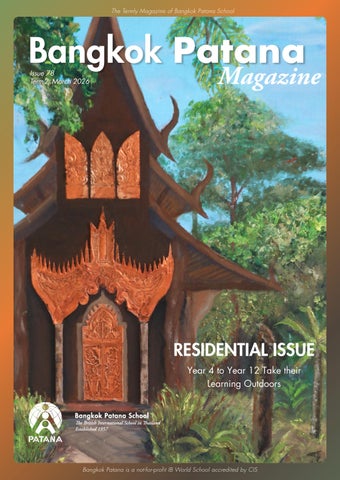
10 Year 4 Residential: A Week of Discovery and Friendship
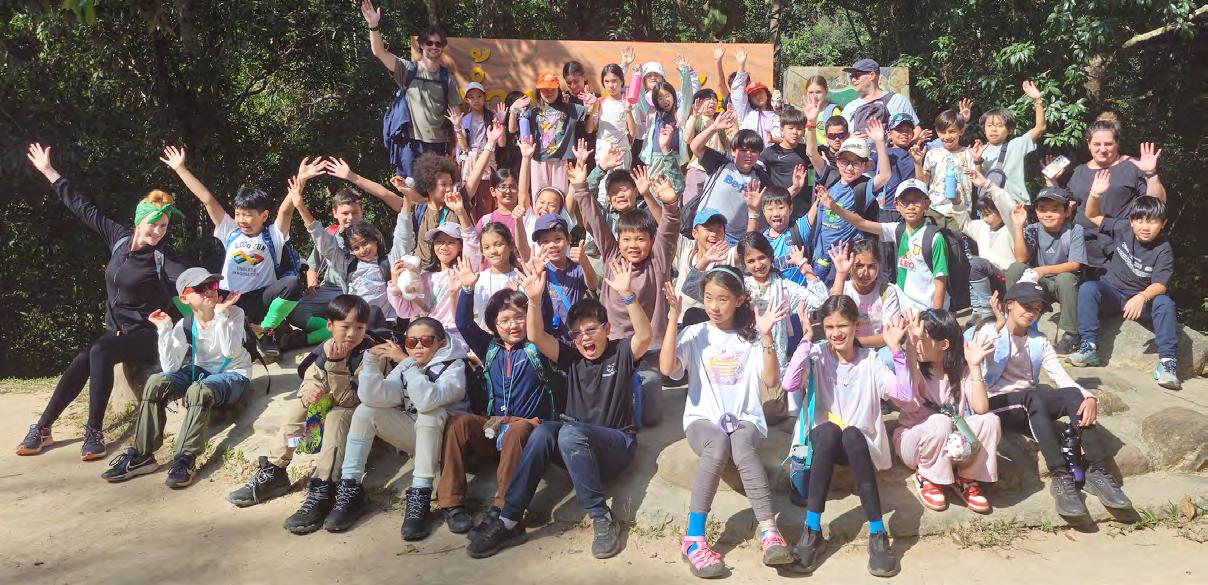
12 Year 5 Residential: From Tentative Beginnings to Intrepid Explorers!
14 Year 6 Residential to Chanthaburi: Caring for our World
16 Year 7 Residential Trip to Rayong: A Journey of Discovery and Adventure
18 Year 8 Residential Exploring Kanchanaburi
20 Culture, Courage and Campfires: Year 9 in Chiang Mai
22 Trekking, Teamwork and Totally Delicious Chocolate Year 10 Residential to Pak Chong
24 Year 12s in Nakhon Nayok
26 From Shared Classrooms to Shared Lives: A Grad’10 Story of Paul and Tammy
28 A Long Road to the Operating Theatre
30 A Decade Later, Grad’15 Returns to Bangkok Patana





By Emma Kay Bartlett, Head of Trips and Outdoor Education
Joining Bangkok Patana this year as the Head of Trips and Outdoor Education has been one of the most energising and meaningful transitions of my career. From the moment I arrived, I felt welcomed into a community where students are genuinely curious, the staff are deeply committed and learning extends far beyond the walls of the classroom.
What has stood out most over my first year is the incredible diversity of our residential trips. Each trip has its own character, shaped by the age of the students and the environment they step into. The thread that links them all is the sense of wonder, laughter, joy and shared experience that comes when young people explore the world together.
I have loved watching students discover something new about themselves. There is a quiet joy in seeing a student conquer a first night away from home watching a secondary student take on a leadership role without being asked. These moments happen in the in-between spaces. On muddy trails, early morning wake-ups, shared meals, and long bus journeys. They are small in the moment but lasting in impact. I have lost count of the times a student has returned from a trip standing just a little bit taller.
What has brought me the most joy is how supportive our community is. Staff step forward with enthusiasm and care. Students encourage one another with kindness that is never unfelt. Families place trust in us to guide their children through experiences
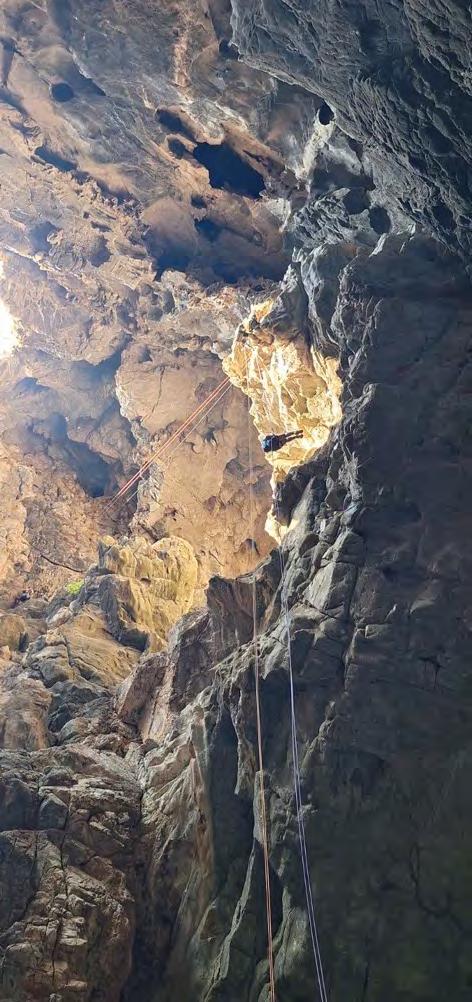
that help shape who they are becoming. It is a privilege to be part of that journey.
As I look ahead, I feel excited and grateful. Excited for the new adventures to come. Grateful for the foundation that already exists. And deeply proud to contribute to a school that helps every student grow in confidence, independence and develop a love of the outdoors.
It is with that same sense of excitement that I invite you to explore the residential articles featured in this magazine. They offer a wonderful glimpse into the experiences, growth and joy our students have shared throughout the year, moments that truly capture the spirit of outdoor learning at Bangkok Patana.
643 Lasalle Road (Sukhumvit 105)
Bangna Tai, Bangna
Bangkok 10260 Thailand
Tel: +66 (0) 2785 2200
Email: reception@patana.ac.th www.patana.ac.th
Editor: Sneha Mathew
Tel: +66 (0) 2785 2411
Email: snma@patana.ac.th
Advertisement: Finn Balslev
Tel: 081-866-2577
Email: finn@scandmedia.com
Design & Production: Scand-Media Corp., Ltd.
Tel: +66 (0) 2943 7166-8 www.scandmedia.com
Bangkok Patana Magazine is the termly publication of Bangkok Patana School published three times per year and distributed to 2,000 members of the School community. Reproduction of articles, artwork and illustrations by written permission only. This magazine is printed on recycled paper.
• Bangkok Patana School




By Jayne Jauncey, Leader of Primary Physical Education
Our approach in Primary PE ensures that competition is not about winning at all costs, but about supporting the whole child to learn, grow and thrive. In primary education, competition often sparks debate. Some worry that competitive events may create pressure for young children, while others see them as a vital part of their growth. Current guidance from UK Sport, the Youth Sport Trust and leading practitioners on PE Scholar emphasises that competition can be hugely beneficial—when it is thoughtfully designed and developmentally appropriate. As the Youth Sport Trust states, “competition should inspire, not intimidate, and help young people to develop the life skills they need to thrive”.
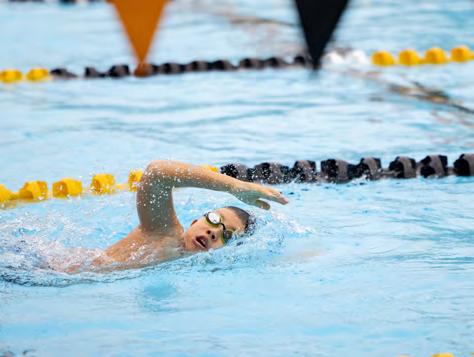
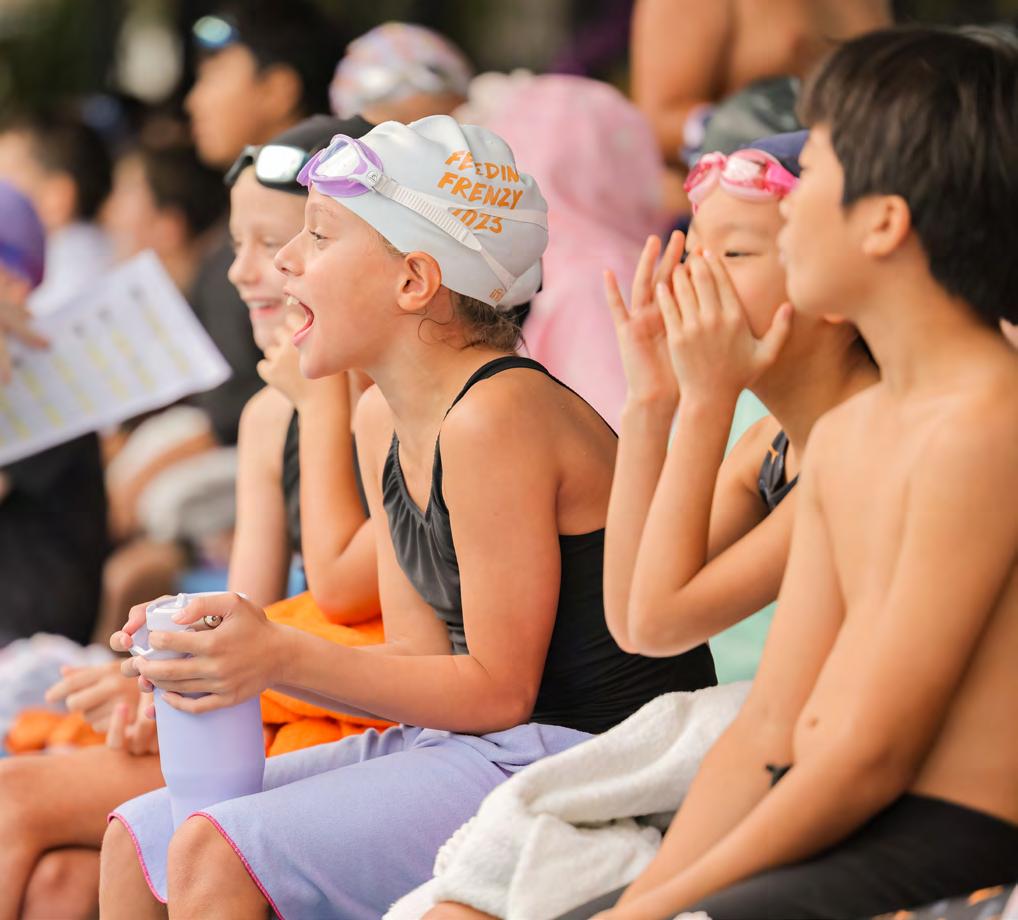
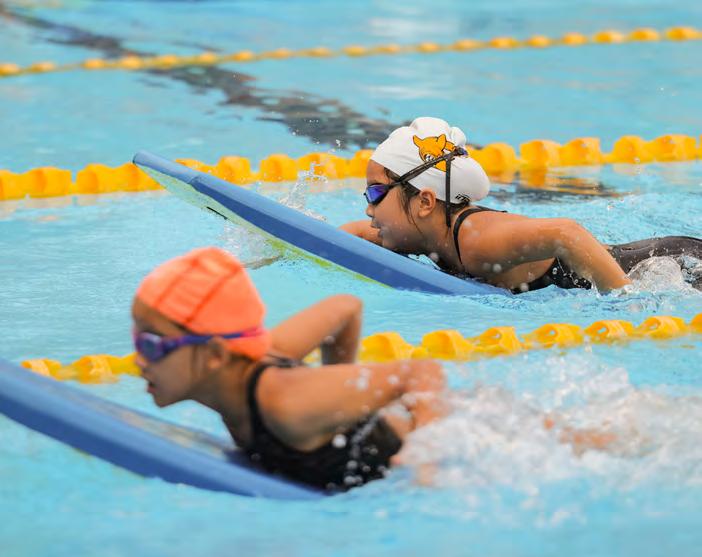
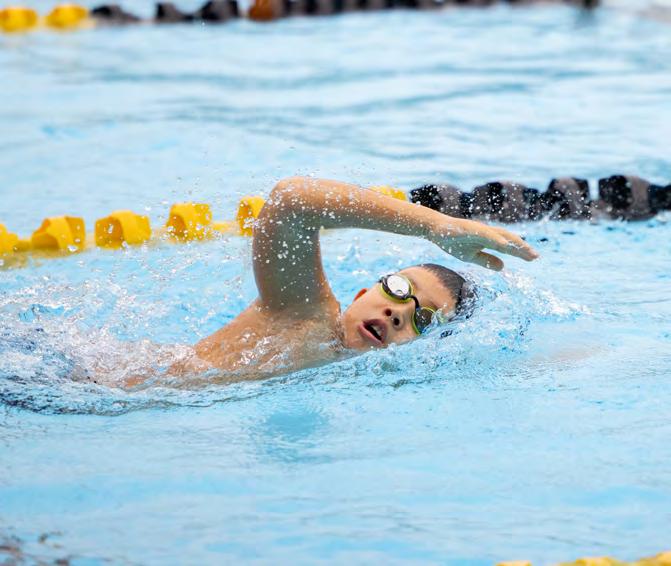
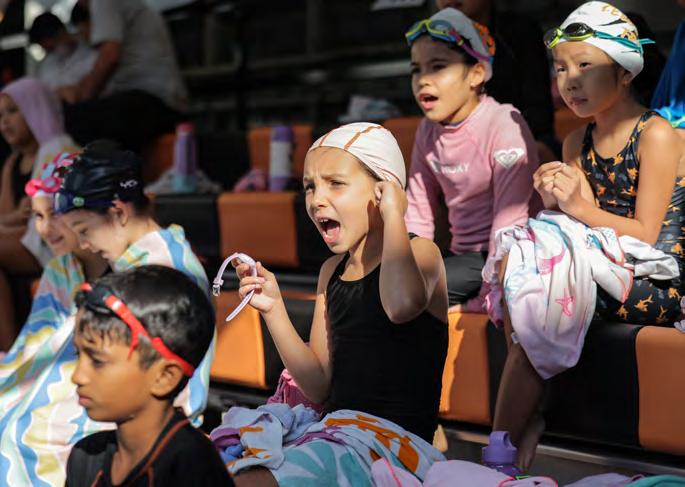
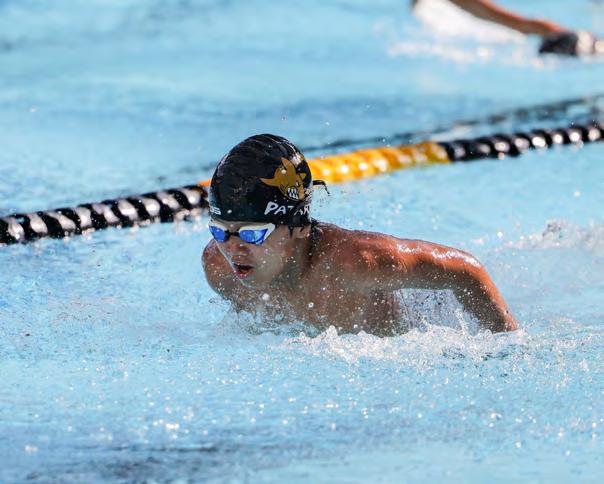
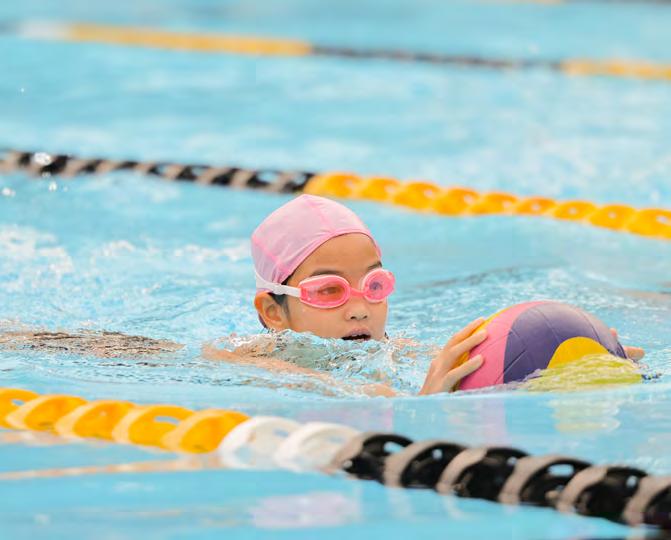
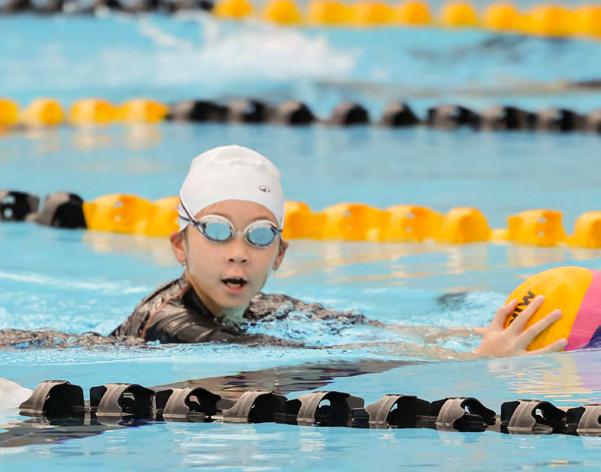
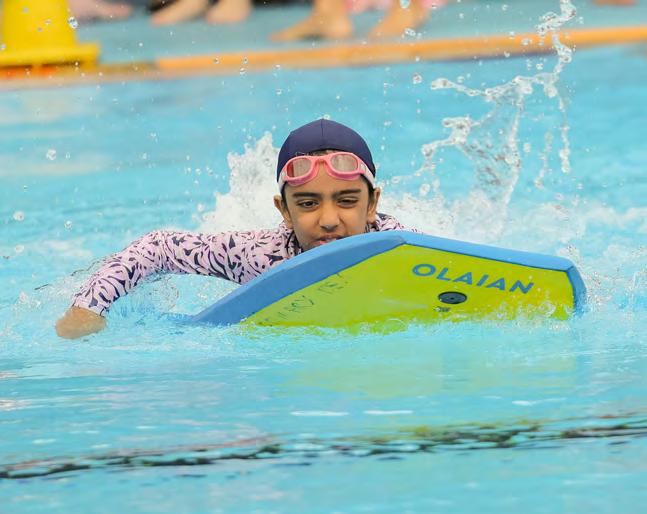
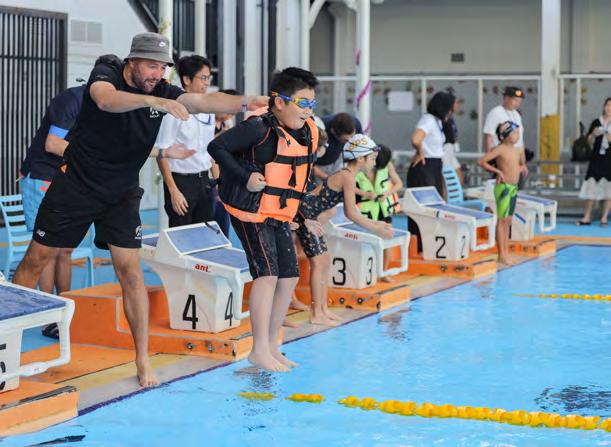
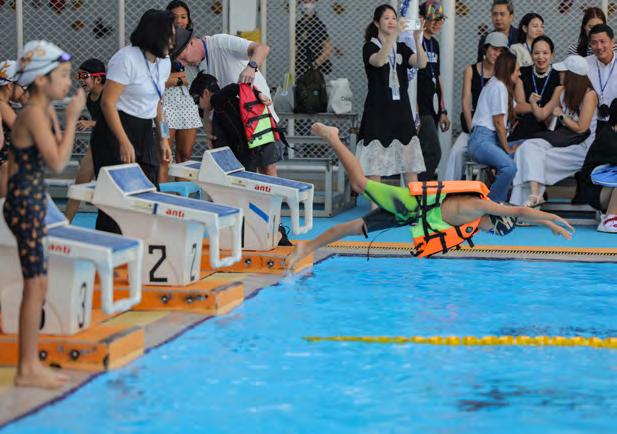
Last term, our students in Year 3, 4 and 5 participated in their annual Swimming Gala, an opportunity for classes
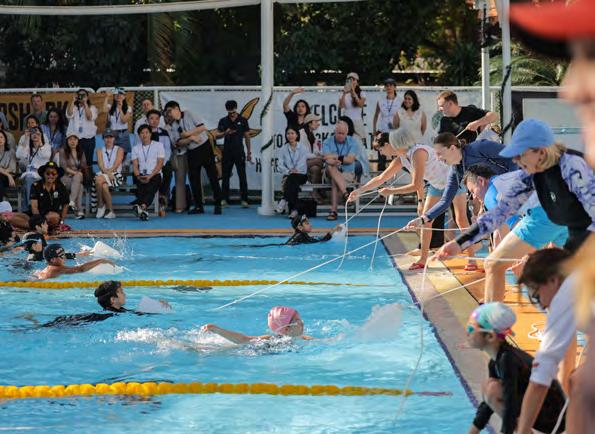
to support one another as they aim to win awards such as Overall Winners, Most Organised Class and the Tiger Spirit Award. The races were a carefully blended mix of traditional swimming events and fun challenges such as Titanic, the Sky Ball Relay, and the crowd favourite, the Teacher Chariot Race. The rationale behind these combined events mirrors the guidance from PE Scholar (2024), which recommends that “competitive experiences in primary schools should provide multiple measures of success, ensuring every child can feel a sense of achievement”.
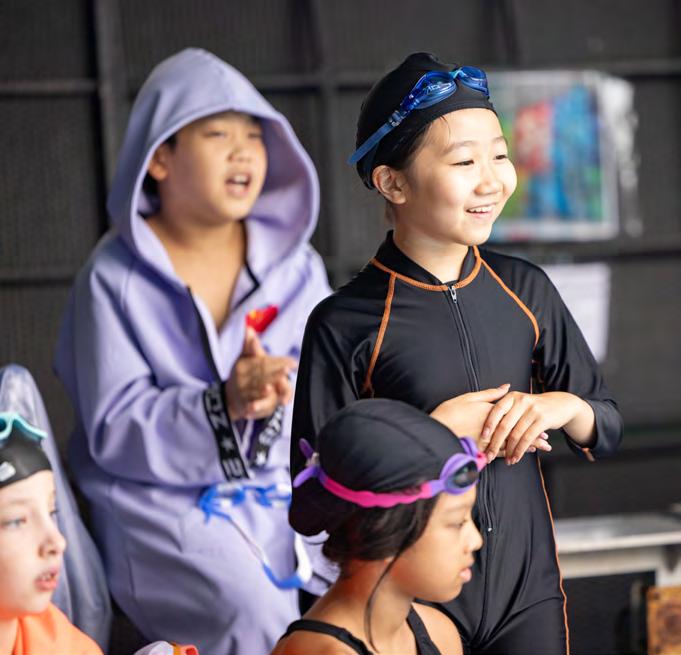
As the children entered the poolside arena, they were met with supportive waves and cheers from parents and teachers. For some students, those quickened heartbeats were filled with excitement; for others, the nerves were real and understandable, the same kind of nerves they might experience

in the future at a job interview, giving a presentation in Year 13, or stepping into an unfamiliar situation for the first time. The Youth Sport Trust highlights that learning to navigate these emotions is “an essential part of emotional literacy and confidence-building,” helping children to become more resilient later in life.
Patana Primary Sport provides one of the earliest and most accessible arenas for children to practise these life skills. Whether they are in a race, waiting for their relay turn or cheering their friends from the sidelines, they are learning to manage emotions, make decisions under pressure and communicate with others. UK Sport refers to these as “life readiness skills developed through meaningful sport experiences”.
Crucially, competition helps children understand that they won’t always win, and that is not something to avoid. Learning
to cope with disappointment, to reflect on what went well and what could be improved and to try again with a better plan, is one of the most valuable outcomes of competitive sport at the primary level.
If competition is removed entirely, we risk removing these teachable moments. When it is managed thoughtfully, we unlock some of the most powerful learning experiences school sport can offer.
and motivating”. Children need adults who guide them, explain the purpose of competition and help them navigate the emotions associated with winning and losing. With the right support, they learn to value teamwork, effort and sportsmanship over simply touching the wall first.
This is why at Bangkok Patana our Tiger Spirit Award plays such an important role. Success is measured not only by race outcomes but by teamwork, perseverance, support for classmates and personal progress - values echoed in Youth Sport Trust frameworks that highlight “rewarding character and personal bests alongside performance outcomes”.

While competition is valuable, the research is clear, competition does not automatically create positive experiences. UK Sport emphasises that adults play a key role in shaping how children interpret competitive situations: “The behaviour of coaches, teachers and parents has a profound impact on whether a child’s experience of competition is positive
Competition in primary sport is not about pressure or producing champions. It is about providing children with structured,
age-appropriate opportunities to challenge themselves and grow. This is reflected in the wide range of competitive experiences offered at Bangkok Patana from the fun and celebratory carousel style Sports Days in Foundation Stage 2 to Year 2, to the more competitive formats seen in Key Stage 2. Older students also have opportunities to represent the Primary school at events such as the Friendly Bangkok Games and the competitive FOBISIA Games.
When competition is taught, supported and celebrated with care, it becomes one of the most valuable elements of a child’s physical education journey helping them develop skills and character traits that extend far beyond the pool, the pitch or the playground.

By Laura Renesto, Year 4 Assitant Leader of Learning
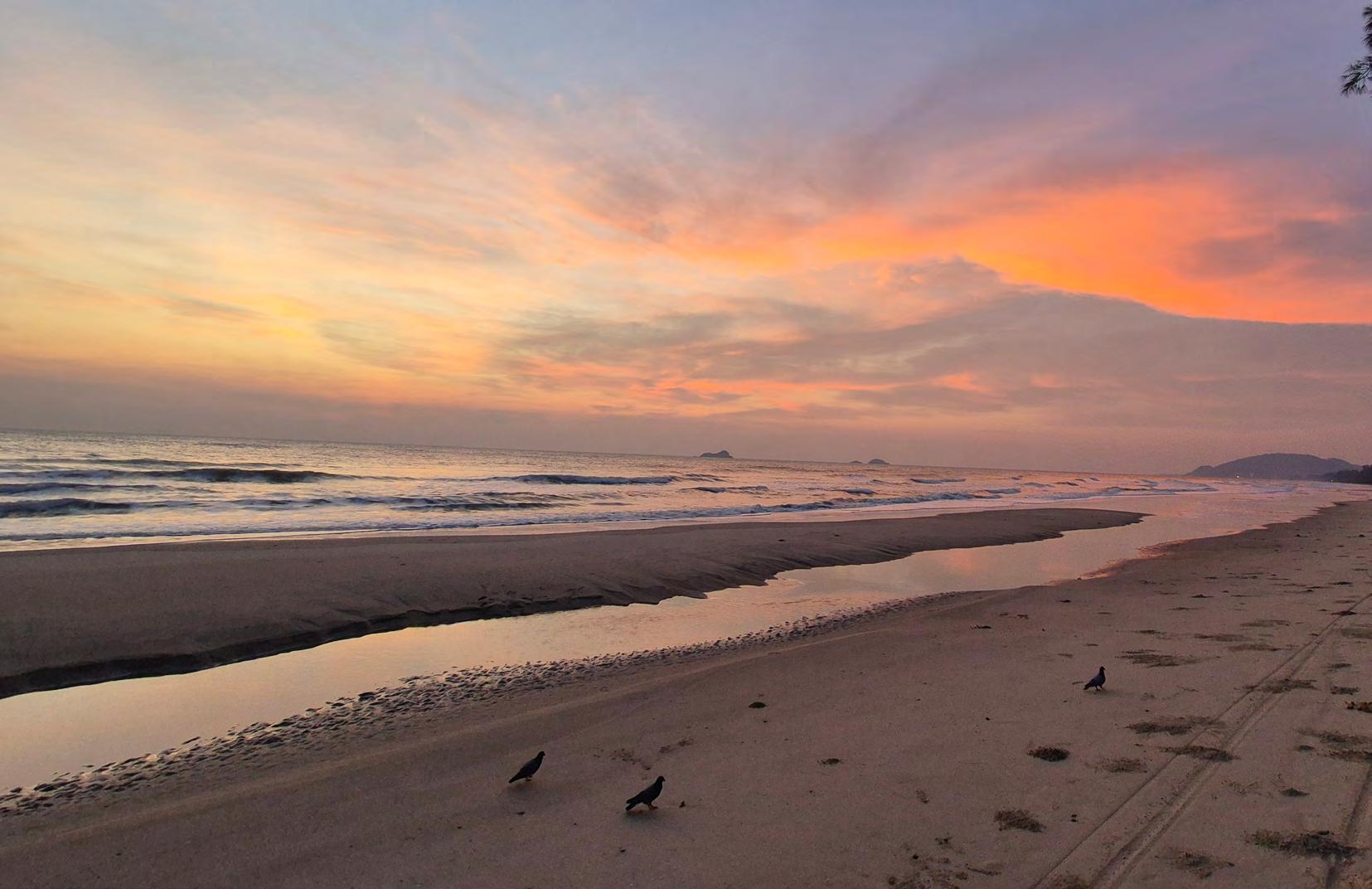
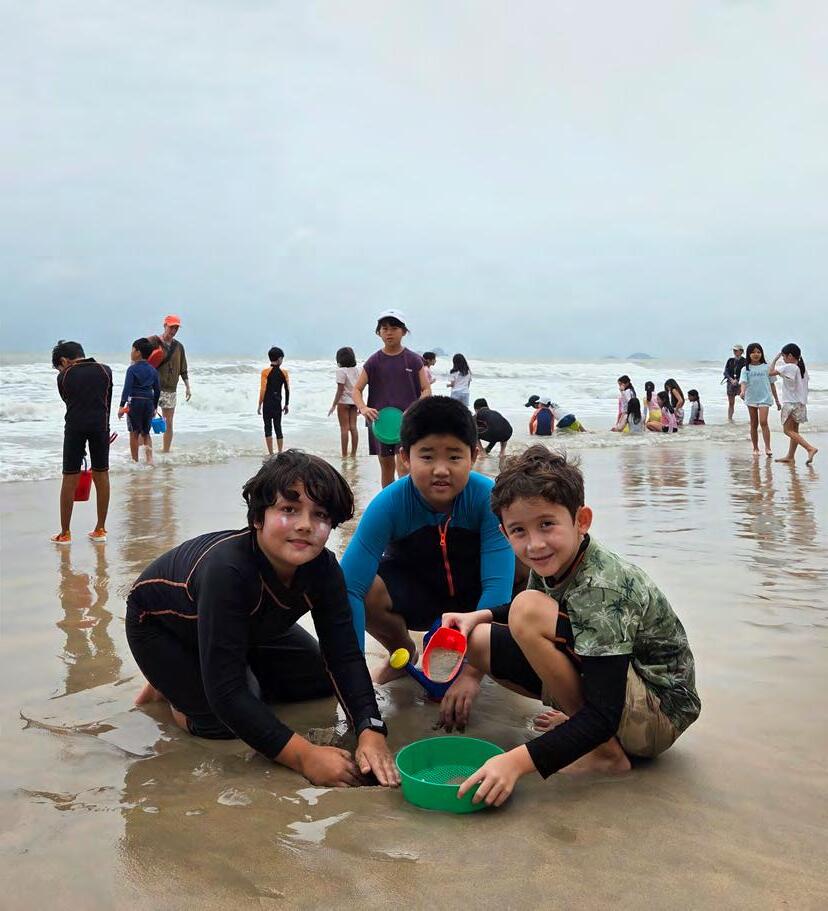
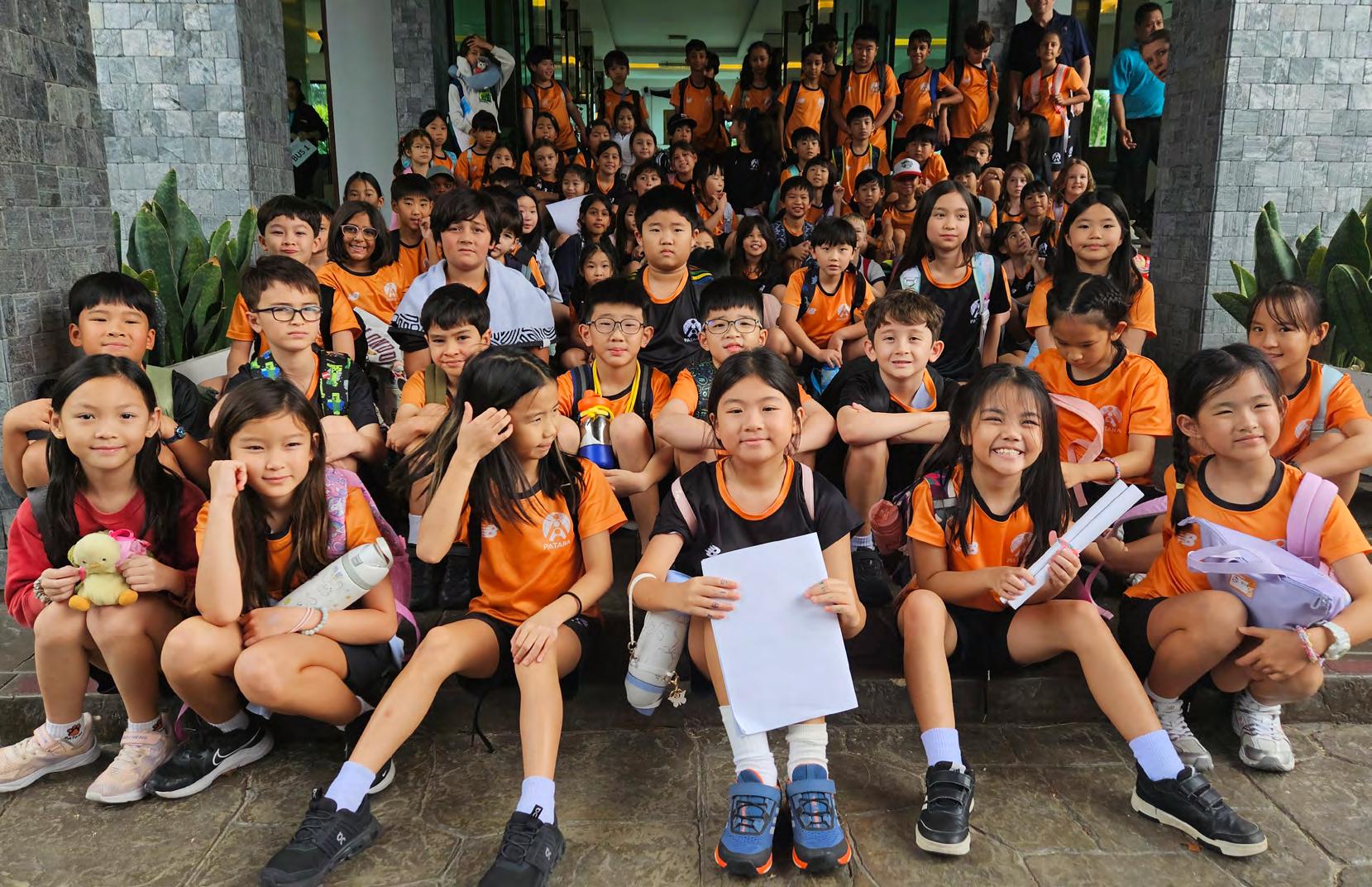
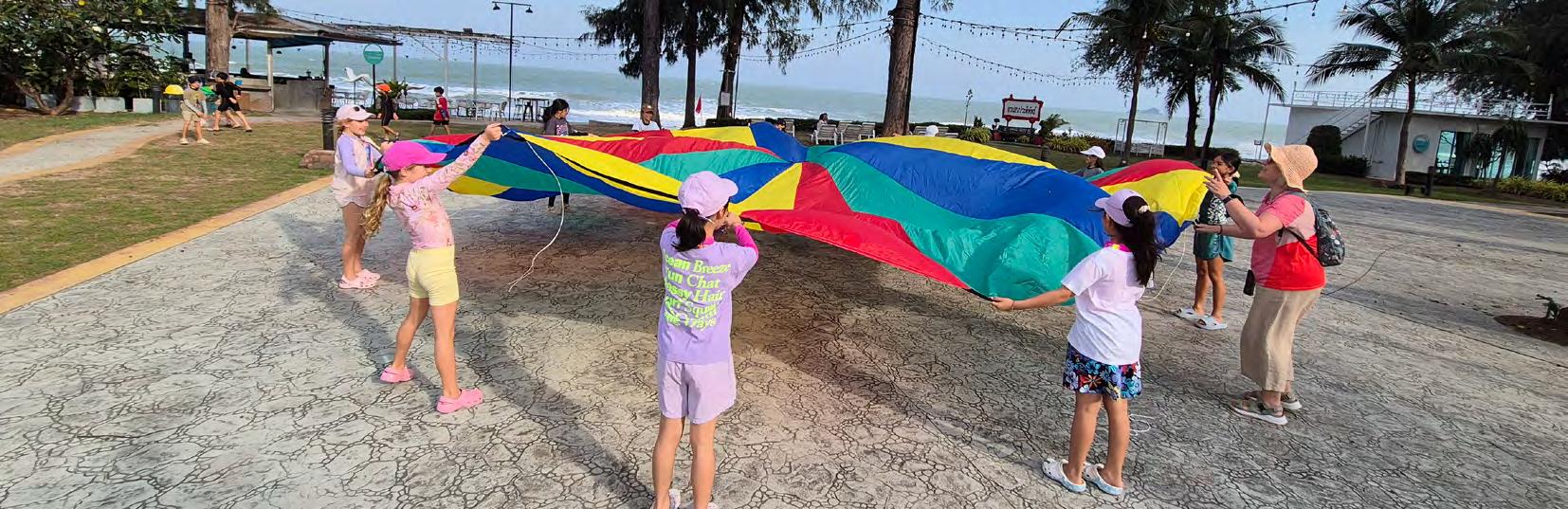
This year’s Year 4 residential to Hua Hin delivered four memorable days of discovery, teamwork and outdoor learning, set against unusually cool coastal weather. With crisp breezes drifting in from the Gulf of Thailand and early mornings that called for light jackets, students and staff enjoyed the chance to eat meals outdoors while enjoying beautiful ocean views throughout the week.
Before setting off, students were asked what they hoped to gain from the residential, and their responses captured the spirit of the trip perfectly:
• To have fun
• To learn new things that we cannot learn at school
• To be more independent and learn how to be away from our families
• To make new friends and meet different people from other classes
• To learn to solve problems together and keep our rooms tidy
• To socialise and play with our friends all week
• To get to know all our teachers outside of lessons
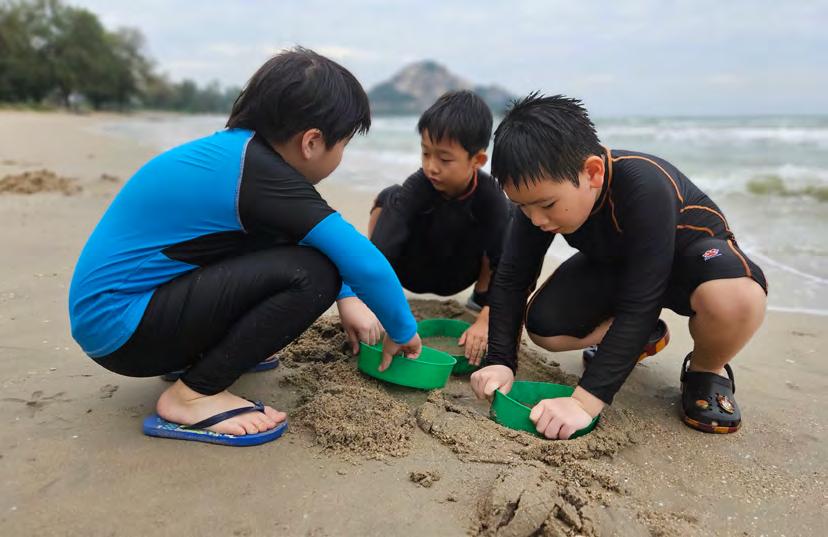
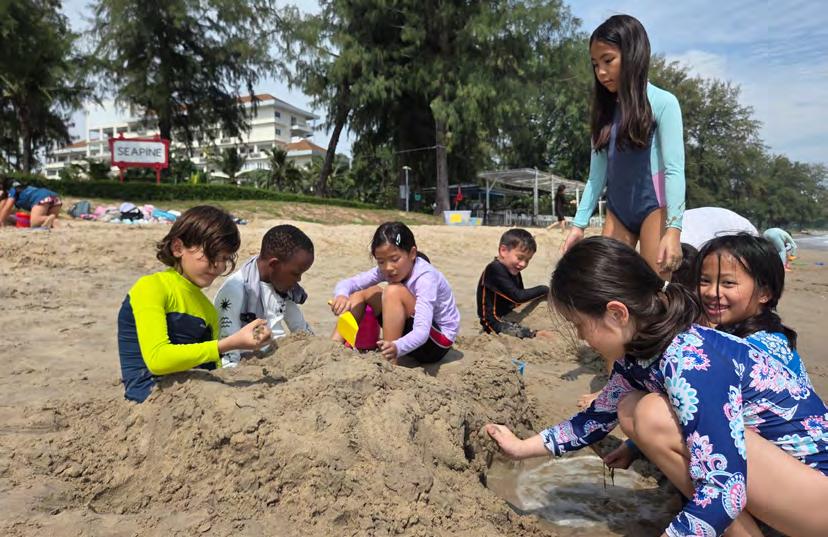
Once at the hotel, students quickly settled into their rooms - an experience that proved to be a valuable learning opportunity. Room-sharing put their PSHE skills into action as they practised making fair decisions, communicating clearly and showing respect for one another. Students negotiated bed choices, organised storage spaces and created shower timetables that worked for everyone. Their commitment to keeping rooms tidy was impressive, particularly as they eagerly competed for high scores during the much-loved daily room inspections.
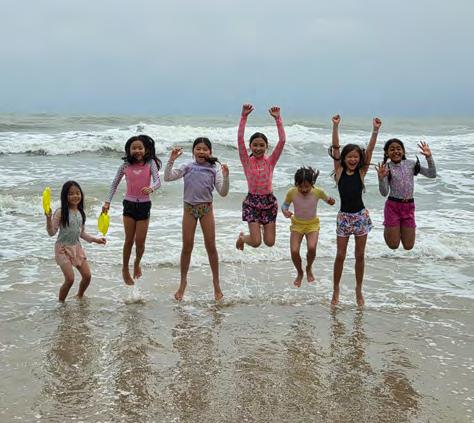
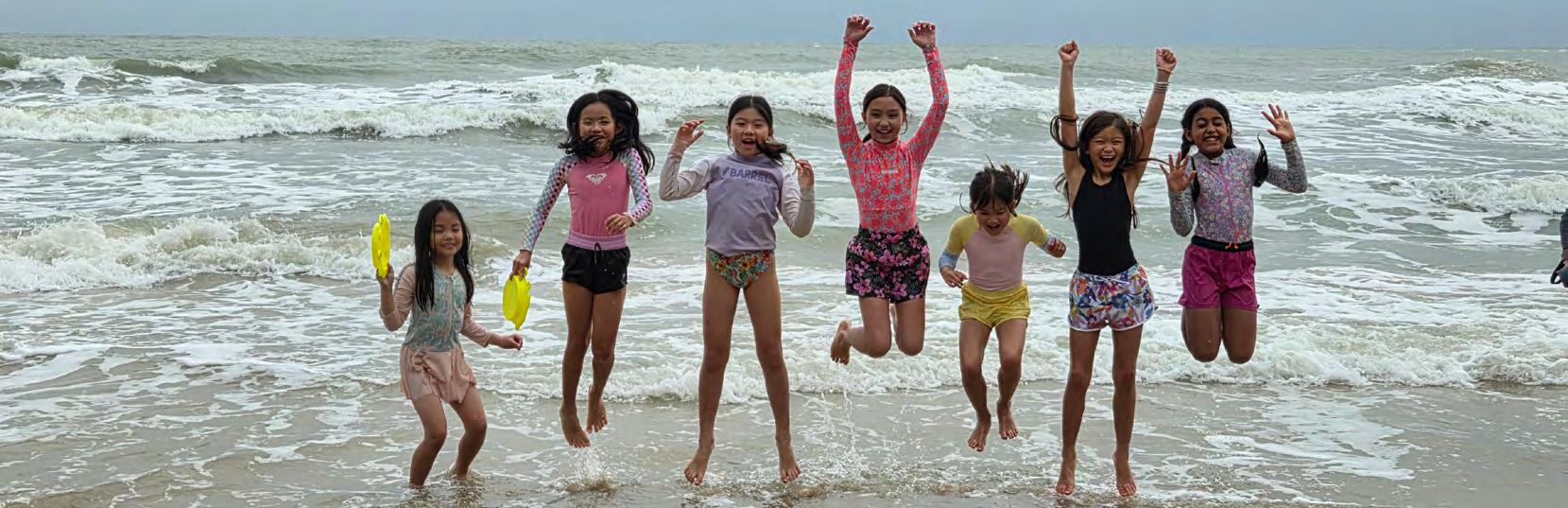
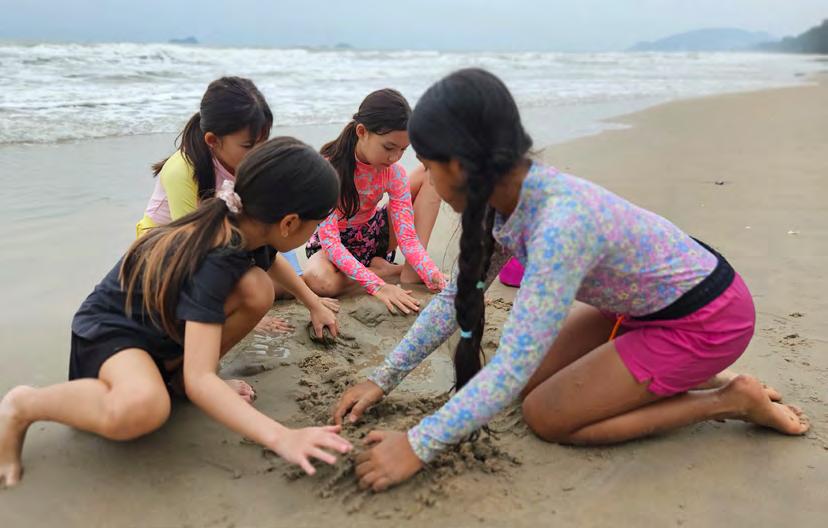
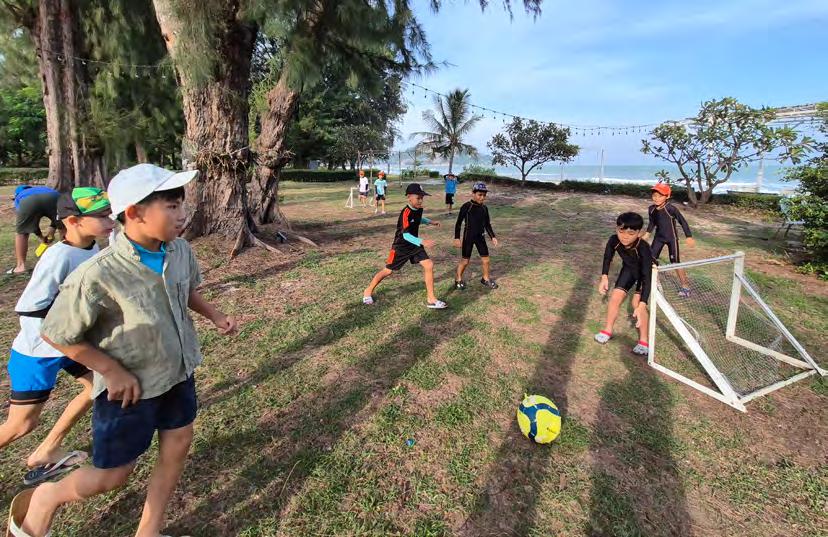
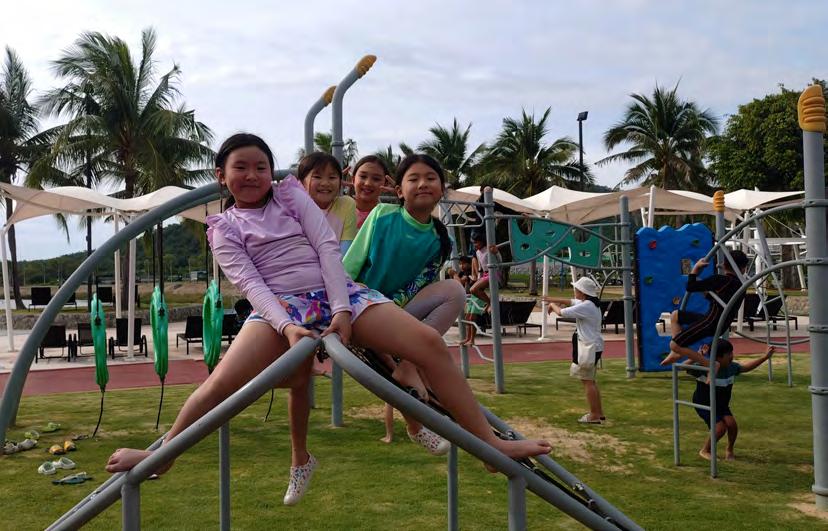
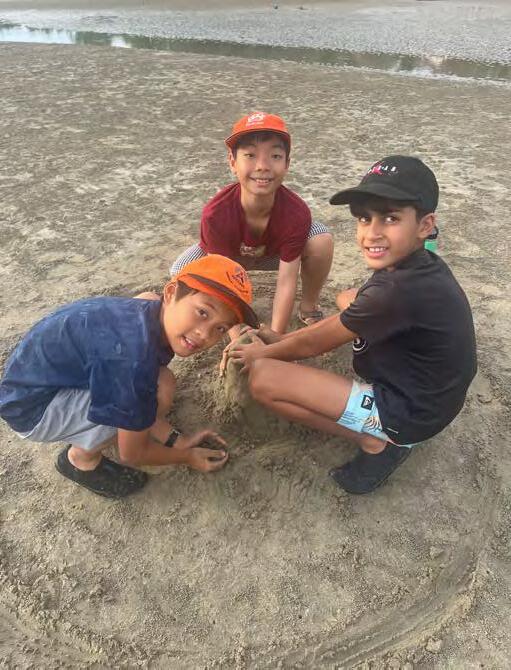
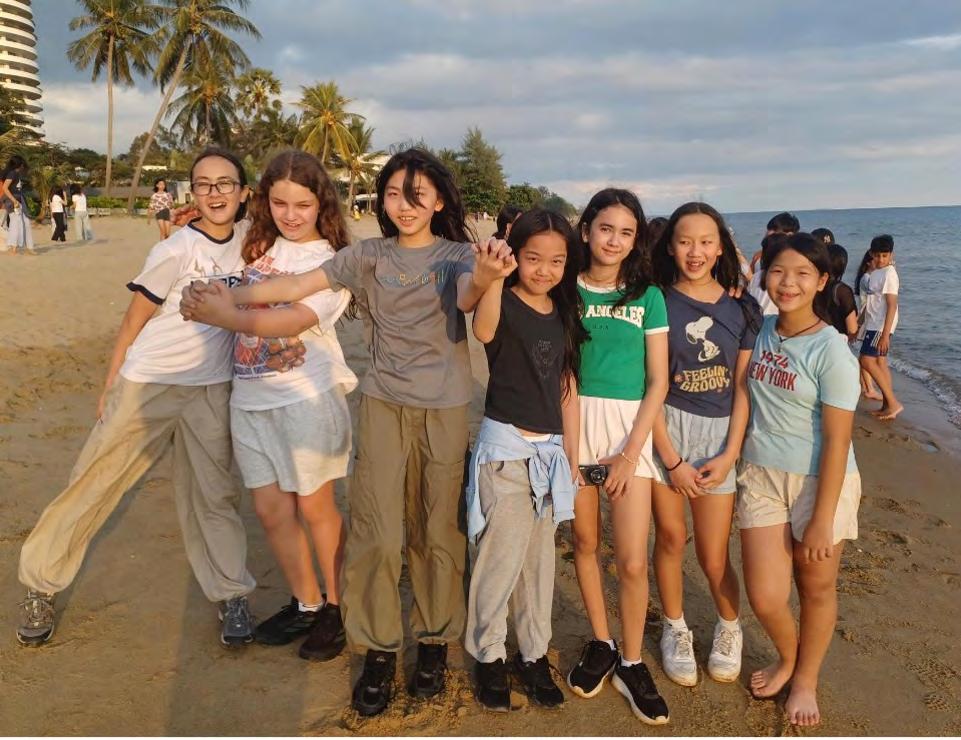
During the day, the beach became a lively hub of exploration and teamwork. Students collected rocks and shells, built towering sandcastles complete with tunnels and moats, and took part in energetic football matches and team challenges. The cooler weather provided ideal conditions for extended outdoor play, allowing friendships to deepen and cooperation to flourish. Acts of kindness were seen throughout the week, with students encouraging one another and supporting peers as they tried new activities or stepped outside their comfort zones.
Midweek brought a surge of excitement with the highly anticipated trip to Black Mountain Water Park. Despite the
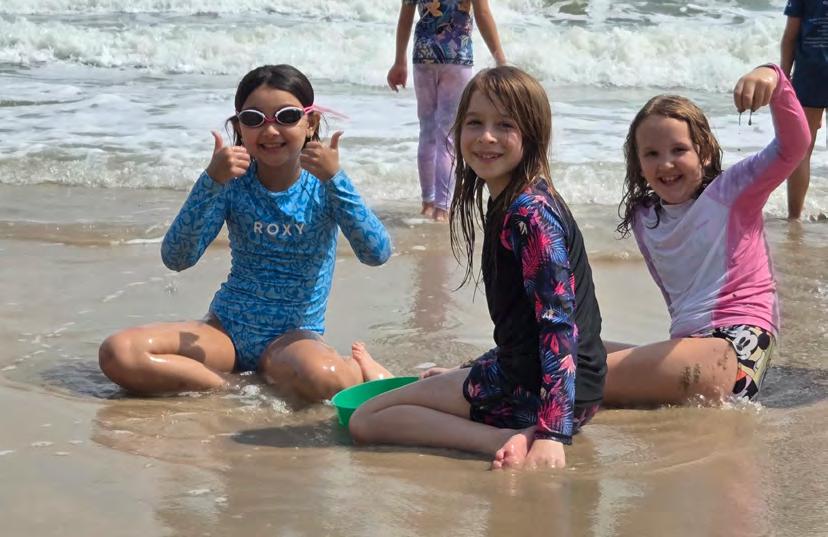
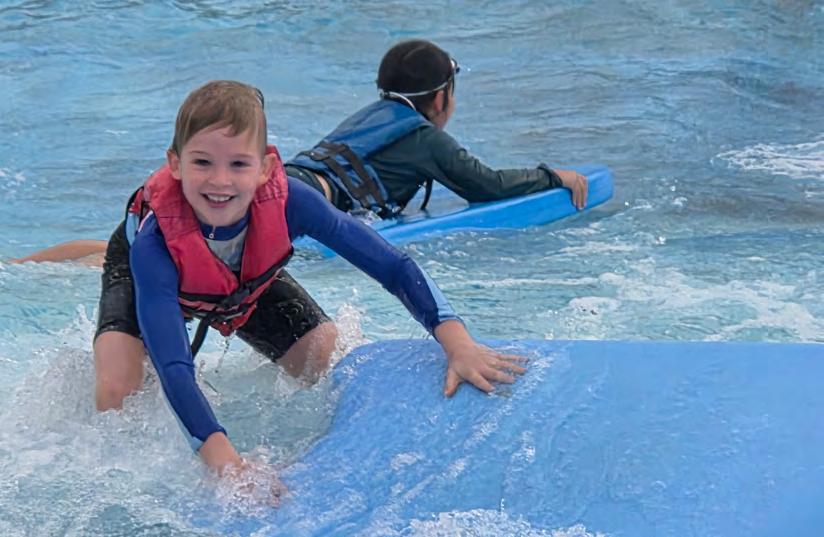
cooler temperatures, students embraced every moment - zooming down slides, floating along the lazy river and enjoying quieter art and game activities in shaded areas.
Class 4R shared that the water park was a particular highlight. Ice cream treats added to the excitement, while the wave pool proved especially popular. One student recalled, “I was swimming like a dolphin, but then I got pushed away and fell into the water!”- a moment that caused plenty of laughter and quickly became a treasured memory.
Evenings were just as memorable as the daytime adventures. The Talent Show filled the room with laughter, cheering and applause as students confidently showcased their creativity. Quiz Night encouraged teamwork and problem-solving, with groups working together to tackle a range of entertaining challenges. The Disco was a standout event, with students dancing freely alongside teachers who did an excellent job as DJs. One student from Class 4C commented, “The disco night was amazing – Mr Tony and Ms Lauren got us all up on the dance floor!”
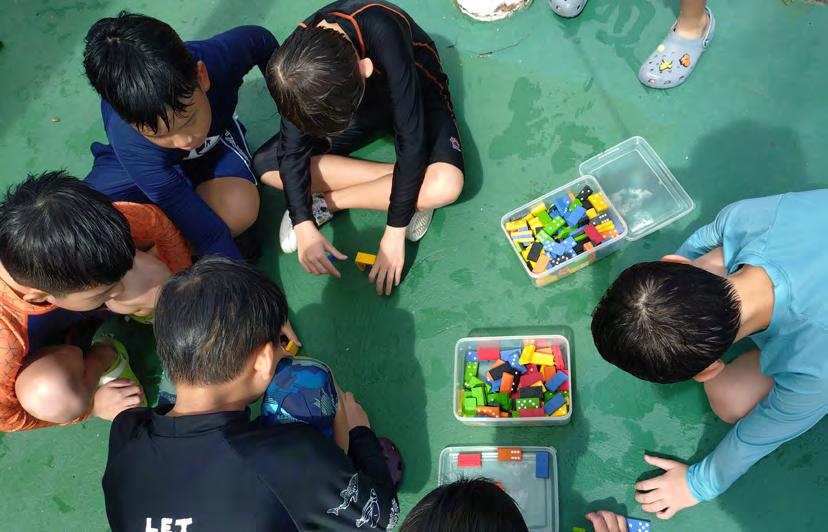
Class 4H reflected fondly on their time away, describing the wave pool and slides as huge highlights that they couldn’t stop talking about afterwards. Evenings spent playing games
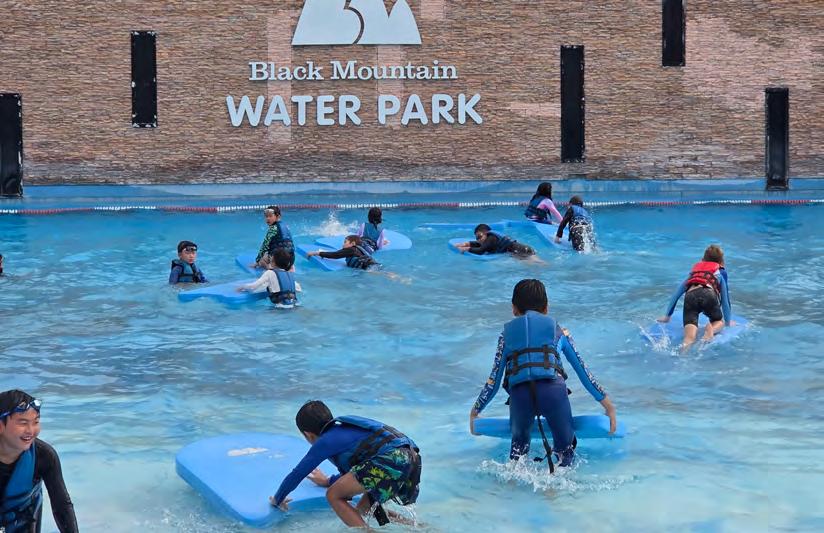
in their rooms were also a favourite, with one student sharing, “I actually had an amazing night’s sleep!” Beach visits were another highlight, especially jumping in the waves and playing together on the sand. The Talent Show brought non-stop laughter - although there was general agreement that the judges were not particularly popular!
Class 4D particularly enjoyed Quiz Night, describing it as both exciting and challenging. Students noted that it encouraged them to think carefully and work closely with friends, with one group pointing out that their knowledge of the Aztecs was especially useful. Highlights included guessing warped photos of teachers and identifying baby pictures, both of which caused plenty of laughter.
By Friday morning, after one final breakfast together, it was time to return to Bangkok. Our Year 4 students came home with greater independence, stronger friendships and a deeper understanding of what it means to be safe, curious and kindvalues they demonstrated throughout the entire residential.
A huge thank you to all staff who supported the trip, and to our wonderful Year 4 students for embracing every moment with positivity, enthusiasm and joy.
By Alice Leslie, Year 5 Assistant Leader of Learning
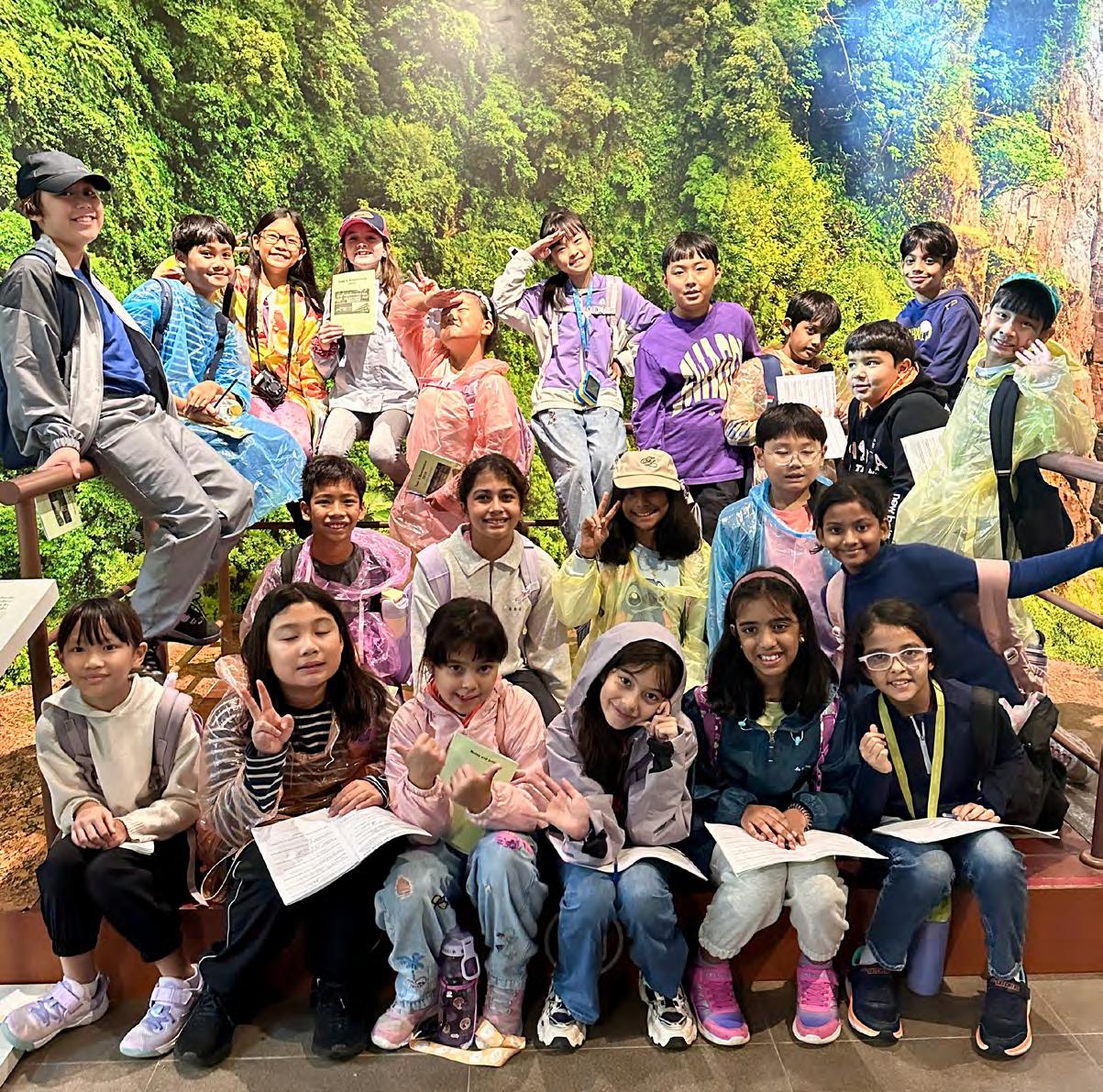
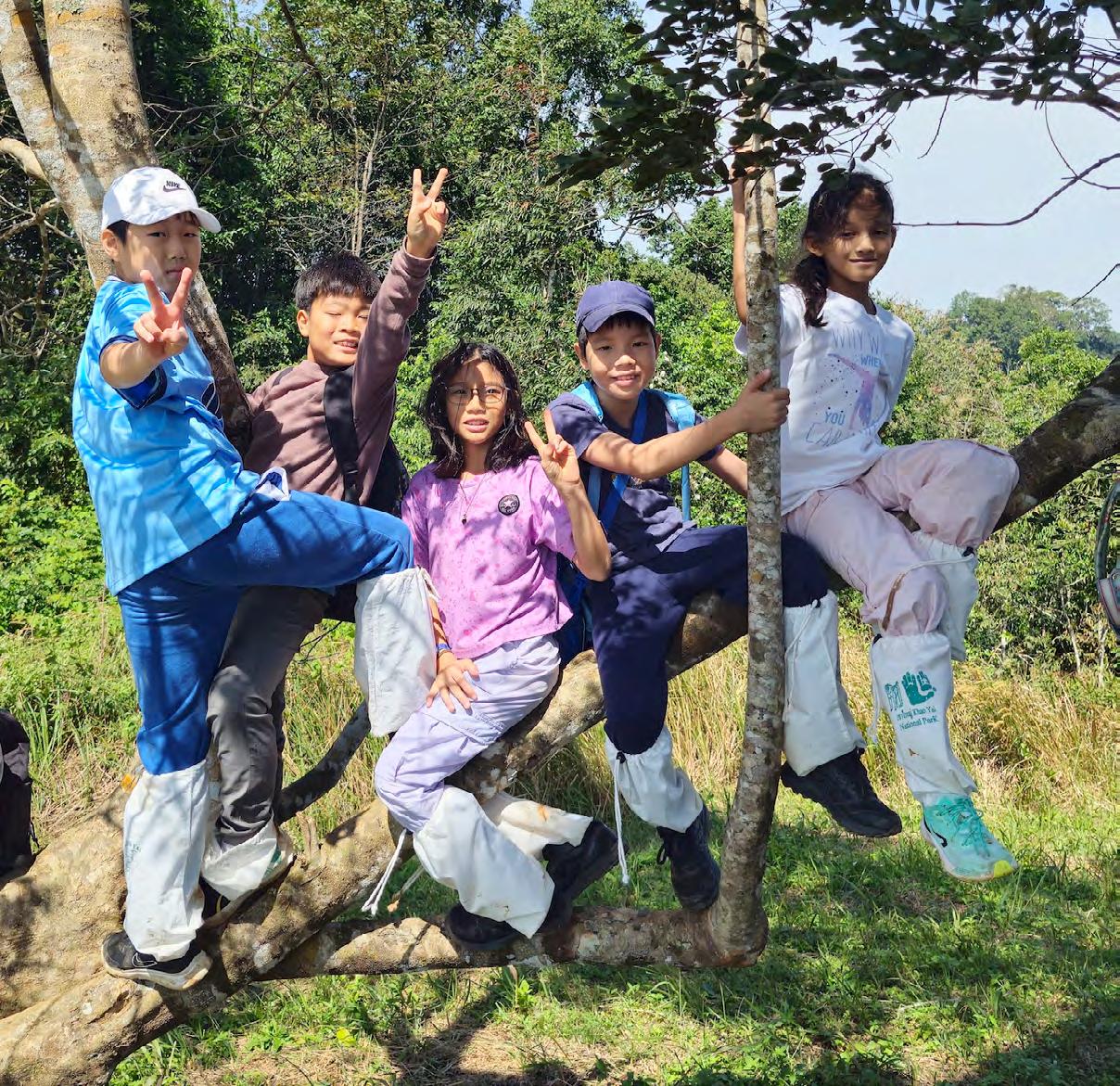
“I felt excited yet a little unsure getting on the bus…but by the end of the trip, I didn’t want to leave”
This simple reflection from a Year 5 student perfectly captures the spirit of our residential trip to Khao Yai last November – a journey that began with excitement and uncertainty and ended with confidence, connection and pride.
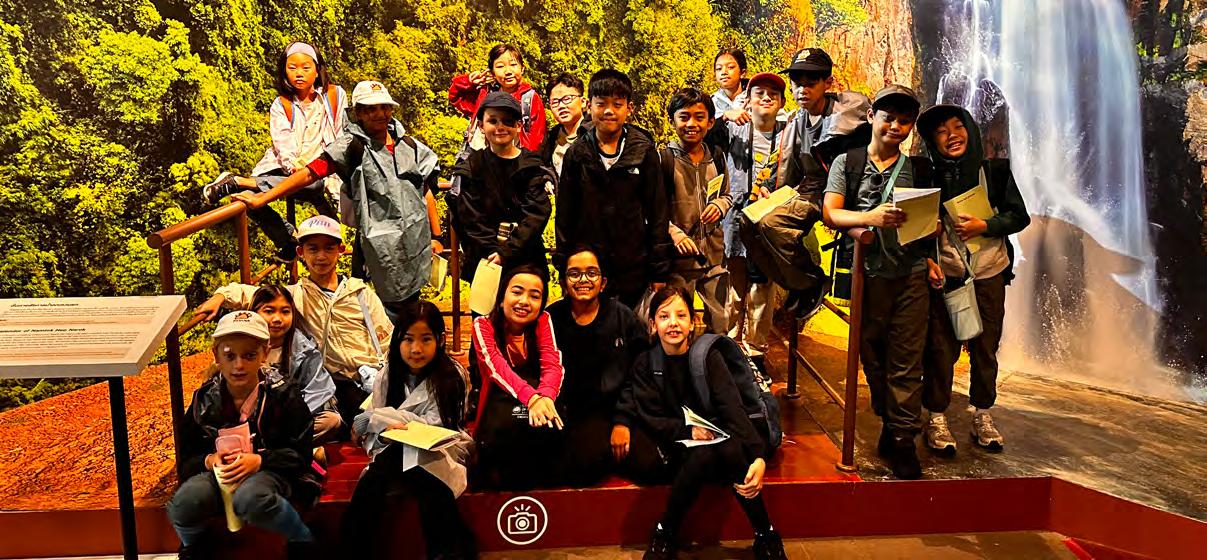
In Term 1 our newly formed Year 5 cohort travelled to Khao Yai National Park for a three-night residential. Coming just a few months after moving up from Year 4, the trip played an important role in helping students strengthen relationships with their new classmates and teachers, while growing in independence. From the moment suitcases were unpacked at our resort, Golden Gold, students began learning to navigate shared spaces, routines and responsibilities together. Our first evening set the tone for the adventure ahead with a night safari in trucks through the national park. Despite the dense fog and chilly breeze that descended upon the ‘Big Mountain’, students braved the elements and spotted porcupines, sambar deer and bats, with a lucky few glimpsing a dhole hiding in the long grass of a field.
“The night safari was the best thing. We were so close to the deer, porcupines, small rivers and foxes. It was really exciting!”
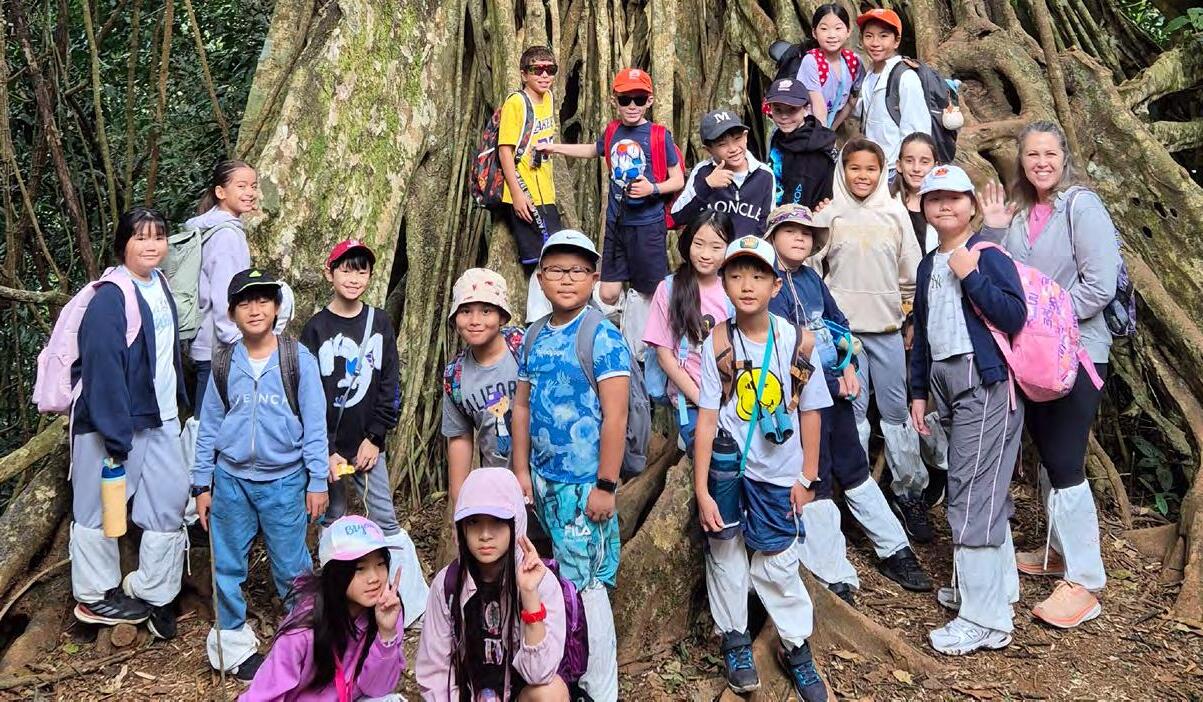
Day 2 brought a rainforest trek led by an experienced local guide, though this year the weather had a few surprises in store for us. Heavy rainfall meant that, during the first week, we needed to adapt our plans and complete a shorter trek rather than our usual longer route. However, even though the rain threatened to ruin our plans, it certainly couldn’t dampen our spirits. Pulling on leech socks and raincoats, students embraced the adventure with enthusiasm, splashing along forest paths and revelling in the excitement of being truly immersed in the rainforest.
“I absolutely loved the trekking because I’ve never seen so much wildlife or nature before in my life, even though it was raining!”
Despite the shorter distance, the trek was packed with unforgettable moments. We came incredibly close to a troop of Northern Pig Tailed Macaque, who stopped us all in our tracks! Students watched in awe as they played amongst the bushes, a rare experience that felt like a real privilege. Ancient trees, elephant footprints pressed into the mud and vibrant plant life surrounded us, making the forest feel alive and rather magical. Getting a little wet only added to the sense of adventure, and students showed great resilience, adaptability and good humour as they navigated the conditions together.
“I loved the rainforest trek because we saw monkeys, centipedes, leeches, mushrooms and elephant poo. The ranger knew everything about the rainforest!”
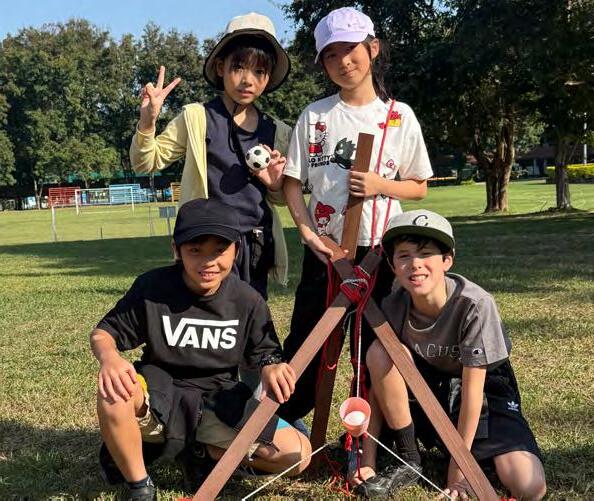
A key highlight of this year’s trip was our visit to St Stephen’s School, also known as Howling Gibbon, where, for the first time, students took part in a catapult-building challenge, amongst other activities. Working in small groups, students designed, built and tested their own catapults using a range of materials. The activity demanded plenty of clear communication, collaboration and problem-solving, as well as a willingness to adapt when designs did not work as planned - which happened a few times! Laughter and conversation filled the space as teams refined their ideas and celebrated successful launches across the field, with one group catapulting their ball over 70metres! This challenge encouraged creativity, critical thinking and leadership, while also highlighting the value of listening to one another. It was wonderful to see students who are still getting to know one another learning how to collaborate effectively and respectfully.
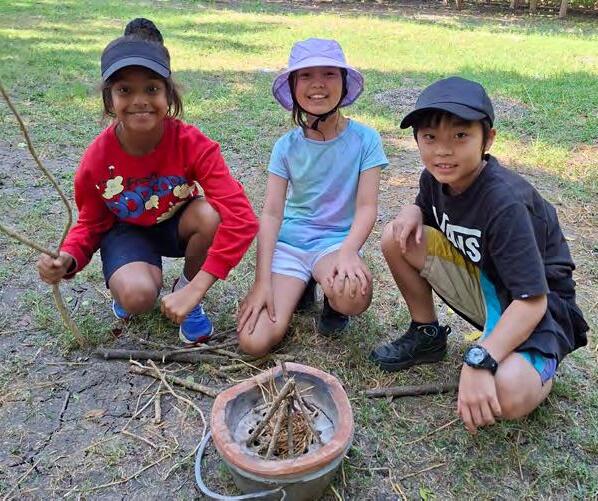
“I really liked St Stephen’s school because we learned how to make a raft and a catapult. My favourite part of the day was learning to build a fire!”
Afternoons and evenings at the resort provided valuable opportunities for relaxation and bonding. With cycling and swimming sessions after our day trips, to quiz night and the much-anticipated talent show, students could share their interests in a supportive environment. From singing and comedy sketches to a polished Phantom of the Opera–inspired performance, the talent show was a joyful celebration of individuality. It wouldn’t be a Year 5 residential without a standout dance performance to this year’s favourite song, Golden from KPop Demon Hunters, which had the audience smiling, clapping along and singing every word (teachers included!).
“I was nervous performing, but everyone cheered for me.”
Throughout the residential, students took increasing responsibility for themselves, from managing belongings and routines to making thoughtful choices away from home. The time spent in rooms with their friends was cherished by many.
“My favourite thing was the dorms because we had so much fun and ate so many snacks!”
By the time we boarded the buses home, tired but smiling, it was clear that the trip had been about far more than wildlife and activities. As we often find, the residential to Khao Yai was a powerful step in students’ Year 5 journey, laying firm foundations for the year ahead and memories that will last well beyond it!
The success of the residential would not have been possible without the dedication and care of the staff who supported the students throughout the trip. Year 5 teachers and Patana staff ensured students felt safe, encouraged and confident to try new experiences. We are also extremely grateful to the staff at Golden Gold for their warm hospitality and to the team at Howling Gibbon for delivering experiences that challenged and inspired us all. Until next year, Khao Yai!
By Duncan Ferguson, Year 6 Assistant Leader of Learning
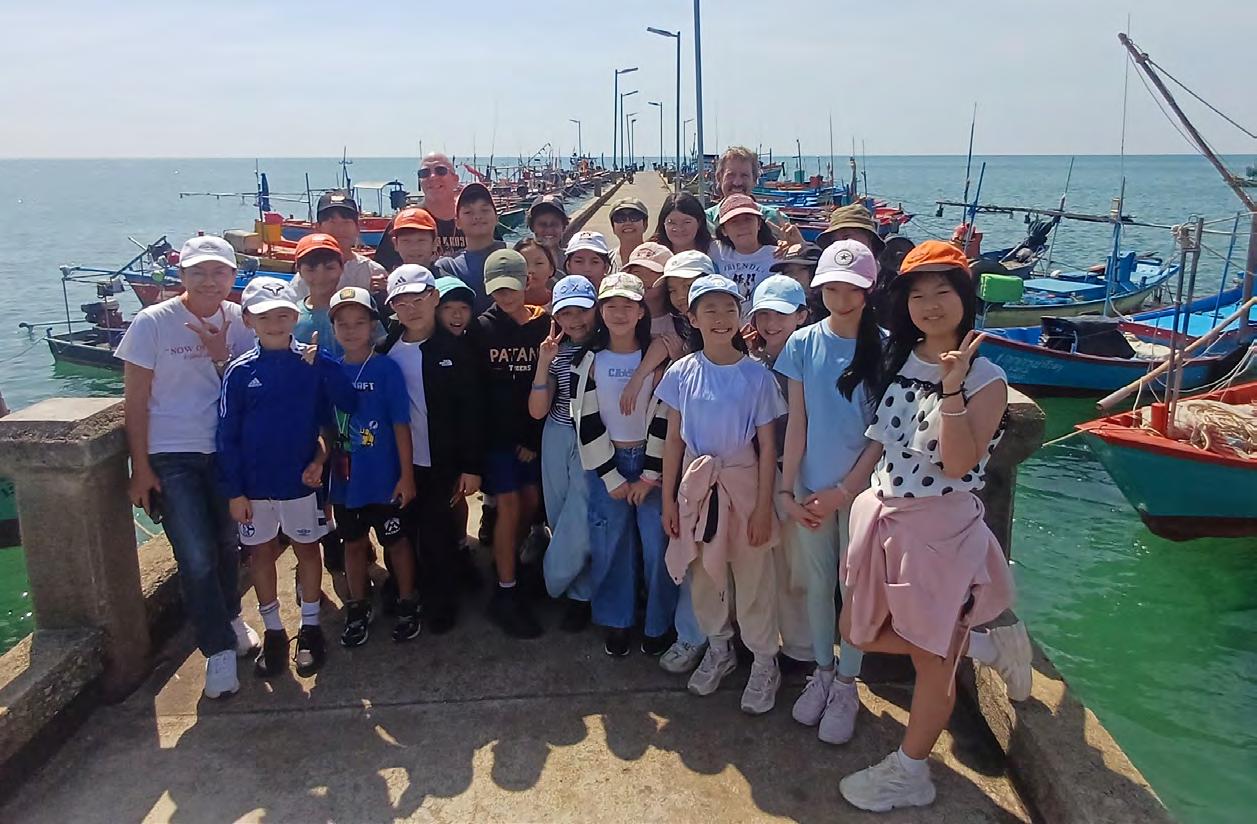
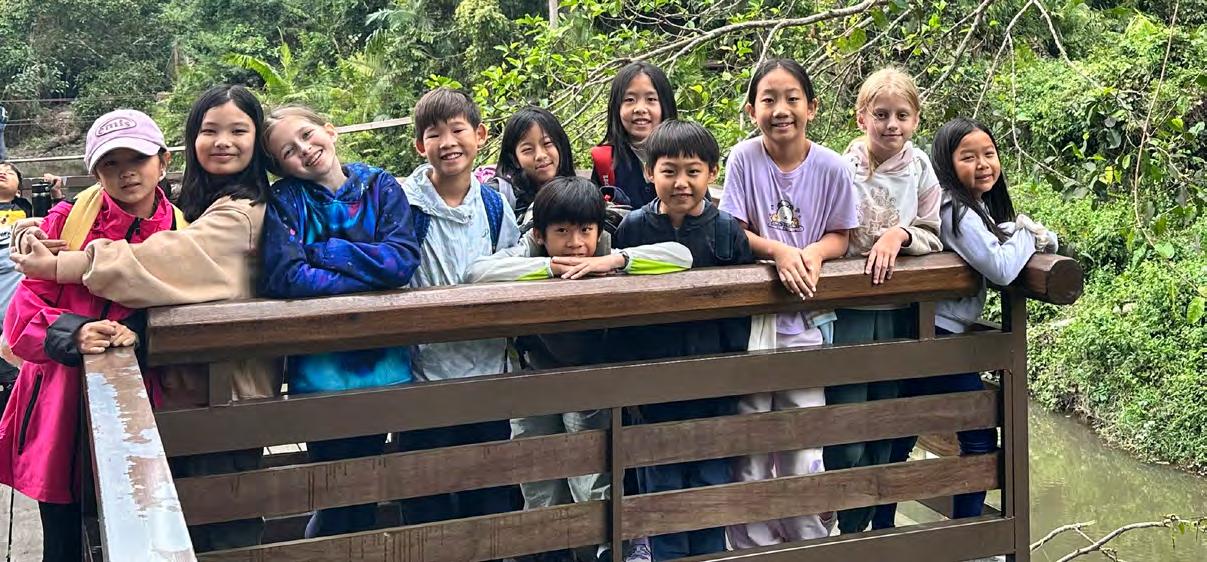
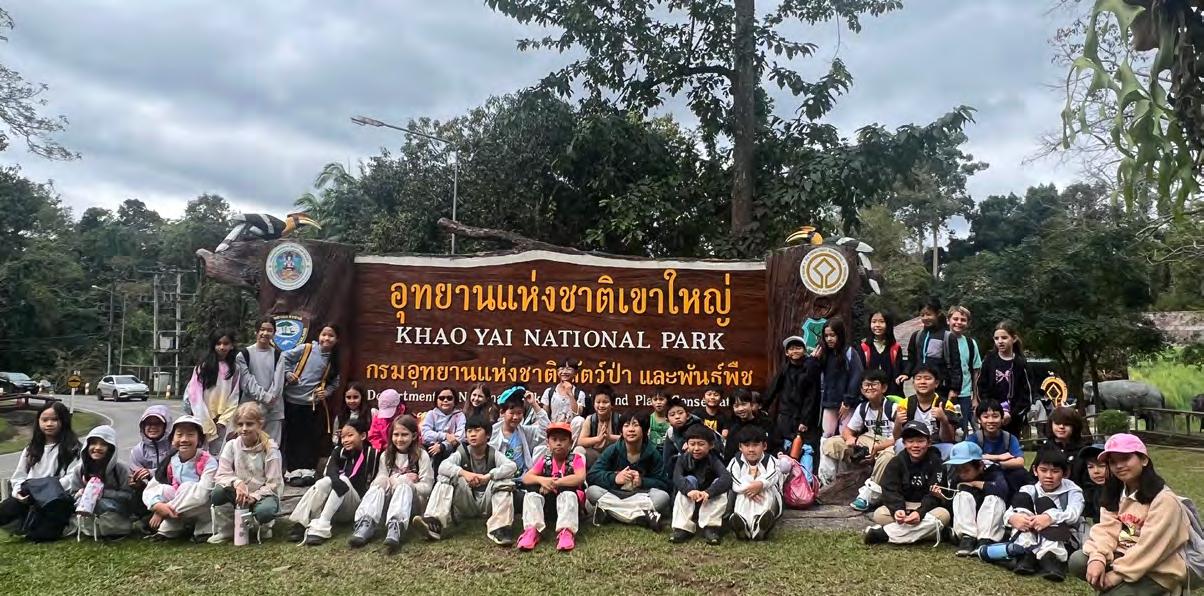
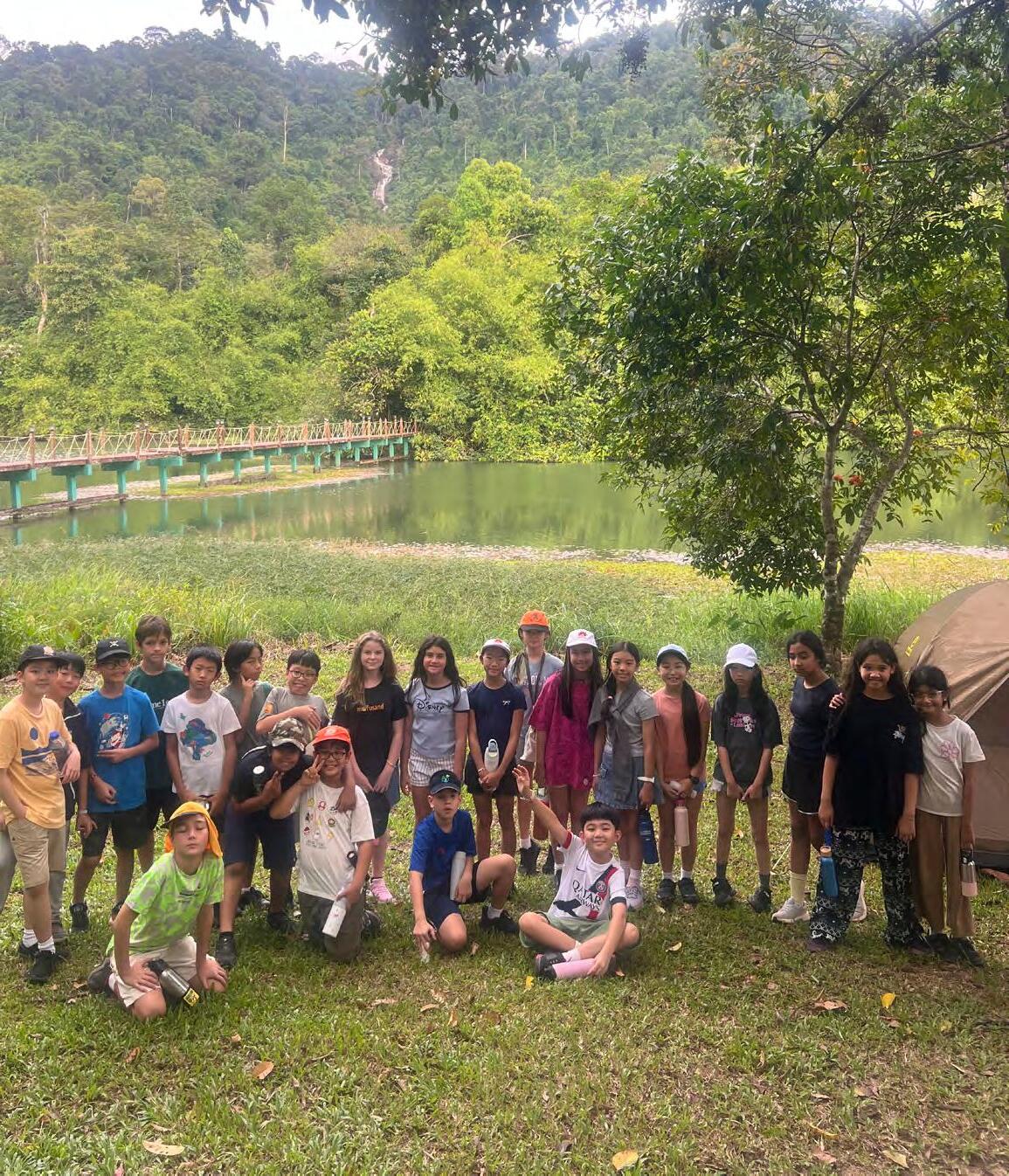
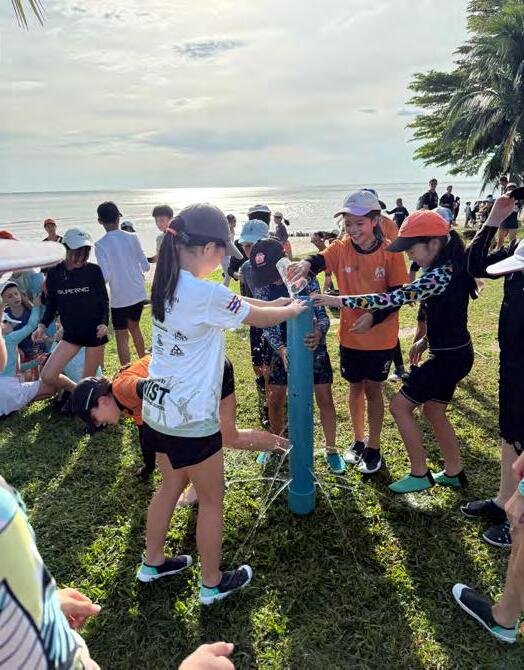
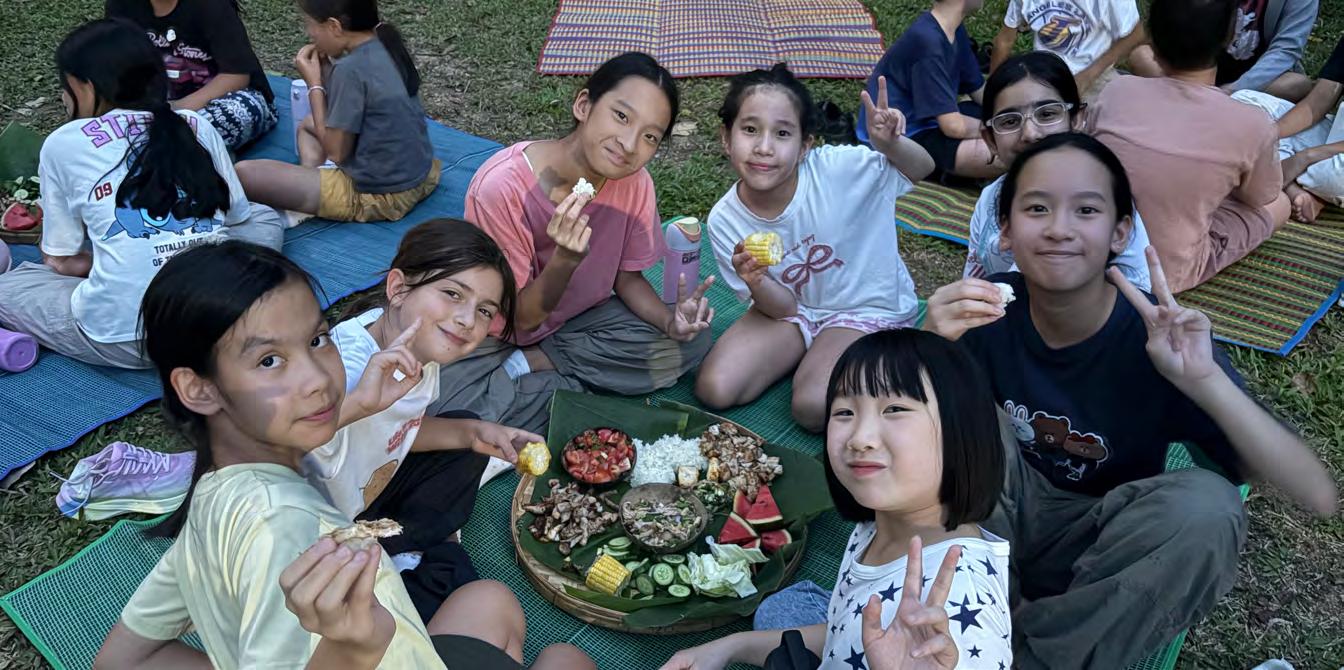
n late November, Year 6 students set off on a five-day residential to Chanthaburi, leaving behind the familiar routines of school life to immerse themselves in a learning experience rooted in sustainability. From Monday to Friday, students explored forests, coastlines, mangroves and fishing communities, discovering first-hand how people and nature are deeply connected. More than just a trip away, the residential offered opportunities to collaborate, learn, reflect and grow.
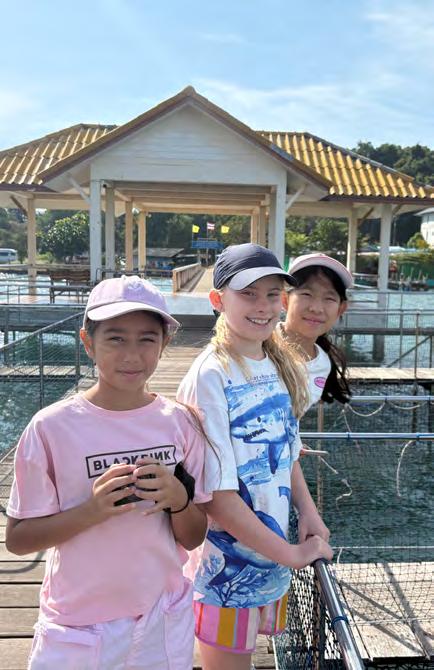
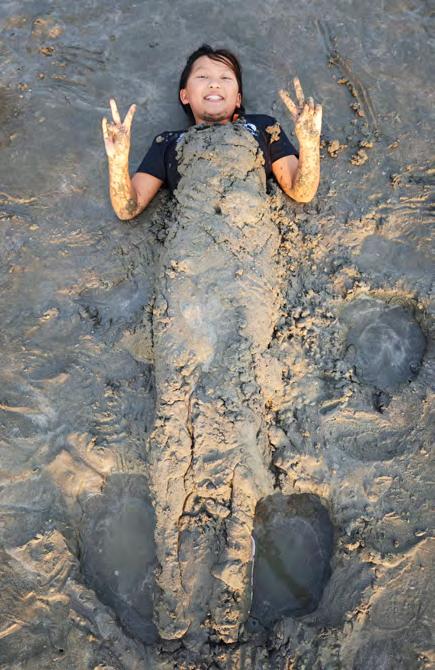
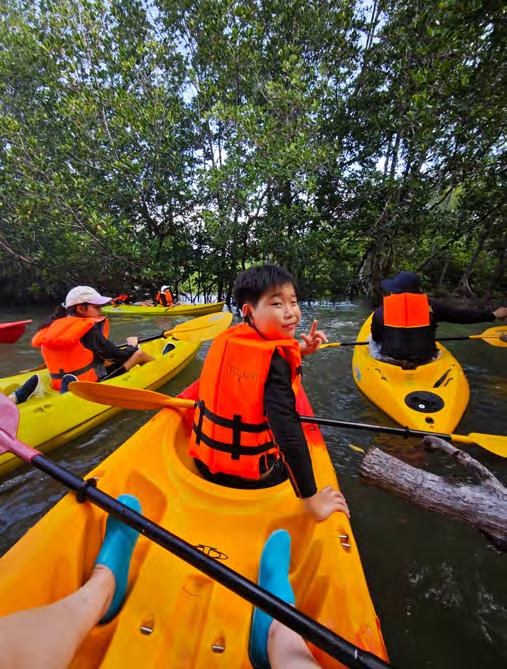
For many students, the activities themselves were unforgettable. Several students spoke enthusiastically about trying something completely new. One student shared, “I loved the camping because I have never done it before – it was a really fun experience!” Others highlighted moments of wonder and curiosity, such as observing marine ecosystems up close during a feeding frenzy at the marine demonstration area or visiting a local fishing village then asking a fisherman questions and learning directly from someone whose livelihood depends on the sea. Forest cooking, beach exploration and crab catching were also popular, with students valuing the chance to enjoy nature while spending time with friends.
Each activity was carefully designed to deepen understanding of sustainability, and students clearly made meaningful connections. Through hands-on experiences and games, they began to grasp
how human actions affect the environment. One pupil reflected, “When we played the game ‘Can it rot or not?’, I started to understand how much littering and pollution damages the environment.” Others spoke about learning how long materials take to biodegrade, the importance of re-using and recycling, and why forests and mangroves must be protected. The Kiwi Ball game in the National Park stood out as a powerful way to demonstrate how changes in population can lead to extinction in other species, helping students to understand complex ideas in an accessible and memorable way.
Being outdoors also helped students recognise the delicate balance within ecosystems. They learned that as human populations grow, natural habitats shrink leading to fewer trees, less prey and increasing pressure on wildlife. Students commented on how the activities were fun as well as informative, with one explaining that learning through games made sustainability “really easy to understand.”
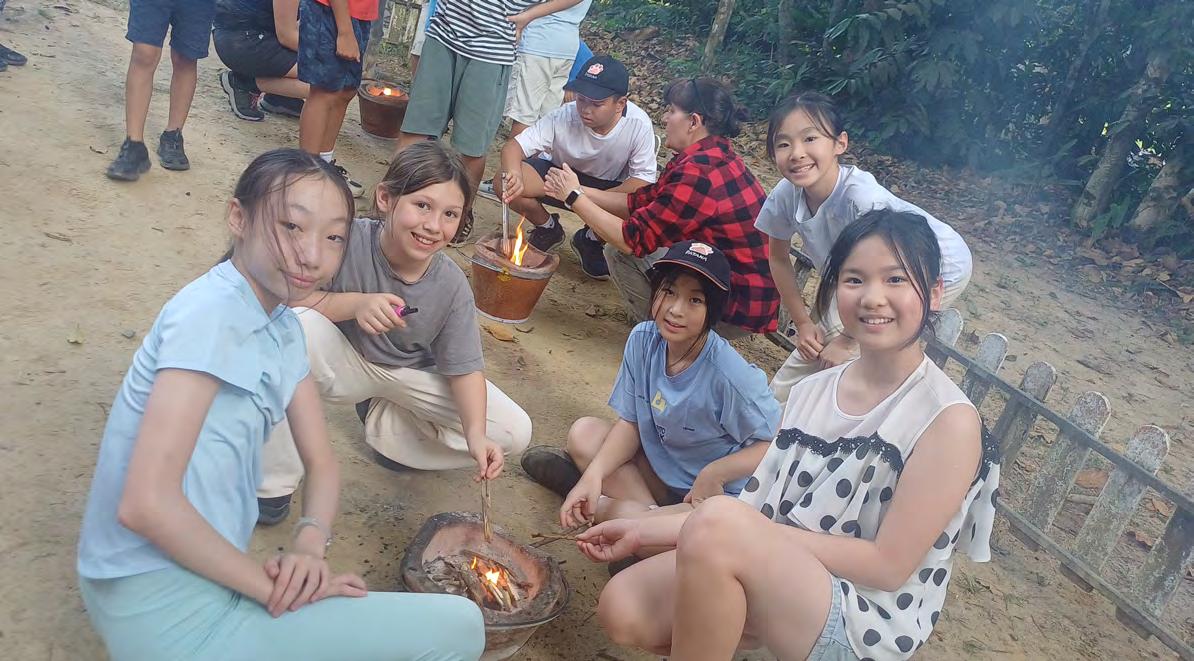
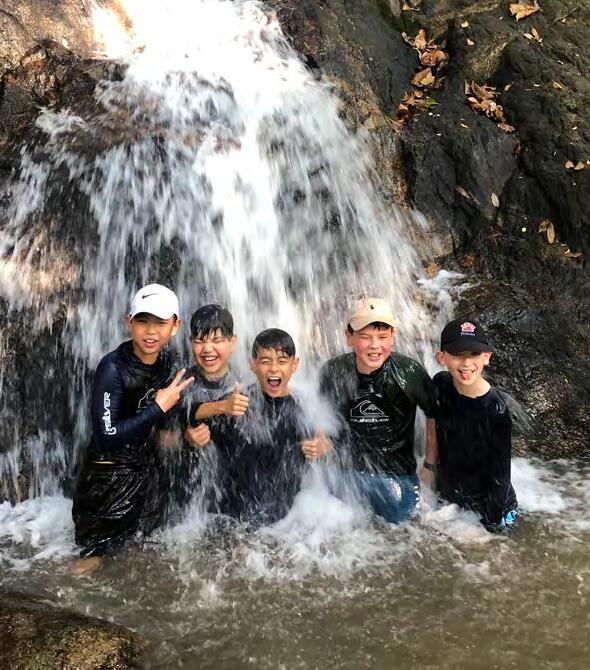
Alongside environmental learning, the residential created moments that students will remember for years to come. The campfire night was a highlight for many, bringing all four classes together in a shared celebration of performances and laughter. Others recalled fishing at a waterfall using sticks and leaves, kayaking mishaps that ended in laughter, or quiet moments
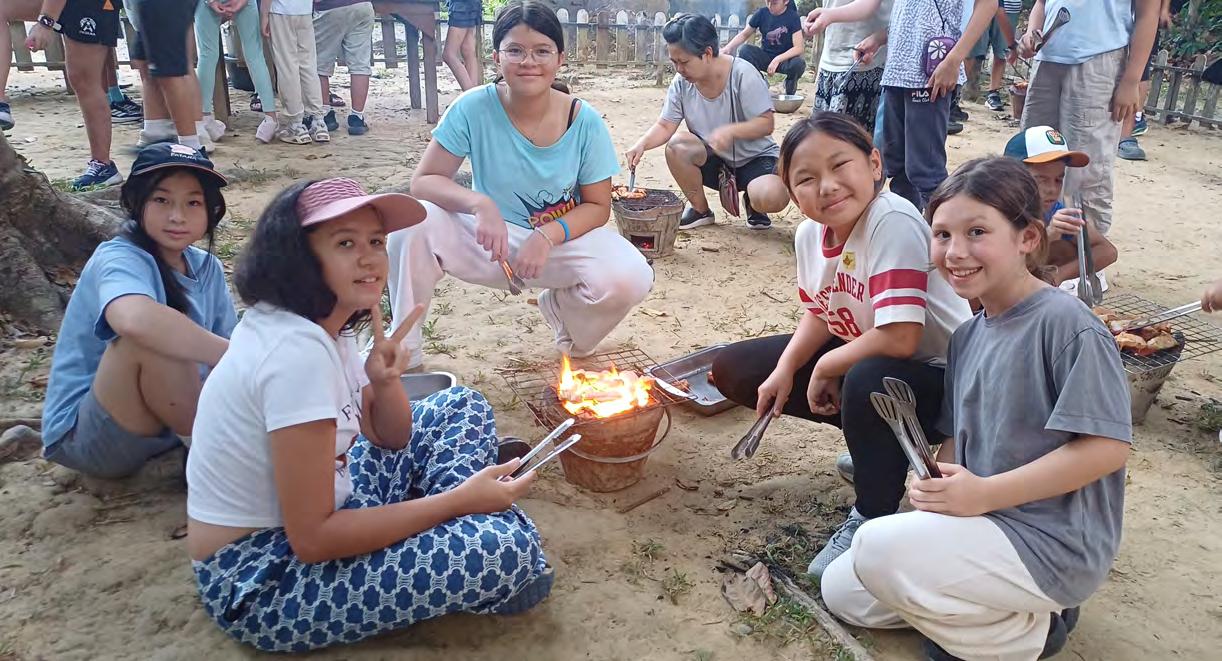
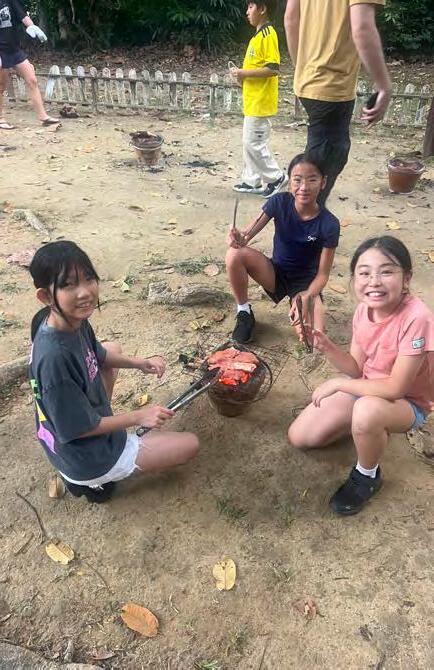
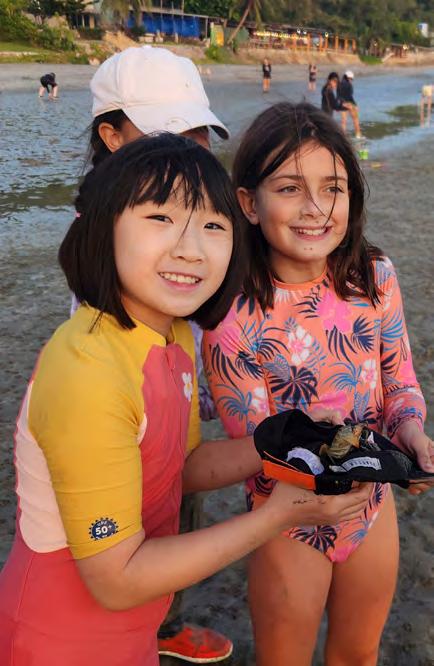
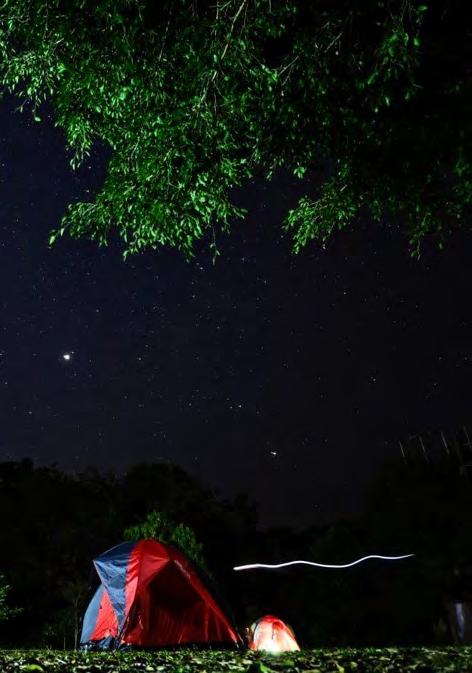
camping in tents under the stars. One student summed up the emotional impact of the trip during beach free time, describing it as “really heartwarming” because it brought friends closer together.
Visits to the marine conservation area and fishing village helped students understand sustainability from a human perspective. Meeting local fishermen revealed the realities of balancing environmental protection with daily survival. One student noted, “For the fishermen, if you catch nothing you eat nothing, and you only get very limited family time each day.” Students were struck by the way communities shared resources and supported one another, gaining insight into how conservation is not just about protecting nature, but also about respecting people’s ways of life.
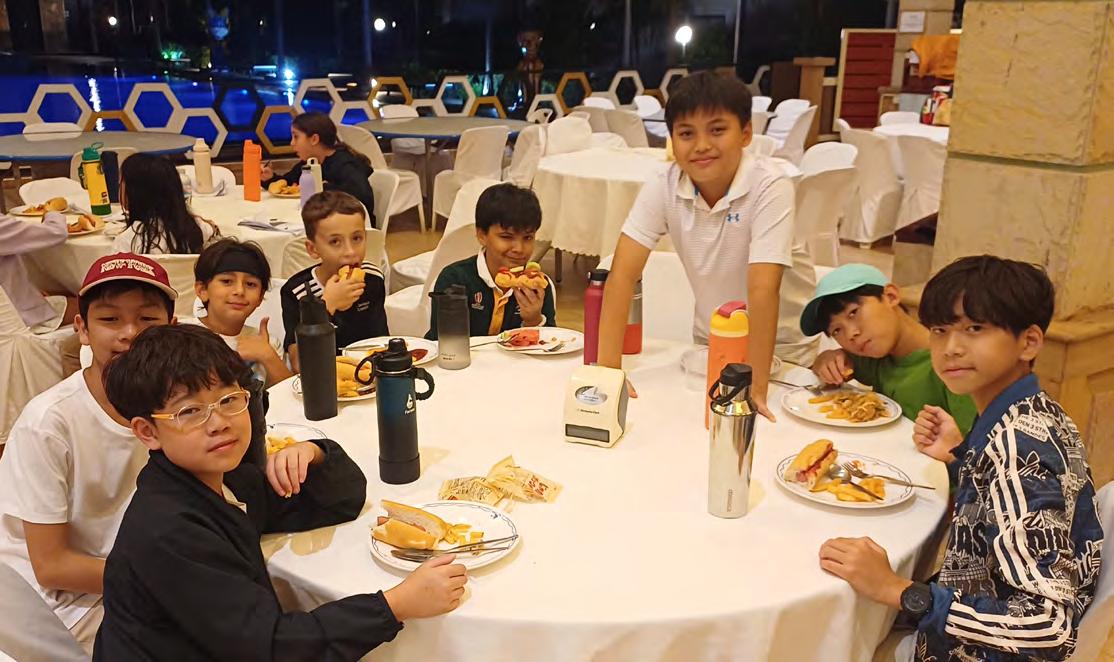
Teamwork was another central theme throughout the week. Whether kayaking through mangroves, setting up tents or cooking together in the jungle, students quickly realised that collaboration made challenges easier and more enjoyable. One student explained, “If you fail, you fail together, and everyone can laugh together.” Others spoke about learning to problem solve, to listen to different ideas and to support one another— these skills strengthened friendships and boosted
confidence. Even moments of difficulty, such as getting stuck while kayaking, became valuable lessons in cooperation when classmates stepped in to help.
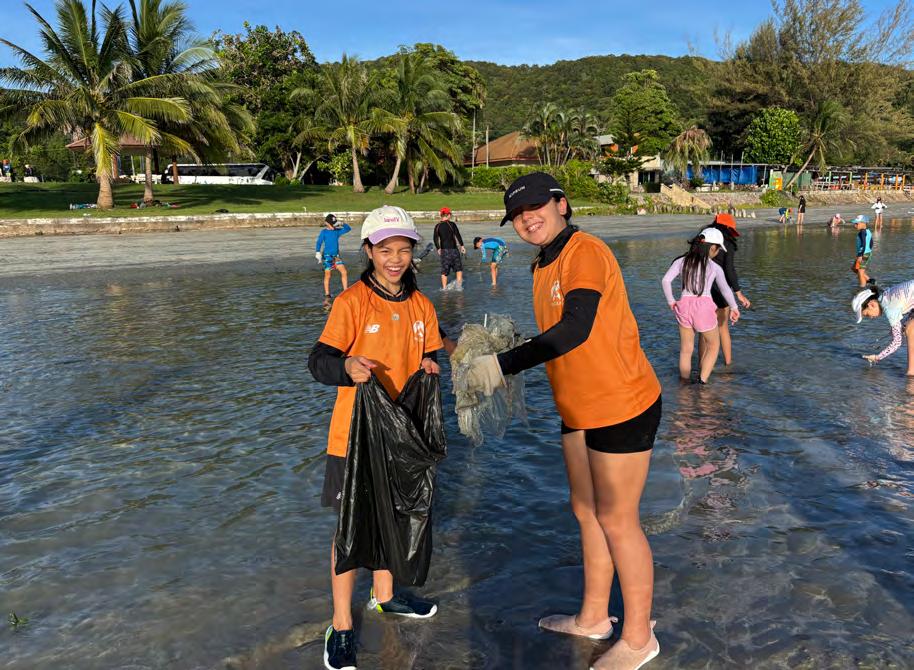
Importantly, the learning did not stop when the trip ended. Students returned home with clear ideas about how they can live more sustainably in their everyday lives. Simple but powerful commitments emerged: avoiding plastic cups and straws, not wasting water, only taking what is needed, and picking up litter at the beach. These reflections show that the residential helped students move from awareness to action.
When asked to sum up the entire experience, one student said, “Residential isn’t just fun and memories; it’s a time where you can bond with friends and have fun while learning.” Another reflected, “Look deep into nature, then you will understand everything better.” Perhaps the most fitting description came from this quote: “It was inspiring.”
The Chanthaburi residential challenged Year 6 students to think differently about their role in the world. Through shared experiences, honest reflection and joyful exploration, they learned that sustainability is not an abstract idea, but a responsibility we all share – we must look after our environment, our communities and our future.
By Sam Stuart, Head of Year 7
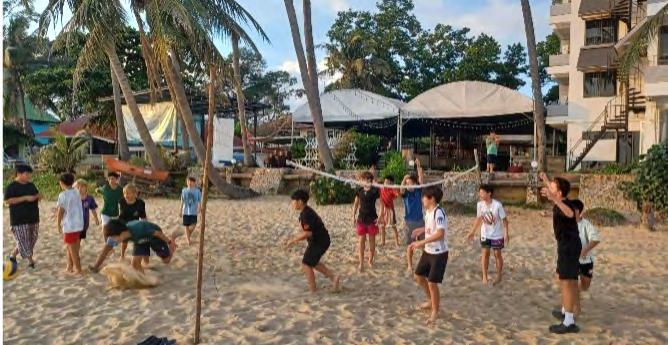
The recent Year 7 residential trip to Rayong was a memorable and enriching experience that combined outdoor adventure, cultural immersion, and hands-on learning. Over the week, the students were able to explore the beautiful Rayong coastline while taking part in activities designed to build teamwork, resilience and curiosity.
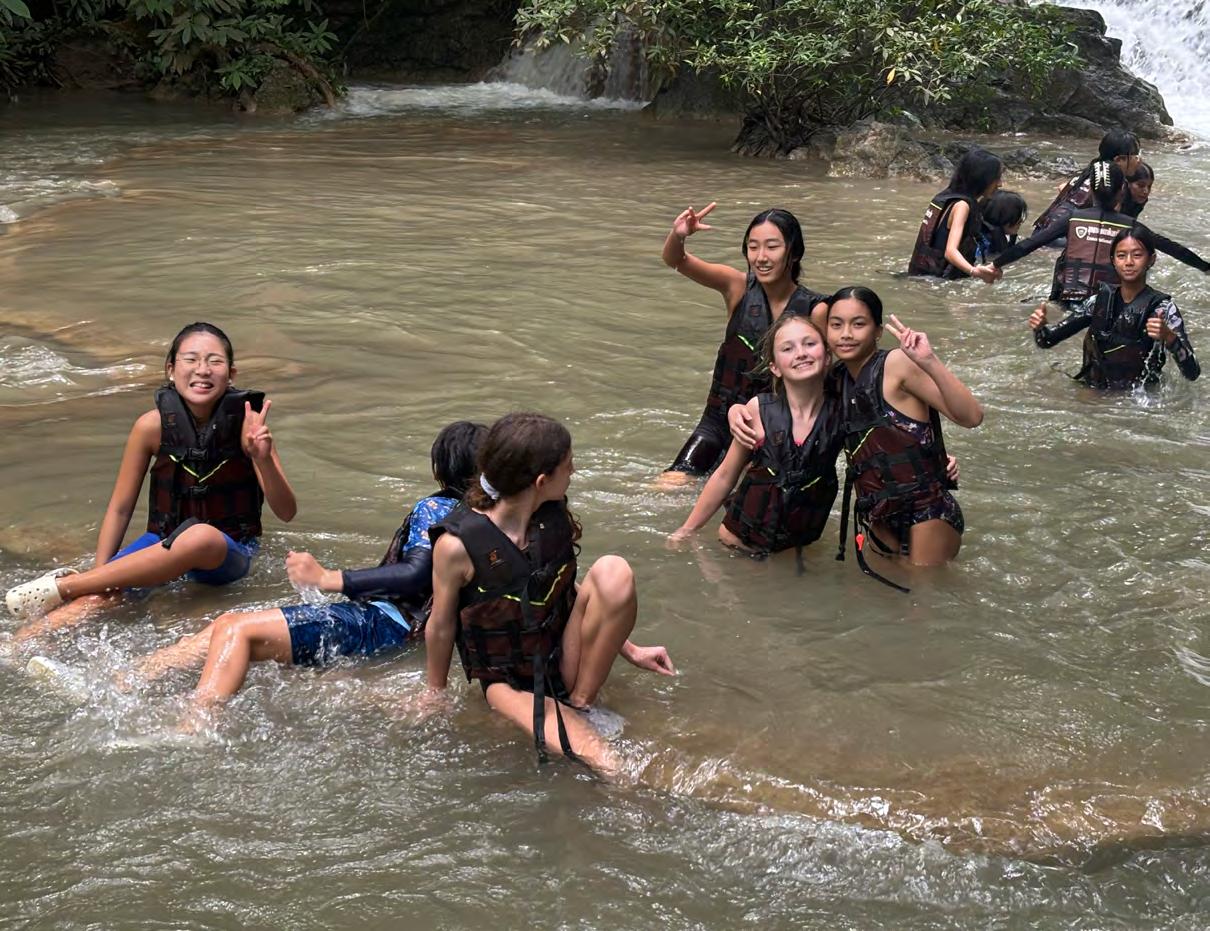
One of the week’s highlights was the boat excursion and snorkelling trip. Luckily, the weather cooperated and the students were able to spot lizardfish, sea bass and a variety of coral species beneath the surface. For many, this was their first close encounter with underwater life, and it was great to hear that some students are planning to join Patana’s own Marine Conservation Group as a result of their experiences.
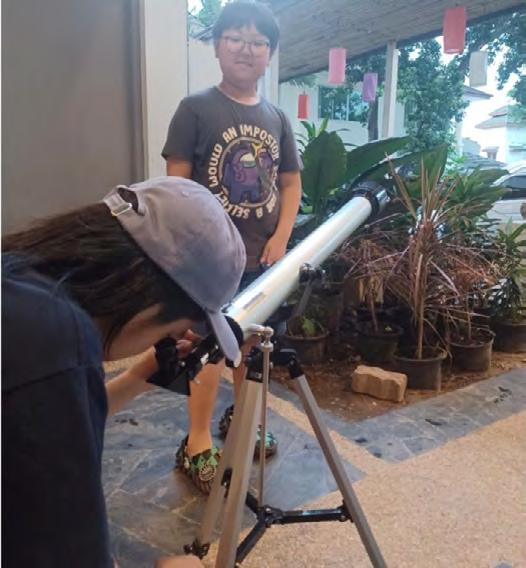
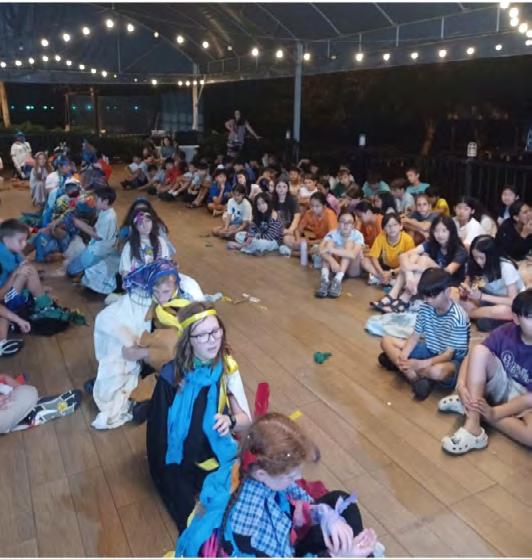
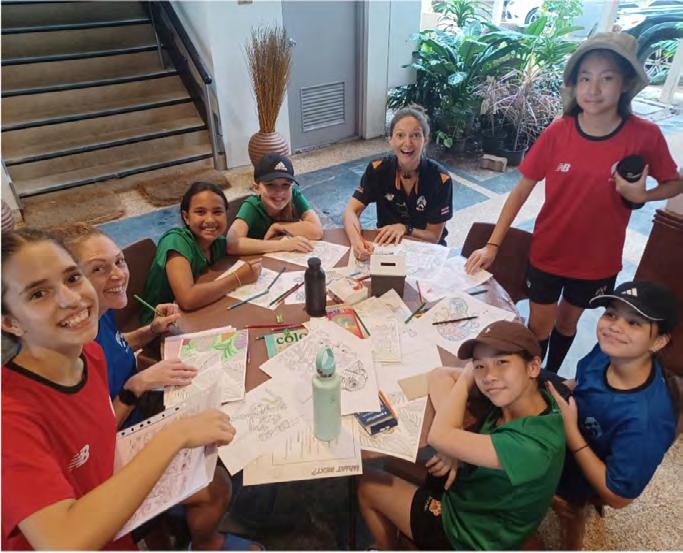
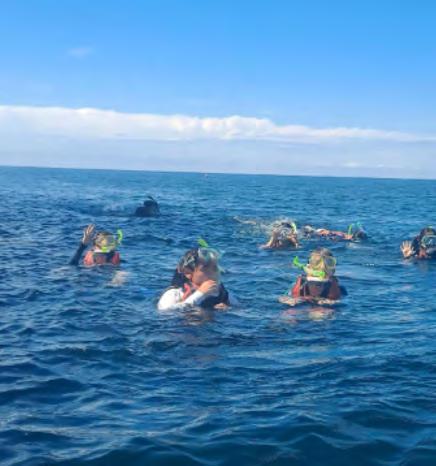
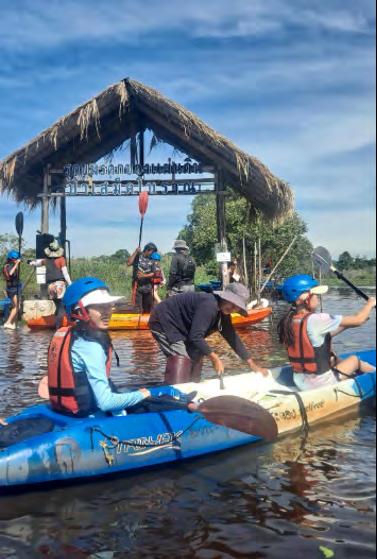
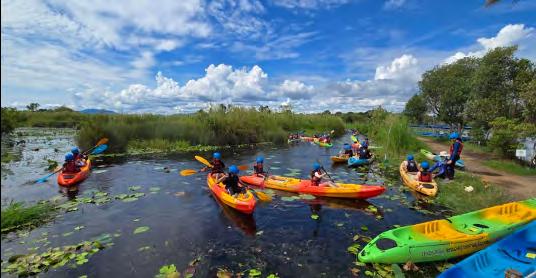
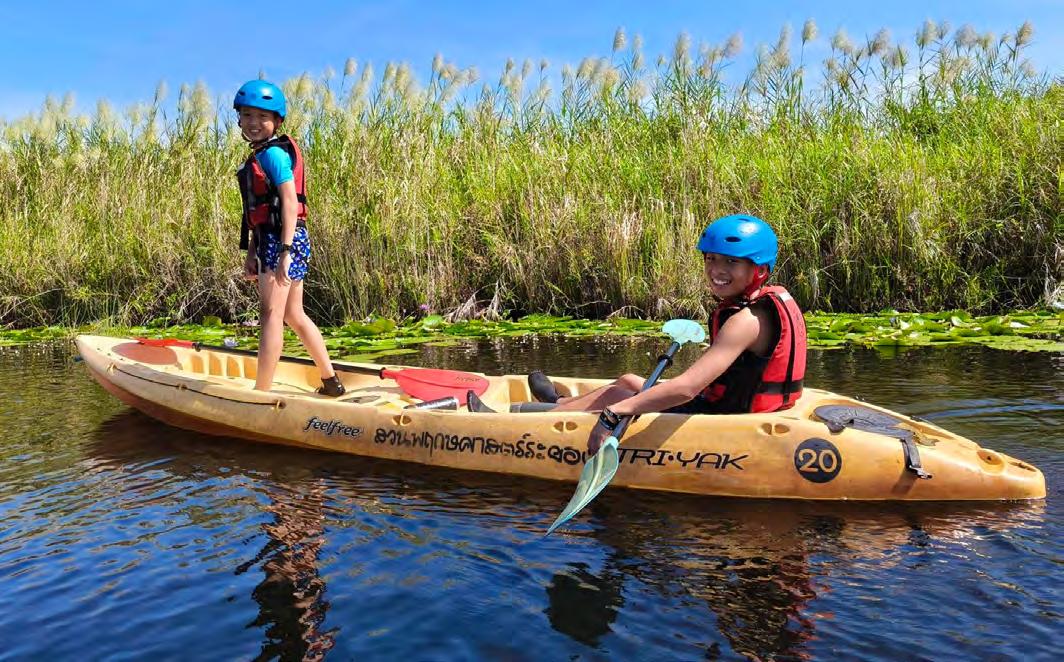
The Rayong Botanical Gardens provided the perfect setting for two exciting challenges: kayaking and orienteering. During kayaking, students navigated through serene waterways, tackling tricky balance and coordination tasks that required teamwork and communication. Orienteering added another layer of adventure as students learned to use compasses and maps to find their way. The activity concluded with a fun twist—launching water bottle rockets!
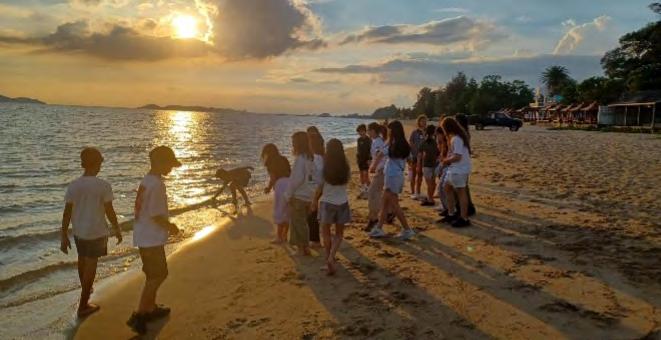
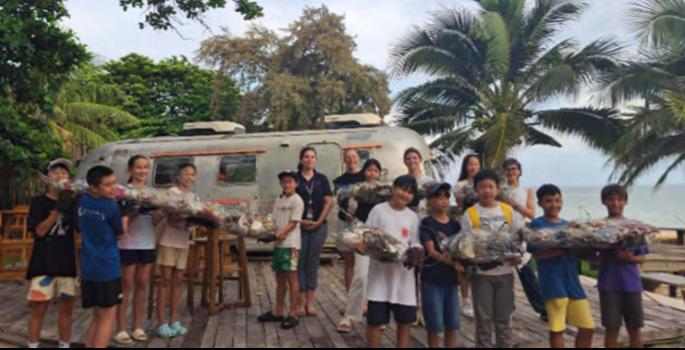
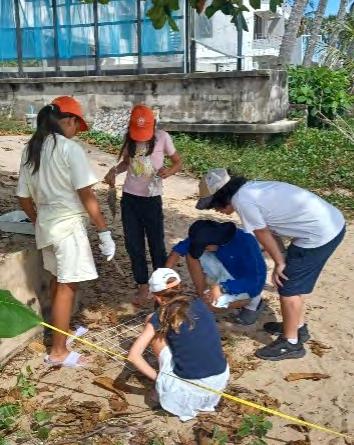
A cross-curricular project between the Science and Art departments turned the beach into an outdoor classroom. Students conducted a transect study to examine the beach’s composition, collected shells and coral for closer inspection under light microscopes, and produced detailed scientific sketches. This hands-on investigation deepened their understanding of coastal ecosystems. In addition, students collected litter along the shore, which they creatively repurposed into wire ocean sculptures later displayed in a local restaurant—a powerful reminder of the importance of environmental stewardship.
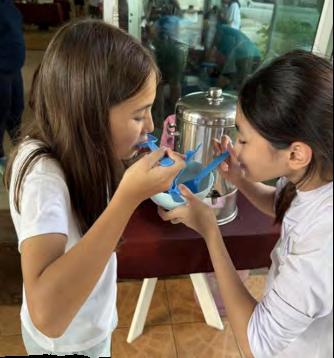
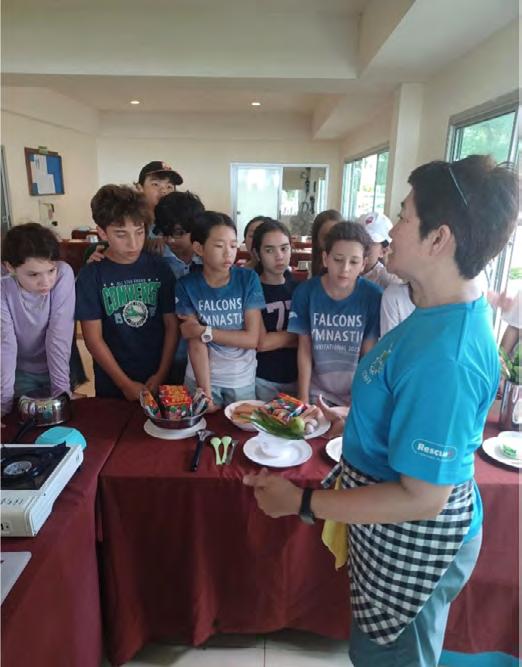
The trip wasn’t just about science and adventure; it also offered rich cultural experiences. Thai cooking lessons gave students the chance to prepare and taste traditional dishes, learning about local ingredients and culinary techniques. These sessions were a hit, with students proudly sampling their creations and sharing them with friends.
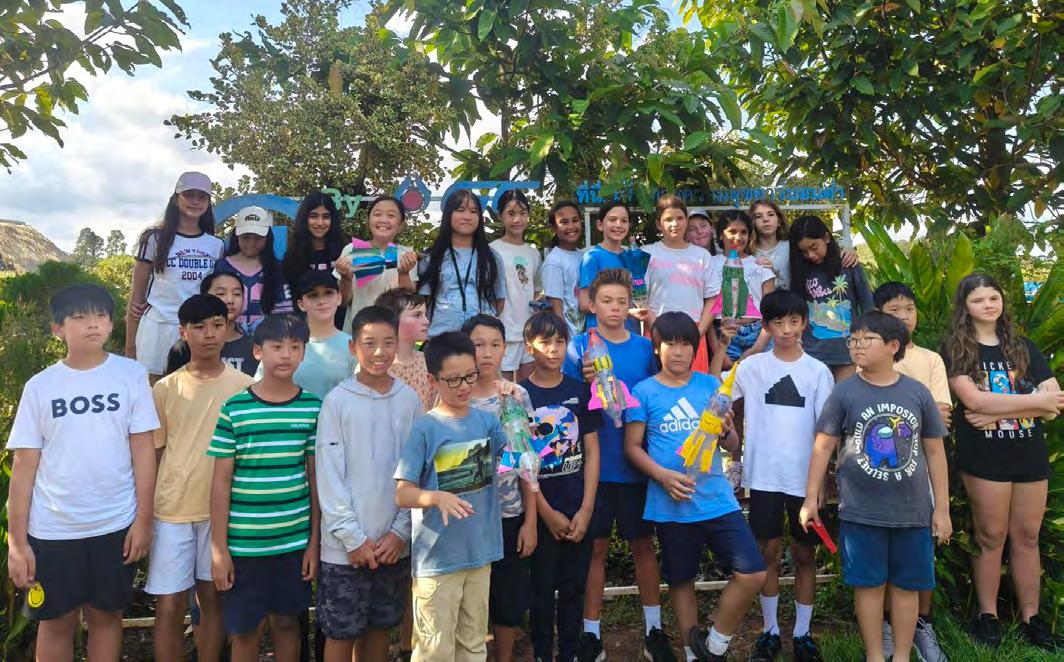
Each evening brought its own special event, creating lasting memories for everyone. The opening night featured Trash to Fash, a creative competition where teams designed oceansuperhero costumes using recycled materials. Capes, ribbons, sequins, and bottle tops were transformed into imaginative outfits that wowed the judges.
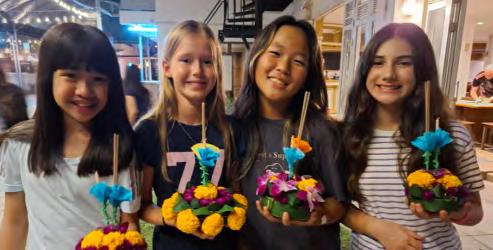
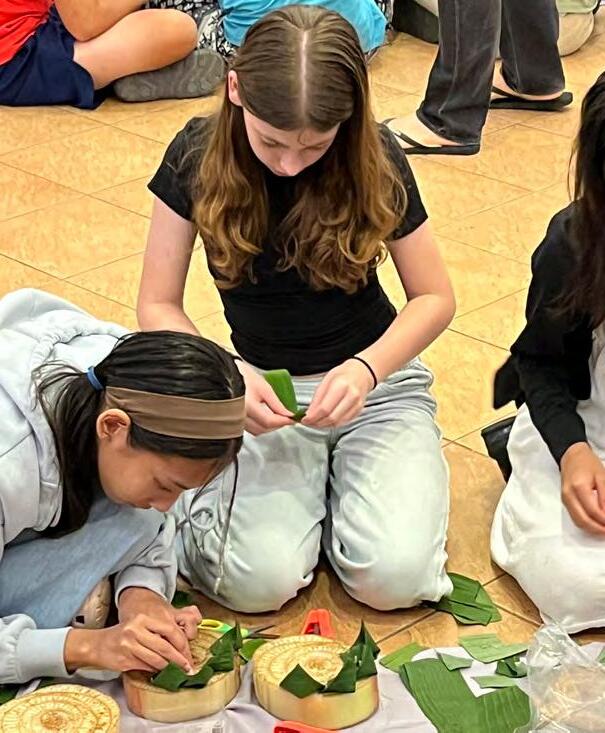
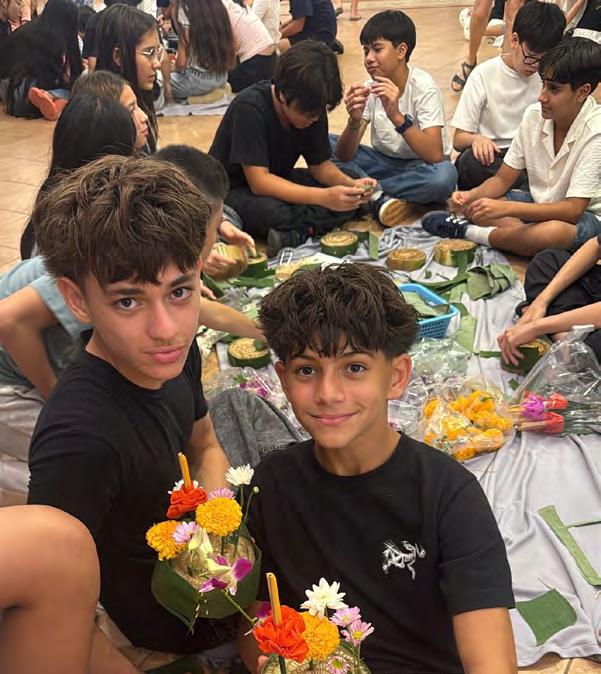
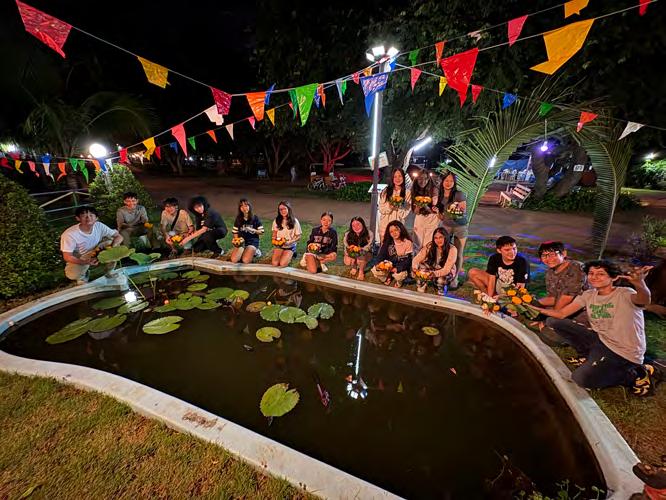
Tuesday night’s Quiz Night tested students’ knowledge and teamwork, with intense focus and plenty of friendly rivalry. On Wednesday, the group celebrated Loy Krathong under a clear, moonlit sky. Students crafted beautiful krathongs from banana leaves, flowers, and candles before releasing them into the sea.
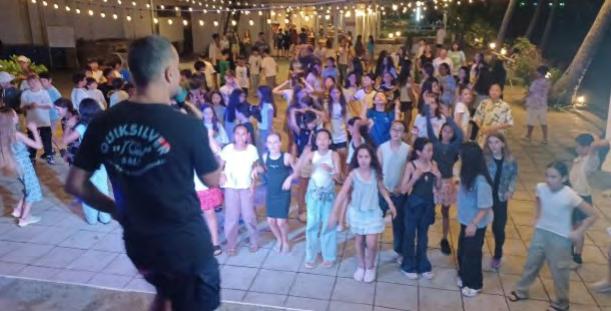
The final night was all about music and movement at the Disco Night, where Mr El Gomri kicked things off with some salsa and merengue dance moves. Students joined in enthusiastically, ending the trip on a high-energy note. Each evening also included some quiet reflection time, allowing students to record their thoughts and experiences in their Resi Journals.
By Preme Pongpanit, 8A
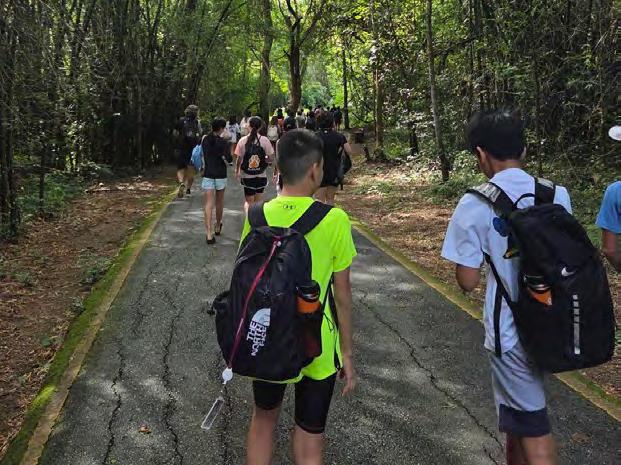
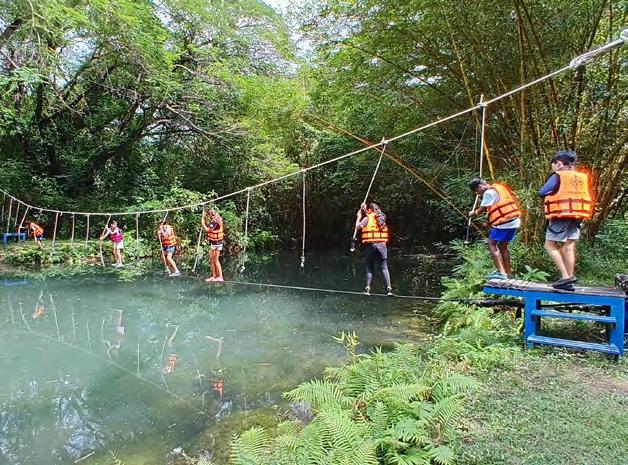
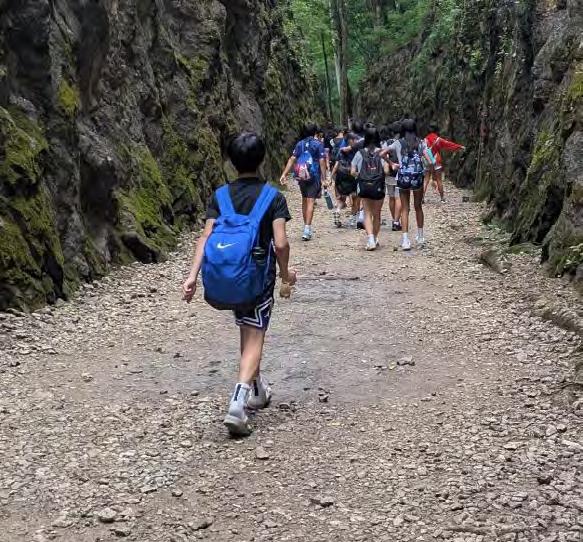
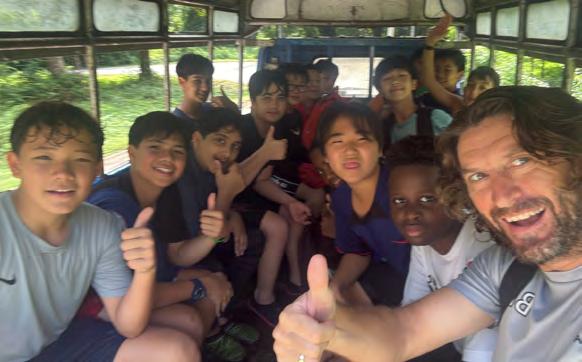
The Year 8 residential to Kanchanaburi presents students with a distinctive combination of outdoor adventure, cultural activities and significant historical learning experiences. From the very start of this outing, there was energy and excitement in the air as students participated in teamwork challenges that encouraged cooperation, communication and problem solving.
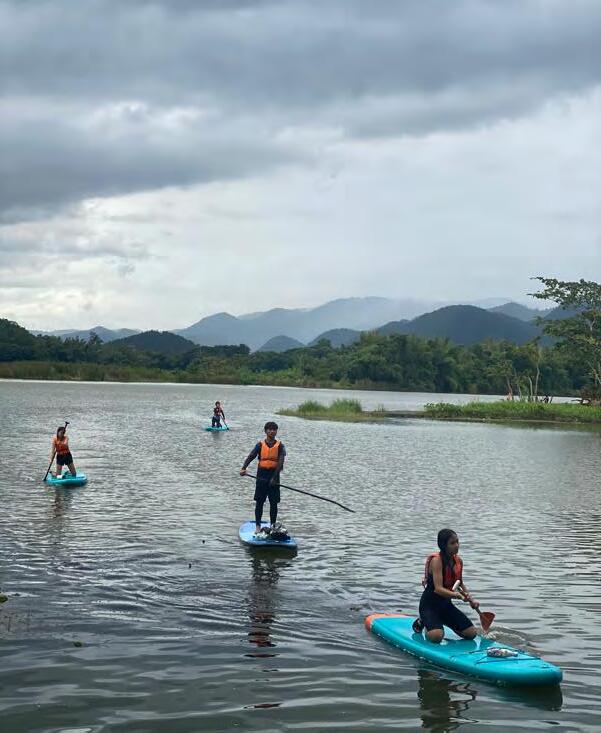
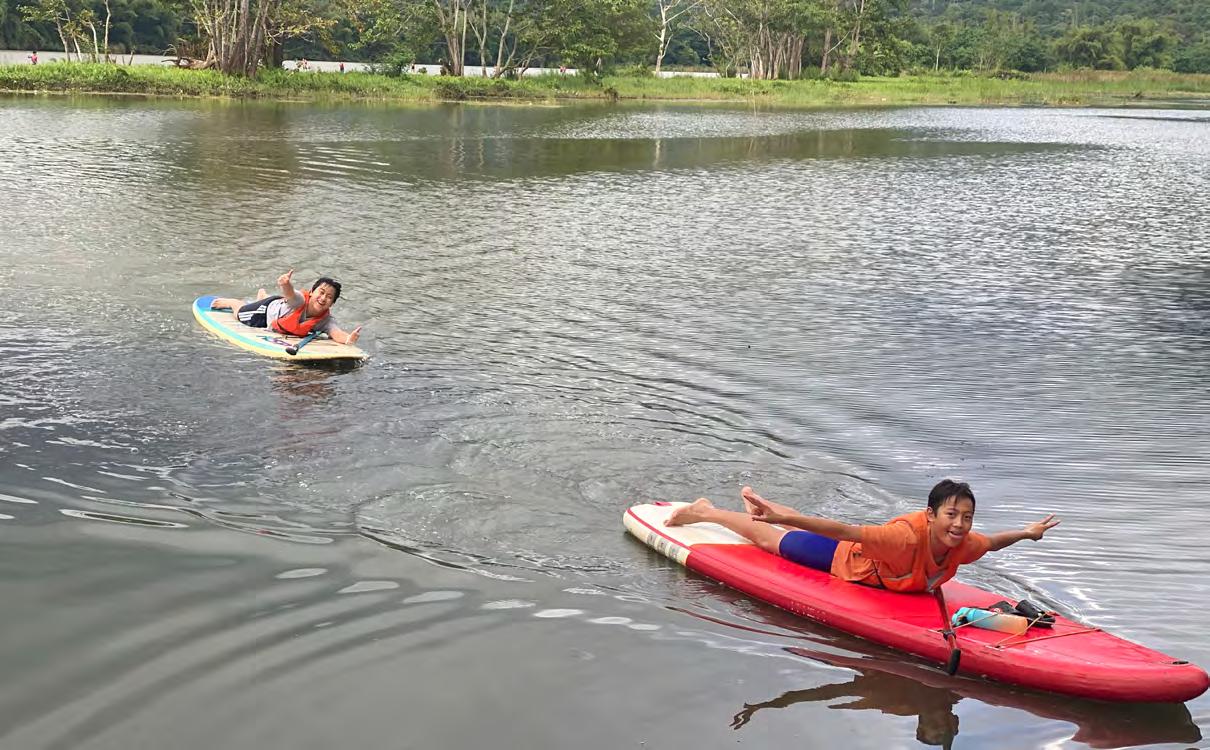
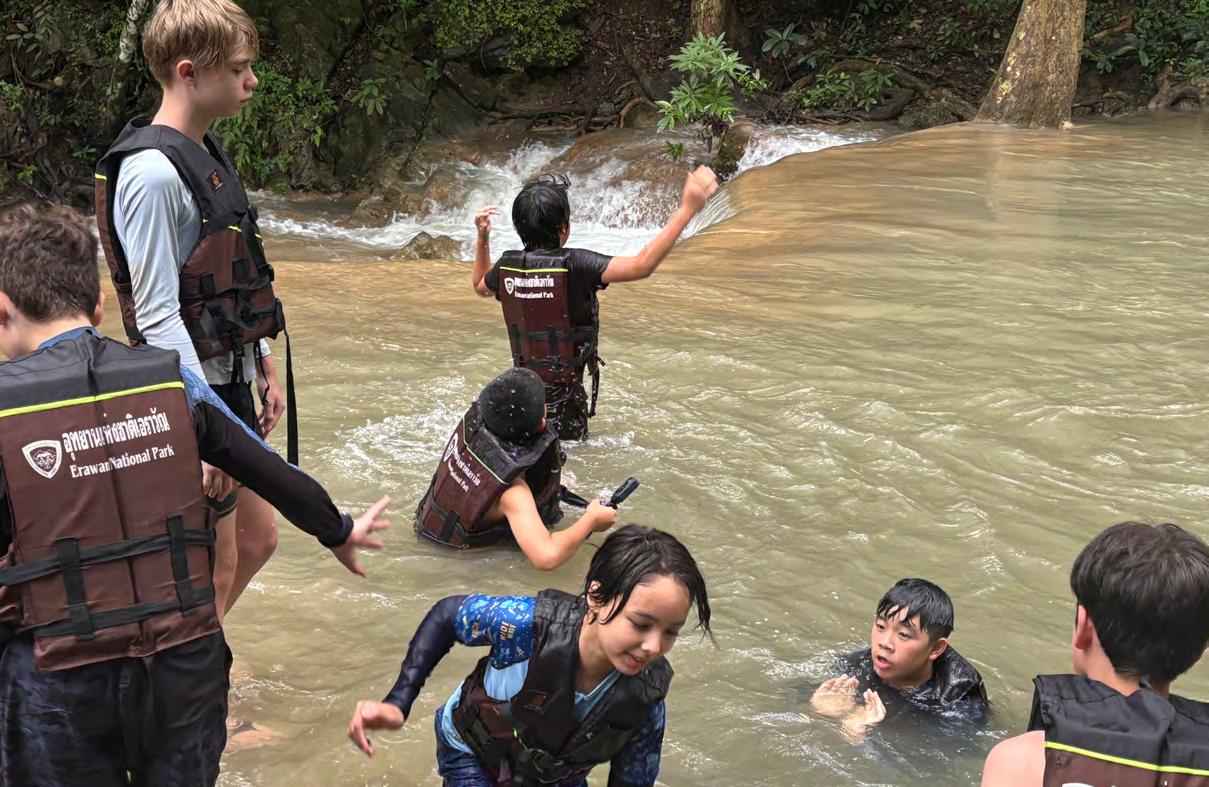
The program included a wide array of outdoor experiences, each one made to take students out of their comfort zones. A visit to the iconic Erawan Falls provided a refreshing and fun break into nature, with the crystal-clear pools, shaded trails and beautiful sceneries. Stand-up paddle boarding turned into a battle of giggles and determination as students learned to balance, paddle and sometimes fall into the water. For many, the obstacle course became a highlight: the perfect combination of challenge and fun, with every slip promising an instant splash.
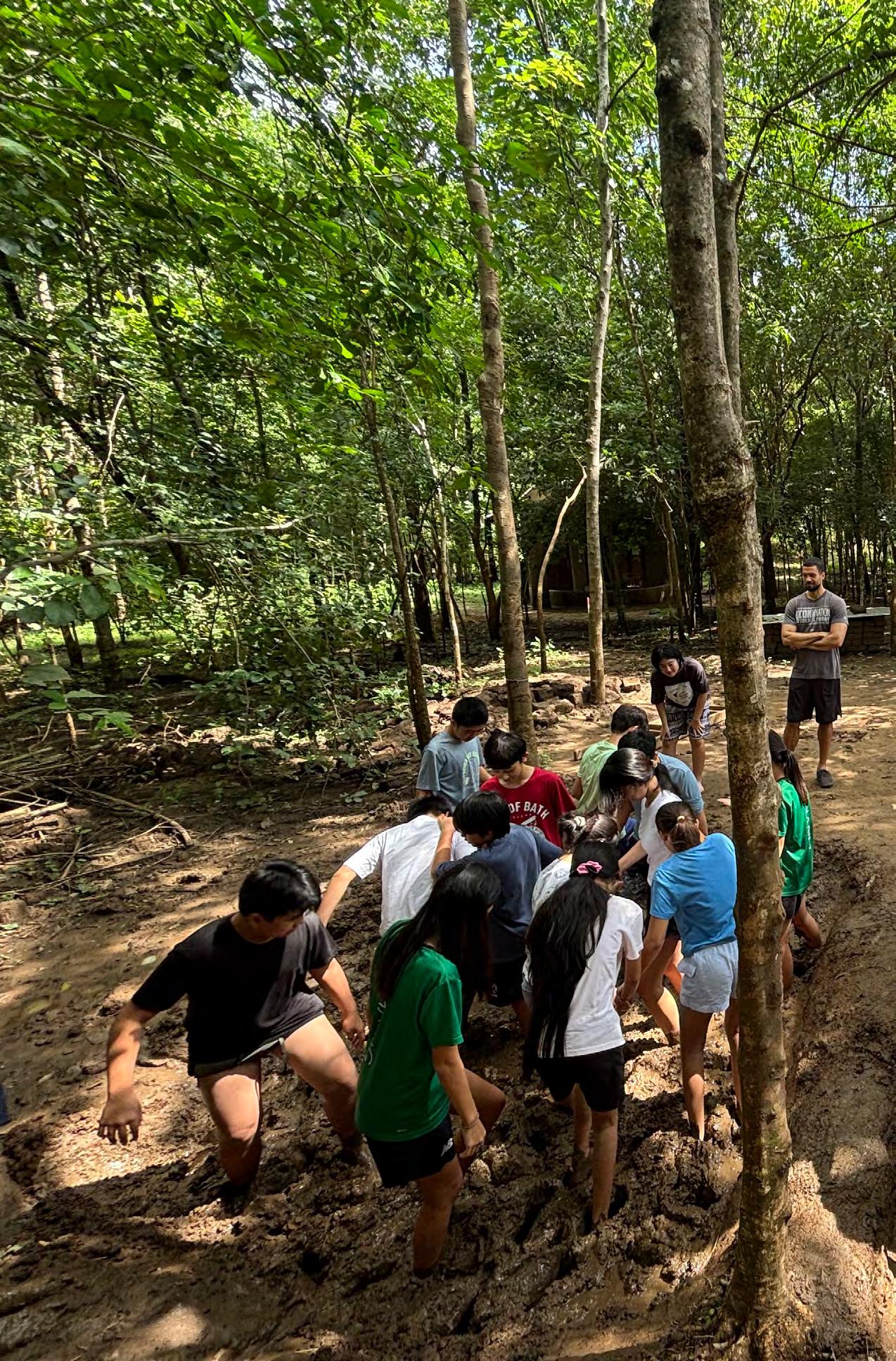
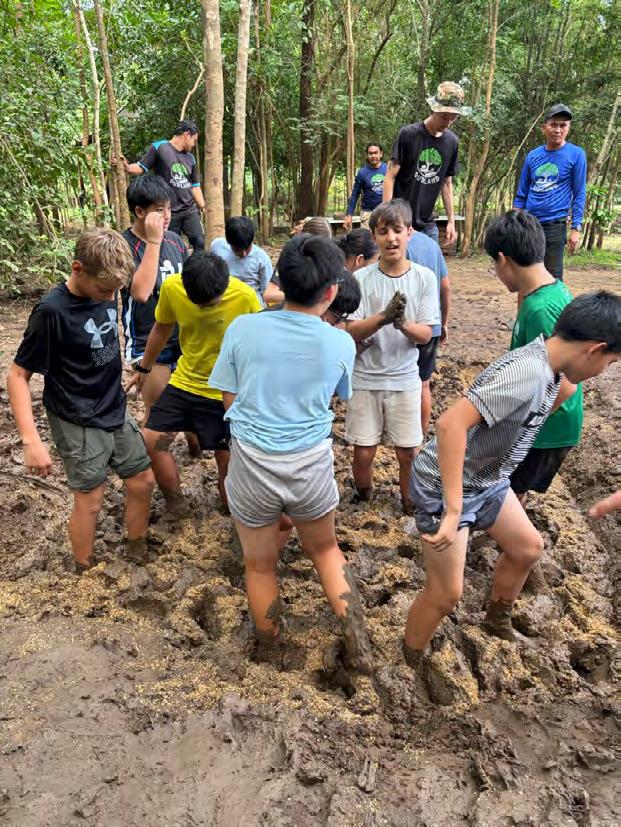
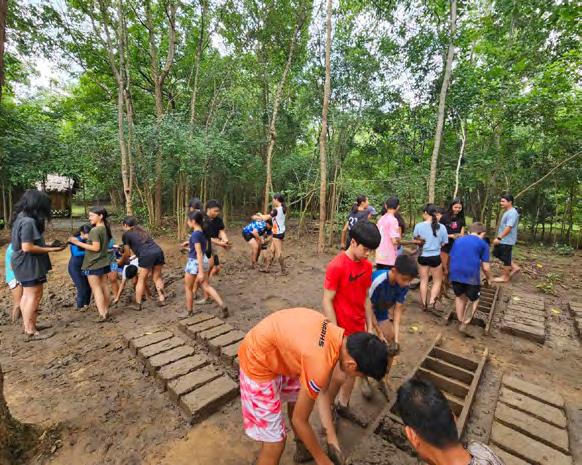
The group also visited OURLAND, a conservation centre fostering wild-life protection and environment awareness. It is here where students learned about animals, nature and even got to stomp on mud and make mud bricks out of dirt, rice and water.
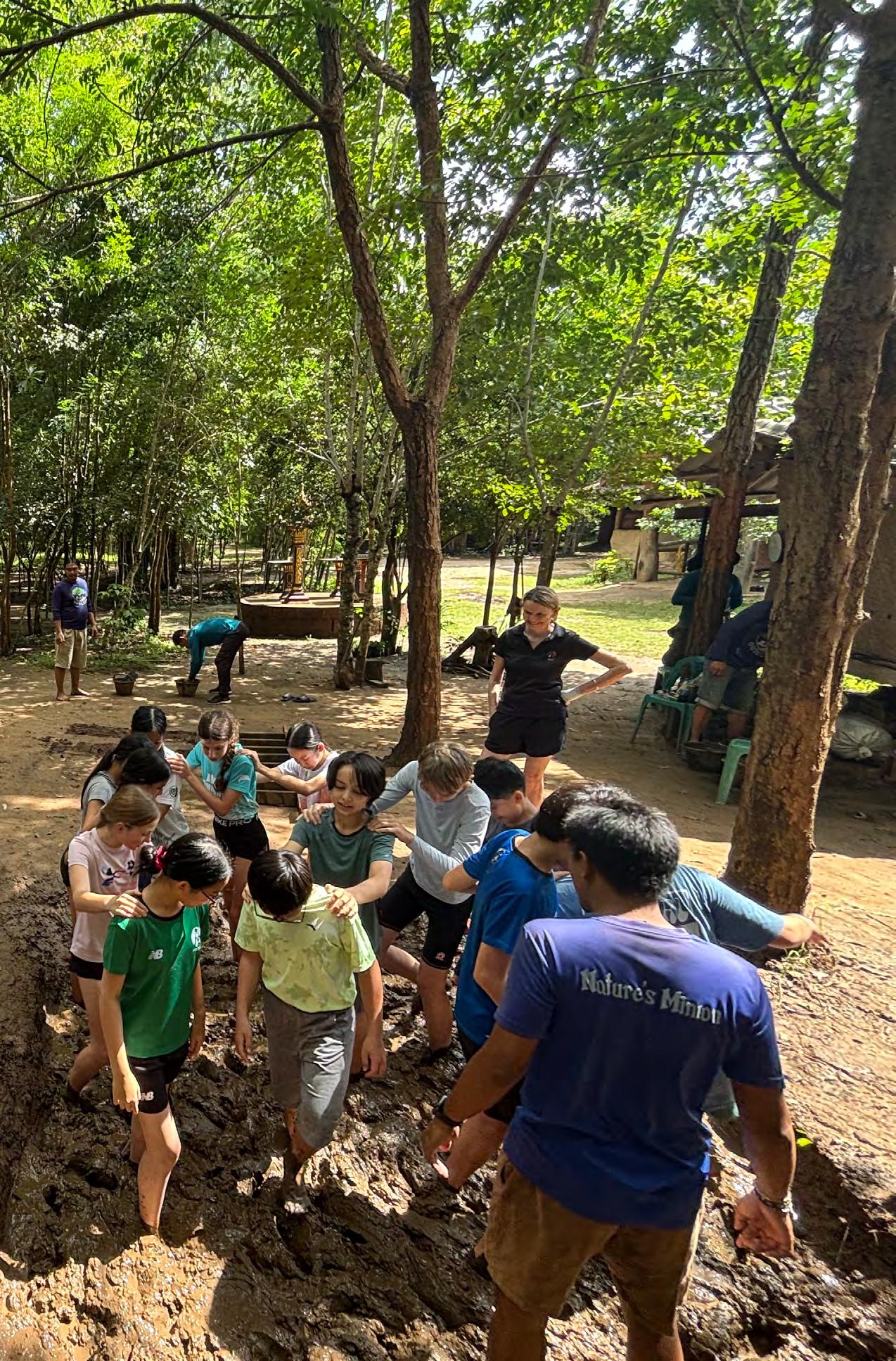
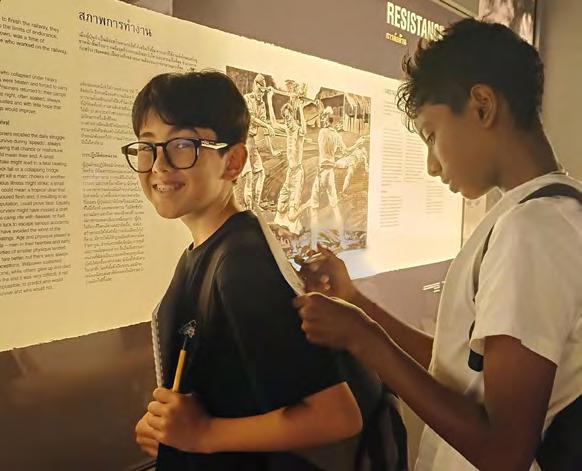
Some of the most meaningful moments of our Residential life were spent visiting the war cemetery and the Historical Hellfire Pass, both serving as a powerful reminder of the conditions the prisoners of war had to endure during the construction of the Death Railway. Set amidst serene landscapes that strongly contrast with the atrocities that once took place there, students were given an opportunity to pay respects to the lives that have been lost and understand the consequences of history.
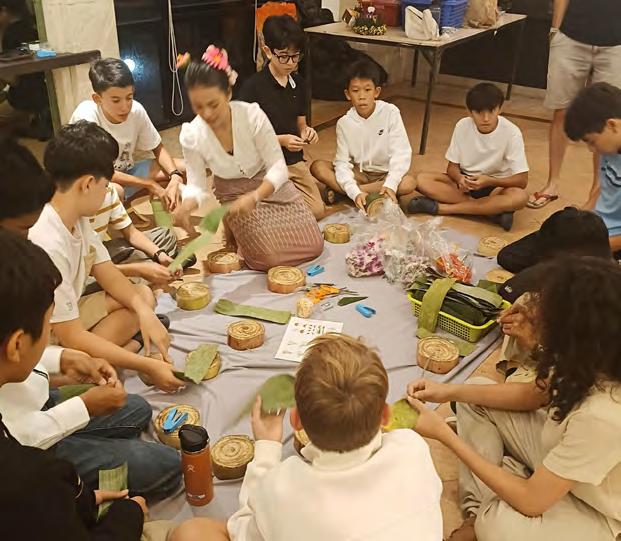
Evenings were filled with memorable moments: friendly competition at Quiz Night, a cosy-up chance to unwind on movie-night, Loy Krathong added sparkle of light on the water, reflecting beautifully against the night sky. Rounding off the week was a boisterous disco, which brought music, laughter and dancing together as students commemorated the end of an unforgettable trip.
The students went back home at the end of the trip with new skills like stand-up paddle boarding and stronger friendships. This residential trip to Kanchanaburi was an experience that tested physical and mental capacities but also made us inquisitive, respectful and appreciative of the surroundings.
By Katie Chatterton-Bull, Head of Year 9
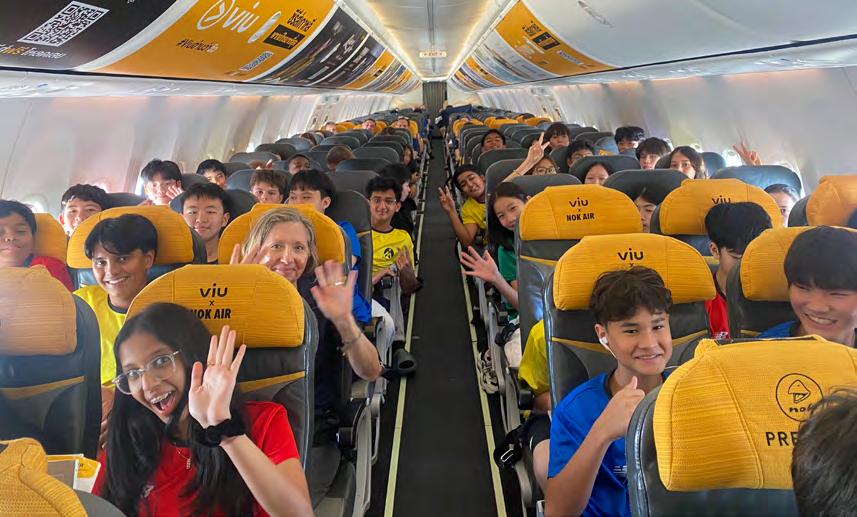
The Year 9 Residential to Chiang Mai began with an unusual but welcome sense of calm. The flight departed on time, no passports were misplaced and after weeks of heavy rain in the north, the weather decided to cooperate. From the outset, it felt as though the trip was quietly determined to go well: and it did.
On arrival, students were taken to their home for the week: a hotel new to Bangkok Patana, set beside a beautiful lake. The setting immediately struck the right balance between tranquillity and excitement, offering space to unwind while providing an
ideal base for the packed programme ahead. Once rooms were explored and bags unpacked, the first afternoon focused on ice-breaker activities around the hotel grounds. These games quickly brought the group together, encouraging teamwork, laughter and conversation across tutor groups. Any lingering travel nerves disappeared, replaced by a growing sense of community.
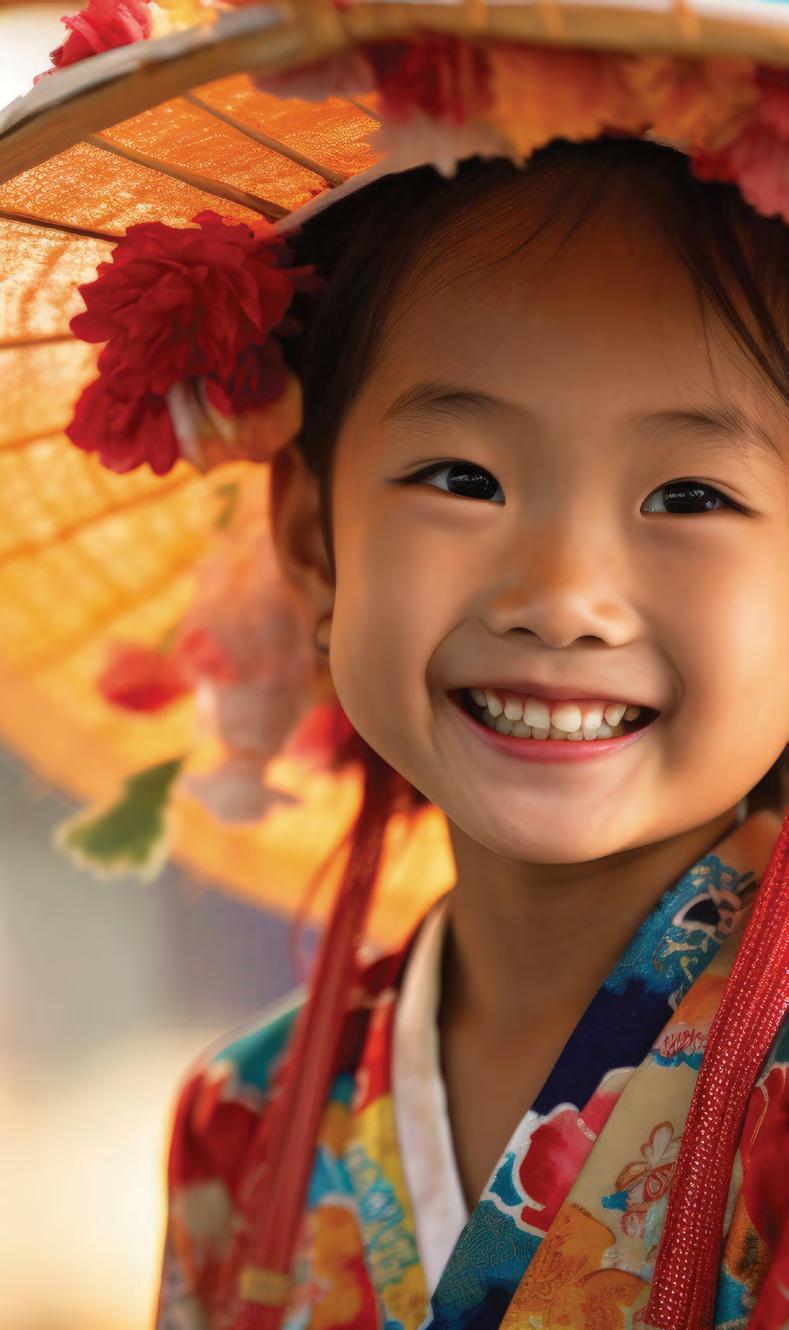
The following days immersed students in a varied programme of cultural and physical activities that brought learning to life. Cultural workshops were a particular highlight. Umbrella painting
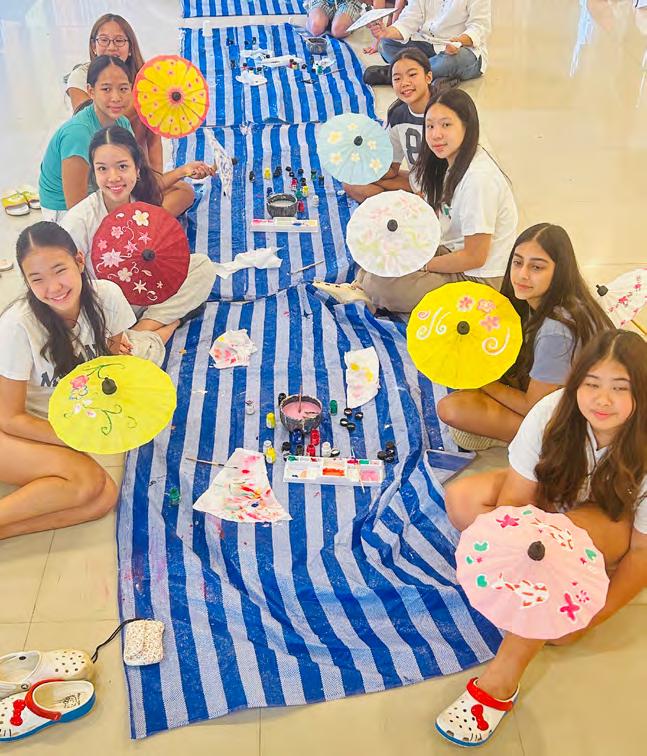
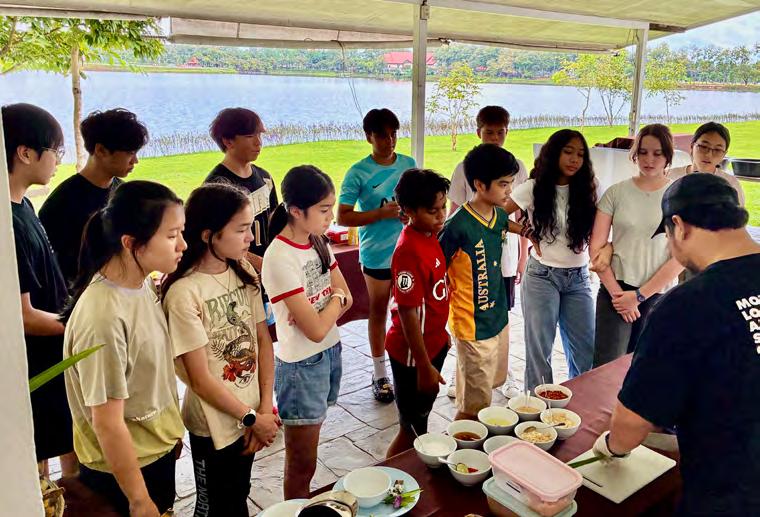
allowed students to engage with traditional Thai art while expressing their own creativity, resulting in a vibrant collection of designs. Thai cooking sessions proved equally popular, combining careful listening, practical skills and the reward of tasting the finished dishes, always a strong motivator.
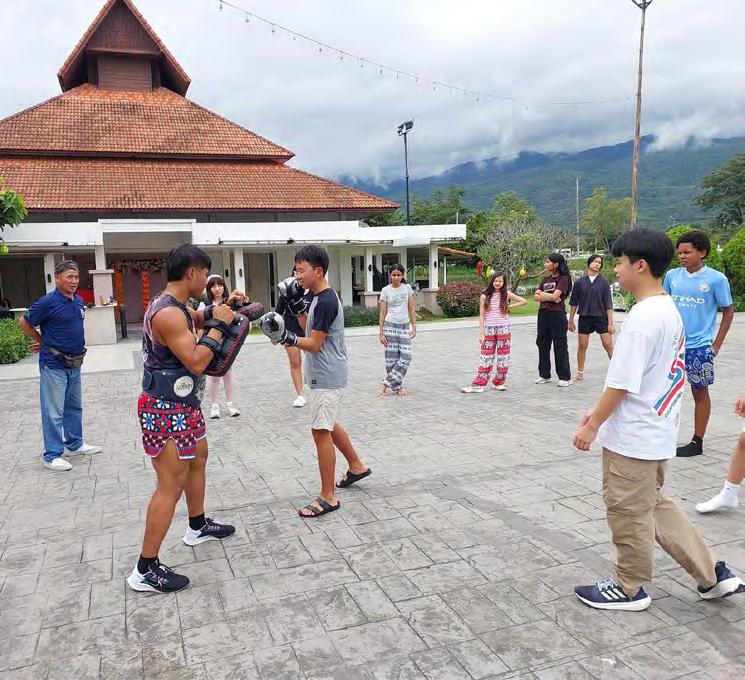
Students also took part in Thai boxing and Thai dance, two activities that challenged them in very different ways. Boxing sessions emphasised discipline, control and respect, while Thai dance required precision, rhythm, and concentration. In both, students demonstrated impressive focus and a willingness to persevere, even when mastering new movements proved demanding.
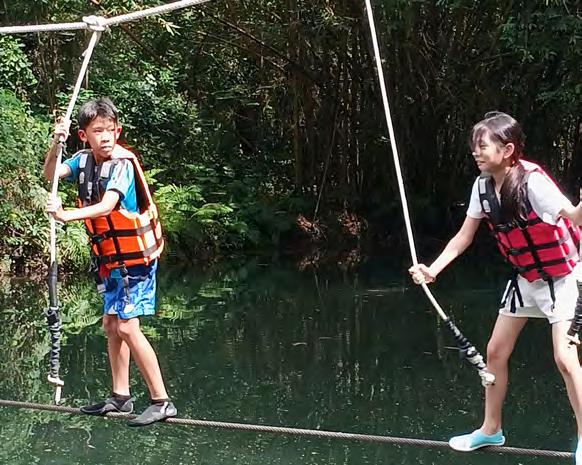
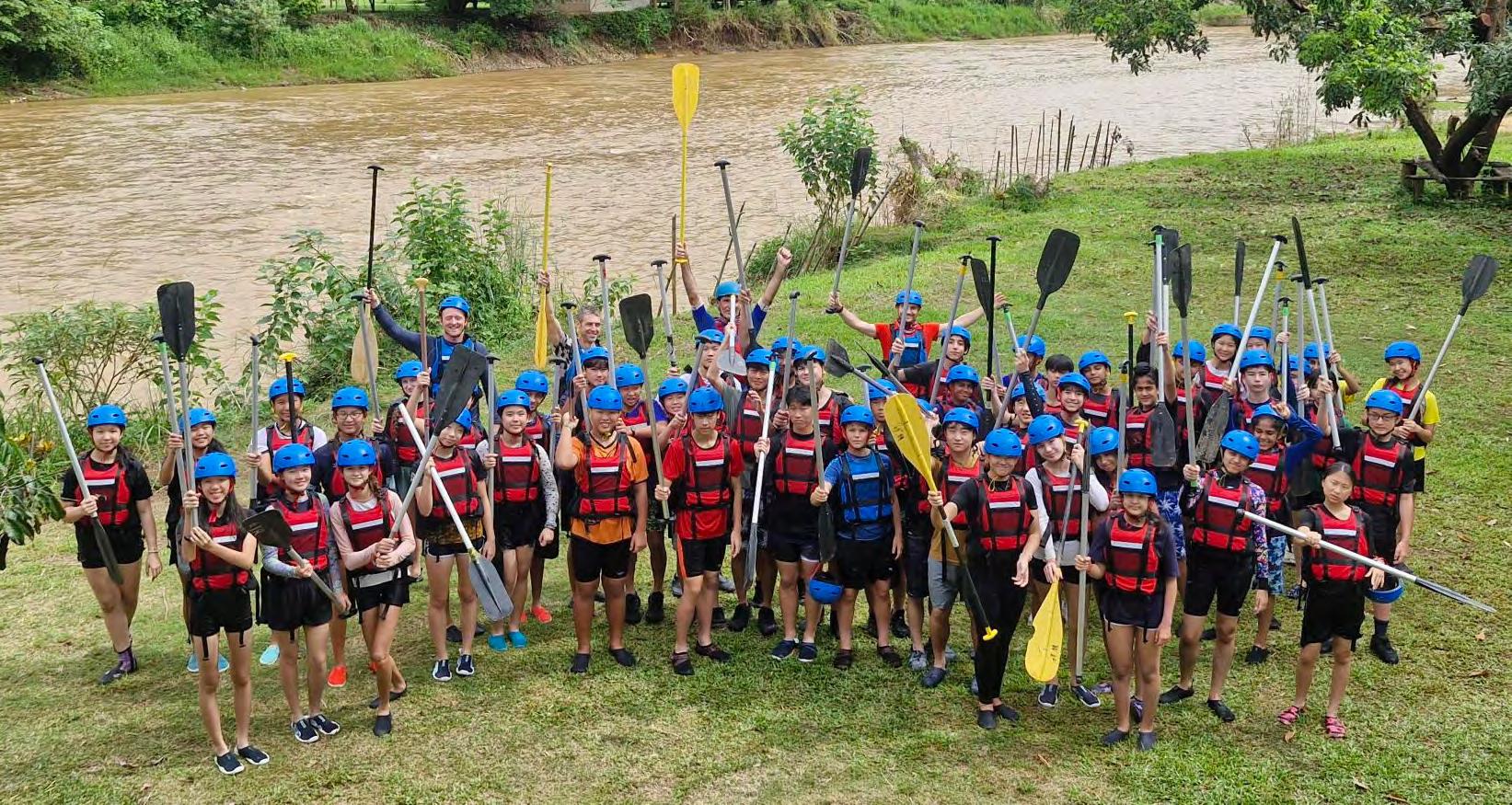
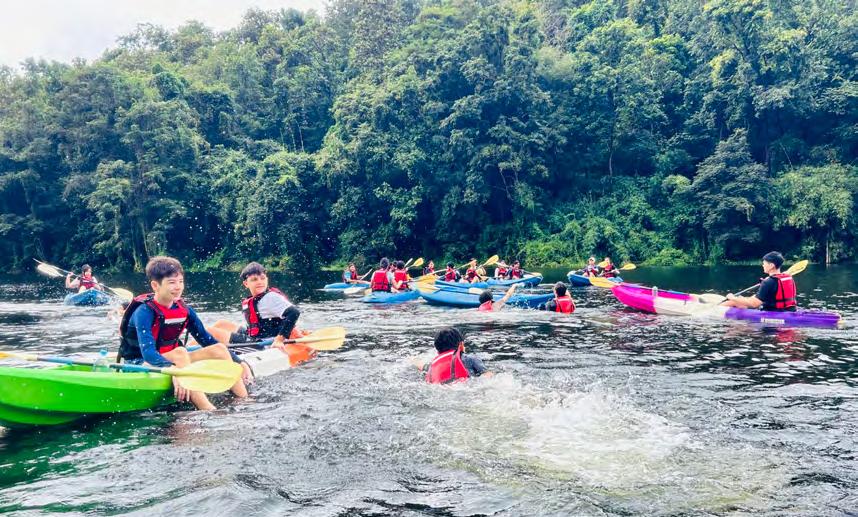
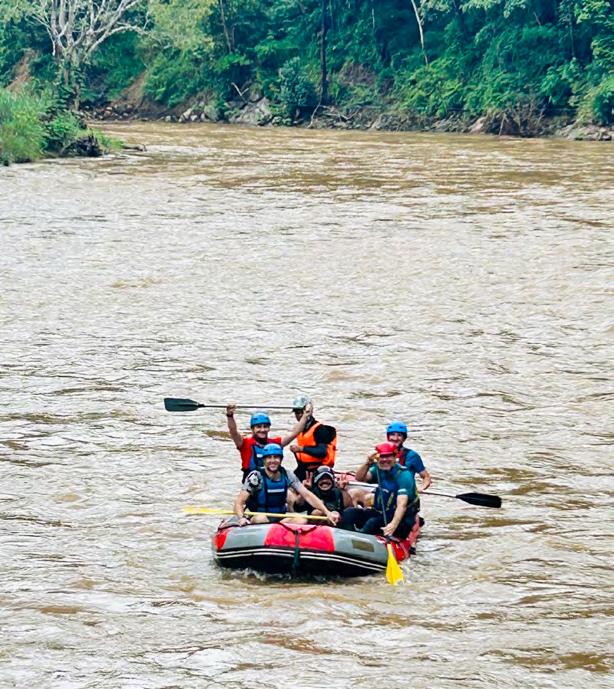
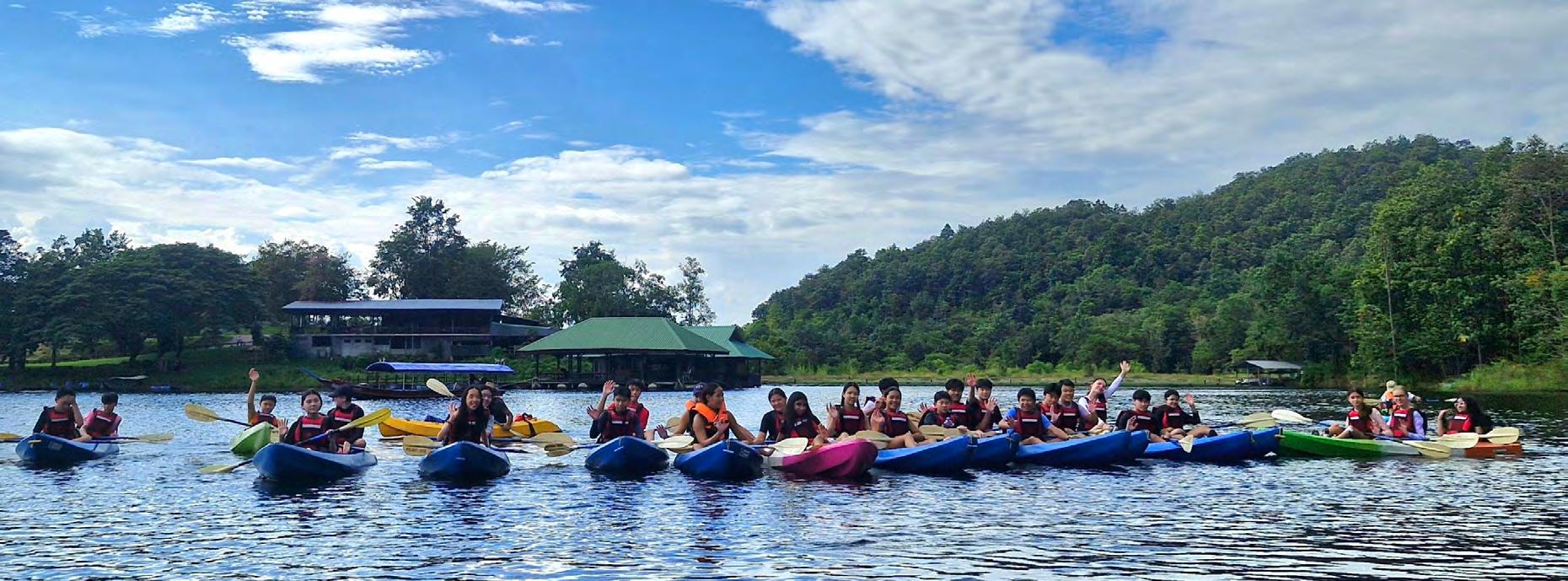
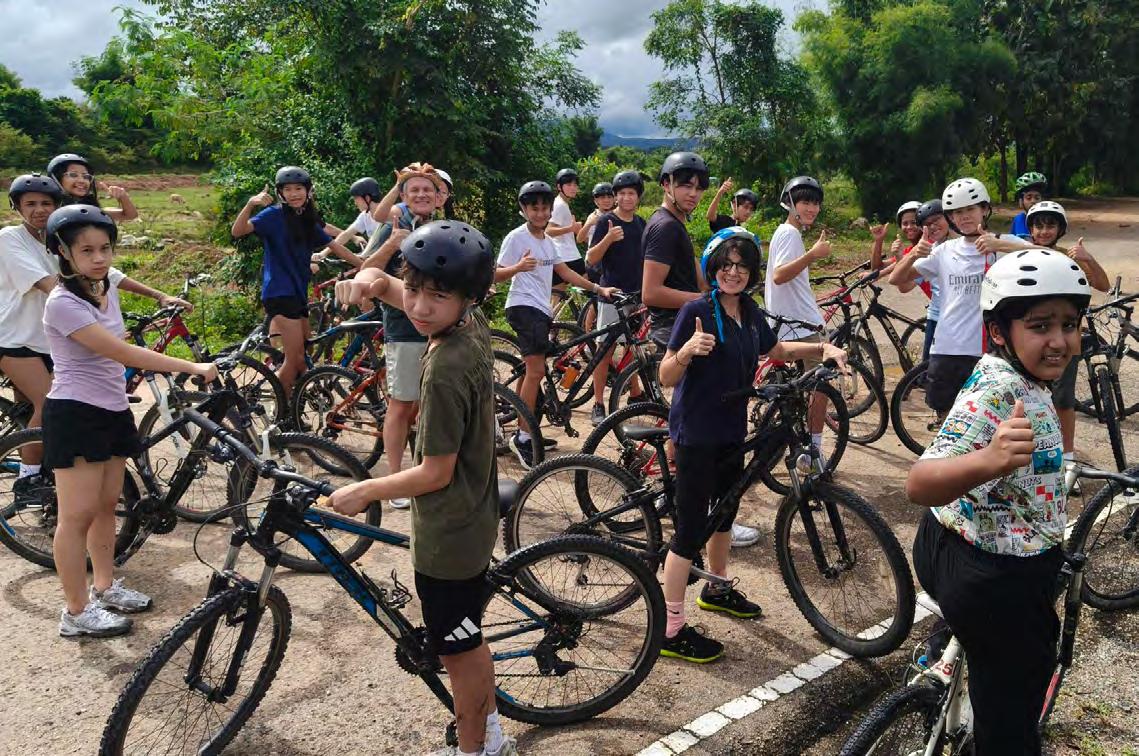
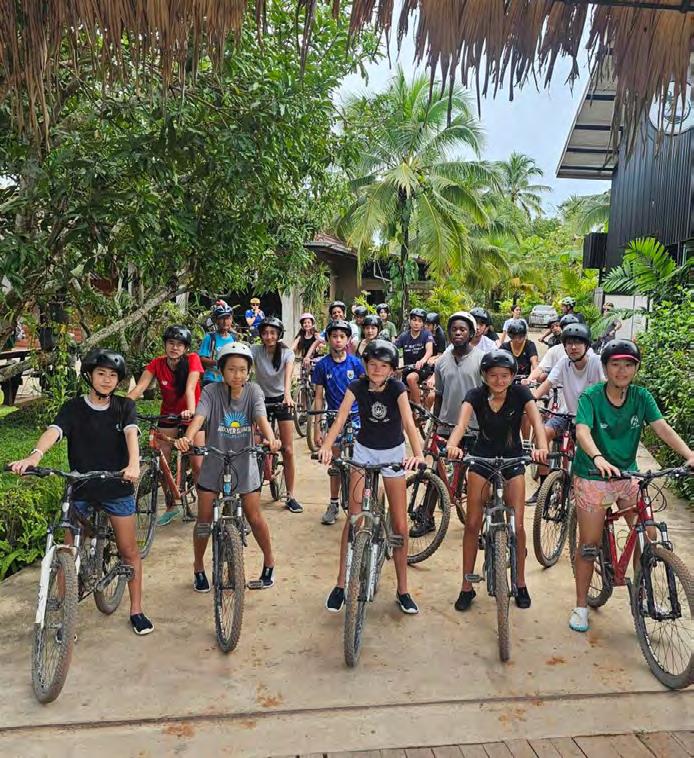
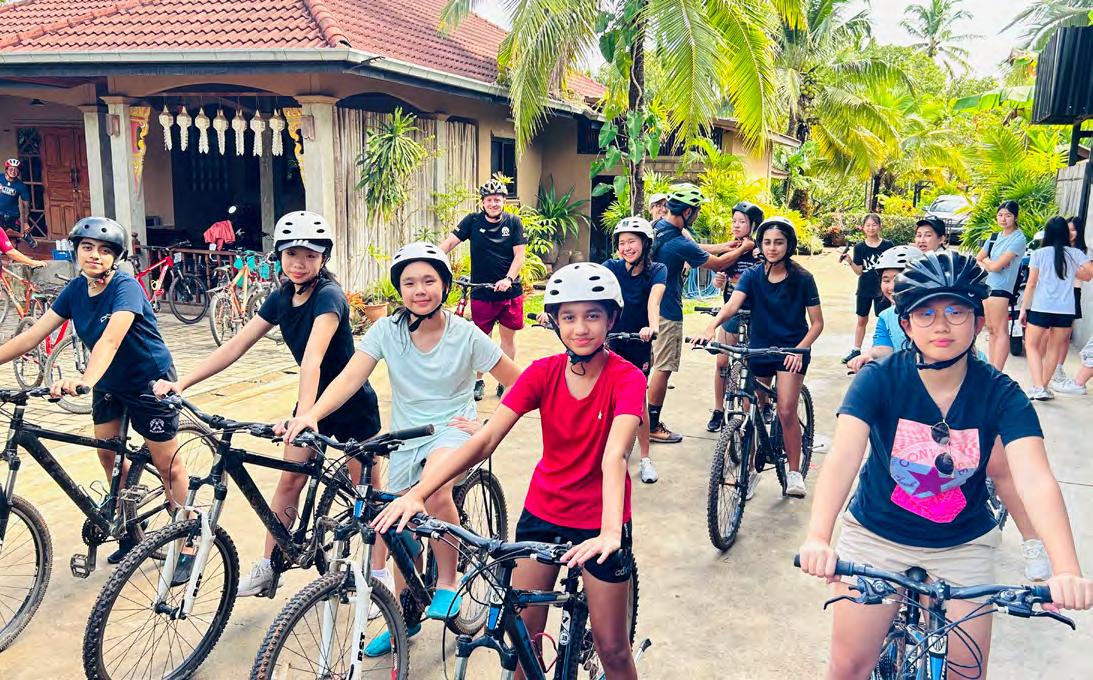
Adventure activities added another dimension to the week. Cycling excursions offered students the chance to explore the local area while practising responsibility and cooperation. Kayaking and white-water rafting pushed many students beyond their comfort zones, particularly when navigating faster-moving water. These activities highlighted the importance of trust and communication, and the sense of accomplishment at the end of each session was clear.
Midweek, the pace shifted slightly with a camping experience that became one of the most memorable parts of the trip. Evenings around the campfire provided time to slow down, reflect and enjoy each other’s company. Toasted marshmallows appeared in impressive quantities, conversations flowed easily and the relaxed atmosphere strengthened the bonds already forming within the group. These quieter moments balanced the more high-energy activities and reminded everyone of the value of shared experience.
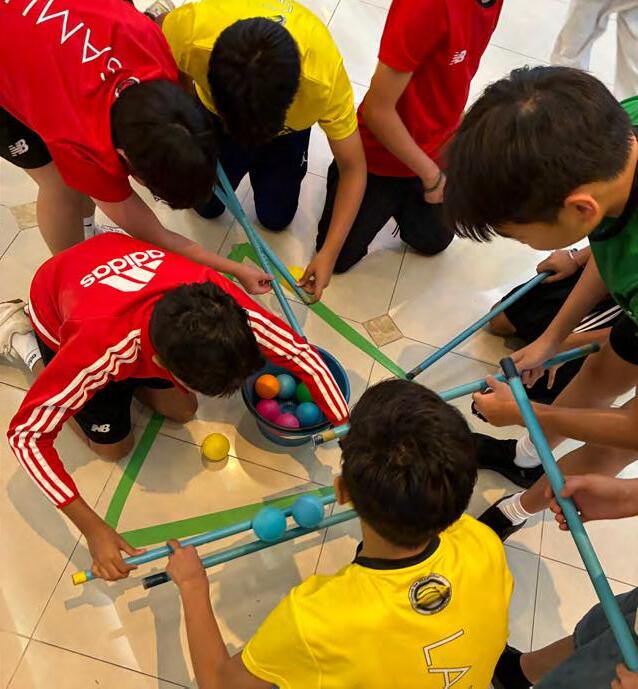
Evenings throughout the week were lively and well enjoyed. Quiz night saw students competing enthusiastically, producing answers that ranged from impressively knowledgeable to delightfully imaginative. Games night followed, bringing energy, laughter and good-natured competition as students threw themselves fully into the activities.
The undisputed highlight, however, was Thursday’s disco. From the first song, the dance floor was full, and the atmosphere was electric. The playlist was enthusiastically approved, and both students, and a few courageous staff members, showcased some memorable dance moves. It was a joyful celebration of the week and a perfect release after several busy days.
As the residential drew to a close, the same sense of calm and good fortune that marked the beginning returned. The journey home ran smoothly, flights were once again on time and students arrived back with tired smiles and stories ready to be shared. Throughout the week, the Year 9 cohort demonstrated maturity, curiosity and resilience, representing the school exceptionally well.
The Chiang Mai Residential offered far more than a change of scenery. It brought students together, encouraged independence and created lasting memories through a balance of culture, adventure and community. With great weather, seamless organisation, a stunning lakeside setting and a programme that challenged and rewarded in equal measure, it was a genuine highlight of the year: one that will be remembered fondly, from the first ice-breaker to the final disco.
By Nicholas Fieldhouse, Head of Year 10
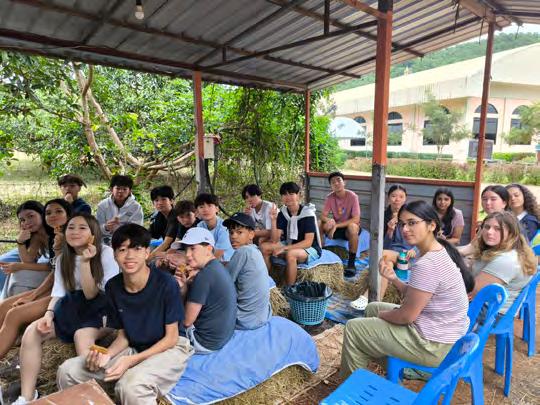
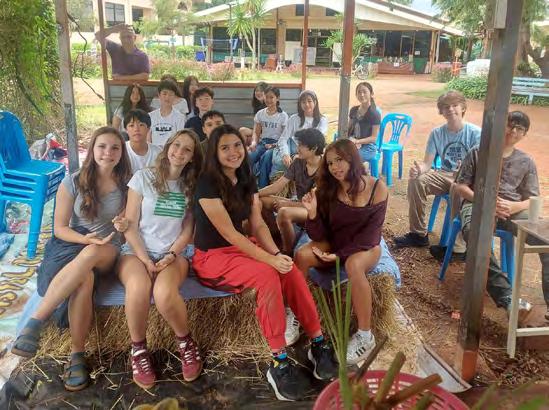
If there is one thing Grad’29 residential trips can rely on, it is that the weather will always have an opinion. This year’s Year 10 Residential to Pak Chong was no exception. After heavy rainfall in the days leading up to departure, an early decision was made to cancel the planned camping night of our trip. Instead, students enjoyed the (very popular) alternative of spending all four nights at the Golden Gold Resort. Judging by the smiles, this change was met with universal approval. Thanks to some impressively quick reworking of the itinerary, all planned daytime activities still went ahead, meaning the week retained its energy, challenge and sense of adventure. One of the standout highlights was a visit to the Khao Yai Chocolate Factory, where students took part in a chocolate-decorating workshop. This activity proved extremely popular, for reasons that will surprise absolutely no one.
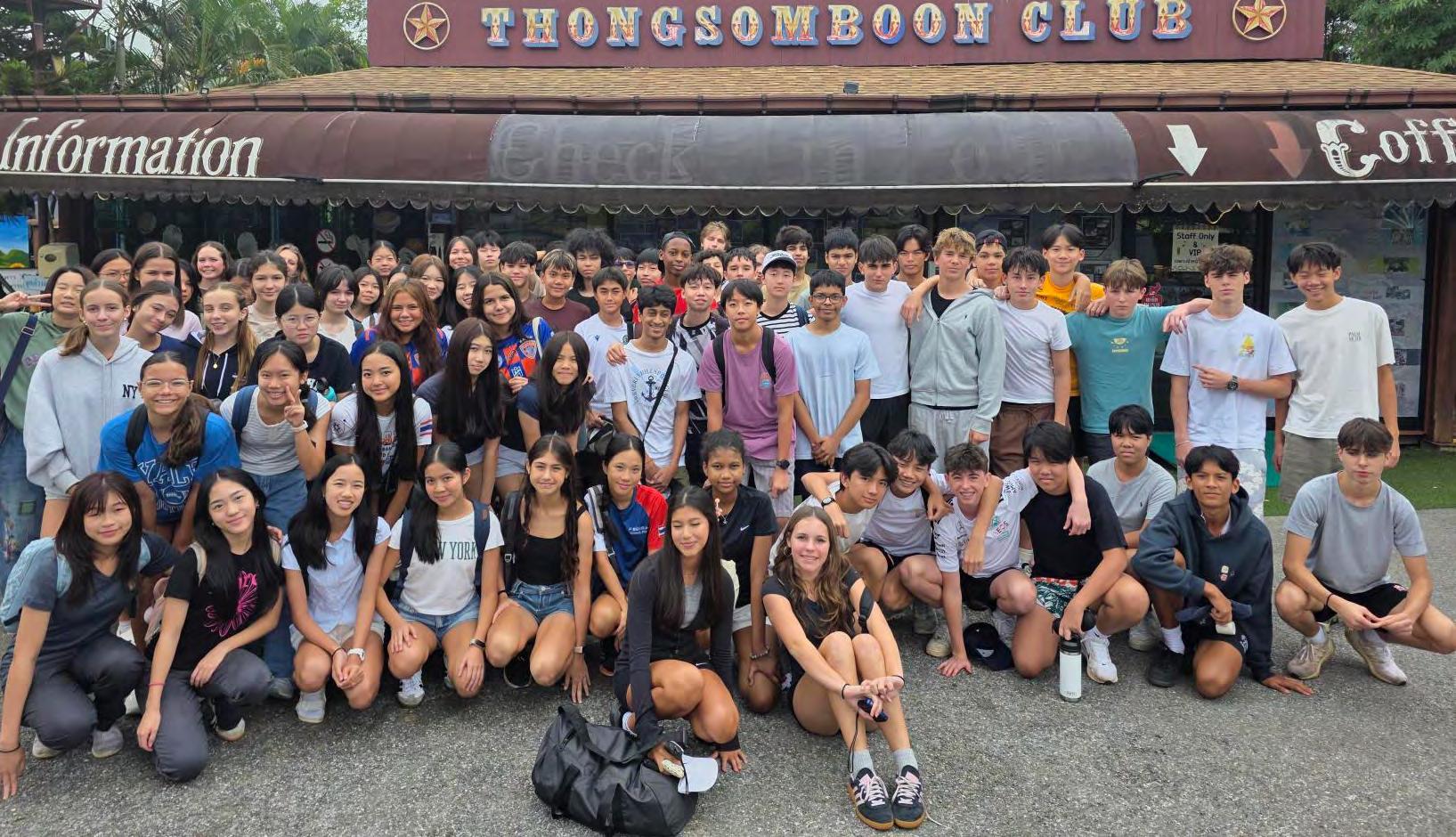
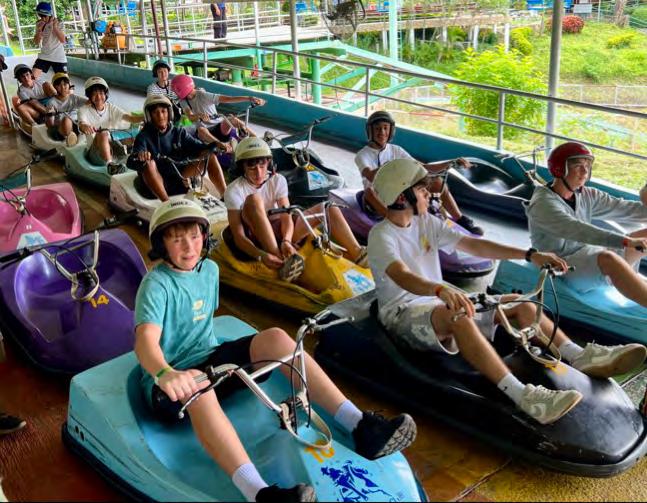
Another firm favourite was a full day at Thongsomboon Club, packed with ATVs, water rides and downhill racing. This was a guaranteed hit with students and staff alike, with teachers demonstrating that enthusiasm does not diminish with age – or responsibility.
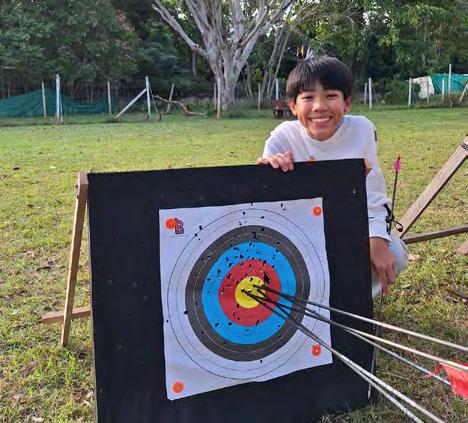
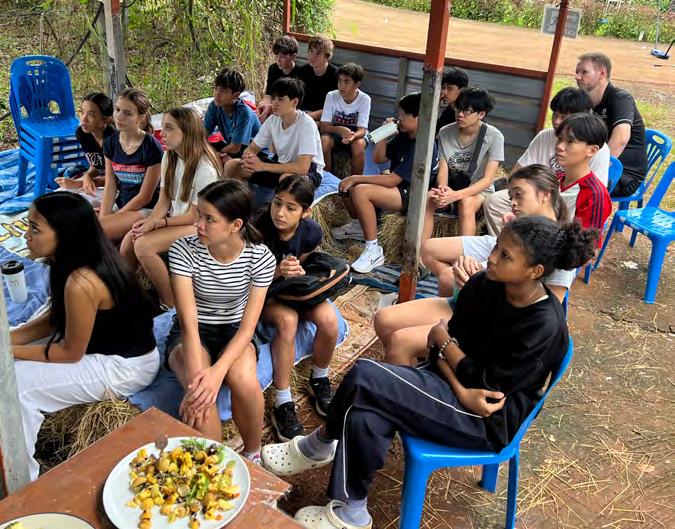
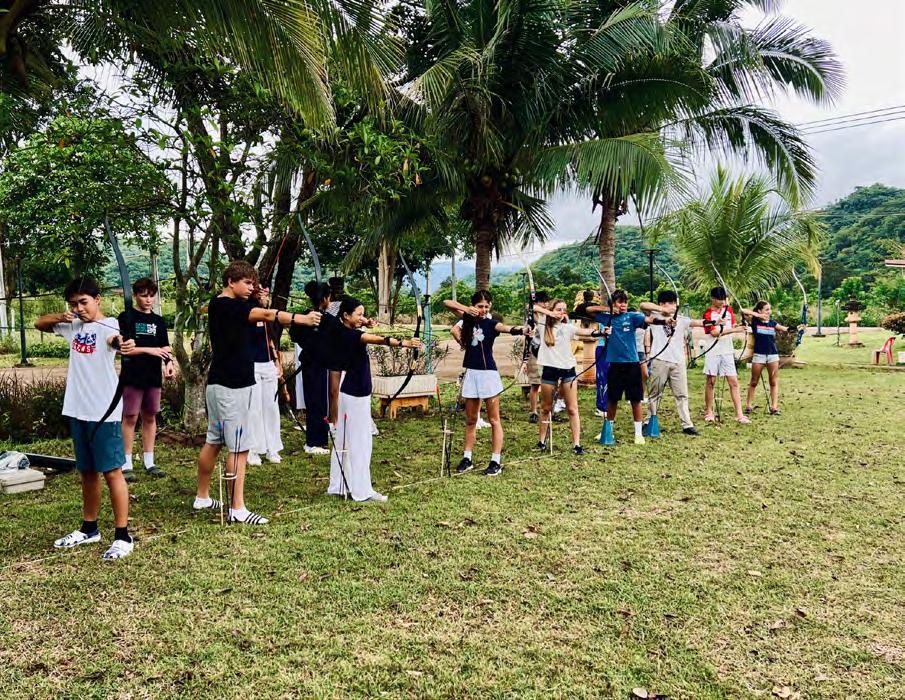
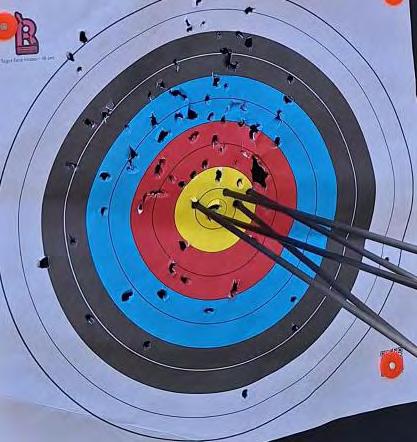
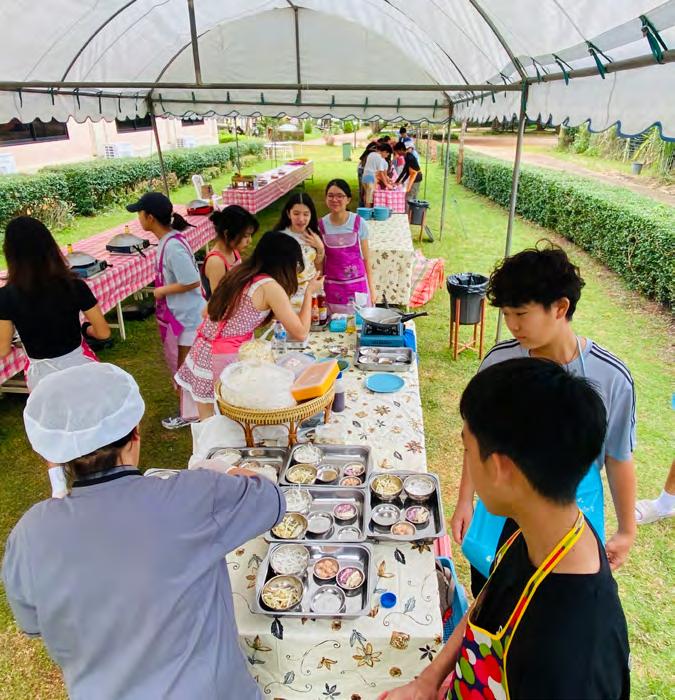
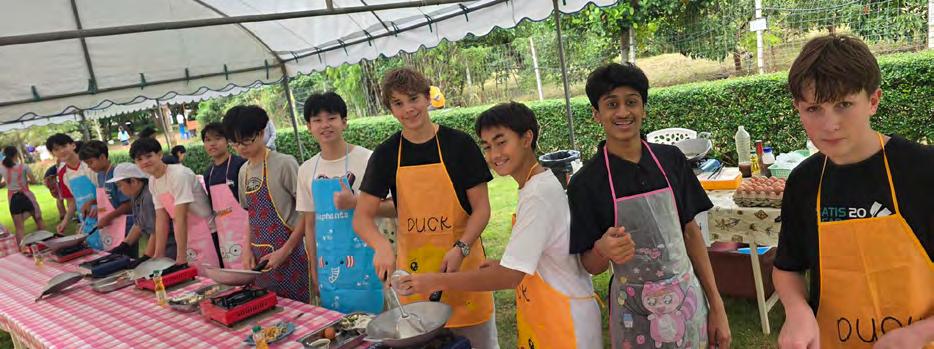
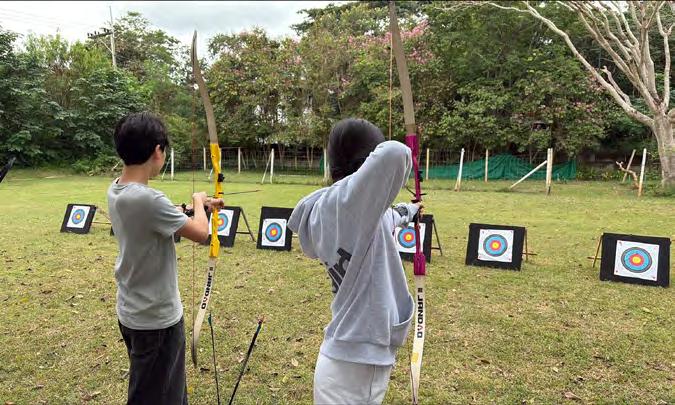
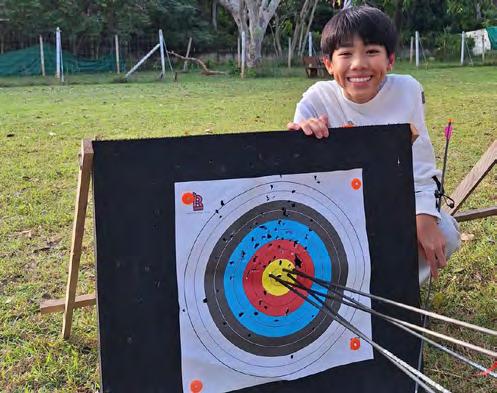
Back at the resort, students rotated through a range of engaging activities. Thai Cooking allowed them to put their culinary skills to the test, while Fancy Thailand, led by Kru Somchok, introduced students to native vegetation and fruits of the local area. Archery sessions, run by an expert team from Bangkok, added a welcome mix of focus and friendly competition.
The key activity of the residential - trekking, took place in the latter half of the week once conditions had improved. This was only possible thanks to the calm decision-making and hard work of Ms Nash and the Outdoor Education team, who
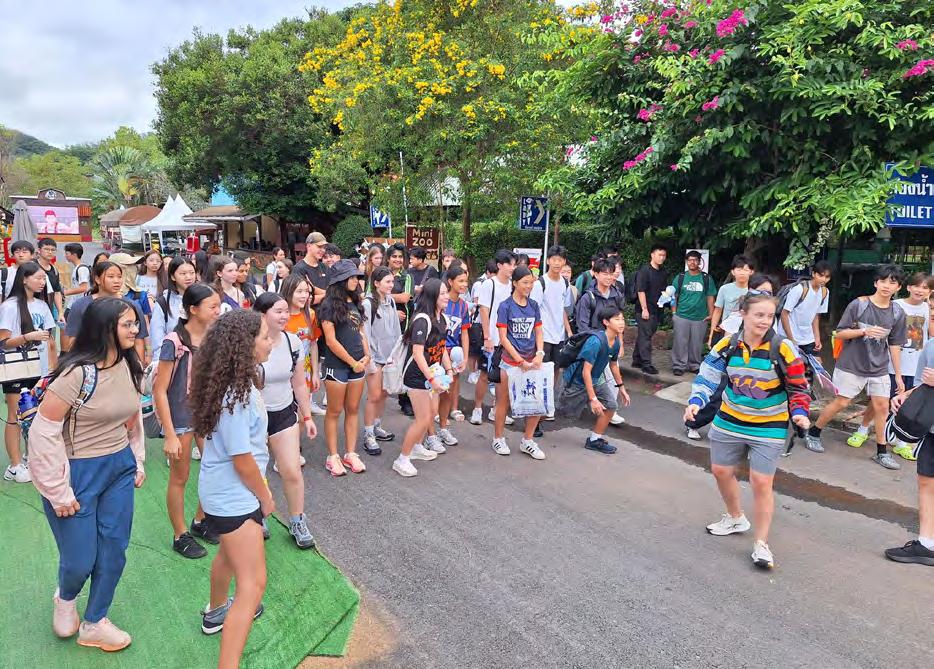
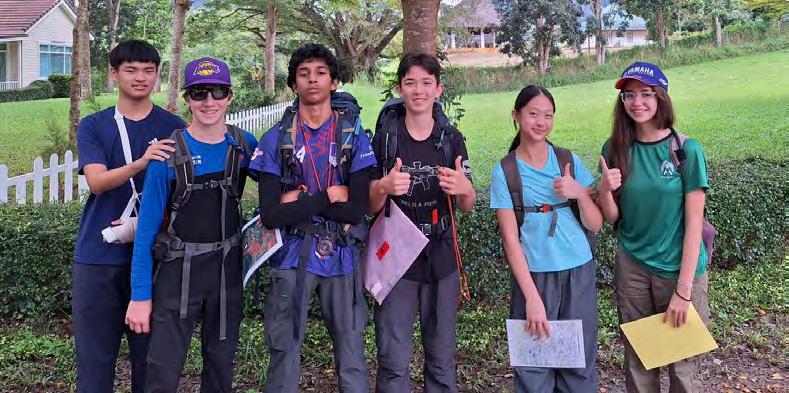
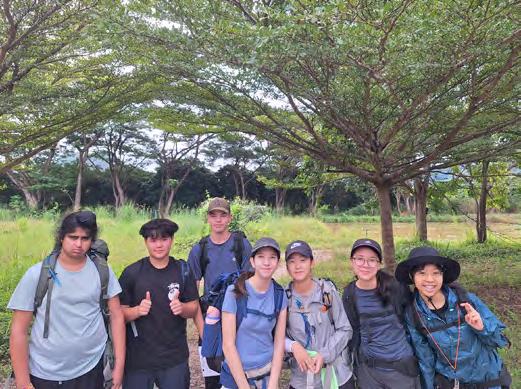
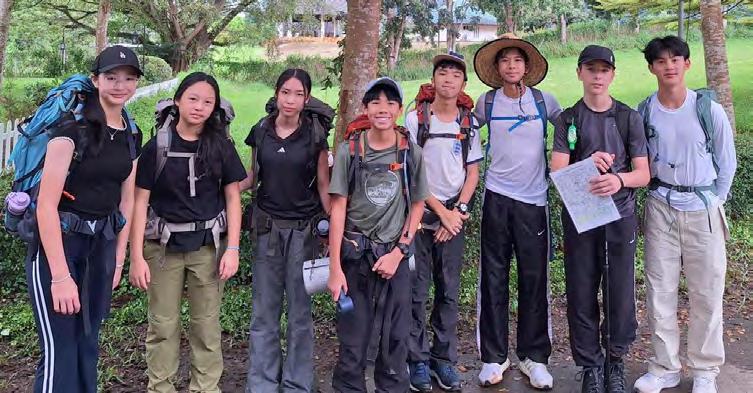
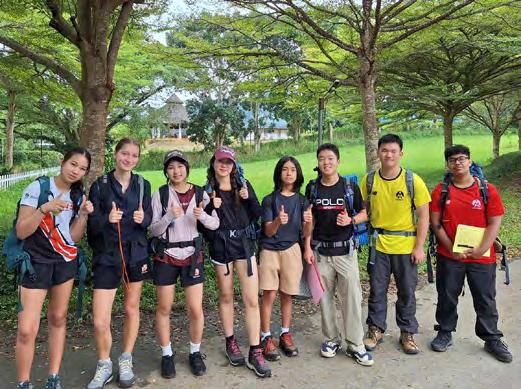
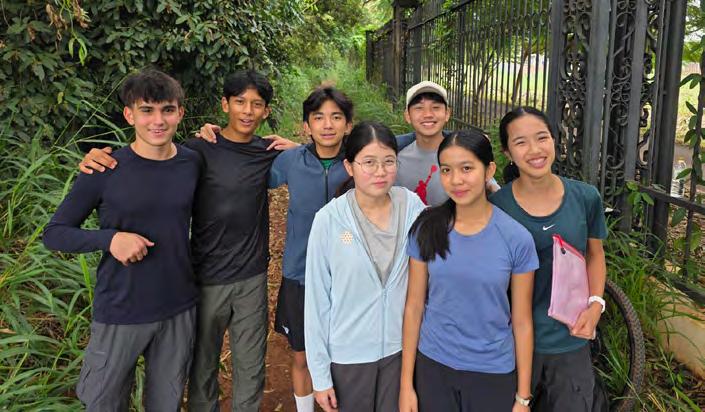
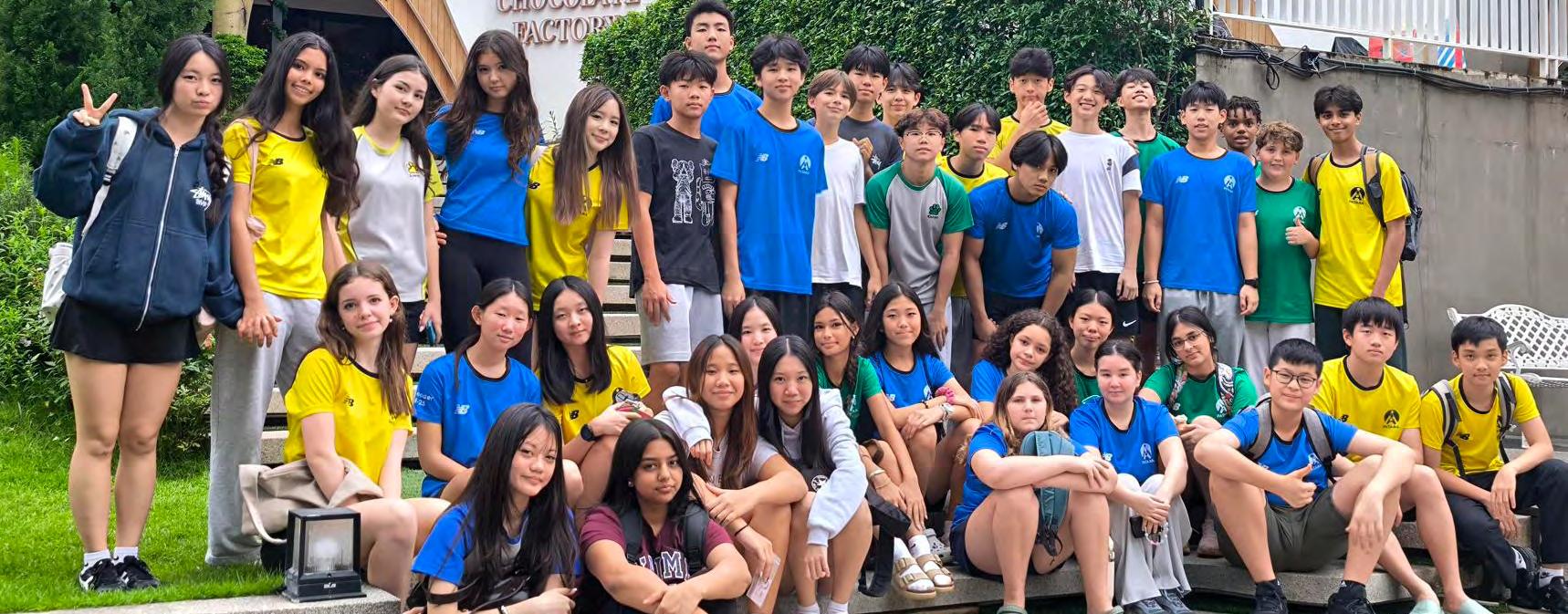
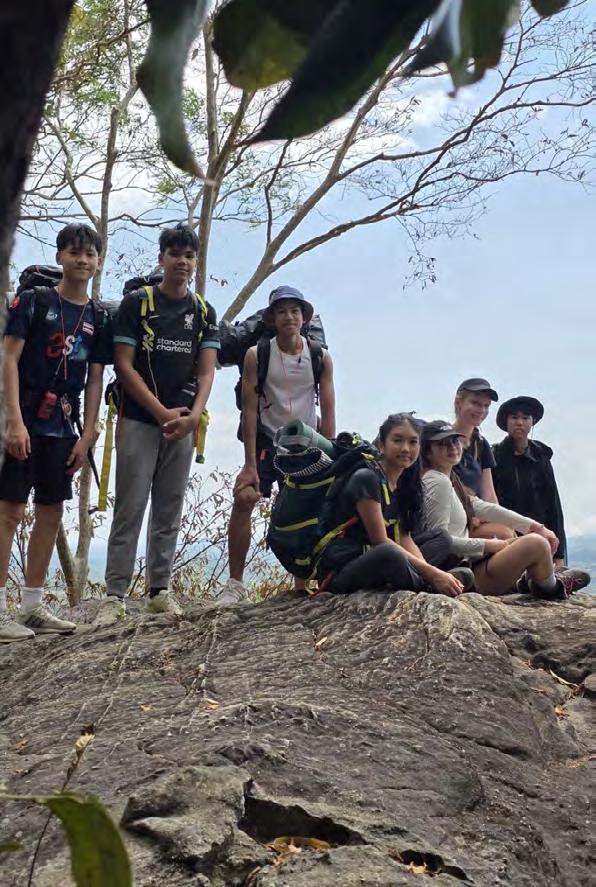
reorganised trekking routes and group plans at short notice. Students worked independently in their trekking groups, navigating from checkpoint to checkpoint using map and compass skills taught earlier in the programme. A few groups enjoyed some ‘unplanned scenic detours,’ but all made it safely back.
Mr Fieldhouse remained relatively relaxed throughout the trekking days – until discovering that Apple AirTags are not particularly effective without a nearby iPhone, something in short supply in the middle of the wilderness. Fortunately, each group also carried a school-provided phone, and even more importantly, had been well trained in proper navigation skills.
As part of the trek, students cooked their own lunch and dinner using Trangia stoves. This resulted in a fascinating variety of pasta-based creations, some more successful than others, but all approached with good humour and teamwork. Despite not
camping, Year 10 were still able to complete all the essential requirements for their Duke of Edinburgh International Award Bronze Practice.
Evenings were packed with opportunities to relax and socialise, including a Quiz Night, a Movie Night featuring The Maze Runner, and a lively Games Night, with a Loy Krathong activity available for those preferring a calmer option.
The week culminated in the ever-popular Disco Night, this time with the added novelty of a campfire and marshmallows – stiff competition for our resident DJs, who had to work hard to keep Grad’29 on the dance floor.
Overall, the Year 10 Residential was a fantastic example of adaptability, resilience and good spirit from both students and staff. A huge thank you goes to all staff involved in making the week such a success.
By Shane Owen, Head of Year 12
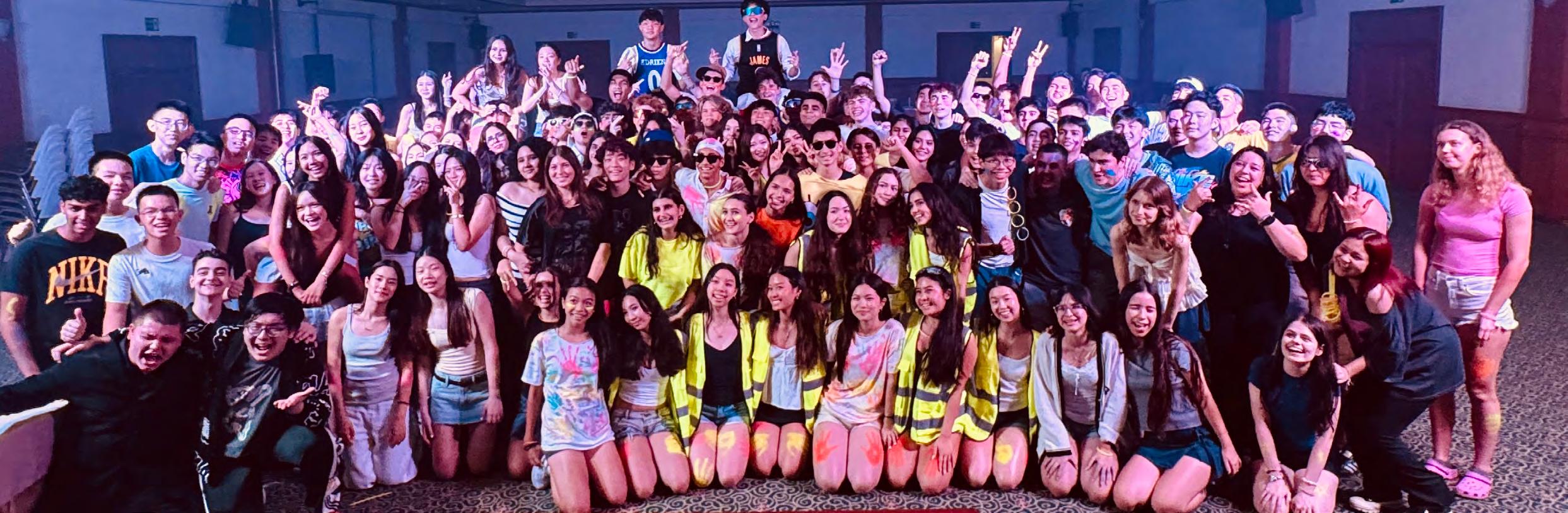
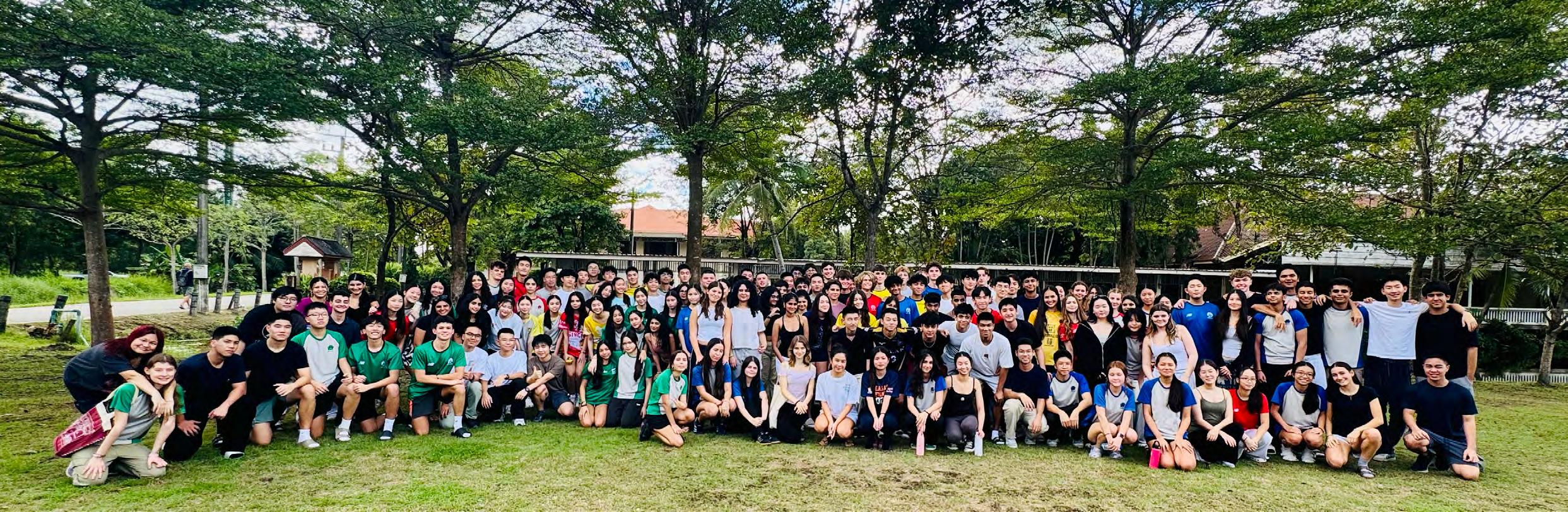
Year 12s Theory of Knowledge (ToK) trip to Nakhon Nayok was unforgettable for Grad’27. Five days and four nights away from the daily rhythm of school life gave students the chance to connect, challenge themselves and learn in an environment impossible to create on campus. Surrounded by green space, fresh air and the comfortable solitude of spacious villas, the Year group turned this trip into something special with laughter, unexpected moments (on the field, at campfire and disco dancefloors) and plenty of lessons that will stay with Grad’27 long after they graduate. They also liked the coffee shop.
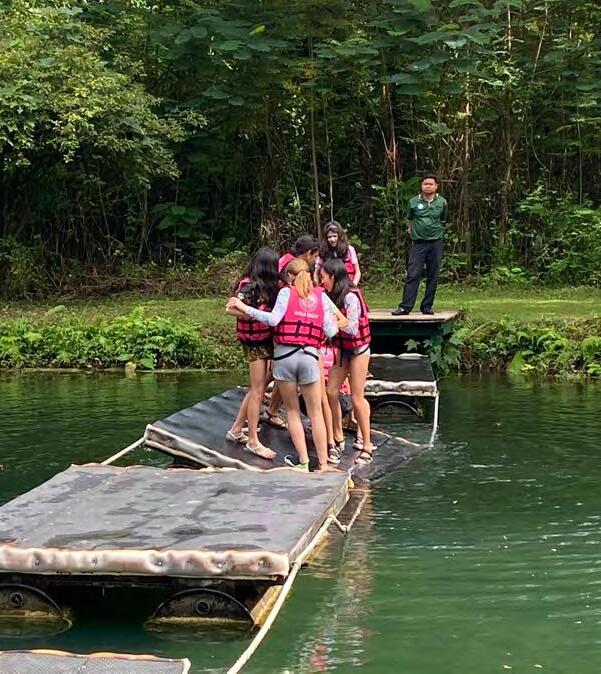
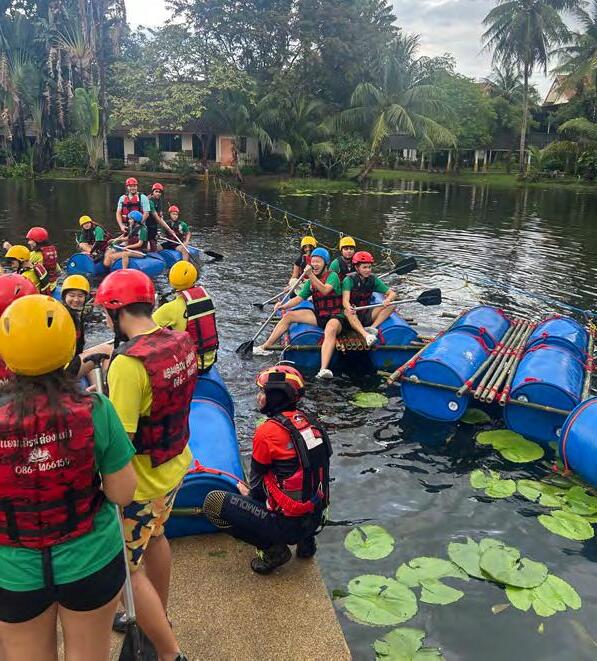
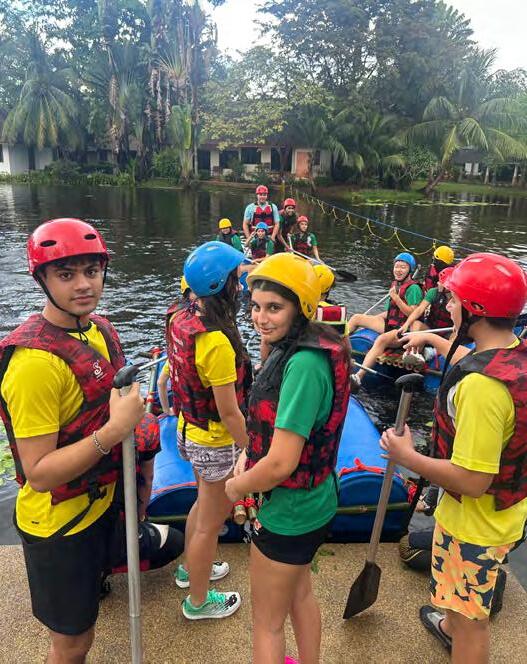
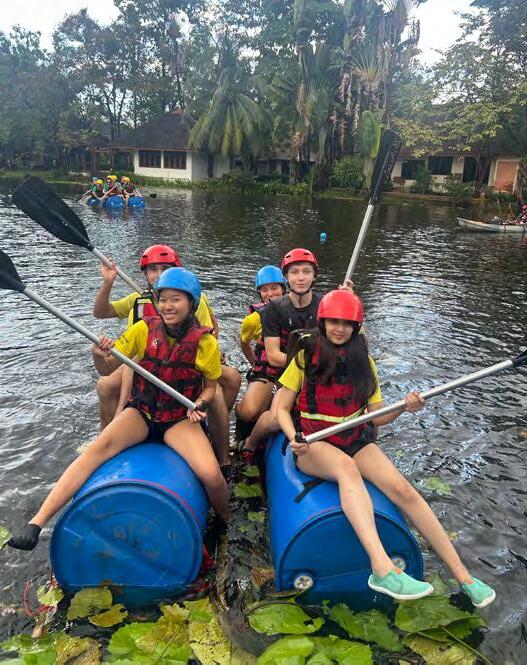
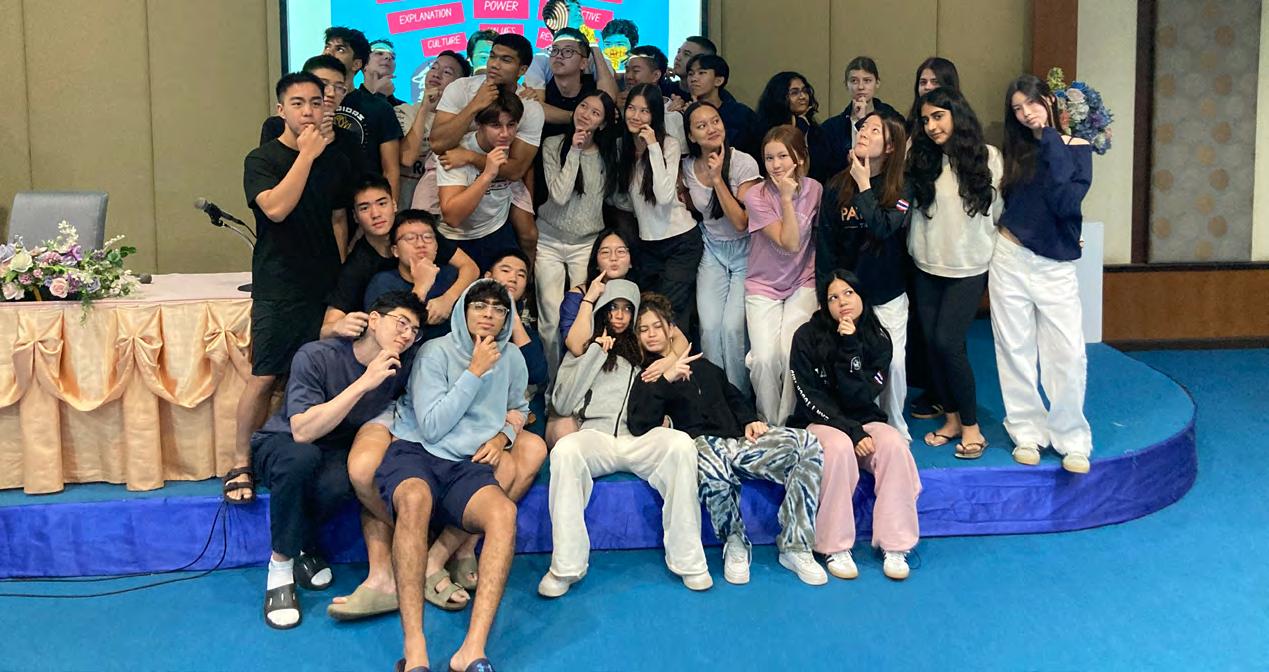
Day 1 set the tone perfectly: raft building in torrential rain. Watching students attempt to rope together barrels and bamboo while the rain bounced off their life vests was an early highlight. Despite being wet through, spirits stayed high and Group 2 could not wait to take over the rafts as Group 1 went to warm up in their rooms. That evening brought our first whole-year activity: a Quiz hosted by the formidable duo from the English department, Mr Sutcliffe and Ms Corker. We quickly learned that some groups were extremely confident but once they saw the questions, this started to dissipate. At least I know what a microwave, penicillin and post it notes all have in common.
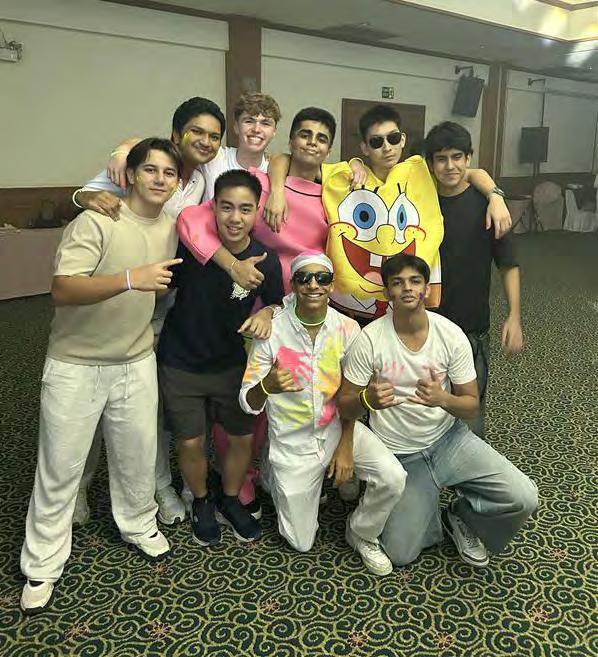
On Day 2 the serious work began with the first round of ToK sessions, followed by a cultural exchange at a local Thai school. Students represented Bangkok Patana brilliantly, acting respectfully, curiously while engaging with students of a similar age. Many came away reflecting on how different the experience was compared to their own schooling. The evening, however, was a complete shift in atmosphere. The neon-themed Disco was a huge success thanks to our student DJs - Dan and Kimi, who transformed the space into an arena for high level dance moves. Mr Ghazi’s 15-minute cameo behind the decks will also live long in the collective memory. There was plenty of jumping and shapes being thrown and a few individual dance performances that many will remember. That dance floor will surely need fixing.
Day 3 brought more ToK challenges, with Mr Sutcliffe pushing students to unravel ethical dilemmas that left many deep in thought. I particularly enjoyed seeing ideas clash, evolve and healthy debate ensue with students being really challenged in their thinking. In the afternoon, the Careers team ran sessions exploring future pathways - an important moment of clarity for
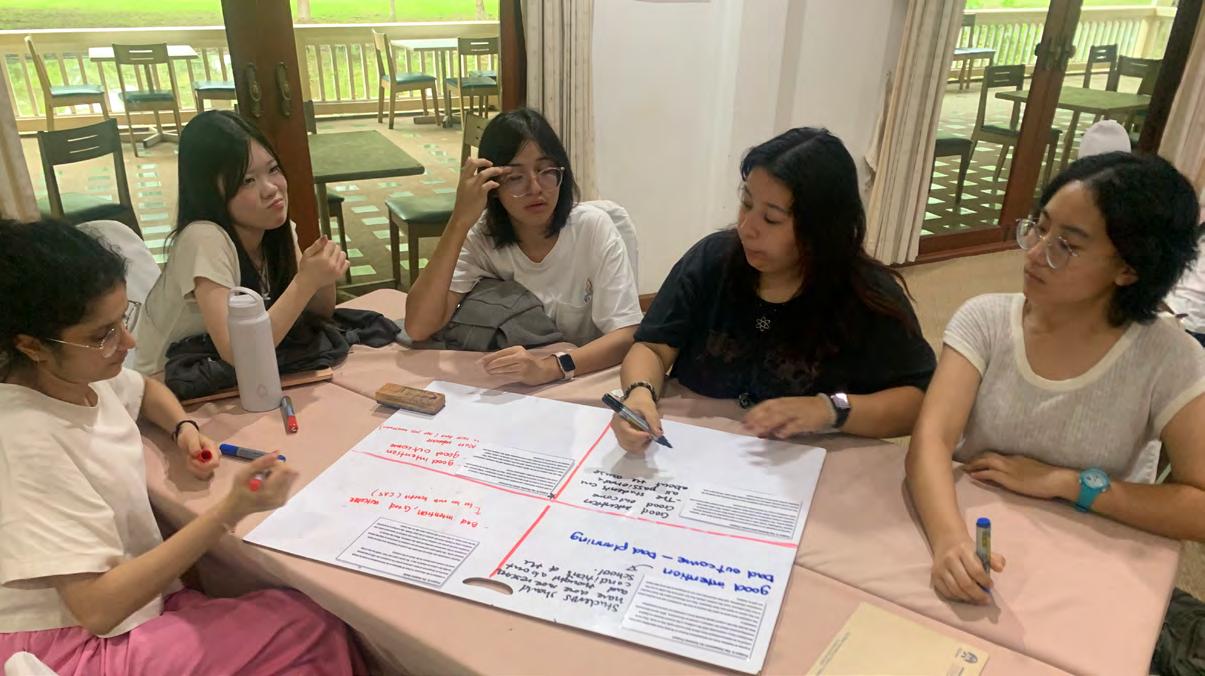
many who are starting to consider life beyond Year 12. The evening’s ‘Hungry Games’ was a highlight for students and now I know what Ms Ferguson gets up to in her spare time. Enthusiasm levels were high as students threw themselves into every challenge. Watching students behave like woodpeckers while trying to grab pieces of cereal box with their mouths, without letting their knees touch the floor, was a personal highlight. Add in chocolate-eating with a knife and fork, sunglasses and a backpack and you get a sense of how wonderfully peculiar the night became.
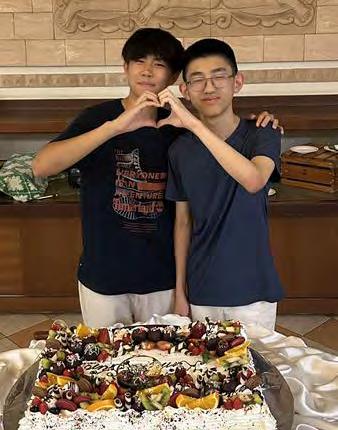
On Day 4, we finished our buffet breakfast to continue with more ToK and complete with book prizes for standout thinkers. Another group visited the Thai school, this time leading PE sessions. Many were surprised that the students can complete a full one-hour PE lesson without water breaks. Before the evening activity Mr Wakeling hosted an old school sports day with house leaders which saw some classic bean bag races, dizzy penalties and ‘where’s your shoe’ games taking place. The evening activity here was a campfire where students (and staff) enjoyed marshmallows, music and performances from
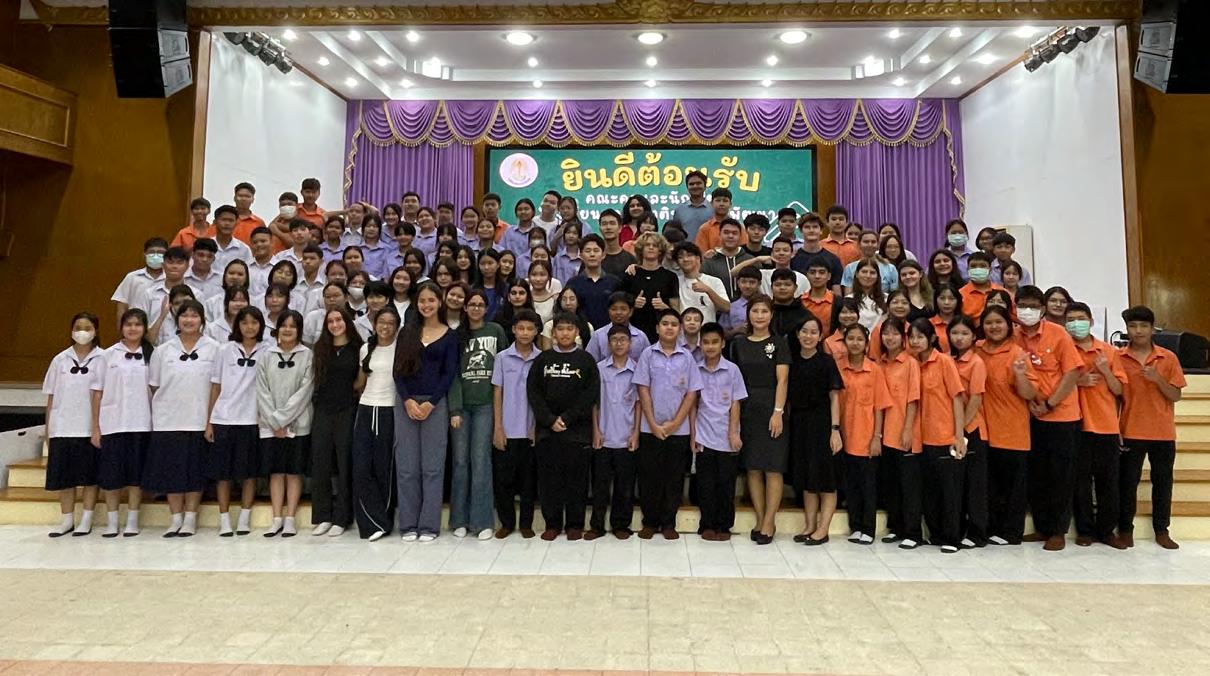
Sara, Vivaan, Dan and Mr Wright. Indian music soon pulled half the Year group into a spontaneous dance circle, described by one as ‘a mosh pit’. Even staff couldn’t resist showing off a few moves with Ms Corker moving to ‘Sweet Caroline.’
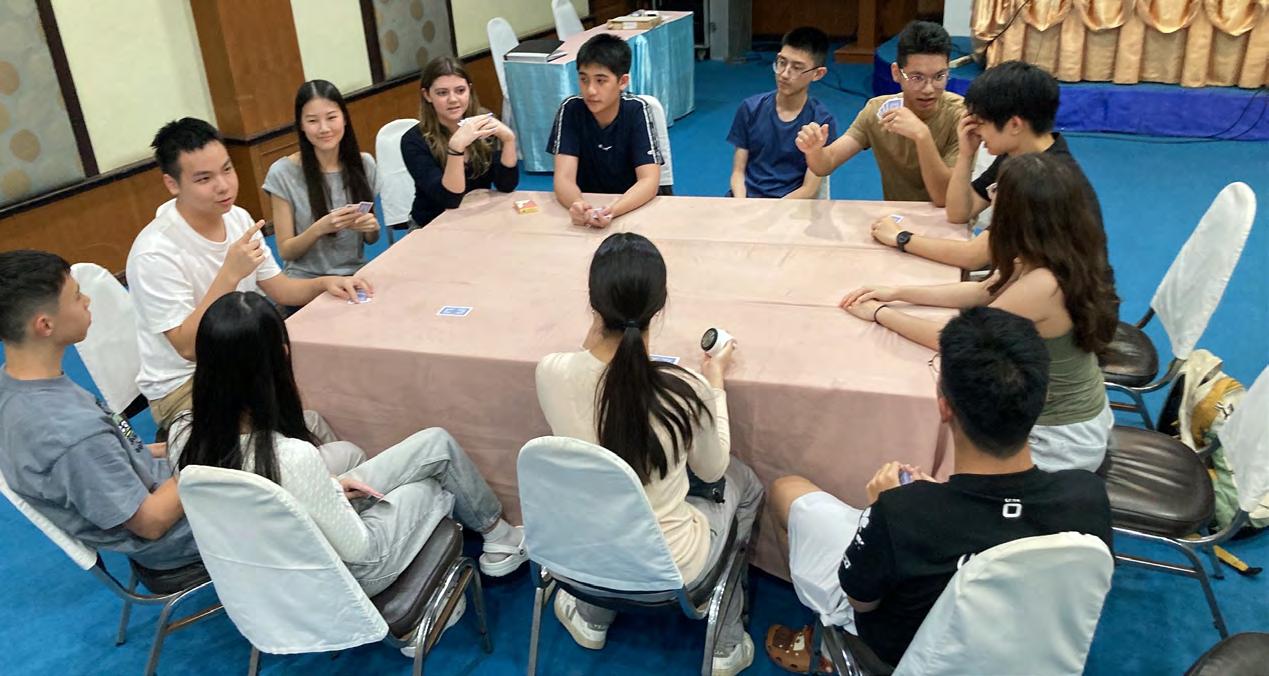
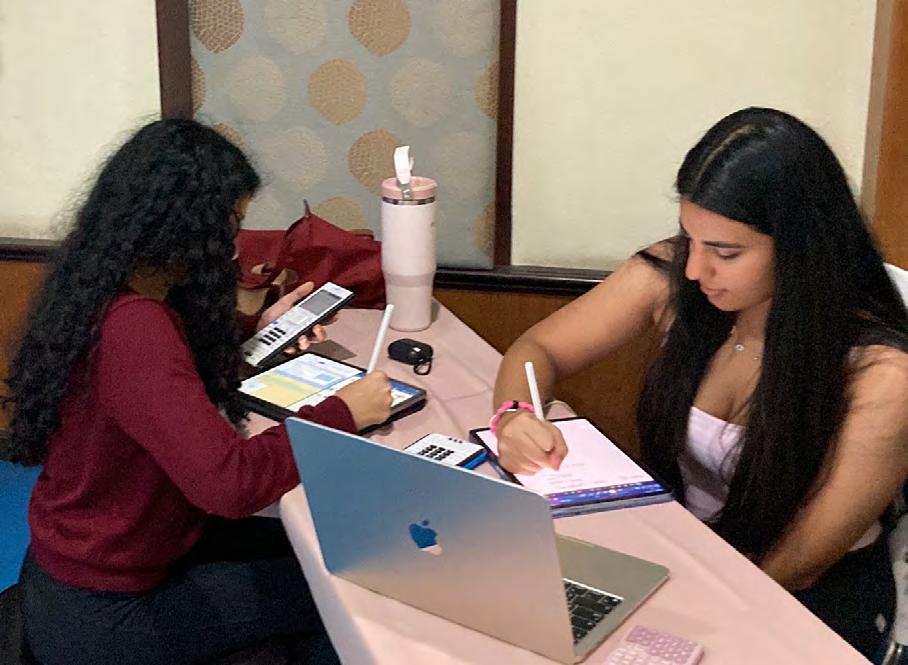
Outside of organised sessions, some of the best memories came from unstructured time. Students made the most of the green spaces, whether playing an 11-a-side football match on muddy terrain or playing board/card games during the phonefree hours outside of rooms. The onsite coffee shop became the unofficial Year 12 headquarters, with students proudly clutching iced coffees before dinner while revising for SAT revision. The atmosphere across the week felt relaxed, happy and genuinely connected. Thank you so much Grad’27 for making it like this!
Looking back, the trip wasn’t just a break from Bangkok and school life. It was a week where Grad’27 grew together and shared memories that will be remembered beyond Graduation. This was my favourite week of the year, and I hope it lives long in the memory for the Year group too.
A huge well done to everyone involved. What a week. What a Year group.

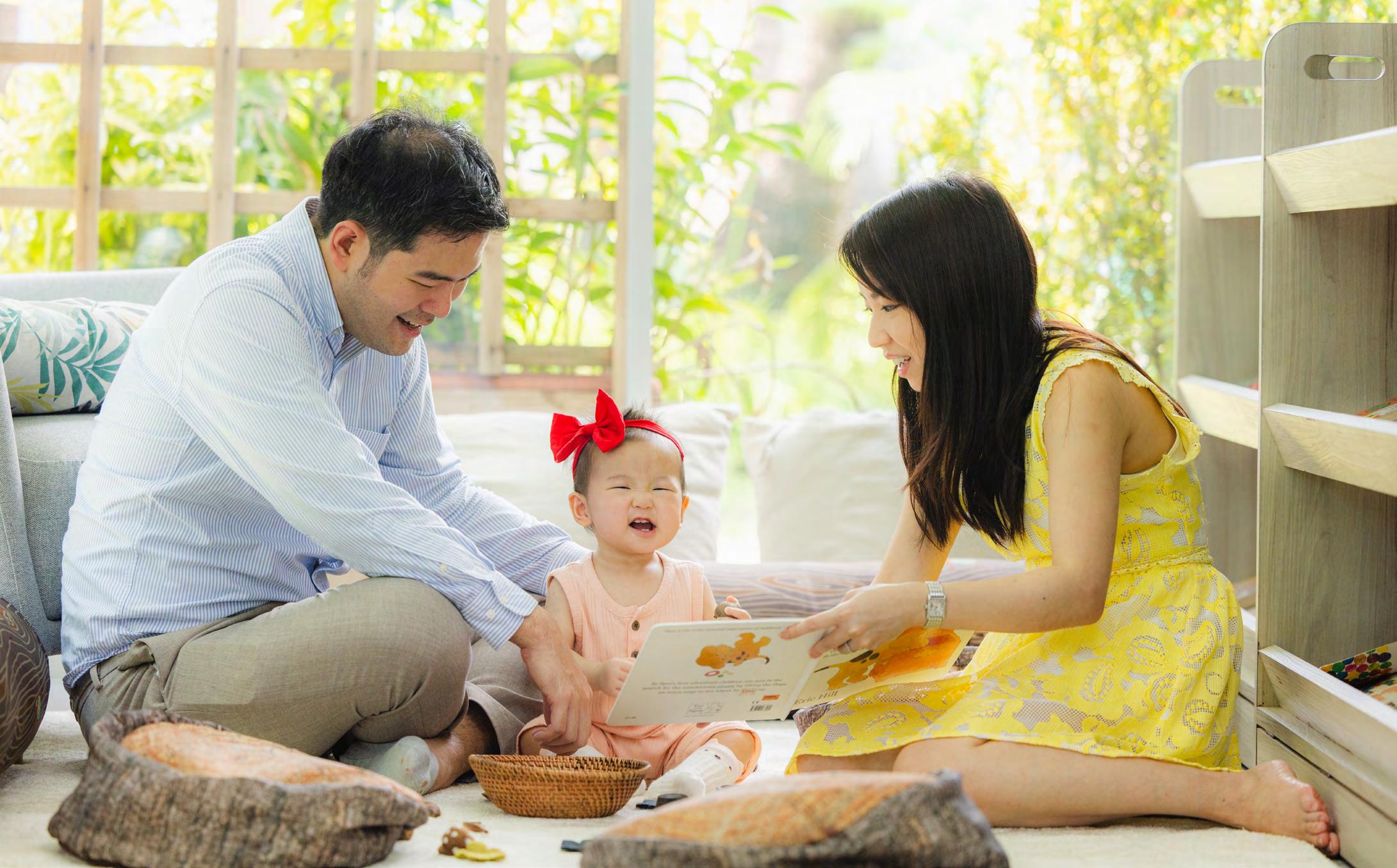
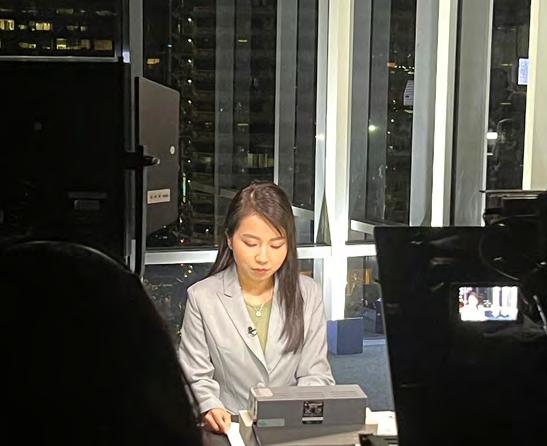
Paul Wongchindawest works at the Bank of Thailand, spending most days watching markets move by fractions and advising on decisions that ripple far beyond his office. Tammy Dejsupa works for NHK World–Japan, reporting on politics, rural communities and the people whose stories rarely make headlines. Their work lives do not overlap, yet their paths — in ways small and large — have been tangled for years.
They first met as students at Bangkok Patana School. Paul had grown up there; Tammy arrived in Year 12, still figuring out how to fit into a community where so many friendships felt decades old. “He was one of the first people who actually talked to me,” she said. “It made the whole transition less scary.”
After graduation, their lives diverged. Tammy stayed in Bangkok to study
at Chulalongkorn University before moving to London for a Master’s degree. Paul left for the University of Surrey, pursuing engineering and later financial engineering. They kept in touch loosely — occasional reunions, quick messages, the kind of friendship that never disappeared but never demanded attention. Their real reconnection happened years later, inside a building neither associated with adolescence: the Bank of Thailand. Tammy had been assigned to cover a quarterly monetary policy briefing and felt overwhelmed by the formality of the place. She texted Paul a quick hello. He came downstairs. “It was strange seeing him in work clothes,” Tammy said. “I remember thinking, ‘Wait, when did he start looking like an adult?’ He used to be such a dork.”
Because they had never made much effort to meet up before, they decided they should do so now. Tammy was covering the business desk at the time, and Paul’s explanations of interest rates and currency movements helped her understand the stories she was assigned. It was the middle of the pandemic, when cafés were half-empty and plans required care. Their evenings became quieter, more intentional. The shift from friendship to something else happened slowly.
“It felt risky,” Tammy said. “We knew we could ruin the friendship if it went wrong.”
They dated for two and a half years. Their daughter, Jane, arrived a year later and now they are getting ready for their second child. Their lives now revolve

around night feeds, early mornings and the kind of teamwork that happens wordlessly. “Sometimes we’re both too tired to talk,” Paul said. “But we still end up sitting next to each other on the sofa. That’s enough most days.”
Tammy’s journalism career — which began with internships at the Bangkok Post and various magazines — eventually led her to NHK. The work is demanding but often deeply human. She recalls covering the aftermath of the Hamas attack in Israel, when Thai workers were among those killed. She interviewed the family of two victims, including a father standing beside his son’s coffin.
“I kept wondering if it was fair to ask him to speak,” she said. “But he wanted people to understand what had happened. All I could do was give him space. ”Other
stories, like the Phi Ta Khon festival in Loei, brought a softer kind of meaning. “Watching the community teach the craft to children — it felt hopeful,” she said.
Paul’s professional life has a different rhythm. After returning from the UK, he joined the Bank of Thailand and eventually became Assistant Director in the Foreign Exchange Division. His days often stretch long, shaped by global markets rather than office hours. “We’ve both cancelled on each other more times than I can count,” Tammy said. “But we never took it personally.”
They still meet Patana friends, though less often since becoming parents. One of the last large gatherings was their child’s wgender reveal, surrounded by classmates who had known them long before either imagined a shared future.

Choosing a school for their daughter Jane, when the time came, required little debate. They toured other campuses, but Bangkok Patana felt right. “It wasn’t nostalgia,” Paul said. “It was trust.” Tammy agreed. “I’ve never met a Patana kid who struggled with culture shock,” she said. “The school somehow makes you adaptable without making a fuss about it.”
Their story does not follow a straight line. It stretches across countries, careers and years in which they barely crossed paths. But the arc eventually drew them back together, first as friends, then as partners, now as parents. What began in shared classrooms has become a shared life—quietly, steadily, and in its own time.
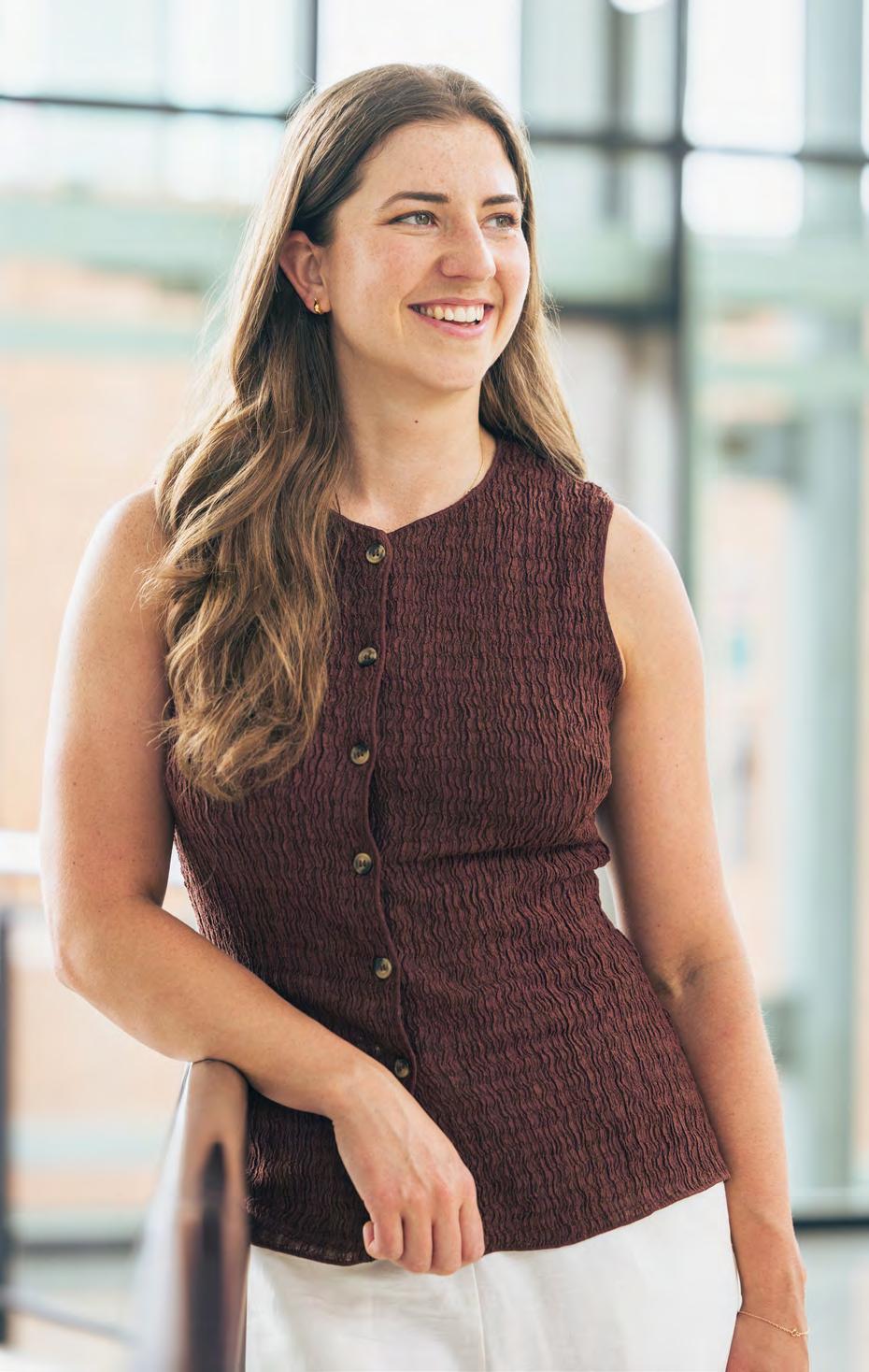
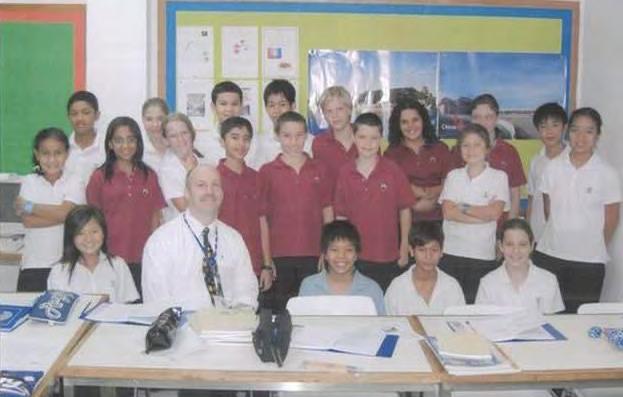
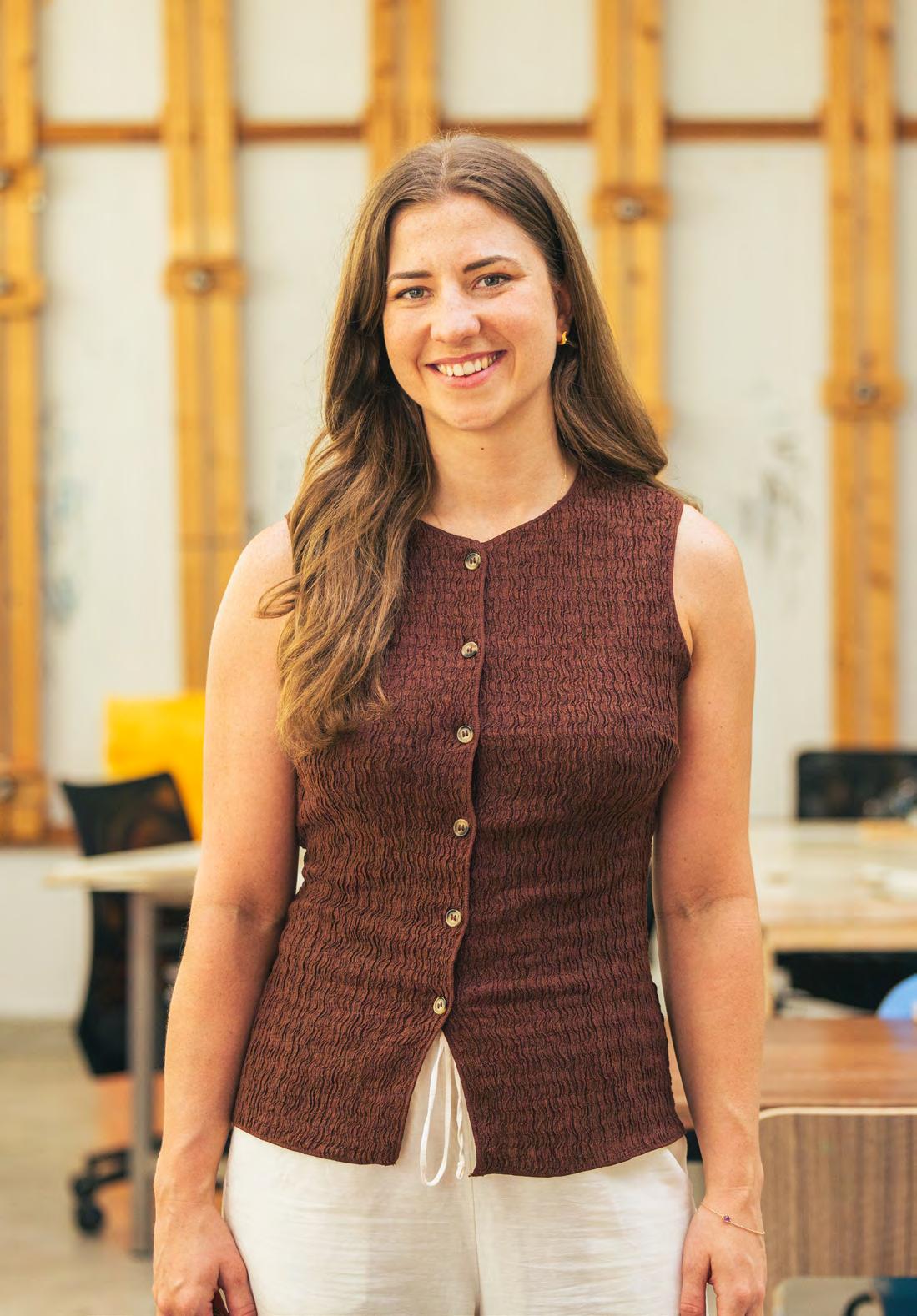
After ten years at Bangkok Patana School, Harriet Beattie graduated in 2014, ready to take the next step in her journey. She spent a gap year back in the UK, living in Manchester with her godparents, working as a full-time nanny and exploring Europe and beyond. “That year was incredibly grounding,” she recalls, “It gave me a chance to adjust to life in the UK, learn the small things, like where to buy stamps or bus tickets, and to travel. I went on a solo hiking trip in Iceland, a yoga retreat in Thailand, and even ran the Liverpool half marathon, which my godparents had signed me up for.”
After her gap year, Harriet enrolled at King’s College London to study Neuroscience from 2015 to 2018. “I have always loved science, and Patana played a huge part in that,” she says. “Particularly Mr Oakes, who was my tutor in Year 7, later my IB Chemistry teacher and my KCL referee. I knew I wanted to pursue medicine, but I have no regrets doing Neuroscience first, it helped me gain life experience and prepared me
for medicine in ways I would not have imagined.” During her university years, Harriet also discovered rock climbing, spending weekdays in London climbing gyms and weekends at cliffs across Dorset and Kent.
Following her BSc, Harriet spent a second gap year volunteering with the ambulance service and trying to launch a health tech company, “It did not take off,” she laughs, “but I learned so much and grew immensely. I also continued living with Charlotte, my best friend since Patana, and nannied for a one-year-old to support myself.” In 2019, she moved to Sheffield to study medicine, graduating in 2024. She has now been working as a resident doctor in the NHS for a year and a half.
Harriet’s path was not without challenges. She initially wanted to go straight into medical school but realised in Year 12 and 13 that her IB scores might not be enough, “It was devastating
at the time,” she recalls. “With guidance from my teachers, I found Neuroscience, which reignited my excitement for learning. I worked hard, completed my degree, and kept the dream of medical school alive.” She acknowledges the privilege of being able to pursue a second degree, noting that many in the UK cannot afford consecutive degrees even if they have the passion and ability to become doctors.
Harriet has always been drawn to medicine, though her earliest ambition was to be an actor, “When I was about ten, I wanted to be an actor,” she remembers, “but I soon realised that was not going to happen, Medicine became my dream, I have never been squeamish and it felt exciting, challenging and fulfilling, I might admit, watching Grey’s Anatomy helped spark the interest initially.”
Her background in Neuroscience provided a unique perspective in medical school, “Doing a first degree before

medicine let me experience university life in a way I could really enjoy and mature. I could focus completely on the demands of medical school when I arrived in Sheffield, plus a lot of my closest friends from KCL’s climbing club moved to Sheffield too, so I had a strong support system outside the university.”
Defining moments in her medical journey include saving a patient from catastrophic bleeding after surgery and publishing her first research in paediatric surgery. “Being recognised by The Royal College of Surgeons of England was incredible,” she says. Harriet has developed a strong passion for paediatric surgery, relishing time in the operating theatre and even doing an elective in Australia with a paediatric surgery team.
Looking ahead, Harriet is cautious yet hopeful, “The NHS has its challenges, from pay disputes to a lack of training positions, but my immediate plan is to complete my foundation training and then spend a year or two training in Australia with my boyfriend, who is also a doctor.
After that, I hope to specialise in paediatric surgery and work towards becoming a consultant.”
Harriet credits Patana with preparing her for the rigours of university and life beyond, “The IB demands so much, but it also makes you a better time manager, thinker and writer. It equips you to tackle challenges with confidence.” She fondly recalls teachers who made a lasting impact: Mr Oakes, Mr Barber, Ms DC, Mr Jones, Mr Mills and Ms Thew. “I genuinely felt my ideas were valued, and that gave me self-belief that I can achieve anything I set my mind to.”
Patana instilled values Harriet still carries today: hard work, organisation and the drive to push herself further, “It set us up to succeed and made us aware of opportunities others might not see, I am grateful for that.”
To those considering medicine or a gap
year, Harriet offers thoughtful guidance, “Do it if it feels right for you, medical school and being a doctor are incredibly demanding. You need a calling and dedication to see it through. A gap year can be invaluable if you want a break after the IB or to settle into a new country. Use it wisely; travel, explore, volunteer, grow. It will shape your perspective and resilience.”
Balancing medical school and personal life is still a work in progress for Harriet, “I make sure my free time truly fills me up. Seeing friends, climbing, baking or going out with my boyfriend. Planning and organisation help immensely, from revision timetables to spreadsheets for everything from holidays to groceries, it is the same mindset I carry into the hospital with to-do lists and patient care.”
Finally, Harriet reminds students, “There is no rush. Careers, especially in medicine, are not linear. Everyone’s path is different, focus on learning, growing and living a fulfilled life. The goal is to make a positive impact while enjoying life outside the hospital.”
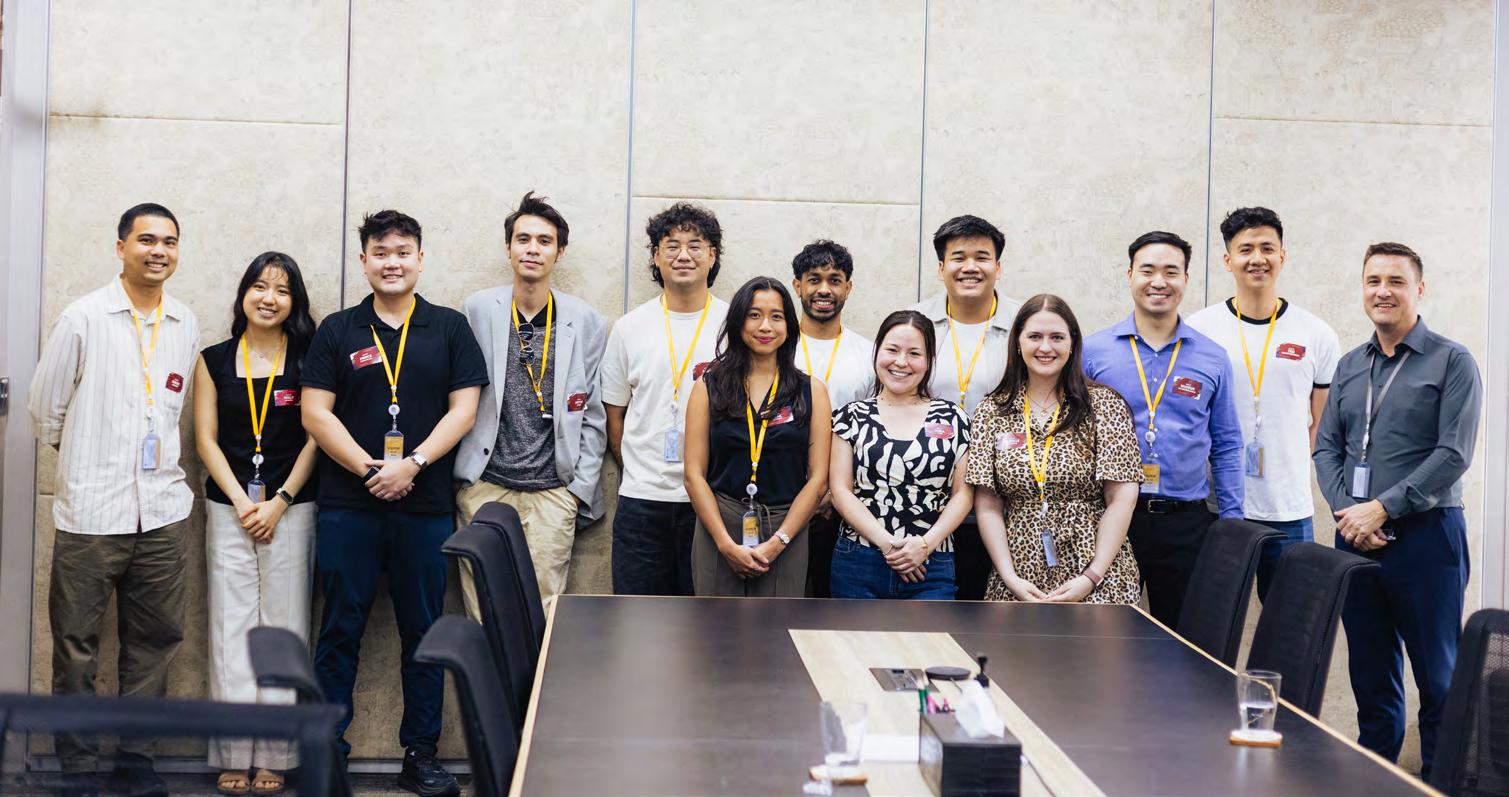
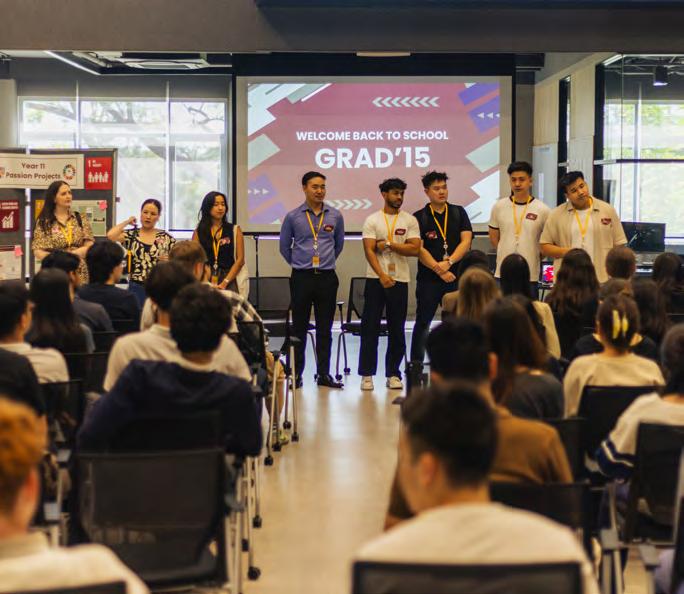
Ten years after graduating from Bangkok Patana School, the Class of 2015 returned with a little more life experience and a lot of good stories. 15 members of Grad’15 visited the school and met with the Head of School to hear about where Bangkok Patana is heading next. It was a reminder that while the campus continues to grow and change, the values and sense of community remain very familiar.
Lunch took place at the Secondary Canteen, just like old times. Same location, slightly different conversations. Joining
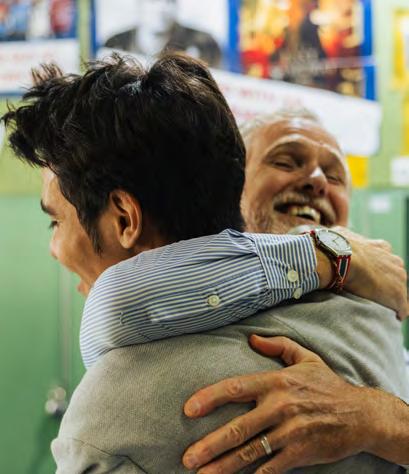
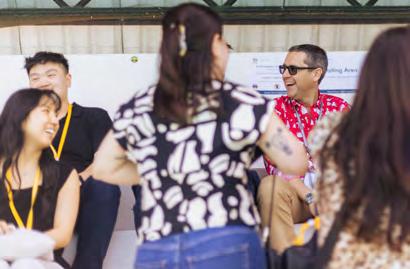
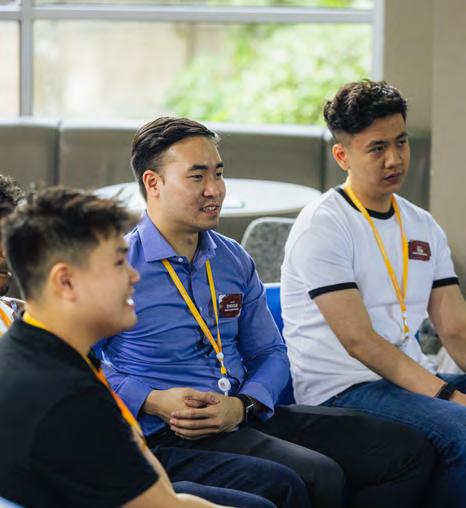
them was their former teacher Andy Roff, helping spark memories, complete with stories, laughs and a few moments of “did that really happen?”
After lunch, the group wandered around campus and bumped into former teachers, the kind of encounters that start with “You look exactly the same” and end with laughter and disbelief that ten years have somehow passed.
It is fitting that the biggest impact these Grad’15 alumni made during their visit was when they spoke to the Class of 2026. They shared insights from university
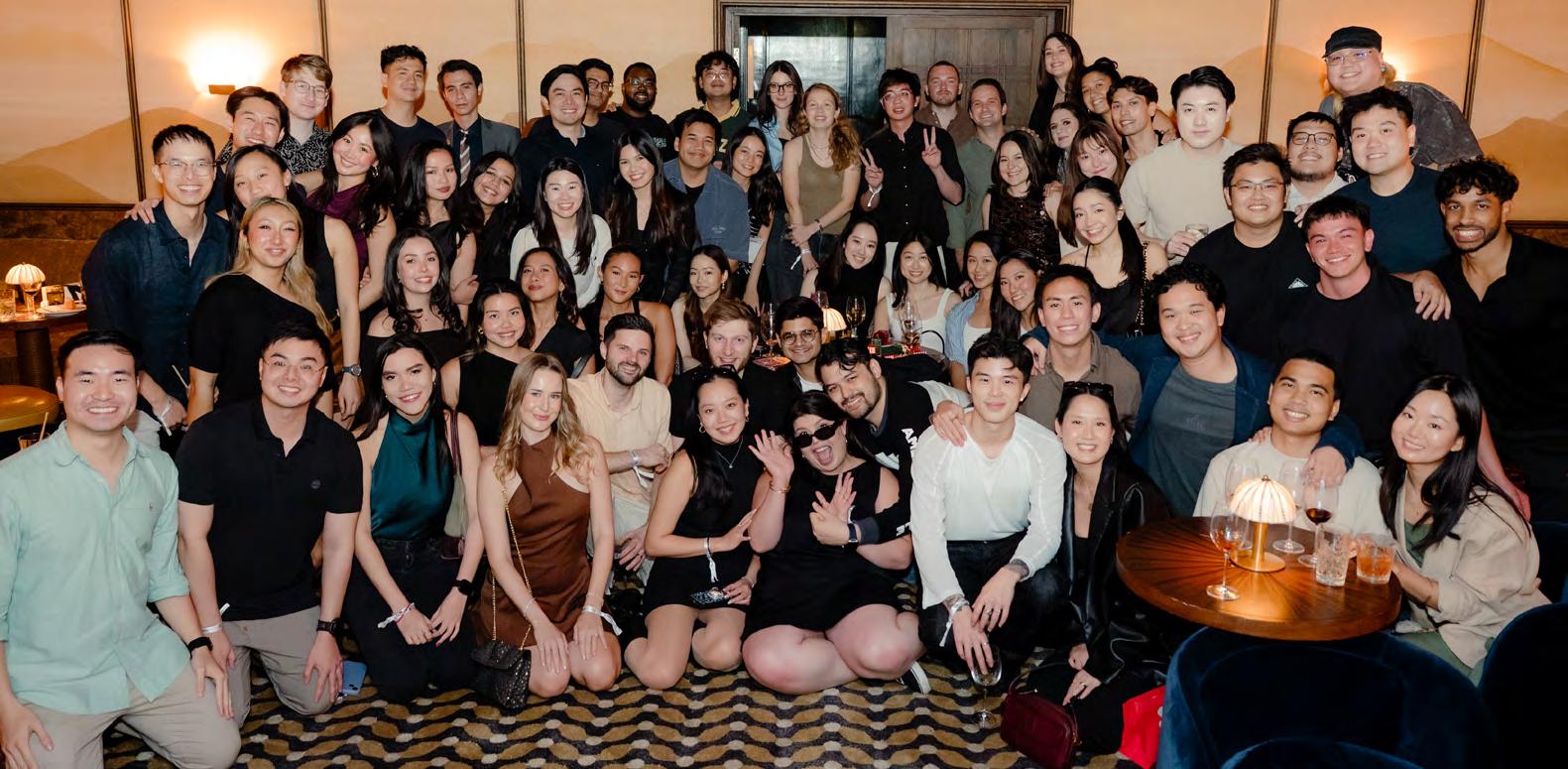
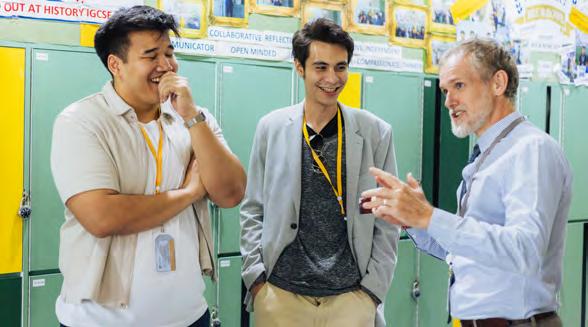
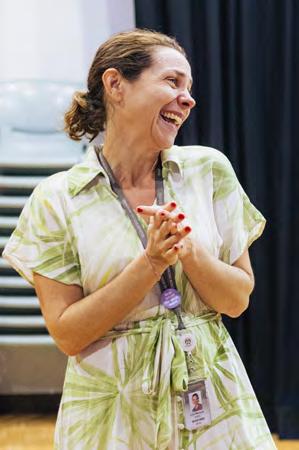

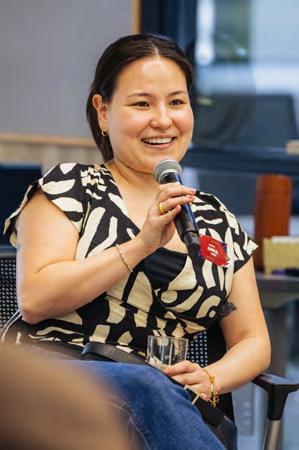
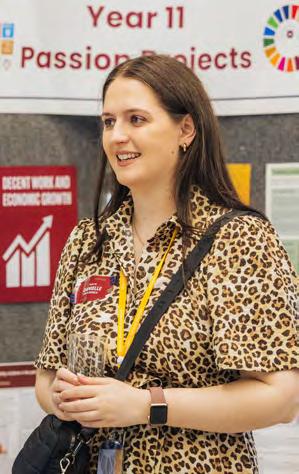
life and beyond the Bangkok Patana bubble, offering an honest but encouraging perspective. The message was clear. You can have goals, plans and ambition while still allowing room for change. Not every journey follows a straight line and that does not mean you are off track.
The visit concluded with a 10th anniversary celebration on Saturday 20th December. It was a night of reconnection, laughter and appreciation for how far everyone has come.
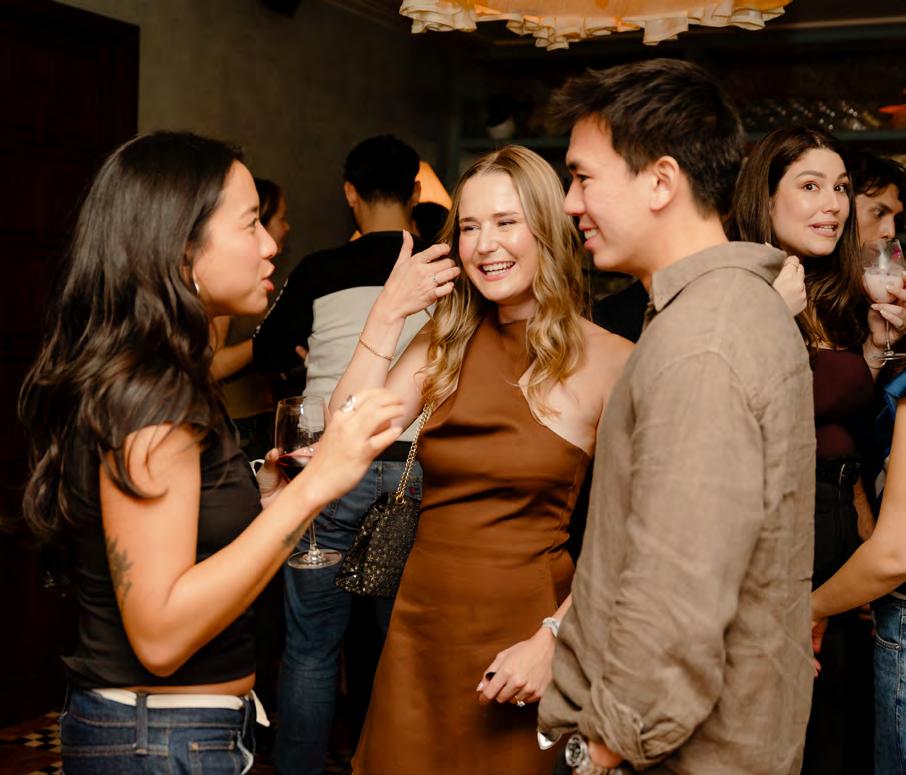
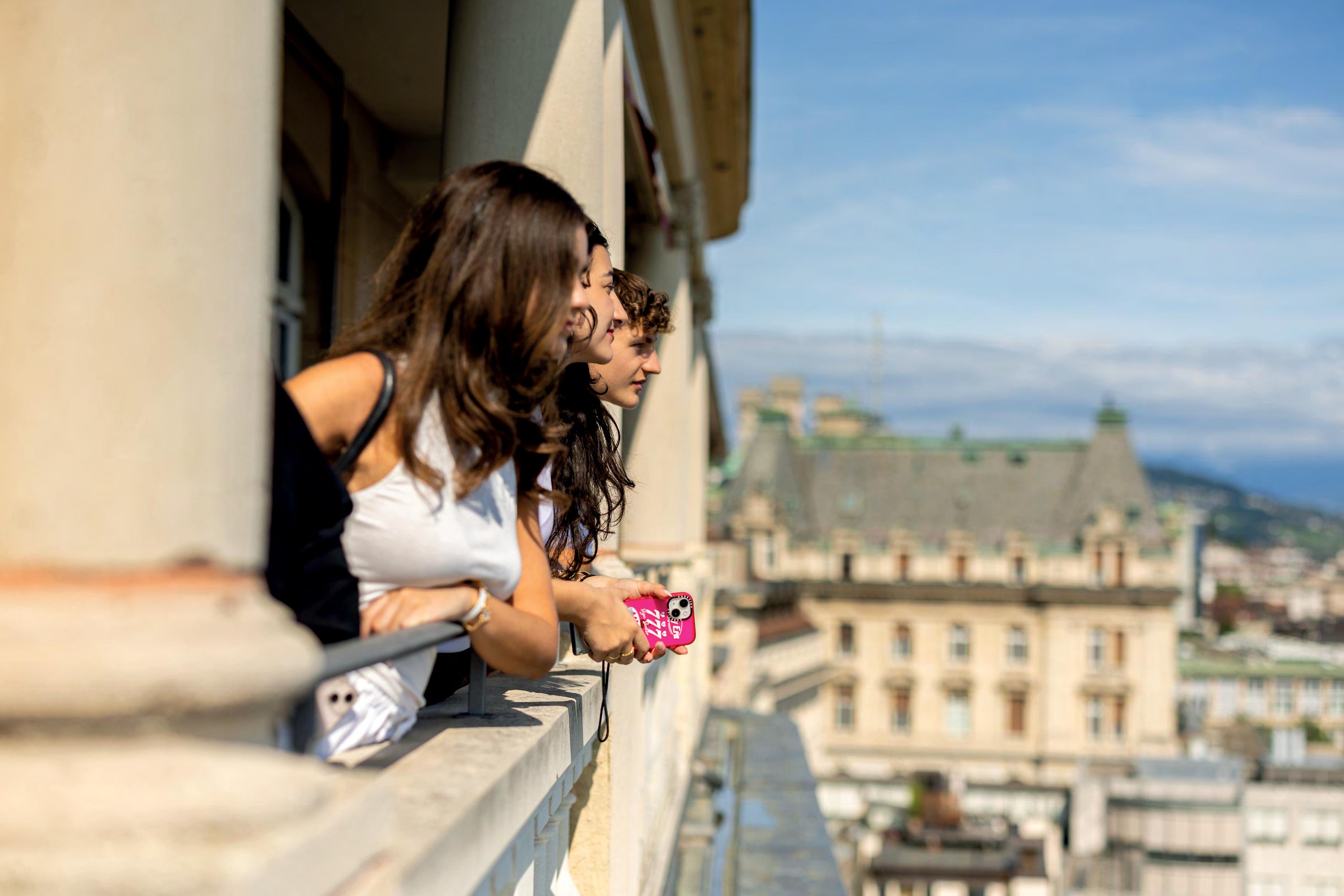
This summer, teens aged 16–18 can step into a truly international summer—living, learning and connecting at the World's #1 Hospitality Business School.
With the option of one week in Switzerland or Singapore, or two weeks across both campuses, the programme blends vibrant city life, cultural experiences and collaborative projects with students from around the world.
A summer of friendships, perspective and unforgettable memories.