PORTFOLIO | 2026
Selected Work
PORTFOLIO | 2026
Selected Work
Architecture

Curriculum Vitae Architectural Work

BSc. Architecture
Jordan Univirsity of Sceince and Technolgy 2021 - 2026
Accredited by the National Architectural Accrediting Board (NAAB) , USA
Microsoft Office AUTOCAD
Revit Architecture REVIT 3D
Lumion Render and Video Animation
D5 Render
Twinmotion Render
Adobe ( Photoshop , Indesign , Illustrator
Jordanian architecture student in her fifth year with experience in residential and landscape design.
Concept-driven and sustainabilityoriented, focusing on massing, light, and spatial experience.
She prioritizes site adaptation, environmental responsibility, and user centered solutions to create contextually grounded and experiential architecture.
( Optimal Knowledge )
Data Analysis & Visualization
Quantity Surveying
Site Planning and Surveying
Reporting
Illustrator )
01/2024 – Current
IRBID . Jordan
Experience : Designed landscape and garden projects for residential and public spaces. Developed masterplans and 3D visualizations to present design concepts to clients. Gained experience in client-oriented design, site planning, and digital presentation.
04/2025 – 06/2025
TRAKAI , Lithuania
Experience : Designed a residential building, following local regulations and client requirements. Developed full architectural plans, and created 3D models and renderings using Lumion.
Gained practical experience in architectural design, visualization, and material selection.

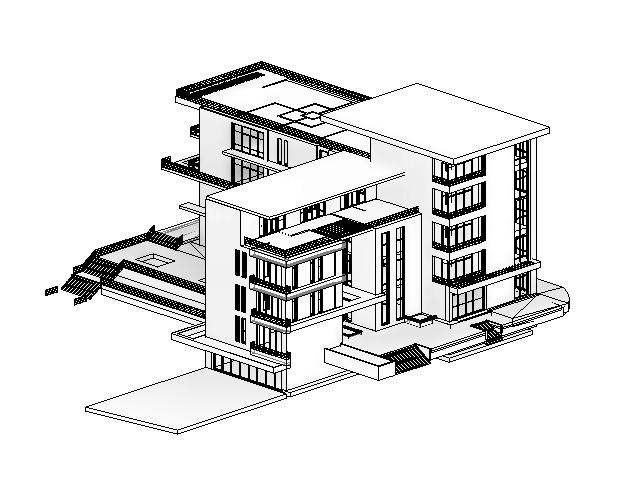
Location : Vilnius , Lithuania
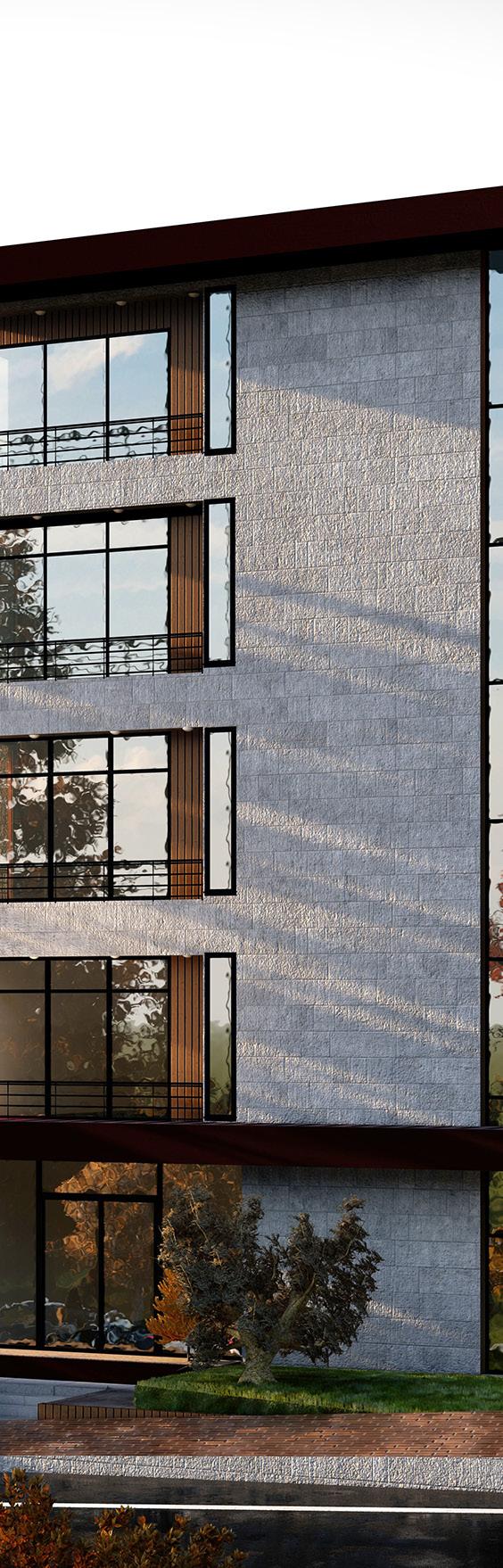
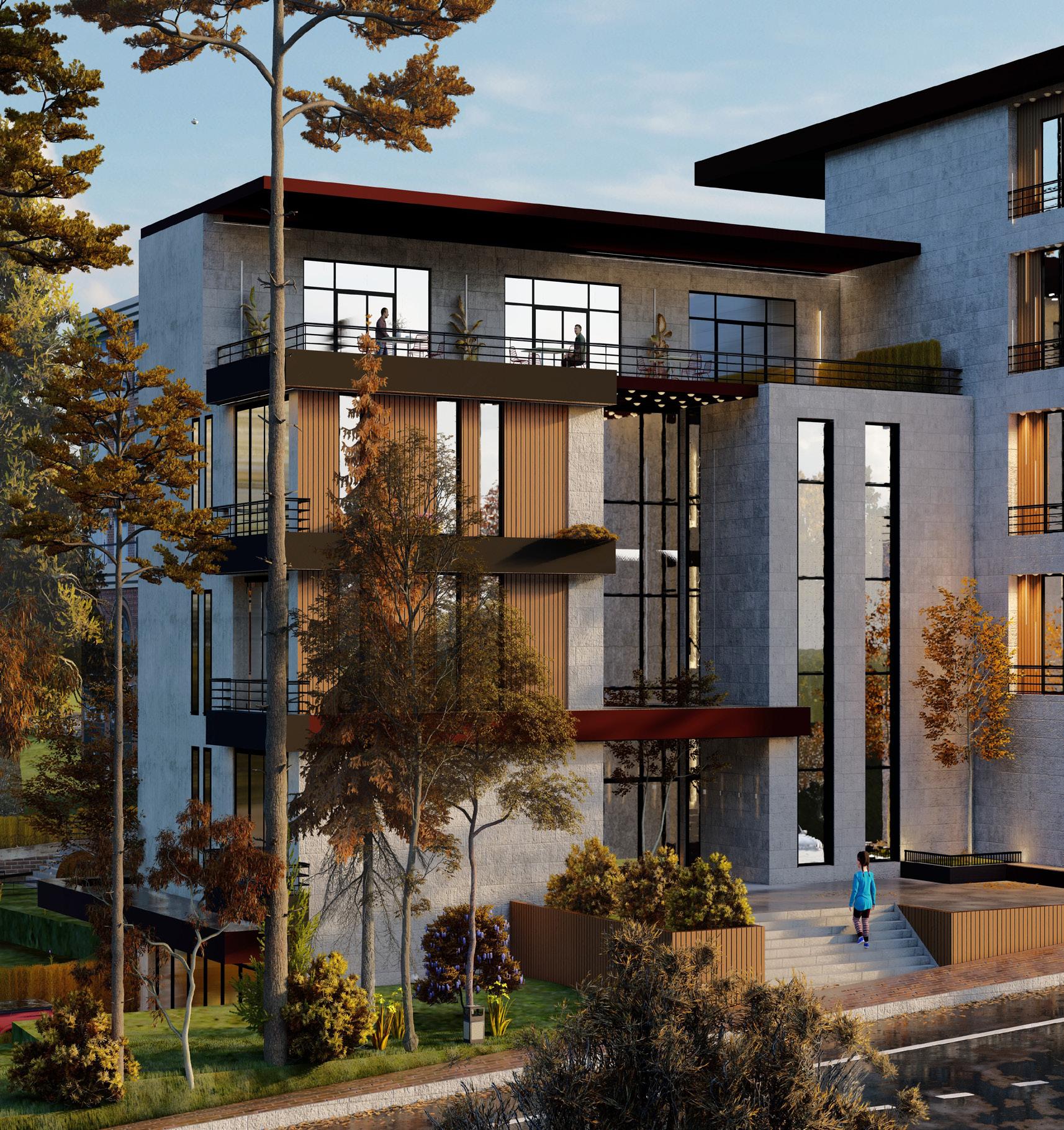
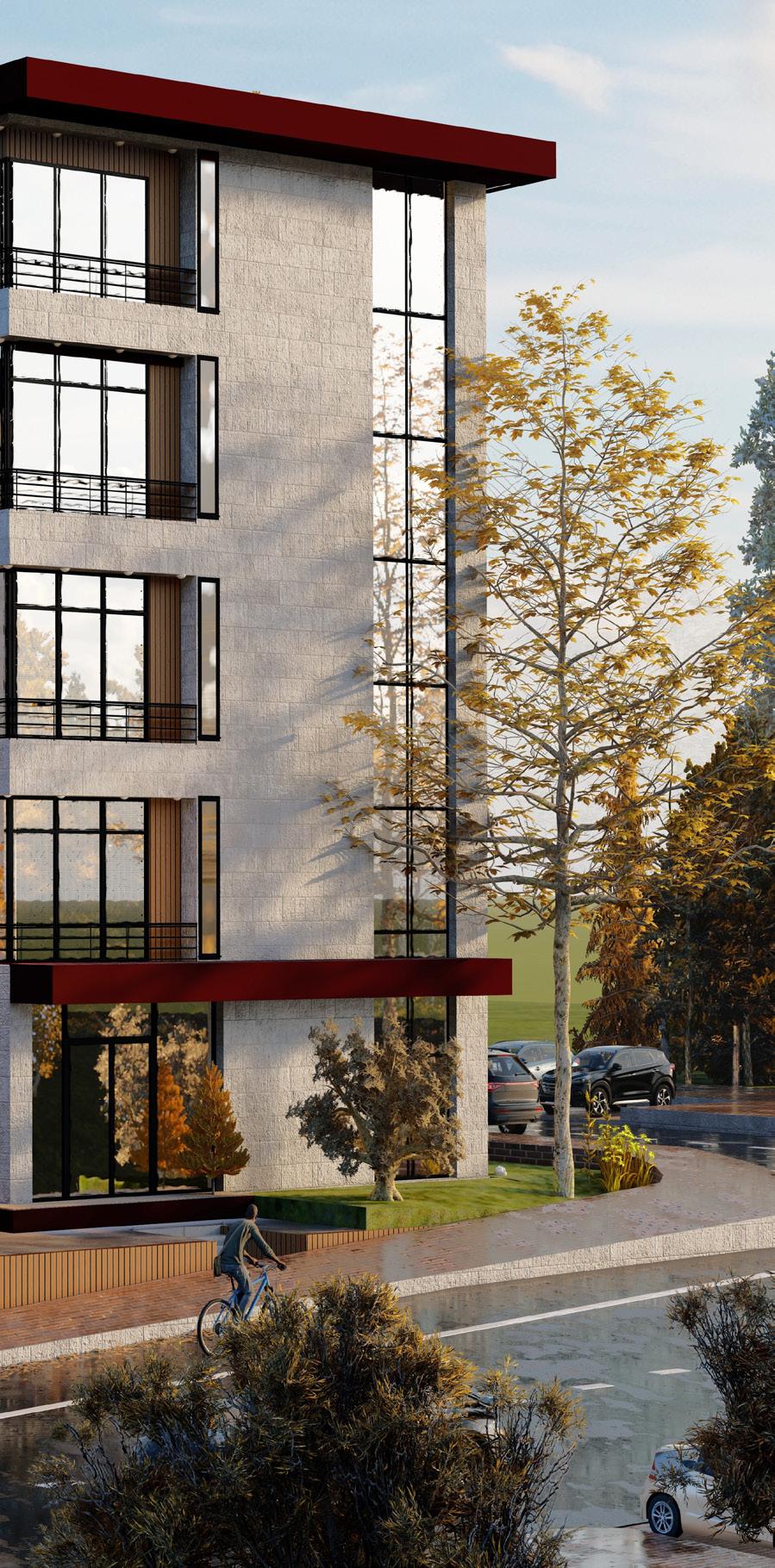
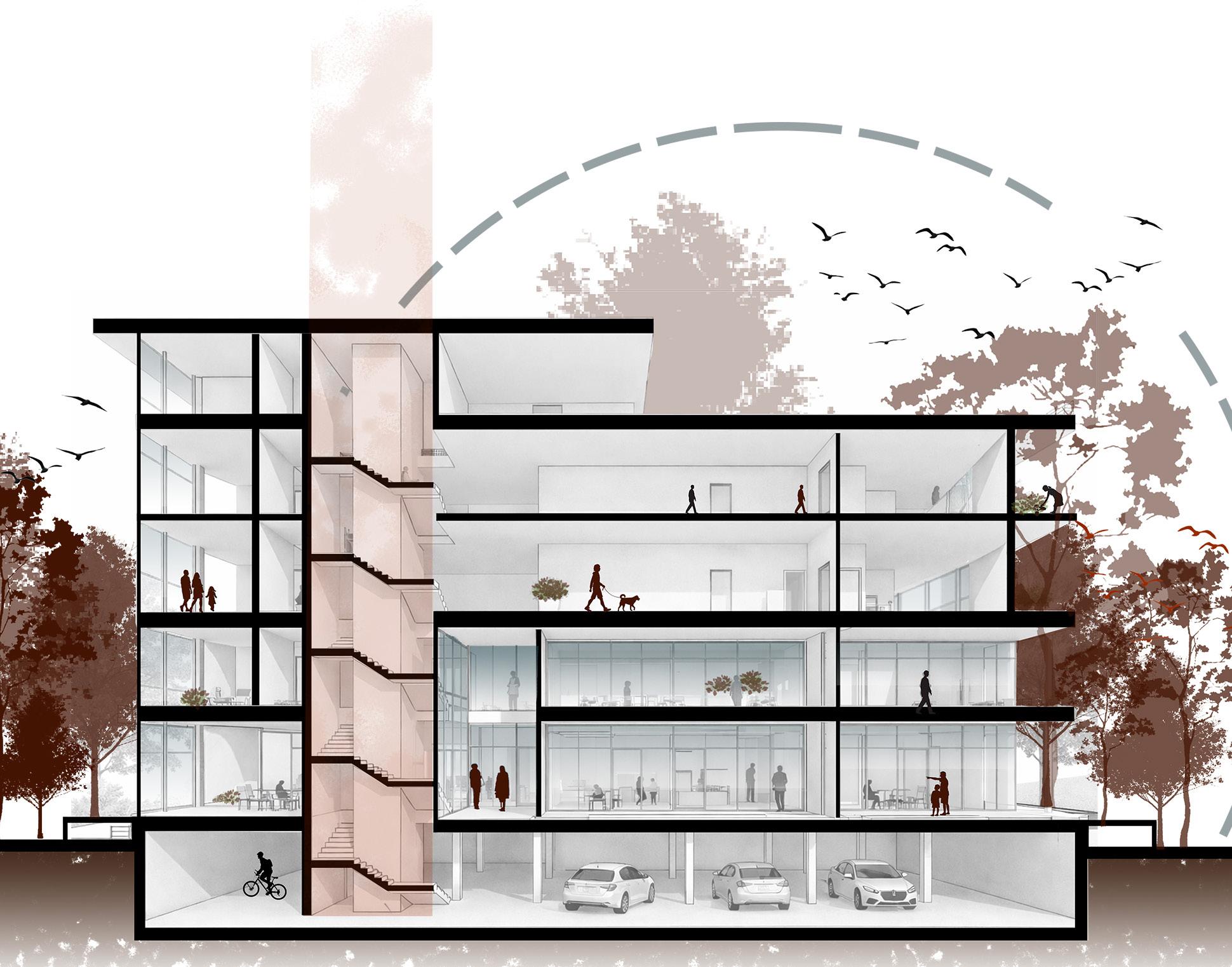
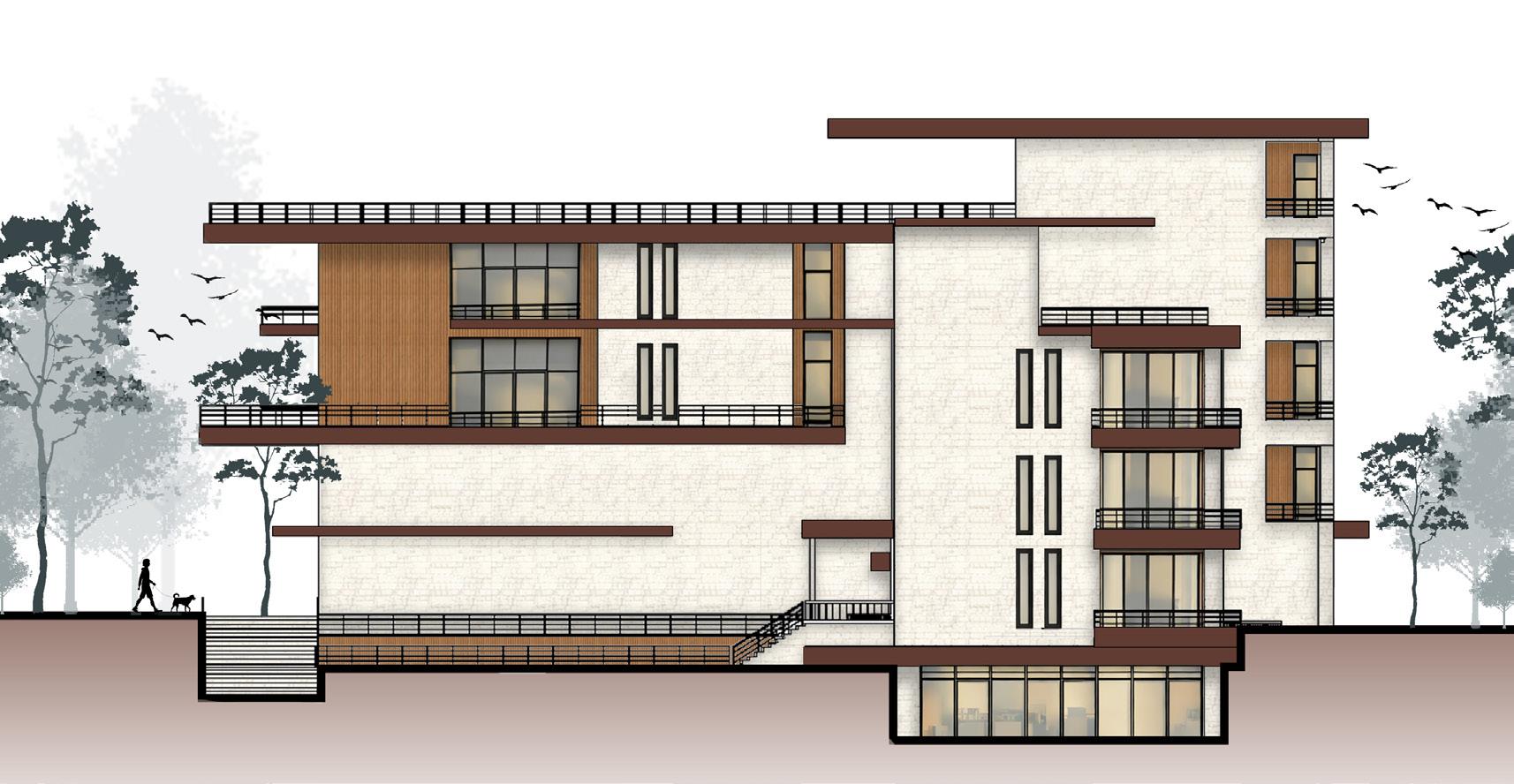
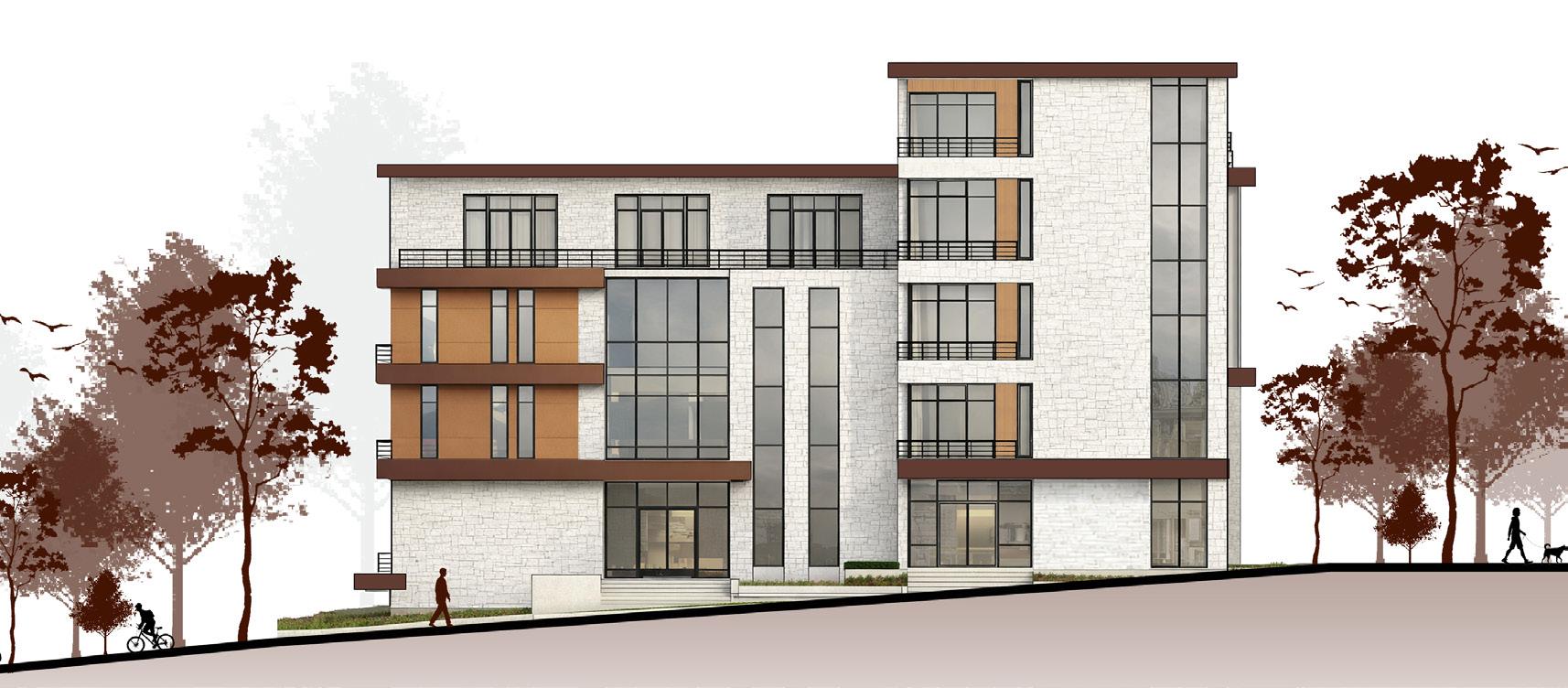
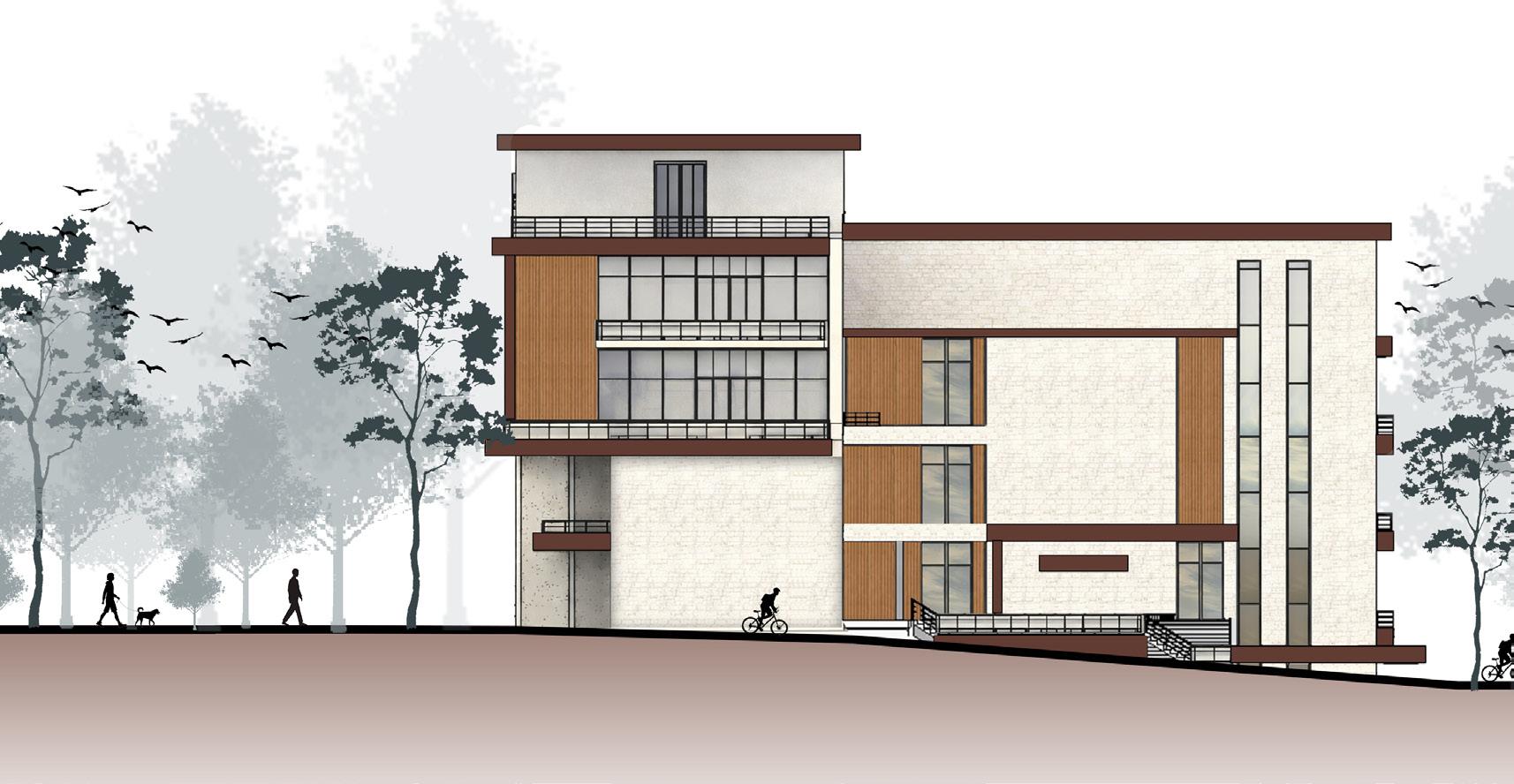
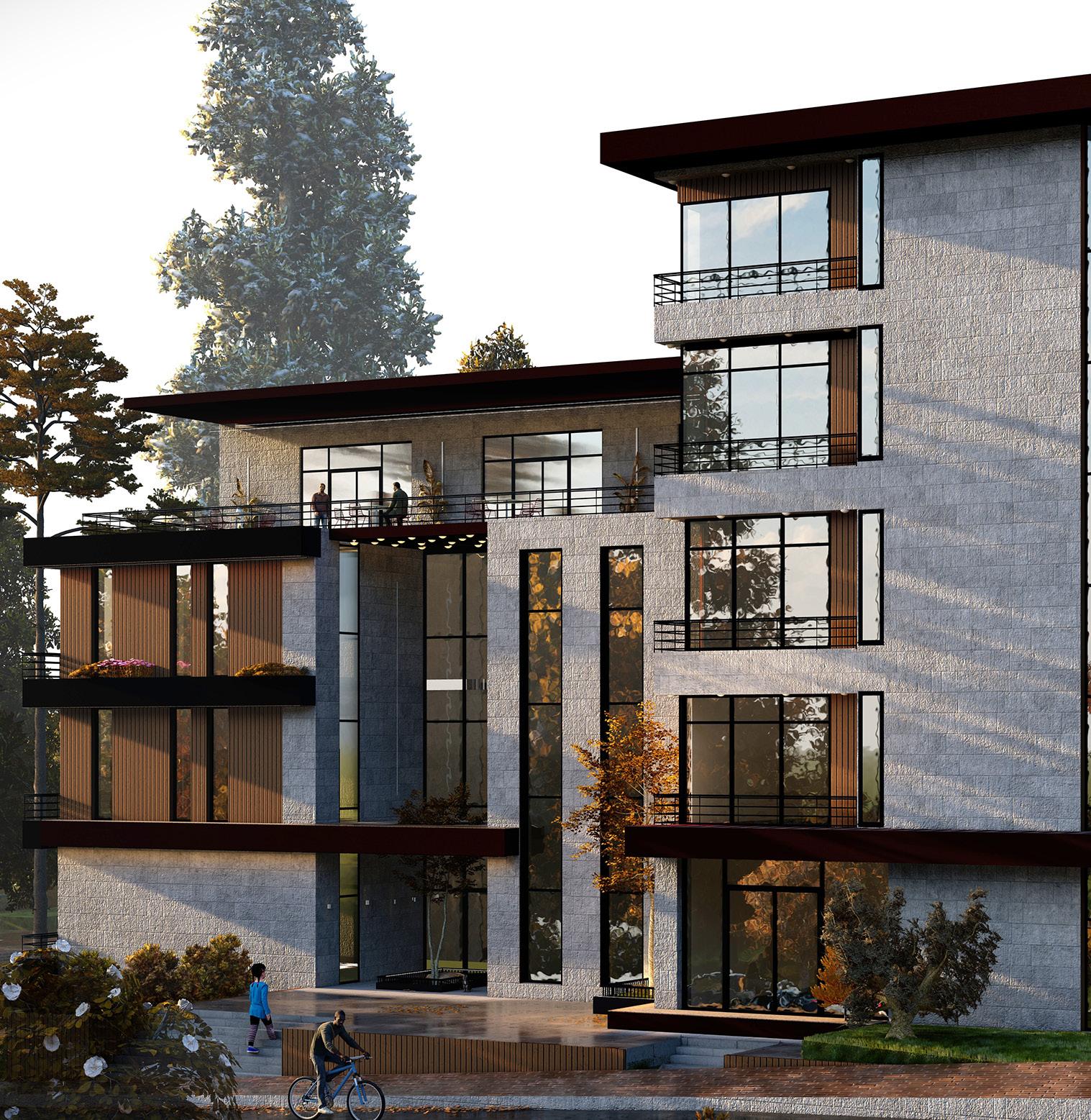
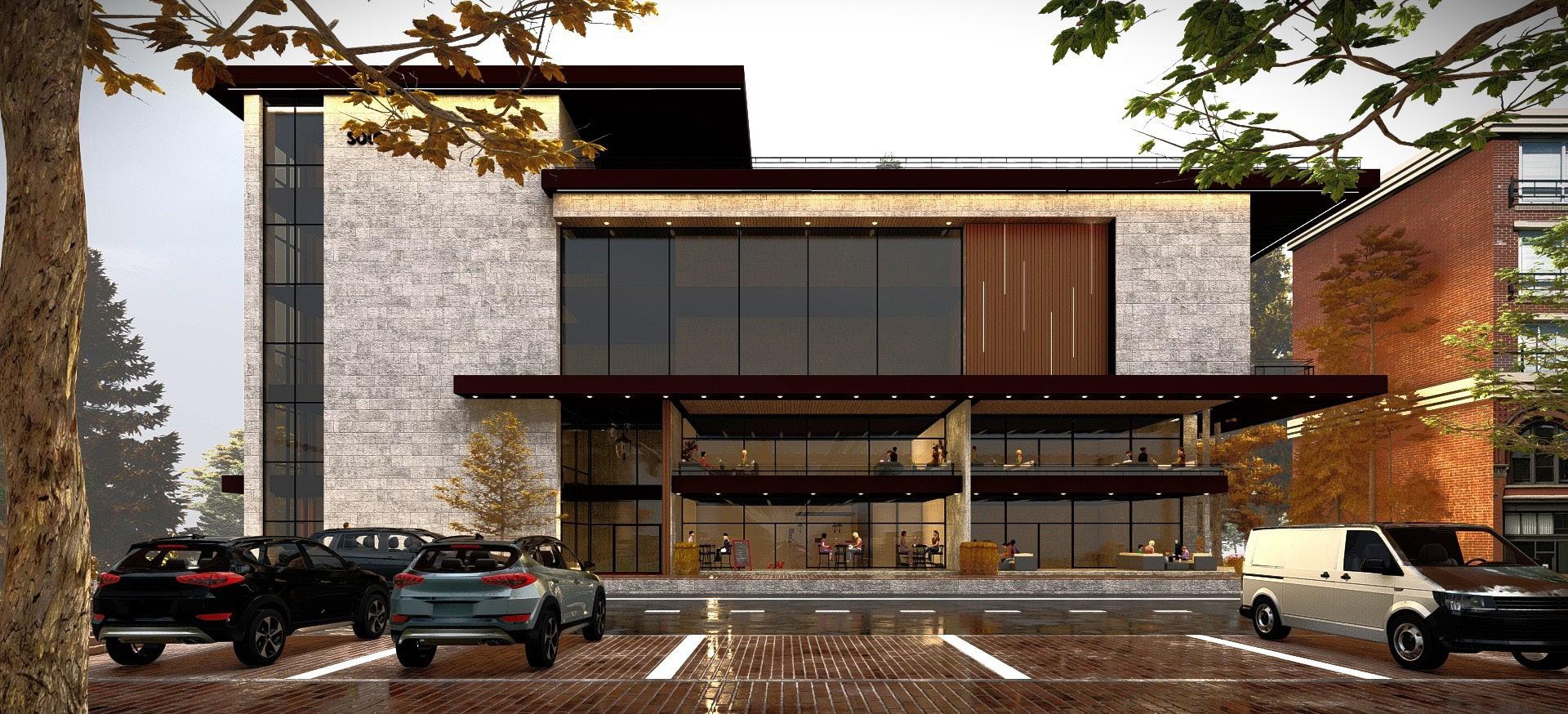
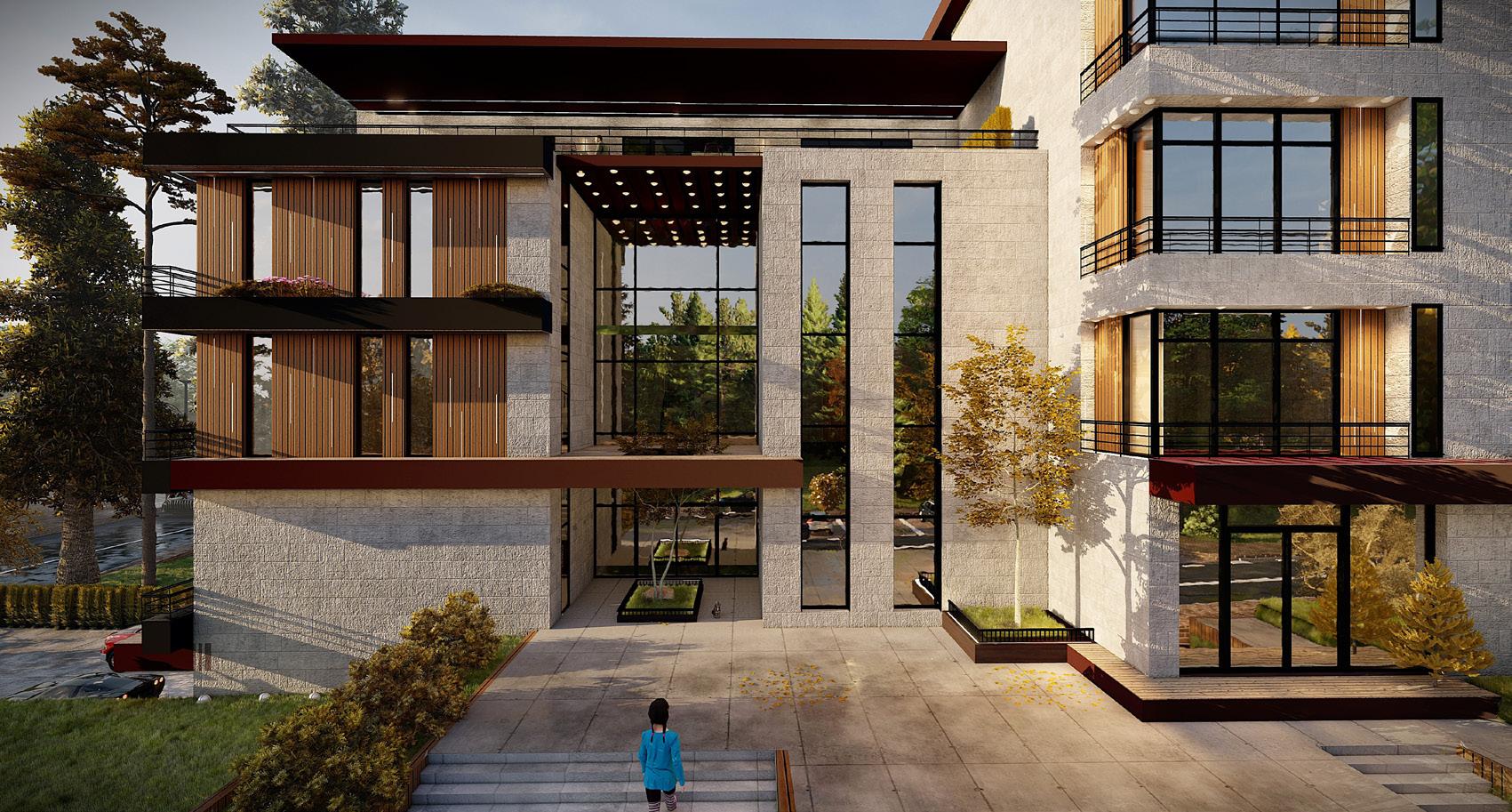
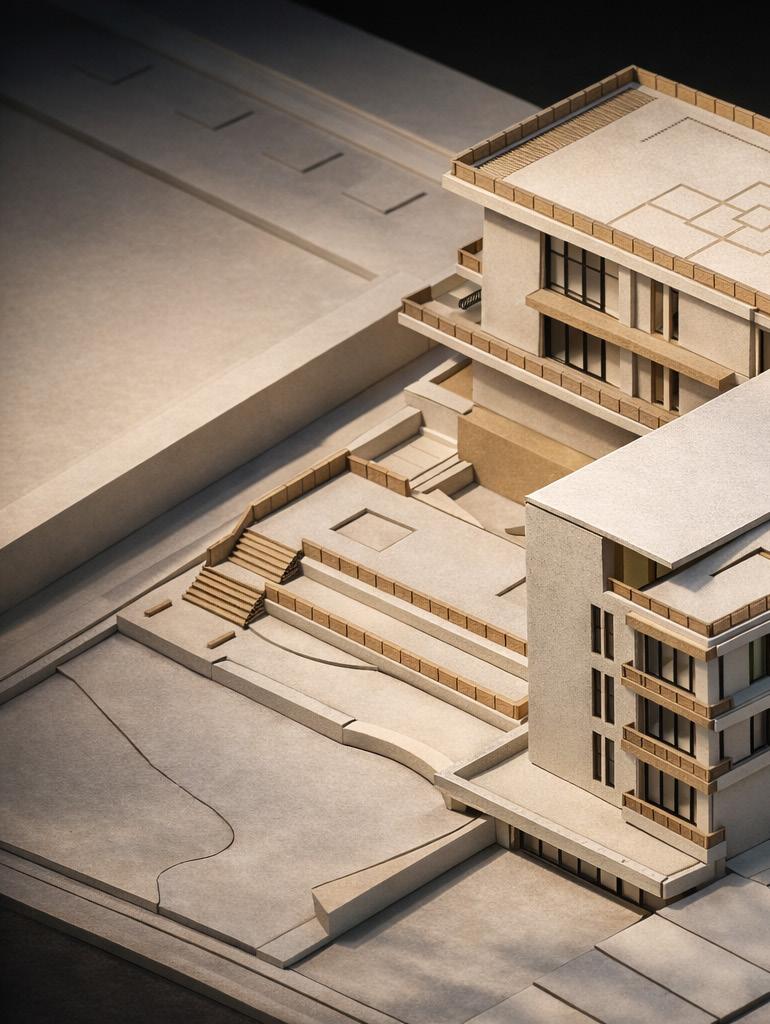
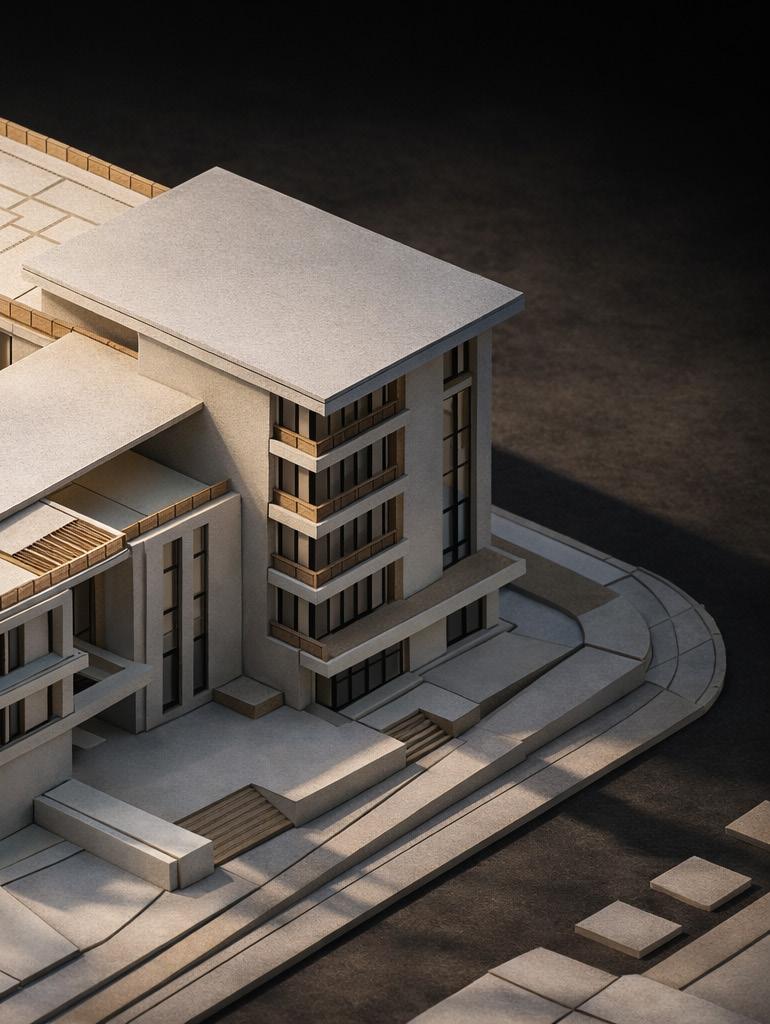
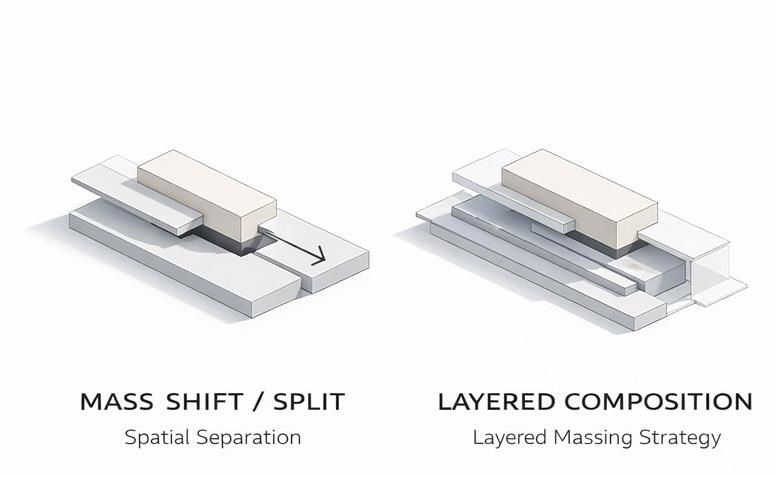
A five-storey mixed-use development in Vilnius, near the Neris River. The project replaces two deteriorated buildings and redefines a three-street corner plot through a composition of three proportional volumes, carefully oriented to respond to the site’s slope and maximize natural daylight.
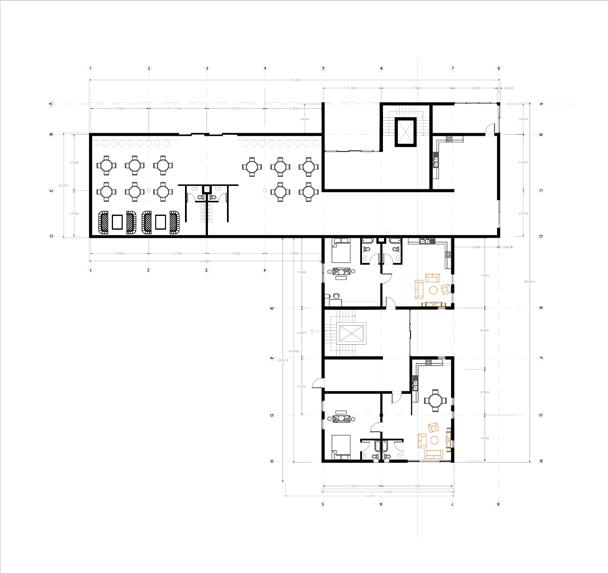
The ground floor accommodates two double-height cafés, while 18 residential units occupy the upper levels with a separate entrance facing the river. Balconies and a shared rooftop enhance residential quality, and the façade creates a warm yet contemporary identity integrated with its urban context.
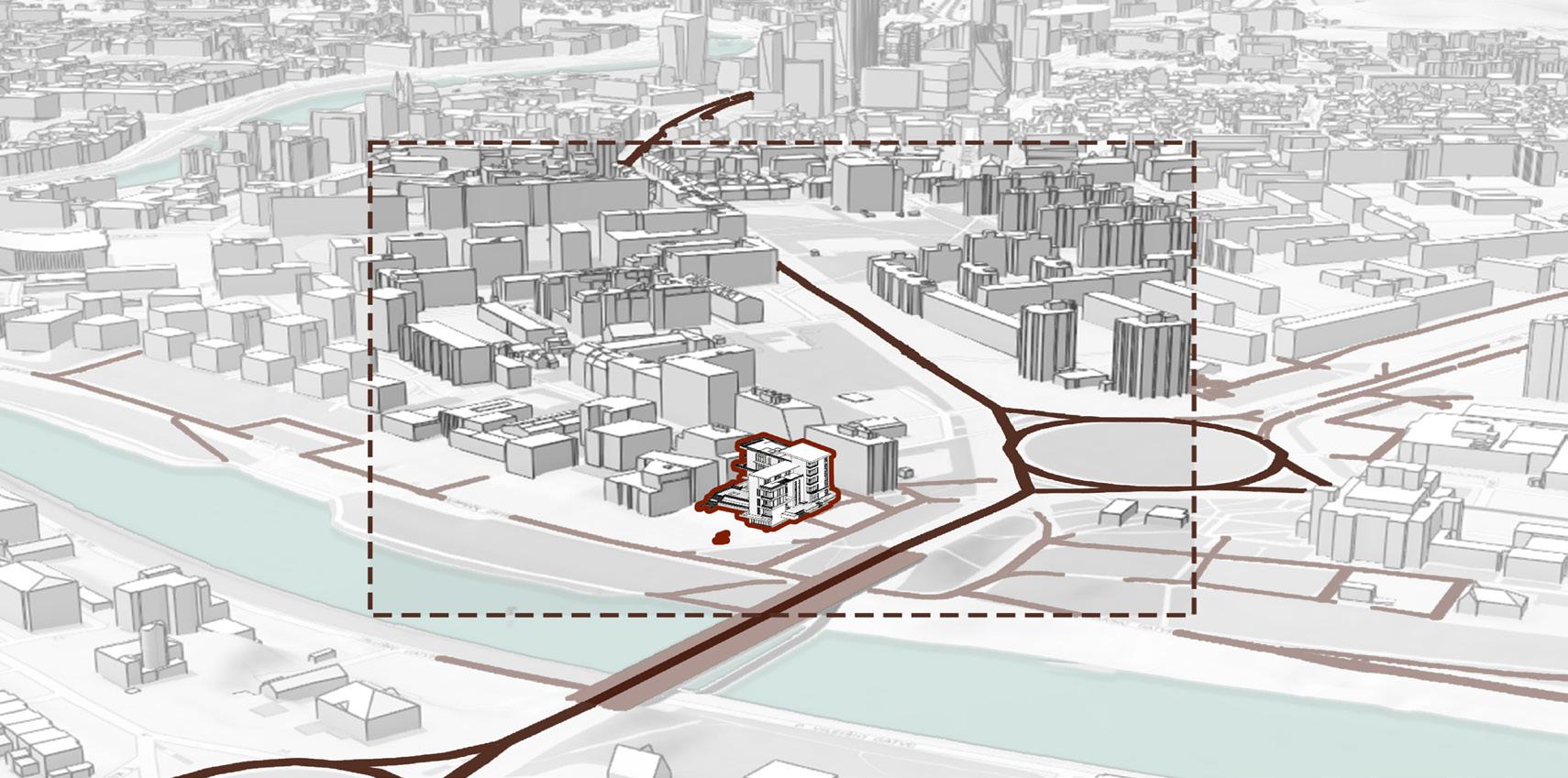
Studied the context, streets, slope, and river proximity.
Developed concept and explored precedents for massing and function.
Completed structural details and execution drawings.
The design concept arranges the building masses to face all directions, while defining entrances through volumetric subtraction. The project also incorporates open spaces, including terraces and a backyard, enhancing connectivity and outdoor experience.
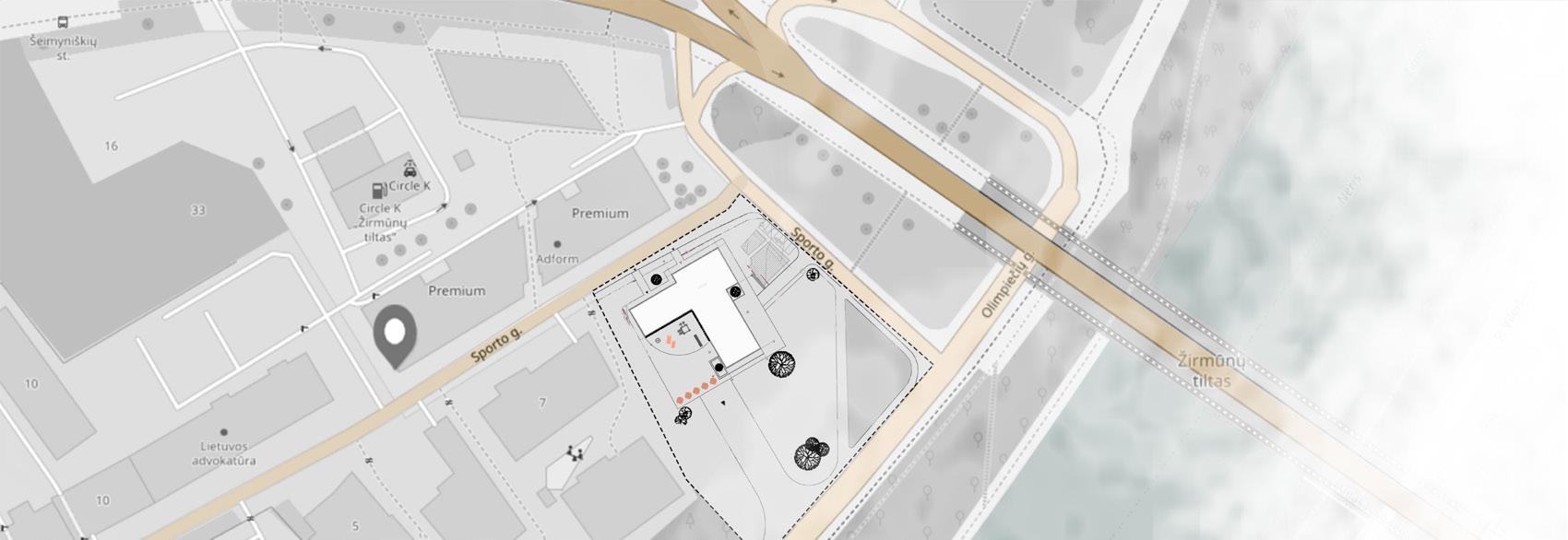
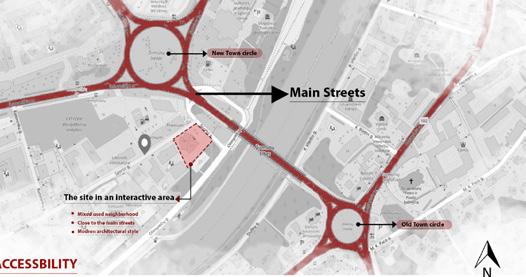


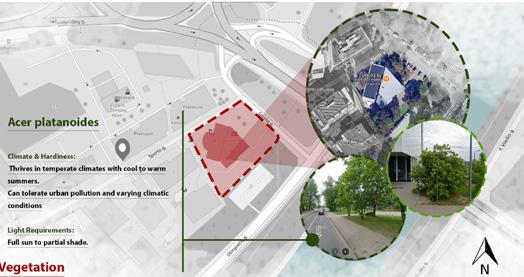
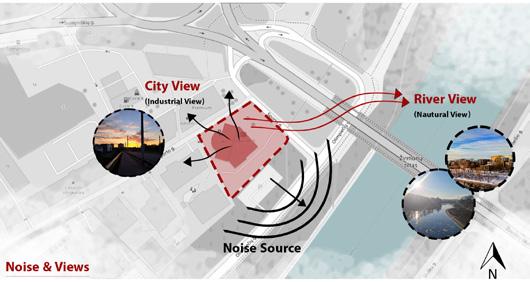
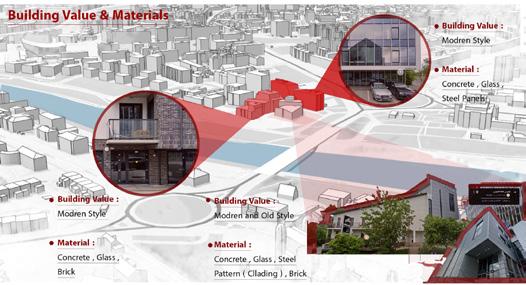
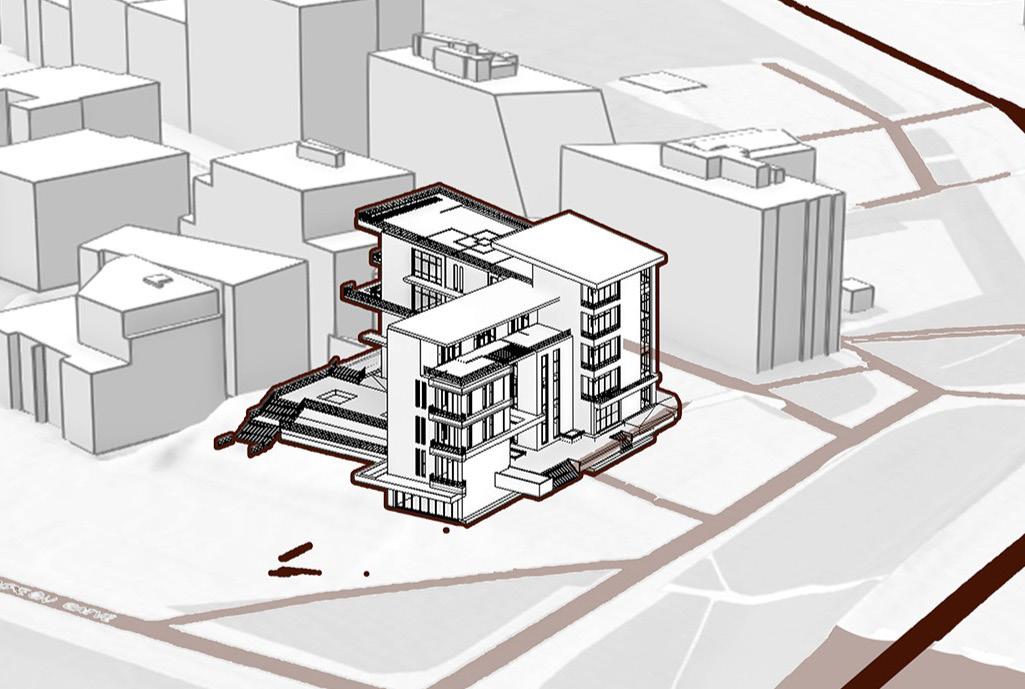
The site analysis examines the environmental, spatial, and contextual factors influencing the project. Key considerations include orientation, climate conditions, surrounding urban fabric, accessibility, and views. These parameters informed the design strategy, guiding massing decisions, circulation patterns, and the integration of open spaces to ensure responsiveness to both context and user experience.
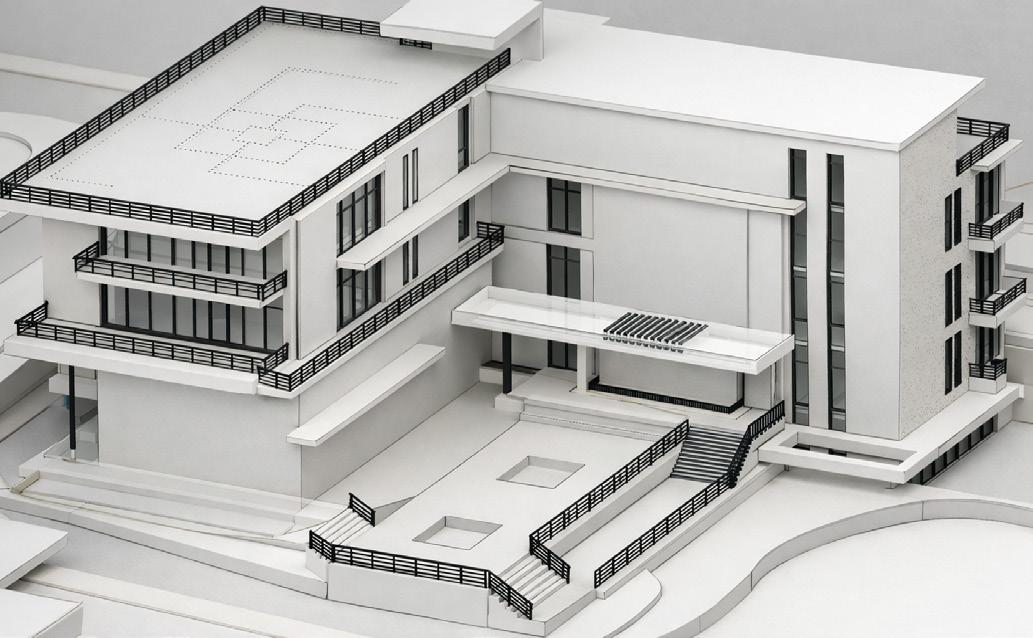
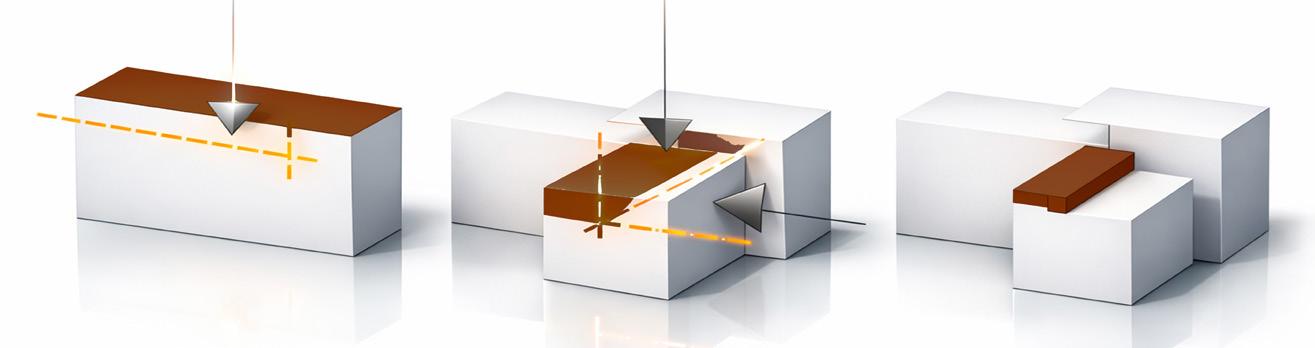
The design concept arranges the building masses to face all directions, while defining entrances through volumetric subtraction. The project also incorporates open spaces, including terraces and a backyard, enhancing connectivity and outdoor experience.
Perspective Section
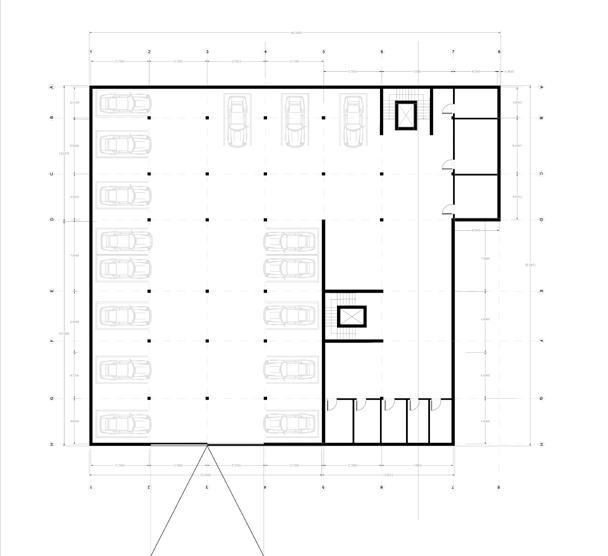
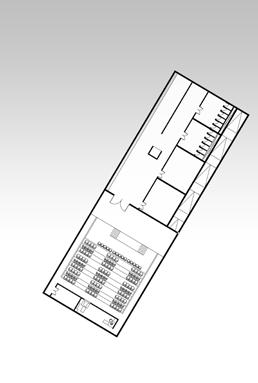
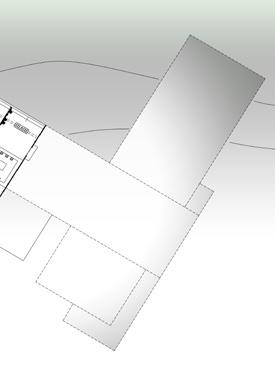
Oblique Plans Basment Floor PLan


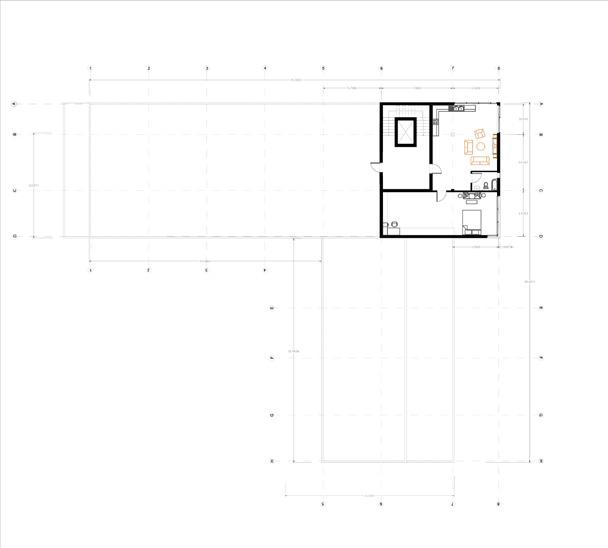
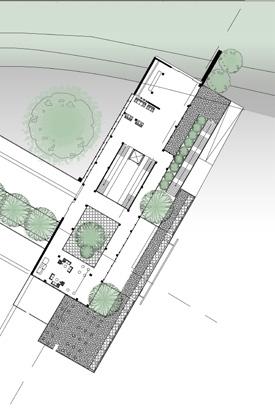
Ground Floor PLan

North Elevation

03 . Structural Strategy & Technical Development
Bacement Floor Plan
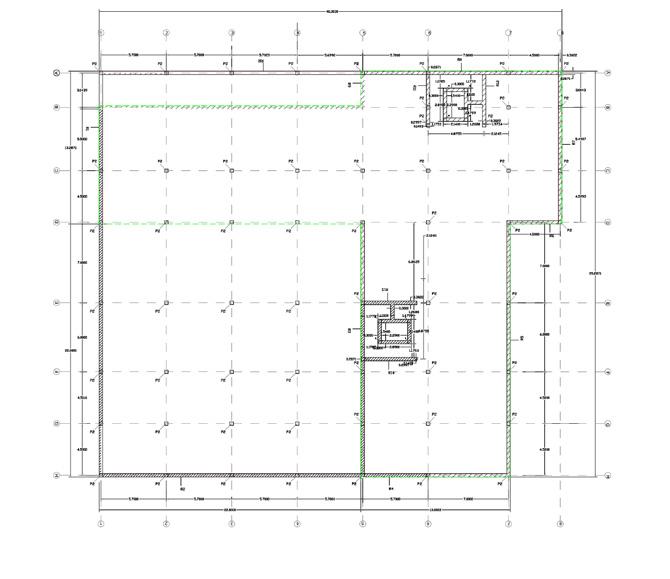
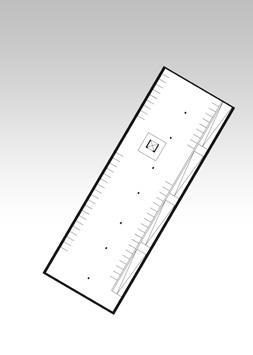
Bacement Floor Ceiling Plan
Structural Component
05 . Drop Beams Sysetem
- Reduced Deflection
- Clear Spans
- Structural Depth
04 . Reinforced Concrete Bearing Walls
- Lateral Stability
- Structural Stiffness
- Vertical Anchor
03 . T-Shaped Slab System
- Optimized Depth
- Span Efficiency
- Material Reduction
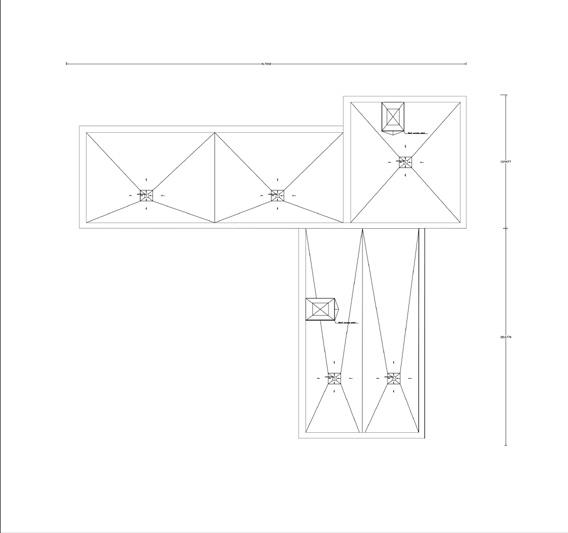
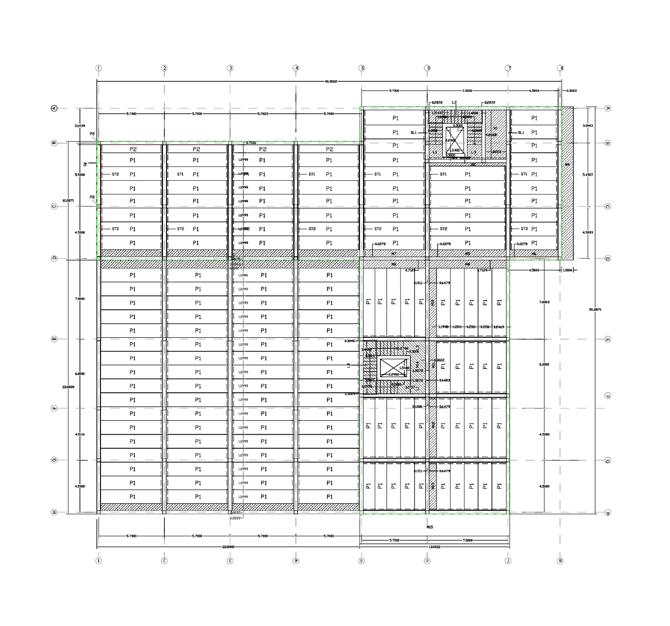
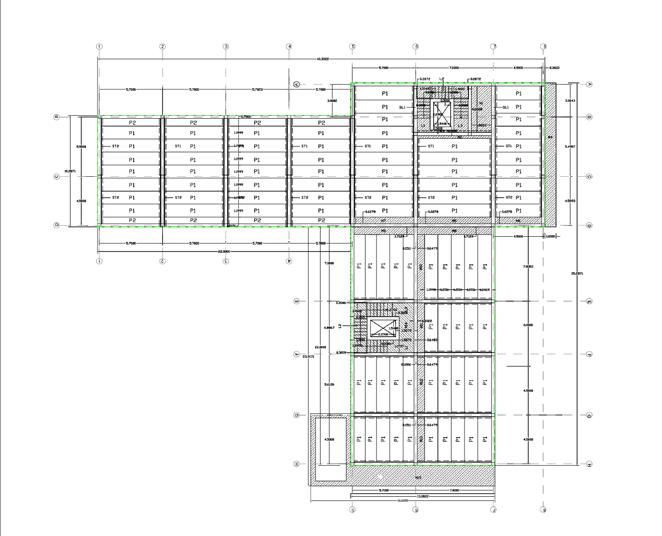
Ground Floor Ceiling Plan Structural
02 . Concrete Post & Beam Structure
- Regular Grid
- Structural Efficiency
- Clear Load Paths
01. Flat Foundation System
- Load Distribution
- Soil Pressure Control
- Structural Continuity

Strategy
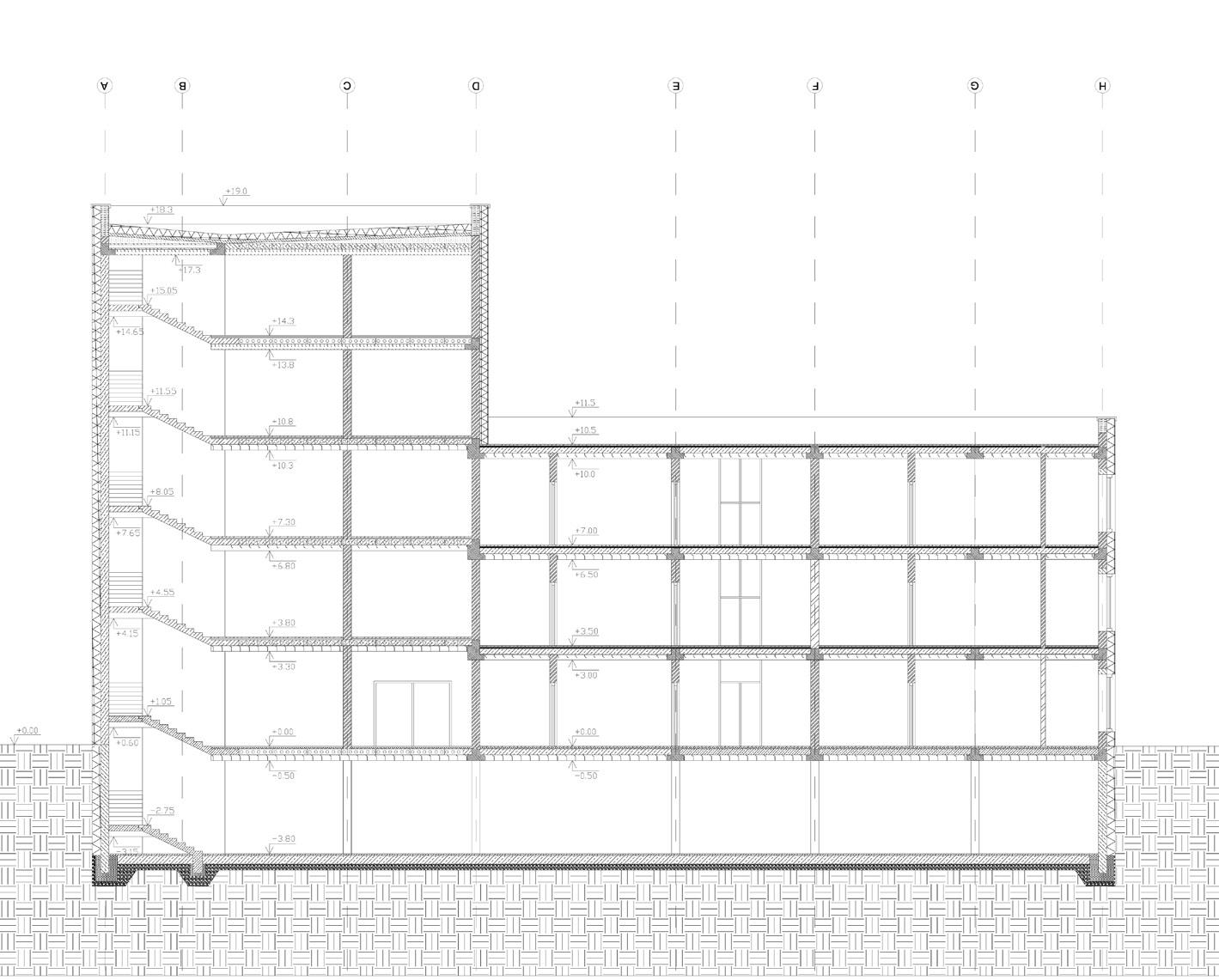
The structural system is based on a reinforced concrete frame with a regular column grid.
Vertical loads are transferred through slabs and beams into shear walls and core elements.
The basement structure is designed to resist soil pressure and accommodate service spaces.
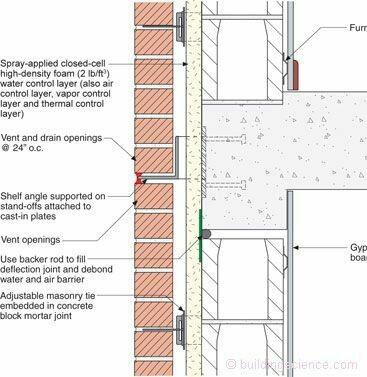
The section clarifies load transfer, slab thickness, and the integration of insulation and finishing layers.
Detailed Section

Location : Mafraq , Jordan
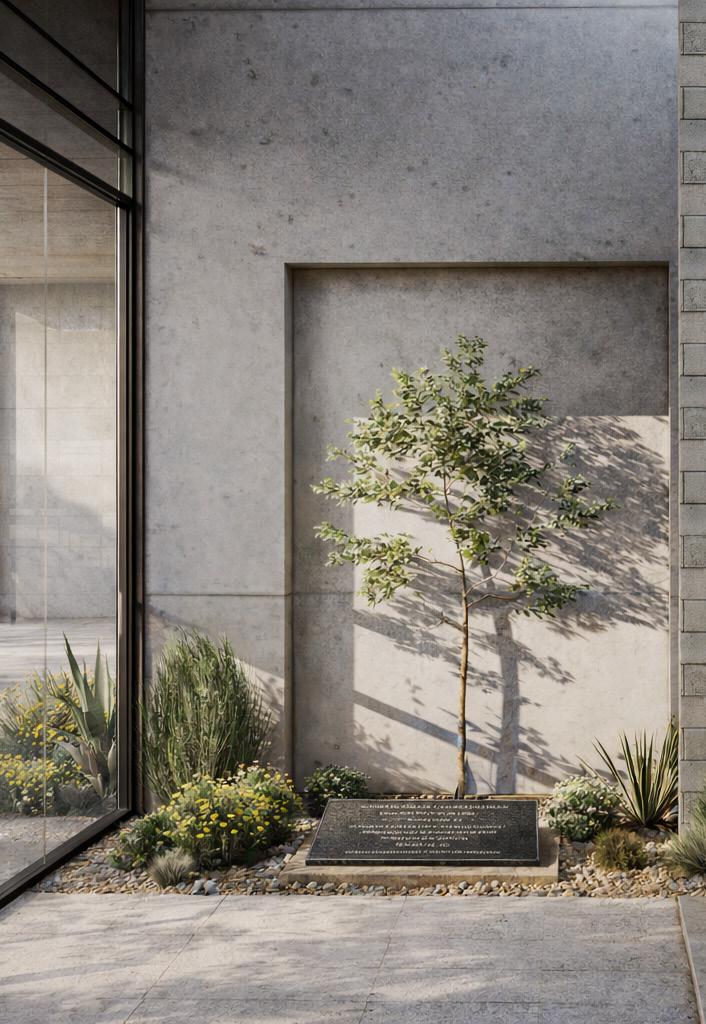
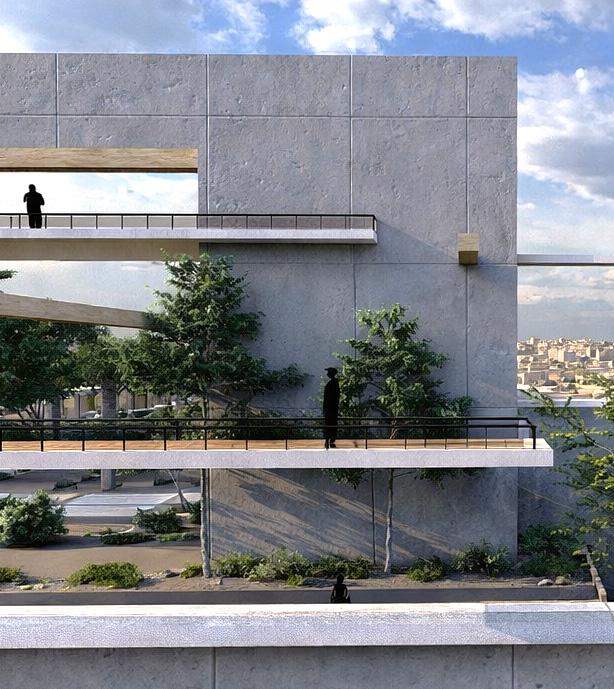
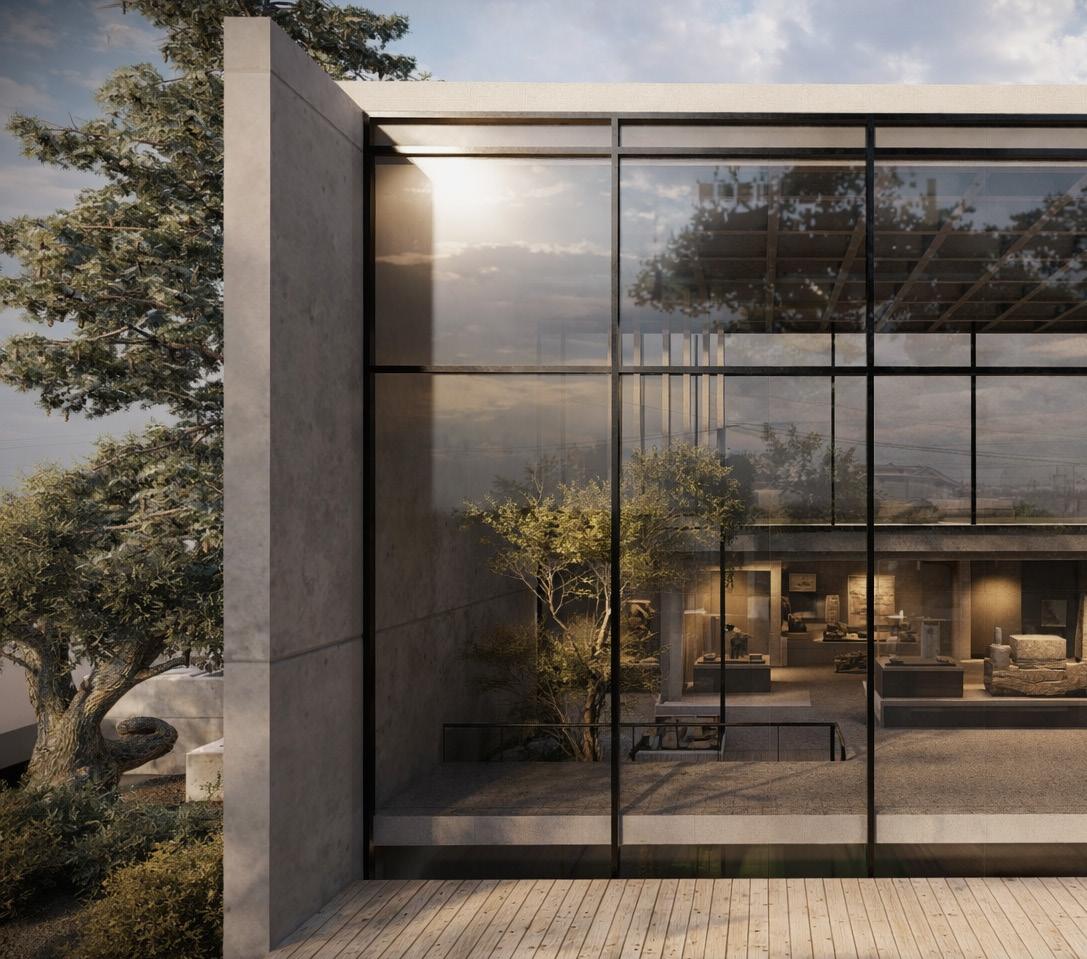
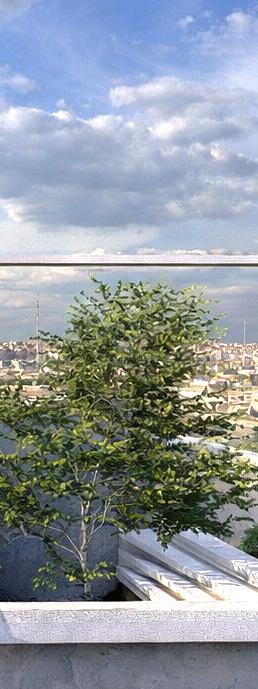
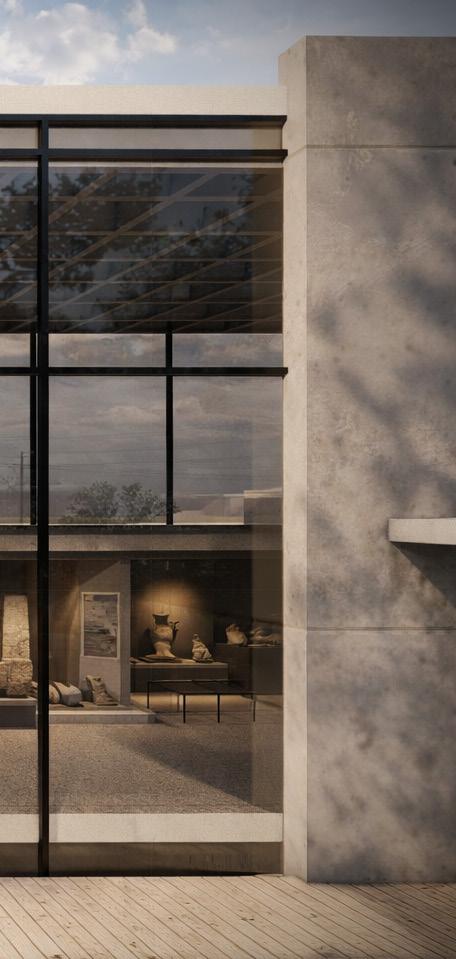
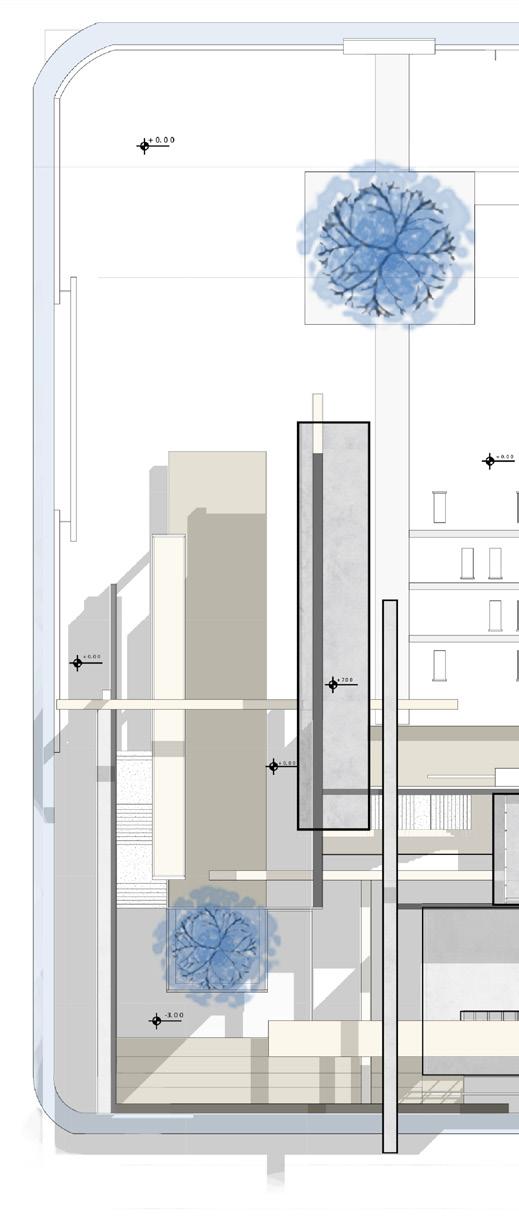
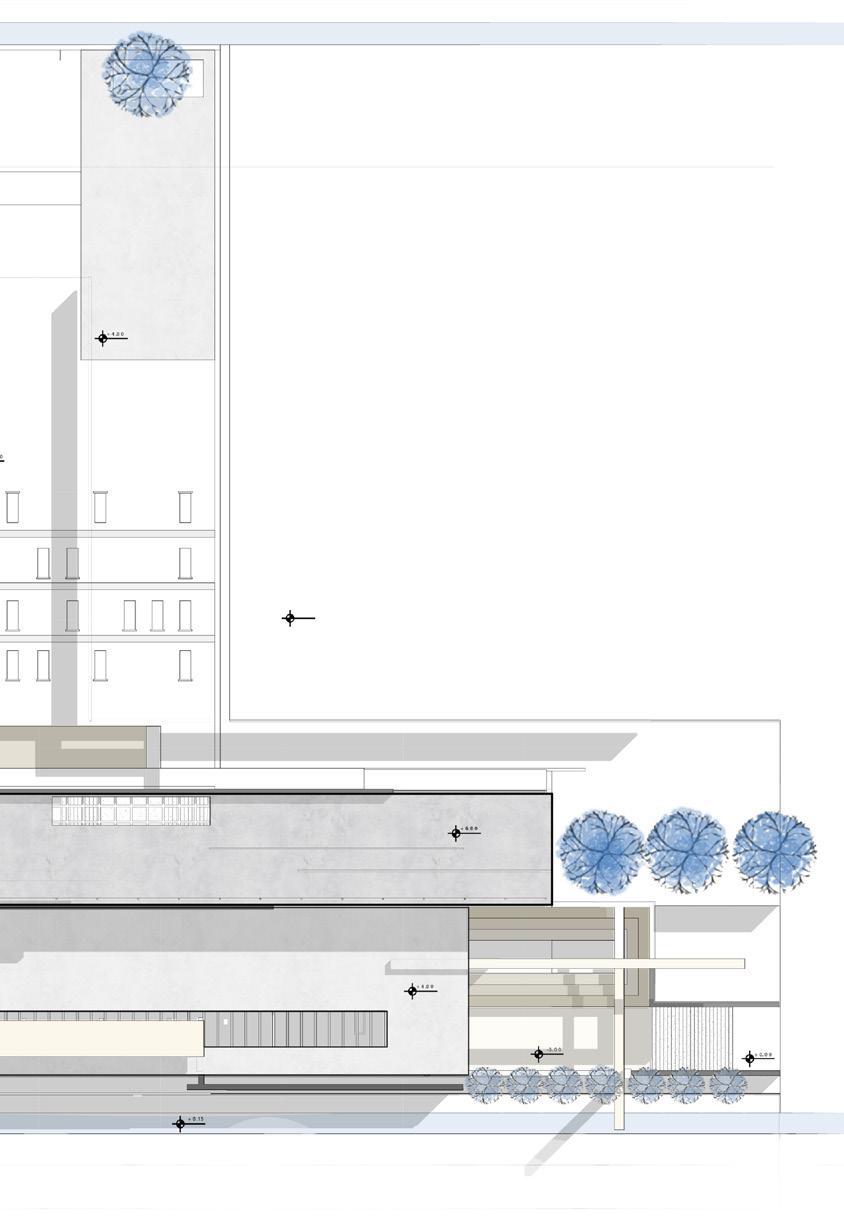
This project an academic urban design exploration of central Al-Mafraq, Jordan. Through data analysis and case studies, we identified the city’s main challenge as the lack of a clear visual and sensory identity despite its historical and economic richness.
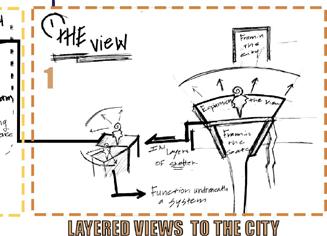
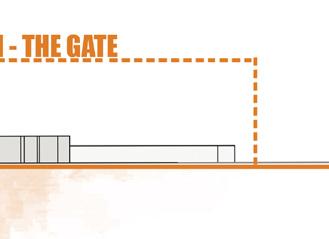
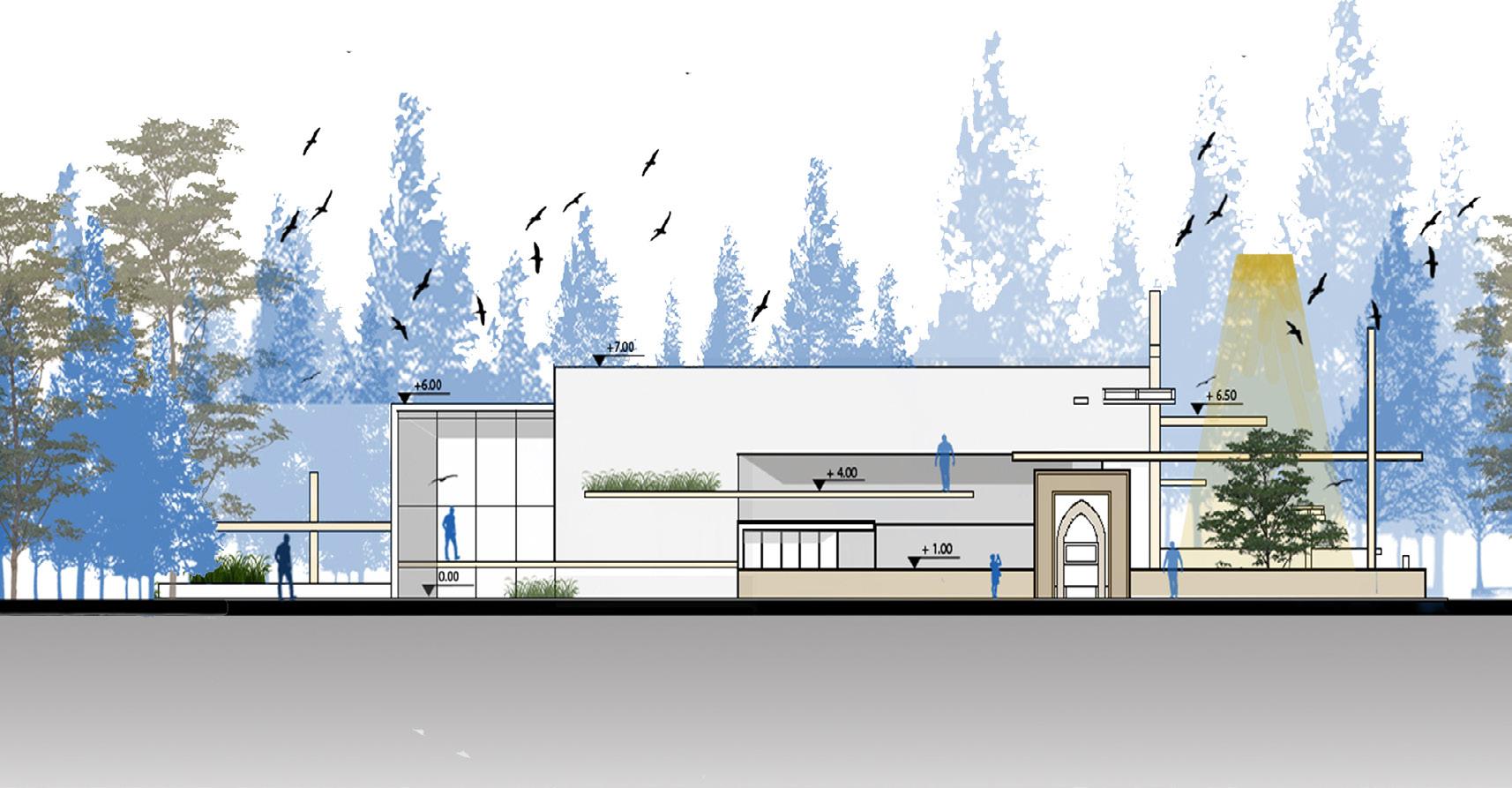
In response, we proposed a large-scale experiential corridor that redefines the city’s entrance through three key zones : a City Gate, an Open Gathering Area, and a Memorial Park. The sequence creates a narrative journey connecting the future, present, and past of the city within one cohesive urban experience.
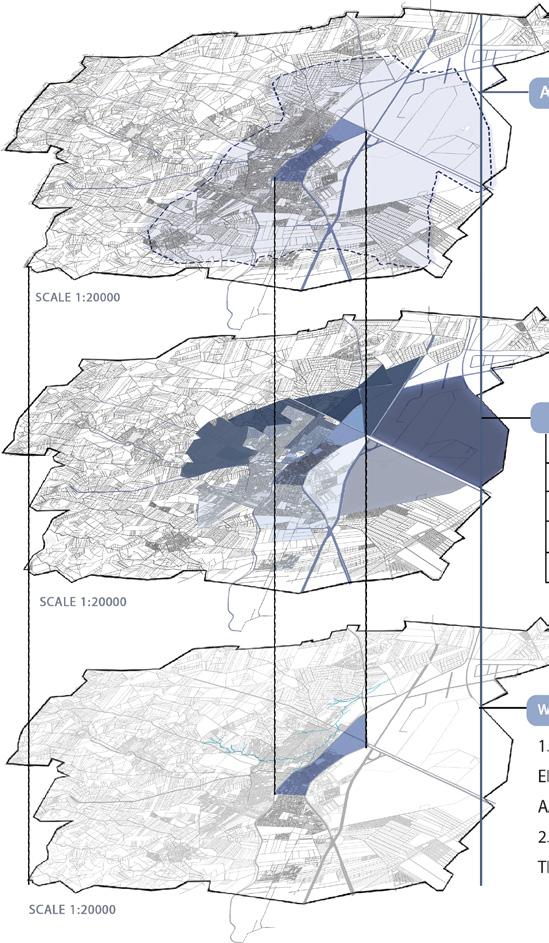
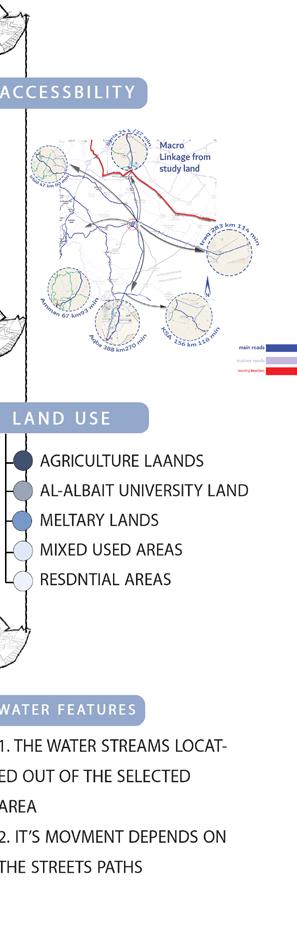
01. Multi-scale Site Analysis:
Macro, meso, and micro scales analysis
02. SWOT & Problem Definition:
Identify challenges and opportunities, leading to a clear problem statement.
03. Concept & Design Development:
Develop the optimal solution. (City Gate ,Open Gathering Area, Memorial Park).
04. Final Design:
Refined, effective outcome.
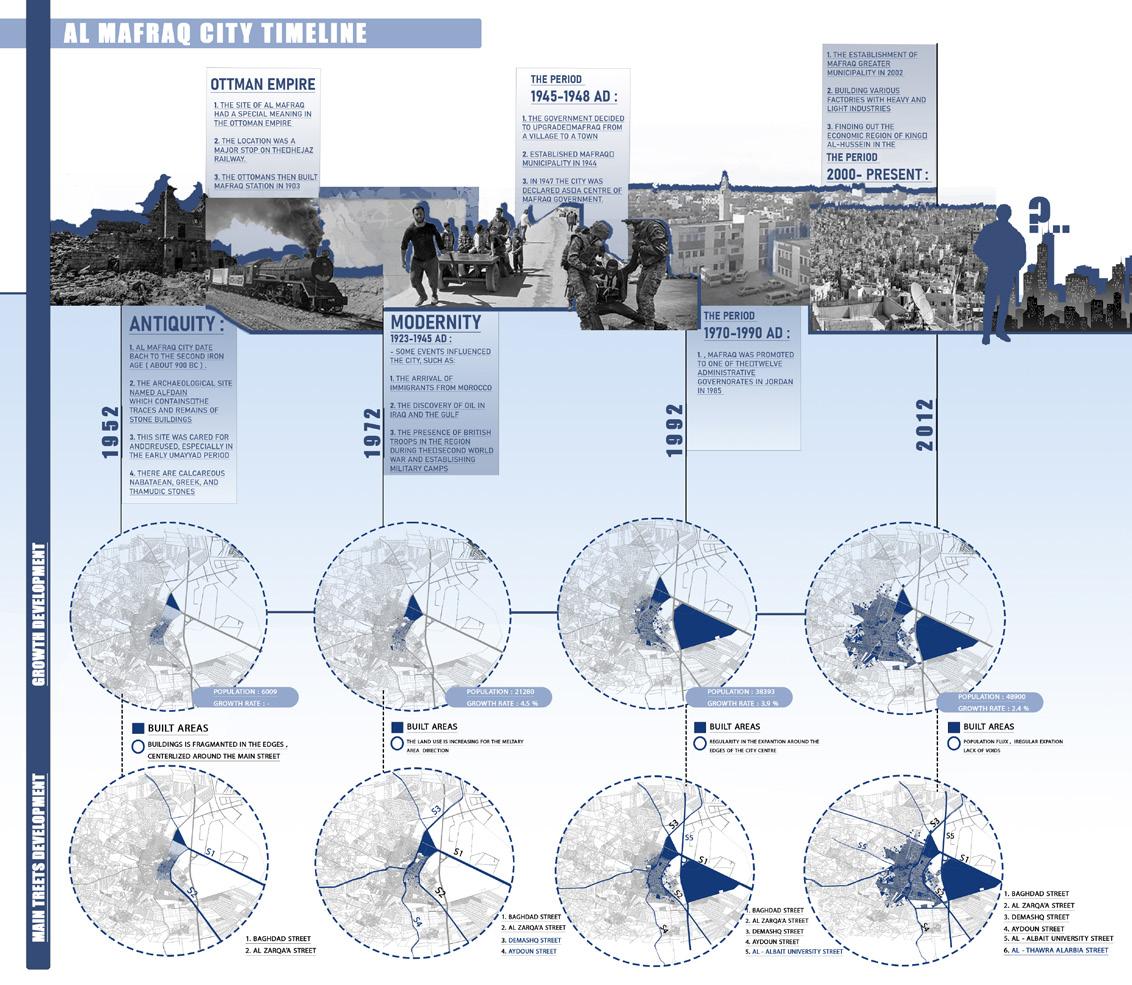
Site Analysis Scales:
1. Macro Sclae
2. Meso Scale
3. Micro Scale
examining key variables including history, economy, vegetation, location, environmental factors, and political factors.


THE SEAMLESS LINE

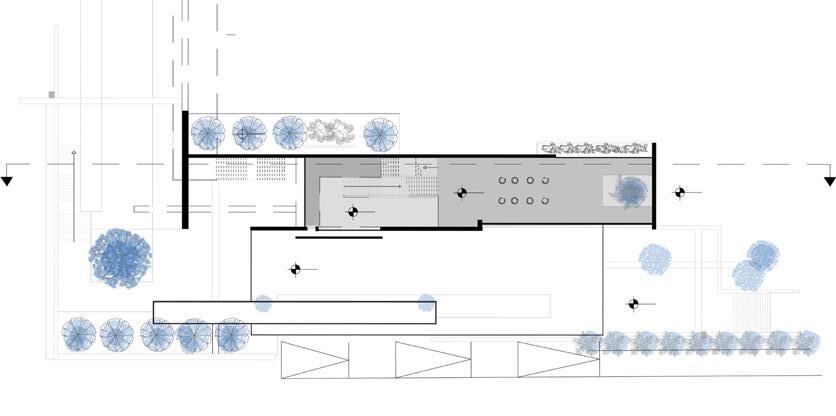
Site Plan
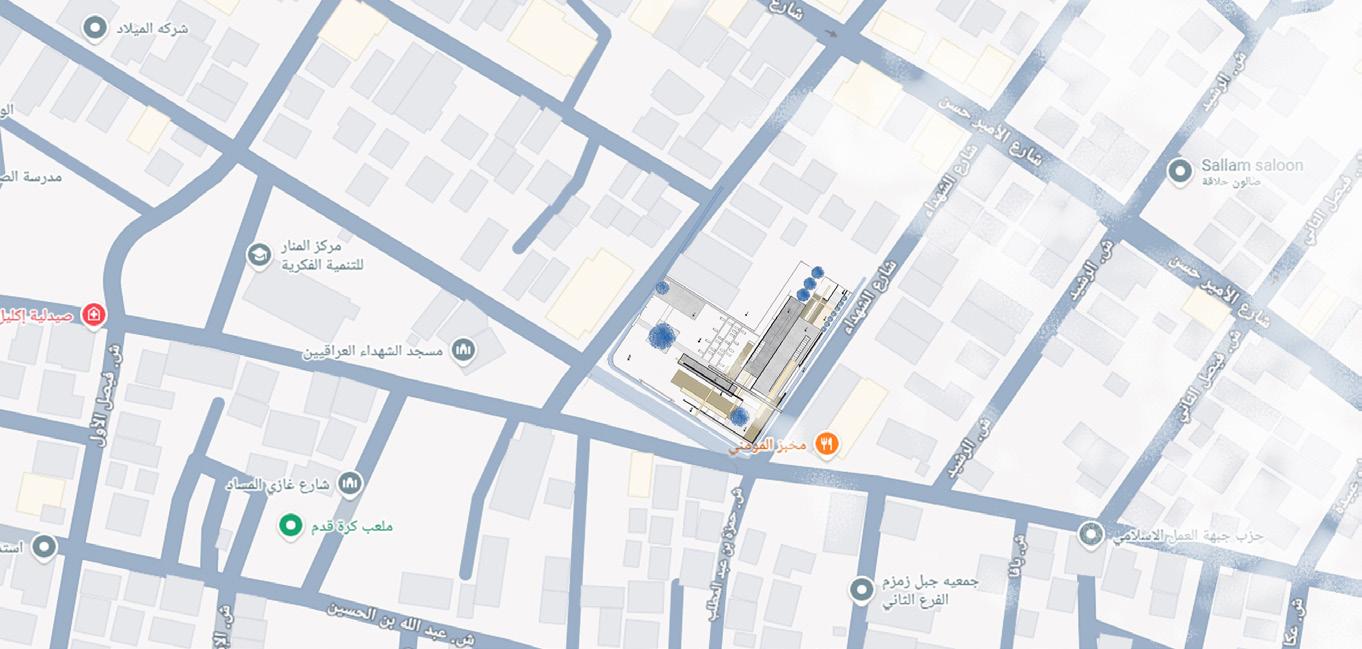
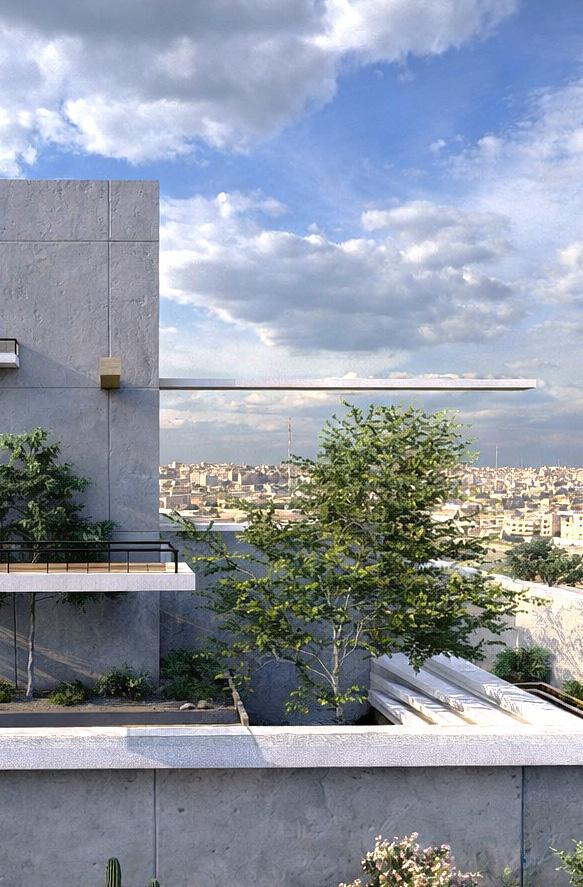
Selected Site for the Memorial Park
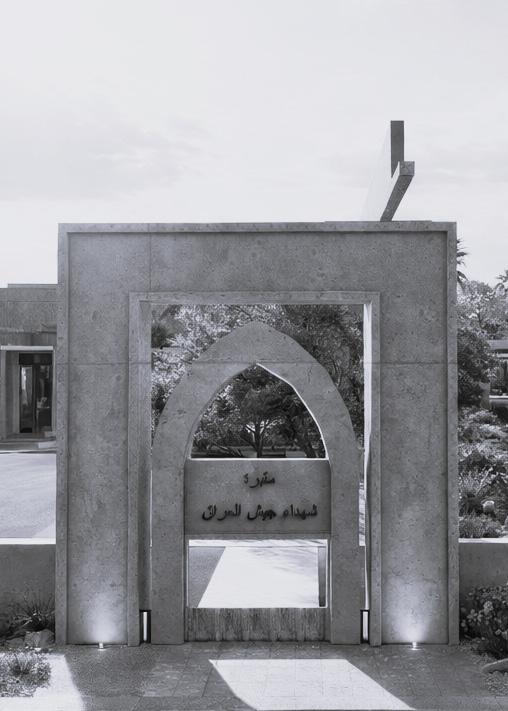
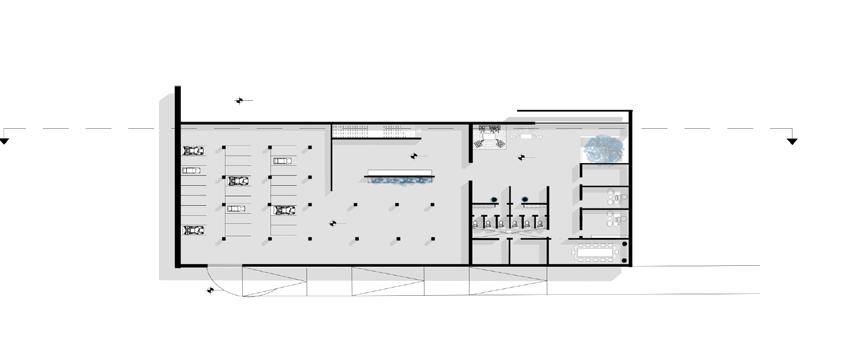
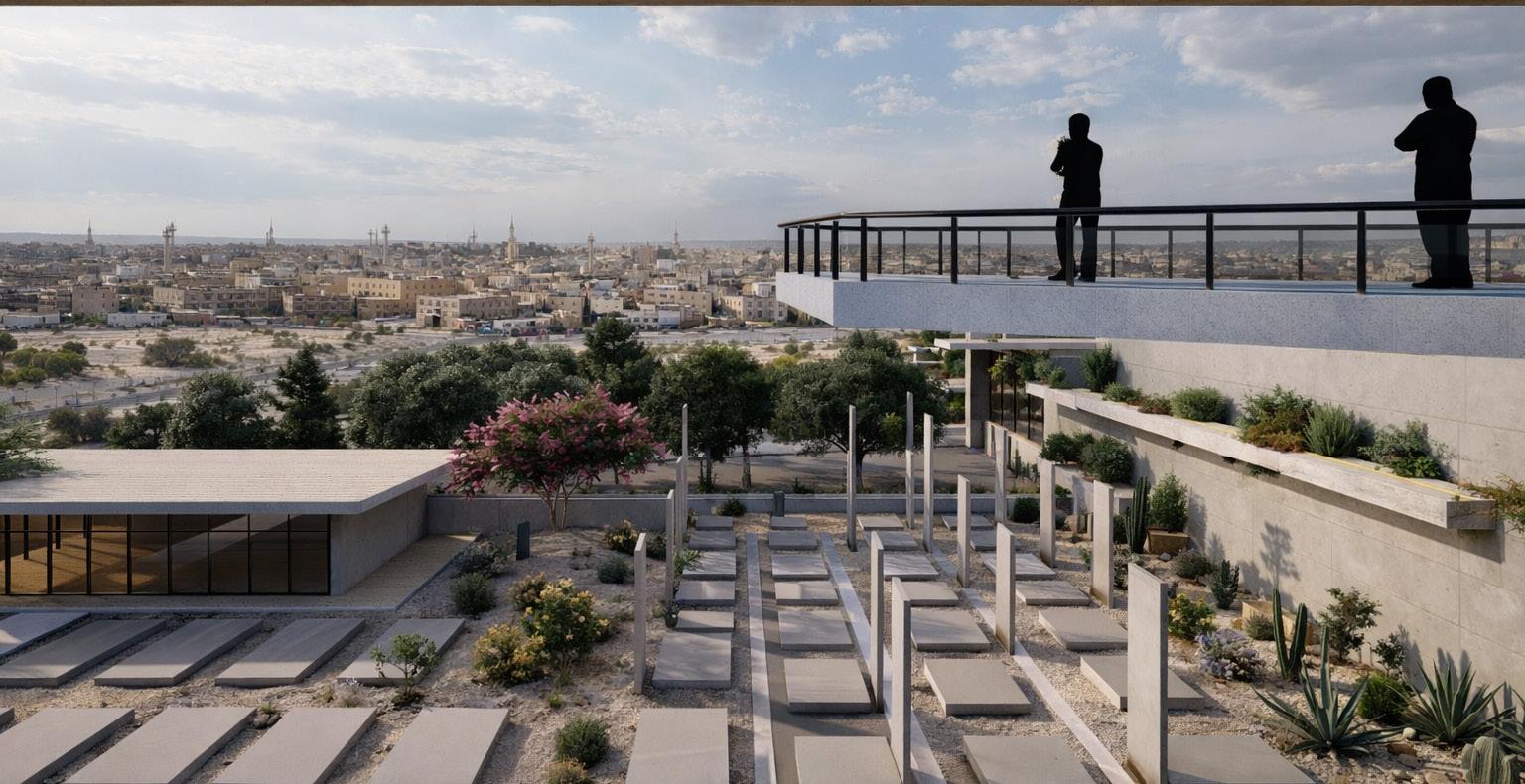
The chosen site balances celebrating the district’s history and identity while respecting the Iraqi Army Martyrs Cemetery, highlighting the strong historical ties between Jordan and Iraq.
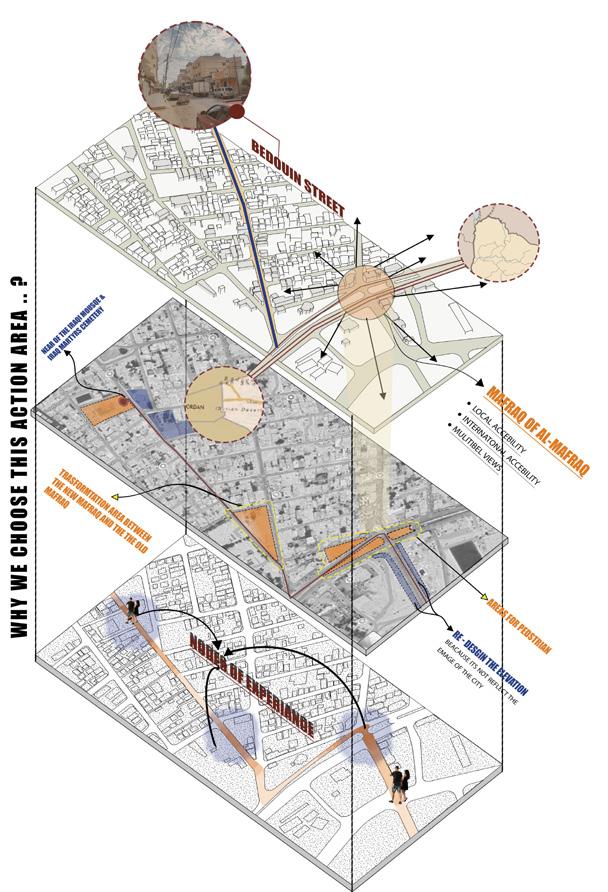
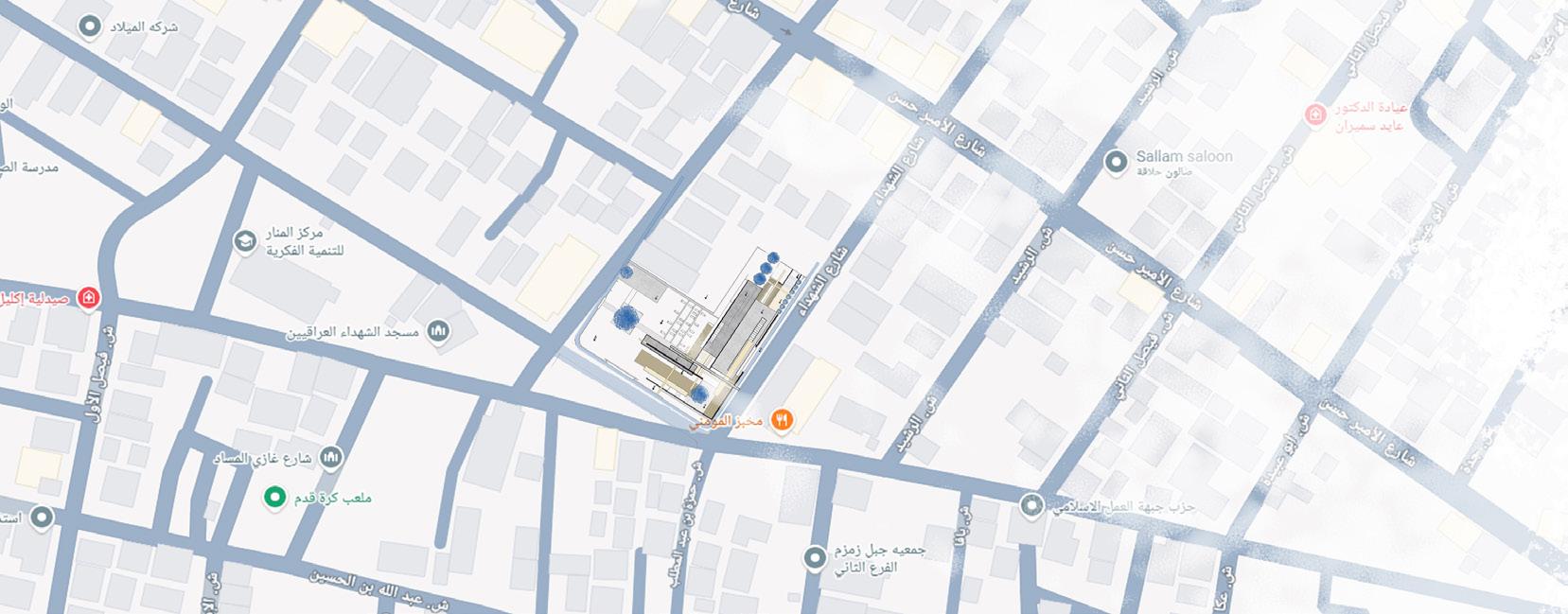


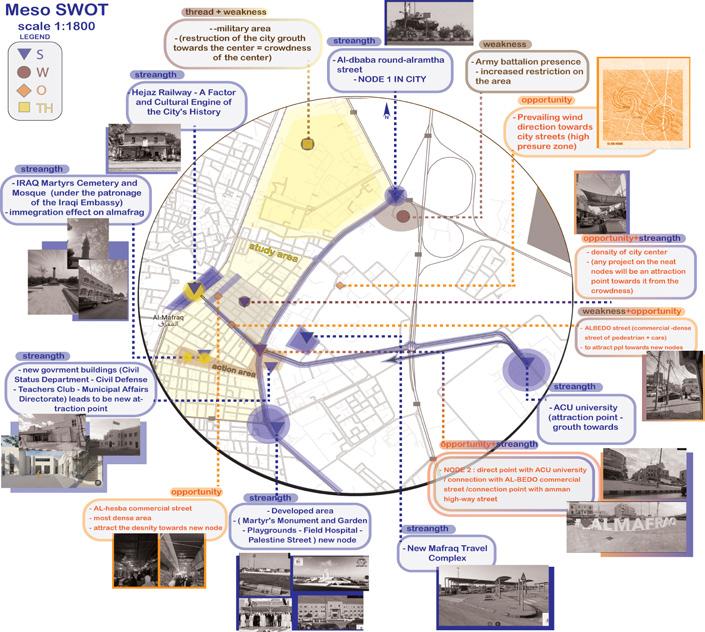
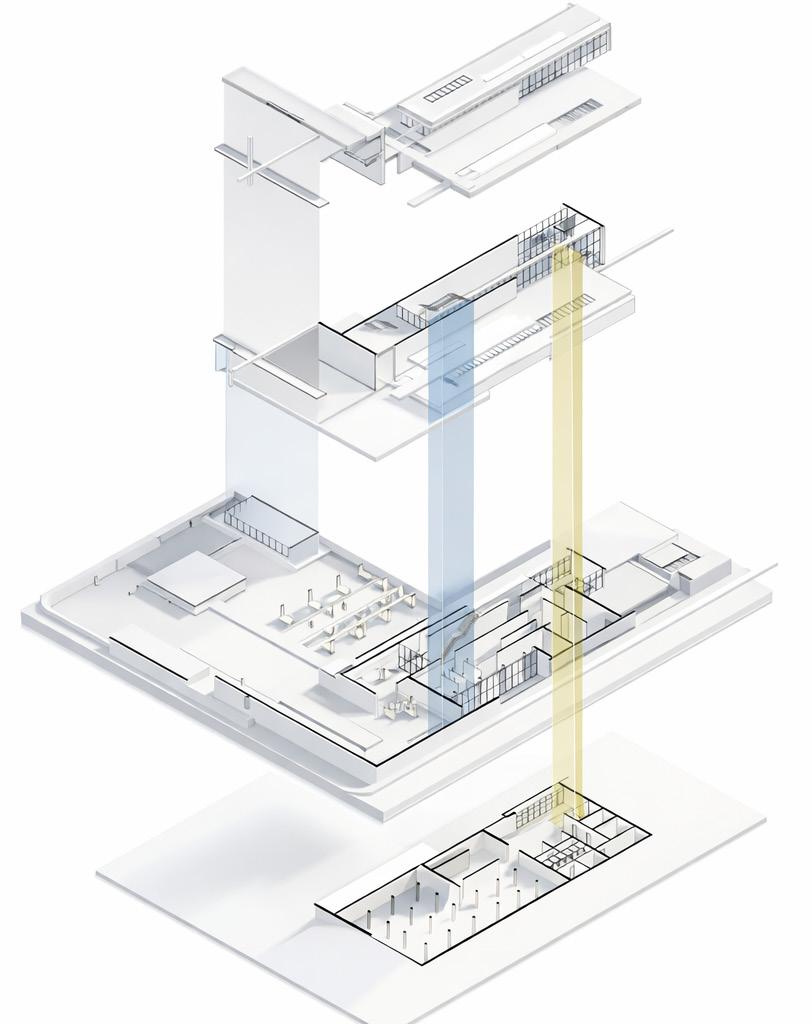
Circulation Exploded ISO 03. Concept & Design Development
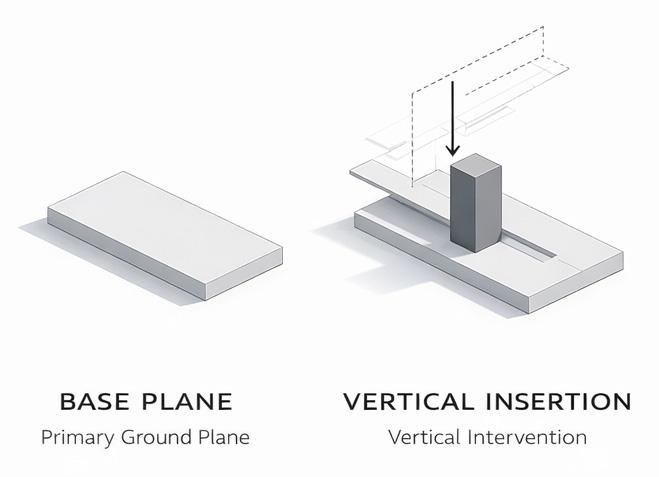
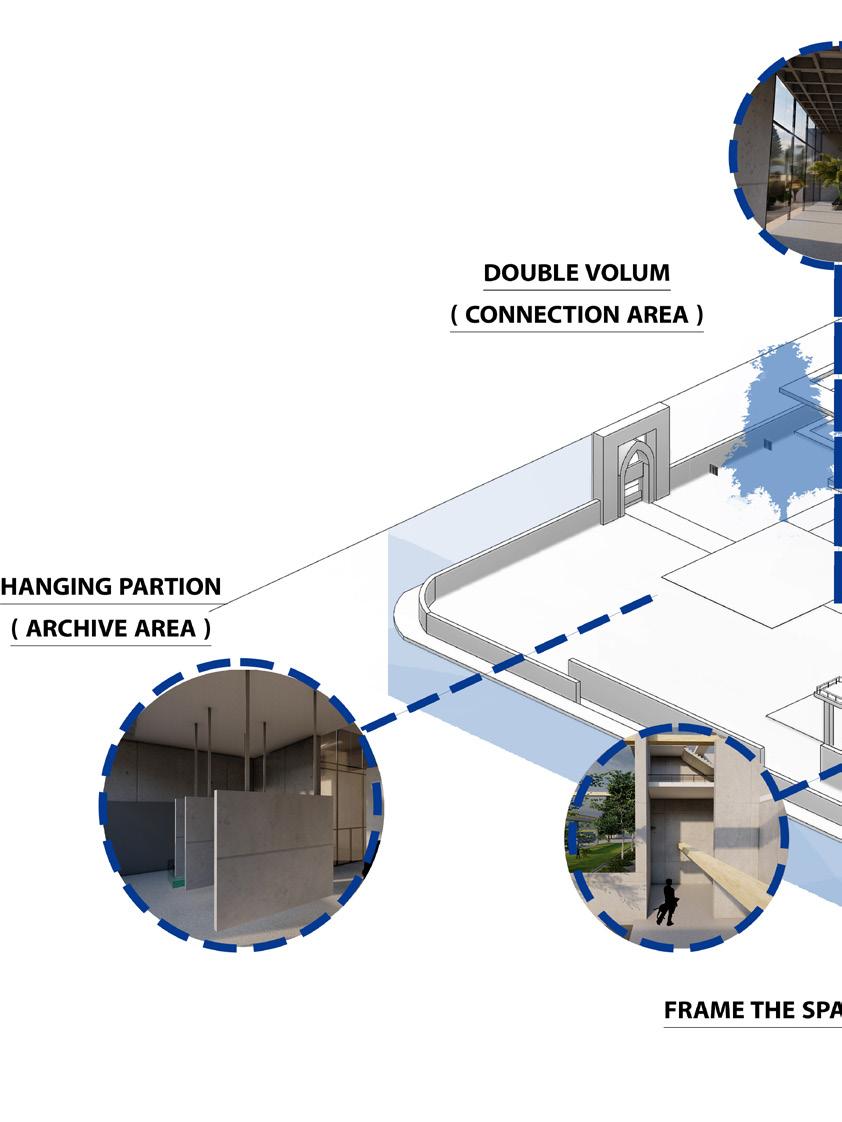
THE SEAMLESS LINE
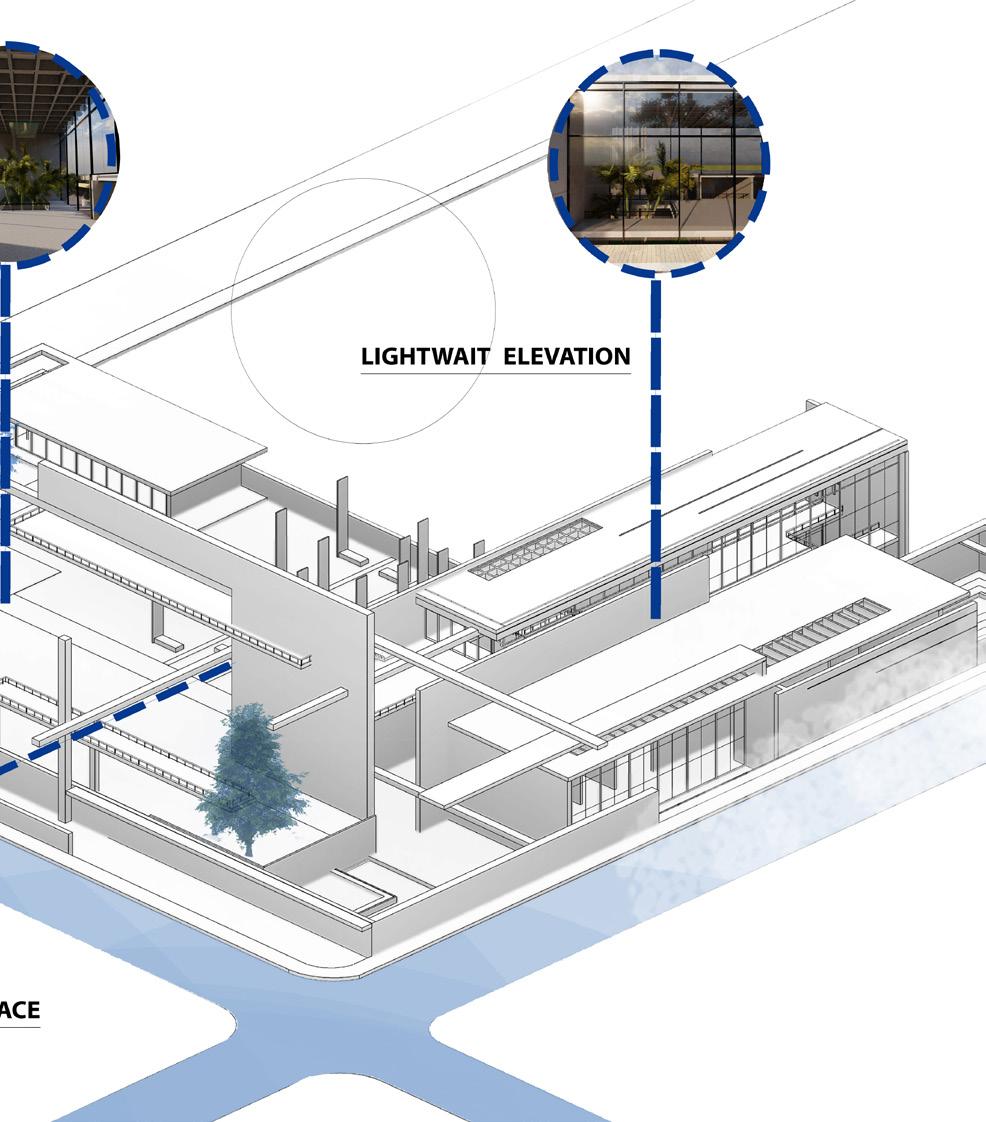
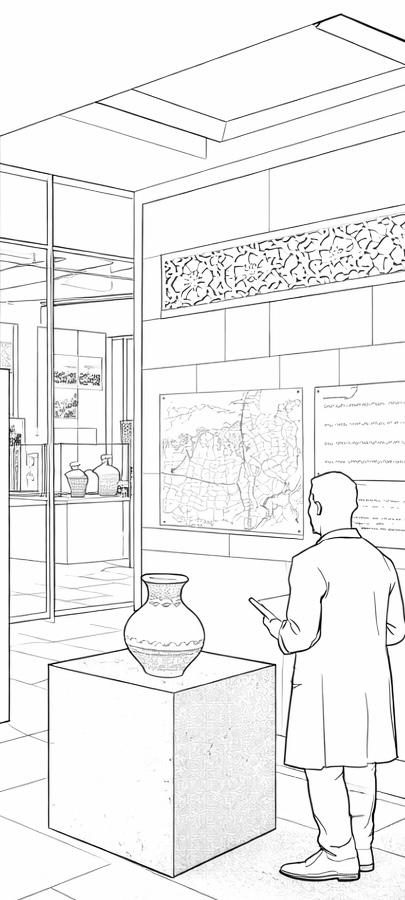
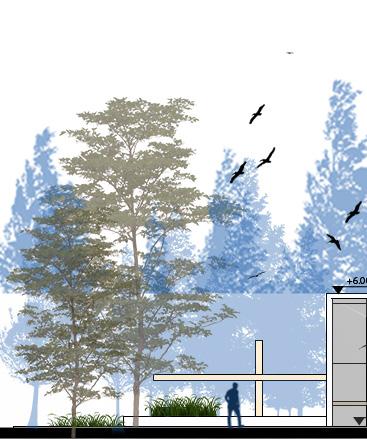
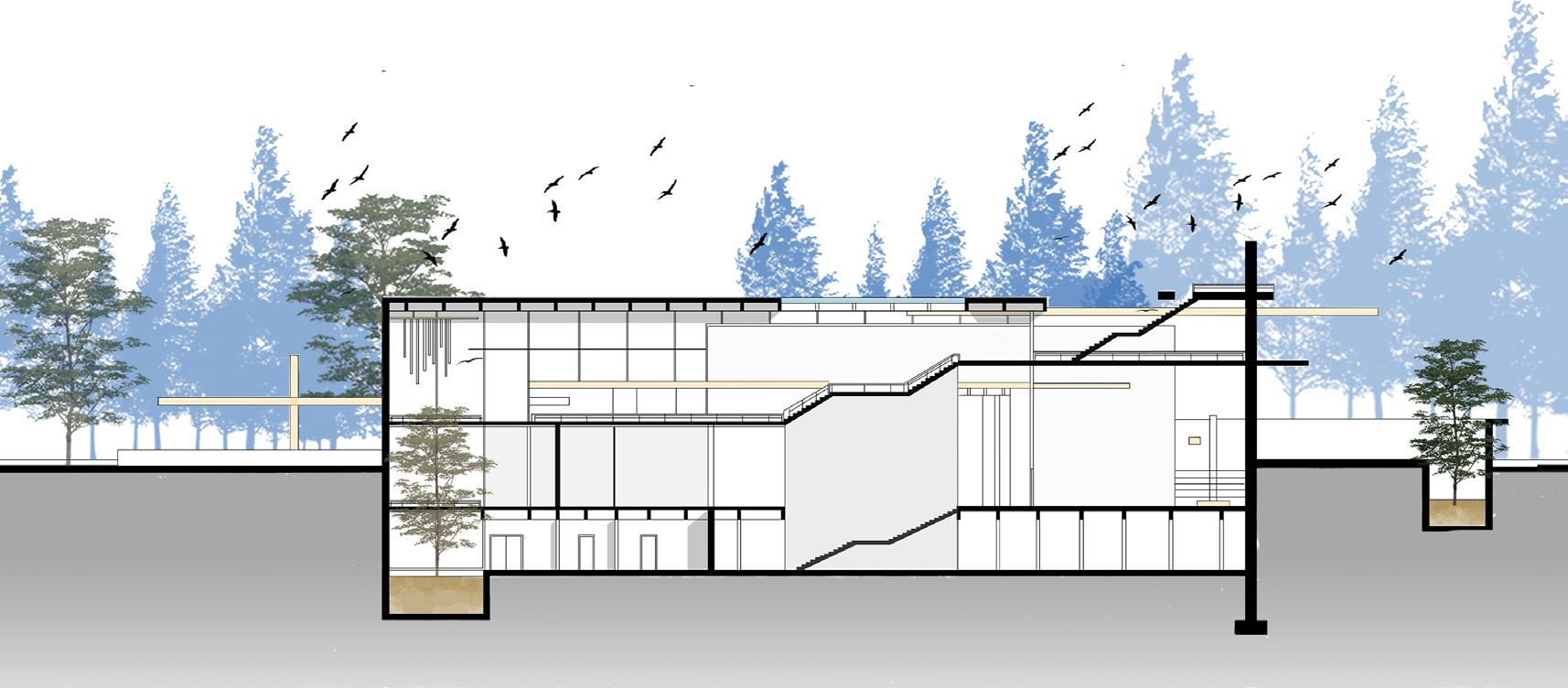
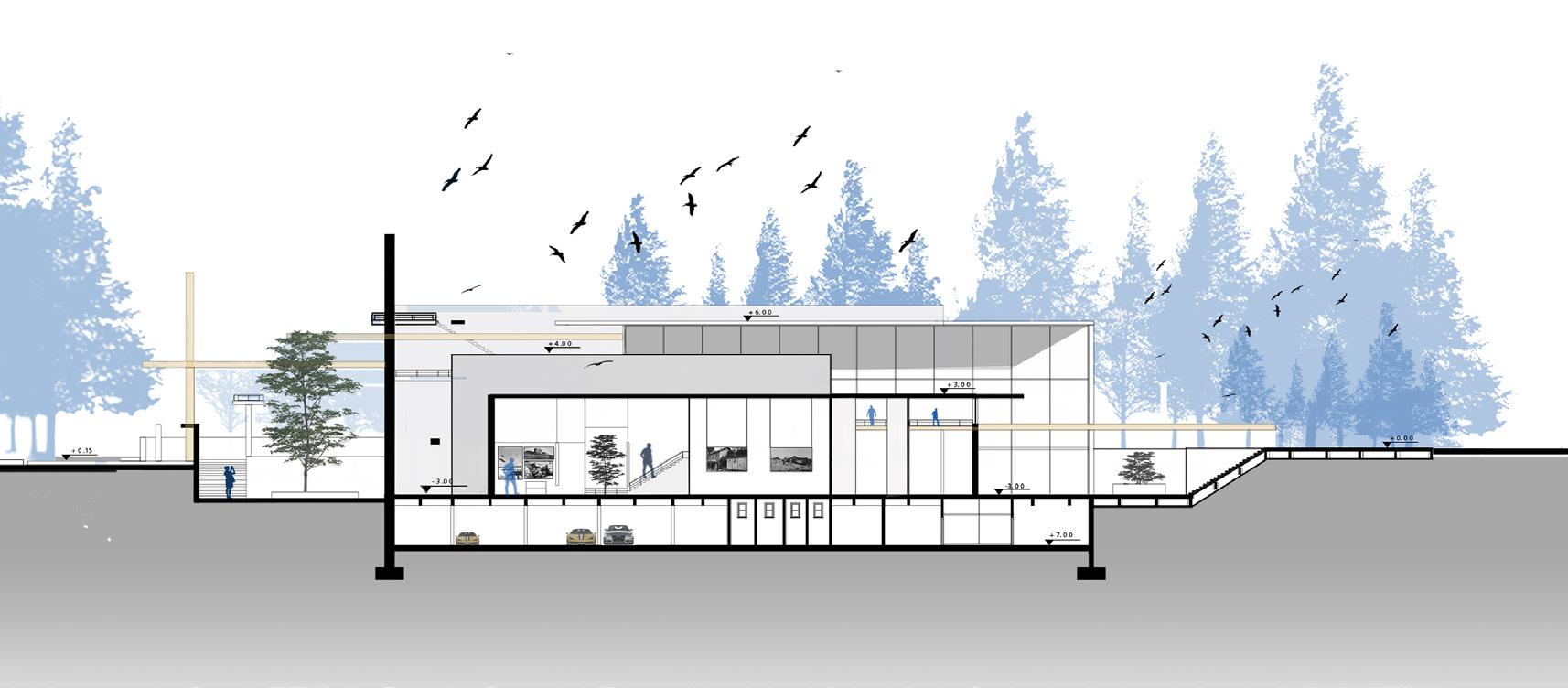
The experience concludes with a view overlooking the city’s past and future, following an immersive journey through its historical layers.
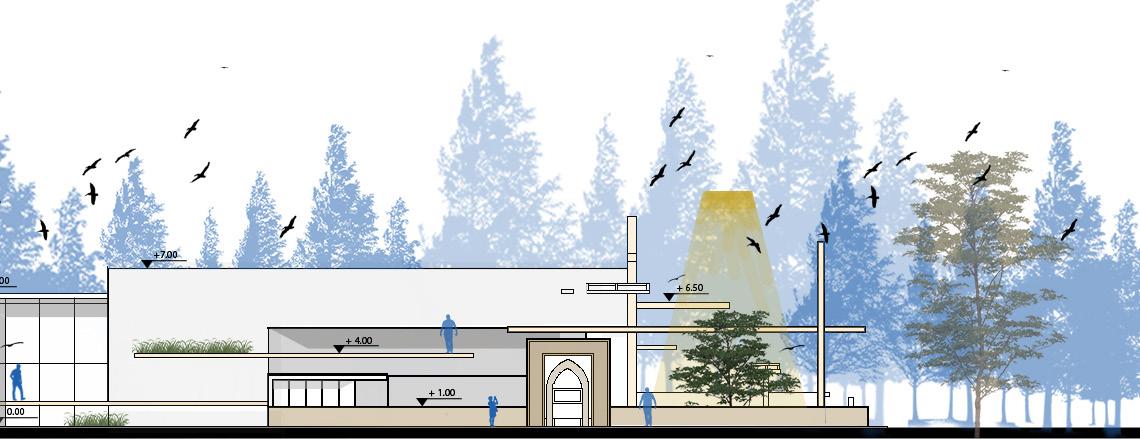
North Elevation
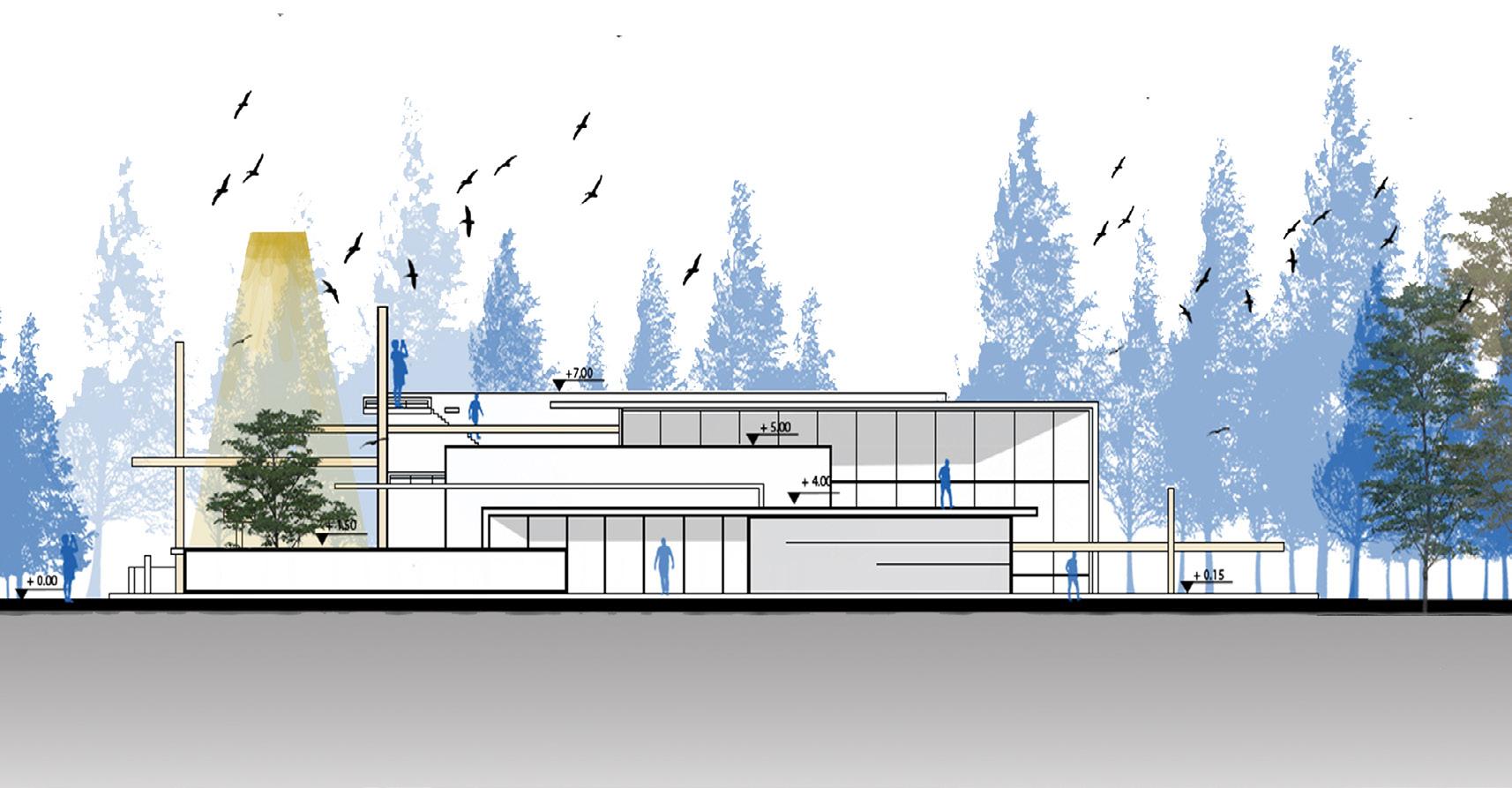
Section A-A
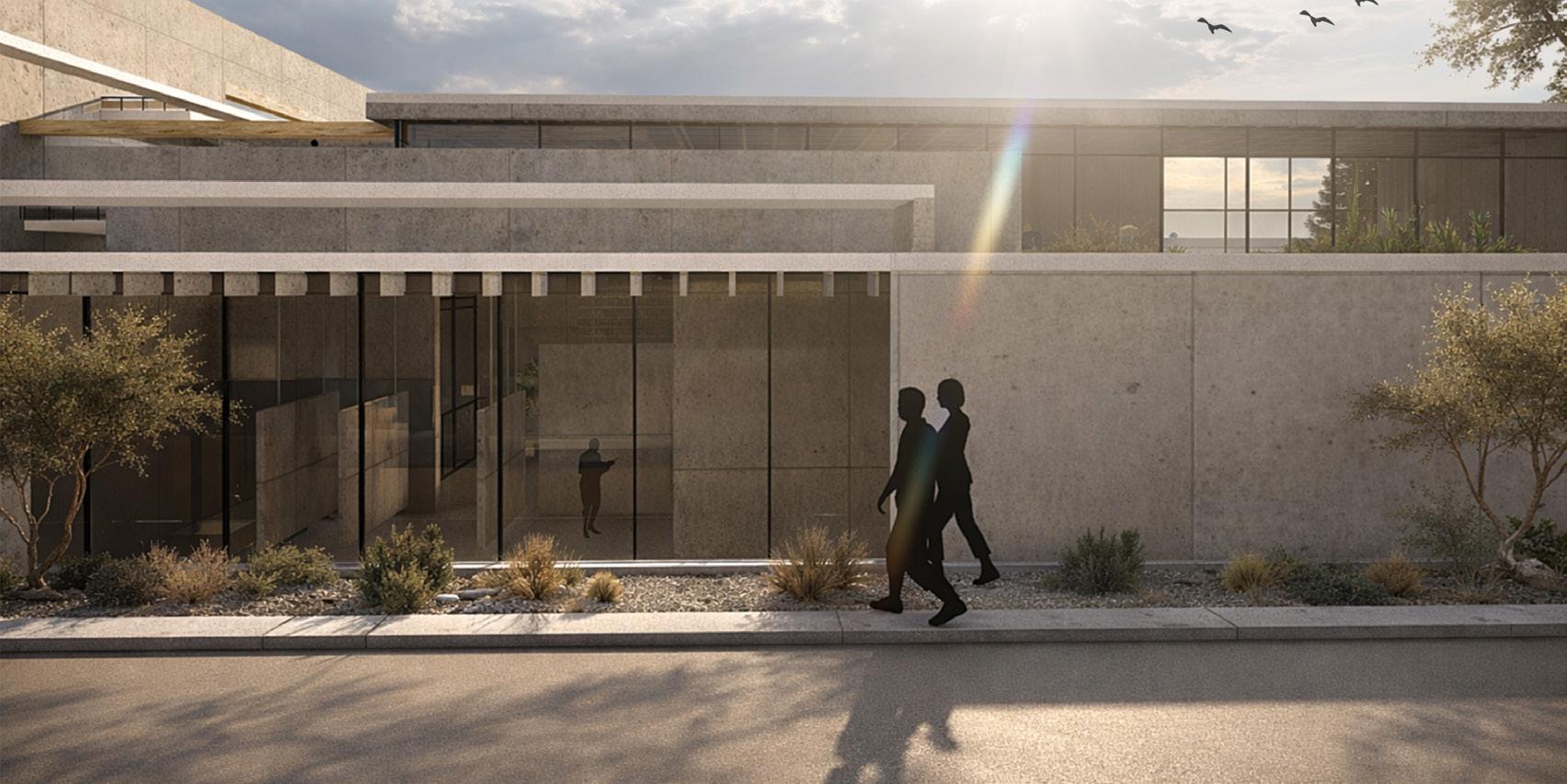
THE SEAMLESS LINE
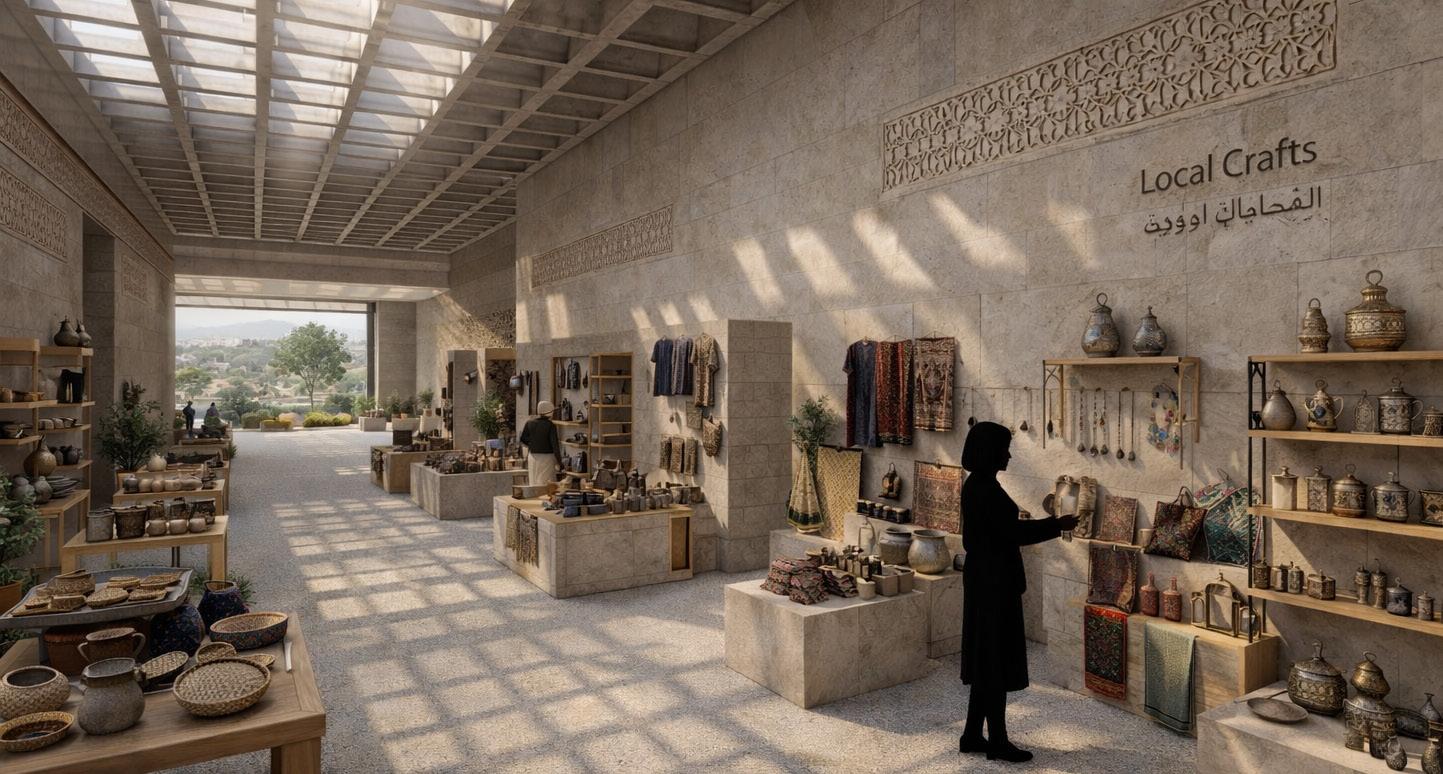
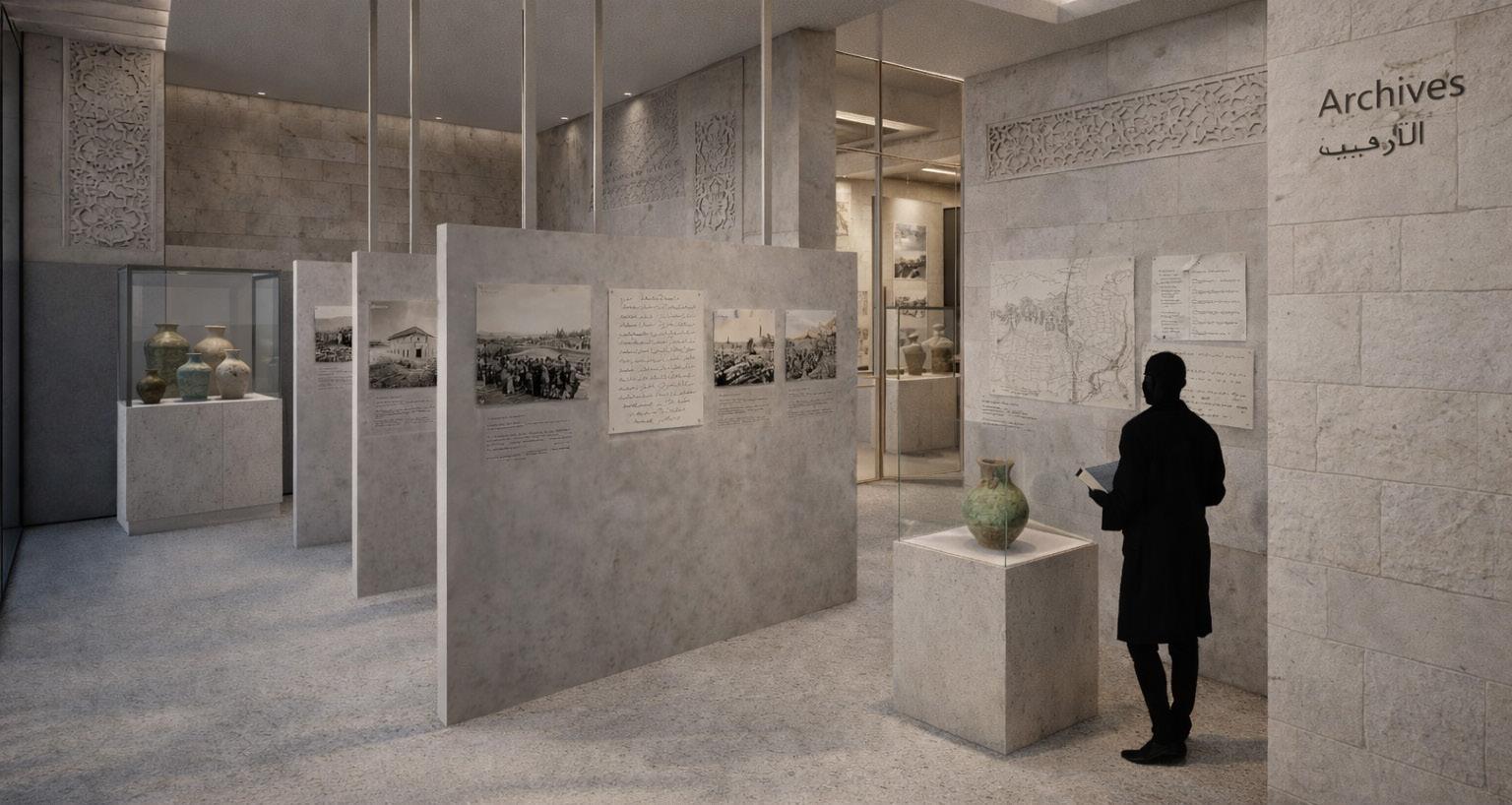
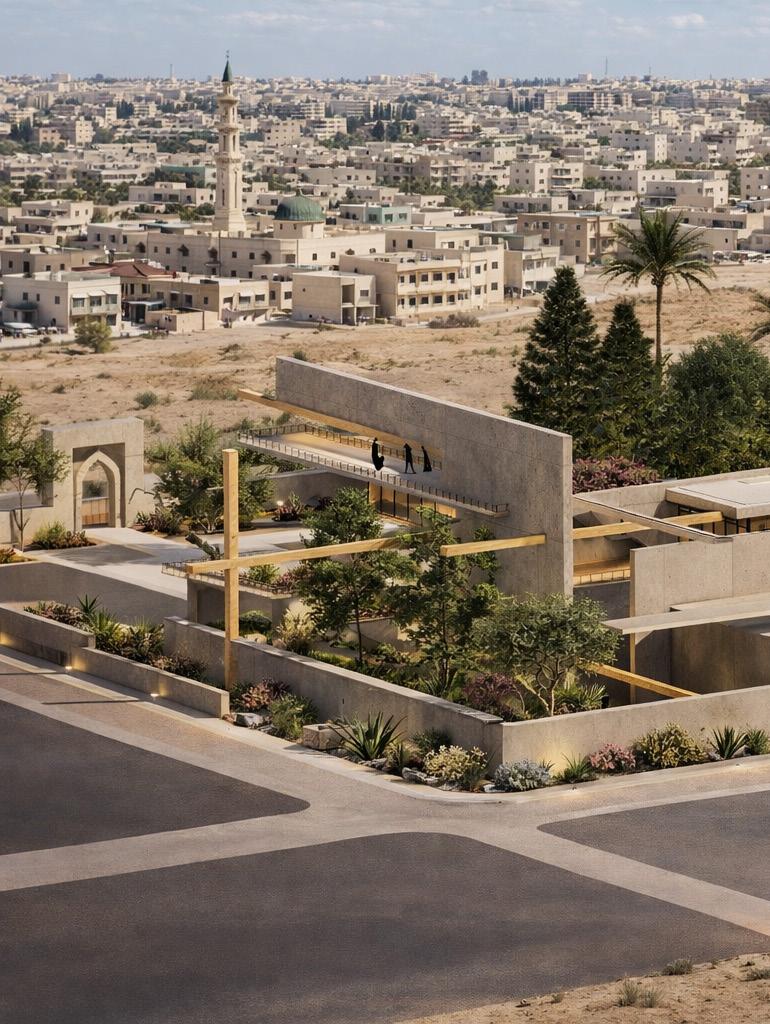
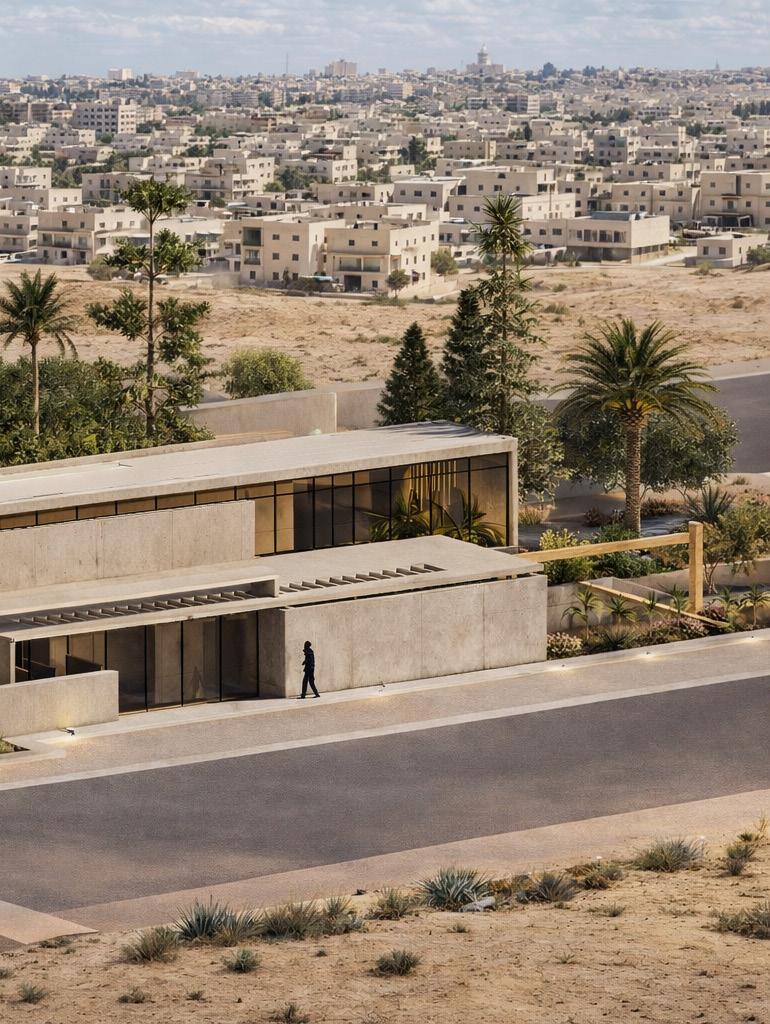
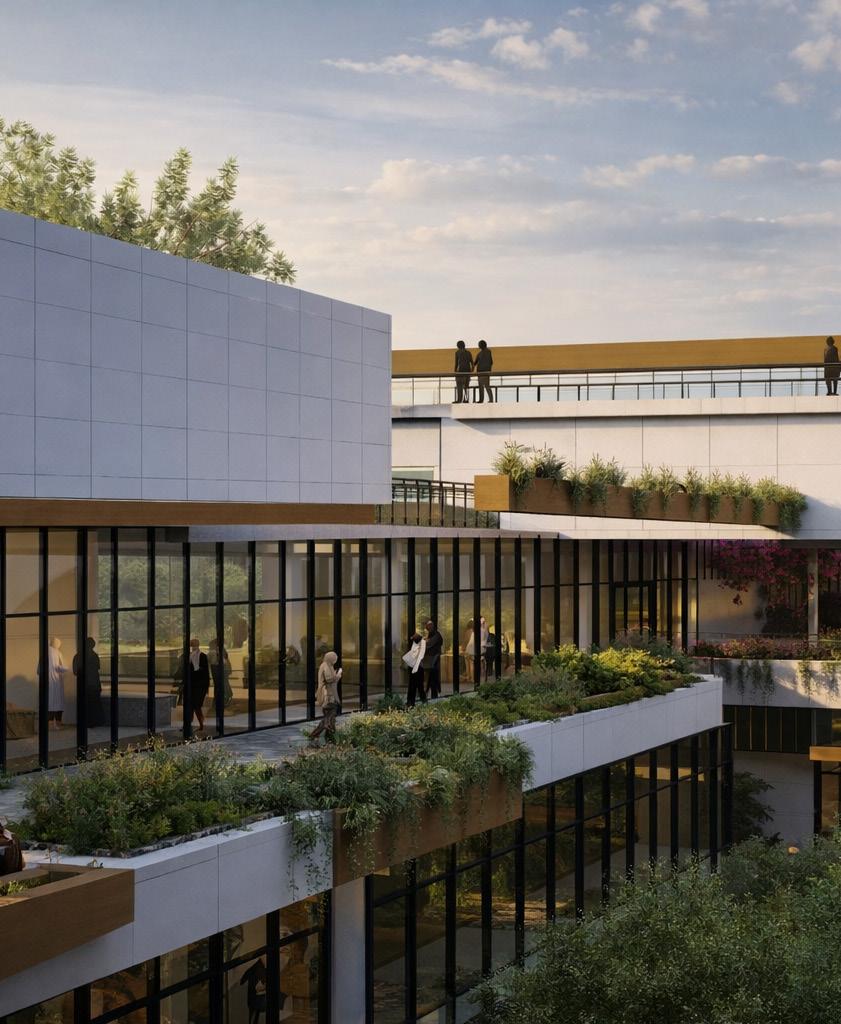
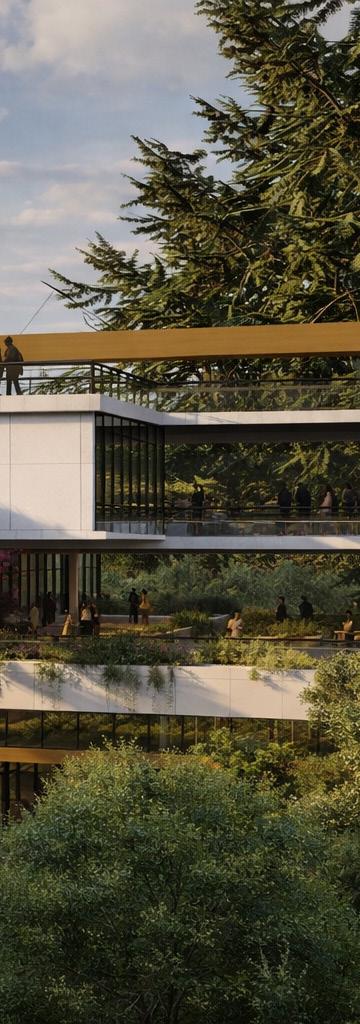
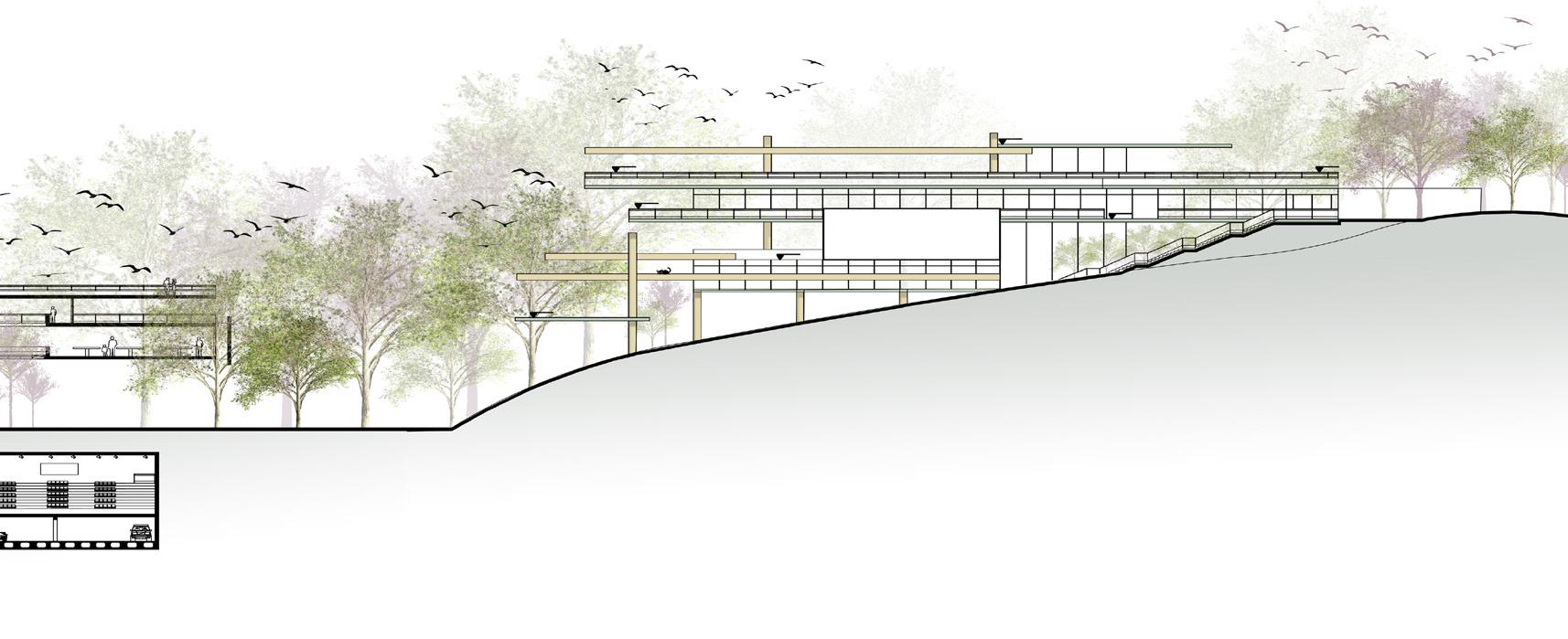
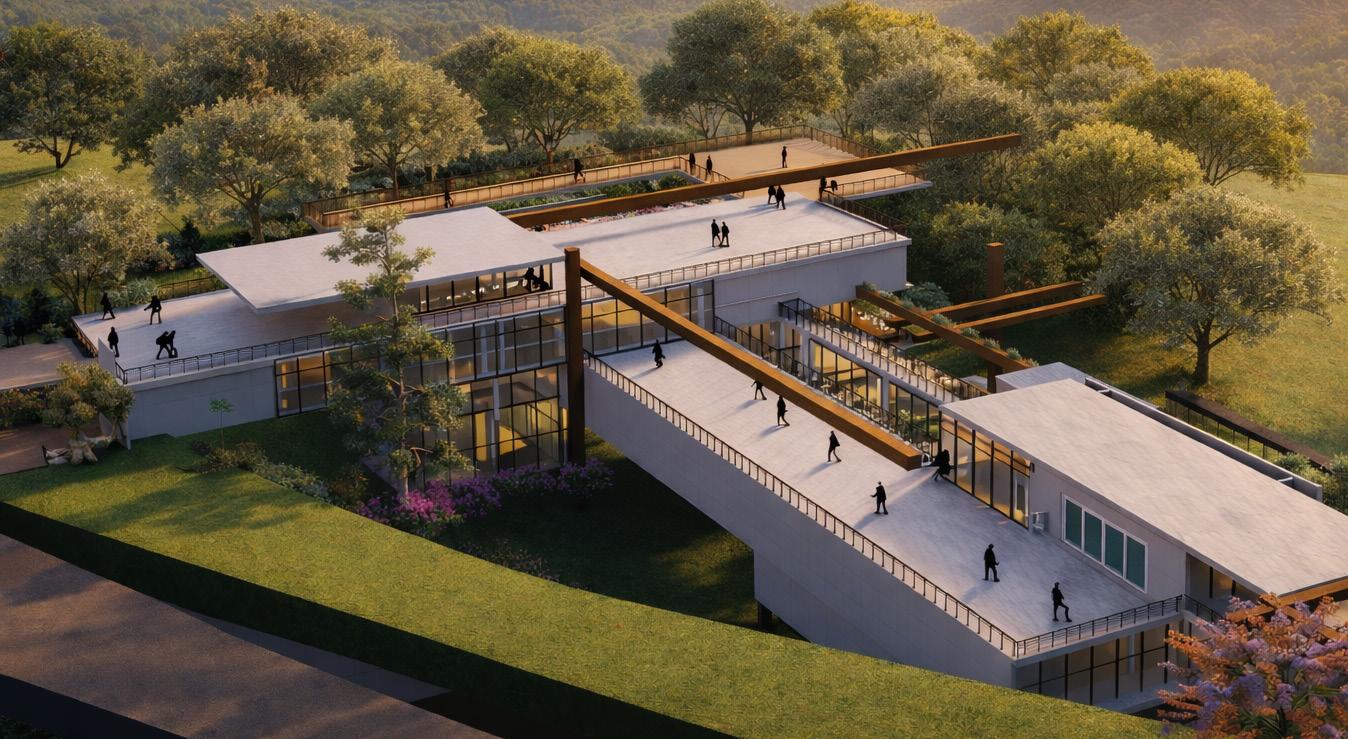
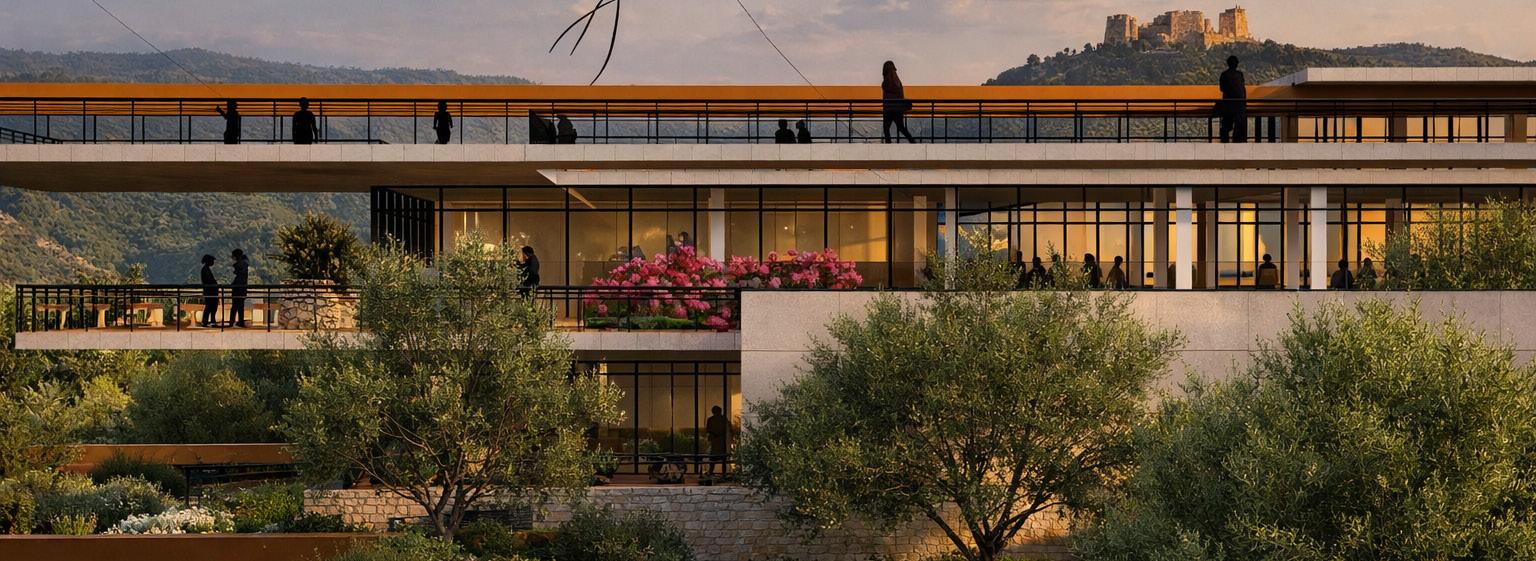
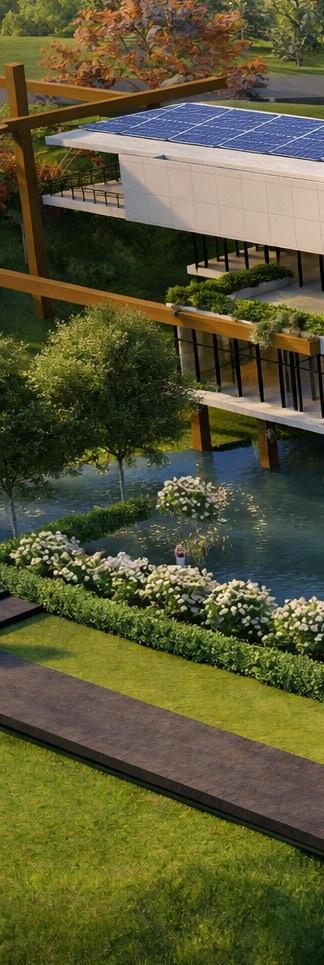
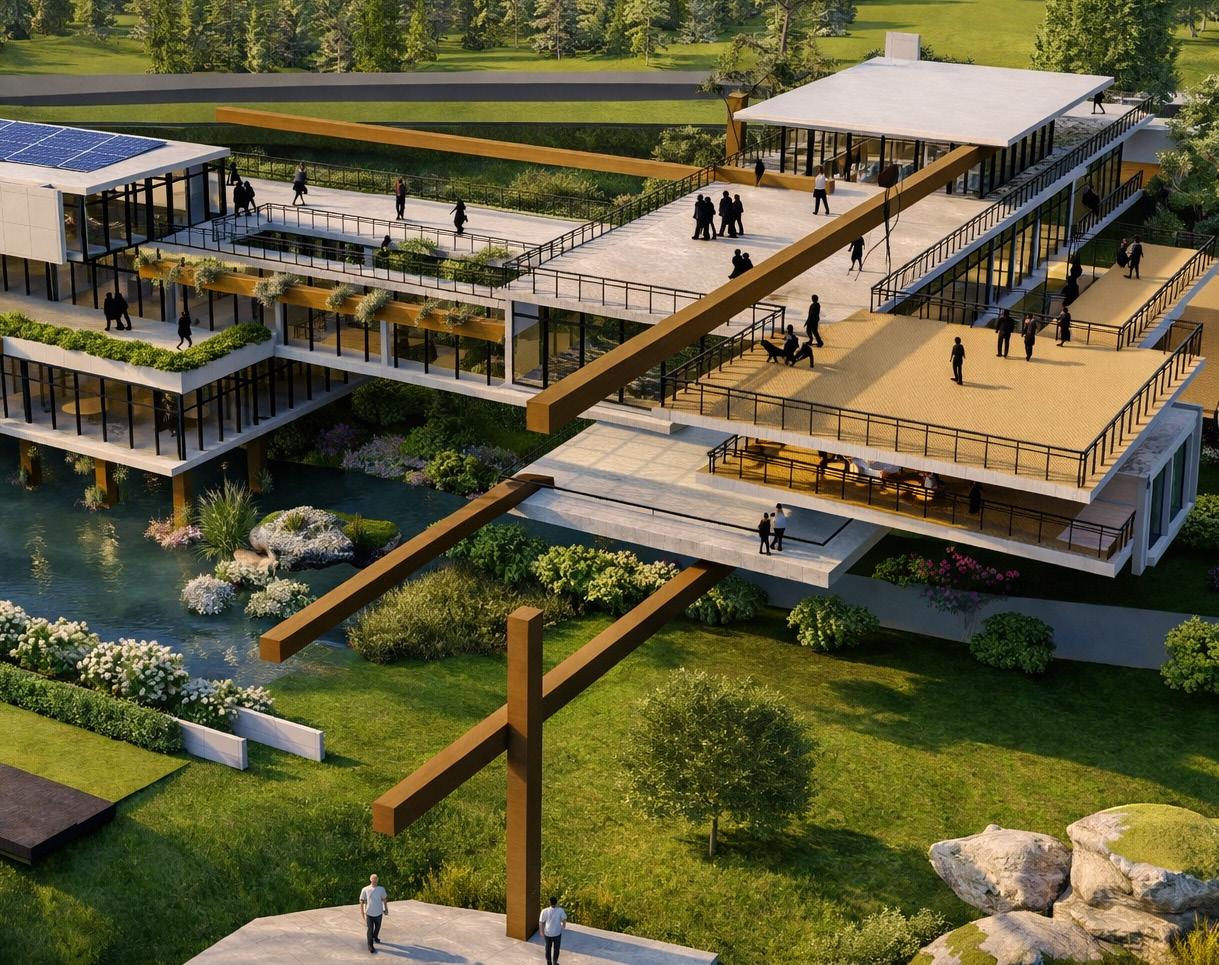
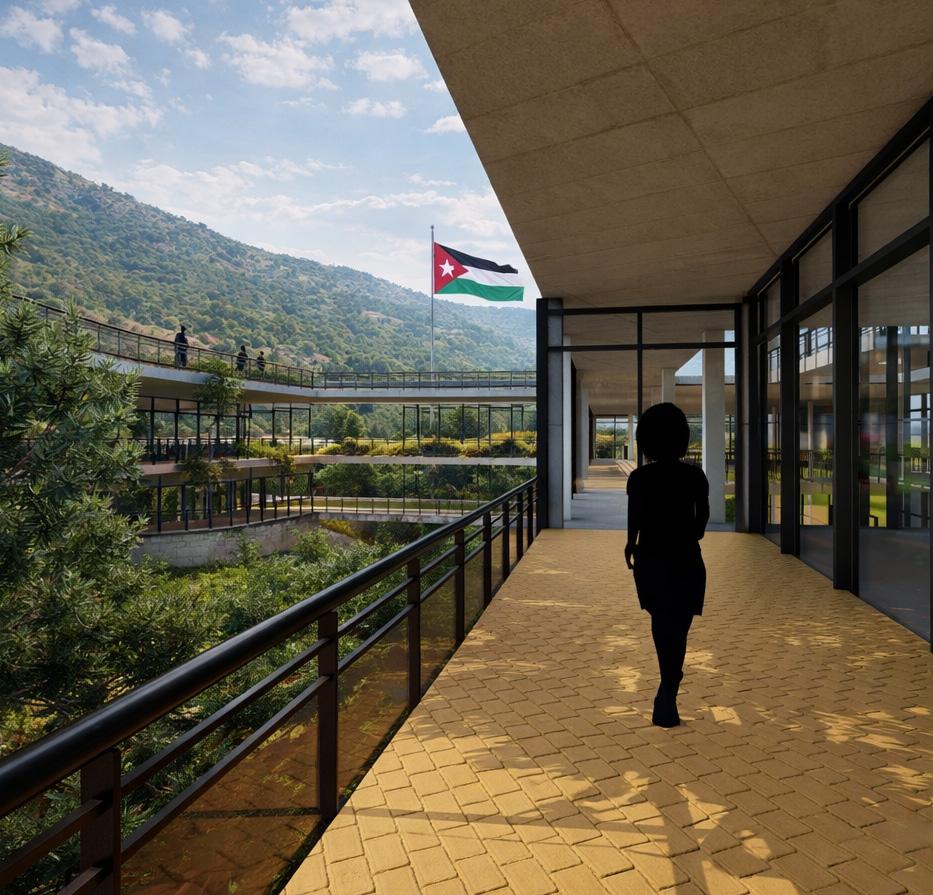
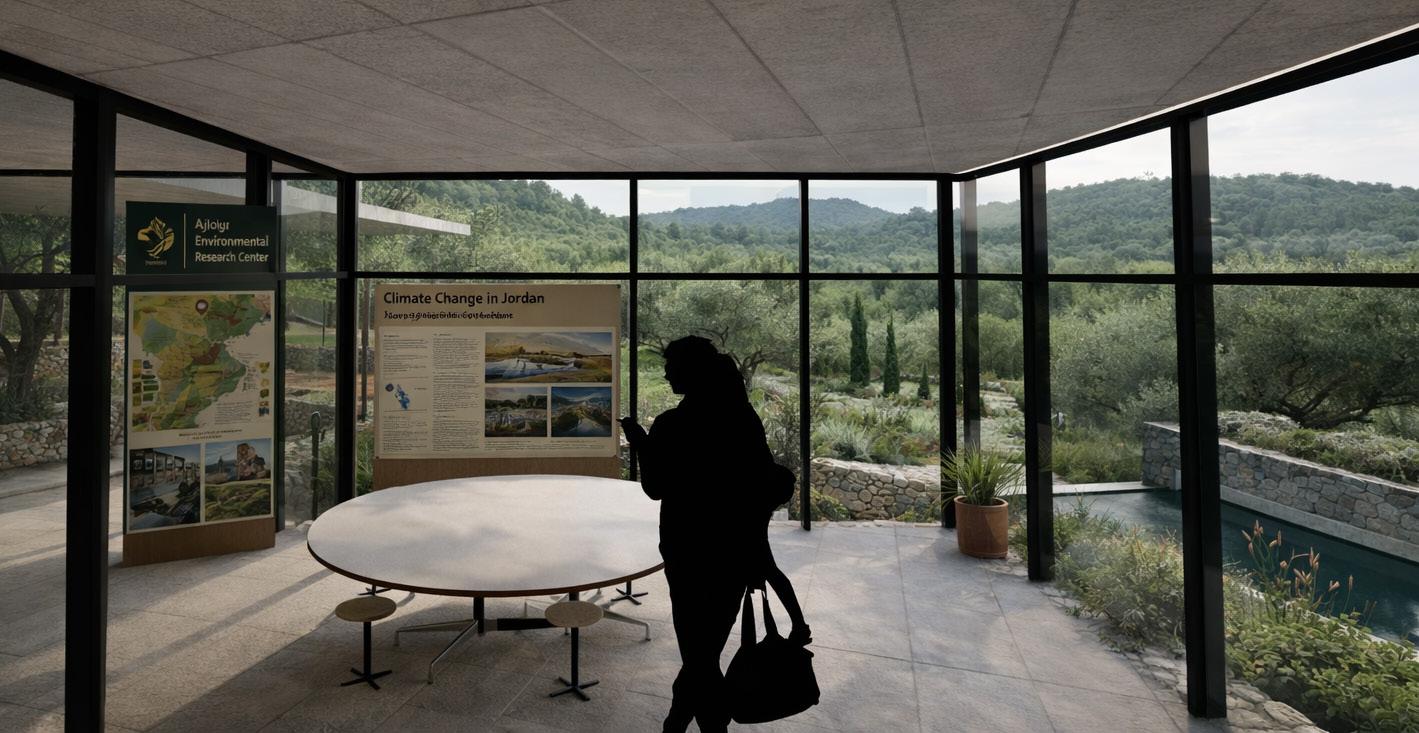
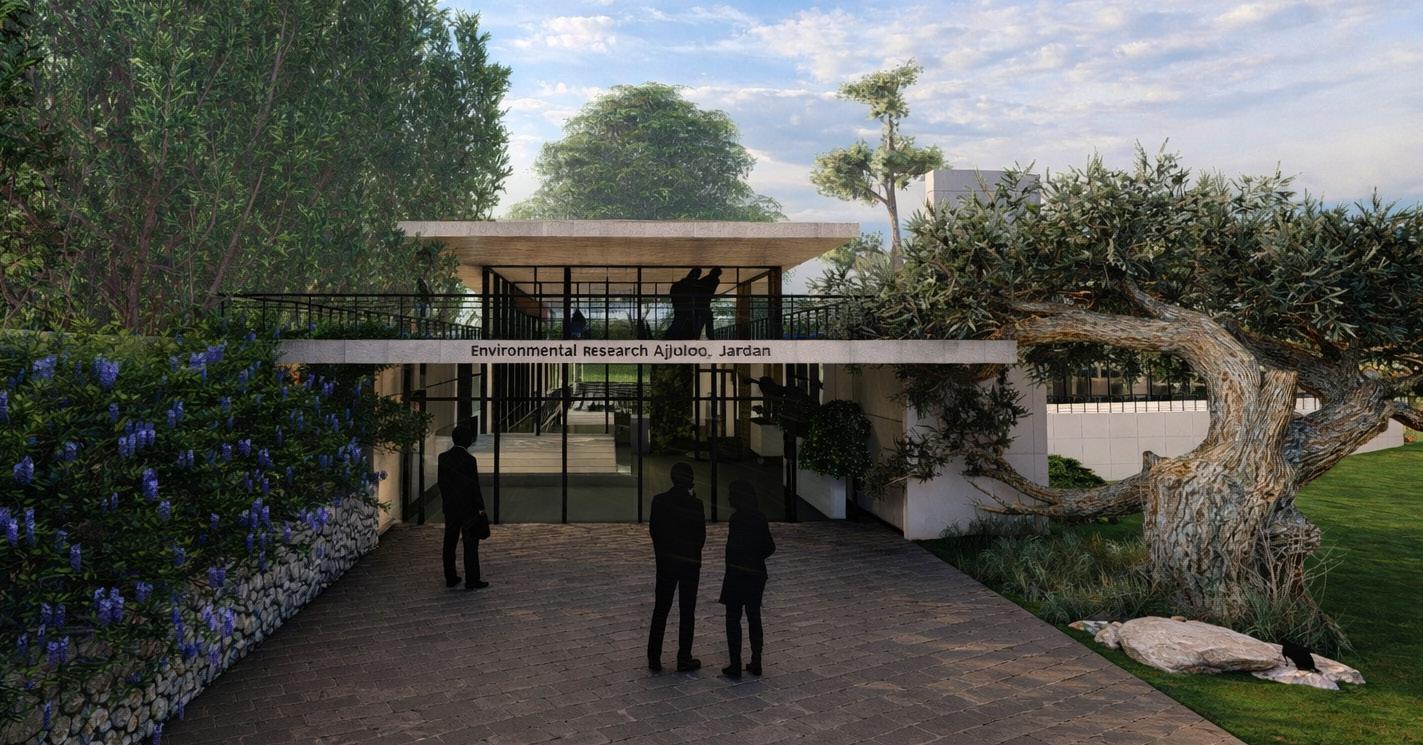
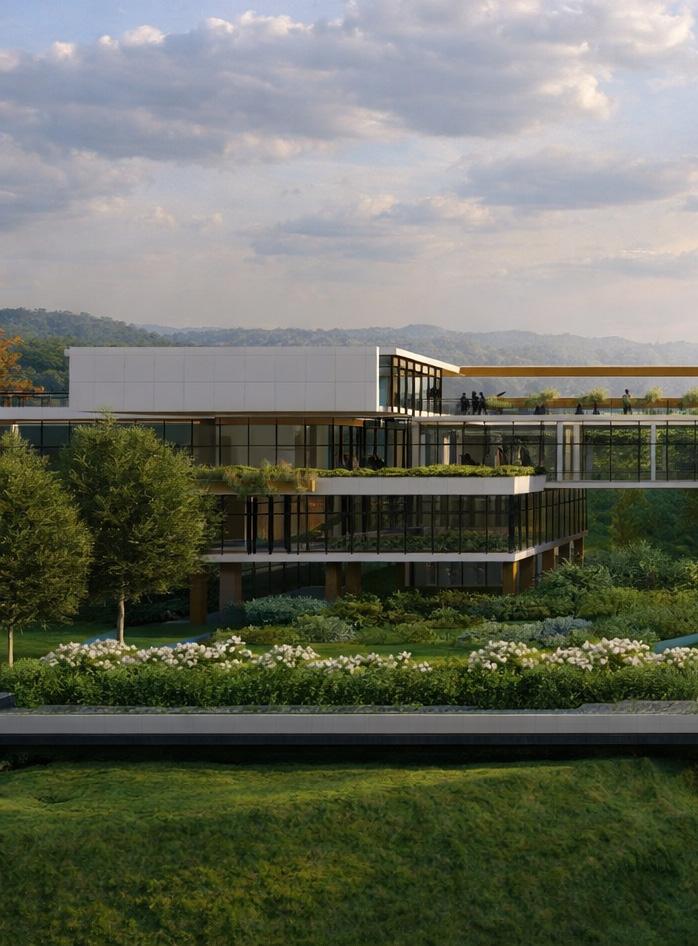
Location : Ajloun , Jordan
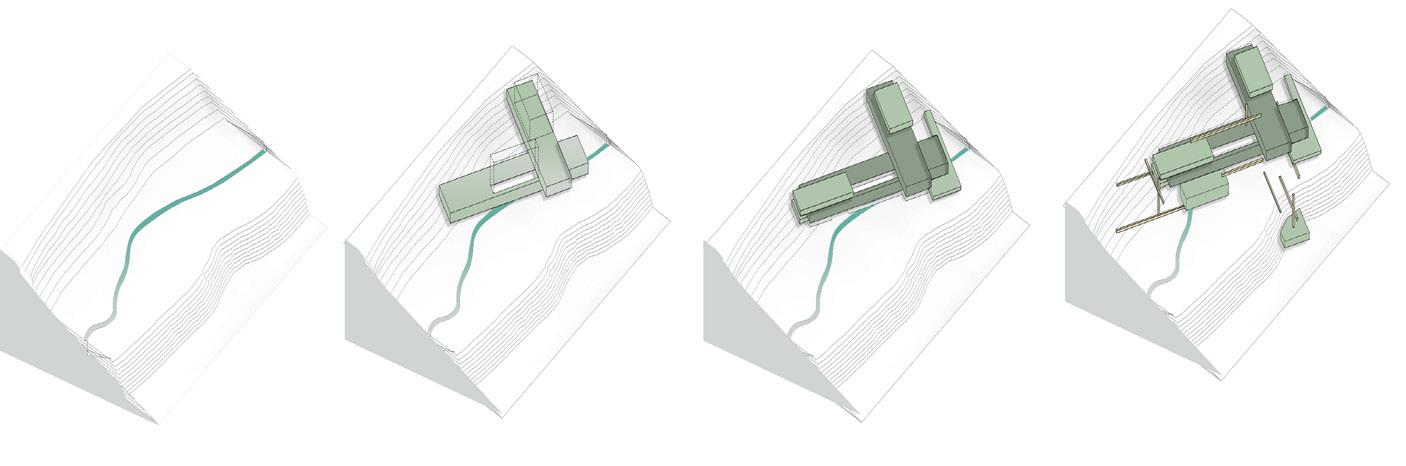
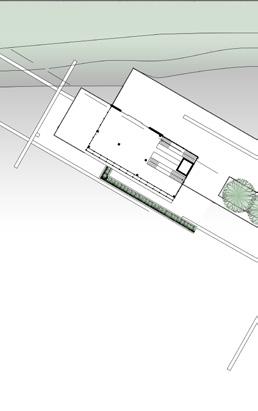
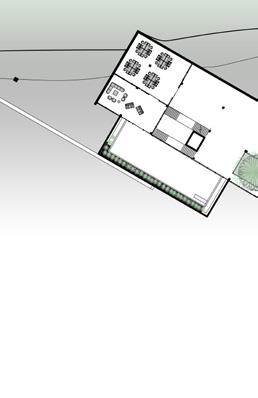
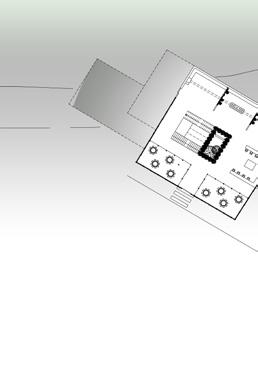
The Environmental Research Center in Ajloun, Jordan, was developed as an academic project in my Design IV studio.
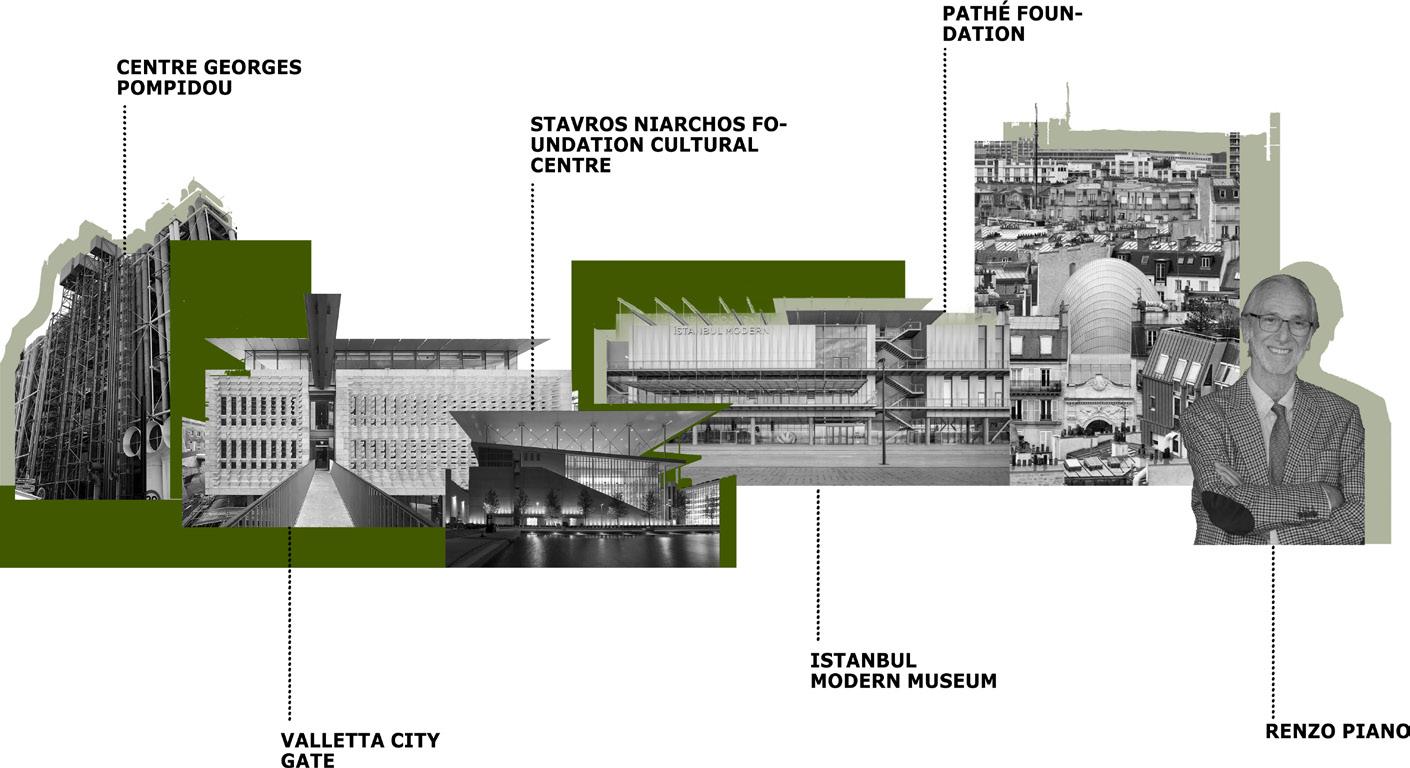
Inspired by Renzo Piano, I analyzed several of his projects to understand his high-tech architectural approach, focusing on structural expression, technology integration, and environmental responsiveness.
I then translated these principles into clear architectural design decisions that guided the concept and development of my project.
Inspired by Renzo Piano, I analyzed several of his projects to understand his high-tech architectural approach, focusing on structural expression, technology integration, and environmental responsiveness.
I then translated these principles into clear architectural design decisions that guided the concept and development of my project.
Architect Analysis
Concept

East Elevation
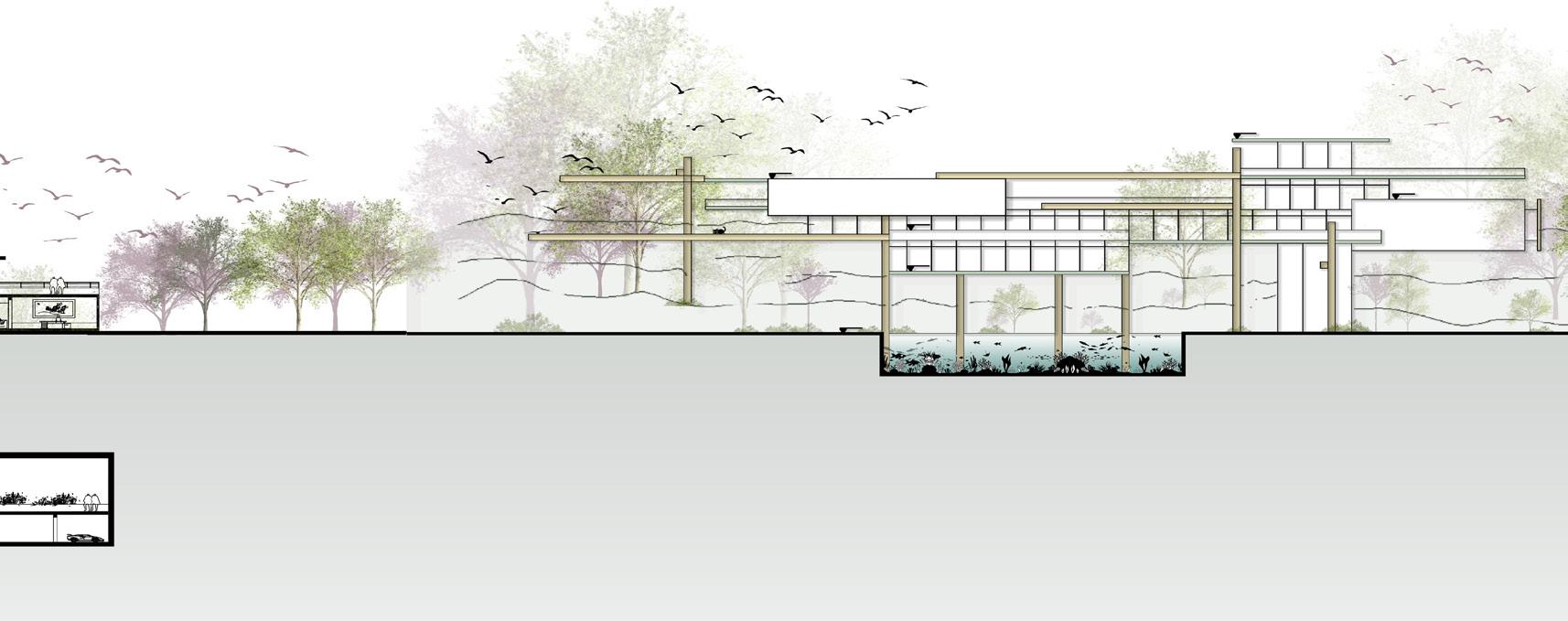
South Elevation

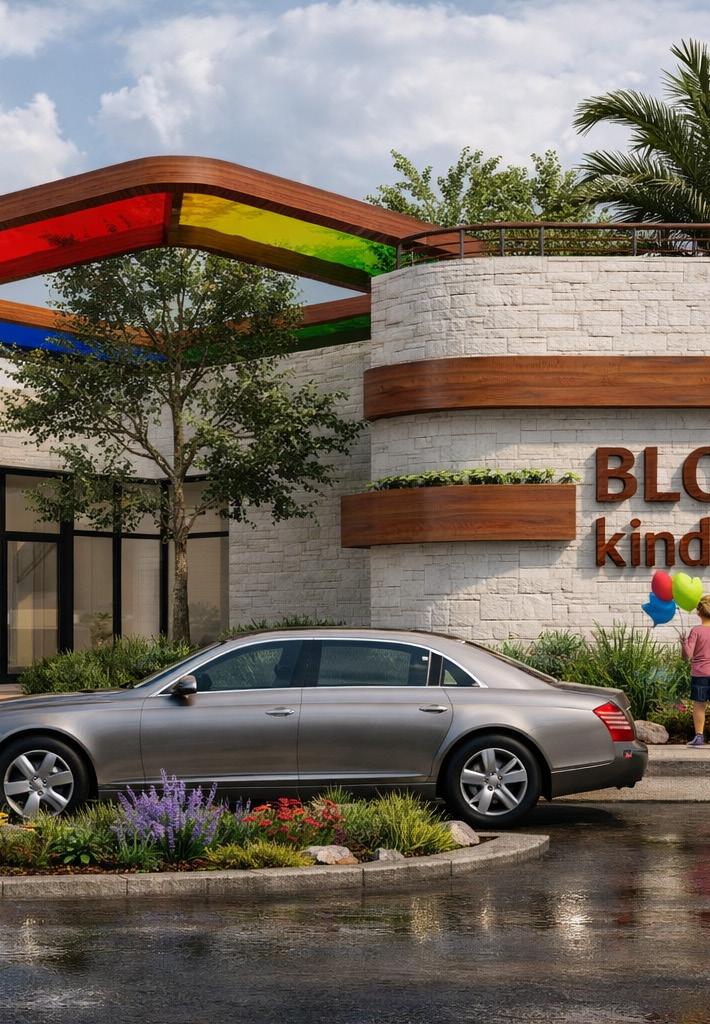
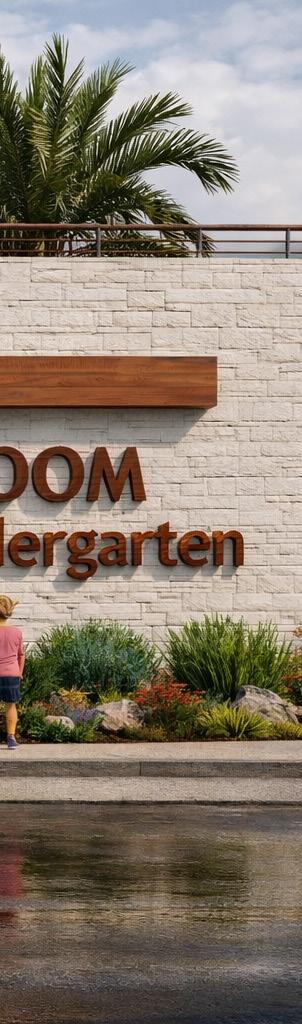
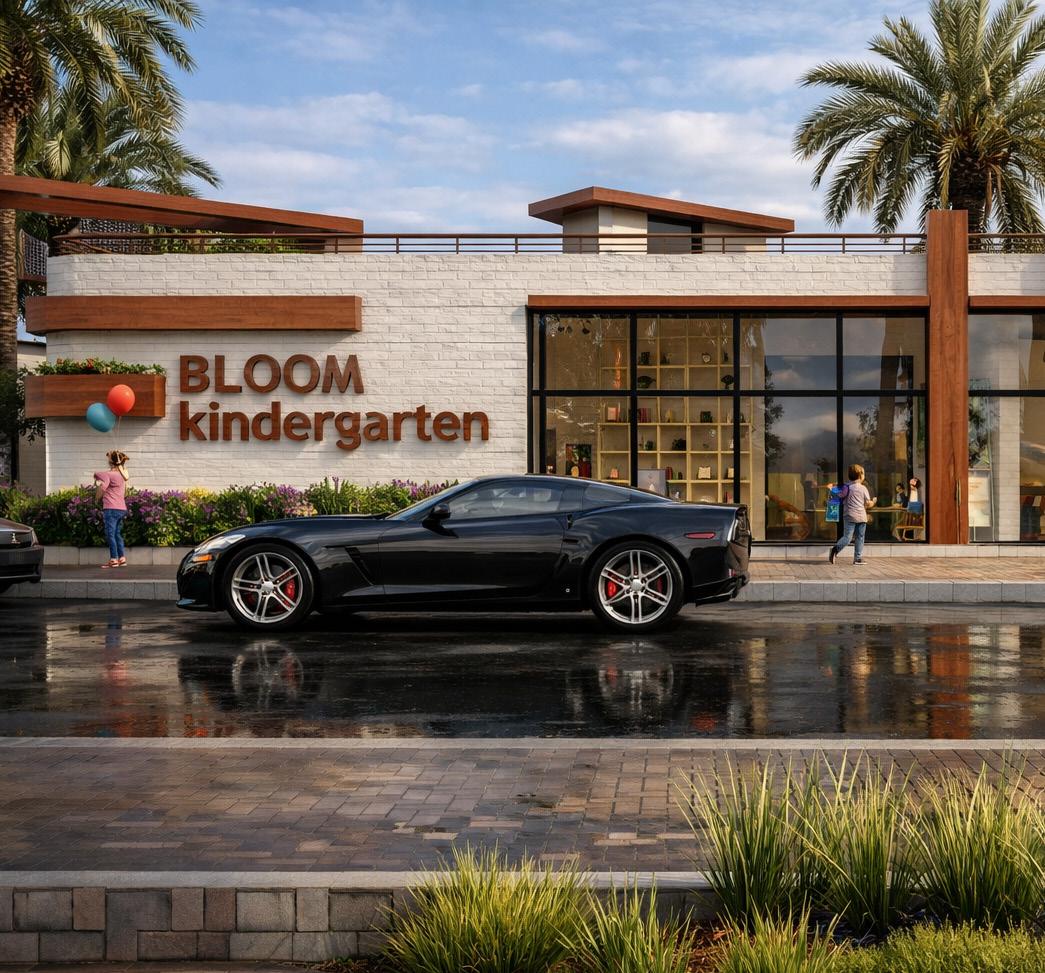
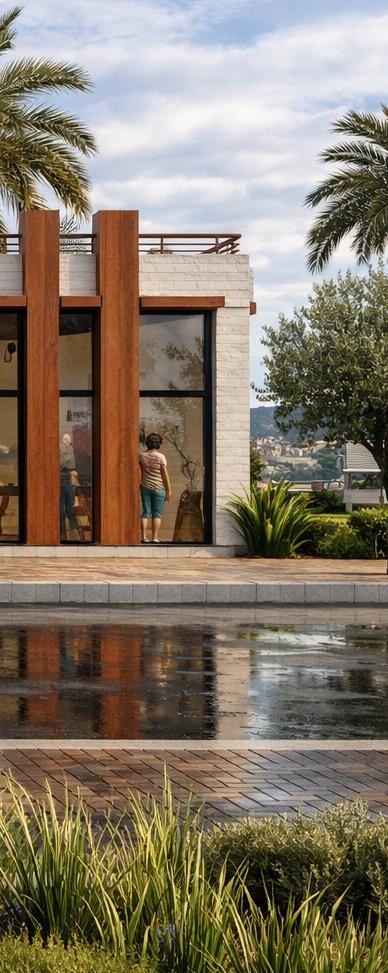
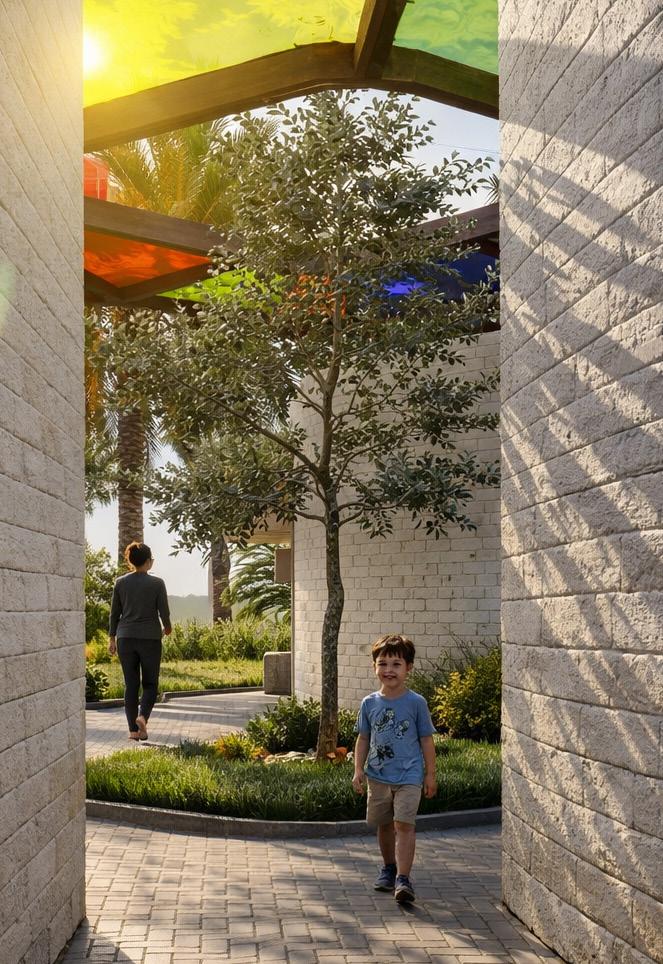
This project was developed during my Design I studio, with a primary focus on understanding function and deriving concepts from users’ needs in this case, kindergarten children.
The design concept was inspired by children’s interests and imagination, translating the abstract form of a paper airplane into the architectural massing. The form was strategically shaped to capture prevailing winds and function as a passive cooling system, responding to the site’s location in Ramtha, Irbid, which is characterized by a hot and dry climate during summer.
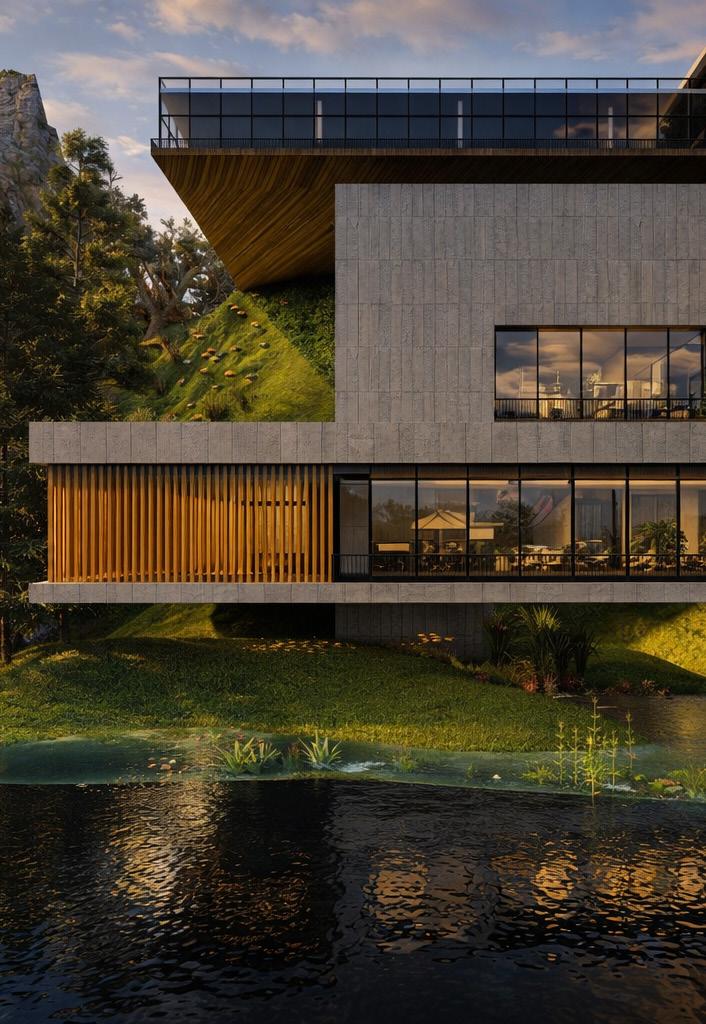
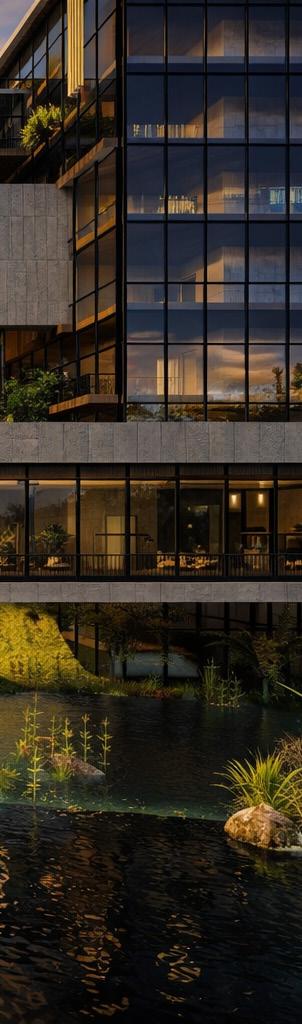
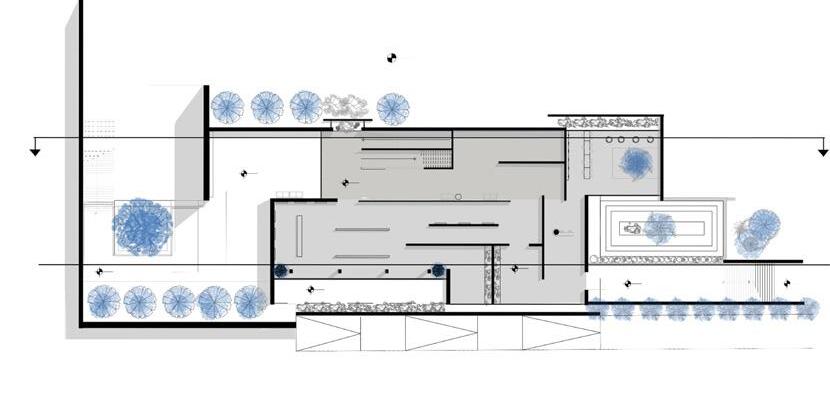
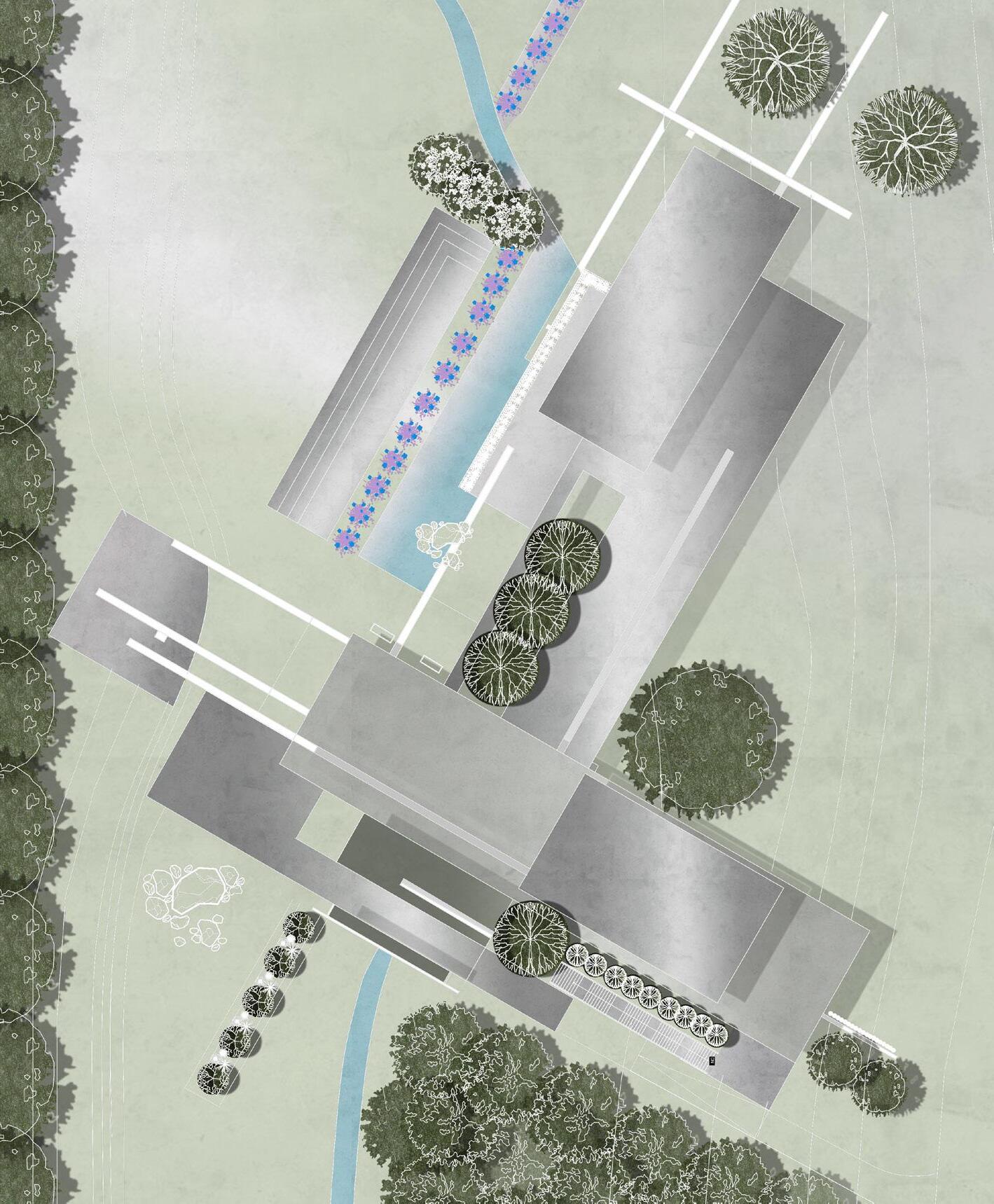
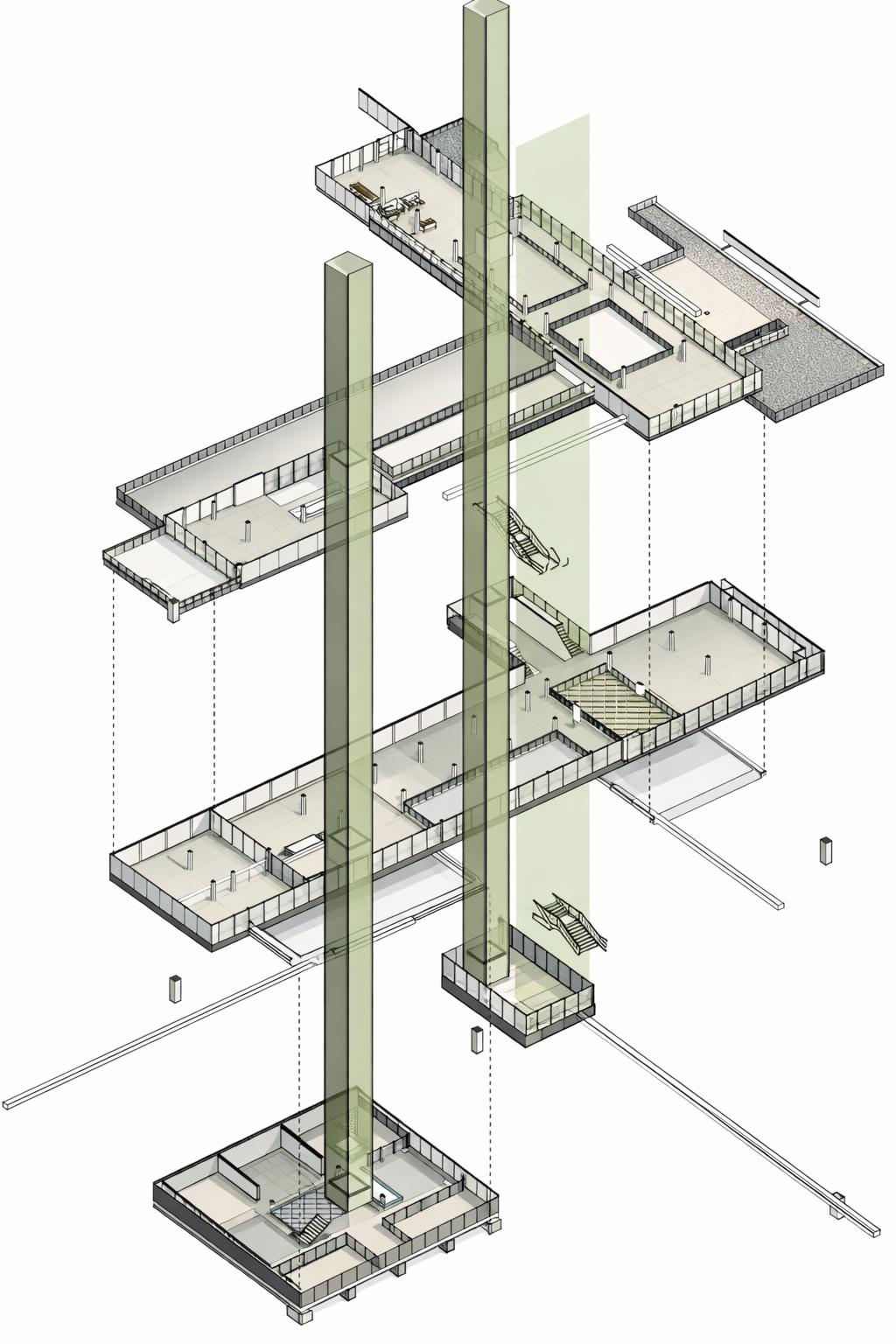
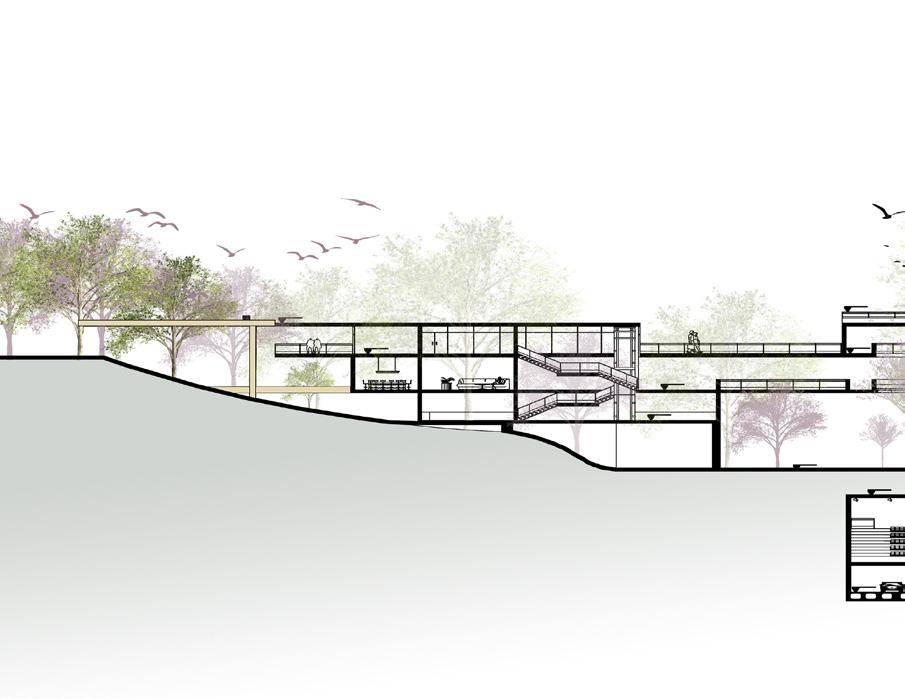
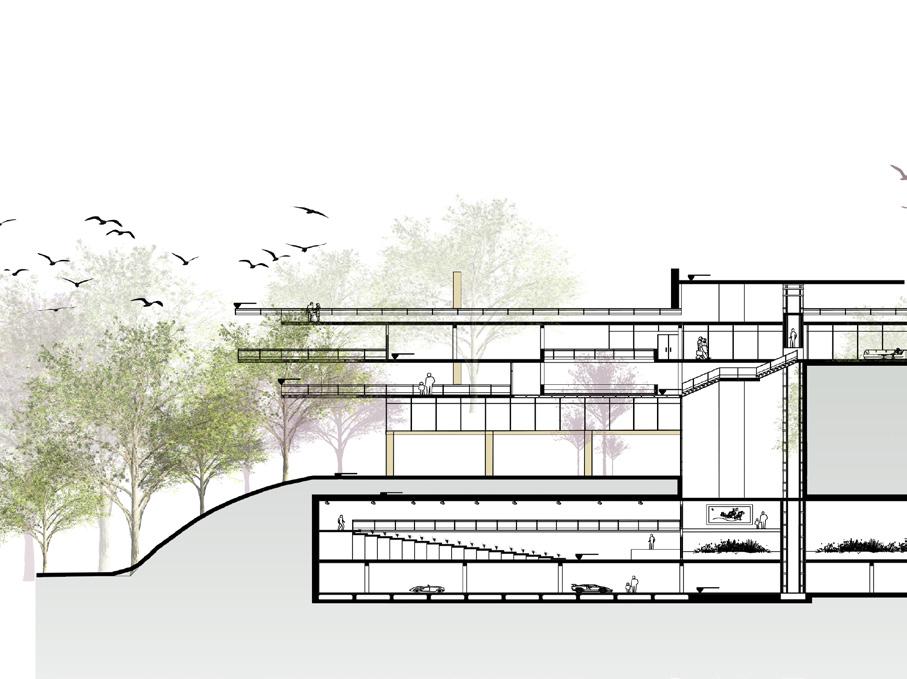
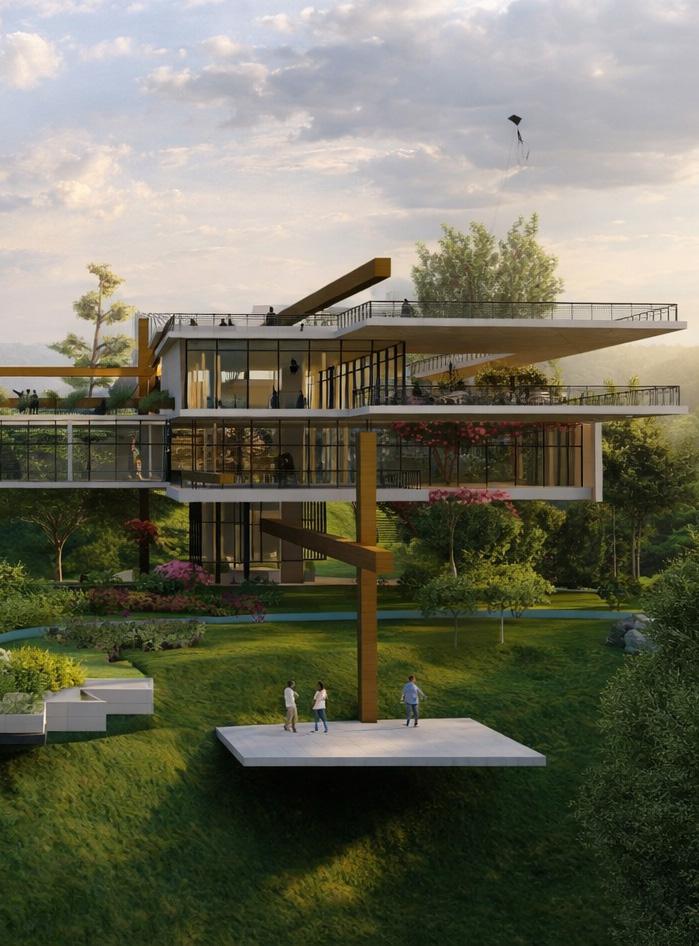
This Wellness Center was developed in my Design III studio as an academic project that combines therapy and relaxation within nature.
Located on a distinctive cliff site overlooking the Yarmouk River, the project responds to both strong views and structural challenges.
The design is organized around a primary vertical mass that forms the structural core, with horizontal hanging volumes extending toward the landscape to create a dynamic spatial experience and gradual, immersive transitions for users.