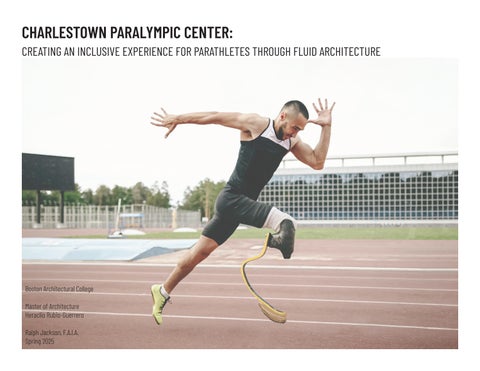
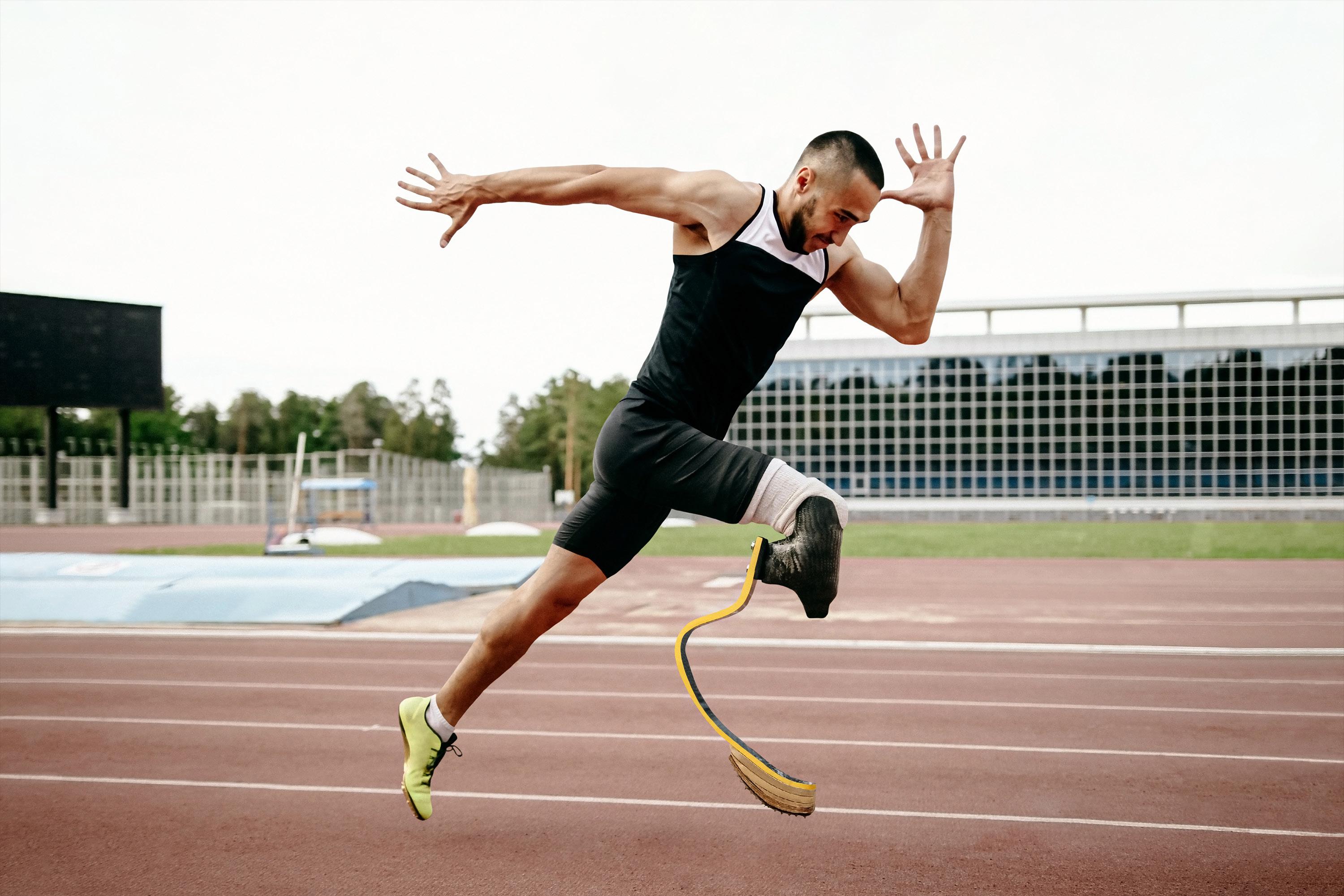
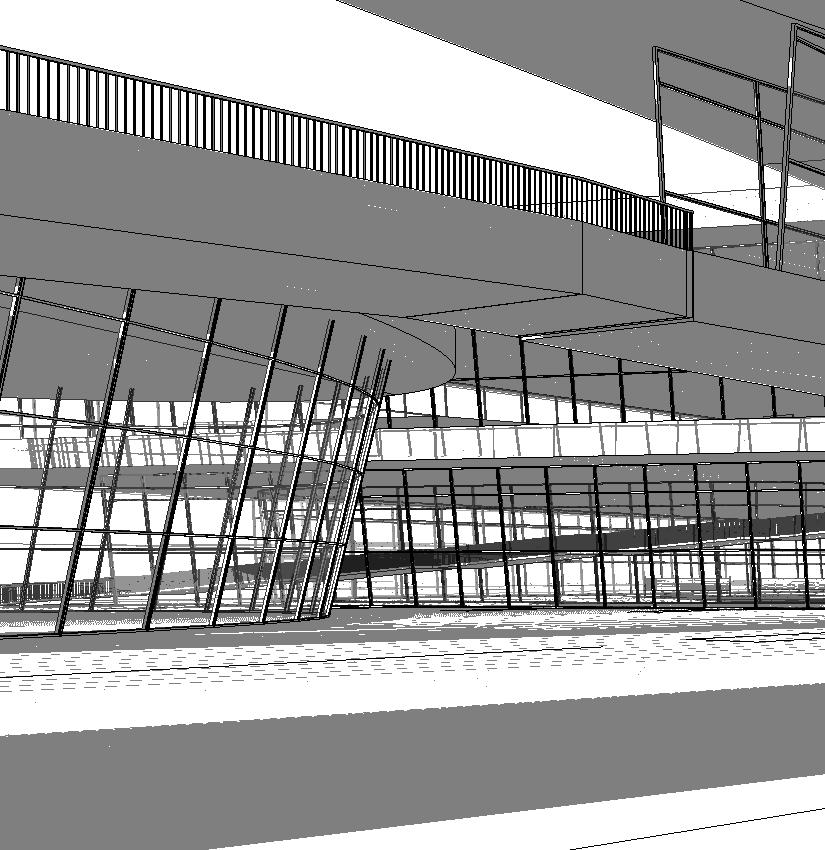
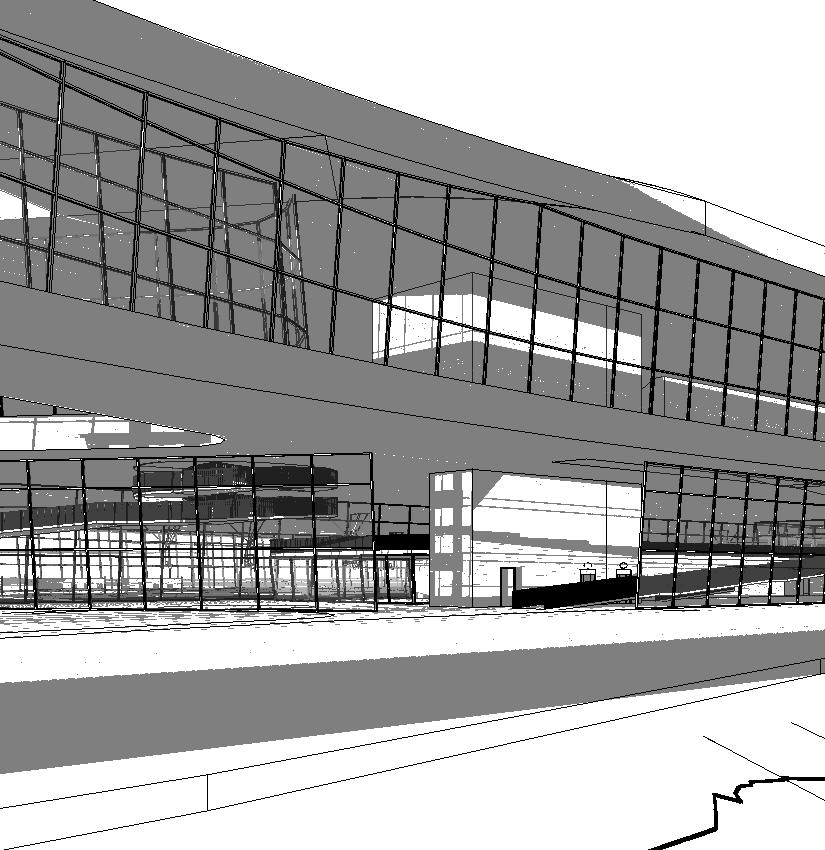
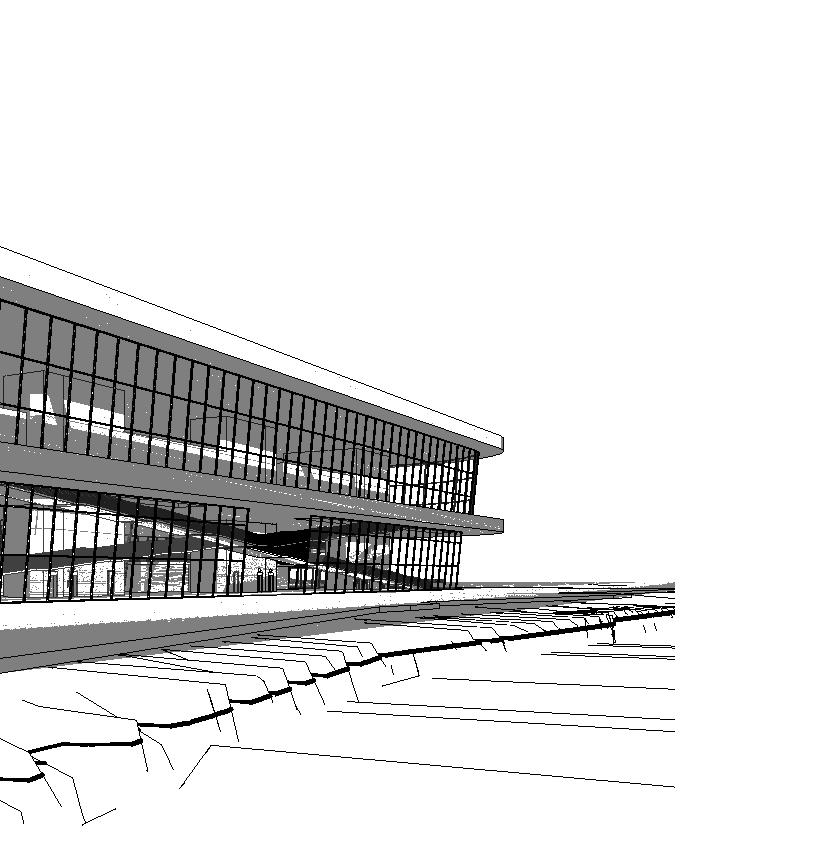
CREATING AN INCLUSIVE EXPERIENCE FOR PARATHLETES THROUGH FLUID ARCHITECTURE
Boston Architectural College
Master of Architecture
Heraclio Rubio-Guerrero
Ralph Jackson, F.A.I.A.
Spring 2025
HERACLIO RUBIO-GUERRERO, B.S.ARCH
THESIS STUDENT
RALPH T. JACKSON, F.A.I.A.
THESIS PROFESSOR
IAN FREDERICK TABERNER, A.I.A.
DIRECTOR OF MASTER’S THESIS
KAREN NELSON DEAN OF ARCHITECTURE
BIOGRAPHY:
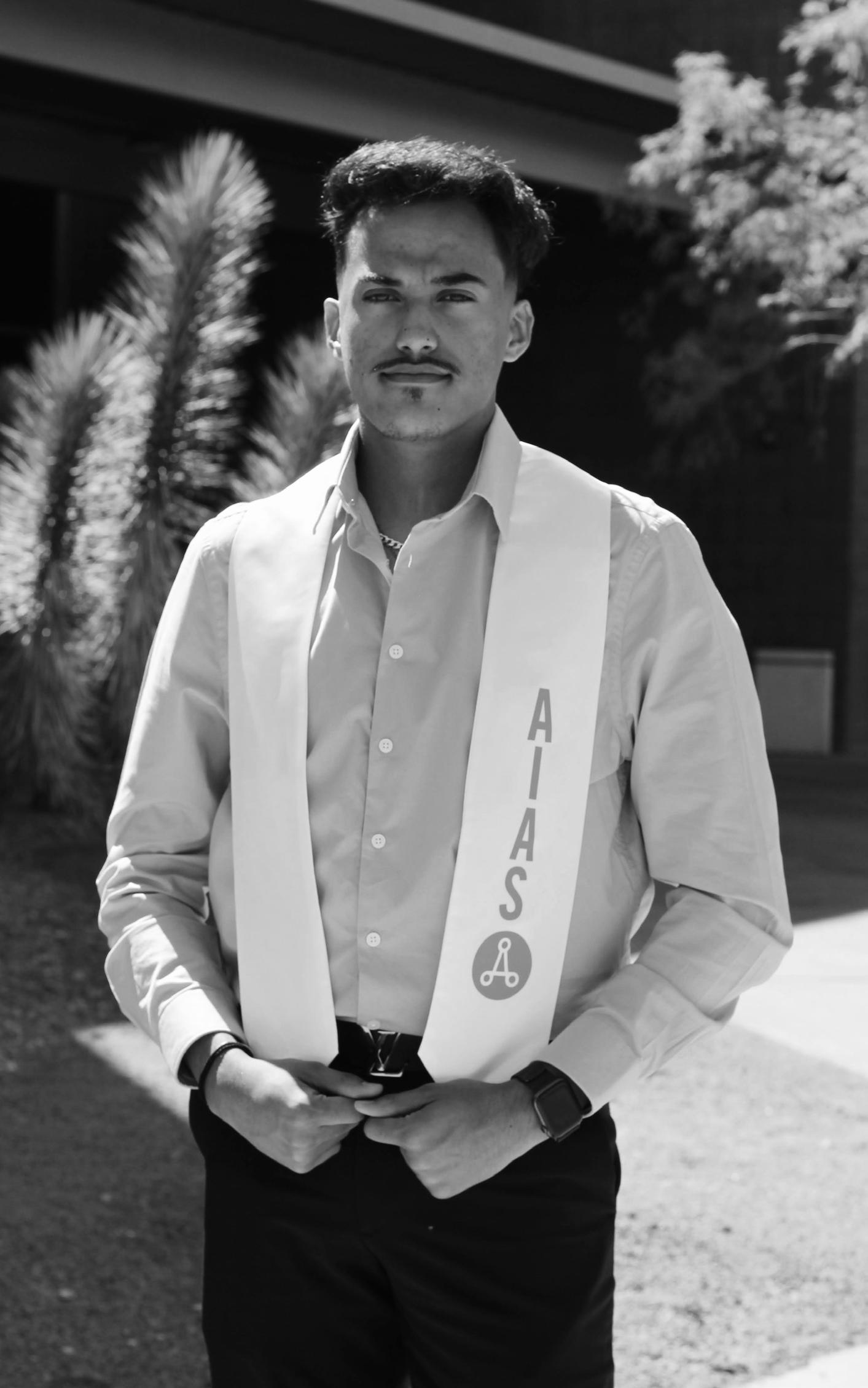
I am Heraclio Rubio-Guerrero, most know me by Paco. I am a Mexican-American student and son of immigrant parents. My love for architecture began since the fourth grade when I was asked to write a paper on what I wanted to be when I grew up. Having been around construction because of my father, I was always intrigued by the idea of designing the environment. Being a naive fourth grader, I google searched, “jobs that build houses,” and that is when I stumbled upon the career of Architecture.
I was born in Denver, Colorado, but moved to Las Vegas, Nevada at the age of 7 where I did grade school through bachelors. My architectural studies began in my freshman year of high school at Advanced Technologies Academy. I then continued my studies at the University of Nevada Las Vegas where I received my Bachelor of Science in Architecture.
After graduation, I decided I wanted to pursue my Master of Architecture and Master of Design Studies in Real Estate Development in Boston, Massachusetts as a result of my life long dream of living in New York. Although only a couple hundred miles away from New York City- Boston was the perfect fit for the life I wanted to live and I have happily lived here for almost 2 years.
With admiration to architects like Frank Lloyd Wright, Zaha Hadid, and Ma Yansong, I hope to one day be one of the greats in architecture and make a difference in our built environment.
With that being said, to everyone and especially to future architecture students, stay positive, work hard, dream big, spread love and happiness.
Thank you,
Heraclio Rubio-Guerrero
ACKNOWLEDGMENTS:
I would like to thank the following people for their time and support during my years of architecture school and my thesis:
Para mi papa, mi mama, y mis hermanas, gracias por todo el apoyo que me han dado. Desde que era niño, todos ustedes han estado ahí para apoyarme en mi sueño de algún día convertirme en arquitecto y ahora estoy un paso más cerca.
To my girlfriend Gianna and my dog Jicama, thank you for being there with me through the late nights in our little apartment. Thank you, Gianna, for being there for me and pushing me to be better everyday.
To my friends, as if it was not hard enough already, architecture school would’ve been much more difficult to get through without your endless support.
Lastly, to all my professors from grade school through college, thank you for all your wisdom and guidance.
I LOVE YOU ALL, THANK YOU
CHARLESTOWN PARALYMPIC CENTER:
THESIS PROPOSAL
ABSTRACT:
The purpose of this thesis is to bring attention to Inclusive Design and an experience for all using fluid architecture. Inclusive design is defined as the design of products and environments to be usable by all people, to the greatest extent possible, without adaptation or specialized design. In modern day architecture, we implement ADA guidelines to our designs simply to meet building code. Some architects and designers use the bare minimum of these guidelines leaving spaces with limited use or lack of design. This marginalizes users to feel apart from the experience others have, affecting their dignity. Using fluid architecture, a form of architecture that has a greater natural flow, a seamless connection between adjacent spaces, we can create a singular experience for all. Through fluid architecture, we can achieve shared surfaces resulting in low physical effort to move through the spaces, one of the seven principles defined for Universal Design found in books like, “Universal Design: 17 Ways of Thinking and Teaching.” Located in the city Boston which is leading in sports and healthcare, an intervention of an Olympic and Paralympic Training Center/Campus would act as a beacon of inclusivity for neighborhoods and athletes around the world. Most importantly, it will define the footprint on how to integrate Inclusive Design into cities that are so heavily influenced by their historical and conservative infrastructure.
THESIS STATEMENT:
Inclusivity and accessibility in design are essential. Many cities and developers have made a better effort in making newer developments more accessible and state and federal level programs exist, such as the Disability Commission at the Boston City Hall and the Americans with Disabilities Act, to keep this in order. However, these efforts are underdeveloped when it comes to older cities that have a historic infrastructure. In these cases, accessibility is seen as a mere checklist with no true design in mind. Accessible ramps and elevators are added to a project with a sense of an afterthought, but they don’t offer a true experience to those who rely on such services. A city like Boston - a beacon of health and education, but heavily driven by its historic infrastructure - is in need of a redesign to provide a better experience to everyone, not just the able-bodied population.
METHODS OF INQUIRY AND TERMS OF CRITICISM:
Methods of Inquiry:
- Can Inclusive Design be seamlessly integrated into a cities historic infrastructure?
- What are the standards of Inclusive Design?
- How do similar cities around the world deal with Inclusive Design?
Terms of Criticism:
- How well was inclusivity integrated into the infrastructure?
- How will this become a beacon for inclusive design in architecture?
- Were the experiences enhanced in comparison to the existing conditions?
PERFORMANCE PROGRAMMING:
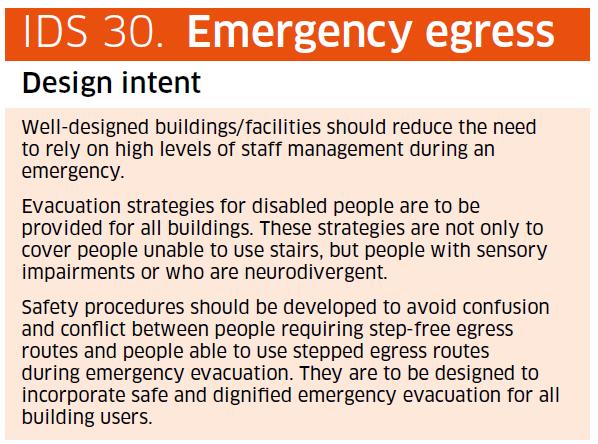
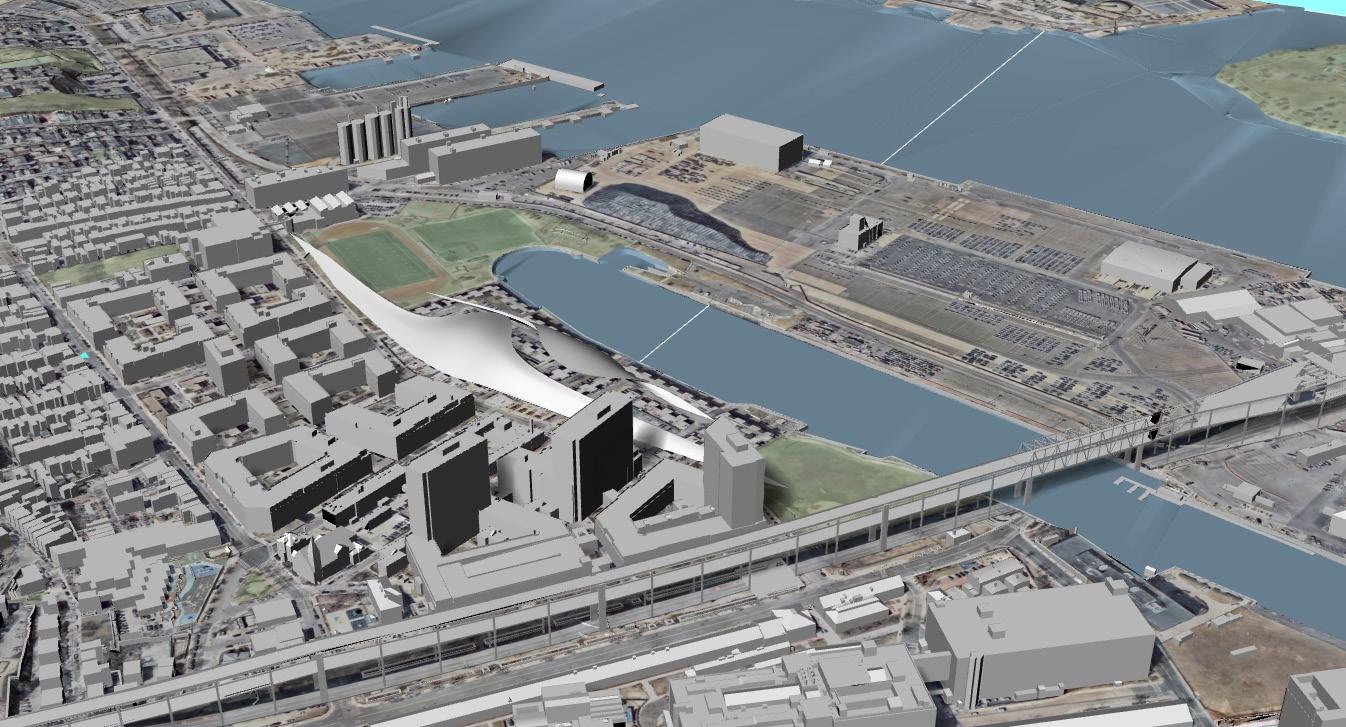
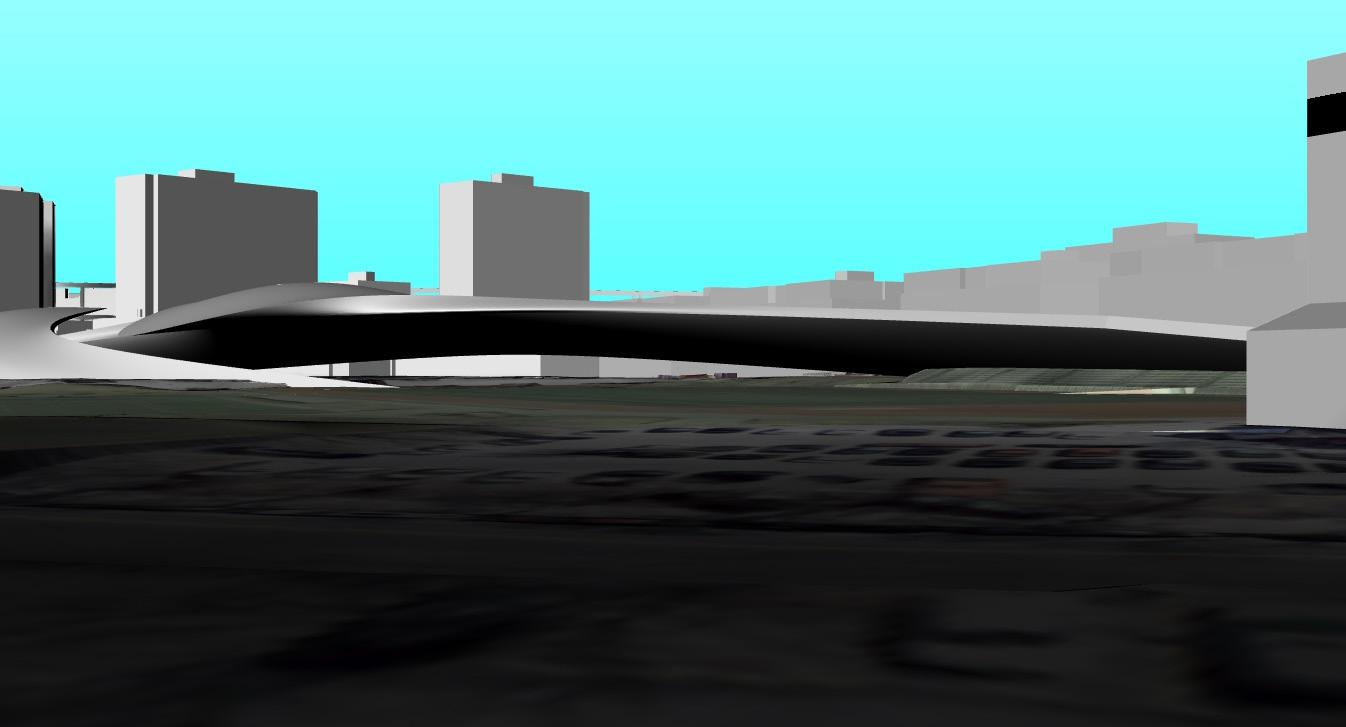
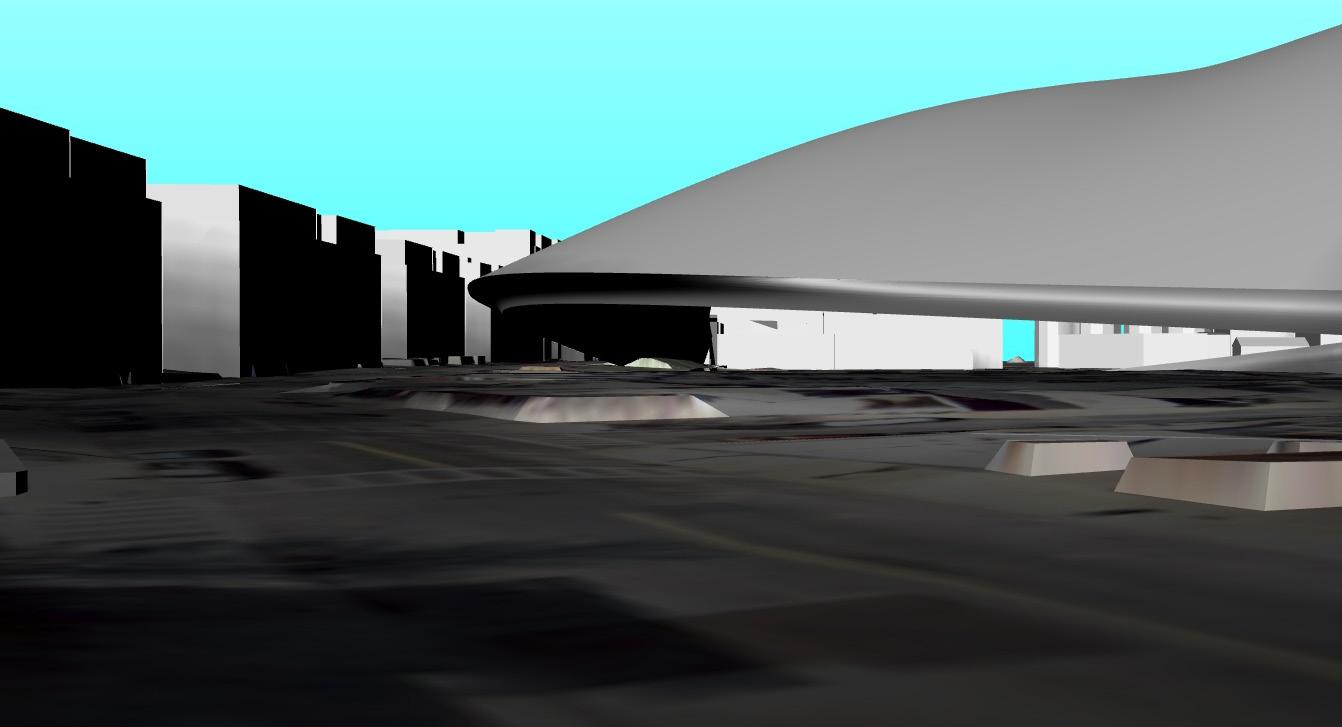
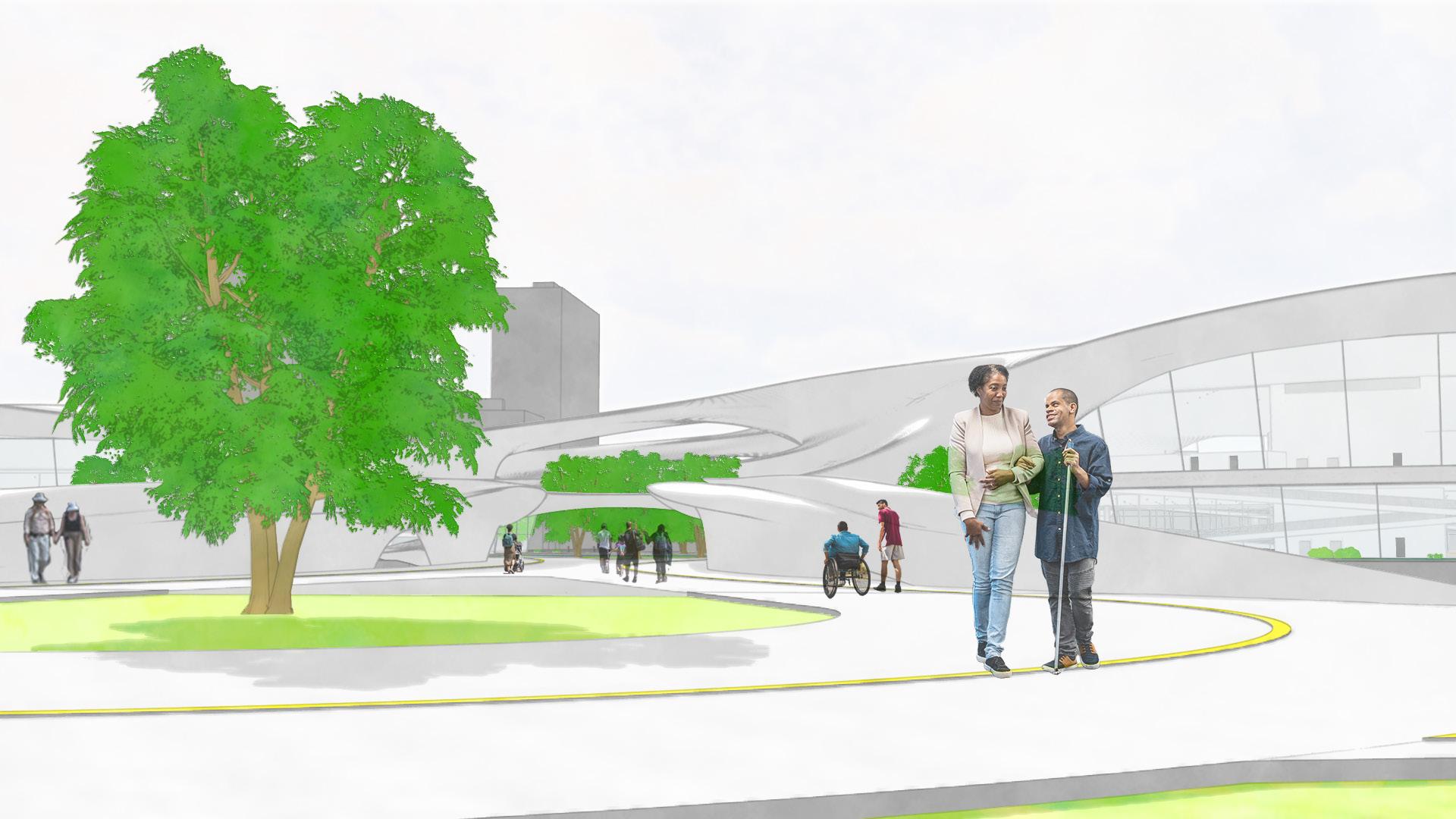
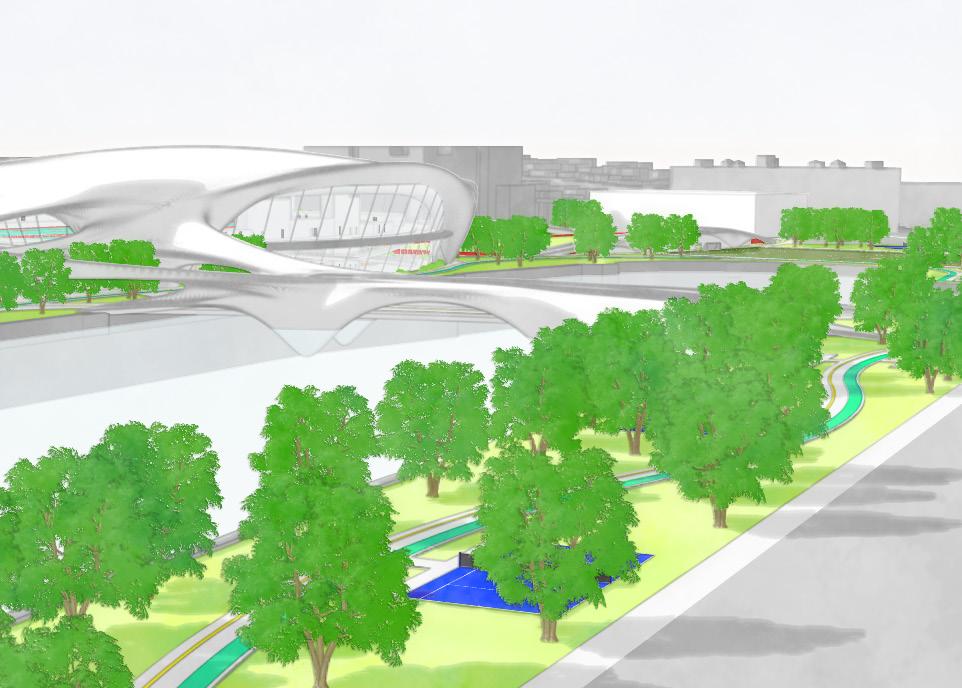
Welcome, to the Charlestown Paralympic Training Center/Campus of Boston, Massachusetts. On this campus you will experience a space where the general public and parathletes come together to share the same facility that will enhance their health and well being. As you walk through the fluid architecture of this facility, you will get to see the beautiful panoramic views of the Charlestown Navyyard and Boston. Through its fluid design, you will flow seamlessly through all aspects of this site, from the room to room in our sports facilities to the campus as a whole. We hope to make the community feel as one with the integration of inclusive site planning, which means creating a master plan for the site that will allow anyone from anywhere to access the site with ease. Inclusive emergency egress, highlighting and changing the way we have handled current emergency exit strategies to ensure that individuals with disabilities have the same access to safety as those who are able bodied. Inclusive acoustics and communications systems allows for all groups, not only individuals with physical disabilities but also for individuals with sensory sensitivities and preferences, to experience a space comfortably,- as well as the integration of inclusive signage and shared spaces. The Charlestown Paralympic Training Center/Campus aims to be the hub for the general public and athletes, regardless of disability status, ethnicity, gender, etc... to train and further develop their skills in a space where they feel like they belong.1
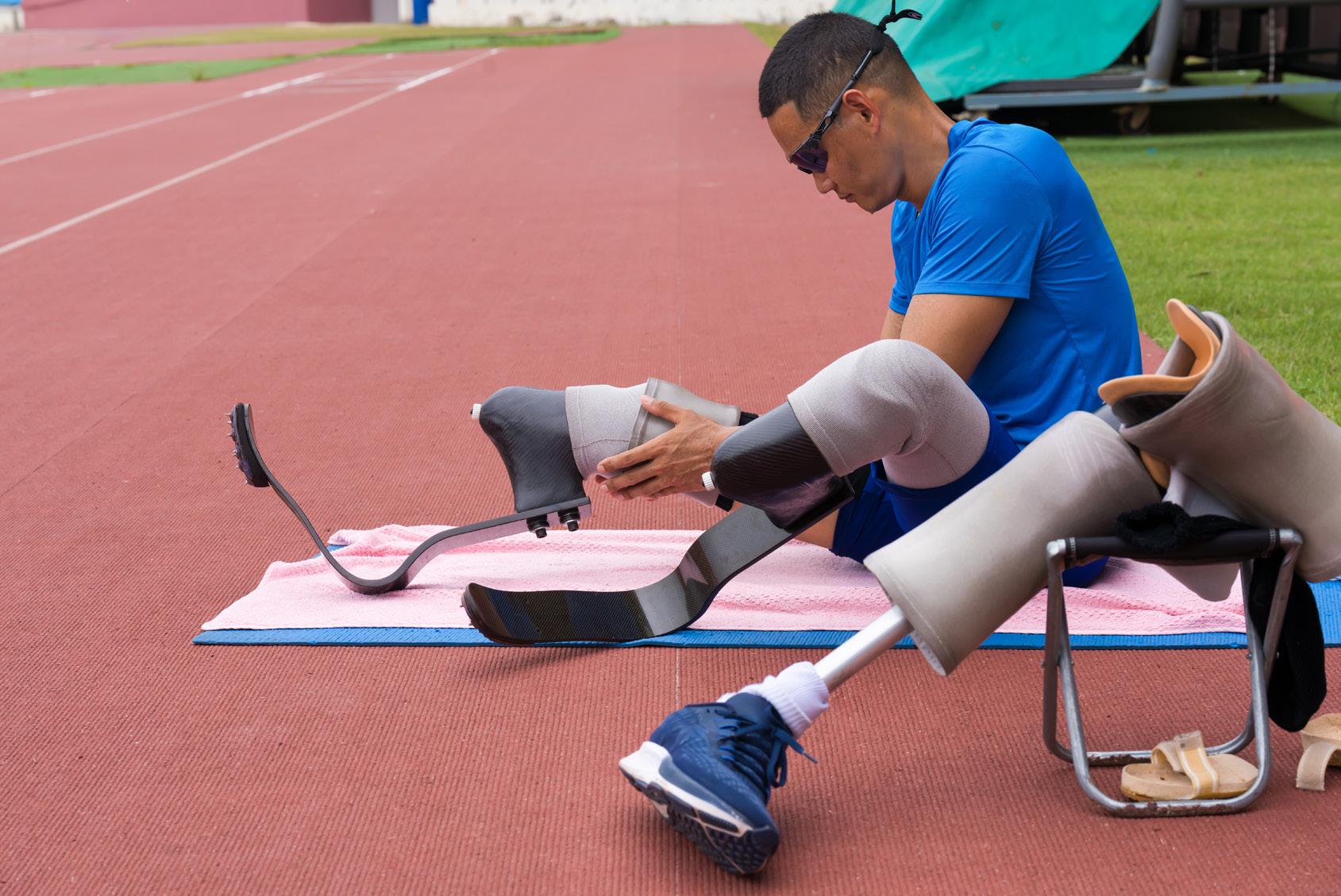
iStock. “Portrait of an Asian paralympic athlete, seated on a stadium track, busily affixing his running blades, preparing for intense training.”
HEALTH AND WELLNESS:
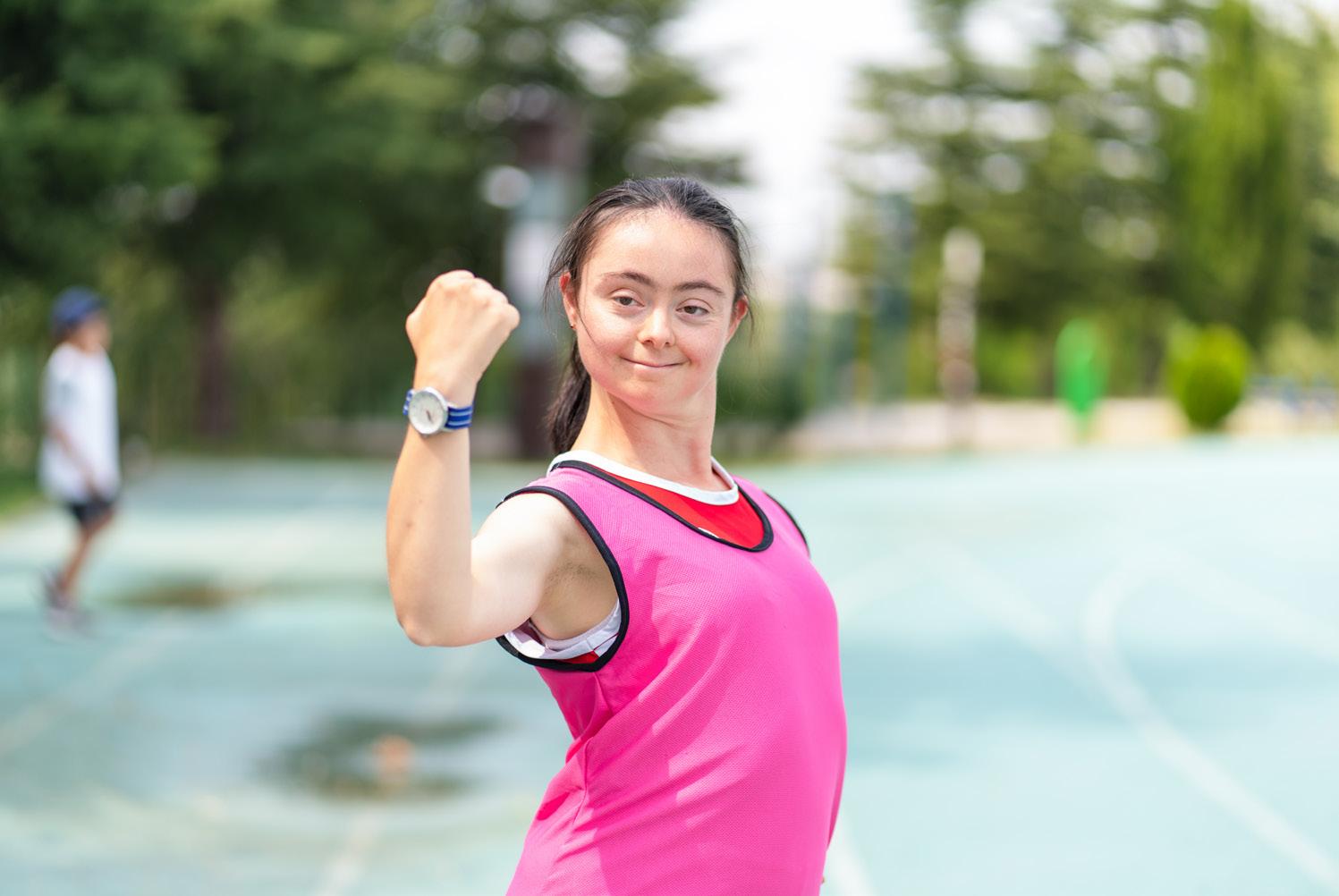
Designing for inclusivity allows for design to be accessible to everyone around the world no matter race, ethnicity, sexual orientation, or disability status. This is a solution to a global problem that we are experiencing with 16% of the global population having some form of disability. 1 From congenital condition, acquired disabilities, trauma-based disabilities - no matter what the case may be, there is no reason why our designs should only belong to those who are able bodied. We all have a right to experience spaces without feeling left out or separated from the experience others may be having.2 Modern design treats accessibility as a separate entity, therefore leaving those who are disabled to experience a space through an afterthought of design taking away from their dignity and/or experience. Although it may not seem like it, I was born with a disability. I was born with Spina Bifida. My parents were told from the moment I was born that I would not be able to walk. Blessed I am to have participated in sports and be active since I was a kid, but it changed my perspective from an extremely young age. Having to go to many doctors’ appointments, I always saw other kids who used mobility aides, crutches, and it made me question how they navigate the world differently than I do. I always felt guilty knowing that the kid that I am in the same elevator with is experiencing life in a completely different manner, but it should not necessarily be that way. Individuals with disabilities should not have to feel that they need to be accommodated for nor reminded of their condition. They should blend into society because they are members of society and through inclusive design we can reach that goal. The focus of my thesis is training facilities or campus for parathletes located in the city of Boston. With Boston leading in sports and medicine, a training campus or facility here would be a great hub for these athletes to train.
iStock. “Young female athlete with Down Syndrome posing at sport track and flexing muscles.”
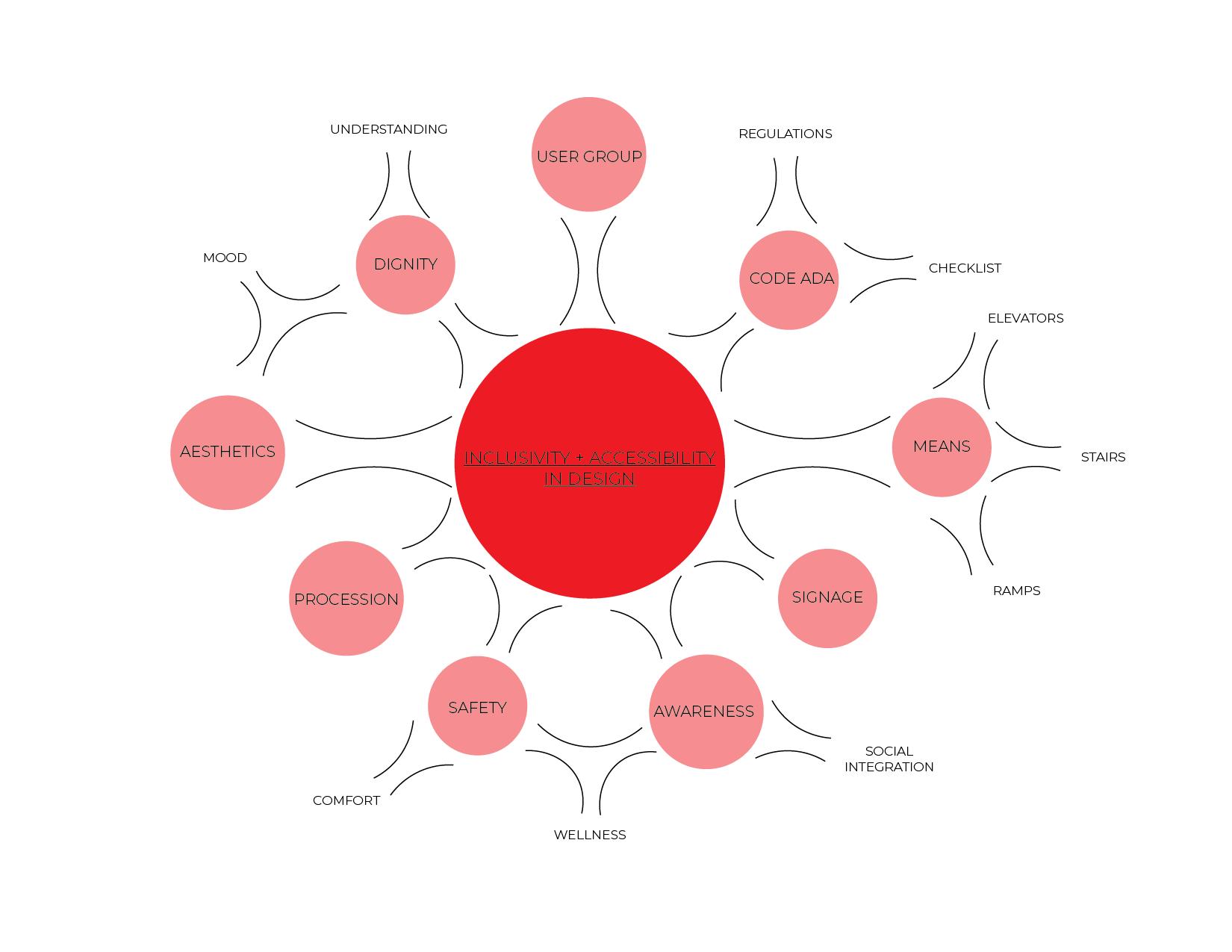
CONCEPT MAP:
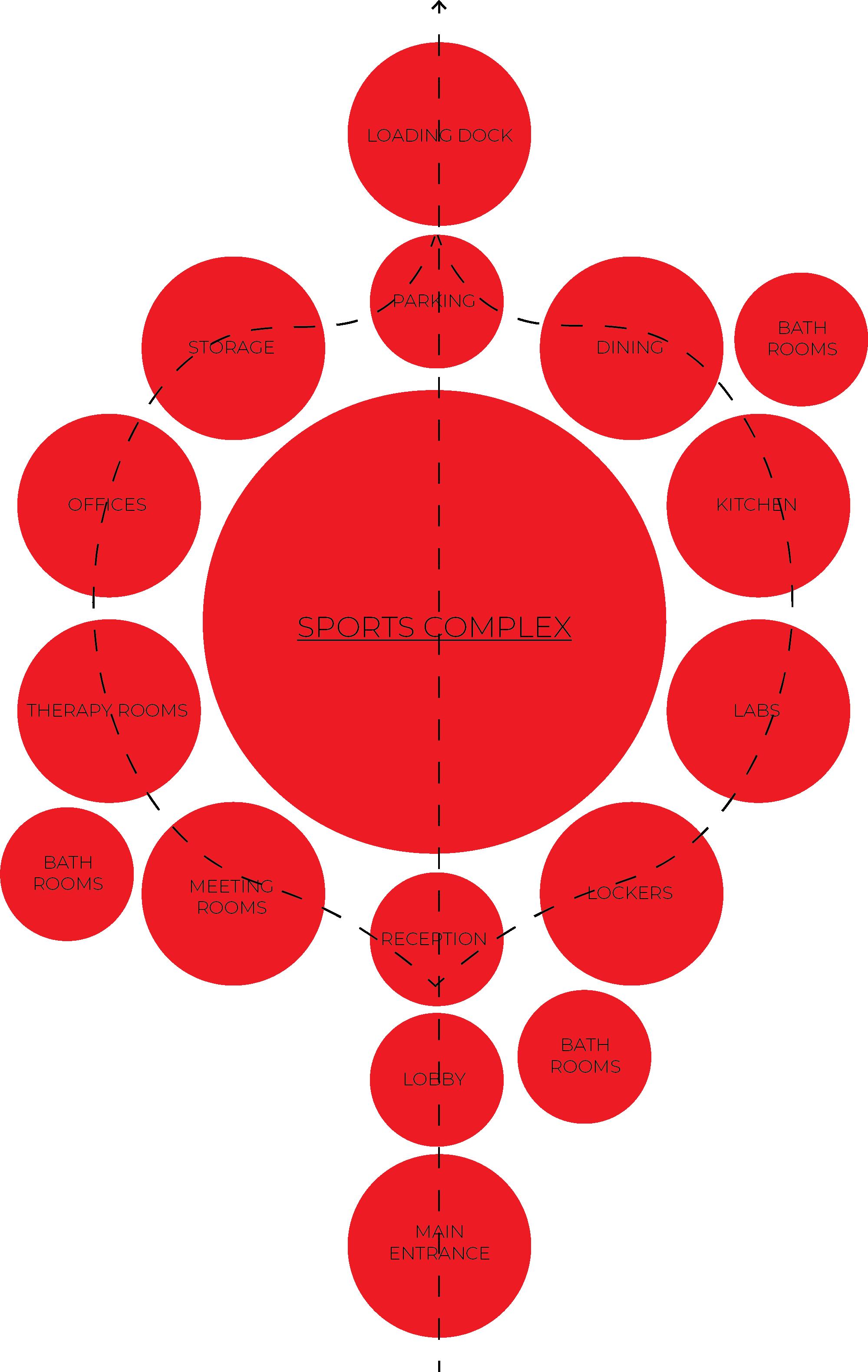
The concept map helped identify and drive the concepts of what it meant to design for inclusivity and accessibility
“BY ADOPTING BARRIER-FREE
DESIGN PRINCIPLES, WE FOSTER A CULTURE OF INCLUSIVITY AND RESPECT FOR DIVERSITY. WHEN SPACES AND PRODUCTS ARE DESIGNED WITH EVERYONE IN MIND, IT SENDS A POWERFUL MESSAGE OF ACCEPTANCE AND EQUAL OPPORTUNITY.”
- ALYCIA ANDERSON, DISABLED TEDx SPEAKER
CASE STUDY 01: MUSHOLM EXTENSION KORSOR,
DENMARK
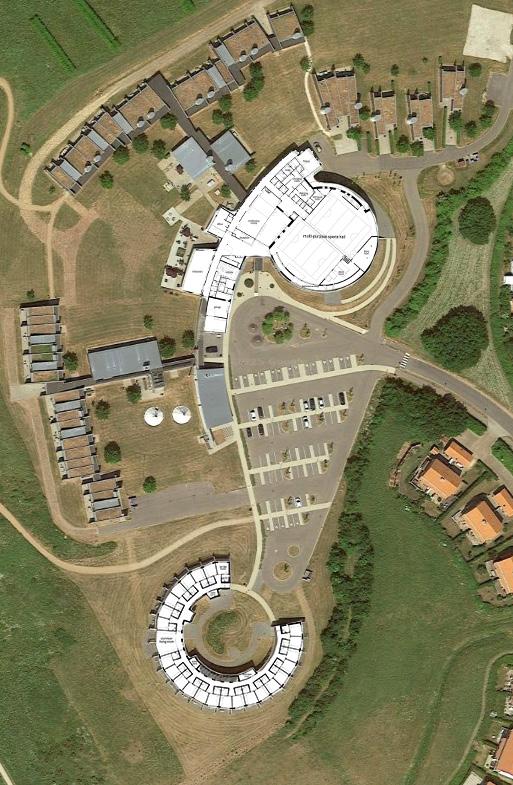
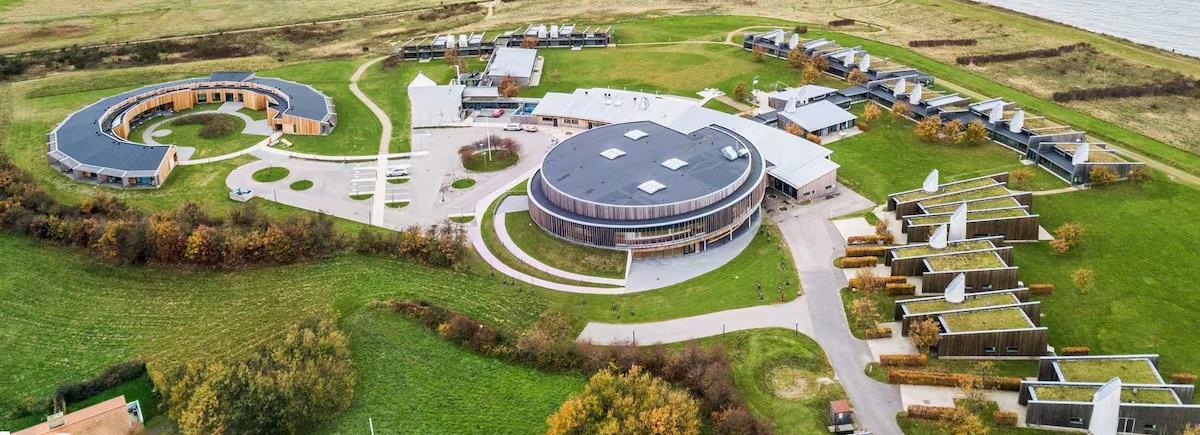
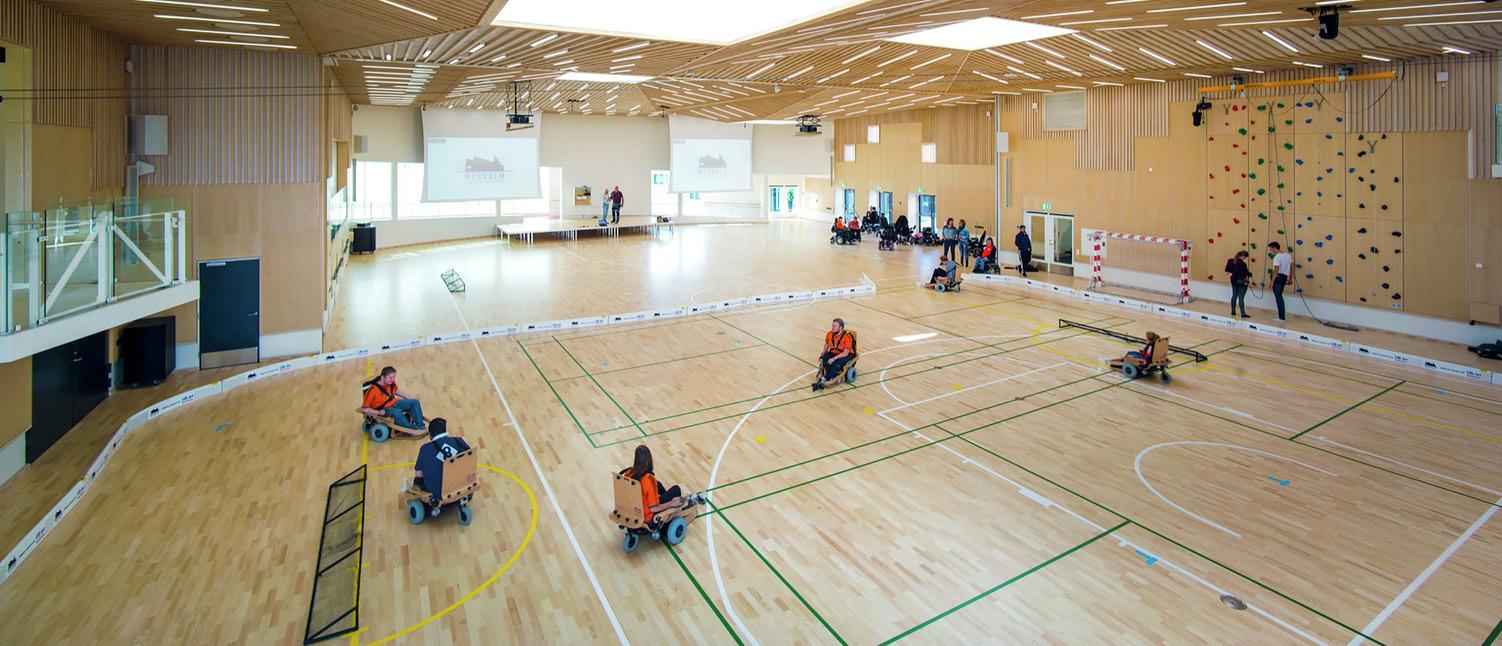
Musholm Extension is a great case study and precedent for Inclusive Design. The Musholm Extension is a sport hall designed in fulfillment of the Danish Muscular Dystrophy Foundation, by AART architects in collaboration with Karin Bendixen, Keinicke & Overgaard Architects, UrbanLAB, MOE and D&N. The unique aspect, in my opinion, is the effort to make a singular experience and prioritizing people with disabilities. This is a two-story building that its primary form of vertical egress being the “experience ramp.” This alone helps create an inclusive design, where all users no matter of disabilities are allowed to share the same experience. This “experience ramp” winds around the sport hall and offers activity zones and viewing rooms; as Musholm is located overlooking the sea and has a scenic landscape. This extension is a clear example of how accessibility can be beautiful without losing its functionality. It also demonstrates how integrated the idea of accessibility is implemented in the design process and it creates this seamless transition in the design. It gives us the impression that we all belong in the space and aren’t secluded or made feel like the “other user,” and I believe that is the main goal of inclusive design.1
CIRCULATION - The circulation in the space flows through a single surface with no obstructions and wide hallways. The primary method for vertical egress which is readily accessible and circulates around the main space.
GEOMETRY- The shape of this facility follows a circular geometry. This allows for better efficiency given the smaller external surface.
STRUCTURE- The structure of this building sits on the exterior thanks to its circular shape. With the main structure on the exterior and truss system for the roof, this allows for an open and barrier free space within.
NATURAL LIGHT- Through skylights and the circular shape of the building, it allowed for maximum natural daylight. This helps promote healthier spaces that the patients can interact in.
CASE STUDY 02: SPAULDING REHABILITATION HOSPITAL
BOSTON, MASSACHUSETTS, U.S.A.
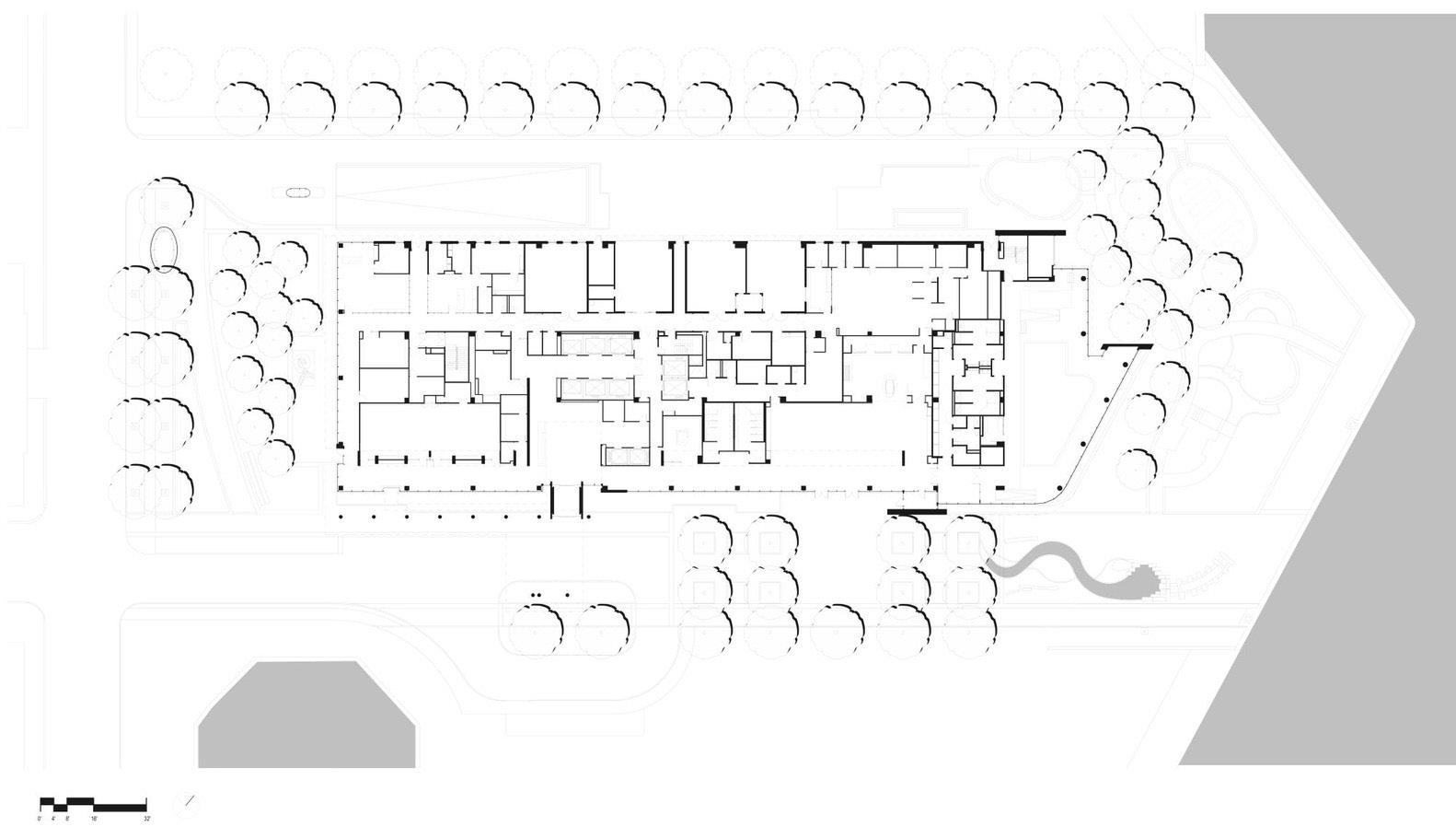
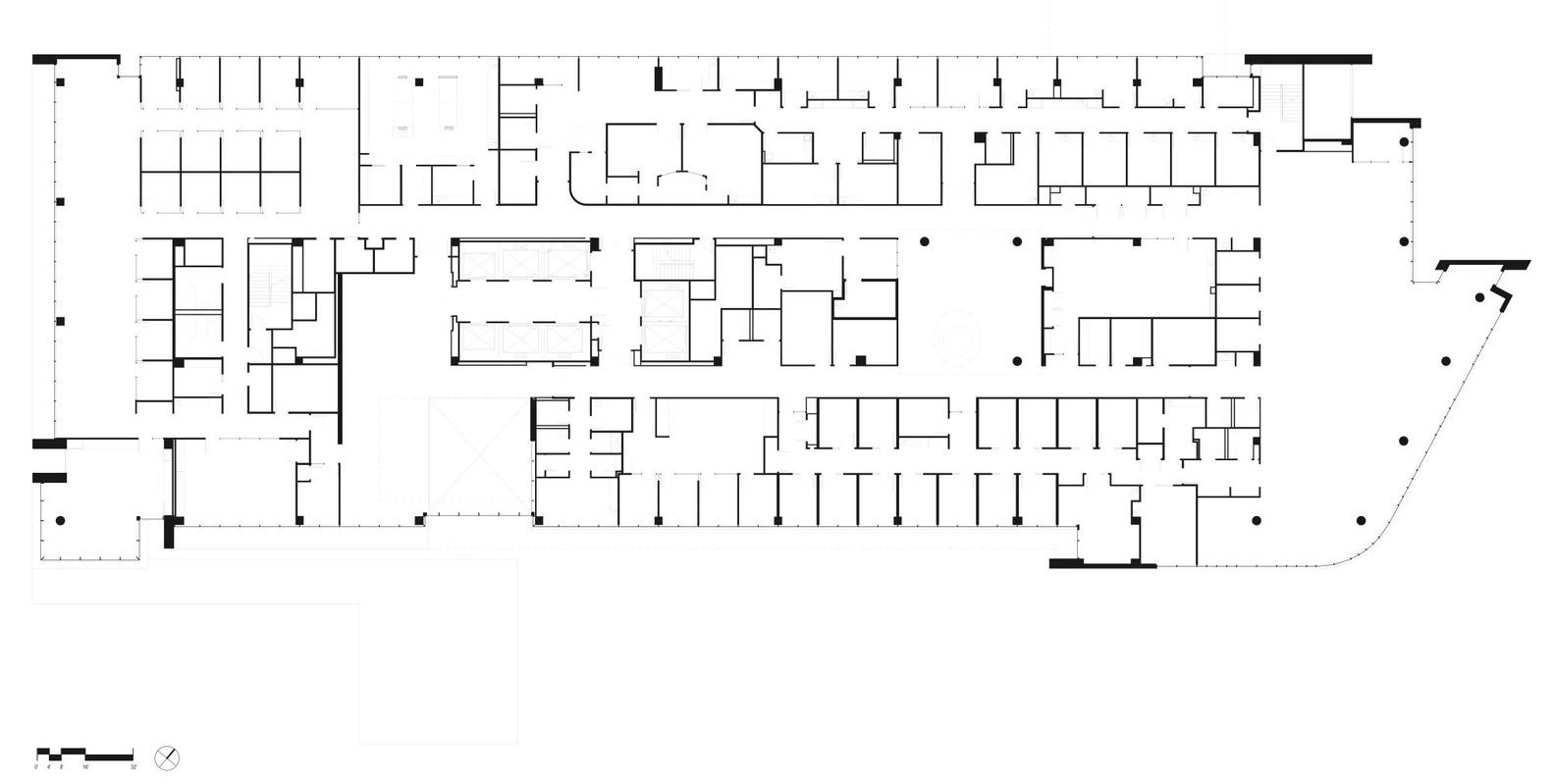
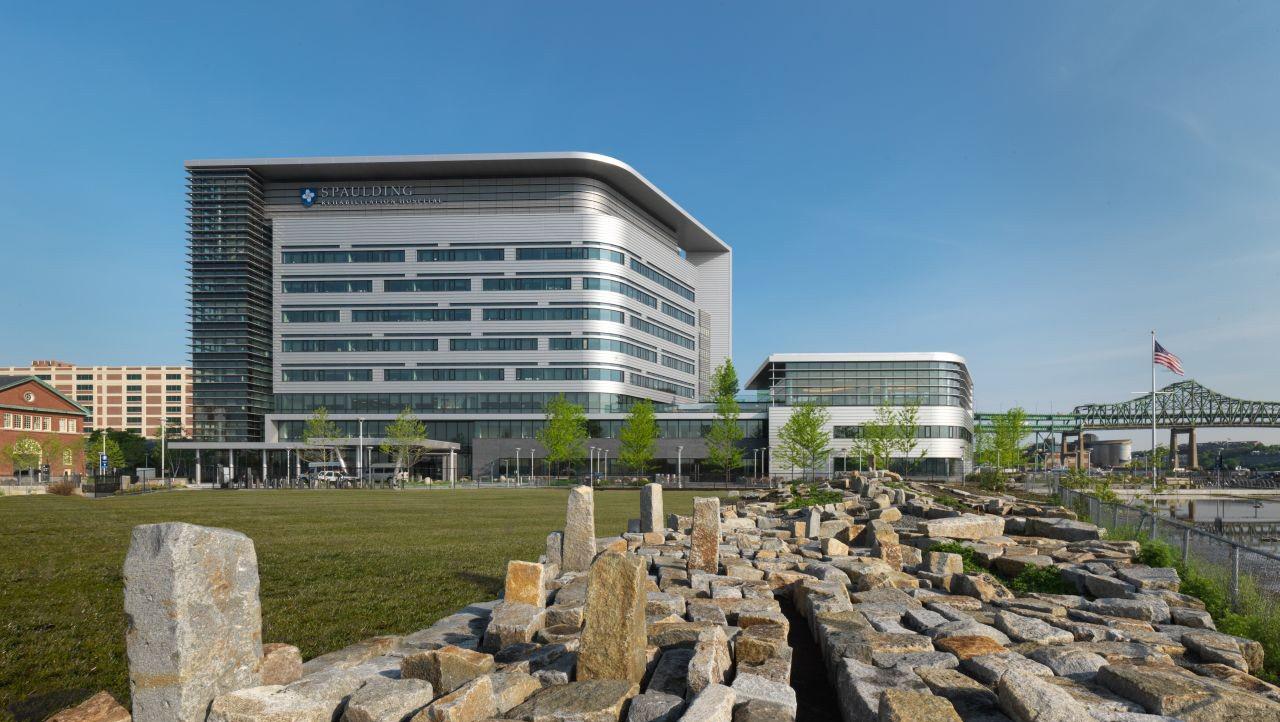
The Spaulding Rehabilitation Hospital is a great example of modern Inclusive Design in an area that is sensitive to its historic infrastructure. Located in the Charlestown Navy Yard of Boston, Massachusetts, Spaulding serves as a facility of advanced rehabilitation treatment and research. Spaulding offers a non exhaustive list of services ranging from adaptive sports, brain injury rehab, and sports medicine, just to name a few. Apart from the advanced research and partnerships with world leading medicine institutes like Harvard School of Medicine, Spaulding is renown in its efforts towards Inclusive Design. They pushed the definition of designing for accessibility beyond the ADA requirements. They used rounded and low reception desks that can be accessed by wheelchair users, they have automated shades and custom cabinetry in patients rooms, and other building designs that are accommodating to all. Spaulding stands tall and proud at the edge of the Charlestown Navy Yard as a beacon for Inclusive Design.1
Archdaily, Spaulding Hospital / Perkins&will, Second Floor
Archdaily, Spaulding Hospital / Perkins&will, First Floor
CASE STUDY 03: U.S. OLYMPIC AND PARALYMPIC MUSEUM
COLORADO SPRINGS, COLORADO, U.S.A.
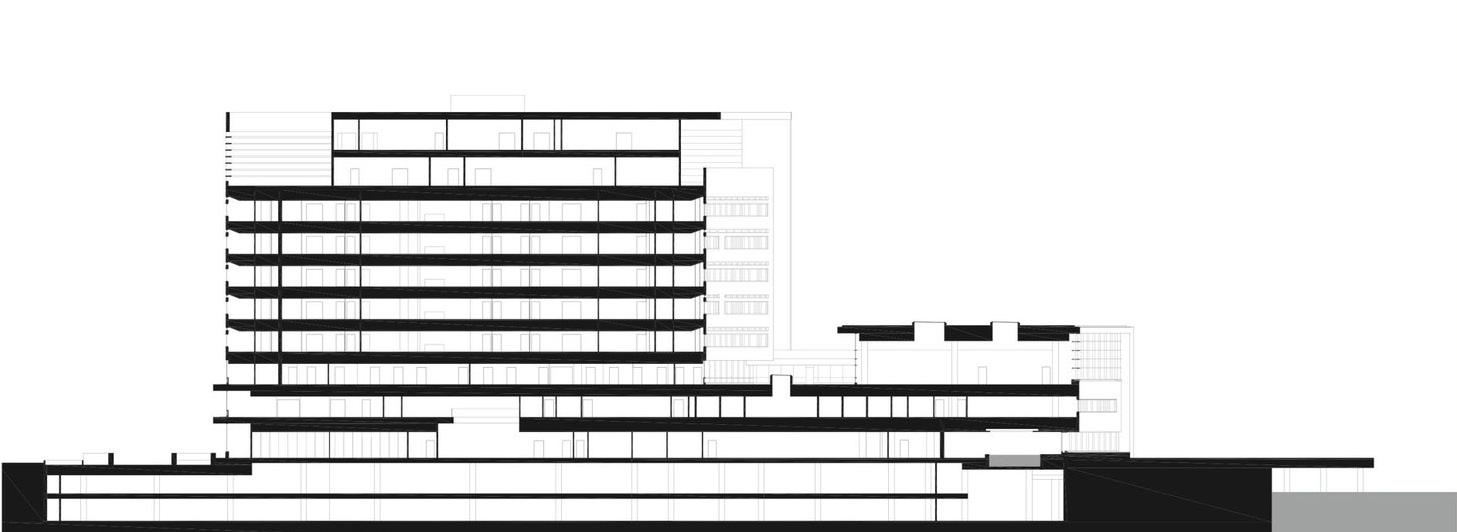
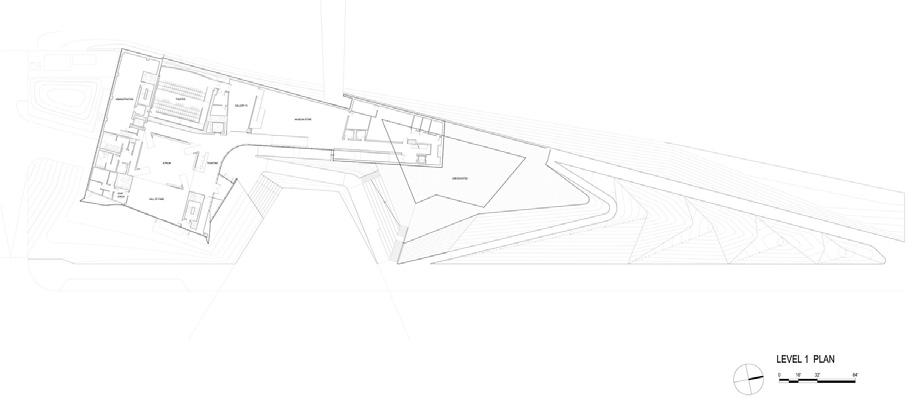
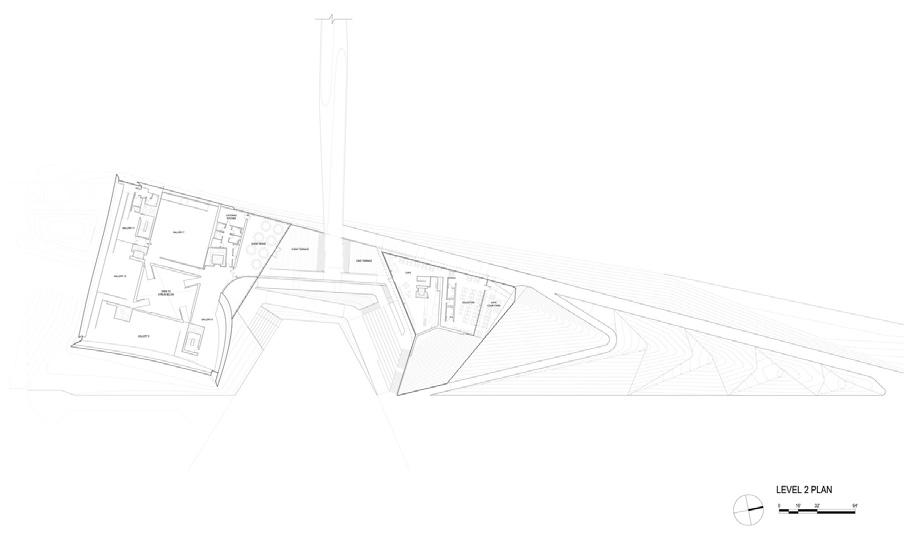
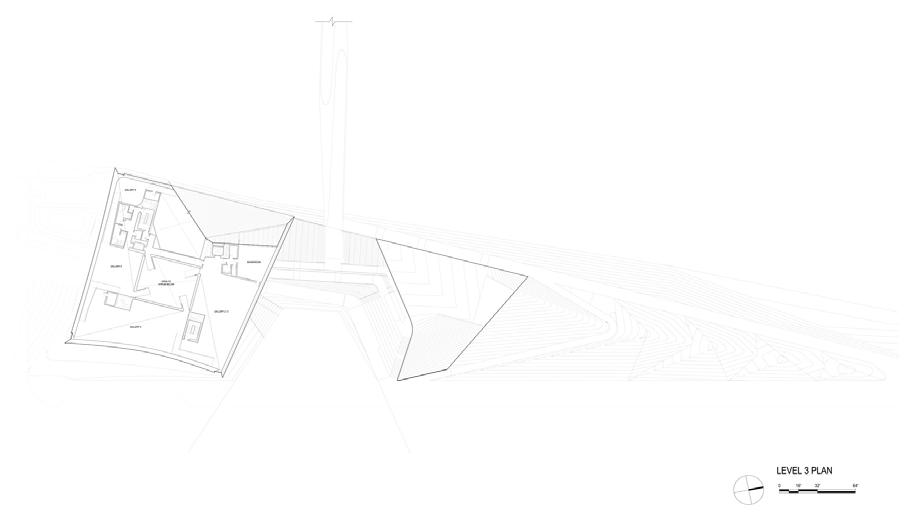
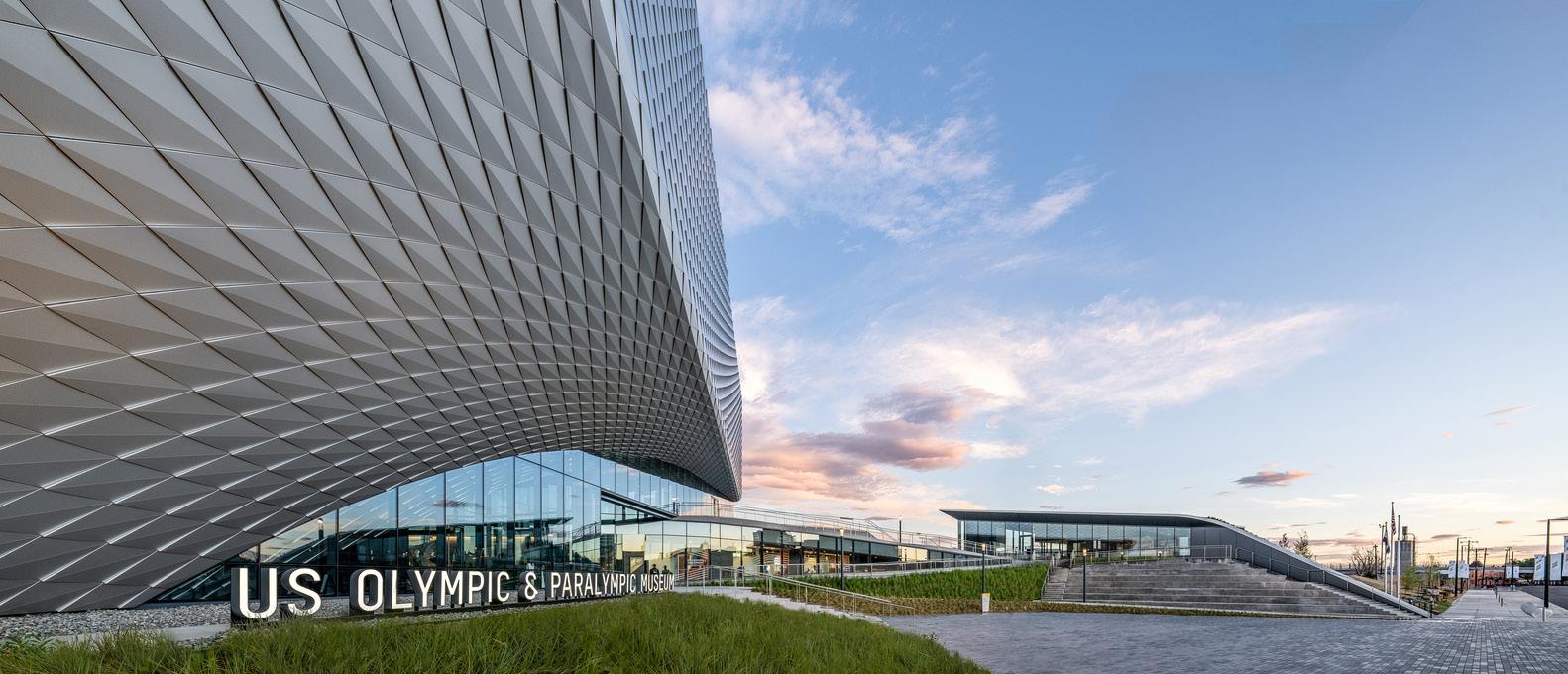
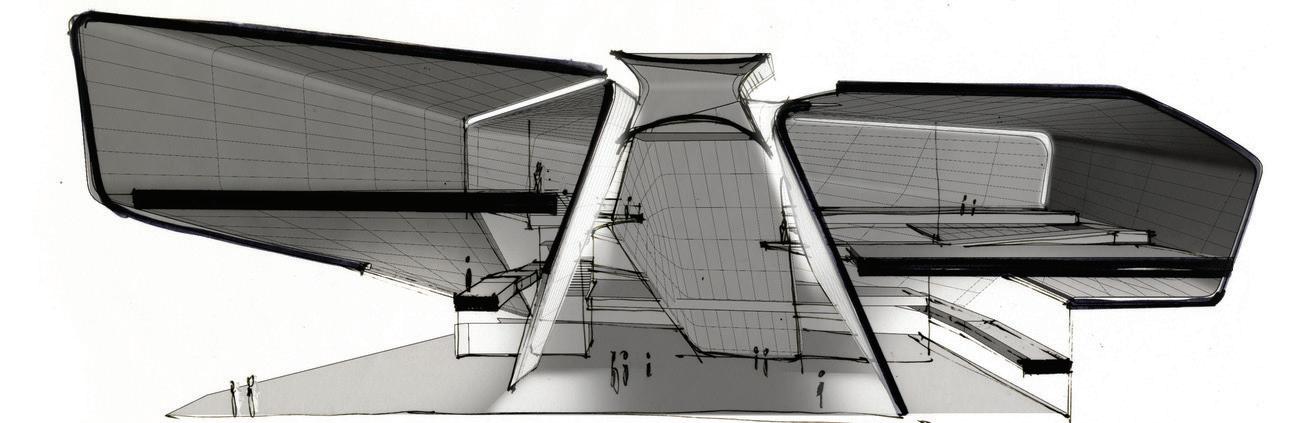
The U.S. Olympic and Paralympic Museum is a tribute to the Olympic and Paralympic USA Team Athletes and other athletes around the world. Displaying the great accomplishments by our most talented athletes in the USA as well as around the world, it also displays great efforts in making the museum an inclusive experience. Keeping in mind that the museum would attract people with disabilities, it is evident- and only right- that they applied principles of Inclusive Design. They consulted with Paralympic athletes and persons with disabilities to get direct feedback of their experience to make sure that they felt like they shared a common path as everyone else through the museum. The common path shared by all users was accomplished by the spiral flow that allows for all visitors to descend through the galleries in a continuous path. They have also designed the ramps from a standard ADA requirement of 3-4 feet, to 6 feet to allow for side-by-side movement of two visitors including someone on a wheelchair. Lighting strategies were also integrated as a manner of way finding. It orients visitors back to the main atrium and helps guide them through the galleries. Through these methods and many others, the U.S. Olympics and Paralympic museum is amongst the most accessible museum in the world. 1
1. Pintos, Paula. “US Olympic and Paralympic Museum / Diller Scofidio + Renfro.” ArchDaily
Archdaily, US Olympic and Paralympic Museum / Diller Scofidio + Renfro, Section
Archdaily, US Olympic and Paralympic Museum / Diller Scofidio + Renfro
Archdaily, US Olympic and Paralympic Museum / Diller Scofidio + Renfro, First Floor
Archdaily, US Olympic and Paralympic Museum / Diller Scofidio + Renfro, Second Floor
Archdaily, US Olympic and Paralympic Museum / Diller Scofidio + Renfro, Third Floor
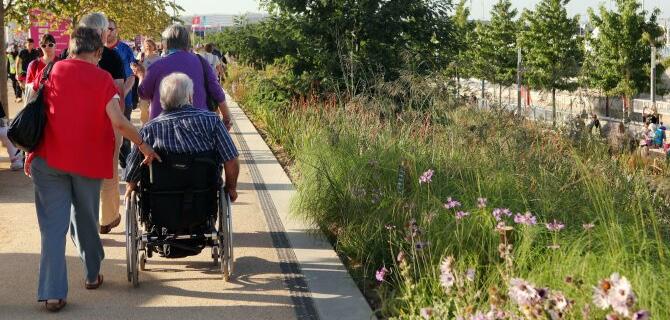
CASE STUDY 04: QUEEN ELIZABETH OLYMPIC PARK
LONDON, ENGLAND
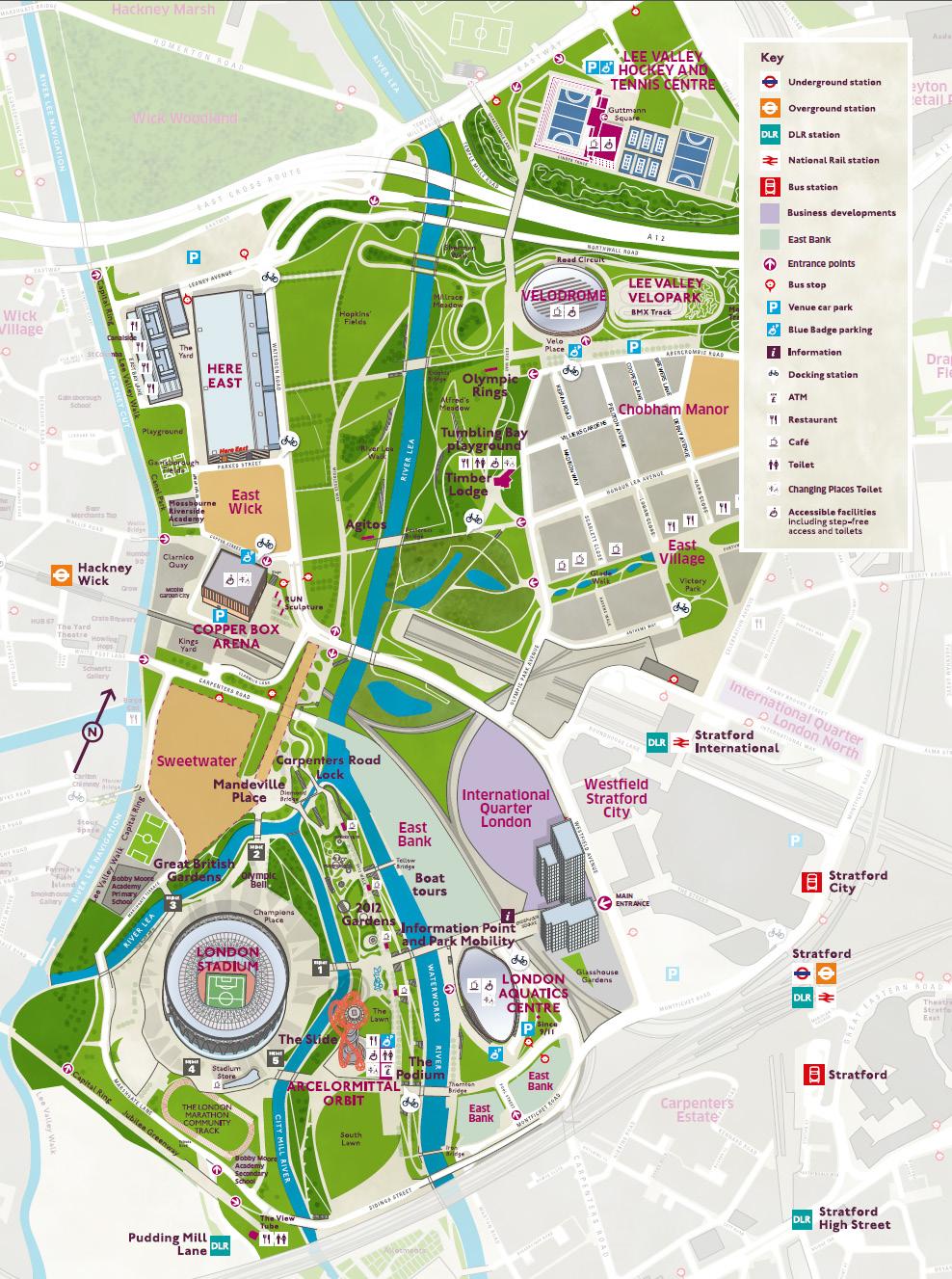
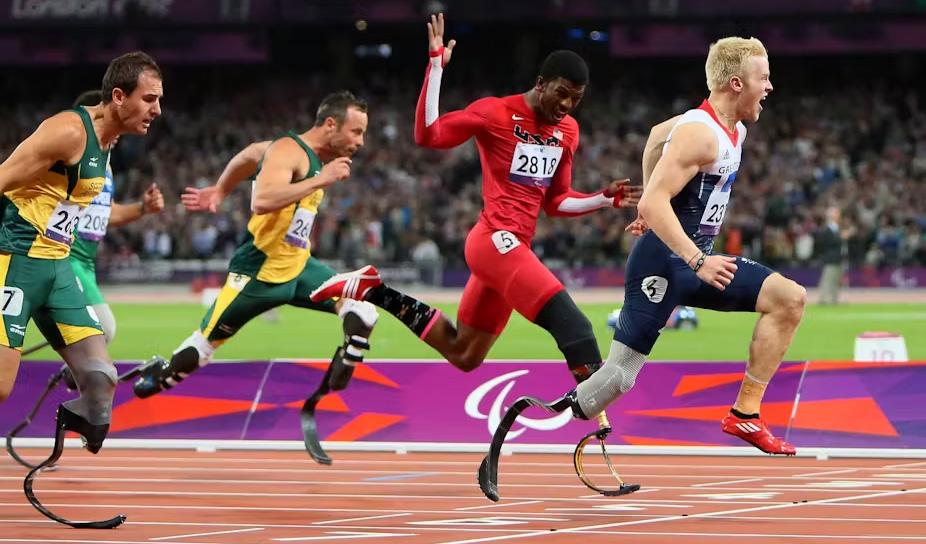
Queen Elizabeth Olympic Park was home to the 2012 London Olympics and Paralympics. The Olympic park was used to set the standards of Inclusive Design in respects to Inclusive Neighborhoods, Movement, Residential Developments, and Public Buildings. With the city of London’s concern for the use of the park post-Olympic games, they used the idea of Inclusive Design as the driving force to complete the project. Now, post-Olympic games, this park offers a new inclusive city space in the East of London with a variety of projects from concert venues and five new lifetime neighborhoods. The park employs over 50% of disabled staff. It also brought in academic excellence, innovative practice and created positive impact on the lives through the Global Disability Innovation Hub.1
Global Disability Innovation Hub, Queen Elizabeth Olympic Park, and London Legacy Development Corporation. Inclusive Design Standards.
London Aquatics Centre, Find Us.
Queen Elizabeth Olympic Park, Homepage.
CASE STUDY 05: INDOOR SPORTS FIELD OF SHAOXING UNIVERSITY
SHAO XING SHI, CHINA
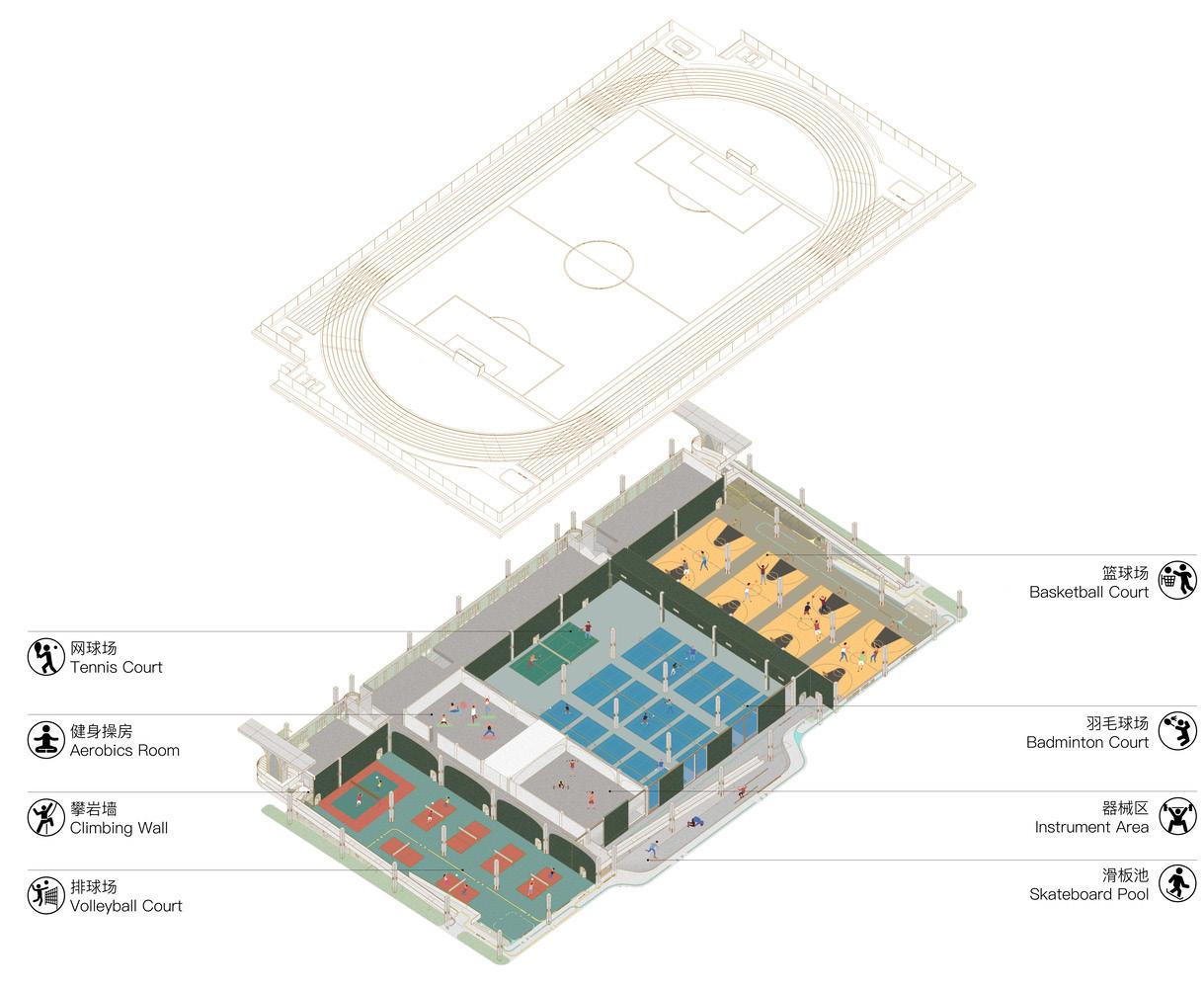
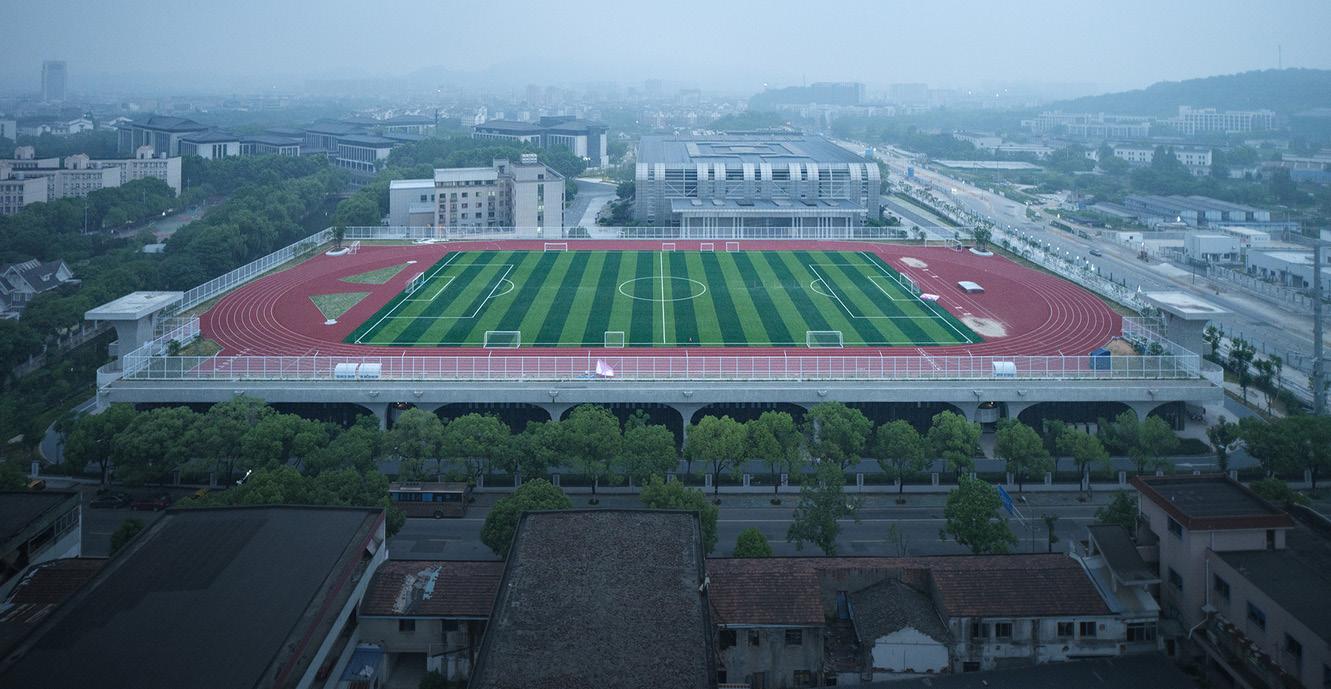
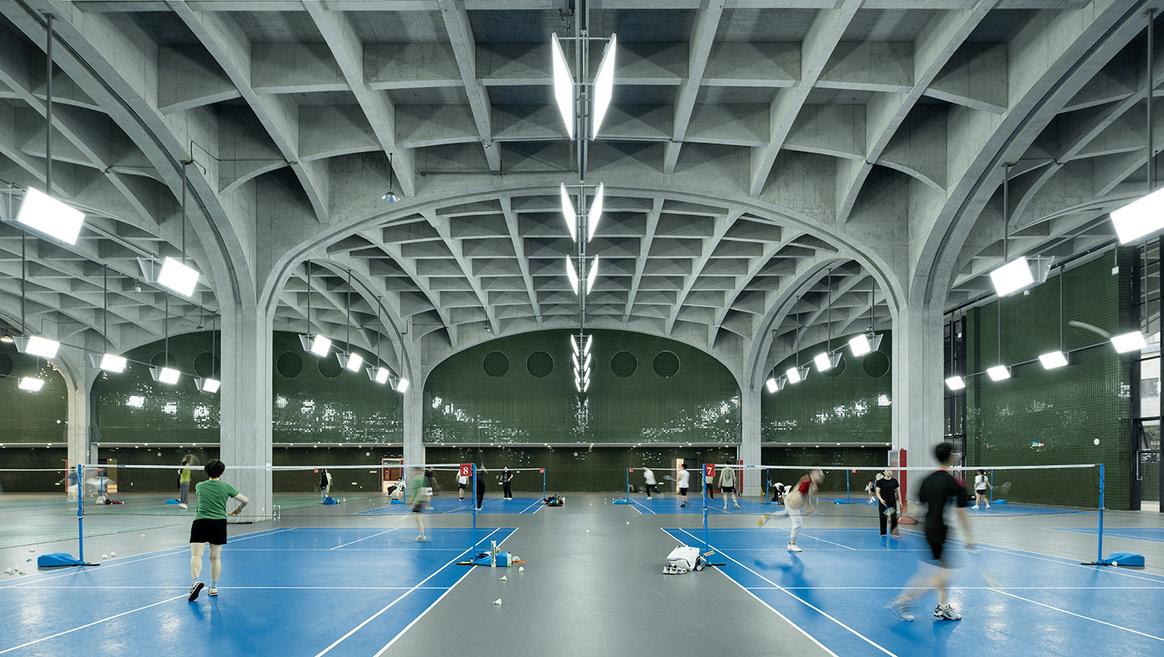
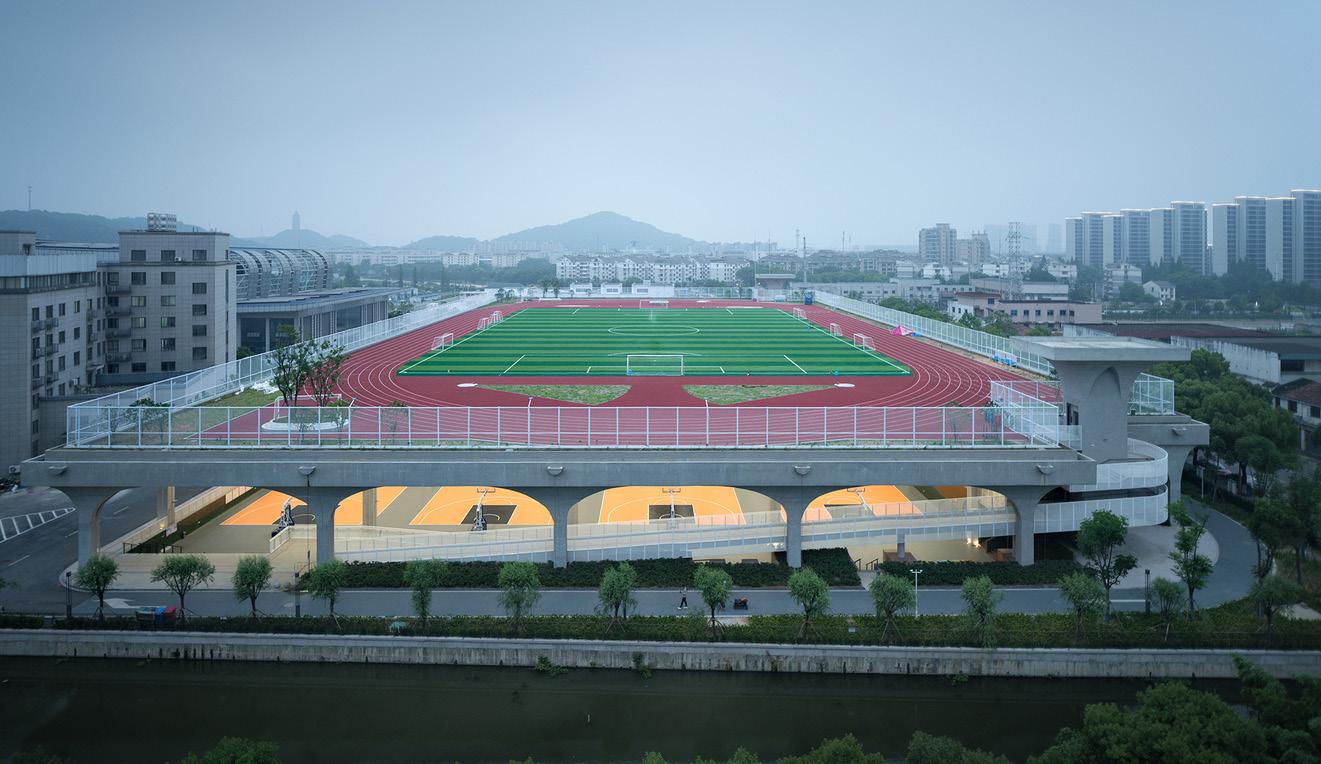
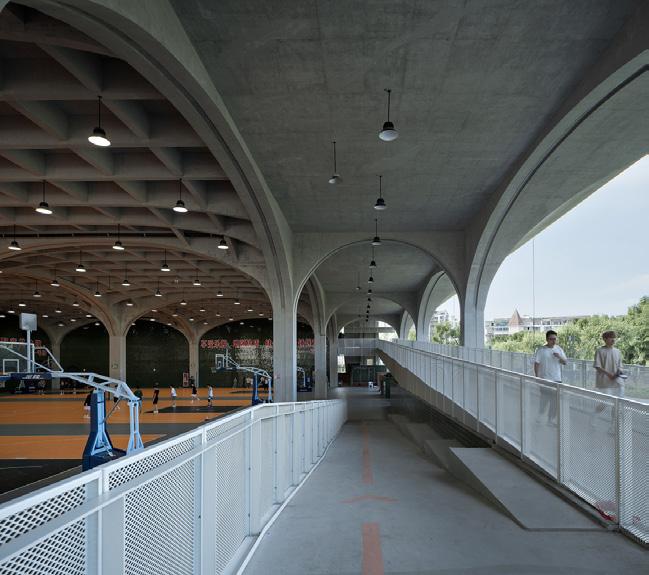
The Hexi Indoor Sports Field of Shaoxing University located in Shao Xing Shi, China, is a sport facility that allows the opportunity for people to meet and communicate through sports while strengthening their physical health. Due to the scarcity of land, the solution was to have a field and track elevated allowing for a indoor sports program to be housed beneath the canopy acting track and field. The facility is adaptive to the city needs as well as seasonal changes. This facility is not only adaptive to its environment but to the needs of users and how they move through the spaces. They have designed it in such a way that there is no clear boundary and it allows for the users to move through the spaces freely. The paths and connections throughout were meticulously planned creating a more natural movement. Providing rest and viewing areas, it allows for interactive areas where the users can share mutual experiences, the whole basis of Inclusive Design.
Archdaily, Hexi Indoor Sports Field / UAD, Exploded Axon
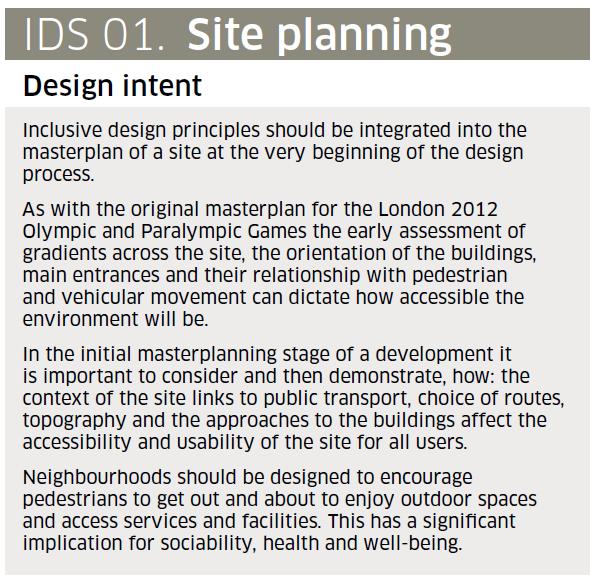
Given the location of the site, Charlestown Navyyard in Boston, Massachusetts, it has a historical tie that makes it difficult to accommodate for accessible uses without the disruption of historic details. In the Inclusive Design standards established for the 2012 Olympic and Paralympic games in London, England, important aspects of site development are defined for a more Inclusive Design. I would like to address site planning, signage, emergency egress, and acoustics and communications systems, to name a few.1 There are also 7 Principles of Inclusive Design that I would like to apply to both the site and the training center/campus intervention.2 This allows for the entire site and buildings to be used with ease by any user in any capability. An advantage from the site chosen is that it is relatively flat- this allows for a more seamless flow through the training center/campus, fitting the low physical effort principle of Inclusive Design. Another advantage of the site is that it is in proximity of the water which is advantageous for water sport rehabilitation.
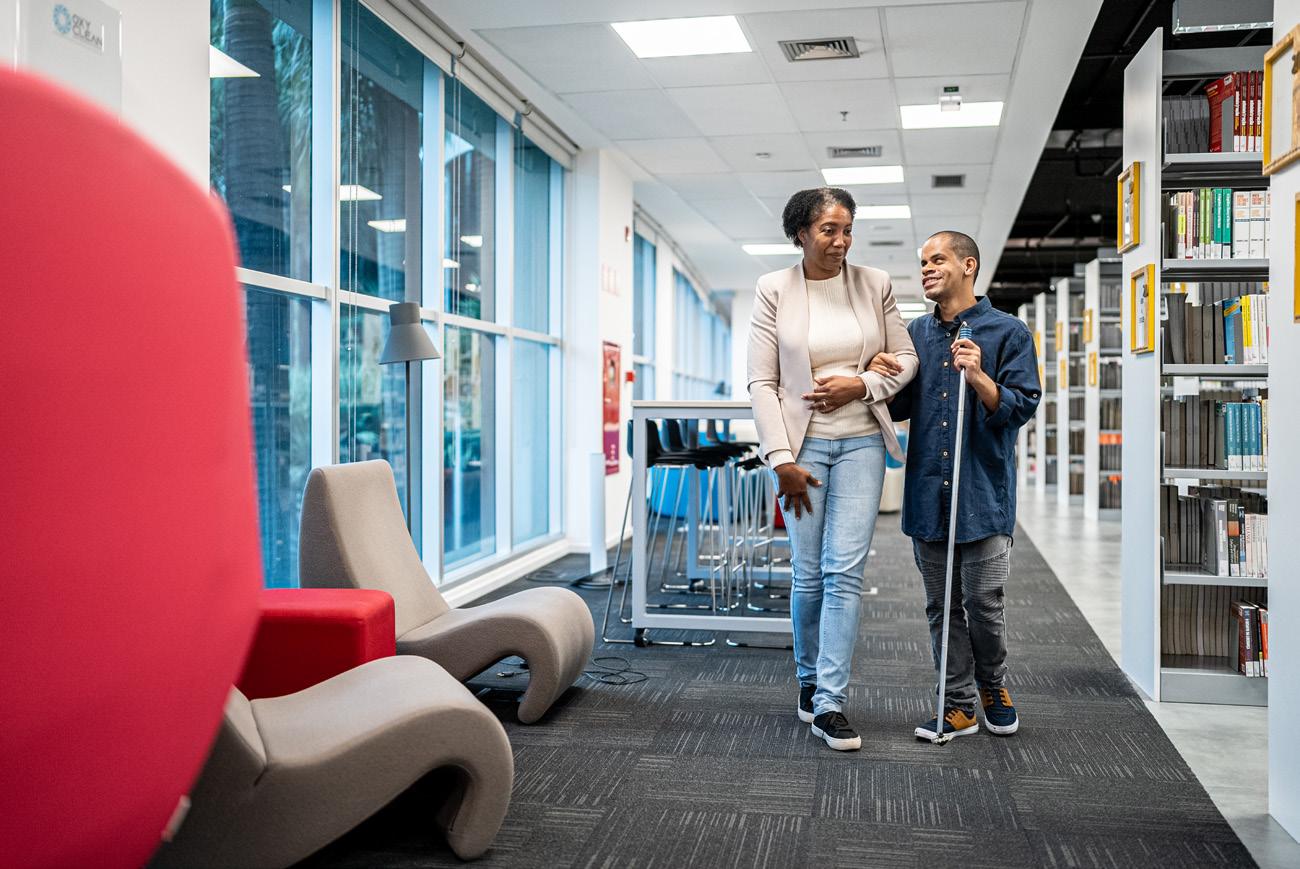
iStock. “Mature teacher accompanying visually impaired at university.”
7 PRINCIPLES OF INCLUSIVE DESIGN:
1. Equitable Use
- The design is useful and marketable to people with diverse disabilities
2. Flexibility in Use
- Design accommodates a wide range of individual preferences and abilities
3. Simple and Intuitive Use
- Use of design is easy to understand
4. Perceptible Information
- Design communicates necessary information effectively to the user, regardless of ambient conditions or the user’s sensory abilities
5. Tolerance for Error
- Design minimizes hazards and adverse consequences of accidental or unintended actions
6. Low Physical Effort
- Design can be used efficiently and comfortably and with minimum fatigue
7. Size and Space for Approach and Use
- Appropriate size and space is provided for approach, reach, manipulation and use regardless of user’s body size, posture or mobility
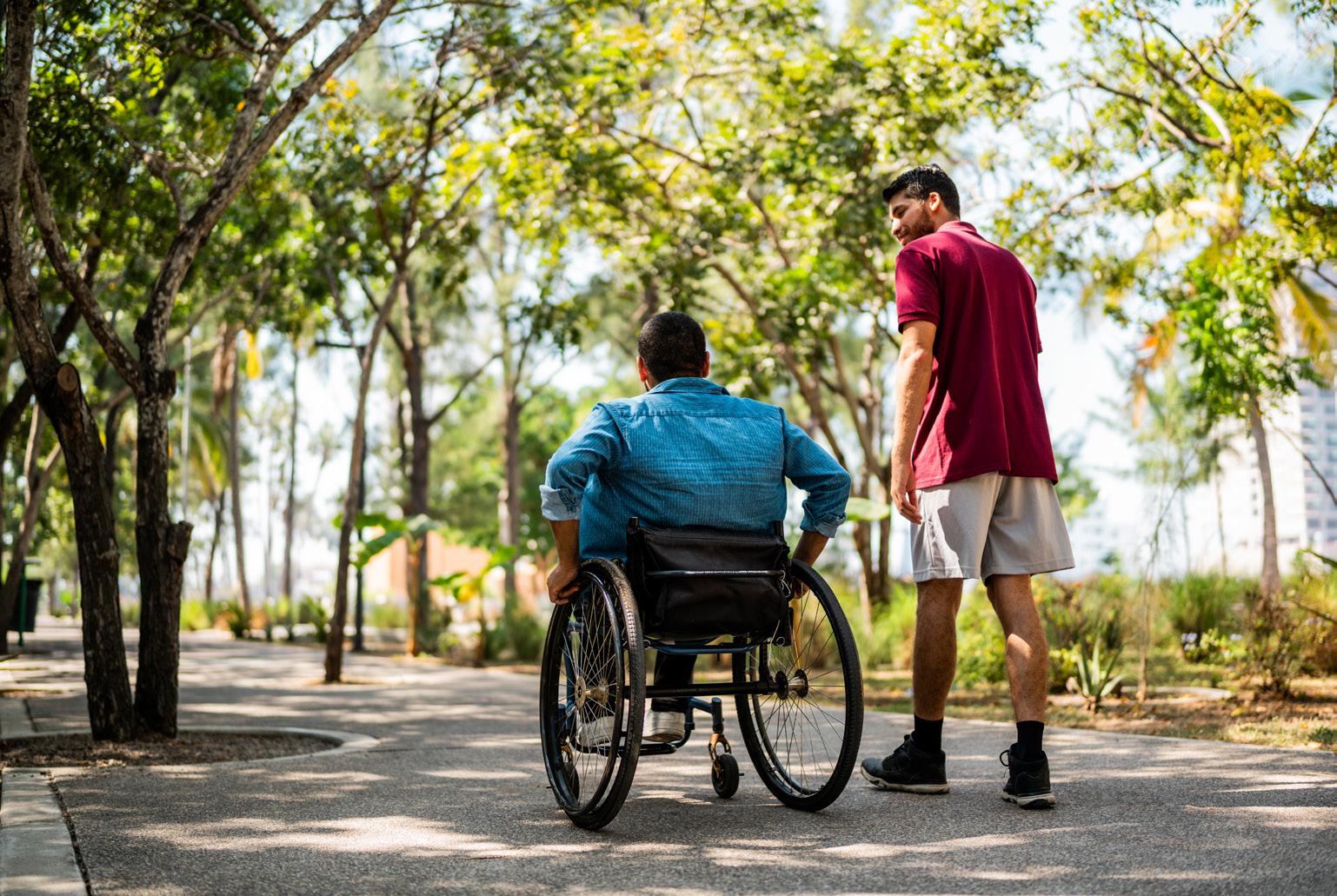
iStock. “Friends talking and walking on public park.”
SITE ANALYSIS: LOCATION
Boston, Massachusetts, USA
Boston, Massachusetts
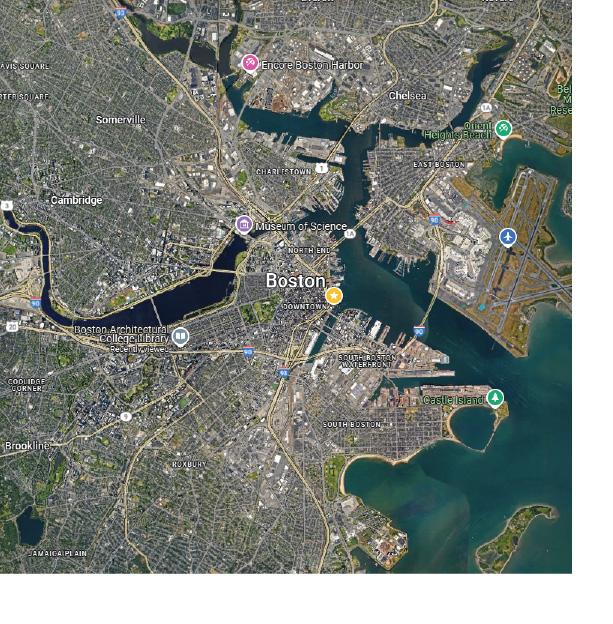
The main site this training center/campus would be located at would be in Boston, Massachusetts. With major sports teams and championships from the New England Patriots, Bruins, Boston Redsox, and Boston Celtics, Boston is leading in sports. Being home to 25 hospitals and 20 community health centers, 18% of employment coming from Boston’s healthcare and social assistance industries, and having the Longwood Medical Area which represents a world-class health epicenter, Boston is a global leader in the healthcare and life sciences industry. Boston would be a great location and resource for athletes and parathletes all around the world to receive the help and training they need.
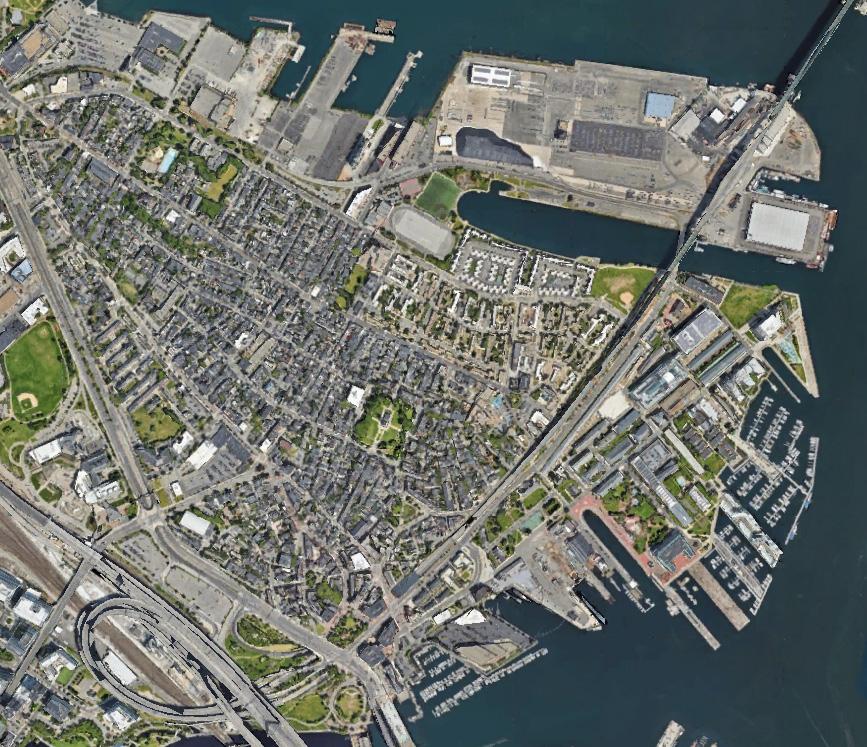
Charlestown Navyyard
Google Maps. “Charlestown, Boston, Massachusetts.”
Google Maps. “Boston, Massachusetts.”
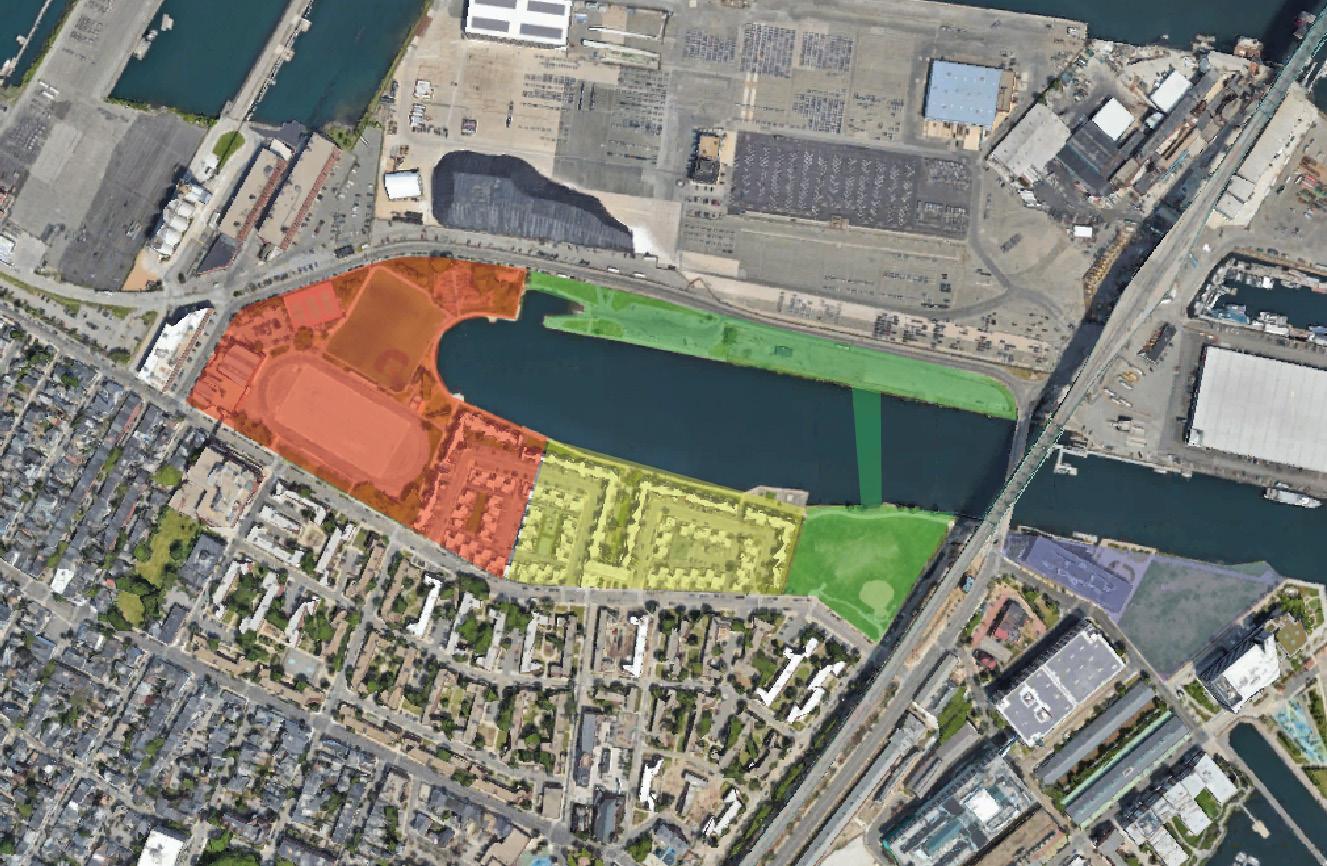
SITE 01: TRAINING CENTER + LARGE SPORTS COMPLEX + HOUSING
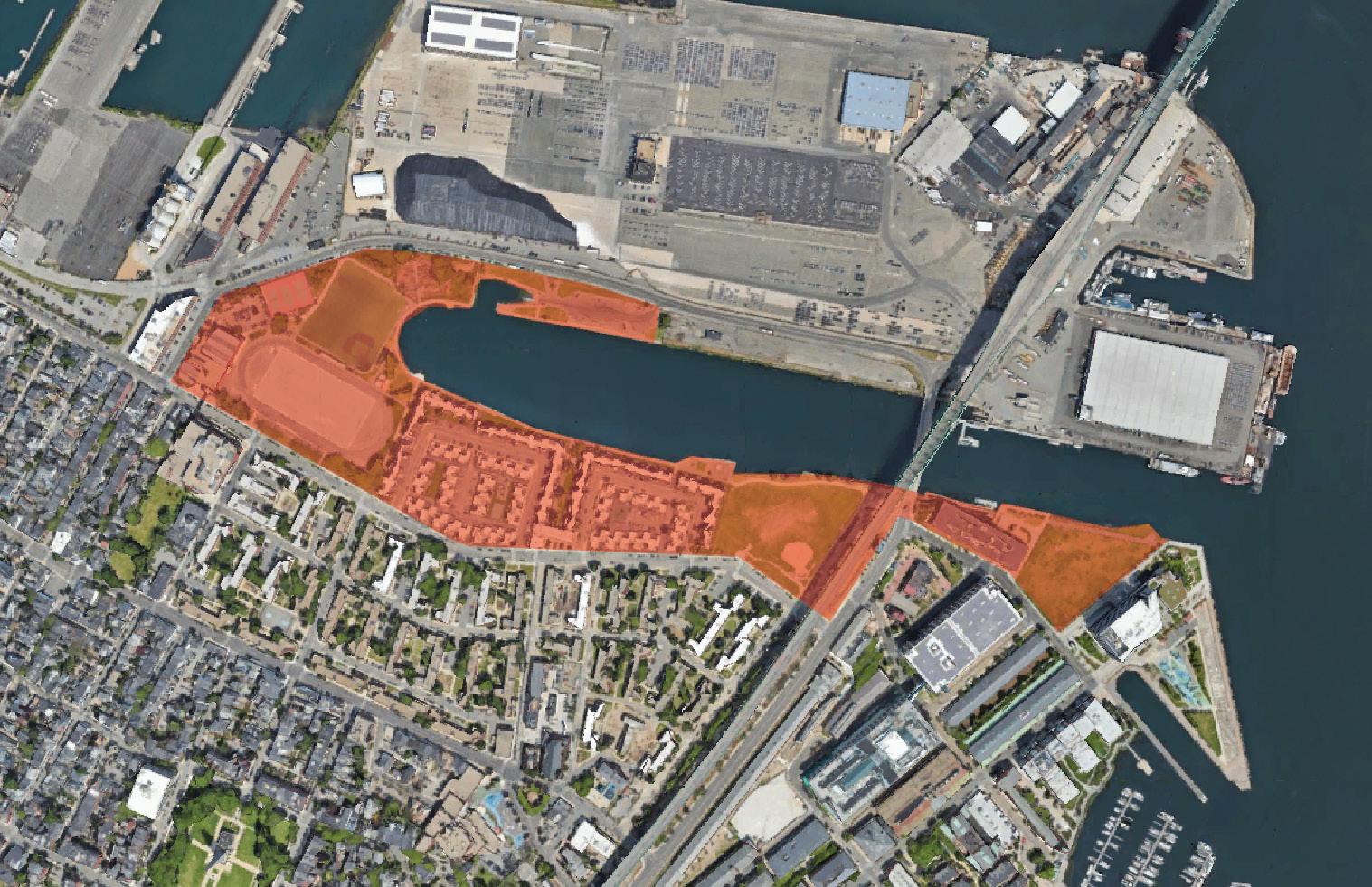
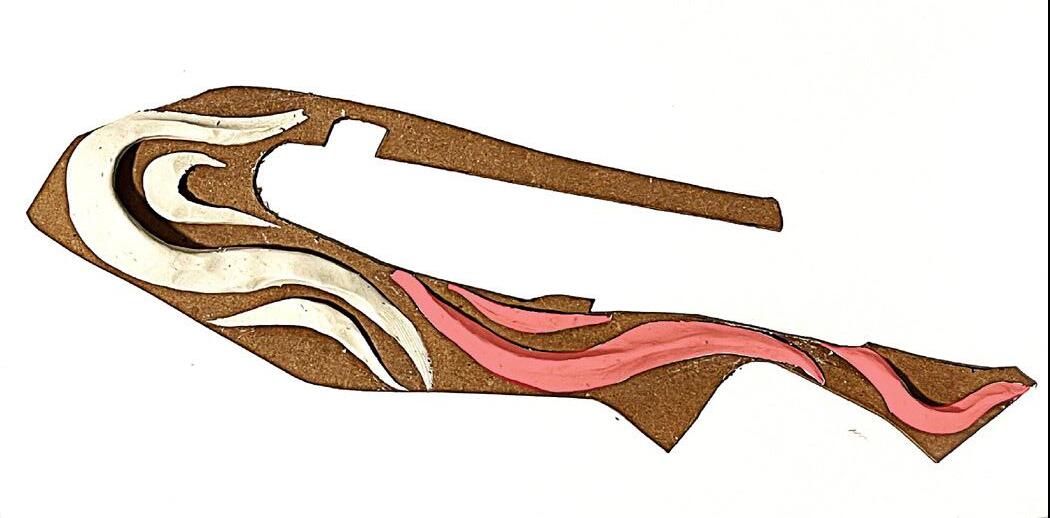
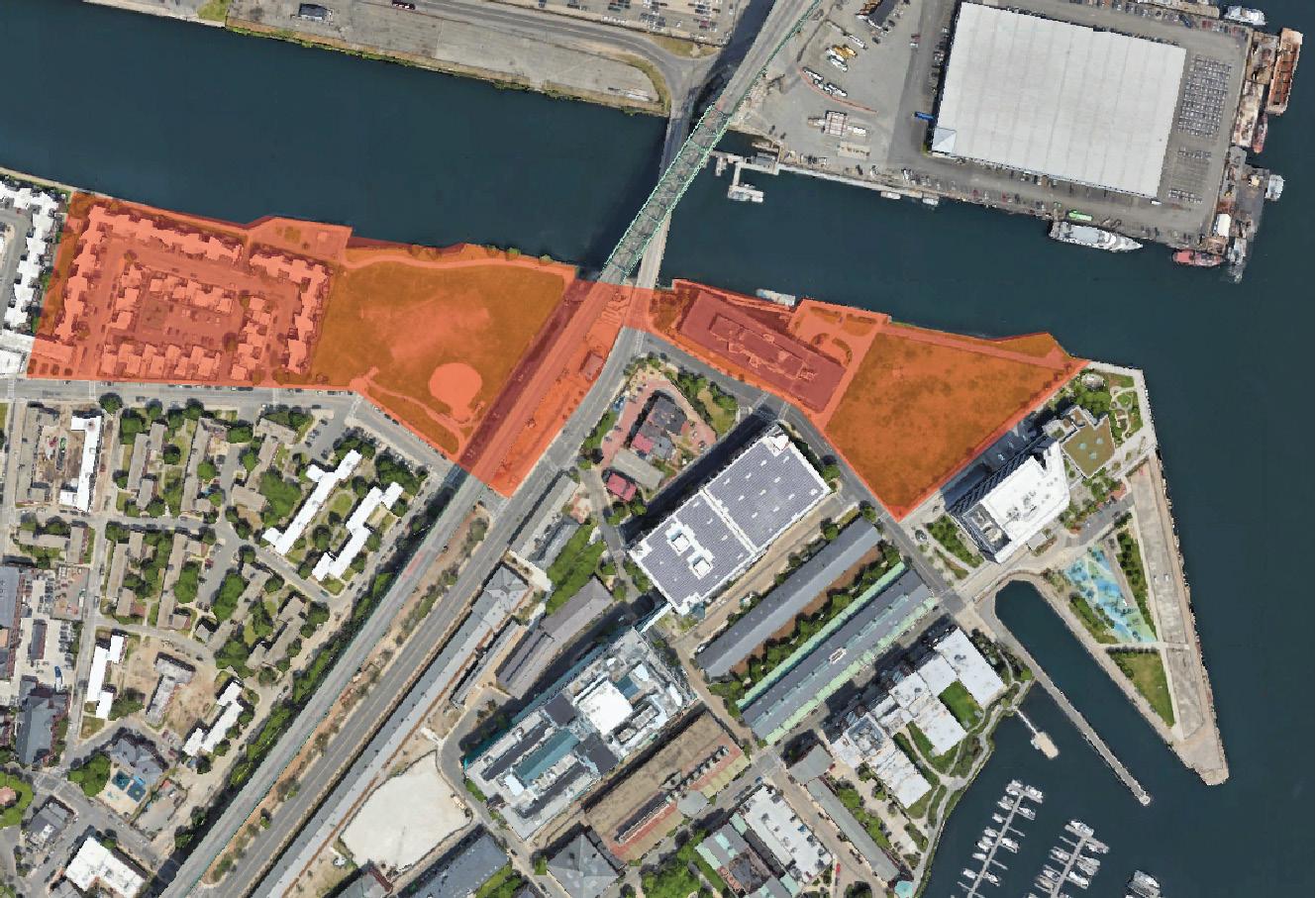
The final option offers the opportunity to begin a development that can be the future location of Olympics and Paralympics in Boston. Taking inspiration from the Queen Elizabeth Olympic Park, this can be an example of inclusive design in an older city like Boston. This site offers space for a larger sport complex given that there is an existing track and field, courts and soccer fields from the community center that occupies the space. Along with an extension of more housing and the training facility housed in the existing medical building, this site has a lot of resources that can help parathletes and even the existing community. The extension of this site allows for the site to interact with the existing community making it more inclusive to all rather than just the parathletes.
SITE 02: TRAINING CENTER + SMALL SPORTS COMPLEX + HOUSING
The second site consist of the same elements from the first option with an extension of more field and a potential opportunity for an inclusive housing development. The goal for this training center is to act as a hub for parathletes from all around the world to use the resources of healthcare leading Boston. This site would be a great opportunity to set the example of how we can design a medical facility, sport complex, and housing in conjunction with each other sharing the same goal of inclusivity. This development can help revamp the existing communities surrounding the site to take on the approach to a more inclusive neighborhood. The development would also make it easier for the parathletes coming in to find all resources in one area in contrast to navigating through the city which is not the most accessible in terms of streetscapes. The extended green field is also an opportunity to extended the sport complex, whether this portion be enclosed or open field.
Boston, Massachusetts
Charlestown
Google Maps. “Mystic Channel, Boston, Massachusetts.”
SITE 03: TRAINING CENTER + SMALL SPORTS COMPLEX
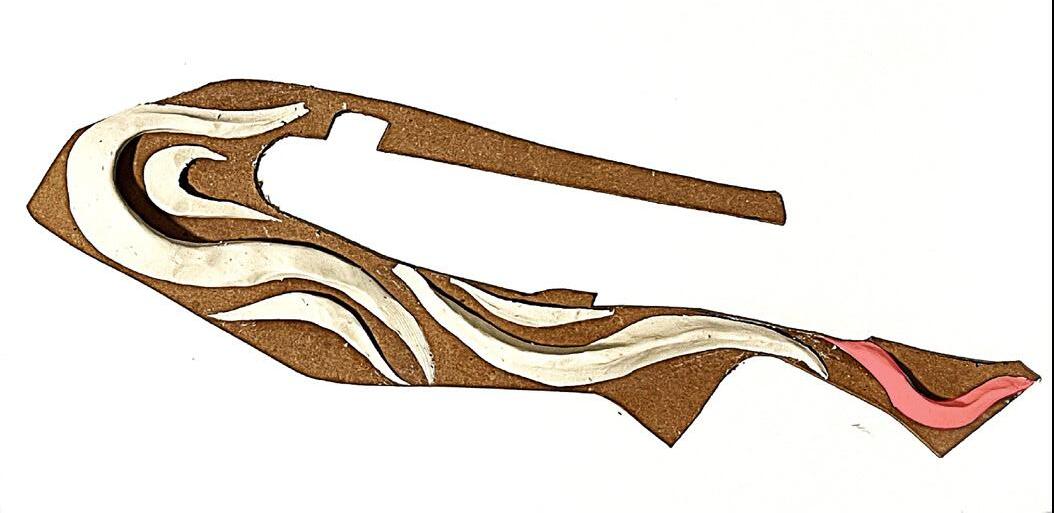
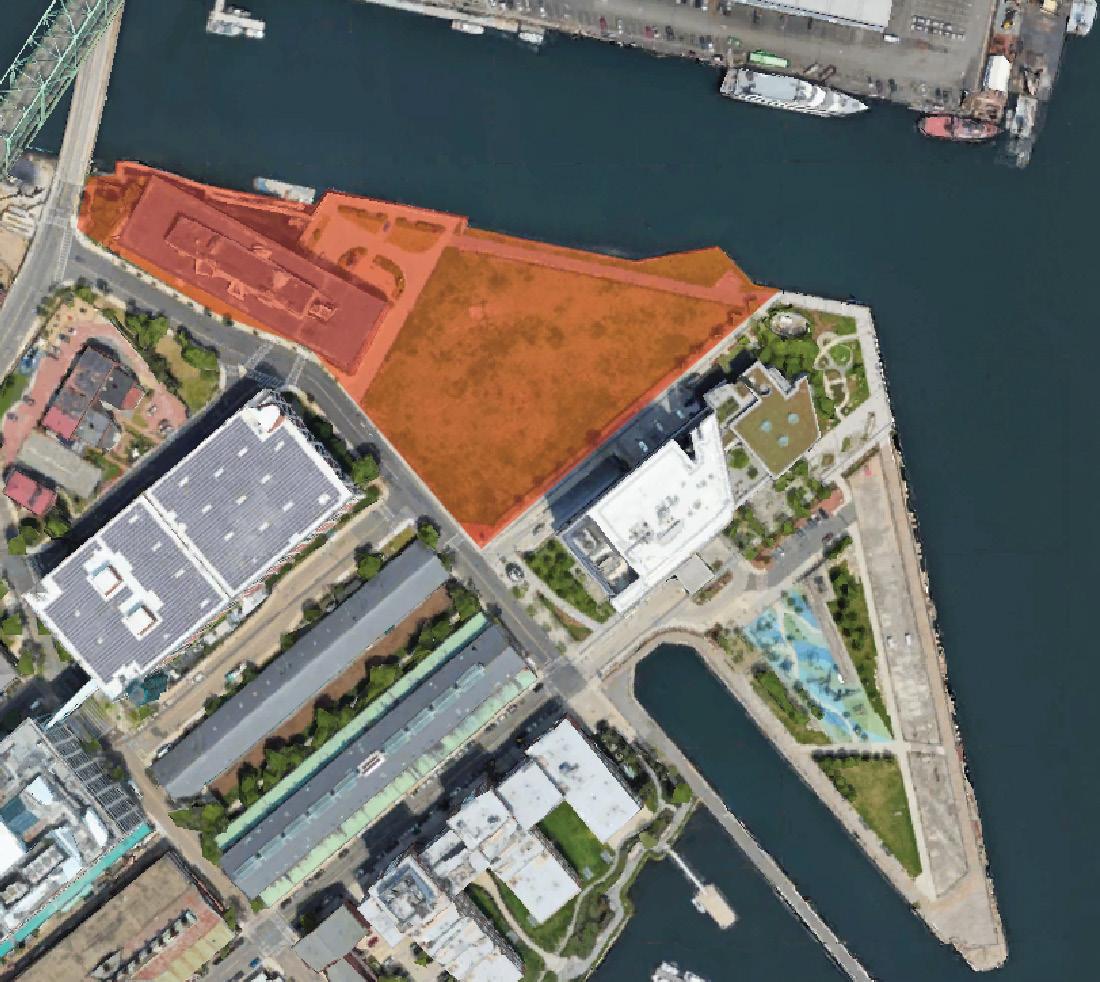
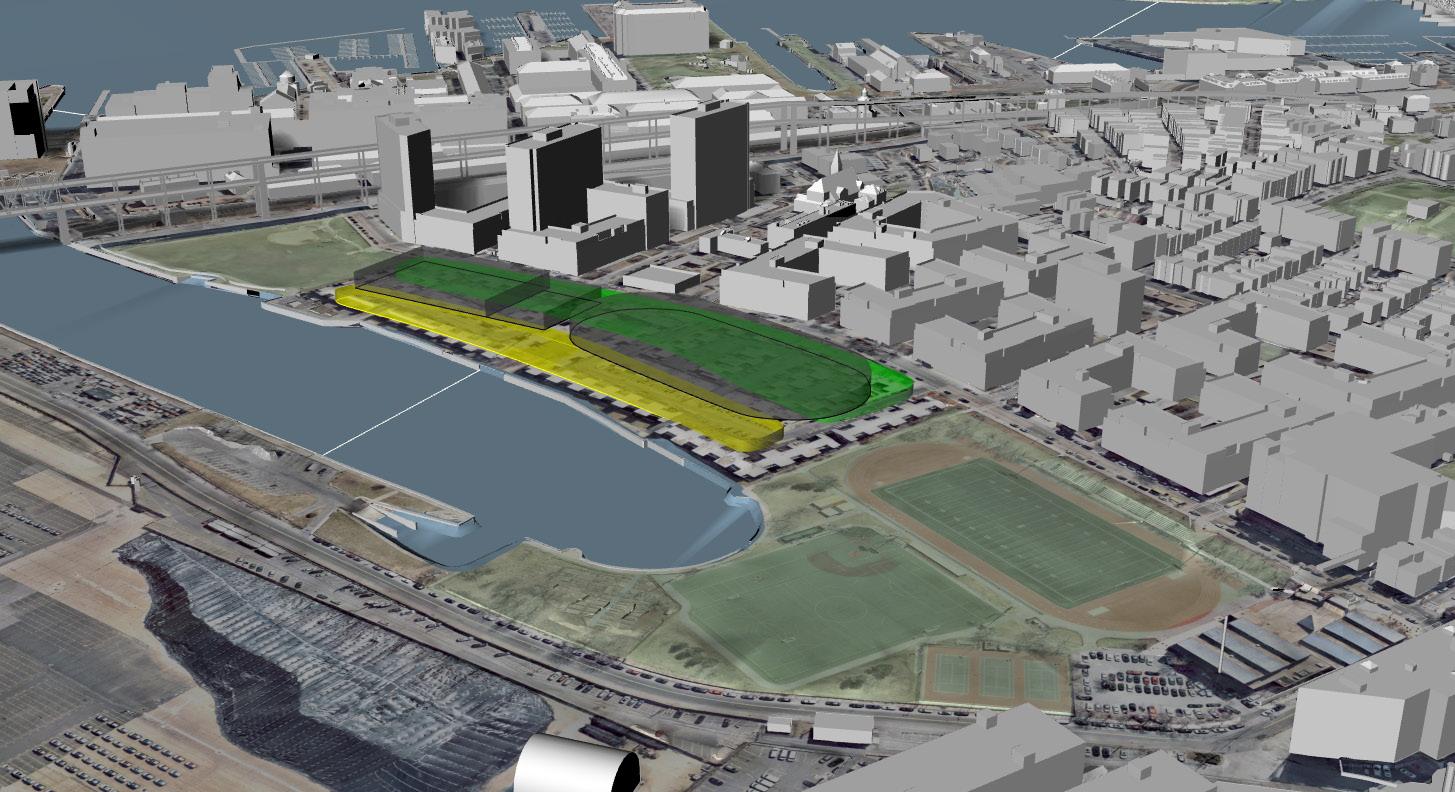
This site is a smaller scale option, one portion being occupied by an existing MGH medical building and the other half, an unoccupied green field with direct access to the harbor. Neighboring the Spaulding Rehabilitation Hospital, this can serve as an extension support for the hospital. The proposed training center would have an emphasis on athletes from the olympics and Paralympics where as Spaulding Rehabilitation Hospital addresses general rehabilitation to specialized care for the public. The existing MGH medical building could be re-purposed to fit the needs of specific rehabilitation for parathletes, and the field could serve as a place to train for outdoor sport or a development of a small scale sport complex.
Current Paralympic sports sanctioned by the International Paralympic Committee in relation to the necessary facility for the sport.1
ARCHERY
ATHLETICS
BADMINTON
BLIND FOOTBALL
BOCCIA
CANOE
CYCLING
EQUESTRIAN
GOALBALL
JUDO
POWERLIFTING
ROWING
SHOOTING
SITTING VOLLEYBALL
SWIMMING
TABLE TENNIS
TAEKWONDO
TRIATHLON
BASKETBALL
FENCING
RUGBY
TENNIS
CURLING
BIATHLON
ICE HOCKEY
PROGRAM:
COMMON SPORT FACILITIES FOR PARALYMPICS:
- POOL - COURTS
- RANGE
- WATER - GYM - MATS
- VELODROME - TRACK
- FIELD
- ICE RINK
ADMINISTRATIVE / MISC.:
- MAIN ENTRANCE
- LOBBY - RECEPTION
- MEETING ROOMS
- RESTROOMS
- OFFICES
- KITCHEN
- DINING
- LOCKERS
- LOADING DOCK
- STORAGE
- PARKING
The laying out of the program would be in such a way where there is one continous movement through the space. All users experiencing the same entrance and flow through the space through the seamless connection of spaces.
CHARLESTOWN PARALYMPIC CENTER:
SCHEMATIC DESIGN
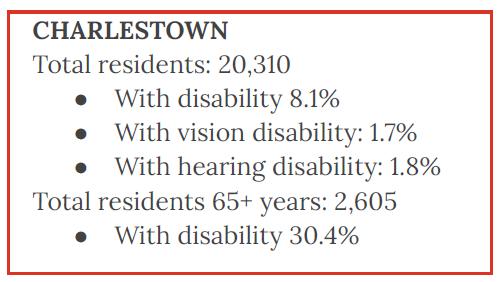
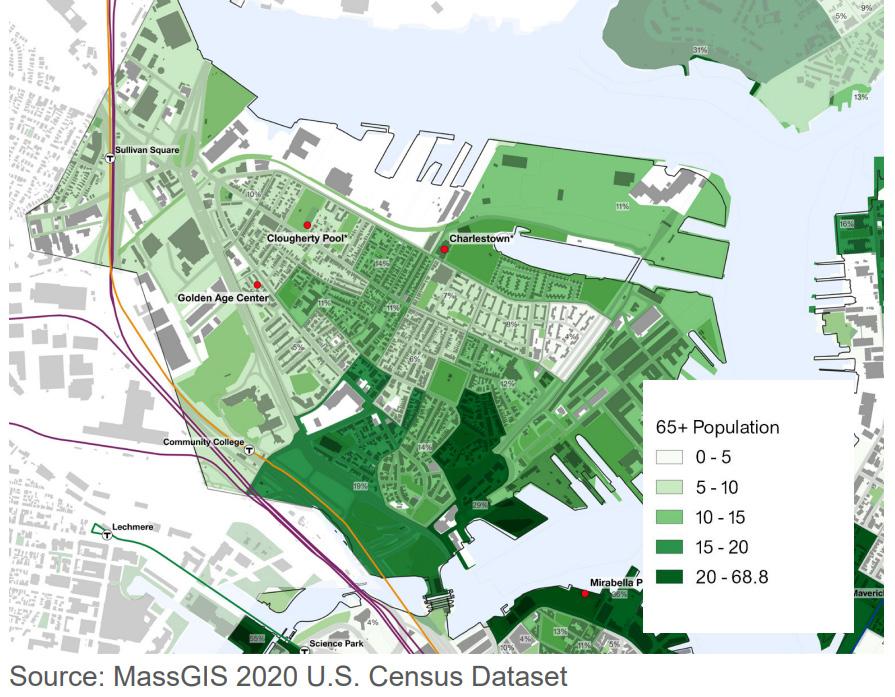
SITE ANALYSIS: DEMOGRAPHICS
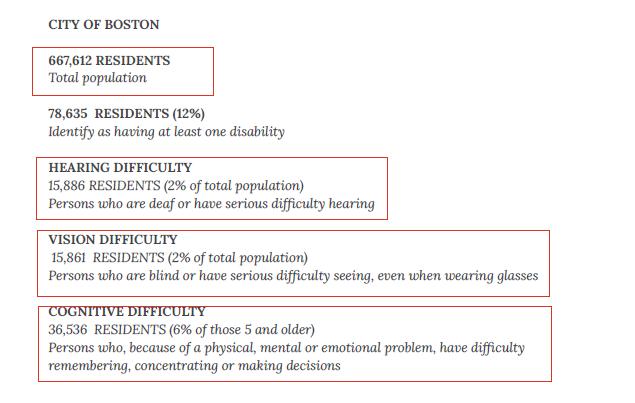
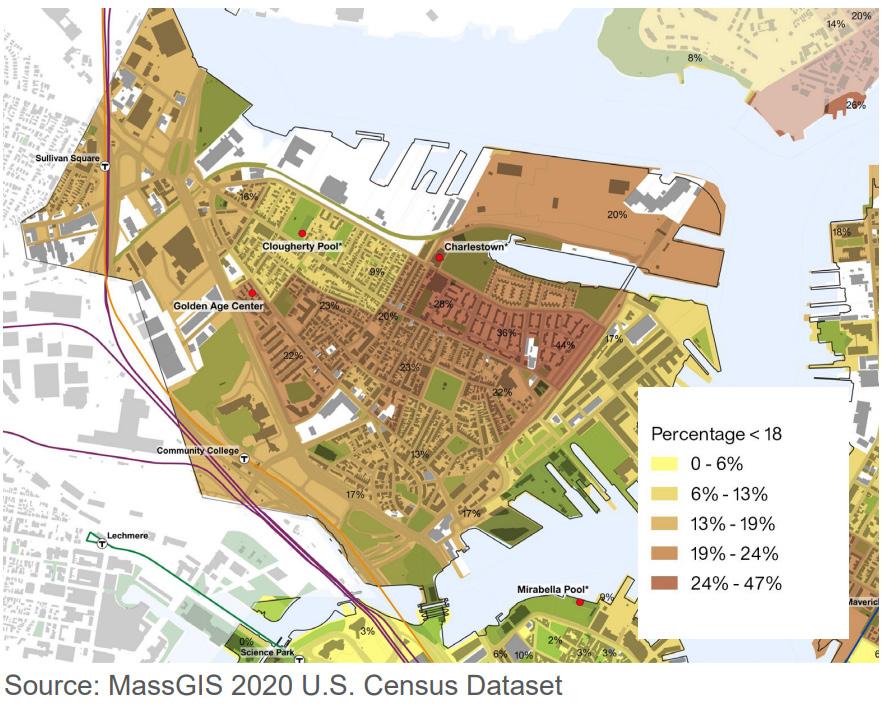
Studying the demographic of Charlestown with an emphasis on disabilities was imperative to understand the need for inclusive design in the community.
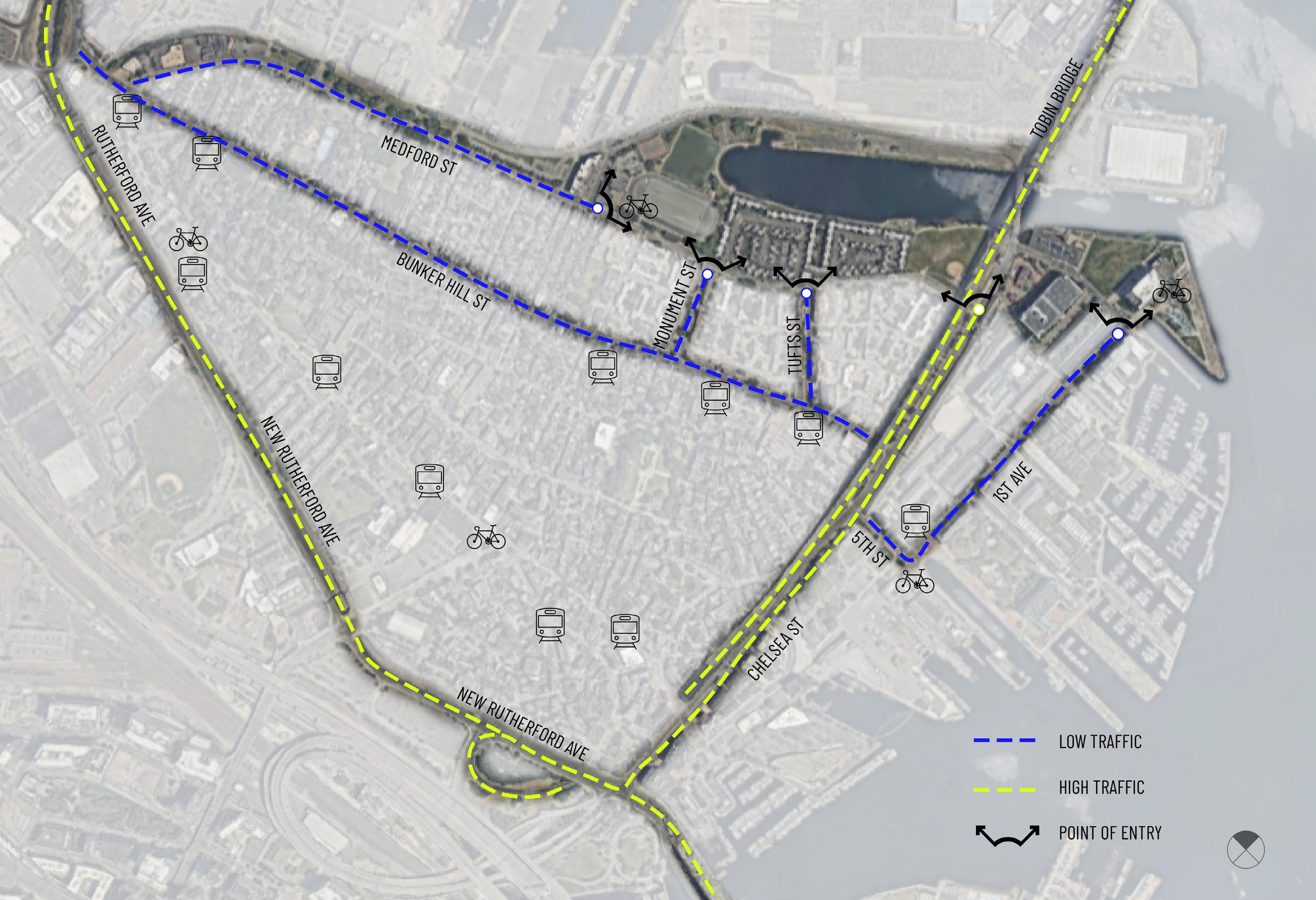
SITE ANALYSIS: REACHING THE SITE
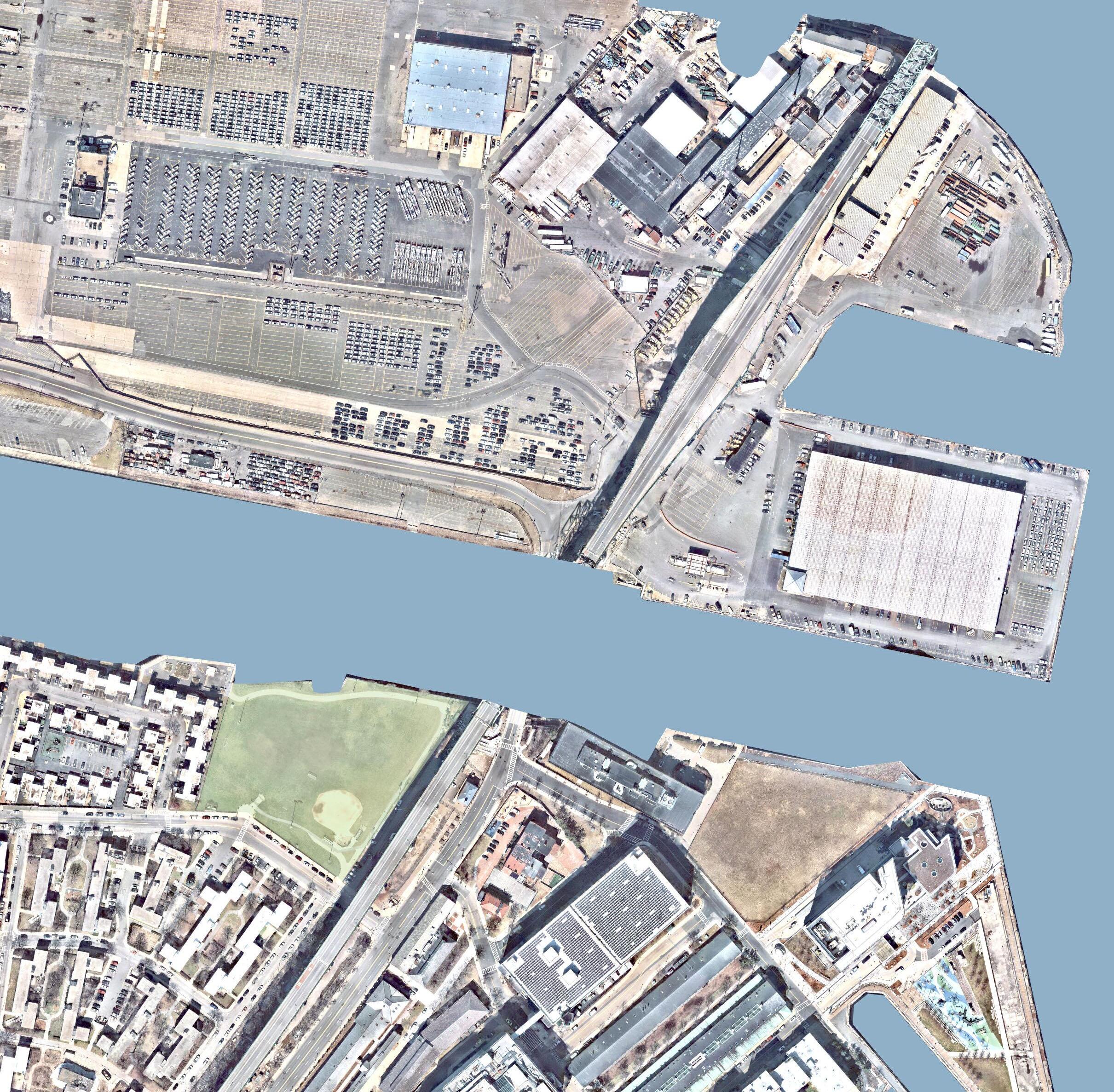
With the site sitting under a bridge and away from major roads, it was important to understand the approach and accessibility of the site. This diagram helps depict the major points of entry that would occur on the site, giving a better understanding for pedestrian and traffic flow through and to the site.
Google Maps. “Mystic Channel, Boston, Massachusetts.”
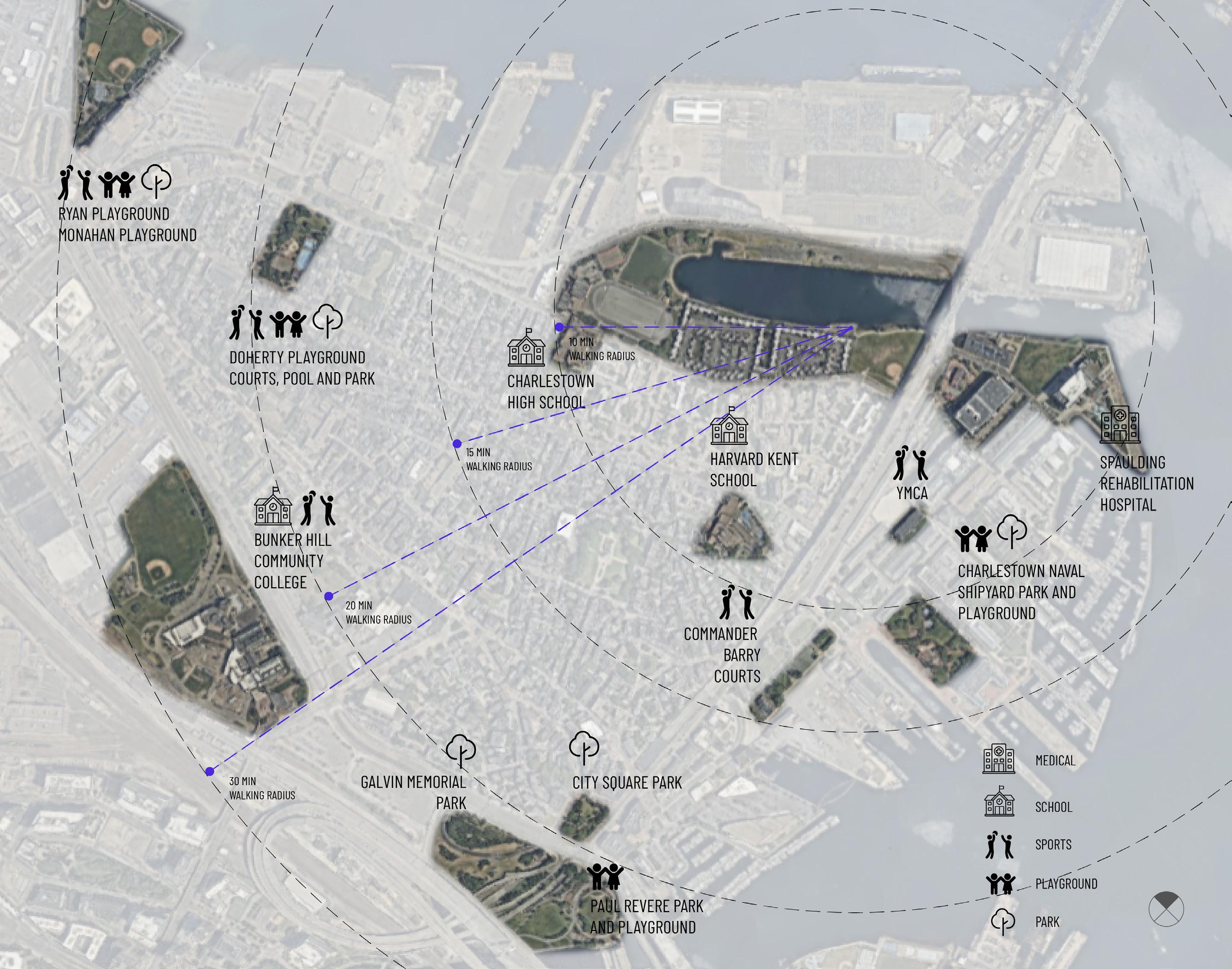
SITE ANALYSIS: COMMUNITY, GREEN SPACES, DISTANCES
The majority of parks, playground, and sport complexes in the area are outdoor leaving the community without any options for year round participation or training.
Google Maps. “Mystic Channel, Boston, Massachusetts.”
SITE PLAN
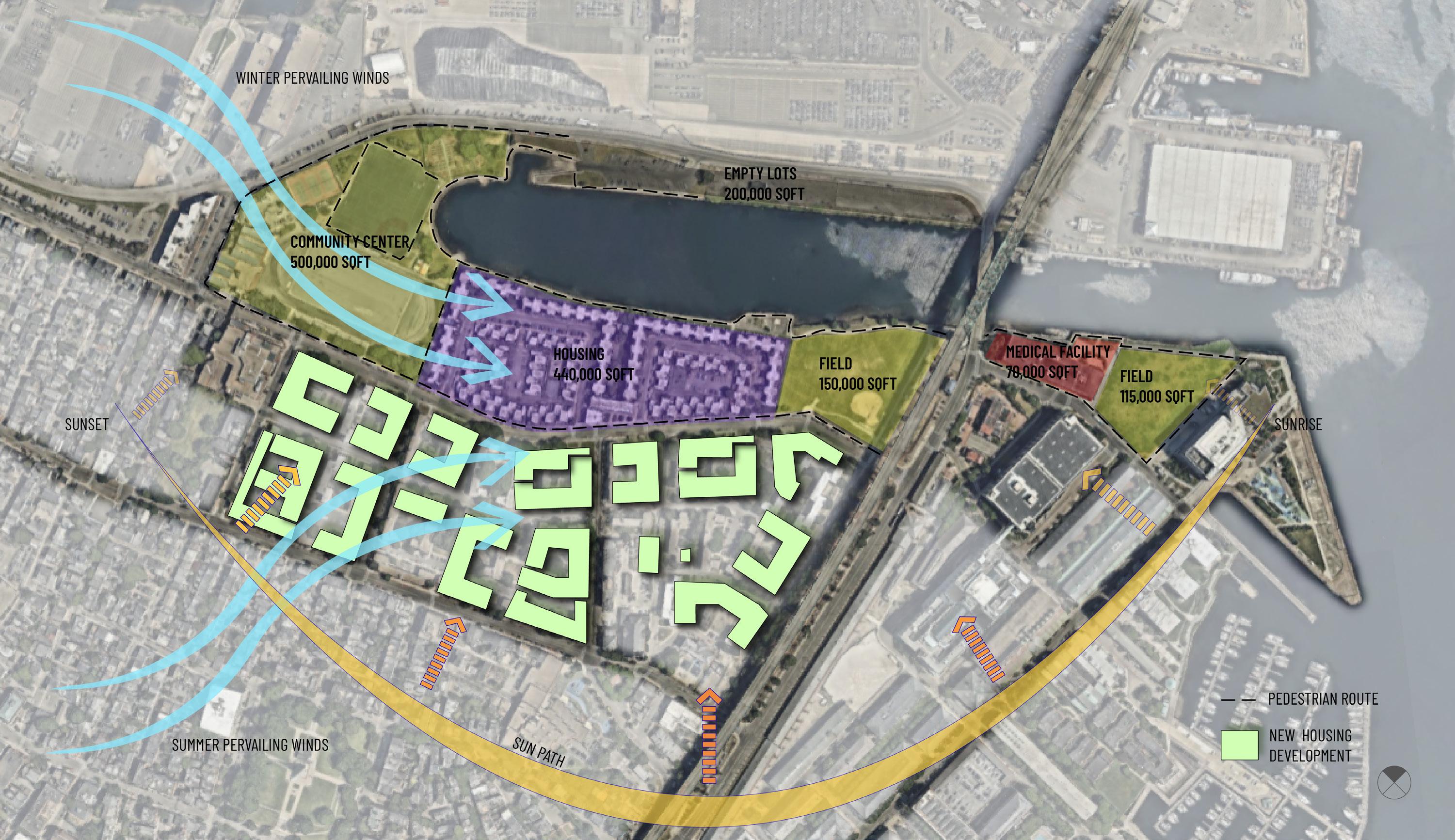
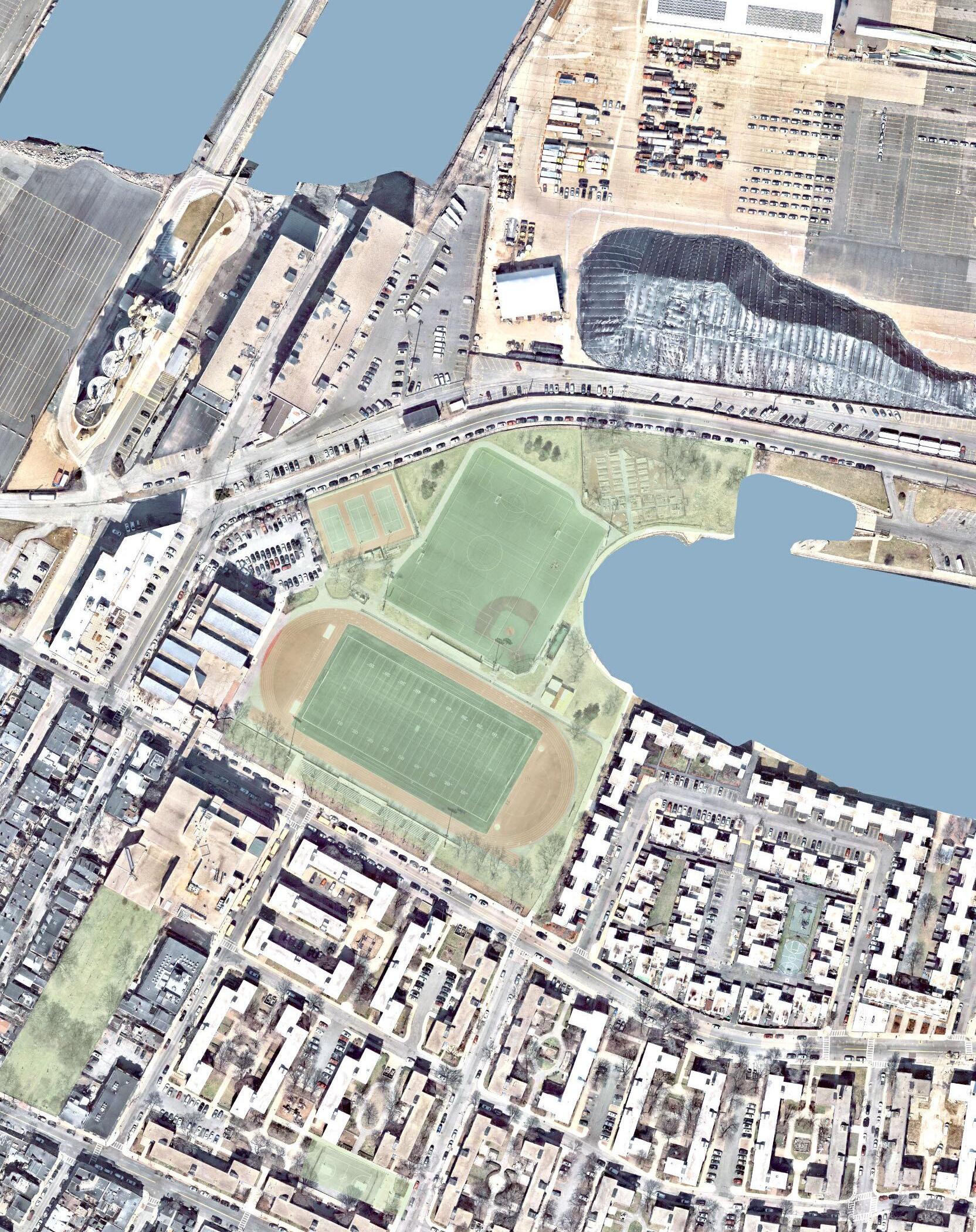
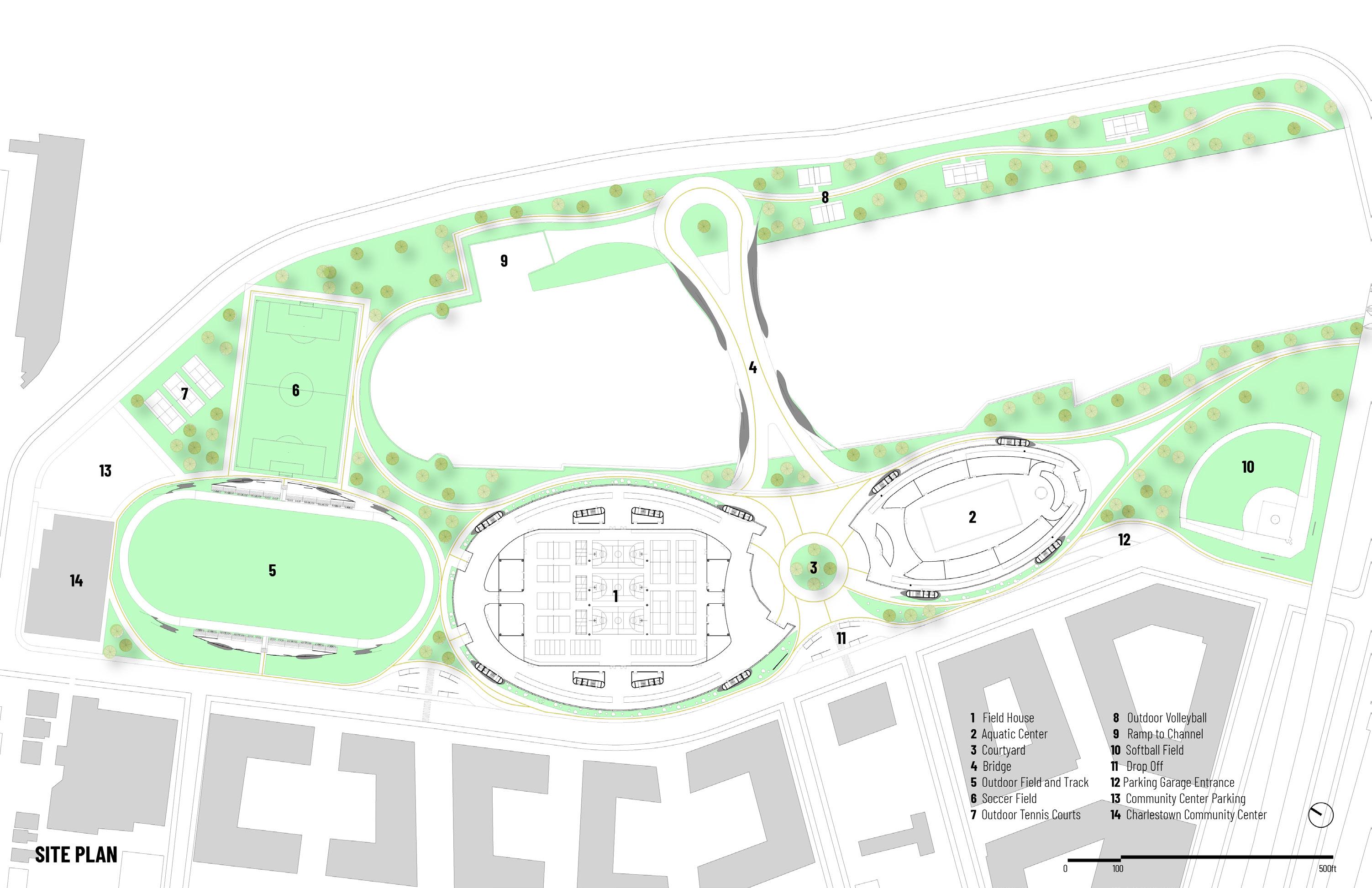
My main site would be location in the housing area. Given that there are future developments for housing in the adjacent sites, the existing inefficient housing could be replaced to create a more accessible site. This location also connects both the Charlestown Community Center and the Spaulding Rehabilitation Hospital, the two anchors of the site.
Google Maps. “Mystic Channel, Boston, Massachusetts.”
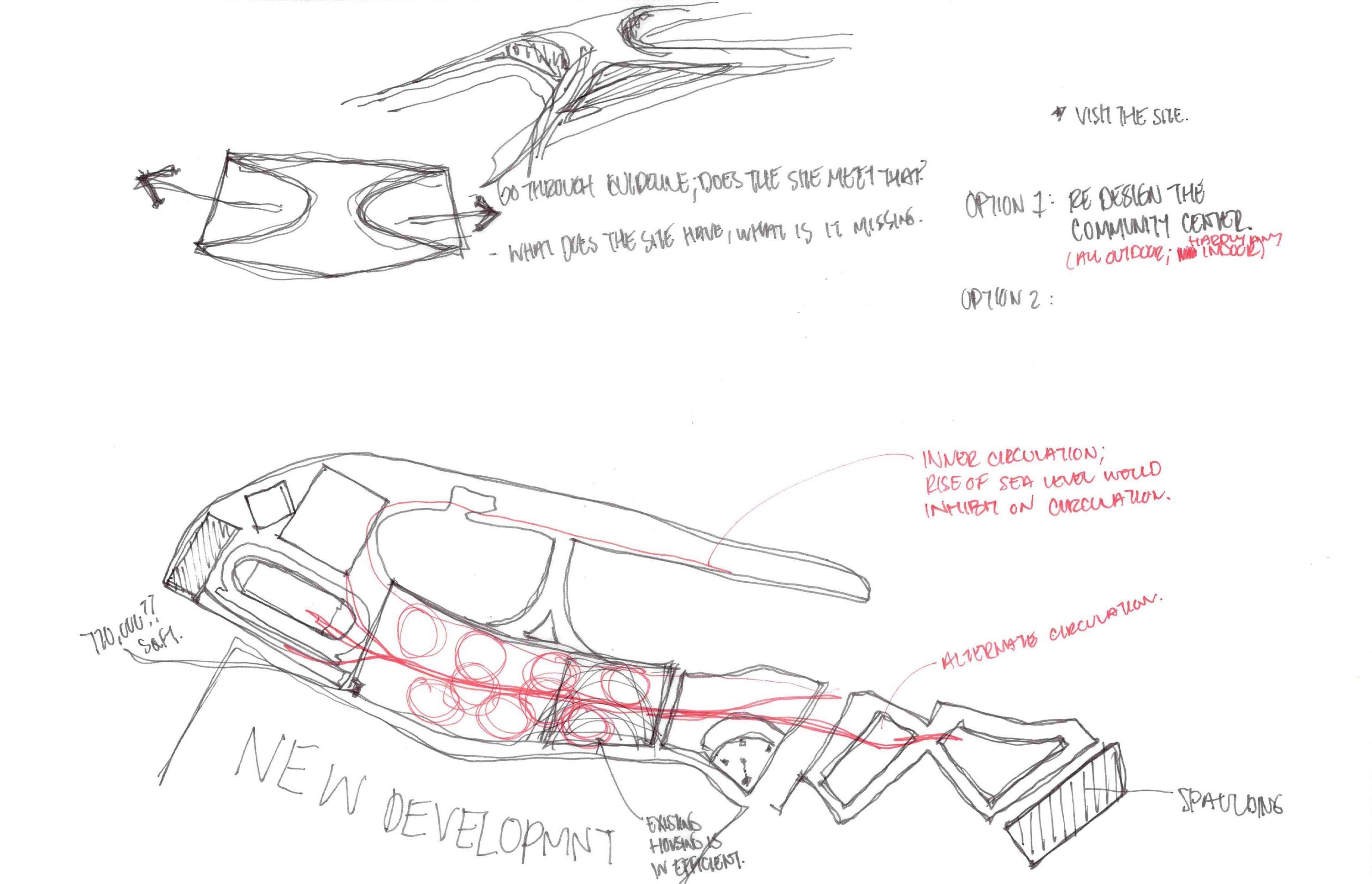
SCHEMATIC DESIGN: SKETCHES
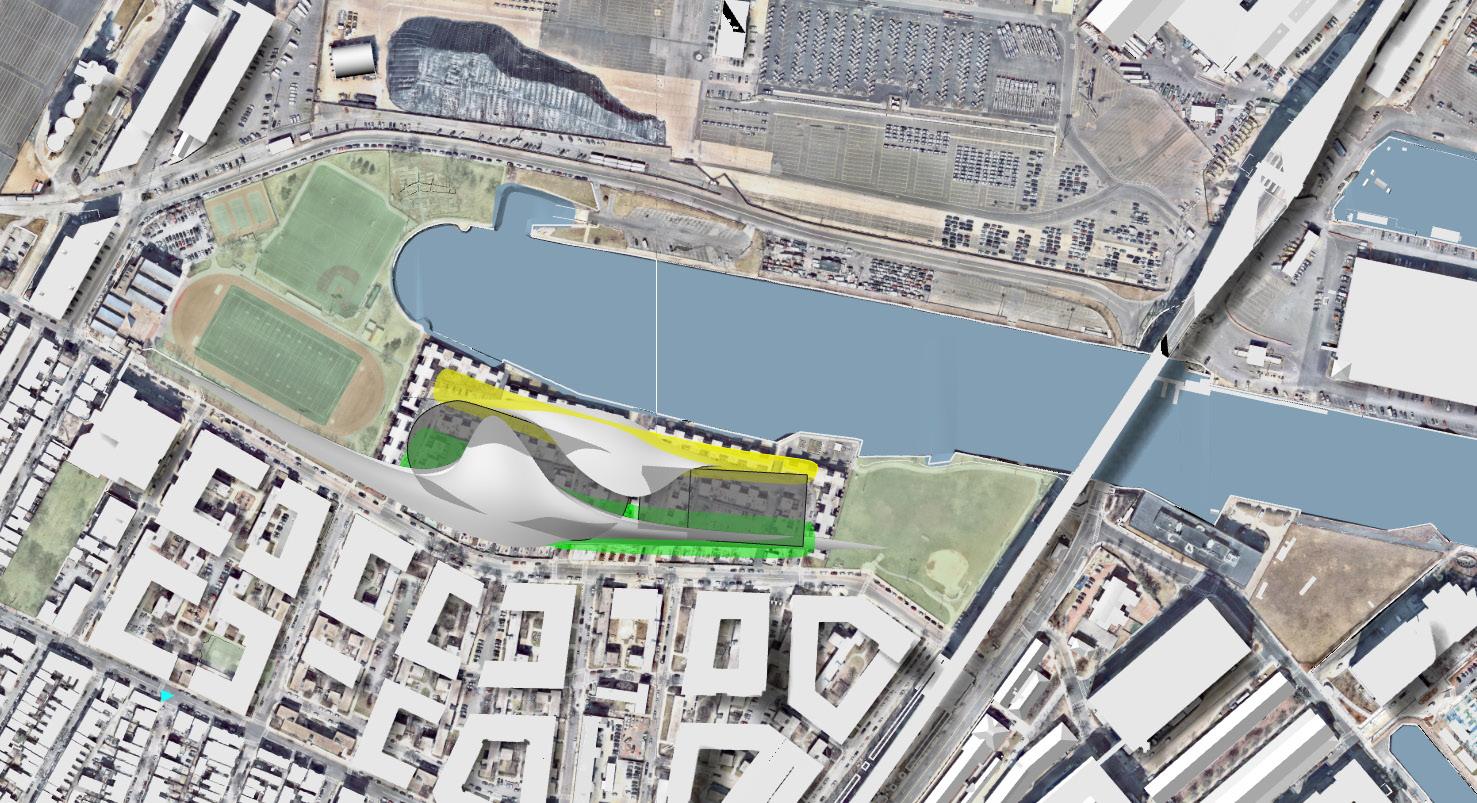
SCHEMATIC DESIGN: SITE LAYOUT
Maps. “Mystic Channel, Boston, Massachusetts.”
SCHEMATIC DESIGN
TOP VIEW
BIRDS EYE VIEW
SCHEMATIC DESIGN
TRACK AND FIELD VIEW
“CAMPUS ENTRANCE”
SCHEMATIC DESIGN
MASSING
INDOOR COURTS
INDOOR TRACK AND FIELD
COMMUNITY CENTER
SOCIAL
MASSING WITH FORM
JUROR COMMENTS
“STUDY BRIDGES TO CONNECT BOTH SIDES OF LITTLE MYSTIC CHANNEL”
“AIM FOR CREATING AN ADAPTIVE SPORTS TRAINING FACILITY MASTER PLAN”
“STUDY HOW TO ORGANIZE RECTILINEAR PROGRAMS IN FLUID FORMS”
“USE FORMS THAT ARE GENEROUS ENOUGH TO PUT RECTILINEAR PROGRAMS INSIDE”
CHARLESTOWN PARALYMPIC CENTER:
DESIGN DEVELOPMENT
DESIGN DEVELOPMENT: SITE PLAN
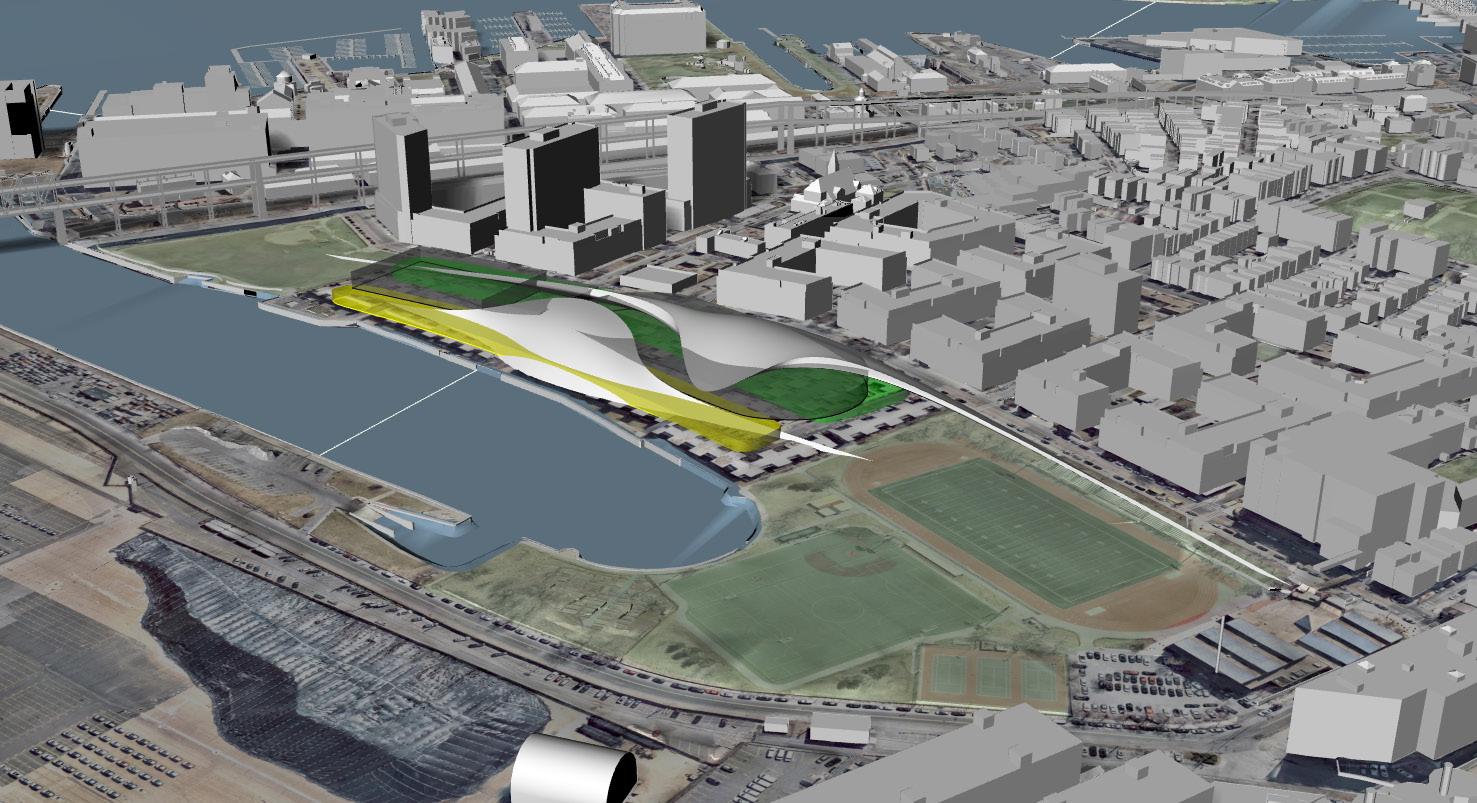
Preliminary site to study how the program sits on the current site and what alterations would be needed to make the site more accessible.
DESIGN DEVELOPMENT: MASSING
Preliminary 3D studies to show scale of building and relationship to the site.
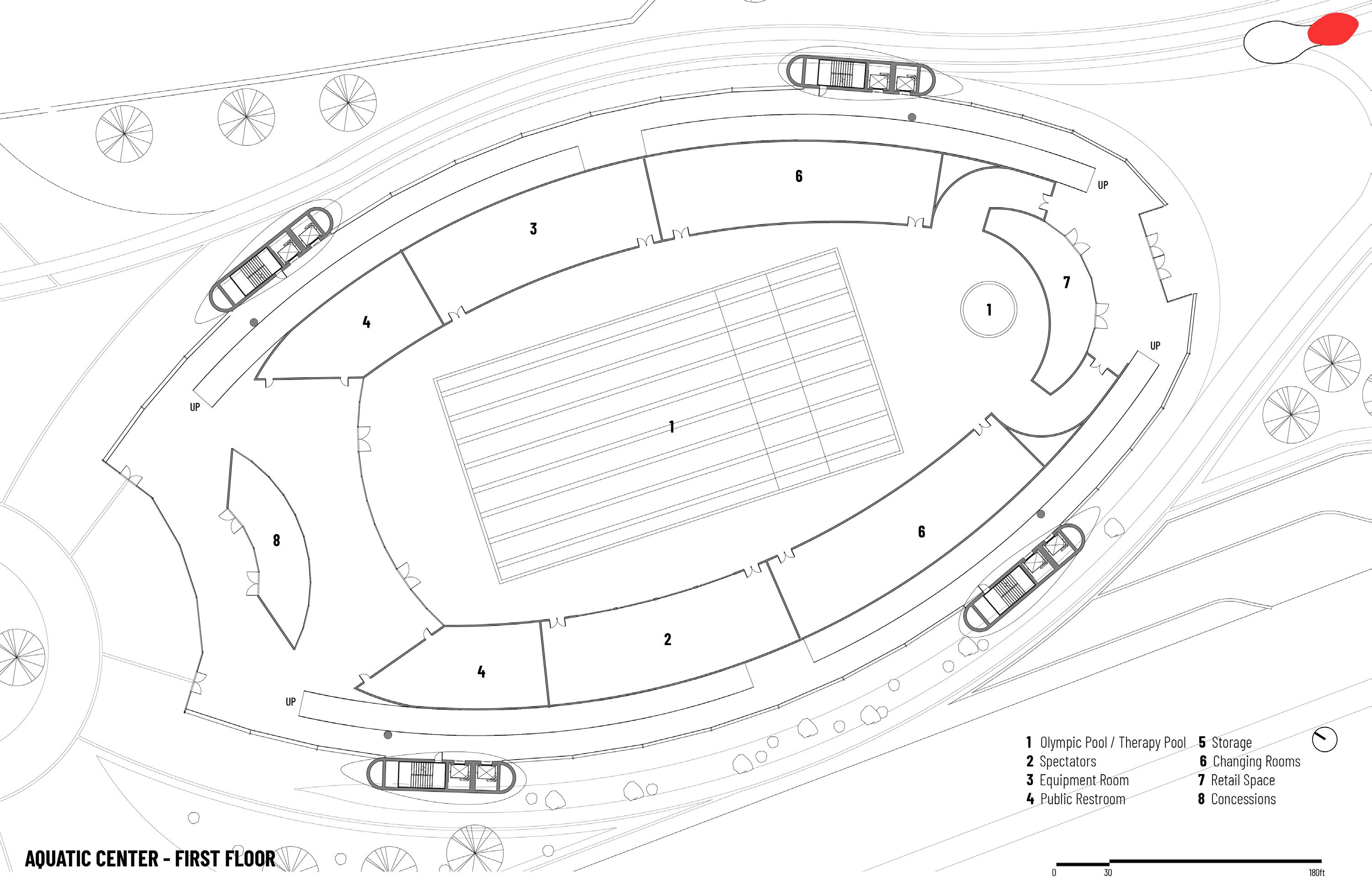
DESIGN DEVELOPMENT: FIRST FLOOR
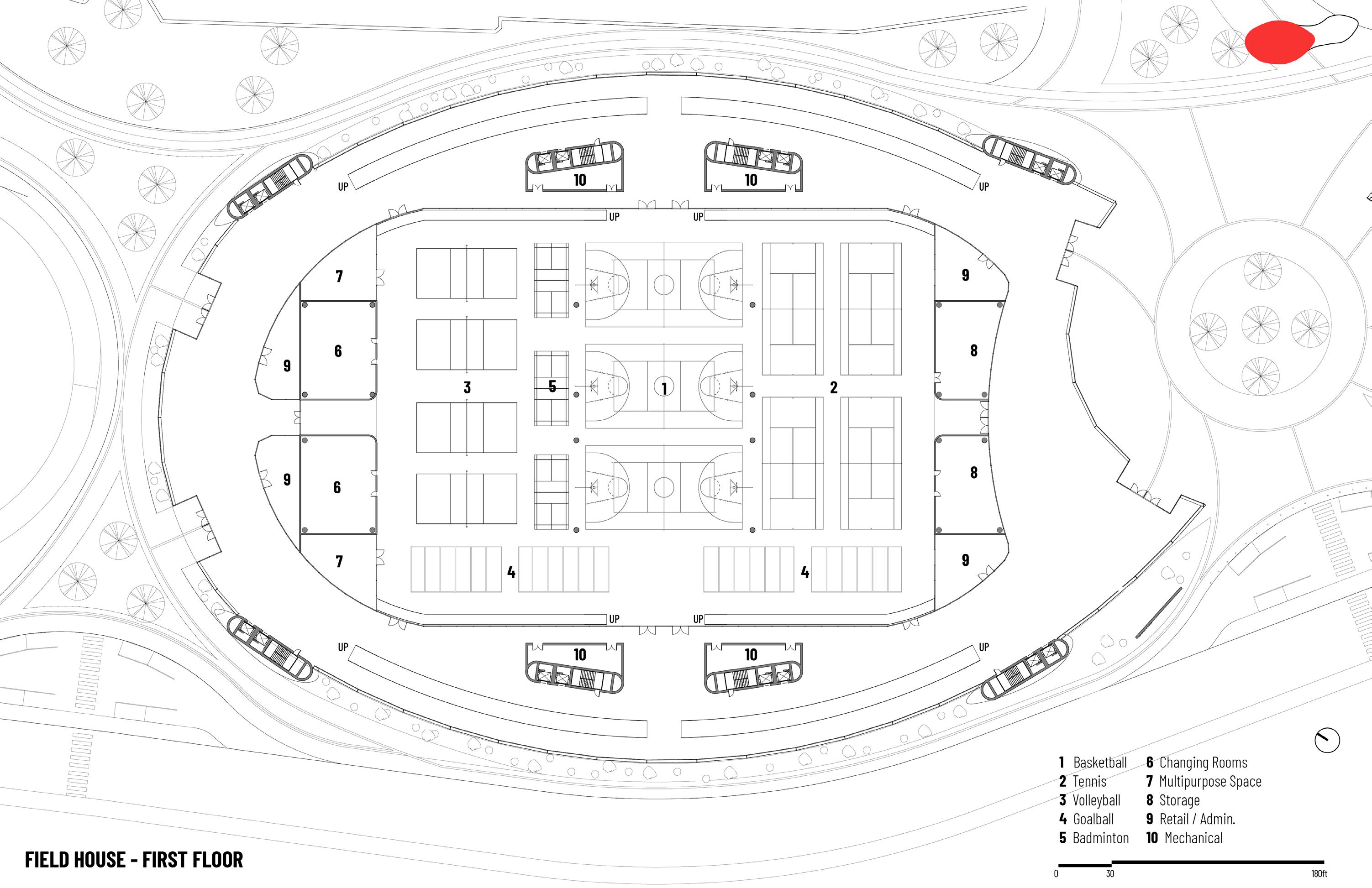
Preliminary first floor plan where I begin to understand the room relationship and organization of olympic and professional sized courts and pools. Prioritizing vertical circulation through the use of ramps was also being studied.
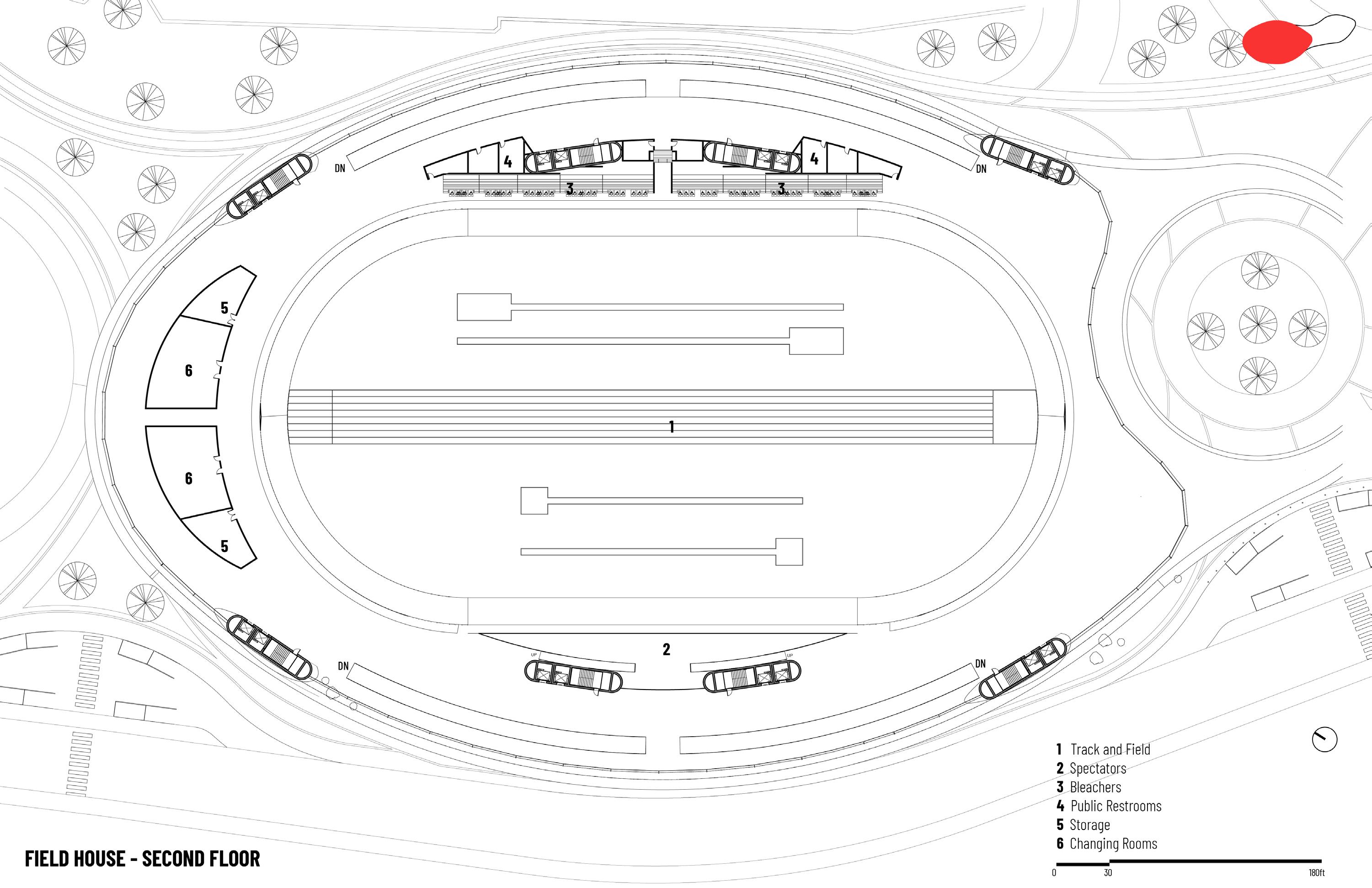
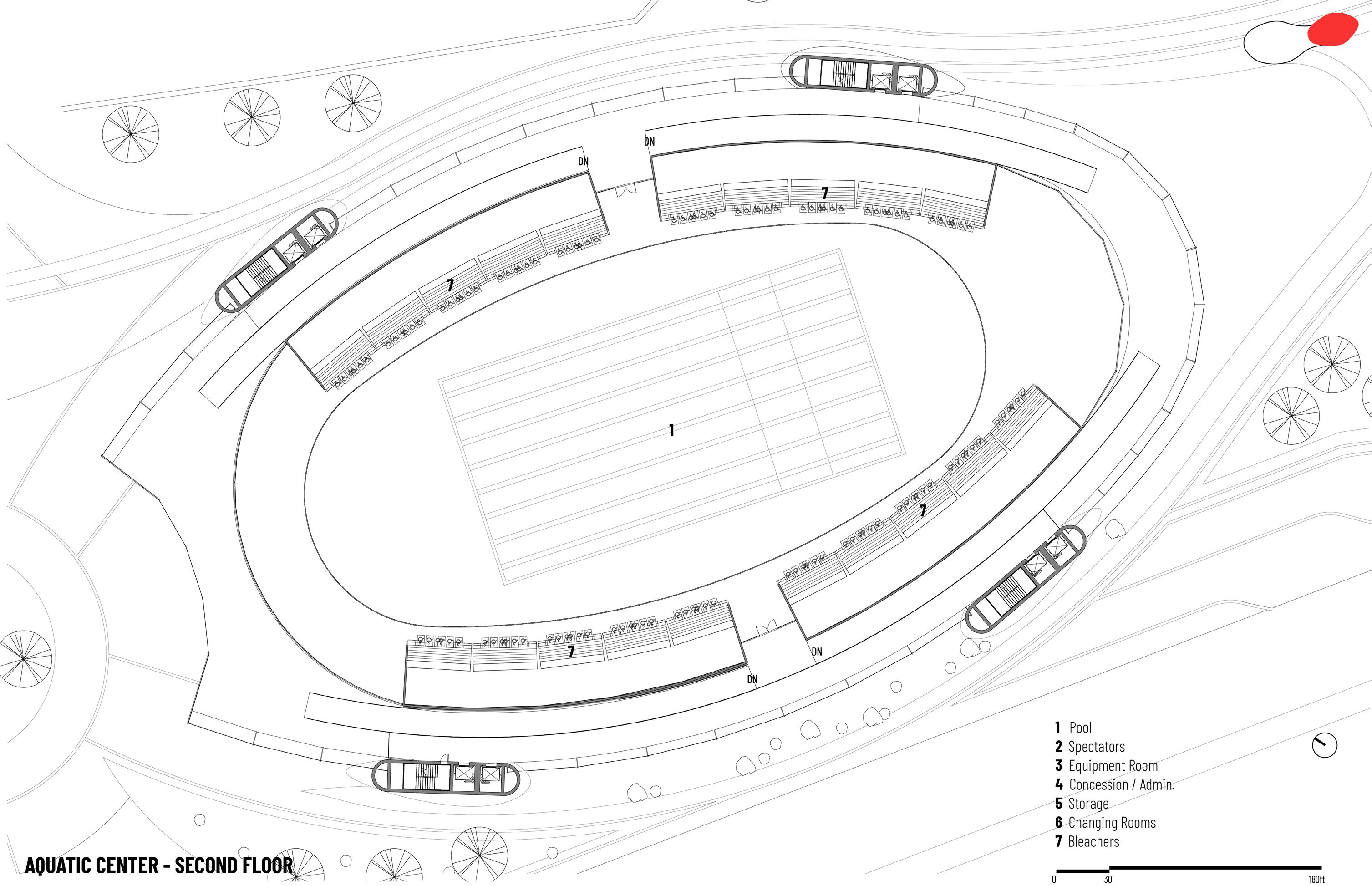
DESIGN DEVELOPMENT: SECOND FLOOR
Preliminary second floor houses the 400-meter track and field with its necessary support elements. Study on how to connect the second floor to the site from the track and field.
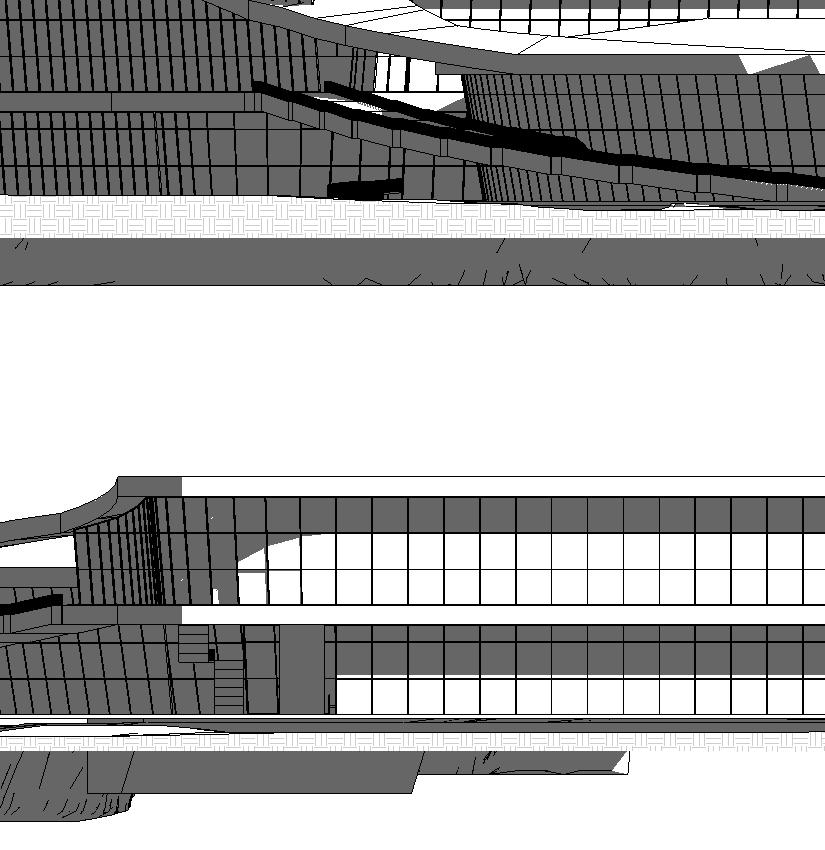
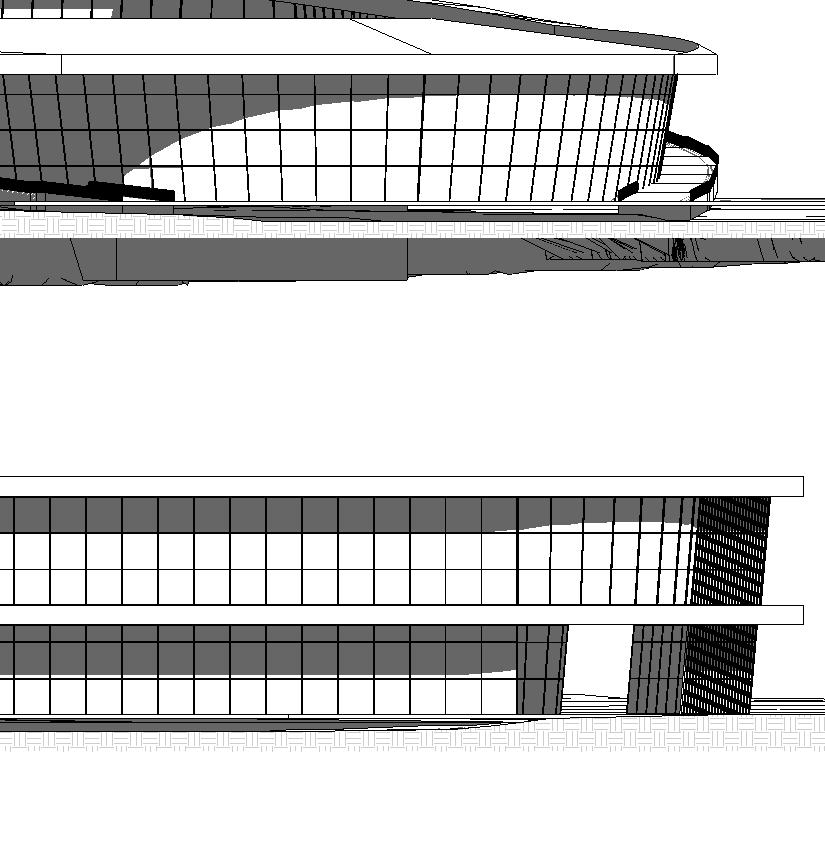
DESIGN DEVELOPMENT: ELEVATION
DESIGN DEVELOPMENT: ELEVATION
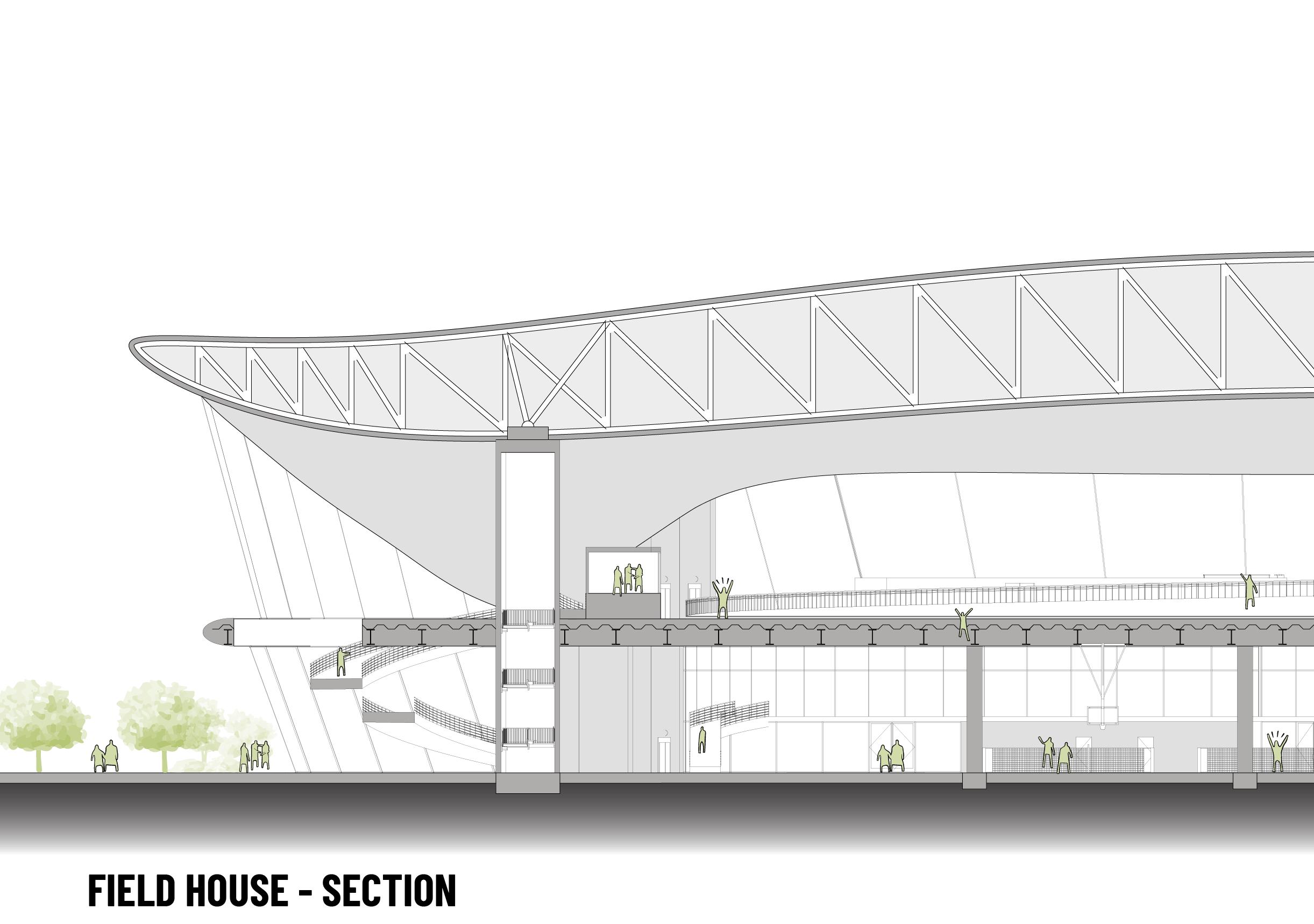
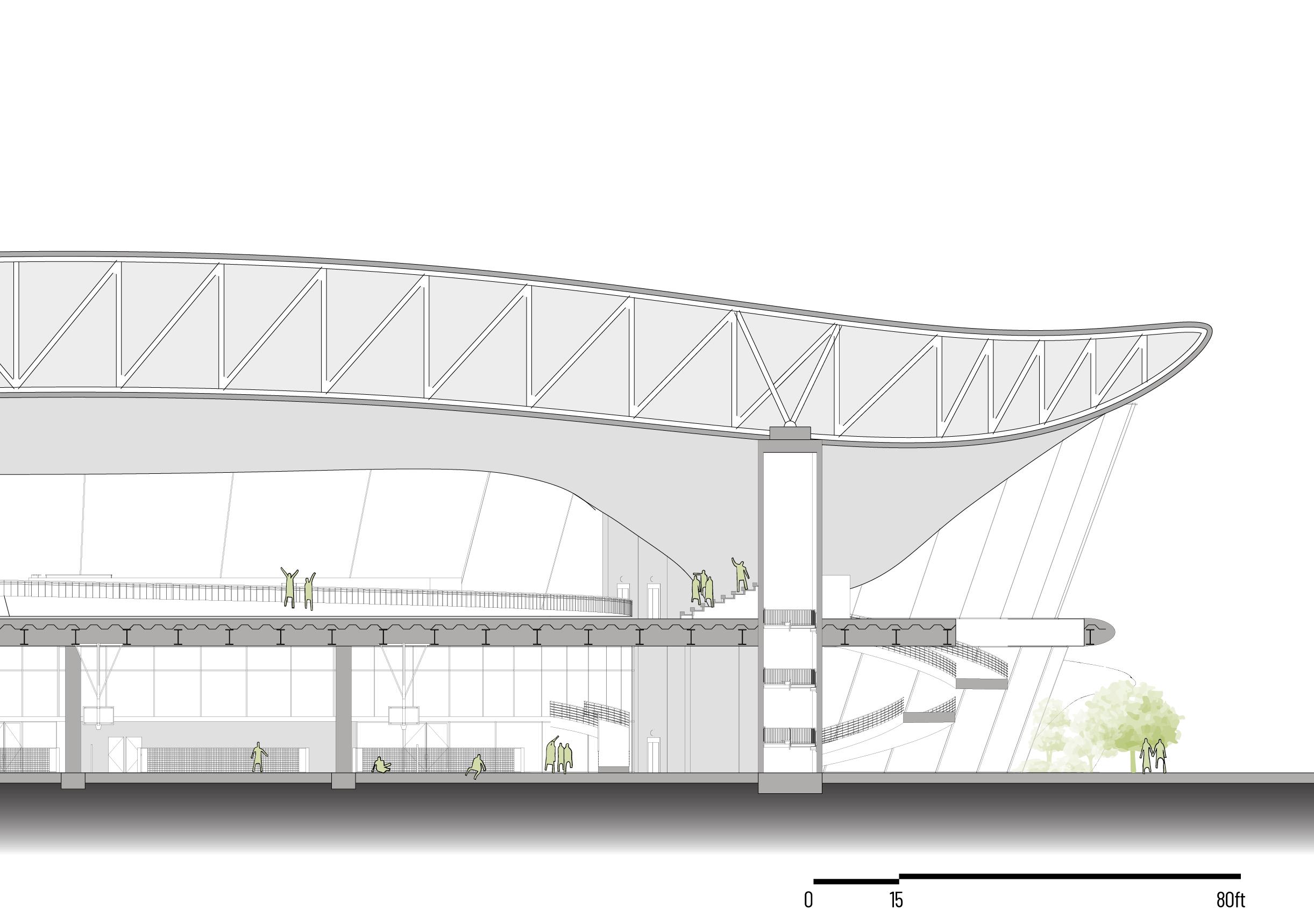
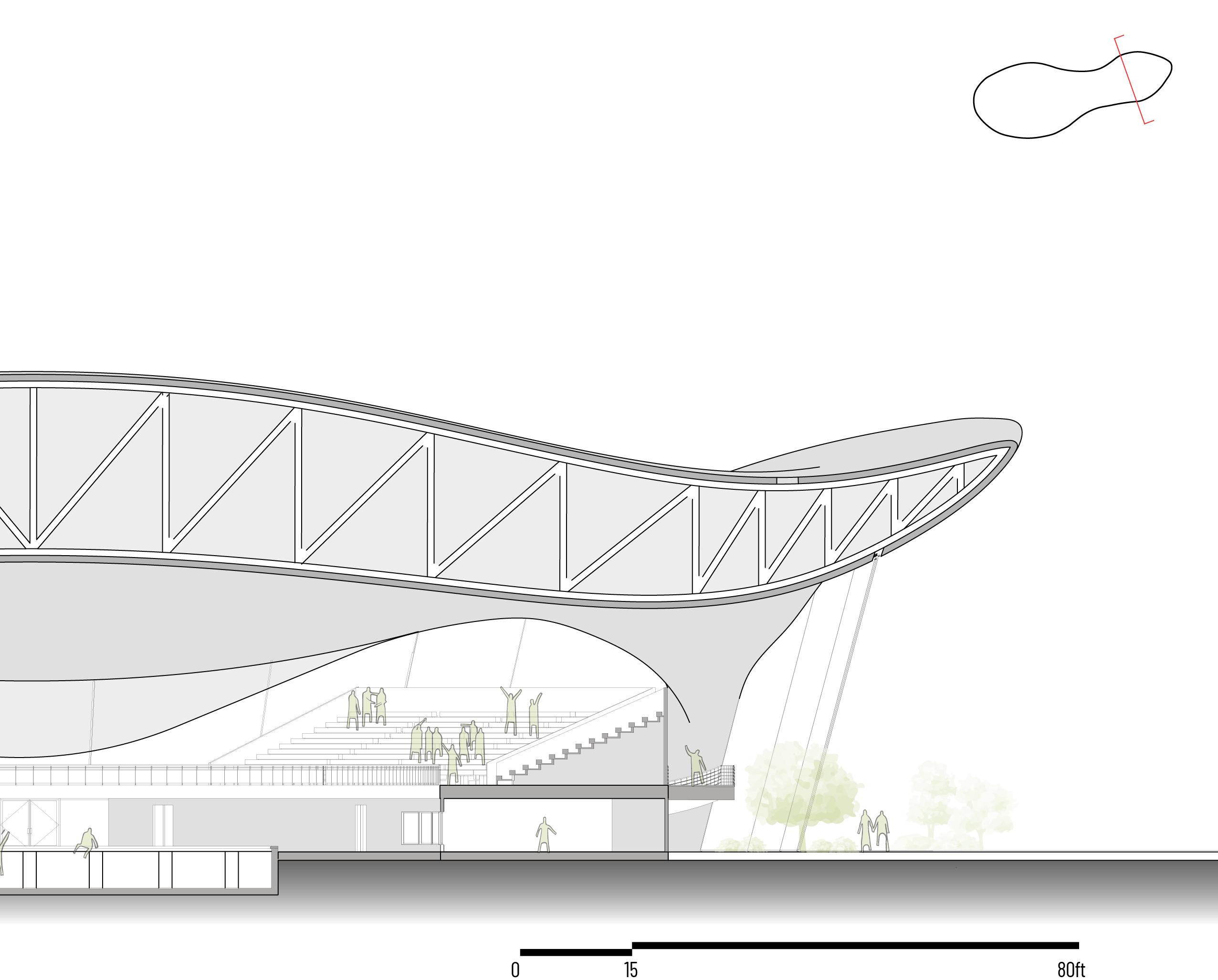
DESIGN DEVELOPMENT: SECTION THROUGH FIELD HOUSE
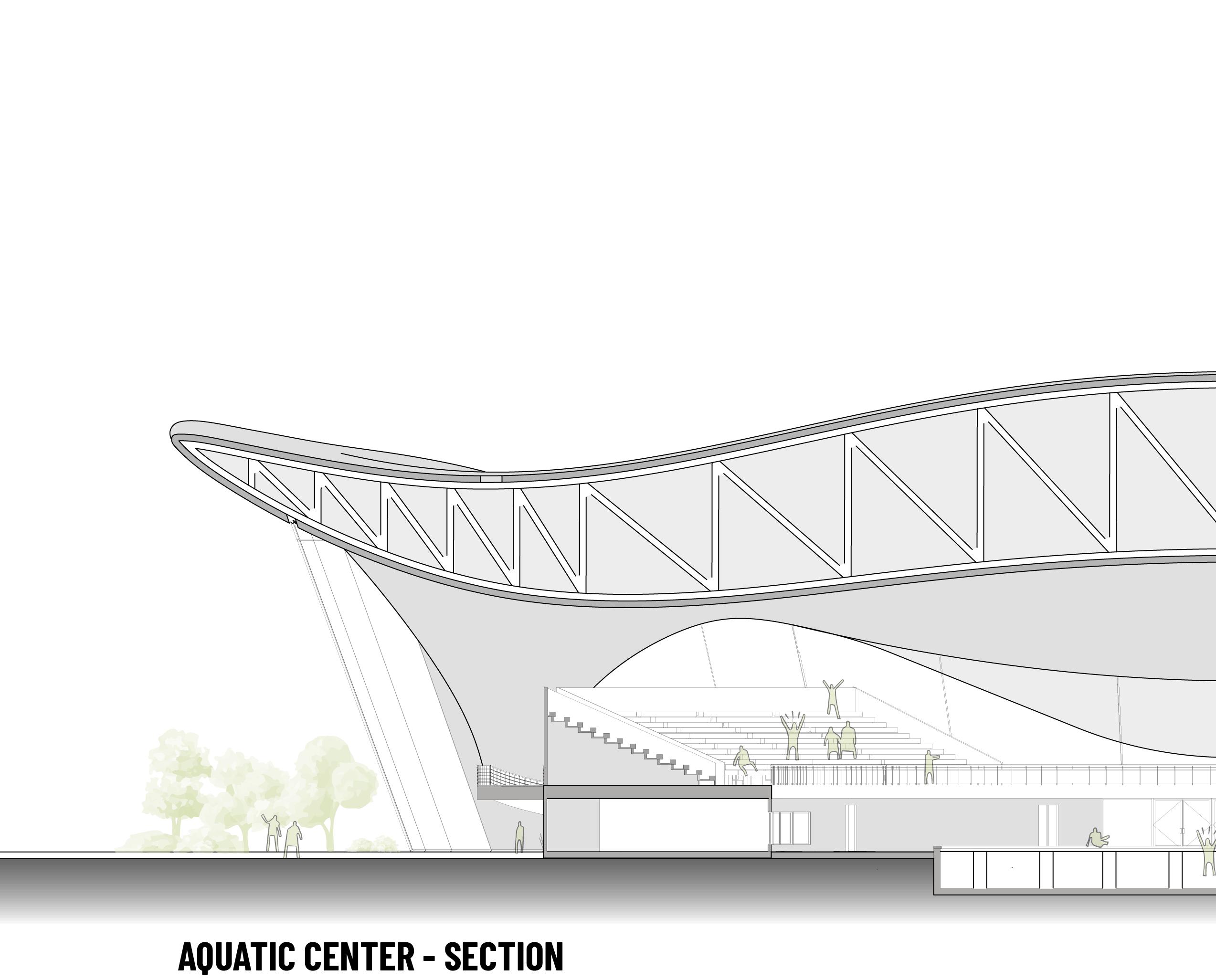
DESIGN DEVELOPMENT: SECTION THROUGH AQUATIC CENTER
JUROR COMMENTS
“PUSH THE FLUIDITY IN YOUR ARCHITECTURE”
“PUT AN EMPHASIS IN THE JOINT BETWEEN BOTH BUILDING, MAKE IT A GREAT CONNECTION”
“THINK ABOUT THE ARRIVAL OF VEHICLES”
“BEGIN ADDRESSING HOW THE STRUCTURE WOULD WORK ON SUCH LARGE SPANS”
“ADD MORE CONTEXT TO SITE AND BEGIN STUDIES FOR BRIDGING THE TWO SIDES OF THE CHANNEL”
POST REVIEW SKETCHES
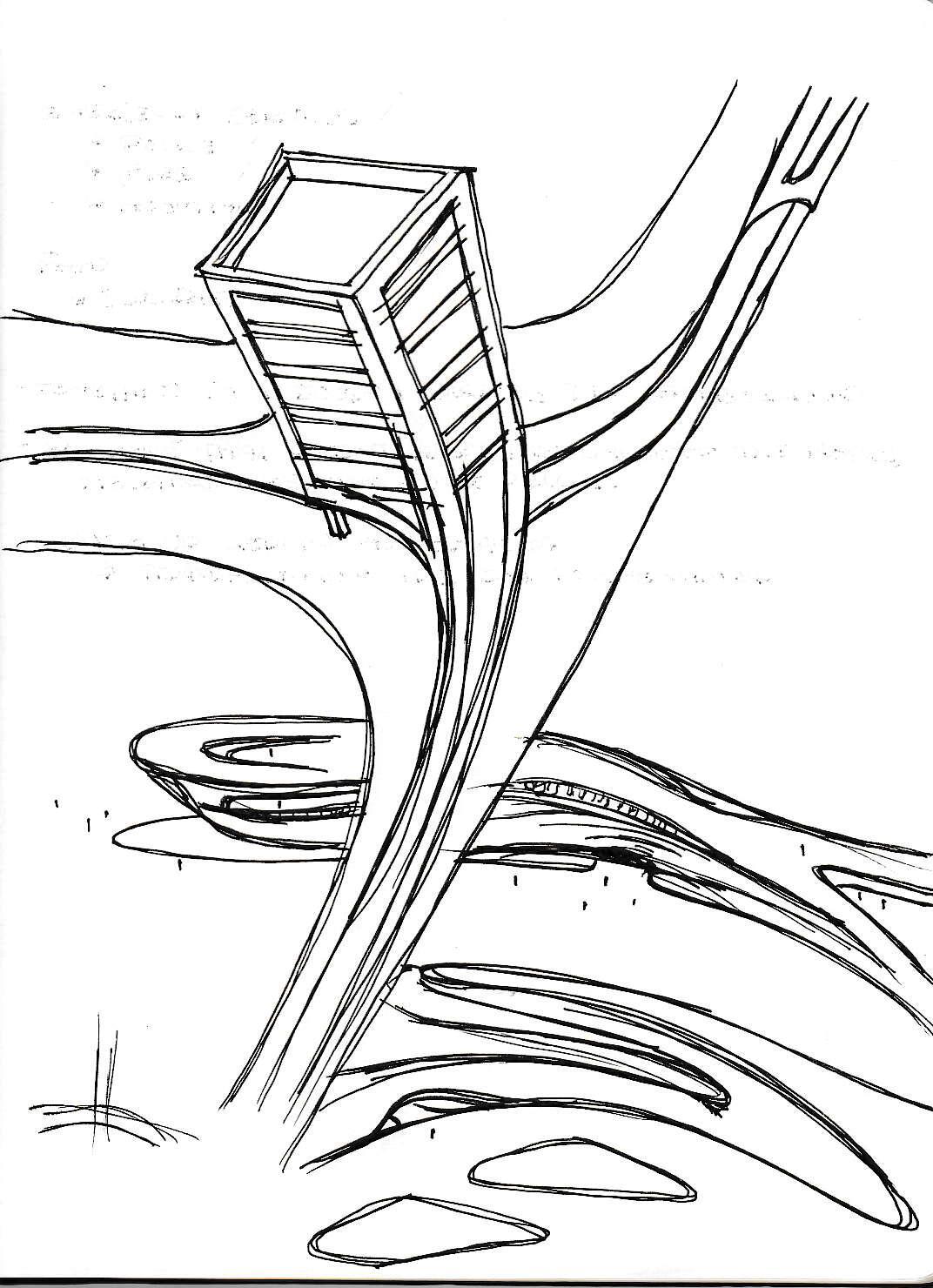
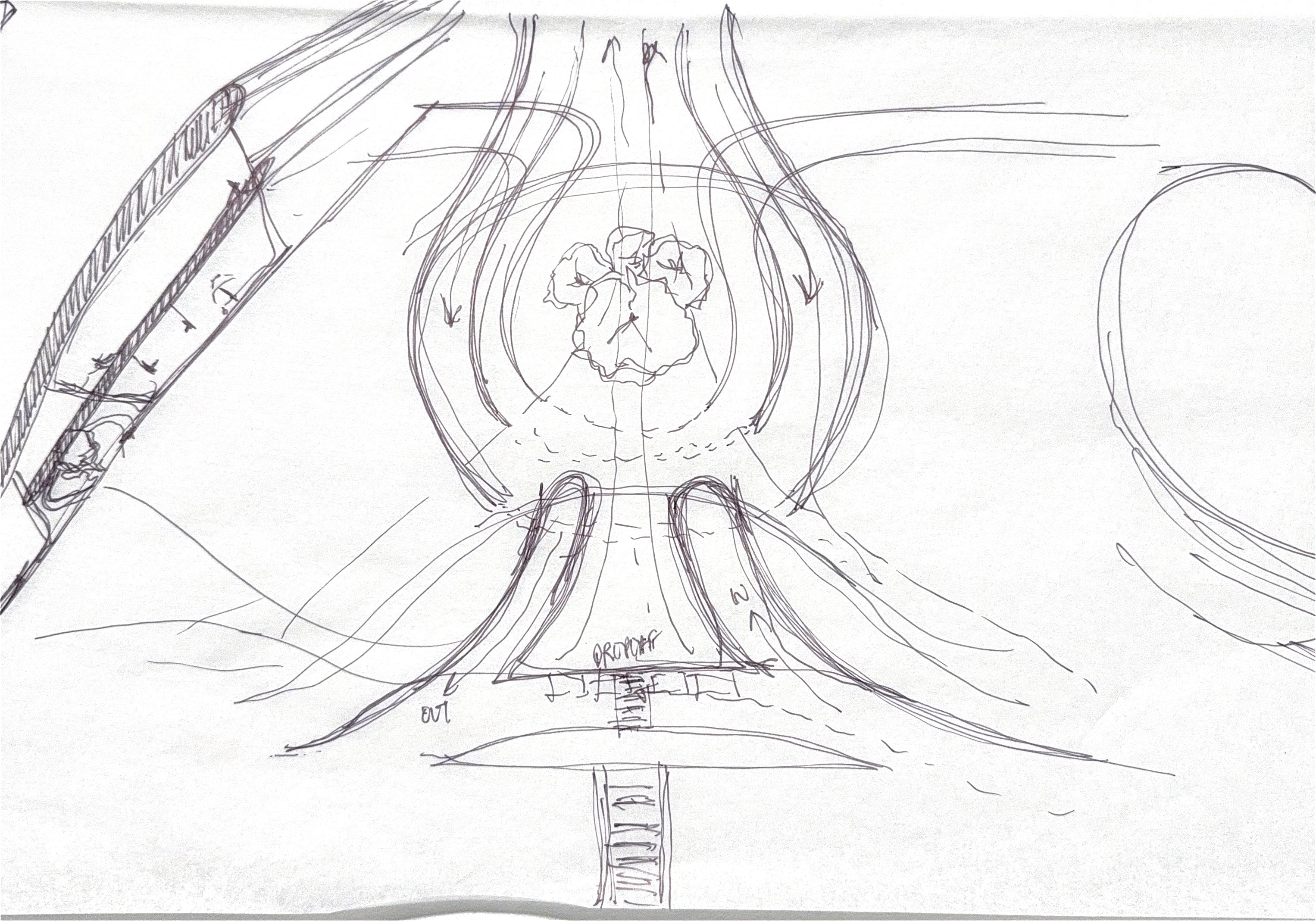
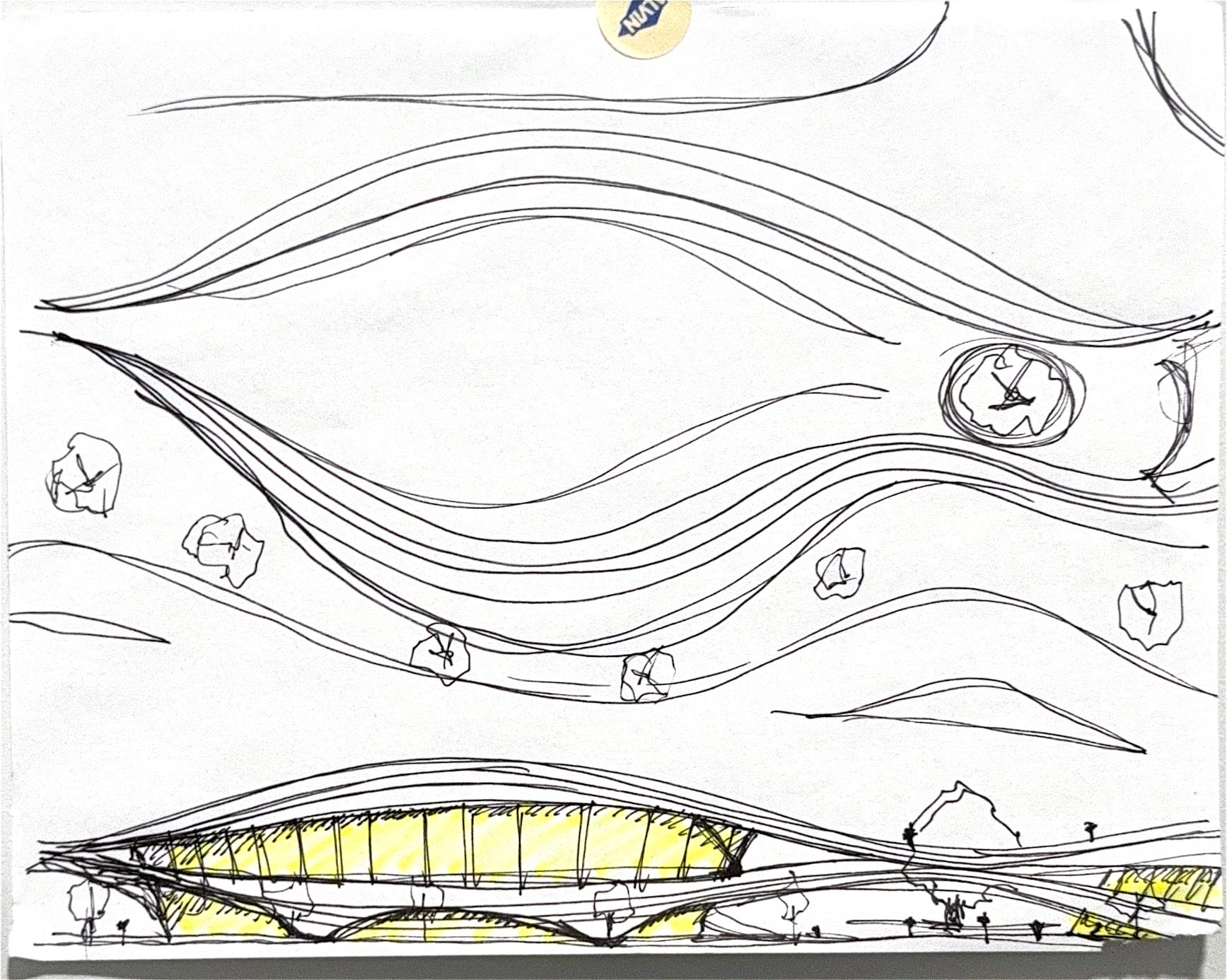
Preliminary courtyard sketches studying arrival and movement through the site
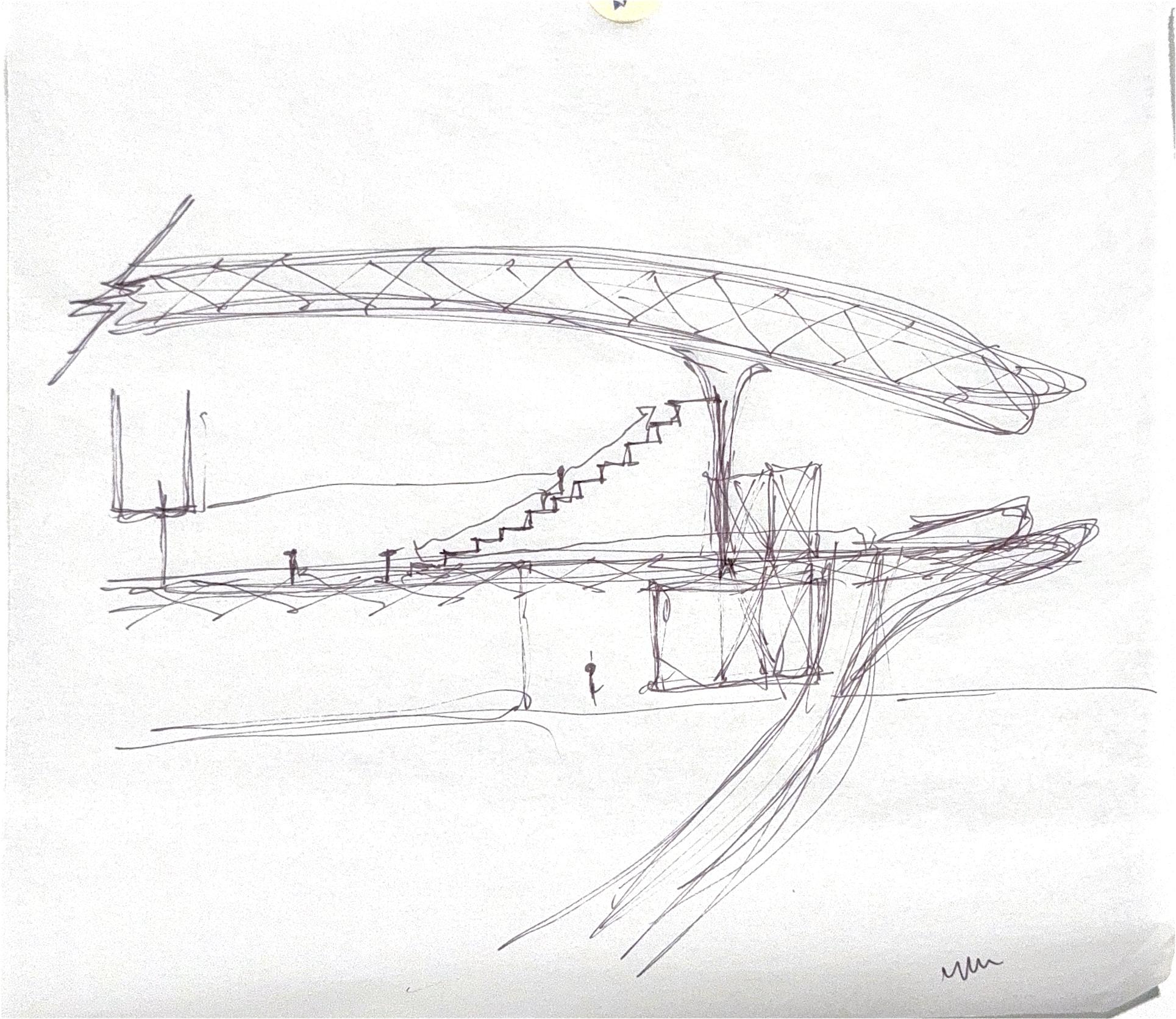
Structural sketch study
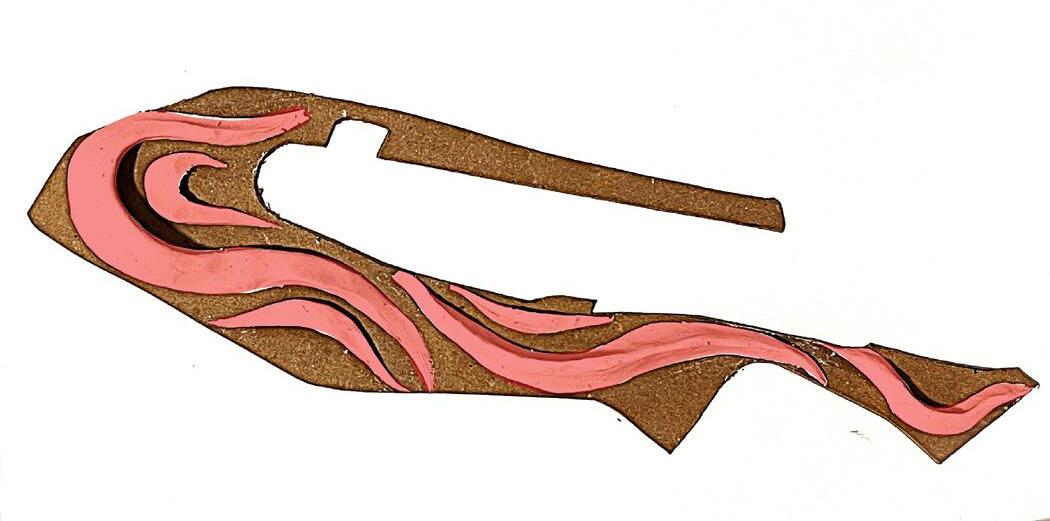
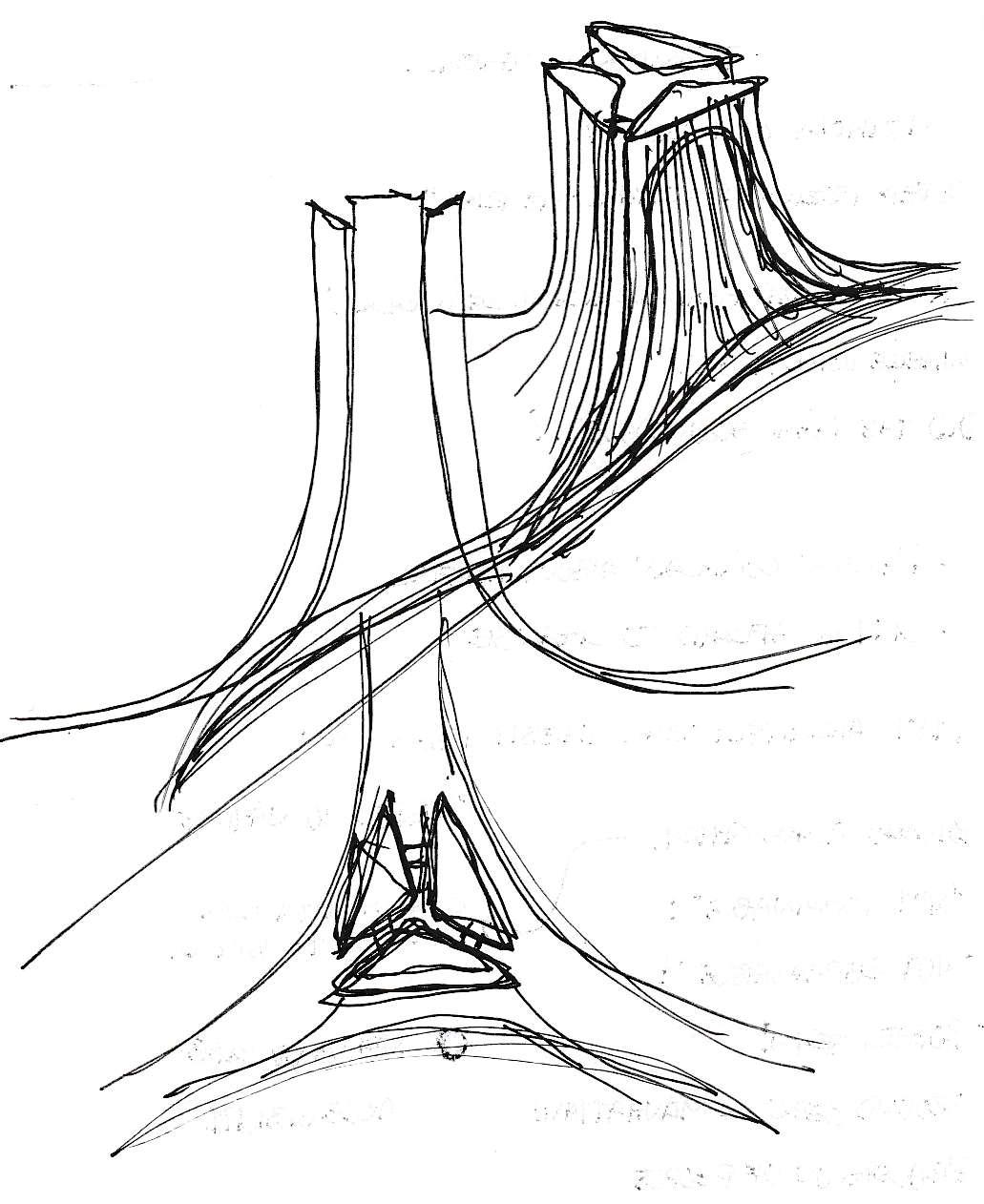
Sketch studies for fluidity housing the sport facilities and its relationship to the site
CHARLESTOWN PARALYMPIC CENTER:
FINAL DESIGN
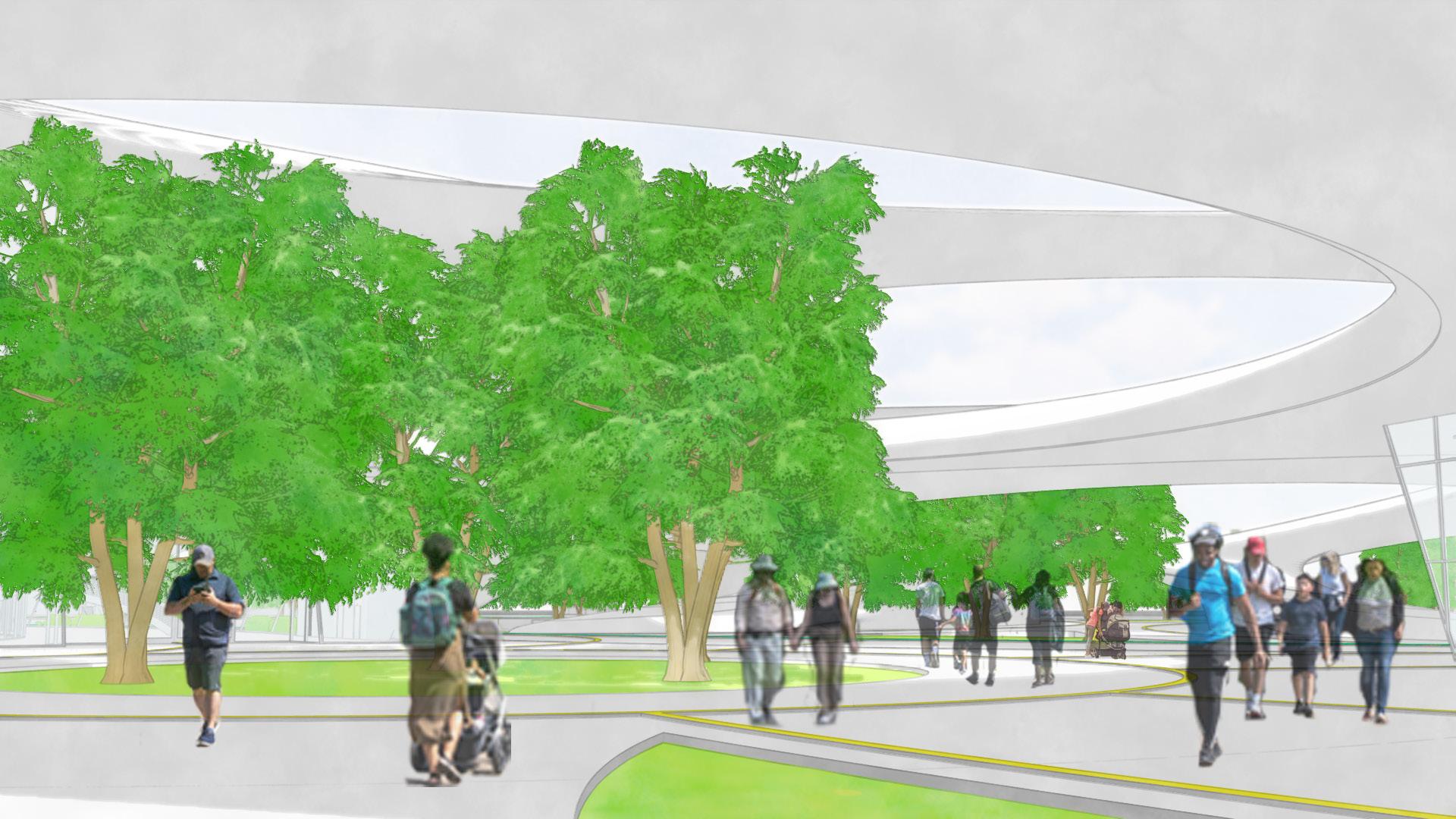
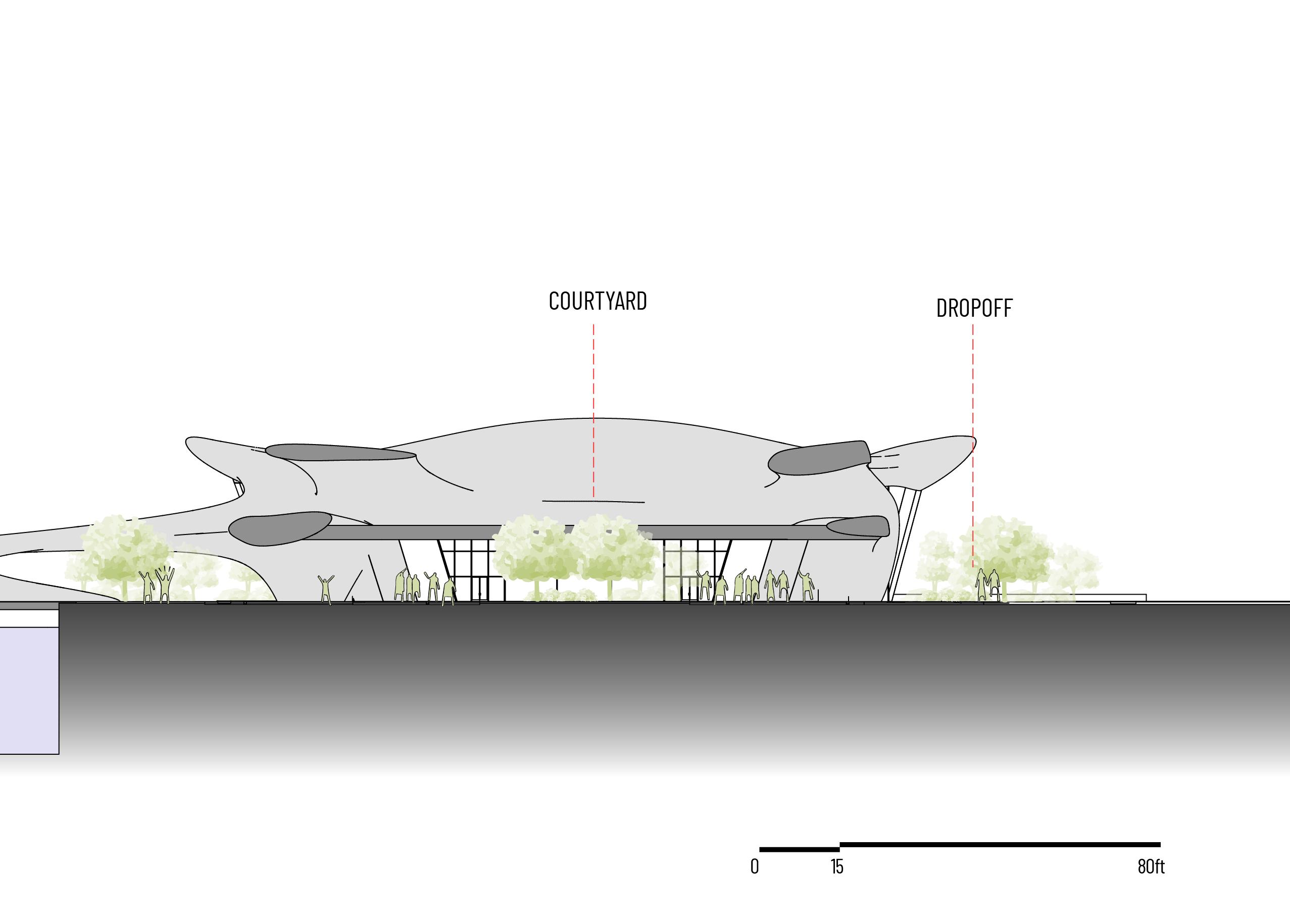
COURTYARD
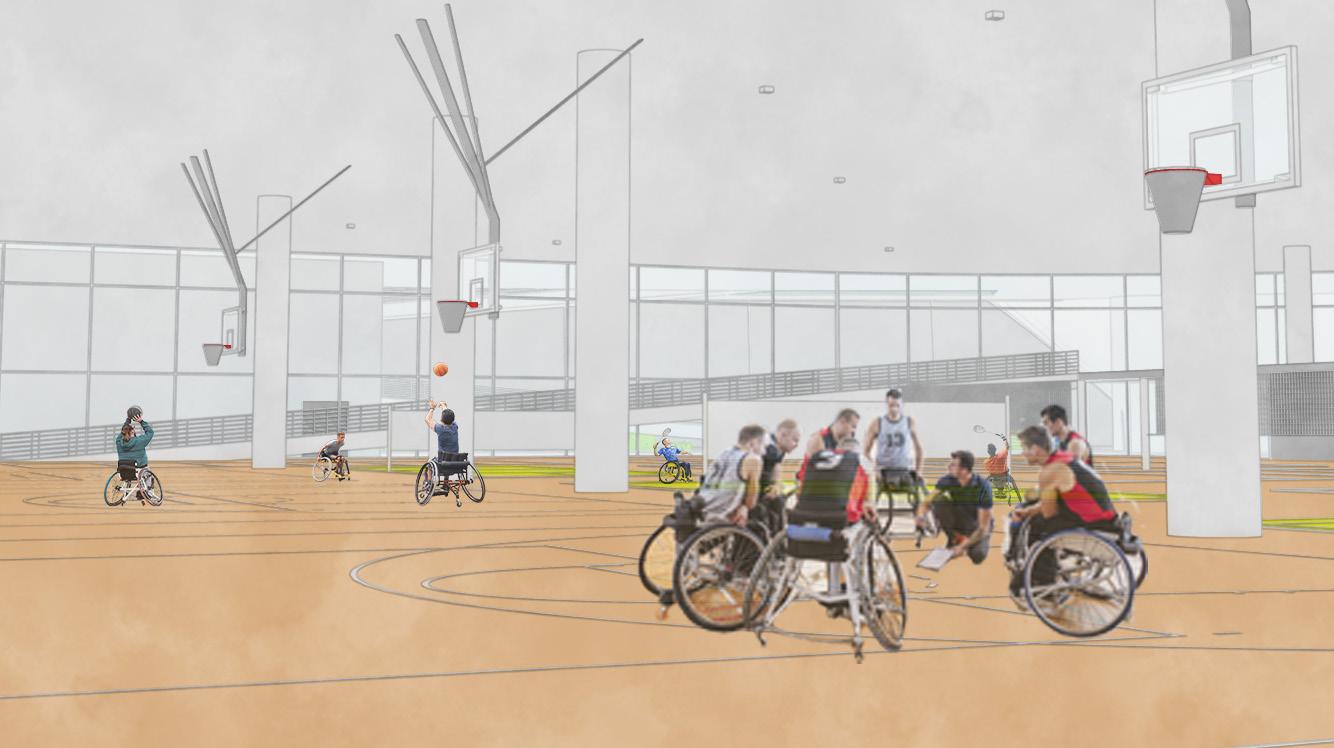
BASKETBALL COURTS
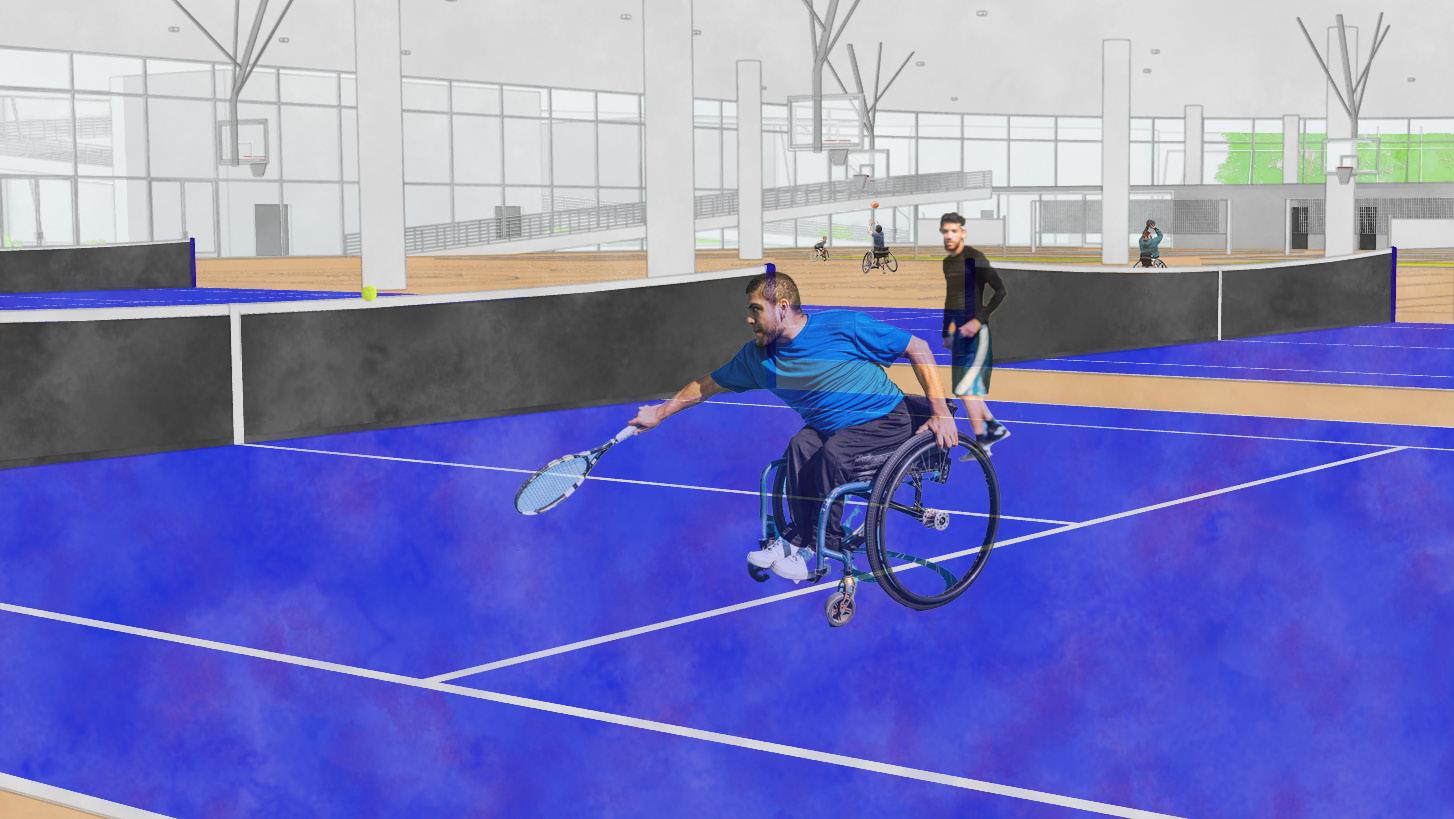
TENNIS COURTS
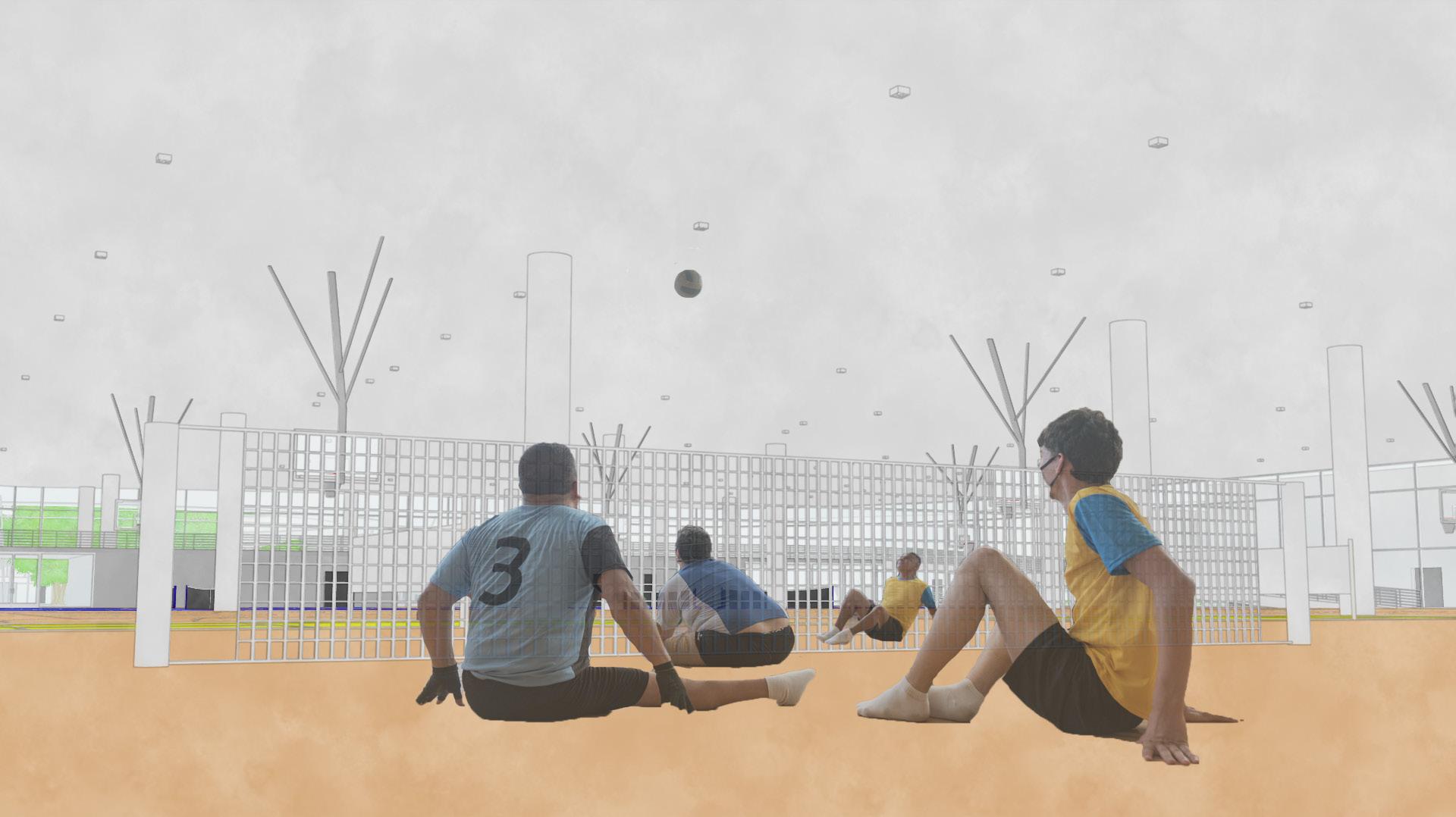
VOLLEYBALL COURTS
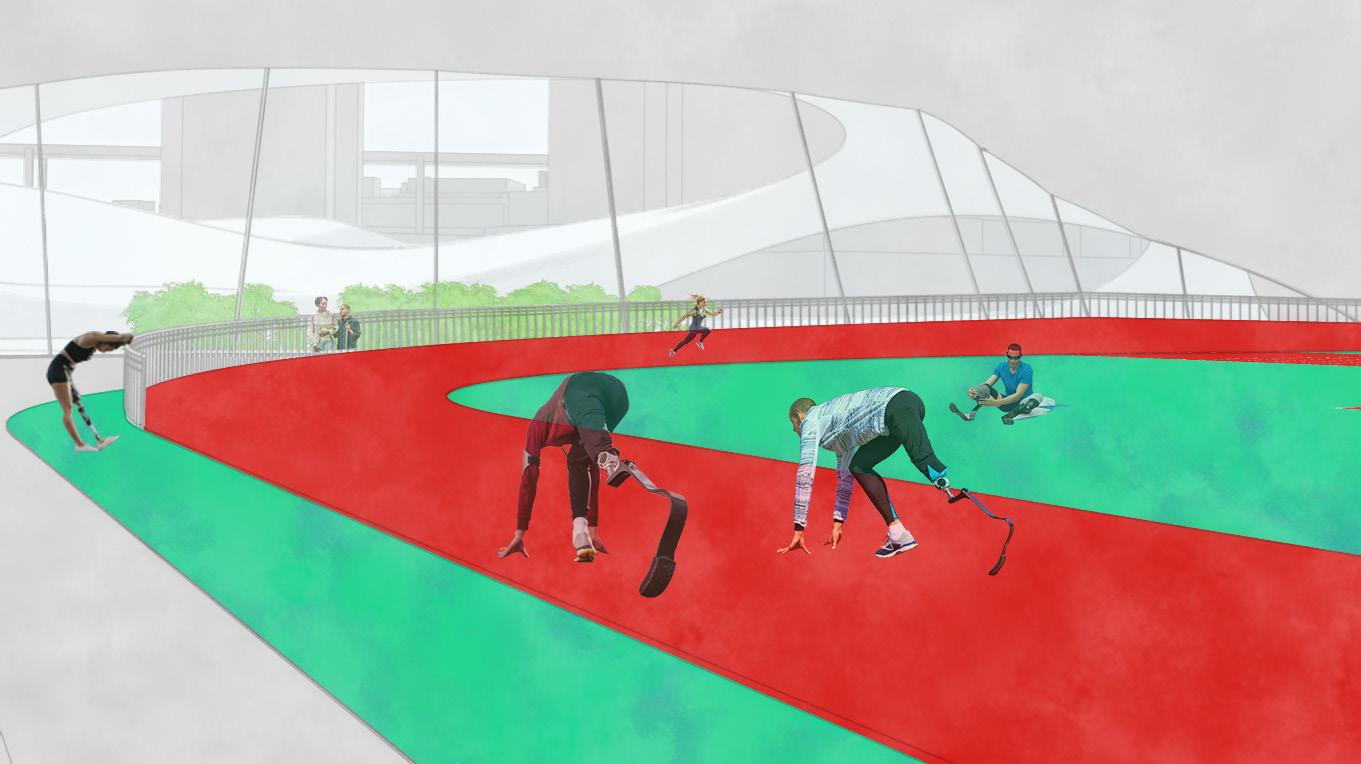
TRACK AND FIELD
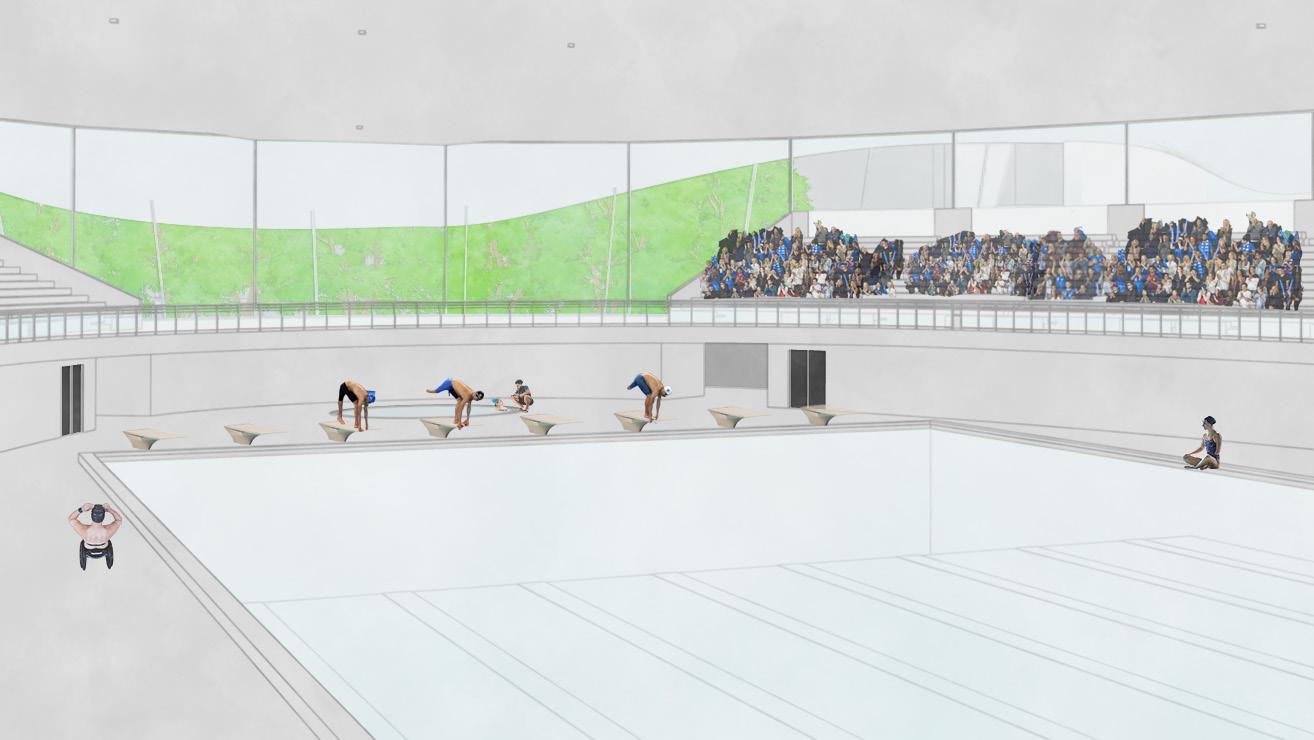
OLYMPIC POOL AND STANDS
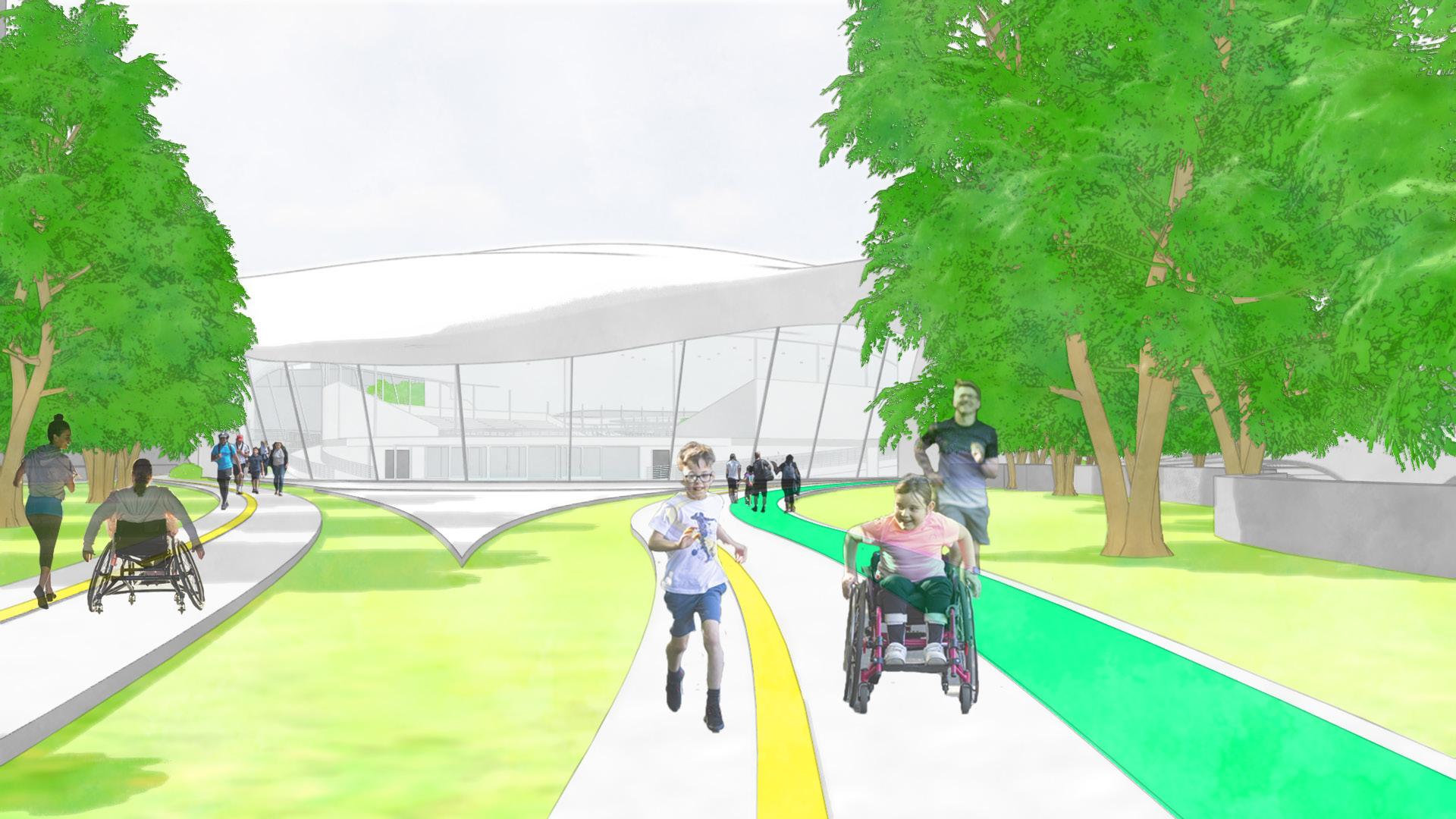
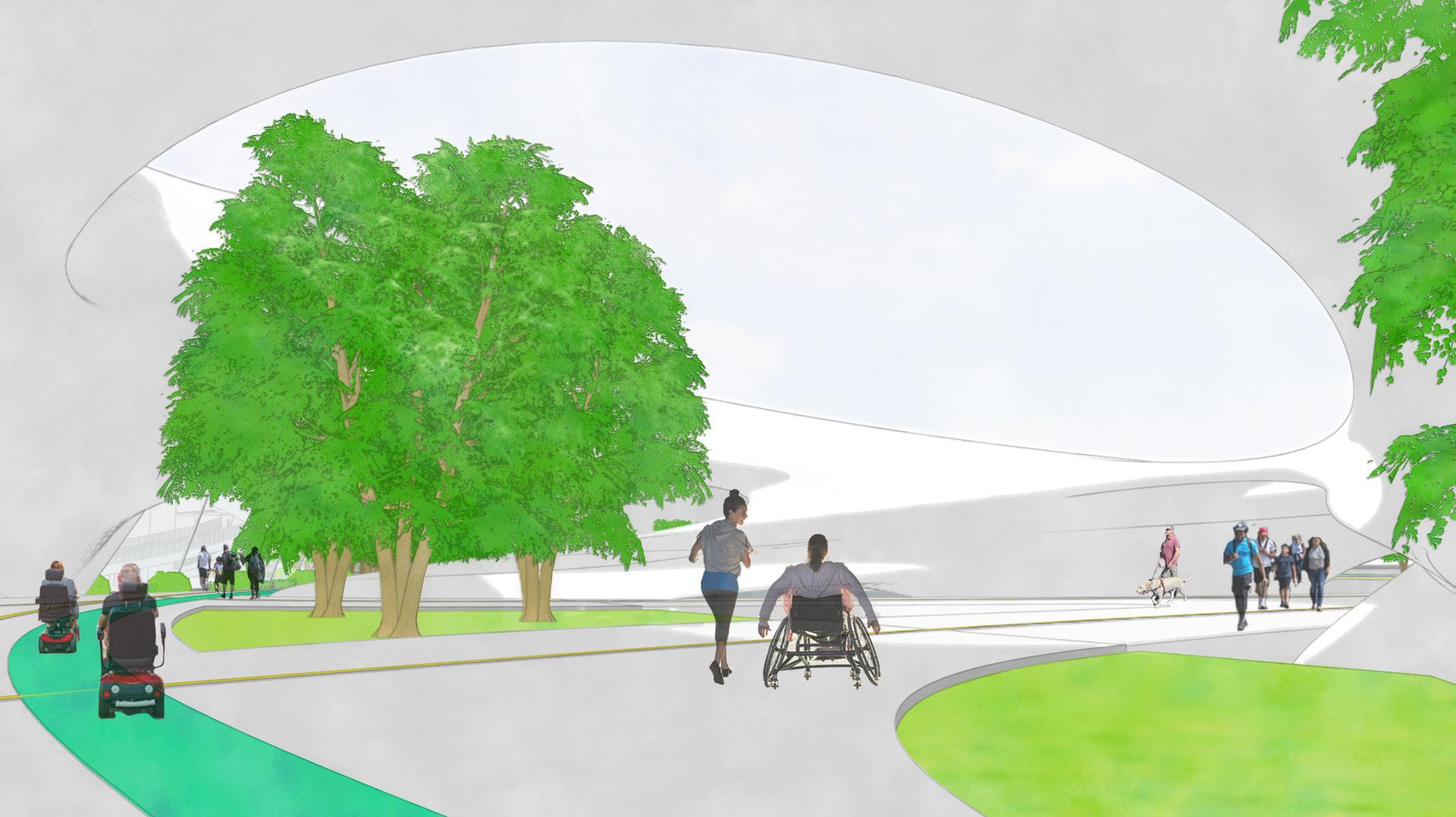
WALK TO AQUATIC CENTER
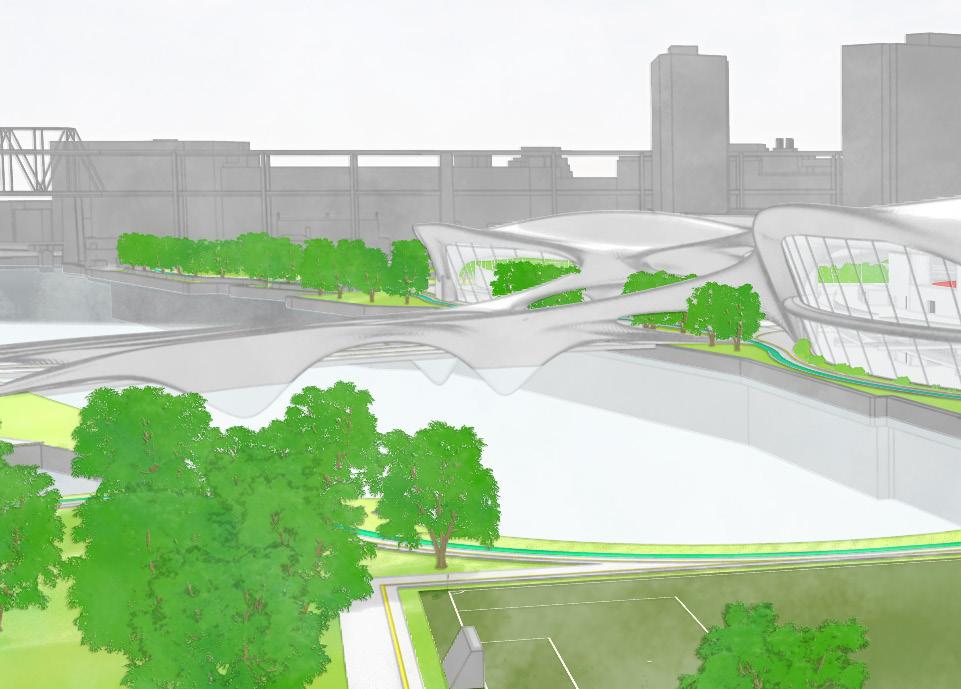
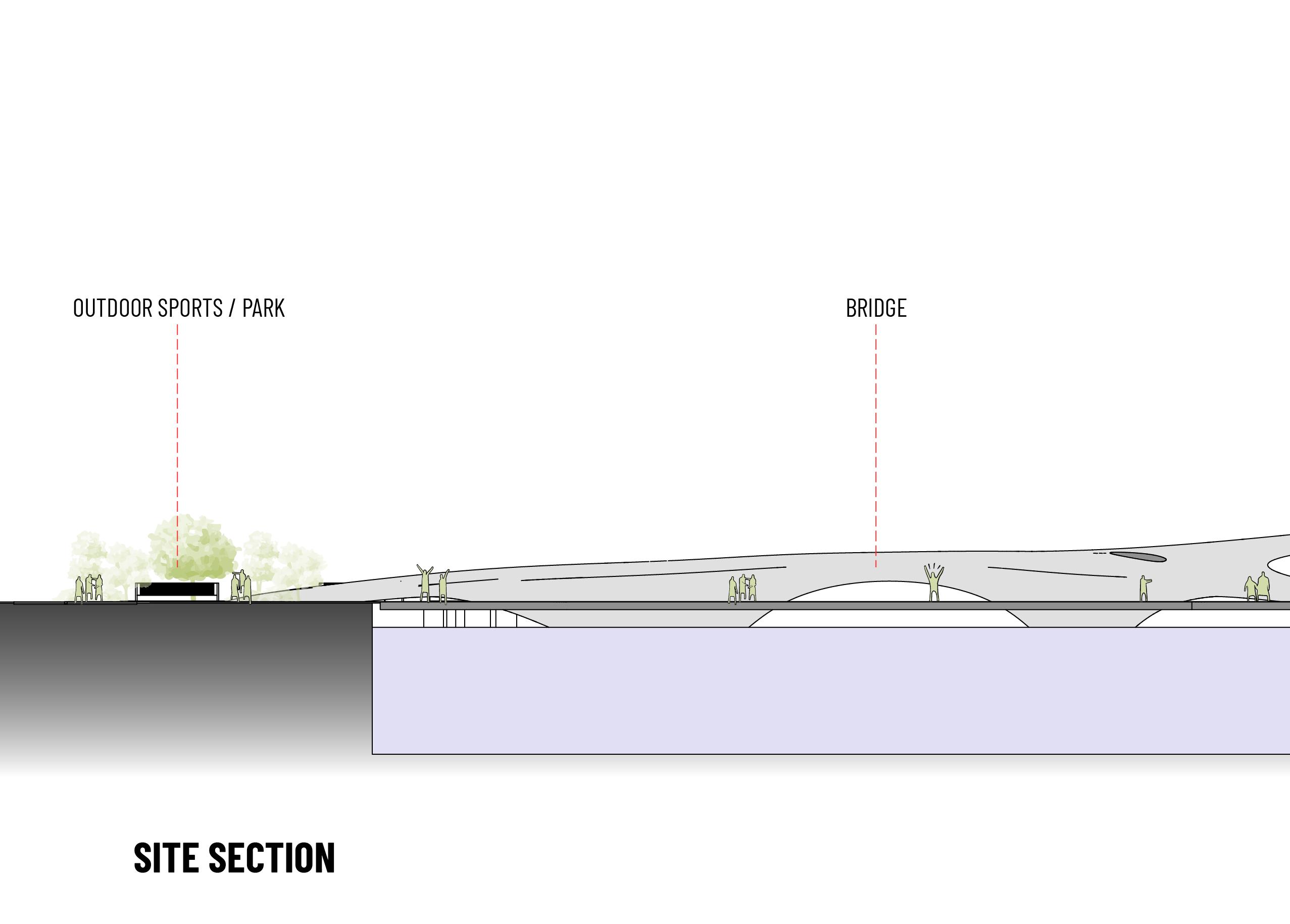
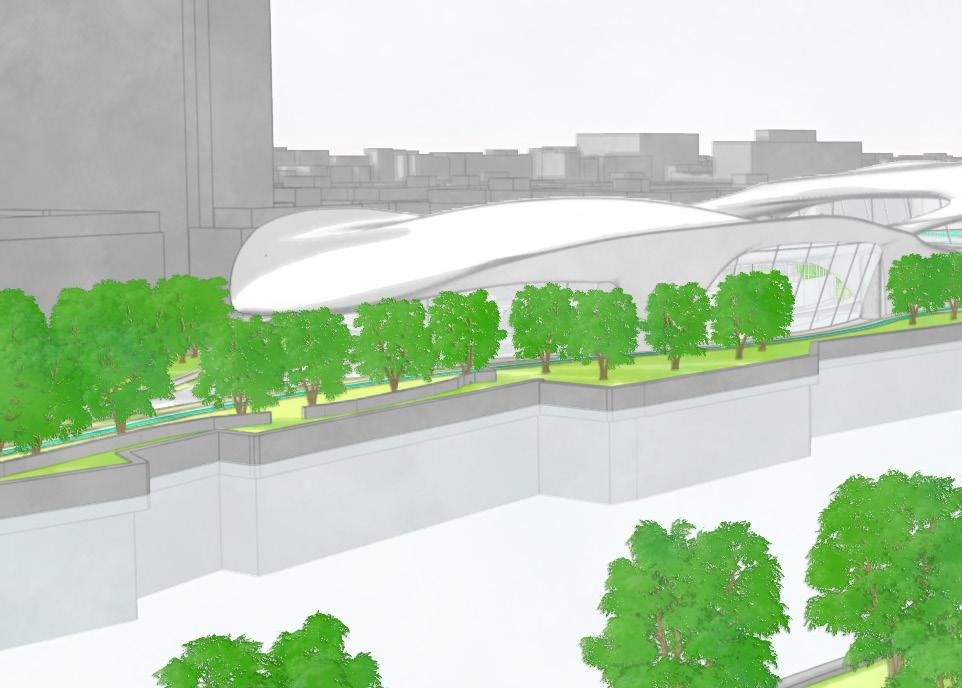
SOUTH ENTRANCE TO BRIDGE
NORTH ENTRANCE TO BRIDGE
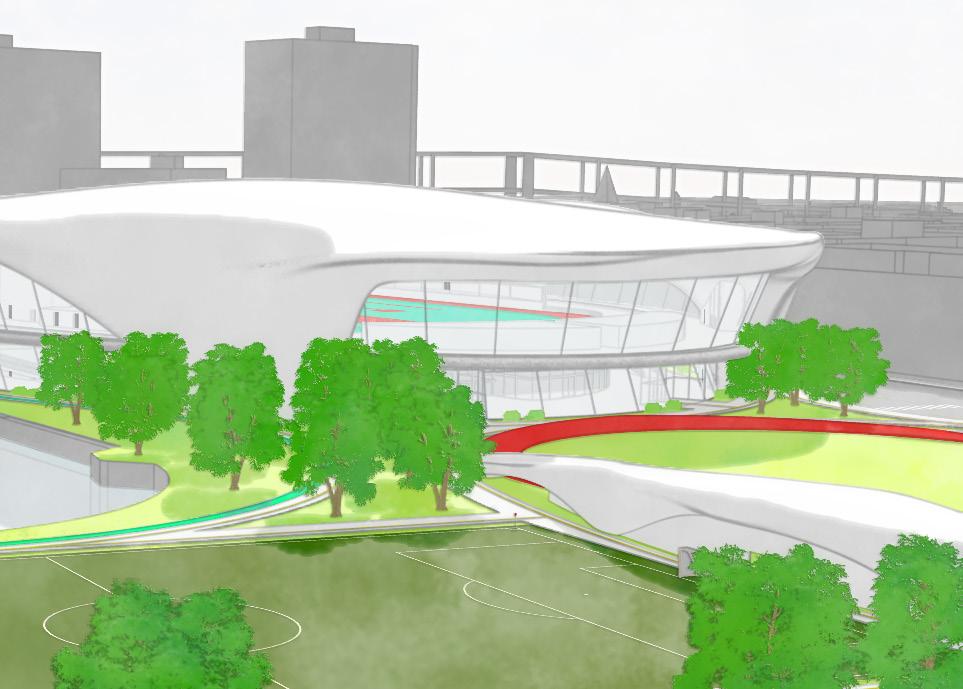
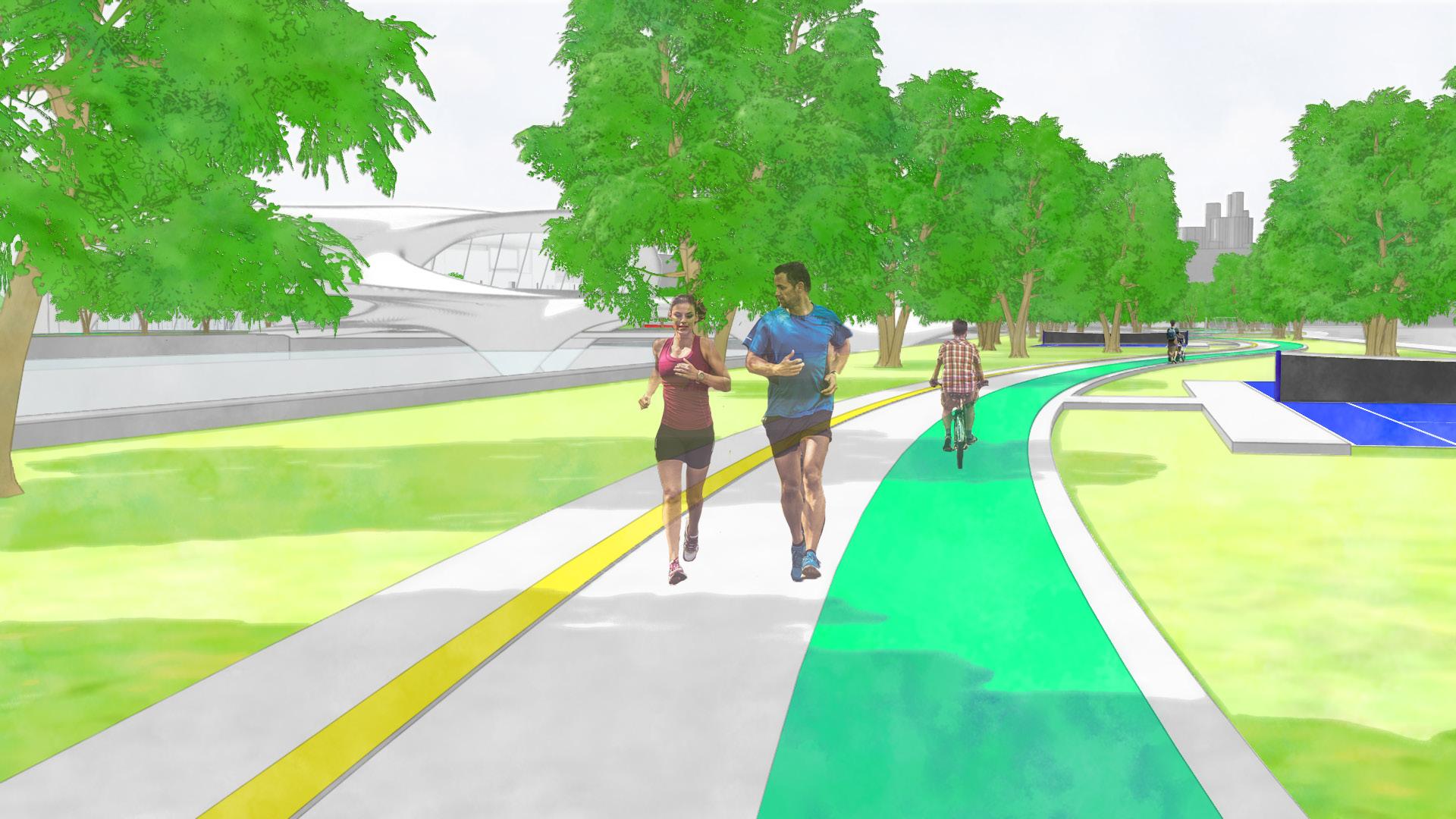
OUTDOOR SPORTS / PARK SIDE
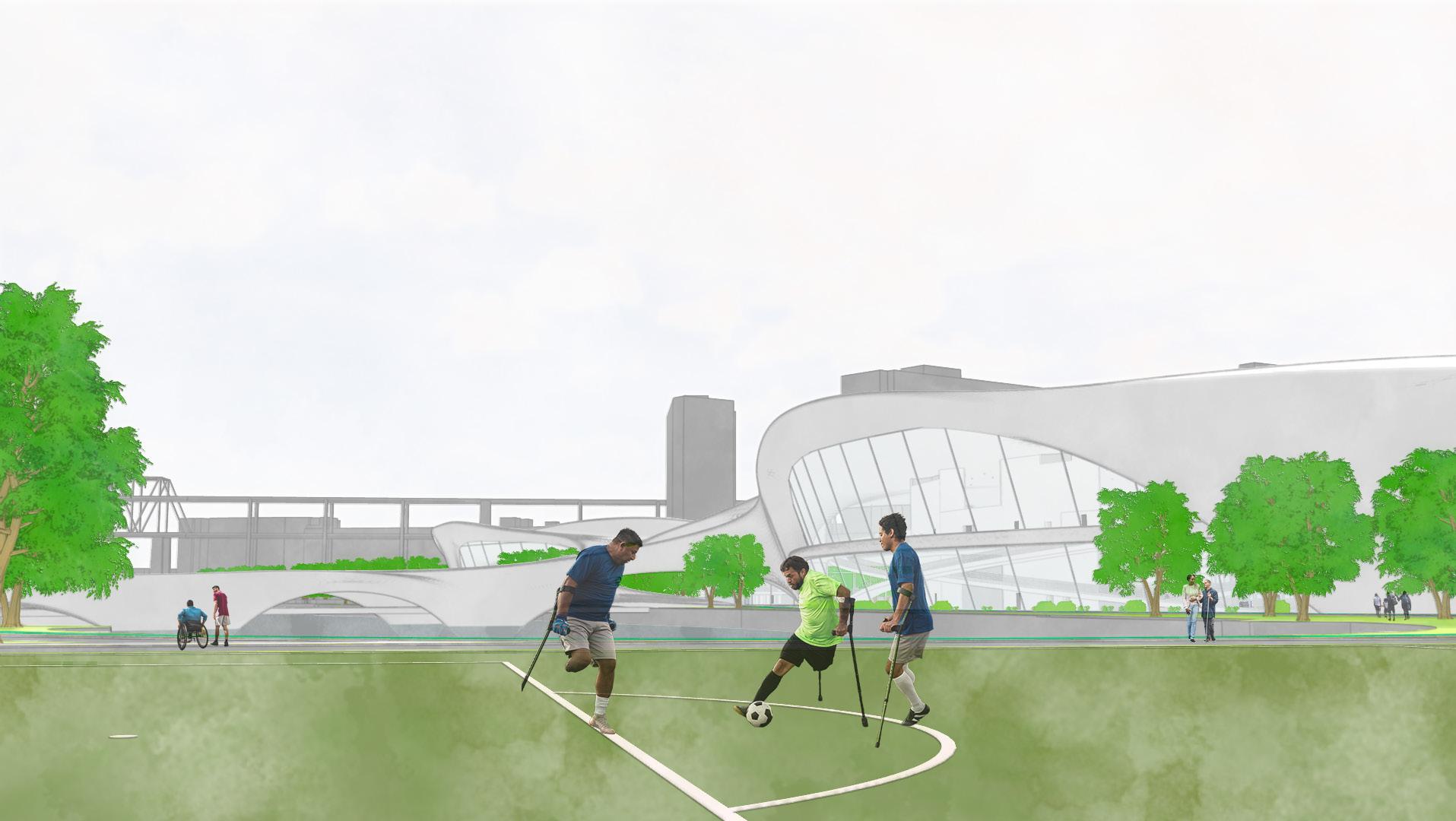
VIEW FROM EXISTING SOCCER FIELD
CHARLESTOWN PARALYMPIC CENTER: FINAL
DESIGN
ANNOTATED BIBLIOGRAPHY:
Christophersen, Jon. Universal design: 17 ways of thinking and teaching. Oslo: Husbanken, 2002.
This book by Jon Christophersen gives a look into how universal design can be applied around the world and in different settings whether it be schools, offices, or public spaces. Jon gives some history about who started the concept of inclusive architecture and how it all began. Jon also provides a special insight to inclusive design in a way that makes the reader understand the goal of inclusive design and how it is meant to be a design that includes all abled or disabled people and speak more so to the experience rather than the function of the spaces.
Null, Roberta L, and Kenneth F Cherry. 1996. Universal Design. Professional Publications Incorporated.
Universal Design is a resource filled with information on how universal design can be applied in a variety of settings. It is written in a way where not only does it provide details on how to apply inclusive design in our projects, but it also gives a variety of different case studies. This allows to get a sense of how this concept is being accomplished in the real world.
“What Is Inclusive Design?” 2022. Architecture.com. 2022. https://www.architecture.com/knowledge-and-resources/knowledge-landing-page/what-is-inclusive-design?srsltid=AfmBOorVbW0hRs3ZzzEJhqTIunnHNZZ7eacDPOs4F41sQ9PYveq9_Sc8.
This article gives insight from a modern point of view and speaks to how cultural trends are moving from exclusive design to more inclusive. This article is given in the perspective of architect Tarek Merlin and what they believe inclusive design is all about. There is a psychological approach to this article, rather than talking about physical barriers that come with inclusive design, the article also talks about how we can tackle psychological barriers that inclusive design needs.
Poole, Matthew, and Manuel Shvartzberg. 2015. The Politics of Parametricism : Digital Technologies in Architecture. London ; New York: Bloomsbury Academic.
This book delves into the politics that are attached to architecture, and more specifically the up-and-coming Parametric architecture. The reading breaks down what Parametric architecture is and who coined it, but it also speaks to its involvement in the political world and how architecture in the past has had a large impact in politics.
Lebovich, william l. Design for dignity: Studies in accessibility. New york: John wiley & Sons, 2009.
This book gives an introduction of the development of Inclusive Design and how it all stemmed from the Americans with Disabililties Act of 1990. Lebovich identifies Design for Dignity as more than ADA guidelines, it is a way to address aesthetic design in accessbility design.
Global Disability Innovation Hub, Queen Elizabeth OIympic Park, and London Legacy Development Corporation. Inclusive Design Standards. May 2019. London.
This booklet outlines standards developed in the inclusive design approach to the site of the 2012 Olympic and Paralympic Games. Rather than only focusing on the stadiums that were being designed for the games, they took an interest in developing the entire park and surrounding communities through Inclusive Design. This helps my thesis define what the modern day standards are for Inclusive Design.
REFERENCES:
“Healthcare and Life Sciences.” Boston.gov, May 15, 2024. https://www.boston.gov/government/cabinets/economic-opportunity-and-inclusion/ healthcare-and-life-sciences.
“Queen Elizabeth Olympic Park.” DOGA. Accessed December 12, 2024. https://doga.no/en/tools/inclusive-design/cases/queen-elizabeth-olympic-park/.
“Paralympic Sports List - Summer & Winter Paralympic Sports.” International Paralympic Committee. Accessed December 12, 2024. https://www.paralympic.org/sports.
“Disability.” World Health Organization. Accessed December 12, 2024. https://www.who.int/news-room/fact-sheets/detail/disability-and-health#:~:text=An%20estimated%201.3%20billion%20people%20 %E2%80%93%20or%2016%25%20of%20the%20global,diseases%20and%20people%20living%20longer.
Pintos, Paula. “US Olympic and Paralympic Museum / Diller Scofidio + Renfro.” ArchDaily, July 29, 2020. https://www.archdaily.com/944617/us-olympic-and-paralympic-museum-diller-scofidio-plus-renfro.
“Find Us.” London Aquatics Centre, February 21, 2024. https://www.londonaquaticscentre.org/about/find-us/.
“Homepage.” Queen Elizabeth Olympic Park, November 28, 2024. https://www.queenelizabetholympicpark.co.uk/.
“Brand Guidelines.” Boston.gov, November 21, 2024. https://www.boston.gov/departments/innovation-and-technology/brand-guidelines.
“Institute for Human Centered Design.” humancentereddesign.org. Accessed December 12, 2024. https://www.humancentereddesign.org/.
“Stock Images, Royalty-Free Images, Illustrations, Vectors and Videos - Istock.” iStockPhoto.com. Accessed May 5, 2025. https://www.istockphoto.com/.
THESIS ADVISORS:
Patricia Mendez, AIA, LEED AP + BD+C
Director of Architectural Access
Disabilities Commission at the Boston City Hall
Valerie Fletcher
Executive Director
Institute of Human Centered Design
Boston.gov, Brand Guidelines
humancentereddesign.org, Institute for Human Centered Design