CONTENTS
THE LIVING TAPESTRY
Prof. Zhicheng Xu
Prof. Carlos Jimenez
Prof. Troy Schaum
THE LIVING TAPESTRY
Harris Gully Natural Park
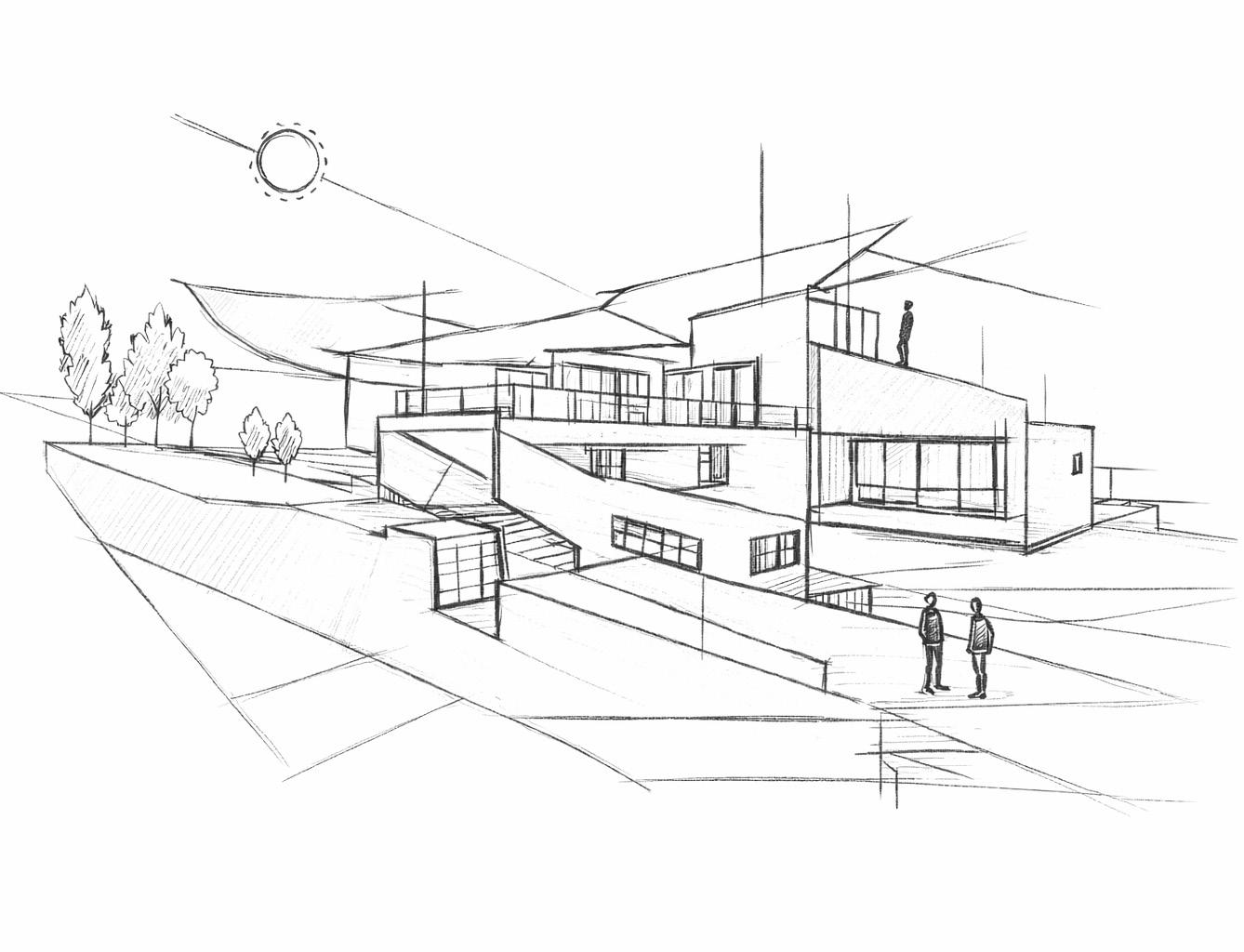
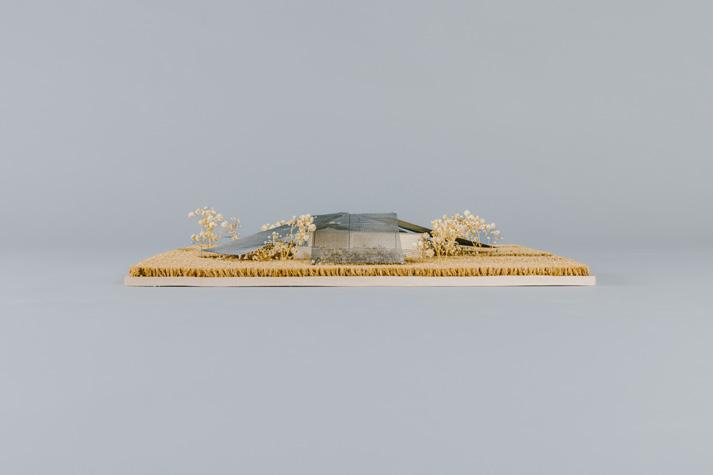
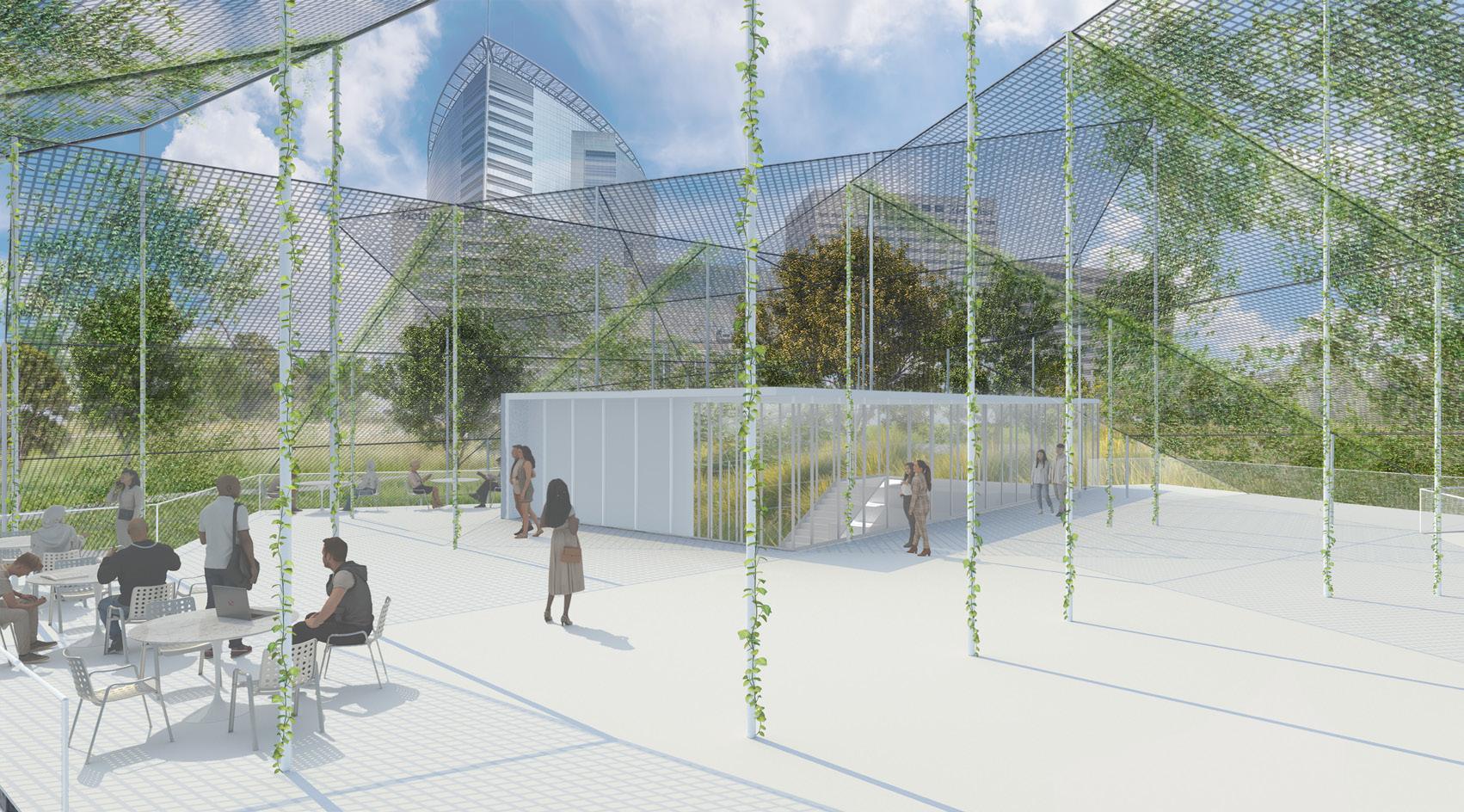
This project addresses site-specific adaptations and growth patterns through overlapping geometries and oblique surfaces. Contemporary architecture typically operates at a stationary pace, but this project is continuously adapting to the conditions of the site around it and is ever changing with the growth of the plants. It recognizes plant growth as part of the performance and seeks to magnify this process through architecture. The building serves as a home for the numerous plants that thrive on the site, transforming vegetation into a living tapestry and architecture into a canvas that supports natural growth.
Project Analysis
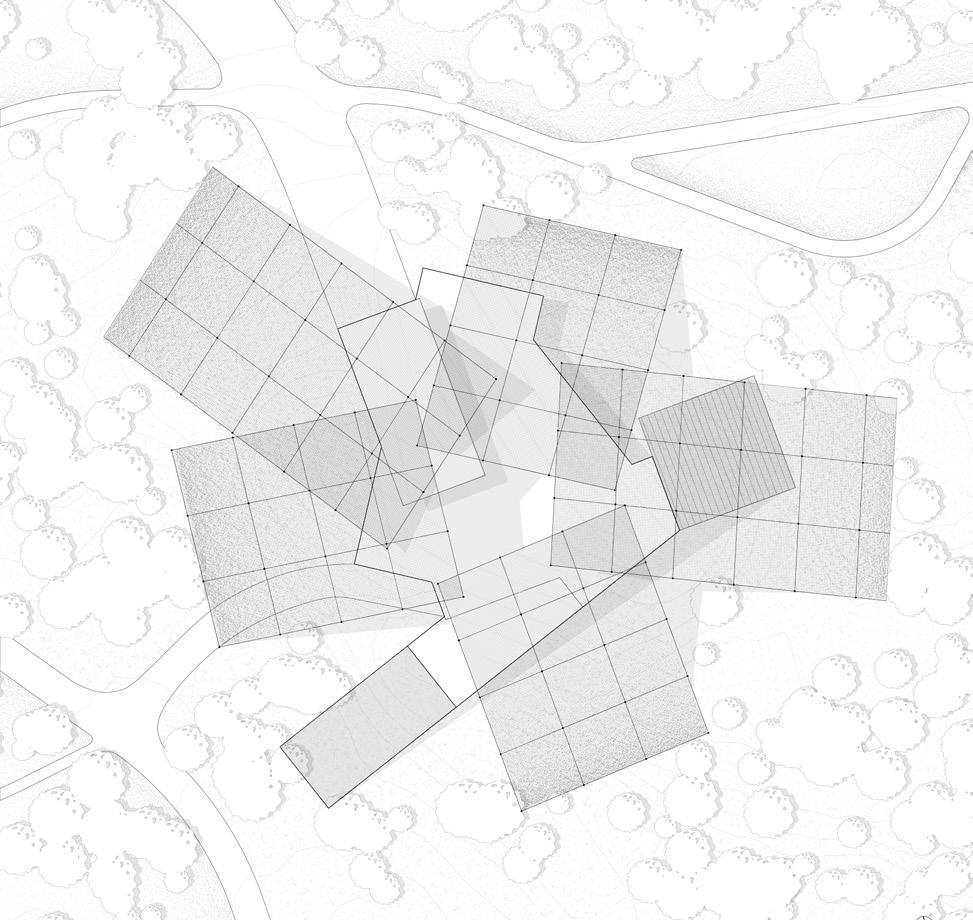
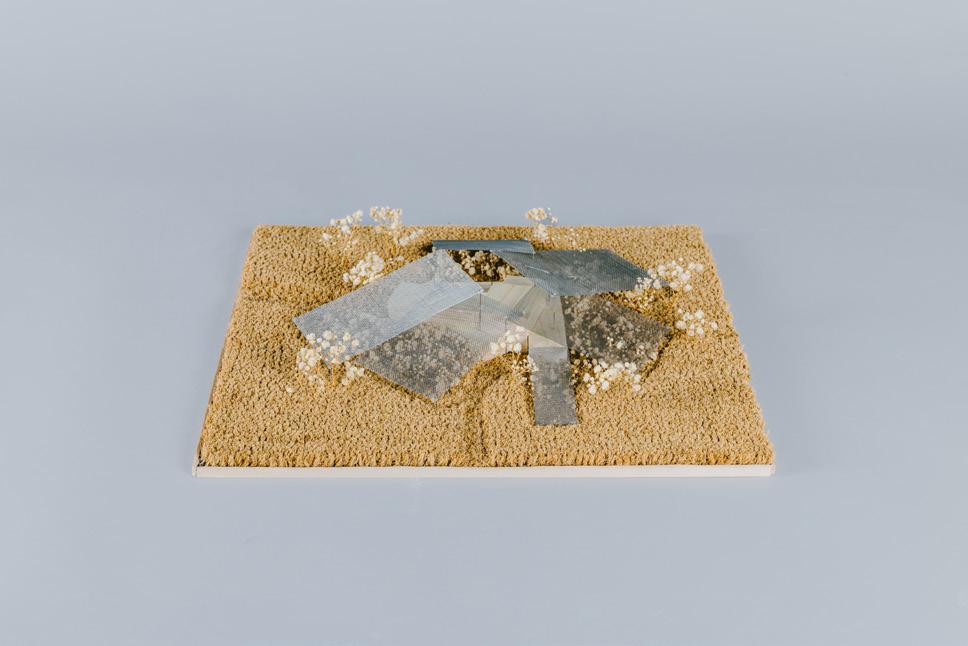
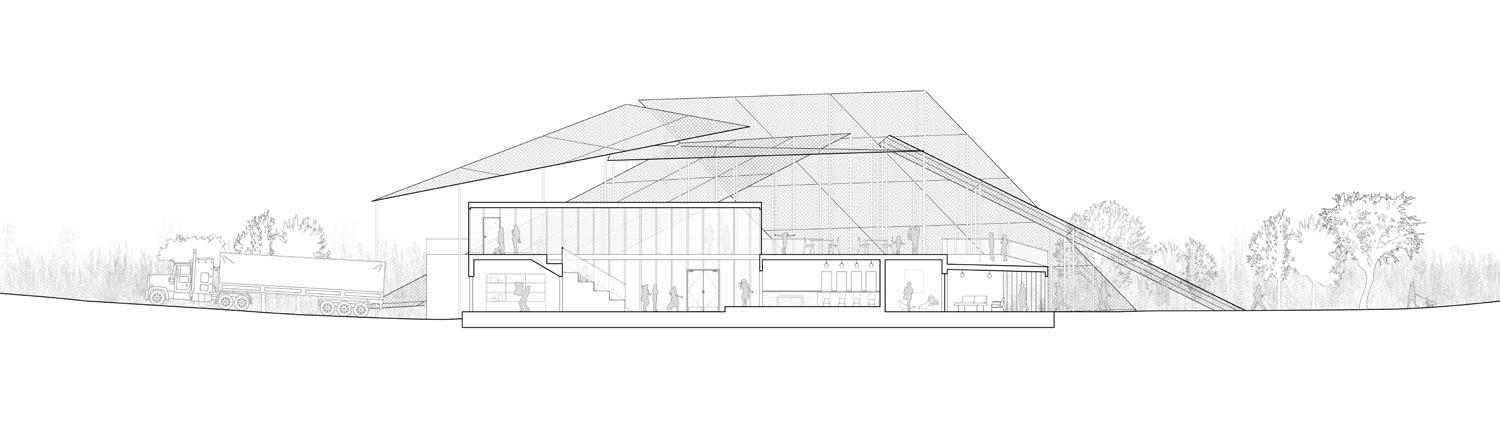
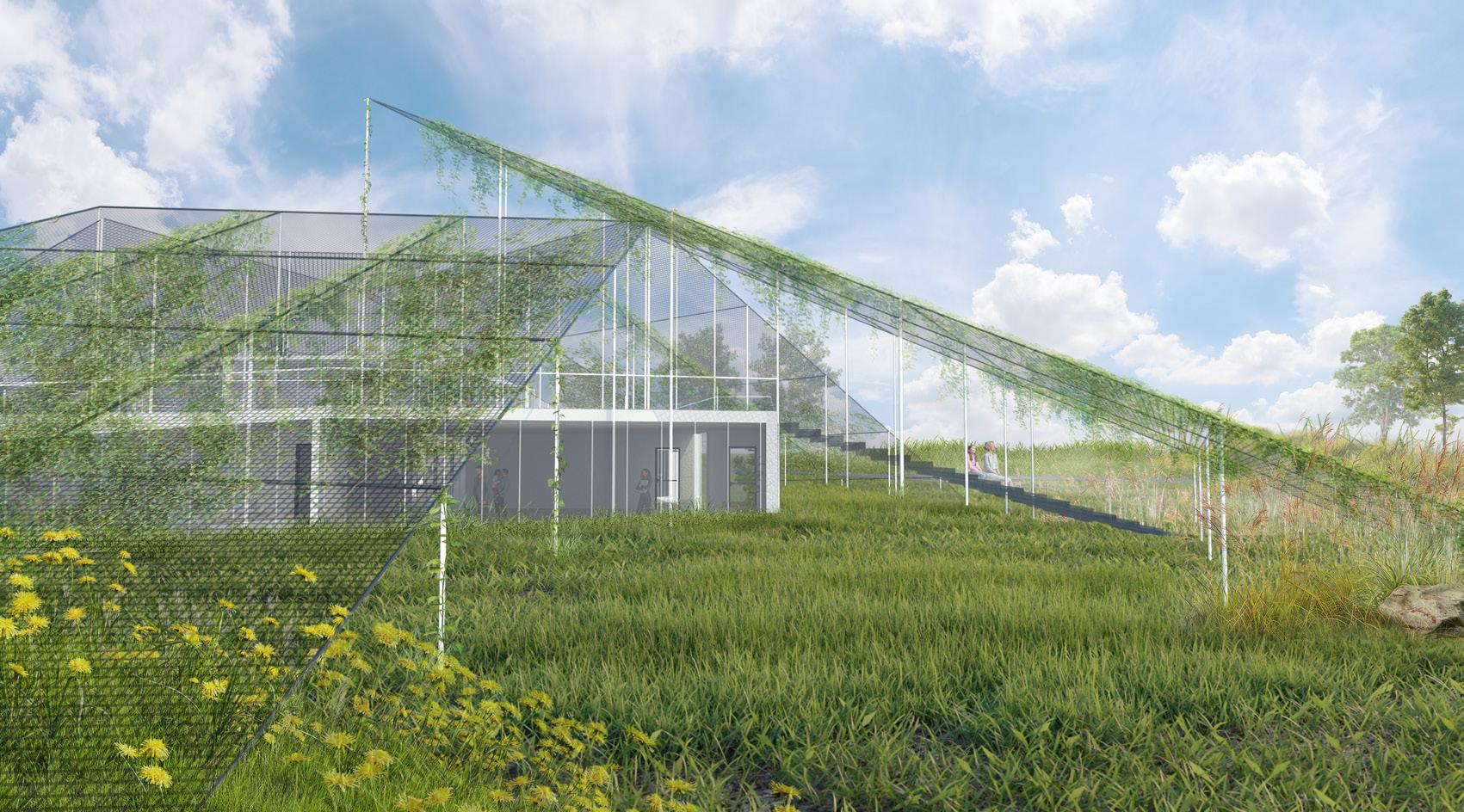
The building's façade features continuous light metal mesh oblique surfaces that grow from ground to envelope, serving as a canopy for plant growth that begins to produce fascinating spatial qualities. The central core is the sole enclosed area, while the rest of the structure transforms into a shading pavilion, allowing mesh to extend into the site. Mesh treatment elevates performance in various parts of the building by allowing plants to grow on top and through the mesh. The structure enables one to experience plant growth through seasonal changes as well as the density of plants at various rates. As plants begin to grow and poke through the mesh, they produce a mosaic of varied grains, patterns, and colors, enhancing performance and engaging growth in architectural experience.
Center for Natural and Cultural Performances on the Rice campus
Fall 2024, Zhicheng Xu’s studio
Landscape Focus
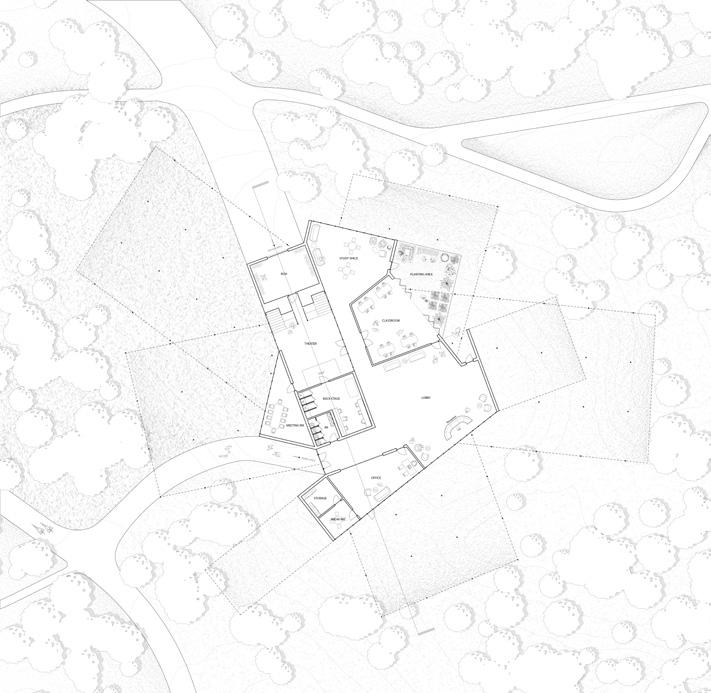
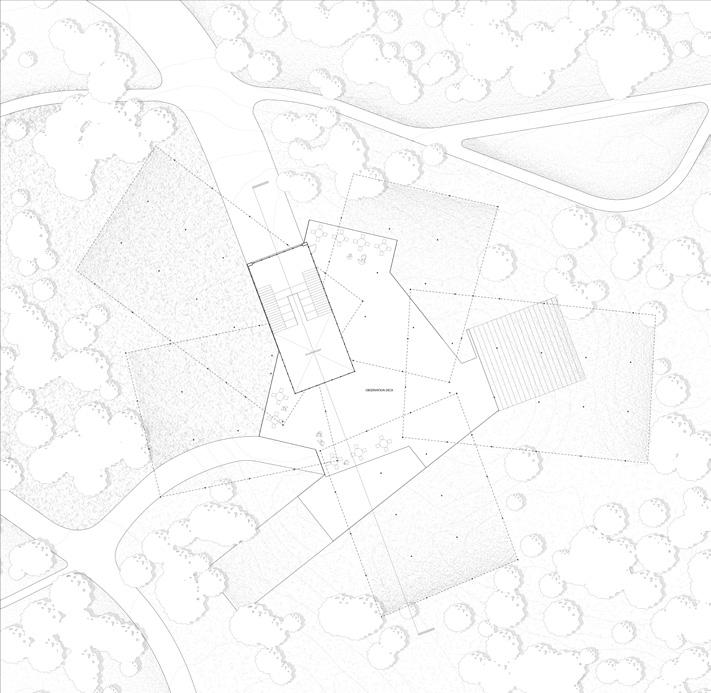
During an early fall site study, I observed dense clusters of prairie grasses, some reaching up to ten feet which altered the reading of the site’s topography and formed organic pathways. This seasonal variability informed a design that preserves and adapts to the landscape’s changing character, creating a contemplative space where nature and architecture intertwine. The ground floor houses primary programs, including classrooms that open to outdoor gardens and a double-height theater, while the upper level serves as an observation deck overlooking the Texas Medical Center and Rice University. Mesh canopies, ramps, and occupiable surfaces extend the building into the vegetation, supporting plant growth and fostering immersive environmental engagement.
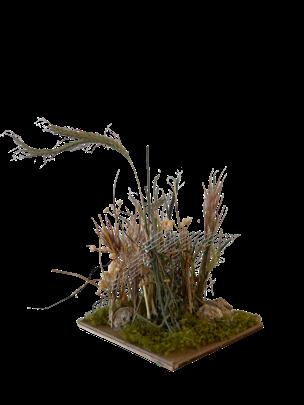

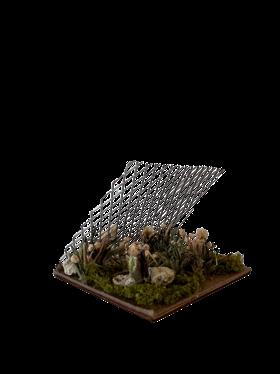
FALL Plant growth reaches its peak density and height, overtaking portions of the mesh framework. Rich textures, varied colors, and layered patterns create the most immersive and experiential condition where architecture and vegetation fully integrate to produce a dynamic seasonal mosaic.
SUMMER Vegetation enters an active growth phase, rising in height and weaving through the mesh structure. Plants begin establishing a layered tapestry, softening the architectural edges and initiating a stronger spatial dialogue between built form and landscape.
SPRING
Early-stage plant growth begins to emerge across the site, with delicate sprouting vegetation forming a low ground cover. At this stage, plant life has not yet fully penetrated the mesh framework, allowing the architectural structure to remain more visually exposed while signaling the onset of seasonal transformation.
PHYSICAL MODEL IMAGE 01
ROOF PLAN

CULTURAL CENTER
CULTURAL CENTER
PHYSICAL
PHYSICAL MODEL
THE BAYOU
Buffalo Bayou Park
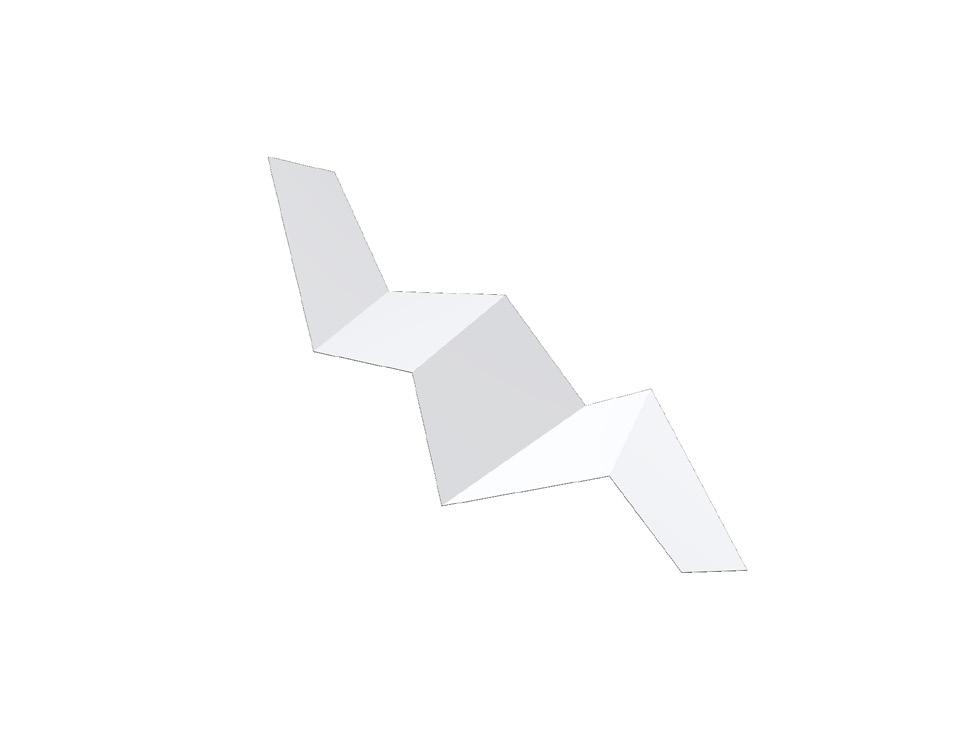
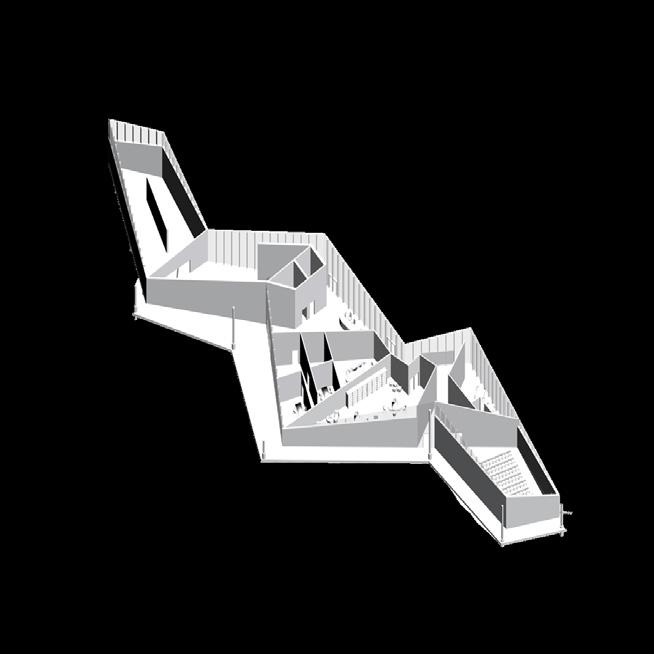
The project proposes a visitor center that educates the public on the Bayou system’s socio-economic and cultural significance through an emphasis on material ecology and tectonic expression. Inspired by the bayou’s slow, sinuous movement, the building’s faceted form and circulation reflect its prismatic flow, translating the dynamics of water into spatial experience. This articulated geometry frames key views toward the bayou and surrounding context while fostering a strong visual and physical connection to the landscape. Conceived as both an educational and experiential environment, the design encourages visitors to engage with the ecological systems that shape Houston’s urban fabric.
Project Analysis
The project brief was to translate the environmental and cultural narratives of the bayou into an architectural language. This is expressed through an articulated geometry that extends into section with a folded roof canopy, introducing natural light into enclosed programs while managing rainwater drainage. Conceived as a light figure within the landscape, the structure is elevated on stilts above a concrete foundation, allowing floodwaters to pass beneath. Durable materials such as steel and corrugated metal reinforce the building’s resilience and environmental responsiveness while maintaining a sense of visual lightness.
Ismaili Center
Montrose blvd
San Simion Apartments
Allenpkwy
Buffalo Bayou
Visitors Center for Houston’s Bayou System
Spring 2025, Carlos Jimenez studio




Plan & Organization Focus
The plan is organized around program adjacency to enhance the visitor experience, with the lobby serving as the central hub and two wings separating quiet and active zones. Angular walls guide circulation through key spaces including the gallery, café, classrooms, and theater while pulled-back perimeter walls allow continuous movement along the building’s edge, framing views of the bayou. The visitor center is conceived as a place of pause for engaging with the landscape
BUFFALO BAYOU VISITORS CENTER
Sectional Relationship to Landscape & Water
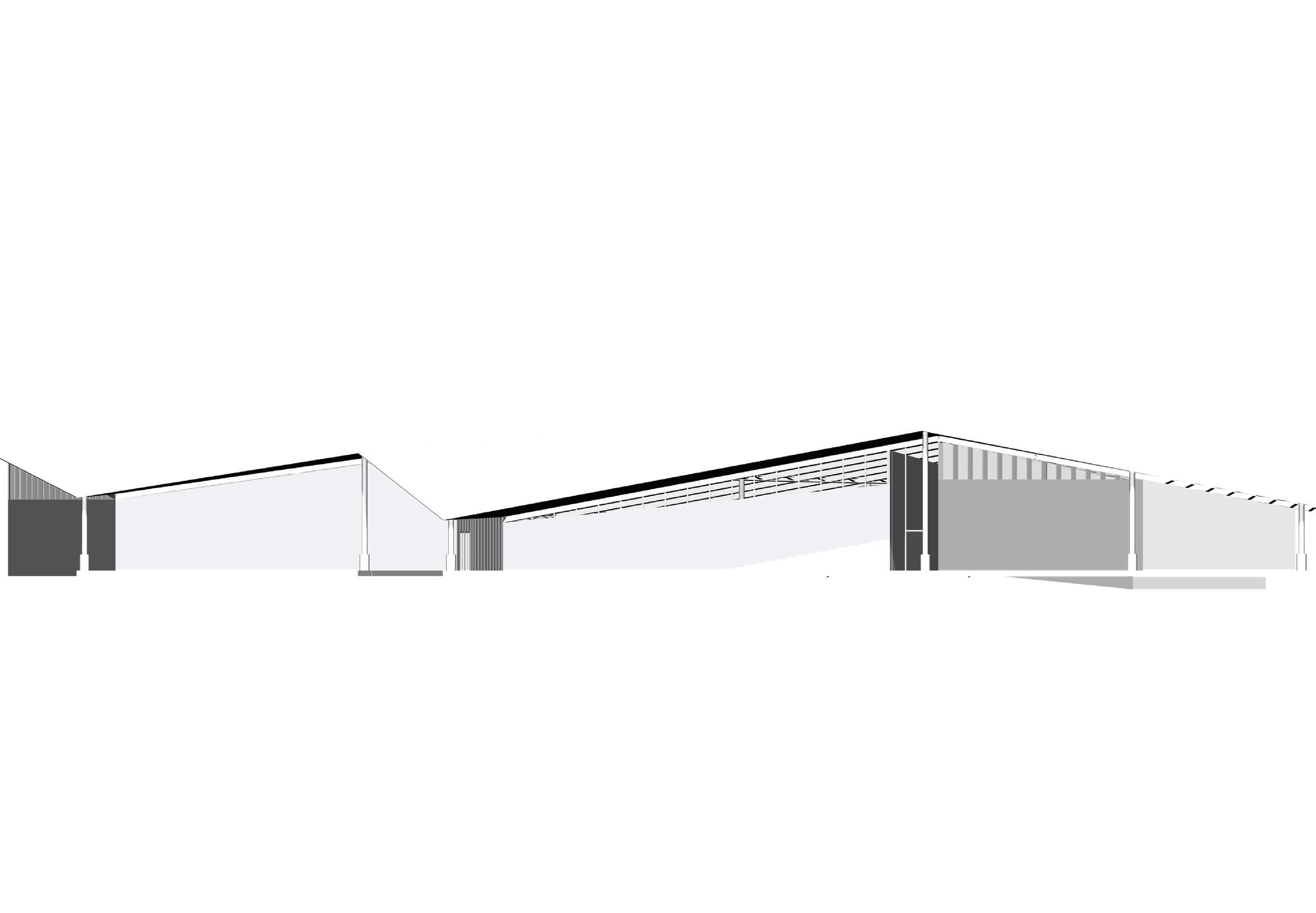
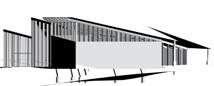
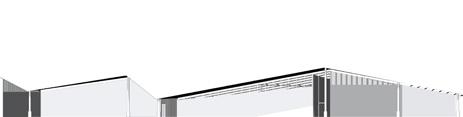
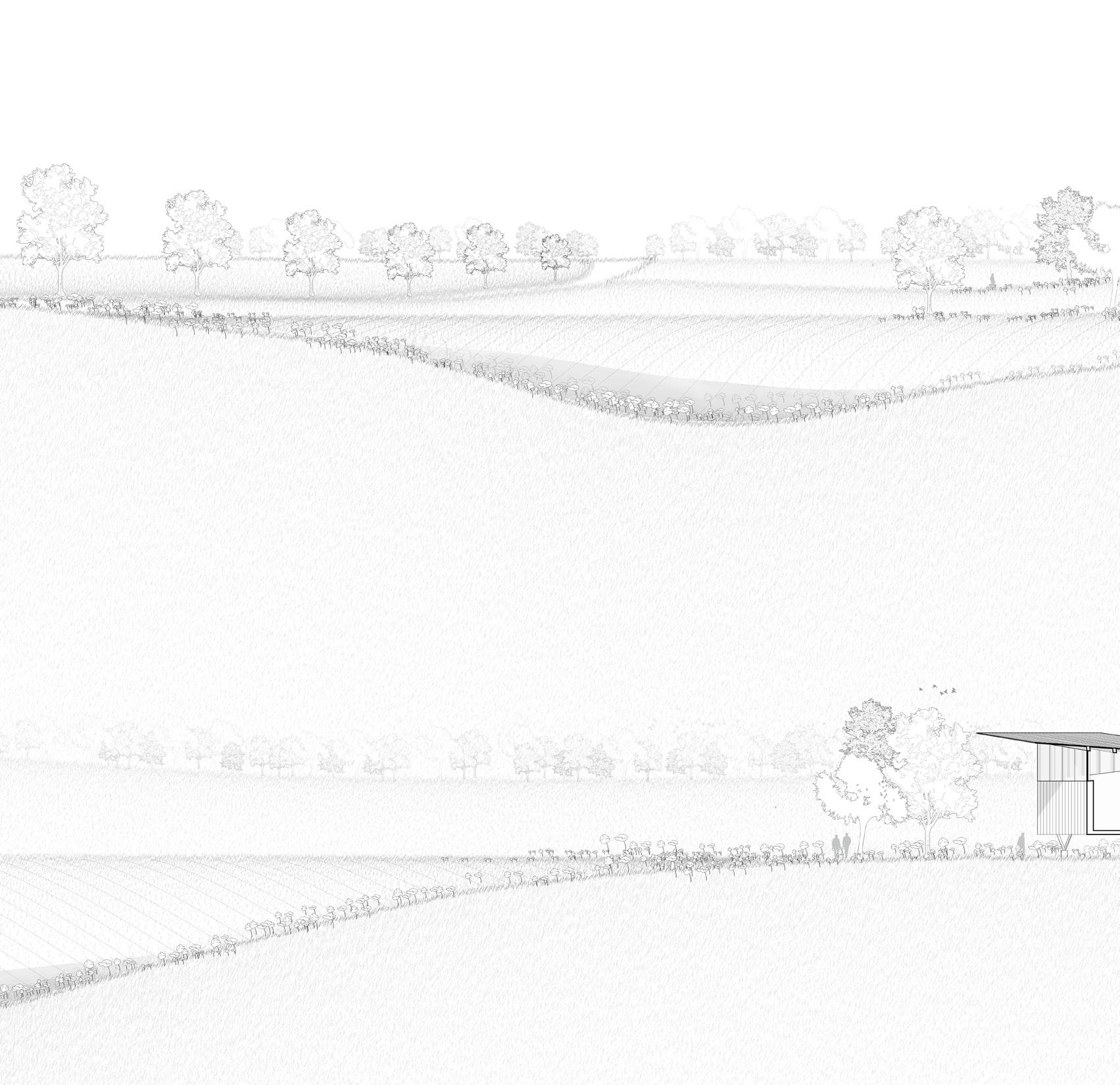
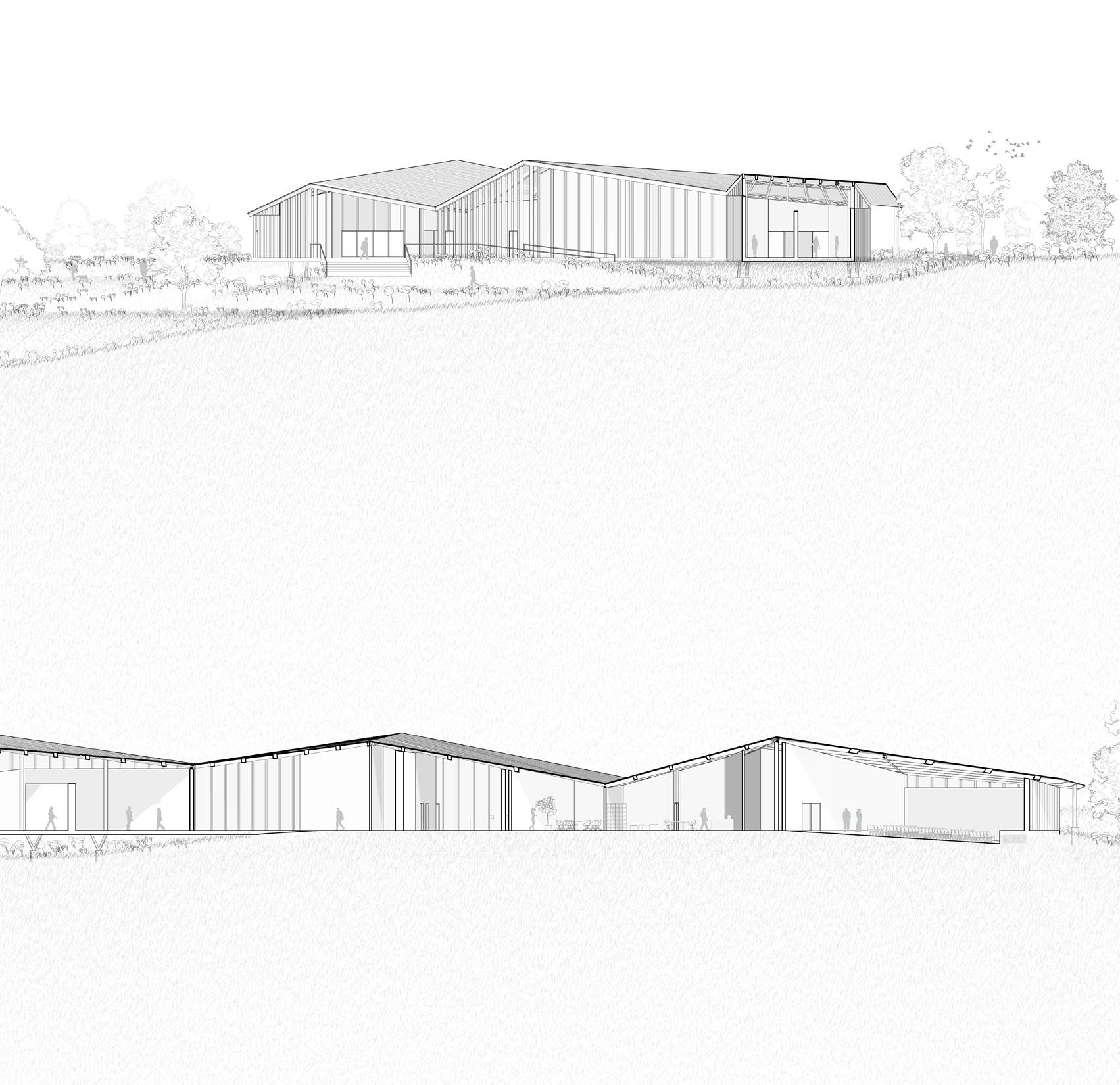
The sections illustrate the building’s integration with the bayou’s topography and flood conditions. A faceted roof brings natural light into interior spaces while directing rainwater through drainage valleys. Elevated on stilts above a concrete foundation, the structure allows floodwaters to pass beneath, reinforcing a light, floating presence within the landscape and strengthening the project’s ecological connection to the site.
THE FISSURE
Marfa, Texas
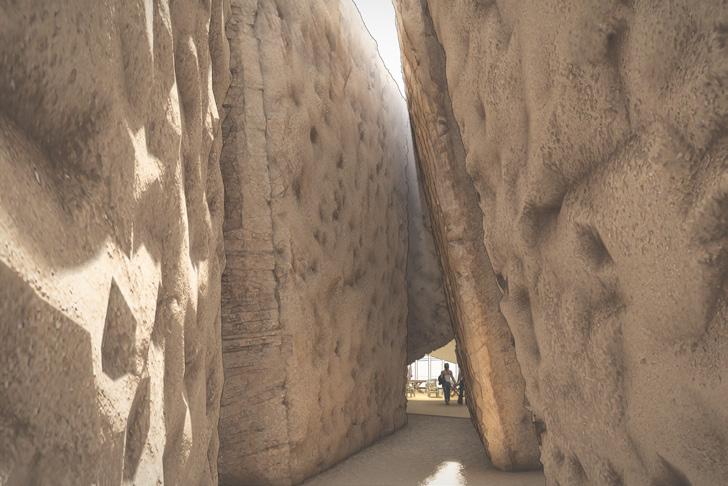
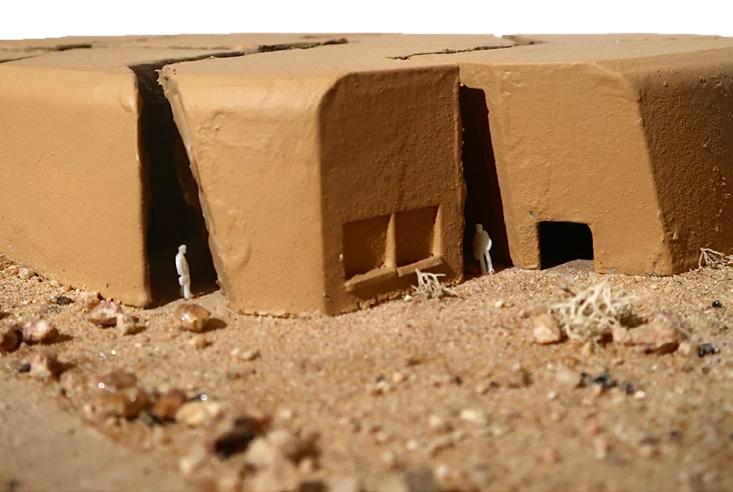
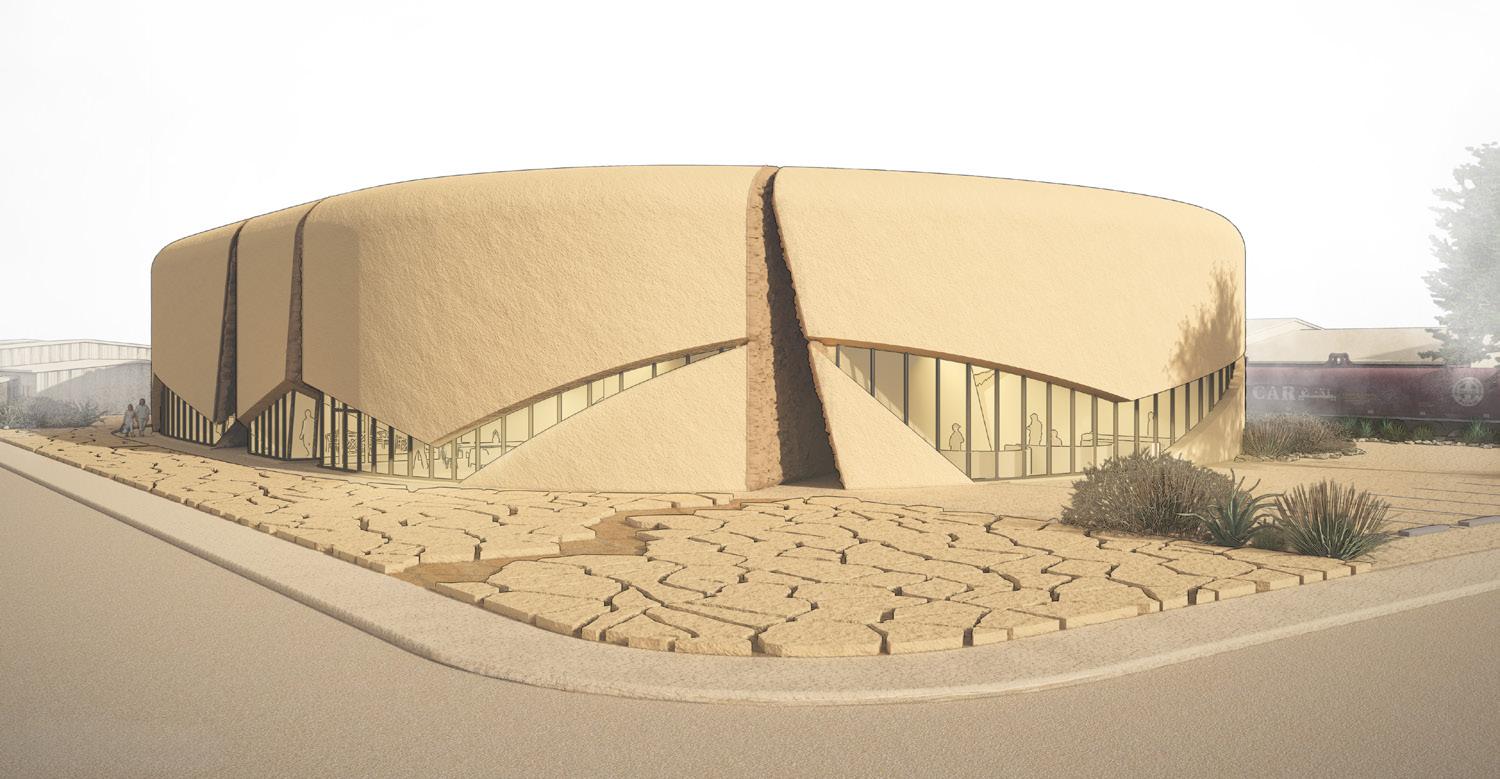
The project originates from an investigation of Marfa’s desert terrain, where cycles of extreme dryness and sudden rainfall continually reshape the ground. Clay-rich soils expand when saturated and contract as they dry, producing deep fissures that form irregular networks across the landscape. This geologic behavior became the foundation of the architectural concept: rather than designing a singular solid object, the building operates as an extension of the land itself. The design begins as a smooth, monolithic mass—an expression of containment—placed within the terrain and fractured by forces analogous to those shaping the desert, generating pathways and collective gathering spaces.
Project Analysis
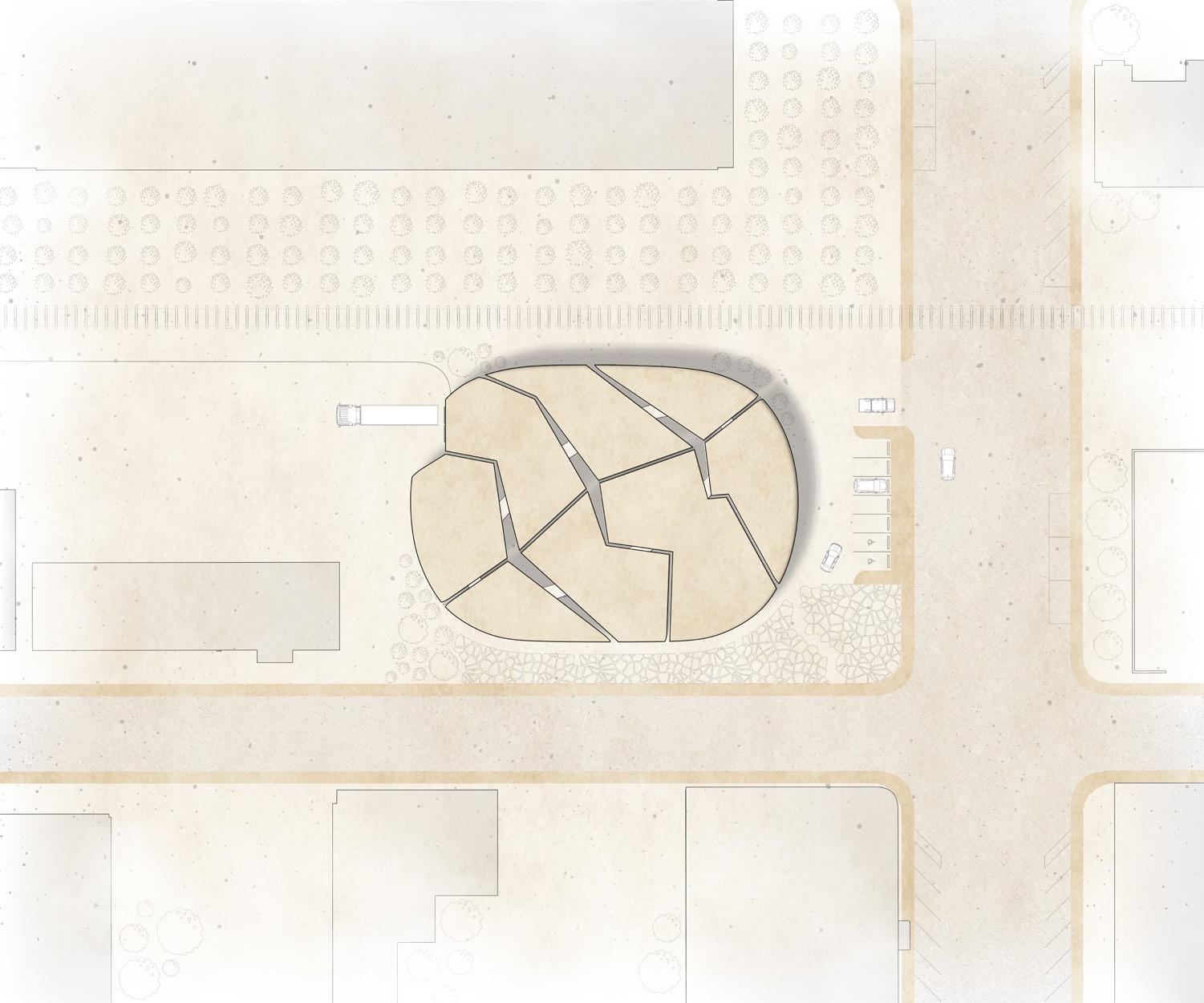
The project brief is to translate the desert’s fissure patterns into an architectural framework that organizes space and movement. The roof plan diagrams trace the evolution of these cracks as they are studied in plan, elevation, and façade openings, testing variations that best support program and spatial experience. Through this process, the fissure becomes a directional device, guiding circulation, framing light, and establishing visual connections between sky and ground. CONCEPT EVOLUTION
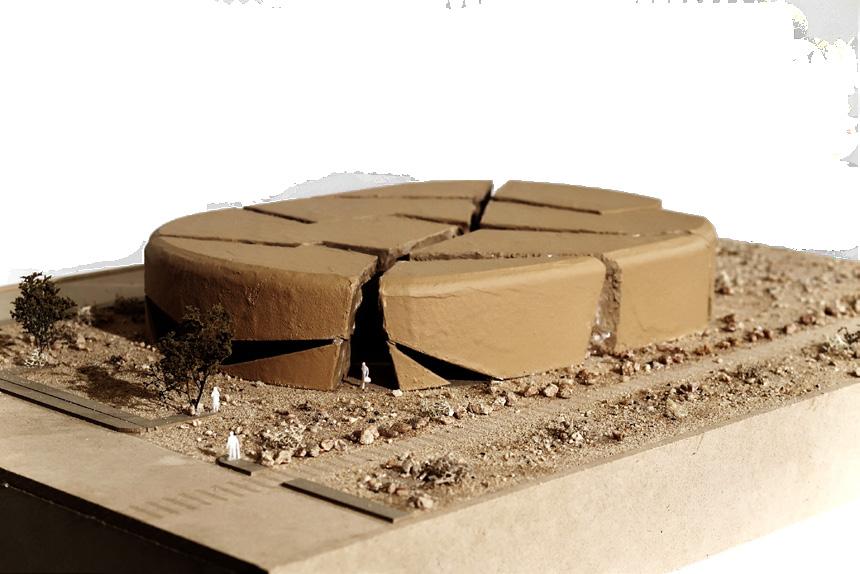
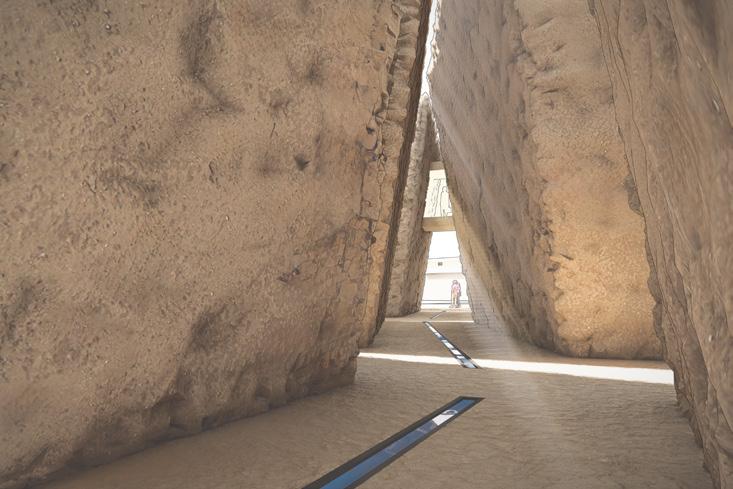
On the ground floor, architectural fissures establish the public realm and organize circulation. Service areas including loading, quarantine, and mechanical spaces are placed at the rear, allowing the front to prioritize public programs such as the lobby, café, community room, museum, and photography spaces. The cracks guide movement while forming outdoor corridors that create alternating moments of openness and compression.

The second floor shifts to private, climate-controlled archival environments. Storage vaults, conservation studios, and staff areas are embedded within thick, insulated masses designed for environmental stability. Circulation occurs through a network of short bridges that connect the fractured volumes, maintaining formal separation while enabling continuous workflow.

WELCOME
PHYSICAL MODEL IMAGE
WELCOME
ELPASOST
Landscape Focus
The overall expression reinforces the conceptual fracture through material and light. A smooth precast concrete shell establishes a quiet, monolithic exterior, contrasted by cast-inplace fissure walls with rough, eroded textures that read as if the mass has split open. In section, roof planes taper toward these openings, drawing daylight downward in narrow canyon-like slivers that shift throughout the day, while at night the cracks reverse in character and glow from within. Layered concrete wall assemblies, continuous insulation, and deep pier foundations ensure both structural integrity and the strict climatic stability required for archival spaces. Ultimately, the building reenacts the landscape that shaped it, transforming rupture into spatial experience, and creating space for people, art, and light.