Minnesota’s Most Rural Diocese Diocese of New Ulm Vol. 40 No. 4 January/February 2026
Minnesotans brave the cold to advocate for the voiceless at the March for Life
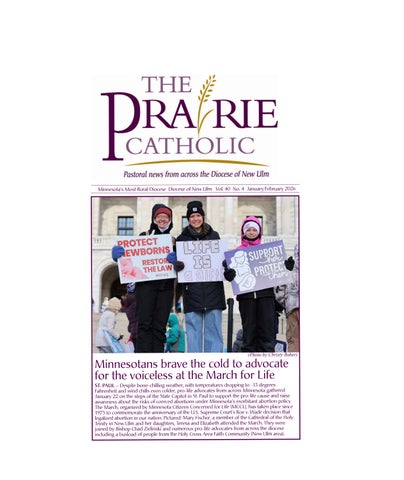
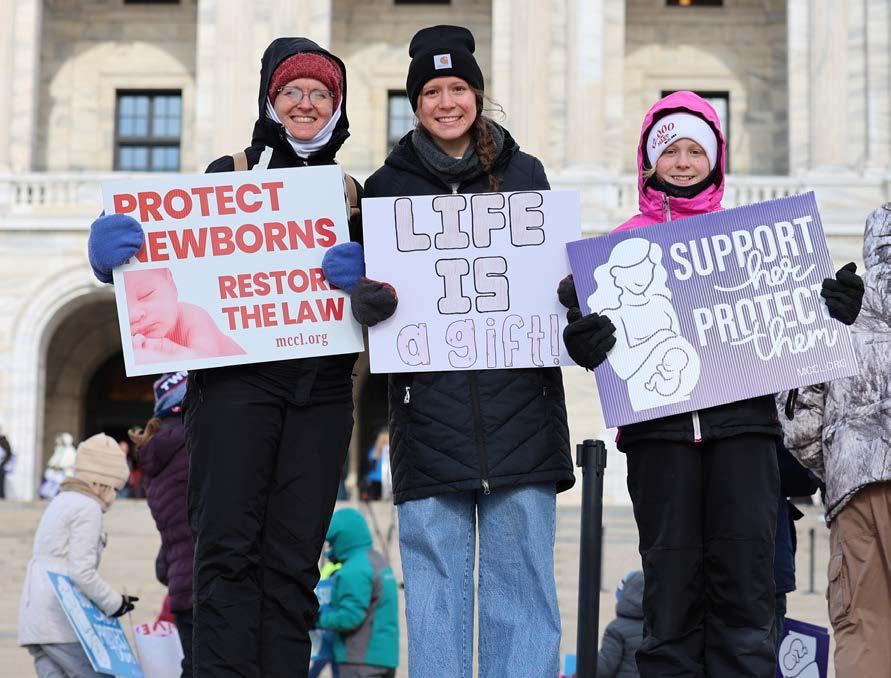
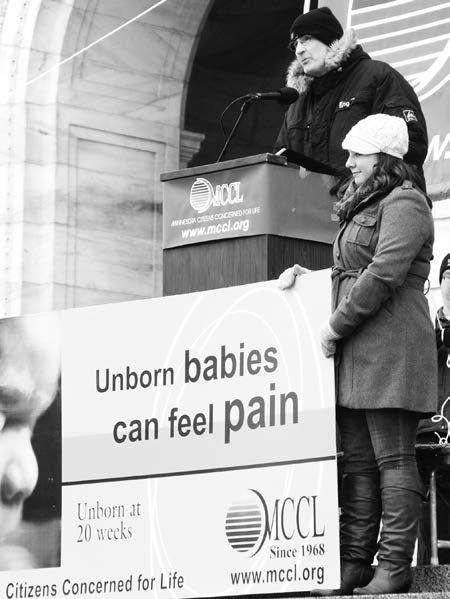
ST. PAUL – Despite bone-chilling weather, with temperatures dropping to -13 degrees Fahrenheit and wind chills even colder, pro-life advocates from across Minnesota gathered January 22 on the steps of the State Capitol in St. Paul to support the pro-life cause and raise awareness about the risks of coerced abortions under Minnesota’s exorbitant abortion policy. The March, organized by Minnesota Citizens Concerned for Life (MCCL), has taken place since 1973 to commemorate the anniversary of the U.S. Supreme Court’s Roe v. Wade decision that legalized abortion in our nation. Pictured: Mary Fischer, a member of the Cathedral of the Holy Trinity in New Ulm and her daughters, Teresa and Elizabeth attended the March. They were joined by Bishop Chad Zielinski and numerous pro-life advocates from across the diocese including a busload of people from the Holy Cross Area Faith Community (New Ulm area).
(Photo by Christy Baker)
Distinguished evangelist,
REDWOOD FALLS –
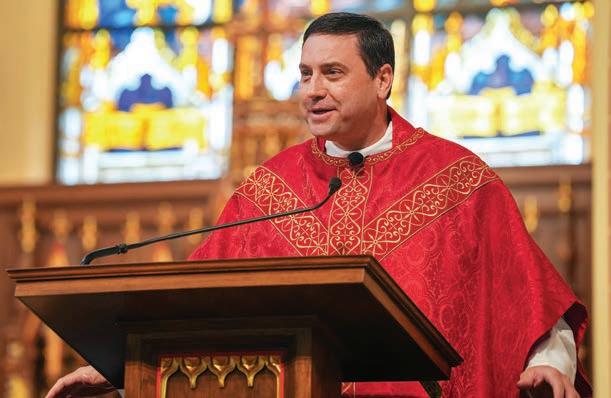
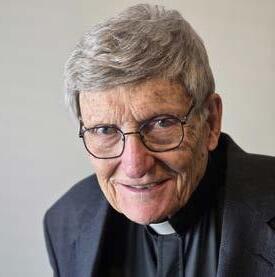
Monsignor James Shea, president of the University of Mary in Bismarck, N.D., will speak at the 2026 Bishop Lucker Lecture on Friday, March 6, at the Church of St. Catherine in Redwood Falls. The event starts with a 6 p.m. Mass celebrated by Bishop Chad Zielinski, followed by Monsignor Shea’s talk, “Mission in a Changing Culture – How Catholics can Understand, Teach, Evangelize in Today’s Culture,” from 7-8:00 p.m. The event is free, with no registration required.
Monsignor Shea shares insights with The Prairie Catholic pertaining to his upcoming talk.
Q. As a published author, could you explain the title of your 2020 book, From Christendom to Apostolic Mission and the inspiration for it?
The annual Catholic Schools Week was celebrated the week of January 25-31 in Catholic schools across the Diocese of New Ulm. (See special coverage on page 6.)
educator set to present
Monsignor Shea: That book was born out of discussions among a small group of friends who care about the Church. A manuscript emerged from these talks, sitting on my desk for three years before we finally published it during the pandemic in May 2020, initially as an internal piece for the University of Mary. I wanted people to know what was happening in the wider culture and why we were making certain decisions at the University in a particular way. But to our great surprise, it started selling, and it has touched a nerve.
The book reiterates what the popes of the last 60 years have been saying over and over again— that we’re not living in an age of change, but rather a change of age. We’re experiencing the first post-Christian civilization in history, as noted by C.S. Lewis, highlighting the challenges of reaching a generation that has lost its Christian foundation.
Long-standing strategies that worked in a time of Christendom —when [society was guided by] the Gospel and the ideas of the Gospel, as well as the imaginative vision that was imparted to us by Christ and that animated the first apostles—have gradually lost their relevance. Our civilization, through a slow but steady process, has thoroughly rid itself of its Christian basis. And so, we’re living in the first post-Christian civilization in history.
Q. The follow-up to that book is “The Religion of the Day” and it talks about the false creed of our society. What advice do you give to those who are trying to resist a culture that aims to create its own version of religion?
at Bishop Lucker Lecture
Monsignor Shea: The end of the first essay from Christian apostolic mission emphasizes that the key task in the New Apostolic age, which is what we’re living in, is the conversion of the mind. It’s to recapture a Christian way of seeing. It’s to recapture what we call the Catholic imaginative vision. And that’s contrasted to a progressive religion, which takes many of its cues from Christianity, but which in fact is a counterfeit. It’s not an authentic form of Christianity, and in fact, departs from it in decisive ways, quite on purpose.
And so, the second essay, “The Religion of the Day,” was written to explicate that. It’s a touch longer. It’s a little bit heavier, in terms of philosophy, theology, history, the implications of that. That, I think, is simply to flesh out what is the religion that’s all around us. So when you ask about advice, my first bit of advice is, don’t be asleep. Don’t think that we’re just living in a purely secular age. We’re living
in a highly religious time. But the religion is not Christianity, but in many ways, it masquerades as Christianity, because it takes many of the of the founding principles of Christianity, adopts them as its own, and in fact, borrows as well the great mythic force of Christianity.
This reflects a great triumph for the enemies of God, as we’ve developed a belief system that many don’t even recognize as a religion. We have a religion which somehow has succeeded in taking the Good News and making it seem like bad news, and which borrows the mythic force, the potency of Christianity and metastasizes it, changes it.
And so, we really need to be aware of that. Many people aren’t. As a result, a lot of believers, a lot of fervent Christians, and a lot of solid Catholics can find themselves caught up in causes which seem Christian because they’re caring or they speak of good Christian values like
freedom or hospitality. And yet, if you scratch the surface, you see that there’s something profoundly contrary to the Gospel right beneath them that’s easy to get caught up in if you don’t understand the principles according to which the new religion of our time operates.
Q. It seems both of these books urge people to live intentionally, and you’ve already talked about some of the practical ways to do that, first, by staying awake. Besides staying awake, what other ideas do you have for living intentionally in today’s culture?
Monsignor Shea: My biggest piece of advice would be to seek out books that are deeper and better than those two essays, which are not hard to find. Here’s the thing: we’re living in an embarrassment of riches. For those who are looking to be formed deeply in the faith and have their minds transformed, there are all kinds of resources out there that were never available to past generations or were not as readily available. And so to tap into those, I think, is profoundly important.
And then to live a life of faith which is not marked by anger or reaction. This is really, really important because I think one of the rotten fruits of this new religion, of the times in which we live, is an obsession with utopian ideals, believing we can achieve a perfect society through human effort or politics. When people realize that things aren’t going in that direction, when the inevitability of progress isn’t so
(Continued on page 5.)
Monsignor James Shea will present at a special day program followed by the evening Bishop Lucker Lecture March 6 in Redwood Falls.
The Bishop’s Column: That they may have life
Holding on to the Real Body of Christ
by Bishop Chad W. Zielinski
On June 8, 2026, I will celebrate 30 years since my priestly ordination. As I reflect on this milestone, I am extremely humbled by the many times I have had the honor of pronouncing the words of consecration: “This is my body… this is my blood.” This profound reality has lifted me to spiritual heights, uniting me with the Communion of Saints in the heavenly liturgy.
Throughout my years as a priest, especially during times of great fear when serving as a chaplain in a war zone, I have held onto the living and Real Body of Christ during Mass, with my feet planted firmly on the ground, even while under missile attack.
Like many of my brother priests, I have served parishes where I celebrated six Masses on weekends, often adding weddings and funerals to my busy schedule. However, although never doubting the Real Presence of Christ, there have been moments, due to sheer exhaustion, when I felt that my heart and mind did not fully grasp, as they should, the significance of our Lord’s words at the Last Supper: “This is my body, which will be given up for you.” Nevertheless, I am always deeply moved by the faith of the congregation who gather for Mass. When they come forward to receive the Risen Christ in Holy Communion and respond with a heartfelt “Amen,” their unwavering belief that it is truly Jesus becomes very evident. They wholeheartedly believe that the Eucharist is his Body, Blood, Soul, and Divinity—the perfection
PTHERA RIE CATHOLIC
The Prairie Catholic, the official newspaper for the Diocese of New Ulm since May 1972, is published every six weeks, Sept.–June.
Publisher: Bishop Chad W. Zielinski
Editor: Christine E. Clancy
Publication office: Diocesan Pastoral Center, 1421 6th Street North, New Ulm, MN 56073; phone: 507-359-2966, Email: dnu@dnu.org Website: www.dnu.org
Postmaster: Send notice on Form 3579, “The Prairie Catholic,” 1421 6th Street North, New Ulm, MN 56073-2071. Periodical postage paid at New Ulm and additional mailing offices. USPS 926-760.
of love that can bring healing and hope to their lives. This action of Christ offering his body, along with the Father’s raising him from the dead through the mighty power of the Resurrection, is driven by an incomprehensible movement of Divine Love—a love that seeks to rescue, redeem, heal, and draw us closer to him. Every time we encounter this Divine Love, Christ lifting up his entire Mystical Body, he wants us to believe and know that we can live in a healed and redeemed state, and this “giving up of his body” is for us!
Defending the dignity of every person.
On January 22, 2026, I had the honor of being the homilist for the hundreds gathered on that extremely frigid morning, both from the Diocese of New Ulm and beyond, during the annual Prayer Service for Life held at the Cathedral of Saint Paul in St. Paul. In my homily, I reminded everyone that each of us, from conception, is created to be a sacred vessel where God’s love is brought to perfection within us. This elevation is embodied in Christ, who raises each of us—especially those children longing to be born and those who are finishing their earthly journey—to a noble status. Christ reigns in heaven as our Risen King, and we share in this great nobility. This is God’s sacred plan for each person, and therefore the Church, in her prophetic voice, must stand for the dignity of every human person.
On March 25, 2024, Pope Francis approved the document “Dignitas Infinita” (Infinite Dignity). It begins: “Every human person possesses an infinite dignity, inalienably grounded in his or her very being, which prevails in and beyond every circumstance,
Diocesan
state, or situation the person may encounter. This principle, which is fully recognizable even by reason alone, underlies the primacy of the human person and the protection of human rights. In the light of Revelation, the Church resolutely reiterates and confirms the ontological dignity of the human person, created in the image and likeness of God and redeemed in Jesus Christ. From this truth, the Church draws the reasons for her commitment to the weak and those less endowed with power, always insisting on ‘the primacy of the human person and the defense of his or her dignity beyond every circumstance.’”
The next time you attend Mass, listen closely to the priest’s invitation during the preparation of the gifts: “Pray, brothers and sisters, that my sacrifice and yours be acceptable to God, the almighty Father.”
This is a time in which each of us is uniting our bodies, and the bodies of those who desire to be born and to live, with the Body of Christ offered on the altar. In the name of divine love, Christ will transform everything within us through the power of his Resurrection.
As we approach to receive Holy Communion and respond with “Amen,” we are affirming to Christ that we will be protectors and promoters of the dignity of all our brothers and sisters united in his Mystical Body, especially those who cry out to be born. This desire flows from God’s divine design and is rooted in our very essence. This is beautiful news—the Good News that God created each of us to draw closer to him every day, and his Son is raising us up to heal us and unite us as a redeemed family of God.
financial report found to be encouraging Bishop Zielinski: “Ongoing support crucial to our mission”
by
Bishop Chad Zielinski
I am pleased to present the Diocese of New Ulm annual Financial Report for Fiscal Year 2024-2025, located on page 3 of this edition of The Prairie Catholic. This comprehensive report provides an overview of the diverse ways our diocese has come together to support both spiritual initiatives and Corporal Works of Mercy.
Each year, the Diocesan Finance Council conducts a thorough review of the audited financial
statements. The financial presentation is based on these audited statements. In addition, I am pleased to report that the diocese received a clean audit report from Christianson, PLLP, out of Willmar, Minn. This is a testament to the hard work and dedication of Carol Hacker, the diocese’s director of Finance, and the continued support from the entire Finance department.
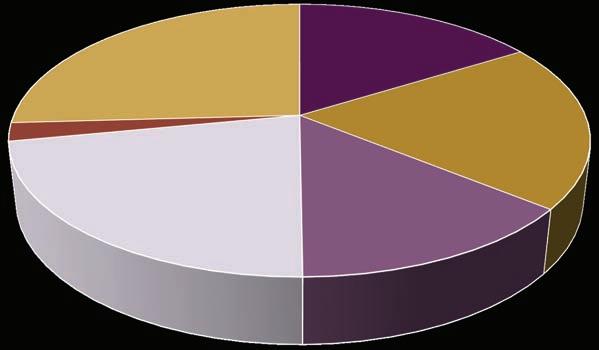
A significant influence on our diocesan operations is the generous contributions to the annual Diocesan Ministries Appeal (DMA). Over the past year, a remarkable $1,247,000 from DMA funds were allocated to support specific diocesan programs that address vital needs and ministries. These funds enabled the diocese to enhance our outreach efforts, provide essential services, and facilitate numerous initiatives that benefit parishes and many individuals and families.
It is important to note that every donation to the DMA is earmarked exclusively for the designated programs outlined in the promotional materials that accompanied the appeal. Financial support for this annual appeal is crucial to sustaining the ministries that serve the Diocese of New Ulm and beyond.
Financial overview
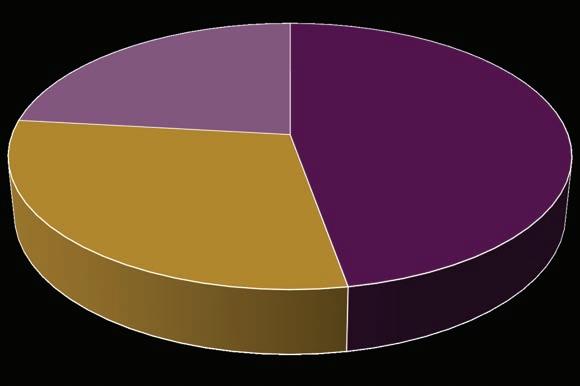
The financial report shows that half of the expenses were allocated to ministries focused on evangelization, catechesis, and social concerns for lay Catholics within our diocese. Additionally, 16% of expenditures were dedicated to the formation and ongoing education of seminarians, permanent deacons, and priests. The remaining onethird of diocesan expenses is split between office administration, which includes the operations, finance, development, and pastoral center offices, and
religious administration, which comprises the office of the bishop, tribunal, chancellor, diocesan shrines, and subsidies to diocesan organizations.
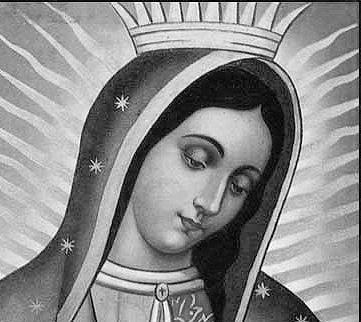
We concluded our fiscal year with the highly successful 2025 Jubilee Year “Pilgrimage of Hope” and the rededication of our diocese to Mary, recognized under the title “Our Lady of the Prairie.”
I extend my sincere appreciation to the Christian faithful of this diocese. Your ongoing spiritual and financial support is crucial to our mission to fulfill the Great Commission.
As we enter this New Year, I encourage everyone to join in prayer to Our Lady of the Prairie, asking her to intercede on behalf of our diocese with her Most Holy Son. Thank you for your continued support.
A group of Diocese of New Ulm pilgrims pose for a photo with Bishop Zielinski following the January 22 Prayer Service for Life at the Cathedral of Saint Paul in St. Paul. (Photo by Christy Baker)
diocesan church Diocese of New Ulm Statement of Activities
(July 1, 2024 - June 30, 2025)
Aferrándose al Verdadero Cuerpo de Cristo por Bishop Chad Zielinski
El próximo 8 de junio de 2026 celebraré el trigésimo aniversario de mi ordenación sacerdotal. Al reflexionar sobre este don, me siento profundamente conmovido por las innumerables veces que he tenido el honor de pronunciar las palabras de la consagración: “Este es mi Cuerpo... esta es mi Sangre.” Esta realidad tan profunda me ha elevado a cumbres espirituales, uniéndome a la Comunión de los Santos en la liturgia celestial.
A lo largo de mis años como sacerdote, especialmente en momentos de gran temor mientras servía como capellán en una zona de guerra, me he aferrado al Cuerpo real y vivo de Cristo durante la Misa; con los pies firmemente plantados en la tierra, incluso bajo el estallido de los misiles.
Al igual que muchos de mis hermanos sacerdotes, he servido en parroquias donde celebraba seis Misas el fin de semana, además de bodas y funerales, una agenda agotadora. En esos momentos, aunque jamás dudé de la Presencia Real de Cristo, hubo instantes en que, debido al cansancio, sentí que mi corazón y mi mente no lograban asimilar plenamente, como deberían, el significado de las palabras de nuestro Señor en la
Para que tengan vida
Última Cena: “Este es mi Cuerpo, que será entregado por ustedes.”
No obstante, siempre me conmueve profundamente la fe de los fieles que se reúnen para la Eucaristía. Cuando se acercan a recibir al Cristo Resucitado en la Sagrada Comunión y responden con un «Amén» de todo corazón, se hace evidente su convicción inquebrantable de que es realmente Jesús. Creen plenamente que la Eucaristía es su Cuerpo, Sangre, Alma y Divinidad: la perfección del amor capaz de sanar y dar esperanza a sus vidas. Este acto de Cristo ofreciendo su cuerpo, junto con la acción del Padre que lo resucitó de entre los muertos mediante el poder de la Resurrección, nace de un movimiento incomprensible de Amor Divino; un amor que busca rescatarnos, redimirnos, sanarnos y atraernos hacia Él. Cada vez que nos encontramos con este Amor Divino, con Cristo elevando a todo su Cuerpo Místico, Él desea que creamos y sepamos que podemos vivir en un estado de sanación y redención, ¡y que esa “entrega de su cuerpo” es por nosotros!
En defensa de la dignidad de toda persona
El 22 de enero de 2026, tuve el honor de predicar ante cientos de personas congregadas en aquella mañana extremadamente gélida, tanto de la Diócesis de New Ulm como de otros lugares, durante el Servicio de Oración por la Vida que se celebra anualmente en la Catedral de San Pablo, en St. Paul. En mi homilía, recordé a los presentes que cada uno de nosotros, desde la concepción, ha sido creado para ser un sagrario vivo
donde el amor de Dios alcanza su plenitud. Esta elevación se encarna en Cristo, quien nos otorga a cada uno, especialmente a los niños que anhelan nacer y a quienes están terminando su camino terrenal, una condición noble. Cristo reina en el cielo como nuestro Rey Resucitado, y nosotros participamos de esa gran nobleza. Este es el plan sagrado de Dios para cada persona y, por lo tanto, la Iglesia, con su voz profética, debe defender la dignidad de todo ser humano.
El 25 de marzo de 2024, el Papa Francisco aprobó el documento “Dignitas Infinita” (Dignidad Infinita), el cual comienza así: “Toda persona humana posee una dignidad infinita, inalienablemente fundada en su propio ser, que prevalece en y más allá de cualquier circunstancia, estado o situación en que se encuentre. Este principio, plenamente reconocible incluso por la sola razón, fundamenta la primacía de la persona humana y la protección de los derechos humanos. A la luz de la Revelación, la Iglesia reitera y confirma con fuerza esta dignidad ontológica de la persona humana, creada a imagen y semejanza de Dios y redimida en Cristo Jesús. De esta verdad extrae las razones de su compromiso con los más débiles y menos poderosos, insistiendo siempre en “el primado de la persona humana y la defensa de su dignidad por encima de toda circunstancia.”
La próxima vez que asista a Misa, escuche atentamente la invitación del sacerdote durante el ofertorio: “Oren, hermanos, para que este sacrificio, mío y suyo, sea agradable a Dios, Padre todopoderoso.” Este es el momento en que cada uno de nosotros une su cuerpo, y el cuerpo de aquellos que desean nacer y vivir, al Cuerpo de Cristo ofrecido en el altar. En nombre del amor divino, Cristo transformará todo nuestro ser mediante el poder de su Resurrección.
Al acercarnos a recibir la Sagrada Comunión y responder “Amén,” le estamos afirmando a Cristo que seremos protectores y promotores de la dignidad de todos nuestros hermanos y hermanas unidos en su Cuerpo Místico, especialmente de aquellos que claman por nacer. Este deseo brota del designio divino de Dios y está enraizado en nuestra propia esencia.
Esta es una noticia hermosa: la Buena Nueva de que Dios nos creó a cada uno para acercarnos más a Él cada día, y que su Hijo nos está elevando para sanarnos y unirnos como una familia redimida de Dios.
Congratulations Bishop LeVoir and Bishop Zielinski on your upcoming priestly anniversaries!
45 Years
Most Rev. John M. LeVoir was ordained to the priesthood for the Archdiocese of St. Paul and Minneapolis on May 30, 1981, at the Cathedral of St. Paul in St. Paul, by Archbishop John R. Roach. He was appointed the fourth bishop of New Ulm by Pope Benedict XVI and installed on Sept. 15, 2008. He served until his retirement on Aug. 6, 2020. Bishop LeVoir turned 80 on February 7. Happy Birthday Bishop!
30 Years
Most Rev. Chad W. Zielinski was ordained to the priesthood for the Diocese of Gaylord on June 8, 1996, at St. Mary Cathedral in Gaylord, Mich., by Bishop Patrick R. Cooney. He was appointed the fifth bishop of the Diocese of New Ulm by Pope Francis and was installed on Sept. 27, 2022.
Priestly milestones
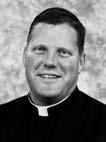
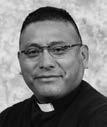
The Prairie Catholic congratulates priests of the Diocese of New Ulm celebrating significant priestly anniversaries in 2026. Thank you all for your many years of ministry.
Rev. James Barry was ordained Feb. 25, 1961. He retired from active priestly ministry in 2000. 65 Years
Years
50 Years
40 Years
Rev. Frederick Fink was ordained Feb. 25, 1961. He retired from active priestly ministry in 2005.
Rev. Jerome Paulson was ordained June 6, 1976. He retired from active priestly ministry in 2021.
Rev. Joseph Steinbeisser was ordained June 7, 1986. He serves as pastor of the Heart of Jesus Area Faith Community (Bird Island, Olivia, and Renville).
35 Years
Rev. Jeffrey Horejsi was ordained August 24, 1991. He serves as pastor of the Shepherd of Souls Area Faith Community (Darwin, Litchfield, Manannah, and Watkins).
25 Years
Rev. Anthony Hesse was ordained June 2, 2001. He serves as pastor of the Church of St. Anastasia and the Church of St. Boniface (Hutchinson and Stewart).
25 Years
Rev. Sam Perez was ordained June 2, 2001. He serves as the parochial vicar of the Divine Mercy Area Faith Community (Comfrey, Morgan, and Sleepy Eye).
diocesan church
Two Diocese of New Ulm priests celebrate 65 years of priesthood
by Christine Clancy The Prairie Catholic
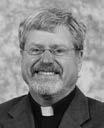
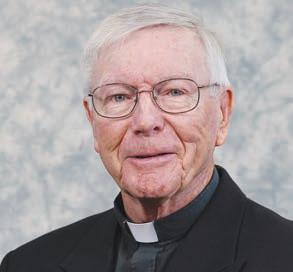
In February, two retired priests from the Diocese of New Ulm will celebrate 65 years of priestly service. Father Fred Fink began his vocational journey when his pastor suggested he consider seminary, a recommendation that he says was supported by his family. In contrast, Father James Barry had a clear sense of his calling and simply asked his parish priest, “What do I need to do to start the process?”
Father Fink and Father Barry were both ordained on Feb. 25, 1961, at the Church of St. Mary in Willmar by New Ulm’s first bishop, the Most Reverend Alphonse J. Schladweiler. They were the fourth class of priests to be ordained for the diocese, which was formed in 1957.
Father Fink describes his vocational journey as having an element of mystery. “In the
seminary, it often felt like I was backing into my vocation,” he said. “My thought was, ‘Well, Lord, I’ll keep going until you give me a clear sign that I should opt out.’ Well, God never did, so neither did I.” Father Fink now believes this was a response that the Holy Spirit could work with, and his life and ongoing vocational story have been marked by a gradual discovery.
In the years that followed, important mentors helped Father Fink fully trust in the goodness of God and God’s people, and in his own humanity. As a “wounded healer,” he realized he could be of help to others. “There were many parishioners who patiently helped me mature in my priesthood,” he said. “They helped me understand that while the seminary and ordination made me a priest, it was faith-filled parishioners who would form me as a pastor.” Through their love, example, and prayers, Father Fink finds himself today at peace and as energized as
ever to witness the Good News. He expresses deep gratitude to God and to those parishioners.
As Father Barry reflects on his 65 years of priesthood, he feels immense gratitude for many blessings. He is particularly thankful for the initial inspiration he received from his brother priest, the late Fr. Marion Casey, and his former parish priest, Fr. Paul Judge. He said both men exemplified the ideal priest and provided him with unwavering support and friendship. He also acknowledges the many people
he encountered in the diocese, including parishioners and, especially, lay persons, priests, and sisters who collaborated with him at both the parish and diocesan levels. In the early years of the formation of the diocese, Father Barry served as the first director of the offices of Worship and also Continuing Education of Clergy under New Ulm’s second bishop, the Most Rev. Raymond A. Lucker. “I was eager when Bishop Lucker invited me to establish a diocesan Office of Worship and the Office for Continuing Education of
Clergy. This opportunity allowed me to engage in further study and interact with our clergy and parishes, particularly in forming parish liturgy committees,” Father Barry said.
When asked, “What advice would you offer a young man discerning the priesthood?” Father Barry responded with several key points: “Be prayerful and continue seeking the guidance of the Holy Spirit. Be approachable and get to know your community—children, teens, adults, and seniors—making yourself available to them. Keep learning by reading widely and engaging in open dialogue. Prepare your homilies thoughtfully and preach with inspiration.
“Above all, be an example of the Gospel message through your life. Take time to enjoy life and appreciate its beauty; you will find God there.”
Monsignor Shea: “Living in a post-Christian age brings some positives”
(Continued from page 1.)
apparent, whether in our civil society or in the Church, people become fundamentally angry, and that can become their stance, by which they live their civic life and by which they live their faith.
This is precisely what the enemy wants. The new religious seeks a utopian ideal, but we reject that. Catholics believe in the doctrine of the fall, which teaches that our dioceses, parishes, schools, our families, workplaces, and our civic society are not meant to be utopian schemes that we can somehow bring to perfection through social reform and revolution, and the right kind of education and technique, or scientific progress.
Instead, they are places where we experience failure and renewal, where God can have his way, and where the renewal of the human race can continue to happen in every time and place. If we don’t understand that, we’ll misunderstand the Church, we’ll misunderstand our lives, and we’ll live kind of these angry, furtive lives, half in the shade. We’re not meant to live like that. We’re sons and daughters of a good God. God is not anxious. God is not angry. God is not concerned, wringing his hands. The Lord has the world firmly in his grasp. Our role is to be obedient and joyful warriors,
fighting the good fight, and to know that that is the work we’ve been given to do in this life, and that it’s an honor for us.
Q. You serve as president of the University of Mary and interact with young adults regularly. What gives you hope about today’s generation of faith?
Monsignor Shea: Living in a post-Christian age brings some positives. Faith is often expressed more joyfully and attracts those who are most pure in intention, who really have a heroic spirit about them, and who are intent on heading for glory.
We’re living in a time in which there are all these kinds of movements that brighten the darkness, and young people are at the root of it all. When I entered college, John Paul II’s 1993 World Youth Day in Denver marked a pivotal moment for the Church in the U.S. And since then, maybe even before, the Church in the United States has been filled with youthful energy that’s eager for reform and renewal and repentance, joyful repentance. And it’s really an exciting time in which to live.
Young people today seem to lack meaningful engagement and are influenced by a new “religion” at large public universities. Despite some spaces like Newman Centers,
many students are surrounded by ideas that ultimately feel insufficient and they sense that the revolutionary call for freedom often devolves into consumerism, leading to a squandering of that freedom. And so, I think young people are not impressed by what we’re handing down to them. The civilization they’re inheriting isn’t embracing them. It’s not challenging enough. It’s not enough. And so they want more, and the faith has more to give them.
Q. What do you think are the biggest challenges ahead for the Church?
Monsignor Shea: Pope Leo has highlighted the challenges of taking his name, Leo XIV, after Leo XIII and the previous Leos, including Leo the Great and Leo X, both of whom had notable controversies. But Leo XIII, of course, wrote Rerum Novarum during a time of significant change, amid the Industrial Revolution, facing conflicts between communism and capitalism. And Leo XIV believes that we’re living through such a time as well. In other words, we’re living through a change of age. It’s this Christendom’s, apostolic mission’s question.
This Holy Father acknowledges it, and he says that the current
technological revolution, including artificial intelligence (AI), presents an opportunity for the Church to apply its great tradition.
We’ve been thinking about things for a long time. We’re meant to be, as I think Pope Paul VI said, experts in the human person. And so, this is a pivotal moment for us to contribute not only to the Church but to humanity as a whole. Nobody else has the ballast to deal with these types of questions. I mean, most people have thrown in the towel in terms of that pesky question: just because we can do something, should we do it?
AI, somebody asked me about it the other day. I’m not an expert. I don’t know a whole lot about it. But on these questions, I’m a short-term pessimist and a longterm optimist. Every massive civilizational shift that’s come about because of technology has brought with it particular perils, sometimes very grave perils, but also promise. And so, it’s a matter of the human race digesting this new thing and determining how best to use it for good and not for destruction. And that’ll take a long time. But in order to do that, we have to rely upon God, because he’s the one who imparted that creative power.
Q. What virtue should we pray for most, and how can we gain it?
Monsignor Shea: So often we think of our faith as a burden. You know, wouldn’t it be something if we had never heard the Gospel? Then we could live however we pleased, and without consequence? Of course, that’s not the right way to look at it. God’s grace has set us free, and the Christian life isn’t a chore; it’s a joyful battle that fills us with strength and purpose. I think that it’s important for us not lose sight of that and to remember that the Lord is fighting with us all the time and to not lose hope in the midst of that. The question of how we keep that strength within us is a question of communion. It’s a matter of the life of prayer. It’s a matter of the sacraments. It’s a matter of staying close to God all the time. The Lord will draw us to himself as quickly as we can take it, and he’ll infuse those virtues in us too, which we need.
Editor’s note: Questions and Answers for this interview courtesy of Southern Nebraska Register, www.lincolndiocese.org/snr.
DAY PROGRAM: Monsignor Shea will also give two unique talks during the day on March 6 at St. Catherines from 9 a.m. to 2:30 p.m. Registration is required. Cost is $15. Visit dnu.org and click the banner at the top for details.
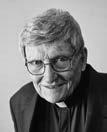
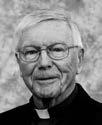
Father Fred Fink Father James Barry
TCATHOLIC SCHOOLS: UNITED IN FAITH AND COMMUNITY
he celebration of Catholic Schools Week, observed this year from January 25 to 31, provides a meaningful opportunity for our Catholic school communities to come together through special events. This annual event allows us as diocesan family to reflect on and honor the strong values that form the foundation of our Catholic schools in the Diocese of New Ulm. The celebration invites us to recognize the many enriching experiences that Catholic school students and staff engage in throughout the year.
In this edition of The Prairie Catholic, we highlight five of the 13 Catholic school communities within our diocese, offering insights into the unique experiences of students and staff while emphasizing the positive impact that Catholic schools have on our educational environment. (Visit www.dnu.org/schools for more Catholic school highlights!)
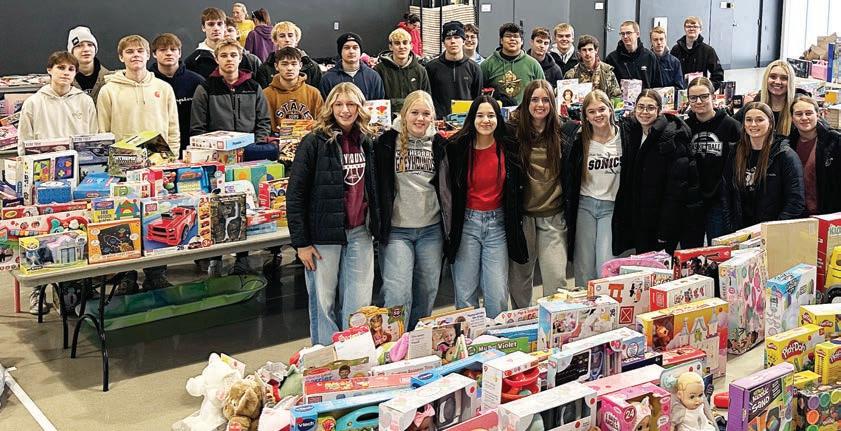
New Ulm Area Catholic Schools students actively foster strong community connections through service and outreach innitiatives. Their efforts, which include supporting neighbors and seniors, collaborating with emergency responders, and organizing Santa’s Closet, are commendable examples of how community involvement can make a difference. Through their engagement, students are developing essential skills and a lifelong commitment to serving others.
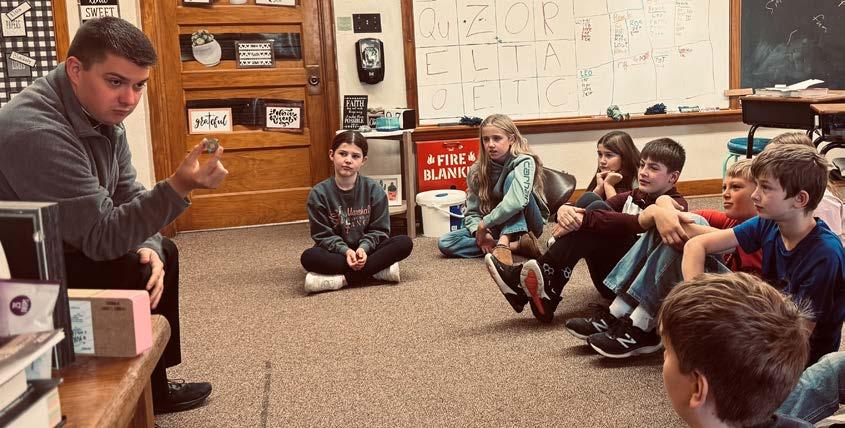
Throughout the academic year, students across the diocese are blessed by visits from our diocesan Deans of Vocations, Father Nathan Hansen, Father Joshua Bott, and Father Shawn Polman. In November, Father Hansen visited St. Anne’s Catholic School in Wabasso, emphasizing that understanding one’s calling begins with a strong relationship with God. He encouraged students to pray, listen for God’s voice, and trust in his unique plan for each of them.
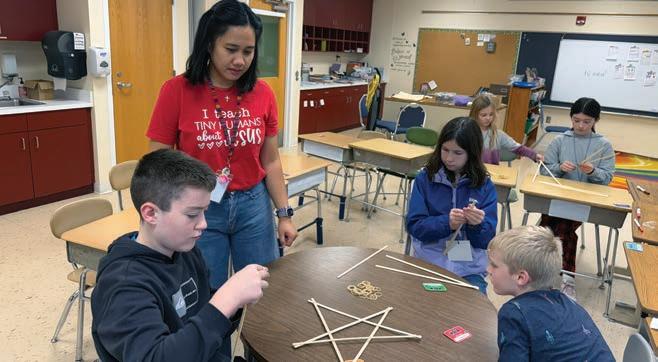
John Ireland Catholic School in St. Peter has introduced a new program called Flex Fridays. Mornings are dedicated to improving reading and math skills through mixed-grade groups, accommodating diverse student abilities. This approach recognizes that students have diverse abilities that may not align with grade-level expectations, allowing for tailored support and challenges as needed. In the afternoons, students choose from clubs such as theater, farming, dance, strength training, cultural crafts, and messy art. Additionally, since it’s Friday, students are encouraged to honor Christ’s sacrifice by giving up their recess to engage in service projects for the parish and school community.
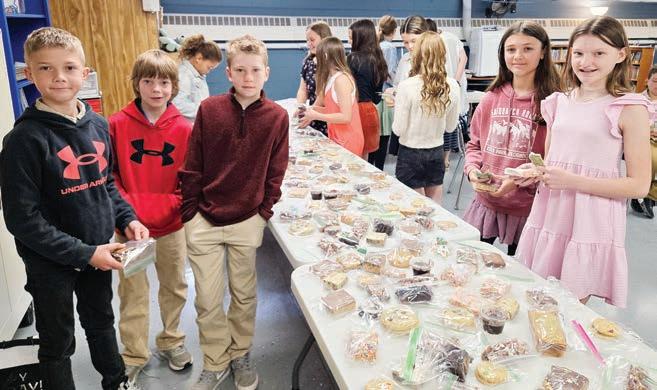
Each May, St. Mary’s Catholic School in Bird Island holds a May Crowning alongside the Grandparents’ Mass, celebrating family, faith, service, and fellowship. Following Mass, invited grandparents enjoy a reception where students give tours and run the Bulls and Billy Goats Bake Sale, raising over $1,200 for a school in Kenya last year. This day honors Catholic traditions and cherished grandparents while highlighting the school’s commitment to service.
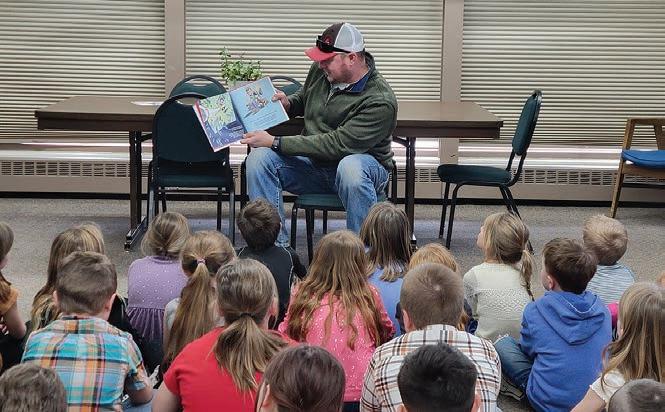
Building relationships with leaders at all levels is essential for our Catholic schools, fostering students’ potential for future virtuous leadership. Last March, State Senator Andrew Lang visited the School of St. Philip in Litchfield. Following his visit, he shared on social media, “I recently had the honor of meeting the hardworking and dedicated students of the School of St. Philip. It was a joy to read them a story and tour the campus. I am proud of the excellent education and strong values instilled in these students by the wonderful staff. . . . A heartfelt thank you for this opportunity!”
education
SEEK26 conference summons youth to draw close to Christ
by Leonard Gutierrez, director Office of Evangelization
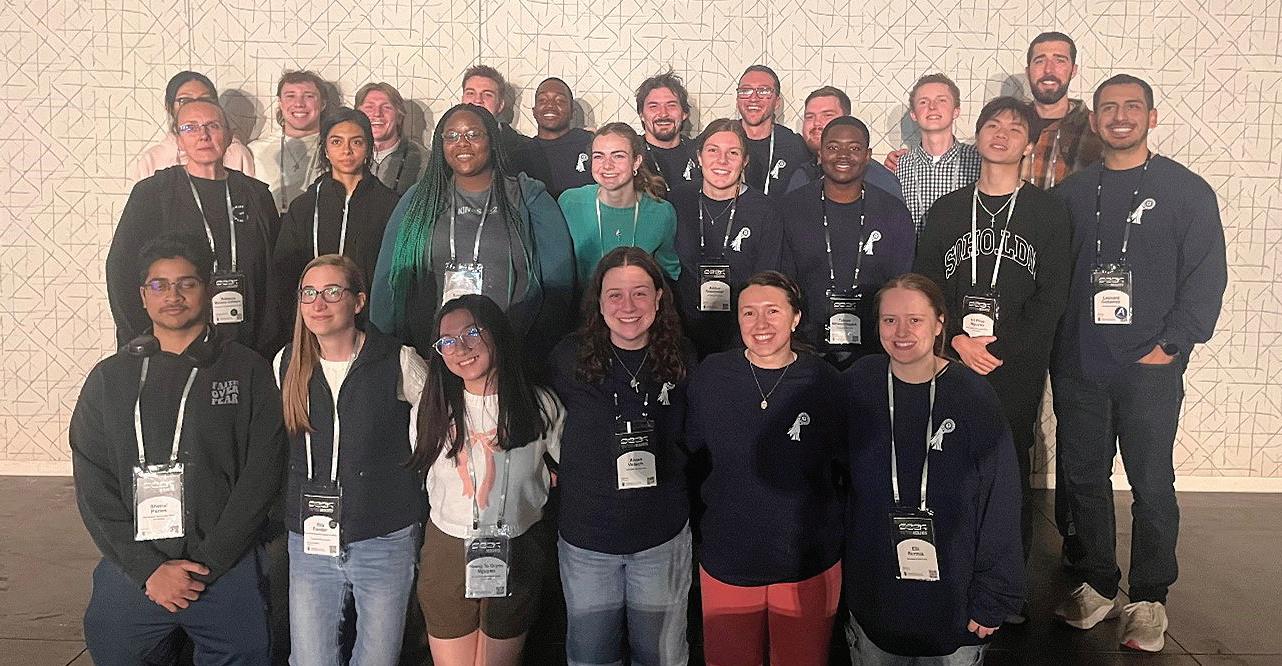
Twenty young adults from the Diocese of New Ulm, including both college students and seminarians, participated in the SEEK26 conference held in Denver, Co. This annual fiveday event, which also took place in Columbus, Ohio and Fort Worth, Texas, drew more than 26,000 young Catholics, marking a significant 24% increase in attendance compared to the previous year.
This year marked the first time that the Diocese of New Ulm sponsored young adults to attend the conference. Traditionally, college students from the diocese have participated with their respective universities. Southwest Minnesota State University in Marshall has sent students to the conference every year for over a decade.
The conference, hosted by the Fellowship of Catholic University Students (FOCUS), offers participants opportunities for prayer, adoration, and fellowship with other young Catholics, along with talks from Catholic speakers.
SEEK26 focused on the theme “To the Heights,” inspired by the popular motto of St. Pier Giorgio Frassati, who was an enthusiastic
Young adults from across the diocese participated in the SEEK26 Conference in Colorado. Front row (l–r): Alex Peries, Rita Fonder, Quyen Nguyen, Aleah Vetsch, Alia Muellerleile, and Elli Burmis. Middle row: Group leader Becki Johnson, Valeria Betancourt, Berynse Yeboah, Teresa Larsen, Amber Rosemeier, Takura Mhwandagara, Phuc (Phil) Nguyen, and Leonard Gutierrez, the diocesan director of Evangelization. Back row: Rory Zhang, Carter Will, Will Priest, Diocese of New Ulm seminarian Aaron Gnerer, Taona Mhwandagara, Jake Brost, Jake Burmis, Diocese of New Ulm seminarian Matthew Collins, Diocese of New Ulm seminarian Noah U’ren, and Nolan Meyer. (Photo submitted)
mountaineer and recognized as the patron of young adults. Attendees were greeted by a prerecorded video message from Pope Leo XIV. The event also featured several notable speakers, including Father Mike Schmitz, Sister Mary Grace of the Sisters of the Visitation, and Matt Fradd.
For many, the event serves as a gathering for those seeking to encounter Christ, while also
presenting an opportunity for attendees to experience a vibrant and joyful Church. Not only are there thousands of young adults there, but hundreds of young families, hundreds of priests, seminarians, and religious men and women, and dozens of Catholic bishops. This year, a record 58 U.S. Catholic bishops attended across the three locations.
One of the attendees who traveled
with the Diocese of New Ulm was a college student from Zimbabwe, Taona Mhwandagara, who studies at Gustavus Adolphus College in St. Peter, Minn. This was Taona’s second SEEK experience; he previously attended SEEK in Salt Lake City last year with students from Minnesota State University, Mankato, and other Gustavus students.
Reflecting on his experience
at SEEK26, Taona shared, “It is always encouraging to see brothers and sisters from all backgrounds come together in reverence of God.”
The Mass, along with Eucharistic Adoration and confession night, tends to be a highlight for many participants, serving as a moment when God speaks personally to each individual. For Taona, “Mass was a mystical experience— something that cannot be described but only felt.”
The week was also transformative for our diocesan seminarians in our group that attended the conference.
Seminarian Matthew Collins, shared: “SEEK26 was amazing. While the Lord worked in my own heart in many ways, this week also stretched me to build relationships with men who are not necessarily in the same place in their faith that you would normally see in seminary. Getting to know their stories and them getting to know ours allowed us to see how God is working in everyone’s life in different ways and we all need the Lord.”
The diocese looks forward to accompanying more young adults to SEEK27 where it will be held in San Antonio, Texas and Columbus, Ohio next January.
Diocese’s youth ministry encourages youth to know God’s Word, develop a relationship with Jesus Christ, and become active in church community
by Luke Miller
Community plays a vital role in the Christian life, providing a sense of belonging, support, and opportunities for spiritual growth. For many individuals, this sense of community is found in their local parish. However, for high school students, the Diocese of New Ulm Office of Youth Ministry offers a unique opportunity. The COR program, which stands for Choir, Outreach, and Reception, is a comprehensive initiative open to students in grades 10-12.
COR provides a space for games, food, fellowship, discipleship, small group discussions, and prayer. Joining is easy and requires a simple application, a commitment to prayer for at least
15 minutes each day, attending confession once a month, and participating in monthly meetings during the school year.
At COR meetings, members enjoy fellowship and faith formation, focusing on growing in prayer and virtue. They participate in discussions on how to pray and develop a personal relationship with God and receive formation on leading a virtuous life. During their time together, members of COR support one another by discussing talks and sharing ideas. The meetings serve as a space for encouragement in the struggles of pursuing holiness and to rejoice in the victories and growth they experience.
Small groups are an important
part of the growth of the COR members, with each group consisting of peers and two adult leaders.
COR places a strong emphasis on service, and one way its members fulfill this mission is through COR Night, a youth event organized twice a year during the academic calendar. The purpose of this event is to help the youth of the diocese grow in holiness and foster a sense of community. Participants enjoy various activities including talks, games, meals, and Eucharistic Adoration. The event features a keynote speaker who delivers an inspiring talk, followed by games, a shared meal, and time dedicated to Eucharistic Adoration.
COR members contribute to every aspect of the program, from
meal preparation to providing music during adoration. Through these experiences, they gain valuable skills such as hosting and operating sound systems while enjoying their experience.
December’s COR Night attracted more than 250 youth from all four corners of the diocese.
If you were to ask a COR member about the “fruits” of their involvement or how they have grown, they would likely mention an increased ability to spend quiet time alone with God in prayer. Many have gone on to serve as missionaries in our diocese’s Totus Tuus program or in similar programs. Additionally,
many of our current seminarians are alumni of COR.
The next COR Night (grades 6-12) will be on February 22 at the Church of St. Aloyius in Olivia. Father Andy Davy, a priest of the Marians of the Immaculate Conception, will speak about the Blessed Virgin Mary and her role as our mother. Contact your local youth minister for details or visit www.dnu.org/cor.
Luke Miller is the director of the Office of Youth Ministry for the Diocese of New Ulm, lmiller@ dnu.org, (507) 233-5327.
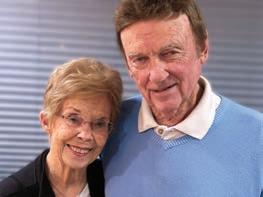
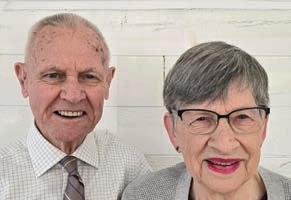
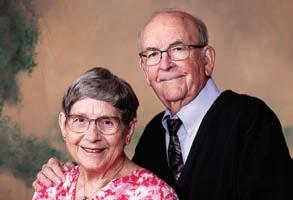
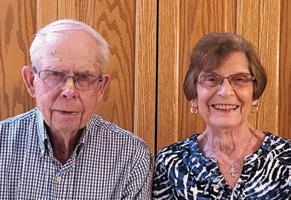
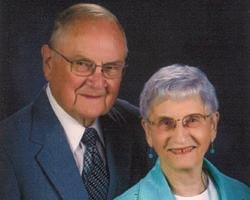
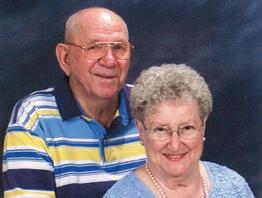
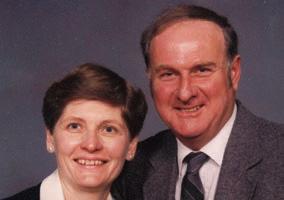
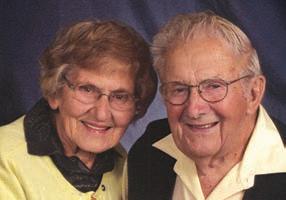
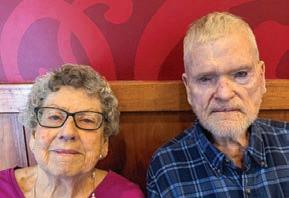
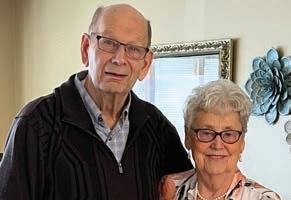
Couples of diocese to celebrate significant anniversaries in 2026
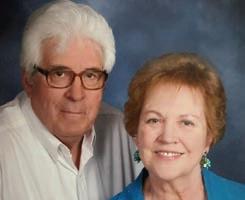
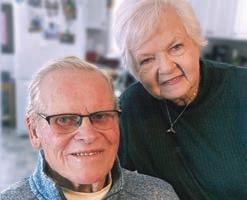
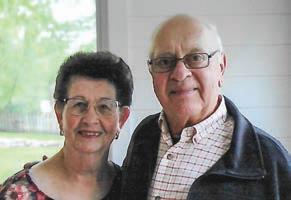
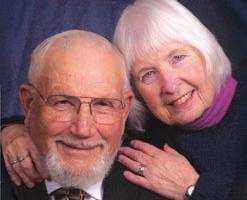
Celebrate February 7 to February 14
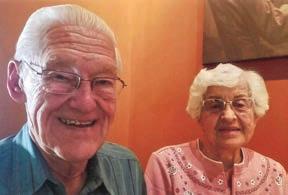
68 years
Dave and Sharon (Blondin) Carr were married Sept. 20, 1958. They are members of St. Mary, Sleepy Eye.
67 years
James and Wanda (Franken) Ochocki were married Jun. 10, 1959. They are members of Holy Redeemer, Marshall.
65 years
Ron and Margaret (Simmons) Keller were married Sept. 4, 1961. They are members of St. Catherine, Redwood Falls.
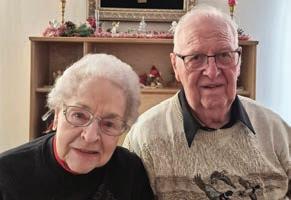
72 years
Ernest and Theresia (Schroepfer) Kretsch were married on Nov. 9, 1954. They are members of the Cathedral of the Holy Trinity, New Ulm.
71 years 69 years 71 years
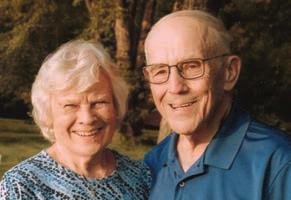
68 years
Gordy and Ruth (Schugel) Palmer were married May 10, 1958. They are members of the Cathedral of the Holy Trinity, New Ulm.
66 years
Howard and Phyllis (Altmann) Aschenbrenner were married Jun. 7, 1960. They are members of the Cathedral of the Holy Trinity, New Ulm.
65 years
Dennis and Diane (Zwach) Sweely were married on Apr. 29, 1961. They are members of St. Anastasia, Hutchinson.
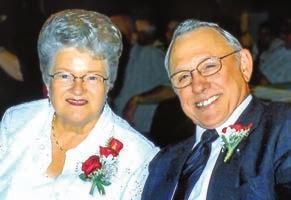
68 years
Gene and Delores (Vander Weyst) Roberts were married Sept. 13, 1958. They are members of St. Francis, Benson.
66 years
David and Betty (Haag) Lipinski were married Oct. 15, 1960. They are members of Our Lady, Manannah.
Richard Bernerd and Darlene (Siebert) Derner were married Jun. 24, 1955. They are members of St. Peter, St. Peter.
and Mary
67 years
71 years
Joseph and Mildred (Antony) Noyes were married Sept. 26, 1955. They are members of Holy Redeemer, Marshall.
69 years
Jun.
Robert and Reneé (Lenertz) Amundson were married Nov. 28, 1959. They are members of Holy Rosary, North Mankato.
66 years
Myron and Bernadette (Braulick) Schneider were married Mar. 1, 1960. They are members of the Cathedral of the Holy Trinity, New Ulm.
67 years
Albert and Patricia (Bouckaert) Loken were married on Nov. 24, 1959. They are members of Holy Redeemer, Marshall.
66 years
Don and Angie (Bossuyt) Wyffels were married Apr. 20, 1960. They are members of Holy Redeemer, Marshall.
Eugene and Aileen (Brunner) Paluch were married on Jun. 22, 1957. They are members of St. John Cantius, Wilno.
Bernard and Theresa (Haas) Vonderharr were married Aug. 31, 1955. They are members of St. Michael, Madison.
Richard
(Scholl) Hanson were married
22, 1957. They are members of St. Mary, Willmar.
NUDCCW Spring Gatherings - a time of connection and inspiration
by Sharon Illikman NUDCCW president
As Lent approaches, let us focus on how we can grow in faith. As Catholics, we share in Christ’s journey and have the opportunity to deepen our relationship with God through prayer, fasting, and acts of charity.
The Council of Catholic Women
of the Diocesse of New Ulm plays a crucial role in fostering spiritual growth by offering a diverse range of opportunities, including the annual deanery Spring Gatherings. These gatherings aim to inspire women in spirituality, leadership, and service, providing an excellent chance to connect with others who share a common interest in our Catholic faith.
The Spring Gatherings begin with registration, followed by Mass, a light meal, and a presentation by a speaker chosen by the hosting deanery. These gatherings will offer wisdom and insights to inspire everyone in attendance.
Deanery 1: Thursday, March 12 at the Church of St. Mary in Sleepy Eye. Speaker: Deacon Mike McKeown, director of Healing Ministry for the Diocese of New Ulm. He will be speaking
on “Freeing Ourselves from Perfectionism.”
Deanery 2: Tuesday, April 14 at the Church of the Sacred Heart in Murdock. The speaker will be from Safe Avenues of Willmar, speaking on human trafficking.
Deanery 3: Saturday, March 21 at the Church of St. Aloysius in Olivia. The speaker will be Father Joshua Bot. He will be speaking on “The Steps to the Priesthood.”
All women of the Diocese of New Ulm are encouraged to attend these annual gatherings. See your parish bulletin for detailed information.
HAVE YOU signed up to receive the Spark Newsletter? Visit nudccw.org website to be included on the mailing list.
The dignity of being God’s beloved
by Joan Wiering NUDCCW Reverence Life Chair
One of my first experiences at the March for Life was in 1988 in St. Paul, with my husband and our preschool-aged children. The weather was typical for January, with single-digit temperatures and a biting wind chill. The Prayer Service at the Cathedral of St. Paul was filled to capacity, and we felt overwhelmed seeing all the families, groups of schoolchildren, and elderly individuals who had come out to support life.
Following the prayer service, we processed toward the State Capitol, many of us carrying signs and singing prayers. As we moved with the crowd, an older woman joined us from a side street, shouting about her views on abortion, which were contrary to ours. I attempted to reason with her, sharing some pro-life facts, but she only grew louder. I clutched my children closer to me and joined others further ahead to avoid her outburst.
As we approached the Capitol, a woman began a conversation with me about her experience with abortion when she was younger. I was taken aback, having never met anyone who had openly shared this with me, and I wasn’t sure how to respond. Feeling uncomfortable, I moved my children away to a different part of the crowd.
When we arrived at the Capitol, there were students of both genders using bullhorns and shouting, “Get your rosaries off my ovaries!” Again, I moved my children closer to the Amazing Grace audio so they wouldn’t hear the bullhorns.
2012 throw-back: New Ulm’s Bishop Emeritus John LeVoir leads over 4,000 in prayer at the opening of the March for Life Jan. 22, 2012, on the steps of the Minnesota State Capitol.
(Prairie Catholic archive photo)
October pilgrimage planned! Youth invited to embrace Our Lady and Saint Joseph more deeply
by Leonard Gutierrez Office of Evangelization
In November of 2021, the Catholic bishops of the United States announced plans for a multi-year revival in America. This three-year initiative, known as the National Eucharistic Revival, was launched on the feast of Corpus Christi in 2022 with a mission to “renew the Church by enkindling a living relationship with our Lord, Jesus Christ, with the holy Eucharist,” nationwide.
Shortly after, Pope Francis proclaimed the Jubilee Year of Hope, which recently concluded in our diocese and throughout the entire Catholic Church this past Christmas season. In the time between the conclusion of the Eucharistic Revival and the Jubilee Year of Hope, Bishop Chad Zielinski announced a “Pilgrimage of Hope” to rededicate the diocese to Our Lady of the Prairie.
As the Diocese of New Ulm continues to follow the example set by Our Lady in saying “Yes” to God and making his name known, efforts are being made to strategically invest in the future of Catholics, particularly our youth and young adults, across our 15 counties. Among these initiatives is a heightened focus on fostering religious vocations.
With an already well-established youth ministry presence throughout the diocese, and programs such as COR, Totus Tuus, and youth summer camps, plans are in the making for an additional opportunity for youth, which will provide a unique experience that will help them hear God, offer him their hearts, and experience hope in Christ.
in 1859. It is a major pilgrimage destination for prayer, healing, and spiritual renewal. The pilgrimage is expected to attract high school students from across the diocese. Visits to other sites, such as the National Shrine of St. Joseph in De Pere, Wis. are also planned.
Why these shrines?
What makes these two holy places special is that they honor and remember the lives and stories of Our Lady and Saint Joseph, the mother and foster father of Jesus.
Today, many Generation Z youth face obstacles to maturing in their faith and in life that previous generations did not encounter. Since the time of Christ, Our Lady and Saint Joseph have served as models of femininity and masculinity. They exemplify holy marriage and, along with Jesus, represent the perfect example of family life. As the parents of Christ, who raised him and followed the Lord, they can help us mature as disciples. They can teach us to listen to how God may be calling us to live our lives, whether in marriage, the priesthood, or religious and consecrated life. They show us that a life with God brings joy and peace.
The goal of the diocese’s October pilgrimage is to invite our youth to embrace Our Lady and Saint Joseph more deeply in their lives, so they can hear God’s voice, offer him their hearts, and find hope.
As the diocesan offices of Evangelization, Youth Ministry, Faith Formation, and Vocations continue to prepare for this pilgrimage, more details and registration information will be added to the diocesan website (www.dnu.org) and social media platforms in the coming weeks.
Upon reflection, I realized that it may have been God’s plan for me to encounter these individuals. However, I hesitated and missed the opportunity to respond with gentleness, kindness, and compassion—upholding their dignity and reminding them of God’s love.
As God’s creations, we must never forget that both the unborn and the born are elevated to the dignity of being his beloved.
Over the MEA weekend from Oct. 15-18, 2026, the diocese will offer a multi-day pilgrimage to visit the only approved Marian apparition site in the United States, the Shrine of Our Lady of Champion in Champion, Wis. Located near Green Bay, the shrine marks the spot where the Blessed Virgin Mary appeared to Belgian immigrant Adele Brise
Editor’s note: Leonard Gutierrez is the director of the Office of Evangelization for the Diocese of New Ulm, lgutierrez@dnu.org; (507) 233-5361.
by Fr. Mark Steffl, STL, JCL
Thisis a good question this month! Especially because we live in a time and culture that sees law and the concept and purpose of law as something which is restrictive of freedom, something that takes away from what we really want to do.
But law, whether we consider “Church law” or “civil law”, is something that actually protects our freedom by establishing a system of rights that we can claim and obligations that come with those rights.
The Church acknowledges that there are three different “categories” of laws that oblige members of the Church: Natural Law, Divine (Positive) Law, and Ecclesiastical Law (Canon Law and Church discipline).
The first category of law, Natural Law, is something that is generally not considered in secular discussions of law. Natural Law
Ask a Canon Lawyer
This month’s question: Where does the Church get the authority to impose obligations on her members that are not found in the Bible? How do I explain this others?
is what we can understand from Creation the world and the order that God gives to Creation, the way things “work” around us. Natural Law is the basis of the Church’s teaching on many moral questions today, such as it relates to medicine or matters relating to what marriage is. We can see and understand that the Lord designed and ordered creation in a manner that is not ours to change, redefine, or reinvent.
The second category of law, Divine (Positive) Law, is the Law that God revealed to us in sacred scripture. It is called “positive” because it was the Lord adding to Natural Law as the Lord revealed himself to us. A basic example of this type of law are the Ten Commandments. They are not ours to change, add to or subtract from, but are laws that the Lord gave to us over the course of the Old and New Testament.
The third category of law is Church Law. These are the various disciplines and practices that over the course of the 2000+ year history of the Church have been enacted for the good of the Church as a visible institution and her
members. An example of such a law would be the discipline of abstaining from eating meat on Fridays during Lent, as the Church sees a benefit of having a universal penitential act that binds all of her members during a season that is penitential in nature. Another example of an ecclesiastical law are the requirements for what is considered a valid marriage by the Church. (These laws evolved over time in order to protect those who enter into marriage, so they know what marriage is, with its rights and obligations.) This category of law can be adjusted as needed by the authority of the Church.
Any institution needs statutes that govern it if it is to function. In society, for example, we have traffic laws. If they are observed, then it makes for safe driving for everyone, knowing what is expected of them and what they can expect of others on the road.
As an institution, the Church sees herself as being instituted by the Lord Jesus, in order to carry on his work: by its very definition, then, the Church needs to have the ability
to enact and enforce certain laws and disciplines on her members as part of the Divine Mission that the Lord gave to the Church.
St. Thomas Aquinas, a great teacher and theologian of the Middle Ages, defined law as “an ordinance of reason for the common good, made by one who has the care of the community and is promulgated.”
This is a good definition of law, as it applies to both Church law and civil law. It is “an ordinance of reason” because it is made out of an understanding that it makes sense that it would be enacted. It is for the “common good,” meaning that it adds some benefit for those to whom the law applies, and is not arbitrary. A law is “made by one who has the care of the community,” meaning the one who has is recognized as having a responsibility to make laws for the greater good. And lastly, a law is “promulgated,” meaning that it is published or made known to those on which whom it is binding.
Understanding the concept of the need for the Church to have laws, ie., “ecclesiastical laws” is not a burden on those who are subject to them, but in reality is part of the gift that the Lord gave to us in instituting the Church to carry on
his mission of salvation, helping us to know what is expected of us and what we have a right to claim from the Church. Additionally, many ecclesiastical laws help us better live, interpret, and fulfill the Natural Law and Divine Law that the Lord has given to us.
In answering those who question the concept of the Church having her own laws or questions about a particular law or discipline, it is always good to look at the reasons why such laws exist so we can better understand, explain, and live them, knowing that the Church never asks us to do anything without a good reason.
Next Issue: How did the Church come to place such importance on relics of the saints?
Editor’s note: Fr. Mark Steffl is a canon lawyer. He serves as judicial vicar of the diocesan Tribunal and is vicar general and moderator of the curia for the diocese. If you have a question, email The Prairie Catholic at cclancy@dnu.org.
Minnesota Catholic Conference director, other faith leaders call for ‘off-ramp’ to immigration enforcement ‘crisis’
by Joe Ruff
ST. PAUL – Urging federal, state and local elected officials in Minnesota to chart an “off-ramp from this crisis” of increased federal immigration enforcement, Minnesota Catholic Conference (MCC) executive director Jason Adkins and leaders of a Christian and a Jewish organization suggested a five-pronged approach January 23.
“In recent weeks we have been alarmed by stories of the too many Minnesota residents (citizens and immigrants) who’ve suffered under what the federal government itself calls ‘Operation Metro Surge,’” their open letter read.
“We are also concerned by the toll this crisis is inflicting on the trusted relationships that must exist between law enforcement
and the communities they are sworn to protect.”
The letter was issued a day ahead of the second fatal shooting in Minneapolis this year by a federal immigration officer.
Complex factors
Factors driving the crisis are complex, including a broken immigration system, wrote Adkins, who was joined by Carl Nelson, president and CEO of Richfield-based Transform Minnesota, which seeks to connect Christian leaders, and Steve Hunegs, executive director of the Jewish Community Relations Council of Minnesota and the Dakotas, based in St. Louis Park. Based in St. Paul, MCC is the public policy voice of Minnesota’s Catholic bishops.
“But despite profound differences within our communities and
our nation more broadly on immigration policy, all of our elected officials share a moral obligation to protect human dignity, preserve civil peace, and reduce the risk that more people will be harmed or even killed before this current crisis ends,” they wrote.
Five-pronged approach
Asking for a “united Minnesota vision that prioritizes deescalation,” the letter writers suggested:
“Promoting collaboration among federal and state law enforcement agencies to remove dangerous people from our streets;
“Respecting the need for federal immigration reform and curtailing immigration enforcement against law-abiding undocumented immigrants and those pursuing legal pathways our own
government has created;
“Respecting the civil and human rights of undocumented immigrants and those pursuing legal pathways our own government has created;
“Protecting the most vulnerable among us who are afraid to work, go to school, or even to procure the basic necessities of life; and
“Restoring safety, security and calm in our streets, workplaces, especially in places of sanctuary such as schools and houses of worship.”
“This is the moment for responsible leadership that reduces the risk that this terrible crisis may become even worse,” the letter concluded. “Minnesota needs to act together — now.”
Editor’s note: Joe Ruff is editorin-chief of The Catholic Spirit, newspaper of the Archdiocese of St. Paul and Minneapolis. OSV News contributed to this story. This story was originally published by The Catholic Spirit and distributed through a partnership with OSV News.
In light of the ongoing tension surrounding the current immigration crisis in Minnesota and beyond, Bishop Chad W. Zielinski has urged for prayers, peace, and the protection of each person’s dignity. He has released a statement available on the diocesan website at www. dnu.org.
around the diocese
Bishops Kenney, Zielinski lead Prayer Service for Life in St. Paul
by Josh McGovern, Courtesy of The Catholic Spirit
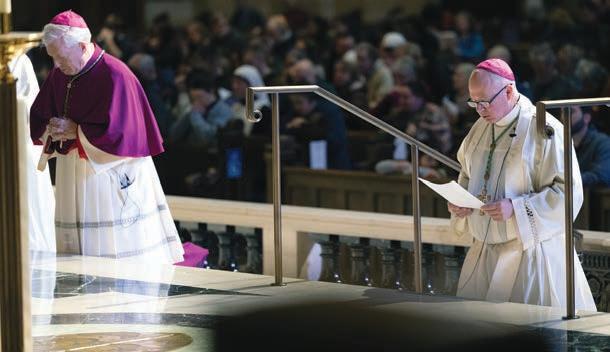
At the pulpit of the Cathedral of St. Paul in St. Paul, Bishop Chad Zielinski of New Ulm addressed those gathered at the annual Prayer Service for Life January 22, marking the 1973 U.S. Supreme Court decision Roe v. Wade, which legalized abortion across the country.
On this day 53 years ago, the high court in effect redefined some people’s understanding of the sacredness of life, Bishop Zielinski said. “By design, we are a sacred meeting place where divine love makes its dwelling and comes to perfection,” Bishop Zielinski said. “No nation, state or political system, no vote, no legislator or past legislation could change this divine decree that the human person is the sacred sanctuary where divine love is brought to perfection. We cannot destroy the sacred place or be guilty of the sacrilege by telling God he got it wrong. … God’s love cries out to be born. … What beautiful and glorious news.”
“Our posture and response are to fall to our knees in prayer, to become like children and ask the Holy Spirit to forgive us, our state, our nation and embrace this outpouring of divine love that comes as children in the flesh,” Bishop Zielinski said before kneeling before the altar.
Dobbs v. Jackson Women’s Health Organization — a June 2022 Supreme Court decision — overturned Roe v. Wade, returning the authority to protect the unborn back to elected representatives at the state and federal levels.
Auxiliary Bishop Kevin Kenney of the Archdiocese of St. Paul and Minneapolis helped lead the prayer service, which drew people from parishes, dioceses, different walks of life, and Christian denominations, including members of the Eastern Orthodox Church.
David Oolman, a seminarian in the Diocese of Winona-Rochester, traveled to the Cathedral from the Immaculate Heart of Mary Seminary in Winona, along with other seminarians from that diocese.
“To see us gathering together is amazing and incredible,” Oolman said. “I saw the Orthodox Church here; (the prayer service) draws us together in unity. We all are valued.”
People attended the prayer service in droves, despite below zero windchills and construction on John Ireland Boulevard that prevented a short march to the Minnesota State Capitol, where Minnesota Citizens Concerned for Life held their annual rally. Many people at the prayer service drove to the Capitol.
Area Faith Community supports seminarians with prayers/gifts
MURDOCK – The Faith Formation students of St. Isidore the Farmer Area Faith Community recently participated in a service project called “Help Us Spoil Our Seminarians.” After Mass at the Church of the Sacred Heart in Murdock on Jan. 7, 2026, families contributed kitchen necessities and gift cards for care packages for seminarians. Students also wrote personal cards and prayed for specific seminarians before the Blessed Sacrament, which were included in the packages. (Photo submitted)
Joe Wannebo, a parishioner of St. John the Baptist in New Brighton, said he’s been pro-life most of his life. He’s a convert to the Catholic faith, having converted almost nine years ago. He said he attended the Prayer Service for Life to take action on his beliefs.
Wannebo quoted Ephesians 6:12: “For our struggle is not with flesh and blood but with the principalities, with the powers, with the world rulers of this present darkness, with the evil spirits in the heavens.”
He said that whether the Prayer Service for Life or MCCL March for Life affects any legislative change, this issue is not “with flesh and blood.”
“This battle is on a spiritual level,” Wannebo said.
Sonya Flomo with the Office of Discipleship and Evangelization for the Archdiocese of St. Paul and Minneapolis announced that over $79,000 in grants were provided to 78 mothers from donations to the Archdiocesan Life Fund in 2025. The fund provides emergency financial support to pregnant mothers of children up to the age of 1.
“I am one of the lucky ones when we hear the differences we’re making in the lives of very grateful mothers,” Flomo said.
After giving the homily at the Prayer for Life, Bishop Zielinski knelt in front of the altar and invited the congregation to also kneel. At left is Bishop Kevin Kenney, who joined in the prayer.
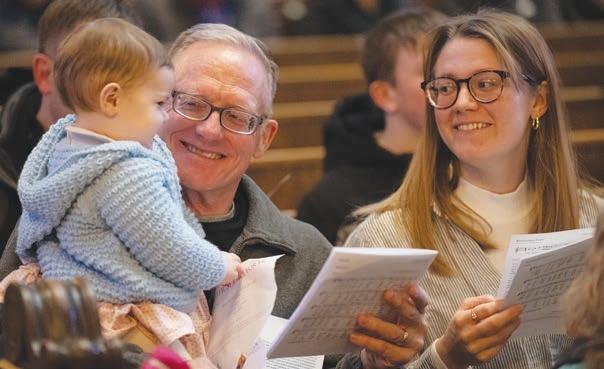
Starkie, left, her grandfather, Scott Osborne, and her mother, Gabrielle Starkie, take part in the Prayer Service for Life Jan. 22 at the Cathedral of St. Paul in St. Paul. The Starkies are members of St. Mark in St. Paul, and Osborne belongs to Cathedral of the Holy Trinity in New Ulm.
A celebration of consecrated life
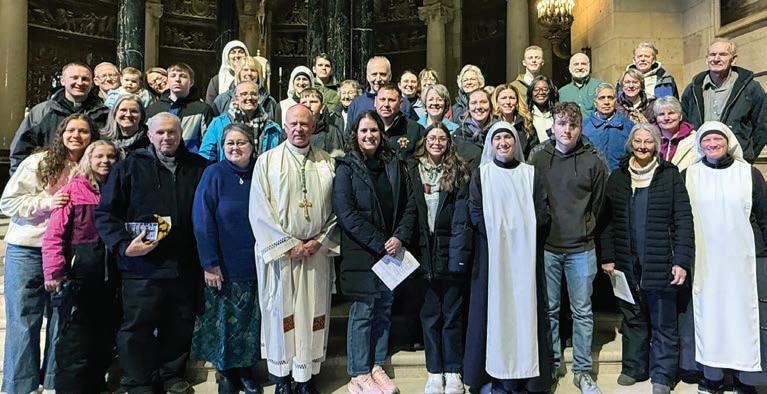
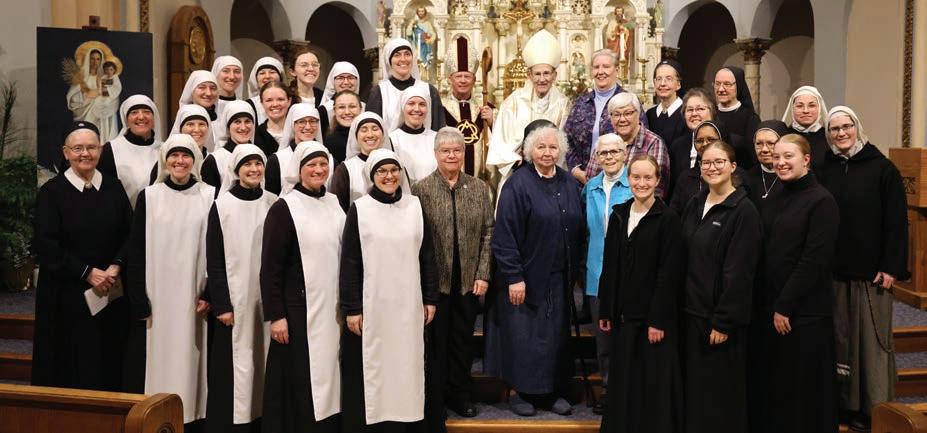
NEW ULM – On Monday, Feb. 2, the Feast of the Presentation of the Lord, consecrated women from 5 religious communities along with laypeople gathered for a special Mass at the Cathedral of the Holy Trinity in New Ulm. The Mass was celebrated by Bishop Chad Zielinski (left) and concelebrated by Bishop Emeritus John LeVoir to honor vocations to the religious life and to recognize consecrated women and men who serve or have served in the Diocese of New Ulm. After the Mass, the guests of honor posed for a photo with the bishops before attending a dinner held in recognition of their service. For highlights of the event visit www.dnu.org/consecrated-life. (Photo by Christy Baker)
(photos by Dave Hrbacek, The Catholic Spirit)
Eden
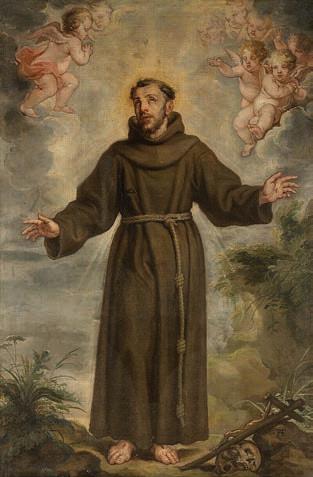
ROME – Pope Leo has declared a “Special Year of St. Francis” to commemorate the 800th anniversary of the saint’s death. A significant event during this year will be the first public display of St. Francis’ body. In October, the Basilica of St. Francis in Assisi, Italy, announced that Pope Leo has granted permission for the body to be displayed from February 22 to March 26. A free, but mandatory, online reservation system has been established on the centenary website.
Plenary indulgences. During this special Jubilee Year, which extends until January 2027, the
faithful have the opportunity to receive a plenary indulgence.
Until January 10 of next year, the faithful can receive this grace by fulfilling the usual conditions: sacramental confession, Communion, and prayer for the intentions of the Pope. This can be achieved by making a pilgrimage to any Franciscan conventual church or a place of worship dedicated to St. Francis, regardless of its location in the world.
Notable Franciscan places of worship in the Diocese of New Ulm include the St. Francis
Perpetual Adoration Chapel located at the Church of St. Mary in Sleepy Eye, and the Church of St. Clara in Clara City.
For more information about plenary indulgences, please visit the Diocese of New Ulm Office of Worship webpage at www.dnu. org/worship.
ST. PAUL – Since his election, Pope Leo XIV has made several significant statements regarding politics. The Minnesota Catholic Conference, which represents the political voice of the Minnesota Catholic bishops, has created a dedicated webpage to showcase the Holy Father’s addresses. This page will be regularly updated with new content as it becomes available. For more information, visit www.mncatholic.org.
WASHINGTON – On Ash Wednesday, February 18, Catholics in the Diocese of New Ulm and across the U.S. are invited to contribute to the annual Collection for the Church in Central and Eastern Europe, organized by the United States Conference of Catholic Bishops. Now in its 35th year, this collection supports churches in nearly 30 countries recovering from communist rule and aids in
ministry and relief efforts related to the war in Ukraine.
The annual collection has “Built cathedrals, renewed hope, healed the suffering and brought joy where there had been despair,” said Bishop Gerald L. Vincke of the Diocese of Salina, chairman of the USCCB’s Subcommittee on Aid to the Church in Central and Eastern Europe.
ROME – In a message to the Archdiocese of Milan, Pope Leo XIV expressed his hope for the 2026 Winter Olympic and Paralympic Games will be an occasion of solidarity and bridgebuilding between peoples and cultures. The papal message was read during a January 29 Mass marking the arrival of the “Cross of Athletes” and the official
launch of the archdiocese’s Olympic pastoral initiative, “For Each Other.”
Reflecting on the presence of the “Cross of Athletes,” which features a void silhouette of Christ’s crucified body, Archbishop Mario Enrico Delpini, archbishop of Milan, said the cross offered “more of a glimpse than a figure” of the body of Christ that “encourages our questions, our gaze, and our attention.”
“If you want to know what love is, if you want to know if there is hope,” the archbishop said, “look to Jesus, adore the crucified and risen body, listen to his words and follow him, for he is the way, the