Designed to Exclude
By: Dhruv Kurup



By: Dhruv Kurup



Many systems, products, and spaces are designed for an imagined “average” user. But when designers prioritize one type of experience, they unintentionally exclude others. Accessibility issues are often treated as exceptions instead of essential design concerns.
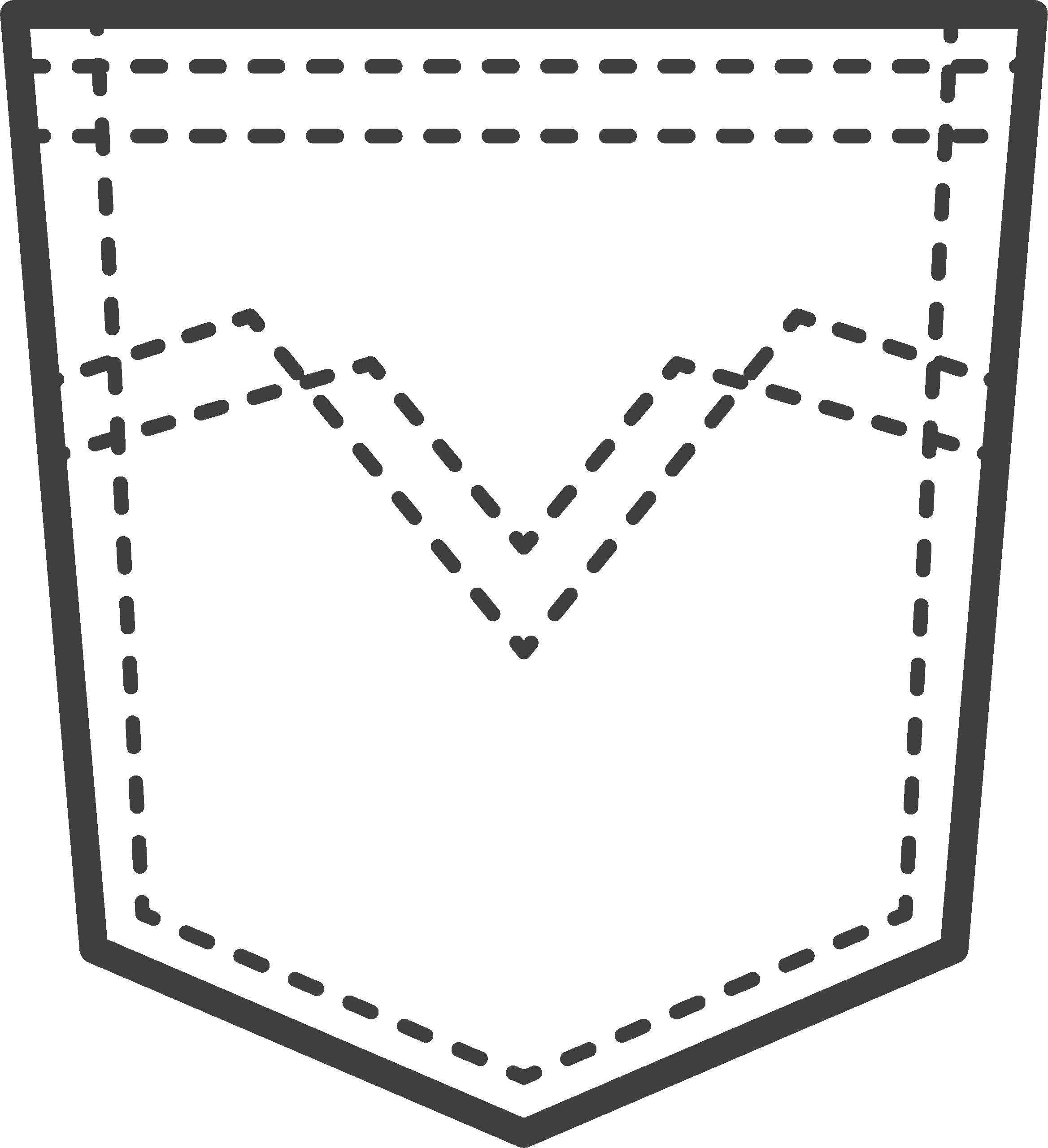
A 2018 study done by The Pudding revealed that on average, women's pockets are 48% shorter than those of men's, hardly a functional choice.


Every design decision includes some people while excluding others. In Mismatch: How Inclusion Shapes Design, Kat Holmes explains that exclusion often happens when designers make assumptions about who will use a product, space, or technology. When solutions are designed around a narrow idea of the “normal” user, many people are forced to find workarounds just to participate in everyday life (Holmes 35–45). Whether intentional or not, design choices involving architecture, interfaces, and technology shape who feels included in society (and who feels left out).
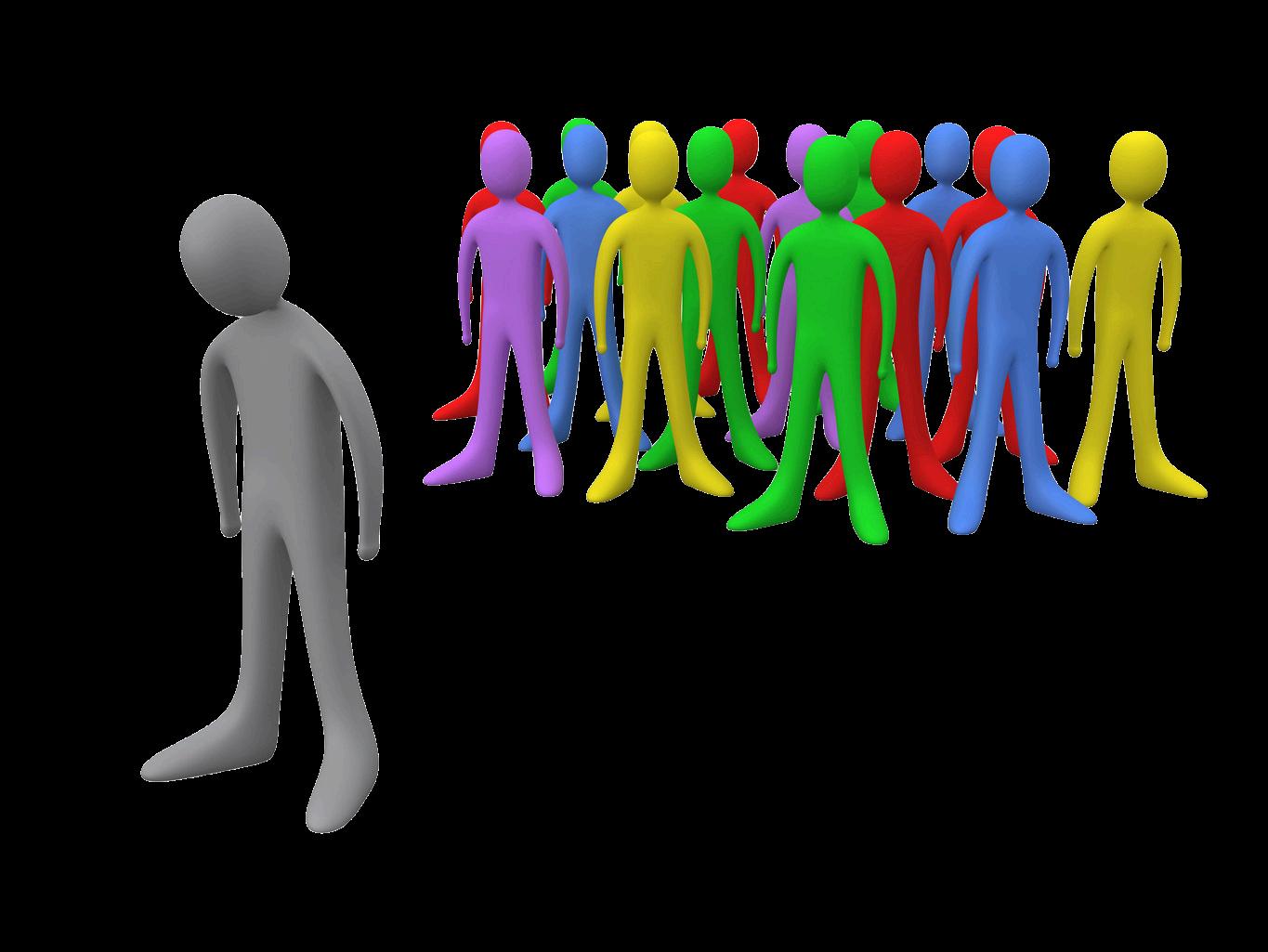
There is no true average user. We all have our own needs and design should account for that.

Inclusive design considers the full range of human experiences instead of designing for a narrow definition of “normal.” Accessible and inclusive solutions benefit not only disabled users, but everyone who interacts with them.


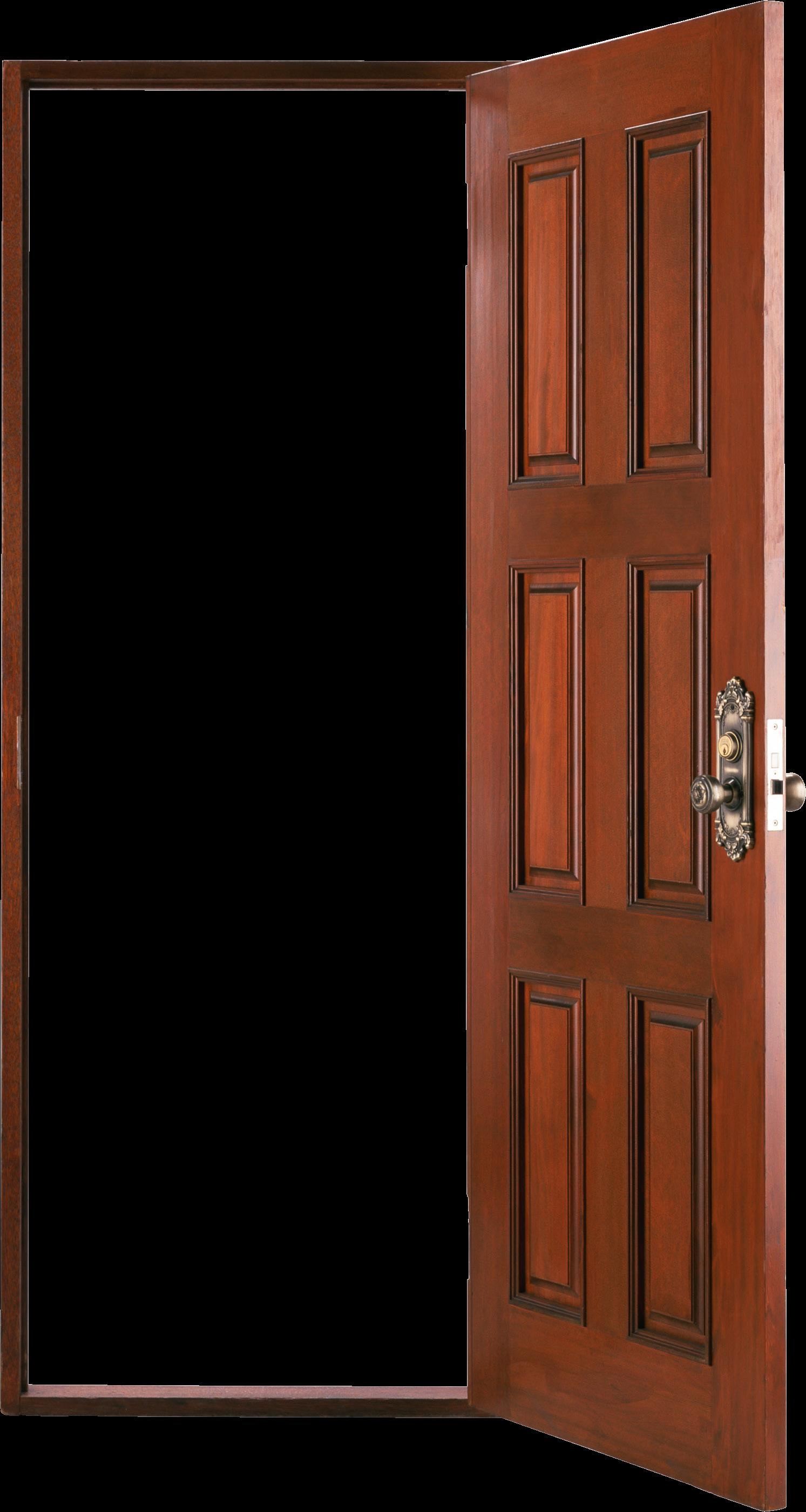
Revolving doors are either impractical or outright impossible for wheelchair users to navigate.
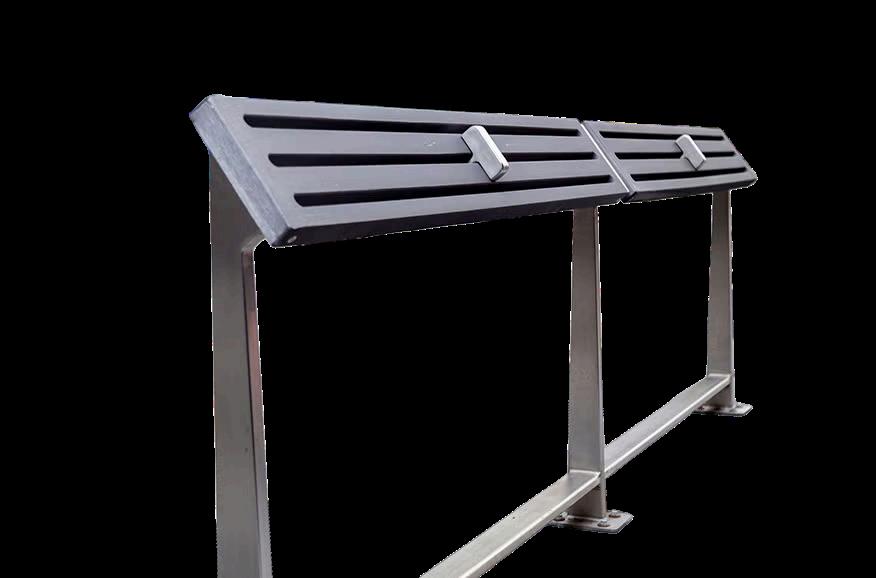
Narrow, sloped benches are replacing traditional bus stops. This excludes disabled and elderly individuals who often rely on such locations to rest their bodies.


Blue is one of the most perceivable colors on the spectrum, even to those who are afflicted with various forms color vision deficiency,
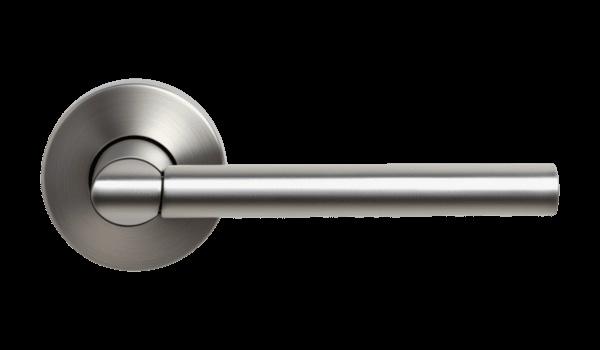
Door levers are a far more inclusive alternative to traditional knobs. They support those with arthritis, packed hands, or strollers.

Inclusive design creates environments where more people can participate, communicate, and feel valued. Features like captions, curb cuts, readable typography, and adaptive technology are not special accommodations , they are examples of thoughtful design improving experiences for everyone.

Holmes, Kat. Mismatch: How Inclusion Shapes Design. MIT Press, 2020.
“Are Women’s Pockets Really That Bad?” The Pudding, 29 Aug. 2018, https://pudding.cool/2018/08/pockets/. Accessed 12 May 2026.
Images: “Vecteezy.” Vecteezy, https://www.vecteezy.com/. Accessed 12 May 2026.
Adobe Firefly. Adobe, https://firefly.adobe.com/. Accessed 12 May 2026.