Americana Rhythm is published six timesa year.All correspondence should be sent to PO Box 45, Bridgewater VA, 22812 or email to greg@americanarhythm.com. Copies of Americana Rhythmaremade available freeat variouspickuplocationswithin thepublication’sregion.SubscriptionsareavailableinsidetheUnited States (only) for $24 US currency made payable by check or moneyorder sent to, Subscriptions at PO Box 45, Bridgewater, VA, 22812. Foreign subscription requests should be sent to greg@americanarhythm.com. Copyright 2022. All rights reserved. Reproduction of any content, artwork or photographs is strictly prohibited without permissionofthe publisheror original owner. All advertising material subject to approval.
We recentlyreleasedourlatestsingle, “Me AndYou”, and it covered a lot of ground in the making. Our lifestyle keeps us on the move, and this can make the process of recording and producingnewmusicdifficult.Thisgot me thinking about what worked, and what didn’t, for this song.
“Me And You” was born in Virginia, with co-writer/ fellow musician, Jackie Merritt. I had the idea and basic verse structure when Jackie and I met to write. We only had one afternoon together, and did not complete the song. We were off to a good start though, goodwriting energy together, but not a finished song. We had to leave it at that asAmy and I were off to France for shows and travel. We have a canal boat we live on while in Europe,andagood music workspace, so itwould have to waituntil we could settle in.
About a month later, I was able to sit down and focus again on the song. I wrote the music for the chorus, part of the lyric and filled in some of the verse. At this point, I made a rough recording and sent it to Jackie to get herinput.We are verydifferentpeople with very different life experiences, which I felt made for a much better song.Our communication processincluded emails, texts, and phone calls, overasix hour time difference,which offered its own challenges. As the song grew, it also took on a life of its own, and changed direction a few times. The upbringing andlife experiences of a white man and a black woman made for points of view that cut to the core of truth and honesty. This produced a song I never could have written alone. After all the tweaking of a word here, and a song
phrase there, we were pleased, excited, and satisfied with what we had written!
So, what next? How to continue the momentum while not in my usual environment for recordingwas my concern. Amy and I were not scheduled to be back stateside for a month. I did not want to wait, so I went hunting for a studio in Dijon, France that coulddo the job.Iwantedabasic folkstyle song withacoustic guitars,snare and stand-up bass. After discussing withRobin Mory,the owner/engineer ofTriphon Studio,we were verycomfortable and decided to proceed. He found a hole in his calendar, introduced us to Damien Dequiedt for stand-upbass, anda session was born. Luckily,Robin’sEnglishis verygood, at least in studio jargon, which made the process much easier, and even more fun. My goal was to track two acoustic tracks,vocals (me andAmy), Amy’s snare, and Damien’s bass track.Everyone skillfullyknockedout their tracksin time for usto return to the States.
Jackie and her partner, Resa, have excellent, distinctive voices and we wanted them on the song too. Jackie bookedstudiotimeinNorfolk,Virginia to track the vocals. The goal was to
have a gang-style, large-crowd chorus, so we added everyone in the studio. It was a party. Amy and I produced the tracks and captured what we wanted.
All the tracks then made their way to Nashville, Tennessee to the studio of Andrew Piland Music, to be mixed. Andrewmasterfully added even more voices, and orchestrated the crowd to create the feel we were after (Great job, Andrew!).
Finally, our mix made its way to Jeff Carroll, atBluefield Masteringin Raleigh,NorthCarolina,forthefinishing touch. After many, many miles, “Me And You” was recorded/produced in Dijon, France, Norfolk, Virginia and Nashville, Tennessee, over the four month period. It gets complicated when you are not working from one’s home base or studio. For us, it was still worth the work and the distance.
The song was finally released February 27, 2026 on Northwind Records. Check it out. Now, for the next piece of the puzzle; the video. That was completed March 2, in Philadelphia, Pennsylvania.Suchisthe wayitworks for our life of music on the road. Check out “Me And You,” and remember to sing the chorusalong with us!
LonesomeSoul Bluegrass
Over the years, we’ve shown in our essays that the Americana string-music tent has a huge top that covers a vastly divergent group of artists and a wide range of songs and melodies. Any of us who regularly attend bluegrass festivals can also attest to the changing styles and patterns that exist within that narrow genre of Americana as well.
This Americana string-music sub-set called bluegrass has evolved over the years in phases that fans refer to as waves. The first wave of artists certainly all tried to fit into the mold that originators Monroe and the Stanley’s cast for them. The second wave of performers such as Seldom Scene and Country Gentlemen and others broke that mold and paved the way for a so called bluegrass revival that represents this current wave of diverse artists. Talented as they all are, and enjoyable as is their output, there is a tiny twinge of sameness.
It Was Just Different
Recently, while listening to Bluegrass Junction on Sirius XM, I heard a recording by Dave Evens. Wow, it grabbed me. I have been vaguely familiar with Mr. Evens recordings for some time but I had never listened intently as I didjust then.His delivery,presentation, and song content were different from anything else aired that day. Like I do so often here in these stories, I slipped into the bluegrass haze toseewhat Icould learn. What I discovered was that Evens’ artistry was rare but not uniqueinstyleandsongselection. My limited search revealed artist James King and to a similar degree artist Larry Sparks. Of course, there are others of a similar bent that I did not examine closely such as Junior Sisk, Russell Moore and Ralph Stanley II. Regardless, the style and delivery of these selected gentlemen are unique and worth a closer examination.
By Edward Tutwiler
Theseparticular threeartists representa uniquestrainof bluegrass that is driven by emotion and is centered upon story telling. Their song selections are rooted in Appalachian form and show blues and early country influences. Their vocal deliveries are unvar-
nished. Some would judge it as raw and plaintive. The messages that their song selections contain showa strong emphasis on working-class life, spiritual themes, and tragedy. The shows and recordings that these folks produce are done so without complex arrangement and with minimum instrumentation;thus makingthe listener focus on the story in the song and the heartfelt emotion expressed in the singer’s voice. If I have caused you to think that these three artists that I have singled out are clones of one another,theyarenot. It is their styles that are similar. This is what I want to emphasize.
Individual Style
Here is a breakdown of their individual styles.Note there aredifferences but you can easily discern a pattern as well.
continued on page 8
continued from page 6
David Evans is deeply traditional and is rooted in old-time balladsinging. Hisdelivery is unpolished and his emphasis is on modalmelodies;oldermountain subject matter;andis minimalist in natureand design.
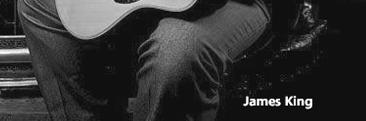
JamesKing is oftentoutedas the bluegrass story teller. His delivery is highlyemotionalwith hints of a tear in his voice. His songs have traditional structure with straight-forward arrangement; andtheyleantowardthe soulside of bluegrass.
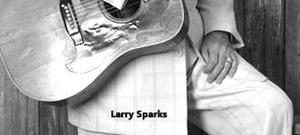
Larry Sparksis ofthe same style as the others but more contemporary althoughthe structure of his delivery is very orthodox. Sparks combines classic bluegrass with earlycountry andgospelanddeliversit with asoulful, blues-inflectedlonesome sounding vocal.
Where am I going with this, you ask? I want you to note what unifies these three artists as well as any other artist with similar musicaltraits is this fact:Theyrepresent a subgroupof bluegrass that separates them from the hot-lick
emotionalauthenticity over instrumental flash. They lean heavily on traditional, rural, often pre-1950s influences. They prioritize vocal storytelling, often with gospel or blues undertones. Their arrangements are minimalist with traditional chord structures and limited instrumental accompaniment.
guitars, machine gun banjos, and rapid pick mandolins that seem to flood the festival stages every season. This subgroup favors
Some have called this sub-set of bluegrass music: mountain soul; lonesome soul bluegrass; or bluegrass-country soul. At the beginning, my working title for this essay was Lonesome Soul Bluegrass. I like that titlefor thesub-set best but you canname it somethingelse.The main thought is for us to listen to it as a unique departure to where the overall genre is headed. Dave Evens and James King have
passedawayleavingLarrySparks as thetorchbearer alongwithseveral others of similar style. We fans of bluegrass music owe it to ourselves to remember the Americana tent has this hugearea it covers. Let’s be sure to always leave room under that tent for some Lonesome Soul Bluegrass.
WhenViolinsBecameFiddles
By Edward Tutwiler
Theinstrumentitselfdidnotchange; the name merely reflects the style of playing and the context inwhich it is played. In classical music situations, the instrument is referred to as a violin and is associated with formal training, written notation, and orchestral performance. The term fiddle is certainlynotnew.Remember, in the early evolution of the instrument, it was known as a fiddle. While this bowed string instrumentremainsa violin in formal settings, it certainly becomes a fiddlewhen employed in folktraditions where the playing style is by ear and is used primarily for dancing andsocial gatherings.
A Perfect Fit
Rare is the string-music group that graces the festival stages across the country that does not include a fiddle player who drives the melody and steals the show with virtuoso solos. One could make a case that a lotof bluegrassmusic is fiddle driven (yes, Iknow, the banjo is there also). Nevertheless, where did theneedfor the fiddle inAmericana string-music originate, is the question I want to pursue. However, Where did the violin originate is a good place to start
In The Beginning
Many sources cite that the journey of a bowed string-instrument began as an Arabian instrument called the Rabab that migrated into Europe as the Rebec. By the 15th century a bowed string instrument had evolved that was known as, of all things, a Fiddle. However, this was a much simpler and less refined instrument from themodern violin as we know it today. The violin is unique in that it was not improved graduallyover time,but appearedin its current form suddenly around 1550.
By the mid-16th century, the violin was popular in Italy and spreading throughoutEurope.Duringthistime, theviolinwasnotyetthecenterpiece of orchestras as it would become later; rather, it was used for both folk music and for court performances insmaller ensembles. Bythe 17th century there were many fine craftsmen makingviolins. The most famous of those was Stradivari. He
crafted instruments with such remarkabletonalqualitythatmusicians stillseek them today and many continueto fetchastronomical prices at auctions.
In the 18th and 19th centuries, the violin saw several design changes that improved its playability. Also, it began to come into its own as respected composers began writing concertos thatshowcased theviolin’s depthand range.With this development, the violin became more integrated into the orchestra setting, movingfrom a folkinstrumentto the backbone of orchestral string sections. It also gained prominence in solo performances. The violin became more integrated into the orchestra, moving from a folk instrument to the backbone of orchestral string sections. It also gained prominence in solo performances.
Theviolinarrived in the New World with Europeansettlers, missionaries, and explorers during the 16th and 17thcenturies, initiallyserving in religious, social,and militarycontexts. It rapidly evolved from an elite, imported instrument into a staple of folk, dance, and cultural music across North and South America, with players adapting to diverse regional styles; thus returning it to its middle aged fiddle roots in many cases.
It’s A Culture Thing
As to when the violin became a fiddle, understand that the distinctionis cultural rather than physical.
as bluegrass, he chose fiddle players who could play fast dance tunes with strong rhythmic bowing. The earliest and best was a man named Chubby Wise. Wise helped establishthefiery,blues-tinged,andrhythmically driving style that distinguished bluegrass fiddling from the older old-time playing.
Therefore, calling the instrument a fiddle signalled its connection to the folk roots. It also distinguished its roleinplayingtheenergetic,rhythmdrivenmusic from the violin’sclassical concert performance. In fact, (aside from the banjo) the fiddle became a major defining sound of bluegrass music. Because the fiddle provides melody, rhythmic drive, and emotional expression, it is and was central to the genre’s sound from its earliest days.
By the time the bluegrass genre emerged, the term fiddle was already common in Southern rural culture where the so called old-time music wasmain stream.Fiddlers werecentraltobarndances,communitygatherings, and early radio broadcasts. Thus, when Bill Monroe started reshaping old-time music with the frantic playing that became known
Ultimately, the fiddle became part of bluegrass because bluegrass itself grew from a living fiddle tradition. Theinstrument’stransformationfrom violin to fiddle reflects no physical change, rather,it reflects the shift in musical language, social setting, and culturalmeaning.
FEATURE ARTISTS
Emma Forgette’sjourney into the music world began at age 17. She trained in a diverse range of styles, from opera and classic rock, to pop and theatrical. But country music has emerged as the style of choice for this Florida singer, by way of New Jersey.
This 21 year old Ocala, Florida prodigy dreams of one day gracing the stage of the Grand Ole Opry. “I’ve lived here (Florida) for about 12 years, so it really feels like home now,” she said. “I was actually born in Morristown, New Jersey, and spent time growing up between New Jersey and Maryland, before eventually moving to Florida. Those different places shaped a lot of my perspective, but the South is where Ireally found my voice as an artist and fell in love with country music.”
Emma said music really clicked for her when she visited the Grand Ole Opry as a child. “Sitting there watching the show made something shift in me,” she recalled. “I remember thinking, ‘thisis what I want to do.’ After that experience, Istarted taking performing more seriously—writing, recording,and getting on stage as much as I could. Once I started playing live and connecting with audiences, I knew there was no turning back.”
By Greg Tutwiler
Emma Forgette
Emma shared that some of her biggest musical influences include Reba McEntire, Gretchen Wilson, and Toby Keith. “I’ve always been drawn to artists who bring strong storytelling and personality to country music,” she said. “I also love artists like Jo Dee Messina, Emily Ann Roberts, Ella Langley, Avery Anna, and Carter Faith; who areall bringing fresh energy to the genre today. I’ve always loved theclassic countryinfluence of Keith Whitley, whose emotional style and timeless songs continue to inspire so many artists.”
When it comes to performance and songwriting, Emma has in-
vested time with both. “I do play a few instruments. Guitar ismymain instrument when I’m performing andwriting music, and I also played the flute for about ten years. “I like to write my own songs also although I’ve been fortunate to record songs written by some incredibly talented writers,” she commented. “My songwriting process is always evolving, but lately I’ve foundthat starting with my guitar works best. I’ll start jamming and recording ideas at the same time, letting melodiesand lyrics come naturally, andthenbuildthe song from there.”
Emma has been singing for about three years now, and performing live for a little over two years. “Getting on stage and connecting with audiences has been one of the most rewarding parts of this journey,” she acknowledged.
And it has already become a fulltime venture for her. “Idecided to focus on pursuingmusicand giving this dream a real shot,” she exclaimed. “I’ve been focused on
releasing singles, but Idefinitely plan to record a full album in the near future. I already have a few ideas in mind for what that project could look like.”
A lot of Emma’s fan base has been growing organicallythrough live performances. She said playing shows and meeting people in person has really helped build a strong connection withlisteners who enjoy country music and live performances. “I haven’t done a full tour yet, but I do travel frequently between Florida and Nashville, and occasionally to Las Vegas for performances. I’m also hoping to play more shows in places that aremeaningful to me, like New Jersey and Maryland where I spent part of my childhood.”
“One goal I was really proud to accomplish last year was performing at the Bluebird Café” Emma said. “Looking ahead, some of my biggest goals include opening for larger artists, touring more widely, and headliningmyownstadium show,and eventually performing on the stage of the Grand Ole Opry. I’m really excited about everything that’s coming this year. There’s a lot of new music and opportunities ahead, and Ican’t wait to share it all with my listeners. I also wanted to add, I feel so lucky to get to work with some of the top Grammywinning producers andengineers in Nashville.”
FromStringCheeseToAmericanIdol
By Greg Tutwiler
claimed. It was pretty wild. Wedid it.Dad sold our house, and literally sold everything in it. He bought a tour bus; like a 90s Eagle. It was bright, bright red. And we hit the road. We did that from 2009 up until 2016. We sang at churches too. It’s very different than the genre that I’m pursuing now, because when we sang at churches, we would only ask for love offerings. So you didn’t know if you were going to come out with $100 or $1,200. We really relied on the Lord to just navigate that for us, and he did for many years. That carried us through. We were never without. God supplied, and he had favor on us in those times of ministry.”
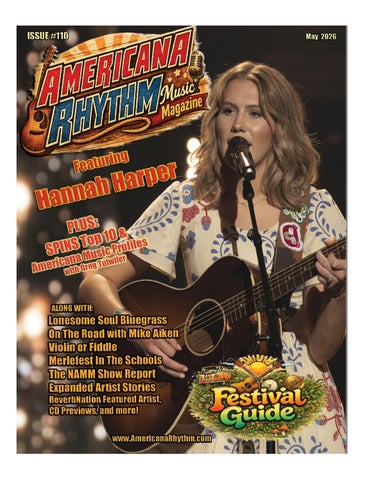
Hannah Harper began her musical journey when she was just nine years old. With the legacy of Bob Lewis and The Bob Lewis Family as her foundation, Hannah grew up in Southeast Missouri surrounded by the rich traditions of bluegrass gospel music. Hannah took to the road with her family band,The Harper Family, whereshe honedher singing and guitar skills, and developed a profound passion for songwriting and music ministry. Her familycame off theroad, and she took a position as worship leader at a small church in Missouri. That’s where she met her husband, Devon. It wasn’t long after theyweremarried,andstarting a family, before she got the performance bug again.
The now mom of three, picked up her guitar and started writing about the joys and struggles of being a mom. Out of that came the song, “String Cheese.” It caught the attention of ABC’s American Idol, and quickly
brought her to the front row of America’s attention. Things are happening fast as she is quickly becoming a finalist favorite heading into the live rounds of the show as of the writing of this article.Iwas soexcited tograb a few minutes with this rising star before the roller coaster started.
Family Roots Run Deep
Hannah told me that both of her parents played music when they were teenagers. “My mom grew up in a family band called, The Bob Lewis Family, very different from the Lewis family in the southern gospel world. The Bob Lewis Family put on more of a Branson style show,” she said. “People ate it up, because they would sing, and dance, and perform the full blown variety thing. Mom met my dad; at a bluegrass festival.”
Hannah’s grandpa hired her dad to be the banjoplayer in his band because, “they had seven kids, and none of them knew how to
play banjo,” Hannah laughed. “I think they only traveled for a couple months before mom and dad ran and off got married.”
That endevor of the music started settling down when Hannah was born. “I’m one of three,” she said. “My parents still played in church, but in 2009, when I was nine years old, my dad came home from work one day, and said he just felt like God was calling him to do something more than working in the lead mine, andhewantedto answer that calling. So he told my mom, ‘I think we need to sell our house and go on the road.”
Out On The Road
At that time, only one of her siblings could play an instrument. Hannah’s mom played bass. Obviously, her dadplayed banjo,and her oldest brother, Dalton, could play guitar. But then the other two, Hannah and her brother Dylan, couldn’t play anything. “So we started learning,” she ex-
“In 2016 my dad was ready to come off the road because he was just tired,” Hannah recalled.There was an elderly man at a church in the little tiny town of Burke Street; littlebitty churchup on a hill. He said, ‘Hey, we’re looking for a worship team. I’ll pay each of you guys to take the position. The three of us, and my dad, agreed. We all had the title worship leader at that church, just so that he could get us on payroll; just because he wanted to make it worth it for us. I was 15, and I was making a salary at this church, because this man just loved me. I think he’s the one who really footed the bill in the whole building. You know what I mean?”
On The Road, Again
“We led worship at that church for seven years, and that’s where I met my husband, and that’s where I got married, and life just kind went back to normal.”
“In 2023 though, I convinced my family to go back out on the road to do ministry again. The first time around, there were five of us on the bus. Now, we all had kids. Now, there where 14 of us,” she laughed.
continued on page 18
Jeremy Bass
Jeremy Bass grew up in Massachusetts, went to school in Chicago, and livedin NewYork City for 20 years before recently findinghis wayto alittle cabin in Woodstock, NY. “I had been coming up here for the better part of 10 years, working with collaborators and other musicians I knew here,” he said. “We did a couple of residencies, but we had a chance to come up here and rent a small cabin on a friend’s property. It’s alittle tight quarters, but so is an apartment in NewYork City,” he quipped.
Alex Miller
Hailing from Lancaster, Kentucky, Alex Miller recently relocatedto justnorth ofNashville, TNto be closerto the hubofhisheart’sdesire – makingmusic. The 22 year oldtraditional country enthusiast made his way to the national spotlight by way of a 2021 American Idol appearance. His 2022 debut album release, Miller Time,launchedhismusic careerinto high gear, and produced a string of charting singles, ultimately landing him on the Grand Ole Opry in 2025.
Old Sap
He decided to make the switch official – which coincided with the work Jeremy was starting to do musically anyway. His new song, Cabin Songs, is actually named after the cabin he is livingin. “Iessentially came up here with my guitars and started a new musical adventure.”
Reflecting on his musical trail that led him to Woodstock, Jeremy said, “I’m a guitarist and I’m obsessed with guitars, but I have to admit that the first thing that really pulledme in was the synthesizer,”he recalled.“Myparentstookme to amusic class when I was three years old, and they had this crazylittle machine withthese keys onit, and it lit up, and made all these crazy sounds, and I justcouldnot stopplayingwithit– so theygotme piano lessons, playingclassical piano of allthings – but I got the rock and roll bug and the guitar started calling me,so after a while Ipicked up the guitar.”
Jeremy said in a recent press release;“I’d been a classical guitaristsince Iwas very young, and still am, but I’d made songwriting my world for a long time. I wanted to bring these two passions together.”
Andthe resultis Cabin Songs;Instrumentalsongs in an Americana, Celtic, classical, finger picking style that takes you on a journey through a cabin in the mountains vibe. Jeremy taught himself Travis picking, and alternative thumb patterns; patterns he’d never really learned, but wanted to showcase on this project.
Like many singers,Alex started singing in church –he was just six years old. And while Bluegrass music was all aroundAlex growing up, he never really considered himself a bluegrass artist. “My grandpa loved old country music,” Alex recalled. “Earnest Tubb, Hank Williams, Buck Owens, Merle Haggard – so Igrewupriding aroundin hisfarm trucklistening to that stuff – it became a part of me and became a part of who I wanted to grow up to be. I started singing that stuff pretty much as soon as I picked up a guitar.”
WhenAlexwas 17,unbeknownst to him,his mother signedhimupto auditionforAmericanIdol.“Ifyou’ll recall, covid was going on at the time,” he said. “I didn’t have any gigs, I wasn’t goingtoschool,I didn’t know what I was going to do, so I didn’t have anything to loose.She signed me up, I give her credit for that –Iprobably would have never done it (Idol) if it hadn’t been for her.”
Alex made it to Hollywood week, and then they requested that he perform a pop song. “I said no, I’macountrysinger.‘I’lldo “SilverWings”byMerle Haggard’. So they sent me home on a pair of silver wings, I guess you could say,” he quipped. “But to be honest, I’dprobably be on atractor right nowifit wasn’t for American Idol. I’m very thankful, and it’s very nice to be able to play music for a living, because that’s all I ever wanted to do.”
Alex’s latest album, More Country Than You Know, is scheduled for anApril 10th release.
If you appreciate authentic folk, folk rock and Americana music, you’ll find affection for the music Old Sap makes – especially on his latest project, Marble Home. The poet/musician rambling, story teller was born in Chicago, went to college in St. Louis, back home to Chicago and then joined the Montana conservationcorp. After about six years there, he found his new roots in Ashville, NC where’s he’s been since 2017.
Sap started as a spoken word poet in high school, “I’ve been on stage my whole life,” he shared. “One time in home room in high school I started singing “Bohemian Rhapsody,” then somebody dared me to walk next door to the other class and sing the entire song out loud in the hall way,” he remembered. “Idid that and nobody beat me up –and Ijustrealized Icould sing wheneverI felt like it and nothing bad would ever happen – that’s probably when the music bug caught me.”
Incollege,Sapwasan actingmajor,andtookvoice lessonseverysemester.“WhenIgotoutofcollege Iremembersittingonatrainwithmyfriendsinging a song to myself – he said, ‘hey, what do you need to do to make yourself sing better?’– so it didn’t come all that fast for me,” he laughed.
“Ipicked upthe banjo that yearafter sittingaround in my parents basement wondering what to do. I saw the Avett brothers play and thought, ‘I should probably pick up a banjo.’ It just grewfrom there, honestly.”
Saps parents are Irish/American, so he used to go to a lot of Irish fests as a kid, and points to that experience for launching what has become the base forhis soundnowasa professionalmusician. His latest project, Marble Home, was released in early February, and features several area musicians who helped collaborate on this album.
Listen to the expanded interviews by searching Americana Music Profiles on all of your favorite Podcast platforms!
Hannah Harper
cover story continued from page 14
Hannah was quick to say, ‘let’s just try weekends,’ since we all had jobs, and, ‘let’s just do it through the summer.’ I was itching to pursue music. So we did that the summer of 2023, we traveled; therewere 14 of us, together, on another bus. It was an old 90’s bus that we converted to sleep all of us.”
Then Hannah’s sister-in-law got sick, and they had to come off the road. So they sold the bus, (to Mo Bandy.) and everything calmed down, again. “Well, in that calm down seasonPostpartum Depression hit me pretty hard,” Hannah recalled. “I was just itching to pursue music, and I was just havinga hardtime,feelingin a slump in my house every single day. So I started posting videos, because I wanted an outlet. It just felt like for so long, I didn’t think I could
somebody was like, ‘would you be interested in auditioning?’ I thought that it was a hoax,” she quipped. “You’re not a real person.’ Then I got a phone call with them, and they went over the logistics behind auditioning. At that time, I only had a couple 100 followers on Tiktok. I felt like God had opened the door. And since then, we’ve just been running through doors, over, and over, and over again.”
Establishing A Style
Although Hannah has roots deep in the Bluegrass community, her sound these days feels more grassy-country, maybe. “That’s exactly what I’m shooting for, the grassy country feel,” she said.
And while you don’t hear as much family harmonies going on right now, “that’s something that I want,” Hannah said. “Bluegrass is known for having three part harmony. Bill Monroe, all of those people like that, more or less invented that old sound. I love the old country style, but I want the family harmonies to be ingrained in all of it. I’ve actually been traveling with both of my brothers; it’s just in our DNA, you know? I think that’s missingfrom the new country sound; those harmonies,
because normally you hear just the one voice. I want everyone to be equally heard, and for that tone to be there, like the old grassy sound.”
do anything in music while I was raising kids; like, I thought I could only be mom.”
Making Music Differently
SoHannah startedwriting songs. “I loved writing,” she said. “I still love it; I have such a big passion for writing. I started writing music; only sharing it with friends and family. I wrote the song “String Cheese.” I wrote and recorded it, but I didn’t really put it out there much. Then I posted it on my personal Facebook page and let people know Mother’s Day was the release date. I told people my story behind it, but I really never thought that it would reach many people outside of my small circle. I wrote it just to be an encouragement, you know. Then American Idol watched a live feed of mine on Tiktok. I was live, and I was just singing, and
https://bluegrasscountry.org/festivals/
Where the Music Industry Comes to Tune Up: Inside The NAMM Show 2026
roadbetweensongwritingandsound systems, The NAMM Show 2026 is where the industry gathers to see what tomorrow might sound like.
Every January, a certain kind of musical migration happens in SouthernCalifornia.Guitar casesroll across airport floors, road-worn gig bags ride shotgunin rental cars, and musicians, builders, engineers and dreamers allmake their way toward Anaheim. It’s not a festival in the traditional sense—there’s no single stage or headliner—but for anyone wholivessomewhere along thelong
From the moment thedoors opened at the Anaheim Convention Center, the aisles filled quickly with the familiar hum of discovery—guitars being strummed, pedals clicked on andoff,engineersleaningover mixing consoles, andmusicianschasing that next tone that might end up on someone’s next record. The NAMM Show has always been part trade fair, part family reunion, and part creative laboratory. In 2026, that spirit was easy to find.
This year, more than 60,000 attendees from 122 countries made thetripwanderingthroughhallsfilled with 1,650 exhibitors representing over 5,400 brands. For four days, Anaheim became something like a crossroads of the modern music world. You could walk tensteps and
hear a bluegrass flatpicker testing a new acoustic, then turn the corner and find a producer building beats on a laptop, while a room full of engineers debated microphone placement.
But the real story of NAMM has never been just the gear. It’s the people gathered around it. Every year we look forward to connectingwithfriends and industry partners. Somehow, even in the sea of people and music we seem to find familiar faces.
A Gathering of the Tribe
If you stood still long enough on the show floor, you could see the whole ecosystem of music pass by.
Retail buyers walked the aisles with purpose, studying newproducts and talking quietly with manufacturers aboutwhatmightfilltheir shopwalls
next season. For many stores, NAMM is where purchasing decisions begin—where the instruments and tools that will shape thecoming year first enter the marketplace.
Nearby were the builders themselves: luthiers, audio engineers, designers and inventors eager to show off what they’d spent the past year
creating. Some booths felt like small laboratories,others like jam sessions waiting to happen.
Then there were the artists. They’re the heartbeat of NAMM—the players who plug in the instruments and remind everyone why the technology exists in the first place. Guitarists pushed new amplifiers to their limits. Keyboard players stacked
Welcome to the re-freshed version ofSPINS. The intent remains the same - to offeryou a variety of new music listening experiences from some artists you may or may nothave
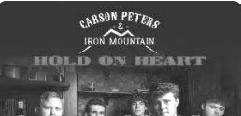
Carson Peters & Iron Mountain Hold On Heart www.carsonandironmt.com
The future of bluegrass is securely in the hands of groups like CarsonPeters and Iron Mountain. They’ve made numerous trips tothe Grand Ole Opry, andabroad. Rooted intraditionbut full of evergy, this band is sets the tone for up andcoming grass acts.
heard of. Ofthe many we encounterthroughoutthe year, we share whatwe think are some you would also enjoy. In no partucular order, here are 10 of the freshest ones that have come across my desk in the pastfewmonths!
Please check them out, and ifyou like some, letthe artist knowhow you found outabout their music.
As always, support them when you can, and help all of us help keep music live! Yay Spring!
Got one you want us to consider? send it to:
Uncle Woody
The Spin Doctor, PO Box 45 Bridgewater, VA 22812
AndyCohen andEleanorEllis
Whistlin’ Past The Graveyard www.andycohenmusic.com
Whistlin’PastTheGraveyardisanambitious 21 track project of old-time blues, gospel, ballads, ragtime, and country songs, from the very notable talents of Andy Cohen, Eleanor Ellis, andWilliamLeeEllis. Thecollectionof tracks were released on Cohen’s Riverlarklabel.
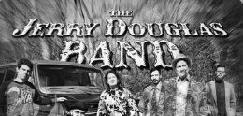
Jerry Douglas Band What If www.jerrydouglasband.com
Jerry Douglas began his musical journey playing with his dad - then, right out of high school to join Charlie Waller, Ricky Skaggs, and Doyle Lawsoninthe CountryGentlemen.After racking up over 2,000 recordings, youknow This WhatIfprojectisgood.
Joe Newberry & April Verch Blessing On The Wing www.joenewberry.biz
This in not the first duo project for Newberry & Verch. Previously, they brought inpieces they wrote on their own- forBlessingOnTheWing, they also collaborated ona few songs. They blend fiddle, guitar, banjo and two unique voices intoone unified sound.
CJ Hooper Over Yonder www.cjhoopermusic.com
CJHooperisaWashington-based country singer/songwriter who was raised on a steady diet of classic country thanks to his parents cassette collection.After a profesional career outside ofmusic,he finally settledinto westernWashingtonandfoundhislove for songwriting.
Back Porchestra Stories In The Heart www.globerecords.com
A broad range of indie rock, Americana,and Americana Roots artistscome together for thisproject, serving upthe blended soundsof blues,Zydeco,roots rock, Tex Mex, rockabilly, singersongwriter; even some motown and New Orleans. It’s a crazy mix - but it works.
Melinda Hagan Back In Town www.melindasmusiccorner.com
AlthoughMelinda has spent a lifetime devoted to preserving and performing essential Americanamusic, muchof her work has been done in collaboration withherhusband Clark.Thisthen,Back InTown , is her debut EP. She puts her ownspinonthe material,filling it with her authentic sound and personality.
The Foreign Landers Made To Wonder www.theforeignlanders.com
The ForeignLanders have founda way to bring together bluegrass, Celtic traditions, and storytelling in a way that works brilliantely. This is the sophomore project from Tabitha Agnew Benedict and David Benedict. One of the smoothestalbums I’ve experienced ina while.
Chris Ahlman
Santa Barbara Songs www.chrisahlman.com
Chris says music has beenanongoing source of passionand purpose. This album was inspired by the times he has been able to spend in Santa Barbara. He said it, “sumsup ajourneyI’vebeen fortunate to take over the course of my career.” If you’re looking for a good summer soundtrack, this might be it.
Yarn Live Vol. 1 www.yarnmusic.net
Yarnformed nearly 20 years ago, and has charted repeatedly onthe Americana charts. Their new album, SaturdayNightSermon,is due April 24th. We featured the Live album on purpose - as away to symbolize live music and one of our advrtisers - Rooster Walk - where Yarnperforms anually.
Each spring, the hills of Wilkesboro come alive with music as fans gather for MerleFest. Presented by Window World,the 2026 festival returnsApril 23–26 to the campus of Wilkes Community College. While the fourday celebration is best known for its deep roots in American roots and bluegrass music, organizers say the festival’s mission reaches far beyond the stage.
This year, MerleFest is expanding several programs that emphasize education, youth involvement,and the preservation of the festival’s rich history.
One of the most significant efforts centers on the growing MerleFest Archives at Appalachian State University. The archive preserves the sounds, stories, and memories that have defined the festival since its founding in 1988. Housed within the university’s Special Collections Research Center, the collection of documents is nearly four decades of music and community through recordings of live performances, photographs,andfestivalmemorabilia.
For fans and researchers alike, the archivesprovide aunique windowinto the festival’spast.Visitorscanexplore historic moments through an interactive audio and video listening station, while additional materials are available for research within the center’sphysicalcollection.
The archive itself represents a collaborative effort between Appalachian State, the university’s
foundation,andthe WilkesCommunity CollegeFoundation.Officiallydonated in December 2020, the collection ensures that the legacy of MerleFest — from legendary performances to behind-thescenes moments — will be preserved for future generations.
That preservation effort expanded even further in 2022 with the launch of the MerleFest Oral History Project. The initiative gathers first-person accounts from the people who have helped shape the festival over the years — artists, staffmembers, vendors, volunteers, and longtime fans. By recording these personal stories, organizers hope to capture the human side of the festival’s legacy.
Selected interviews and transcripts fromthe projectwillbemade available online, giving fans around the world a chance to hear firsthand stories from those who experienced MerleFest’s evolution. Organizers are also encouraging anyone with meaningful memoriesofthe festivalto participate in the project, adding their voices to the growing historical record.
While the archives preserve MerleFest’s past, the festival’s educational programs focus squarely on the next generation of music lovers.
One ofthe mostanticipatedinitiatives isthe annualSchoolDay,whichinvites middle andhigh schoolstudents from acrossthe regionto attendthe festival free of charge on Friday. Each year, more than 2,300 students and their teachers from Wilkes County and neighboring communities experience live music at MerleFest through the program.
Formany students,SchoolDayserves astheir firstexposure to professional musicians performing live on stage.It also offers a rare opportunity to experience the craft of songwriting, instrumentation, and performance in a real-world setting.
MerleFest’scommitmentto education extends beyond the festival grounds as well. Through its Outreach program, festival artists travel to classroomsacrossthe region,bringing live performancesdirectlyto students who might not otherwise have the chance to attend the festival.