
From schooling preparation to making show days easier, Simon Luck’s here to help
Simon Luck is a BSHA judge based in West Sussex. He owns and runs Petworth schooling course, where he holds a variety of equestrian training clinics.
Being successful at a show begins long before you enter the ring. The work you put in at home will allow you to make your horse the very best they can be and build a routine you can take with you to shows. So let’s get started.
Schooling preparations
I train all my horses to be supple and relaxed, because I believe a horse who isn’t supple cannot be truly relaxed in their body and mind. Following the scales of training, my ultimate aim is for horses not to carry tightness or tension in any part of their body.
We all encounter challenges with schooling, but often these problems arise simply because the horse isn’t supple enough. For example, when I’m coaching, a rider may tell me their horse lacks impulsion. They use more leg in an attempt to get more energy, but actually
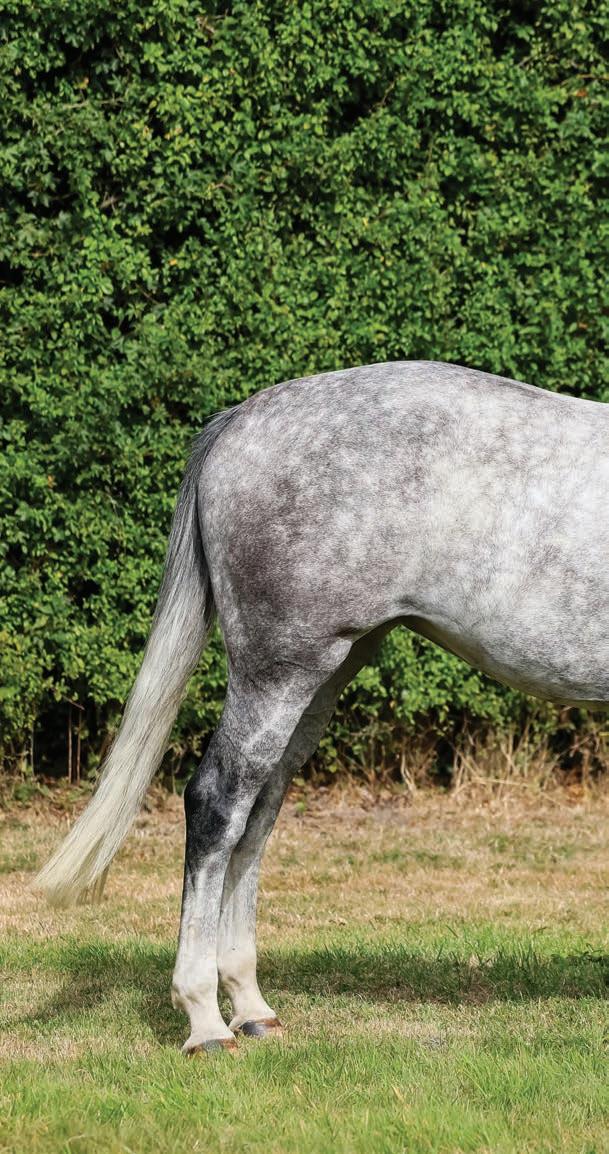
it might be that the horse is tight in their ribcage and neck, which causes the hindlegs to get stuck. In this instance, it won’t matter how strong the rider’s aids are, because the tightness makes it impossible for the horse to swing through their back and take the bridle forward. For me, lateral work is important because it teaches the horse that the leg aid is a suppling one and not just used for speed. I use a lot of lateral work in my training, aiming to get all my show horses to a stage where they could capably complete all the movements in an Elementary level dressage test.
Having a supple horse means they’ll also be nicer for the judge to ride, which could move you further up the line.
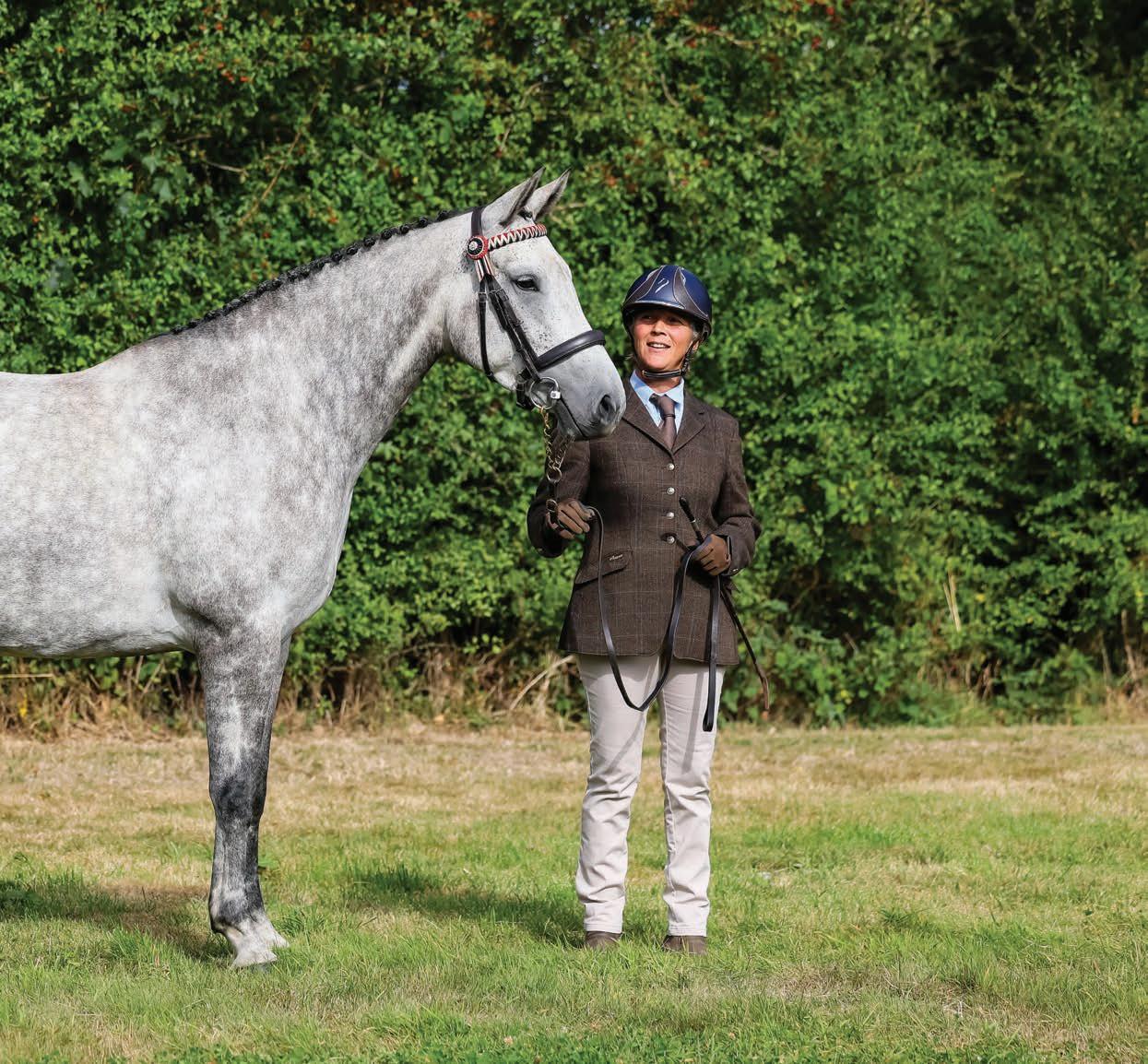
Establish a warm-up routine that works best for your horse at home. That way, they will be familiar with it on show days. This is comforting and helps them stay relaxed. It also gives you something to focus on, and helps you tune out distractions.
On the day of a show, the aim is to just get ready and then ride, so try to do all your other jobs in the lead-up or the day before.
Arrange for a calm, rational horsey friend to come with you. They’ll be able to help with prep and even in the ring if you need to strip and trot up your horse.
This includes cleaning tack and boots, getting all your gear ready, packing the lorry, filling water containers and haynets and planning your journey.
If you’ve only ever been to the showground in a car, this might not necessarily be the best route with a horse on board. Small country lanes or low bridges could be an issue, so look at alternative routes if necessary and add on extra journey time if you need to.
Nina takes the triangle to the next level and explains how to maximise your session

Seeing a horse and rider’s skills and confidence progress over time – whether that’s through regular training together or within a short session – is the most rewarding thing about coaching. Sometimes it all just suddenly falls into place and for others it can take a while to notice a difference – but this is why I love coming back to simple layouts such as this. You can use them to challenge new skills, as well as check the basics and see how far you’ve come. So, let’s take the trusty triangle up a notch and keep progressing those skills.
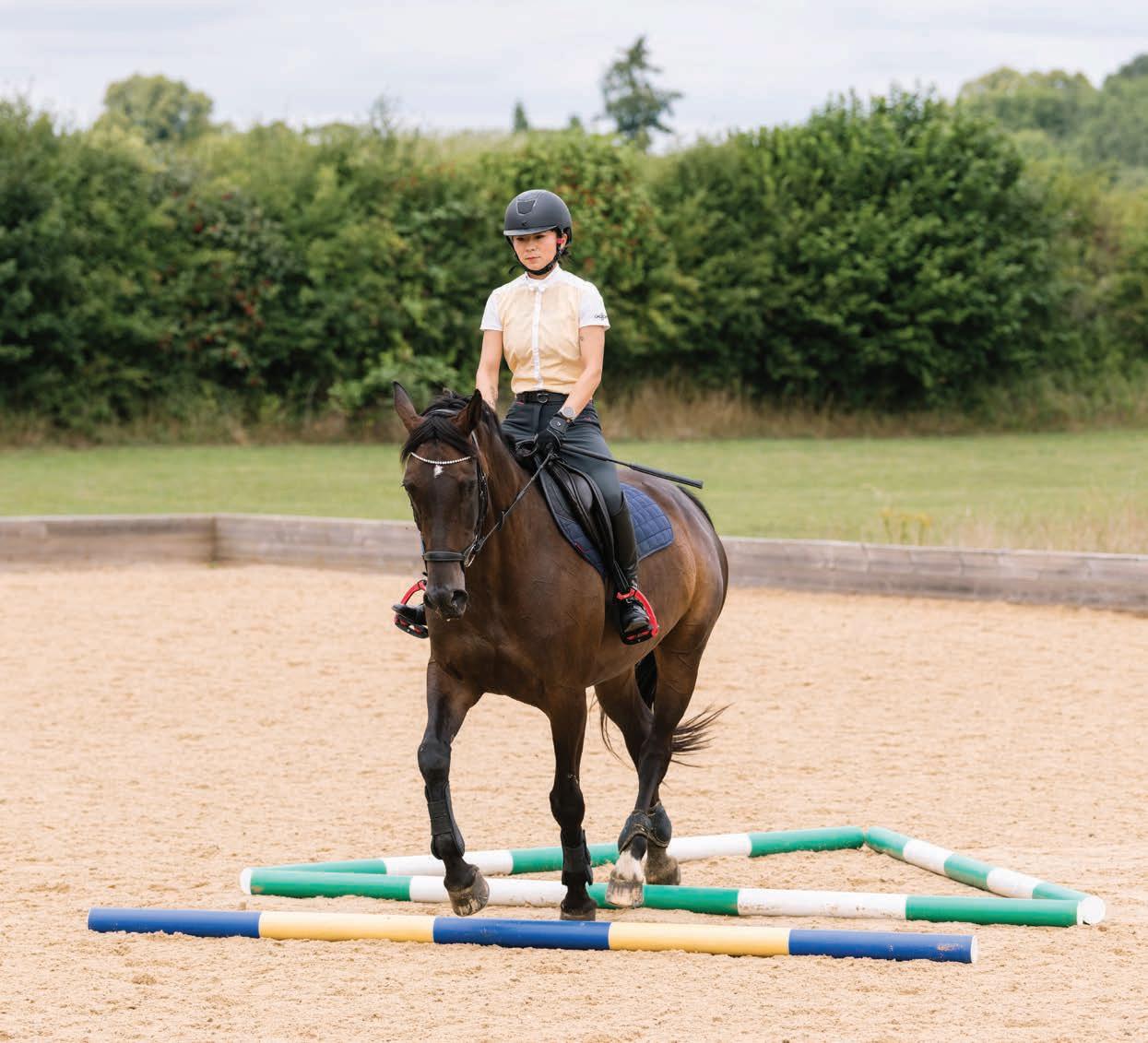
Add two poles to the triangle layout from the last issue – place them one trot stride away from two sides of the triangle. Depending on your horse’s stride length, this will be 1.2–1.7m.
This line is a brilliant test of your accuracy and straightness. The thing to focus on is getting your horse to step over the point of the triangle, where two poles
meet. To do that, you need to aim for the centre of the first pole and stay super straight. Once you’ve nailed it this way round, approach from the pointed end first.
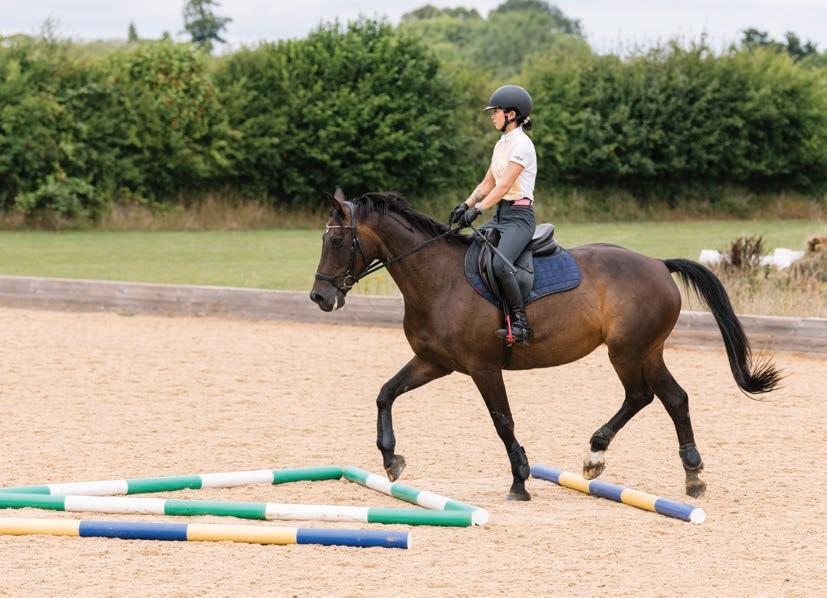
Riding a square turn will keep your horse’s body straighter through the corner and then onto the approach.
Check your horse is listening and responsive to your aids before riding over the poles.
• Keep a soft rein contact to allow your horse to use their head and neck, and adjust their stride freely.
• Look straight ahead, not down at the poles. Once your horse is set up on the line, keep riding forward.
• Avoid making lastminute corrections as this can lead to loss of balance and rhythm. Instead, take note of what you need to change and try again.
Sticking to walk and trot, ride straight into the layout and make a turn to exit over another side of the triangle. Ride straight for a few strides after to reinforce the need for your horse to listen. If you have enough space, mix up the direction to turn afterwards so your horse doesn’t begin to anticipate.
• Preparation is essential. You need to decide which direction you’re going before you ride over the first pole so you can
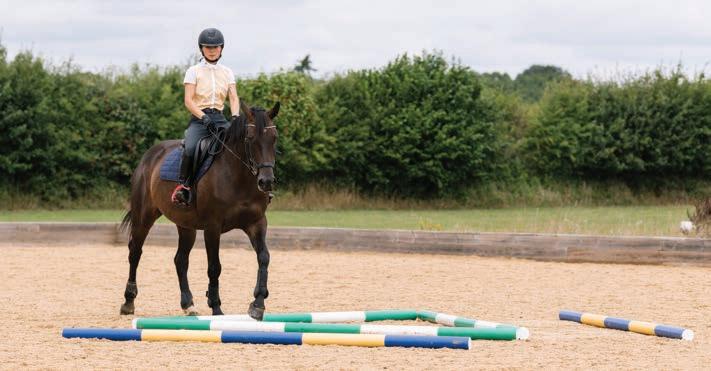
communicate this to your horse.
• Turn your shoulders and use the outside rein and your leg to help turn your horse’s shoulders.
• Don’t rush – the turn comes up fast, so it’s best to practise in walk until you’ve finessed the aids.
• Keep an eye out for any unevenness.
Ride a circle at the top of the triangle to connect two lines together – remember to do it on both reins to work your horse evenly.
Introduce your horse to crosscountry with Alex Bragg’s confidence-building tips
Alex Bragg is a 5* eventer and BE Level 3 Accredited coach. In 2024, he finished 3rd at Badminton and 8th at Burghley with Quindiva. Alex also competes in SJ internationally up to 3* level.

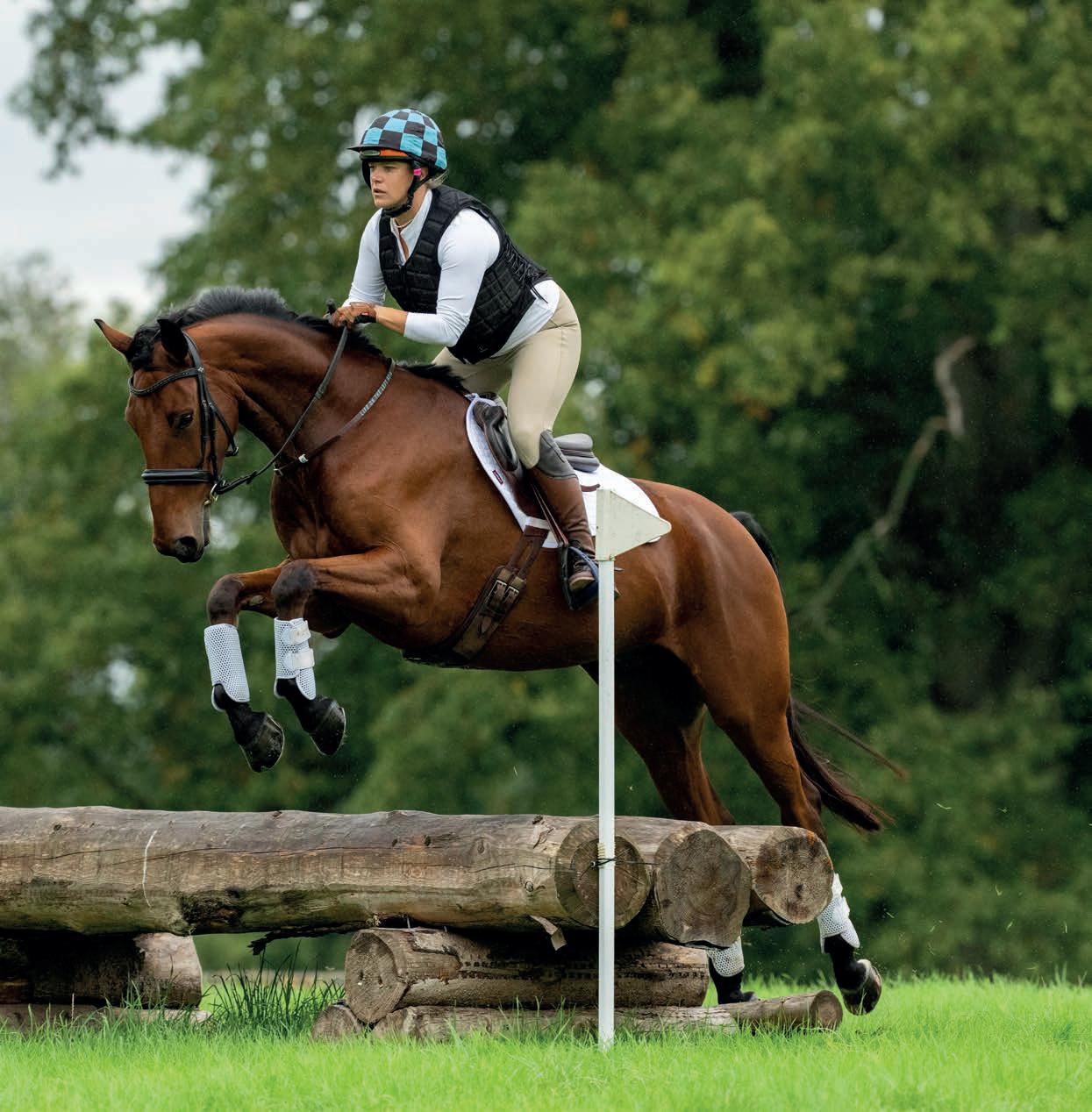
Whether young or lacking experience, by the time your horse is introduced to crosscountry, the jumping basics should certainly be in place. Even then, being in an open space with solid fences and varying terrain can throw a few confidence curveballs – here’s what to consider when educating your horse about this exciting sport.
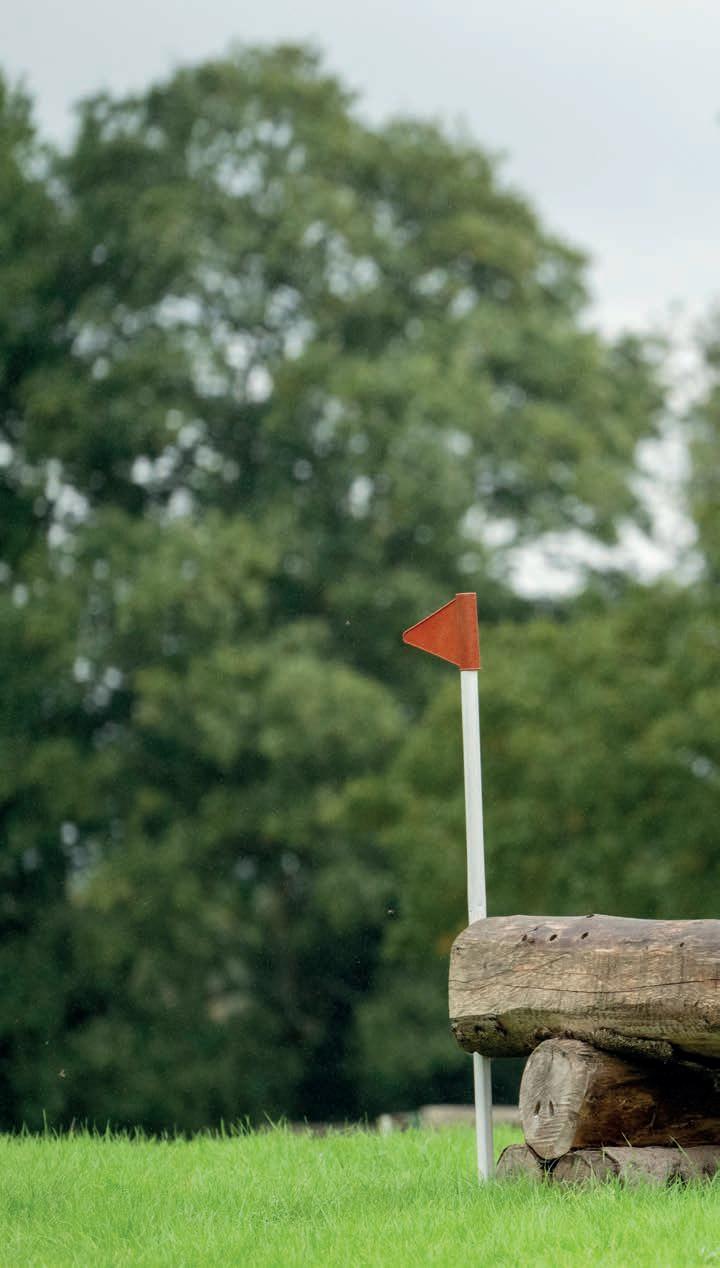
The quality of your canter while going crosscountry is as fundamental to your success as it is in showjumping, but there’s a difference between the two. While they both require impulsion, balance and rhythm, a showjumping canter is usually more collected, and a cross-country one is more open and forward.
Finding and maintaining a quality canter will help you hit the perfect take-off spot, which will lead to a more efficient and balanced jump, making your getaway smoother and ultimately building confidence.
The key thing to remember when it comes to your position is to support but not interfere
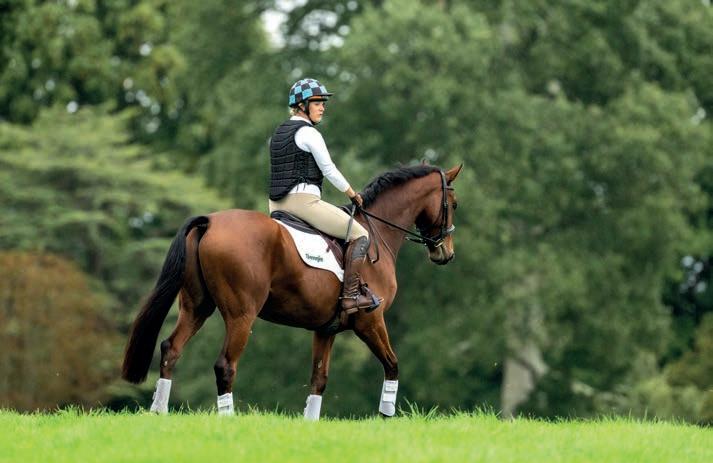
Allow your horse time to process the questions you’re asking by taking it slow to begin with.
Dietitian Sarah White explains why strong bones are so important for riders and how nutrition, exercise and lifestyle habits can help protect them
Bone health is often something we associate with childhood and the teenage years, when bodies are growing and developing. However, optimising bone health matters across all life stages. Keeping bones resilient as you age is especially important for women, because pregnancy, hormone

Bones aren’t static
Bones are living tissue, and they’re changing all the time. Just like skin, bone goes through a continuous cycle of being broken down and reformed. In childhood, bones are soft and gradually harden with age. To support this process, we need sufficient nutrition, including calcium, and how effectively we fuel our bodies partially determines how our skeleton performs over our lifetime. During puberty, bone development increases
fluctuations, menopause and changes in weight can all place extra demands on the skeleton.
Like many aspects of health, bone health is shaped partly by genetics, but our day-to-day lifestyle choices still play a huge role in how strong our bones stay over time. Here’s what you need to know...
further, with skeletal mass doubling. For women, hormones such as oestrogen play an important role by regulating the speed at which bone is broken down and reformed.
However, from around the age of 30, bone density naturally starts to decline as part of the ageing process. The good news is that nutrition and other lifestyle factors can help reduce this decline – and it’s never too late to start looking after your bone health.
It’s never too late to start looking after your bone health
During menopause, oestrogen levels drop and, because the hormone supports bone health by slowing bone loss, this is when weakening of bones begins.
Osteoporosis is a bone condition that occurs when bone density reduces, or when the bone structure becomes weak. When this happens, overall bone strength drops and the risk of fractures rises. For riders, that matters because it can increase the chance of injury from a fall, or from other accidents that can happen when working with or around horses.
MINUTES TO SPARE 10
Osteopenia is the term for bone density that’s lower than expected for your age and sex but not yet considered osteoporosis. You can get a sense of your personal risk of osteoporosis using the Royal Osteoporosis Society’s online risk checker, bit.ly/RISK_ CHECKER
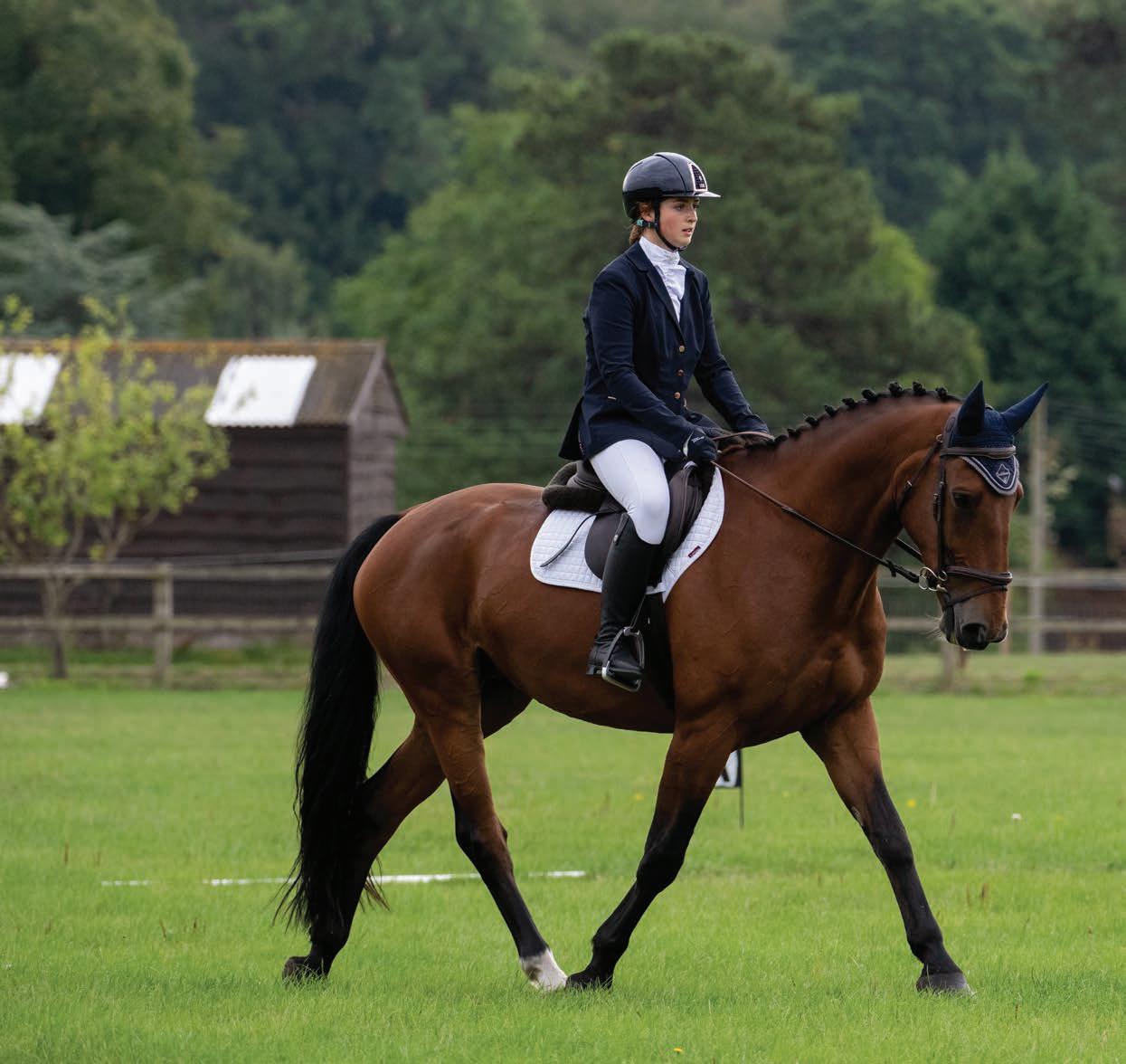
When competition nerves kick in, even the most familiar test or course can vanish from your mind. Life coach Angie Jones-Moore explains why it happens and how to feel more in control

The moment you hit the centre line, your mind goes blank. The test has suddenly disappeared from your memory and you have no idea what comes next.
It is a horrible feeling, but it is also a common one. Riders forget dressage tests, crosscountry routes, showjumping courses and even essential pieces of kit. Perhaps your saddle is still at home, your bridle is hanging on the stable hook and you are standing at the venue in your competition gear, desperately trying to borrow something that will fit.
These moments can feel like failure before the day has even begun. Panic sets in, anxiety rises and it becomes much harder to think clearly.
The good news is that forgetfulness is something you can support. With the right systems, a little more time and some simple mental strategies, you can give your brain the best chance of staying calm and focused when it matters.
There are many reasons why we struggle to remember things, and modern life does not always help. Most of us scroll. Whether it is a quick fiveminute look or an hour that disappears without us noticing, constant short clips and quick swiping can make it harder to settle our attention for longer periods.
Stress has an impact, too. Poor sleep, work pressure, family demands and general life stress can all add to the feeling that your brain is already full before you even start thinking about a competition.
When your stress response rises, your body is reacting physically to a mental stimulus. Your thoughts are often the starting point, but it is important to remember that thoughts are not facts. Learning to pause, reframe and prepare gives you more space to respond calmly.
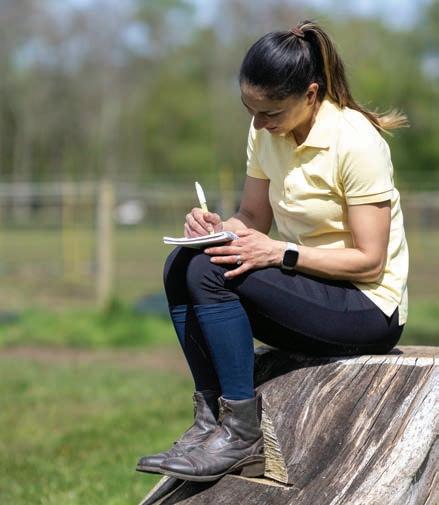
This simple practice can help you turn everyday challenges into learning moments and build greater self-awareness.
1. Think of one recent challenge that felt frustrating or discouraging.
2. Take a few deep breaths and ask yourself: “What can I learn from this?”
3. Write down one insight, skill or strength you gained from the experience.
4. Reflect on how you can use that lesson next time.
5. End by affirming: “Every challenge helps me grow stronger and wiser.”
Be honest with yourself as you work through it. The more open you are, the more useful the exercise becomes.