Smart Lighting Market: Powering the Future of Illumination
The smart lighting market is growing fast as people, businesses, and even entire cities look for ways to save energy, enhance comfort, and improve safety using intelligent lighting systems Instead of simple on/off switches, lighting today can sense presence, adjust brightness automatically, change color, and be controlled from a smartphone or voice assistant. This shift from traditional lighting to connected, automated systems is what’s driving the smart lighting market forward
What Is Smart Lighting?
Smart lighting refers to lighting systems that can be controlled, automated, and optimized using technologies like sensors, wireless communication, and software. These systems typically use:
● LED lights (for energy efficiency and long life)
● Motion and occupancy sensors (to detect people in a room)
● Daylight sensors (to adjust brightness based on natural light)
● Smartphones, apps, or voice assistants (for remote control and automation)
With smart lighting, users can dim lights, change color temperature, schedule when lights turn on or off, and integrate them with other smart home or building systems.
Key Drivers of the Smart Lighting Market
Several powerful trends are pushing the smart lighting market to grow:
1. Rising Focus on Energy Efficiency
Energy costs are increasing, and so is awareness about climate change. Governments, companies, and homeowners are all looking for ways to cut electricity use Lighting accounts for a significant chunk of energy consumption in buildings, so making it smarter and more efficient has a big impact.
LEDs combined with smart controls can drastically reduce energy usage For example, lights can automatically dim when there is daylight, or turn off when no one is in the room. This not only saves money but also supports sustainability goals
2. Growth of Smart Homes and Smart Buildings
Smart homes are no longer a luxury. Many people now use smart TVs, speakers, security cameras, and thermostats Smart lighting fits naturally into this ecosystem It allows users to create different moods, automate routines (like “good night” or “movie time”), and control lights through mobile apps or voice commands
In commercial buildings, smart lighting is integrated with building management systems. Facility managers can monitor energy usage, set schedules, and control lighting across large spaces from a central platform
3. Urbanization and Smart Cities
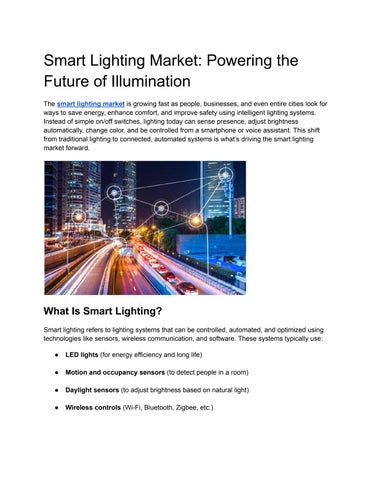
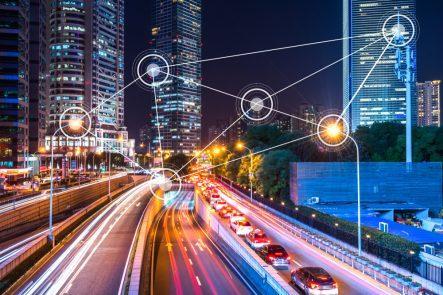
Cities around the world are upgrading to smart street lighting systems These systems use sensors to adjust brightness based on traffic, pedestrians, or time of night. They can also be monitored and controlled remotely, reducing maintenance costs.
Smart streetlights can even serve as platforms for additional smart city applications like environmental sensors, public Wi-Fi, cameras, and electric vehicle charging status indicators. This multi-functionality makes them a key part of the broader smart city movement
4. Improved User Experience and Comfort
Smart lighting is not just about saving energy; it’s also about improving how spaces feel People can adjust color temperature (cool white for focus, warm white for relaxation), set timers, or sync lights with music and entertainment
In offices, human-centric lighting is becoming popular. Lights can be programmed to mimic natural daylight, helping improve mood, productivity, and sleep cycles by supporting the body’s circadian rhythm
Major Application Areas
The smart lighting market spans multiple sectors:
1. Residential
In homes, smart lighting is used for:
● Mood and ambient lighting
● Security (lights turning on when motion is detected)
● Convenience (voice and app control)
● Automation (schedules, sunrise/sunset modes)
Popular products include smart bulbs, smart switches, light strips, and lamps that work with platforms like Google Assistant, Amazon Alexa, or Apple HomeKit
2. Commercial and Office Spaces
In workplaces, hotels, malls, hospitals, and schools, smart lighting helps:
● Reduce energy bills
● Maintain consistent light levels
● Provide flexible lighting zones
● Create comfortable environments for employees and visitors
Occupancy sensors ensure lights are only used when needed, while centralized systems help facility managers track performance and quickly address faults
3. Industrial and Warehousing
In factories and warehouses, smart lighting improves visibility, safety, and energy efficiency
High-bay LEDs with motion and daylight sensing ensure that large spaces are well-lit only when necessary Integration with industrial IoT platforms further enhances operational control
4. Outdoor and Street Lighting
Smart streetlights:
● Adjust brightness dynamically
● Detect faults and send maintenance alerts
● Reduce light pollution
● Enhance safety for pedestrians and drivers
City authorities benefit from reduced electricity and maintenance costs, along with better control over infrastructure
Technology Behind Smart Lighting
Smart lighting systems are built using a combination of hardware and software:
● LED technology: More efficient, durable, and versatile than traditional bulbs.
● Sensors: Occupancy, motion, daylight, temperature, and more
● Connectivity: Zigbee, Z-Wave, Wi-Fi, Bluetooth, DALI, and proprietary protocols
● Control systems: Mobile apps, wall panels, gateways, and cloud-based platforms.
● Integration with IoT platforms: Smart lighting often acts as a key part of larger building or city IoT networks
As these technologies become more affordable and easier to install, adoption is increasing across all segments
Key Market Trends
Some notable trends shaping the smart lighting market include:
1. Wireless and Retrofit Solutions
Older buildings often do not have advanced wiring for automation Wireless smart lighting solutions allow building owners to upgrade without major structural changes. Retrofit smart bulbs and switches are especially popular in residential and small commercial environments
2. Voice and AI Integration
Voice control through smart assistants has become a standard feature Combined with AI, systems can learn user behavior and automatically adjust lighting based on routines and preferences.
3. Data and Analytics
Smart lighting generates valuable data: occupancy patterns, energy usage, and environmental metrics This data can be used for space optimization, cost management, and better planning of building layouts
4. Focus on Design and Aesthetics
Manufacturers now pay great attention to design, offering sleek fixtures, minimalistic switches, and stylish smart lamps. Customers want technology that not only works well but also looks good
Challenges in the Smart Lighting Market
Despite strong growth, the smart lighting market faces some challenges:
● Higher upfront cost compared to conventional lighting
● Compatibility issues between different brands and platforms
● Concerns about data privacy and cybersecurity
● Need for technical knowledge during installation and setup
However, as prices fall, standards improve, and user interfaces become simpler, these barriers are gradually reducing
Future Outlook
The future of the smart lighting market looks very promising With growing awareness about energy efficiency, rapid adoption of smart homes, and major investments in smart city projects, demand is expected to remain strong.
We are likely to see:
● More AI-driven adaptive lighting
● Greater use of Li-Fi (light-based communication) for data transmission
● Deeper integration with security, HVAC, and building automation systems
● Expanded use cases in healthcare, retail experience design, and entertainment
In short, lighting is no longer just about illumination It’s becoming intelligent, connected, and central to how we live, work, and move through our environments and that’s exactly what is fueling the ongoing expansion of the smart lighting market.